



Atosiban
Based on 7 publication(s) in Google Scholar
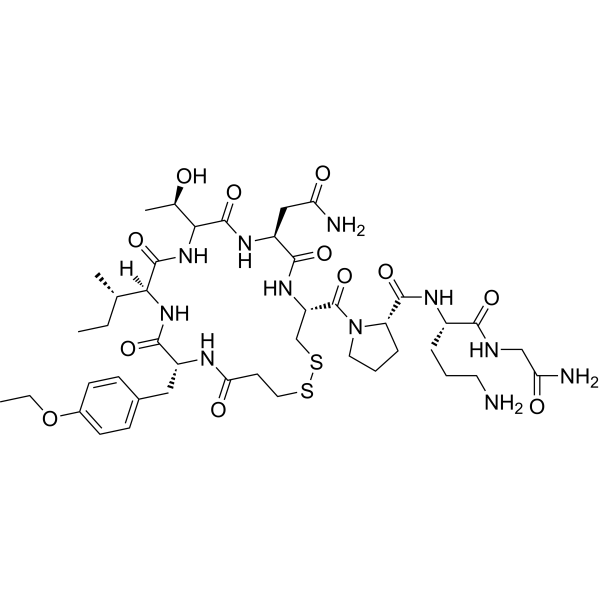
Atosiban (RW22164; RWJ22164) is a nonapeptide competitive vasopressin/oxytocin receptor antagonist, and is a desamino-oxytocin analogue. Atosiban is the main tocolytic agent and has the potential for spontaneous preterm labor research.
For research use only. We do not sell to patients.
- Purity : 99.64%
- CAS No.: 90779-69-4
- Formula: C43H67N11O12S2
- Molecular Weight:994.19
-
Storage:
Sealed storage, away from moisture.
Powder -80°C, 2 years , -20°C, 1 year* In solvent : -80°C, 6 months; -20°C, 1 month (sealed storage, away from moisture)

To place orders, for customer services and technical support, please contact: MedChemExpress USA
Tel: 609-228-6898 E-mail: [email protected] [email protected]


-
 Biological Activity
-
Chemical Information
-
Solvent & Solubility
- Purity & Documentation
- References
-
 Help & FAQs


-
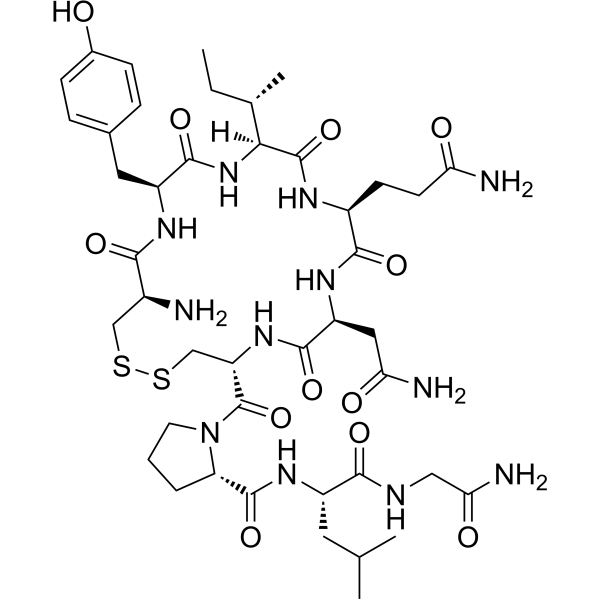
HY-17571
OxytocinHypothalamic Peptide -
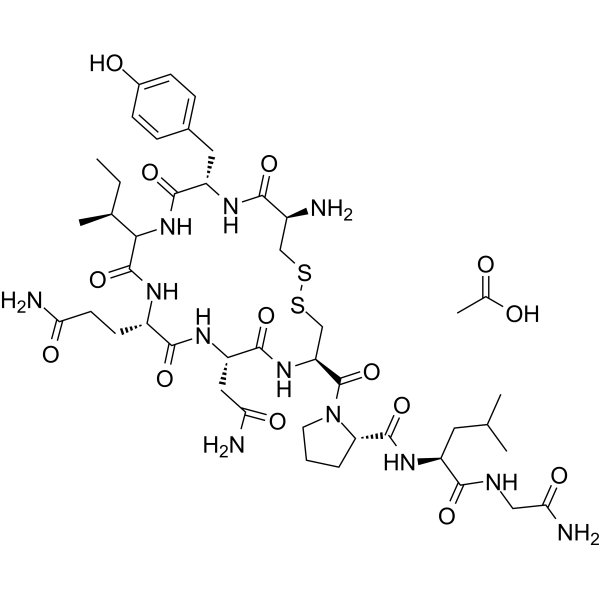
HY-17571A
Oxytocin acetateHypothalamic Peptide -
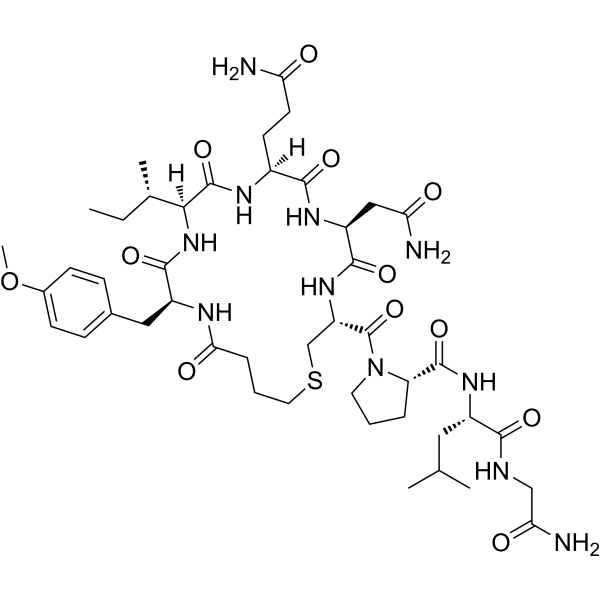
HY-17573
CarbetocinOxytocin Receptor Agonist -
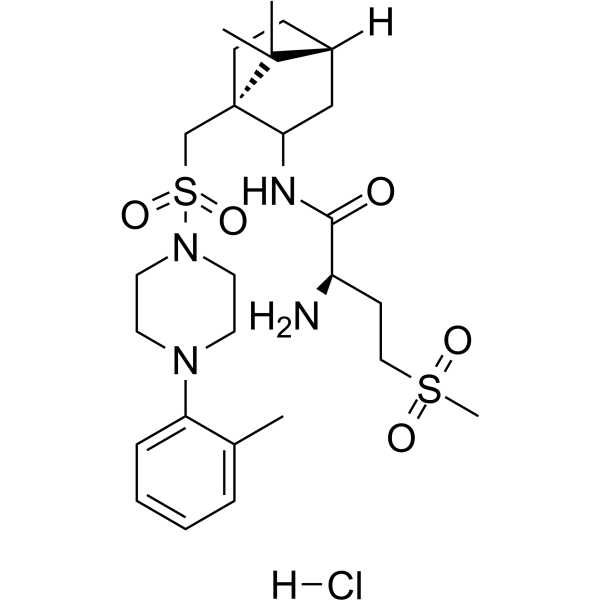
HY-108677
L-368,899 hydrochlorideOxytocin Antagonist -
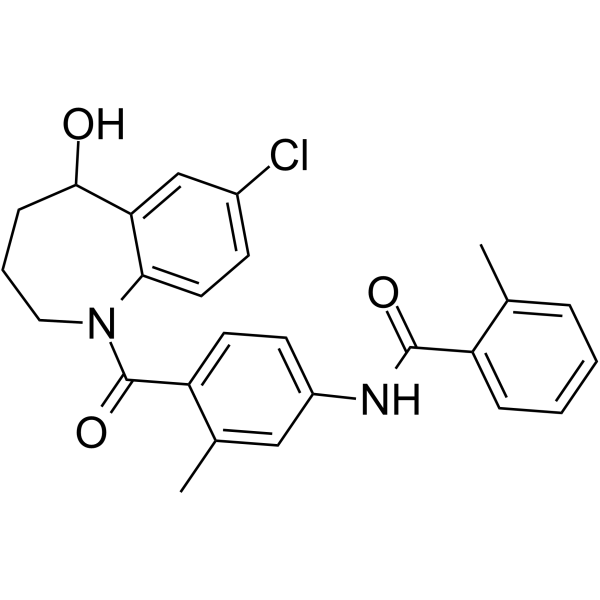
HY-17000
TolvaptanV2R Antagonist -
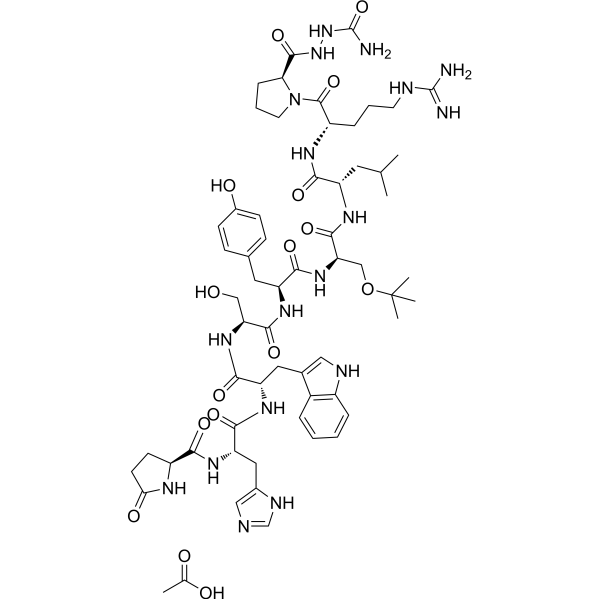
HY-13673A
Goserelin acetateGnRH Agonist -
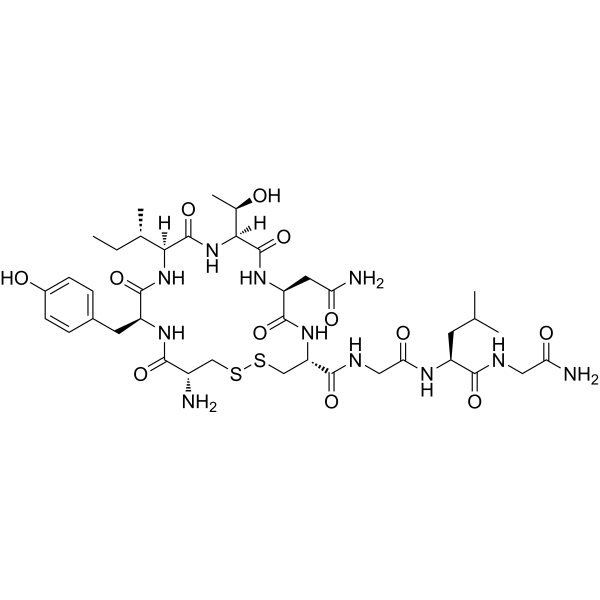
HY-P3467
(Thr4,Gly7)-OxytocinOT Receptor Agonist -

HY-17572R
Atosiban (Standard)Oxytocin/Vasopressin Receptor Antagonist -
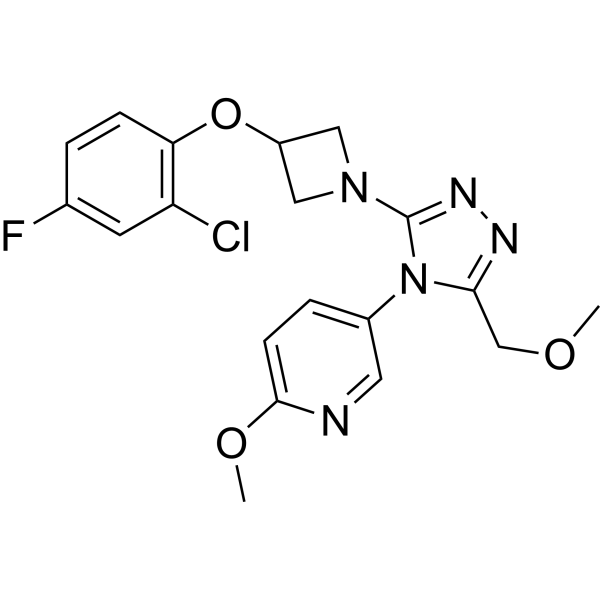
HY-15023
CligosibanOxytocin Receptor Antagonist -
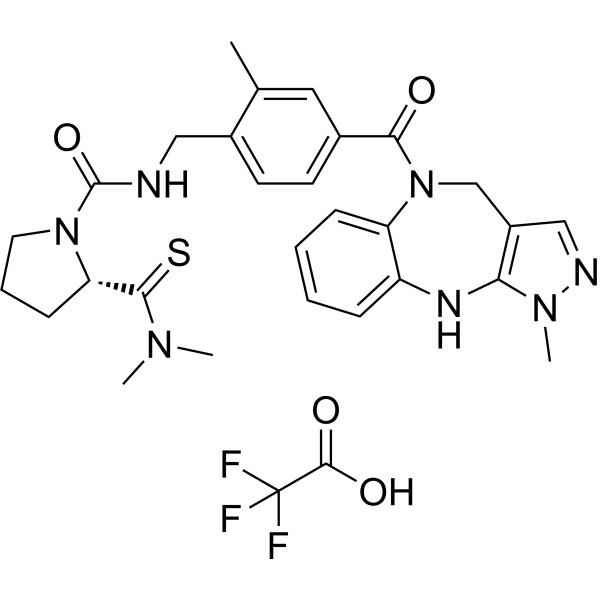
HY-124733A
LIT-001Oxytocin Receptor Agonist -
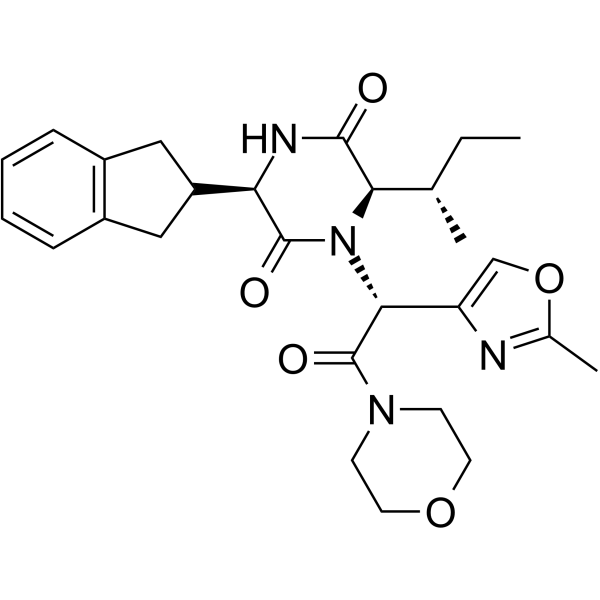
HY-14778
RetosibanOxytocin Receptor Antagonist -
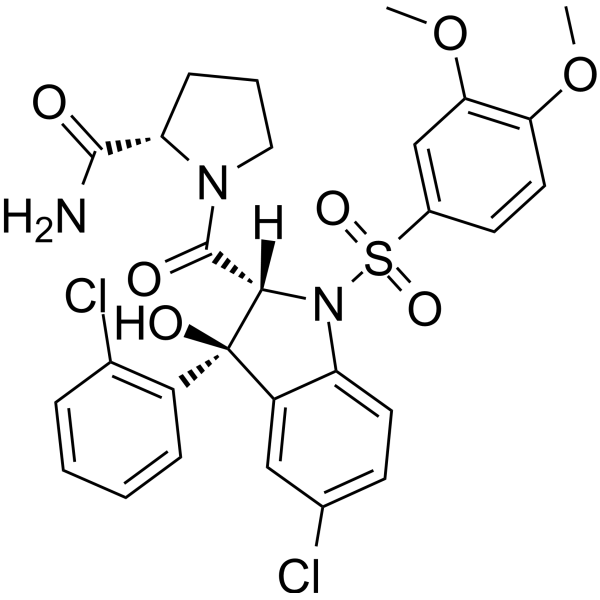
HY-18345
SR 49059Vasopressin V1a Antagonist
Publications Citing Use of MedChemExpress (MCE) Atosiban
More- Neuron. 2026 Mar 26:S0896-6273(26)00120-0. [Abstract]
- Curr Biol. 2025 Sep 26:S0960-9822(25)01182-0. [Abstract]
- Transl Psychiatry. 2024 May 25;14(1):208. [Abstract]
- Neurosci Bull. 2025 Aug 6. [Abstract]
- Front Neurosci. 2021 Sep 10:15:723064. [Abstract]
- J Pharm Biomed Anal. 2023 Feb 5:224:115156. [Abstract]
- J Pharm Biomed Anal. 2022 Mar 20:211:114518. [Abstract]
 Customer Validation & Images

-
Bio/Physico-chemical Assay
-
In Vivo Efficacy Study
-
In Vivo Efficacy Study
-
IF
-
In Vivo Efficacy Study
All Vasopressin Receptor Isoforms
More

Biological Activity
Description
In Vitro
Atosiban inhibits the oxytocin-mediated release of IP3 from the myometrial cell membrane. There is reduced release of intracellular, stored calcium from the sacroplasmic reticulum of myometrial cells, and reduced influx of Ca2+ from the extracellular space through voltage gated channels. In addition, Atosiban suppresses oxytocin-mediated release of PGE and PGF from the decidua[1].
MedChemExpress (MCE) has not independently confirmed the accuracy of these methods. They are for reference only.
In Vivo
Atosiban blocks the activation of oxytocin-receptor-expressing neurons in the parabrachial nucleus of mice[2].
MedChemExpress (MCE) has not independently confirmed the accuracy of these methods. They are for reference only.
Clinical Trial
| NCT Number | Sponsor | Condition | Start Date |
Phase

|
|---|---|---|---|---|
| NCT01329991 | Plexxikon| | 2011-05 | PHASE1 |


Chemical Information
-
CAS No. 90779-69-4
-
Appearance Solid
-
Molecular Weight 994.19
-
Formula C43H67N11O12S2
-
Color White to off-white
-
Synonyms
RW22164; RWJ22164
-
Shipping
Room temperature in continental US; may vary elsewhere.
-
Storage
Sealed storage, away from moisture
Powder -80°C 2 years -20°C 1 year * In solvent : -80°C, 6 months; -20°C, 1 month (sealed storage, away from moisture)


Publications (7)
-
Journal Impact Factor
-
Most Recent
-
Neuron
Dual anterior insula-prefrontal cortex circuits mediate chronic stress-induced social interaction deficits. [Abstract]2026 Mar 26:S0896-6273(26)00120-0. PMID: 41895265
Atosiban purchased from MedChemExpress. Usage Cited in: Neuron. 2026 Mar 26:S0896-6273(26)00120-0. [Abstract]
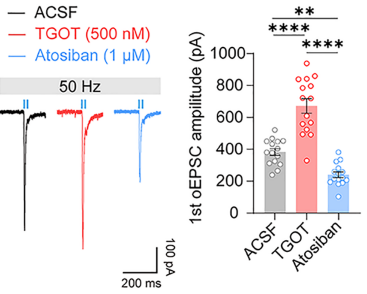
Representative traces and quantification of oEPSC amplitude with OXTR agonist (TGOT, red) or antagonist (Atosiban, blue). The results showed that during high-frequency stimulation (50 Hz), TGOT increased the amplitude of the first oEPSC, while Atosiban (1 μM) reduced it, indicating that OXTR activation strengthened synaptic transmission.
-
Curr Biol
Reduced oxytocin signaling in the dBNST drives the transition from acute pain to persistent anxiety. [Abstract]2025 Sep 26:S0960-9822(25)01182-0. PMID: 41015042
Atosiban purchased from MedChemExpress. Usage Cited in: Curr Biol. 2025 Sep 26:S0960-9822(25)01182-0. [Abstract]
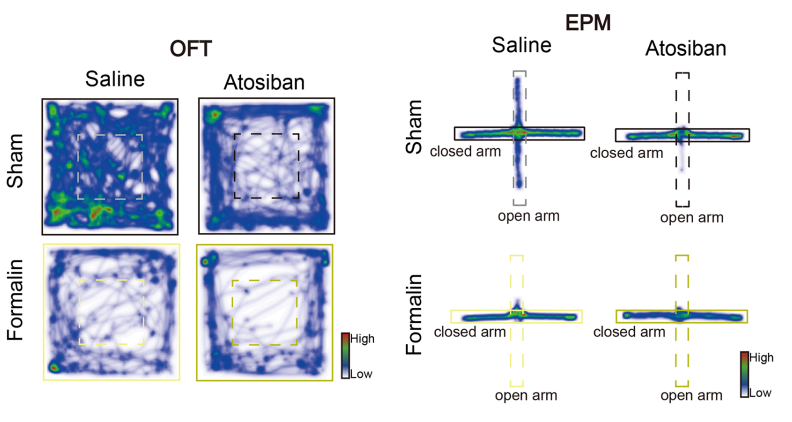
Atosiban (50 μM, 500 nL; bilaterally microinjected into the dorsal bed nucleus of the stria terminalis (dBNST)) administration induced anxiety-like behaviors, as evidenced by reduced exploratory activity in both the OF and EPM tests in sham-treated mice.
-
Transl Psychiatry
Oxytocin attenuates hypothalamic injury-induced cognitive dysfunction by inhibiting hippocampal ERK signaling and Aβ deposition. [Abstract]2024 May 25;14(1):208. PMID: 38796566 -
Neurosci Bull
Sex Differences in Pain Contagion Determined by the Balance of Oxytocin and Corticosterone in the Anterior Cingulate Cortex in Rodents. [Abstract]2025 Aug 6. PMID: 40767942
Atosiban purchased from MedChemExpress. Usage Cited in: Neurosci Bull. 2025 Aug 6. [Abstract]
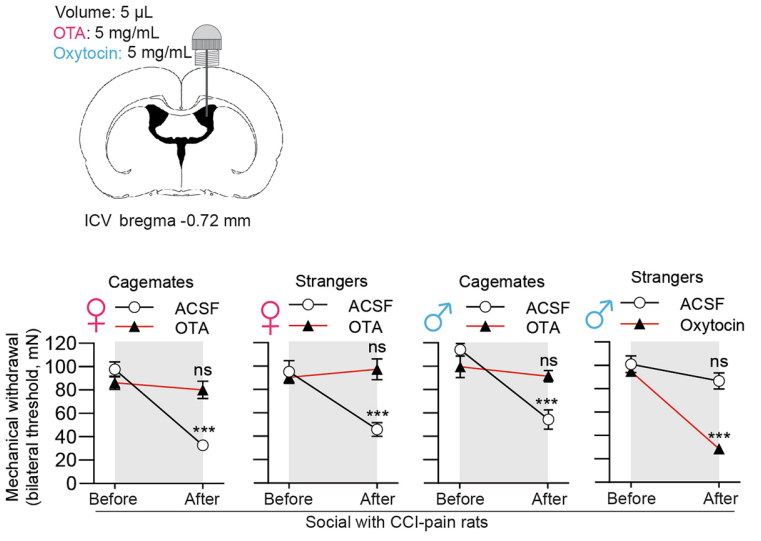
The icv injection of an oxytocin antagonist Atosiban (OTA, 5 mg/mL; i.c.v.) prevented mechanical allodynia in female cage-mate, female stranger, and male stranger rats; and the icv injection of oxytocin in male stranger rats induced mechanical allodynia after 30-min social interaction with painful CCI rats.
Atosiban purchased from MedChemExpress. Usage Cited in: Neurosci Bull. 2025 Aug 6. [Abstract]
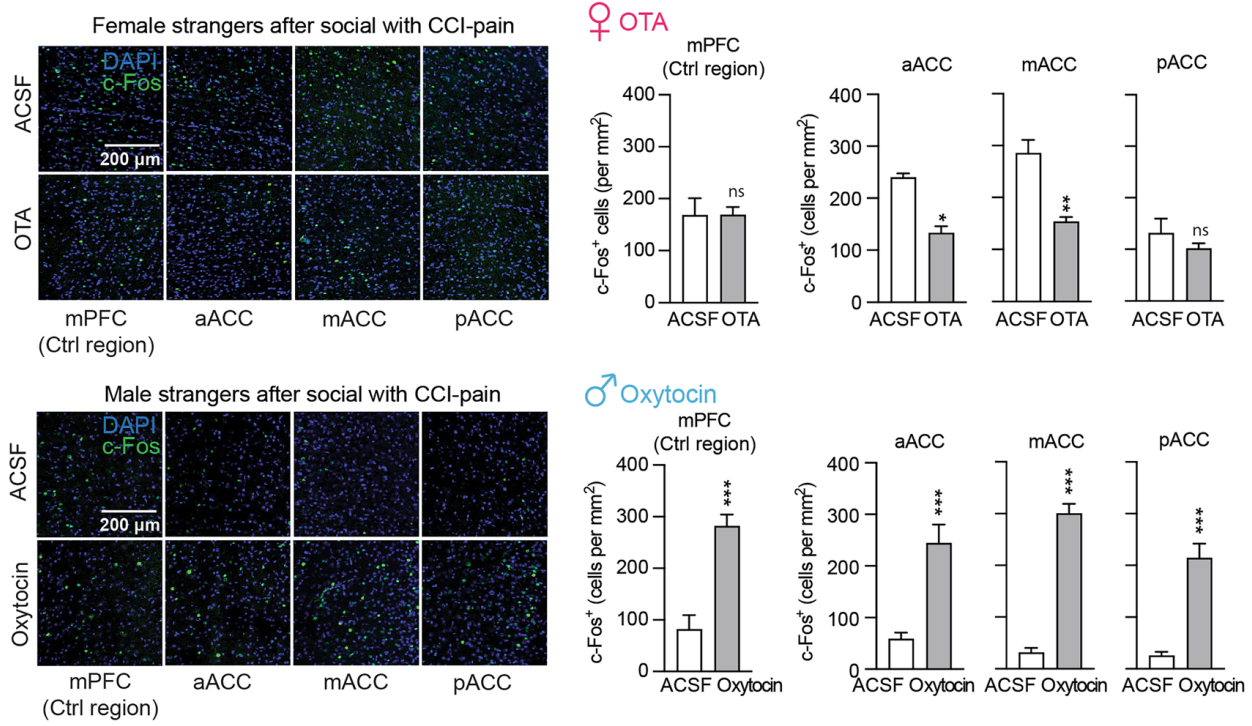
Immunofluorescence showing c-Fos-positive cells in the mPFC (as a control group) and ACC (aACC, mACC, and pACC) after icv injection of an oxytocin antagonist (Atosiban (OTA, 5 mg/mL; i.c.v.) ) in females or oxytocin in males after social interaction with painful CCI rats. Left: representative immunofluorescent staining images. Right: data summary. Tissues were collected immediately after 30-min social interaction (n = 6 rats).
-
Front Neurosci
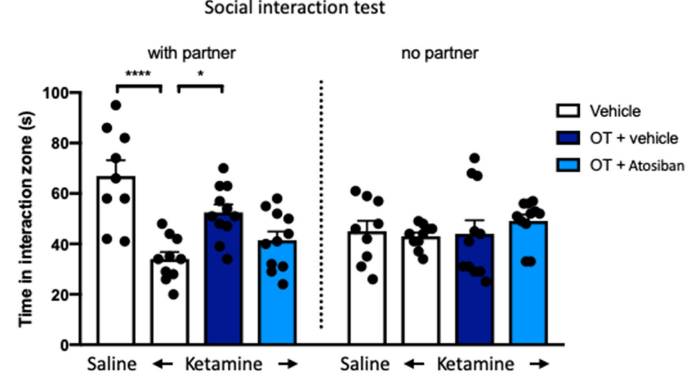
Enhancement of Oxytocin in the Medial Prefrontal Cortex Reverses Behavioral Deficits Induced by Repeated Ketamine Administration in Mice. [Abstract]2021 Sep 10:15:723064. PMID: 34566567
Atosiban purchased from MedChemExpress. Usage Cited in: Front Neurosci. 2021 Sep 10:15:723064. [Abstract]
The time spent in the social interaction zone was measured in the social interaction test. Pretreatment with atosiban (2.5 ng/μL; once daily for 5 days; injected into the medial prefrontal cortex (mPFC)) 30 min before each oxytocin infusion in the mPFC showed a trend of attenuation of the social interaction behavior, which was improved by oxytocin in ketamine-treated mice, although there was no significant difference between groups.
-
J Pharm Biomed Anal
Analyzing proteolytic stability and metabolic hotspots of therapeutic peptides in two rodent pulmonary fluids. [Abstract]2023 Feb 5:224:115156. PMID: 36463768 -
J Pharm Biomed Anal
Automated high-throughput in vitro assays to identify metabolic hotspots and protease stability of structurally diverse, pharmacologically active peptides for inhalation. [Abstract]2022 Mar 20:211:114518. PMID: 35124452


Solvent & Solubility
In Vitro:
DMSO : ≥ 200 mg/mL (201.17 mM; Hygroscopic DMSO has a significant impact on the solubility of product, please use newly opened DMSO)
H2O : 16.67 mg/mL (16.77 mM; Need ultrasonic)
* "≥" means soluble, but saturation unknown.
Please refer to the solubility information to select the appropriate solvent. Once prepared, please aliquot and store the solution to prevent product inactivation from repeated freeze-thaw cycles.
Storage method and period of stock solution: -80°C, 6 months; -20°C, 1 month (sealed storage, away from moisture). When stored at -80°C, please use it within 6 months. When stored at -20°C, please use it within 1 month.
* Note: If you choose water as the stock solution, please dilute it to the working solution, then filter and sterilize it with a 0.22 μm filter before use.
Please refer to the solubility information to select the appropriate solvent. Once prepared, please aliquot and store the solution to prevent product inactivation from repeated freeze-thaw cycles.
Storage method and period of stock solution: -80°C, 6 months; -20°C, 1 month (sealed storage, away from moisture). When stored at -80°C, please use it within 6 months. When stored at -20°C, please use it within 1 month.
* Note: If you choose water as the stock solution, please dilute it to the working solution, then filter and sterilize it with a 0.22 μm filter before use.
Concentration (start) × Volume (start) = Concentration (final) × Volume (final)
In Vivo:
Select the appropriate dissolution method based on your experimental animal and administration route.
- For the following dissolution methods, please ensure to first prepare a clear stock solution using an In Vitro approach and then sequentially add co-solvents:
- To ensure reliable experimental results, the clarified stock solution can be appropriately stored based on storage conditions. As for the working solution for In Vivo experiments, it is recommended to prepare freshly and use it on the same day.
- The percentages shown for the solvents indicate their volumetric ratio in the final prepared solution. If precipitation or phase separation occurs during preparation, heat and/or sonication can be used to aid dissolution.
Add each solvent one by one: 10% DMSO 40% PEG300 5% Tween-80 45% Saline
Solubility: ≥ 1.67 mg/mL (1.68 mM); Clear solution
This protocol yields a clear solution of ≥ 1.67 mg/mL (saturation unknown).
Taking 1 mL working solution as an example, add 100 μL DMSO stock solution (16.7 mg/mL) to 400 μL PEG300, and mix evenly; then add 50 μL Tween-80 and mix evenly; then add 450 μL Saline to adjust the volume to 1 mL.
Preparation of Saline: Dissolve 0.9 g sodium chloride in ddH₂O and dilute to 100 mL to obtain a clear Saline solution.
Add each solvent one by one: 10% DMSO 90% (20% SBE-β-CD in Saline)
Solubility: ≥ 1.67 mg/mL (1.68 mM); Clear solution
This protocol yields a clear solution of ≥ 1.67 mg/mL (saturation unknown).
Taking 1 mL working solution as an example, add 100 μL DMSO stock solution (16.7 mg/mL) to 900 μL 20% SBE-β-CD in Saline, and mix evenly.
Preparation of 20% SBE-β-CD in Saline (4°C, storage for one week): 2 g SBE-β-CD powder is dissolved in 10 mL Saline, completely dissolve until clear.
In Vivo Dissolution Calculator
Please enter the basic information of animal experiments:
-
-
-
-
Recommended: Prepare an additional quantity of animals to account for potential losses during experiments.
Working solution concentration: 0.22 mg/mL
This product has good water solubility, please refer to the measured solubility data in water/PBS/Saline for details.


Purity & Documentation
-
Data Sheet (278 KB)
-
SDS (480 KB)
- English - EN (480 KB)
- Français - FR (480 KB)
- Deutsch - DE (480 KB)
- Norwegian - NO (480 KB)
- Español - ES (480 KB)
- Swedish - SV (480 KB)
- Italian - IT (480 KB)
- Korean - KR (480 KB)
- Portuguese - PT (480 KB)
-
Handling Instructions (2659 KB)
References
[1]. Sanu O, et al. Critical appraisal and clinical utility of atosiban in the management of preterm labor. Ther Clin Risk Manag. 2010 Apr 26;6:191-9. [Content Brief]
[2]. Philip J Ryan, et al. Oxytocin-receptor-expressing Neurons in the Parabrachial Nucleus Regulate Fluid Intake. Nat Neurosci. 2017 Dec;20(12):1722-1733. [Content Brief]


Complete Stock Solution Preparation Table
Please refer to the solubility information to select the appropriate solvent. Once prepared, please aliquot and store the solution to prevent product inactivation from repeated freeze-thaw cycles.
Storage method and period of stock solution: -80°C, 6 months; -20°C, 1 month (sealed storage, away from moisture). When stored at -80°C, please use it within 6 months. When stored at -20°C, please use it within 1 month.
| Optional Solvent | Concentration Solvent Mass | 1 mg | 5 mg | 10 mg | 25 mg |
|---|---|---|---|---|---|
| H2O / DMSO | 1 mM | 1.0058 mL | 5.0292 mL | 10.0584 mL | 25.1461 mL |
| 5 mM | 0.2012 mL | 1.0058 mL | 2.0117 mL | 5.0292 mL | |
| 10 mM | 0.1006 mL | 0.5029 mL | 1.0058 mL | 2.5146 mL | |
| 15 mM | 0.0671 mL | 0.3353 mL | 0.6706 mL | 1.6764 mL | |
| DMSO | 20 mM | 0.0503 mL | 0.2515 mL | 0.5029 mL | 1.2573 mL |
| 25 mM | 0.0402 mL | 0.2012 mL | 0.4023 mL | 1.0058 mL | |
| 30 mM | 0.0335 mL | 0.1676 mL | 0.3353 mL | 0.8382 mL | |
| 40 mM | 0.0251 mL | 0.1257 mL | 0.2515 mL | 0.6287 mL | |
| 50 mM | 0.0201 mL | 0.1006 mL | 0.2012 mL | 0.5029 mL | |
| 60 mM | 0.0168 mL | 0.0838 mL | 0.1676 mL | 0.4191 mL | |
| 80 mM | 0.0126 mL | 0.0629 mL | 0.1257 mL | 0.3143 mL | |
| 100 mM | 0.0101 mL | 0.0503 mL | 0.1006 mL | 0.2515 mL |
* Note: If you choose water as the stock solution, please dilute it to the working solution, then filter and sterilize it with a 0.22 μm filter before use.


Atosiban Related Classifications
HY-17572 Related Classifications
 Powered by Bioz