



V1a Receptor
V1a receptor (AVPR1A) mediates arginine vasopressin signaling across cardiovascular, endocrine, renal, and social-behavioral biology[1]. Mechanistically, V1a signaling supports vascular smooth muscle responses, while related V1b signaling is classically linked to anterior pituitary function and V2 signaling to renal antidiuretic action[1]. In experimental systems, V1a and V1b receptor gene deletion models and pharmacological tools have clarified vasopressin receptor contributions beyond cardiovascular and hormone-secreting functions[1]. Compared with V1b and V2 isoforms, V1a receptor research requires subtype-selective ligands because nonselective compounds can confound interpretation across vasopressin and oxytocin receptor families[2][3]. The antagonist JNJ-17308616 showed high affinity for human V1a receptor and reduced anxiety-like behavior in rodent models, but limited rat subtype selectivity restricted precise mechanistic conclusions[3]. In humans, the V1a antagonist SRX246 reduced anxiety-potentiated startle in a randomized proof-of-concept threat paradigm, supporting V1a receptor blockade as an experimental approach for anxiety biology[4]. For ligand-design studies,[D-Arg8]-inotocin acted as a stable competitive human V1a receptor antagonist with strong binding selectivity over OTR, V1bR, and V2R[2]. Recent human V1aR structures with atosiban, balovaptan, and SRX246 further support antagonist-mechanism research[5].
References:
- [1]. Koshimizu TA, et al. Vasopressin V1a and V1b receptors: from molecules to physiological systems. Physiol Rev. 2012 Oct;92(4):1813-64. [Content Brief]
- [2]. Di Giglio MG, et al. Development of a human vasopressin V1a -receptor antagonist from an evolutionary-related insect neuropeptide. Sci Rep. 2017 Feb 1;7:41002. [Content Brief]
- [3]. Bleickardt CJ, et al. Characterization of the V1a antagonist, JNJ-17308616, in rodent models of anxiety-like behavior. Psychopharmacology (Berl). 2009 Mar;202(4):711-8. [Content Brief]
- [4]. Lago TR, et al. The novel vasopressin receptor (V1aR) antagonist SRX246 reduces anxiety in an experimental model in humans: a randomized proof-of-concept study. Psychopharmacology (Berl). 2021 Sep;238(9):2393-2403. [Content Brief]
- [5]. Zhong P, et al. Molecular basis of antagonism of the dimeric human arginine vasopressin receptor 1A. Nat Commun. 2026 Jan 16;17(1):1622. [Content Brief]
-
V1a Receptor Related Products (23)
Related Products (23)

- 1
- 2
-
Conivaptan hydrochloride
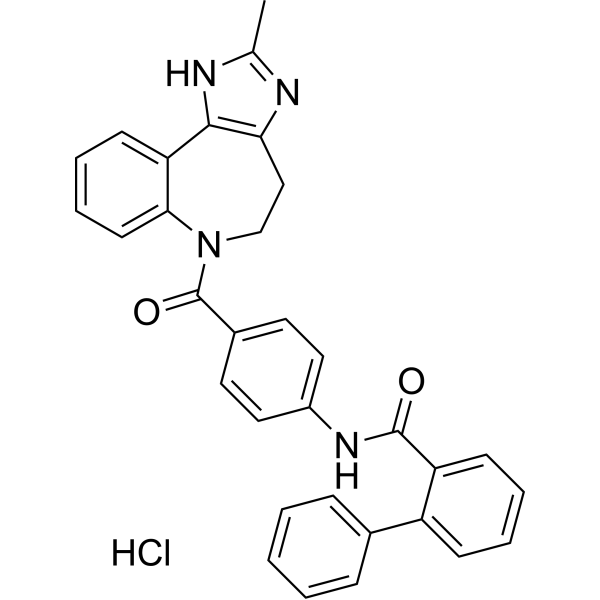 0 ImagesSynonyms: YM 087Conivaptan hydrochloride (YM 087) is an orally active dual vasopressin V1a/V2 receptor antagonist with Ki values of 0.48 nM and 3.04 nM for vasopressin V1a receptor and V2 receptor, respectively. Conivaptan hydrochloride competitively and reversibly blocks vasopressin-mediated antidiuresis, vasoconstriction, and cellular hypertrophy, while inhibiting CYP3A4. Conivaptan hydrochloride inhibits vasopressin-induced intracellular calcium, cAMP, and mitogen-activated kinase activation in vascular smooth muscle cells and cardiomyocytes. Conivaptan hydrochloride induces water diuresis while improving hemodynamics in heart failure models, reducing left ventricular end-diastolic pressure, vascular resistance, and organ weight. Conivaptan hydrochloride is used for research on hyponatremia and congestive heart failure.
-
SR 49059
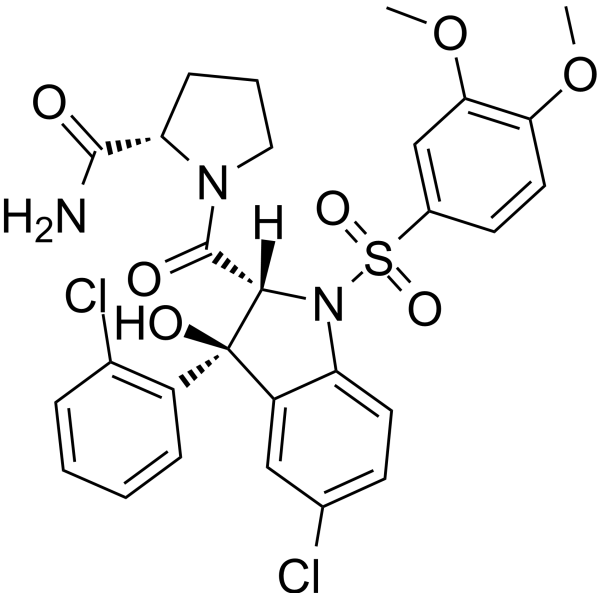 0 ImagesSR 49059 (SR-49059) is a potent, orally active, selective vasopressin V1a antagonist with a Ki vaule of 1.4 nM.
-
L-371,257
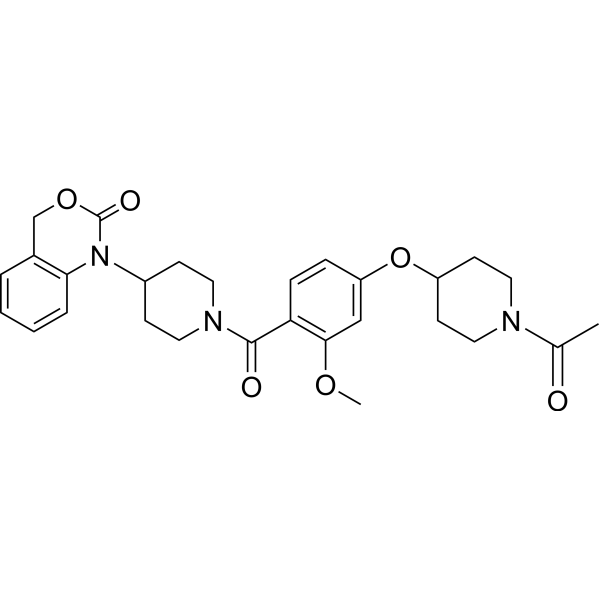 0 ImagesL-371,257 is an orally bioavailable, non-blood-brain barrier penetrant, selective and competitive antagonist of oxytocin receptor (pA2=8.4) with high affinity at both the oxytocin receptor (Ki=19 nM) and vasopressin V1a receptor (Ki=3.7 nM).
-
Balovaptan
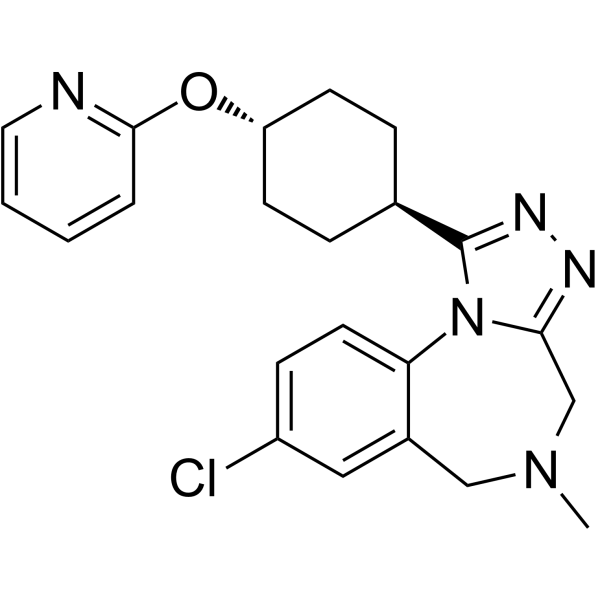 0 ImagesSynonyms: RG7314Balovaptan (RG7314) is an orally available, selective brain-penetrant vasopressin 1a (hV1a) receptor antagonist, with Kis of 1 and 39 nM for human (hV1a) and mouse (mV1a) receptors, and is used for the research of autism.
-
Selepressin
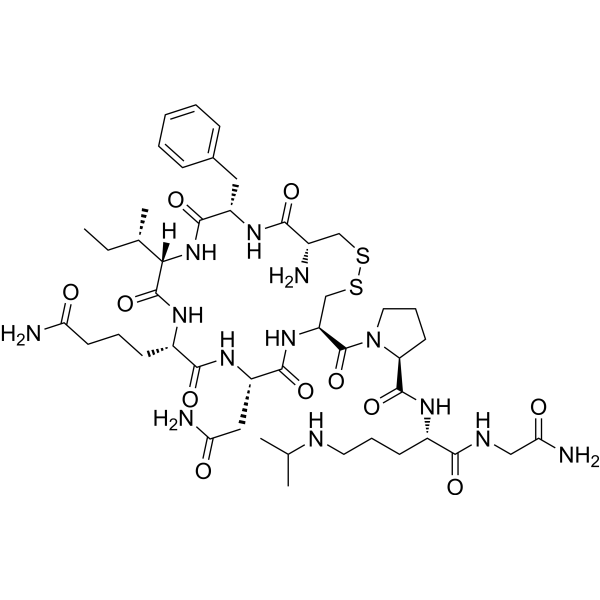 0 ImagesSynonyms: FE 202158Selepressin (FE 202158) is a selective vasopressin V1A receptor agonist. Selepressin is a potent vasopressor. Selepressin can be used in the research of septic shock.
-
Conivaptan-d4
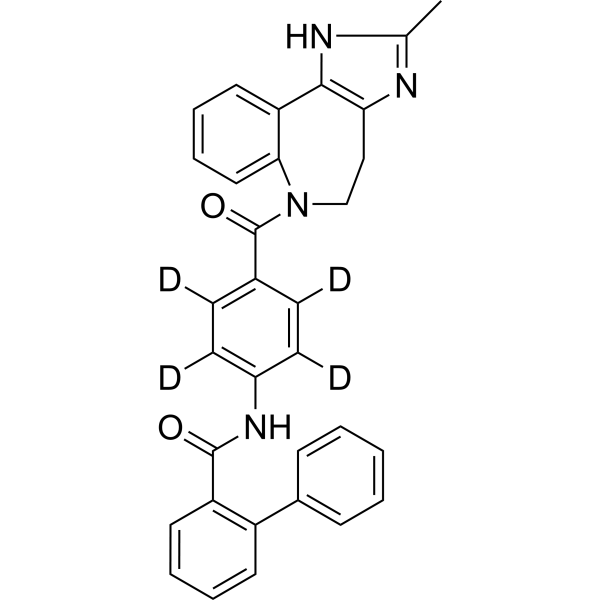 0 ImagesCat. No.: HY-129511CAS No.: 1129433-63-1Synonyms: YM 087-d4Conivaptan-d4 (YM 087-d4) is the deuterated-labeled Conivaptan (HY-18347). Conivaptan (YM 087 free base) is an orally active dual vasopressin V1a/V2 receptor antagonist with Ki values of 0.48 nM and 3.04 nM for vasopressin V1a receptor and V2 receptor, respectively. Conivaptan competitively and reversibly blocks vasopressin-mediated antidiuresis, vasoconstriction, and cellular hypertrophy, while inhibiting CYP3A4. Conivaptan inhibits vasopressin-induced intracellular calcium, cAMP, and mitogen-activated kinase activation in vascular smooth muscle cells and cardiomyocytes. Conivaptan induces water diuresis while improving hemodynamics in heart failure models, reducing left ventricular end-diastolic pressure, vascular resistance, and organ weight. Conivaptan is used for research on hyponatremia and congestive heart failure.
-
SRX246
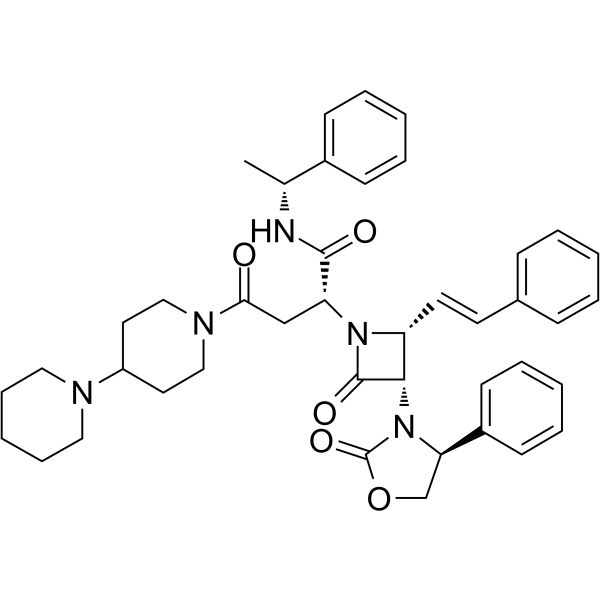 0 ImagesSRX246 is a potent, BBB-penetrant, highly selective vasopressin 1a (V1a) receptor antagonist (Ki=0.3 nM for human V1a). SRX246 has no interaction at V1b and V2 receptors. SRX246 also displays negligible binding at 64 others receptors classes, including 35 G-proteincoupled receptors. SRX246 can be used for treatment of stress-related disorders.
-
WAY-151932
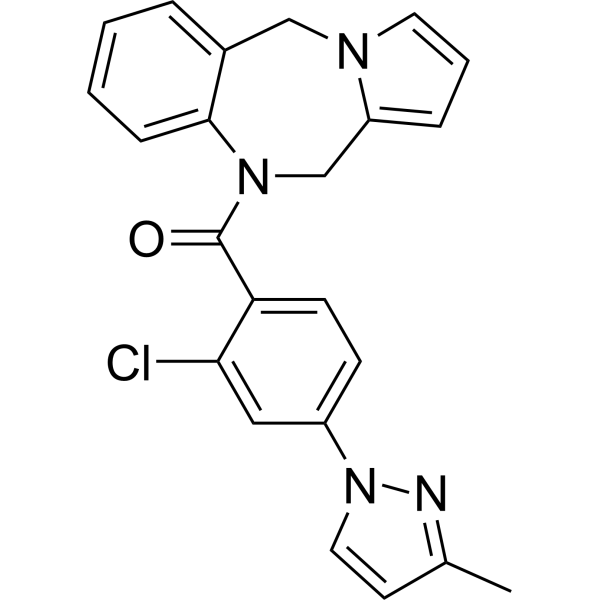 0 ImagesSynonyms: VNA-932; WAY-VNA 932WAY-151932 is a vasopressin V2-receptor agonist with IC50 of 80.3 nM and 778 nM in human-V2 binding and V1a binding assay.
-
Selepressin acetate
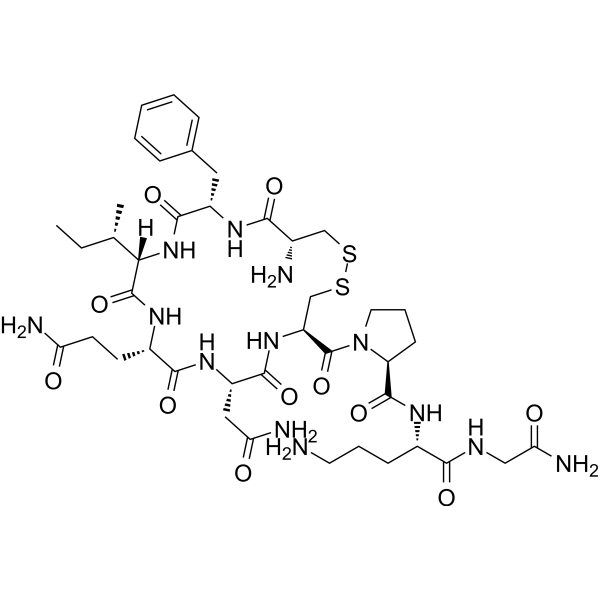
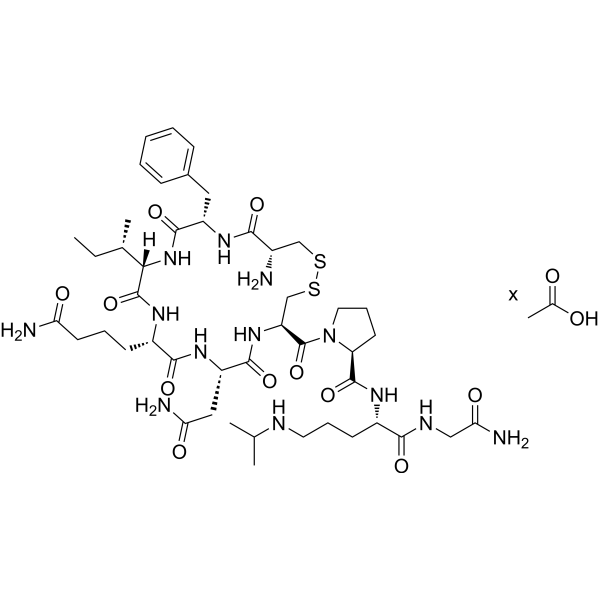 0 ImagesCat. No.: HY-105239APurity: 98.04%Synonyms: FE 202158 acetateSelepressin (FE 202158) acetate is a selective vasopressin V1A receptor agonist. Selepressin acetate is a potent vasopressin. Selepressin acetate can be used in the study of septic shock.
-
TC OT 39
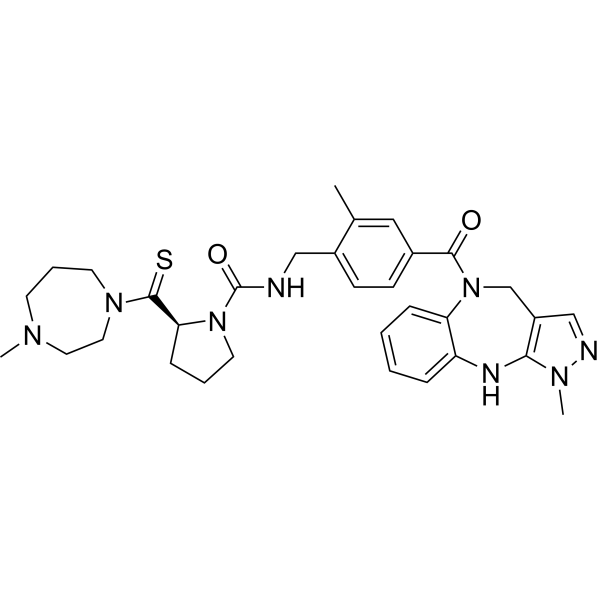 0 ImagesCat. No.: HY-108678CAS No.: 479232-57-0TC OT 39 is a synthetic oxytocin analog, as well as a selective agonist of oxytocin receptor (OXTR, EC50=180 nM). TC OT 39 is also an Avprla vasopressin receptor antagonist with an Ki value of 330 nM. TC OT 39 exhibits sedative effects in mouse models.
-
RG7713
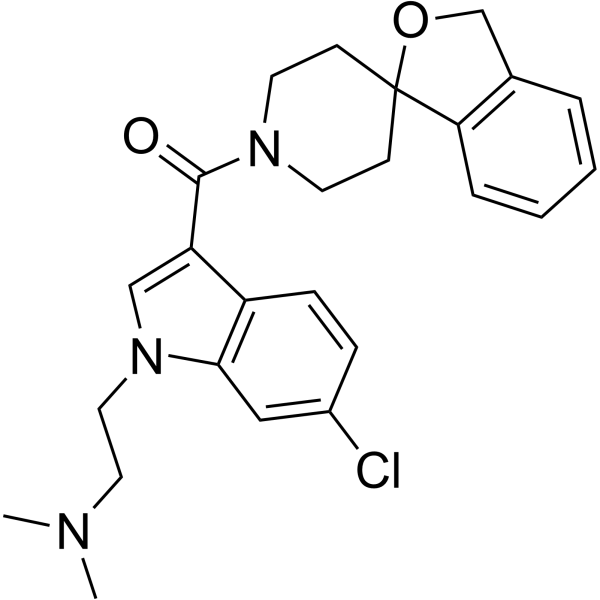 0 ImagesSynonyms: RO5028442RG7713 (RO5028442) is a highly potent, selective and brain-penetrant Vasopressin 1a (V1a) receptor antagonist with Kis of 1 nM (hV1a) and 39 nM (mV1a).
-
Vasopressin Dimer (parallel) TFA
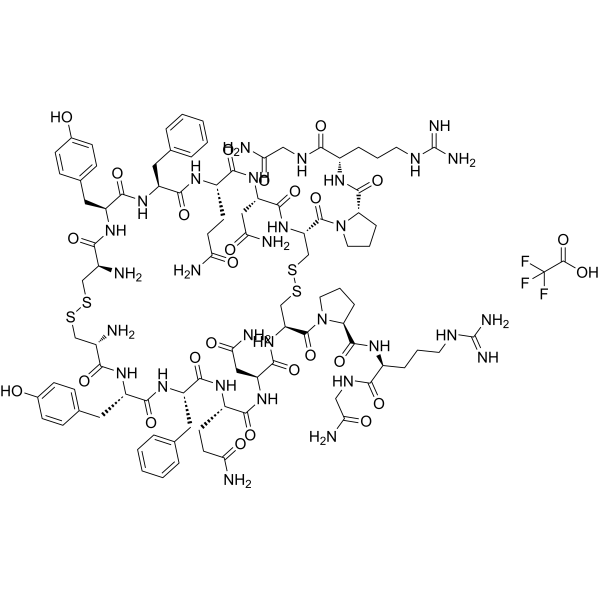 0 ImagesCat. No.: HY-P5213Purity: 99.55%Vasopressin Dimer (parallel) TFA is a parallel dimer of Vasopressin (HY-B1811). Vasopressin Dimer (parallel) TFA can activate four G protein-coupled receptors, V1aR, V1bR, V2R, and OTR.
-
(Phenylac1,D-Tyr(Et)2,Lys6,Arg8,des-Gly9)-Vasopressin
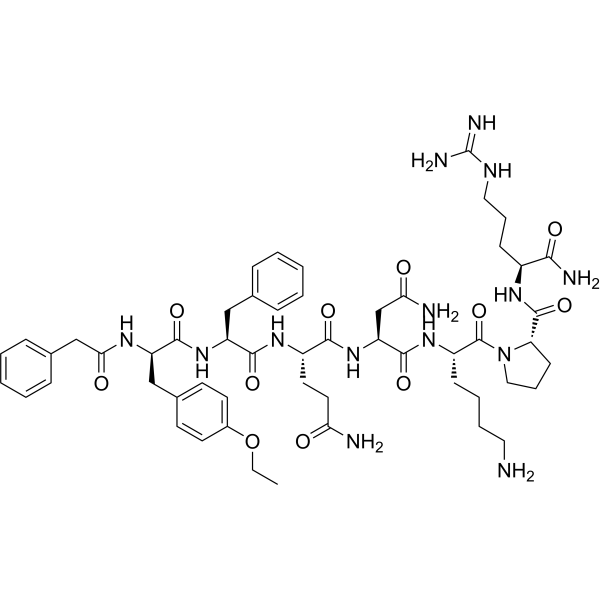 0 ImagesCat. No.: HY-P4683CAS No.: 129520-65-6(Phenylac1,D-Tyr(Et)2,Lys6,Arg8,des-Gly9)-Vasopressin is a potent vasopressin V1 receptor (VP V1R) antagonist. (Phenylac1,D-Tyr(Et)2,Lys6,Arg8,des-Gly9)-Vasopressin significantly decreases the mean arterial pressure (MAP) in rats.
-
V1a/V2 antagonist 1
 0 ImagesCat. No.: HY-168742V1a/V2 antagonist 1 (Compound 18j) is an orally active dual V1a and V2 receptor antagonist with high binding affinity for both receptors (Ki: 0.13 nM for hV1a, 0.53 nM for hV2 and 0.5 nM for mV1a; IC50: 2.2 nM for hV1a). V1a/V2 antagonist 1 inhibits Oxytocin (HY-17571)-induced scratching behavior in mice.
-
Vasopressin Dimer (anti-parallel) TFA
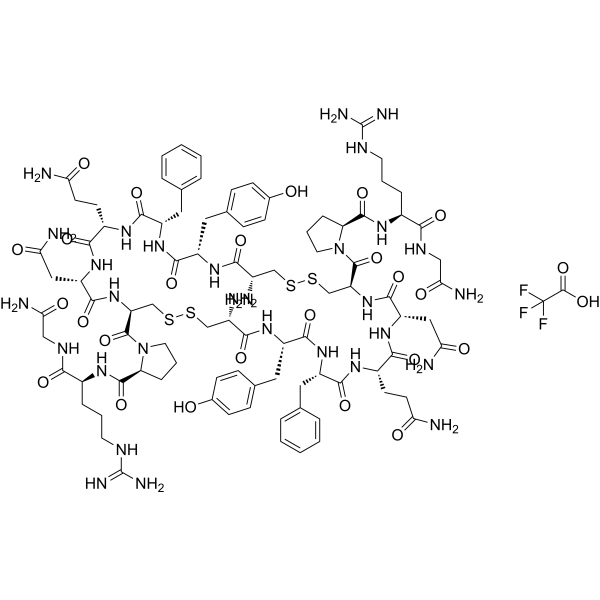 0 ImagesCat. No.: HY-P5214Vasopressin Dimer (anti-parallel) TFA is an anti-parallel dimer of Vasopressin (HY-B1811). Vasopressin Dimer (anti-parallel) TFA can activate four G protein-coupled receptors, V1aR, V1bR, V2R, and OTR.
-
(D-Arg8)-Inotocin
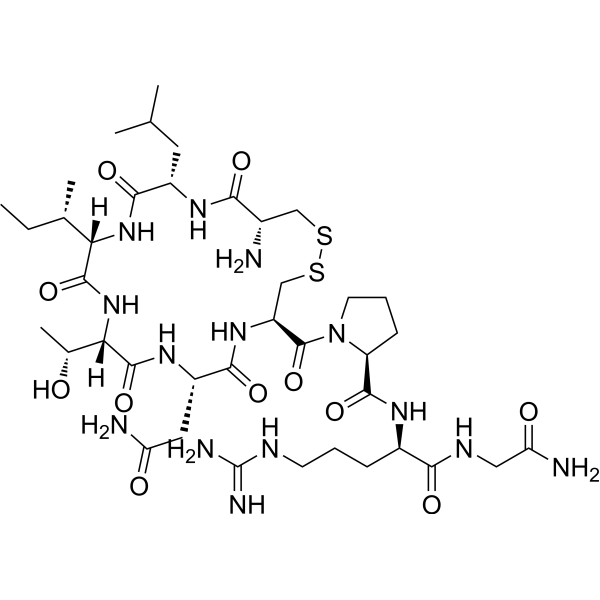 0 ImagesCat. No.: HY-P5010CAS No.: 745816-74-4(D-Arg8)-Inotocin is a potent, selective and competitive antagonist of vasopressin receptor (V1aR), with a Ki of 1.3 nM. (D-Arg8)-Inotocin shows more than 3000-fold selectivity for the human V1aR over the other three subtypes, OTR, V1bR and V2R.
-
VA-111913
 0 ImagesCat. No.: HY-111225CAS No.: 877856-17-2Synonyms: VT-913VA-111913 (VT-913) is a vasopressin receptor V1A antagonist (Ki = 1.74 nM). VA-111913 reduces uterine contractions and improves uterine blood flow by inhibiting vasopressin, thereby alleviating dysmenorrhea. VA-111913 can be used for research on menstrual pain.
-
ML389
 0 ImagesCat. No.: HY-124275CAS No.: 1622294-25-0ML389 is a highly selective vasopressin 1a (V1a) receptor antagonist (IC50=40 nM). ML389 is promising for research of central nervous system disorders such as anxiety, depression, and post-traumatic stress disorder (PTSD).
-
Pecavaptan
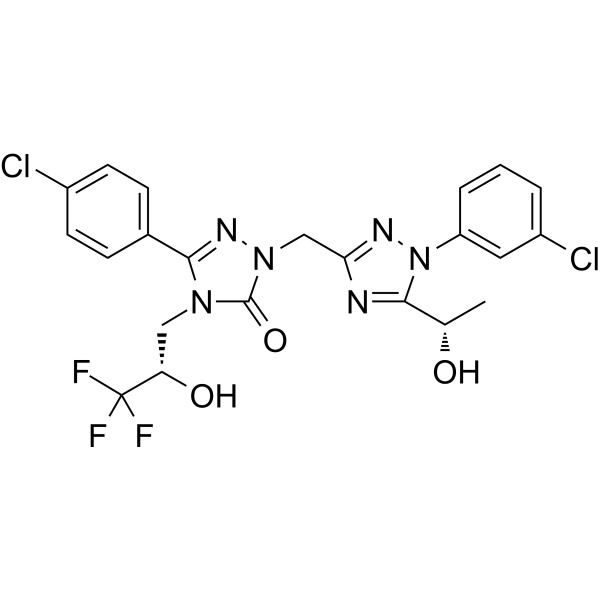 0 ImagesCat. No.: HY-109133CAS No.: 1914998-56-3Synonyms: BAY 1753011Pecavaptan, a chemical probe, is an orally active and dual antagonist of V1a/V2 receptor (Ki=0.5 nM and 0.6 nM for human, respectively). Pecavaptan promotes an increase in urine production, which reduces the associated symptoms of water retention and edema.
- 1
- 2



