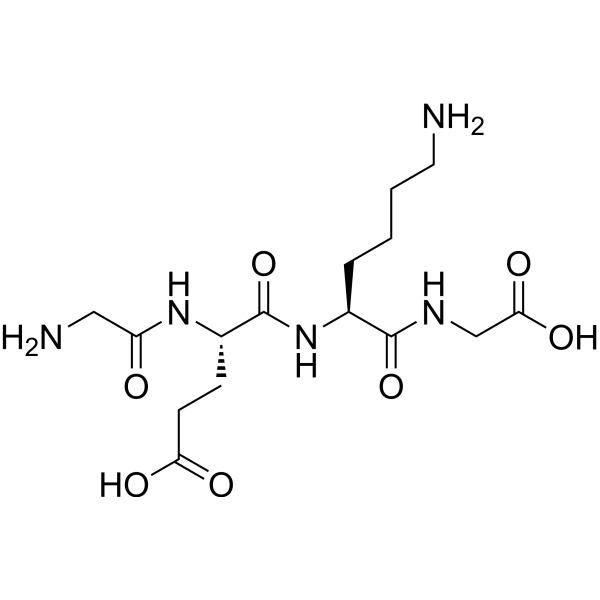
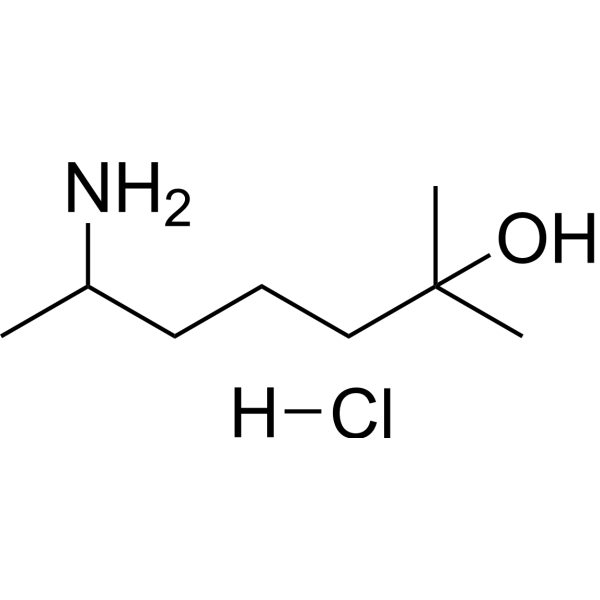
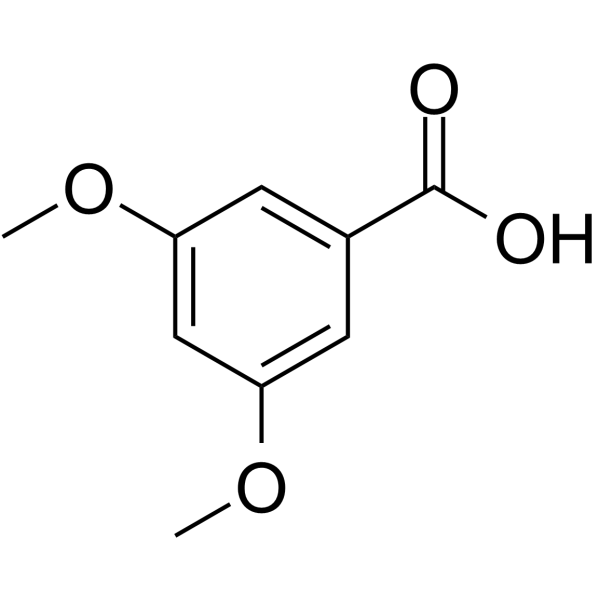
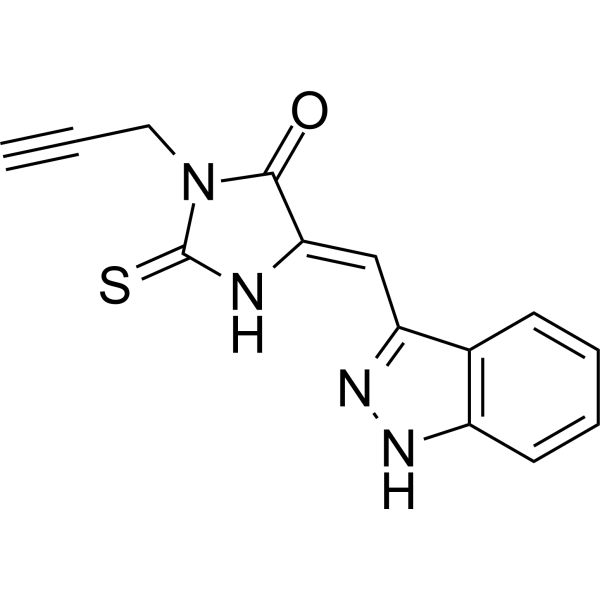
1. Search Result
Search Result
Results for "

| facial skin blemishes

" in MedChemExpress (MCE) Product Catalog:

1191

Inhibitors & Agonists

4

Screening Libraries

18

Fluorescent Dyes

84

Biochemical Assay Reagents

163

Peptides

1

MCE Kits

21

Inhibitory Antibodies

280

Natural
Products

3

Recombinant Proteins

68

Isotope-Labeled Compounds

8

Antibodies

4

Click Chemistry

18

Oligonucleotides

3

GMP Molecules

Cat. No. Product Name Target Research Areas Chemical Structure
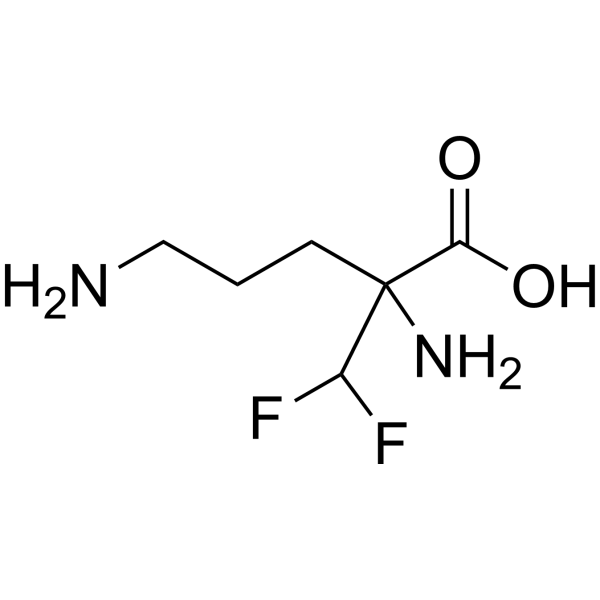
  • HY-B0744
    Eflornithine
    20+ Cited Publications

    DFMO; MDL71782; RMI71782; α-difluoromethylornithine

    Parasite Infection Cancer
    Eflornithine is a specific, irreversible inhibitor of the enzyme ornithine decarboxylase. Eflornithine is a medication for the treatment of African trypanosomiasis and excessive facial hair growth in women.
    Eflornithine
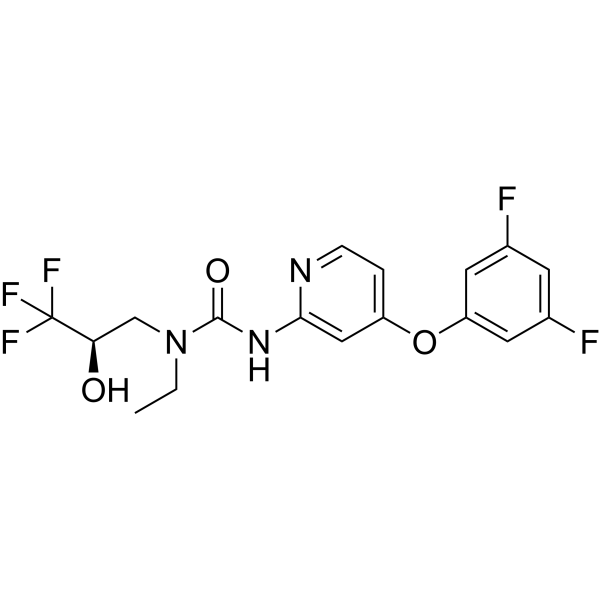
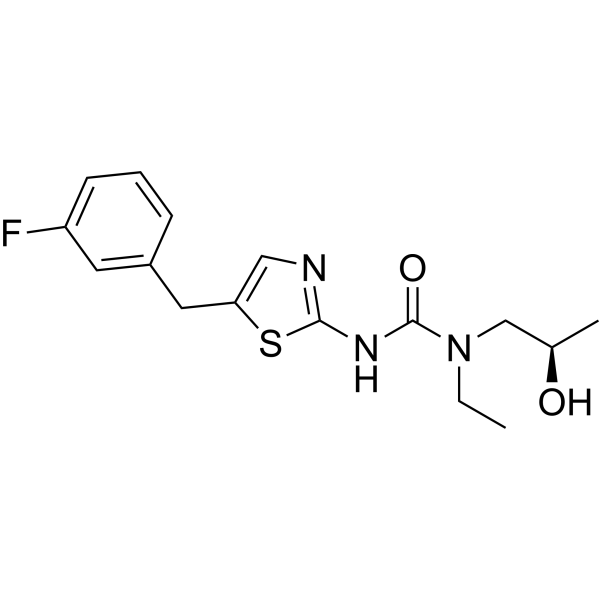
  • HY-145191
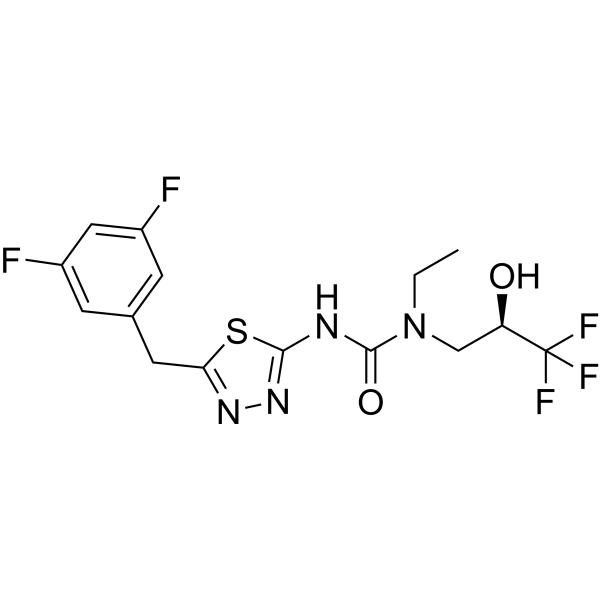
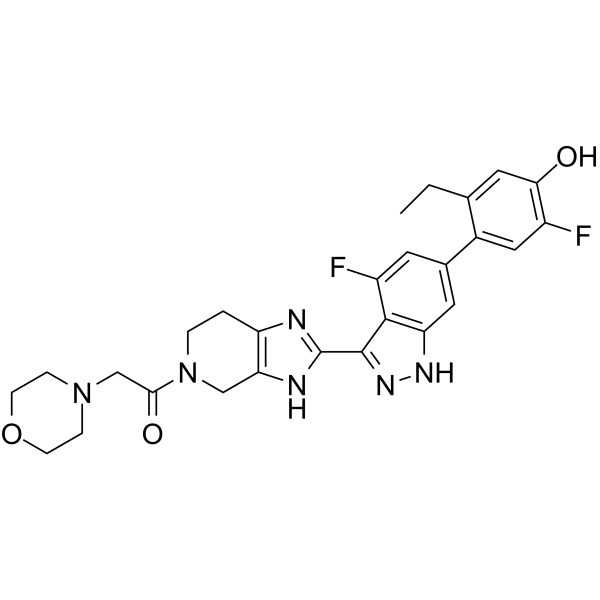
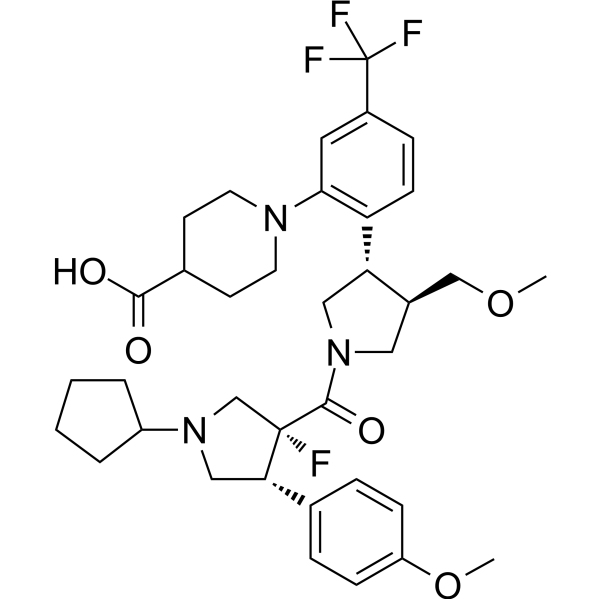
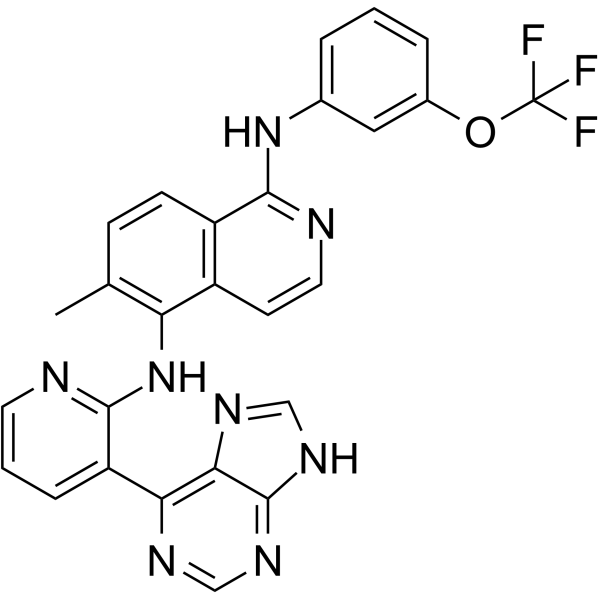
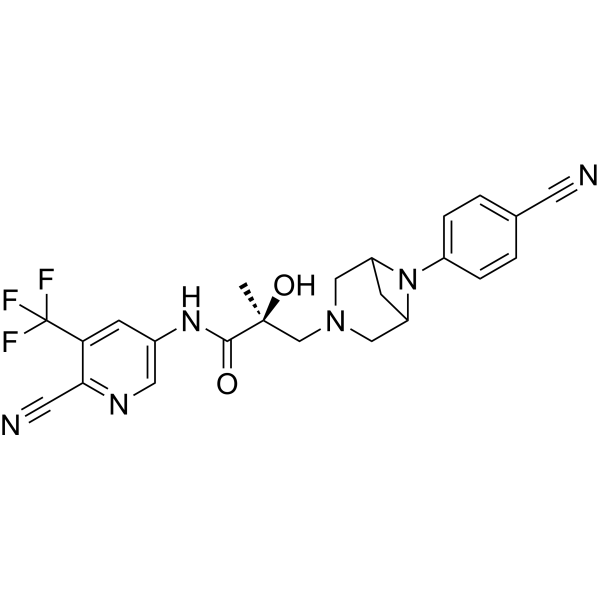
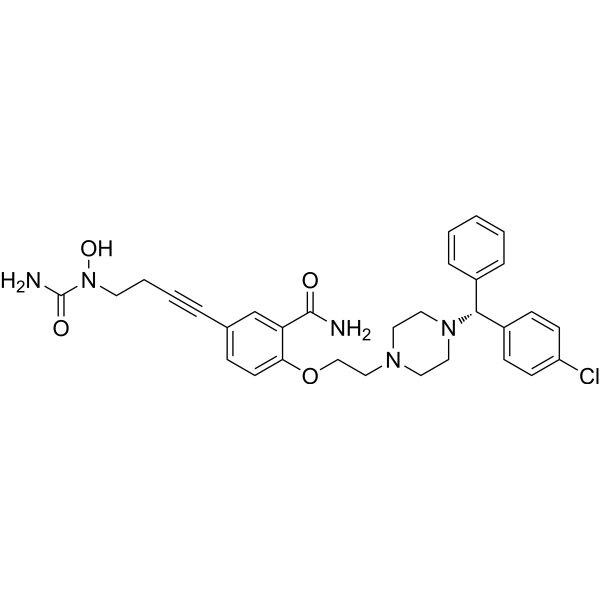
    MrgprX2 antagonist-1
    5 Publications Verification

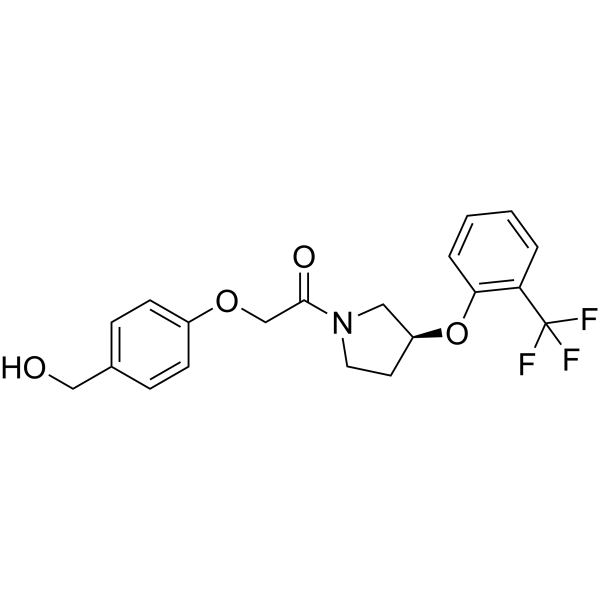
    Mas-related G-protein-coupled Receptor (MRGPR) Inflammation/Immunology
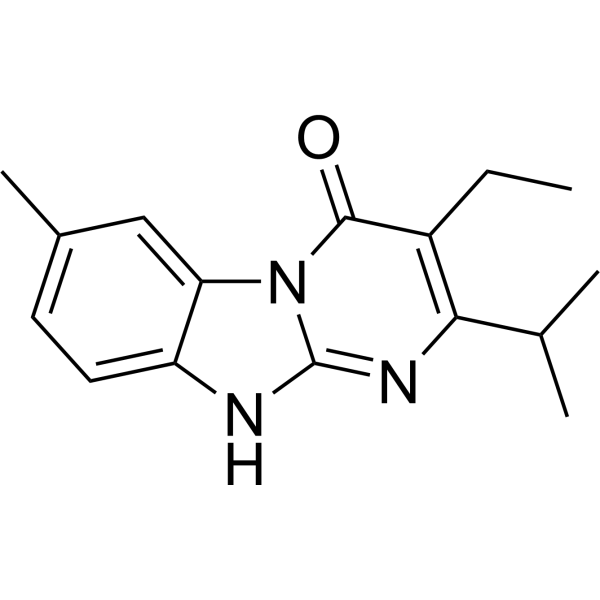
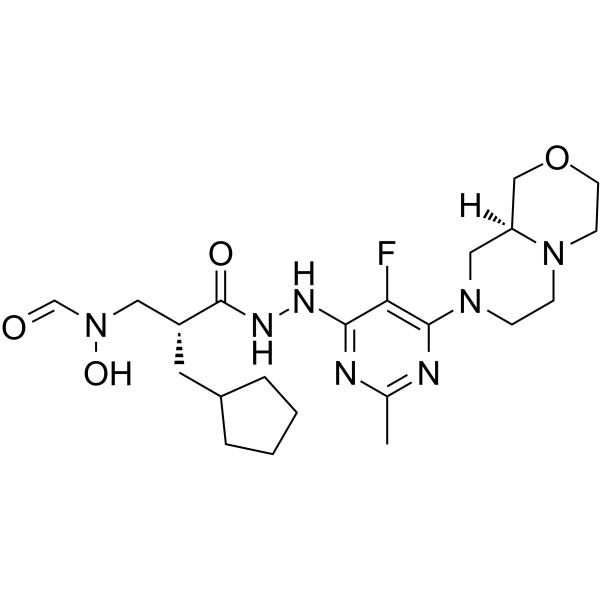
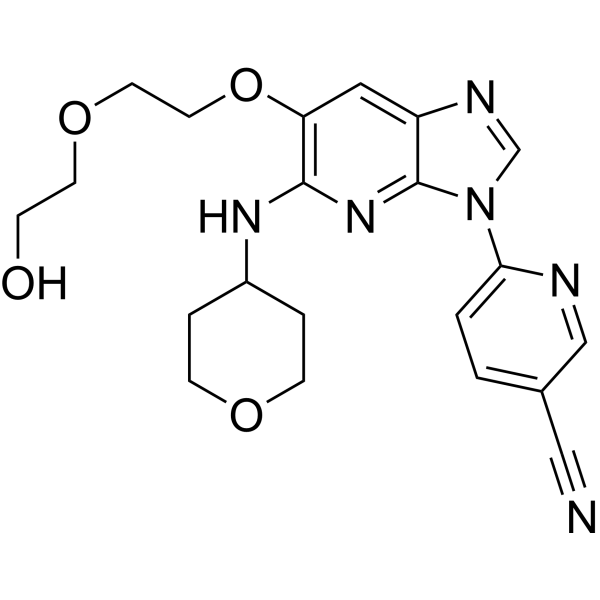
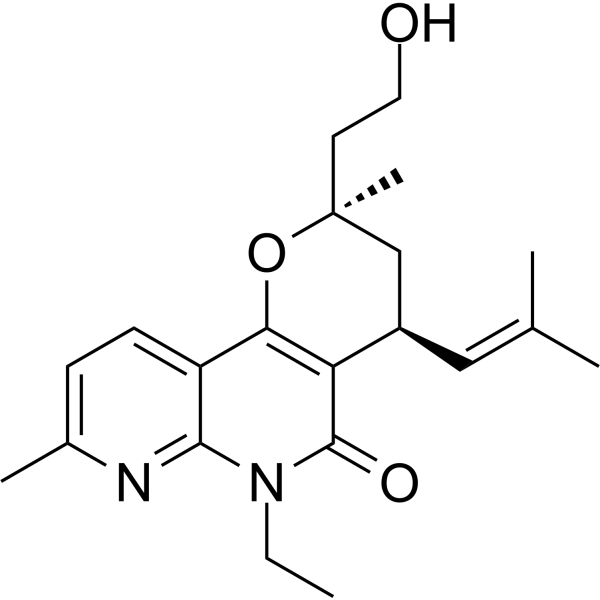
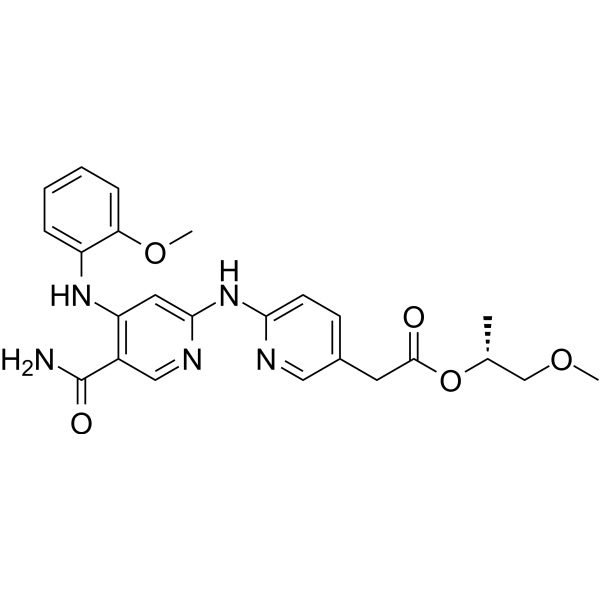
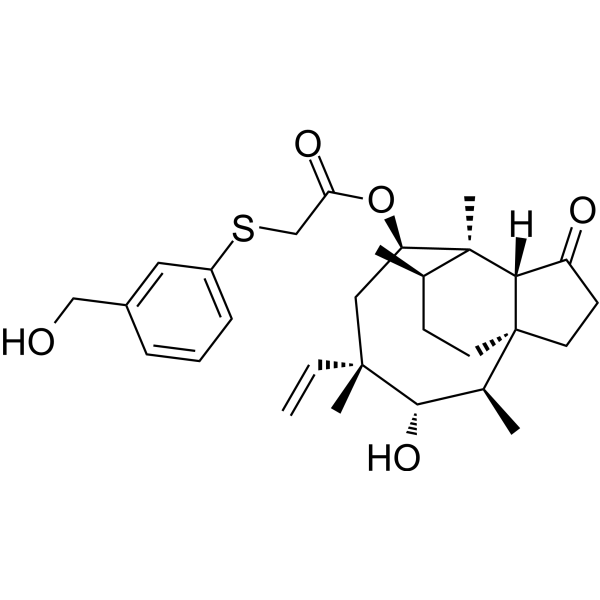
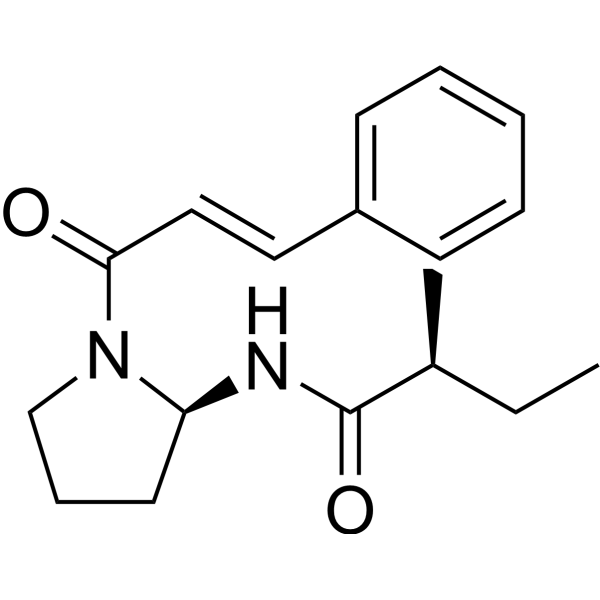
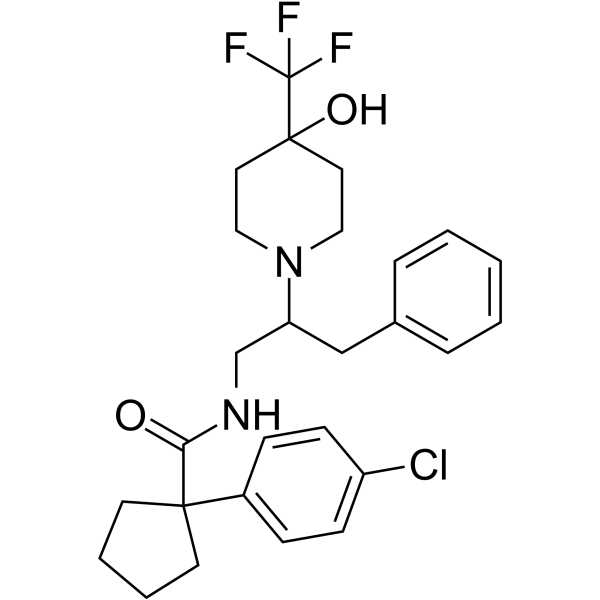
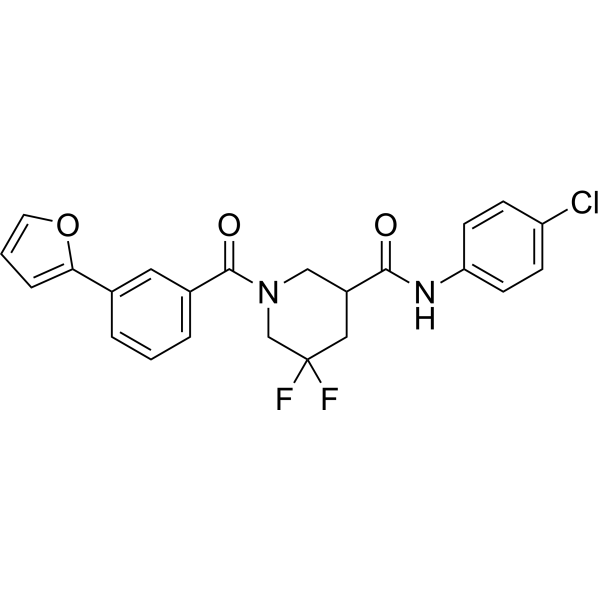
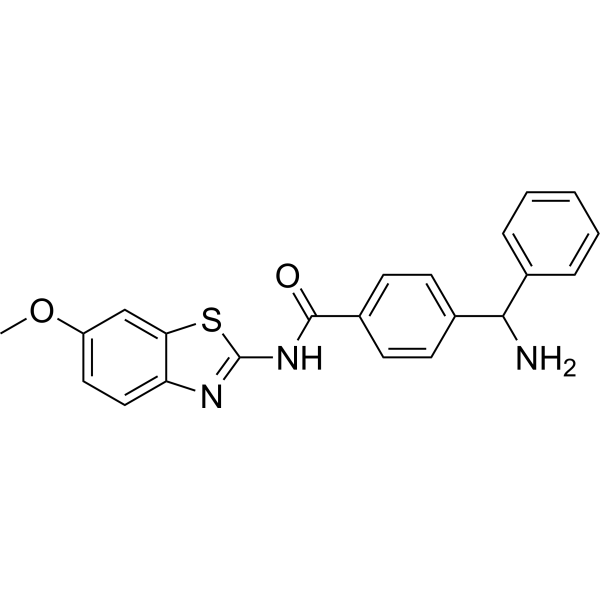
    MrgprX2 antagonist-1 is an MrgprX2 antagonist extracted from patent WO2021092264A1, example E23. MrgprX2 antagonist-1 can be used for the research of inflammatory disorders of the skin .
    MrgprX2 antagonist-1
  • HY-B0633C

    Biochemical Assay Reagents Interleukin Related Atg8/LC3 Inflammation/Immunology
    Hyaluronic acid (Mw: 1000-2000 Da) is a long-chain unbranched polysaccharide with a molecular weight of 1000-2000 Da. Hyaluronic acid (Mw: 2000 Da) inhibits IL-1β expression and increases LC3-II. Hyaluronic acid (Mw: 1000-2000Da) can regulate tissue homeostasis and stress resistance, promote angiogenesis and tissue remodeling. Hyaluronic acid (Mw: 1000-2000 Da) has good biocompatibility and biodegradability, and can be used in drug delivery systems and tissue engineering. Hyaluronic acid (Mw: 2000 Da) can reduce facial skin blemishes and sagging .
    Hyaluronic acid (Mw:1000-2000Da)
  • HY-P0045

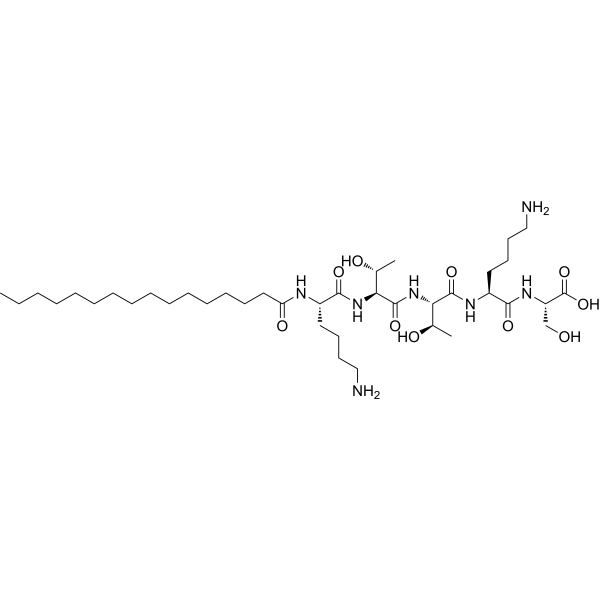
    Matrixyl; Palmitoyl pentapeptide 3; Matrixyl (Palmitoyl Pentapeptide)

    Collagen Others
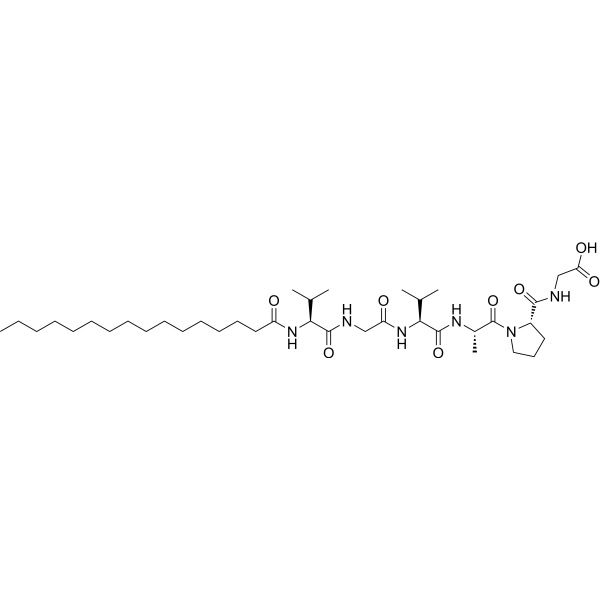
    Palmitoyl pentapeptide 4 (Matrixyl; Palmitoyl pentapeptide 3; Matrixyl (Palmitoyl Pentapeptide) is a bioactive peptide with anti-ageing effect and has been reported used as a cosmetic ingredient [1]
    Palmitoyl pentapeptide 4
  • HY-125920

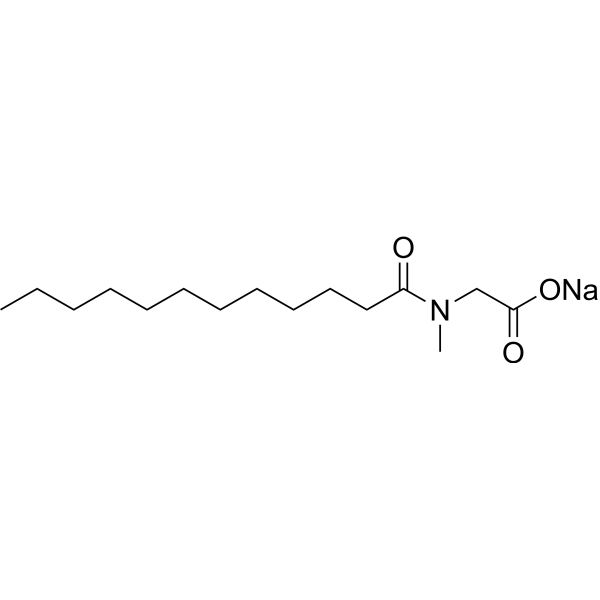
    Sarkosyl NL sodium

    Environmental Pollutants Biochemical Assay Reagents Others
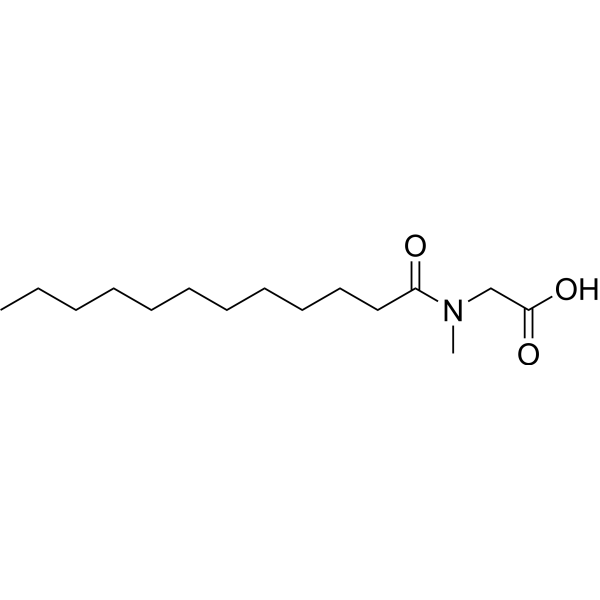
    Lauroylsarcosine sodium is a surfactant commonly used in personal care and cosmetics such as shampoos, facial cleansers and toothpaste. It works by lowering the surface tension of water, allowing it to better penetrate and clean surfaces. Lauroylsarcosine sodium is considered safe for cosmetic use and is approved for use in several countries. However, it can cause skin irritation in high concentrations or with prolonged exposure.
    Lauroylsarcosine sodium
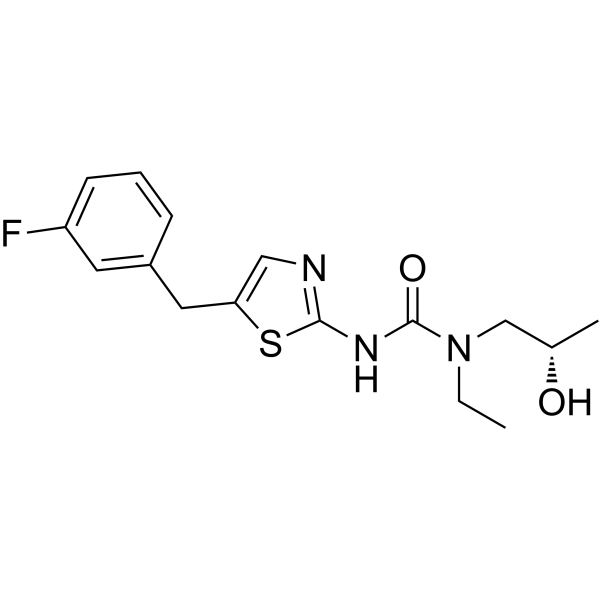
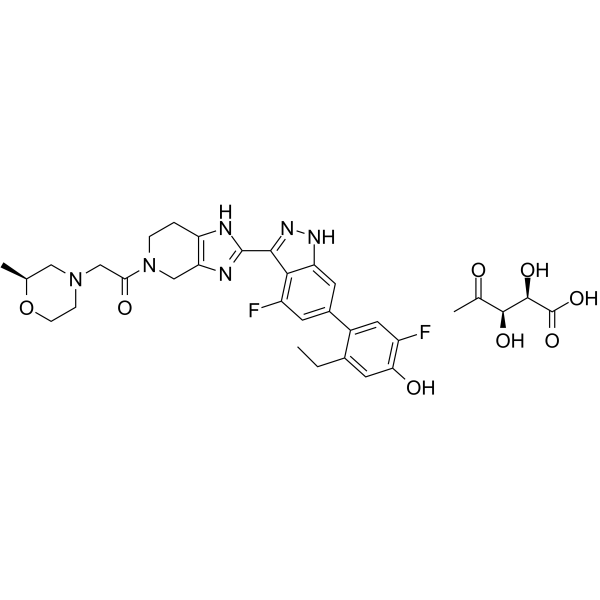
  • HY-145192

    Mas-related G-protein-coupled Receptor (MRGPR) Inflammation/Immunology
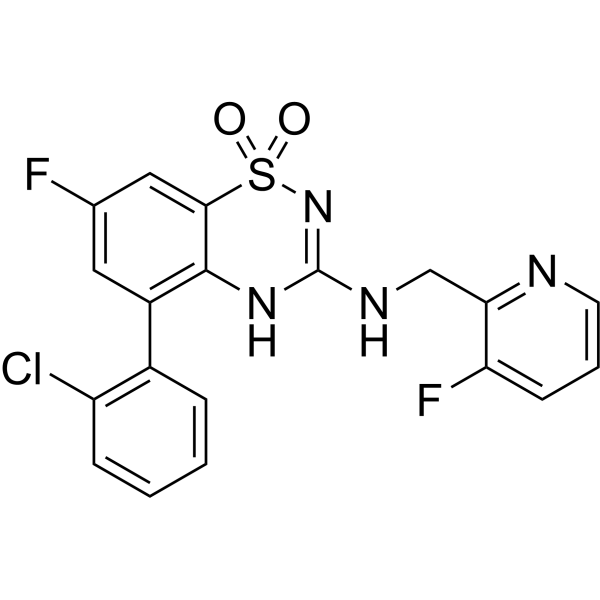
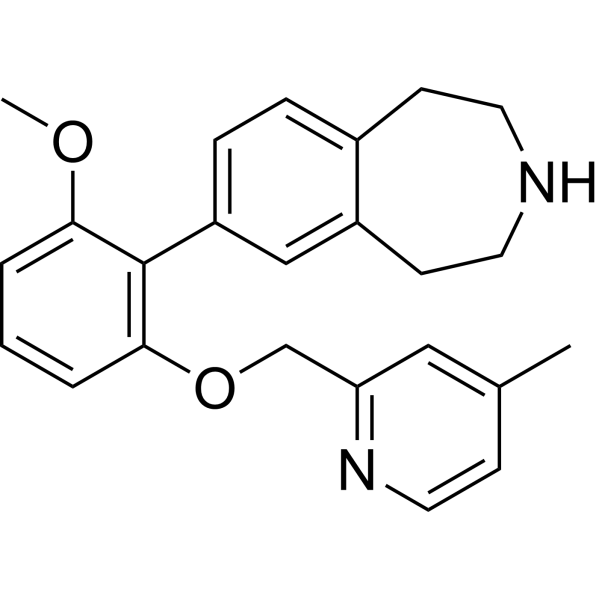
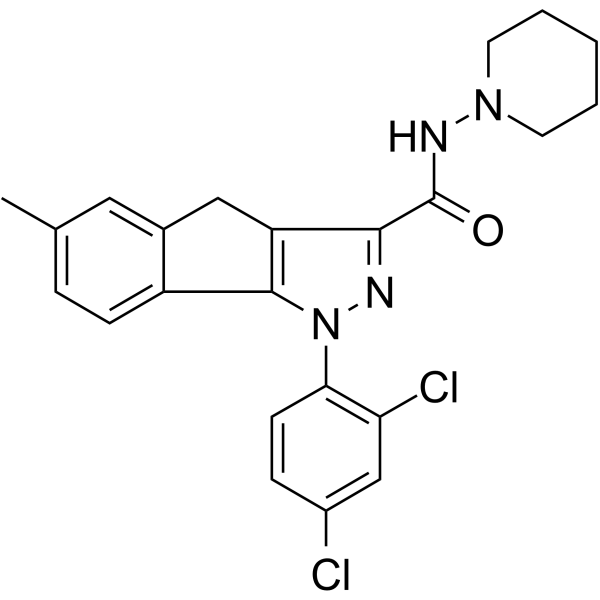
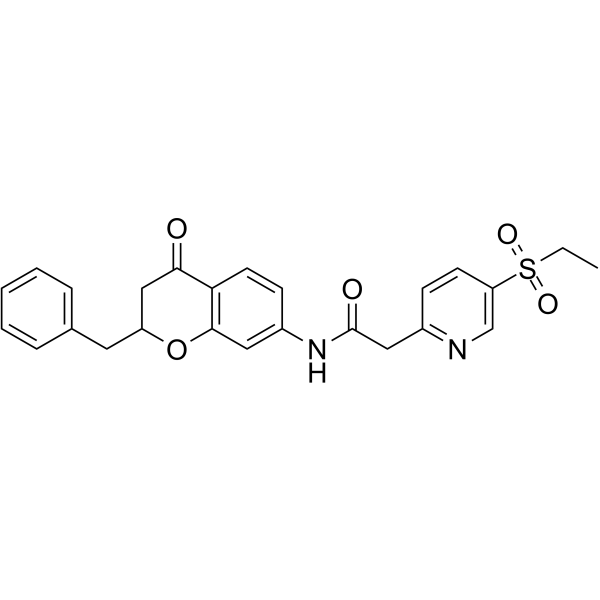
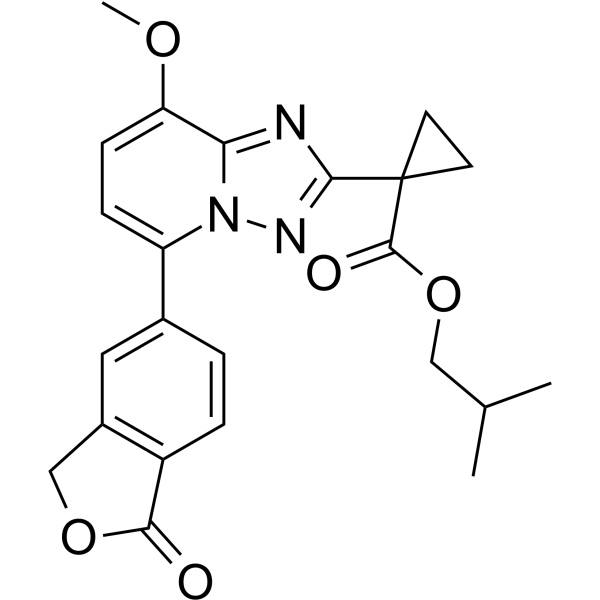
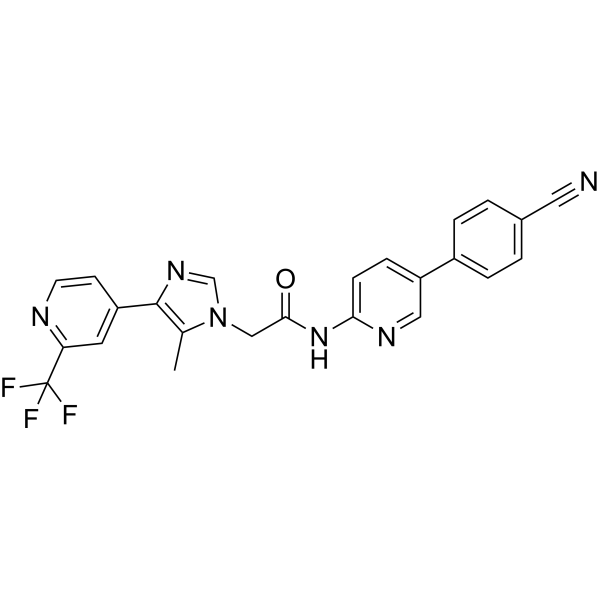
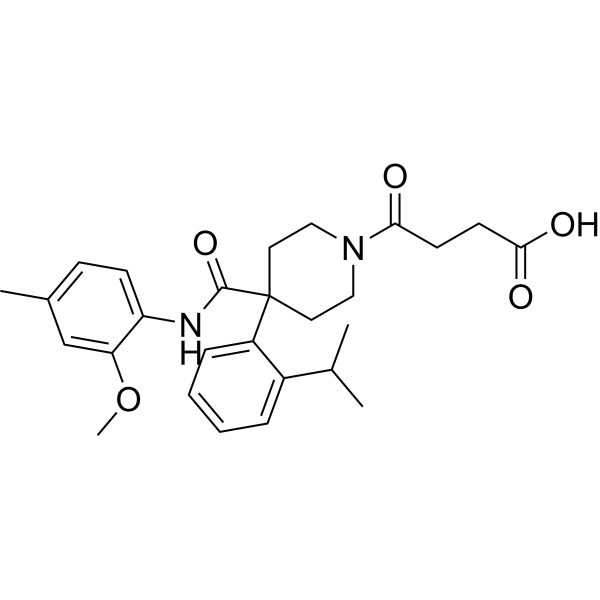
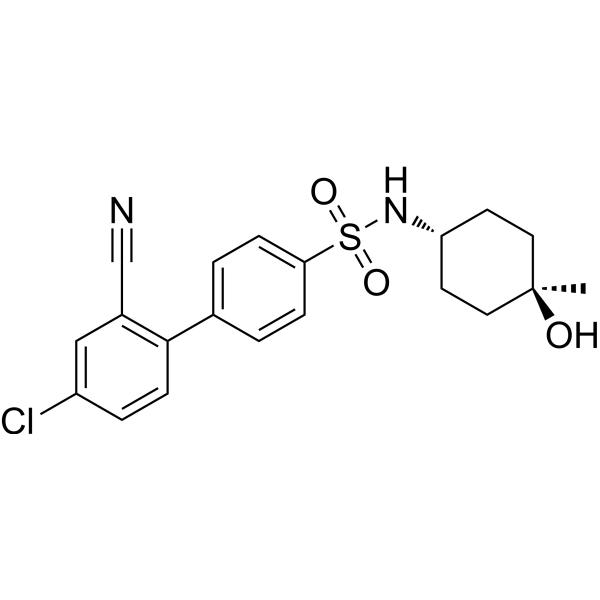
    MrgprX2 antagonist-2 is an MrgprX2 antagonist extracted from patent WO2021092262A1, example E163. MrgprX2 antagonist-2 can be used for the research of inflammatory disorders of the skin .
    MrgprX2 antagonist-2
  • HY-145193

    Mas-related G-protein-coupled Receptor (MRGPR) Inflammation/Immunology
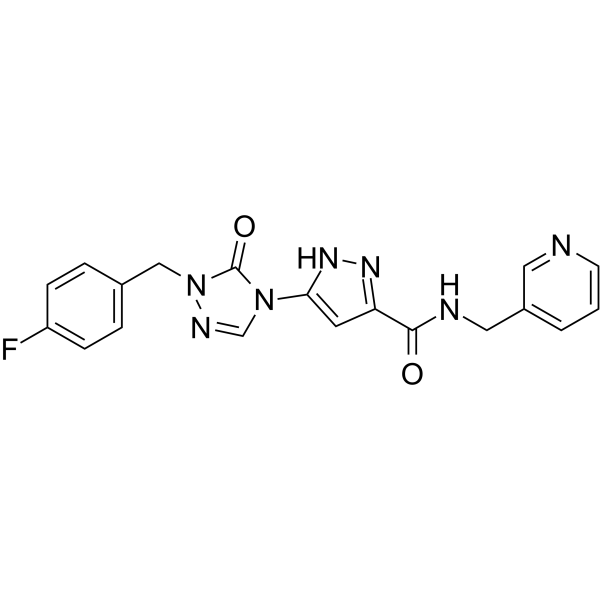
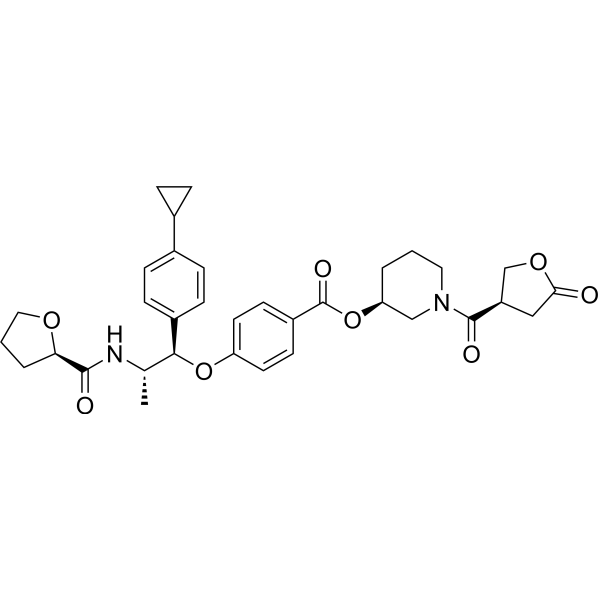
    MrgprX2 antagonist-3 is an MrgprX2 antagonist extracted from patent WO2021092240A1, example E117. MrgprX2 antagonist-3 can be used for the research of inflammatory disorders of the skin .
    MrgprX2 antagonist-3
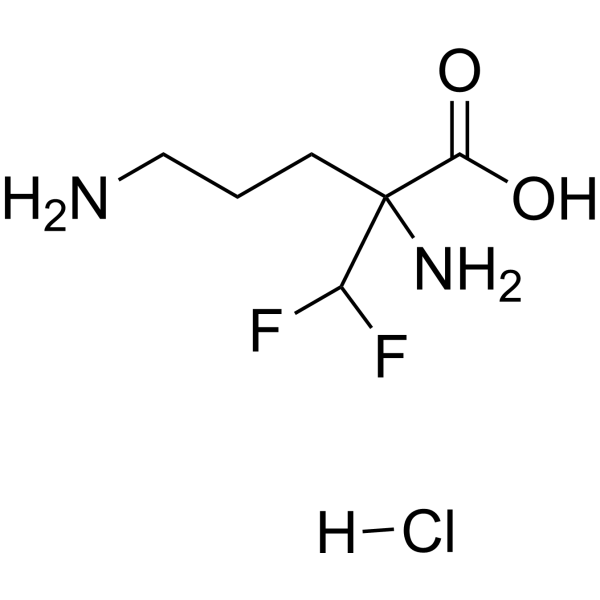
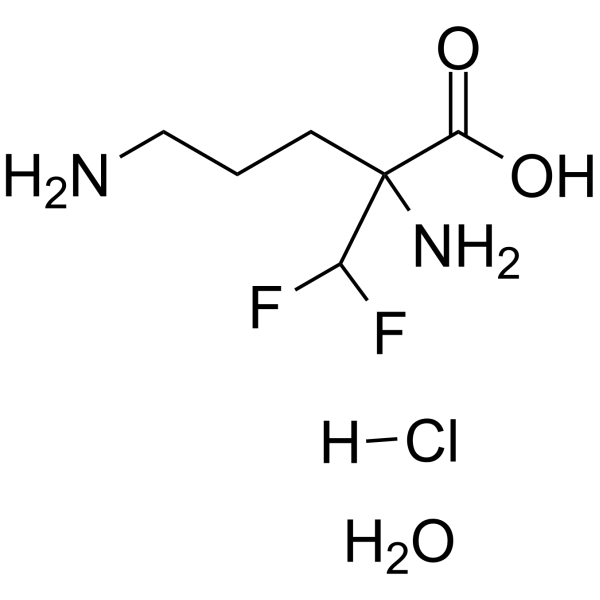
  • HY-B0744A
    Eflornithine hydrochloride
    20+ Cited Publications

    DFMO hydrochloride; MDL71782 hydrochloride; RMI71782 hydrochloride; α-difluoromethylornithine hydrochloride

    Parasite Infection Cancer
    Eflornithine hydrochloride is a specific, irreversible inhibitor of the enzyme ornithine decarboxylase. Eflornithine is a medication for the treatment of African trypanosomiasis and excessive facial hair growth in women.
    Eflornithine hydrochloride
  • HY-Y1365L

    Biochemical Assay Reagents Others
    Porcine skin Gelatin,suitable for cell culture(high gel strength) can be used to coat cells to improve cell attachment .
    Porcine skin Gelatin,suitable for cell culture(high gel strength)
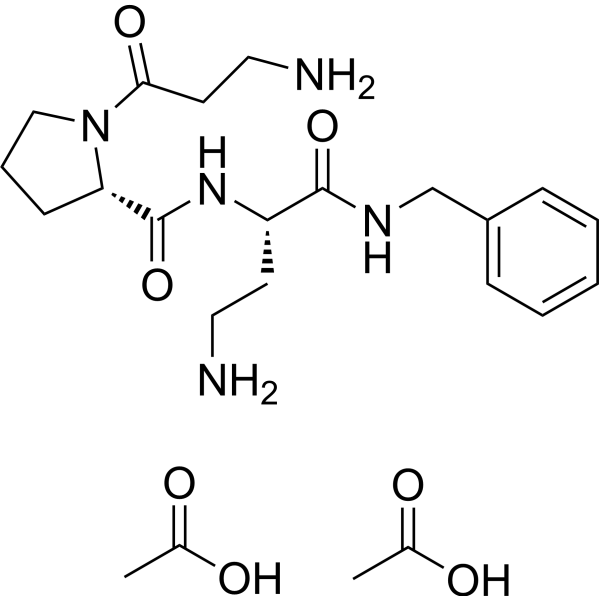
  • HY-P0102

    nAChR Neurological Disease Metabolic Disease
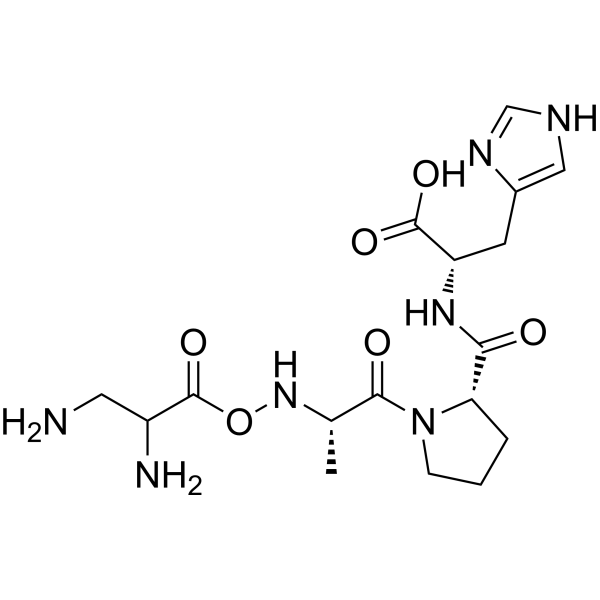
    Dipeptide diaminobutyroyl benzylamide diacetate, a Wagerlin-1-mimicking peptide, is a nAChR antagonist. Dipeptide diaminobutyroyl benzylamide diacetate mimics Waglerin-1 to block neuromuscular junction nicotinic acetylcholine receptors, partially inhibits neuronal signal transduction, and relaxes muscles. Dipeptide diaminobutyroyl benzylamide diacetate reduces appearance of facial wrinkles linked to repeated muscle movement.Dipeptide diaminobutyroyl benzylamide diacetate can be used for the research of mild-to-moderate fine and coarse periocular and perioral wrinkles and periorbital ageing .
    Dipeptide diaminobutyroyl benzylamide diacetate
  • HY-141582

    N-Stearoyl phytosphingosine

    JNK NF-κB Interleukin Related TNF Receptor Inflammation/Immunology
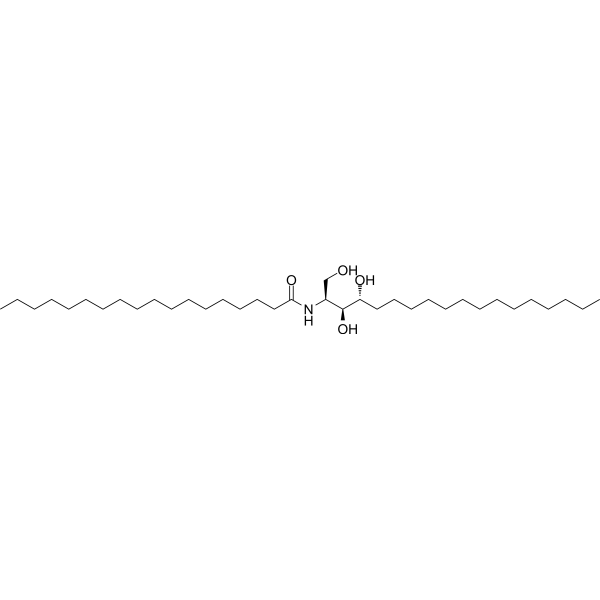
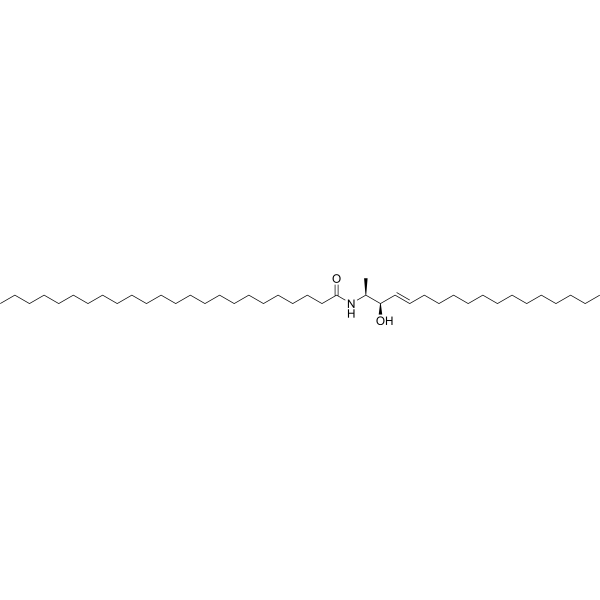
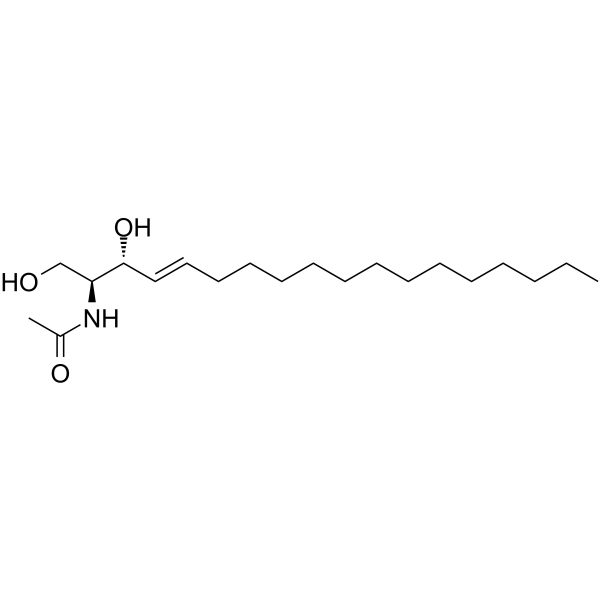
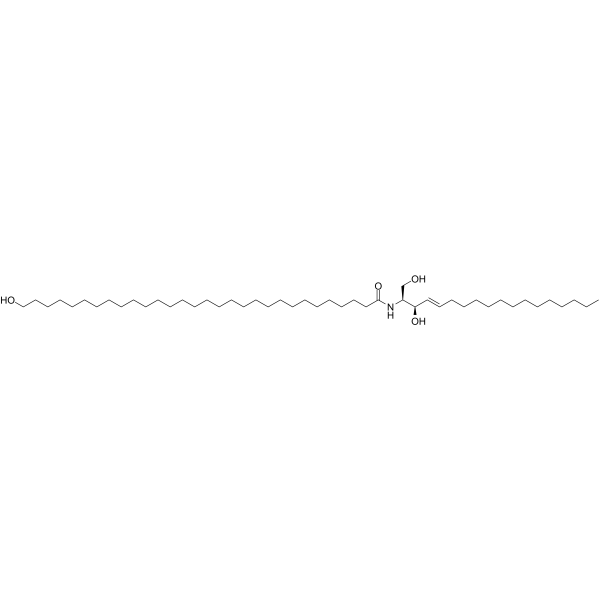
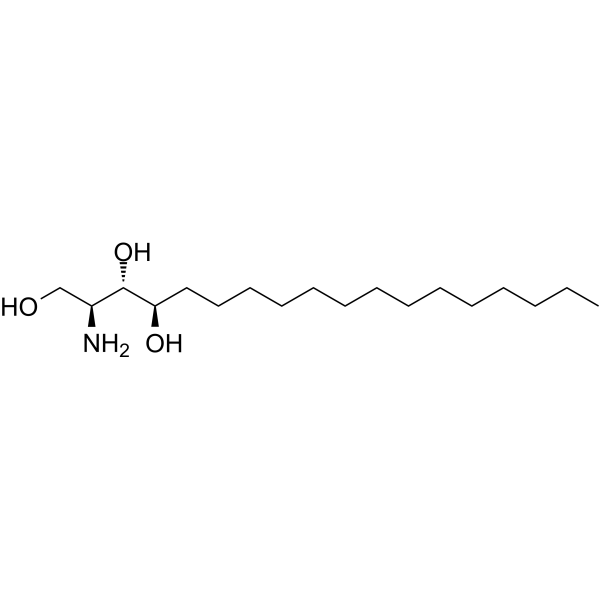
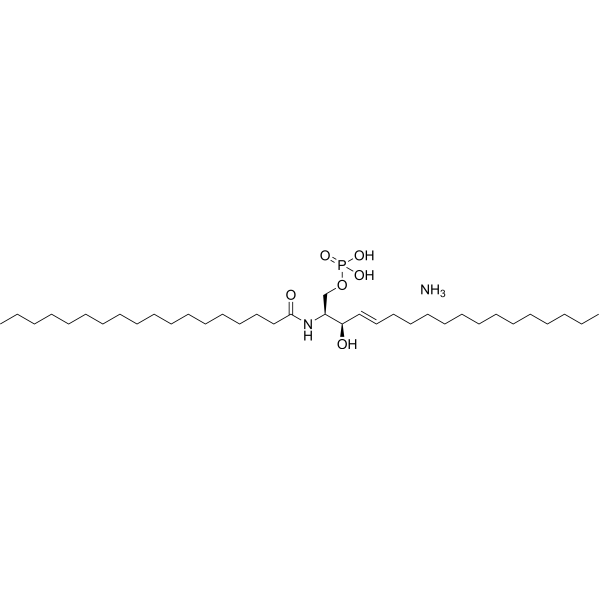
    Ceramide 3 (N-Stearoyl phytosphingosine) is an orally active major component of intercellular lipids in the stratum corneum of the skin, and belongs to the ceramide family. Ceramide 3 inhibits c-jun and NF-κB activation induced by Histamine (HY-B1204), and suppresses the expression of IL-4 and TNF-α. Ceramide 3 inhibits scratching behavior and vascular permeability in mice, and exhibits antihistamine effects in guinea pig ileum. Ceramide 3 improves skin barrier function, reduces transepidermal water loss, erythema and the number of circulating epidermal cells, and accelerates barrier repair of irritated or dysfunctional skin .
    Ceramide 3
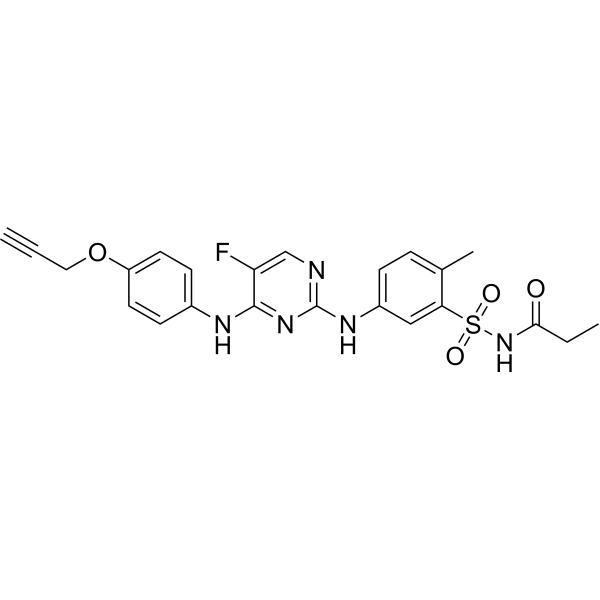
  • HY-145195

    Mas-related G-protein-coupled Receptor (MRGPR) Inflammation/Immunology
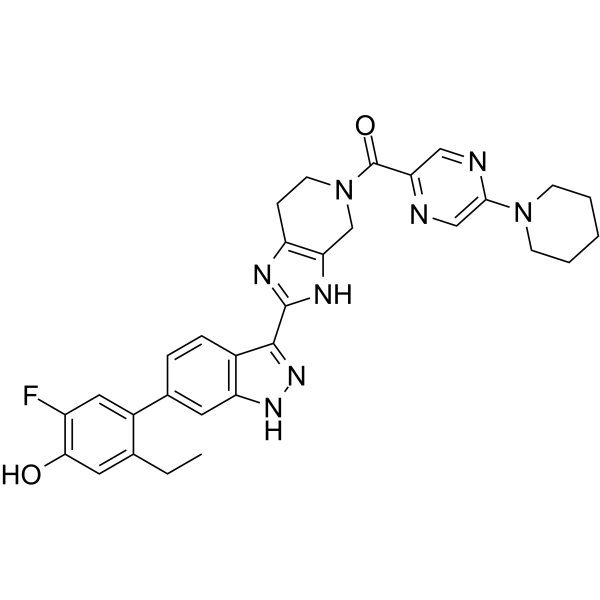
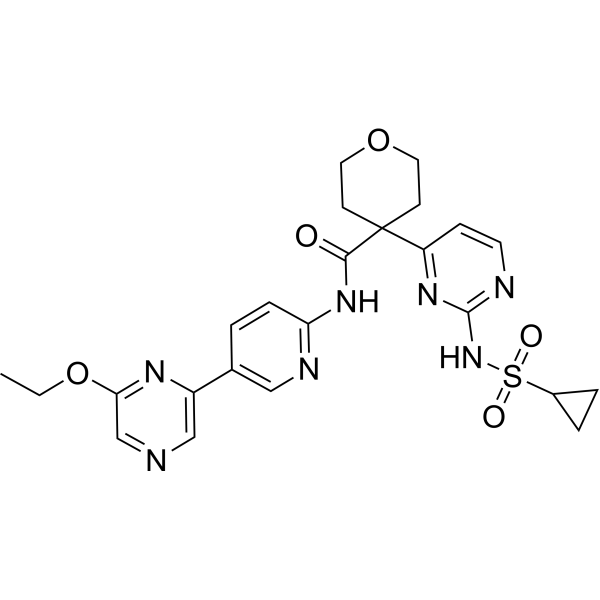
    MrgprX2 antagonist-5 is an MrgprX2 antagonist extracted from patent WO2020223255A1, example 16. MrgprX2 antagonist-5 can be used for the research of inflammatory disorders of the skin .
    MrgprX2 antagonist-5
  • HY-NP175

    Biochemical Assay Reagents Integrin Discoidin Domain Receptor Others
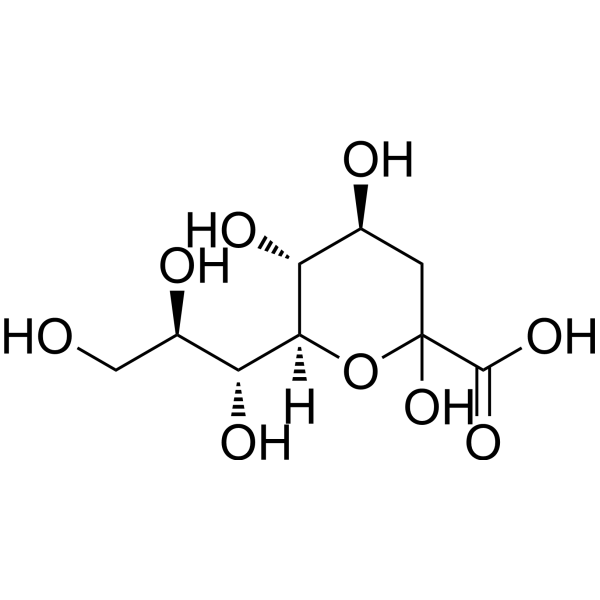
    Collagen (bovine skin) is a three-dimensional cell culture matrix and morphoregulator extracted from bovine skin, which binds to integrins (such as α1β1, α2β1, α11β1) and discoidin domain receptors (DDR1 and DDR2). Collagen (bovine skin) can be reconstituted into a three-dimensional fibrous network to mimic the in vivo tissue environment. It can not only be modified through cross-linking or concentration adjustment, but also interact with fibronectin to enhance matrix-associated cellular activities. Collagen (bovine skin) mediates the proliferation, aggregation, durotactic migration and differentiation of fibroblasts, regulates the synthesis, remodeling and contraction of extracellular matrix, and modulates the expression, activation of MMP as well as cell apoptosis, etc. Collagen (bovine skin) can be used in studies related to the mechanisms of cancer occurrence and development .
    Collagen (bovine skin)
  • HY-112959

    TD-6424

    Antibiotic Bacterial Infection
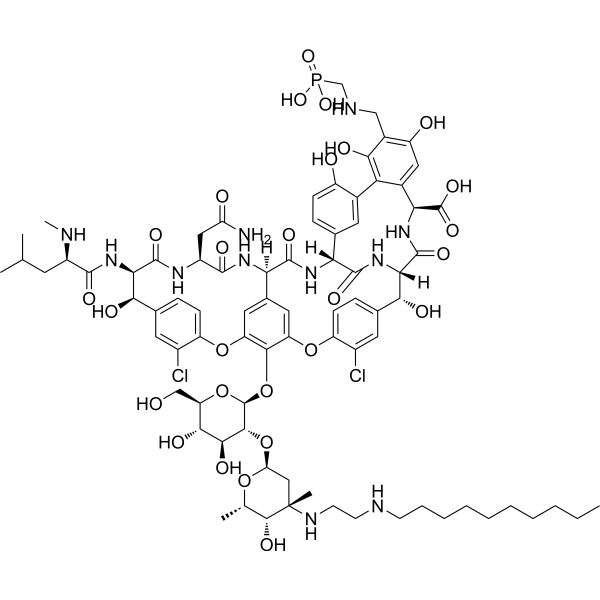
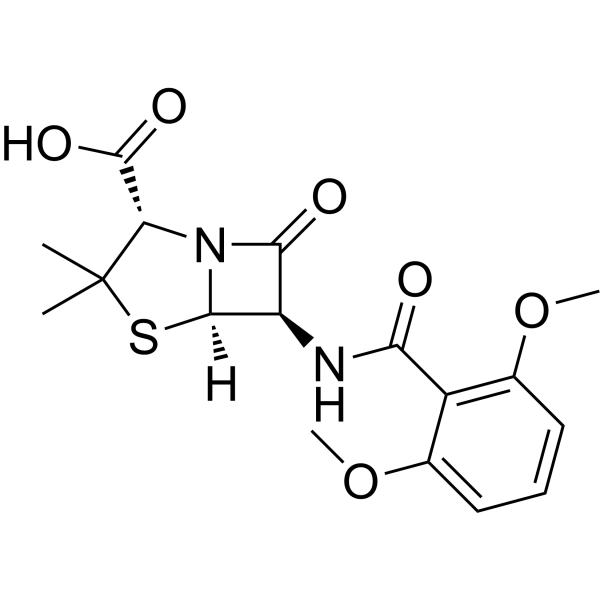
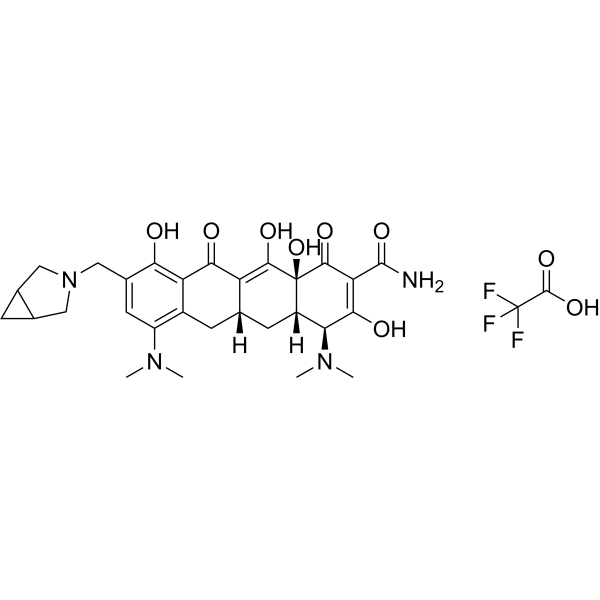
    Telavancin (TD-6424) is a semisynthetic lipoglycopeptide vancomycin-derivative, is a novel antimicrobial agent developed by Theravance for overcoming resistant Gram-positive bacterial infections, specifically methicillin-resistant Staphylococcus aureus (MRSA). Telavancin disrupts cell membrane integrity, can be used for research of complicated skin and skin structure infections (cSSSIs) caused by Gram-positive bacteria .
    Telavancin
  • HY-P0095

    Angiotensin-converting Enzyme (ACE) Others
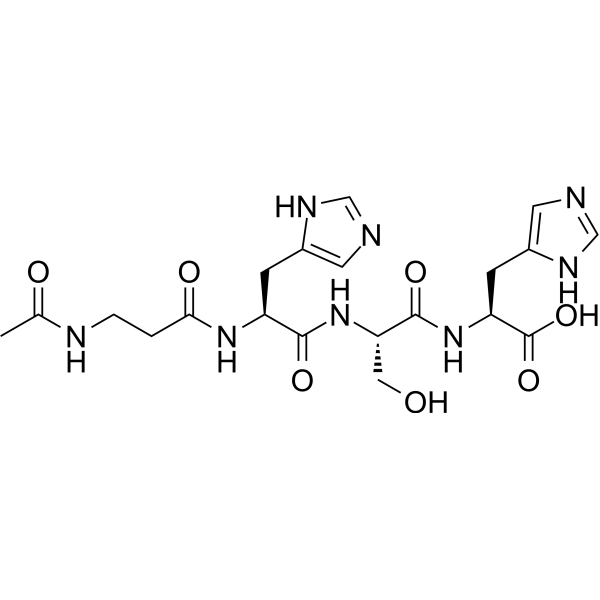
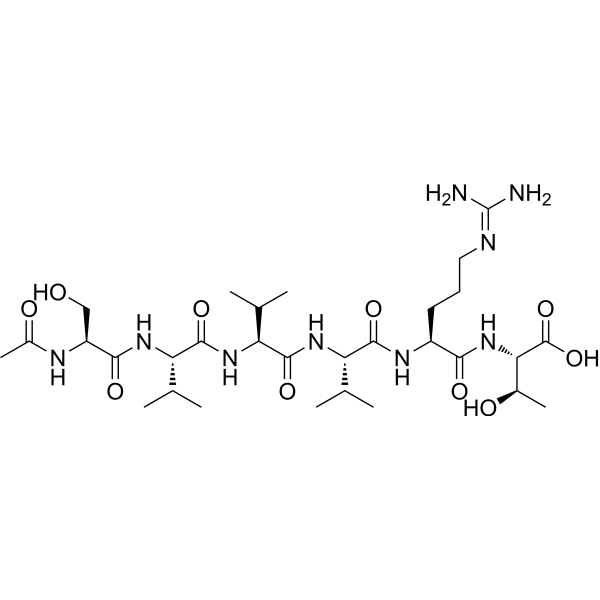
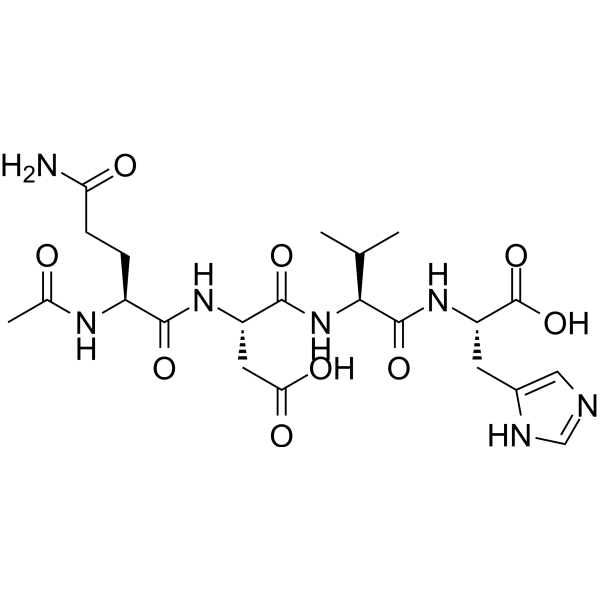
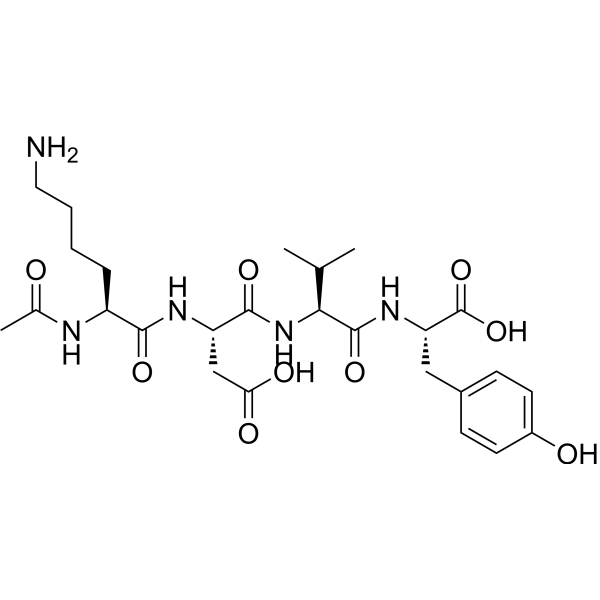
    Acetyl tetrapeptide-5 inhibits glycosylation and ACE-1 activity. Acetyl tetrapeptide-5 reduces edema and relieves vascular pressure by improving the vascular system and strengthening the skin under the eyes. Acetyl tetrapeptide-5 can be used in the research of Antioxidant, anti-aging skin care .
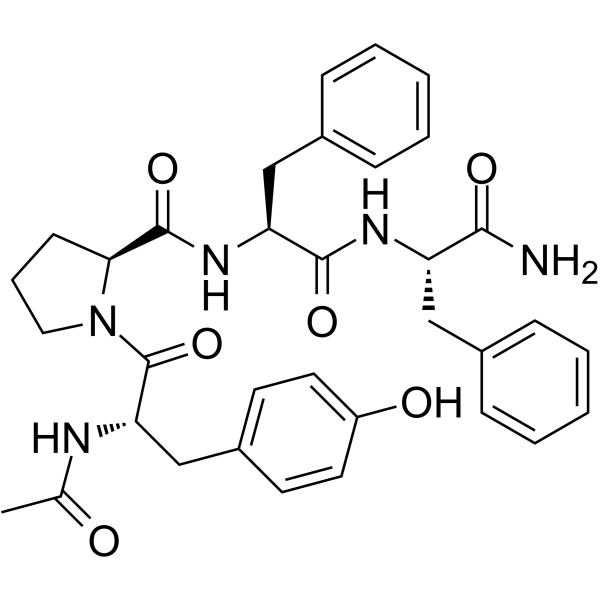
    Acetyl tetrapeptide-5
  • HY-W015300

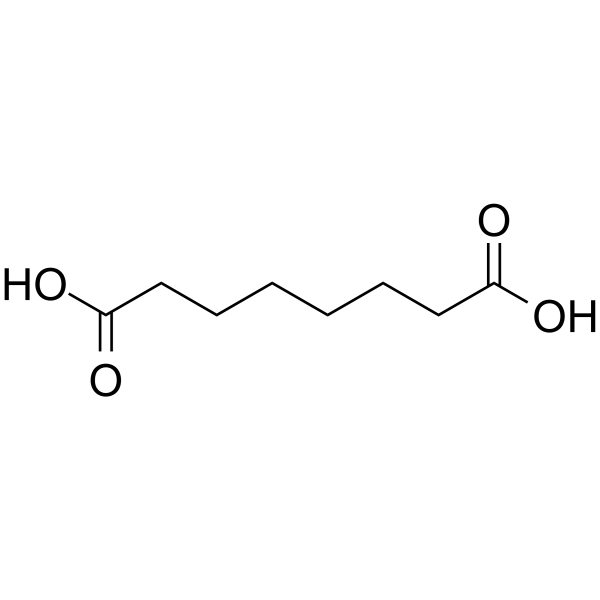
    Octanedioic acid

    Endogenous Metabolite Akt TGF-β Receptor p38 MAPK Metabolic Disease
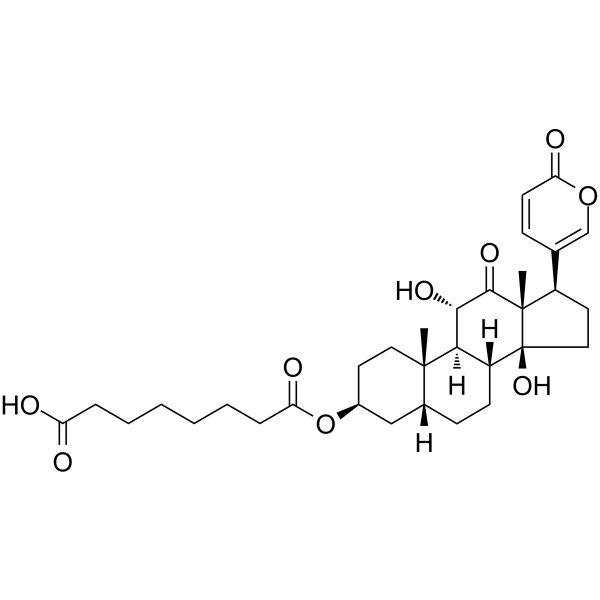
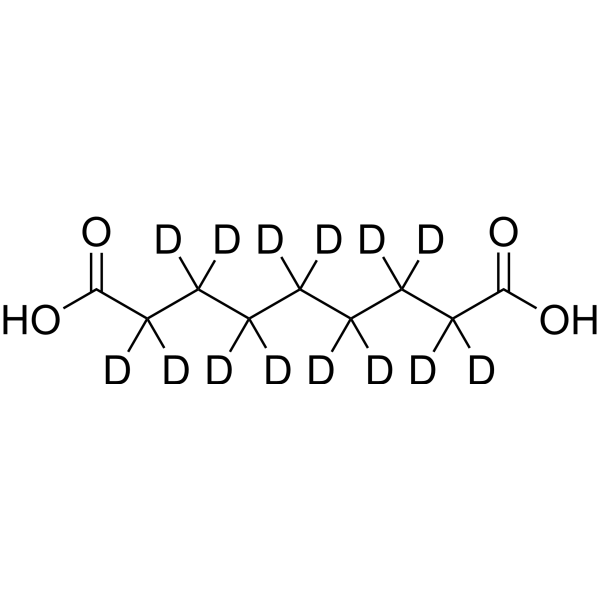
    Suberic acid (Octanedioic acid) is an orally active crystalline dibasic acid. Suberic acid activates the Akt signaling pathway and regulates the expression of molecules related to the TGF-β and MAPK signaling pathways. Suberic acid inhibits skin dryness .
    Suberic acid
  • HY-124190

    Environmental Pollutants Biochemical Assay Reagents Others
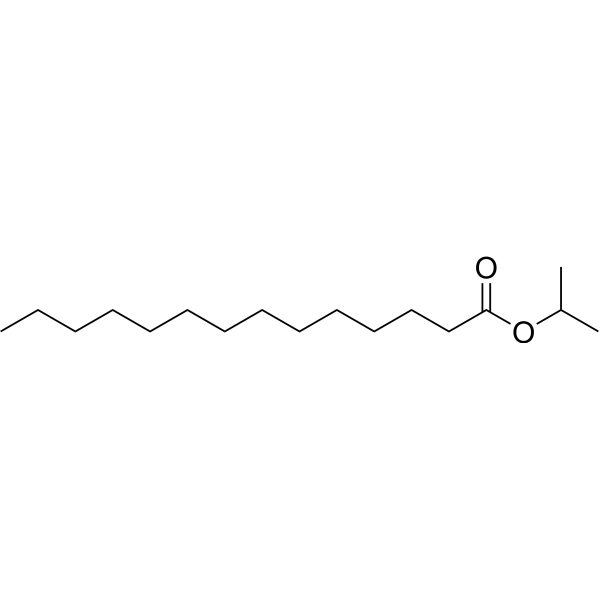
    Isopropyl myristate (IPM) is the ester of isopropyl alcohol and myristic acid. Isopropyl myristate is used for transdermal delivery of some compounds. Isopropyl myristate is a polar emollient and is used in cosmetic and topical medicinal preparations where good absorption into the skin is desired .
    Isopropyl myristate
  • HY-130187A
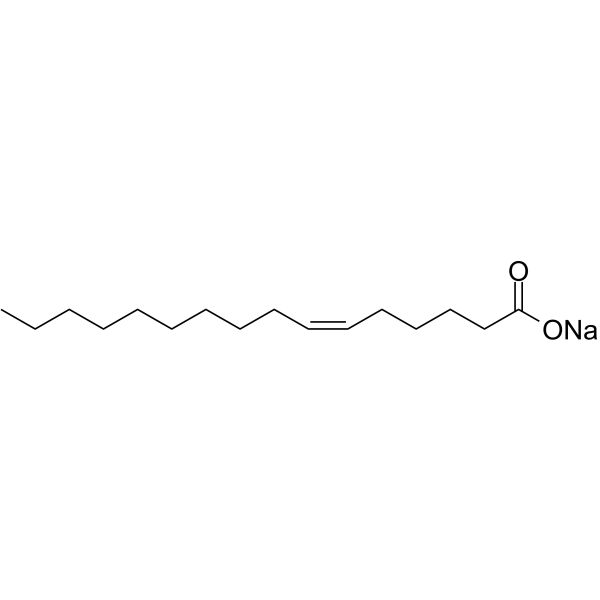
    Sapienic acid sodium
    1 Publications Verification

    Bacterial Infection
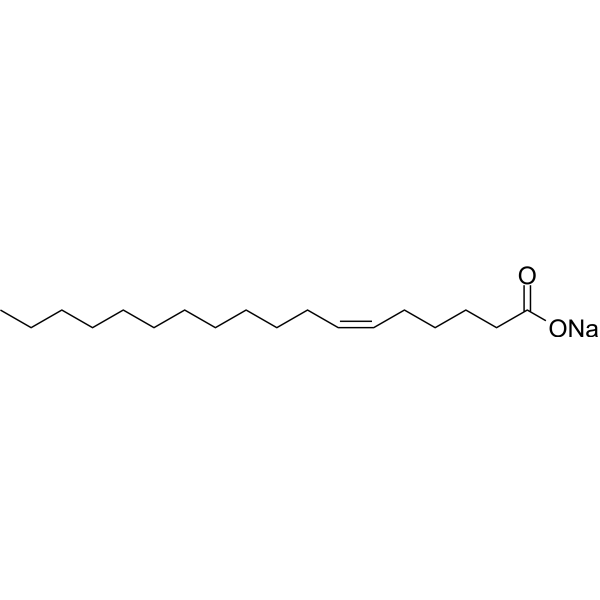
    Sapienic acid sodium is a fatty acid commonly found on the skin and in mucosa. Sapienic acid sodium has variable antimicrobial activities against Gram-positive and Gram-negative bacteria found on the skin and in the oral cavity. Sapienic acid sodium is active against Streptococcus sanguinis, Streptococcus mitis and Fusobacterium nucleatum with MBC values of 31.3 μg/mL, 375.0 μg/mL and 93.8 μg/mL, respectively .
    Sapienic acid sodium
  • HY-N7132

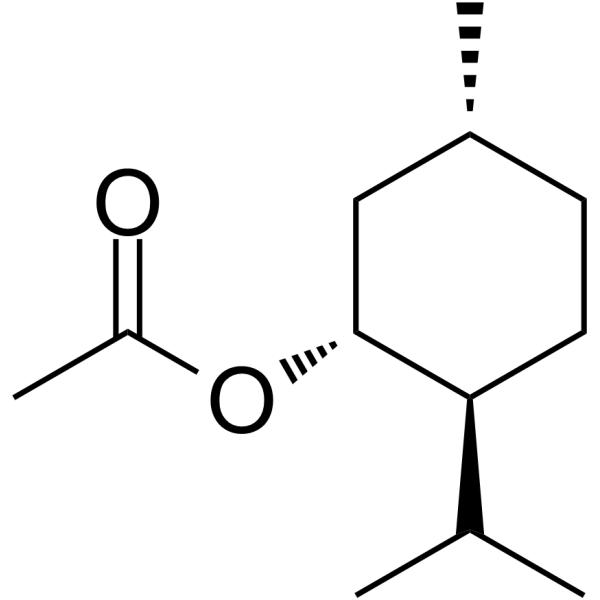
    L-Menthyl acetate

    Biochemical Assay Reagents Drug Derivative Others
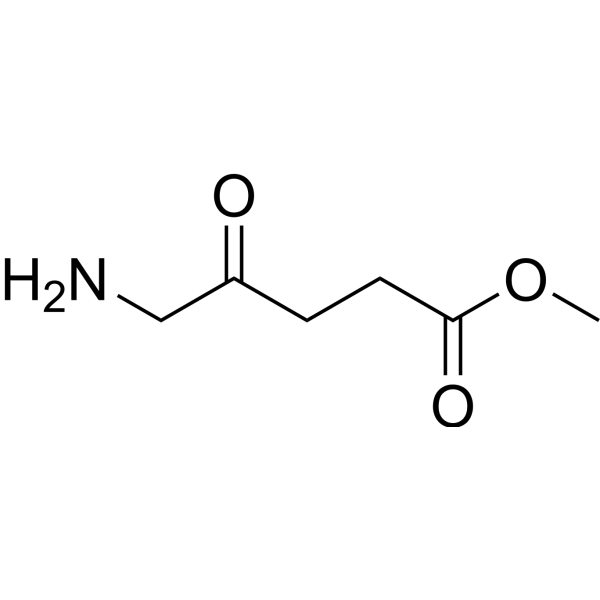
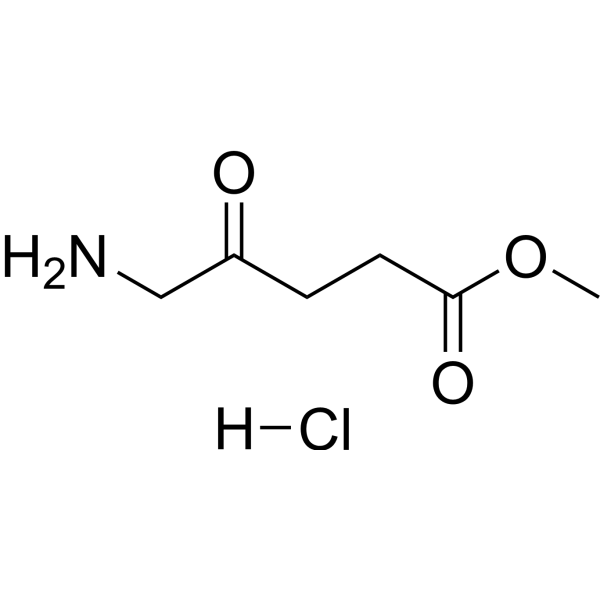
    (-)-Menthyl acetate (L-Menthyl acetate) is a derivative of L-menthol and also a skin penetration enhancer for 5-aminolevulinic acid (ALA). (-)-Menthyl acetate exhibits strong ALA skin penetration-enhancing activity .
    (-)-Menthyl acetate
  • HY-145194

    Mas-related G-protein-coupled Receptor (MRGPR) Inflammation/Immunology
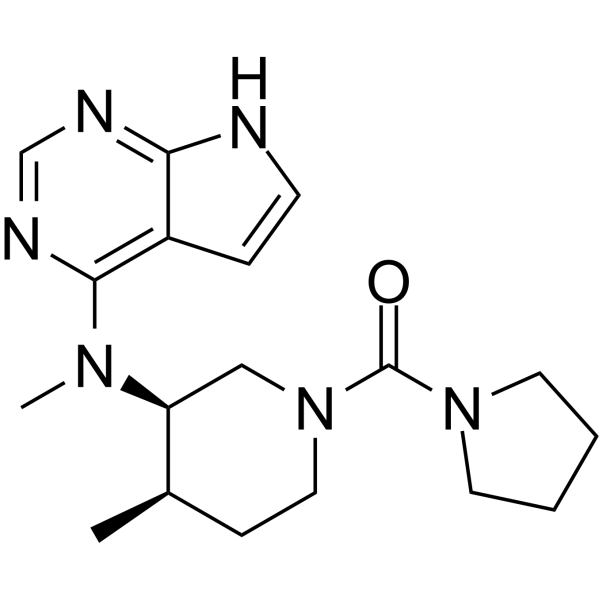
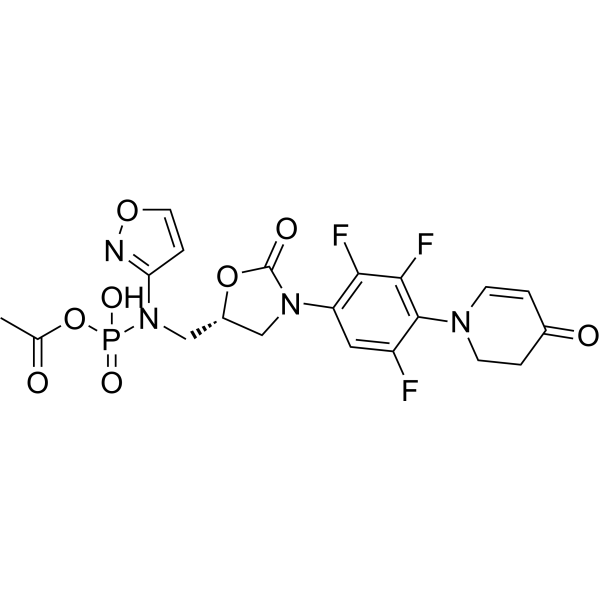
    MrgprX2 antagonist-4 is an MrgprX2 antagonist extracted from patent US20210128561A1, compound B-51 E117. MrgprX2 antagonist-4 can be used for the research of inflammatory disorders of the skin .
    MrgprX2 antagonist-4
  • HY-B1695

    Nicotinic acid methyl ester

    Others Cardiovascular Disease Inflammation/Immunology
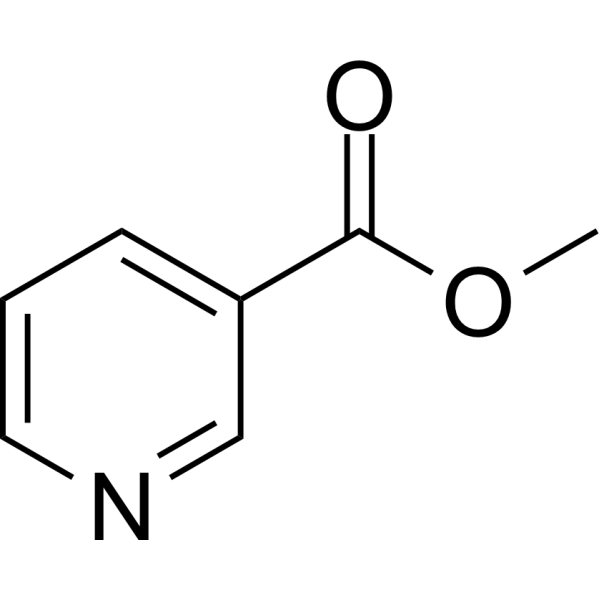
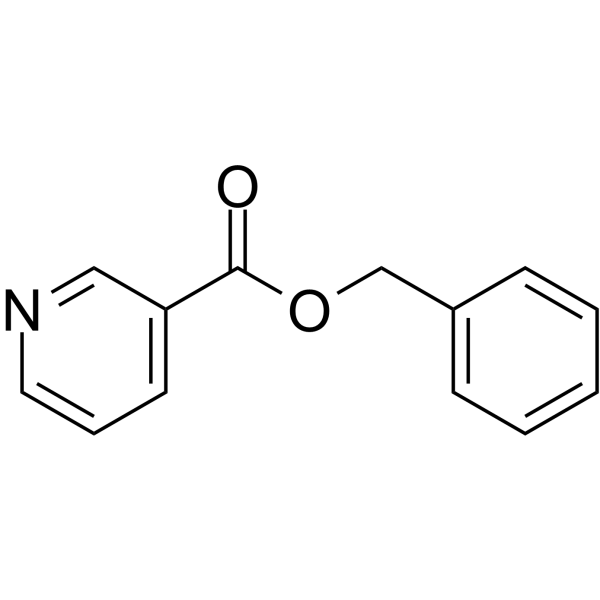
    Methyl nicotinate (Nicotinic acid methyl ester) is an orally active vasodilator. Methyl nicotinate has analgesic activity. Methyl nicotinate causes local skin erythema when applied topically to the skin. Methyl nicotinate is used as an active ingredient in over-the-counter topical preparations for the study of muscle and joint pain .
    Methyl nicotinate
  • HY-Y1365E

    Biochemical Assay Reagents Others
    Porcine skin Gelatin, suitable for cell culture (medium gel strength) can be used to coat cells to improve cell attachment .
    Porcine skin Gelatin,suitable for cell culture(medium gel strength)
  • HY-P0104

    Collagen Metabolic Disease
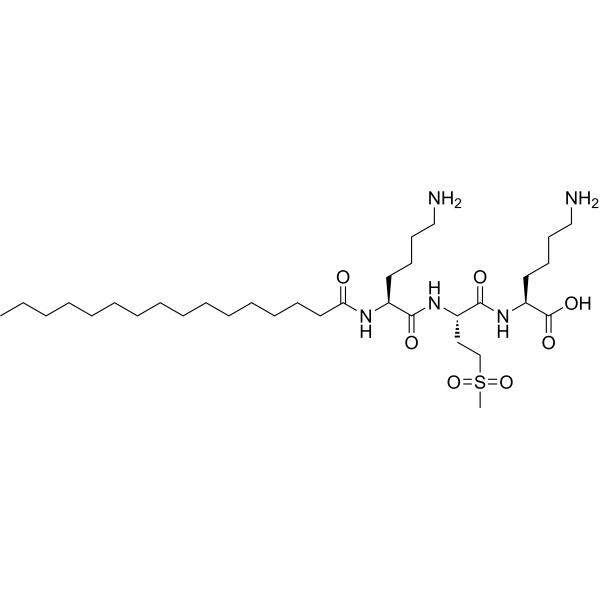
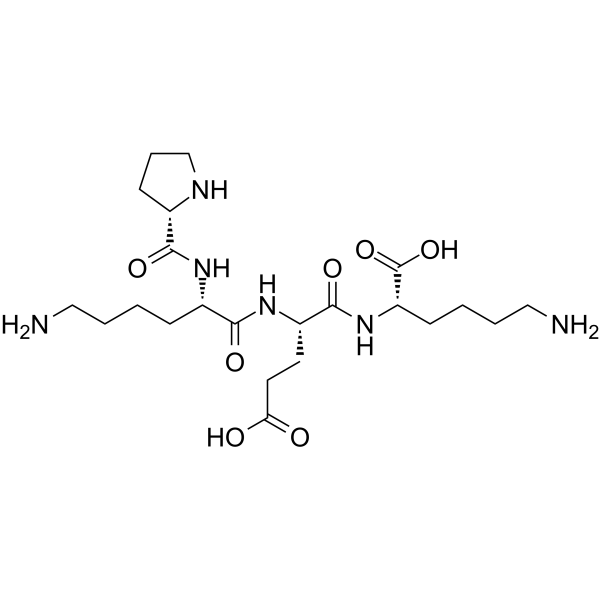
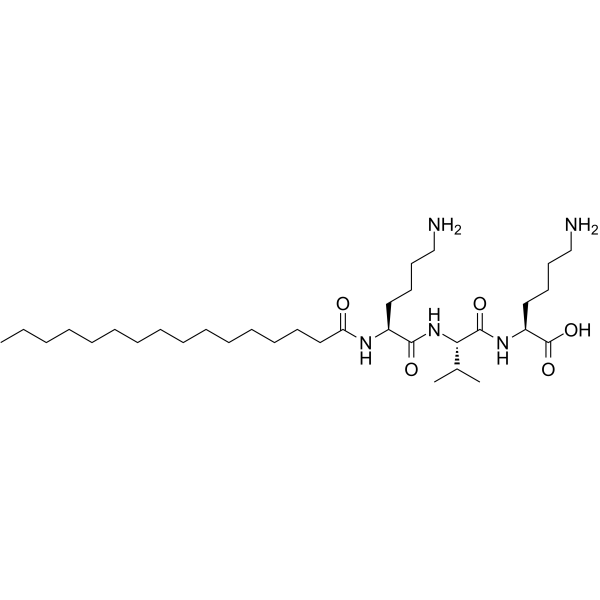
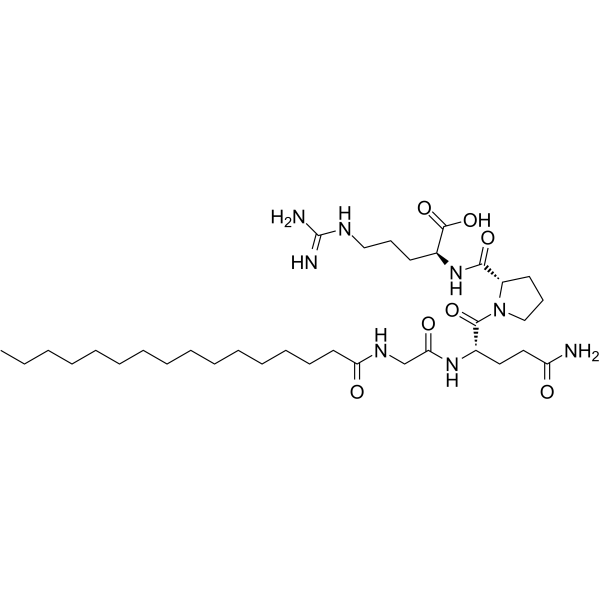
    Palmitoyl tripeptide-38 is a lipopeptide that increases the production of dermal and epidermal collagen, fibronectin, and hyaluronic acid. Palmitoyl tripeptide-38 is used in research related to skin aging (fine lines, wrinkles, reduced skin elasticity, decreased skin water content, uneven skin tone) .
    Palmitoyl tripeptide-38
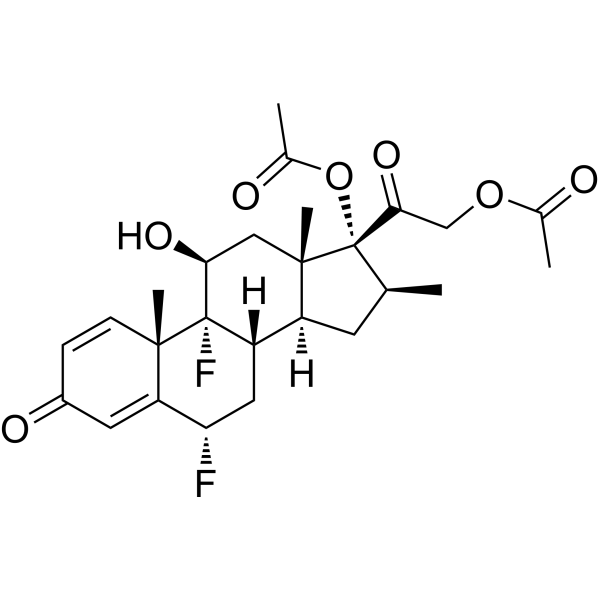
  • HY-U00058

    Fungal Bacterial Infection Inflammation/Immunology
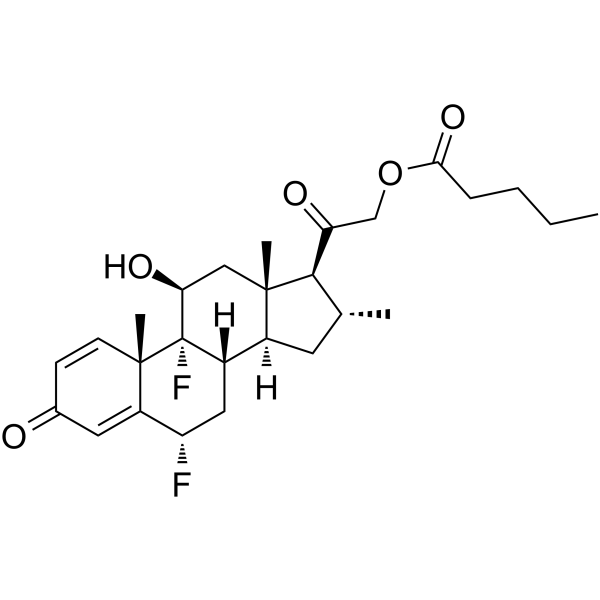
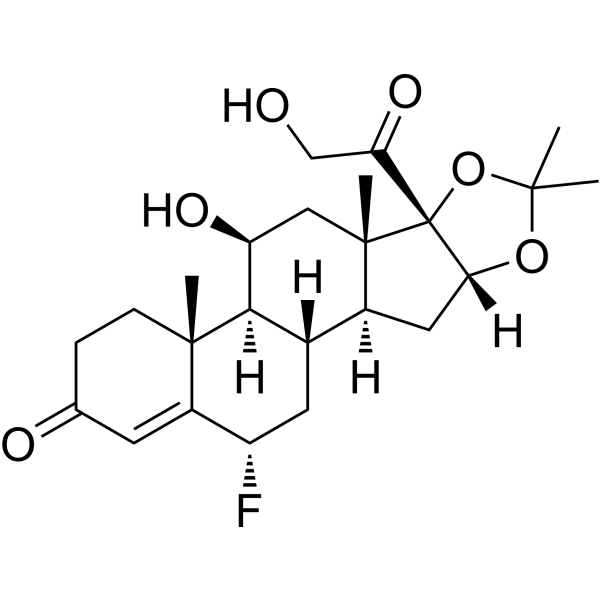
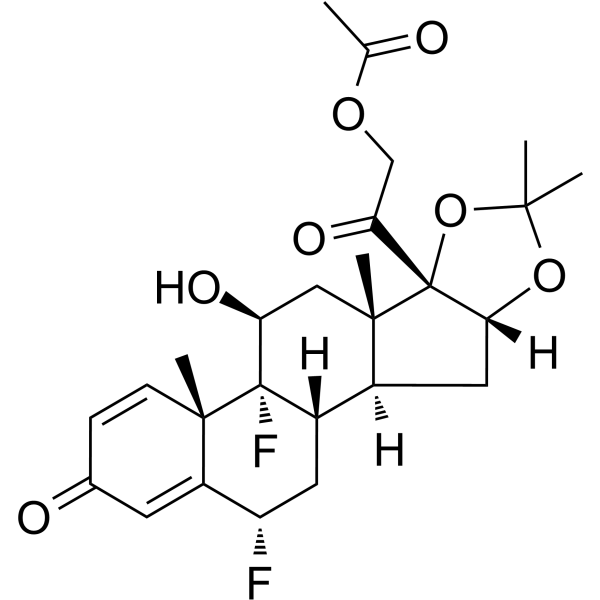
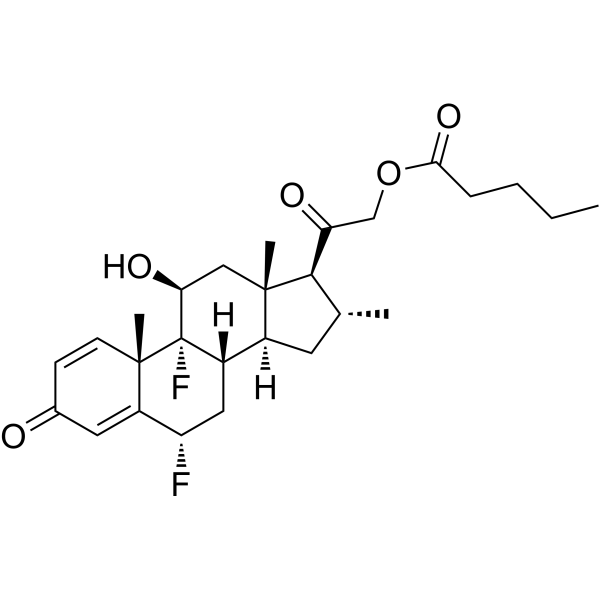
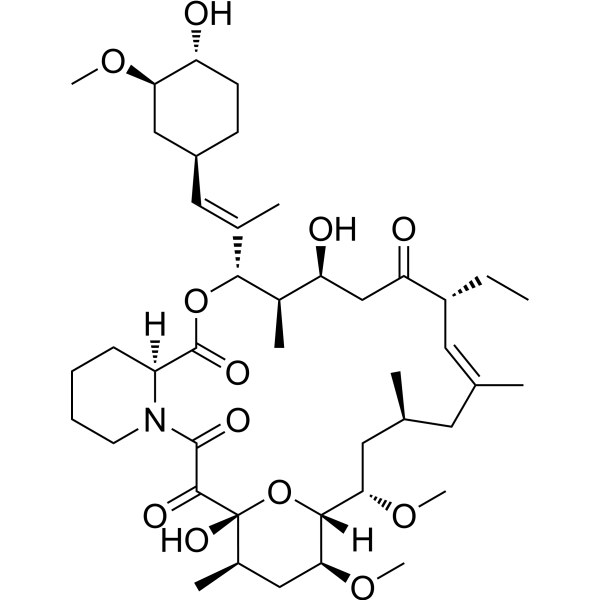
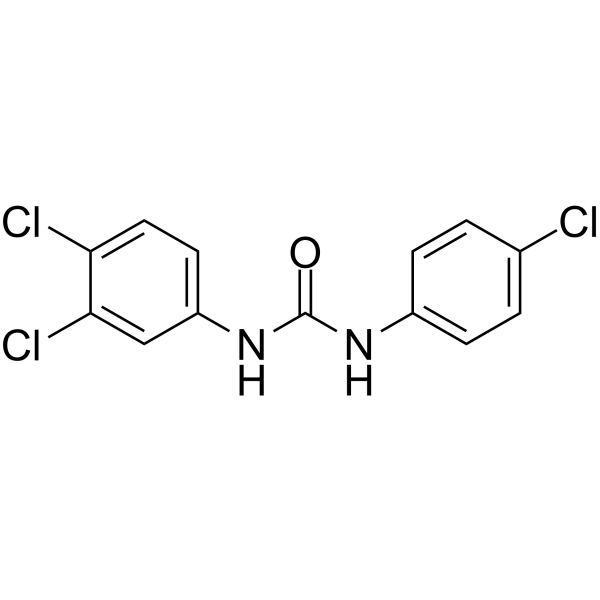
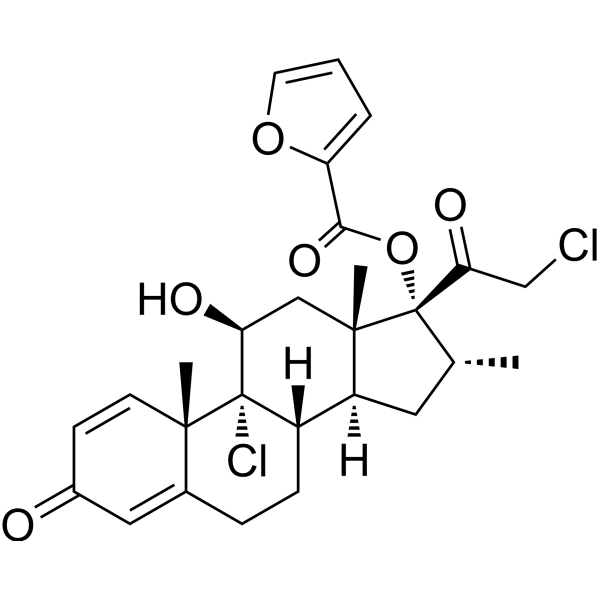
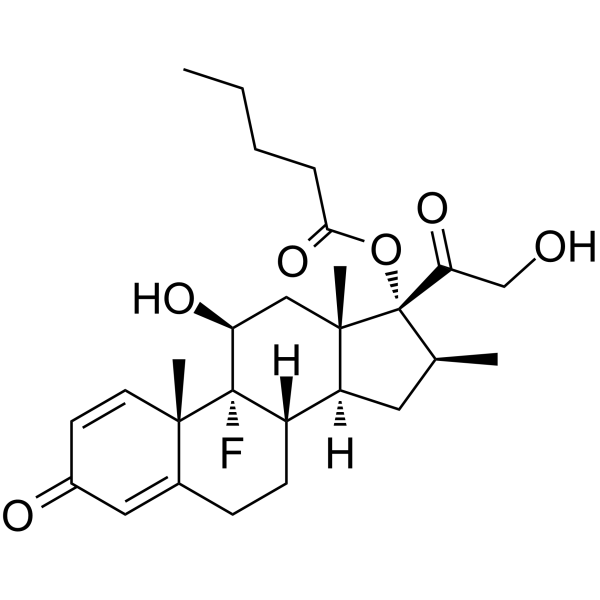
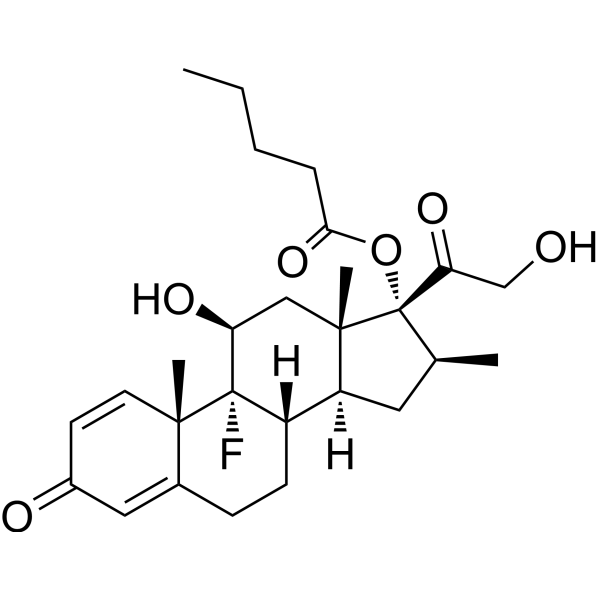
    Diflucortolone valerate is a powerful corticosteroid used topically for the research of various skin diseases .
    Diflucortolone valerate
  • HY-P3452

    Tyrosinase Inflammation/Immunology
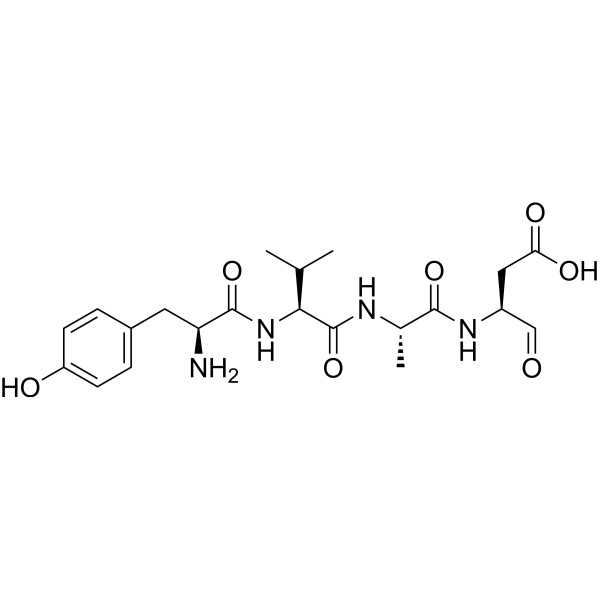
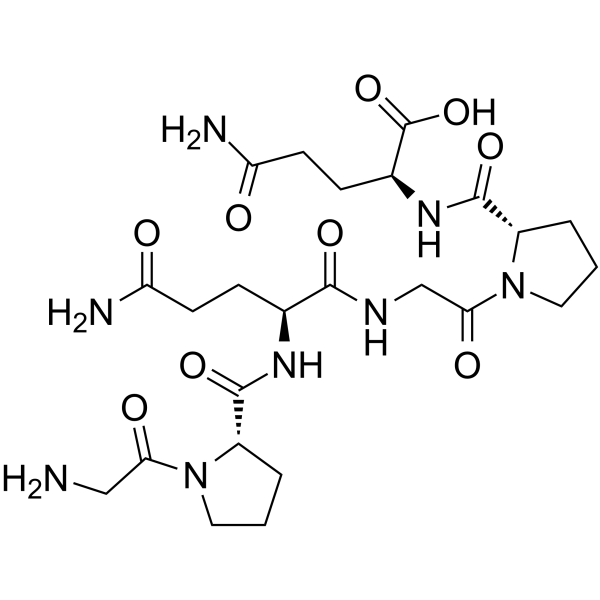
    Tetrapeptide-30 is a skin-brightening peptide consisting of four amino acids. Tetrapeptide-30 can act as a tyrosinase inhibitor, lightening hyperpigmentation and evening out skin tone by reducing the amount of tyrosinase and inhibiting melanocyte activation .
    Tetrapeptide-30
  • HY-B1365

    Glucocorticoid Receptor Inflammation/Immunology
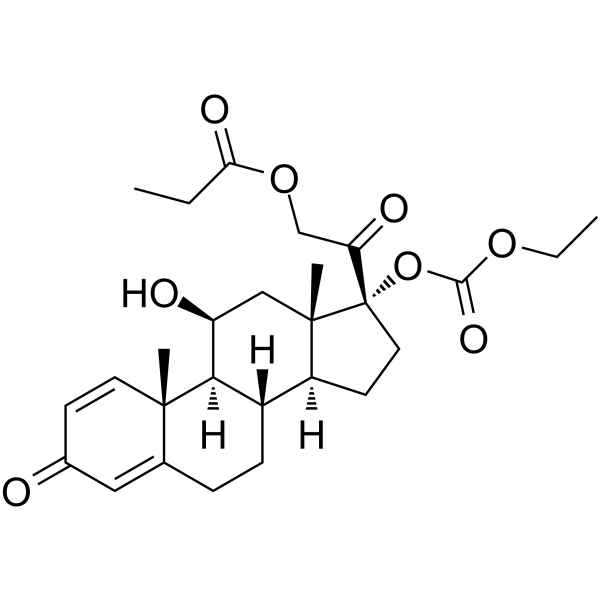
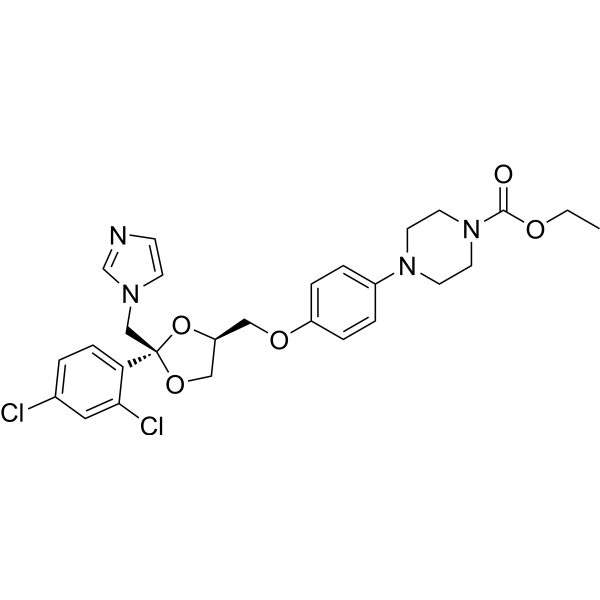
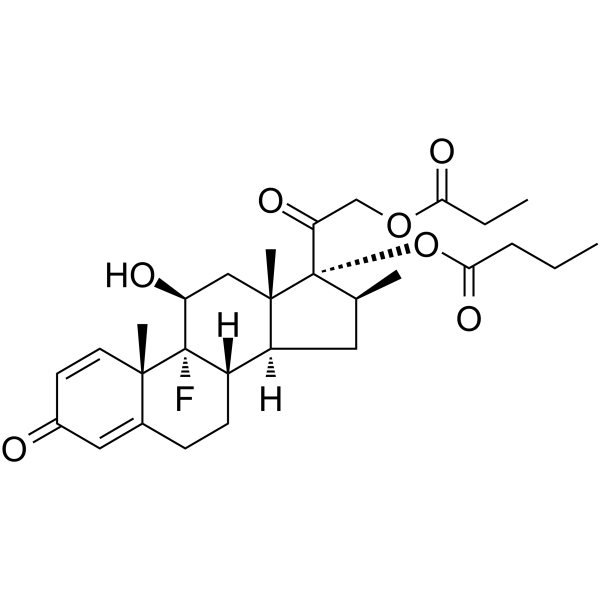
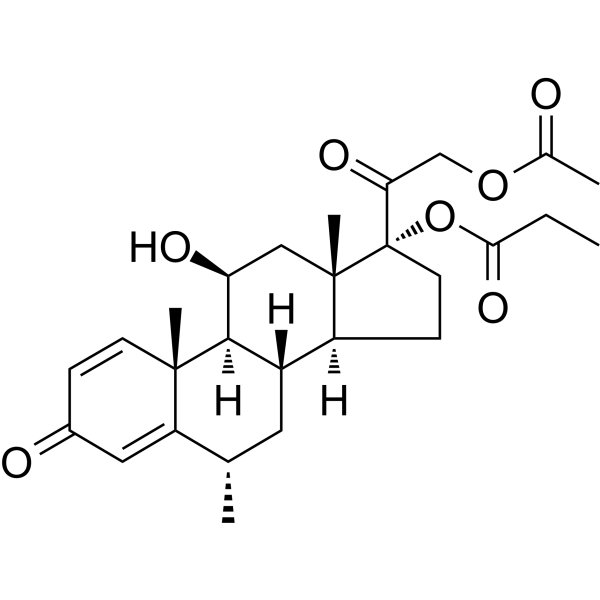
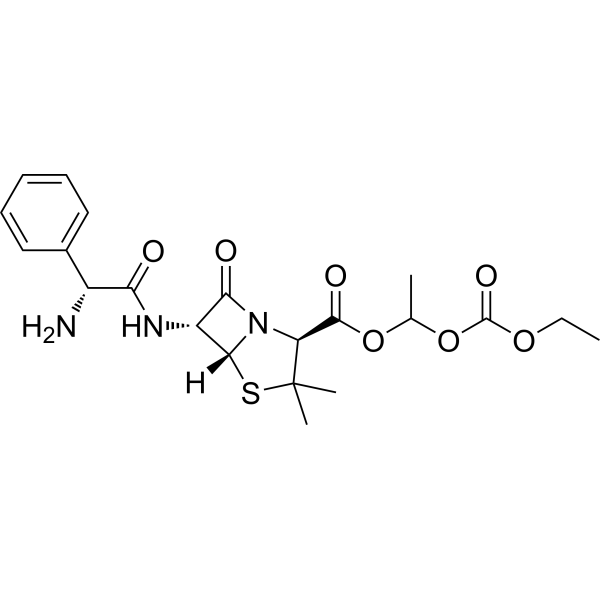
    Prednicarbate is a topical corticosteroid agent. Prednicarbate can be used for the research of inflammatory skin diseases, such as atopic dermatitis .
    Prednicarbate
  • HY-W040996R

    Biochemical Assay Reagents Reference Standards Others
    2-Octyldodecanol (Standard) is the analytical standard of 2-Octyldodecanol. This product is intended for research and analytical applications. 2-Octyldodecanol can enhance the skin permeation of formoterol fumarate (HY-B0010) .
    2-Octyldodecanol (Standard)
  • HY-145955

    Sodium stearoyl glutamate

    Biochemical Assay Reagents Others
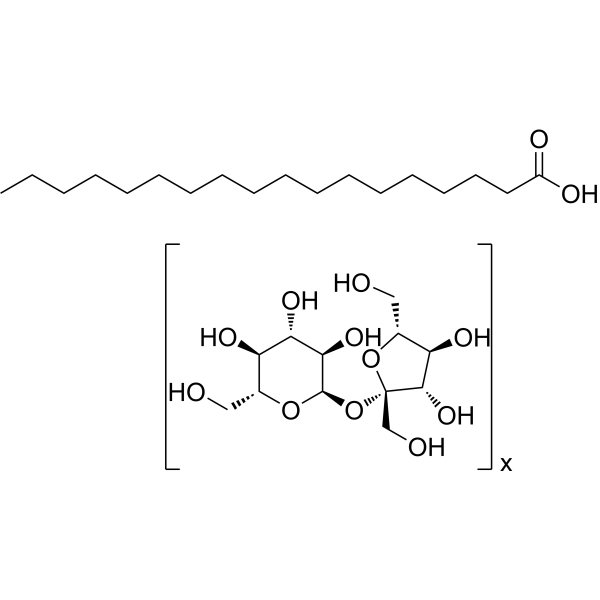
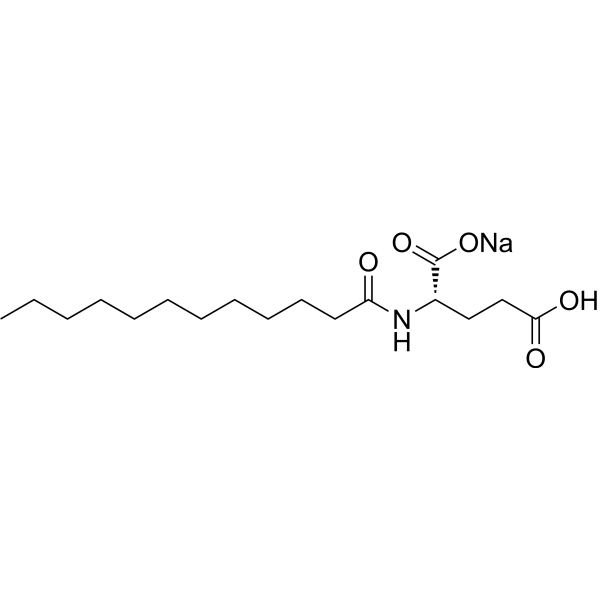
    Sodium stearoyl glutamate is a sodium salt of monocarboxylic acid anionic surfactant, which serves as a chelating agent, skin sensitizer and anionic co-emulsifier .
    Stearoyl glutamic acid sodium
  • HY-P0097A
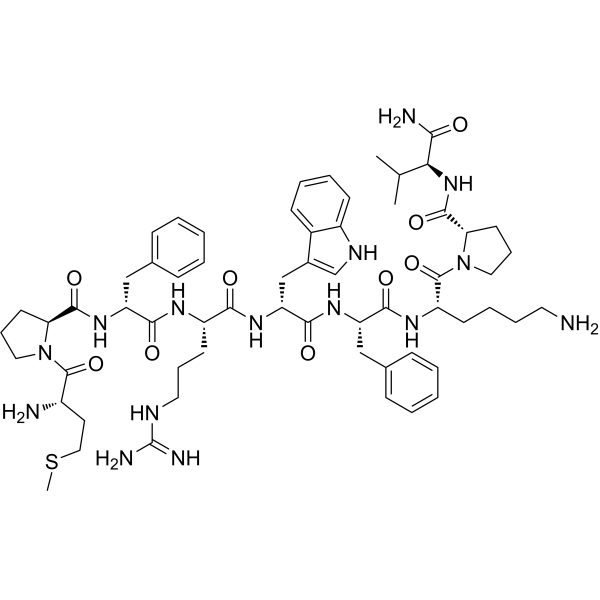
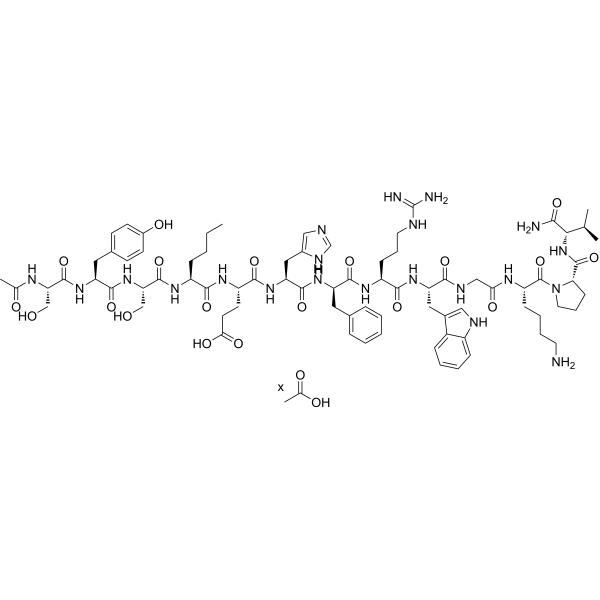
    Nonapeptide-1 acetate salt
    2 Publications Verification

    Melanostatine-5 acetate salt

    Melanocortin Receptor Metabolic Disease Endocrinology Cancer
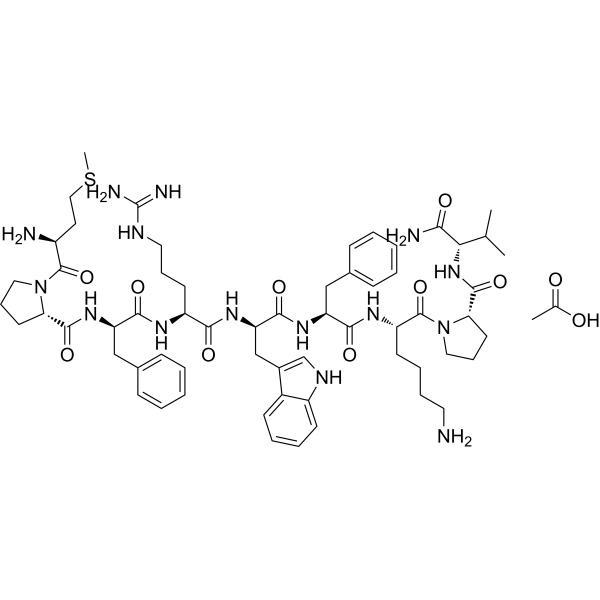
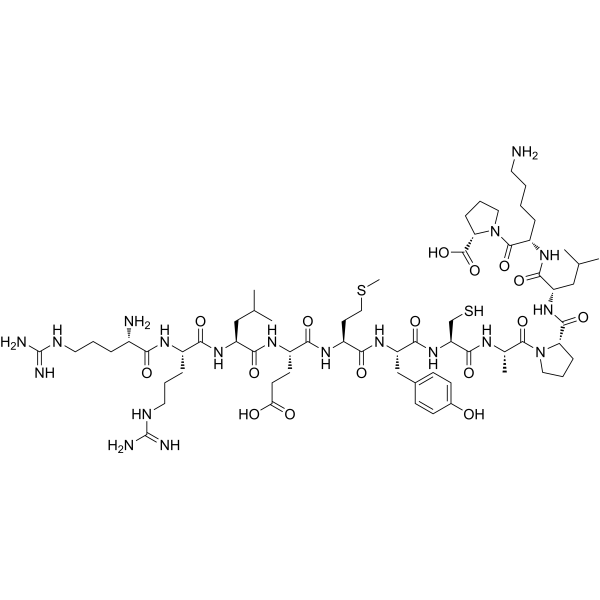
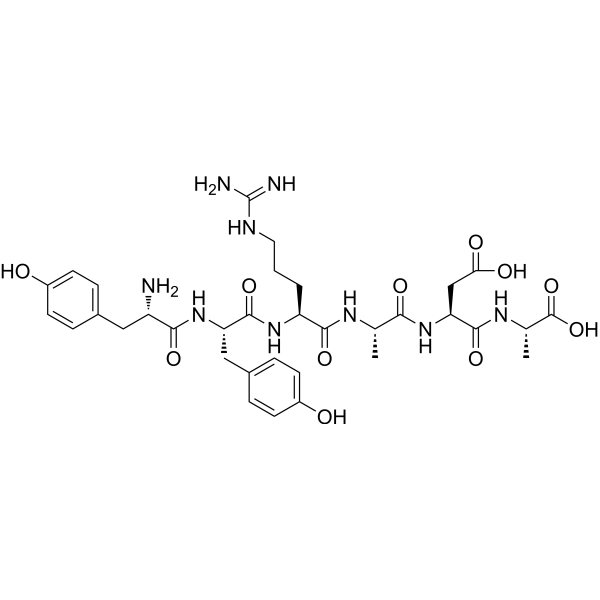
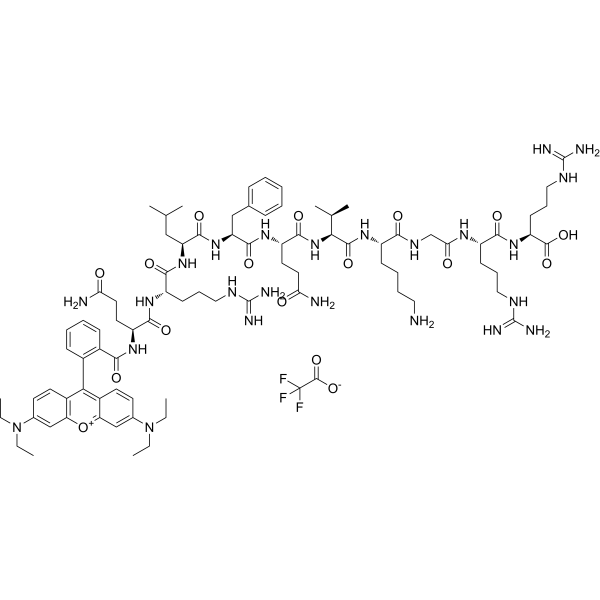
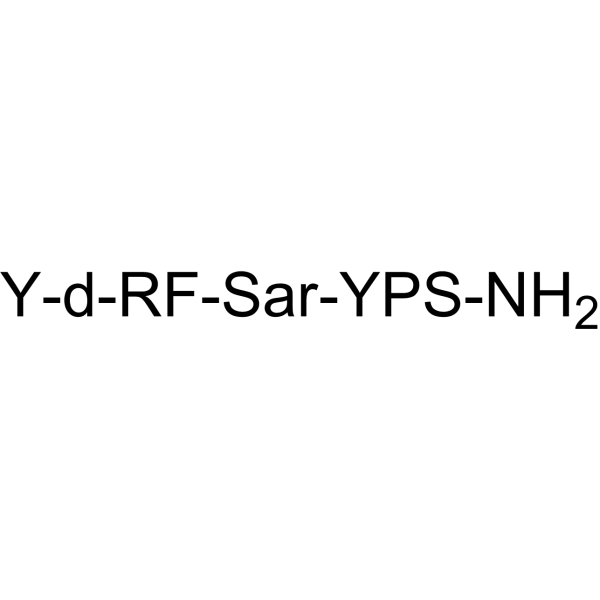
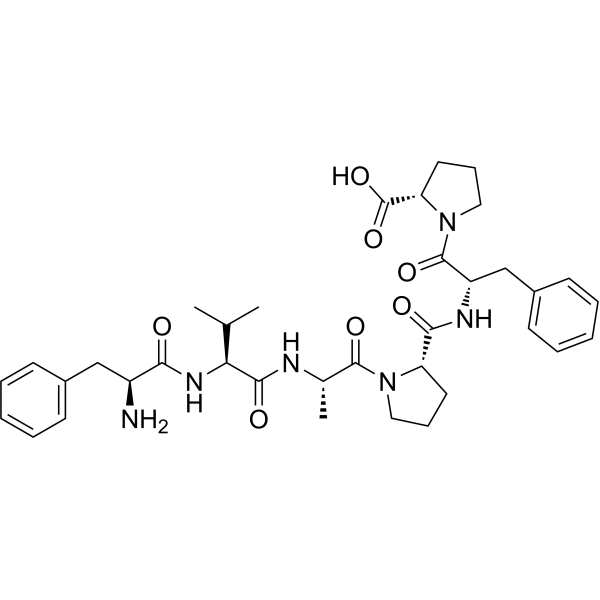
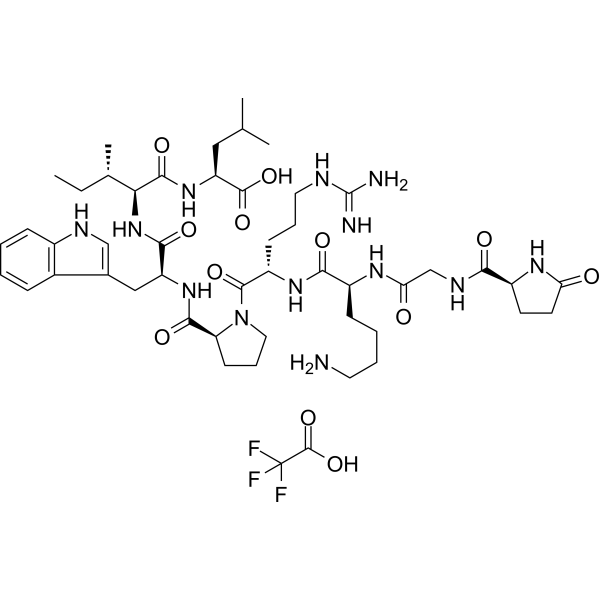
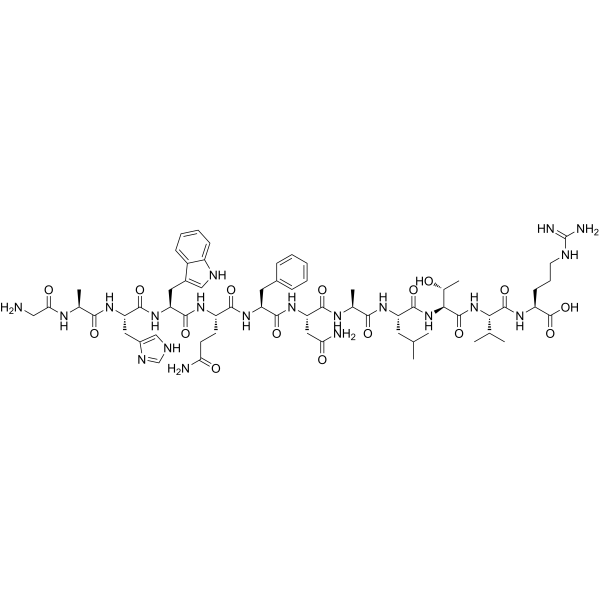
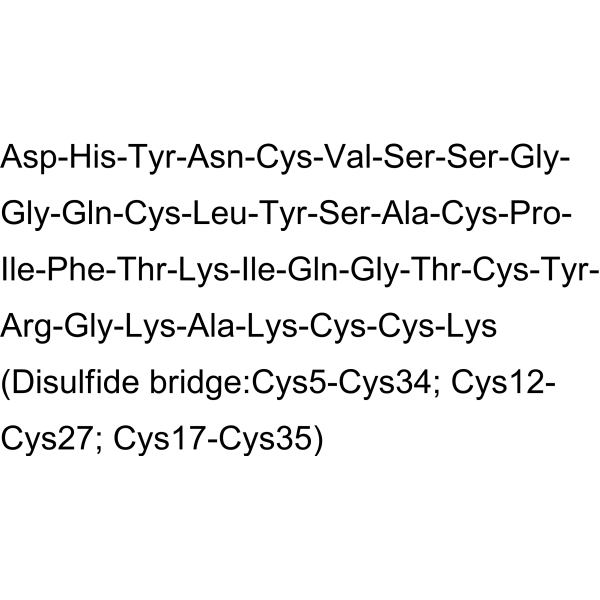
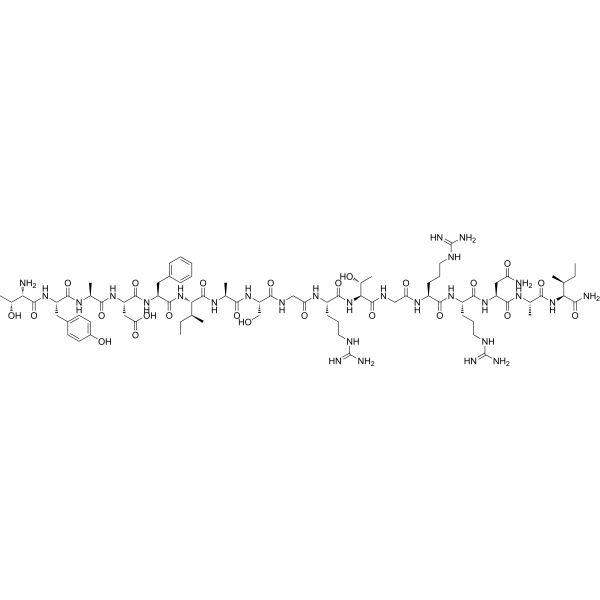
    Nonapeptide-1 (Melanostatine-5) acetate salt, a peptide hormone, is a selective antagonist of MC1R (Ki: 40 nM). Nonapeptide-1 acetate salt is a competitive α-MSH antagonist that potently inhibits intracellular cAMP and melanosome dispersion induced by α-MSH in melanocytes (IC50: 2.5 nM and 11 nM, respectively). Nonapeptide-1 acetate salt inhibits melanin synthesis, and can be used in the research of skin pigmentation and regulation of steroid production in the adrenal gland, skin cancer .
    Nonapeptide-1 acetate salt
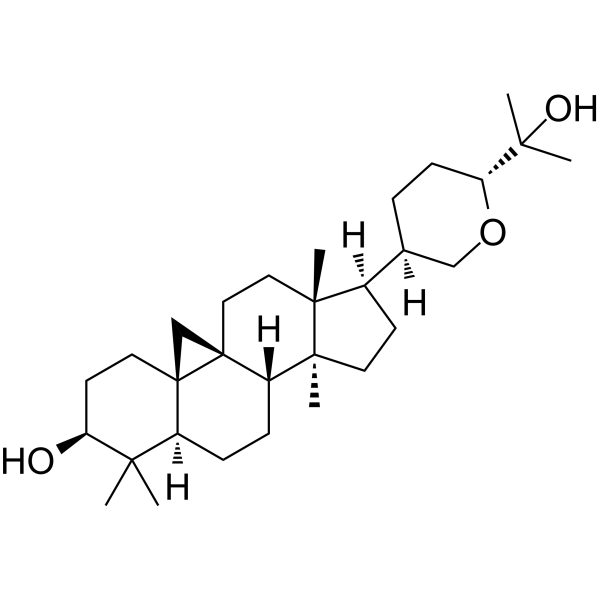
  • HY-N10496

    Others Inflammation/Immunology
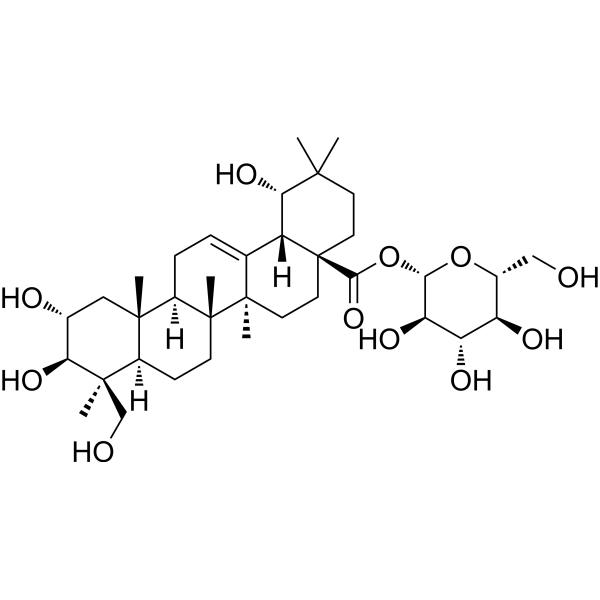
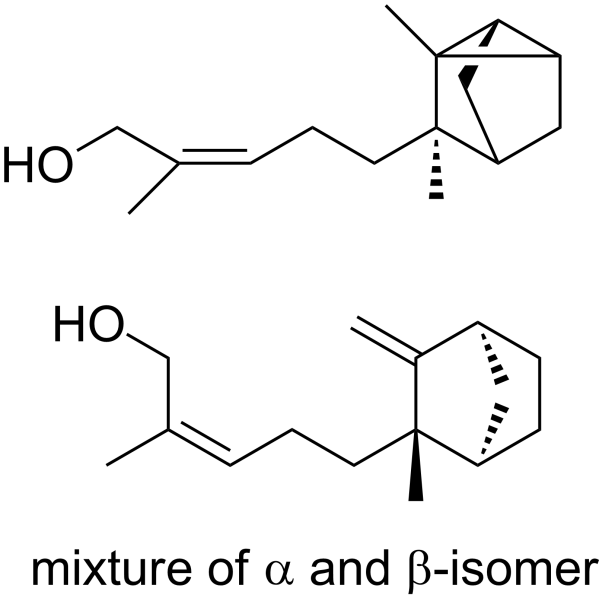
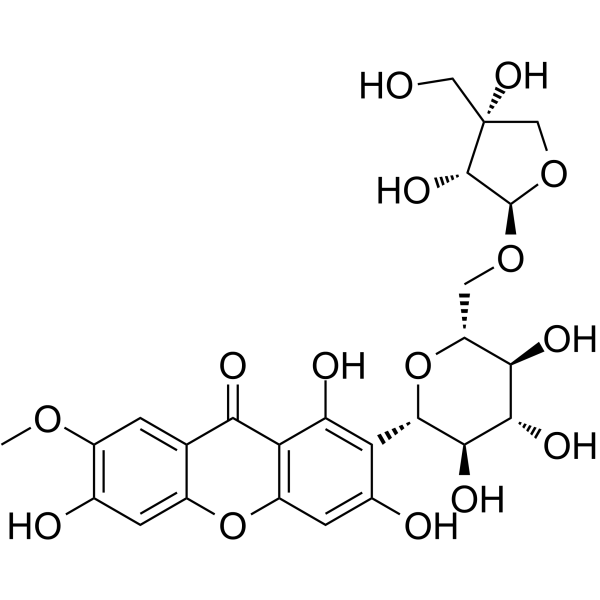
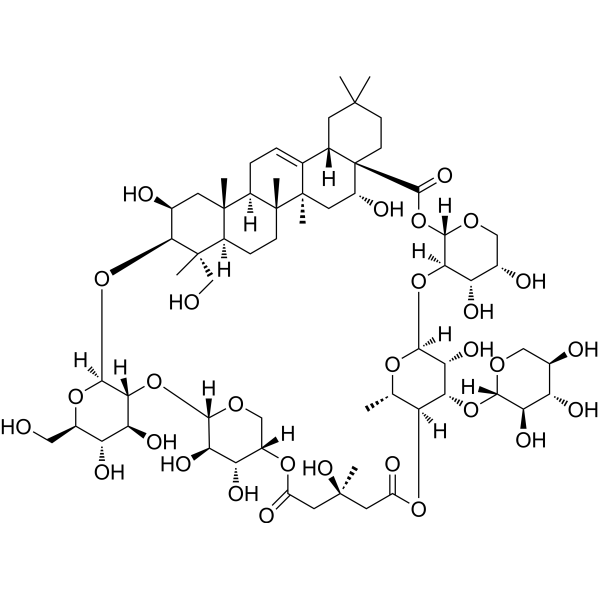
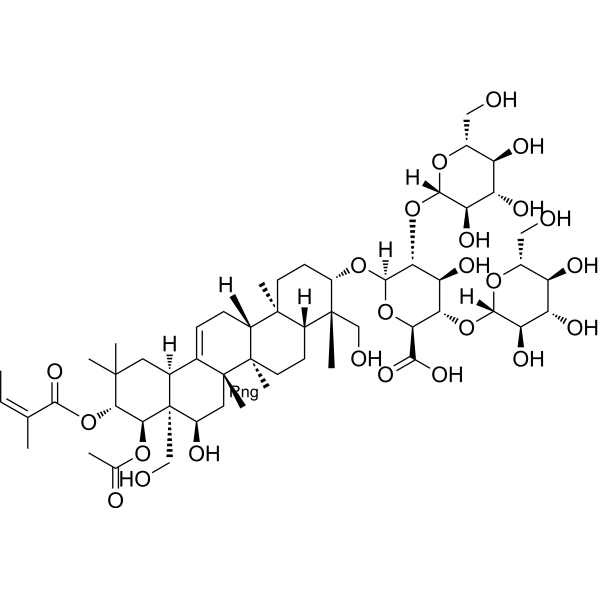
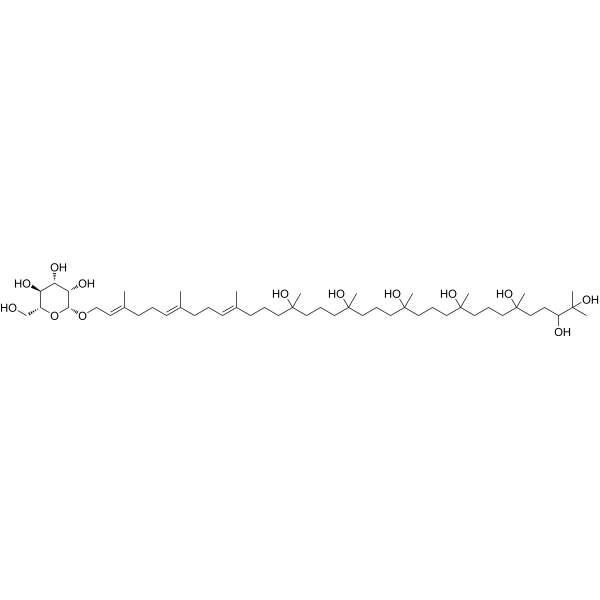
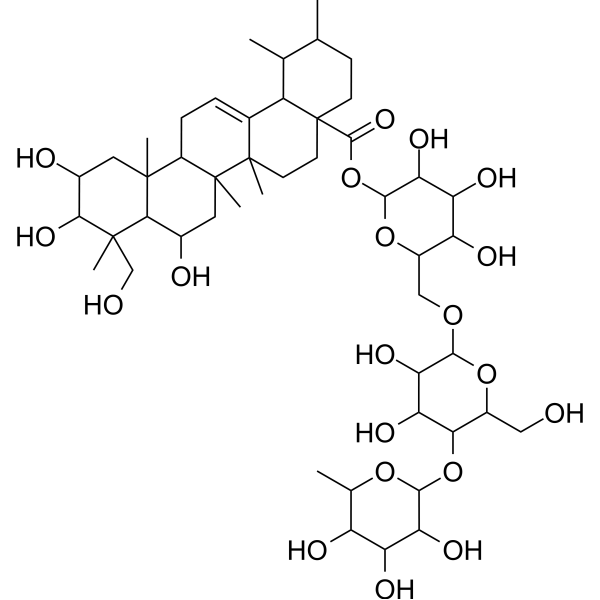
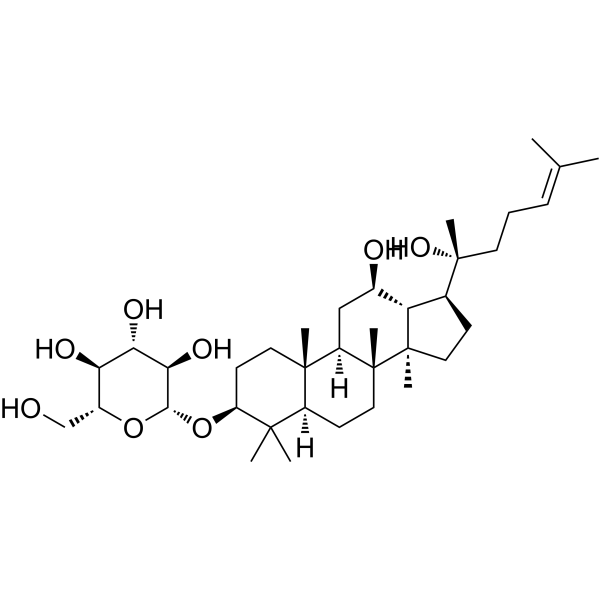
    Sericoside is a triterpenoid with anti-inflammatory activity, can be isolated form Terminalia. Sericoside has a strong lipolytic activity. Sericoside can also reduce skin wrinkles and ameliorating skin texture .
    Sericoside
  • HY-W040996

    Environmental Pollutants Others
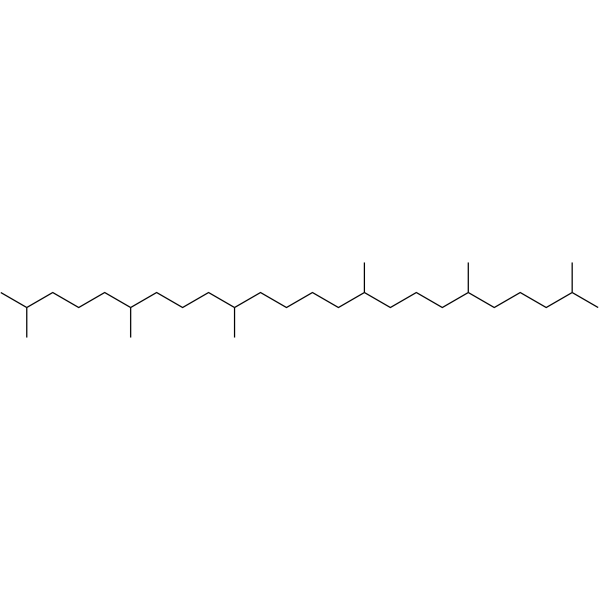
    2-Octyldodecanol can enhance the skin permeation of formoterol fumarate (HY-B0010) .
    2-Octyldodecanol
  • HY-W014983

    Bacterial Infection Metabolic Disease
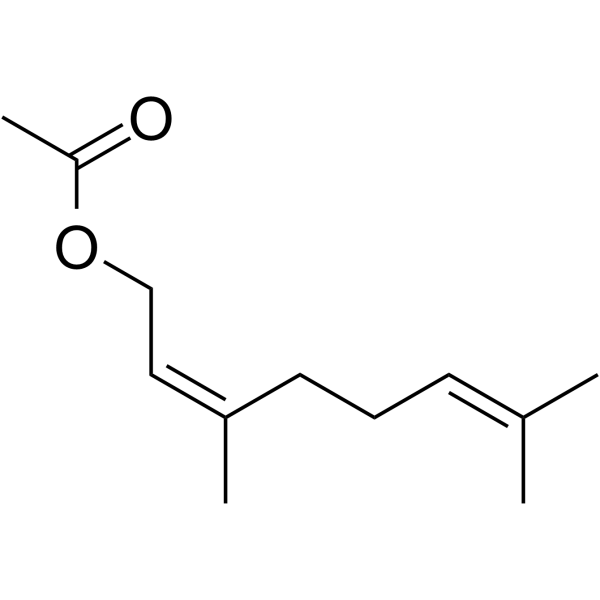
    Neryl acetate is an essential oil component. Neryl acetate upregulates genes associated with epidermal differentiation, skin barrier formation and ceramide synthesis; it also increases filaggrin expression, total lipid and ceramide contents. Neryl acetate acts as the core driver mediating the skin barrier-forming and antibacterial effects of Helichrysum italicum essential oil .
    Neryl acetate
  • HY-14737A
    Ceftaroline fosamil hydrate
    2 Publications Verification

    TAK-599 hydrate; PPI0903 hydrate

    Antibiotic Bacterial Infection
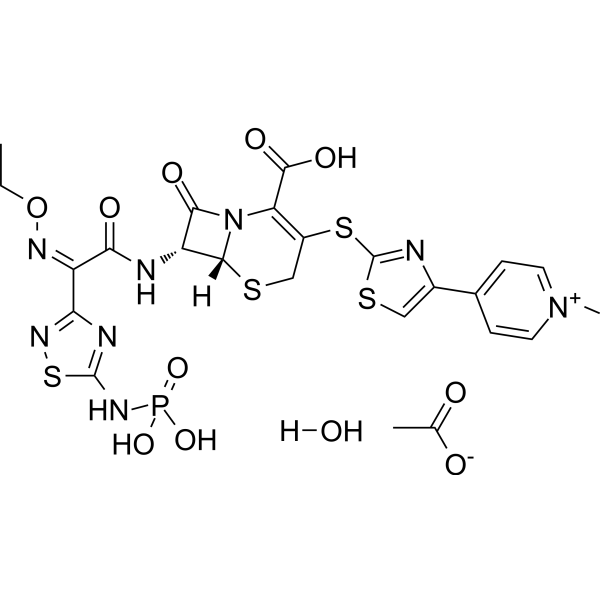
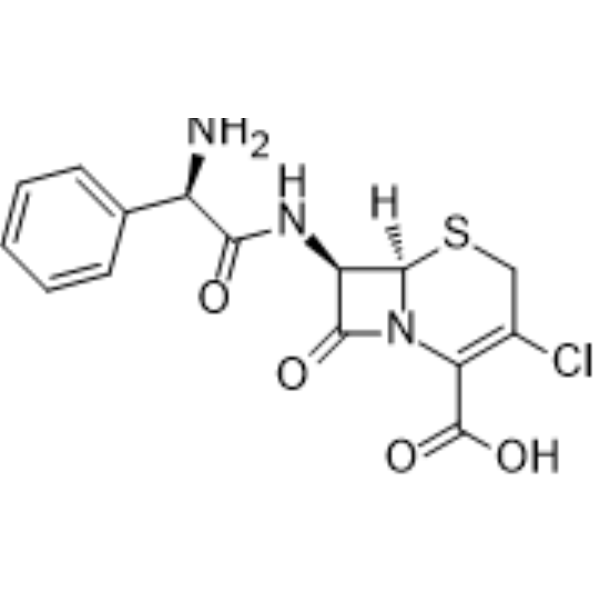
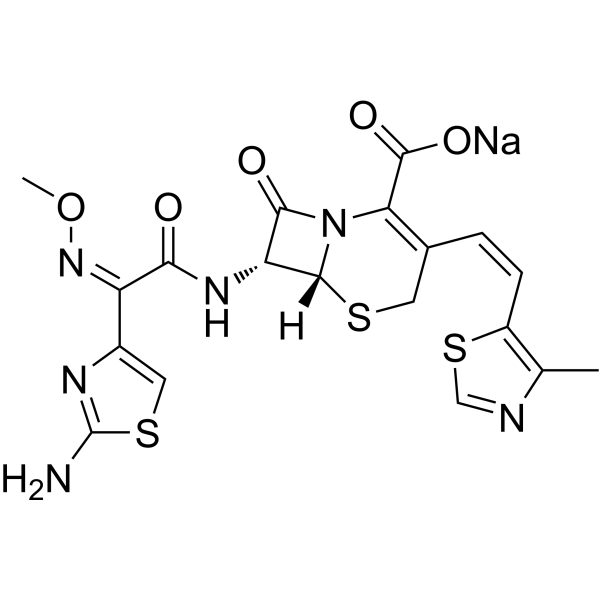
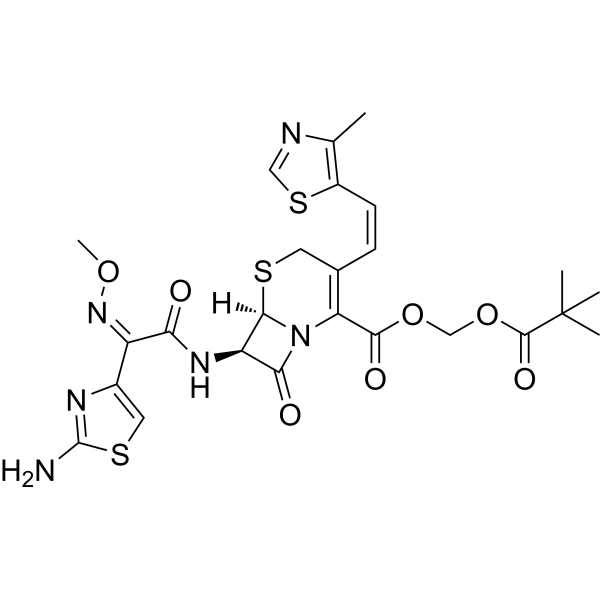
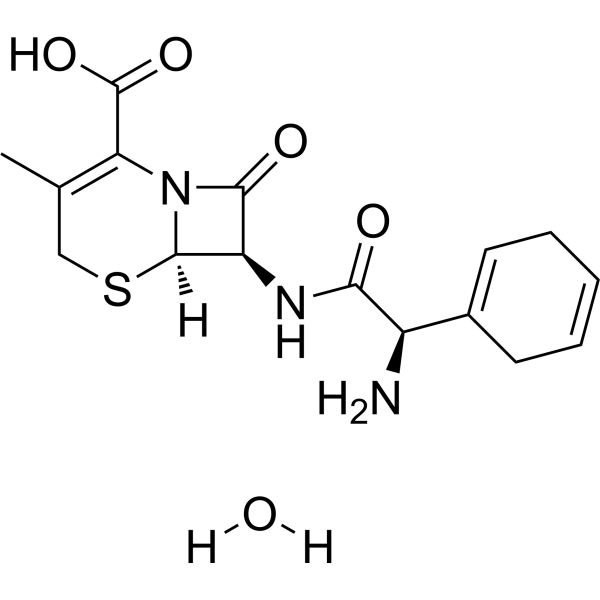
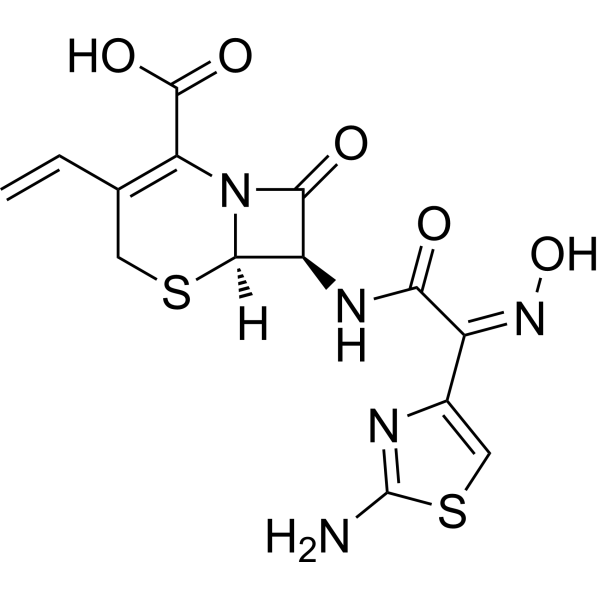
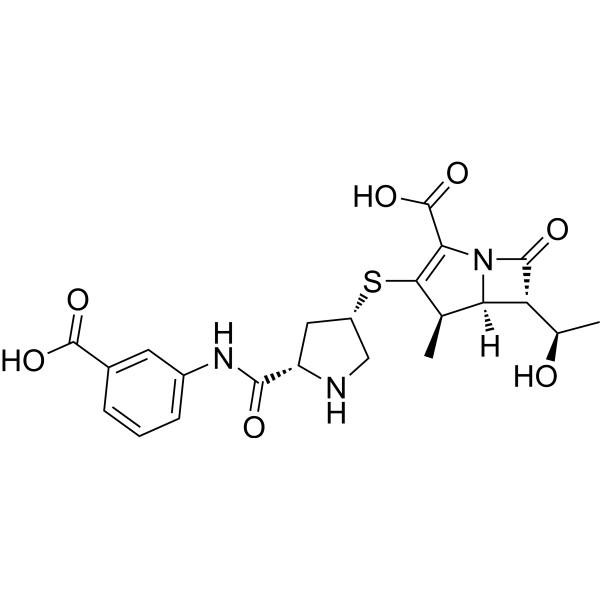
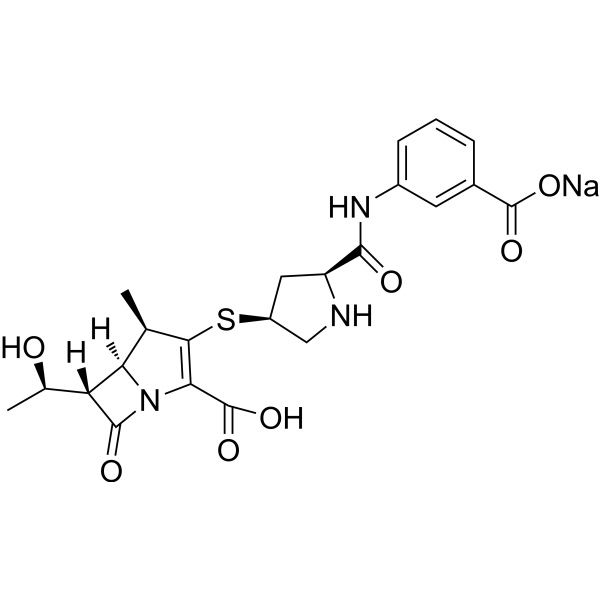
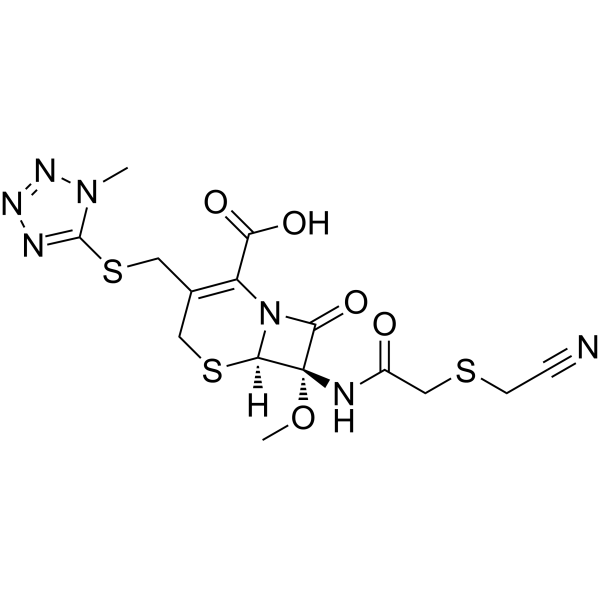
    Ceftaroline fosamil hydrate is a potent cephalosporin antibiotic. Ceftaroline fosamil hydrateshows broad-spectrum activity against Gram-positive pathogens, including methicillin-resistant Staphylococcus aureus (MRSA) and multidrug-resistant Streptococcus pneumoniae, and common Gram-negative organisms. Ceftaroline fosamil hydrate has anti-infective activity, and can be used for the research of complicated skin and skin structure infections (cSSSIs) and community-acquired bacterial pneumonia (CABP) .
    Ceftaroline fosamil hydrate
  • HY-125407

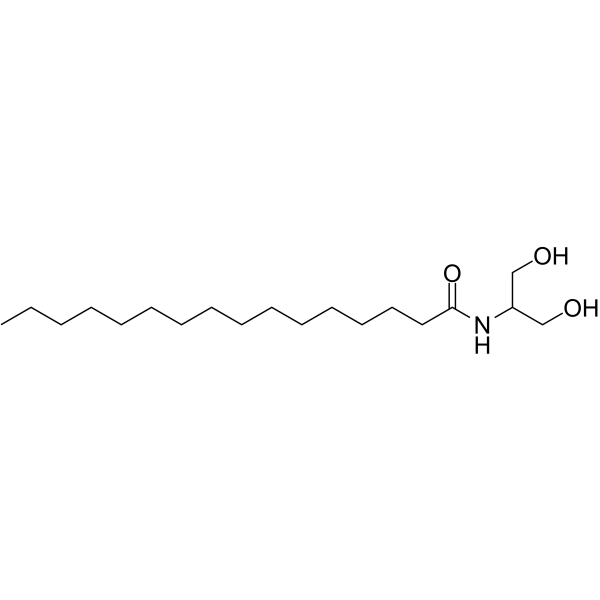
    N-Palmitoyl serinol

    Cannabinoid Receptor Inflammation/Immunology
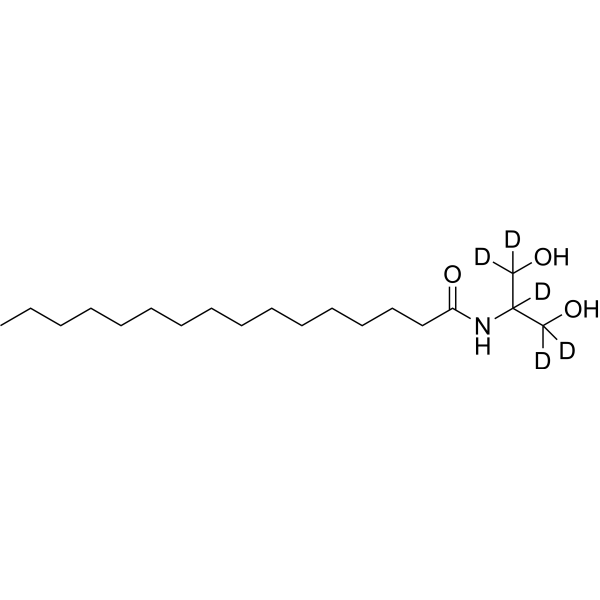
    Palmitoyl serinol (N-Palmitoyl serinol) is an analog of the endocannabinoid N-palmitoyl ethanolamine (PEA). Palmitoyl serinol improves the epidermal permeability barrier in both normal and inflamed skin .
    Palmitoyl serinol
  • HY-P5220

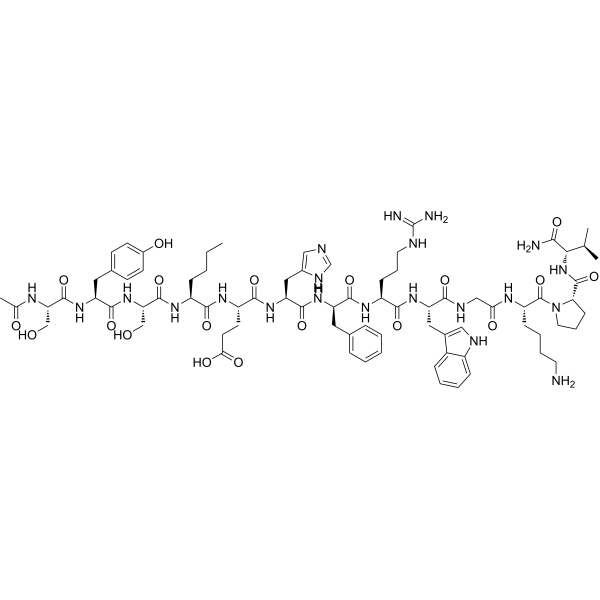
    Melitane

    Melanocortin Receptor Others
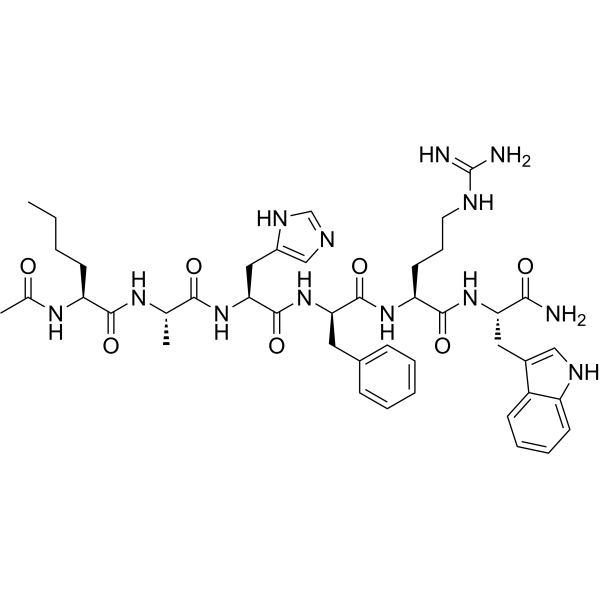
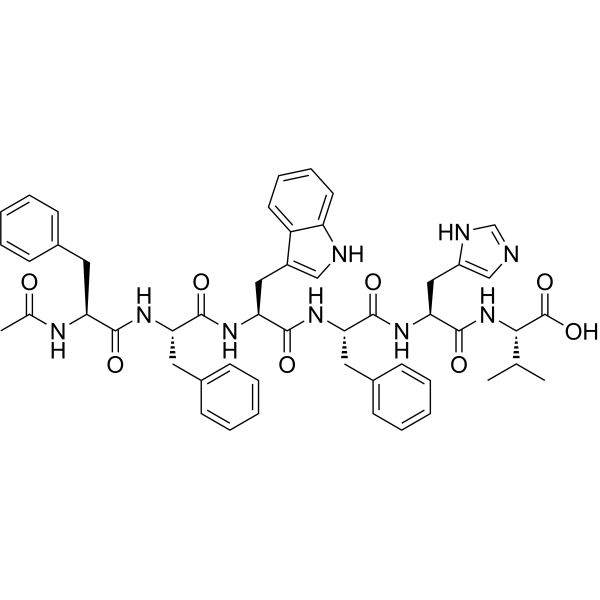
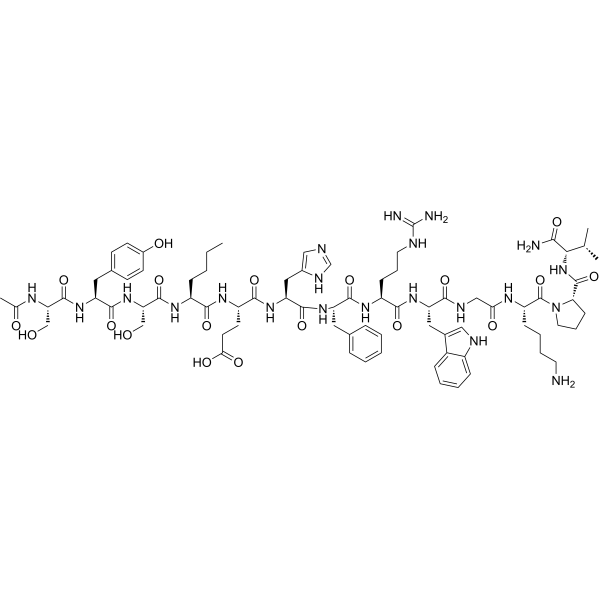
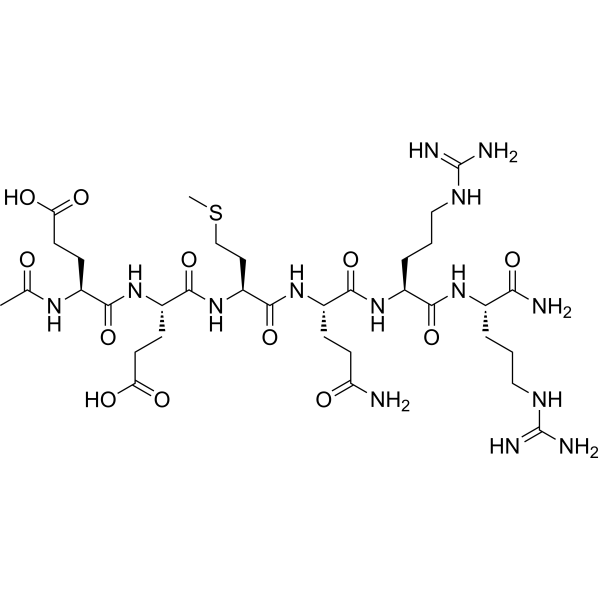
    Acetyl hexapeptide-1 (Melitane) is a biomimetic peptide that mimics the activity of α-melanocyte-stimulating hormone (α-MSH). Acetyl hexapeptide-1 regulates muscle contraction, thereby reducing facial expression lines. Acetyl hexapeptide-1 is one of the components of anti-aging skincare serums targeting dynamic wrinkles. Acetyl hexapeptide-1 can be used in research related to mild photoaged facial skin and premature gray hair .
    Acetyl hexapeptide-1
  • HY-P5220A

    Melitane acetate

    Melanocortin Receptor Others
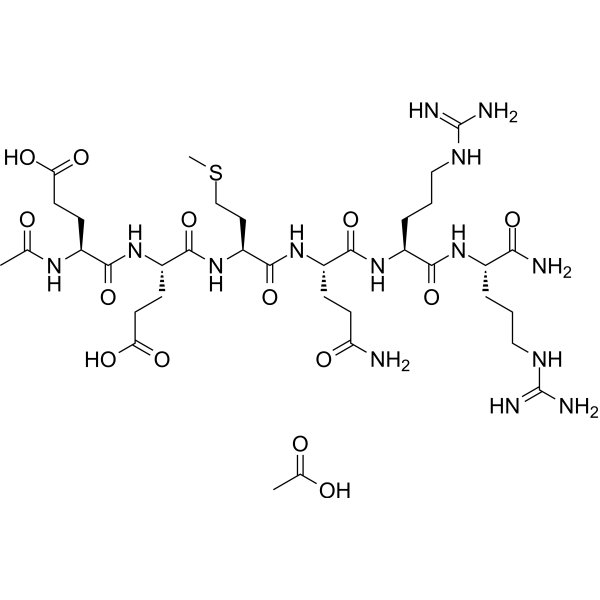
    Acetyl hexapeptide-1 (Melitane) acetate is a biomimetic peptide that mimics the activity of α-melanocyte-stimulating hormone (α-MSH). Acetyl hexapeptide-1 acetate can regulate muscle contraction, thereby reducing facial expression lines. Acetyl hexapeptide-1 acetate is one of the components of anti-aging skin care essences targeting dynamic wrinkles. Acetyl hexapeptide-1 acetate can be used in studies related to mild photo-aged facial skin and premature graying of hair .
    Acetyl hexapeptide-1 acetate
  • HY-NP101

    Bovine Type I collagen, immunization grade

    Biochemical Assay Reagents Inflammation/Immunology
    Highly purified Type I collagen, from bovine skin (Bovine Type I collagen, immunization grade) plays an important role in the structure and function of skin, bone, tendons, and many others. Type I collagen potently stimulates angiogenesis in vitro and in vivo. Highly purified Type I collagen, from bovine skin is an immunization grade that can be used for immunization to generate antibodies .
    Highly purified Type I collagen, from bovine skin
  • HY-NP109

    Mouse Type I collagen, immunization grade

    MMP Inflammation/Immunology
    Highly purified type I collagen, from mouse skin (Mouse Type I collagen, immunization grade) is an immune grade collagen derived from mouse skin, which can stimulate the animal's immune system to produce specific antibodies against this collagen. Collagen is also a substrate for hydrolysis by MMPs .
    Highly purified type I collagen, from mouse skin
  • HY-P5237

    Collagen Others
    Tetrapeptide-4 is a synthetic tetrapeptide. Tetrapeptide-4 upregulates hyaluronic acid synthetase, and collagen production in human dermal fibroblasts. Tetrapeptide-4 reduces skin aging, improves skin firmness, elasticity, and appearance, and benefits hair .
    Tetrapeptide-4
  • HY-132818

    P-1037

    Sodium Channel Others
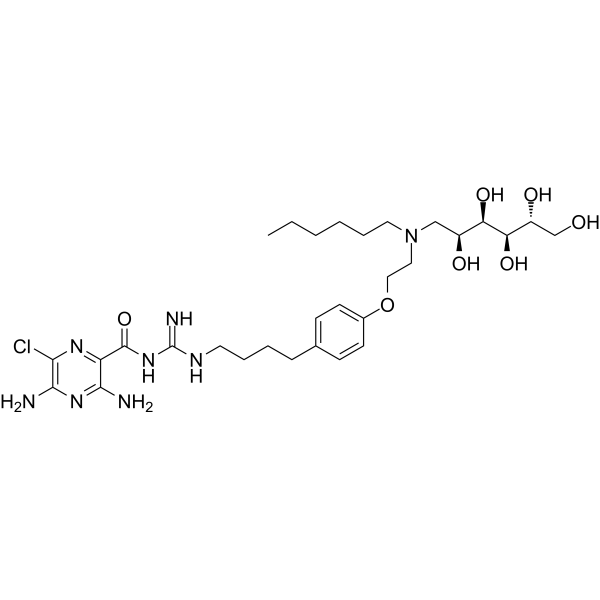
    Idrevloride, an epithelial sodium channel (ENaC) inhibitor (WO2016133967), can be used for the research of skin disorders .
    Idrevloride
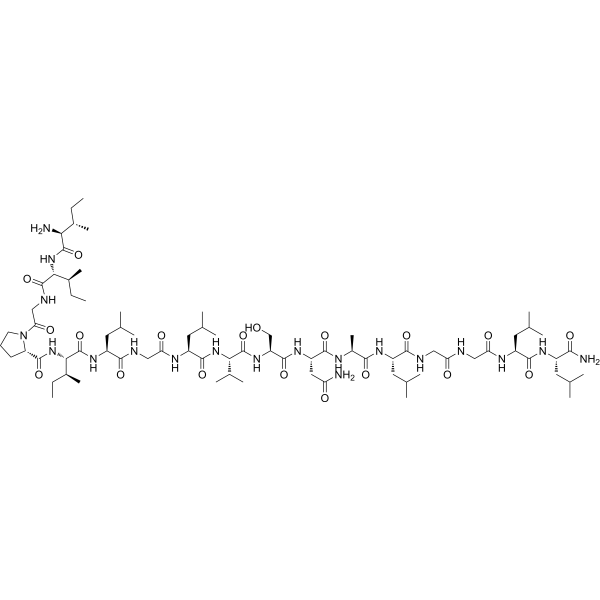
  • HY-P3915

    Bacterial Infection
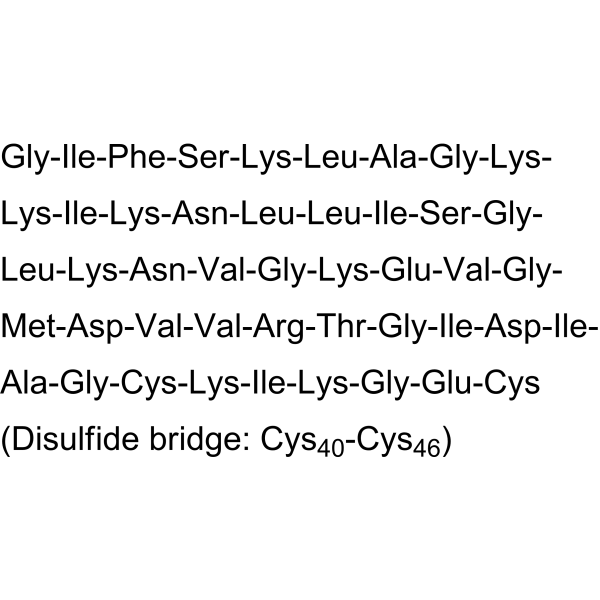
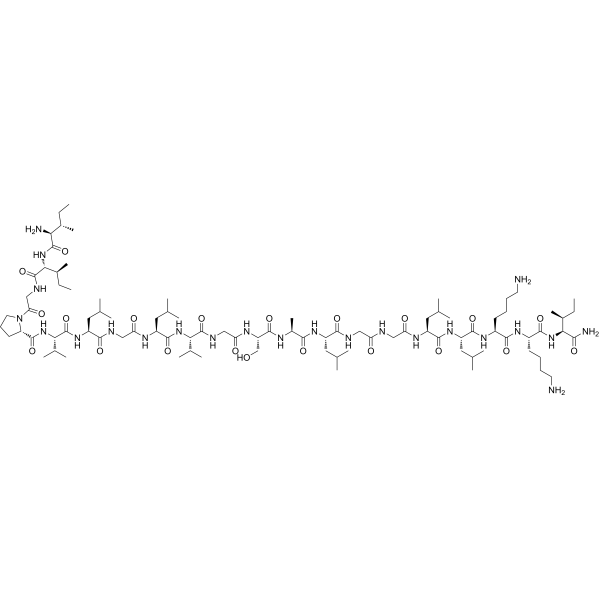
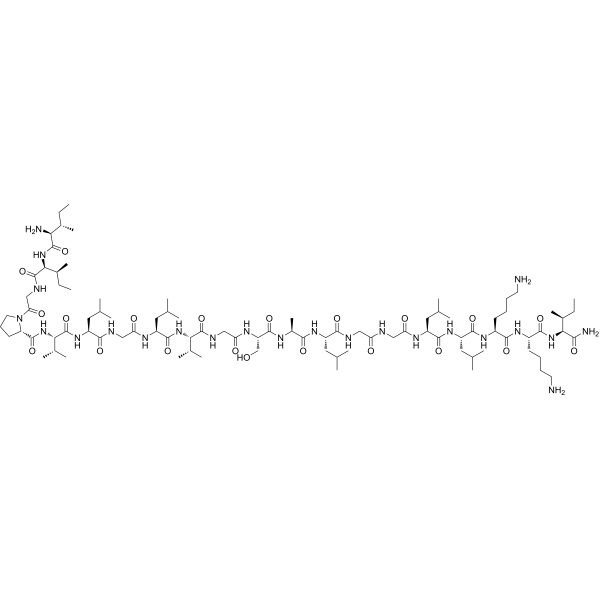
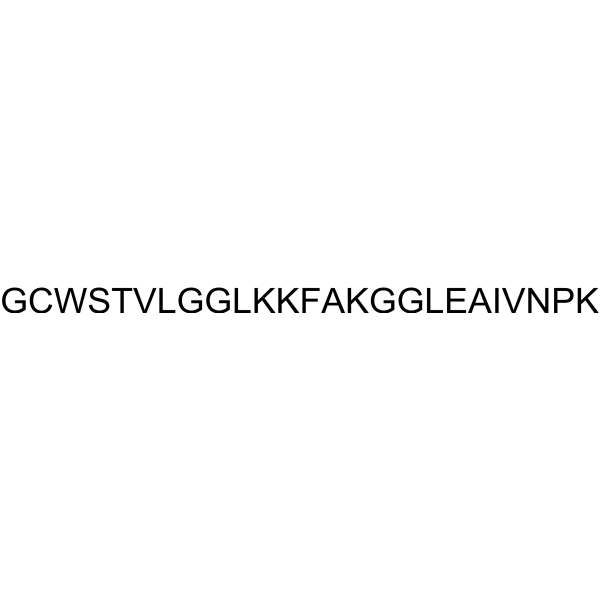
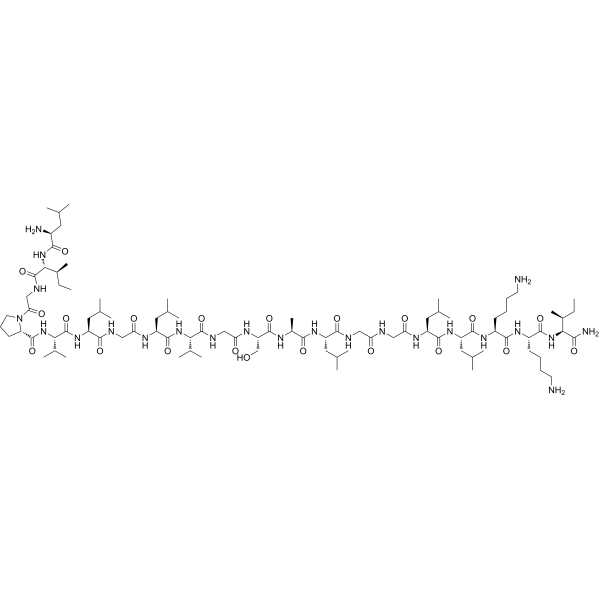
    Esculentin 1A is a frog skin-derived antimicrobial peptide (AMP) with potent in vitro anti-Pseudomonas activity .
    Esculentin 1A
  • HY-W250145

    Nigrosine

    Biochemical Assay Reagents Others
    Acid Black 2 (Nigrosine) is an alcohol-soluble absorber used to mimic skin pigmentation in tissue-mimicking phantoms. Acid Black 2 acts as an absorber in silicone-based thin tissue phantoms to simulate varying melanosome volume fractions in skin .
    Acid Black 2
  • HY-130187
    Sapienic acid
    1 Publications Verification

    Bacterial Infection
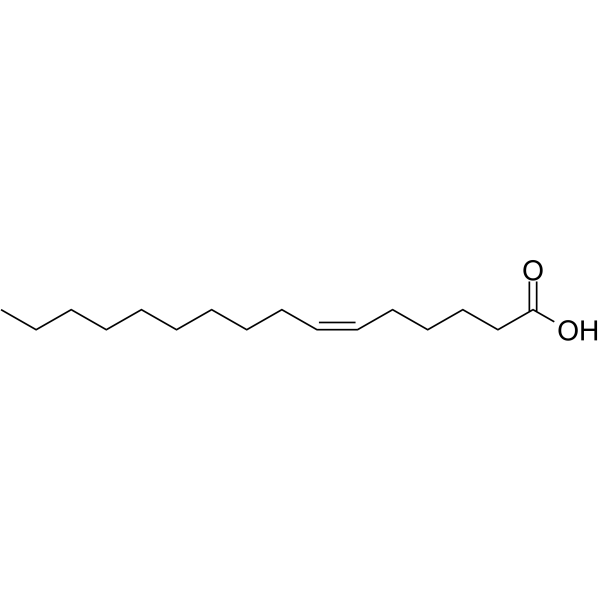
    Sapienic acid is a fatty acid commonly found on the skin and in mucosa. Sapienic acid has variable antimicrobial activities against Gram-positive and Gram-negative bacteria found on the skin and in the oral cavity. Sapienic acid is active against Streptococcus sanguinis, Streptococcus mitis and Fusobacterium nucleatum with MBC values of 31.3 μg/mL, 375.0 μg/mL and 93.8 μg/mL, respectively .
    Sapienic acid
  • HY-133027

    Tetradecyl nicotinate

    Biochemical Assay Reagents Cancer
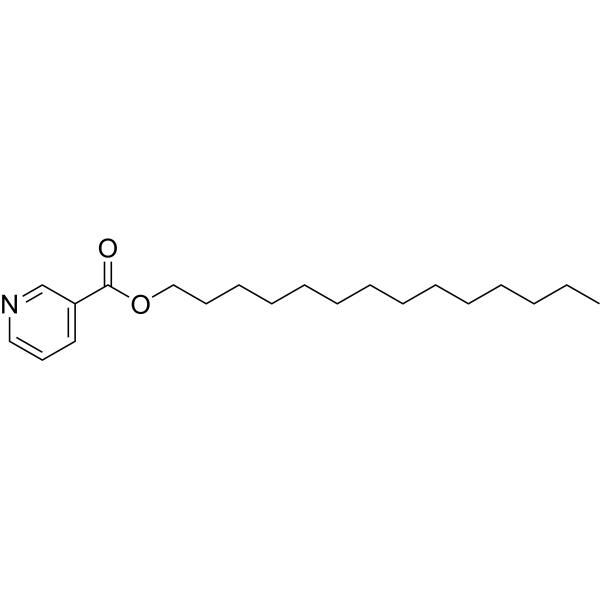
    Myristyl nicotinate (Tetradecyl nicotinate) is an ester proagent and a lipophilic derivative of Nicotinic acid. Myristyl nicotinate is being developed for delivery of Nicotinic acid into the skin for prevention of actinic keratosis and its progression to skin cancer. Myristyl nicotinate shows to stimulate epidermal differentiation in photodamaged skin, increasing skin NAD content and strengthening the skin barrier .
    Myristyl nicotinate
  • HY-W009051

    Environmental Pollutants Biochemical Assay Reagents Others
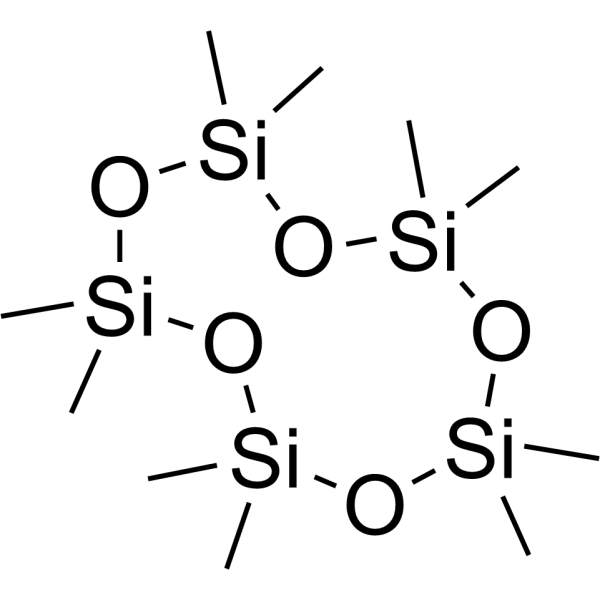
    Decamethylcyclopentasiloxane (D5), an organosilicon compound that is used as a skin emollient in cosmetics and personal products .
    Decamethylcyclopentasiloxane
  • HY-164066

    Biochemical Assay Reagents Others
    Sodium Acetylated Hyaluronate is an acetylated hyaluronic acid derivative with anti-wrinkle and deep skin penetration properties, which can be used in skin aging research and cosmetic development .
    Sodium Acetylated Hyaluronate
  • HY-W591838

    PFPeS

    Biochemical Assay Reagents Phosphatase Metabolic Disease
    Perfluoropentanesulfonic acid (PFPeS) is a per- and polyfluoroalkyl substance. Perfluoropentanesulfonic acid increases alkaline phosphatase (ALKP). Perfluoropentanesulfonic acid induces systemic toxicity in mouse models and alters the expression of genes related to fatty acid metabolism, inflammation and skin integrity in the liver and skin .
    Perfluoropentanesulfonic acid
  • HY-112809

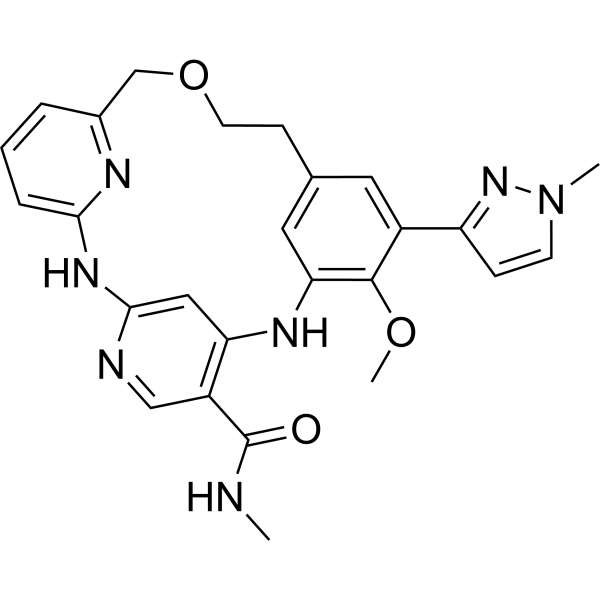
    Syk Src LRRK2 GSK-3 JAK VEGFR Aurora Kinase Inflammation/Immunology
    GSK2646264 (Compound 44) is a potent and selective spleen tyrosine kinase (SYK) inhibitor with a pIC50 of 7.1. GSK2646264 also inhibits other kinases with pIC50 values of 5.4, 5.4, 5.3, 5, 4.5, <4.6 and <4.3 against LCK, LRRK2, GSK3β, JAK2, VEGFR2, Aurora B and Aurora A, respectively. GSK2646264 is penetrable into the epidermis and dermis of the skin .
    GSK2646264
  • HY-30272R

    DNA/RNA Synthesis Apoptosis Reference Standards Inflammation/Immunology
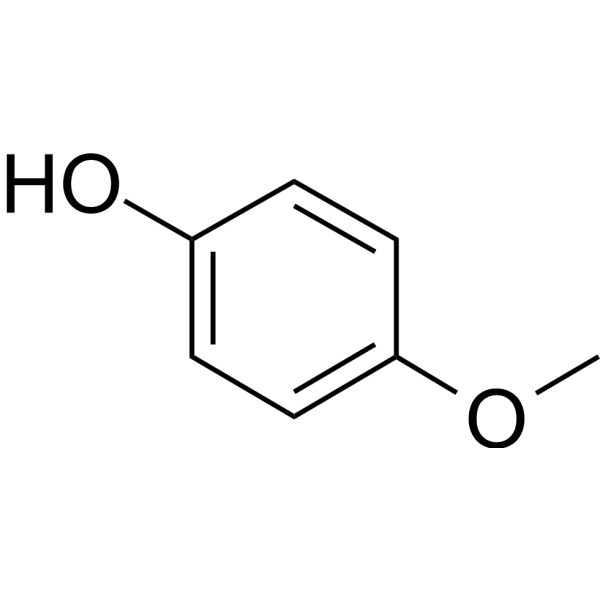
    Monobenzone (Standard) is the analytical standard of Monobenzone. This product is intended for research and analytical applications. Monobenzone is a potent skin depigmenting agent. Monobenzone induces depigmentation and active human vitiligo and exhibits good potential for vitiligo research .
    Monobenzone (Standard)
  • HY-W017428

    P-Ethyoxybenzaldehyde

    Interleukin Related Prostaglandin Receptor Inflammation/Immunology
    4-Ethoxybenzaldehyde (P-Ethyoxybenzaldehyde) is a derivative of benzaldehyde. 4-Ethoxybenzaldehyde can significantly inhibit the production of key inflammatory factors such as prostaglandin E2 (PGE2), IL-6, and IL-8 induced by ultraviolet radiation (UVR). 4-Ethoxybenzaldehyde shows significant efficacy and good safety in reducing facial redness when added to an oil-in-water emulsion at a concentration of 1%. 4-Ethoxybenzaldehyde can be used in the study of chronic inflammatory skin diseases .
    4-Ethoxybenzaldehyde

Inquiry Online

Your information is safe with us. * Required Fields.

Salutation


Country or Region *

Applicant Name *


Organization Name *

Department *


Email Address *


Product Name *

Cat. No.


Requested quantity *

Phone Number *


Remarks

Inquiry Online

Inquiry Information

Product Name:
Cat. No.:
Quantity:
MCE Japan Authorized Agent: