



Paradol (Standard)
Based on 1 publication(s) in Google Scholar
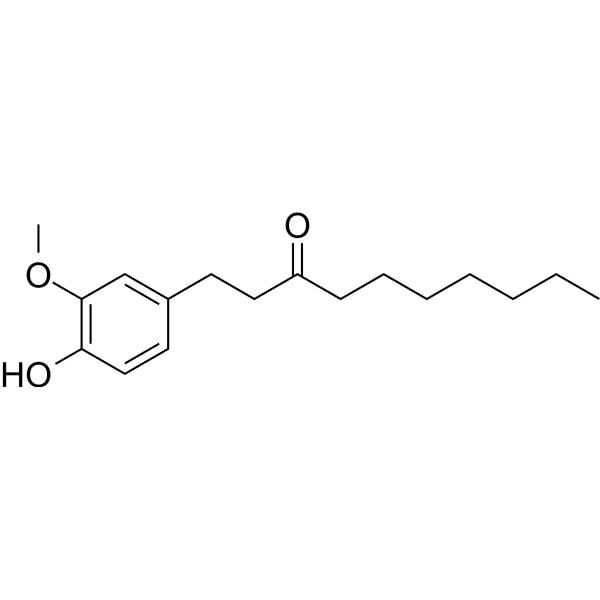
Paradol (Standard) is the analytical standard of Paradol. This product is intended for research and analytical applications. Paradol is a pungent phenolic substance found in ginger and other Zingiberaceae plants. Paradol is an effective inhibitor of tumor promotion in mouse skin carcinogenesis, binds to cyclooxygenase (COX)-2 active site.
For research use only. We do not sell to patients.
- CAS No.: 27113-22-0
- Formula: C17H26O3
- Molecular Weight:278.39
-
Storage:
Please store the product under the recommended conditions in the Certificate of Analysis.


To place orders, for customer services and technical support, please contact: MedChemExpress USA
Tel: 609-228-6898 E-mail: [email protected] [email protected]


-
 Product Information
-
Chemical Information
- Purity & Documentation
-
 Help & FAQs


-
HY-B0003
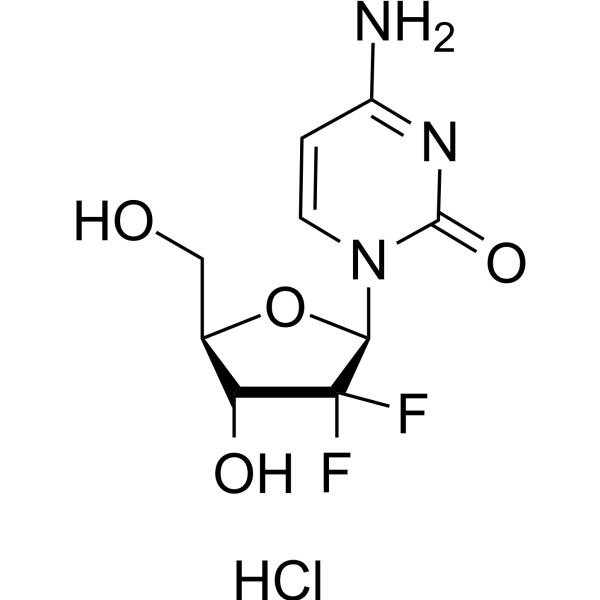
Gemcitabine hydrochlorideDNA Synthesis Inhibitor -
HY-14617
Paradol -
HY-17419
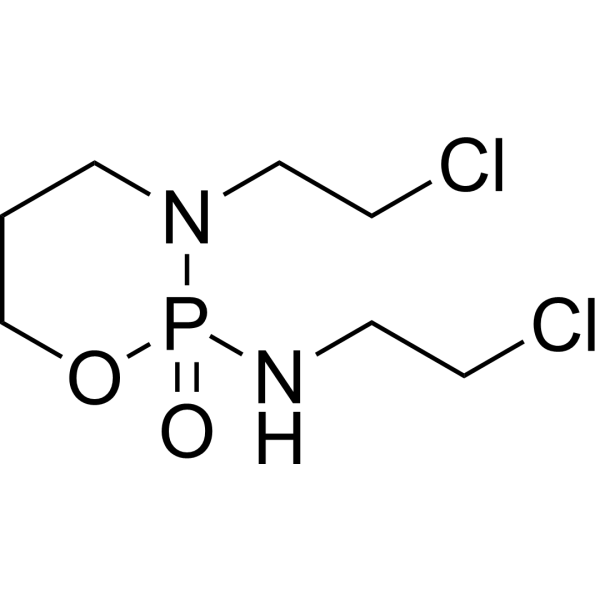
IfosfamideDNA Alkylator/Crosslinker -
HY-17026
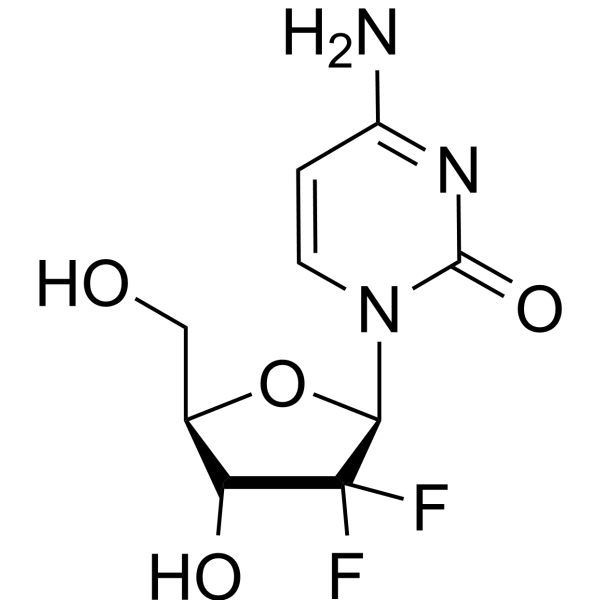
GemcitabineDNA Synthesis Inhibitor -
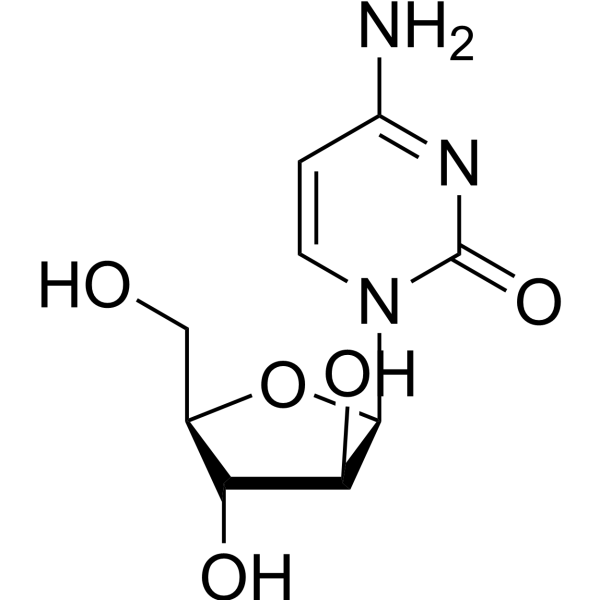
HY-13605
CytarabineDNA Synthesis Inhibitor -
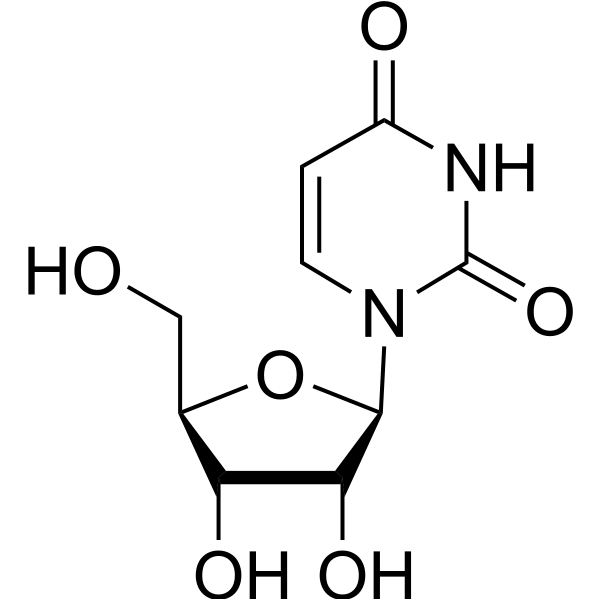
HY-B1449
UridineNucleoside -
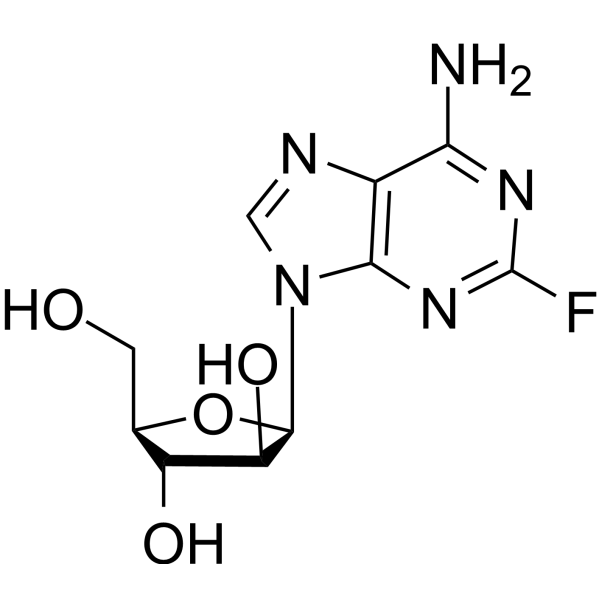
HY-B0069
FludarabineDNA Synthesis Inhibitor -
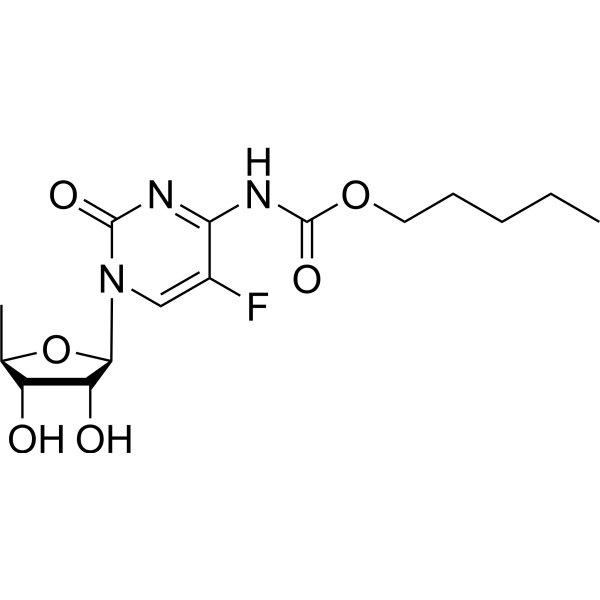
HY-B0016
CapecitabineDNA/RNA Synthesis Inhibitor -
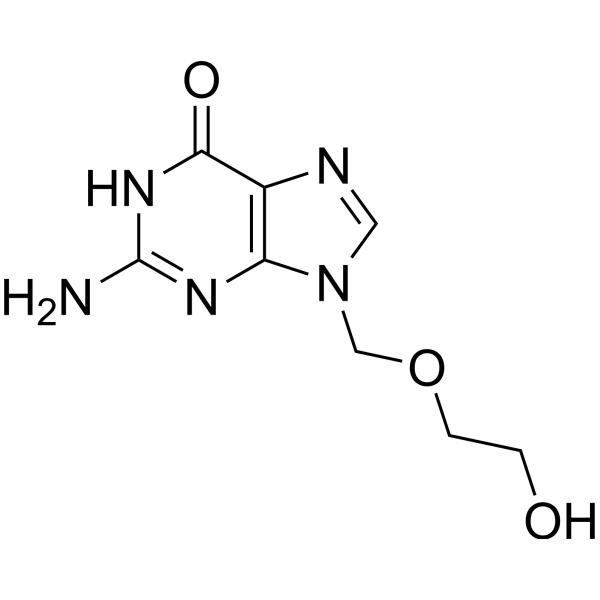
HY-17422
AcyclovirHSV Inhibitor -
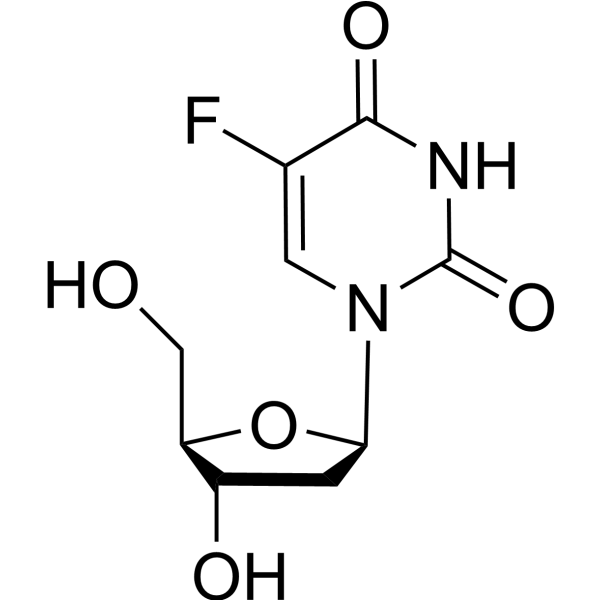
HY-B0097
FloxuridineOncology Antimetabolite -
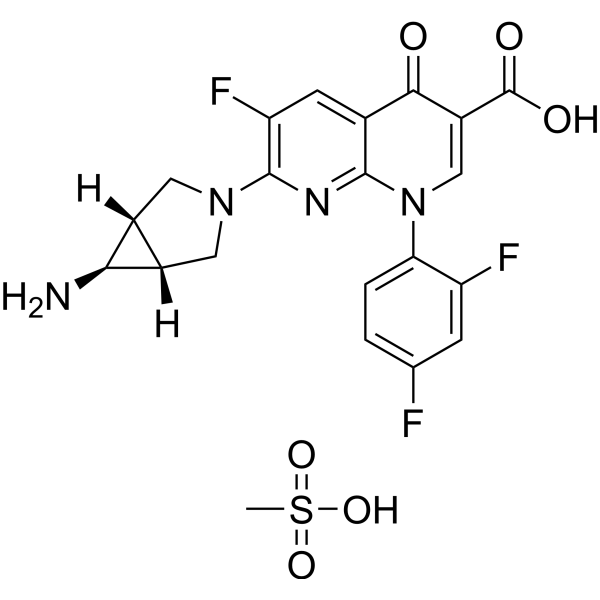
HY-103399
Trovafloxacin mesylateAntibiotic Agent -
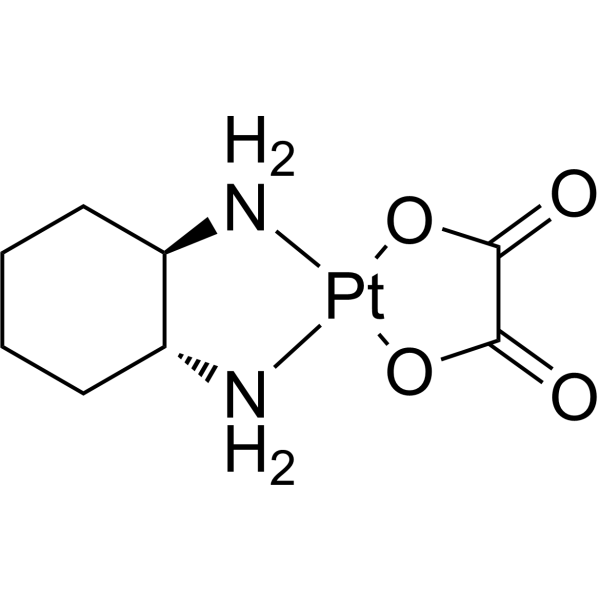
HY-17371
OxaliplatinDNA Synthesis Inhibitor
Publications Citing Use of MedChemExpress (MCE) Paradol (Standard)
More

Product Information
Information
Application
The compound is the grade of analytical standard, which is the reference standard supplied assay. It is commonly used in qualitative, quantitative and methodological research experiments in HPLC, GC and MS.


Chemical Information
-
CAS No. 27113-22-0
-
Appearance Solid
-
Molecular Weight 278.39
-
Formula C17H26O3
-
Color White to off-white
-
SMILES
COC1=C(O)C=CC(CCC(CCCCCCC)=O)=C1
-
Synonyms
[6]-Gingerone (Standard); [6]-Paradol (Standard)
-
Structure Classification
-
Initial Source
-
Shipping
Room temperature in continental US; may vary elsewhere.
-
Storage
Please store the product under the recommended conditions in the Certificate of Analysis.


Publications (1)
-
Journal Impact Factor
-
Most Recent


Purity & Documentation
References
[1]. van Breemen RB, et al. Cyclooxygenase-2 inhibitors in ginger (Zingiber officinale). Fitoterapia. 2011 Jan;82(1):38-43. [Content Brief]
[2]. Keum YS, et al. Induction of apoptosis and caspase-3 activation by chemopreventive [6]-paradol and structurally related compounds in KB cells. Cancer Lett. 2002 Mar 8;177(1):41-7. [Content Brief]
[3]. Gaire BP, et al. Neuroprotective effect of 6-paradol in focal cerebral ischemia involves the attenuation of neuroinflammatory responses in activated microglia. PLoS One. 2015 Mar 19;10(3):e0120203. [Content Brief]
[4]. Setoguchi S, et al. Pharmacokinetics of Paradol Analogues Orally Administered to Rats. J Agric Food Chem. 2016 Mar 9;64(9):1932-7. [Content Brief]

Calculators
Concentration (start) × Volume (start) = Concentration (final) × Volume (final)


Paradol (Standard) Related Classifications
HY-14617R Related Classifications
 Powered by Bioz