1. Search Result
Search Result
Results for "

Delta-like 1 homolog protein

" in MedChemExpress (MCE) Product Catalog:

95

Inhibitors & Agonists

2

Screening Libraries

1

Biochemical Assay Reagents

7

Peptides

13

Inhibitory Antibodies

7

Natural
Products

381

Recombinant Proteins

2

Isotope-Labeled Compounds

558

Antibodies

1

Oligonucleotides

Targets Recommended:
Cat. No. Product Name Target Research Areas Chemical Structure
  • HY-P99575
    Tarlatamab
    1 Publications Verification

    AMG-757

    Notch Inflammation/Immunology Cancer
    Tarlatamab (AMG-757) is a bispecific T-cell engager (BiTE) antibody targeting delta-like ligand 3 (DLL3). DLL3 is a target that is selectively expressed in small-cell lung cancer (SCLC) tumors, but with minimal normal tissue expression. Tarlatamab has the KDs of 0.64 nM and 0.50 nM for human and nonhuman primate (NHP) DLL3, respectively. Tarlatamab has the KDs of 14.9 nM and 12 nM for human and NHP CD3, respectively. Tarlatamab is a first-in-class HLE BiTE immuno-oncology therapy targeting DLL3 and has the potential for SCLC research [1].
    Tarlatamab
  • HY-12768
    Sotuletinib
    35+ Cited Publications

    BLZ945

    c-Fms Infection Neurological Disease Cancer
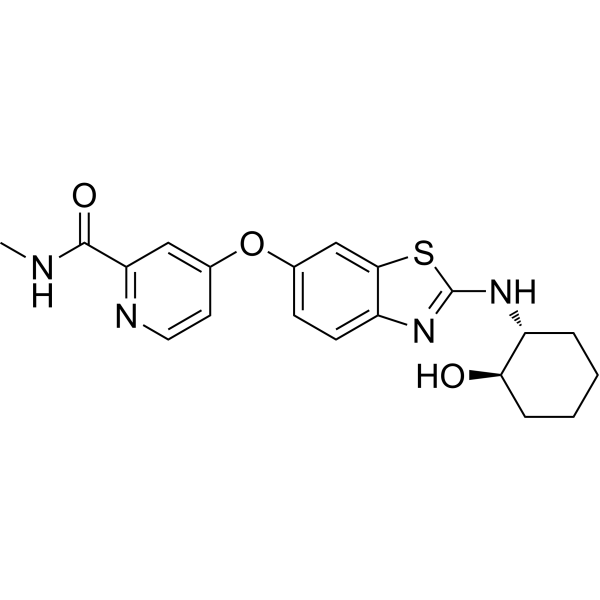
    Sotuletinib (BLZ945) is a potent, selective, orally active and brain-penetrant CSF-1R (c-Fms) inhibitor with an IC50 of 1 nM, showing more than 1,000-fold selectivity against its closest receptor tyrosine kinase homologs. Sotuletinib can be used for microglia depletion, and for tumor and CNS-related disease research [1] .
    Sotuletinib
  • HY-119374
    BRM/BRG1 ATP Inhibitor-1
    Maximum Cited Publications
    40 Publications Verification

    Epigenetic Reader Domain Cancer
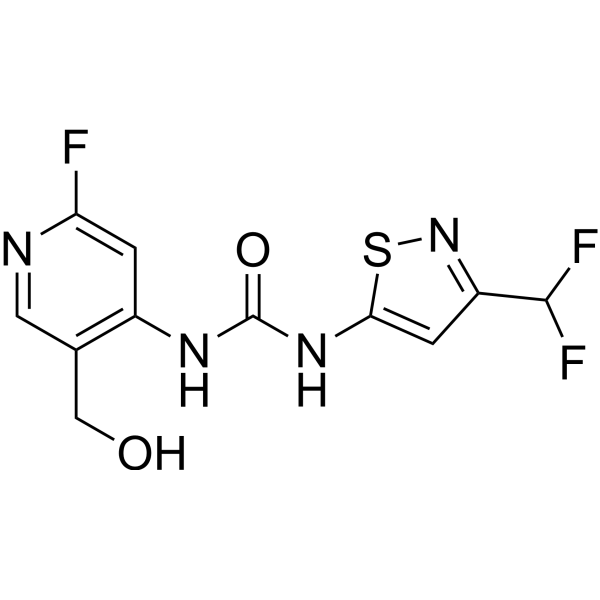
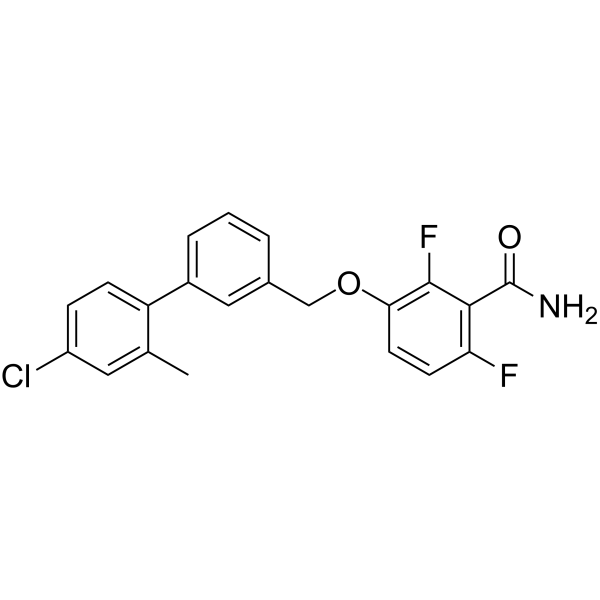
    BRM/BRG1 ATP Inhibitor-1 (compound 14) is an orally active allosteric dual brahma homolog (BRM)/SWI/SNF related matrix associated actin dependent regulator of chromatin subfamily A member 2 (SMARCA2) and brahma related gene 1 (BRG1)/SMARCA4 ATPase activity inhibitor, both IC50s are below 0.005 µM. BRM/BRG1 ATP Inhibitor-1 has anticancer activity [1].
    BRM/BRG1 ATP Inhibitor-1
  • HY-112499
    Menaquinone-7
    3 Publications Verification

    Vitamin K2-7; Vitamin K2(35); Vitamin MK-7

    TGF-beta/Smad Cardiovascular Disease
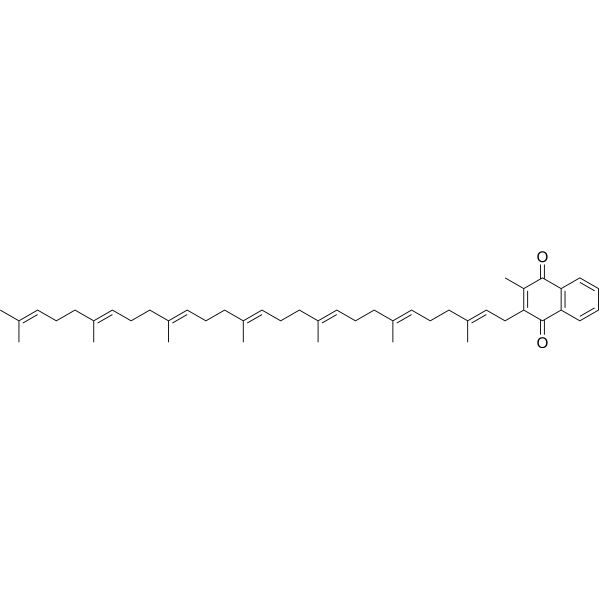
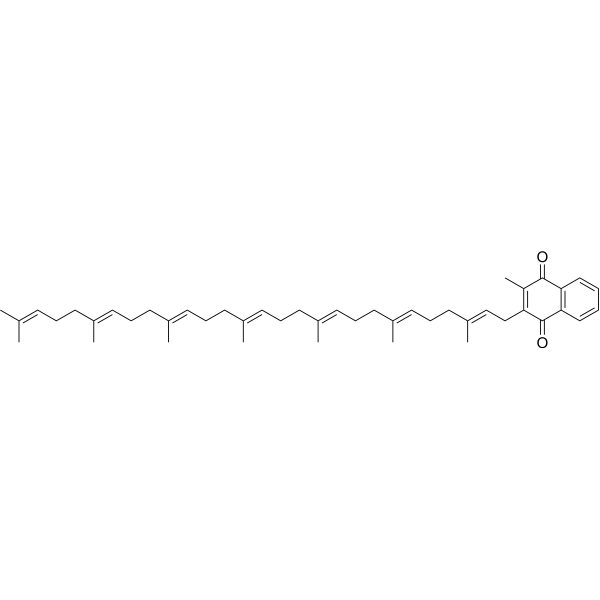
    Menaquinone-7 (Vitamin K2-7), belongs to a class of K2-vitamin homologs (orally active), is originally discovered as the anti-hemorrhagic factors. Menaquinone-7 inhibits osteoclast bone resorption in vitro and stimulates bone formation in femoral tissue of aged female rats. Menaquinone-7 has a well-researched potential in the prevention of aging-induced bone degeneration. Menaquinone-7 is also a pharmacological option for activating Gla matrix protein and intervening in the progression of calcific aortic stenosis (CAVS) [1] .
    Menaquinone-7
  • HY-P99367

    DS-7300a Antibody; MABX-9001A Antibody

    CD276/B7-H3 Inflammation/Immunology Cancer
    Ifinatamab is monoclonal immunoglobulin G1-kappa with anti-human B7 homolog 3 protein (Human B7-H3). Ifinatamab is a glycoforme α immunomodulateur [1].
    Ifinatamab
  • HY-P99043
    Rovalpituzumab
    1 Publications Verification

    SC-0001

    Notch Cancer
    Rovalpituzumab is a humanized monoclonal antibody against delta-like protein 3 (DLL3). Rovalpituzumab can be used in the synthesis of antibody-drug conjugate (ADC), Rovalpituzumab Tesirine. Rovalpituzumab has activity against small cell lung cancer (SCLC) [1].
    Rovalpituzumab
  • HY-12768A
    Sotuletinib hydrochloride
    35+ Cited Publications

    BLZ945 hydrochloride

    c-Fms Cancer
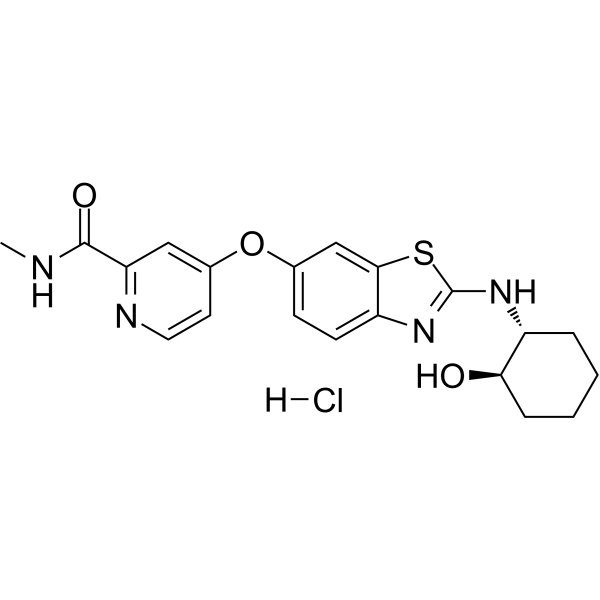
    Sotuletinib (BLZ945) hydrochloride is a potent, selective, orally active and brain-penetrant CSF-1R (c-Fms) inhibitor with an IC50 of 1 nM, showing more than 1,000-fold selectivity against its closest receptor tyrosine kinase homologs. Sotuletinib hydrochloride can be used for microglia depletion, and for tumor and CNS-related disease research. [1].
    Sotuletinib hydrochloride
  • HY-147214
    GNE-7883
    5 Publications Verification

    YAP Cancer
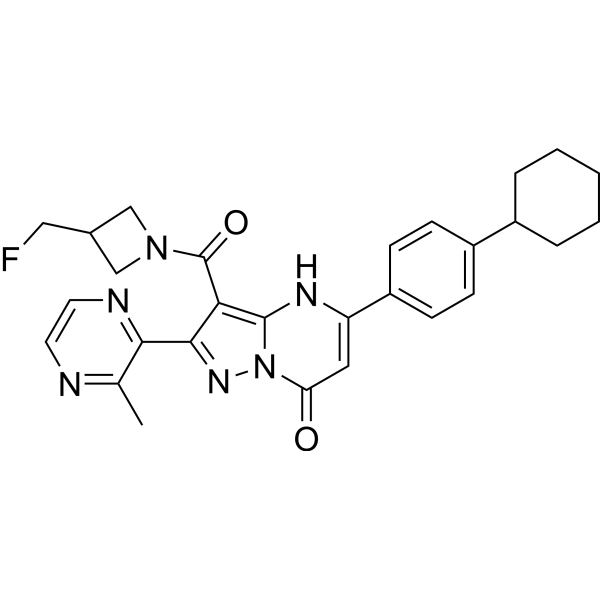
    GNE-7883 is a pan-TEAD inhibitor that blocks the association of YAP/TAZ with TEAD. GNE-7883 effectively reduces chromatin accessibility at TEAD motifs, inhibits cell proliferation in multiple cell line models, and achieves strong anti-tumor efficacy in vivo. In addition, GNE-7883 effectively overcomes intrinsic and acquired resistance to KRAS (Kirsten rat sarcoma viral oncogene homolog) G12C inhibitors in multiple preclinical models by inhibiting YAP/TAZ activation [1] .
    GNE-7883
  • HY-15842
    SF1670
    20+ Cited Publications

    PTEN Phosphatase Autophagy Cancer
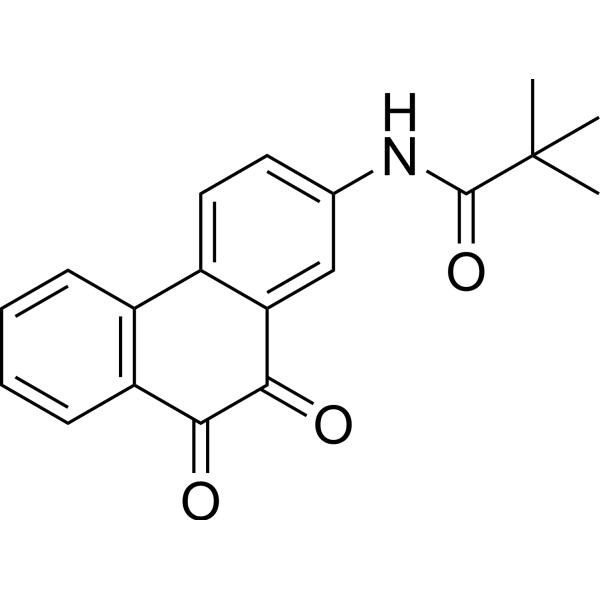
    SF1670 is a potent and specific phosphatase and tensin homolog deleted on chromosome 10 (PTEN) inhibitor [1].
    SF1670
  • HY-P990932

    BI 764532; OBT 620

    CD3 Cancer
    Obrixtamig (BI 764532; OBT 620) is an CD3E/DLL3-targeting L-κ-G1-h-CH2-CH3_L-λ-G1-h-CH2-CH3 type human antibody. Obrixtamig is a delta-like ligand 3 (DLL3)/CD3 IgG-like T-cell engager. Obrixtamig can be used for research of DLL3-positive small cell lung cancer [1].
    Obrixtamig
  • HY-P99590A
    Sotatercept (mIgG2a)
    1 Publications Verification

    RAP-011

    TGF-β Receptor TGF-beta/Smad Cardiovascular Disease Metabolic Disease
    Sotatercept (mIgG2a) (RAP-011), the murine homolog of Sotatercept (ACE-011) (HY-P99590), is a soluble activin receptor type IIA (ActRIIA) ligand trap. Sotatercept (mIgG2a) inhibits the binding of activin A and other members of the TGF-β superfamily (such as Activin A/B, GDF11 and BMP9/10) to their receptors by combining and neutralizing them, thereby regulating cell proliferation and differentiation. Sotatercept (mIgG2a) mainly inhibits the SMAD2/3 signaling pathway, and can be used in various diseases such as chronic kidney disease. Sotatercept (mIgG2a) reduces the expression of erythropoietic hepcidin (ERFE), regulates iron metabolism, and promotes red blood cell production. Sotatercept (mIgG2a) has a dual effect of promoting bone formation (anabolic) and inhibiting bone resorption (catabolic) [1] .
    Sotatercept (mIgG2a)
  • HY-P4855
    CRAMP (mouse)
    1 Publications Verification

    Bacterial TNF Receptor Infection Inflammation/Immunology
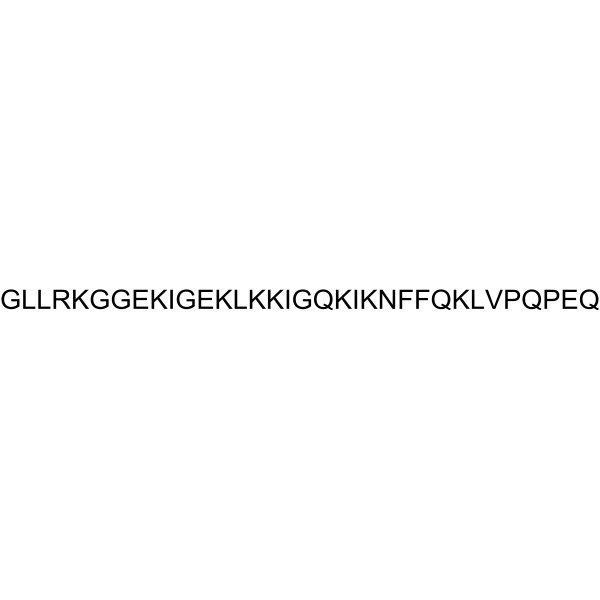
    CRAMP (mouse) is an antibacterial peptide and a functional homolog of LL-37 . CRAMP (mouse) exhibits potent antibacterial activity against Gram-negative bacteria . The complex formed by CRAMP (mouse) and CpG can activate macrophages to secrete TNF-α . CRAMP (mouse) plays a key role in wound healing, immune regulation and maintenance of intestinal homeostasis [1] .
    CRAMP (mouse)
  • HY-P991731

    ZG006

    CD3 Notch Neurological Disease Cancer
    Alveltamig (ZG006) is a trispecific T cell engager targeting Delta-like ligand 3 (DLL3)/CD3, mediating T cell-specific killing of DLL3-expressing tumor cells. Alveltamig can be used for the researches of small cell lung cancer and neuroendocrine carcinoma [1].
    Alveltamig
  • HY-159072

    Drug-Linker Conjugates for ADC Cancer
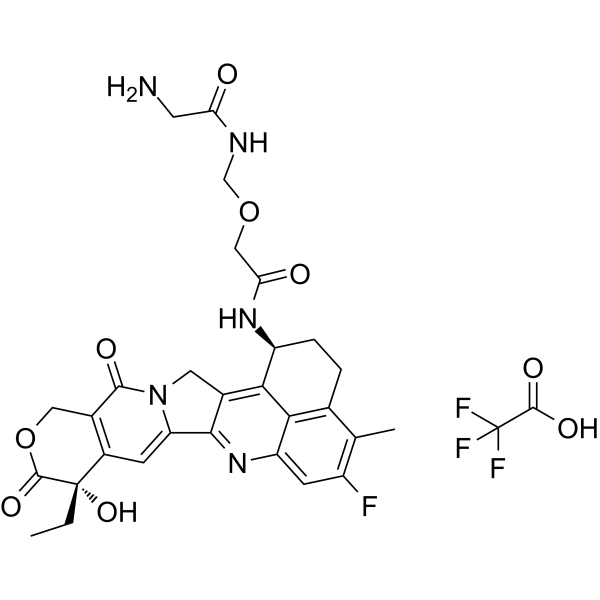
    Mal-Val-Ala-PAB-N(SO2Me)-Exatecan (Compound LE14) is a conjugate of an ADC toxin Exatecan (HY-13631) and a linker Mal-Val-Ala-PAB-N(SO2Me). Mal-Val-Ala-PAB-N(SO2Me)-Exatecan can be used for synthesis of ADC FZ-AD005. FZ-AD005 is a delta-like ligand 3 (DLL3, KD=58.3 pM) targeting ADC, that exhibits antitumor efficacy against SCLC cancer [1] .
    Mal-Val-Ala-PAB-N(SO2Me)-Exatecan
  • HY-115613
    ML-180
    5 Publications Verification

    SR1848

    Orphan Nuclear Receptor Cancer
    ML-180 (SR1848) is a potent orphan nuclear receptor liver receptor homolog 1 (LRH-1; NR5A2) inverse agonist with an IC50 of 3.7 μM. ML-180 is inactive for steroidogenic factor-1 (SF-1; NR5A1; IC50>10 μM). ML-180 has the potential for LRH-1-dependent cancers [1] .
    ML-180
  • HY-131445
    RJW100
    1 Publications Verification

    MicroRNA Endocrinology Cancer
    RJW100 is a potent liver receptor homolog 1 (LRH-1, NR5A2) and steroidogenic factor-1 (SF-1, NR5A1) agonist with pEC50s of 6.6 and 7.5, respectively [1]. RJW100 also causes strong activation of the miR-200c (miRNA-200c, microRNA-200c) promoter .
    RJW100
  • HY-P990981

    ALPS-12; RG-6524; RO 7616789

    CD3 Inflammation/Immunology Cancer
    Clesitamig (ALPS-12) is a trispecific T cell engager with two CD3/CD137 dual-specific Fabs and one DLL3 Fab. Clesitamig engages CD3 and CD137 on T cells to activate and co-stimulate T cells, promoting their proliferation, survival, and antitumor activity. Clesitamig binds to DLL3 on tumor cells for tumor-specific recognition. Clesitamig can be used for the research of small cell lung cancer (SCLC) [1] .
    Clesitamig
  • HY-W008270

    γ-Crotonolactone

    Endogenous Metabolite Bacterial Infection Neurological Disease
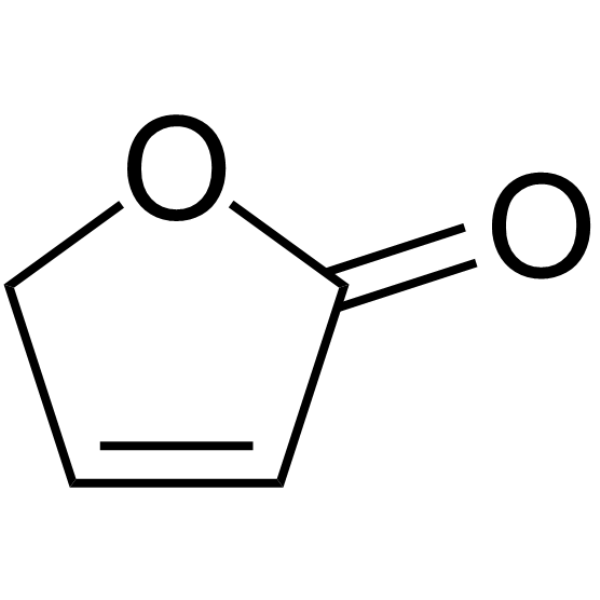
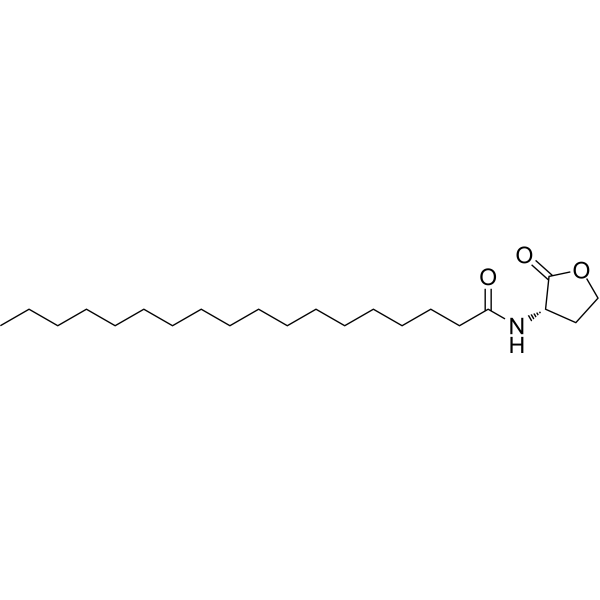
    2(5H)-Furanone (γ-Crotonolactone) is an endogenous metabolite. 2(5H)-Furanone mimics N-acyl homoserine lactone signals, occupies the binding site of LuxR homologs, and interferes with quorum sensing-mediated gene regulation. 2(5H)-Furanone inhibits quorum sensing mediated by AHLs with different acyl chain lengths. 2(5H)-Furanone inhibits biofilm formation of environmental Aeromonas hydrophila strains on polystyrene plates. 2(5H)-Furanone suppresses spike-and-wave discharges in a rat model of generalized absence seizures and exhibits selective activity against absence seizures. 2(5H)-Furanone can be used in studies related to bacteria infections and generalized absence seizures. [1]
    2(5H)-Furanone
  • HY-148334

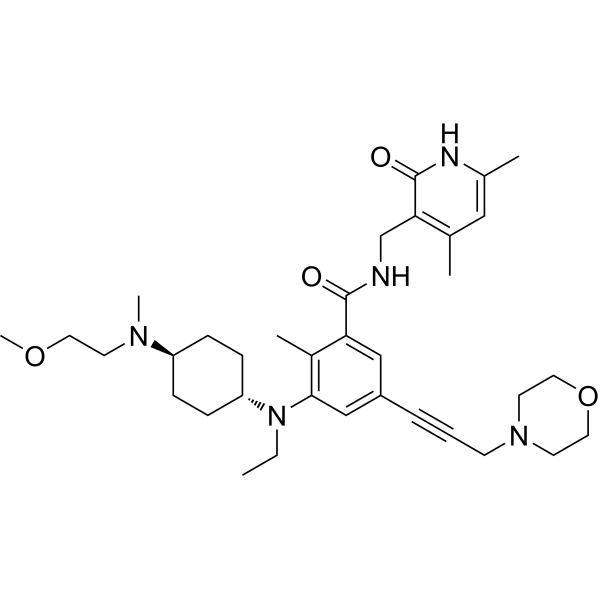
    PROTACs Histone Methyltransferase Cancer
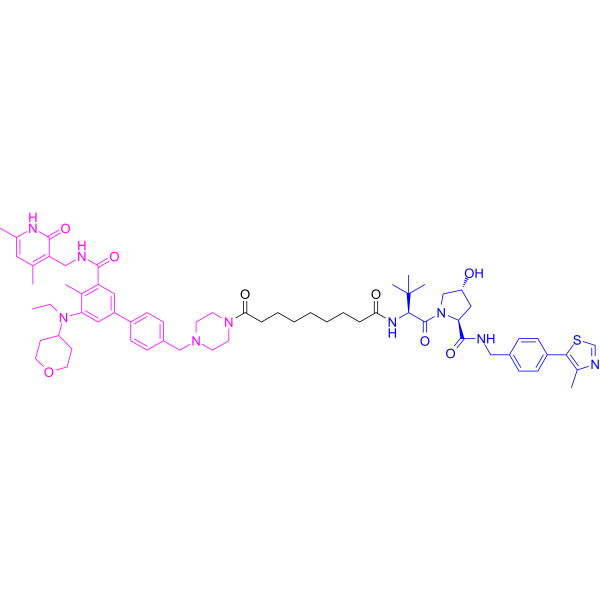
    MS8815 is a selective enhancer of zeste homolog 2 (EZH2) PROTAC degrader. MS8815 has inhibition activity for EZH2 with an IC50 value of 8.6 nM. MS8815 can be used for the research of triple-negative breast cancer (TNBC) [1].
    MS8815
  • HY-16986
    EPZ011989
    3 Publications Verification

    Histone Methyltransferase Cancer
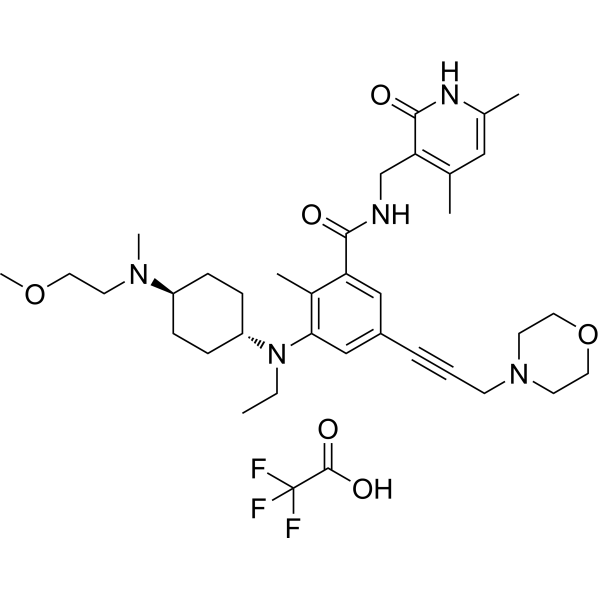
    EPZ011989 is a potent and orally active Zeste Homolog 2 (EZH2) inhibitor with metabolic stability. EPZ011989 has inhibitory inhibition for EZH2 with a Ki value of <3 nM. EPZ011989 shows robust methyl mark inhibition and anti-tumor activity. EPZ011989 can be used for the research of various cancers [1]. EPZ011989 is a click chemistry reagent, it contains an Alkyne group and can undergo copper-catalyzed azide-alkyne cycloaddition (CuAAc) with molecules containing Azide groups.
    EPZ011989
  • HY-121204

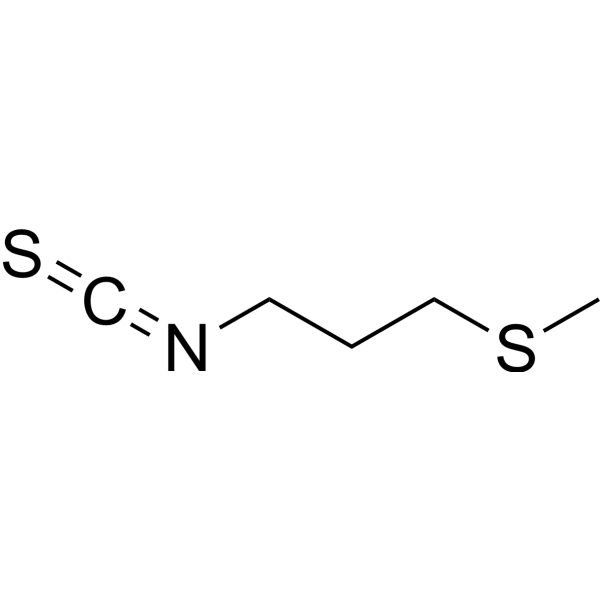
    3-Methylthiopropyl isothiocyanate

    Apoptosis Reactive Oxygen Species (ROS) Cancer
    Iberverin (-Methylthiopropyl isothiocyanate) is a sulforaphane homolog. Iberverin has anticancer activity. Iberverin inhibits cell proliferation and migration. Iberverin induces mitochondrial-related apoptosis and intracellular reactive oxygen species [1].
    Iberverin
  • HY-101508

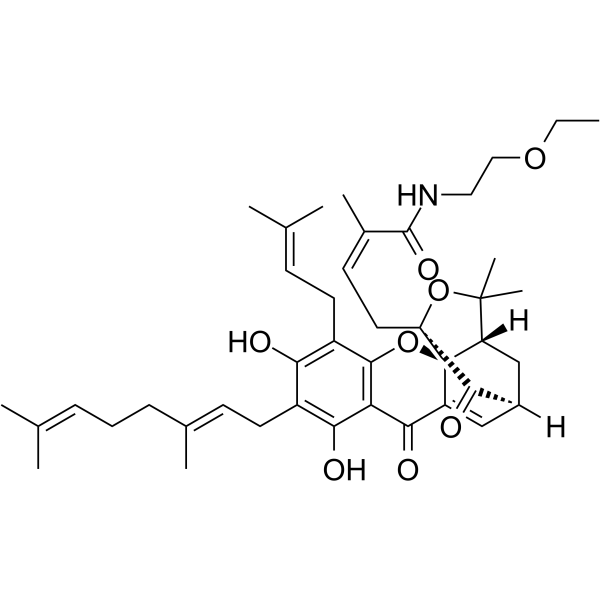
    Histone Methyltransferase Cancer
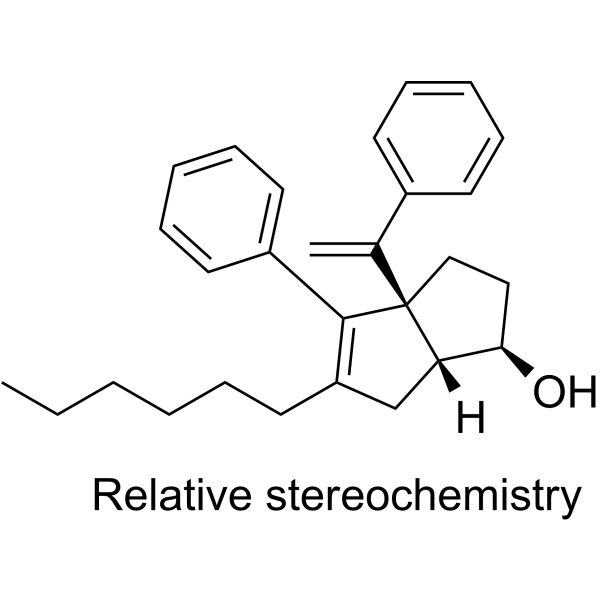
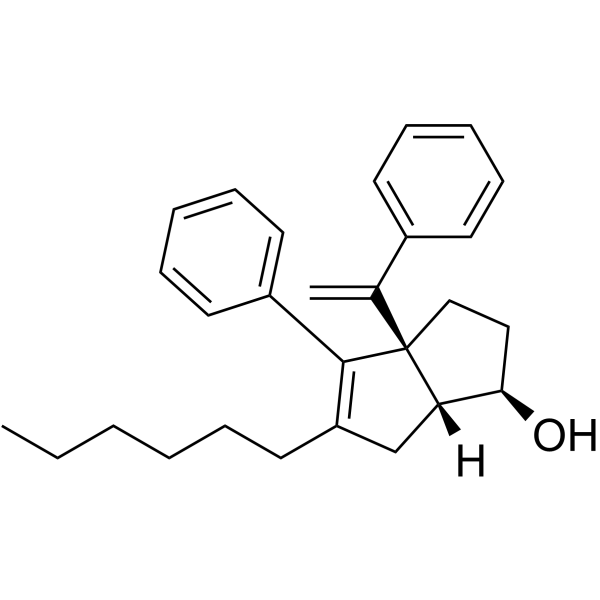
    GNA002 is a highly potent, specific and covalent EZH2 (Enhancer of zeste homolog 2) inhibitor with an IC50 of 1.1 μM. GNA002 can specifically and covalently bind to Cys668 within the EZH2-SET domain, triggering EZH2 degradation through COOH terminus of Hsp70-interacting protein (CHIP)-mediated ubiquitination. GNA002 efficiently reduces EZH2-mediated H3K27 trimethylation, reactivates polycomb repressor complex 2 (PRC2)-silenced tumor suppressor genes [1].
    GNA002
  • HY-19758A

    Sirtuin Cancer
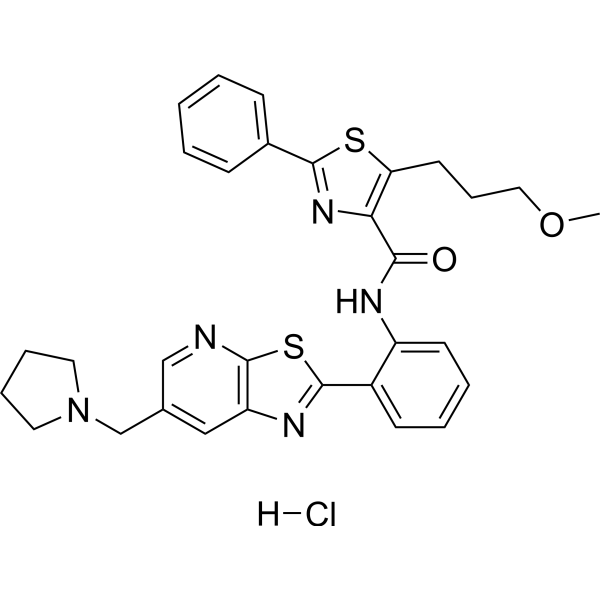
    Sirtuin modulator 1 is a modulator of SIRTl, a homolog of SIRT3, with EC1.5 of < 1 μM, extracted from patent WO 2010071853 A1, Compound No.4.
    Sirtuin modulator 1
  • HY-P1985

    Notch Cardiovascular Disease Cancer
    Notch 1 (Notch homolog 1, translocation-associated) can encode a member of the NOTCH family of proteins. Members of this Type I transmembrane protein family share structural characteristics including an extracellular domain consisting of multiple epidermal growth factor-like (EGF) repeats, and an intracellular domain consisting of multiple different domain types [1].
    Notch 1
  • HY-131445B
    RR-RJW100
    1 Publications Verification

    Orphan Nuclear Receptor Metabolic Disease
    RR-RJW100, the enantiomer of RJW100, is an nuclear receptor liver receptor homolog 1 (LRH-1) and steroidogenic factor 1 (SF-1) agonist. RJW100 can be synthesized as two enantiomers, RR-RJW100 and SS-RJW100, with RR-RJW100 shown to be the more potent LRH-1 agonist. RR-RJW100 is involved in the regulation of metabolic homeostasis and is used in studies of diabetes, liver disease and inflammatory bowel disease [1] .
    RR-RJW100
  • HY-122094

    HIF/HIF Prolyl-Hydroxylase Cardiovascular Disease Cancer
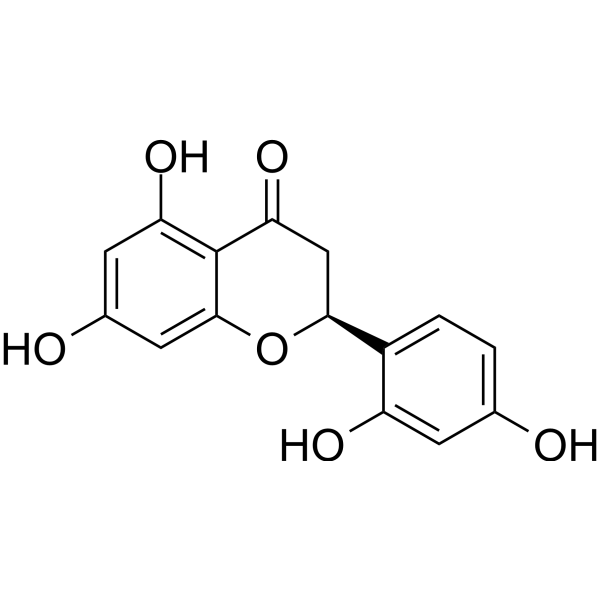
    Steppogenin is a potent inhibitor of HIF-1α and DLL4, with IC50 values of 0.56 and 8.46 μM, respectively. Steppogenin can be sued for the research of angiogenic diseases, such as those involving solid tumors [1].
    Steppogenin
  • HY-W010253

    Apoptosis Interleukin Related NF-κB Reactive Oxygen Species (ROS) Bcl-2 Family NOD-like Receptor (NLR) Cytochrome P450 Infection Inflammation/Immunology
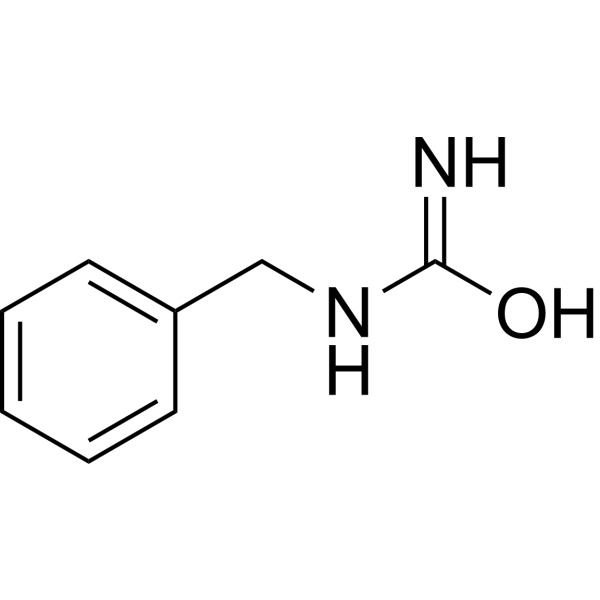
    Benzylurea is an anti-inflammatory agent. Benzylurea inhibits LPS (HY-D1056)-induced upregulation of MTCH2 expression and regulates pathways associated with mitochondrial function, inflammation and cell survival. Benzylurea alleviates LPS-induced proliferation inhibition and apoptosis of periodontal ligament fibroblasts, as well as the release of proinflammatory cytokines. Benzylurea can be used in studies related to periodontitis [1] .
    Benzylurea
  • HY-P990896

    ADC Antibody Cancer
    FZ-A038 is a delta-like ligand 3 (DLL3) targeted, humanized monoclonal antibody. FZ-A038 can be used for synthesis of DLL3 targeting ADC FZ-AD005 (HY-164729) [1].
    FZ-A038
  • HY-P1250

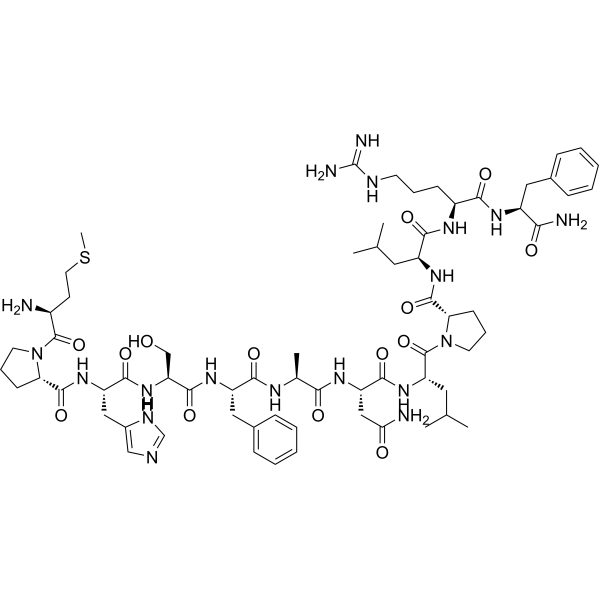
    Neuropeptide VF(124-131)(human); Neuropeptide NPVF (human)

    Neuropeptide Y Receptor Neurological Disease
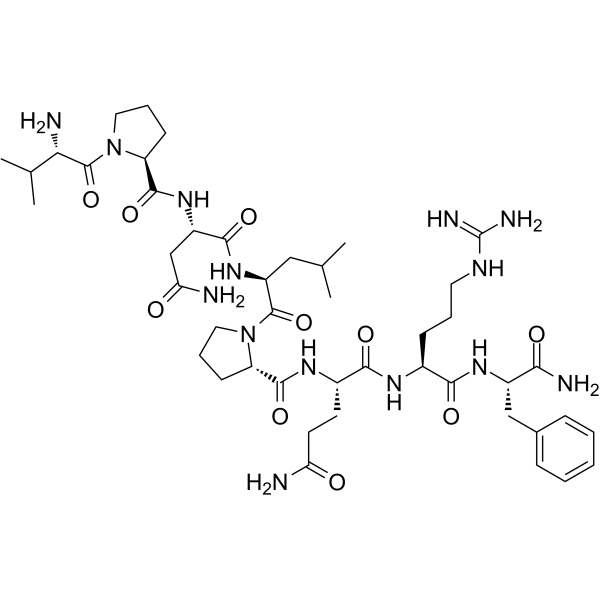
    RFRP-3 (Neuropeptide VF(124-131))(human), a human GnIH peptide homolog, is a potent inhibitor of gonadotropin secretion by inhibiting Ca 2+ mobilization. RFRP-3(human) is a NPFF1 receptor agonist, it inhibits forskolin-induced production of cAMP with an IC50 of 0.7 nM [1].
    RFRP-3(human)
  • HY-168828

    Drug Derivative Neurological Disease
    Δ9-THC-ethyl is an ethyl-chain homolog of Tetrahydrocannabinol.
    Δ9-THC-Ethyl
  • HY-P5831

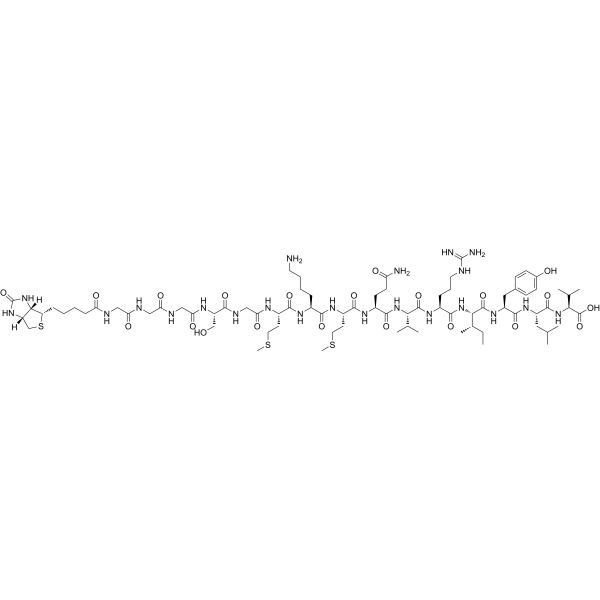
    Others MDM-2/p53 Cancer
    Biotin-H10 is a specific anterior gradient homolog 2 (AGR2) inhibitor with a KD of 6.4 nM. Biotin-H10 inhibits cancer cells viability [1].
    Biotin-H10
  • HY-P1428
    RFRP-1(human)
    1 Publications Verification

    Neuropeptide Y Receptor Endocrinology
    RFRP-1(human) is a gonadotropin-inhibitory hormone (GnIH) homolog. RFRP-1(human) targets human gonadotropin-releasing hormone (GnRH) neurons and gonadotropes and potently inhibits gonadotropin. RFRP-1(human) is a potent Neuropeptide FF (NPFF) receptor agonist with EC50s of 0.0011 nM and 29 nM for NPFF2 and NPFF1, respectively [1] .
    RFRP-1(human)
  • HY-177440

    Prostaglandin Receptor COX PGE synthase Metabolic Disease
    T26A is a highly selective prostaglandin transporter (PGT) inhibitor.T26A does not interact with the PGT homolog OATPc, blocks PGT-mediated PGE2 influx, and blocks PGE2 metabolism.T26A retains PGE2 in the extracellular compartment and reduces intracellular PGE2 metabolites.T26A elevates circulating endogenous PGE2 levels, reduces circulating endogenous PGE2 metabolite levels, and slows metabolism of exogenously injected PGE2 in Rattus norvegicus via intravenous injection.T26A does not affect PGE2 synthesis.T26A can be used for the research of PGT function in adult animals [1].
    T26A
  • HY-P990253

    Notch EAAT Inflammation/Immunology
    Anti-Mouse Delta-like protein 1/DLL1 Antibody (HMD1-5) is an anti-mouse Delta-like protein 1/DLL1 IgG monoclonal antibody. Anti-Mouse Delta-like protein 1/DLL1 Antibody (HMD1-5) can reverse the inhibition of Treg cells. Anti-Mouse Delta-like protein 1/DLL1 Antibody (HMD1-5) can inhibit the upregulation of GLT-1 expression induced by endothelial cells. Anti-Mouse Delta-like protein 1/DLL1 Antibody (HMD1-5) reduces autoimmune response by reducing B cell activation. Anti-Mouse Delta-like protein 1/DLL1 Antibody (HMD1-5) can be used for research on inflammation conditions such as lupus nephritis [1] .
    Anti-Mouse Delta-like protein 1/DLL1 Antibody (HMD1-5)
  • HY-135589

    Orphan Nuclear Receptor Cancer
    7-[4-(2-Piperidinyl)ethoxy]benzoyl Raloxifene is a liver receptor homolog-1 (LRH-1) antagonist with an IC50 of 3.1 μM [1].
    7-[4-(2-Piperidinyl)ethoxy]benzoyl Raloxifene
  • HY-165071

    (±)16,17 EDP; (±)16,17-Epoxy docosapentaenoic acid; (±)16,17-Epoxy DPA

    Drug Isomer Others
    (±)16(17)-EpDPA is the DHA homolog of (±)14(15)-EpETrE, derived via epoxidation of the 16,17-double bond of DHA.
    (±)16(17)-EpDPA
  • HY-166114

    Heptaprenyl phosphate

    Biochemical Assay Reagents Infection
    Heptaprenyl-MPDA (Heptaprenyl phosphate) is a short-chain homolog of undecaprenyl phosphate, is an endogenous substrate of Phospho-MurNAc-pentapeptide translocase (MraY). Heptaprenyl-MPDA can be used for bacterial infections research [1].
    Heptaprenyl-MPDA
  • HY-166114A

    (Z)-Heptaprenyl phosphate diammonium

    Bacterial Infection
    (Z)-Heptaprenyl-MPDA ((Z)-Heptaprenyl phosphate) diammonium is the (Z)-isomer of Heptaprenyl-MPDA (HY-166114). Heptaprenyl-MPDA (Heptaprenyl phosphate) is a short-chain homolog of undecaprenyl phosphate, is an endogenous substrate of Phospho-MurNAc-pentapeptide translocase (MraY). Heptaprenyl-MPDA can be used for bacterial infections research [1].
    (Z)-Heptaprenyl-MPDA diammonium
  • HY-150254A
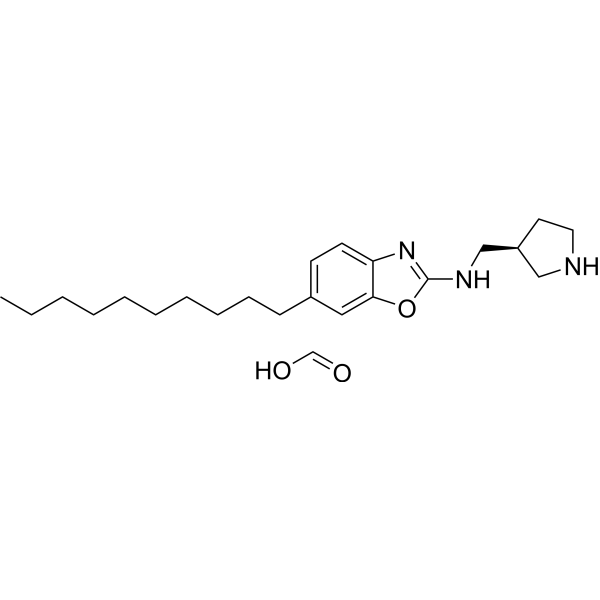
    SLB1122168 formic
    1 Publications Verification

    LPL Receptor Inflammation/Immunology
    SLB1122168 formic is a Spinster Homolog 2 (Spns2) inhibitor. SLB1122168 formic inhibits Spns2-mediated sphingosine-1-phosphate (S1P) release with an IC50 of 94 nM. SLB1122168 formic induces lymphopenia in circulating lymphocytes in mice and rats [1].
    SLB1122168 formic
  • HY-112499S

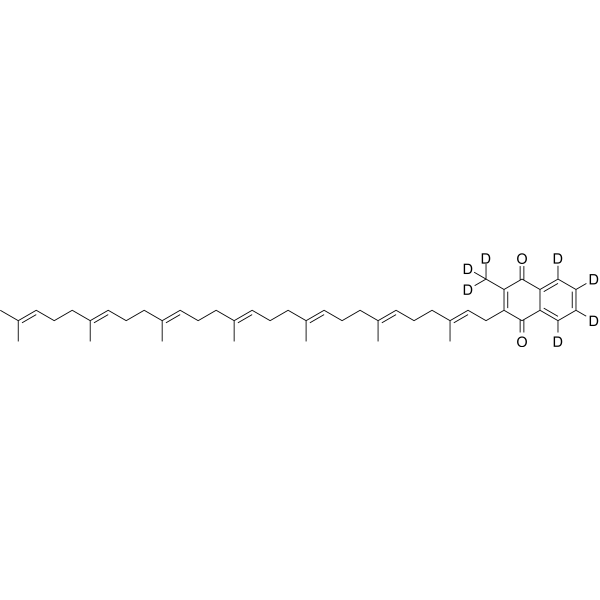
    Vitamin K2-7-d7; Vitamin K2(35)-d7; Vitamin MK-7-d7

    Isotope-Labeled Compounds Cardiovascular Disease
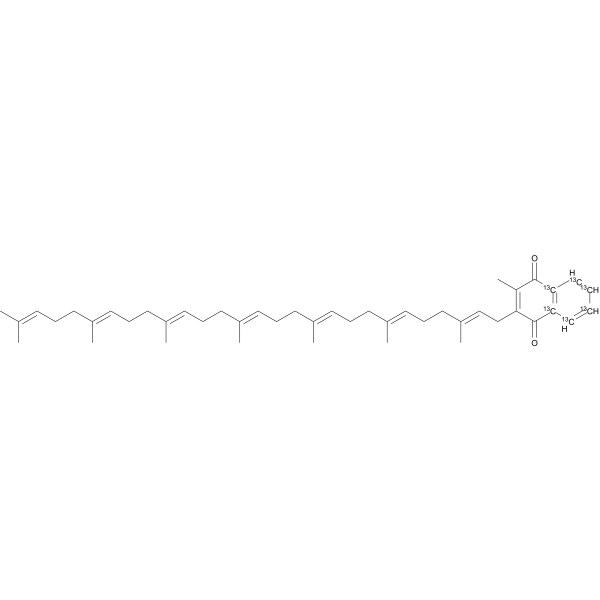
    Menaquinone-7-d7 is the deuterium labeled Menaquinone-7. Menaquinone-7 (Vitamin K2-7), belongs to a class of K2-vitamin homologs, is originally discovered as the anti-hemorrhagic factors [1]. Menaquinone-7 (Vitamin K2-7) is identified as the most bioactive cofactor for the carboxylation reaction of Gla-proteins . Supplementation with Menaquinone-7 (Vitamin K2-7) is a pharmacological option for activating matrix Gla protein and intervening in the progression of calcific aortic valve stenosis (CAVS) .
    Menaquinone-7-d7
  • HY-112499R
    Menaquinone-7 (Standard)
    3 Publications Verification

    Vitamin K2-7(Standard); Vitamin K2(35)(Standard); Vitamin MK-7 (Standard)

    Endogenous Metabolite Reference Standards Cardiovascular Disease
    Menaquinone-7 (Standard) is the analytical standard of Menaquinone-7. This product is intended for research and analytical applications. Menaquinone-7 (Vitamin K2-7), belongs to a class of K2-vitamin homologs (orally active), is originally discovered as the anti-hemorrhagic factors. Menaquinone-7 inhibits osteoclast bone resorption in vitro and stimulates bone formation in femoral tissue of aged female rats. Menaquinone-7 has a well-researched potential in the prevention of aging-induced bone degeneration. Menaquinone-7 is also a pharmacological option for activating Gla matrix protein and intervening in the progression of calcific aortic stenosis (CAVS) [1] .
    Menaquinone-7 (Standard)
  • HY-P991223

    Transmembrane Glycoprotein TNF Receptor Cancer
    NC762 is a humanized IgG1κ monoclonal antibody that targets human B7-H4 (B7 homolog 4). NC762 has enhanced binding to CD16a (FcγRIIIa) after being Fc engineered with three point mutations (S239D/A330L/I332E; DLE) and demonstrate increased antibody-dependent cellular cytotoxicity (ADCC) activity. NC762 inhibits tumor growth in vivo through binding to tumor-expressing B7-H4. NC762 can be studies in research on cancer such as advanced or metastatic solid tumors [1].
    NC762
  • HY-P990252

    Notch Interleukin Related NF-κB VEGFR FGFR NO Synthase Metabolic Disease Inflammation/Immunology Cancer
    Anti-Mouse Delta-like protein 4/DLL4 Antibody (HMD4-2) is an anti-mouse Delta-like protein 4/DLL4 IgG monoclonal antibody. Anti-Mouse Delta-like protein 4/DLL4 Antibody (HMD4-2) can reduce angiogenesis and density by blocking the DLL4-Notch signaling pathway. Anti-Mouse Delta-like protein 4/DLL4 Antibody (HMD4-2) reduces inflammatory response by decreasing NF-κB activity and pro-inflammatory factors (IL-1β, iNOS, IL-6) levels. Anti-Mouse Delta-like protein 4/DLL4 Antibody (HMD4-2) can inhibit Th17 cell differentiation and IL-17A production. Anti-Mouse Delta-like protein 4/DLL4 Antibody (HMD4-2) can reduce macrophage infiltration and alleviate insulin resistance. Anti-Mouse Delta-like protein 4/DLL4 Antibody (HMD4-2) can be used for researches on inflammation, metabolic conditions and cancer such as atherosclerosis, pancreatic cancer and asthma [1] .
    Anti-Mouse Delta-like protein 4/DLL4 Antibody (HMD4-2)
  • HY-101014

    Biochemical Assay Reagents Infection
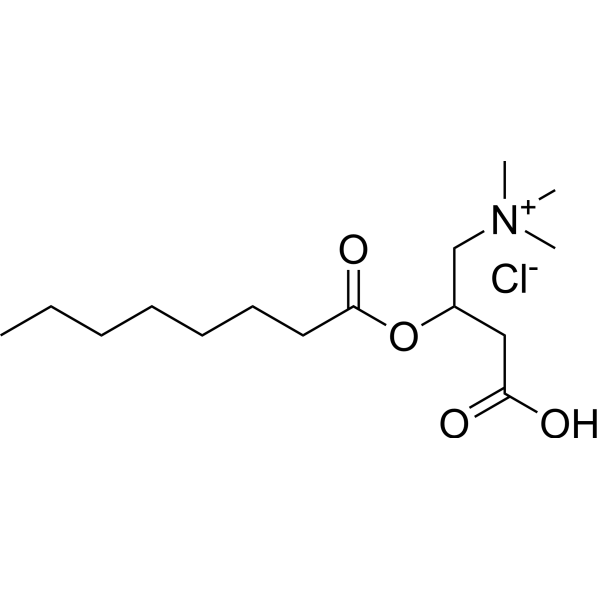
    Octanoylcarnitine chloride is a homolog of acetylcarnitine chloride. Octanoylcarnitine chloride can enhance absorption of drugs from gastrointestinal tract [1].
    Octanoylcarnitine chloride
  • HY-W004515

    Endogenous Metabolite Others
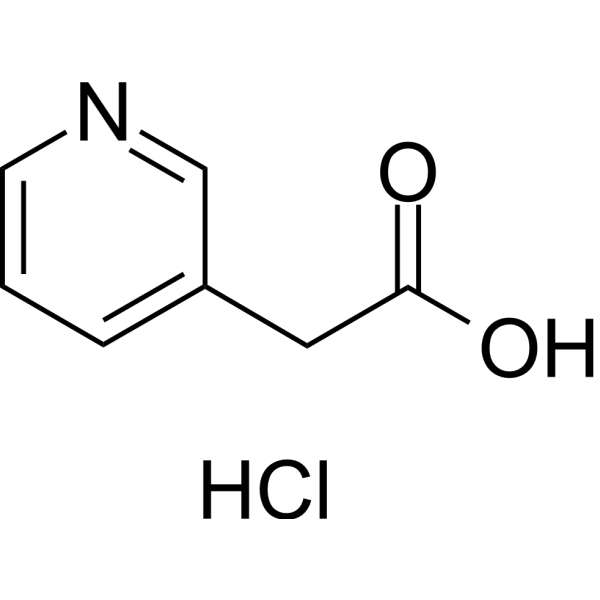
    3-Pyridineacetic acid hydrochloride is a high homolog of nicotinic acid and is a decomposition product of nicotine (and other tobacco alkaloids). 3-Pyridylacetic acid hydrochloride can be used to synthesize anti-inflammatory agents or as a precursor for the preparation of herbicides [1].
    3-Pyridylacetic acid hydrochloride
  • HY-147105A

    Orphan Nuclear Receptor Interleukin Related Inflammation/Immunology
    (+)-LRH-1 modulator-1 is a stereoisomer of LRH-1 modulator-1. LRH-1 modulator-1 (compound 6N) is a potent LRH-1 (liver receptor homolog-1) modulator/agonist. LRH-1 modulator-1 has anti-inflammatory effects in intestinal organoids. LRH-1 modulator-1 induces the anti-inflammatory cytokine IL-10 and reduces the inflammatory cytokines IL-1b and TNFa [1].
    (+)-LRH-1 agonist-2
  • HY-16986B
    EPZ011989 hydrochloride
    3 Publications Verification

    Histone Methyltransferase Cancer
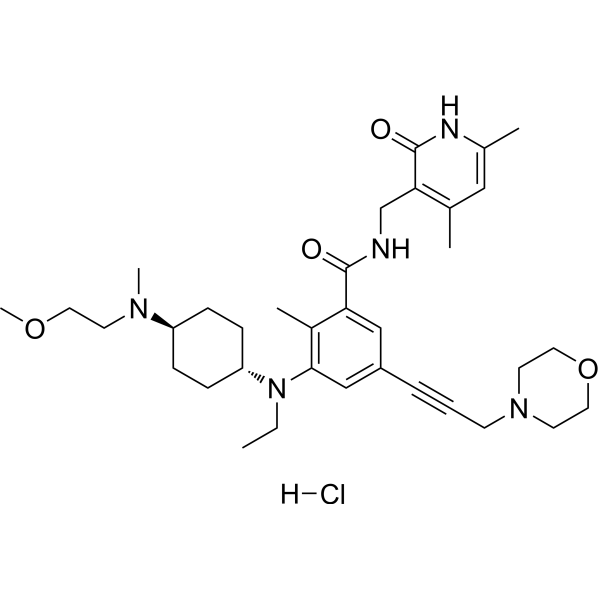
    EPZ011989 hydrochloride is a potent and orally active Zeste Homolog 2 (EZH2) inhibitor, with a Ki value of <3 nM. EPZ011989 shows anti-tumor activity. EPZ011989 is a click chemistry reagent, it contains an Alkyne group and can undergo copper-catalyzed azide-alkyne cycloaddition (CuAAc) with molecules containing Azide groups [1].
    EPZ011989 hydrochloride
  • HY-P1985A

    Notch Cardiovascular Disease Cancer
    Notch 1 TFA (Notch homolog 1, translocation-associated) can encode a member of the NOTCH family of proteins. Members of this Type I transmembrane protein family share structural characteristics including an extracellular domain consisting of multiple epidermal growth factor-like (EGF) repeats, and an intracellular domain consisting of multiple different domain types [1].
    Notch 1 TFA
  • HY-175560

    SOS1 PERK Cancer
    SOS1-IN-22 is a son of sevenless homolog 1 (SOS1) inhibitor. SOS1-IN-22 can inhibit KRAS-G12C/SOS1 complex formation with an IC50 value of 40.28 nM. SOS1-IN-22 can reduce phosphorylation ERK levels. SOS1-IN-22 can be used for the research of cancer, such as pancreatic carcinoma and appendiceal carcinoma [1].
    SOS1-IN-22
  • HY-134517

    Amino Acid Derivatives Others
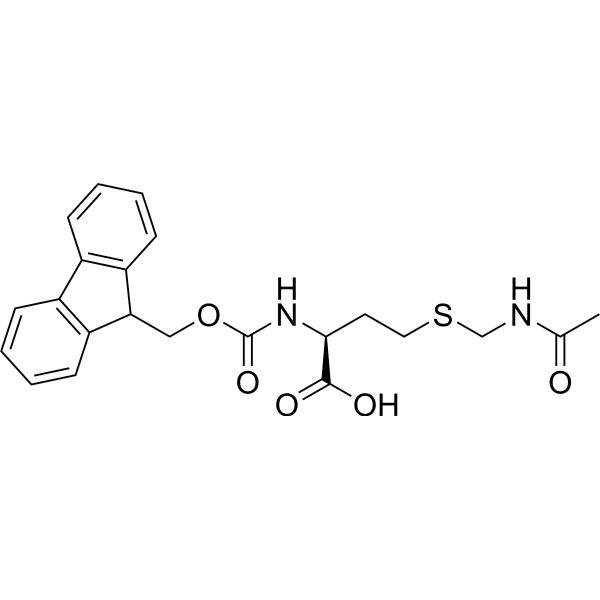
    Fmoc-HoCys(ACM)-OH, a homolog of cysteine, is synthesized from L-methionine. Fmoc-HoCys(ACM)-OH also can be used for the synthesis of solid phase peptide [1].
    Fmoc-HoCys(ACM)-OH

Inquiry Online

Your information is safe with us. * Required Fields.

Salutation


Country or Region *

Applicant Name *


Organization Name *

Department *


Email Address *


Product Name *

Cat. No.


Requested quantity *

Phone Number *


Remarks

Inquiry Online

Inquiry Information

Product Name:
Cat. No.:
Quantity:
MCE Japan Authorized Agent: