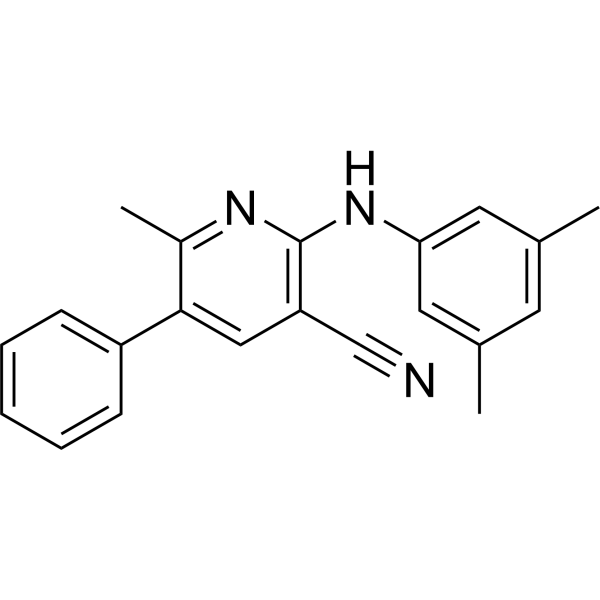
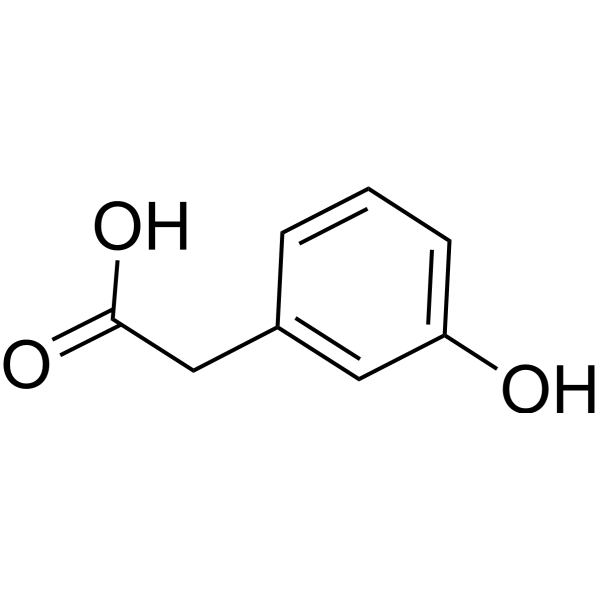
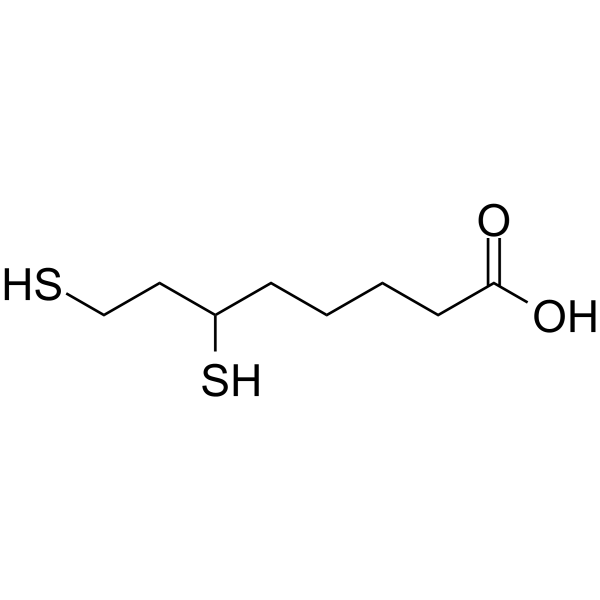
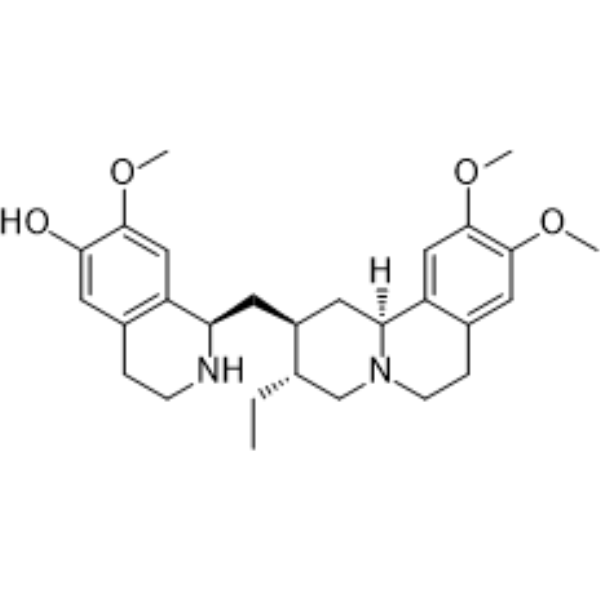
1. Search Result
Search Result
Results for "

Nrf2/xCT/GPX4 axis

" in MedChemExpress (MCE) Product Catalog:

963

Inhibitors & Agonists

4

Screening Libraries

7

Fluorescent Dyes

16

Biochemical Assay Reagents

45

Peptides

14

Inhibitory Antibodies

309

Natural
Products

8

Recombinant Proteins

76

Isotope-Labeled Compounds

27

Antibodies

19

Click Chemistry

7

Oligonucleotides

4

GMP Molecules

Targets Recommended:
Cat. No. Product Name Target Research Areas Chemical Structure
  • HY-100218A
    RSL3
    510+ Cited Publications

    (1S,3R)-RSL3

    p62 Glutathione Peroxidase Ferroptosis Reactive Oxygen Species (ROS) Cancer
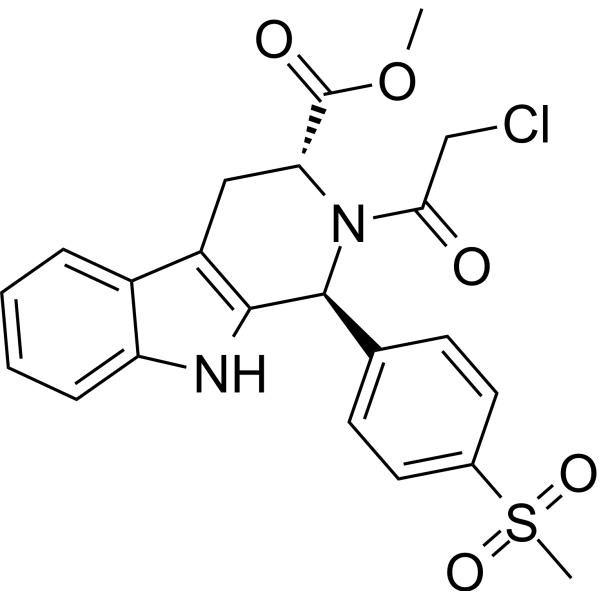
    RSL3 ((1S,3R)-RSL3) is an inhibitor of glutathione peroxidase 4 (GPX4) (ferroptosis activator), reduces the expression of GPX4 protein, and induces ferroptotic death of head and neck cancer cell. RSL3 increases the expression of p62 and Nrf2 and inactivates Keap1 in HN3-rslR cells .
    RSL3
  • HY-100002
    ML162
    10+ Cited Publications

    Glutathione Peroxidase Ferroptosis Cancer
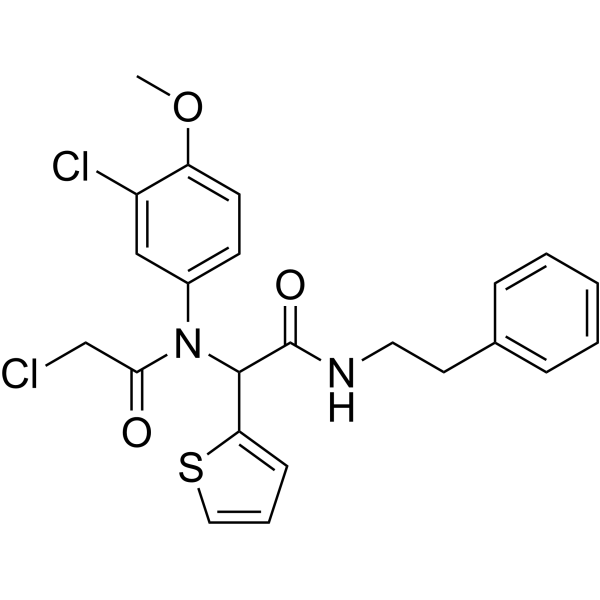
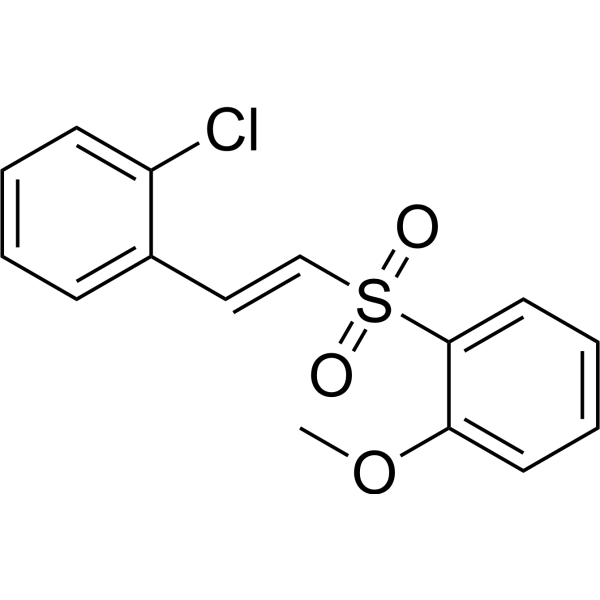
    ML162 is a covalent glutathione peroxidase 4 (GPX4) inhibitor. ML162 has a selective lethal effect on mutant RAS oncogene-expressing cell lines [2]
    ML162
  • HY-120912
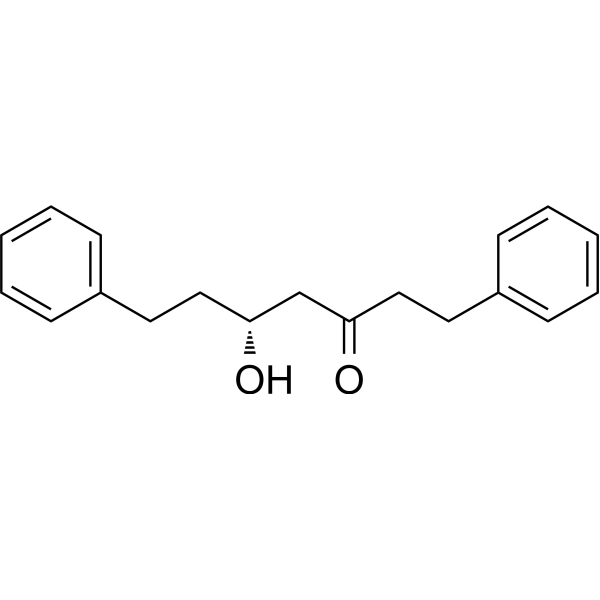
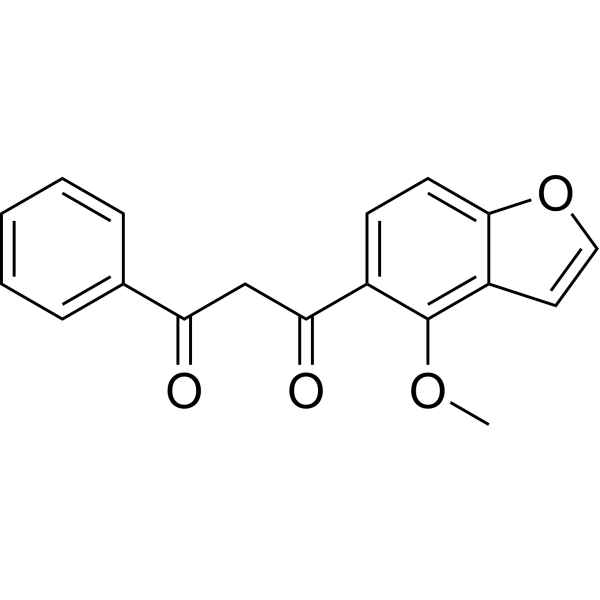
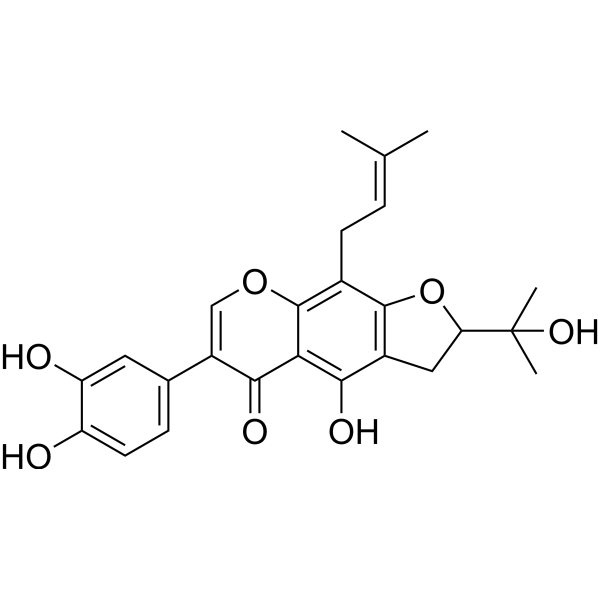
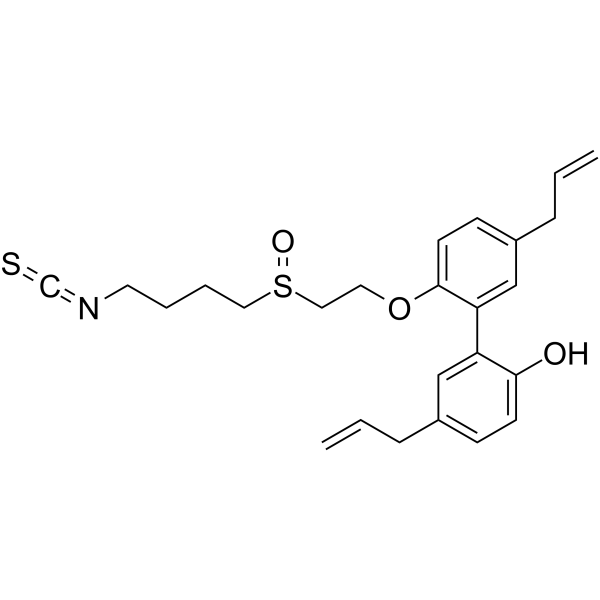
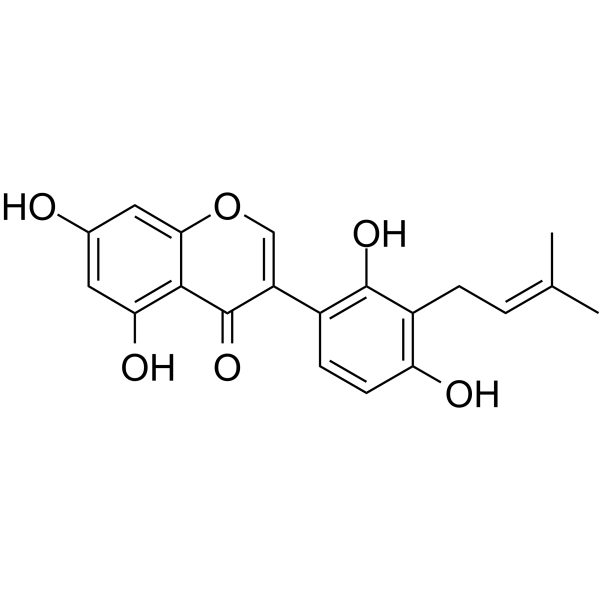
    Gingerenone A
    2 Publications Verification

    Keap1-Nrf2 Glutathione Peroxidase Ferroptosis Metabolic Disease Inflammation/Immunology Cancer
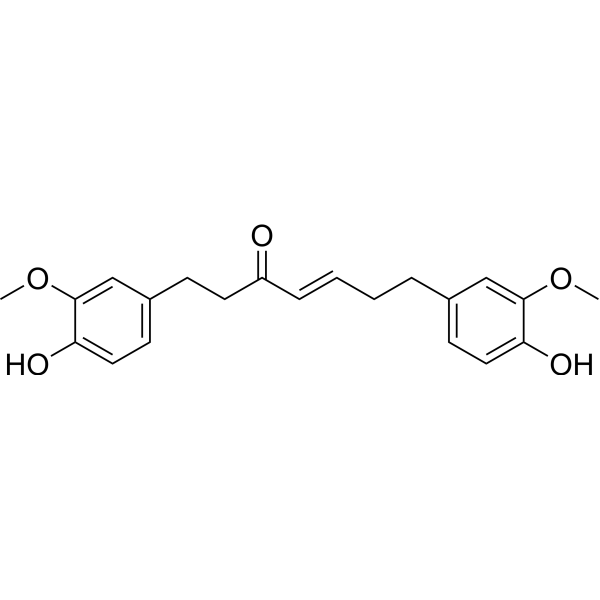
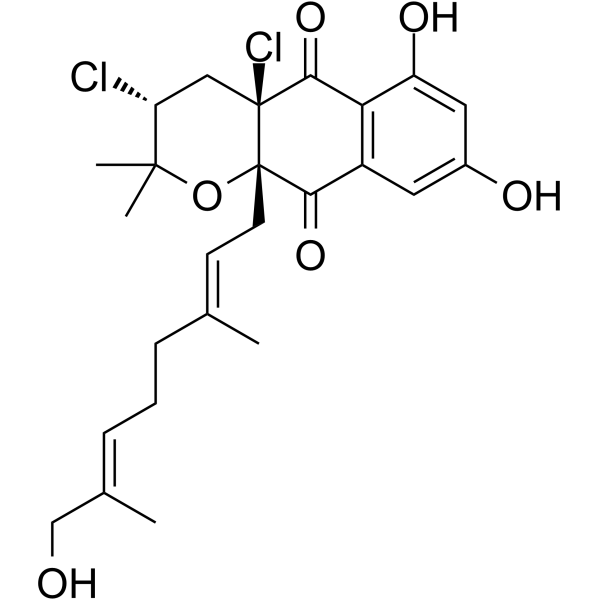
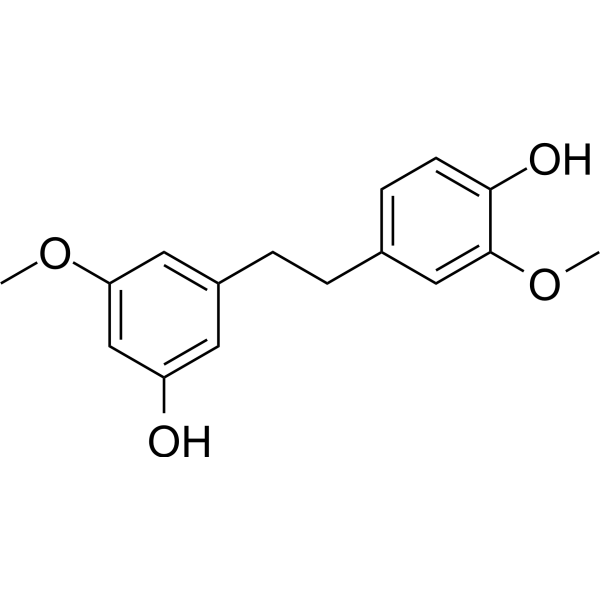
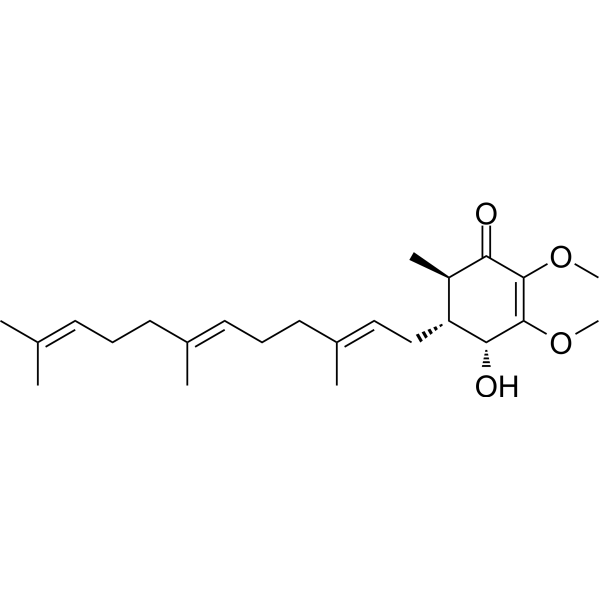
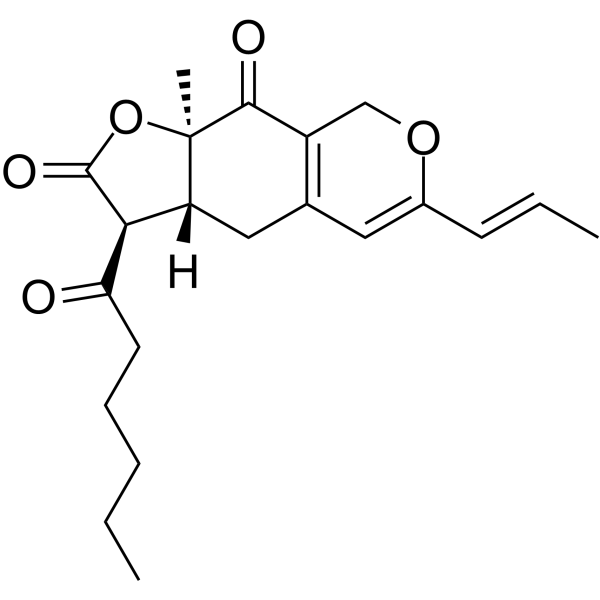
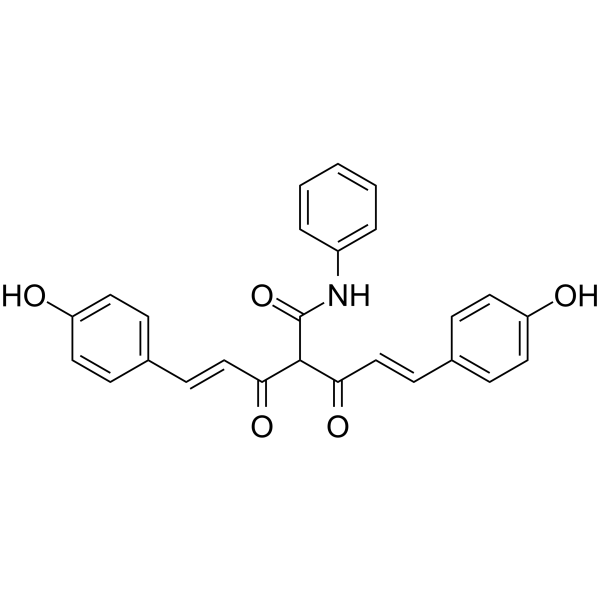
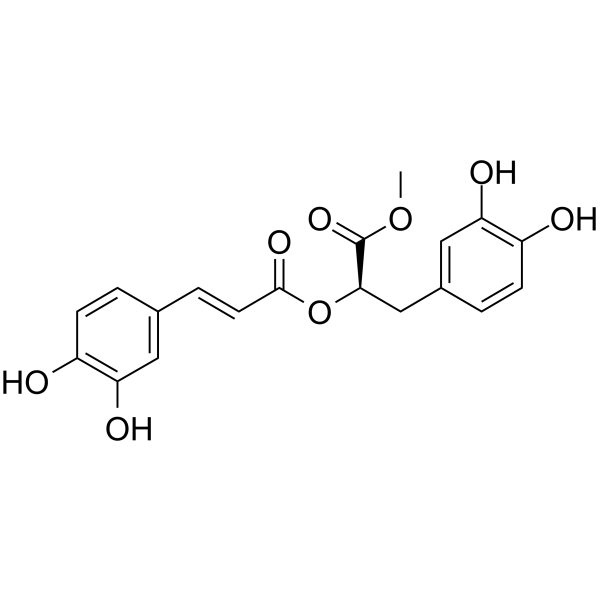
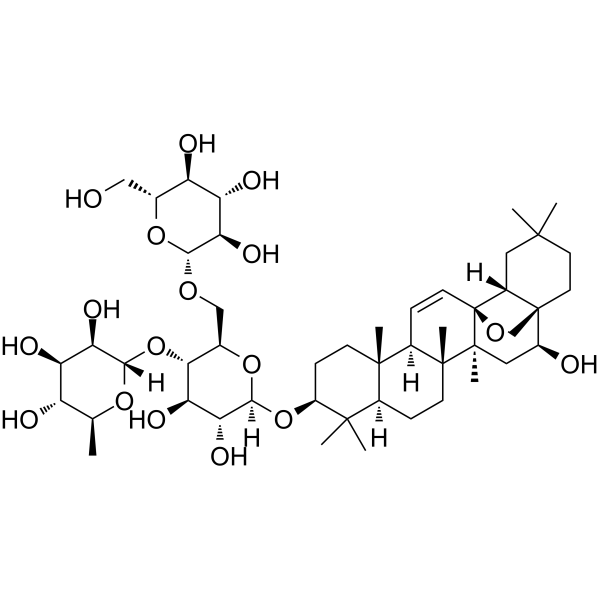
    Gingerenone A is an Nrf2-Gpx4 activator that can induce Ferroptosis in liver damage with oral activity. Gingerenone A has anti-inflammatory, anti-diabetic, anti-tumor, and pro-aging effects in mice [2] [4].
    Gingerenone A
  • HY-162307

    PROTACs Keap1-Nrf2 Cancer
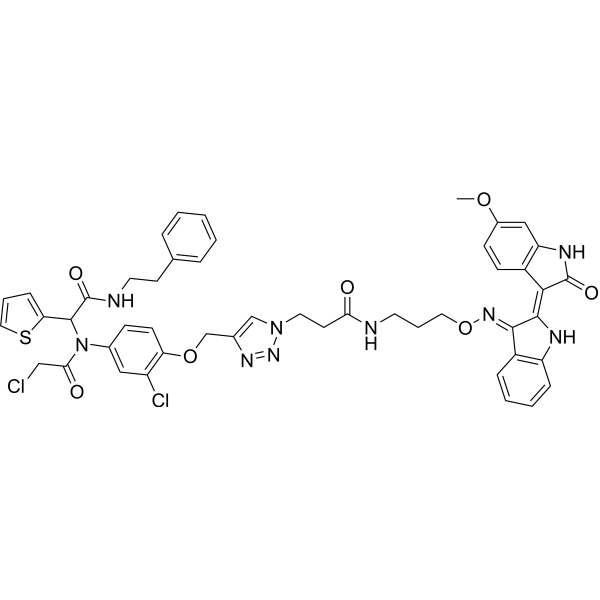
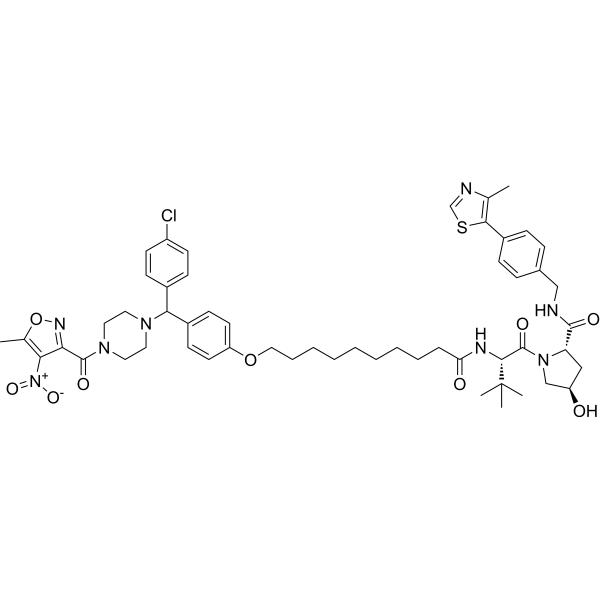
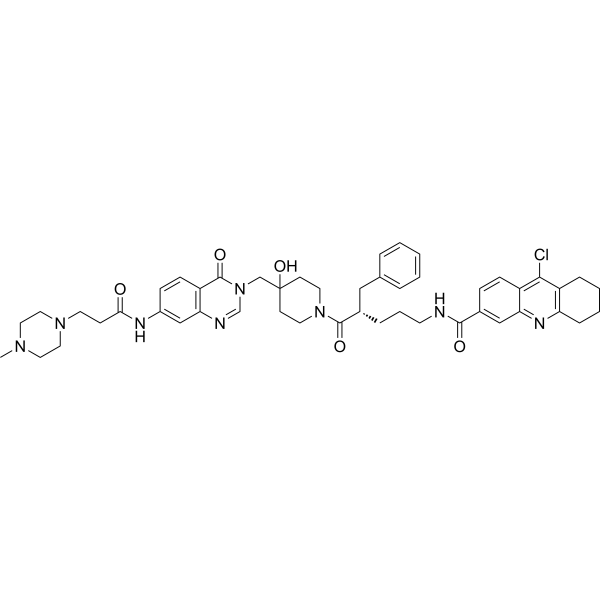
    Nrf2 degrader 1 (compound 1) is a PROTAC Nrf2 degrader with a DC50 of 0.1-1 μM in huH1 cells. Nrf2 degrader 1 inhibits cancer cells growth for A549 and LK-2 cells with IC50 values of 100 nM and 40 nM, respectively. Nrf2 degrader 1 can be used for the study of liver cancer, non-small cell lung cancer (NSCLC) and squamous cell carcinoma of lung cancer .
    Nrf2 degrader 1
  • HY-115627
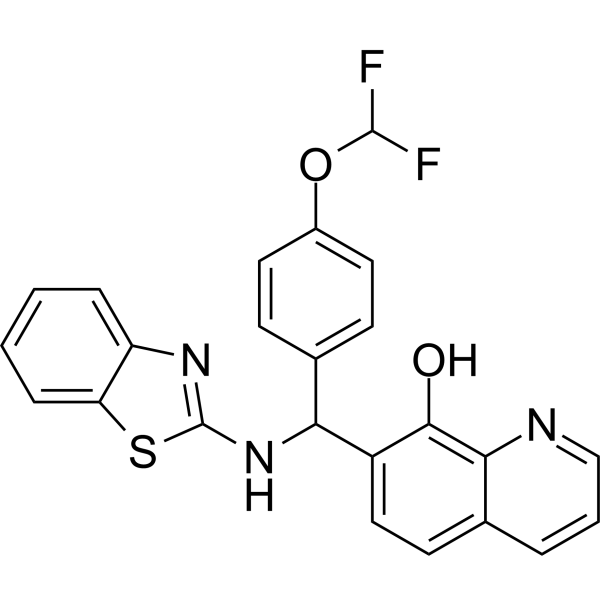
    PKUMDL-LC-101-D04
    5+ Cited Publications

    GPX4-Activator-1d4

    Glutathione Peroxidase Inflammation/Immunology
    PKUMDL-LC-101-D04 (GPX4-Activator-1d4) is a glutathione peroxidase 4 (GPX4) allosteric activator (pEC50=4.7). PKUMDL-LC-101-D04 can inhibit ferroptosis and inflammation [2].
    PKUMDL-LC-101-D04
  • HY-141809
    GPX4-IN-3
    2 Publications Verification

    Glutathione Peroxidase Ferroptosis Cancer
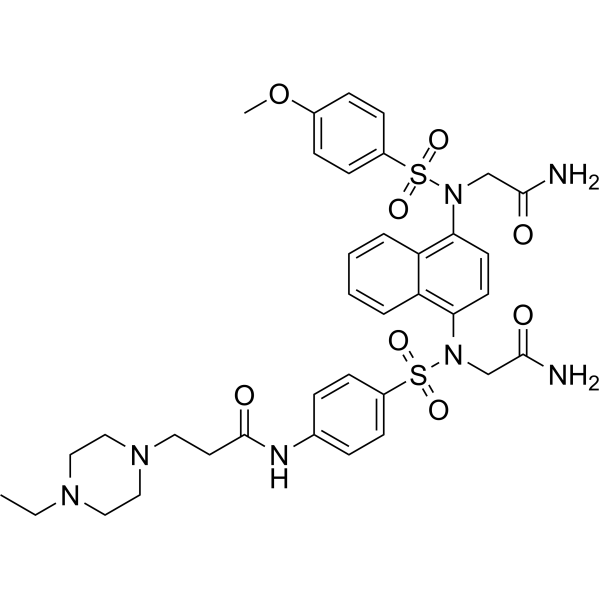
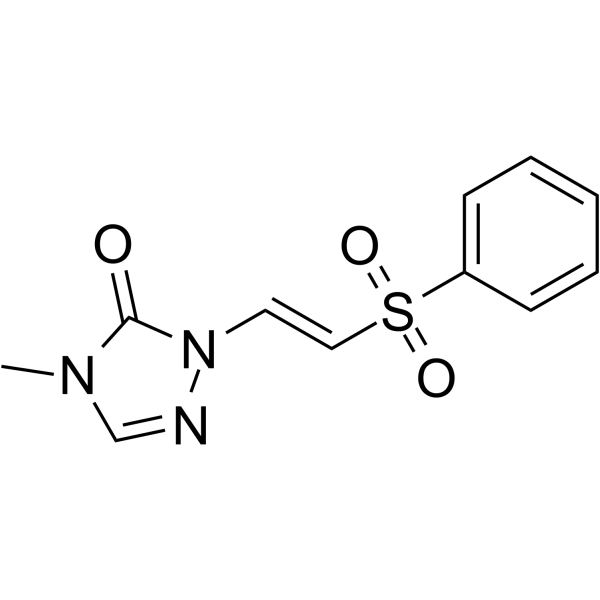
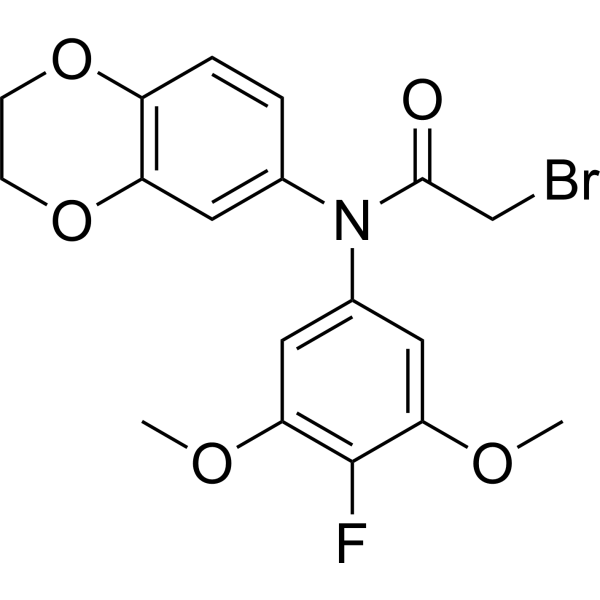
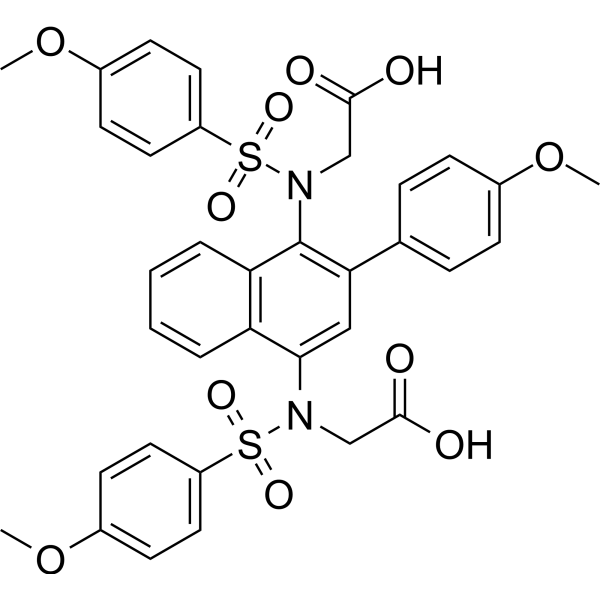
    GPX4-IN-3 (26a) is a potent glutathione peroxidase 4 (GPX4) inhibitor as a selective ferroptosis inducer. GPX4-IN-3 (26a) exhibits 71.7% inhibition for GPX4 with 1 μM .
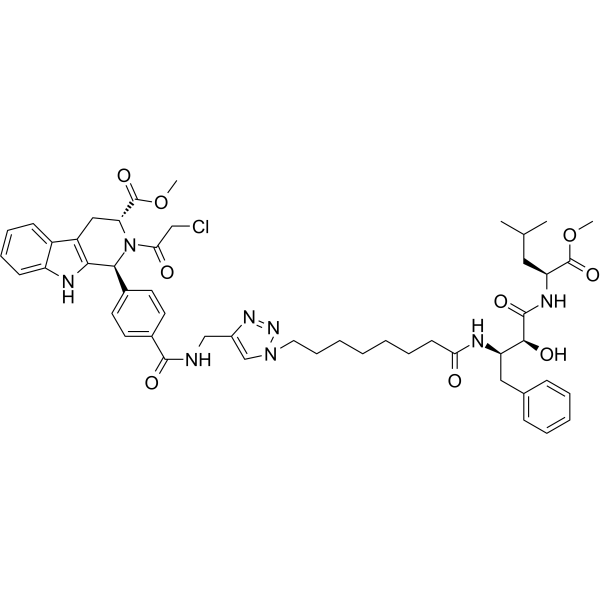
    GPX4-IN-3
  • HY-155663
    GPX4-IN-5
    1 Publications Verification

    Glutathione Peroxidase Ferroptosis Cancer
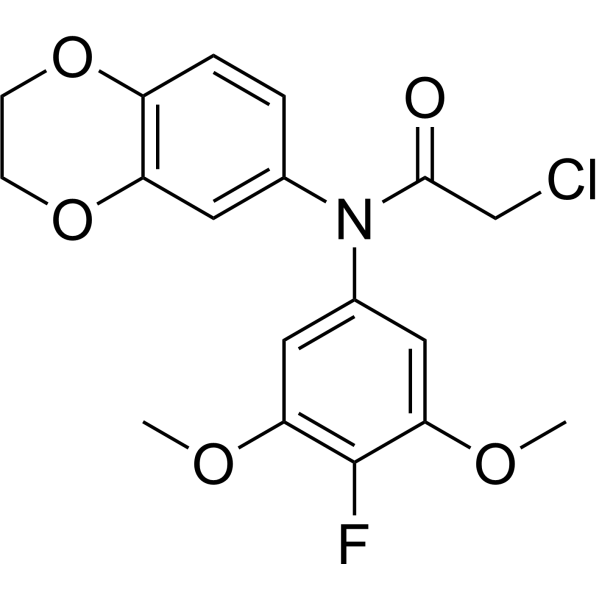
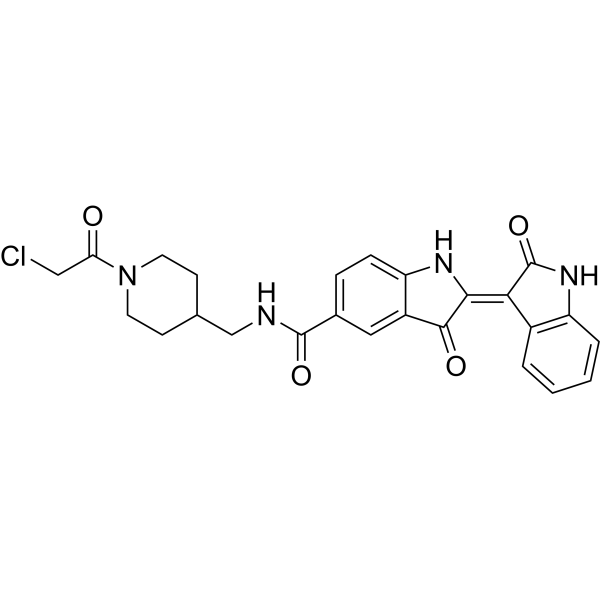
    GPX4-IN-5 is a covalent inhibitor of GPX4 (IC50: 0.12 μM). GPX4-IN-5 can induce ferroptosis and has anti-tumor effects. GPX4-IN-5 can be used in the study of triple-negative breast cancer (TNBC) .
    GPX4-IN-5
  • HY-148480

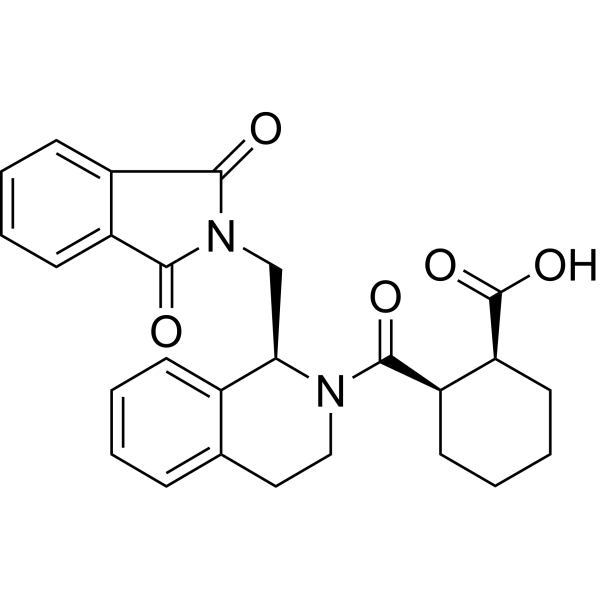
    Quinone Reductase Keap1-Nrf2 Cardiovascular Disease
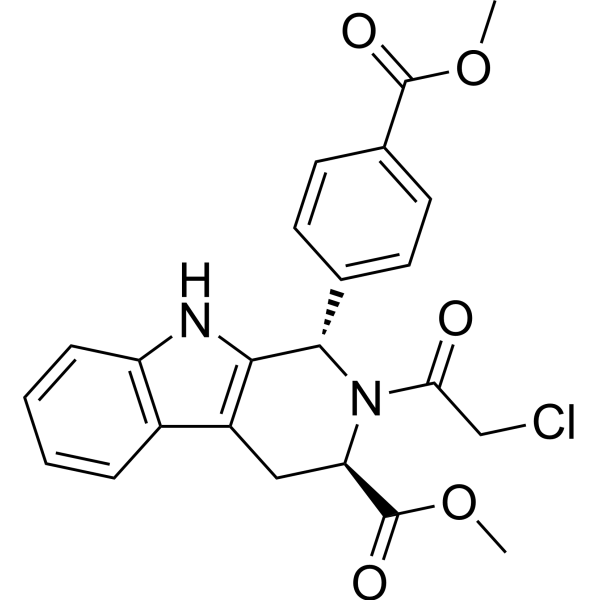
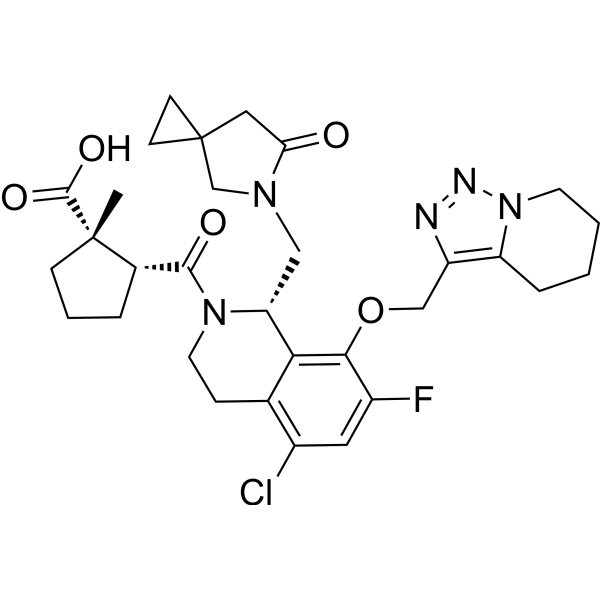
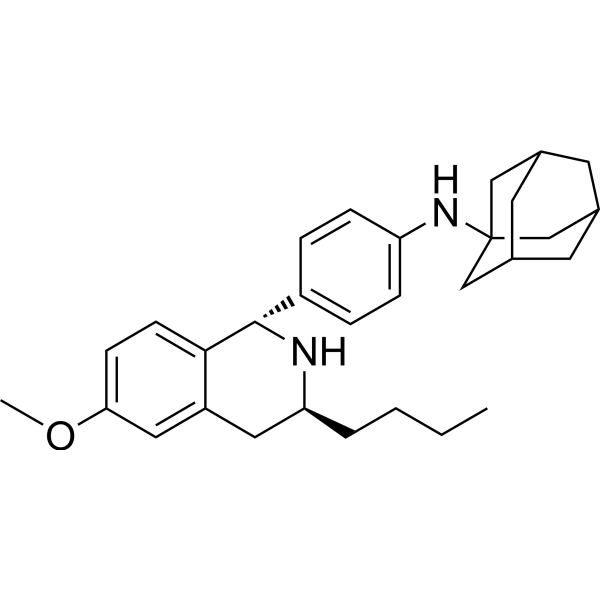
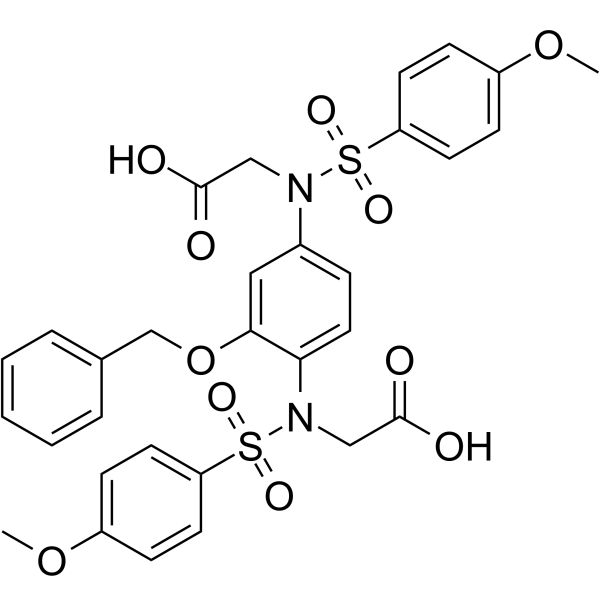
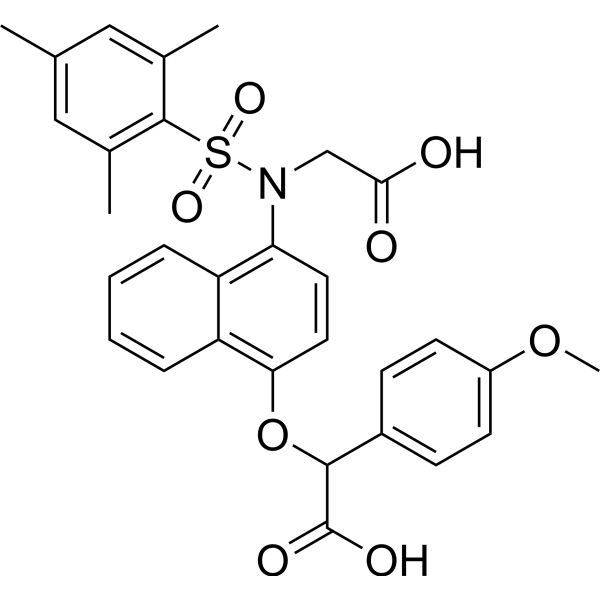
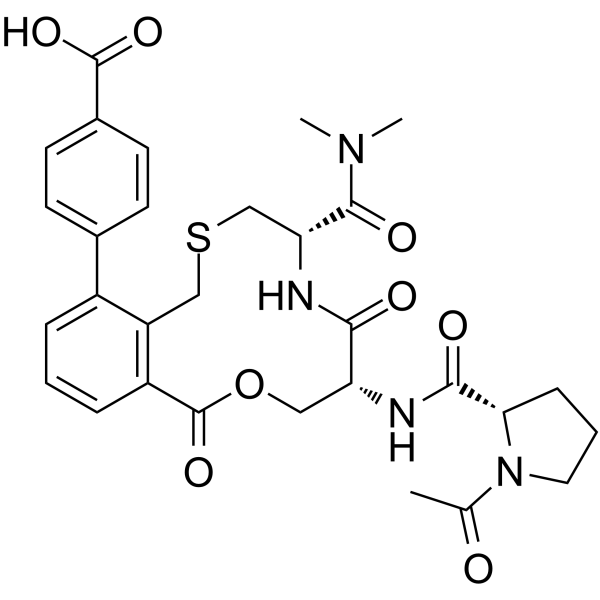
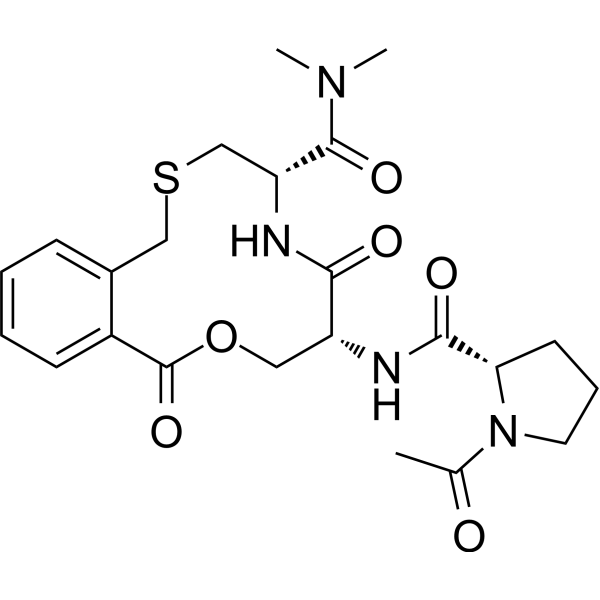
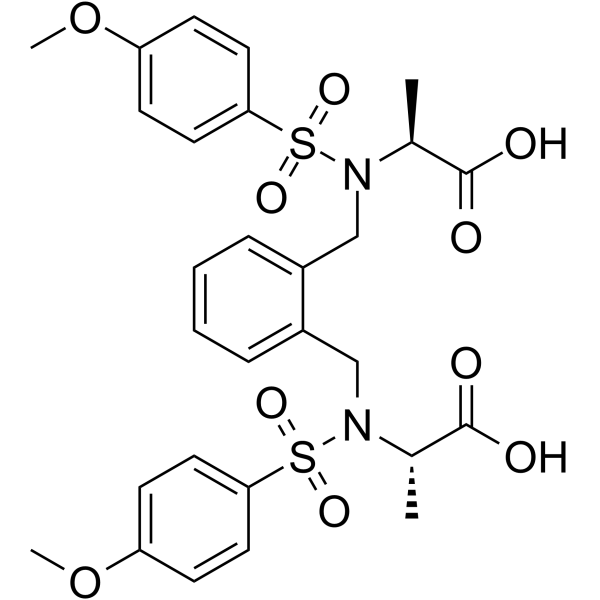
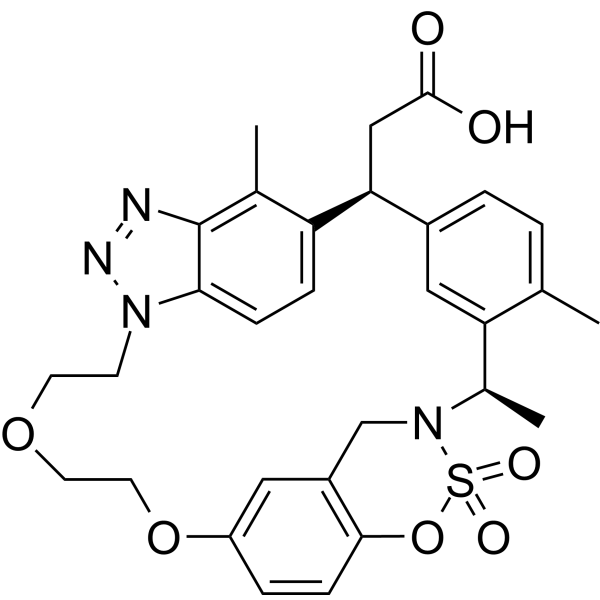
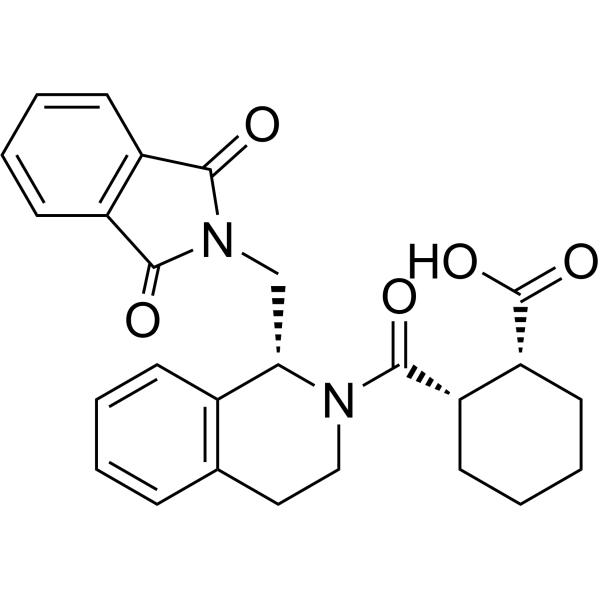
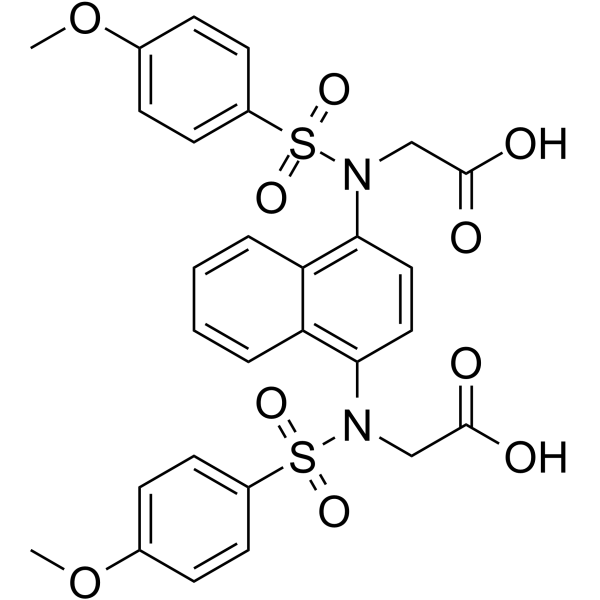
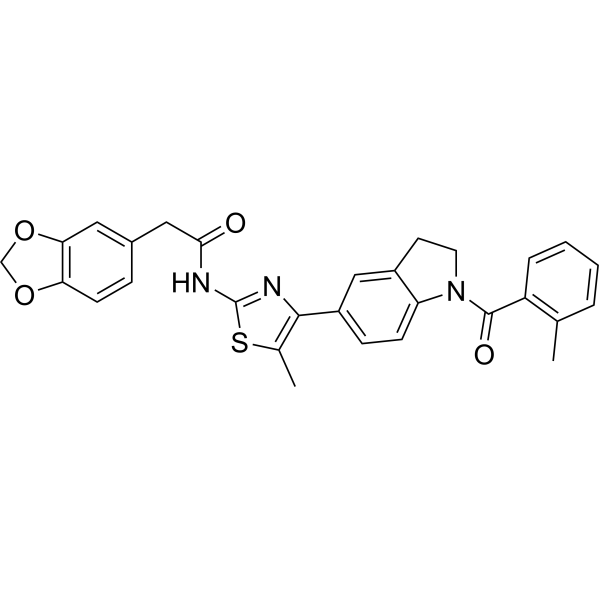
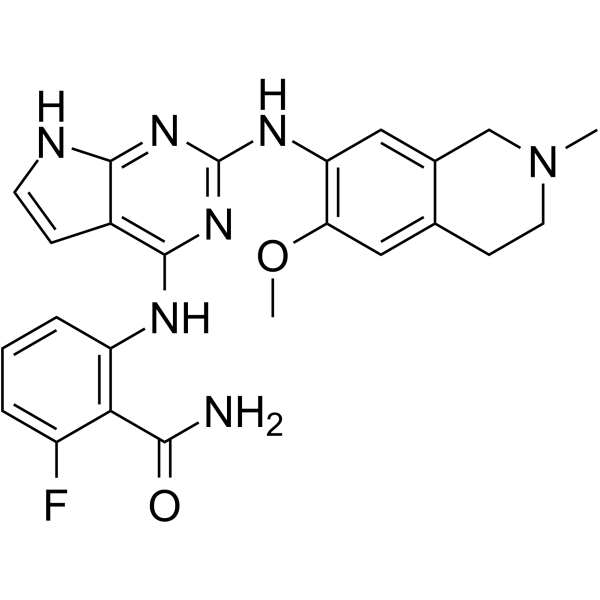
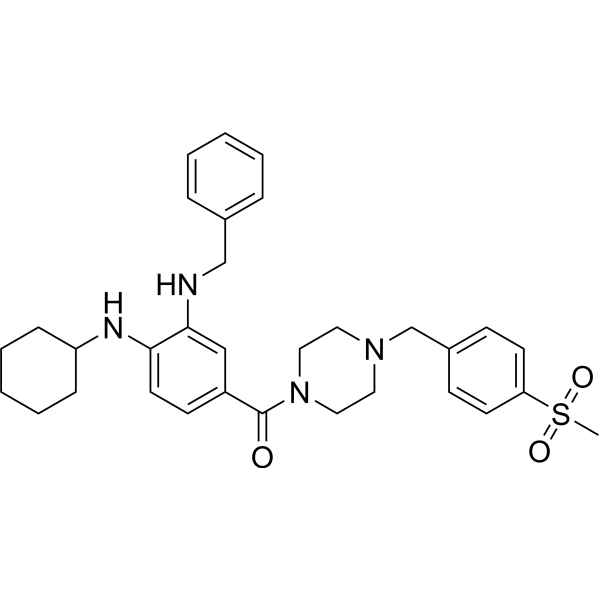
    Nrf2 activator-6, a tetrahydroisoquinoline compound, is a Nrf2 activator. Nrf2 activator-6 has an IC50 of 5 nM for inhibiting the Kelch domain-Nrf2 interaction (WO2021214470A1; Example 4) .
    Nrf2 activator-6
  • HY-138556

    Drug Intermediate Glutathione Peroxidase Cancer
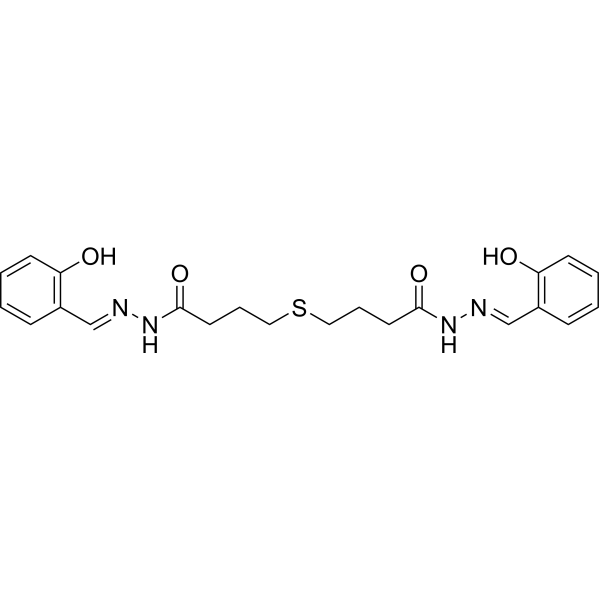
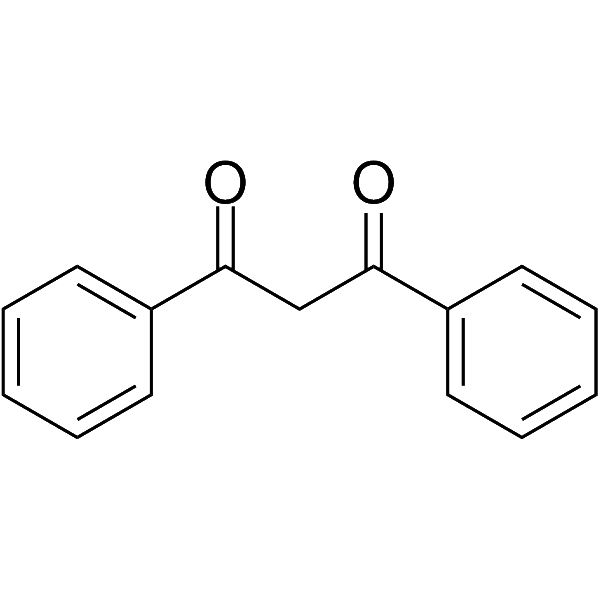
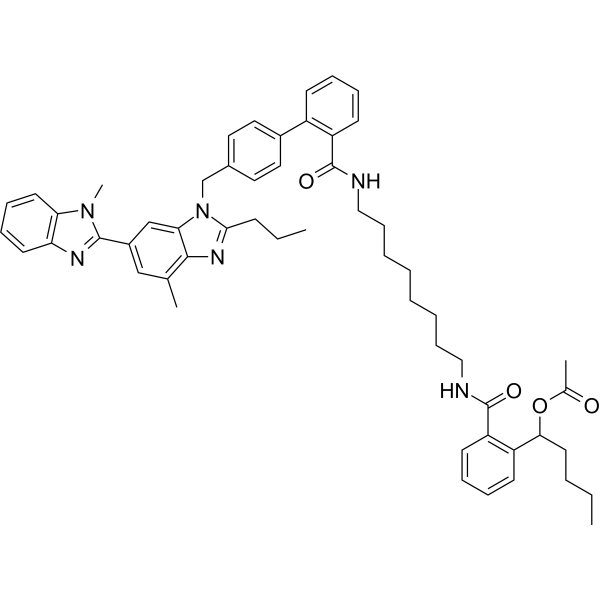
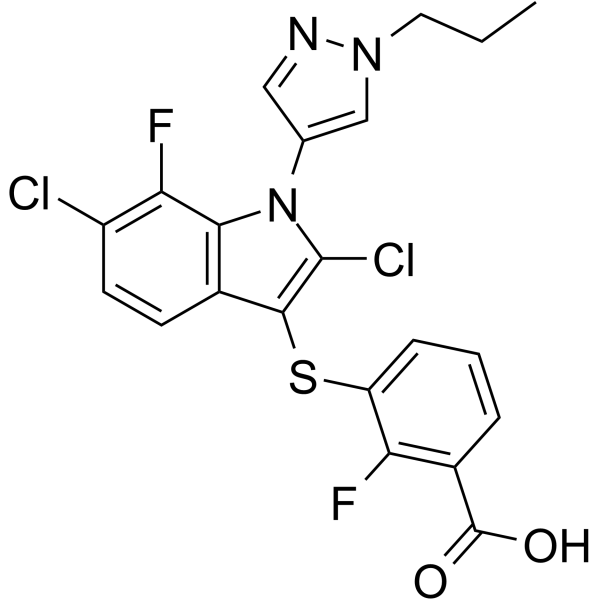
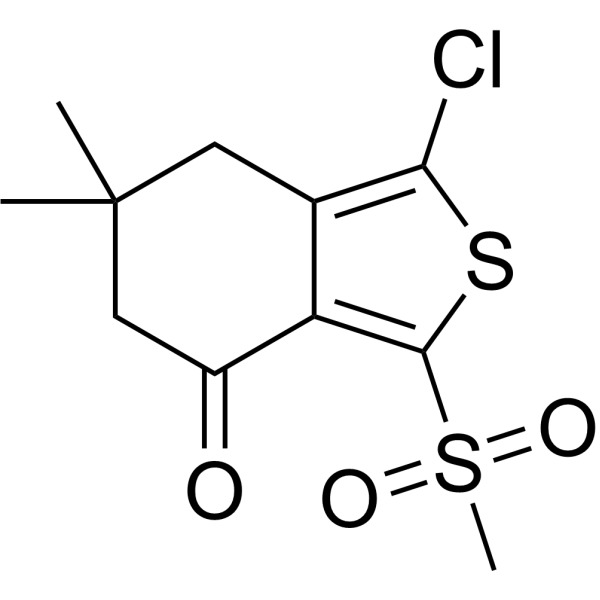
    GPX4-IN-2 is an intermediate of GPX4-IN-1 (HY-138544). GPX4-IN-1 has shown antiproliferative activity and can be used for cancer research .
    GPX4-IN-2
  • HY-161929

    Glutathione Peroxidase Ferroptosis Cardiovascular Disease
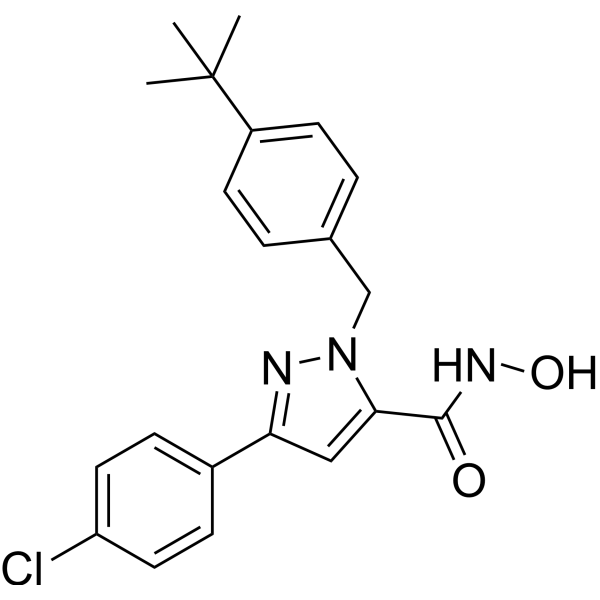
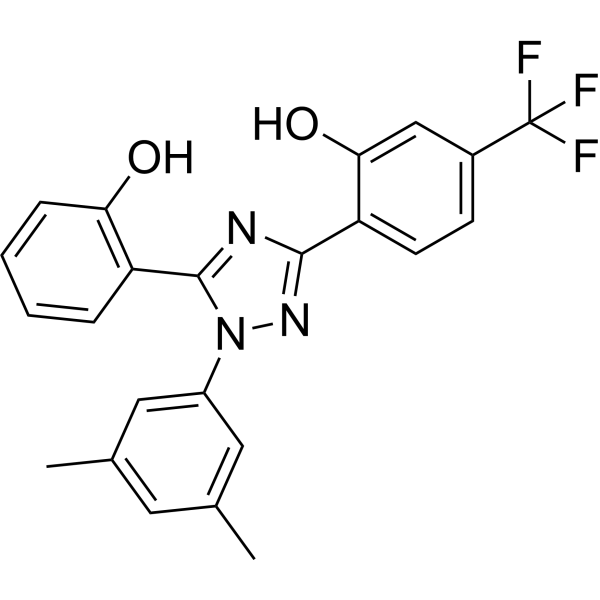
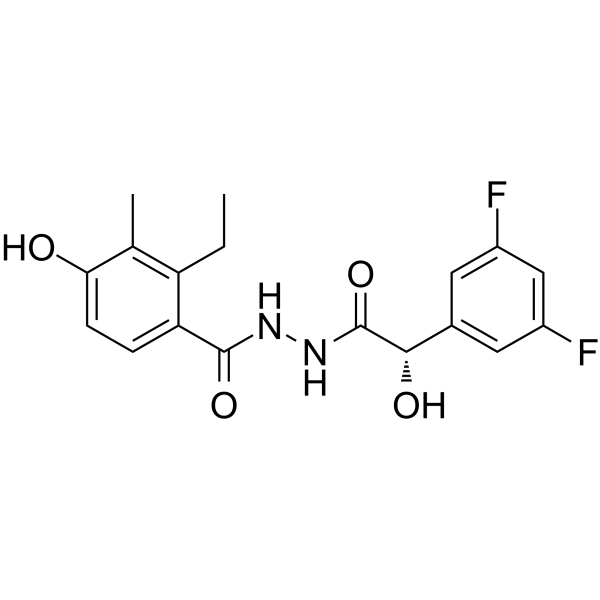
    GPX4 activator 2 is a GPX4 activator with a Ka value of 0.426 μM for human GPX4. GPX4 activator 2 reduces lipid hydroperoxide levels, prevents lipid peroxide accumulation, and inhibits ferroptosis. GPX4 activator 2 rescues cell death induced by Erastin (HY-15763). GPX4 activator 2 exerts cardioprotective effects in a mouse model of doxorubicin (HY-15142A)-induced myocardial injury .
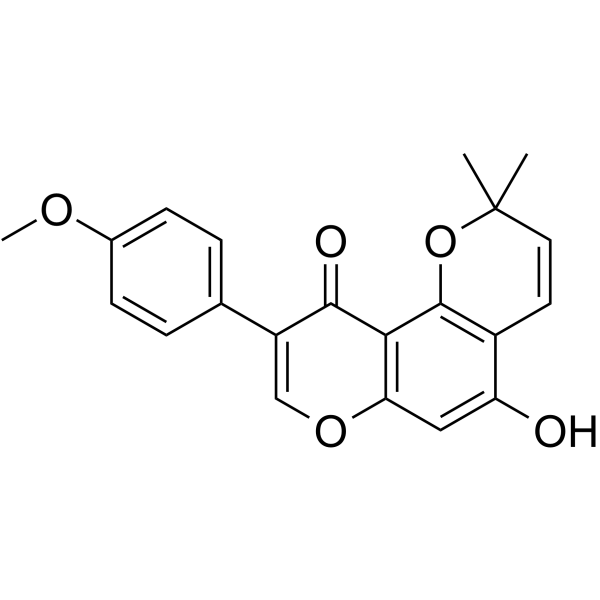
    GPX4 activator 2
  • HY-W018161
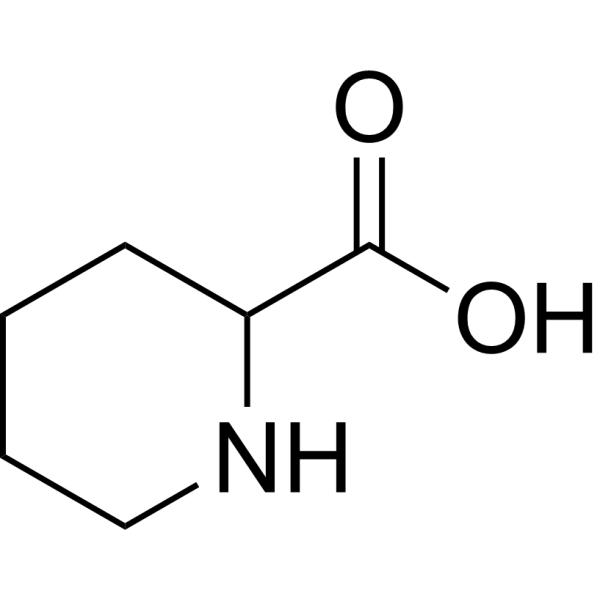
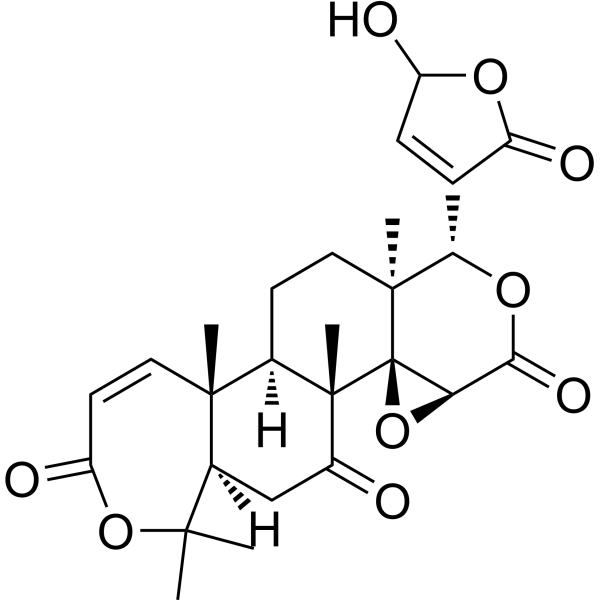
    Hexadecanedioic acid
    1 Publications Verification

    Thapsic acid

    IRE1 Ferroptosis Keap1-Nrf2 Glutathione Peroxidase Metabolic Disease
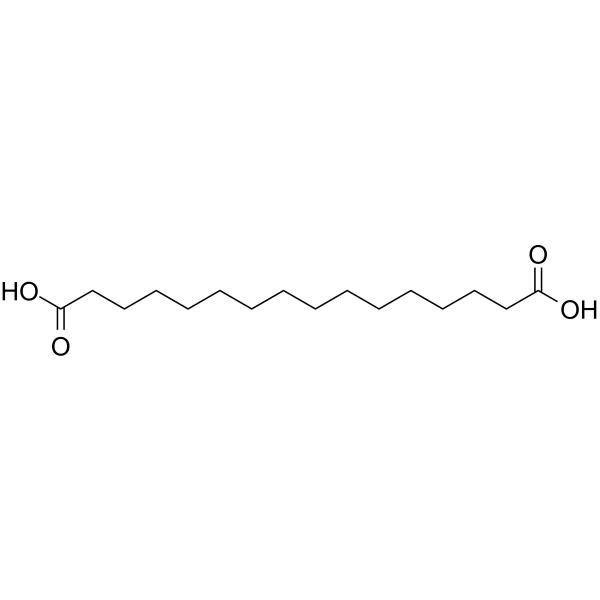
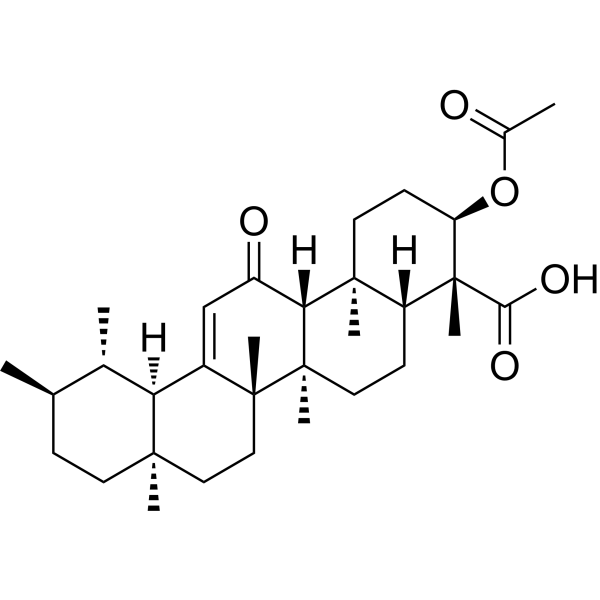
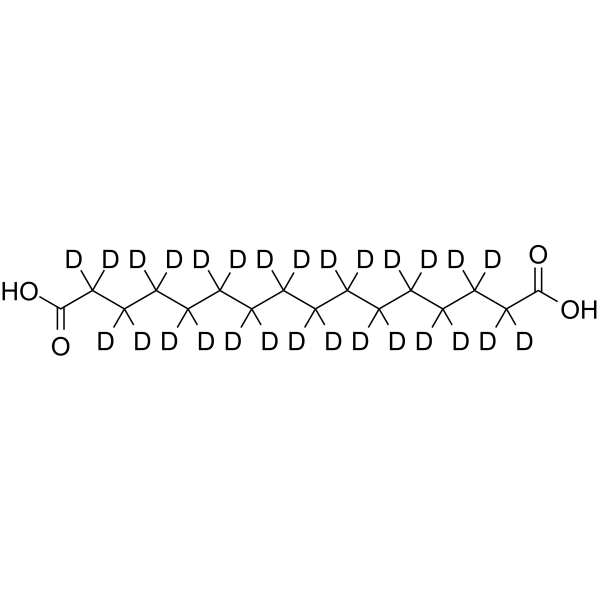
    Hexadecanedioic acid (Thapsic acid) is an orally active metabolite produced by B. uniformis. Hexadecanedioic acid inhibits IRE1α-XBP1s-mediated flipogenesis and ferroptosis. Hexadecanedioic acid downregulates XBP1 and Hrd1 expression, activates the Nrf2/SLC7A11/GPX4 pathway. Hexadecanedioic acid can be used for the research of metabolic-associated fatty liver disease .
    Hexadecanedioic acid
  • HY-101025
    Nrf2-IN-1
    5+ Cited Publications

    Keap1-Nrf2 Cancer
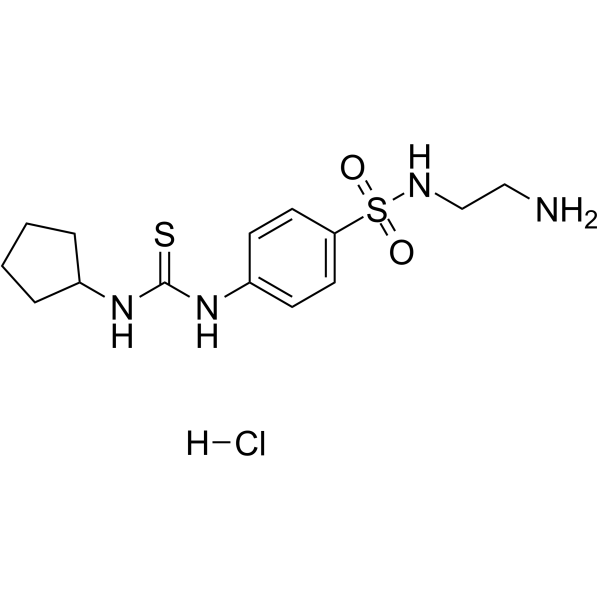
    Nrf2-IN-1 is an inhibitor of nuclear factor-erythroid 2-related factor 2 (Nrf2). Nrf2-IN-1 is developed for the research of acute myeloid leukemia (AML) .
    Nrf2-IN-1
  • HY-149236

    PROTACs Glutathione Peroxidase Ferroptosis Cancer
    PROTAC GPX4 degrader-1 (DC-2) is a PROTAC-based GPX4 degrader, with a DC50 of 0.03 μM in HT1080 cells .
    PROTAC GPX4 degrader-1
  • HY-145879

    Keap1-Nrf2 Cancer
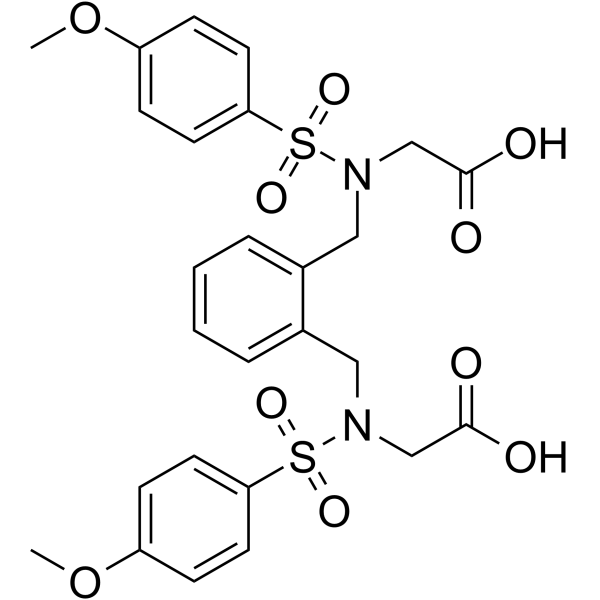
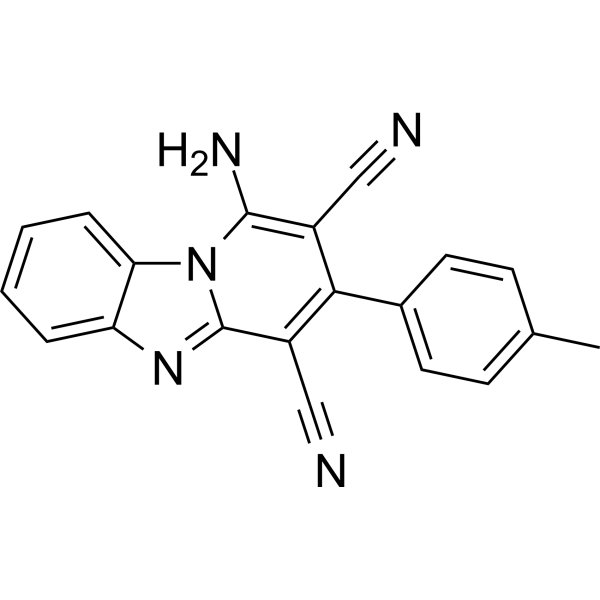
    Nrf2 activator-2 (compound O15), a Osthole derivative, is a potent Nrf2 agonist with an EC50 of 2.9 μM in 293 T cells. Nrf2 activator-2 effectively inhibits the interaction between Keap1 and Nrf2, thus showing the activation effect on Nrf2. Nrf2 activator-2 shows a marked decrease in the level of ubiquitinated Nrf2 in cells .
    Nrf2 activator-2
  • HY-161928

    Glutathione Peroxidase Ferroptosis Cancer
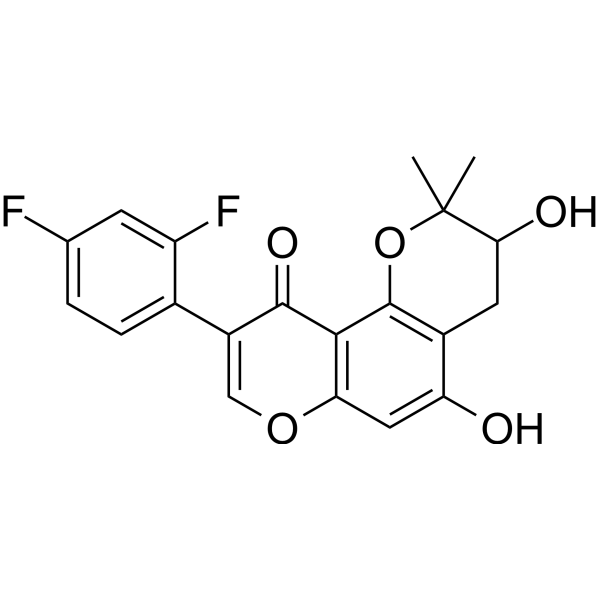
    GPX4 activator 1 (Compound A9) is a allosteric activator of GPX4 (Kd = 5.86 μM, EC50 = 19.19 μM). GPX4 activator 1 can selectively act on ferroptosis and prevent the accumulation of intracellular lipid peroxides caused by ferroptosis inducers .
    GPX4 activator 1
  • HY-W338584
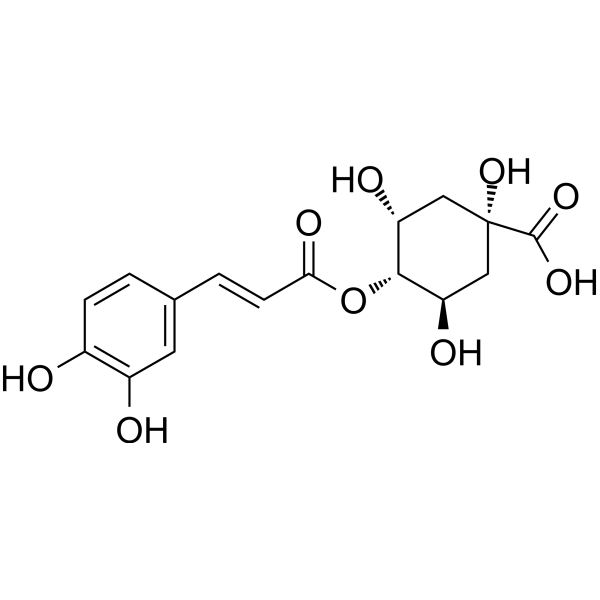
    Hydroxycitric acid tripotassium
    1 Publications Verification

    Keap1-Nrf2 Ferroptosis Apoptosis mTOR NF-κB ATP Citrate Lyase AMPK Ribosomal S6 Kinase (RSK) DNA/RNA Synthesis Cardiovascular Disease Metabolic Disease Endocrinology Cancer
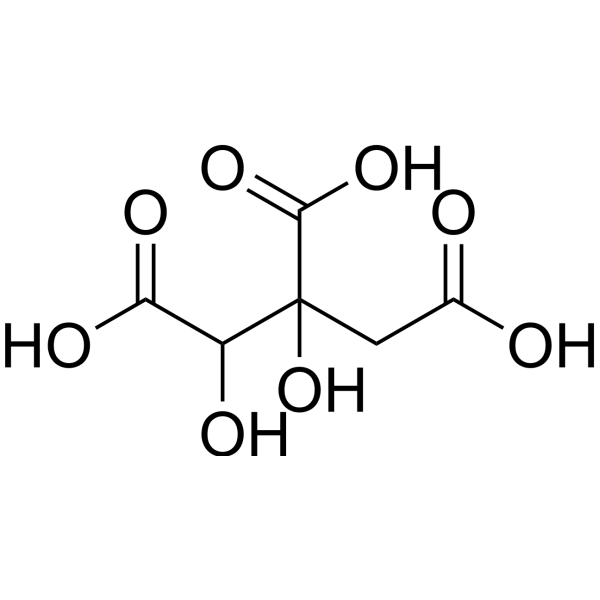
    Tripotassium hydroxycitrate is an orally active, multi-target, multi-bioactive organic acid. Tripotassium hydroxycitrate activates Nrf2 and its downstream molecule GPX4, increases glutathione levels, and thereby inhibits ferroptosis. Tripotassium hydroxycitrate activates the Nrf2/Keap1 and ACLY/NF-κB signaling pathways, upregulates the activities of antioxidant enzymes such as superoxide dismutase, reduces MDA content, thereby alleviating oxidative stress and renal tubular epithelial cell apoptosis, and improves pulmonary vascular and right ventricular remodeling. Tripotassium hydroxycitrate activates both the AMPK and mTORC1/S6K pathways, triggers the unfolded protein response, arrests the cancer cell cycle, and induces DNA fragmentation [2] [4].
    Hydroxycitric acid tripotassium
  • HY-Y1177

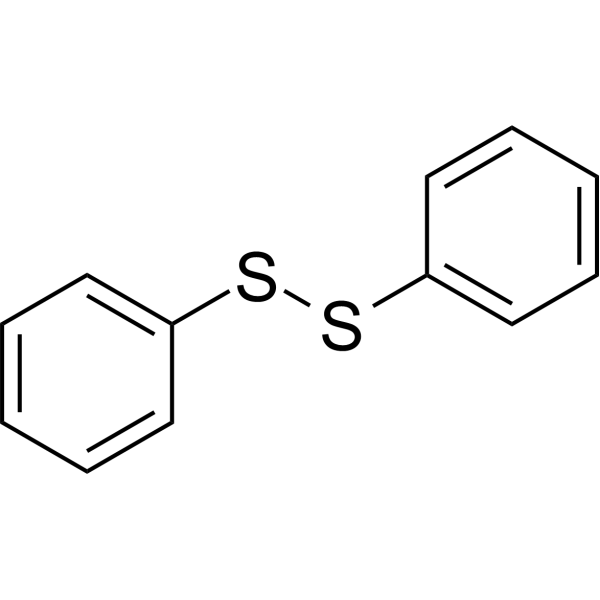
    Phenyl disulfide

    PI3K Akt mTOR Ferroptosis Apoptosis Autophagy Glutathione Peroxidase Keap1-Nrf2 Cancer
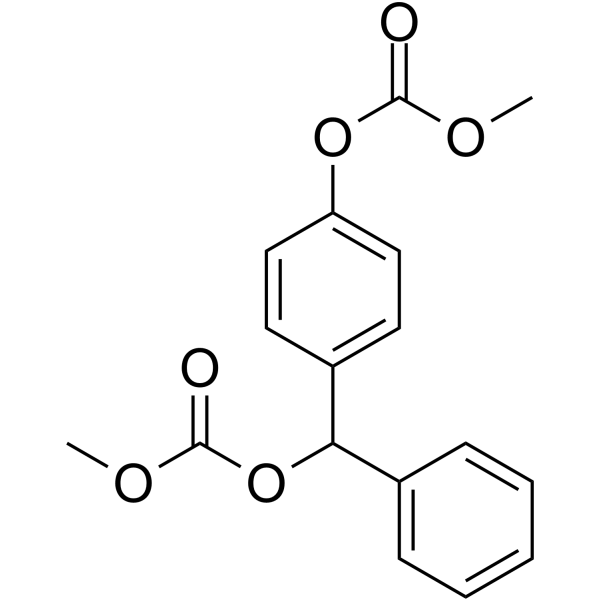
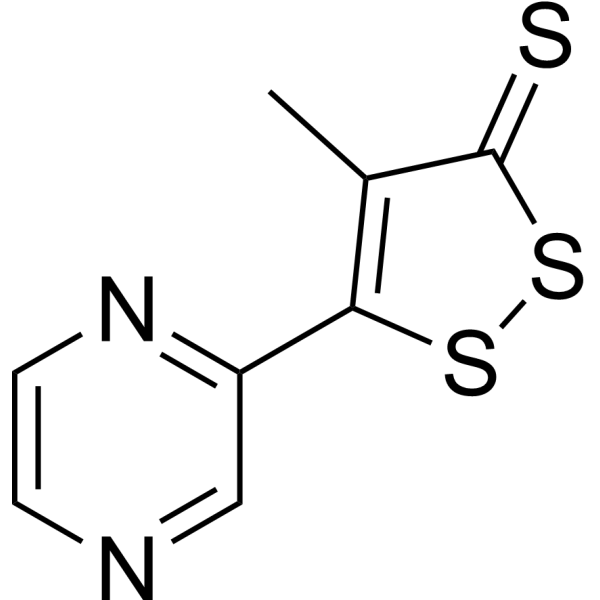
    Diphenyl disulfide (Phenyl disulfide) is an organic disulfide compound. Diphenyl disulfide inhibits the PI3K/AKT/mTOR pathway, and induces ferroptosis (ferroptosis), apoptosis (apoptosis) and autophagy (autophagy) in cancer cells. Diphenyl disulfide downregulates GPX4 expression, inhibits NRF2 phosphorylation, induces lipid peroxidation, promotes xCT ubiquitination, induces proteolytic cleavage of p21 Bax into p18 Bax, and suppresses cell proliferation and viability. Diphenyl disulfide can be used in research related to melanoma and breast cancer [2] .
    Diphenyl disulfide
  • HY-N8698
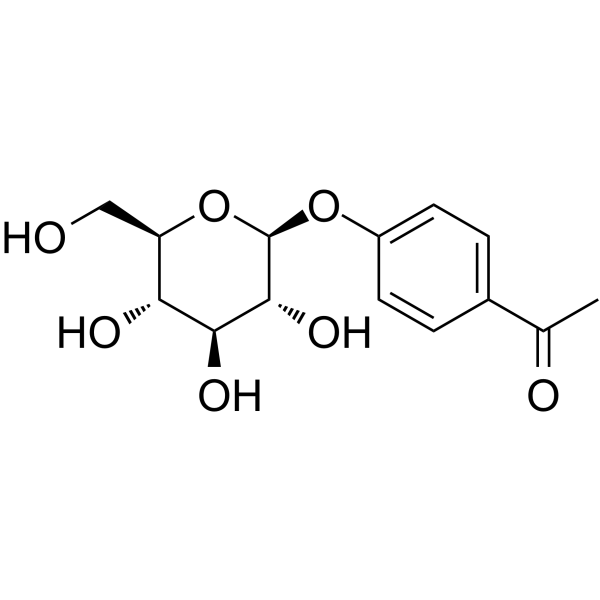
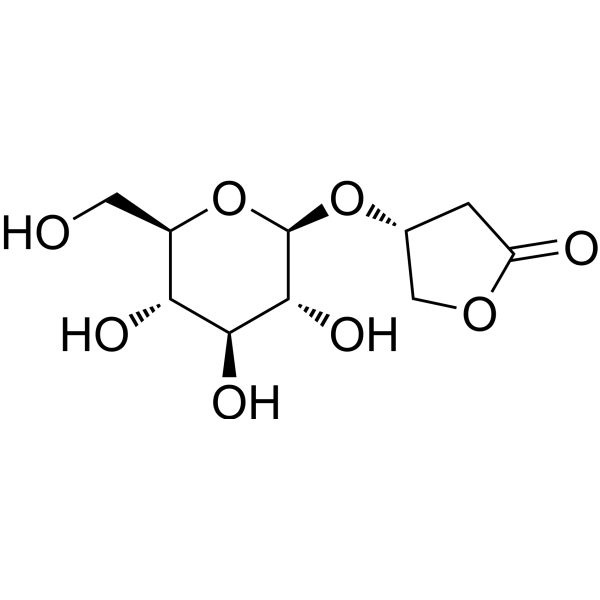
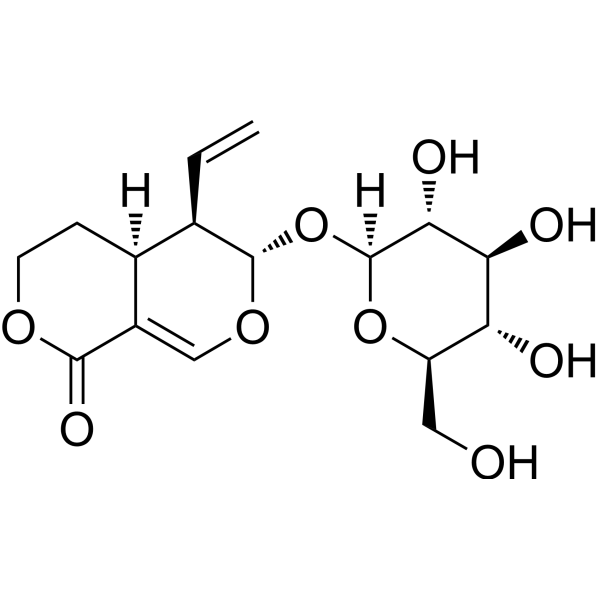
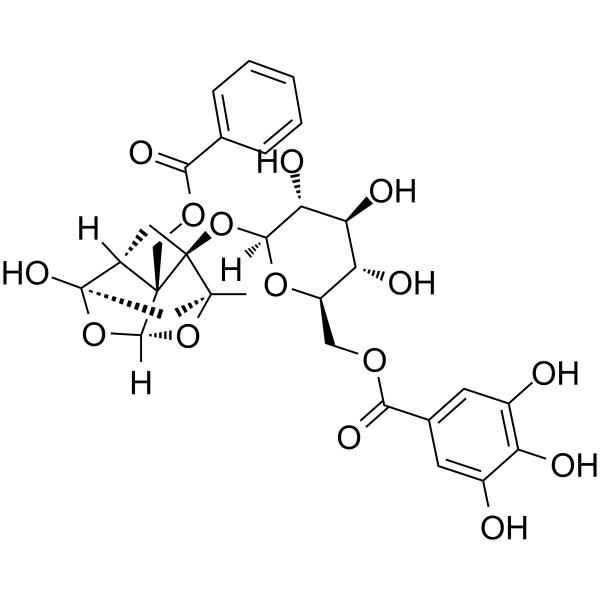
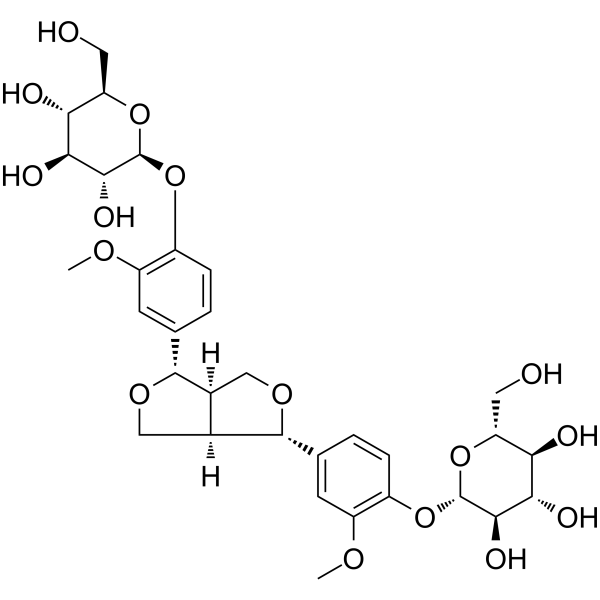
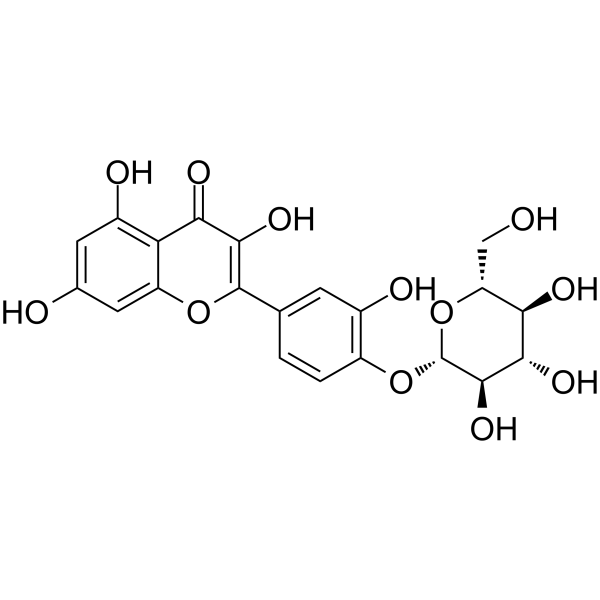
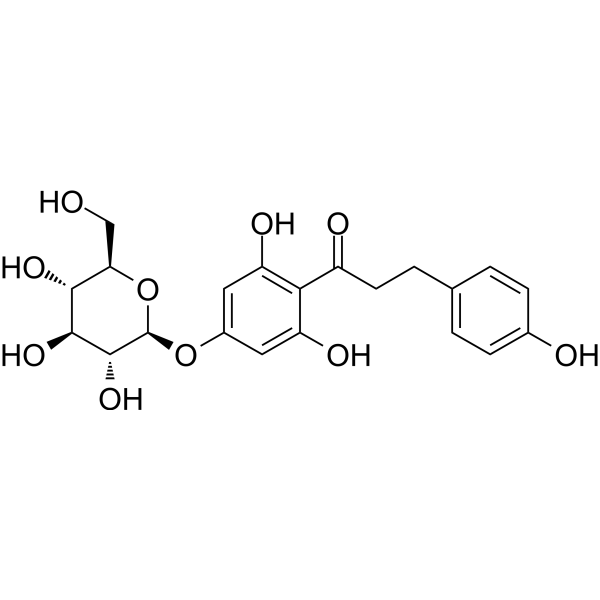
    Picein
    1 Publications Verification

    SOD Ferroptosis Keap1-Nrf2 Heme Oxygenase (HO) Glutathione Peroxidase Neurological Disease Metabolic Disease Inflammation/Immunology
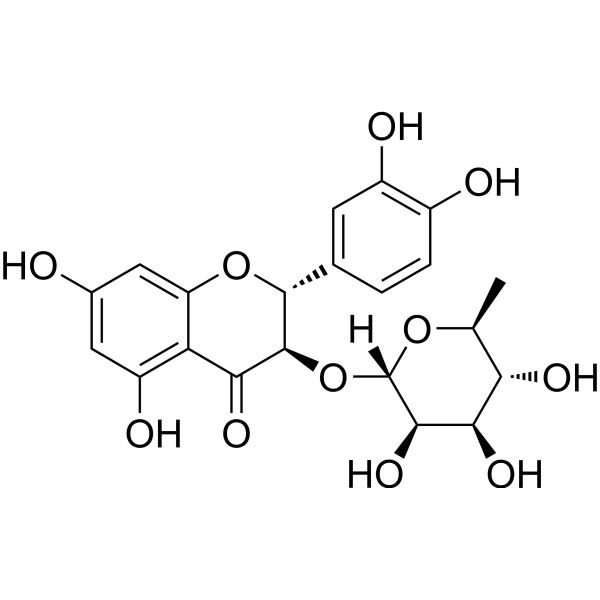
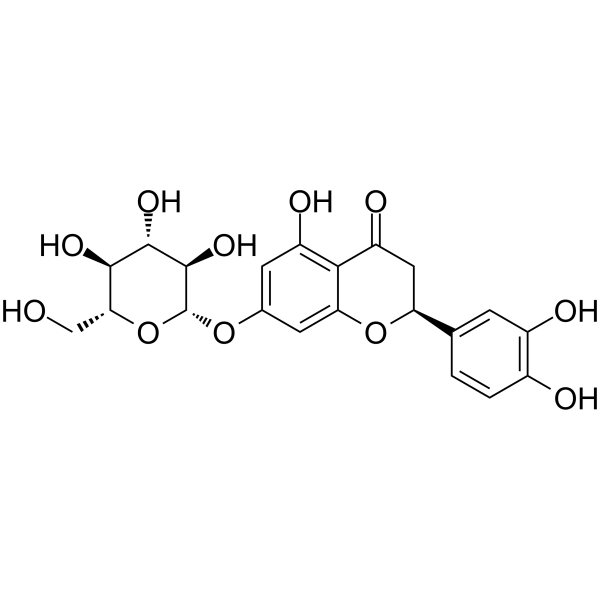
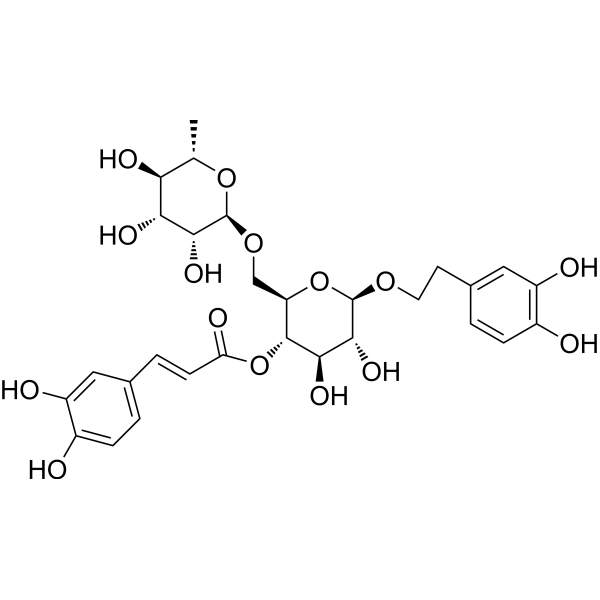
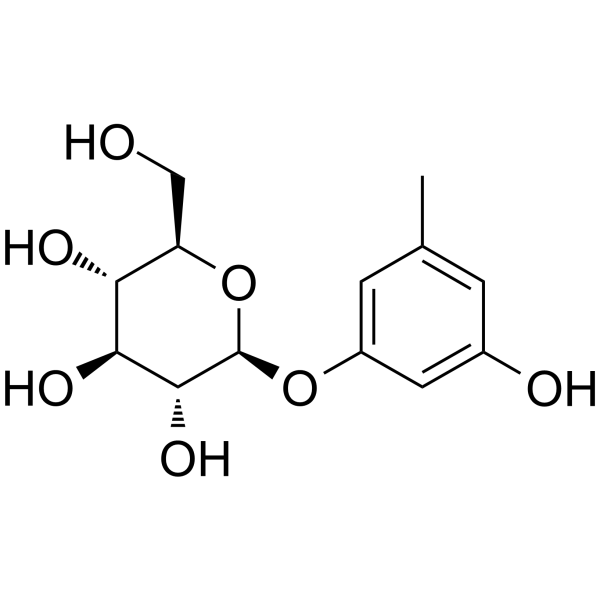
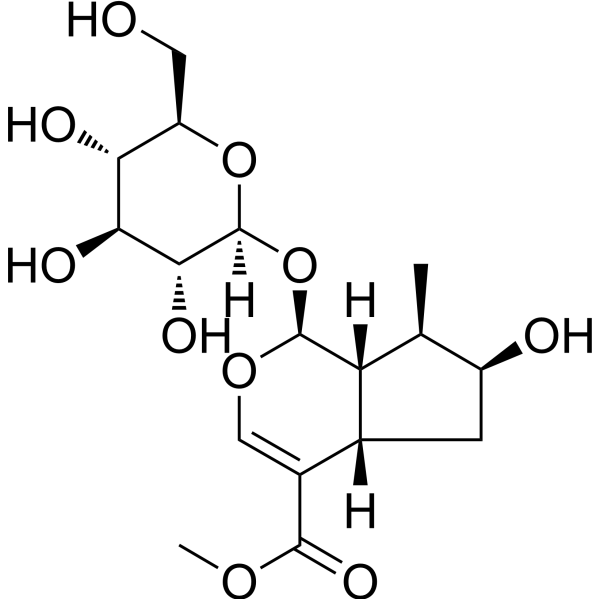
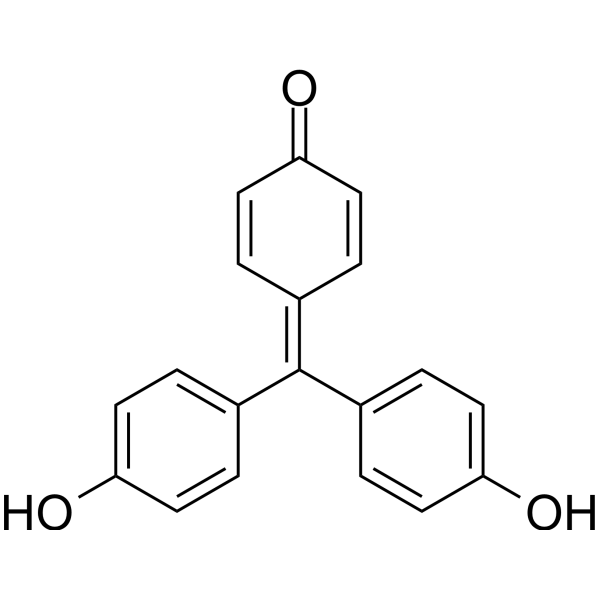
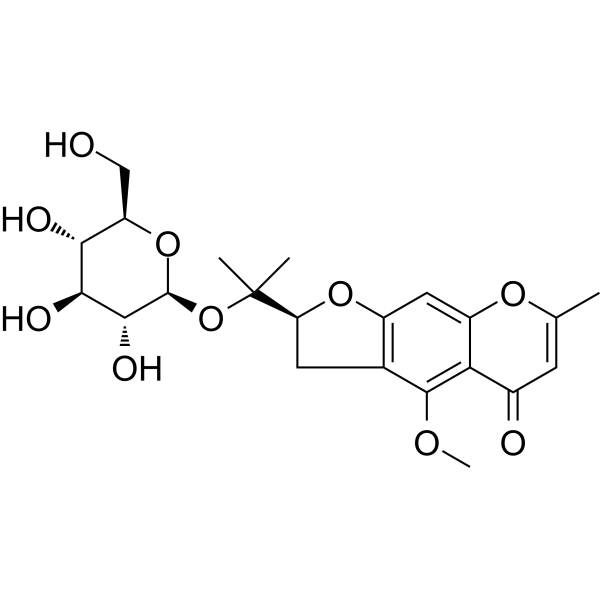
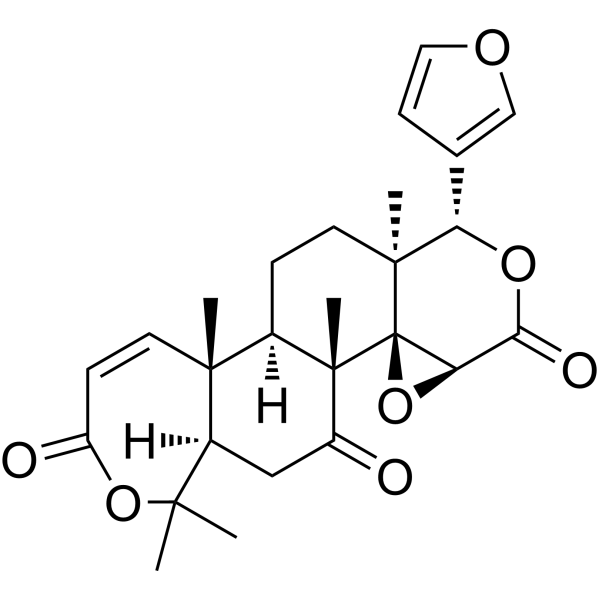
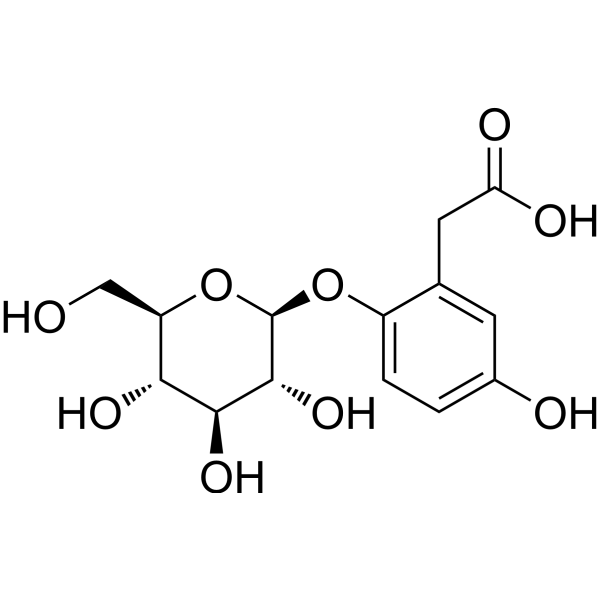
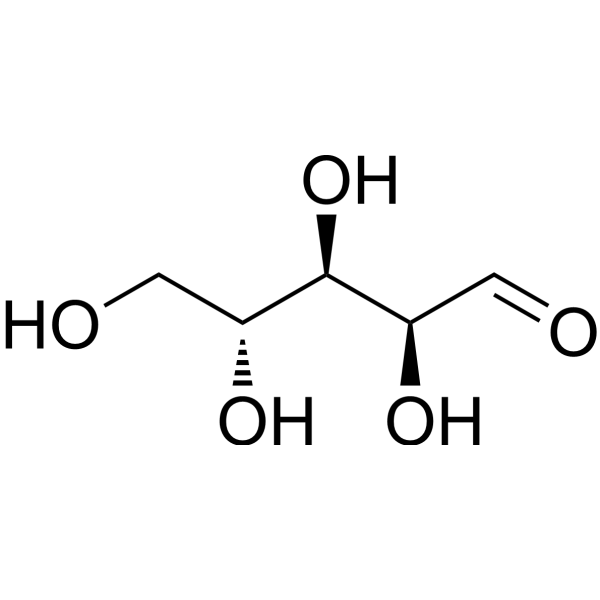
    Picein is an antioxidant and anti-inflammatory agent. Picein can be isolated from the leaves of Picrorhiza kurroa. Picein reduces MDA levels and increases the levels of SOD, GPX and TAC. Picein alleviates oxidative stress and promotes bone regeneration in osteoporotic bone defects by inhibiting Ferroptosis (via activation of the Nrf2/HO-1/GPX4 pathway). Picein prevents scopolamine (HY-N0296)-induced passive avoidance memory impairment in rats. Picein can be used in research related to osteoporotic bone defects and Alzheimer's disease [2] .
    Picein
  • HY-146086

    Keap1-Nrf2 Reactive Oxygen Species (ROS) Neurological Disease Inflammation/Immunology
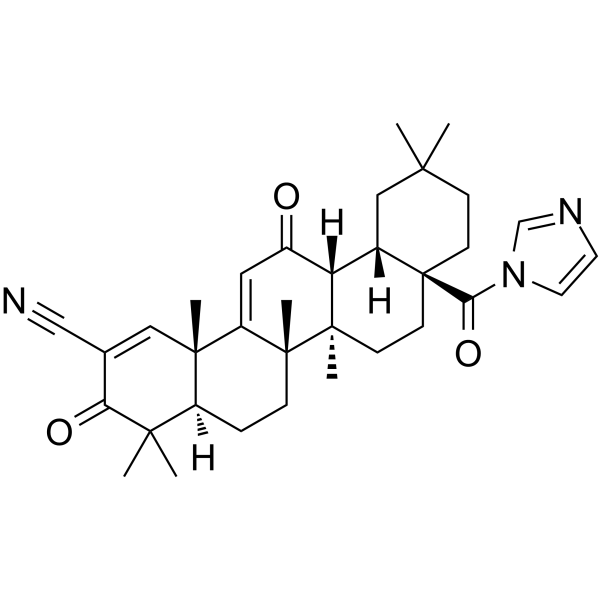
    Nrf2 activator-4 (Compound 20a) is a highly potent, orally active Nrf2 activator with an EC50 of 0.63 µM. Nrf2 activator-4 suppresses reactive oxygen species against oxidative stress in microglia. Nrf2 activator-4 effectively recovers the learning and memory impairment in a scopolamine-induced mouse model .
    Nrf2 activator-4
  • HY-124834

    Keap1-Nrf2 Apoptosis Cancer
    Nrf2 activator-10 (Compound AI-1) is a PI3K-dependent inducer for antioxidant response element (ARE) (EC50 is 2.7 μM) and an activator for Nrf2. Nrf2 activator-10 modifies Keap1, blocks Cul3-Keap1 ubiquitin ligase complex, activates the transcription of Nrf2. Nrf2 activator-10 protects cells from H2O2-induced apoptosis.
    Nrf2 activator-10
  • HY-147517

    Keap1-Nrf2 Neurological Disease Inflammation/Immunology
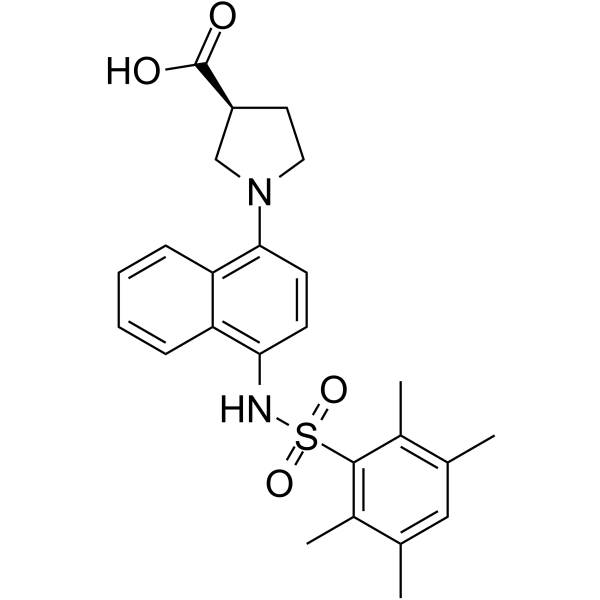
    Keap1-Nrf2-IN-9 (Compound 11) is a potent Keap1-Nrf2 PPI (Keap1-Nrf2 protein-protein interaction) inhibitor with an IC50 of 0.575 μM. Keap1-Nrf2-IN-9 increases the expression of Nrf2 target genes including heme oxygenase 1 (Hmox1), glutathione S-transferase P (GstP), and glutamate-cysteine ligase catalytic (Gclc) and modulatory (Gclm) subunits. Keap1-Nrf2-IN-9 shows no cytotoxic activity in ARPE19 cells .
    Keap1-Nrf2-IN-9
  • HY-149508

    Keap1-Nrf2 Reactive Oxygen Species (ROS) Cancer
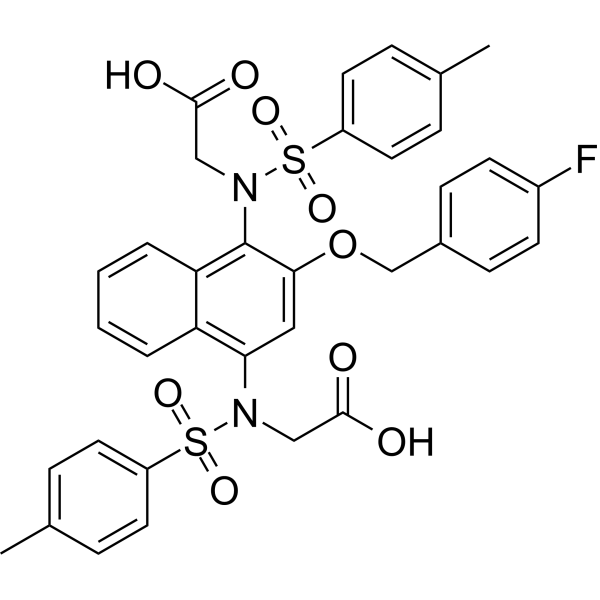
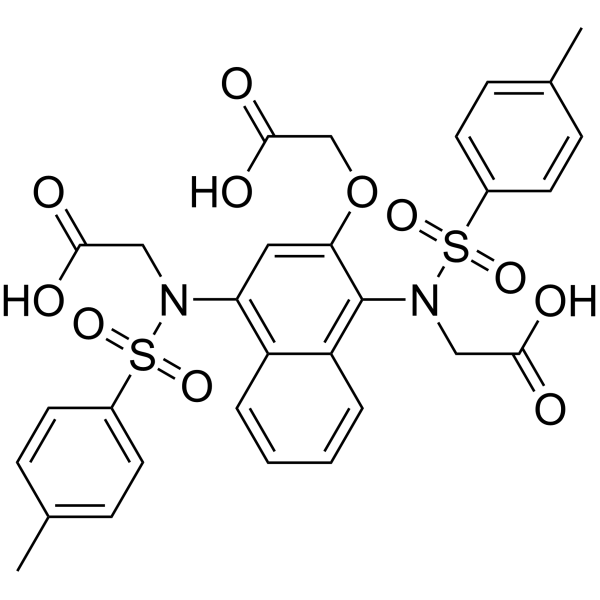
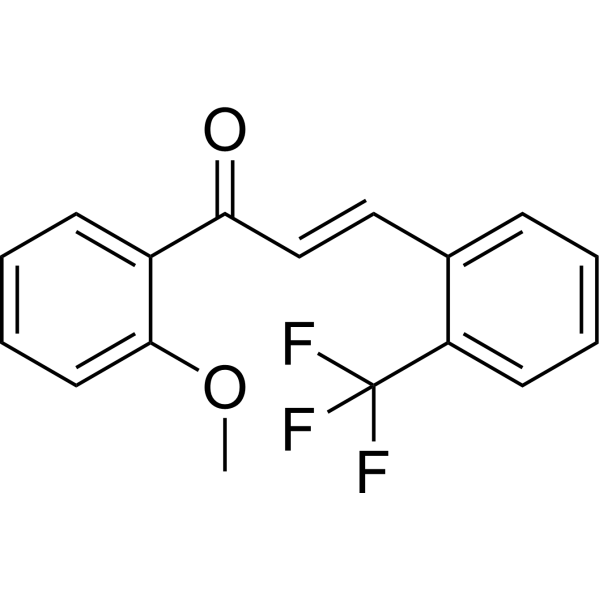
    Nrf2-IN-3 (Compound R16) is a small-molecule NRF2 inhibitor and increases reactive oxygen species (ROS) production. Nrf2-IN-3 selectively binds KEAP1 mutants and restores their NRF2-inhibitory function by repairing the disrupted KEAP1/NRF2 interactions, leading to proteasome-dependent NRF2 degradation in cells. Nrf2-IN-3 sensitizes KEAP1-mutated tumor cells to Cisplatin (HY-17394), Gefitinib (HY-50895), and KEAP1 G333C-mutated xenograft to Cisplatin .
    Nrf2-IN-3
  • HY-143333
    Nrf2 activator-3
    1 Publications Verification

    Keap1-Nrf2 Neurological Disease Inflammation/Immunology
    Nrf2 activator-3 is a potent Nrf2 activator. Nrf2 activator-3 is used for cerebral ischemic injury research .
    Nrf2 activator-3
  • HY-149923

    Glutathione Peroxidase Cancer
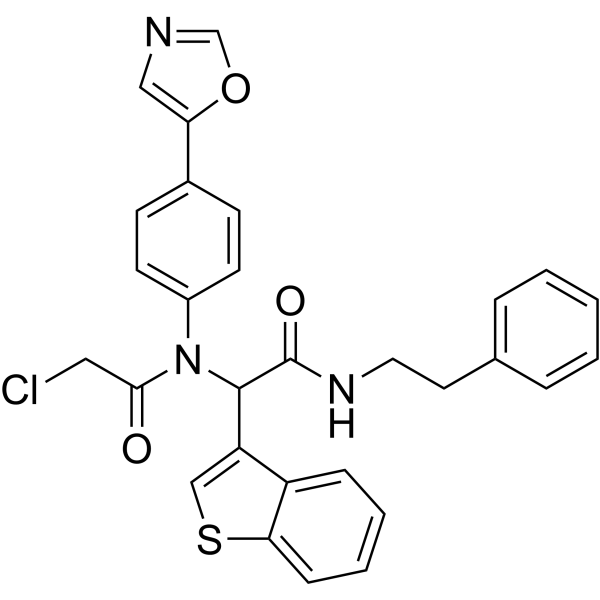
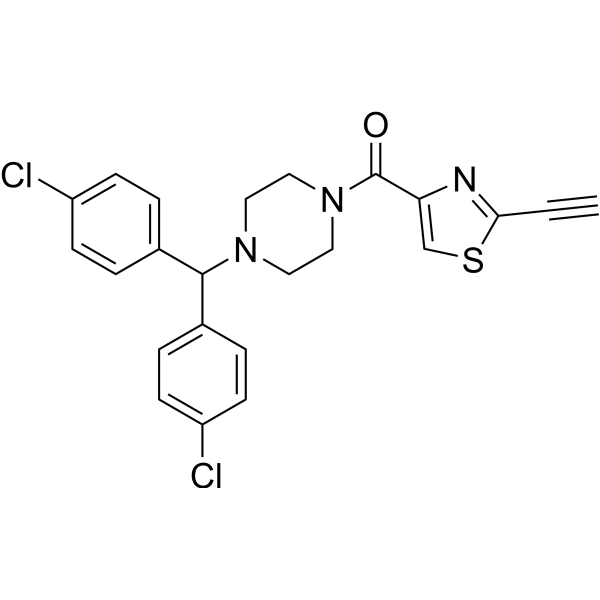
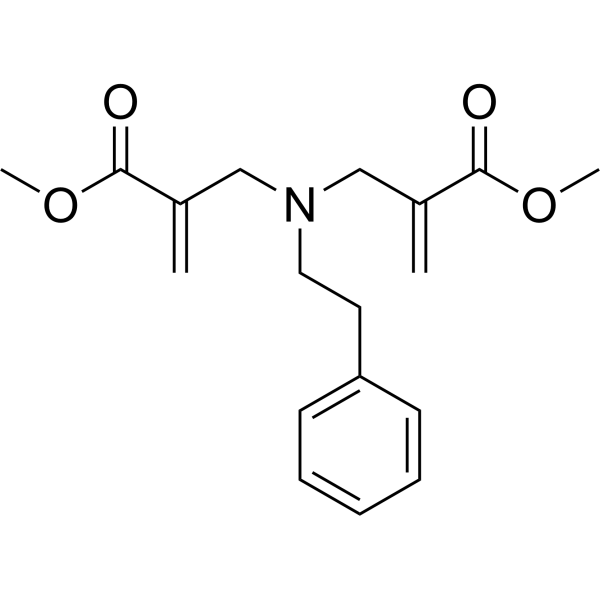
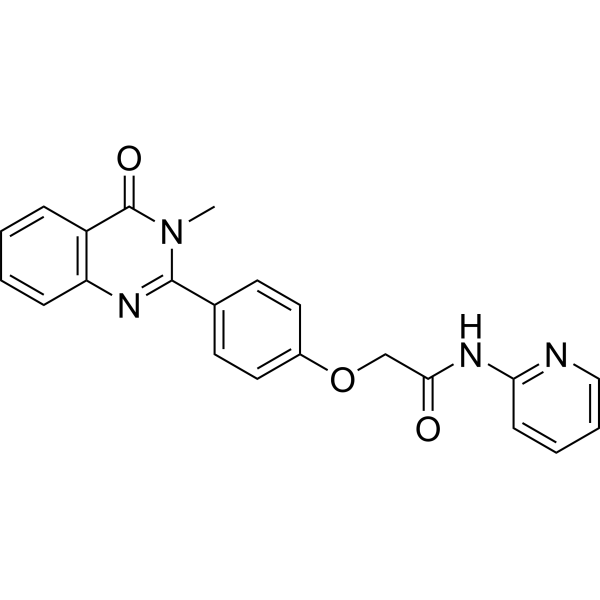
    GPX4-IN-4 (Compound 24) is a potent GPX4 inhibitor. GPX4-IN-4 can be used for the research of cancer .
    GPX4-IN-4
  • HY-175209

    Keap1-Nrf2 Ferroptosis Reactive Oxygen Species (ROS) Atg8/LC3 Cancer
    Nrf2-IN-4 is a Nrf2 inhibitor. Nrf2-IN-4 induces ferroptosis via NRF2 inhibition. Nrf2-IN-4 disrupts cellular iron homeostasis, facilitates ferritin degradation, and ultimately triggers ferroptosis. Nrf2-IN-4 induces lysosome activation by promoting iron-dependent ROS production and lysosomal acidification. Nrf2-IN-4 demonstrates significant antitumor efficacy. Nrf2-IN-4 can be used for the study of breast cancer .
    Nrf2-IN-4
  • HY-151362
    Keap1-Nrf2-IN-14
    1 Publications Verification

    Keap1-Nrf2 Reactive Oxygen Species (ROS) Inflammation/Immunology
    Keap1-Nrf2-IN-14 (compound 20c) is a KEAP1-NRF2 inhibitor that effectively disrupts the KEAP1-NRF2 interaction (IC50=75 nM) with a Kd value of 24 nM for KEAP1. Keap1-Nrf2-IN-14 induces the expression of NRF2 target genes and enhances the downstream antioxidant and anti-inflammatory activities. Keap1-Nrf2-IN-14 can be used in the study of oxidative stress-related inflammation .
    Keap1-Nrf2-IN-14
  • HY-RS05767

    Small Interfering RNA (siRNA) Others

    GPX4 Human Pre-designed siRNA Set A contains three designed siRNAs for GPX4 gene (Human), as well as a negative control, a positive control, and a FAM-labeled negative control.

    GPX4 Human Pre-designed siRNA Set A
    GPX4 Human Pre-designed siRNA Set A
  • HY-115849

    Keap1-Nrf2 Neurological Disease
    Nrf2-Activator-12G (compd 12g) is an activator of Nrf2. Nrf2-Activator-12G induces the expression of nrf2-dependentantioxidant enzymes at both mRNA and protein levels in DAergic neuronal cell. Nrf2-Activator-12G can used in study Parkinson’s Disease .
    Nrf2-Activator-12G
  • HY-178364

    Glutathione Peroxidase Ferroptosis Lipoxygenase Reactive Oxygen Species (ROS) DNA/RNA Synthesis Cancer
    GPX4-IN-19 is an effective GPX4 inhibitor (IC50 = 0.311 μM), covalently binds to the Sec 46 site of GPX4. GPX4-IN-19 shows strong anti-proliferative activity with high ferroptosis selectivity. GPX4-IN-19 causes intracellular Fe 2+ accumulation, leading to increased levels of lipid peroxides (LPOs) and reactive oxygen species (ROS), which induces ferroptosis and subsequently results in DNA damage. GPX4-IN-19 can be used for the study of Triple-Negative Breast Cancer (TNBC) .
    GPX4-IN-19
  • HY-P10530

    Keap1-Nrf2 Neurological Disease Inflammation/Immunology Cancer
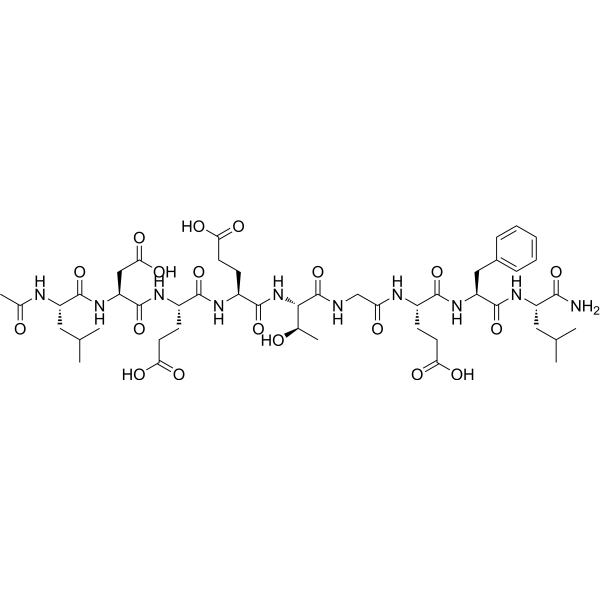
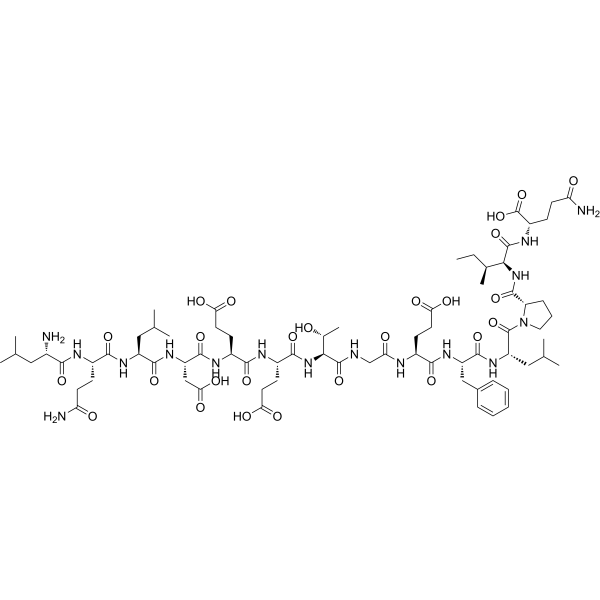
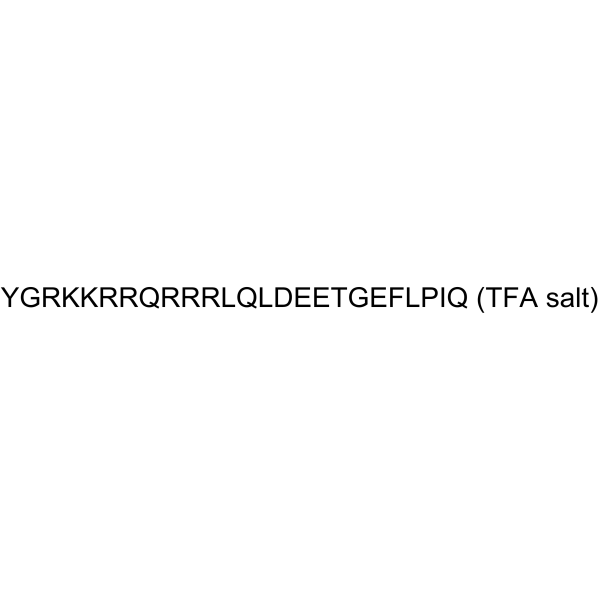
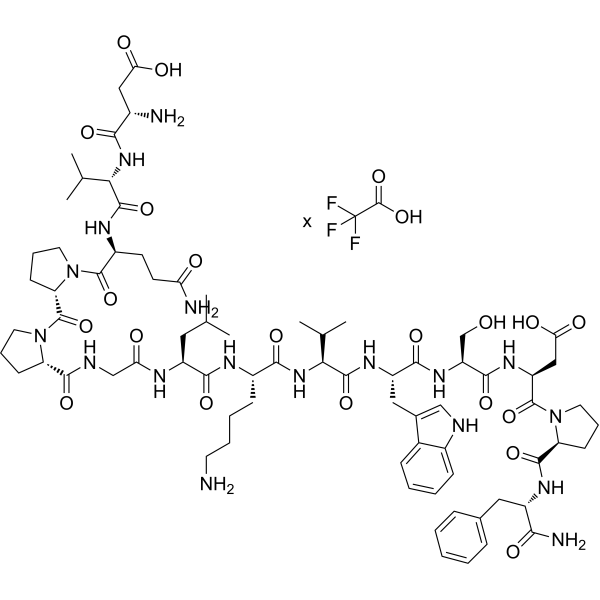
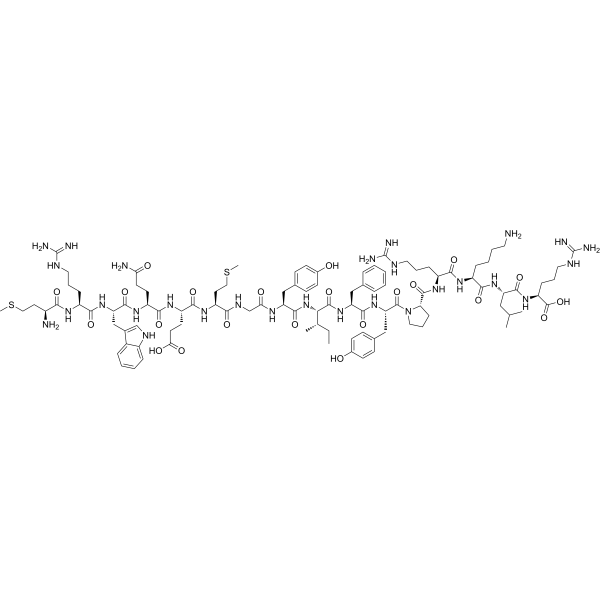
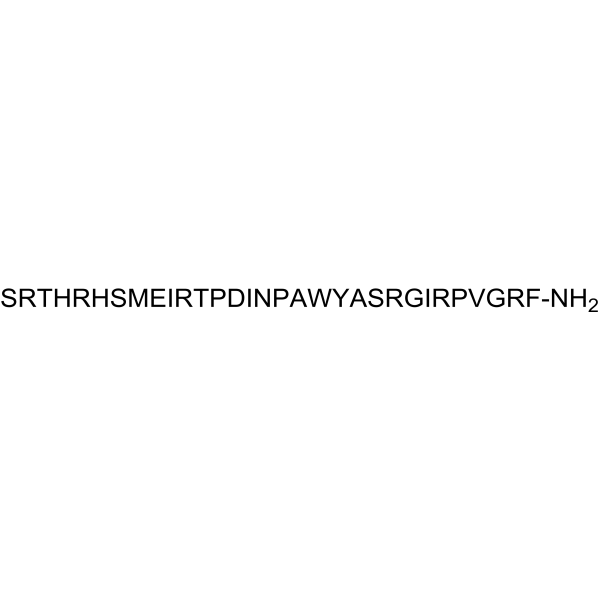
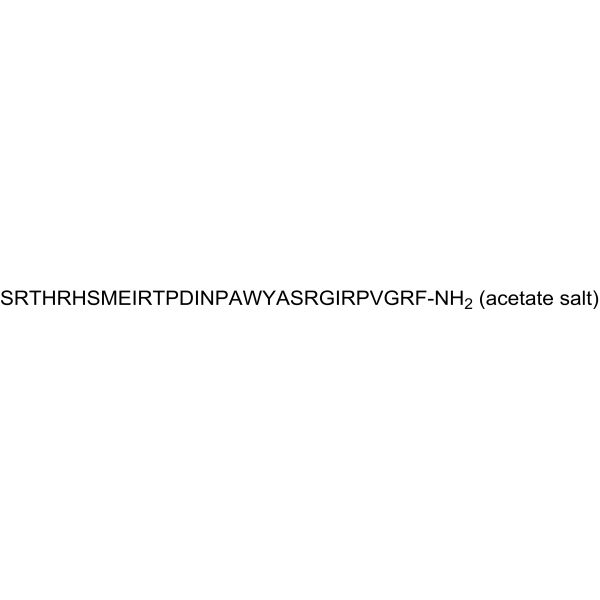
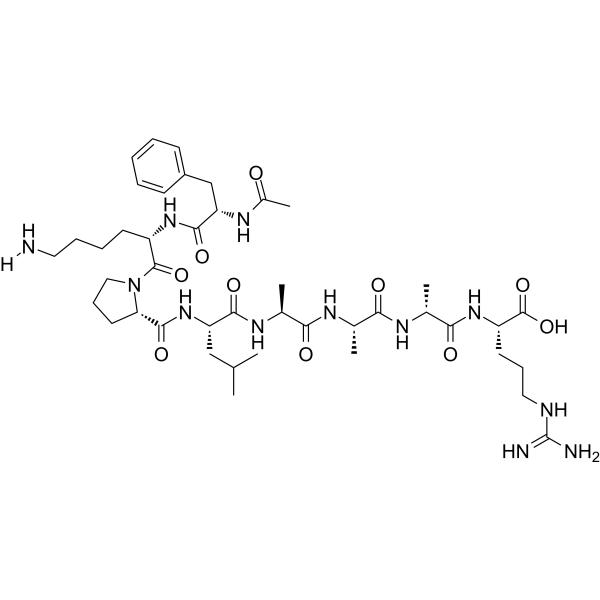
    Nrf2 (69-84) is a peptide fragment of Nrf2 protein that contains the key ETGE motif, which is an important region for binding to the Kelch domain of Keap1 protein. Nrf2 (69-84) can be used to study the role of Nrf2 in the development and progression of diseases, especially in cancer, neurodegenerative diseases and inflammatory diseases .
    Nrf2 (69-84)
  • HY-100218C
    (1R,3R)-RSL3
    3 Publications Verification

    Drug Isomer Ferroptosis Cancer
    (1R,3R)-RSL3 is an isomer of RSL3 (HY-100218A). RSL3 ((1S,3R)-RSL3) is an inhibitor of glutathione peroxidase 4 (GPX4) (ferroptosis activator), reduces the expression of GPX4 protein, and induces ferroptotic death of head and neck cancer cell. RSL3 increases the expression of p62 and Nrf2 and inactivates Keap1 in HN3-rslR cells .
    (1R,3R)-RSL3
  • HY-178925

    PROTACs Glutathione Peroxidase Ferroptosis Reactive Oxygen Species (ROS) Cancer
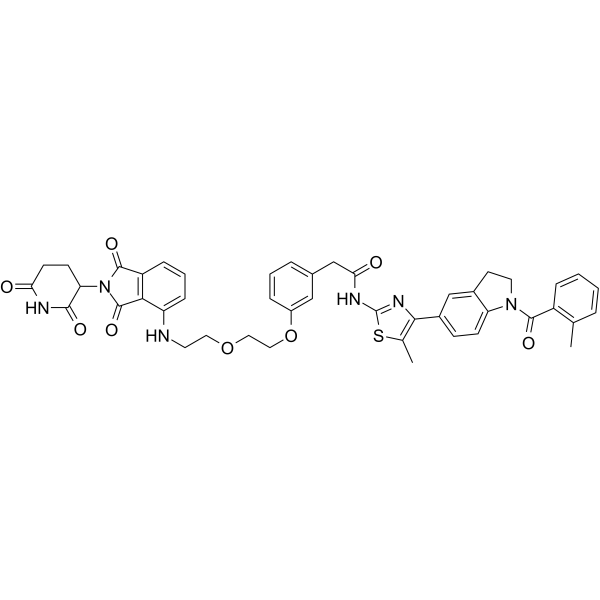
    PROTAC GPX4 degrader-5 (compound N15) is an efficient and highly selective PROTAC GPX4 degrader (DC50 = 28 nM). PROTAC GPX4 degrader-5 can induce ferroptosis and has low toxicity to normal cells. PROTAC GPX4 degrader-5 can significantly increase ROS. PROTAC GPX4 degrader-5 exerts anti proliferative effects on various tumor cells. PROTAC GPX4 degrader-5 is commonly used in cancer research .
    PROTAC GPX4 degrader-5
  • HY-175548

    Keap1-Nrf2 Apoptosis Caspase Neurological Disease
    Nrf2 activator-21 is a Nrf2 activator with dual antioxidant and neuroprotective properties. Nrf2 activator-21 binds to Keap1 Kelch domain and disrupts Keap1-Nrf2 interactions and activate antioxidant defense mechanisms. Nrf2 activator-21 reduces apoptosis and decreases caspase-3 activity in the hippocampal neurons. Nrf2 activator-21 targets cerebral ischemia/reperfusion injury (CIRI) via Nrf2 pathway activation. Nrf2 activator-21 improves neurological function, alleviates anxiety-like behavior, enhances memory in rats with 2-vessel occlusion (2VO)-induced CIRI. Nrf2 activator-21 can be used for the study of cerebral ischemia/reperfusion injury .
    Nrf2 activator-21
  • HY-RS16506

    Small Interfering RNA (siRNA) Others

    Gpx4 Mouse Pre-designed siRNA Set A contains three designed siRNAs for Gpx4 gene (Mouse), as well as a negative control, a positive control, and a FAM-labeled negative control.

    Gpx4 Mouse Pre-designed siRNA Set A
    Gpx4 Mouse Pre-designed siRNA Set A
  • HY-176758

    Glutathione Peroxidase Cancer
    GPX4-IN-17 (Compound 9i) is an inhibitor of GPX4 with potent cytotoxicity (IC50 = 0.3 nM). GPX4-IN-17 shows strong binding affinity against GPX4 (KD = 20.4 nM). GPX4-IN-17 inhibits tumor growth in the xenograft tumor mouse model without detectable cytotoxicity. GPX4-IN-17 can enhance cancer chemotherapy and overcome tumor resistance. GPX4-IN-17 can be studied in antitumor reseach .
    GPX4-IN-17
  • HY-157762

    Glutathione Peroxidase Ferroptosis Cancer
    GPX4-IN-9 (Compound A16) is a glutathione peroxidase 4 (GPX4) inhibitor that specifically targets GPX4 under both in vitro and in vivo conditions, inducing ferroptosis. GPX4-IN-9 exhibits cytotoxicity against pancreatic cancer cells and can be used in cancer research .
    GPX4-IN-9
  • HY-120912R

    Keap1-Nrf2 Glutathione Peroxidase Ferroptosis Reference Standards Metabolic Disease Inflammation/Immunology Cancer
    Gingerenone A (Standard) is the analytical standard of Gingerenone A. This product is intended for research and analytical applications. Gingerenone A is an Nrf2-Gpx4 activator that can induce Ferroptosis in liver damage with oral activity. Gingerenone A has anti-inflammatory, anti-diabetic, anti-tumor, and pro-aging effects in mice [2] [4].
    Gingerenone A (Standard)
  • HY-155664

    Glutathione Peroxidase Ferroptosis Cancer
    GPX4-IN-6 (Compound C25) is a GPX4 covalent inhibitor with an IC50 value of 0.13 μM. GPX4-IN-6 (Compound C25) can induce ferroptosis for the research of triple-negative breast cancer (TNBC) .
    GPX4-IN-6
  • HY-178389

    Molecular Glues Glutathione Peroxidase Ferroptosis Reactive Oxygen Species (ROS) Cancer
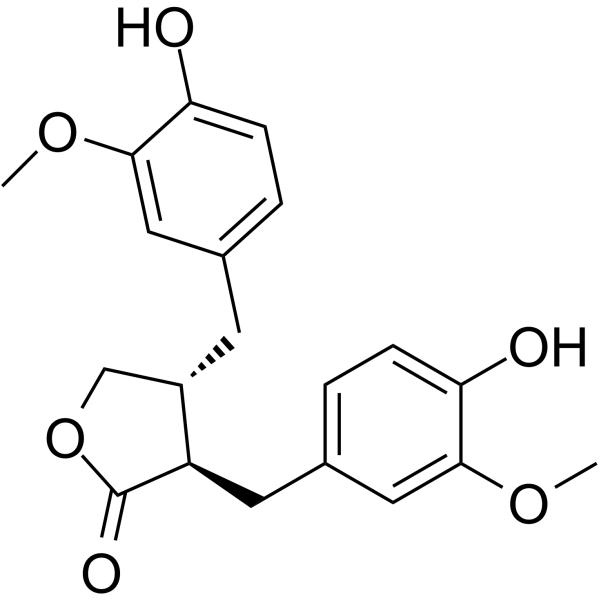
    GPX4-IN-20, a Arctigenin (HY-N0035) derived, is a GPX4& molecular gluedegrader. GPX4-IN-20 induces ferroptosis by increasing lipid ROS levels and suppressing GSH levels. GPX4-IN-20 reduces the protein expression and enzyme activity of GPX4 in a dose-dependent manner without affecting other ferroptosis-related proteins. GPX4-IN-20 induces ubiquitination-dependent proteasomal degradation of GPX4. GPX4-IN-20 also increases the level of malondialdehyde (MDA) in HCT-116 cells. GPX4-IN-20 can be used for the research of colorectal cancer .
    GPX4-IN-20
  • HY-149244

    Quinone Reductase Keap1-Nrf2 Others
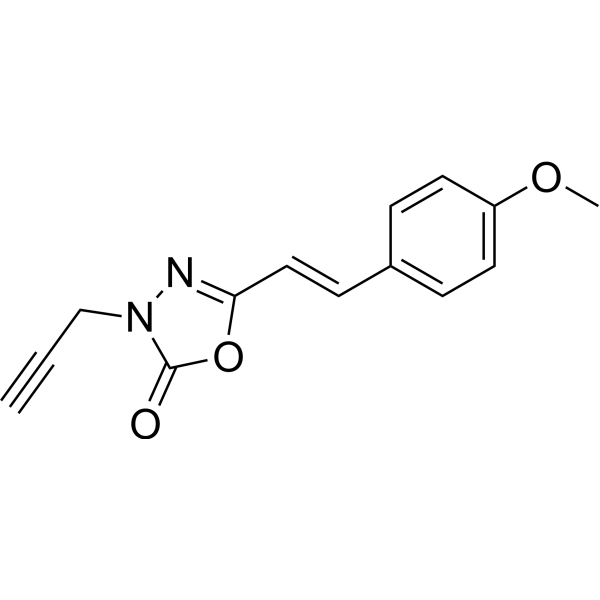
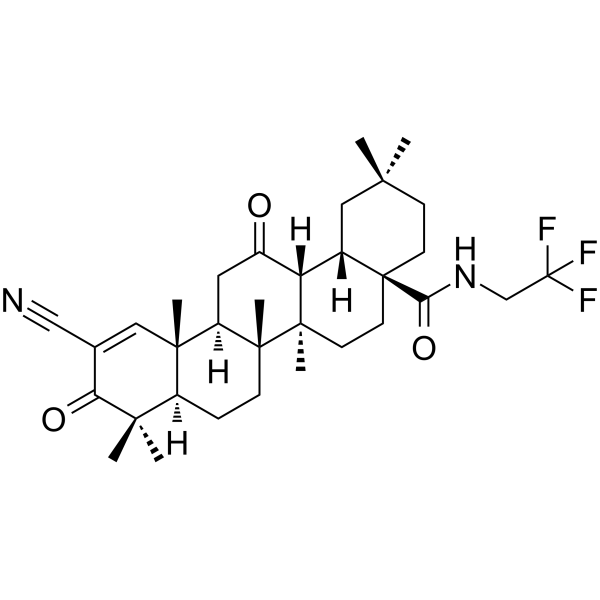
    Nrf2 activator-7 (Compound 12b) is a potent Nrf2 activator and significantly activates the Nrf2 signaling pathway.
    Nrf2 activator-7
  • HY-162106

    Ferroptosis PROTACs Glutathione Peroxidase Cancer
    PROTAC GPX4 degrader-2 (compound 18a) is a proteolysis targeting chimeras (PROTACs) that can degrade glutathione peroxidase 4 (GPX4), with the DC50, 48h value of 1.68 μM. PROTAC GPX4 degrader-2 induces the accumulation of lipid peroxides and mitochondrial depolarization, subsequently triggering ferroptosis. PROTAC GPX4 degrader-2 has anti-proliferative effect .
    PROTAC GPX4 degrader-2
  • HY-178875

    Ligands for Target Protein for PROTAC Keap1-Nrf2 Ras Cancer
    Nrf2 activator-22, a Nrf2 activator, is a PROTAC target protein ligand. Nrf2 activator-22 can be used for synthesis PROTAC K-Ras Degrader-7 (HY-178873) .
    Nrf2 activator-22
  • HY-174086

    Glutathione Peroxidase Ferroptosis ROS Kinase PROTACs Cancer
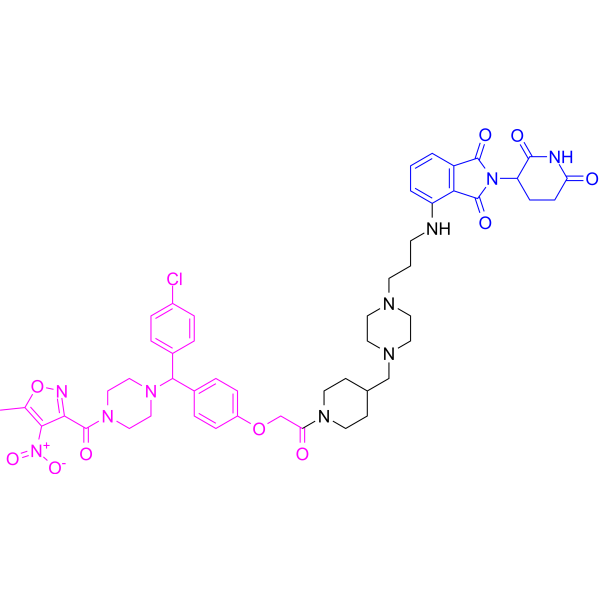
    PROTAC GPX4 degrader-4 is a GPX4 PROTAC degrader (DC50: 5.32 nM). PROTAC GPX4 degrader-4 inhibits the activity of RT4, T24, and J82 cancer cells (IC50 values are 0.09, 2.97, and 7.58 μM, respectively). PROTAC GPX4 degrader-4 increases lipid ROS levels and induces ferroptosis in T24 and RT4 cells. PROTAC GPX4 degrader-4 has antitumor activity in T24 tumor-bearing BALB/c nude mouse model. PROTAC GPX4 degrader-4 can be used for bladder cancer research. (Pink: target protein ligand (HY-N0193); blue: E3 ligase ligand (HY-1035960); black: linker (HY-W013907); E3 ligase ligand + linker (HY-174087)) .
    PROTAC GPX4 degrader-4
  • HY-145390

    Keap1-Nrf2 Inflammation/Immunology
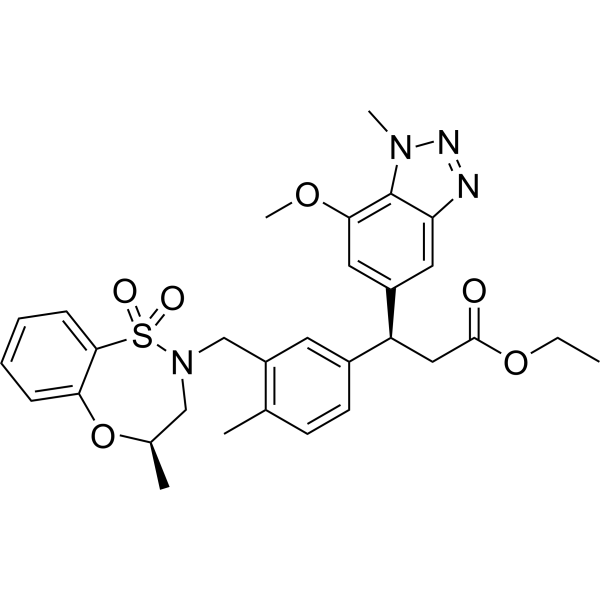
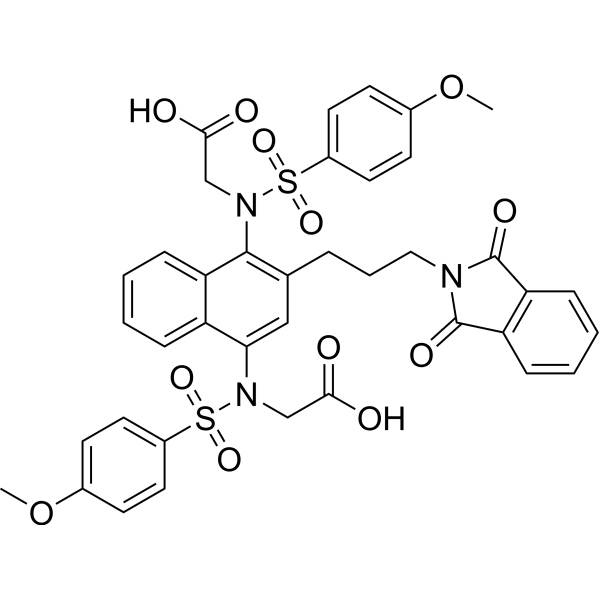
    Nrf2 activator-1 is a potent activator of NF-E2 related factor 2 (Nrf2). Nrf2 activator-1 has the potential for the research of COPD and other respiratory diseases, including asthma, Acute Lung Injury (ALI), Acute Respiratory Distress Syndrome (ARDS) and pulmonary fibrosis (extracted from patent WO2018109647A1) .
    Nrf2 activator-1
  • HY-159990

    Glutathione Peroxidase Cancer
    GPX4-IN-15 (Compound C1) is an inhibitor for GPX4, that inhibits 19.8% GPX4 at 1 μM. GPX4-IN-15 inhibits the proliferation of cancer cell MDA-MB-468, BT-549 and MDA-MB-231 with IC50 of 0.86, 0.96 and 0.48 μM .
    GPX4-IN-15
  • HY-145390A

    Keap1-Nrf2 Inflammation/Immunology
    (R,R)-Nrf2 activator-1 is the enantiomer of Nrf2 activator-1. Nrf2 activator-1 is a potent activator of NF-E2 related factor 2 (Nrf2). Nrf2 activator-1 has the potential for the research of COPD and other respiratory diseases, including asthma, Acute Lung Injury (ALI), Acute Respiratory Distress Syndrome (ARDS) and pulmonary fibrosis .
    (R,R)-Nrf2 activator-1
  • HY-161930

    PROTACs Ferroptosis Cancer
    PROTAC GPX4 degrader-3 is a potent PROTAC GPX4 degrader with a DC50 (24h) of 0.019 μM and an IC50 of 0.024 μM in HT1080 cell .
    PROTAC GPX4 degrader-3
  • HY-175209A

    Keap1-Nrf2 Ferroptosis Reactive Oxygen Species (ROS) Atg8/LC3 Cancer
    Nrf2-IN-4 (Compound PhcY) hydrobromide is a Nrf2 inhibitor. Nrf2-IN-4 hydrobromide induces ferroptosis via NRF2 inhibition. Nrf2-IN-4 hydrobromide disrupts cellular iron homeostasis, facilitates ferritin degradation, and ultimately triggers ferroptosis. Nrf2-IN-4 hydrobromide induces lysosome activation by promoting iron-dependent ROS production and lysosomal acidification. Nrf2-IN-4 hydrobromide demonstrates significant antitumor efficacy. Nrf2-IN-4 hydrobromide can be used for the study of breast cancer .
    Nrf2-IN-4 hydrobromide
  • HY-146577

    Keap1-Nrf2 Inflammation/Immunology
    Keap1-Nrf2-IN-7 (compound 7v) is a potent Keap1-Nrf2 PPI (Keap1-Nrf2 protein−protein interaction) inhibitor with an IC50 of 0.45 µM .
    Keap1-Nrf2-IN-7
  • HY-178888

    PROTAC-Linker Conjugates for PAC Cancer
    Nrf2 ligand-Linker Conjugate 2 is a synthesized Nrf2 ligand-linker conjugate that can be used for synthesis of PROTAC K-Ras Degrader-7 (HY-178873). PROTAC K-Ras Degrader-7 is a potent K-Ras PROTAC degrader with anti-tumor activity .
    Nrf2 ligand-Linker Conjugate 2

Inquiry Online

Your information is safe with us. * Required Fields.

Salutation


Country or Region *

Applicant Name *


Organization Name *

Department *


Email Address *


Product Name *

Cat. No.


Requested quantity *

Phone Number *


Remarks

Inquiry Online

Inquiry Information

Product Name:
Cat. No.:
Quantity:
MCE Japan Authorized Agent: