



Chikusetsusaponin Iva
Based on 2 publication(s) in Google Scholar
Chikusetsusaponin IVa is an orally active protein kinase activator. Chikusetsusaponin IVa binds to YAP with a KD value of 0.388 mM. Chikusetsusaponin IVa reduces inflammatory mediators (IL-6, IL-10, COX-2) expression, NO production, promotes ROS generation, induces Apoptosis, inhibits MAPK, TAZ, and regulates Nrf2, JAK/STAT. Chikusetsusaponin Iva has anti-H9N2 AIV and anti-endometrial cancer activities. Chikusetsusaponin Iva shows anti-inflammatory, hepatoprotective and osteoprotective effects.
For research use only. We do not sell to patients.
- Purity : 99.61%
- CAS No.: 51415-02-2
- Formula: C42H66O14
- Molecular Weight:794.97
-
Storage:Powder -20°C, 3 years , 4°C, 2 years ; In solvent -80°C, 2 years , -20°C, 1 year

To place orders, for customer services and technical support, please contact: MedChemExpress USA
Tel: 609-228-6898 E-mail: [email protected] [email protected]


-
 Biological Activity
-
Chemical Information
-
Solvent & Solubility
- Protocols
- Purity & Documentation
- References
-
 Help & FAQs


-
HY-N0112
DihydromyricetinAutophagy Inducer -
HY-N0124
DioscinAnticancer Agent -
HY-N0607
Ginsenoside RoCalcium Channel Antagonist -
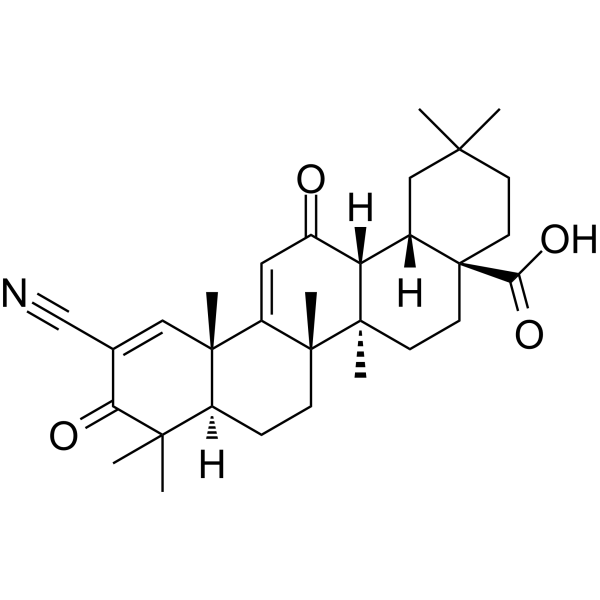
HY-14909
BardoxoloneNrf2 Activator -
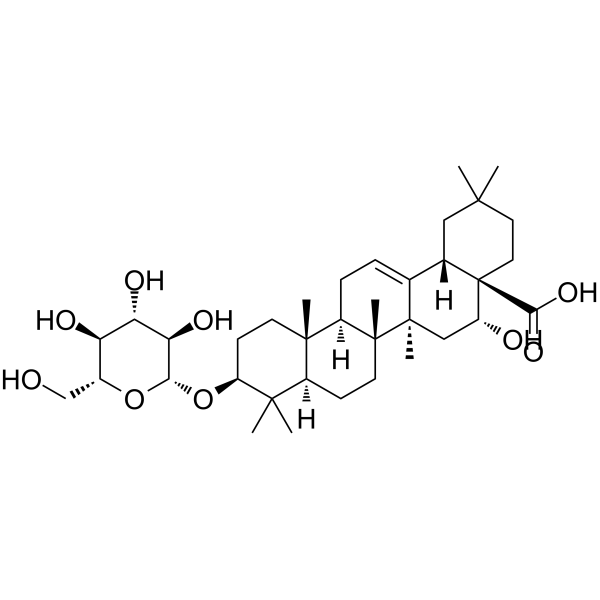
HY-N1508
Ecliptasaponin AMMP Inhibitor -
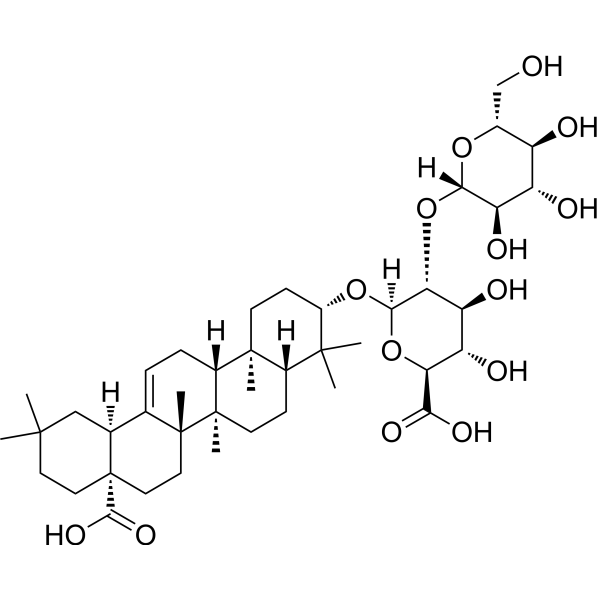
HY-N6924
Zingibroside R1Natural Product -
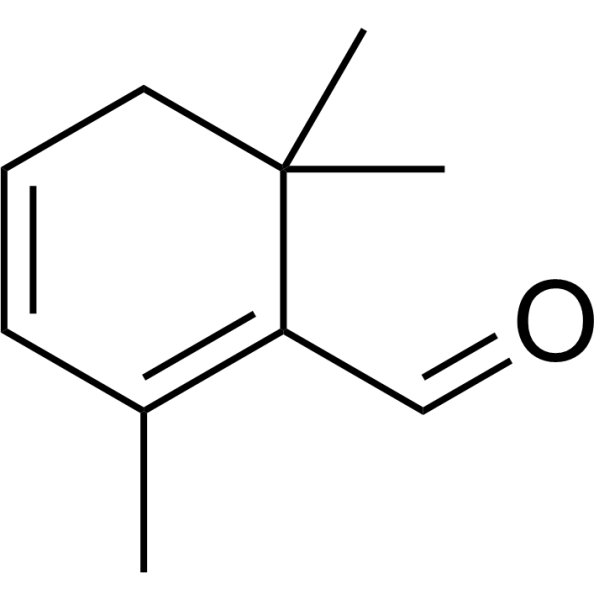
HY-N7560
SafranalPerfume Analogue -
HY-N0643
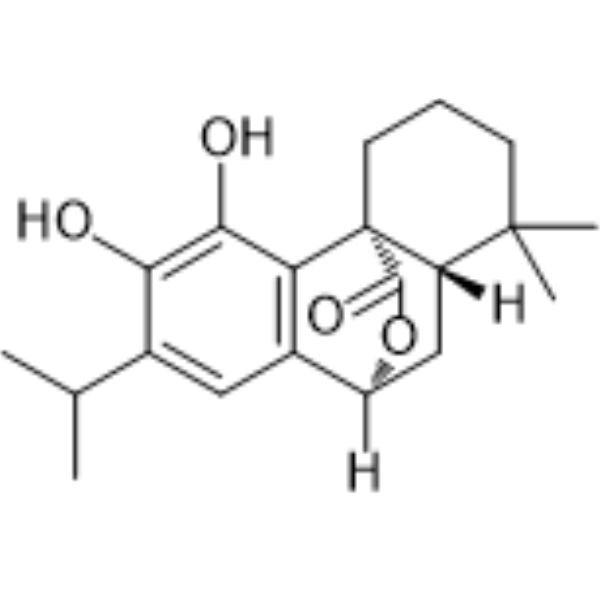
CarnosolEndogenous Metabolite -

HY-N0818R
Chikusetsusaponin Iva (Standard)Antithrombotic Agent -

HY-N7560R
Safranal (Standard)Perfume Compound -
HY-13417
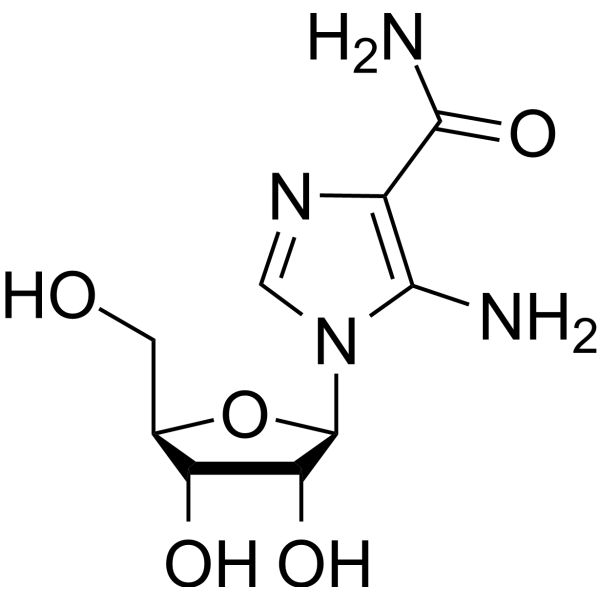
AICARAMPK Activator -
HY-17473
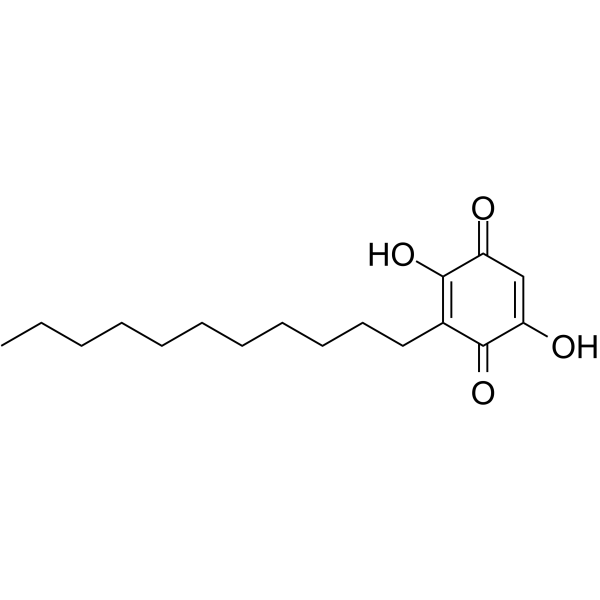
EmbelinXIAP Inhibitor
Publications Citing Use of MedChemExpress (MCE) Chikusetsusaponin Iva
More

Biological Activity
Description
Cellular Effect
|
Cell Line

|
Type | Value | Description | References |
|---|---|---|---|---|
| HCT-116 | IC50 |
78.11 μM
Compound: 11
|
Cytotoxicity against human HCT116 cells by MTT assay
Cytotoxicity against human HCT116 cells by MTT assay
|
[PMID: 20951582] |
| HL-60 | IC50 |
76.23 μM
Compound: 11
|
Cytotoxicity against human HL60 cells by MTT assay
Cytotoxicity against human HL60 cells by MTT assay
|
[PMID: 20951582] |
| Neutrophil | IC50 |
2.88 μM
Compound: 6
|
Inhibition of fMLP/CB-stimulated superoxide anion generation in human neutrophils
Inhibition of fMLP/CB-stimulated superoxide anion generation in human neutrophils
|
[PMID: 21417387] |
| Neutrophil | IC50 |
4.76 μM
Compound: 6
|
Inhibition of fMLP/CB-activated human neutrophil degranulation assessed as inhibition of elastase release using MeO-Suc-Ala-Ala-Pro-Val-p-nitroanilide as a substrate after 5 mins
Inhibition of fMLP/CB-activated human neutrophil degranulation assessed as inhibition of elastase release using MeO-Suc-Ala-Ala-Pro-Val-p-nitroanilide as a substrate after 5 mins
|
[PMID: 21417387] |
In Vitro
Chikusetsusaponin Iva (12.5-50 μM; 24 h) induces apoptosis in endometrial cancer cells (HEC1B) via promoting ROS production[1].
Chikusetsusaponin IVa (3.75-60 μg/mL) shows inhibitory effects on H9N2 AIV in A549 cells, with TI values of 4.00 (co-treatment) and 6.29 (posttreatment)[2].
Chikusetsusaponin IVa (50-200 μg/mL; 24 h) shows inhibitory effects on lipopolysaccharide-induced proinflammatory responses in THP-1 cells[3].
Chikusetsusaponin IVa binds to YAP with a KD of 0.388 mM[4].
Chikusetsusaponin IVa (10-40 μM; 24 h) increases the viability of Palmitic acid (HY-N0830)-damaged HepG2 cells and primary mouse hepatocytes and reduces LDH levels in culture supernatants[6].
Chikusetsusaponin Iva (3.125-12.5 μg/mL; 1 h) inhibits inflammatory responses in LPS-stimulated RAW264.7 cell line by inhibiting MAPK pathway[7].
MedChemExpress (MCE) has not independently confirmed the accuracy of these methods. They are for reference only. Further protocols information, click here.
-
Cell Line:HEC1B
-
Concentration:0 μM, 12.5 μM, 25 μM, 50 μM
-
Incubation Time:24 h
-
Result:Decreased the phosphorylation levels of p38, ERK and JNK in a dose-dependent way.
Decreased the expression of Bcl-2 and increases the expression of Bax and cleaved caspase-3.
In Vivo
Chikusetsusaponin IVa (10-40 mg/kg; p.o.; daily; 14 days after BDL) significantly alleviates liver fibrosis and injury in CCl4 (HY-Y0298)-challenged and bile duct ligation (BDL)-induced liver fibrosis mouse models by downregulating YAP and TAZ expression[4].
Chikusetsusaponin IVa (50-100 mg/kg; from day 28 to day 40) shows anti-inflammatory and osteoprotective effects on rheumatoid arthritis via the JAK/STAT signaling pathway in mice[5].
Chikusetsusaponin IVa (50 mg/kg; i.g.; 8 weeks) can improve the symptoms of mice with high-fat diet (HFD)-induced metabolic dysfunction-associated steatotic liver disease (MASLD)[6].
MedChemExpress (MCE) has not independently confirmed the accuracy of these methods. They are for reference only.
-
Animal Model:DBA 1/J male mice (18-22 g, 6-8 weeks old) + Collagen (HY-NP102)-induced arthritis (CIA) model[5]
-
Dosage:50 mg/kg、100 mg/kg
-
Administration:days 28-40
-
Result:Significantly reduced the arthritis index, hind paw thickness, and the number of swollen joints.
Decreased the immune organ index in a dose-dependent manner.
Reduced the concentration of inflammatory factors in peripheral serum and suppressed the mRNA expression of these factors in the spleen.
Inhibited the protein expression level of the JAK/STAT pathway.
-
Animal Model:C57BL/6J male mice (weight 20 g, 8-12 weeks old) + high-fat diet-induced metabolic dysfunction-associated fatty liver disease (MASLD) model[6]
-
Dosage:50 mg/kg
-
Administration:Intragastric administration, 8 weeks
-
Result:Significantly reduced body weight and liver weight gains.
Decreased serum aspartate transaminase (AST), alanine aminotransferase (ALT), alkaline phosphatase (ALP), γ-glutamyl transpeptidase (γ-GT), triacylglycerol (TG), total cholesterol (CHO), high-density lipoprotein cholesterol (HDL), low-density lipoprotein cholesterol (LDL), and nonesterified fatty acids (NEFAs) levels. Alleviated HFD-induced hepatic steatosis, inflammation, and fibrosis.
Improved glucose tolerance and insulin resistance.


Chemical Information
-
CAS No. 51415-02-2
-
Appearance Solid
-
Molecular Weight 794.97
-
Formula C42H66O14
-
Color White to off-white
-
SMILES
O=C([C@]1(CCC(C)(C)C2)[C@]2([H])C3=CC[C@@]4([H])[C@@](C)(CC[C@]5([H])[C@@]4(CC[C@H](O[C@]([C@@H]([C@@H](O)[C@@H]6O)O)([H])O[C@@H]6C(O)=O)C5(C)C)C)[C@]3(C)CC1)O[C@@H]([C@@H]([C@@H](O)[C@@H]7O)O)O[C@@H]7CO
-
Synonyms
Calenduloside F
-
Structure Classification
-
Initial Source
-
Shipping
Room temperature in continental US; may vary elsewhere.
-
Storage
Powder -20°C 3 years 4°C 2 years In solvent -80°C 2 years -20°C 1 year


Publications (2)
-
Journal Impact Factor
-
Most Recent
-
Pharmacol Res
Cardamonin retards progression of autosomal dominant polycystic kidney disease via inhibiting renal cyst growth and interstitial fibrosis. [Abstract]2020 May:155:104751. PMID: 32151678 -
Int Immunopharmacol
CHS-Ⅳa activates the IGF1R/PI3K signal pathway with inhibited pyroptosis of endometrial stromal cells and progress of endometriosis. [Abstract]2024 Nov 2;143(Pt 3):113527. PMID: 39488924


Solvent & Solubility
In Vitro:
DMSO : 100 mg/mL (125.79 mM; Need ultrasonic; Hygroscopic DMSO has a significant impact on the solubility of product, please use newly opened DMSO)
Please refer to the solubility information to select the appropriate solvent. Once prepared, please aliquot and store the solution to prevent product inactivation from repeated freeze-thaw cycles.
Storage method and period of stock solution: -80°C, 2 years; -20°C, 1 year. When stored at -80°C, please use it within 2 years. When stored at -20°C, please use it within 1 year.
Please refer to the solubility information to select the appropriate solvent. Once prepared, please aliquot and store the solution to prevent product inactivation from repeated freeze-thaw cycles.
Storage method and period of stock solution: -80°C, 2 years; -20°C, 1 year. When stored at -80°C, please use it within 2 years. When stored at -20°C, please use it within 1 year.
Concentration (start) × Volume (start) = Concentration (final) × Volume (final)
In Vivo:
Select the appropriate dissolution method based on your experimental animal and administration route.
- For the following dissolution methods, please ensure to first prepare a clear stock solution using an In Vitro approach and then sequentially add co-solvents:
- To ensure reliable experimental results, the clarified stock solution can be appropriately stored based on storage conditions. As for the working solution for In Vivo experiments, it is recommended to prepare freshly and use it on the same day.
- The percentages shown for the solvents indicate their volumetric ratio in the final prepared solution. If precipitation or phase separation occurs during preparation, heat and/or sonication can be used to aid dissolution.
Add each solvent one by one: 10% DMSO 40% PEG300 5% Tween-80 45% Saline
Solubility: ≥ 2.5 mg/mL (3.14 mM); Clear solution
This protocol yields a clear solution of ≥ 2.5 mg/mL (saturation unknown).
Taking 1 mL working solution as an example, add 100 μL DMSO stock solution (25.0 mg/mL) to 400 μL PEG300, and mix evenly; then add 50 μL Tween-80 and mix evenly; then add 450 μL Saline to adjust the volume to 1 mL.
Preparation of Saline: Dissolve 0.9 g sodium chloride in ddH₂O and dilute to 100 mL to obtain a clear Saline solution.
Add each solvent one by one: 10% DMSO 90% (20% SBE-β-CD in Saline)
Solubility: ≥ 2.5 mg/mL (3.14 mM); Clear solution
This protocol yields a clear solution of ≥ 2.5 mg/mL (saturation unknown).
Taking 1 mL working solution as an example, add 100 μL DMSO stock solution (25.0 mg/mL) to 900 μL 20% SBE-β-CD in Saline, and mix evenly.
Preparation of 20% SBE-β-CD in Saline (4°C, storage for one week): 2 g SBE-β-CD powder is dissolved in 10 mL Saline, completely dissolve until clear.
In Vivo Dissolution Calculator
Please enter the basic information of animal experiments:
-
-
-
-
Recommended: Prepare an additional quantity of animals to account for potential losses during experiments.
Please enter your animal formula composition:
-
%DMSO +
Recommended: Keep the proportion of DMSO in working solution below 2% if your animal is weak.
-
%+
-
+%Tween-80 + +
-
%Saline +
The co-solvents required include: DMSO, . All of co-solvents are available by MedChemExpress (MCE). , Tween 80. All of co-solvents are available by MedChemExpress (MCE).
Working solution concentration: 0.22 mg/mL
Method for preparing stock solution: mg drug dissolved in μL DMSO. Stock solution concentration: mg/mL.
1. Take μL DMSO stock solution;
2. Add μL .
μL , mix evenly;
3. Then add μL Tween 80, mix evenly;
4. Then add μL
Please ensure that the stock solution in the first step is dissolved to a clear state, and add co-solvents in sequence. You can use ultrasonic heating (ultrasonic cleaner, recommended frequency 20-40 kHz), vortexing, etc. to assist dissolution.

Protocols
-
RNA extraction experimental
By lysing cells, releasing RNA, and removing impurities such as proteins and DNA, high-purity RNA products are finally obtained. The commonly used traditional method is the guanidine isothiocyanate/phenol/chloroform method (Trizol), which is suitable for a variety of animal materials including animal tissues, microorganisms, cultured cells, etc., and most plant materials.
-
Apoptosis
Apoptosis, also called programmed cell death, is generally characterized by distinct morphological characteristics.
-
TUNEL staining for apoptotic DNA fragmentation
TUNEL staining detects DNA strand breaks by using terminal deoxynucleotidyl transferase to add labeled nucleotides to exposed 3′-OH DNA termini, generating either microscopic staining in fixed cells or tissue sections, or fluorescence/cytometric signal in cell suspensions. TUNEL positivity reflects DNA fragmentation but should not be interpreted alone as definitive apoptosis, because TUNEL can also label necrotic, autolytic, mechanically damaged, or DNA-repair-associated DNA breaks.
-
Annexin V plus membrane-impermeant dye apoptosis staining
Annexin V-based apoptosis assays rely on the detection of phosphatidylserine (PS) externalization from the inner leaflet of the plasma membrane to the outer leaflet, an early biochemical hallmark of apoptosis. Fluorescently labeled Annexin V binds PS in a calcium-dependent manner, enabling identification of early apoptotic cells by flow cytometry or fluorescence microscopy. When combined with a membrane-impermeant DNA-binding dye (e. g. , propidium iodide), this approach allows discrimination between viable (Annexin V−/dye−), early apoptotic (Annexin V+/dye−), and late apoptotic or necrotic (Annexin V+/dye+) cell populations by assessing membrane integrity and PS exposure.
-
ROS/oxidative-stress fluorescent staining
ROS/oxidative-stress fluorescent staining uses cell-permeant fluorogenic probes that become fluorescent after oxidation inside cells or tissues; commonly used examples include DCFH-DA/DCFDA for broad cellular oxidant detection, DHE for superoxide-related signal detection, MitoSOX for mitochondrial superoxide-related signal detection, and CellROX probes for oxidative-stress-associated fluorescence readouts. The assay detects probe oxidation rather than a single ROS species unless the probe and analysis method have been chemically validated for that species. DCFH-DA enters cells, is deacetylated by intracellular esterases to DCFH, and produces fluorescent DCF after oxidation, so the readout is used as an operational measure of total cellular oxidative stress rather than a species-specific ROS measurement. DHE and MitoSOX can report superoxide-related oxidation, but red fluorescence alone can include non-specific ethidium-like oxidation products; HPLC or optimized spectral approaches are
-
Apoptosis Solutions
Apoptosis is a regulated, generally non-lytic cell-death pathway that removes unwanted, damaged, infected, or abnormal cells through coordinated morphological changes, caspase activation, DNA fragmentation, and membrane remodeling. The intrinsic apoptosis pathway is controlled mainly by mitochondrial outer membrane permeabilization, BCL-2 family proteins, cytochrome c release, apoptosome formation, caspase-9 activation, and downstream executioner caspase-3/7 activation. The extrinsic apoptosis pathway is initiated by death receptors such as Fas, TNFR, and TRAIL receptors, which recruit adaptor proteins and activate caspase-8 before engaging executioner caspases or mitochondrial amplification through BID cleavage. Apoptosis is linked to many phenotypes, including cancer cell killing, tissue homeostasis, immune regulation, neurodegeneration, infection response, and treatment-induced cytotoxicity; unresolved questions include how apoptosis interacts with necroptosis, pyroptosis, ferroptos
-
Research Protocol for Inflammation-related Diseases
The NLRP3 inflammasome is a cytosolic innate immune signaling platform that integrates priming signals and danger-signal activation to promote caspase-1 activation, maturation of IL-1β and IL-18, and gasdermin D-mediated pyroptotic cell death. The core experimental logic is to determine whether inflammatory disease phenotypes are driven by increased NLRP3 expression, ASC-containing inflammasome assembly, caspase-1 cleavage, GSDMD cleavage, and extracellular release of IL-1β/IL-18 rather than by nonspecific cell injury alone. The pathway is strongly linked to inflammation-related disease phenotypes because monosodium urate crystals activate NALP3/NLRP3 inflammasome signaling in gout-like crystal inflammation, cholesterol crystals activate NLRP3 inflammasomes in atherogenesis models, and DSS-induced intestinal inflammation has been reported to involve NLRP3 inflammasome activity. However, experimental colitis studies also show context-dependent protective effects of NLRP3 inflammasome co


Purity & Documentation
-
Data Sheet (285 KB)
-
SDS (252 KB)
- English - EN (252 KB)
- Français - FR (252 KB)
- Deutsch - DE (252 KB)
- Norwegian - NO (252 KB)
- Español - ES (252 KB)
- Swedish - SV (252 KB)
- Italian - IT (252 KB)
- Korean - KR (252 KB)
- Portuguese - PT (252 KB)
-
Handling Instructions (2659 KB)
References
[1]. Xu G, et al. Inhibition of chikusetsusaponin IVa on inflammatory responses in RAW264.7 cell line via MAPK pathway. Z Naturforsch C J Biosci. 2020 Sep 28;76(3-4):103-110. [Content Brief]
[3]. Wang H, et al. Inhibitory effects of Chikusetsusaponin IVa on lipopolysaccharide-induced pro-inflammatory responses in THP-1 cells. Int J Immunopathol Pharmacol. 2015 Sep;28(3):308-17. [Content Brief]
[4]. Gao K, et al. Chikusetsusaponin IVa targeted YAP as an inhibitor to attenuate liver fibrosis and hepatic stellate cell activation. Chin Med. 2025 Mar 17;20(1):36. [Content Brief]
[5]. Guo X, et al. Anti-inflammatory and osteoprotective effects of Chikusetsusaponin Ⅳa on rheumatoid arthritis via the JAK/STAT signaling pathway. Phytomedicine. 2021 Dec;93:153801. [Content Brief]
[6]. Liu YW, et al. Identification of chikusetsusaponin IVa as a novel lysine-specific demethylase 1 inhibitor that ameliorates high fat diet-induced MASLD in mice. Acta Pharmacol Sin. 2025 Mar;46(3):632-652. [Content Brief]
[7]. Xu G, Lei H, Yuan Q, Chen H, Su J. Inhibition of chikusetsusaponin IVa on inflammatory responses in RAW264.7 cell line via MAPK pathway. Z Naturforsch C J Biosci. 2020 Sep 28;76(3-4):103-110. [Content Brief]
[8]. Cui J, et al. Insulinotropic effect of Chikusetsu saponin IVa in diabetic rats and pancreatic β-cells. J Ethnopharmacol. 2015 Apr 22;164:334-9. [Content Brief]
[9]. Dahmer T, et al. Antithrombotic effect of chikusetsusaponin IVa isolated from Ilex paraguariensis (Maté). J Med Food. 2012 Dec;15(12):1073-80. [Content Brief]
[10]. Li Y, et al. Chikusetsu saponin IVa regulates glucose uptake and fatty acid oxidation: implications in antihyperglycemic and hypolipidemic effects. J Pharm Pharmacol. 2015 Jul;67(7):997-1007. [Content Brief]


Complete Stock Solution Preparation Table
Please refer to the solubility information to select the appropriate solvent. Once prepared, please aliquot and store the solution to prevent product inactivation from repeated freeze-thaw cycles.
Storage method and period of stock solution: -80°C, 2 years; -20°C, 1 year. When stored at -80°C, please use it within 2 years. When stored at -20°C, please use it within 1 year.
| Optional Solvent | Concentration Solvent Mass | 1 mg | 5 mg | 10 mg | 25 mg |
|---|---|---|---|---|---|
| DMSO | 1 mM | 1.2579 mL | 6.2895 mL | 12.5791 mL | 31.4477 mL |
| 5 mM | 0.2516 mL | 1.2579 mL | 2.5158 mL | 6.2895 mL | |
| 10 mM | 0.1258 mL | 0.6290 mL | 1.2579 mL | 3.1448 mL | |
| 15 mM | 0.0839 mL | 0.4193 mL | 0.8386 mL | 2.0965 mL | |
| 20 mM | 0.0629 mL | 0.3145 mL | 0.6290 mL | 1.5724 mL | |
| 25 mM | 0.0503 mL | 0.2516 mL | 0.5032 mL | 1.2579 mL | |
| 30 mM | 0.0419 mL | 0.2097 mL | 0.4193 mL | 1.0483 mL | |
| 40 mM | 0.0314 mL | 0.1572 mL | 0.3145 mL | 0.7862 mL | |
| 50 mM | 0.0252 mL | 0.1258 mL | 0.2516 mL | 0.6290 mL | |
| 60 mM | 0.0210 mL | 0.1048 mL | 0.2097 mL | 0.5241 mL | |
| 80 mM | 0.0157 mL | 0.0786 mL | 0.1572 mL | 0.3931 mL | |
| 100 mM | 0.0126 mL | 0.0629 mL | 0.1258 mL | 0.3145 mL |


Chikusetsusaponin Iva Related Classifications
HY-N0818 Related Classifications
 Powered by Bioz