



Sappanone A
Based on 8 publication(s) in Google Scholar
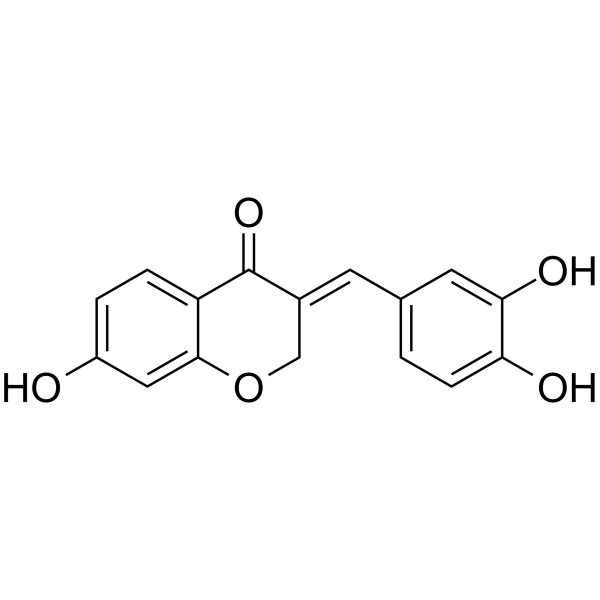
Sappanone A is an orally active homoisoflavone found in sappan L. Sappanone A is a PDE4 and NF-κB inhibitor with anti-inflammatory and antioxidant effect. Sappanone A induces HO-1 expression through activation of Nrf2 pathway. Sappanone A also inhibits RANKL-induced osteoclastogenesis. Sappanone A has great potential in the research of inflammation-related and cardiovascular .
Nur für Forschungszwecke. Wir verkaufen nicht an Patienten.
- Reinheit : 99.87%
- CAS. Nr.: 102067-84-5
- Formel: C16H12O5
- Molecular Weight:284.26
-
Speicherung:
4°C, protect from light
* In solvent : -80°C, 6 months; -20°C, 1 month (protect from light)

To place orders, for customer services and technical support, please contact: MedChemExpress USA
Tel: 609-228-6898 E-mail: [email protected] [email protected]


-
 Biologische Aktivität
-
Chemical Information
-
Lösungsmittel & Löslichkeit
- Protokoll
- Reinheit & Dokumentation
- Verweise
-
 Help & FAQs


-
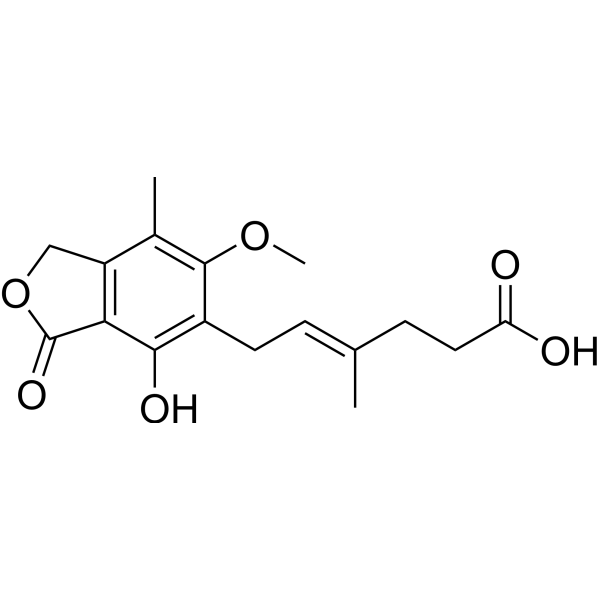
HY-B0421
Mycophenolic acidIMPDH Inhibitor -
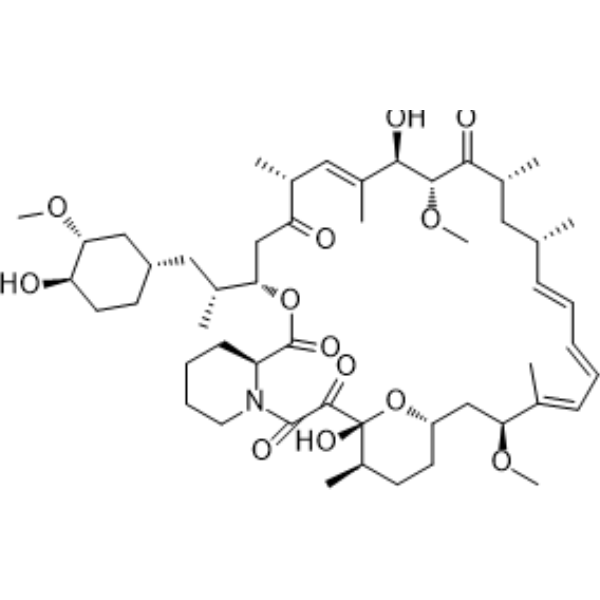
HY-10219
RapamycinmTOR Inhibitor -
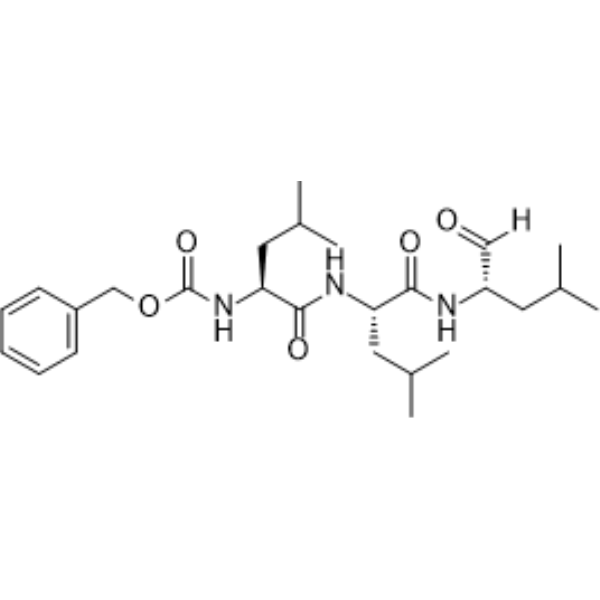
HY-13259
MG-132Proteasome Inhibitor -
HY-18085
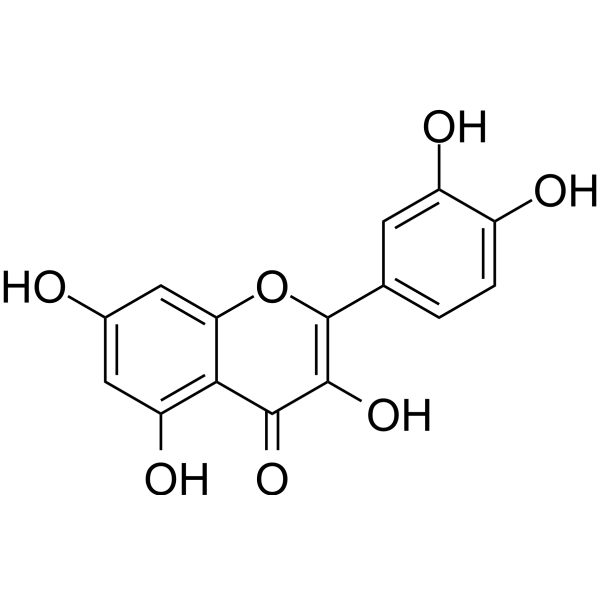
QuercetinFlavonoid Antioxidant -
HY-B0434
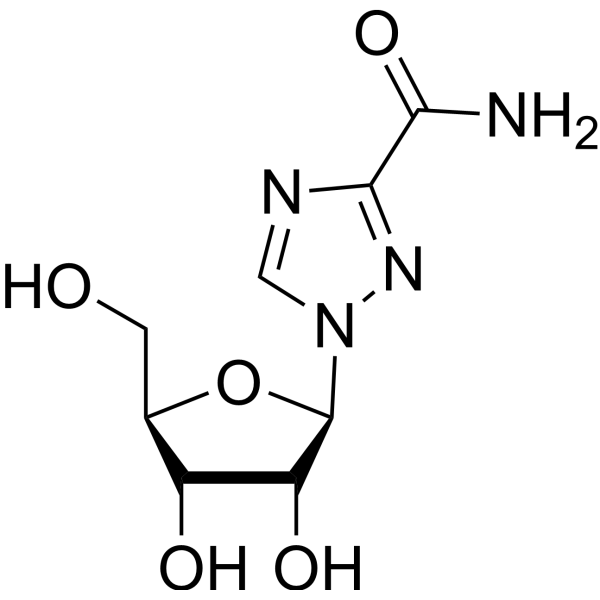
RibavirinAntiviral Agent -
HY-K0010
Protease Inhibitor Cocktail (EDTA-Free, 100× in DMSO) -
HY-N2515
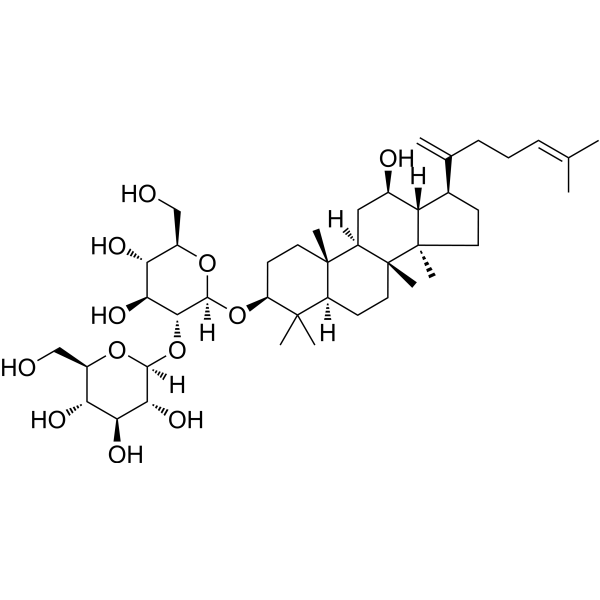
Ginsenoside Rk1Apoptosis Inducer -
HY-N0194
Asiatic acidApoptosis Inducer -
HY-N2255
CrebanineApoptosis Inducer -
HY-126307
Urolithin BNF-κB Inhibitor -

HY-N0194R
Asiatic acid (Standard)Apoptosis Inducer -
HY-N0290
MangiferinNrf2 Activator
Publications Citing Use of MedChemExpress (MCE) Sappanone A
More- Int J Biol Sci. 2024 Sep 23;20(13):5145-5161. [Abstract]
- Phytother Res. 2025 Nov 14. [Abstract]
- Eur J Pharmacol. 2024 Sep 5:978:176746. [Abstract]
- Int J Mol Sci. 2026 Mar 19;27(6):2774. [Abstract]
- Int Immunopharmacol. 2026 Jan 15:169:115974. [Abstract]
- Naunyn Schmiedebergs Arch Pharmacol. 2024 Nov;397(11):8759-8770. [Abstract]
- Toxicol Appl Pharmacol. 2024 Nov:492:117127. [Abstract]
- Pharmacological Research - Modern Chinese Medicine. 2025 Jun.
 Customer Validation & Images

-
Cell Proliferation/Viability Assay
-
RT-PCR
-
ELISA
-
Histological Imaging/Staining
-
WB
Alle TNF Receptor Isoform-spezifische Produkte anzeigen
More

Biologische Aktivität
Beschreibung
Cellular Effect
|
Cell Line

|
Type | Value | Description | References |
|---|---|---|---|---|
| RAW264.7 | IC50 |
5.7 μM
Compound: 7
|
Antiinflammatory activity in mouse RAW264.7 cells assessed as inhibition of LPS-induced nitric oxide generation incubated for 24 hrs
Antiinflammatory activity in mouse RAW264.7 cells assessed as inhibition of LPS-induced nitric oxide generation incubated for 24 hrs
|
[PMID: 23234407] |
| RAW264.7 | IC50 |
8.3 μM
Compound: 7
|
Antiinflammatory activity in mouse RAW264.7 cells assessed as inhibition of LPS-induced TNFalpha production incubated for 24 hrs by ELISA
Antiinflammatory activity in mouse RAW264.7 cells assessed as inhibition of LPS-induced TNFalpha production incubated for 24 hrs by ELISA
|
[PMID: 23234407] |
| RAW264.7 | IC50 |
9.3 μM
Compound: Sappanone A
|
Inhibition of LPS-induced NO production in mouse RAW264.7 cells preincubated for 1 hr followed by LPS stimulation for 24 hrs by Griess assay
Inhibition of LPS-induced NO production in mouse RAW264.7 cells preincubated for 1 hr followed by LPS stimulation for 24 hrs by Griess assay
|
[PMID: 28038832] |
In Vitro
Sappanone A (5-30 μM, pretreatment for 1 h, then 24 h) inhibits LPS-induced NO, IL-6 and PGE 2 production in RAW264.7 cells in a concentration-dependent manner (IC50 6.8, 11.2 and 12.6 μM, respectively) without cytotoxicity[1].
Sappanone A (5-30 μM, 24 h) exerts anti-inflammatory effects in RAW264.7 cells by inducing HO-1 expression and inhibits LPS-induced NF-κB activation through activation of Nrf2[2].
Sappanone A (10-40 μM) remarkably inhibits PDE4 enzyme activity and reduces TNF-α production induced by LPS in RAW264.7 macrophages[2].
Sappanone A (0.007-1.0 mM, 40 min) has excellent ability to reduce Fe3+ and complex Fe2+, shows excellent antioxidant activity[2].
Sappanone A (3-30 μM, 7 days) inhibits RANKL-induced osteoclastogenesis in mouse bone marrow-derived macrophage (BMM)[3].
Sappanone A (0-30 μM, 7 days) inhibits RANKL-induced NFATc1 activation and AKT phosphorylation in BMMs[3].
Sappanone A (10-30 μM, pretreatment for 1 hour, then treatment for 24 hours) blocks the NF-κB pathway and inhibits the inflammatory response in the HG-induced mesangial cell model[5].
MedChemExpress (MCE) has not independently confirmed the accuracy of these methods. They are for reference only.
-
Cell Line:RAW264.7cells
-
Concentration:5, 15, 30 μM
-
Incubation Time:24 h
-
Result:Reduced the mRNA levels of iNOS, COX-2, and IL-6 in a concentration-dependent manner.
Increased HO-1 mRNA expression level in a concentration-dependent manner, and HO-1 mRNA increased 3 hours after treatment, peaked at 6 hours, and returned to basal levels at 24 hours.
Induced HO-1 expression by activating Nrf2, resulting in a concentration-dependent increase in the mRNA levels of NQO1 and GCLC.
-
Cell Line:BMM cells
-
Concentration:0, 3, 10, 30 μM
-
Incubation Time:7 days
-
Result:Increased the phosphorylation levels of ERK, p38 and JNK mitogen-activated protein kinases (MAPKs) in a time-dependent manner and pretreatment.
Inhibited RANKL-induced NFATc1 expression.
In Vivo
Sappanone A (50, 100 mg/kg, i.p., twice a day for seven consecutive days) significantly reduces LPS-induced mice acute lung injury (ALI) without obvious toxic side effects[2].
Sappanone A (50 mg/kg, i.p., injects every other day for a total of eight days) inhibits osteoclast formation in vivo in the LPS-induced mouse bone loss model[3].
Sappanone A (20 mg/kg, i.p., one dose) can reduce myocardial necrosis and apoptosis and promote the recovery of cardiac function in the myocardial ischemia reperfusion injury (MIRI) rat model[4].
Sappanone A (10-30 mg/kg, i.g., once a day for twelve weeks) reduces renal injury during hyperglycemia in a dose-dependent manner in a Streptozotocin (HY-13753)-induced diabetic mouse model[5].
MedChemExpress (MCE) has not independently confirmed the accuracy of these methods. They are for reference only.
-
Animal Model:ALI in Institute of Cancer Research mice (male 20-25 g) was established by intratracheal instillation of 0.5 mg/kg LPS in 100 μl saline solution.[2]
-
Dosage:50,100 mg/kg
-
Administration:i.p., twice a day for seven consecutive days, 1 h prior to LPS injection
-
Result:Significantly reduced the production of TNF-α in lung tissue, protein content in BALF, and MPO activity.
Had a good effect on the growth, development and behavior of mice, and no death or obvious toxic side were observed.
-
Animal Model:Institute of Cancer Research mice (male 6 weeks) injected with LPS (5 mg/kg)[3]
-
Dosage:50 mg/kg
-
Administration:i.p., injected every other day for a total of eight days
-
Result:LPS-induced significant decreased in the number of TRAP-positive osteoclasts.
Had a good effect on the growth, development and behavior of mice, and no death or obvious toxic side were observed.
-
Animal Model:Wistar rats (male 250 g) MIRI model (hearts were isolated and underwent 30-min ischemia, followed by 120-min reperfusion)[4]
-
Dosage:20 mg/kg
-
Administration:i.p., one dose, 1 h prior to heart isolation
-
Result:Reduce myocardial ischemia-reperfusion injury and myocardial infarction area.
Significantly improved LVDP and ±dp/dt values at 30, 60, and 120 min of reperfusion, indicating that it promoted the recovery of cardiac function after ischemia-reperfusion.
Inhibited ischemia-reperfusion-induced cardiomyocyte apoptosis by reducing cell apoptosis and inhibited the expression of cleaved caspase-3.
Significantly reduced the content of ROS and MDA in ischemic myocardium, and increased the activity of SOD and GSH-Px in ischemic myocardium.
Downregulated the expression of Keap1, decreased the level of Nrf2 in the cytoplasm, and increased the level of Nrf2 in the nucleus, and also activated the transcriptional activity to upregulate the expression of Nrf2 target genes (HO-1 and NQO1).
Enhanced the phosphorylation of Nfr2 through the PKC or PI3K pathway.
-
Animal Model:Streptozotocin (50 mg/kg, i.p., 5 consecutive days) induced diabetic C57BL/6J mice (20-23 g, 6-8 weeks)[5]
-
Dosage:10, 20, 30 mg/kg
-
Administration:i.g., once a day for twelve consecutive weeks
-
Result:Showed that the increase of serum creatinine and BUN was significantly attenuated, and the 24-hour urine protein of mice was significantly reduced.
Alleviated the pathological changes in Streptozotocin-treated mice, reduced the production of fibrotic molecules transforming growth factor β1 (TGF-β1) and collagen IV (Col-IV), and decreased the expression of inflammatory cytokines interleukin 1β (IL-1β) and tumor necrosis factor α (TNF-α).


Chemical Information
-
CAS. Nr. 102067-84-5
-
Appearance Solid
-
Molecular Weight 284.26
-
Formel C16H12O5
-
Color Light yellow to yellow
-
SMILES
O=C1/C(COC2=CC(O)=CC=C12)=C/C3=CC=C(O)C(O)=C3
-
Structure Classification
-
Initial Source
-
Versand
Room temperature in continental US; may vary elsewhere.
-
Speicherung
4°C, protect from light
* In solvent : -80°C, 6 months; -20°C, 1 month (protect from light)


Publications (8)
-
Journal Impact Factor
-
Most Recent
-
Int J Biol Sci
Exploring the Mechanism of Ferroptosis Induction by Sappanone A in Cancer: Insights into the Mitochondrial Dysfunction Mediated by NRF2/xCT/GPX4 Axis. [Abstract]2024 Sep 23;20(13):5145-5161. PMID: 39430236 -
Phytother Res
Sappanone A Exerted Strong Anti-Inflammatory Effects in the Treatment of Atopic Dermatitis Through IL-21R-Mediated JAK1/STAT3 Pathway. [Abstract]2025 Nov 14. PMID: 41236101
Sappanone A purchased from MedChemExpress. Usage Cited in: Phytother Res. 2025 Nov 14. [Abstract]
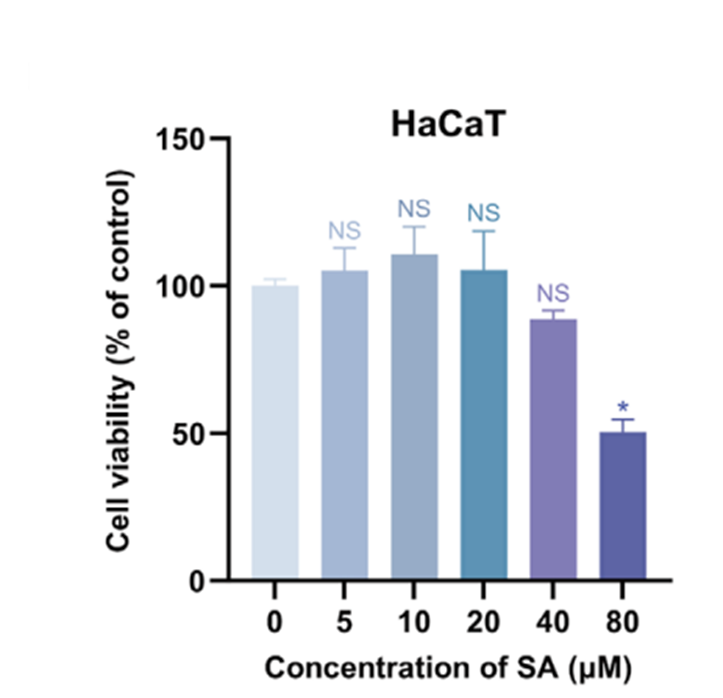
In vitro cell viabilities of HaCaT cells after incubation with different concentrations of Sappanone A (SA) (0, 5, 10, 20, 40, and 80 μM) for 72 h were measured by the CCK-8 assay.
Sappanone A purchased from MedChemExpress. Usage Cited in: Phytother Res. 2025 Nov 14. [Abstract]
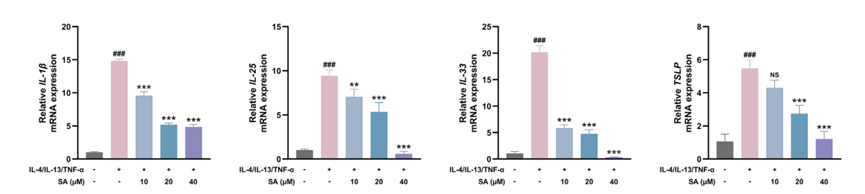
The relative mRNA expression of Th2-associated inflammatory cytokines was measured by RT-qPCR. HaCaT cells were treated with various concentrations of Sappanone A (SA) (10, 20, 40 μM) or left untreated under IL-4/IL-13/TNF-α stimulation.
Sappanone A purchased from MedChemExpress. Usage Cited in: Phytother Res. 2025 Nov 14. [Abstract]
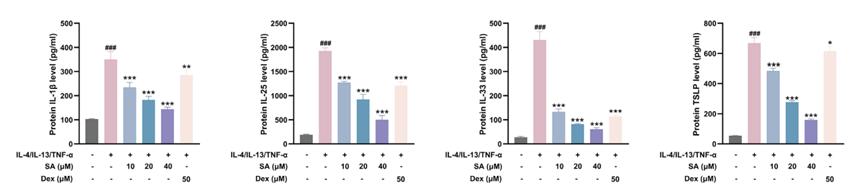
The protein levels of IL-1β, IL-25, IL-33, and TSLP were detected by ELISA assays. HaCaT cells were treated with various concentrations of Sappanone A (SA) (10, 20, 40 μM), DEX, or left untreated under IL-4/IL-13/TNF-α stimulation.
Sappanone A purchased from MedChemExpress. Usage Cited in: Phytother Res. 2025 Nov 14. [Abstract]
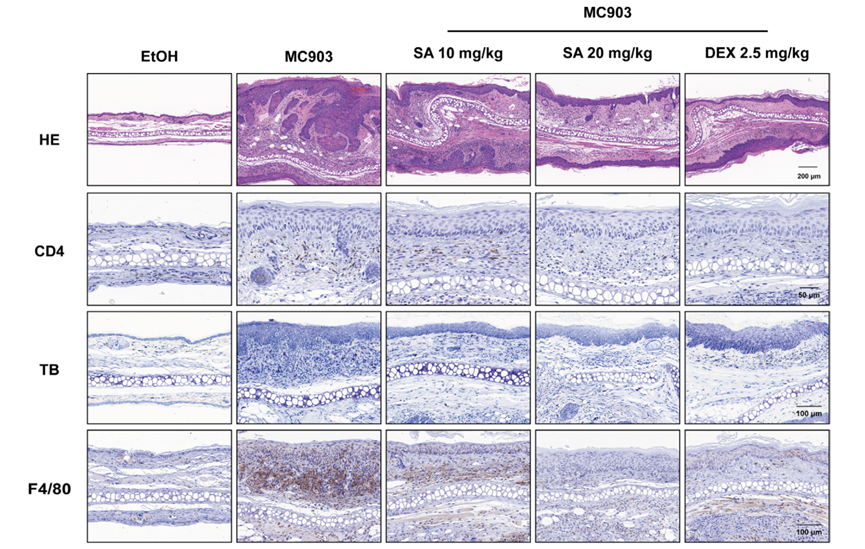
Representative images of H&E staining CD4 staining, TB staining, and F4/80 staining in ear tissues treated with Sappanone A SA (10, 20 mg/kg).
Sappanone A purchased from MedChemExpress. Usage Cited in: Phytother Res. 2025 Nov 14. [Abstract]
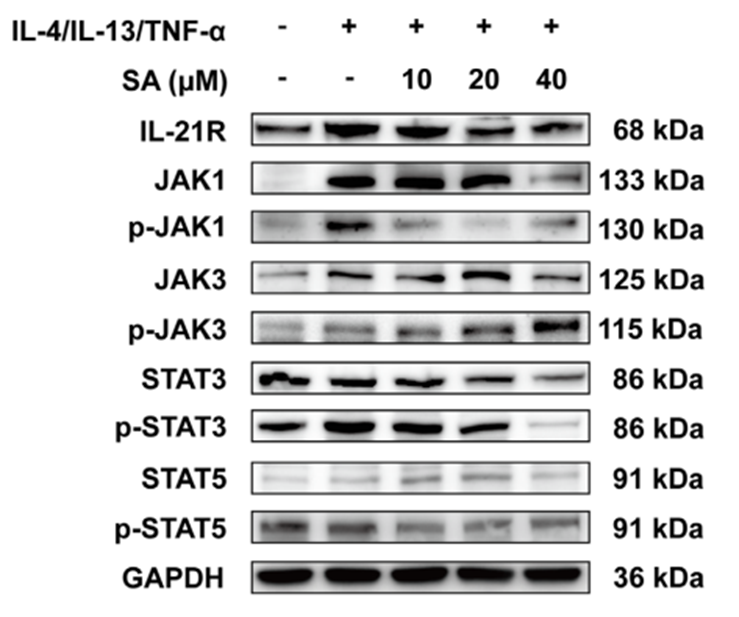
Western blotting assay showed the expression of key proteins in the IL-21R/JAK/STAT pathway in HaCaT cells Sappanone A SA (10, 20, 40 μM).
-
Eur J Pharmacol
Sappanone A ameliorated imiquimod-induced psoriasis-like dermatitis in BALB/c mice via suppressing Mmp8 expression and IL-17 signaling pathway. [Abstract]2024 Sep 5:978:176746. PMID: 38880219 -
Int J Mol Sci
2026 Mar 19;27(6):2774. PMID: 41898634 -
Int Immunopharmacol
Hydrogen alleviates cardiac ferroptosis damage under chronic intermittent hypoxia conditions by targeting Nrf2. [Abstract]2026 Jan 15:169:115974. PMID: 41370977 -
Naunyn Schmiedebergs Arch Pharmacol
Sappanone a alleviates osteoarthritis progression by inhibiting chondrocyte ferroptosis via activating the SIRT1/Nrf2 signaling pathway. [Abstract]2024 Nov;397(11):8759-8770. PMID: 38832987 -
Toxicol Appl Pharmacol
Sappanone A ameliorates acute lung injury through inhibiting the activation of the NF-κB signaling pathway. [Abstract]2024 Nov:492:117127. PMID: 39419123 -


Lösungsmittel & Löslichkeit
In Vitro:
DMSO : 100 mg/mL (351.79 mM; ultrasonic and warming and heat to 60°C; Hygroscopic DMSO has a significant impact on the solubility of product, please use newly opened DMSO)
Please refer to the solubility information to select the appropriate solvent. Once prepared, please aliquot and store the solution to prevent product inactivation from repeated freeze-thaw cycles.
Storage method and period of stock solution: -80°C, 6 months; -20°C, 1 month (protect from light). When stored at -80°C, please use it within 6 months. When stored at -20°C, please use it within 1 month.
Please refer to the solubility information to select the appropriate solvent. Once prepared, please aliquot and store the solution to prevent product inactivation from repeated freeze-thaw cycles.
Storage method and period of stock solution: -80°C, 6 months; -20°C, 1 month (protect from light). When stored at -80°C, please use it within 6 months. When stored at -20°C, please use it within 1 month.
Konzentration (Stammlösung) × Volumen (Stammlösung) = Konzentration (Ziellösung) × Volumen (Ziellösung)
In Vivo:
Select the appropriate dissolution method based on your experimental animal and administration route.
- For the following dissolution methods, please ensure to first prepare a clear stock solution using an In Vitro approach and then sequentially add co-solvents:
- To ensure reliable experimental results, the clarified stock solution can be appropriately stored based on storage conditions. As for the working solution for In Vivo experiments, it is recommended to prepare freshly and use it on the same day.
- The percentages shown for the solvents indicate their volumetric ratio in the final prepared solution. If precipitation or phase separation occurs during preparation, heat and/or sonication can be used to aid dissolution.
Add each solvent one by one: 10% DMSO 40% PEG300 5% Tween-80 45% Saline
Solubility: ≥ 2.08 mg/mL (7.32 mM); Clear solution
This protocol yields a clear solution of ≥ 2.08 mg/mL (saturation unknown).
Taking 1 mL working solution as an example, add 100 μL DMSO stock solution (20.8 mg/mL) to 400 μL PEG300, and mix evenly; then add 50 μL Tween-80 and mix evenly; then add 450 μL Saline to adjust the volume to 1 mL.
Preparation of Saline: Dissolve 0.9 g sodium chloride in ddH₂O and dilute to 100 mL to obtain a clear Saline solution.
Add each solvent one by one: 10% DMSO 90% (20% SBE-β-CD in Saline)
Solubility: ≥ 2.08 mg/mL (7.32 mM); Clear solution
This protocol yields a clear solution of ≥ 2.08 mg/mL (saturation unknown).
Taking 1 mL working solution as an example, add 100 μL DMSO stock solution (20.8 mg/mL) to 900 μL 20% SBE-β-CD in Saline, and mix evenly.
Preparation of 20% SBE-β-CD in Saline (4°C, storage for one week): 2 g SBE-β-CD powder is dissolved in 10 mL Saline, completely dissolve until clear.
In Vivo Dissolution Calculator
Please enter the basic information of animal experiments:
-
-
-
-
Recommended: Prepare an additional quantity of animals to account for potential losses during experiments.
Please enter your animal formula composition:
-
%DMSO +
Recommended: Keep the proportion of DMSO in working solution below 2% if your animal is weak.
-
%+
-
+%Tween-80 + +
-
%Saline +
The co-solvents required include: DMSO, . All of co-solvents are available by MedChemExpress (MCE). , Tween 80. All of co-solvents are available by MedChemExpress (MCE).
Working solution concentration: 0.22 mg/mL
Method for preparing stock solution: mg drug dissolved in μL DMSO. Stock solution concentration: mg/mL. * In solvent : -80°C, 6 months; -20°C, 1 month (protect from light)
1. Take μL DMSO stock solution;
2. Add μL .
μL , mix evenly;
3. Then add μL Tween 80, mix evenly;
4. Then add μL
Please ensure that the stock solution in the first step is dissolved to a clear state, and add co-solvents in sequence. You can use ultrasonic heating (ultrasonic cleaner, recommended frequency 20-40 kHz), vortexing, etc. to assist dissolution.


Reinheit & Dokumentation
-
Data Sheet (285 KB)
-
SDS (252 KB)
- English - EN (252 KB)
- Français - FR (252 KB)
- Deutsch - DE (252 KB)
- Norwegian - NO (252 KB)
- Español - ES (252 KB)
- Swedish - SV (252 KB)
- Italian - IT (252 KB)
- Korean - KR (252 KB)
- Portuguese - PT (252 KB)
-
Handling Instructions (2659 KB)
Verweise
[1]. Lee S, et, al. Sappanone A exhibits anti-inflammatory effects via modulation of Nrf2 and NF-κB. Int Immunopharmacol. 2015 Sep;28(1):328-36. [Content Brief]
[2]. Wang YZ, et al. Sappanone A: A natural PDE4 inhibitor with dual anti-inflammatory and antioxidant activities from the heartwood of Caesalpinia sappan L. J Ethnopharmacol. 2023 Mar 25;304:116020. [Content Brief]
[3]. Choo YY, et al. Sappanone A inhibits RANKL-induced osteoclastogenesis in BMMs and prevents inflammation-mediated bone loss. Int Immunopharmacol. 2017 Nov;52:230-237. [Content Brief]
[4]. Shi X, et al. Sappanone A Protects Against Myocardial Ischemia Reperfusion Injury by Modulation of Nrf2. Drug Des Devel Ther. 2020 Jan 8;14:61-71. [Content Brief]
[5]. Wang Z, et al. Sappanone a prevents diabetic kidney disease by inhibiting kidney inflammation and fibrosis via the NF-κB signaling pathway. Front Pharmacol. 2022 Aug 16;13:953004. [Content Brief]


Complete Stock Solution Preparation Table
Please refer to the solubility information to select the appropriate solvent. Once prepared, please aliquot and store the solution to prevent product inactivation from repeated freeze-thaw cycles.
Storage method and period of stock solution: -80°C, 6 months; -20°C, 1 month (protect from light). When stored at -80°C, please use it within 6 months. When stored at -20°C, please use it within 1 month.
| Optional Solvent | Concentration Solvent Mass | 1 mg | 5 mg | 10 mg | 25 mg |
|---|---|---|---|---|---|
| DMSO | 1 mM | 3.5179 mL | 17.5895 mL | 35.1791 mL | 87.9477 mL |
| 5 mM | 0.7036 mL | 3.5179 mL | 7.0358 mL | 17.5895 mL | |
| 10 mM | 0.3518 mL | 1.7590 mL | 3.5179 mL | 8.7948 mL | |
| 15 mM | 0.2345 mL | 1.1726 mL | 2.3453 mL | 5.8632 mL | |
| 20 mM | 0.1759 mL | 0.8795 mL | 1.7590 mL | 4.3974 mL | |
| 25 mM | 0.1407 mL | 0.7036 mL | 1.4072 mL | 3.5179 mL | |
| 30 mM | 0.1173 mL | 0.5863 mL | 1.1726 mL | 2.9316 mL | |
| 40 mM | 0.0879 mL | 0.4397 mL | 0.8795 mL | 2.1987 mL | |
| 50 mM | 0.0704 mL | 0.3518 mL | 0.7036 mL | 1.7590 mL | |
| 60 mM | 0.0586 mL | 0.2932 mL | 0.5863 mL | 1.4658 mL | |
| 80 mM | 0.0440 mL | 0.2199 mL | 0.4397 mL | 1.0993 mL | |
| 100 mM | 0.0352 mL | 0.1759 mL | 0.3518 mL | 0.8795 mL |


Sappanone A Related Classifications
HY-113556 Related Classifications
 Powered by Bioz