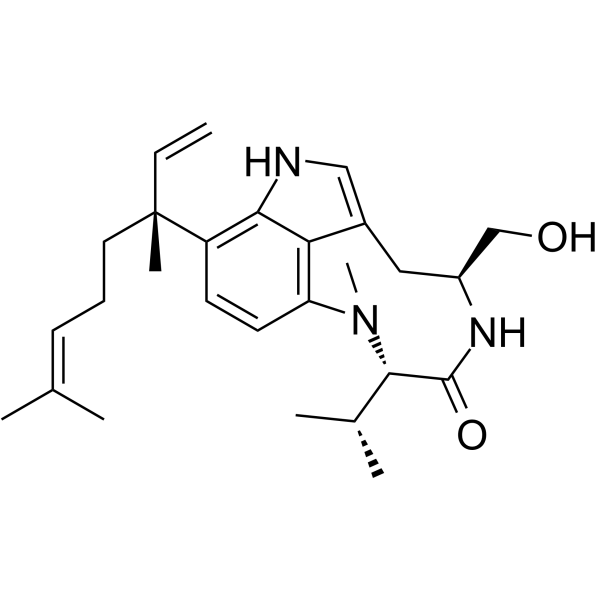
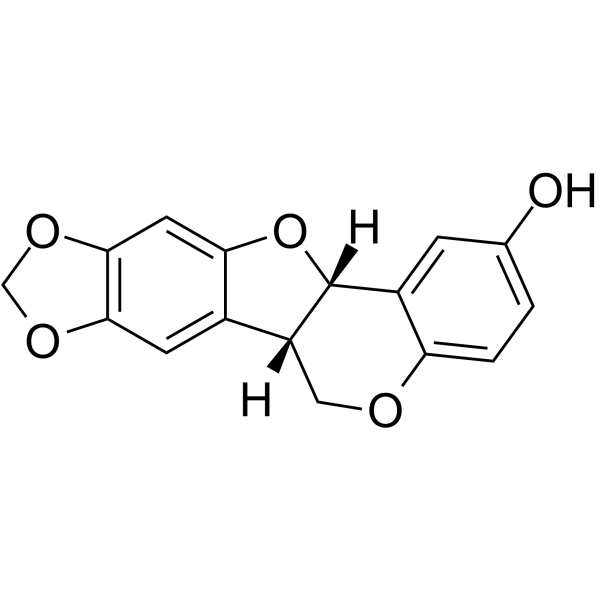
1. Search Result
Search Result
Pathways Recommended: Protein Tyrosine Kinase/RTK
Results for "

Protein kinases

" in MedChemExpress (MCE) Product Catalog:

1430

Inhibitors & Agonists

23

Screening Libraries

5

Fluorescent Dyes

10

Biochemical Assay Reagents

152

Peptides

1

MCE Kits

5

Inhibitory Antibodies

134

Natural
Products

3

Recombinant Proteins

28

Isotope-Labeled Compounds

4

Click Chemistry

35

Oligonucleotides

3

GMP Molecules

Cat. No. Product Name Target Research Areas Chemical Structure
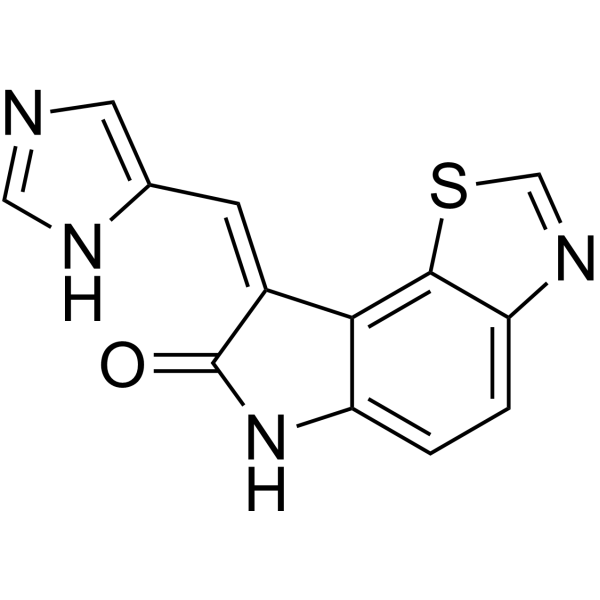
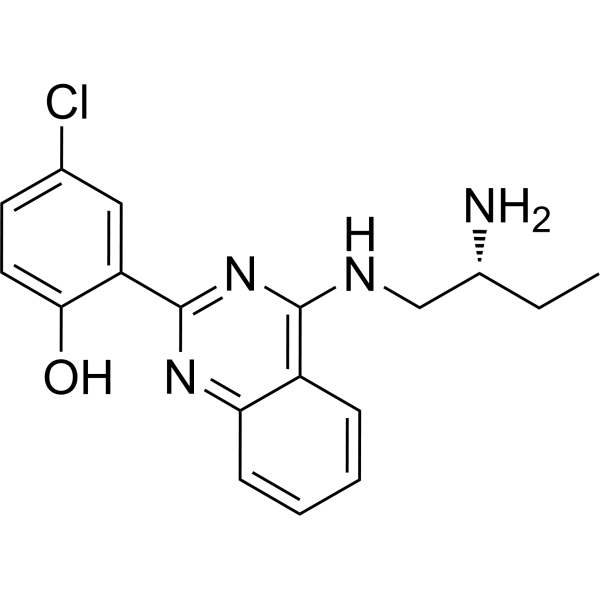
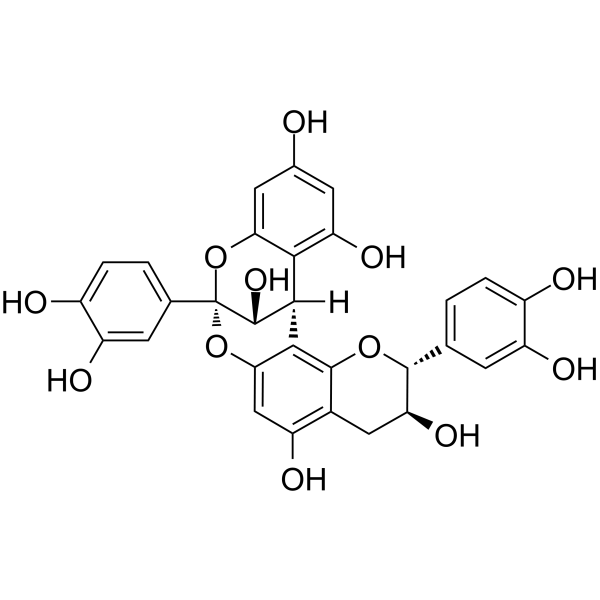
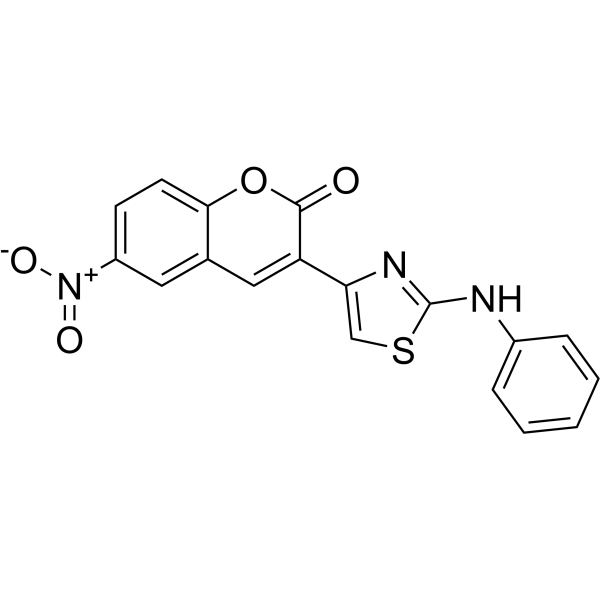
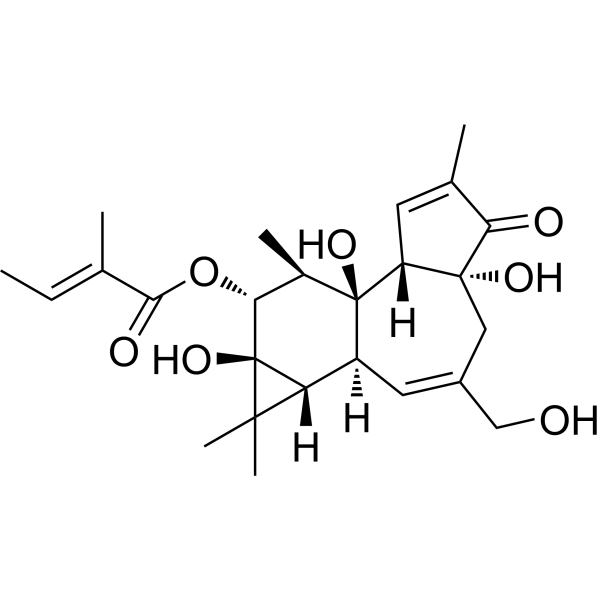
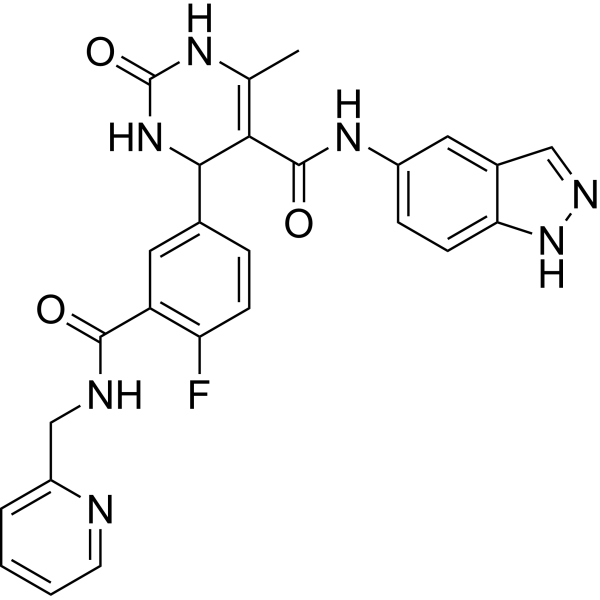
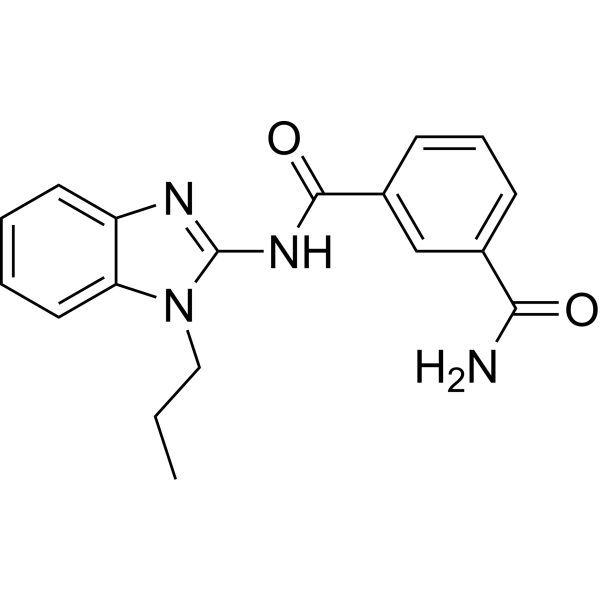
  • HY-13977A
    PKR-IN-C16
    5+ Cited Publications

    Apoptosis Neurological Disease
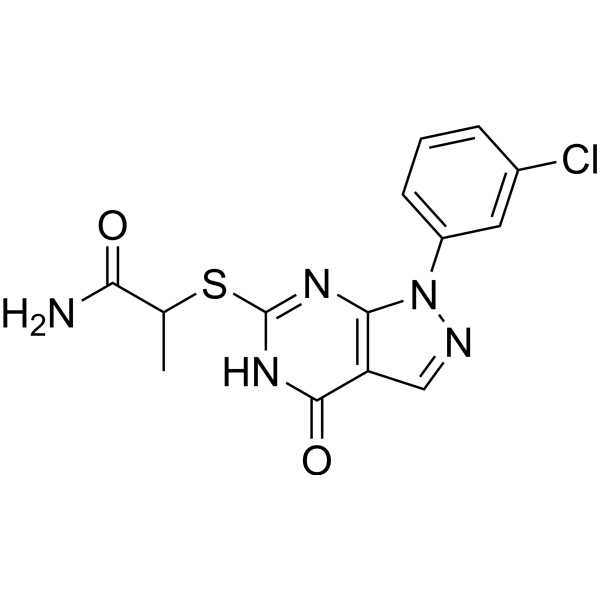
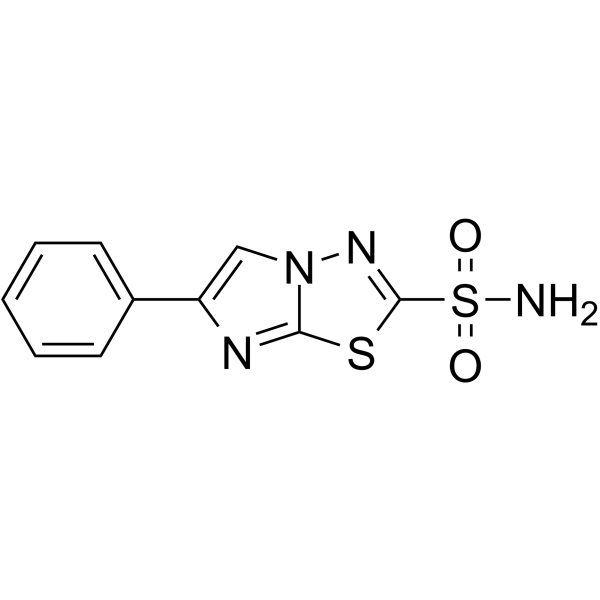
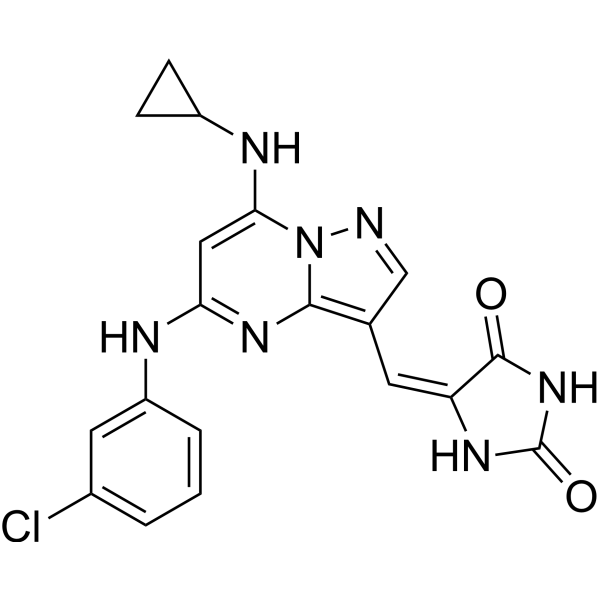
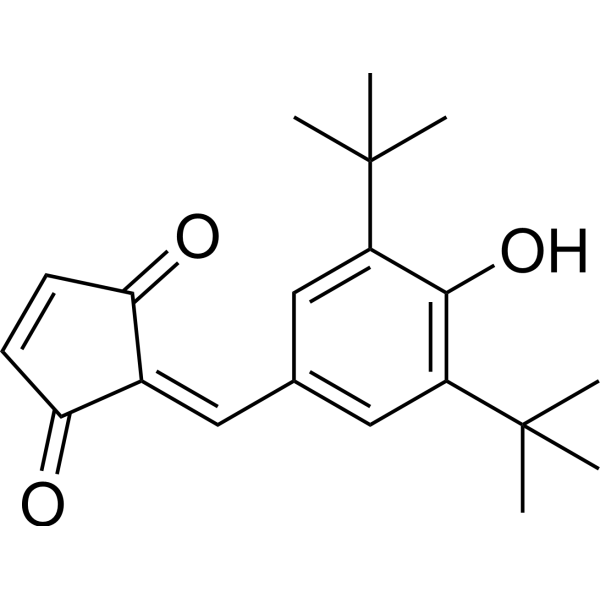
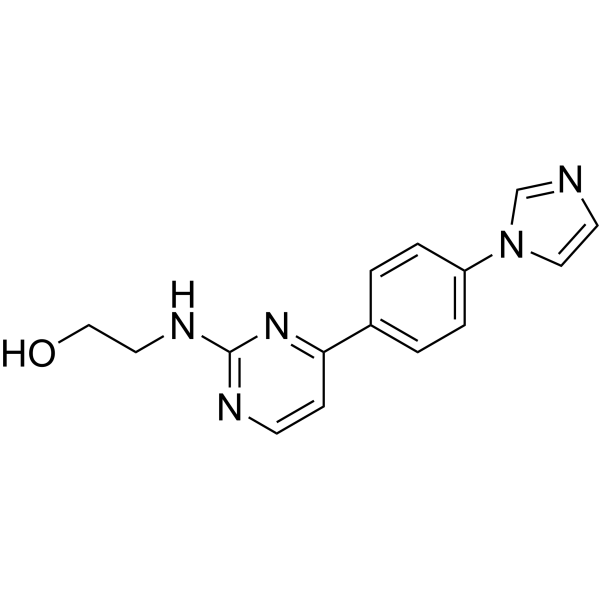
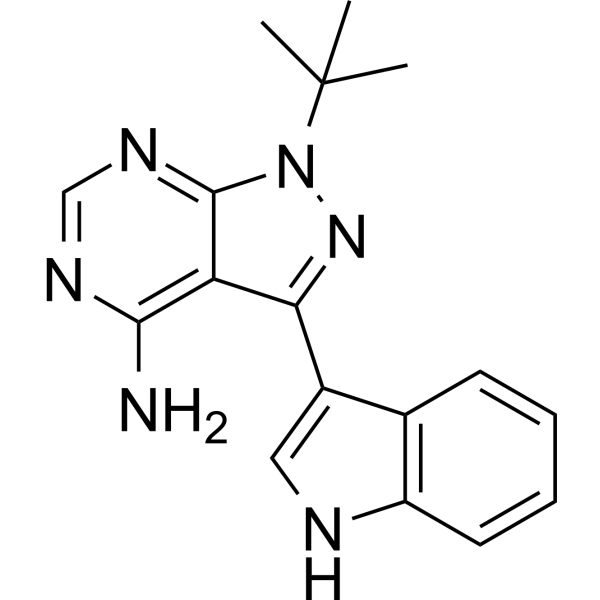
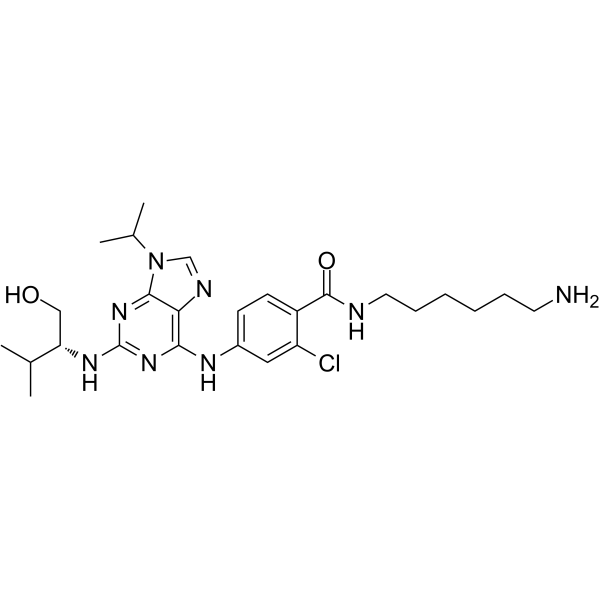
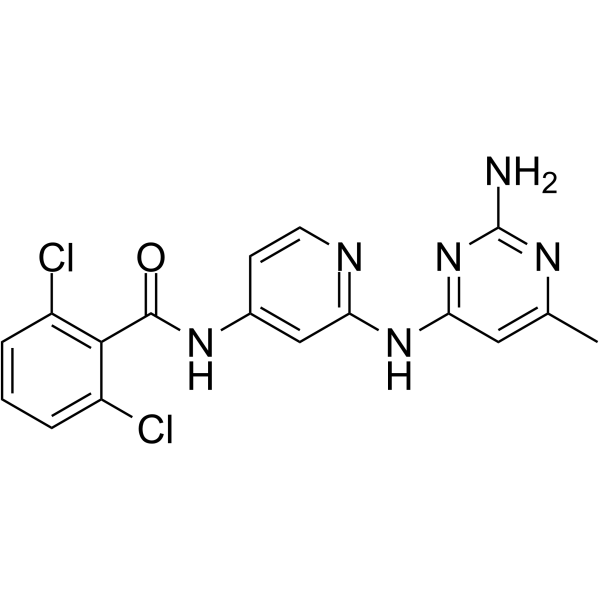
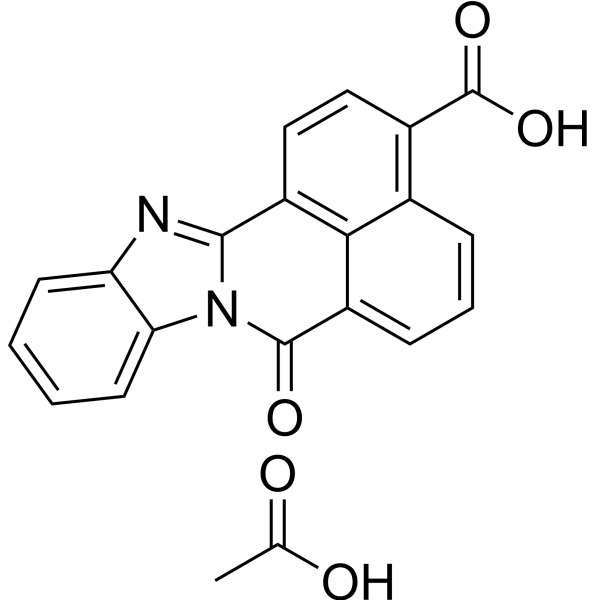
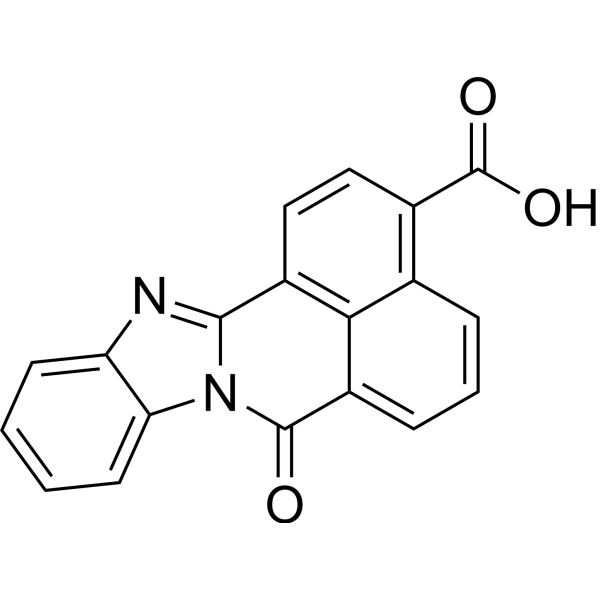
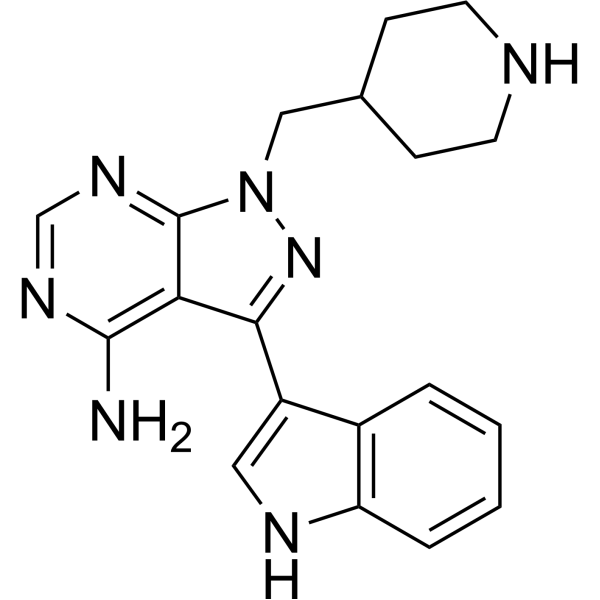
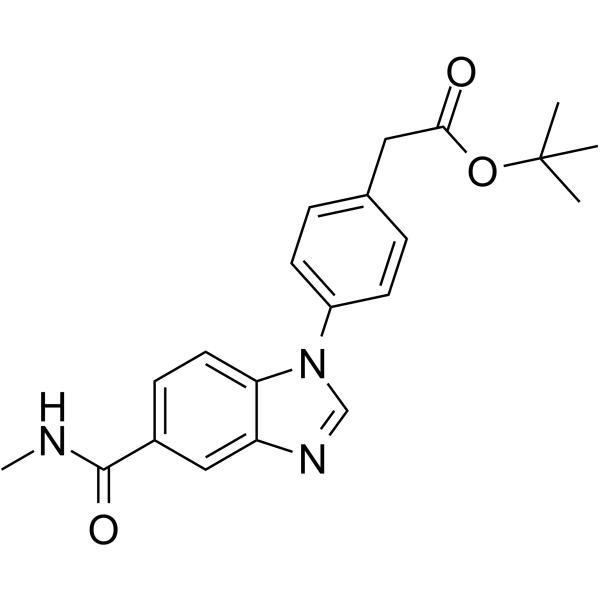
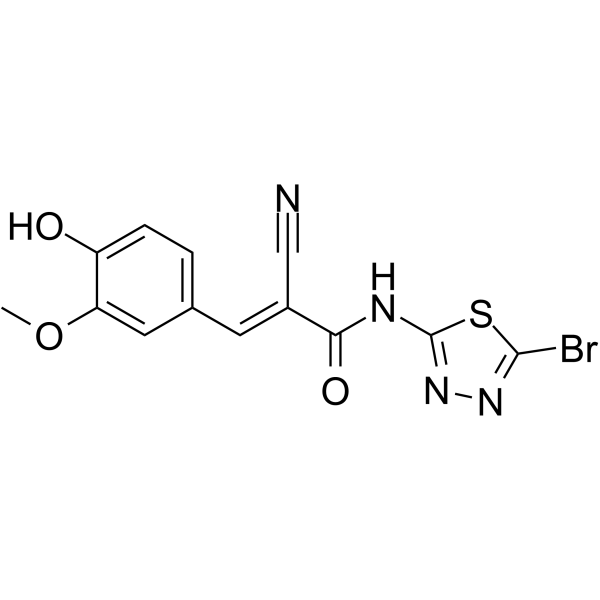
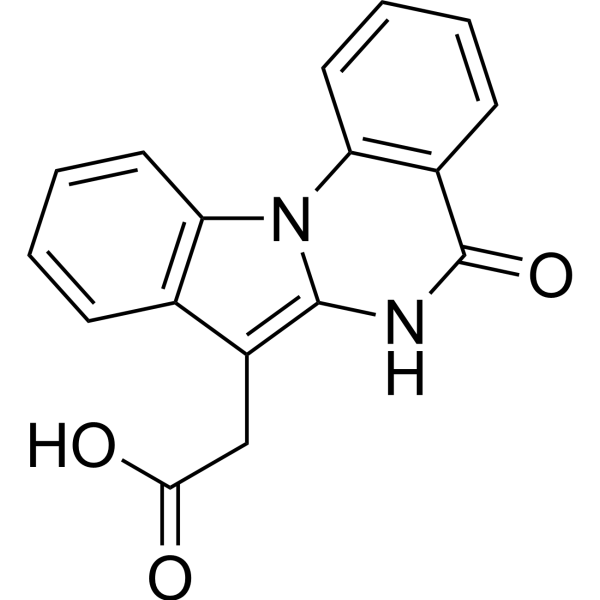
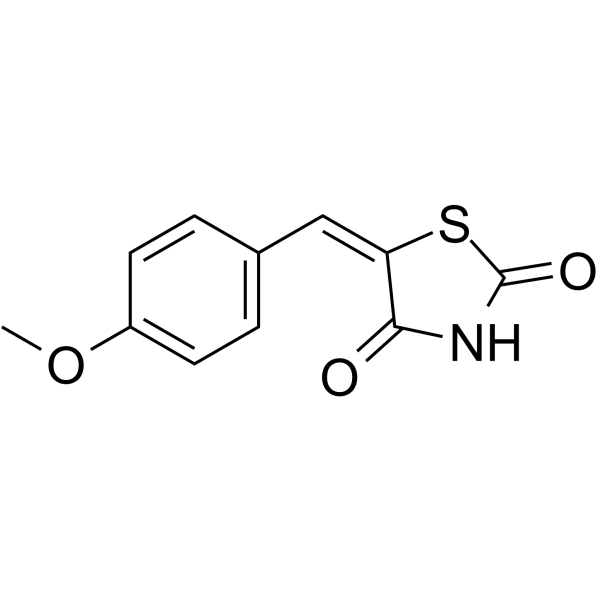
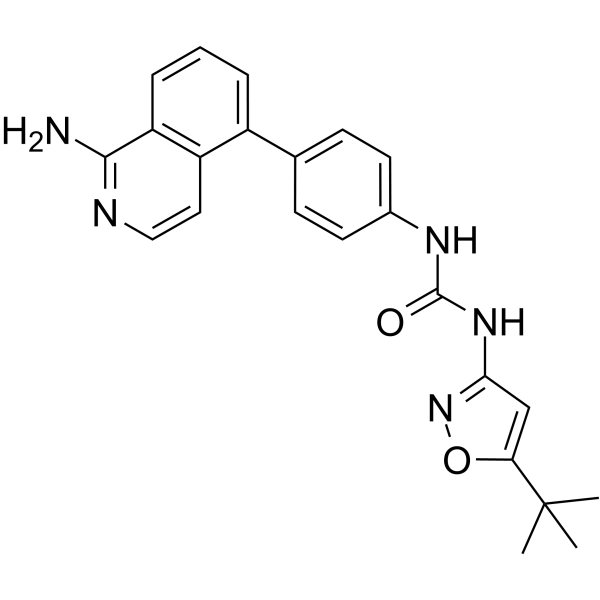
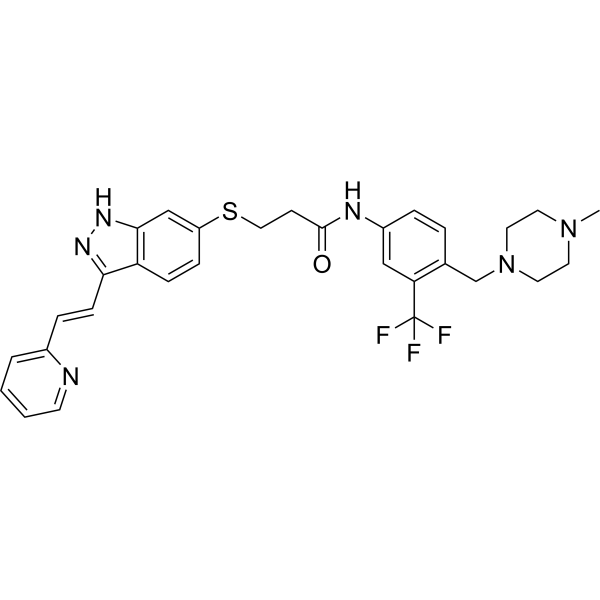
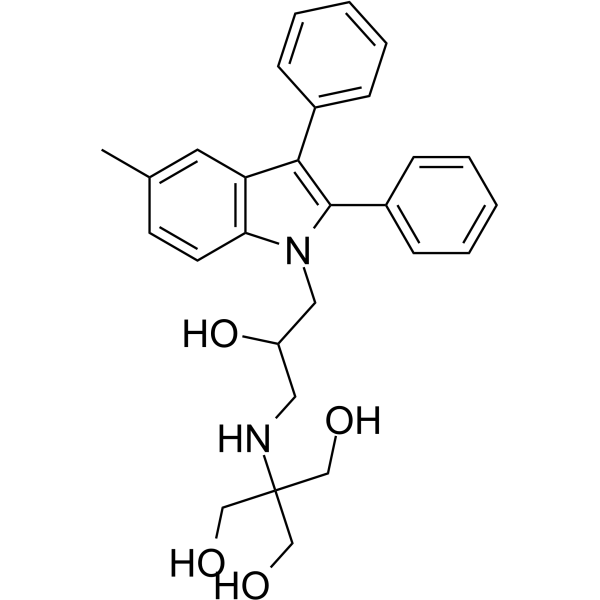
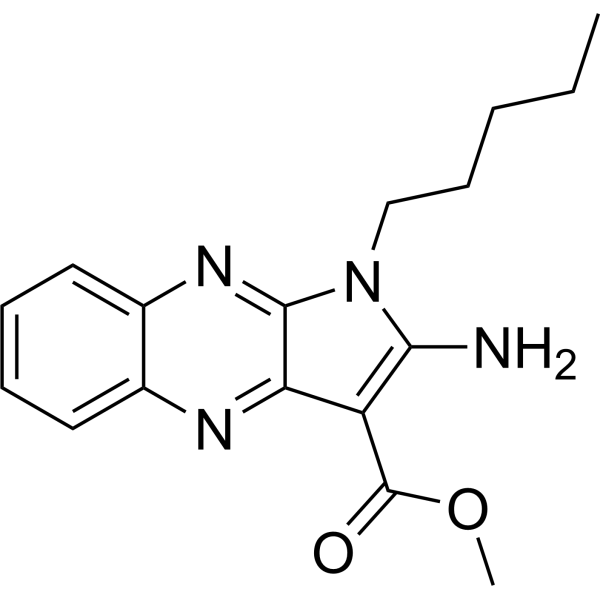
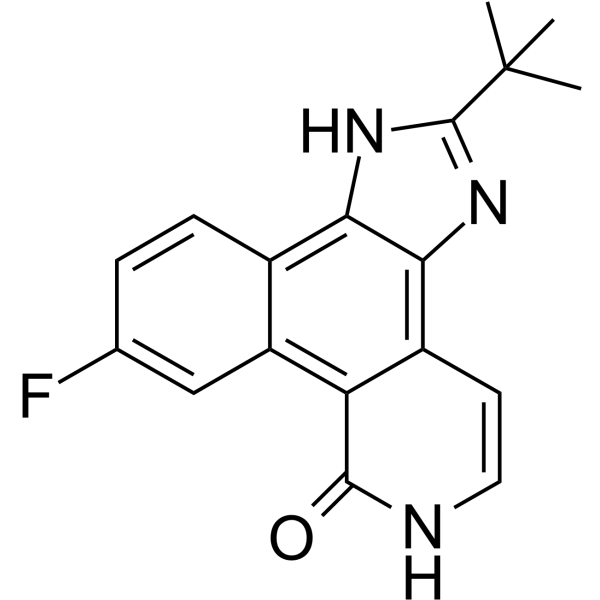
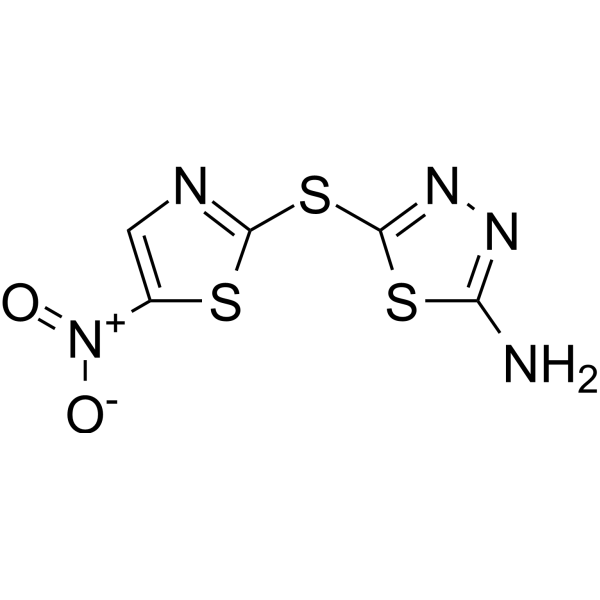
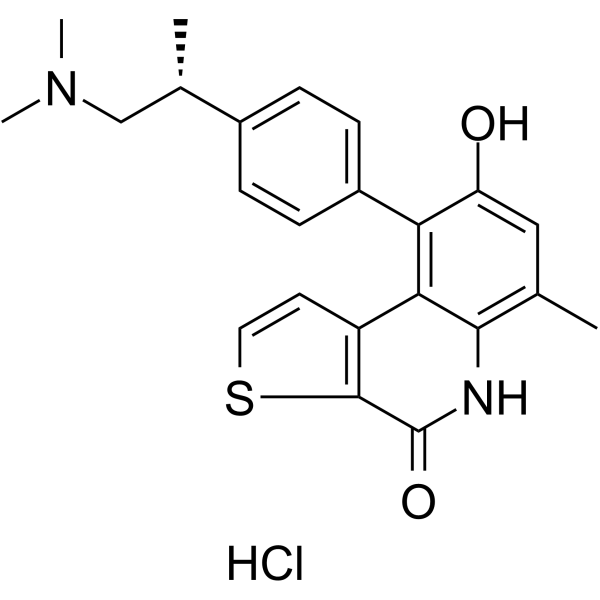
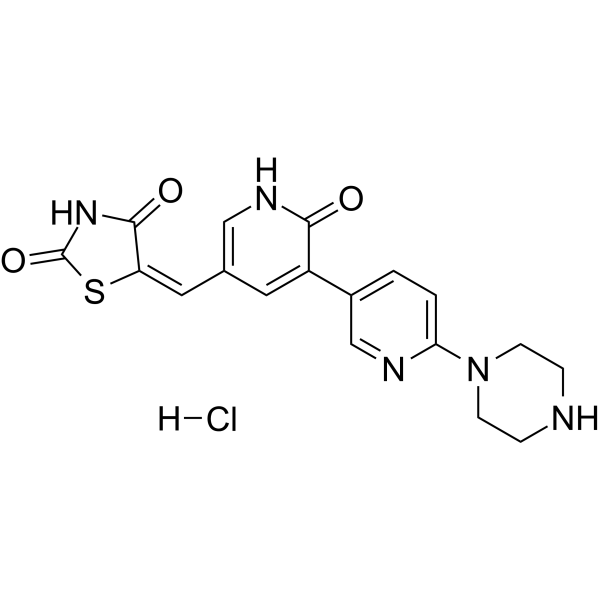
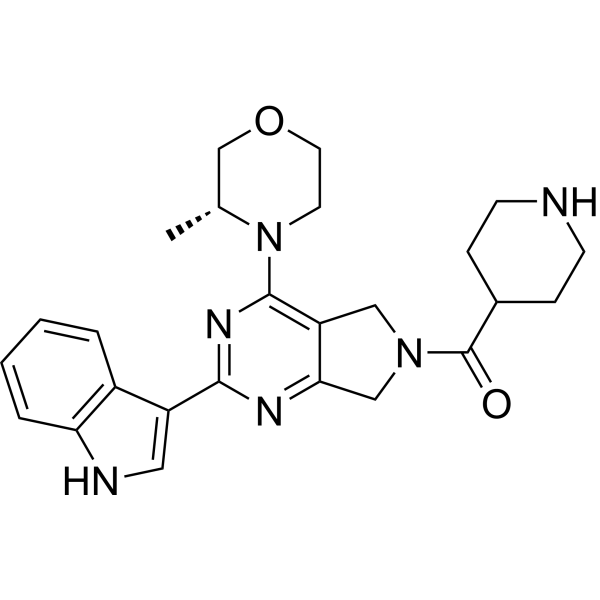
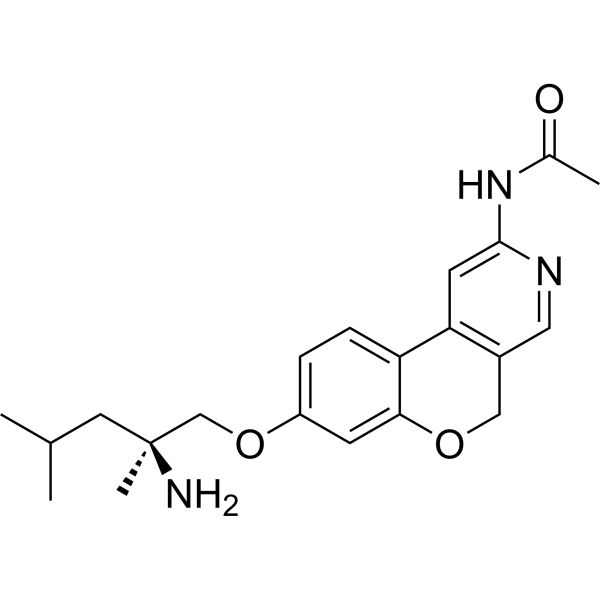
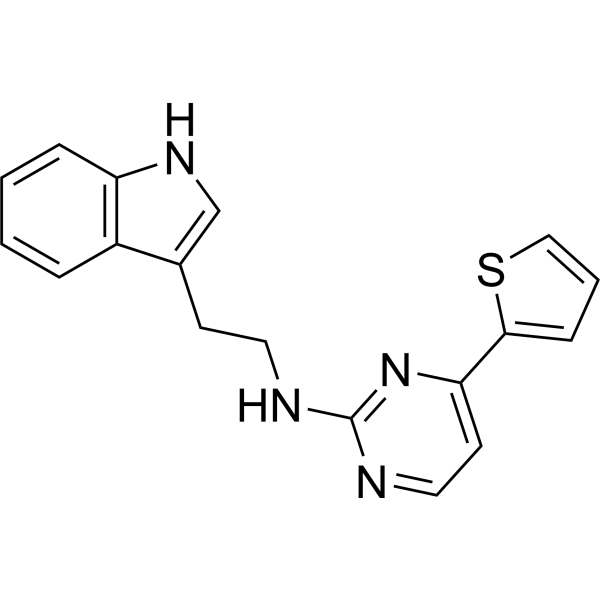
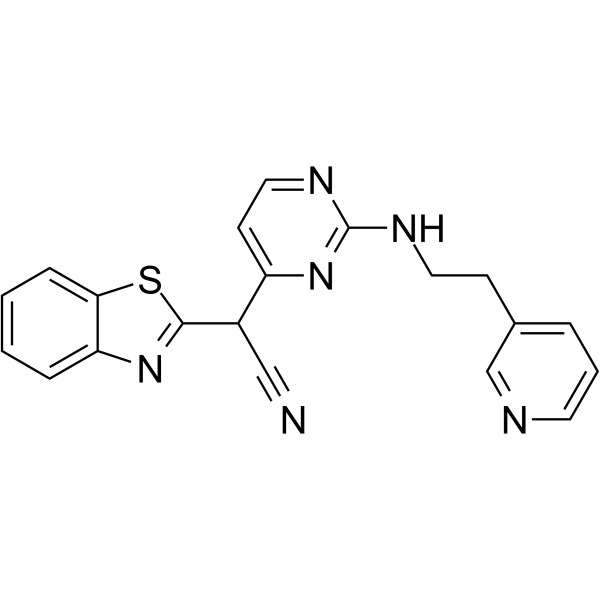
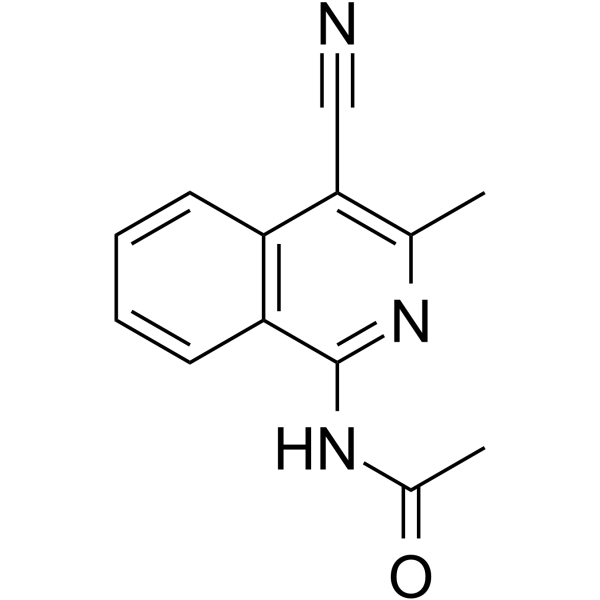
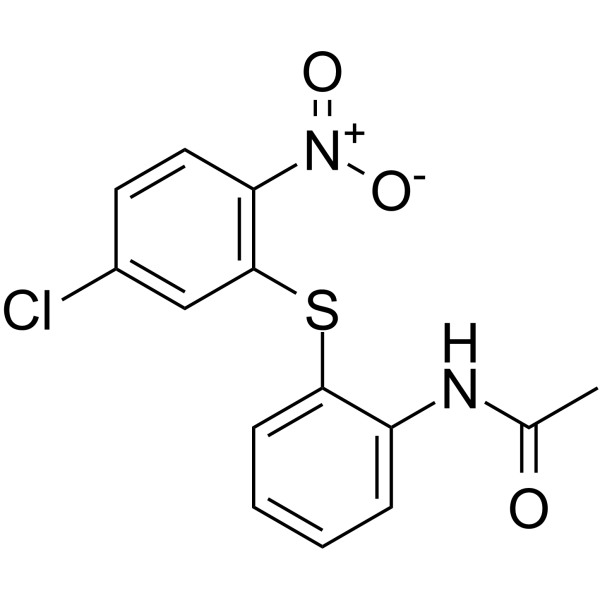
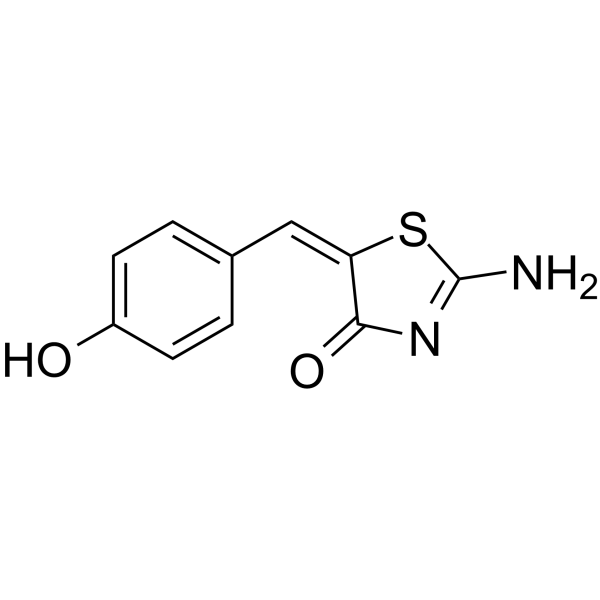
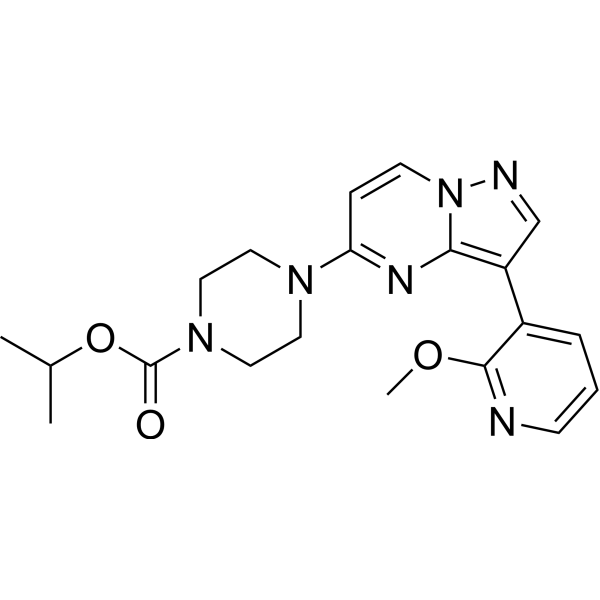
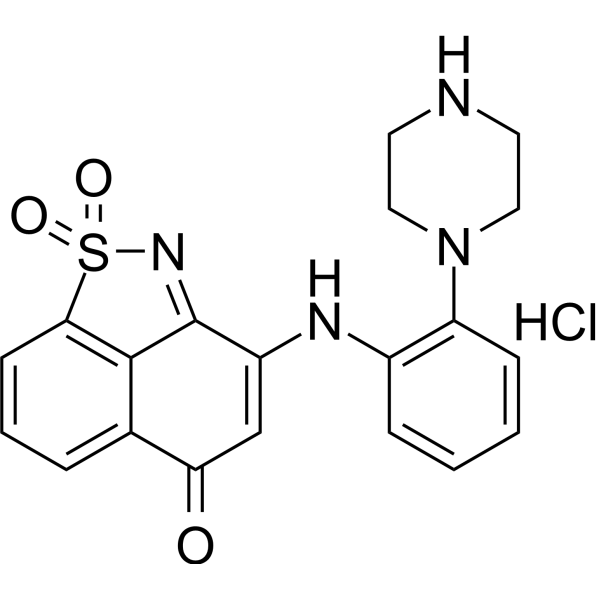
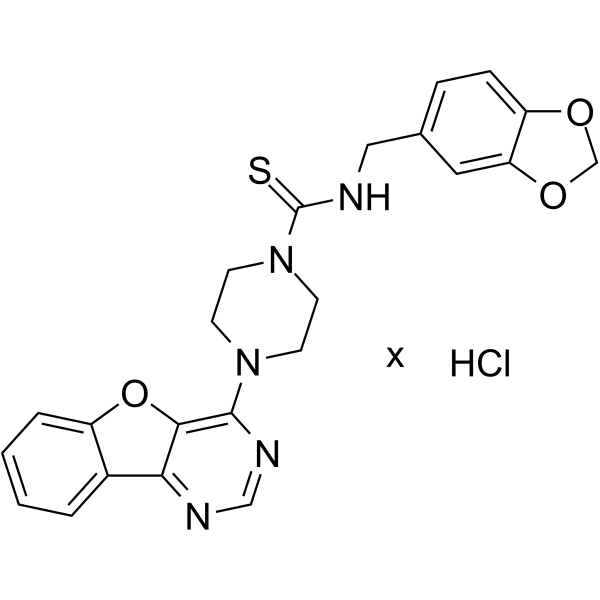
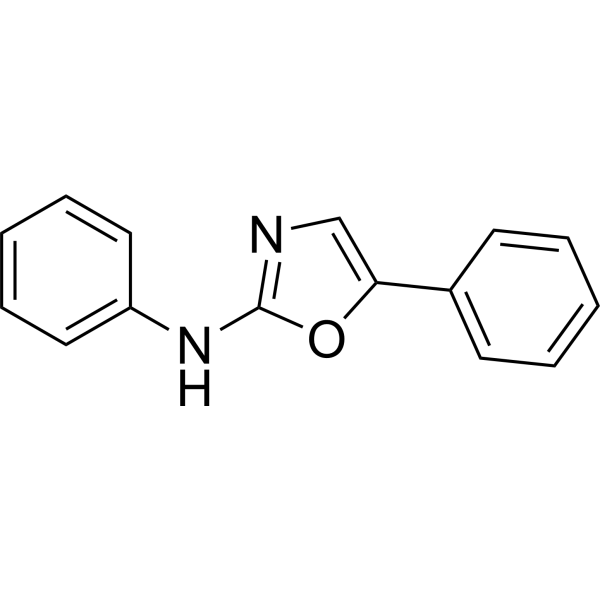
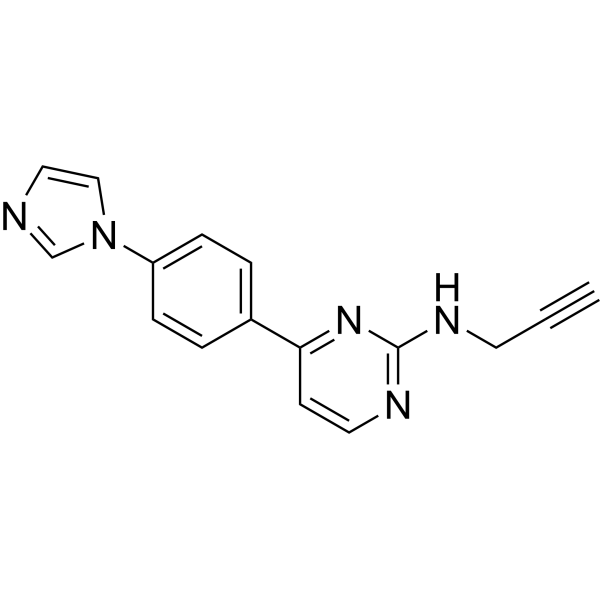
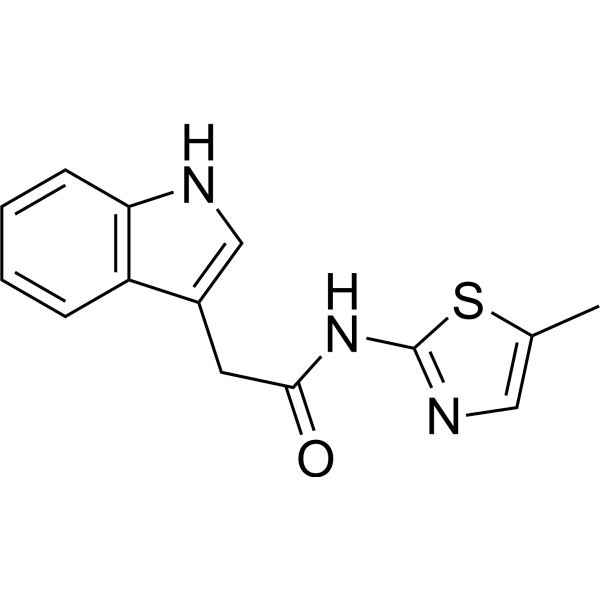
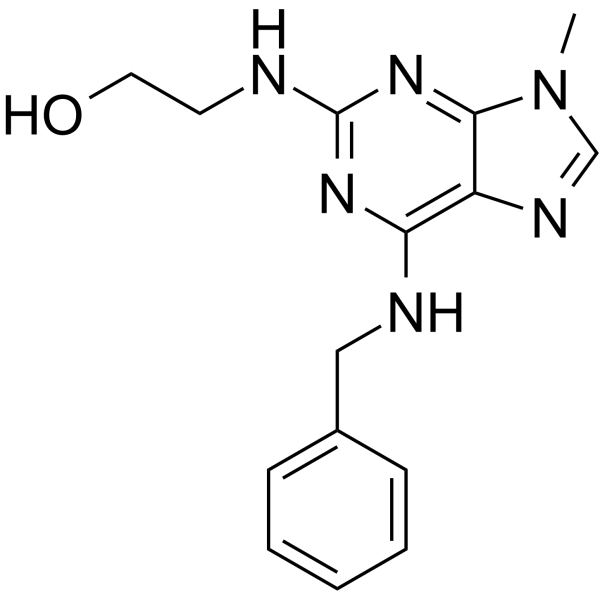
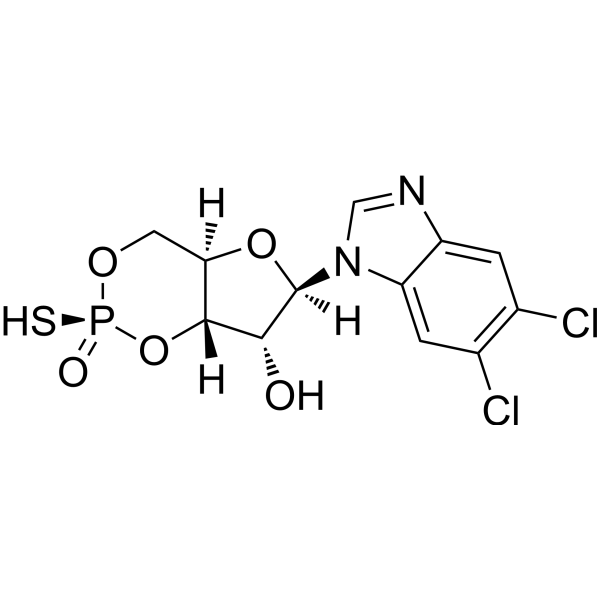
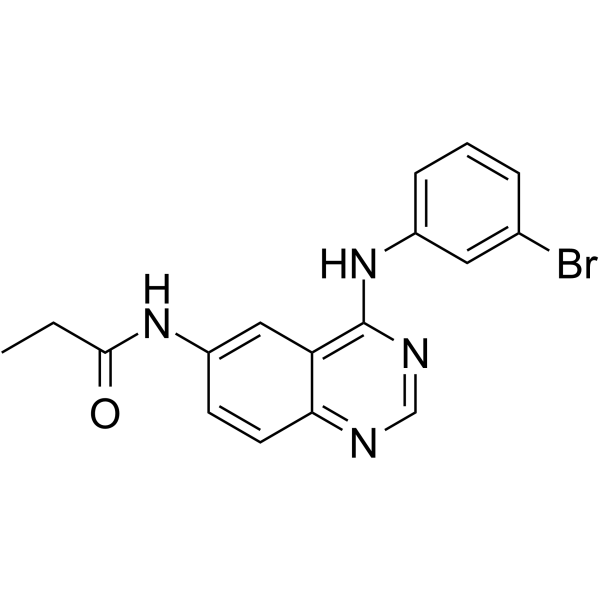
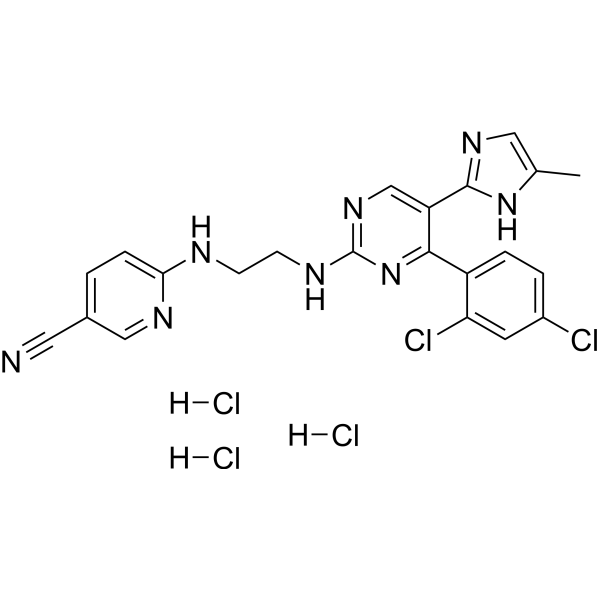
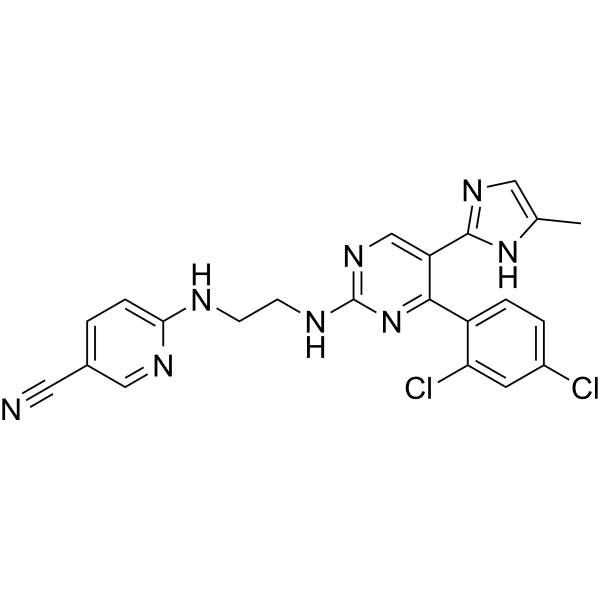
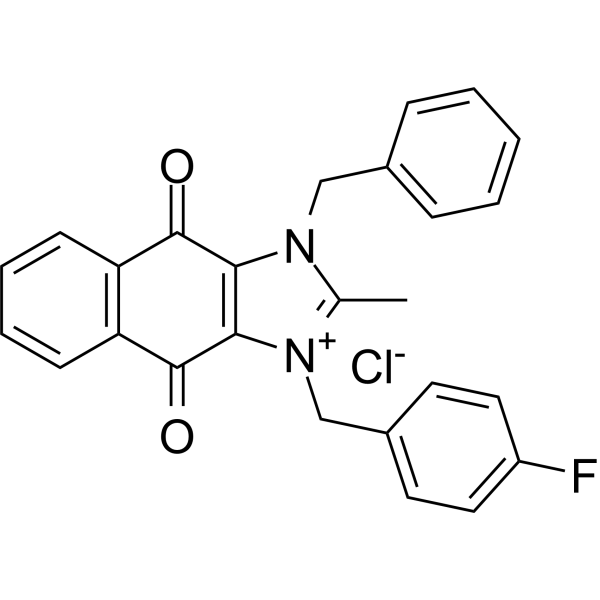
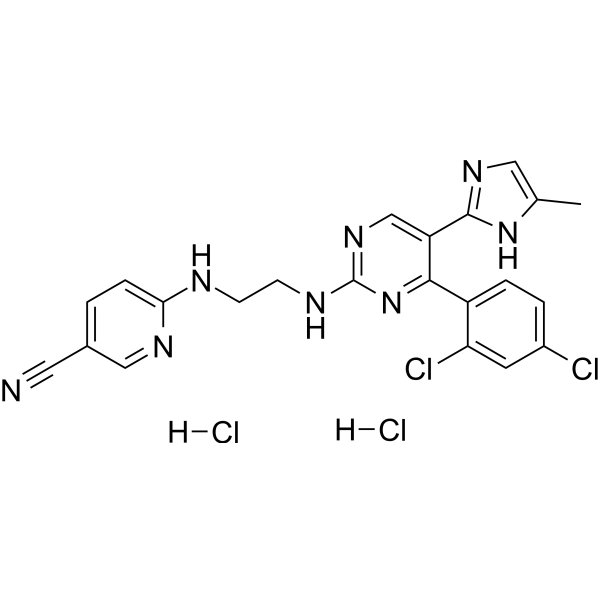
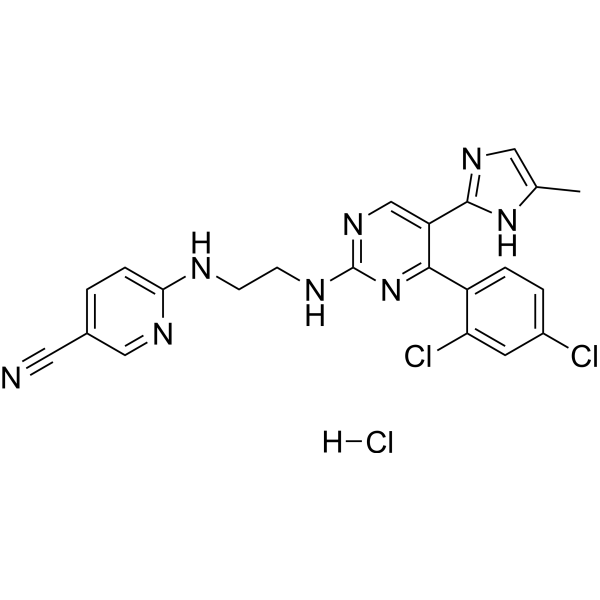
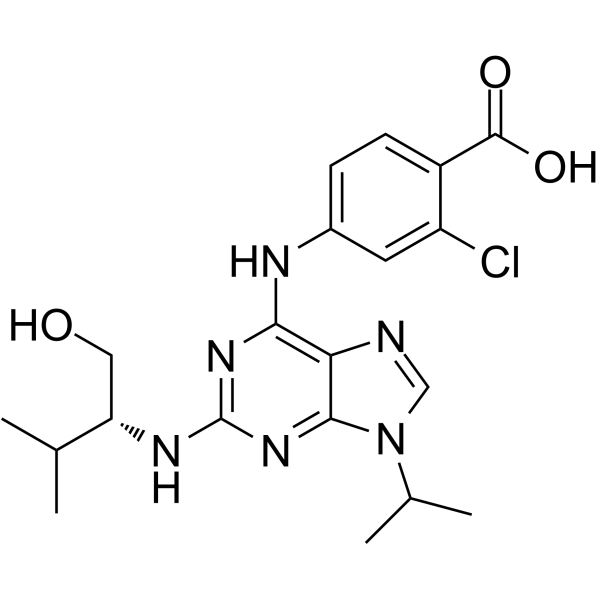
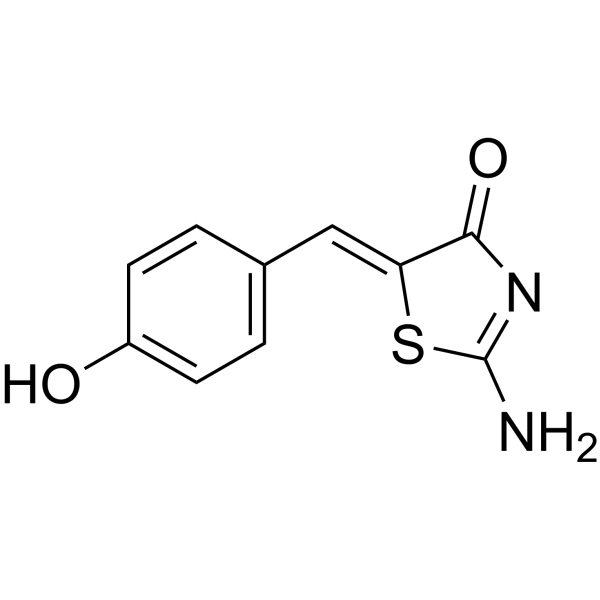
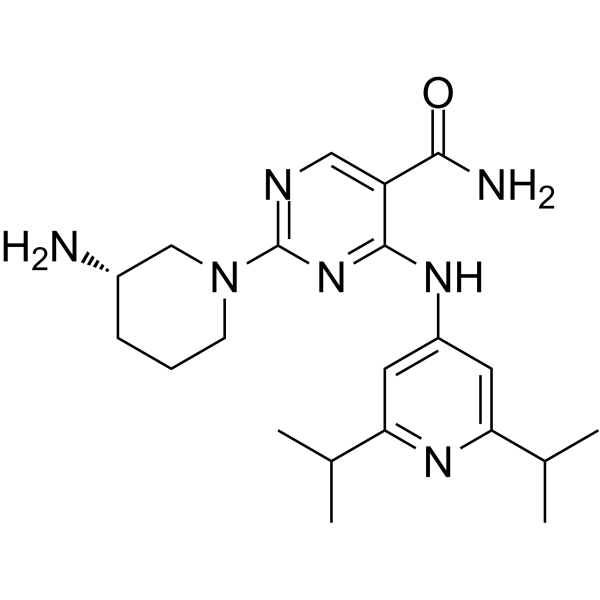
    PKR-IN-C16 (Compound C16) is a specific double-stranded RNA-dependent protein kinase (PKR) inhibitor. PKR-IN-C16 shows promising neuroprotective properties and can rescue acute brain lesions .
    PKR-IN-C16
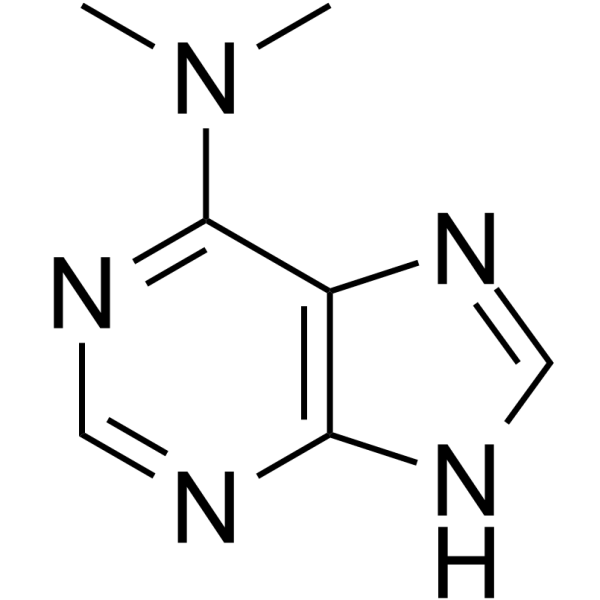
  • HY-W010128

    6-Dimethylaminopurine; 6-DMAP

    CDK DNA/RNA Synthesis Apoptosis Cancer
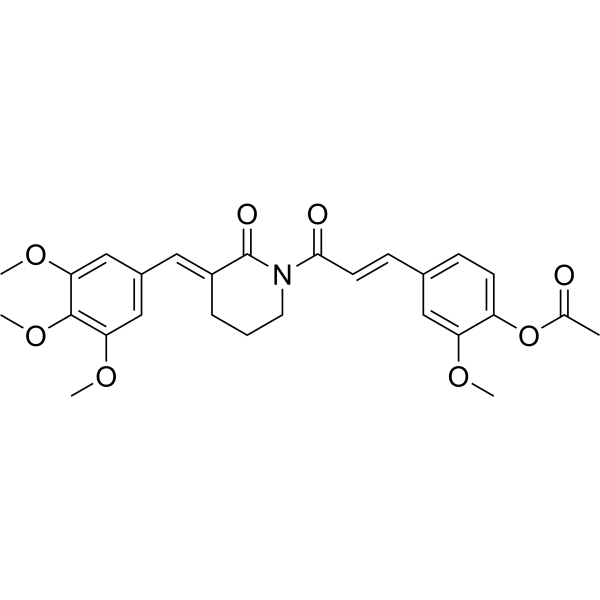
    6-(Dimethylamino) purine (6-Dimethylaminopurine) is a serine threonine protein kinase inhibitor. 6-(Dimethylamino) purine can inhibit prolactin induced expression of lactoprotein genes in rabbit mammary gland cells. 6-(Dimethylamino) purine can affect the maturation of mammalian oocytes. 6-(Dimethylamino) purine can lead to downregulation of genes related to cell proliferation and cell cycle progression, such as proliferating cell nuclear antigen, insulin-like gene 1, and serine protease inhibitor 2 genes, and induce apoptosis in lymphoma cells (apoptosis) .
    6-(Dimethylamino)purine
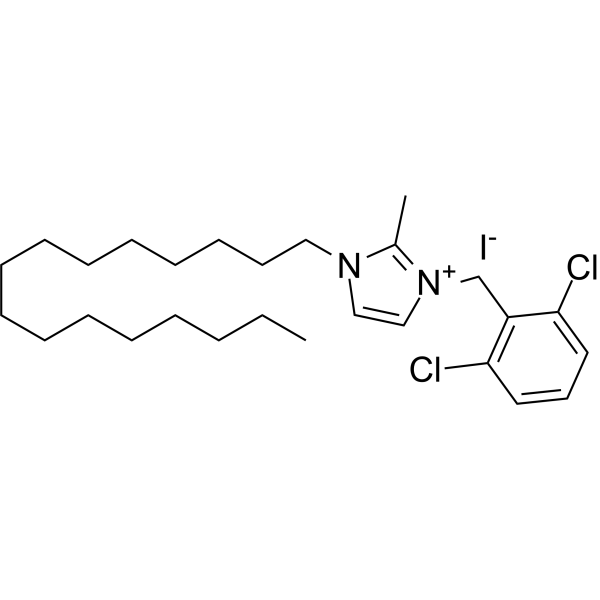
  • HY-148189
    Aldometanib
    5+ Cited Publications

    LXY-05-029

    Fructose-1,6-bisphosphate aldolase AMPK Metabolic Disease
    Aldometanib (LXY-05-029) is an orally active aldolase inhibitor. Aldometanib can activate lysosomal adenosine monophosphate-activated protein kinase (AMPK) and decreases blood glucose. Aldometanib can be used for the research of metabolic homeostasis .
    Aldometanib
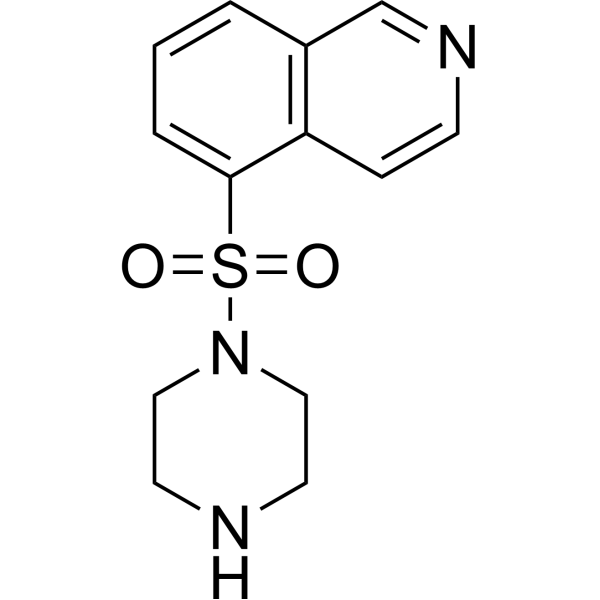
  • HY-100984
    HA-100
    1 Publications Verification

    PKA PKC Myosin ROCK Cancer
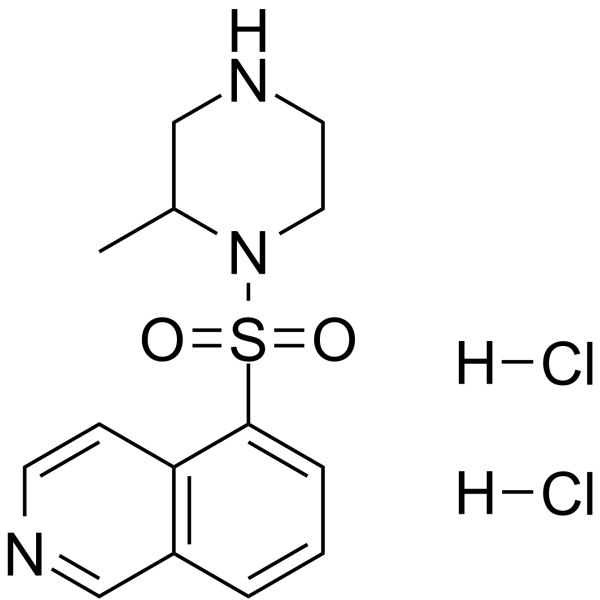
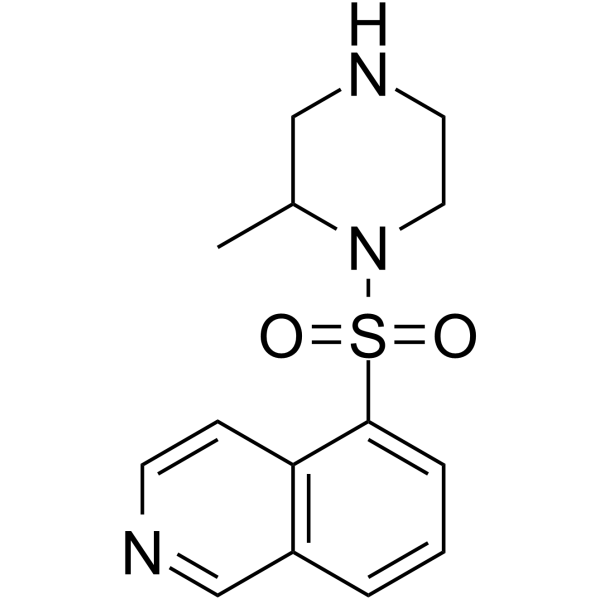
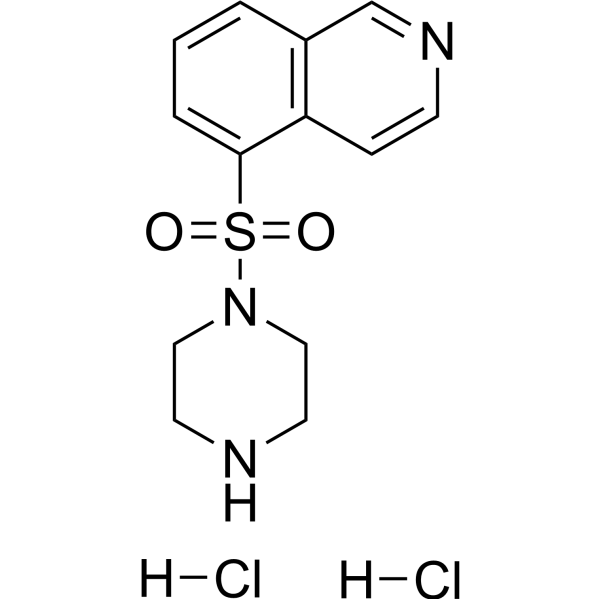
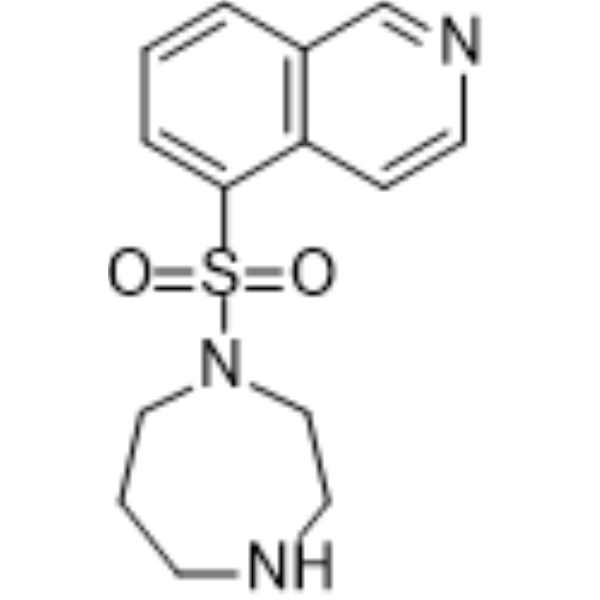
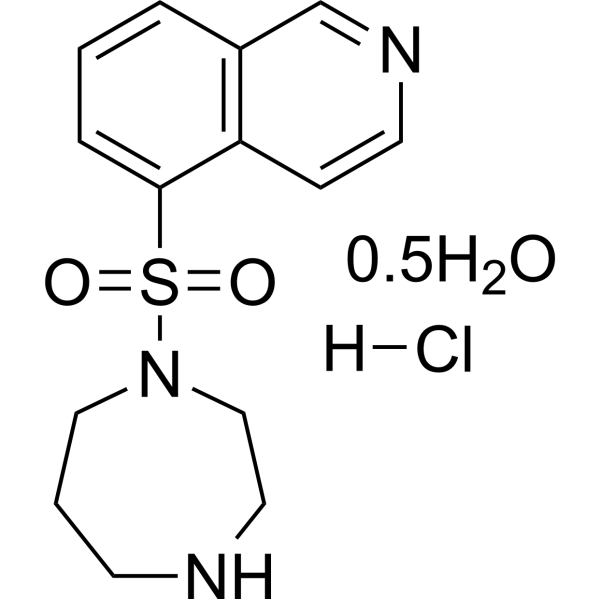
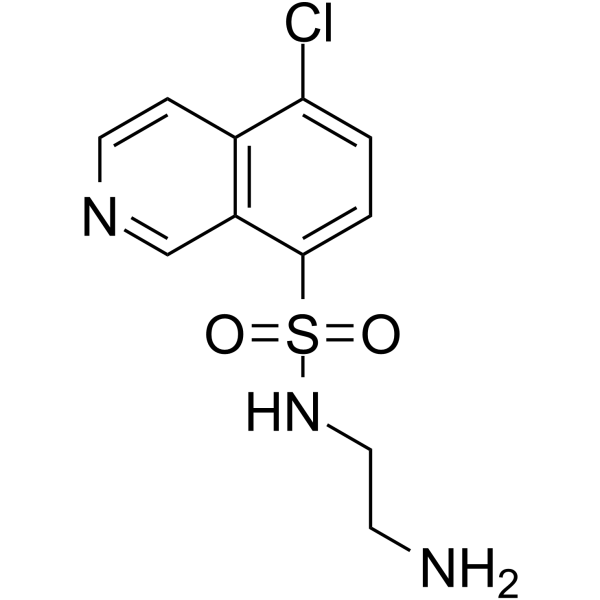
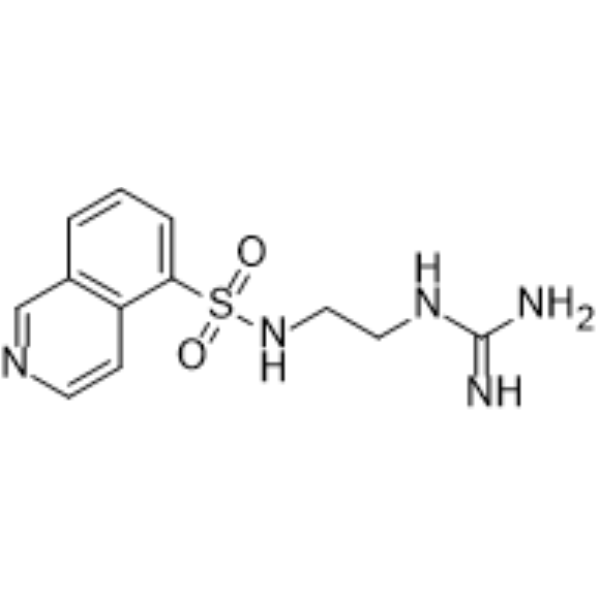
    HA-100 is a potent protein kinase inhibitor, with IC50s of 4 μM, 8 μM, 12 μM and 240 μM for cGMP-dependent protein kinase (PKG), cAMP-dependent protein kinase (PKA), protein kinase C (PKC) and MLC-kinase, respectively. HA-100 also used as a ROCK inhibitor .
    HA-100
  • HY-15847
    HS38
    3 Publications Verification

    DAPK Cardiovascular Disease
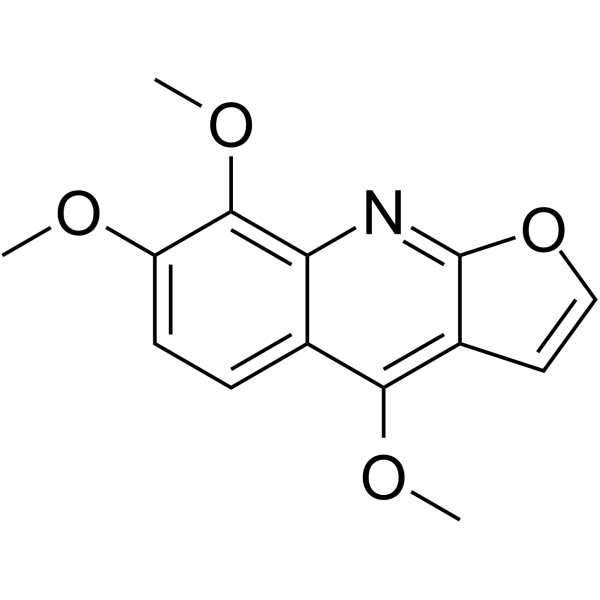
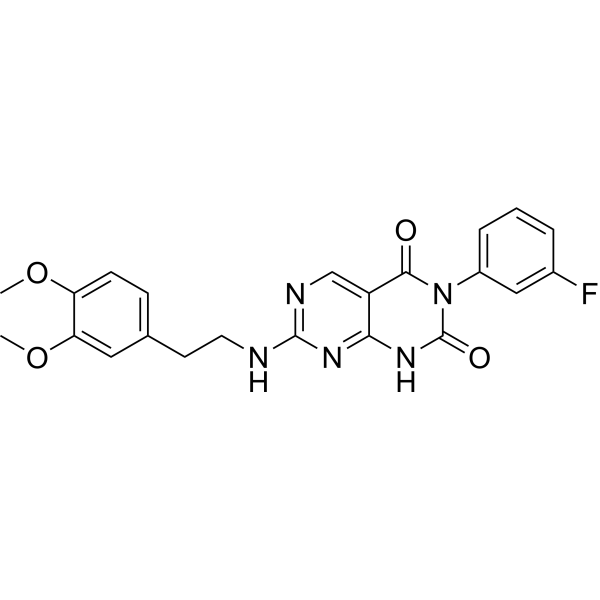
    HS38 is a potent, selective, and ATP-competitive inhibitor of death-associated protein kinase 1 (DAPK1) and zipper-interacting protein kinase (ZIPK, also called DAPK3), with Kds of 300 nM and 280 nM, respectively. HS38 is also a PIM3 inhibitor with an IC50 of 200 nM. HS38 can be used for the research of smooth muscle related disorders .
    HS38
  • HY-112465

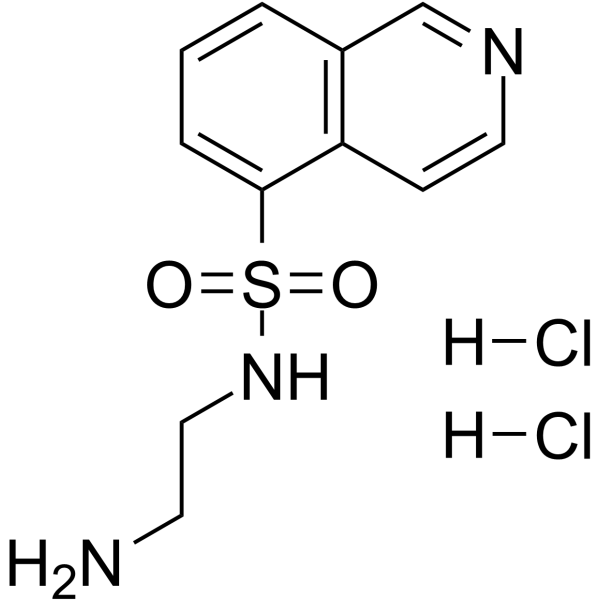
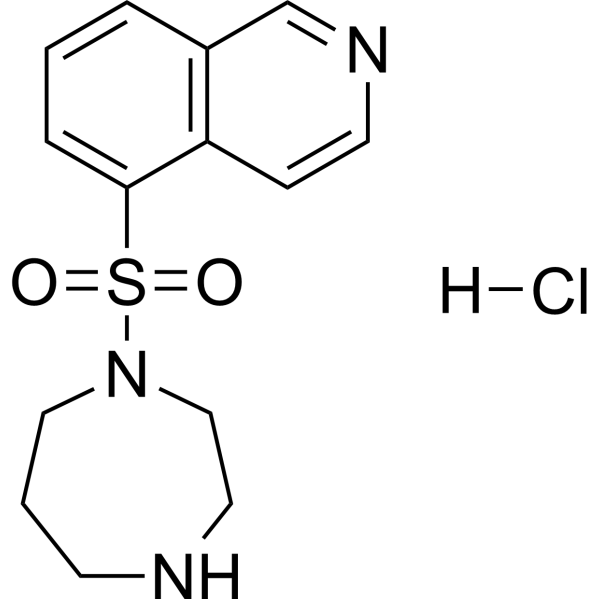
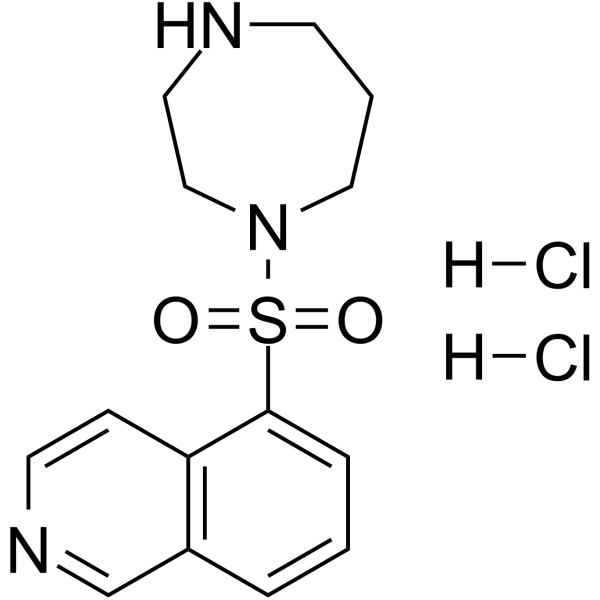
    PKA PKC PKG Neurological Disease Cancer
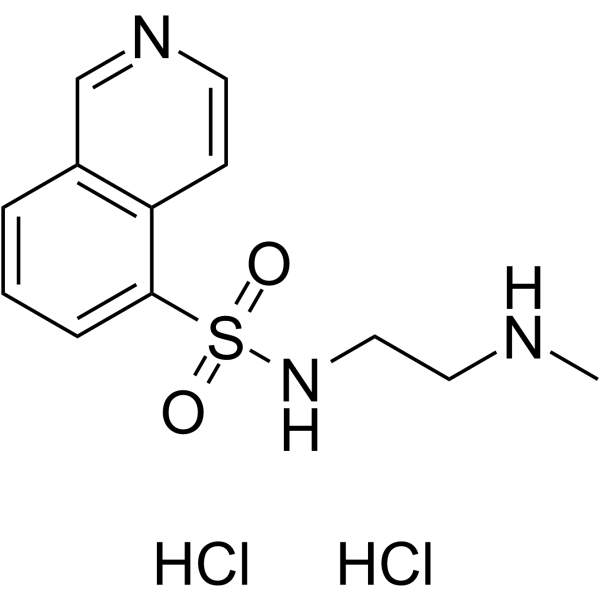
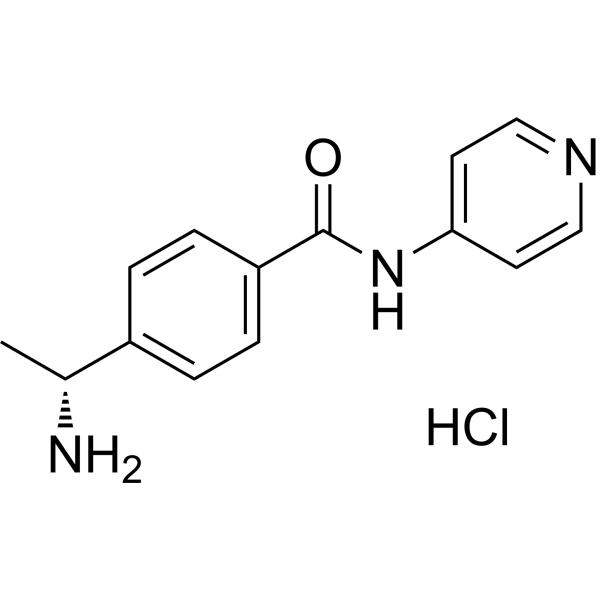
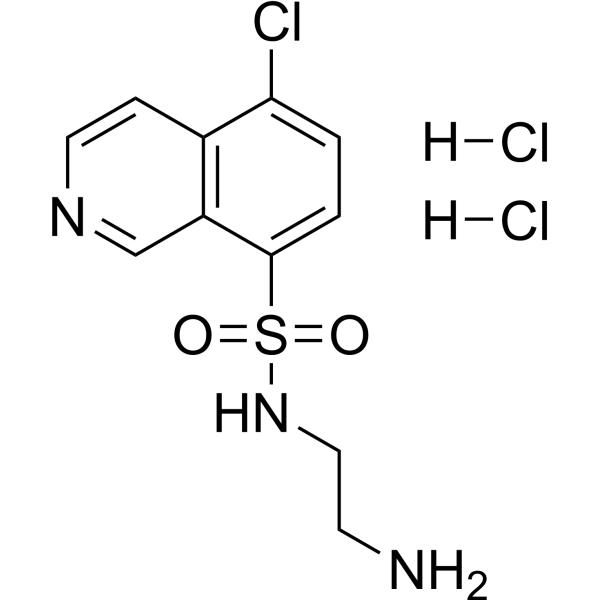
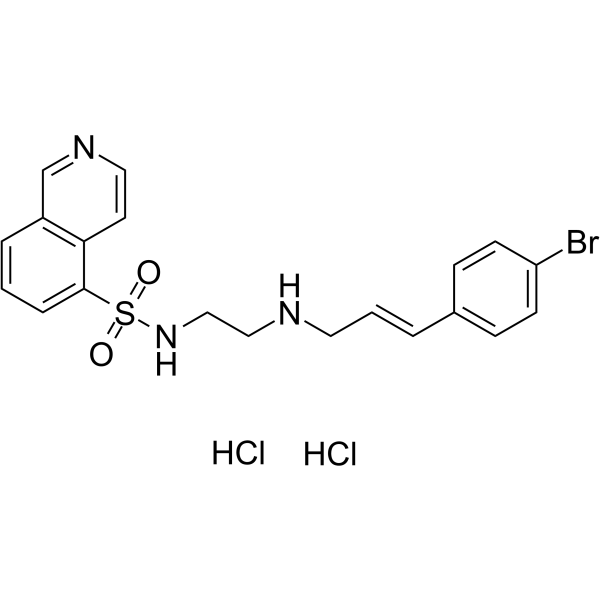
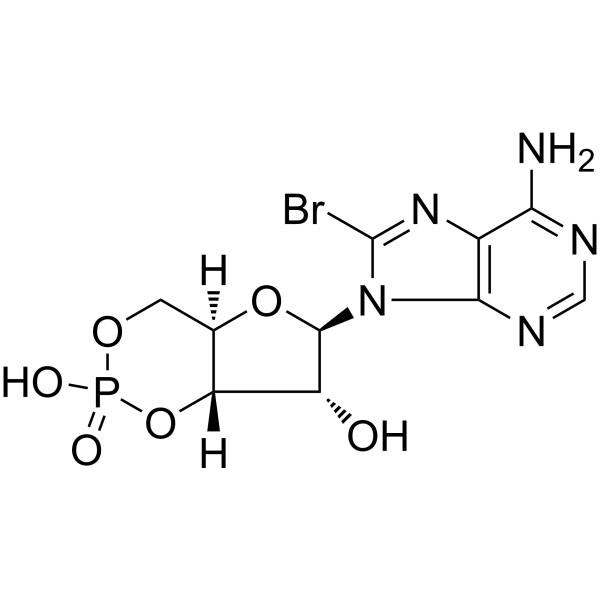
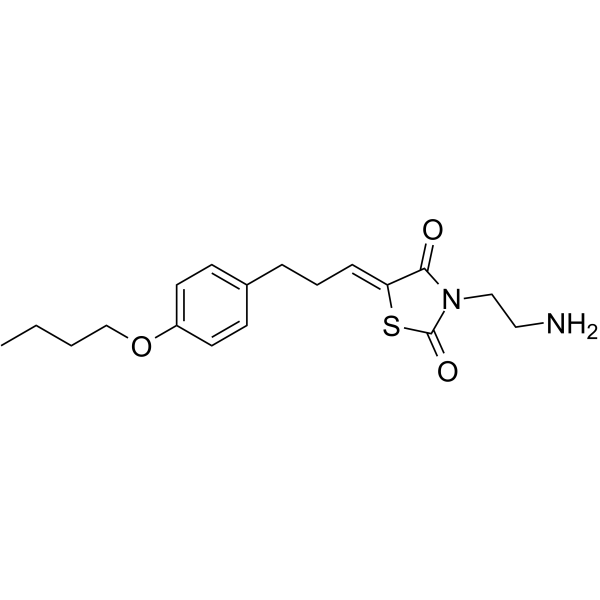
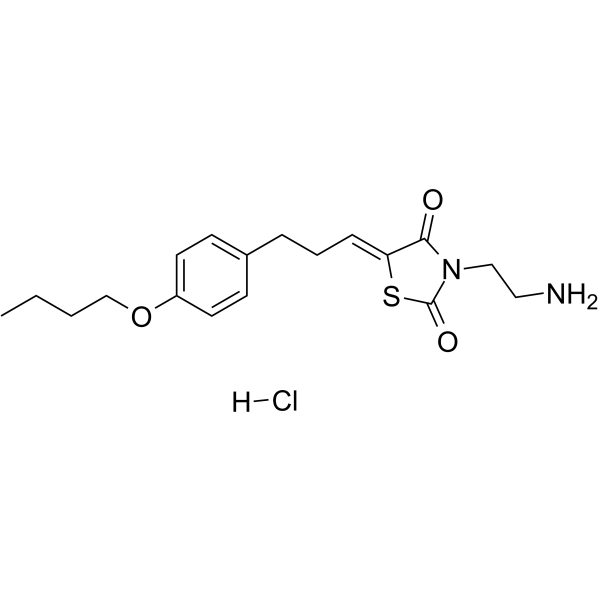
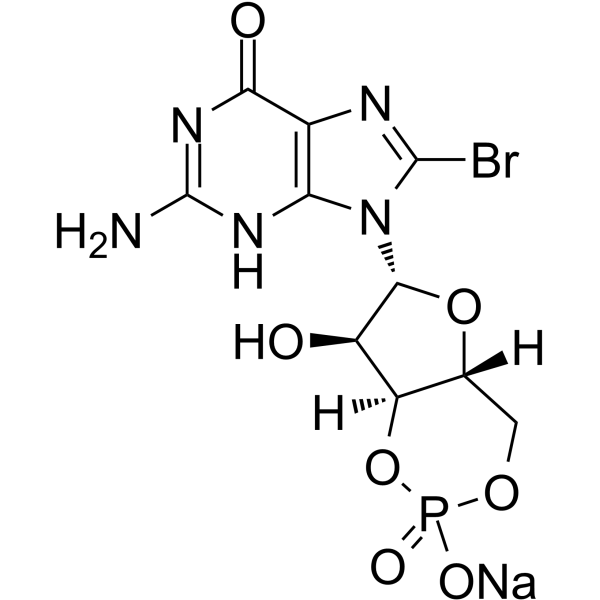
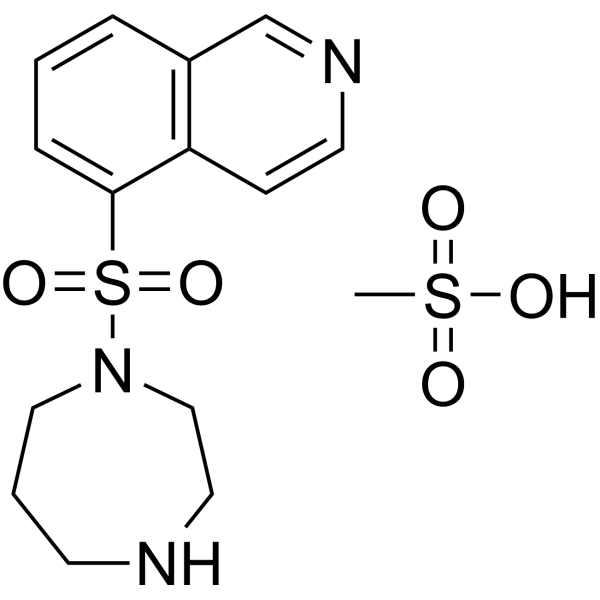
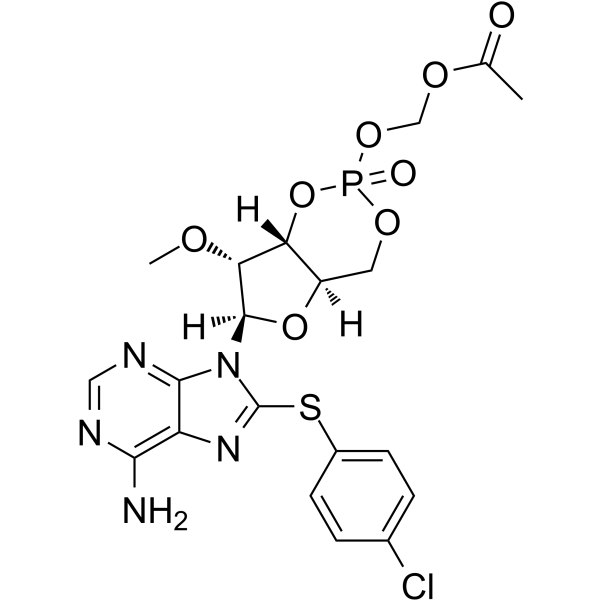
    H-8 dihydrochloride is a selective Cyclic nucleotide-dependent protein kinase inhibitor. H-8 dihydrochloride potently inhibits cGMP- and cAMP-dependent protein phosphorylation. H-8 dihydrochloride enhances the vasodilatory effect induced by 8-bromo-cAMP (HY-12306A). H-8 dihydrochloride fails to attenuate the vasodilatory effects induced by 8-bromo-cGMP (HY-101379A), atrial natriuretic peptide II, or Sodium nitroprusside (HY-B0564) in rat aorta .
    H-8 dihydrochloride
  • HY-144425

    NEKs Inflammation/Immunology
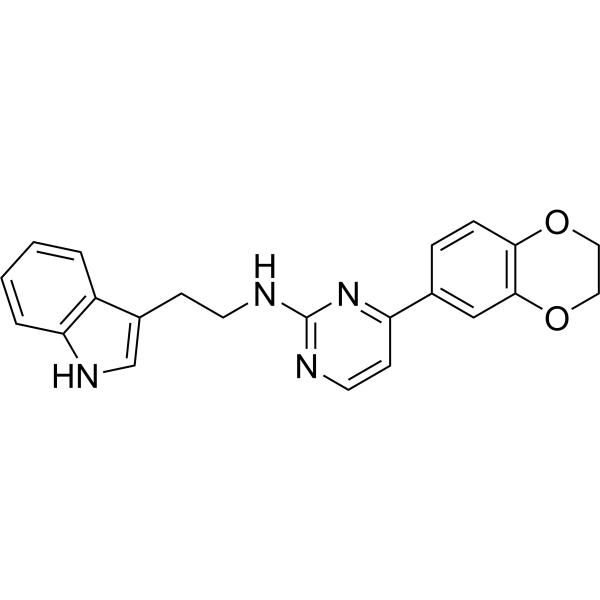
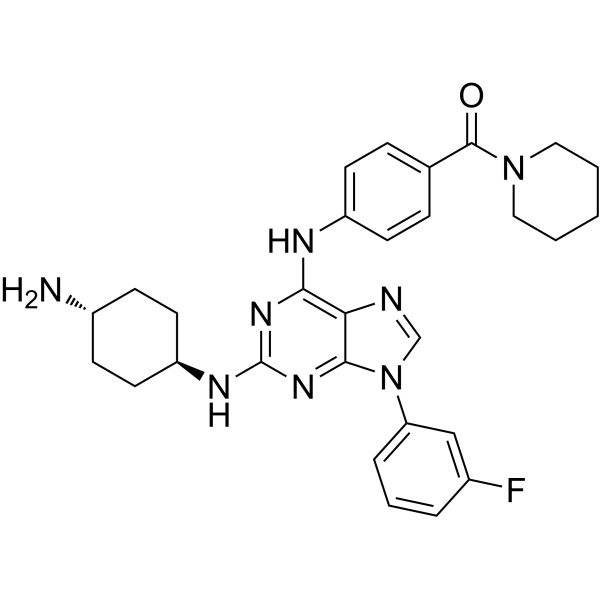
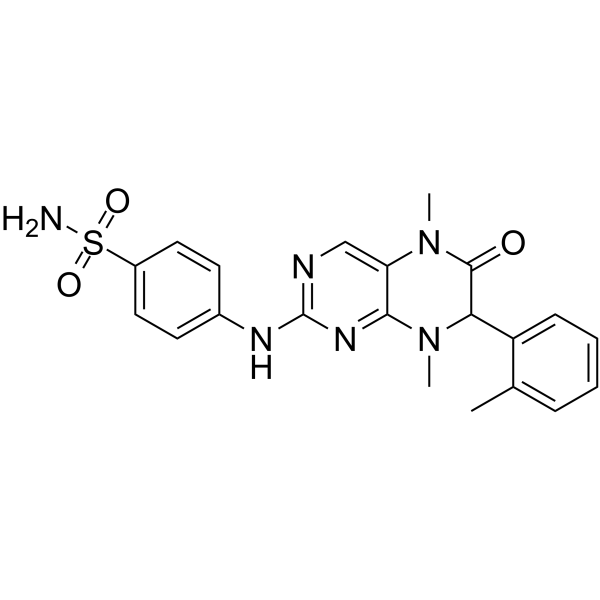
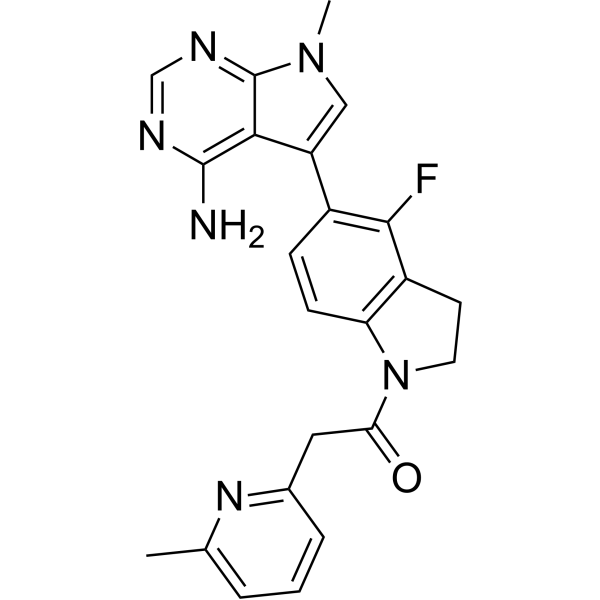
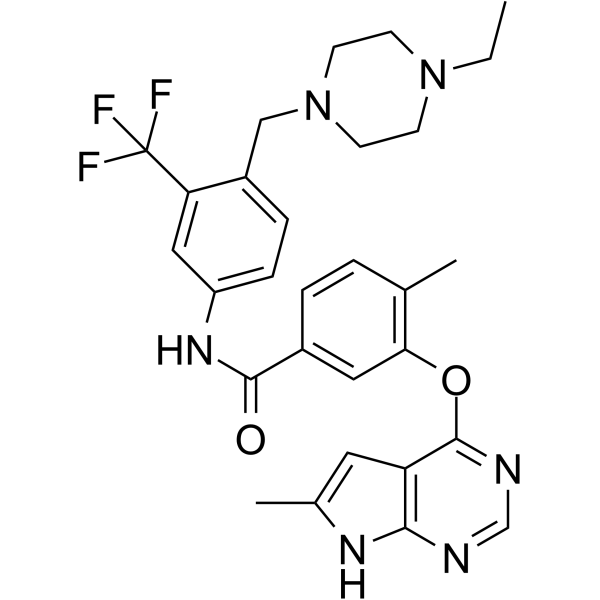
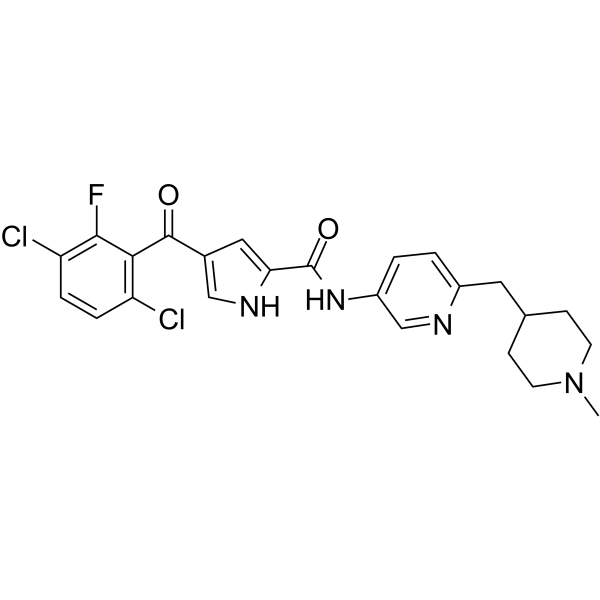
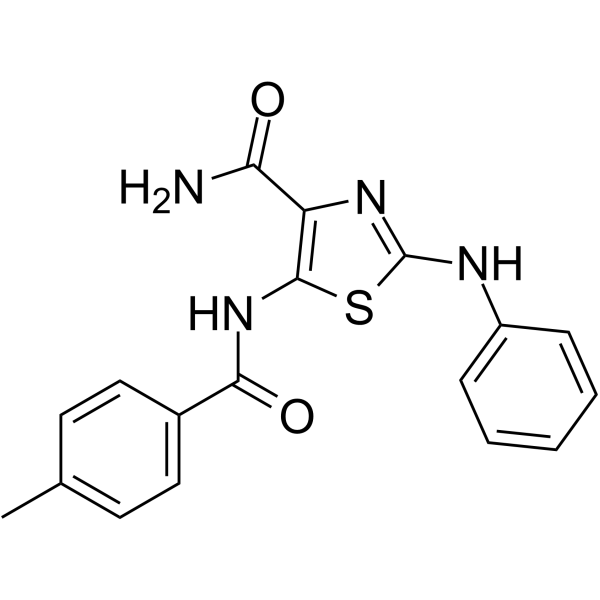
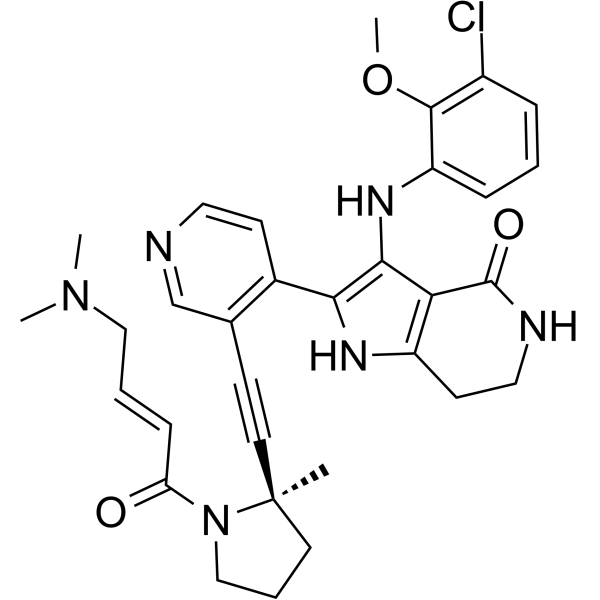
    BSc5367 is a potent Nek1 inhibitor with an IC50 of 11.5 nM. NIMA-related protein kinase Nek1 is crucially involved in cell cycle regulation, DNA repair and microtubule regulation and dysfunctions of Nek1 play key roles in amyotrophic lateral sclerosis (ALS), polycystic kidney disease (PKD) and several types of radiotherapy resistant cancer .
    BSc5367
  • HY-147312

    Wee1 Cancer
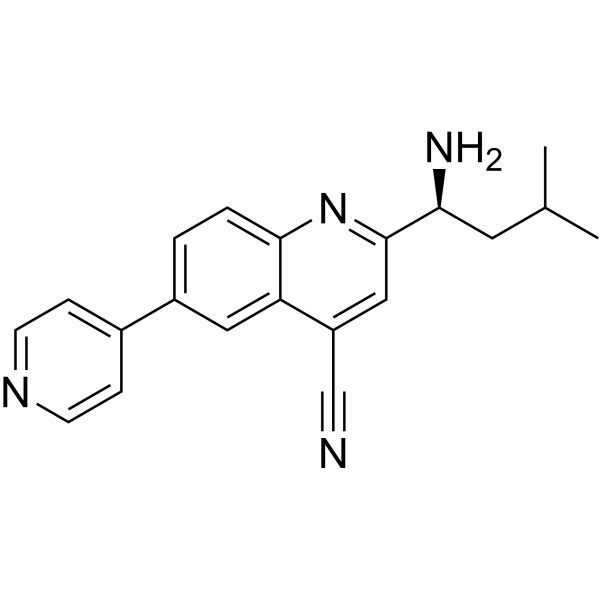
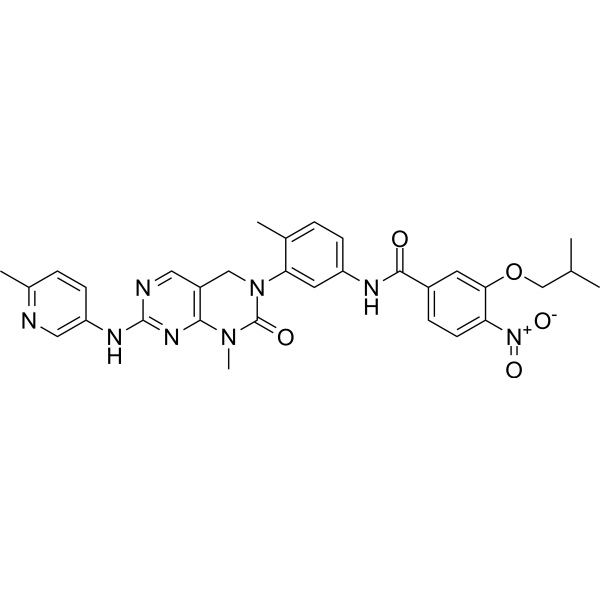
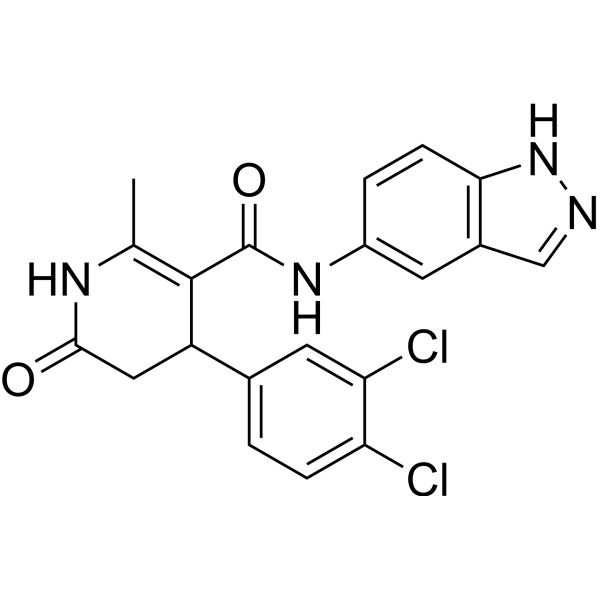
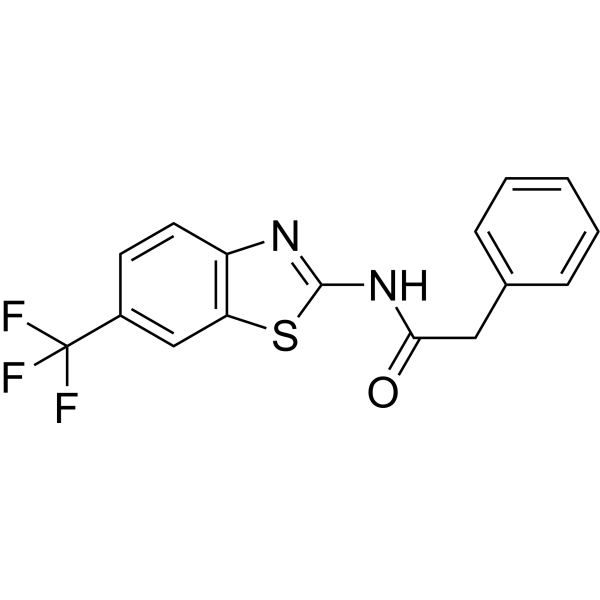
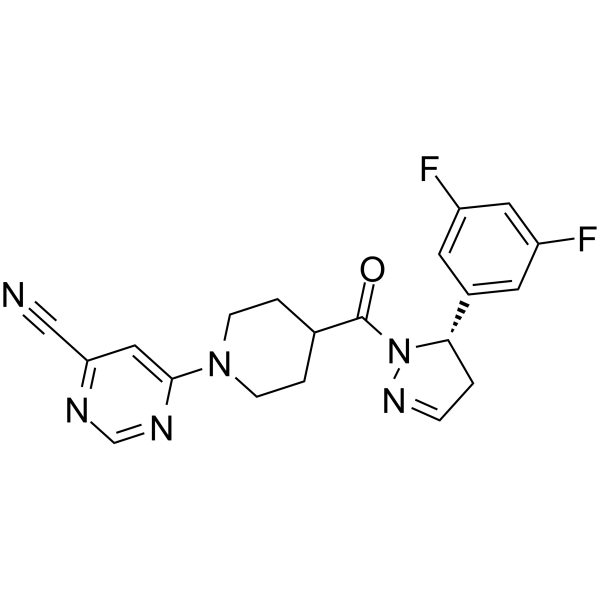
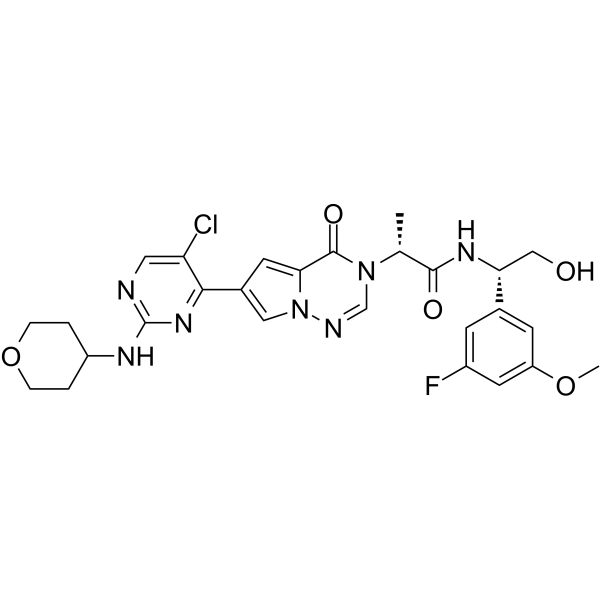
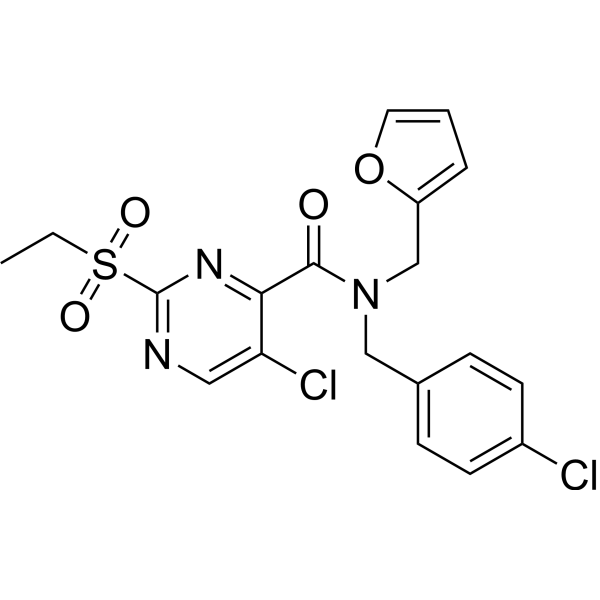
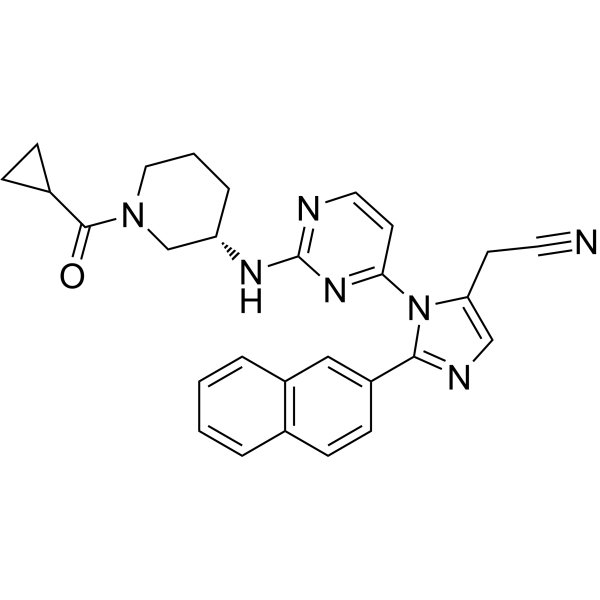
    GSK-1520489A is a PKMYT1 (active protein kinase) inhibitor (IC50=115 nM, Ki=10.94 nM) .
    GSK-1520489A
  • HY-100983

    PKC Cancer
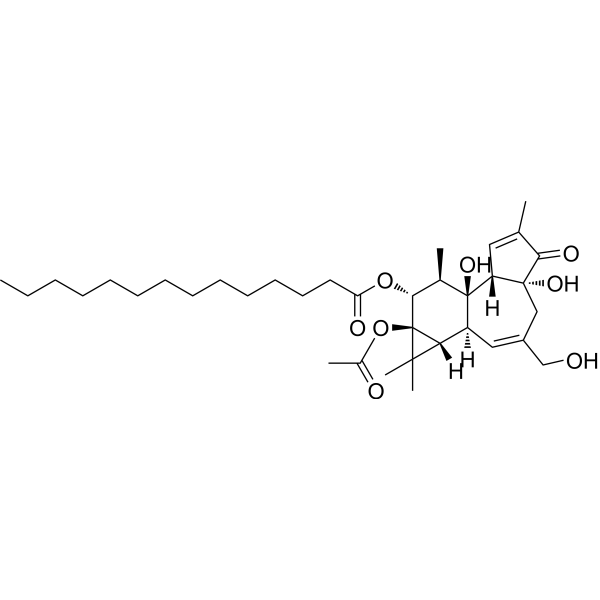
    Protein kinase inhibitor H-7 dihydrochloride is a potent PKC (protein kinase C) inhibitor. At 100 μM, Protein kinase inhibitor H-7 dihydrochloride completely inhibits both TPA (skin tumour promoter, 12-O-tetradecanoylphorbol-13-acetate) and phospholipase C-induced ODC (ornithine decarboxylase) .
    Protein kinase inhibitor H-7 dihydrochloride
  • HY-118131

    Ser/Thr Protease Infection
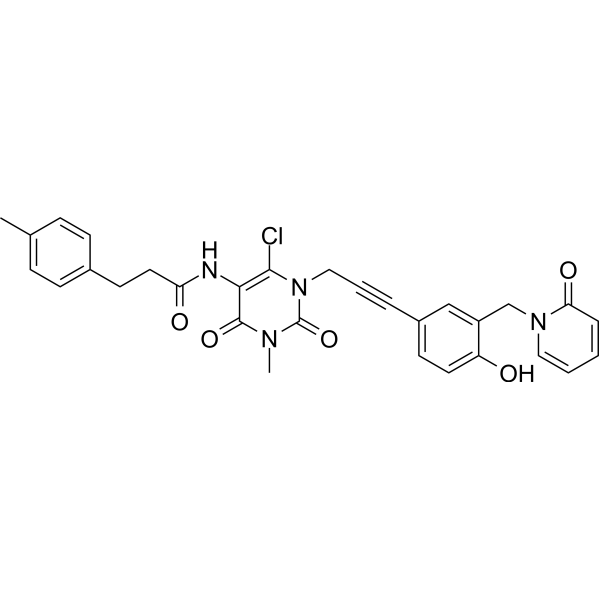
    PKR-IN-C51(compound 51) is an ATP-competitive double-stranded RNA-activated protein kinase (PKR) inhibitor with an IC50 of 9 μM. PKR-IN-C51 inhibits intracellular PKR activation in a dose-dependent manner in primary mouse macrophages .
    PKR-IN-C51
  • HY-110140

    CaMK Cardiovascular Disease Neurological Disease
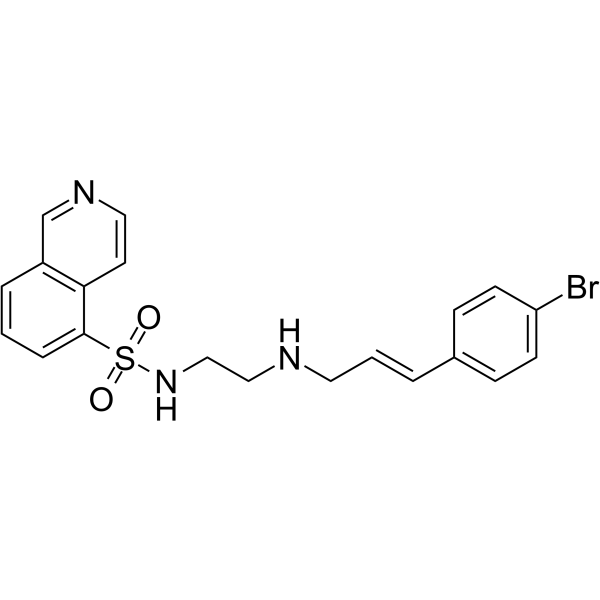
    (E)-KN-93 phosphate is a Ca 2+/calmodulin-dependent protein kinase II (CaMKII) inhibitor with IC50 values of 9 μM and 3 μM against CaMKIIδMonomer and CaMKIIδDodecamer, respectively. (E)-KN-93 phosphate can be used in research on epilepsy, depression, and arrhythmias. .
    (E)-KN-93 phosphate
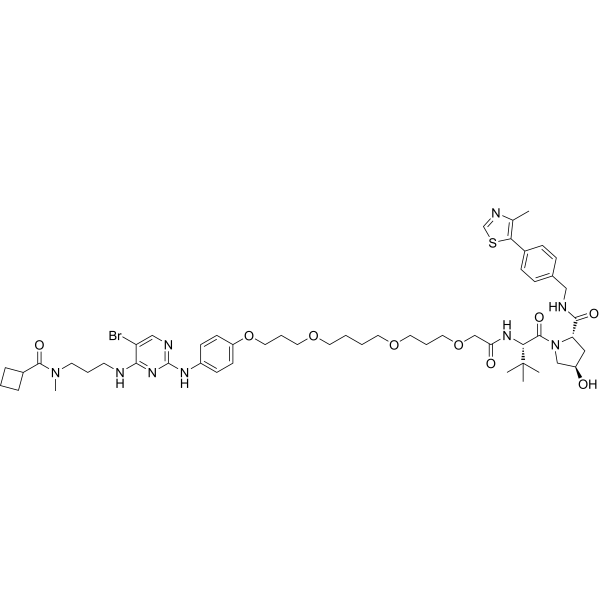
  • HY-148061

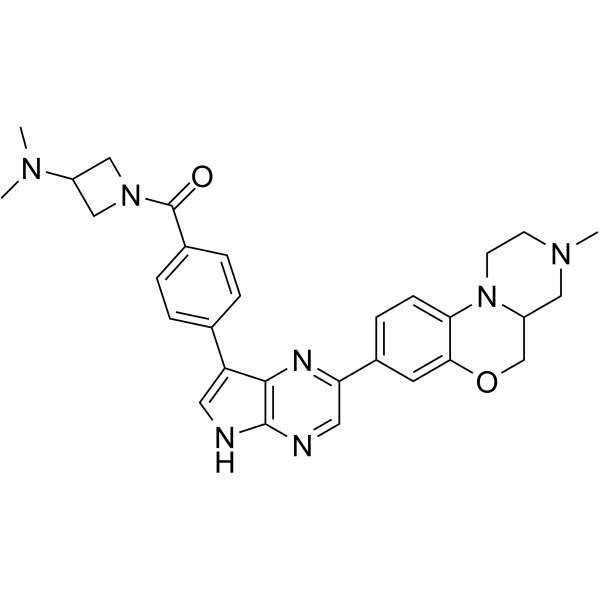
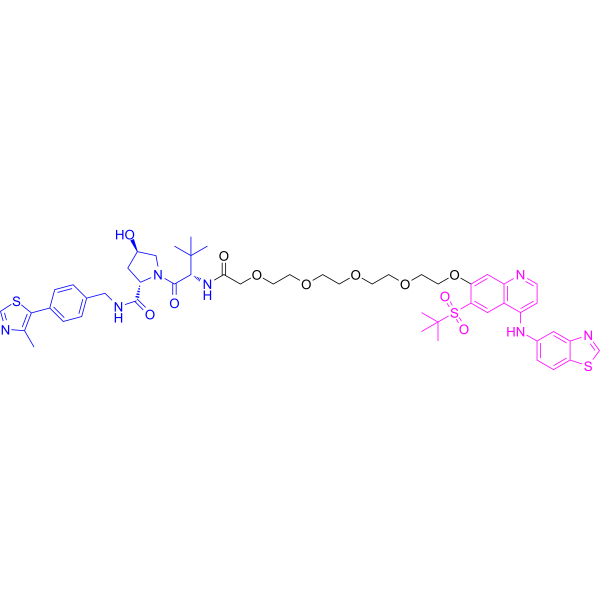
    PROTACs Bcr-Abl CDK Salt-inducible Kinase (SIK) Cyclin G-associated Kinase (GAK) MAP4K MAPKAPK2 (MK2) Ferroptosis ULK LIM Kinase (LIMK) Cancer
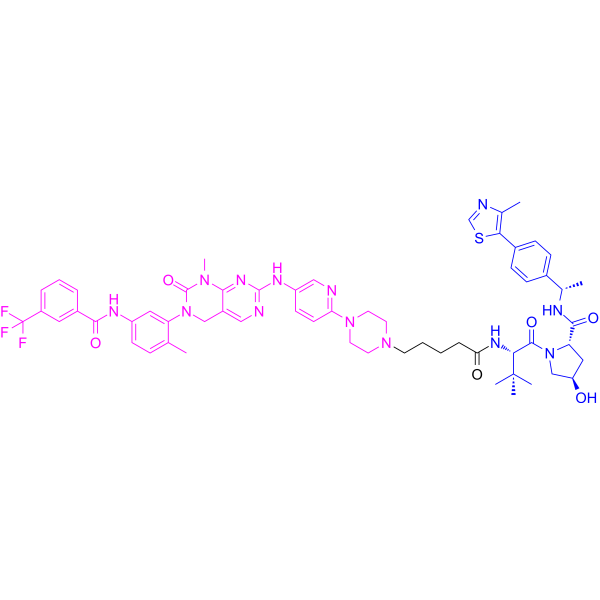
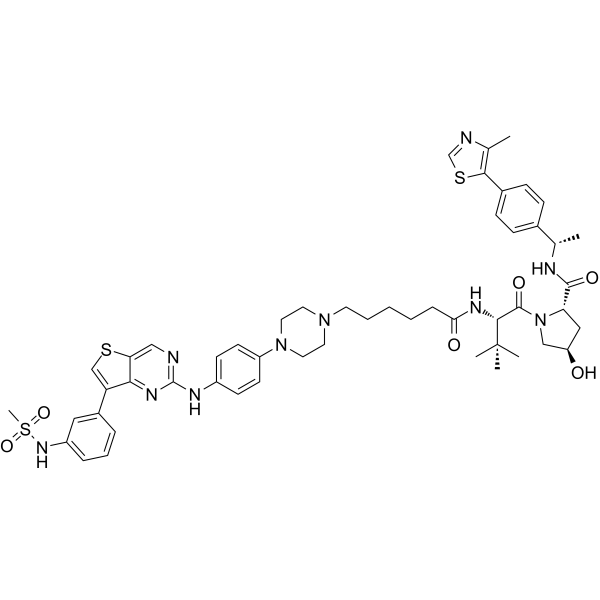
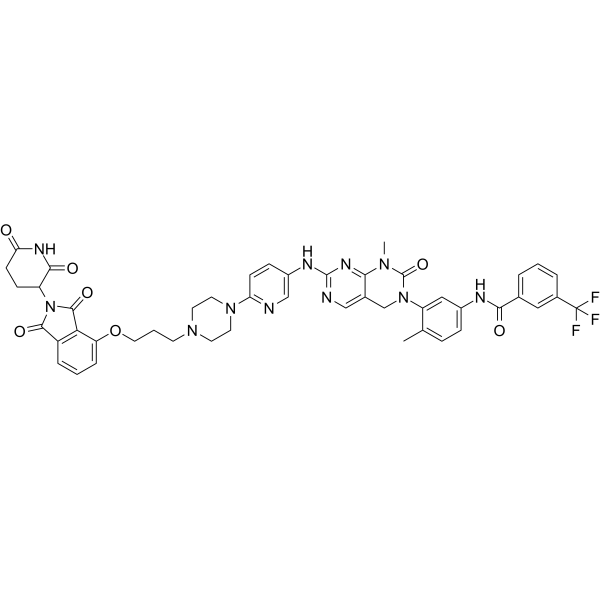
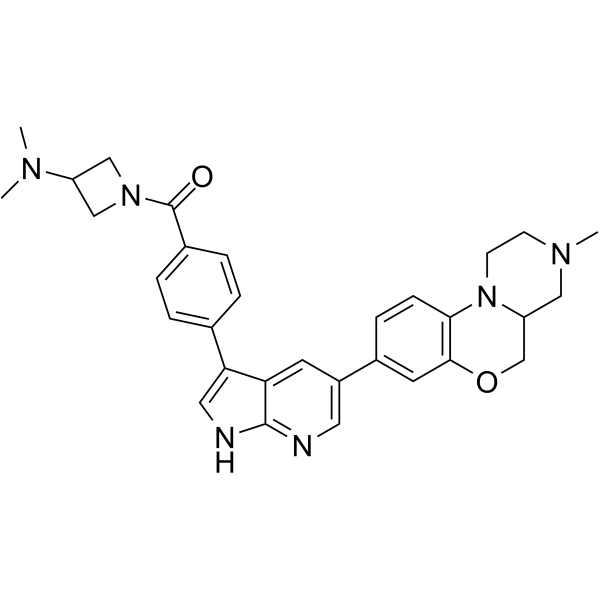
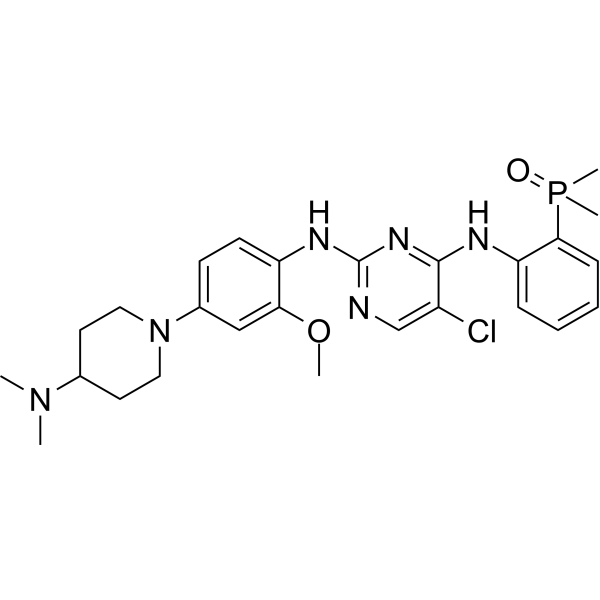
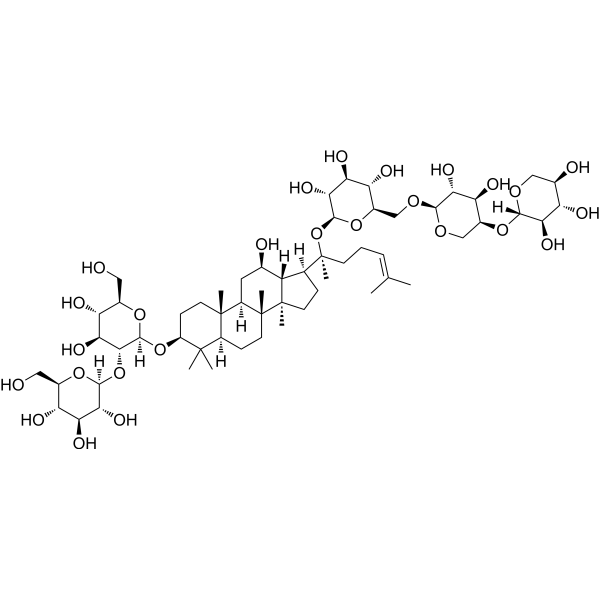
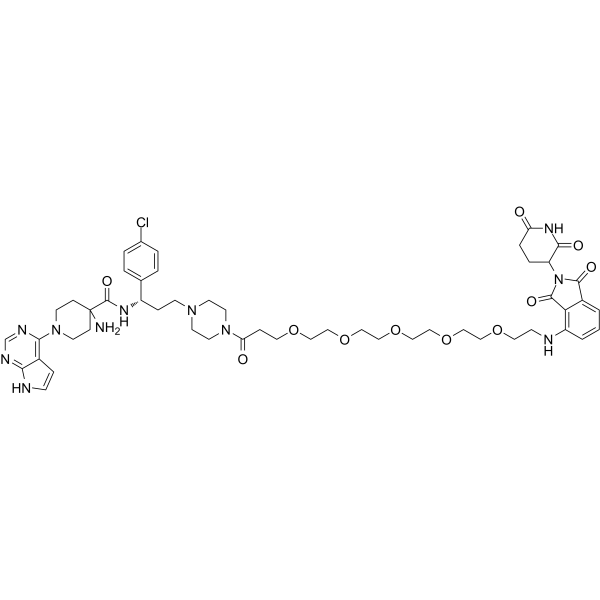
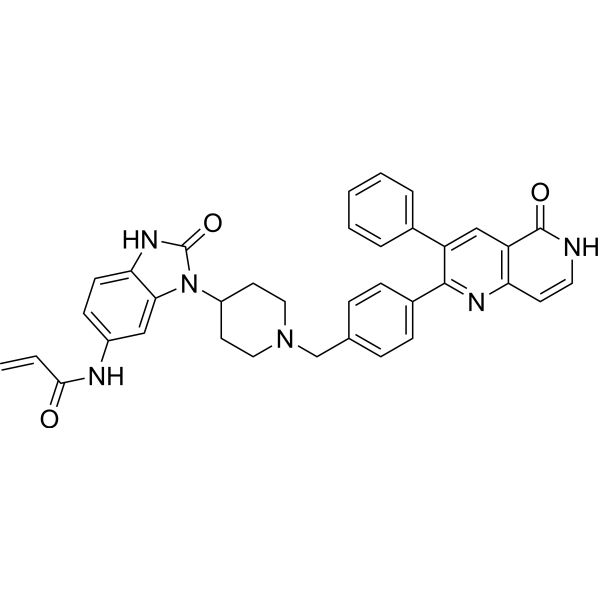
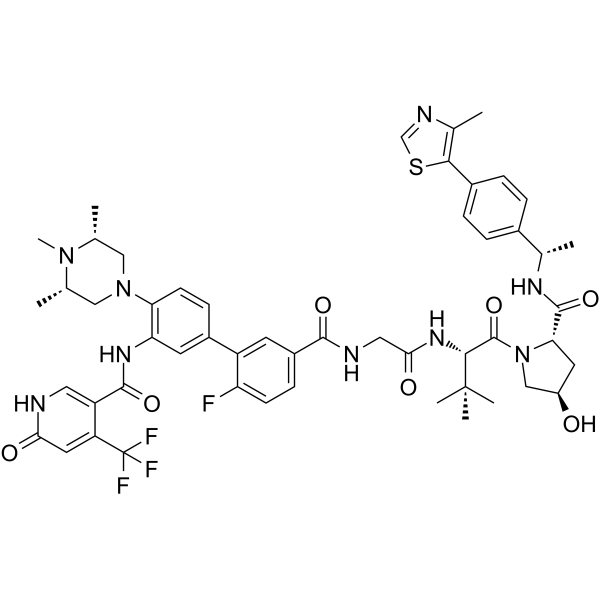
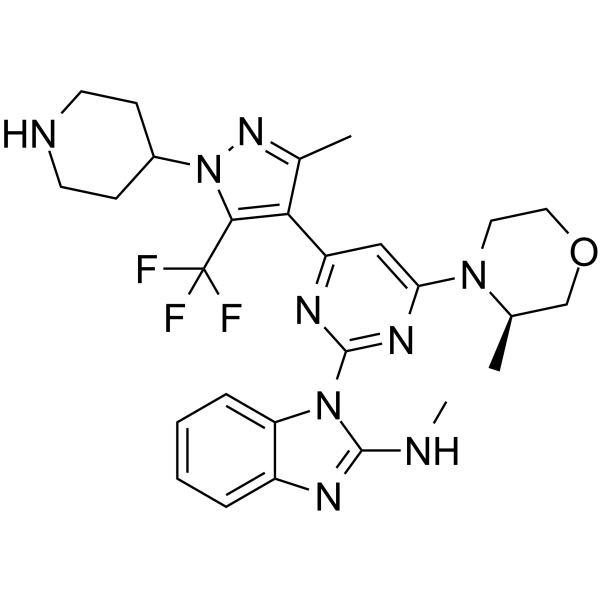
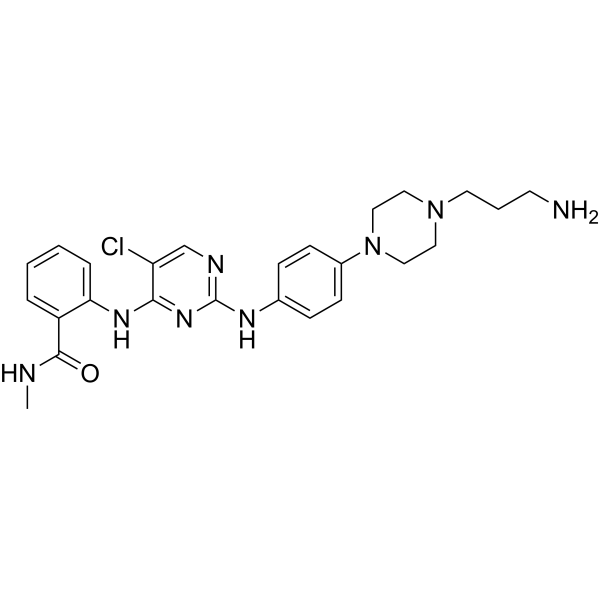
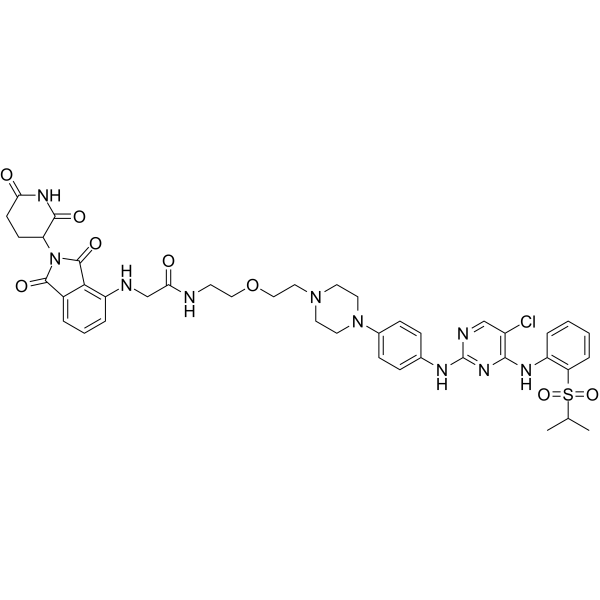
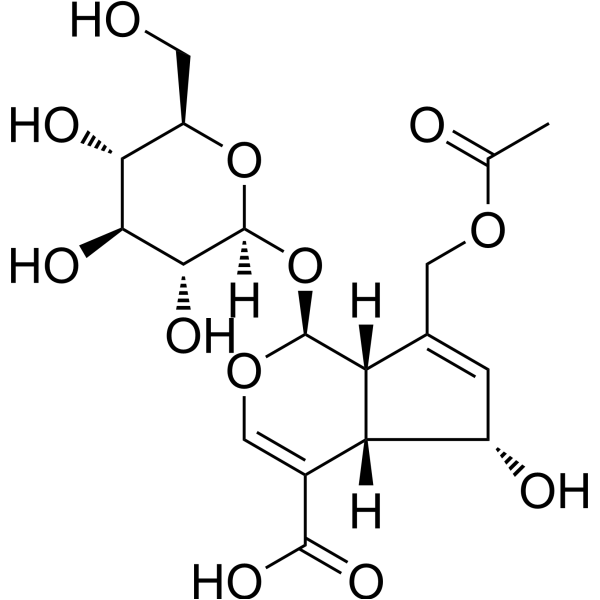
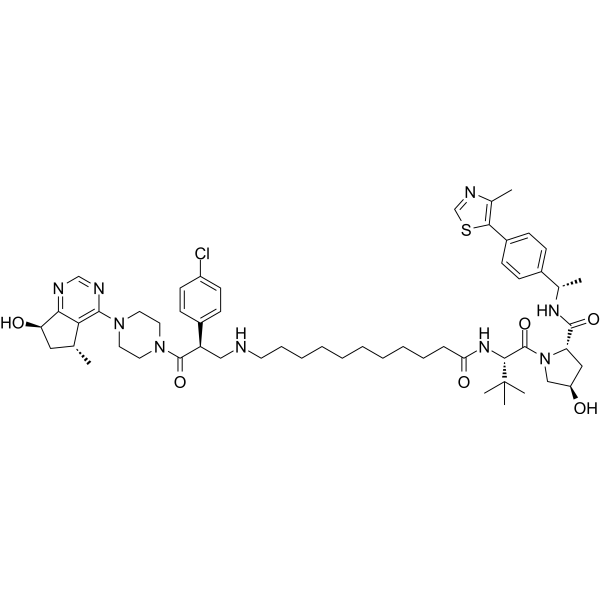
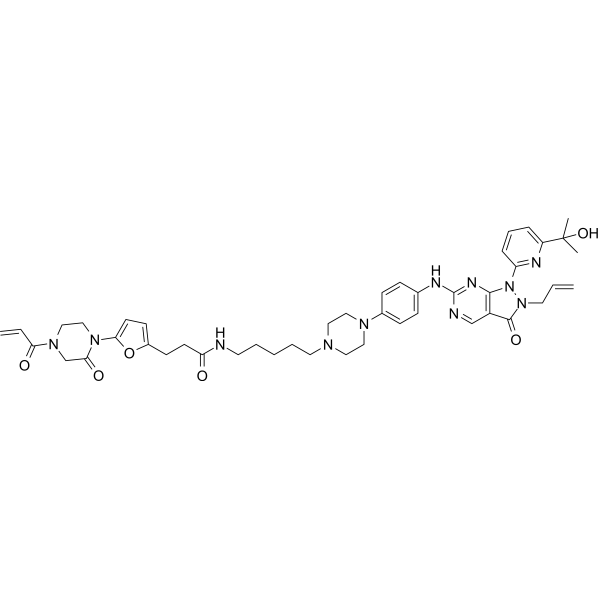
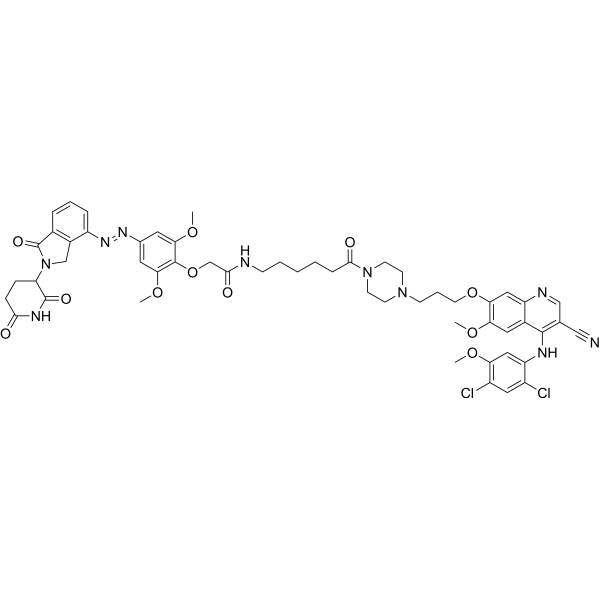
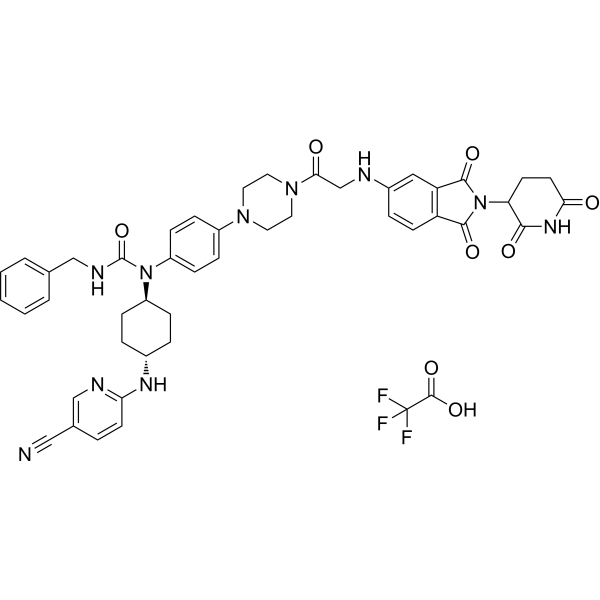
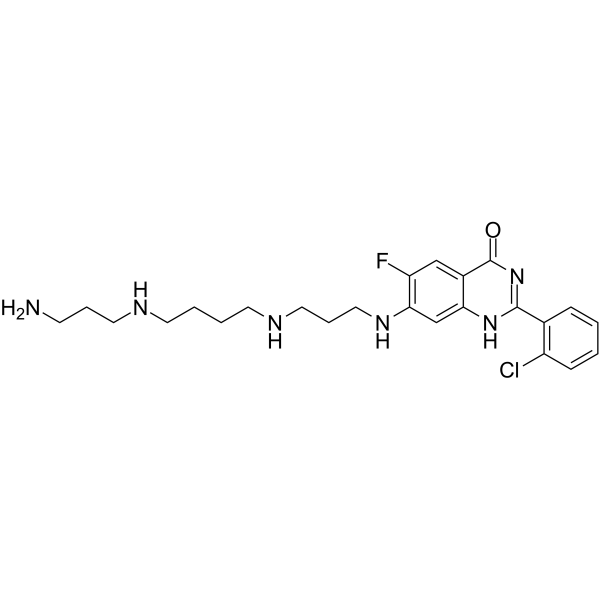
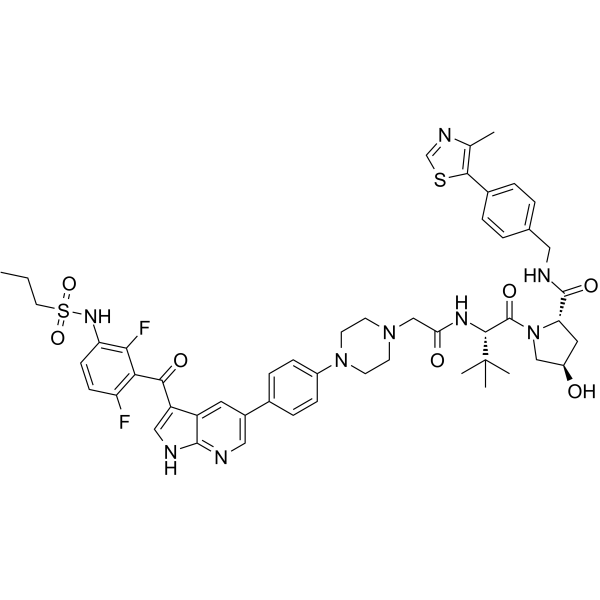
    DB1113 (Example 24) is a bifunctional compound targeted protein degradation of kinases. DB1113 degrades ABL1, ABL2, BLK, CDK11B, CDK4, CSK, EPHA3, FER, GAK, LIMK1, MAP3K20, MAP4K1, MAP4K2, MAP4K3, MAP4K5, MAPK14, MAPK7, MAPK8, MAPK9, MAPKAPK2, MAPKAPK3, NLK, PDIK1L, PTK2B, RIPK1, RPS6KA1, RPS6KA3, SIK2, SIK3, STK35, TNK2, and ULK1. DB1113 can be used for research of disease or disorder mediated by aberrant kinase activity .
    DB1113
  • HY-P1290A
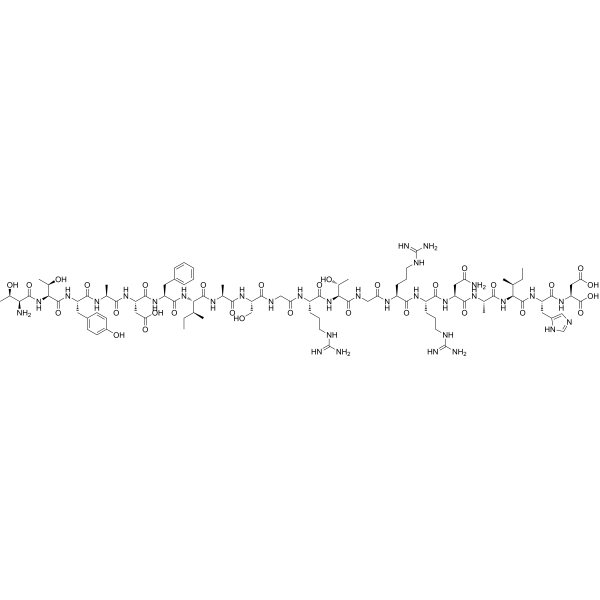
    PKA Inhibitor Fragment (6-22) amide TFA
    5 Publications Verification

    PKI-(6-22)-amide TFA

    PKA Neurological Disease
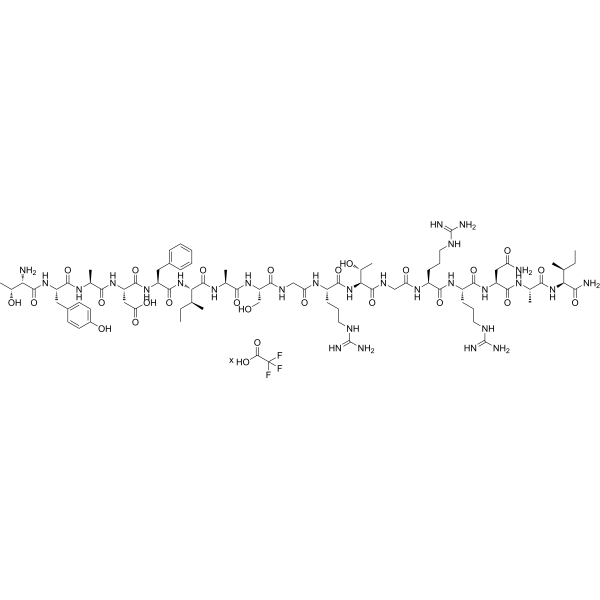
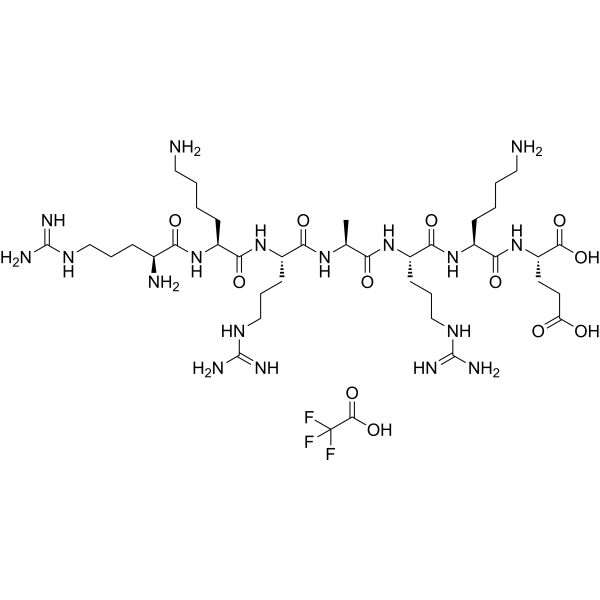
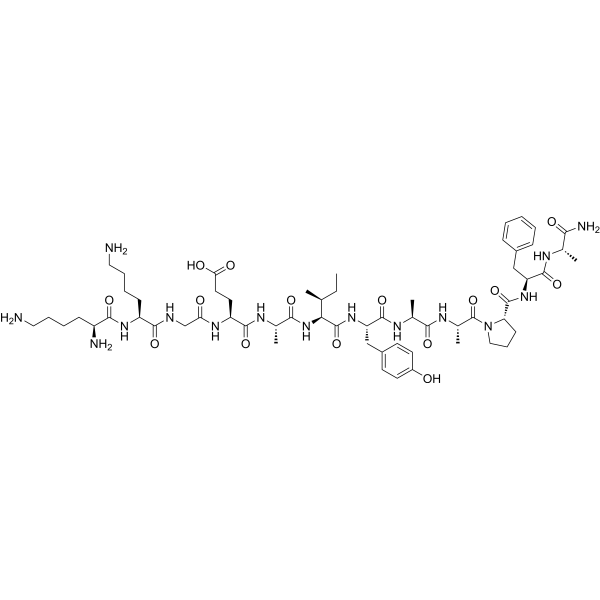
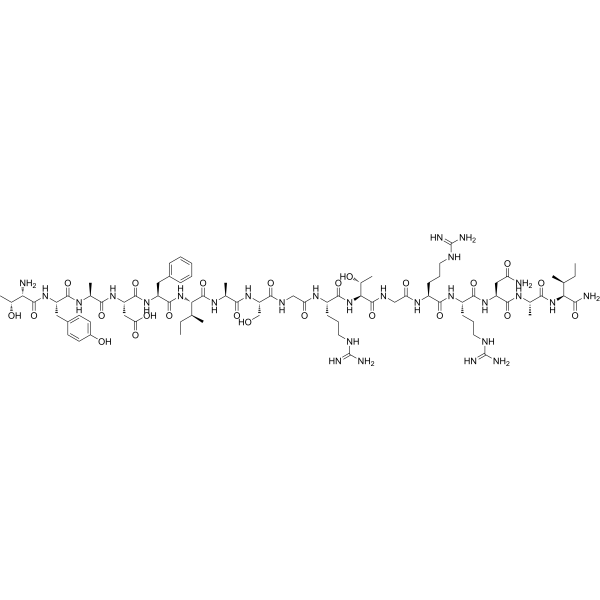
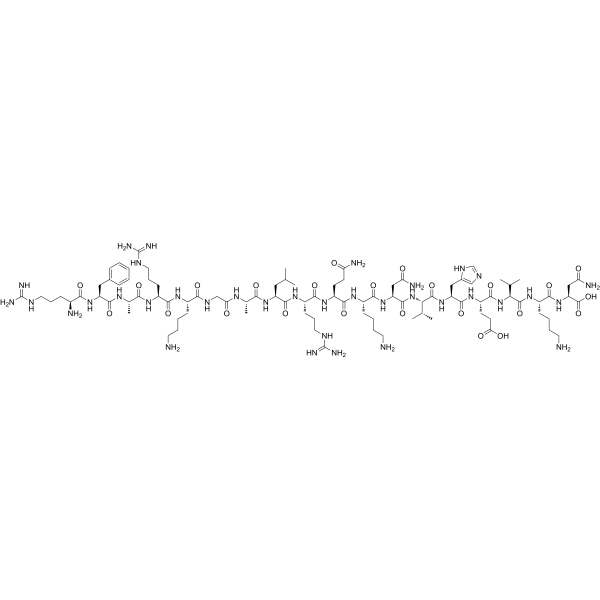
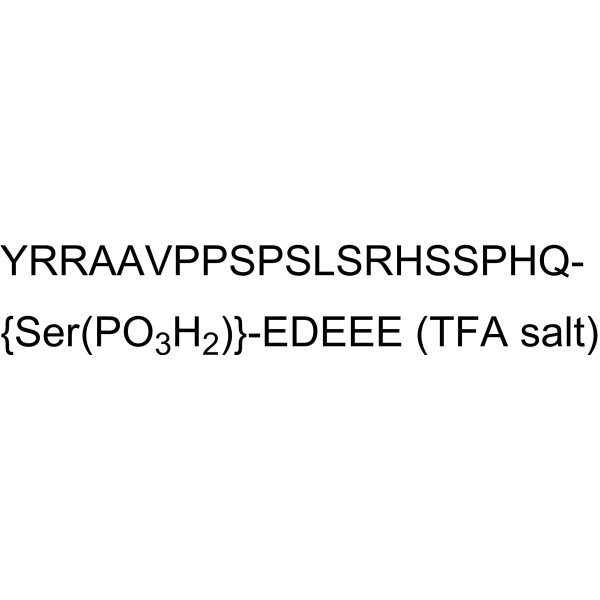
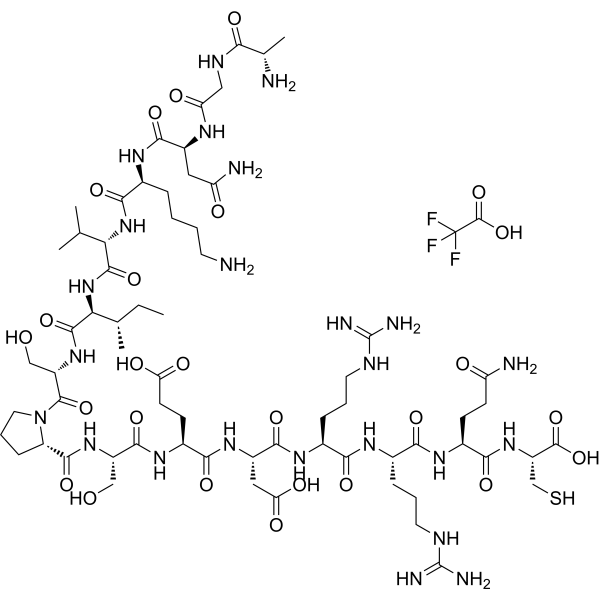
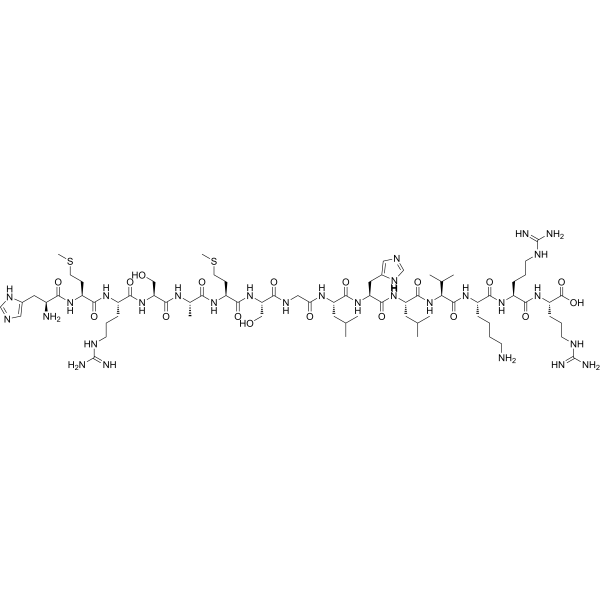
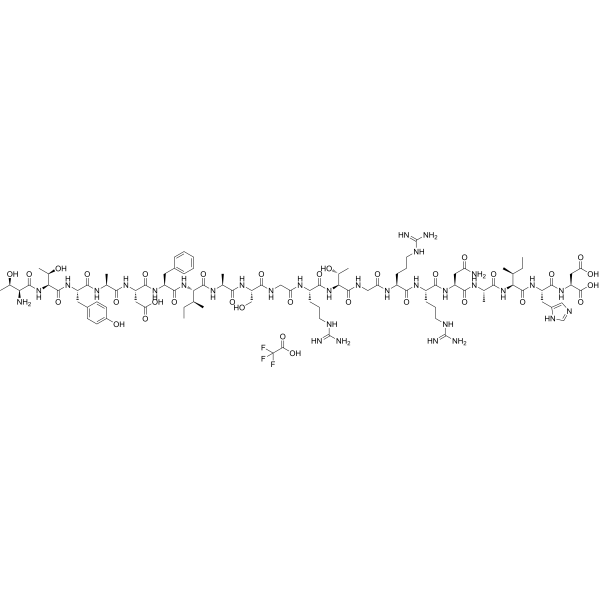
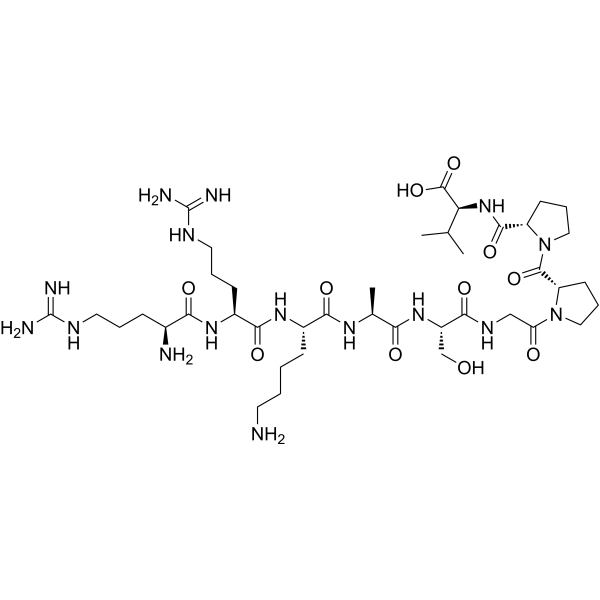
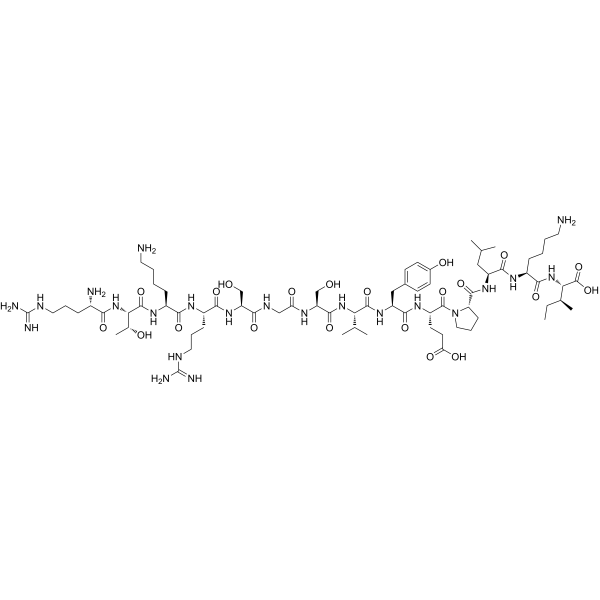
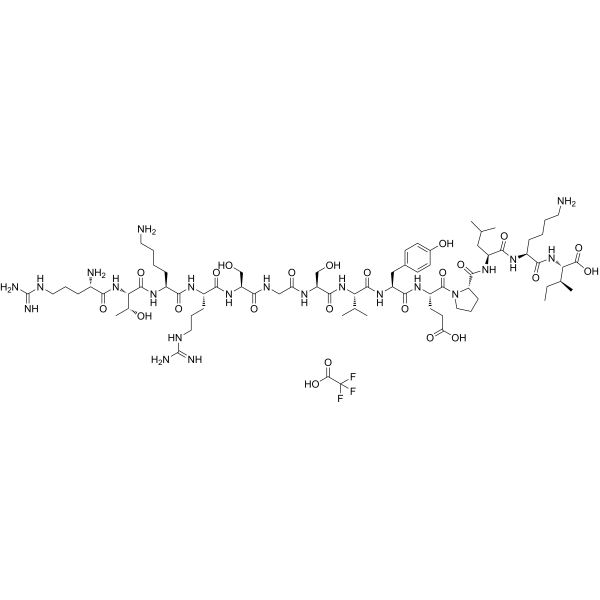
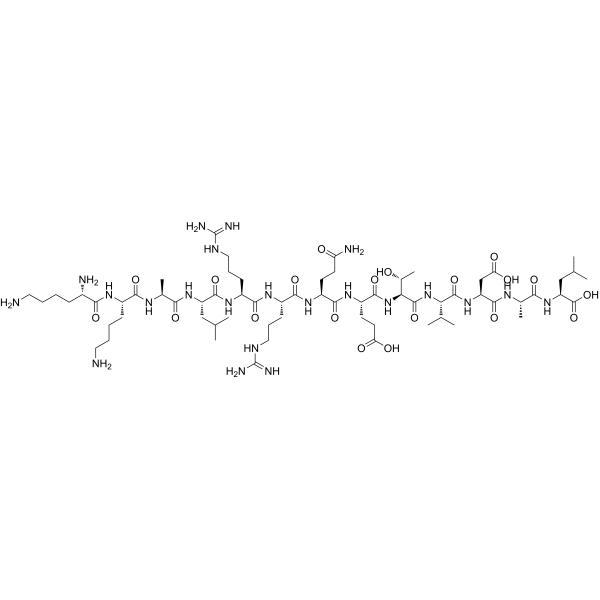
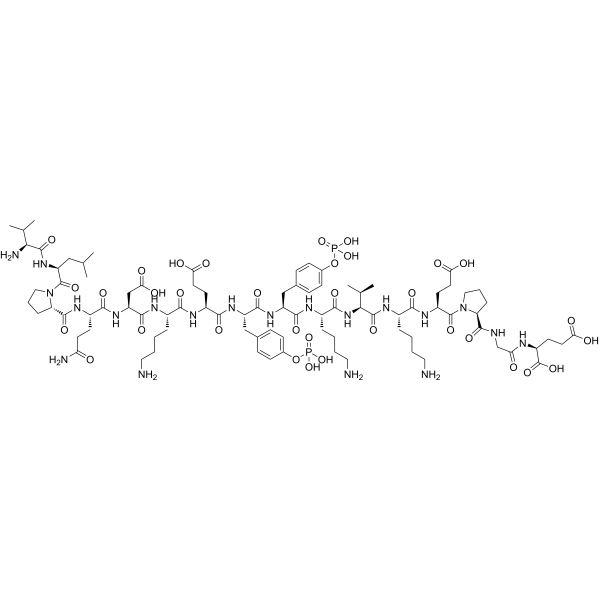
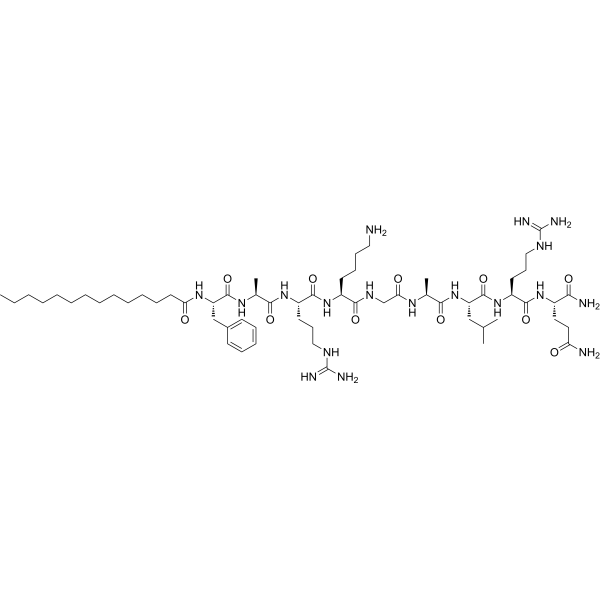
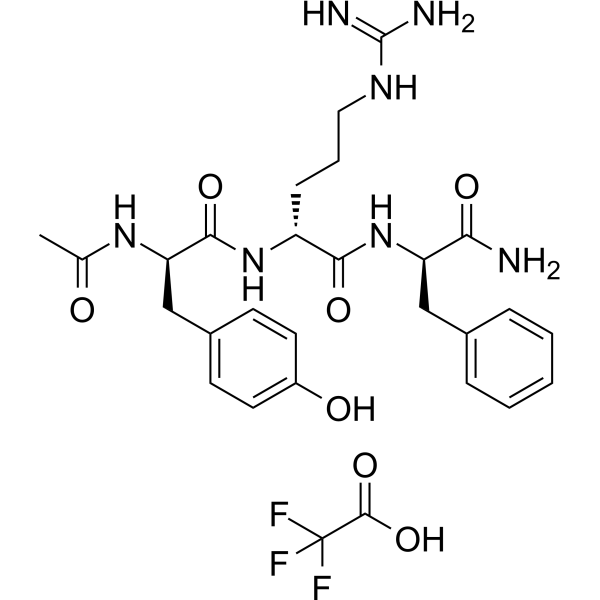
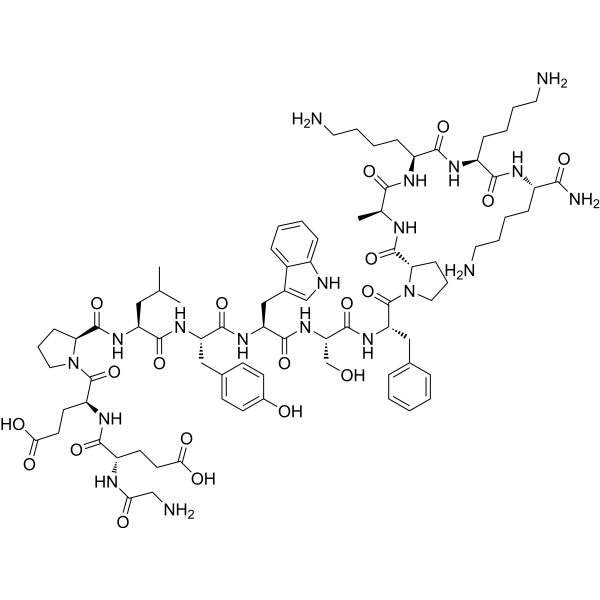
    PKA Inhibitor Fragment (6-22) amide TFA is an inhibitor of cAMP-dependent protein kinase A (PKA), with a Ki of 2.8 nM. PKA Inhibitor Fragment (6-22) amide TFA can significantly reverse antinociceptive tolerance in mice .
    PKA Inhibitor Fragment (6-22) amide TFA
  • HY-129624A
    Bisindolylmaleimide VIII acetate
    1 Publications Verification

    Ro 31-7549 acetate; Bis VIII acetate

    PKC Apoptosis Inflammation/Immunology Cancer
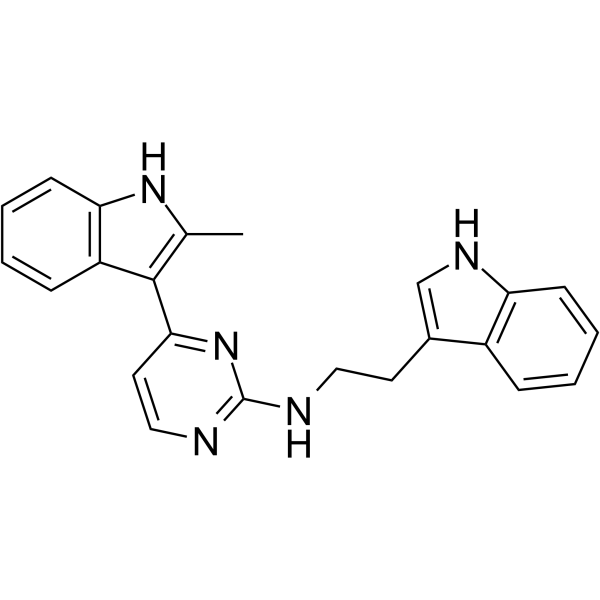
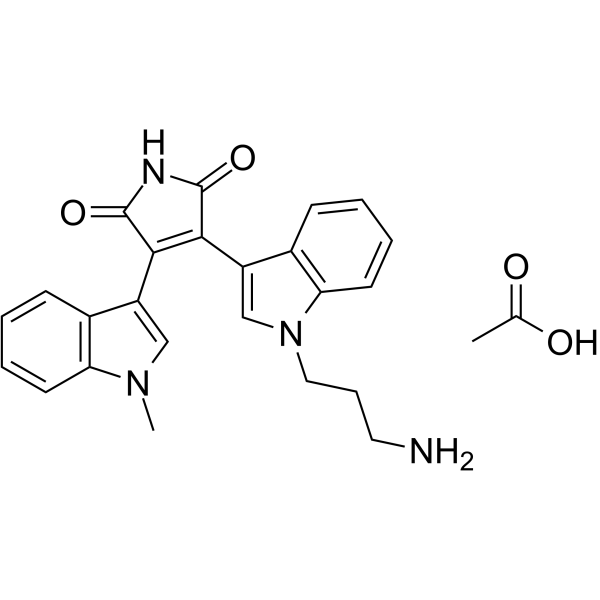
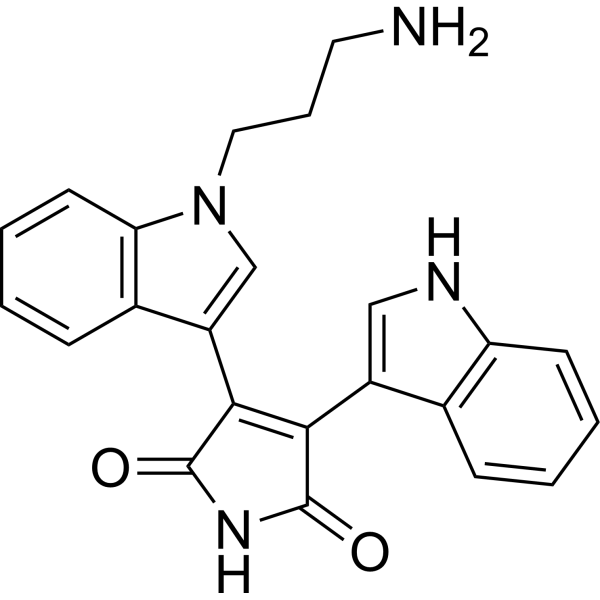
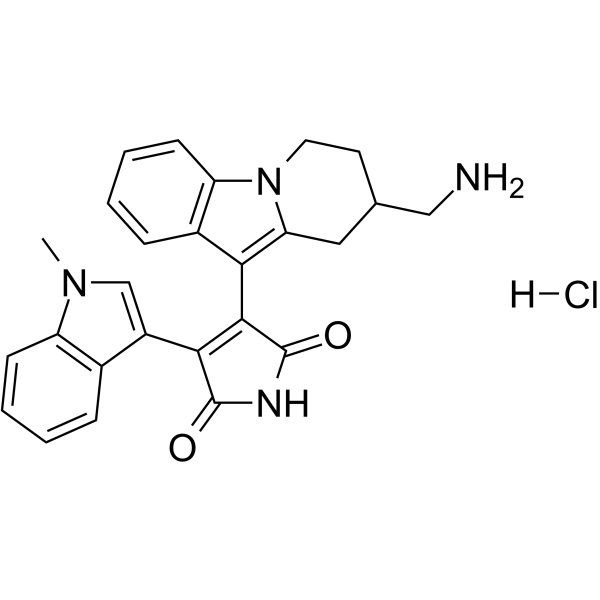
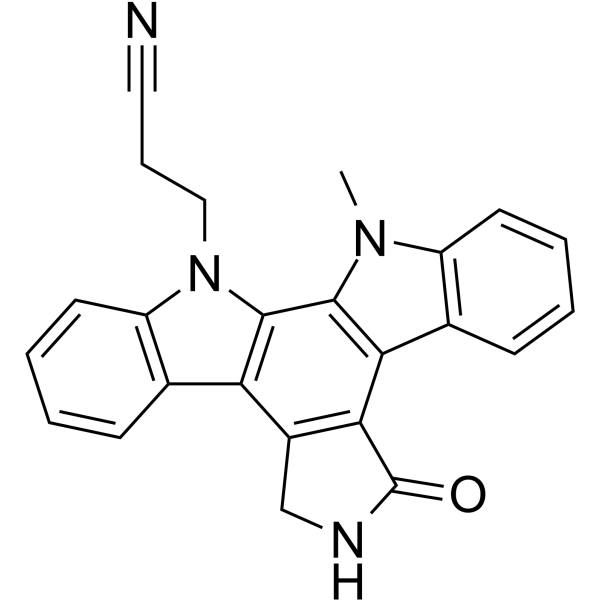
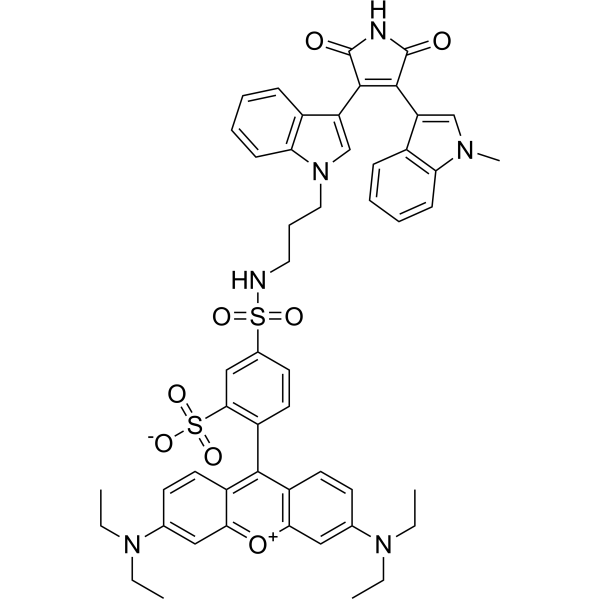
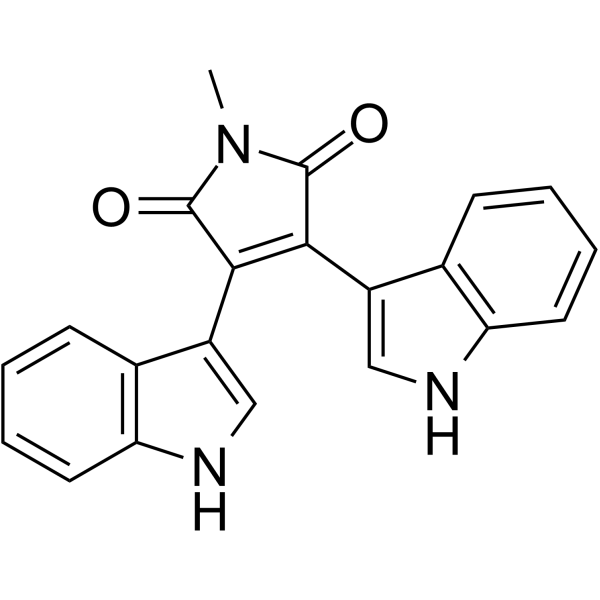
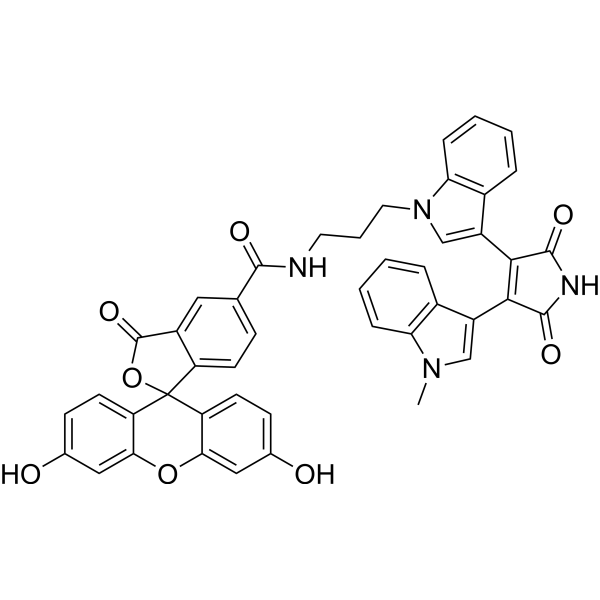
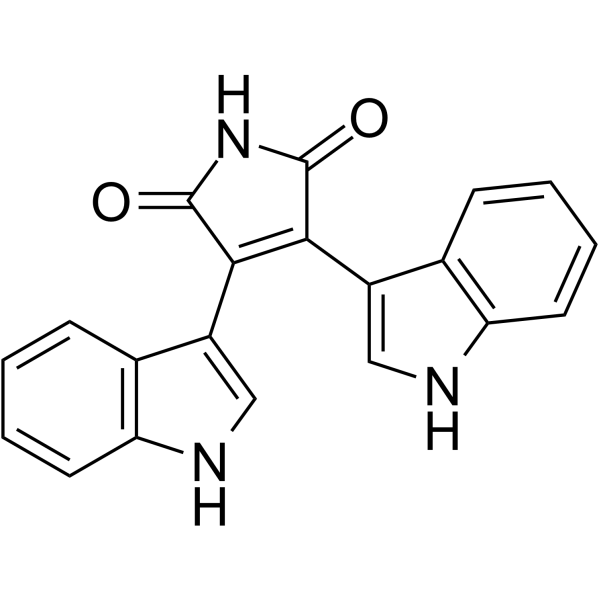
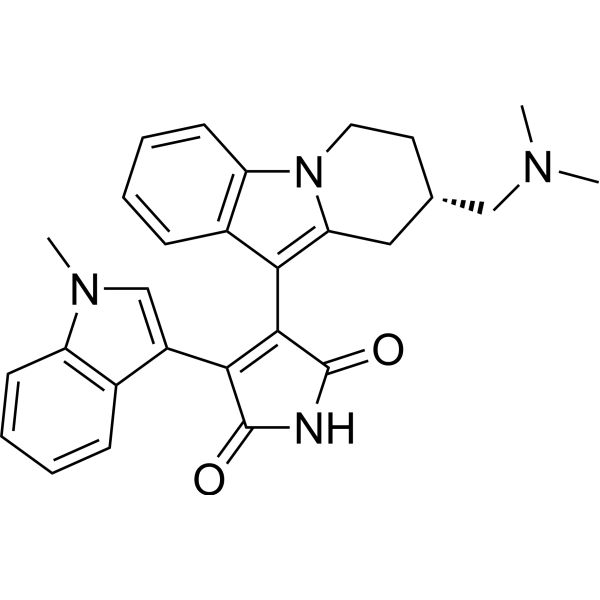
    Bisindolylmaleimide VIII acetate (Ro 31-7549 acetate) is a potent and selective protein kinase C (PKC) inhibitor with an IC50 of 158 nM for rat brain PKC. Bisindolylmaleimide VIII acetate has IC50s of 53, 195, 163, 213, and 175 nM for PKC-α, PKC-βI, PKC-βII, PKC-γ, PKC-ε, respectively . Bisindolylmaleimide VIII acetate facilitates Fas-mediated apoptosis and inhibits T cell-mediated autoimmune diseases .
    Bisindolylmaleimide VIII acetate
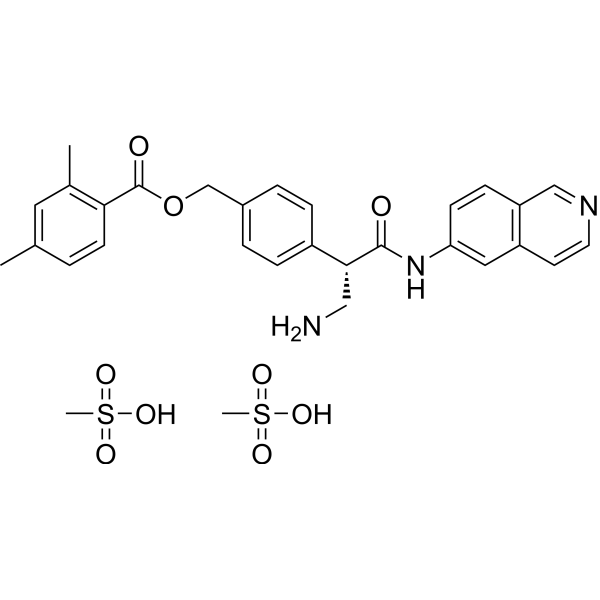
  • HY-107599

    JNK Apoptosis Neurological Disease
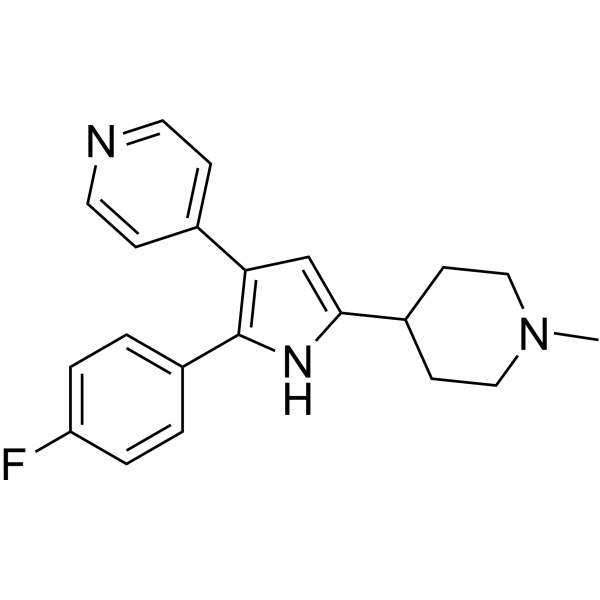
    AEG3482 is a potent antiapoptotic compound that inhibits Jun kinase (JNK) activity through induced expression of heat shock protein 70 (HSP70). AEG3482 directly binds HSP90, thereby facilitating HSF1-dependent expression of HSP70 and HSP25 .
    AEG3482
  • HY-101290A

    Cyclin G-associated Kinase (GAK) AAK1 Neurological Disease
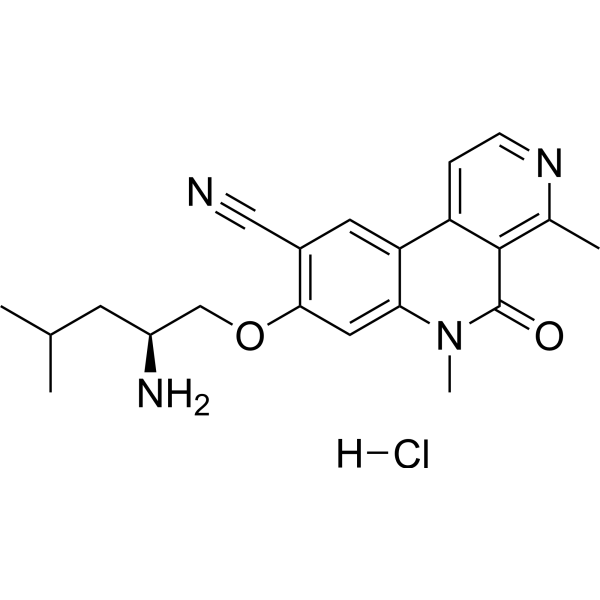
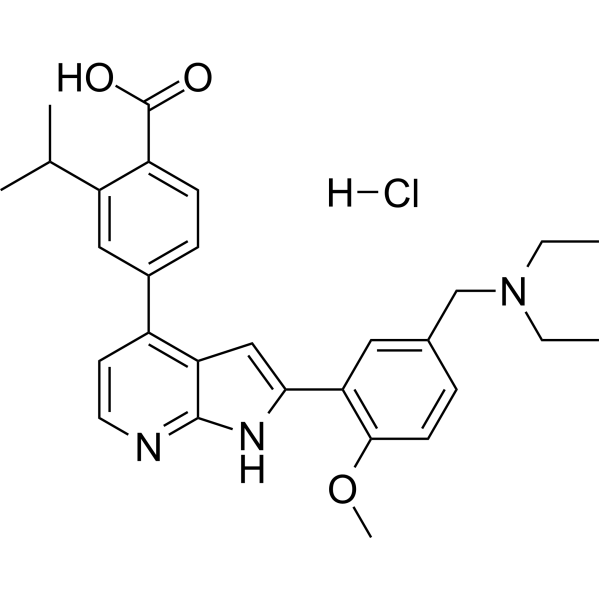
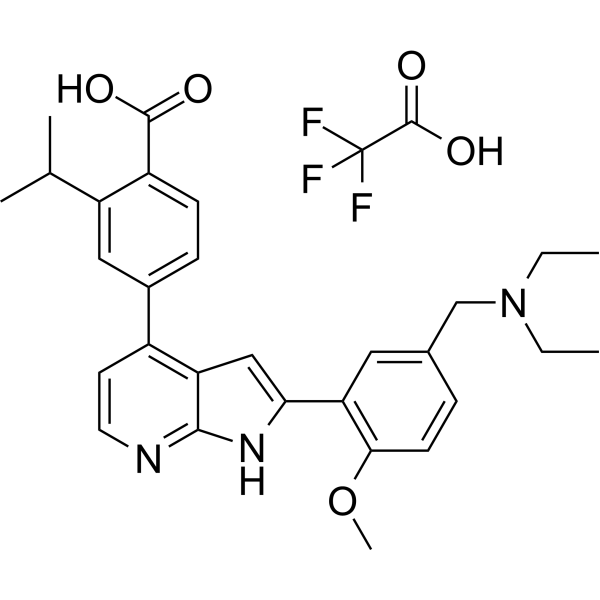
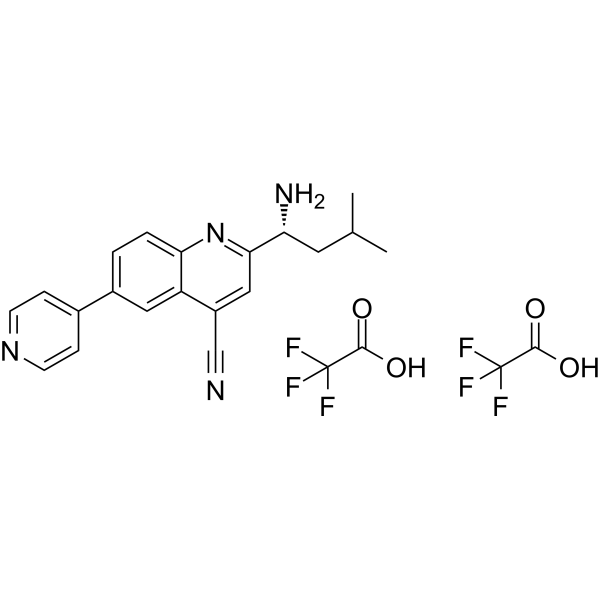
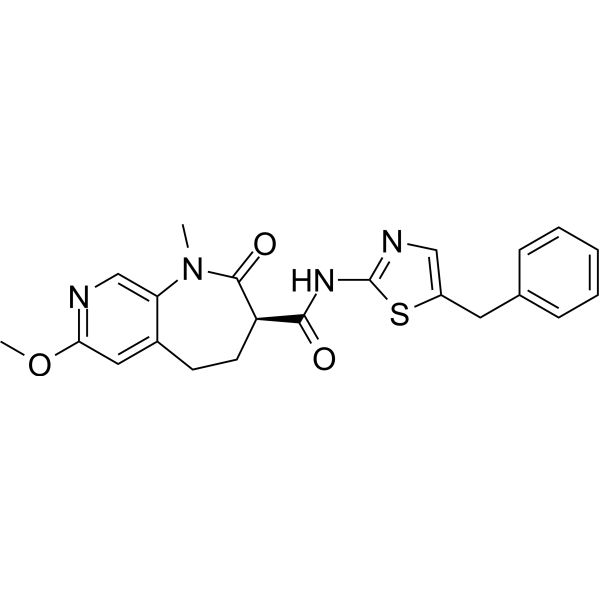
    BMT-090605 hydrochloride is a potent, selective the adapter protein-2 associated kinase 1 (AAK1) inhibitor with an IC50 value of 0.6 nM. BMT-090605 hydrochloride shows antinociceptive activity. BMT-090605 hydrochloride inhibits BMP-2-inducible protein kinase (BIKE) and Cyclin G-associated kinase (GAK) with IC50 values of 45 nM and 60 nM, respectively. BMT-090605 hydrochloride can be used for the research of neuropathic pain .
    BMT-090605 hydrochloride
  • HY-21291

    PDGFR EGFR IGF-1R Cancer
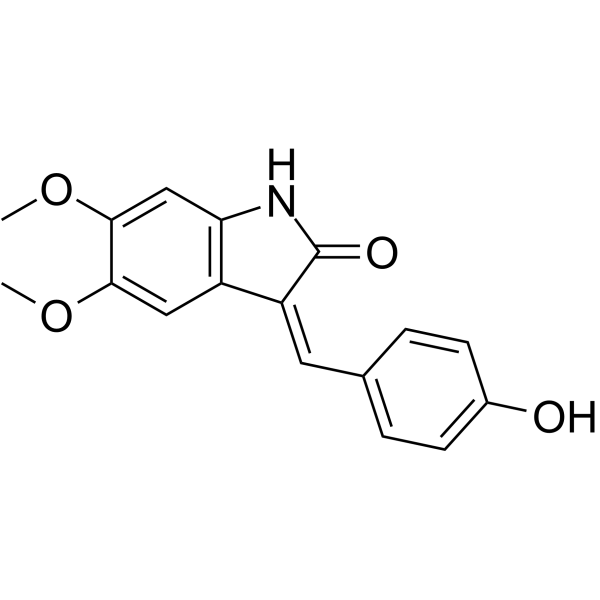
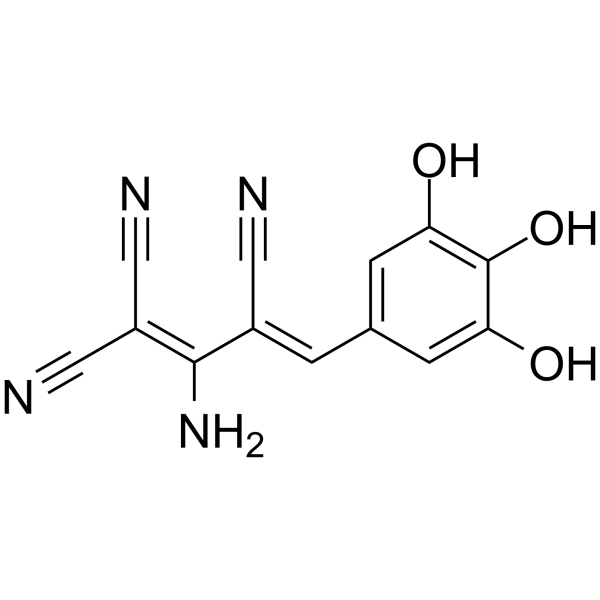
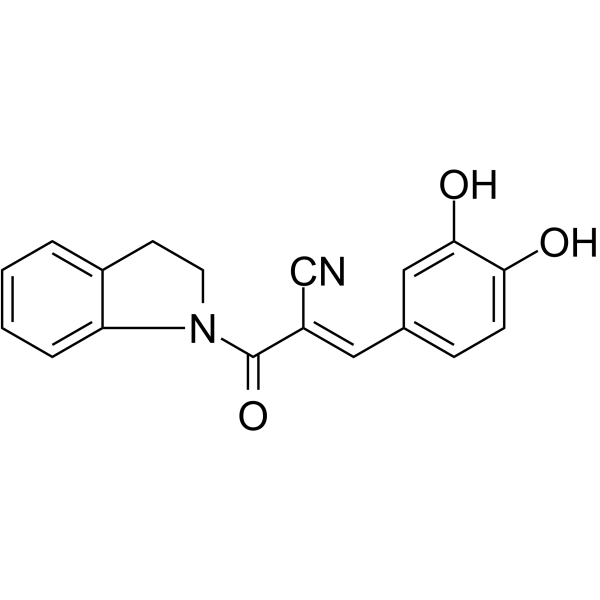
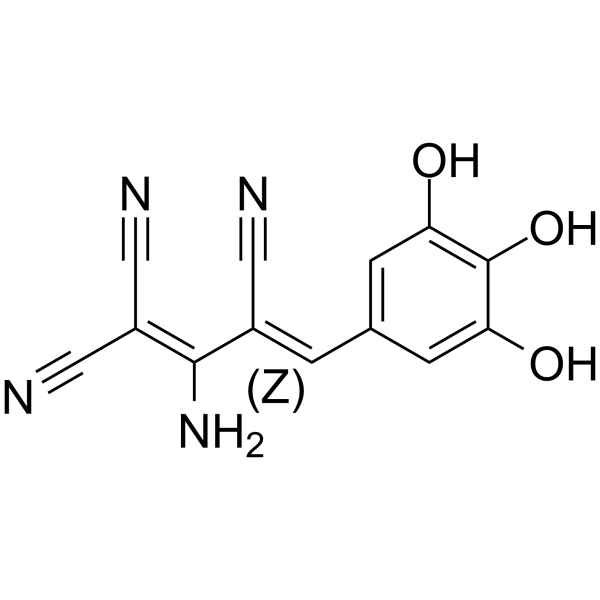
    SU-4313 is a potent protein tyrosine kinases (PTKs) modulator with IC50s of 14.5 μM, 18.8 μM, 11 μM, 16.9 μM, 8.0 μM for PDGFR, FLK-1, EGFR, HER2 Kinase and IGF-1R, respectively. SU-4313 has the potential for modulating tyrosine kinase signal transduction in order to regulate abnormal cell proliferation .
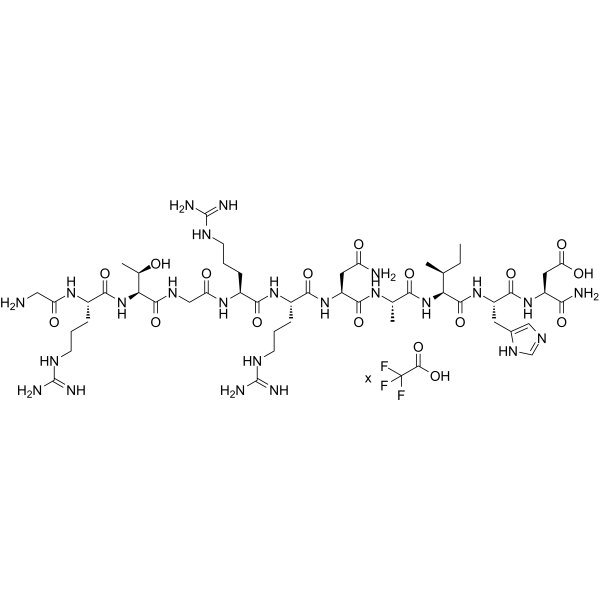
    SU-4313
  • HY-115930

    Bcl-2 Family Cardiovascular Disease
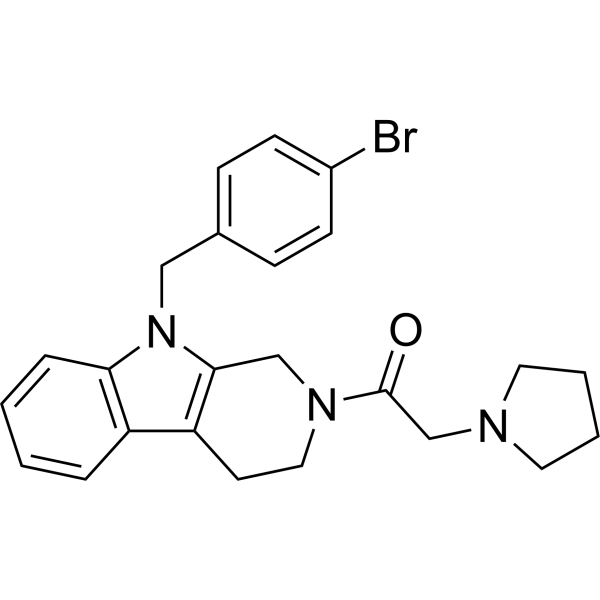
    Bim-IN-1 is a potent Bim expression inhibitor. Bim-IN-1 reduces Bim expression levels and has little inhibitory effect upon protein kinase A activity and minimal toxicity .
    Bim-IN-1
  • HY-148062

    PROTACs CDK AAK1 Cyclin G-associated Kinase (GAK) Salt-inducible Kinase (SIK) LIM Kinase (LIMK) Wee1 SnRK Others
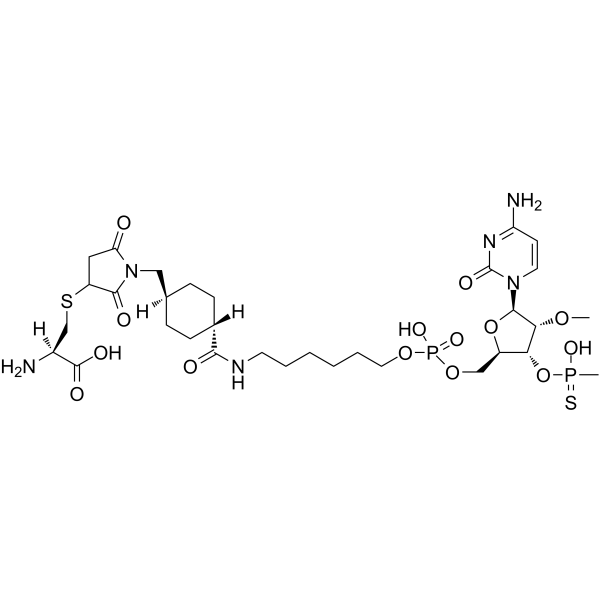
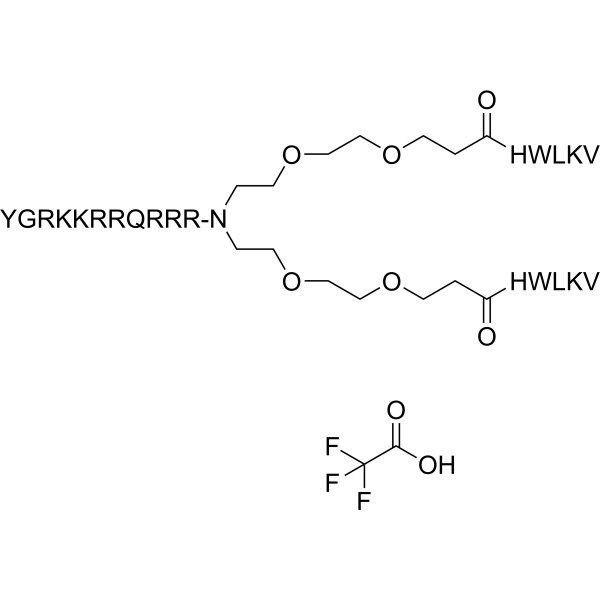
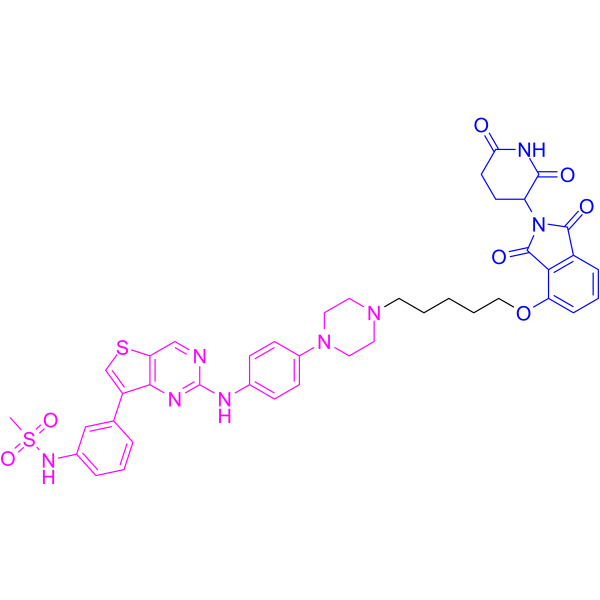
    RSS0680 is a small noncoding RNA (sRNA) targeting the mRNA ribosome binding site (RBS) and a PROTAC with protein kinase degradation activity (Pink: FLT3-IN-17 (HY-148070); Black: Linker (HY-W041970); Blue: E3 ligase Ligand (HY-112078)). RSS0680 competitively binds to RBS through the conserved CCUCCUCCC anti-Shine-Dalgarno (aSD) sequence and inhibits the translation initiation of target genes. RSS0680 can interact with the DUF1127 protein CcaF1, regulate its own stability and participate in bacterial oxidative stress defense, enhancing the host's resistance to heat shock and oxidative damage by affecting pathways such as C1 metabolism and pyruvate dehydrogenase complex. RSS0680 degrades AAK1, CDK1, CDK16, CDK2, CDK4, CDK6, EIF2AK4, GAK, LATSl, LIMK2, MAPK6, MAPKAPK5, MARK2, MARK4, MKNK2, NEK9, RPS6KB1, SIK2, SNRK, STK17A, STK17B, STK35, and WEEl. RSS0680 can be used to study diseases or disorders mediated by aberrant kinase activity and regulatory mechanisms of noncoding RNAs in α-proteobacteria[1][2].
    RSS0680
  • HY-108262

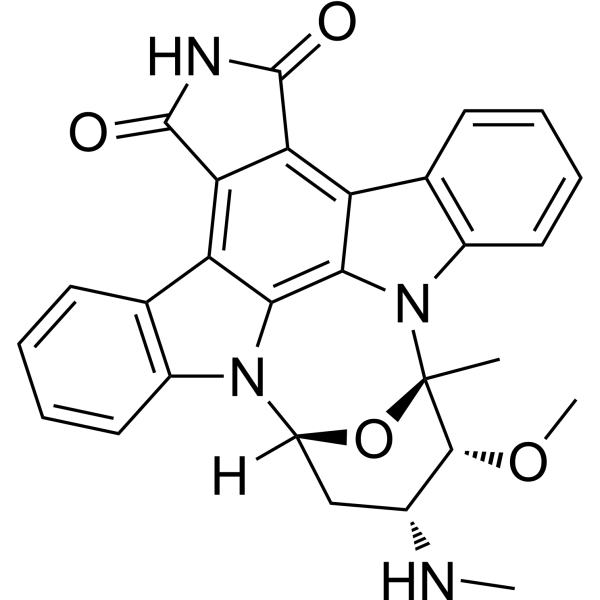
    7-epi-Hydroxystaurosporine

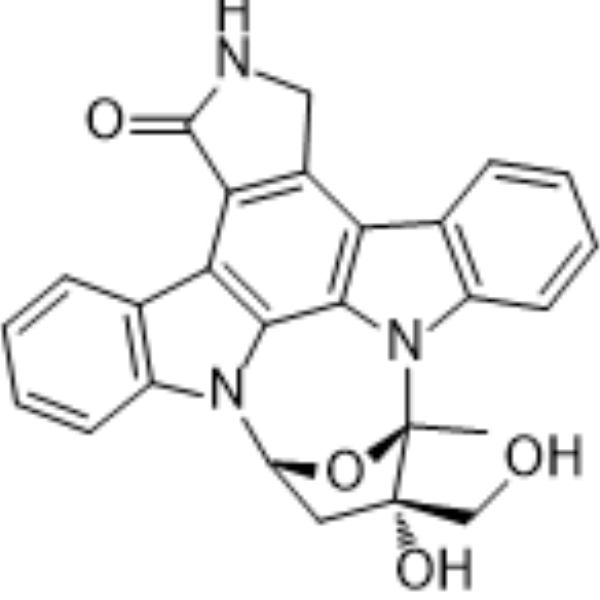
    PKC PKA Cancer
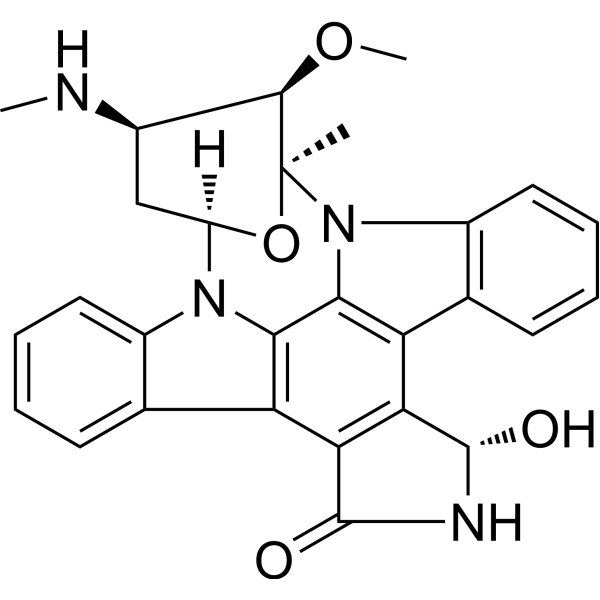
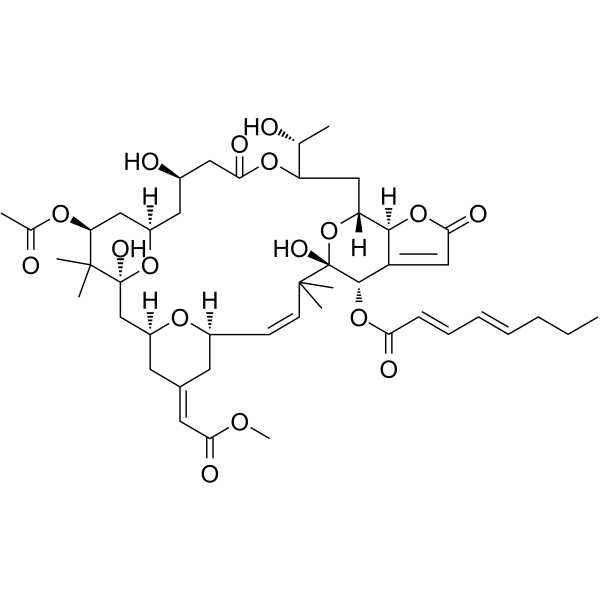
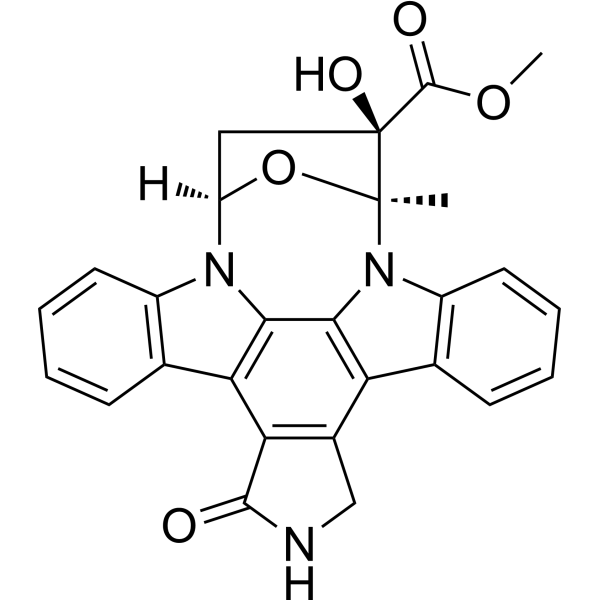
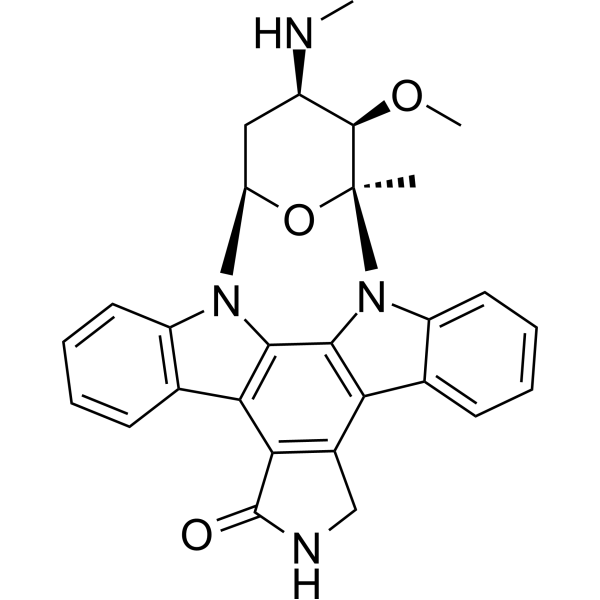
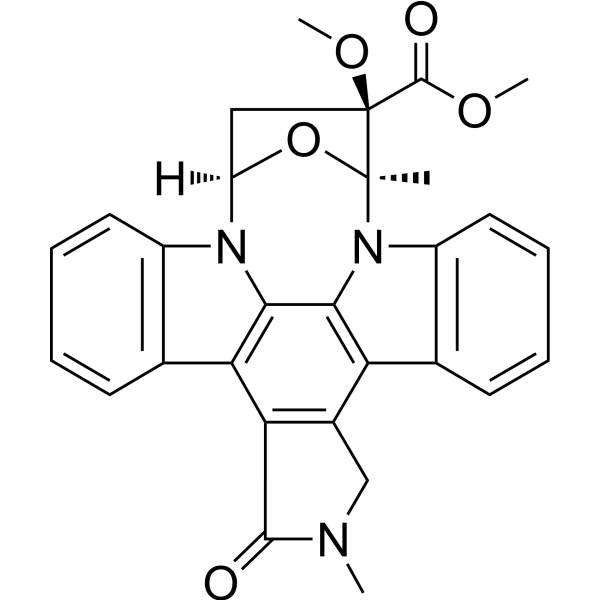
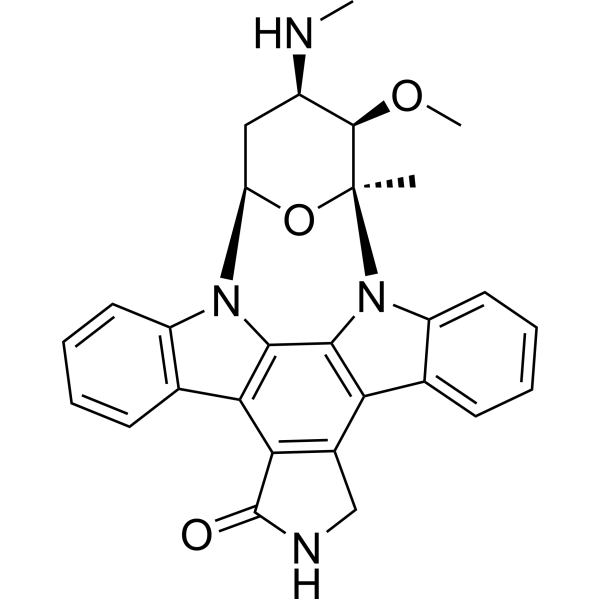
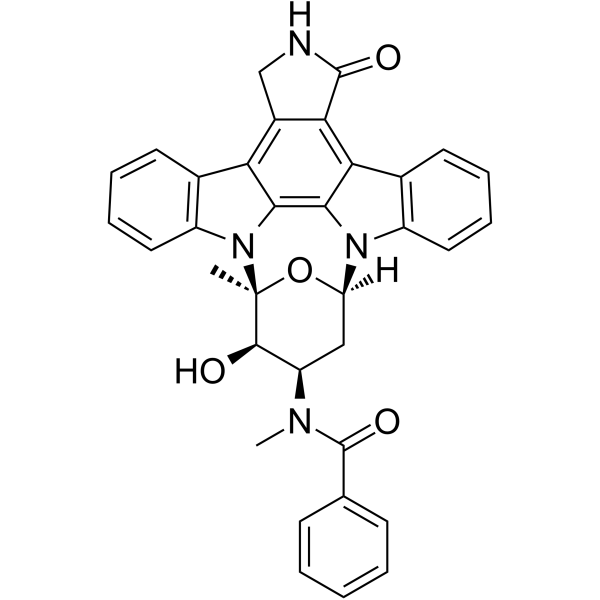
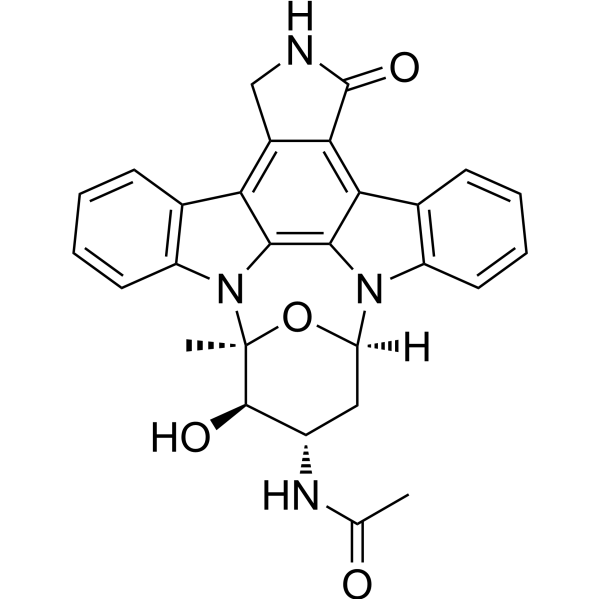
    UCN-02 (7-epi-Hydroxystaurosporine) is a selective protein kinase C (PKC) inhibitor with a PKC IC50 value of 62 nM and a PKA IC50 value of 0.25 μM. UCN-02 can be produced by Streptomyces strain N-126. UCN-02 can be used for the research of breast carcinoma .
    UCN-02
  • HY-126323

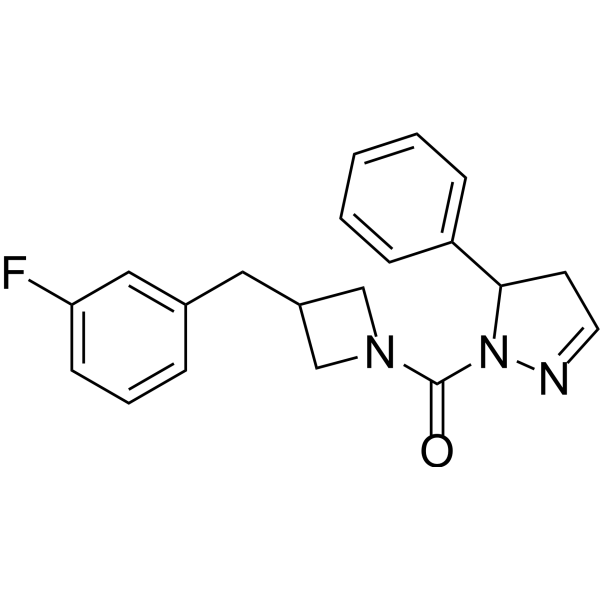
    Parasite Infection
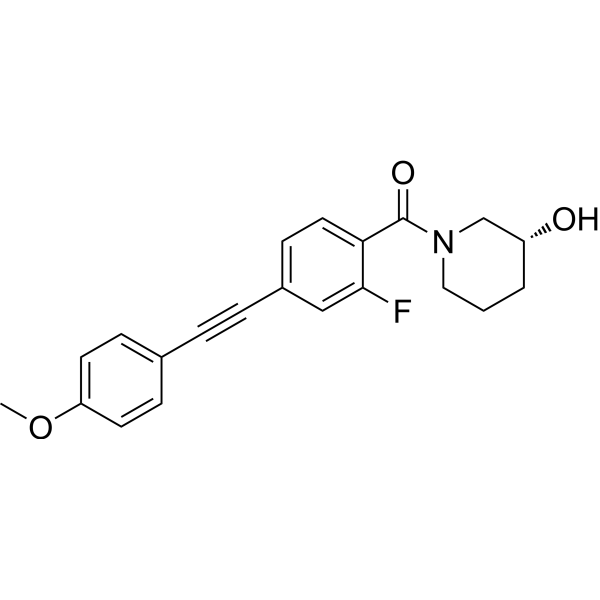
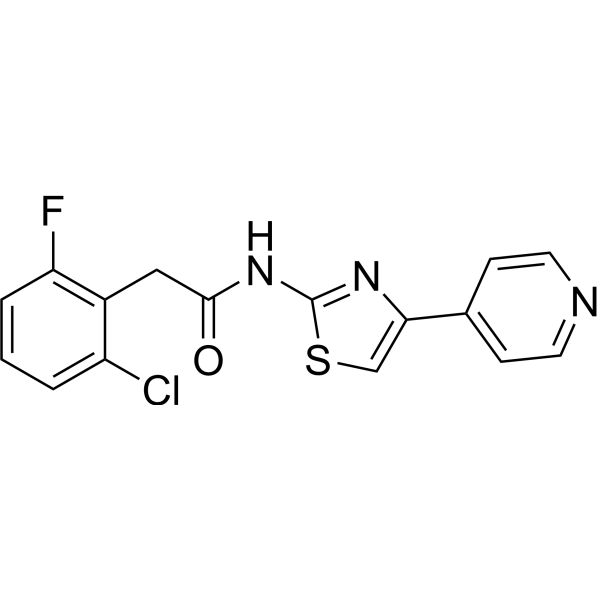
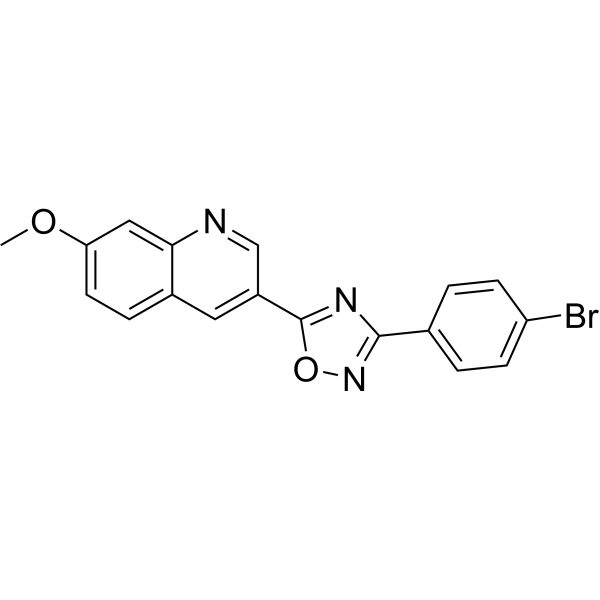
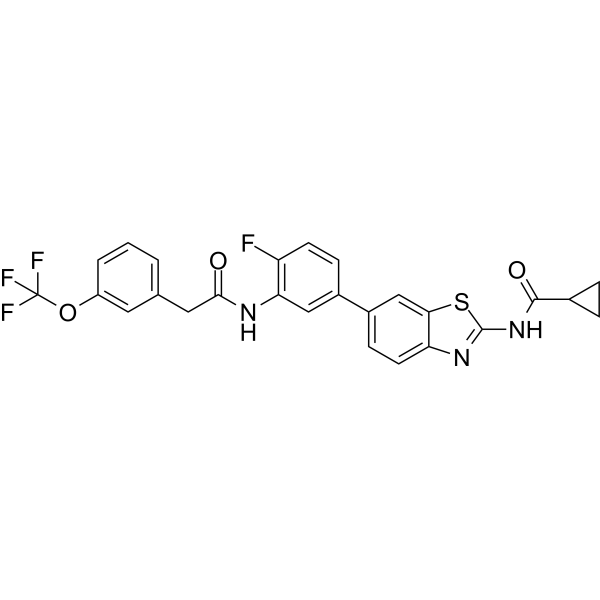
    TCMDC-135051 is a highly selective and potent protein kinase PfCLK3 inhibitor with low off-target toxicity. TCMDC-135051 prevents trophozoite-to-schizont transition, disrupts transcription and reduces transmission to the mosquito vector. TCMDC-135051 has antiparasiticidal activity (EC50=320 nM) .
    TCMDC-135051
  • HY-177416

    DYRK Cancer
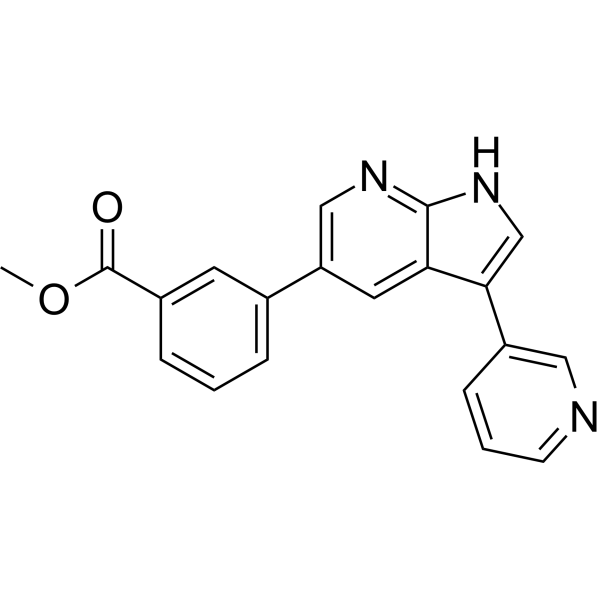
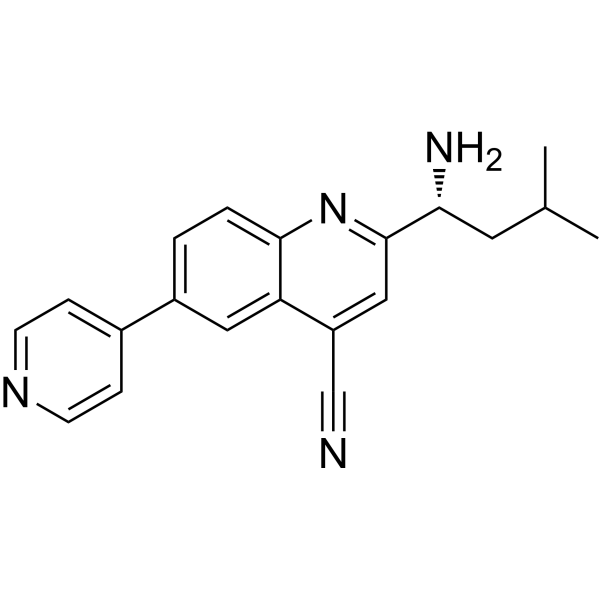
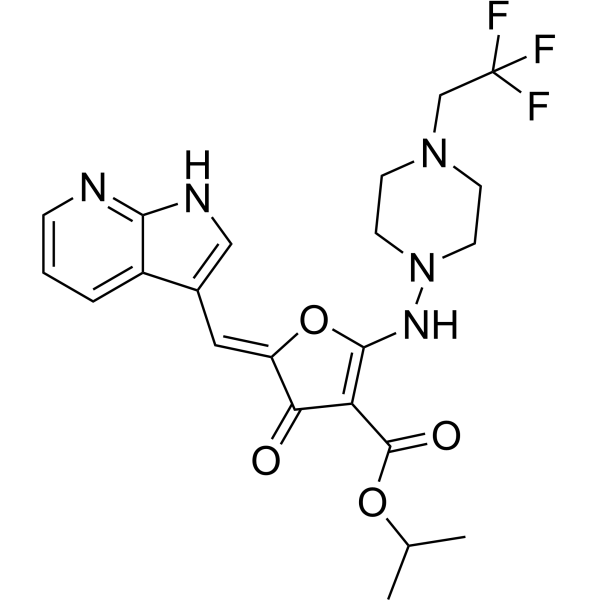
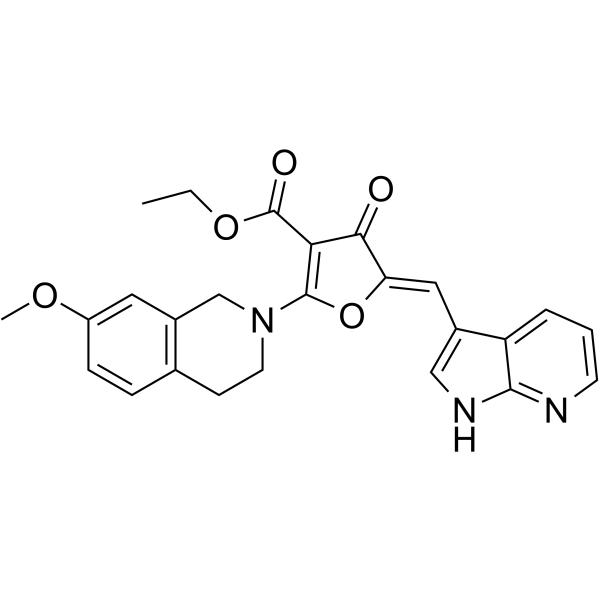
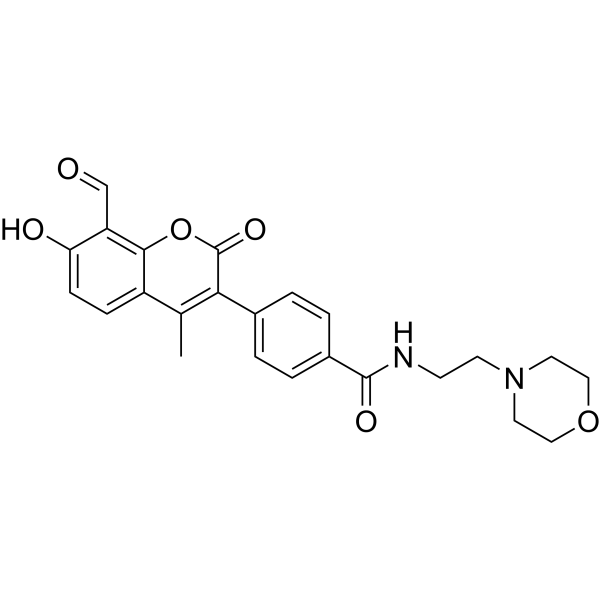
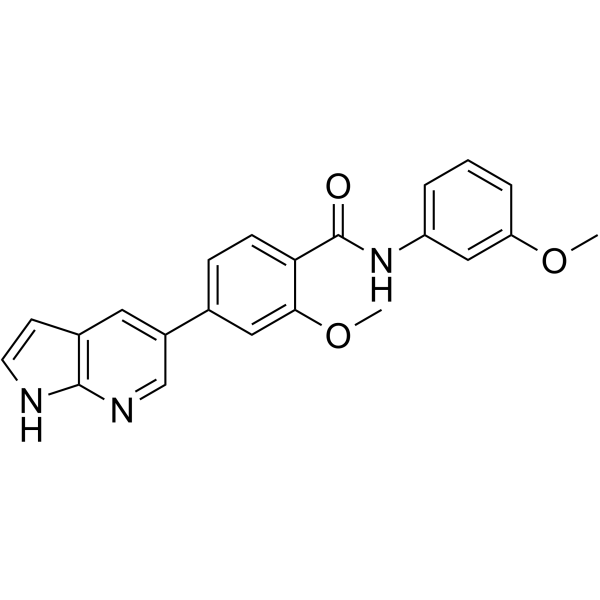
    MU1787 is a highly selective homeodomain-interacting protein kinase (HIPK) inhibitor with a furopyridine core, and shows improved selectivity against CLKs, with inactivity against DYRK1B, DYRK2, and MLK2/3 in in vitro cellular assays. MU1787 can be used for the research of malignancies .
    MU1787
  • HY-159846

    MEK Cancer
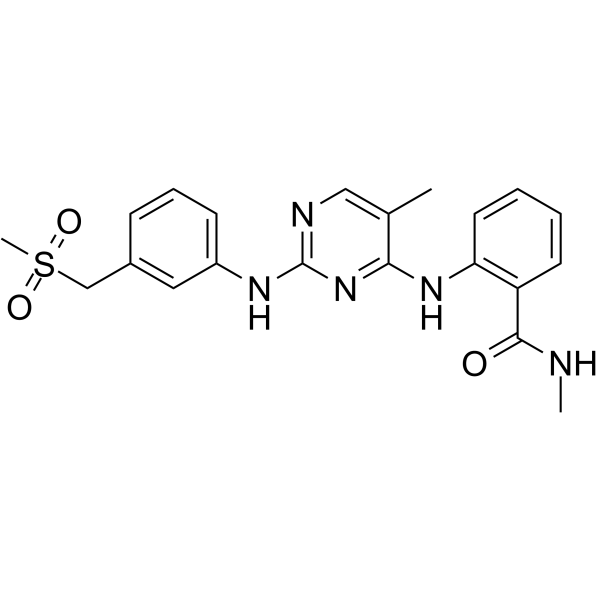
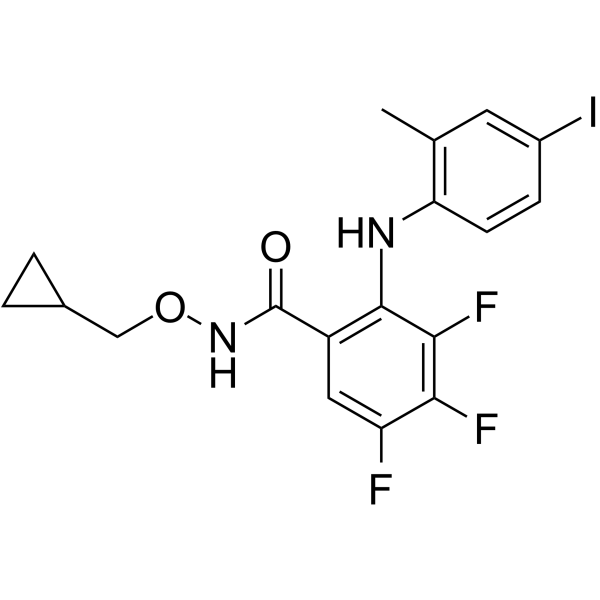
    Luvometinib is a mitogen-activated protein kinase (MEK) inhibitor with antitumor activity .
    Luvometinib
  • HY-169789

    PI3K Metabolic Disease Cancer
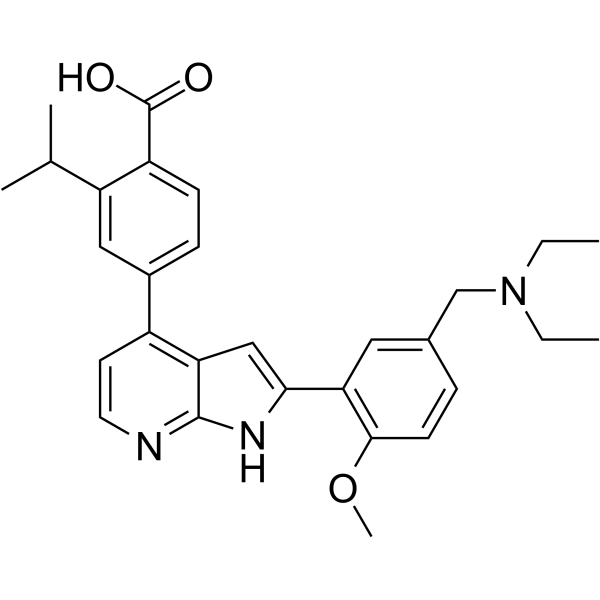
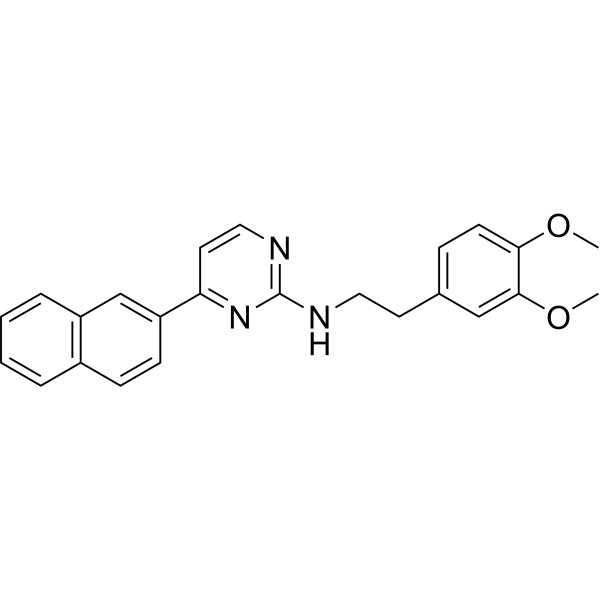
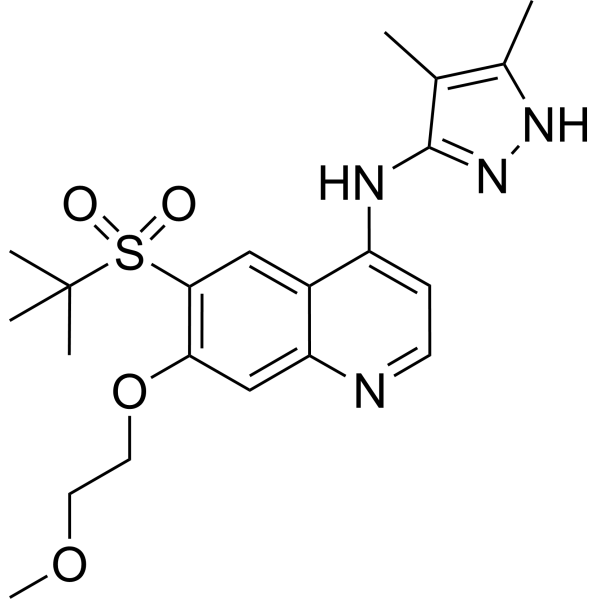
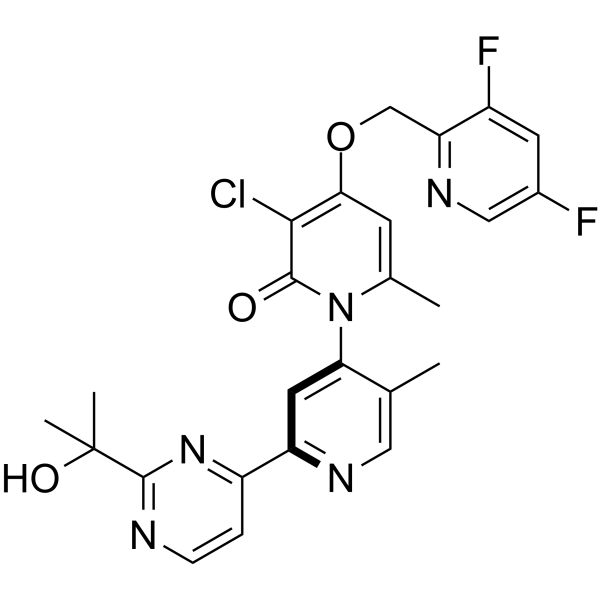
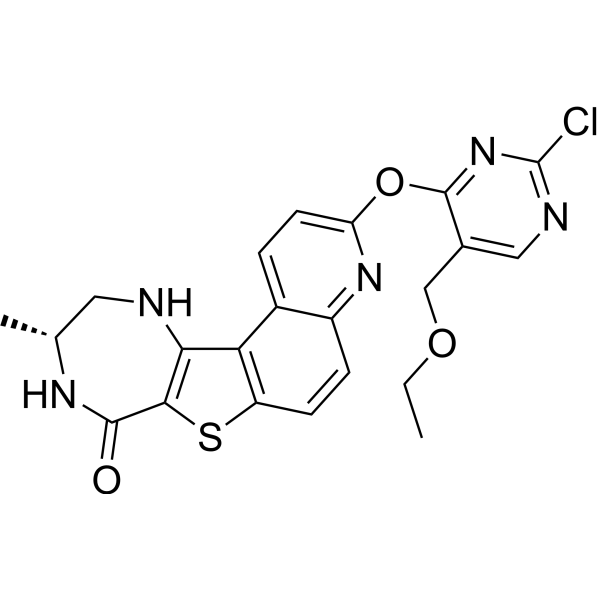
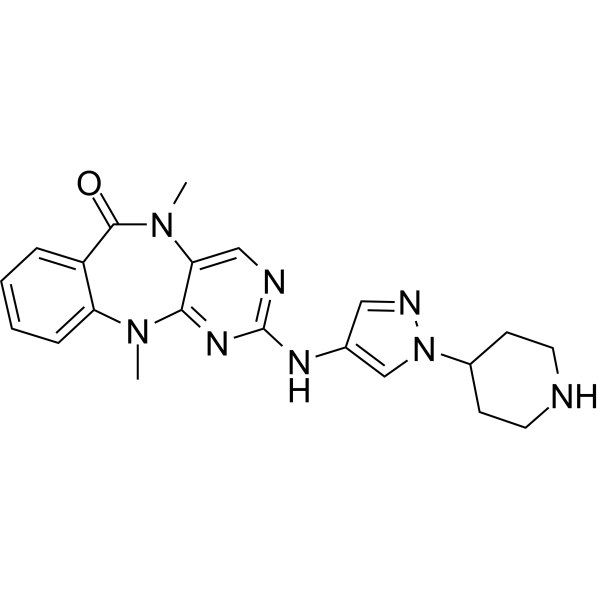
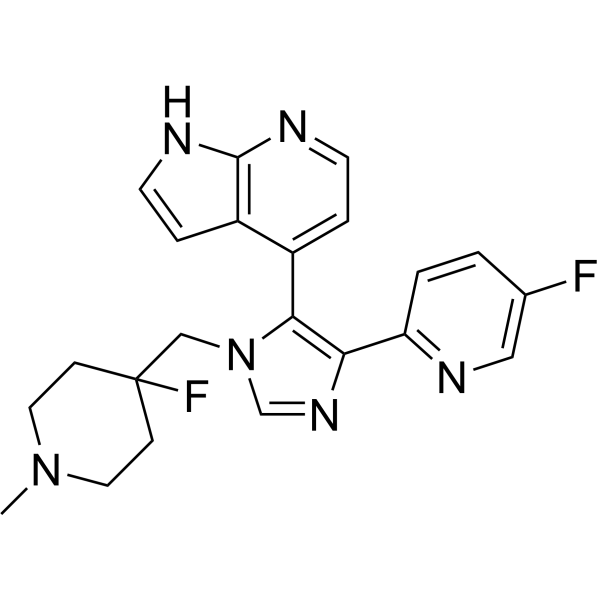
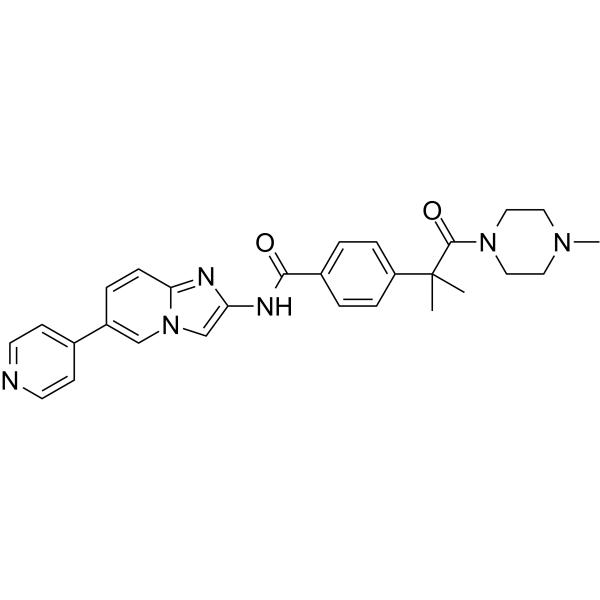
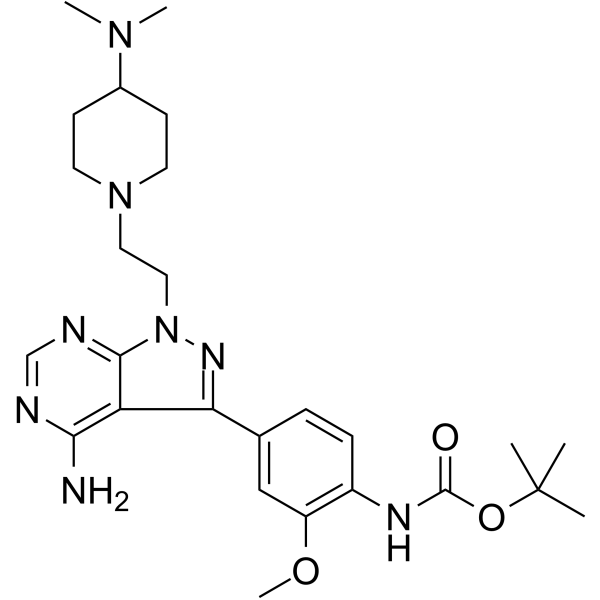
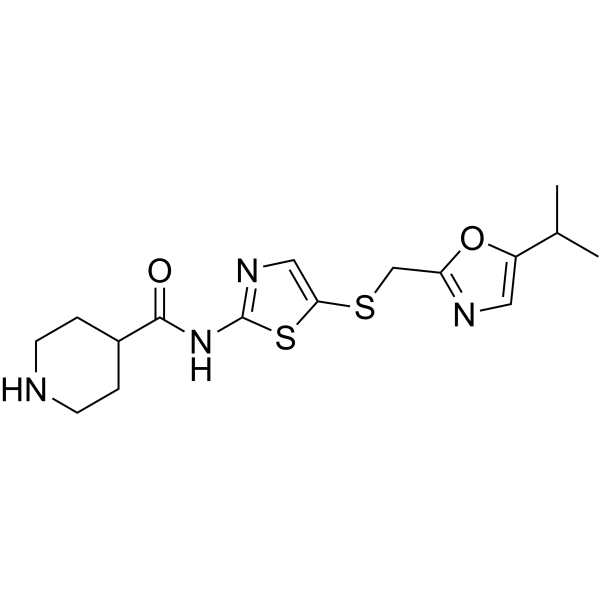
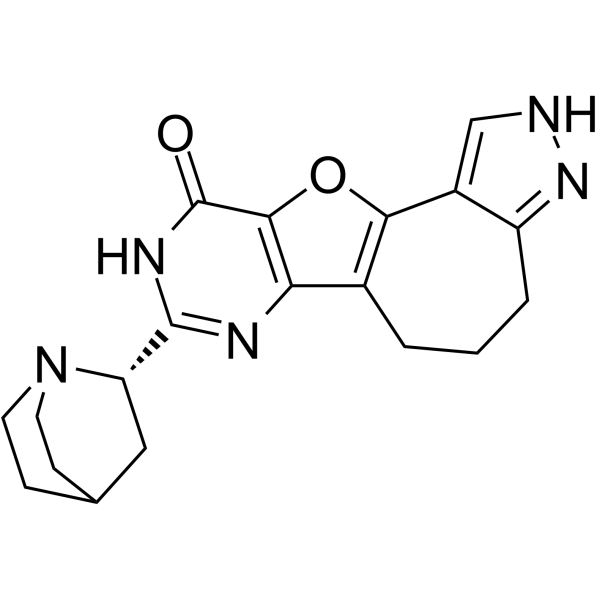
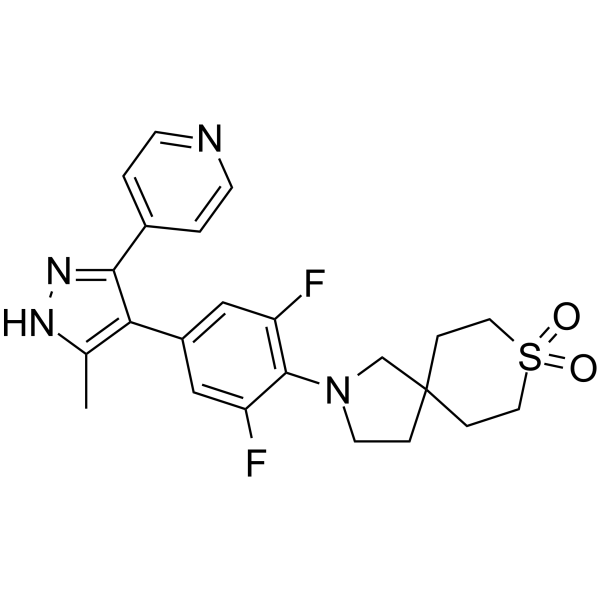
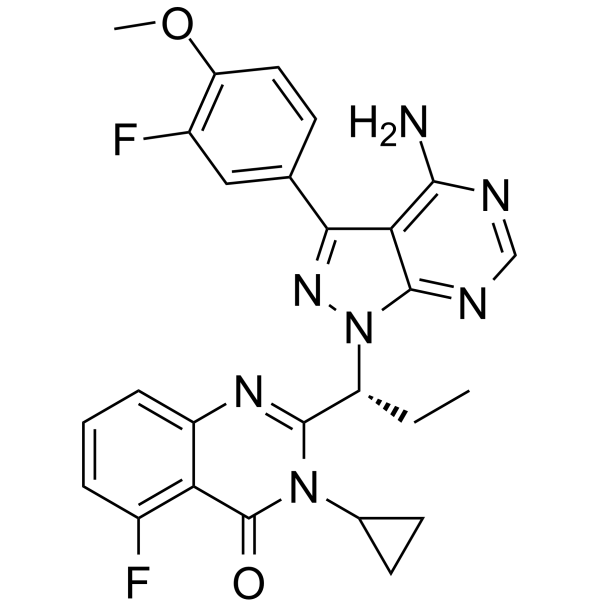
    PKN3-IN-1 (compound 16) inhibits PKN3 (serine/threonine protein kinase 3) and GAK (cyclin G-associated kinase) with IC50 of 0.014 μM and Ki of 0.0044 μM respectively. PKN3-IN-1 is a potential tool compound to study the cell biology of PKN3 and its role in pancreatic and prostate cancer and T-cell acute lymphoblastic leukemia .
    PKN3-IN-1
  • HY-W011297

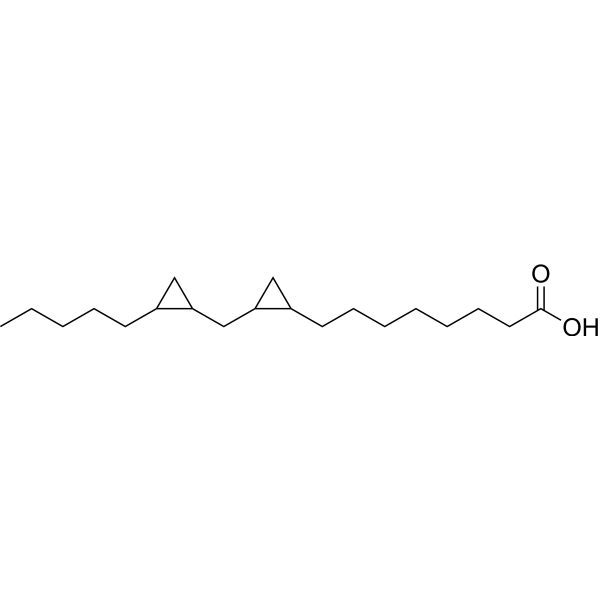
    Arachidonic acid methyl ester

    PKC Metabolic Disease
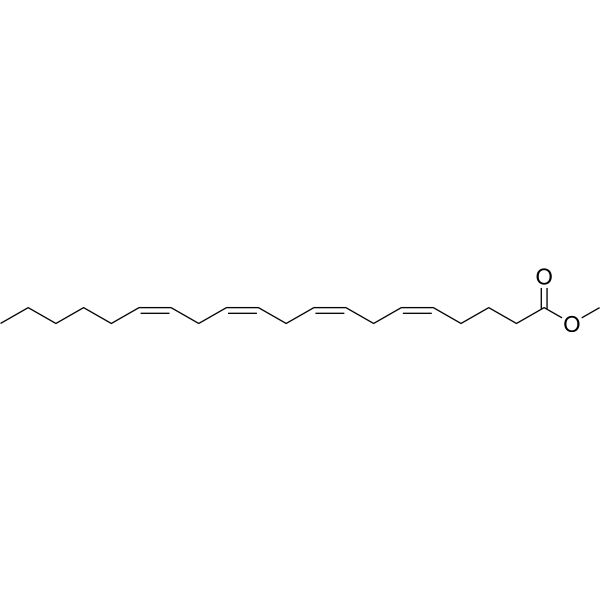
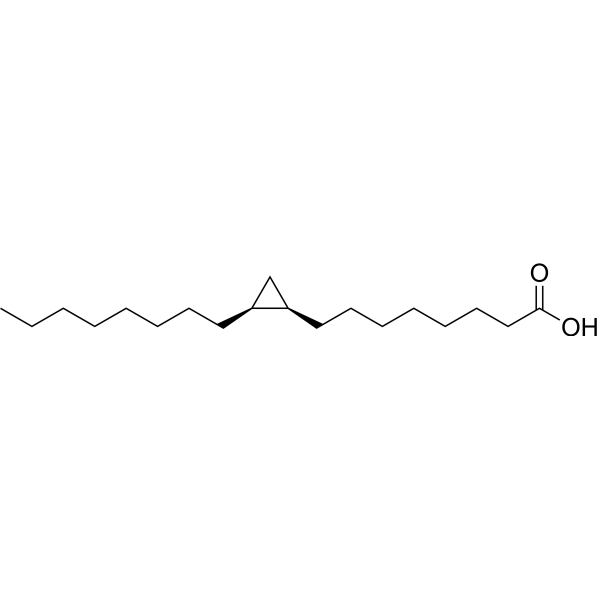
    Methyl arachidonate is a protein kinase C activator and also an orally active substrate that undergoes esterase-mediated hydrolysis. Methyl arachidonate indirectly activates protein kinase C via eicosanoid metabolites generated through the arachidonic acid metabolic pathway, exerting effects via cyclooxygenase products at low concentrations and via lipoxygenase products at high concentrations. Methyl arachidonate can be used in studies related to lipodystrophy .
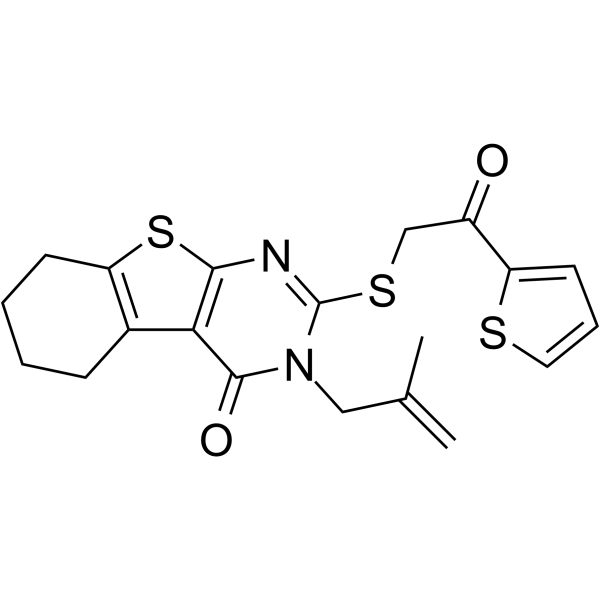
    Methyl arachidonate
  • HY-148382

    RIP kinase Necroptosis Neurological Disease Inflammation/Immunology
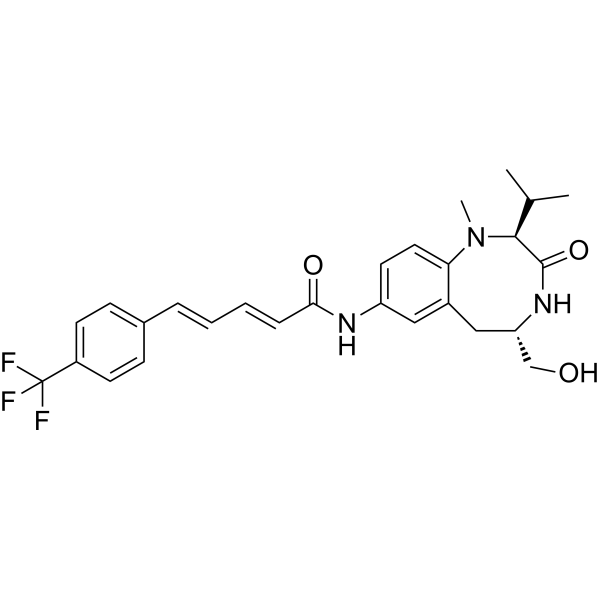
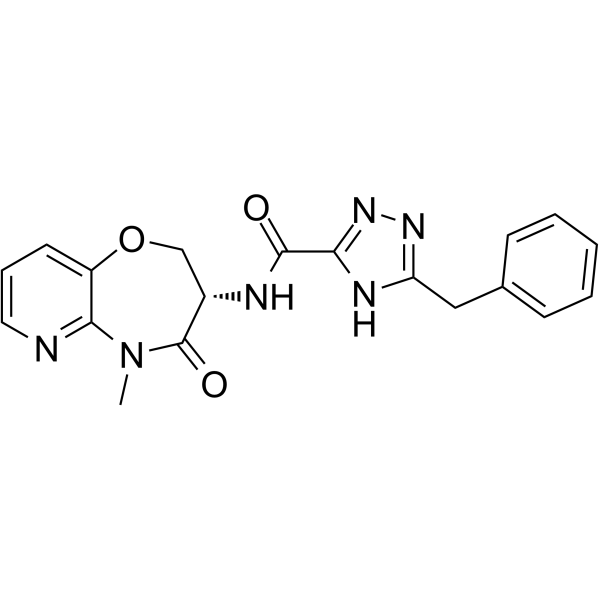
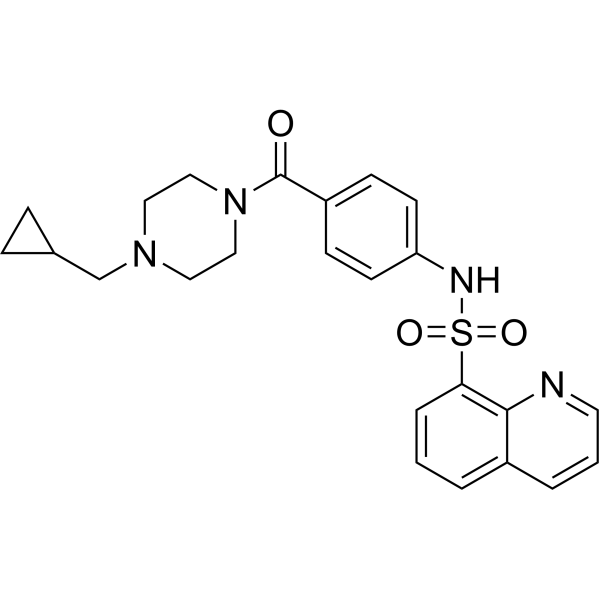
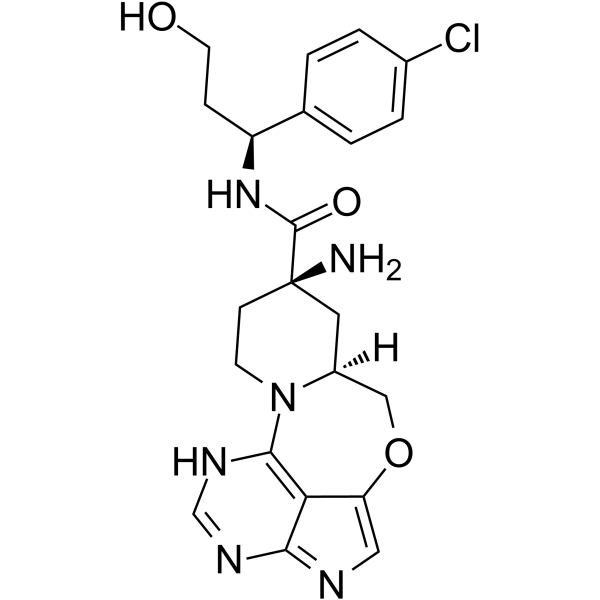
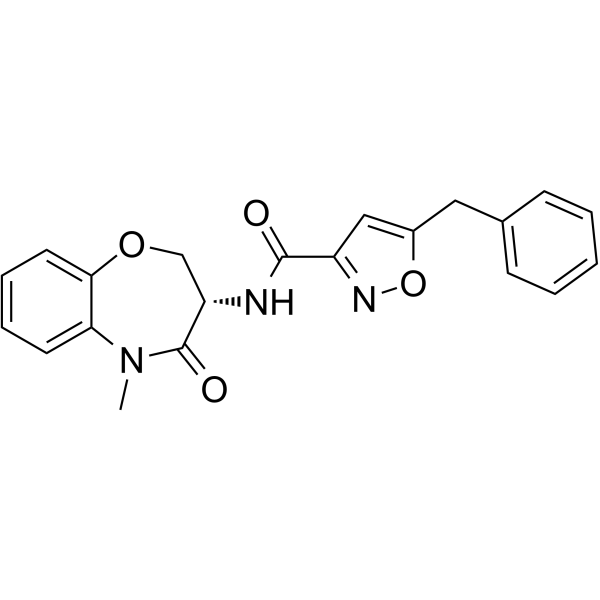
    RI-962 is a potent and selective receptor-interacting protein kinase 1 (RIPK1) inhibitor. RI-962 inhibits RIPK1 with an IC50 value of 35.0 nM. RI-962 can be used for the research of nervous system diseases and inflammatory diseases .
    RI-962
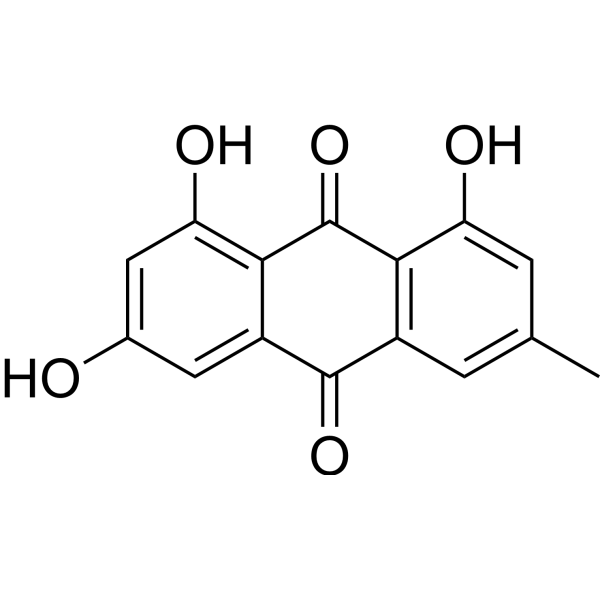
  • HY-N7160

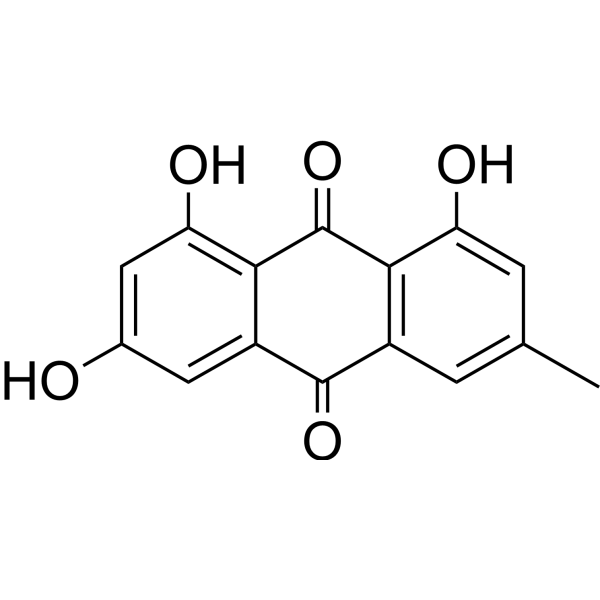
    Src Apoptosis Cancer
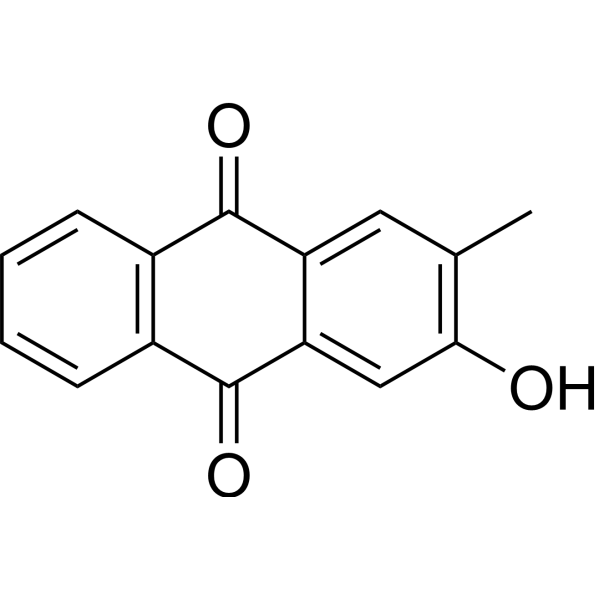
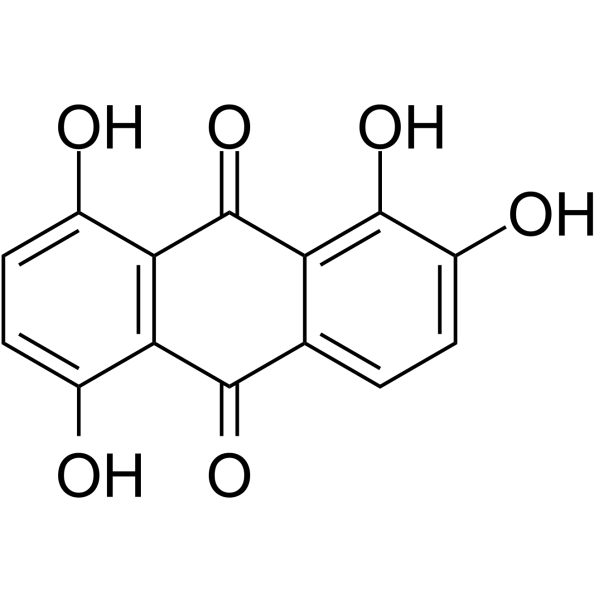
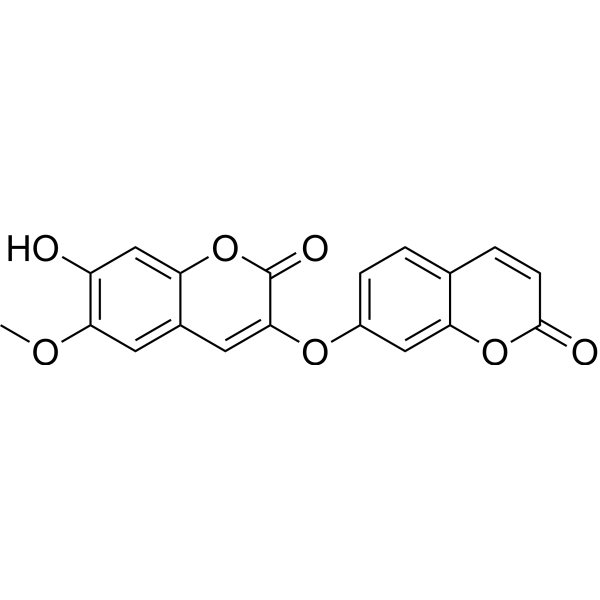
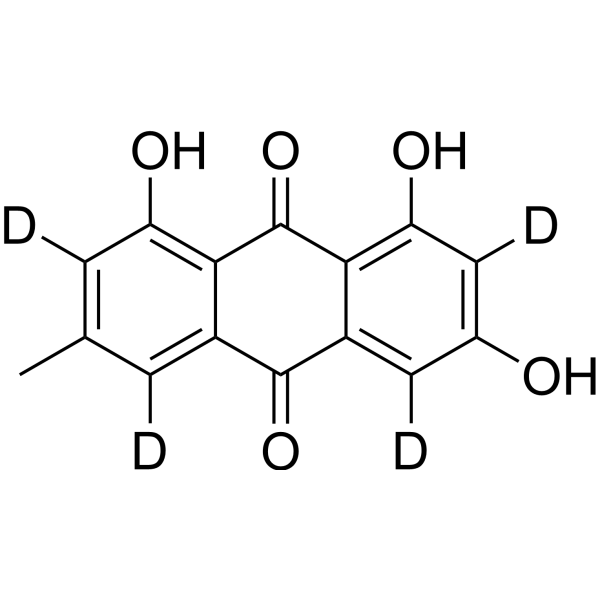
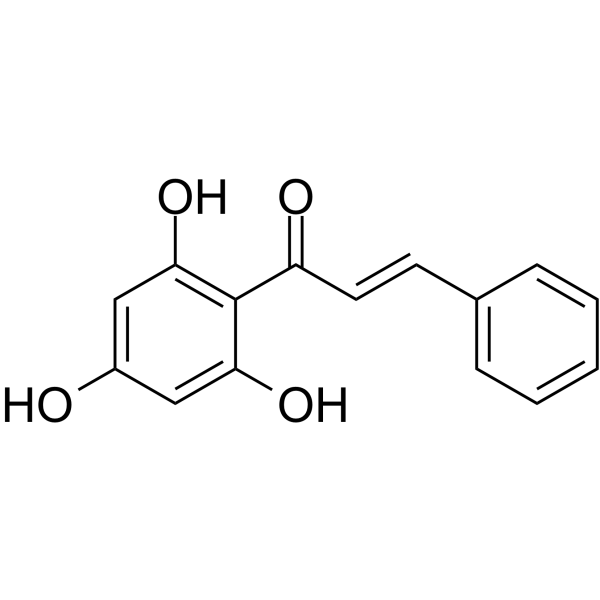
    2-Hydroxy-3-methylanthraquinone (compound 1) is a natural compound isolated from a water extract of Hedyotis diffusa WILLD. 2-Hydroxy-3-methylanthraquinone shows inhibitory activity against protein tyrosine kinases v-src and pp60src, and induces growth arrest and apoptosis in the HepG2 cancer cells .
    2-Hydroxy-3-methylanthraquinone
  • HY-130354
    Dibutyryl-cGMP sodium
    2 Publications Verification

    Bt2cGMP sodium

    Potassium Channel Cardiovascular Disease
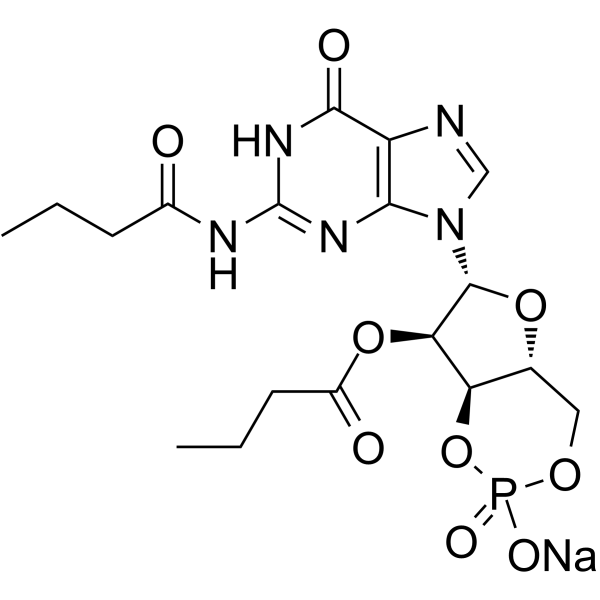
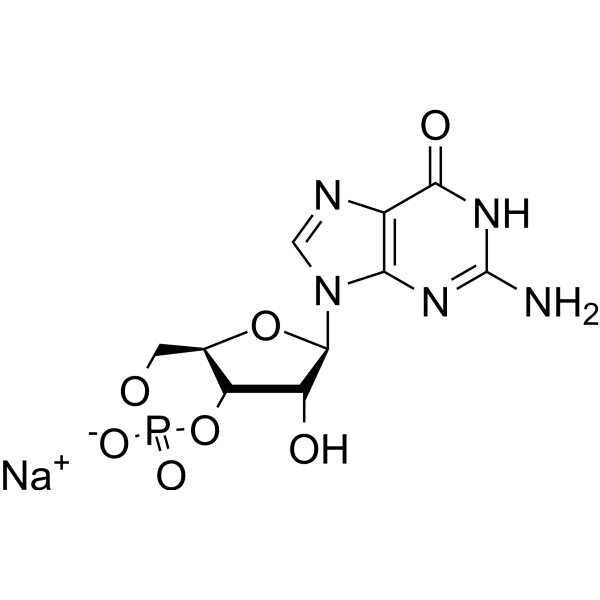
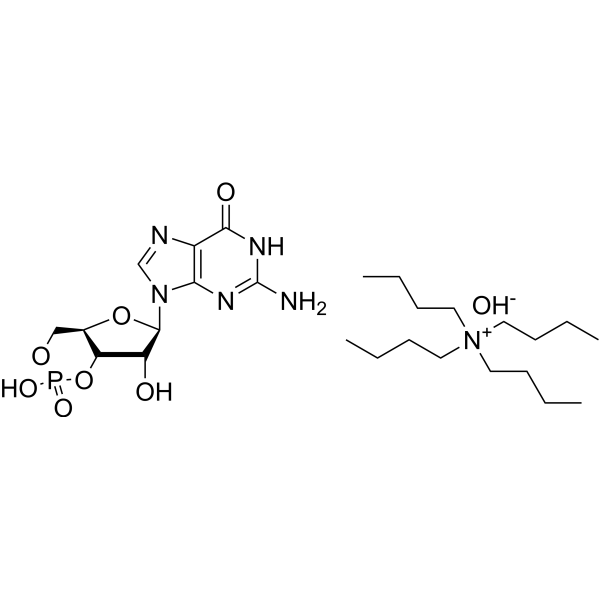
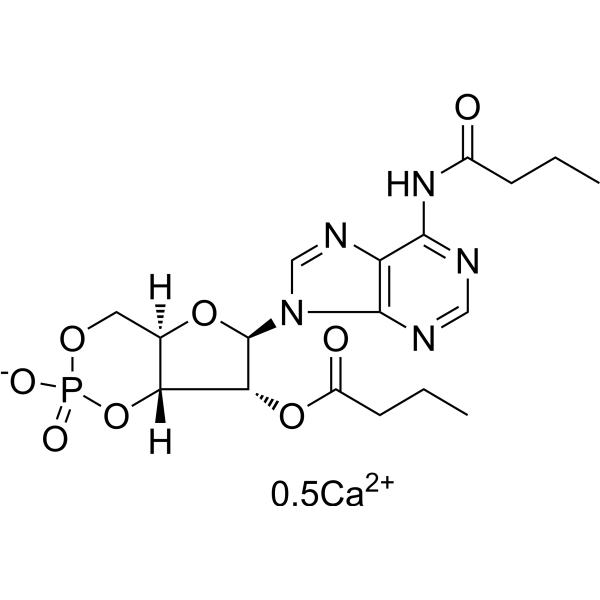
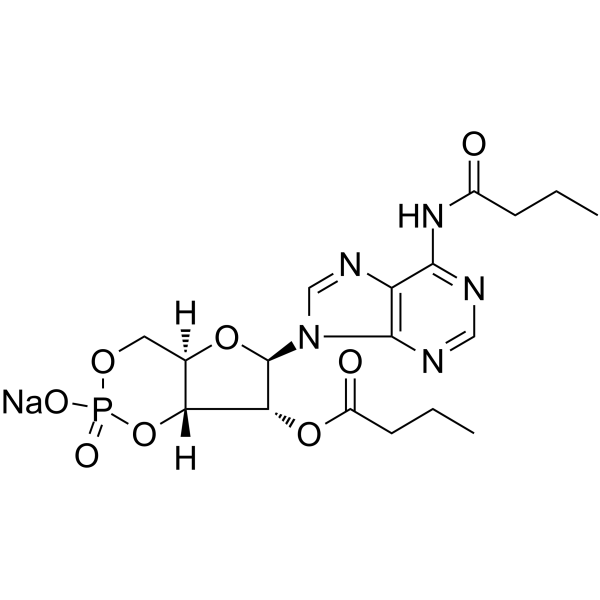
    Dibutyryl-cGMP sodium (Bt2cGMP sodium) is a cell-permeable cGMP analogue. Dibutyryl-cGMP sodium preferentially activates cGMP-dependent protein kinase (PKG). Dibutyryl-cGMP sodium inhibits the release of [ 3H]-arachidonic acid from γ thrombin-stimulated human platelets. Dibutyryl-cGMP sodium induces peripheral antinociception via activation of ATP-sensitive K + channels .
    Dibutyryl-cGMP sodium
  • HY-115741

    Nucleoside Antimetabolite/Analog Neurological Disease Cancer
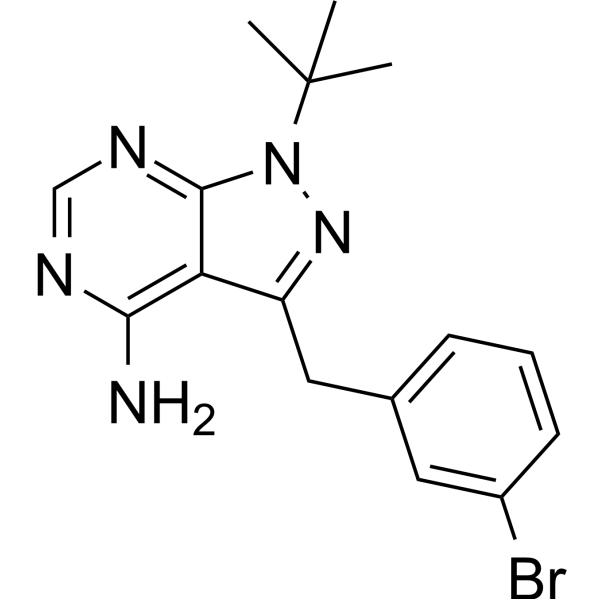
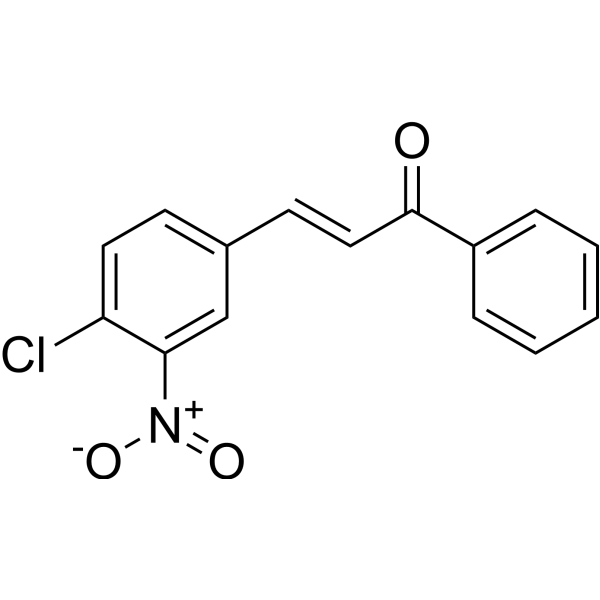
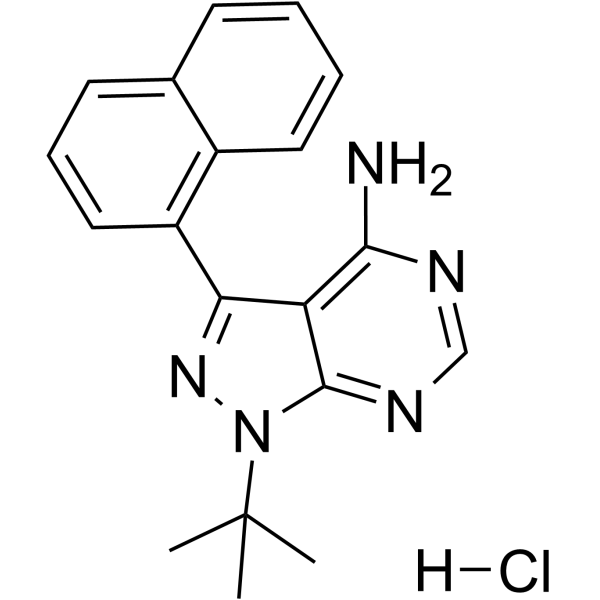
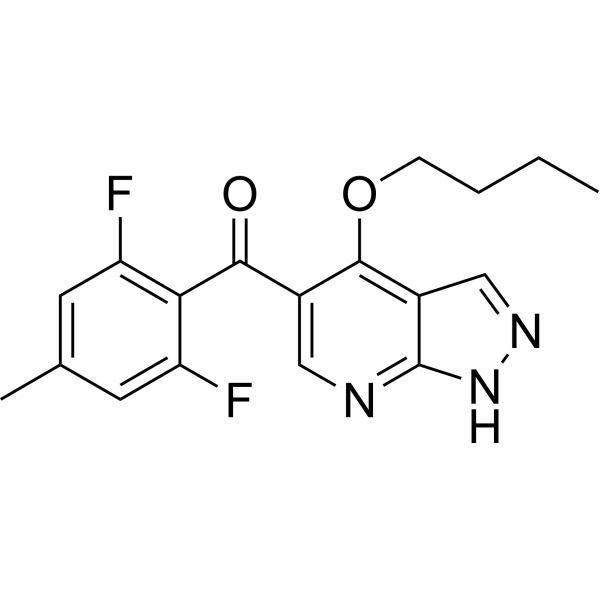
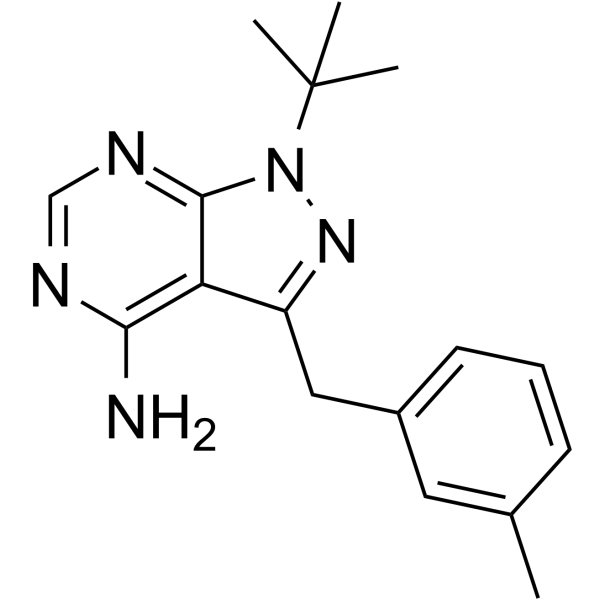
    3BrB-PP1 is an ATP-competitive analog. 3BrB-PP1 can specifically inhibit the activity of protein kinase with mutations in the ATP-binding pocket (mutation of Thr97 within Sty1’s ATP-binding pocket) .
    3BrB-PP1
  • HY-126323B

    Parasite Infection
    TCMDC-135051 hydrochloride is a highly selective and potent protein kinase PfCLK3 inhibitor with low off-target toxicity. TCMDC-135051 hydrochloride prevents trophozoite-to-schizont transition, disrupts transcription and reduces transmission to the mosquito vector. TCMDC-135051 hydrochloride has antiparasiticidal activity (EC50=320 nM) .

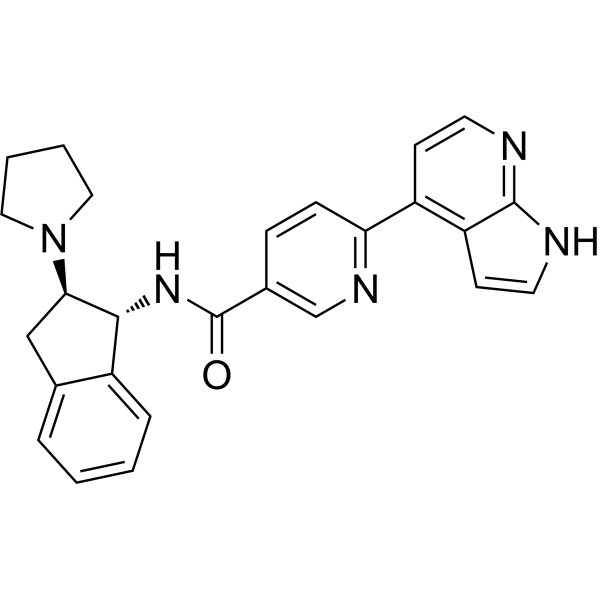
    TCMDC-135051 hydrochloride
  • HY-W844543

    Others Neurological Disease
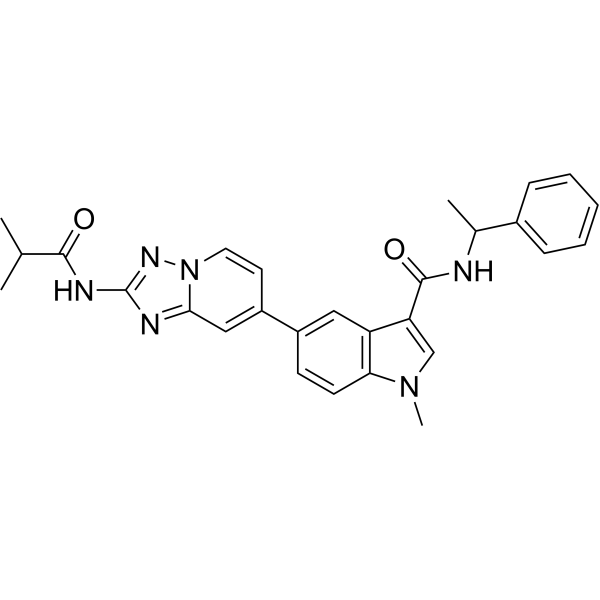
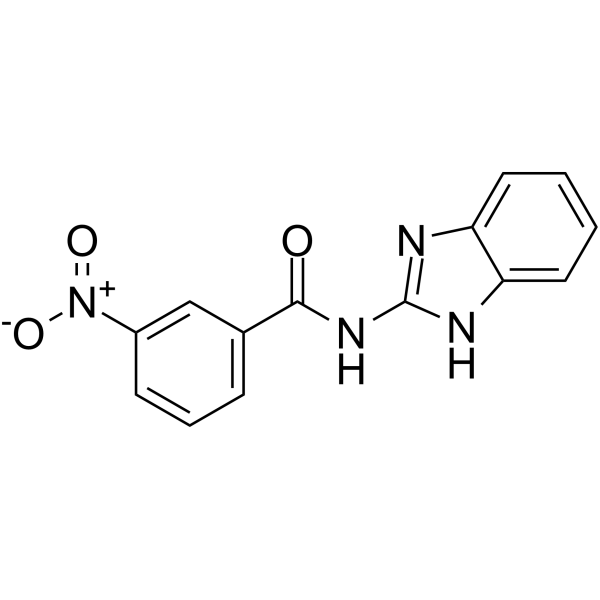
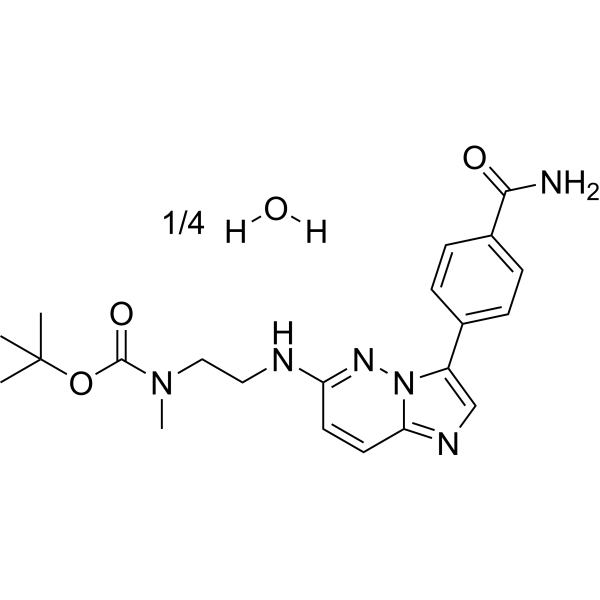
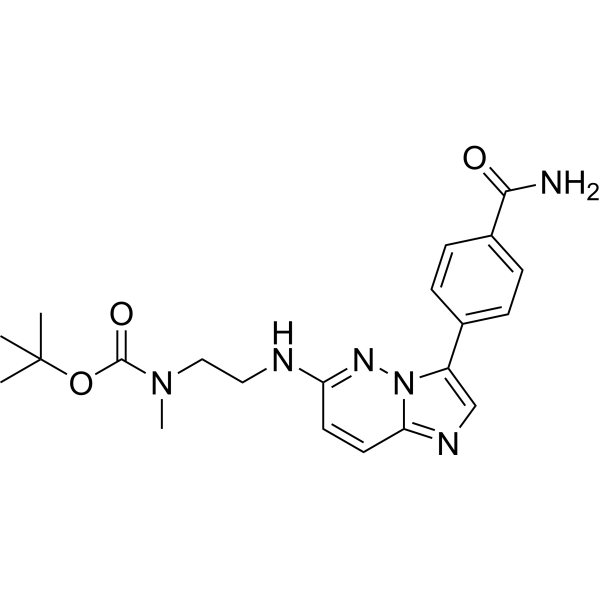
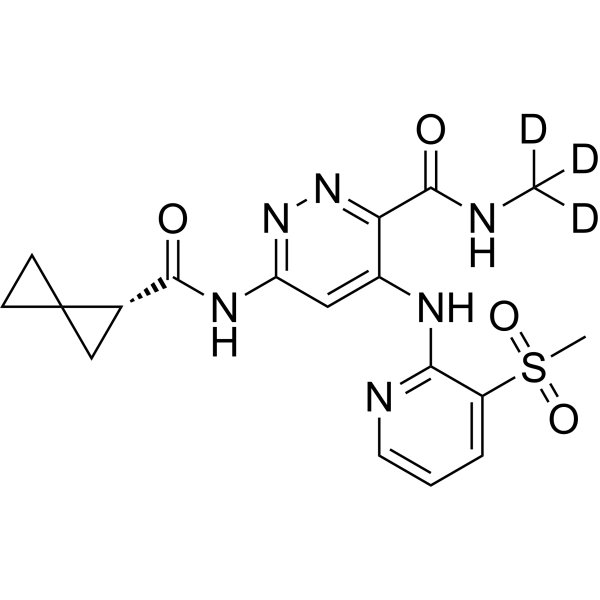
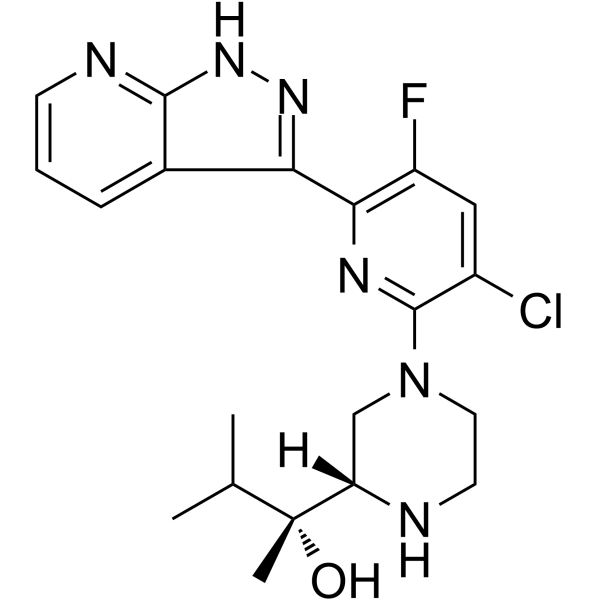
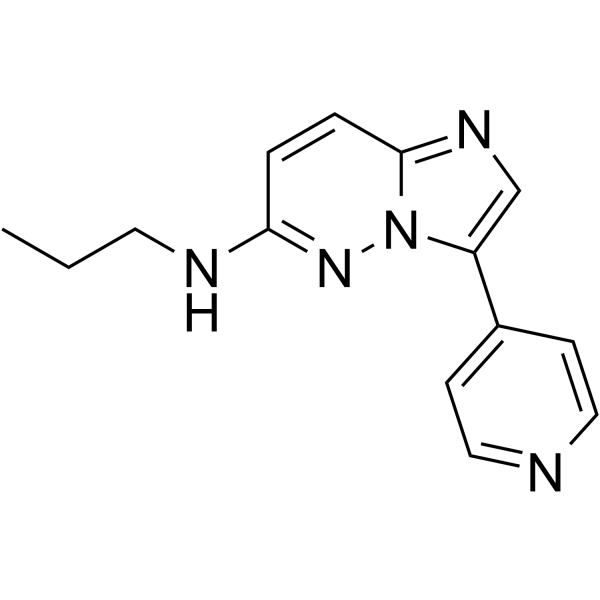
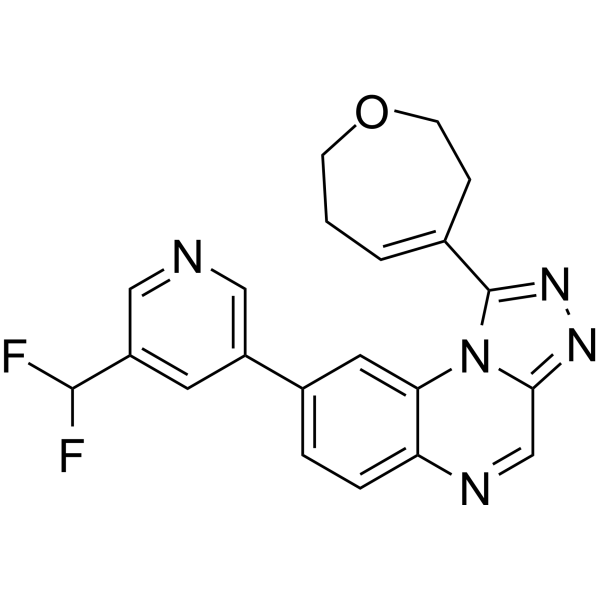
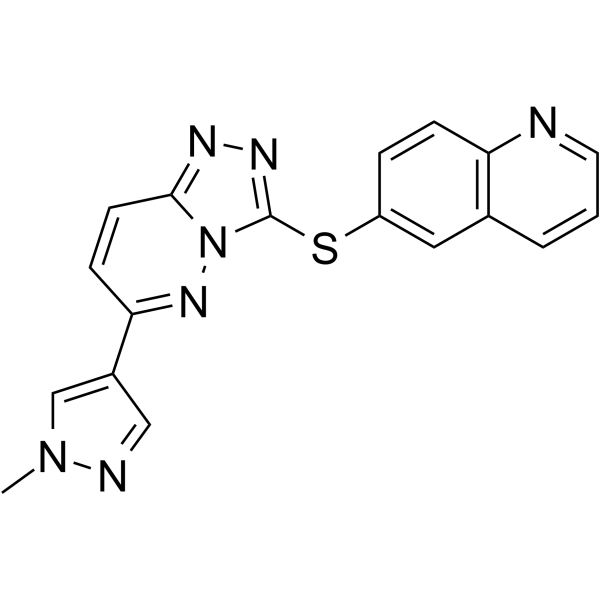
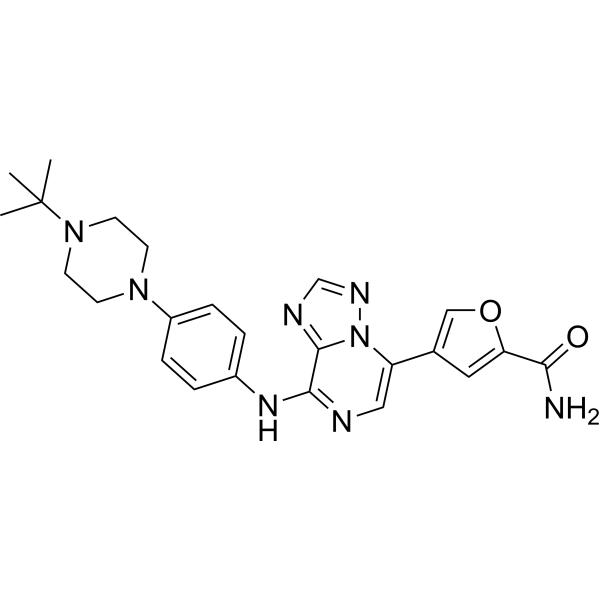
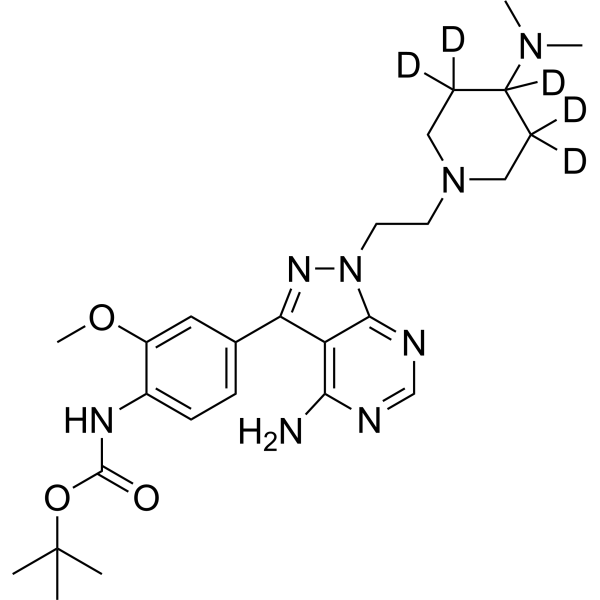
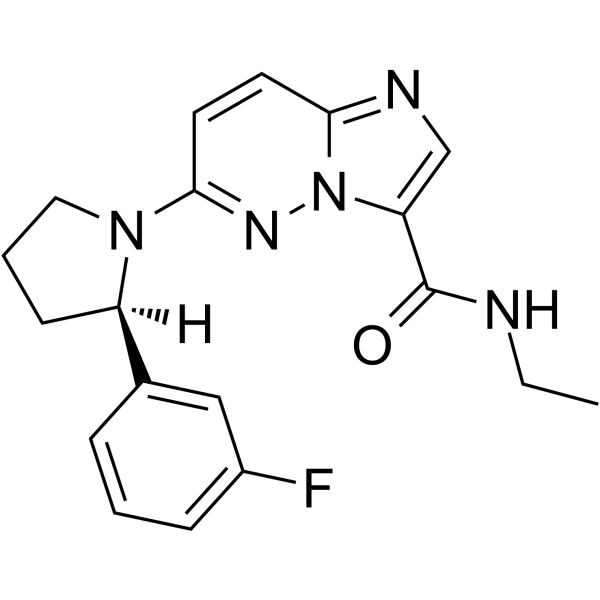
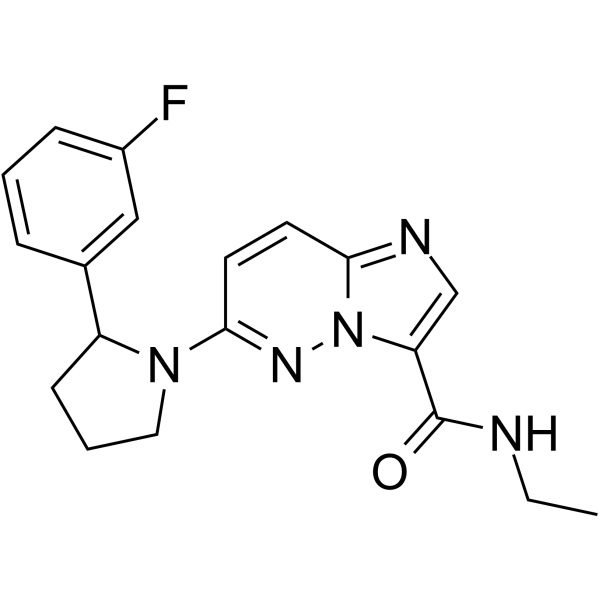
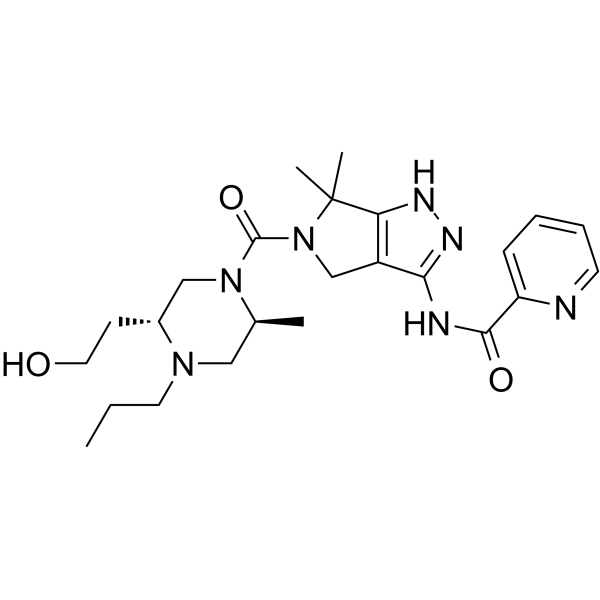
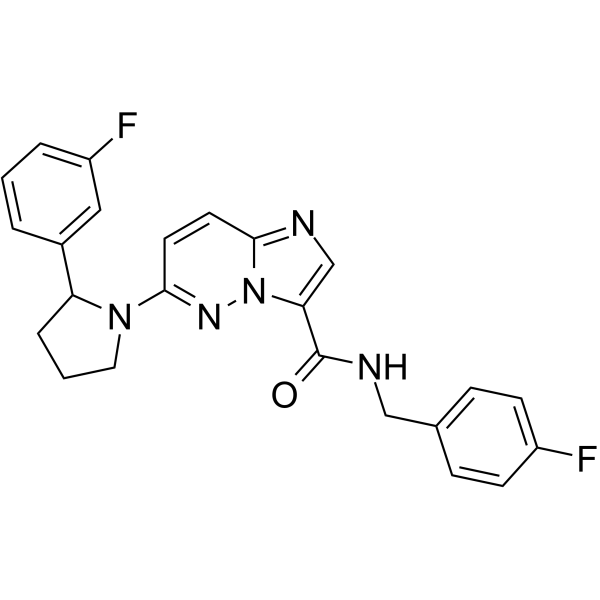
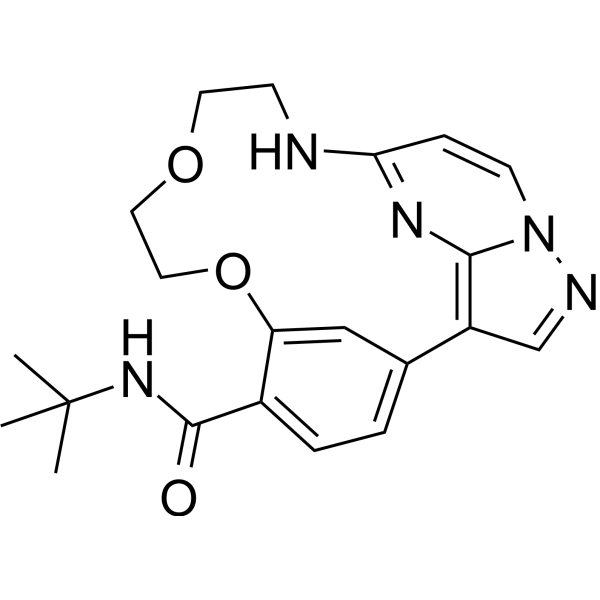
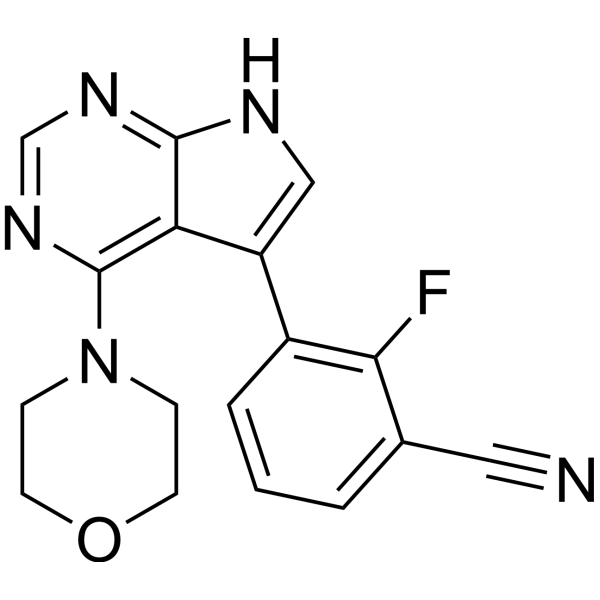
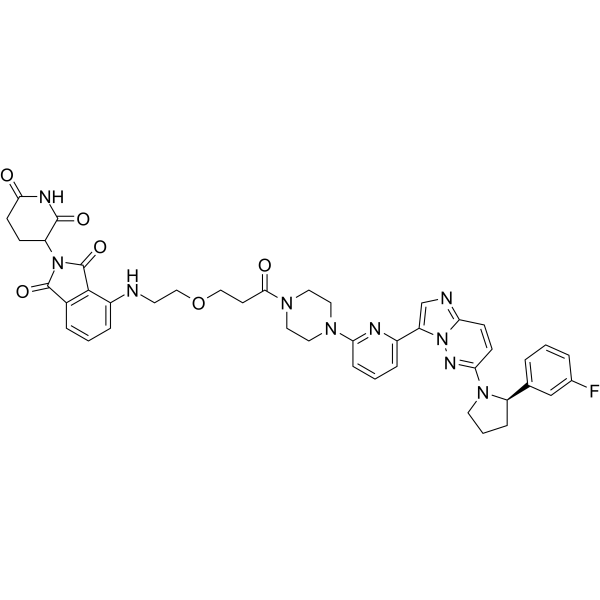
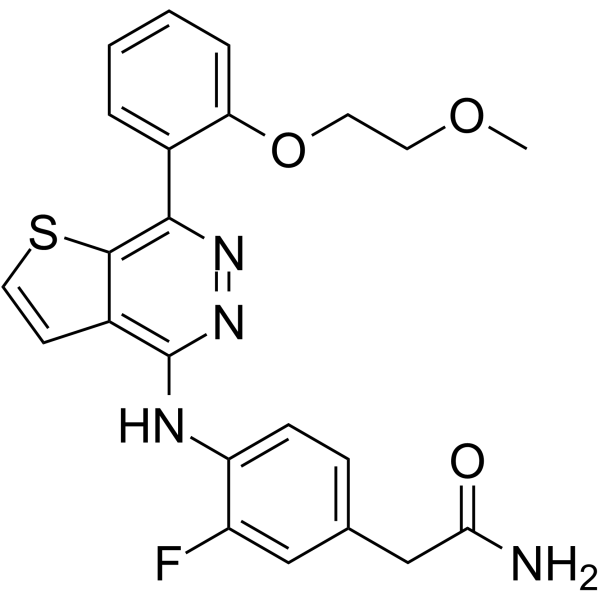
    Protein Kinase Inhibitor 12 (compound 1-91) is a triazolopyridazine derivative and protein kinase inhibitor that can be utilized in research related to diseases associated with protein kinases .
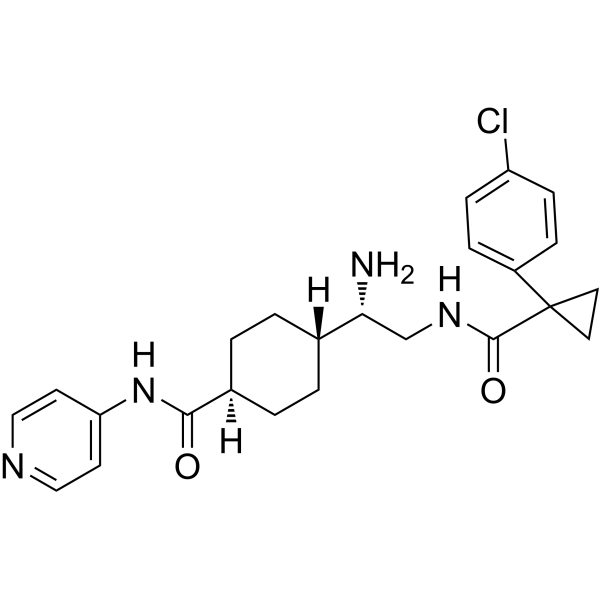
    Protein kinase inhibitor 12
  • HY-P3935

    Ser/Thr Kinase Cancer
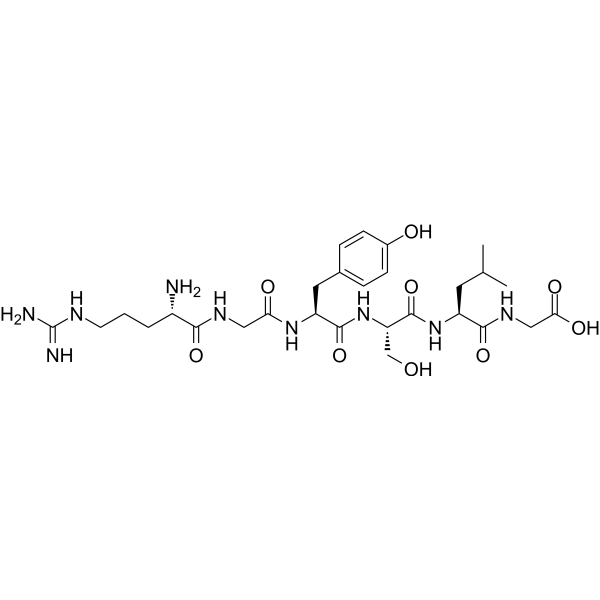
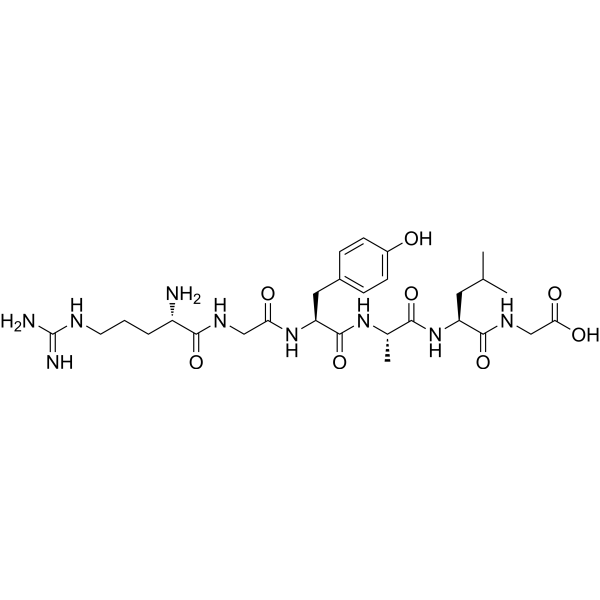
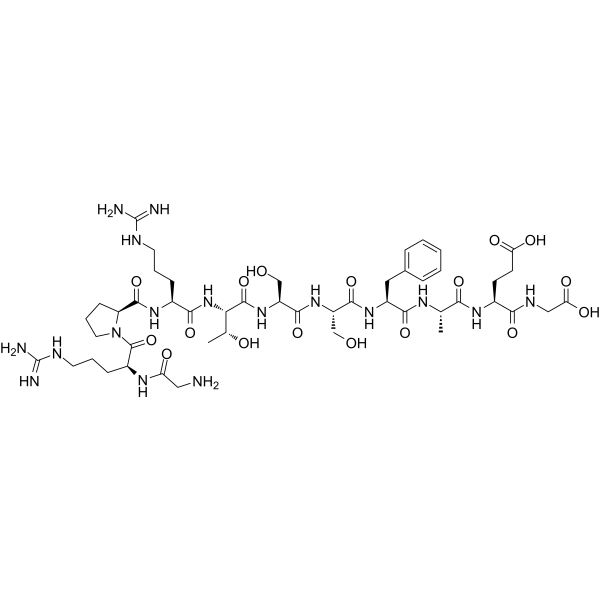
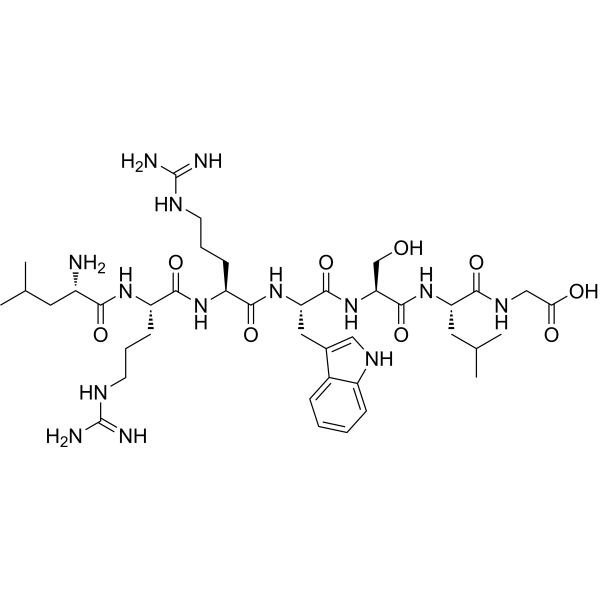
    Arg-Gly-Tyr-Ser-Leu-Gly is corresponding to the sequence of residues from 21 through 26 in lysozyme. Arg-Gly-Tyr-Ser-Leu-Gly can be used as a substrate for the protein kinase, and phosphorylated at serine residue by protein kinase .
    Arg-Gly-Tyr-Ser-Leu-Gly
  • HY-P2673

    KRTLRR

    EGFR Others
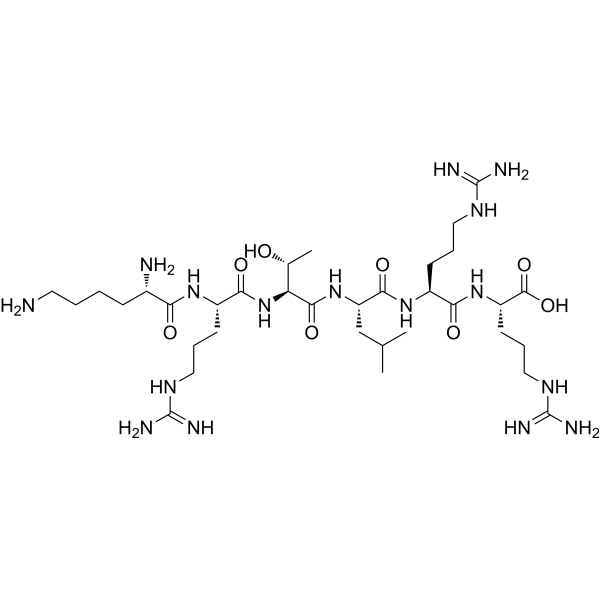
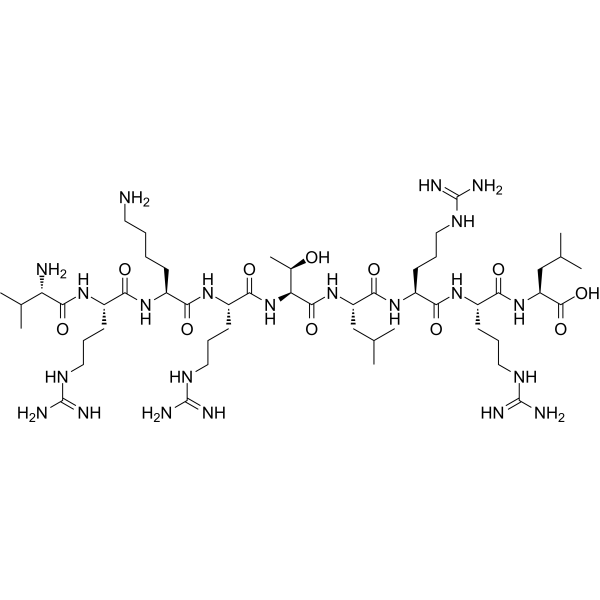
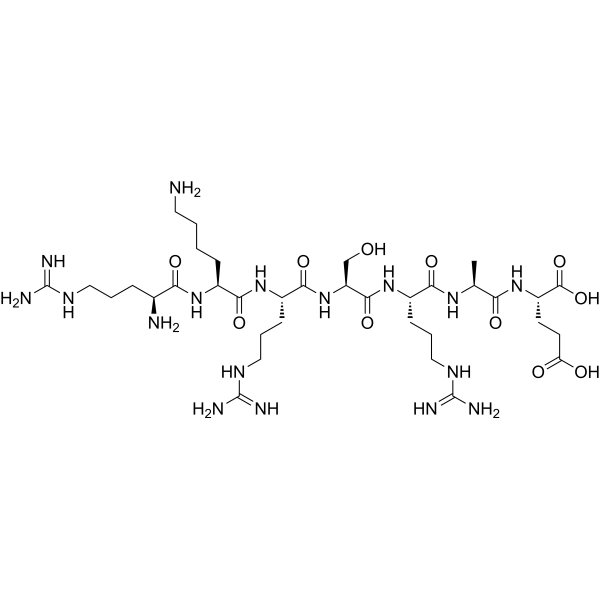
    Lys-Arg-Thr-Leu-Arg-Arg (KRTLRR) is a hexapeptide. Lys-Arg-Thr-Leu-Arg-Arg is a substrate of protein kinase C from EGF receptor. Lys-Arg-Thr-Leu-Arg-Arg can be used to determine the activity of protein kinase C .
    Lys-Arg-Thr-Leu-Arg-Arg
  • HY-P3929A
    PKI (14-24)amide TFA
    1 Publications Verification

    PKA Cancer
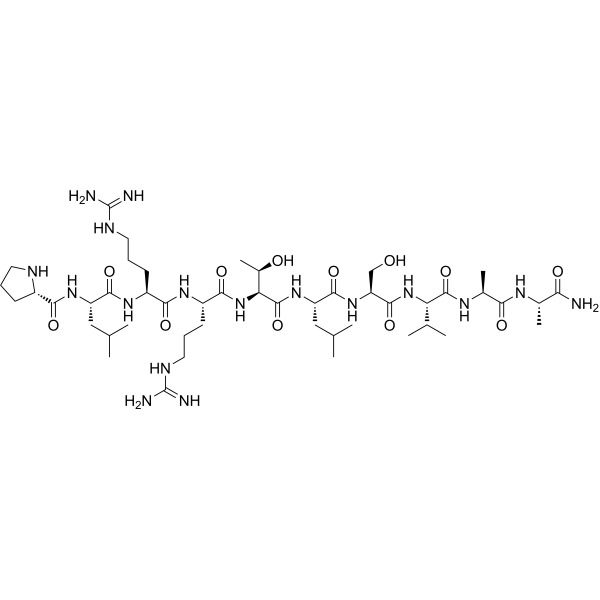
    PKI (14-24)amide TFA is a potent PKA inhibitor. PKI (14-24)amide strongly inhibited cyclic AMP-dependent protein kinase activity in the cell homogenate .
    PKI (14-24)amide TFA
  • HY-101290

    AAK1 Cyclin G-associated Kinase (GAK) Neurological Disease
    BMT-090605 is a potent, selective the adapter protein-2 associated kinase 1 (AAK1) inhibitor with an IC50 value of 0.6 nM. BMT-090605 shows antinociceptive activity. BMT-090605 inhibits BMP-2-inducible protein kinase (BIKE) and Cyclin G-associated kinase (GAK) with IC50 values of 45 nM and 60 nM, respectively. BMT-090605 can be used for the research of neuropathic pain .
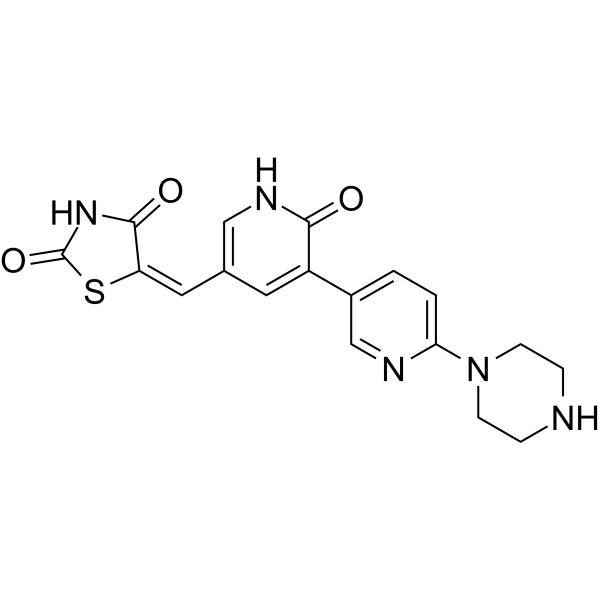
    BMT-090605
  • HY-121037

    EGM1

    Phosphodiesterase (PDE) Cancer

    Eggmanone (EGM1) is a potent and selective phosphodiesterase 4 (PDE4) antagonist with an IC50 of 72 nM for PDE4D3. Eggmanone shows approximately 40- to 50-fold selective for PDE4D3 over other PDEs. Eggmanone exerts its Hh-inhibitory effects through selective antagonism of PDE4, leading to protein kinase A activation and subsequent Hh blockade .
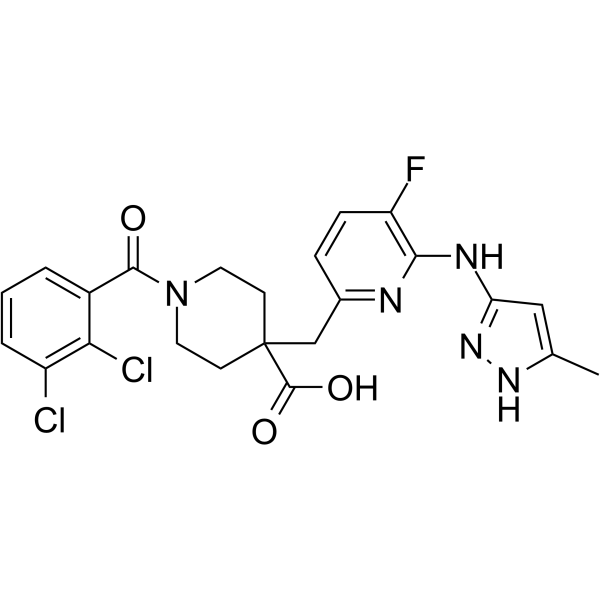
    Eggmanone
  • HY-P3930

    IP20-amide

    PKA Neurological Disease
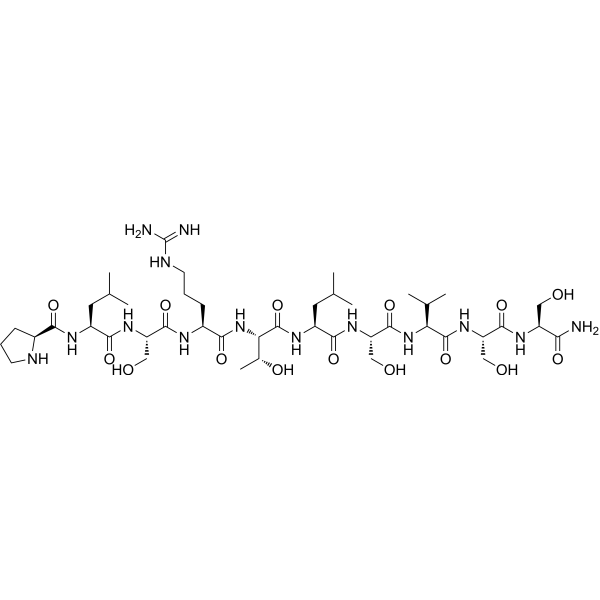
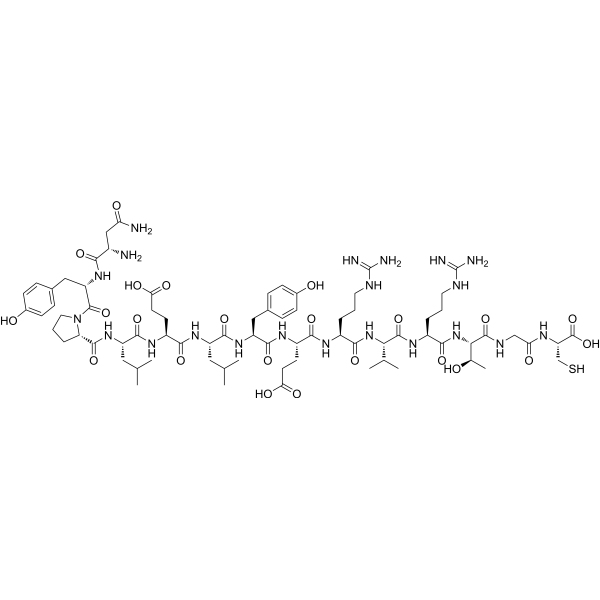
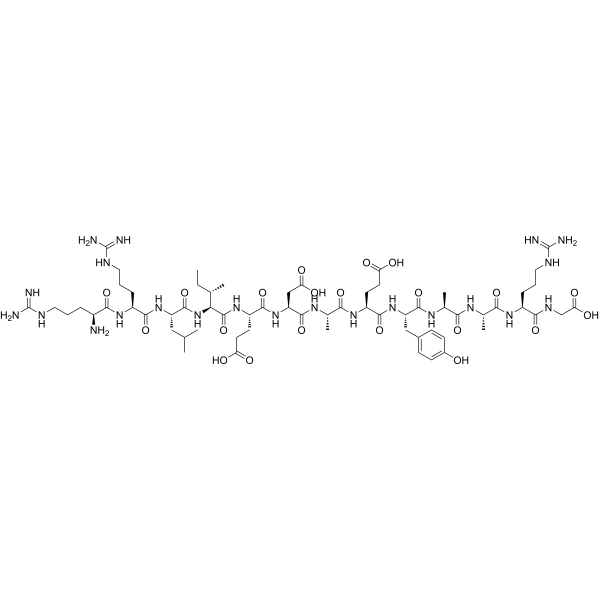
    PKI (5-24),amide (IP20-amide) is a 20-residue peptide that corresponds to the active portion of the heat-stable inhibitor protein of cAMP-dependent protein kinase. PKI (5-24),amide is a potent cAMP-dependent protein kinase (PKA) (PKA) inhibitor with a Ki of 2.3 nM .
    PKI (5-24),amide
  • HY-158051

    PKC Neurological Disease
    CIDD-0072424 selectively inhibits Protein Kinase C-epsilon (PKCε) (Ki=54 nM). CIDD-0072424 reduces ethanol consumption and preference in a dose-dependent manner .
    CIDD-0072424
  • HY-P10316

    Calmodulin-Dependent Protein Kinase I (299-320) Binding Domain

    CaMK Others
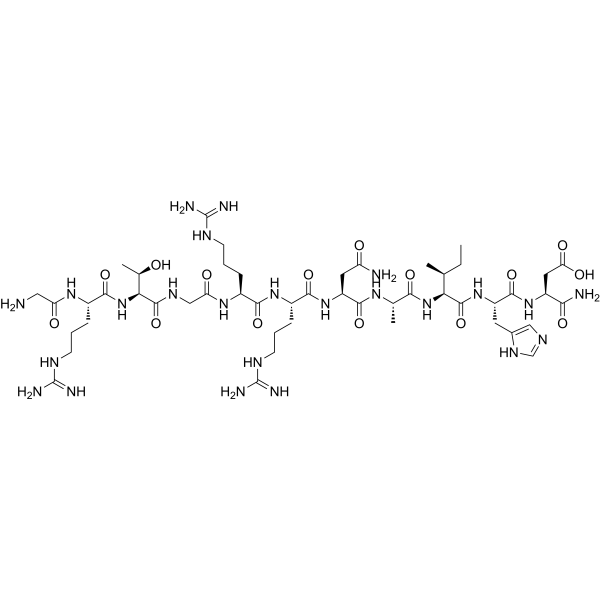
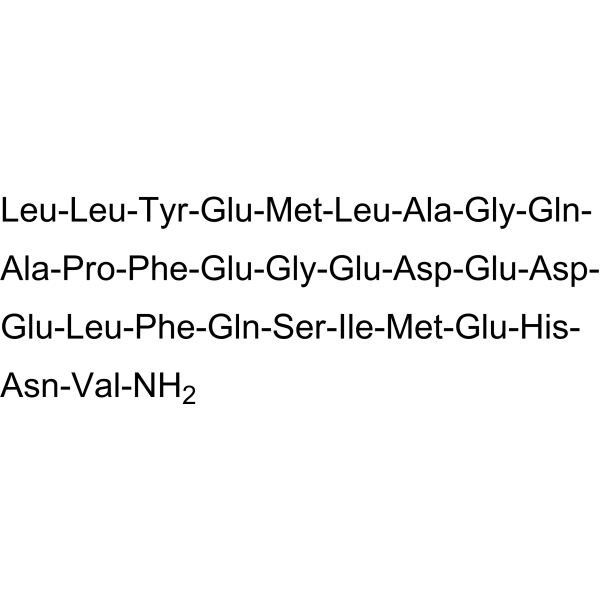
    CaMKI (299-320) refers to a peptide consisting of residues 299-320 of Calcium/calmodulin-dependent protein kinase I (CaMKI). CaMKI (299-320), as a protein kinase, has a high affinity interaction with Ca 2+-CAM (Kd≤1 nM≤1 nM), which can phosphorylate specific substrate proteins, thereby regulating their activity. CaMKI (299-320) contains the CAM-binding domain and the self-inhibition domain, and CaMKI (299-320) can be used to study cell physiological processes, including cell proliferation, differentiation, and apoptosis .
    CaMKI(299-320)
  • HY-145035

    MAP4K Inflammation/Immunology Cancer
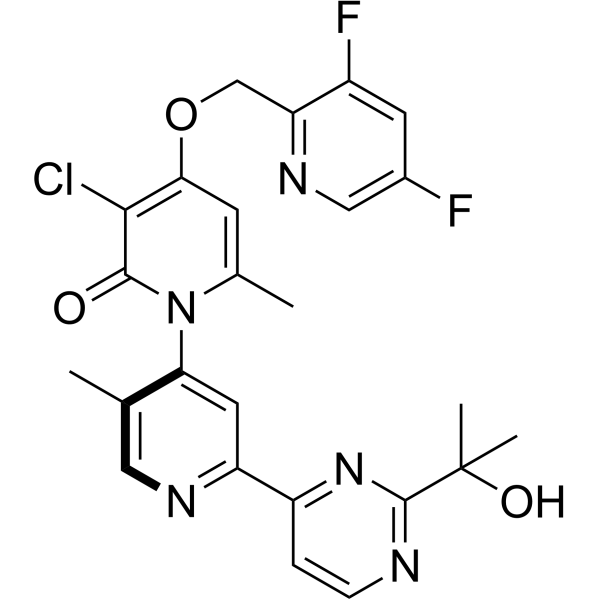
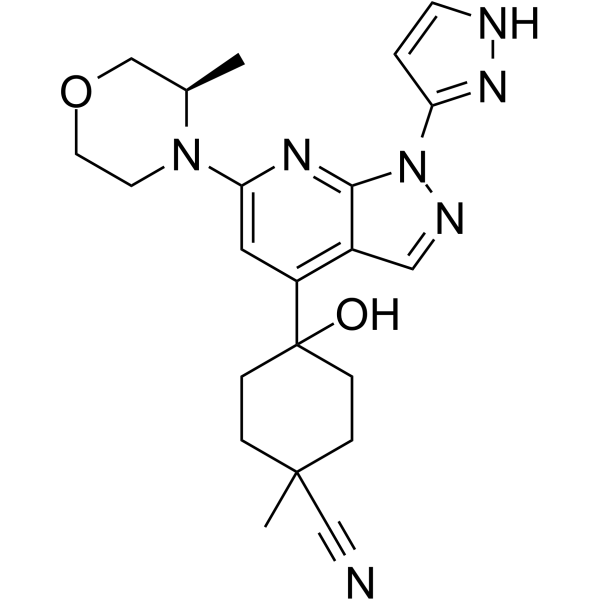
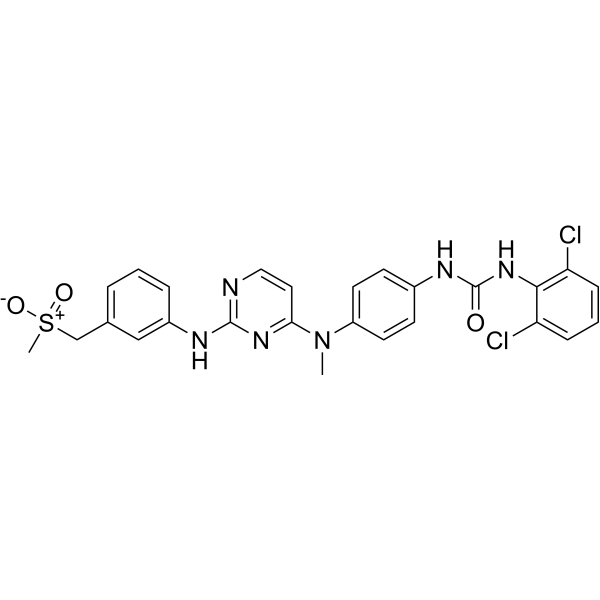
    HPK1-IN-9 is potent inhibitor of HPK1. HPK1 is a serine/threonine protein kinase cloned from hematopoietic progenitor cells and belongs to the MAP4K family of mammalian Ste-20-related protein kinases. HPK1-IN-9 has the potential for the research of HPK1 related diseases (extracted from patent WO2021213317A1, compound 112) .
    HPK1-IN-9
  • HY-153437

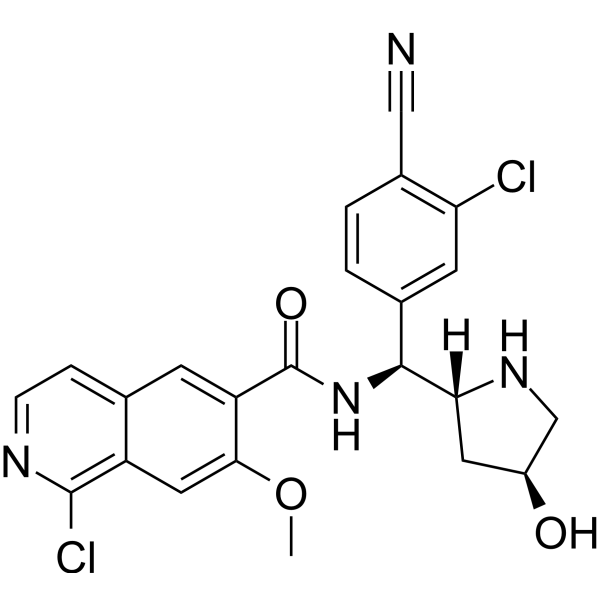
    RIP kinase Cancer
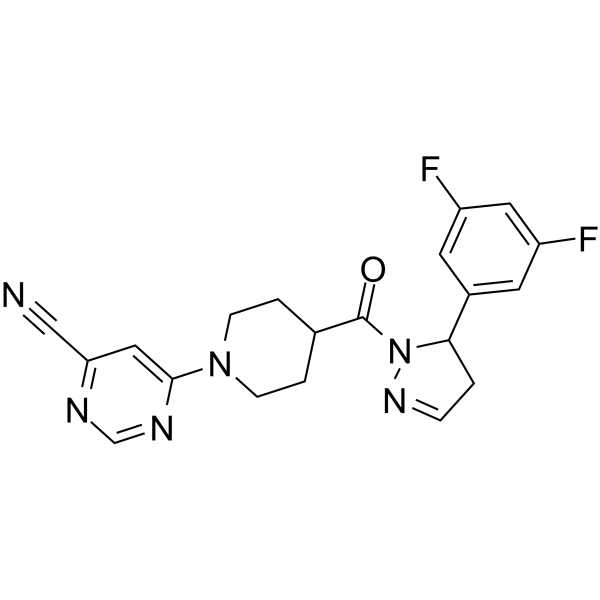
    PB830 (compound 41) is a potent receptor interacting protein 1 kinase (RIP1) Inhibitor with an IC50 of <100 nM for human RIP1. PB830 has an EC50 of 1-100 nM in the cell necrosis assay .
    PB830
  • HY-150617A

    (Rac)-M4076; (Rac)-ATM Inhibitor-5

    ATM/ATR STING PD-1/PD-L1 Cardiovascular Disease Inflammation/Immunology Cancer
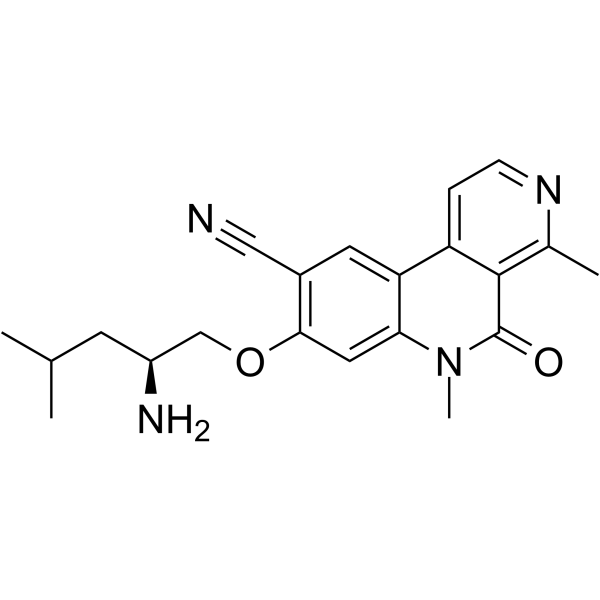
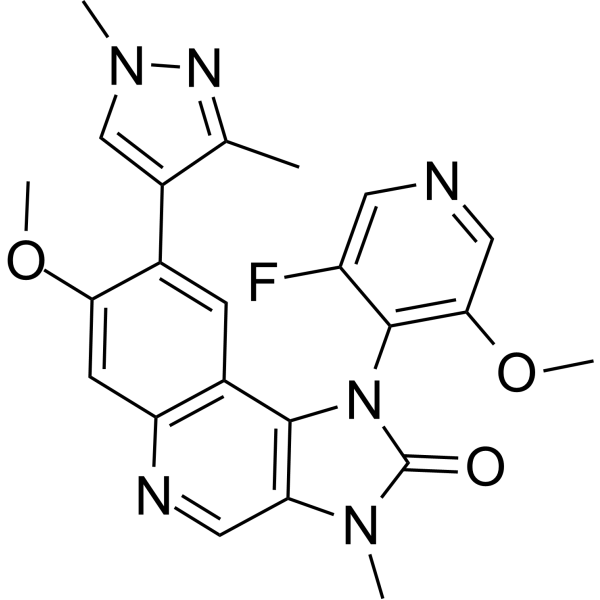
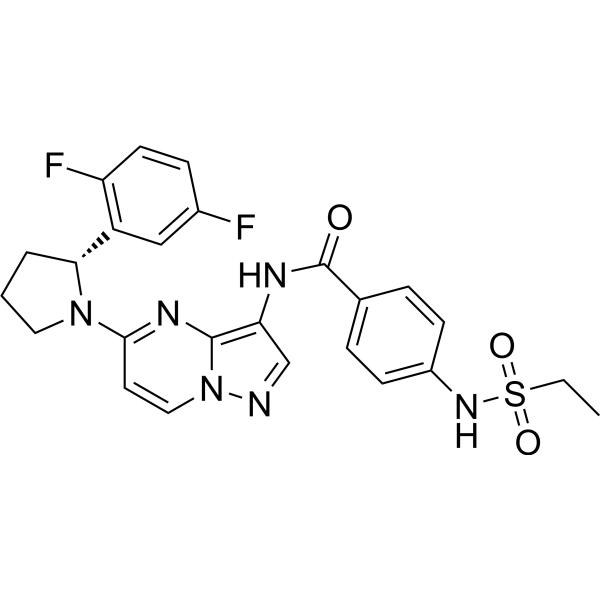
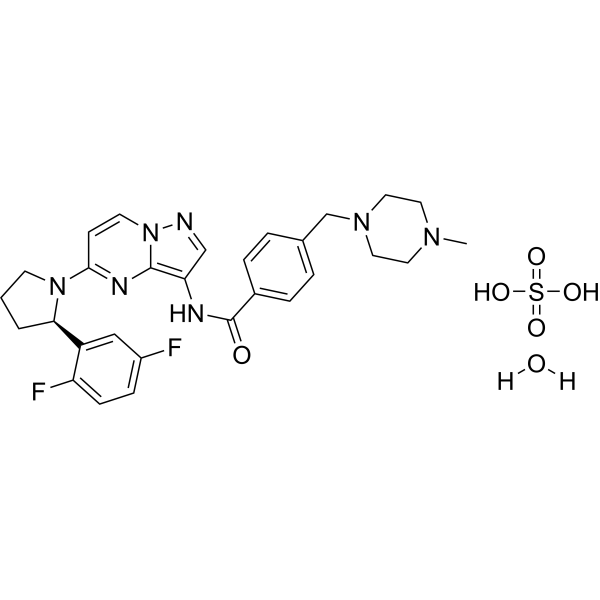
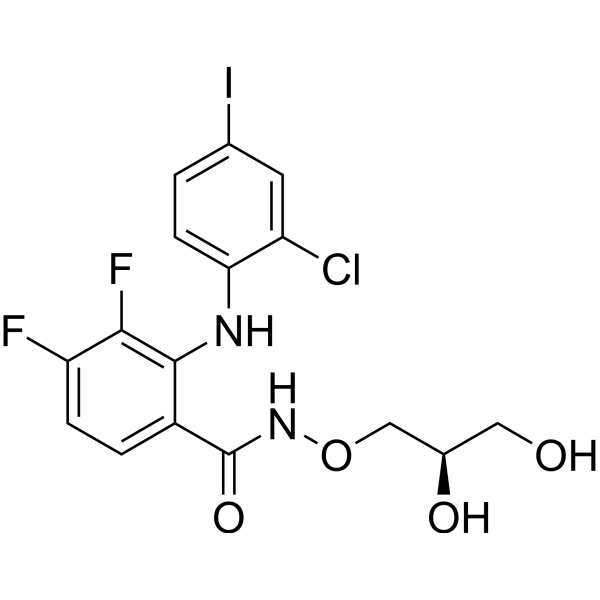
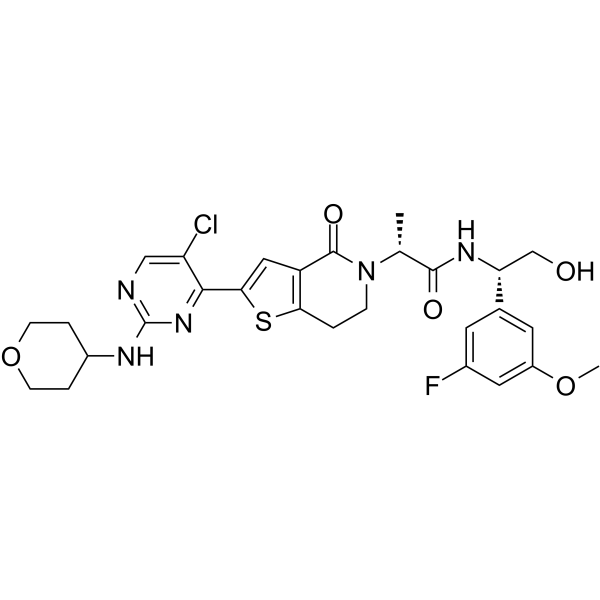
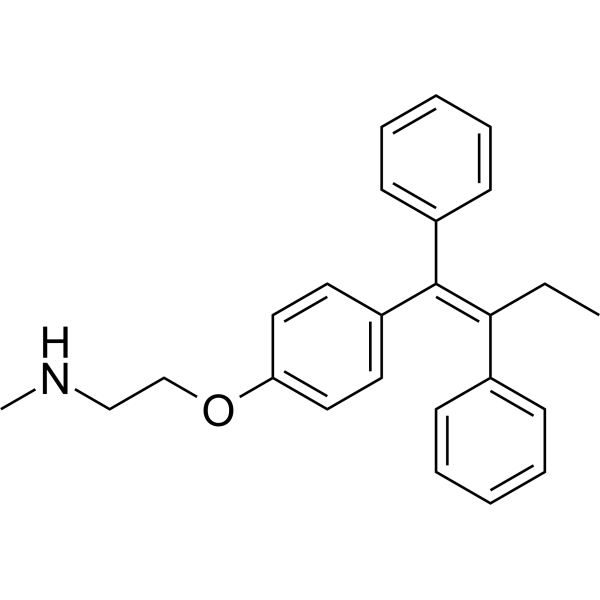
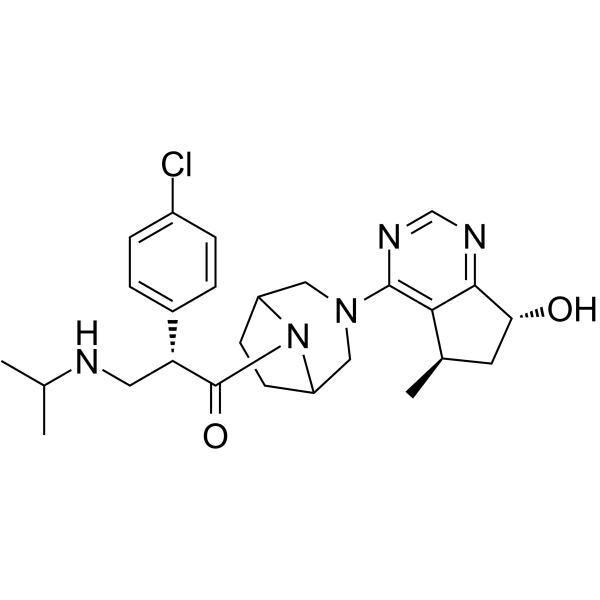
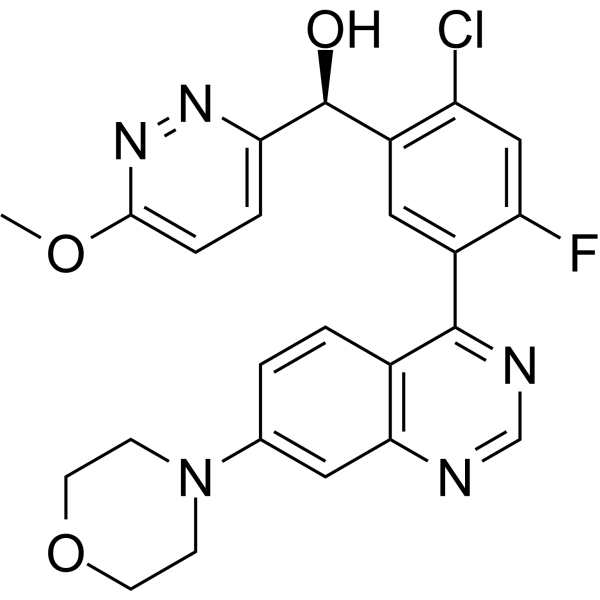
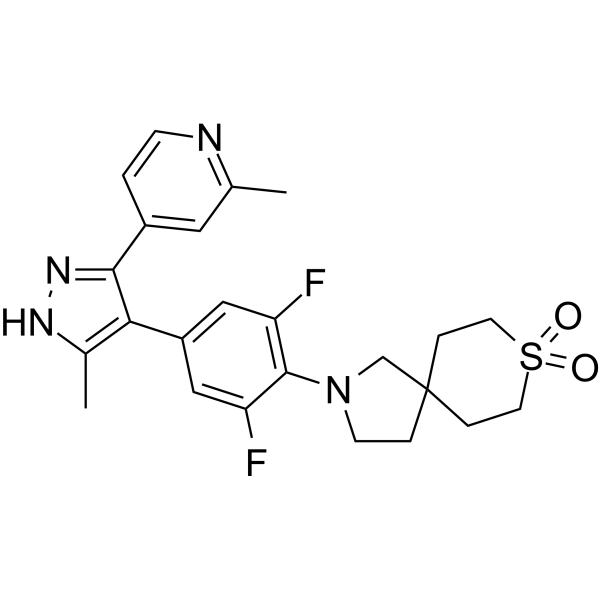
    (Rac)-Lartesertib ((Rac)-M4076) is an isoform of Lartesertib (HY-150617). Lartesertib (M4076) is an inhibitor of the serine/threonine protein kinase ATM with high potency. Lartesertib can inhibit the growth of multiple hematopoietic cell lines. Additionally, when combined with the ATR inhibitor Tuvusertib (HY-111451), Lartesertib can promote the death of tumor cells, activate the immune signaling pathway, and exhibit anti-tumor activity .
    (Rac)-Lartesertib
  • HY-P10636

    LRRK2 Others
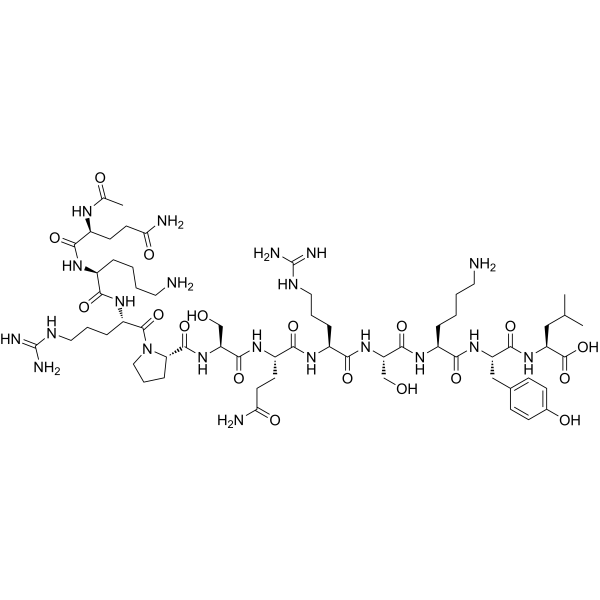
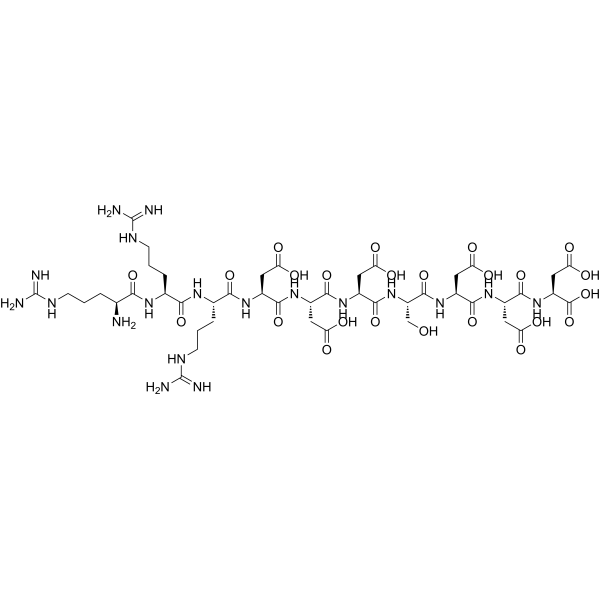
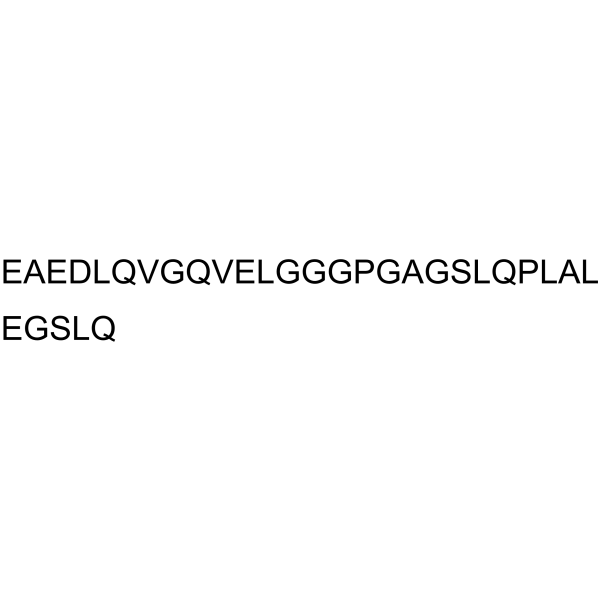
    Nictide is a peptide substrate of LRRK2 (leucine-rich repeat protein kinase-2). Nictide can be phosphorylated by the activated LRRK2[G2019S] with a Km of 10 μM .
    Nictide
  • HY-P10319

    PKA Cardiovascular Disease Cancer
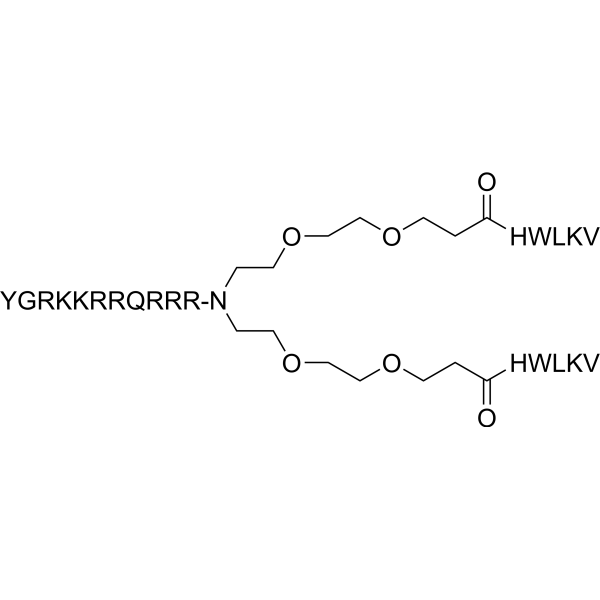
    RI-STAD-2 is a high-affinity interfering peptide that regulates the subunit RI of protein kinase A (PKA). RI-STAD-2 interferes with the binding of AKAPs and PKA-RI by simulating the interaction between AKAPs' α-helix domain and PKA-RI's dimerization/anchoration (D/D) domain, thereby affecting PKA activity and intracellular localization. RI-STAD-2 can be used to study the role of AKAPs interaction with PKA-RI in pathological processes such as cardiovascular disease and cancer .
    RI-STAD-2
  • HY-106603

    Diarylsulfonylurea; LY186641

    Calcium Channel Cancer
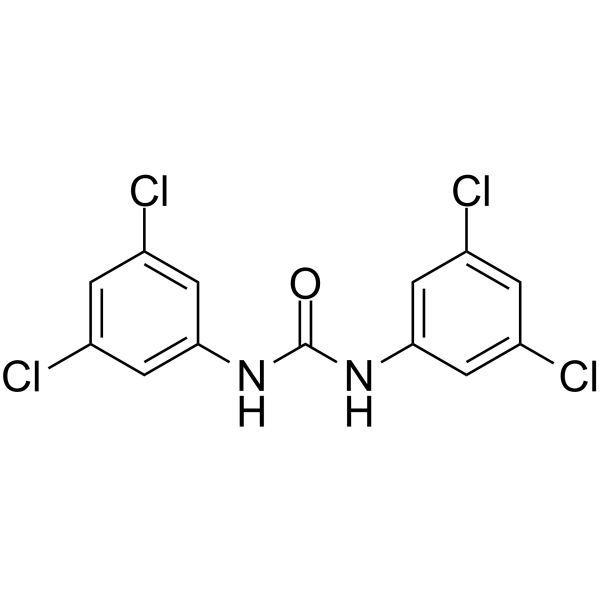
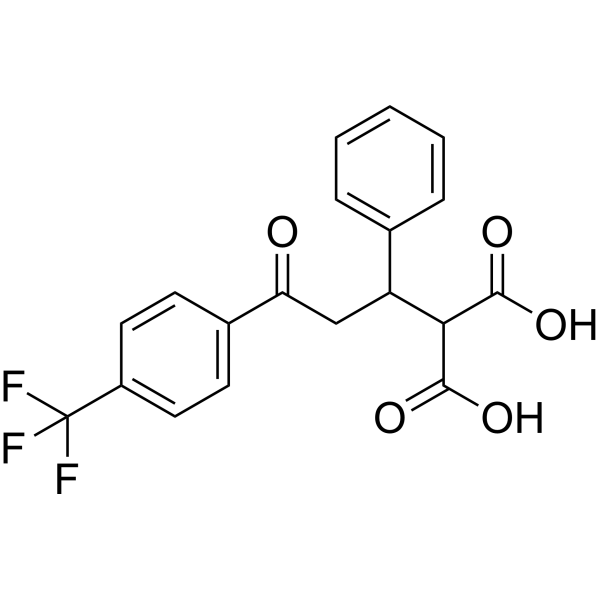
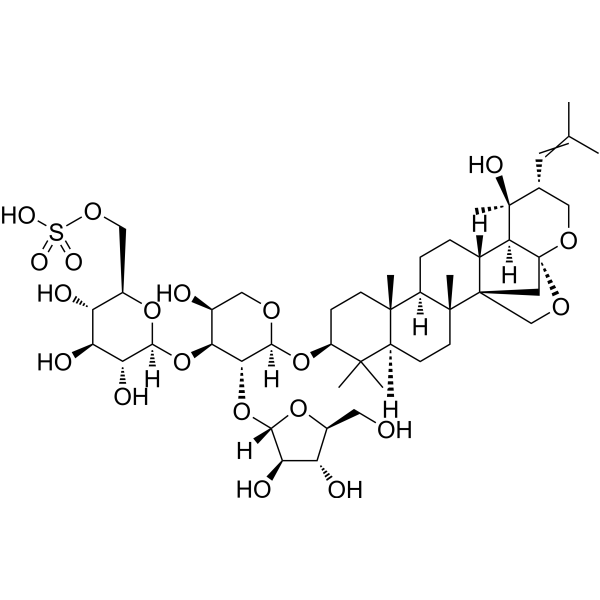
    Sulofenur (LY186641) is an orally active anti-tumor agent. Sulofenur induces gene expression through calcium ion-dependent pathways and some protein kinase-independent pathways, and its effect is particularly enhanced in H-ras mutant cells. Sulofenur exhibits significant activity in mouse solid tumor models and human tumor xenograft models .
    Sulofenur
  • HY-47026

    Checkpoint Kinase (Chk) CDK BMX Kinase Bcr-Abl Aurora Kinase Others
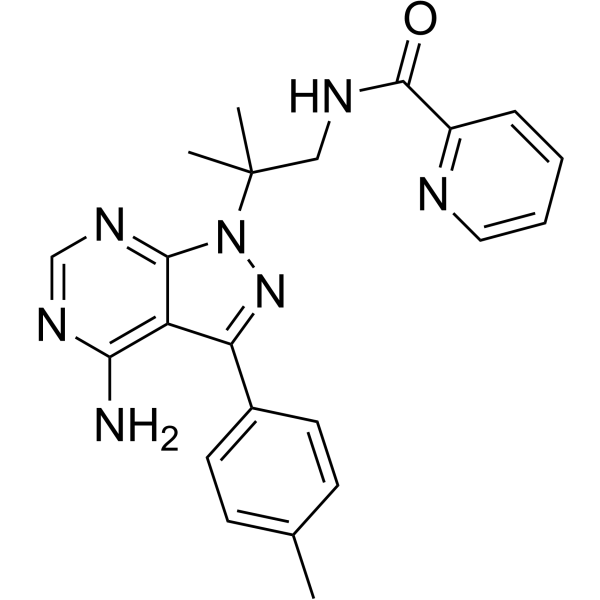
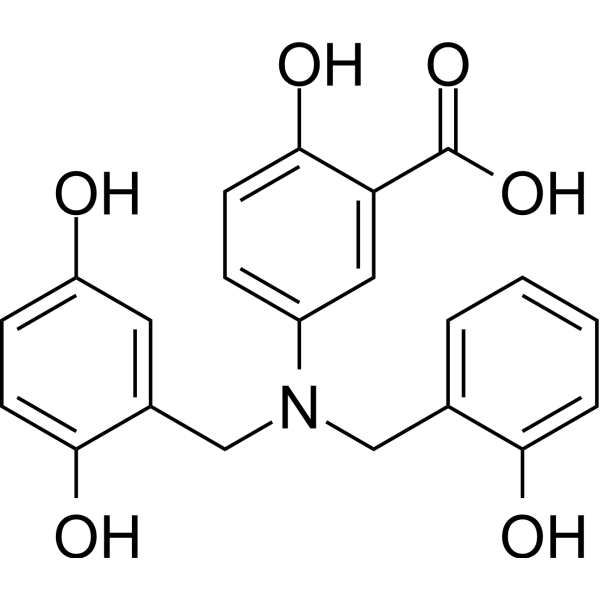
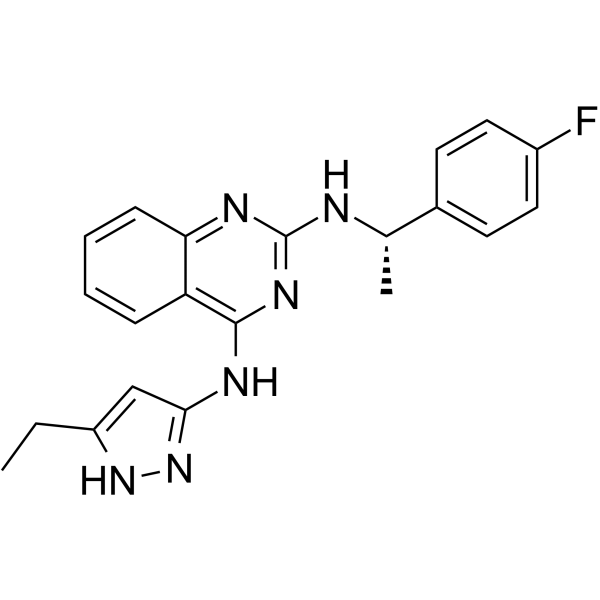
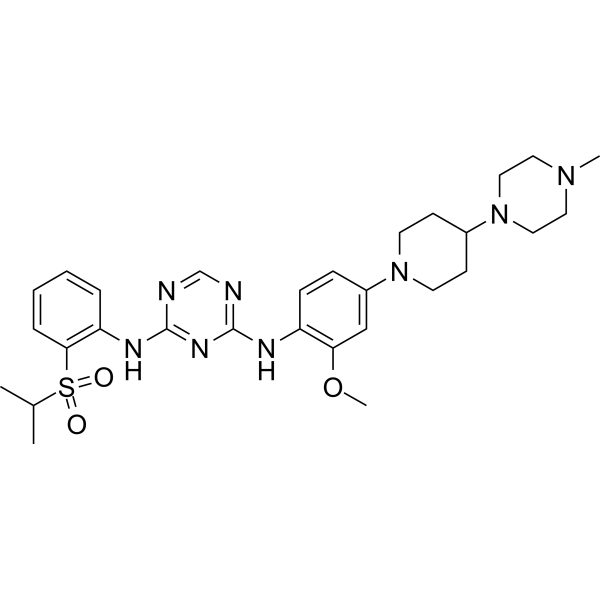
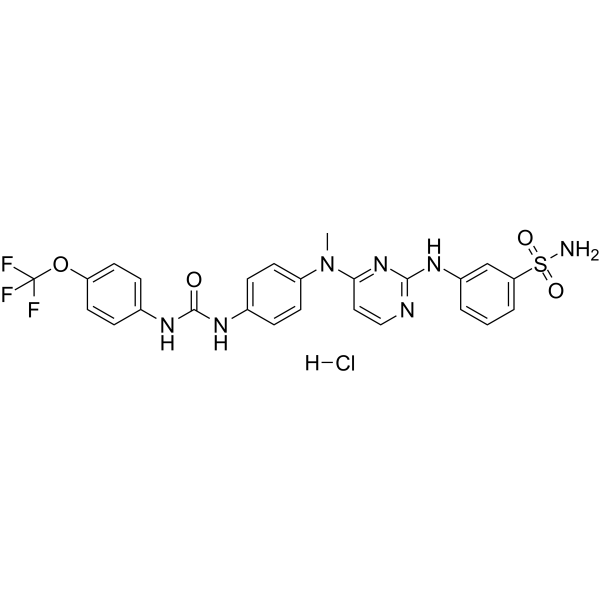
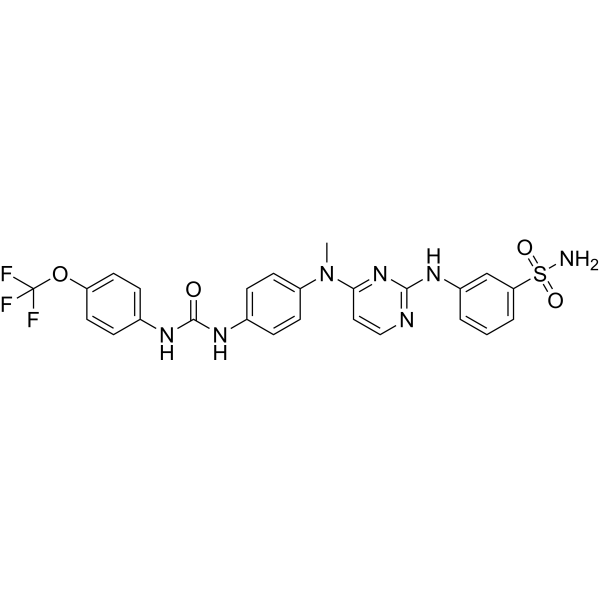
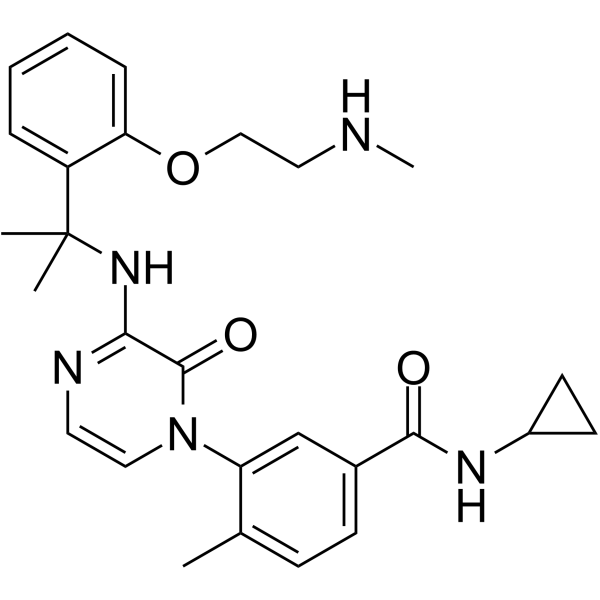
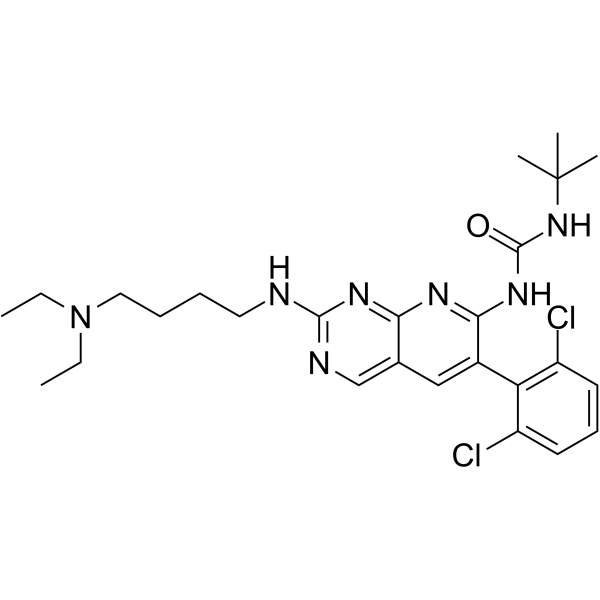
    Protein kinase inhibitor 6 is a protein kinase inhibitor.
    Protein kinase inhibitor 6
  • HY-P3944

    CaMK Neurological Disease
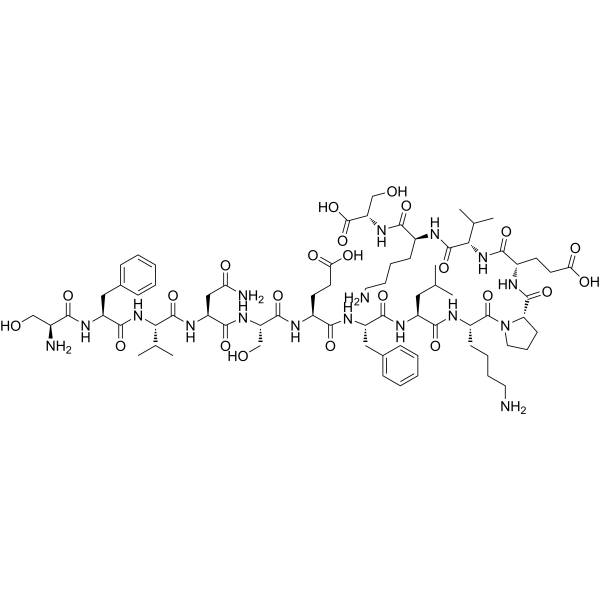
    Calmodulin Dependent Protein Kinase Substrate is a Ca 2+- and calmodulin (CaM)-dependent protein kinase (CaMK) substrate peptide. Calmodulin Dependent Protein Kinase Substrate is a synthetic peptide substrate for protein kinases .
    Calmodulin Dependent Protein Kinase Substrate
  • HY-P3943

    CaMK Neurological Disease
    Calmodulin Dependent Protein Kinase Substrate Analog is a Ca 2+- and calmodulin (CaM)-dependent protein kinase (CaMK) substrate peptide. Calmodulin Dependent Protein Kinase Substrate Analog is a synthetic peptide substrate for protein kinases .
    Calmodulin Dependent Protein Kinase Substrate Analog
  • HY-100984A

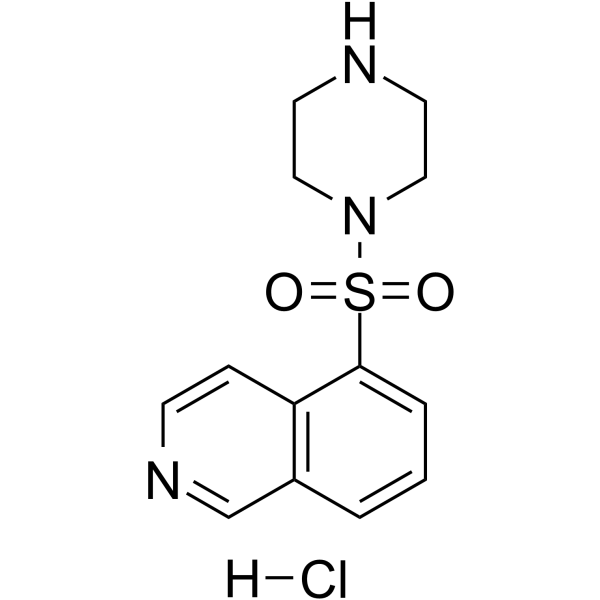
    PKA PKC Myosin ROCK Cancer
    HA-100 hydrochloride is a potent protein kinase inhibitor, with IC50s of 4 μM, 8 μM, 12 μM and 240 μM for cGMP-dependent protein kinase (PKG), cAMP-dependent protein kinase (PKA), protein kinase C (PKC) and MLC-kinase, respectively. HA-100 hydrochloride also used as a ROCK inhibitor .
    HA-100 hydrochloride
  • HY-148066

    Biochemical Assay Reagents Others
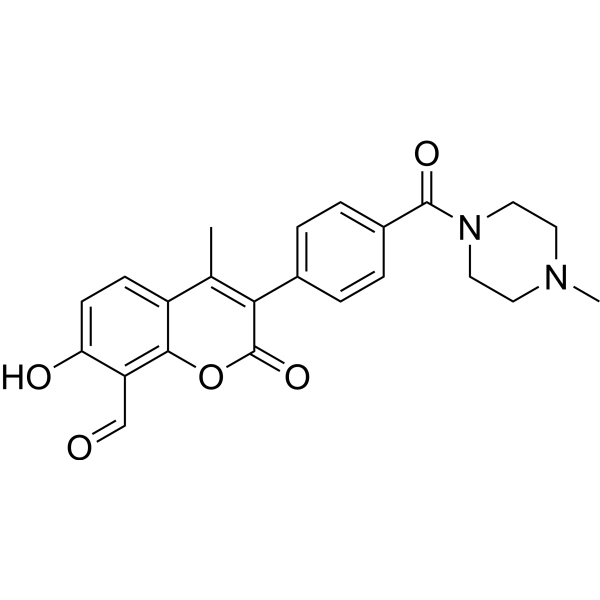
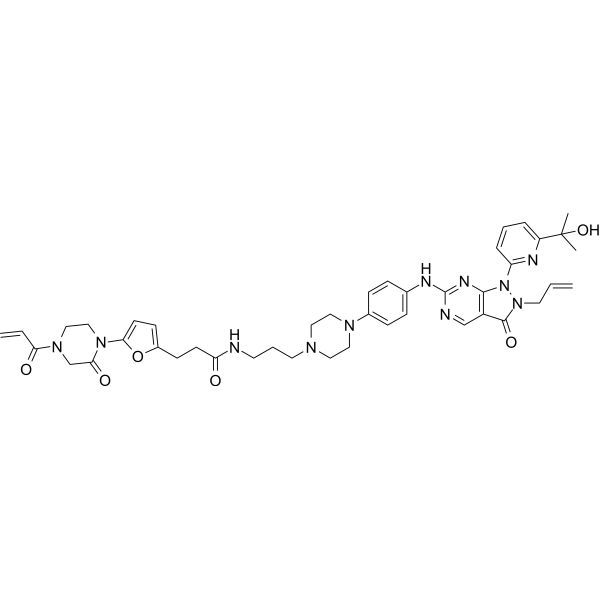
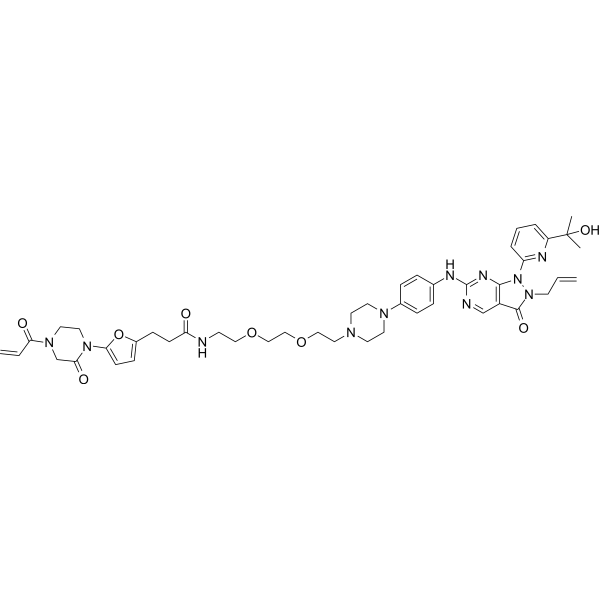
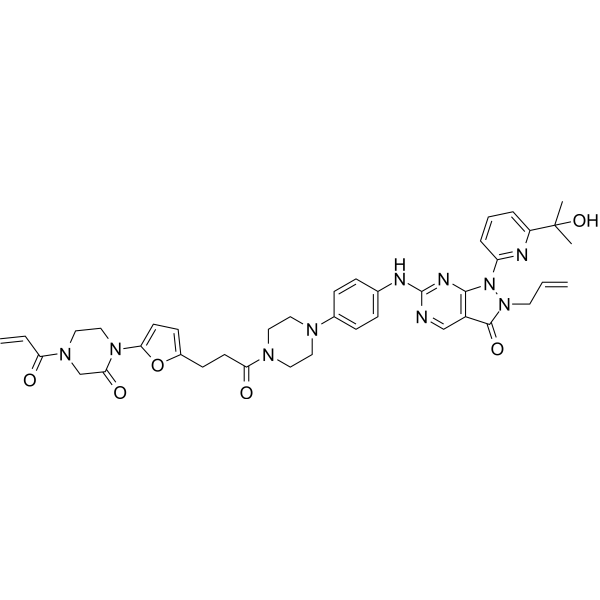
    DB0662 is a compound for kinase-targeted protein degradation and can be used in studies of diseases mediated by abnormal kinase activity, as well as for the identification of degradable kinases and optimal kinases .
    DB0662

Inquiry Online

Your information is safe with us. * Required Fields.

Salutation


Country or Region *

Applicant Name *


Organization Name *

Department *


Email Address *


Product Name *

Cat. No.


Requested quantity *

Phone Number *


Remarks

Inquiry Online

Inquiry Information

Product Name:
Cat. No.:
Quantity:
MCE Japan Authorized Agent: