1. Search Result
Search Result
Results for "

large non-structural protein 3 (nsp3)

" in MedChemExpress (MCE) Product Catalog:

539

Inhibitors & Agonists

35

Screening Libraries

34

Fluorescent Dyes

30

Biochemical Assay Reagents

46

Peptides

115

MCE Kits

23

Inhibitory Antibodies

36

Natural
Products

223

Recombinant Proteins

27

Isotope-Labeled Compounds

163

Antibodies

1

Click Chemistry

29

Oligonucleotides

Targets Recommended:
Cat. No. 상품명 Target 연구분야 Chemical Structure
  • HY-P99055

    TNF Receptor Inflammation/Immunology Cancer
    Urelumab, a fully human, non-ligand binding, CD137 agonist IgG4 monoclonal antibody, enhances T-cell and natural killer-cell antitumor activity, and may enhance cytotoxic activity of Rituximab (HY-P9913). Urelumab can be used for the research of diffuse large B-cell lymphoma (DLBCL), follicular lymphoma (FL), and other types of non-Hodgkin lymphoma (NHL) .
    Urelumab
  • HY-P99349

    Loncastuximab tesirine-lpyl; ADCT-402

    Antibody-Drug Conjugates (ADCs) Apoptosis Cancer
    Loncastuximab tesirine is a human cluster of differentiation 19 (CD19)-directed antibody-drug conjugate (ADC). The antibody portion is Loncastuximab (HY-P99711), and the drug-linker conjugate for ADC is Tesirine (HY-128952). Once bound to CD19 on the cell membrane, loncastuximab tesirine is rapidly internalised and triggers cell death. Loncastuximab tesirin induces cell apoptosis, it can be used for the research of diffuse large B-cell lymphoma .
    Loncastuximab tesirine
  • HY-162288
    FAZ-3532
    4 Publications Verification

    DNA/RNA Synthesis Cancer
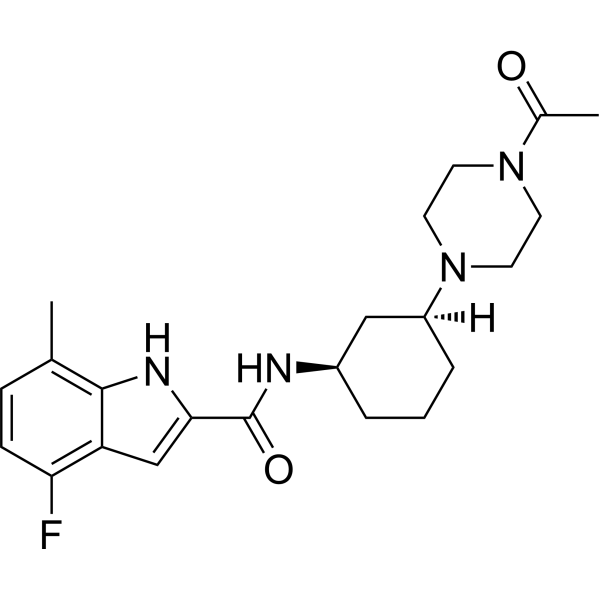
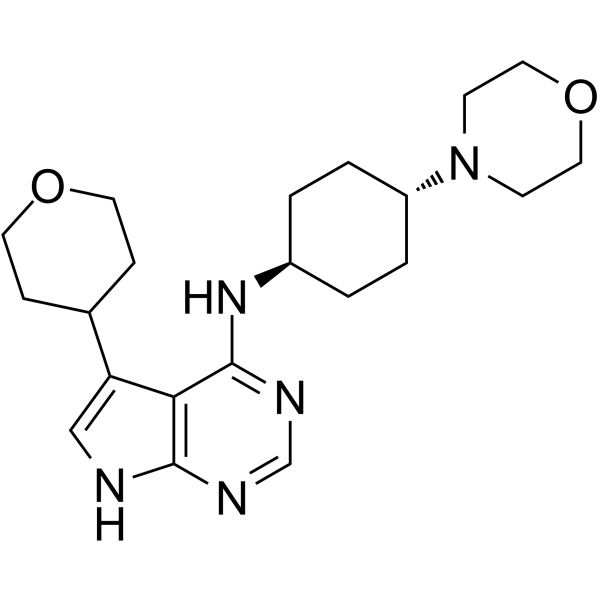
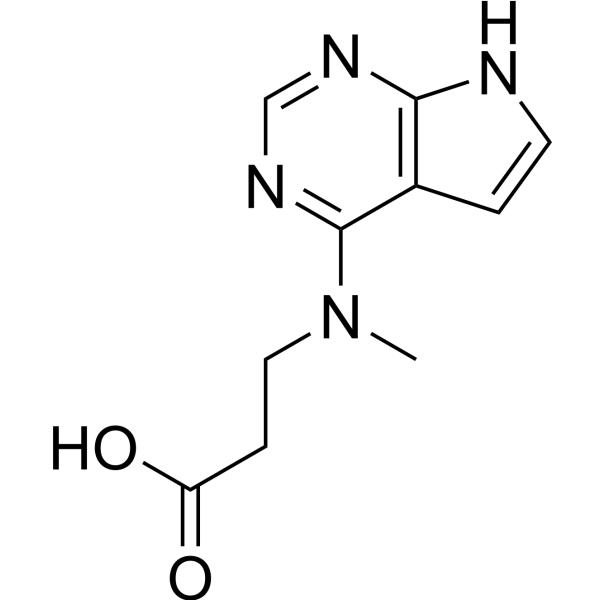
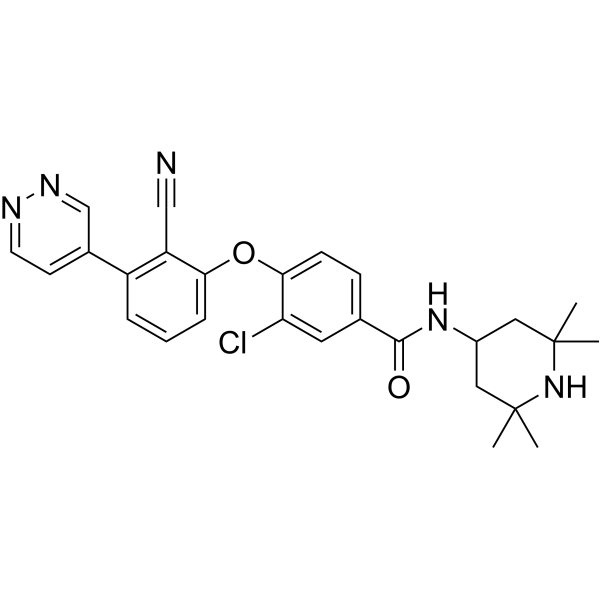
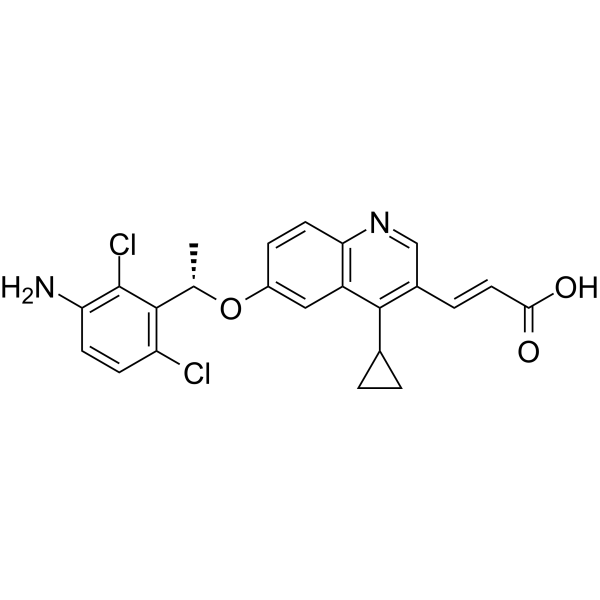
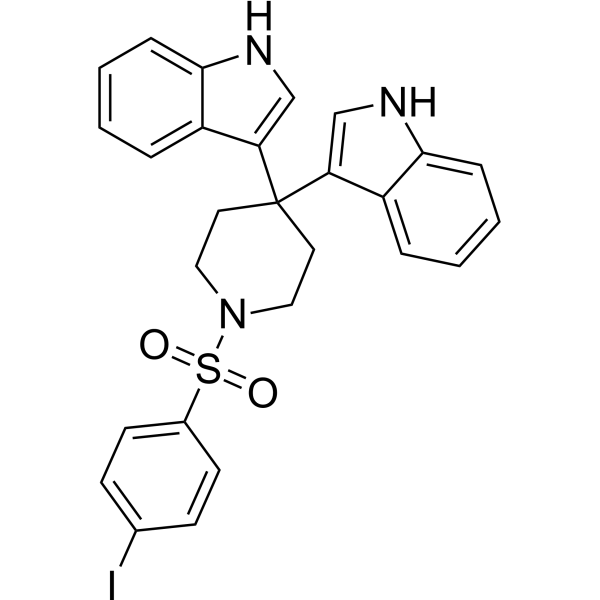
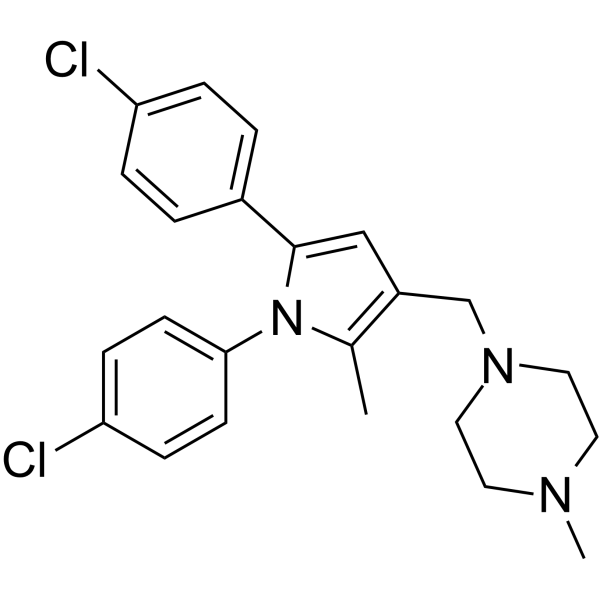
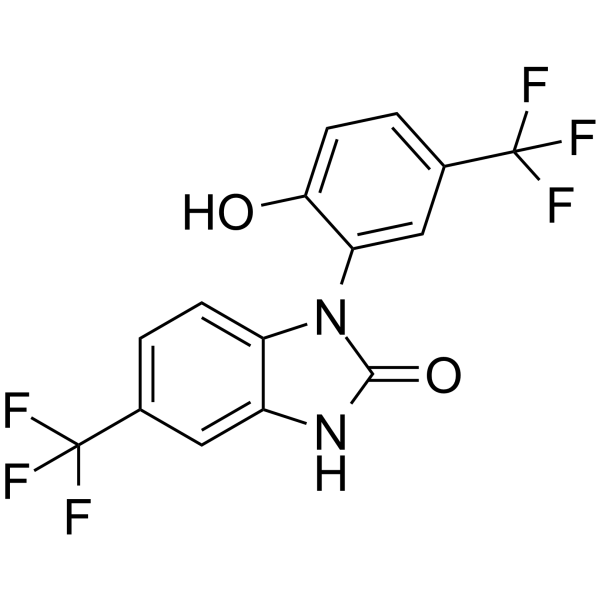
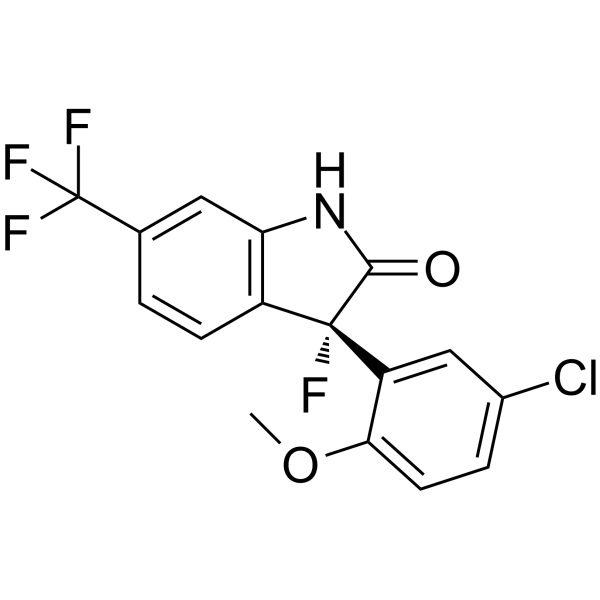
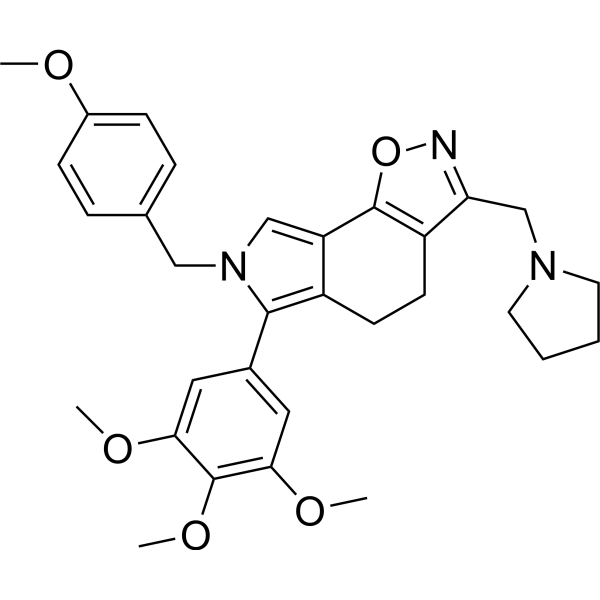
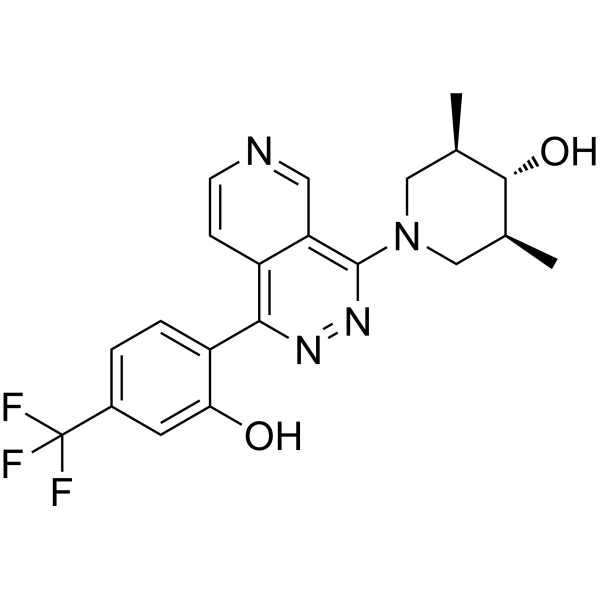
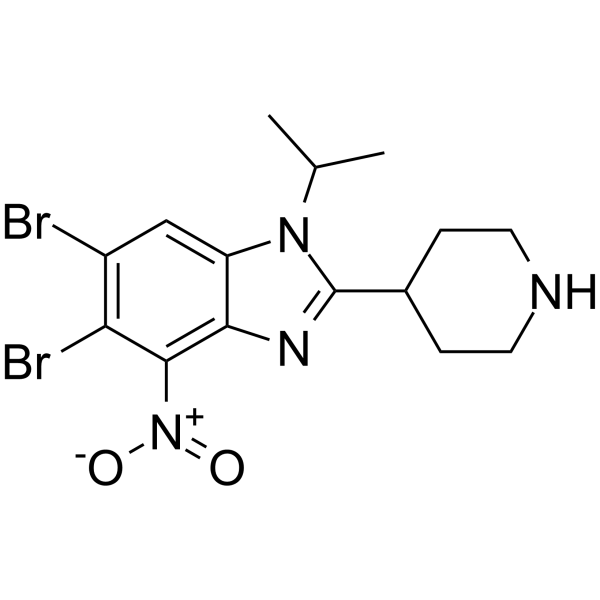
    FAZ-3532 is a G3BP inhibitor (Kd = 0.54 μM) which binds to the NTF2L nsP3 binding pocket in G3BP1. FAZ-3532 disrupts the co-condensation of RNA, G3BP1, and caprin 1. FAZ-3532 inhibits G3BP-driven stress granule formation. FAZ-3532 can be studied as a powerful tool to probe the biology of stress granules and a promising interventions designed to modulate stress granule formation .
    FAZ-3532
  • HY-12594
    Paritaprevir
    10+ Cited Publications

    ABT-450; Veruprevir

    HCV Protease HCV SARS-CoV Infection
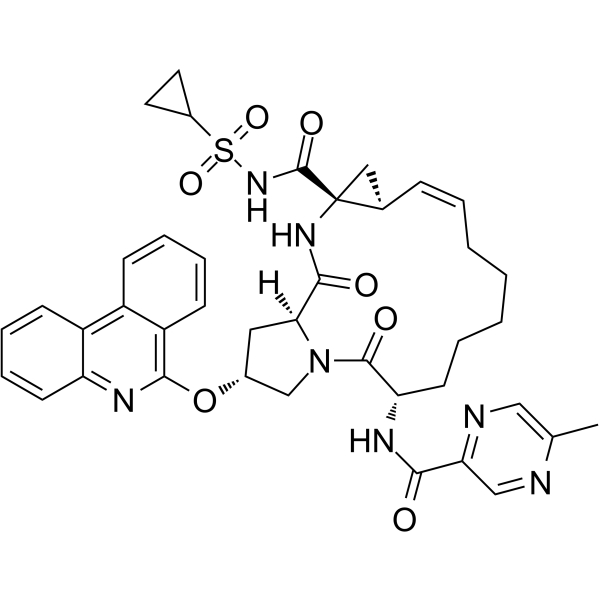
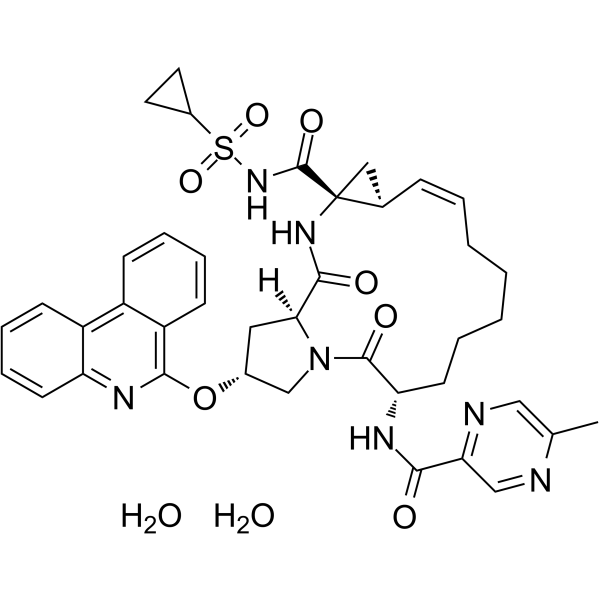
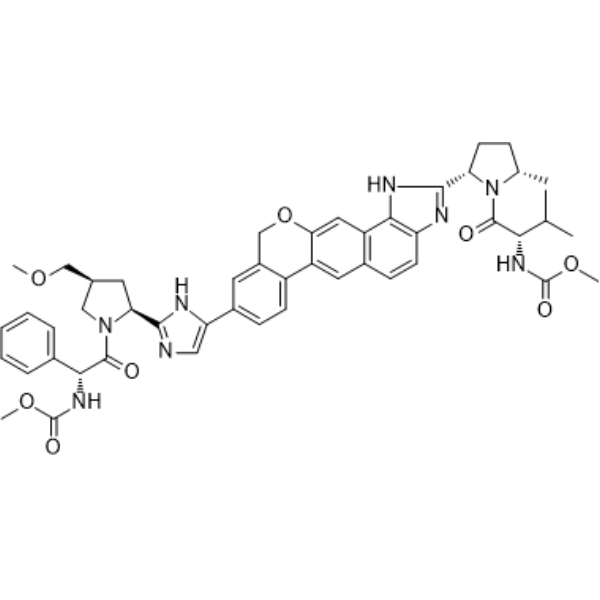
    Paritaprevir (ABT-450) is a potent, orally active and antiviral non-structural protein 3/4A (NS3/4A) protease inhibitor with EC50s of 1 and 0.21 nM against HCV 1a and 1b, respectively. Paritaprevir is also a SARS-CoV 3CL pro inhibitor with an IC50 of 1.31 μM. Paritaprevir is metabolized primarily by cytochrome P450 (CYP) 3A. The plasma concentration and half-life of Paritaprevir can be enhanced by Ritonavir (a CYP450 inhibitor) [3] .
    Paritaprevir
  • HY-132253
    Polatuzumab vedotin
    1 Publications Verification

    Antibody-Drug Conjugates (ADCs) Transmembrane Glycoprotein Cancer
    Polatuzumab vedotin is an antibody-drug conjugate targeting CD79b. It contains a humanized anti-CD79b IgG1 monoclonal antibody linked to monomethyl auristatin E (MMAE), a potent microtubule inhibitor. The antibody portion is Polatuzumab (HY-P99042), and the drug-linker conjugate for ADC is VcMMAE (HY-15575). Polatuzumab vedotin has the potential for the research of Large B-cell lymphomas (LBCL) .
    Polatuzumab vedotin
  • HY-12422

    CDK Cancer
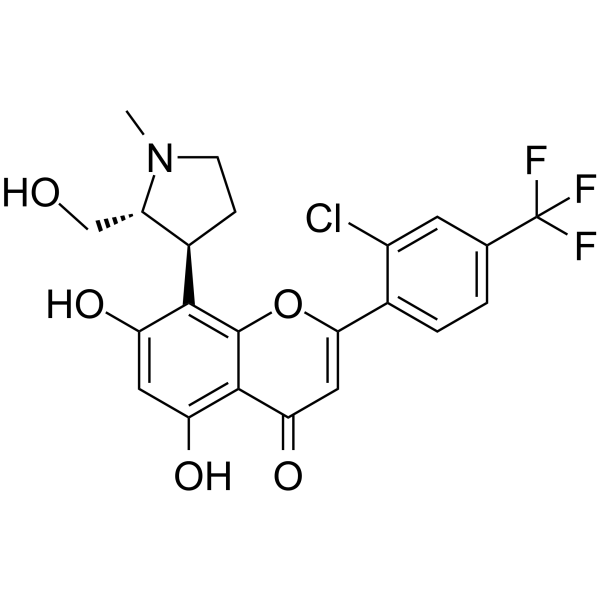
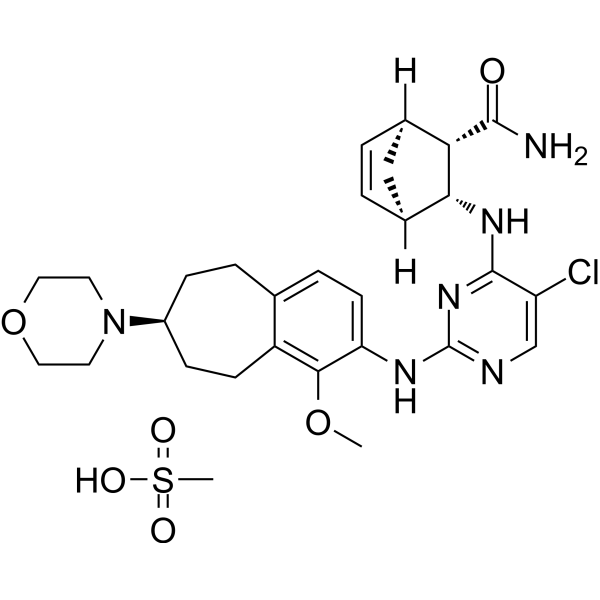
    Voruciclib is an orally active and selective CDK inhibitor with Ki values of 0.626 nM-9.1 nM. Voruciclib potently blocks CDK9, the transcriptional regulator of MCL-1. Voruciclib represses expression of MCL-1 in multiple models of diffuse large B-cell lymphoma (DLBCL) .
    Voruciclib
  • HY-153810

    JNJ-1802

    Virus Protease Flavivirus Dengue Virus Infection
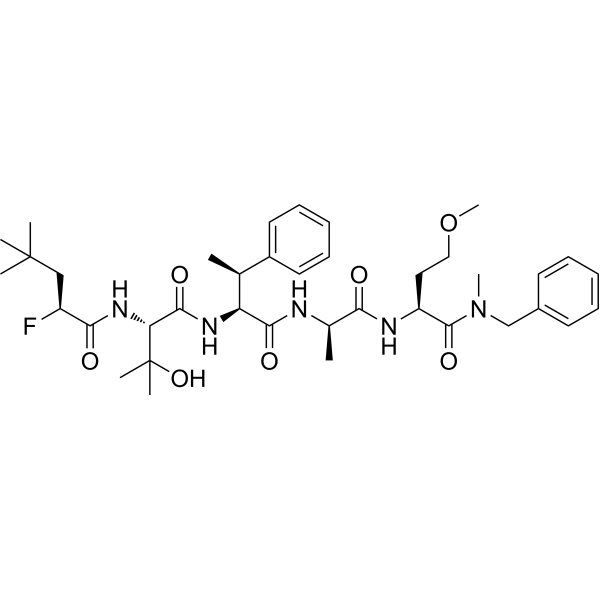
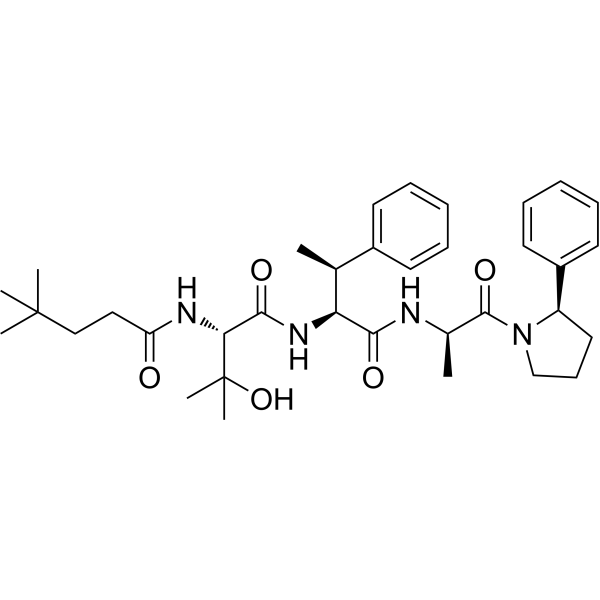
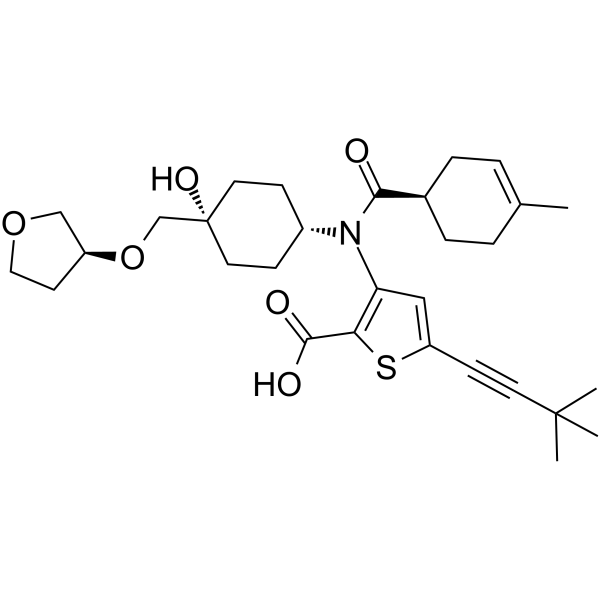
    Mosnodenvir (JNJ-1802) is an orally active pan serotype dengue virus (DENV) inhibitor, with EC50 values ranging from 0.057 to 11 nM for four dengue virus (DENV) serotypes. Mosnodenvir blocks viral replication by inhibiting the formation of complexes between two viral proteins, nonstructural protein 3 (NS3) and NS4B, thereby preventing the formation of new viral RNA. Mosnodenvir exhibits picomolar to nanomolar antiviral activity in vitro and has antiviral efficacy in mice and non-human primates .
    Mosnodenvir
  • HY-15789
    Elbasvir
    5+ Cited Publications

    MK-8742

    HCV Infection
    Elbasvir (MK-8742) is a hepatitis C virus nonstructural protein 5A (HCV NS5A) inhibitor with EC50s of 4, 3 and 3 nM against genotype 1a, 1b, and 2a, respectively.
    Elbasvir
  • HY-144858
    EZM0414
    5+ Cited Publications

    Histone Methyltransferase Cancer
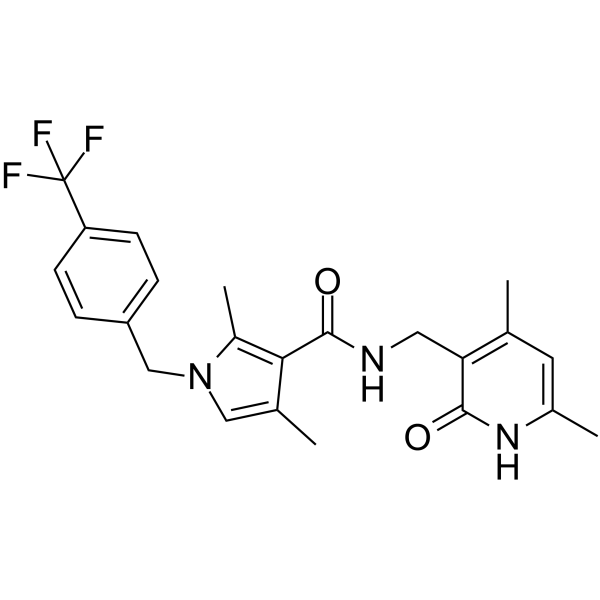
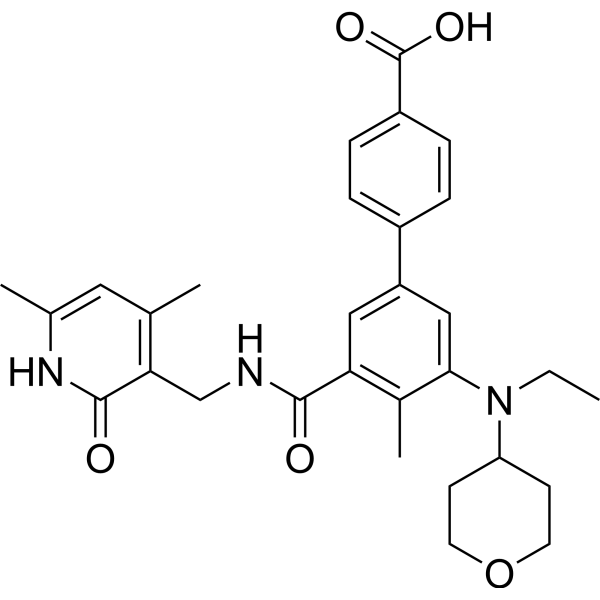
    EZM0414 is a potent, selective, orally bioavailable inhibitor of SETD2 (IC50=18 nM in SETD2 biochemical assay; IC50=34 nM in cellular assay). EZM0414 can be used for the research of relapsed or refractory multiple myeloma and diffuse large B-cell lymphoma .
    EZM0414
  • HY-100653
    AZD5153
    5 Publications Verification

    Epigenetic Reader Domain Apoptosis Cancer
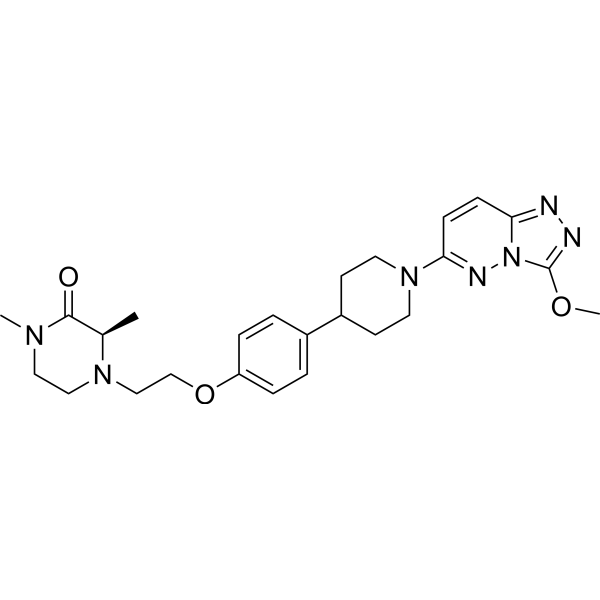
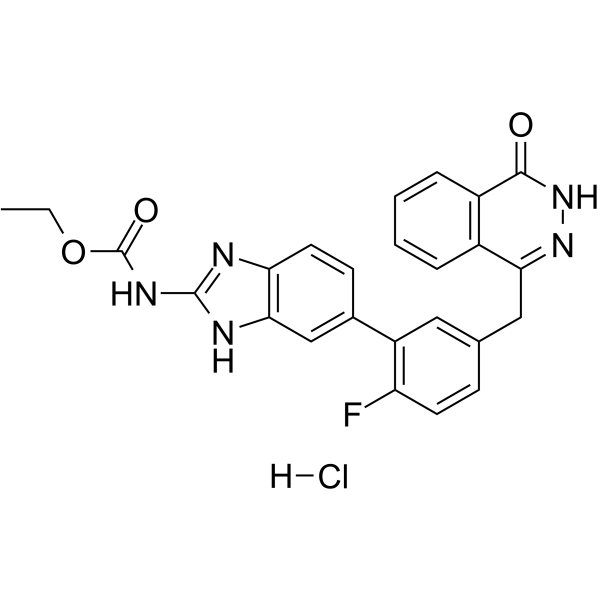
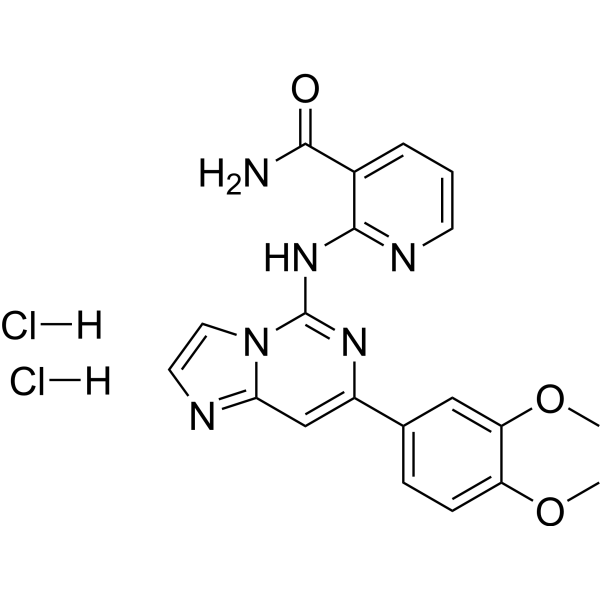
    AZD5153 is a bivalent, selective, and orally active BET/BRD4 bromodomain inhibitor with an IC50 of value of 5 nM for full-length BRD4 (FL-BRD4). AZD5153 ligates two bromodomains in BRD4 simultaneously. AZD5153 can be used for the study of cancer, such as acute myeloid leukemia, multiple myeloma, and diffuse large B-cell lymphoma .
    AZD5153
  • HY-162289
    FAZ-3780
    2 Publications Verification

    DNA/RNA Synthesis Neurological Disease Cancer
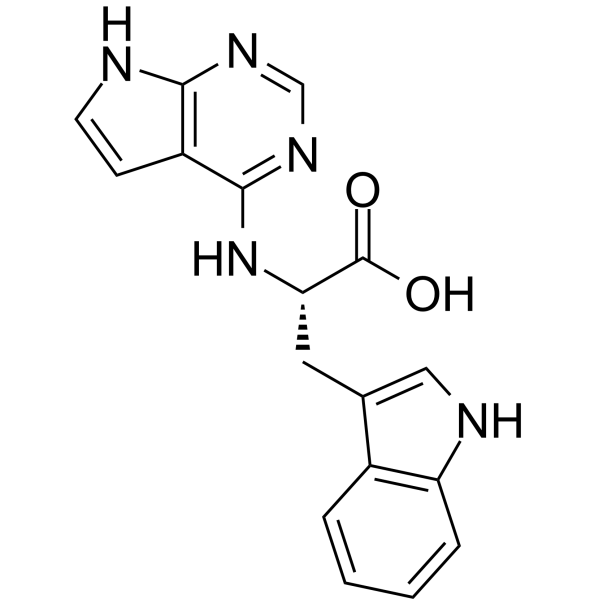
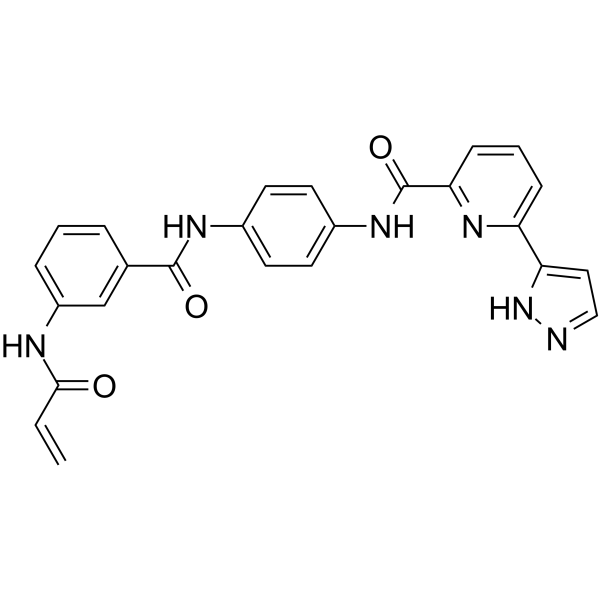
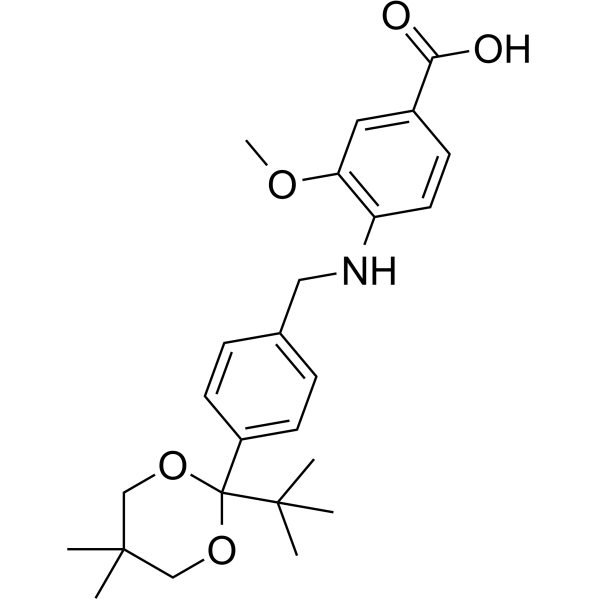
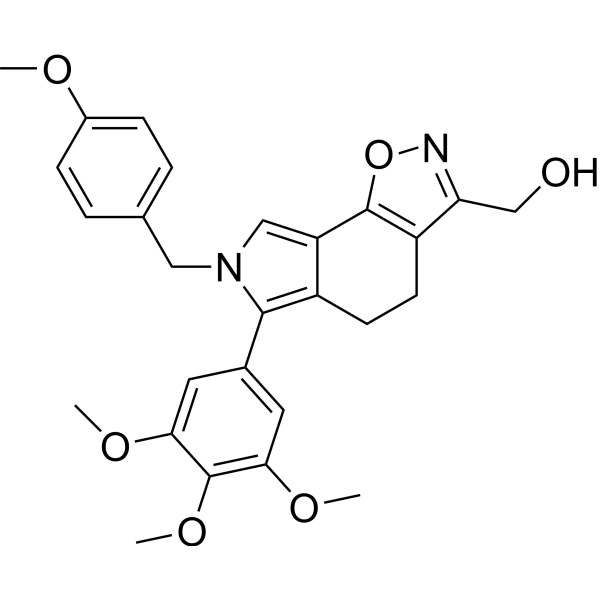
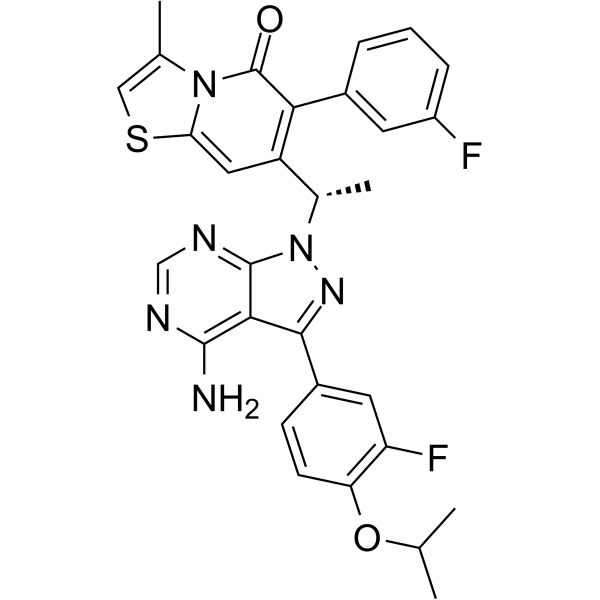
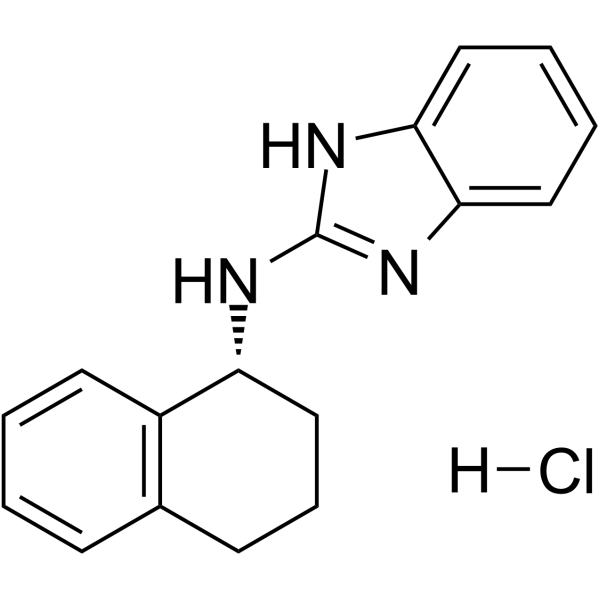
    FAZ-3780 is an inhibitor that binds to the NTF2L domain of G3BP1/2. FAZ-3780 binds to the NTF2L nsP3 of G3BP1 with high affinity, with a Kd of 0.15 μM and a Pep-FRET IC50 of 0.7 μM. FAZ-3780 targets the protein-protein interaction domain of G3BP1/2, and specifically inhibits the co-condensation of G3BP1, caprin 1 and RNA in vitro. FAZ-3780 inhibits stress granule formation and disassembles pre-formed stress granules. FAZ-3780 can be used in studies related to cancer and neurodegenerative diseases .
    FAZ-3780
  • HY-132253A
    Polatuzumab vedotin (solution)
    1 Publications Verification

    Antibody-Drug Conjugates (ADCs) Transmembrane Glycoprotein Cancer
    Polatuzumab vedotin solution is an antibody-drug conjugate targeting CD79b. It contains a humanized anti-CD79b IgG1 monoclonal antibody linked to monomethyl auristatin E (MMAE), a potent microtubule inhibitor. The antibody portion is Polatuzumab (HY-P99042), and the drug-linker conjugate for ADC is VcMMAE (HY-15575). Polatuzumab vedotin solution has the potential for the research of Large B-cell lymphomas (LBCL) .
    Polatuzumab vedotin (solution)
  • HY-111101

    IRAK Cancer
    AZ1495, a weak base, is a potent orally active interleukin-1 receptor associated kinase 4 (IRAK4) inhibitor. AZ1495 has a favorable physicochemical and kinase selectivity for IRAK4 and IRAK1 with IC50 values of 0.005 μM and 0.023 μM, respectively. AZ1495 has IRAK4 inhibition with a Kd value of 0.0007 μM. AZ1495 can be used for the research of diffuse large B-cell lymphoma (DLBCL) .
    AZ1495
  • HY-122671

    Anion Exchangers Neurological Disease
    OB-1 is a stomatin-like protein-3 (STOML3) oligomerization blocker. OB-1 is an effective inhibitor of the self-association of Stomatin, STOML1 and STOML2, but not podocin .
    OB-1
  • HY-156597

    AT-752 free base

    SARS-CoV Infection
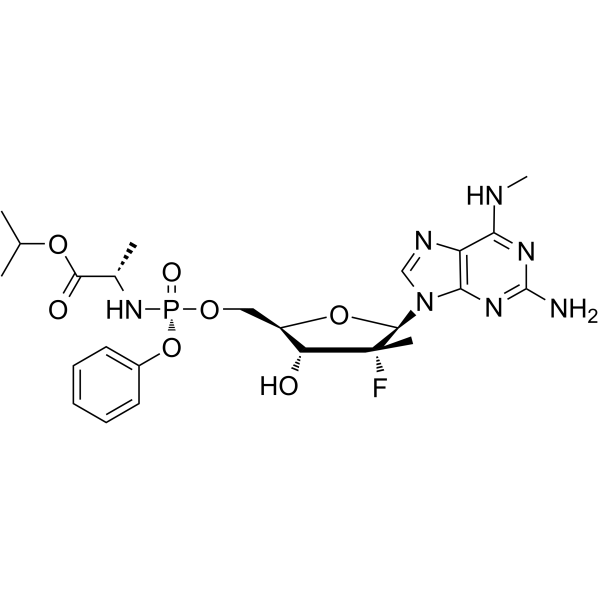
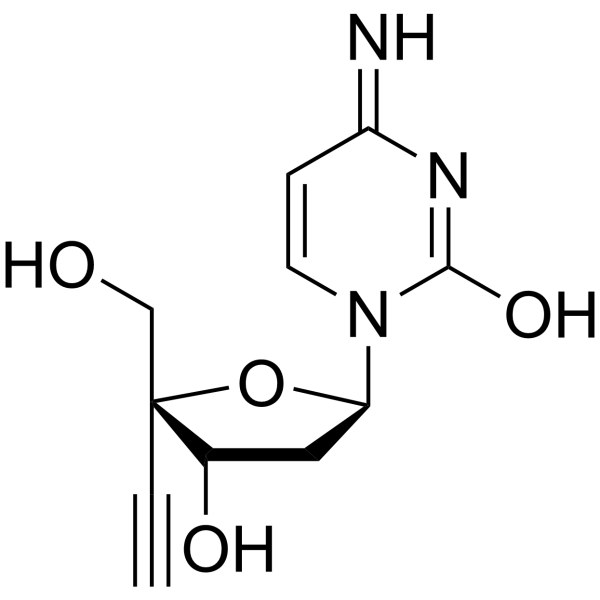
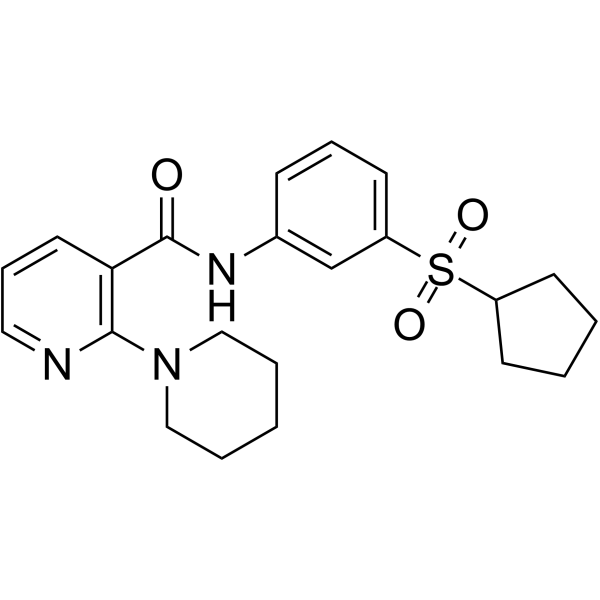
    Arbemnifosbuvir is a nidovirus DdRp-associated nucleotidyltransferase (NiRAN) domain of non-structural protein 12 (nsp12)-interfering drugs. Arbemnifosbuvir can be used for SARS-CoVs infection research .
    Arbemnifosbuvir
  • HY-10300
    Narlaprevir
    5 Publications Verification

    SCH 900518

    HCV HCV Protease SARS-CoV Infection
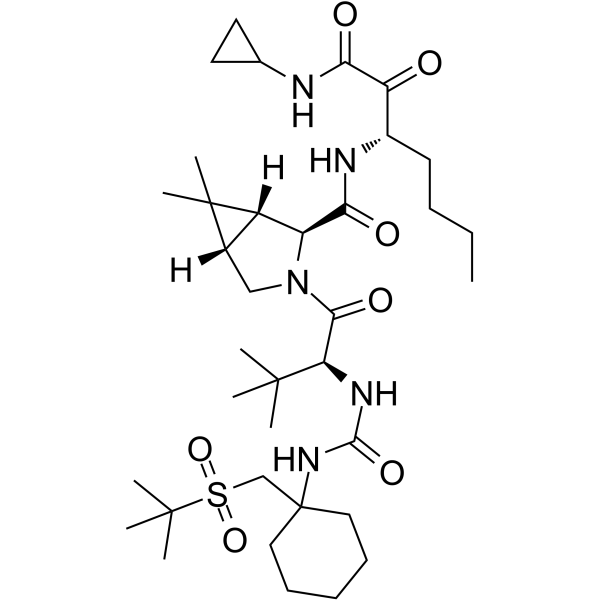
    Narlaprevir (SCH 900518) is a selective and orally bioavailable NS3 protease inhibitor with a Ki value of 6 nM and an EC90 value of 40 nM . Narlaprevir also inhibits the HCV nonstructural protein 3 serine protease . Narlaprevir is also a SARS-CoV 3CL pro inhibitor with an IC50 of 2.3 μM [3].
    Narlaprevir
  • HY-14775
    Nesbuvir
    5+ Cited Publications

    HCV-796

    HCV Infection
    Nesbuvir is a nonnucleoside inhibitor of the hepatitis C virus (HCV) nonstructural protein 5B (NS5B) polymerase.
    Nesbuvir
  • HY-E70574

    Biochemical Assay Reagents Others
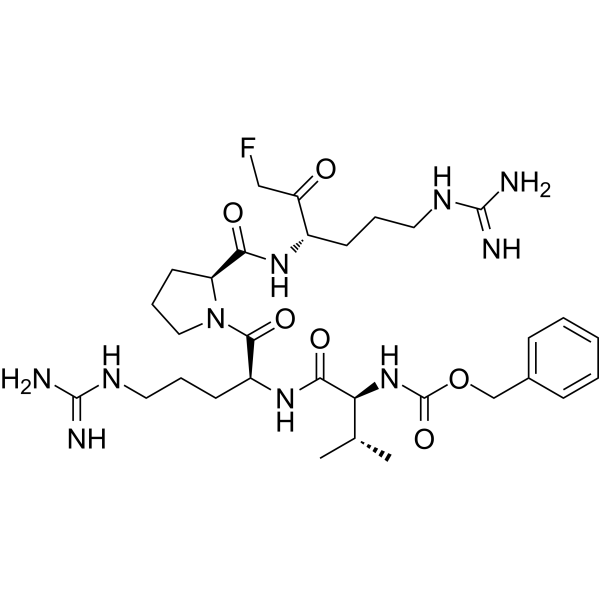
    Trypsin/Lys-C complex protease (MS grade) combines Trypsin and Lys-C, two recombinant proteases, to achieve efficient peptide bond hydrolysis. Trypsin specifically cleaves the C-terminal peptide bonds of arginine (R) and lysine (K), while Lys-C specifically cleaves the C-terminal peptide bonds of lysine (K). This combination overcomes issues such as the slower digestion rate of lysine and arginine by rTrypsin, PTM changes on lysine, or hydrophobic C-termini (such as proline) that can lead to missed cleavage. Trypsin/Lys-C complex protease (MS grade) can be used to process complex protein samples that are difficult to enzymatically digest. Trypsin/Lys-C complex protease (MS grade) can be used for protein characterization, single-cell proteomics and large cohort proteomics studies.
    Trypsin/Lys-C complex protease (MS grade)
  • HY-161828

    PROTACs CDK Cancer
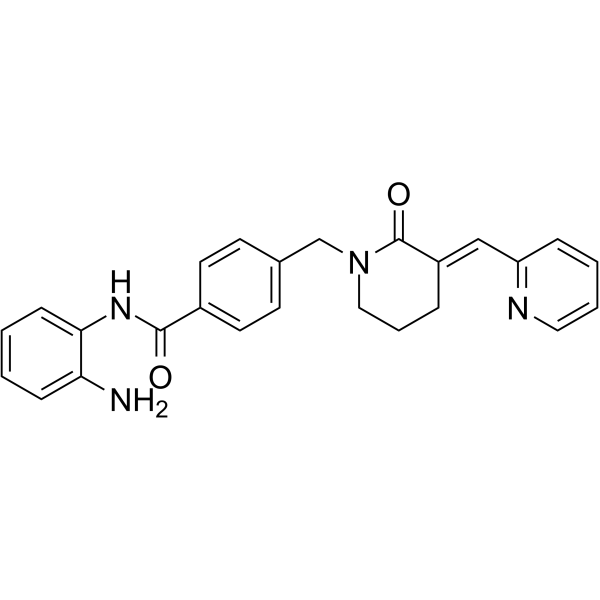
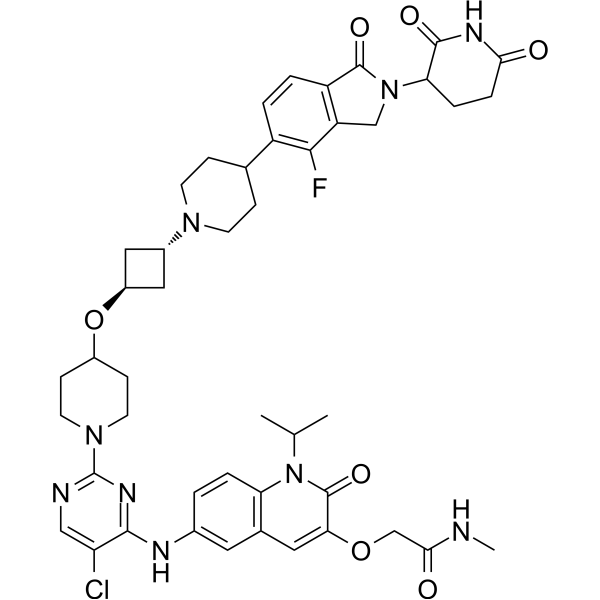
    JWZ-5-13 is a CDK7 PROTAC degrader. JWZ-5-13 inhibits the proliferation of cancer cells. JWZ-5-13 is applicable to the research of ovarian cancer, diffuse large B-cell lymphoma, acute T-lymphoblastic leukemia and non-small cell lung cancer .
    JWZ-5-13
  • HY-N4294

    FXR Insecticide Infection Metabolic Disease Inflammation/Immunology
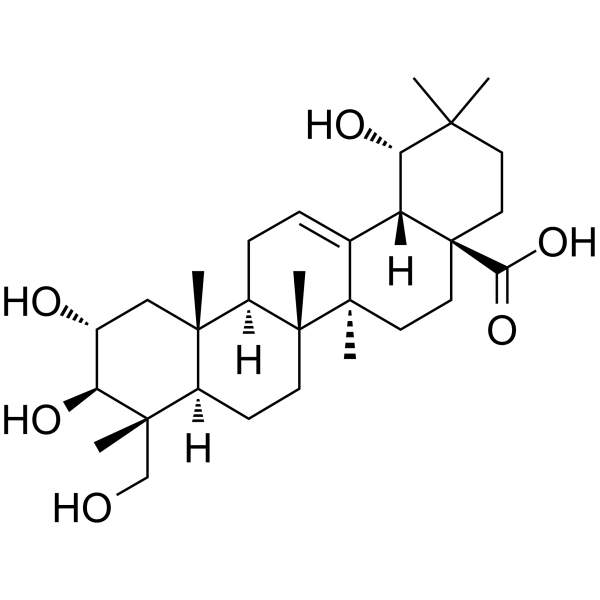
    Arjungenin, a pentacyclic triterpenoid compound, is a FXR agonist. Arjungenin can improve insulin sensitivity by regulating the function of fat cells. Arjungenin exhibits moderate free radical scavenging activity. Arjungenin has growth inhibitory activity against the insect Spilarctia obliqua. Arjungenin has significant antiviral activity against a series of viruses such as chikungunya Virus (CHIKV) [3] .
    Arjungenin
  • HY-W107409

    Others Cancer
    Meridianin C is a marine natural product with anticancer activity. Meridianin C has significant inhibitory effects on four different human tongue cancer cells (YD-8, YD-10B, YD-38 and HSC-3). Meridianin C most strongly reduced the growth of YD-10B cells, the most aggressive and tumorigenic of the cell lines tested. Meridianin C also induced significant accumulation of large vesicles in YD-10B cells, validating its function through macrophagocytosis. Meridianin C reduces cellular levels of Dickkopf-related protein-3 (DKK-3), a known negative regulator of macrophagy. Meridianin C affects macrophagocytosis by downregulating DKK-3, thereby affecting cell proliferation .
    Meridianin C
  • HY-131246

    Histone Methyltransferase Cancer
    DM-01 is a powerful and selective EZH2 inhibitor for the research of diffuse large B-cell lymphoma (DLBCL), follicular lymphoma (FL), and SNF5/INI-1/SMARCB1 genetically defined solid tumors .
    DM-01
  • HY-145734

    Microtubule/Tubulin Cancer
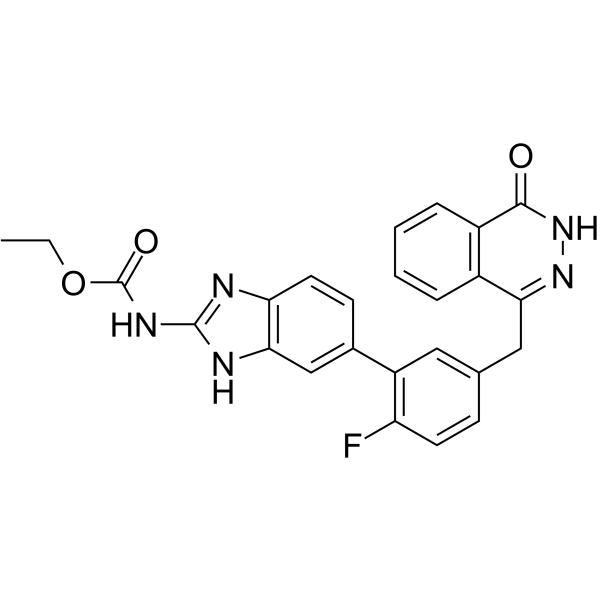
    AMXI-5001 is a potent, orally active, and dual parp1/2 and microtubule polymerization inhibitor. MXI-5001 exhibits selective antitumor cytotoxicity across a wide variety of human cancer cells with much lower IC50s than existing clinical PARP1/2 inhibitors. AMXI-5001 induces complete regression of established tumors, including exceedingly large tumors .
    AMXI-5001
  • HY-P4882A

    Amyloid-β Neurological Disease
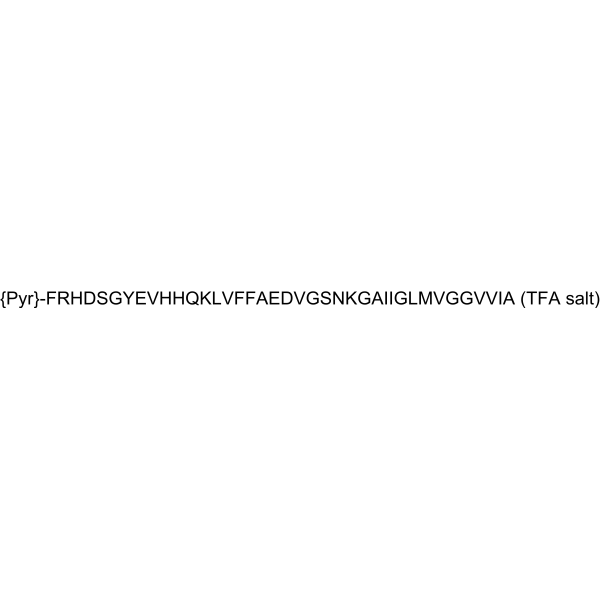
    (Pyr3)-Amyloid β-Protein (3-42) TFA is the predominant amyloid β-peptide structure deposited in human brain of Alzheimer's disease and Down's syndrome patients. (Pyr3)-Amyloid β-Protein (3-42) TFA is suggested to accumulate in the brain and to trigger the formation of insoluble amyloid β-peptide deposits .
    (Pyr3)-Amyloid β-Protein (3-42) TFA
  • HY-126136

    Influenza Virus Infection
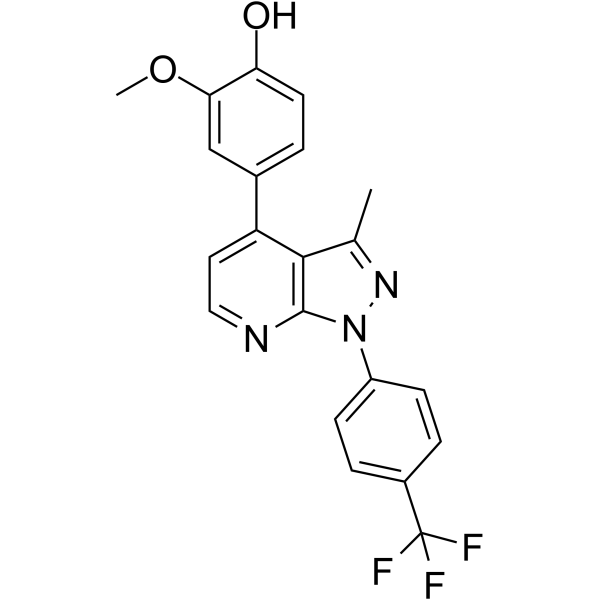
    ML303 is a pyrazolopyridine influenza virus nonstructural protein 1 (NS1) antagonist (IC90 = 155 nM), with an EC50 of 0.7 μM for Influenza A virus H1N1 .
    ML303
  • HY-147358

    Emitasvir diphosphate; DAG-181 diphosphate

    HCV Infection
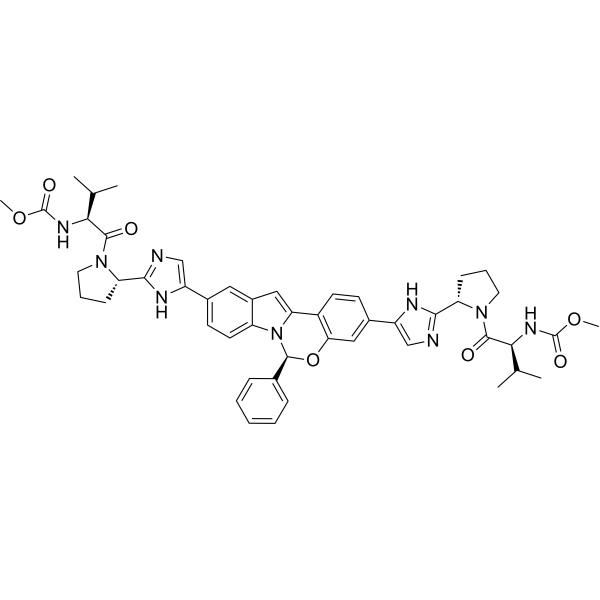
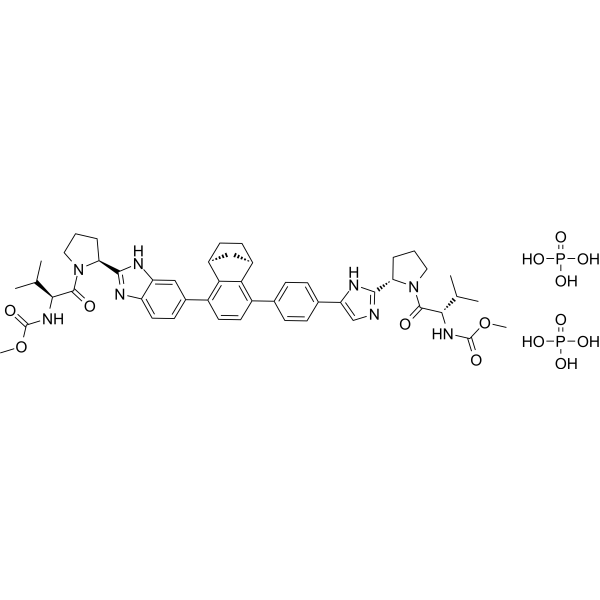
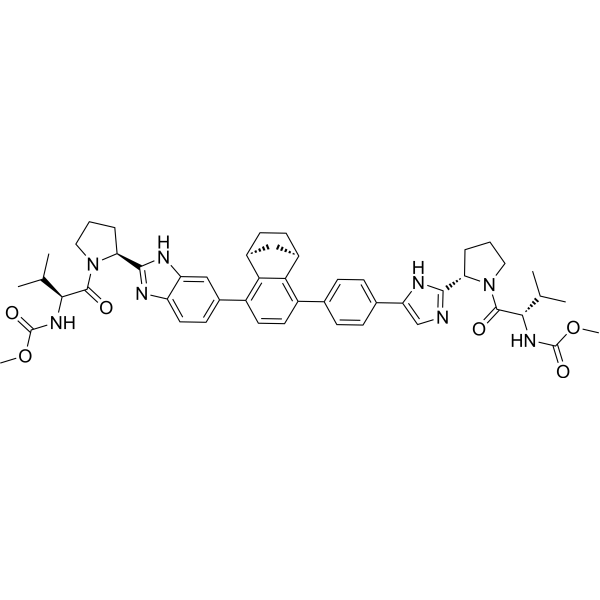
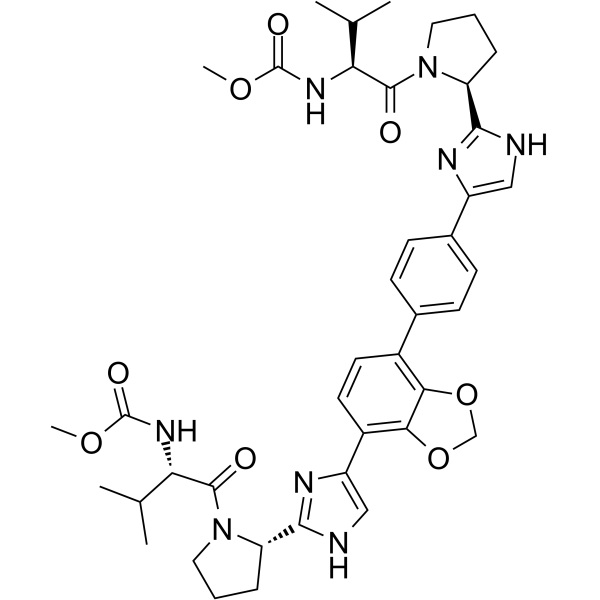
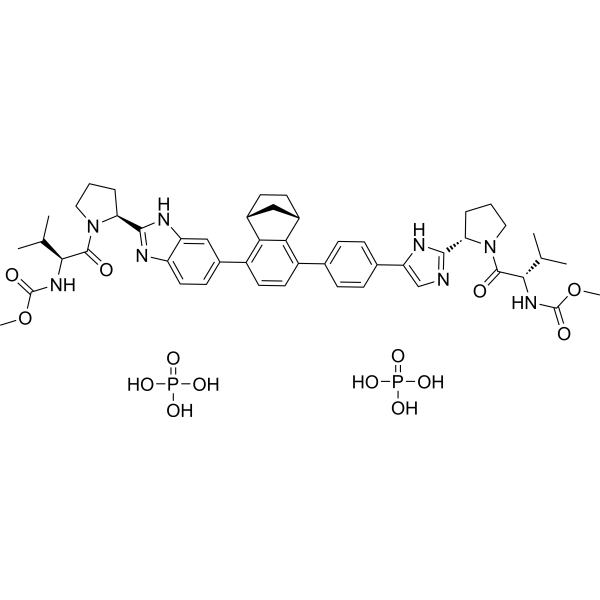
    Yimitasvir diphosphate (Emitasvir diphosphate; DAG-181 diphosphate) is an orally active inhibitor of hepatitis C virus (HCV) nonstructural protein 5A (NS5A). Yimitasvir diphosphate is applicable to research related to HCV infection .
    Yimitasvir diphosphate
  • HY-117411A

    KW-136 dihydrochloride

    HCV HCV Protease Infection
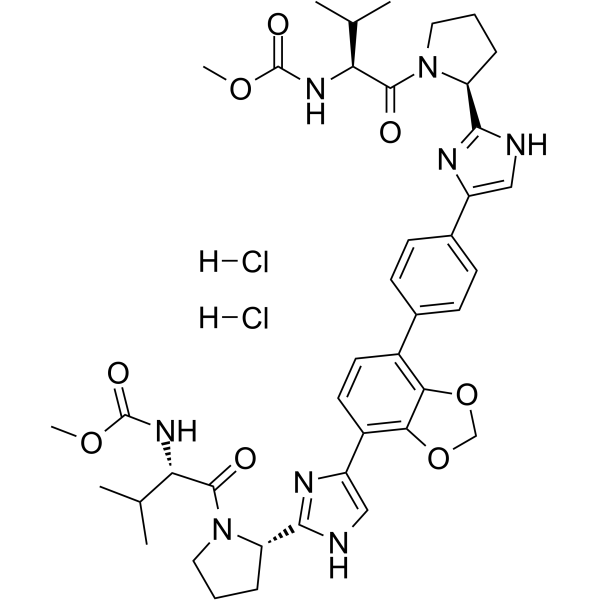
    Coblopasvir (KW-136) dihydrochloride is a pangenotypic non-structural protein 5A (NS5A) inhibitor. Coblopasvir dihydrochloride can be used for research of chronic hepatitis C virus infection .
    Coblopasvir dihydrochloride
  • HY-111781

    WS-413

    Btk Cancer
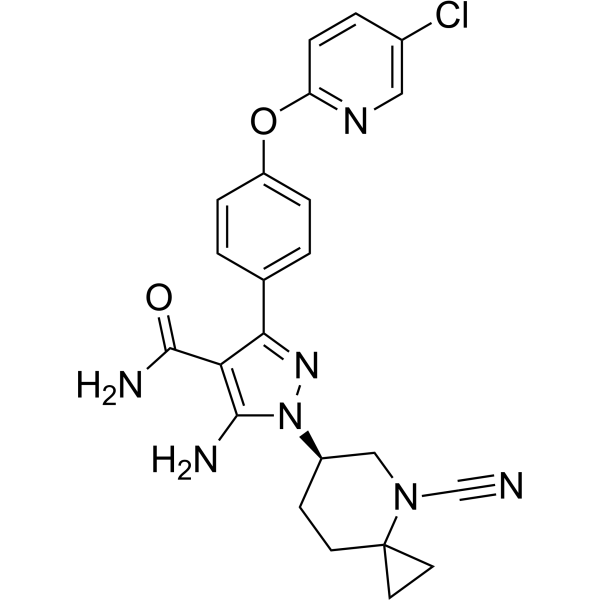
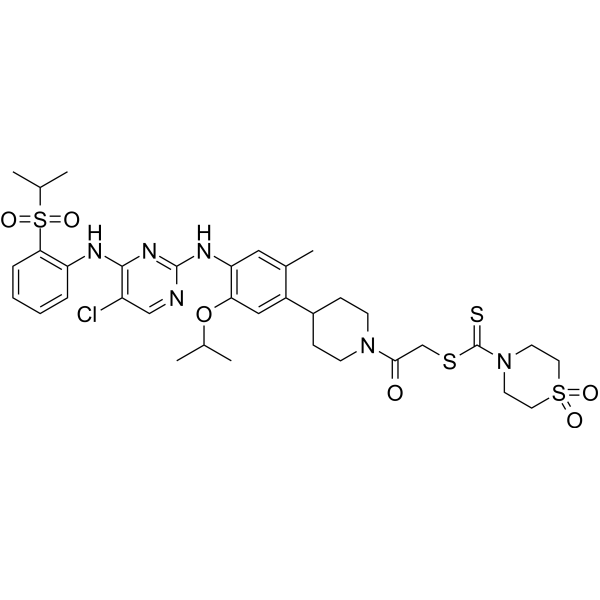
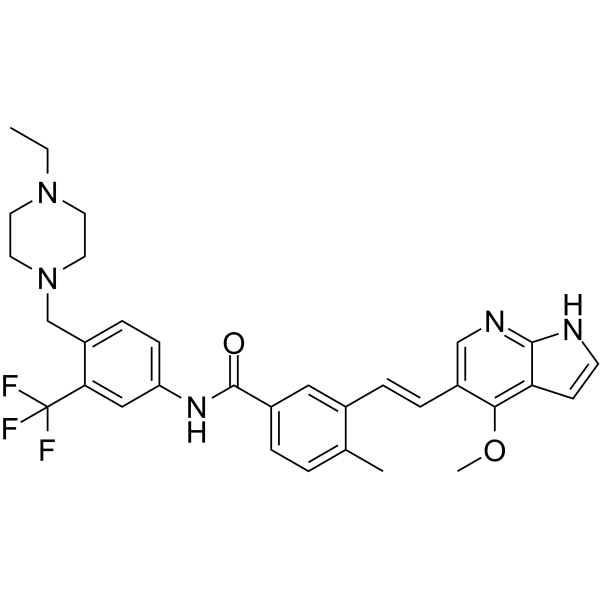
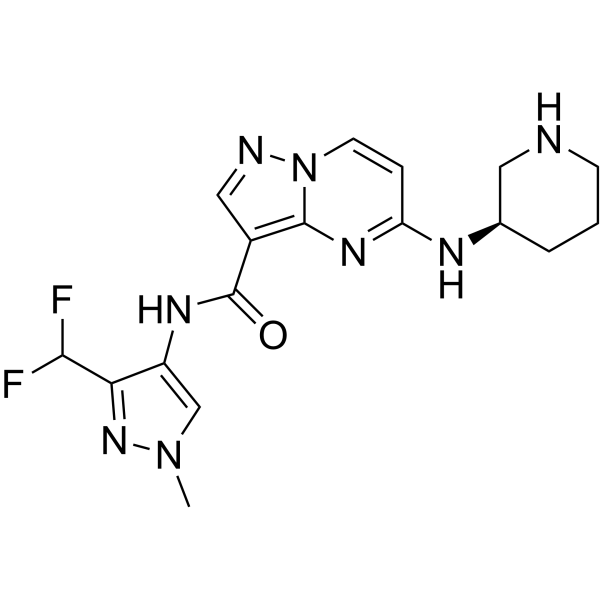
    Civorebrutinib (WS-413) is a selective, orally active BTK and TEC inhibitor with an IC50 of <100 nM for both targets. Civorebrutinib inhibits B cell activation. Civorebrutinib significantly suppresses the in vivo growth of diffuse large B-cell lymphoma cells. Civorebrutinib can be used for the research of diffuse large B-cell lymphoma .
    Civorebrutinib
  • HY-12422A

    CDK Cancer
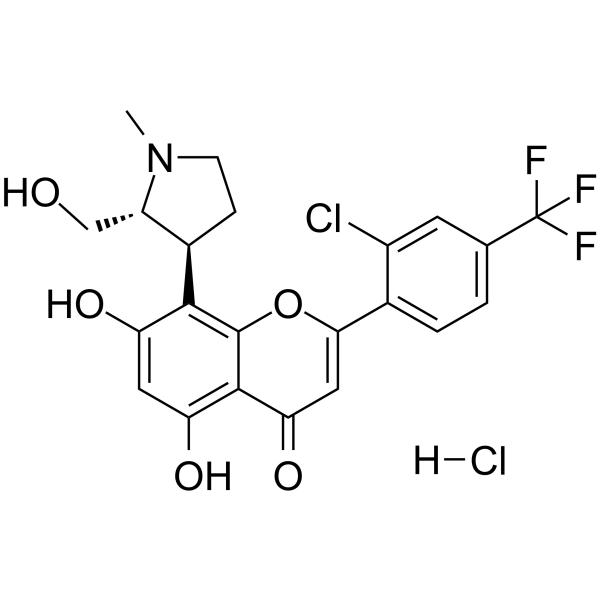
    Voruciclib hydrochloride is an orally active and selective CDK inhibitor with Ki values of 0.626 nM-9.1 nM. Voruciclib hydrochloride potently blocks CDK9, the transcriptional regulator of MCL-1. Voruciclib hydrochloride represses expression of MCL-1 in multiple models of diffuse large B-cell lymphoma (DLBCL) .
    Voruciclib hydrochloride
  • HY-19916

    BAL-101553

    Microtubule/Tubulin Checkpoint Kinase (Chk) Cancer
    Lisavanbulin (BAL-101553) is the prodrug of the microtubule targeting agent Avanbulin (BAL 27862) (HY-106008). Lisavanbulin is a BBB-penetrant and orally active antitumor agent, especially in tumors that express high levels of end-binding protein 1. Lisavanbulin has ability to target tumor cell proliferation and affects the tumor microenvironment by reducing tumor microvasculature. Lisavanbulin is also a spindle assembly checkpoint activator. Lisavanbulin induces cell cycle arrest and subsequent death or aberrant chromosome segregation. Lisavanbulin can be studied in research for diffuse large B cell lymphoma (DLBCL) and glioblastoma [3] .
    Lisavanbulin
  • HY-161765

    HSP STAT Cancer
    iHSP110-33 is an inhibitor for heat shock protein 110 (HSP110). iHSP110-33 exhibits antitumor efficacy agaisnt large B-cell lymphoma and classical Hodgkin lymphoma. iHSP110-33 shows a synergistic effect with Selinexor (HY-17536), inhibits the STAT6 phosphorylation, and enhances its antitumor activity. .
    iHSP110-33
  • HY-E70216

    Others Others
    Bsu DNA polymerase, Large fragment is a polymerase derived from Bacillus subtilis. Bsu DNA polymerase, Large fragment is a DNA isothermal amplification polymerase with chain replacement activity, which used in RPA recombinase polymerase amplification technology .
    Bsu DNA polymerase, Large fragment
  • HY-176268

    RA-0188293; RA-NSP2-1

    DNA/RNA Synthesis Virus Protease Flavivirus Infection
    SGC-NSP2hel-1 (RA-0188293), a chemical probe, is a potent, specific and orally active nsP2 inhibitor. SGC-NSP2hel-1 has broad spectrum activity against multiple alphaviruses of the nsP2 helicase with a CC50 > 250 μM. SGC-NSP2hel-1 (RA-0188293) shows selectivity index > 4000 against human RNA helicases. SGC-NSP2hel-1 reduces virus replication and limited virus-induced pathology by forming a stable complex with nsP2 and ATP in a preclinical small animal model of CHIKV disease.
    SGC-NSP2hel-1
  • HY-156566

    PROTACs Epigenetic Reader Domain HSP Cancer
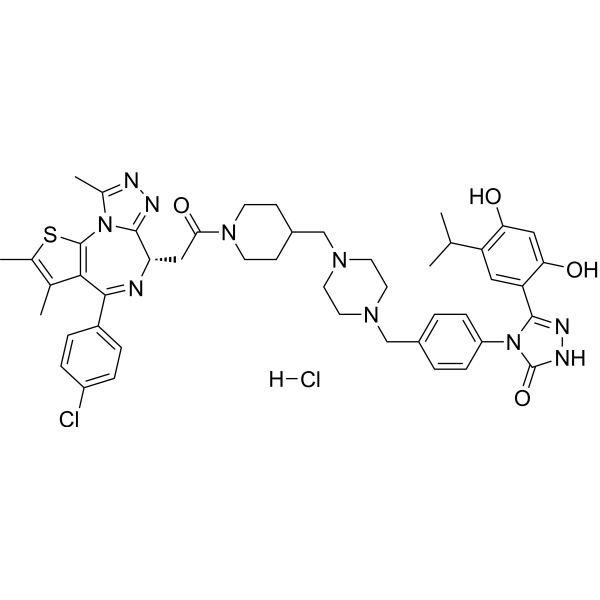
    PROTAC BRD4 Degrader-21 is a BRD4-targeting PROTAC degrader with an IC50 value of 59 nM. PROTAC BRD4 Degrader-21 induces ubiquitination of BRD4, leading to its degradation via the proteasome. PROTAC BRD4 Degrader-21 binds to recombinant HSP90α protein with moderate affinity, having an IC50 of 100-1000 nM. PROTAC BRD4 Degrader-21 induces cancer cell death. PROTAC BRD4 Degrader-21 inhibits tumor growth in xenograft mouse models. PROTAC BRD4 Degrader-21 can be used for the research of acute myeloid leukemia, diffuse large B-cell lymphoma .
    PROTAC BRD4 Degrader-21
  • HY-162651

    PROTACs Epigenetic Reader Domain Apoptosis Cancer
    PROTAC BRD9 Degrader-8 is a selective, orally active BRD9 PROTAC degrader with a DC50 of 16 pM.\nPROTAC BRD9 Degrader-8 induces cell cycle arrest at the G1 phase and promotes apoptosis. PROTAC BRD9 Degrader-8 can be used for research on acute myeloid leukemia and diffuse large B-cell lymphoma .
    PROTAC BRD9 Degrader-8
  • HY-150064

    SARS-CoV Infection
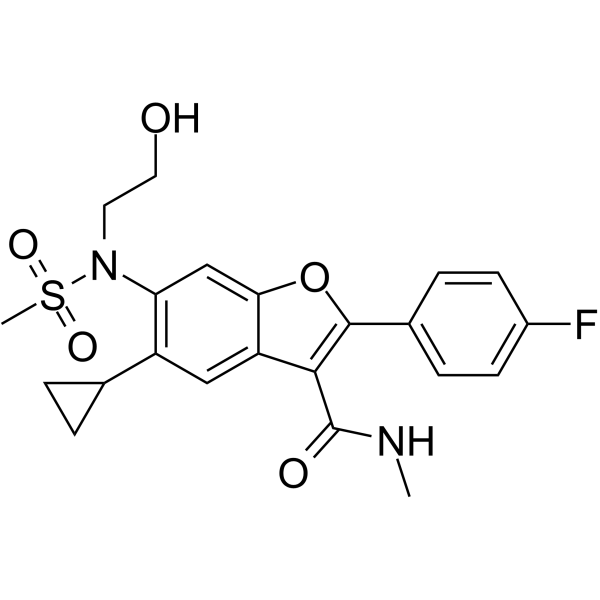
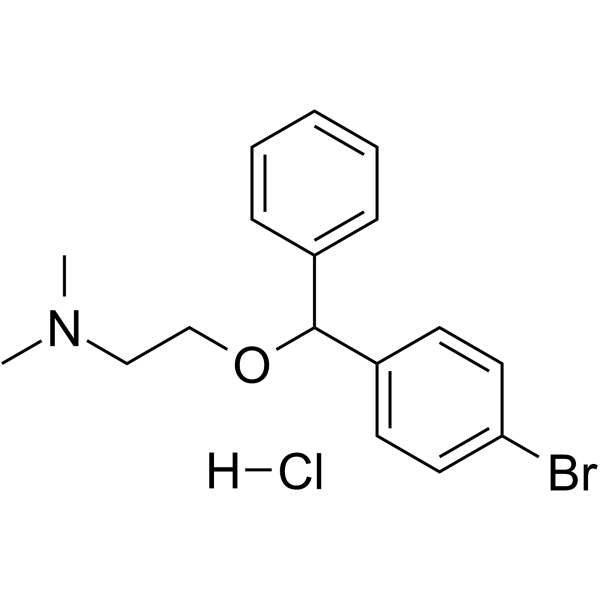
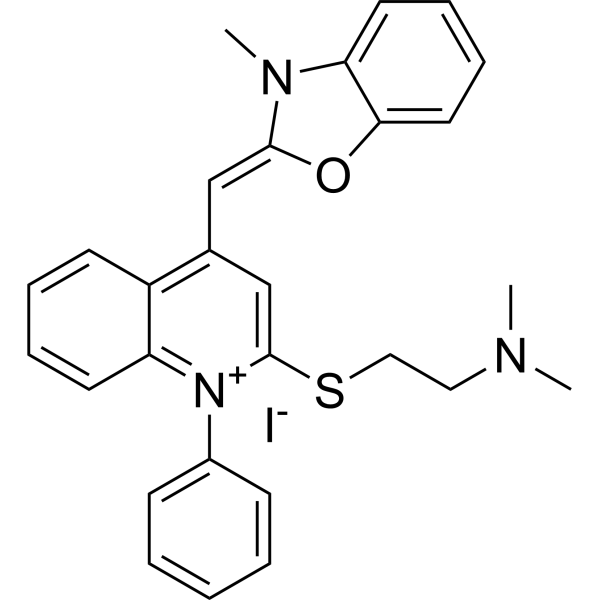
    SARS-CoV-2 nsp3-IN-2 is a macrodomain (Mac1) inhibitor with IC50 value of 180 μM. SARS-CoV-2 nsp3-IN-2 is a small molecule chemical probe and can be used for the research of viral .
    SARS-CoV-2 nsp3-IN-2
  • HY-150062

    SARS-CoV Infection
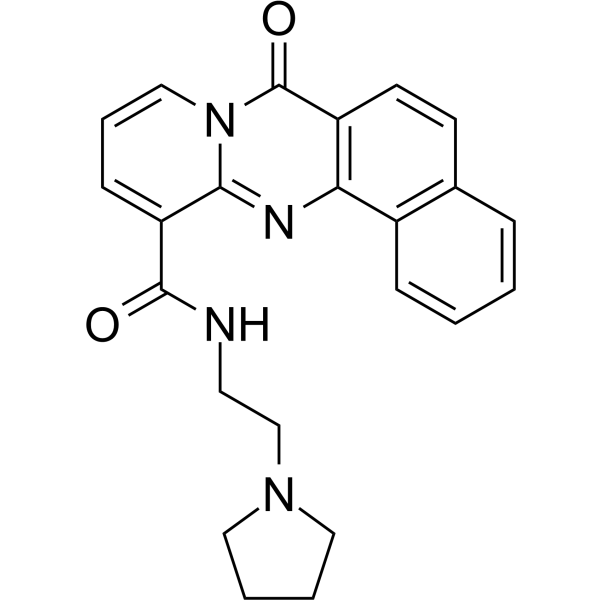
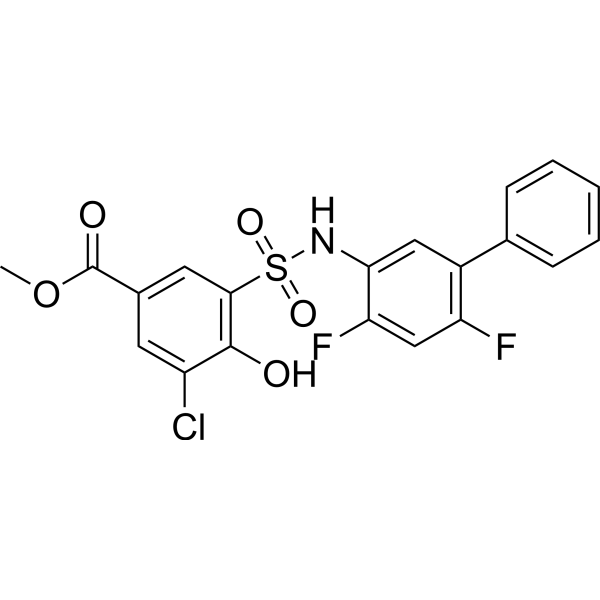
    SARS-CoV-2 nsp3-IN-1 (Compound 15c) is a Mac1 (SARS-CoV-2 nsp3 macrodomain) inhibitor with the IC50 value of 6.1 μM. SARS-CoV-2 nsp3-IN-1 can inhibit Mac1 ADP-ribosylhydrolase activity. SARS-CoV-2 nsp3-IN-1 demonstrates notable selectivity for coronavirus macrodomains, especially towards SARS-CoV-2 Mac1 .
    SARS-CoV-2 nsp3-IN-1
  • HY-150622

    SARS-CoV Infection
    SARS-CoV-2 nsp13-IN-1 (compound C1) is a potent nsp13 (non-structural protein 13) inhibitor. SARS-CoV-2 nsp13-IN-1 only inhibits nsp13 ssDNA + ATPase, with an IC50 of 6 μM. SARS-CoV-2 nsp13-IN-1 does not inhibit ssDNA - ATPase. SARS-CoV-2 nsp13-IN-1 can be used for COVID-19 research .
    SARS-CoV-2 nsp13-IN-1
  • HY-P991345

    AMP-514

    PD-1/PD-L1 Cancer
    MEDI-0680 (AMP-514) is a human IgG4 monoclonal antibody (mAb) targeting PDCD1/PD-1/CD279. MEDI-0680 can be used in Diffuse Large B-Cell Lymphoma (DLBCL) research .
    MEDI-0680
  • HY-19916A

    BAL-101553 dihydrochloride

    Microtubule/Tubulin Checkpoint Kinase (Chk) Cancer
    Lisavanbulin (BAL-101553) dihydrochloride is the prodrug of the microtubule targeting agent Avanbulin (BAL 27862) (HY-106008). Lisavanbulin dihydrochloride exhibits antitumor activity, especially in tumors that express high levels of end-binding protein 1. Lisavanbulin dihydrochloride has ability to target tumor cell proliferation and affects the tumor microenvironment by reducing tumor microvasculature. Lisavanbulin dihydrochloride is also a spindle assembly checkpoint activator. Lisavanbulin dihydrochloride induces cell cycle arrest and subsequent death or aberrant chromosome segregation. Lisavanbulin dihydrochloride can be studied in research for diffuse large B cell lymphoma (DLBCL) and glioblastoma [3] .
    Lisavanbulin dihydrochloride
  • HY-P4882

    Amyloid-β Neurological Disease
    (Pyr3)-Amyloid β-Protein (3-42) is the predominant amyloid β-peptide structure deposited in human brain of Alzheimer's disease and Down's syndrome patients. (Pyr3)-Amyloid β-Protein (3-42) is suggested to accumulate in the brain and to trigger the formation of insoluble amyloid β-peptide deposits .
    (Pyr3)-Amyloid β-Protein (3-42)
  • HY-147358A

    Emitasvir; DAG-181

    HCV Infection
    Yimitasvir (Emitasvir; DAG-181) is an orally active inhibitor of hepatitis C virus (HCV) nonstructural protein 5A (NS5A). Yimitasvir is applicable to research related to HCV infection .
    Yimitasvir
  • HY-175502

    Molecular Glues IKZF Family Apoptosis Cancer
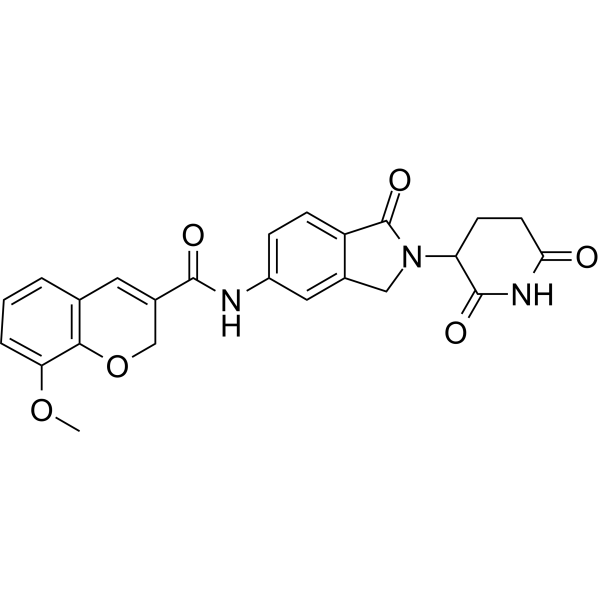
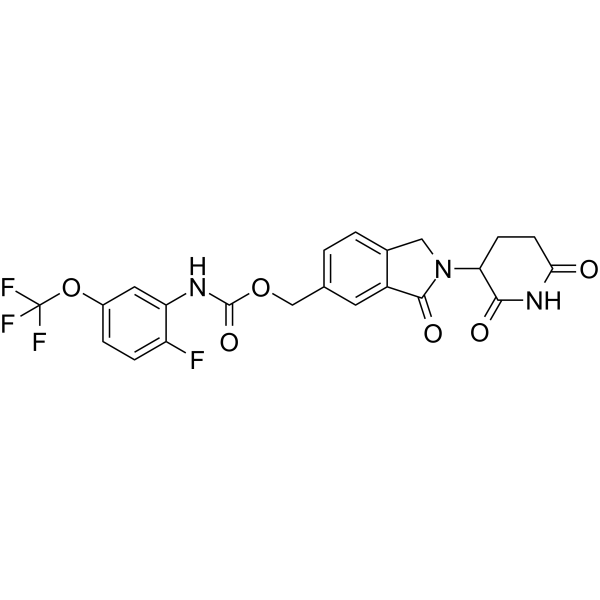
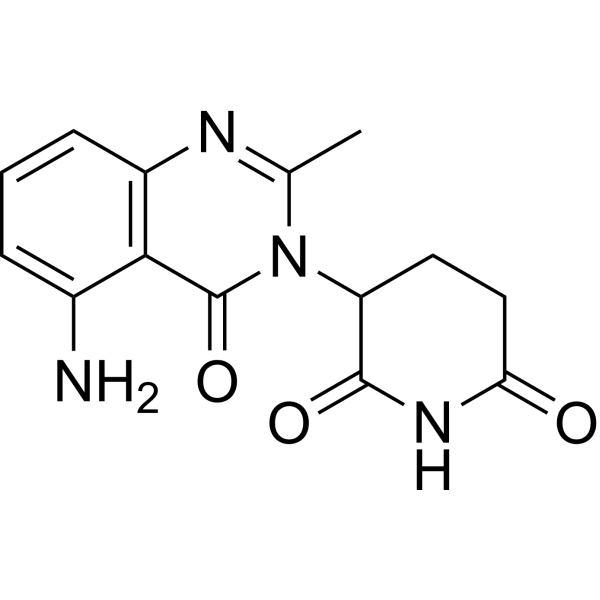
    MGD-22, a molecular glue, is an orally active IKZF1/2/3 degrader with DC50 values of 8.33 nM, 9.91 nM, and 5.74 nM, respectively. MGD-22 exhibits extremely potent anti-proliferative activity against diverse hematological cancer cells. MGD-22 induces apoptosis in cancer cells. MGD-22 demonstrates potent anti-tumor efficacy in mice bearing NCI-H929 xenografts or WSU-DLCL-2 xenografts. MGD-22 can be used for the study of hematological cancers, including multiple myeloma (MM), acute myeloid leukemia (AML), and diffuse large B-cell lymphoma (DLBCL) .
    MGD-22
  • HY-117411

    KW-136

    HCV HCV Protease Infection Inflammation/Immunology
    Coblopasvir (KW-136) is a pangenotypic non-structural protein 5A (NS5A) inhibitor. Coblopasvir can be used for research of chronic hepatitis C virus infection .
    Coblopasvir
  • HY-P10403

    IGF-1R Inflammation/Immunology Cancer
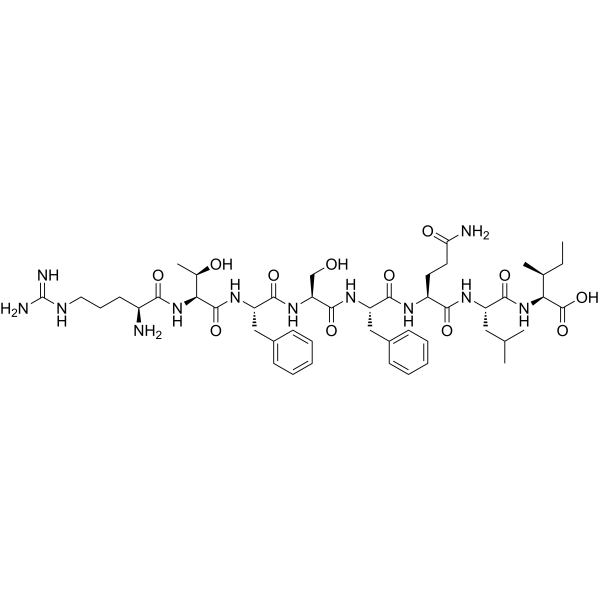
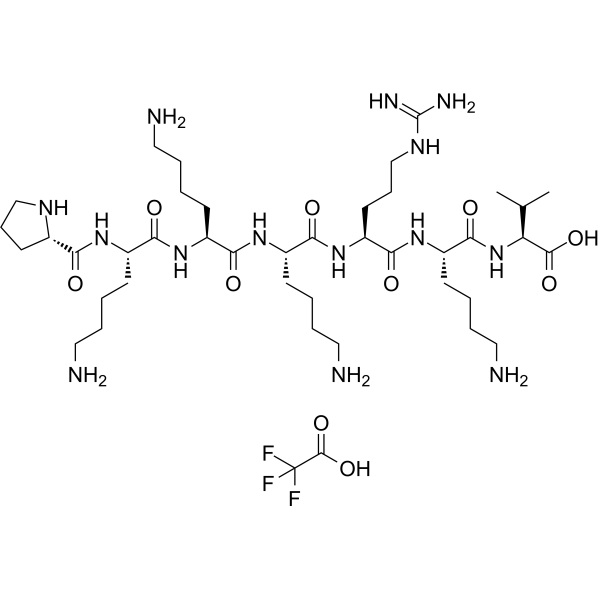
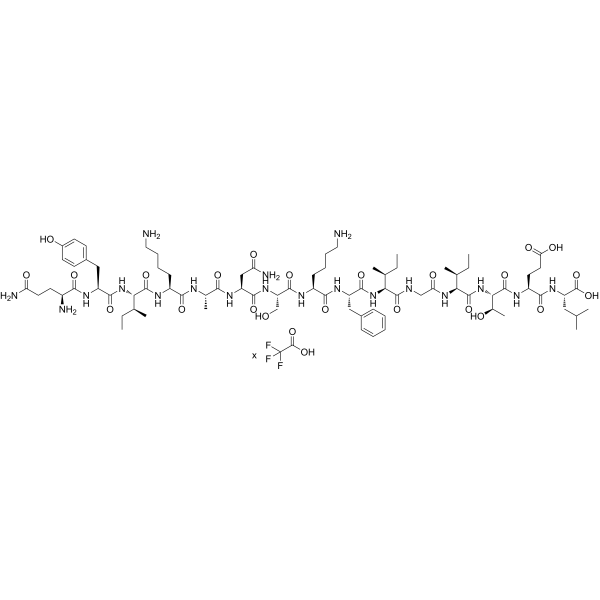
    IGFBP-3 peptide is a 18-amino acid insulin-like growth factor binding protein-3. IGFBP-3 peptide binds Humanin (HY-P1928) and Hyaluronan (HY-B0633A), blocks the interaction of CD44 and hyaluronan .
    IGFBP-3 peptide
  • HY-174224

    ZINC000002782982

    SARS-CoV Infection
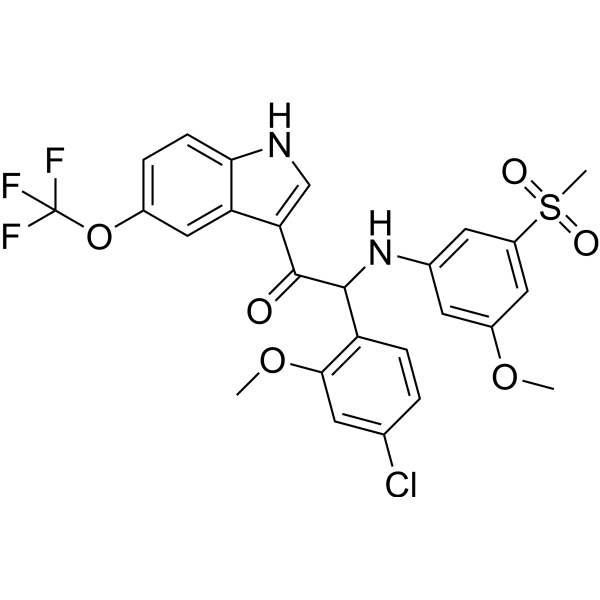
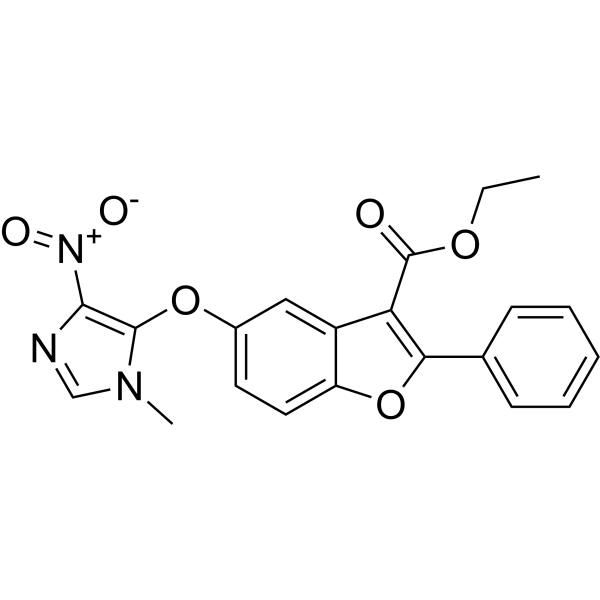
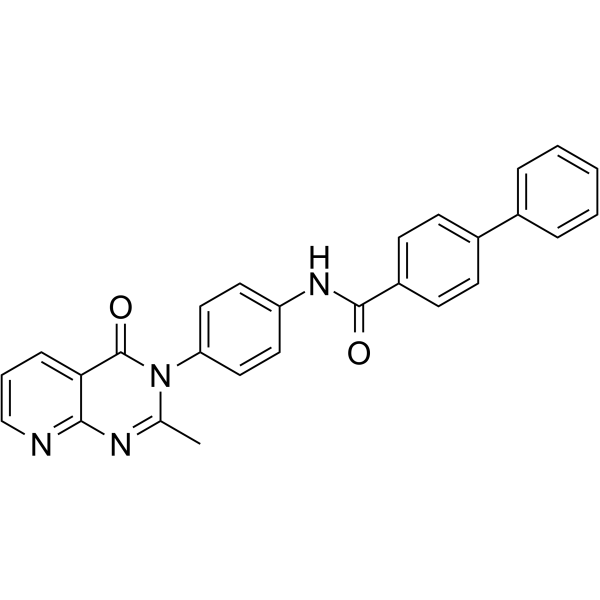
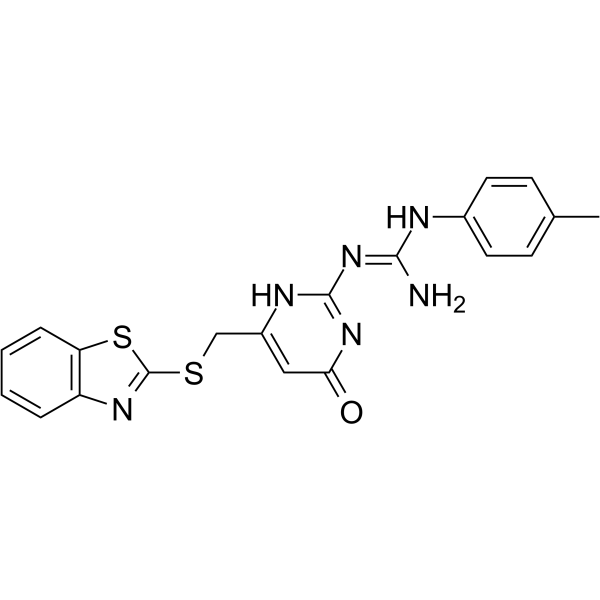
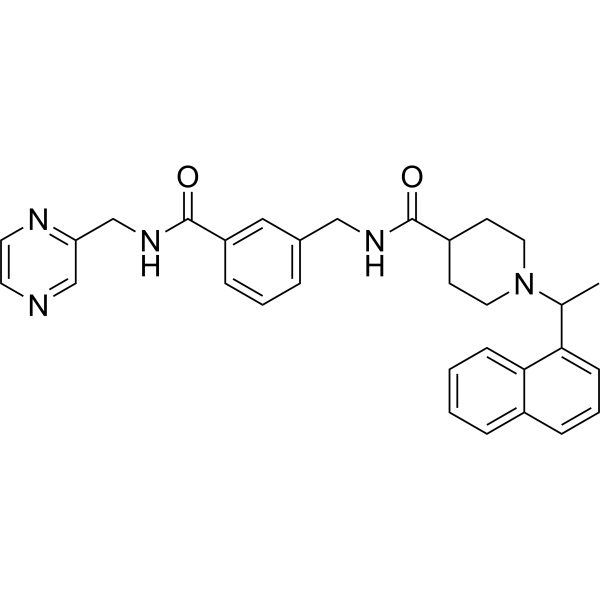
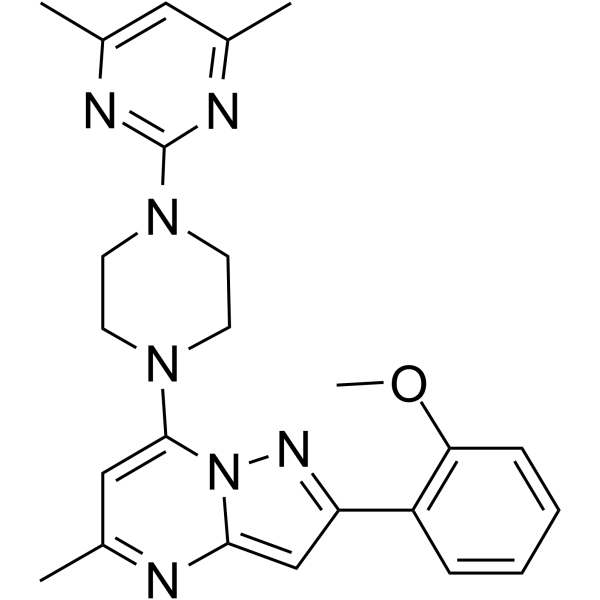
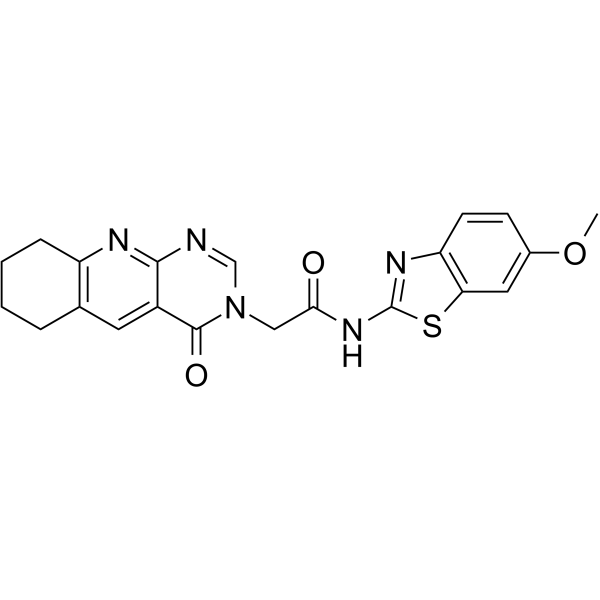
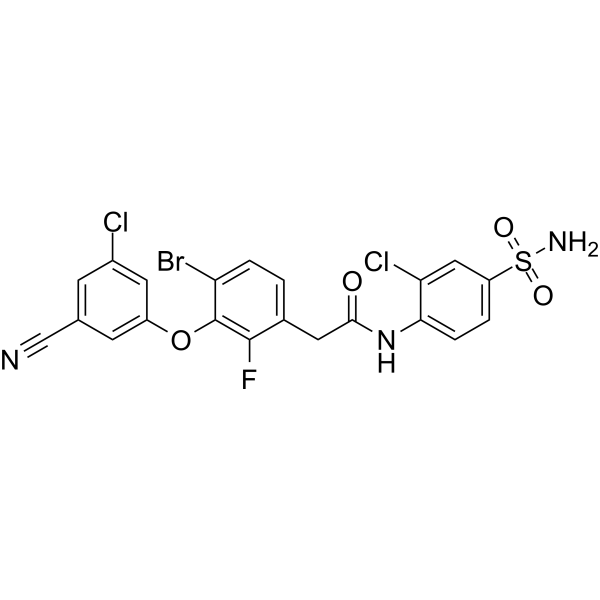
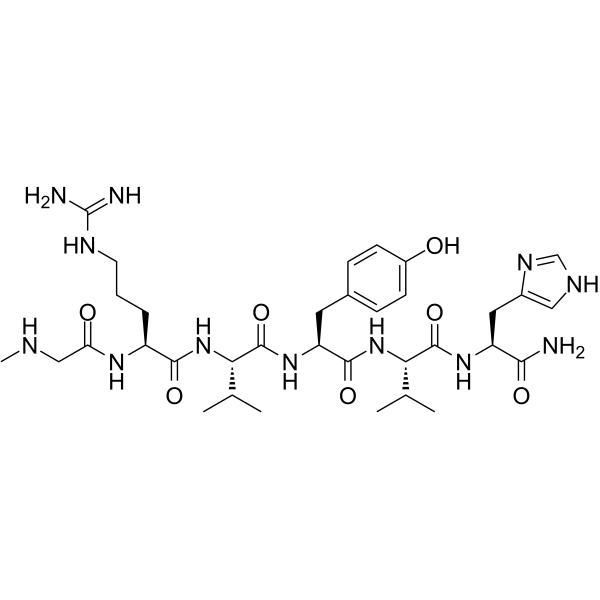
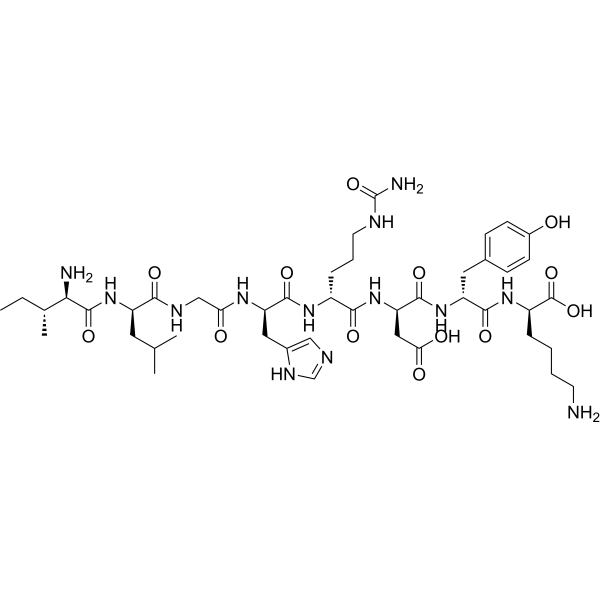
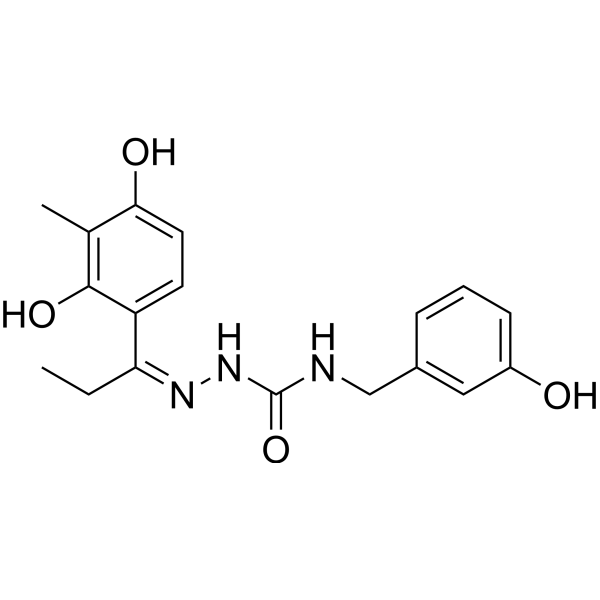
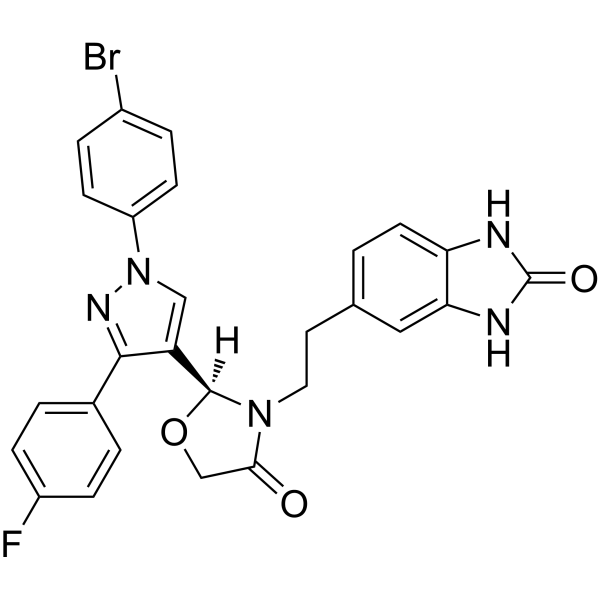
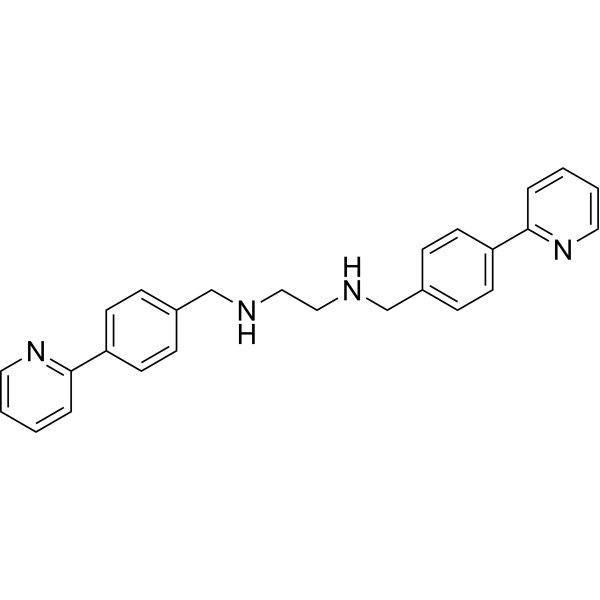
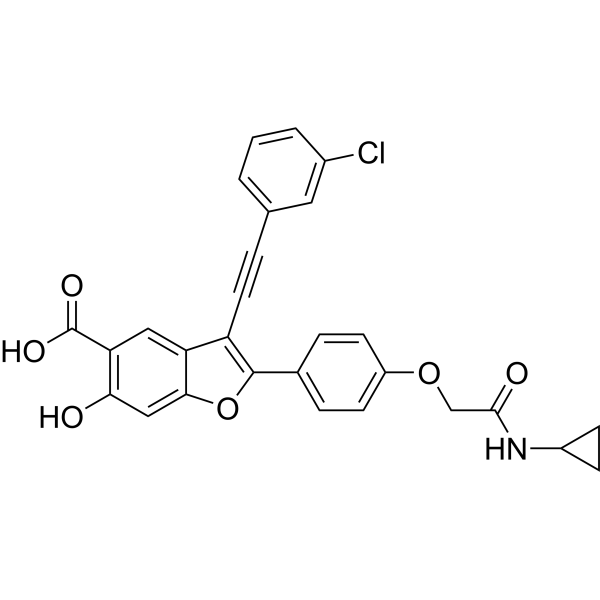
    Amb929 (ZINC000002782982), a nsp3 ligand, is an anti-SARS-CoV-2 agent. Amb929 inhibits SARS-CoV2-mNG replication in VeroE6 cells with an EC50 of 34.7 µM. Amb929 has limited and moderate cytotoxicity for VeroE6 cells (CC50: 281 µM). Amb929 also inhibits SARS-CoV-2-mNG replication in Human Airway Epithelium (HAE) .
    Amb929
  • HY-150623

    SARS-CoV Infection
    SARS-CoV-2 nsp13-IN-2 (Compound C2) is a SARS-CoV-2 non-structural protein 13 (nsp13) small-molecule inhibitor with an IC50 of 42 μM against nsp13 ssDNA + ATPase .
    SARS-CoV-2 nsp13-IN-2
  • HY-124598

    Enterovirus Infection
    MRL-1237 is an inhibitor of the replication of several enteroviruses targeting the non-structural protein 2C of the virus. MRL-1237 shows effective inhibition against poliovirus and various other enteroviruses. MRL-1237 does not inhibit the NTPase (ATPase) activity of 2C protein. MRL-1237 can be used for the research of infection .
    MRL-1237
  • HY-150594

    IRAK NF-κB Cancer
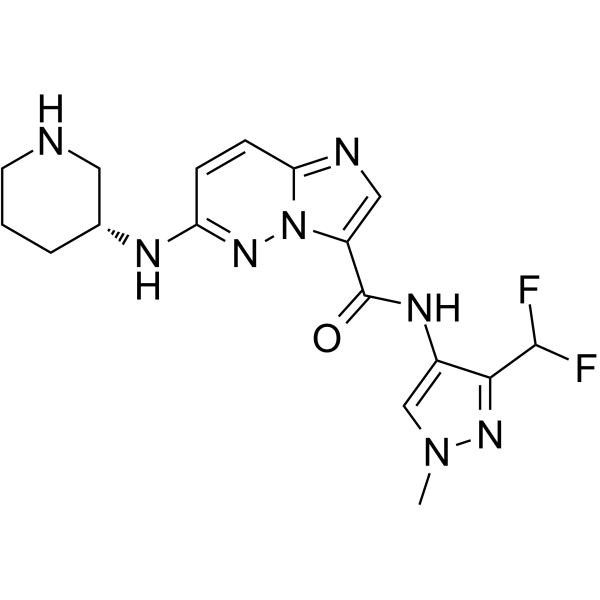
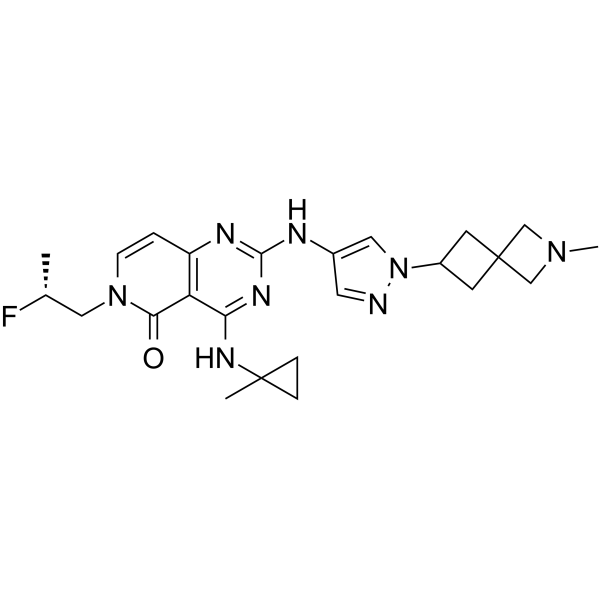
    IRAK4-IN-17 (Compound 5) is a potent IRAK4 inhibitor with the IC50 of 1.3 nM . IRAK4-IN-17 can be used in large B-cell lymphoma (DLBCL) research .
    IRAK4-IN-17
  • HY-155574

    IRAK Apoptosis Cancer
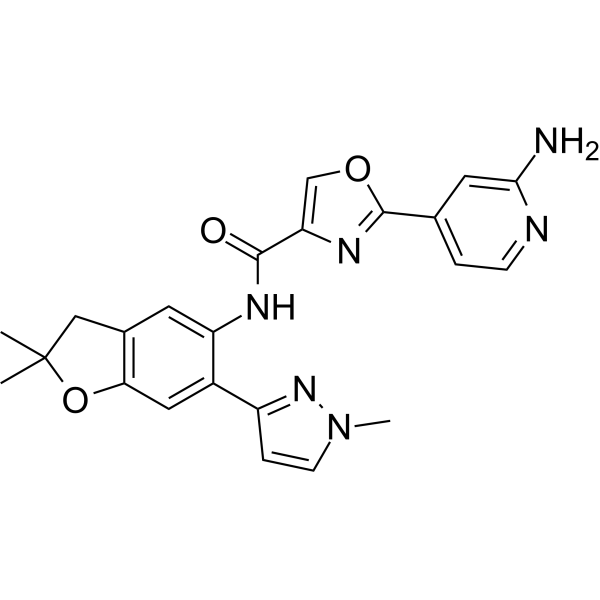
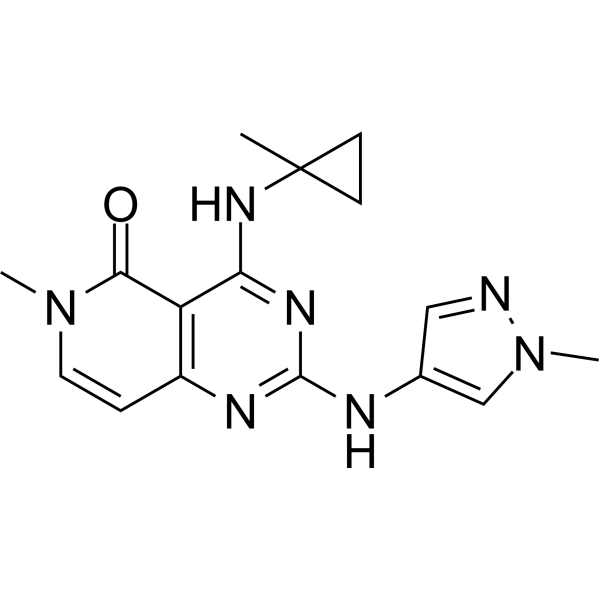
    IRAK4-IN-27 (Compound 22) is a potent, selective inhibitor of IRAK4, with IC50 of 8.7 nM. IRAK4-IN-27 inhibits cell growth, and promotes apoptosis in MYD88 L265P diffuse large B-cell lymphoma (DLBCL) cell line. IRAK4-IN-27 can be used for DLBCL study .
    IRAK4-IN-27

온라인 문의

Your information is safe with us. * Required Fields.

호칭


Country or Region *

고객명 *


회사명 *

Department *


메일주소 *


상품명 *

Cat. No.


Requested quantity *

전화번호 *


비고

온라인 문의

Inquiry Information

상품명:
Cat. No.:
수량:
MCE Japan Authorized Agent: