1. Search Result
Search Result
Pathways Recommended: JAK/STAT Signaling
Results for "

STAT/TET1 axis

" in MedChemExpress (MCE) Product Catalog:

1128

Inhibitors & Agonists

2

Screening Libraries

10

Fluorescent Dyes

13

Biochemical Assay Reagents

55

Peptides

31

Inhibitory Antibodies

270

Natural
Products

16

Recombinant Proteins

61

Isotope-Labeled Compounds

60

Antibodies

12

Click Chemistry

36

Oligonucleotides

9

GMP Molecules

Targets Recommended:
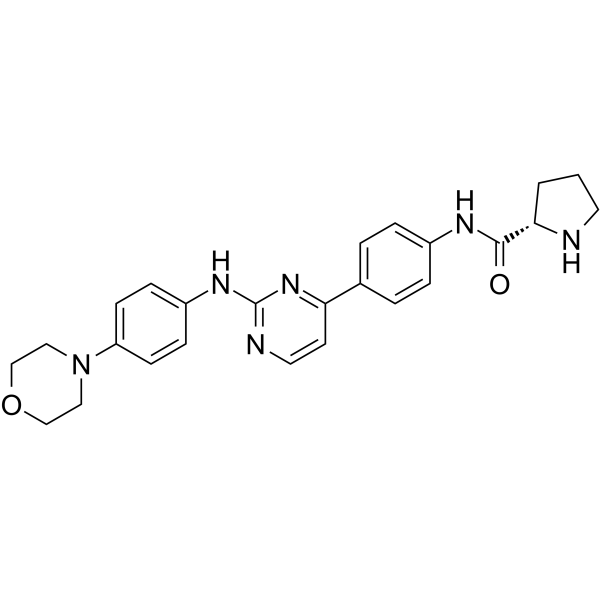
Cat. No. Product Name Target Research Areas Chemical Structure
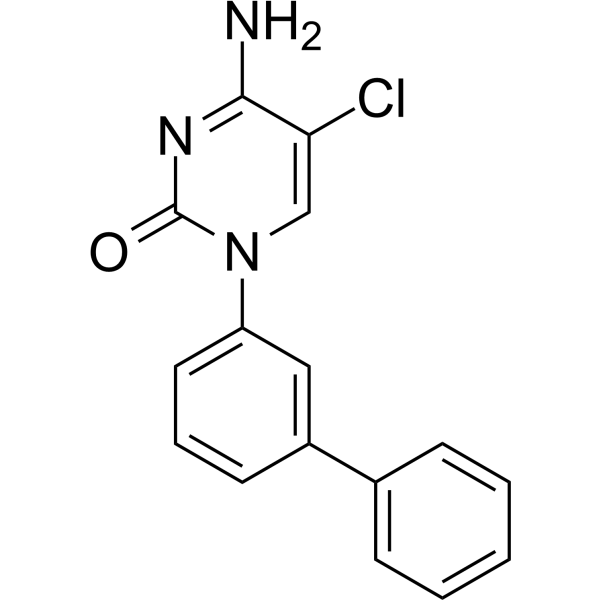
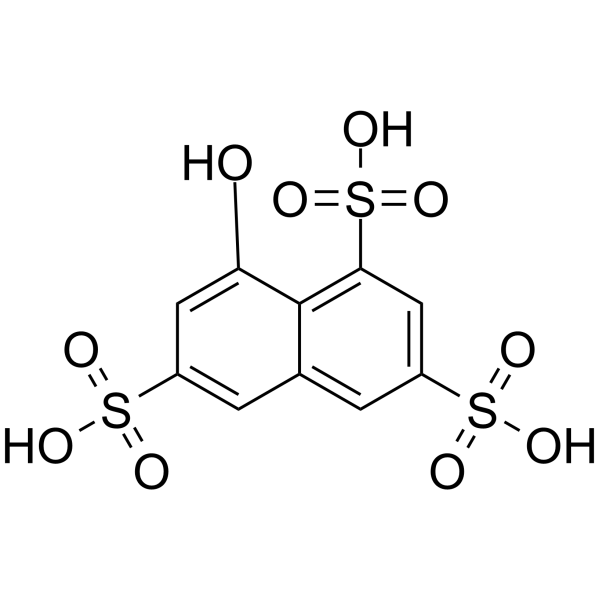
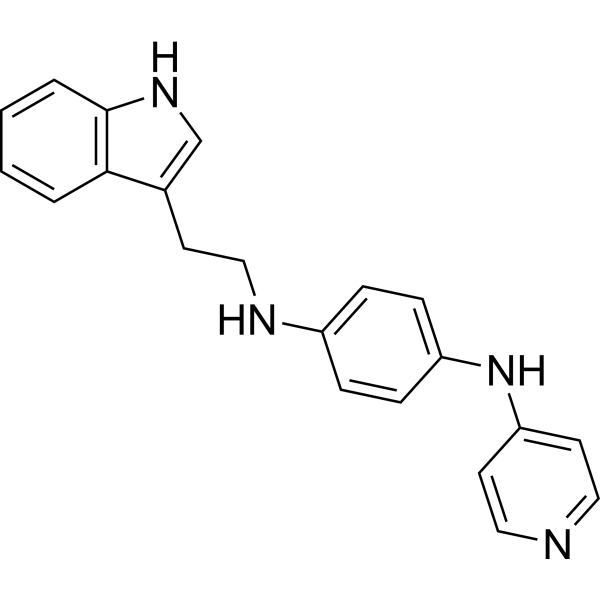
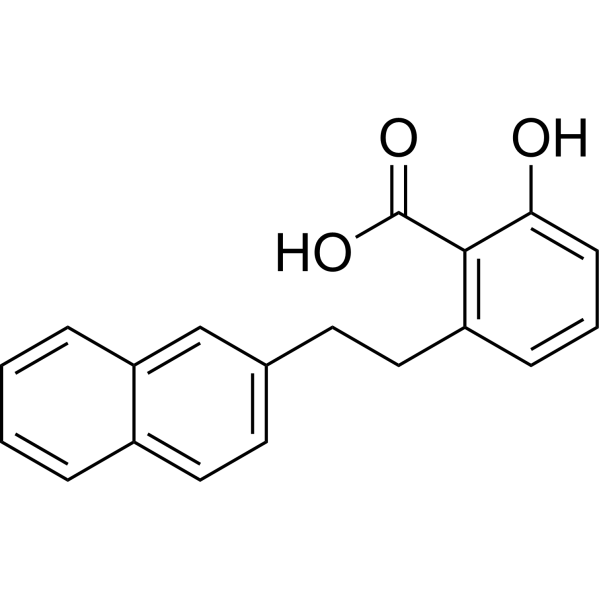
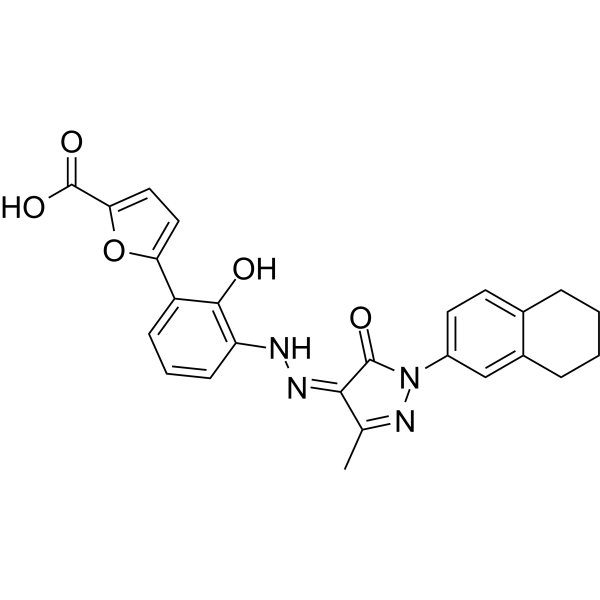
  • HY-111558
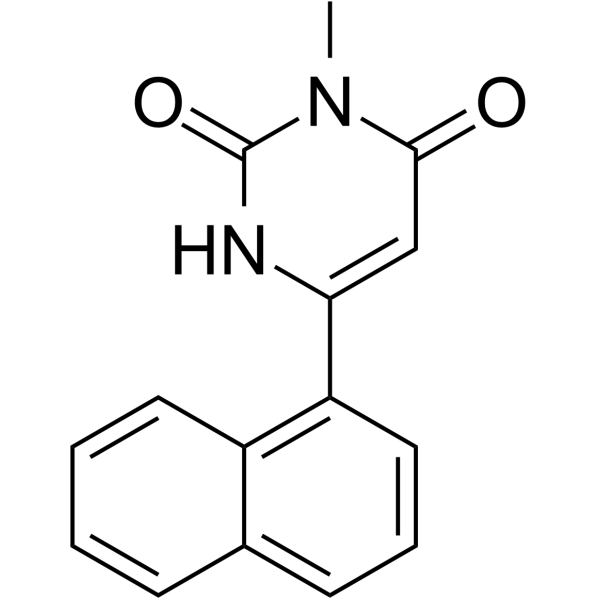
    Bobcat339
    20+ Cited Publications

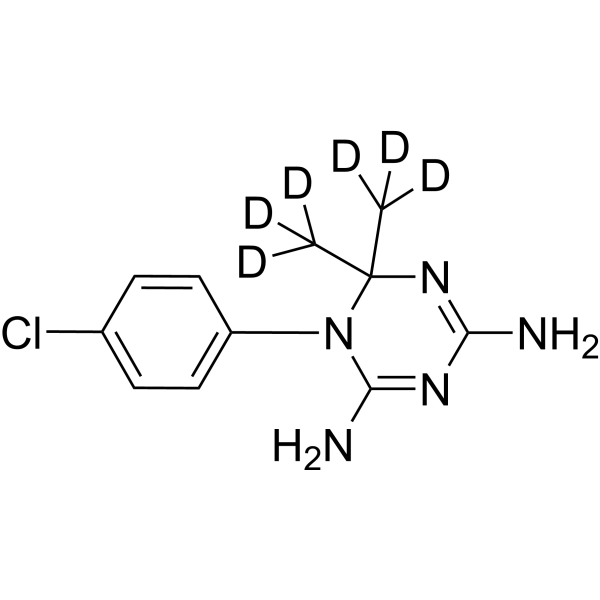
    DNA Methyltransferase TET Protein Cancer
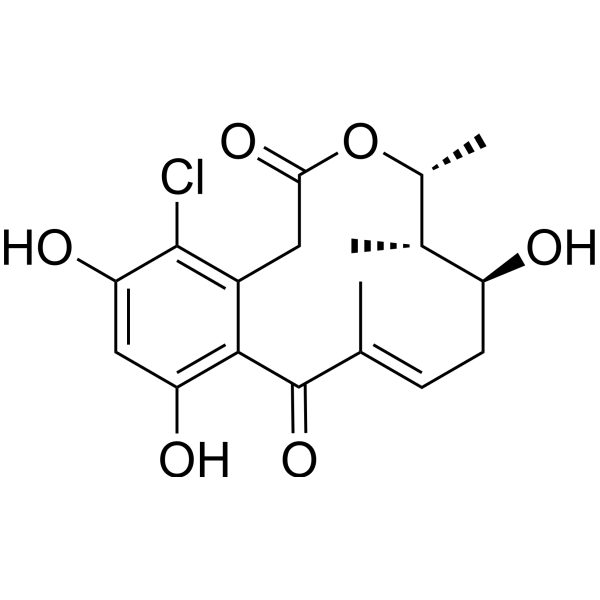
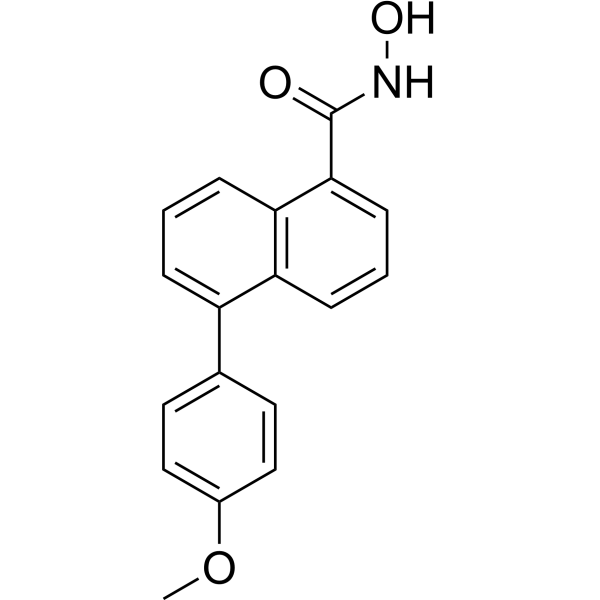
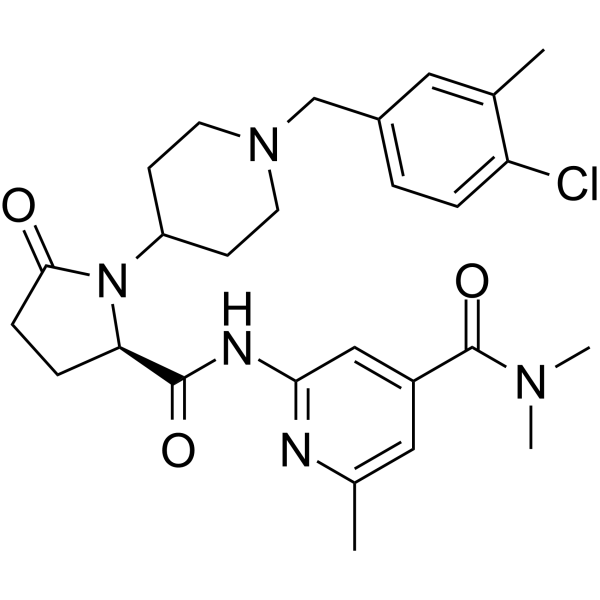
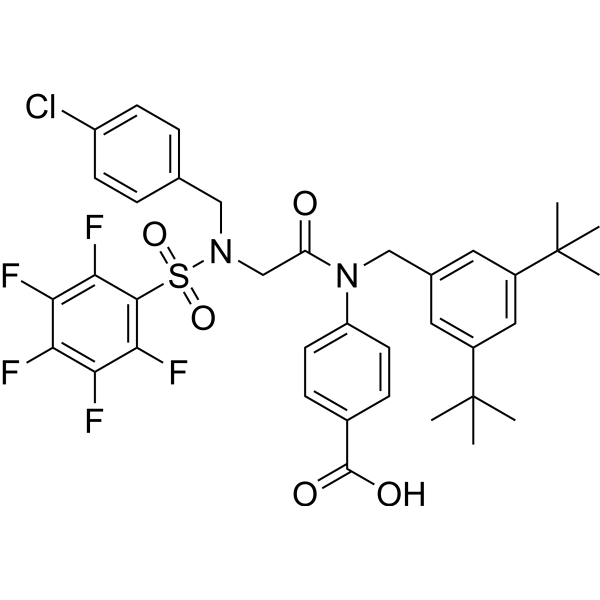
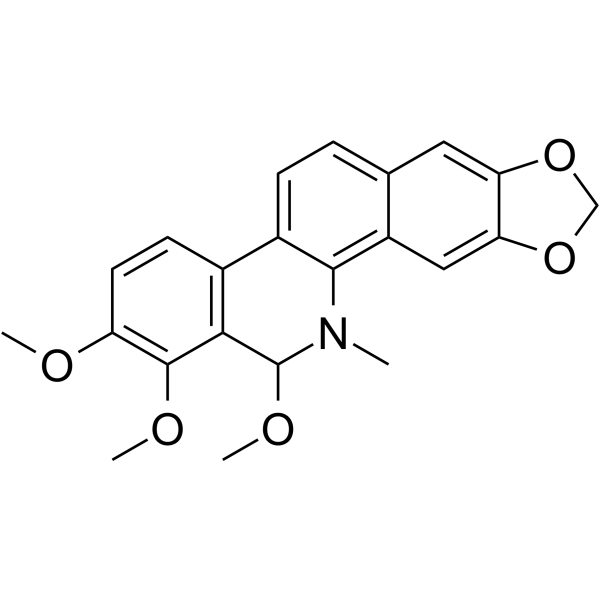
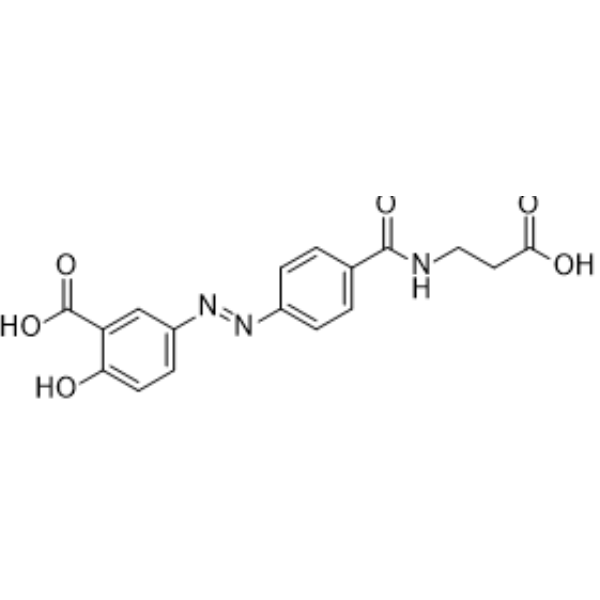
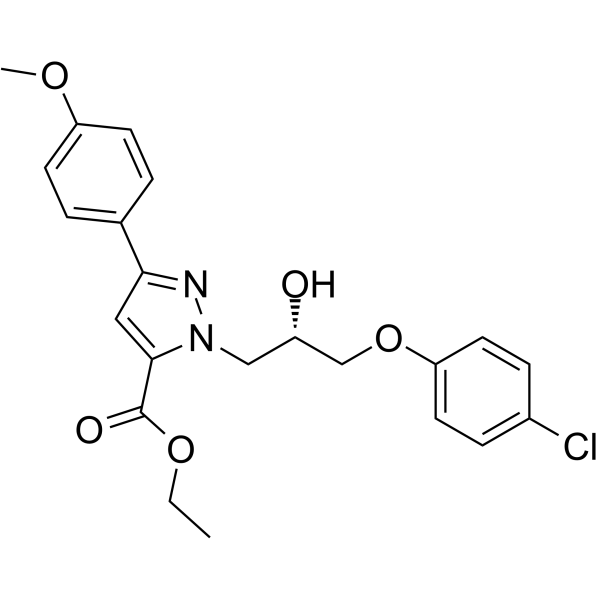
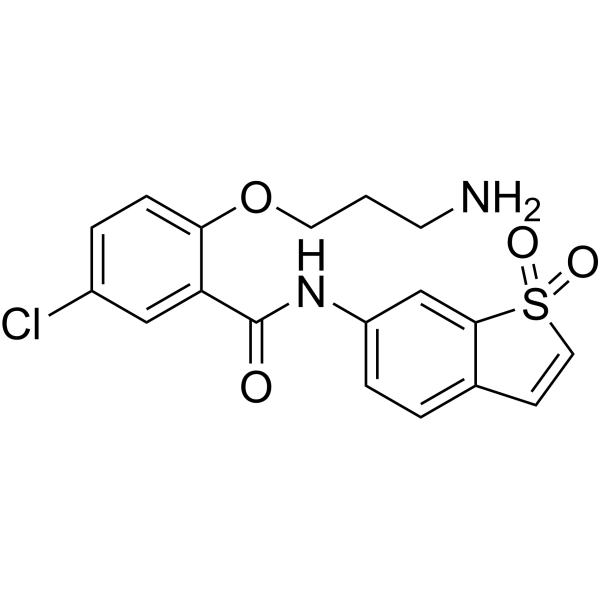
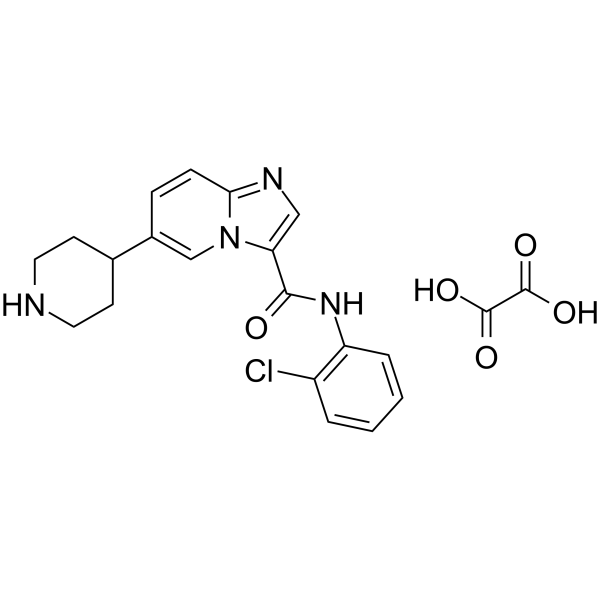
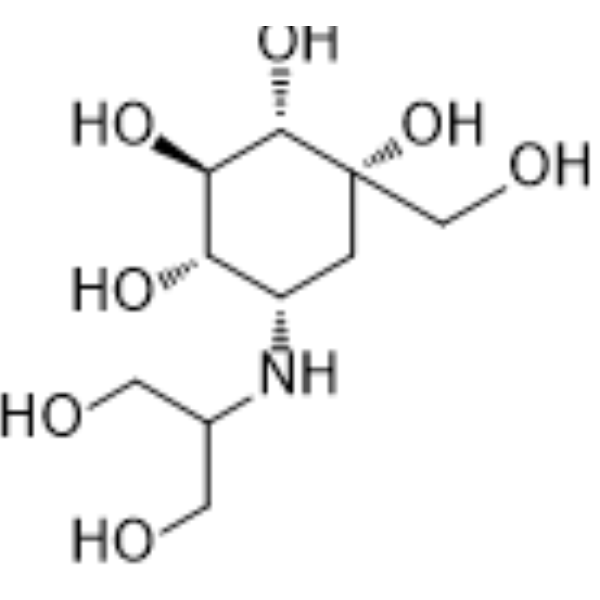
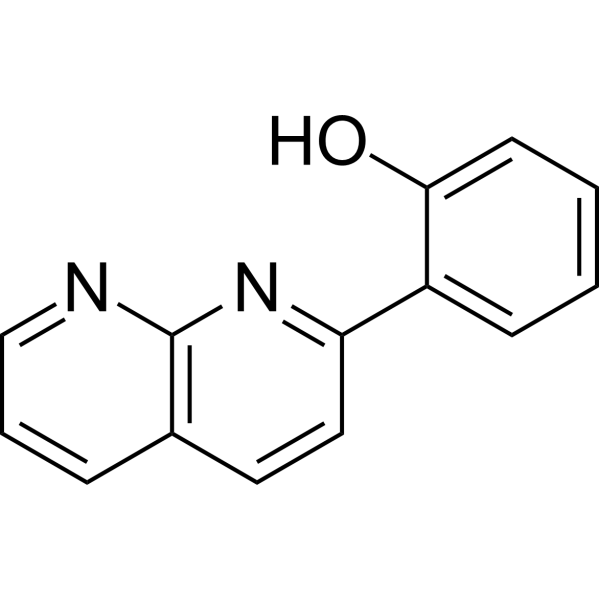
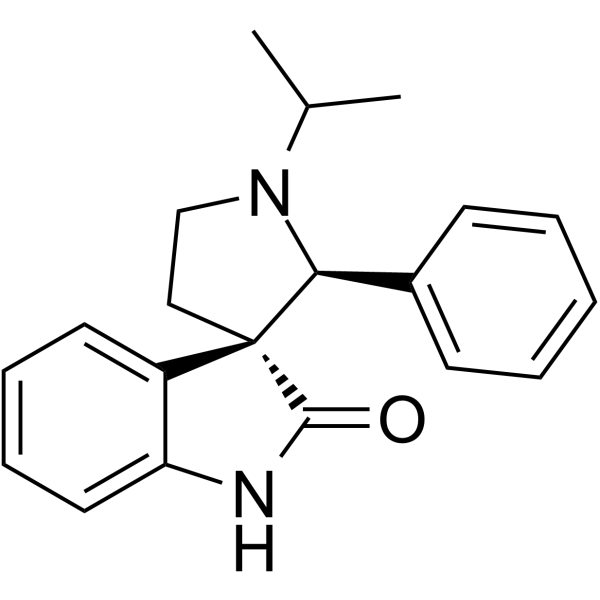
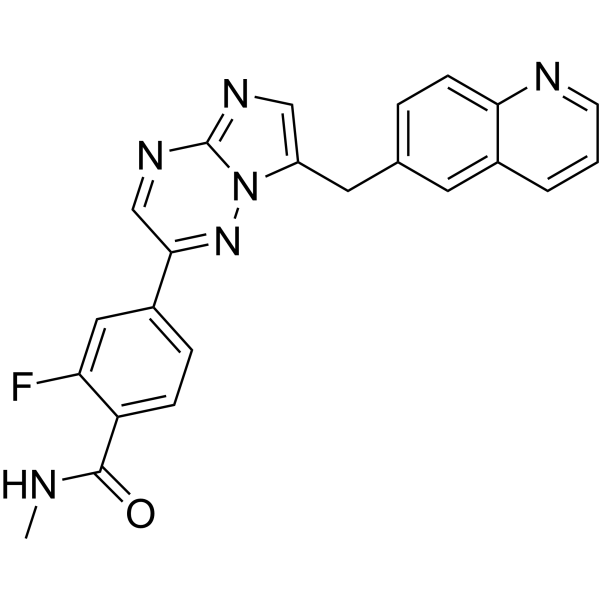
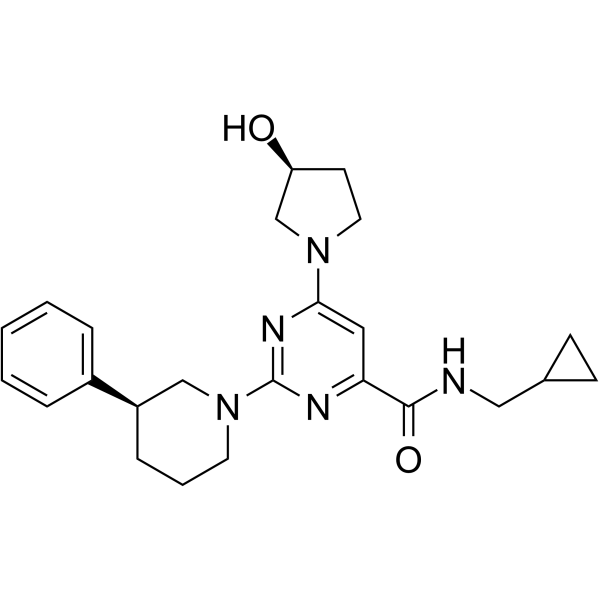
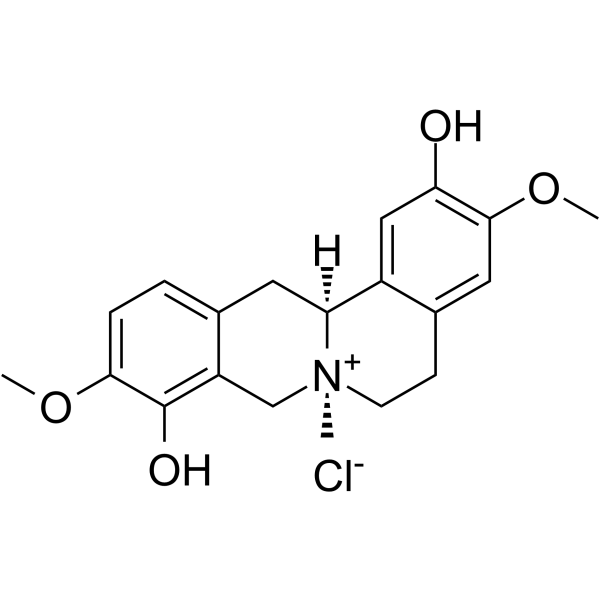
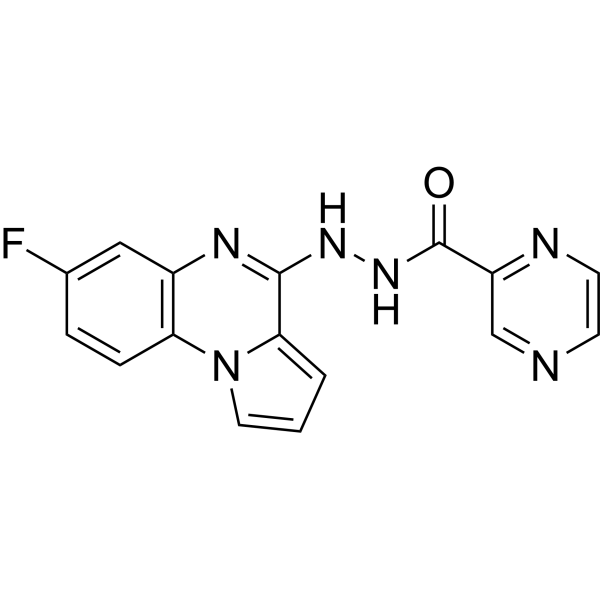
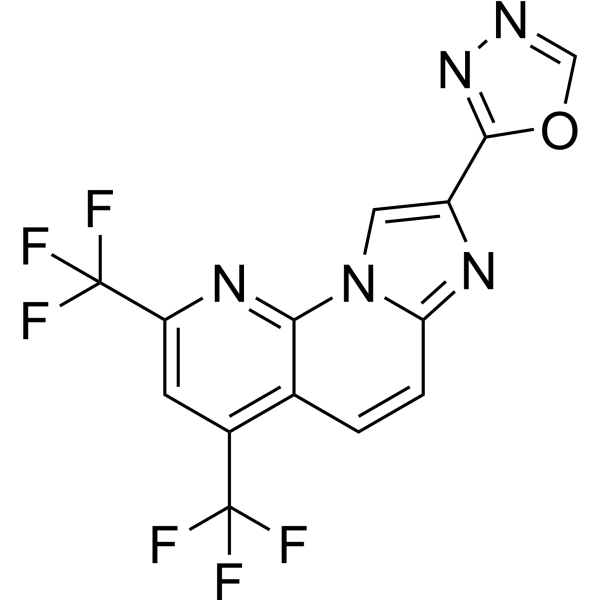
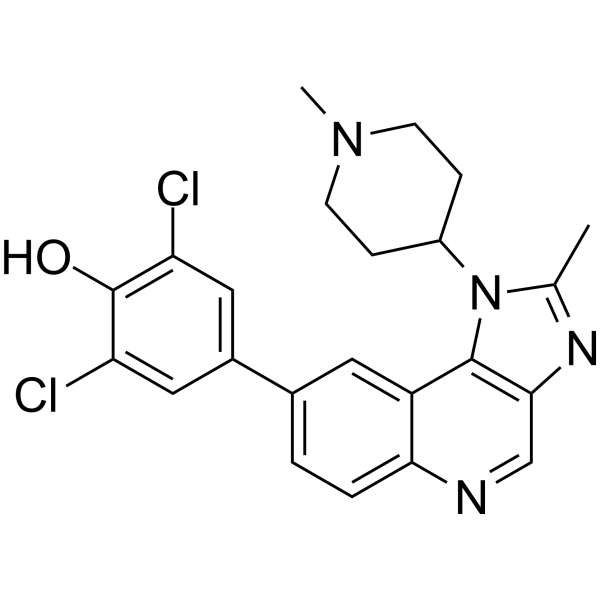
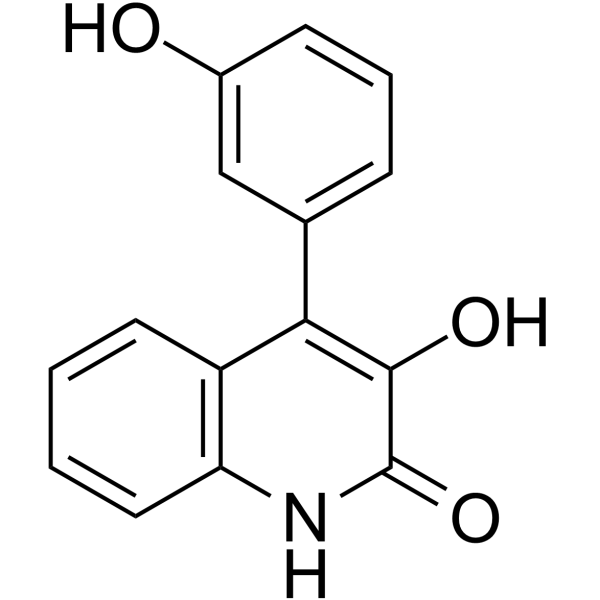
    Bobcat339 is a potent and selective cytosine-based inhibitor of TET enzyme, with IC50s of 33 μM and 73 μM for TET1 and TET2, respectively. Bobcat339 is useful to the field of epigenetics and serves as a starting point for new therapeutics that target DNA methylation and gene transcription [1].
    Bobcat339
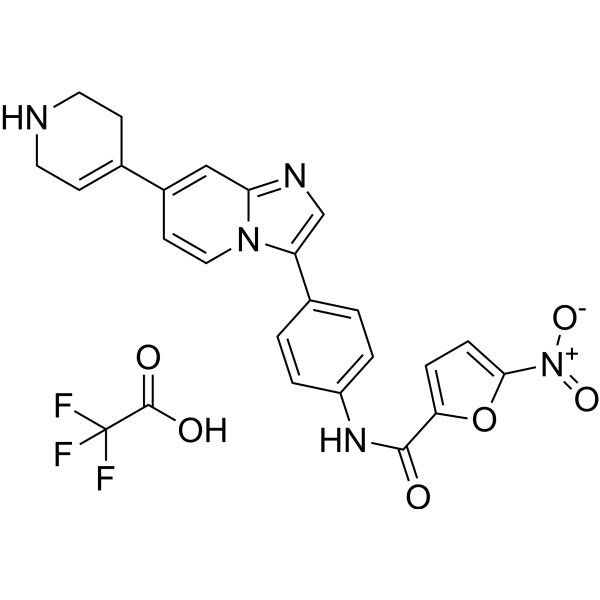
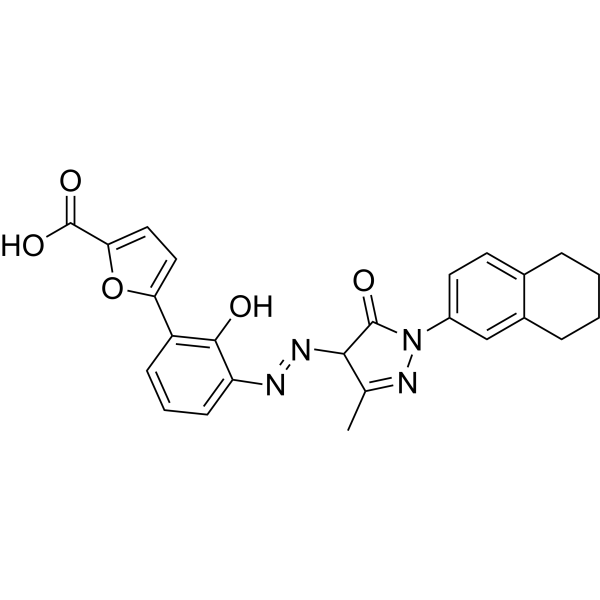
  • HY-402410
    TETi76
    1 Publications Verification

    TET Protein Cancer
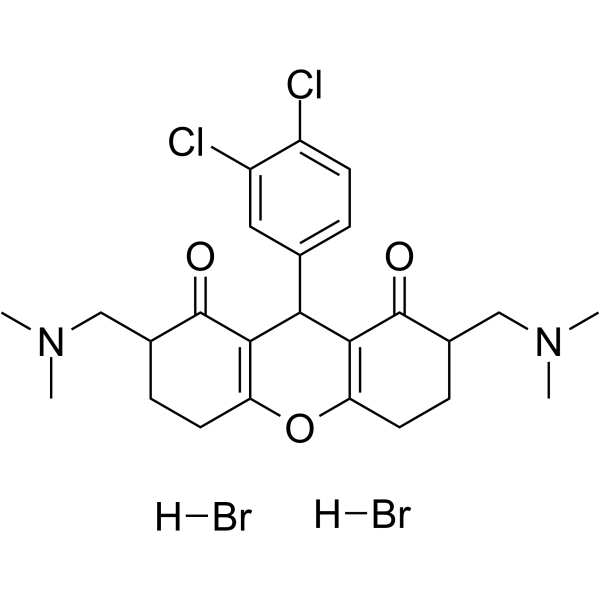
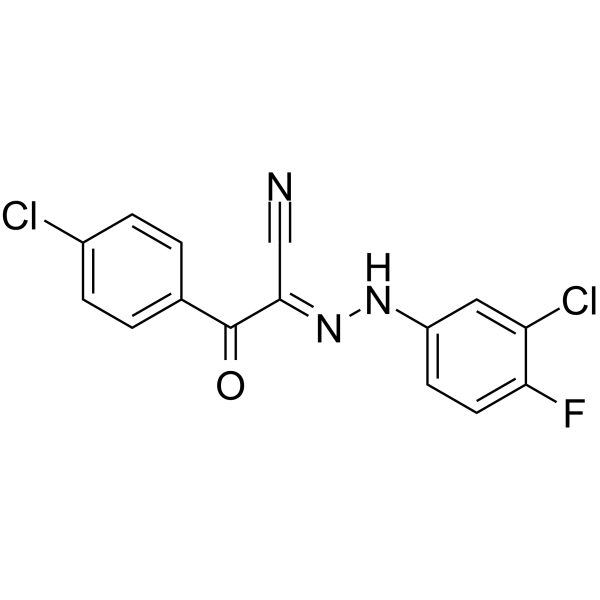
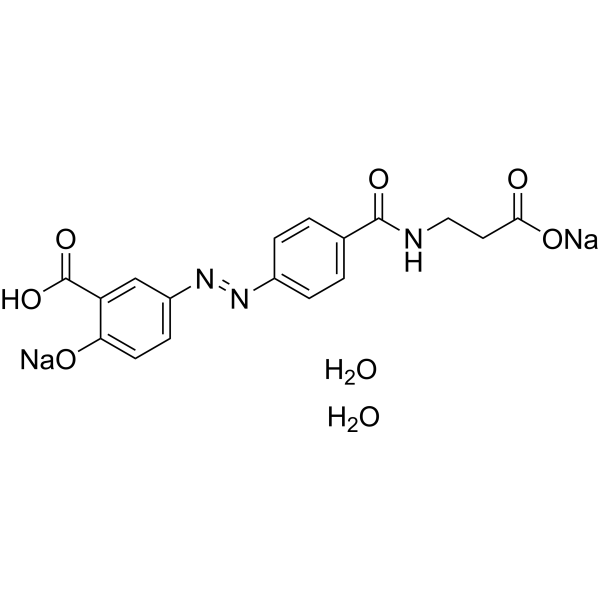
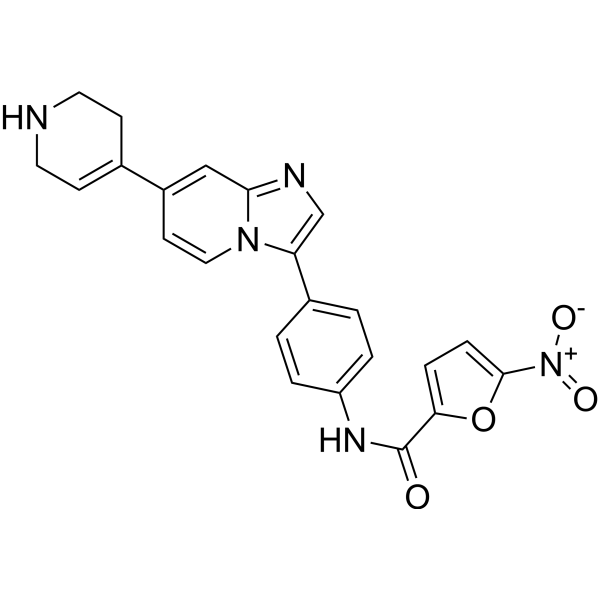
    TETi76 is an orally active TET family inhibitor with IC50 values ??of 1.5, 9.4 and 8.8 μM for TET1, TET2 and TET3, respectively. TETi76 competitively binds to the active site of TET enzymes, reduces cytosine hydroxymethylation and restricts clonal growth of TET2 mutants in vitro and in vivo, but does not affect the growth of normal hematopoietic precursor cells. TETi76 can be used for leukemia research [1].
    TETi76
  • HY-148096
    STAT6-IN-1
    1 Publications Verification

    STAT Inflammation/Immunology Cancer
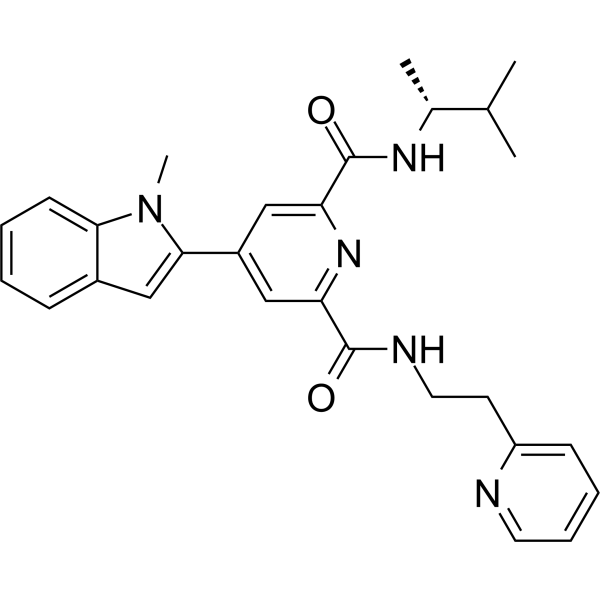
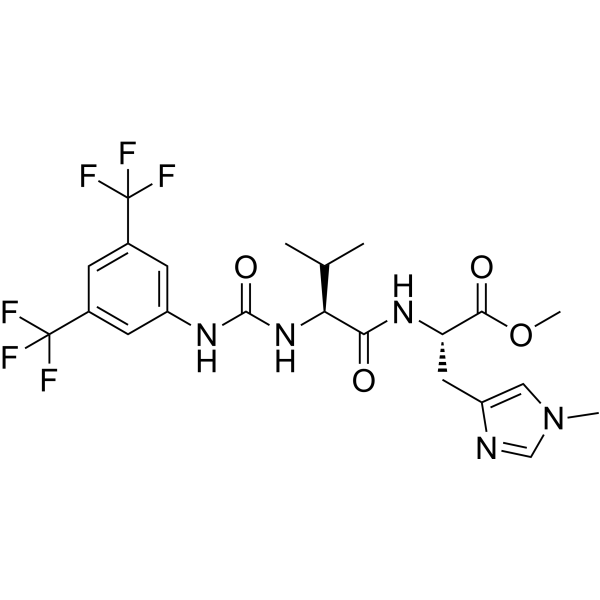
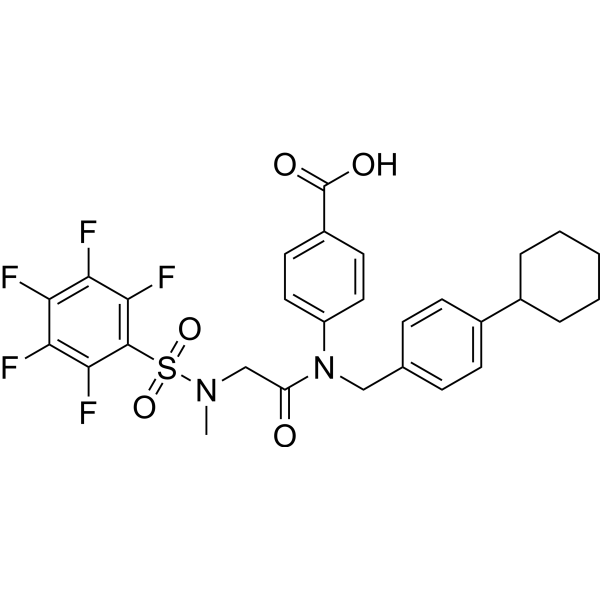
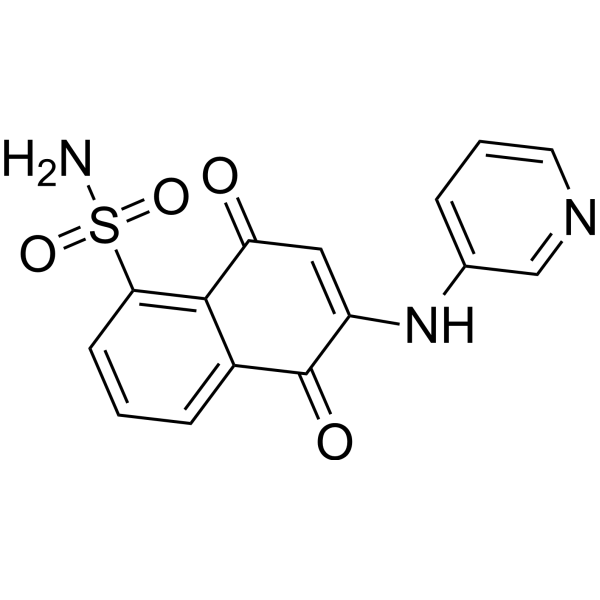
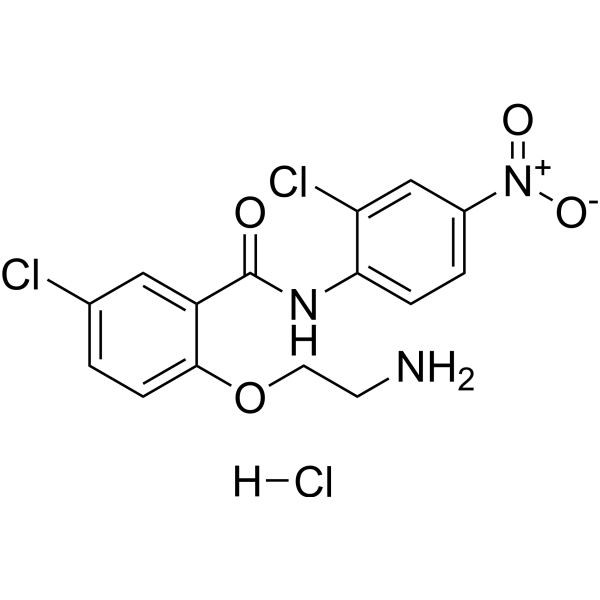
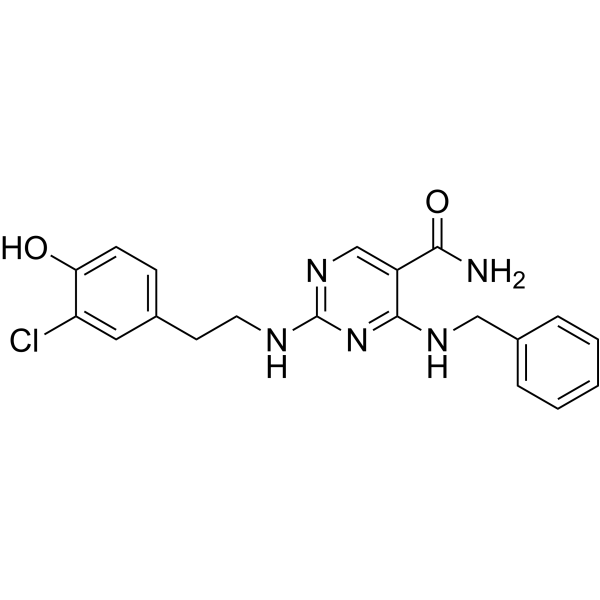
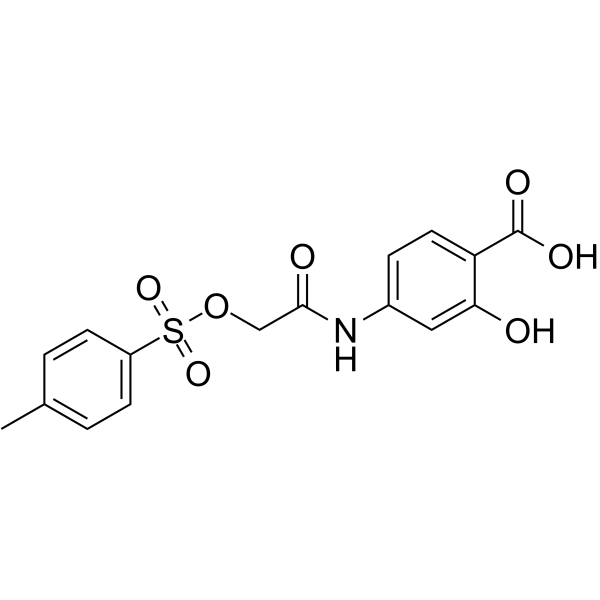
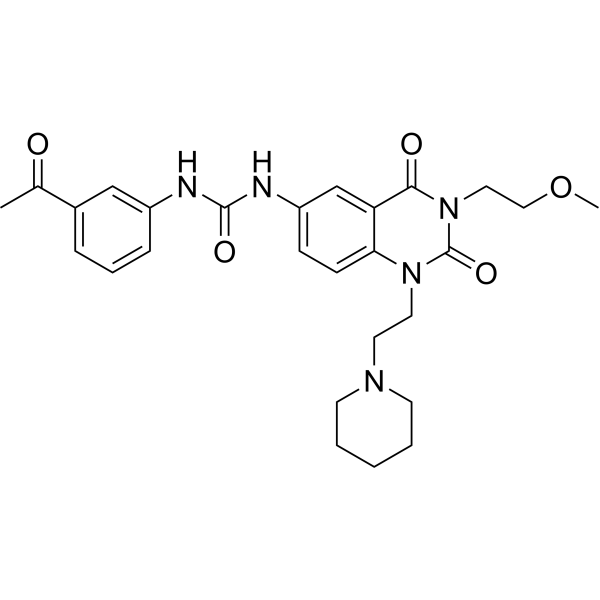
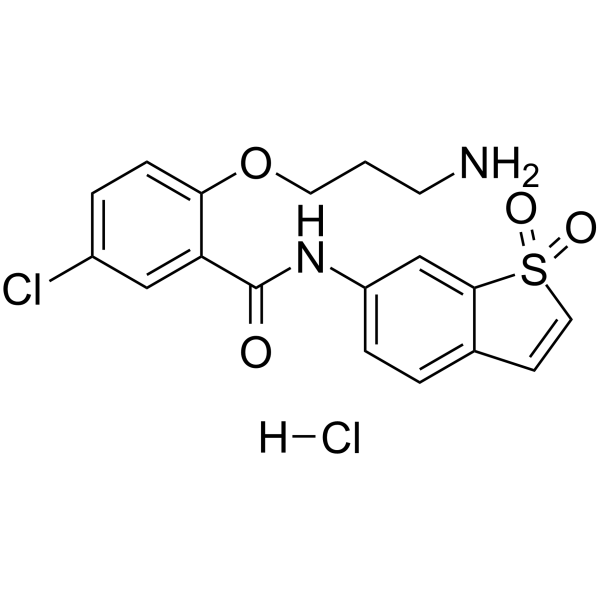
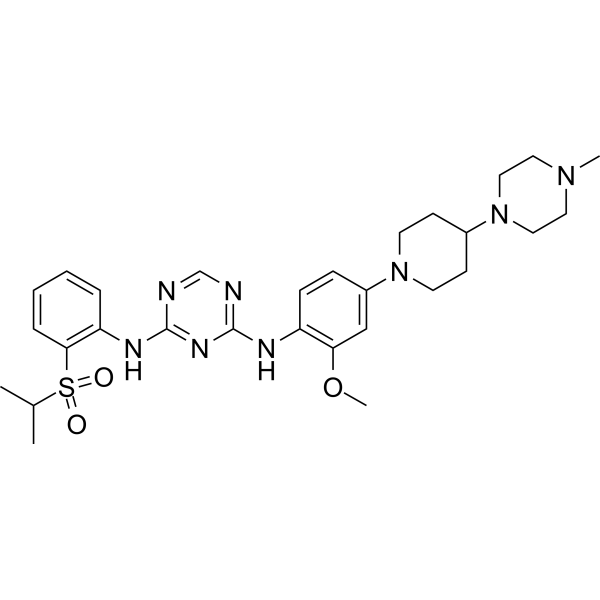
    STAT6-IN-1 (Compound 19a) is a STAT6 inhibitor with a high affinity for the SH2 domain of STAT6 (IC50=0.028 µM). STAT6-IN-1 can be used in studies of allergic lung disease, allergic rhinitis, chronic obstructive pulmonary disease or cancer [1] .
    STAT6-IN-1
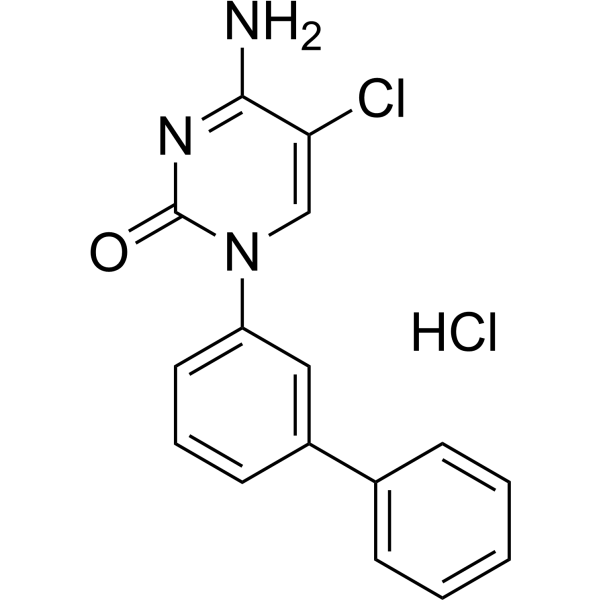
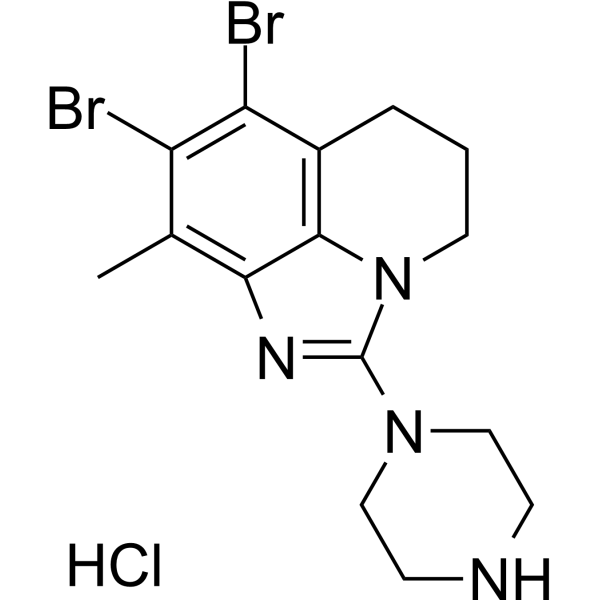
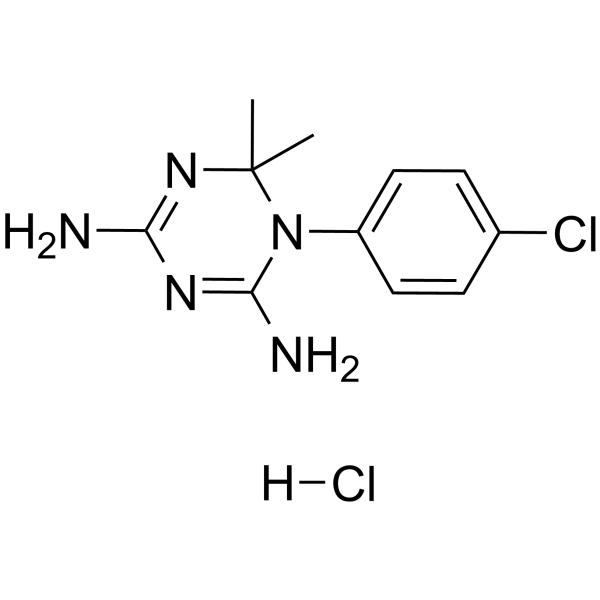
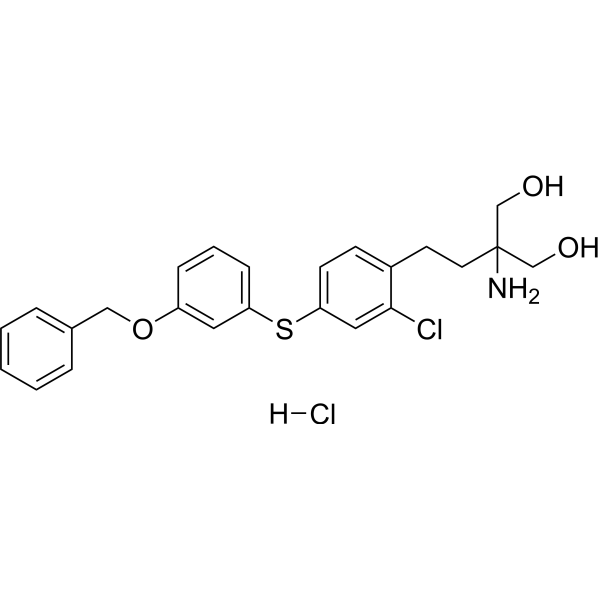
  • HY-111558A
    Bobcat339 hydrochloride
    20+ Cited Publications

    DNA Methyltransferase TET Protein Cancer
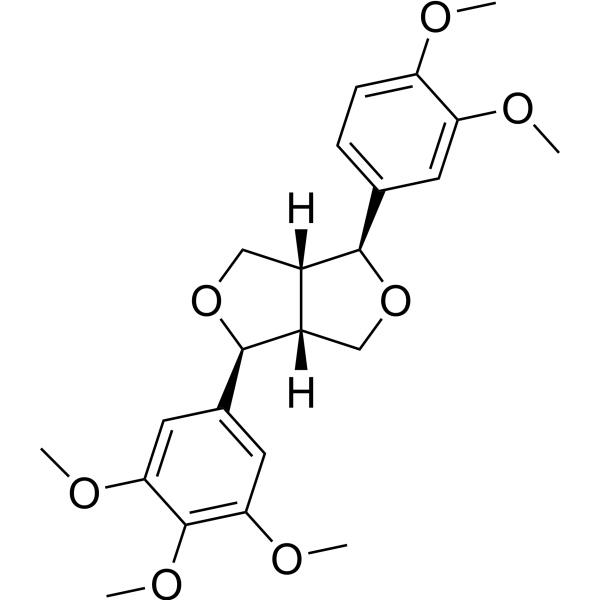
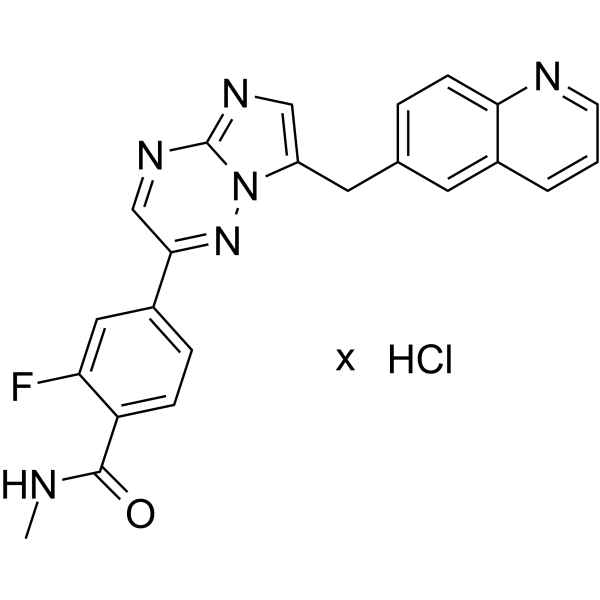
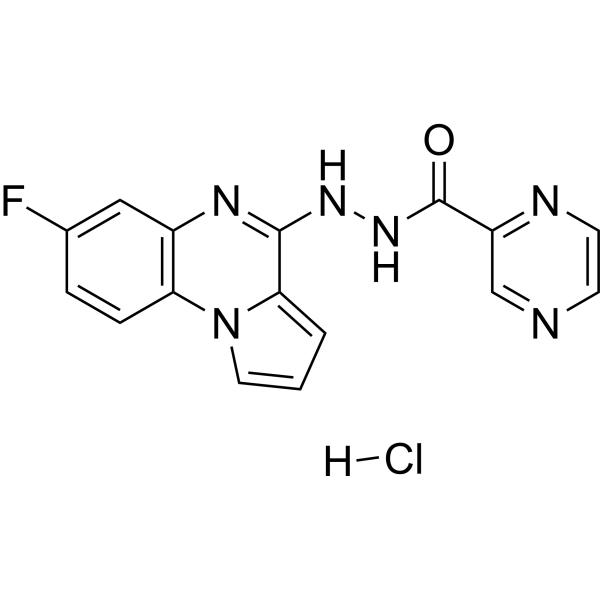
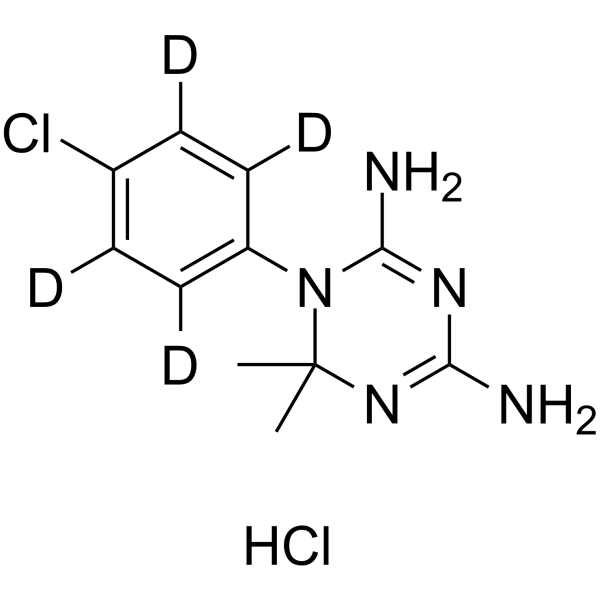
    Bobcat339 hydrochloride is a potent and selective cytosine-based inhibitor of TET enzyme, with the IC50s of 33 μM and 73 μM for TET1 and TET2, respectively. Bobcat339 hydrochloride is useful to the field of epigenetics and serves as a starting point for new therapeutics that target DNA methylation and gene transcription [1].
    Bobcat339 hydrochloride
  • HY-101853
    STAT5-IN-1
    30+ Cited Publications

    STAT Cancer
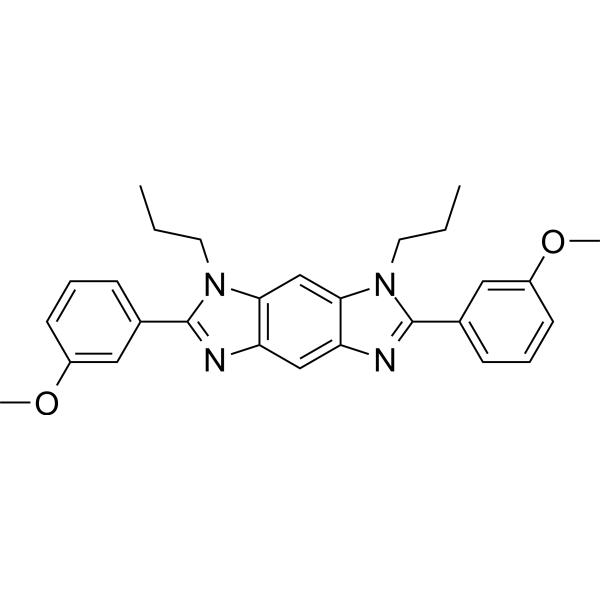
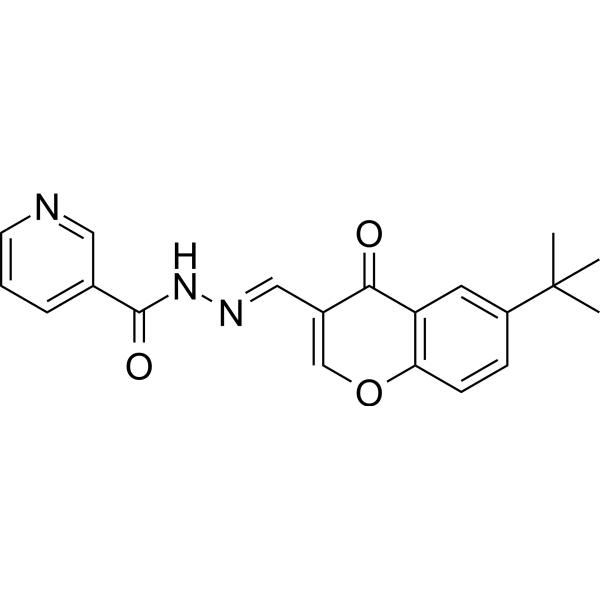
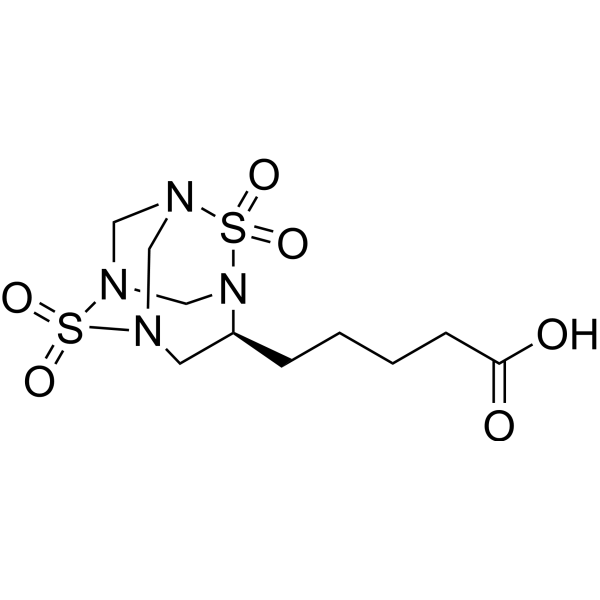
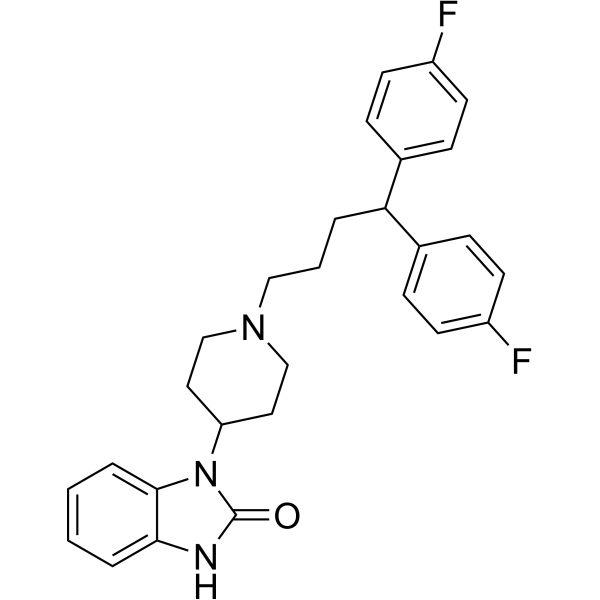
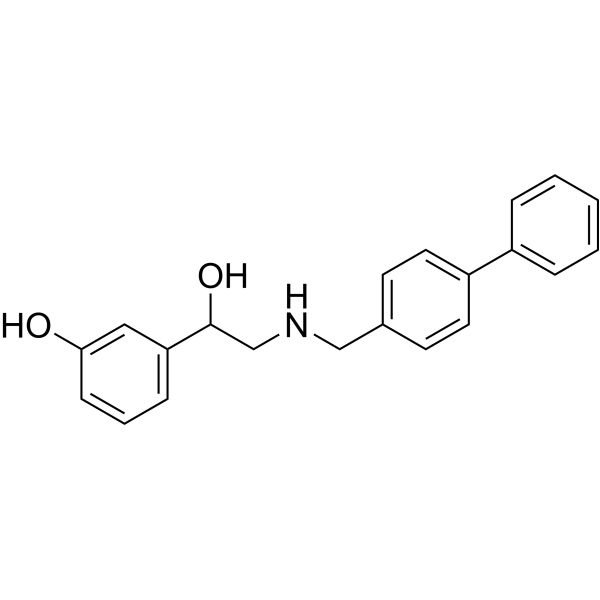
    STAT5-IN-1 is a STAT5 inhibitor with an IC50 of 47 μM for STAT5β isoform.
    STAT5-IN-1
  • HY-153992
    STAT6-IN-3
    1 Publications Verification

    STAT Inflammation/Immunology
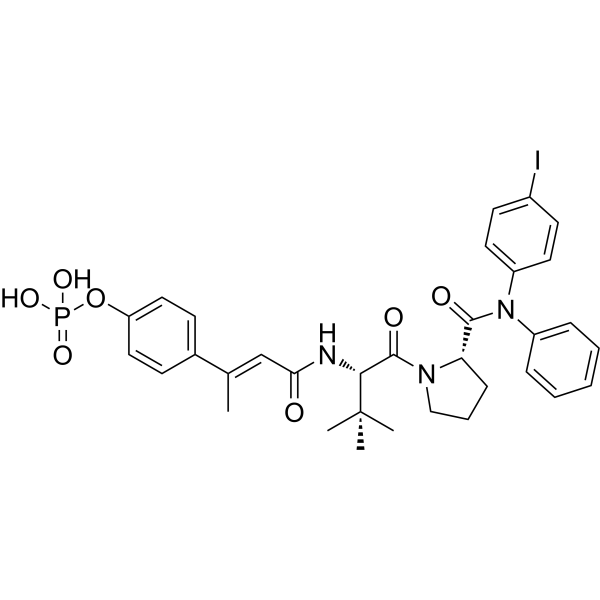
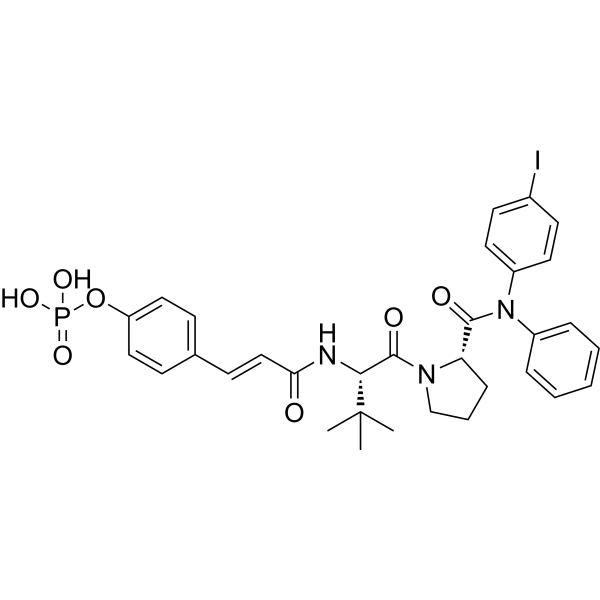
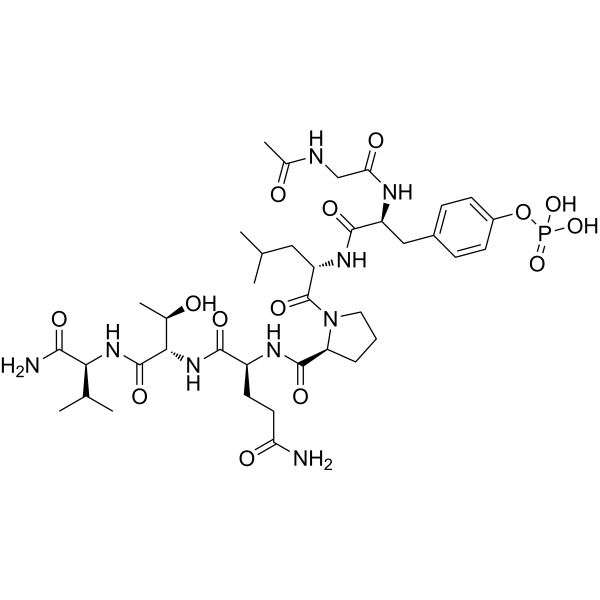
    STAT6-IN-3 is a phosphopeptide mimic targeting the SH2 domain of STAT6 and has a high affinity for STAT6 (IC50: 0.04 μM). STAT6-IN-3 can be used in the research of inflammation such as asthma [1].
    STAT6-IN-3
  • HY-173236

    STAT Metabolic Disease Inflammation/Immunology Cancer
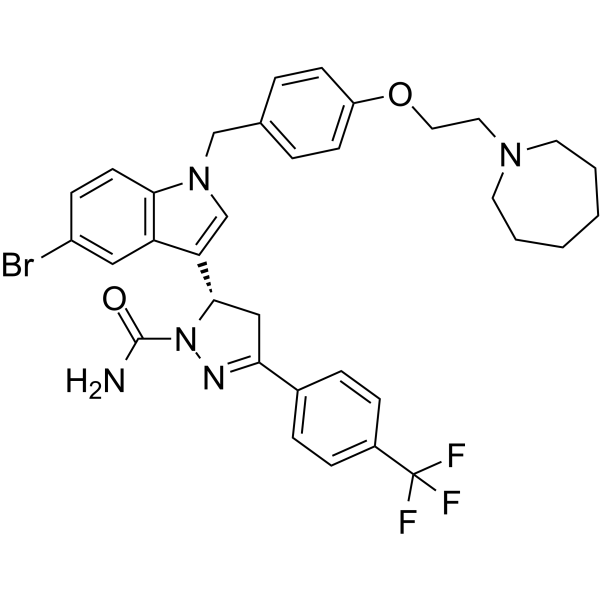
    STAT4-IN-1 is an inhibitor of STAT4 with a Ki of 0.35 μM. STAT4-IN-1 is expected to be used in the research of autoimmune diseases, including inflammatory bowel disease, multiple sclerosis, rheumatoid arthritis, and diabetes [1].
    STAT4-IN-1
  • HY-128588
    STAT3-IN-3
    5+ Cited Publications

    STAT Apoptosis Cancer
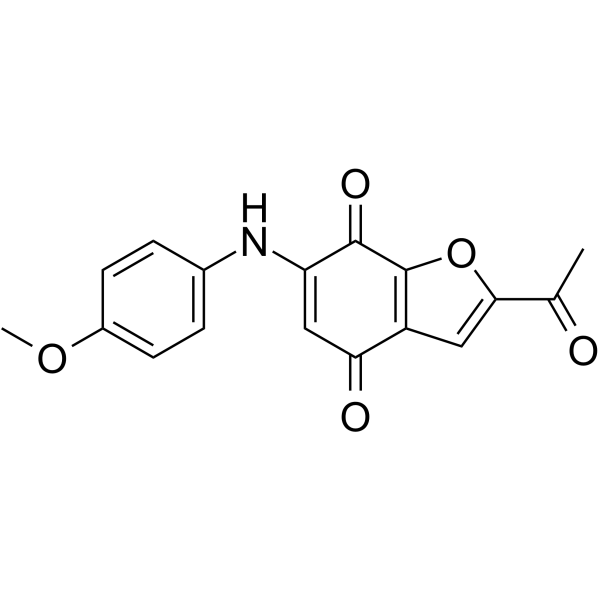
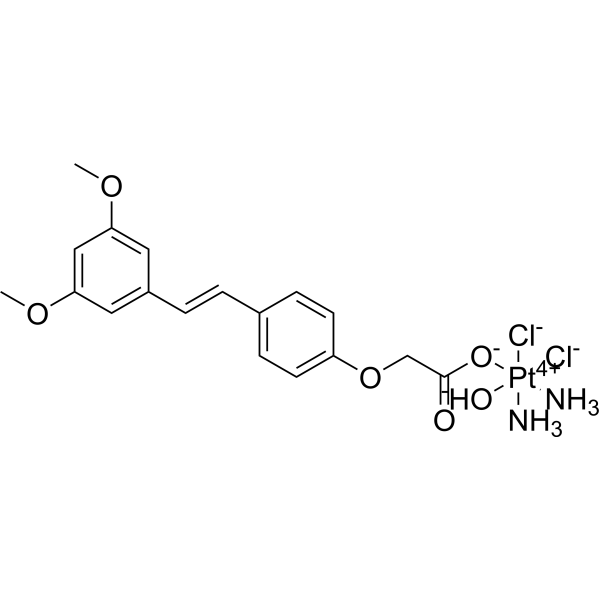
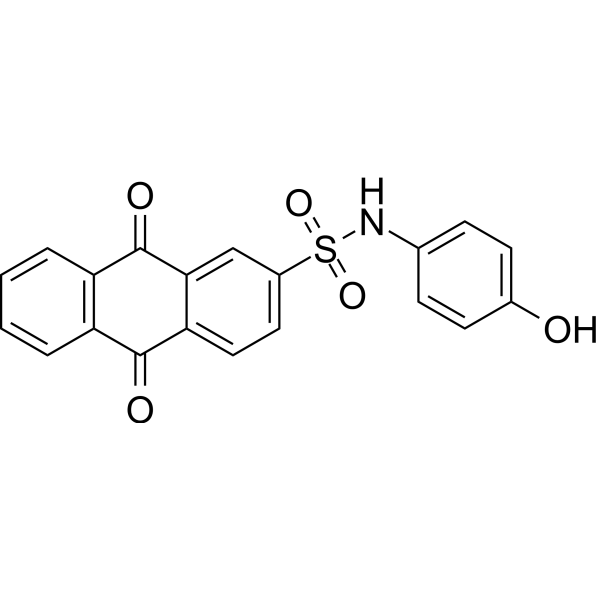
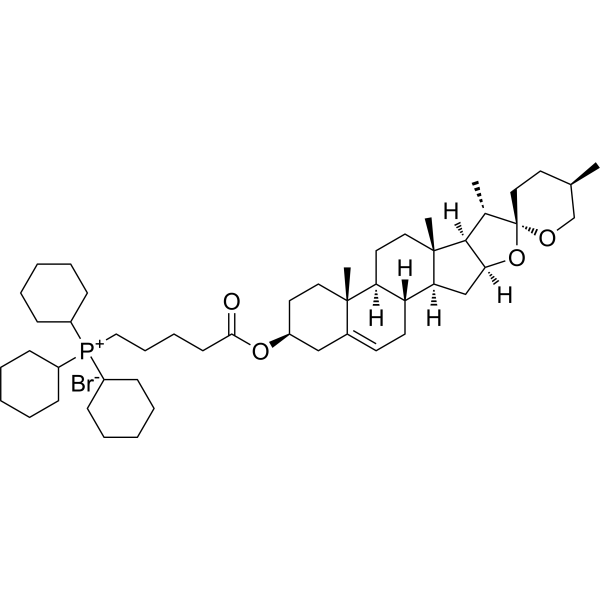
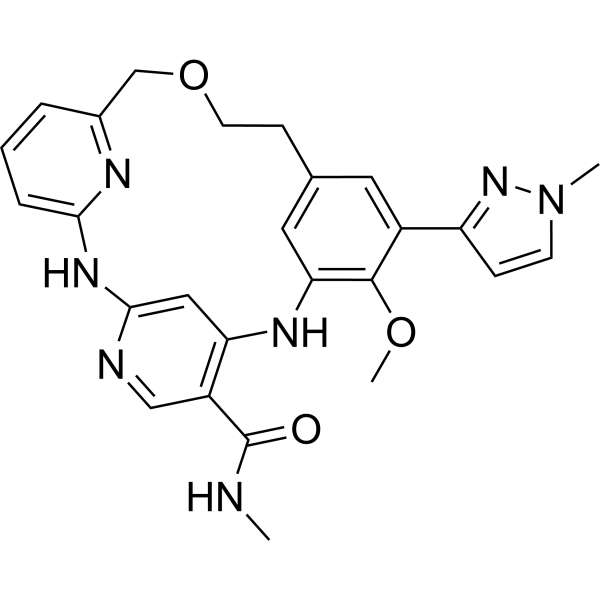
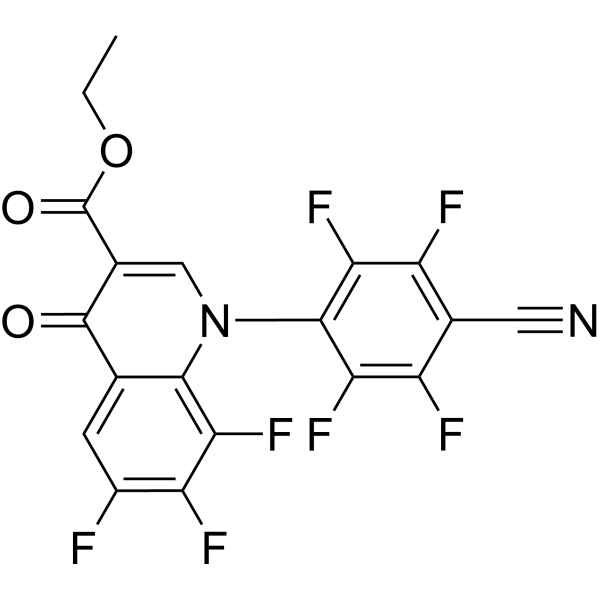
    STAT3-IN-3 is a potent and selective inhibitor of signal transducer and activator of transcription 3 (STAT3), with anti-proliferative activity. STAT3-IN-3 induces apoptosis in breast cancer cells. STAT3-IN-3 acts as a promising mitochondria-targeting STAT3 inhibitor for cancer research [1].
    STAT3-IN-3
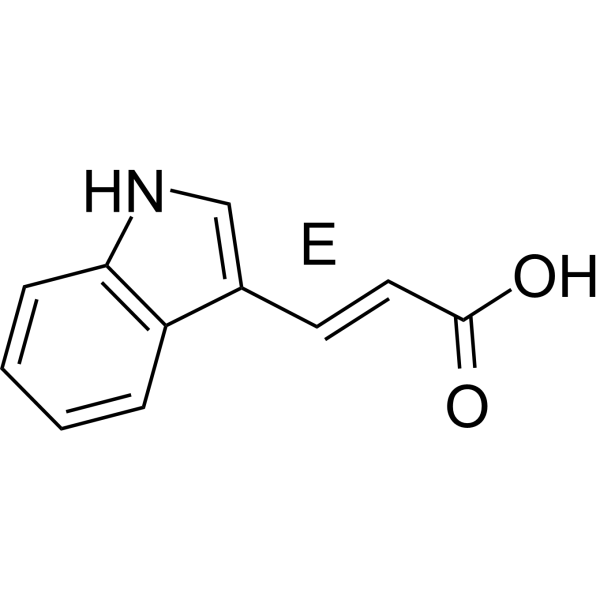
  • HY-12303
    OAC1
    1 Publications Verification

    Oct3/4 TET Protein Cancer
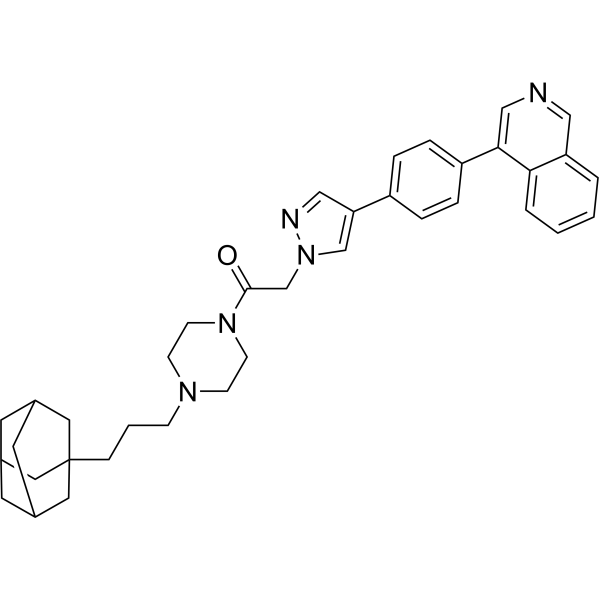
    OAC1 is a potent Oct4 activator. OAC1 activates Oct4 and Nanog promoters and enhances induced pluripotent stem cells (iPSC) formation. OAC1 activates OCT4 through upregulation of HOXB4 expression. OAC1 increases transcription of the Oct4-Nanog-Sox2 triad and TET1. OAC1 facilitates the reprogramming of cells by enhancing efficiency and shortening the reprogramming time [1] .
    OAC1
  • HY-170621

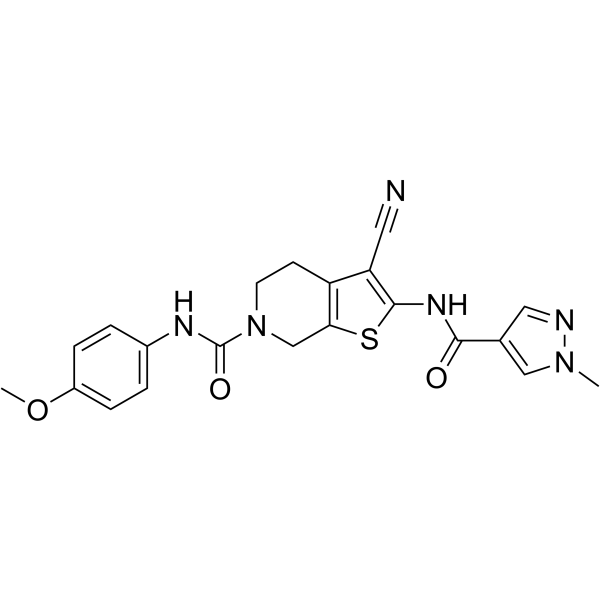
    STAT NO Synthase COX Interleukin Related TNF Receptor Neurological Disease Metabolic Disease Inflammation/Immunology Cancer
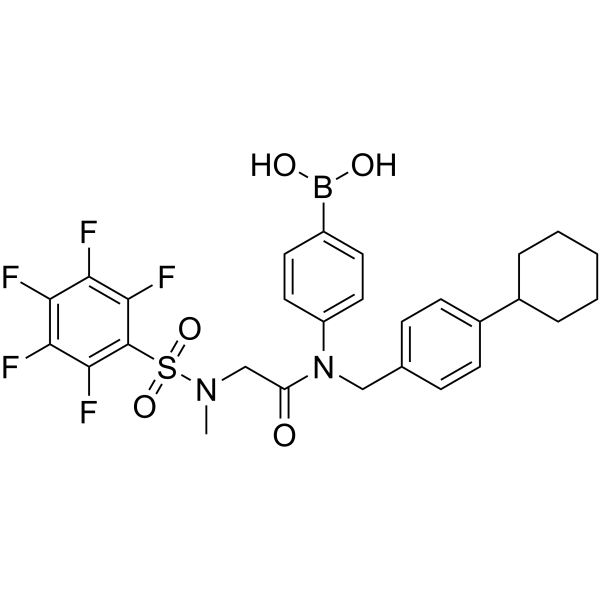
    STAT1/3-IN-1 is a potent STAT1/3 inhibitor with potent anti-inflammatory effect. STAT1/3-IN-1 inhibits phosphorylation and nuclear translocation of STAT1/3 to modulate microglial inflammation, reduces LPS (HY-D1056)-induced pro-inflammatory cytokines (NO, IL-1β, IL-6, and TNF-α) and inflammatory mediators (iNOS, COX-2). STAT1/3-IN-1 exhibits low toxicity in mice. STAT1/3-IN-1 can be used for the research of neuroinflammation [1].
    STAT1/3-IN-1
  • HY-100753
    STAT3-IN-1
    10+ Cited Publications

    STAT Apoptosis Cancer
    STAT3-IN-1 (compound 7d) is an excellent, selective and orally active STAT3 inhibitor, with IC50 values of 1.82 μM and 2.14 μM in HT29 and MDA-MB 231 cells, respectively. STAT3-IN-1 (compound 7d) induces tumor cells apoptosis [1].
    STAT3-IN-1
  • HY-122258

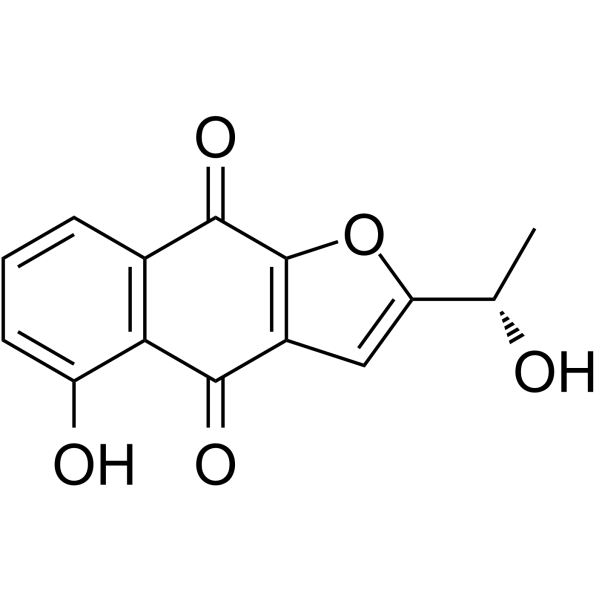
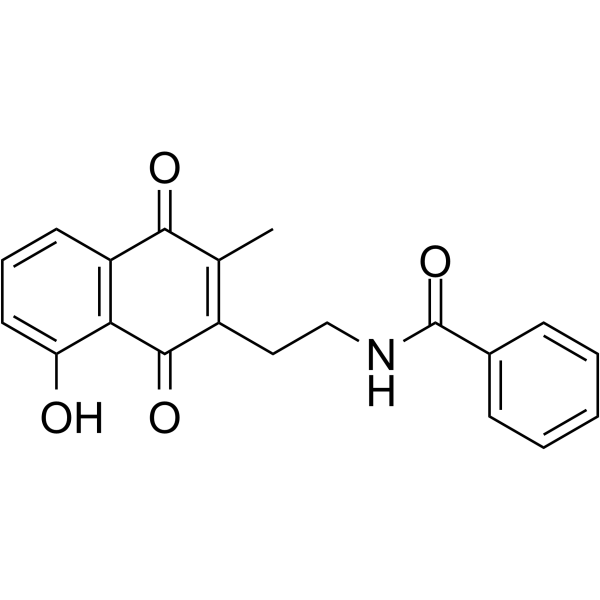
    STAT TET Protein Cancer
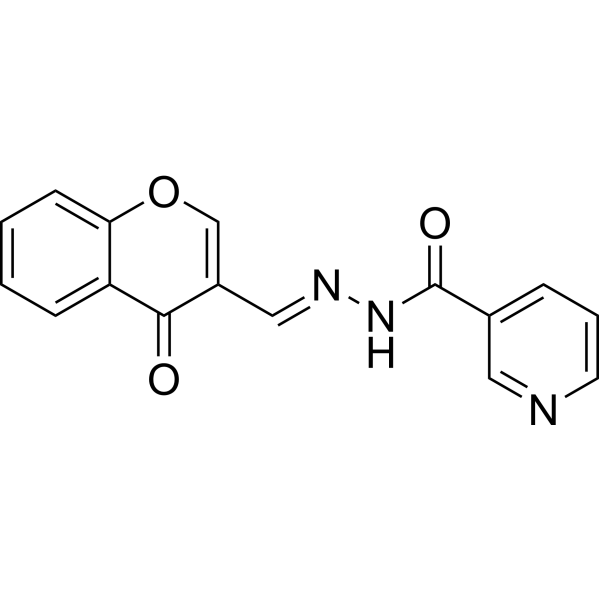
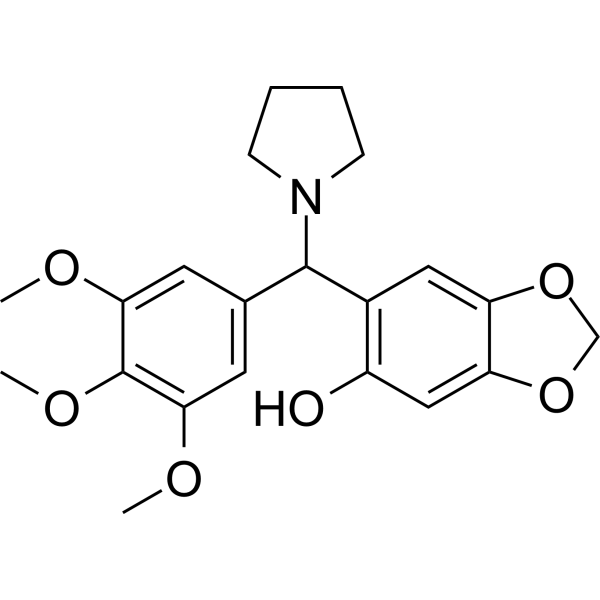
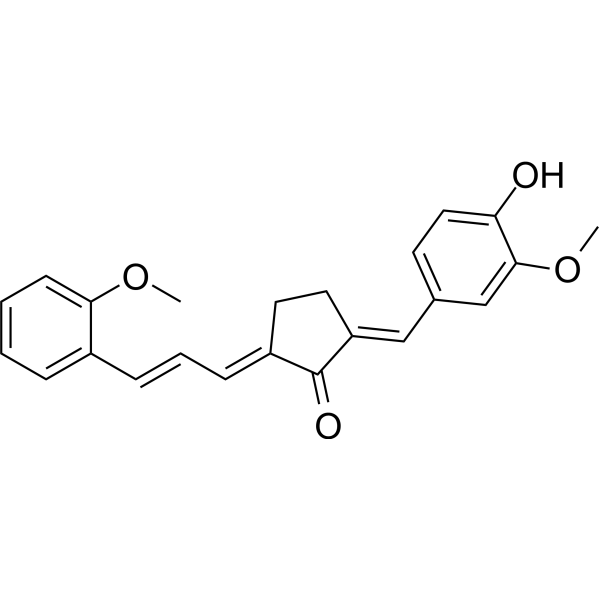
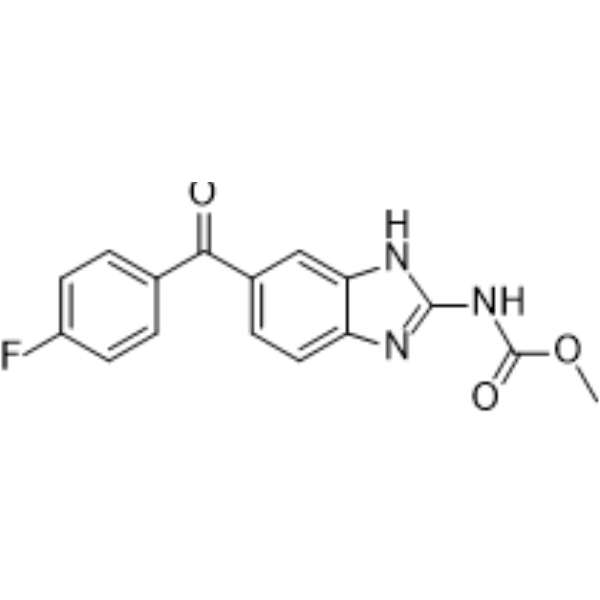
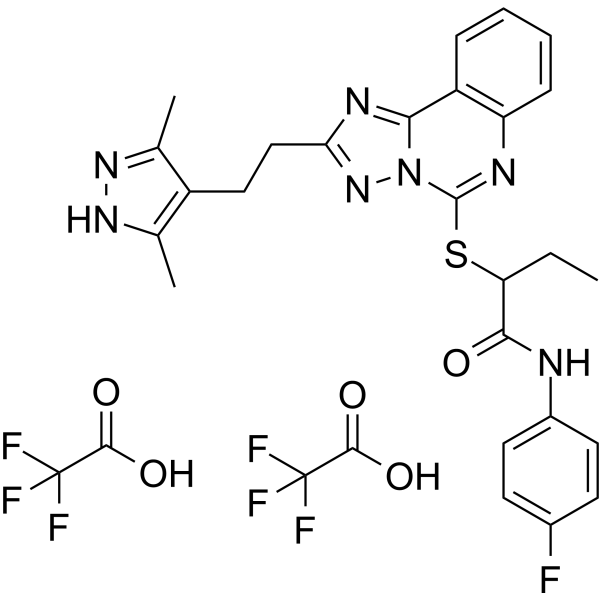
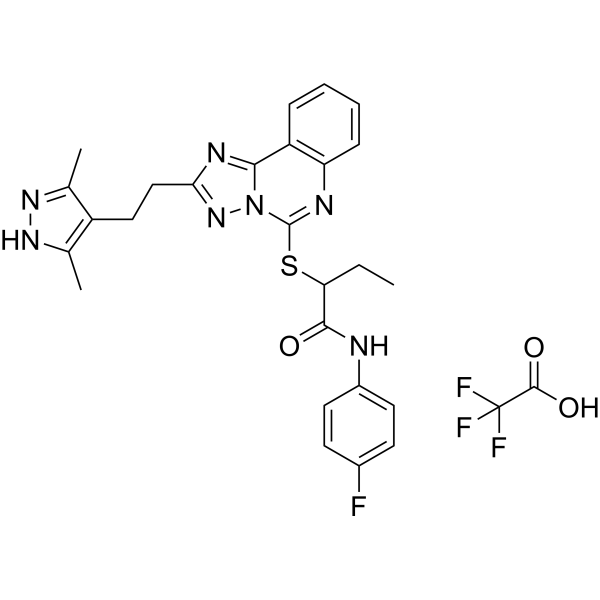
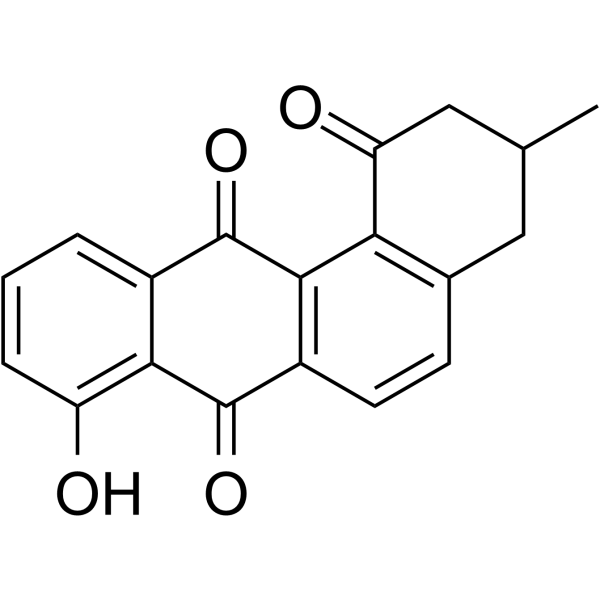
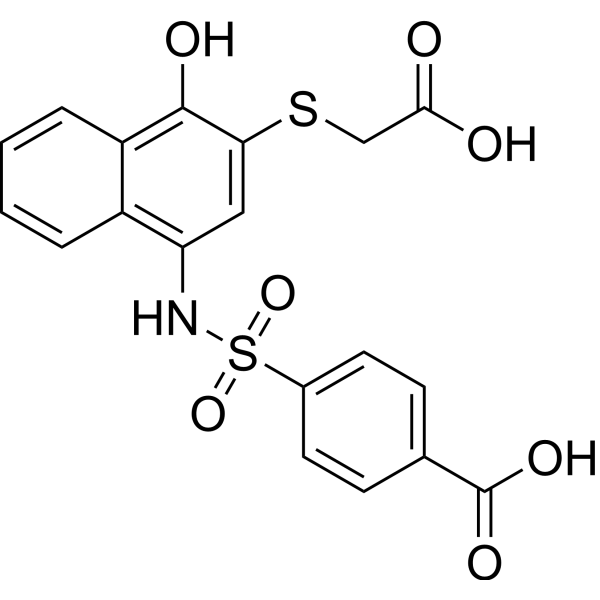
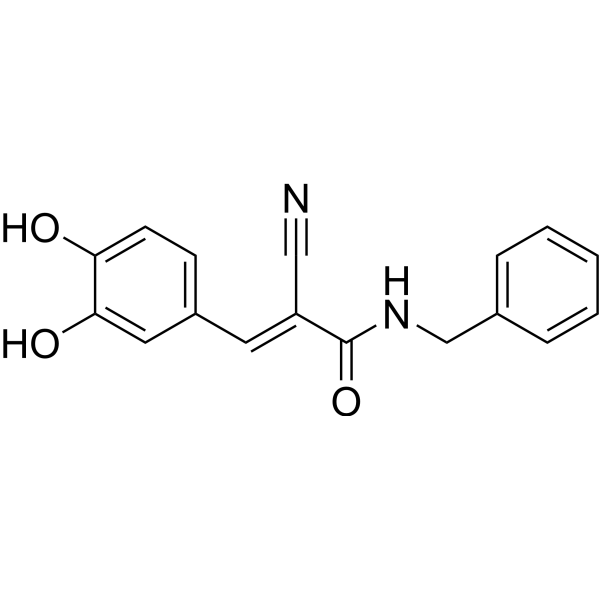
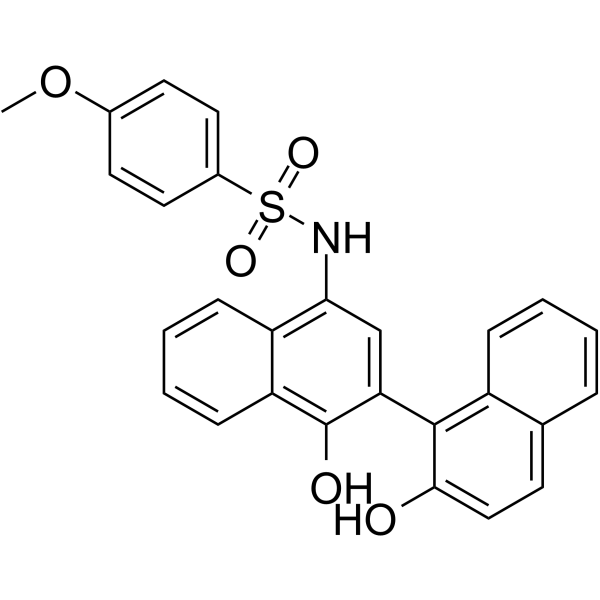
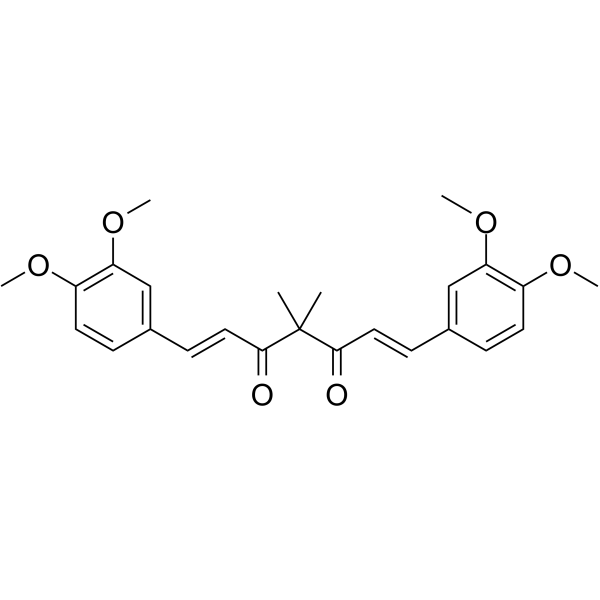
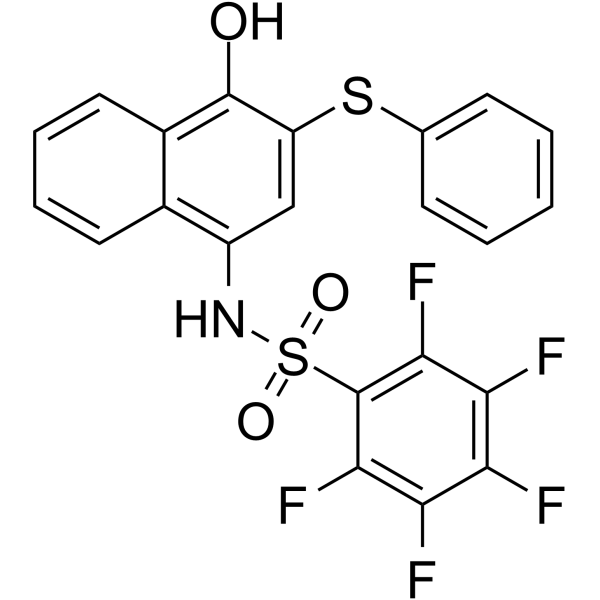
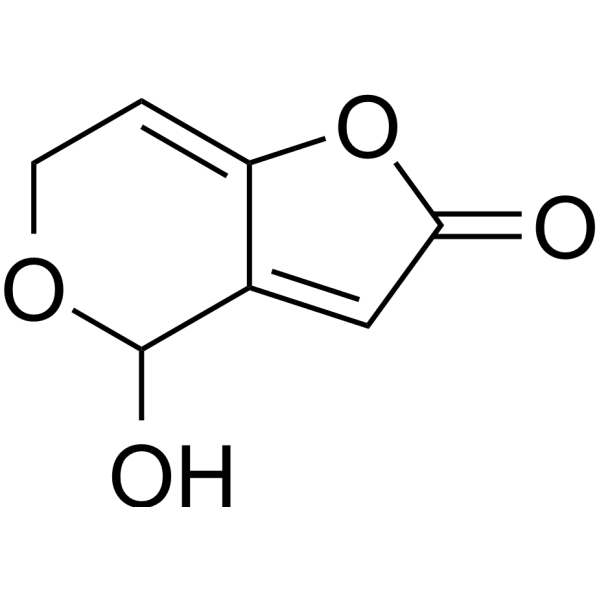
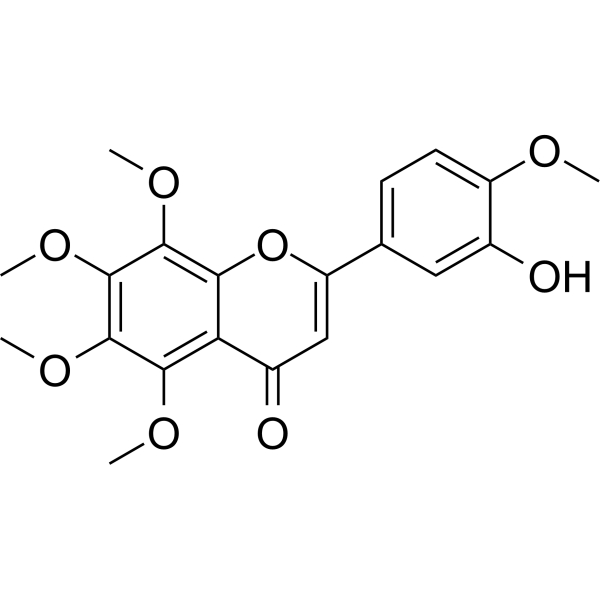
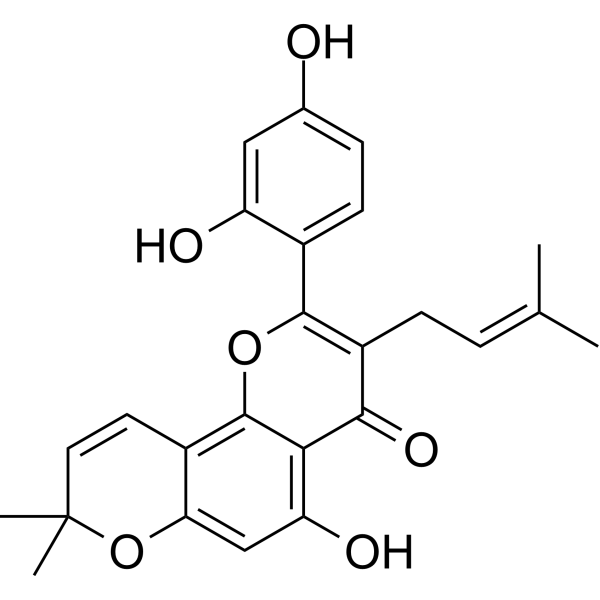
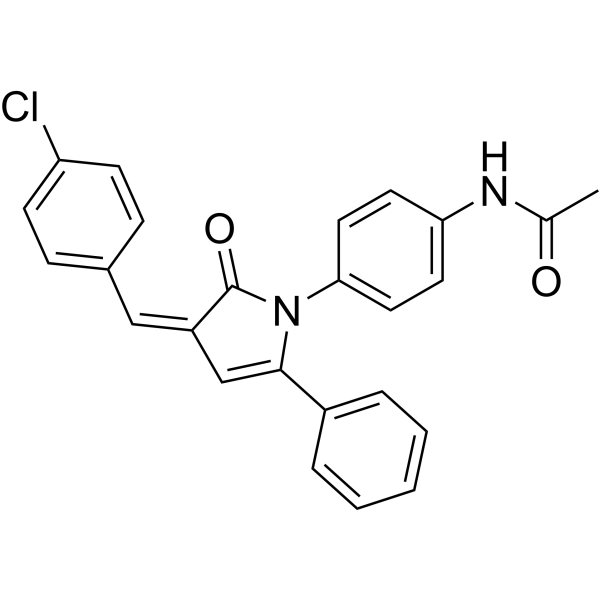
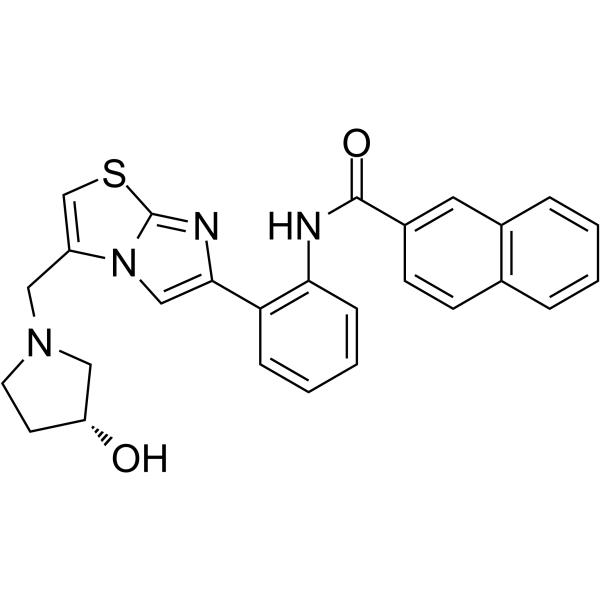
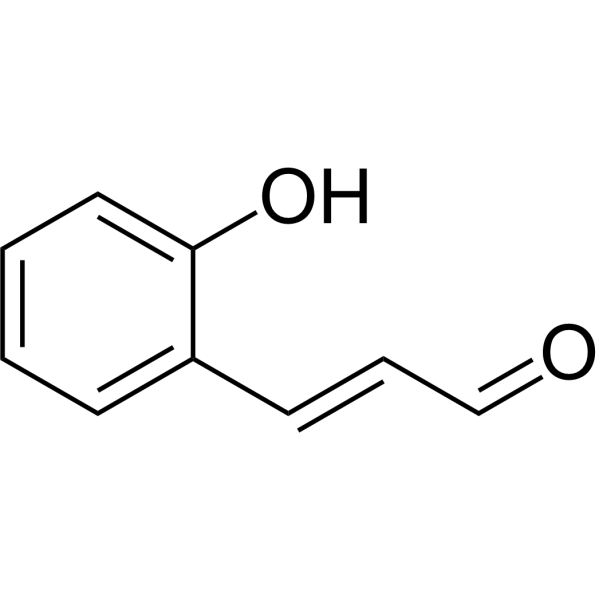
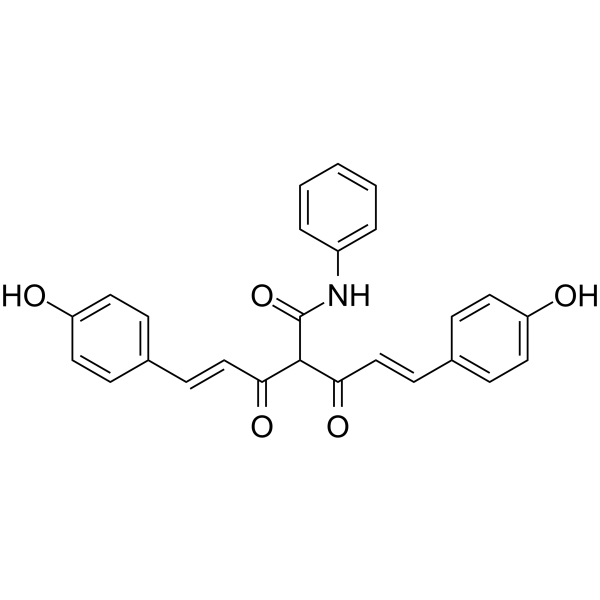
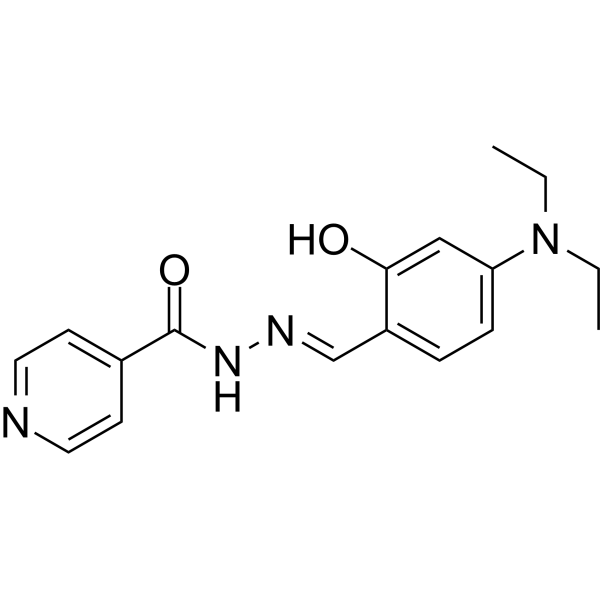
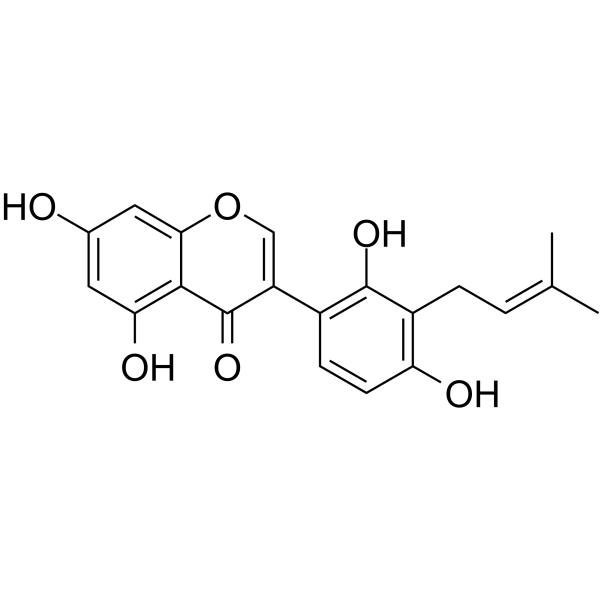
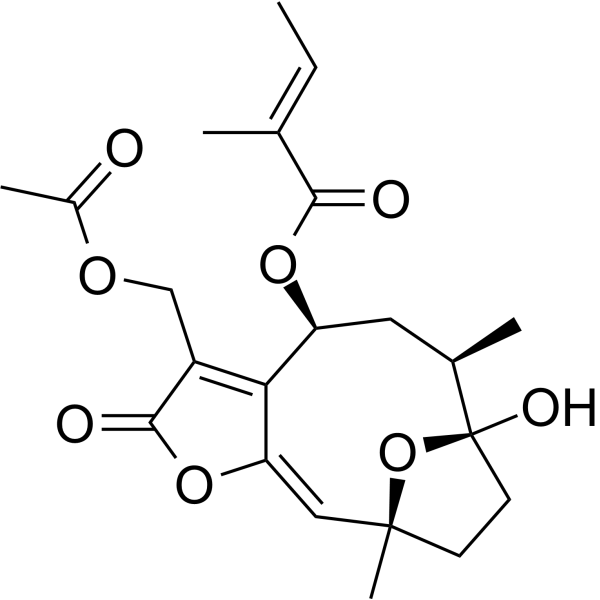
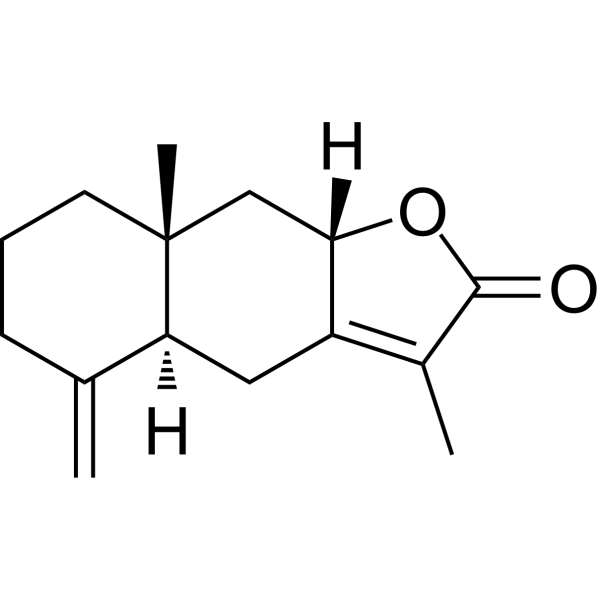
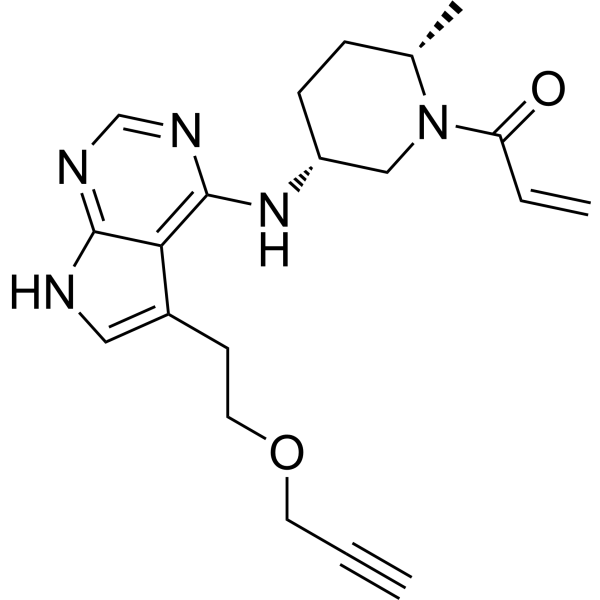
    NSC-370284 is a selective inhibitor of ten-eleven translocation 1 (TET1) and 5-hydroxymethylcytosine (5hmC). NSC-370284 significantly inhibits the level of TET1 expression via targets STAT3/5 [1].
    NSC-370284
  • HY-158398

    STAT Inflammation/Immunology
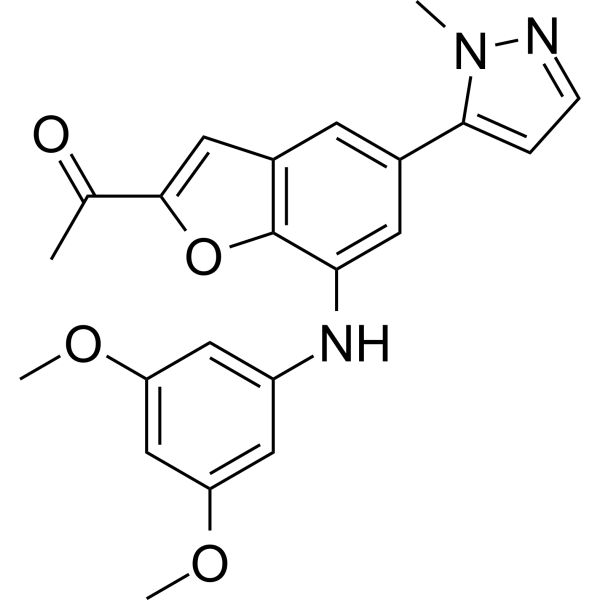
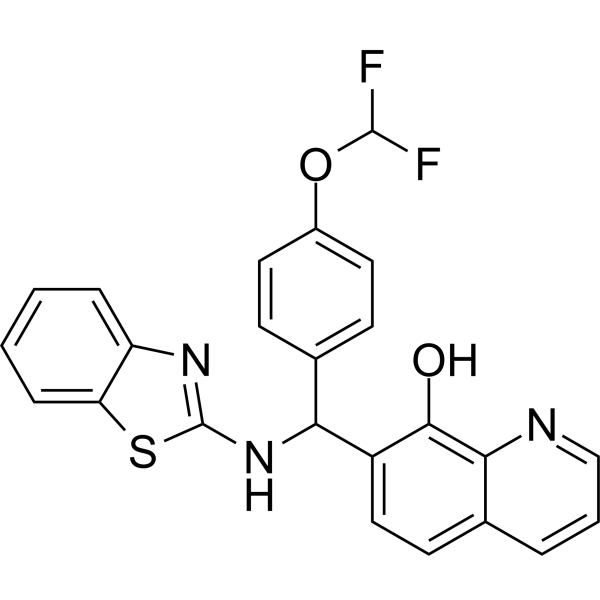
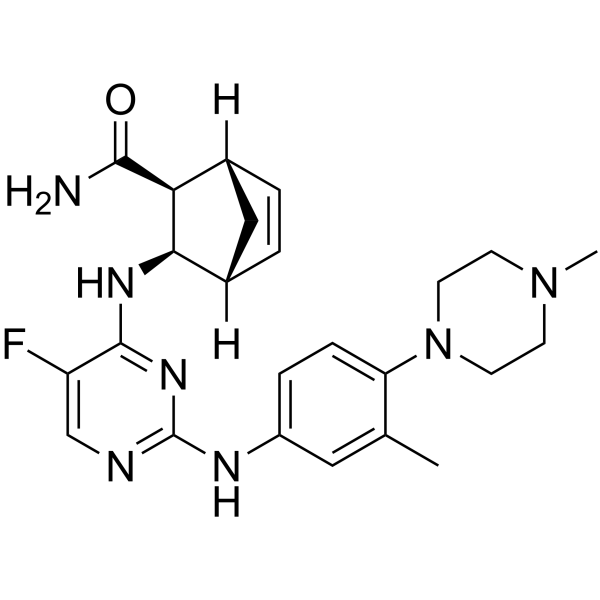
    STAT6-IN-4 (Ex. 78) is a STAT6 inhibitor, with an IC50 of 0.34 μM. STAT6-IN-4 can be used in the research of diseases such as inflammatory and allergic diseases [1].
    STAT6-IN-4
  • HY-158399

    STAT Inflammation/Immunology
    STAT6-IN-5 (compound 84) is a STAT6 inhibitor (IC50=0.24 μM), which can be used for the research of inflammatory diseases and allergic diseases (e.g. atopic dermatitis) [1].
    STAT6-IN-5
  • HY-P11094

    TET Protein Neurological Disease
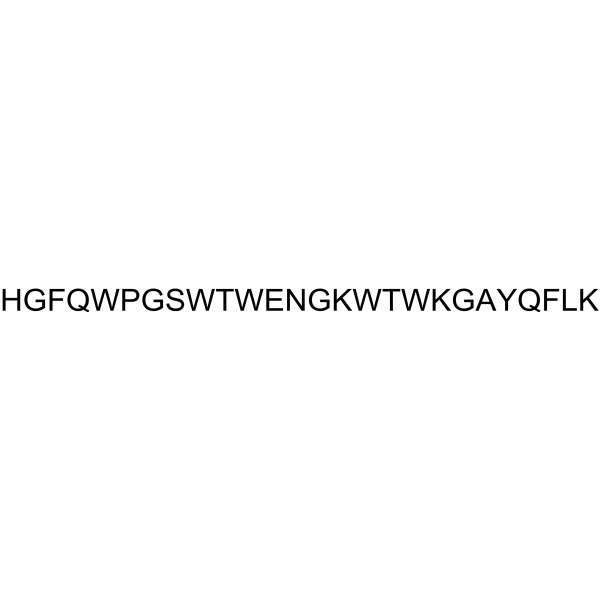
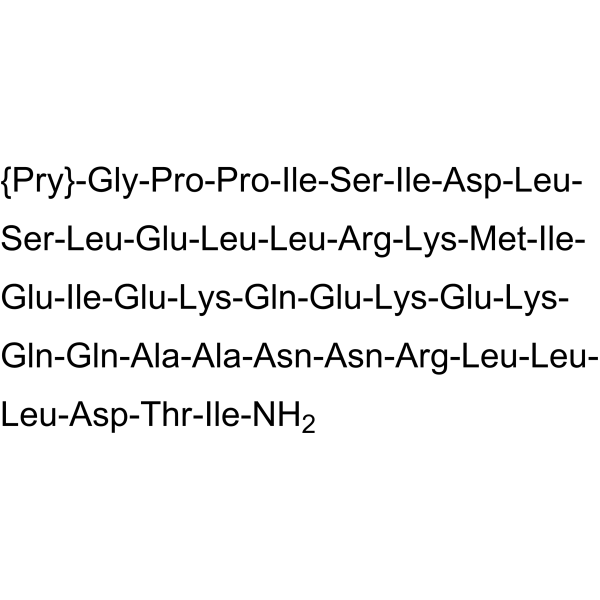
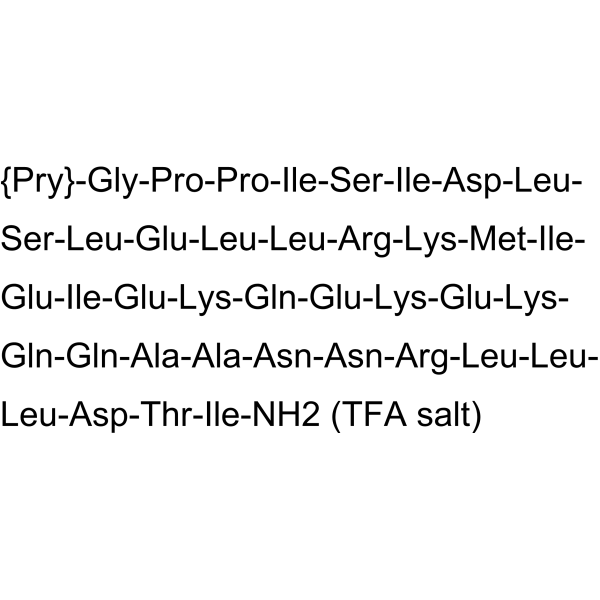
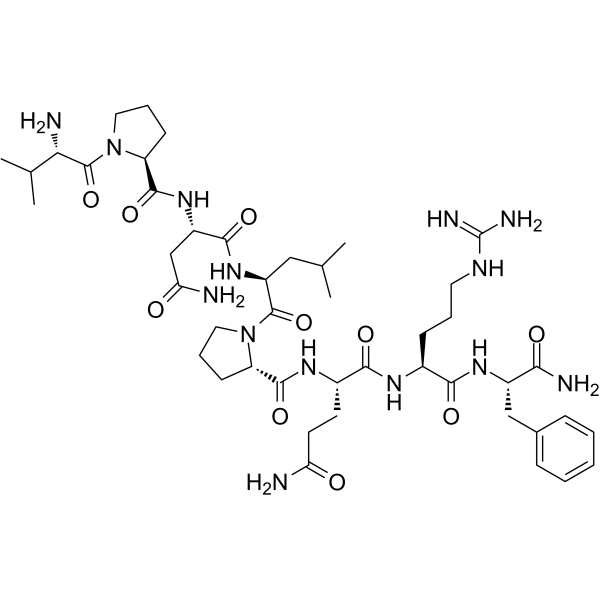
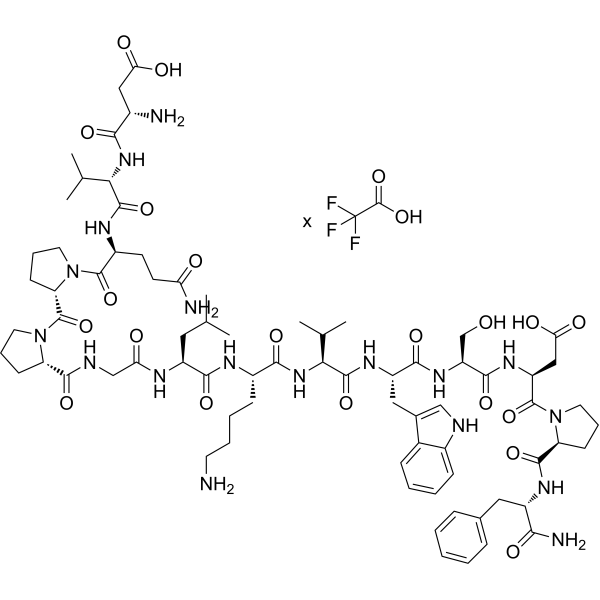
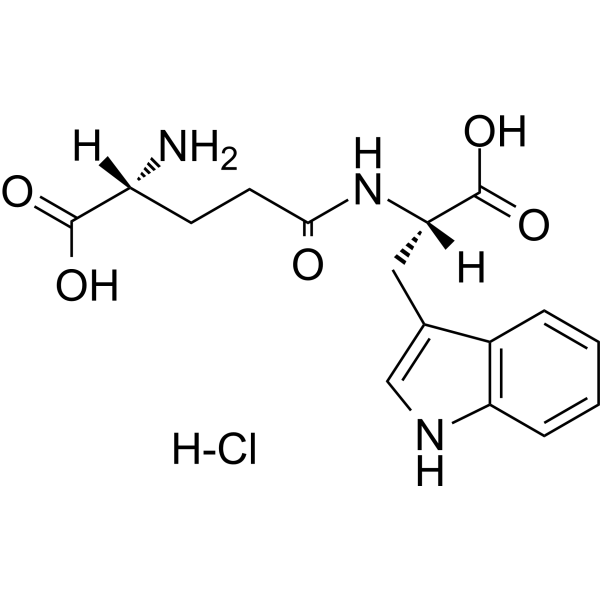
    Tet1-Cys peptide is a peptide with the sequence HLNILSTLWKYRC. Tet1 (HLNILSTLWKYR) (HY-P10998) can specifically bind to the neuronal ganglioside receptor GT1b, possessing neuronal targeting capabilities. The Tet1-Cys peptide sequence has an added Cys, which can be used for drug conjugation for research on drug delivery [1].
    Tet1-Cys peptide
  • HY-P10998

    TET Protein Neurological Disease
    Tet1 peptide is a peptide that specifically binds to neurons. Tet1 peptide binds to GT1B ganglioside and trisialoganglioside clostridial toxin receptor on the surface of neuronal cells, and can be used in peptide conjugation and drug delivery research [1] .
    Tet1 peptide
  • HY-102048
    STAT5-IN-2
    2 Publications Verification

    STAT Apoptosis Cancer
    STAT5-IN-2 is a STAT5 inhibitor, extracted from reference 1, example 17f. STAT5-IN-2 has potent antileukemic effect [1].
    STAT5-IN-2
  • HY-176949

    STAT Inflammation/Immunology
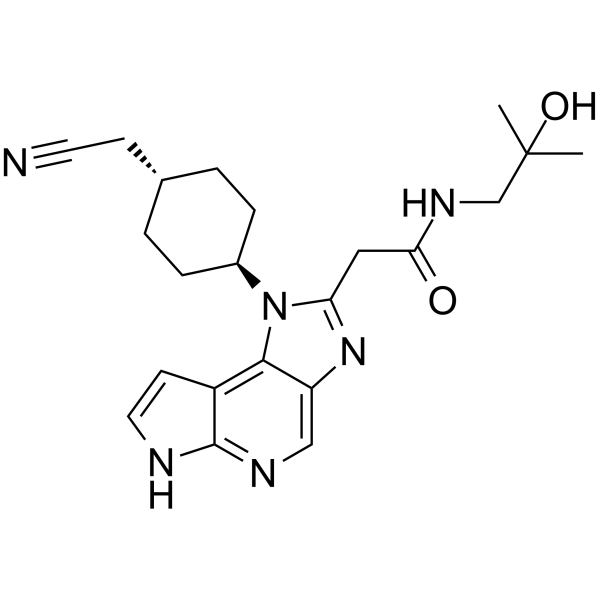
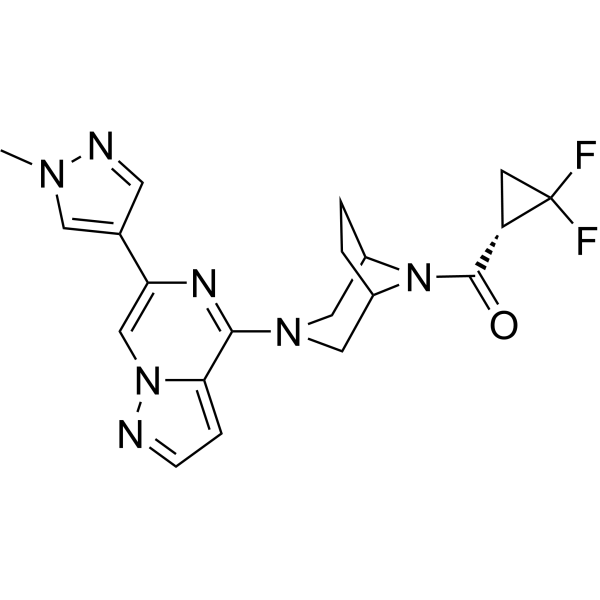
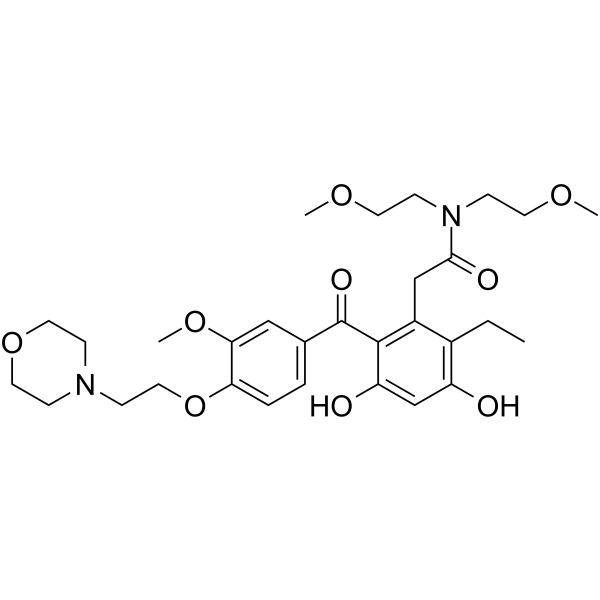
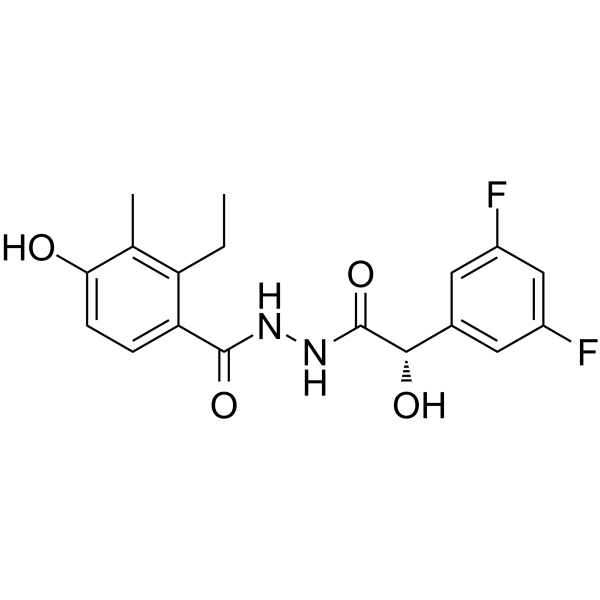
    STAT6-IN-10 is a STAT6 (signal transducer and activator of transcription 6) inhibitor with an EC50 of 2 nM. STAT6-IN-10 can inhibit the secretion of CCL17 in human peripheral whole blood. STAT6-IN-10 can be used in the research of dermatological and respiratory system diseases [1].
    STAT6-IN-10
  • HY-120395
    UC-514321
    1 Publications Verification

    STAT Apoptosis TET Protein Inflammation/Immunology Cancer
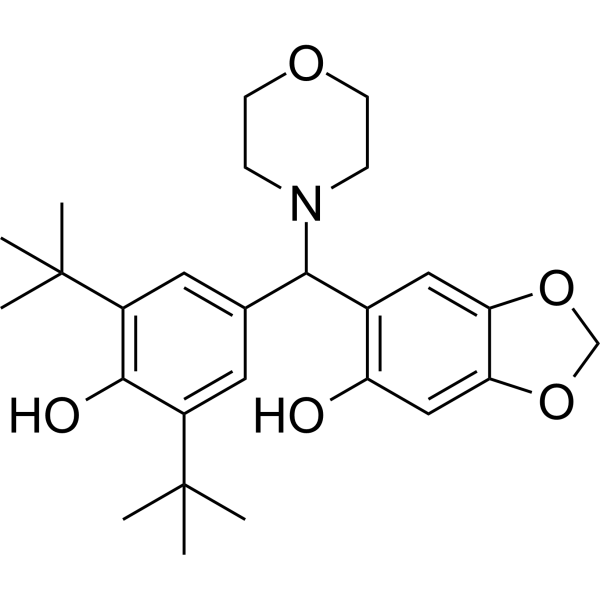
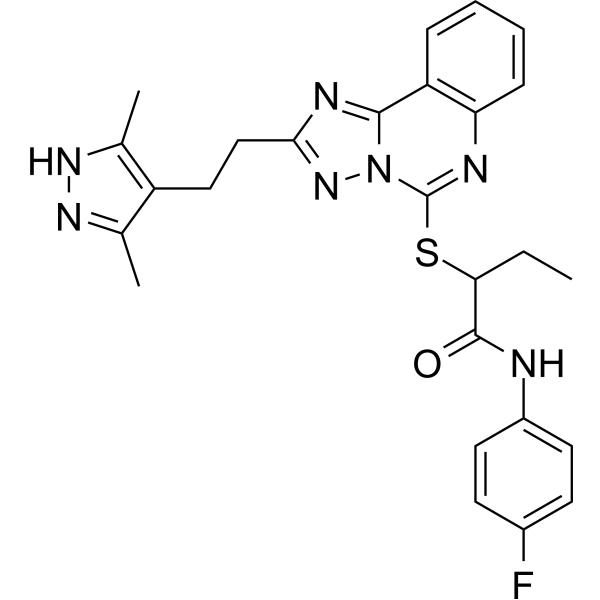
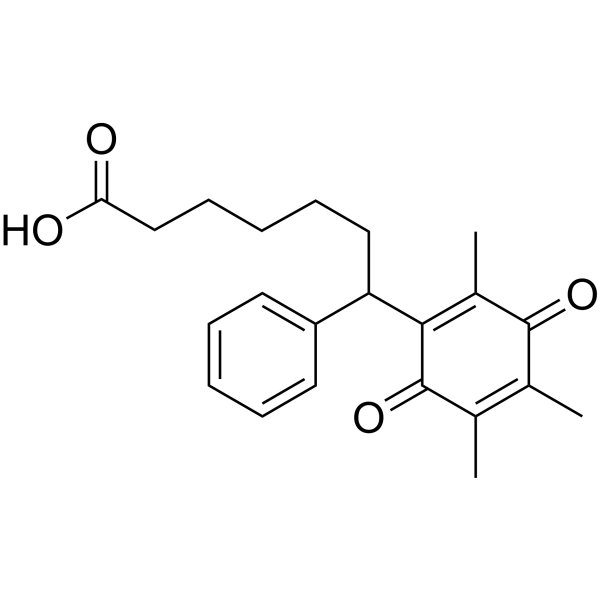
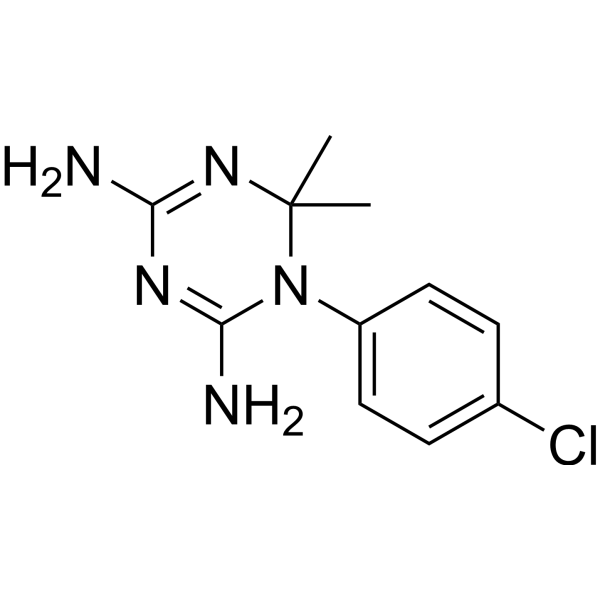
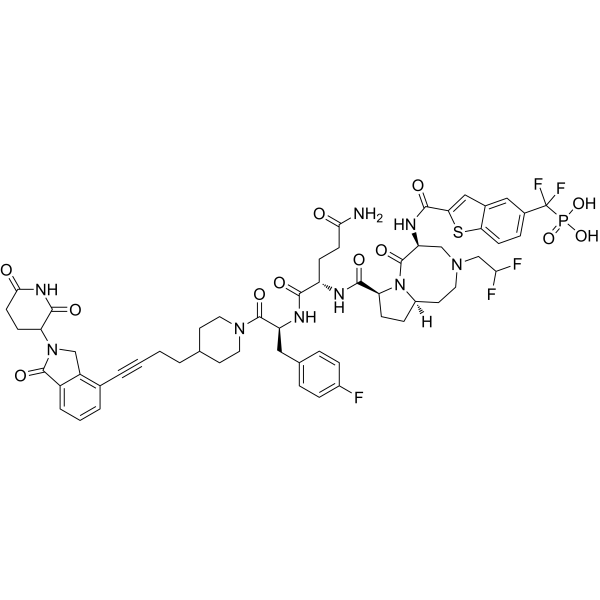
    UC-514321, a structural analog of NSC370284 with higher activity, directly targets STAT3/5 and represses TET1 expression, but not TET2 or TET3. UC-514321 has the potential to treat acute myeloid leukemia (AML) both in vitro and in vivo, with low toxicity [1].
    UC-514321
  • HY-136658
    STAT3-IN-48
    1 Publications Verification

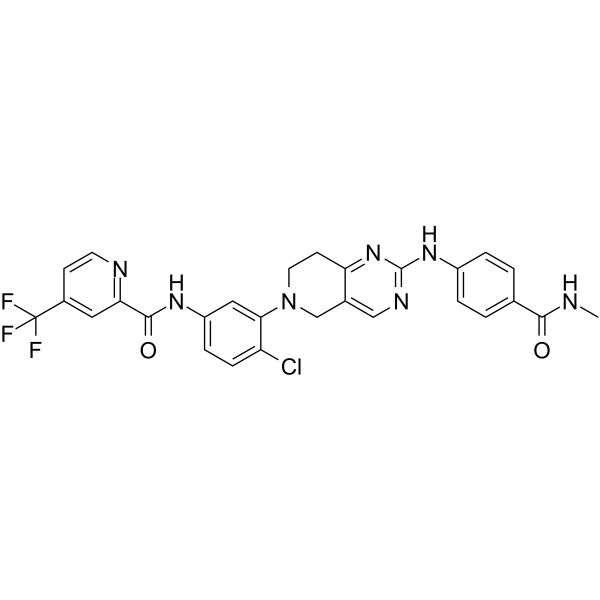
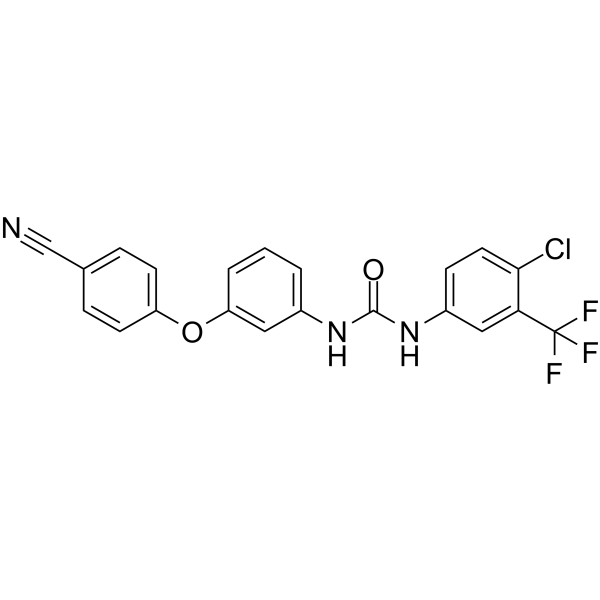
    STAT Apoptosis Cancer
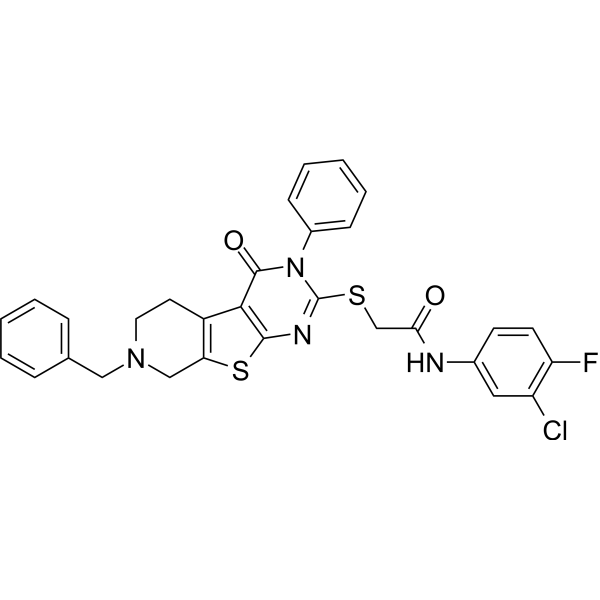
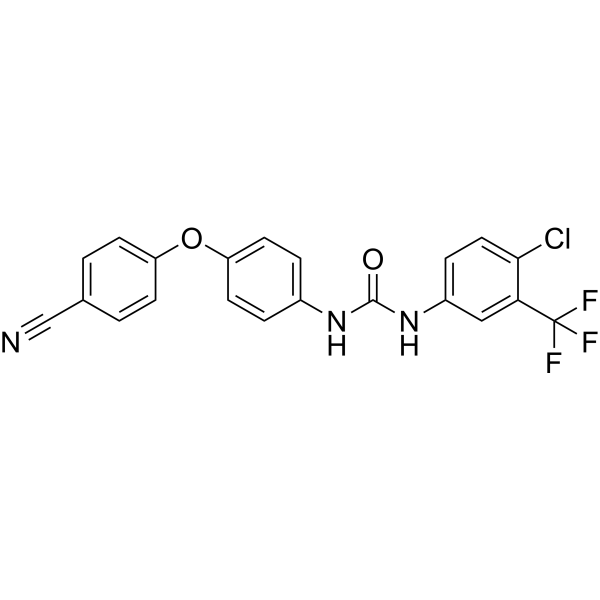
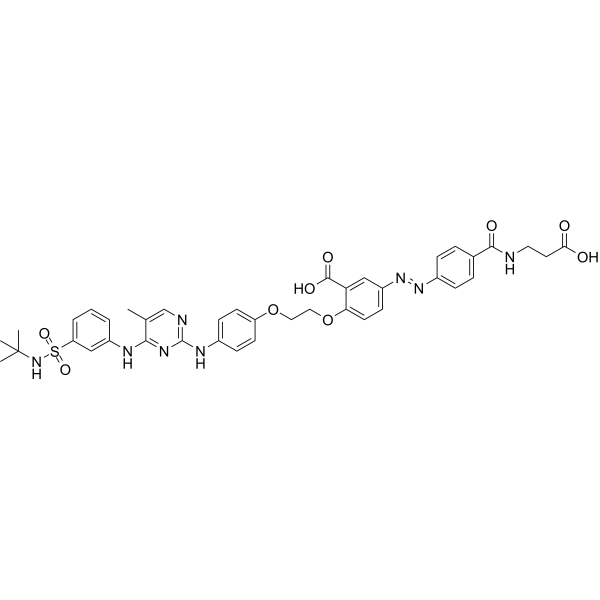
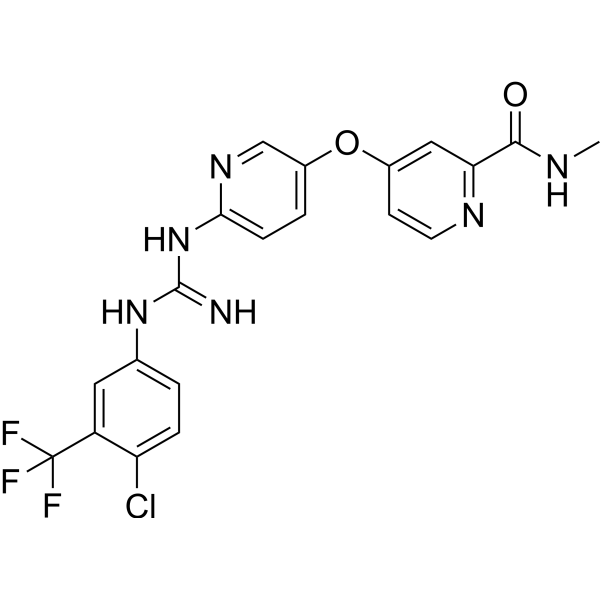
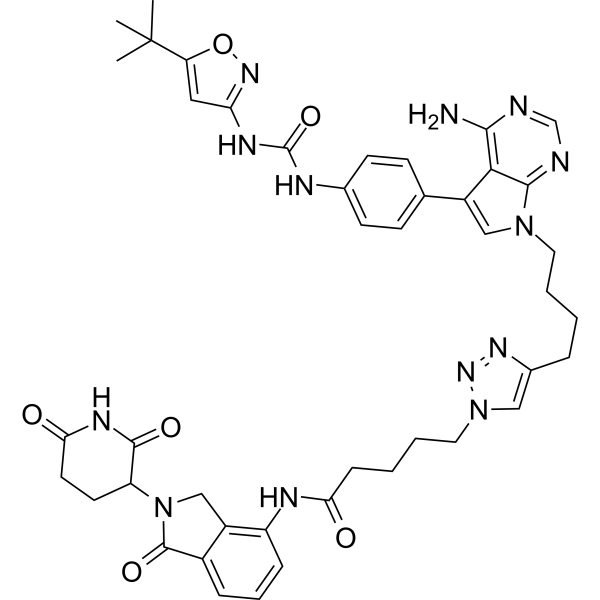
    STAT3-IN-48 is a Sorafenib analogue and potently inhibits the phosphorylation of STAT3. STAT3-IN-48 induces cell apoptosis through SHP-1 dependent STAT3 inactivation. STAT3-IN-48 does not inhibit kinase activity and has anticancer effects [1].
    STAT3-IN-48
  • HY-153991

    STAT Inflammation/Immunology
    STAT6-IN-2 (Compound R-84) is a STAT6 inhibitor that can inhibit the tyrosine phosphorylation of STAT6. STAT6-IN-2 can also inhibit the secretion of eotaxin-3. STAT6-IN-2 can be used in the research of immune diseases and allergic inflammatory diseases such as asthma [1].
    STAT6-IN-2
  • HY-162405

    STAT TGF-beta/Smad Interleukin Related Inflammation/Immunology
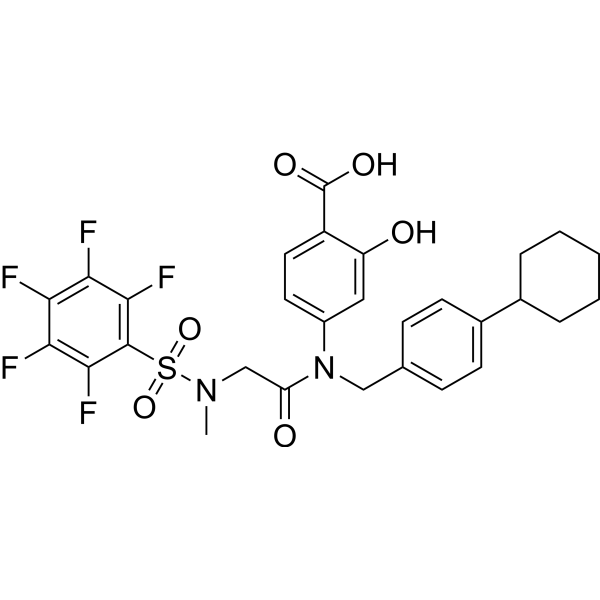
    STAT6-IN-12 is a potent STAT6 inhibitor with an IC50 of 50 nM. STAT6-IN-12 also inhibits Smad2/3 with an IC50 of 68 nM. STAT6-IN-12 inhibits TGFβ-dependent Smad2/3 signaling pathway, IL-4-dependent STAT6 signaling pathway, and cellular inflammatory responses. STAT6-IN-12 can be used for the research of inflammation [1].
    STAT6-IN-12
  • HY-W018324

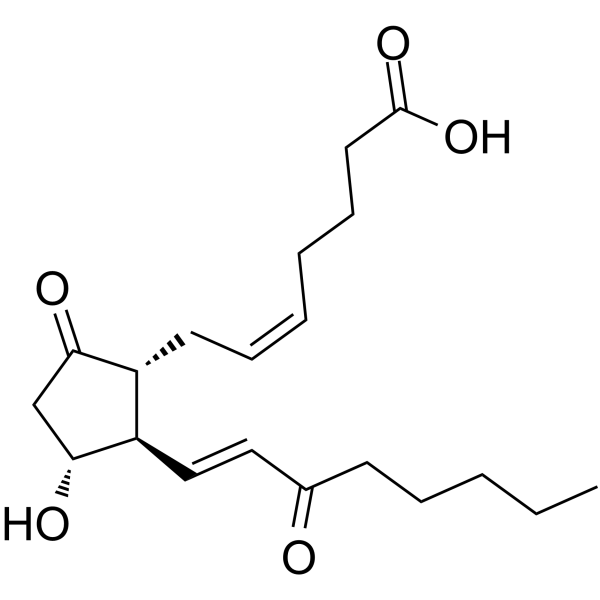
    5hmC

    Endogenous Metabolite Neurological Disease Metabolic Disease Cancer
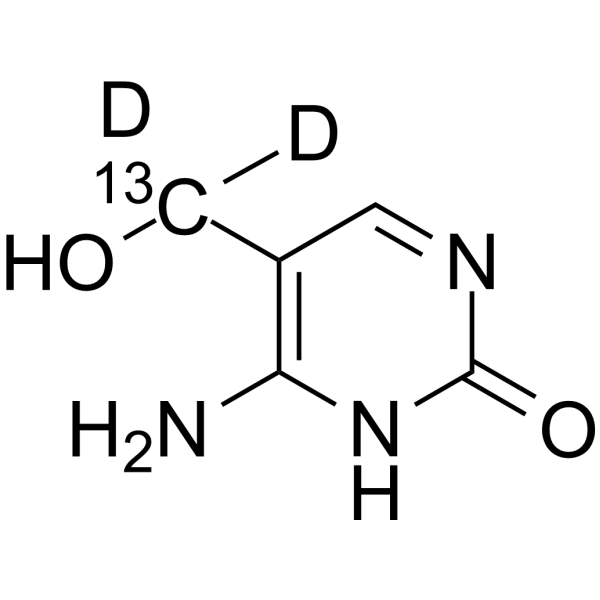
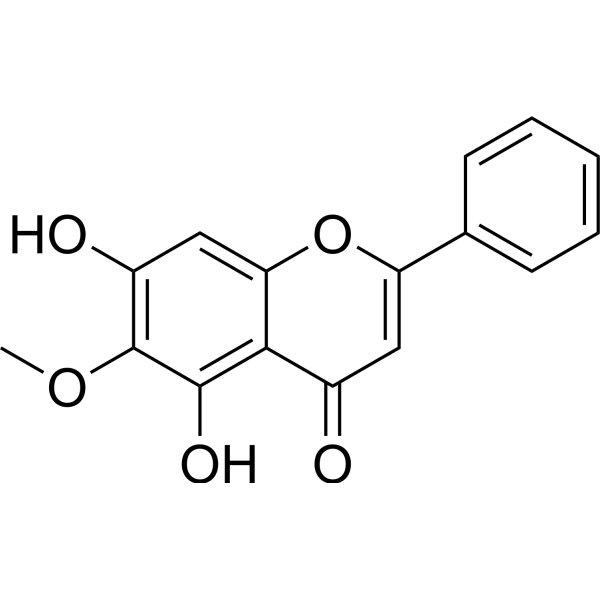
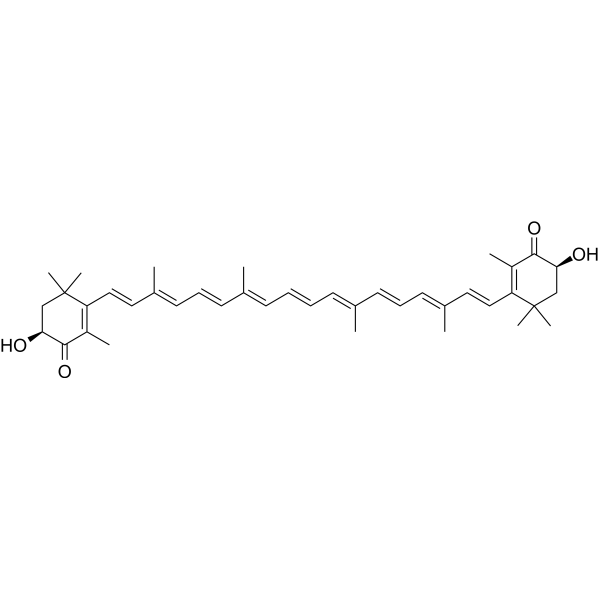
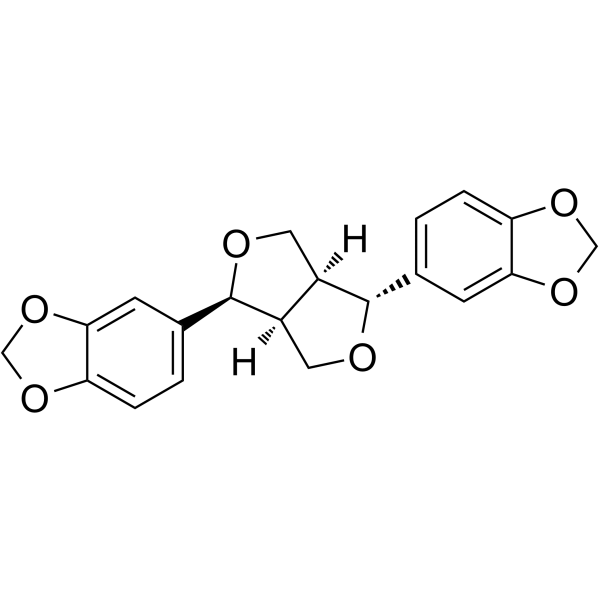
    5-Hydroxymethylcytosine (5hmC) is an oxidized forms of 5-methylcytosine (5mC) in mammalian DNA. 5-Hydroxymethylcytosine is produced from 5mC in an enzymatic pathway involving three 5mC oxidases, Ten-eleven translocation (TET)1, TET2, and TET3. The conversion of 5mC into 5hmC can be the first step in a pathway leading towards DNA demethylation. 5-Hydroxymethylcytosine is associated with gene transcription and frequently used as a mark to investigate dynamic DNA methylation conversion during mammalian development. 5-Hydroxymethylcytosine can be used for the study of non-small cell lung cancer (NSCLC), neurodegenerative diseases (Alzheimer’s, Parkinson’s) and hematological malignancies (acute myeloid leukemia, myelodysplastic syndromes) [1] .
    5-Hydroxymethylcytosine
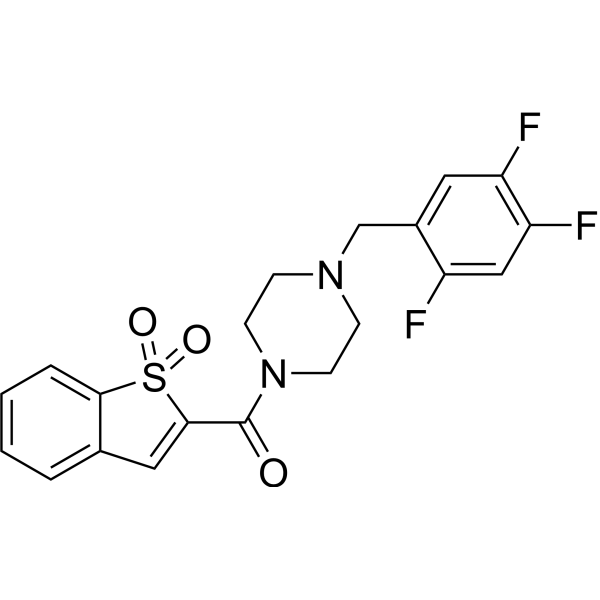
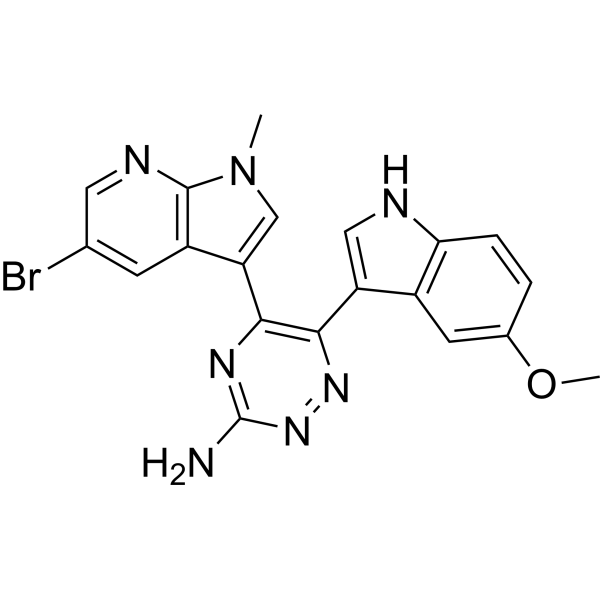
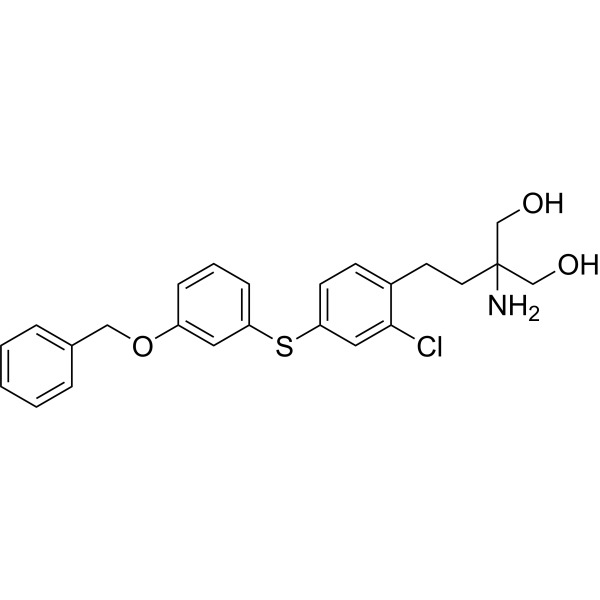
  • HY-160638

    TET Protein Cancer
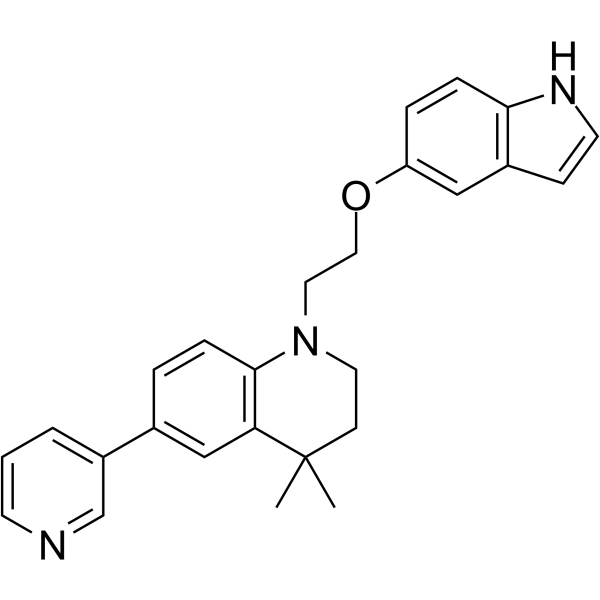
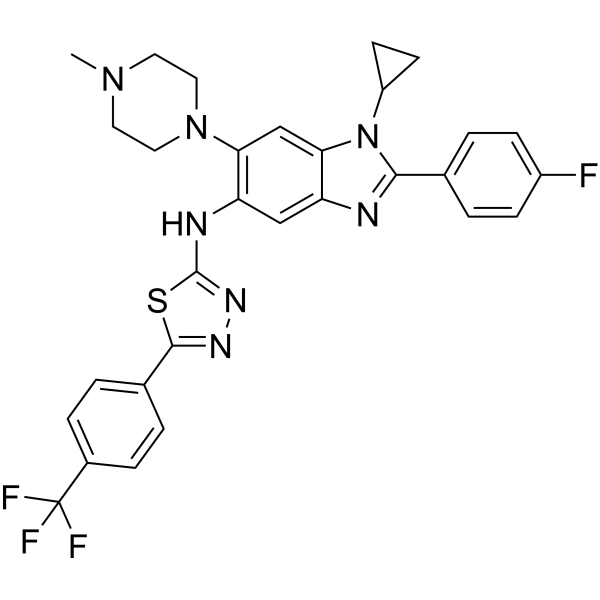
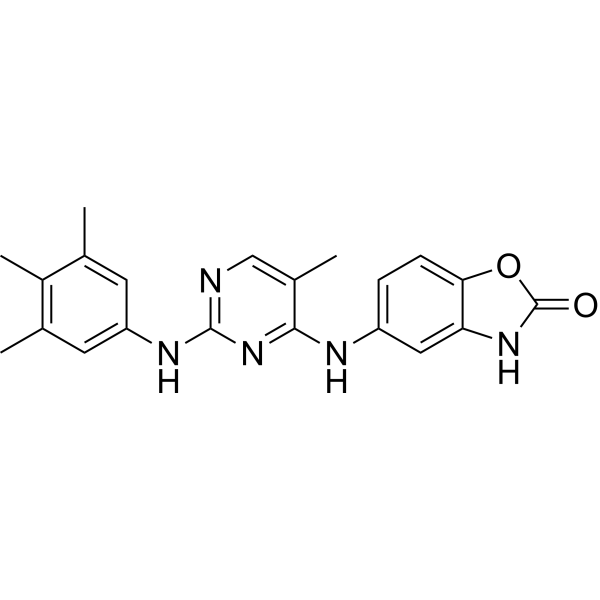
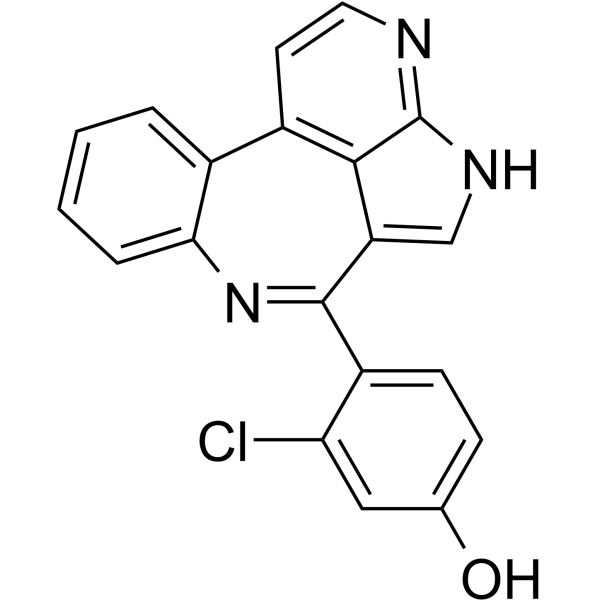
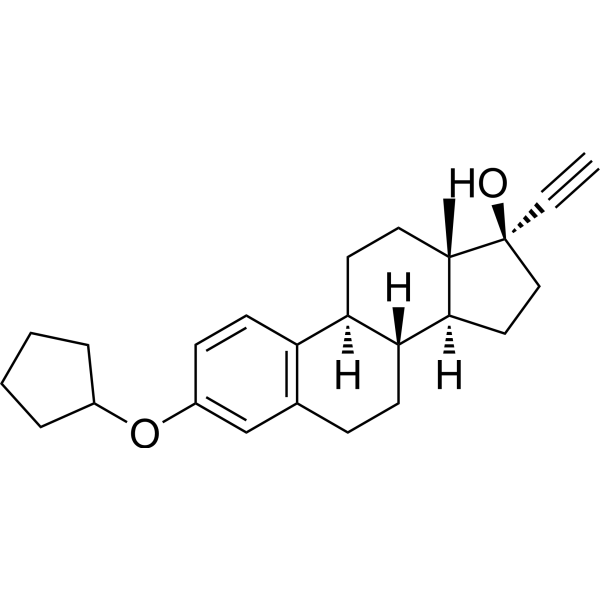
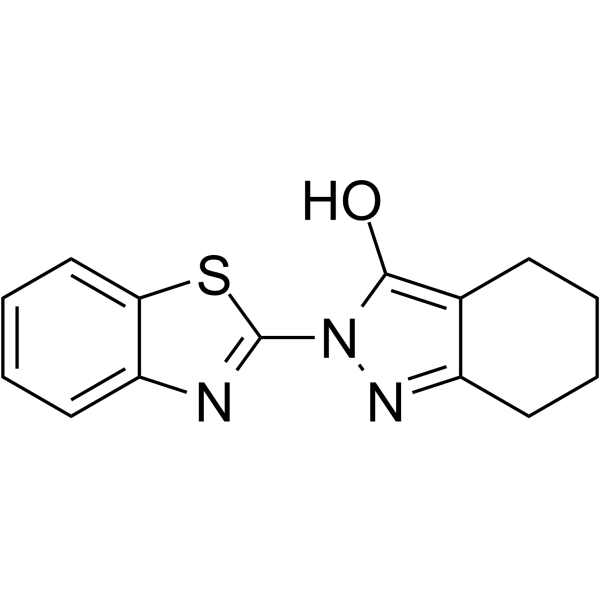
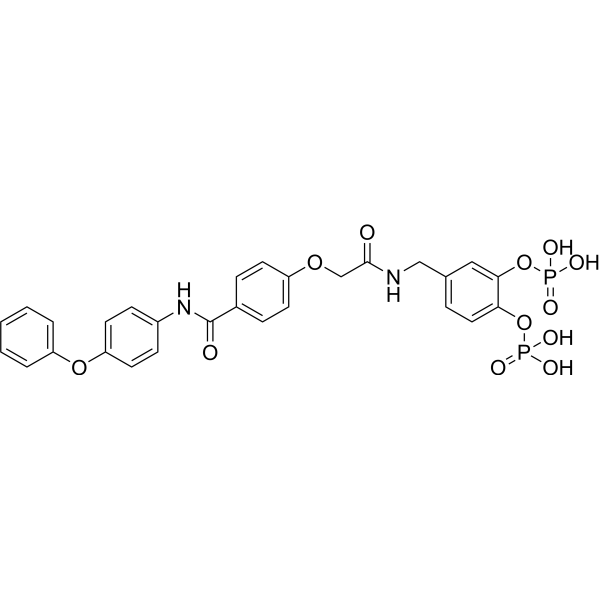
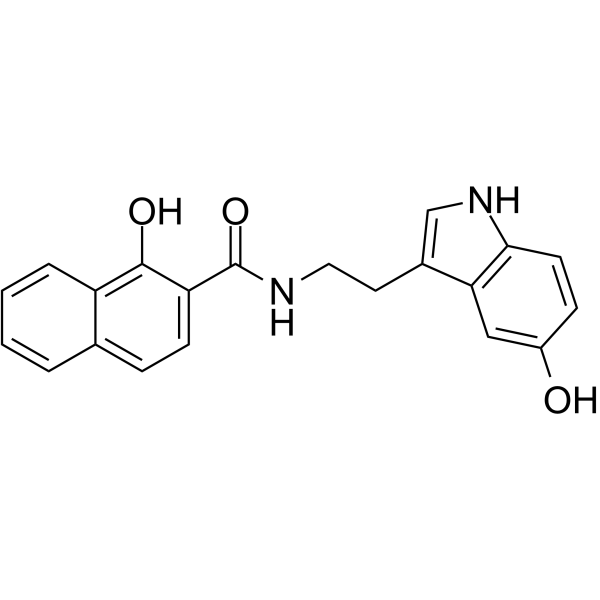
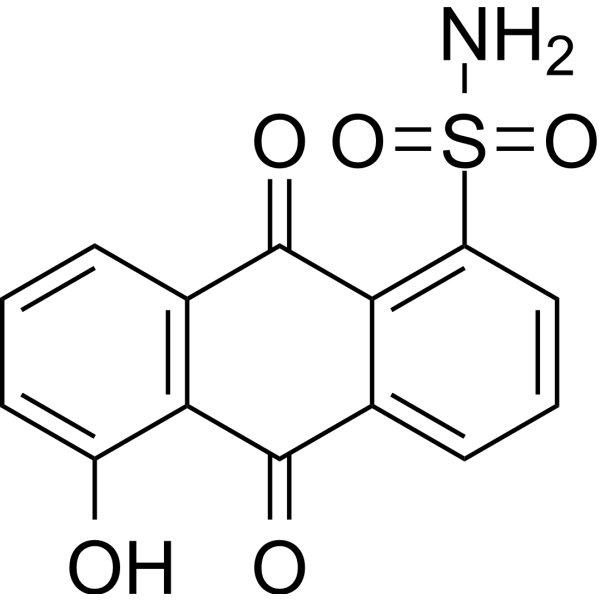
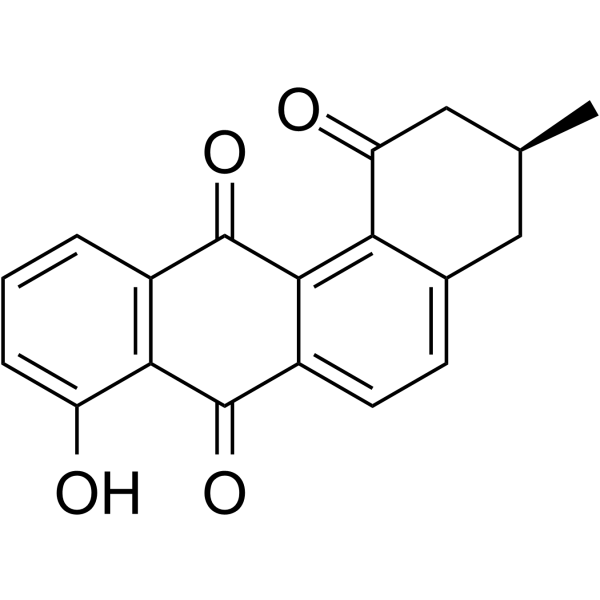
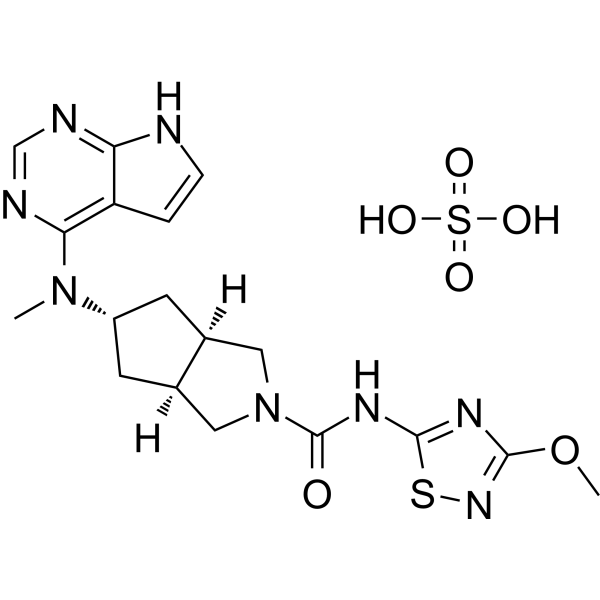
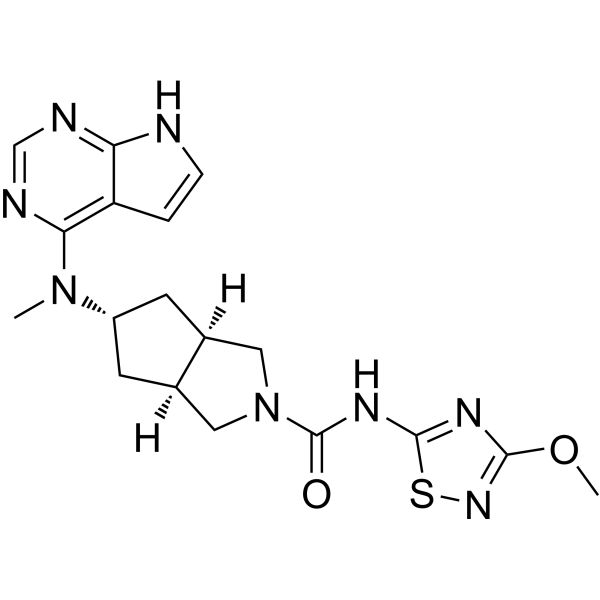
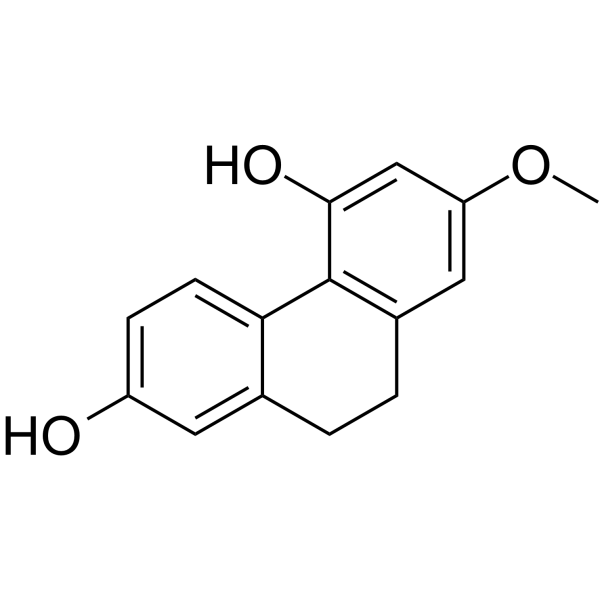
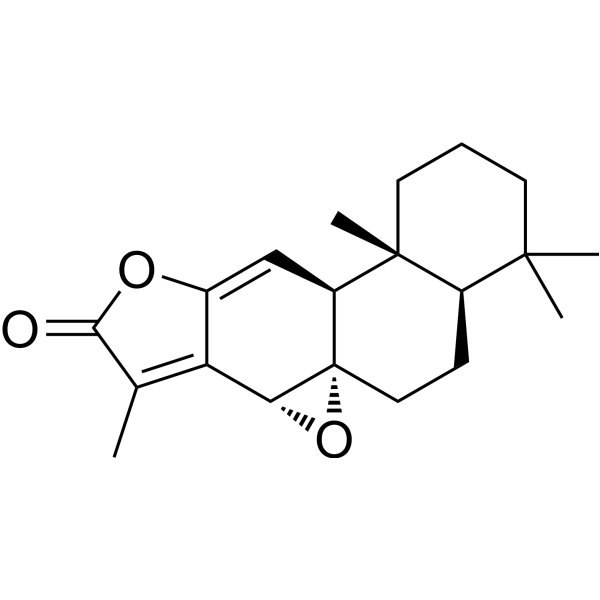
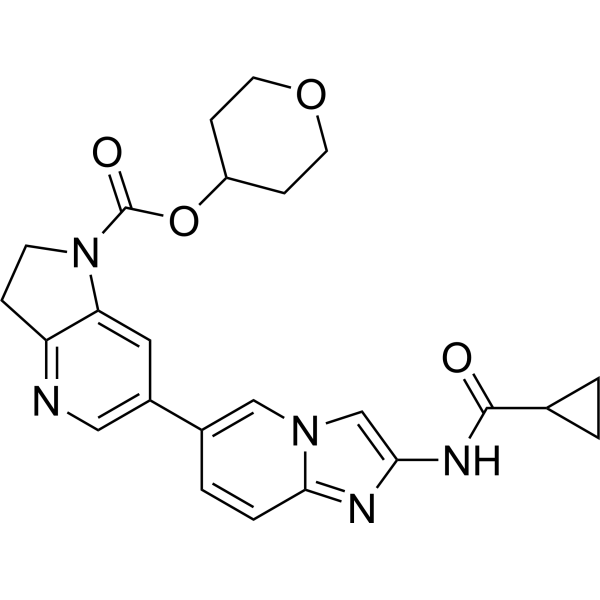
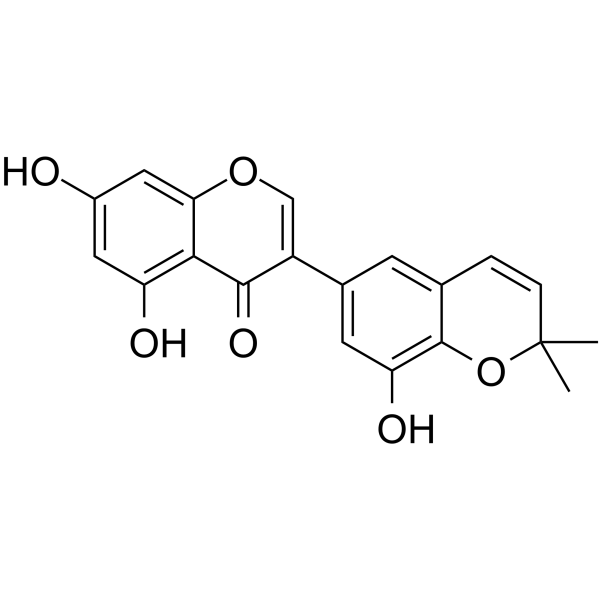
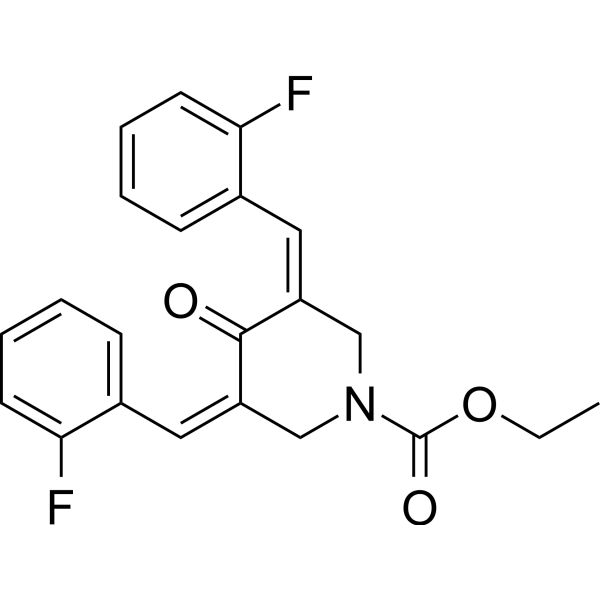
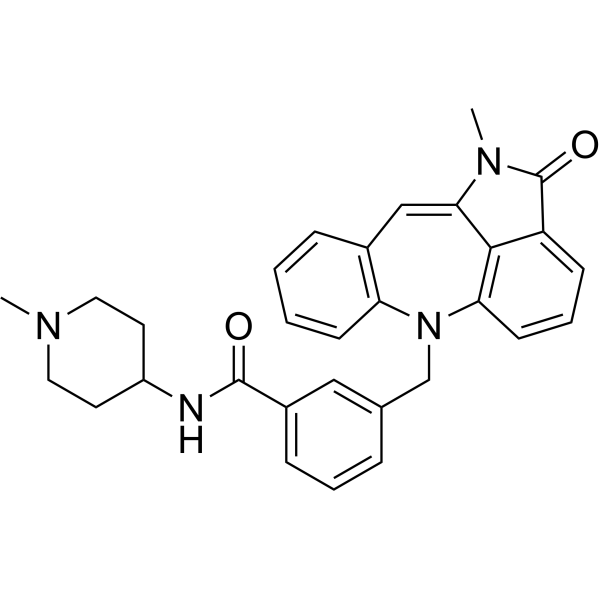
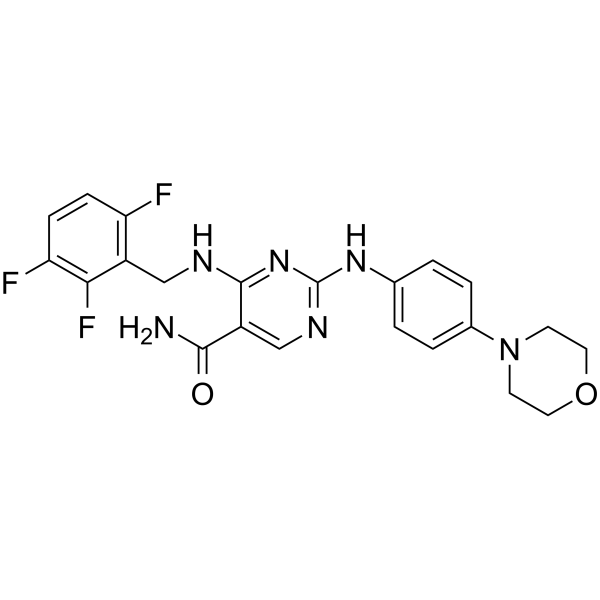
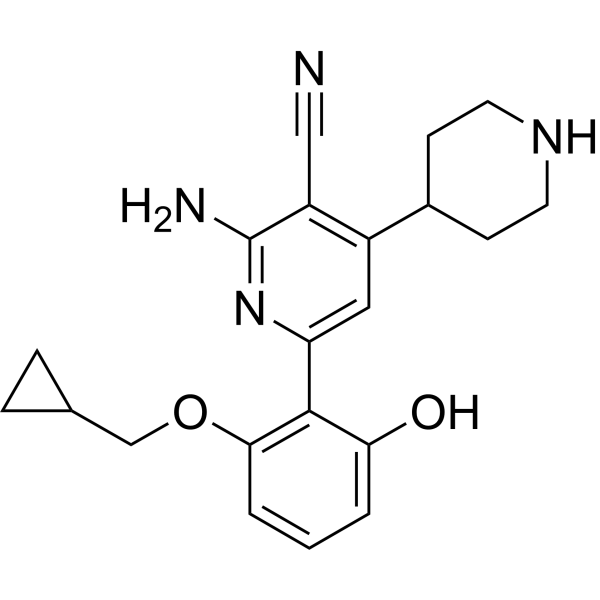
    NSC-311068 is TET1 inhibitor. NSC-311068 selectively suppress TET1 transcription and 5-hydroxymethylcytosine (5hmC) modification. NSC-311068 represses the level of TET1 expression and the global 5hmC level. NSC-311068 effectively inhibits cell viability in AML cells with high expression of TET1 [1].
    NSC-311068
  • HY-150538
    STAT3-IN-12
    1 Publications Verification

    STAT Apoptosis Cancer
    STAT3-IN-12 is a potent STAT3 signal inhibitor that can inhibit IL-6 induced JAK/STAT3 signalling pathway activation. STAT3-IN-12 inhibits cancer cell growth, migration, and induce cell apoptosis as well as cycle arrest. STAT3-IN-12 can be used in cancer-related research, such as hepatocellular carcinoma (HCC) and oesophageal carcinoma [1].
    STAT3-IN-12
  • HY-RS23219

    Small Interfering RNA (siRNA) Others

    Tet1 Rat Pre-designed siRNA Set A contains three designed siRNAs for Tet1 gene (Rat), as well as a negative control, a positive control, and a FAM-labeled negative control.

    Tet1 Rat Pre-designed siRNA Set A
    Tet1 Rat Pre-designed siRNA Set A
  • HY-172946

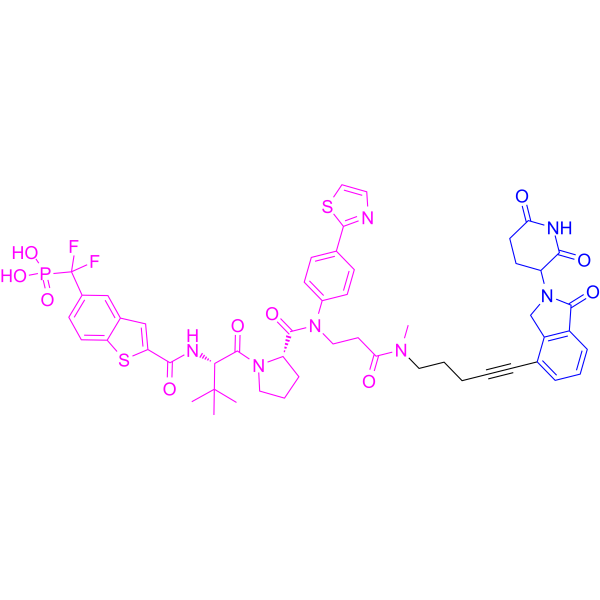
    PROTACs STAT Cancer
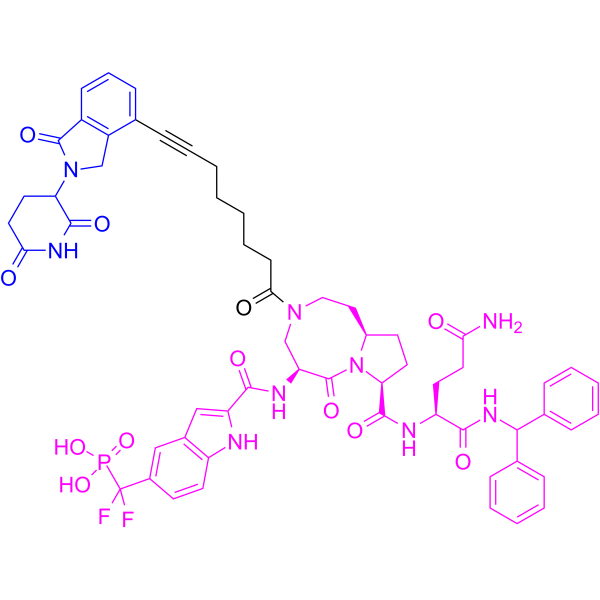
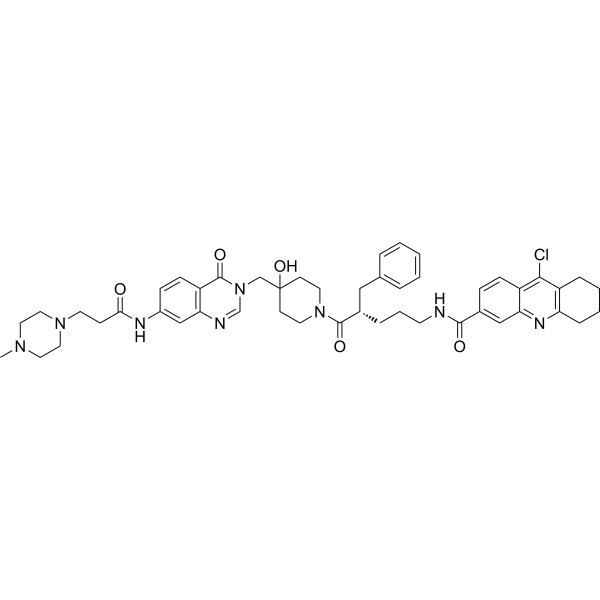
    SD-2301 is a selective STAT3 PROTAC degrader. SD-2301 induces STAT3 degradation without affecting the protein levels of other STAT family members (STAT1, STAT2, STAT4, STAT5, STAT6). SD-2301 exerts anti-tumor effects in B16F10-bearing mice. SD-2301 can be used for the study of cancer. (Pink: STAT3 ligand (HY-172947), Blue: VHL Ligand (HY-172948), Black: Linker (HY-W577012), VHL ligand-linker conjugate (HY-172949)) [1].
    SD-2301
  • HY-P10114

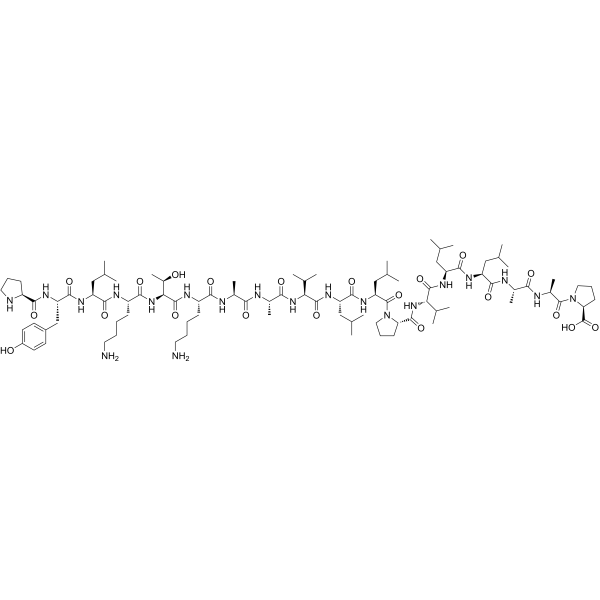
    PpYLKTK-mts; STAT3 PI

    STAT Cancer
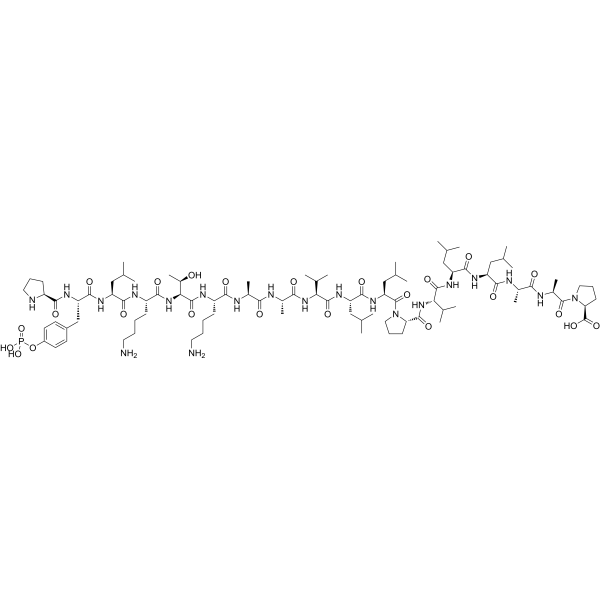
    STAT3-IN-24, cell-permeable (PpYLKTK-mts) is a STAT3 peptide inhibitor. STAT3-IN-24, cell-permeable inhibits recruitment of STAT3 to Jak2 and phosphorylation of Y705, thus preventing the dimerization and the nuclear translocation of STAT3 [1].
    STAT3-IN-24, cell-permeable
  • HY-150603
    STAT3-IN-13
    1 Publications Verification

    STAT Apoptosis Bcl-2 Family Cancer
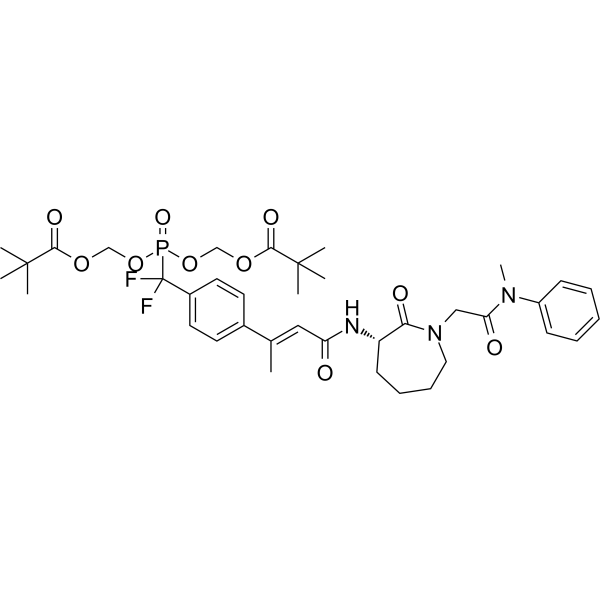
    STAT3-IN-13 (compound 6f) is a potent STAT3 inhibitor. STAT3-IN-13 has anti-proliferative effects and binds to the STAT3 SH2 domain with a KD of 0.46 μM. STAT3-IN-13 inhibits the phosphorylation of STAT3 Y705 and downstream target gene expression. STAT3-IN-13 induces apoptosis in vitro and suppresses the growth and metastasis of tumor in vivo. STAT3-IN-13 can be used for cancer research [1].
    STAT3-IN-13
  • HY-N10472

    STAT Cancer
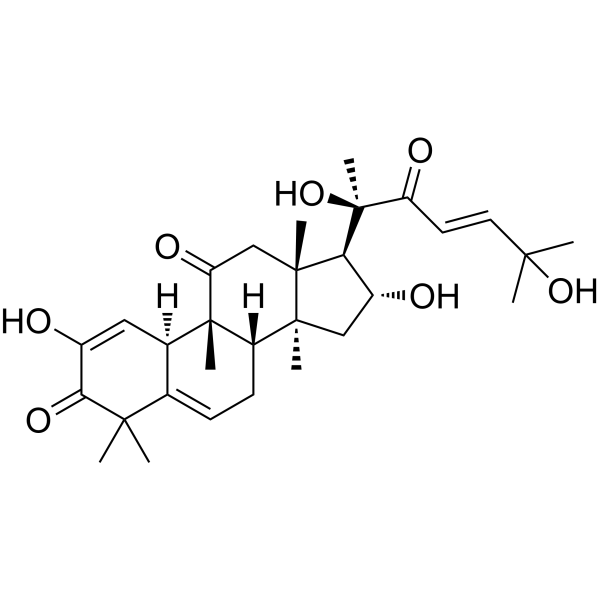
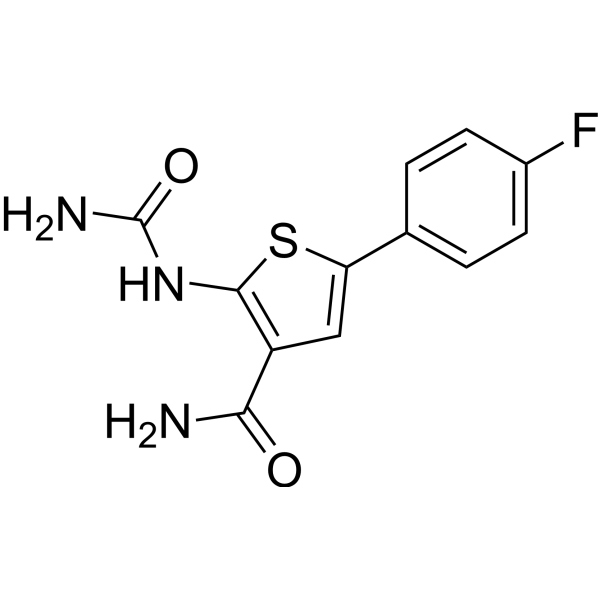
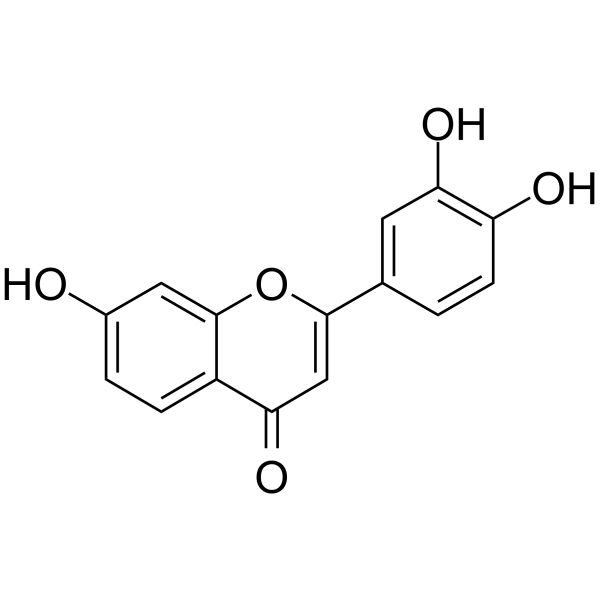
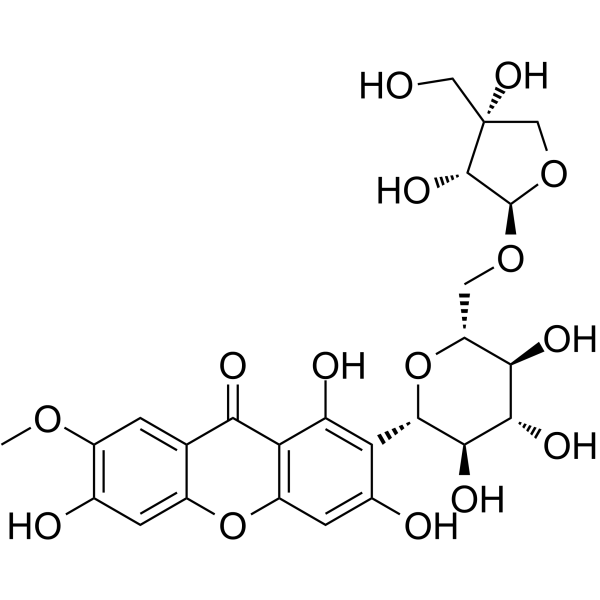
    STAT3-IN-14 (Compound 1) is a STAT3 inhibitor and has STAT3 phosphorylation inhibitory activity. STAT3-IN-14 (Compound 1) can directly bind to the hinge region of STAT3 [1].
    STAT3-IN-14
  • HY-151976
    STAT3-IN-15
    1 Publications Verification

    STAT Inflammation/Immunology
    STAT3-IN-15 is a potent and orally active STAT3 inhibitor against idiopathic pulmonary fibrosis (IPF). STAT3-IN-15 inhibits STAT3 phosphorylation. STAT3-IN-15 also inhibits the migration and deformation of epithelial cells induced by TGF1 and inhibit epithelial-mesenchymal transition (EMT) [1].
    STAT3-IN-15
  • HY-149007
    STAT3-IN-11
    1 Publications Verification

    STAT Apoptosis Cancer
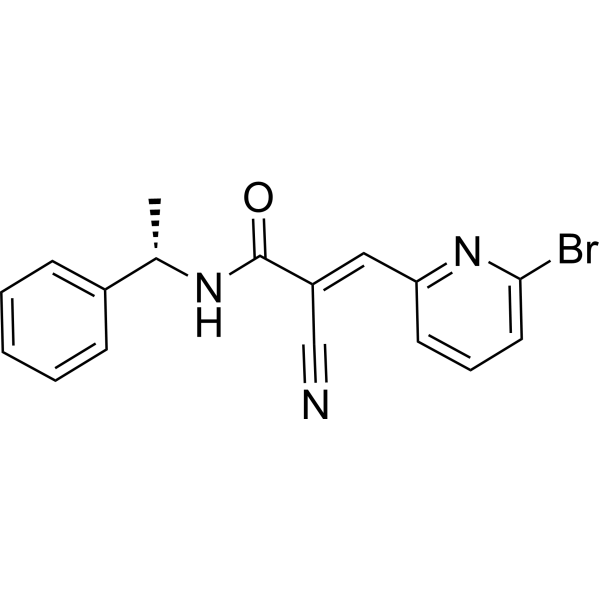
    STAT3-IN-11 (7a) is a selective STAT3 inhibitor that inhibits the phosphorylation of STAT3 at site pTyr705. STAT3-IN-11 inhibits the phosphorylation of downstream genes (Survivin and Mcl-1) without affecting its upstream tyrosine kinases (Src and JAK2) levels and p-STAT1 expression. STAT3-IN-11 can induce cancer cell apoptosis, which is potential for the discovery of effective STAT3 inhibitors and antitumor agents against cancers [1].
    STAT3-IN-11
  • HY-160496

    STAT Cancer
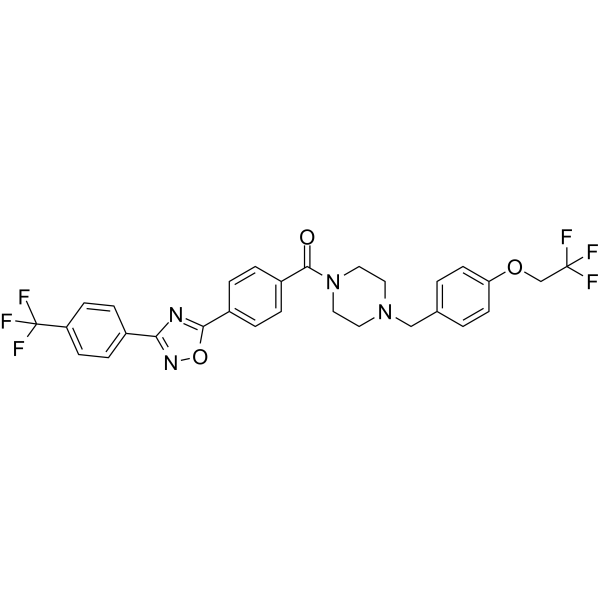
    STAT3-IN-25 (Compound 2p) is a potent STAT3 inhibitor with a p-trifluoroethoxy benzyl substituent. STAT3-IN-25 shows STAT3 luciferase inhibition activity using HEK293T cells with an IC50 of 22.3 nM and ATP production inhibition activity using BxPC-3 cells with an IC50 of 32.5 nM. STAT3-IN-25 has the potential for pancreatic cancer research [1].
    STAT3-IN-25
  • HY-148706

    STAT Infection Cancer
    STAT3-IN-17 is a moderate STAT3 inhibitor (IC50=0.7 μM; HEK-Blue IL-6), with antiproliferative activity in HeLa cells. STAT3-IN-17 has good pharmacokinetic characteristics. STAT3-IN-17 also inhibits pyruvate-ferredoxin oxidoreductase (PFOR), and inhibits Helicobacter pylori [1] .
    STAT3-IN-17
  • HY-P10115

    STAT Cancer
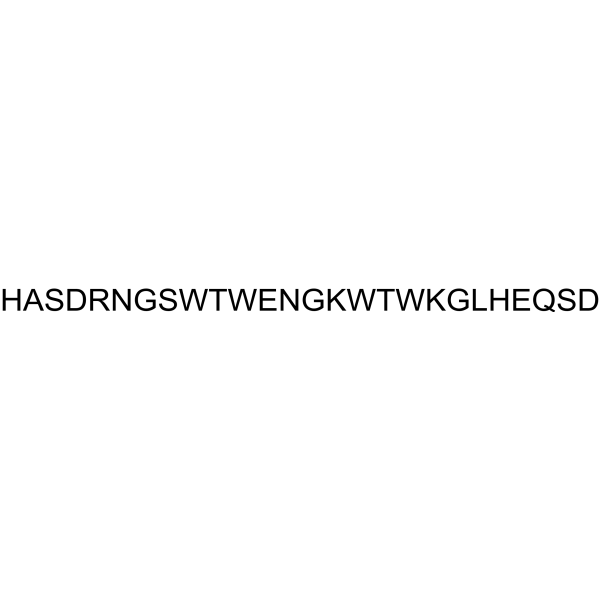
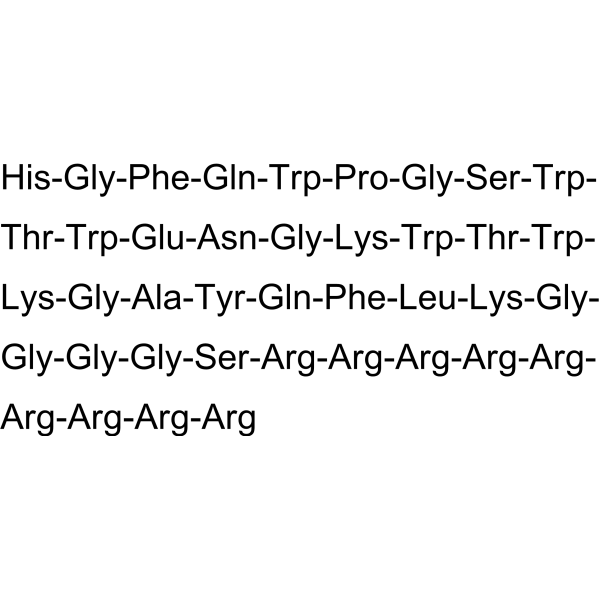
    APT STAT3 is a specific STAT3-binding peptide. APT STAT3 can bind STAT3 with high specificity and affinity (~231 nmol/L). APT STAT3 is a tractable agent for translation to target the broad array of cancers harboring constitutively activated STAT3 [1].
    APT STAT3
  • HY-W1113771

    STAT Interleukin Related Inflammation/Immunology
    STAT6-IN-7 is a STAT6 inhibitor. STAT6-IN-7 exhibits an IC50 of 0.28 μM for inhibiting the binding of human STAT6/pIL-4Rα. STAT6-IN-7 can be used in the research of atopic dermatitis [1].
    STAT6-IN-7
  • HY-175650

    STAT Interleukin Related Inflammation/Immunology
    STAT6-IN-9 is a potent STAT6 inhibitor with an EC50 value of 4 nM. STAT6-IN-9 effectively blocks STAT6 activation mediated by the IL-13-IL-13 receptor/IL-4 receptor pathway. STAT6-IN-9 inhibits CCL17 secretion with an IC50 value of 4.6 nM. STAT6-IN-9 can be used to investigate various chronic inflammatory diseases mediated by STAT6, such as allergy, asthma, and chronic obstructive pulmonary disease [1].
    STAT6-IN-9
  • HY-RS14384

    Small Interfering RNA (siRNA) Others

    TET1 Human Pre-designed siRNA Set A contains three designed siRNAs for TET1 gene (Human), as well as a negative control, a positive control, and a FAM-labeled negative control.

    TET1 Human Pre-designed siRNA Set A
    TET1 Human Pre-designed siRNA Set A
  • HY-144870

    STAT Cancer
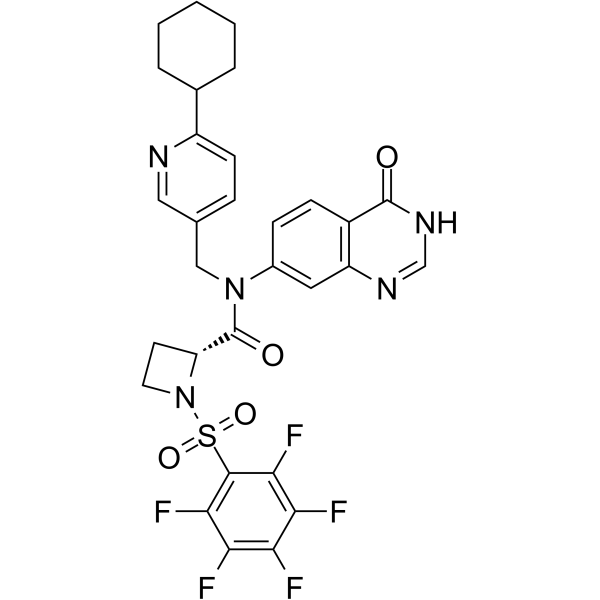
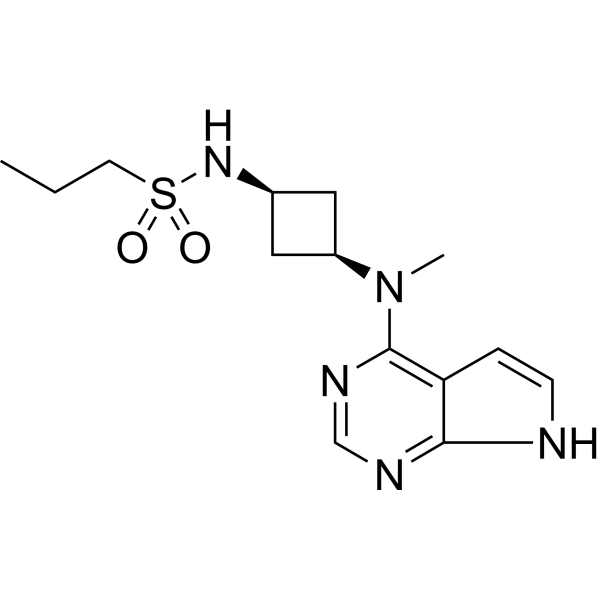
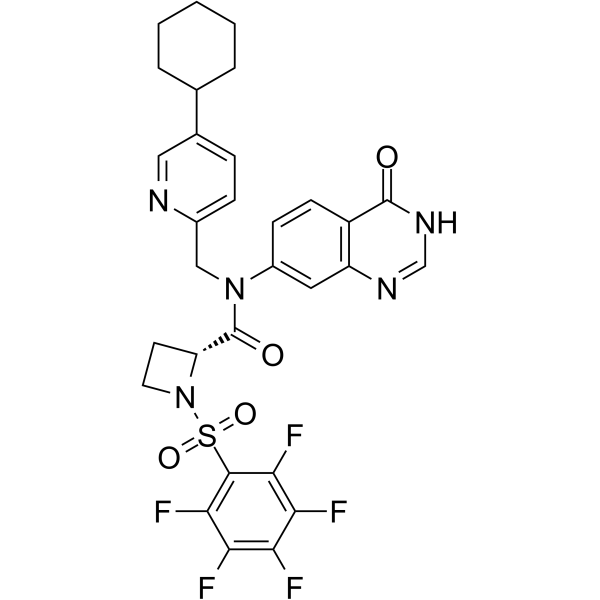
    STAT3-IN-7, an aryl sulfonamido azetidine compound, is an orally active STAT3 inhibitor. STAT3-IN-7 has anticancer activities (WO2021016333A1, H182) [1].
    STAT3-IN-7
  • HY-P10113

    STAT Cancer
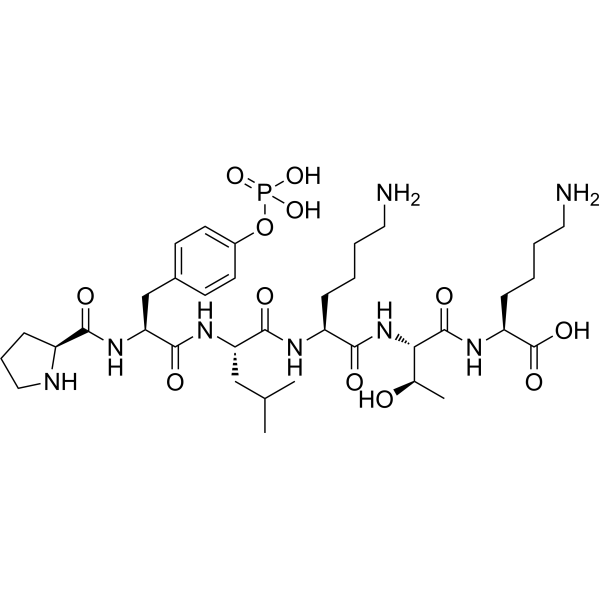
    STAT3-IN-23 (PY*LKTK) is a potent STAT3 inhibitor [1].
    STAT3-IN-23
  • HY-RS16779

    Small Interfering RNA (siRNA) Others

    Tet1 Mouse Pre-designed siRNA Set A contains three designed siRNAs for Tet1 gene (Mouse), as well as a negative control, a positive control, and a FAM-labeled negative control.

    Tet1 Mouse Pre-designed siRNA Set A
    Tet1 Mouse Pre-designed siRNA Set A
  • HY-112447

    STAT Cancer
    STAT3-IN-5 is a potent STAT3 inhibitor. STAT3-IN-5 inhibits STAT3-Y705 phosphorylation with an EC50 value of 170 nM. STAT3-IN-5 inhibits cytokine induced JAK activation. STAT3-IN-5 induces apoptosis. STAT3-IN-5 can be used in research of cancer [1].
    STAT3-IN-5
  • HY-155982

    STAT Cancer
    STAT3-IN-20 (Compound 40) is a selective STAT3 inhibitor (IC50: 0.65 μM). STAT3-IN-20 binds the SH2 domain to inhibit STAT3 phosphorylation, translocation, and downstream gene transcription. STAT3-IN-20 exhibits antiproliferative activities against STAT3-overactivated DU145 and MDA-MB-231 cancer cells (IC50: 2.97 μM and 3.26 μM respectively). STAT3-IN-20 induces cell cycle arrest and apoptosis [1].
    STAT3-IN-20
  • HY-W1113770

    STAT Inflammation/Immunology
    STAT6-IN-8 (Compound 9) is a STAT6 inhibitor with potential anti-inflammatory and anti-allergic effects. STAT6-IN-8 can be used for the study of STAT6-associated diseases, including inflammatory diseases (atopic dermatitis, bronchial asthma) and allergic diseases (allergic rhinitis, chronic sinusitis) [1].
    STAT6-IN-8
  • HY-163526

    Ligands for Target Protein for PROTAC STAT Cancer
    STAT3-IN-26 is the ligand for the target protein STAT3 in PROTAC STAT3 degrader-3 (HY-163502), which can be used for the synthesis of PROTACs [1].
    STAT3-IN-26
  • HY-176864

    Ligands for Target Protein for PROTAC STAT Inflammation/Immunology Cancer
    STAT6 ligand-1 is a ligand for STAT6. STAT6 ligand-1 can be used for synthesizing PROTACs such as STAT6 degrader-2 (HY-176857) [1].
    STAT6 ligand-1
  • HY-179233

    PROTACs STAT Cancer
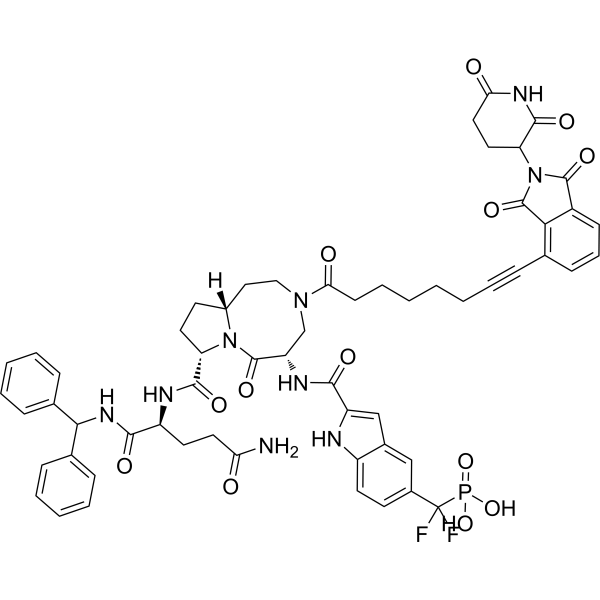
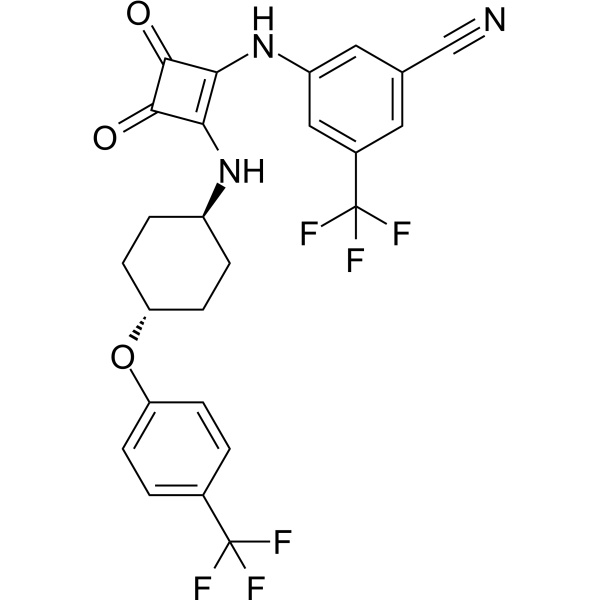
    PROTAC STAT6 degrader-2 is a highly efficient PROTAC degrader targeting STAT6. PROTAC STAT6 degrader-2 has a DC50 value of 1-10 nM for STAT6 in human PBMC cells and a DC50 value of less than 100 nM for STAT6 in HEK293-HIBiT-STAT6 cells. PROTAC STAT6 degrader-2 can be used for STAT6-mediated diseases [1].
    PROTAC STAT6 degrader-2
  • HY-164216A

    STAT Inflammation/Immunology Cancer
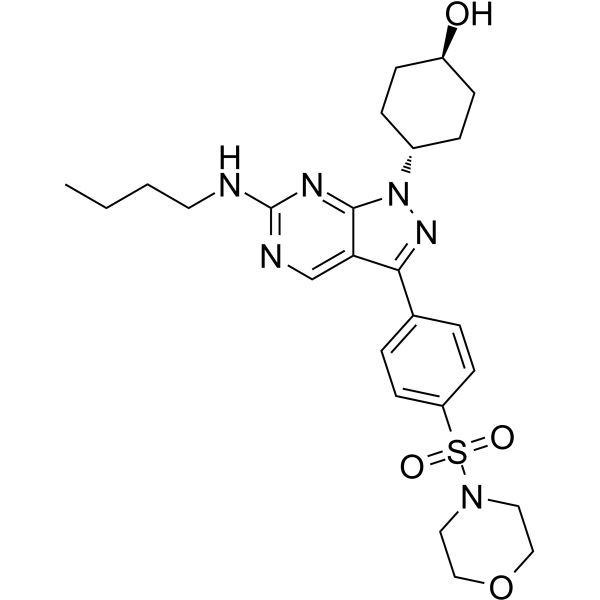
    (trans)-STAT6-IN-13 (Compound 95) is a STAT6 inhibitor with IC50 values of ≤300 nM. (trans)-STAT6-IN-13 has weak inhibitory for STAT3. (trans)-STAT6-IN-13 can be used for the researches of cancer, inflammation and immunology [1].
    (trans)-STAT6-IN-13
  • HY-111275

    JAK STAT Apoptosis Caspase PARP Cancer
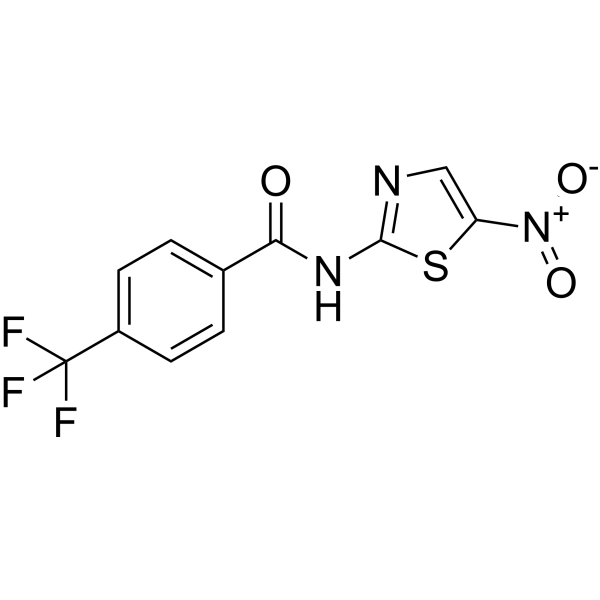
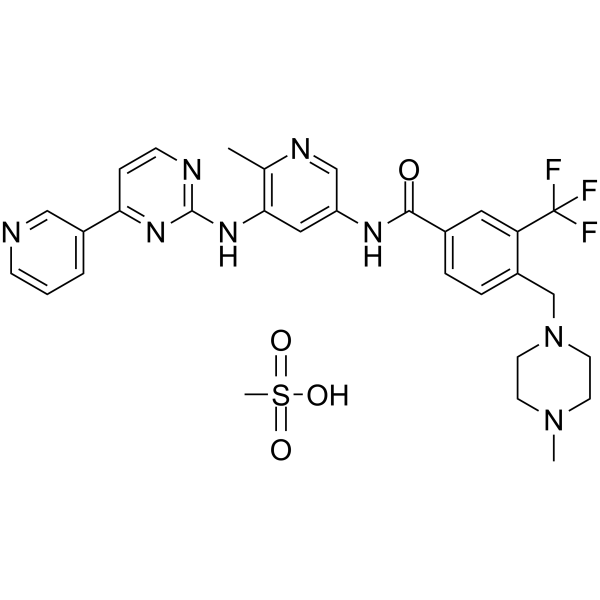
    WP-1034 is a JAK-STAT inhibitor with proapoptotic and antileukemic activity in acute myeloid leukemia (AML). WP-1034 blocks activation of Stat 3 and 5. WP-1034 induces cell cycle arrest and triggers apoptosis. WP-1034 can be used for AML research [1].
    WP-1034
  • HY-W396714

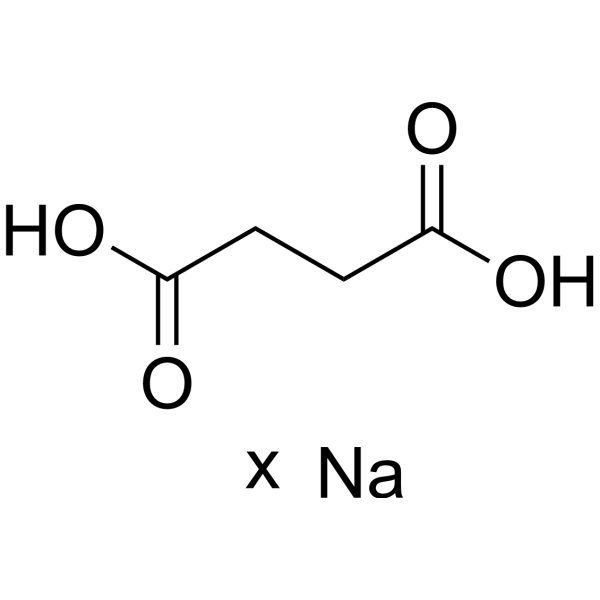
    Wormwood acid sodium

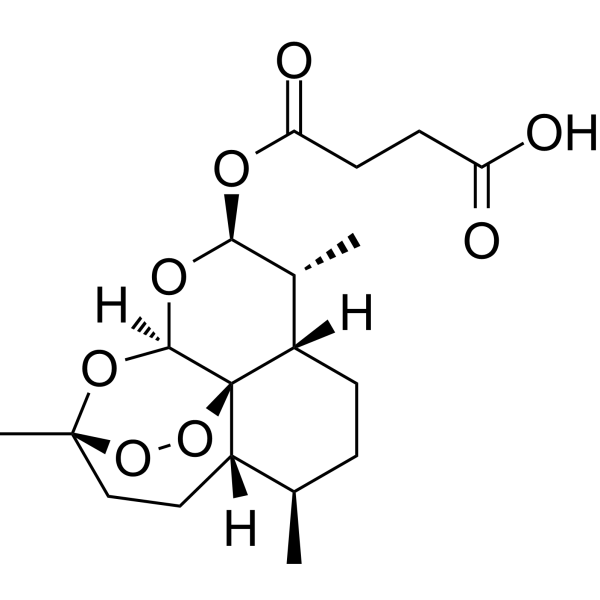
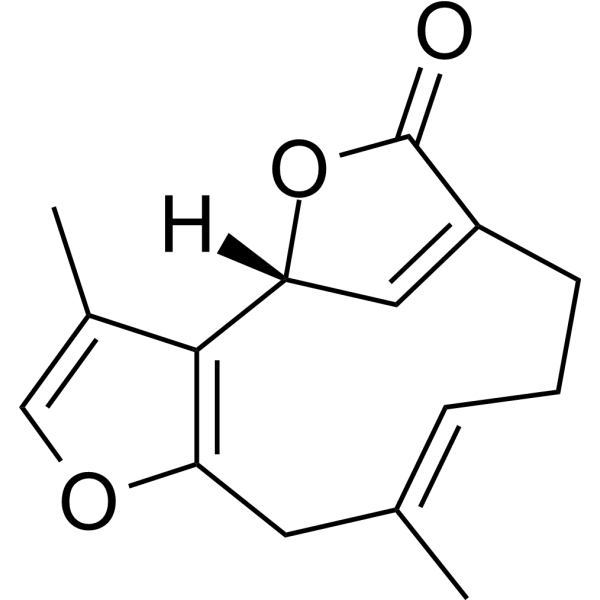
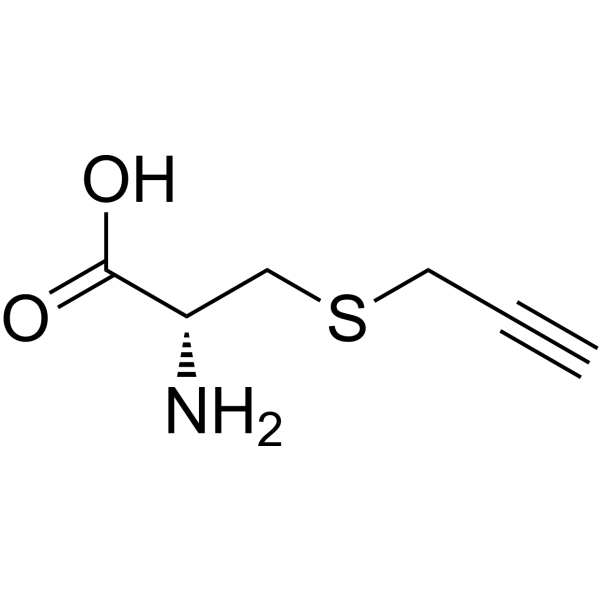
    Potassium Channel TET Protein Cardiovascular Disease Neurological Disease
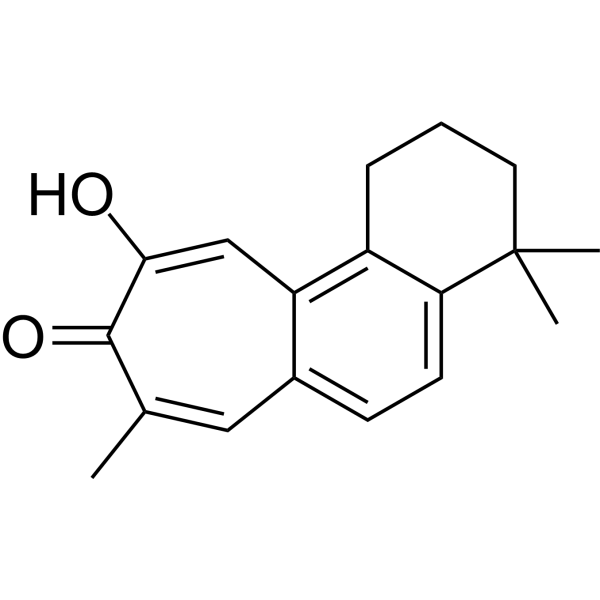
    Succinic acid sodium is a potent and orally active anxiolytic agent. Succinic acid sodium shows inhibitory effects on colonic epithelial cell proliferation in vivo. Succinic acid sodium can down-regulate the expression of KCNMB1 (potassium channel subunit β1) and TET1 (ten?eleven translocation 1). Succinic acid sodium can be used for gestational hypertension research [1] .
    Succinic acid sodium

Inquiry Online

Your information is safe with us. * Required Fields.

Salutation


Country or Region *

Applicant Name *


Organization Name *

Department *


Email Address *


Product Name *

Cat. No.


Requested quantity *

Phone Number *


Remarks

Inquiry Online

Inquiry Information

Product Name:
Cat. No.:
Quantity:
MCE Japan Authorized Agent: