



Brevilin A
Based on 5 publication(s) in Google Scholar
Brevilin A is an orally active STAT3/JAK inhibitor (STAT3 IC50=?10.6 μM). Brevilin A shows anti-tumor activity, anti-proliferative activity to cancer cells, and can induce apoptosis and autophagy.
For research use only. We do not sell to patients.
- Purity : 99.86%
- CAS No.: 16503-32-5
- Formula: C20H26O5
- Molecular Weight:346.42
-
Storage:Powder -20°C, 3 years , 4°C, 2 years ; In solvent -80°C, 2 years , -20°C, 1 year

To place orders, for customer services and technical support, please contact: MedChemExpress USA
Tel: 609-228-6898 E-mail: [email protected] [email protected]


-
 Biological Activity
-
Chemical Information
-
Solvent & Solubility
- Protocols
- Purity & Documentation
- References
-
 Help & FAQs


-
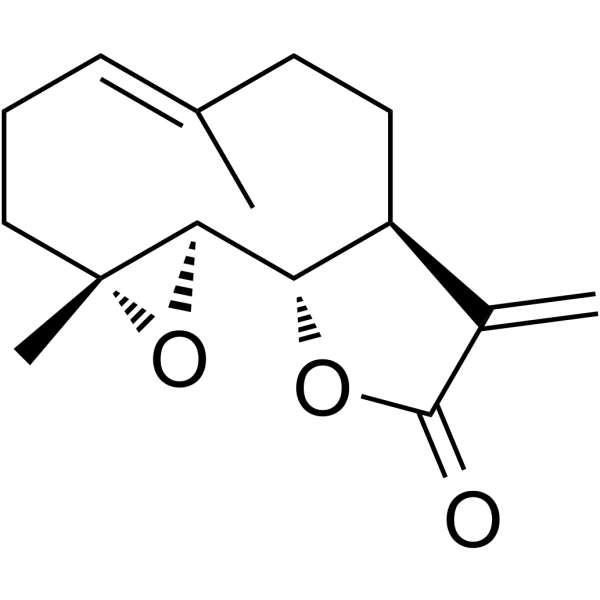
HY-N0141
ParthenolideNF-κB Inhibitor -
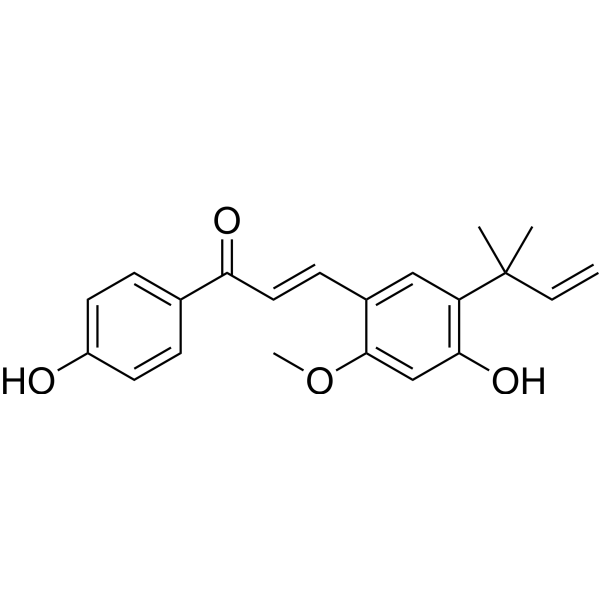
HY-N0372
Licochalcone AUGTs inhibitor -
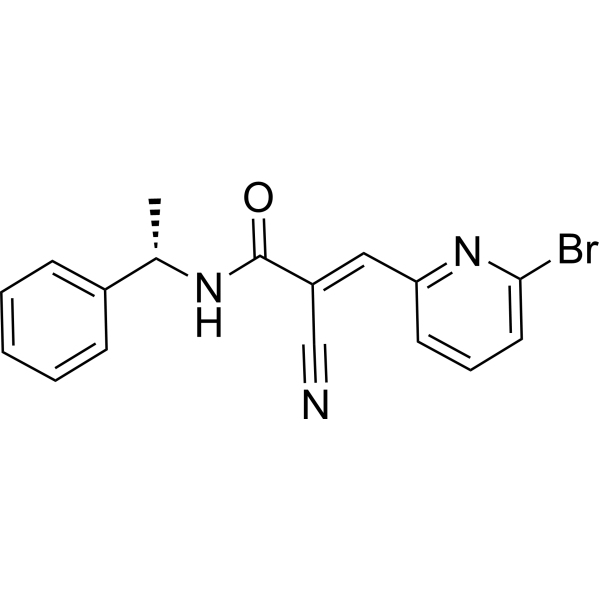
HY-15312
WP1066JAK2/STAT3 Inhibitor -
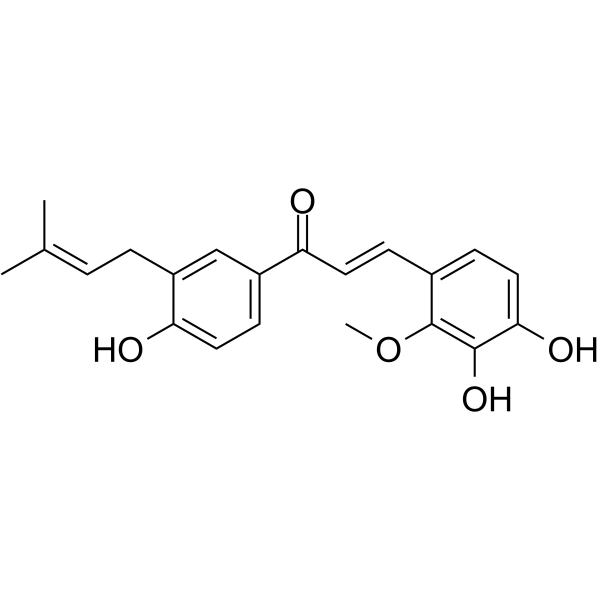
HY-N4187
Licochalcone DNF-κB p65 Inhibitor -
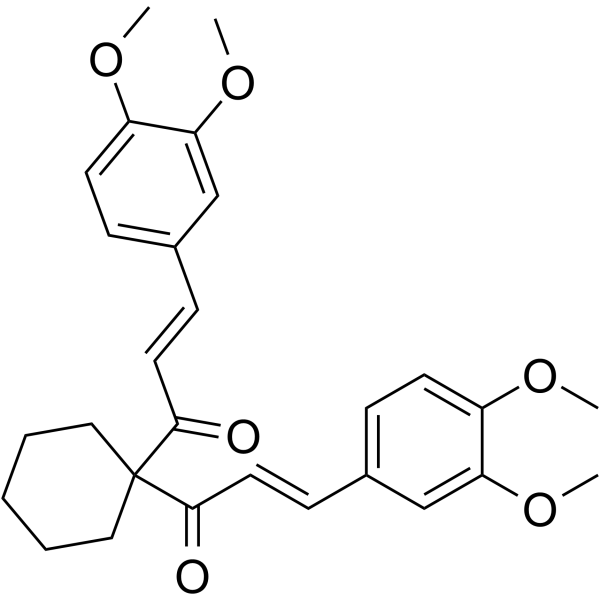
HY-100544
FLLL32JAK2/STAT3 Inhibitor -
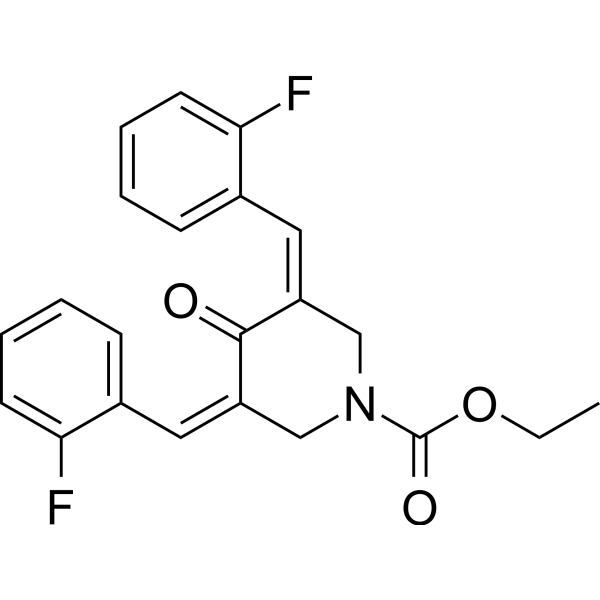
HY-115452
G5-7JAK2 Inhibitor -
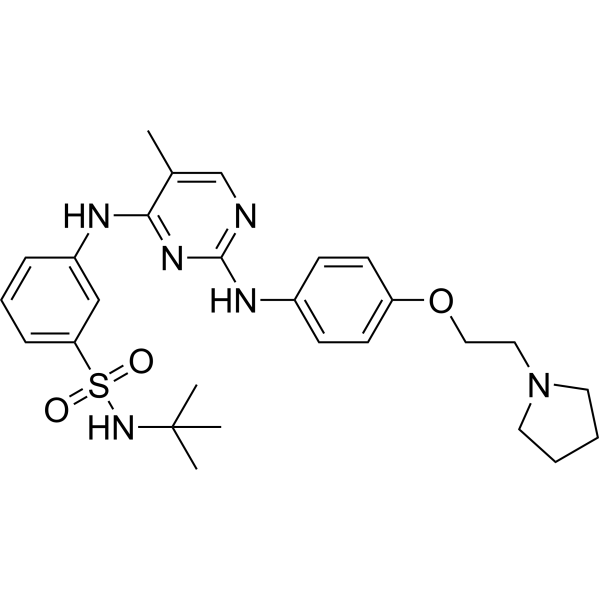
HY-10409
FedratinibJAK2 Inhibitor -
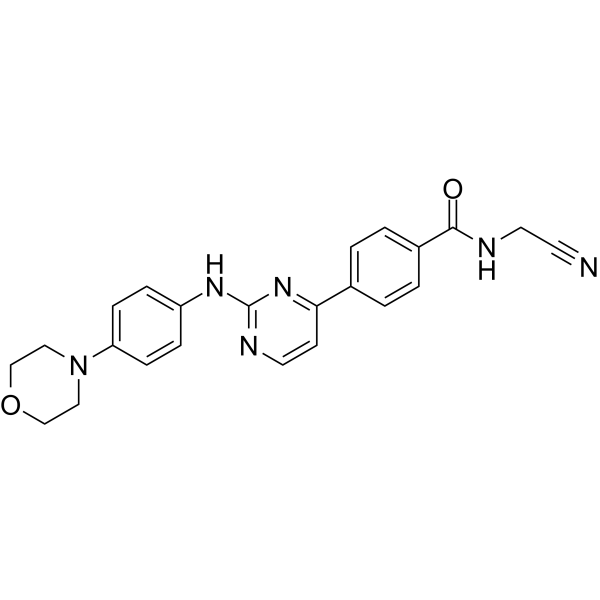
HY-10961
MomelotinibJAK1/2 Inhibitor -

HY-N2959R
Brevilin A (Standard)STAT3/JAK Inhibitor -
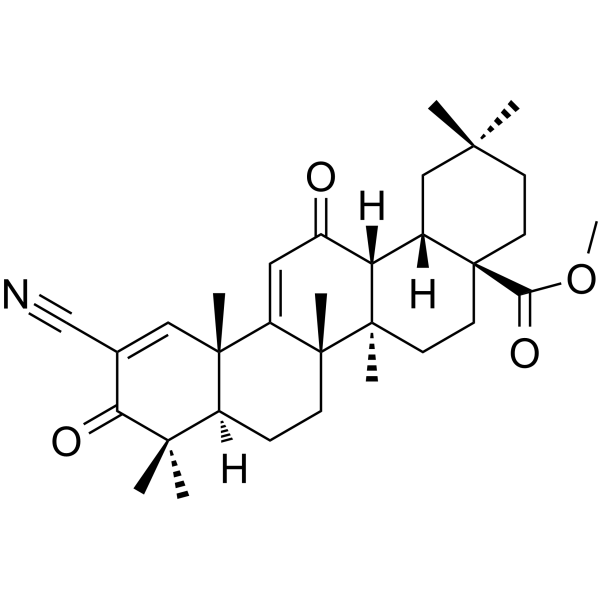
HY-13324
Bardoxolone methylNrf2 Activator -
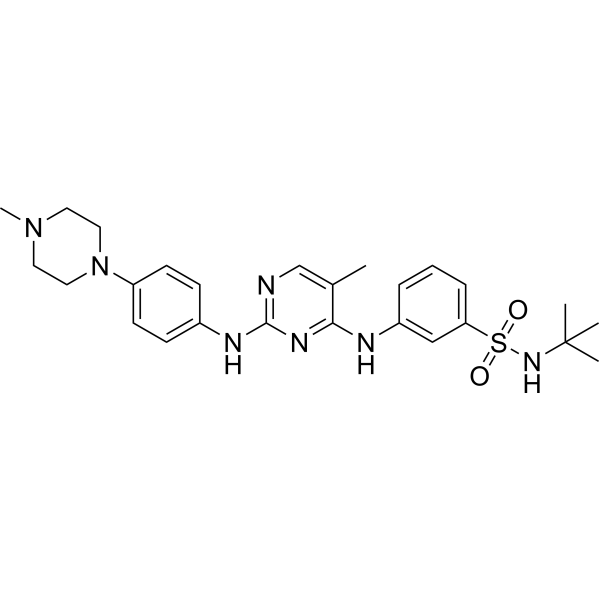
HY-10410
TG101209JAK2 Inhibitor -
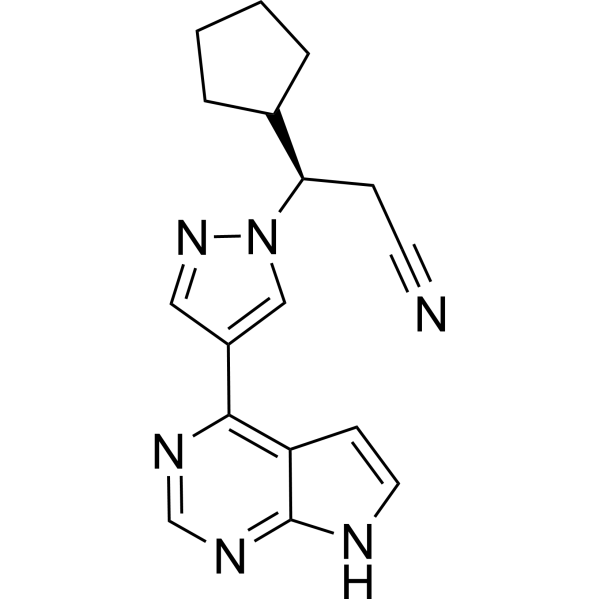
HY-50856
RuxolitinibJAK1/2 Inhibitor
Publications Citing Use of MedChemExpress (MCE) Brevilin A
More Customer Validation & Images

-
Cell Proliferation/Viability Assay
-
Flow Cytometry
-
Cell Migration/Invasion Assay
-
WB
-
Histological Imaging/Staining


Biological Activity
Description
IC50 & Target
[1]|
STAT3 10.6 μM (IC50) |
Cellular Effect
|
Cell Line

|
Type | Value | Description | References |
|---|---|---|---|---|
| HCT-116 | IC50 |
>10 μM
Compound: 17
|
Cytotoxicity against human HCT-116 cells assessed as reduction in cell viability incubated for 48 hrs by MTT assay
Cytotoxicity against human HCT-116 cells assessed as reduction in cell viability incubated for 48 hrs by MTT assay
|
[PMID: 33533247] |
| HeLa | IC50 |
9.2 μM
Compound: 17
|
Cytotoxicity against human HeLa cells assessed as reduction in cell viability incubated for 48 hrs by MTT assay
Cytotoxicity against human HeLa cells assessed as reduction in cell viability incubated for 48 hrs by MTT assay
|
[PMID: 33533247] |
| HepG2 | IC50 |
>10 μM
Compound: 17
|
Cytotoxicity against human HepG2 cells assessed as reduction in cell viability incubated for 48 hrs by MTT assay
Cytotoxicity against human HepG2 cells assessed as reduction in cell viability incubated for 48 hrs by MTT assay
|
[PMID: 33533247] |
In Vitro
Brevilin A (1-20 μM; 24 h) inhibits STAT3 signaling in a dose dependent manner[1].
Brevilin A (0-50 μM; 24-72 h) inhibits the proliferation of NPC cells[2].
Brevilin A (10 μM; 24 and 48 h) induces DU145 and MDA-MB-468 apoptosis after 24 h treatment[1].
Brevilin A (12.5 and 25 μM; 24 h) blocks STAT3 tyrosine 705 phosphorylation in A549R cells[1].
MedChemExpress (MCE) has not independently confirmed the accuracy of these methods. They are for reference only. Further protocols information, click here.
-
Cell Line:A549R cells
-
Concentration:1-20 µM
-
Incubation Time:24 hours
-
Result:Exhibited STAT3 signaling inhibition in a dose dependent manner with IC50 value of 10.6 µM.
-
Cell Line:CNE-2 cells
-
Concentration:0-50 μM
-
Incubation Time:24, 48, and 72 hours
-
Result:Showed IC50 values in CNE-2 cells with treatment times of 24, 48, and 72 h of 7.93, 2.60, and 22.26 µM, respectively.
-
Cell Line:DU145 and MDA-MB-468 cells
-
Concentration:10 µM
-
Incubation Time:24 and 48 hours
-
Result:Decreased c-Myc and CyclinD1 after 24 h and 48 h treatment, increased cleaved PARP after 24 h treatment.
-
Cell Line:A549R cells
-
Concentration:12.5 and 25 µM
-
Incubation Time:24 hours
-
Result:Inhibits STAT3 phosphorylation in A549R cells.
In Vivo
MedChemExpress (MCE) has not independently confirmed the accuracy of these methods. They are for reference only.
-
Animal Model:Male BALB/c nude mice injected with CNE-2 cells[2]
-
Dosage:10 and 20 mg/kg
-
Administration:Oral gavage; 10 and 20 mg/kg; once daily; 16 days
-
Result:Decreased average tumor volumes and weights treated with 20 mg/kg by 36.3% and 46.0%, respectively, compared to vehicle control.
Inhibited the protein expression of p-AKT and p-STAT3 at both low and high doses.


Chemical Information
-
CAS No. 16503-32-5
-
Appearance Solid
-
Molecular Weight 346.42
-
Formula C20H26O5
-
Color White to off-white
-
SMILES
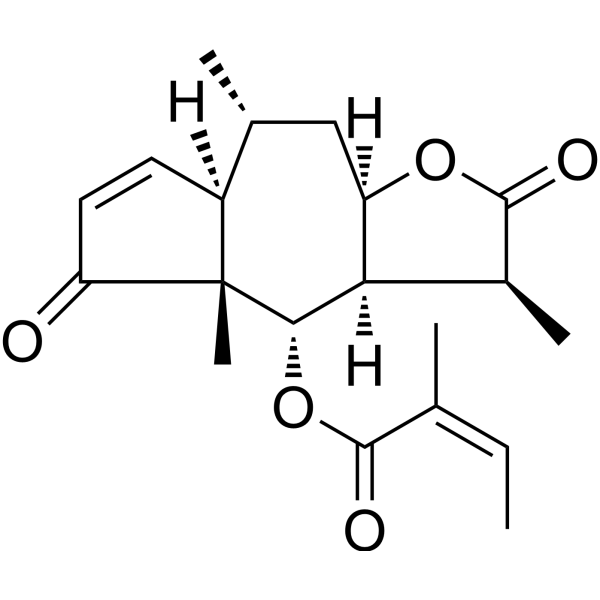
C/C=C(C)\C(O[C@H]1[C@@]([C@@H]2C)([H])[C@@](OC2=O)([H])C[C@@H](C)[C@@]3([H])[C@]1(C(C=C3)=O)C)=O
-
Structure Classification
-
Shipping
Room temperature in continental US; may vary elsewhere.
-
Storage
Powder -20°C 3 years 4°C 2 years In solvent -80°C 2 years -20°C 1 year


Publications (5)
-
Journal Impact Factor
-
Most Recent
-
Phytomedicine
Brevilin A suppresses lipid metabolism reprogramming in colorectal adenoma-to-adenocarcinoma sequence via the NR1D1/APOH signaling axis. [Abstract]2025 Nov 25:148:157386. PMID: 41110356 -
Cell Cycle
Entero-toxigenic Bacteroides fragilis contributes to intestinal barrier injury and colorectal cancer progression by mediating the BFT/STAT3/ZEB2 pathway. [Abstract]2024 Jan;23(1):70-82. PMID: 38273425
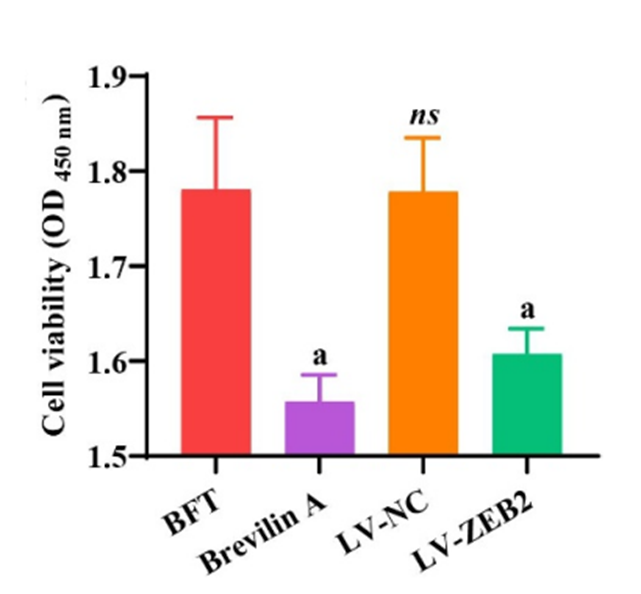
Brevilin A purchased from MedChemExpress. Usage Cited in: Cell Cycle. 2024 Jan;23(1):70-82. [Abstract]
Effect of Brevilin A a treatment and ZEB2-interfering lentivirus on SW480 cell viability using the CCK-8 assay.
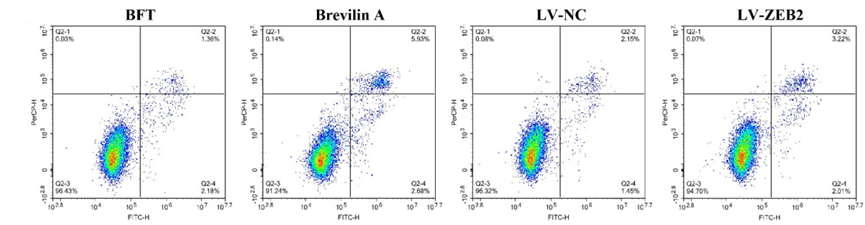
Brevilin A purchased from MedChemExpress. Usage Cited in: Cell Cycle. 2024 Jan;23(1):70-82. [Abstract]
Flow cytometry was performed to analyze the percentage of early and late apoptosis treated with Brevilin A.
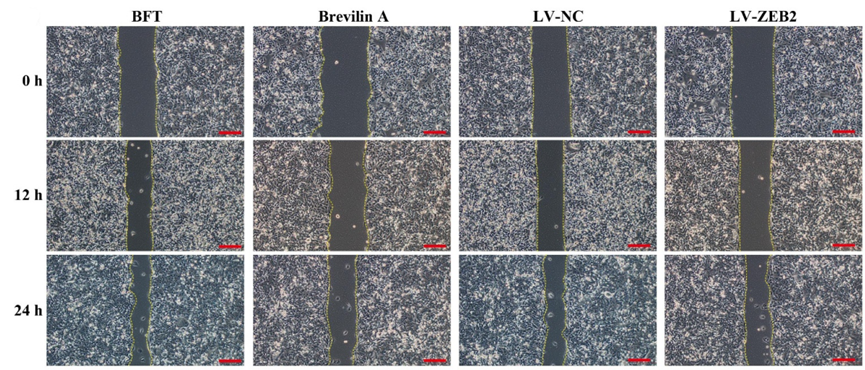
Brevilin A purchased from MedChemExpress. Usage Cited in: Cell Cycle. 2024 Jan;23(1):70-82. [Abstract]
Effect of Brevilin A and LV-ZEB2 on SW480 cell migration was analyzed by the wound healing assay.
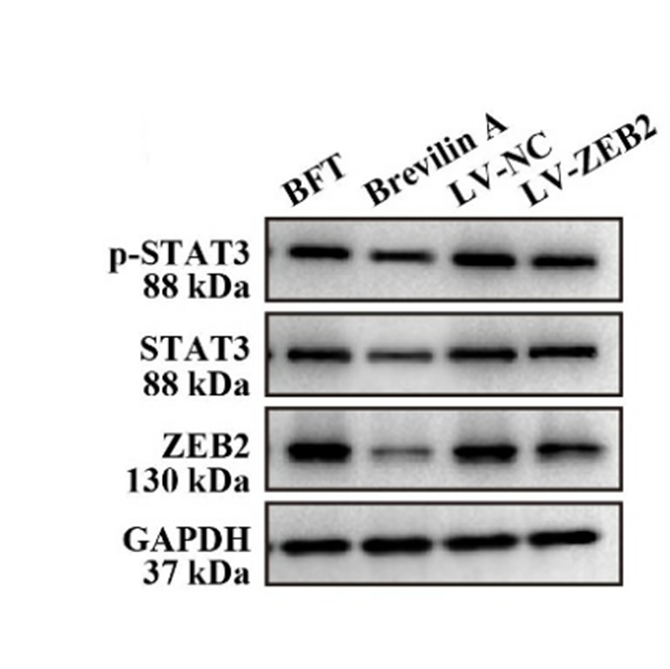
Brevilin A purchased from MedChemExpress. Usage Cited in: Cell Cycle. 2024 Jan;23(1):70-82. [Abstract]
Representative gel blot images of p-STAT3, STAT3, and ZEB2 treated with Brevilin A.
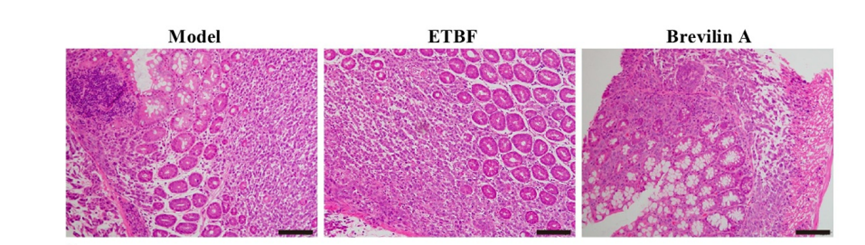
Brevilin A purchased from MedChemExpress. Usage Cited in: Cell Cycle. 2024 Jan;23(1):70-82. [Abstract]
HE staining was performed to observe the pathological changes of colonic tissue treated with Brevilin A (10 mg/kg, i.p.).
-
Mol Biotechnol
2025 May;67(5):2060-2071. PMID: 38744788 -
Ann Med Surg (Lond)
Brevilin A ameliorates sepsis-induced cardiomyopathy through inhibiting NLRP3 inflammation. [Abstract]2023 Oct 17;85(12):5952-5962. PMID: 38098561 -


Solvent & Solubility
In Vitro:
DMSO : 100 mg/mL (288.67 mM; Need ultrasonic; Hygroscopic DMSO has a significant impact on the solubility of product, please use newly opened DMSO)
Please refer to the solubility information to select the appropriate solvent. Once prepared, please aliquot and store the solution to prevent product inactivation from repeated freeze-thaw cycles.
Storage method and period of stock solution: -80°C, 2 years; -20°C, 1 year. When stored at -80°C, please use it within 2 years. When stored at -20°C, please use it within 1 year.
Please refer to the solubility information to select the appropriate solvent. Once prepared, please aliquot and store the solution to prevent product inactivation from repeated freeze-thaw cycles.
Storage method and period of stock solution: -80°C, 2 years; -20°C, 1 year. When stored at -80°C, please use it within 2 years. When stored at -20°C, please use it within 1 year.
Concentration (start) × Volume (start) = Concentration (final) × Volume (final)
In Vivo:
Select the appropriate dissolution method based on your experimental animal and administration route.
- For the following dissolution methods, please ensure to first prepare a clear stock solution using an In Vitro approach and then sequentially add co-solvents:
- To ensure reliable experimental results, the clarified stock solution can be appropriately stored based on storage conditions. As for the working solution for In Vivo experiments, it is recommended to prepare freshly and use it on the same day.
- The percentages shown for the solvents indicate their volumetric ratio in the final prepared solution. If precipitation or phase separation occurs during preparation, heat and/or sonication can be used to aid dissolution.
Add each solvent one by one: 10% DMSO 90% (20% SBE-β-CD in Saline)
Solubility: ≥ 10 mg/mL (28.87 mM); Clear solution
This protocol yields a clear solution of ≥ 10 mg/mL (saturation unknown).
Taking 1 mL working solution as an example, add 100 μL DMSO stock solution (100.0 mg/mL) to 900 μL 20% SBE-β-CD in Saline, and mix evenly.
Preparation of 20% SBE-β-CD in Saline (4°C, storage for one week): 2 g SBE-β-CD powder is dissolved in 10 mL Saline, completely dissolve until clear.
Add each solvent one by one: 10% DMSO 40% PEG300 5% Tween-80 45% Saline
Solubility: ≥ 6.25 mg/mL (18.04 mM); Clear solution
This protocol yields a clear solution of ≥ 6.25 mg/mL (saturation unknown).
Taking 1 mL working solution as an example, add 100 μL DMSO stock solution (62.5 mg/mL) to 400 μL PEG300, and mix evenly; then add 50 μL Tween-80 and mix evenly; then add 450 μL Saline to adjust the volume to 1 mL.
Preparation of Saline: Dissolve 0.9 g sodium chloride in ddH₂O and dilute to 100 mL to obtain a clear Saline solution.
For the following dissolution methods, please prepare the working solution directly:
It is recommended to prepare fresh solutions and use them promptly within a short period of time.
The percentages shown for the solvents indicate their volumetric ratio in the final prepared solution. If precipitation or phase separation occurs during preparation, heat and/or sonication can be used to aid dissolution.
Add each solvent one by one: 50% PEG300 50% Saline
Solubility: 1.67 mg/mL (4.82 mM); Clear solution; Need ultrasonic
In Vivo Dissolution Calculator
Please enter the basic information of animal experiments:
-
-
-
-
Recommended: Prepare an additional quantity of animals to account for potential losses during experiments.
Please enter your animal formula composition:
-
%DMSO +
Recommended: Keep the proportion of DMSO in working solution below 2% if your animal is weak.
-
%+
-
+%Tween-80 + +
-
%Saline +
The co-solvents required include: DMSO, . All of co-solvents are available by MedChemExpress (MCE). , Tween 80. All of co-solvents are available by MedChemExpress (MCE).
Working solution concentration: 0.22 mg/mL
Method for preparing stock solution: mg drug dissolved in μL DMSO. Stock solution concentration: mg/mL.
1. Take μL DMSO stock solution;
2. Add μL .
μL , mix evenly;
3. Then add μL Tween 80, mix evenly;
4. Then add μL
Please ensure that the stock solution in the first step is dissolved to a clear state, and add co-solvents in sequence. You can use ultrasonic heating (ultrasonic cleaner, recommended frequency 20-40 kHz), vortexing, etc. to assist dissolution.

Protocols
-
Apoptosis
Apoptosis, also called programmed cell death, is generally characterized by distinct morphological characteristics.
-
TUNEL staining for apoptotic DNA fragmentation
TUNEL staining detects DNA strand breaks by using terminal deoxynucleotidyl transferase to add labeled nucleotides to exposed 3′-OH DNA termini, generating either microscopic staining in fixed cells or tissue sections, or fluorescence/cytometric signal in cell suspensions. TUNEL positivity reflects DNA fragmentation but should not be interpreted alone as definitive apoptosis, because TUNEL can also label necrotic, autolytic, mechanically damaged, or DNA-repair-associated DNA breaks.
-
Cell Cytotoxicity Assay
Cytotoxicity assays are usually based on the assessment of cell membrane damage, which can also be indirectly detected by measuring cell viability. Detection methods include MTT assay, CKK-8 assay, LDH assay and ATP assay, etc.
-
Annexin V plus membrane-impermeant dye apoptosis staining
Annexin V-based apoptosis assays rely on the detection of phosphatidylserine (PS) externalization from the inner leaflet of the plasma membrane to the outer leaflet, an early biochemical hallmark of apoptosis. Fluorescently labeled Annexin V binds PS in a calcium-dependent manner, enabling identification of early apoptotic cells by flow cytometry or fluorescence microscopy. When combined with a membrane-impermeant DNA-binding dye (e. g. , propidium iodide), this approach allows discrimination between viable (Annexin V−/dye−), early apoptotic (Annexin V+/dye−), and late apoptotic or necrotic (Annexin V+/dye+) cell populations by assessing membrane integrity and PS exposure.
-
Autophagy
Autophagy is a process in which eukaryotic cells use lysosomes to degrade their own cytoplasmic proteins and damaged organelles under the regulation of autophagy related gene (Atg). Microtubule-associated proteins light chain 3 (LC3) is recognized as autophagy marker, which transfers from cytoplasmic LC3 (LC3-I) to membrane type (LC3-II). LC3-II/I ratio could be detected by Western Blot and fluorescence microscopy.
-
Apoptosis Solutions
Apoptosis is a regulated, generally non-lytic cell-death pathway that removes unwanted, damaged, infected, or abnormal cells through coordinated morphological changes, caspase activation, DNA fragmentation, and membrane remodeling. The intrinsic apoptosis pathway is controlled mainly by mitochondrial outer membrane permeabilization, BCL-2 family proteins, cytochrome c release, apoptosome formation, caspase-9 activation, and downstream executioner caspase-3/7 activation. The extrinsic apoptosis pathway is initiated by death receptors such as Fas, TNFR, and TRAIL receptors, which recruit adaptor proteins and activate caspase-8 before engaging executioner caspases or mitochondrial amplification through BID cleavage. Apoptosis is linked to many phenotypes, including cancer cell killing, tissue homeostasis, immune regulation, neurodegeneration, infection response, and treatment-induced cytotoxicity; unresolved questions include how apoptosis interacts with necroptosis, pyroptosis, ferroptos
-
Lysosome and acidic-vesicle live-cell staining
Lysosome and acidic-vesicle live-cell staining detects acidic intracellular compartments by using membrane-permeant acidotropic probes that accumulate in low-pH vesicles, including lysosomes, late endosomes, autolysosomes, and acidic phagosomes. LysoTracker staining is commonly used as an intensity-based readout of acidic lysosomal compartment abundance or enlargement, while acridine orange produces green fluorescence in less concentrated compartments and red fluorescence after concentration-dependent accumulation in acidic vesicular organelles. Loss or reduction of acridine-orange red signal can be used as a readout of lysosomal membrane permeabilization or reduced acidic-vesicle integrity. This protocol is designed for live cultured cells and can be adapted for fluorescence microscopy, high-content imaging, plate-reader readout, or flow cytometry when the selected literature supports the readout. Because these dyes report acidotropic accumulation rather than lysosome identity alone,
-
Macroautophagy Solutions
Macroautophagy is a conserved lysosome-dependent degradation pathway in which cytoplasmic material is sequestered into double-membrane autophagosomes and delivered to lysosomes for degradation and recycling. The pathway supports cellular homeostasis during nutrient limitation, organelle stress, protein-aggregate accumulation, infection, differentiation, and tissue remodeling by coupling cargo sequestration, autophagosome maturation, lysosomal fusion, and degradation of cargo-derived macromolecules. The core molecular sequence includes initiation by nutrient- and stress-regulated autophagy machinery, autophagosome nucleation, LC3/ATG8-family conjugation to autophagosomal membranes, cargo selection through receptors such as SQSTM1/p62, autophagosome-lysosome fusion, and lysosomal degradation. LC3 was identified as a mammalian homolog of yeast Atg8 that localizes to autophagosomal membranes after processing, and p62/SQSTM1 was shown to connect ubiquitinated cargo with autophagic degradati
-
Cell Viability Determination by MTT Colorimetric Assay
The following protocol uses the MTT colorimetric assay as a classic literature-established method for assessing cell viability/metabolic activity in cultured mammalian cells. MTT[3-(4,5-dimethylthiazol-2-yl)-2,5-diphenyltetrazolium bromide] is reduced by metabolically active cells to a colored formazan product; the amount of formazan is quantified spectrophotometrically and provides an indirect measure of metabolically active viable cells. Importantly, MTT reduction reflects cellular oxidoreductase/metabolic activity rather than an absolute direct count of living cells, so changes in cellular metabolism can alter the signal independently of cell number.


Purity & Documentation
-
Data Sheet (284 KB)
-
SDS (393 KB)
- English - EN (393 KB)
- Français - FR (393 KB)
- Deutsch - DE (393 KB)
- Norwegian - NO (393 KB)
- Español - ES (393 KB)
- Swedish - SV (393 KB)
- Italian - IT (393 KB)
- Korean - KR (393 KB)
- Portuguese - PT (393 KB)
-
Handling Instructions (2659 KB)
References
[1]. Chen X, et al. Brevilin A, a novel natural product, inhibits janus kinase activity and blocks STAT3 signaling in cancer cells. PLoS One. 2013 May 21;8(5):e63697. [Content Brief]
[2]. You P, et al. Brevilin A induces apoptosis and autophagy of colon adenocarcinoma cell CT26 via mitochondrial pathway and PI3K/AKT/mTOR inactivation. Biomed Pharmacother. 2018 Feb;98:619-625. [Content Brief]


Complete Stock Solution Preparation Table
Please refer to the solubility information to select the appropriate solvent. Once prepared, please aliquot and store the solution to prevent product inactivation from repeated freeze-thaw cycles.
Storage method and period of stock solution: -80°C, 2 years; -20°C, 1 year. When stored at -80°C, please use it within 2 years. When stored at -20°C, please use it within 1 year.
| Optional Solvent | Concentration Solvent Mass | 1 mg | 5 mg | 10 mg | 25 mg |
|---|---|---|---|---|---|
| DMSO | 1 mM | 2.8867 mL | 14.4333 mL | 28.8667 mL | 72.1667 mL |
| 5 mM | 0.5773 mL | 2.8867 mL | 5.7733 mL | 14.4333 mL | |
| 10 mM | 0.2887 mL | 1.4433 mL | 2.8867 mL | 7.2167 mL | |
| 15 mM | 0.1924 mL | 0.9622 mL | 1.9244 mL | 4.8111 mL | |
| 20 mM | 0.1443 mL | 0.7217 mL | 1.4433 mL | 3.6083 mL | |
| 25 mM | 0.1155 mL | 0.5773 mL | 1.1547 mL | 2.8867 mL | |
| 30 mM | 0.0962 mL | 0.4811 mL | 0.9622 mL | 2.4056 mL | |
| 40 mM | 0.0722 mL | 0.3608 mL | 0.7217 mL | 1.8042 mL | |
| 50 mM | 0.0577 mL | 0.2887 mL | 0.5773 mL | 1.4433 mL | |
| 60 mM | 0.0481 mL | 0.2406 mL | 0.4811 mL | 1.2028 mL | |
| 80 mM | 0.0361 mL | 0.1804 mL | 0.3608 mL | 0.9021 mL | |
| 100 mM | 0.0289 mL | 0.1443 mL | 0.2887 mL | 0.7217 mL |


Brevilin A Related Classifications
HY-N2959 Related Classifications
 Powered by Bioz