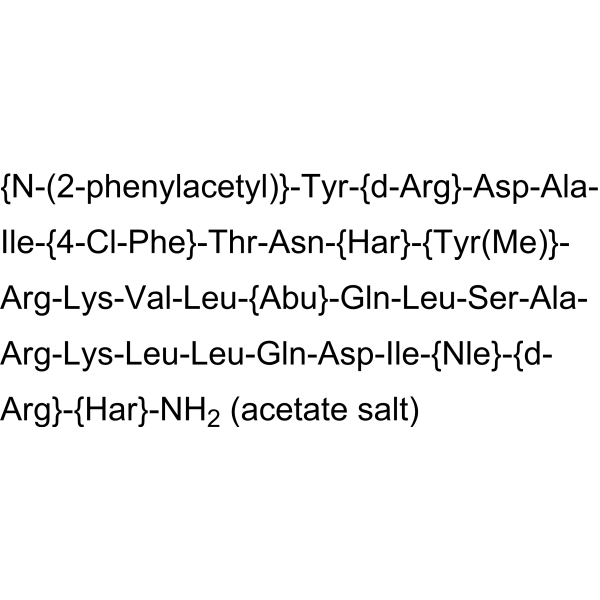
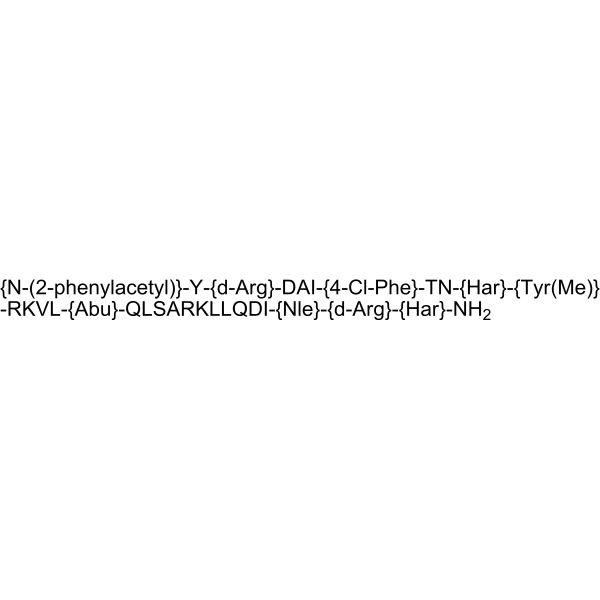
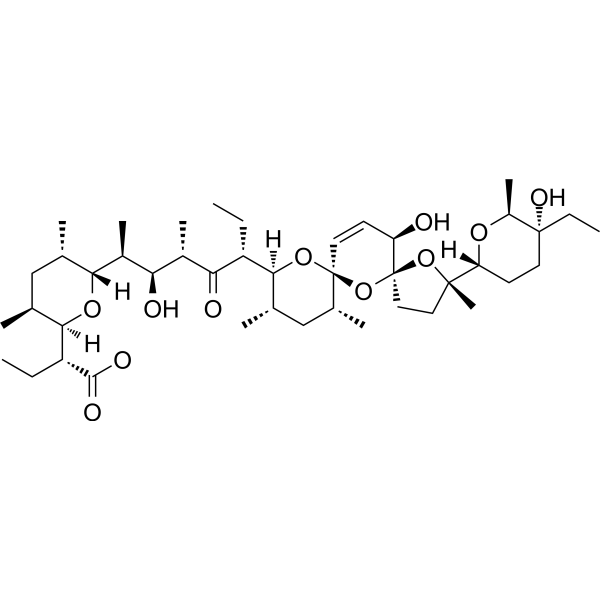
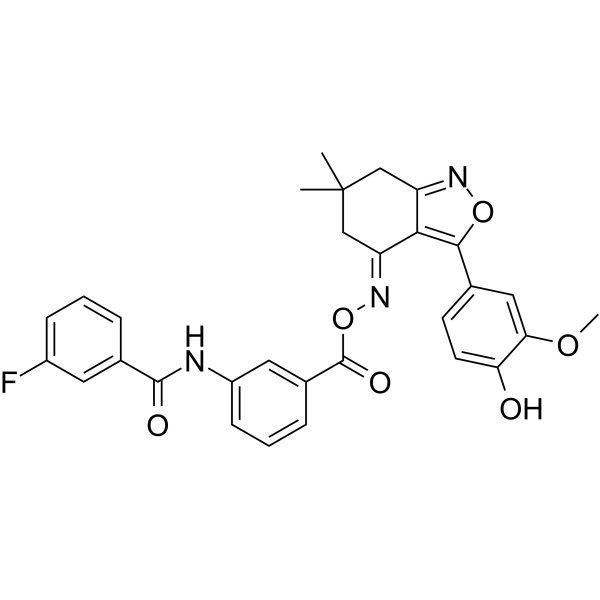
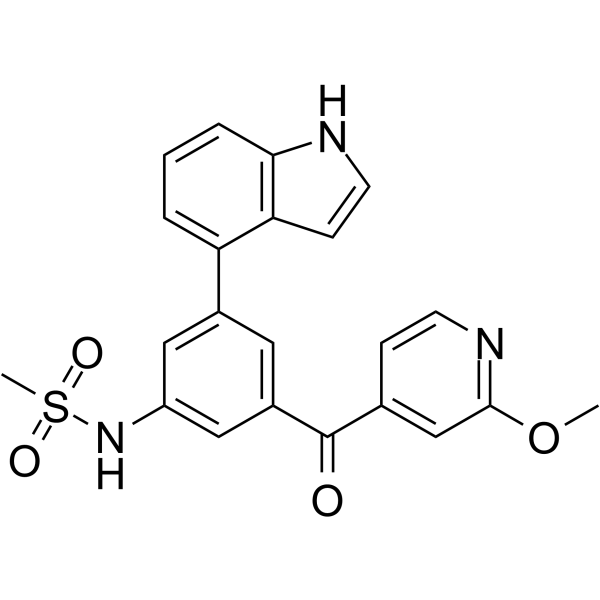
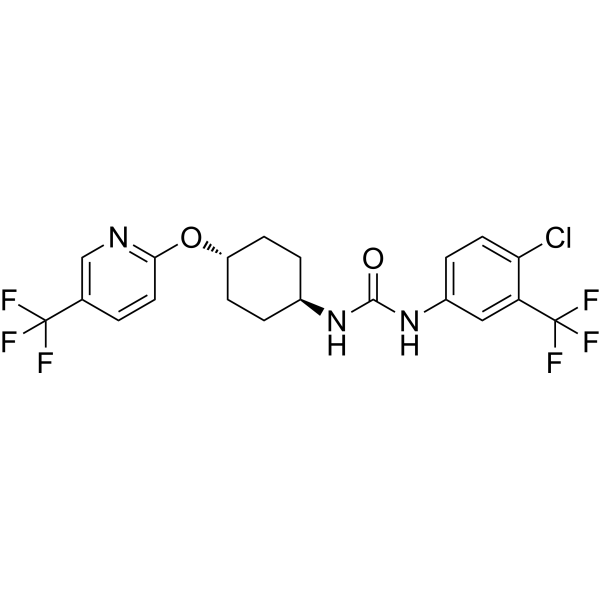
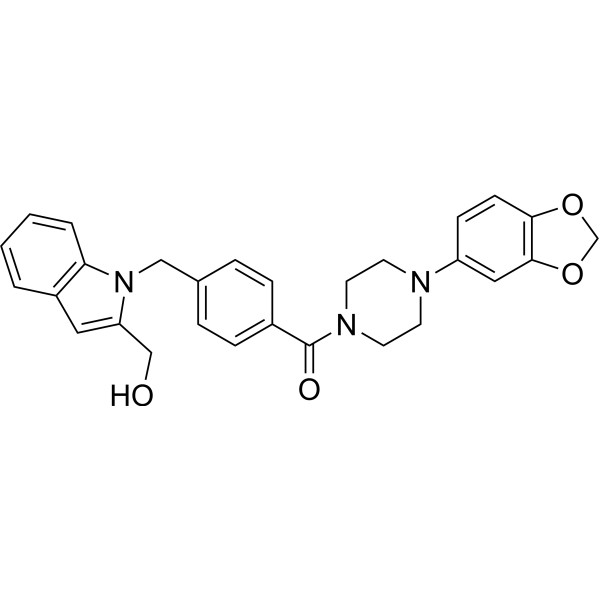
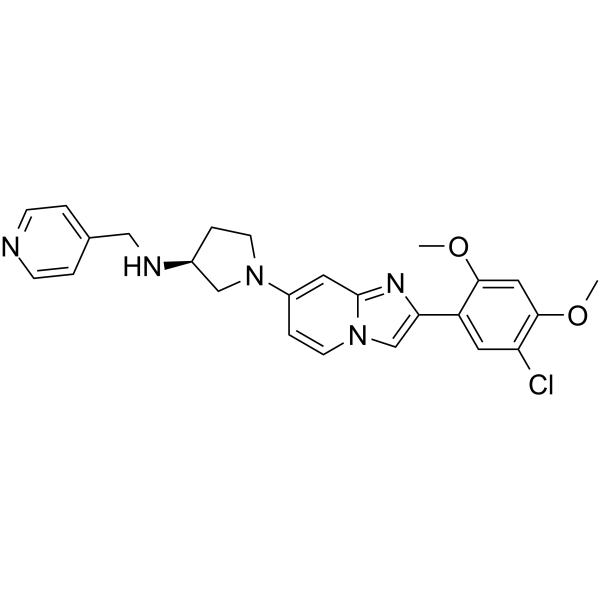
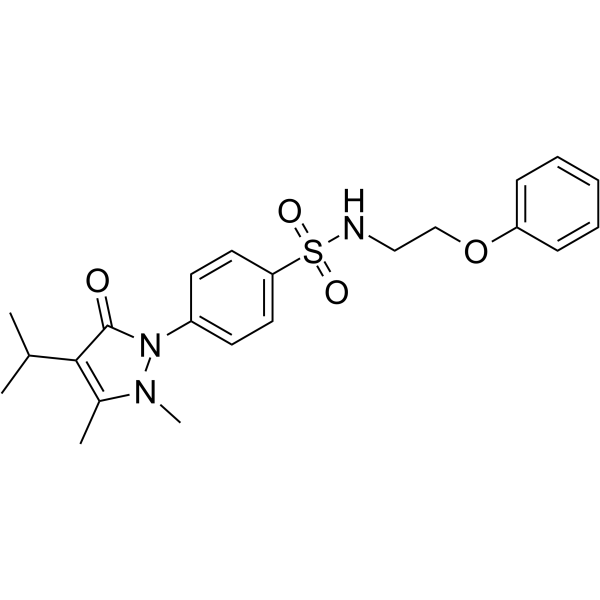
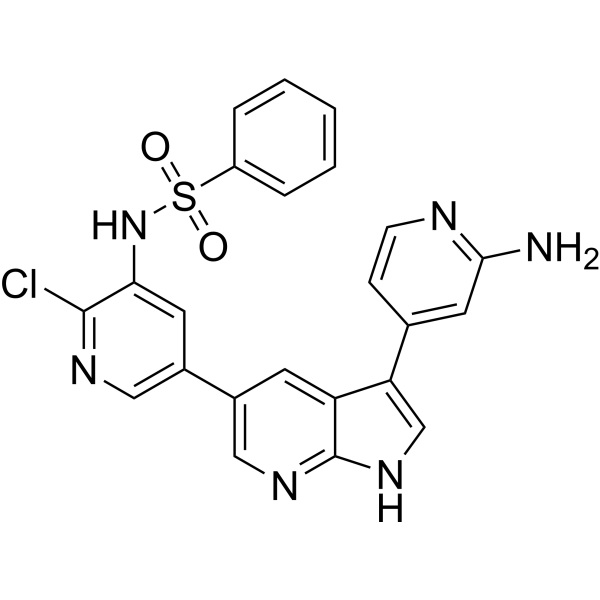
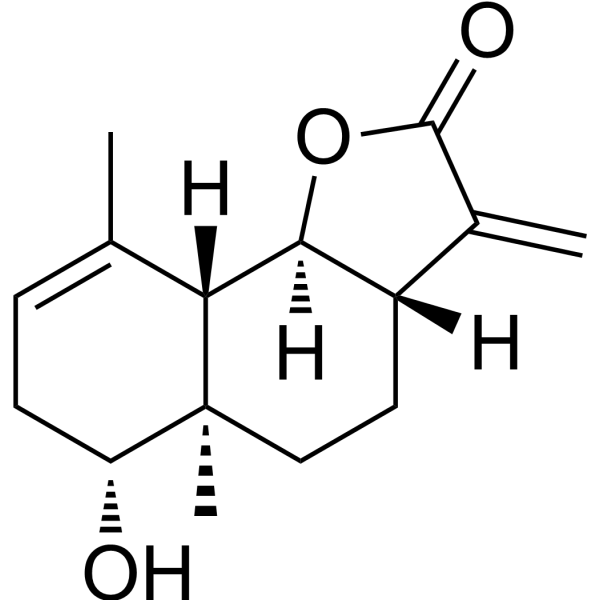
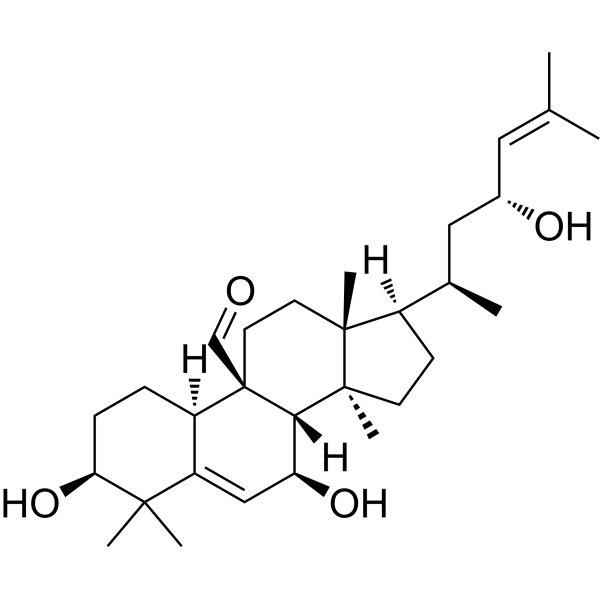
1. Search Result
Search Result
Pathways Recommended: Stem Cell/Wnt Cell Cycle/DNA Damage
Results for "

cancer cell growth inhibitor

" in MedChemExpress (MCE) Product Catalog:

1294

Inhibitors & Agonists

4

Screening Libraries

11

Fluorescent Dyes

10

Biochemical Assay Reagents

35

Peptides

53

Inhibitory Antibodies

160

Natural
Products

49

Isotope-Labeled Compounds

13

Click Chemistry

23

Oligonucleotides

3

GMP Molecules

Cat. No. Product Name Target Research Areas Chemical Structure
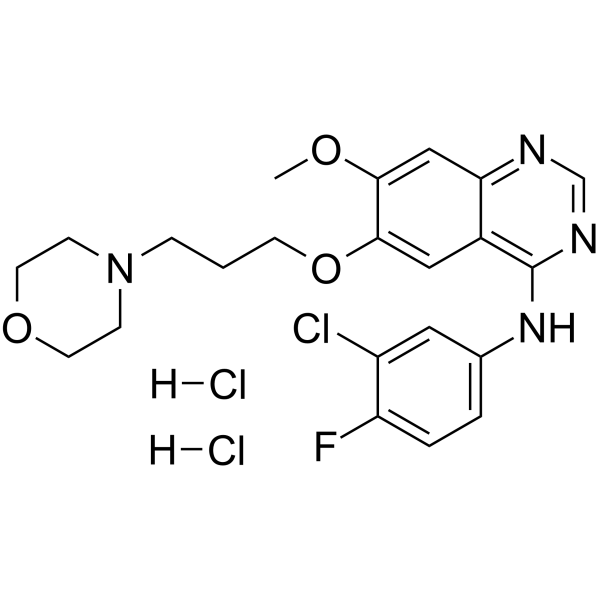
  • HY-50895
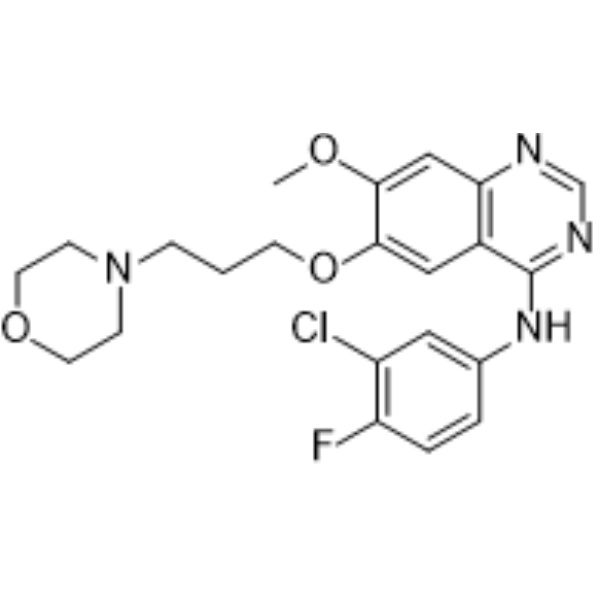
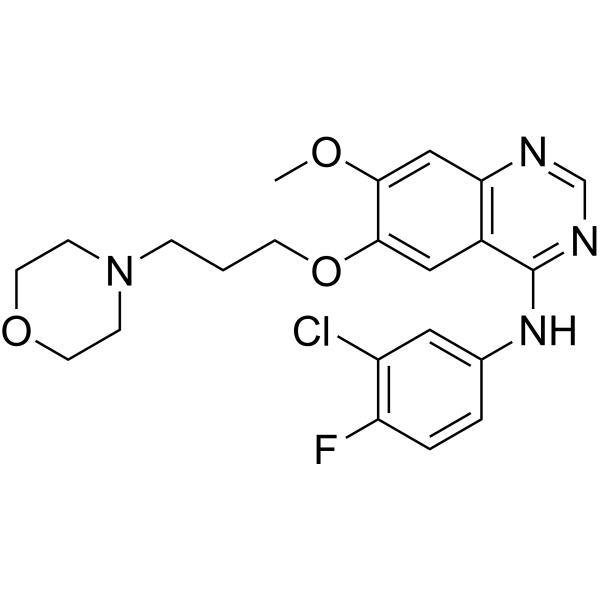
    Gefitinib
    195+ Cited Publications

    ZD1839

    EGFR Autophagy Apoptosis Cancer
    Gefitinib (ZD1839) is a potent, selective and orally active EGFR tyrosine kinase inhibitor with an IC50 of 33 nM. Gefitinib selectively inhibits EGF-stimulated tumor cell growth (IC50 of 54 nM) and that blocks EGF-stimulated EGFR autophosphorylation in tumor cells. Gefitinib also induces autophagy and cell apoptosis, which can be used for cancer related research, such as Lung cancer and breast cancer .
    Gefitinib
  • HY-16706A
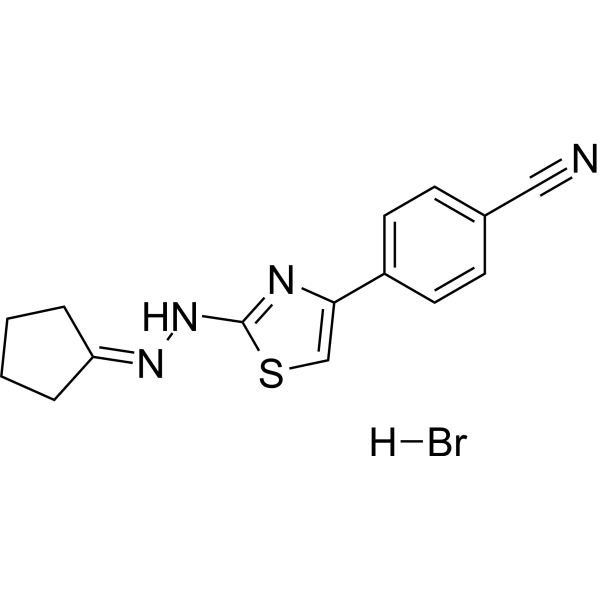
    Remodelin hydrobromide
    15+ Cited Publications

    Histone Acetyltransferase Cancer
    Remodelin hydrobromide is an orally active and selective inhibitor of acetyltransferase NAT10. Remodelin hydrobromide inhibits NAT10 activitity and slows DNA replication and suppresses growth of prostate cancer cells. Remodelin hydrobromide inhibits the growth of prostate cancer and hepatocellular carcinoma in xenograft model. Remodelin hydrobromide enhances the healthspan in hutchinson-gilford progeria syndrome (HGPS) mouse model .
    Remodelin hydrobromide
  • HY-110171
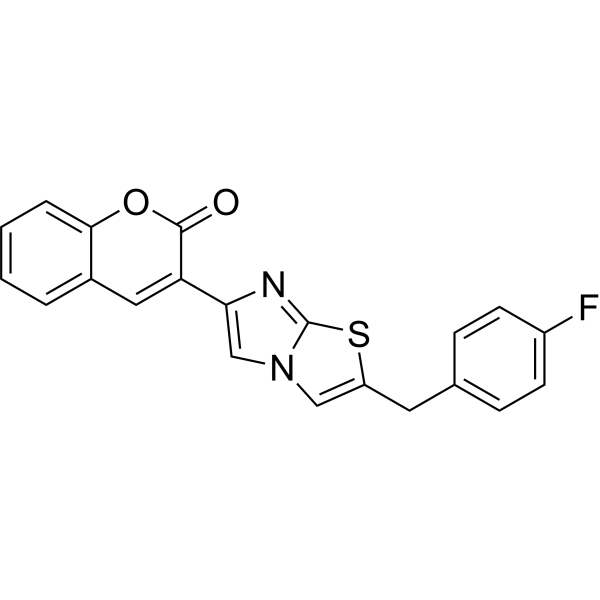
    iMDK
    5 Publications Verification

    PI3K Cancer
    iMDK is a potent PI3K inhibitor and inhibits the growth factor MDK (also known as midkine or MK). iMDK suppresses non-small cell lung cancer (NSCLC) cooperatively with A MEK inhibitor without harming normal cells and mice .
    iMDK
  • HY-12444
    Y15
    25+ Cited Publications

    FAK inhibitor 14

    FAK Cancer
    Y15 is a potent and specific inhibitor of focal adhesion kinase (FAK) that inhibits its autophosphorylation activity, decreases the viability of cancer cells, and blocks tumor growth.
    Y15
  • HY-16706
    Remodelin
    15+ Cited Publications

    Histone Acetyltransferase Cancer
    Remodelin is an orally active and selective inhibitor of acetyltransferase NAT10. Remodelin inhibits NAT10 activitity and slows DNA replication and suppresses growth of prostate cancer cells. Remodelin inhibits the growth of prostate cancer and hepatocellular carcinoma in xenograft model. Remodelin enhances the healthspan in hutchinson-gilford progeria syndrome (HGPS) mouse model .
    Remodelin
  • HY-12682
    Glutaminase C-IN-1
    10+ Cited Publications

    Compound 968

    Glutaminase Cancer
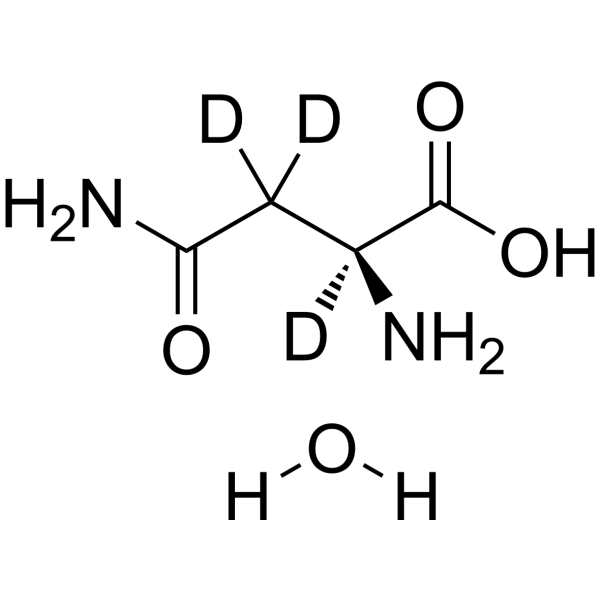
    Glutaminase C-IN-1 (Compound 968) is an allosteric inhibitor of Glutaminase C that inhibits cancer cell growth without affecting their normal cellular counterparts .
    Glutaminase C-IN-1
  • HY-N0410
    Daucosterol
    5 Publications Verification

    Eleutheroside A; β-Sitosterol β-D-glucoside

    Apoptosis Reactive Oxygen Species (ROS) Autophagy Inflammation/Immunology Cancer
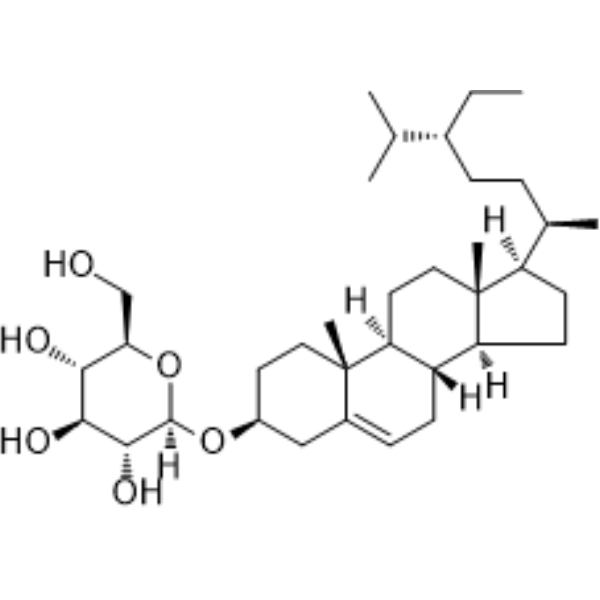
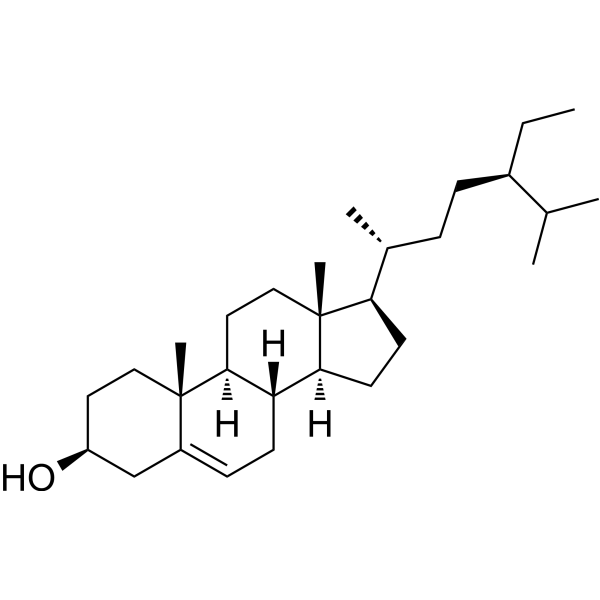
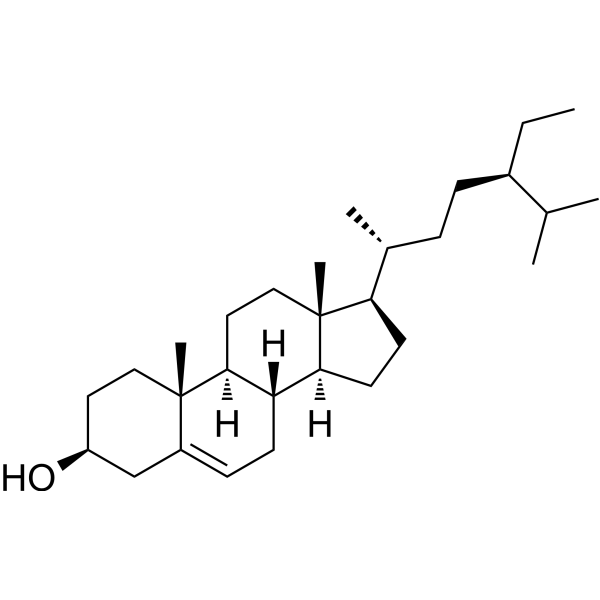
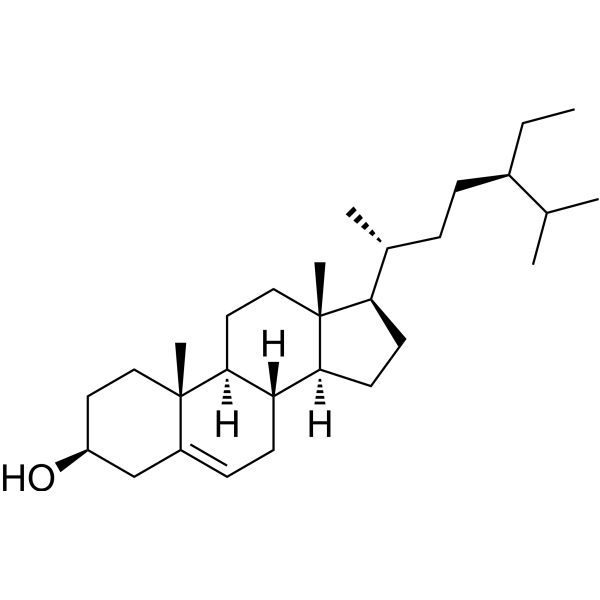
    Daucosterol is an orally active natural sterol compound, which has anti-inflammatory, anticancer and immunomodulatory activities. Daucosterol inhibits cancer cell proliferation by inducing autophagy through ROS-dependent manner. Daucosterol also inhibits colon cancer growth by inducing apoptosis, inhibiting cell migration and invasion and targeting caspase signalling pathway .
    Daucosterol
  • HY-10126
    Barasertib-HQPA
    5+ Cited Publications

    AZD2811; INH-34; AZD1152-HQPA

    Aurora Kinase Apoptosis Cancer
    Barasertib-HQPA (AZD2811) is a highly selective Aurora B inhibitor with an IC50 of 0.37 nM in a cell-free assay. Barasertib-HQPA (AZD2811) induces growth arrest and apoptosis in cancer cells .
    Barasertib-HQPA
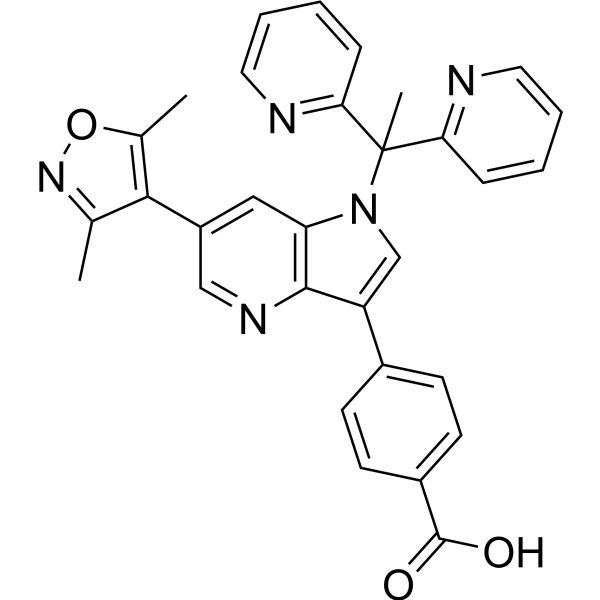
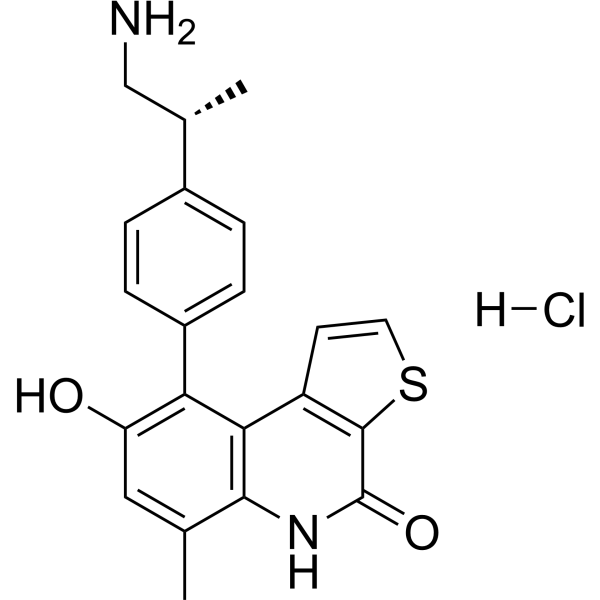
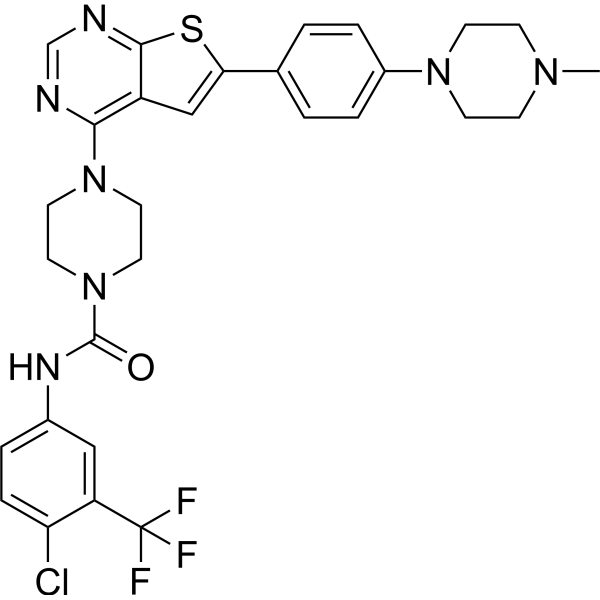
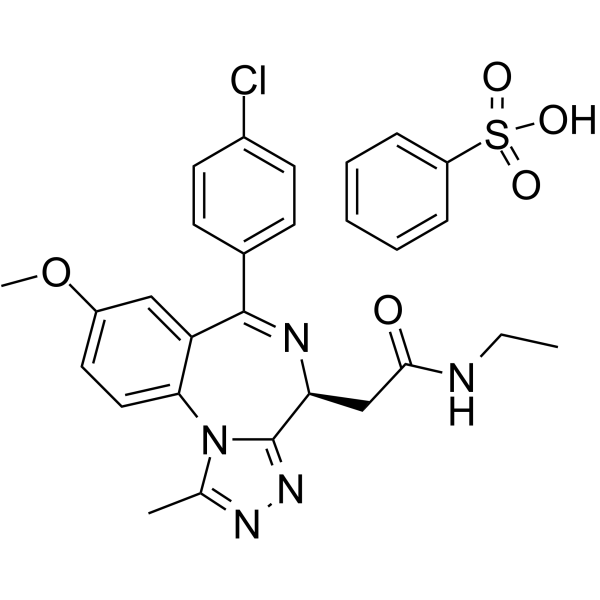
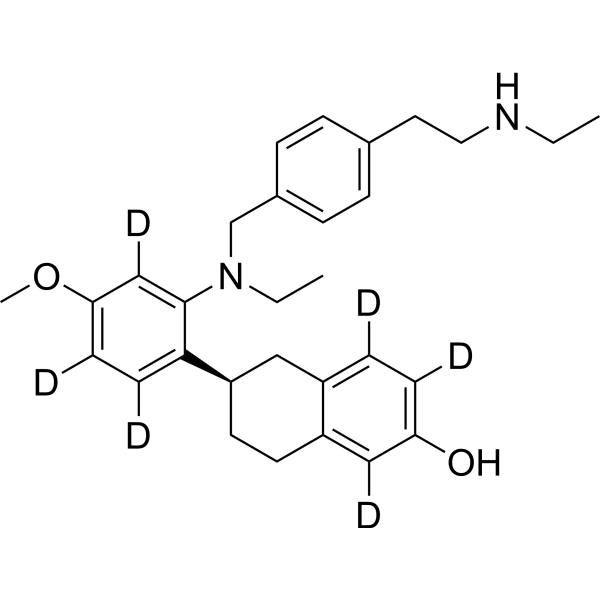
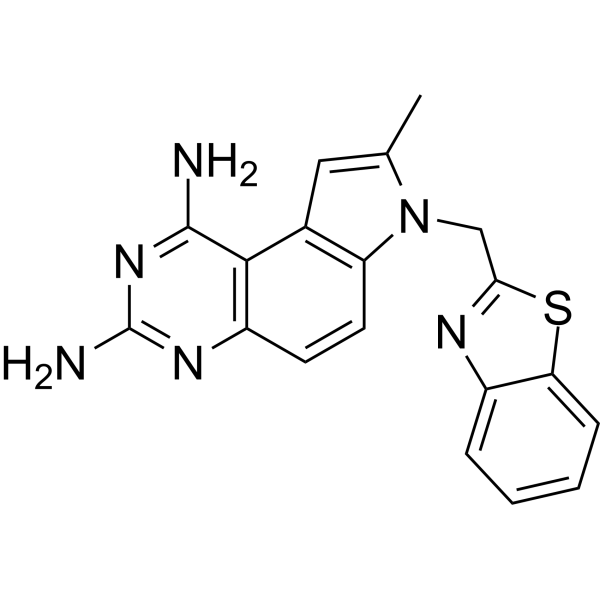
  • HY-173158

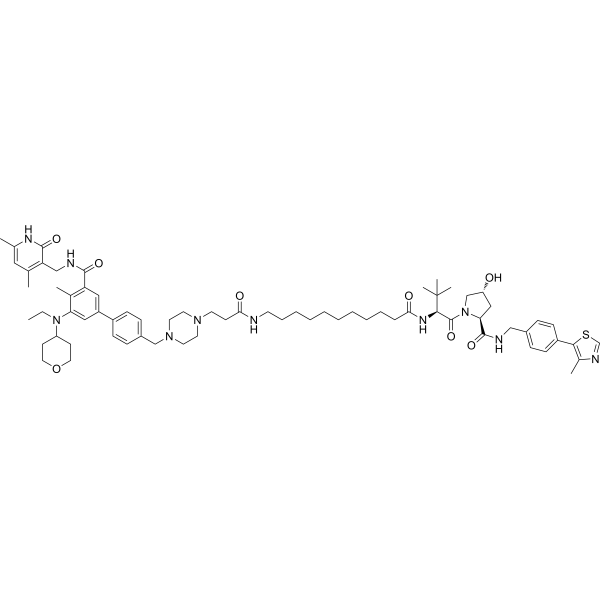
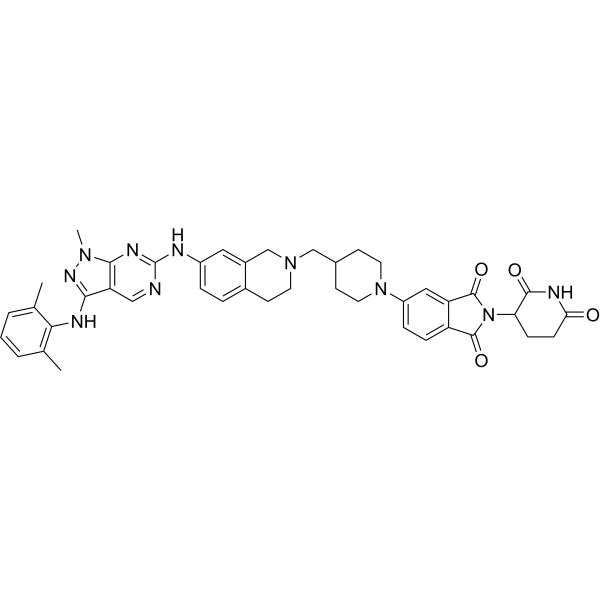
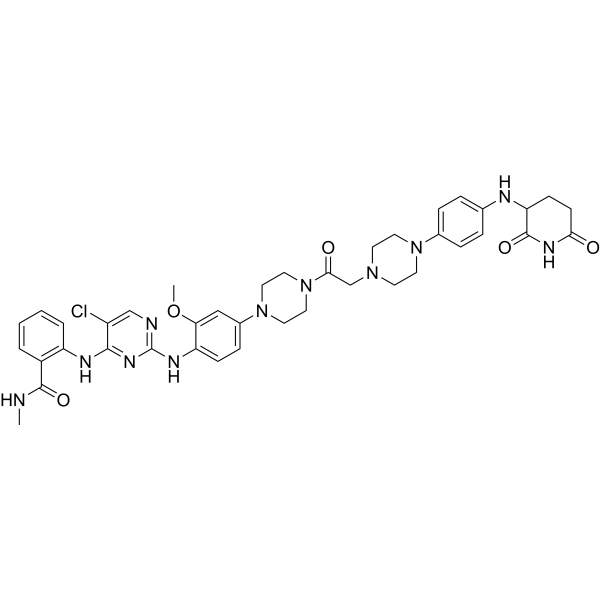
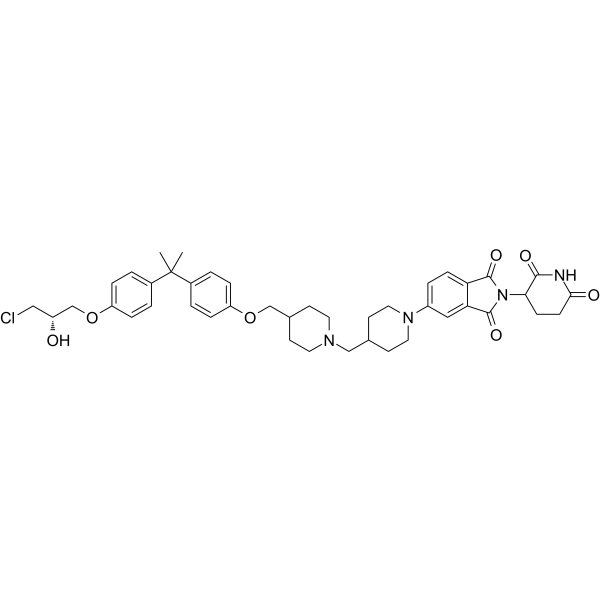
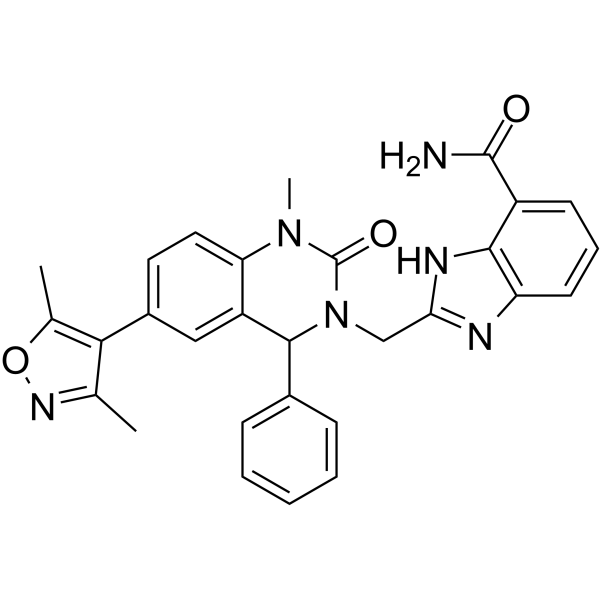
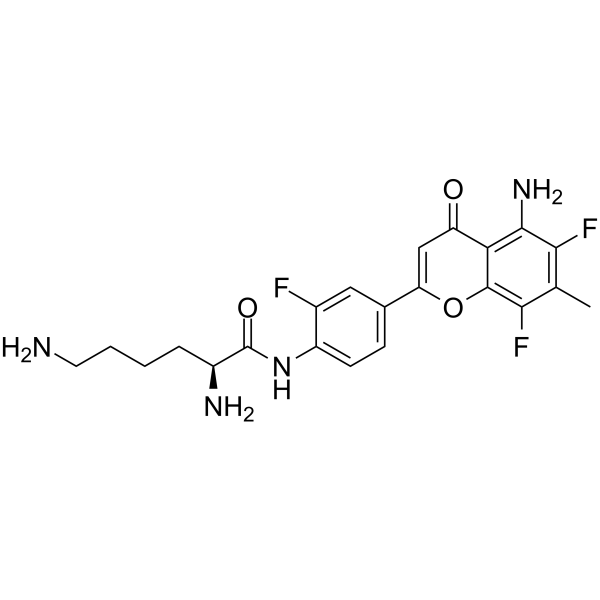
    PROTACs Histone Acetyltransferase Cancer
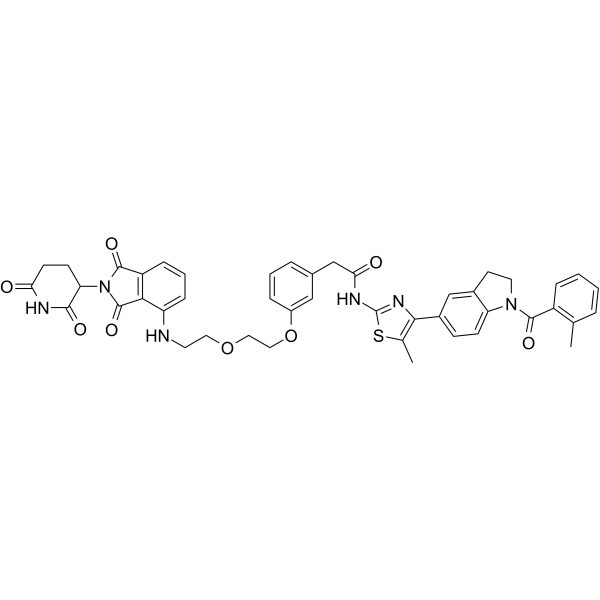
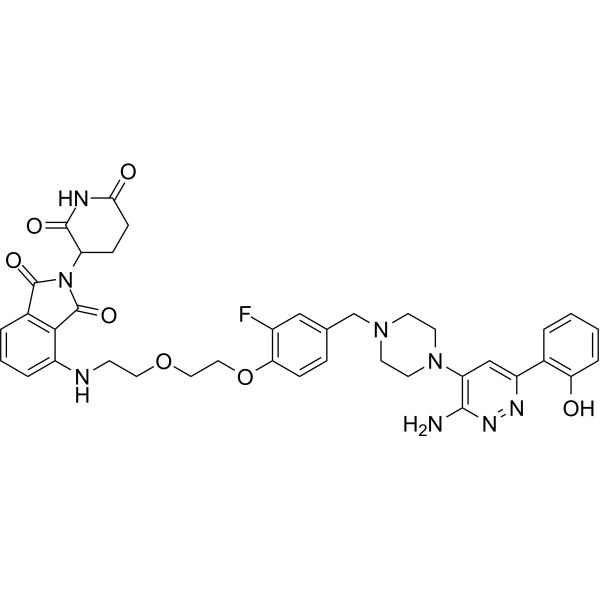
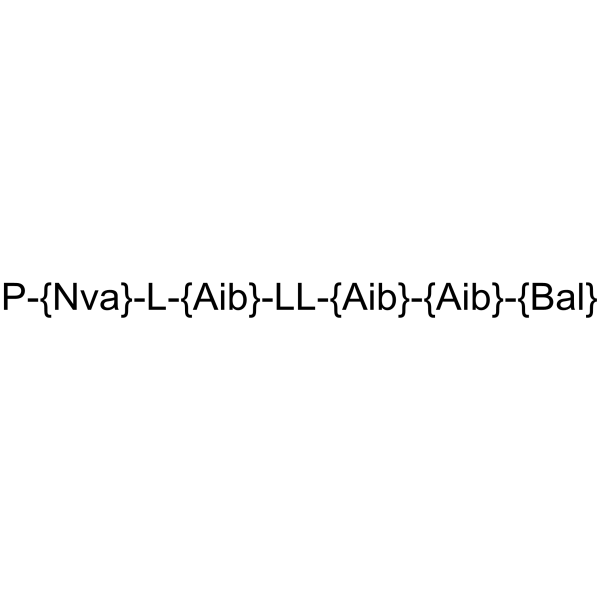
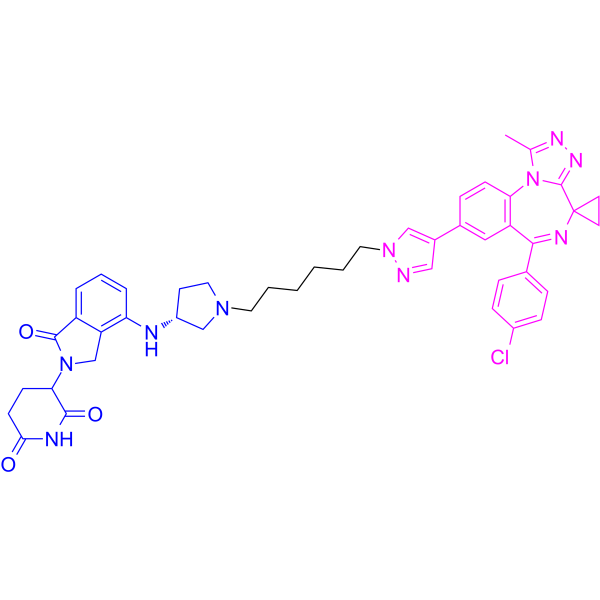
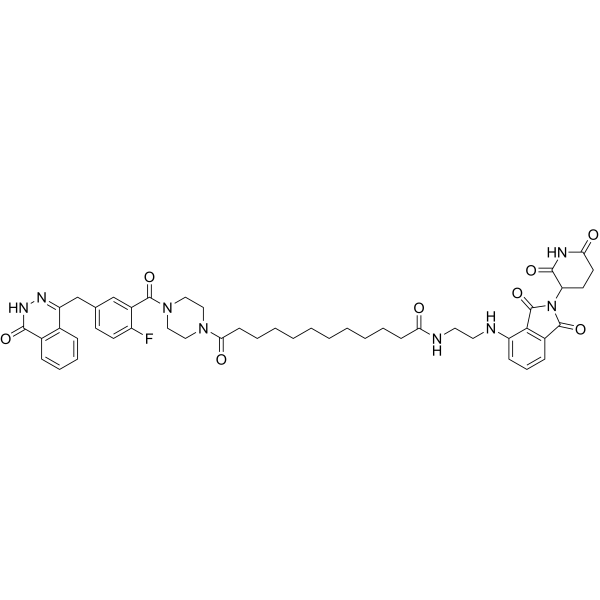
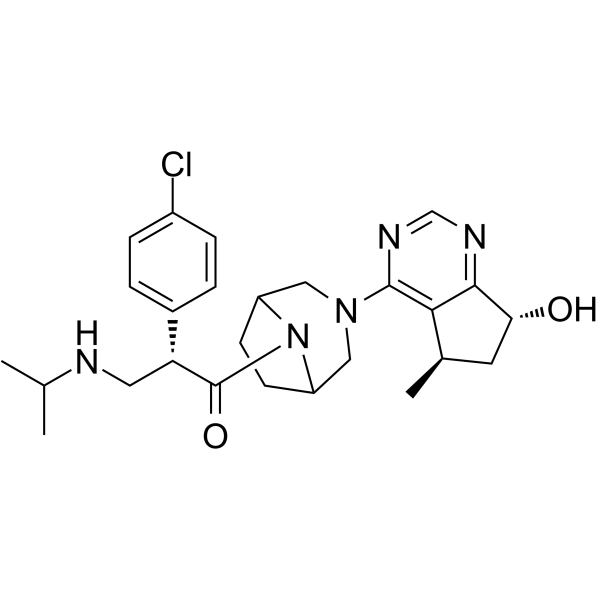
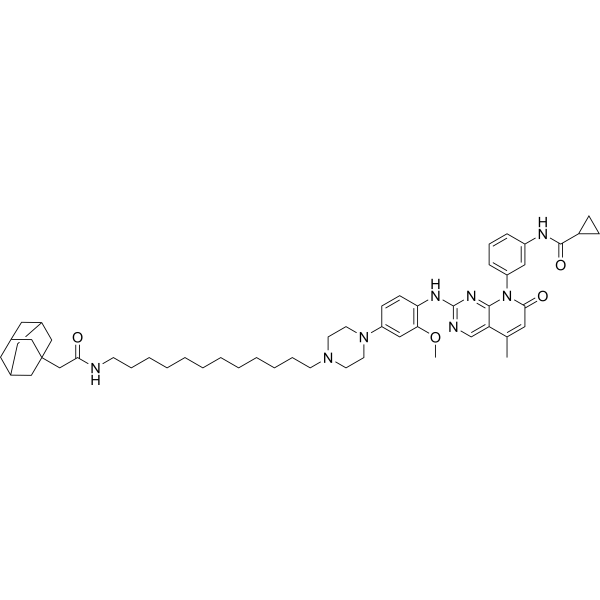
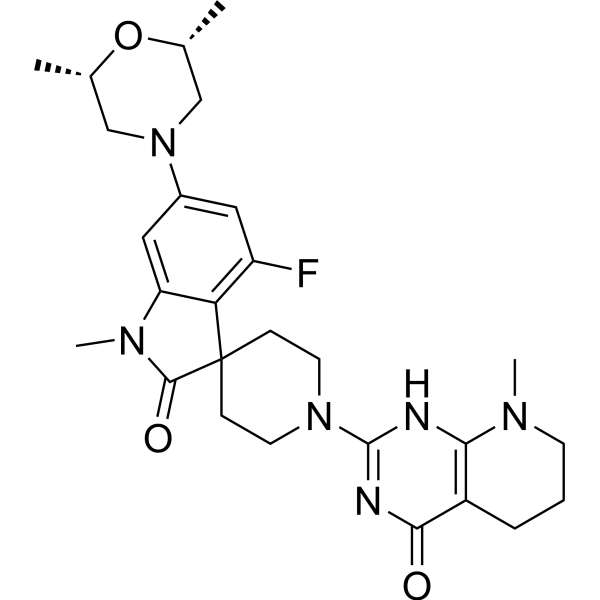
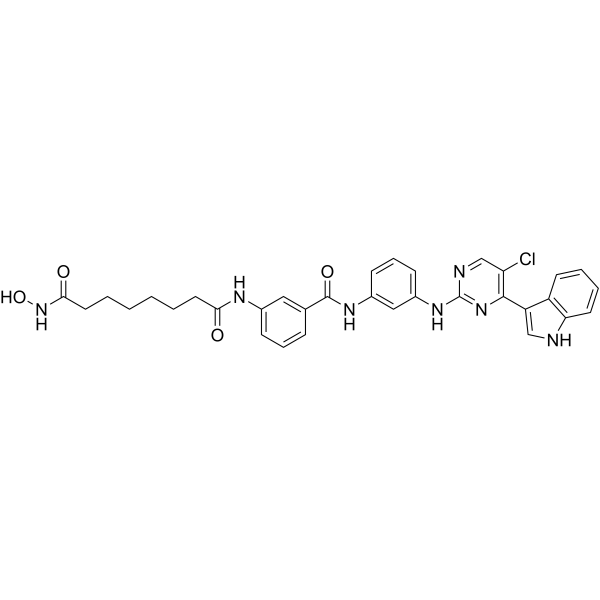
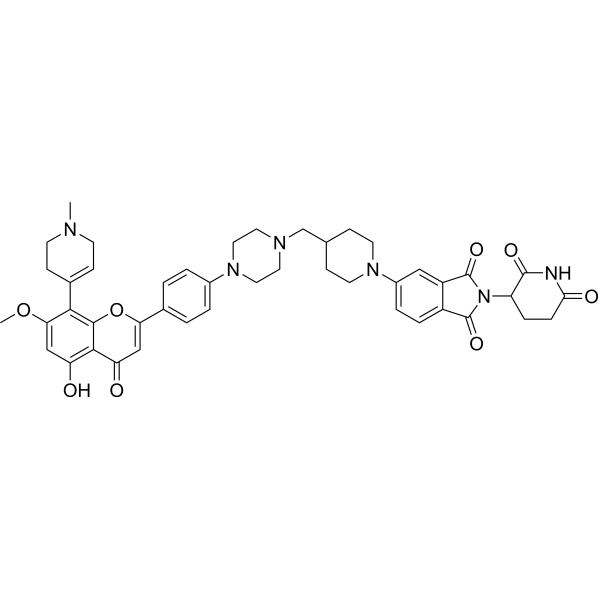
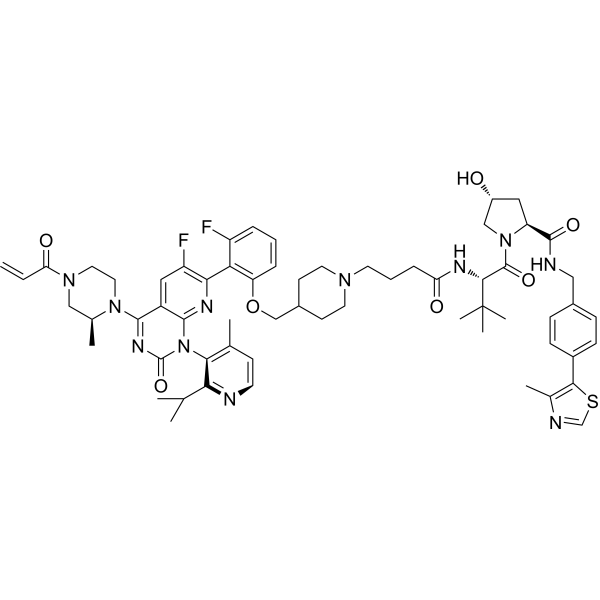
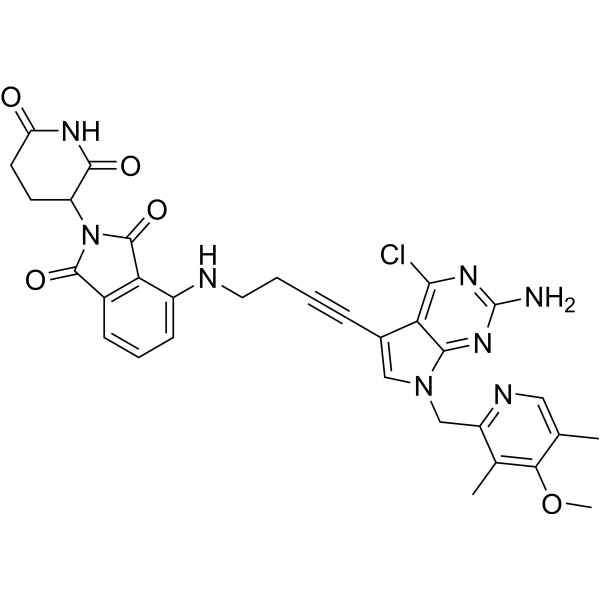
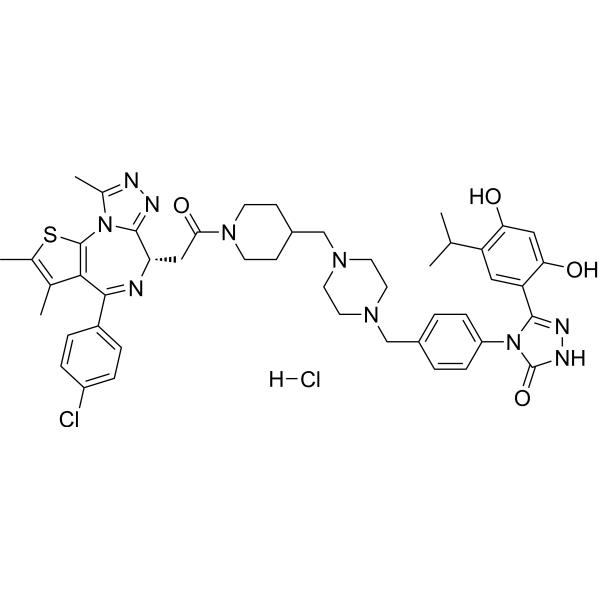
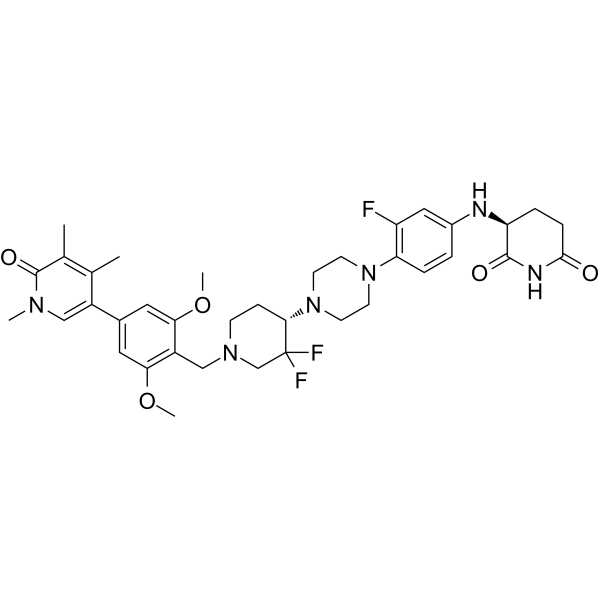
    AUR1545 is a selective KAT2A/KAT2B ((GCN5/PCAF)) PROTAC degrader that induces monocyte differentiation and inhibits the growth of acute myeloid leukemia cells. AUR1545 inhibits cell growth, induces epithelial differentiation and suppresses tumor growth in small cell lung cancer models. AUR1545 inhibits cell growth and induces differentiation in neuroendocrine prostate cancer cells and primary patient-derived organoids. AUR1545 is applicable to research related to acute myeloid leukemia, small cell lung cancer and neuroendocrine prostate cancer .
    AUR1545
  • HY-19331
    WZB117
    20+ Cited Publications

    GLUT Cancer
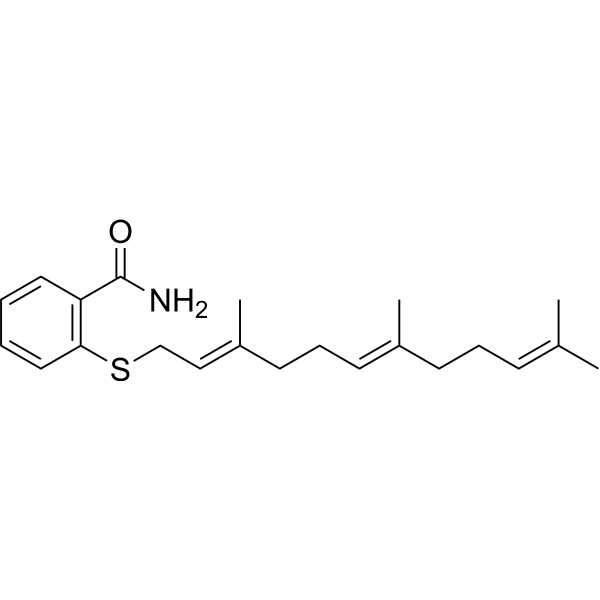
    WZB117 is a glucose transporter 1 (Glut1) inhibitor, which downregulates glycolysis, induces cell-cycle arrest, and inhibits cancer cell growth in vitro and in vivo.
    WZB117
  • HY-14519B
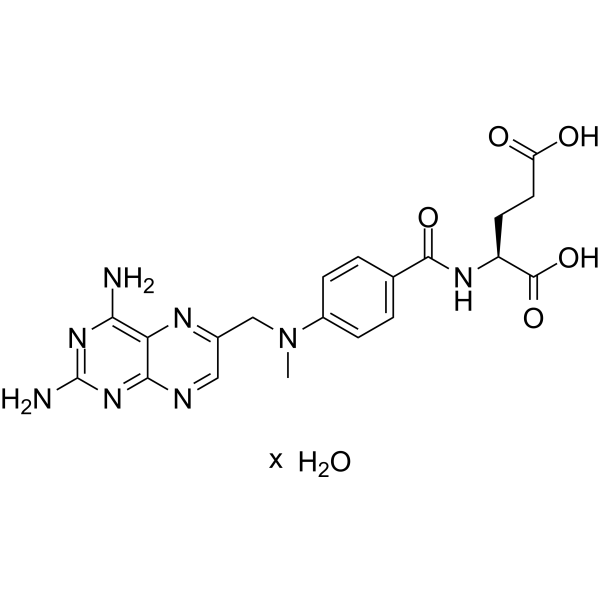
    Methotrexate hydrate
    75+ Cited Publications

    Amethopterin hydrate; CL14377 hydrate; WR19039 hydrate

    Biochemical Assay Reagents Antibiotic Bacterial Others Cancer
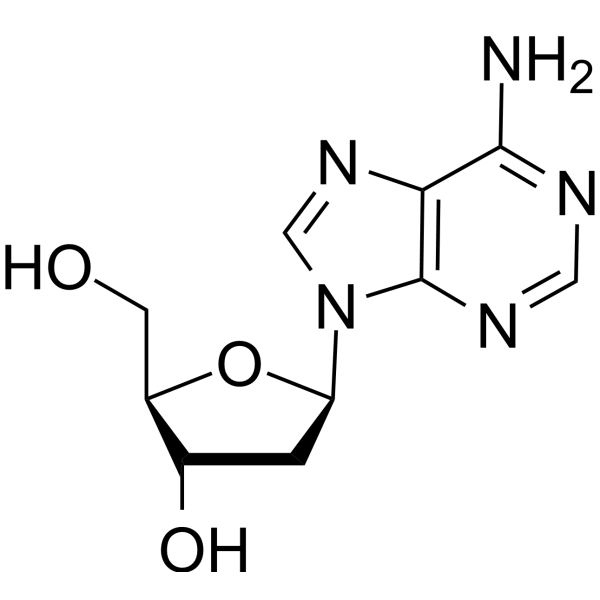
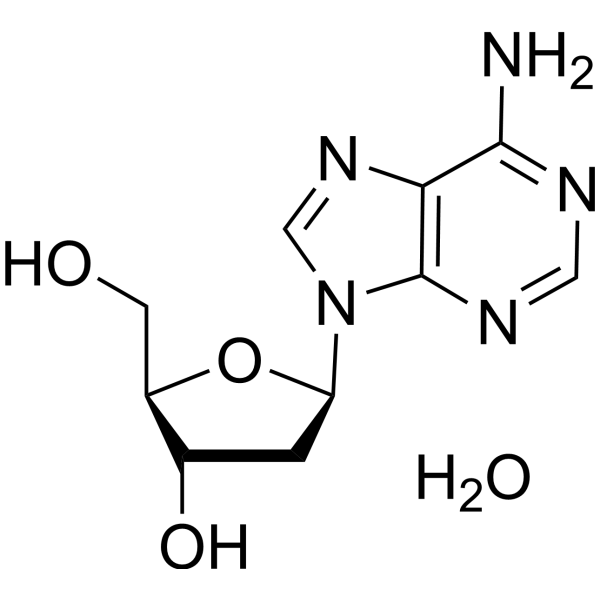
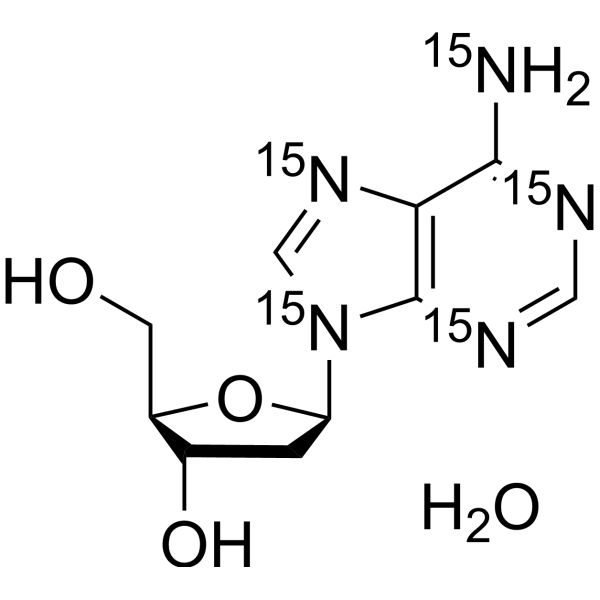
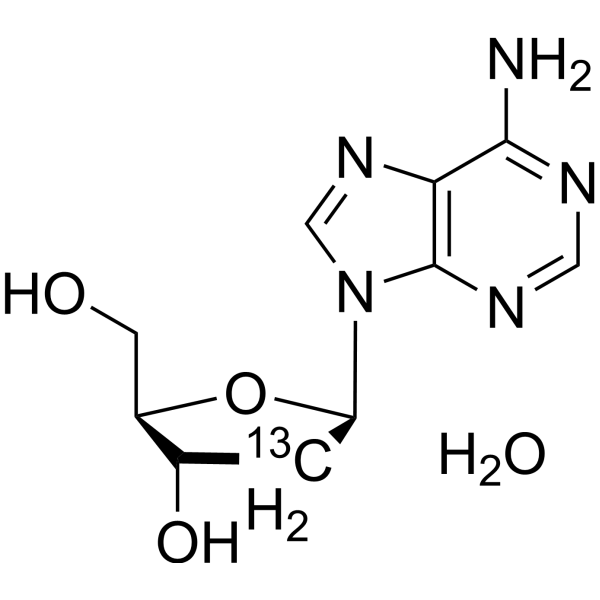
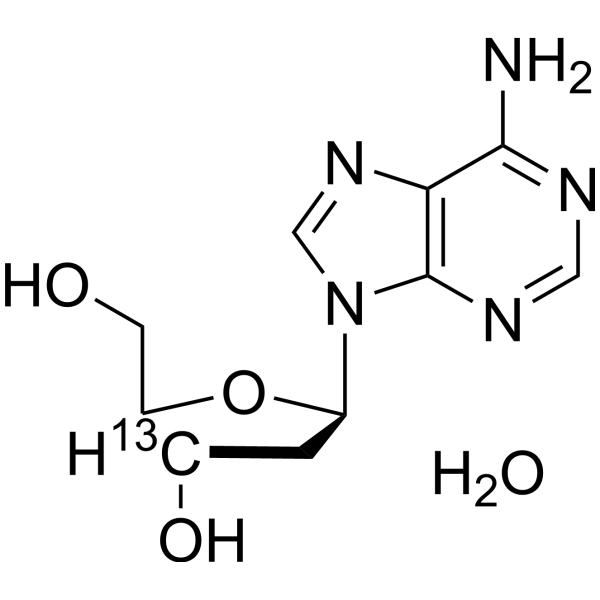
    Methotrexate hydrate is a substance that affects cell growth and division. It is commonly used to fight certain diseases, especially cancer and autoimmune diseases. It works by inhibiting the process by which cells synthesize DNA.
    Methotrexate hydrate
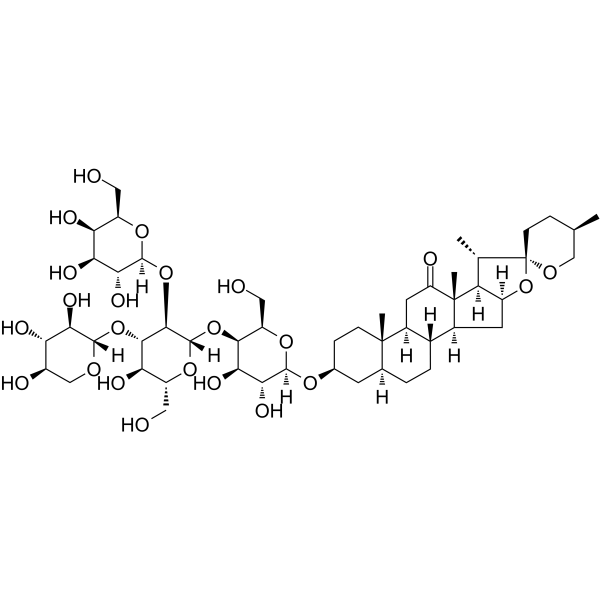
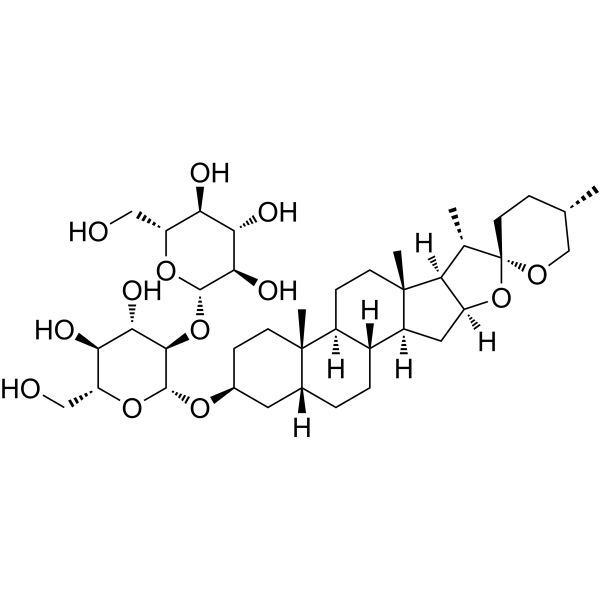
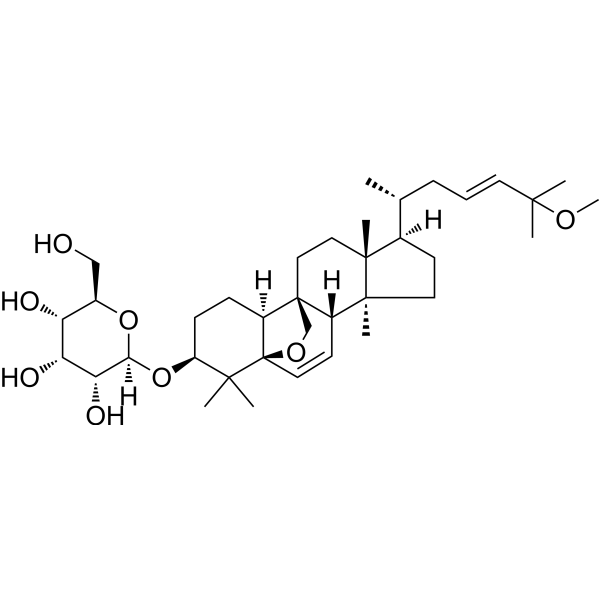
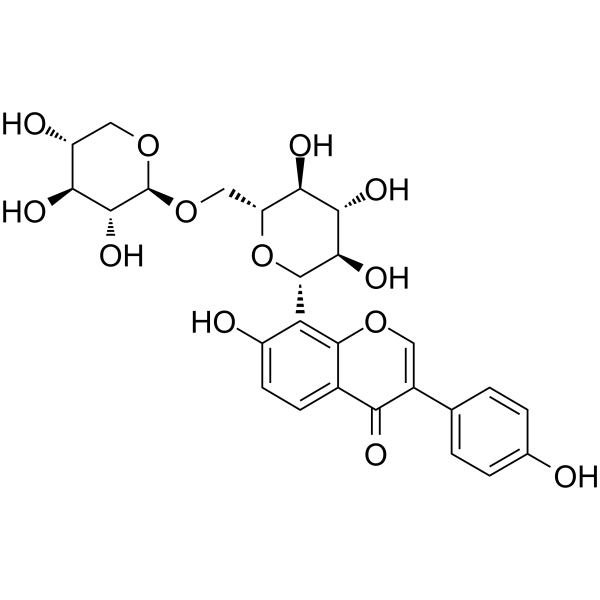
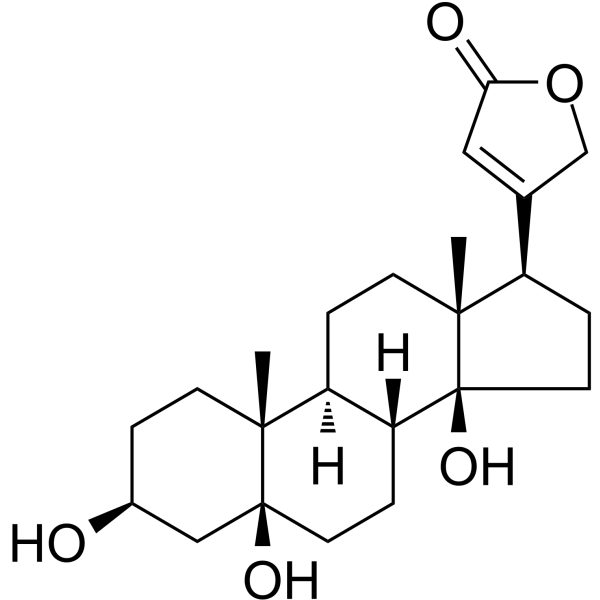
  • HY-N5074

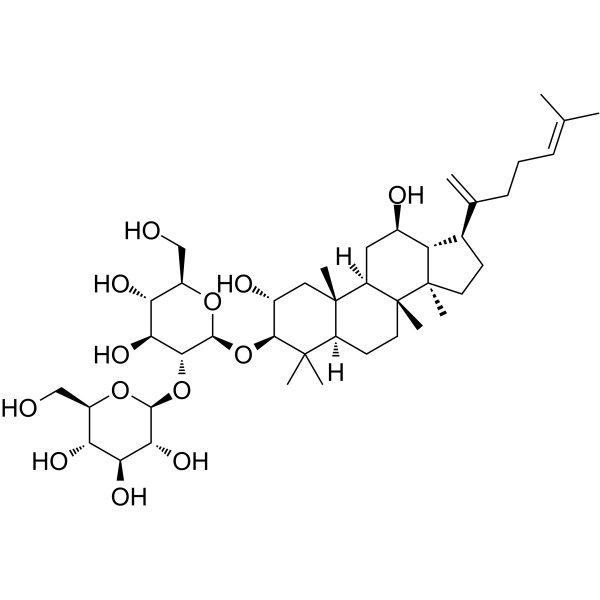
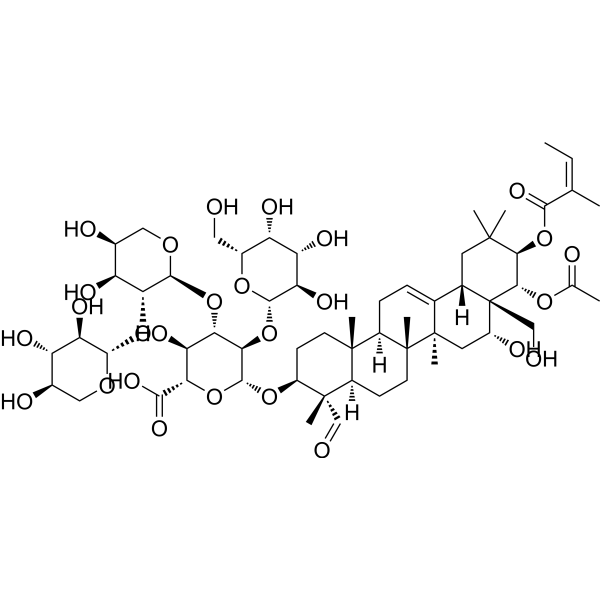
    Apoptosis VEGFR Inflammation/Immunology Cancer
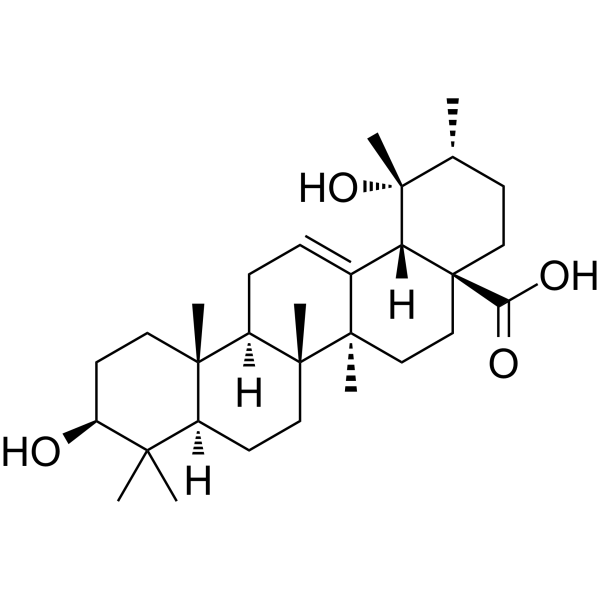
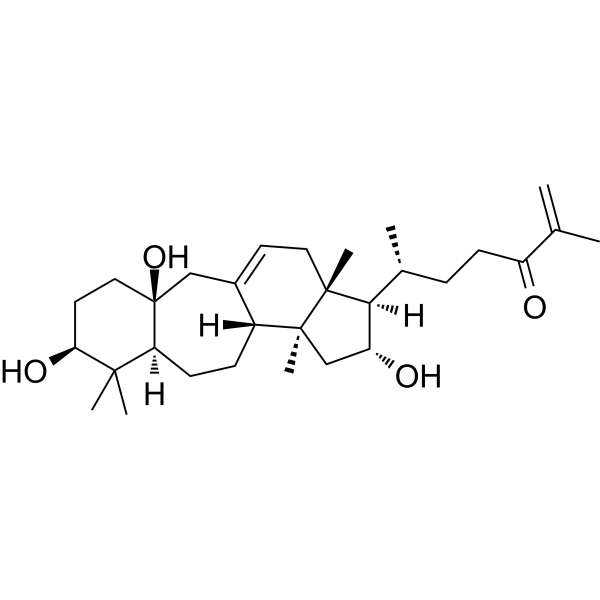
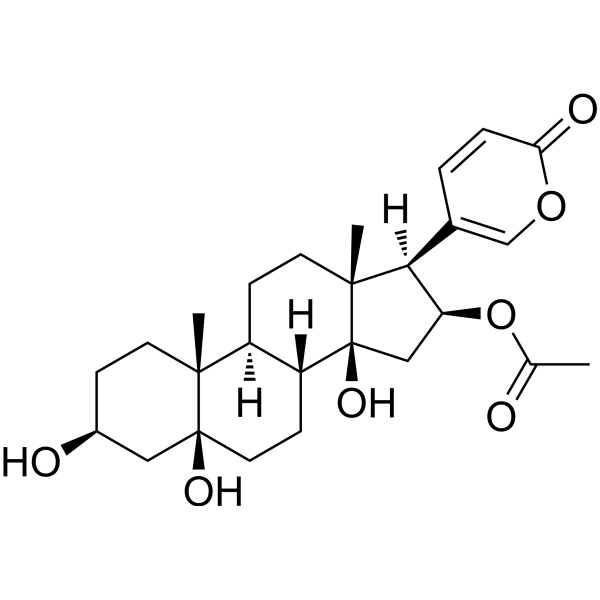
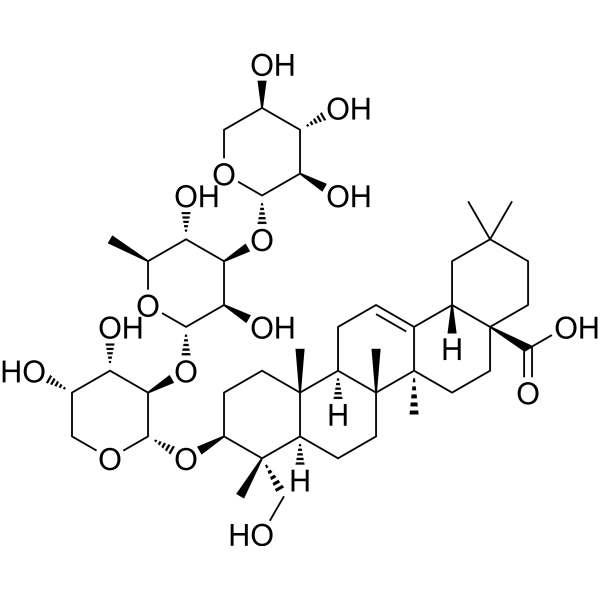
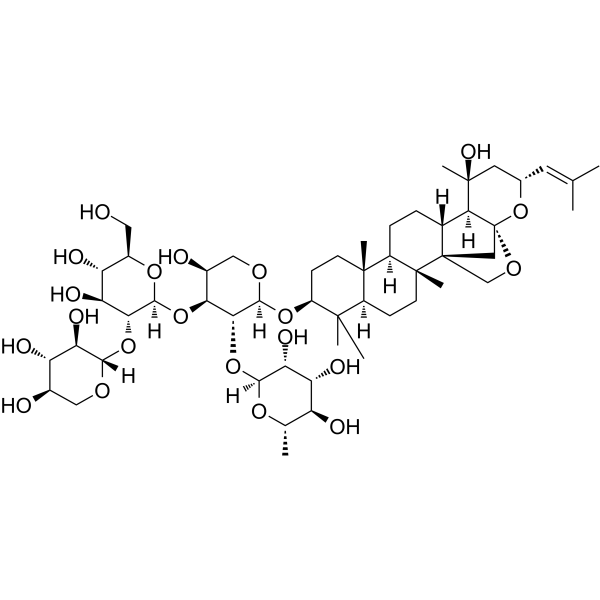
    Terrestrosin D is an orally active apoptosis inducer. Terrestrosin D induces cell cycle arrest at the G1 and S phases, reduces mitochondrial membrane potential, and inhibits the growth of cancer cells and endothelial cells. Terrestrosin D is studied in castration-resistant prostate cancer and pulmonary fibrosis .
    Terrestrosin D
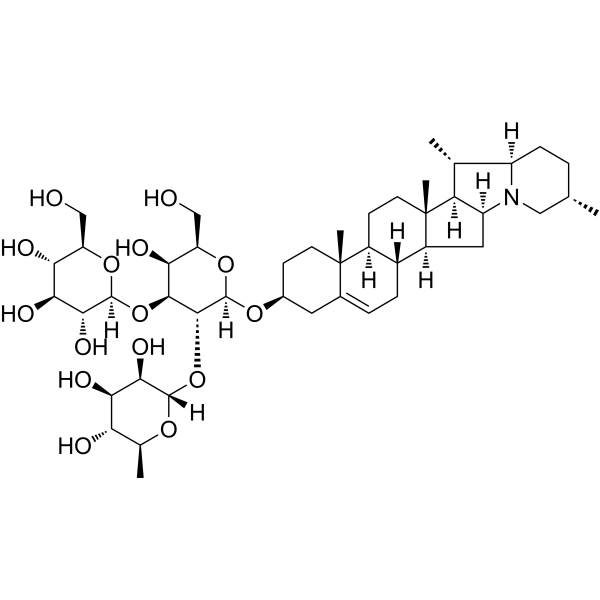
  • HY-N6602
    α-Solanine
    3 Publications Verification

    Apoptosis Autophagy Akt mTOR MMP NO Synthase COX NF-κB Inflammation/Immunology Cancer
    α-solanine, a bioactive component and one of the major steroidal glycoalkaloids in Solanum nigrum, has been observed to inhibit growth and induce apoptosis in cancer cells .
    α-Solanine
  • HY-P99270

    CS-1008; Anti-Human TRAIL-R2 Recombinant Antibody

    Apoptosis Cancer
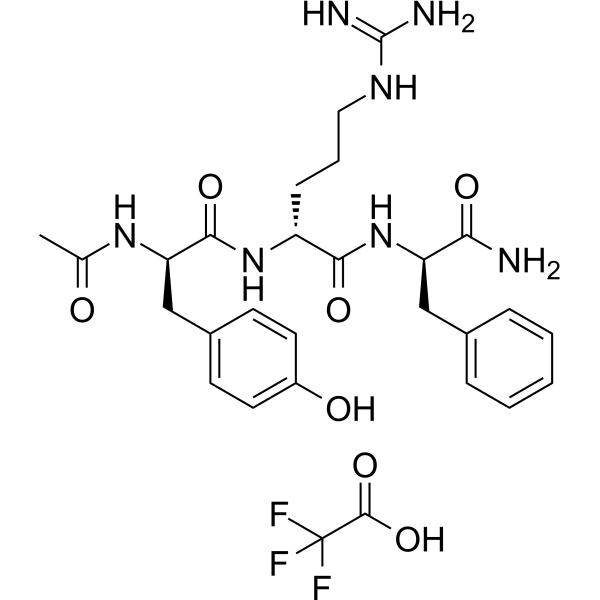
    Tigatuzumab (CS-1008) is a humanized IgG1 monoclonal antibody targets death receptor 5 (DR5). Tigatuzumab induces cell apoptosis of cancer cells and inhibits tumor growth in vivo. Tigatuzumab can be used for the research of cancer .
    Tigatuzumab
  • HY-125847
    Salvianolic acid F
    1 Publications Verification

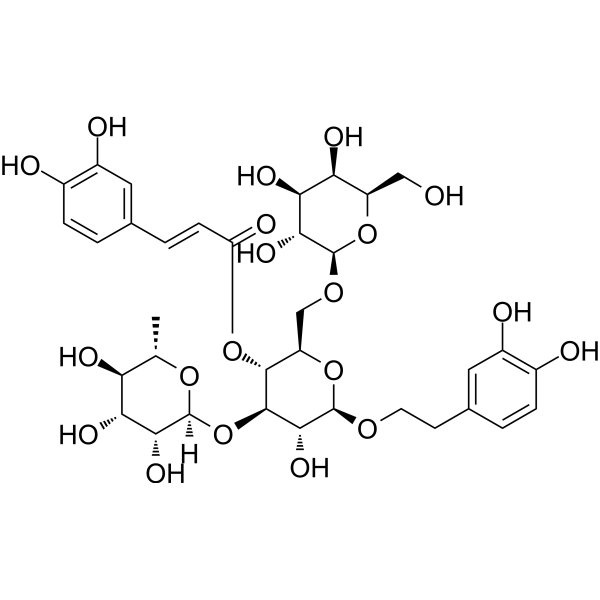
    Ras PI3K Akt Caspase Apoptosis Bcl-2 Family NF-κB MMP Cancer
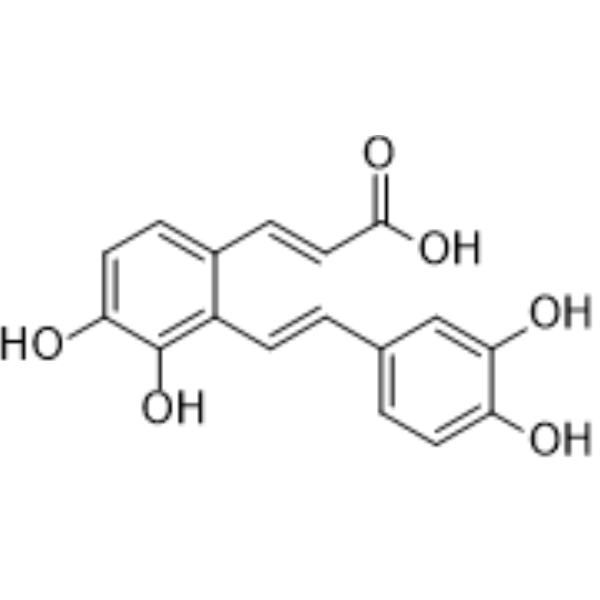
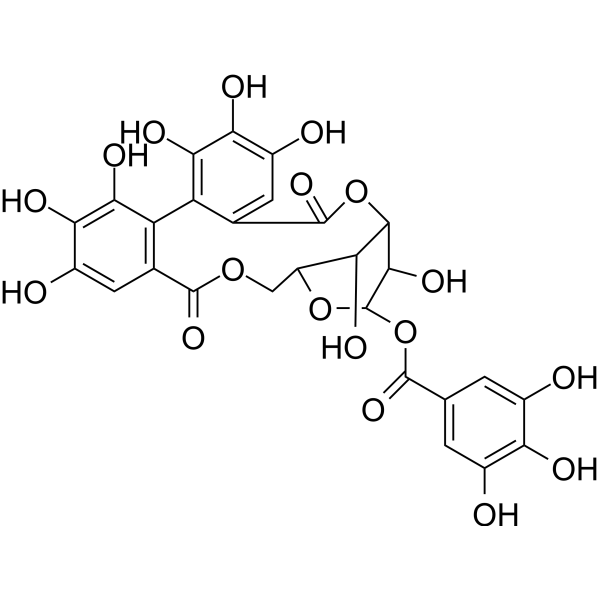
    Salvianolic acid F is a KRAS inhibitor, especially for KRAS G12D. Salvianolic acid F inhibits NF-kB, MMP-9, and NO simultaneously. Salvianolic acid F inhibits cancer cell growth, invasion, and migration and induces apoptosis via the EP300/PI3K/AKT pathway in vitro. Salvianolic acid F inhibits the growth of KRAS-dependent lung cancer cells via the PI3K/AKT signaling pathway in vivo. Salvianolic acid F can be used in the research of various cancers, including KRAS G12D-driven non-small cell lung cancer (NSCLC) and ovarian cancer .
    Salvianolic acid F
  • HY-U00177
    GDP366
    2 Publications Verification

    Survivin Cancer
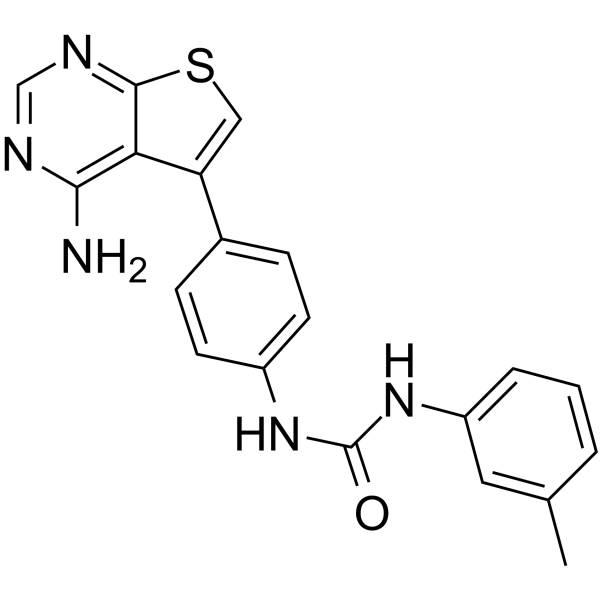
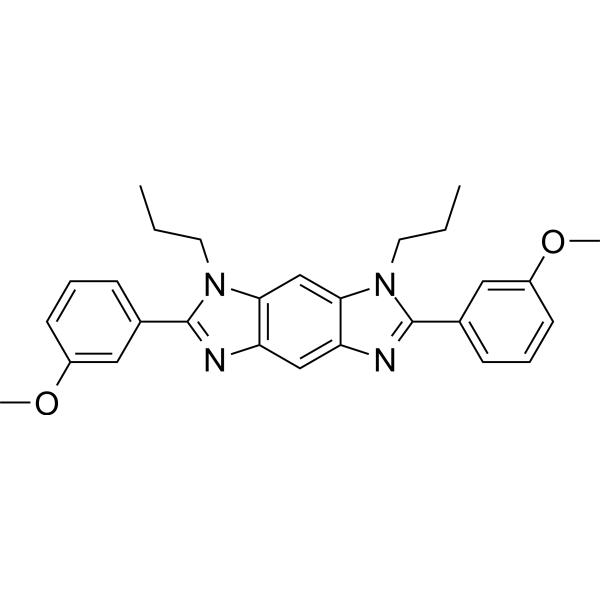
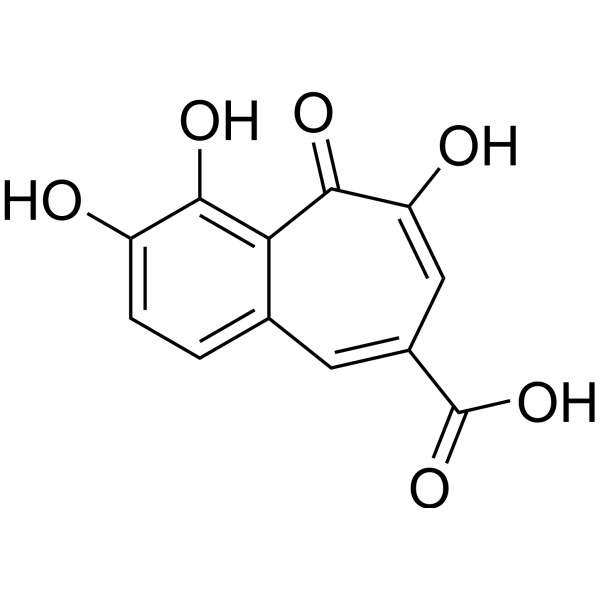
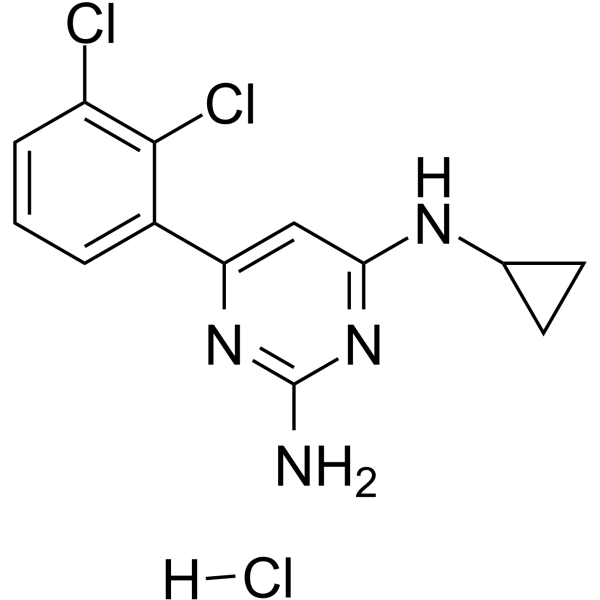
    GDP366, a dual inhibitor of survivin and Op18, induces cell growth inhibition, cellular senescence and mitotic catastrophe in human cancer cells.
    GDP366
  • HY-153873

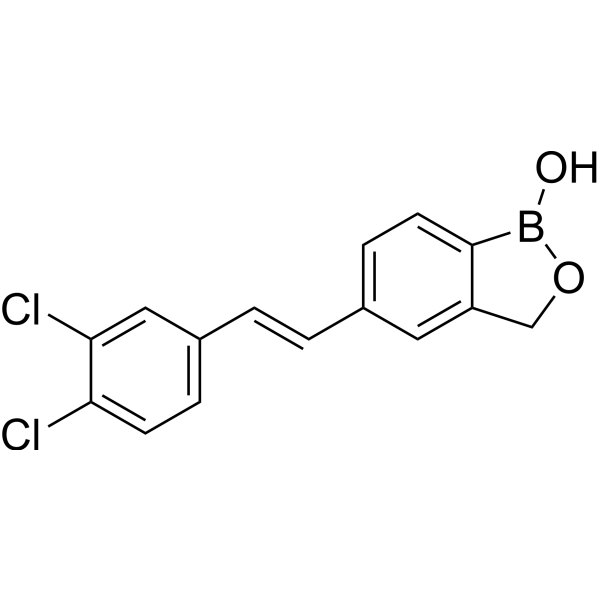
    Keap1-Nrf2 Reactive Oxygen Species (ROS) Cancer
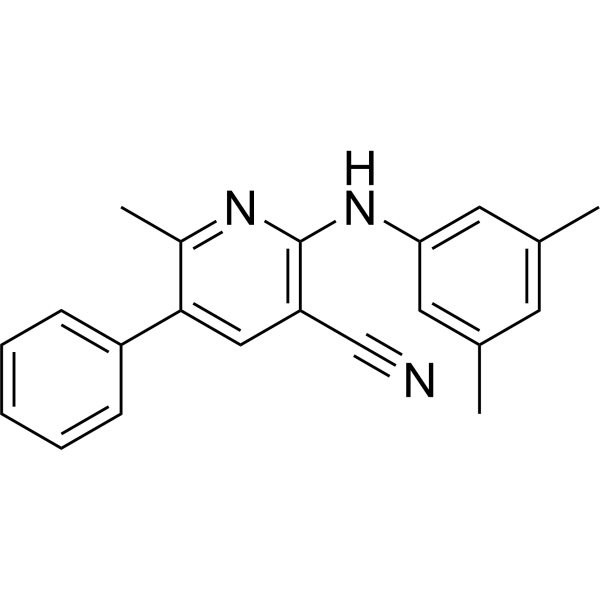
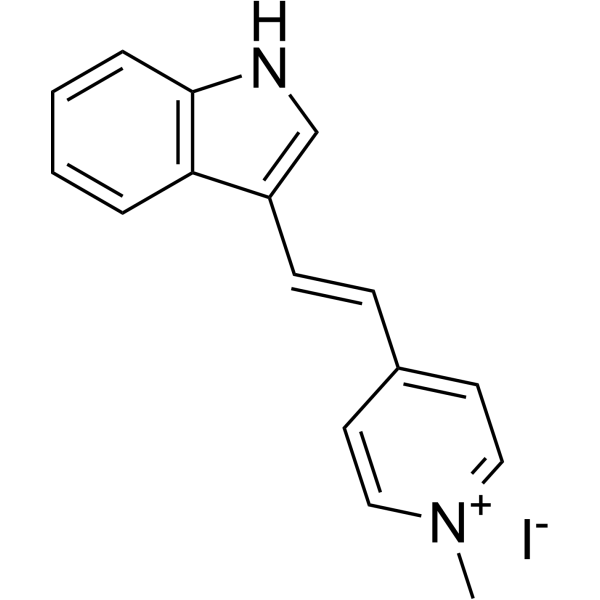
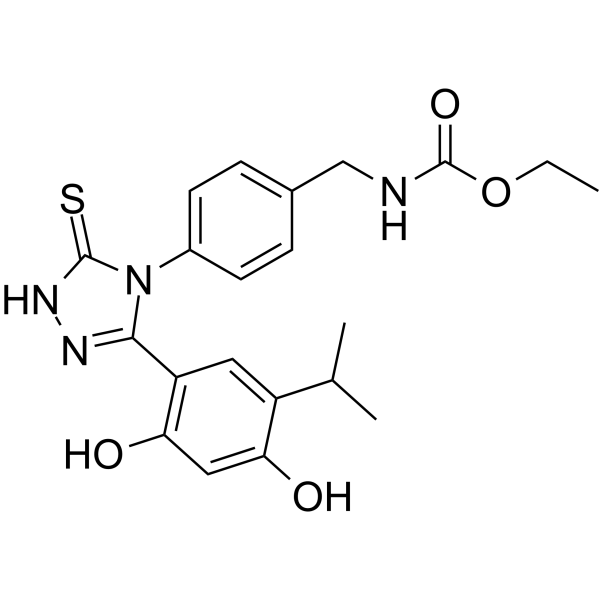
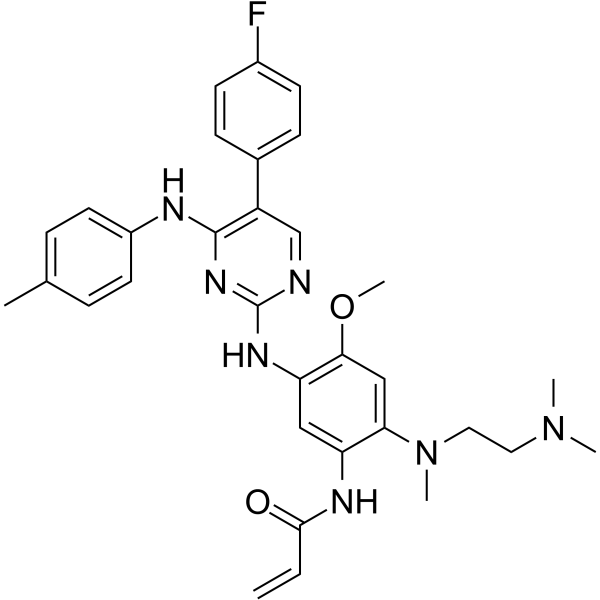
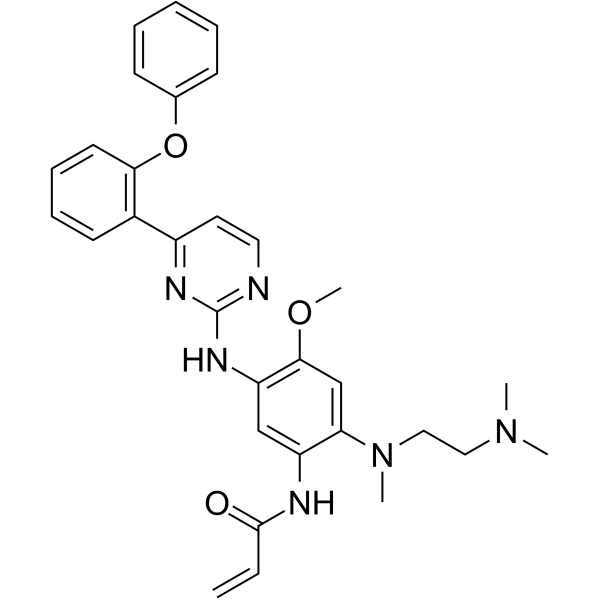
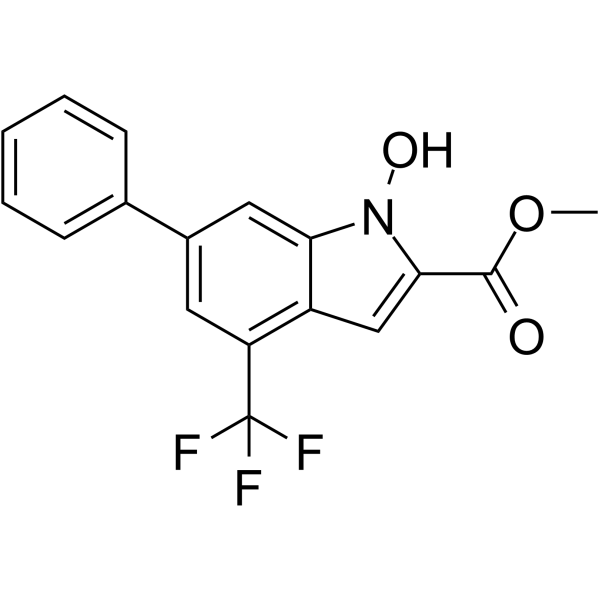
    MSU38225 is an Nrf-2 inhibitor that increases levels of reactive oxygen species (ROS). MSU38225 inhibits the growth of human lung cancer cells and enhances the sensitivity of human lung cancer cells to chemotherapy in vitro and in vivo. MSU38225 can be used in cancer research .
    MSU38225
  • HY-108638
    NSC 146109 hydrochloride
    2 Publications Verification

    XI-011 hydrochloride

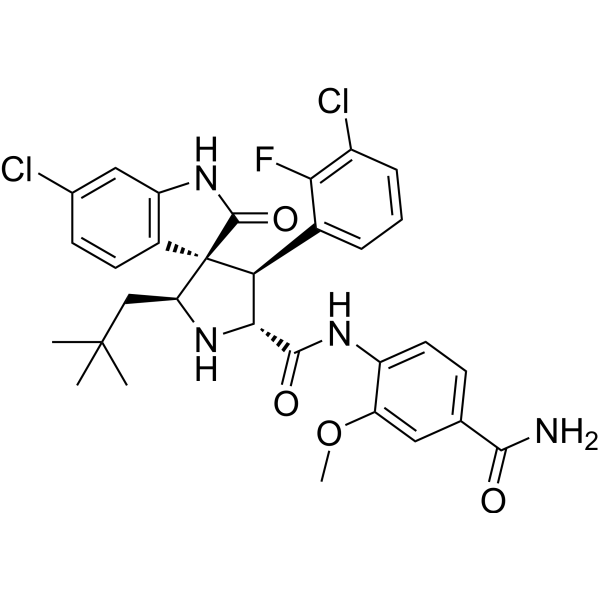
    MDM-2/p53 Apoptosis PARP Cancer
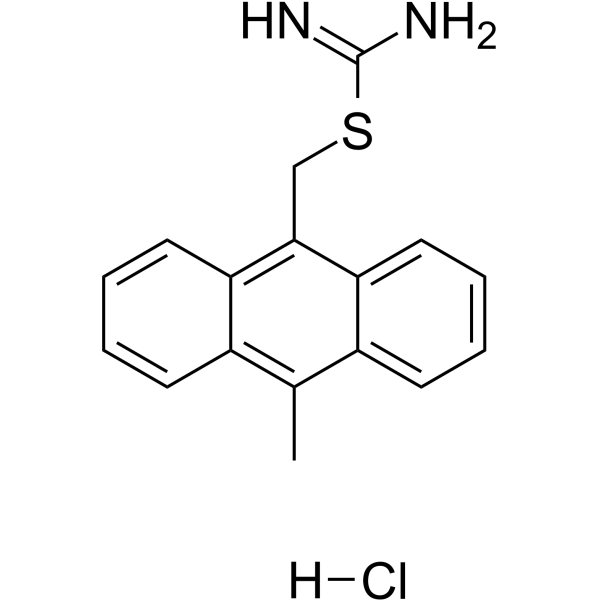
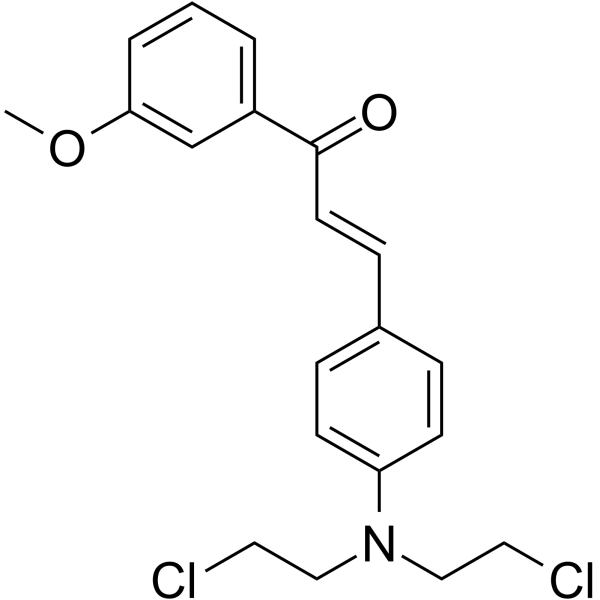
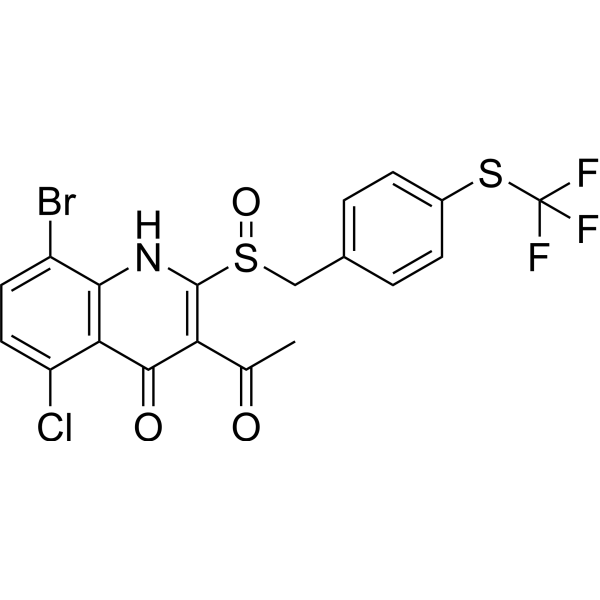
    NSC 146109 hydrochloride (XI-011 hydrochloride) is a p53 activator and MDMX inhibitor. NSC 146109 hydrochloride inhibits MDMX gene transcription, downregulates MDMX mRNA and protein levels, stabilizes p53 and activates the transcriptional activity of p53. NSC 146109 hydrochloride induces cancer cell apoptosis (apoptosis) and inhibits the growth of transformed cells. NSC 146109 hydrochloride inhibits the growth of xenograft tumors. NSC 146109 hydrochloride can be used in research related to breast cancer and cervical cancer .
    NSC 146109 hydrochloride
  • HY-128553

    Endogenous Metabolite Apoptosis Bcl-2 Family MDM-2/p53 Cancer
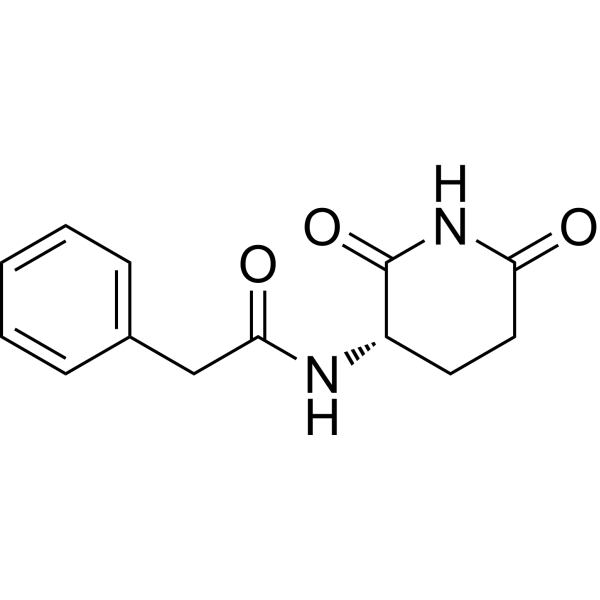
    Antineoplaston A10 is an antineoplaston that inhibits the growth of human hepatoma cells by inducing apoptosis. Antineoplaston A10 can be used in the study of liver cancer and breast cancer .
    Antineoplaston A10
  • HY-42484

    Eribulin intermediate

    Microtubule/Tubulin Cancer
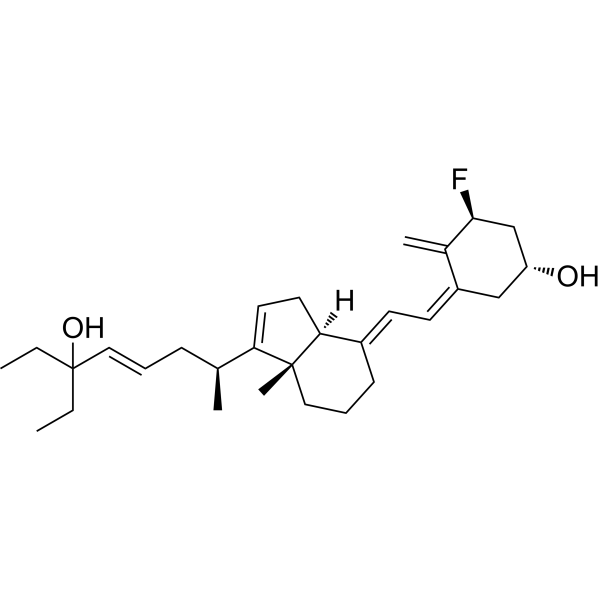
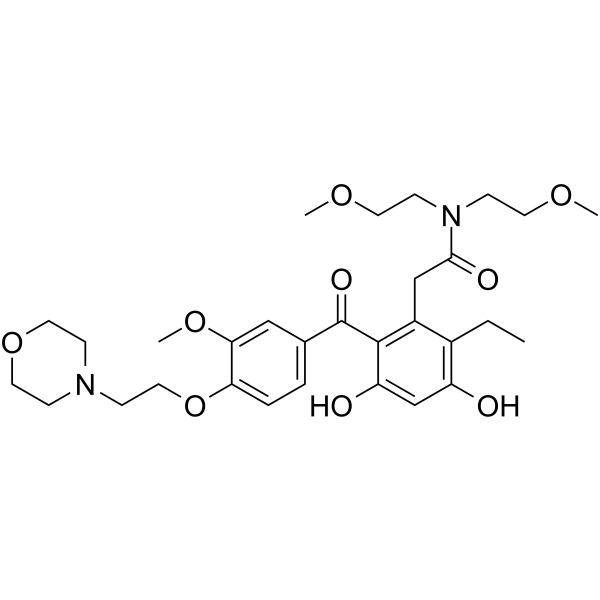
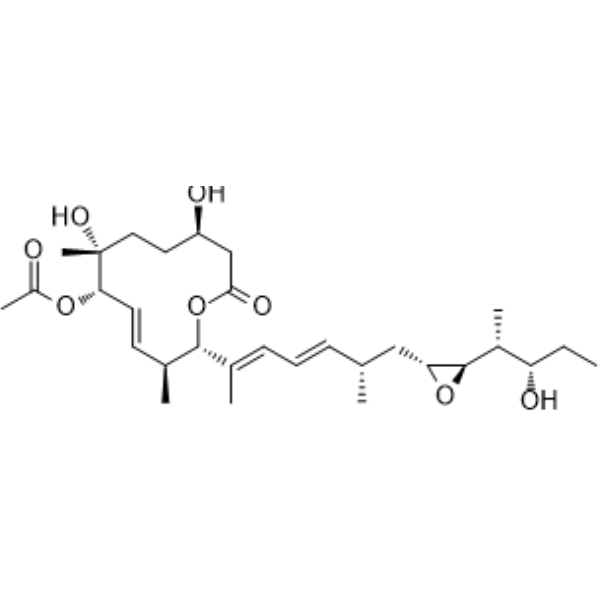
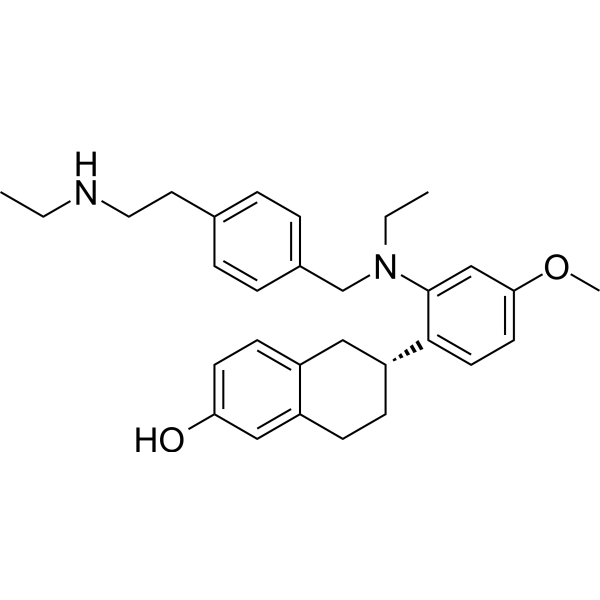
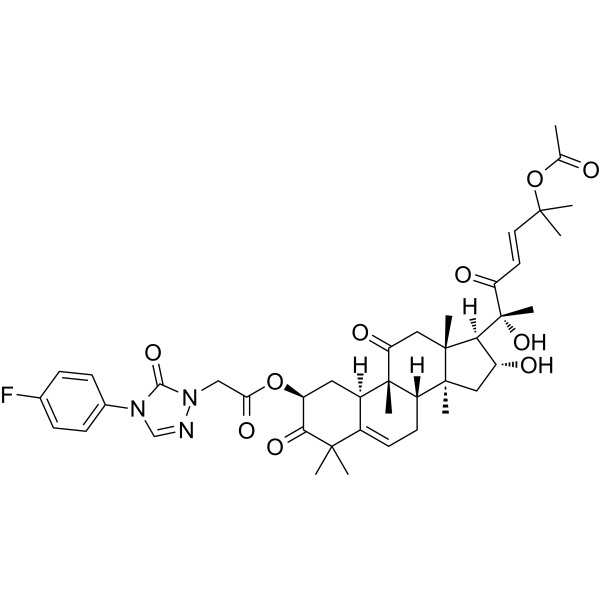
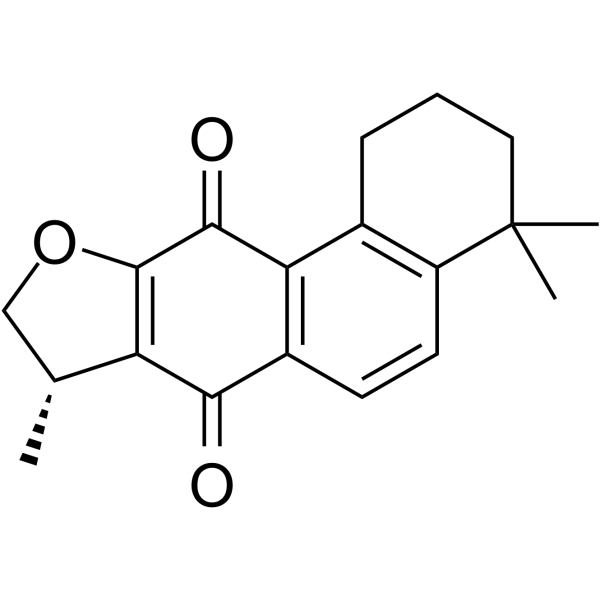
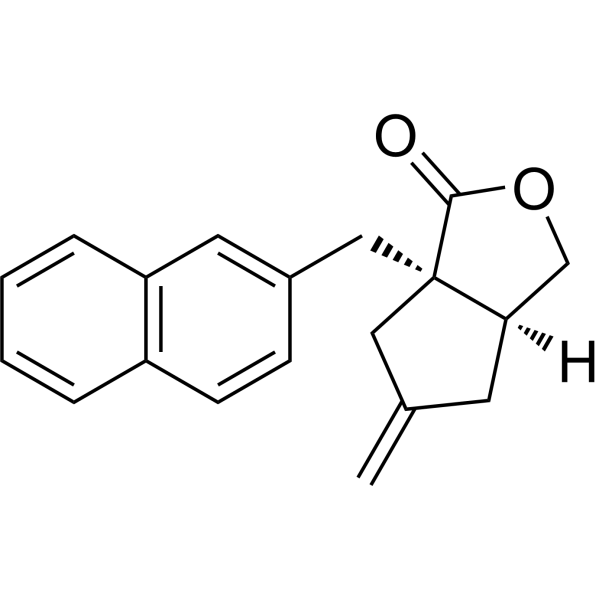
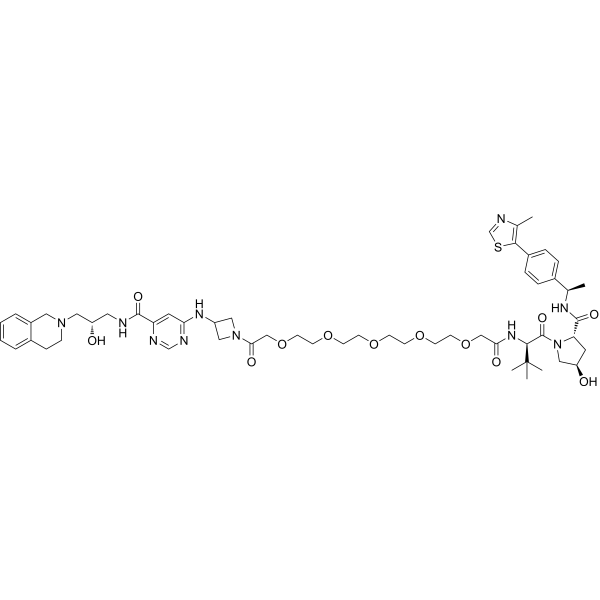
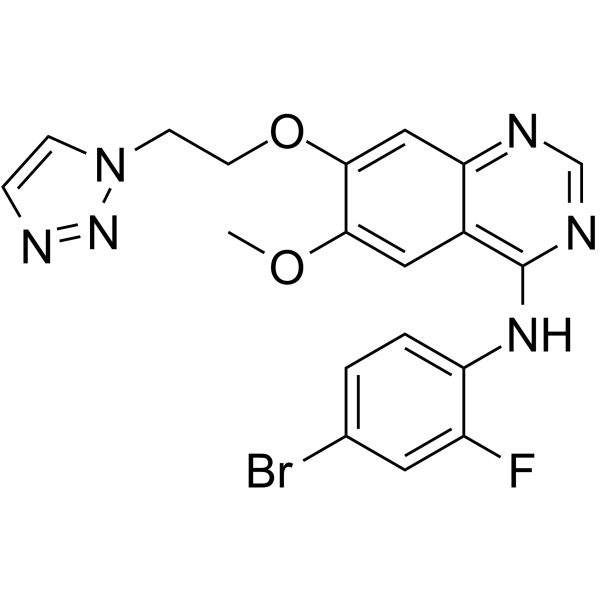
    ER-076349 (Eribulin intermediate) is an inhibitor of tubulin polymerization, induces G2-M cell cycle arrest, and disrupts mitotic spindles. ER-076349 inhibits cancer cell growth, and inhibits tumor growth in several human tumor xenografts. ER-076349 is an analog of Halichondrin B .
    ER-076349
  • HY-156418

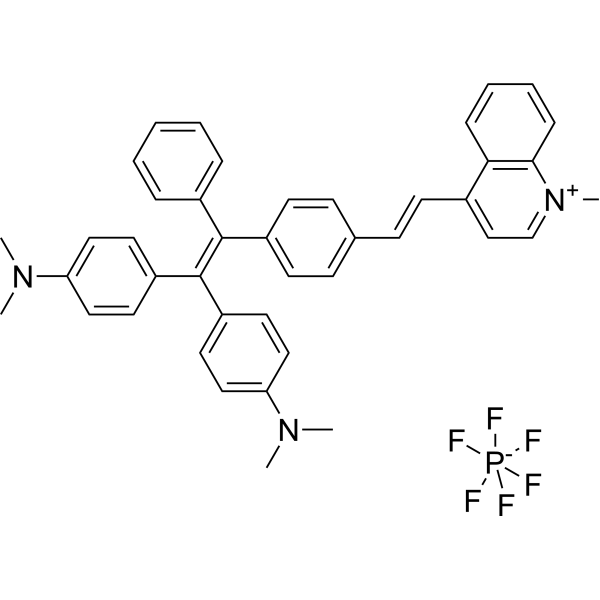
    DNA/RNA Synthesis Ferroptosis Apoptosis Reactive Oxygen Species (ROS) Cancer
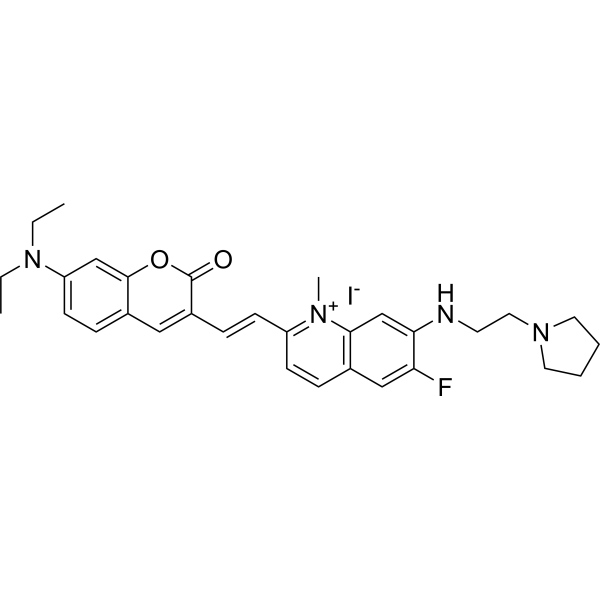
    KY386 is a DHX33 helicase inhibitor with an IC50 of 0.019 μM. KY386 inhibits the cell viability of various cancer cells. KY386 induces ferroptosis in cancer cells, and induces apoptosis in some cancer cell lines. KY386 increases the intracellular levels of ROS, LPO and Fe 2+, and decreases the level of GSH in cancer cells . KY386 inhibits the growth of gastric cancer and colon cancer xenografts in nude mice. KY386 is applicable to the related research on liver cancer, lung cancer, pancreatic cancer, colorectal cancer, gastric cancer, breast cancer, leukemia, renal cancer, prostate cancer, esophageal cancer, cervical cancer, brain cancer (glioblastoma) and melanoma .
    KY386
  • HY-16916
    NS1643
    1 Publications Verification

    Potassium Channel Autophagy Cancer
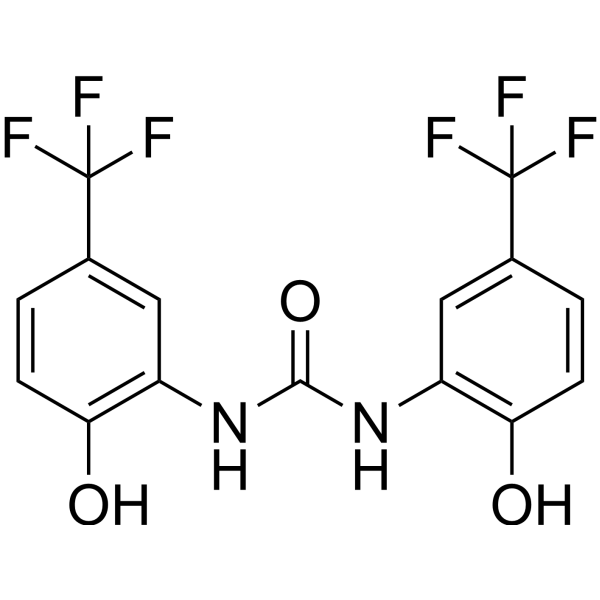
    NS1643 is a partial agonist of human ether-a-go-go-related gene (hERG) K + channels with an EC50 of 10.5 μM. NS1643 inhibits the growth of breast cancer tumors in TNBC mouse models. NS1643 inhibits cell migration and invasion of breast cancer cells .
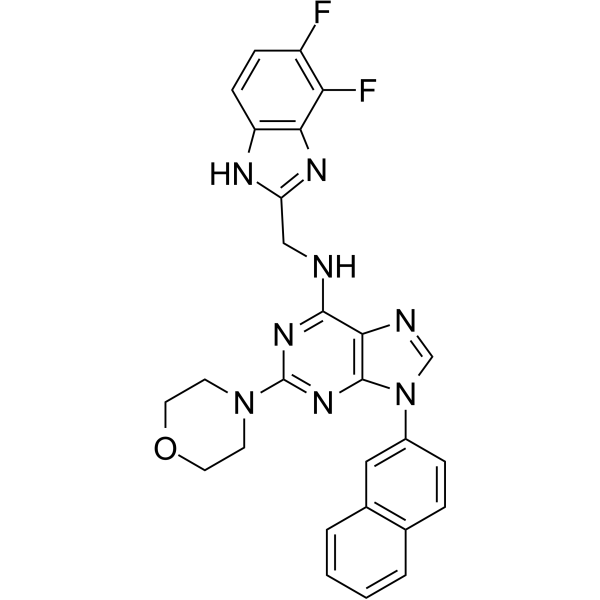
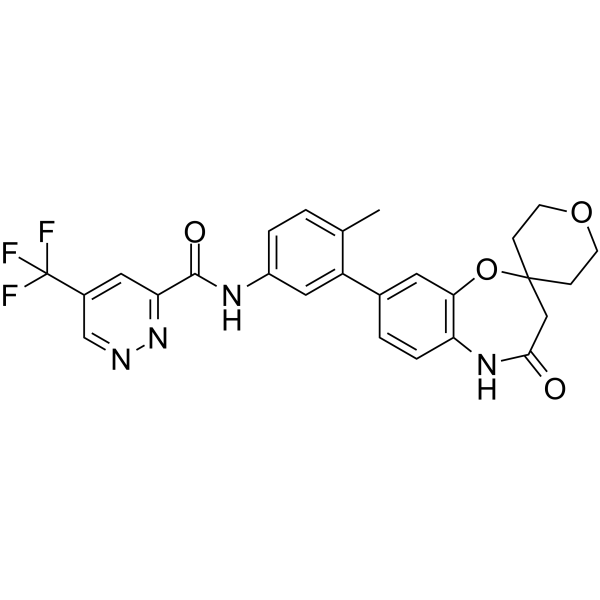
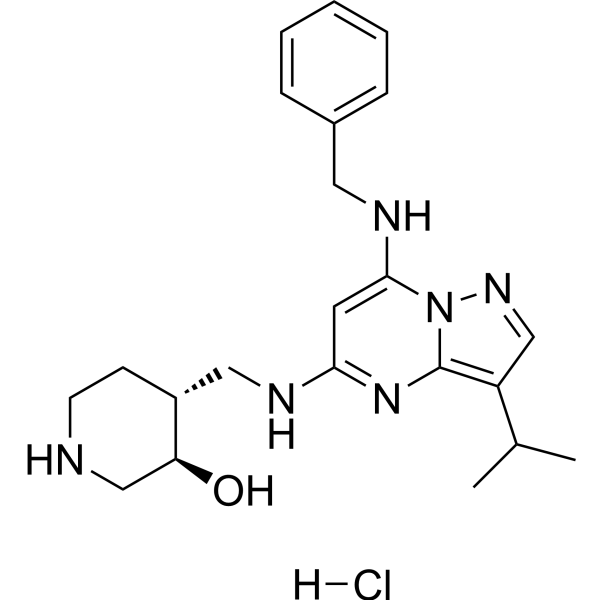
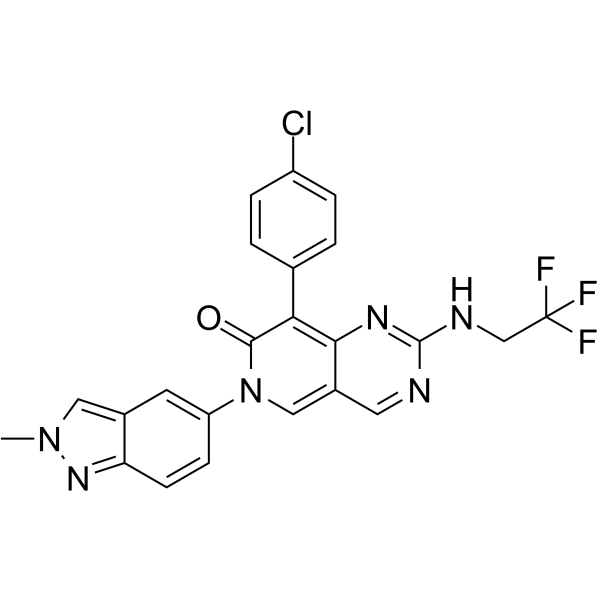
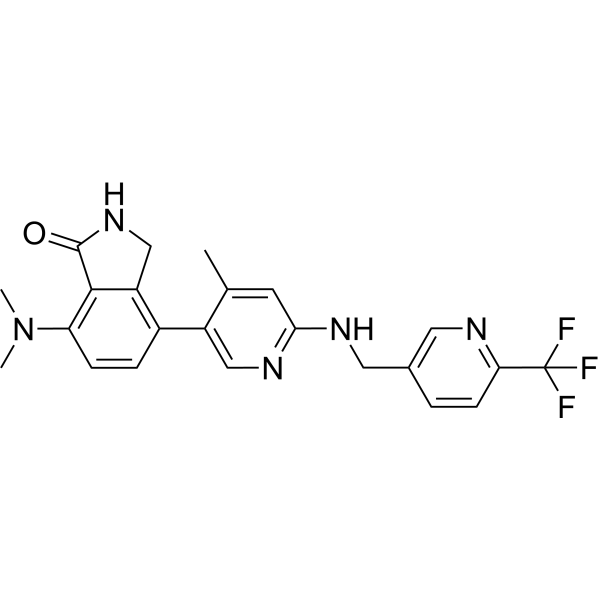
    NS1643
  • HY-156715

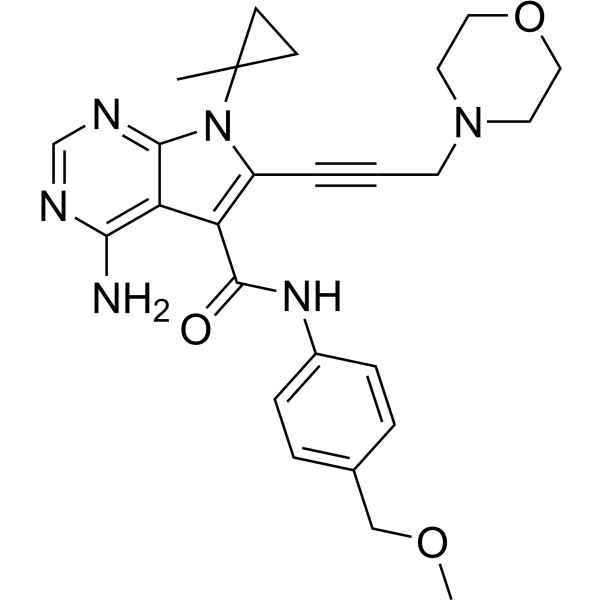
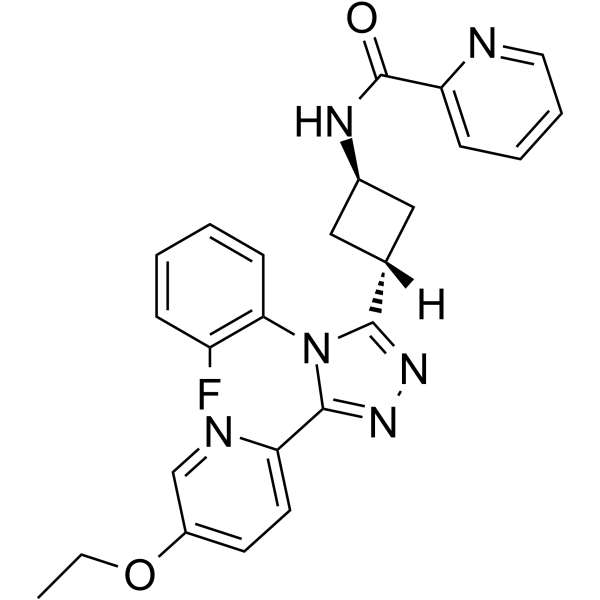
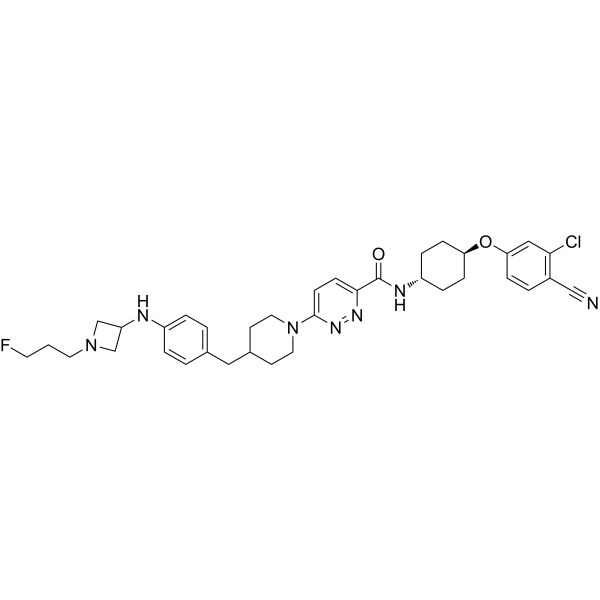
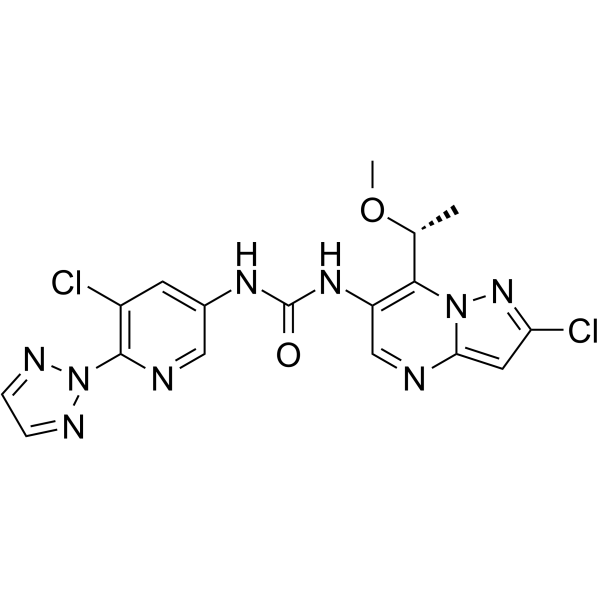
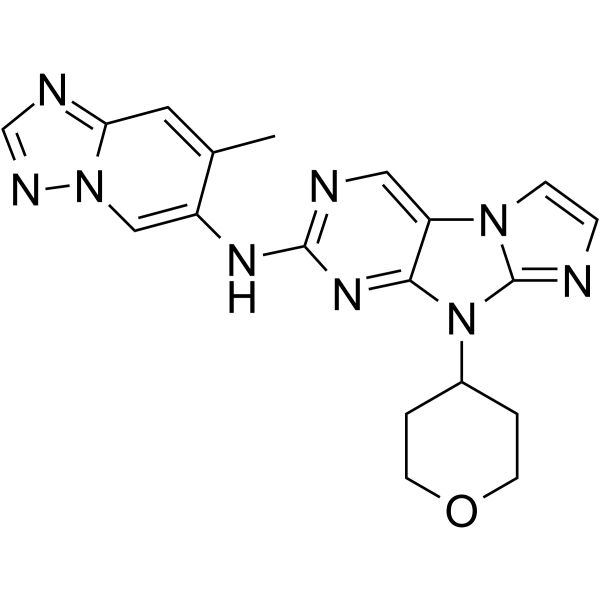
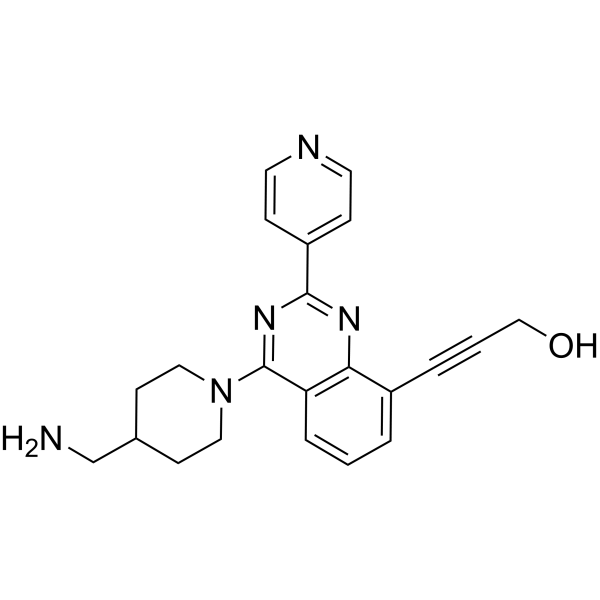
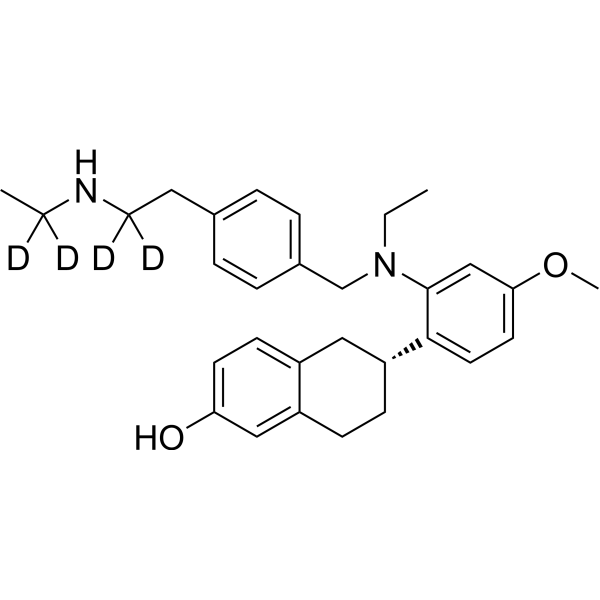
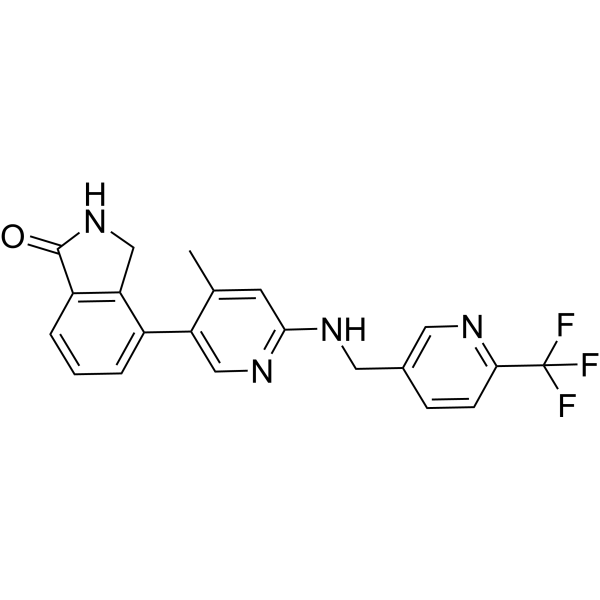
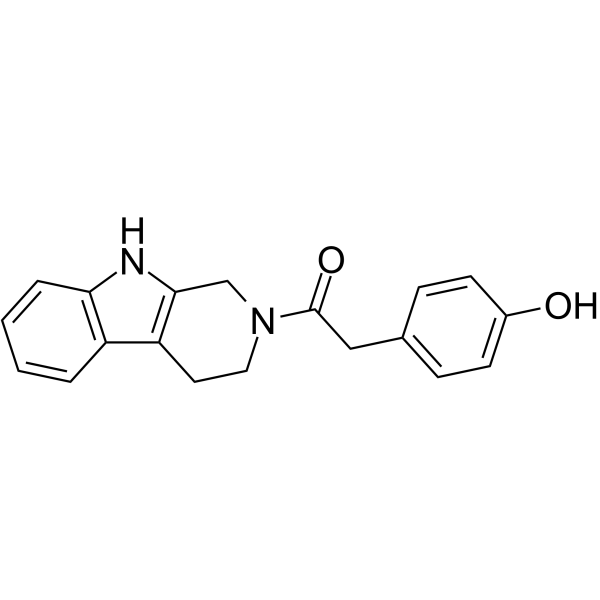
    MASTL Cancer
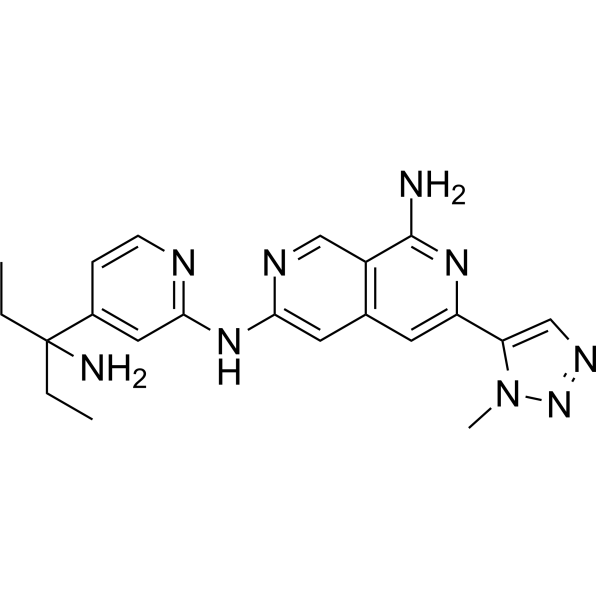
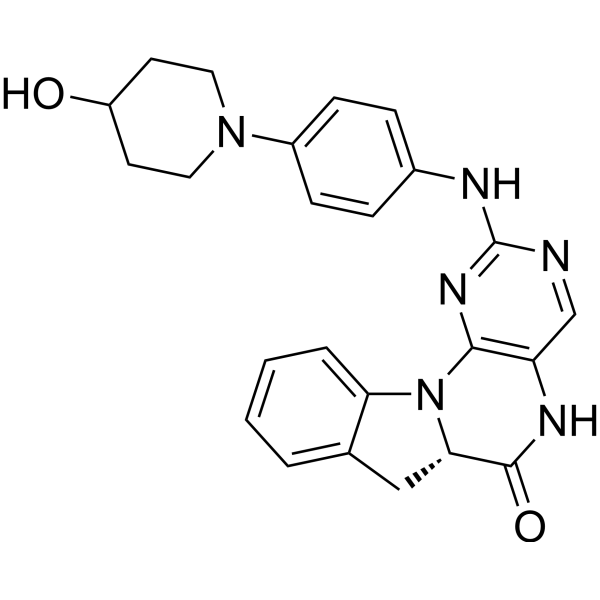
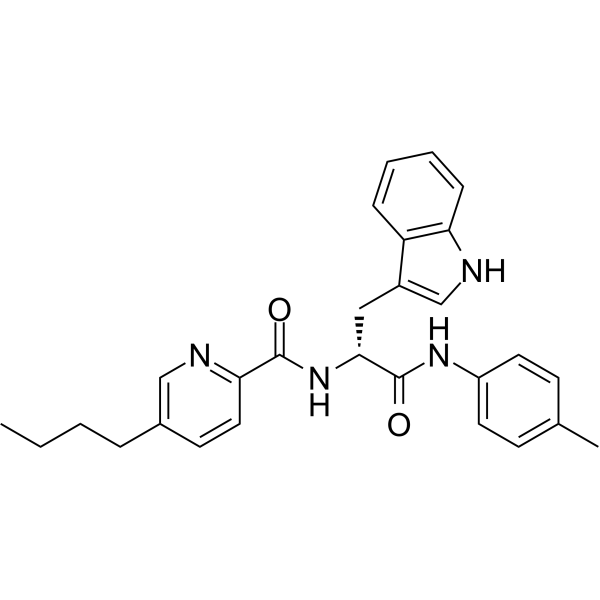
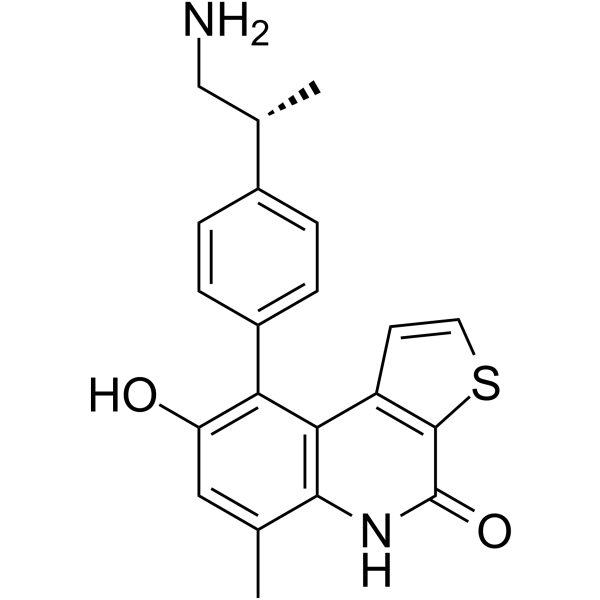
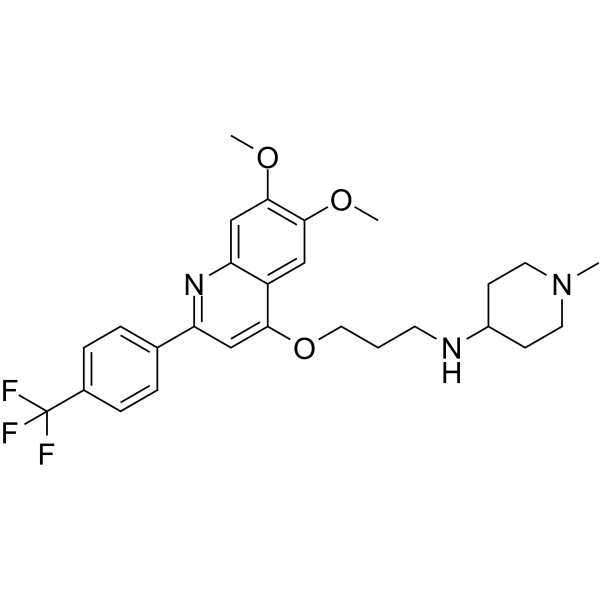
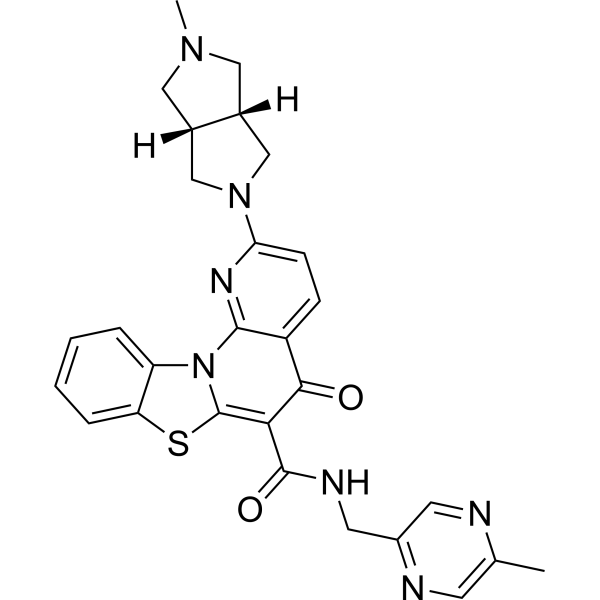
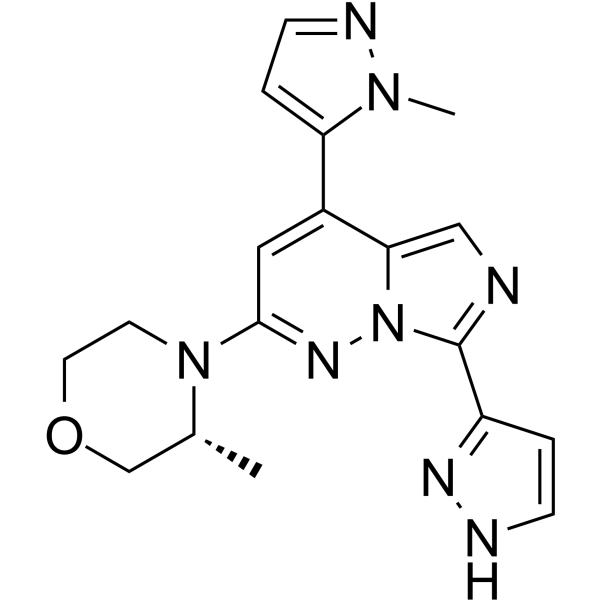
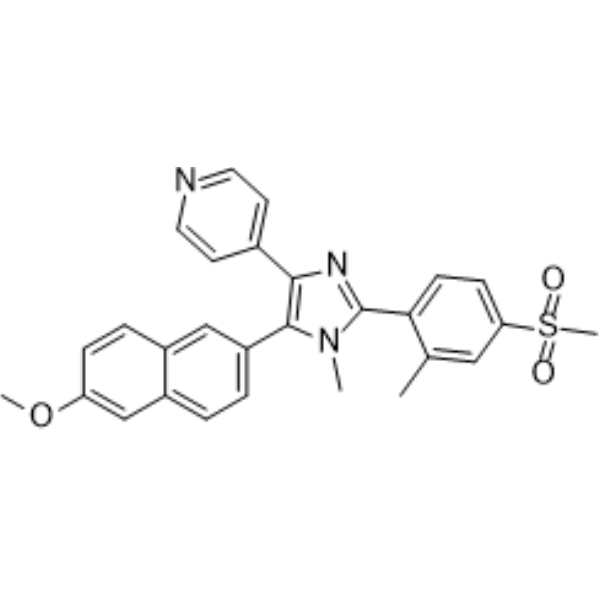
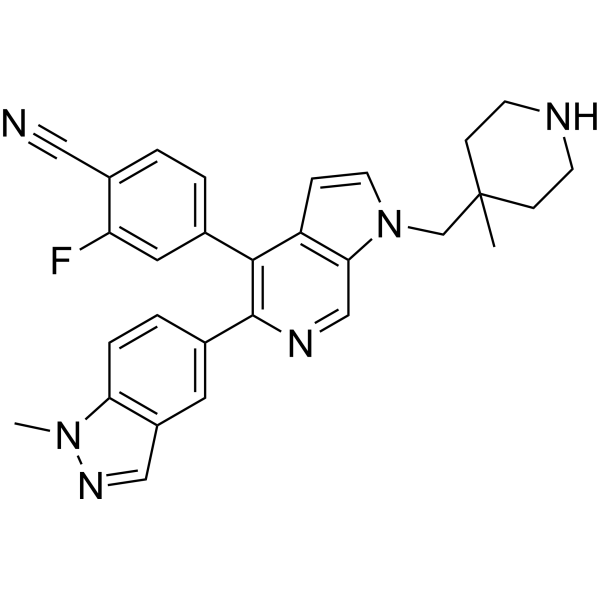
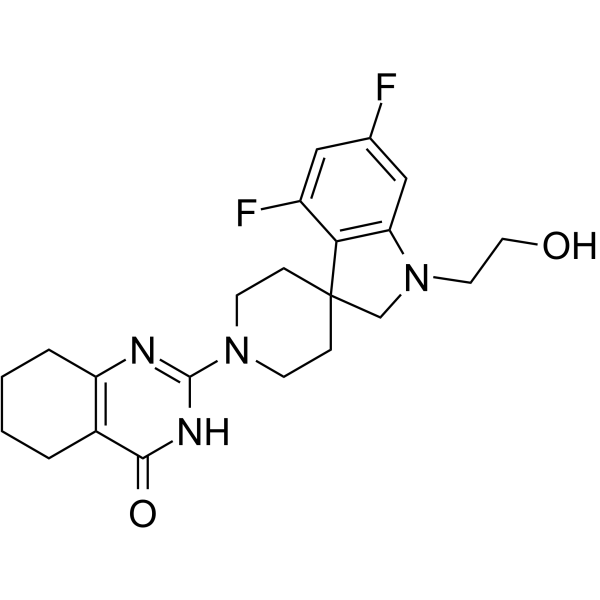
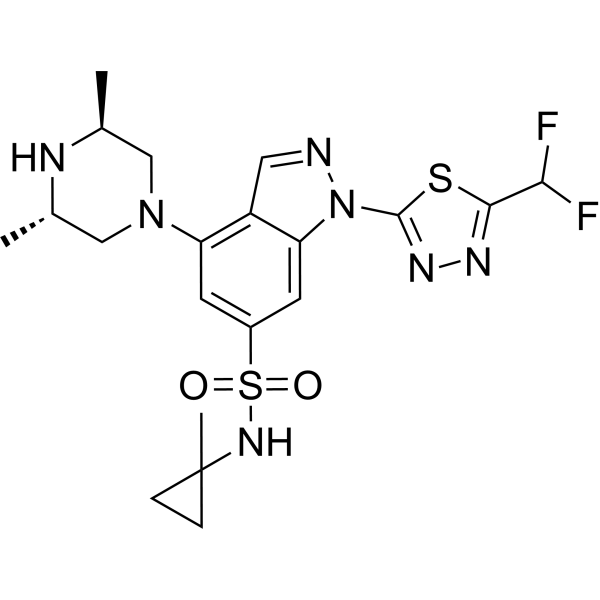
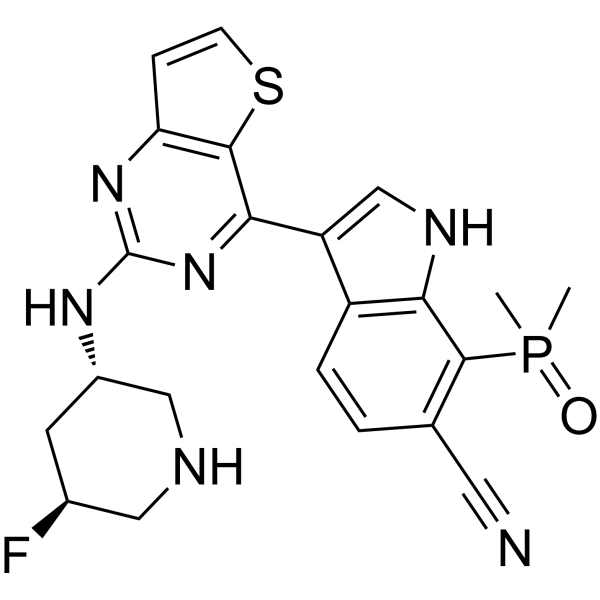
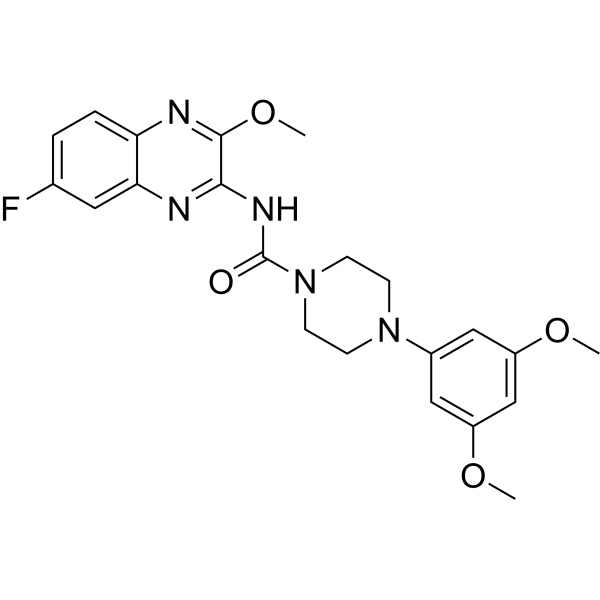
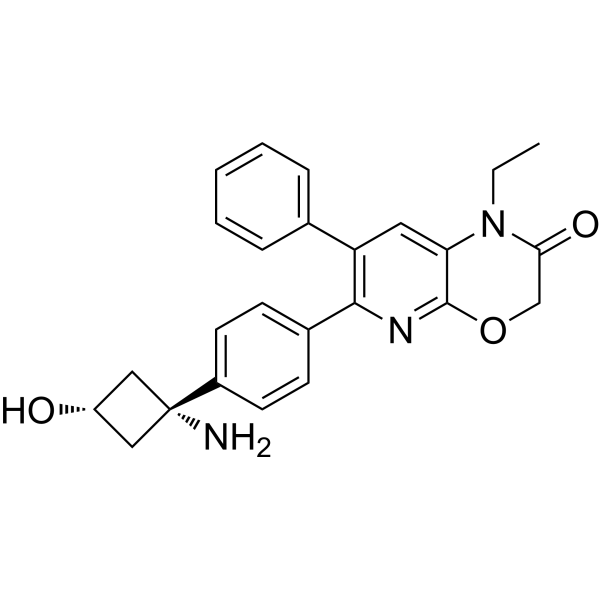
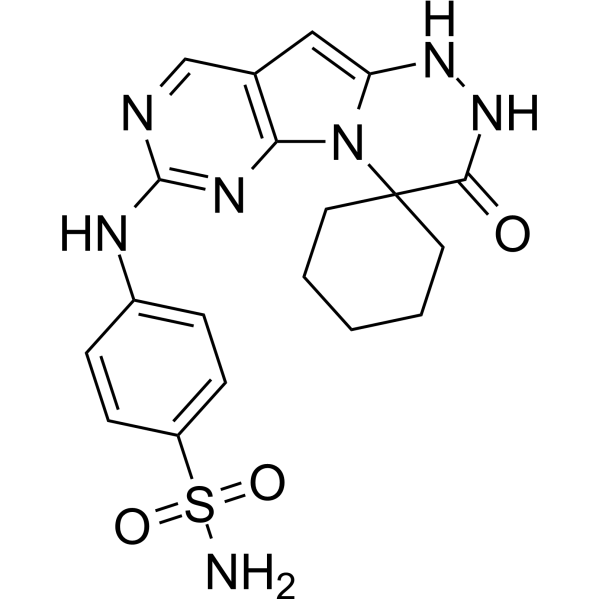
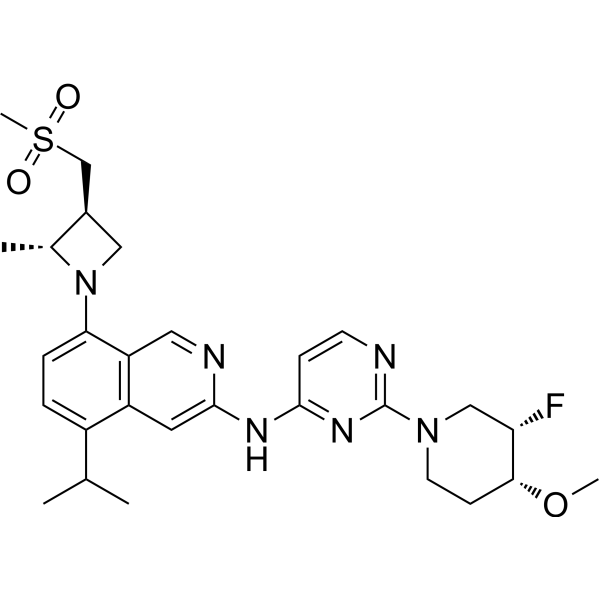
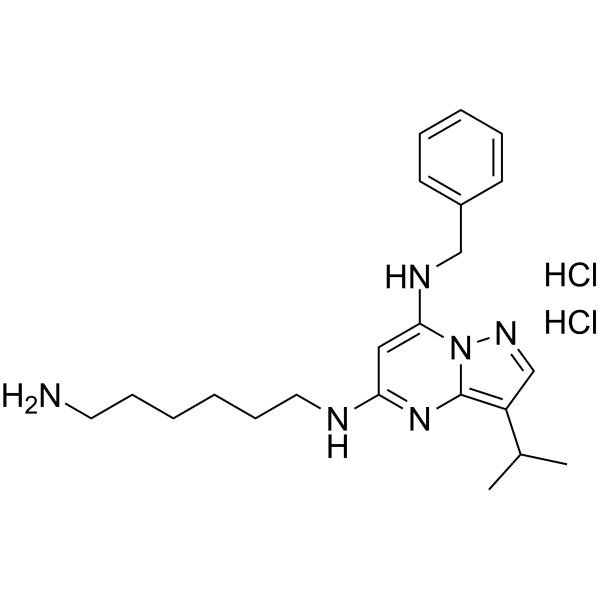
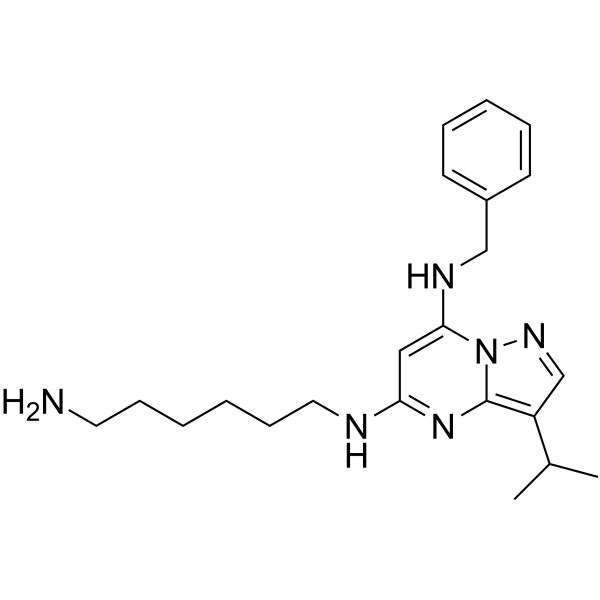
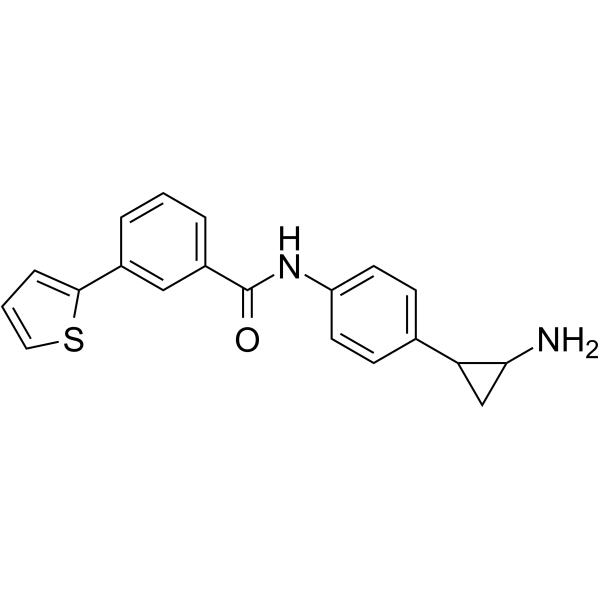
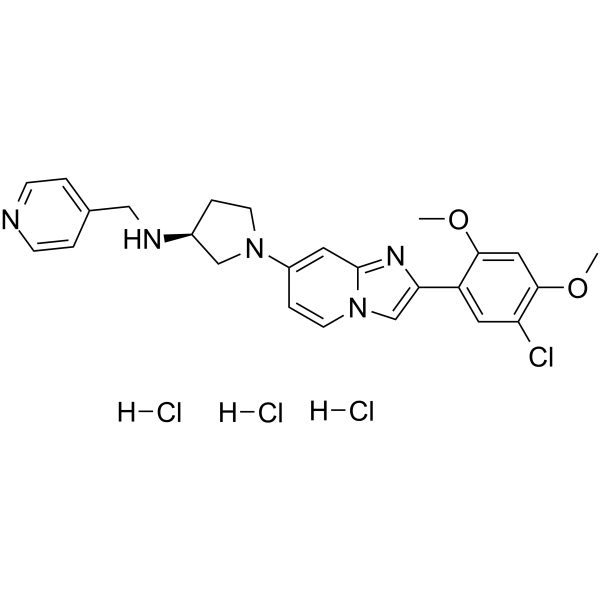
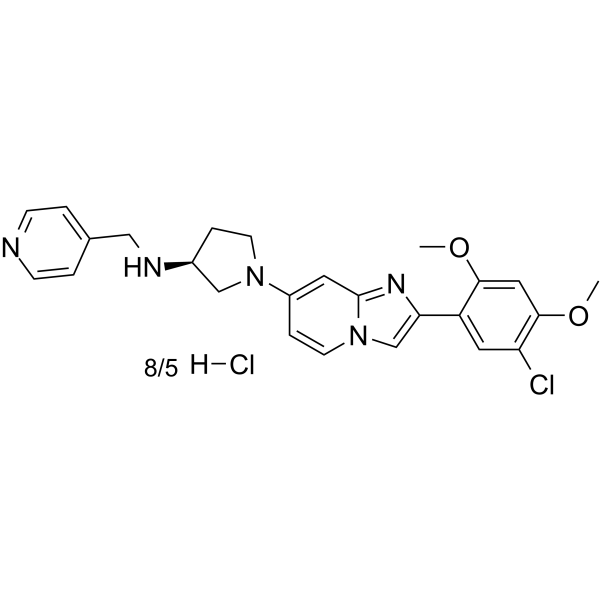
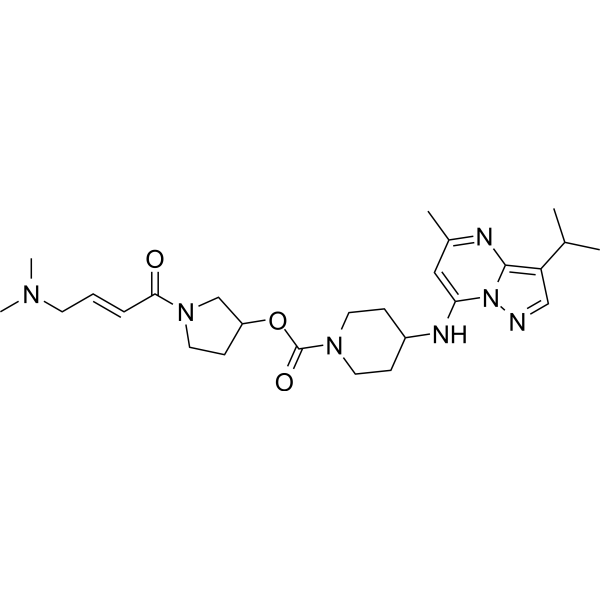
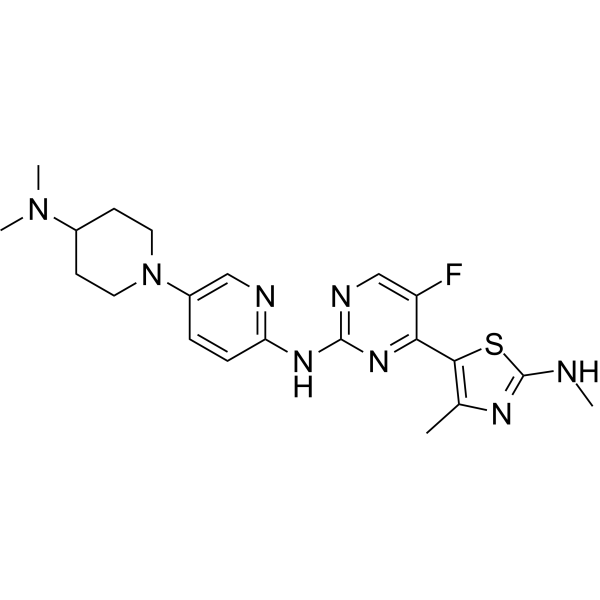
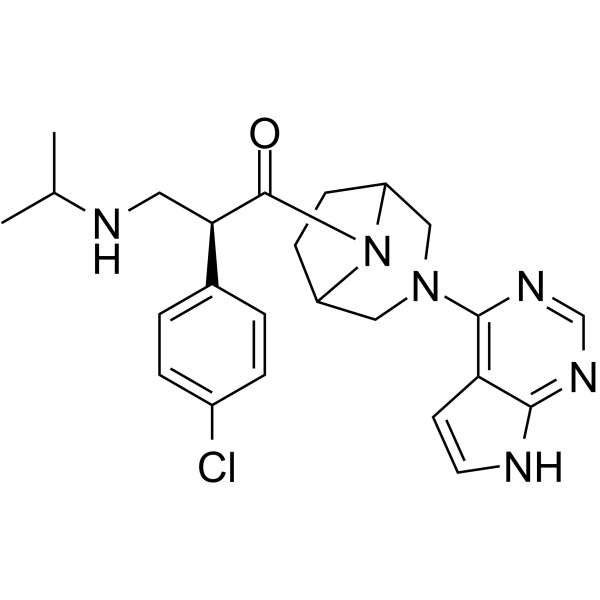
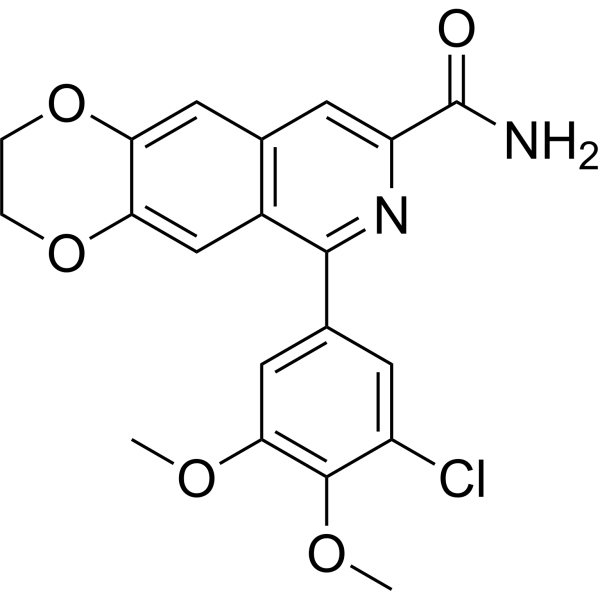
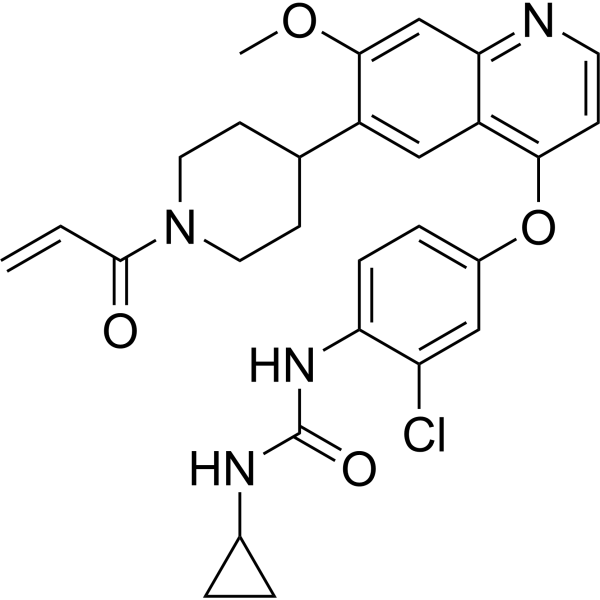
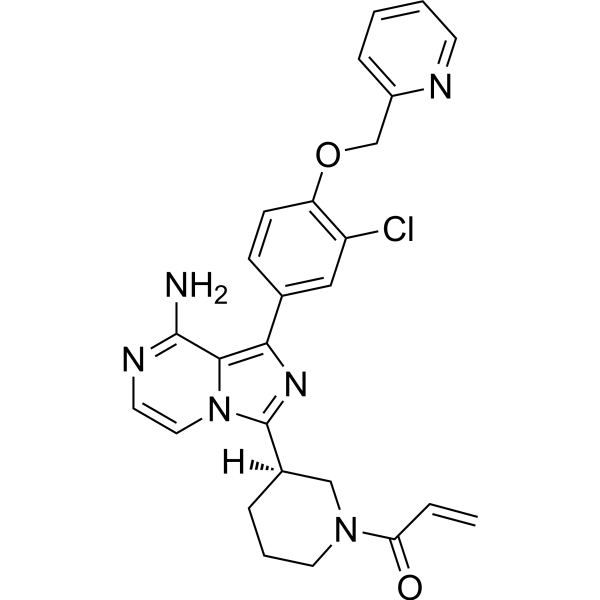
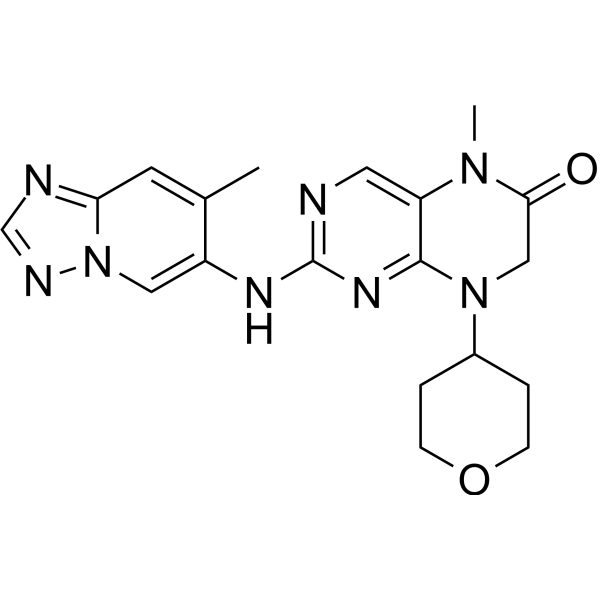
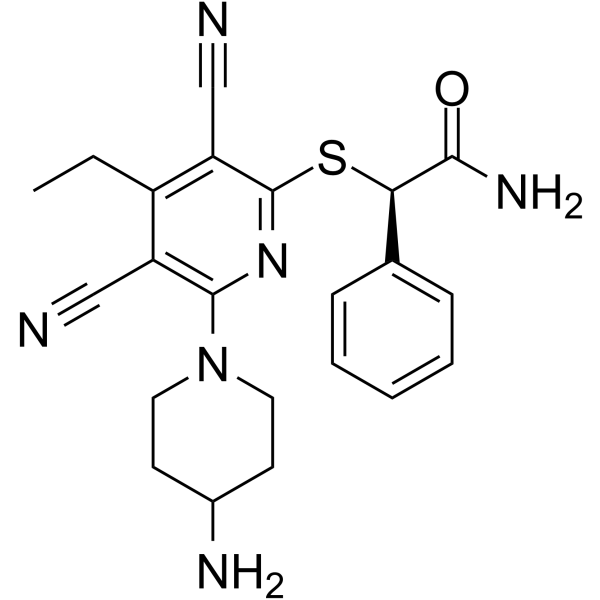
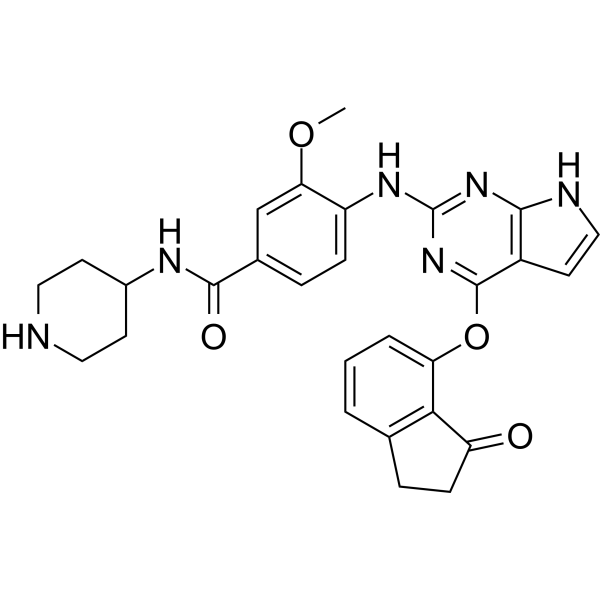
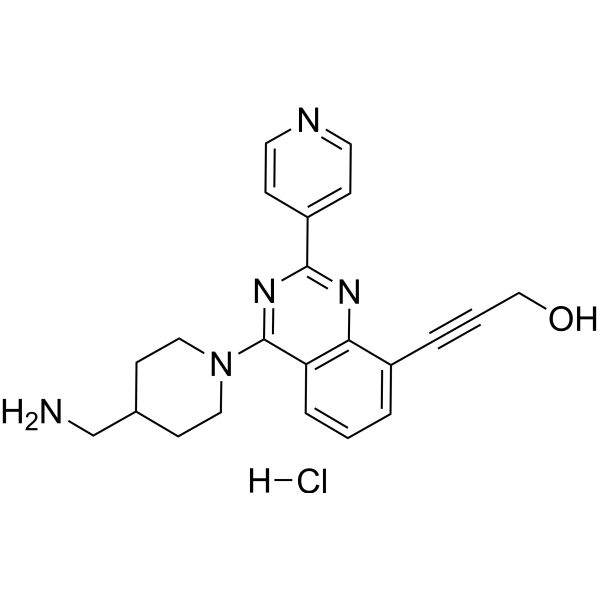
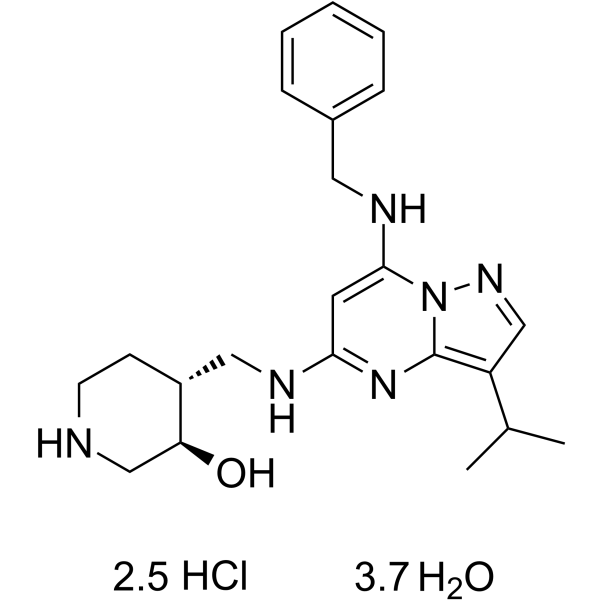
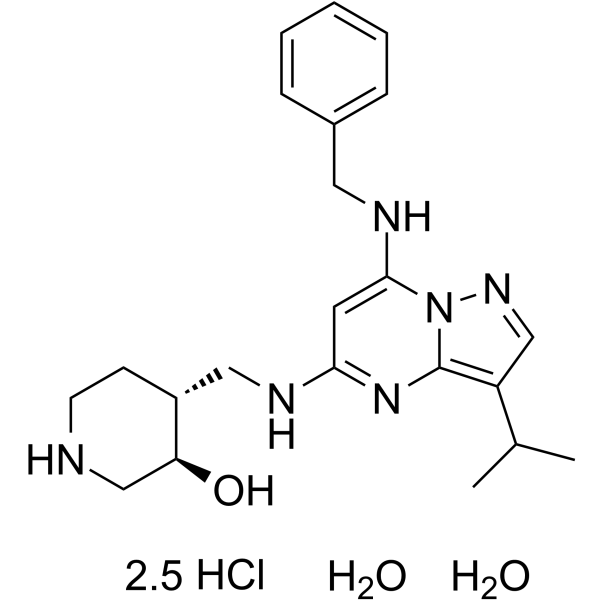
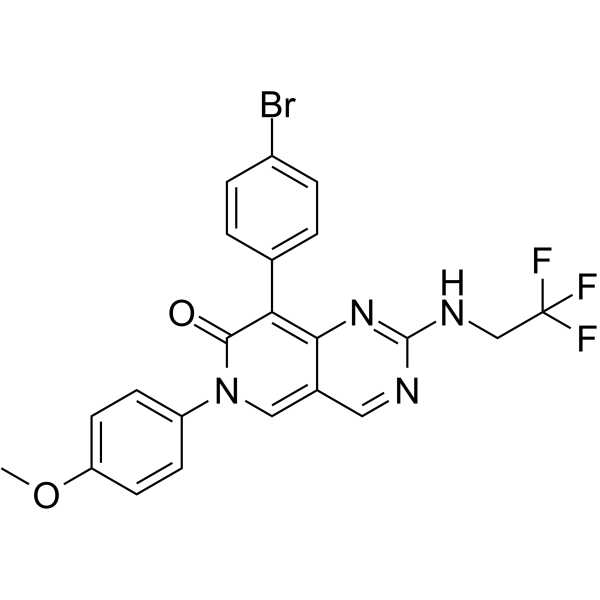
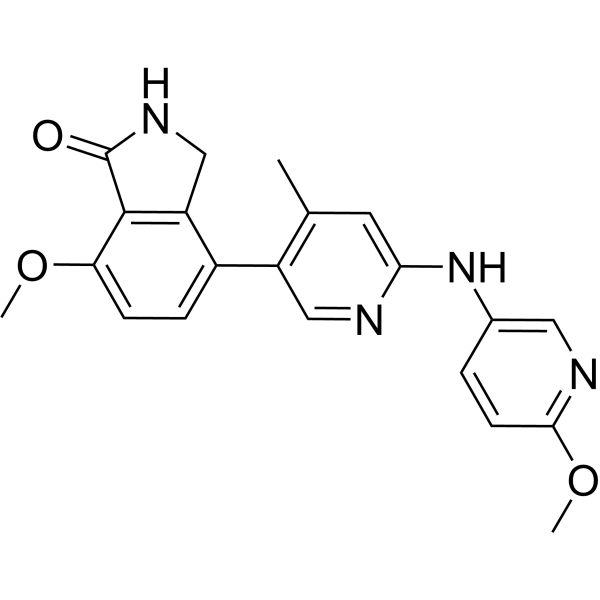
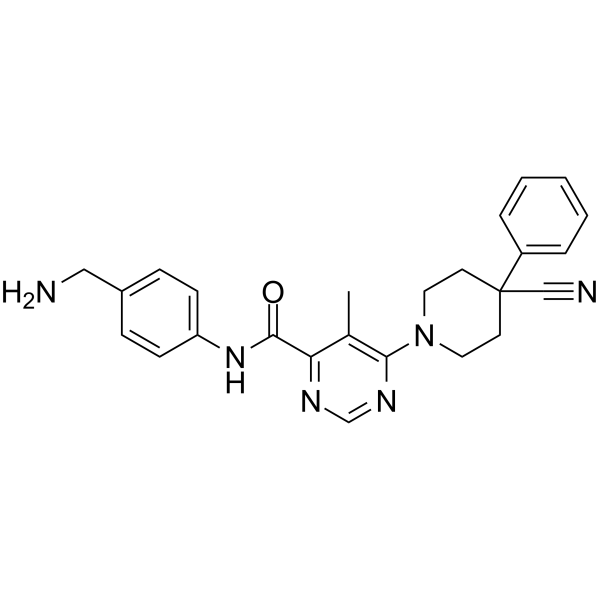
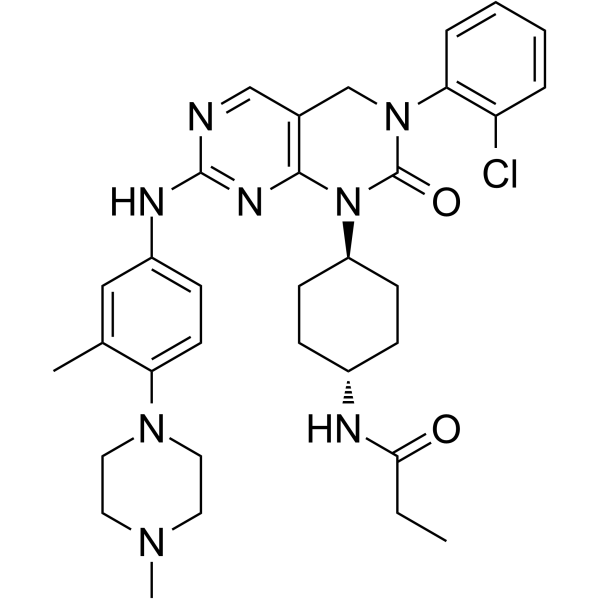
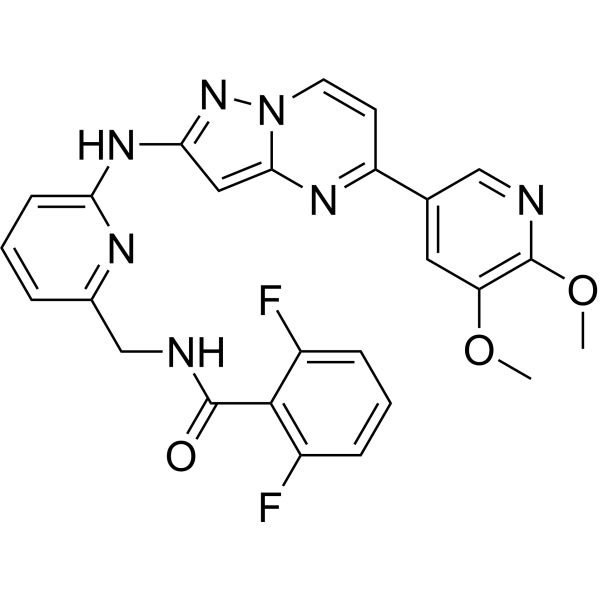
    MASTL-IN-1 is a selective and orally active MASTL inhibitor with a Ki <0.03 nM. MASTL-IN-1 inhibits phosphorylation of ENSA and inhibits proliferation in cancer cells. MASTL-IN-1 induces tumor growth inhibition and stasis in pancreatic cancer xenograft models .
    MASTL-IN-1
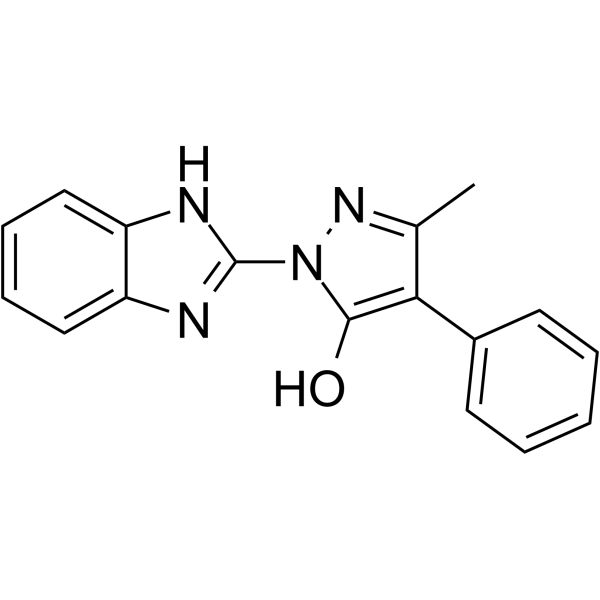
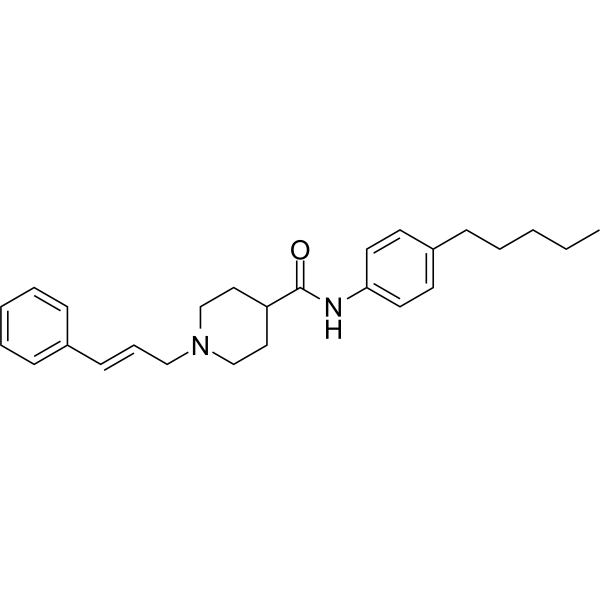
  • HY-100395

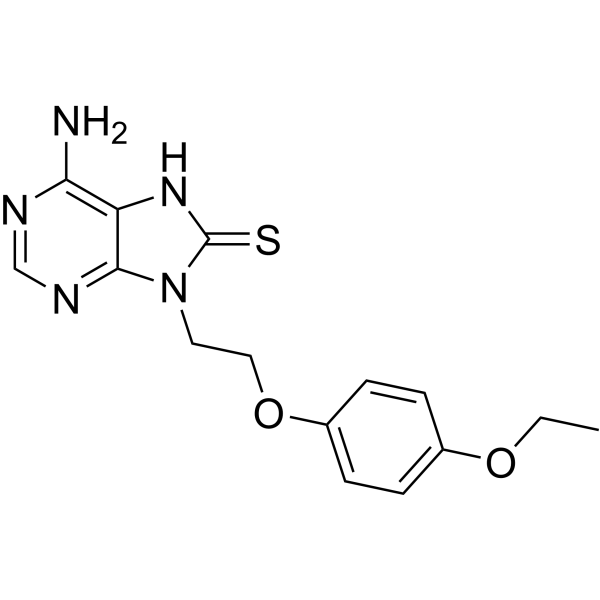
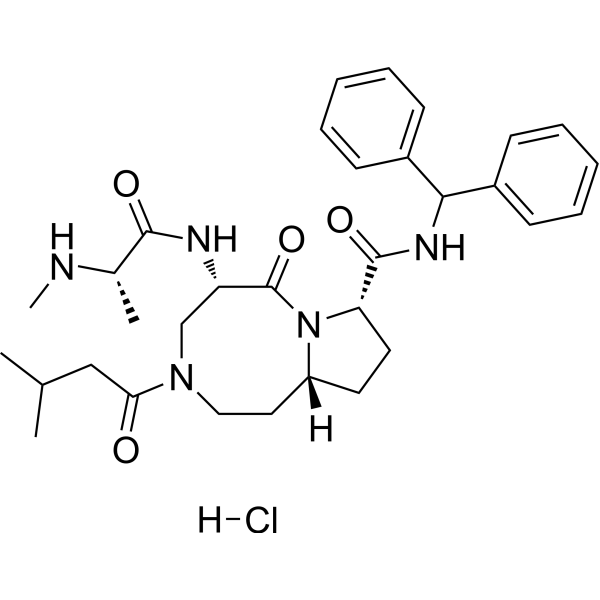
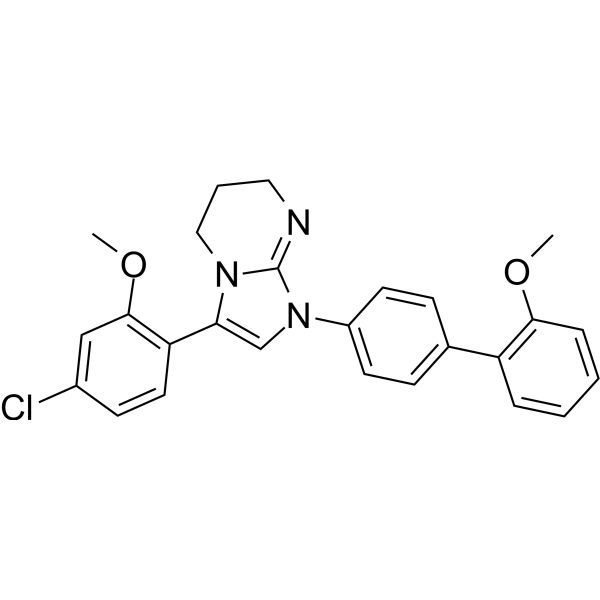
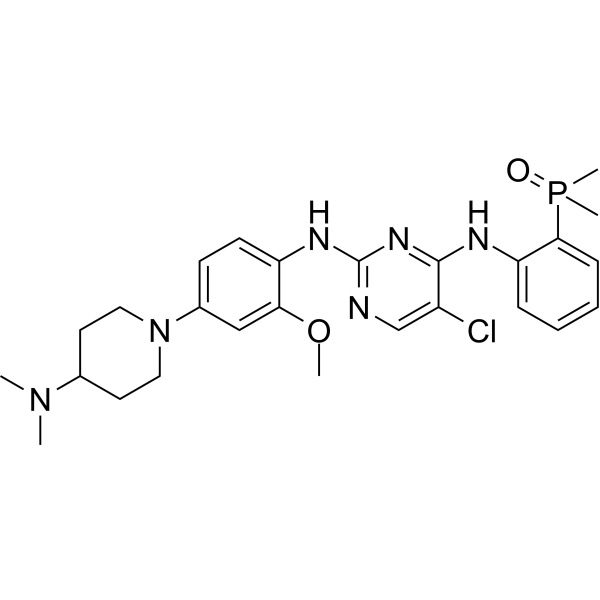
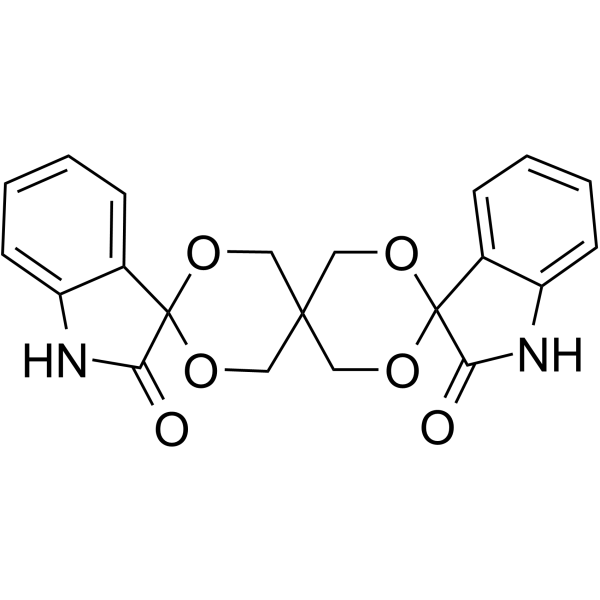
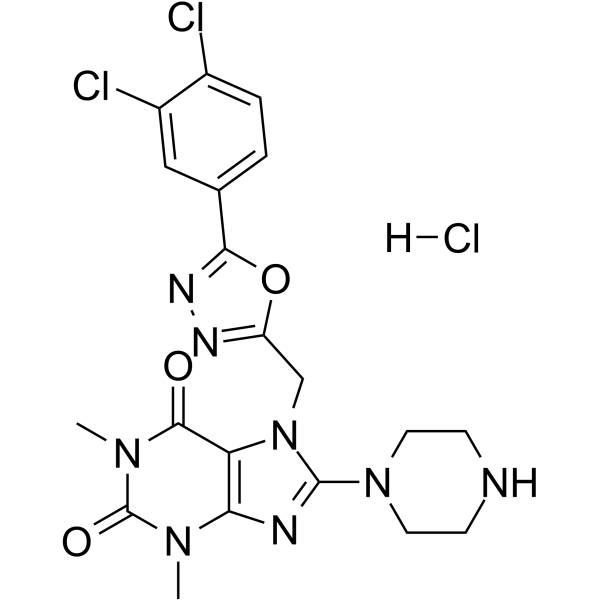
    Apoptosis Cancer
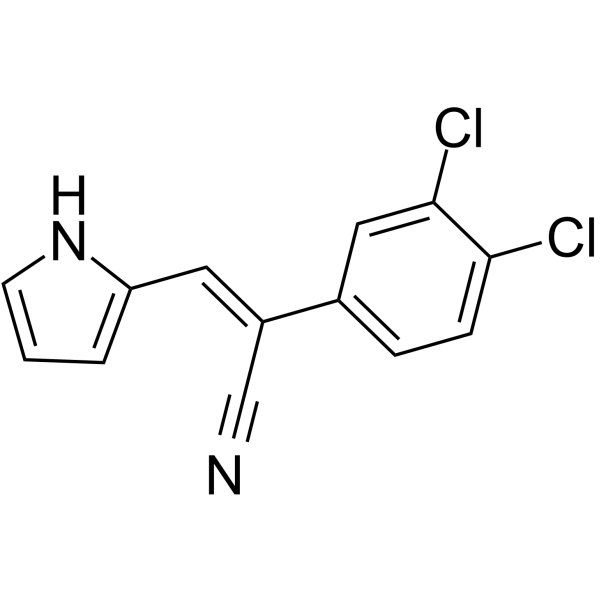
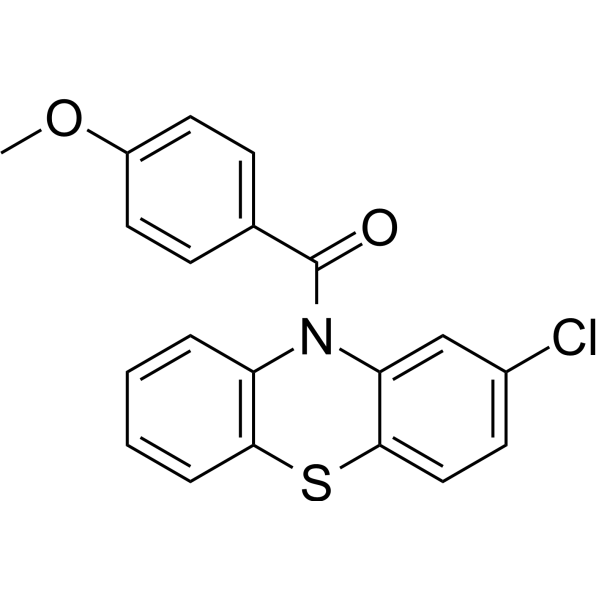
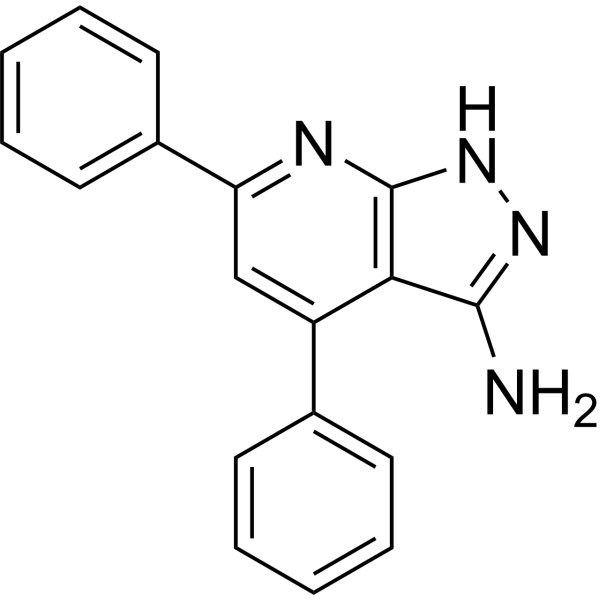
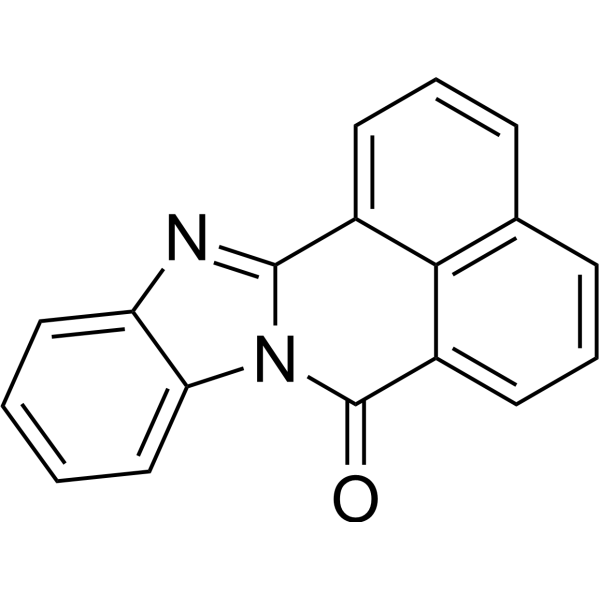
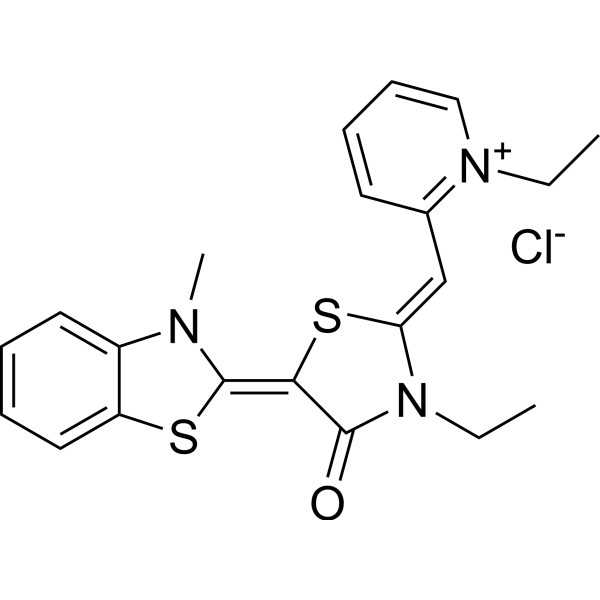
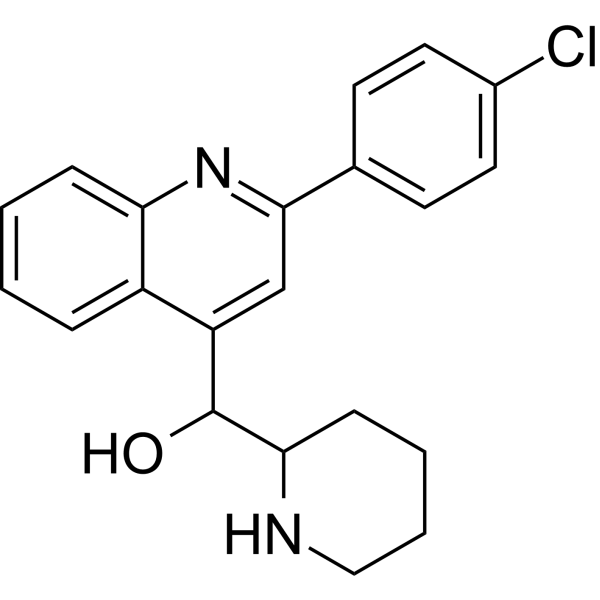
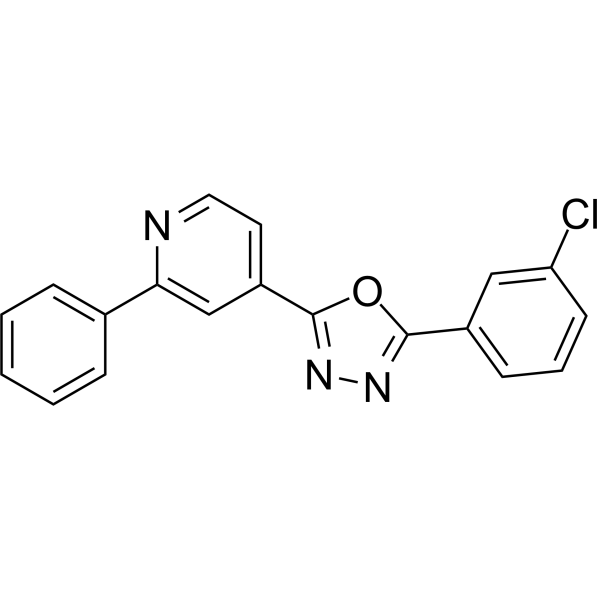
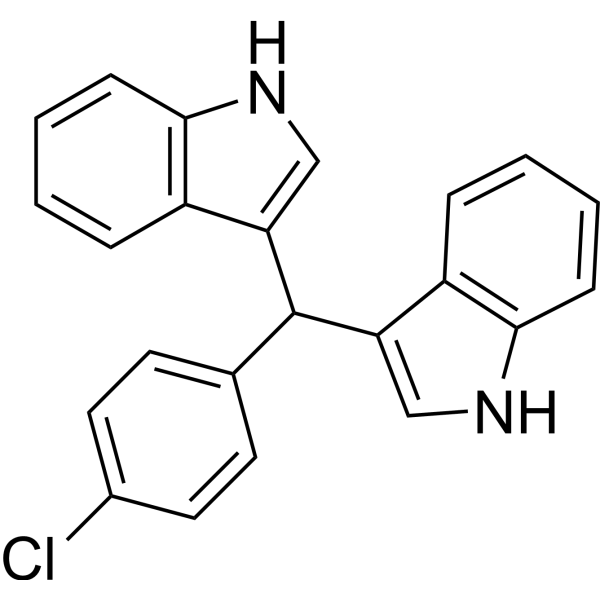
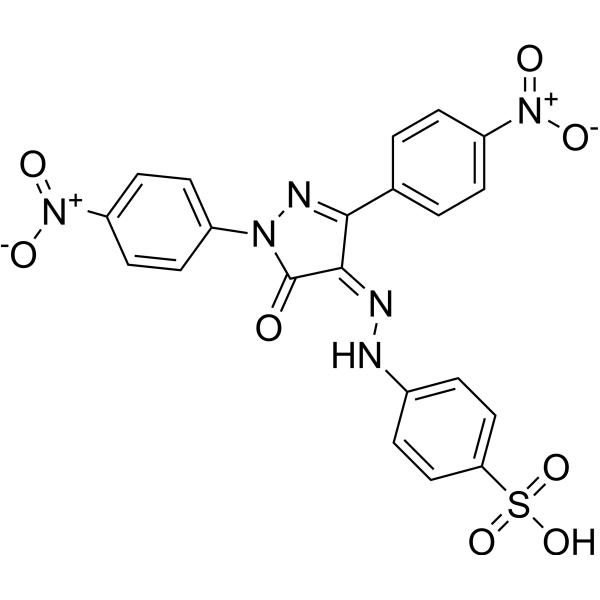
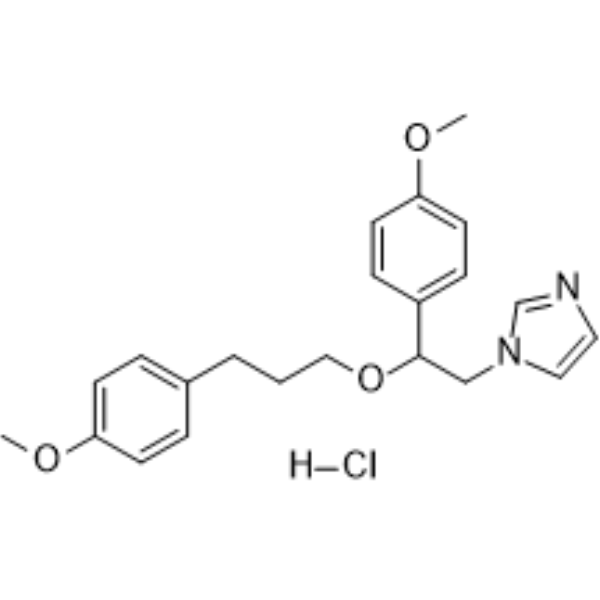
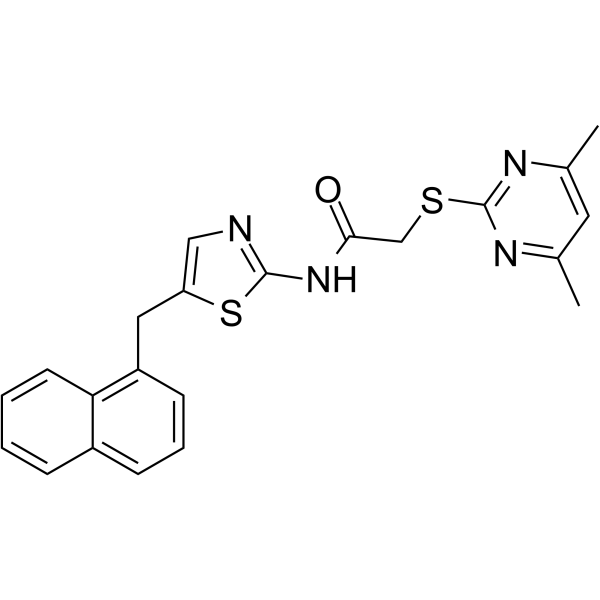
    F16 is a potent growth inhibitor of the neu-overexpressing cells and also selectively inhibits proliferation of mammary epithelial as well as a variety of mouse mammary tumor and human breast cancer cell lines.
    F16
  • HY-149265

    Reactive Oxygen Species (ROS) TrxR Ferroptosis Apoptosis Caspase Bcl-2 Family Cancer
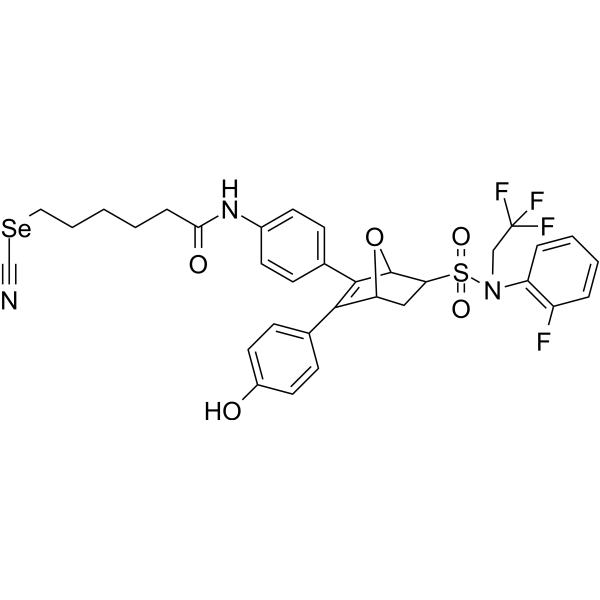
    ROS-generating agent 1 is a selective ROS-generating agent. ROS-generating agent 1 inhibits TrxR activity and expression in cancer cells. ROS-generating agent 1 induces ROS-dependent apoptosis and ferroptosis in cancer cells. ROS-generating agent 1 selectively kills lung cancer cells and inhibits the growth of cancer cell xenograft tumors in nude mice. ROS-generating agent 1 can be used for the research of non-small cell lung cancer .
    ROS-generating agent 1
  • HY-N4317
    Ethoxysanguinarine
    1 Publications Verification

    Apoptosis Cancer
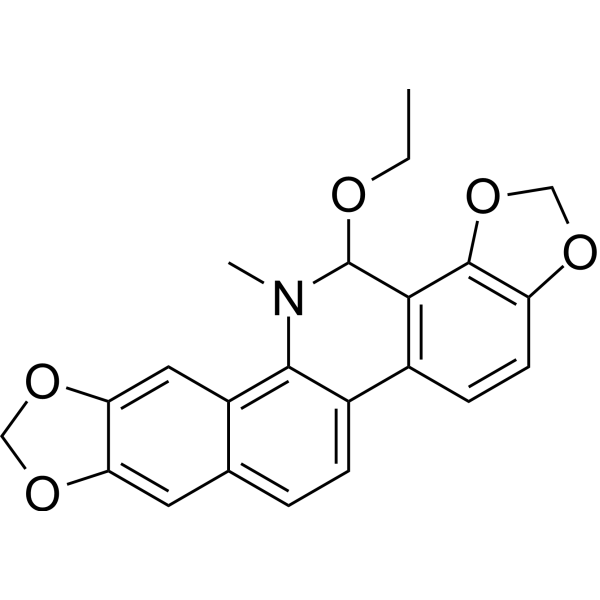
    Ethoxysanguinarine is a benzophenanthridine alkaloid natural product that is mainly found in Macleaya cordata. Ethoxysanguinarine is an inhibitor of protein phosphatase 2A (CIP2A). Ethoxysanguinarine induces cell apoptosis and inhibits colorectal cancer cells growth .
    Ethoxysanguinarine
  • HY-160020

    Androgen Receptor Cancer
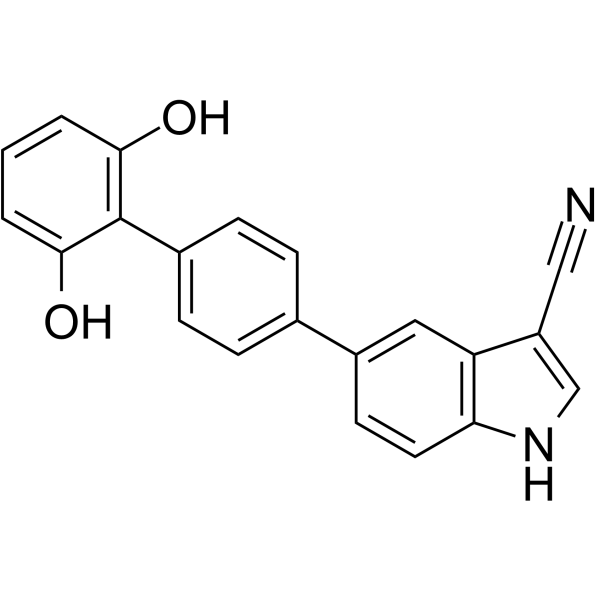
    ET516 is a potent inhibitor of Androgen Receptor. ET516 significantly inhibits the proliferation and tumor growth of prostate cancer cells expressing AR-resistant mutants .
    ET516
  • HY-U00458
    K-80003
    1 Publications Verification

    TX-803

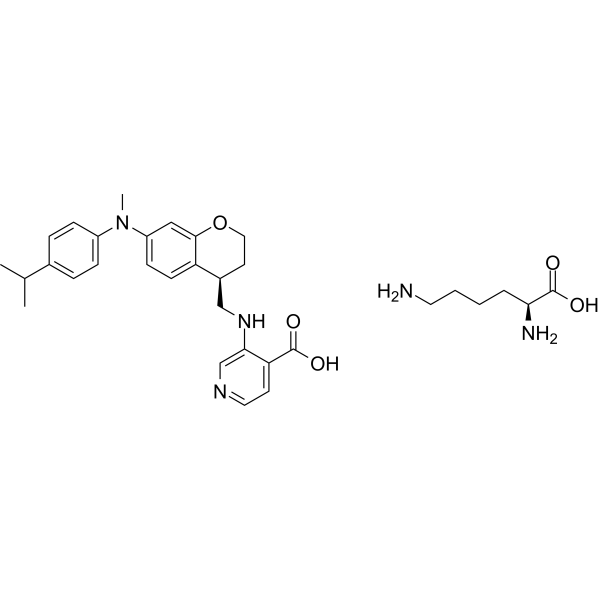
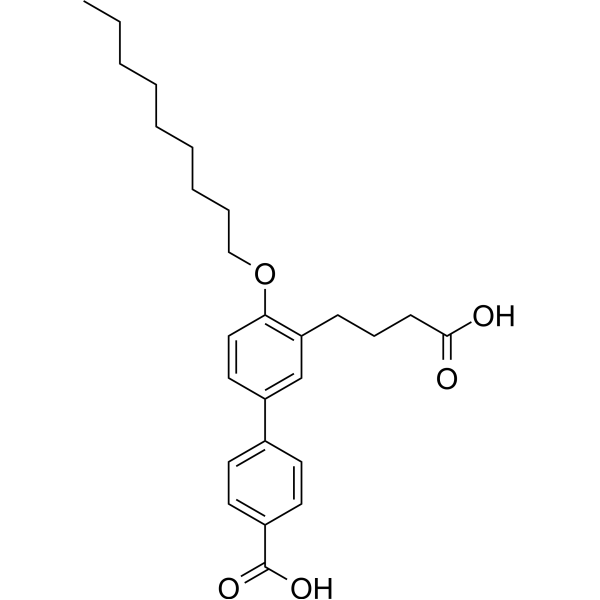
    Akt Cancer
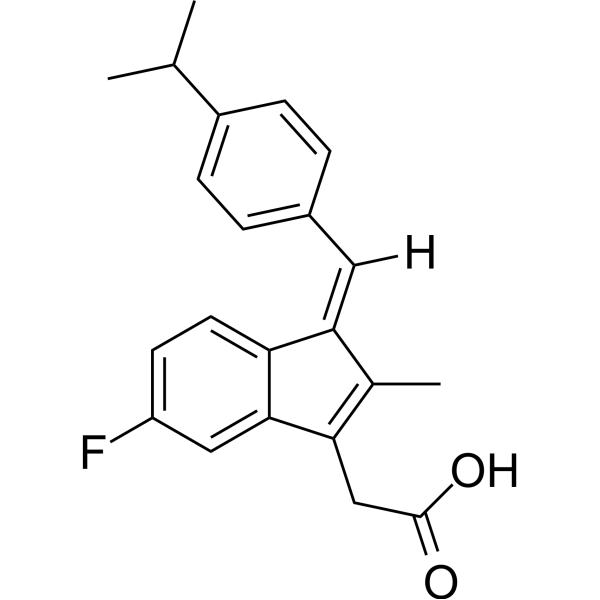
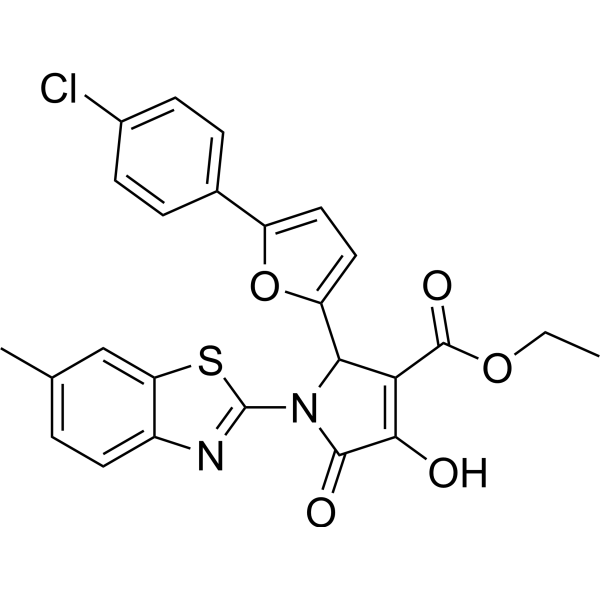
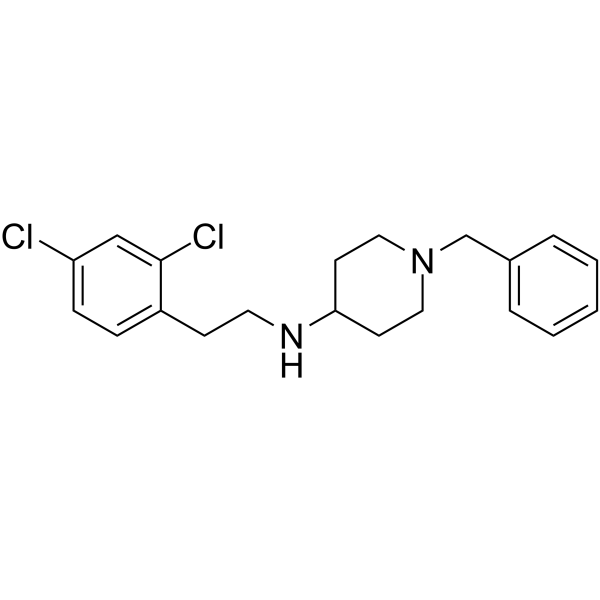
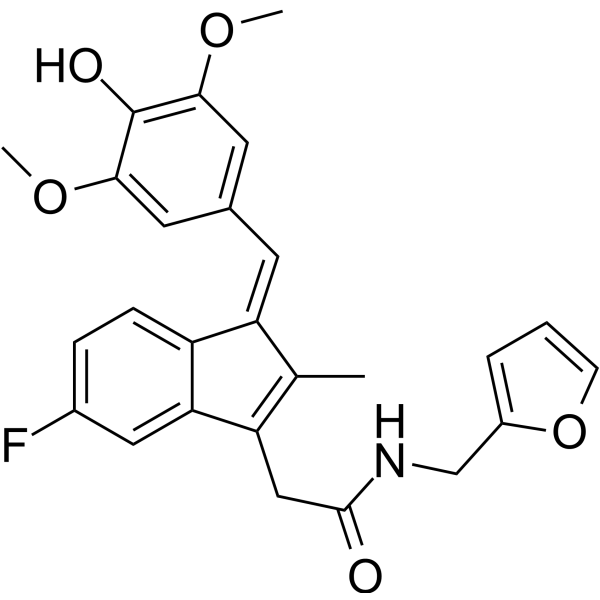
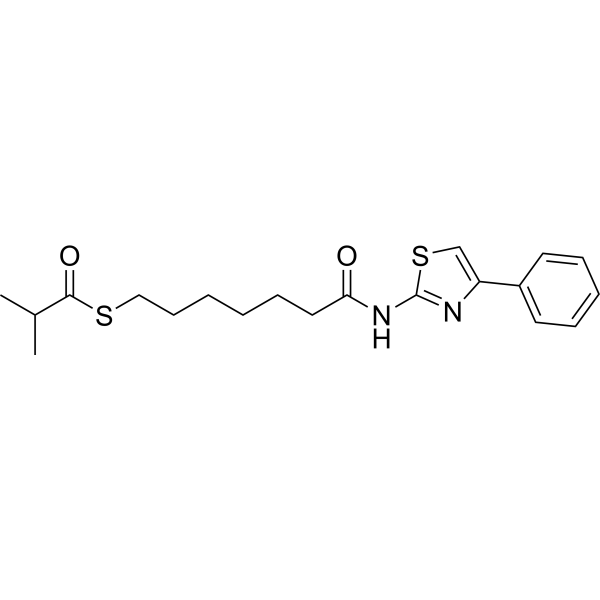
    K-80003 is a potent inhibitor of tRXRα-dependent Akt activation and cancer cell growth.
    K-80003
  • HY-117102

    Aryl Hydrocarbon Receptor Checkpoint Kinase (Chk) Cancer
    ANI-7 is an activator of aryl hydrocarbon receptor (AhR) pathway. ANI-7 inhibits the growth of multiple cancer cells, and potently and selectively inhibits the growth of MCF-7 breast cancer cells with a GI50 of 0.56 μM. ANI-7 induces CYP1-metabolizing mono-oxygenases by activating AhR pathway, and also induces DNA damage, checkpoint Kinase 2 (Chk2) activation, S-phase cell cycle arrest, and cell death in sensitive breast cancer cell lines .
    ANI-7
  • HY-W011434

    TGIC

    MDM-2/p53 Apoptosis Inflammation/Immunology Cancer
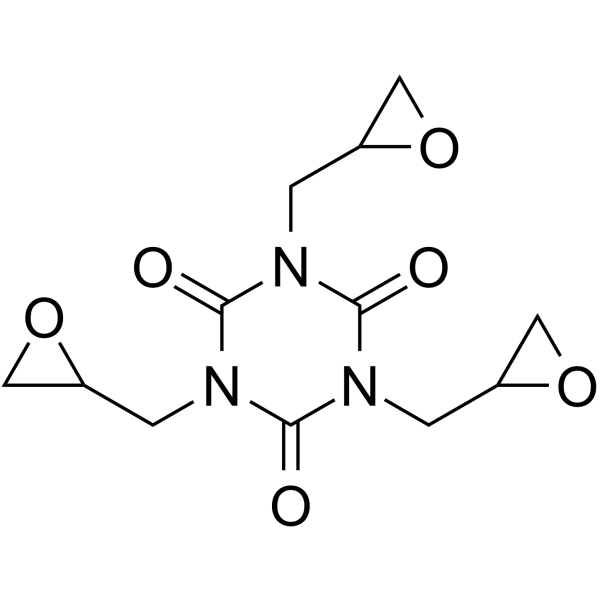
    Triglycidyl isocyanurate (TGIC; Teroxirone) is a triazene triepoxide with antiangiogenic and antineoplastic activities. Triglycidyl isocyanurate inhibits the growth of non-small-cell-lung cancer cells via?p53 activation. Triglycidyl isocyanurate induces cell apoptosis. Triglycidyl isocyanurate can be used for cancer research .
    Triglycidyl isocyanurate
  • HY-145722A
    Apatorsen
    1 Publications Verification

    OGX-427

    HSP Cancer
    Apatorsen is a 2'-methoxyethyl-modified antisense oligonucleotide and also a Hsp27 inhibitor. Apatorsen reduces Hsp27 mRNA and protein levels, impairs stress-induced cytoprotective functions, induces cell apoptosis, inhibits tumor growth and prevents metastasis. Apatorsen is applicable to research related to non-small cell lung cancer, castration-resistant prostate cancer, breast cancer, ovarian cancer and bladder cancer .
    Apatorsen
  • HY-163743

    Salt-inducible Kinase (SIK) Cancer
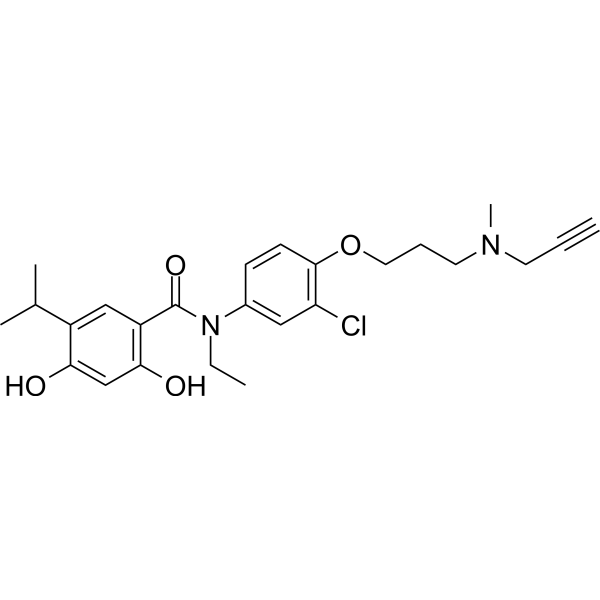
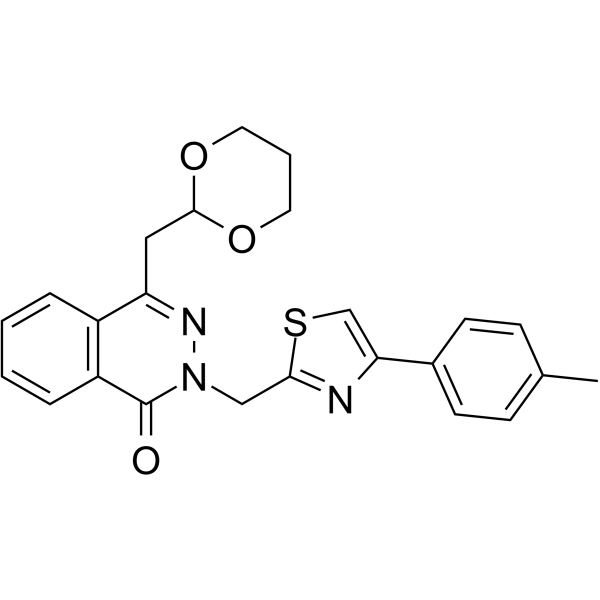
    SIC-19 is a SIK2 inhibitor and promotes SIK2 protein degradation via the ubiquitination pathway. SIC-19 inhibits cancer cell growth and sensitizes cells to PARP inhibitors (Such as Olaparib (HY-10162)), as well as in ovarian cancer organoids and xenograft models .
    SIC-19
  • HY-N8389

    Bacterial Fungal PAK Akt STAT PD-1/PD-L1 Apoptosis CCR Infection Cancer
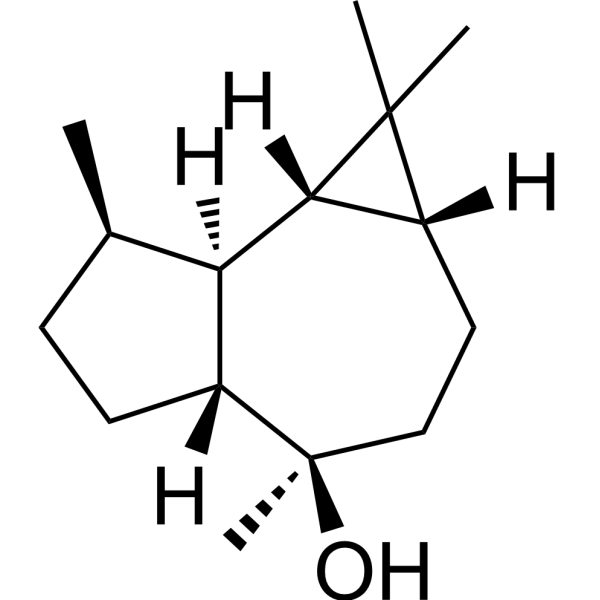
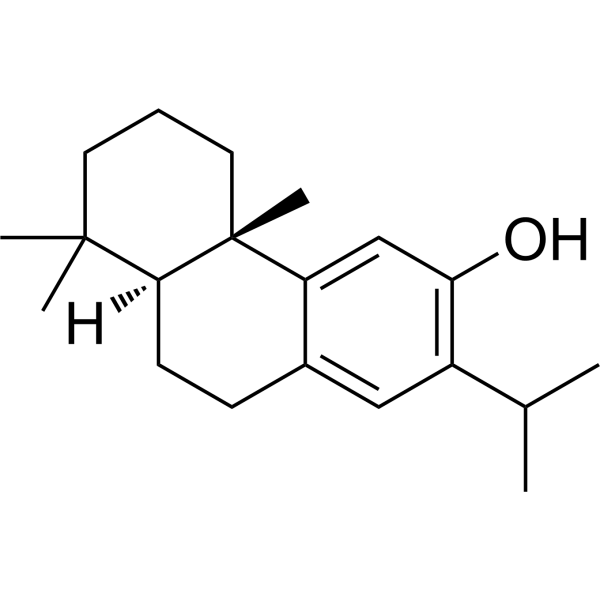
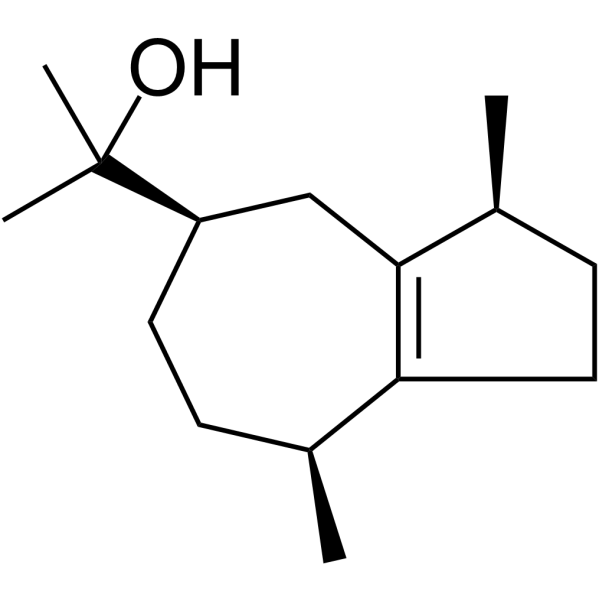
    Globulol is a terpenoid metabolite and Antimicrobial agent. Globulol can be isolated from Alpinia oxyphylla Miq. Globulol binds to PAK4, reduces the expression level of PAK4 in cancer cells, decreases the phosphorylation of AKT, and downregulates the expressions of STAT3, phosphorylated STAT3, and PD-L1. Globulol promotes the secretion of CCL4 by cancer cells. Globulol reduces the viability and proliferation ability of cancer cells, induces G0/G1 cell cycle arrest and Apoptosis in cancer cells, and inhibits cancer cell migration and the integrity of 3D tumor spheres. Globulol enhances the relevant effects of anti-PD-1 agents in the cancer cell microenvironment. Globulol exhibits anticancer activity against liver cancer. Globulol inhibits the mycelial growth of phytopathogenic fungi and the growth of phytopathogenic bacteria. Globulol can be used in studies related to hepatocellular carcinoma .
    Globulol
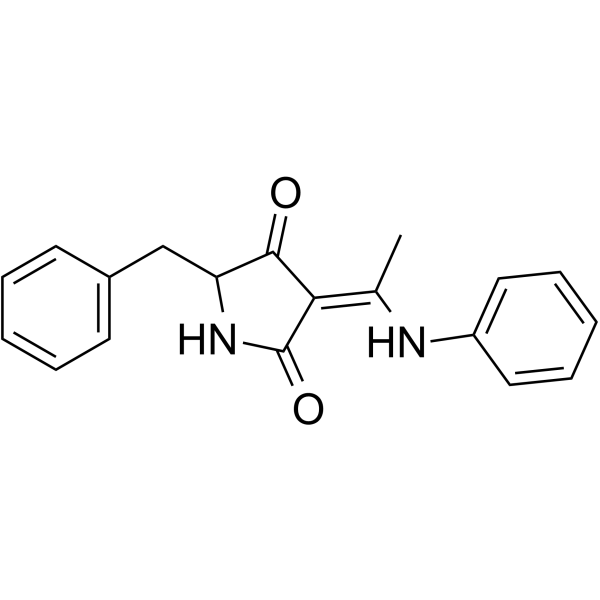
  • HY-164143

    Topoisomerase Cancer
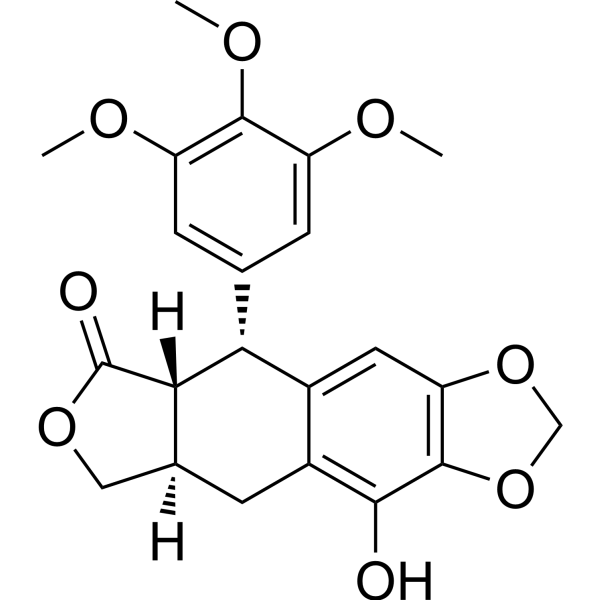
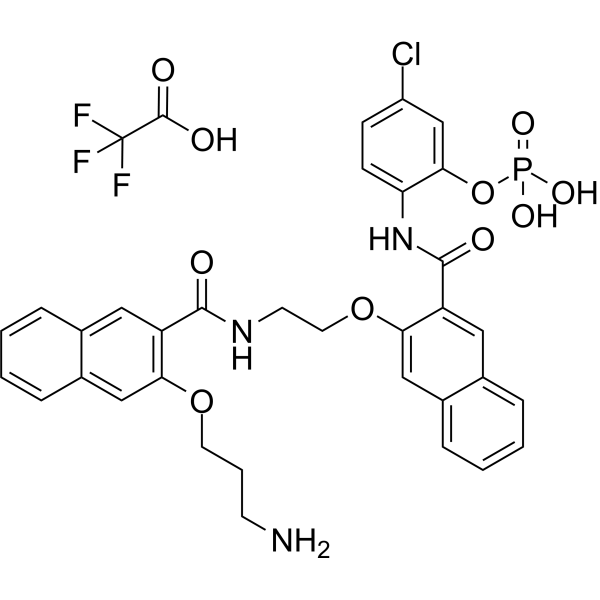
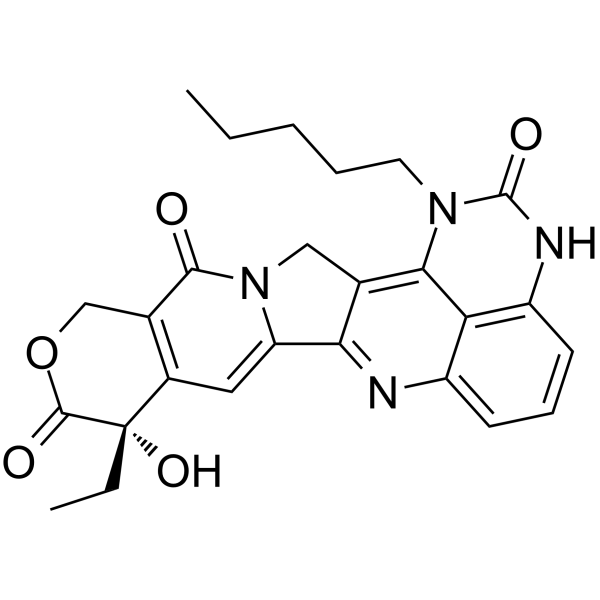
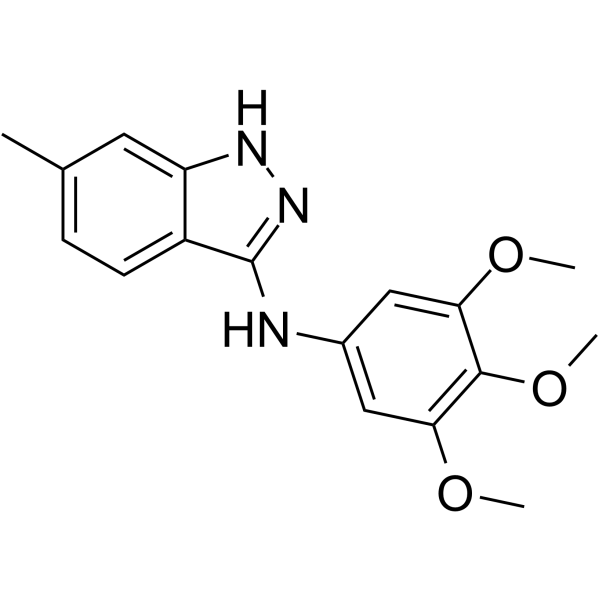
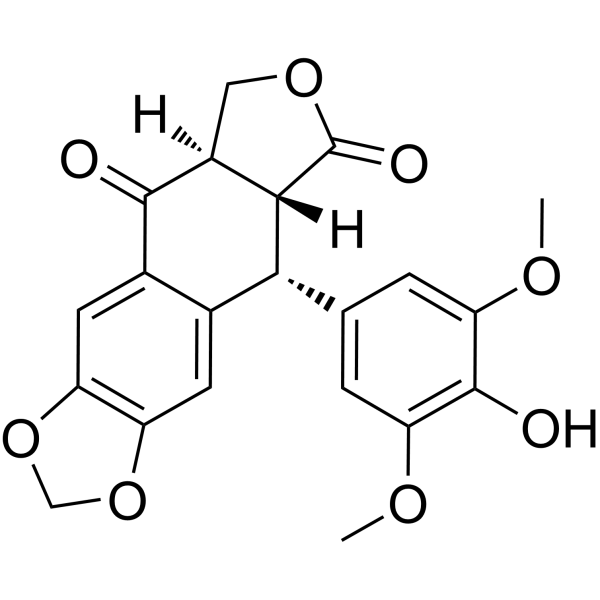
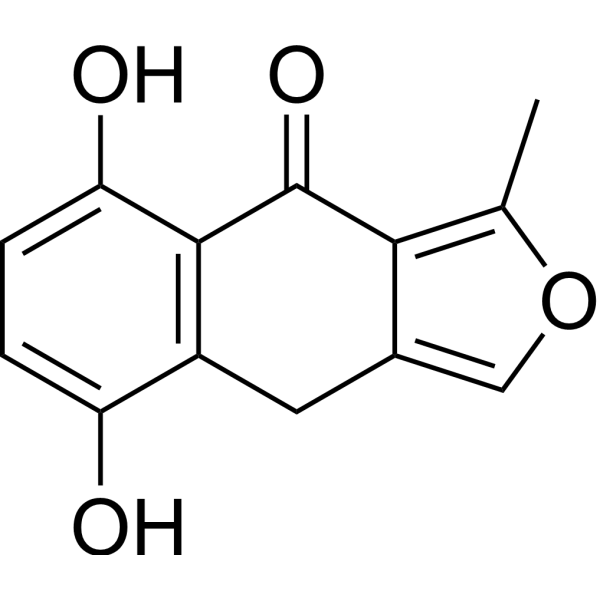
    T638 is a topoisomerase II (TOP2) inhibitor. T638 inhibits TOP2A activity with a IC50 of 0.7 uM. T638 strongly inhibits cancer cell growth .
    T638
  • HY-105387

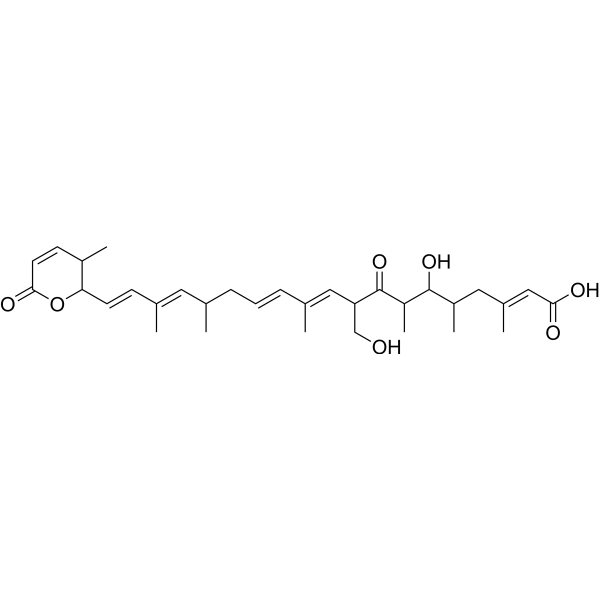
    DNA/RNA Synthesis Bacterial Topoisomerase Infection Cancer
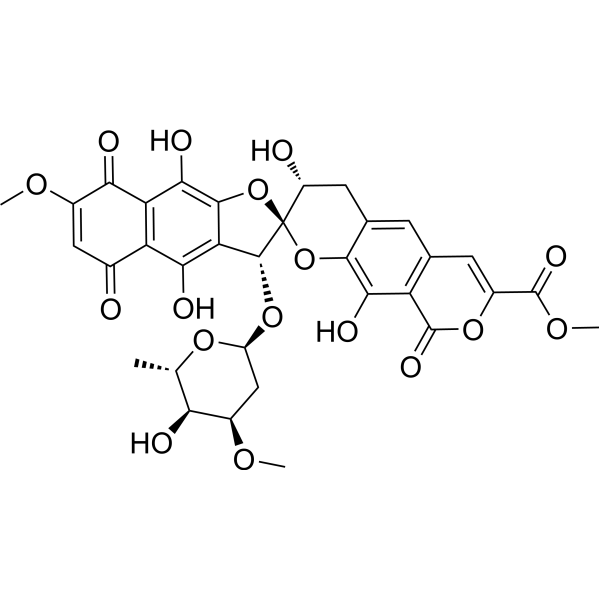
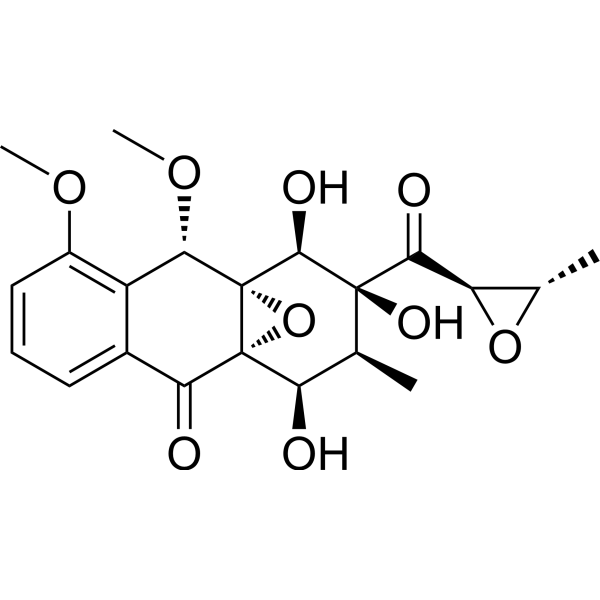
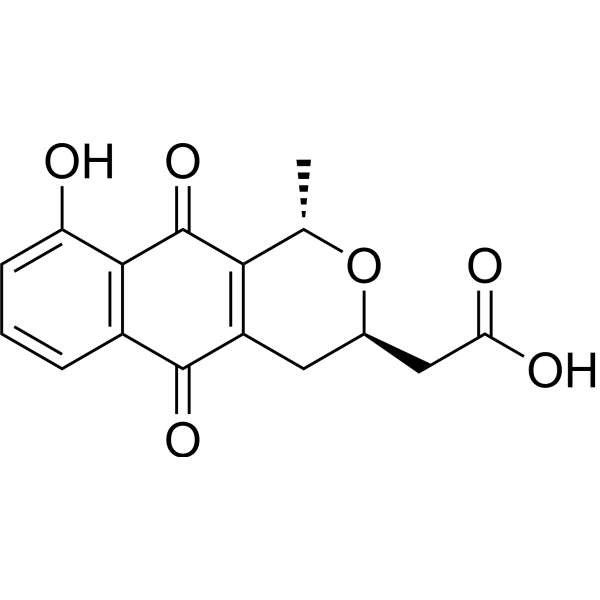
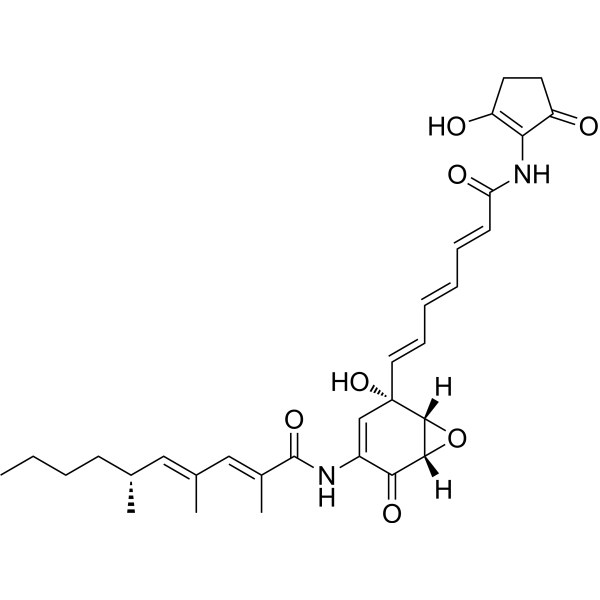
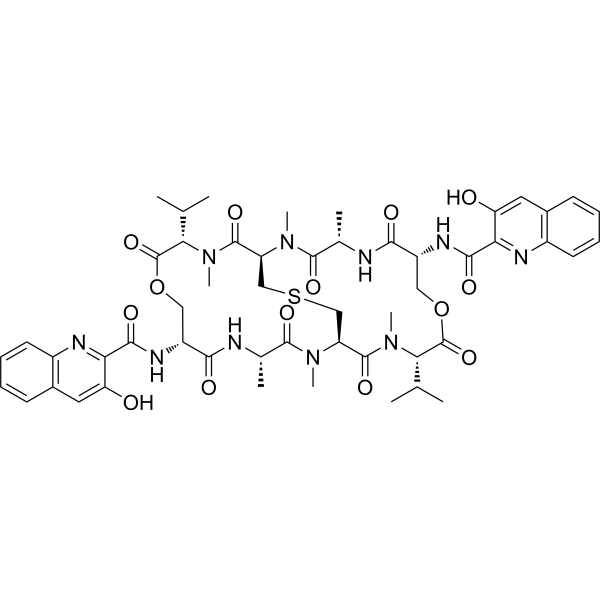
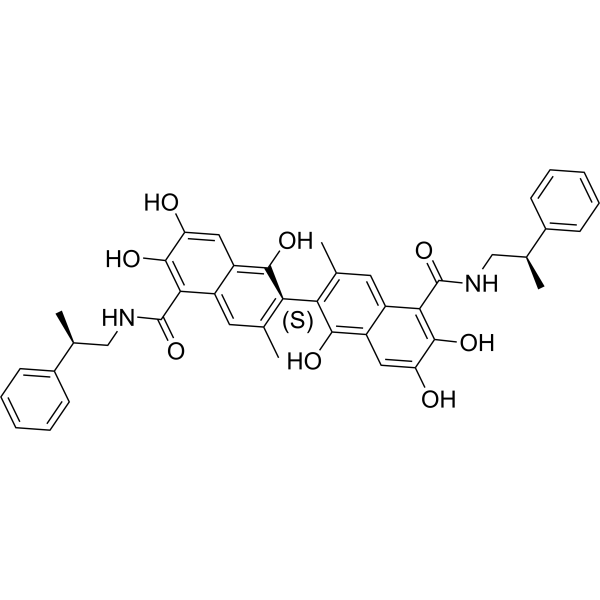
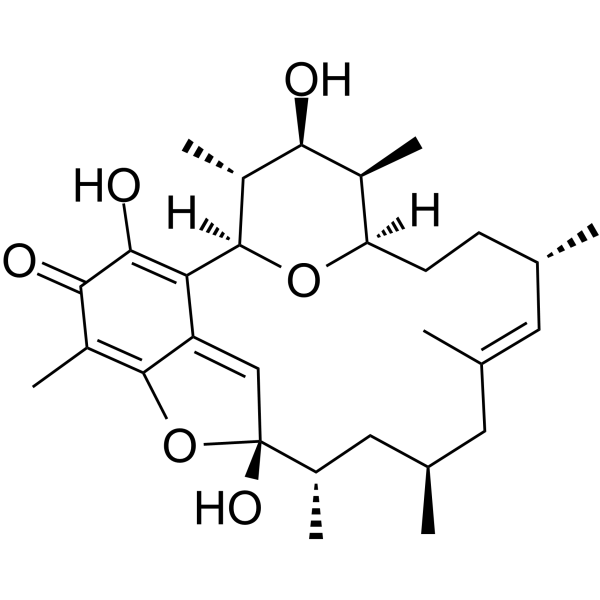
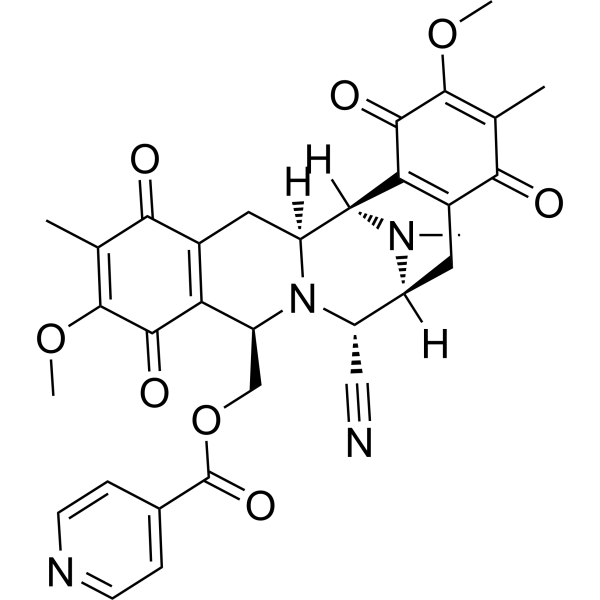
    Heliquinomycin is an inhibitor of DNA helicase (Ki: 6.8 μM) and inhibits DNA and RNA synthesis. Heliquinomycin is effective against Gram-positive bacteria strains. Heliquinomycin inhibits cancer cell growth .
    Heliquinomycin
  • HY-148838

    c-Myc Cancer
    c-Myc inhibitor 8 (compound 56) is a c-Myc inhibitor. c-Myc inhibitor 8 effectively inhibits cell viability of a variety of cancer cells. c-Myc inhibitor 8 inhibits human prostate and lung cancer growth in mouse models. c-Myc inhibitor 8 can be used for cancer research .
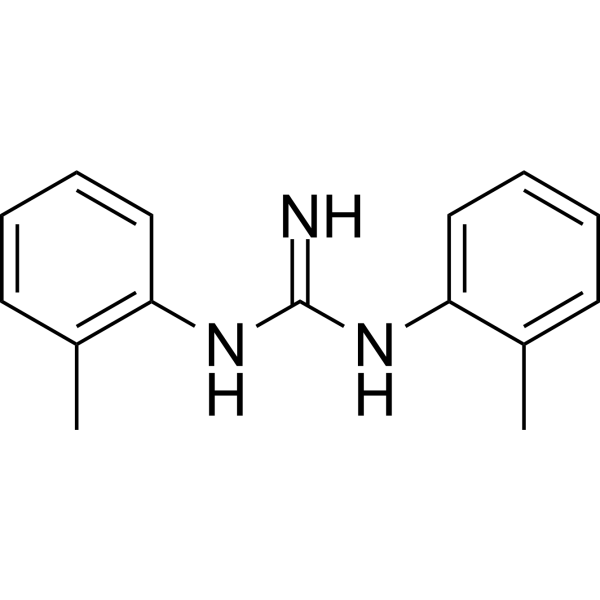
    c-Myc inhibitor 8
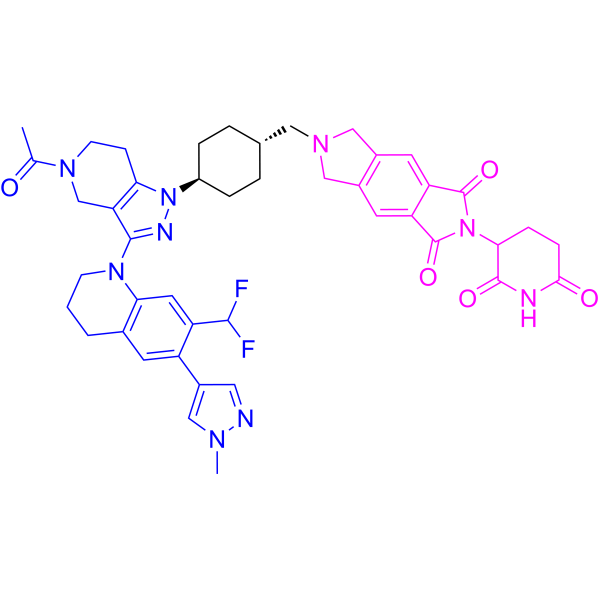
  • HY-141877B

    YS43-22 (isomer)

    PROTACs Histone Methyltransferase Cancer
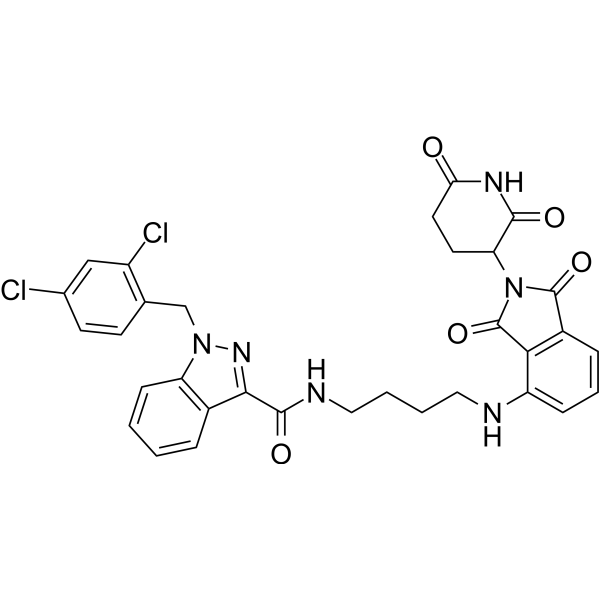
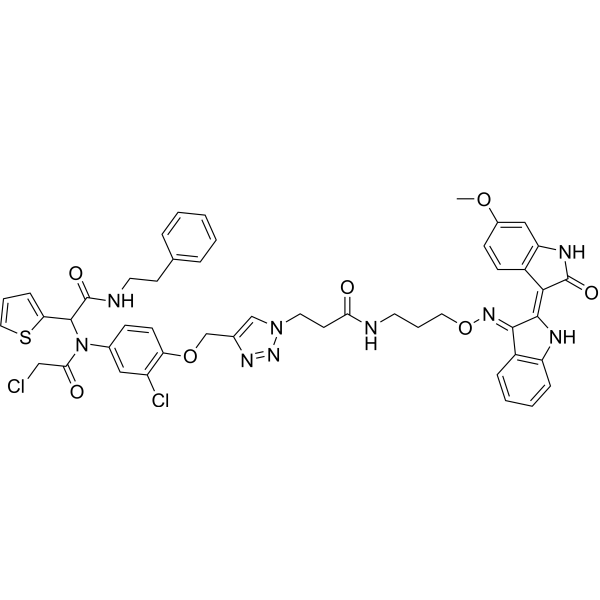
    MS4322 (YS43-22) isomer is an isomer of MS4322. MS4322 is a specific PRMT5 PROTAC degrader. MS4322 reduces the PRMT5 protein level with a DC50 of 1.1 μM in MCF-7 cells. MS4322 inhibits the methyltransferase activity of PRMT5 with an IC50 of 18 nM. MS4322 promotes ubiquitination and degradation of PRMT5. MS4322 can be used for the research of breast cancer, lung cancer, and hepatocellular cancer. (Pink: PRMT5 ligand (HY-173092); Blue: E3 ligase ligand HY-112078); Black: linker (HY-124780); E3+linker (HY-173093 )) .
    MS4322 (isomer)
  • HY-P991237

    HMBD-001

    EGFR Cancer
    Nezutatug (HMBD-001) is a humanized IgG1 monoclonal antibody inhibitor targeting HER3. Nezutatug inhibits the dimerization of HER3 and inhibits the growth, proliferation and other activities of tumor cells. Nezutatug is promising for research of cancers, such as pancreatic cancer and non-small cell lung cancer .
    Nezutatug
  • HY-U00002

    VEGFR EGFR Cancer
    ZD-4190 is a potent, orally available inhibitor of the vascular endothelial cell growth factor receptor 2 (VEGFR2) and of epidermal growth factor receptor (EGFR) signalling, used for the treatment of cancer.
    ZD-4190
  • HY-110335

    ROCK Cancer
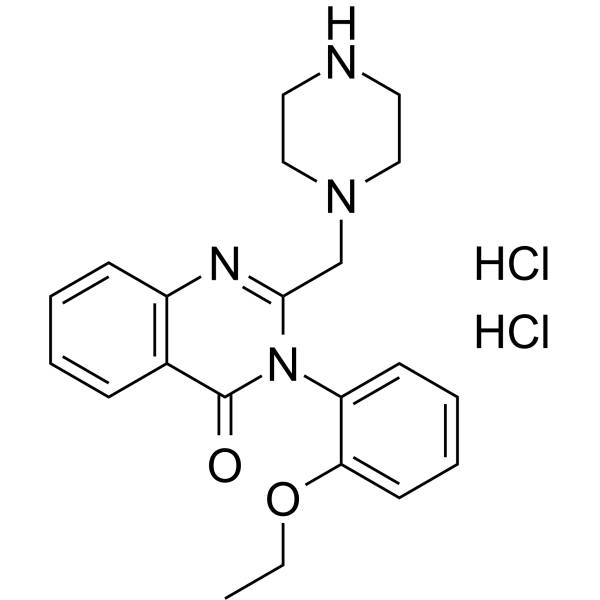
    OXA-06 hydrochloride is an ATP-competitive ROCK inhibitor that blocks anchorage-dependent growth and invasion of non-small cell lung cancer cell lines. OXA-06 hydrochloride inhibits cofilin phosphorylation but does not stimulate apoptosis .
    OXA-06 hydrochloride
  • HY-162445

    Ras PERK Cancer
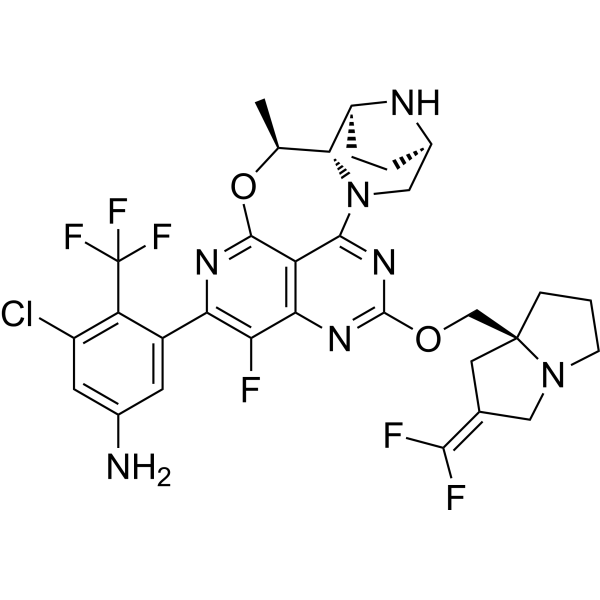
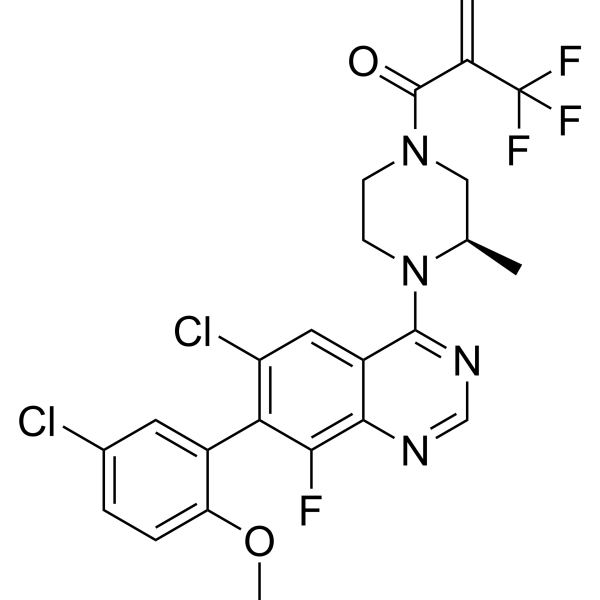
    KRASG12D-IN-3 is an orally active KRAS G12D inhibitor. KRASG12D-IN-3 inhibits the growth of gastric cancer and pancreatic cancer cells. KRASG12D-IN-3 inhibits the activity of p-ERK in gastric cancer cells. KRASG12D-IN-3 can be used for the research of gastric cancer and pancreatic cancer .
    KRASG12D-IN-3
  • HY-115925

    SHP2 Phosphatase Cancer
    SHP2-IN-9 is a specific SHP2 inhibitor (IC50 =1.174 μM) with enhanced blood–brain barrier penetration. SHP2-IN-9 shows 85-fold more selective for SHP2 than SHP1. SHP2-IN-9 inhibits SHP2-mediated cell signal transduction and cancer cell proliferation, and inhibits the growth of cervix cancer tumors and glioblastoma growth in vivo .
    SHP2-IN-9
  • HY-122650

    Autophagy Cancer
    PHY34 is an inhibitor that inhibits ATP6V0A2 and CAS thereby inhibiting autophagy, and has a nanomolar effect. PHY34 inhibits cancer cell growth by inducing apoptosis and inhibits tumor growth in xenograft models. PHY34 can be used for research on high grade serous ovarian cancer .
    PHY34
  • HY-149631

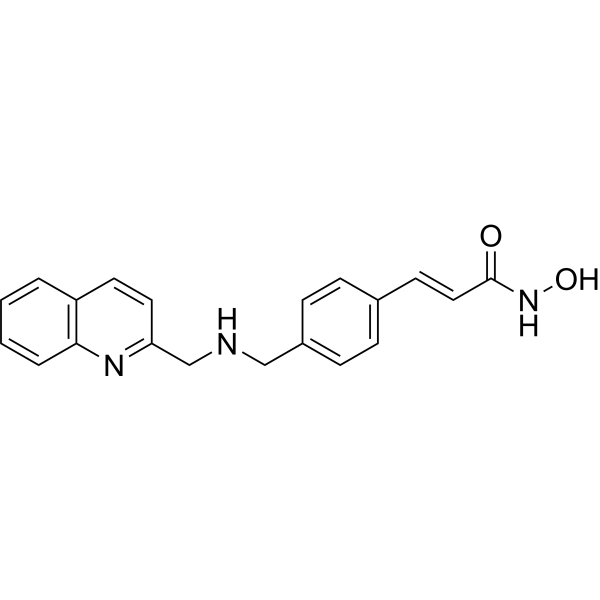
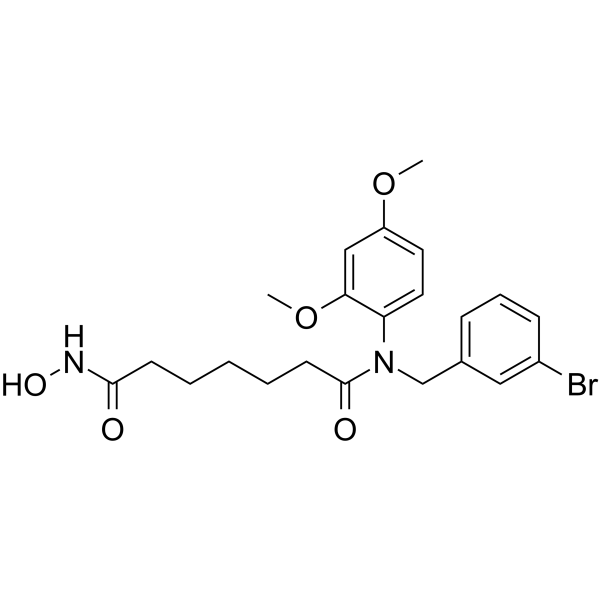
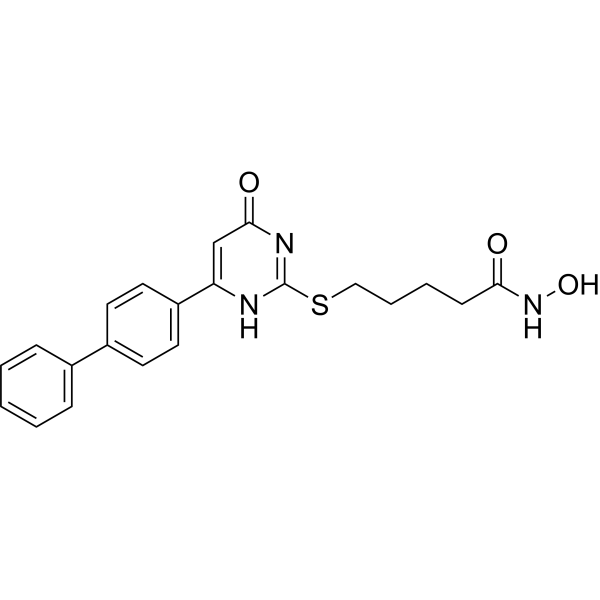
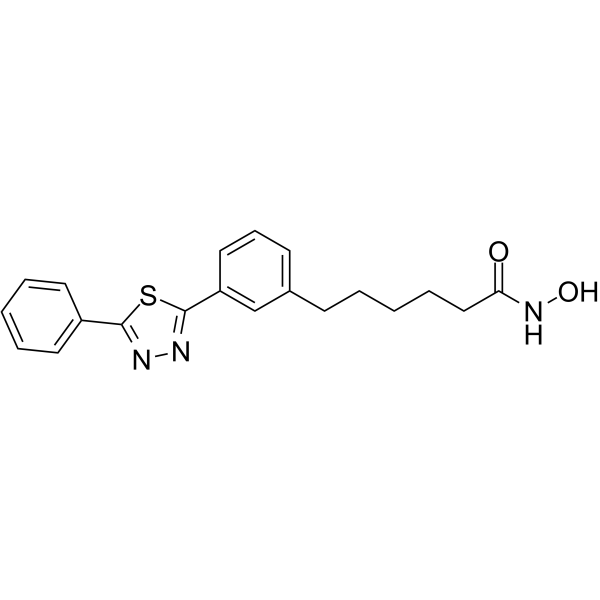
    HDAC Cancer
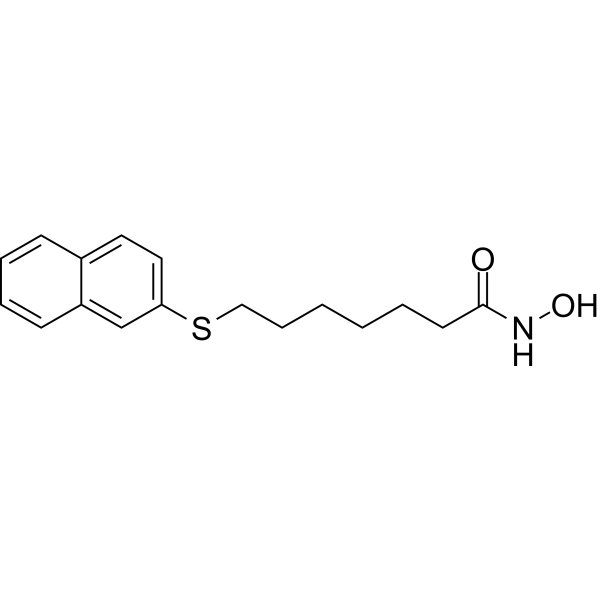
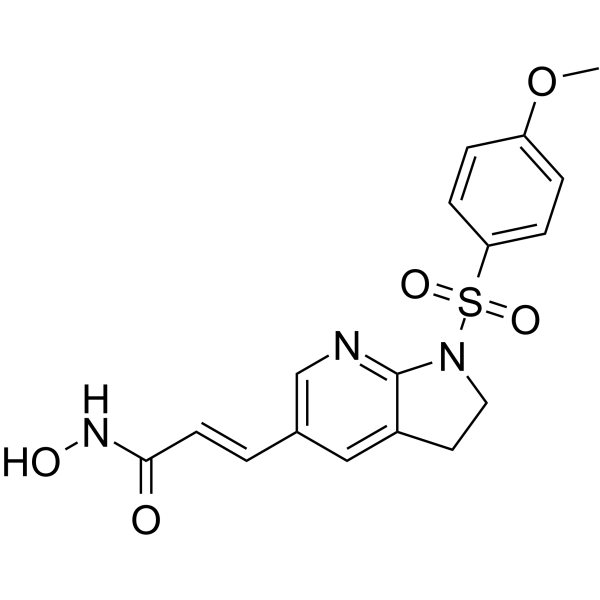
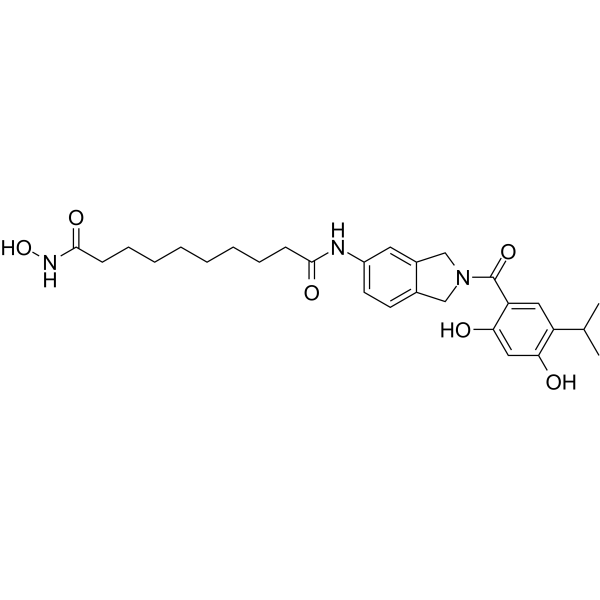
    HFY-4A is a HDAC inhibitor. HFY-4A inhibits breast cancer cell proliferation, migration, and invasion, and induces cell apoptosis. HFY-4A induces immunogenic cell death (ICD). HFY-4A inhibits tumor growth in breast cancer xenograft mouse models .
    HFY-4A
  • HY-154987

    MARK Cancer
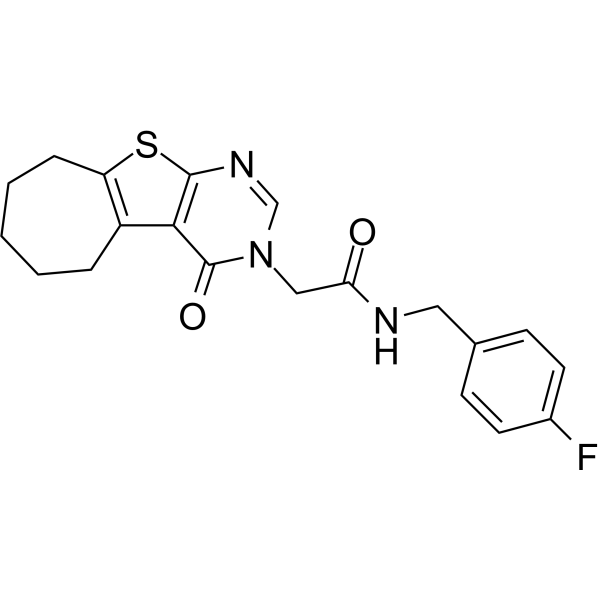
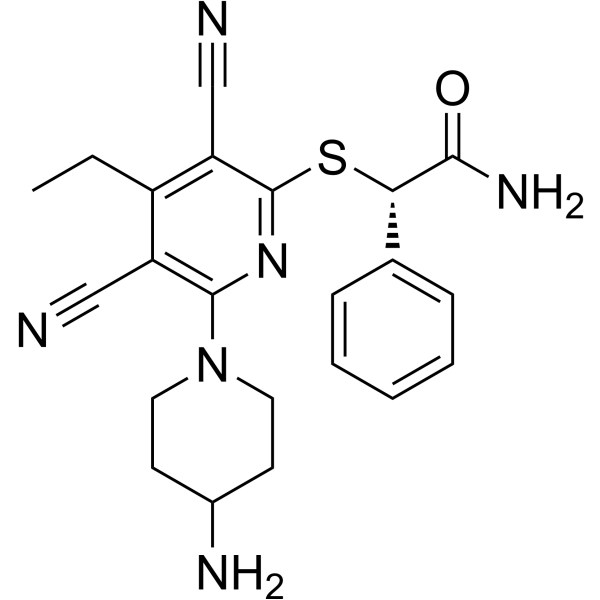
    MARK4 inhibitor 3 (compound 23b) is an inhibitor of MARK4 with an IC50 value of 1.01 μM. MARK4 inhibitor 3 inhibits cancer cells growth. MARK4 inhibitor 3 can be used for research on cancer and tauopathies .
    MARK4 inhibitor 3
  • HY-123868

    Steroid Sulfatase Cancer
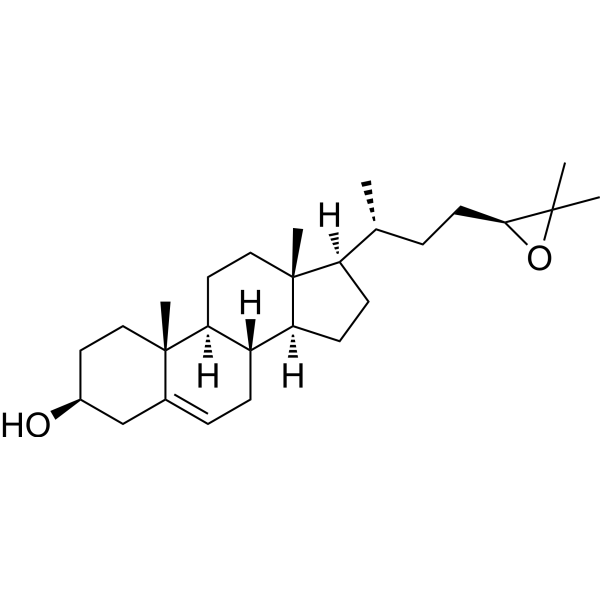
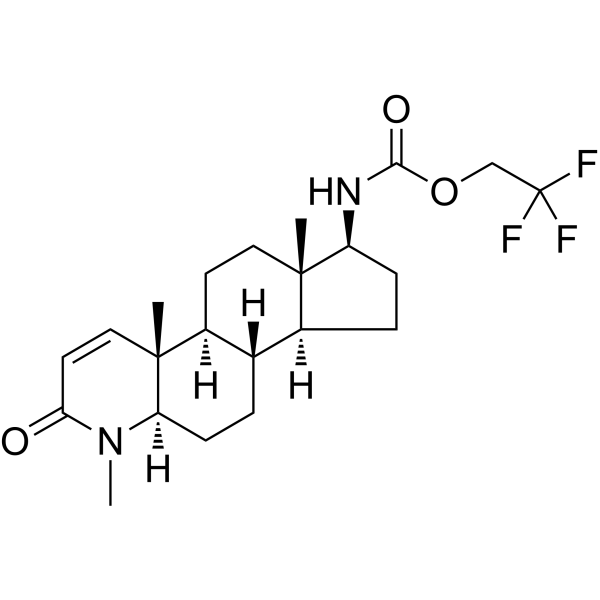
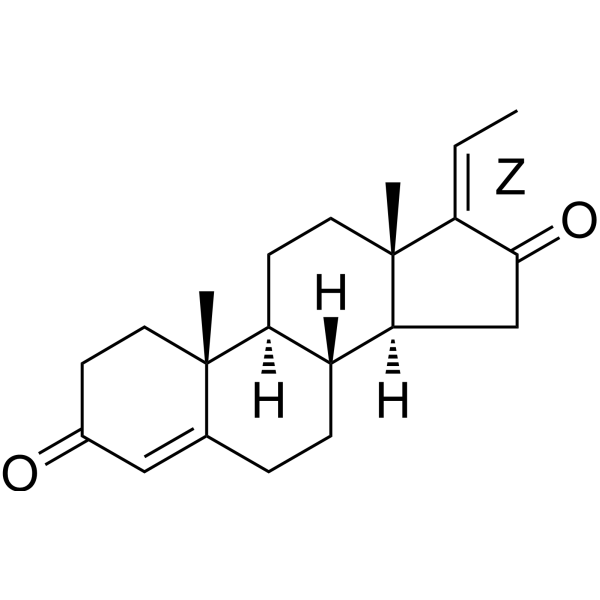
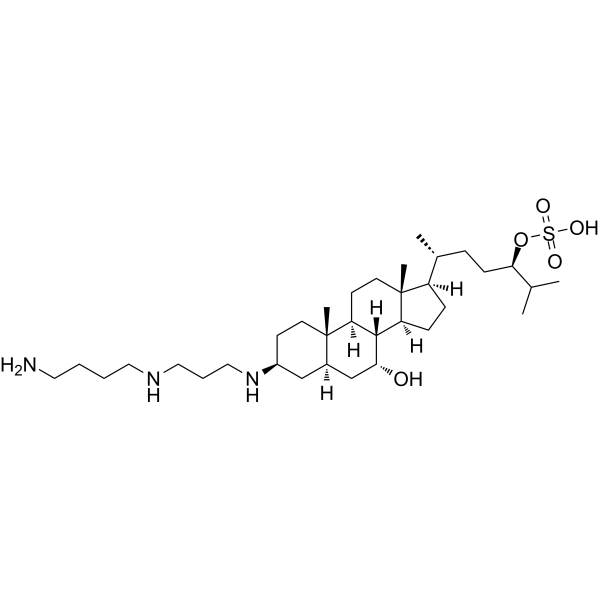
    KW-2581 is a steroidal selective steroid sulfatase (STS) inhibitor with an IC50 of 4 nM. KW-2581 inhibits STS activity of ZR-75-1 cells with an IC50 of 13 nM. KW-2581 inhibits the E1S-stimulated growth of ZR-75-1 cells with an IC50 of 0.18 nM. KW-2581 inhibits sulfated-estrogen dependent growth of breast cancer cells both in vitro and in vivo. KW-2581 induced regression in E1S-induced tumor growth. KW-2581 can be studied in research on hormone receptors-positive breast cancer .
    KW-2581
  • HY-142094

    Histone Methyltransferase Cancer
    NSD3-IN-2 is a potent NSD3 inhibitor with an IC50 value of 17.97 μM. NSD3-IN-2 inhibits the growth and proliferation of non-small cell lung cancer cell lines H460, H1299 and H1650 with anti-cancer activity .
    NSD3-IN-2
  • HY-136121

    Microtubule/Tubulin Cancer
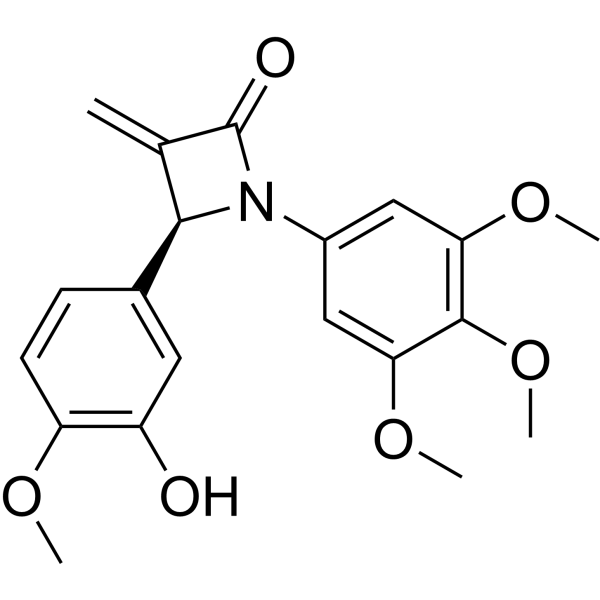
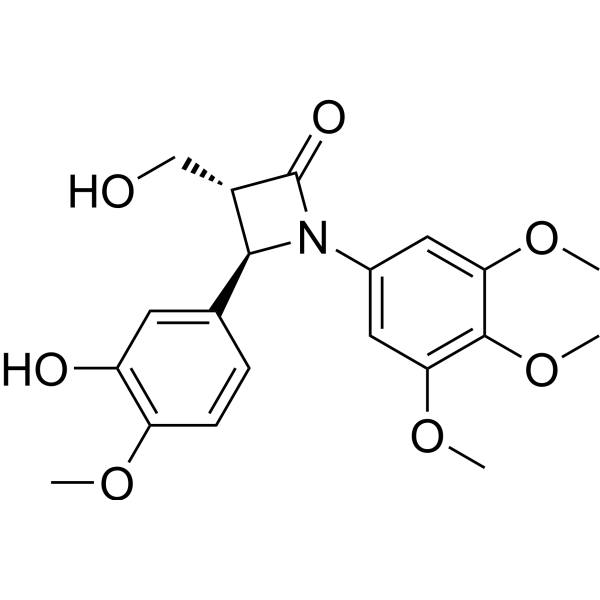
    Tubulin inhibitor 6 (Compound 14b) is a tubulin inhibitor and a potent inhibitor of multiple cancer cell lines. Tubulin inhibitor 6 inhibits tubulin polymerization with an IC50 of 0.87 μM. Tubulin inhibitor 6 inhibits K562 cell growth with an IC50 of 840 nM .
    Tubulin inhibitor 6
  • HY-157151

    Histone Methyltransferase Cancer
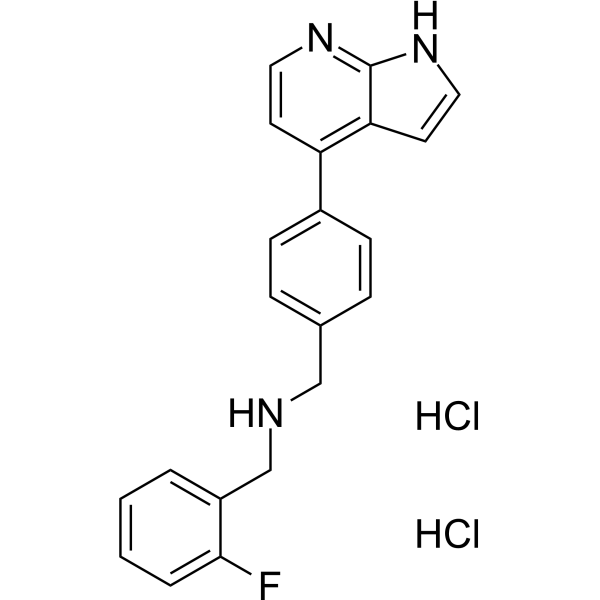
    iPRMT1 is a potent and selective PRMT1 inhibitor for breast cancer research. iPRMT1 inhibits breast cancer cell growth in vitro and in vivo with EC50 values of 90, 70, and 9 nM in MCF7, T47D, and MDA-MB-231 cells, respectively .
    iPRMT1
  • HY-164451

    γ-secretase Notch Cancer
    GSI-18 is a γ-secretase inhibitor with anticancer activity. GSI-18 inhibits the attachment-free growth of pancreatic cancer cells by inhibiting Notch signaling .
    GSI-18

Inquiry Online

Your information is safe with us. * Required Fields.

Salutation


Country or Region *

Applicant Name *


Organization Name *

Department *


Email Address *


Product Name *

Cat. No.


Requested quantity *

Phone Number *


Remarks

Inquiry Online

Inquiry Information

Product Name:
Cat. No.:
Quantity:
MCE Japan Authorized Agent: