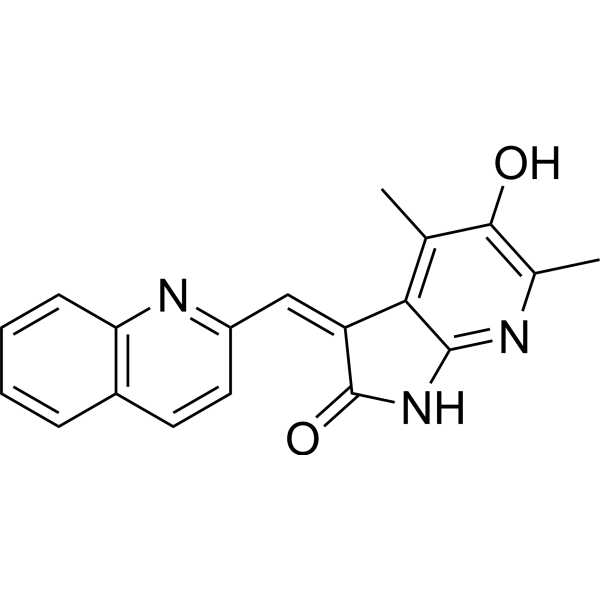
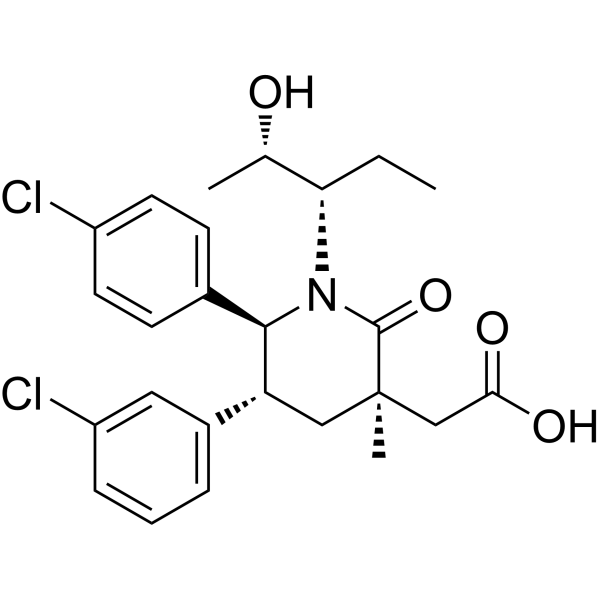
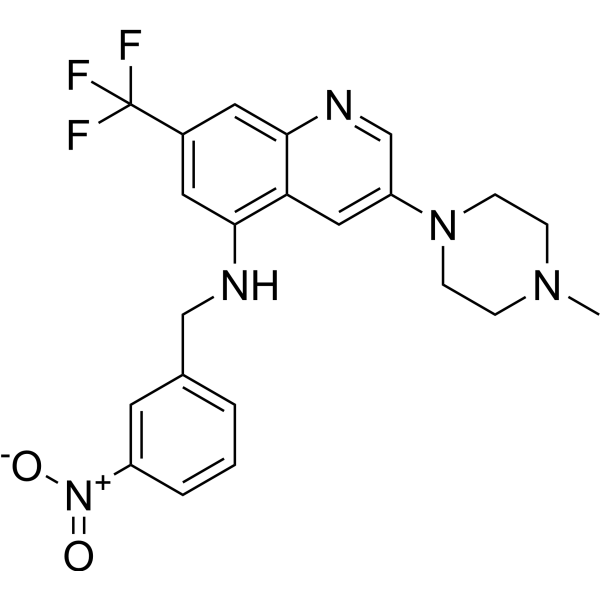
1. Search Result
Search Result
Results for "

H460/MX20 xenografts

" in MedChemExpress (MCE) Product Catalog:

1477

Inhibitors & Agonists

13

Fluorescent Dyes

4

Biochemical Assay Reagents

59

Peptides

111

Inhibitory Antibodies

62

Natural
Products

10

Isotope-Labeled Compounds

20

Click Chemistry

10

Oligonucleotides

1

GMP Molecules

Cat. No. 상품명 Target 연구분야 Chemical Structure
  • HY-164388
    Z-VAD
    Maximum Cited Publications
    19 Publications Verification

    Caspase Apoptosis Autophagy Necroptosis Cardiovascular Disease Cancer
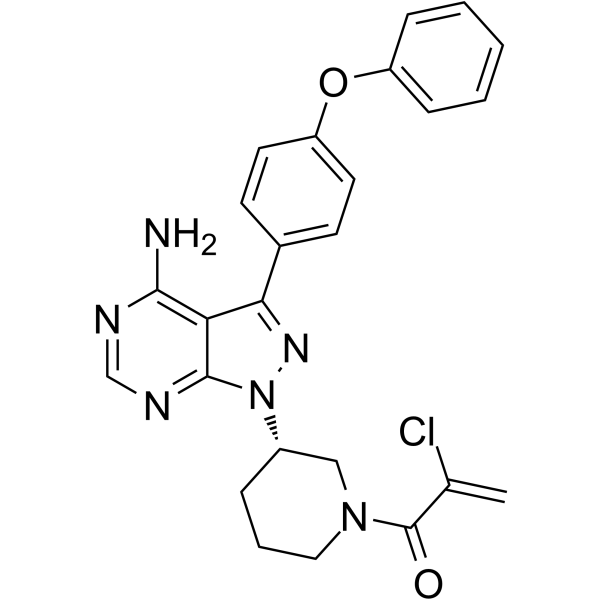
    Z-VAD is an irreversible, broad-spectrum pan-caspase inhibitor that can inhibit a variety of caspases including caspase-3, -6, -7, -8, -9, etc. (with a weaker inhibitory effect on caspase-2). Z-VAD can block apoptosis signaling pathways, induce autophagy and necrosis in tumor cells, and has anti-angiogenic activity. Z-VAD can enhance the sensitivity of breast cancer and lung cancer cells to radiotherapy in vitro and in vivo, and prolong the growth delay of tumor xenograft models. Z-VAD is well tolerated and is mainly used in research related to cancer radiosensitization and cell death pathway regulation .
    Z-VAD
  • HY-P99849

    ABT-806

    EGFR Cancer
    Depatuxizumab is a brain-penetrant and humanized tumor-specific anti EGFR monoclonal antibody. Depatuxizumab inhibits the growth of xenograft models of mutant EGFRvIII and wild-type EGFR. Depatuxizumab can be used for research on cancer .
    Depatuxizumab
  • HY-P10761

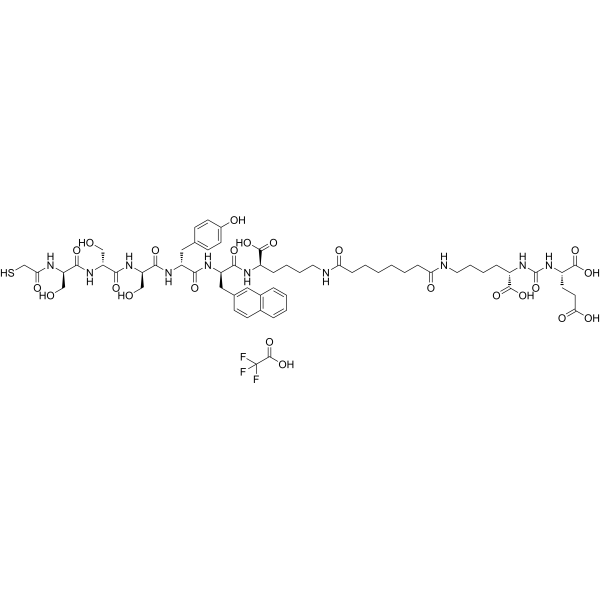
    Radionuclide-Drug Conjugates (RDCs) Carbonic Anhydrase Cancer
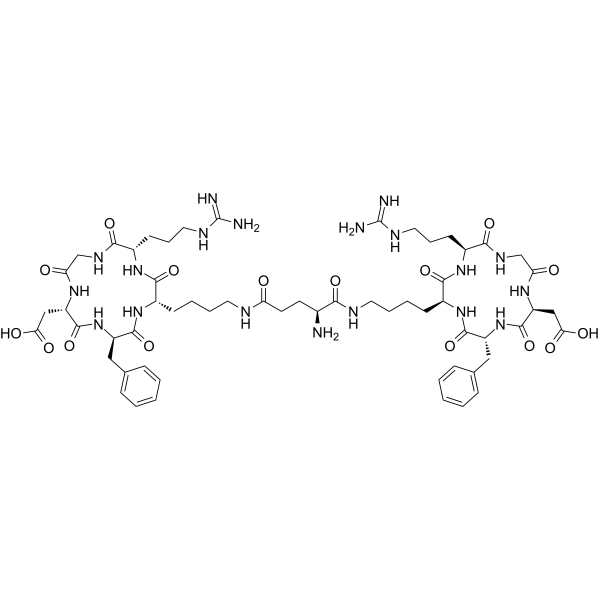
    DPI-4452 is a CAIX-targeting cyclic peptide with a DOTA cage, and can be chelated with radionuclide for CAIX-expressing tumor PET-CT imaging and study. DPI-4452 specifically and selectively binds CAIX without interaction with an in vitro off-target receptor panel of 55 targets (IC50 for recombinant hCAIX: 130 nM). Radiolabeled DPI-4452 inhibits tumor growth in HT-29 and SK-RC-52 xenograft mouse models . DPI-4452 can be used for the synthesis/research of Radionuclide-Drug Conjugates (RDCs).
    DPI-4452
  • HY-N10503

    Tyrosinase Ras Raf MAPKAPK2 (MK2) Apoptosis Cancer
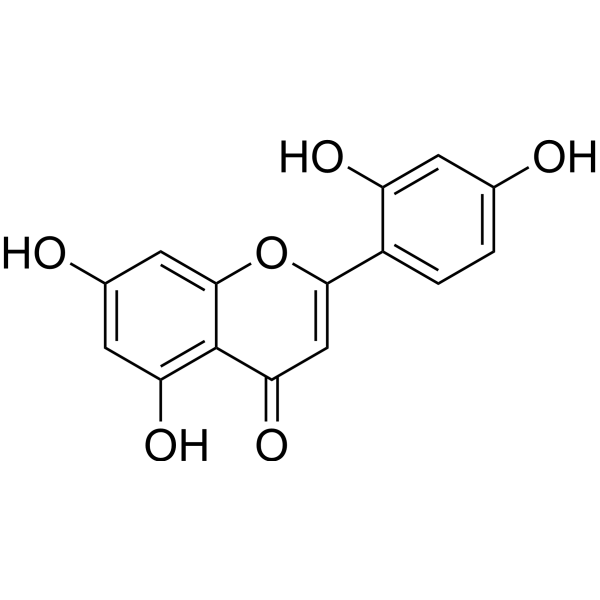
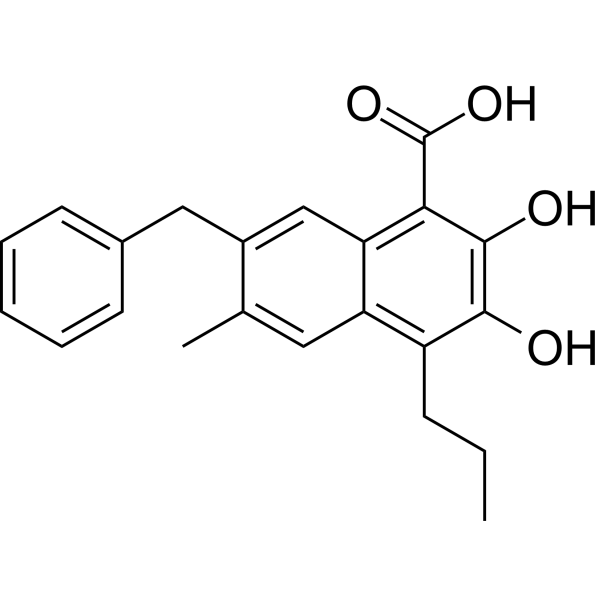
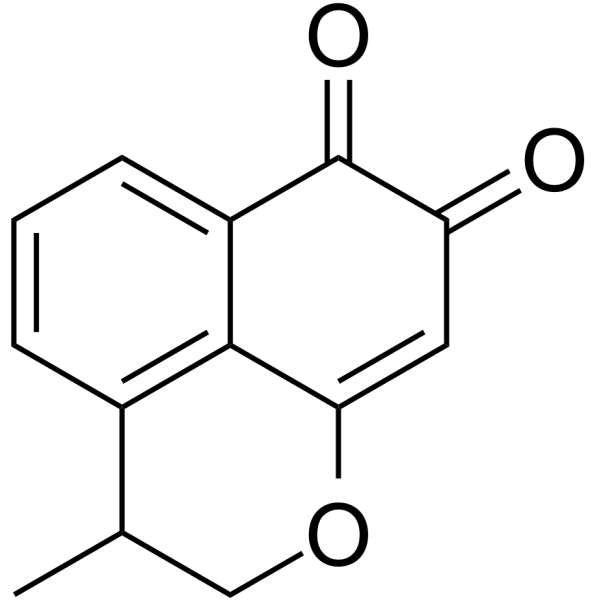
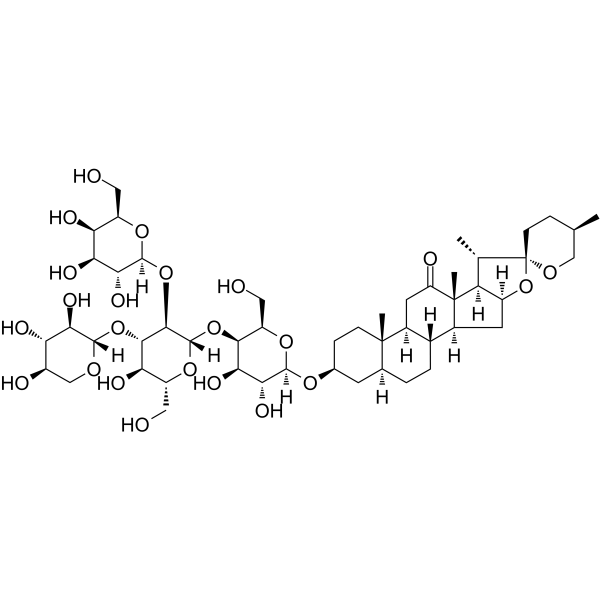
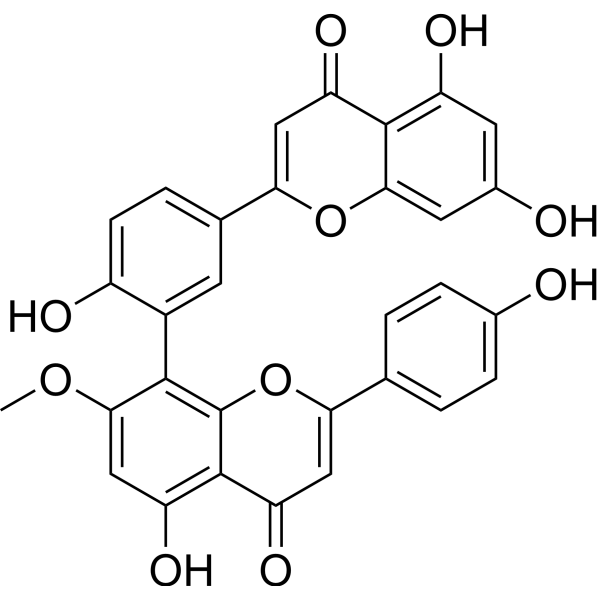
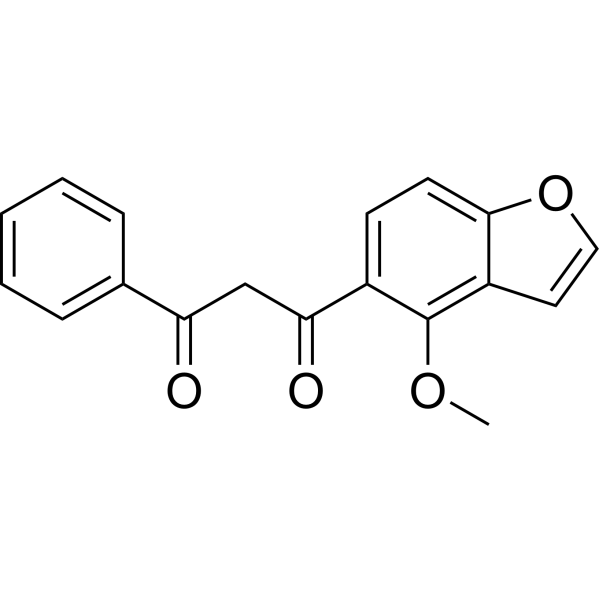
    Norartocarpetin is a tyrosinase inhibitor. Norartocarpetin has strong tyrosinase inhibitory activity with an IC50 value of 0.47 μM. Norartocarpetin as an antibrowning agent can be used for the research of food systems. Norartocarpetin also has a significant anticancer activity in lung carcinoma cells (NCI-H460) with an IC50 value of 22 μM. Norartocarpetin has antiproliferative effects are mediated via targeting Ras/Raf/MAPK signalling pathway, mitochondrial mediated apoptosis, S-phase cell cycle arrest and suppression of cell migration and invasion in human lung carcinoma cells .
    Norartocarpetin
  • HY-151462
    RP-6685
    3 Publications Verification

    DNA/RNA Synthesis Cancer
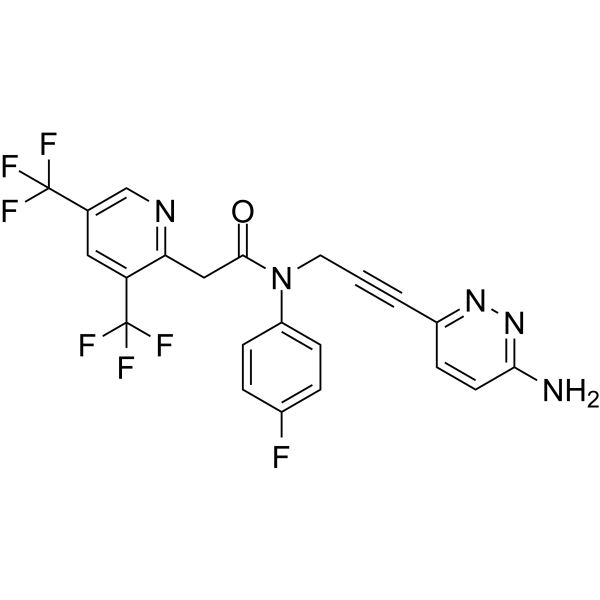
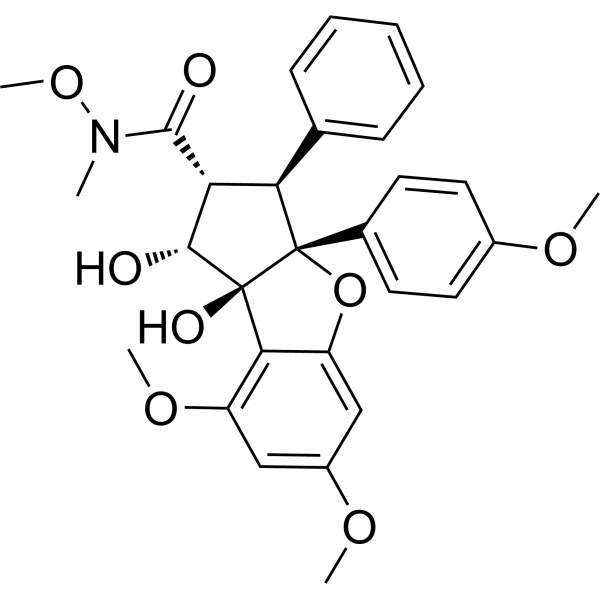
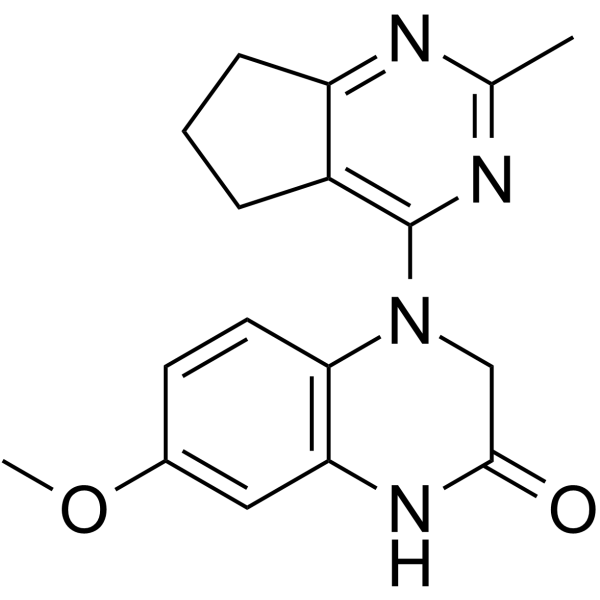
    RP-6685 is a potent, selective and orally active DNA polymerase theta (Polθ) inhibitor with an IC50 value of 5.8 nM (PicoGreen assay). RP-6685 shows antitumor efficacy in mouse tumor xenograft model . RP-6685 is a click chemistry reagent, it contains an Alkyne group and can undergo copper-catalyzed azide-alkyne cycloaddition (CuAAc) with molecules containing Azide groups.
    RP-6685
  • HY-P11115

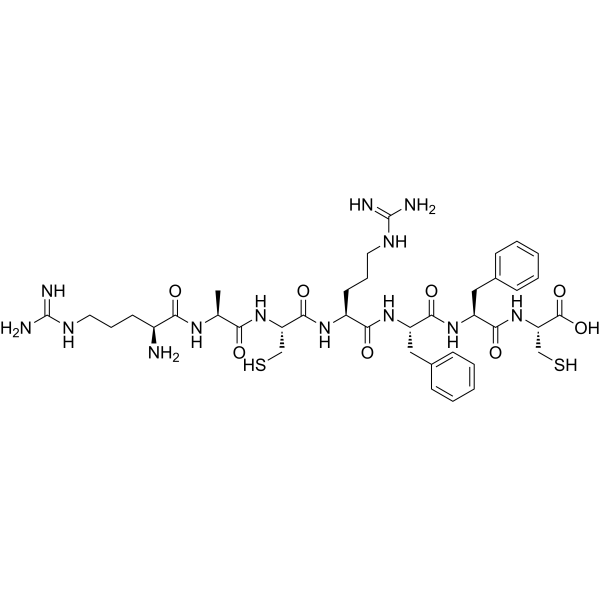
    Apoptosis NF-κB Reactive Oxygen Species (ROS) Inflammation/Immunology Cancer
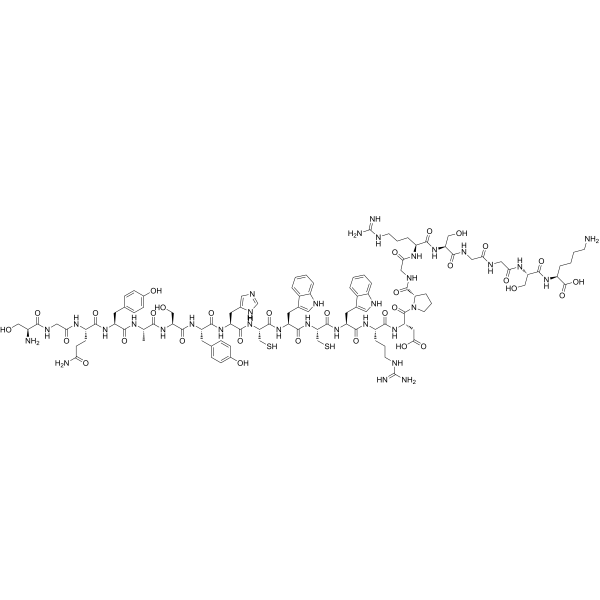
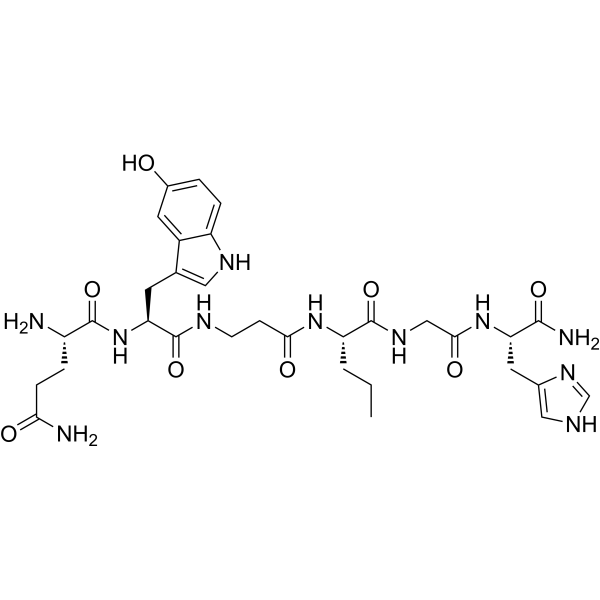
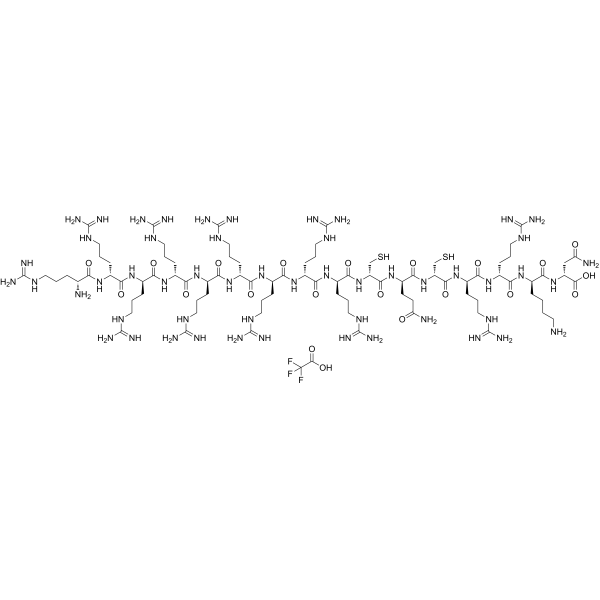
    CIGB-552 is a cell-penetrating peptide with anti-tumor properties with the IC50 of 23 μM in H460 cells. CIGB-552 can increase the level of protein COMMD1. CIGB-552 significantly inhibits the NF-κB signaling pathway. CIGB-552 can promote apoptosis of the tumor cells. CIGB-552 can induce the accumulation of reactive oxygen species (ROS) in tumor cells. CIGB-552 has anti-inflammatory and anti-angiogenic effects. CIGB-552 can be used for the research of the lung cancer and colon cancer.
    CIGB-552
  • HY-116038

    Others Cancer
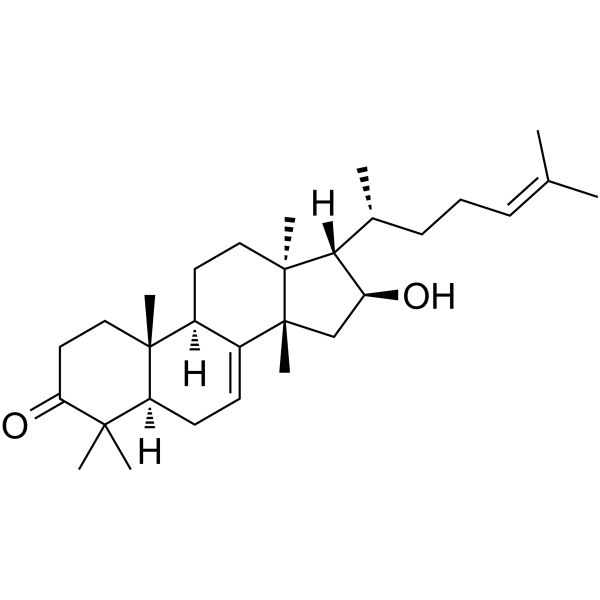
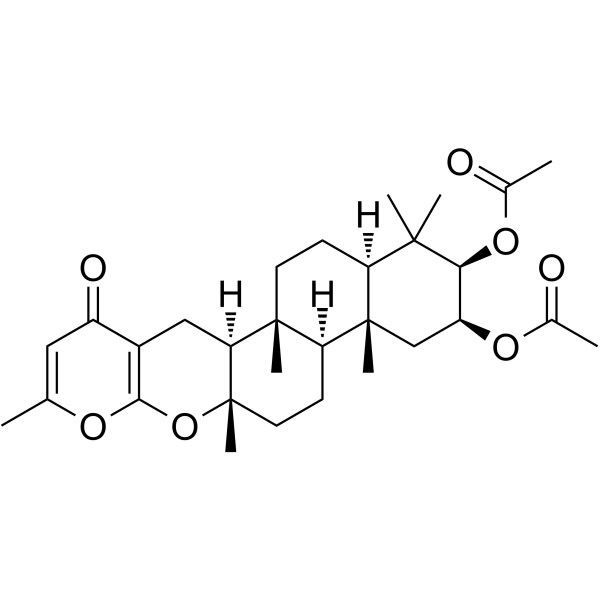
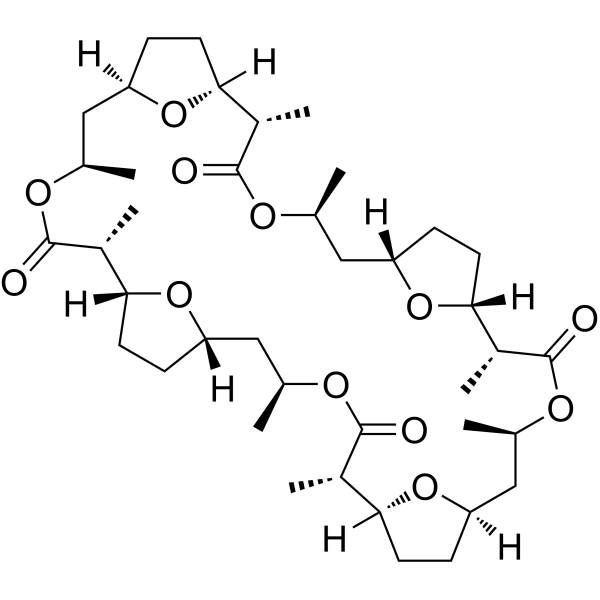
    Kulinone has cytotoxic effects against A549, H460 and HGC27 with IC50 values of 6.2, 7.8, 5.6 μg/mL .
    Kulinone
  • HY-168566

    HSP Cancer
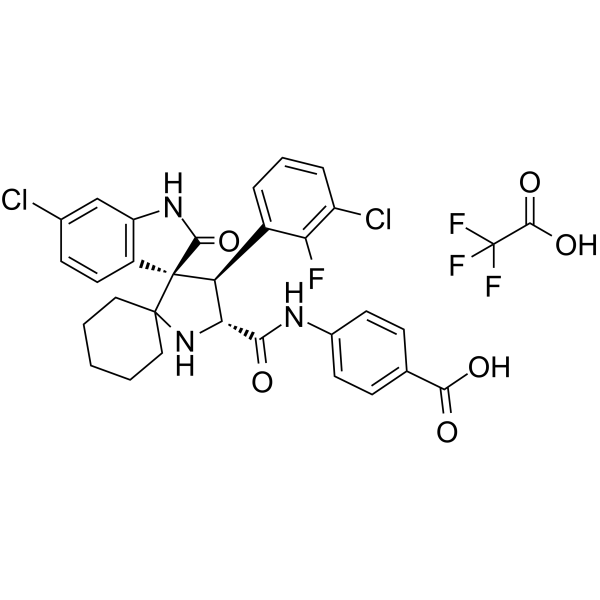
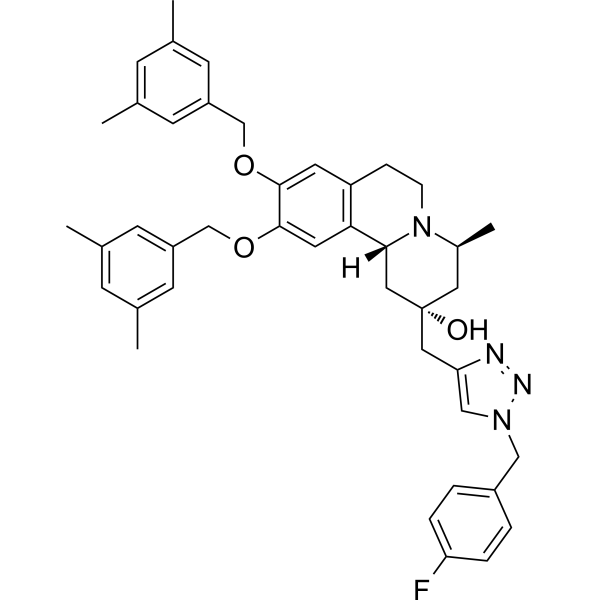
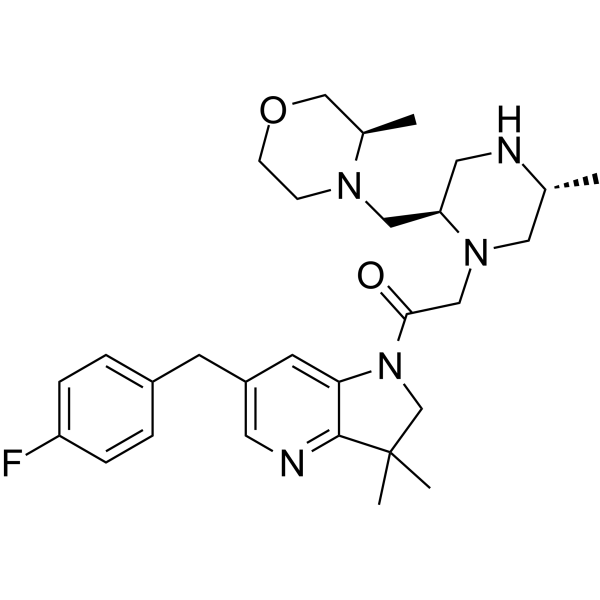
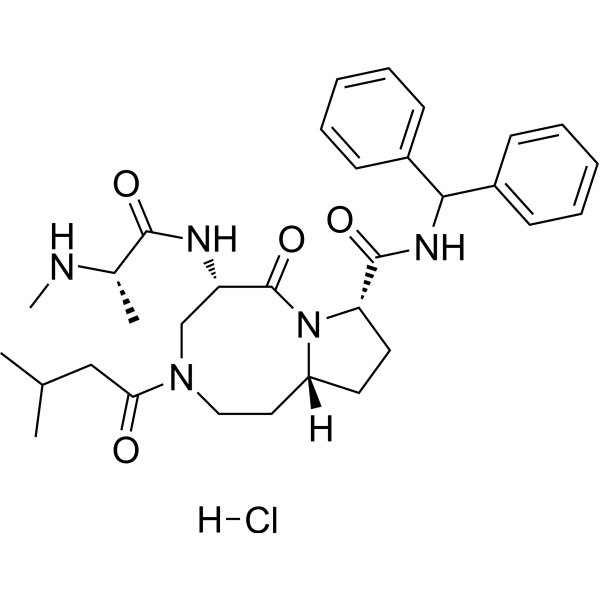
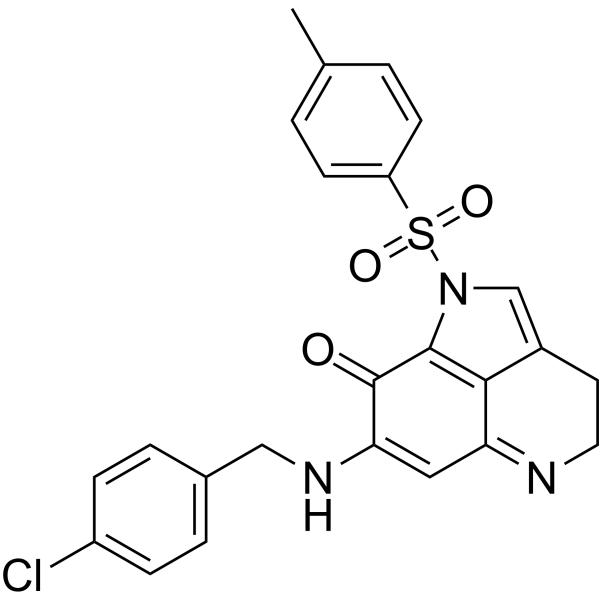
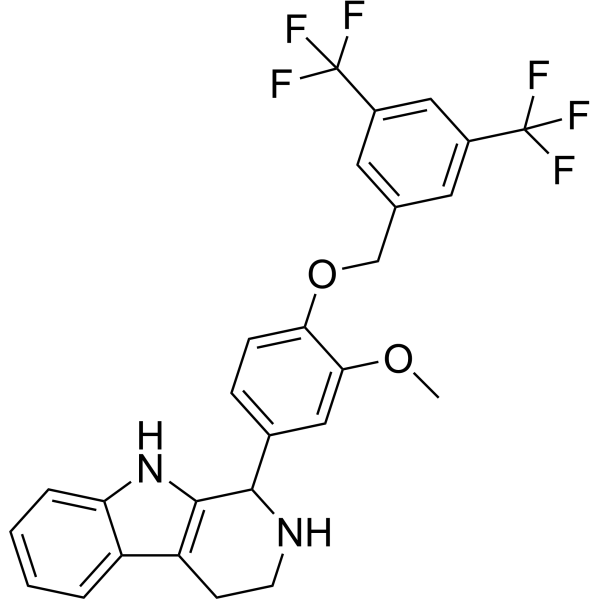
    EV206 is a Hsp70 binder and apoptosis inducer that binds to the N-terminal domain of Hsp70, promotes Hsp70 degradation via the ubiquitin-proteasome system, and reduces Hsp70 protein stability. EV206 induces apoptotic cell death, inhibits colony formation, and downregulates the expression of cancer stem cell-related markers in non-small cell lung cancer cells. EV206 inhibits the growth of H460 xenograft tumors in nude mice and can be used for the research of non-small cell lung cancer .
    EV206
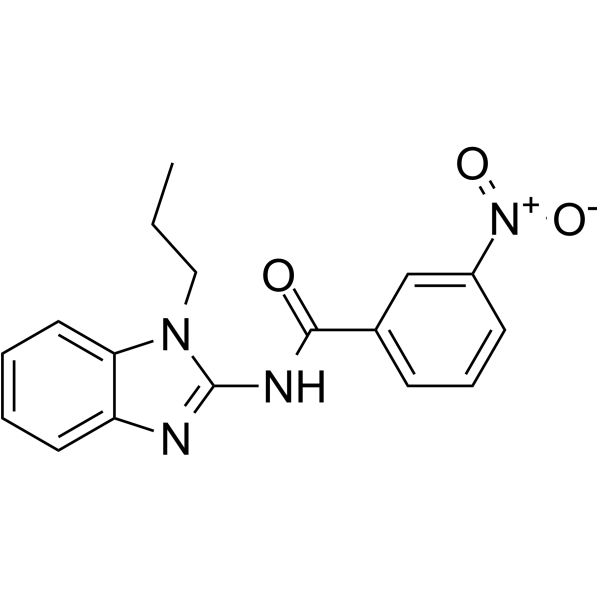
  • HY-142095

    Histone Methyltransferase Cancer
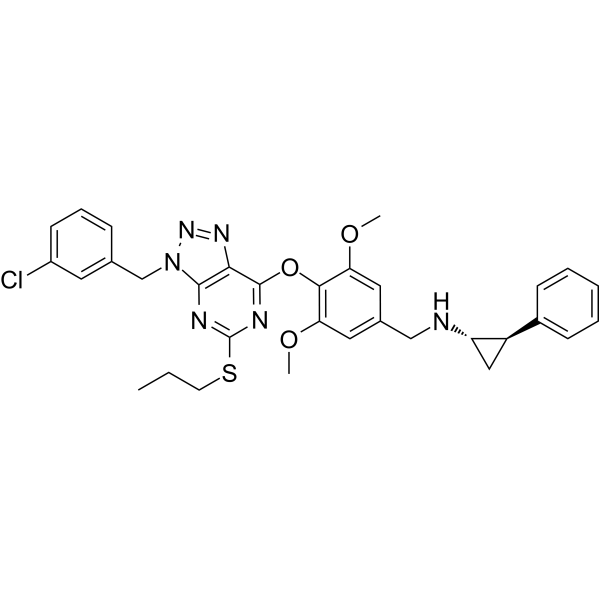
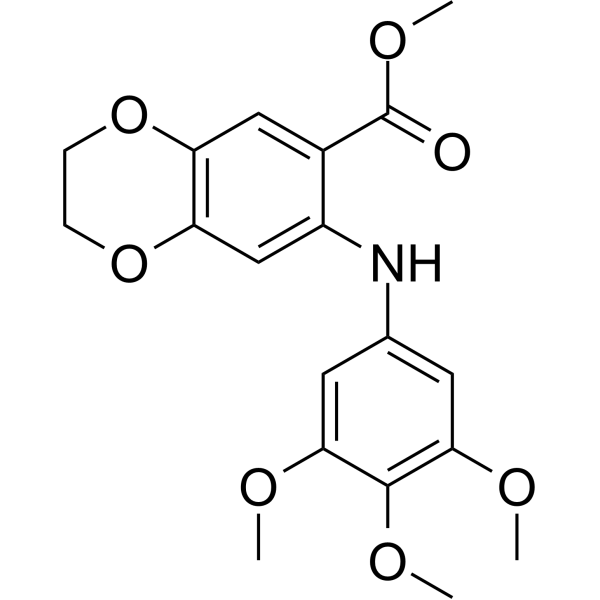
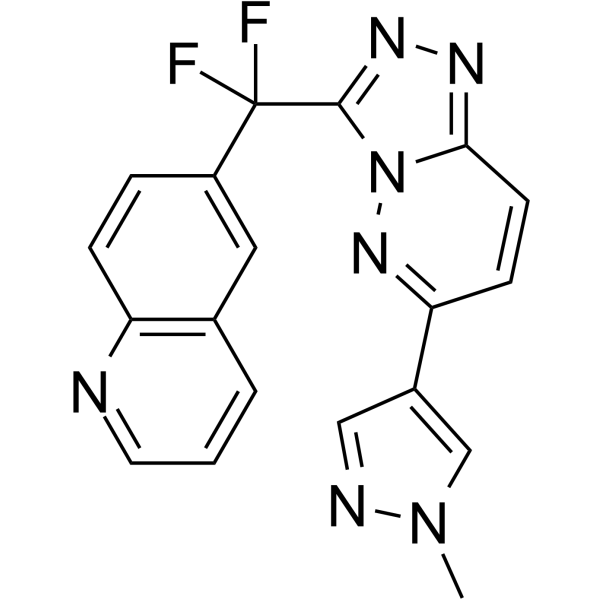
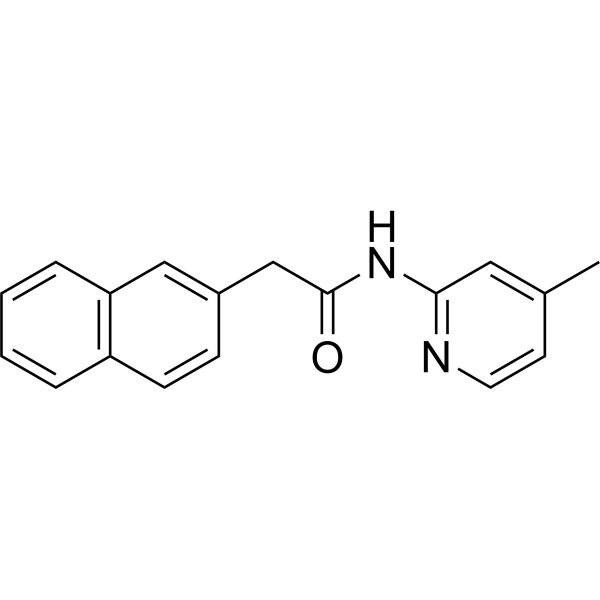
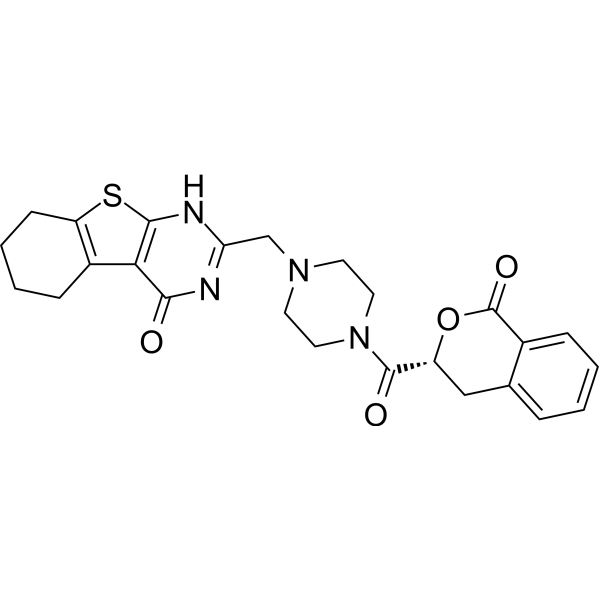
    NSD3-IN-3 is a potent NSD3 inhibtor with an IC50 value of 1.86 μM. NSD3-IN-3 has anticancer activity and significantly inhibits the growth and proliferation of non-small cell lung cancer cell line H460 .
    NSD3-IN-3
  • HY-136447
    ASP4132
    1 Publications Verification

    AMPK Cancer
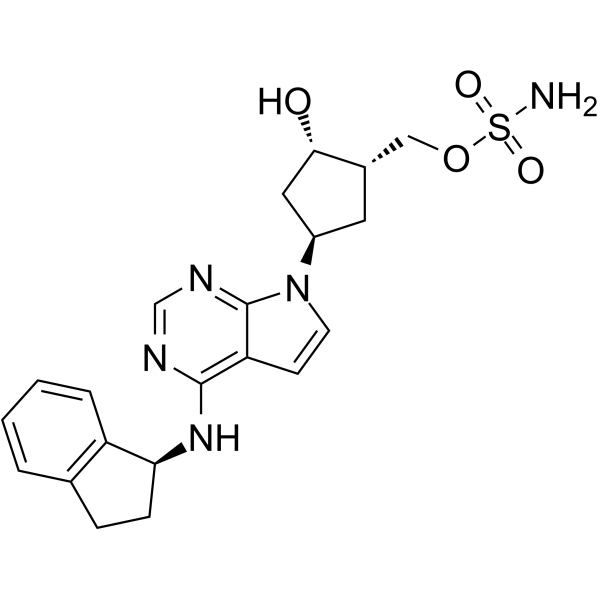
    ASP4132 is an orally active, potent AMPK activator with an EC50 of 18 nM. ASP4132 has anti-cancer activity and makes tumor regression in breast cancer xenograft mouse models .
    ASP4132
  • HY-125858
    MI-1061
    3 Publications Verification

    MDM-2/p53 E1/E2/E3 Enzyme Apoptosis Cancer
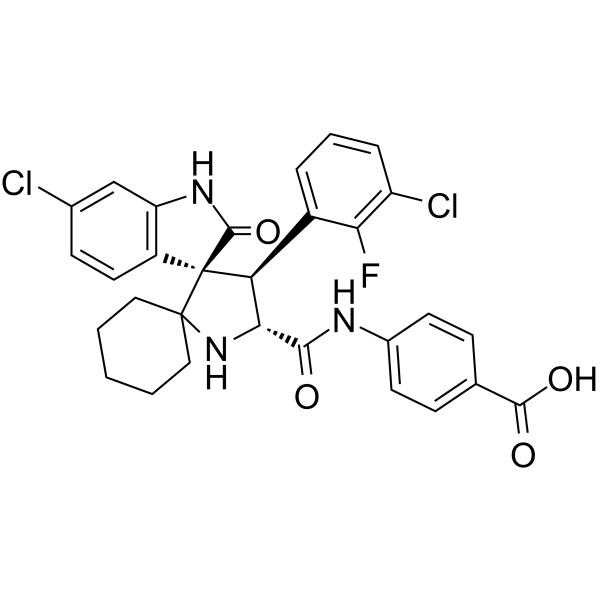
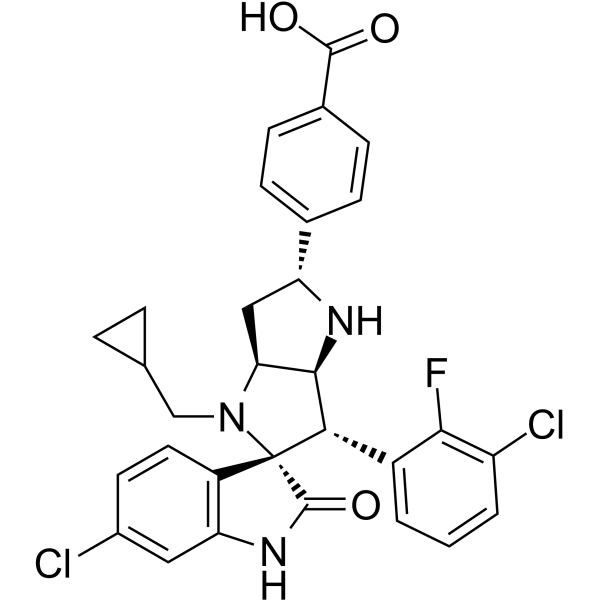
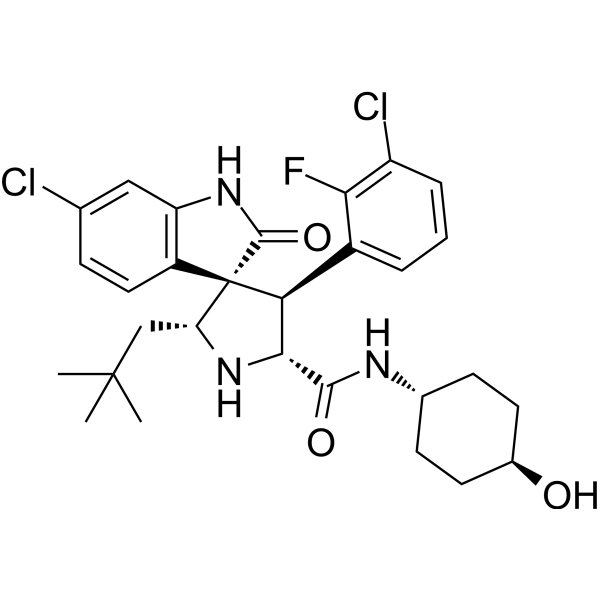
    MI-1061 is a potent, orally bioavailable, and chemically stable MDM2 (MDM2-p53 interaction) inhibitor (IC50=4.4 nM; Ki=0.16 nM). MI-1061 potently activates p53 and induces apoptosis in the SJSA-1 xenograft tumor tissue in mice. Anti-tumor activity .
    MI-1061
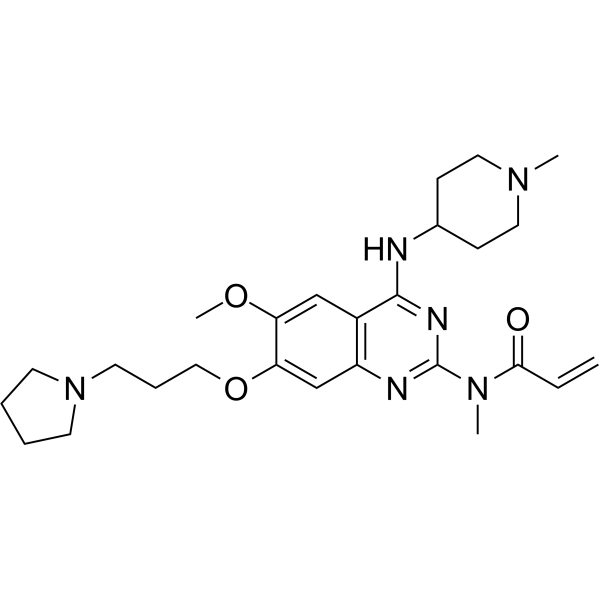
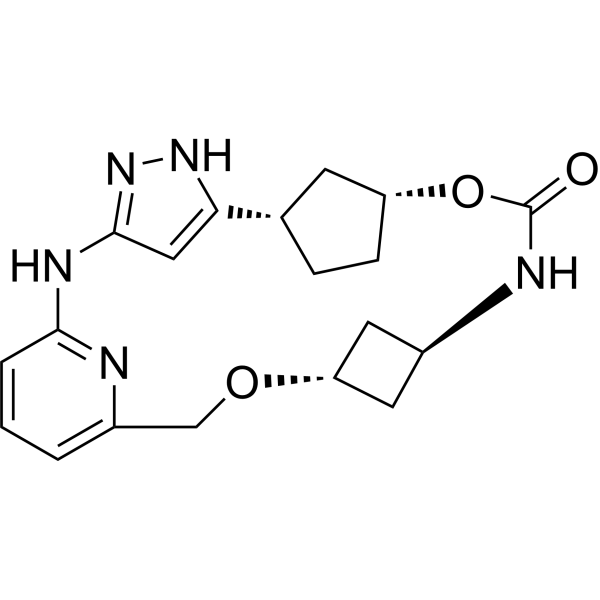
  • HY-155079

    EGFR Cancer
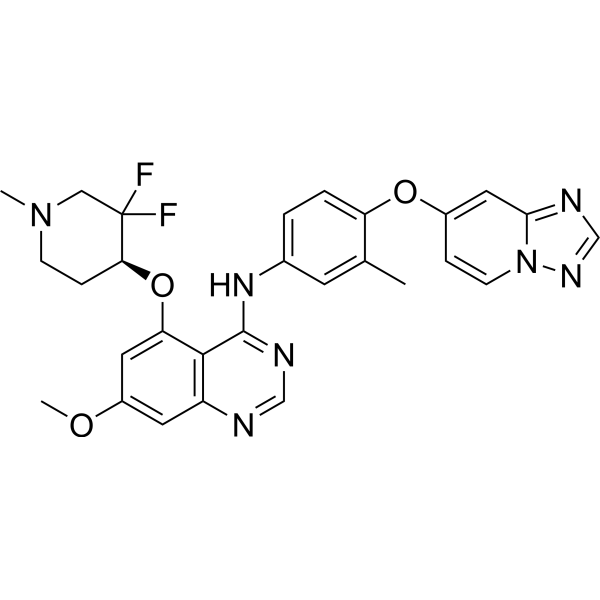
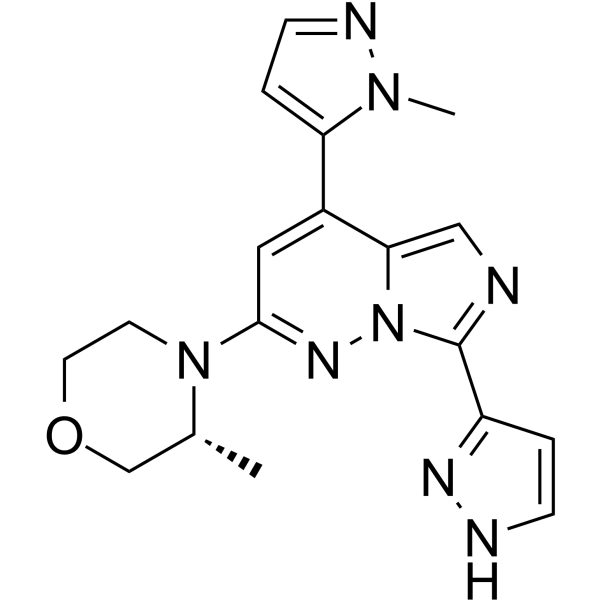
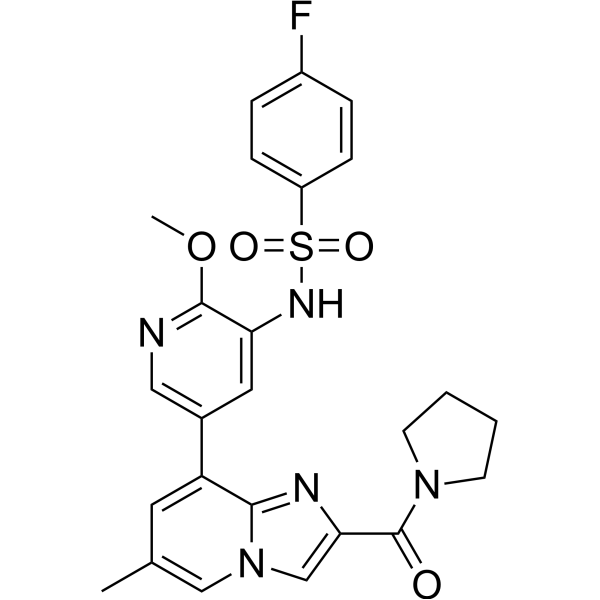
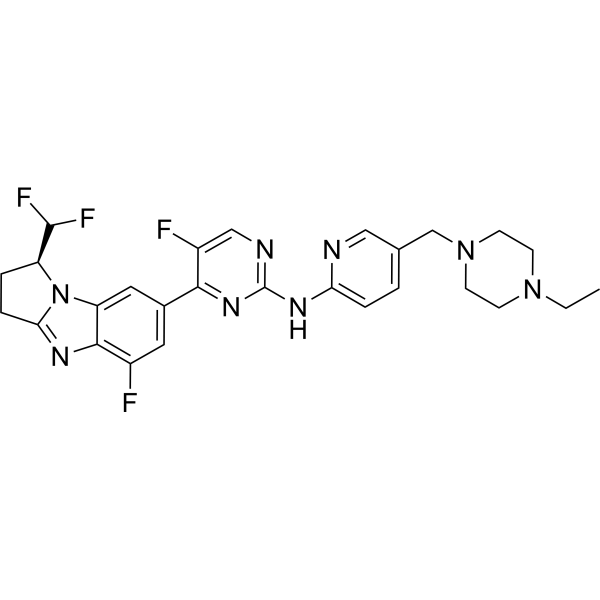
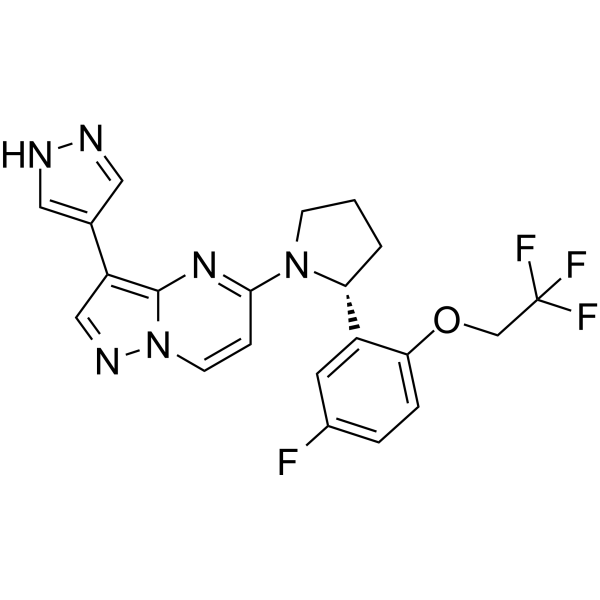
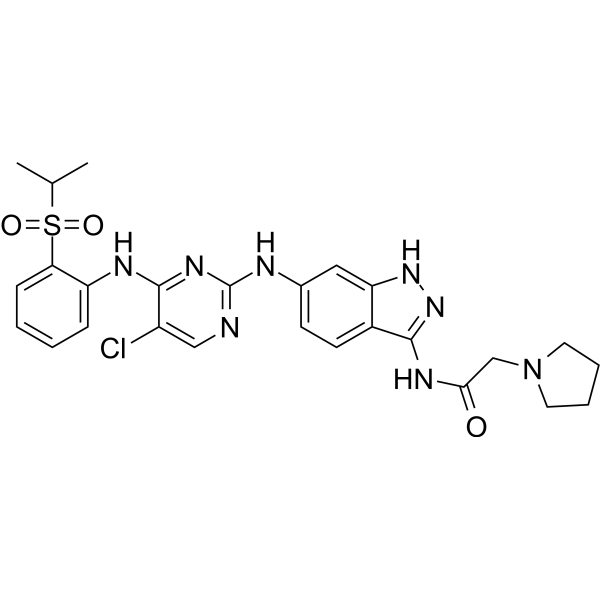
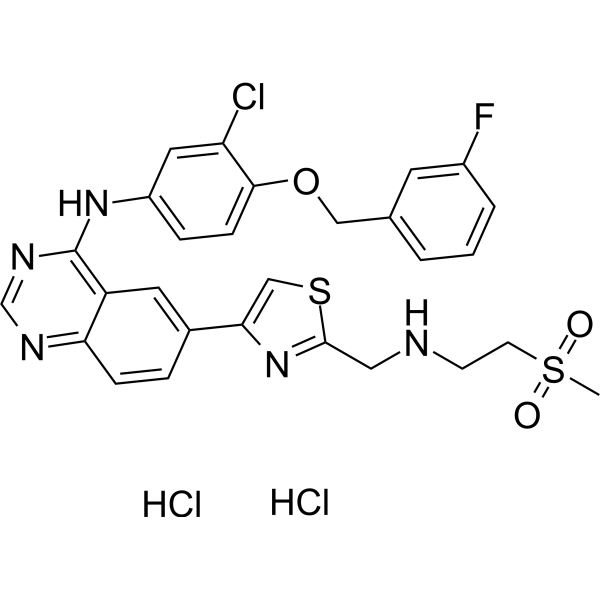
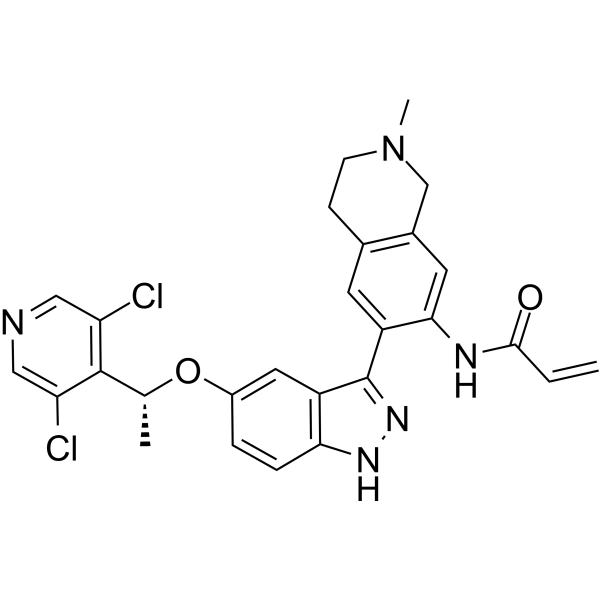
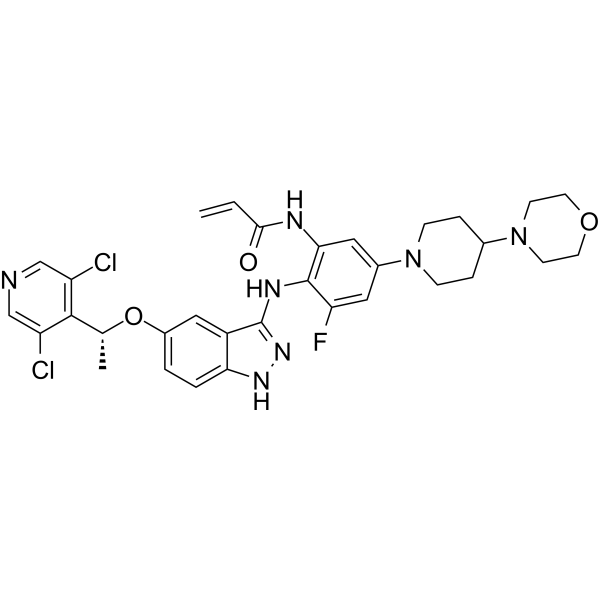
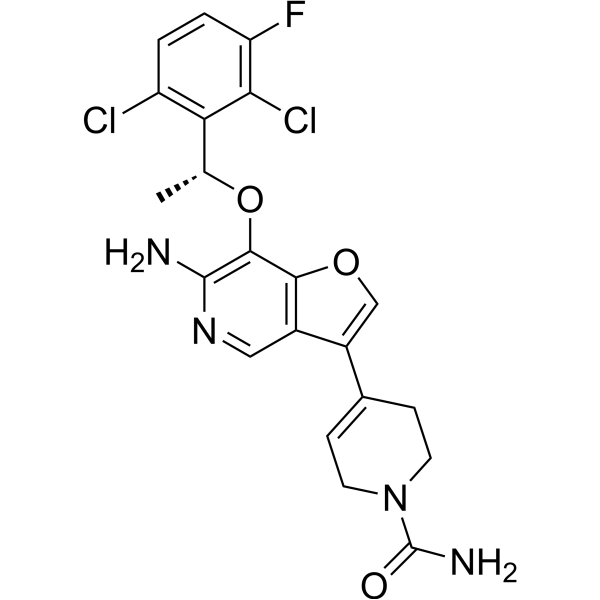
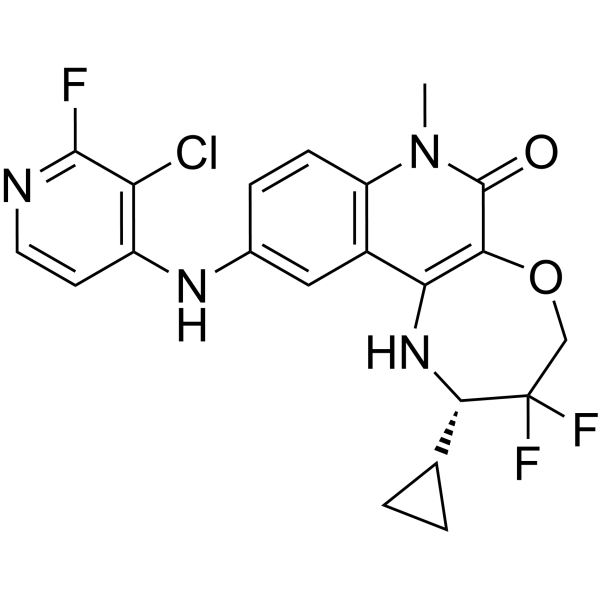
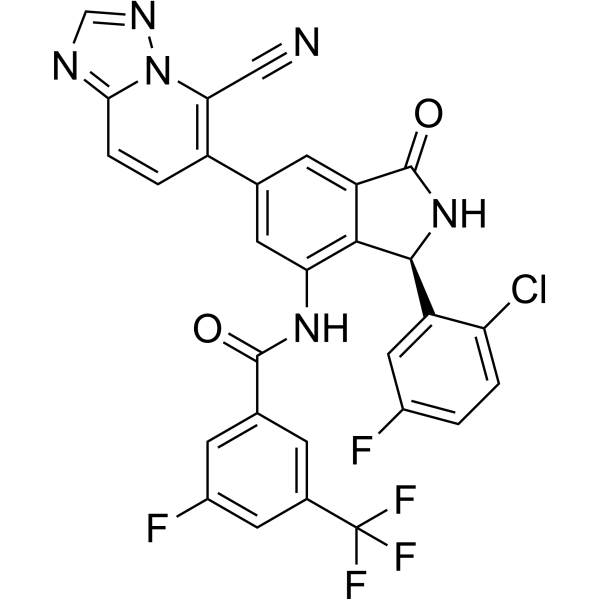
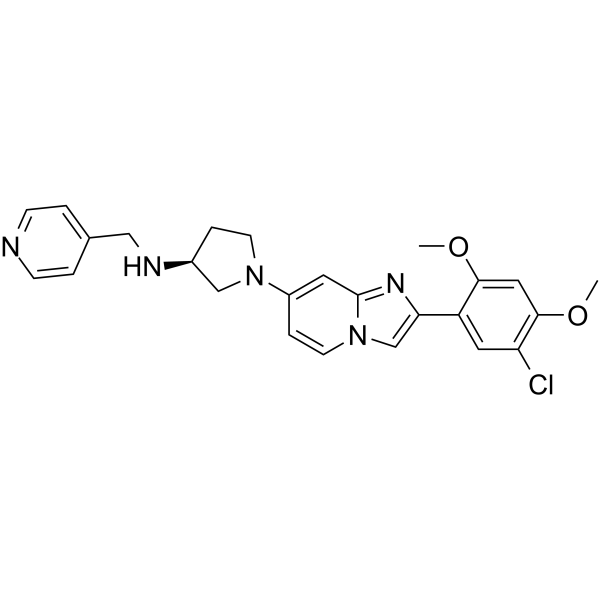
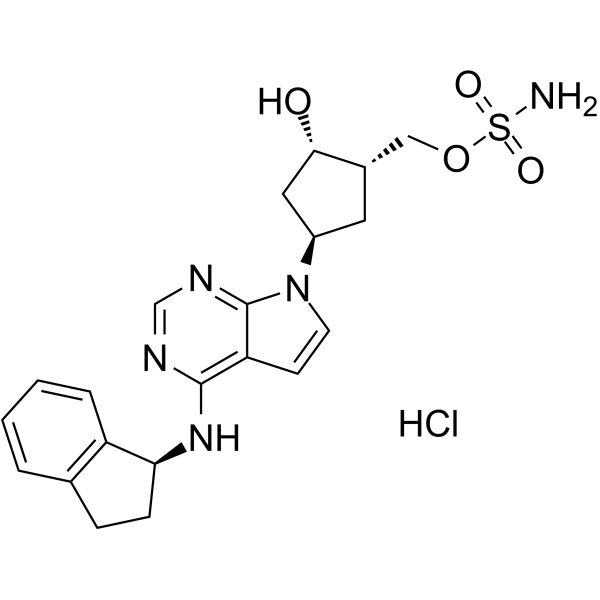
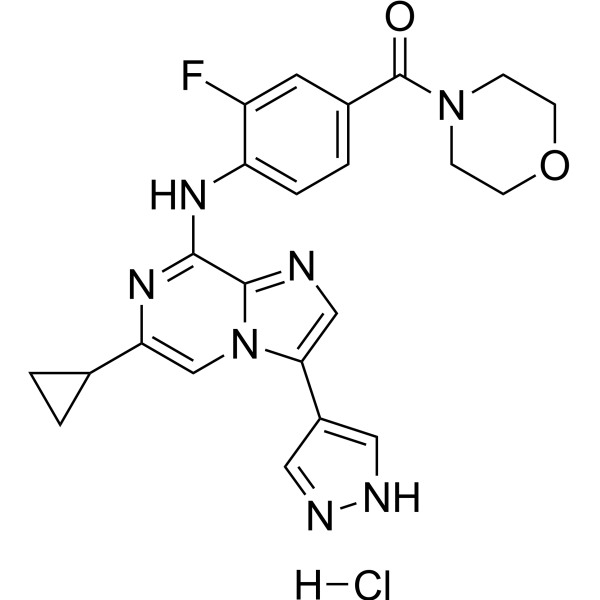
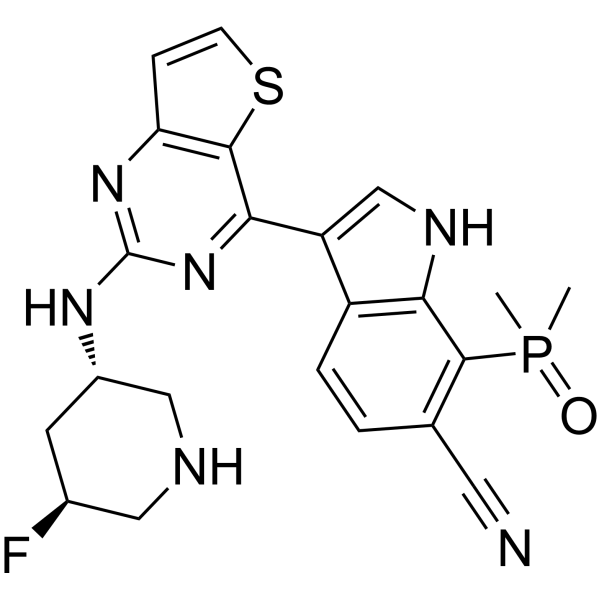
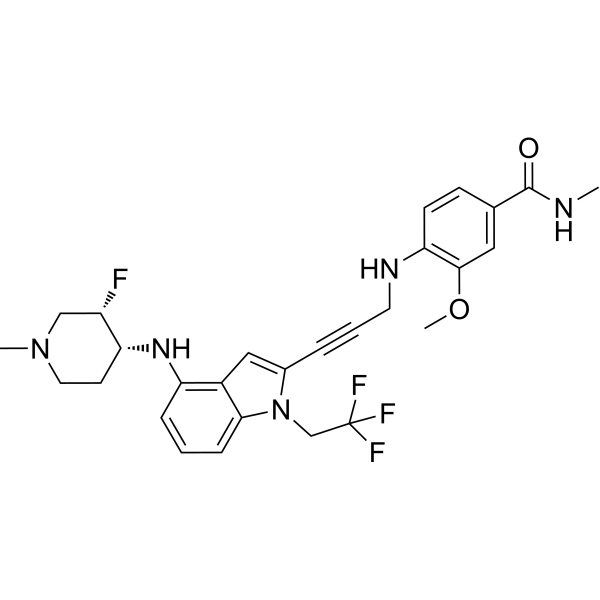
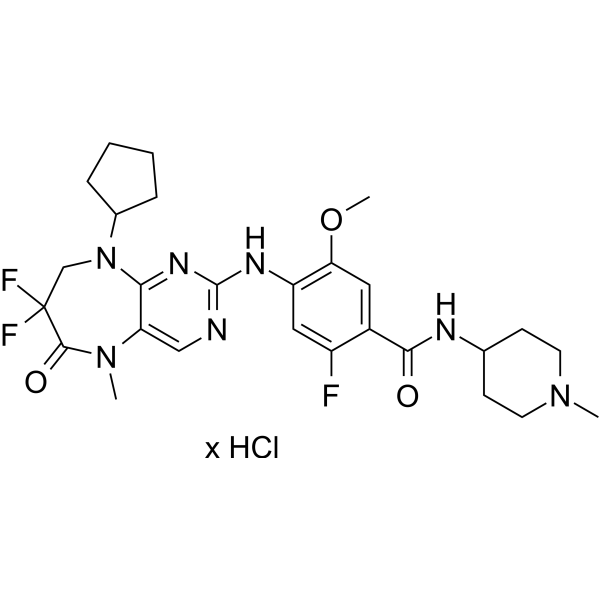
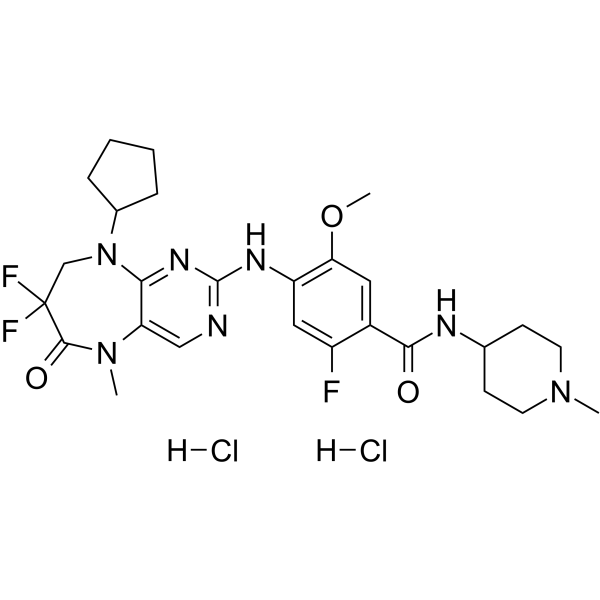
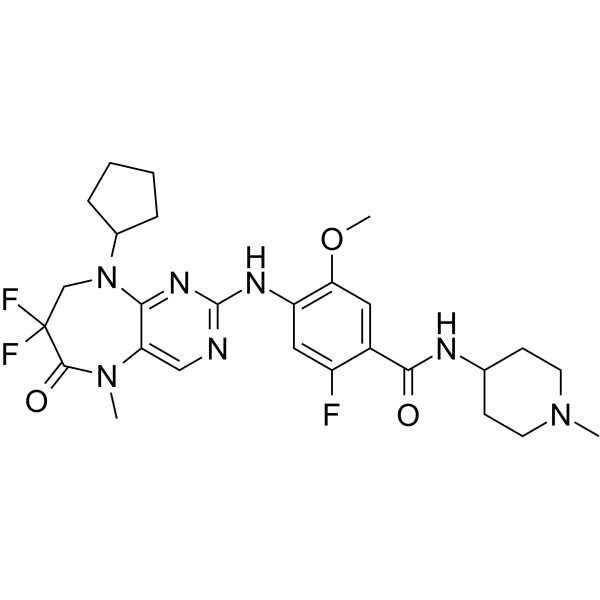
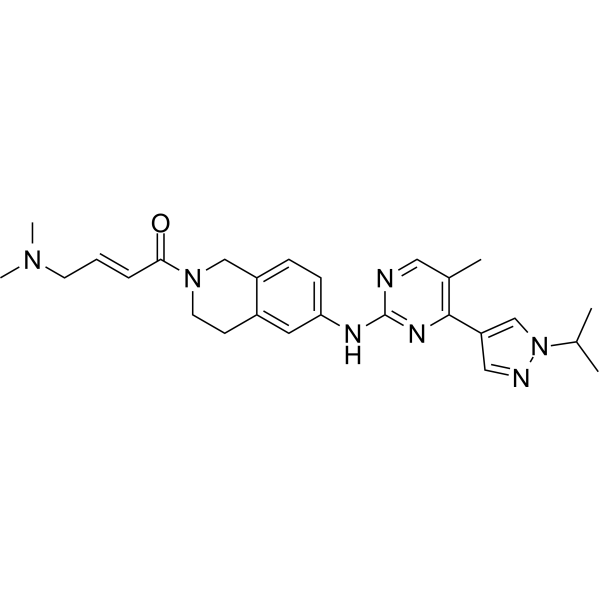
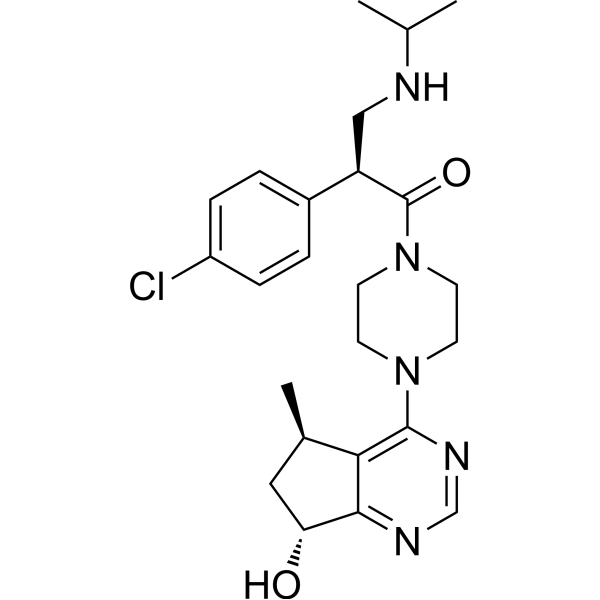
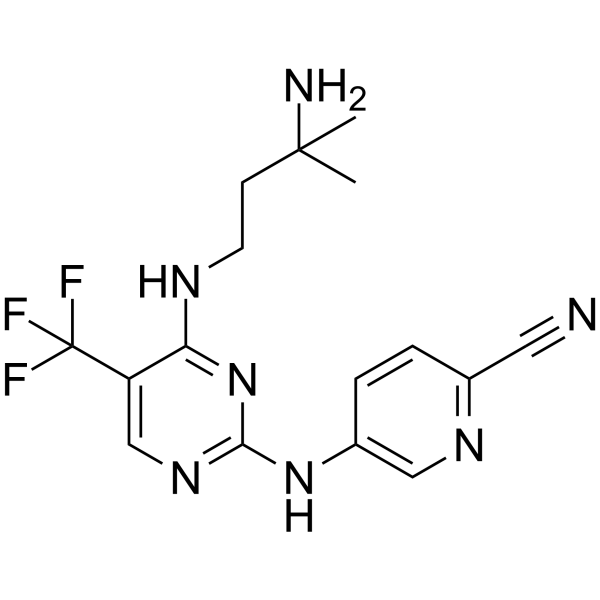
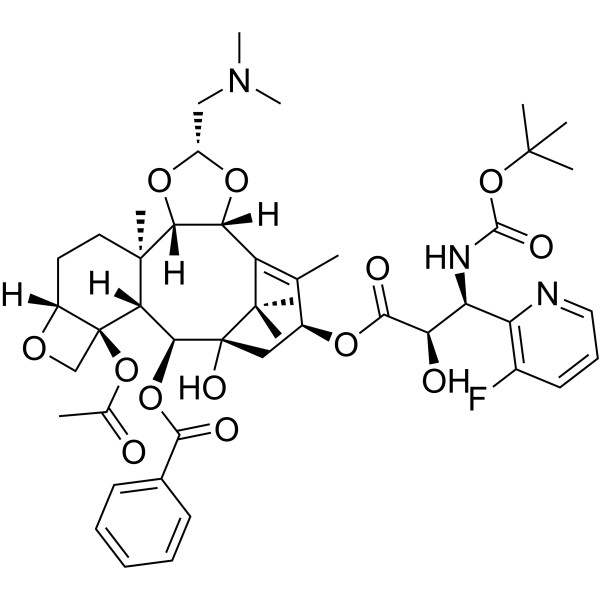
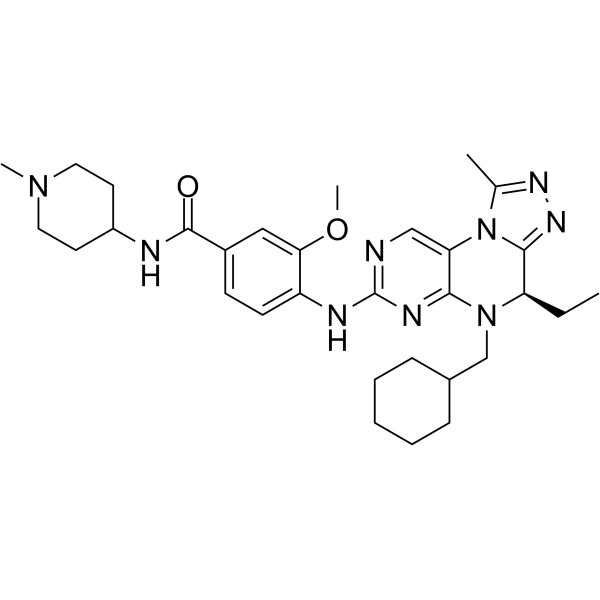
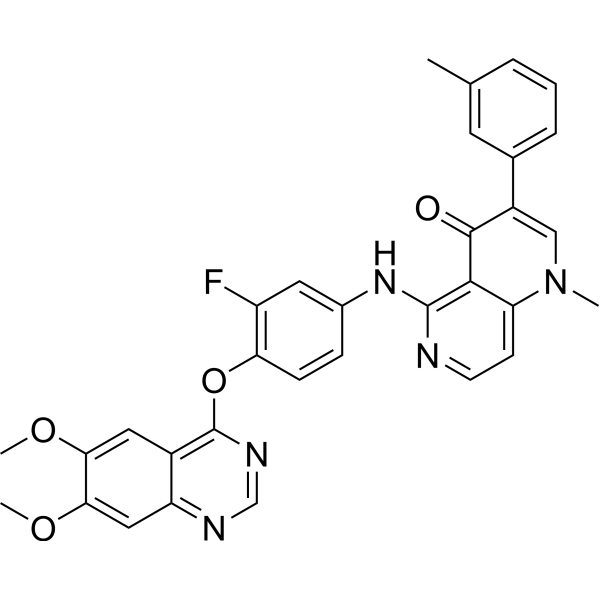
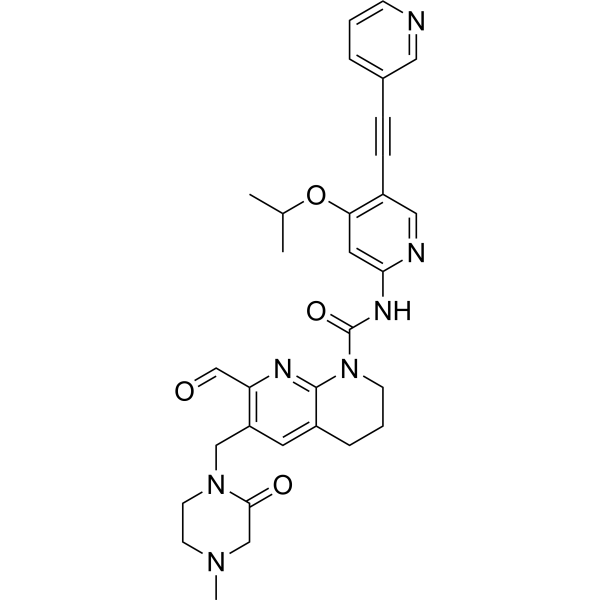
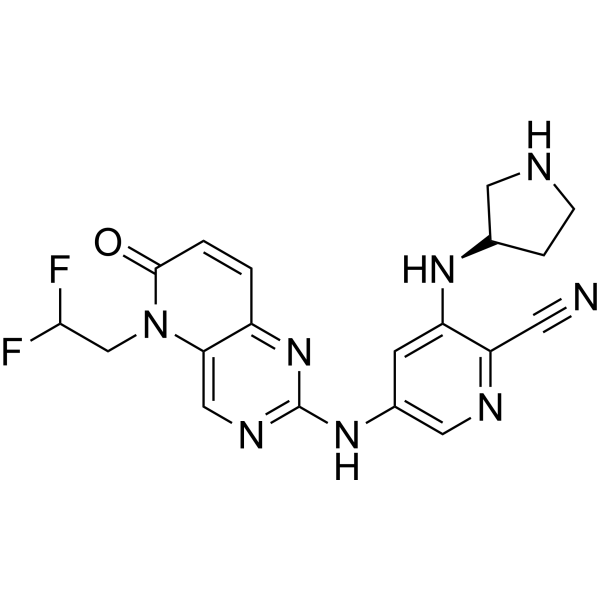
    DZD1516 is a potent and selective HER2 inhibitor (IC50=0.56 nM) with good blood-brain permeability. DZD1516 exhibits antitumor activity in CNS and subcutaneous xenograft mouse models .
    DZD1516
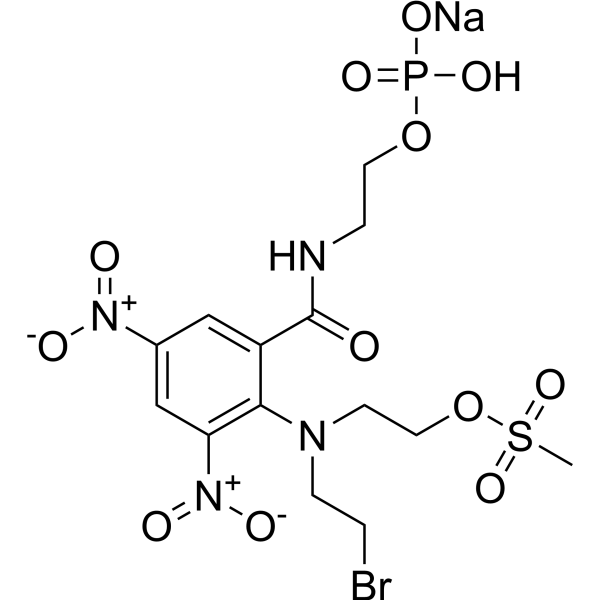
  • HY-16405

    DNA Alkylator/Crosslinker Cancer
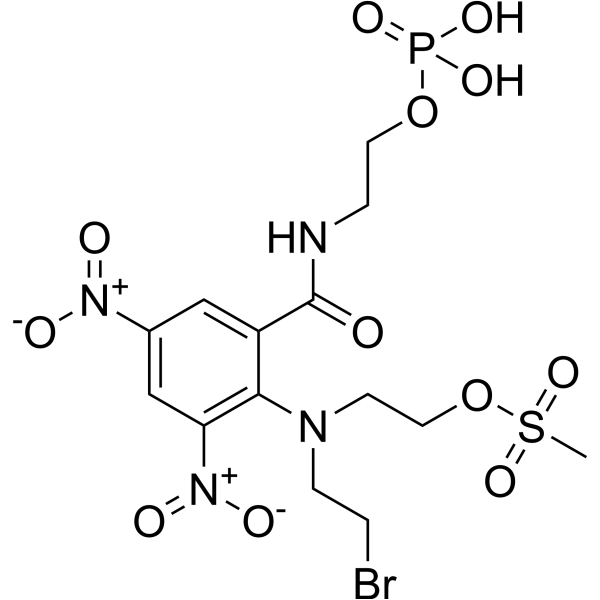
    PR-104 is a selective hypoxia-activated DNA cross-linking agent and can be used for the research of multiple tumor xenograft models. PR-104, as a nitrogen mustard pre-proagent, is converted efficiently to the more lipophilic dinitrobenzamide mustards alcohol PR-104A .
    PR-104
  • HY-P3990

    VEGFR Autophagy Apoptosis Cancer
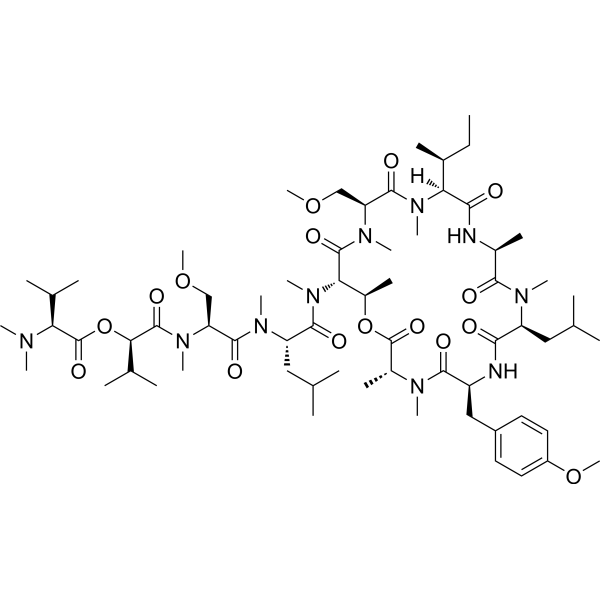
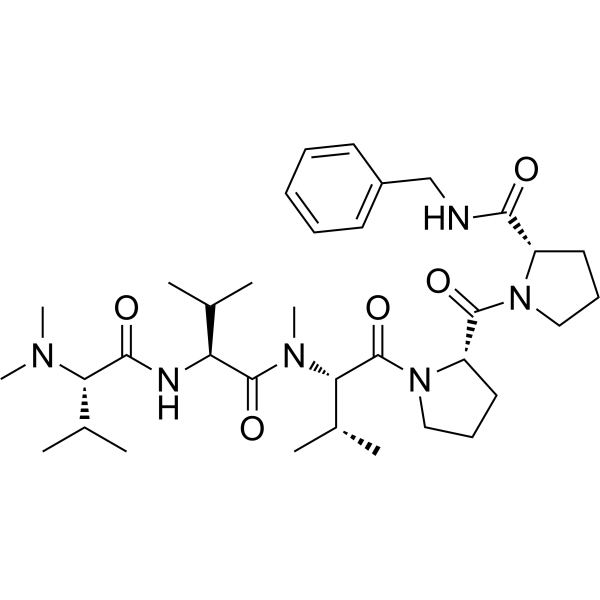
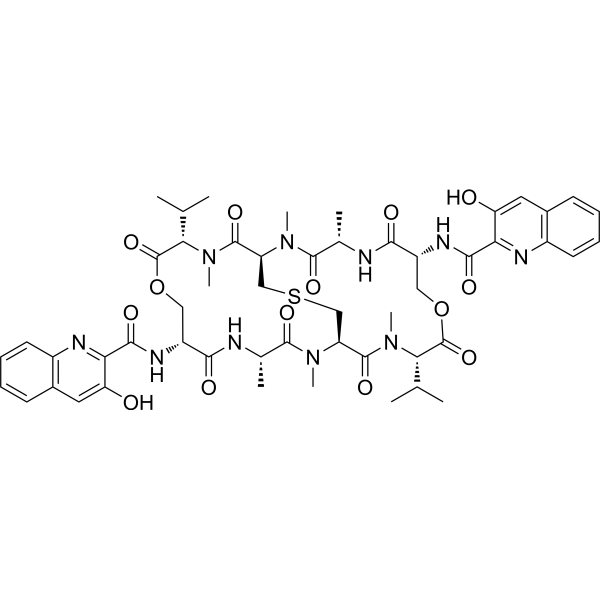
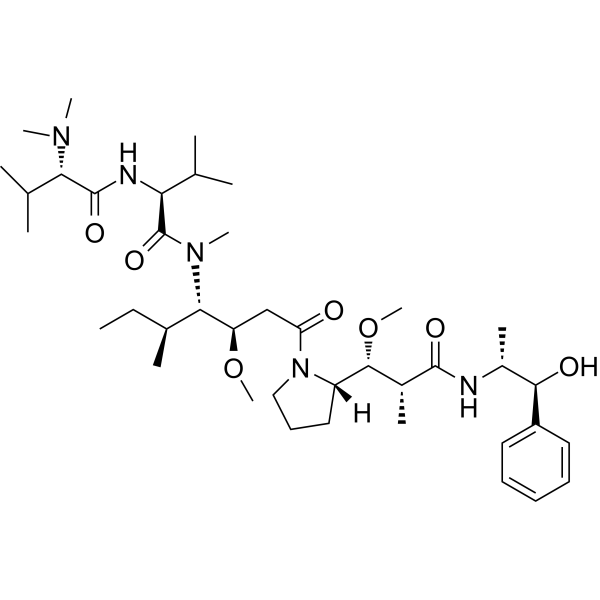
    Coibamide A, an N-methyl-stabilized cytotoxic depsipeptide, shows potent antiproliferative activity. Coibamide A induces autophagosome accumulation via an mTOR-independent mechanism. Coibamide A induces apoptosis. Coibamide A inhibits VEGFA/VEGFR2 expression and suppresses tumor growth in glioblastoma xenografts .
    Coibamide A
  • HY-145312

    ATM/ATR Cancer
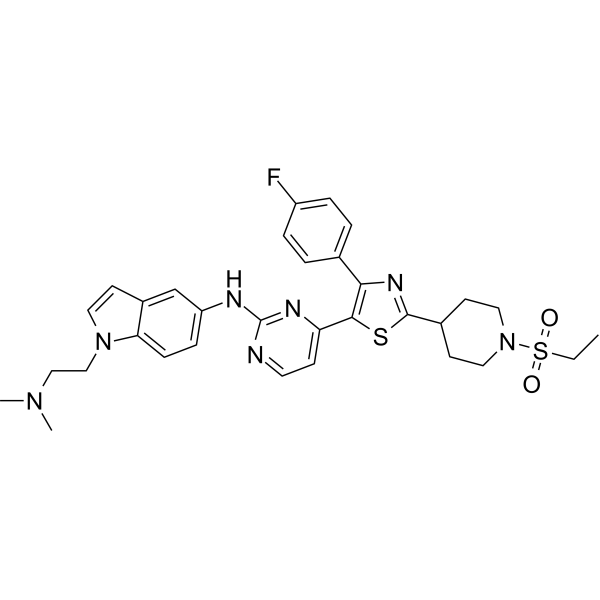
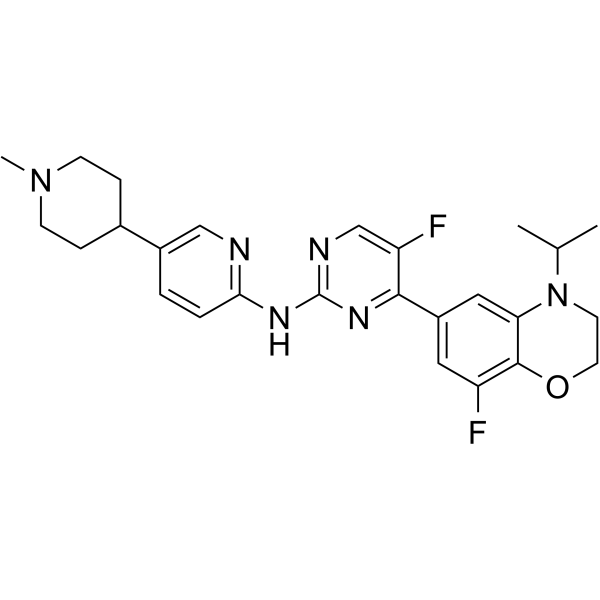
    ATR-IN-4 is a potent ATR (Ataxia telangiectasia mutated gene Rad 3-associated kinase) inhibitor. ATR-IN-4 inhibits growth of human prostate cancer cells DU145 and human lung cancer cells NCI-H460 with IC50s of 130.9 nM and 41 .33 nM, respectively. (Patent CN112142744A, compound 13) .
    ATR-IN-4
  • HY-P99922

    LAG-3 Cancer
    Encelimab is an anti-LAG3 antibody. Encelimab blocks the interaction between LAG-3 and MHC II, and enhances T-cell activation. Encelimab alone or in combination with an anti-PD-1 antibody reduces tumor size in a lymphoma mice model (A20 cell xenograft) .
    Encelimab
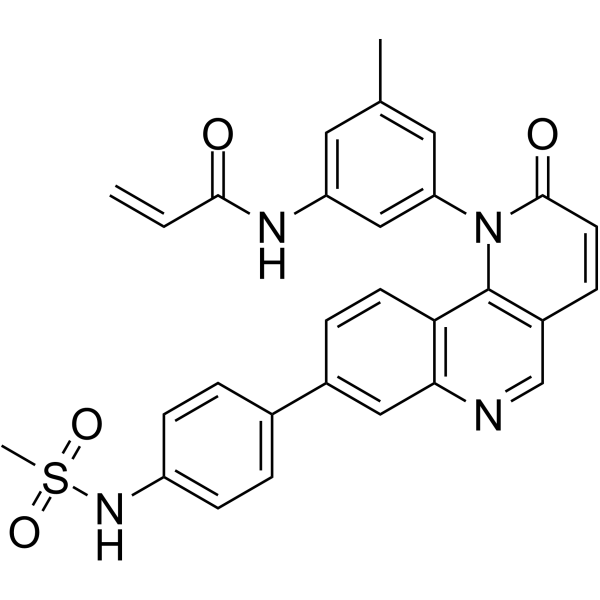
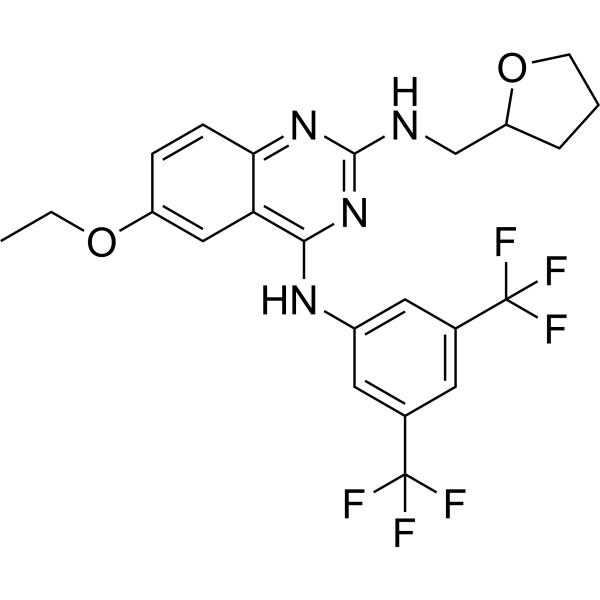
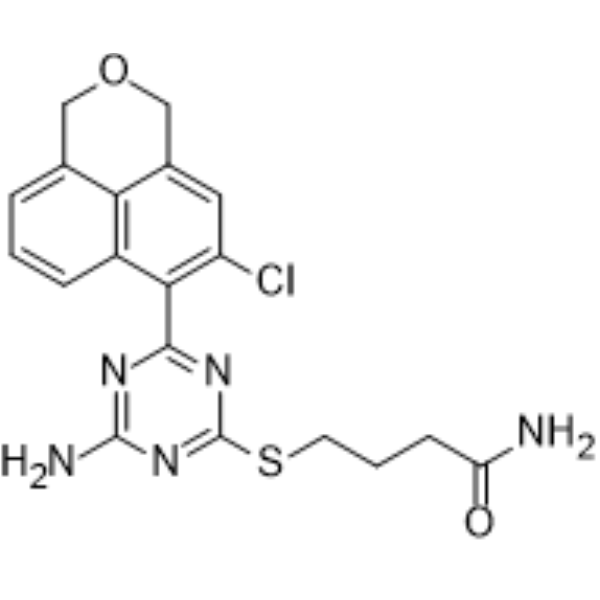
  • HY-169860

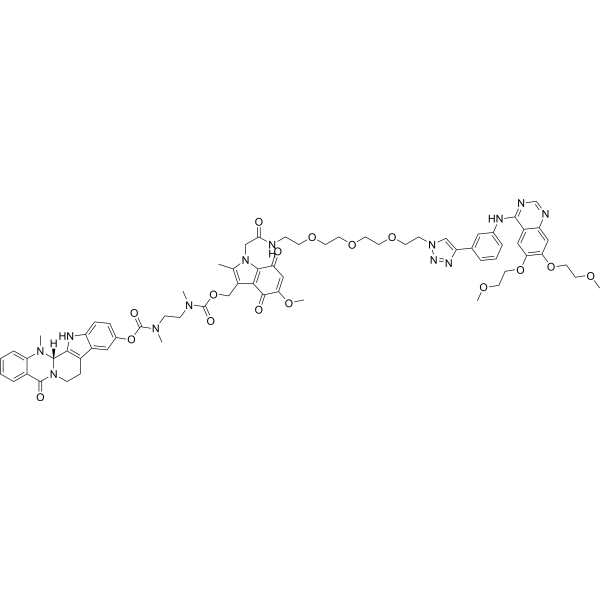
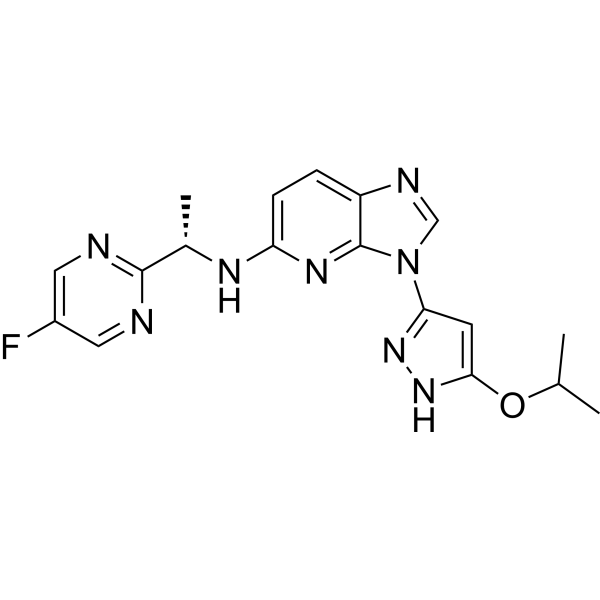
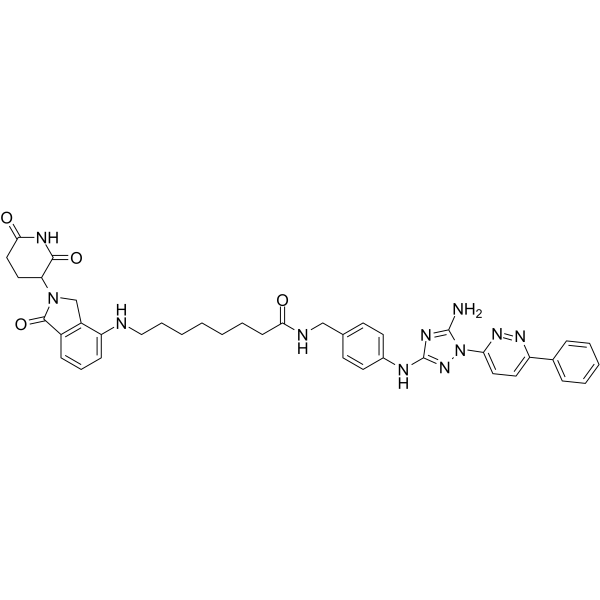
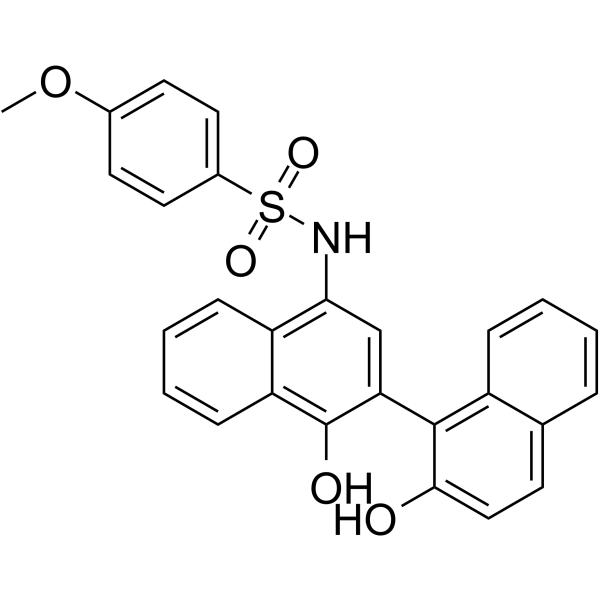
    BCRP Cancer
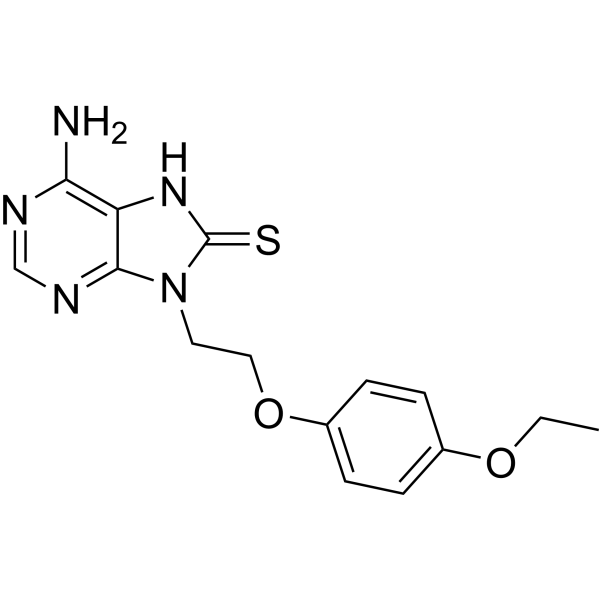
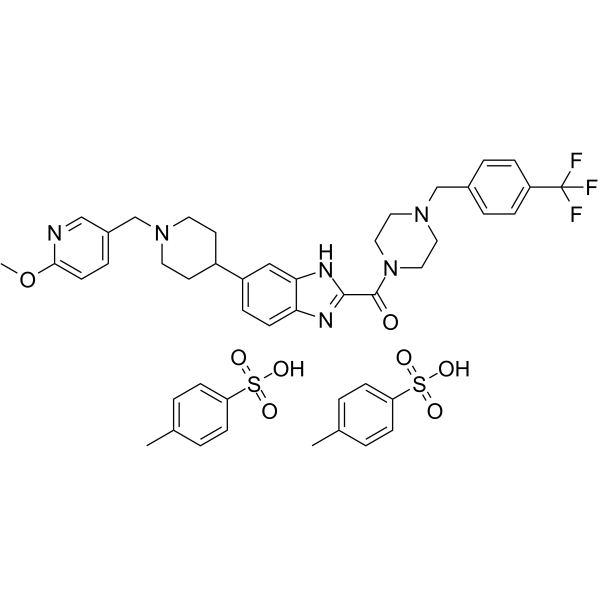
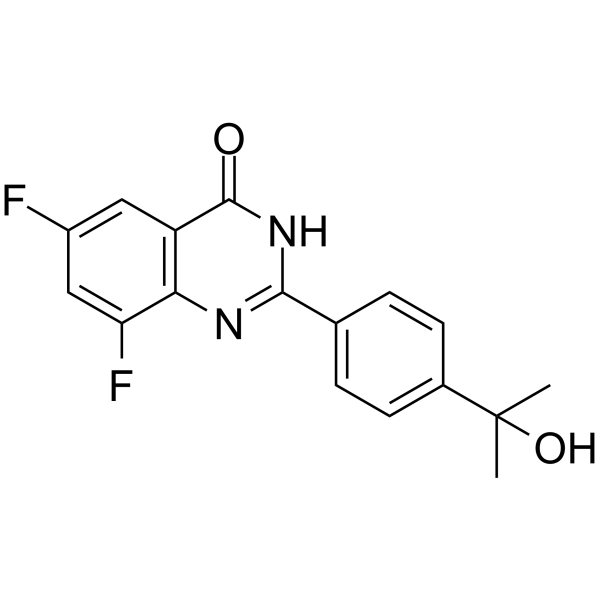
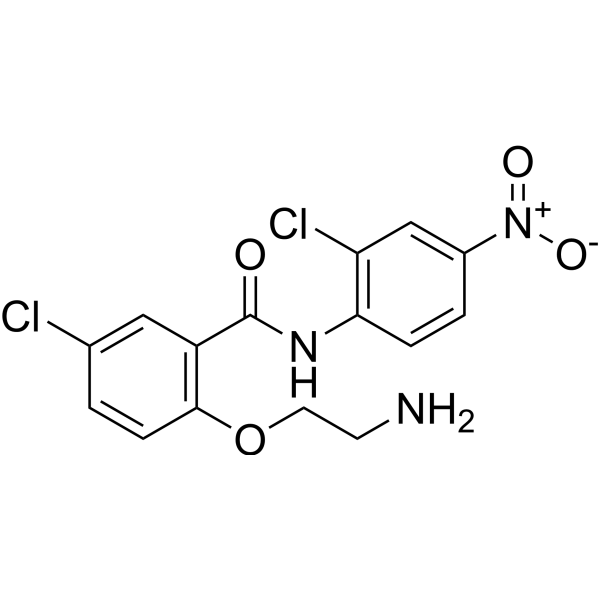
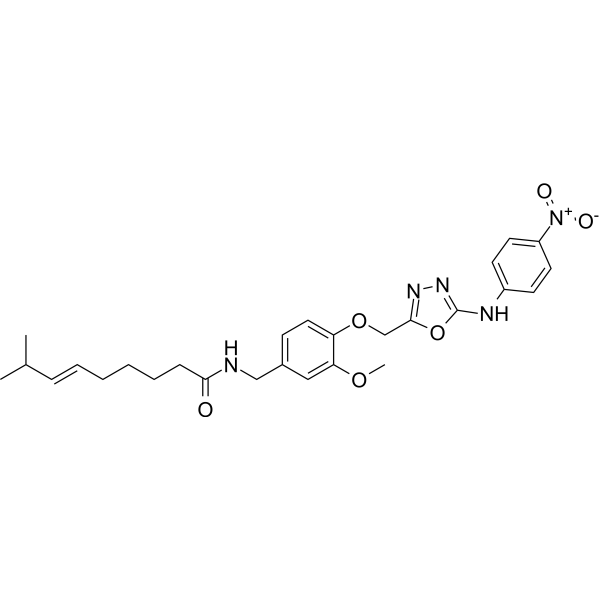
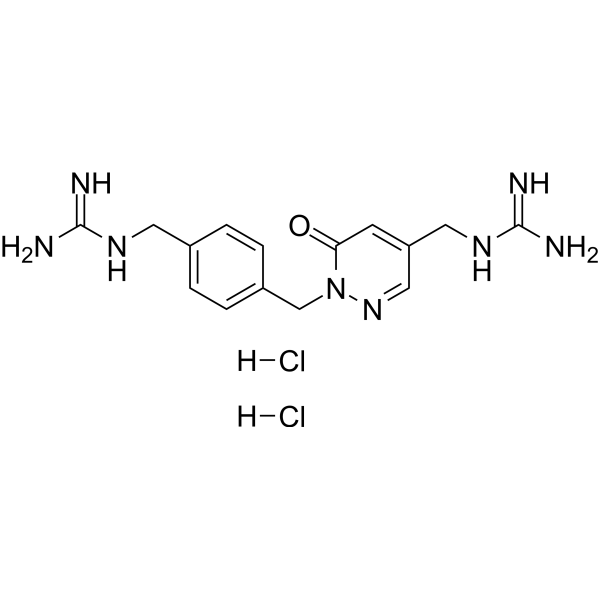
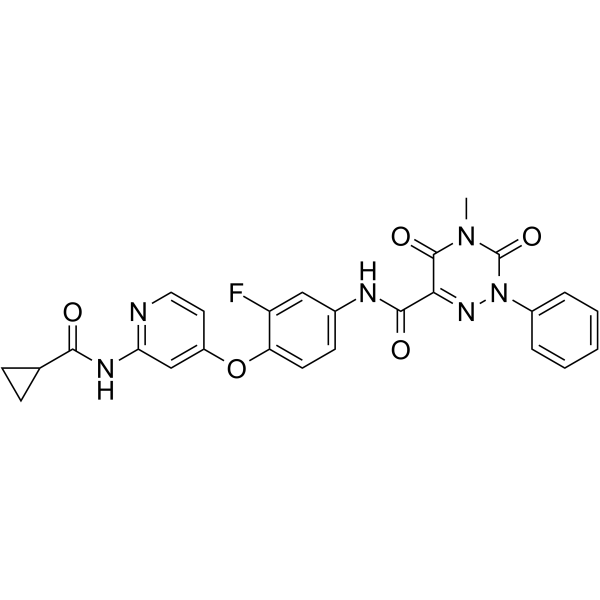
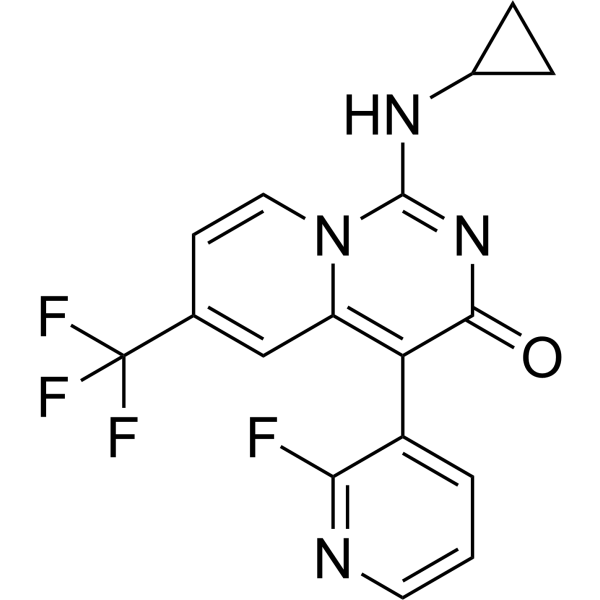
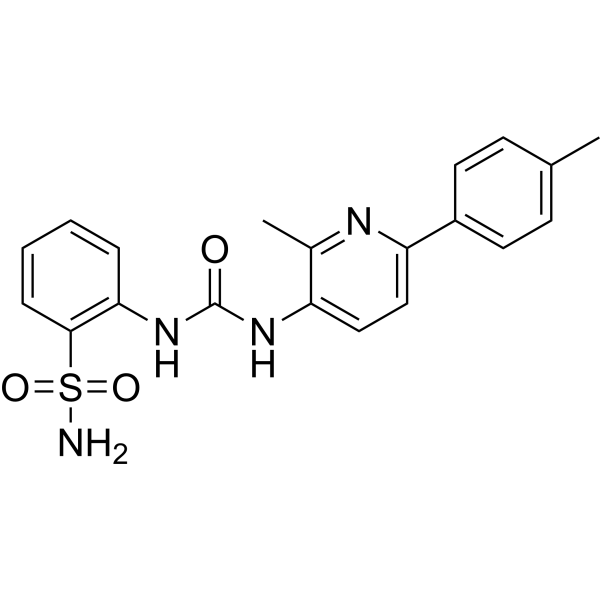
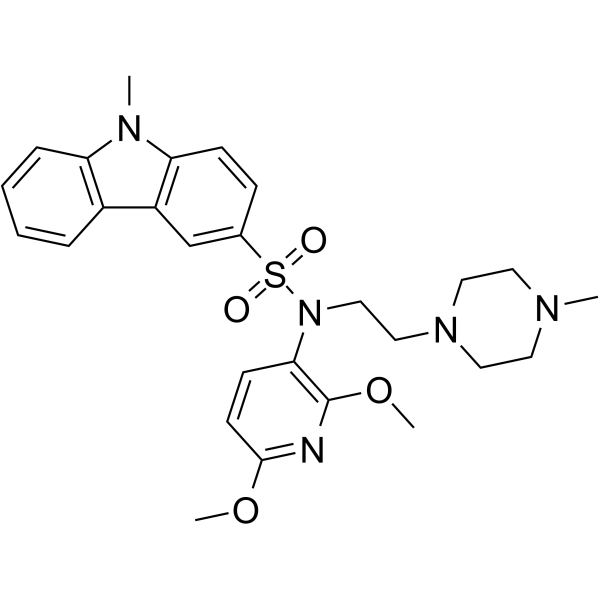
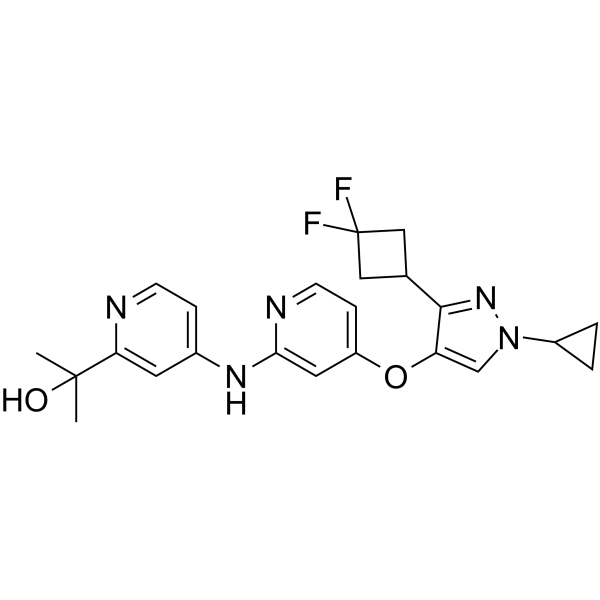
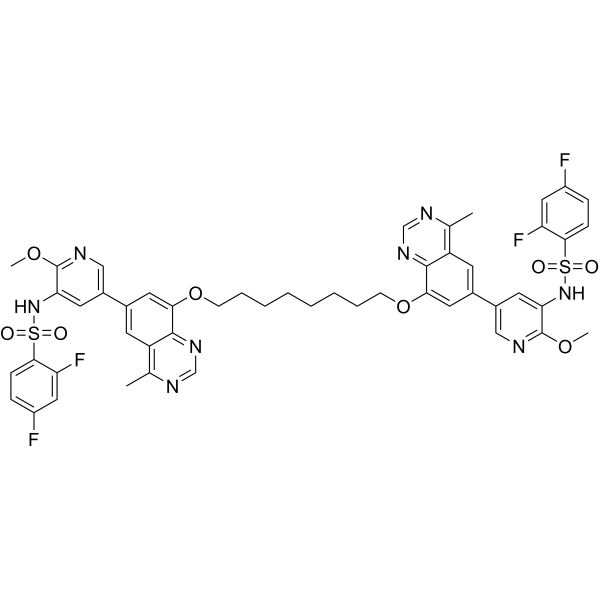
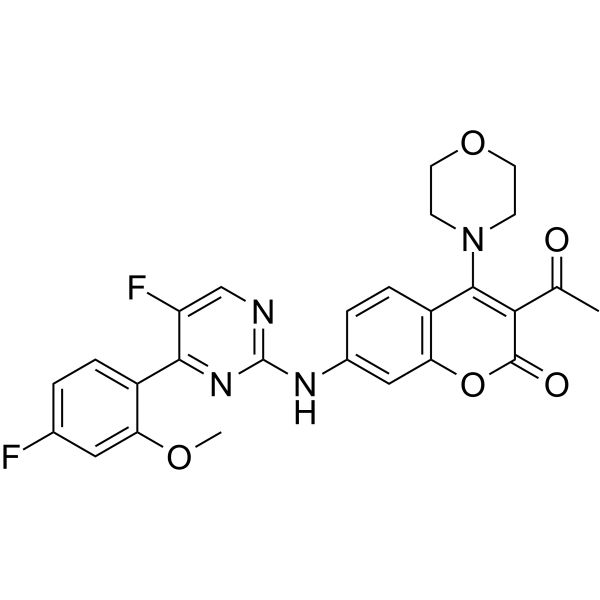
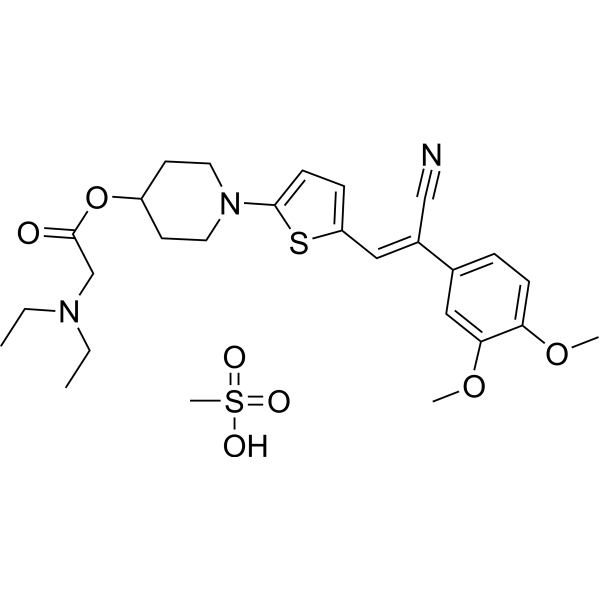
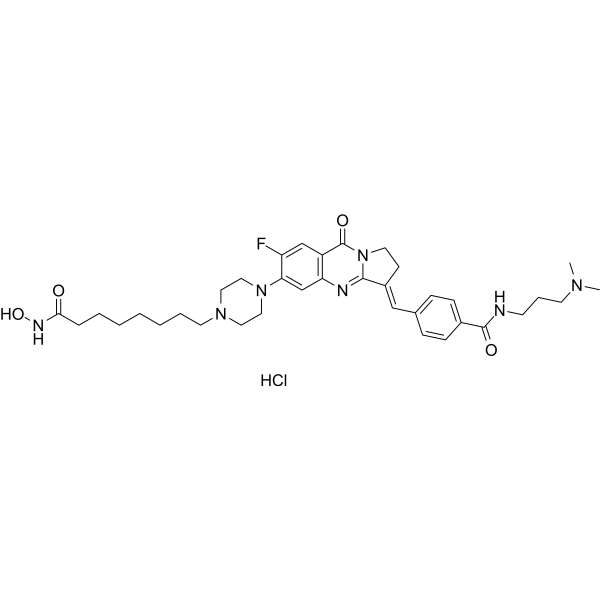
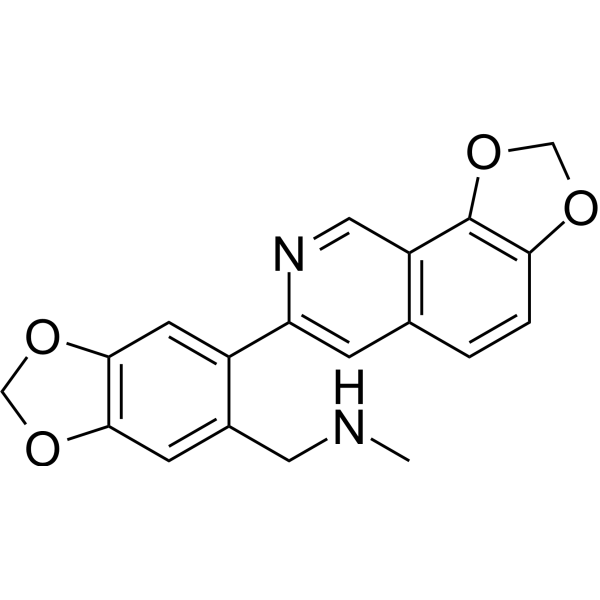
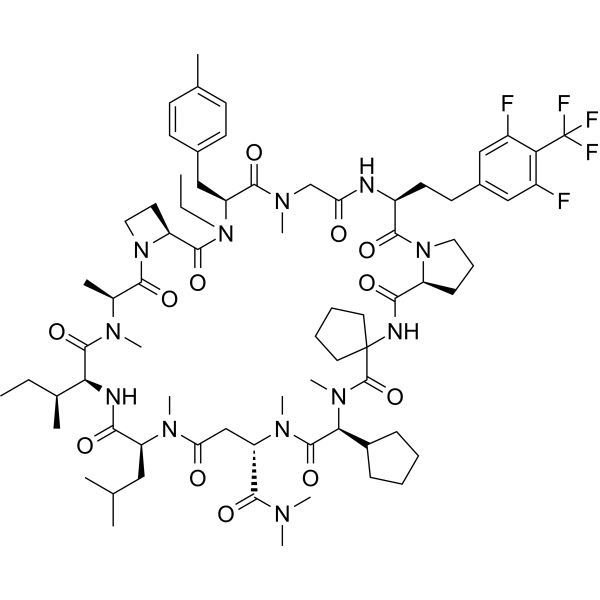
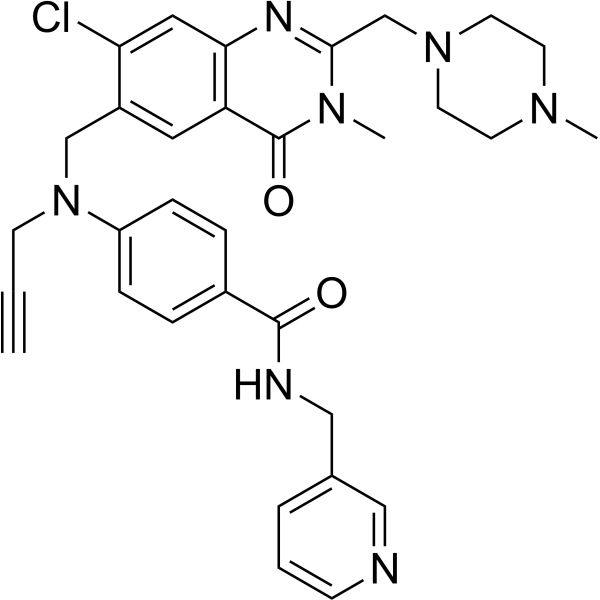
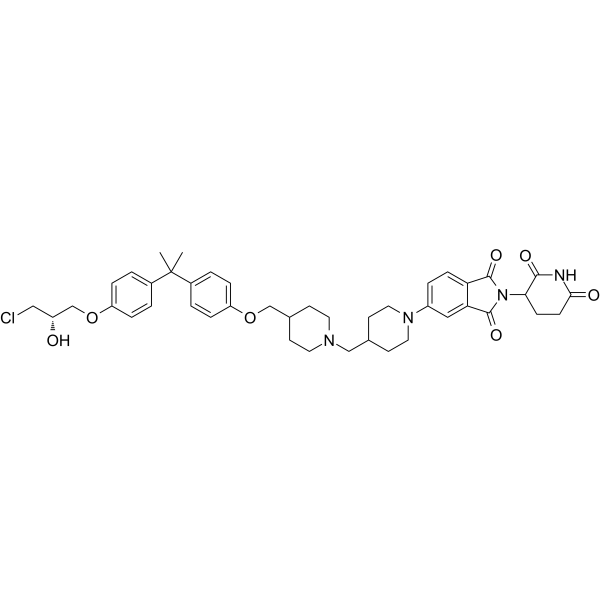
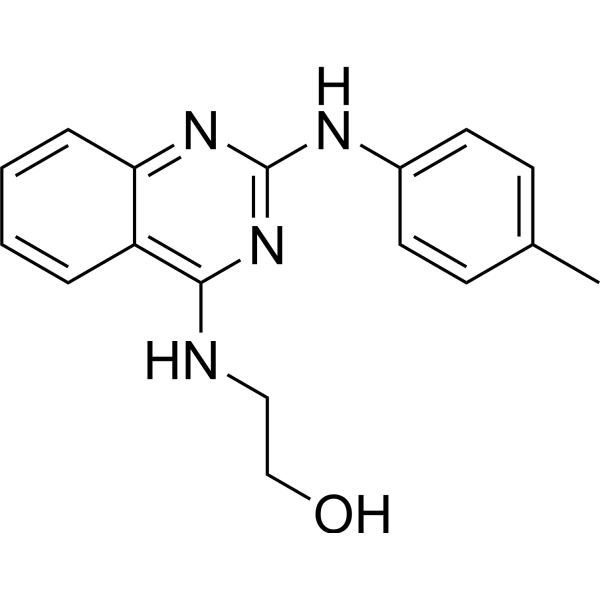
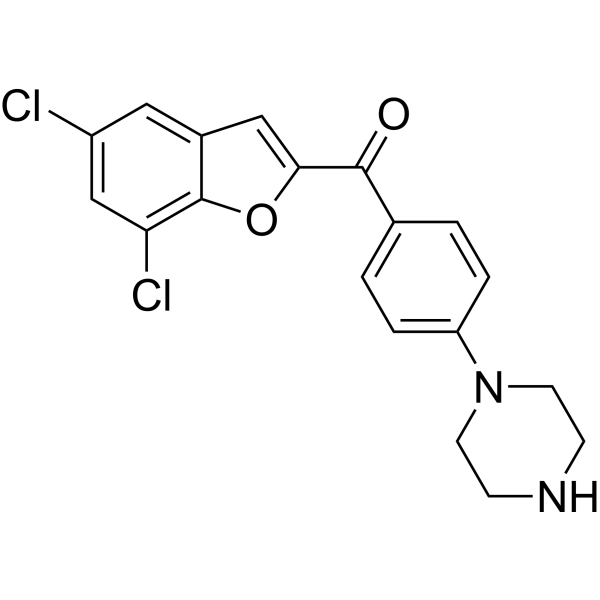
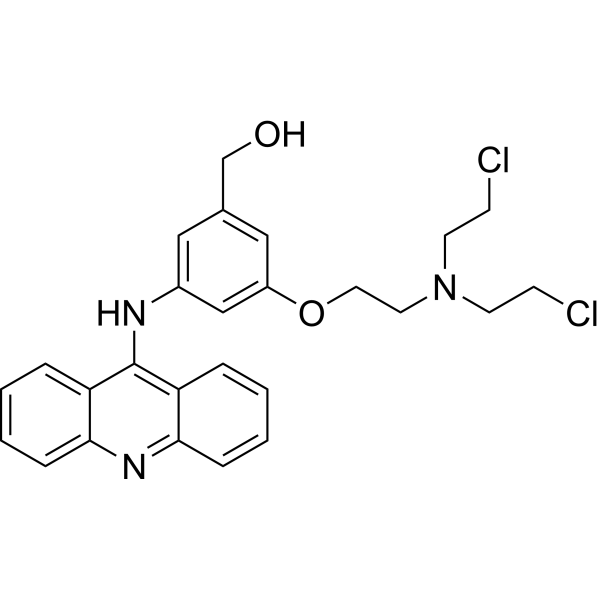
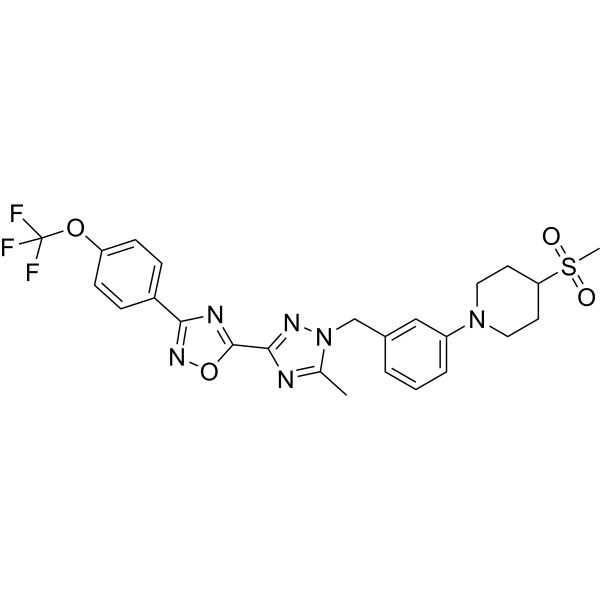
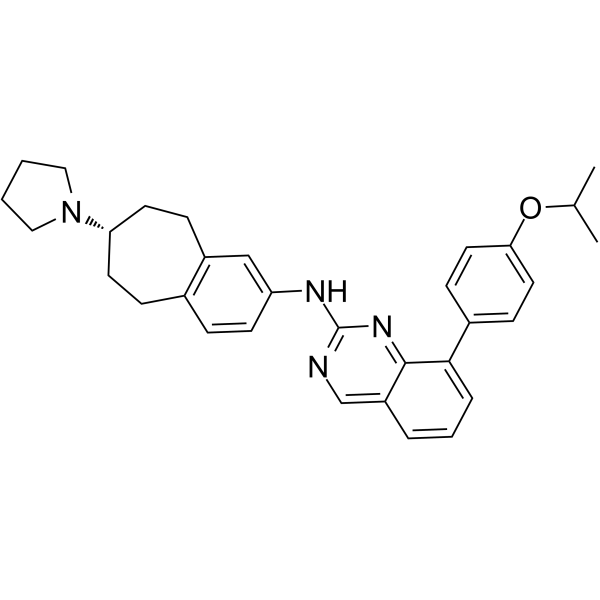
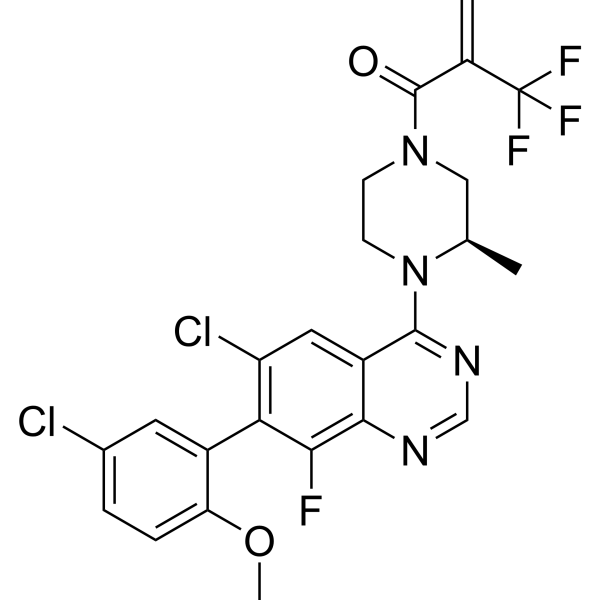
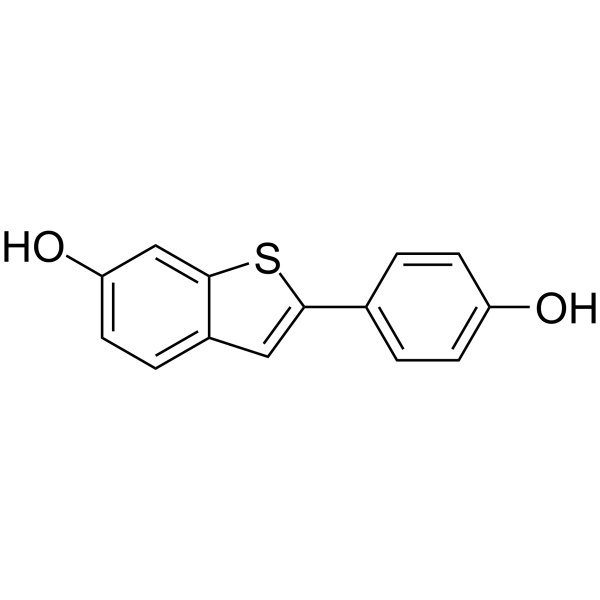
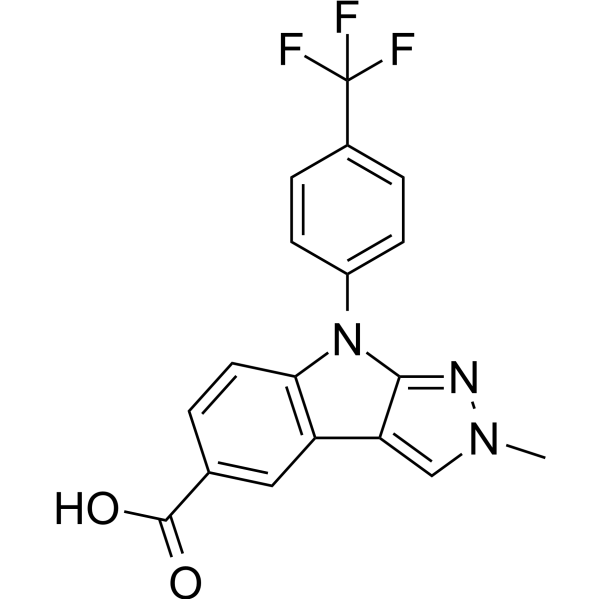
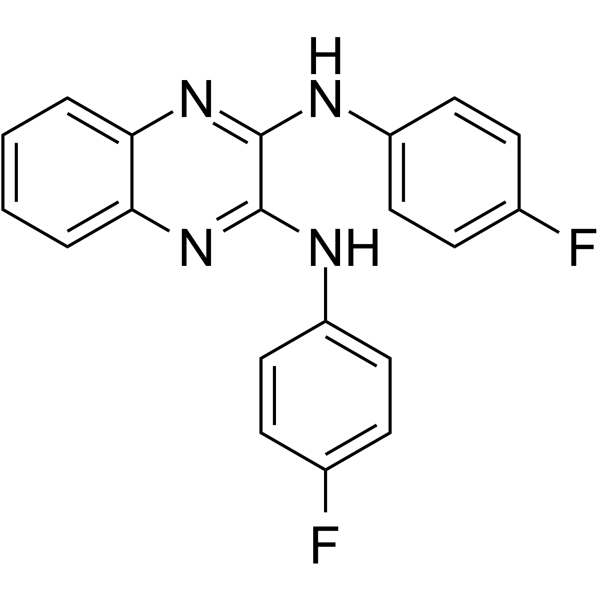
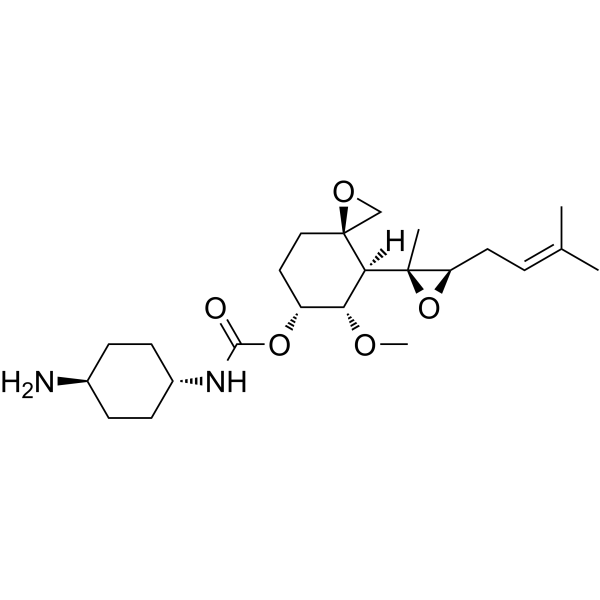
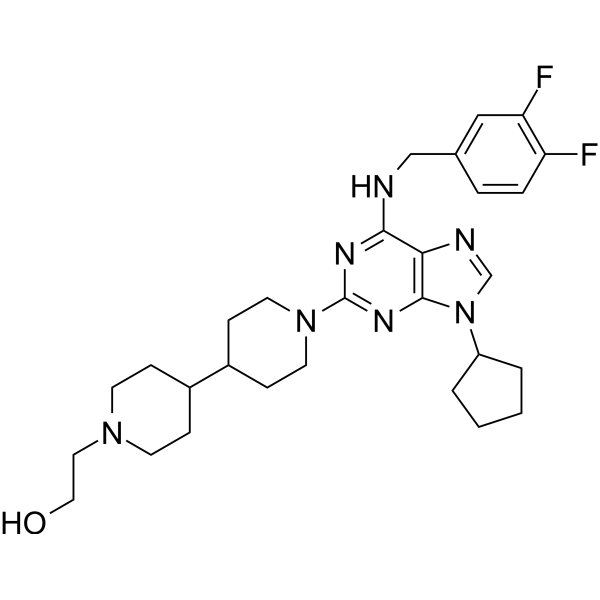
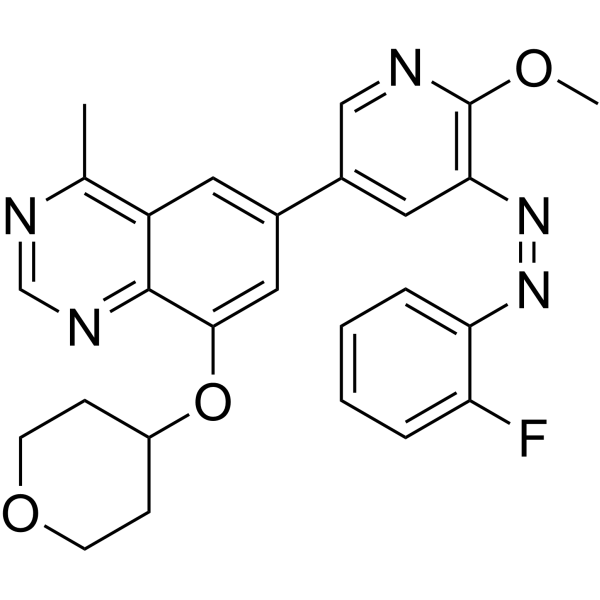
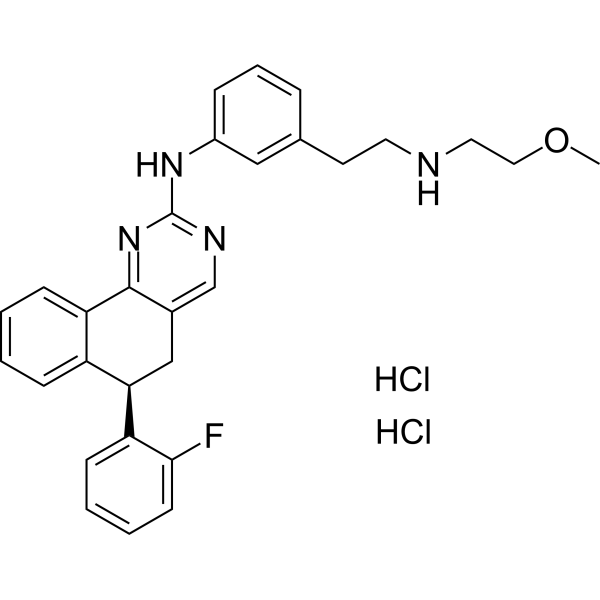
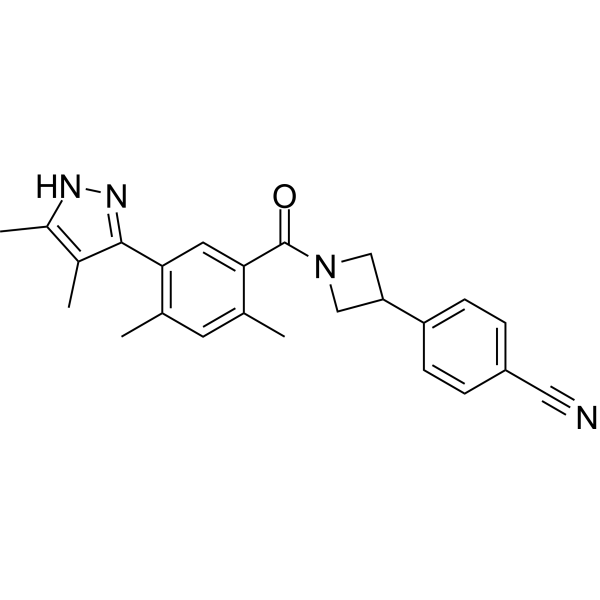
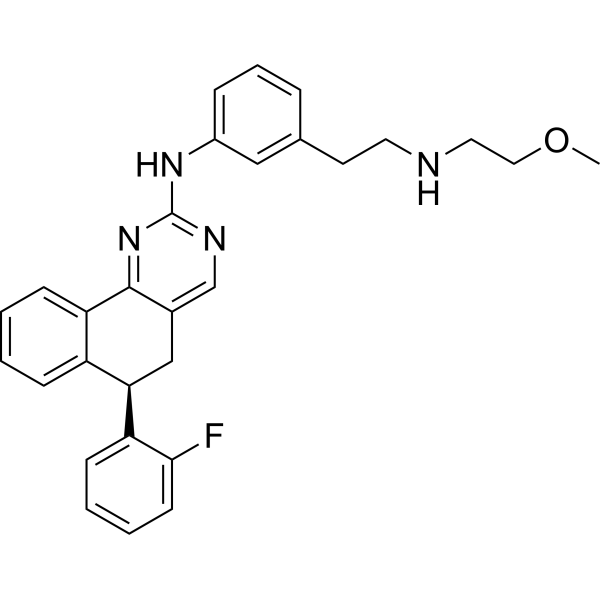
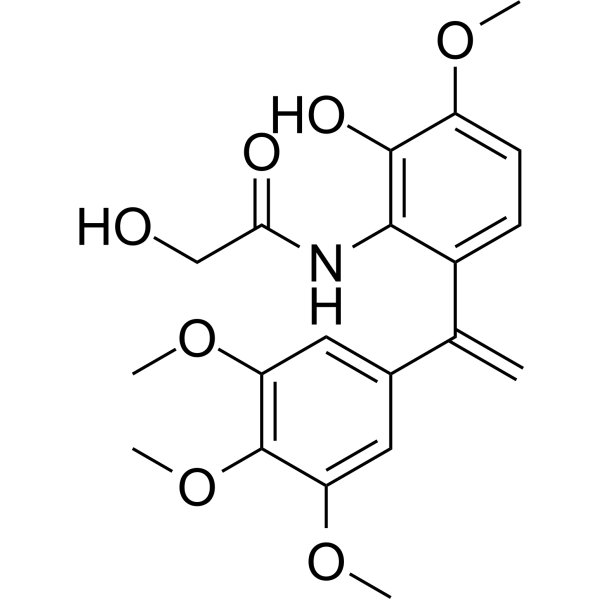
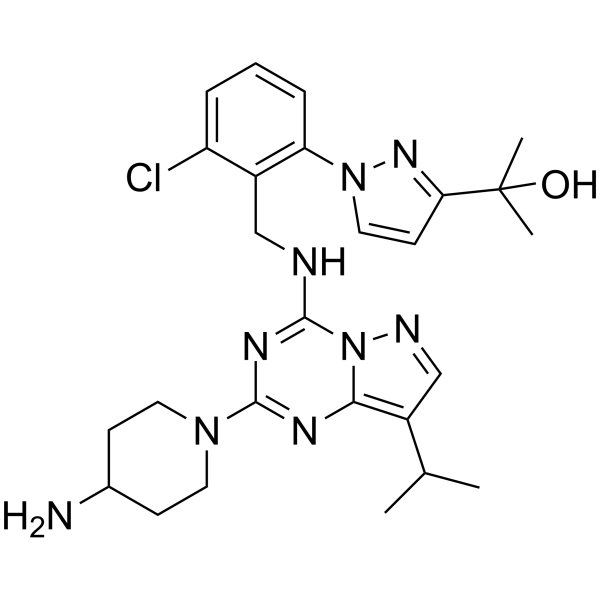
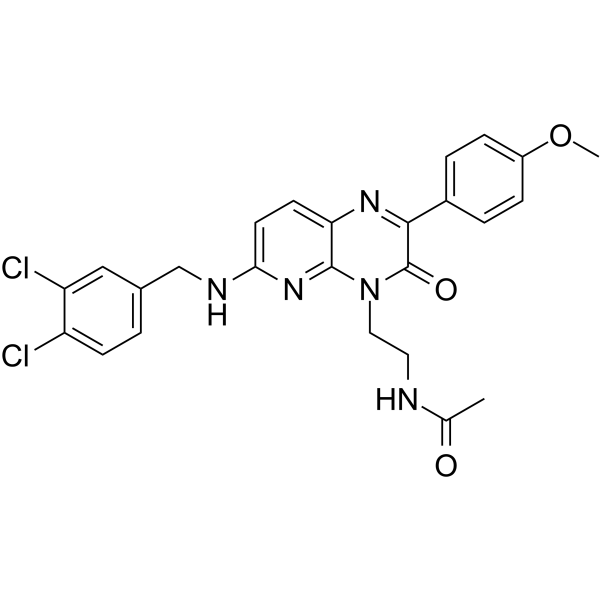
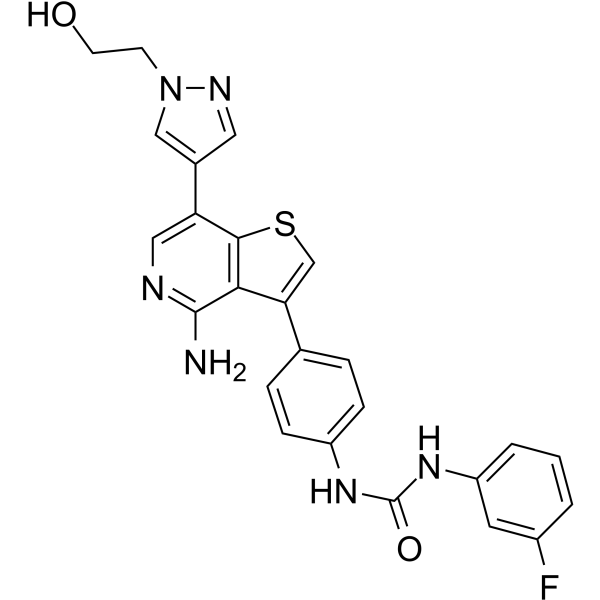
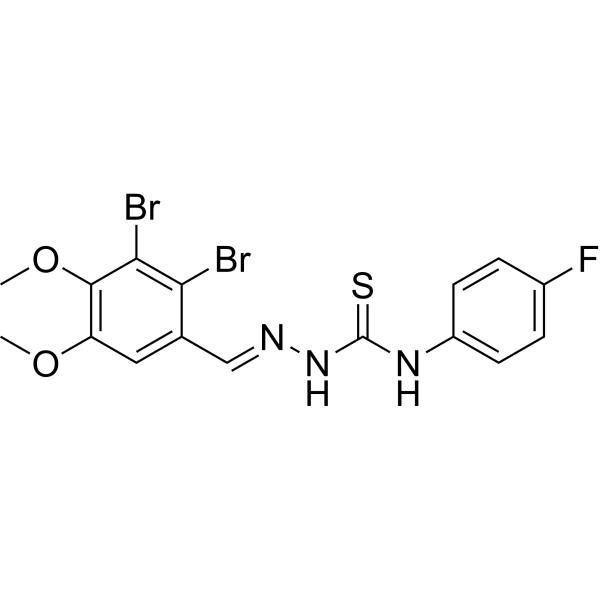
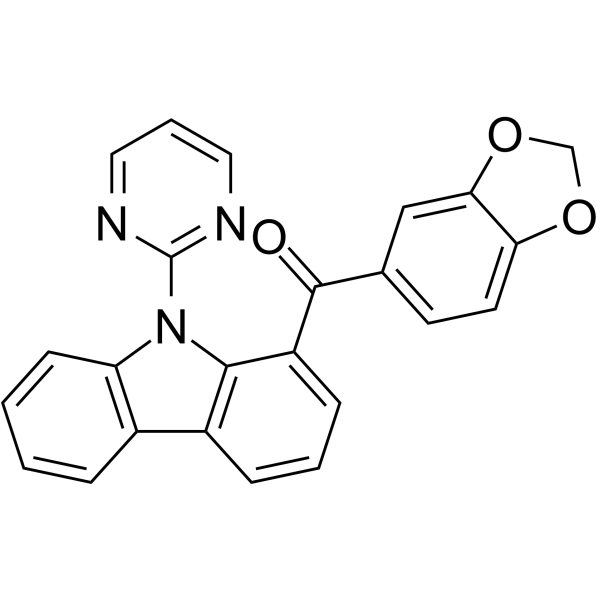
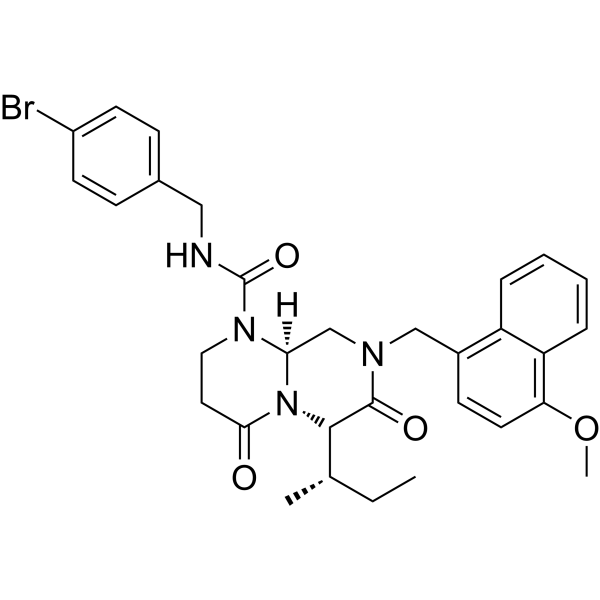
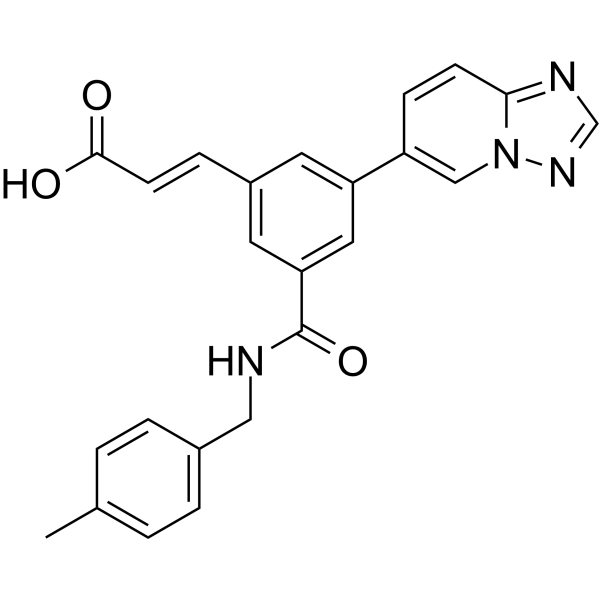
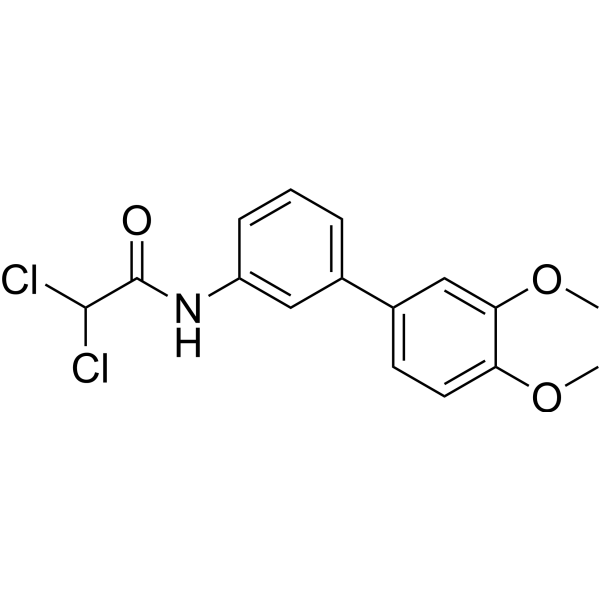
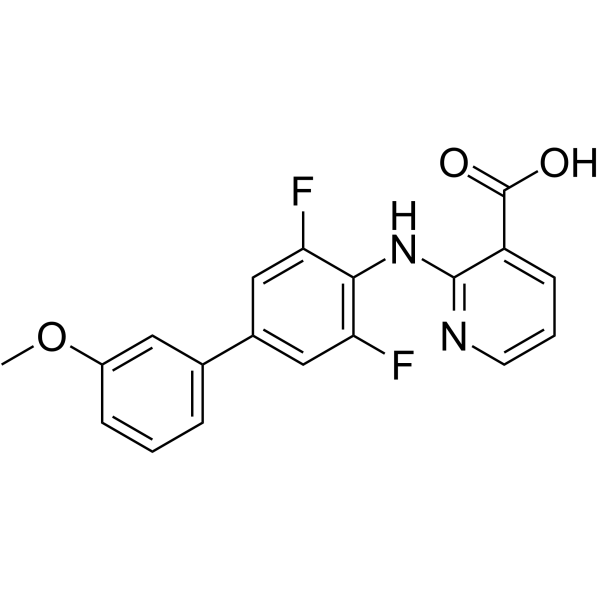
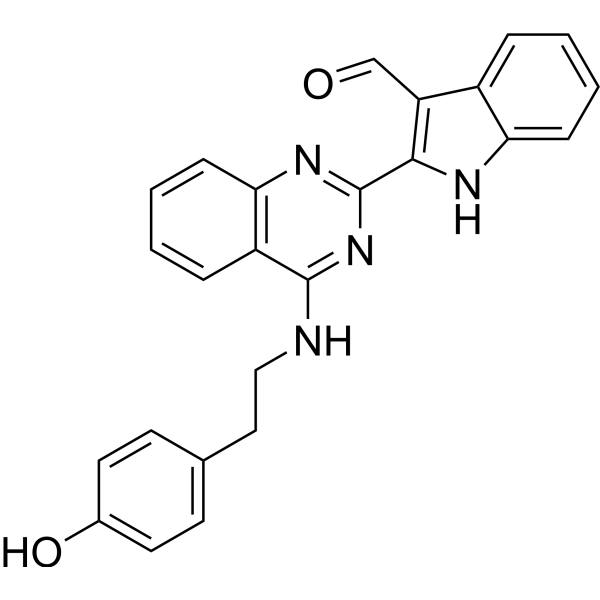
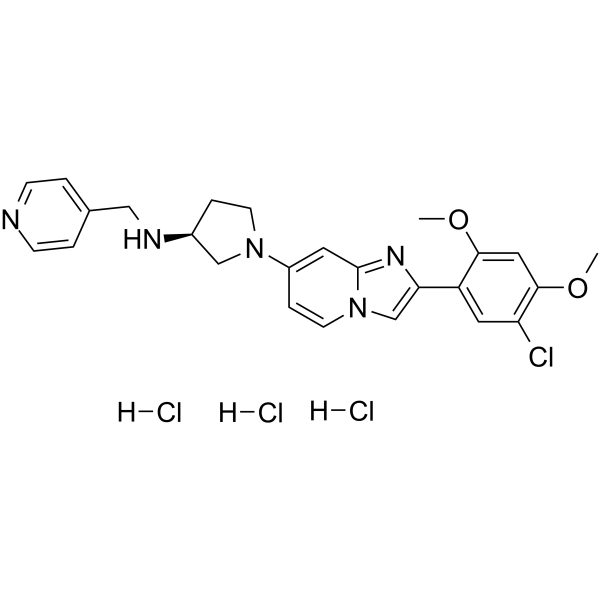
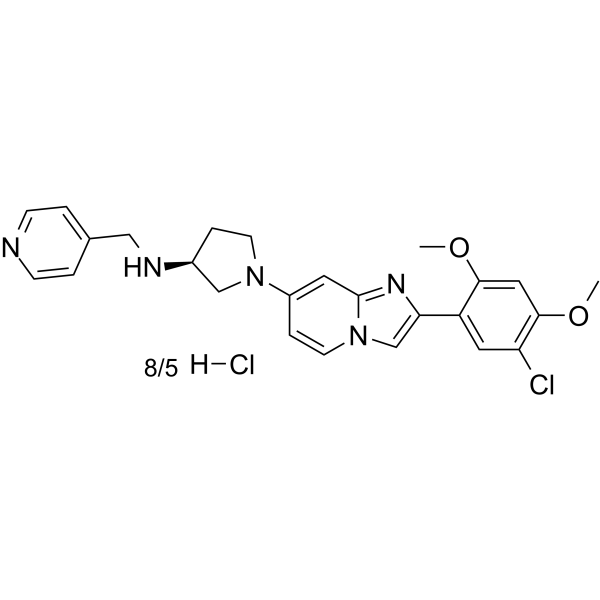
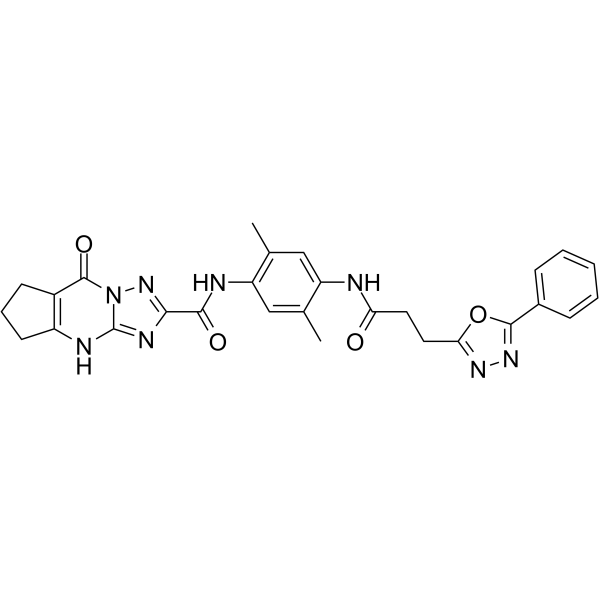
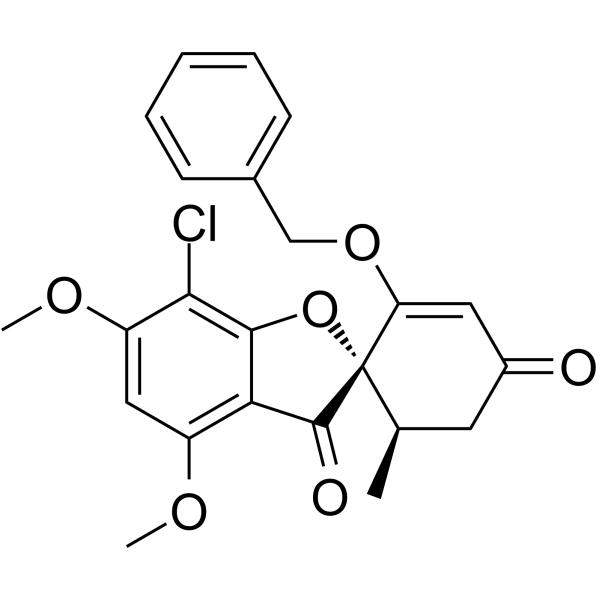
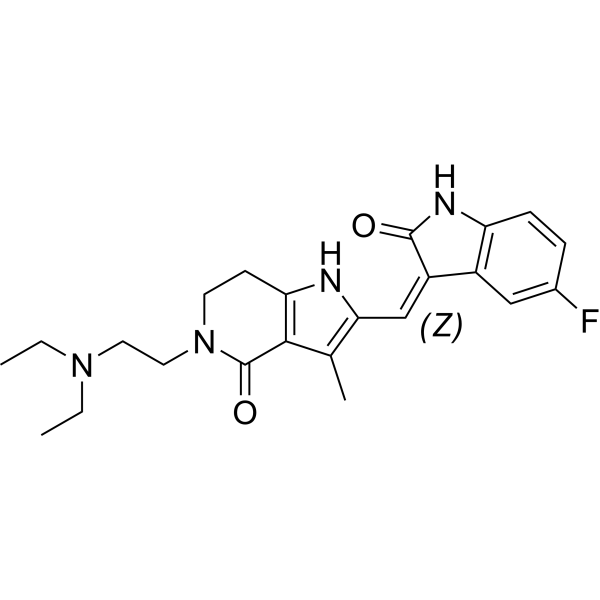
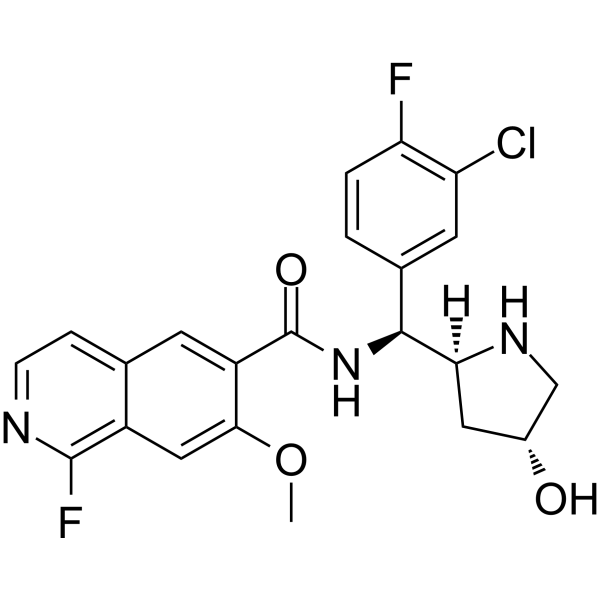
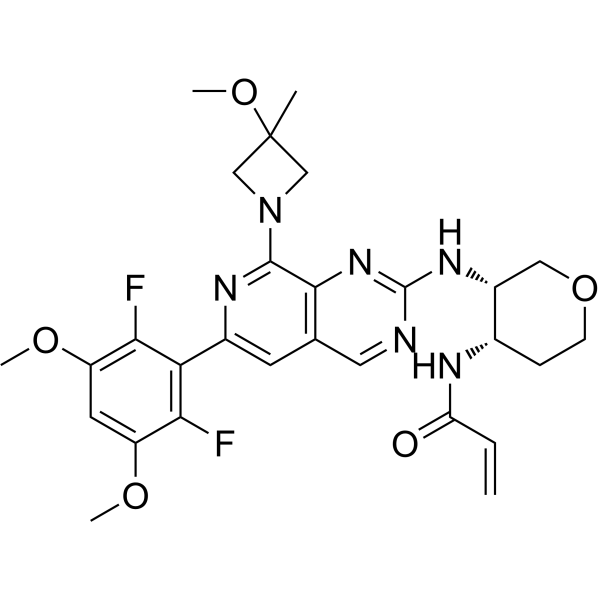
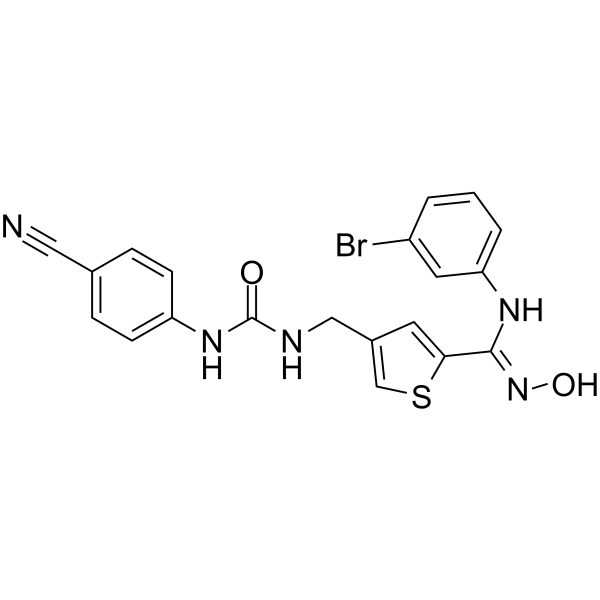
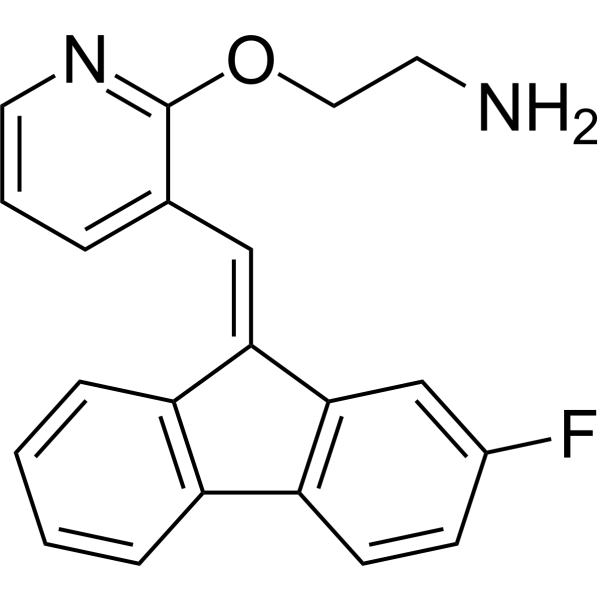
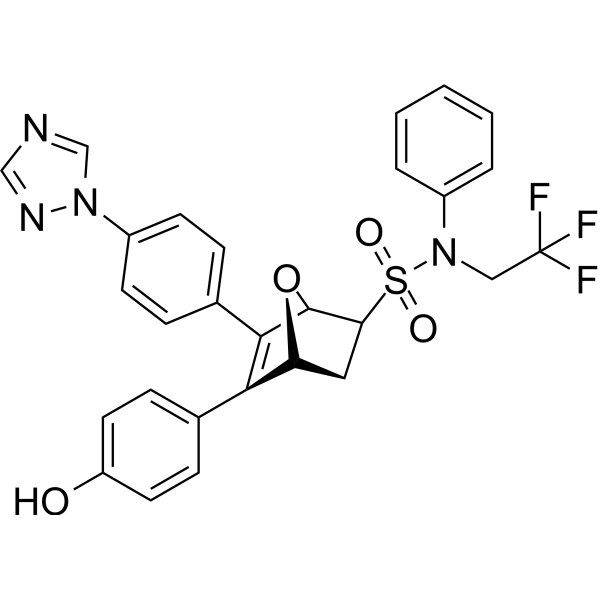
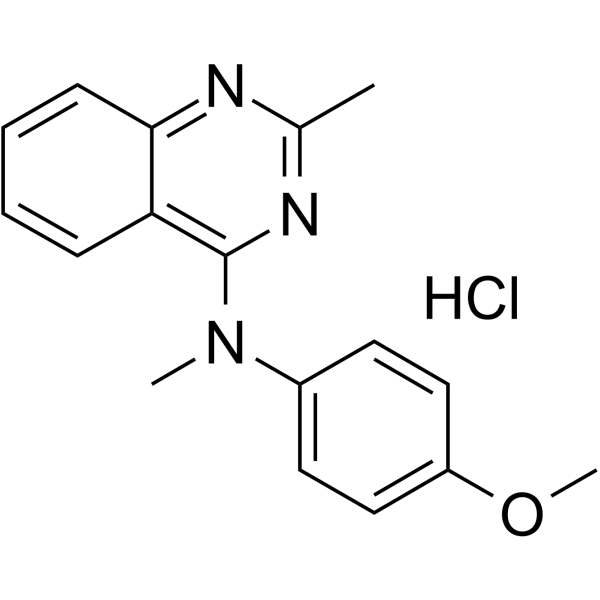
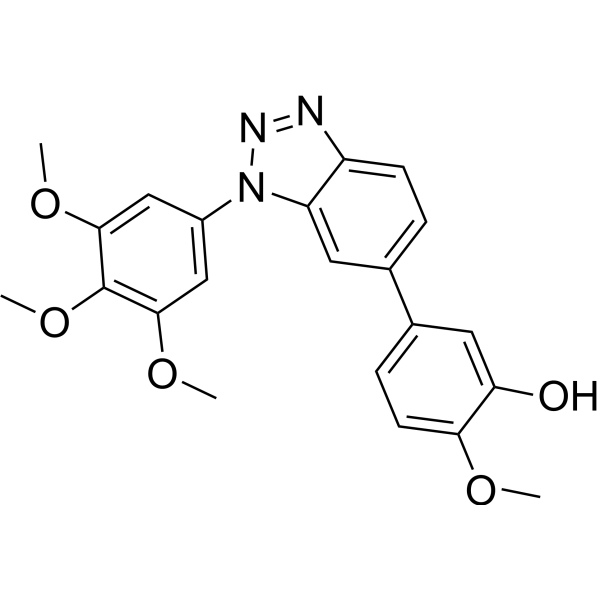
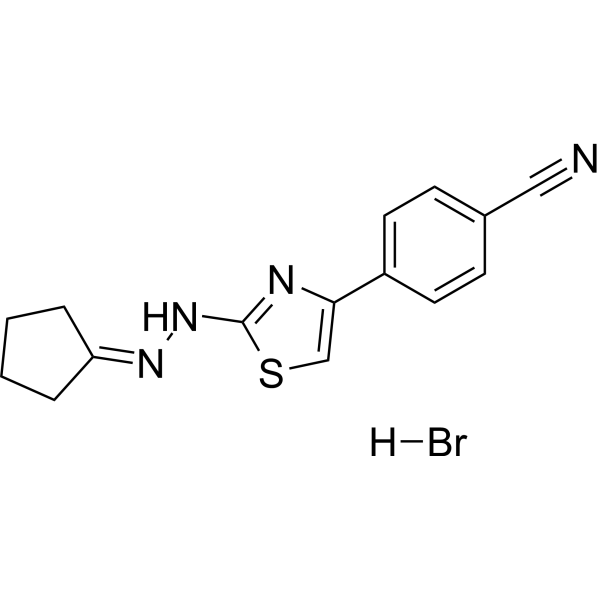
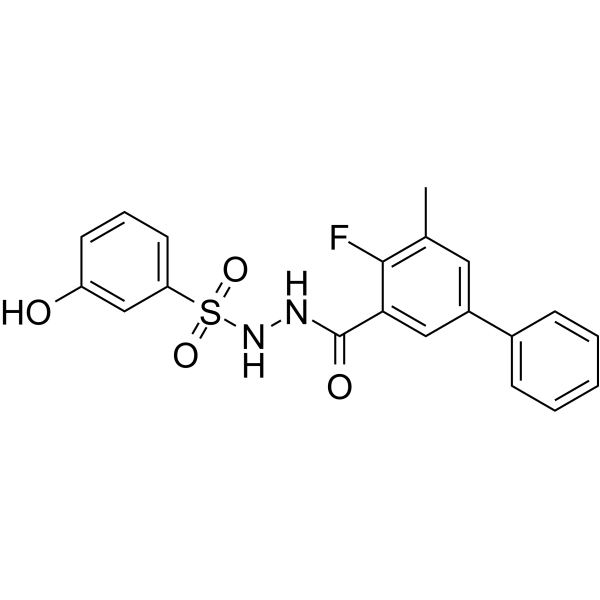
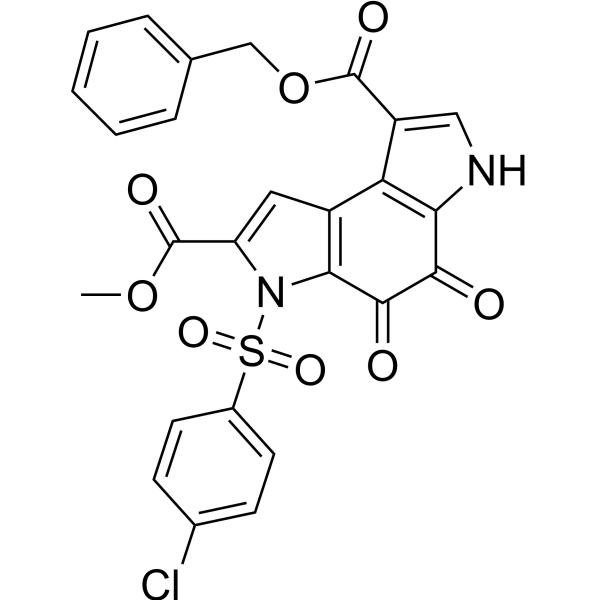
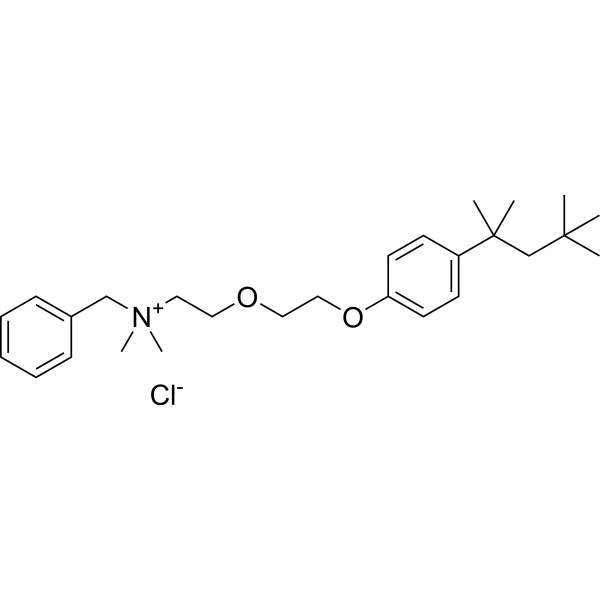
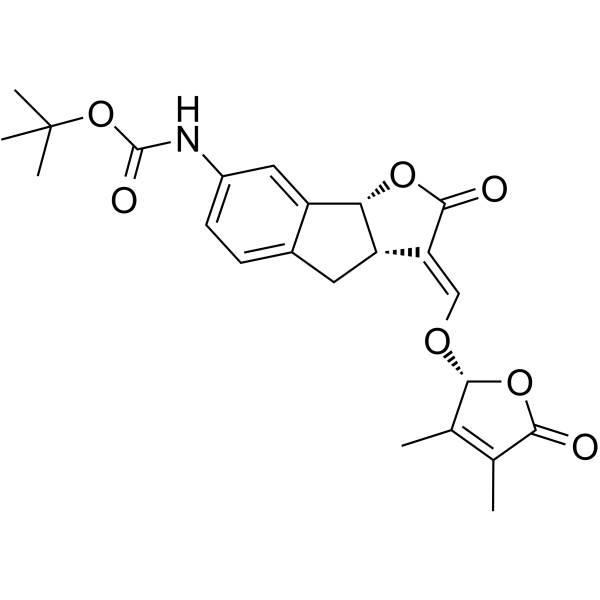
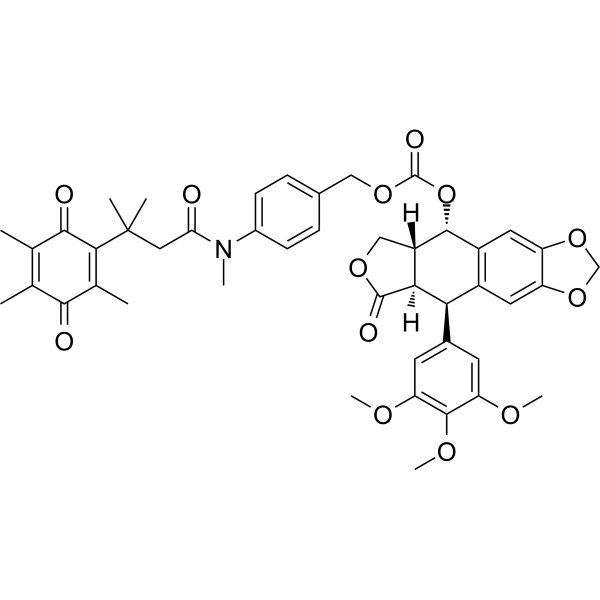
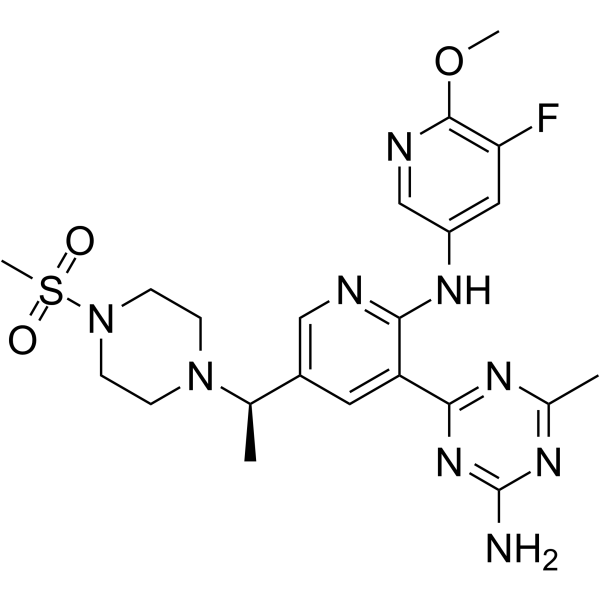
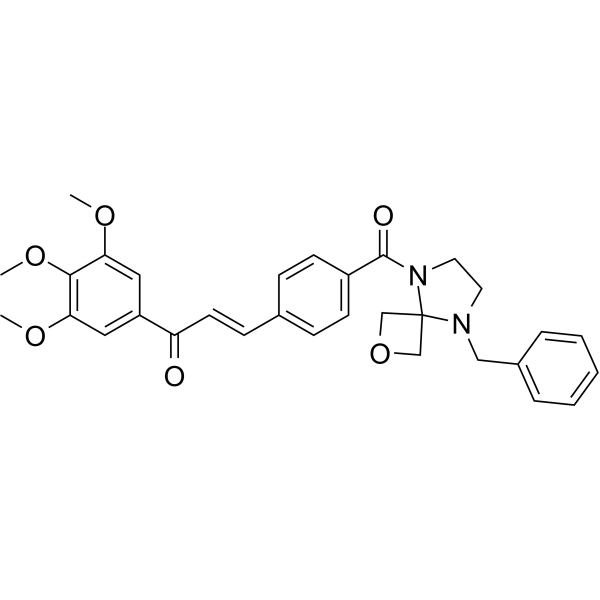
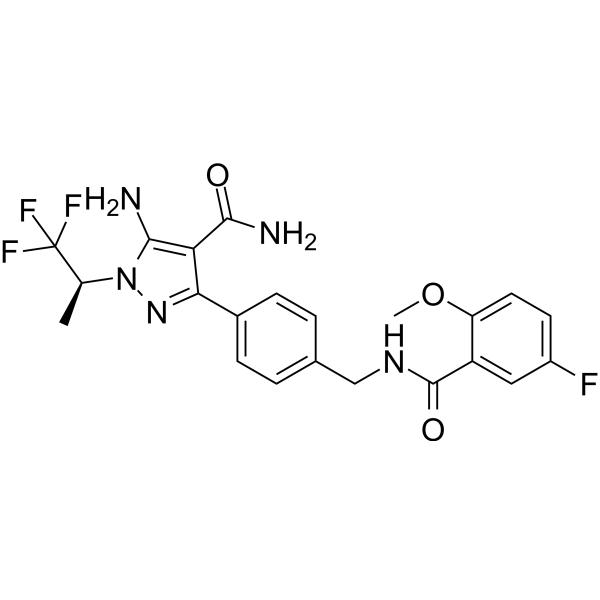
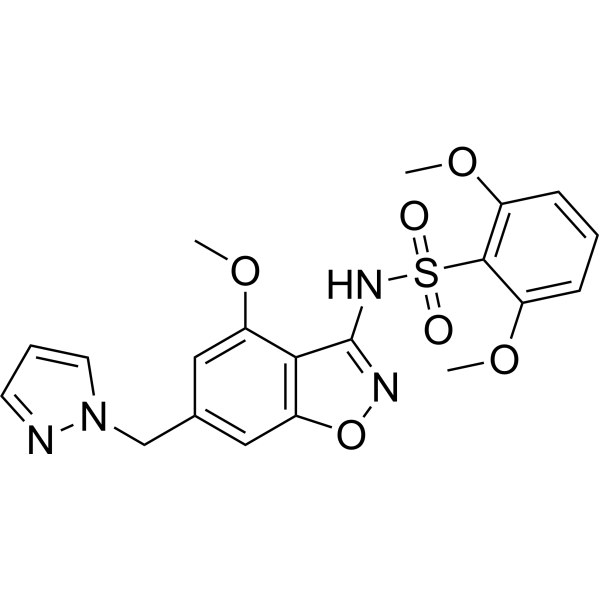
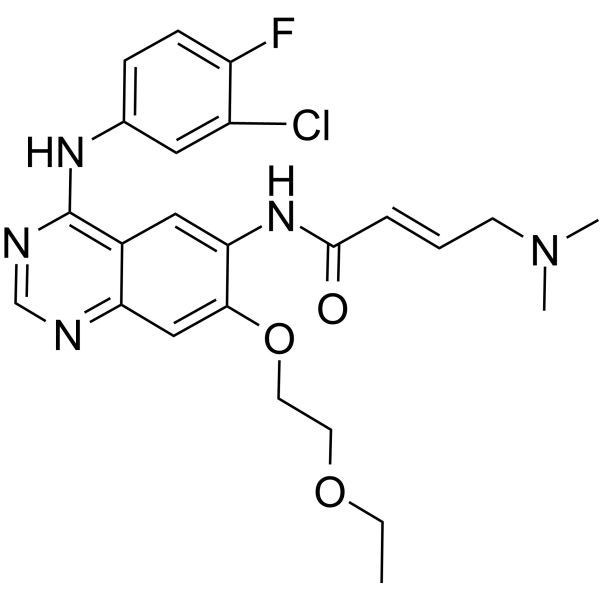
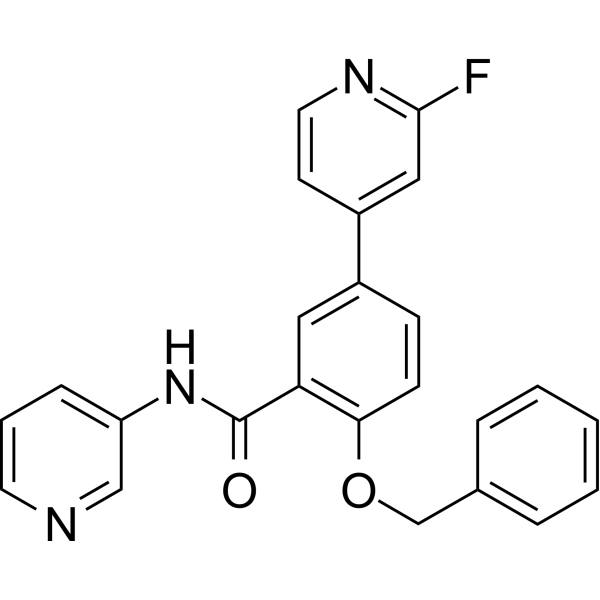
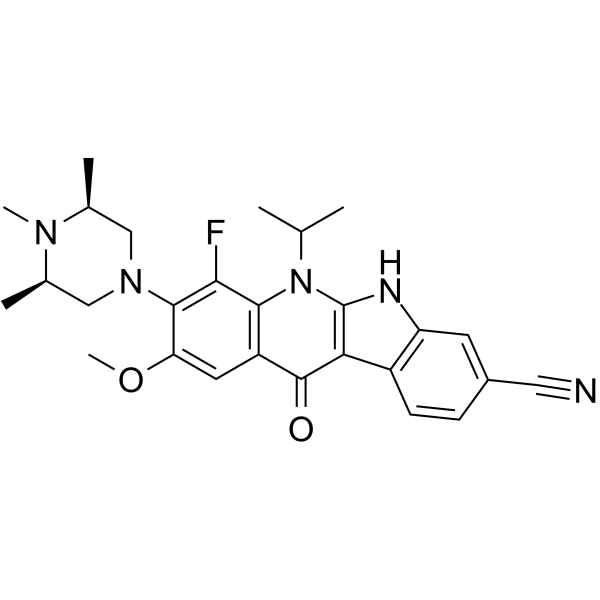
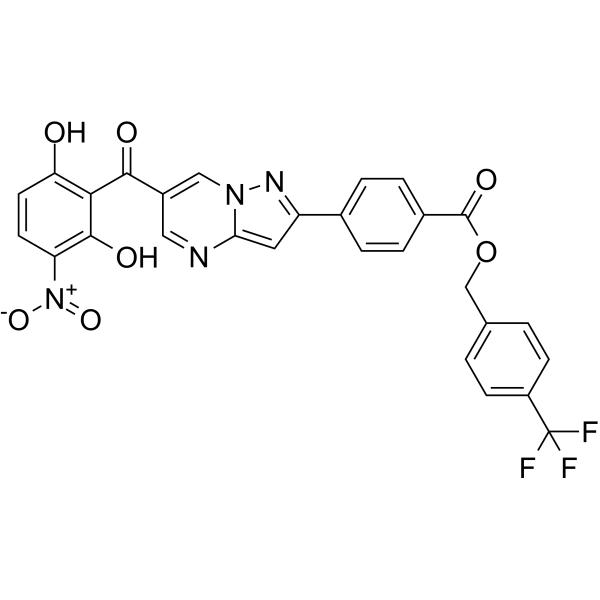
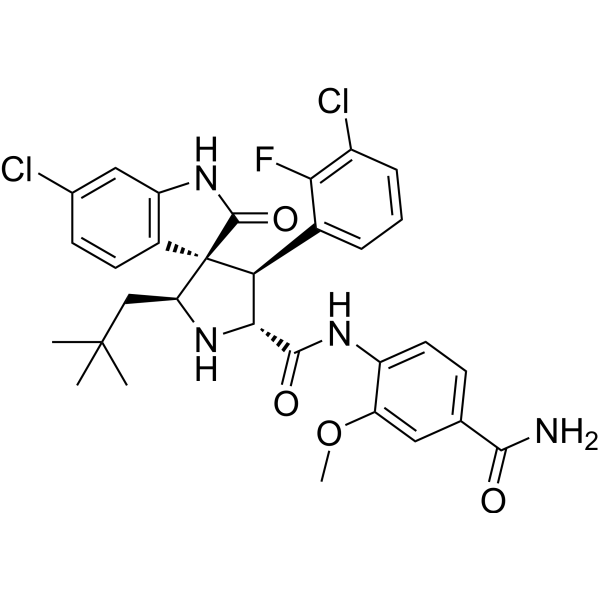
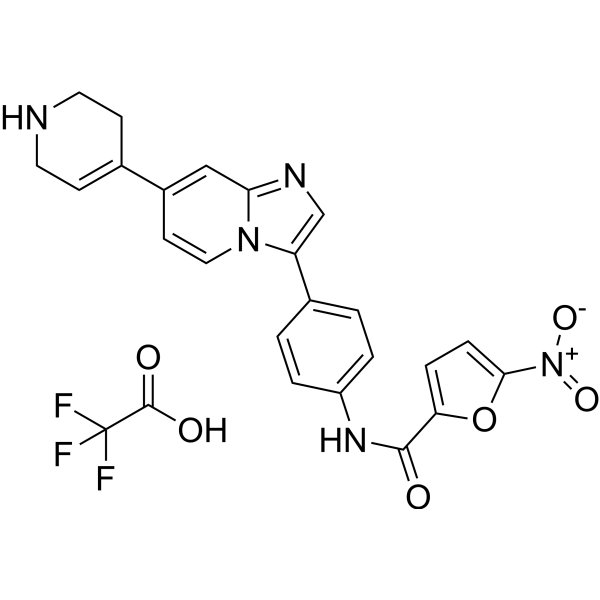
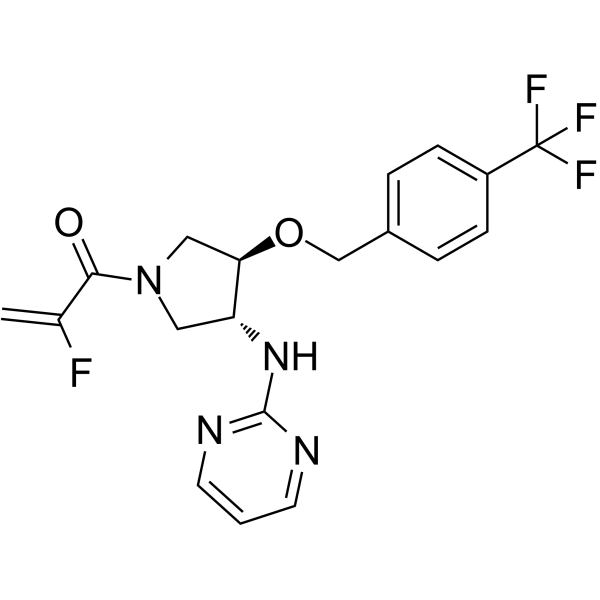
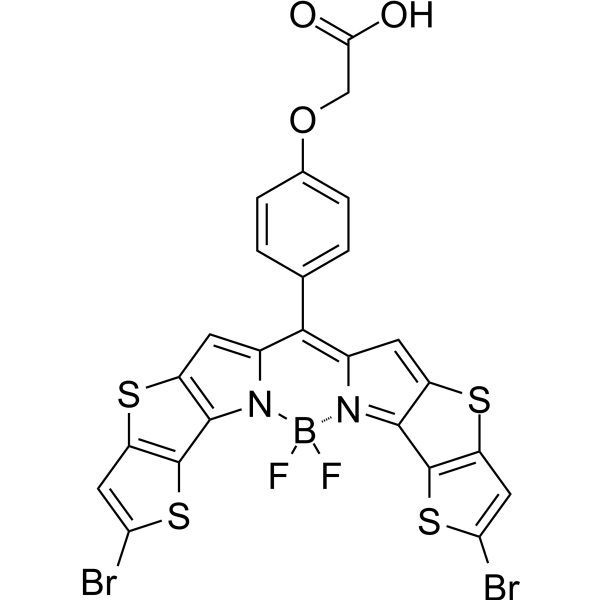
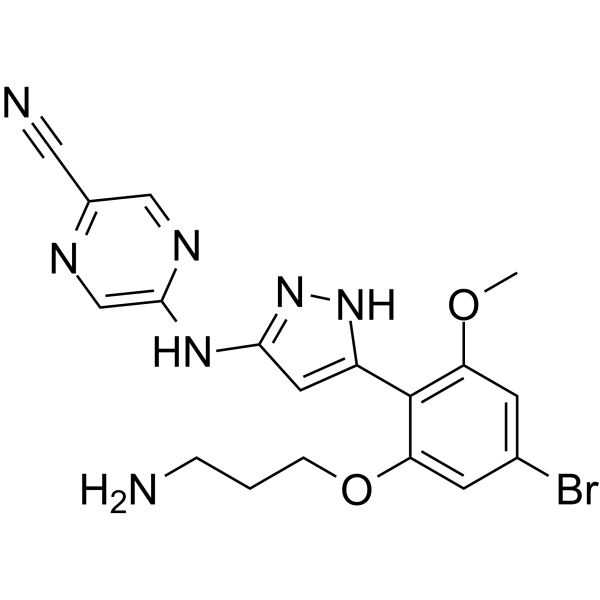
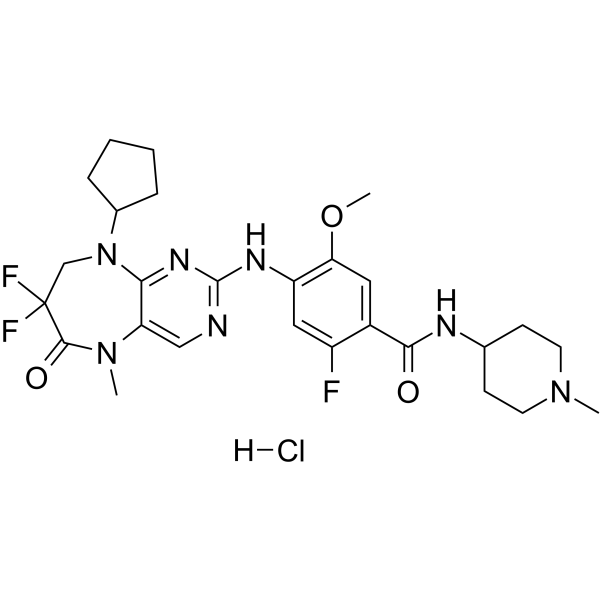
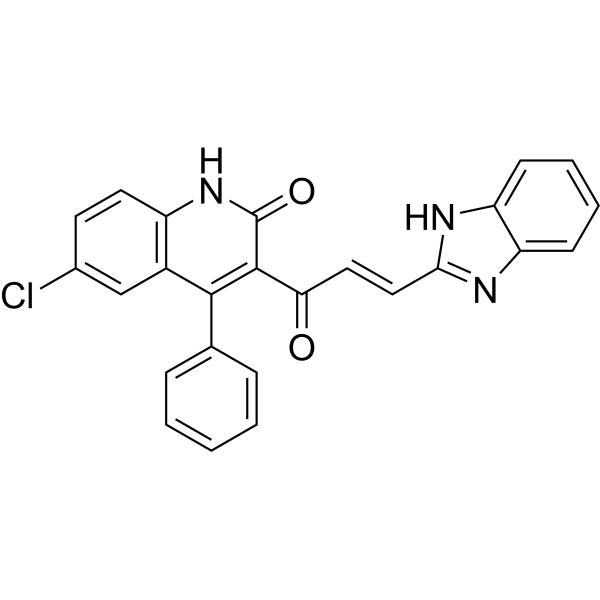
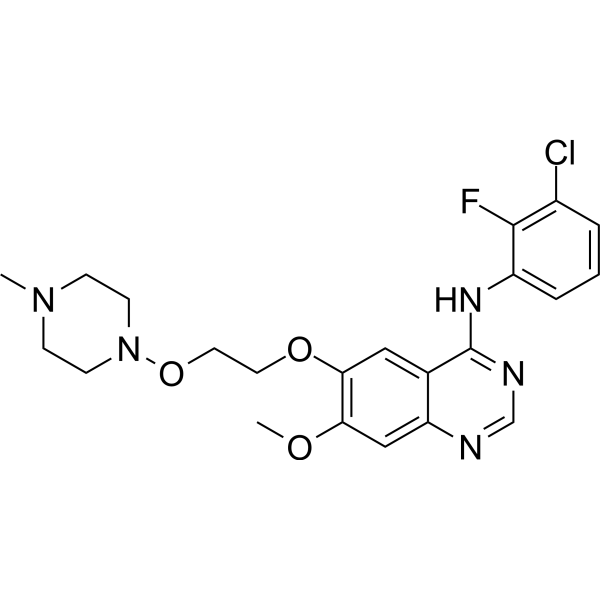
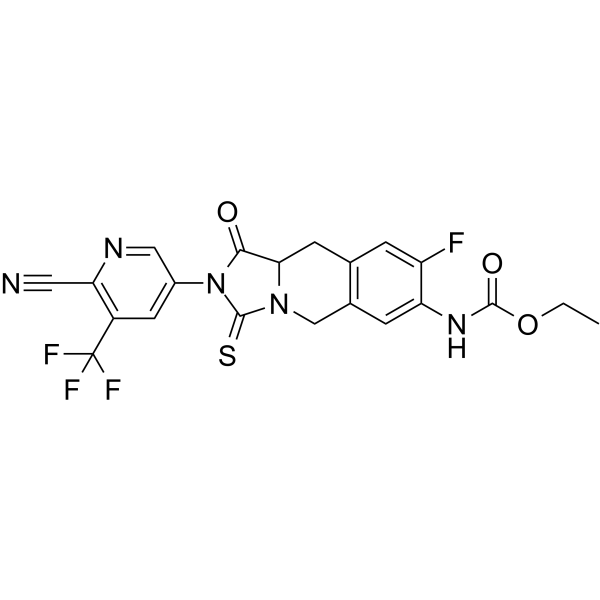
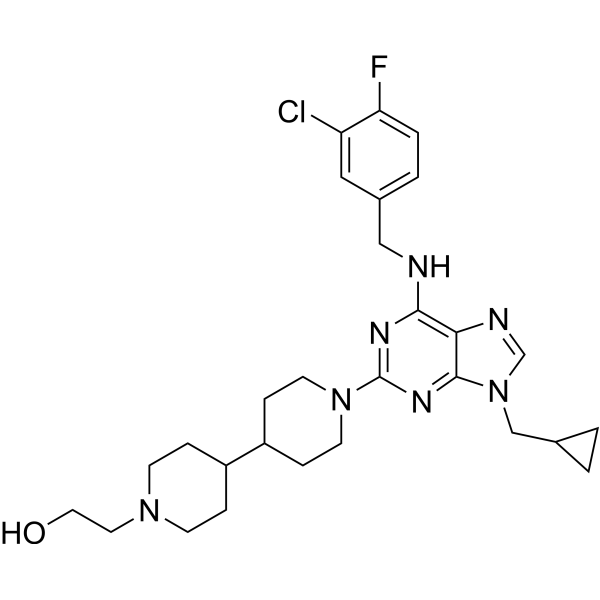
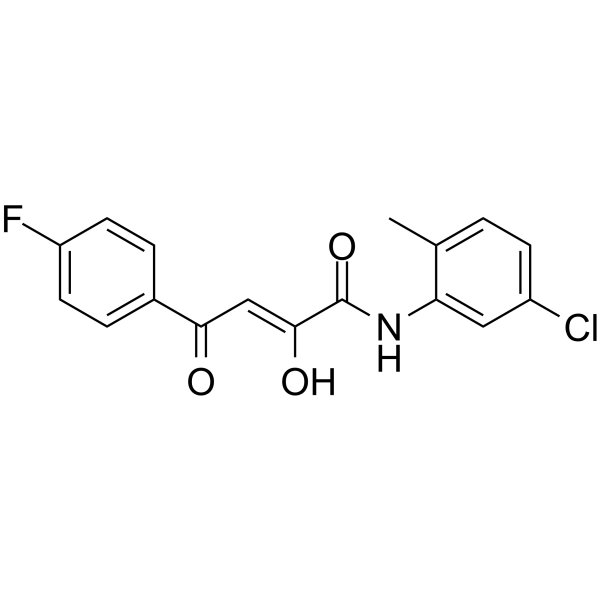
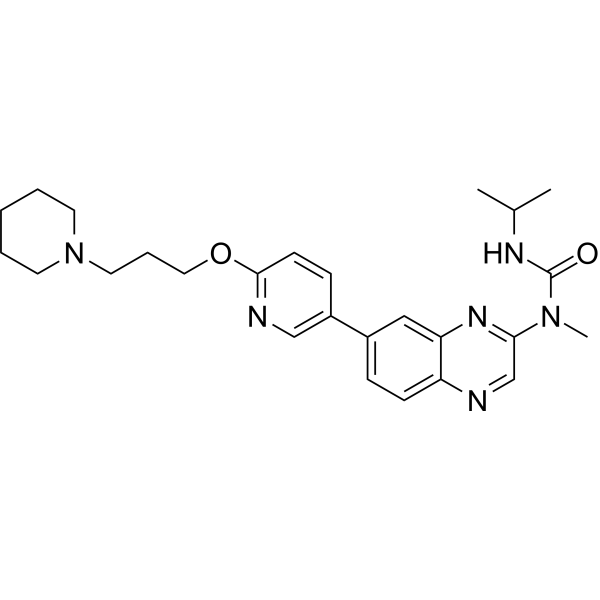
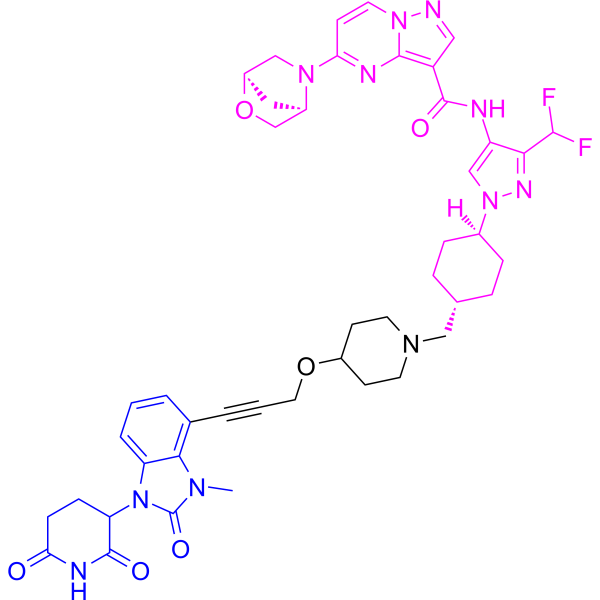
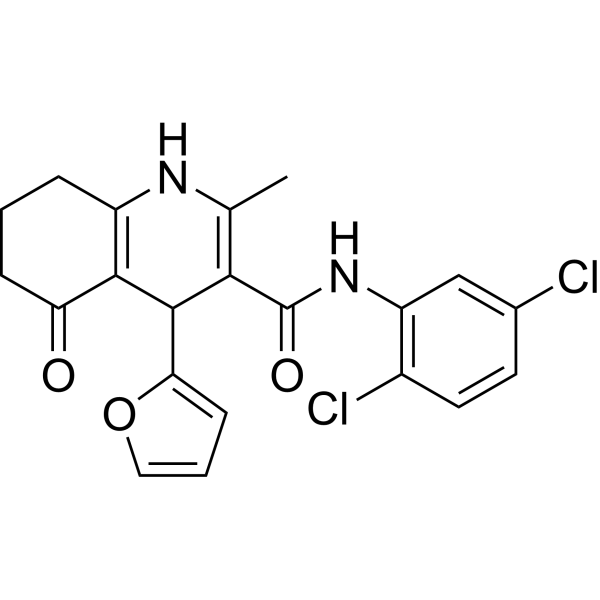
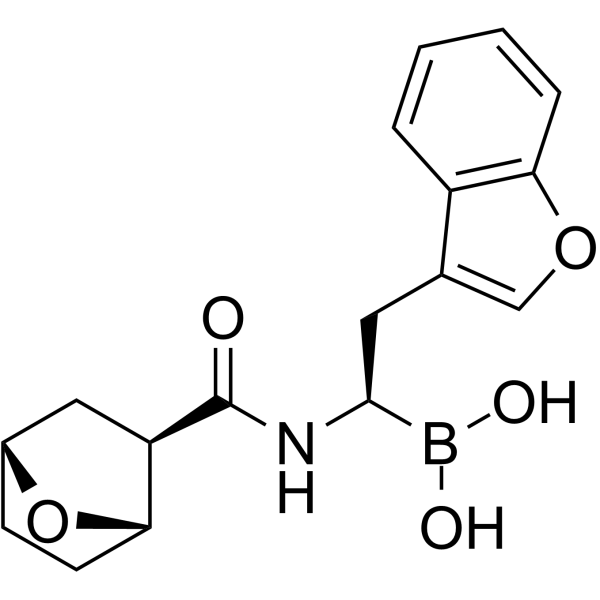
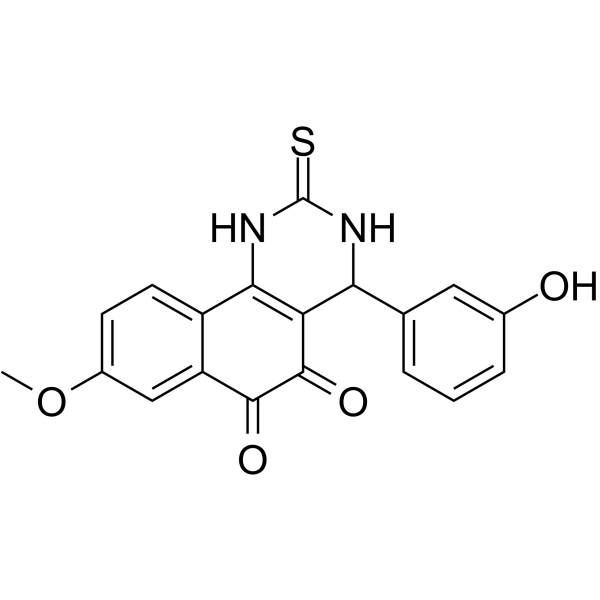
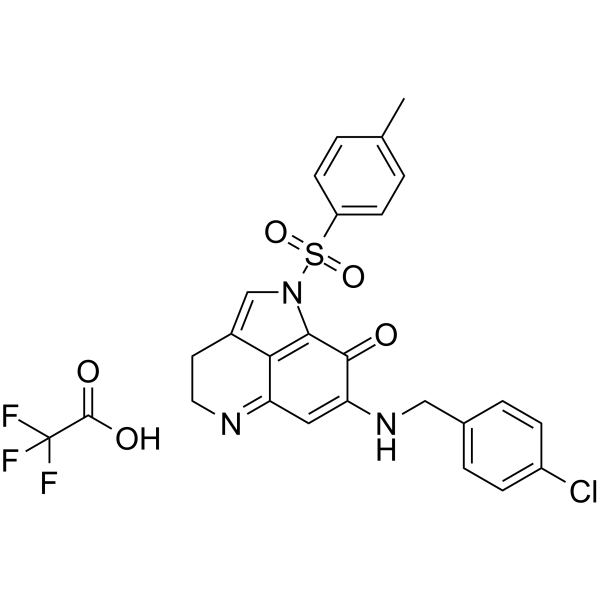
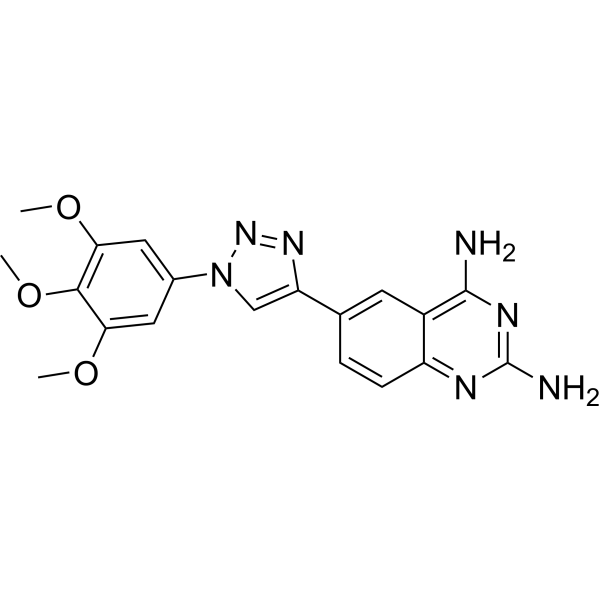
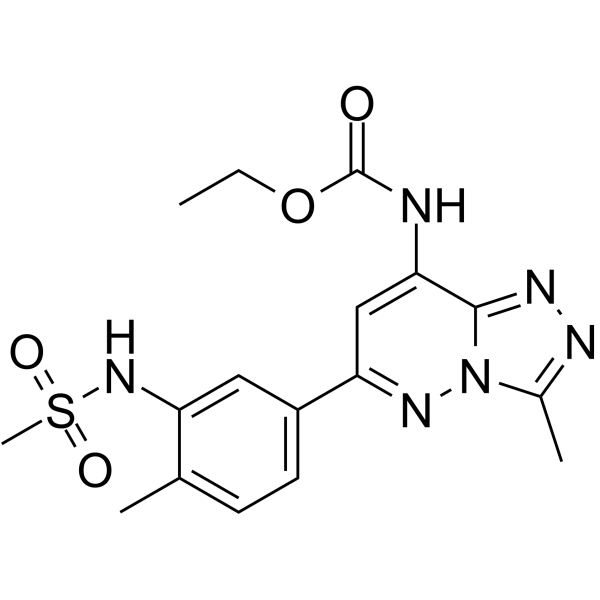
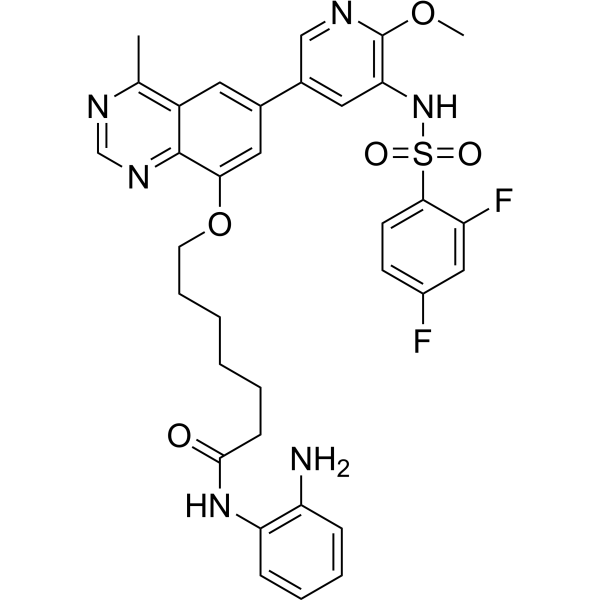
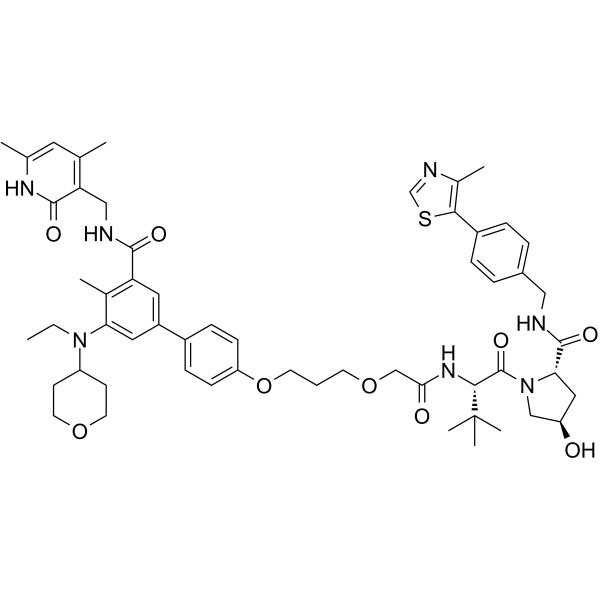
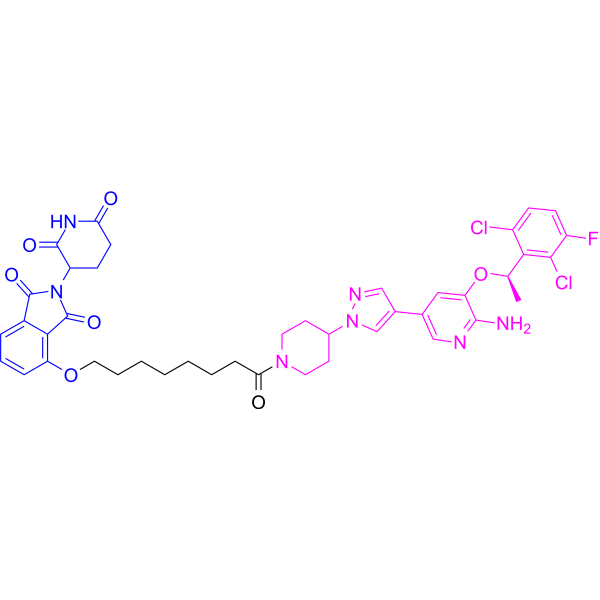
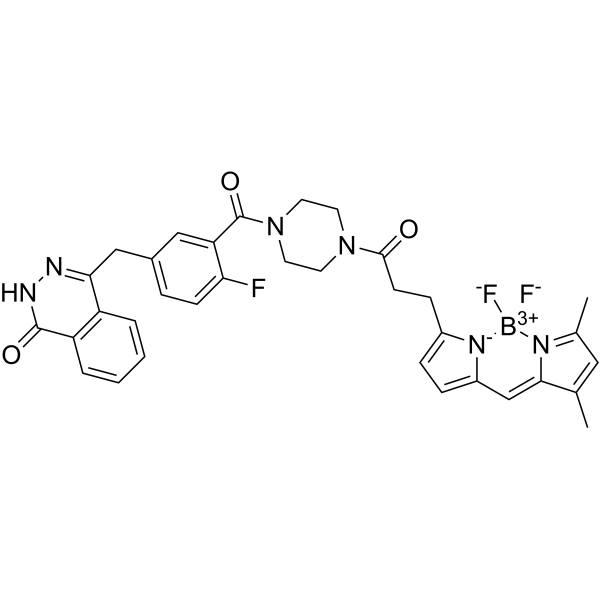
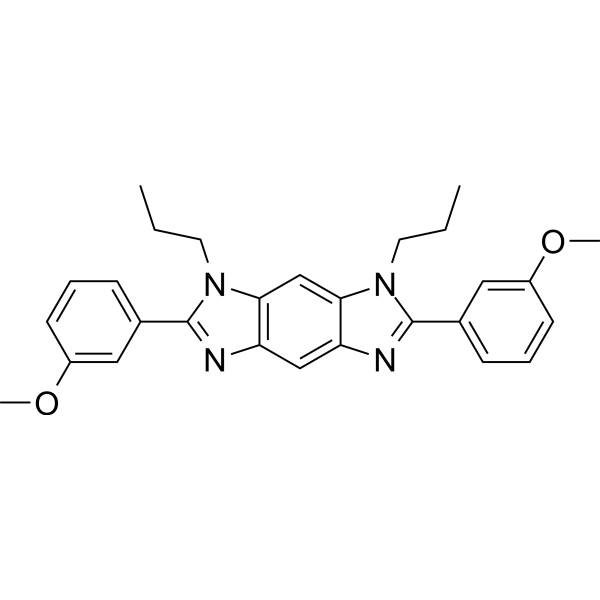
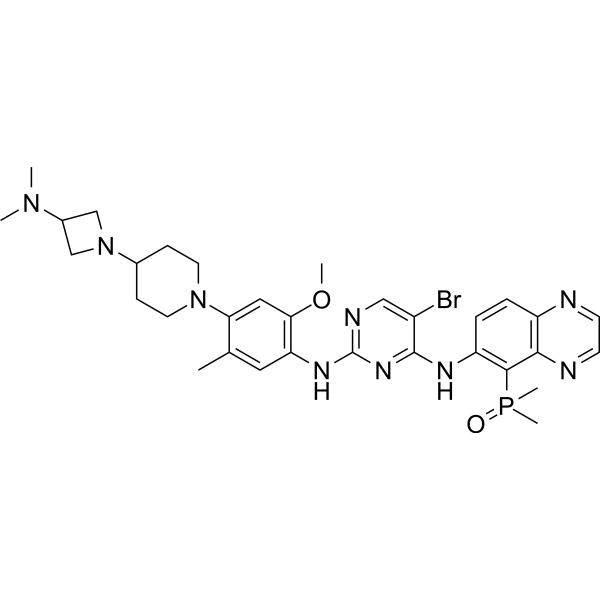
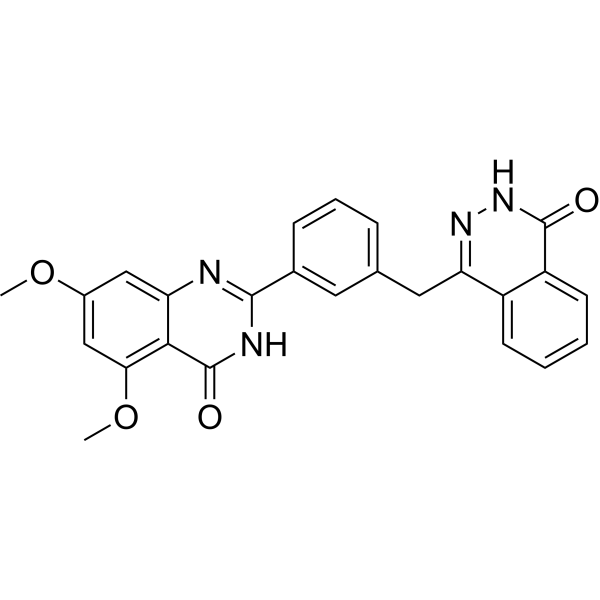
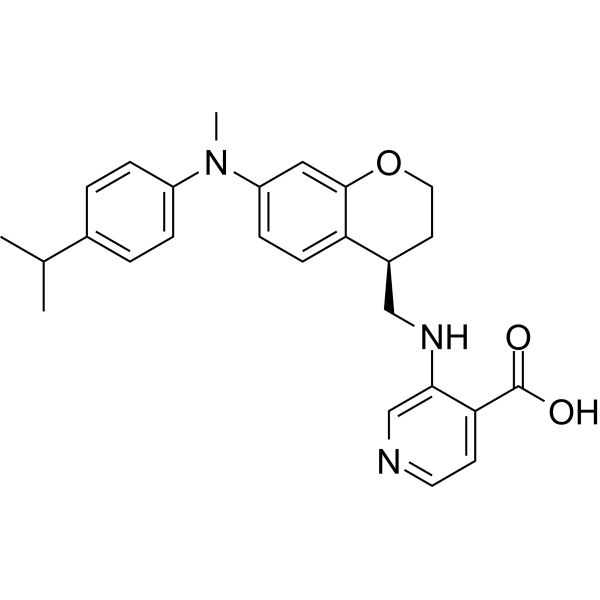
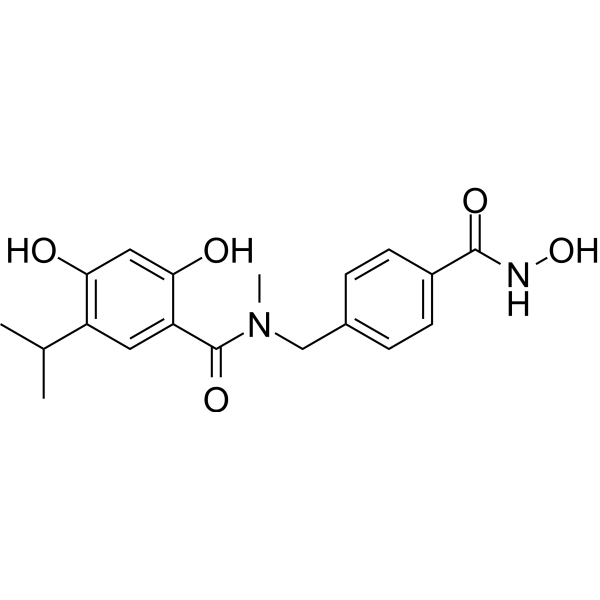
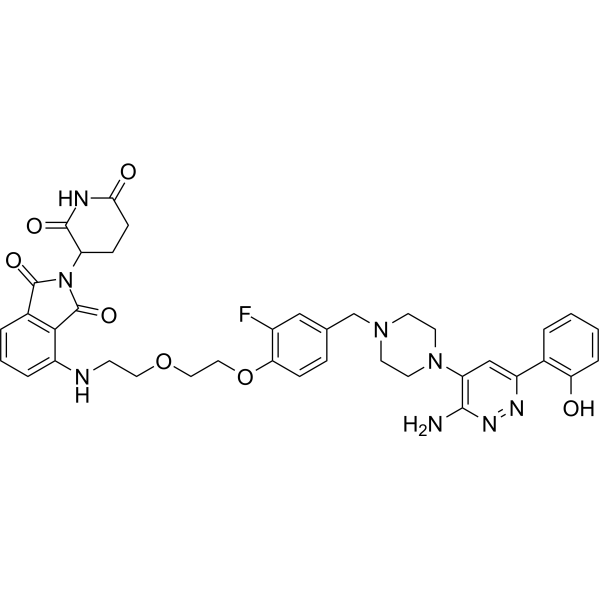
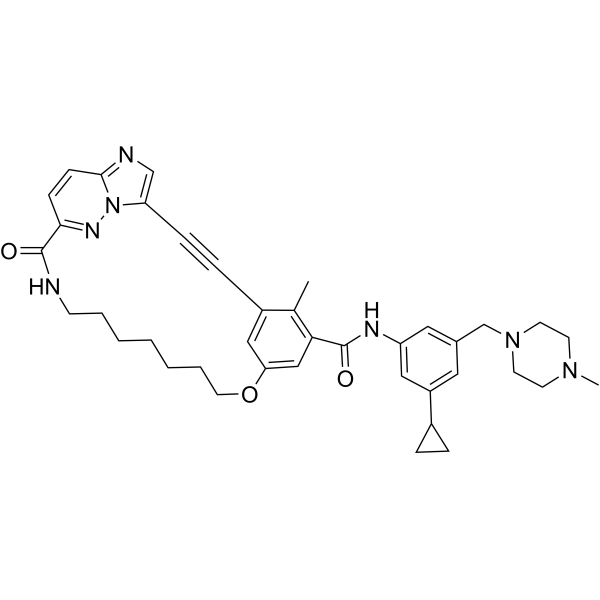
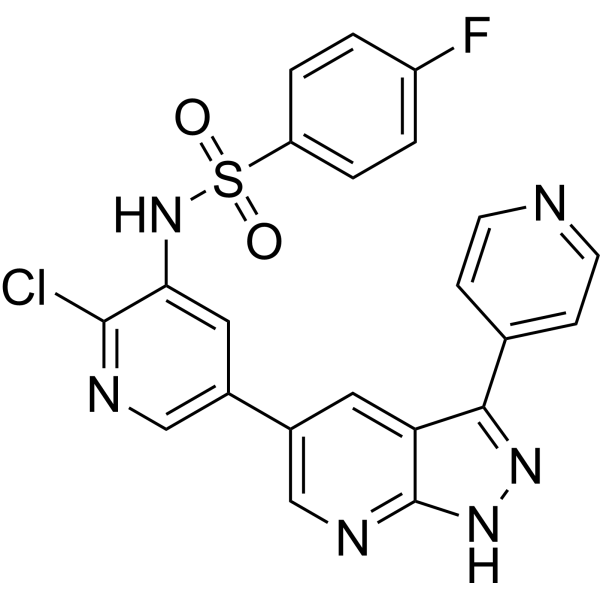
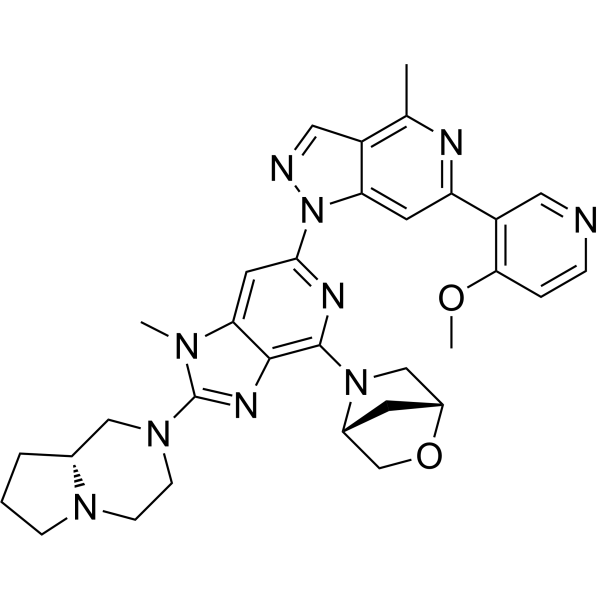
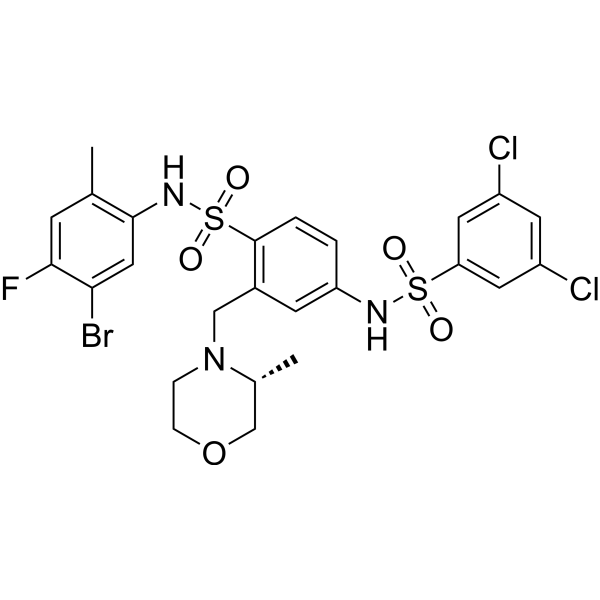
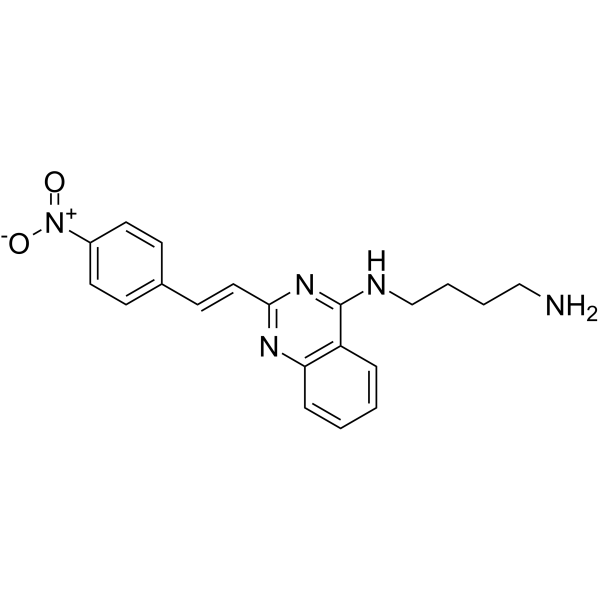
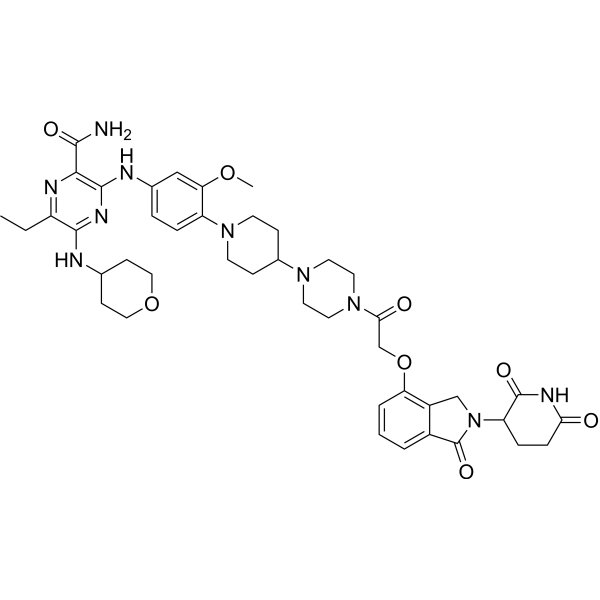
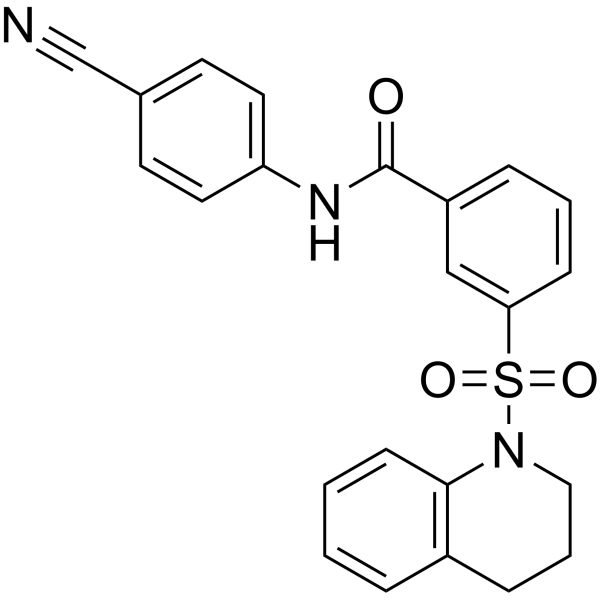
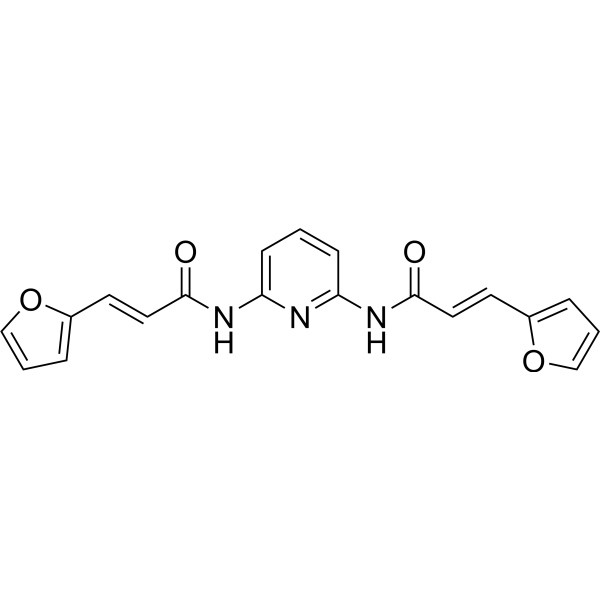
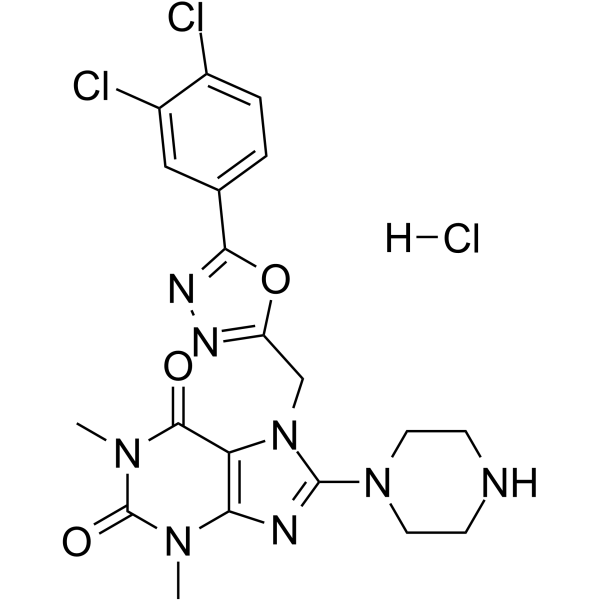
    BCRP-IN-2 has BCRP inhibitory activity and shows even greater inhibition of BCRP after activation by ultraviolet light. BCRP-IN-2 can be a valuable probe for studying the interactions of quinazolinamine derivatives with BCRP, as it stimulates ATP hydrolysis of the BCRP transport protein, increasing the accumulation of mitoxantrone (HY-13502) in H460/MX20 cells with BCRP overexpression .
    BCRP-IN-2
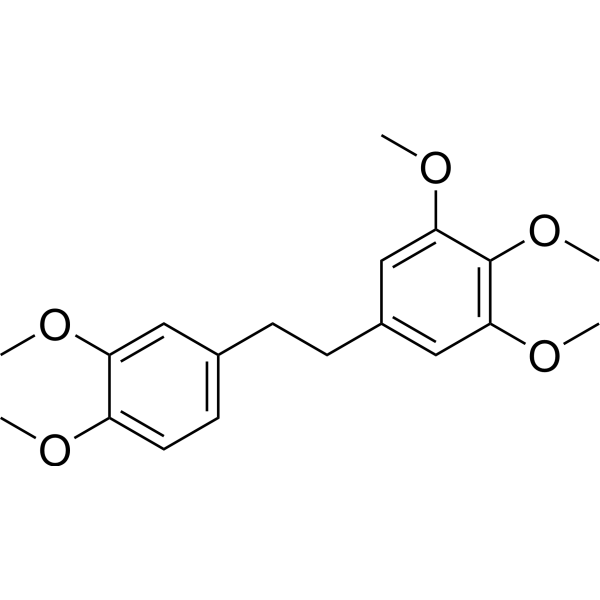
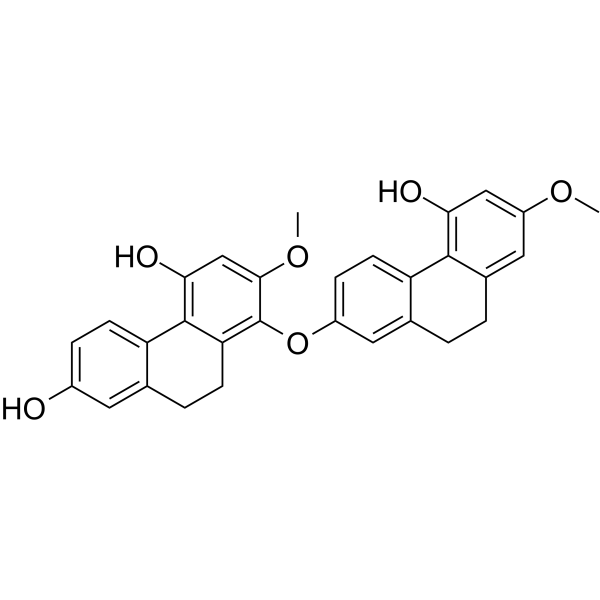
  • HY-123298
    Chrysotoxine
    1 Publications Verification

    Src Akt Apoptosis Cancer
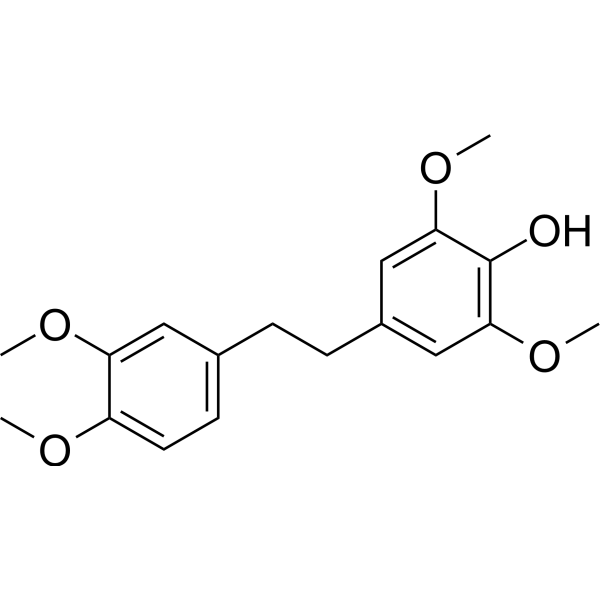
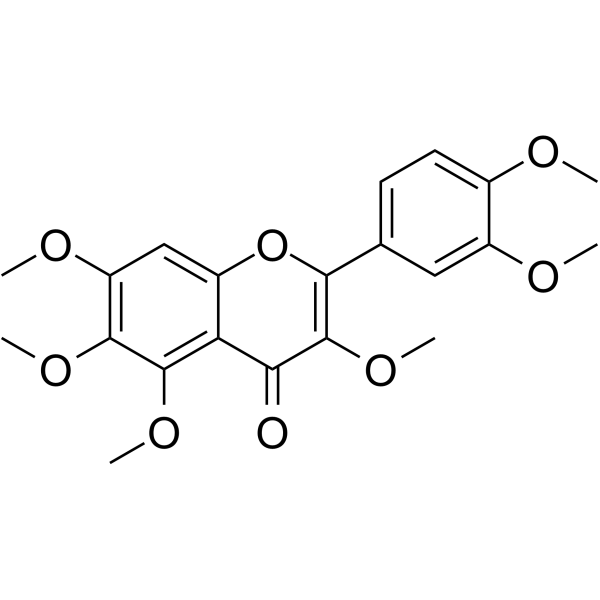
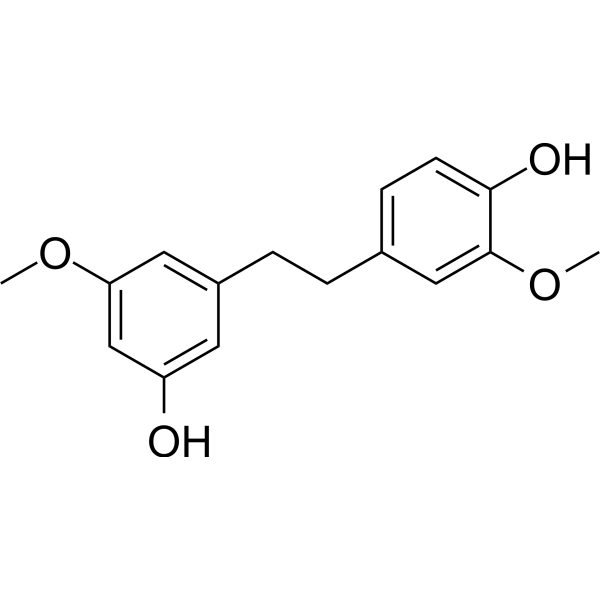
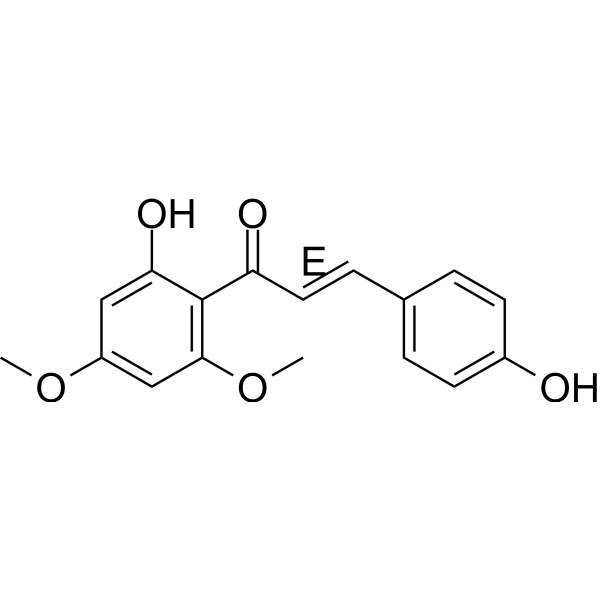
    Chrysotoxine is a dual inhibitor of Src/Akt. Chrysotoxine suppresses cancer stem cells (CSCs) phenotypes by down-regulating Src/Akt signaling. Chrysotoxine reduces cell viability and increases apoptosis level in H460 and H23 cells instead of non-tumor cell lines. Chrysotoxine shows rapid excretion and low bioavailability in rats. Chrysotoxine is used in cancer research .
    Chrysotoxine
  • HY-126248

    PARP Wnt Cancer
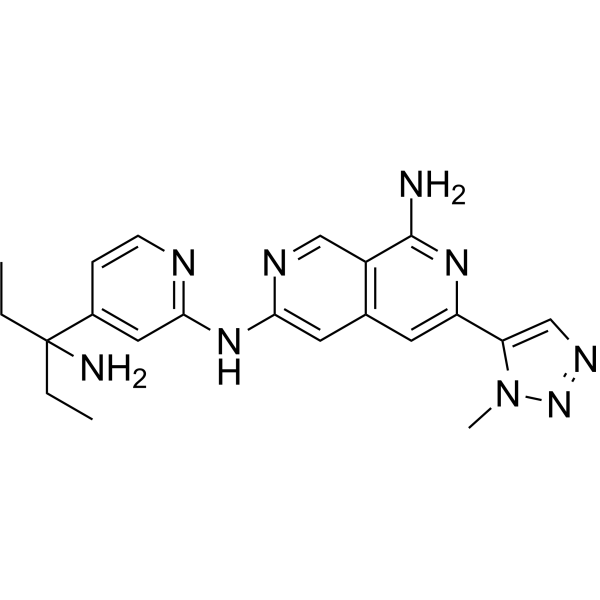
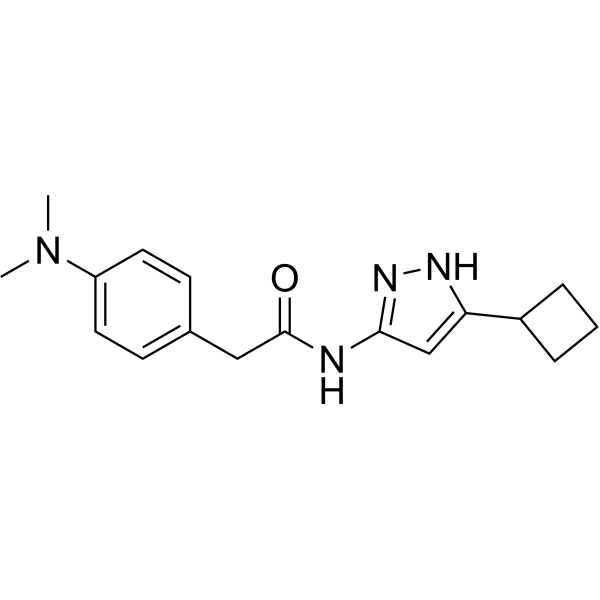
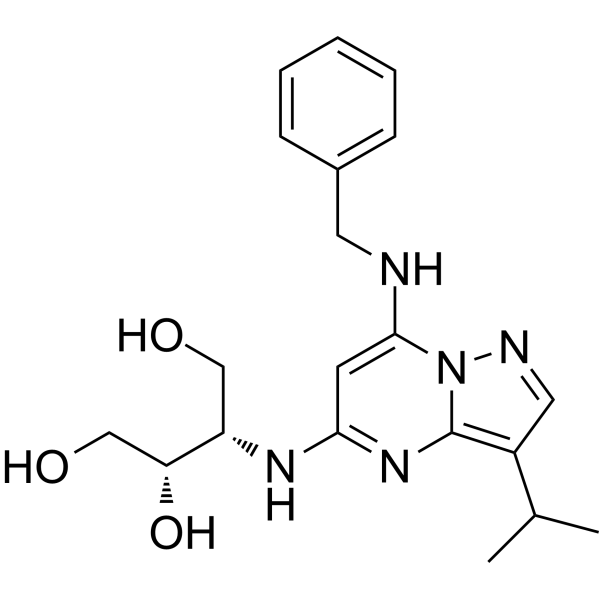
    Tankyrase-IN-2 (compound 5k) is a potent, selective, and orally active tankyrase inhibitor (IC50s of 10, 7, and 710 nM for TNKS1, TNKS2 as well as PARP1, respectively). Tankyrase-IN-2 has favorable physicochemical profile and pharmacokinetic properties modulating Wnt pathway activity in a colorectal xenograft model .
    Tankyrase-IN-2
  • HY-161313

    Histone Methyltransferase HIF/HIF Prolyl-Hydroxylase Cancer
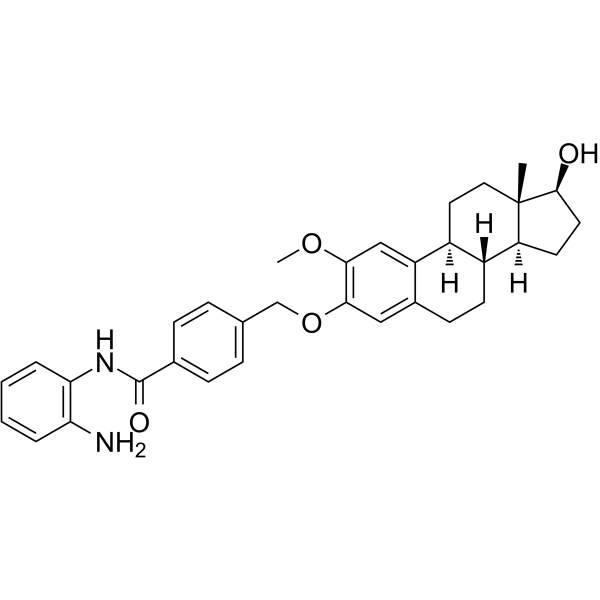
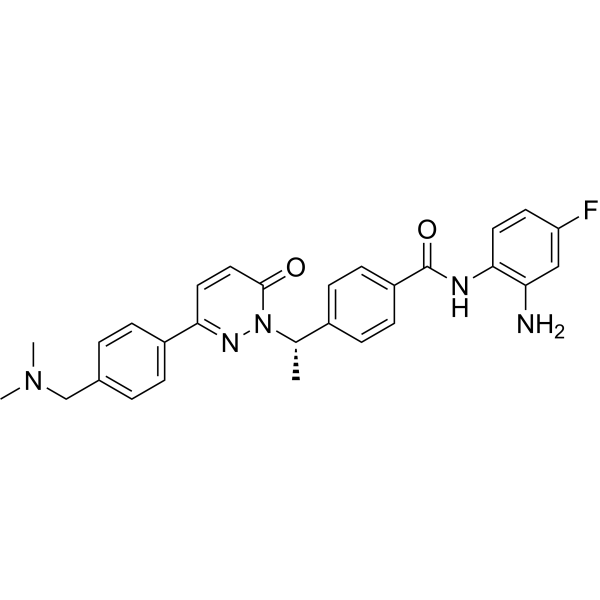
    DYB-03 is an oral active HIF-1α/EZH2 inhibitor. DYB-03 inhibits migration, invasion, and angiogenesis of lung cancer cells and HUVECs in vitro and in vivo. DYB-03 induces apoptosis in 2-ME2 - and GSK126 -resistant of A549 and H460 cells .
    DYB-03
  • HY-179149

    Polo-like Kinase (PLK) Apoptosis Cancer
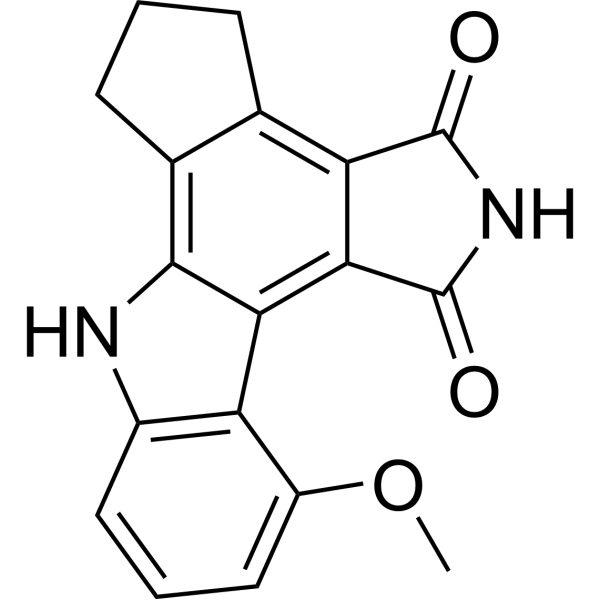
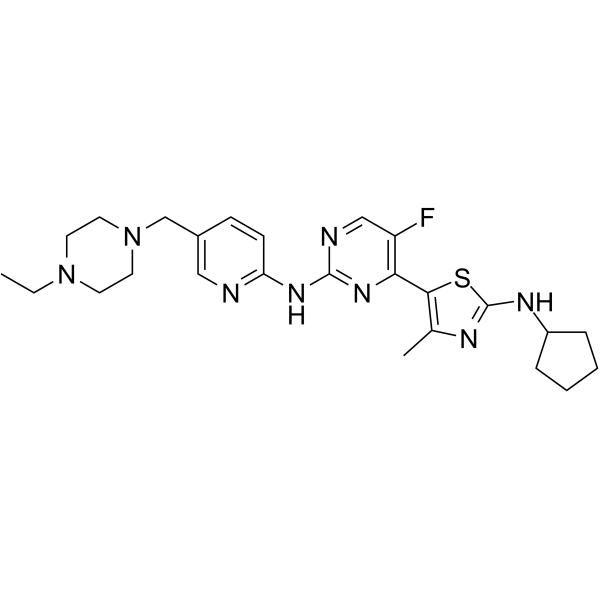
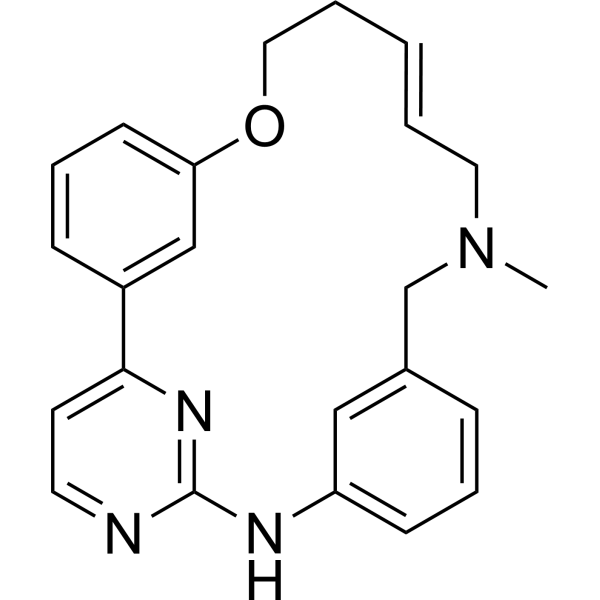
    PLK4-IN-6 (compound C05) is an PLK4 inhibitor (IC50 < 0.1 nM). PLK4-IN-6 has anti proliferative activity against various tumor cells, such as IMR-32 (IC50 = 0.948 μM), MCF-7 (IC50 = 0.979 μM), H460 (IC50 = 1.679 μM) cells. PLK4-IN-6 can significantly induce cell apoptosis and block the cell cycle. PLK4-IN-6 can be used for research on various types of cancer .
    PLK4-IN-6
  • HY-142094

    Histone Methyltransferase Cancer
    NSD3-IN-2 is a potent NSD3 inhibitor with an IC50 value of 17.97 μM. NSD3-IN-2 inhibits the growth and proliferation of non-small cell lung cancer cell lines H460, H1299 and H1650 with anti-cancer activity .
    NSD3-IN-2
  • HY-124084

    Stearoyl-CoA Desaturase (SCD) Cancer
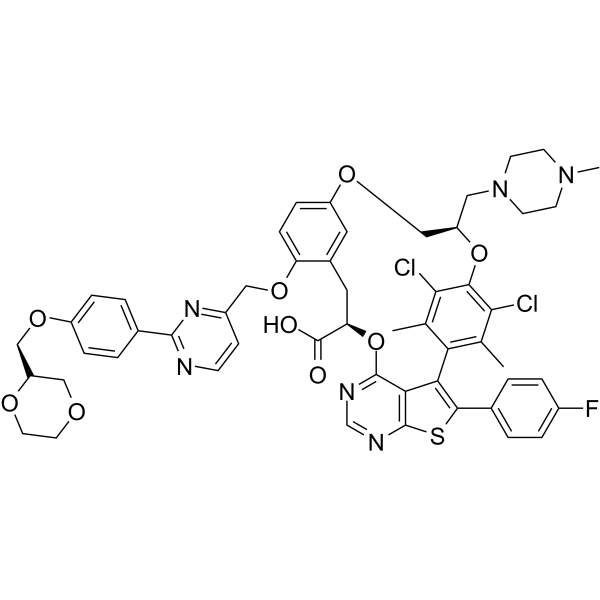
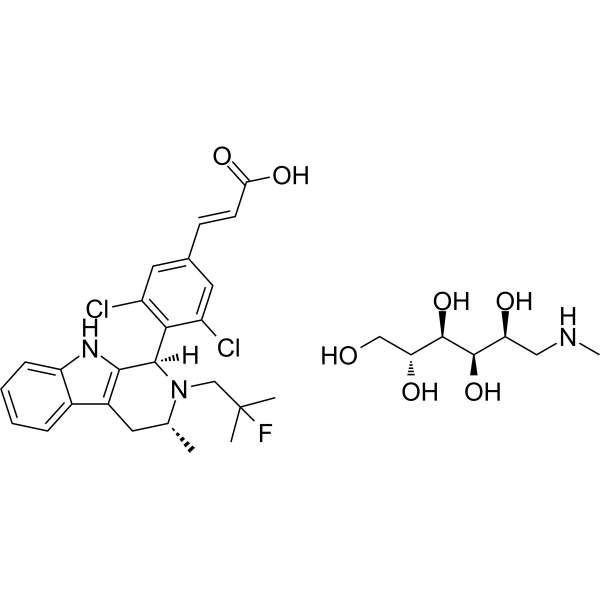
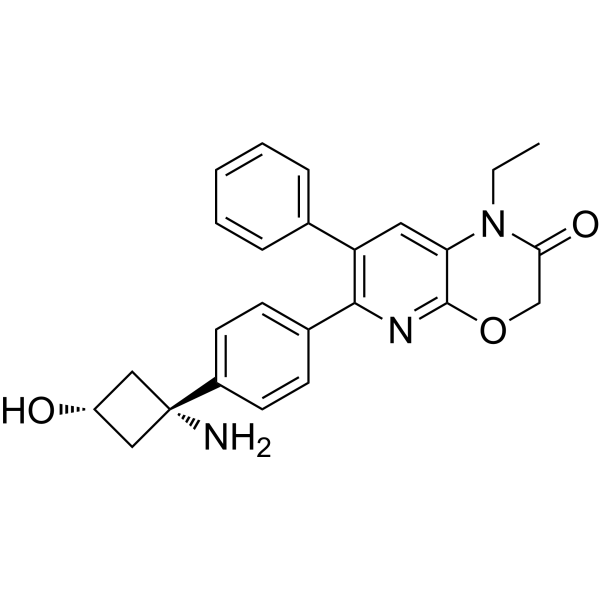
    SW203668 is an irreversible stearoyl CoA desaturase (SCD) inhibitor with an IC50 of 54 nM. SW203668 covalently binds and inhibits SCD, depletes unsaturated fatty acids, and triggers cell death in sensitive cells. SW203668 requires demethylation by CYP4F11 to form its active SCD-inhibiting form; differential CYP4F11 expression drives selective cytotoxicity. SW203668 exerts cytotoxicity toward CYP4F11-expressing non-small cell lung cancer (NSCLC) cells and spares CYP4F11-lacking NSCLC cells. SW203668 inhibits tumor growth in immunodeficient mice bearing CYP4F11-expressing NSCLC xenografts and spares mouse skin sebocytes. SW203668 can be used for the research of non-small cell lung cancer .
    SW203668
  • HY-176508

    Casein Kinase Cancer
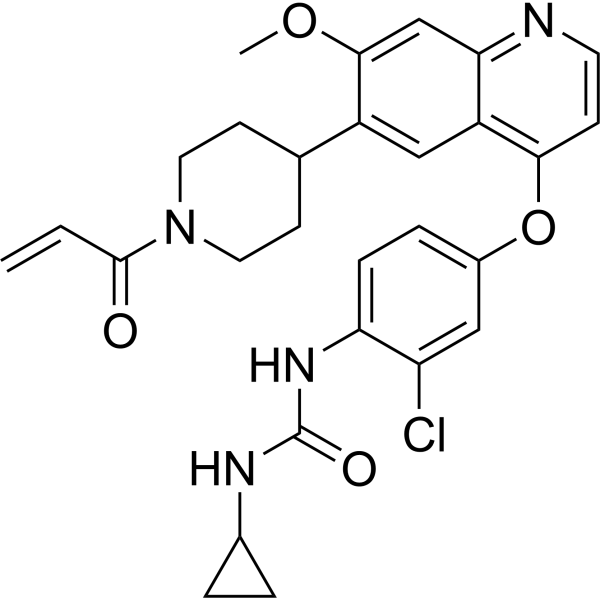
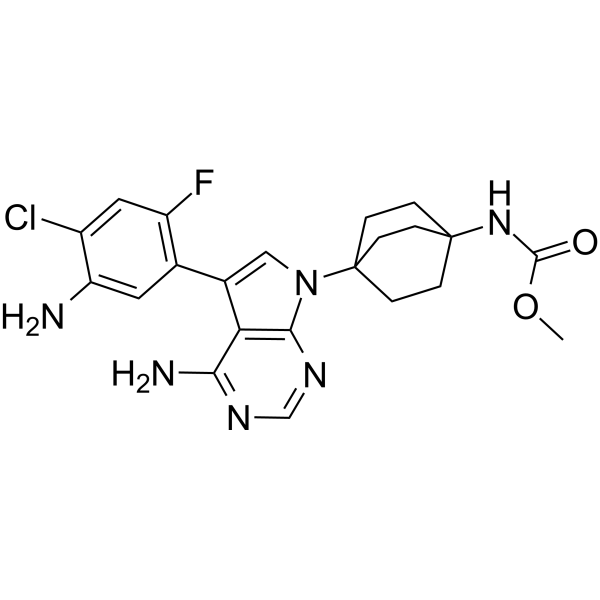
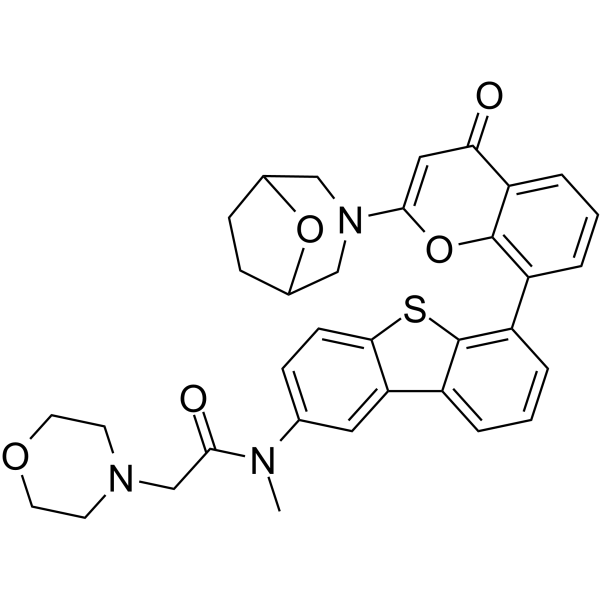
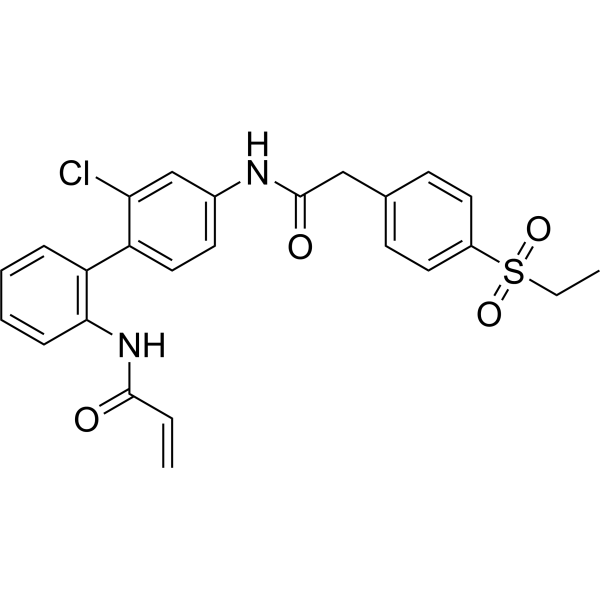
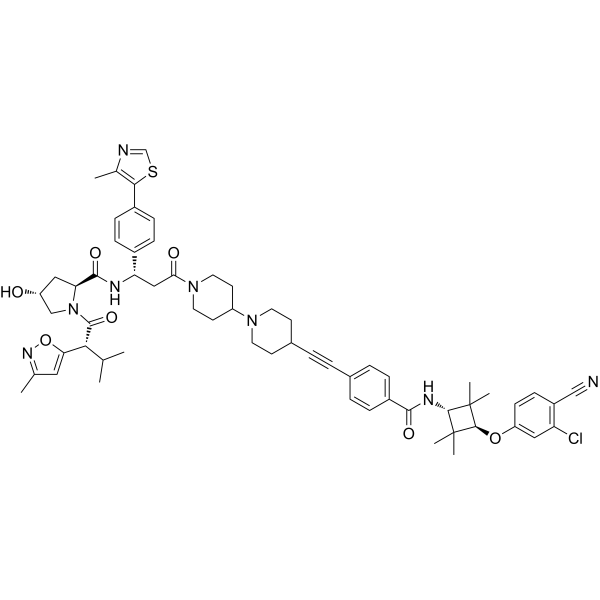
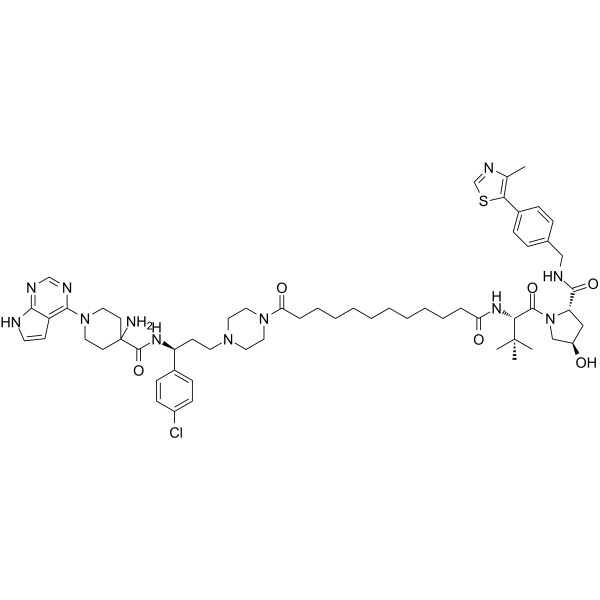
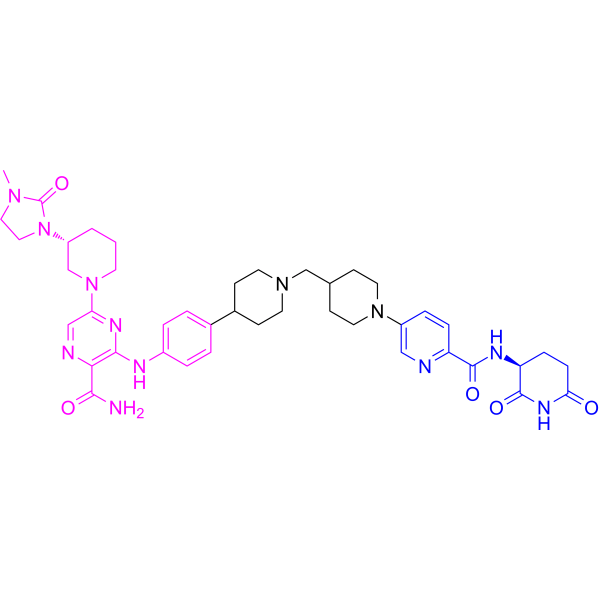
    KDX1381 is a bivalent CK2α inhibitor (IC50: 17 nM, KD: 54 nM). KDX1381 has antitumor activity in mouse 786-O and A375 tumor xenograft models. KDX1381 combined with VEGFR inhibitors or DNA damaging agents enhances antitumor efficacy in mouse hepatocellular carcinoma and glioma models .
    KDX1381
  • HY-116269

    Ras Apoptosis PAK ERK Cancer
    AZA197 is a selective small molecule inhibitor of Cdc42.AZA197 suppresses colon cancer cell proliferation, cell migration, invasion and increases apoptosis by down-regulating the PAK1 and ERK signaling pathways in vitro. AZA197 reduces tumor growth and significantly increases mouse survival in SW620 tumor xenografts. AZA197 can be used for the study of colon cancer .
    AZA197
  • HY-P10988

    Apoptosis MDM-2/p53 Integrin Cancer
    LVTX-8 is a peptide toxin, exacted from Lycosa vittata. LVTX-8 has potent anticancer and and anti-metastasis activities towards lung cancer with strong cytotoxicity. LVTX-8 significantly induces apoptosis and inhibits the proliferation, invasion and migration of lung cancer cells through P53 hypoxia pathways and integrin signaling. LVTX-8 significantly inhibits the tumor growth and metastasis in A549/H460 xenograft mice model .
    LVTX-8
  • HY-N15267

    FAK Akt mTOR Cancer
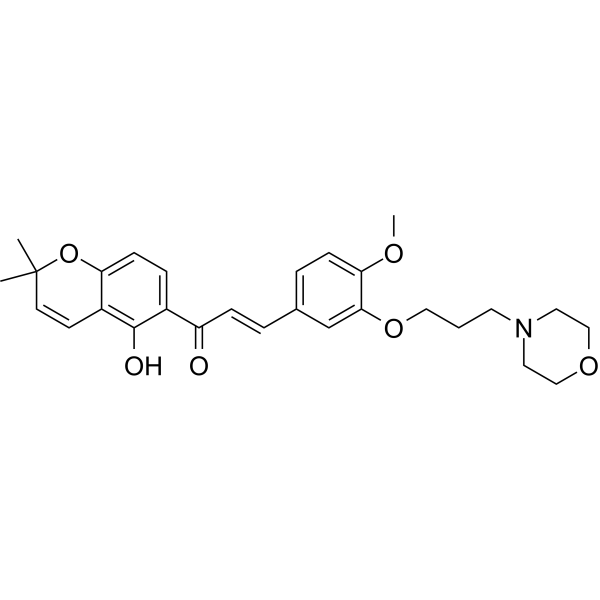
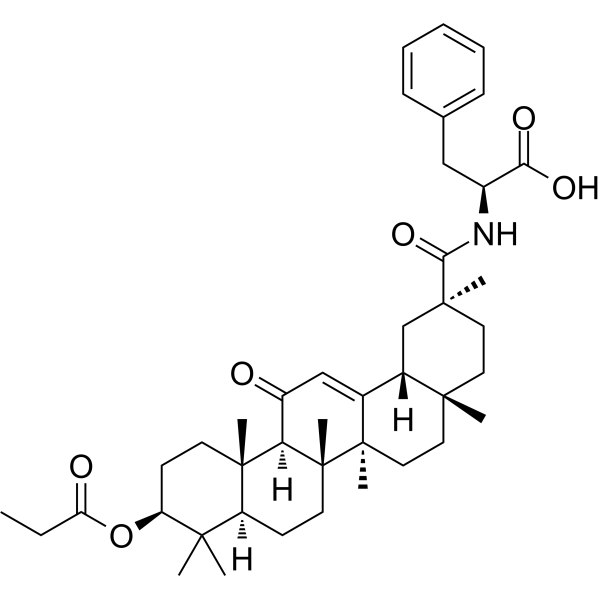
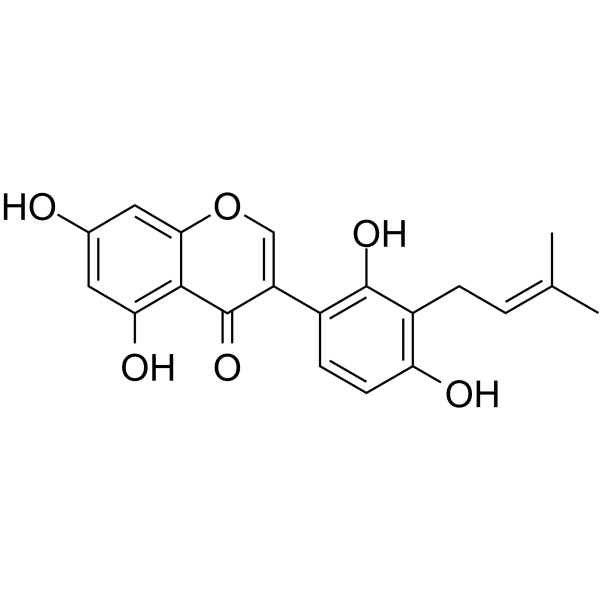
    Ovalitenone is a flavonoid compound that can be isolated from the plant Millettia peguensis. It shows no cytotoxic effects on lung cancer H460 and A549 cells, but it significantly inhibits anchorage-independent growth, CSC-like phenotypes, colony formation, and the migration and invasion capabilities of cancer cells. Ovalitenone can significantly reduce the levels of N-cadherin, snail, and slug, while increasing E-cadherin, thus inhibiting the EMT pathway. Additionally, Ovalitenone suppresses the signaling pathways regulated by focal adhesion kinase (FAK), ATP-dependent tyrosine kinase (AKT), mammalian target of rapamycin (mTOR), and cell division cycle 42 (Cdc42) .
    Ovalitenone
  • HY-W369099

    STAT Apoptosis Cancer
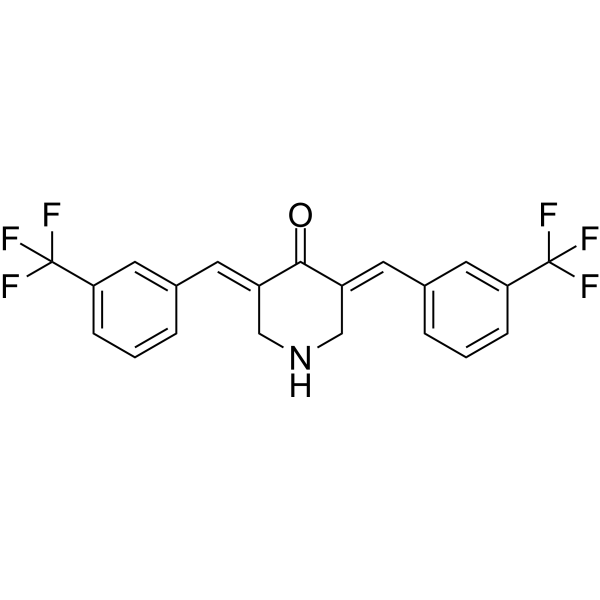
    HJC0152 (free base) is an orally active and potent inhibitor of STAT3. HJC0152 (free base) inhibits cell cycle progression and induces apoptosis. HJC0152 (free base) significantly suppresses MDA-MB-231 xenograft tumor growth in mice .
    HJC0152 free base
  • HY-149631

    HDAC Cancer
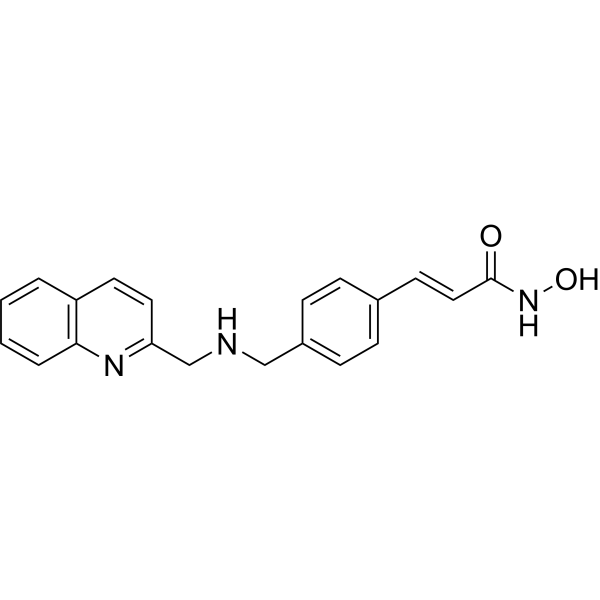
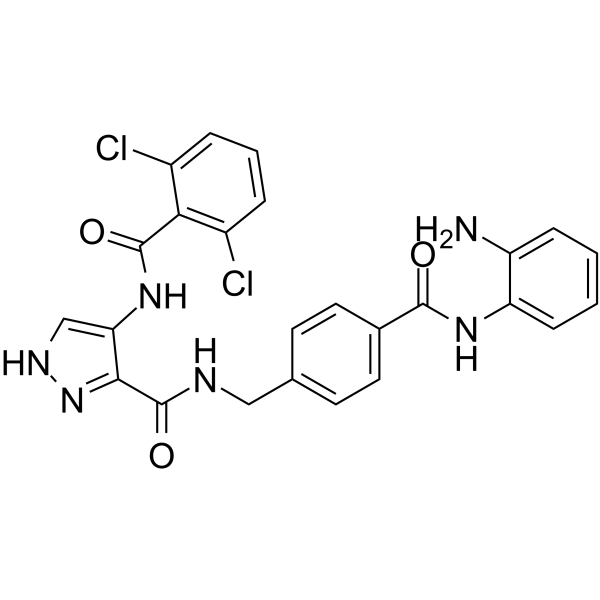
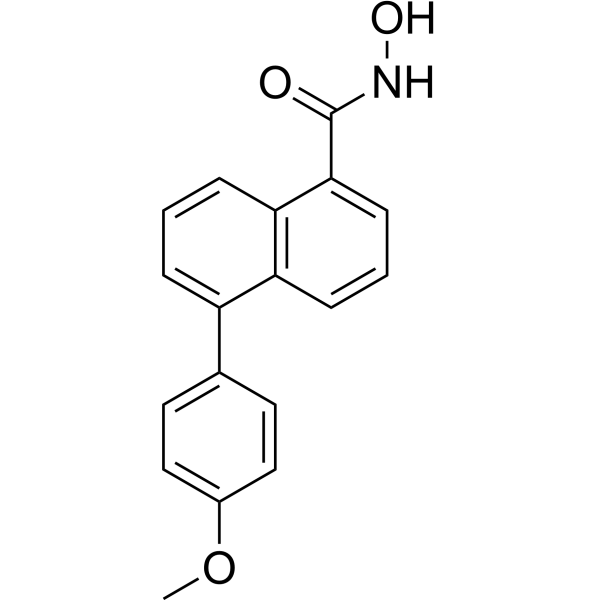
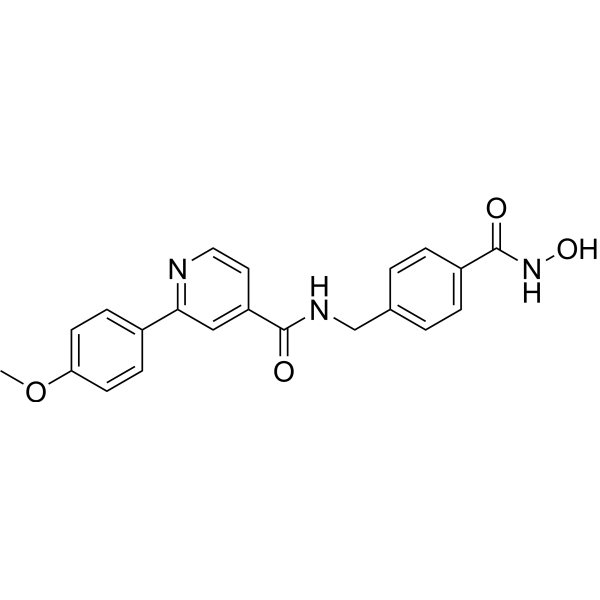
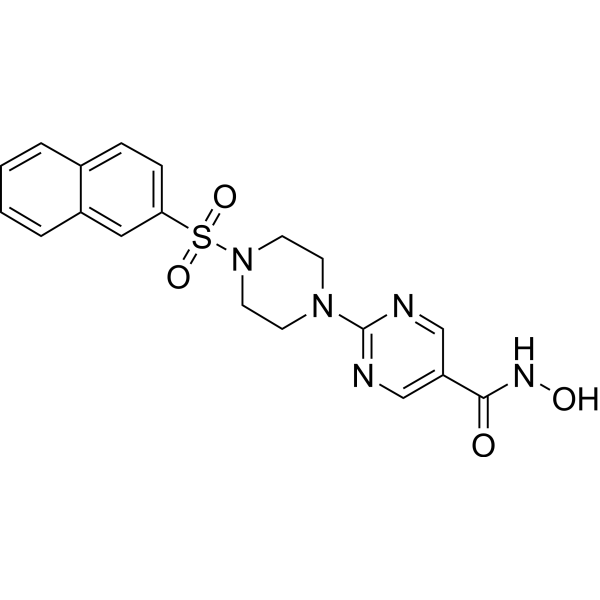
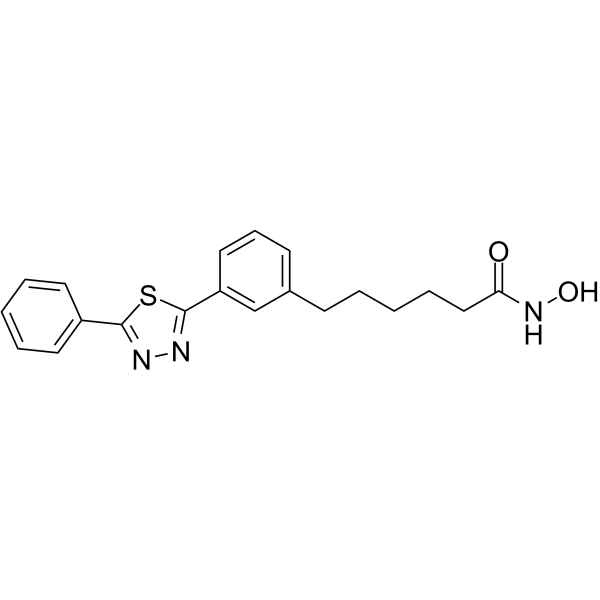
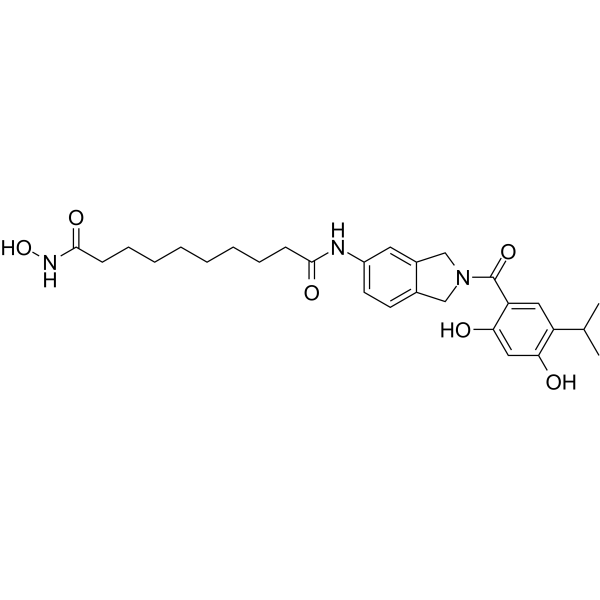
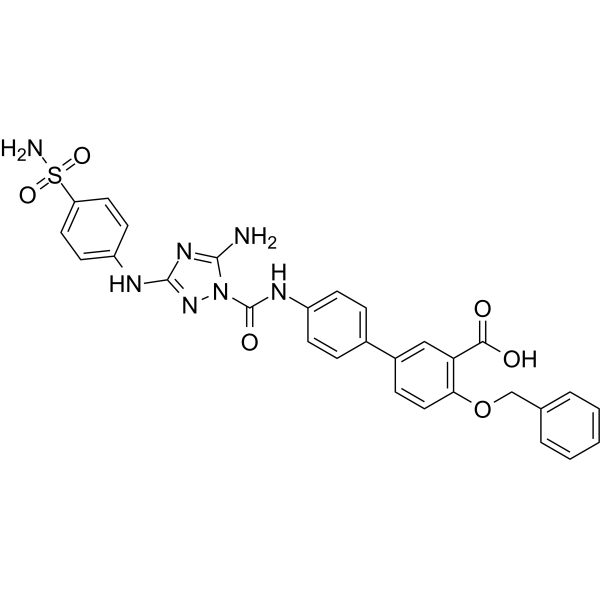
    HFY-4A is a HDAC inhibitor. HFY-4A inhibits breast cancer cell proliferation, migration, and invasion, and induces cell apoptosis. HFY-4A induces immunogenic cell death (ICD). HFY-4A inhibits tumor growth in breast cancer xenograft mouse models .
    HFY-4A
  • HY-179219S

    DNA/RNA Synthesis Cancer
    RTx-303 is an orally active, selective DNA polymerase θ (Polθ) inhibitor (IC50 = 5.1 nM). RTx-303 exhibits significantly high cellular potency and strongly potentiates PARPi in BRCA1/2 mutant cells and patient-derived xenograft models. RTx-303 can be used for the study of BRCA2-mutated breast cancer .
    RTx-303
  • HY-139418

    FXR Cancer
    PX20350 is a FXR agonist with EC50s of 83 and 10 nM for mFXR and hFXR, respectively. PX20350 significantly induces NDRG2 mRNA expression. PX20350 potently reduces liver tumor cells (SK-GI-18 cells) growth and metastasis, and has anti-tumorigenic activity in orthotopic xenograft mouse models .
    PX20350
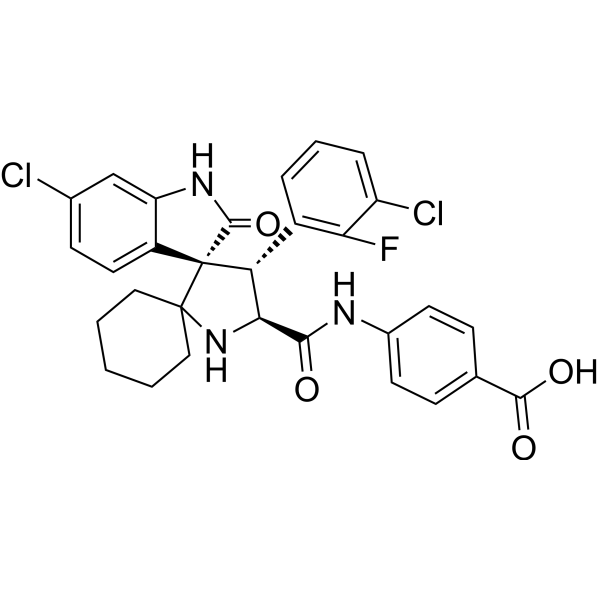
  • HY-170995

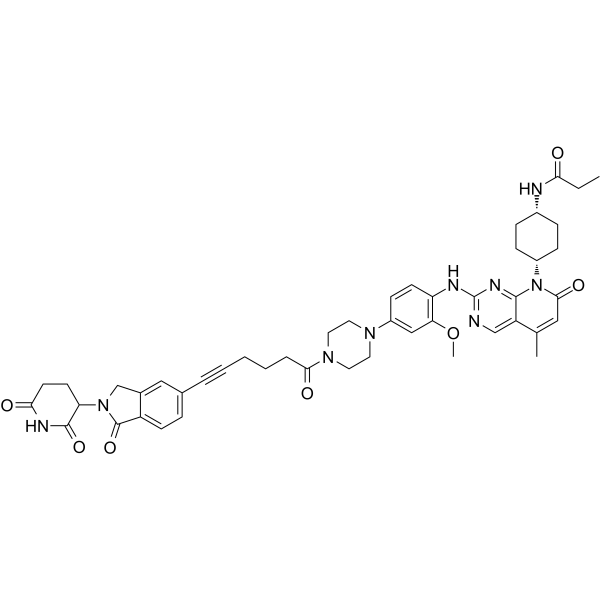
    PROTACs ROR Apoptosis Cancer
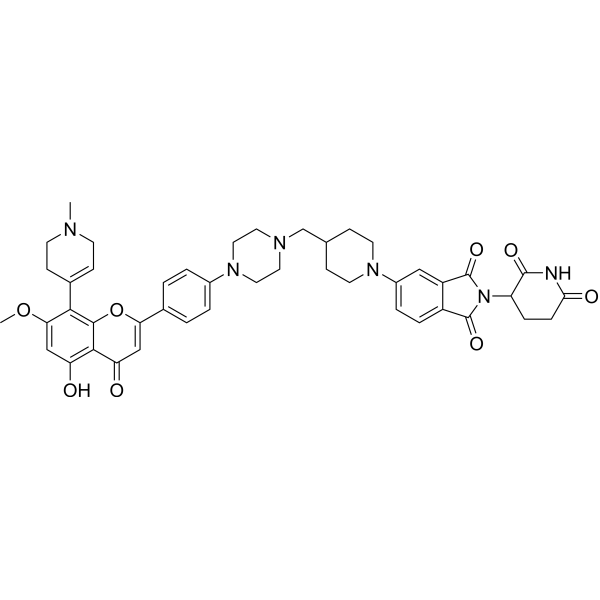
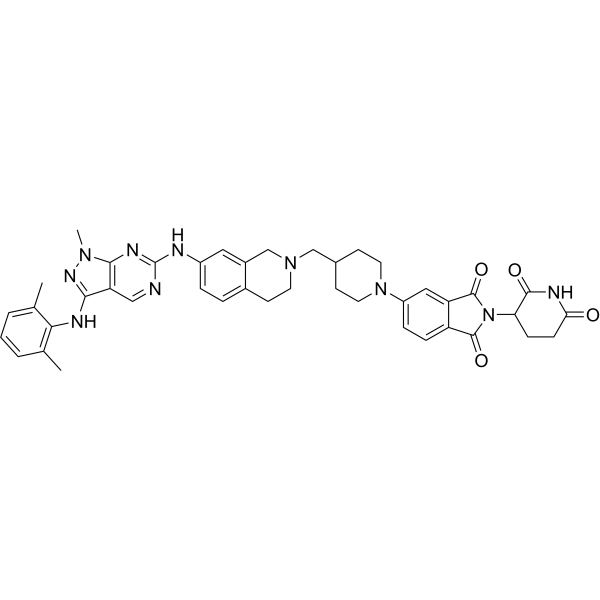
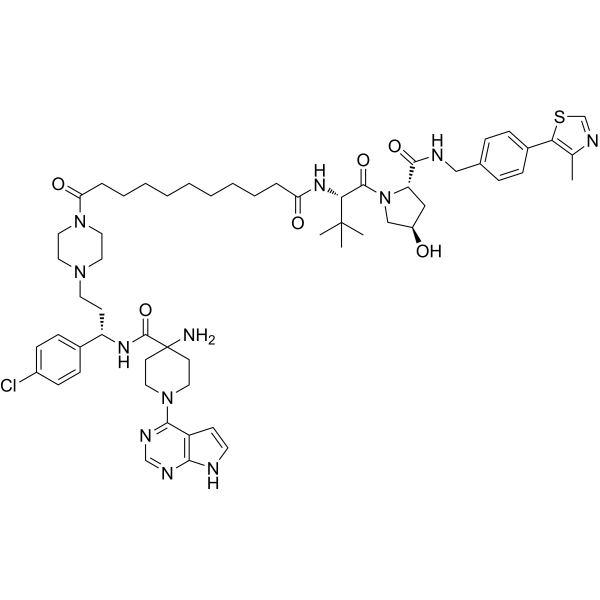
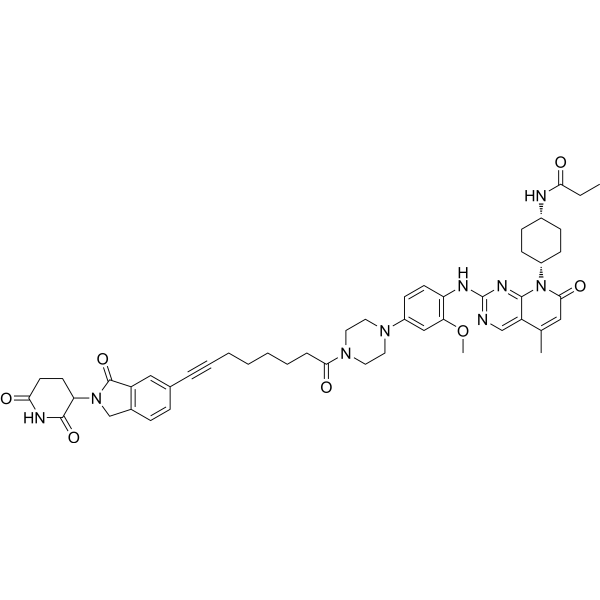
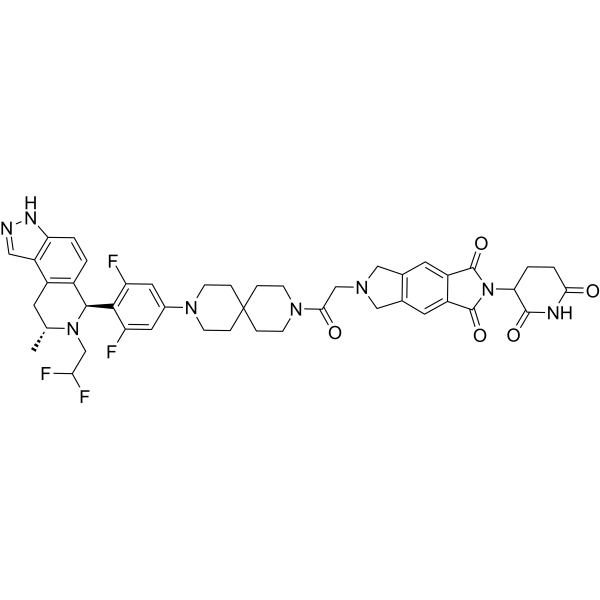
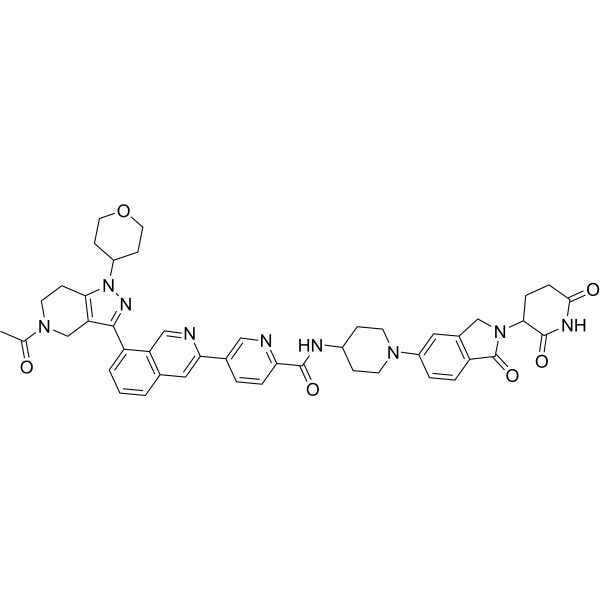
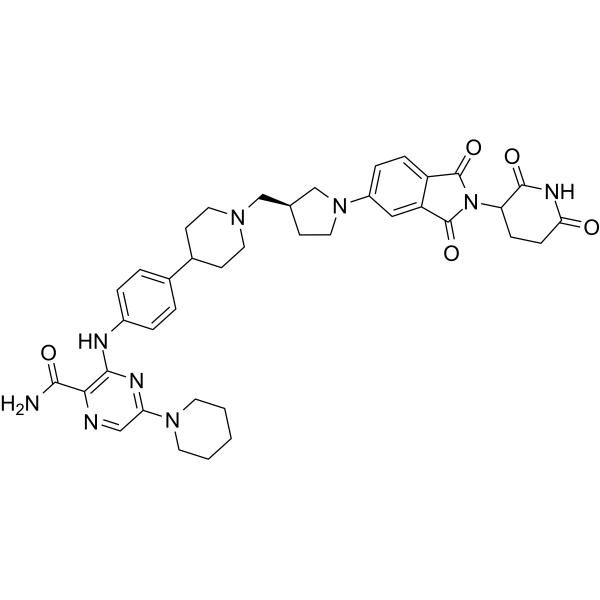
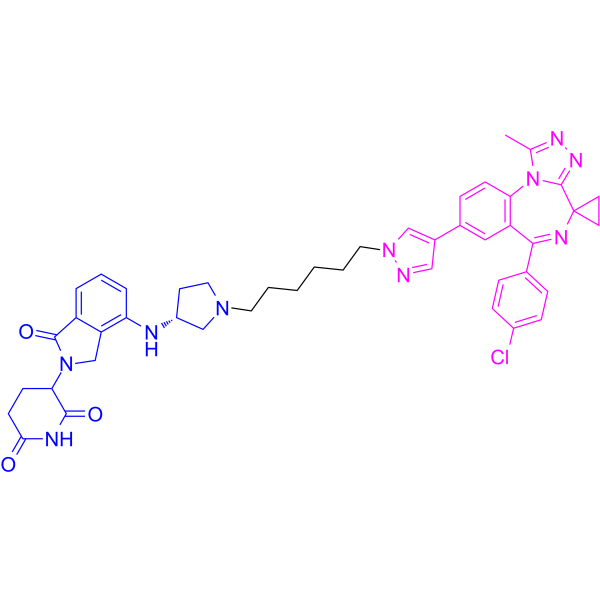
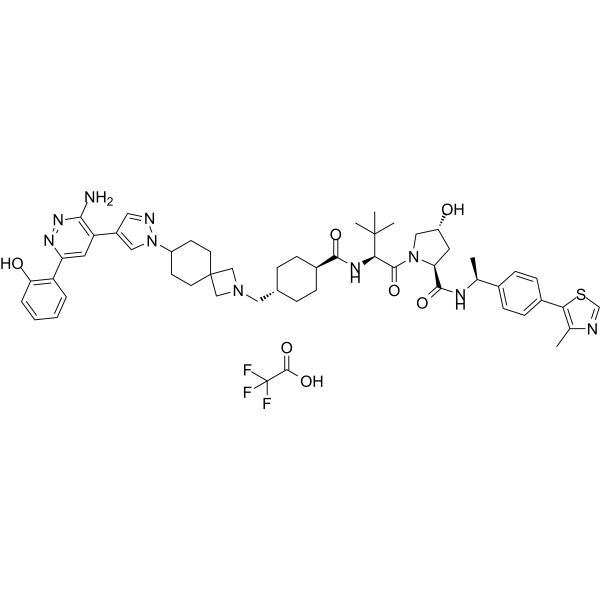
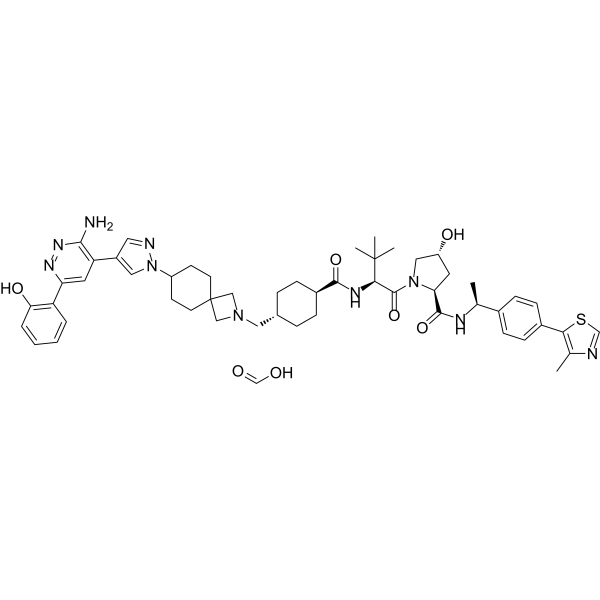
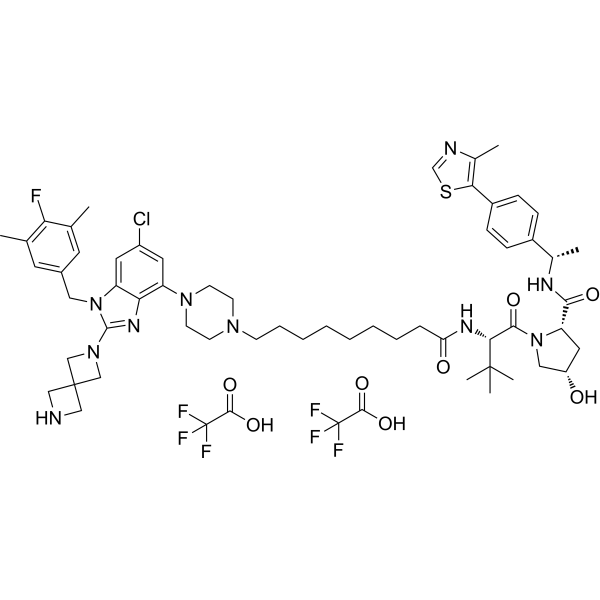
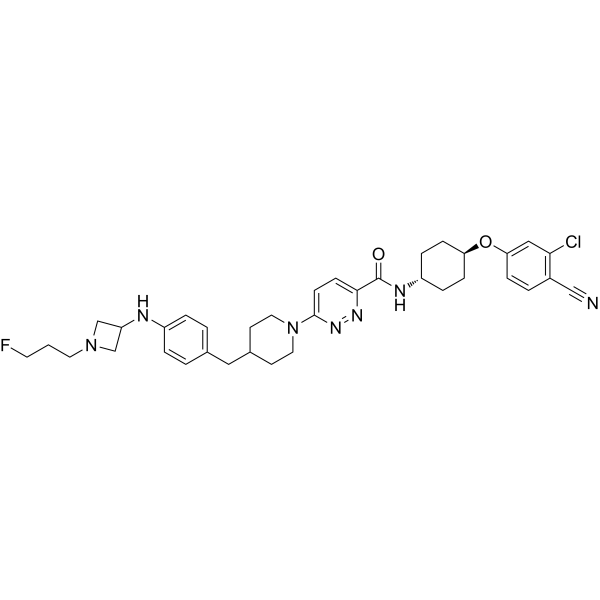
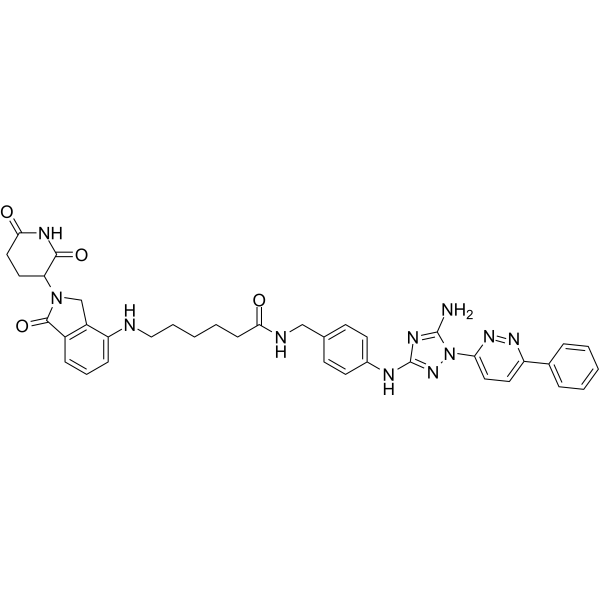
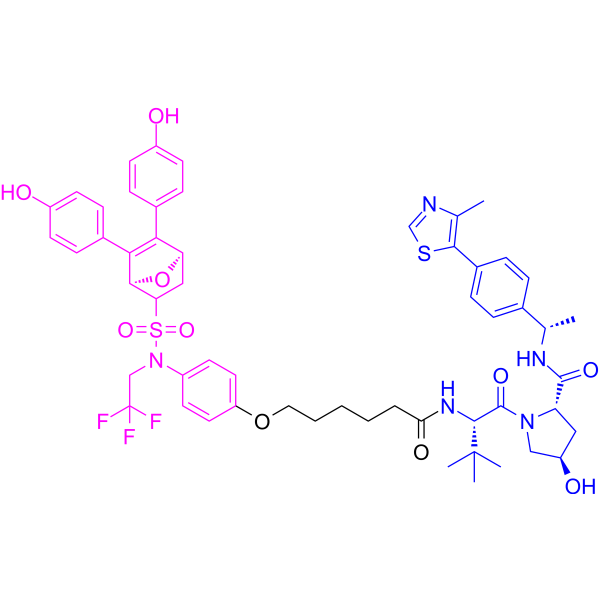
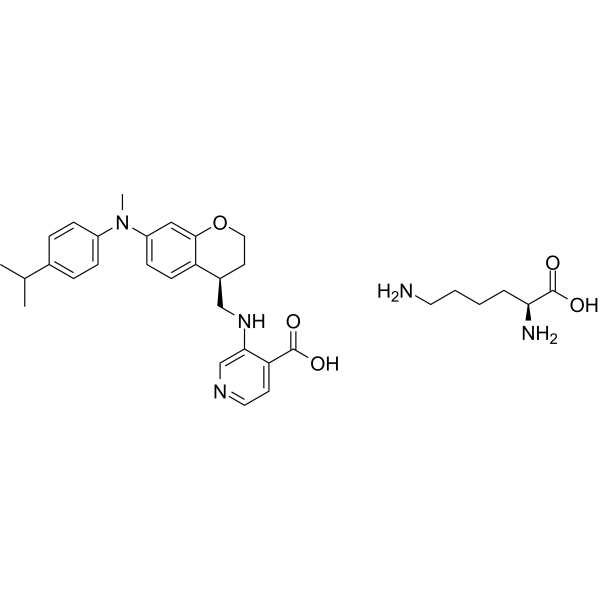
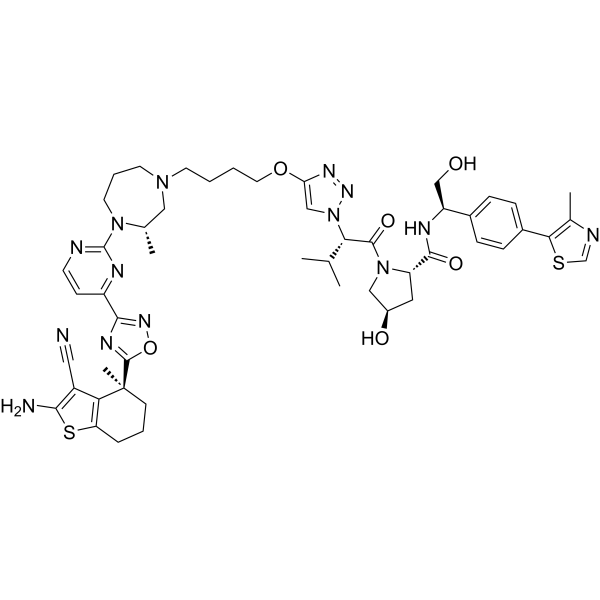
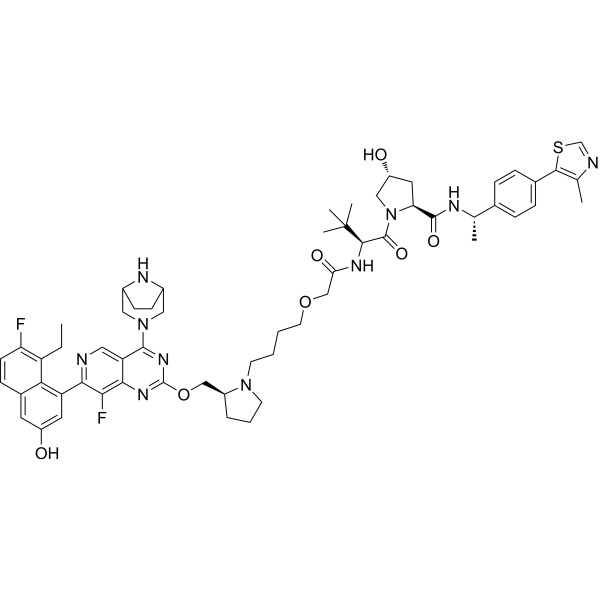
    PROTAC ROR1 degrader-1 is a ROR1 PROTAC degrader with DC50 values of 40.88 nM (NCI-H23), 69.0 nM (NCI-H460), 83.35 nM (NCI-H1299) and 42.07 nM (NCI-H1975), respectively. PROTAC ROR1 degrader-1 inhibits the proliferation of lung cancer cells and induces apoptosis. PROTAC ROR1 degrader-1 can be used in research related to non-small cell lung cancer .
    PROTAC ROR1 degrader-1
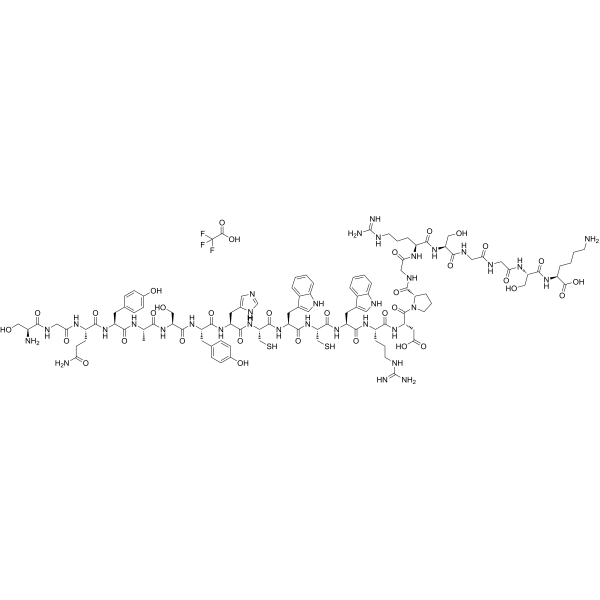
  • HY-P11115A

    Apoptosis NF-κB Reactive Oxygen Species (ROS) Cancer
    CIGB-552 TFA is a cell-penetrating peptide with anti-tumor properties with the IC50 of 23 μM in H460 cells. CIGB-552 TFA can increase the level of protein COMMD1. CIGB-552 TFA significantly inhibits the NF-κB signaling pathway. CIGB-552 TFA can promote apoptosis of the tumor cells. CIGB-552 TFA can induce the accumulation of reactive oxygen species (ROS) in tumor cells. CIGB-552 TFA has anti-inflammatory and anti-angiogenic effects. CIGB-552 TFA can be used for the research of the lung cancer and colon cancer.
    CIGB-552 TFA
  • HY-101741

    A-289099

    Microtubule/Tubulin Apoptosis Cancer
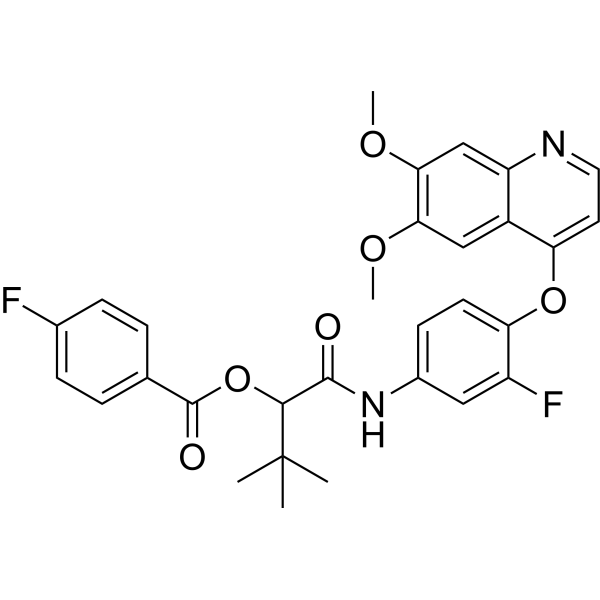
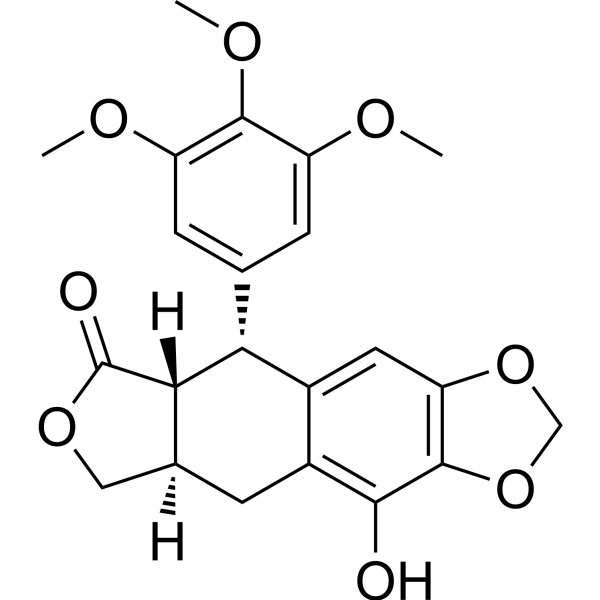
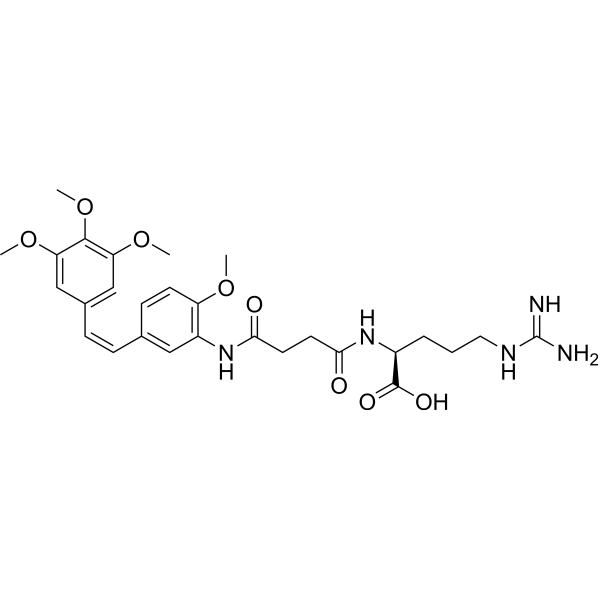
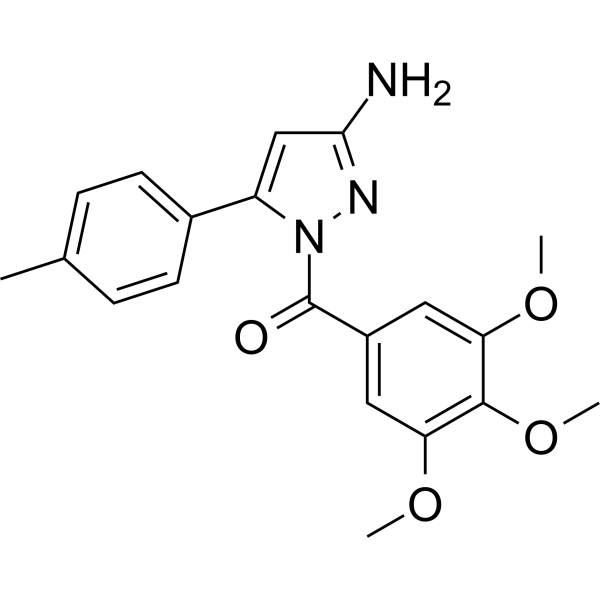
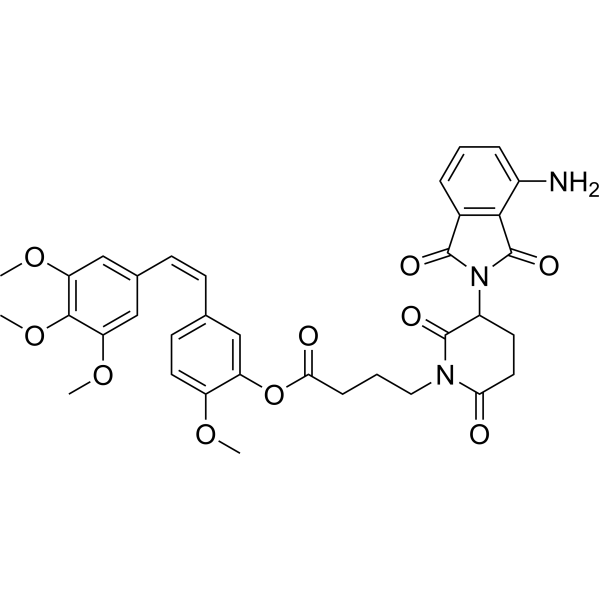
    A-259745 is an orally active antimitotic agent that binds to the colchicine-binding site of tubulin. A-259745 exhibits potent in vitro cytotoxic activity against both multi-drug-resistant and non-multi-drug-resistant cancer cell lines, with ED50 values of 0.018 μM against HCT-15 and 0.028 μM against NCI-H460 cell lines. A-259745 inhibits tubulin polymerization, disrupts the dynamic equilibrium of the mitotic spindle, arrests dividing cells in metaphase, and subsequently induces apoptosis. A-259745 shows dose-dependent antitumor efficacy in murine tumor models. A-259745 can be used for the study of cancer .
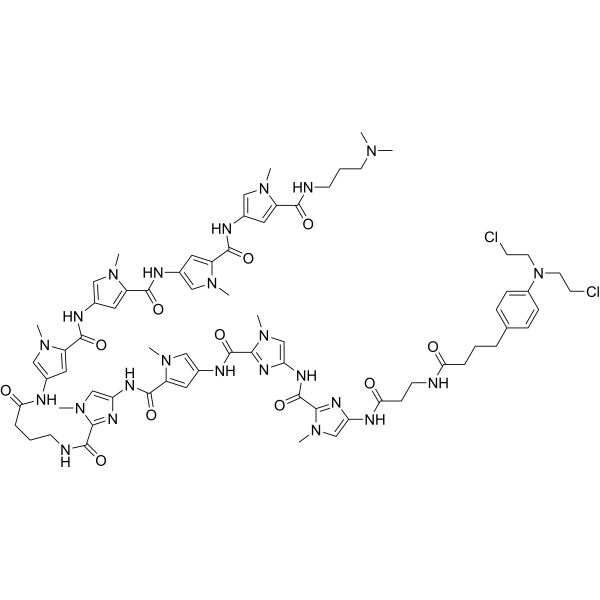
    A-259745
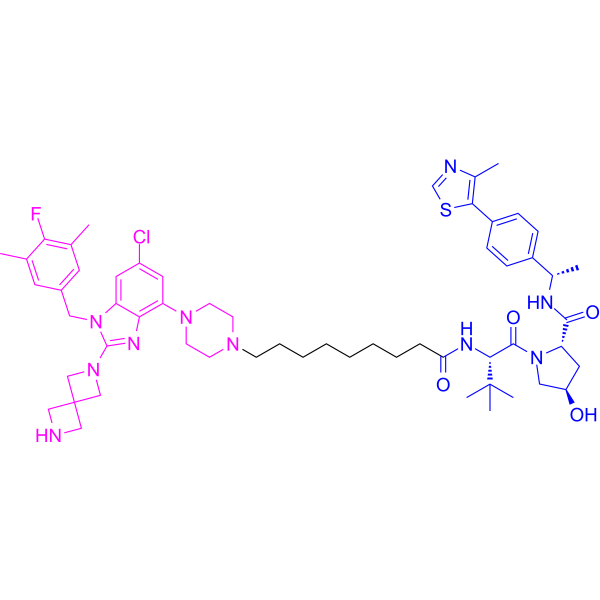
  • HY-P11102

    Bacterial Fungal HIV Parasite Infection Cancer
    Temporin-Sha is an antibacterial peptide with extensive biological activity. Temporin-Sha exhibits broad-spectrum antibacterial activity (e.g., against L. ivanovii, MIC = 6.25 μM), and is effective against Gram-negative bacteria (such as Escherichia coli, MIC = 10 μM), including drug-resistant strains (such as Methicillin (HY-121544)-resistant Staphylococcus aureus). Temporin-Sha also has inhibitory effects on Candida albicans (MIC = 25 μM), Saccharomyces cerevisiae (MIC = 12 μM), the pre-flagellated and non-flagellated forms of Leishmania infantum (IC50 = 5-20 μM), and Trypanosoma cruzi (IC50 = 17 μM). Temporin-Sha exhibits antiviral activity against HSV-1 and has anti-cancer effects (cytotoxicity against breast cancer cells MCF-7 and lung cancer cells H460, etc.) .
    Temporin-SHa
  • HY-147724

    Microtubule/Tubulin Cancer
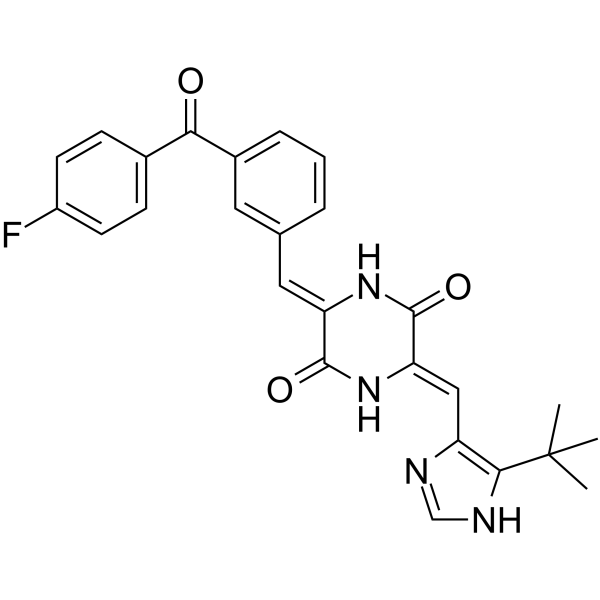
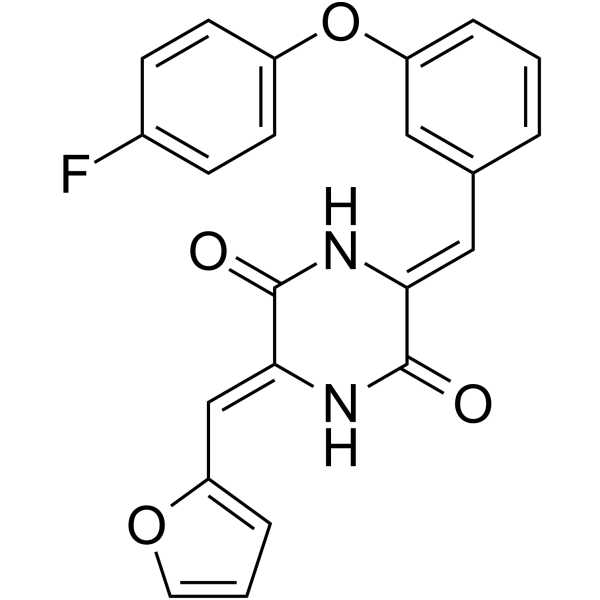
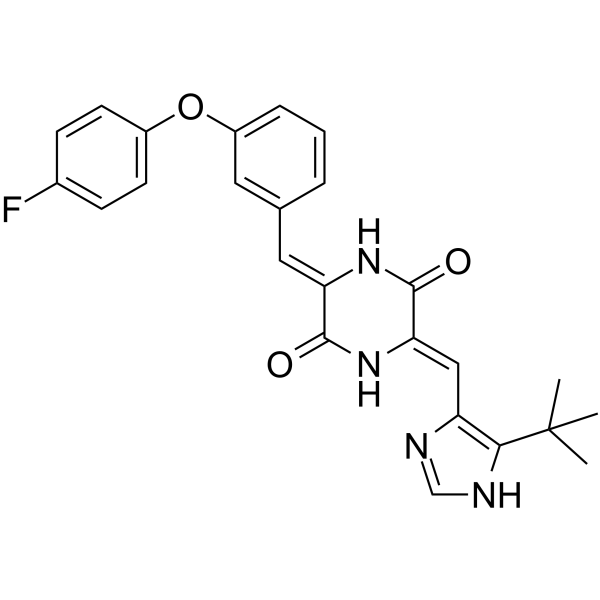
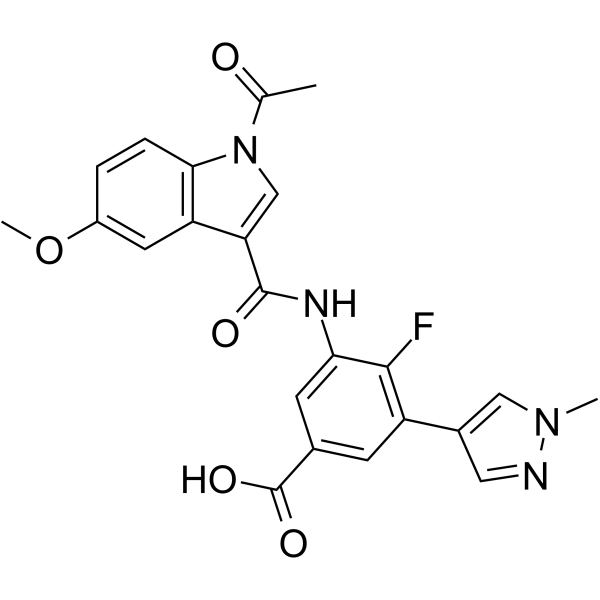
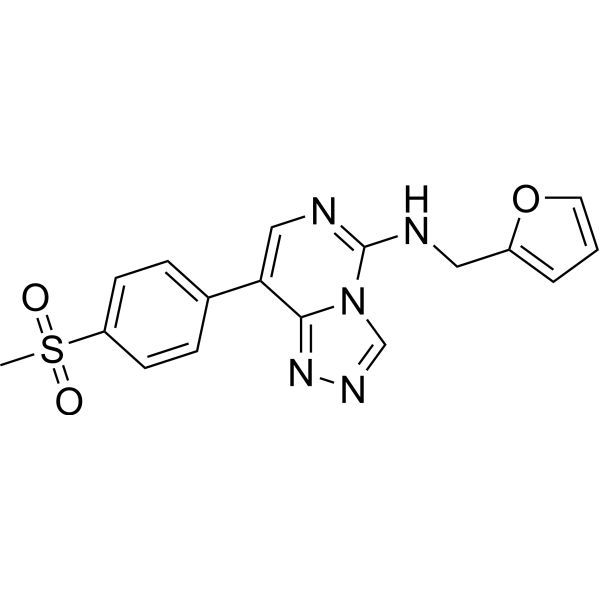
    Compounds 17O (ic50= 14.0 nm, NCI-H460) and 17p (ic50= 2.9 nm, NCI-H460) and furan groups showed effective cytotoxic activity against various human cancer cell lines at the nanomolar level.
    Microtubule inhibitor 3
  • HY-147728

    Microtubule/Tubulin Cancer
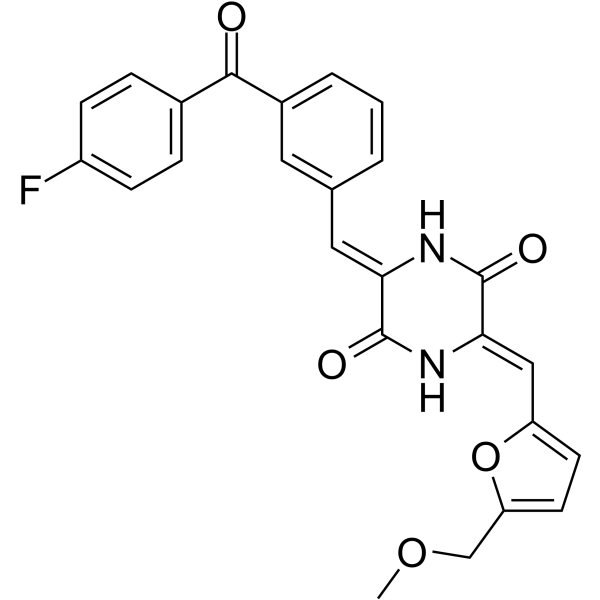
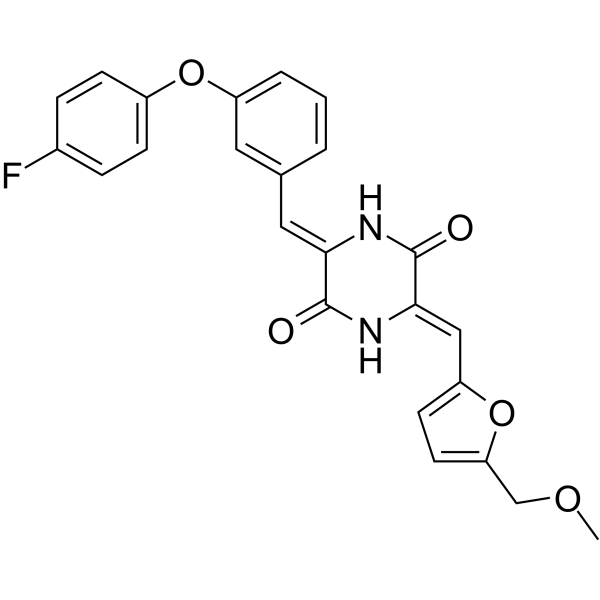
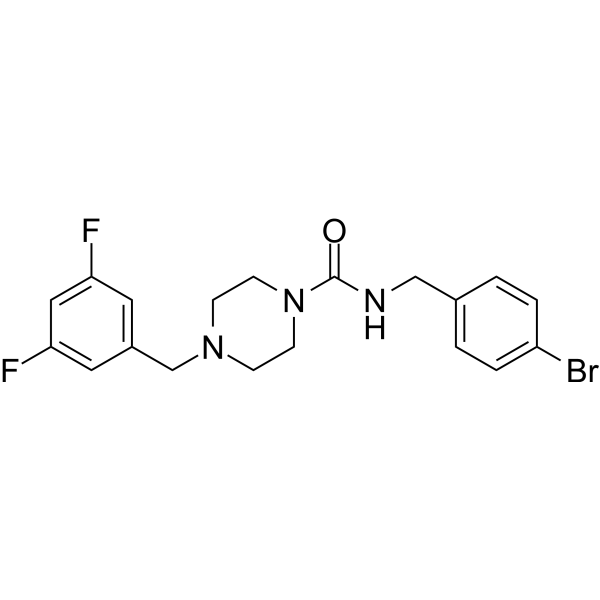
    Compounds 17O (ic50= 14.0 nm, NCI-H460) and 17p (ic50= 2.9 nm, NCI-H460) and furan groups showed effective cytotoxic activity against various human cancer cell lines at the nanomolar level.
    Microtubule inhibitor 7
  • HY-123020

    BDA-366 analog

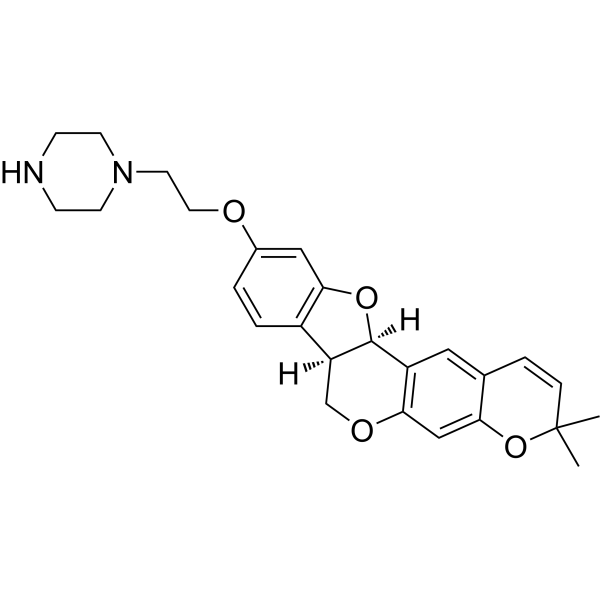
    Bcl-2 Family Cancer
    CYD-2-88 (BDA-366 analog) is a BDA-366 (HY-101083) (Bcl2 BH4 antagonist) analog. CYD-2-88 (20 mg/kg, i.p.) inhibits tumor growth in NSCLC H460 xenografts mice .
    CYD-2-88
  • HY-157564

    Apoptosis Cancer
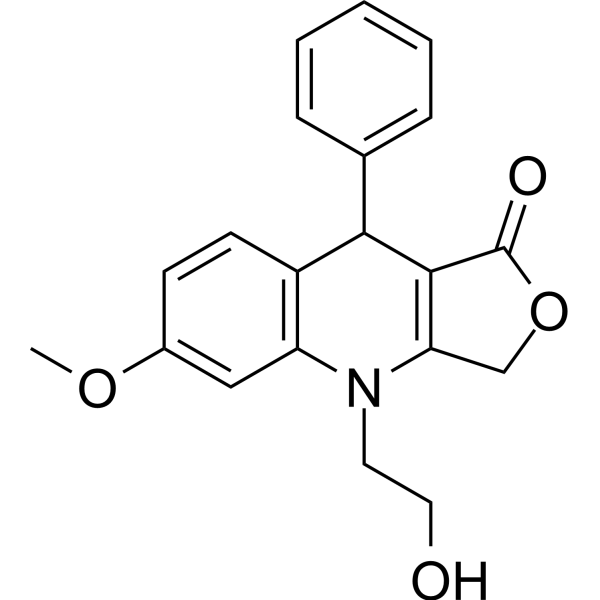
    Antitumor agent-135 (Compound 13) is a potent antitumor agent. Antitumor agent-135 induces cell apoptosis, with IC50s of 3.79 , 10.55, 1.14, and 4.14 μM for NSCLC cell lines (A549, H460, PC-9, and PC-9/GR) .
    Antitumor agent-135
  • HY-N12821

    Others Cancer
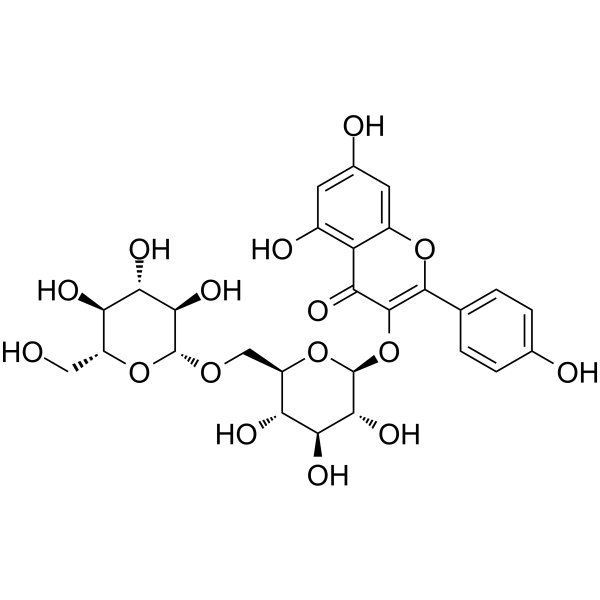
    Visamminol-3'-O-glucoside (Compound 4) is a chromone glycoside, which is initially isolated from Saposhnikovia divaricata. Visamminol-3'-O-glucoside exhibits weak cytotoxicity against cancer cells PC-3, SK-OV-3 and H460, with IC50s of 93.91, >100 and >100 μM, respectively .
    visamminol-3'-O-glucoside
  • HY-122552

    Integrin Cancer
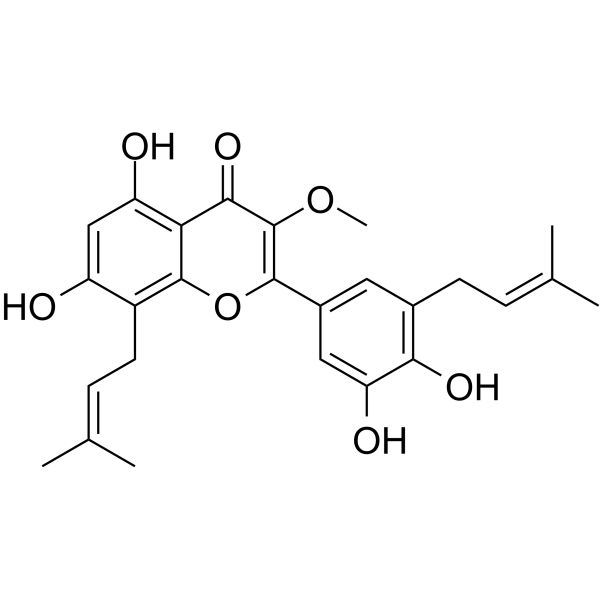
    Chrysotobibenzyl can be isolated from stem of Dendrobium pulchellum. Chrysotobibenzyl inhibits lung cancer cell (H460 and H292) migration, invasion, filopodia formation via Cav-1, integrins β1, β3, and αν, and EMT suppressions. Chrysotobibenzyl also sensitizes lung cancer cell death mediated by Cisplatin (HY-17394) .
    Chrysotobibenzyl
  • HY-173074

    Microtubule/Tubulin MDM-2/p53 Apoptosis Cancer
    Microtubulin-IN-1 (Compound 8g) is the inhibitor for microtubulin that targets colchicine-binding site, disrupts the microtubulin integrity, and induces the upregulation of p53. Microtubulin-IN-1 exhibits antiproliferative activity in a variety of cancer cell lines (IC50 for NCI-H460, BxPC-3 and HT-29 is 2.4, 1.6 and 2.07 nM, respectively), arrests the cell cycle at G2/M phase, and induces apoptosis in NCI-H460 .
    Microtubulin-IN-1
  • HY-126803

    Antibiotic Infection Cancer
    Saquayamycin B (compound 3) is a new angucycline antibiotic. Saquayamycin B has antitumor activities against a human lung (H-460) and a human breast cancer cell line (MCF-7) with GI50 values of 12.2 and 15.2 µM respectively .
    Saquayamycin B
  • HY-146454

    DNA/RNA Synthesis Cancer
    Antiproliferative agent-6 (compound 8a) is a potent antitumor agent. Antiproliferative agent-6 has antiproliferative activity against cancer cell lines HCT116, MCF-7, H460 and non-tumor aneuploid immortal keratinocyte HaCaT cells with GI50s of 0.5 μM, 2 μM, 0.7 μM and 3.5 μM, respectively .
    Antiproliferative agent-6
  • HY-155039

    Drug Derivative Cancer
    Antitumor agent-105 (Compound 37) is an antitumor agent. Antitumor agent-105 has antitumor activity against A549, H1299, H460, HCT116, MDA-MB-231 cells, with IC50 values of 6.7, 8.3, 4.3, 4.4, 6.7 μM respectively .
    Antitumor agent-105
  • HY-164033

    Ramnodigin

    Apoptosis Cancer
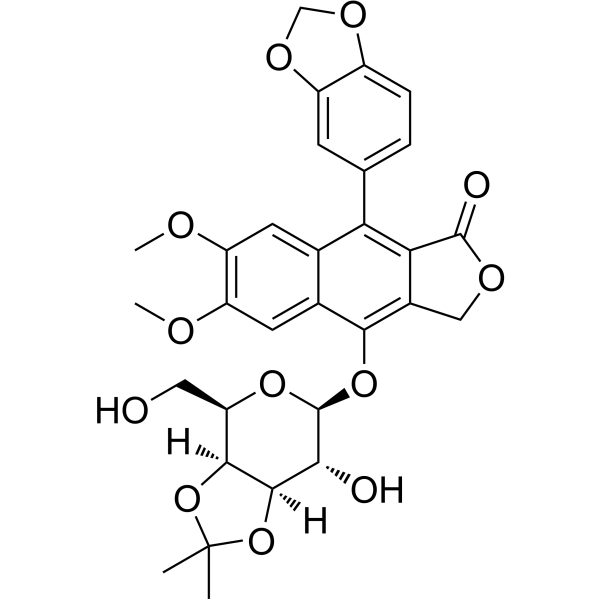
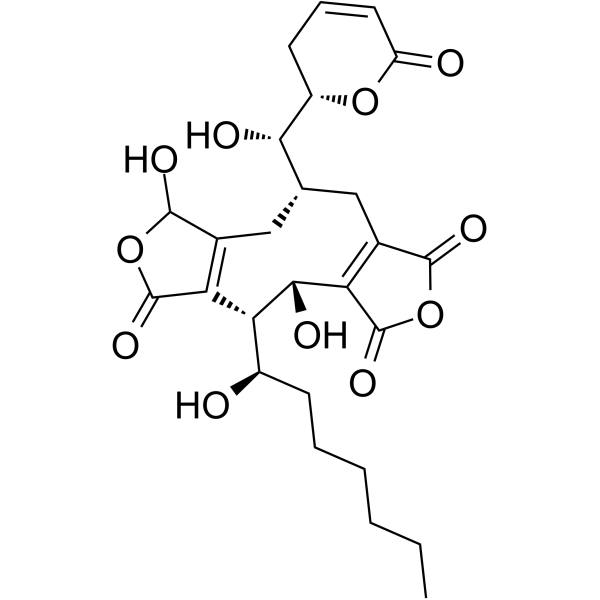
    HOE 689 (Ramnodigin) is an analog of Digitoxin (HY-B1357). HOE 689 exhibits cytotoxicity to lung cancer cells and induces apoptosis in cancer cell NCI-H460 with an IC50 of 52 nM .
    HOE 689
  • HY-N10877

    Others Cancer
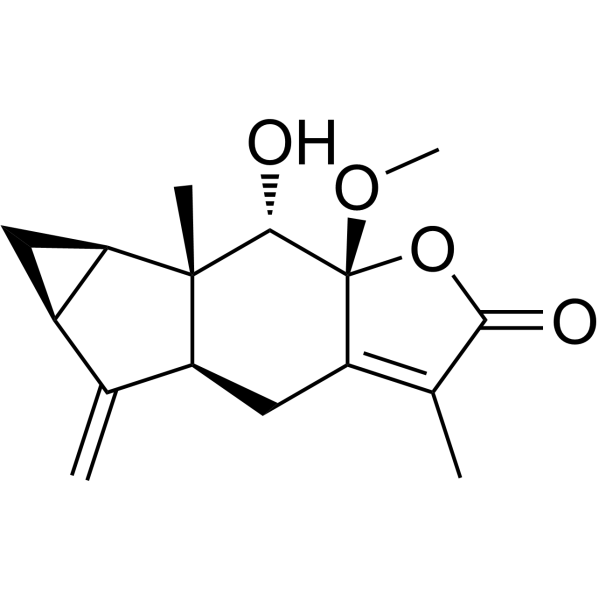
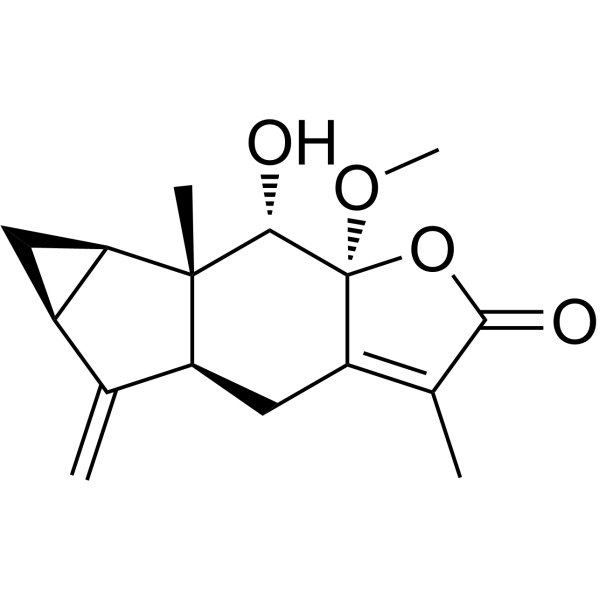
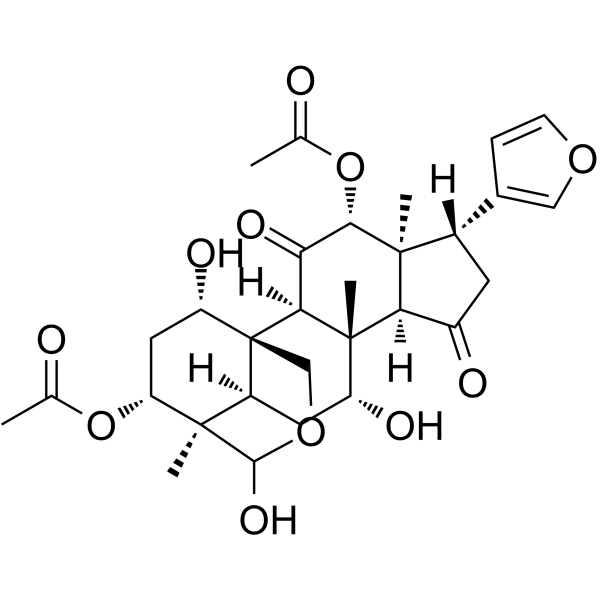
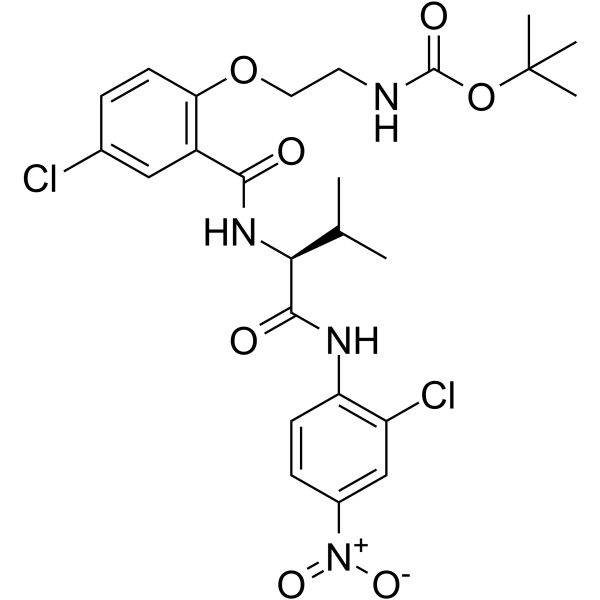
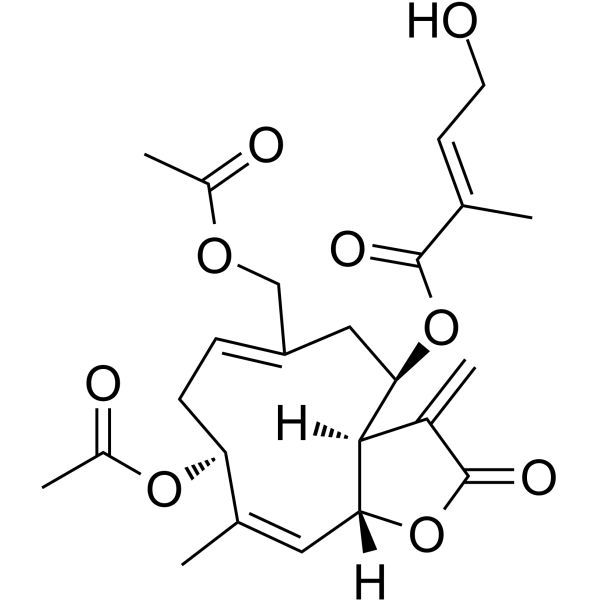
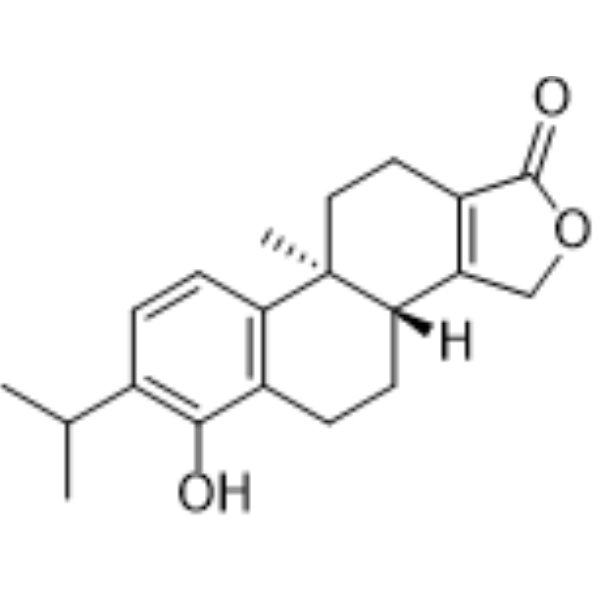
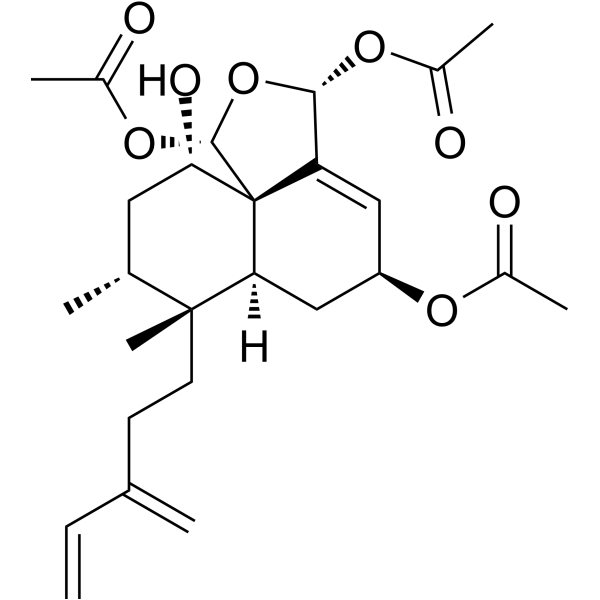
    Chlorajapolide F is a nature product that could be isolated from the aerial part of Chloranthus japonicas. Chlorajapolide F has low cytotoxic activity against NCI-H460 and SMMC-7721 cell lines .
    Chlorajapolide F
  • HY-139882

    Reactive Oxygen Species (ROS) Apoptosis Cancer
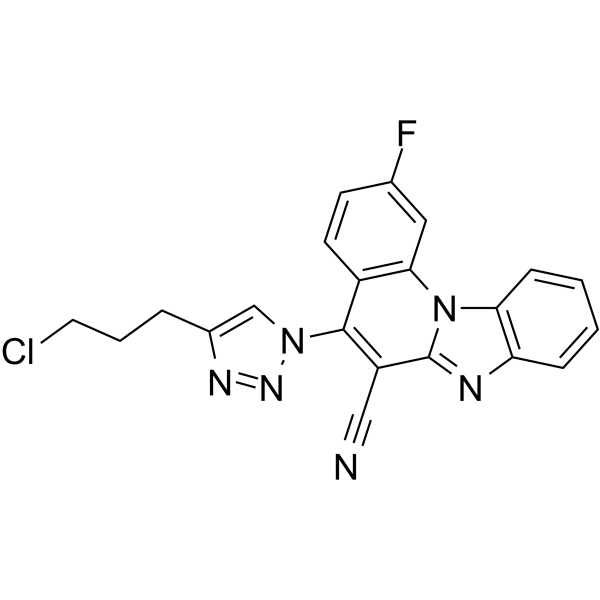
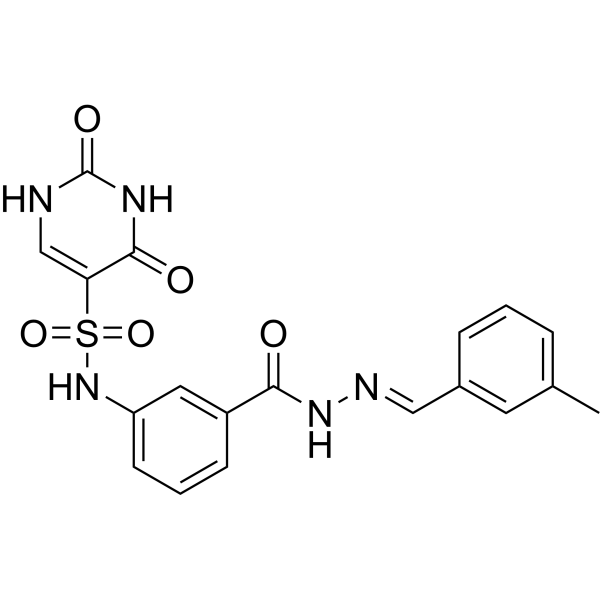
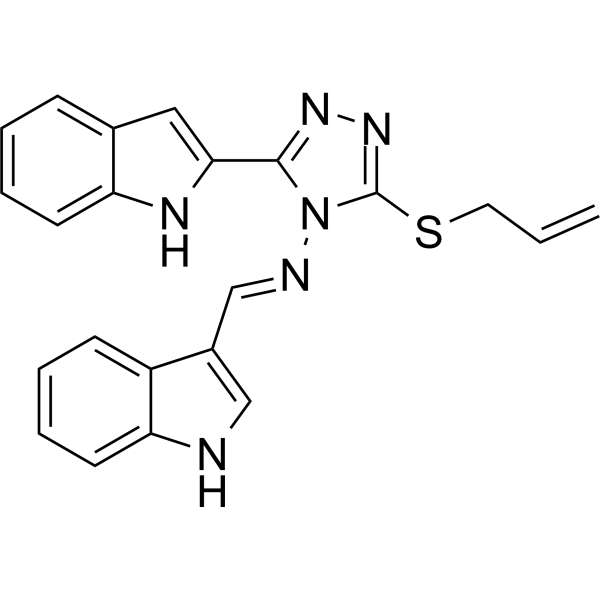
    Anticancer agent 16 exhibits good cytotoxic activity against HCT-116, NCI-H460, and SKOV3 cell lines with IC50 8.55 μΜ, 5.41 μΜ, and 6.4 μΜ, respectively.
    Anticancer agent 16
  • HY-147726

    Microtubule/Tubulin Cancer
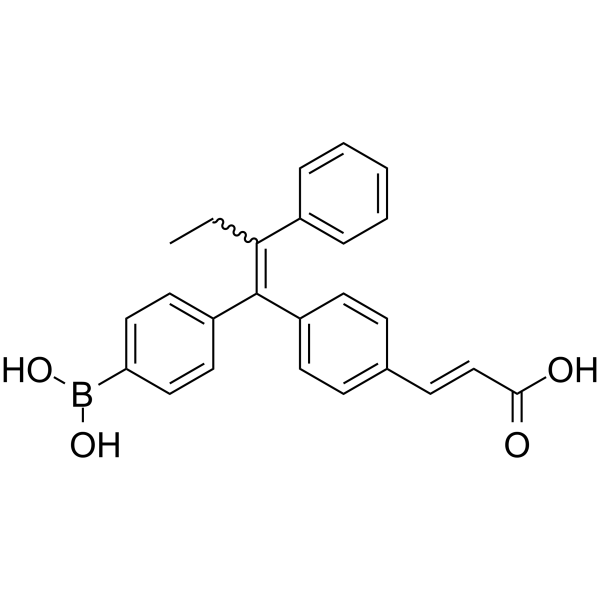
    Microtubule inhibitor 5 (compound 17f) is a potent microtubule inhibitor. Microtubule inhibitor 5 shows cytotoxicity with an IC50 value of 154.5 nM for NCI-H460 cells. Microtubule inhibitor 5 shows good cell permeability .
    Microtubule inhibitor 5
  • HY-176435

    mTOR Cancer
    mTOR inhibitor-28 (SM-3) is a potent mTOR inhibitor. mTOR inhibitor-28 inhibits A549, H292, and H460 cells with IC50s of 72.74, 67.66, and 43.24 μM, respectively .
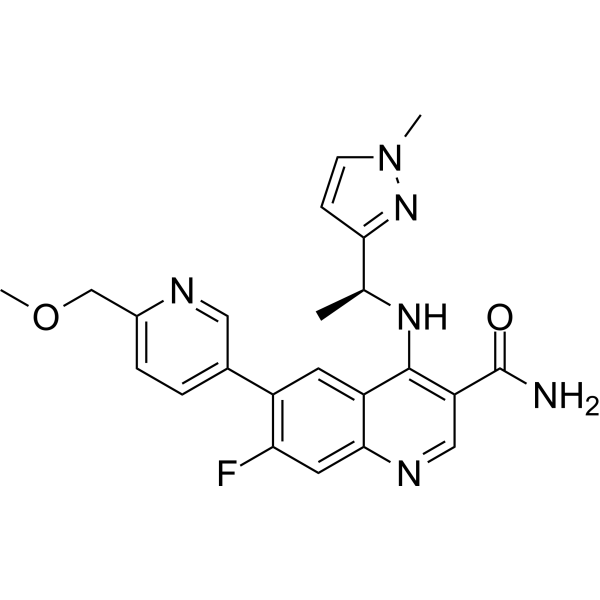
    mTOR inhibitor-28

온라인 문의

Your information is safe with us. * Required Fields.

호칭


Country or Region *

고객명 *


회사명 *

Department *


메일주소 *


상품명 *

Cat. No.


Requested quantity *

전화번호 *


비고

온라인 문의

Inquiry Information

상품명:
Cat. No.:
수량:
MCE Japan Authorized Agent: