1. Search Result
Search Result
Results for "

3α-Hydroxycholanate dehydrogenase (NAD )

" in MedChemExpress (MCE) Product Catalog:

1400

Inhibitors & Agonists

1

Screening Libraries

16

Fluorescent Dyes

33

Biochemical Assay Reagents

22

Peptides

2

MCE Kits

207

Natural
Products

150

Recombinant Proteins

81

Isotope-Labeled Compounds

152

Antibodies

5

Click Chemistry

11

Oligonucleotides

3

GMP Molecules

Cat. No. Product Name Target Research Areas Chemical Structure
  • HY-137592

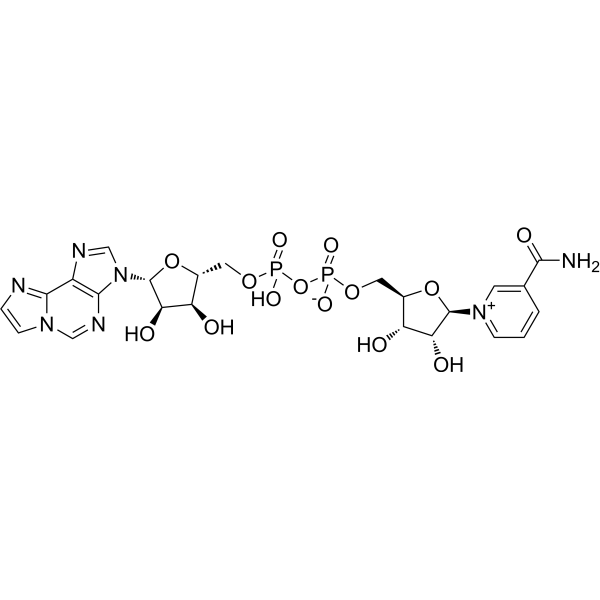
    ε-NAD

    Fluorescent Dye Phosphodiesterase (PDE) Glutamate Dehydrogenase (GLDH) Others
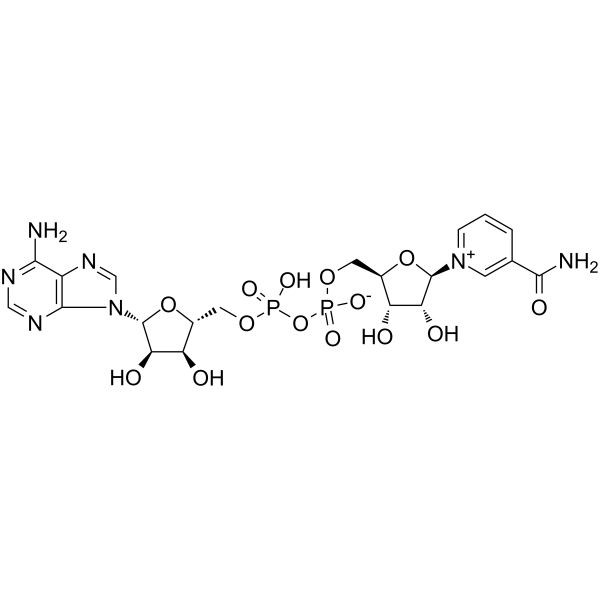
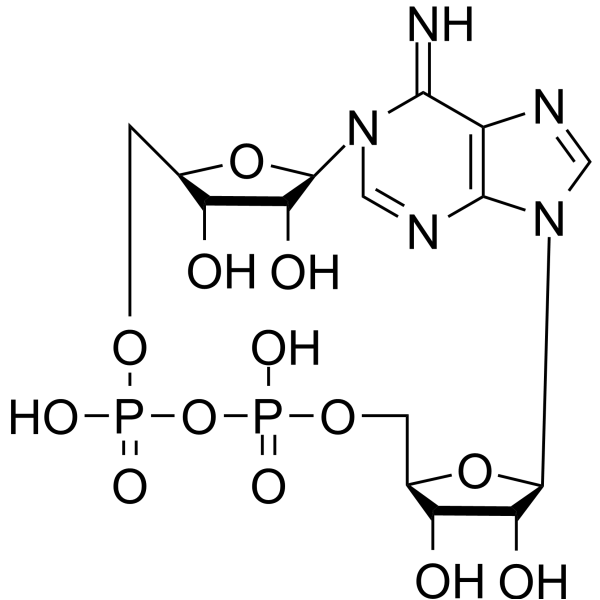
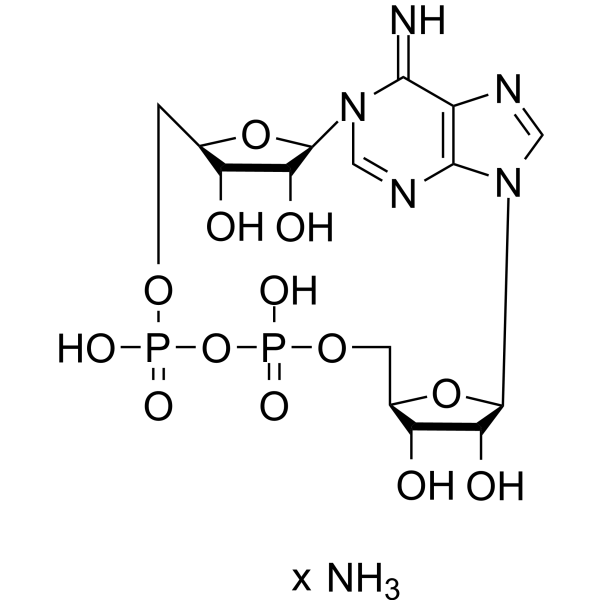
    Nicotinamide 1,N6-ethenoadenine dinucleotide (ε-NAD) is a fluorescent analog of NAD. Nicotinamide 1,N6-ethenoadenine dinucleotide can be cleaved by phosphodiesterase I (from C. adamanteus venom) and binds to bovine liver glutamate dehydrogenase. Nicotinamide 1,N6-ethenoadenine dinucleotide can serve as a substrate for G-ADP ribosylation of G proteins catalyzed by bacterial toxins. Nicotinamide 1,N6-ethenoadenine dinucleotide can be used as a fluorescent substrate for the study of ADP ribosylation reactions .
    Nicotinamide 1,N6-ethenoadenine dinucleotide
  • HY-B0445A
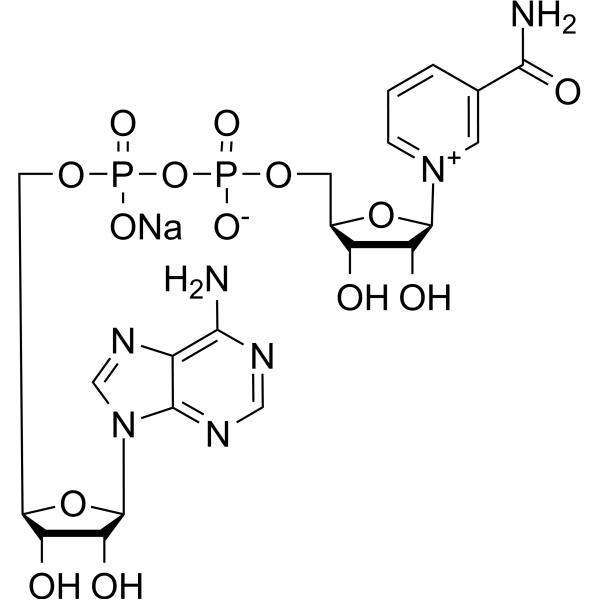
    NAD sodium
    Maximum Cited Publications
    45 Publications Verification

    β-DPN sodium; β-NAD sodium; β-Nicotinamide Adenine Dinucleotide sodium

    Endogenous Metabolite Metabolic Disease
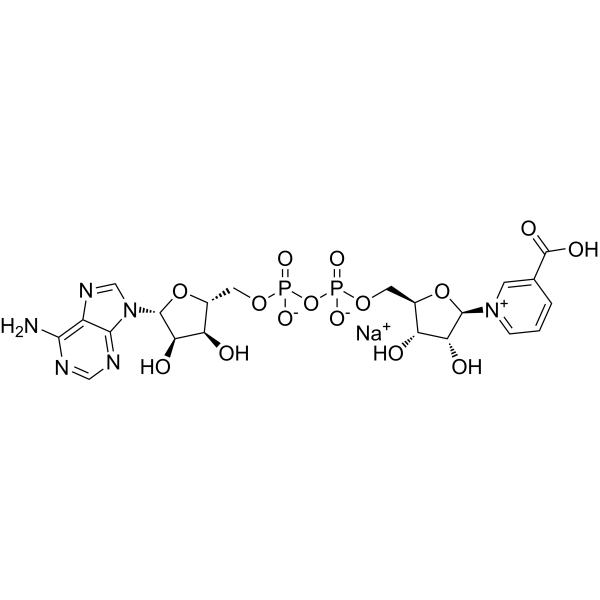
    NAD sodium is an orally effective cofactor and homeostatic regulator. NAD sodium can be reduced to β-nicotinamide adenine dinucleotide (NADH) during coupling with reactions that oxidize organic substrates. NAD sodium can be converted to β-nicotinamide adenine dinucleotide (NADH) and passes to the inside of mitochondria, which indirectly generates ATP. NAD sodium can be used for the research of non-alcoholic fatty liver disease, obesity, and glucose intolerance [3] .
    NAD sodium
  • HY-P2907

    Endogenous Metabolite Others
    Formate dehydrogenase is a class of oxidoreductases widely distributed in bacteria, fungi, plants and animals. Formate dehydrogenase catalyzes the reversible conversion between formic acid and carbon dioxide, accompanied by redox reactions of the coenzyme NAD +/NADH or other electron carriers .
    Formate dehydrogenase
  • HY-P2996
    NAD(P)H-Nitrate reductase
    1 Publications Verification

    Others Others
    NAD(P)H-Nitrate reductase is isolated from Aspergillus niger that catalyses the reduction of nitrate to nitrite via a two-electron transfer. In plants, the electron donor for Nitrate reductase is NADPH is NADH:Nitrate reductase and a bispecific NAD(P)H: Nitrate reductase .
    NAD(P)H-Nitrate reductase
  • HY-P2807F

    LAD, LD, L-LDH, (S)-Lactate: NAD+ oxidoreductase

    Lactate Dehydrogenase Cardiovascular Disease
    Lactate Dehydrogenase (LDH), Bovine Heart (LAD) is an oxidoreductase that catalyzes the reversible conversion between lactate and pyruvate. Lactate Dehydrogenase (LDH), Bovine Heart is mainly used in life science research, tissue damage diagnosis, and as an enzyme marker [3].
    Lactate Dehydrogenase (LDH), Bovine Heart
  • HY-P2807I

    Lactate Dehydrogenase Others
    L-Lactate Dehydrogenase, rabbit muscle is a biological material or organic compound that can be used in life science research .
    L-Lactate Dehydrogenase, rabbit muscle
  • HY-B0445S

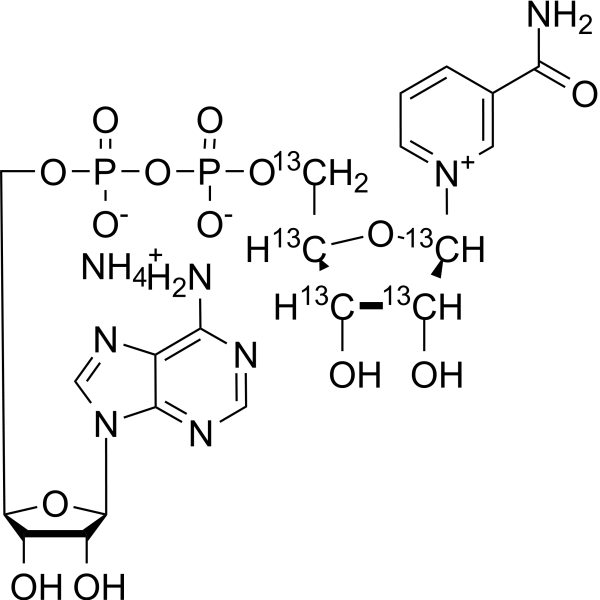
    β-DPN-13C5 ammonium; β-NAD-13C5 ammonium; β-Nicotinamide Adenine Dinucleotide-13C5 ammonium

    Isotope-Labeled Compounds Metabolic Disease
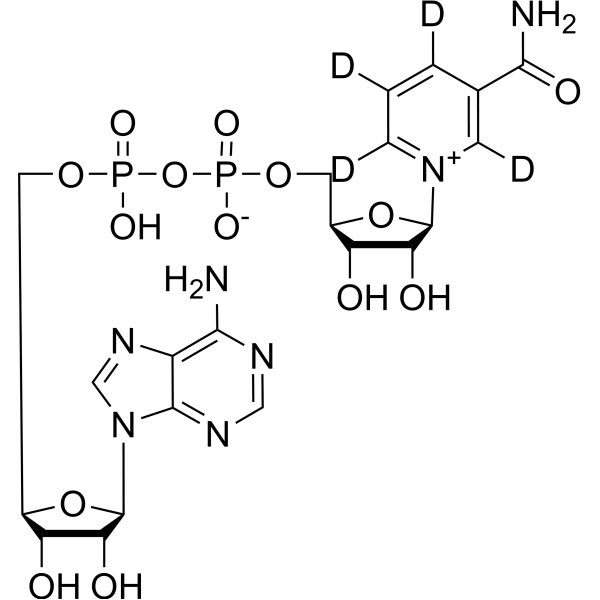
    NAD+-13C5 (ammonium) is the 13C labled NAD+ (HY-B0445), with an ammonium .
    NAD+-13C5 ammonium
  • HY-P2947

    Aldehyde dehydrogenase (NAD(P))

    Aldehyde Dehydrogenase (ALDH) Others Cancer
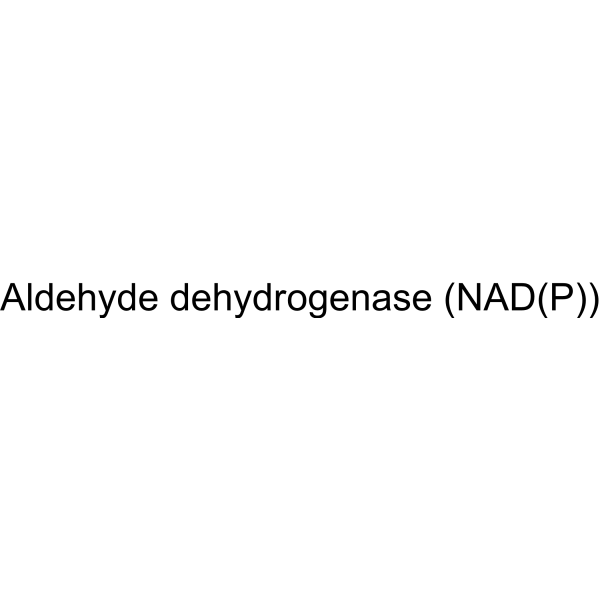
    ALDH (Aldehyde dehydrogenase (NAD(P))) catalyzes the oxidation of aldehydes into their corresponding carboxylic acids with the concomitant reduction of the cofactor NAD(P) into NAD(P)H, is often used in biochemical studies. The ALDHs are one of many enzyme systems the body utilizes to alleviate aldehyde stress .
    ALDH
  • HY-P2909

    Biochemical Assay Reagents Others
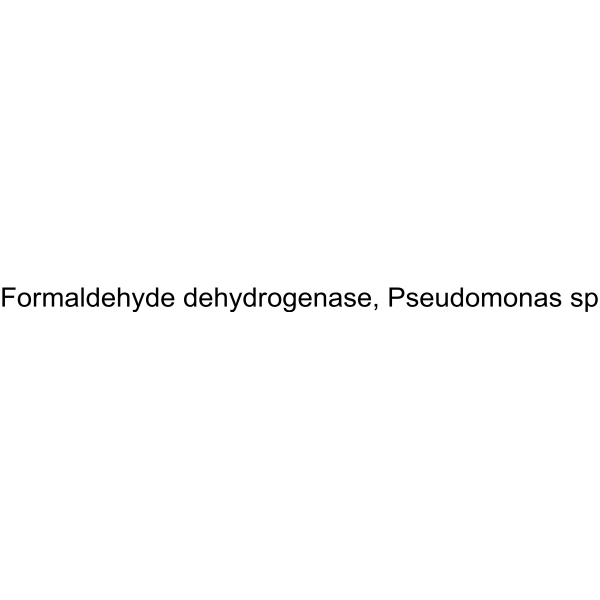
    Formaldehyde dehydrogenase is a widely occuring enzyme that can catalyze S-hydroxymethylglutathione in the presence of NAD. Formaldehyde dehydrogenase detoxifies formaldehyde within cells through capturing and limiting it from reaching a toxic level. Formaldehyde dehydrogenase can be studied in research on M. tuberculosis .
    Formaldehyde dehydrogenase, Pseudomonas sp
  • HY-P3185

    Biochemical Assay Reagents Metabolic Disease
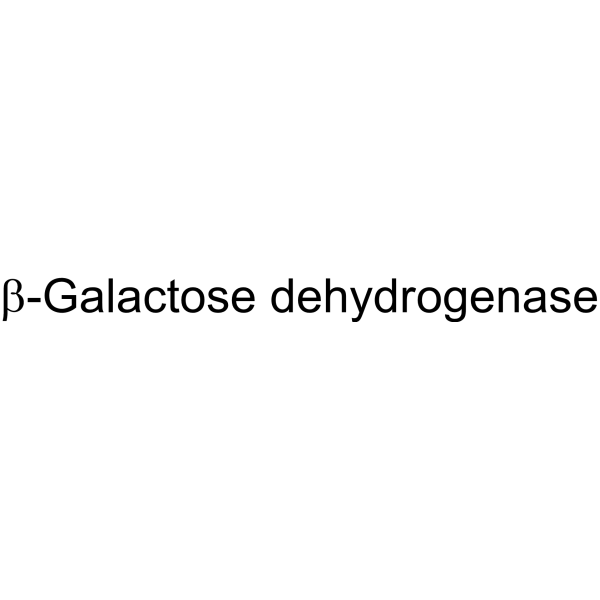
    Beta-galactose dehydrogenase is a selective catalyst for β-galactose. Under pH 8.6 conditions, beta-galactose dehydrogenase catalyzes the oxidation of β-galactose, produced by the hydrolysis of lactose by β-galactosidase, with nicotinamide adenine dinucleotide (NAD) to produce reduced nicotinamide adenine dinucleotide (NADH). Beta-galactose dehydrogenase specifically mediates this oxidation reaction for the quantitative detection of the substrate, used in the analysis of lactose concentration in samples such as breast milk .
    beta-Galactose dehydrogenase
  • HY-P2897
    D-Lactate dehydrogenase, Microorganism
    1 Publications Verification

    D-LDH

    Lactate Dehydrogenase Others
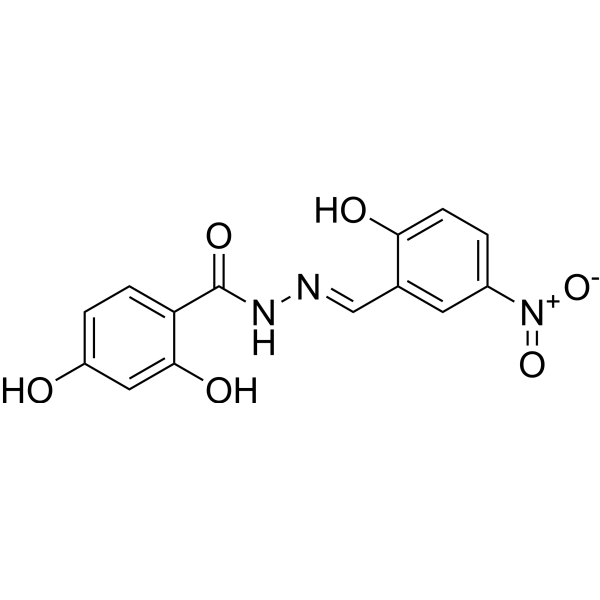
    D-Lactate dehydrogenase, Microorganism (D-LDH) is an oxidoreductase that uses NAD + or NADP + as an acceptor and acts on the donor CH-OH group, and can catalyze the oxidation of D-lactate to pyruvate. D-Lactate dehydrogenase widely exists in bacteria and fungi, and is often used in biochemical research .
    D-Lactate dehydrogenase, Microorganism
  • HY-117029
    NAAD sodium
    1 Publications Verification

    Deamido nad sodium

    Endogenous Metabolite Metabolic Disease
    NAAD sodium (Deamido nad sodium), a functional NAD + precursor, is the substrate of glutamine-dependent NAD + synthetase. NAAD sodium is used to study the structure of nicotinate mononucleotide adenylyltransferases .
    NAAD sodium
  • HY-P3186A

    GDH-NAD

    Endogenous Metabolite Metabolic Disease
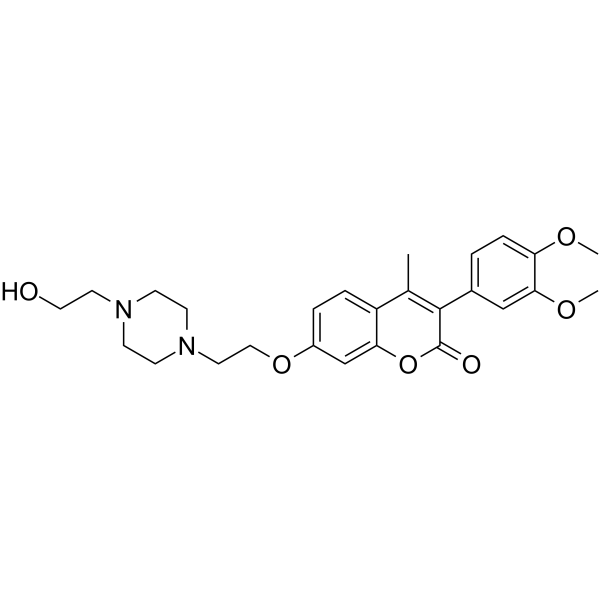
    NAD-dependent glucose dehydrogenase (GDH-NAD) is an oxidoreductase that uses NAD + as a coenzyme, specifically catalyzes the dehydrogenation of glucose to gluconolactone, and reduces NAD + to NADH. NAD-dependent glucose dehydrogenase exhibits favorable substrate selectivity and stability, and is not affected by oxygen .
    NAD-dependent Glucose dehydrogenase
  • HY-131924

    Thio-NAD

    Biochemical Assay Reagents Others
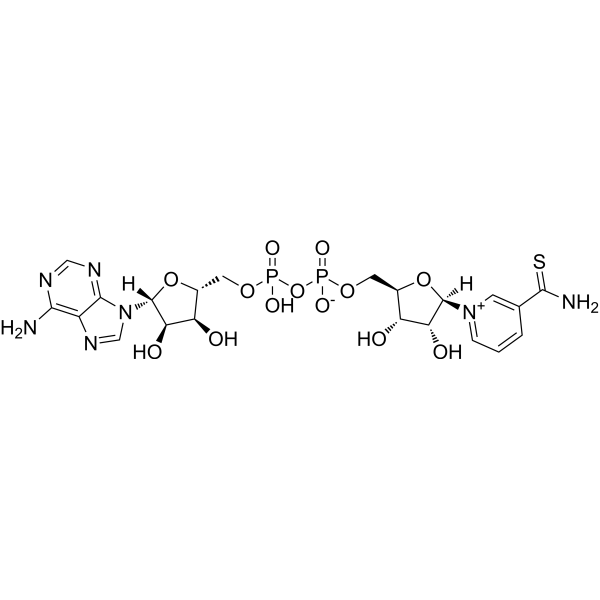
    Thionicotinamide adenine dinucleotide (Thio-NAD) is a thione-modified analog of the coenzyme nicotinamide adenine dinucleotide (NAD +). Thionicotinamide adenine dinucleotide can replace NAD + in enzymatic reactions and shift the absorption peak to 405 nM, enabling sensitive, real-time kinetic detection of enzyme activity, which is particularly suitable for high-sensitivity diagnostic cyclic detection systems .
    Thionicotinamide adenine dinucleotide
  • HY-P2911

    GLDH

    Mitochondrial Metabolism Others
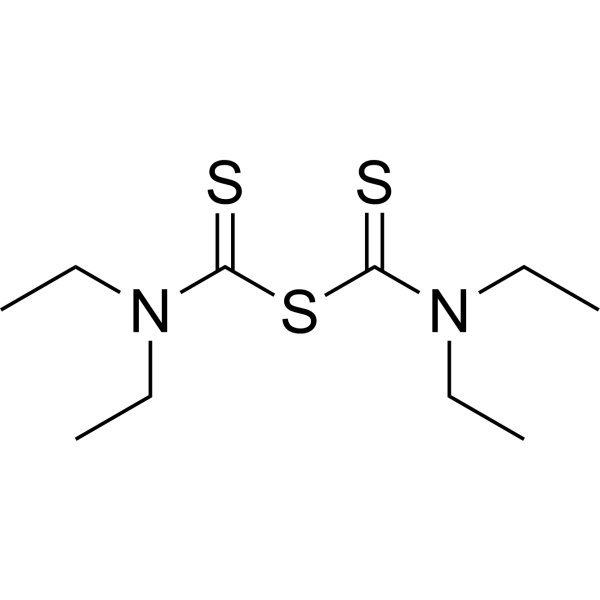
    Glutamate dehydrogenase NAD(P) (GLDH) can be found in hepatocytes, renal tissue, brain, muscle, and intestinal cells. Glutamate dehydrogenase NAD(P) is often used in biochemical studies. Glutamate dehydrogenase is a mitochondrial enzyme, it catalyzes the reversible oxidative deamination of glutamate to α-ketoglutarate (α-KG) as part of the urea cycle .
    Glutamate dehydrogenase (NAD(P))
  • HY-P3186

    Endogenous Metabolite Metabolic Disease
    Glucose dehydrogenase, recombinant Microorganisms is a FDA-dependent oxidoreductase. Glucose dehydrogenase (GDH) catalyzes the oxidation of β-D-glucose to β-D-glucono-1,5-lactone with simultaneous reduction of the cofactor NADP + to NADPH or, to a lesser extent, NAD + to NADH. Glucose dehydrogenase (GDH) accepts both NAD + and NADP + as cofactors and can be used for the regeneration of NADH and NADPH .
    Glucose dehydrogenase, recombinant Microorganisms
  • HY-131485

    3-APAD, 90%; 3-Acetylpyridine NAD, 90%

    Lactate Dehydrogenase Metabolic Disease
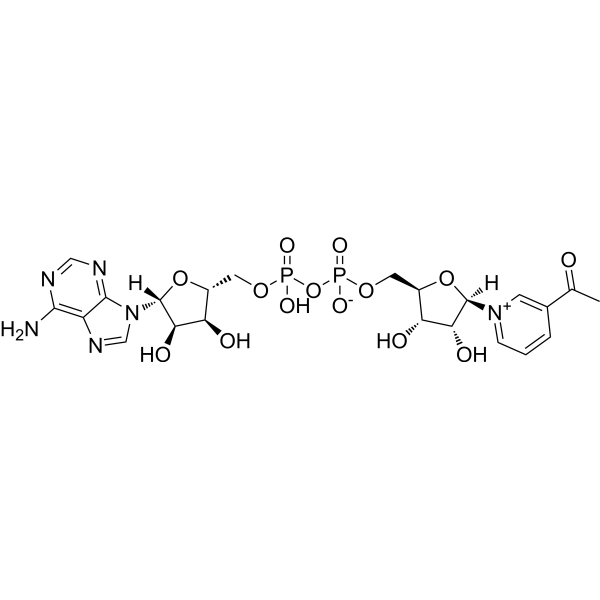
    3-Acetylpyridine adenine dinucleotide, 90% is an analog of nicotinamide adenine dinucleotide (NAD). 33-Acetylpyridine adenine dinucleotide, 90% collaboratively inhibits Lactate Dehydrogenase (LDH) with bisulfite .
    3-Acetylpyridine adenine dinucleotide, 90%
  • HY-P2765

    GPDH; α-Glycerophosphate dehydrogenase; Glycerol phosphate dehydrogenase

    Endogenous Metabolite Metabolic Disease
    Glycerol-3-phosphate dehydrogenase, rabbit muscle (GPDH) is an enzyme that catalyzes the reversible redox conversion of dihydroxyacetone phosphate to sn-glycerol 3-phosphate. Glycerol-3-phosphate dehydrogenase is a glycolytic enzyme and is responsible for the re-oxidation of NADH to NAD + and energy supply .
    Glycerol-3-phosphate dehydrogenase, rabbit muscle
  • HY-131009

    PARP Others
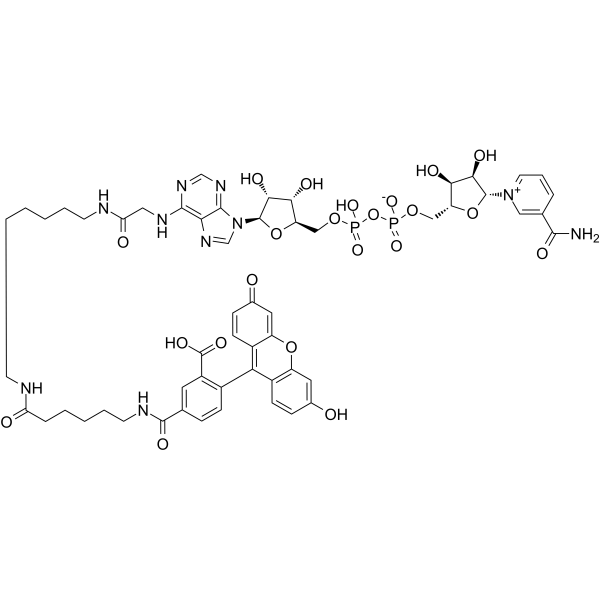
    Fluorescein-NAD+ is an alternative to radiolabeled NAD and a substrate for ADP-ribosylation. Fluorescein-NAD+ can be used in PARP assays by fluorescence microscopy. Extinction Coefficient: 262 nm.
    Fluorescein-NAD+
  • HY-134279

    Calcium Channel Others
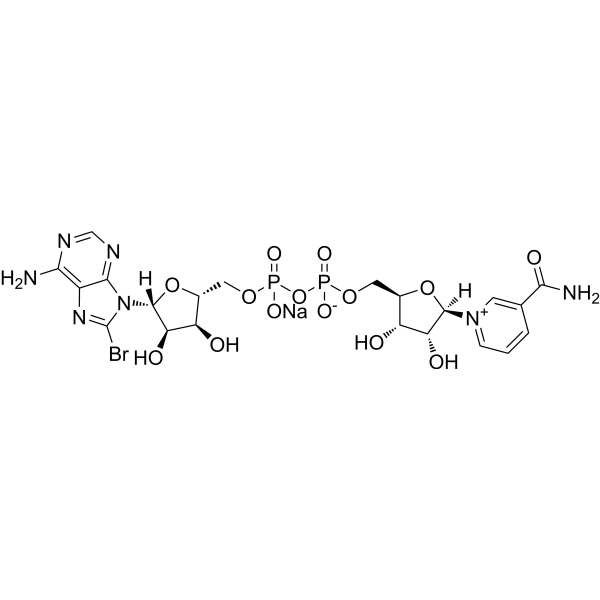
    8-Br-NAD+ sodium is an NAD+ derivative that acts as a substrate for transfer to diversely modified ADP-ribosylated molecules .
    8-Br-NAD+ sodium
  • HY-B0445B

    α-Nicotinamide Adenine Dinucleotide

    Mitochondrial Metabolism Endogenous Metabolite Metabolic Disease
    α-NAD (α-Nicotinamide Adenine Dinucleotide) serves as a substrate for reninase, functions as an analog of β-NAD, affects the kinetics of NAD-dependent enzymes, and also plays a critical role as a cofactor in mitochondrial redox reactions .
    α-NAD
  • HY-E70398

    L-Iditol dehydrogenase; Polyol dehydrogenase; SDH

    Biochemical Assay Reagents Metabolic Disease
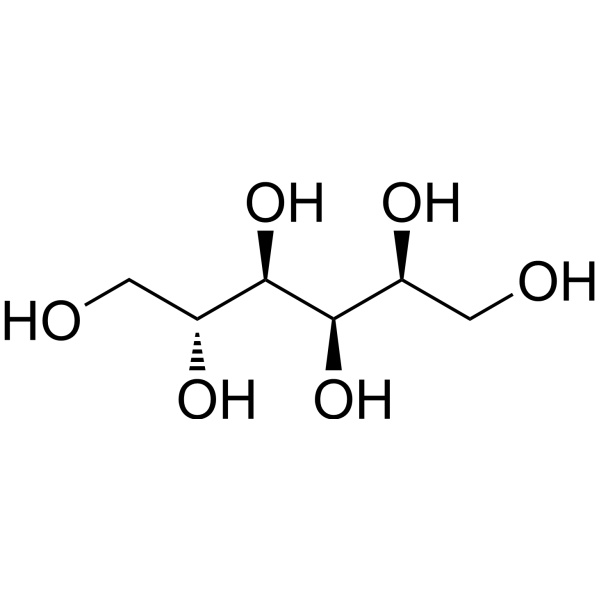
    Sorbitol dehydrogenase (L-Iditol dehydrogenase) is an oxidoreductasea and catalyses the conversion of sorbitol to fructose with NAD + as the coenzyme. Sorbitol dehydrogenase catalyses pH-dependent redox reactions between NAD +/NADH and sorbitol/fructose. Sorbitol dehydrogenase is implicated in diabetic complications and is a biomarker of drug-induced liver injury. Sorbitol dehydrogenase can be used for the research of diabetes and liver injury .
    Sorbitol dehydrogenase
  • HY-E70020

    Others Others
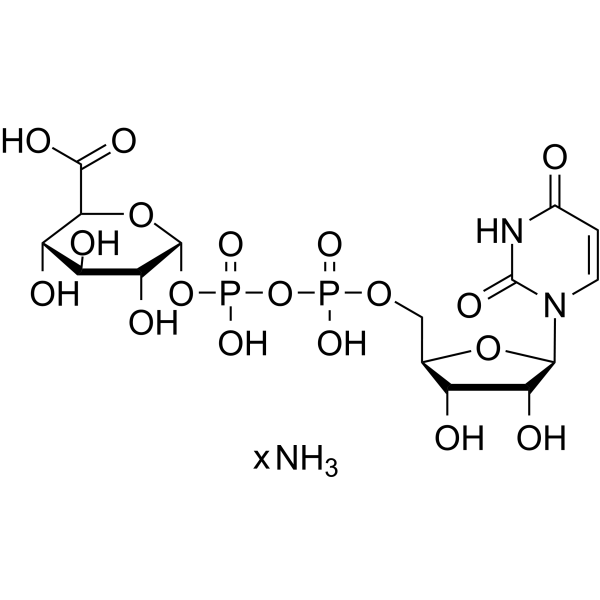
    UDP-Glc dehydrogenase (UGDH) catalyzes is a NAD+-dependent enzyme that catalyzes the two-fold oxidation of UDP-glucose (UDP-Glc) to produce UDP-glucuronic acid. UDP-Glc dehydrogenase (UGDH) is a key enzyme in the nucleotide-sugar interconversion pathway necessary for biosynthesis of many cell-wall polysaccharides .
    UDP-Glc dehydrogenase (UGDH)
  • HY-134358A

    CD38 Neurological Disease
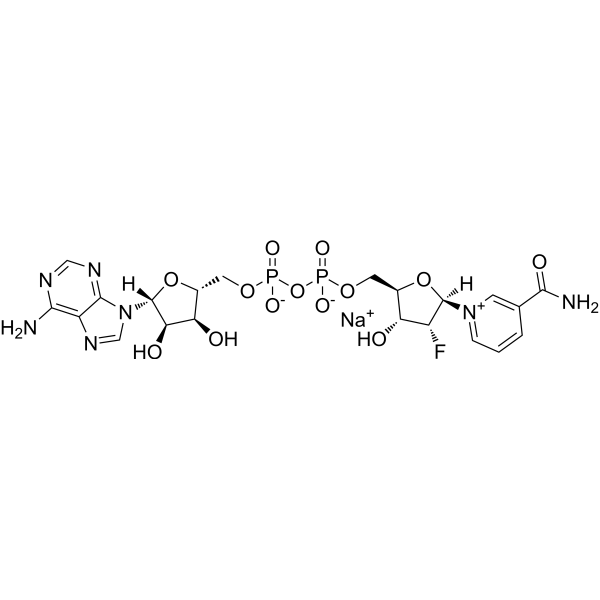
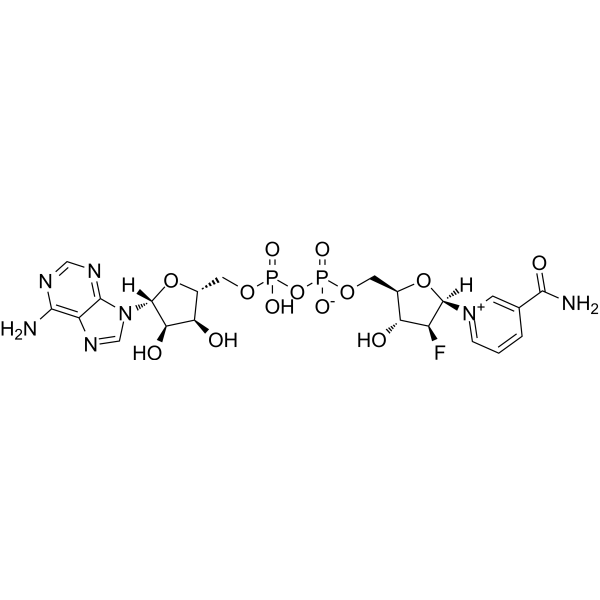
    Ara-F-NAD+ sodium is an arabino analogue of NAD +. Ara-F-NAD+ sodium is a potent, reversible and slow-binding CD38 NADase inhibitor .
    Ara-F-NAD+ sodium
  • HY-W250163
    NAD+ lithium
    40+ Cited Publications

    β-DPN lithium; β-NAD lithium; β-Nicotinamide Adenine Dinucleotide lithium

    Biochemical Assay Reagents Metabolic Disease
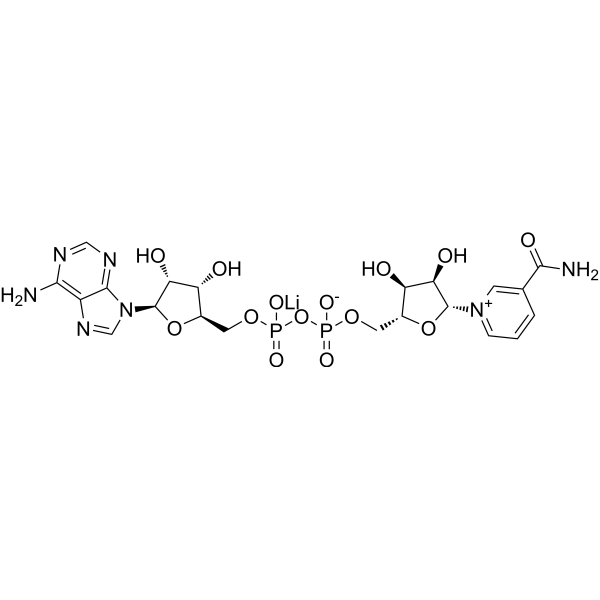
    NAD+ lithium (β-DPN lithium) is a lithium salt of nicotinamide adenine dinucleotide. NAD+ is a coenzyme in the REDOX reaction. NAD+ can directly or indirectly affect several key cellular functions, including metabolic pathways, DNA repair, chromatin remodeling, cell aging, and immune cell function .
    NAD+ lithium
  • HY-P2740B

    Endogenous Metabolite Metabolic Disease
    Alcohol dehydrogenase, yeast is an alcohol dehydrogenase expressed in yeast. It can catalyze the conversion between ethanol and acetaldehyde, while also reducing NAD or NADP, and it plays a role in glycolysis and aerobic respiration .
    Alcohol dehydrogenase, yeast
  • HY-P2725

    Endogenous Metabolite Metabolic Disease
    Glycerol dehydrogenase is a polyol dehydrogenase that catalyzes the NAD-dependent oxidation of glycerol to dihydroxyacetone. Glycerol dehydrogenase can be used for glycerol metabolism in diverse microorganisms .
    Glycerol dehydrogenase
  • HY-P2964

    Endogenous Metabolite Metabolic Disease
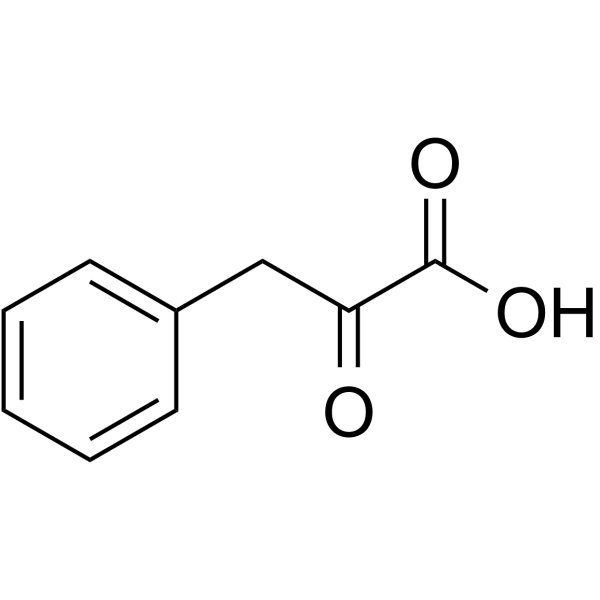
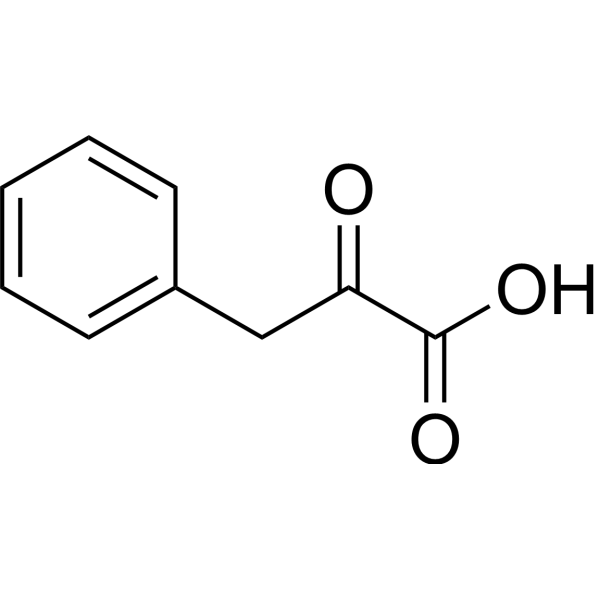
    Phenylalanine dehydrogenase is an NAD +-dependent oxidoreductase targeting L-phenylalanine. Phenylalanine dehydrogenase catalyzes deamination to phenylpyruvate and NADH as part of amino acid metabolism regulation. Phenylalanine dehydrogenase is promising for research of phenylketonuria (PKU) .
    Phenylalanine dehydrogenase
  • HY-P2993

    ICDH; IDH

    Isocitrate Dehydrogenase (IDH) Metabolic Disease Cancer
    Isocitrate dehydrogenase, Porcine heart (ICDH) is a citric acid or tricarboxylic acid cycle enzyme, is often used in biochemical studies. Isocitrate dehydrogenase catalyzes the oxidative decarboxylation of isocitrate to α-ketoglutarate and reduces NAD(P) + to NAD(P)H, it plays important roles in cellular metabolism .
    Isocitrate dehydrogenase, Porcine heart
  • HY-P2765A

    GPDH, microorganism; α-Glycerophosphate dehydrogenase, microorganism; Glycerol phosphate dehydrogenase, microorganism

    Endogenous Metabolite Metabolic Disease
    Glycerol-3-phosphate dehydrogenase, microorganism (GPDH, microorganism) is an enzyme that catalyzes the reversible redox conversion of dihydroxyacetone phosphate to sn-glycerol 3-phosphate.Glycerol-3-phosphate dehydrogenase is a glycolytic enzyme and is responsible for the re-oxidation of NADH to NAD + and energy supply .
    Glycerol-3-phosphate dehydrogenase, microorganism
  • HY-E70410

    NAD+ Synthetase; Nicotinamide adenine dinucleotide synthetase

    Endogenous Metabolite Neurological Disease Metabolic Disease Cancer
    NAD synthetase is responsible for the final step in the synthesis of nicotinamide adenine dinucleotide (NAD). The Km values for NAD, ATP, and ammonia of NAD synthetase from Escherichia coli are 200 μM, 11 μM, and 0.65 μM, respectively, while the Km values for NAD, ATP, and ammonia of NAD synthetase from yeast are 170 μM, 190 μM, and 64 μM, respectively. NAD synthetase can be used for enzymatic assays to determine ATP, ammonia, urea, or creatinine, and is also suitable for enzymatic cycling methods. Additionally, NAD synthetase holds potential for research into metabolic diseases, cancer, aging, and neurodegenerative diseases .
    NAD Synthetase
  • HY-E70406

    CHDH-5

    Endogenous Metabolite Others
    Cholesterol Dehydrogenase, Nocardia sp. is an enzyme that uses nicotinamide adenine dinucleotide/nicotinamide adenine dinucleotide phosphate (NAD(P)) as its cofactor in oxidizing cholesterol to form cholest-4-en-3-one. This enzyme oxidizes the hydroxyl group at the 3 position of the sterol ring to form a ketone.
    Cholesterol Dehydrogenase, Nocardia sp.
  • HY-P2807K

    Endogenous Metabolite Metabolic Disease
    L-Lactate Dehydrogenase, bovine muscle is an oxidoreductase. L-Lactate Dehydrogenase, bovine muscle catalyzes the reversible conversion of lactate to pyruvate with the reduction of NAD+ to NADH .
    L-Lactate Dehydrogenase, bovine muscle
  • HY-131829

    6-AE-NAD+

    Biochemical Assay Reagents Others
    N6-(2-Aminoethyl)-NAD+ (6-AE-NAD+) is a NAD+ derivative commonly used in affinity chromatography. N6-(2-Aminoethyl)-NAD+ can be covalently linked to a PQQ (pyrroloquinoline quinone) (HY-100196) monolayer on an electrode surface for immobilizing NAD+-dependent enzymes such as lactate dehydrogenase (LDH) .
    N6-(2-Aminoethyl)-NAD+
  • HY-134358

    CD38 Neurological Disease
    Ara-F-NAD+ is an arabino analogue of NAD +. Ara-F-NAD+ is a potent, reversible and slow-binding CD38 NADase inhibitor .
    Ara-F-NAD+
  • HY-P2807J

    Lactate Dehydrogenase Metabolic Disease
    L-Lactate Dehydrogenase (L-LDH), pig muscle is an L-lactate dehydrogenase found in pig muscle, mainly present in anaerobic tissues (skeletal muscle, red blood cells). L-Lactate Dehydrogenase (L-LDH), pig muscle can interact with acidic liposomes at low pH, causing protein to adsorb onto the liposomes and inhibit enzyme activity. The IC50 values for L-Lactate Dehydrogenase (L-LDH), pig muscle are 0.05 μM for cardiolipin and 1.3 μM for phosphatidylserine liposomes .
    L-Lactate Dehydrogenase (L-LDH), pig muscle
  • HY-B0445AR

    β-DPN sodium (Standard); β-NAD sodium (Standard); β-Nicotinamide Adenine Dinucleotide sodium (Standard)

    Endogenous Metabolite Reference Standards Metabolic Disease
    NAD sodium (Standard) is the analytical standard of NAD sodium. This product is intended for research and analytical applications. NAD (β-Nicotinamide Adenine Dinucleotide) sodium is an analogue of NAD. NAD sodium can be reduced to β-nicotinamide adenine dinucleotide (NADH) during coupling with reactions which oxidize organic substrates. NAD sodium can be converted to β-nicotinamide adenine dinucleotide (NADH) and passes to the inside of mitochondria that indirectly generates ATP .
    NAD sodium (Standard)
  • HY-125863A

    G6PD (Leuconostoc sp., recombinant)

    Endogenous Metabolite Metabolic Disease
    Glucose-6-phosphate dehydrogenase (Leuconostoc sp., recombinant) is an NADP-dependent enzyme in the pentose phosphate pathway, which is one of the ways glucose is metabolized. Glucose-6-phosphate dehydrogenase (Leuconostoc sp., recombinant) can be used to quantify ATP, glucose, and creatine kinase .
    Glucose-6-phosphate dehydrogenase (Leuconostoc sp., recombinant)
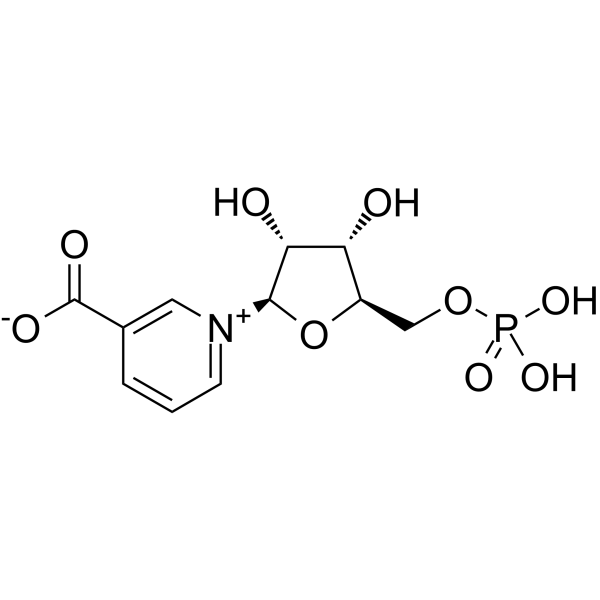
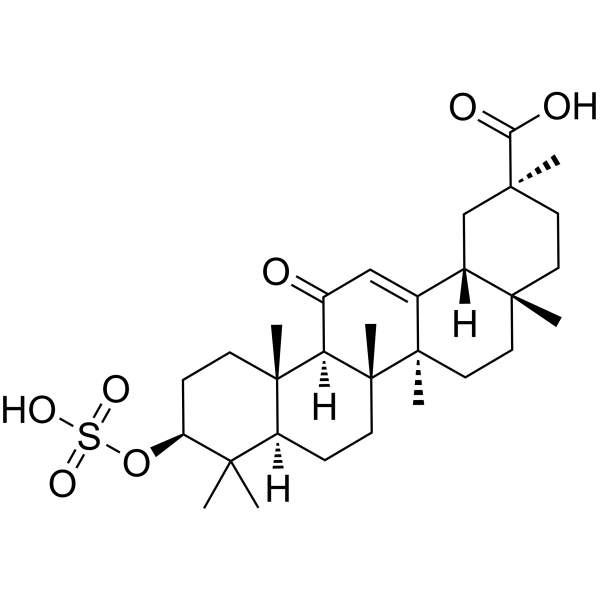
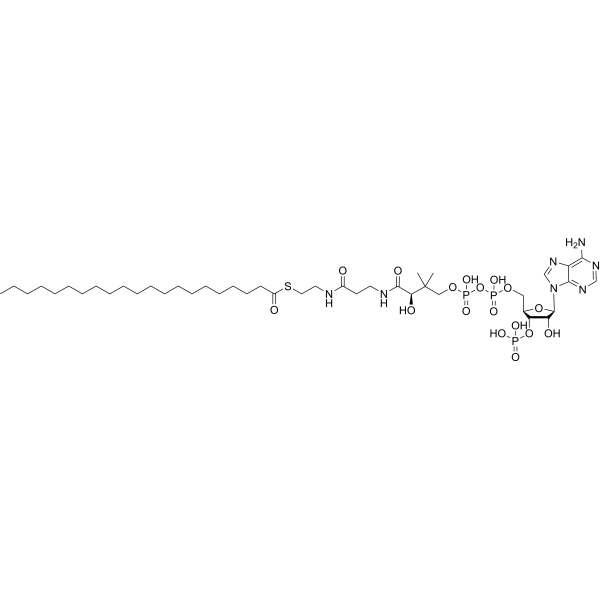
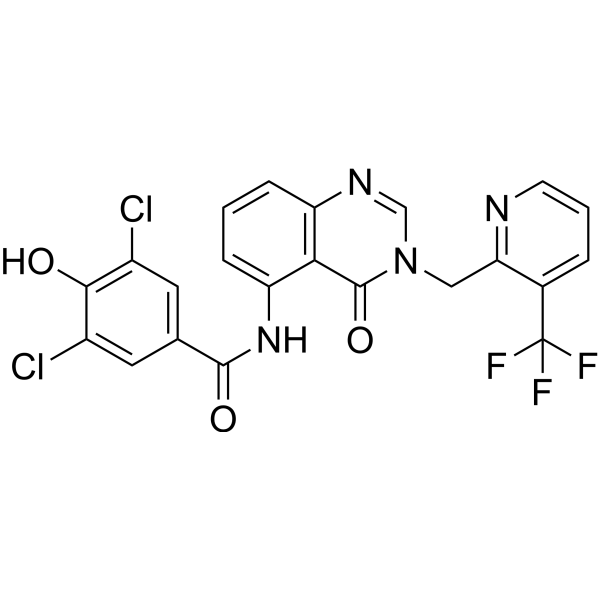
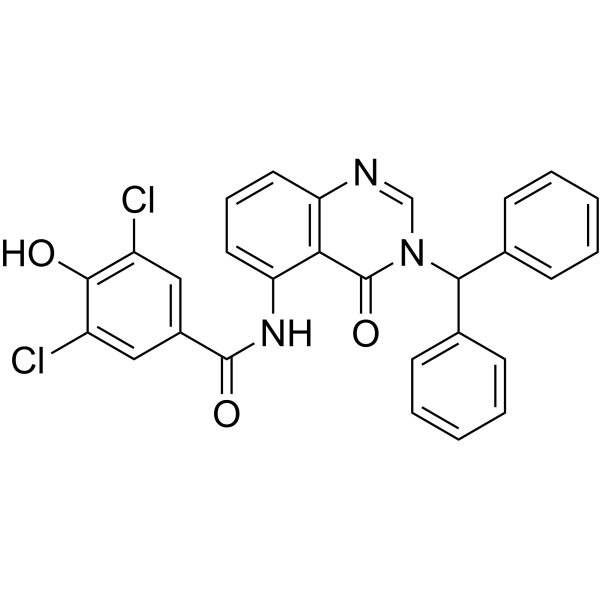
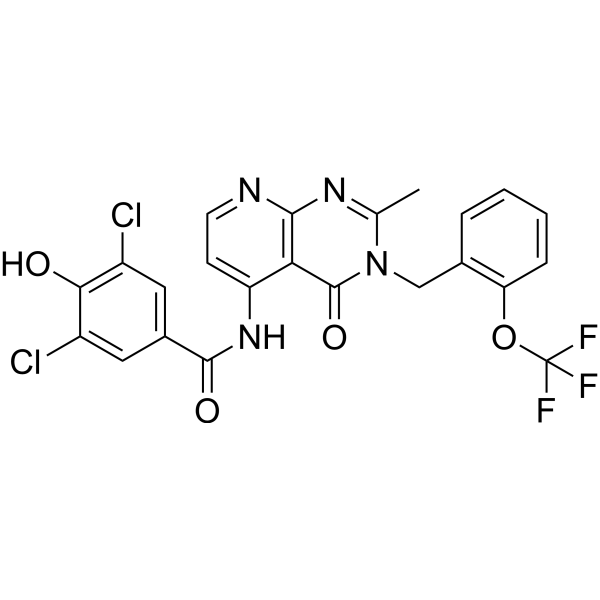
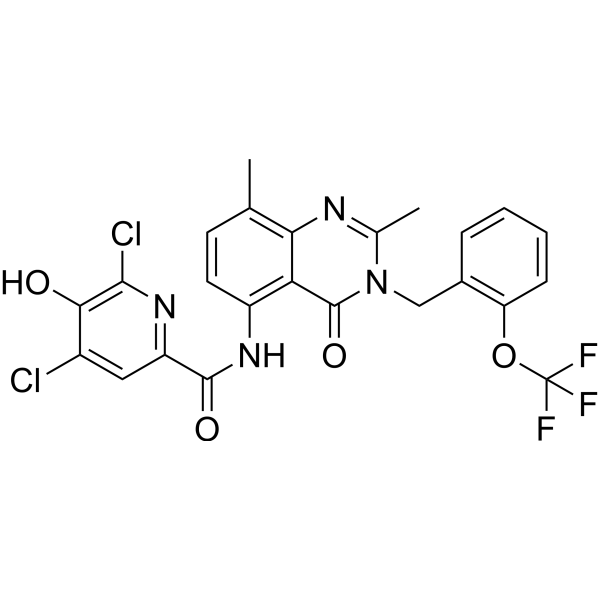
  • HY-E71715

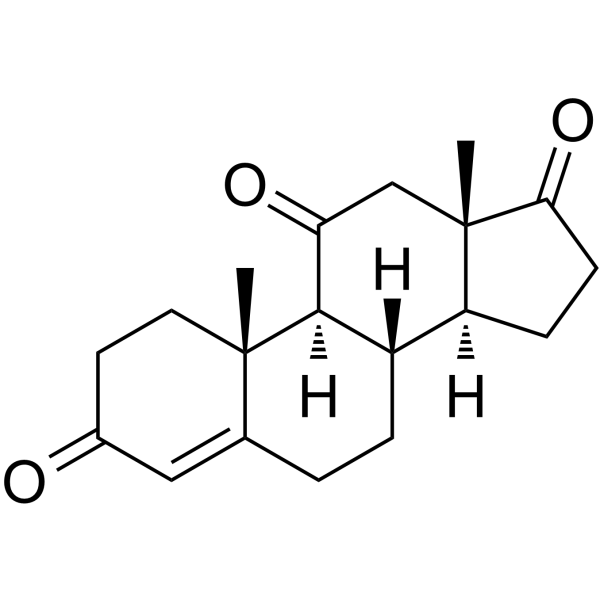
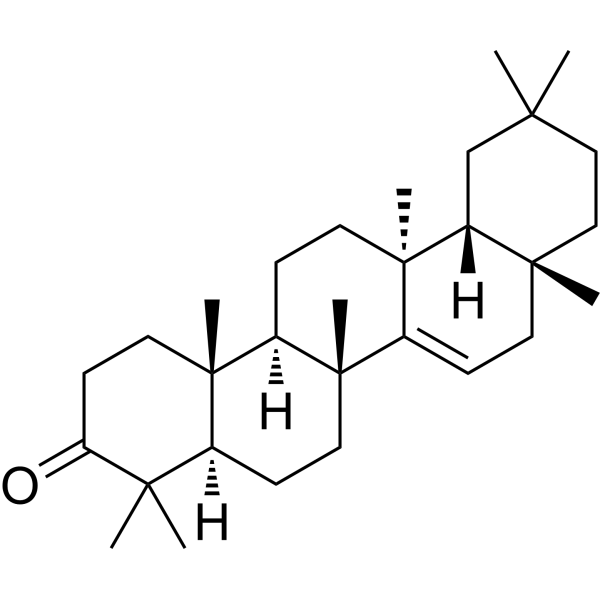
    3α-Hydroxycholanate dehydrogenase (NAD+)
  • HY-127127

    Endogenous Metabolite Others
    Deamino-NAD is a structural analog of NAD+ (HY-B0445). Deamino-NAD is involved in glycolysis as a substrate for rabbit muscle glyceraldehyde 3-phosphate dehydrogenase (GPDH), with a Km of 2300 pm, and a Kd of 112 pm .
    Deamino-NAD
  • HY-177842

    Liposome Metabolic Disease
    Liposomal NAD+ is a specialized delivery system that encapsulates NAD+ within tiny liposomes. These liposomes act as protective shells, enhancing the absorption and bioavailability of NAD+. NAD+ (β-Nicotinamide adenine dinucleotide), also known as Coenzym
    Liposomal NAD+
  • HY-131009A

    PARP Others
    Fluorescein-NAD+ sodium is an alternative to radiolabeled NAD and a substrate for ADP-ribosylation. Fluorescein-NAD+ sodium can be used in PARP assays by fluorescence microscopy. Extinction Coefficient: 262 nm.
    Fluorescein-NAD+ sodium
  • HY-137673

    NADH Dehydrogenase Others
    2'-Deoxy-NAD+ is a noncompetitive NAD+ inhibitor with a Ki of 32 μM. 2'-Deoxy-NAD+ can be utilized as a substrate to study the ADP-ribosyl transfer reaction .
    2'-Deoxy-NAD+
  • HY-131485A

    3-APAD, 95%; 3-Acetylpyridine NAD, 95%

    Lactate Dehydrogenase Metabolic Disease
    3-Acetylpyridine adenine dinucleotide, 95% (3-APAD, 95%)is an analog of nicotinamide adenine dinucleotide (NAD). 33-Acetylpyridine adenine dinucleotide, 95% collaboratively inhibits Lactate Dehydrogenase (LDH) with bisulfite .
    3-Acetylpyridine adenine dinucleotide, 95%
  • HY-P10457

    15-PGDH (92-105)

    15-PGDH Others
    5-Hydroxy prostaglandin dehydrogenase blocking peptide (15-PGDH (92-105)) is a blocking peptide that corresponds to the amino acids (AGVNNEKNWEKTLQ) located at positions 92-105 of the 15-hydroxy prostaglandin dehydrogenase (15-PGDH) sequence. 5-Hydroxy prostaglandin dehydrogenase blocking peptide can block the formation of protein-antibody complexes during immunohistochemical analysis of 15-PGDH .
    15-Hydroxy prostaglandin dehydrogenase blocking peptide
  • HY-E70238

    Nicotinamide 2-azidoadenine dinucleotide

    Glutamate Dehydrogenase (GLDH) Others
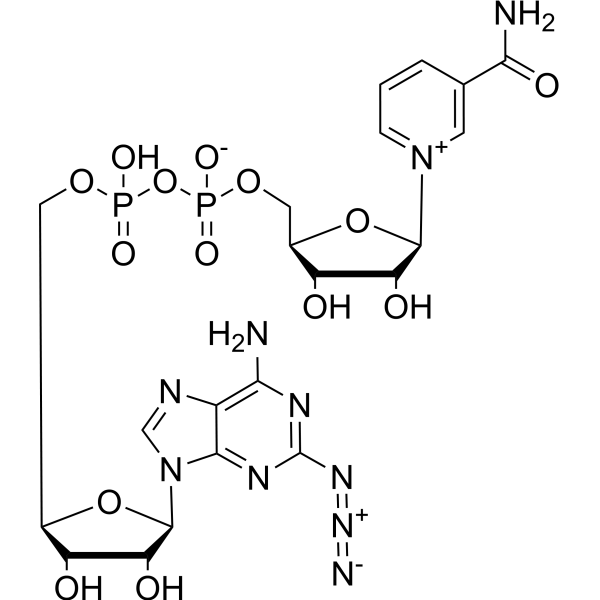
    2-Azido-NAD is a NAD + analog that can be used for visualization of intracellular Poly(ADP ribos)ylation (PARylation) processes .
    2-Azido-NAD
  • HY-E71715A

    3α-Hydroxycholanate dehydrogenase (NADP+)
  • HY-E70412

    Endogenous Metabolite Metabolic Disease
    Galactose 1-dehydrogenase, E.coli is a dehydrogenase expressed in E. coli. Galactose 1-dehydrogenase, E.coli catalyzes the oxidation of L-arabinose and D-galactose using NADP +/NAD + as cofactors. Galactose 1-dehydrogenase, E.coli can be used in diagnostic tests to determine total galactose content and can also serve as a biocatalyst for producing galacturonate .
    Galactose 1-dehydrogenase, E.coli
  • HY-127127A

    Aldehyde Dehydrogenase (ALDH) Endogenous Metabolite Metabolic Disease
    Deamino-NAD sodium is a structural analog of NAD+ (HY-B0445). Deamino-NAD sodium is involved in glycolysis as a substrate for rabbit muscle glyceraldehyde 3-phosphate dehydrogenase (GPDH), with a Km of 2300 pm, and a Kd of 112 pm .
    Deamino-NAD sodium
  • HY-P2993A

    ICDH, Microorganism; IDH, Microorganism

    Isocitrate Dehydrogenase (IDH) Metabolic Disease
    Isocitrate dehydrogenase, Microorganism (IDH) (EC 1.1.1.42) is a citric acid or tricarboxylic acid cycle enzyme, is often used in biochemical studies. Isocitrate dehydrogenase catalyzes the oxidative decarboxylation of isocitrate to α-ketoglutarate and reduces NAD(P) + to NAD(P)H, it plays important roles in cellular metabolism .
    Isocitrate dehydrogenase, Microorganism

Inquiry Online

Your information is safe with us. * Required Fields.

Salutation


Country or Region *

Applicant Name *


Organization Name *

Department *


Email Address *


Product Name *

Cat. No.


Requested quantity *

Phone Number *


Remarks

Inquiry Online

Inquiry Information

Product Name:
Cat. No.:
Quantity:
MCE Japan Authorized Agent: