



Nitro blue tetrazolium chloride
Based on 8 publication(s) in Google Scholar
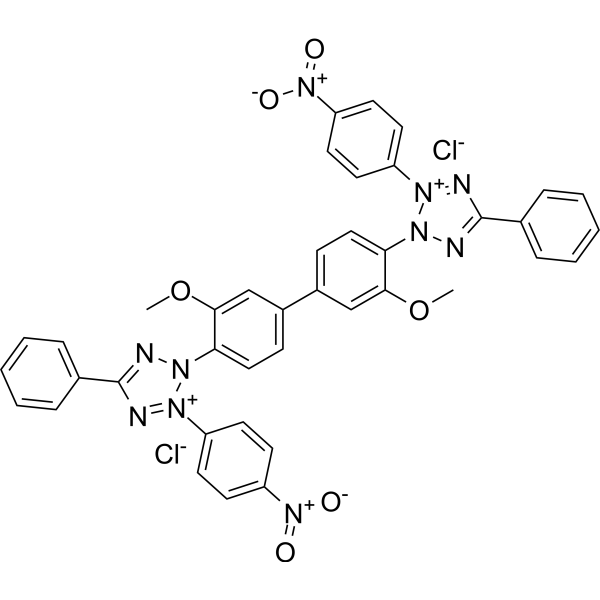
Nitro blue tetrazolium chloride (NBT) is a substrate for dehydrogenases; is used with the alkaline phosphatase substrate 5-Bromo-4-Chloro-3-Indolyl Phosphate (BCIP) in western blotting and immunohistological staining procedures.
For research use only. We do not sell to patients.
- Purity : 99.82%
- CAS No.: 298-83-9
- Formula: C40H30Cl2N10O6
- Molecular Weight:817.64
-
Storage:
4°C, sealed storage, away from moisture and light
* In solvent : -80°C, 6 months; -20°C, 1 month (sealed storage, away from moisture and light)

To place orders, for customer services and technical support, please contact: MedChemExpress USA
Tel: 609-228-6898 E-mail: [email protected] [email protected]


-
 Biological Activity
-
Chemical Information
-
Solvent & Solubility
- Protocols
- Purity & Documentation
- References
-
 Help & FAQs


-
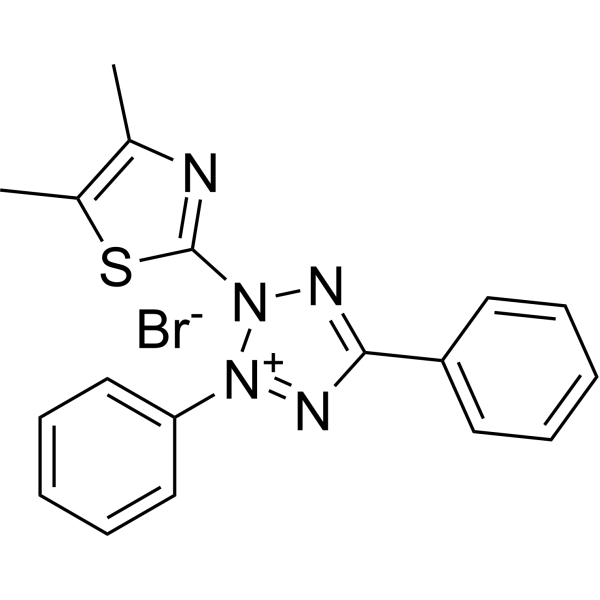
HY-15924
Thiazolyl BlueCytotoxicity Detection Reagent -
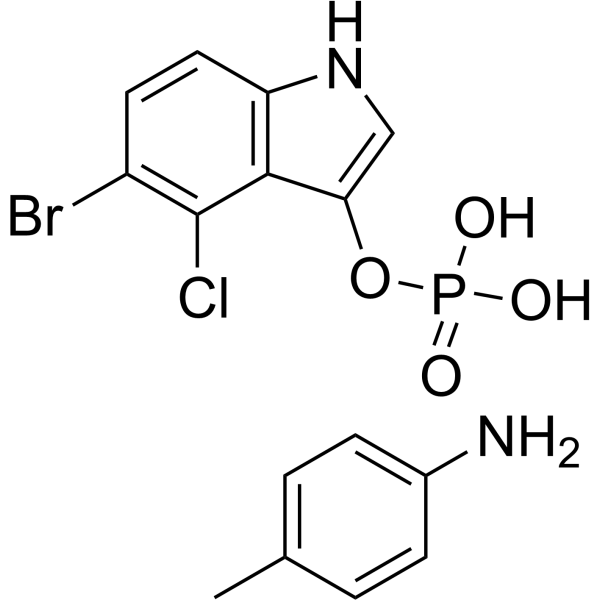
HY-15909
BCIPChromogenic Substrate -
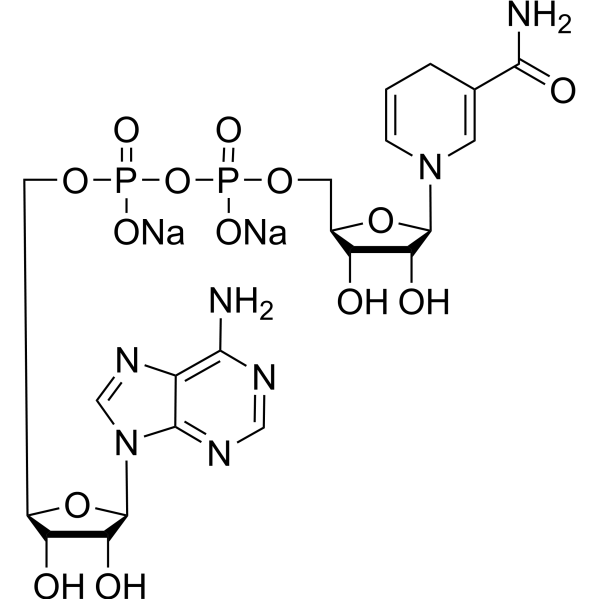
HY-F0001
NADH disodium saltReduced Coenzyme -
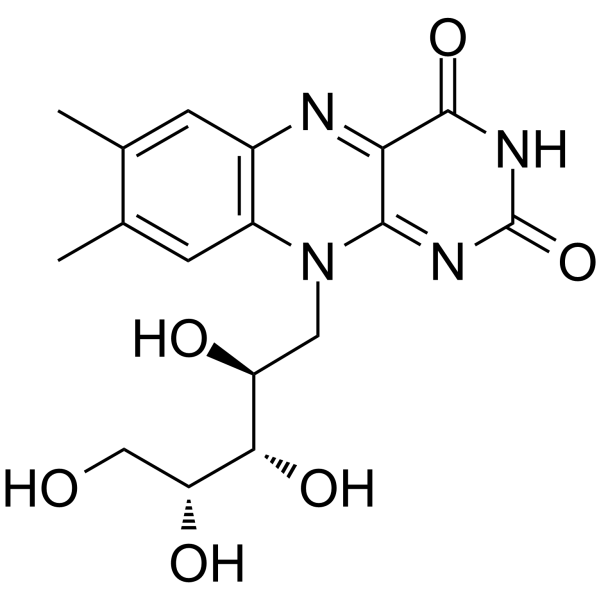
HY-B0456
RiboflavinVitamin B2 -
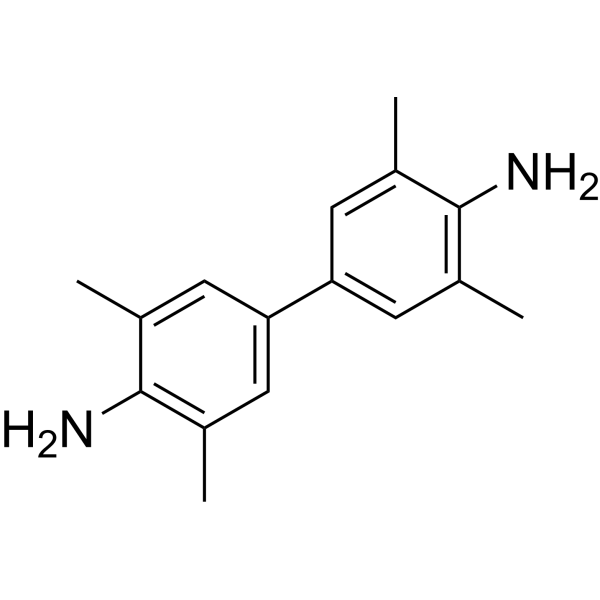
HY-15930
TMBChromogenic Agent -
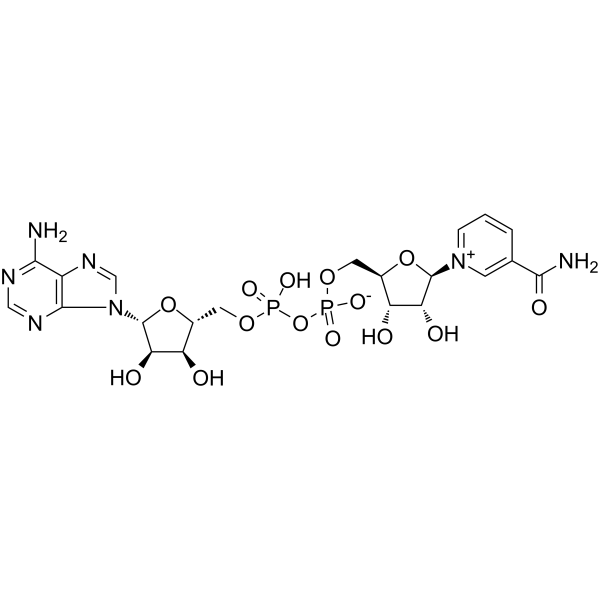
HY-B0445
NAD+Endogenous Metabolite -
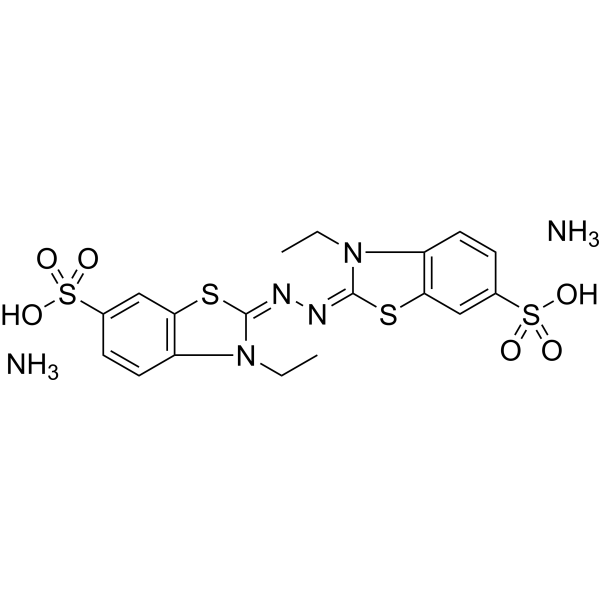
HY-15902
ABTS diammonium saltHRP Substrate -
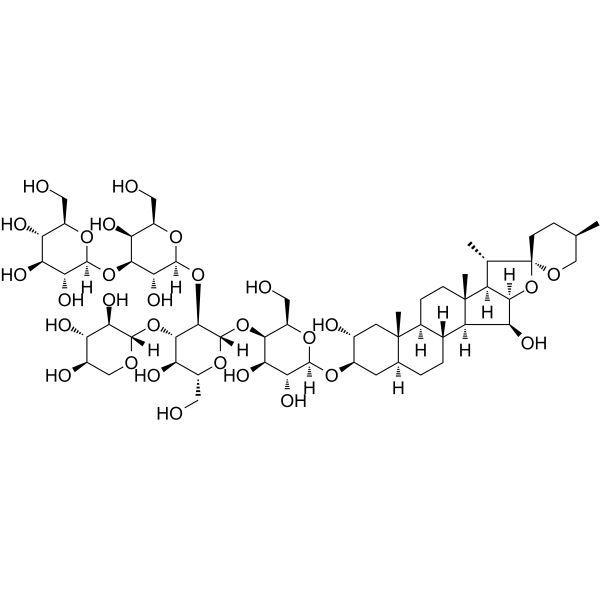
HY-N4000
DigitoninDetergent -
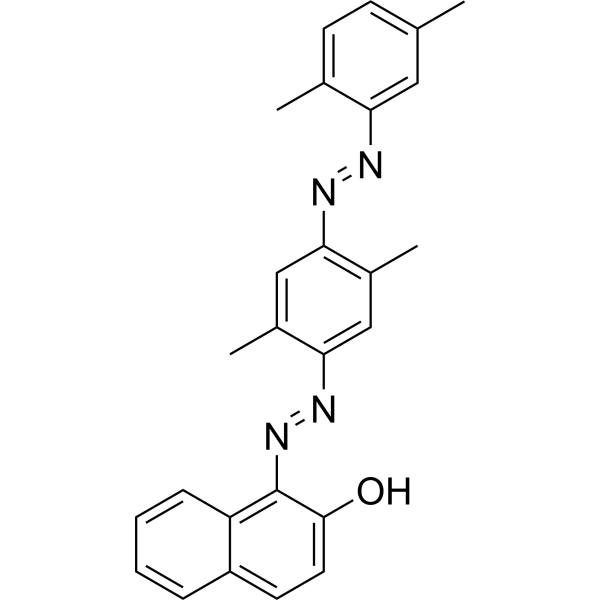
HY-D1168
Oil Red ODiazol Dye -
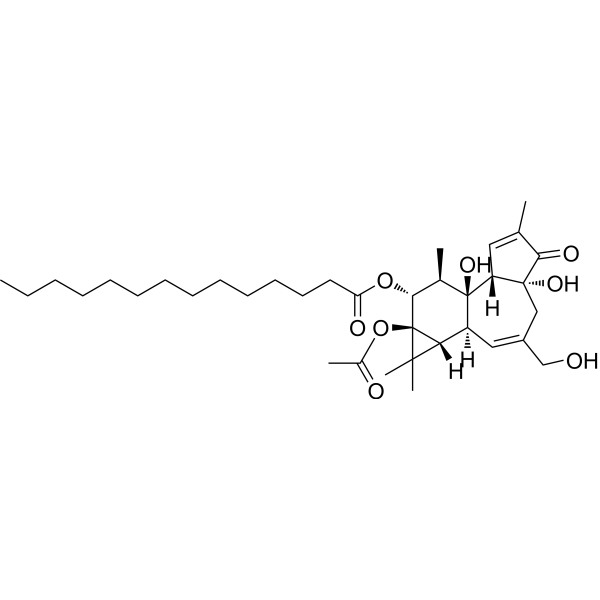
HY-18739
Phorbol 12-myristate 13-acetatePKC Activator -
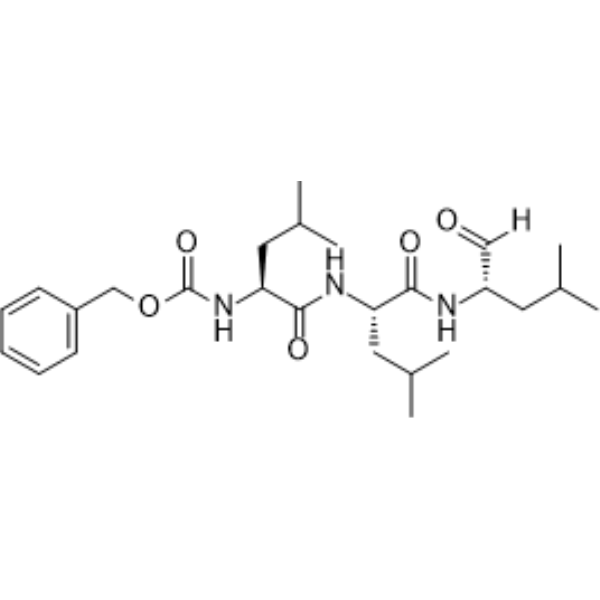
HY-13259
MG-132Proteasome Inhibitor -
HY-D0079
DihydroethidiumFluorescent
Publications Citing Use of MedChemExpress (MCE) Nitro blue tetrazolium chloride
More Customer Validation & Images

-
Cell Imaging/Staining
-
Histological Imaging/Staining
-
Histological Imaging/Staining
-
Cell Imaging/Staining


Biological Activity
Description
In Vitro
Guidelines (The following is our recommended experimental protocol. This protocol is for reference only, and specific operations should be adjusted according to your actual needs).
NBT and BCIP staining protocol
1. Materials
Dimethylformamide (DMF, HY-Y0345).
Nitro blue tetrazolium chloride (NBT, HY-15925) stock solution: Dissolve 0.5 g NBT in 10 mL 70% aqueous DMF.
BCIP stock solution: Dissolve 0.5 g BCIP in 10 mL 100% DMF.
Substrate Buffer: 100 mM diethanolamine buffer (pH 9.5) containing 100 mM NaCl and 5 mM MgCl2.
2. Methods
2.1 To prepare the NBT/BCIP solution, add 66 μL NBT stock solution to 10 mL Substrate Buffer and mix thoroughly. Add 33 μL BCIP stock solution to the mixture. Use the NBT/BCIP solution within 1 hour.
2.2 Place the blot into an appropriate container and add the NBT/BCIP solution. Use 10 mL solution for a 15 × 15 cm2 membrane.
Agitate at room temperature and incubate the blot until the bands develop to the desired darkness. Typically, about 30 minutes is required.
2.3 Remove the NBT/BCIP solution and rinse the blot with water to stop the reaction.
MedChemExpress (MCE) has not independently confirmed the accuracy of these methods. They are for reference only.


Chemical Information
-
CAS No. 298-83-9
-
Appearance Solid
-
Molecular Weight 817.64
-
Formula C40H30Cl2N10O6
-
Color Light yellow to yellow
-
SMILES
COC1=CC(C2=CC=C(N3N=C(C4=CC=CC=C4)N=[N+]3C5=CC=C([N+]([O-])=O)C=C5)C(OC)=C2)=CC=C1N6N=C(C7=CC=CC=C7)N=[N+]6C8=CC=C([N+]([O-])=O)C=C8.[Cl-].[Cl-]
-
Synonyms
NBT
-
Shipping
Room temperature in continental US; may vary elsewhere.
-
Storage
4°C, sealed storage, away from moisture and light
* In solvent : -80°C, 6 months; -20°C, 1 month (sealed storage, away from moisture and light)


Publications (8)
-
Journal Impact Factor
-
Most Recent
-
Nat Commun
METTL3 promotes tumour development by decreasing APC expression mediated by APC mRNA N6-methyladenosine-dependent YTHDF binding. [Abstract]2021 Jun 21;12(1):3803. PMID: 34155197 -
Cell Death Dis
WNT/β-catenin-suppressed FTO expression increases m6A of c-Myc mRNA to promote tumor cell glycolysis and tumorigenesis. [Abstract]2021 May 8;12(5):462. PMID: 33966037
Nitro blue tetrazolium chloride purchased from MedChemExpress. Usage Cited in: Cell Death Dis. 2021 May 8;12(5):462. [Abstract]
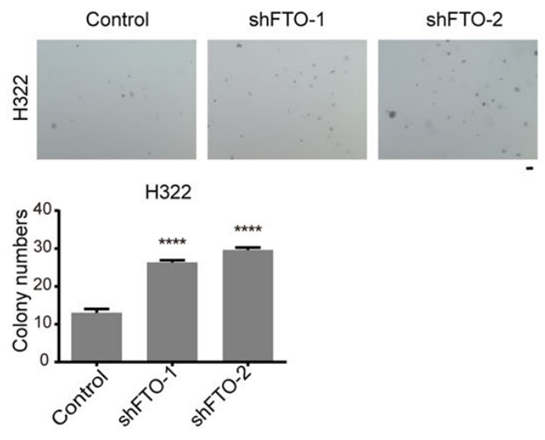
H322 cells (1 × 10⁴) with or without FTO depletion by two different shRNAs (shFTO-1 and shFTO-2) were cultured in soft agar for 3 weeks and then were stained with Nitro blue tetrazolium chloride solution (200 μL/ well) and incubated overnight at 37 °C. Cell clones were stained and counted from six different fields under a microscope. Scale bar: 100 μm.
-
-
Eur J Med Chem
Halogenated retinoid derivatives as dual RARα and RXRα modulators for treating acute promyelocytic leukemia cells. [Abstract]2024 Nov 5:277:116779. PMID: 39163777
Nitro blue tetrazolium chloride purchased from MedChemExpress. Usage Cited in: Eur J Med Chem. 2024 Nov 5:277:116779. [Abstract]
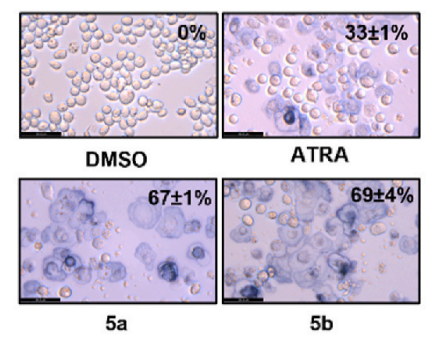
The Nitro blue tetrazolium chloride (NBT, 0.25 mg/mL; 30 min) test of NB4 cells treated with DMSO, ATRA (0.5 μM), 5a (0.5 μM) or 5b (0.5 μM) for 6 days. The percentage of NBT positive cells was shown. Scale bar, 56.3 μm.
-
J Plant Physiol
Identification of Brassica rapa BrEBF1 homologs and their characterization in cold signaling. [Abstract]2023 Sep:288:154076. PMID: 37657305
Nitro blue tetrazolium chloride purchased from MedChemExpress. Usage Cited in: J Plant Physiol. 2023 Sep:288:154076. [Abstract]
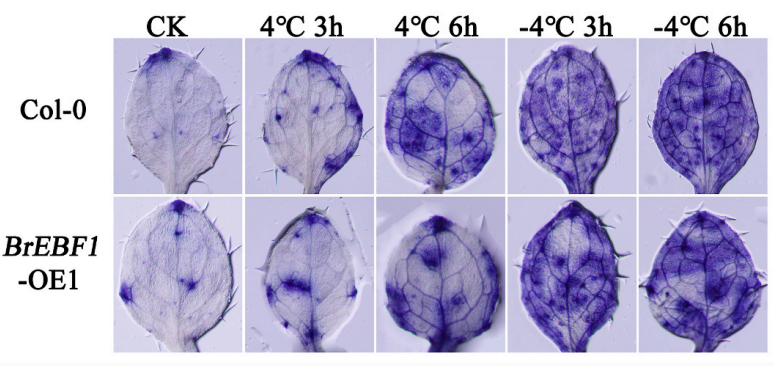
ROS accumulation in BrEBF1 transgenic plants was detected with Nitro blue tetrazolium chloride (NBT) staining. The leaves were infiltrated with nitroblue tetrazolium (NBT) (0.1% NBT in 10 mM sodium azide and 10 mM phosphate buffer, pH 7.8) overnight.
-
-
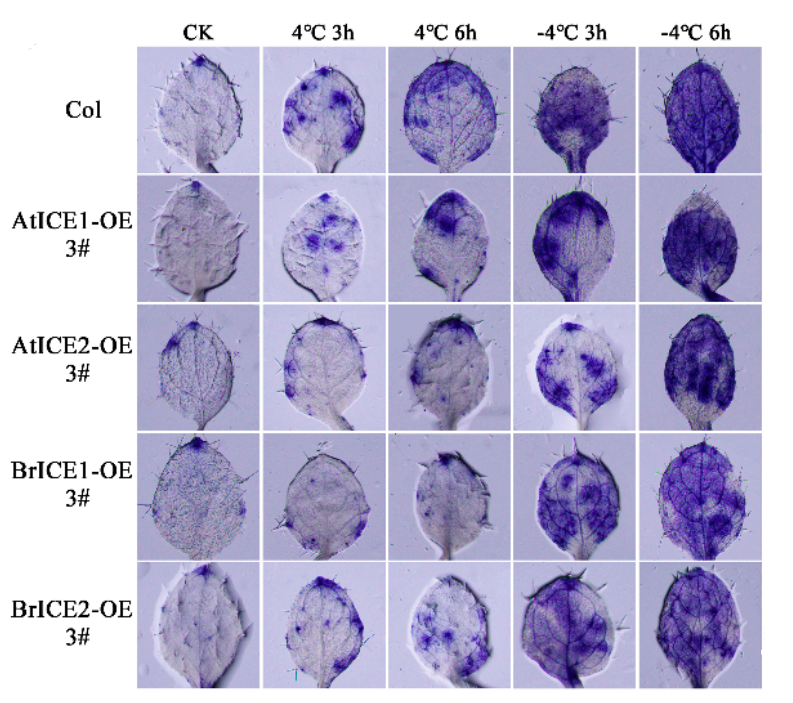
Nitro blue tetrazolium chloride purchased from MedChemExpress. Usage Cited in: Preprints. 2024 Sep 9.
Ten-day old seedlings were chilling and freezing treated 3 or 6 h, Leaves were then incubated in an Nitro blue tetrazolium chloride (NBT) solution (0.1% NBT in 10 mM sodium azide and 10 mM phosphate buffer, pH 7.8) overnight. The phenotype was photographed, and the activity of SOD, CAT, POD, O2-, MDA, soluble sugars, and proline content was detected. The phenotype of ROS accumulation.
-


Solvent & Solubility
In Vitro:
70%DMF : 100 mg/mL (122.30 mM; Need ultrasonic)
H2O : 8 mg/mL (9.78 mM; Need ultrasonic)
DMSO : 5 mg/mL (6.12 mM; ultrasonic and warming and heat to 60°C; Hygroscopic DMSO has a significant impact on the solubility of product, please use newly opened DMSO)
Please refer to the solubility information to select the appropriate solvent. Once prepared, please aliquot and store the solution to prevent product inactivation from repeated freeze-thaw cycles.
Storage method and period of stock solution: -80°C, 6 months; -20°C, 1 month (sealed storage, away from moisture and light). When stored at -80°C, please use it within 6 months. When stored at -20°C, please use it within 1 month.
* Note: If you choose water as the stock solution, please dilute it to the working solution, then filter and sterilize it with a 0.22 μm filter before use.
Please refer to the solubility information to select the appropriate solvent. Once prepared, please aliquot and store the solution to prevent product inactivation from repeated freeze-thaw cycles.
Storage method and period of stock solution: -80°C, 6 months; -20°C, 1 month (sealed storage, away from moisture and light). When stored at -80°C, please use it within 6 months. When stored at -20°C, please use it within 1 month.
* Note: If you choose water as the stock solution, please dilute it to the working solution, then filter and sterilize it with a 0.22 μm filter before use.
Concentration (start) × Volume (start) = Concentration (final) × Volume (final)


Purity & Documentation
-
Data Sheet (295 KB)
-
SDS (560 KB)
- English - EN (560 KB)
- Français - FR (560 KB)
- Deutsch - DE (560 KB)
- Norwegian - NO (560 KB)
- Español - ES (560 KB)
- Swedish - SV (560 KB)
- Italian - IT (560 KB)
- Korean - KR (560 KB)
- Portuguese - PT (560 KB)
-
Handling Instructions (2659 KB)
References


Complete Stock Solution Preparation Table
Please refer to the solubility information to select the appropriate solvent. Once prepared, please aliquot and store the solution to prevent product inactivation from repeated freeze-thaw cycles.
Storage method and period of stock solution: -80°C, 6 months; -20°C, 1 month (sealed storage, away from moisture and light). When stored at -80°C, please use it within 6 months. When stored at -20°C, please use it within 1 month.
| Optional Solvent | Concentration Solvent Mass | 1 mg | 5 mg | 10 mg | 25 mg |
|---|---|---|---|---|---|
| DMSO / H2O / 70%DMF | 1 mM | 1.2230 mL | 6.1152 mL | 12.2303 mL | 30.5758 mL |
| 5 mM | 0.2446 mL | 1.2230 mL | 2.4461 mL | 6.1152 mL | |
| 70%DMF | 10 mM | 0.1223 mL | 0.6115 mL | 1.2230 mL | 3.0576 mL |
| 15 mM | 0.0815 mL | 0.4077 mL | 0.8154 mL | 2.0384 mL | |
| 20 mM | 0.0612 mL | 0.3058 mL | 0.6115 mL | 1.5288 mL | |
| 25 mM | 0.0489 mL | 0.2446 mL | 0.4892 mL | 1.2230 mL | |
| 30 mM | 0.0408 mL | 0.2038 mL | 0.4077 mL | 1.0192 mL | |
| 40 mM | 0.0306 mL | 0.1529 mL | 0.3058 mL | 0.7644 mL | |
| 50 mM | 0.0245 mL | 0.1223 mL | 0.2446 mL | 0.6115 mL | |
| 60 mM | 0.0204 mL | 0.1019 mL | 0.2038 mL | 0.5096 mL | |
| 80 mM | 0.0153 mL | 0.0764 mL | 0.1529 mL | 0.3822 mL | |
| 100 mM | 0.0122 mL | 0.0612 mL | 0.1223 mL | 0.3058 mL |
* Note: If you choose water as the stock solution, please dilute it to the working solution, then filter and sterilize it with a 0.22 μm filter before use.


Nitro blue tetrazolium chloride Related Classifications
HY-15925 Related Classifications
 Powered by Bioz