



Nicotinamide-13C6

Based on 1 Customer Validation
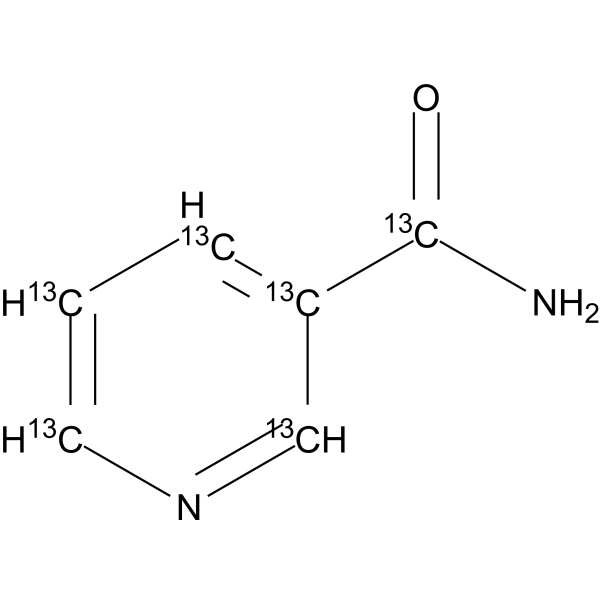
Nicotinamide-13C6 is the 13C-labeled Nicotinamide. Nicotinamide is a form of vitamin B3 that plays essential roles in cell physiology through facilitating NAD+ redox homeostasis and providing NAD+ as a substrate to a class of enzymes that catalyze non-redox reactions. Nicotinamide is an inhibitor of SIRT1.
For research use only. We do not sell to patients.
- Purity : 99.8%
- CAS No.: 2749910-55-0
- Formula: 13C6H6N2O
- Molecular Weight:128.08
-
Storage:
4°C, protect from light
* In solvent : -80°C, 6 months; -20°C, 1 month (protect from light)

To place orders, for customer services and technical support, please contact: MedChemExpress USA
Tel: 609-228-6898 E-mail: [email protected] [email protected]


-
 Biological Activity
-
Chemical Information
- Protocols
- Purity & Documentation
- References
-
 Help & FAQs


-
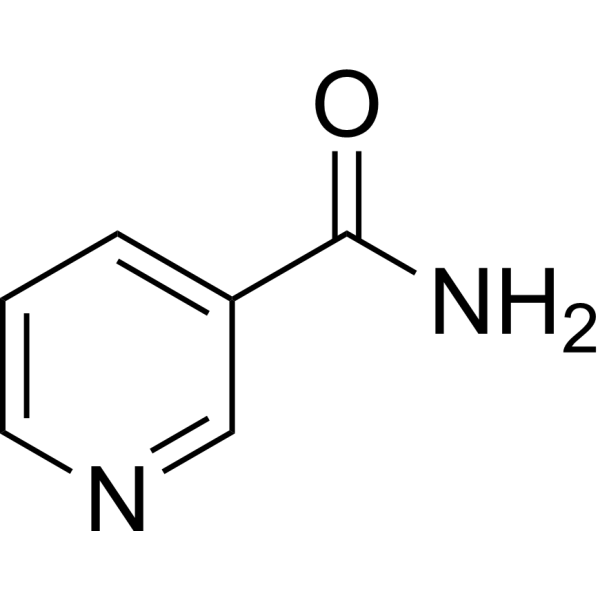
HY-B0150
NicotinamideSIRT Inhibitor -
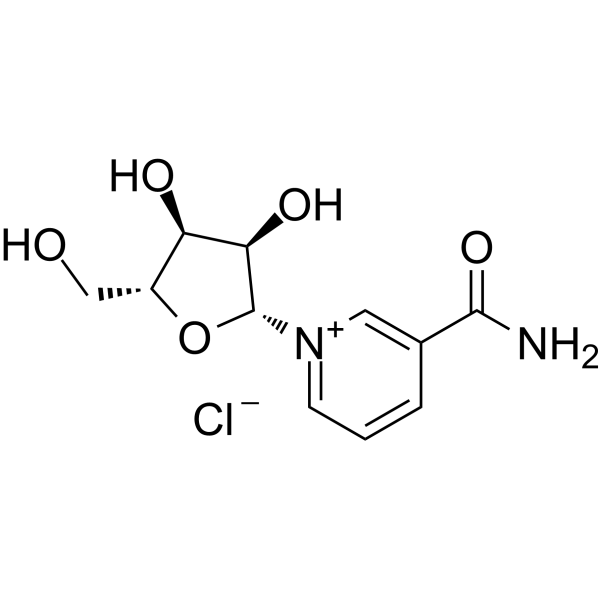
HY-123033A
Nicotinamide riboside chlorideEndogenous Metabolite -
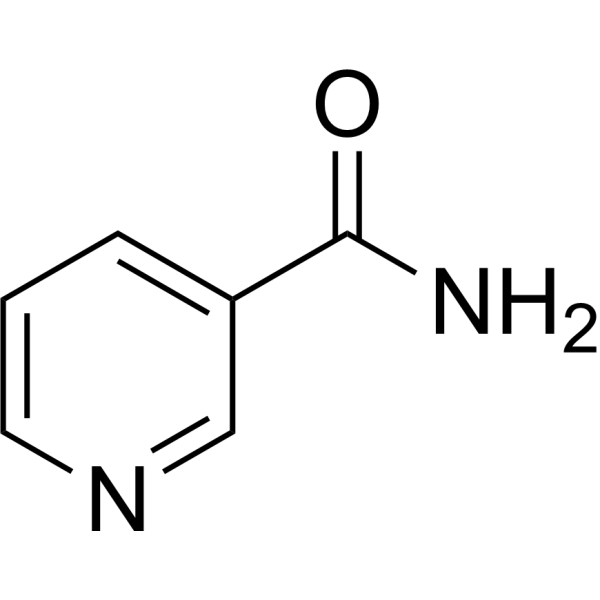
HY-B0150R
Nicotinamide (Standard) -
HY-N2673
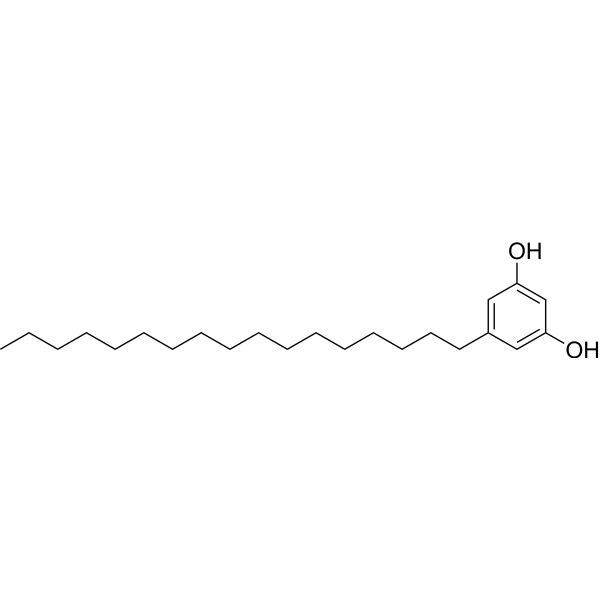
5-HeptadecylresorcinolMitochondrial Protector -
HY-107454
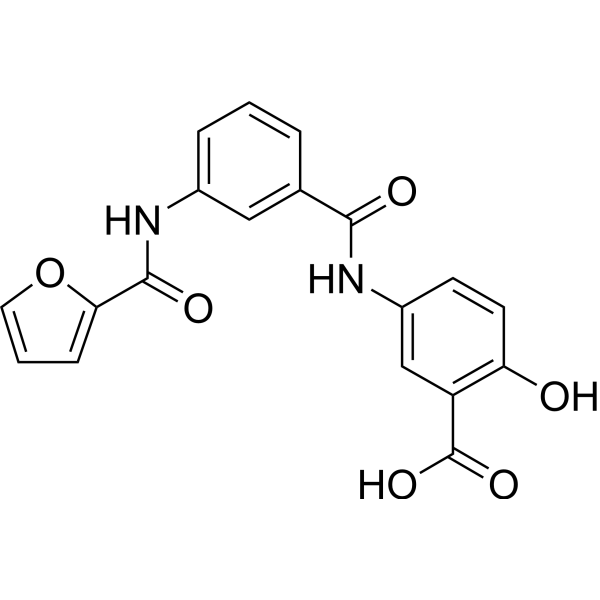
OSS_128167SIRT6 Inhibitor -

HY-123033AR
Nicotinamide riboside chloride (Standard)Endogenous Metabolite -
HY-146689
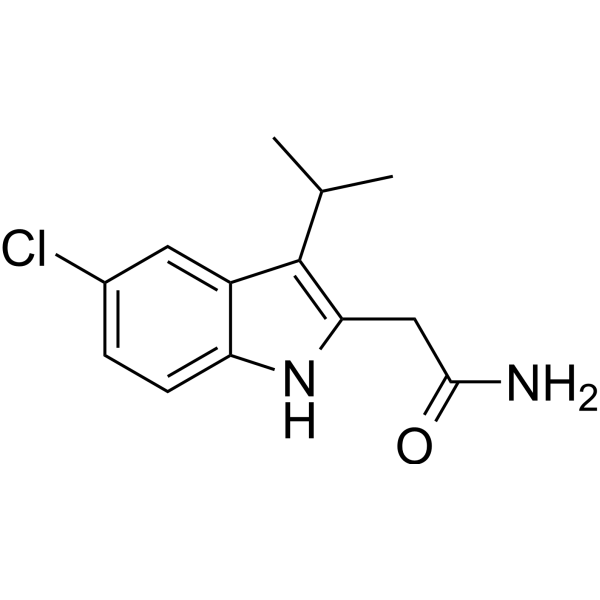
SIRT1-IN-2SIRT1 Inhibitor -
HY-N1511
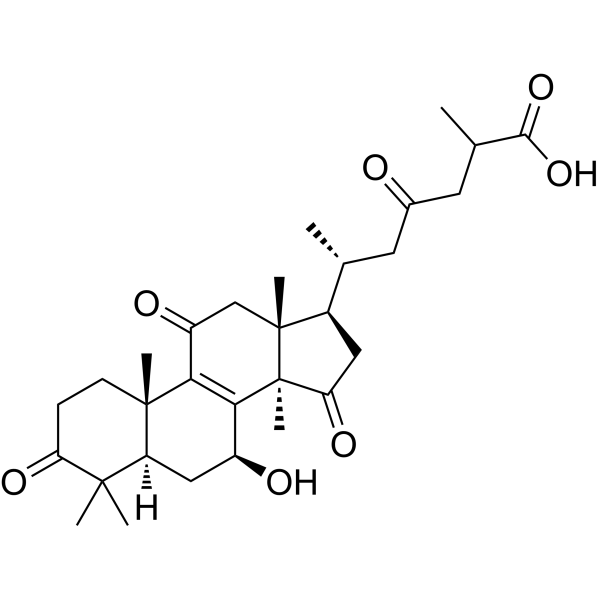
Ganoderic acid DApoptosis Inducer -
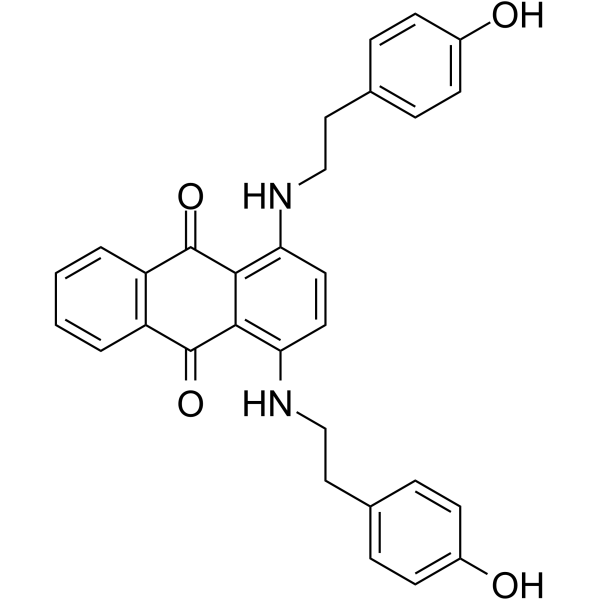
HY-108986
JFD00244SIRT2 Inhibitor -
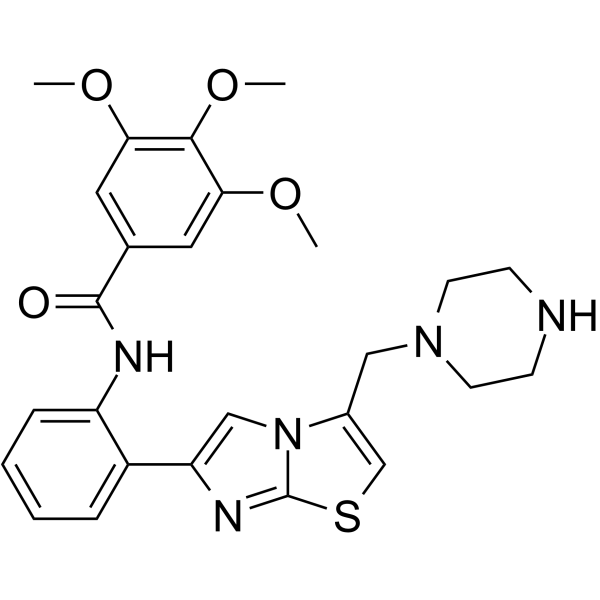
HY-124037
SRT 1460Sirtuin Activator -
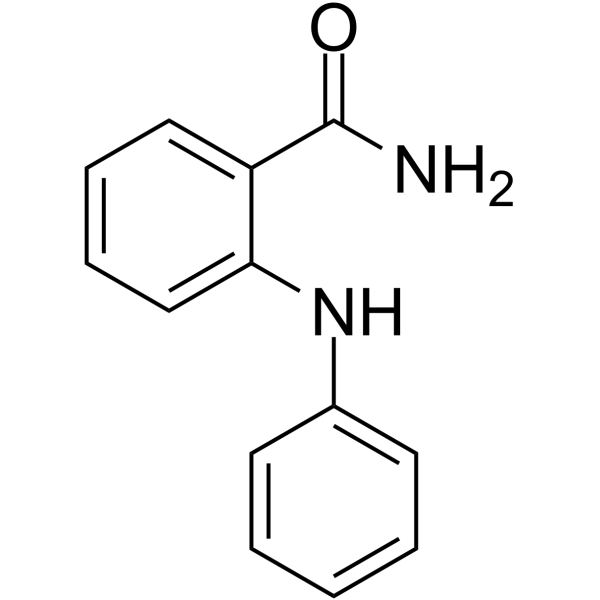
HY-133998
SIRT-IN-3SIRT Inhibitor -
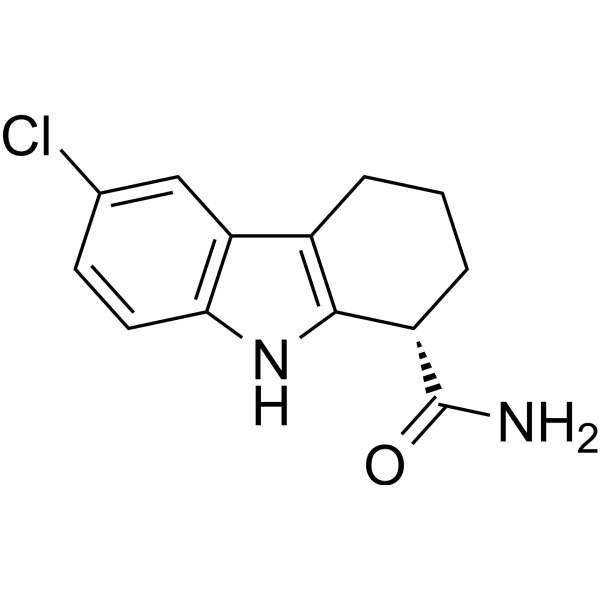
HY-15452A
(S)-SelisistatSIRT1 Inhibitor
All Endogenous Metabolite Isoforms
More

Biological Activity
Description
In Vitro
Stable heavy isotopes of hydrogen, carbon, and other elements have been incorporated into drug molecules, largely as tracers for quantitation during the drug development process. Deuteration has gained attention because of its potential to affect the pharmacokinetic and metabolic profiles of drugs[1].
MedChemExpress (MCE) has not independently confirmed the accuracy of these methods. They are for reference only. Further protocols information, click here.
Application
1. This compound can be used as a tracer
2. This compound can be used as an internal standard for quantitative analysis by NMR, GC-MS, or LC-MS.


Chemical Information
-
CAS No. 2749910-55-0
-
Unlabeled CAS 98-92-0
-
Appearance Solid
-
Molecular Weight 128.08
-
Formula 13C6H6N2O
-
Color White to off-white
-
SMILES
N[13C]([13C]1=[13CH][13CH]=[13CH]N=[13CH]1)=O
-
Synonyms
Niacinamide-13C6; Nicotinic acid amide-13C6
-
Shipping
Room temperature in continental US; may vary elsewhere.
-
Storage
4°C, protect from light
* In solvent : -80°C, 6 months; -20°C, 1 month (protect from light)

Protocols
-
ROS/oxidative-stress fluorescent staining
ROS/oxidative-stress fluorescent staining uses cell-permeant fluorogenic probes that become fluorescent after oxidation inside cells or tissues; commonly used examples include DCFH-DA/DCFDA for broad cellular oxidant detection, DHE for superoxide-related signal detection, MitoSOX for mitochondrial superoxide-related signal detection, and CellROX probes for oxidative-stress-associated fluorescence readouts. The assay detects probe oxidation rather than a single ROS species unless the probe and analysis method have been chemically validated for that species. DCFH-DA enters cells, is deacetylated by intracellular esterases to DCFH, and produces fluorescent DCF after oxidation, so the readout is used as an operational measure of total cellular oxidative stress rather than a species-specific ROS measurement. DHE and MitoSOX can report superoxide-related oxidation, but red fluorescence alone can include non-specific ethidium-like oxidation products; HPLC or optimized spectral approaches are
-
Directly Induced Neuron Culture
Directly induced neuron culture converts somatic cells, most commonly fibroblasts, into induced neurons without passing through a pluripotent or neural progenitor stage; classic evidence shows that mouse fibroblasts can be converted by Ascl1, Brn2/Pou3f2, and Myt1l, human fibroblasts can be converted by defined neuronal transcription factors, and human fibroblasts can also be converted by miR-9/9-124 with neurogenic or subtype-specifying transcription factors. The readout is acquisition of neuronal identity and function, assessed by neuronal morphology, neuronal markers such as Tuj1/βIII-tubulin, MAP2, synapsin, and subtype markers when relevant, together with functional assays such as action-potential firing, synaptic activity, and electrophysiology.


Purity & Documentation
-
Data Sheet (269 KB)
-
SDS (394 KB)
- English - EN (394 KB)
- Français - FR (394 KB)
- Deutsch - DE (394 KB)
- Norwegian - NO (394 KB)
- Español - ES (394 KB)
- Swedish - SV (394 KB)
- Italian - IT (394 KB)
- Korean - KR (394 KB)
- Portuguese - PT (394 KB)
-
Handling Instructions (2659 KB)
References
[1]. Russak EM, et al. Impact of Deuterium Substitution on the Pharmacokinetics of Pharmaceuticals. Ann Pharmacother. 2019;53(2):211-216. [Content Brief]
[2]. Bhansali SG, et al. Nicotinamide prevents apoptosis in human cortical neuronal cells. Toxicol Mech Methods. 2006;16(4):173-80. [Content Brief]
[3]. Roslan J, et al. Quercetin ameliorates oxidative stress, inflammation and apoptosis in the heart of streptozotocin-nicotinamide-induced adult male diabetic rats. Biomed Pharmacother. 2016 Dec 24;86:570-582 [Content Brief]
[4]. Fushima T, et al. Nicotinamide ameliorates a preeclampsia-like condition in mice with reduced uterine perfusion pressure. Am J Physiol Renal Physiol. 2016 Dec 7:ajprenal.00501.2016 [Content Brief]
[5]. Suzuki E, et al. Protective effect of nicotinamide against poly(ADP-ribose) polymerase-1-mediated astrocyte death depends on its transporter-mediated uptake. Life Sci. 2010 Apr 24;86(17-18):676-82. [Content Brief]
[6]. Peck B, et al. SIRT inhibitors induce cell death and p53 acetylation through targeting both SIRT1 and SIRT2. Mol Cancer Ther. 2010 Apr;9(4):844-55. [Content Brief]

Calculators
Concentration (start) × Volume (start) = Concentration (final) × Volume (final)


Nicotinamide-13C6 Related Classifications
HY-B0150S2 Related Classifications
 Powered by Bioz