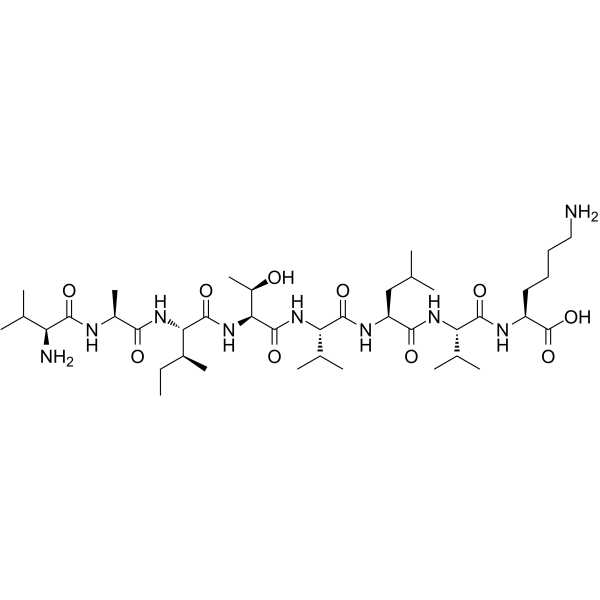
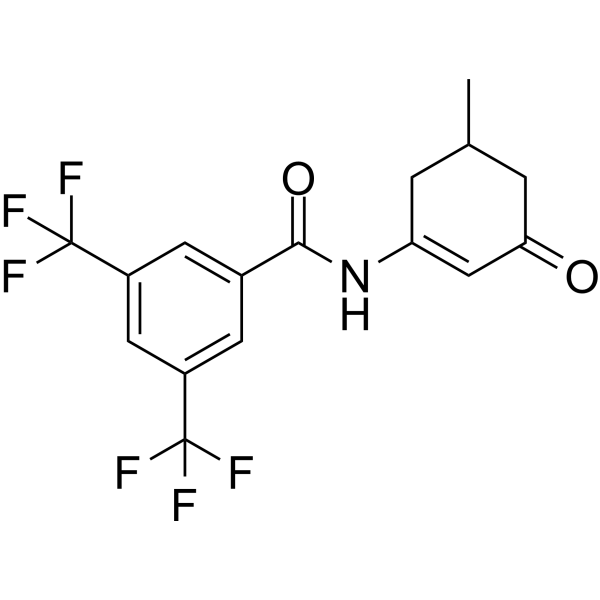
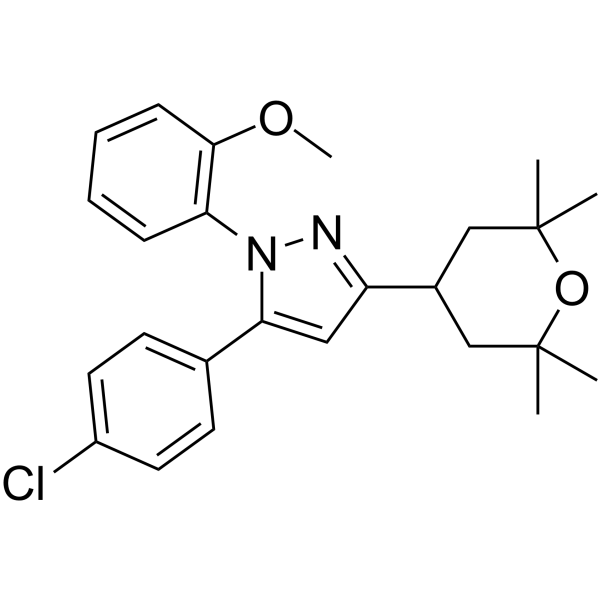
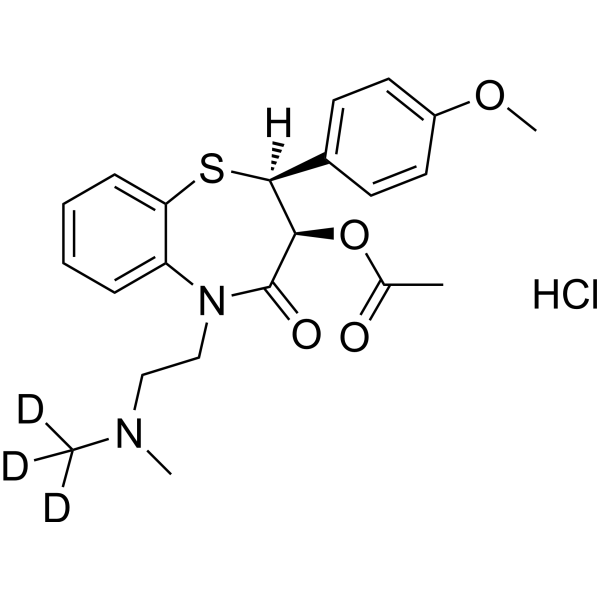
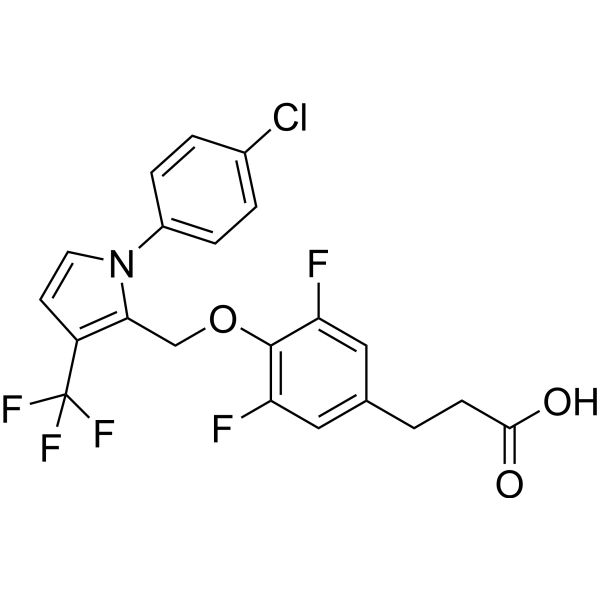
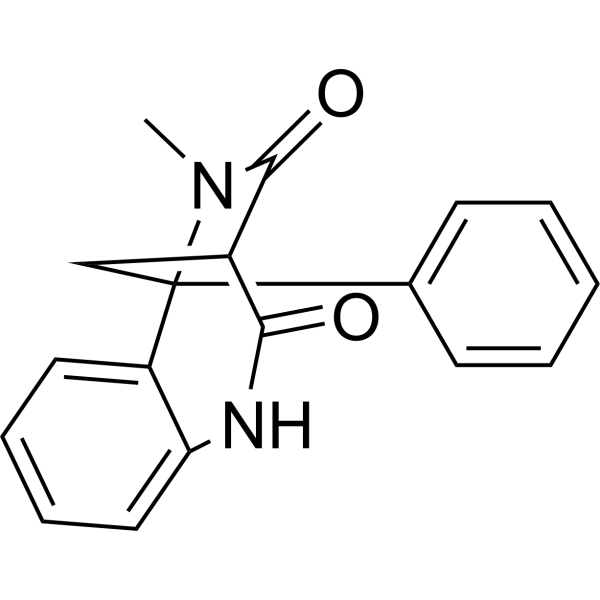
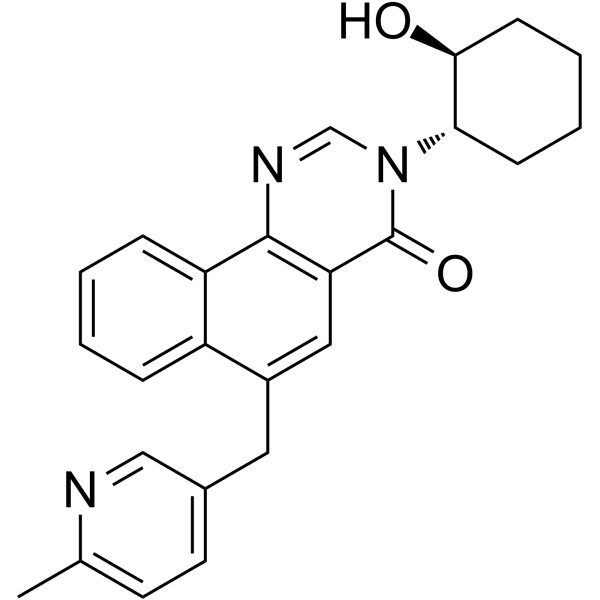
1. Search Result
Search Result
Results for "

calcium+ion

" in MedChemExpress (MCE) Product Catalog:

1708

Inhibitors & Agonists

10

Screening Libraries

63

Fluorescent Dyes

143

Biochemical Assay Reagents

145

Peptides

7

MCE Kits

7

Inhibitory Antibodies

182

Natural
Products

170

Isotope-Labeled Compounds

5

Click Chemistry

15

Oligonucleotides

5

GMP Molecules

Cat. No. Product Name Target Research Areas Chemical Structure
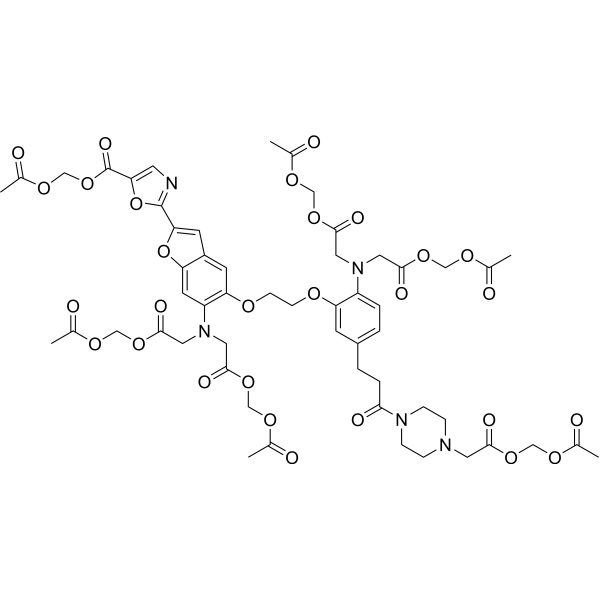
  • HY-101896
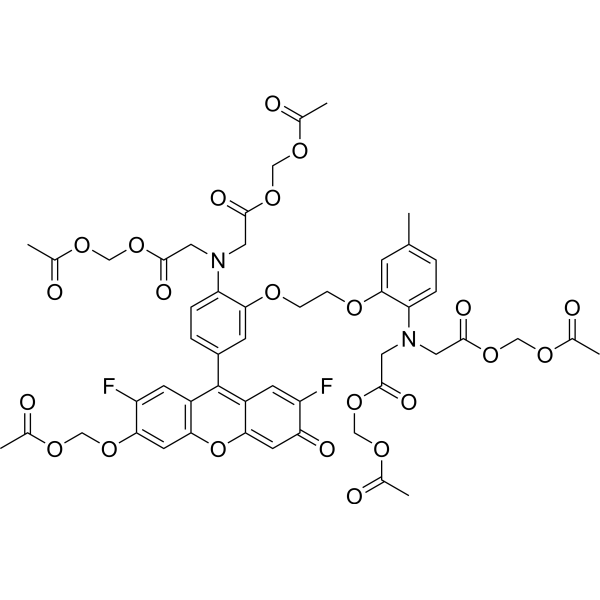
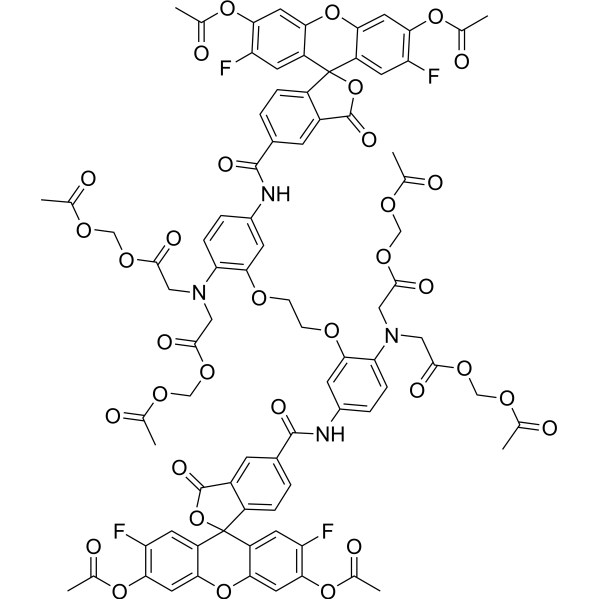
    Fluo-4 AM
    Maximum Cited Publications
    56 Publications Verification

    Fluorescent Dye Others
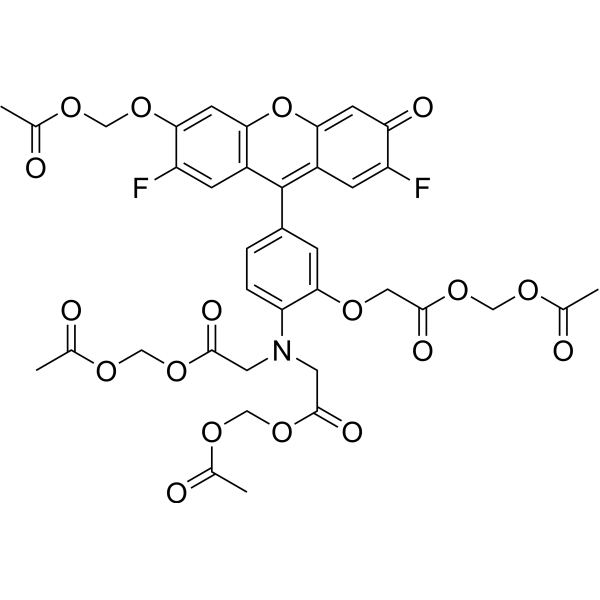
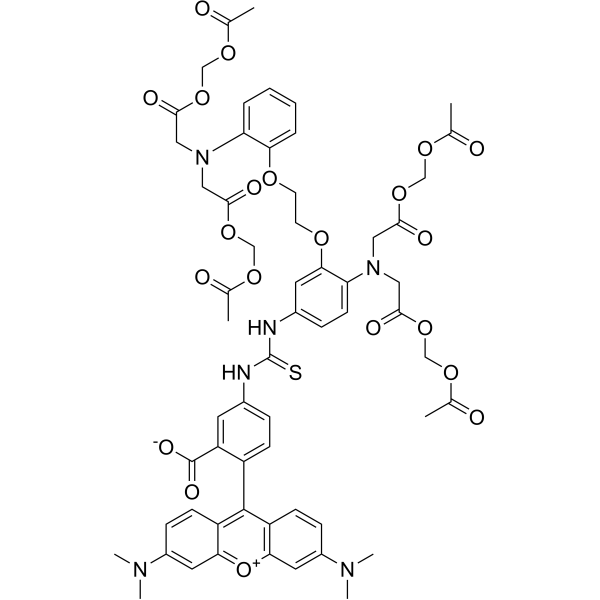
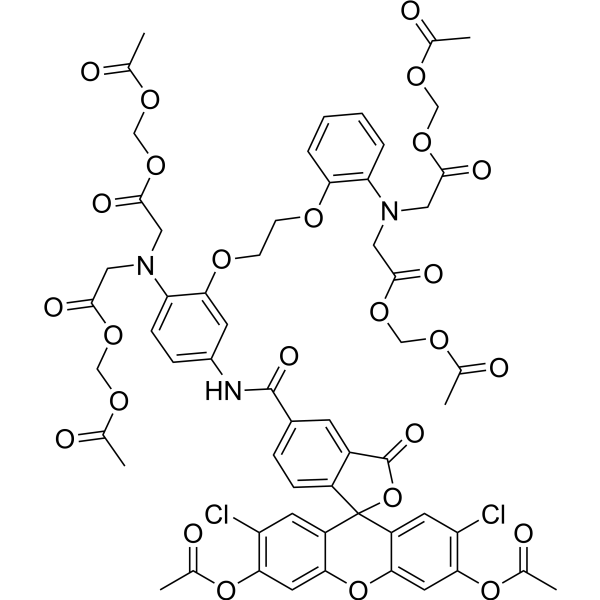
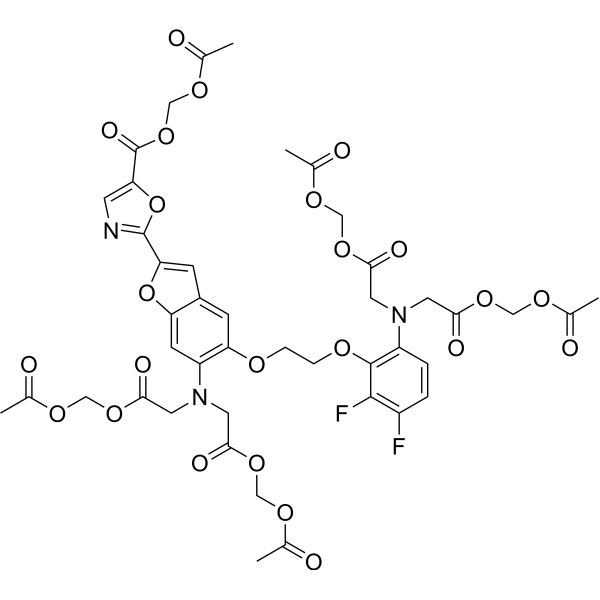
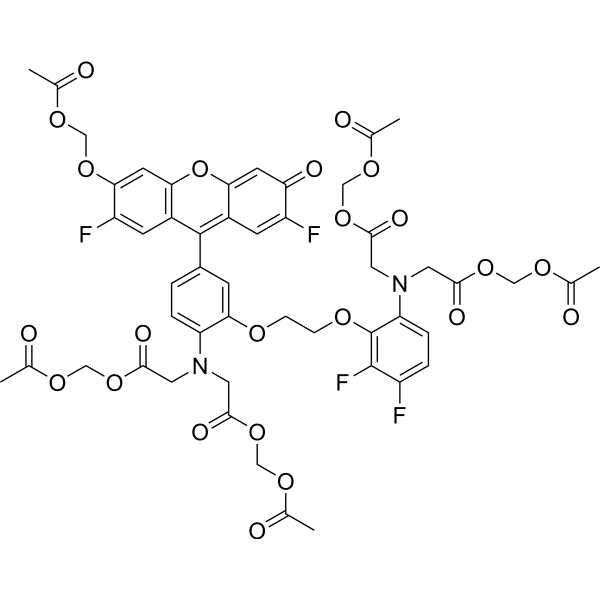
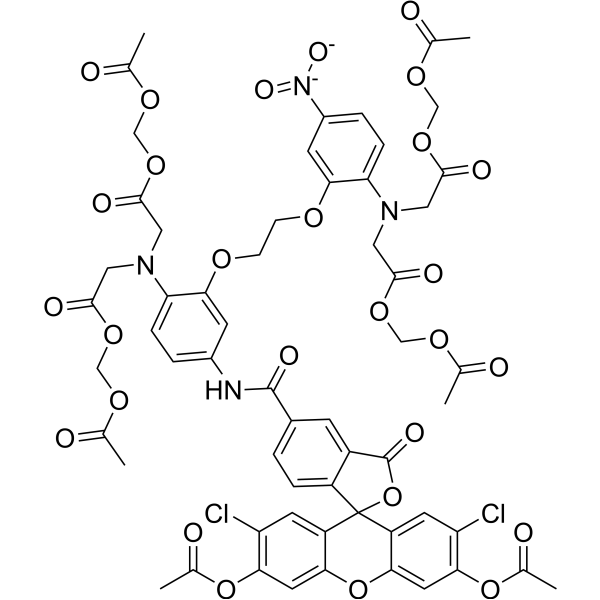
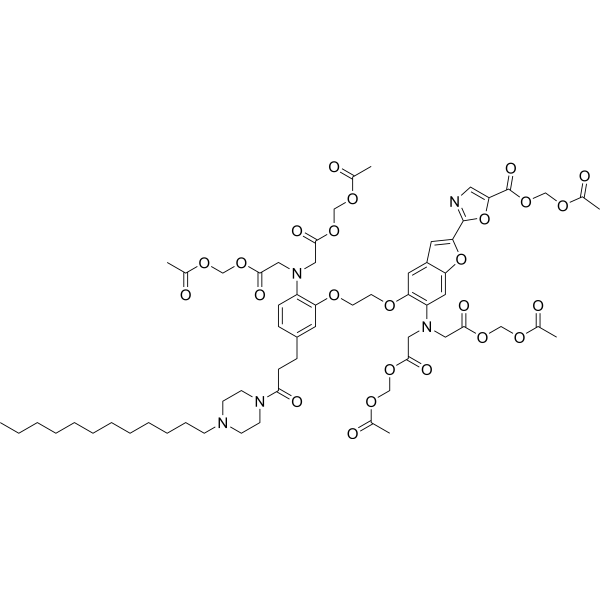
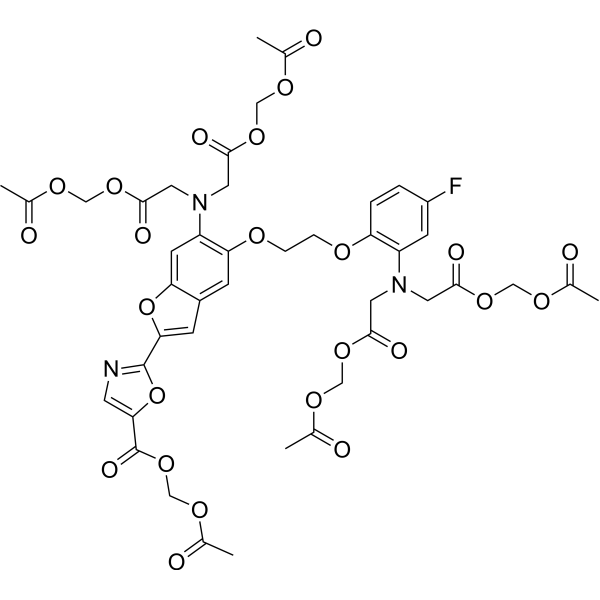
    Fluo-4 AM is a cell-permeable Ca 2+ (calcium ion) indicator (Ex/Em = 485/526 nm) .
    Fluo-4 AM
  • HY-D0861
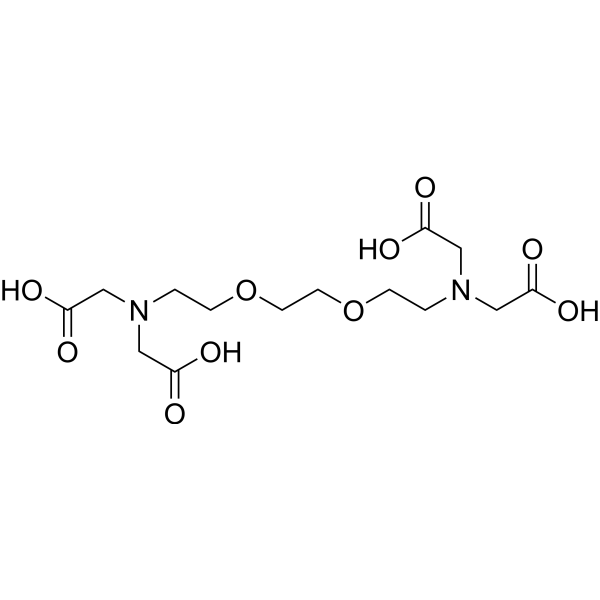
    EGTA
    20+ Cited Publications

    Biochemical Assay Reagents Inflammation/Immunology
    EGTA is a cell-impermeant specific calcium ion chelator. EGTA has an apparent calcium dissociation constant (Kd) of 60.5 nM at physiological pH (7.4) and has very high specificity for Ca 2+ over Mg 2+ (Mg 2+ Kd 1-10 mM). EGTA significantly inhibits the substrate adherence capacity of inflammatory macrophages .
    EGTA
  • HY-100807
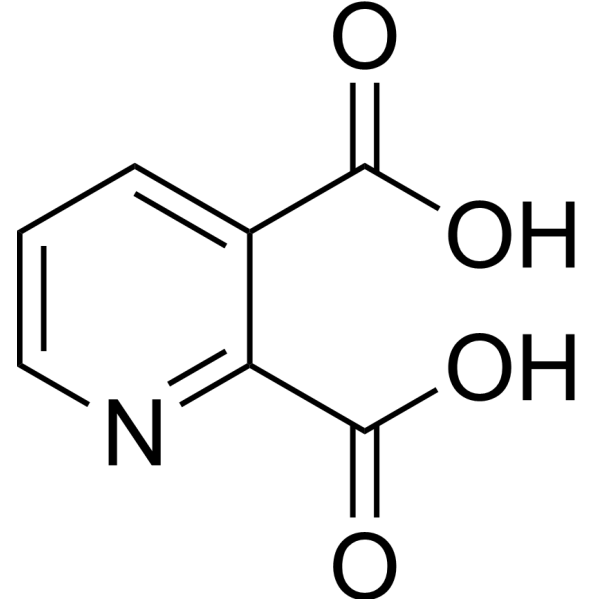
    Quinolinic acid
    5+ Cited Publications

    MOFs iGluR Endogenous Metabolite Reactive Oxygen Species (ROS) NO Synthase Apoptosis Neurological Disease Inflammation/Immunology
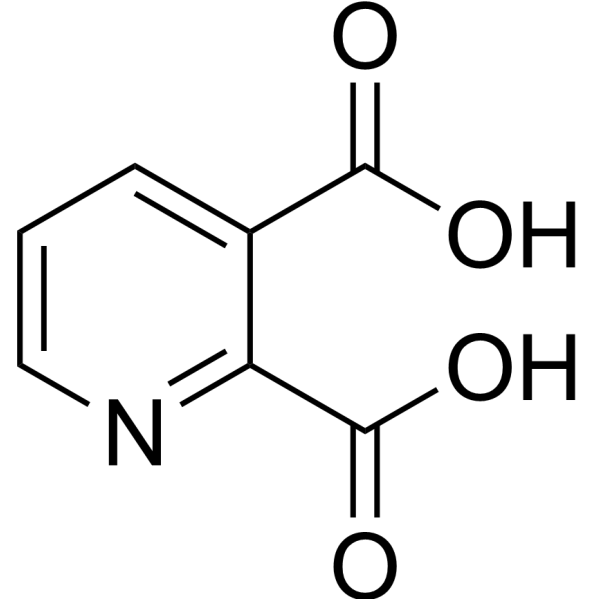
    Quinolinic acid, an endogenous metabolite of tryptophan, is a N-methyl-D-aspartate receptor (NMDA receptor) agonist. Quinolinic acid increases glutamate efflux, induces the generation of ROS, activates nitric oxide synthase, produces excessive NO, leading to calcium ion influx and neuronal apoptosis .
    Quinolinic acid
  • HY-D0040
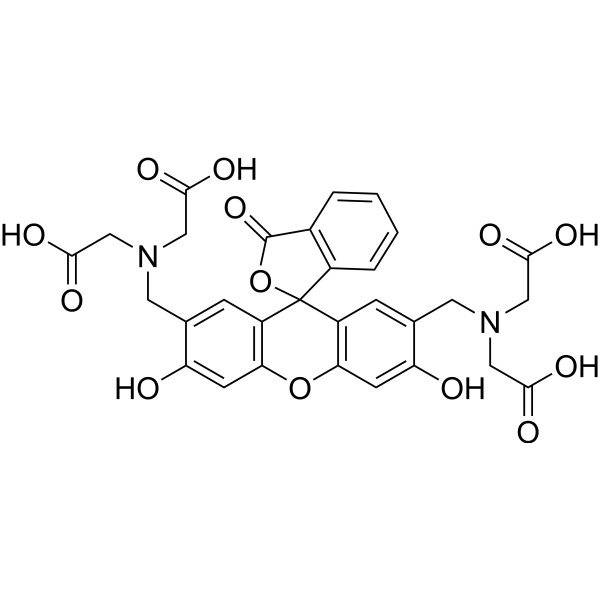
    Calcein
    10+ Cited Publications

    Fluorexon

    Fluorescent Dye Others
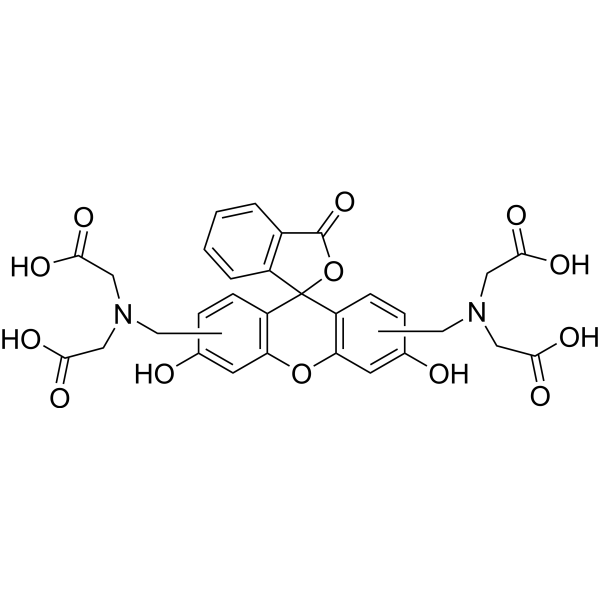
    Calcein is a fluorescent dye and self-quenching probe, used as an indicator of lipid vesicle leakage, and also as a complexometric indicator for titration of calcium ions with EDTA, and for fluorometric determination of calcium. Calcein cannot directly cross the intact cell membrane of a living cell, unlike Calcein-AM (HY-D0041) which is cell-permeable. Calcein can also be used as a model drug for evaluating efficiency and bioavailability of drug delivery systems .
    Calcein
  • HY-101897
    Fura-2 AM
    5+ Cited Publications

    Fura-2 Acetoxymethyl ester

    Fluorescent Dye Others
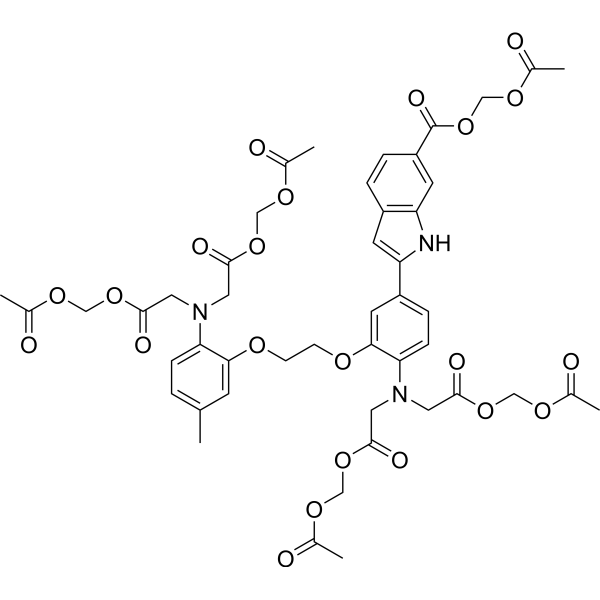
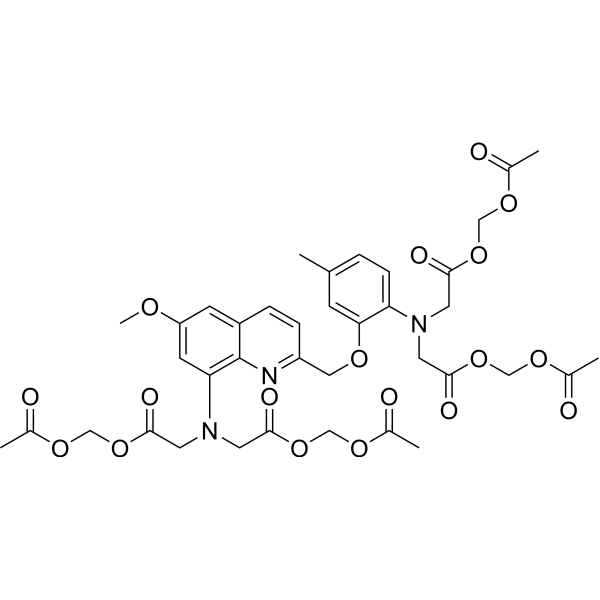
    Fura-2 AM is a membrane permeable, intracellular, UV light-excitable and ratiometric fluorescent Ca 2+ (calcium ion) indicator. Fura-2 AM crosses cell membranes and is converted to Fura-2 (HY-D0110A) via cellular esterases. Fura-2 AM can be used to detect calcium in cells.
    Fura-2 AM
  • HY-120601
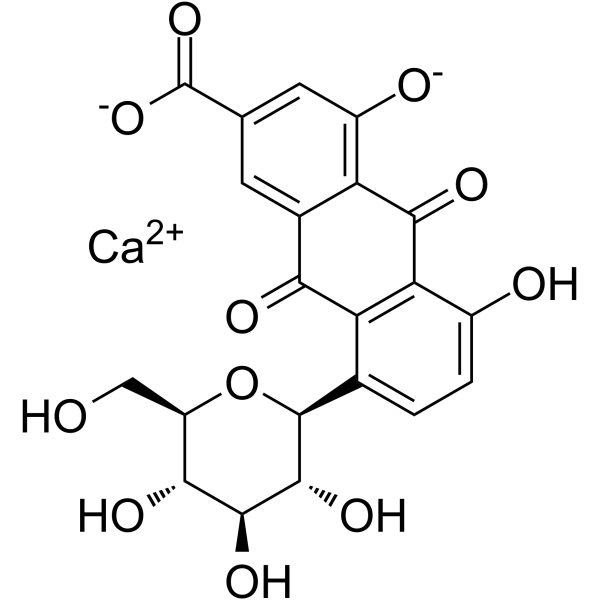
    Alizarin Red S sodium
    5+ Cited Publications

    ARS sodium

    Fluorescent Dye Others
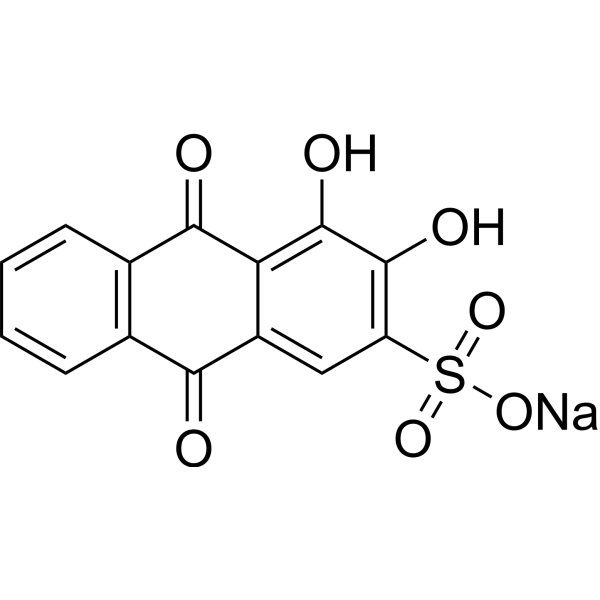
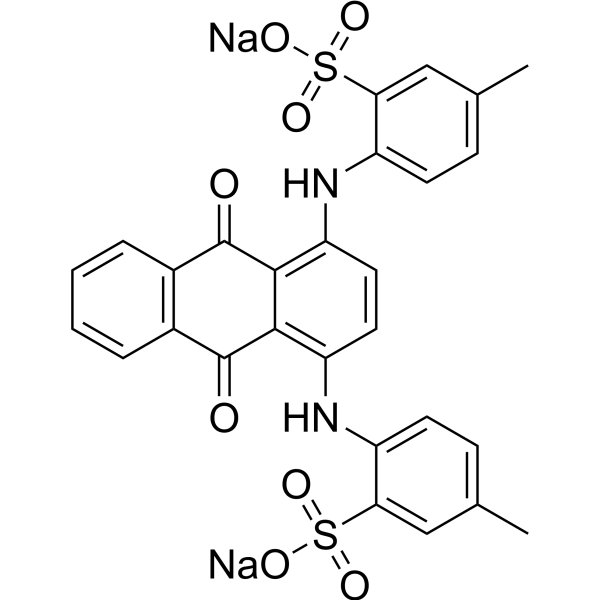
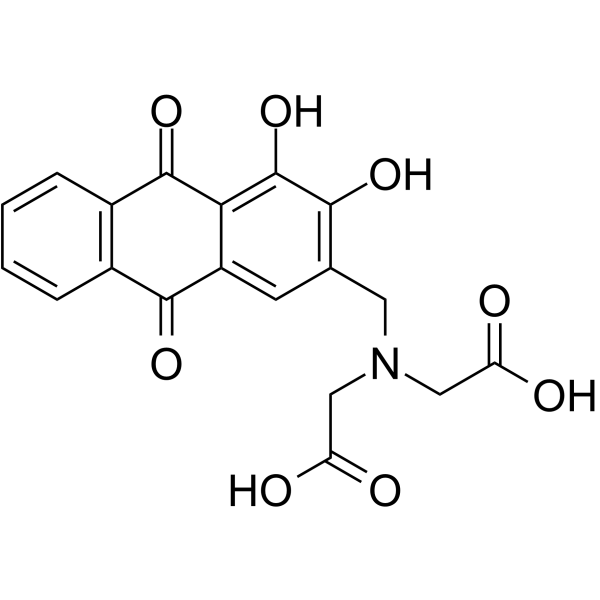
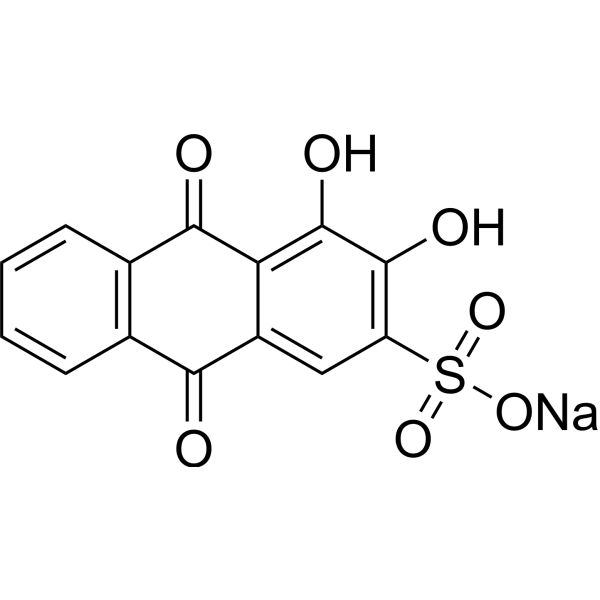
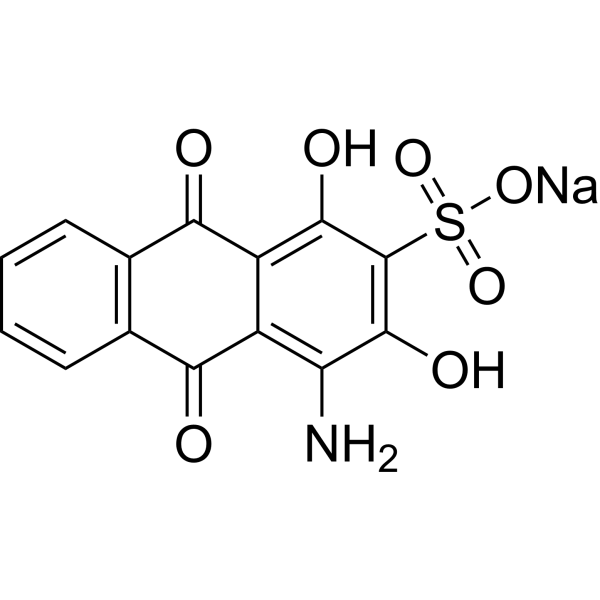
    Alizarin Red S sodium is an anthraquinone derivative dye. When combined with cations such as calcium ions, the functional group of Alizarin Red S sodium can form a coordination bond with the cation through the oxygen atom to show orange-red fluorescence. Alizarin Red S sodium can be used for screening of calcium compounds in synovial fluid and detecting osteoblast differentiation, and can also be used for bone staining in mice. Excitation/emission wavelength: 500/570 nm .
    Alizarin Red S sodium
  • HY-D0716
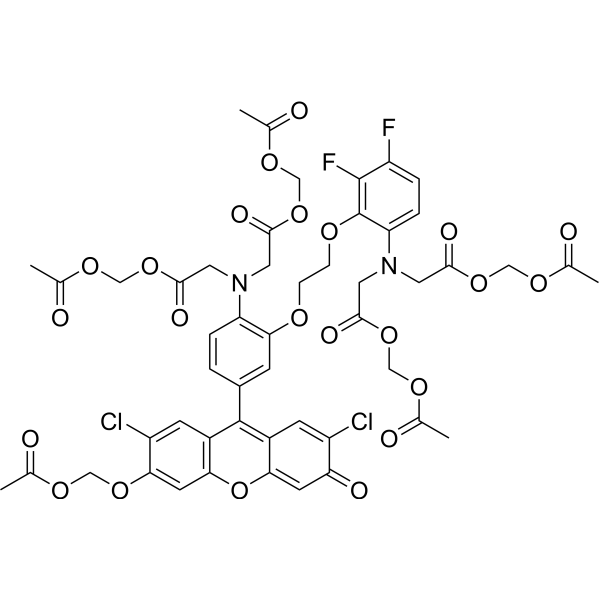
    Fluo-3AM
    10+ Cited Publications

    Fluo-3-pentaacetoxymethyl ester

    Fluorescent Dye Others
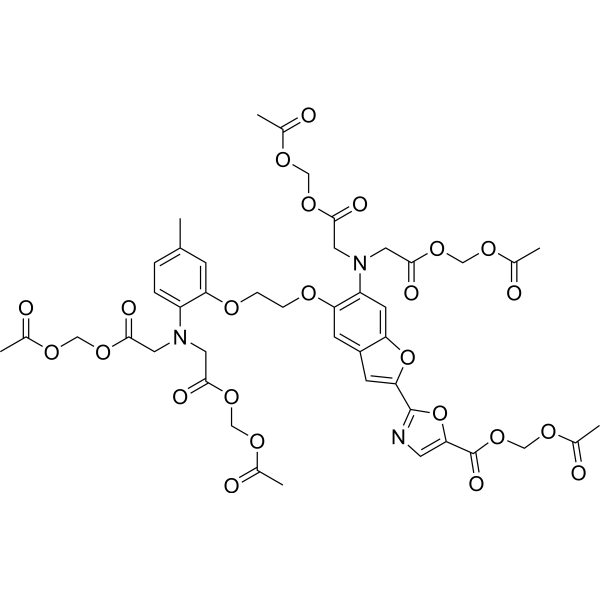
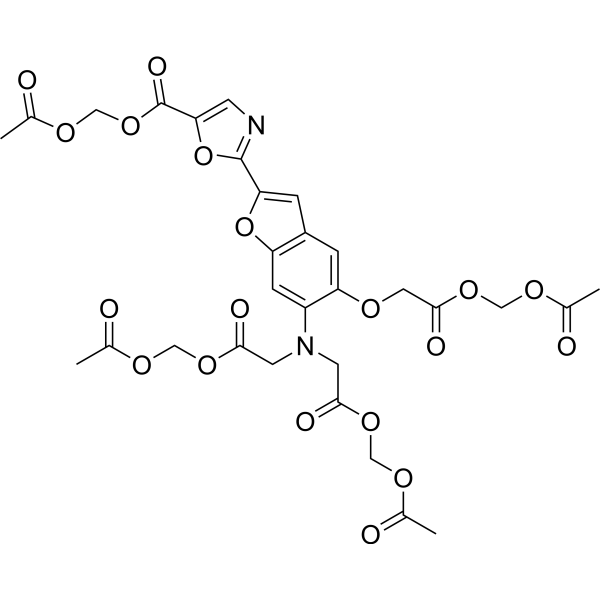
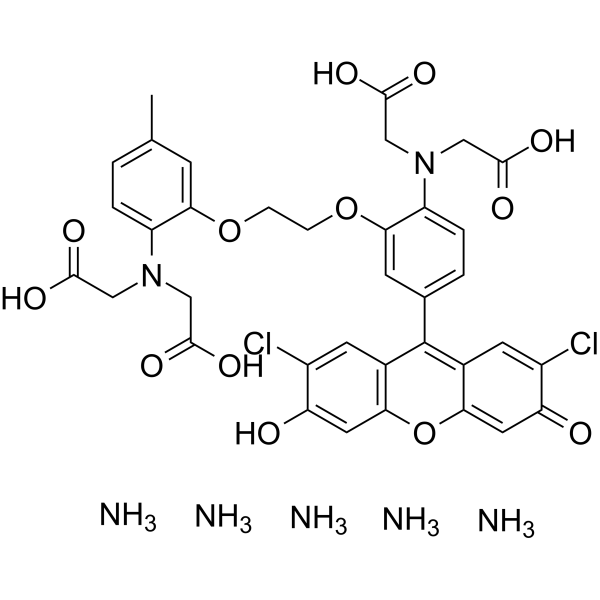
    Fluo-3 AM is a fluorecent Ca 2+ chelator, with high affinity for calcium. Fluo-3 AM can specifically identify intracellular calcium ions, with high sensitivity, low cytotoxicity, increased AM acetylmethyl ester can enter the cell well, after being sheared by the intracellular esterase stay in the cell to bind to calcium ions, produce strong fluorescence .
    Fluo-3AM
  • HY-W010950
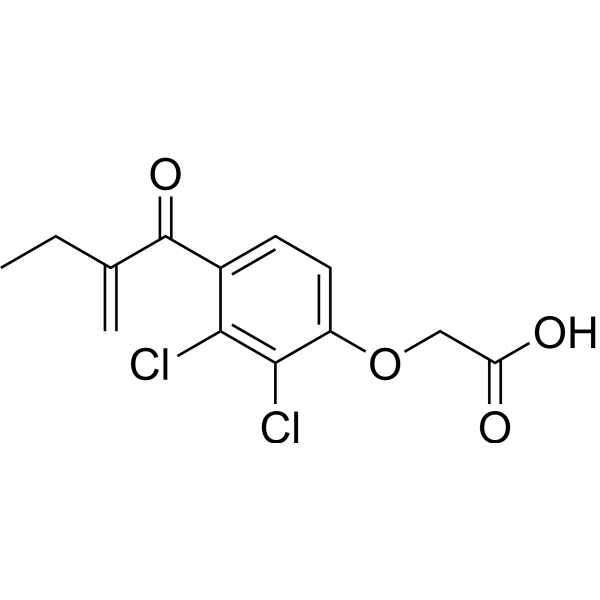
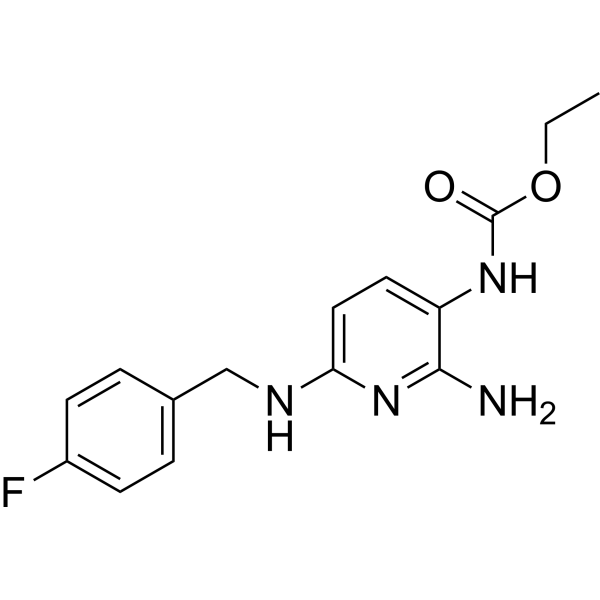
    Flecainide
    3 Publications Verification

    Potassium Channel Sodium Channel Cardiovascular Disease
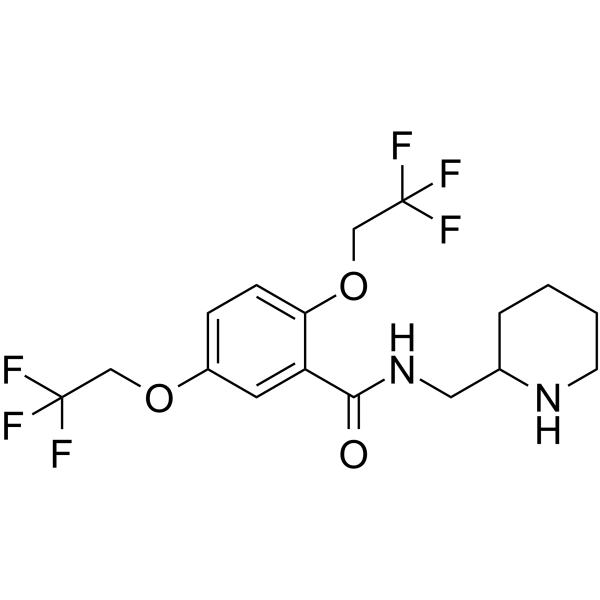
    Flecainide is an orally active antiarrhythmic agent. Flecainide can block sodium channels and inhibit calcium ion release mediated by the cardiac ryanodine receptor (RyR2). Flecainide can be used in the research of diseases such as catecholaminergic polymorphic ventricular tachycardia (CPVT) .
    Flecainide
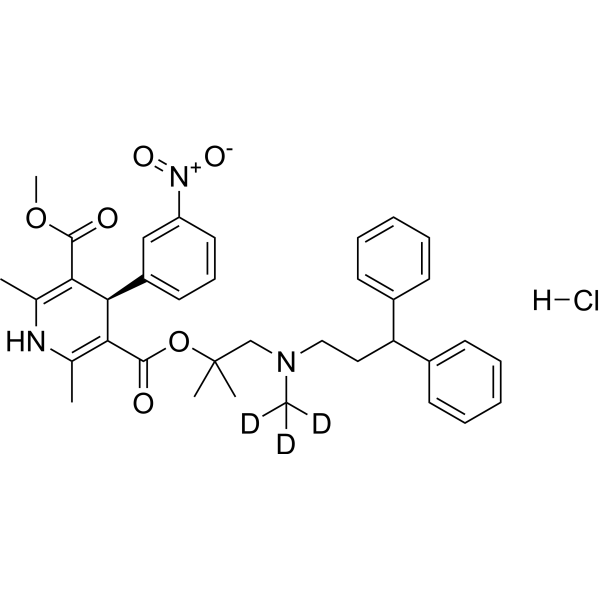
  • HY-10007
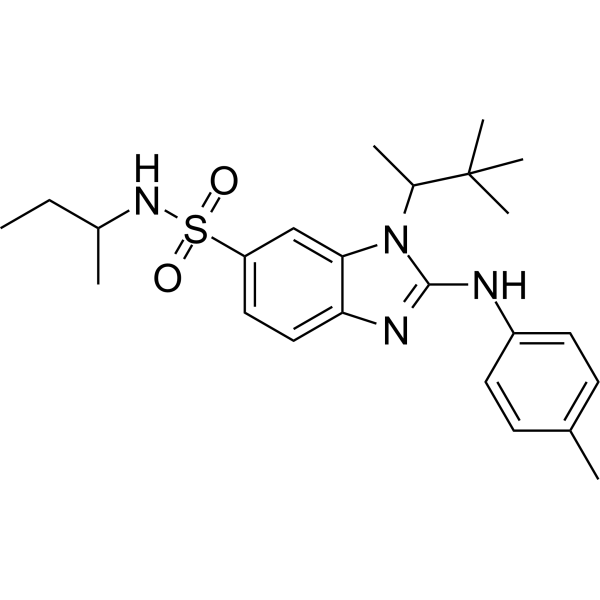
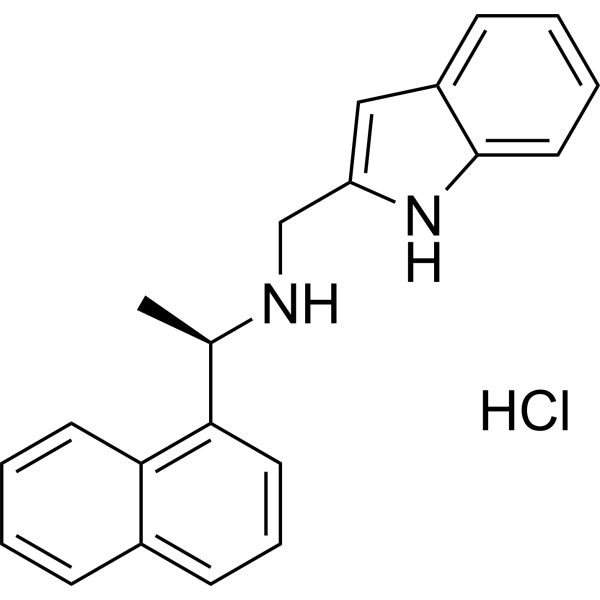
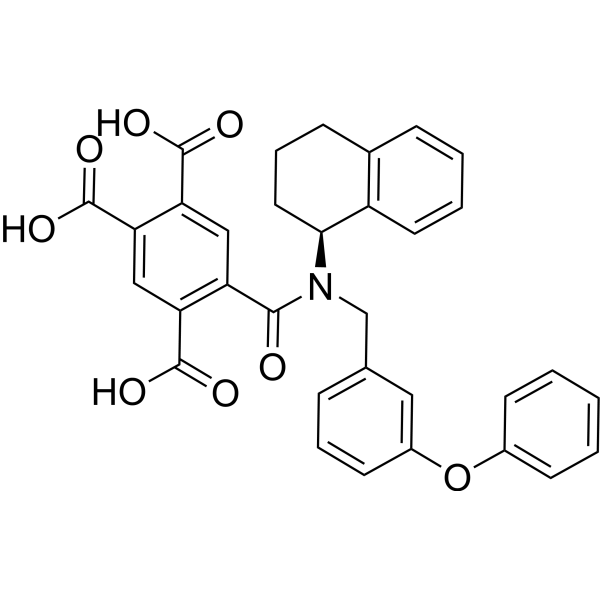
    NPS-2143
    25+ Cited Publications

    SB-262470A

    CaSR Metabolic Disease
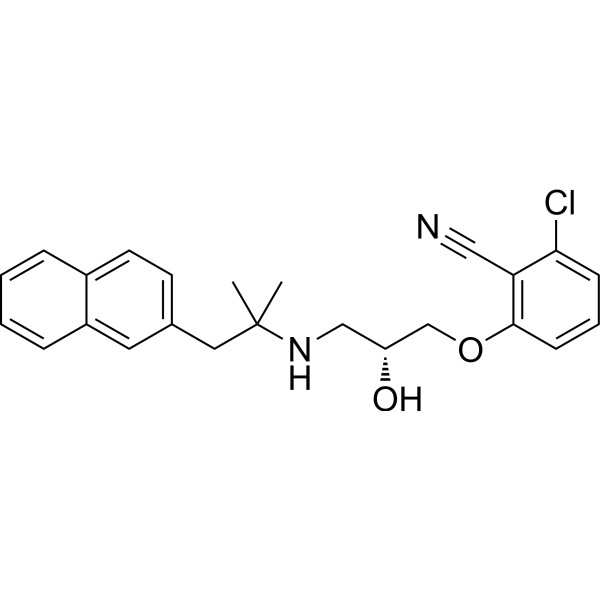
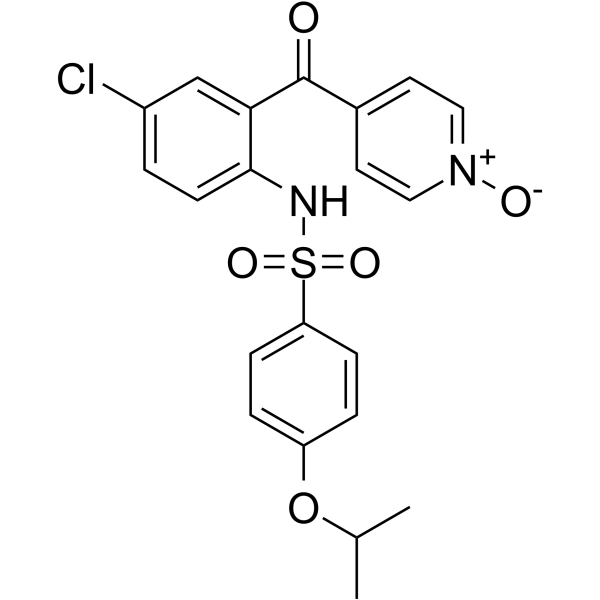
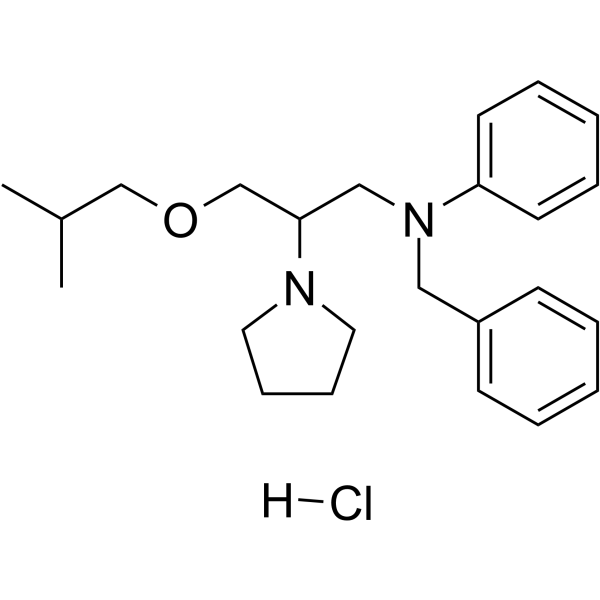
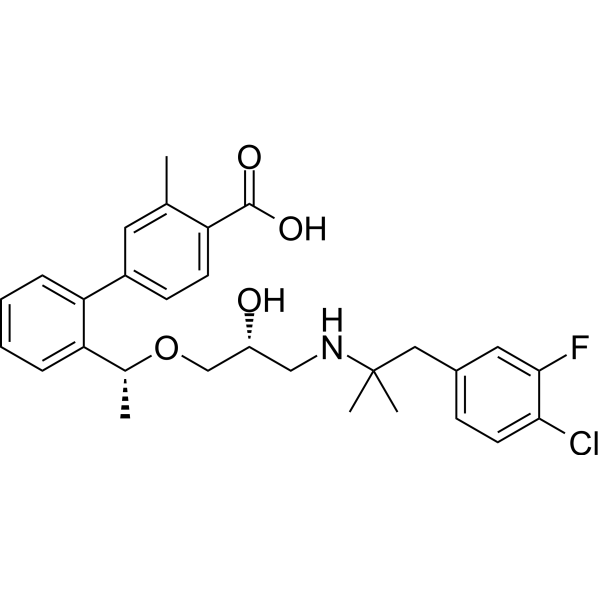
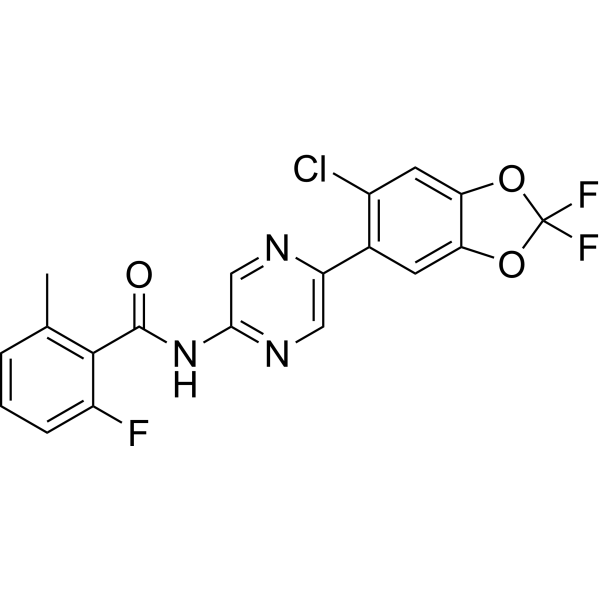
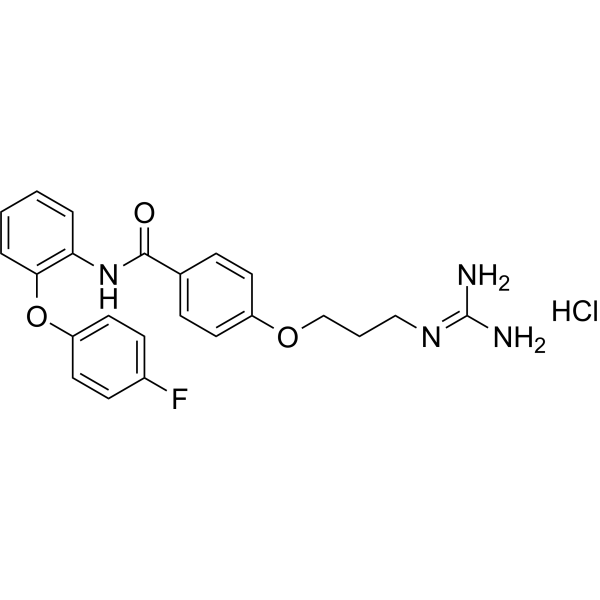
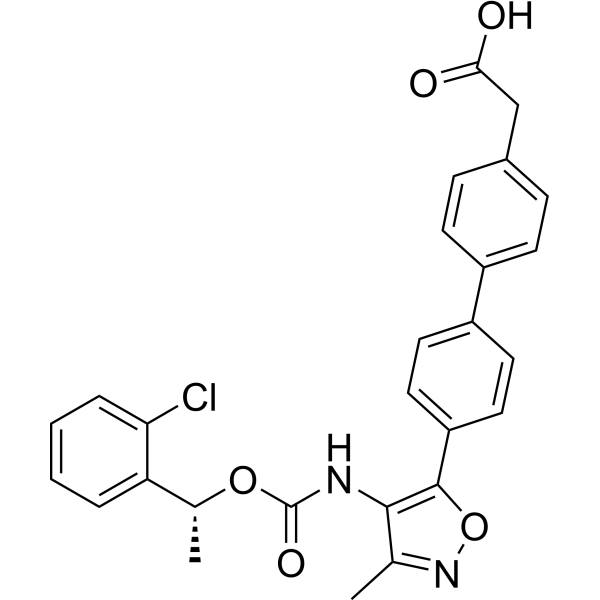
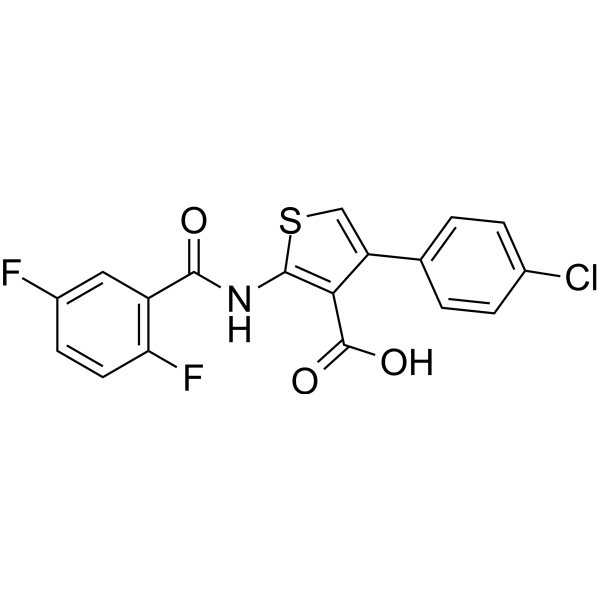
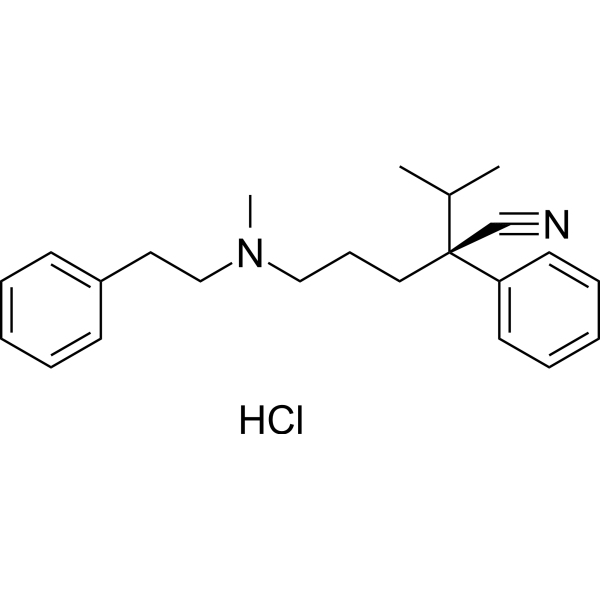
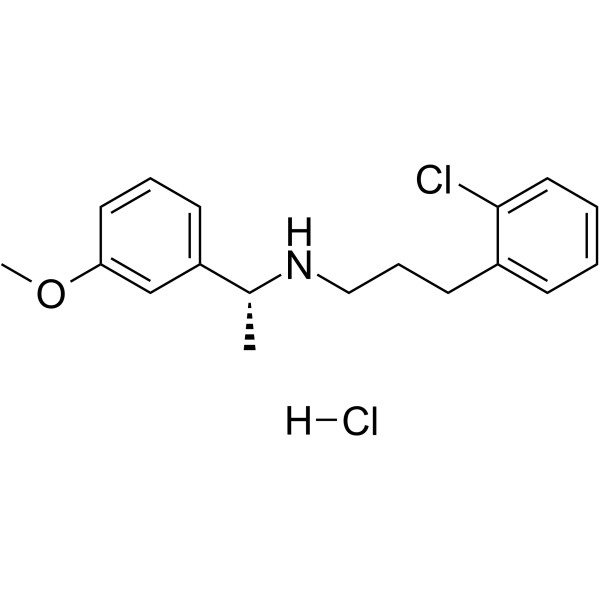
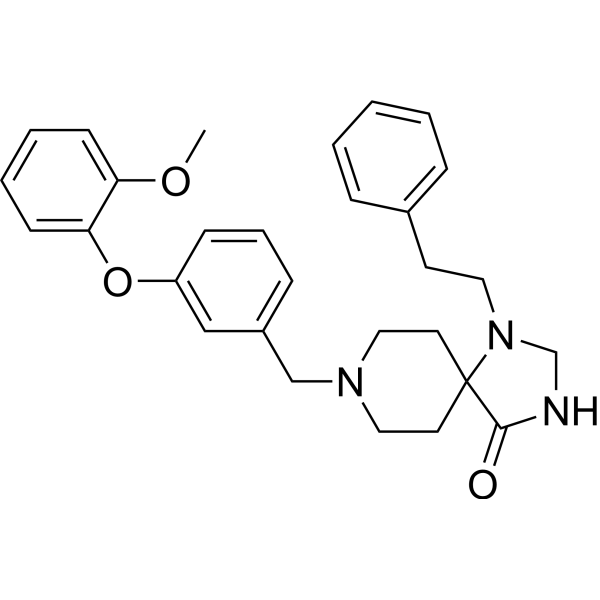
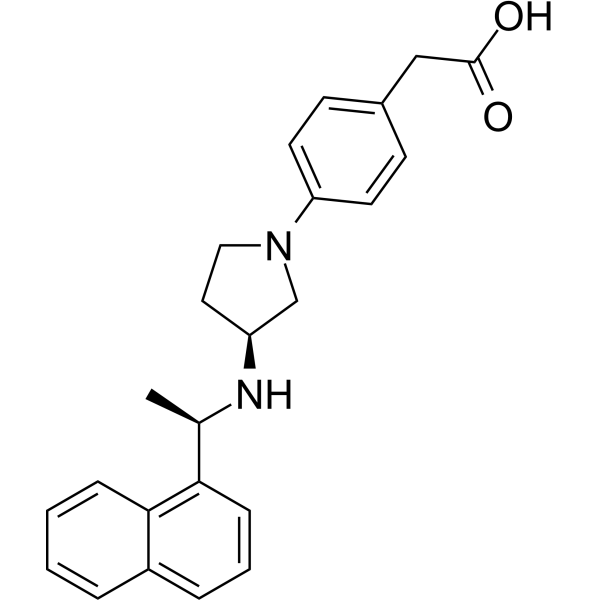
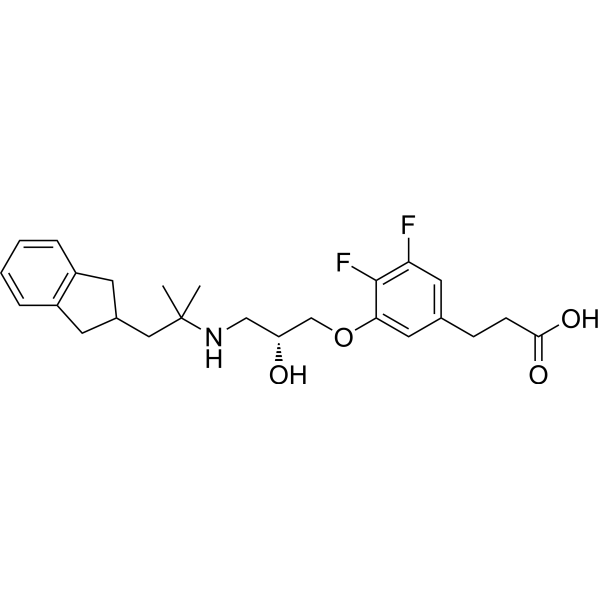
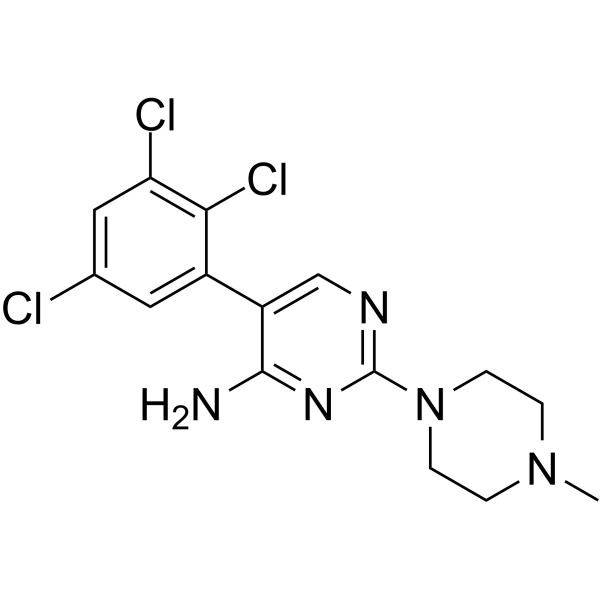
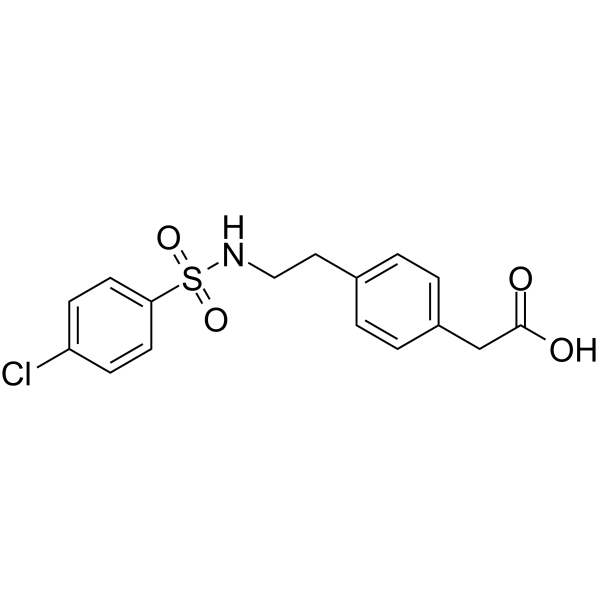
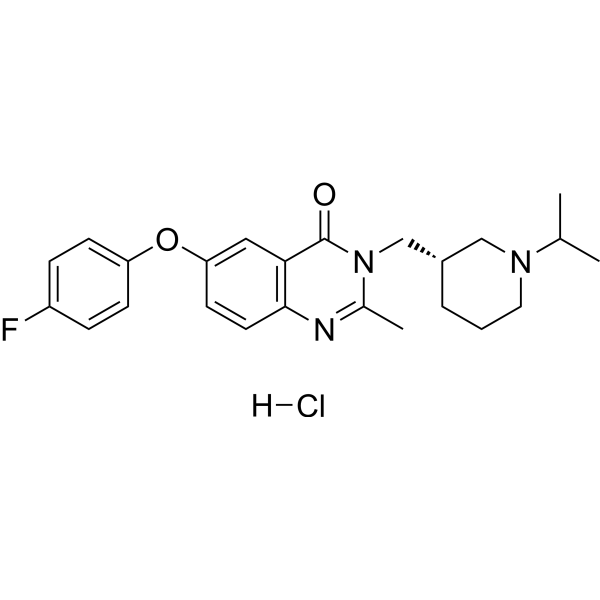
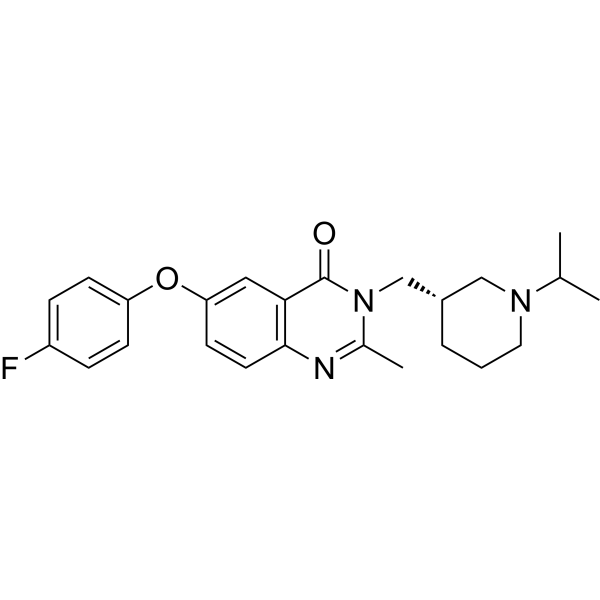
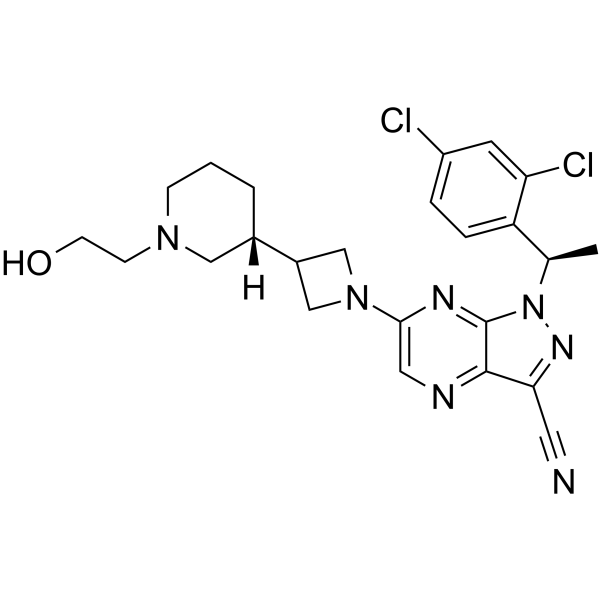
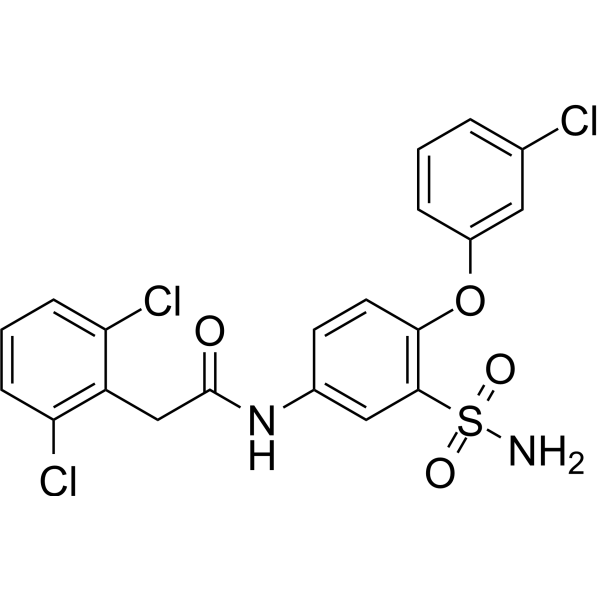
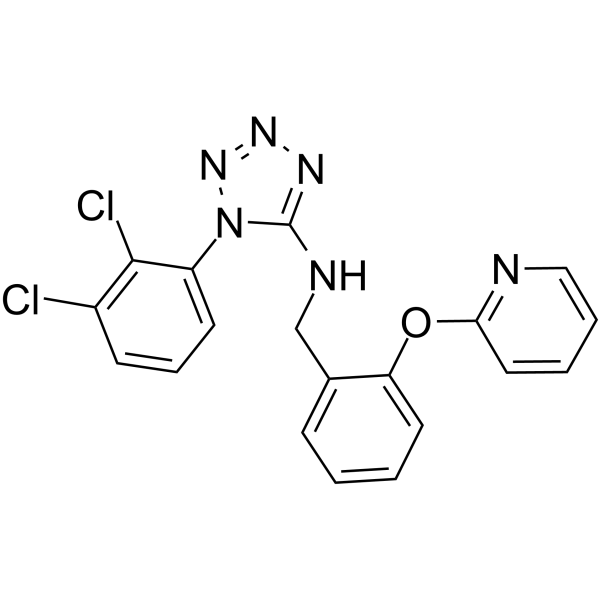
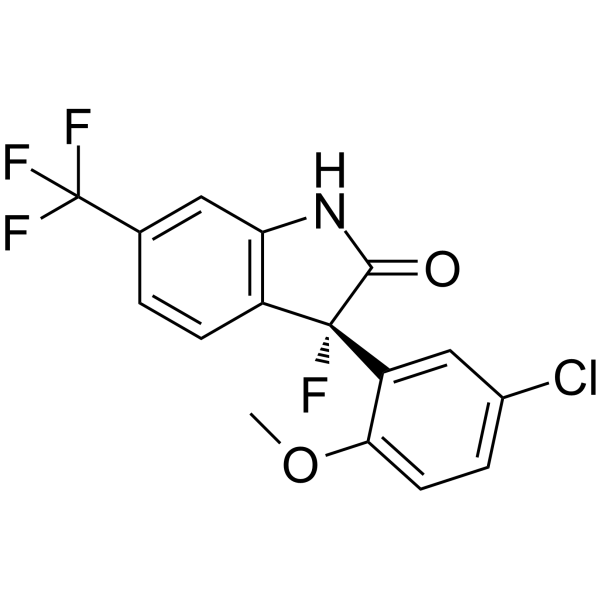
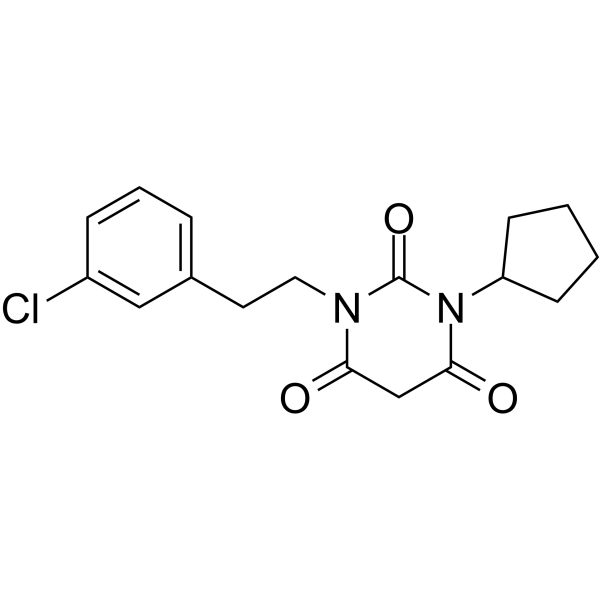
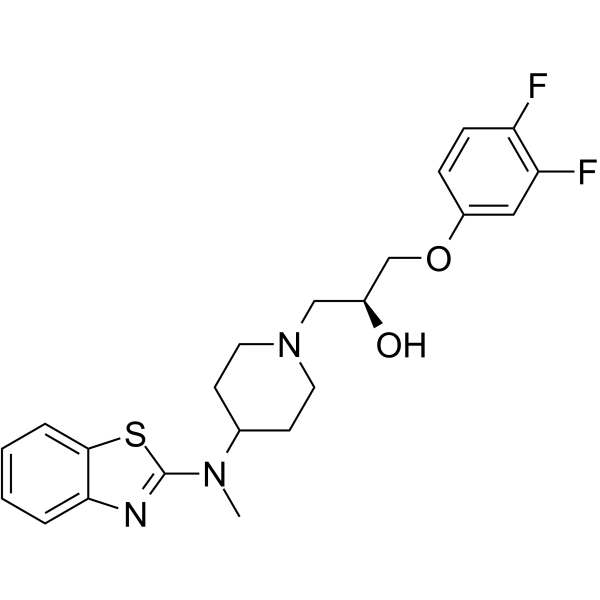
    NPS-2143 (SB-262470A), an orally active calcilytic agent, is a selective and potent calcium ion-sensing receptor (CaSR) antagonist. NPS-2143 (SB-262470A) blocks increases in cytoplasmic Ca 2+ concentrations (IC50=43 nM) elicited by activating the Ca 2+ receptor in HEK 293 cells expressing the human Ca 2+ receptor .
    NPS-2143
  • HY-Z0478
    (-)-Limonene
    1 Publications Verification

    (S)-(-)-Limonene

    Bacterial Antibiotic CaMK Infection Cardiovascular Disease Metabolic Disease
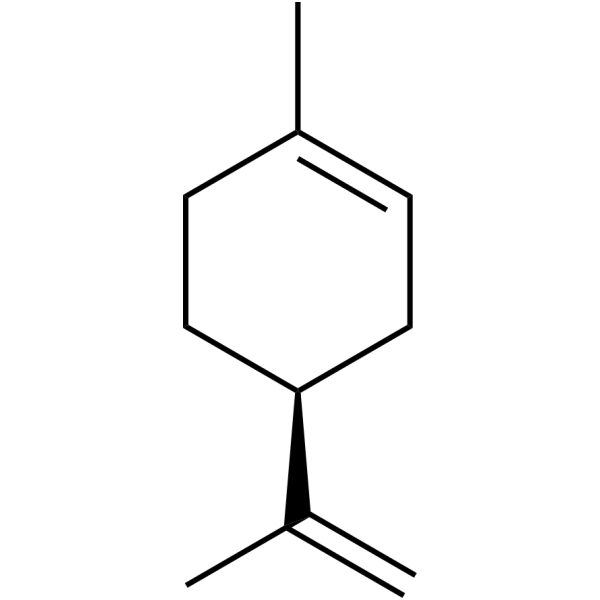
    (-)-Limonene ((S)-(-)-Limonene) is orally active and can cause mild bronchoconstriction. (-)-Limonene alleviates cytosolic and mitochondrial oxidative stress by inhibiting the increase of calcium ions (Ca 2+) and Ca 2+/calmodulin-dependent protein kinase II (CaMKII). It also exerts anti-stress effects by inhibiting the activity of the hypothalamic-pituitary-adrenal (HPA) axis. Additionally, (-)-Limonene can be used as an antibacterial agent in aquaculture .
    (-)-Limonene
  • HY-D1498
    Mag-Fluo-4 AM
    3 Publications Verification

    Fluorescent Dye Others
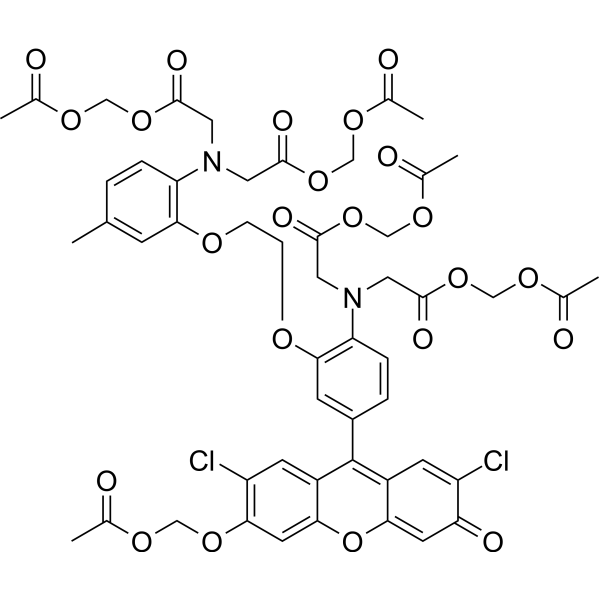
    Mag-Fluo-4 AM is a fluorecent Ca 2+ chelator, with high affinity for calcium. Mag-Fluo-4 AM can specifically identify intracellular calcium ions, with high sensitivity, low cytotoxicity, increased AM acetylmethyl ester can enter the cell well, after being sheared by the intracellular esterase stay in the cell to bind to calcium ions, produce strong fluorescence .
    Mag-Fluo-4 AM
  • HY-101898
    Indo-1 AM
    1 Publications Verification

    Indo-1 Acetoxymethyl ester

    Fluorescent Dye Others
    Calcium is an important part of the human body, usually in the form of calcium, a large number of bones and teeth of the human body, a small amount of blood and tissues. MCE calcium ion detection probe can specifically identify intracellular calcium ions, with high sensitivity, low cytotoxicity, increased AM acetylmethyl ester can enter the cell well, after being sheared by the intracellular esterase stay in the cell to bind to calcium ions, produce strong fluorescence, in addition, Mag-indo-1/AM and Mag-Fluo-4 AM at a certain concentration (usually 5 mM) can effectively identify intracellular magnesium ions .
    Indo-1 AM
  • HY-100807S
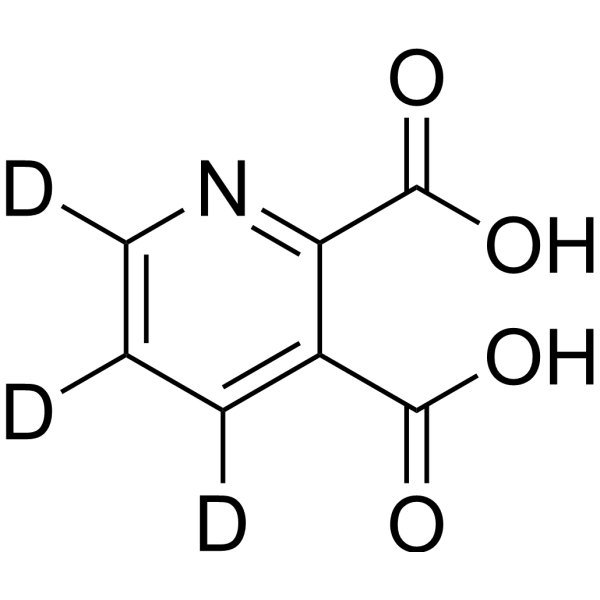
    Quinolinic acid-d3
    2 Publications Verification

    Isotope-Labeled Compounds iGluR Endogenous Metabolite Reactive Oxygen Species (ROS) NO Synthase Apoptosis Neurological Disease Inflammation/Immunology
    Quinolinic acid-d3 is the deuterium labeled Quinolinic acid. Quinolinic acid, an endogenous metabolite of tryptophan, is a N-methyl-D-aspartate receptor (NMDA receptor) agonist. Quinolinic acid increases glutamate efflux, induces the generation of ROS, activates nitric oxide synthase, produces excessive NO, leading to calcium ion influx and neuronal apoptosis.
    Quinolinic acid-d3
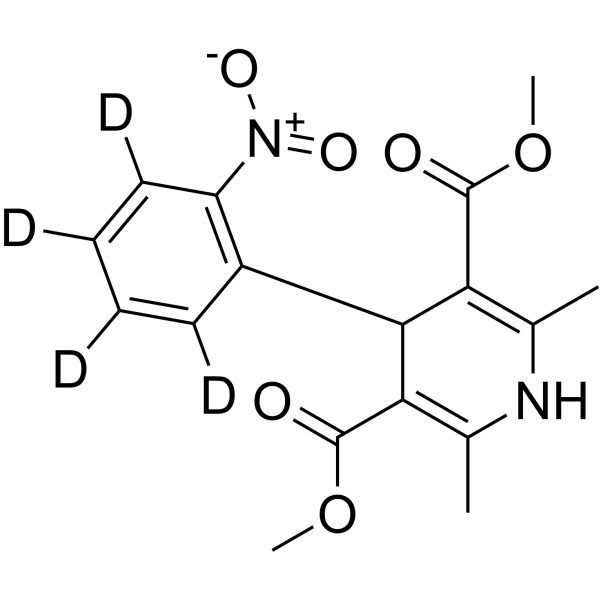
  • HY-17436

    Calcium Channel Cardiovascular Disease Cancer
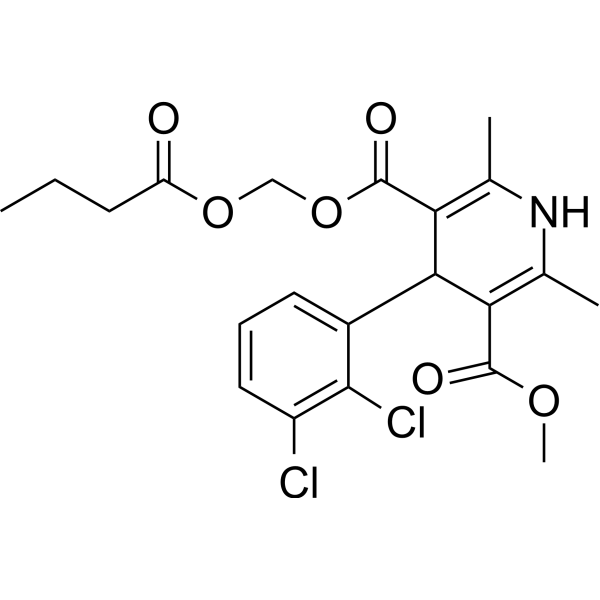
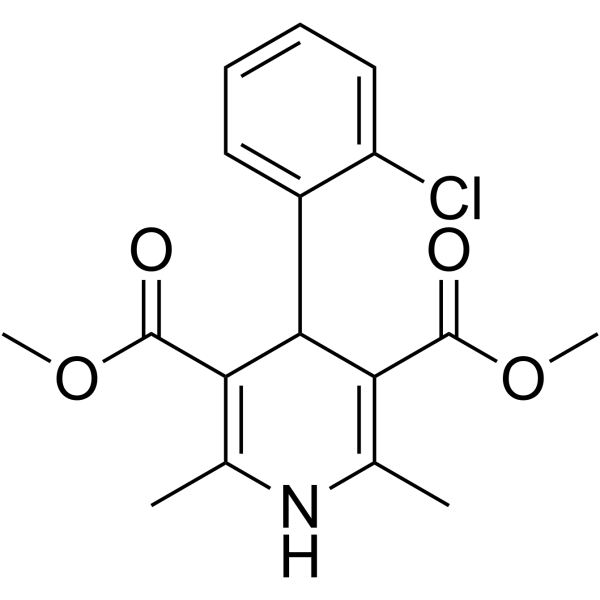
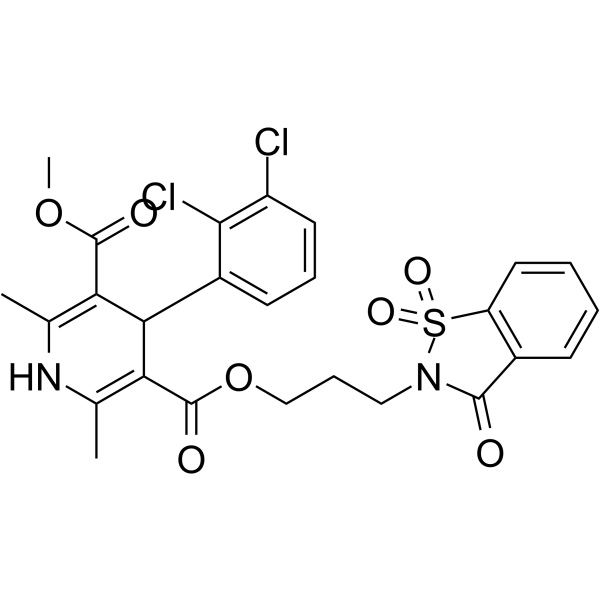
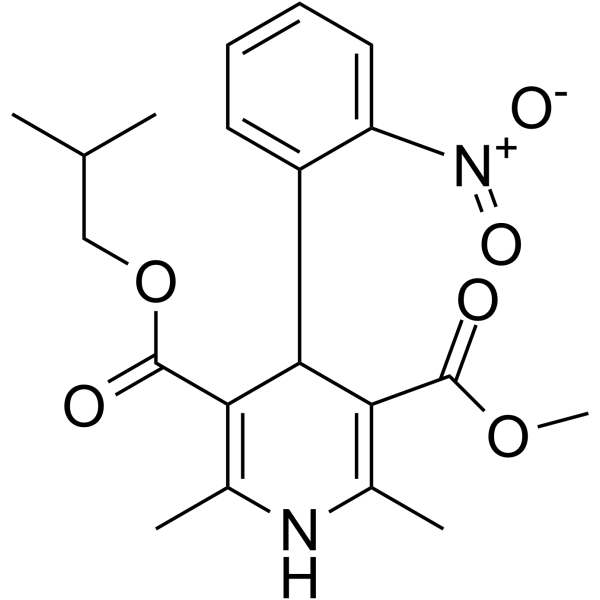
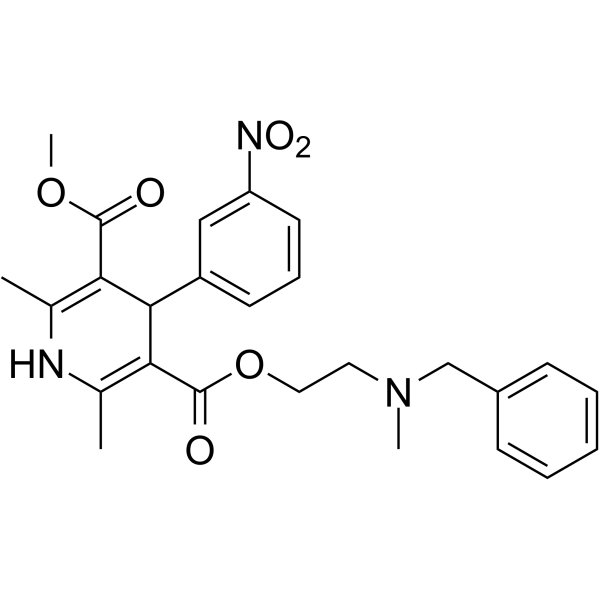
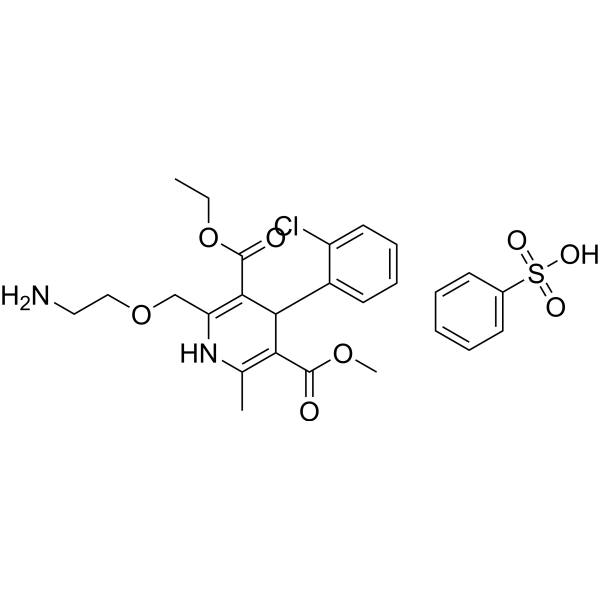
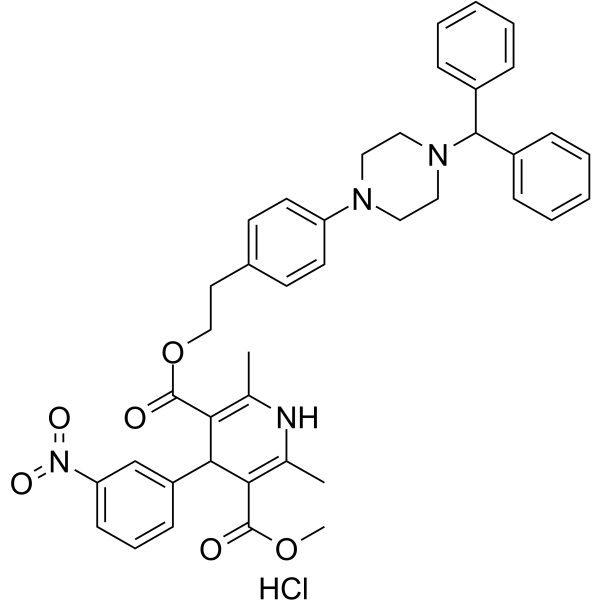
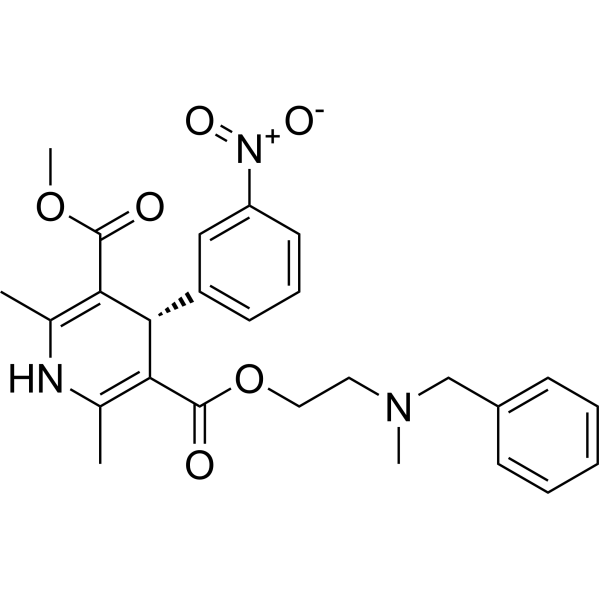
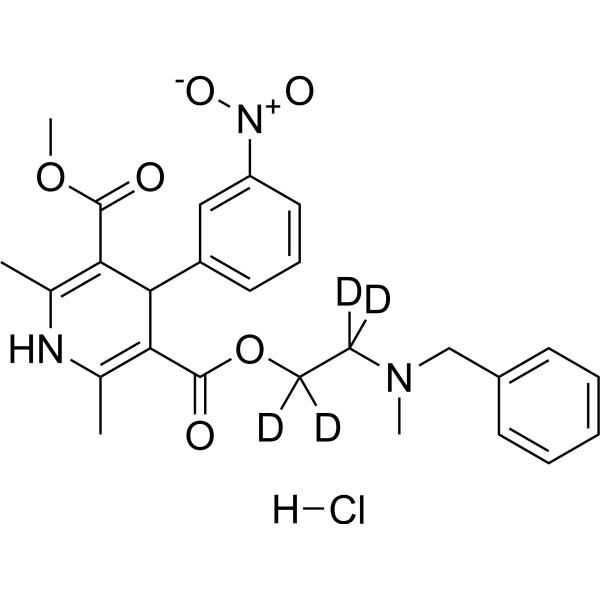
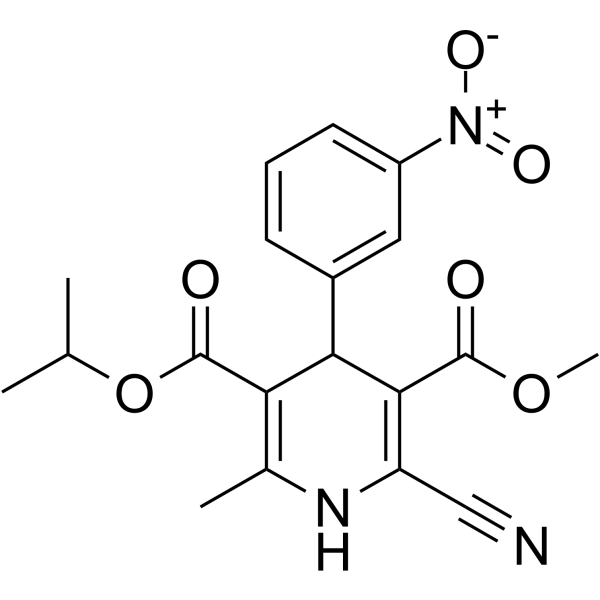
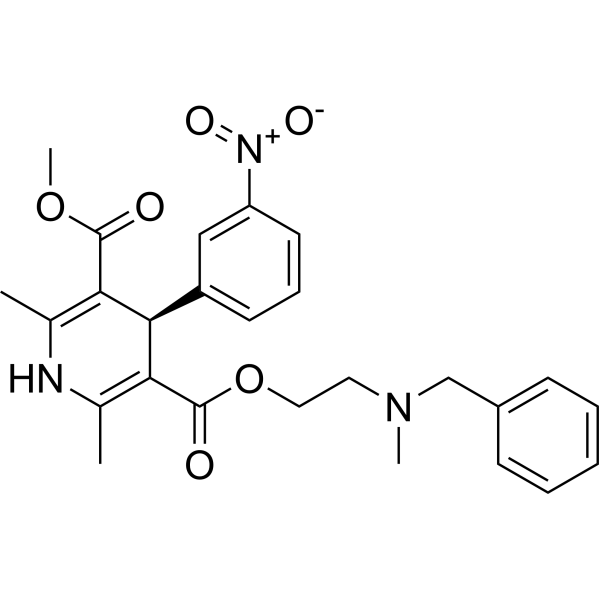
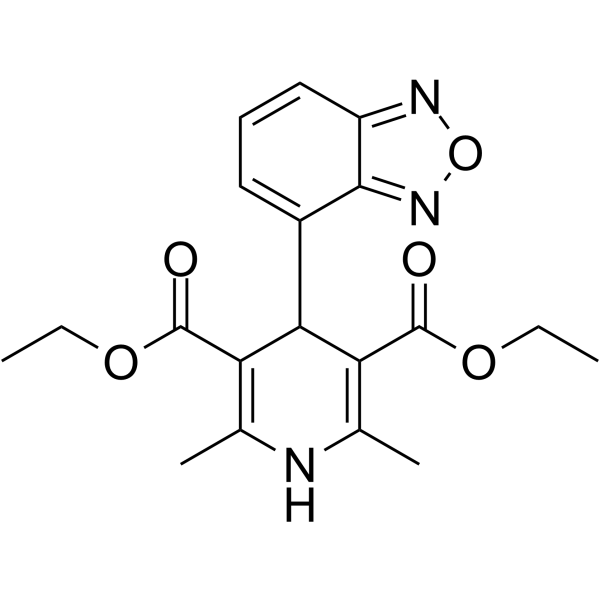
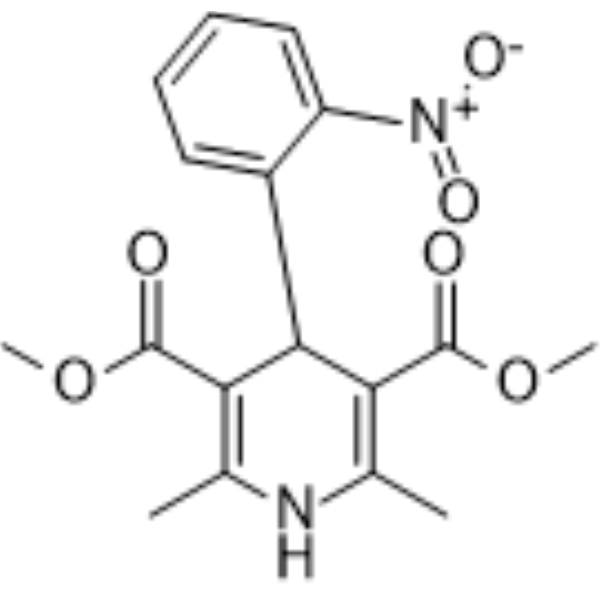
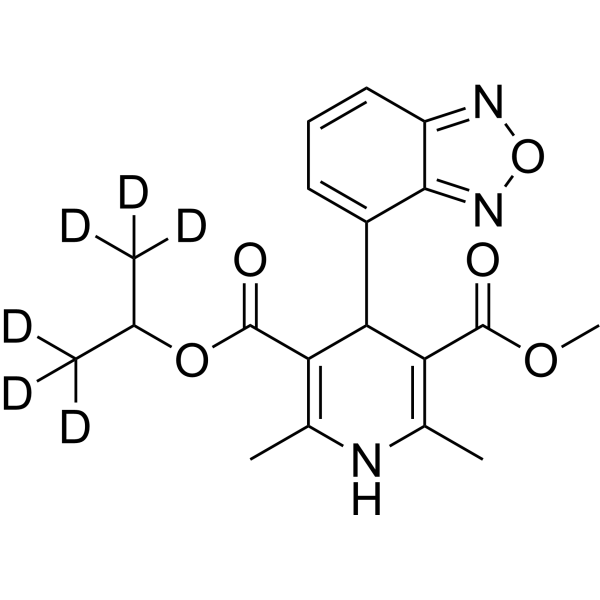
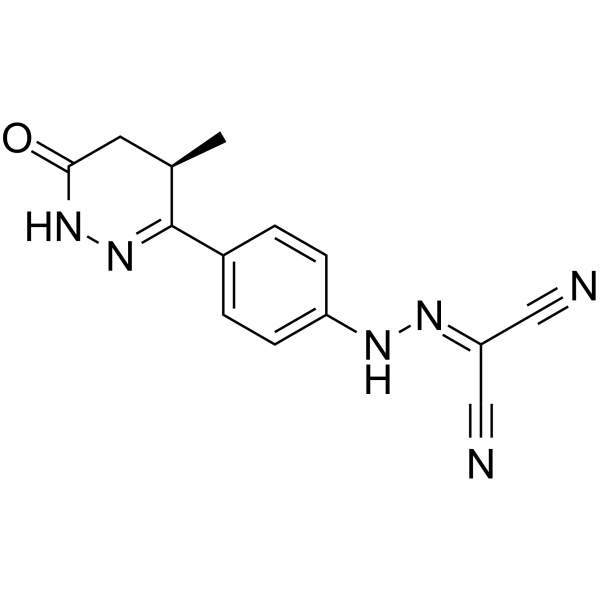
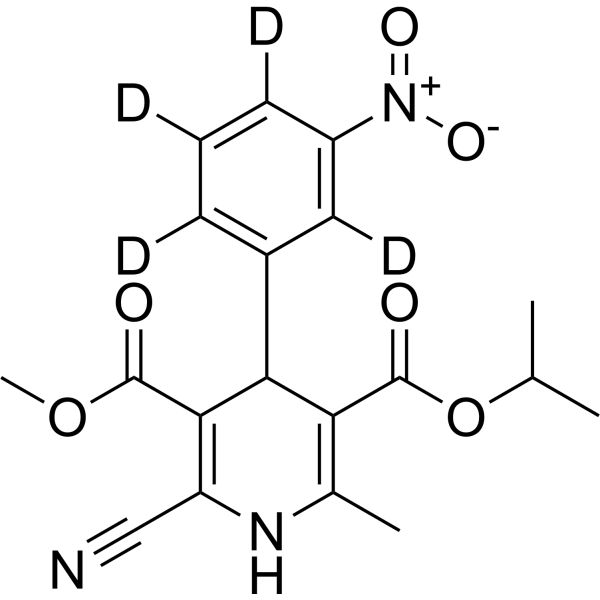
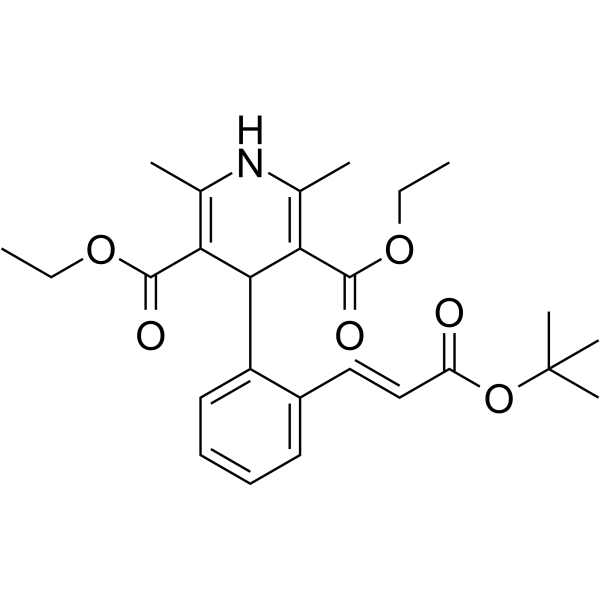
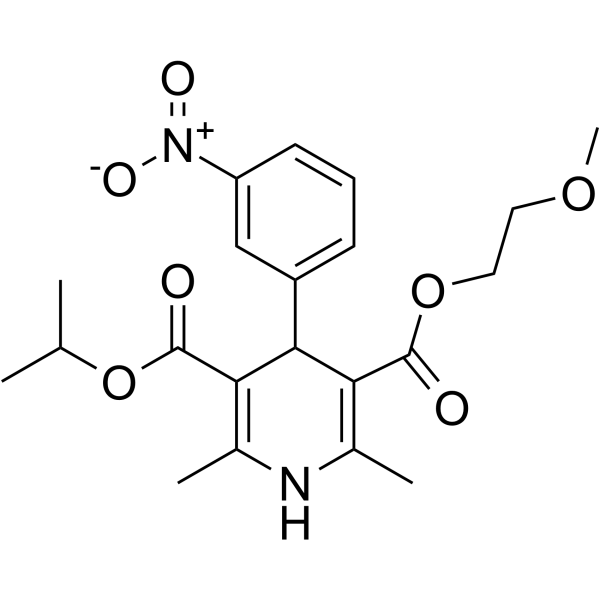
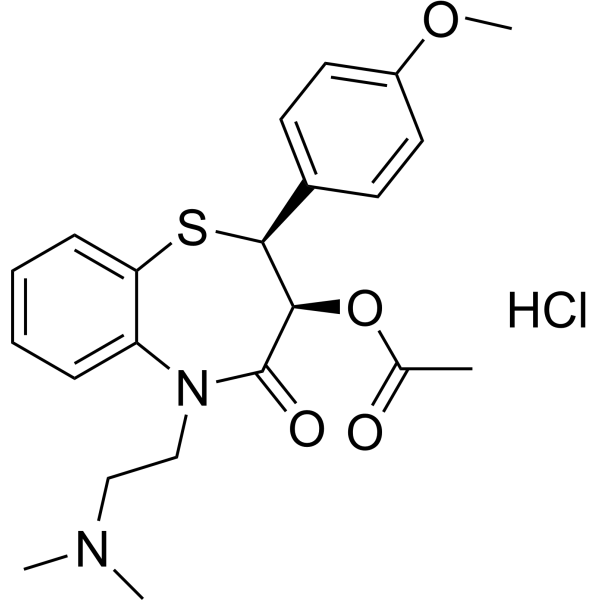
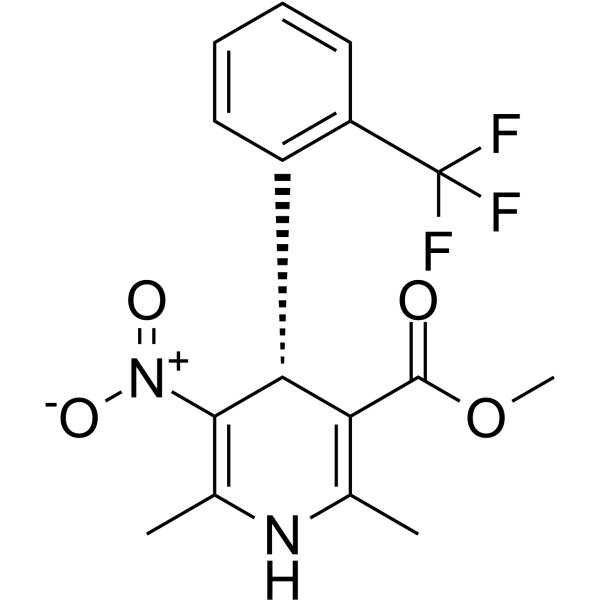
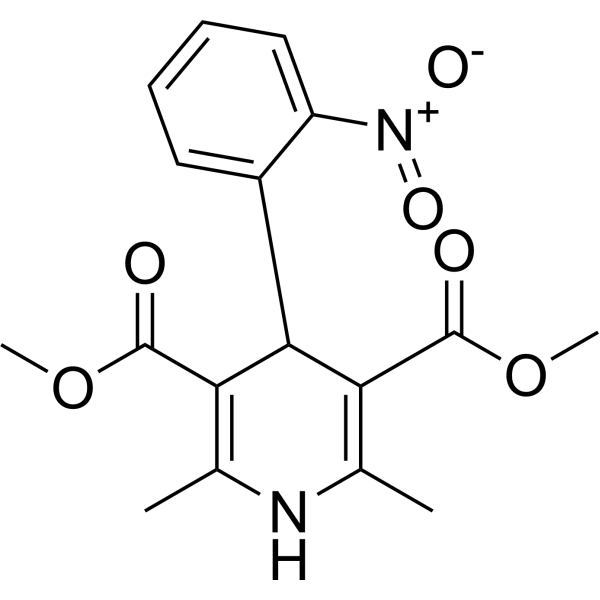
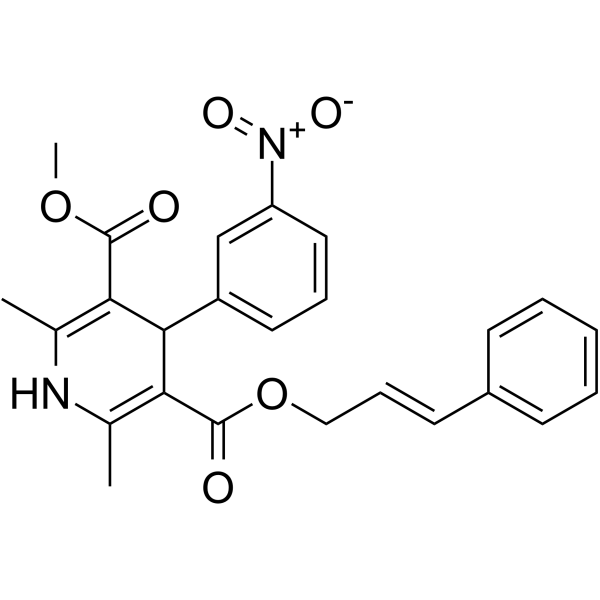
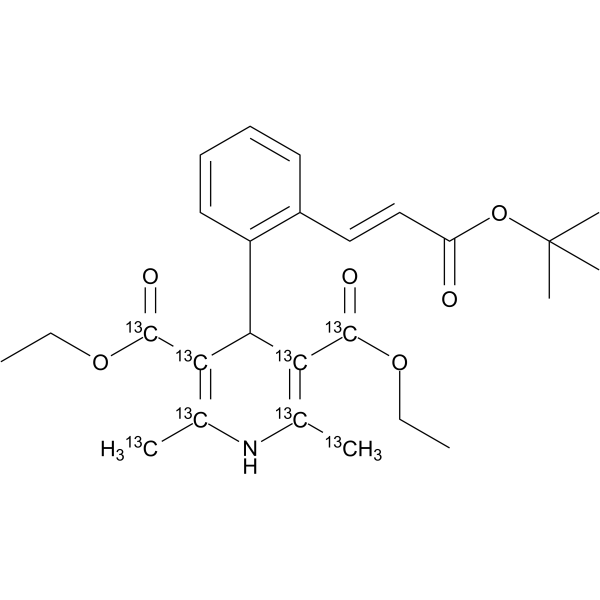
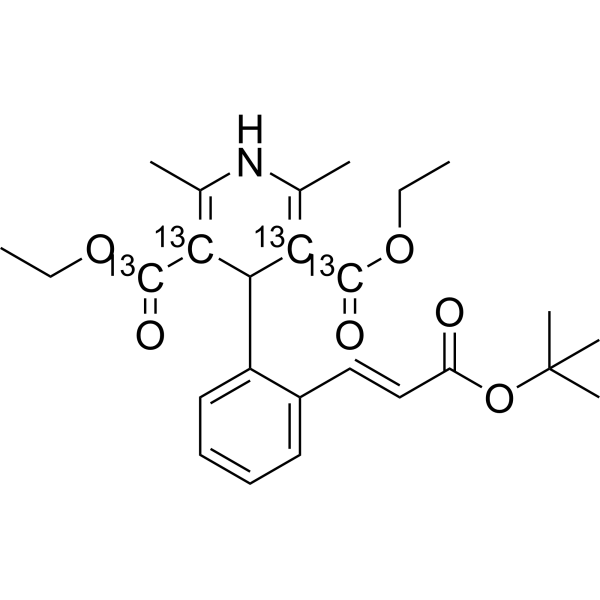
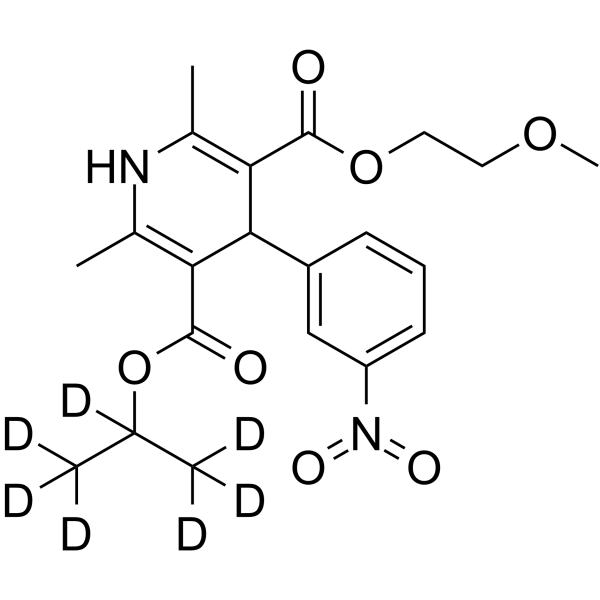
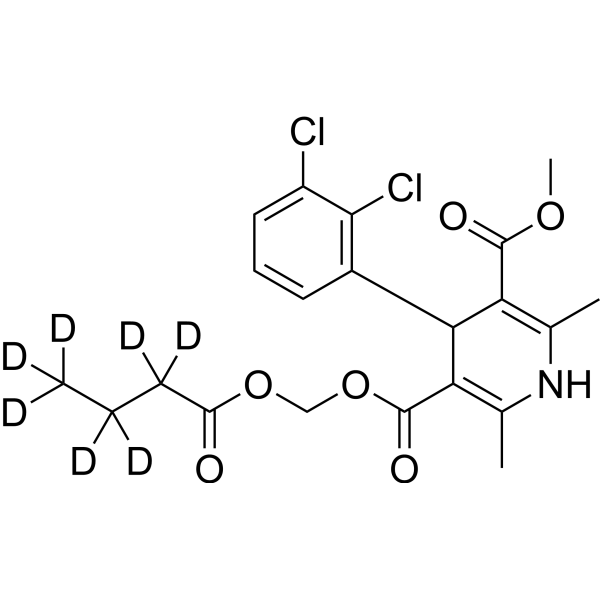
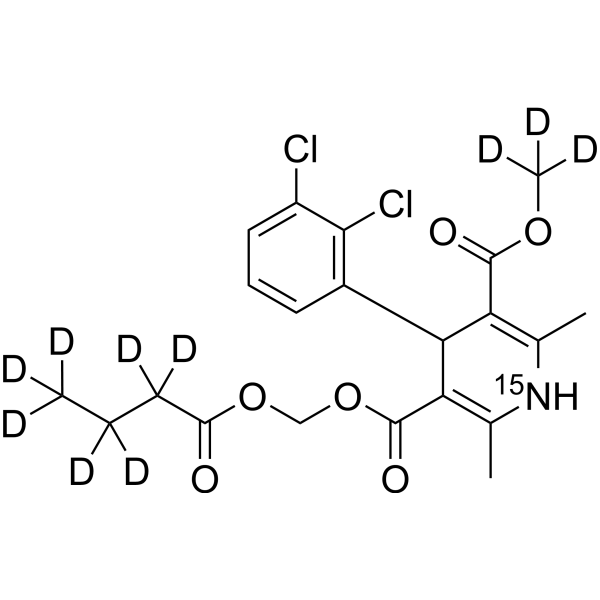
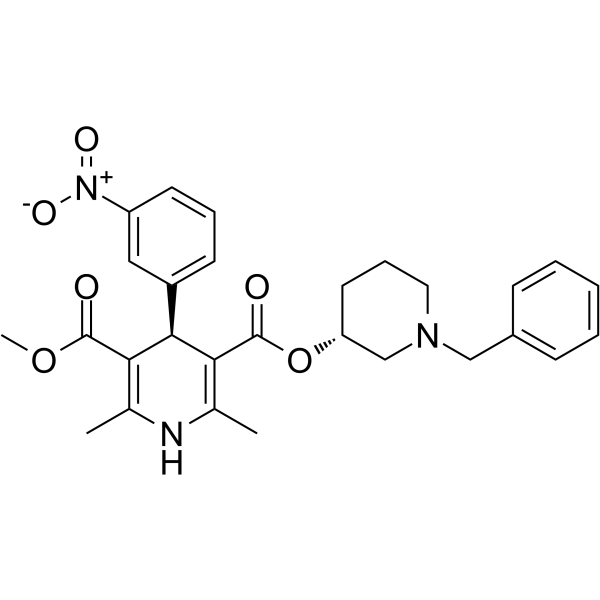
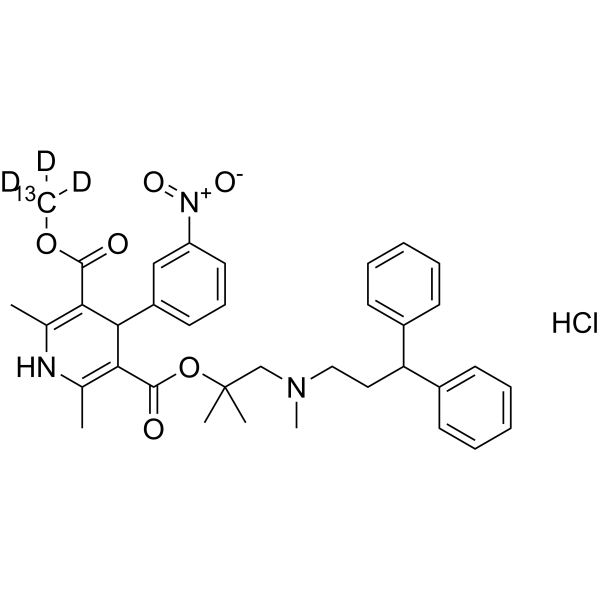
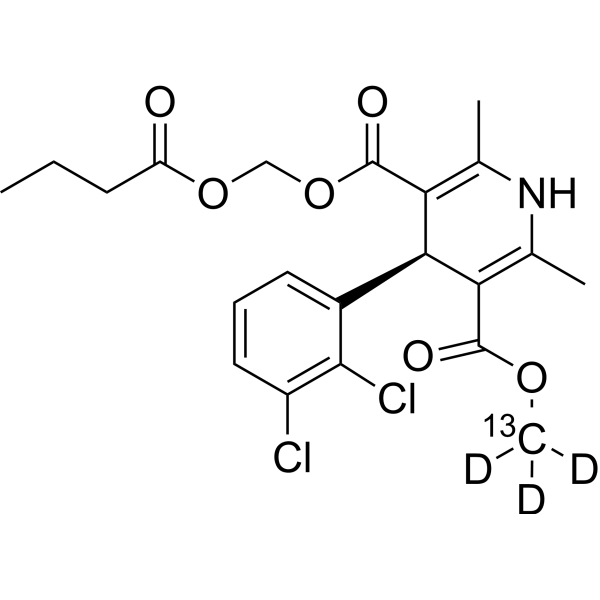
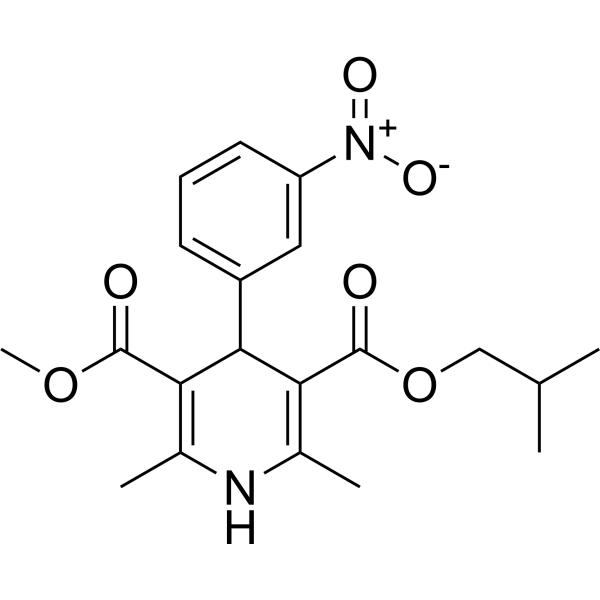
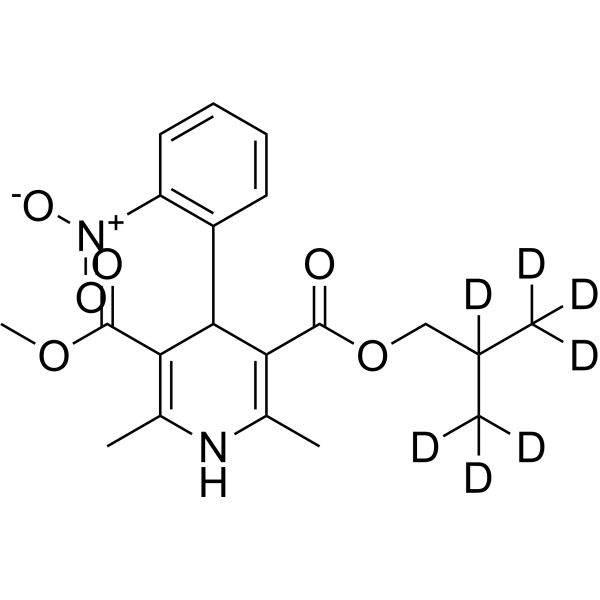
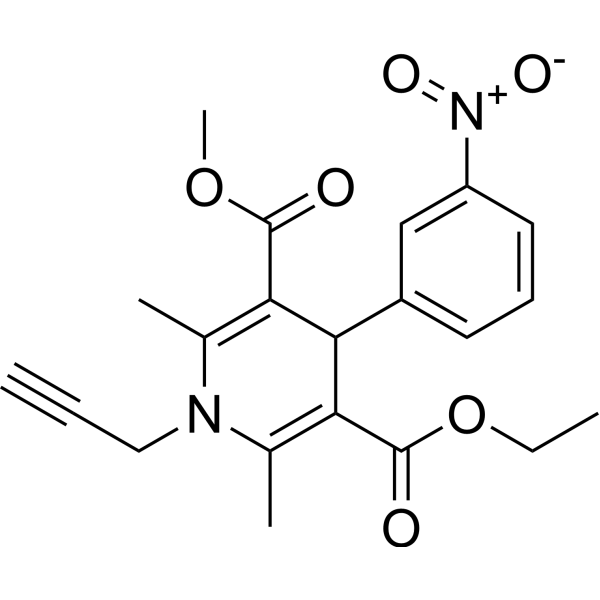
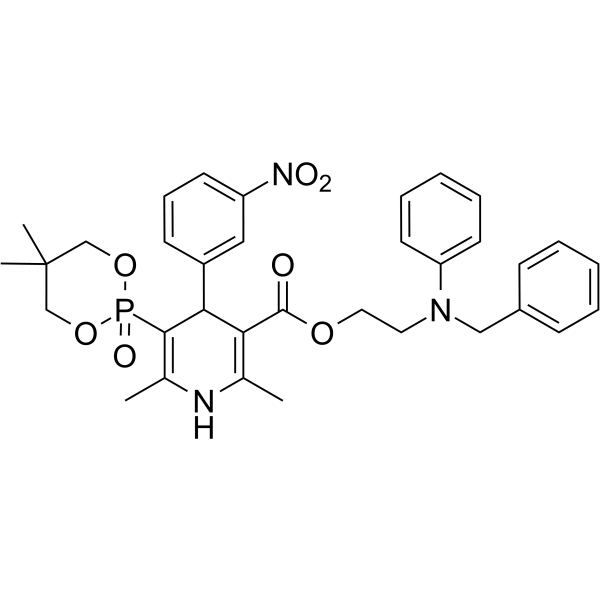
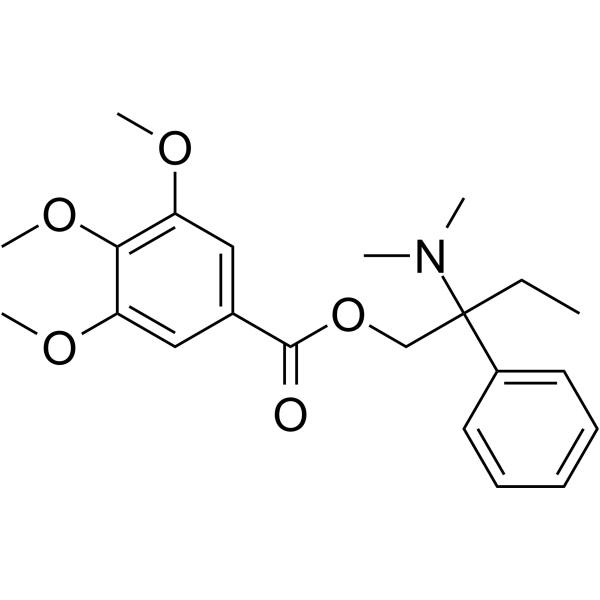
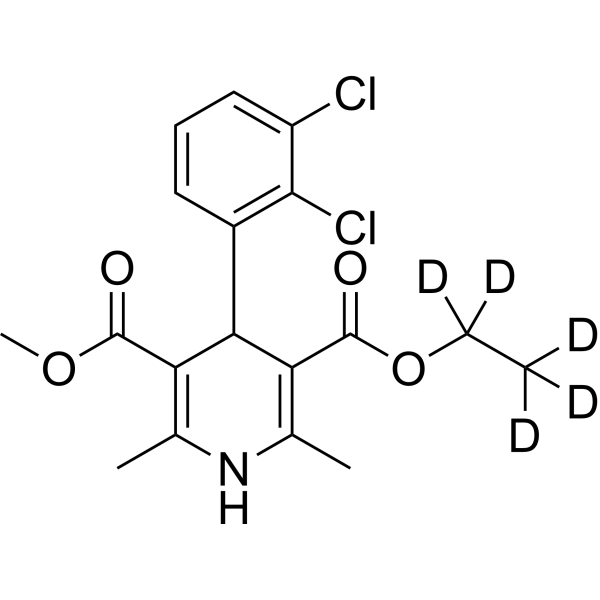
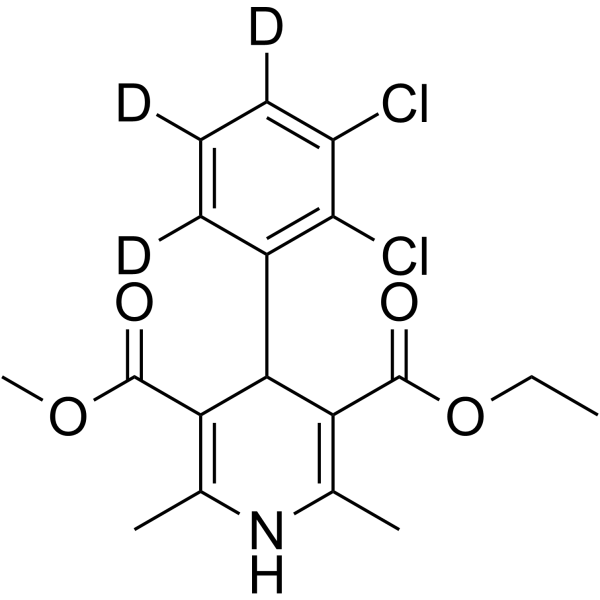
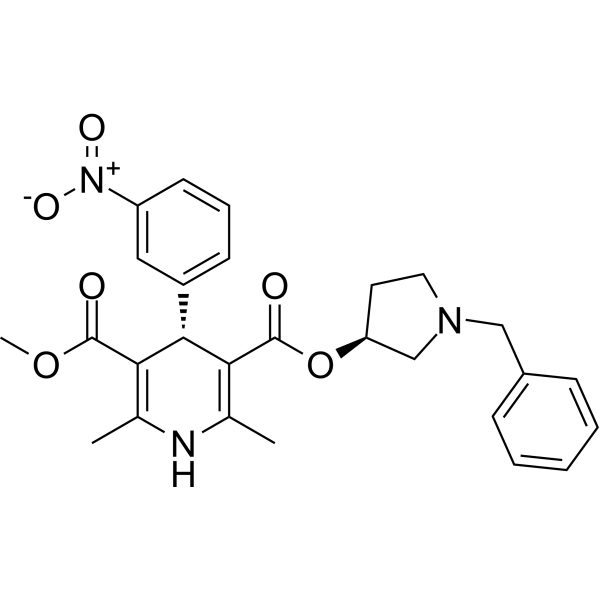
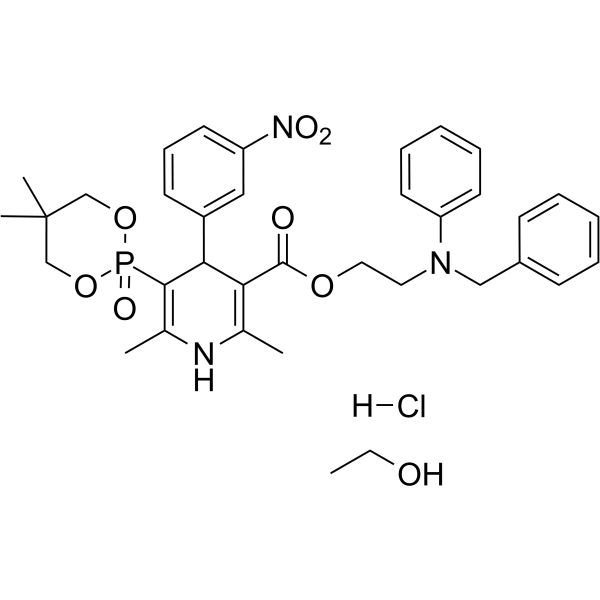
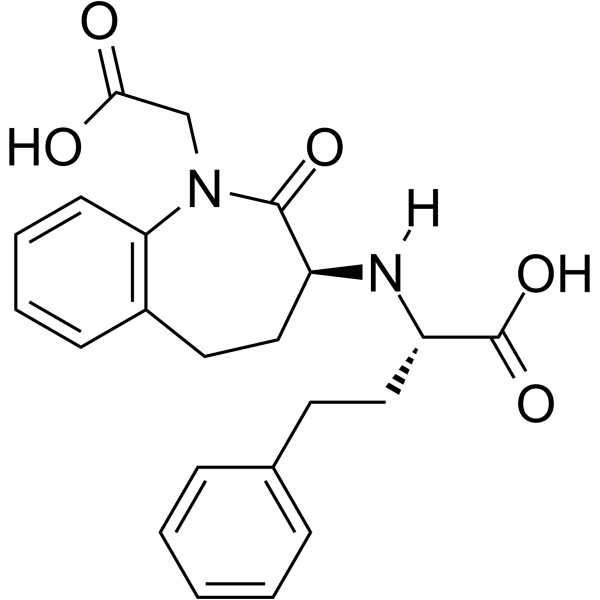
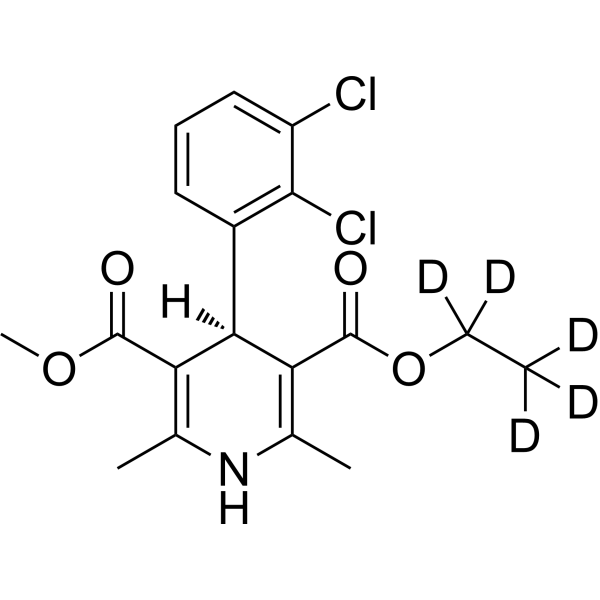
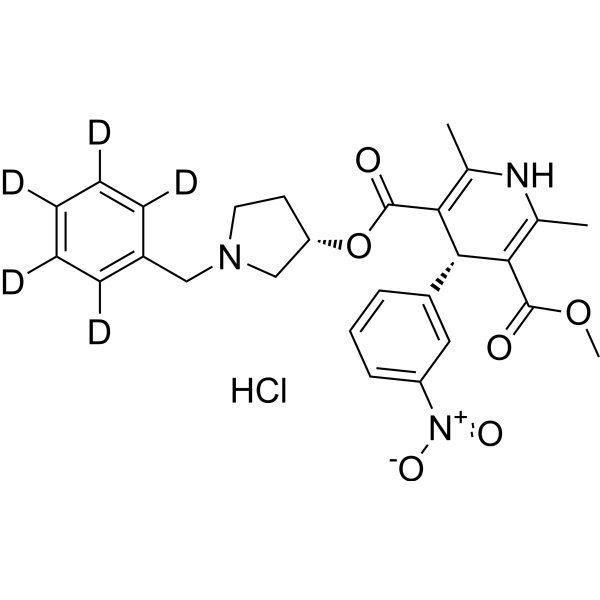
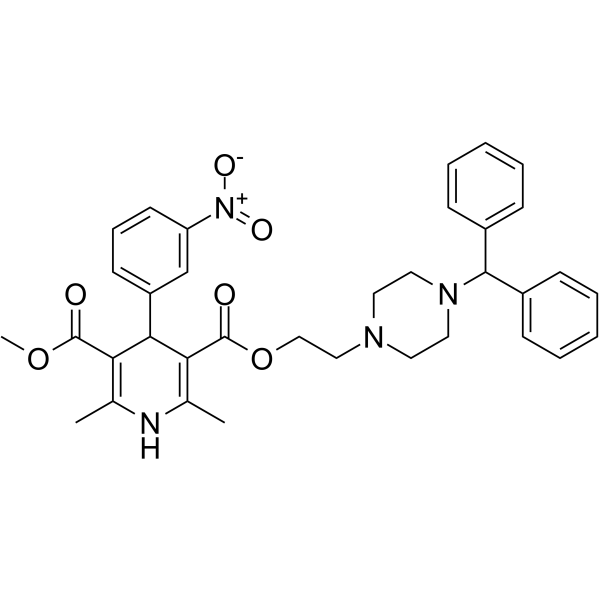
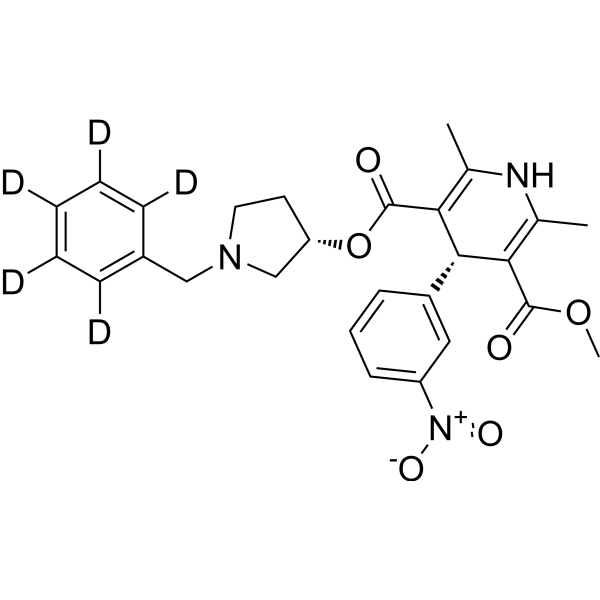
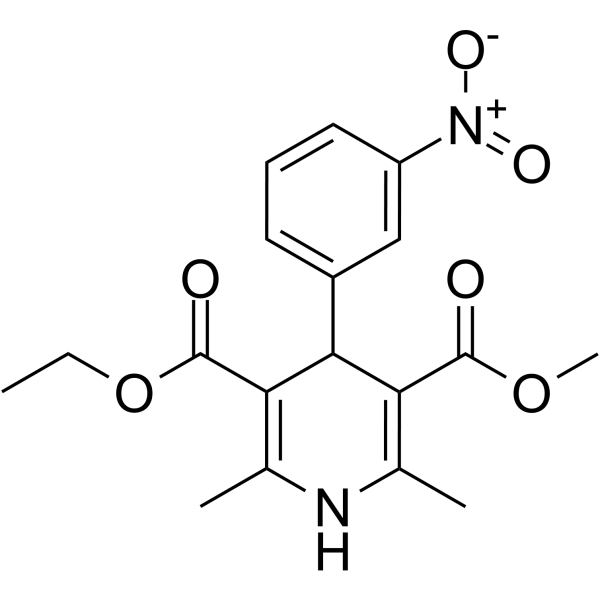
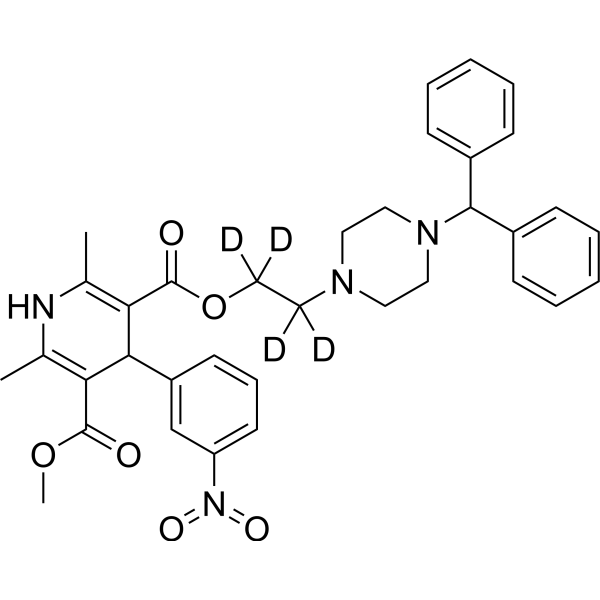
    Clevidipine is a selective, short-acting L-type calcium channel antagonist with an IC50 of 7.1 nM. Clevidipine can competitively bind to calcium channels and exert rapid vasoselective vasodilation by blocking the influx of extracellular calcium ions, thereby reducing peripheral vascular resistance and effectively controlling acute severe hypertension. Clevidipine can also protect the myocardium from reperfusion injury by promoting the release of nitric oxide (NO). Clevidipine can be used in the research of acute hypertension, perioperative blood pressure management, and myocardial ischemia-reperfusion injury .
    Clevidipine
  • HY-B0023
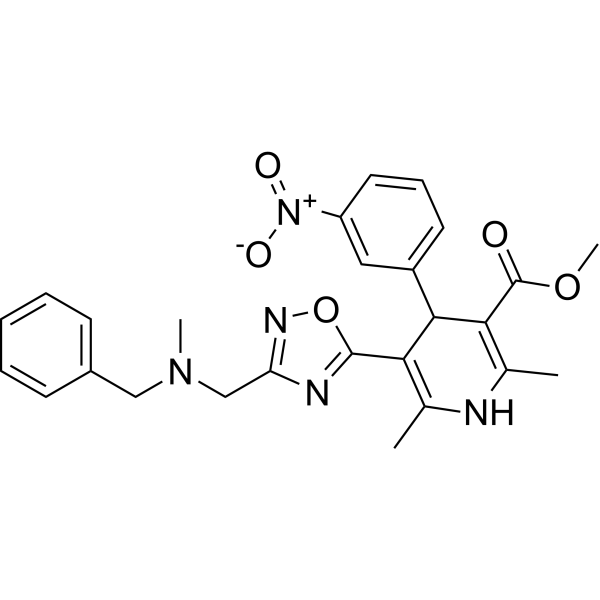
    Azelnidipine
    3 Publications Verification

    CS 905

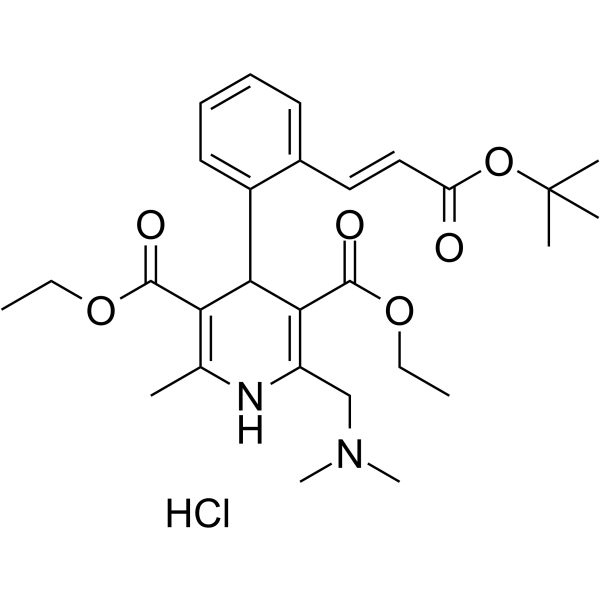
    Calcium Channel MEK Cardiovascular Disease Neurological Disease Inflammation/Immunology Cancer
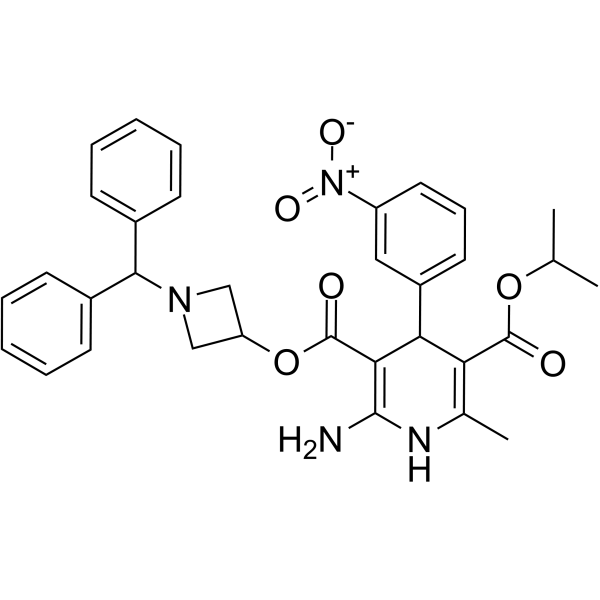
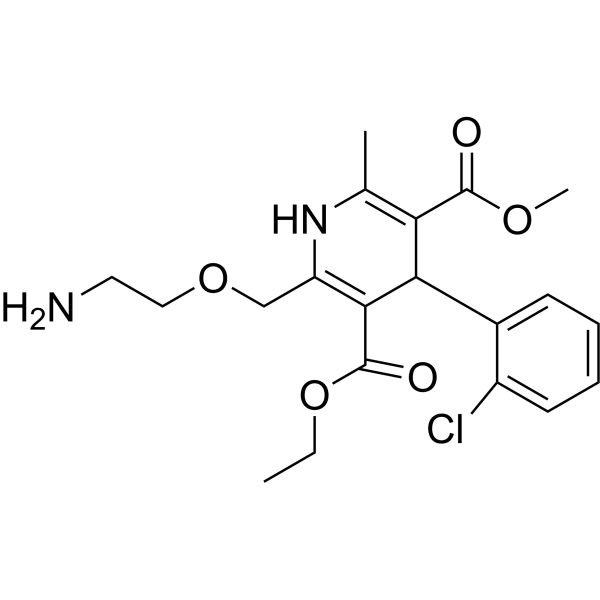
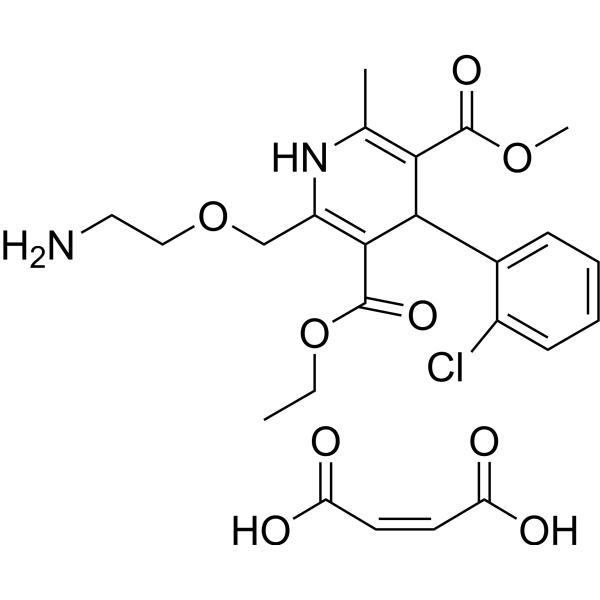
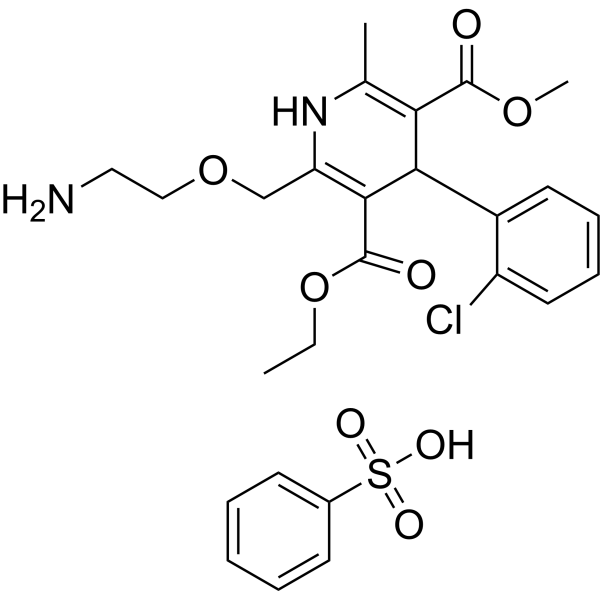
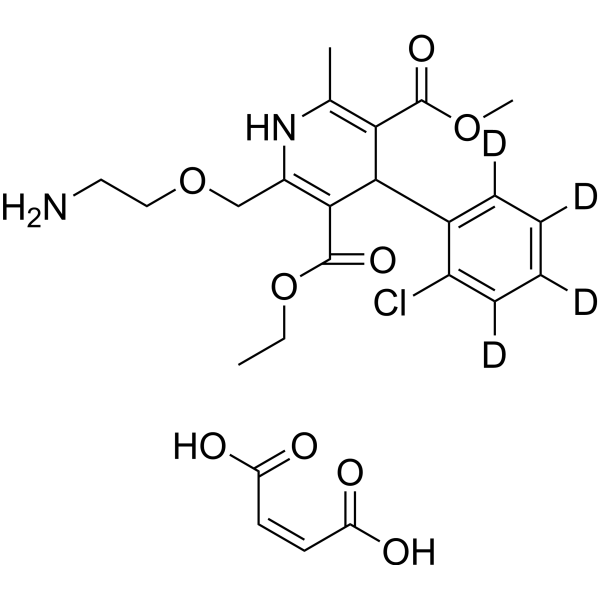
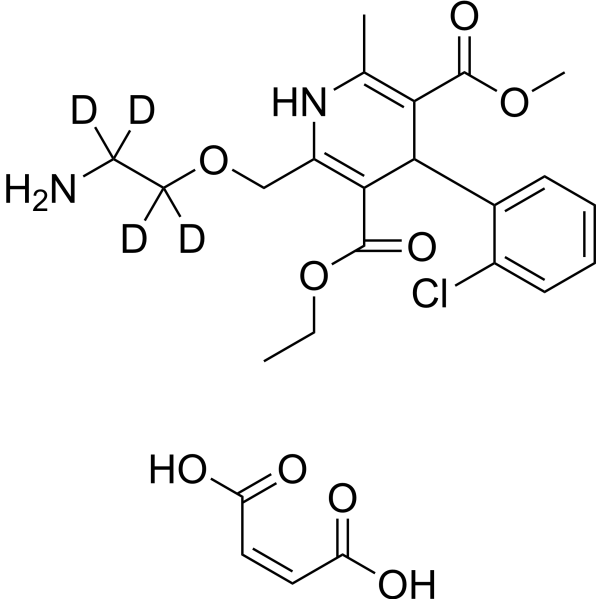
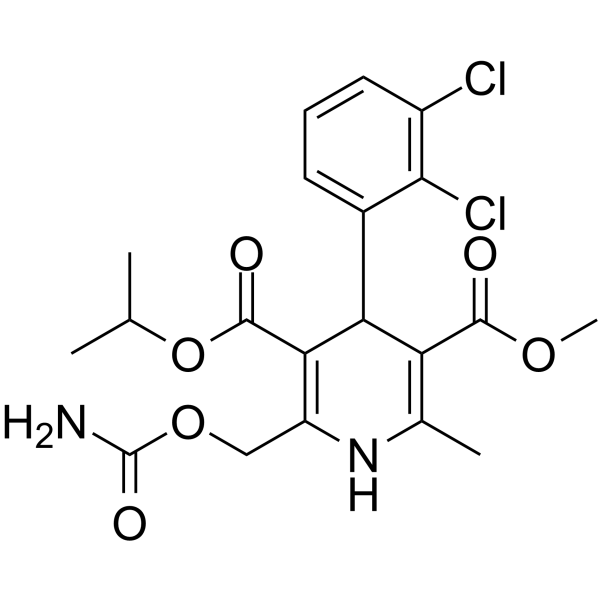
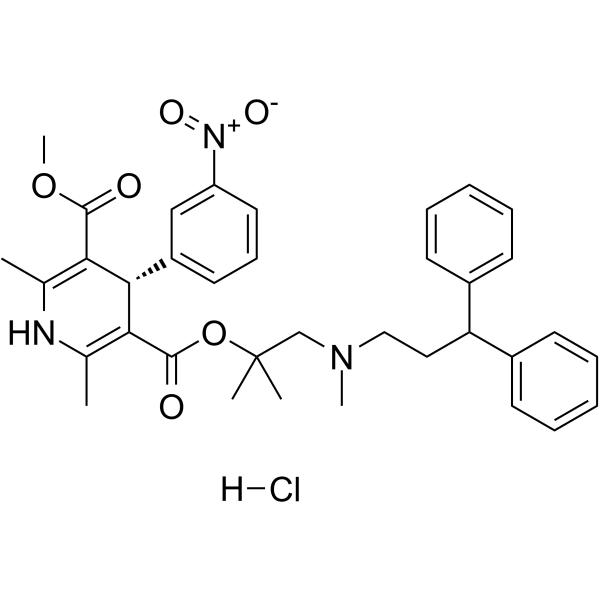
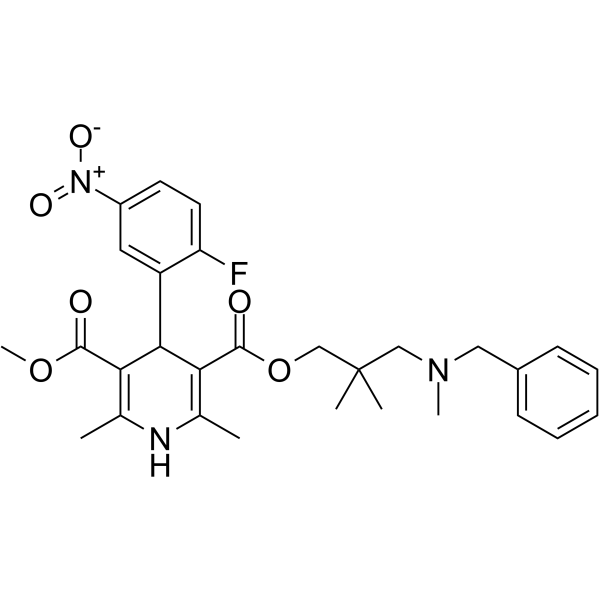
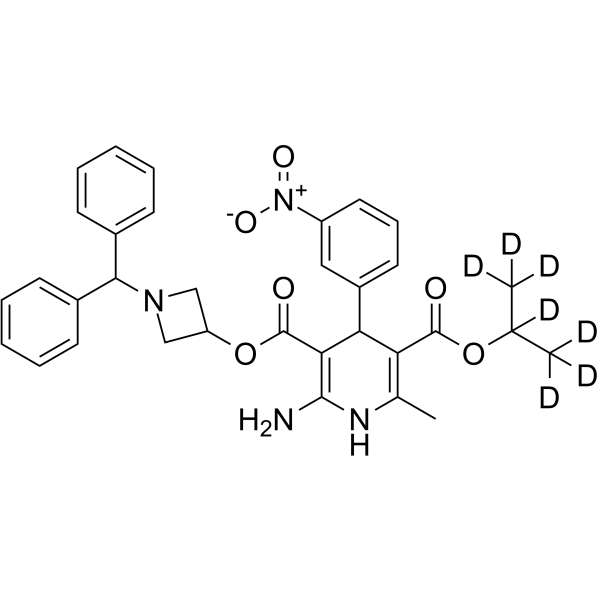
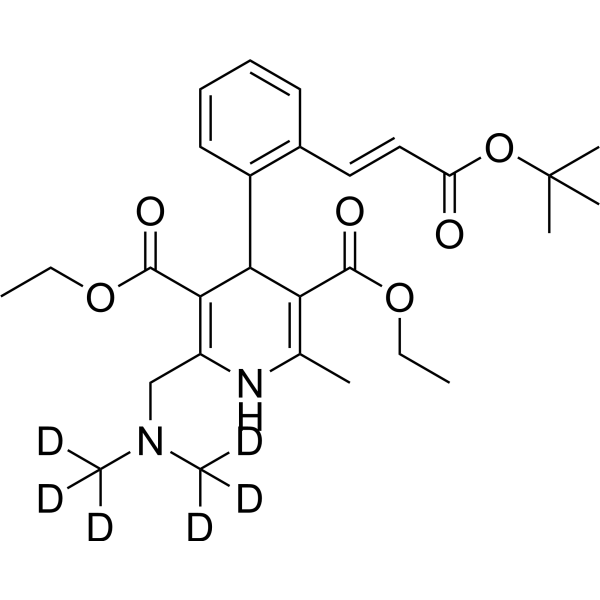
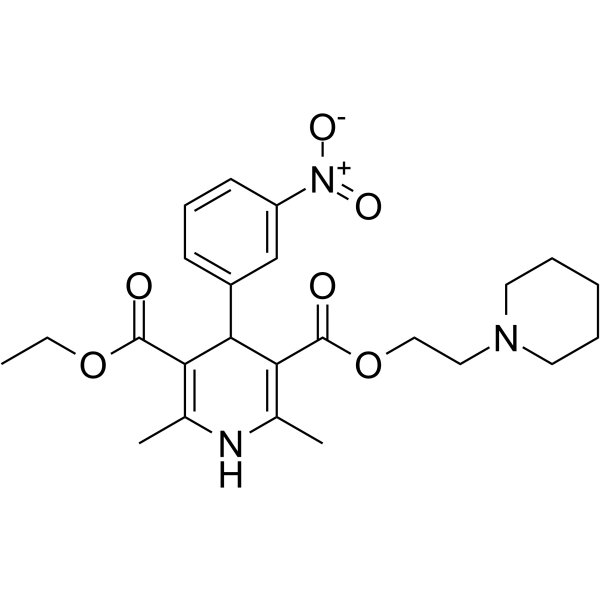
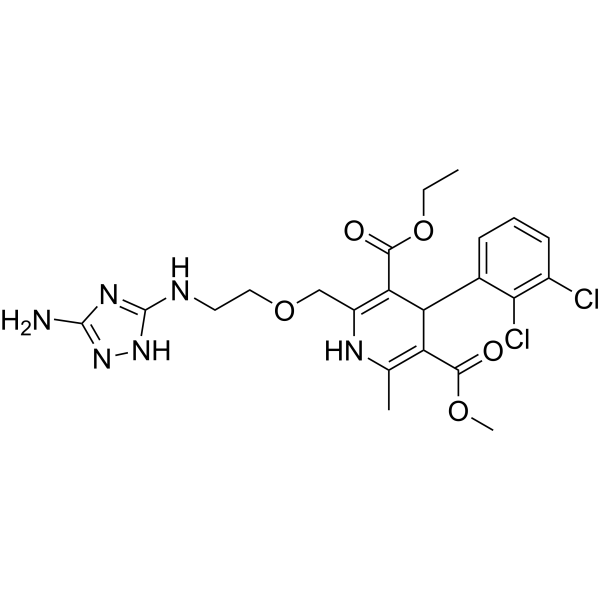
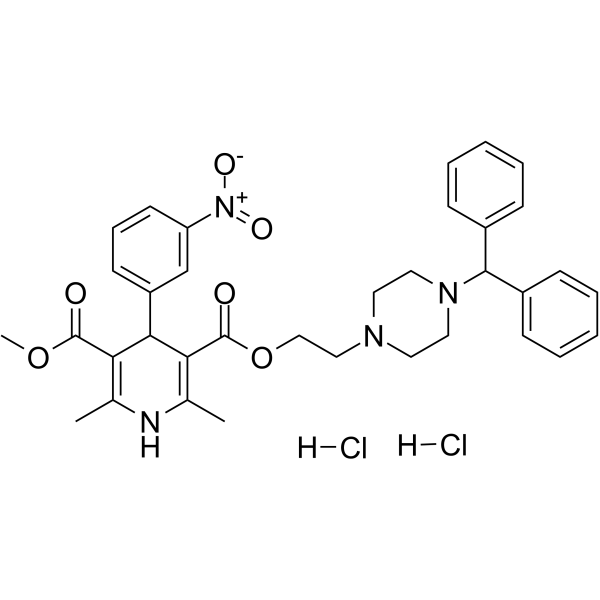
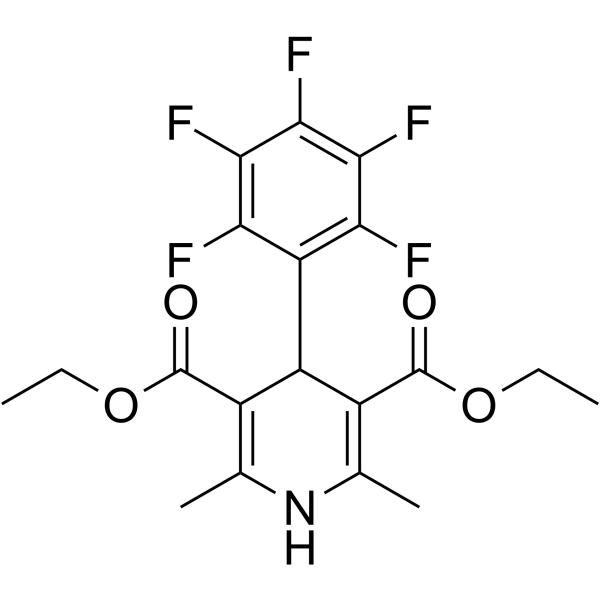
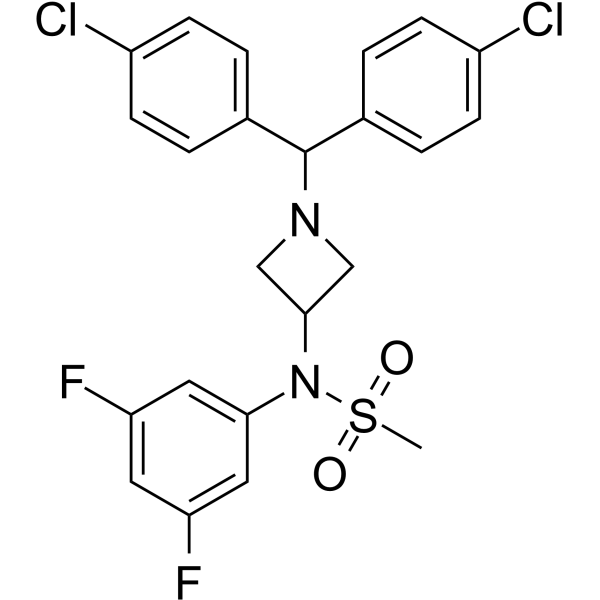
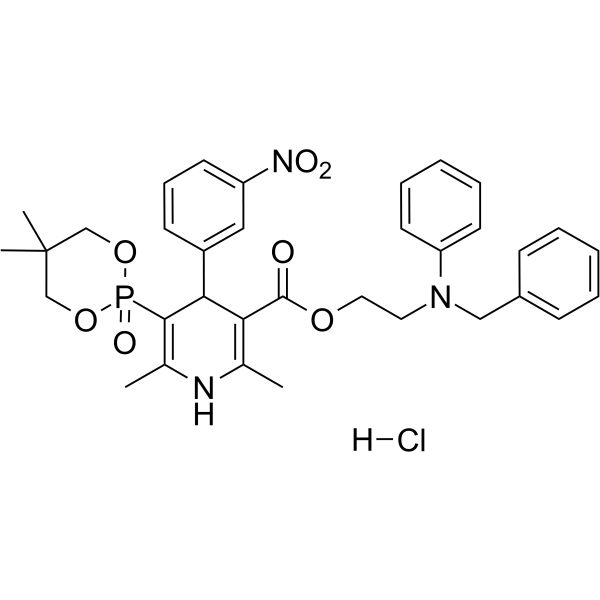
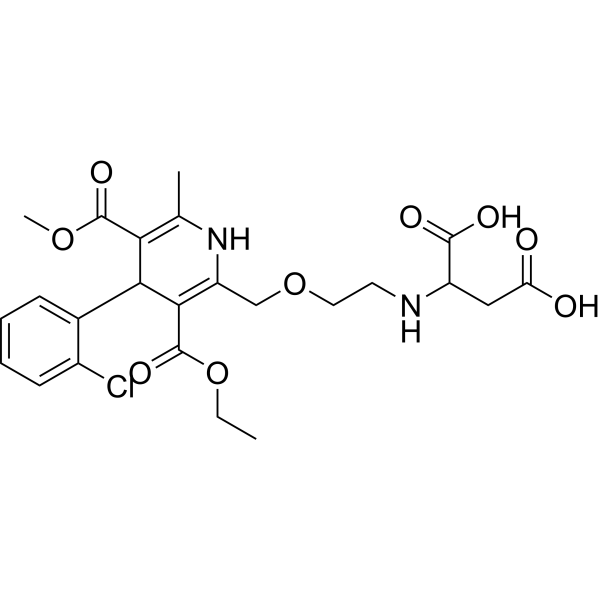
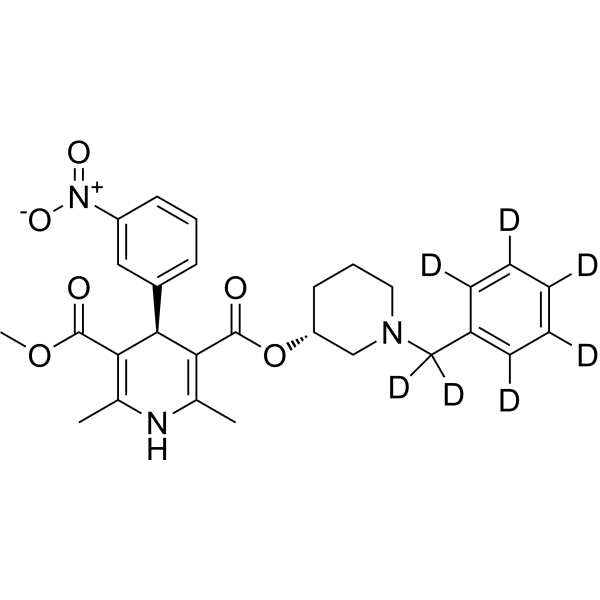
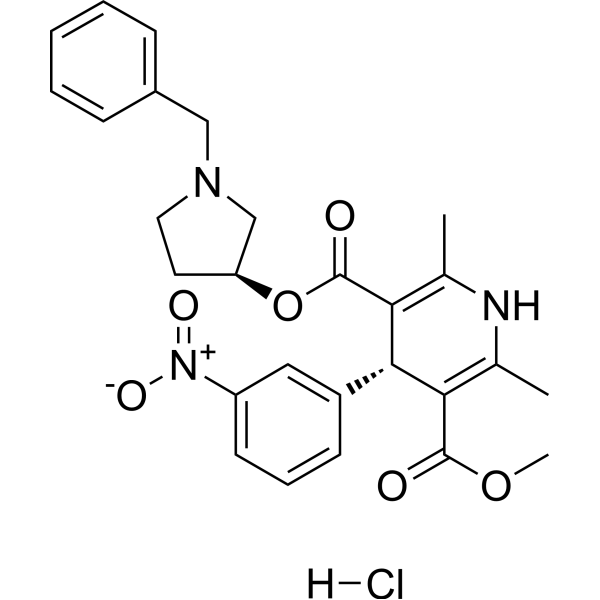
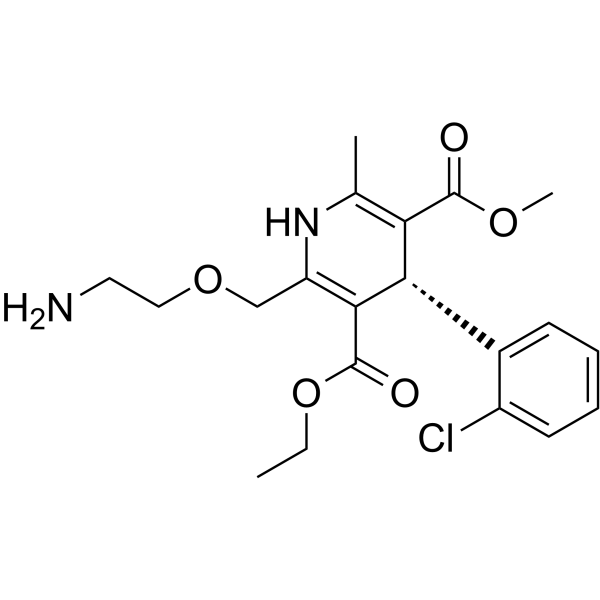
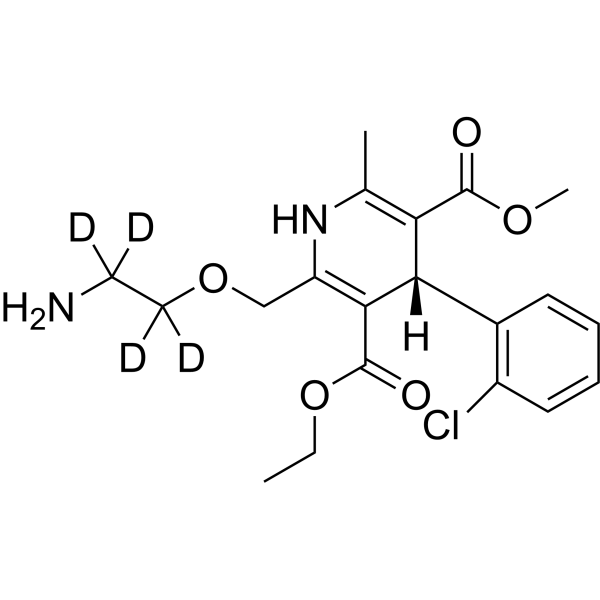
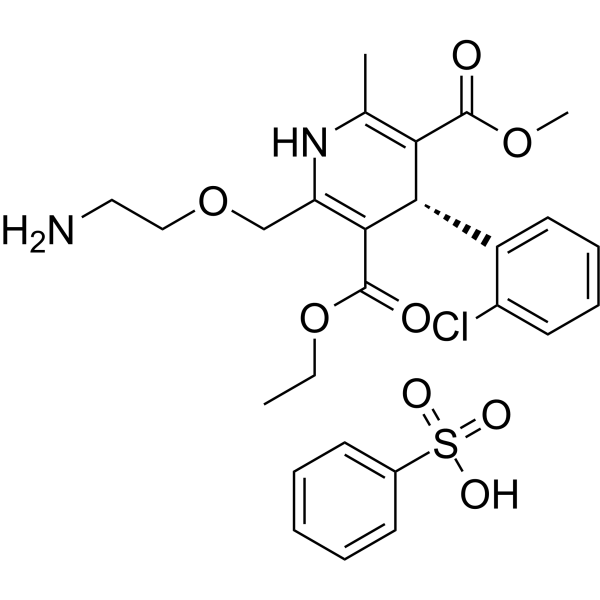
    Azelnidipine (CS 905) is a dihydropyridine calcium channel blocker that is effective orally. Azelnidipine inhibits the intracellular calcium ion flow and lower blood pressure by selectively blocking L-type calcium channel on the membrane of vascular smooth muscle. Azelnidipine inhibits esophageal squamous cell carcinoma proliferation by targeting MEK1/2. Azelnidipine also has anti-inflammatory, antioxidant and neuroprotective effects .
    Azelnidipine
  • HY-W013178

    Biochemical Assay Reagents Others
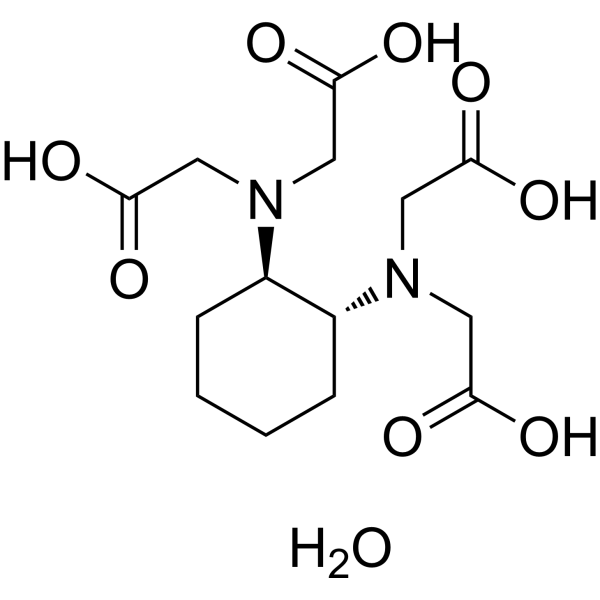
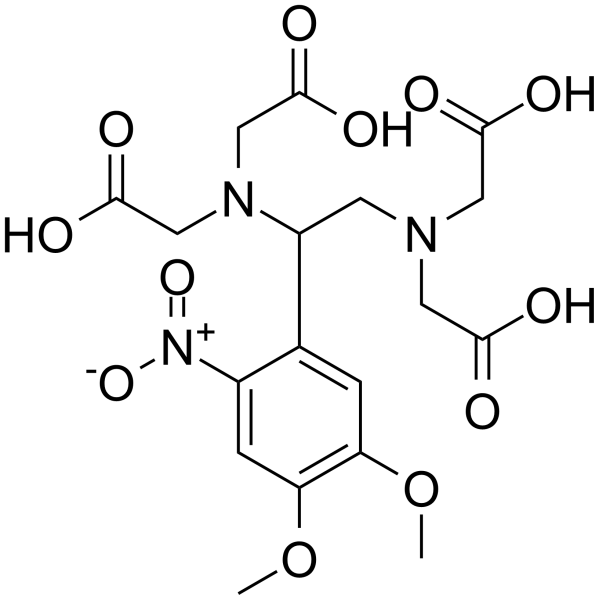
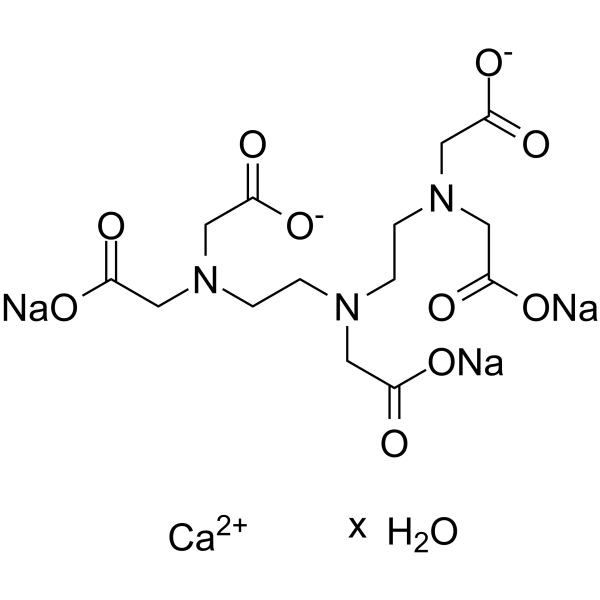
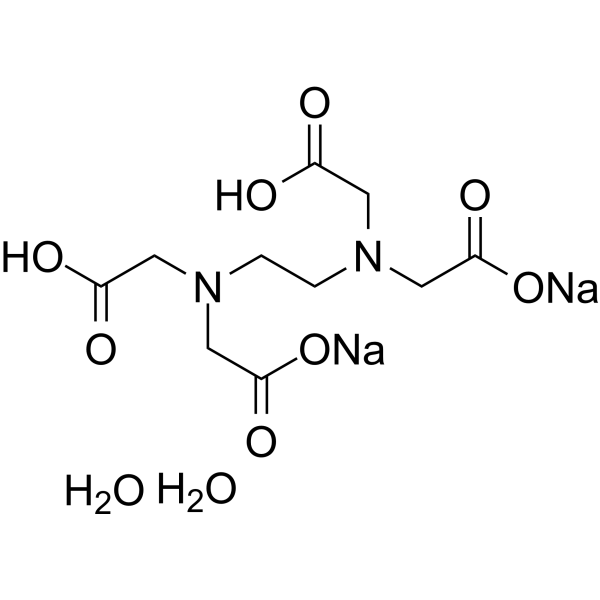
    DCTA monohydrate is an organic acid. DCTA refers to N,N,N',N' -tetraacetic acid, which has a strong chelating ability. DCTA monohydrate can be used as a chelating agent and coordination reagent for metal ions. DCTA monohydrate, for example, forms stable complexes with many metal ions, including calcium, magnesium and zinc. DCTA modified with ethylene glycol is selective to calcium ions in the presence of magnesium ions .
    DCTA monohydrate
  • HY-120601A
    Alizarin Red S
    5+ Cited Publications

    ARS

    Fluorescent Dye Others
    Alizarin Red S (ARS) is an anthraquinone derivative dye. When combined with cations such as calcium ions, the functional group of Alizarin Red S can form a coordination bond with the cation through the oxygen atom to show orange-red fluorescence. Alizarin Red S can be used for screening of calcium compounds in synovial fluid and detecting osteoblast differentiation, and can also be used for bone staining in mice. Excitation/emission wavelength: 500/570 nm .
    Alizarin Red S
  • HY-32337
    Tacalcitol
    3 Publications Verification

    1,24(R)-Dihydroxyvitamin D3; 1.alpha.,24R-Dihydroxyvitamin D3

    VD/VDR Interleukin Related Metabolic Disease Inflammation/Immunology Cancer
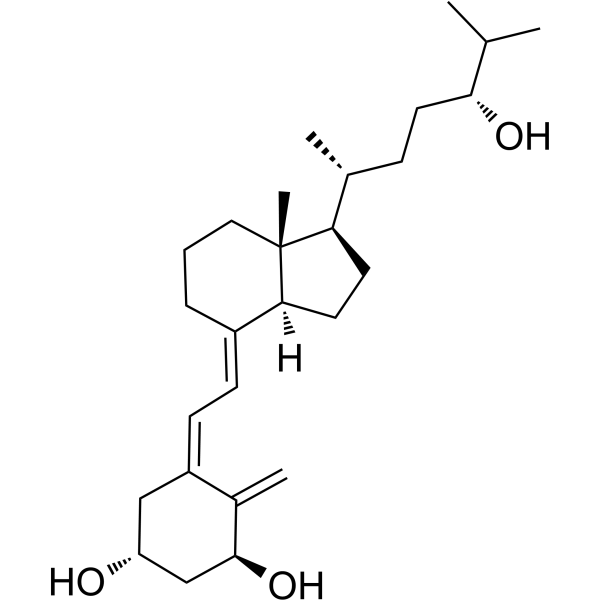
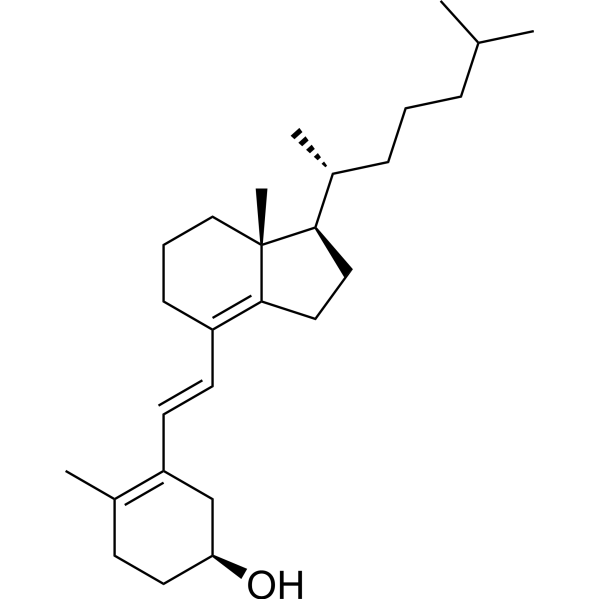
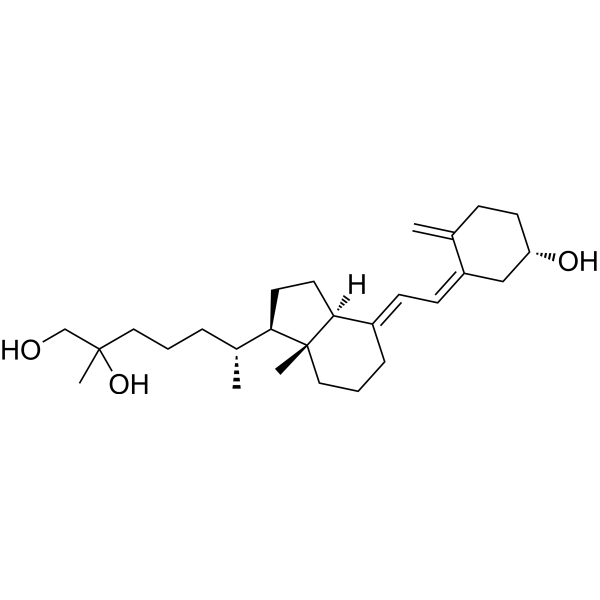
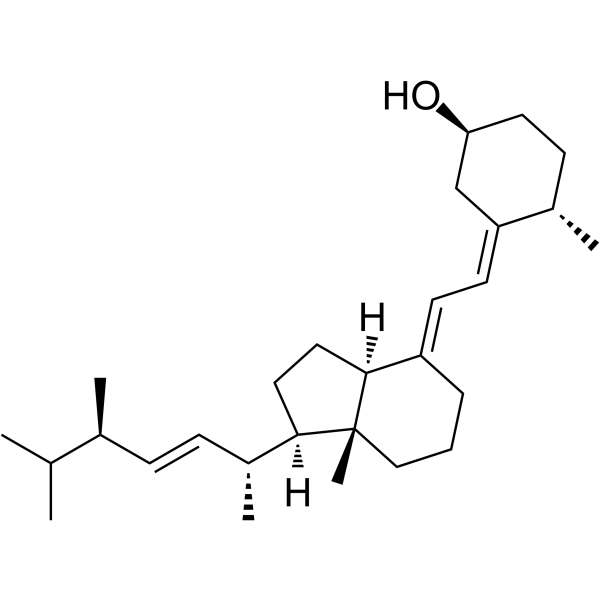
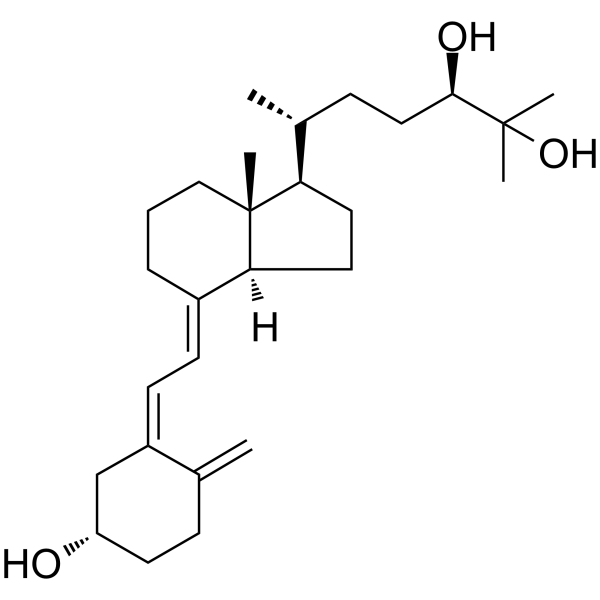
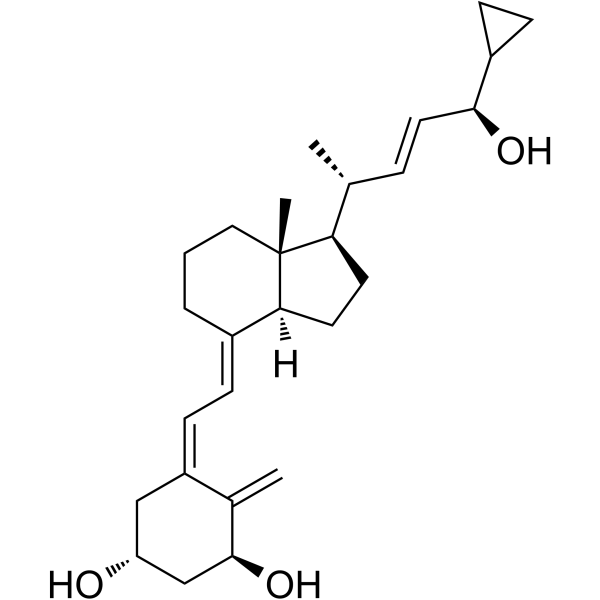
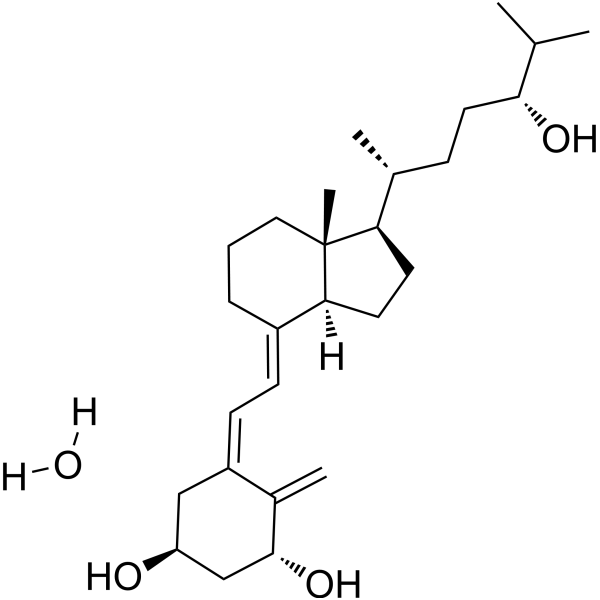
    Tacalcitol (1,24(R)-Dihydroxyvitamin D3; 1.alpha.,24R-Dihydroxyvitamin D3) can promote normal bone growth by regulating calcium ions. Tacalcitol inhibits cancer cell proliferation and migration. Tacalcitol can be used in the research of inflammation, cancer, and skin diseases .
    Tacalcitol
  • HY-10171
    NPS-2143 hydrochloride
    25+ Cited Publications

    SB-262470A hydrochloride

    CaSR Metabolic Disease
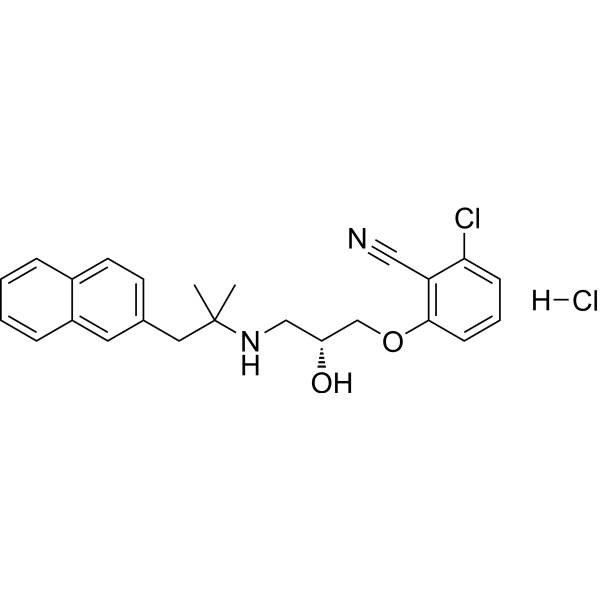
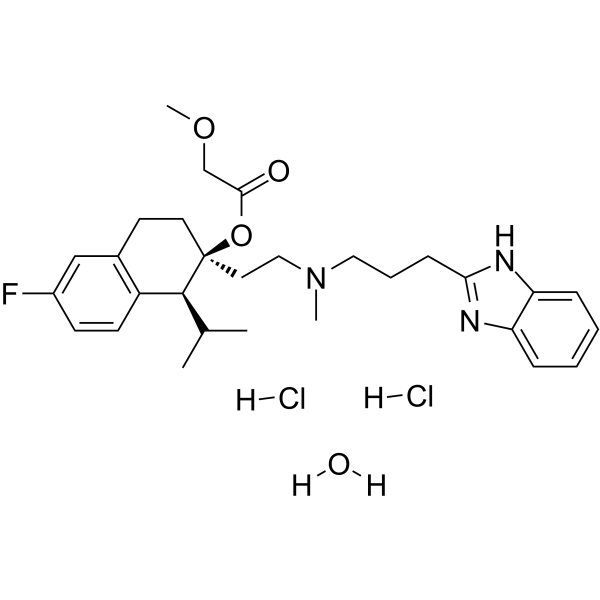
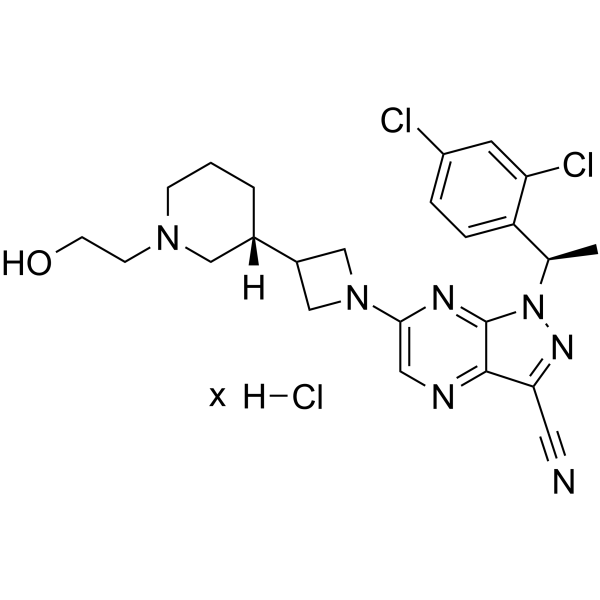
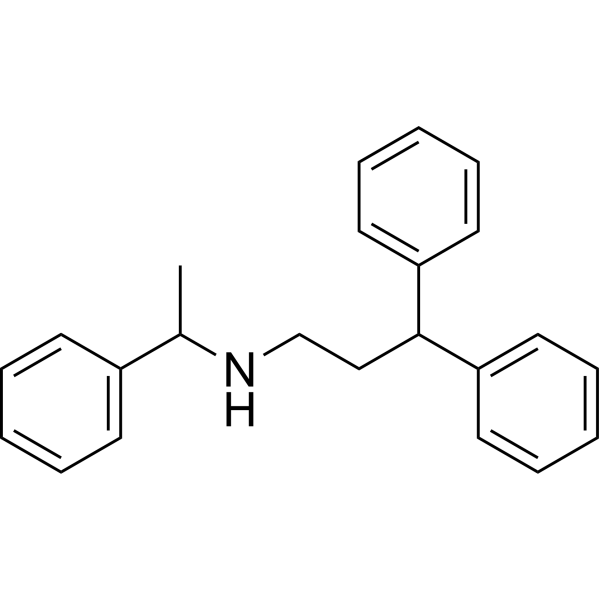
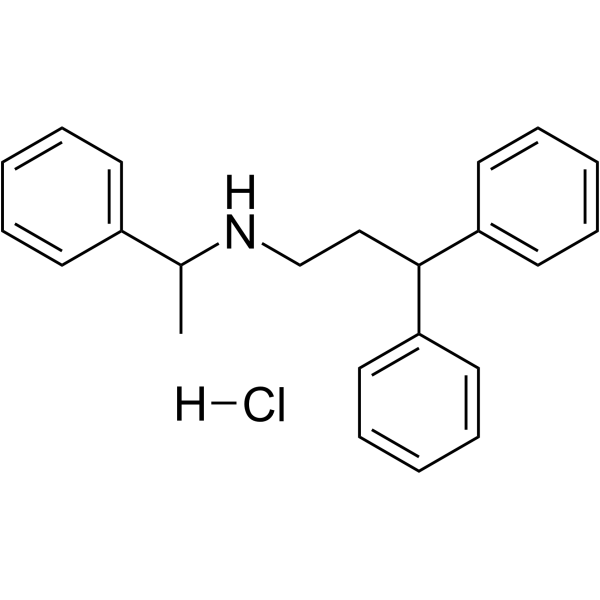
    NPS-2143 hydrochloride (SB-262470A hydrochloride), an orally active calcilytic agent, is a selective and potent calcium ion-sensing receptor (CaSR) antagonist. NPS-2143 hydrochloride (SB-262470A hydrochloride) blocks increases in cytoplasmic Ca 2+ concentrations (IC50=43 nM) elicited by activating the Ca 2+ receptor in HEK 293 cells expressing the human Ca 2+ receptor .
    NPS-2143 hydrochloride
  • HY-DY1028

    Fluorescent Dye Others
    Fluo-4 AM (solution) is a cell-permeable Ca 2+ (calcium ion) indicator (Ex/Em = 485/526 nm) .
    Solvent and concentration: DMSO: 1 mM
    Fluo-4 AM (solution)
  • HY-D0861A
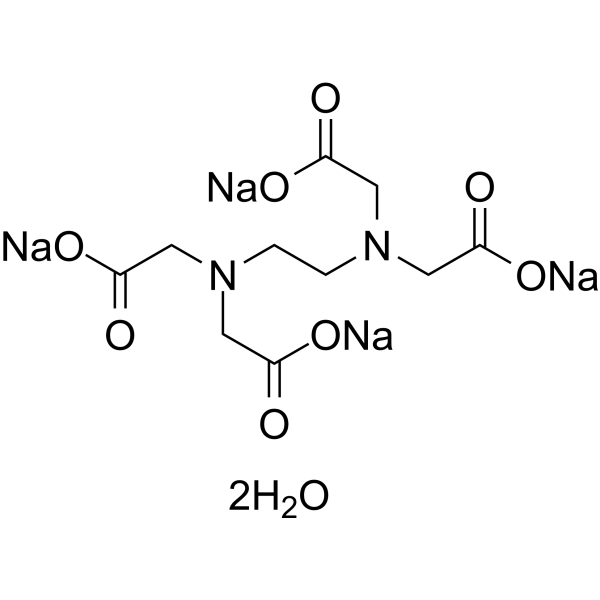
    EGTA tetrasodium
    20+ Cited Publications

    Biochemical Assay Reagents Inflammation/Immunology
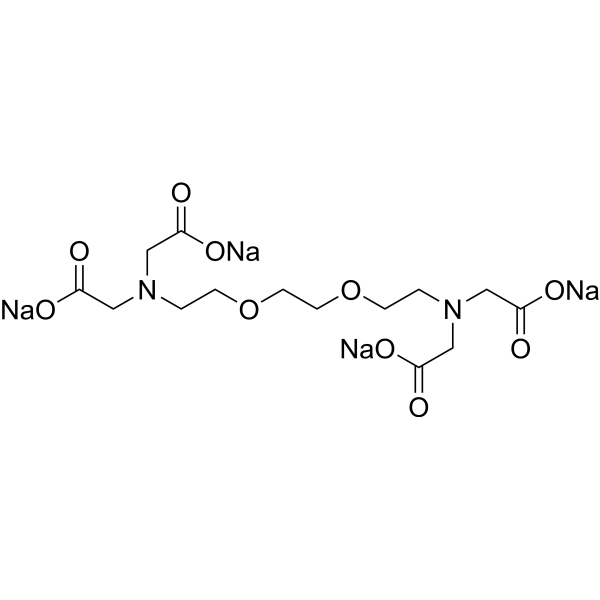
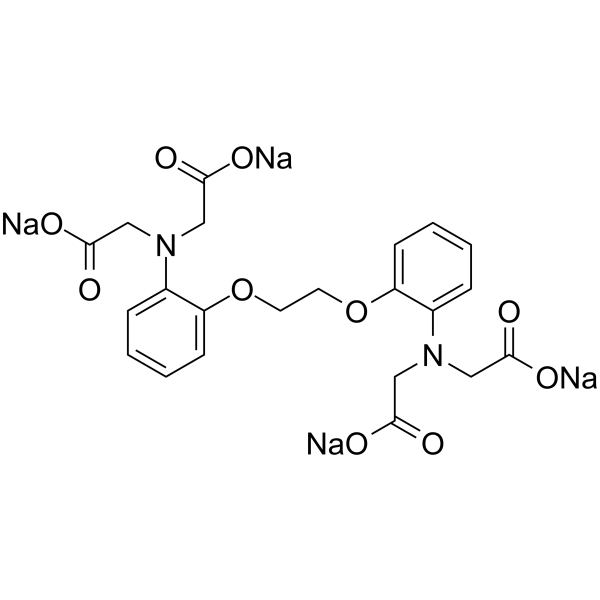
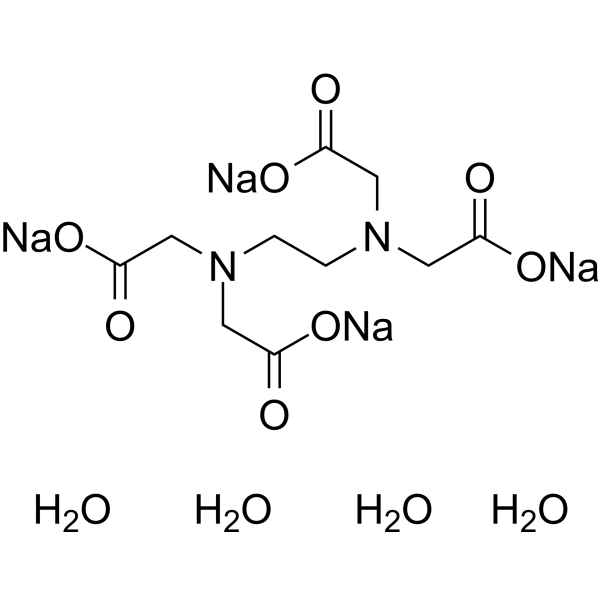
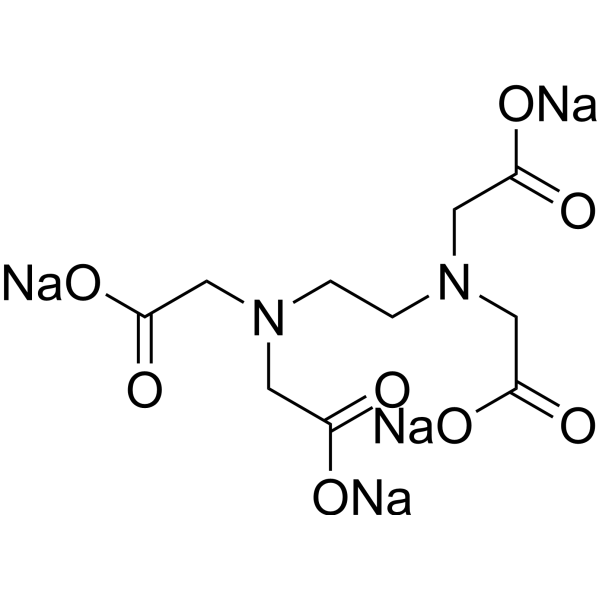
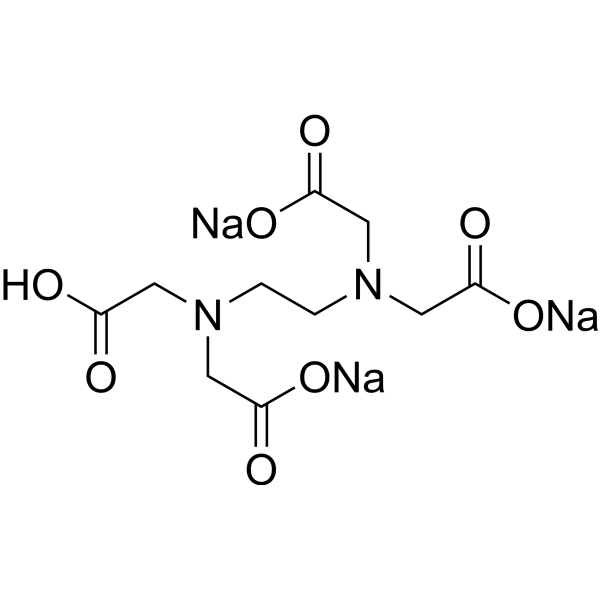
    EGTA tetrasodium is a cell-impermeant specific calcium ion chelator. EGTA tetrasodium has an apparent calcium dissociation constant (Kd) of 60.5 nM at physiological pH (7.4) and has very high specificity for Ca 2+ over Mg 2+ (Mg 2+ Kd 1-10 mM). EGTA tetrasodium significantly inhibits the substrate adherence capacity of inflammatory macrophages .
    EGTA tetrasodium
  • HY-100807R
    Quinolinic acid (Standard)
    5+ Cited Publications

    Reference Standards iGluR Endogenous Metabolite Reactive Oxygen Species (ROS) NO Synthase Apoptosis Neurological Disease Inflammation/Immunology
    Quinolinic acid (Standard) is the analytical standard of Quinolinic acid. This product is intended for research and analytical applications. Quinolinic acid, an endogenous metabolite of tryptophan, is a N-methyl-D-aspartate receptor (NMDA receptor) agonist. Quinolinic acid increases glutamate efflux, induces the generation of ROS, activates nitric oxide synthase, produces excessive NO, leading to calcium ion influx and neuronal apoptosis.
    Quinolinic acid (Standard)
  • HY-B1090

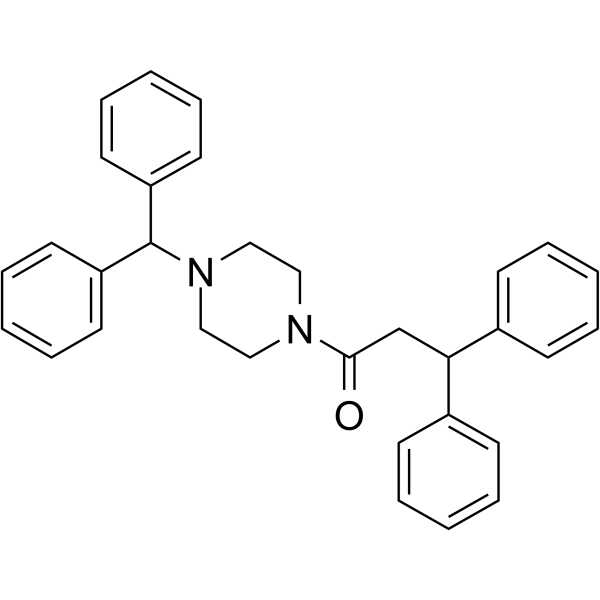
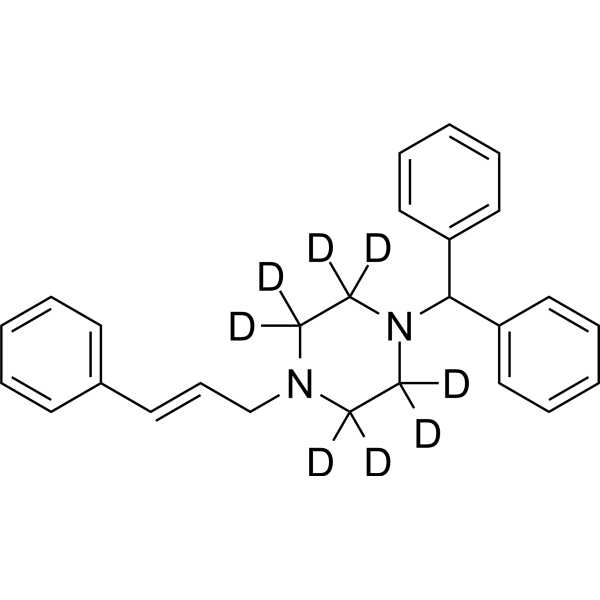
    Calcium Channel Histamine Receptor Cardiovascular Disease Endocrinology
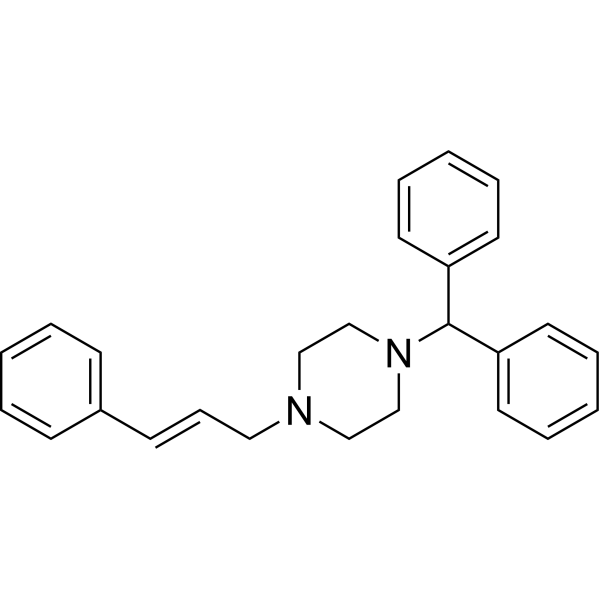
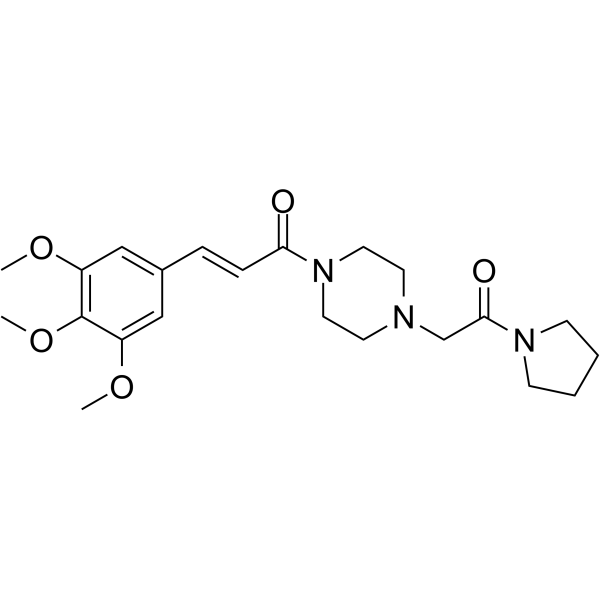
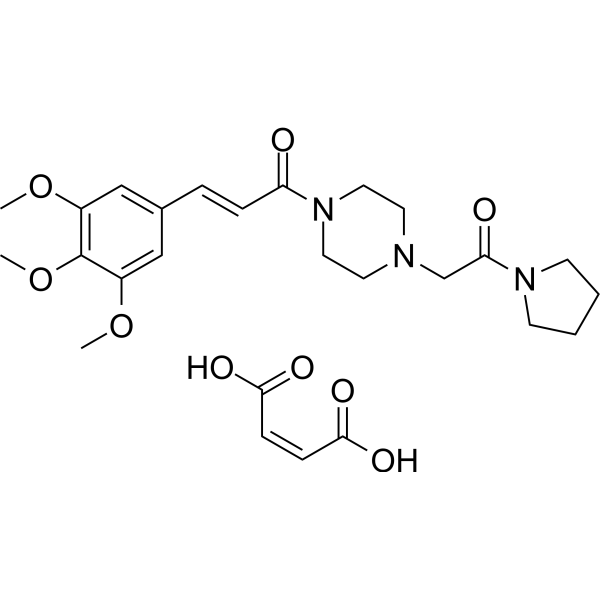
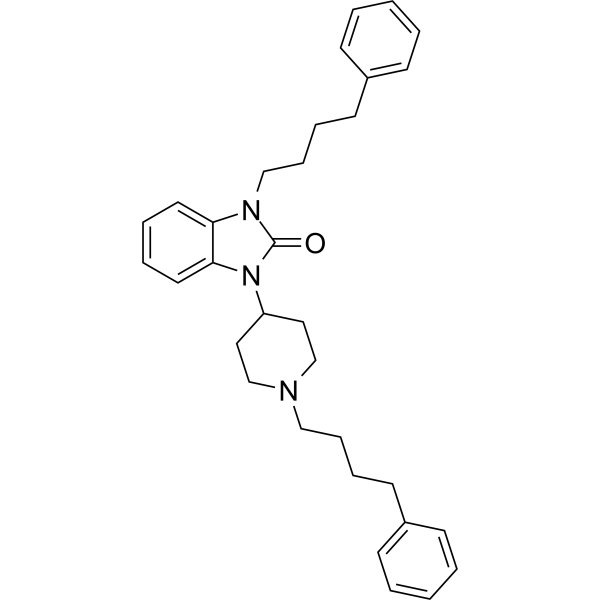
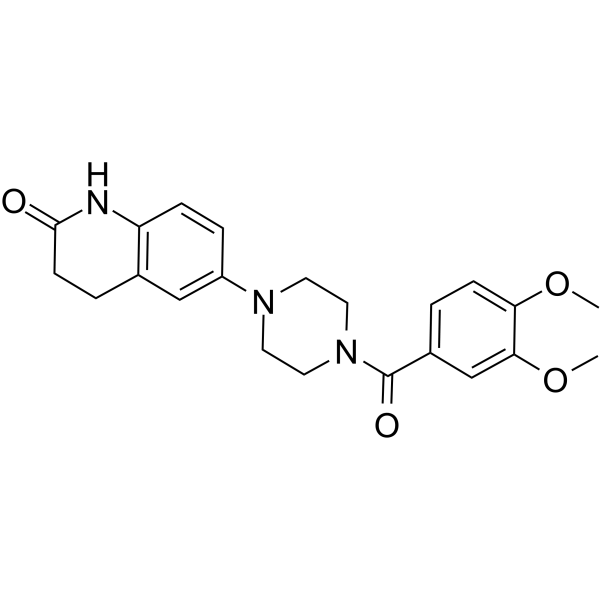
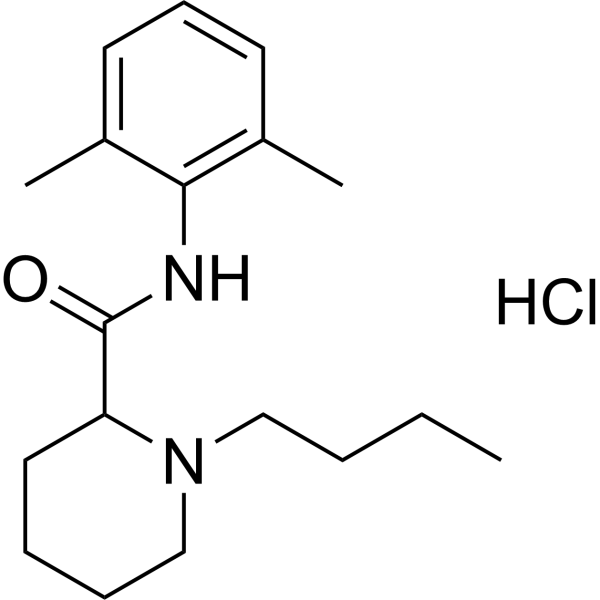
    Cinnarizine is an orally active, effective and selective inhibitor of L-type calcium channel Cav1.3 with an IC50 of 1.5 μM (in vestibular hair cells). Cinnarizine can cross the blood-brain barrier and regulate calcium homeostasis and dopamine neurotransmission. Cinnarizine inhibits the influx of calcium ions into smooth muscle cells by blocking L-type calcium channels, thereby relaxing vascular smooth muscle, improving cerebral circulation and reducing blood viscosity, while antagonizing dopamine receptors. Cinnarizine can be used in the study of vestibular vertigo, Meniere's disease and cerebrovascular diseases .
    Cinnarizine
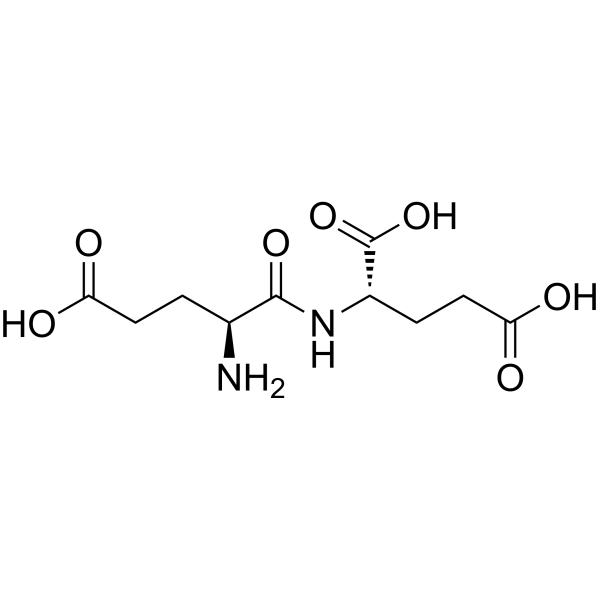
  • HY-118060

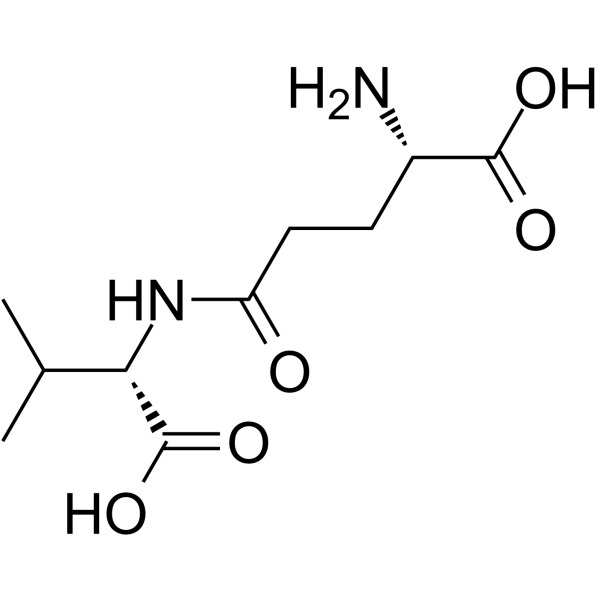
    N-Valyltryptophan; Val-Trp

    Angiotensin-converting Enzyme (ACE) Calcium Channel NO Synthase Cardiovascular Disease
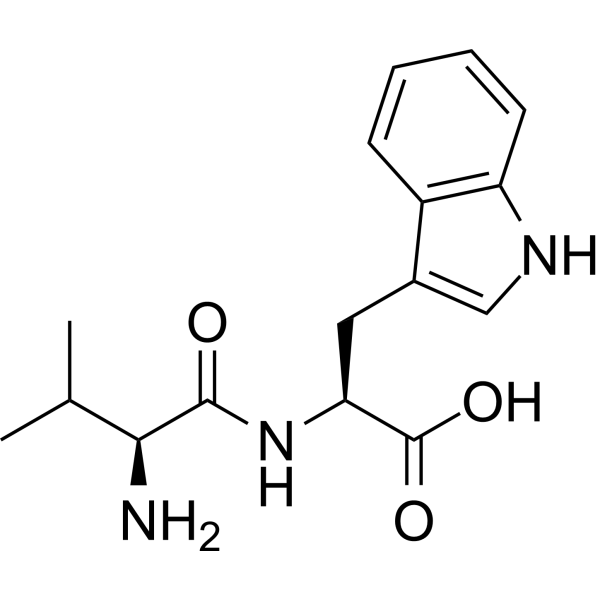
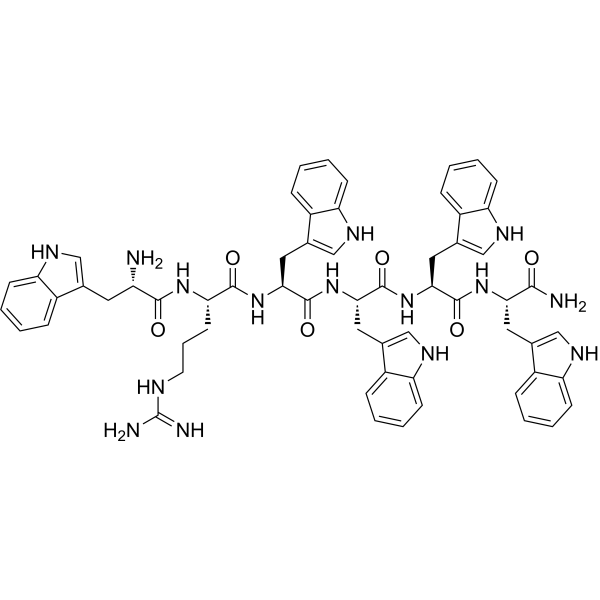
    Dipeptide 2 (N-Valyltryptophan) is an orally active, competitive angiotensin-converting enzyme (ACE) inhibitory peptide with an IC50 of 10.50 μM. Dipeptide 2 reduces intracellular Calcium ions. Dipeptide 2 significantly increases the content of NO, inhibits the production of ET-1, and induces the phosphorylation of eNOS. Dipeptide 2 decreases the systolic and diastolic blood pressure of spontaneously hypertensive rats .
    Dipeptide 2
  • HY-P2168

    Oxytocin Receptor Drug Derivative Metabolic Disease
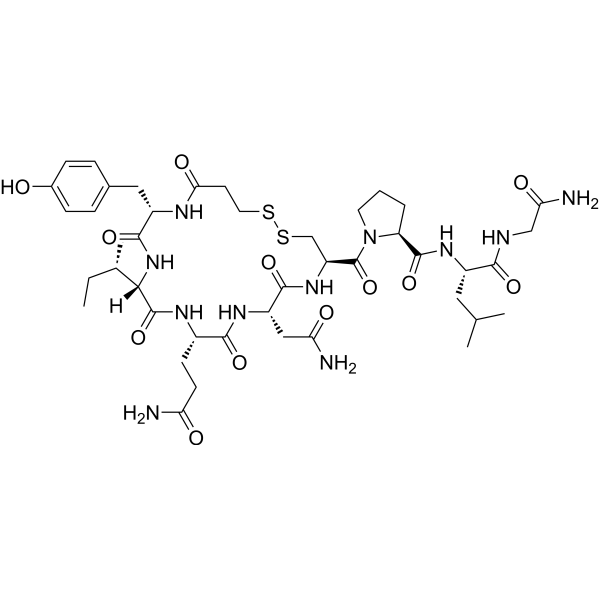
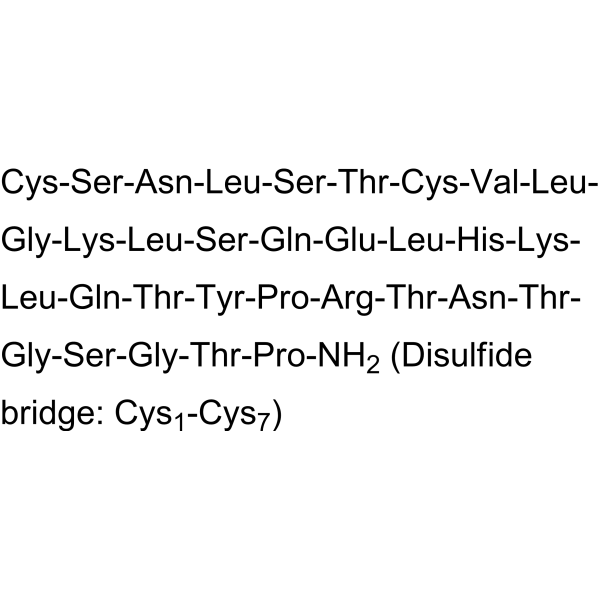
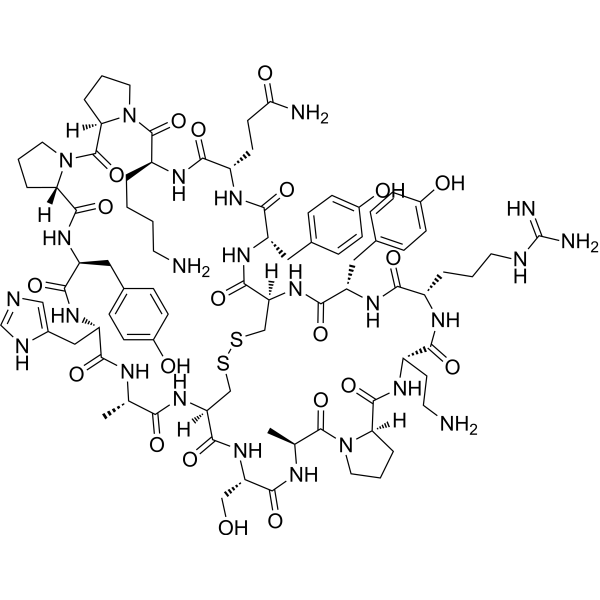
    Demoxytocin is a heterologous cyclic peptide and an analog of Oxytocin (HY-17571). Demoxytocin affects the permeability of cell membranes and increases calcium ion levels in smooth muscle cells, thereby enhancing the contraction of smooth muscle cells. Demoxytocin also stimulates the contraction of uterine smooth muscle. Demoxytocin possesses the functions of oxytocin. Demoxytocin can be used to study labor stimulation in preterm premature rupture of membranes .
    Demoxytocin
  • HY-W010950A
    Flecainide hydrochloride
    3 Publications Verification

    Potassium Channel Sodium Channel Cardiovascular Disease
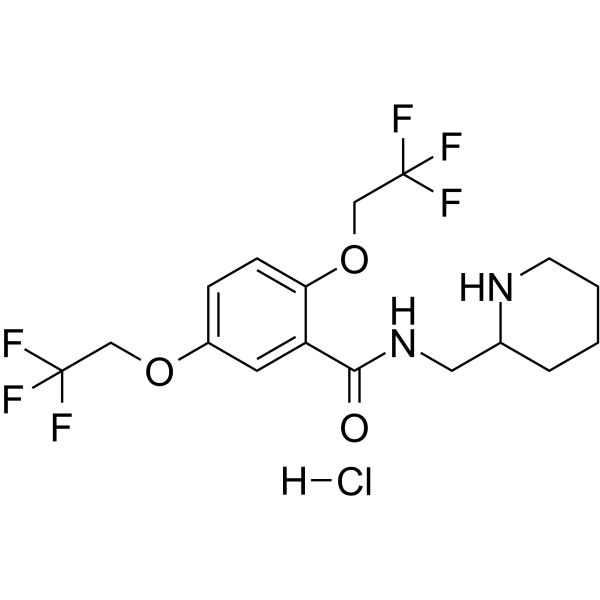
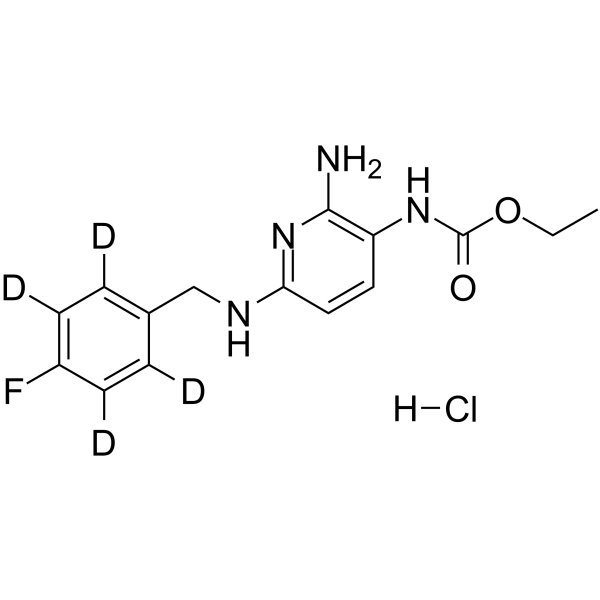
    Flecainide hydrochloride is an orally active antiarrhythmic agent. Flecainide hydrochloride can block sodium channels and inhibit calcium ion release mediated by the cardiac ryanodine receptor (RyR2). Flecainide hydrochloride can be used in the research of diseases such as catecholaminergic polymorphic ventricular tachycardia (CPVT) .
    Flecainide hydrochloride
  • HY-D1249

    Fluorescent Dye Others
    Calcein (mixture of isomers), Calcein (HY-D0040) Derivative, is a fluorescent dye (Ex/Em = 495/515 nm). Calcein (mixture of isomers) can be used for the researches for live cell staining, calcium ion detection, bone fluorescence labeling and membrane permeability leakage detection.
    Calcein (mixture of isomers)
  • HY-147292

    CK-136

    Calcium Channel Cardiovascular Disease
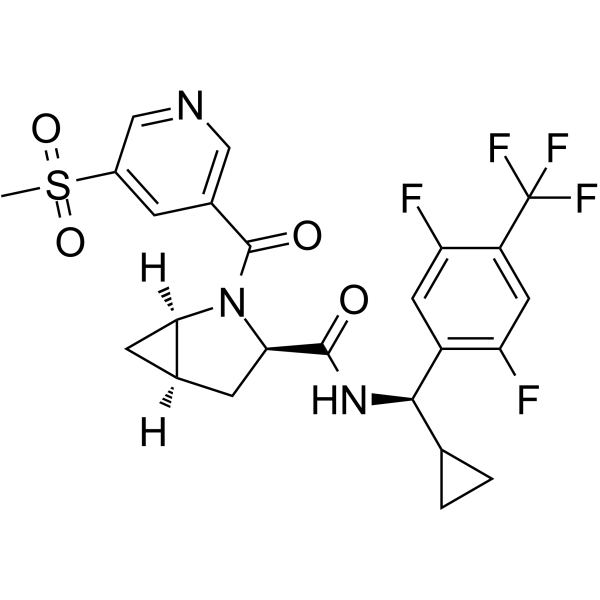
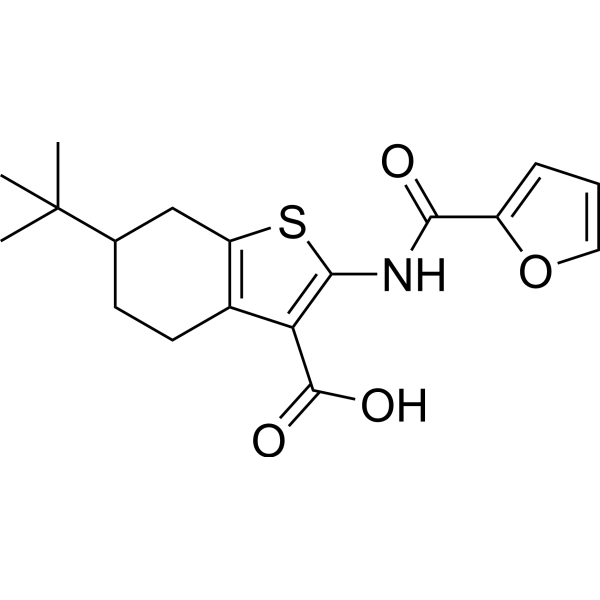
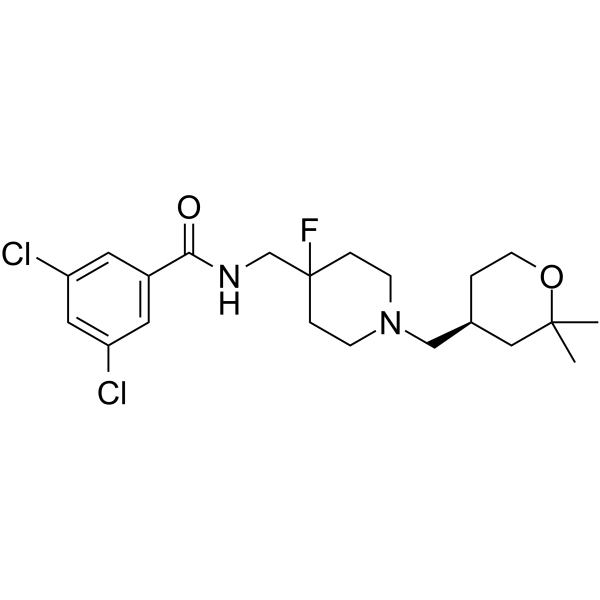
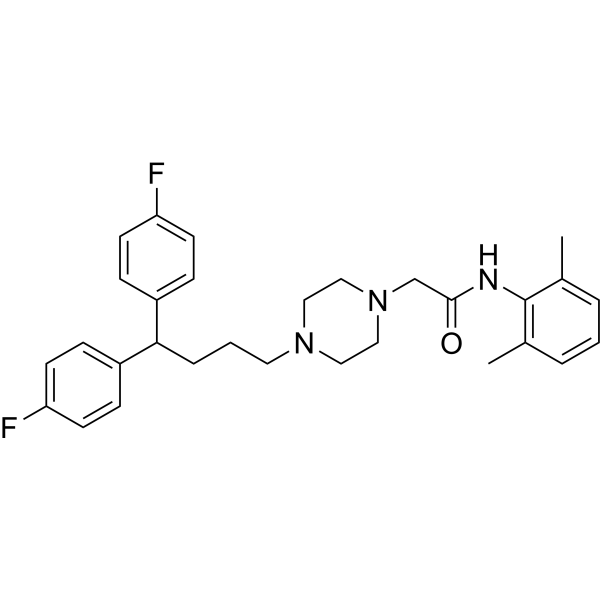
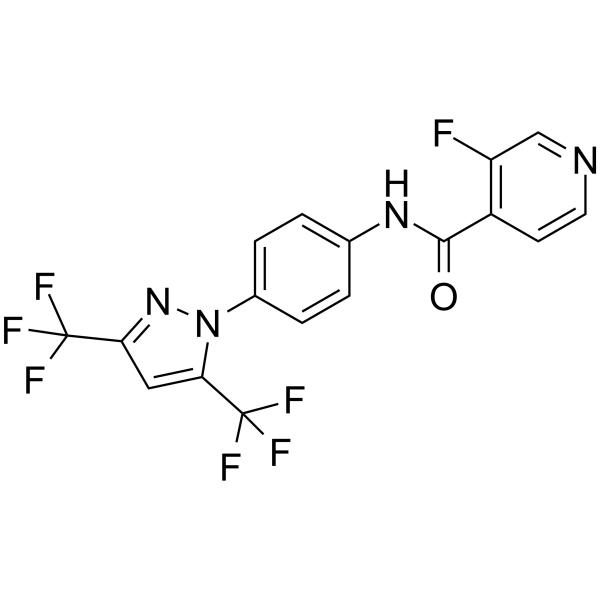
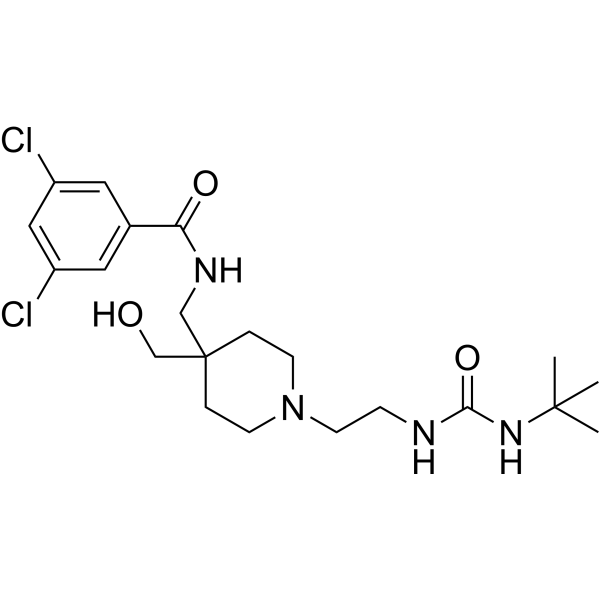
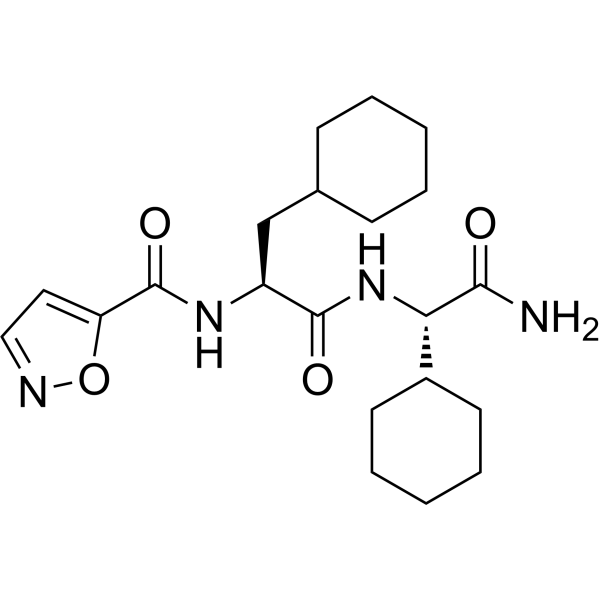
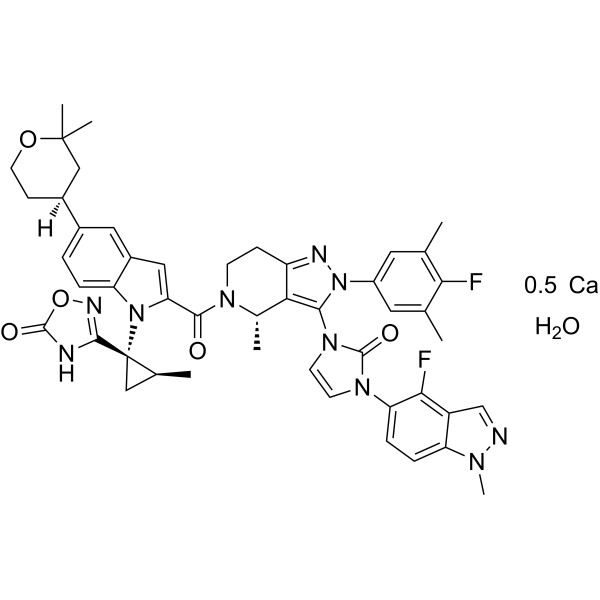
    Nelutroctiv (CK-136) is an orally active and selective cardiac troponin activator. Nelutroctiv activates cardiac sarcomeres by enhancing the sensitivity of troponin to calcium ions and promoting the interaction between actin and myosin. Nelutroctiv enhances cardiac contractility. Nelutroctiv can be used in the researches for cardiovascular diseases with impaired cardiac contractile function .
    Nelutroctiv
  • HY-W151206

    Fluorescent Dye Others
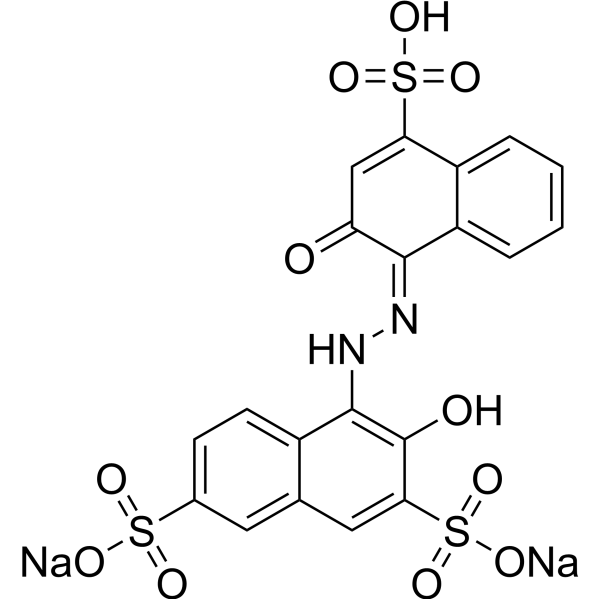
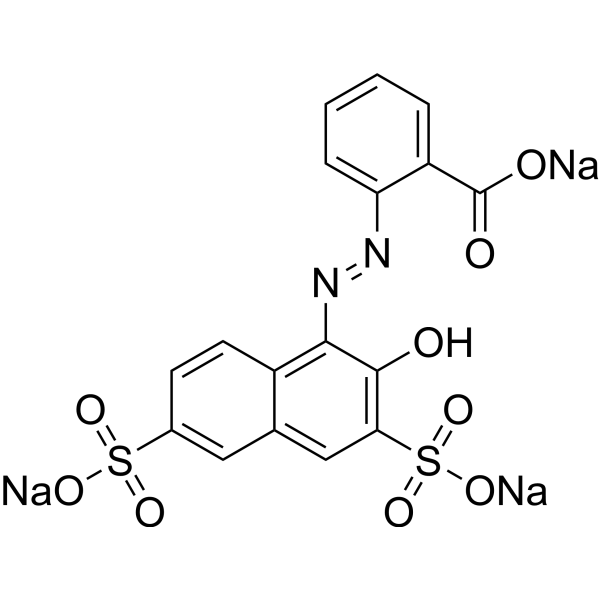
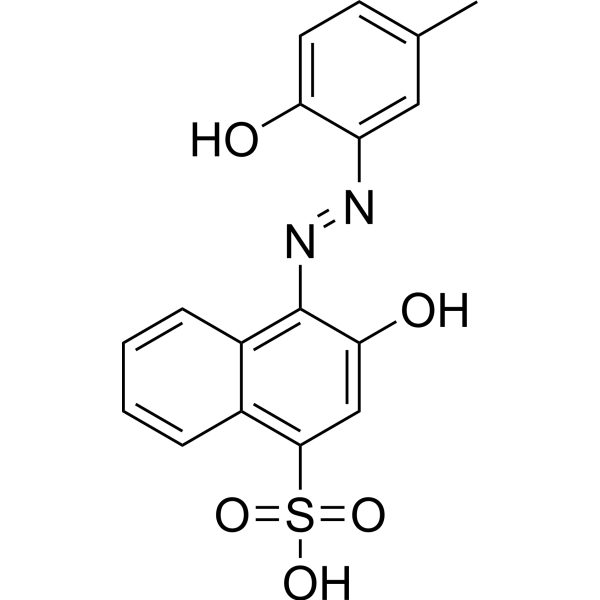
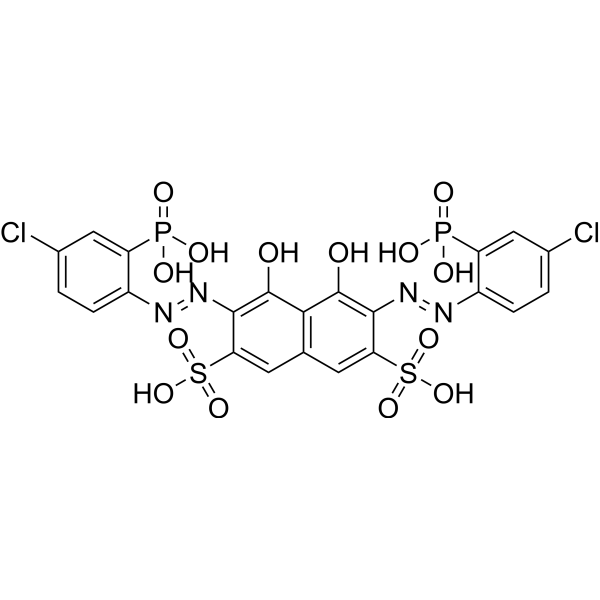
    Hydroxy naphthol blue disodium is an azo dye compound commonly used as an acid-base indicator (λmax = 650 nm). Within the pH range of 12 to 13, the indicator solution of Hydroxy naphthol blue disodium appears pale red in the presence of calcium ions and dark blue in the presence of disodium EDTA .
    Hydroxy naphthol blue disodium
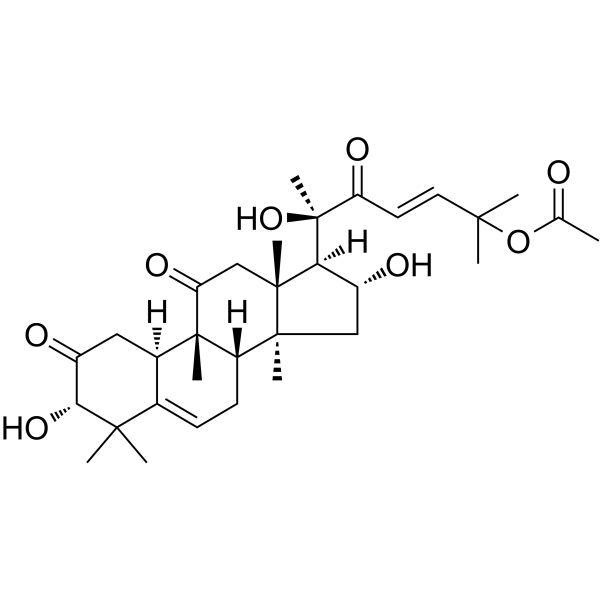
  • HY-N1391

    10-Deacetylpaclitaxel

    Microtubule/Tubulin Cancer
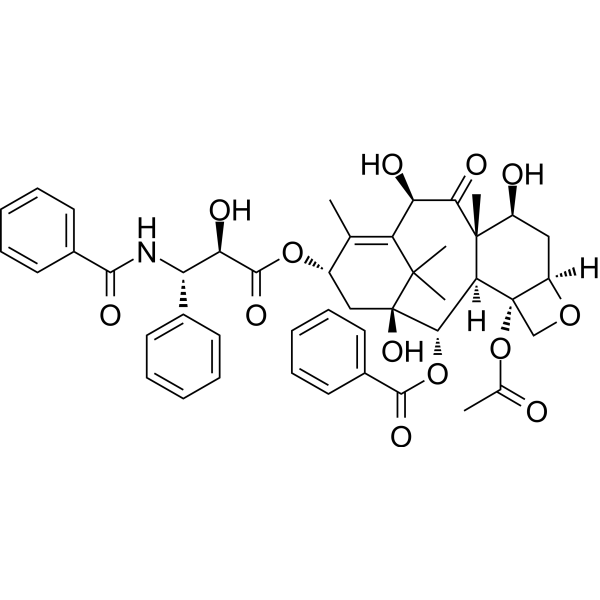
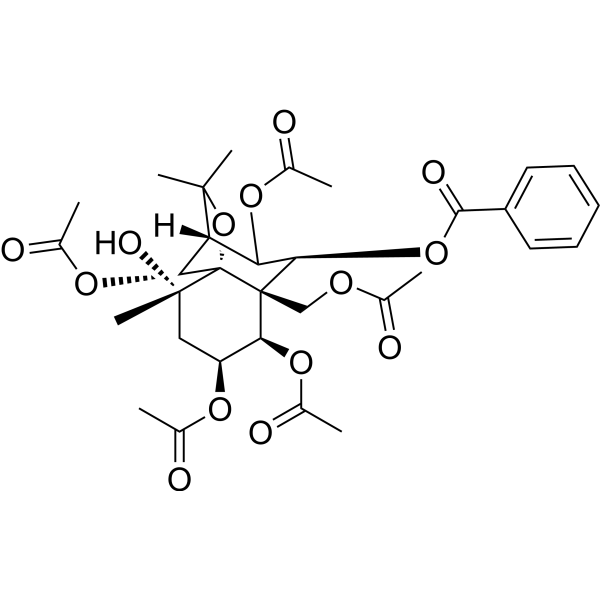
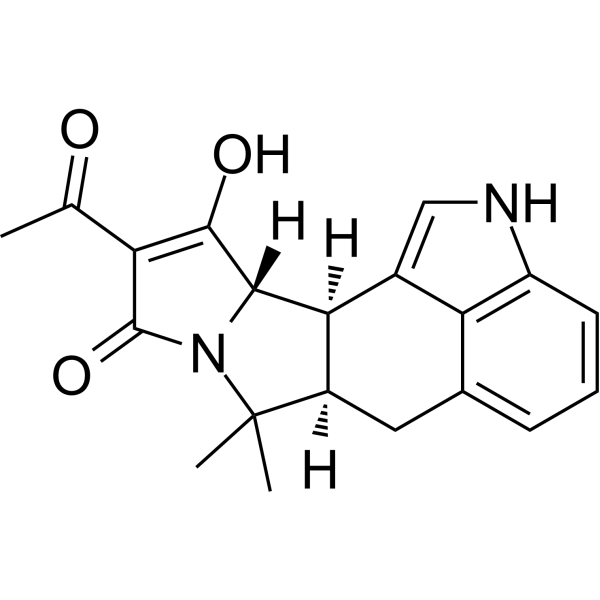
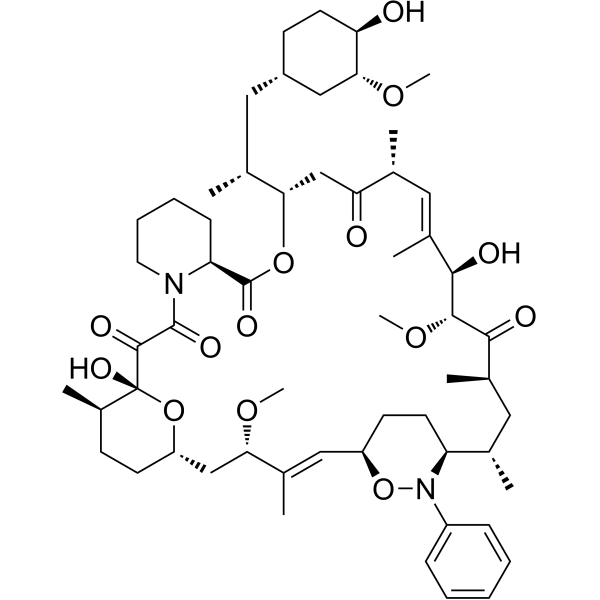
    10-Deacetyltaxol (10-Deacetylpaclitaxel) is a taxane derivative isolated from Taxus wallichiana Zucc . 10-Deacetyltaxol (10-Deacetylpaclitaxel) promotes the polymerization of tubulin and to inhibit the depolymerization of microtubules induced by cold or by calcium ions in vitro . 10-Deacetyltaxol (10-Deacetylpaclitaxel) exhibits cytotoxicity in human glial and neuroblastoma cell-lines .
    10-Deacetyltaxol
  • HY-100807S2

    Isotope-Labeled Compounds iGluR Endogenous Metabolite Reactive Oxygen Species (ROS) NO Synthase Apoptosis Neurological Disease Inflammation/Immunology
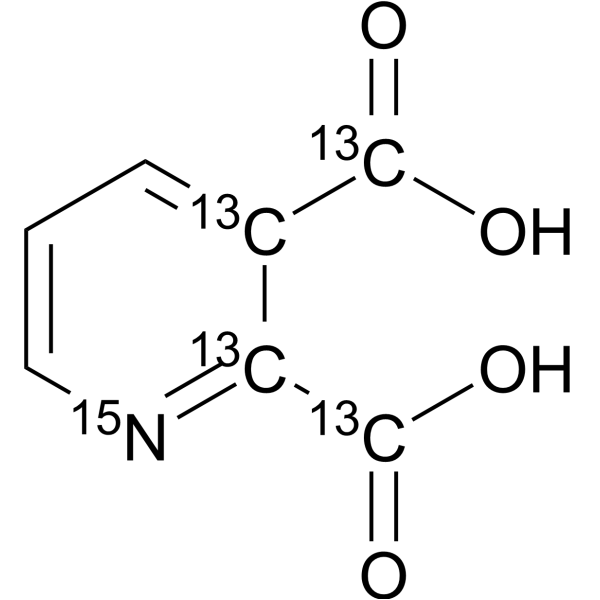
    Quinolinic acid-13C4, 15N is an isotopic labeled Quinolinic acid (HY-100807). Quinolinic acid, an endogenous metabolite of tryptophan, is a N-methyl-D-aspartate receptor (NMDA receptor) agonist. Quinolinic acid increases glutamate efflux, induces the generation of ROS, activates nitric oxide synthase, produces excessive NO, leading to calcium ion influx and neuronal apoptosis.
    Quinolinic acid-13C4,15N
  • HY-139728

    Calcium ionophore II

    Biochemical Assay Reagents Others
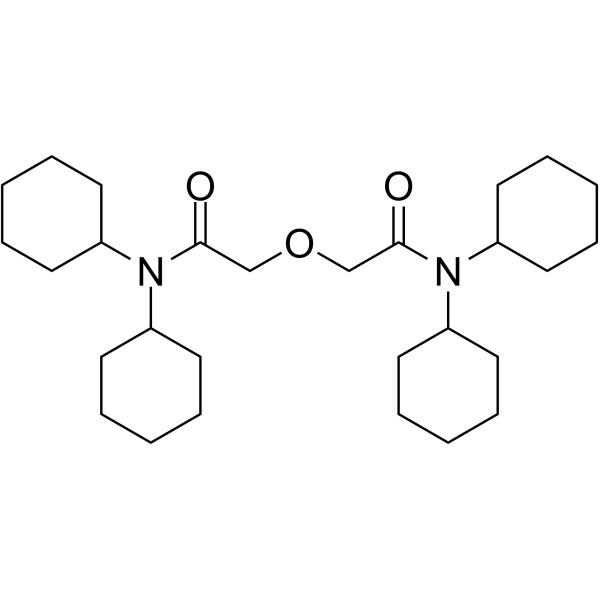
    N,N,N′,N′-Tetracyclohexyl-3-oxapentanediamide (Calcium ionophore II) is a lipophilic ionophore that can be used in preparing calcium ion-selective electrode .
    N,N,N′,N′-Tetracyclohexyl-3-oxapentanediamide
  • HY-121872

    MMP Neurological Disease
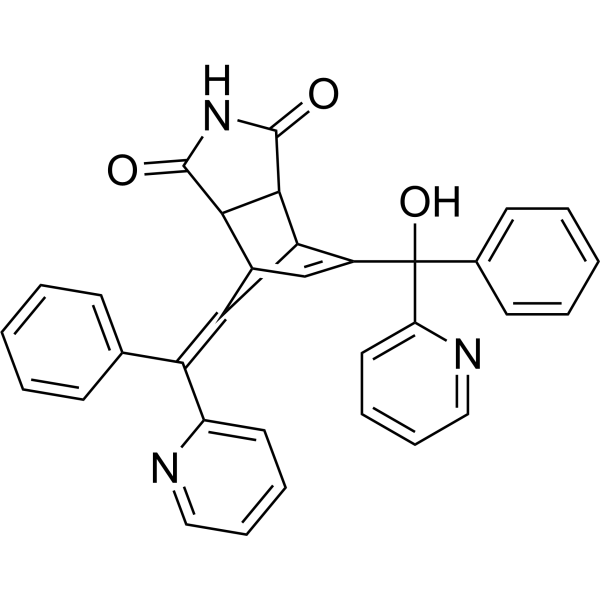
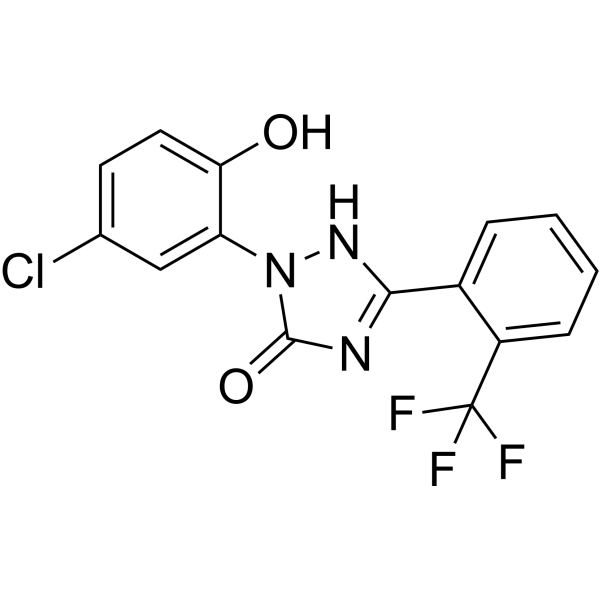
    DP-b99 is a chelator of zinc and calcium ions that acts selectively within cell membranes and has neuroprotective properties in animal models of stroke.
    DP-b99
  • HY-107349

    Spasmopriv

    Calcium Channel Neurological Disease
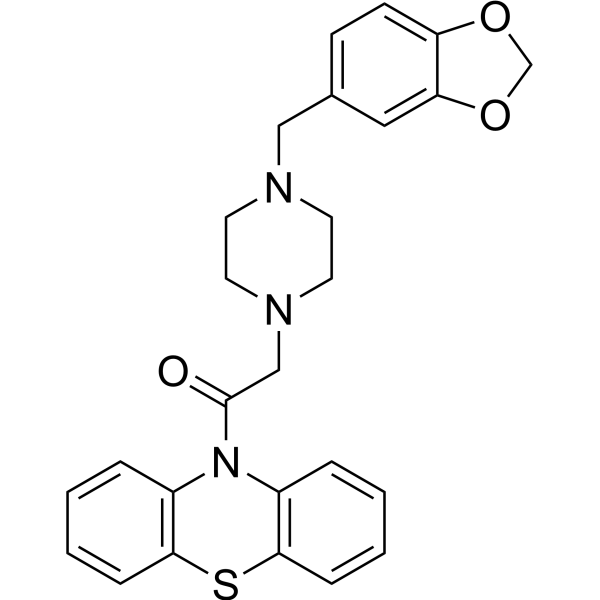
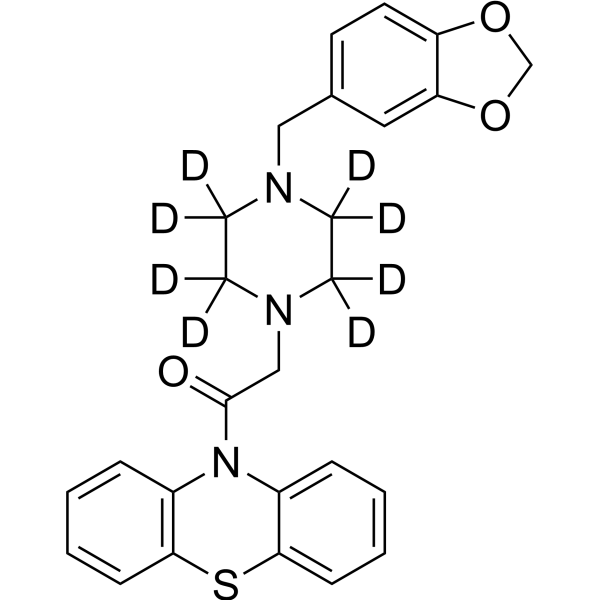
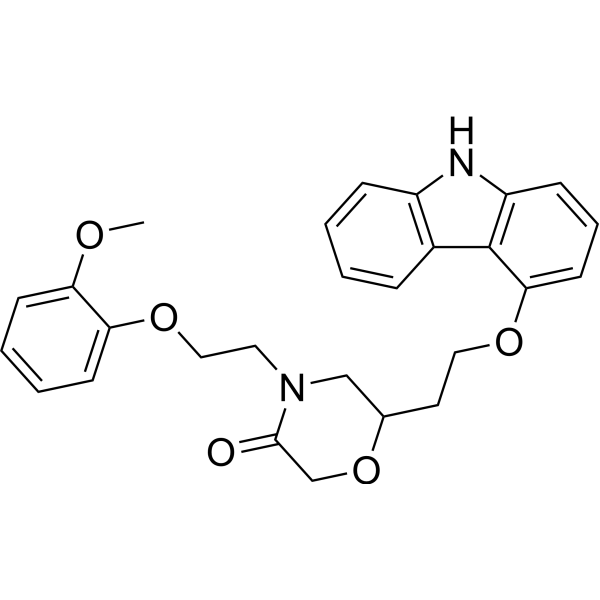
    Fenoverine (Spasmopriv) is an orally active and powerful anti-spasmodic drug. Fenoverine reduces calcium ion influx by suppressing voltage dependent calcium channels. Fenoverine has antiemetic, analgesic, and antidiarrheal effects. Fenoverine induces rhabdomyolysis. Fenoverine can be used to study smooth muscle overexcitation related conditions such as gastrointestinal spasms .
    Fenoverine
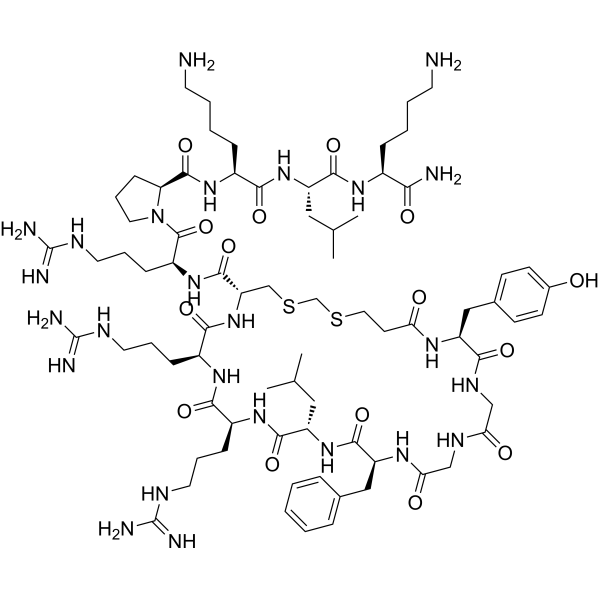
  • HY-P10738

    Formyl Peptide Receptor (FPR) Infection
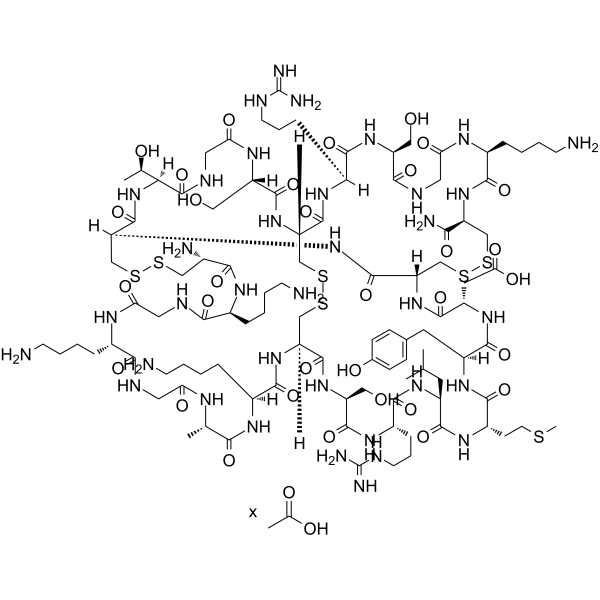
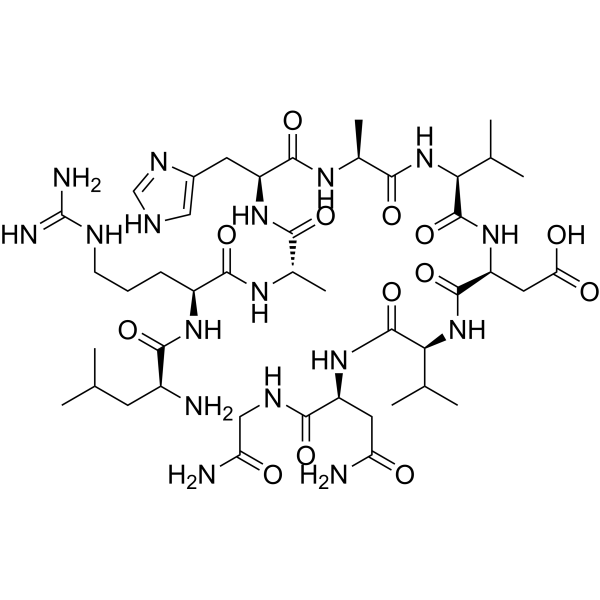
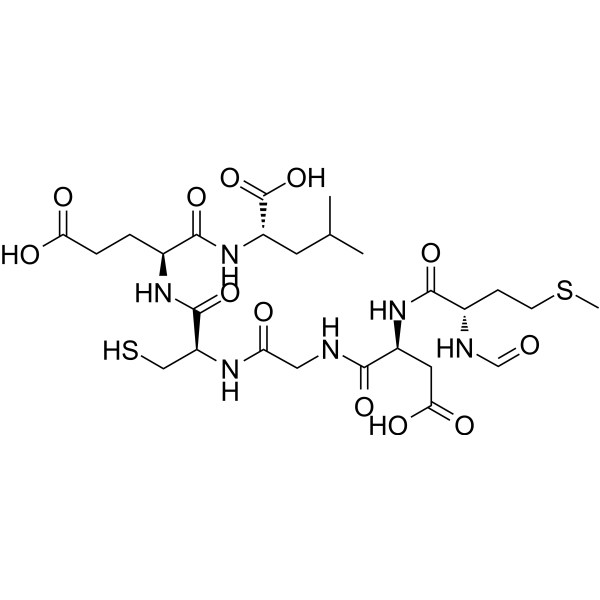
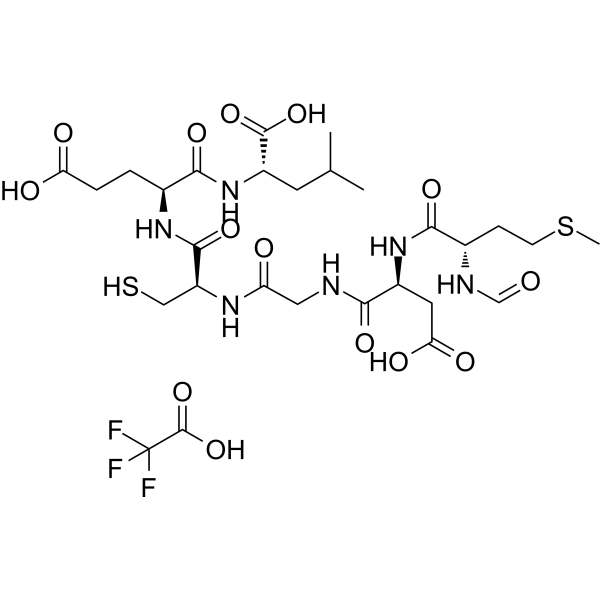
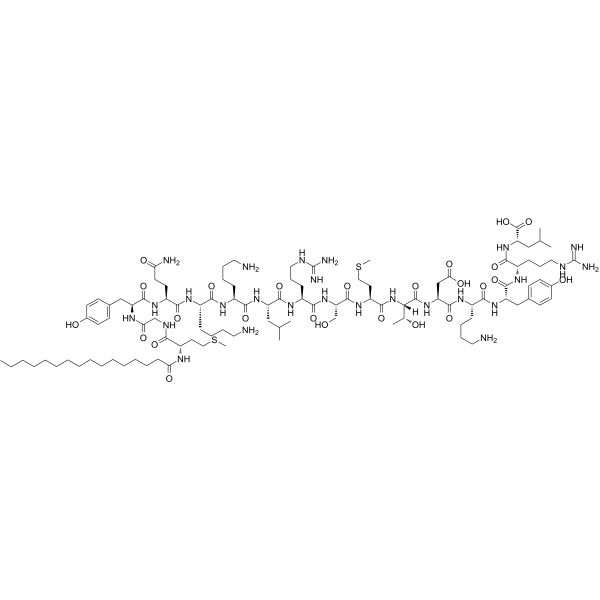
    N-Formyl-MMYALF is a potent mitochondrial N-formyl peptide (mtFP) that has the activity of depleting calcium ions in the endoplasmic reticulum. N-Formyl-MMYALF can inhibit the FPR-1-mediated chemotactic response of polymorphonuclear leukocytes (PMNs) to bacterial peptides .
    N-Formyl-MMYALF
  • HY-32338
    Tacalcitol monohydrate
    3 Publications Verification

    1,24(R)-Dihydroxyvitamin D3 monohydrate

    VD/VDR Interleukin Related Metabolic Disease Inflammation/Immunology Cancer
    Tacalcitol monohydrate (1,24(R)-Dihydroxyvitamin D3; 1.alpha.,24R-Dihydroxyvitamin D3 monohydrate) can promote normal bone growth by regulating calcium ions. Tacalcitol monohydrate inhibits cancer cell proliferation and migration. Tacalcitol monohydrate can be used in the research of inflammation, cancer, and skin diseases .
    Tacalcitol monohydrate
  • HY-B2200

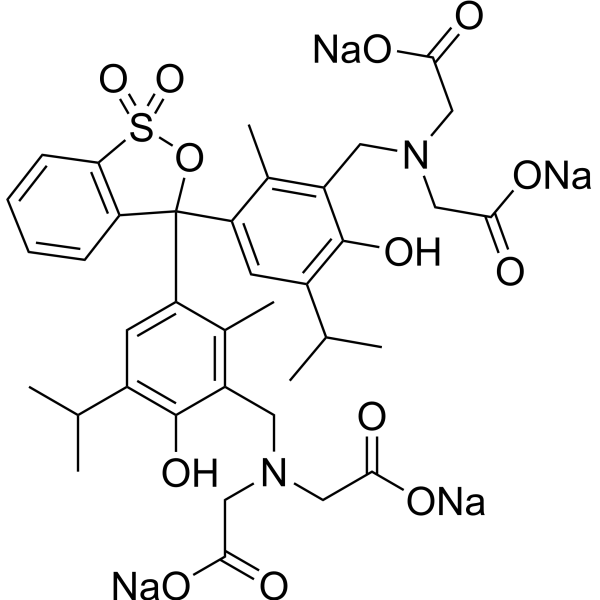
    Tricalcium dicitrate tetrahydrate, 99%

    Environmental Pollutants Biochemical Assay Reagents Calcium Channel Metabolic Disease
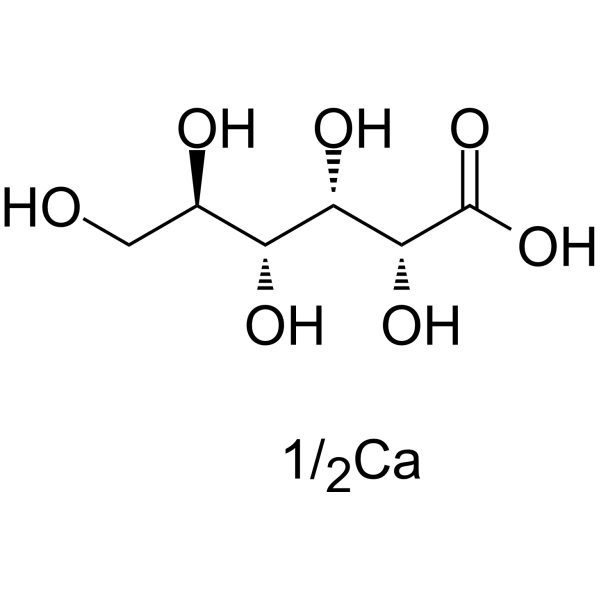
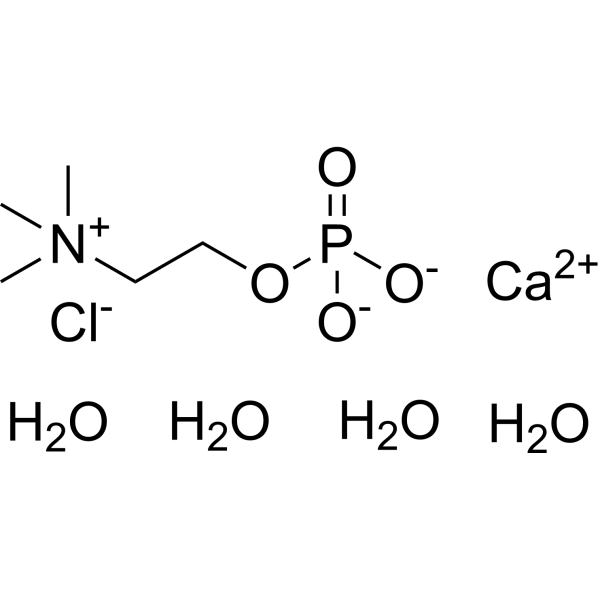
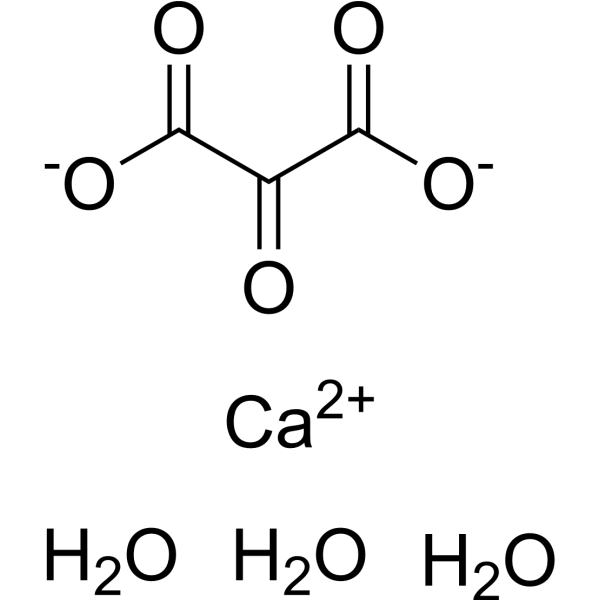
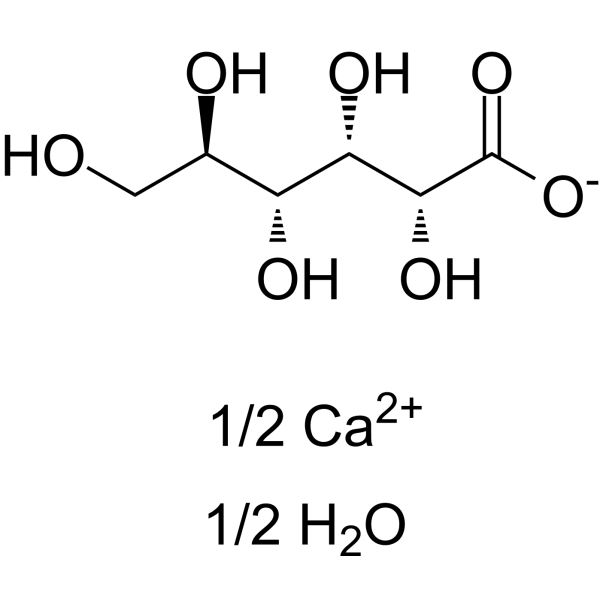
    Calcium citrate tetrahydrate, 99% exhibits the ability to release more calcium ions in a short time therefore allowing a high activity, and a high concentration of calcium ions that can stimulate bone formation .
    Calcium citrate tetrahydrate, 99%
  • HY-100928

    Calcium Channel Neurological Disease
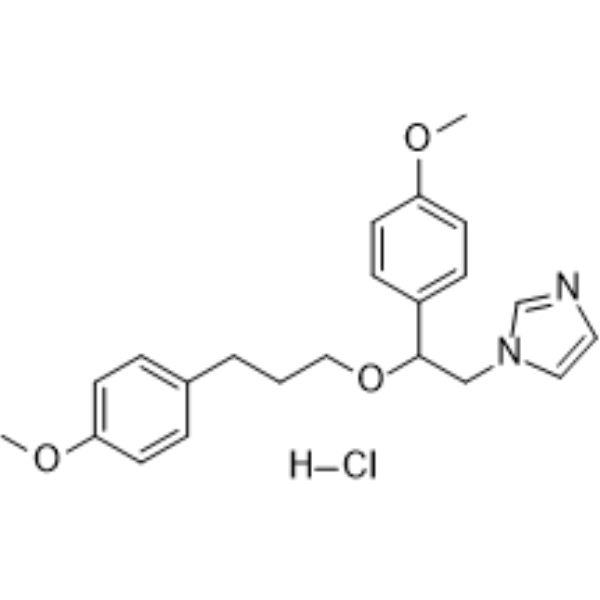
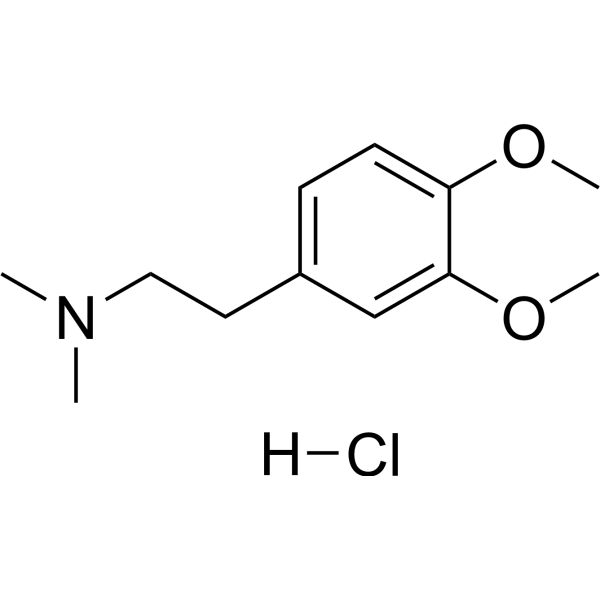
    YS 035 hydrochloride is a Ca 2+ antagonist on cellular uptake and mitochondrial efflux of calcium ions. YS 035 hydrochloride inhibits Ca 2+ uptake by muscle cells and inhibits Na +/Ca 2+ exchange (Ki=28 µM). YS 035 hydrochloride is a useful tool for research on the mitochondrial Ca 2+ transport .
    YS 035 hydrochloride
  • HY-100807S1

    Isotope-Labeled Compounds iGluR Endogenous Metabolite Reactive Oxygen Species (ROS) NO Synthase Apoptosis Neurological Disease
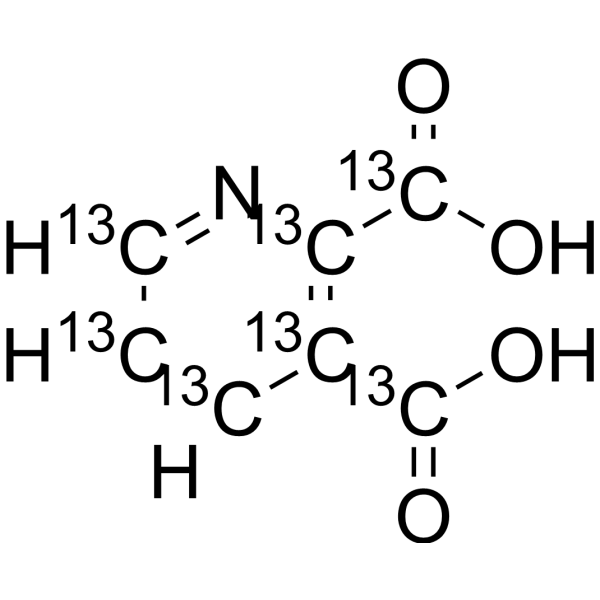
    Quinolinic acid- 13C7 is the 13C labeled Quinolinic acid (HY-100807). Quinolinic acid, an endogenous metabolite of tryptophan, is a N-methyl-D-aspartate receptor (NMDA receptor) agonist. Quinolinic acid increases glutamate efflux, induces the generation of ROS, activates nitric oxide synthase, produces excessive NO, leading to calcium ion influx and neuronal apoptosis.
    Quinolinic acid-13C7
  • HY-P1427A

    Potassium Channel Neurological Disease
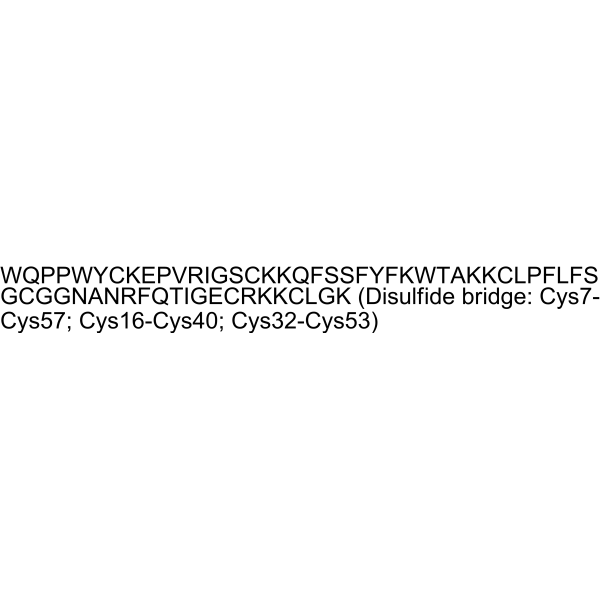
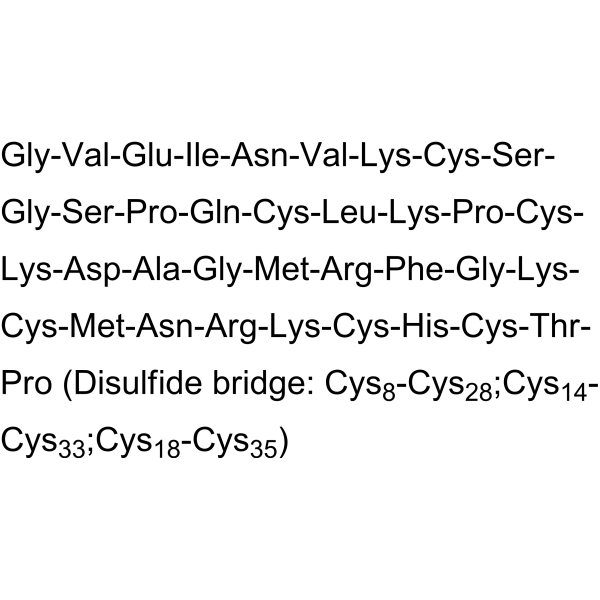
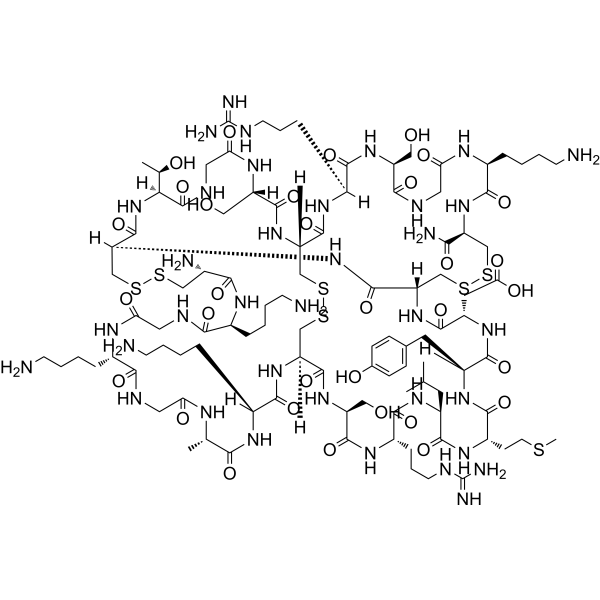
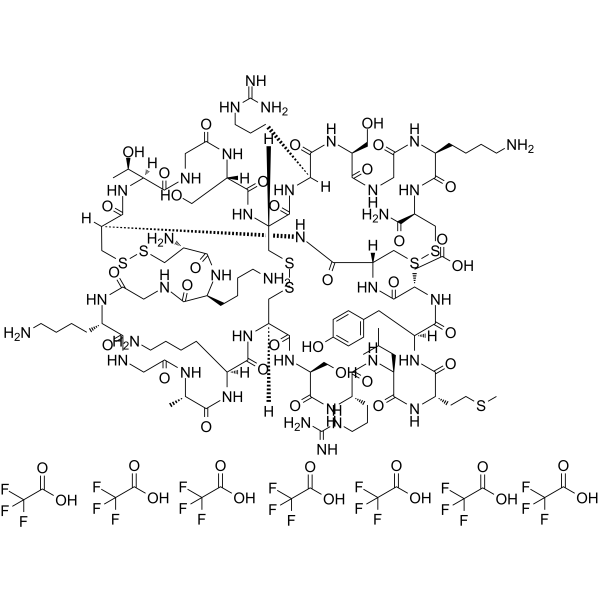
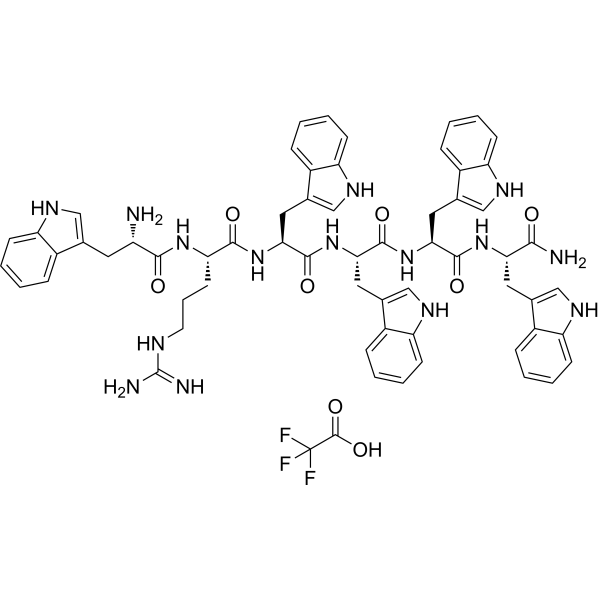
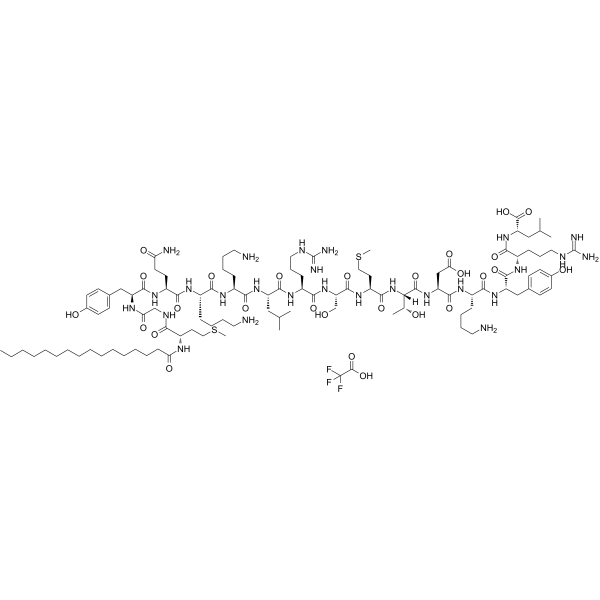
    Guangxitoxin 1E TFA is the TFA salt form of Guangxitoxin 1E (HY-P1427). Guangxitoxin 1E TFA is a peptide toxin and a selective inhibitor for voltage-gated potassium channel KV2.1 and KV2.2 with IC50 of 1-3 nM. Guangxitoxin 1E TFA enhances glucose-stimulated intracellular calcium ion oscillations and increases insulin secretion in a glucose-dependent manner .
    Guangxitoxin 1E TFA
  • HY-168377

    Fluorescent Dye Others
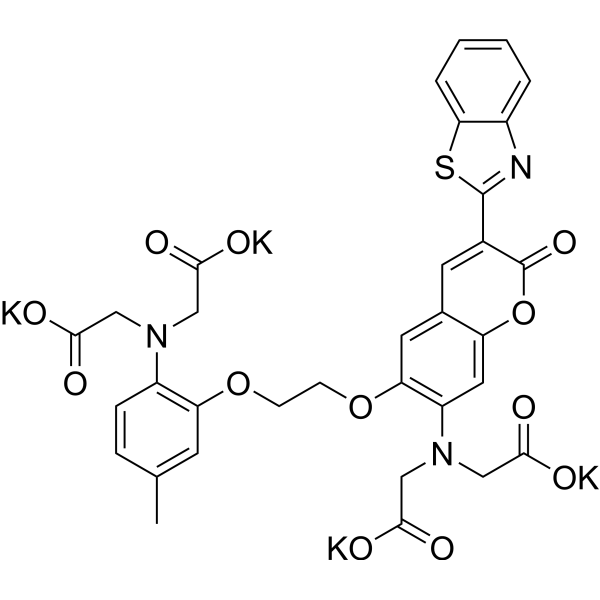
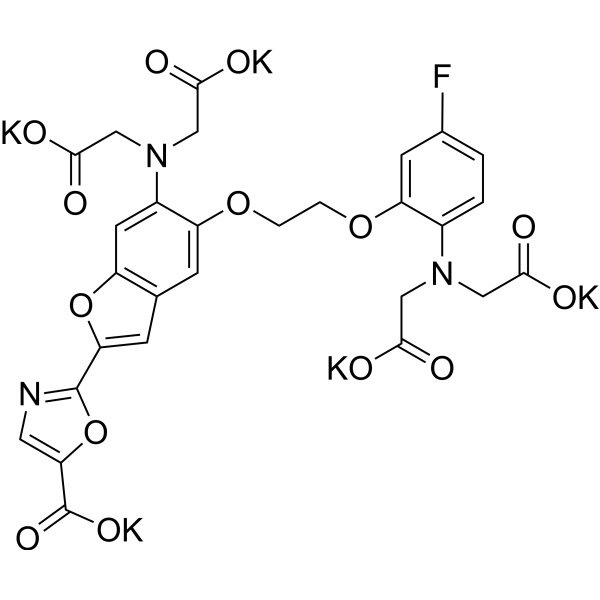
    Fluo-4 potassium is a cell-impermeable Ca 2+ (calcium ion) indicator (λex=494 nm, λem=516 nm). Fluo-4 potassium can be introduced into cells using methods such as patch clamping and microinjection .
    Fluo-4 potassium
  • HY-P11380

    Neurotensin Receptor Calcium Channel NO Synthase Guanylate Cyclase Neurological Disease Metabolic Disease
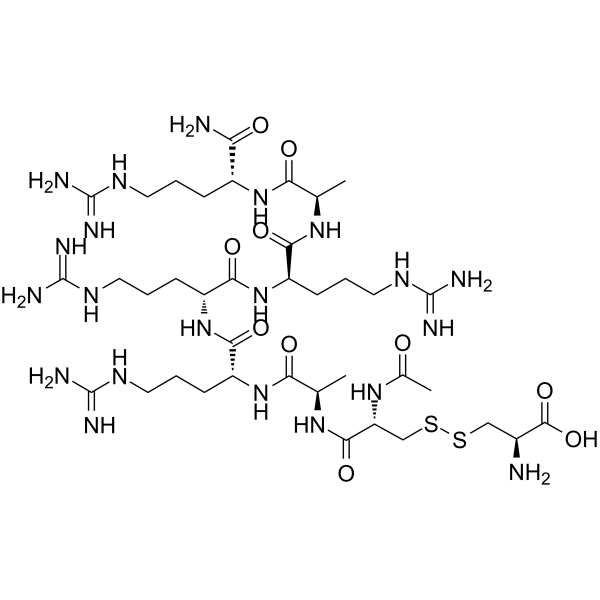
    Capa-2 is a neuropeptide. Capa-2 activates calcium ion influx, stimulates the production of NO, activates soluble guanylate cyclase (sGC), increases intracellular cGMP, and drives ion and fluid secretion. Capa-2 can be used in studies of diuresis .
    Capa-2
  • HY-W010950S

    Potassium Channel Sodium Channel Isotope-Labeled Compounds Cardiovascular Disease
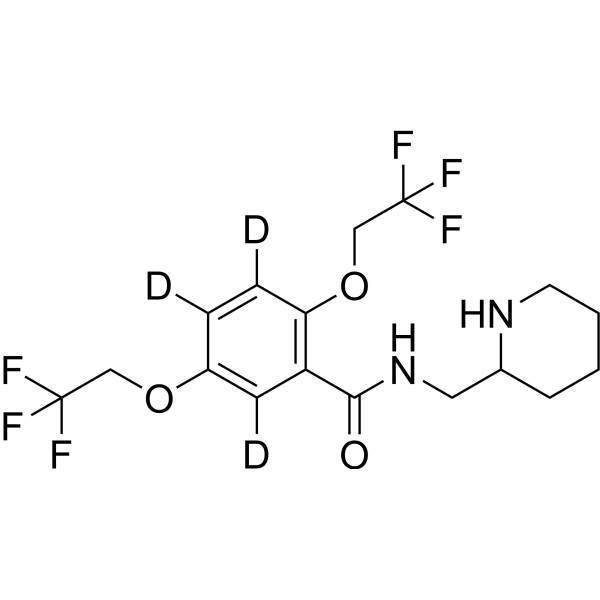
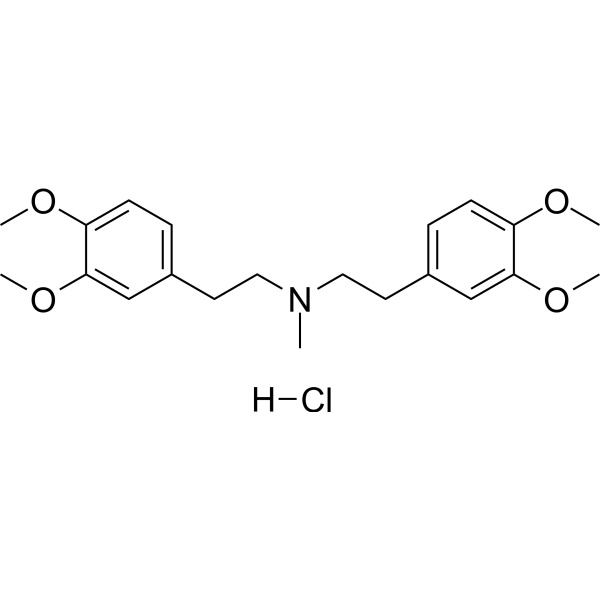
    Flecainide-d3 is the deuterium labeled Flecainide. Flecainide is an orally active antiarrhythmic agent. Flecainide can block sodium channels and inhibit calcium ion release mediated by the cardiac ryanodine receptor (RyR2). Flecainide can be used in the research of diseases such as catecholaminergic polymorphic ventricular tachycardia (CPVT) .
    Flecainide-d3
  • HY-172876

    iGluR Reactive Oxygen Species (ROS) Trk Receptor Cardiovascular Disease
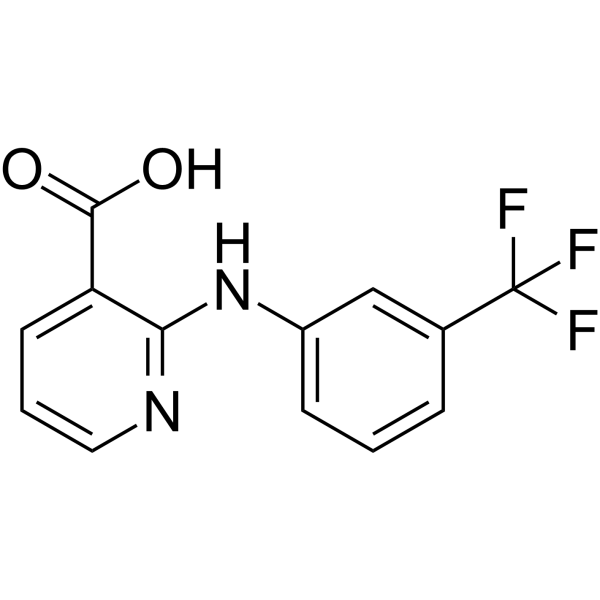
    FLY26 is a selective partial GluN2B antagonist with an IC50 value of 0.64 μM. FLY26 partially inhibits the GluN2B subunit of NMDA receptors, reduces calcium ion influx and reactive oxygen species (ROS) production and activates the BDNF/TrkB/CREB neuroprotective signaling pathway to alleviate neuronal excitotoxicity and mitochondrial dysfunction. FLY26 is promising for research of neurological deficits caused by cerebral ischemia-reperfusion injury .
    FLY26
  • HY-126821

    Fluorescent Dye Others
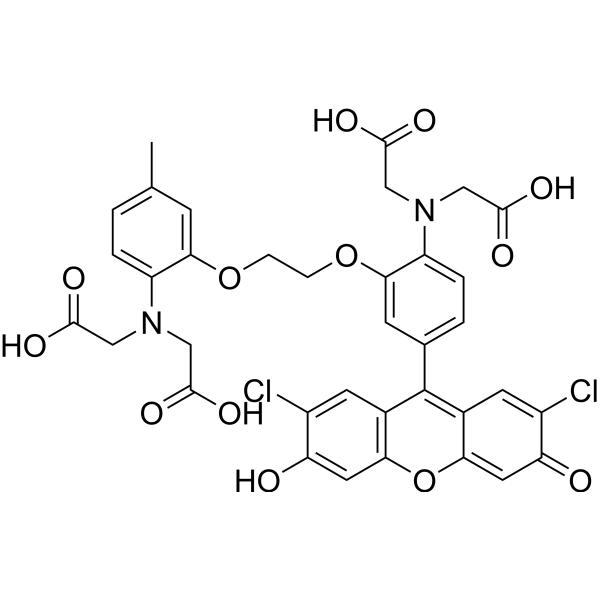
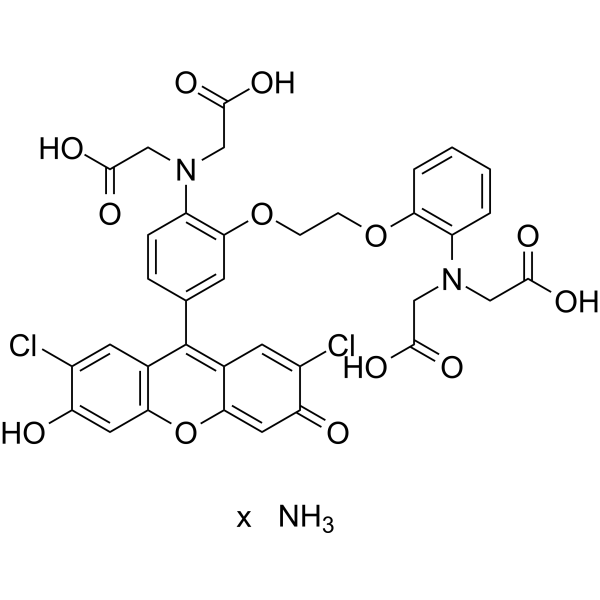
    Fluo-3 is a cell-impermeable calcium ion (Ca 2+) indicator. Fluo-3 itself is not fluorescent, but it becomes fluorescent after binding to calcium ions (Ex/Em = 488/525 nm) .
    Fluo-3
  • HY-129547

    Fluorescent Dye Others
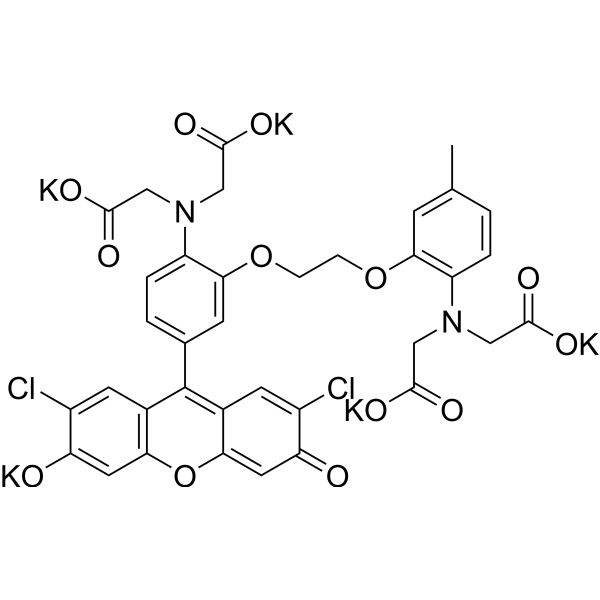
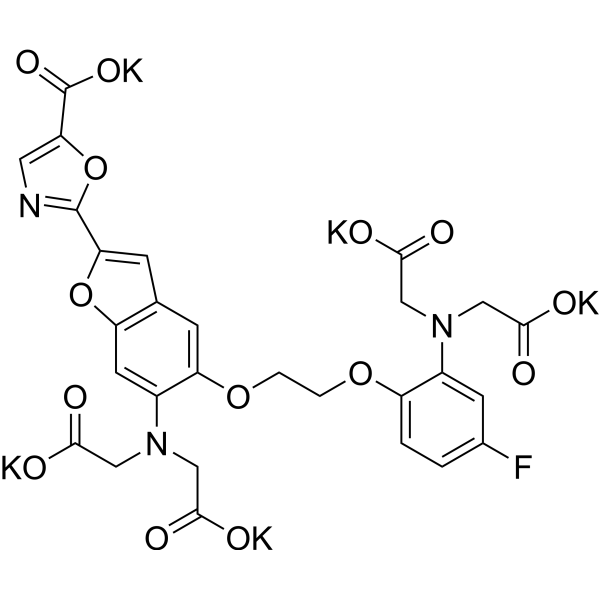
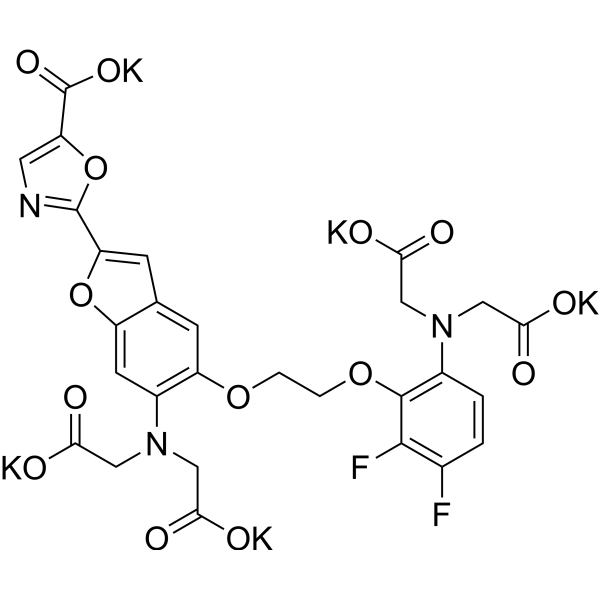
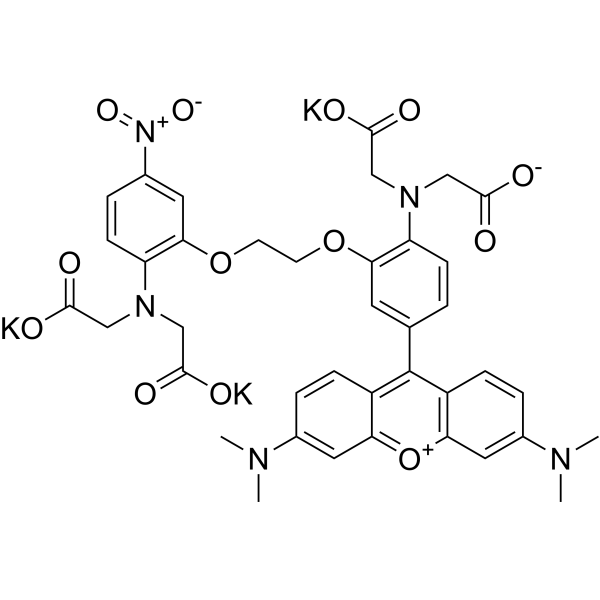
    Fluo-3 pentapotassium is a cell-impermeable calcium ion (Ca 2+) indicator. Fluo-3 pentapotassium itself is not fluorescent, but it becomes fluorescent after binding to calcium ions (Ex/Em = 488/525 nm) .
    Fluo-3 pentapotassium
  • HY-D1701

    Fluorescent Dye Others
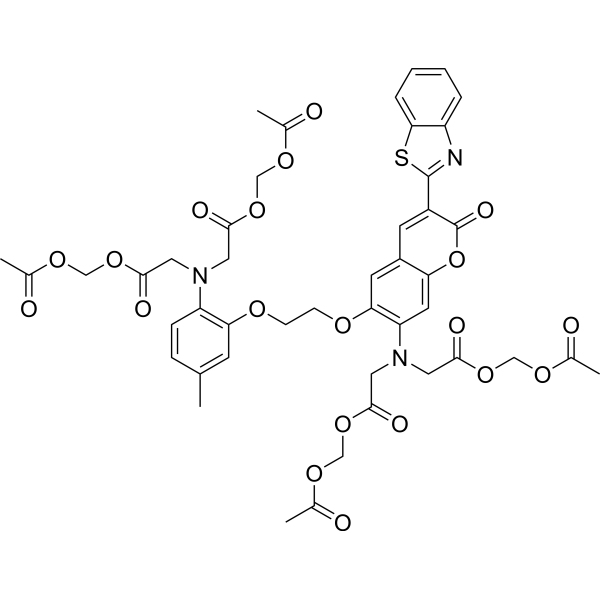
    Calcium is an important part of the human body, usually in the form of calcium, a large number of bones and teeth of the human body, a small amount of blood and tissues. MCE calcium ion detection probe can specifically identify intracellular calcium ions, with high sensitivity, low cytotoxicity, increased AM acetylmethyl ester can enter the cell well, after being sheared by the intracellular esterase stay in the cell to bind to calcium ions, produce strong fluorescence, in addition, Mag-indo-1/AM and Mag-Fluo-4 AM at a certain concentration (usually 5 mM) can effectively identify intracellular magnesium ions .
    Mag-Fura-2 AM
  • HY-D1641

    Fluorescent Dye Others
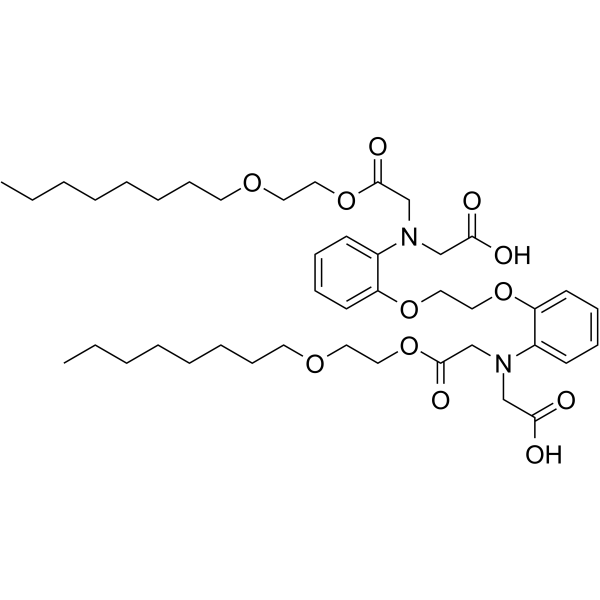
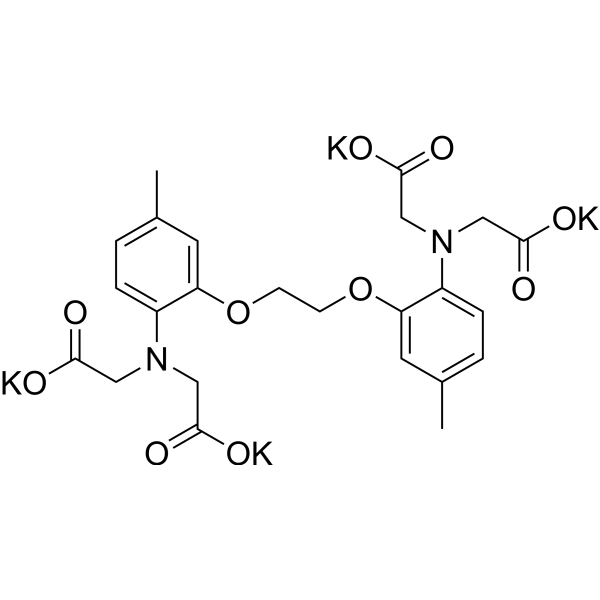
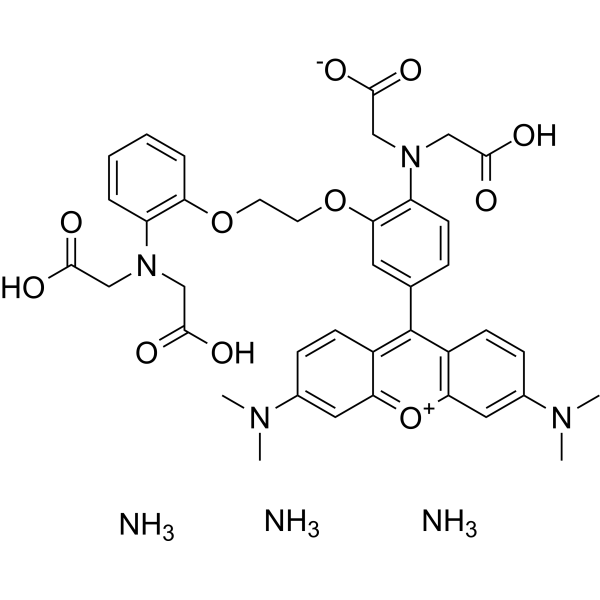
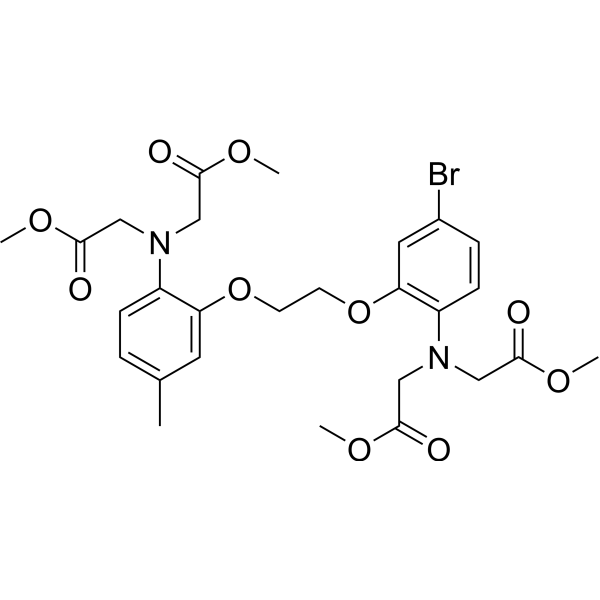
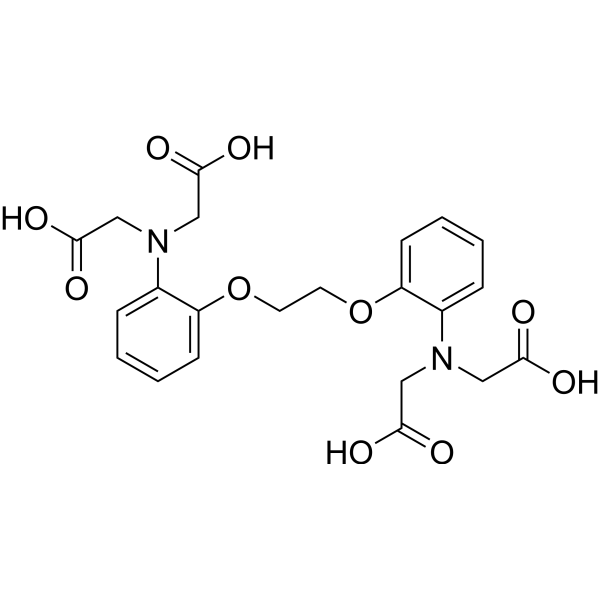
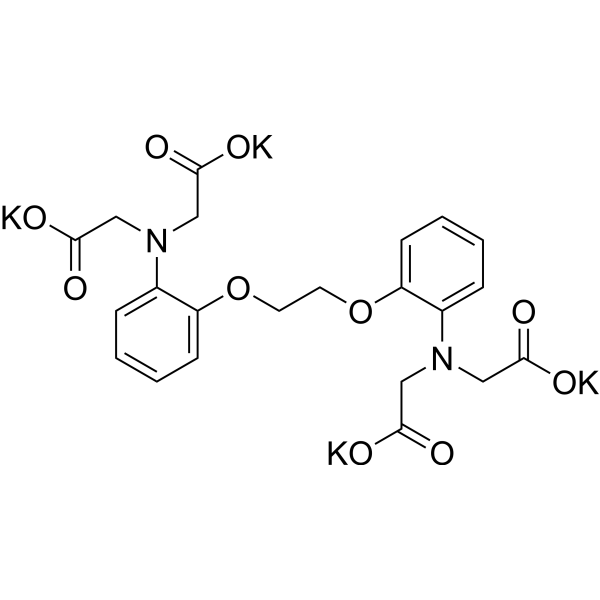
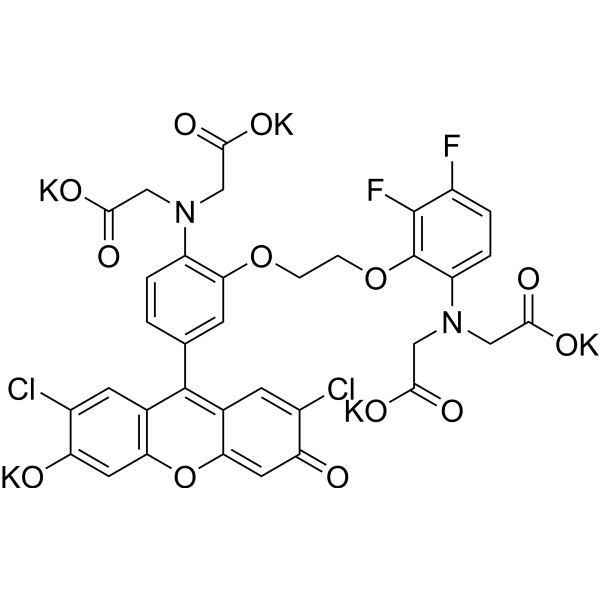
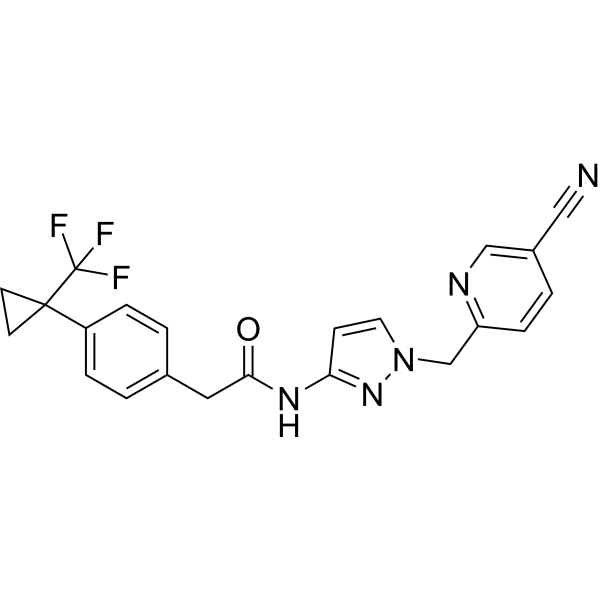
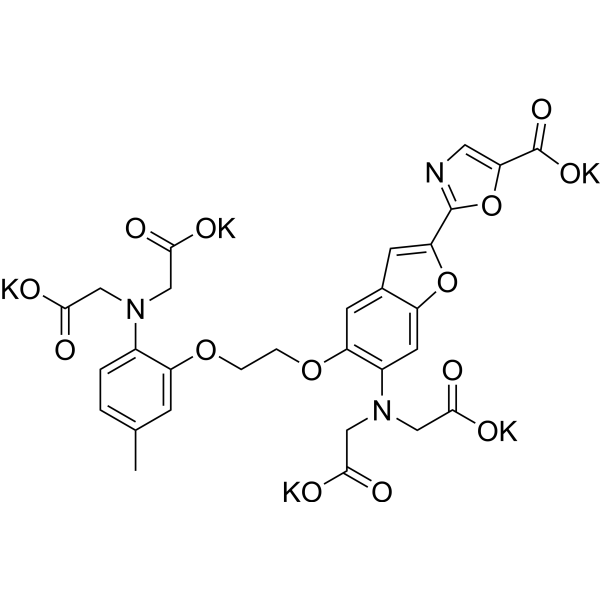
    5,5'-Dimethyl BAPTA tetrapotassium is a water-soluble, extracellular membrane metal chelator with relative selectivity for calcium ions .
    5,5'-Dimethyl BAPTA tetrapotassium
  • HY-172627

    Fluorescent Dye Calcium Channel Others
    Rhod-FF tripotassium is a Rhod-2 derivative and cell-impermeant calcium indicator (Kd of 320 μM). Rhod-FF tripotassium indicates calcium concentration by fluorescence upon binding to calcium ions, with excitation at 552 nm and emission at 580 nm .
    Rhod-FF tripotassium
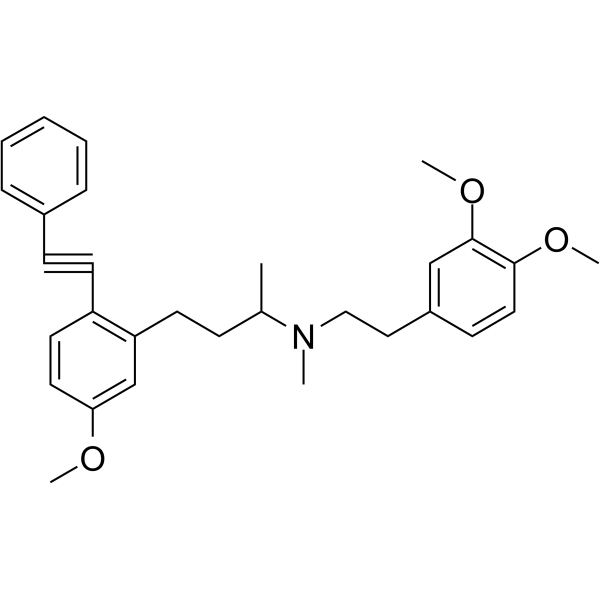
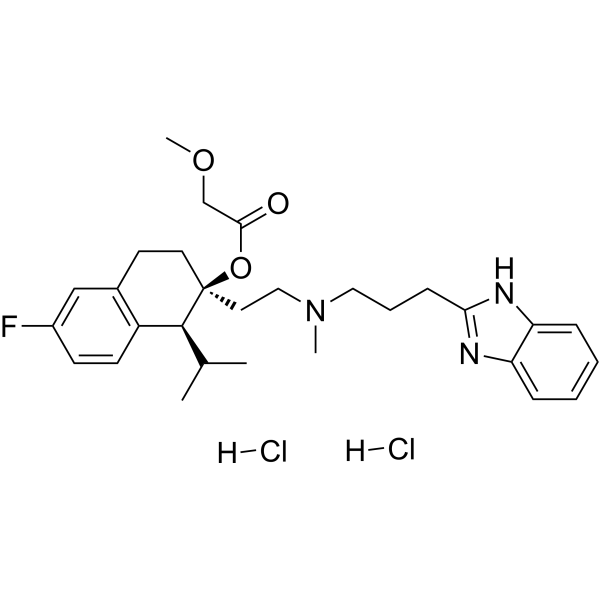
  • HY-14834

    ATI-2042

    Potassium Channel Sodium Channel Calcium Channel Cardiovascular Disease
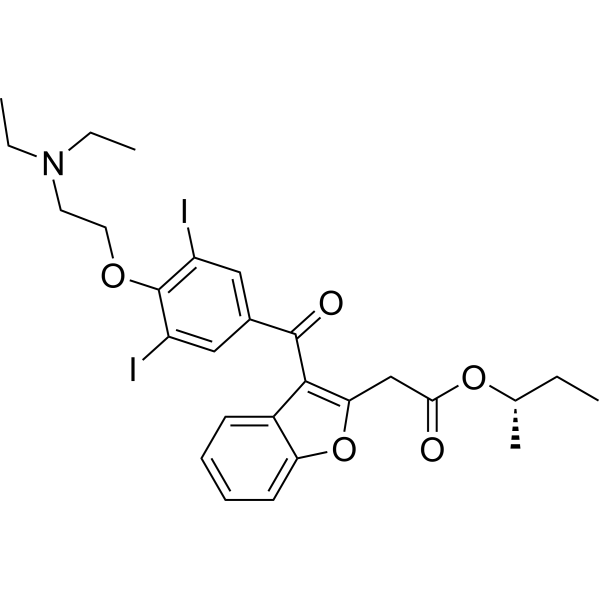
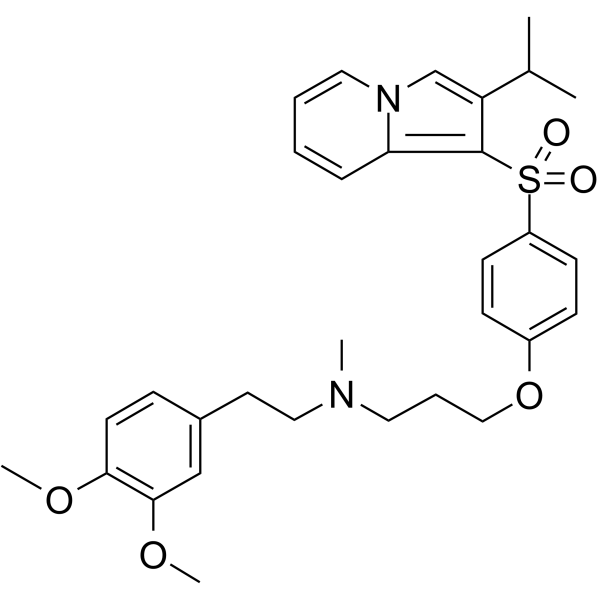
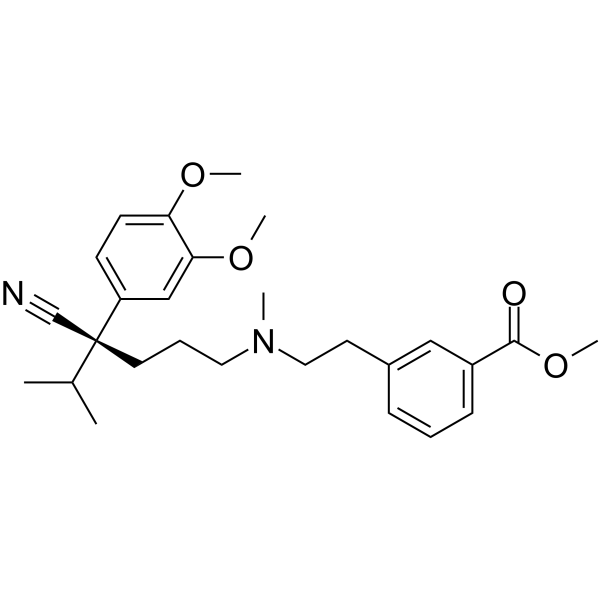
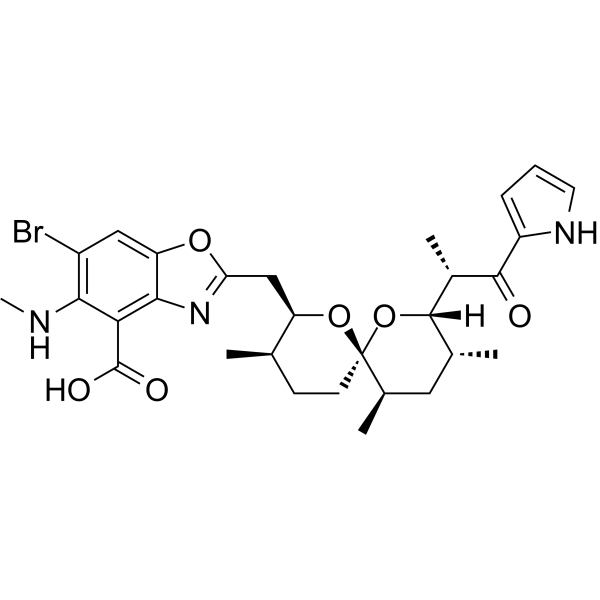
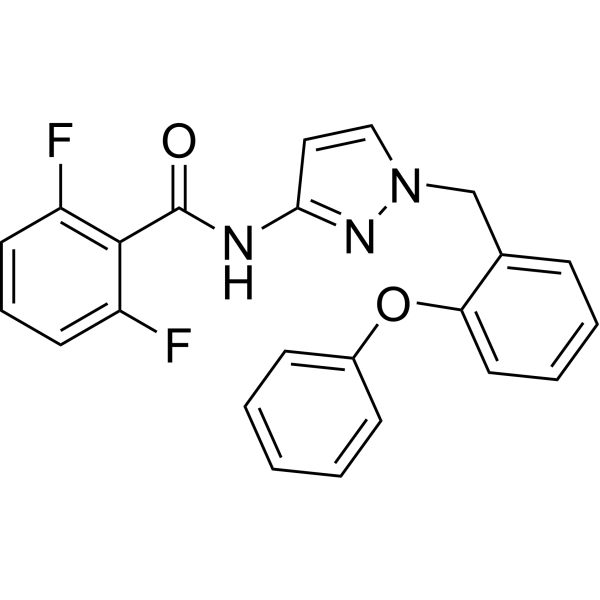
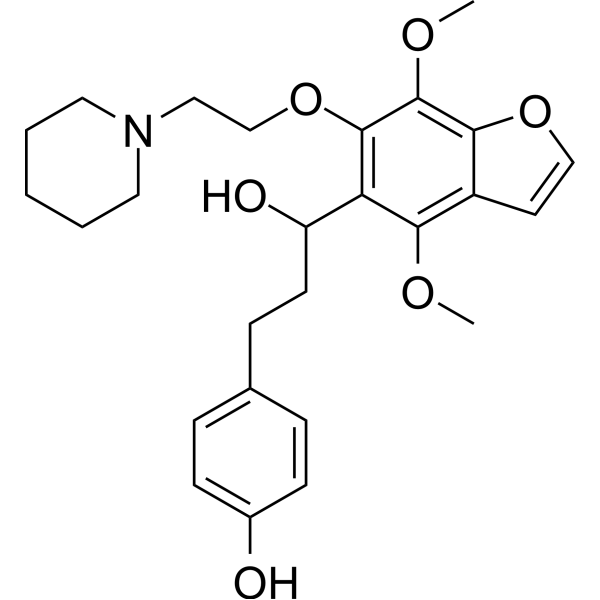
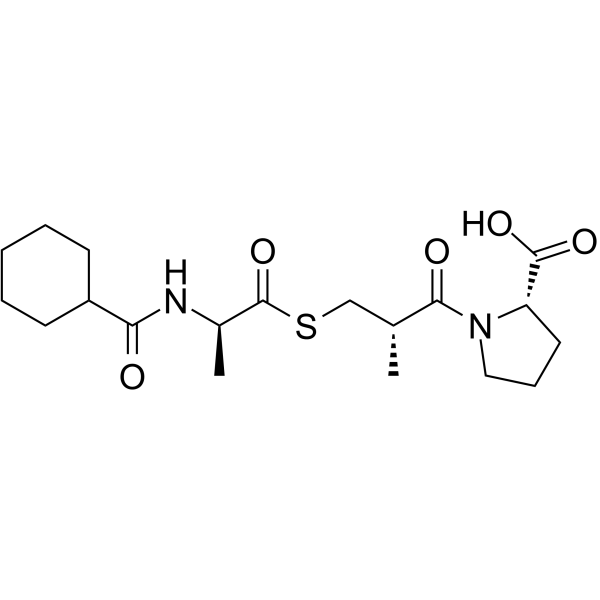
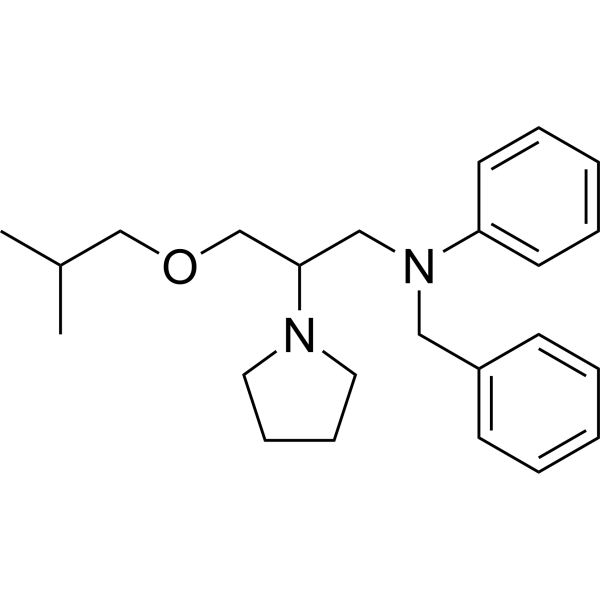
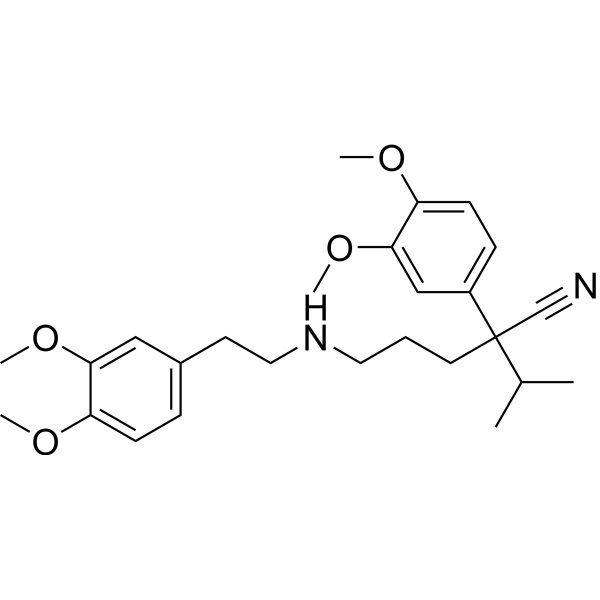
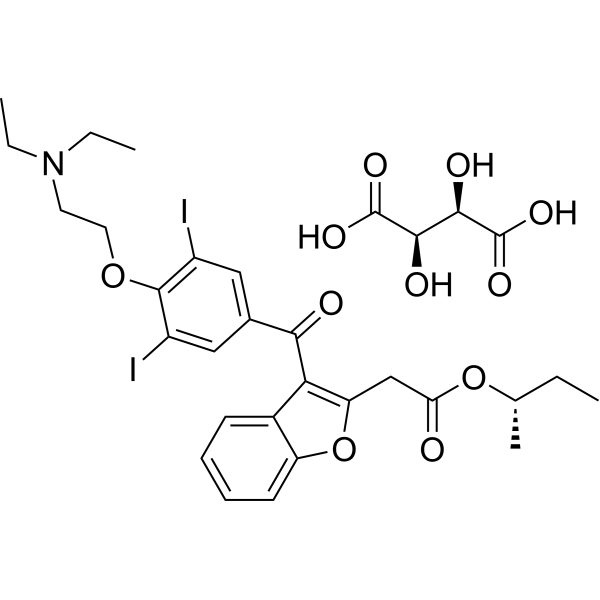
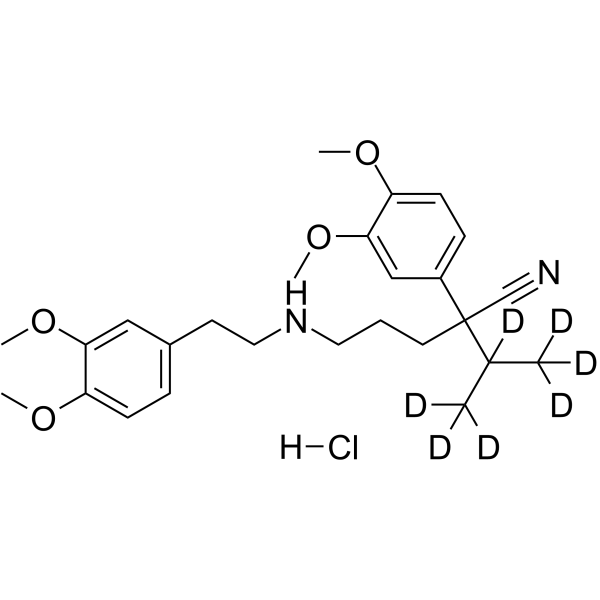
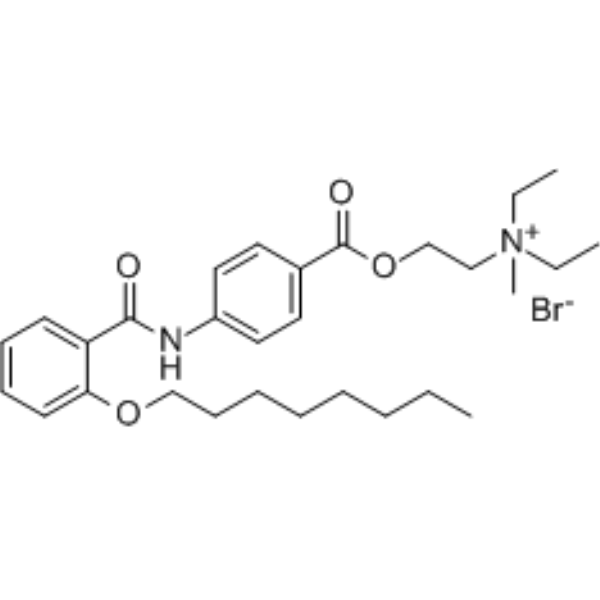
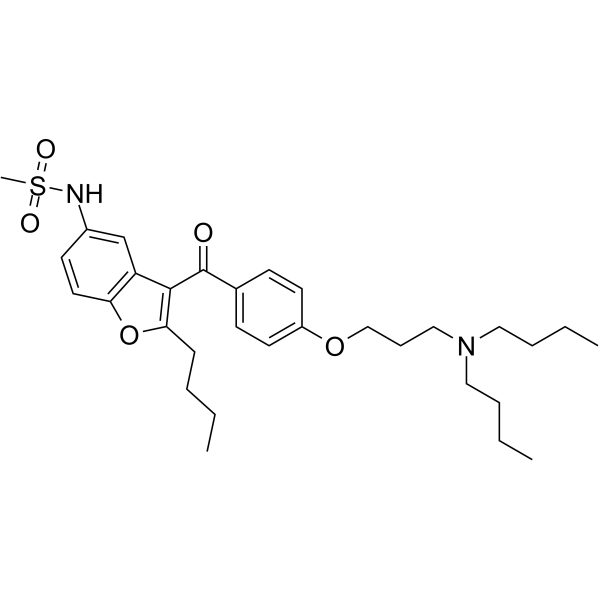
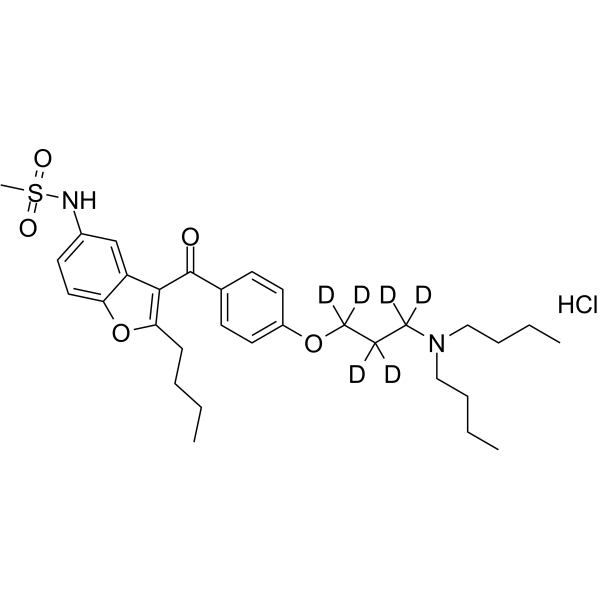
    Budiodarone (ATI-2042) is an analogue of Amiodarone (HY-14187) with a half-life of 7 h. Budiodarone inhibits sodium, potassium, and calcium ion channels. Budiodarone is an antiarrhythmic agent and can be used for the research of atrial fibrillation .
    Budiodarone

Inquiry Online

Your information is safe with us. * Required Fields.

Salutation


Country or Region *

Applicant Name *


Organization Name *

Department *


Email Address *


Product Name *

Cat. No.


Requested quantity *

Phone Number *


Remarks

Inquiry Online

Inquiry Information

Product Name:
Cat. No.:
Quantity:
MCE Japan Authorized Agent: