1. Search Result
Search Result
Results for "

growth+factor

" in MedChemExpress (MCE) Product Catalog:

579

Inhibitors & Agonists

11

Screening Libraries

5

Fluorescent Dye

10

Biochemical Assay Reagents

58

Peptides

5

MCE Kits

33

Inhibitory Antibodies

62

Natural
Products

594

Recombinant Proteins

20

Isotope-Labeled Compounds

170

Antibodies

6

Click Chemistry

83

Oligonucleotides

Cat. No. Product Name Target Research Area
  • HY-P0221
    PACAP (1-38), human, ovine, rat
    5 Publications Verification

    Pituitary Adenylate Cyclase Activating Polypeptide 38

    PACAP Receptor ERK EGFR Reactive Oxygen Species (ROS) Calcium Channel Infection Neurological Disease
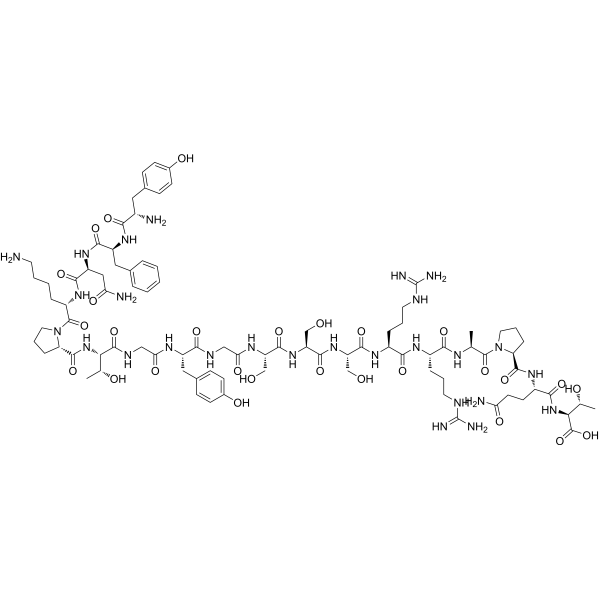
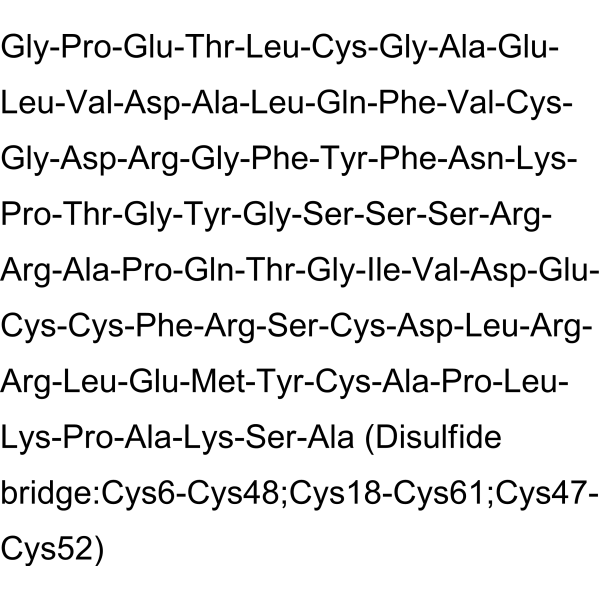
    PACAP (1-38), human, ovine, rat is a PAC1 receptor agonist. PACAP (1-38), human, ovine, rat binds to PACAP type I receptor, PACAP type II receptor VIP1, and PACAP type II receptor VIP2 with IC50s of 4 nM, 2 nM, and 1 nM, respectively. PACAP (1-38), human, ovine, rat increases the α-secretase activity. PACAP (1-38), human, ovine, rat elevates cytosolic Ca 2+, increases proliferation and increases phosphorylation of extracellular regulates kinase (ERK) and the epidermal growth factor receptor (EGFR). PACAP (1-38), human, ovine, rat demonstrates potent, efficacious, and sustained stimulatory effects on sympathetic neuronal NPY and catecholamine production. PACAP (1-38), human, ovine, rat can be used for neurotrophic and neuroprotective research .
  • HY-P3503

    BMN 111

    FGFR Others
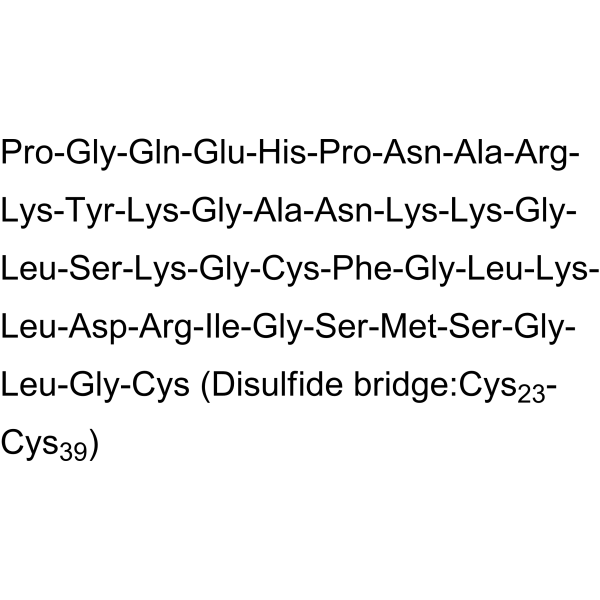
    Vosoritide (BMN 111) is a modified recombinant CNP (C-type natriuretic peptide) analogue, binds to NPR-B (natriuretic peptide receptor type B) and reduces the activity of FGFR3 (fibroblast growth factor receptor 3). Vosoritide can be used in achondroplasia and dwarfism research .
  • HY-P1563
    Osteogenic Growth Peptide, OGP
    2 Publications Verification

    Endogenous Metabolite Inflammation/Immunology
    Osteogenic Growth Peptide, OGP is a short, naturally occurring 14-mer growth factor peptide found in serum at μM concentrations.
  • HY-P0118B
    Disitertide diammonium
    Maximum Cited Publications
    18 Publications Verification

    P144 diammonium

    TGF-beta/Smad PI3K Apoptosis Cancer
    Disitertide (P144) diammonium is a peptidic transforming growth factor-beta 1 (TGF-β1) inhibitor specifically designed to block the interaction with its receptor. Disitertide diammonium is also a PI3K inhibitor and an apoptosis inducer .
  • HY-P2093
    S961
    5+ Cited Publications

    Insulin Receptor Metabolic Disease
    S961 is an high-affinity and selective insulin receptor (IR) antagonist with IC50s of 0.048, 0.027, and 630 nM for HIR-A, HIR-B, and human insulin-like growth factor I receptor (HIGF-IR) in SPA-assay, respectively .
  • HY-P2093B
    S961 acetate
    5+ Cited Publications

    Insulin Receptor Metabolic Disease
    S961 acetate is an high-affinity and selective insulin receptor (IR) antagonist with IC50s of 0.048, 0.027, and 630 nM for HIR-A, HIR-B, and human insulin-like growth factor I receptor (HIGF-IR) in SPA-assay, respectively .
  • HY-108905

    Human IGF-I; FK 780

    IGF-1R Metabolic Disease
    Mecasermin (Human IGF-I; FK 780) is a recombinant human insulin-like growth factor I (IGF-I). Mecasermin has the potential for the study of the growth failure of growth hormone (GH) insensitivity caused by GH receptor defects or GH-inhibiting antibodies .
  • HY-P0118
    Disitertide
    Maximum Cited Publications
    18 Publications Verification

    P144

    TGF-beta/Smad PI3K Apoptosis Cancer
    Disitertide (P144) is a peptidic transforming growth factor-beta 1 (TGF-β1) inhibitor specifically designed to block the interaction with its receptor. Disitertide (P144) is also a PI3K inhibitor and an apoptosis inducer .
  • HY-P3281

    FGFR Neurological Disease
    FGL peptide is a fibroblast growth factor receptor (FGFR) modulator and blood-brain barrier-penetrant. FGL peptide activates NCAM-FGFR and FGFR1 signaling pathways. FGL peptide alters expression of apoptosis, signal transduction and metabolism regulator genes in traumatic brain injury contexts. FGL peptide can be used for the research of traumatic brain injury .

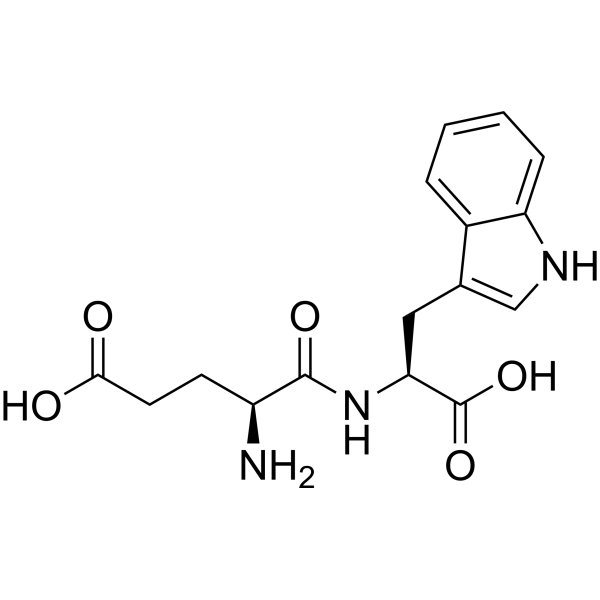
  • HY-13718

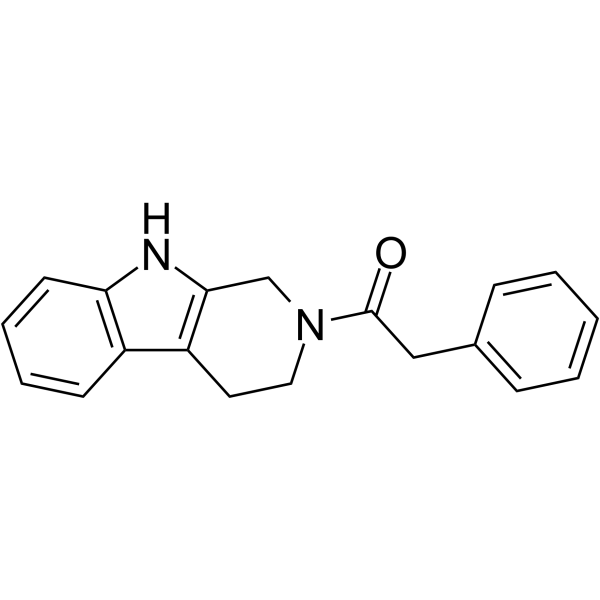
    H-Glu-Trp-OH; L-Glutamyl-L-tryptophan

    VEGFR HCV Endogenous Metabolite Infection Cardiovascular Disease Inflammation/Immunology Cancer
    Oglufanide (H-Glu-Trp-OH) is a dipeptide immunomodulator isolated from calf thymus. Oglufanide inhibits vascular endothelial growth factor (VEGF). Oglufanide can stimulate the immune response to hepatitic C virus (HCV) and intracellular bacterial infections. Oglufanide shows antitumor and anti-angiogenesis activities .


  • HY-P11328

    Integrin Others
    GFOGER peptide is an artificially synthesized collagen-mimetic sequence. GFOGER peptide acts as a ligand for α2β1, α11β1 and α1β1 integrins, thereby supporting integrin-mediated cell adhesion to collagen. GFOGER peptide triggers signaling pathways mediated by the α2β1 integrin receptor and upregulates osteoblast differentiation. GFOGER peptide accelerates and enhances bone formation at sites of refractory femoral defects. GFOGER peptide can be passively adsorbed onto polymer scaffolds for cell-free/growth factor-free bone formation. GFOGER peptide is used in biomaterials such as hydrogels and 3D bioinks for tissue engineering research including bone formation .

  • HY-P1777

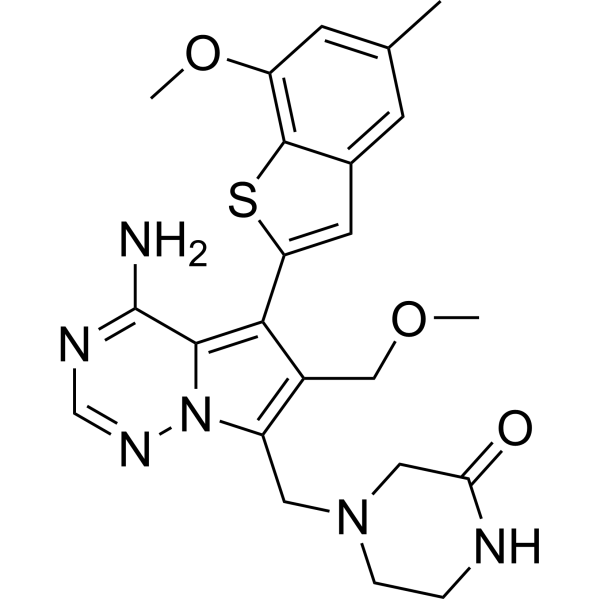
    Insulin-like Growth Factor I (24-41)
    IGF-1R Metabolic Disease Inflammation/Immunology
    IGF-I (24-41) (Insulin-like Growth Factor I (24-41)) is amino acids 24 to 41 fragment of IGF-I. IGF-I, a 70 aa polypeptide hormone, is a trophic factor for both neurons and glial cells. IGF-I is partly responsible for systemic growth hormone (GH) activities. IGF-I has anabolic, antioxidant, anti-inflammatory and cytoprotective actions. IGF-I (24-41) regulates somatic growth and behavioral development .
  • HY-117483

    iGluR Neurological Disease
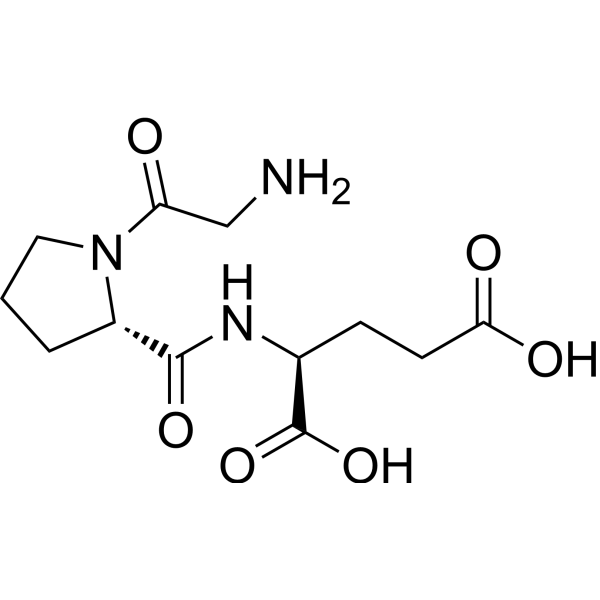
    Gly-Pro-Glu is a neuroactive peptide with a potent action on acetylcholine release. Gly-Pro-Glu is the N-terminal tripeptide of insulin-like growth factor-I. Gly-Pro-Glu inhibits glutamate binds to N-methyl-D-aspartate (NMDA) receptor with an IC50 value of 14.7 μM. Gly-Pro-Glu can be used for the research of neuroprotection .
  • HY-P3601

    FGF basic (1-24)

    Bacterial HBV Infection Inflammation/Immunology
    Brain Derived Basic Fibroblast Growth Factor (1-24) (FGF basic 1-24) is a synthetic peptide, shows anti-bacterial and anti-HBV activities. Brain Derived Basic Fibroblast Growth Factor (1-24) can be used in infection disease and immune disease research .
  • HY-P10697A

    LDLR Metabolic Disease
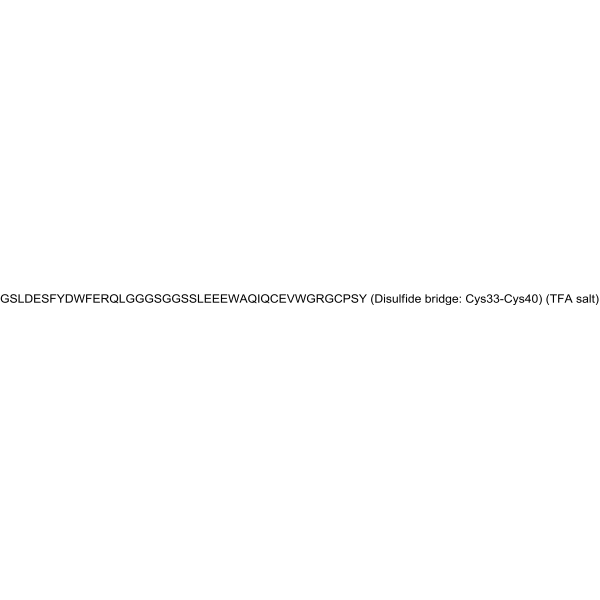
    VH4127 TFA is a cyclic peptide targeting the low density lipoprotein receptor (LDLR) with a KD of 18 nM for hLDLR. VH4127 TFA specifically binds to rodent and human epidermal growth factor (EGF) homology domain of LDLR .
  • HY-P5253

    Apoptosis Metabolic Disease
    Octapeptide-2 is a biomimetic peptide that mimics the thymosin-β4 growth factor. Octapeptide-2 can promote hair growth, reduce cell apoptosis, and increase the proliferation of keratinocytes. Octapeptide-2 can be used in the research of hair loss and alopecia areata .
  • HY-P1985

    Notch Cardiovascular Disease Cancer
    Notch 1 (Notch homolog 1, translocation-associated) can encode a member of the NOTCH family of proteins. Members of this Type I transmembrane protein family share structural characteristics including an extracellular domain consisting of multiple epidermal growth factor-like (EGF) repeats, and an intracellular domain consisting of multiple different domain types .
  • HY-P2185A

    MMP Others
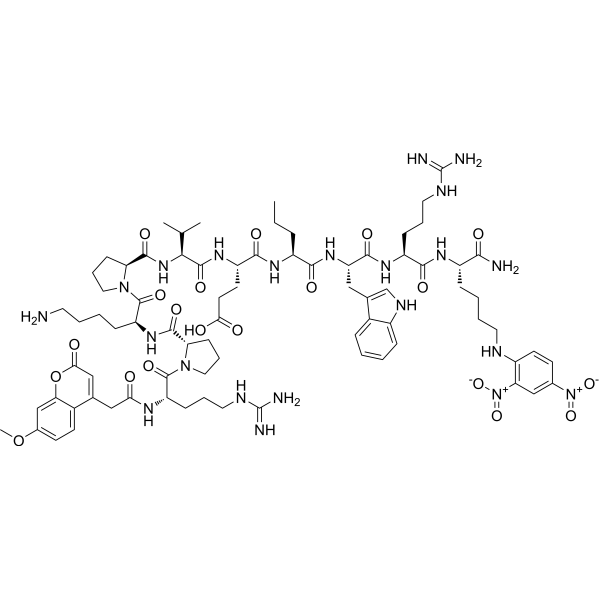
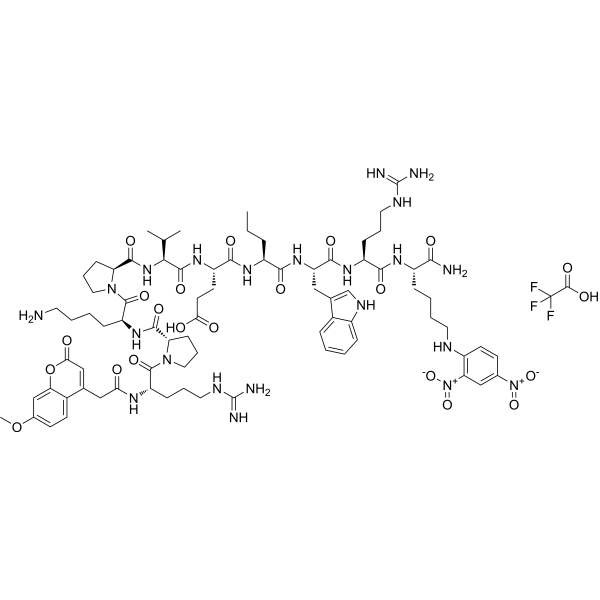
    NFF-3 TFA, the peptide, is a selective MMP substrate. NFF-3 TFA selectively binds to MMP-3 and MMP-10 to be hydrolyzed. NFF-3 TFA is also cleaved by trypsin, hepatocyte growth factor activator, and factor Xa. Label NFF-3 TFA with a CyDye pair, Cy3/Cy5Q, can produce fluorescence in cell assays to detect cell activity .
  • HY-P5107

    LMWP; TDSP5

    VEGFR Cancer
    Low molecular weight protamine is a cell-penetrating peptide with vascular endothelial growth factor (VEGF) inhibitory activity. Low molecular weight protamine can inhibit tumor growth and is used in cancer research .
  • HY-P1415A
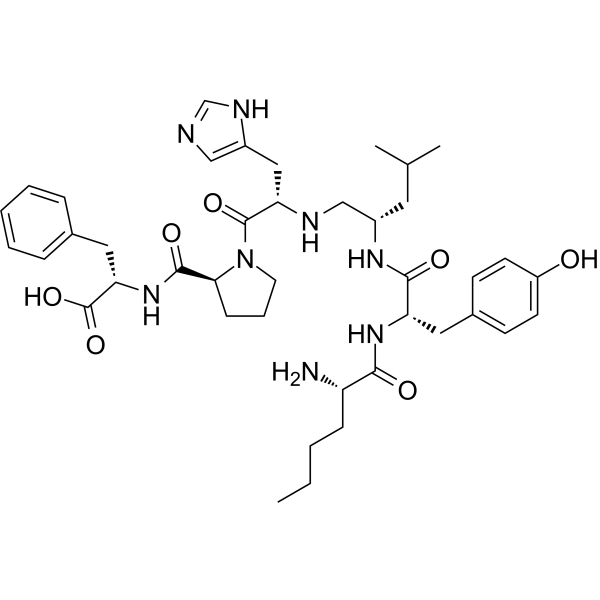
    Norleual TFA
    1 Publications Verification

    c-Met/HGFR Angiotensin Receptor Cardiovascular Disease Neurological Disease Metabolic Disease
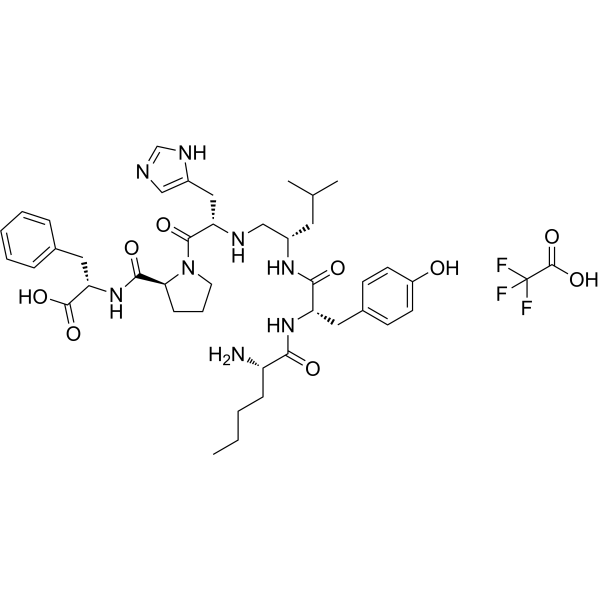
    Norleual TFA, an angiotensin (Ang) IV analog, is a hepatocyte growth factor (HGF)/c-Met inhibitor with an IC50 of 3 pM. Norleual TFA is an AT4 receptor antagonist and exhibits potent antiangiogenic activities .
  • HY-P10831

    VEGFR Cardiovascular Disease Cancer
    GNQWFI, an anti-Flt1 peptide, is a VEGFR1-specific antagonist. GNQWFI blocks the interaction of VEGFR1 with various VEGFR1 ligands, such as VEGFA, VEGFB, and placental growth factor (PIGF) and inhibits VEGF-induced endothelial cell migration and tube formation. GNQWFI is promising for research of cancer, asthma, and other ocular diseases .
  • HY-P3318

    L-BOC2

    Leukotriene Receptor Inflammation/Immunology
    Boc-Phe-Leu-Phe-Leu-Phe (Boc-FLFLF) is a N-formyl peptide receptors (FPR) inhibitor. Boc-Phe-Leu-Phe-Leu-Phe abolishes the FMLP-induced release of peptide leukotrienes. Boc-Phe-Leu-Phe-Leu-Phe inhibits the sprouting of human umbilical vein endothelial cell (HUVEC) spheroids mediated by proliferative diabetic retinopathy (PDR) vitreous and vascular endothelial growth factor (VEGF) respectively in a three-dimensional fibrin gel. Boc-Phe-Leu-Phe-Leu-Phe inhibits the anti-inflammatory and antifibrotic effects of Ac2-26 (HY-P1098). Boc-Phe-Leu-Phe-Leu-Phe can be used for the study of immunology .
  • HY-P1085

    EGFR Cancer
    Epidermal Growth Factor Receptor Peptide (985-996) is an amino acid peptide fragment derived from positions 985-996 in epidermal growth factor receptor (EGFR) .
  • HY-P0103A

    LPL Receptor Metabolic Disease
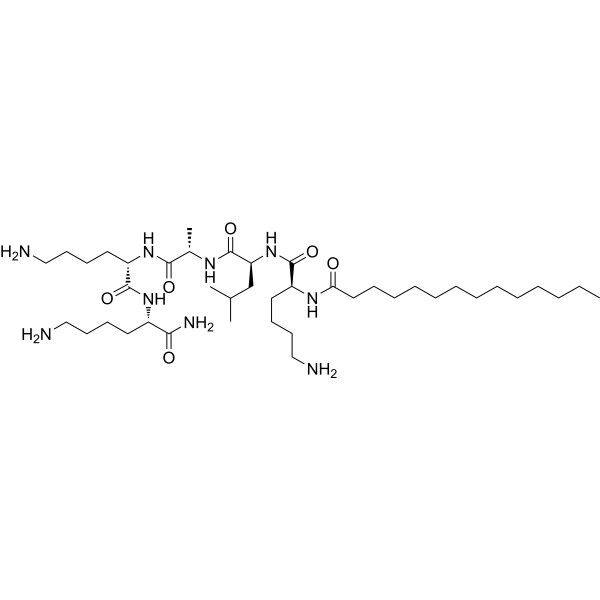
    Myristoyl pentapeptide-17 acetate can stimulate eyelash growth by stimulating keratin production. Myristoyl pentapeptide-17 acetate promotes the delivery of key ingredients in the serum, such as the growth factors and lysophosphatidic acid .
  • HY-P0103

    LPL Receptor Metabolic Disease
    Myristoyl pentapeptide-17 can stimulate eyelash growth by stimulating keratin production. Myristoyl pentapeptide-17 promotes the delivery of key ingredients in the serum, such as the growth factors and lysophosphatidic acid .
  • HY-P3054

    Ribosomal S6 Kinase (RSK) Cardiovascular Disease
    S6 peptide is a potentially important lamin kinase. S6 peptide is involved in the process of cardiac hypertrophy induced by mechanical loading. S6 peptide can be activated by many kinds of growth factors .
  • HY-P5457

    Peptides Others
    BMP-2 Epitope (73-92) is a biological active peptide. (This is amino acids 73 to 92 fragment of bone morphogenetic protein (BMP) knuckle epitope. It is a member of transforming growth factor beta (TGF-b). This peptide fragment is able to raise alkaline phosphate activity in murine multipotent mesenchymal cells.)
  • HY-P1985A

    Notch Cardiovascular Disease Cancer
    Notch 1 TFA (Notch homolog 1, translocation-associated) can encode a member of the NOTCH family of proteins. Members of this Type I transmembrane protein family share structural characteristics including an extracellular domain consisting of multiple epidermal growth factor-like (EGF) repeats, and an intracellular domain consisting of multiple different domain types .
  • HY-P1855

    EGFR Cancer
    HER2/neu (654-662) GP2 is a nine amino acid peptide derived from the human epidermal growth factor receptor 2 (HER2/nue, 654–662), induces HLA-A2-restricted cytotoxic T lymphocytes (CTL) reactive to various epithelial cancers .
  • HY-P2185

    MMP Others
    NFF-3, the peptide, is a selective MMP substrate. NFF-3 selectively binds to MMP-3 and MMP-10 to be hydrolyzed. NFF-3 is also cleaved by trypsin, hepatocyte growth factor activator, and factor Xa. Label NFF-3 with a CyDye pair, Cy3/Cy5Q, can produce fluorescence in cell assays to detect cell activity .
  • HY-P2090A

    Somatostatin Receptor Adenylate Cyclase Cardiovascular Disease
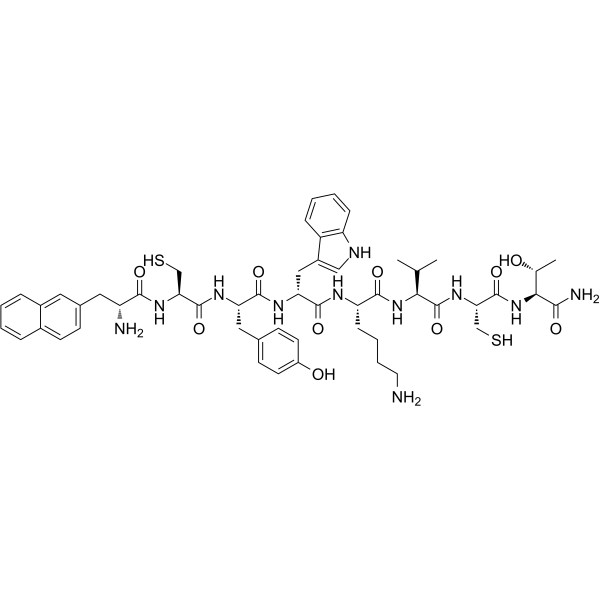
    Angiopeptin TFA, a cyclic octapeptide analogue of somatostatin, is a weak sst2/sst5 receptor partial agonist with IC50 values of 0.26 nM and 6.92 nM, respectively. Angiopeptin TFA is a potent inhibitor of growth hormone release and insulin-like growth factor-1 (IGF-1) production. Angiopeptin TFA inhibits adenylate cyclase or stimulates extracellular acidification. Angiopeptin TFA has the potential for coronary atherosclerosis research .
  • HY-P1415

    c-Met/HGFR Angiotensin Receptor Neurological Disease Metabolic Disease
    Norleual, an angiotensin (Ang) IV analog, is a hepatocyte growth factor (HGF)/c-Met inhibitor with an IC50 of 3 pM. Norleual is an AT4 receptor antagonist and exhibits potent antiangiogenic activities .
  • HY-P10697

    LDLR Metabolic Disease
    VH4127 is a cyclic peptide targeting the low density lipoprotein receptor (LDLR) with a KD of 18 nM for hLDLR. VH4127, bearing non-natural amino acid residues, specifically binds to rodent and human epidermal growth factor (EGF) homology domain of LDLR .
  • HY-P2093A

    Insulin Receptor Metabolic Disease
    S961 TFA is an high-affinity and selective insulin receptor (IR) antagonist with IC50s of 0.048, 0.027, and 630 nM for HIR-A, HIR-B, and human insulin-like growth factor I receptor (HIGF-IR) in SPA-assay, respectively .
  • HY-P10403

    IGF-1R Inflammation/Immunology Cancer
    IGFBP-3 peptide is a 18-amino acid insulin-like growth factor binding protein-3. IGFBP-3 peptide binds Humanin (HY-P1928) and Hyaluronan (HY-B0633A), blocks the interaction of CD44 and hyaluronan .
  • HY-P0118A

    P144 TFA

    TGF-beta/Smad PI3K Apoptosis Cancer
    Disitertide (P144) TFA is a peptidic transforming growth factor-beta 1 (TGF-β1) inhibitor specifically designed to block the interaction with its receptor. Disitertide TFA is also a PI3K inhibitor and an apoptosis inducer .
  • HY-P5107A

    LMWP acetate; TDSP5 acetate

    VEGFR Cancer
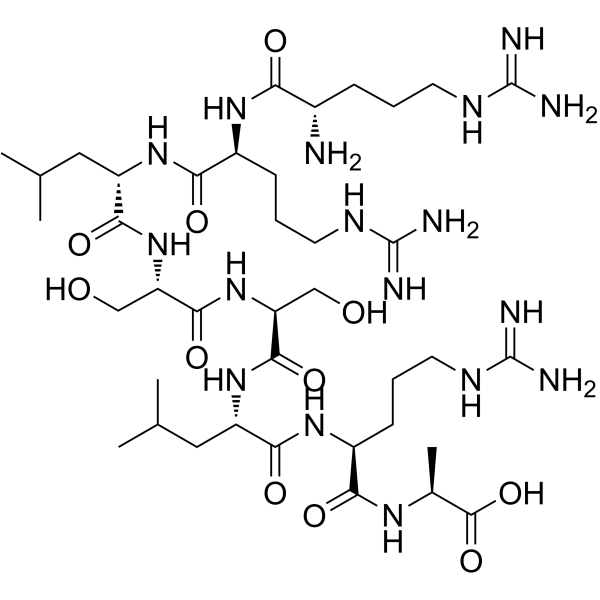
    Low molecular weight protamine (LMWP) is a truncated arginine-rich protamine peptide, which also acts as an antidote for heparin/low molecular weight heparin and a cell-penetrating delivery vector. Low molecular weight protamine neutralizes heparin-induced anticoagulant activities, including aPTT, anti-Xa and anti-IIa activities. Low molecular weight protamine translocates across mammalian cell membranes, delivers conjugated impermeable molecules through tumor tissues, enhances the skin permeability of conjugated epidermal growth factor, and accelerates wound healing when conjugated with epidermal growth factor. Low molecular weight protamine retains the in vitro cell proliferation activity of conjugated EGF, and also enables site-specific conjugation with peptides or proteins via genetic recombination. Low molecular weight protamine can be used in studies related to colon cancer, skin wounds and diabetic skin wounds .
  • HY-P10833

    VEGFR PI3K Akt mTOR ERK Apoptosis Cardiovascular Disease Cancer
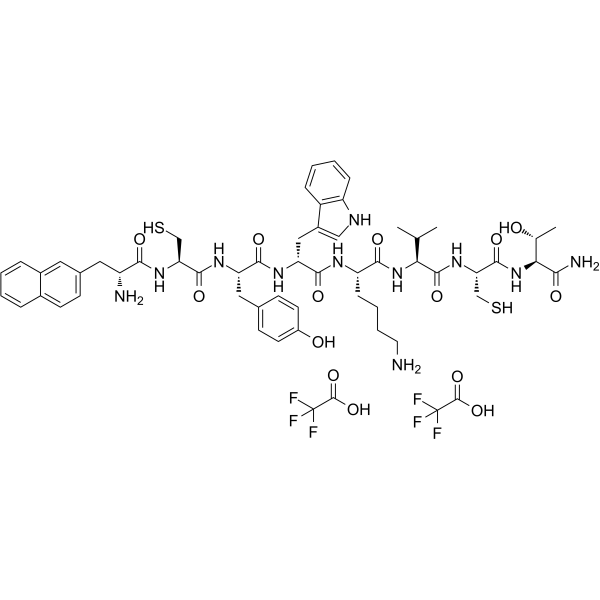
    C-VGB3 is a selective vascular endothelial growth factor receptor 2 (VEGFR2) antagonist, which inhibits VEGFR2-mediated PI3K/AKT/mTOR and PLCγ/ERK1/2 signaling pathways. C-VGB3 binds to the extracellular domain of VEGFR2, blocking ligand-receptor interaction and inducing apoptosis in endothelial and tumor cells through both intrinsic (involving Bcl2 family and caspases) and extrinsic (death receptor-mediated) pathways. C-VGB3 is promising for research of angiogenesis-related cancers, such as breast cancer .
  • HY-P1773

    Insulin-like Growth Factor I (30-41)

    Insulin Receptor Metabolic Disease Inflammation/Immunology
    IGF-I (30-41) is amino acids 30 to 41 fragment of Insulin-like Growth Factor I (IGF-I). IGF-I is partly responsible for systemic GH activities although it possesses a wide number of own properties (anabolic, antioxidant, anti-inflammatory and cytoprotective actions) .
  • HY-P1773A

    Insulin-like Growth Factor I (30-41) TFA

    IGF-1R Metabolic Disease Inflammation/Immunology
    IGF-I (30-41) (TFA) is amino acids 30 to 41 fragment of Insulin-like Growth Factor I (IGF-I). IGF-I is partly responsible for systemic GH activities although it possesses a wide number of own properties (anabolic, antioxidant, anti-inflammatory and cytoprotective actions) .
  • HY-P1777A

    Insulin-like Growth Factor I (24-41) TFA

    IGF-1R Metabolic Disease Inflammation/Immunology
    IGF-I (24-41) (Insulin-like Growth Factor I (24-41)) TFA is amino acids 24 to 41 fragment of IGF-I. IGF-I TFA, a 70 aa polypeptide hormone, is a trophic factor for both neurons and glial cells. IGF-I TFA is partly responsible for systemic growth hormone (GH) activities. IGF-I TFA has anabolic, antioxidant, anti-inflammatory and cytoprotective actions. IGF-I (24-41) TFA regulates somatic growth and behavioral development .
  • HY-106945

    Bisprezatide copper; Iamin; PC 1020

    Peptides Others
    Prezatide copper (Bisprezatide copper; Iamin) is used for inhibiting hair loss. Prezatide copper also known as Iamin, is a human growth factor with multiple wound-healing properties .
  • HY-P1799

    Phosphatase Others
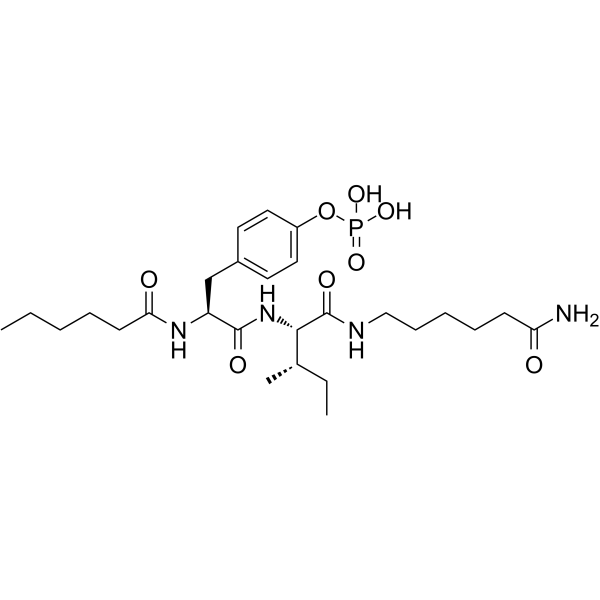
    [pTyr5] EGFR (988-993) is derived from the autophosphorylation site (Tyr992) of epidermal growth factor receptor (EGFR 988-993). [pTyr5] EGFR (988-993) is often complexed with the catalytically inactive protein-tyrosine phosphate 1B (PTP1B) .
  • HY-P10119

    PDGFR Mitosis Others
    PDGFR Y1021 peptide (non-phosphorylation) is the non-phosphorylated fragment of platelet-derived growth factor receptor (PDGFR). PDGFR Y1021 peptide (non-phosphorylation) blocks the PLCγ association to PDGFR through PLCγSH2 domain, and thus inhibits mitogenic response .
  • HY-P10270

    PDGFR Mitosis Others
    PDGFR Y1021 peptide (phosphorylation) is the phosphorylated fragment of platelet-derived growth factor receptor (PDGFR). PDGFR Y1021 peptide (phosphorylation) supports association of PLCγ to PDGFR through PLCγSH2 domains, and thus promotes the production of inositol phosphates and mitogenic response .
  • HY-P1799A

    Phosphatase Others
    [pTyr5] EGFR (988-993) TFA is derived from the autophosphorylation site (Tyr992) of epidermal growth factor receptor (EGFR 988-993). [pTyr5] EGFR (988-993) TFA is often complexed with the catalytically inactive protein-tyrosine phosphate 1B (PTP1B) .
  • HY-P1142

    Apoptosis Others
    GLP-2(rat) is an intestinal growth factor. GLP-2(rat) stimulates cell proliferation and inhibits apoptosis. GLP-2(rat) enhances mucosal mass and function in residual small intestine after massive small bowel resection (MSBR) .
  • HY-P11066

    Peptides Others
    RAD-FHR peptide is a self-assembling peptide. RAD-FHR peptide significantly enhances migration, proliferation and growth factor-secretion ability in human adipose stem cells (hASCs). RAD-FHR peptide can be used for synthesis of nanofiber hydrogel for stem cell behaviors research in biomimetic 3D systems .
  • HY-P1142A

    Apoptosis Others
    GLP-2(rat) TFA is an intestinal growth factor. GLP-2(rat) TFA stimulates cell proliferation and inhibits apoptosis. GLP-2(rat) TFA enhances mucosal mass and function in residual small intestine after massive small bowel resection (MSBR) .
  • HY-P2090

    Somatostatin Receptor Adenylate Cyclase Cardiovascular Disease
    Angiopeptin, a cyclic octapeptide analogue of somatostatin, is a weak sst2/sst5 receptor partial agonist with IC50 values of 0.26 nM and 6.92 nM, respectively. Angiopeptin is a potent inhibitor of growth hormone release and insulin-like growth factor-1 (IGF-1) production. Angiopeptin inhibits adenylate cyclase or stimulates extracellular acidification. Angiopeptin has the potential for coronary atherosclerosis research .

Inquiry Online

Your information is safe with us. * Required Fields.

Salutation


Country or Region *

Applicant Name *


Organization Name *

Department *


Email Address *


Product Name *

Cat. No.


Requested quantity *

Phone Number *


Remarks

Inquiry Online

Inquiry Information

Product Name:
Cat. No.:
Quantity:
MCE Japan Authorized Agent: