



Neurotrophin-3 Protein, Human
Based on 2 publication(s) in Google Scholar
Neurotrophin-3 Protein, Human is a recombinant Neurotrophin-3 protein expressed in E. coli system. Neurotrophin-3 is widely expressed in the nervous system. Neurotrophin-3 reduces cellular damage, improves neuronal regeneration in different models of lesions.
- Species: Human
- Source: E. coli
-
Storage:Stored at -20°C for 2 years from date of receipt. After reconstitution, it is stable at 4°C for 1 week or -20°C for longer (with carrier protein). It is recommended to freeze aliquots at -20°C or -80°C for extended storage.


To place orders, for customer services and technical support, please contact: MedChemExpress USA
Tel: 609-228-6898 E-mail: [email protected] [email protected]


-
 Biological Activity
-
Technical Parameters
-
Product Properties
- Documentation
- References
- Help & FAQs


-

HY-P7116A
BDNF Protein, Human/Mouse/Rat -
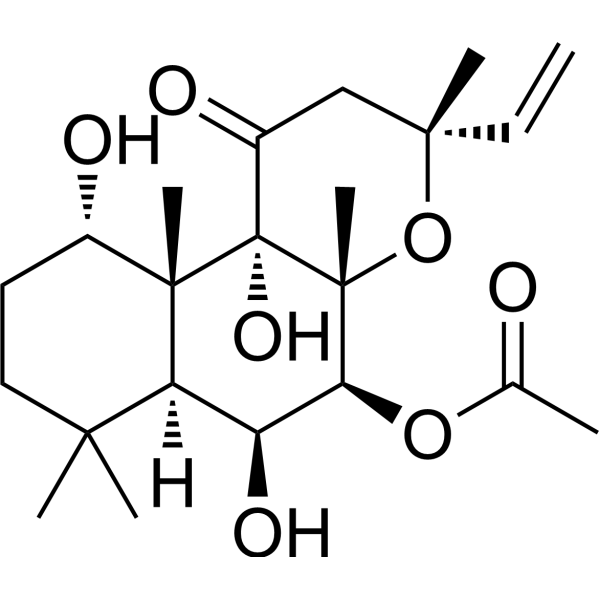
HY-15371
Forskolin -
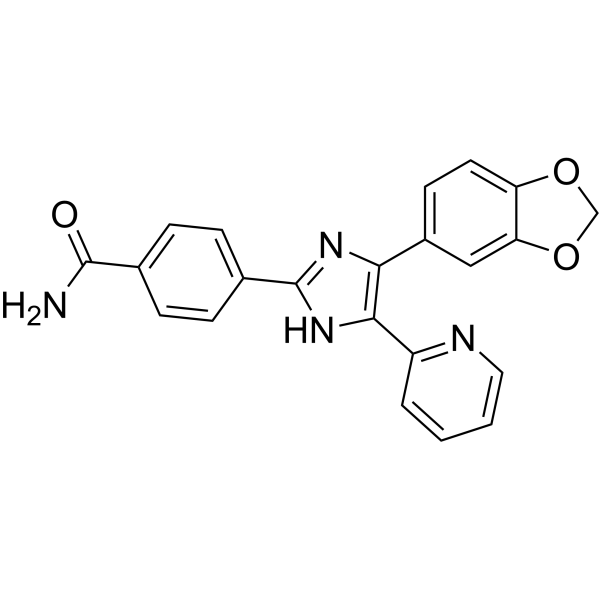
HY-10431
SB-431542 -
HY-P7182
GDNF Protein, Human -
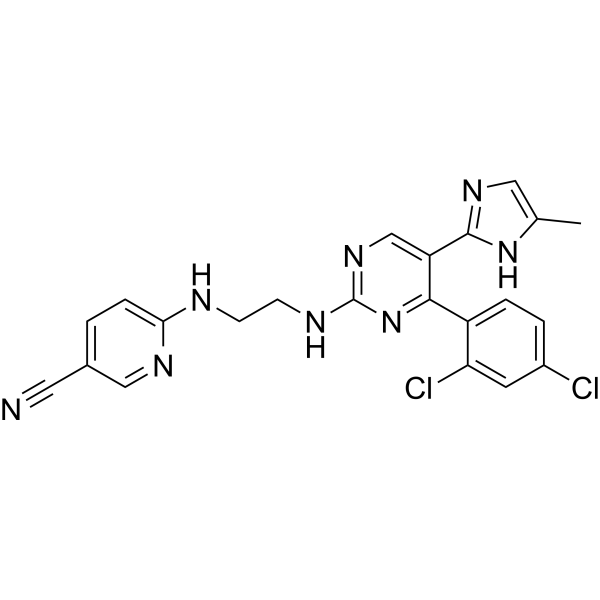
HY-10182
Laduviglusib -
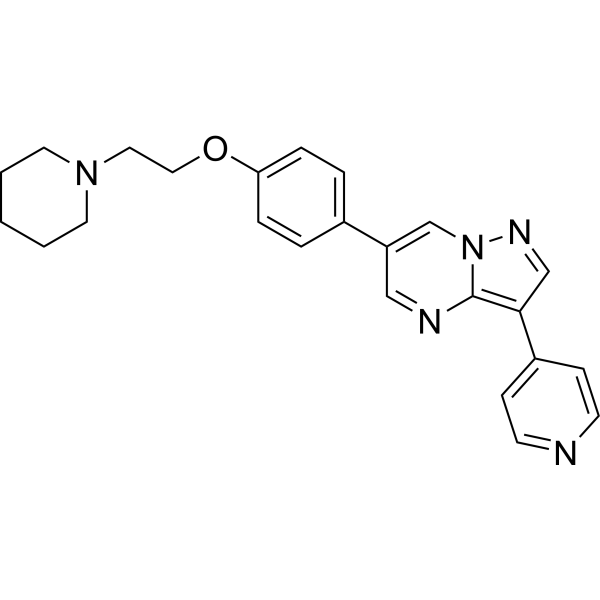
HY-13418A
Dorsomorphin -
HY-B0764
Bucladesine sodium -
HY-P70598
PDGF-AA Protein, Human -
HY-P7109
EGF Protein, Human -
HY-P7018
IGF-I/IGF-1 Protein, Human (70a.a) -
HY-P7004
FGF basic/bFGF Protein, Human (146a.a) -
HY-P7660
Beta-NGF Protein, Human (HEK293)


Biological Activity
Description
Neurotrophin-3 Protein, Human is a recombinant Neurotrophin-3 protein expressed in E. coli system. Neurotrophin-3 is widely expressed in the nervous system. Neurotrophin-3 reduces cellular damage, improves neuronal regeneration in different models of lesions[1].
Background
Neurotrophin-3 (NT-3), a trophic factor from the neurotrophin family, is widely expressed in the nervous system. The physiological actions of NT-3 are mediated by the activation of two membrane receptors: the low-affinity receptor p75 and the high-affinity receptor Trk. NT-3 activates the TrkC receptor and binds with less affinity to TrkB and TrkA. NT-3 reduces cellular damage, improves neuronal regeneration in different models of lesions or neurodegeneration, and participates in synaptic reorganization, synapse formation, and neuronal plasticity[1].
In Vitro
Neurotrophin-3 (human; 2 ng/mL; 20 h), but not brain-derived neurotrophic factor, promotes neuronal differentiation of retinal progenitor E4 cells[3].
Verified Bioactivity
1.The ED50 as determined by its ability to bind Human NTRK2 in functional ELISA is less than 10 μg/mL.
2.Measured in a cell proliferation assay using BaF3 mouse pro-B cells transfected with TrkB. The ED50 for this effect is 33.69-35.88 ng/mL, corresponding to a specific activity is 2.787-2.968×10⁴ units/mg.
MCE Validation Data
-
Purity - SDS-PAGE
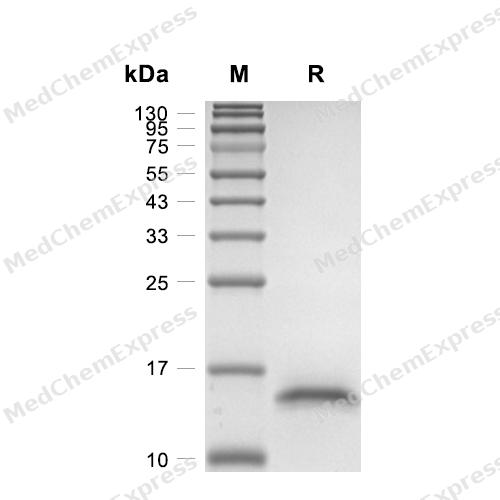
Purity - SDS-PAGE
-
Bioactivity - Cell-Based Assay
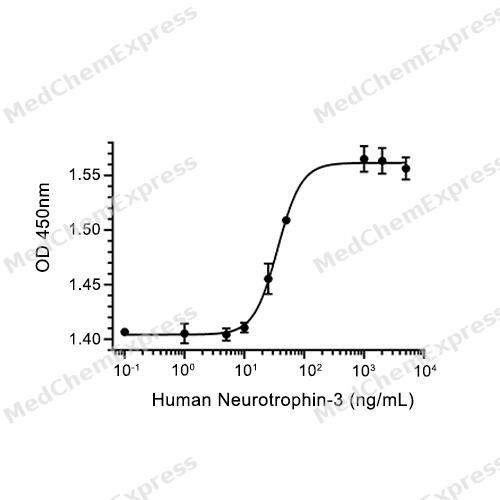
Bioactivity - Cell-Based Assay


Publications (2)
-
Journal Impact Factor
-
Most Recent
-
Sci Adv
Integrating hydrogels manipulate ECM deposition after spinal cord injury for specific neural reconnections via neuronal relays. [Abstract]2024 Jul 5;10(27):eado9120. PMID: 38959311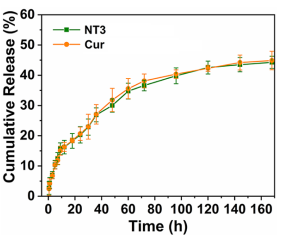
Neurotrophin-3 Protein, Human purchased from MedChemExpress. Usage Cited in: Sci Adv. 2024 Jul 5;10(27):eado9120. [Abstract]
In vitro release rates of Neurotrophin-3 Protein and Cur from the HADA/HRR hydrogel.
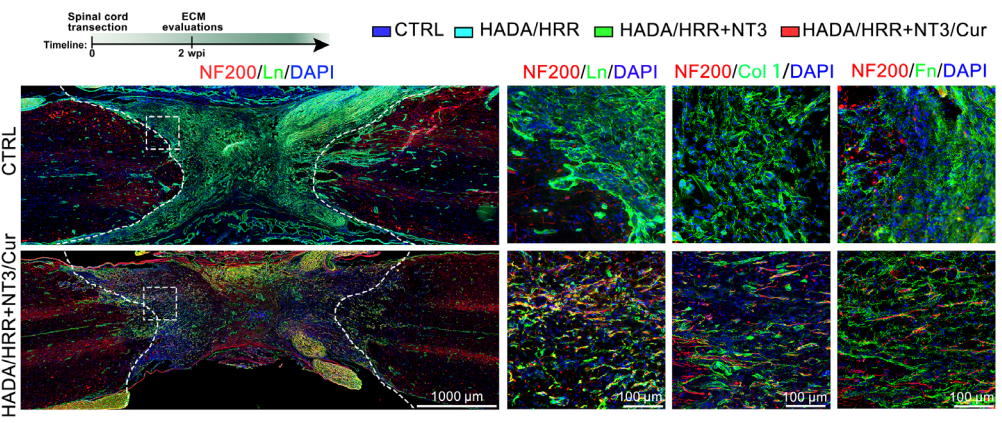
Neurotrophin-3 Protein, Human purchased from MedChemExpress. Usage Cited in: Sci Adv. 2024 Jul 5;10(27):eado9120. [Abstract]
Representative images of longitudinal spinal cord sections obtained at 2 wpi in the CTRL and HADA/HRR + Neurotrophin-3/Cur hydrogel group. Dotted lines demarcated astrocyte border around the lesion. Boxed border regions were magnified with NF200 and different ECM [laminin (Ln), collagen I (Col 1), and fibronectin (Fn)] immunoreactivity intermingled in the region.
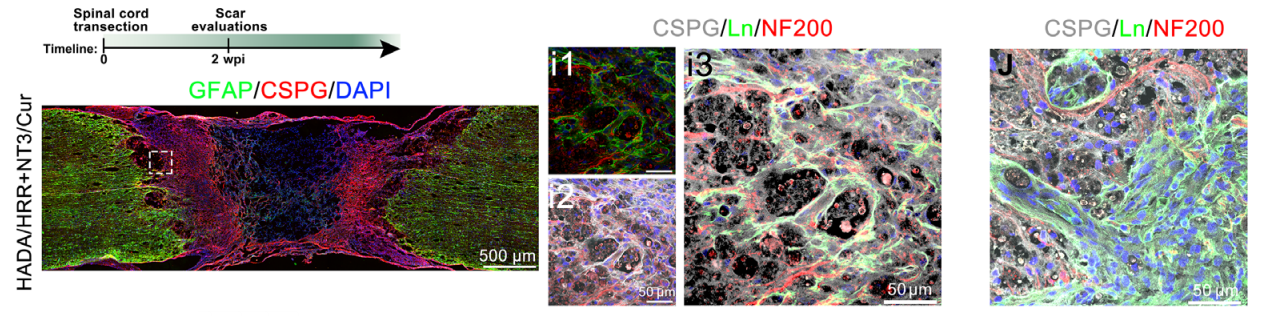
Neurotrophin-3 Protein, Human purchased from MedChemExpress. Usage Cited in: Sci Adv. 2024 Jul 5;10(27):eado9120. [Abstract]
Immunostainings for glial fibrillary acidic protein (GFAP) and CSPG of the HADA/HRR + Neurotrophin-3/Cur hydrogel group at 2 wpi. The boxed border regions were magnified and immunostained with Ln and NF200 (i1), CSPG and NF200 (i2) or CSPG, Ln, and NF200 (i3).
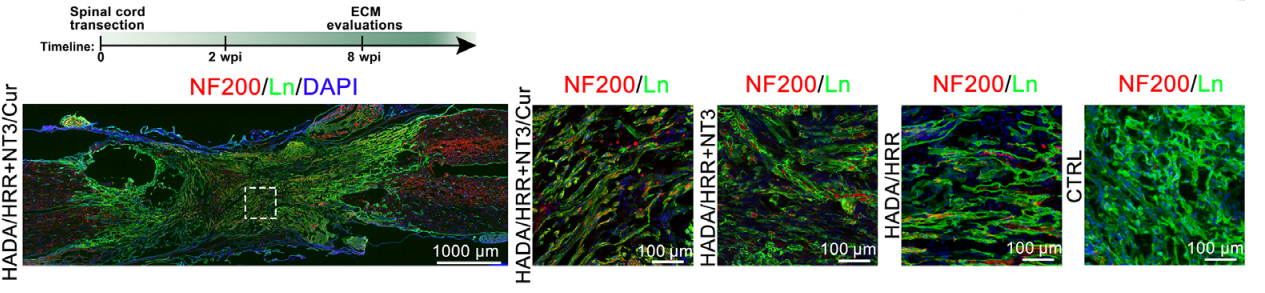
Neurotrophin-3 Protein, Human purchased from MedChemExpress. Usage Cited in: Sci Adv. 2024 Jul 5;10(27):eado9120. [Abstract]
Images of immunostaining for Ln and NF200 in the HADA/HRR + Neurotrophin-3/Cur hydrogel group at 8 wpi. The boxed border regions were magnified in different groups.
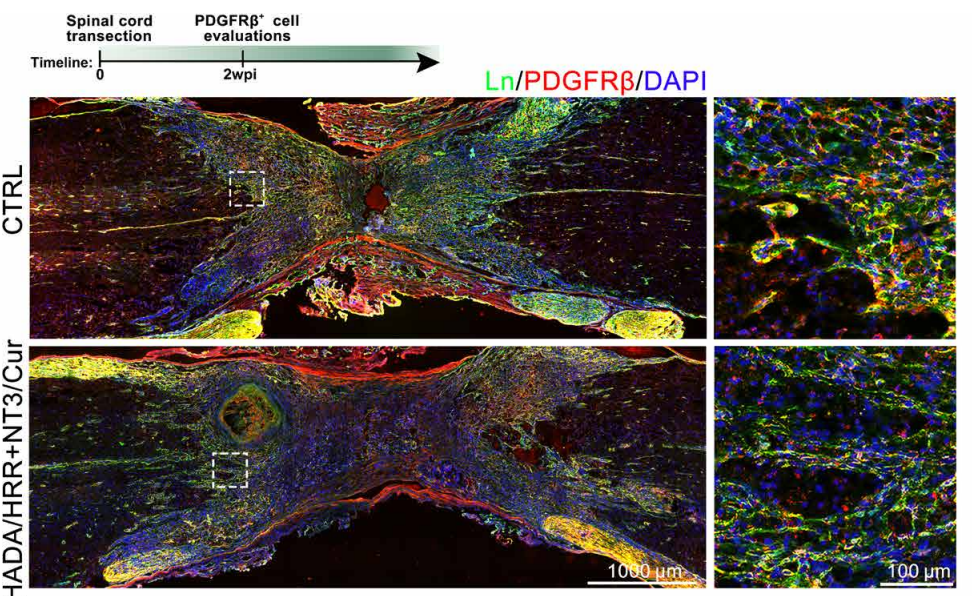
Neurotrophin-3 Protein, Human purchased from MedChemExpress. Usage Cited in: Sci Adv. 2024 Jul 5;10(27):eado9120. [Abstract]
Representative images of longitudinal spinal cord sections at 2 wpi in the CTRL and HADA/HRR + Neurotrophin-3/Cur hydrogel group, respectively. The boxed border regions were magnified with Ln and PDGFRβ immunoreactivity in the region.
-
Stem Cell Res Ther
Mesenchymal stem cells derived from hPSC via neural crest attenuate chemotherapy-induced premature ovarian insufficiency by ameliorating apoptosis and oxidative stress in granulosa cells. [Abstract]2025 May 13;16(1):239. PMID: 40361250


Technical Parameters
-
Species Human
-
Source E. coli
-
Tag Tag Free
-
Accession
P20783-1 (Y139-T257)
-
Molecular Construction
-
N-term
-
Neurotrophin-3 (Y139-T257)
Accession # P20783-1 -
C-term
-
-
Protein Length
Full Length of Isoform-1
-
Synonyms
NTF3; Neurotrophin-3; Neurotrophin 3; NGF-2; NGF2; HDNF; Nerve Growth Factor 2; NT-3; Neurotrophic Factor; NT3
-
AA Sequence
YAEHKSHRGEYSVCDSESLWVTDKSSAIDIRGHQVTVLGEIKTGNSPVKQYFYETRCKEARPVKNGCRGIDDKHWNSQCKTSQTYVRALTSENNKLVGWRWIRIDTSCVCALSRKIGRT
-
Predicted Molecular Mass
13.6 kDa
-
Molecular Weight
Approximately 14 kDa, based on SDS-PAGE under reducing conditions.
-
Purity
≥ 95%, as determined by reducing SDS-PAGE.


Product Properties
Lyophilized powder
1.Lyophilized from a 0.22 μm filtered solution of 20 mM PB, 250 mM NaCl, pH 7.2.
2.Lyophilized from a 0.22 μm filtered solution of 0.1% TFA, 20% Acetonitrile, pH 2.5.
Please refer to the lot-specific COA for specific buffer information.
<1 EU/μg, determined by LAL method.
It is not recommended to reconstitute to a concentration less than 100 μg/mL in ddH2O. For long term storage it is recommended to add a carrier protein (0.1% BSA, 5% HSA, 10% FBS or 5% Trehalose).
Stored at -20°C for 2 years from date of receipt. After reconstitution, it is stable at 4°C for 1 week or -20°C for longer (with carrier protein). It is recommended to freeze aliquots at -20°C or -80°C for extended storage.
Room temperature in continental US; may vary elsewhere.


Documentation
-
Data Sheet (262 KB)
-
SDS (251 KB)
- English - EN (251 KB)
- Français - FR (251 KB)
- Deutsch - DE (251 KB)
- Norwegian - NO (251 KB)
- Español - ES (251 KB)
- Swedish - SV (251 KB)
- Italian - IT (251 KB)
- Korean - KR (251 KB)
- Portuguese - PT (251 KB)
-
Handling Instructions (2659 KB)


References
[1]. Koichi Uegaki, et al. BDNF Binds Its Pro-Peptide with High Affinity and the Common Val66 Met Polymorphism Attenuates the Interaction. Int J Mol Sci. 2017 May 12;18(5):1042. [Content Brief]
[2]. O Blondel, et al. A glia-derived signal regulating neuronal differentiation. J Neurosci. 2000 Nov 1;20(21):8012-20. [Content Brief]
[3]. de la Rosa EJ, et al. Role of neurotrophins in the control of neural development: neurotrophin-3 promotes both neuron differentiation and survival of cultured chick retinal cells. Neuroscience. 1994 Jan;58(2):347-52. [Content Brief]

Calculators
Concentration (start) × Volume (start) = Concentration (final) × Volume (final)


 Powered by Bioz

