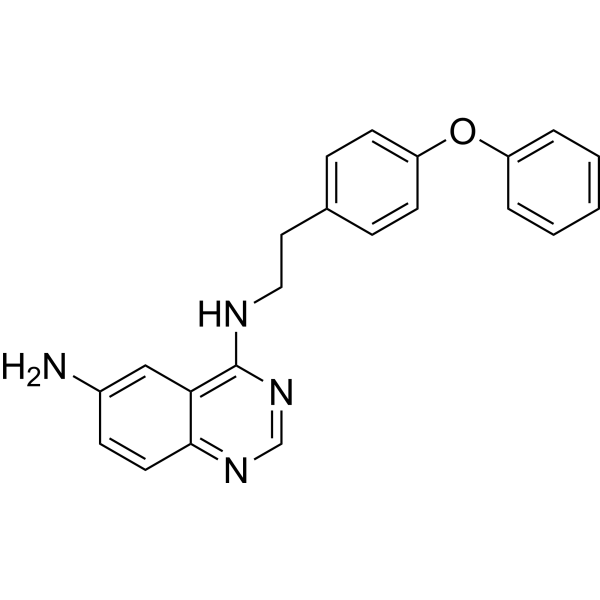
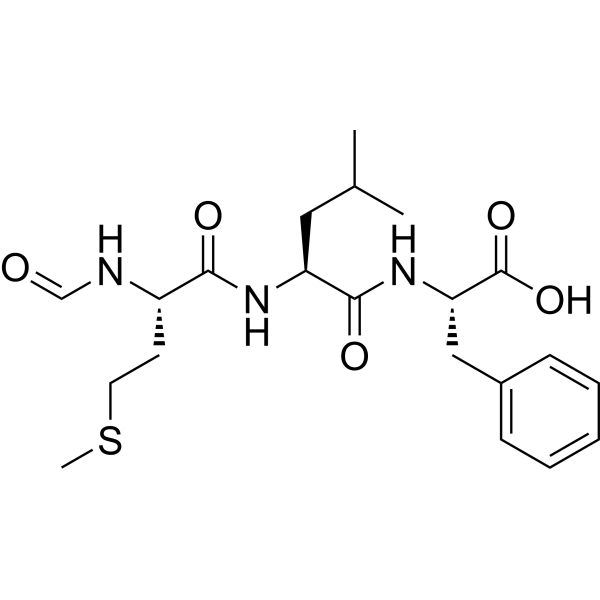
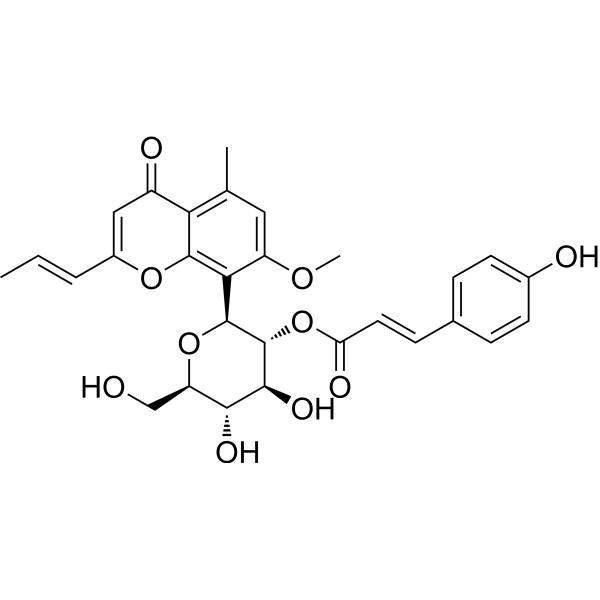
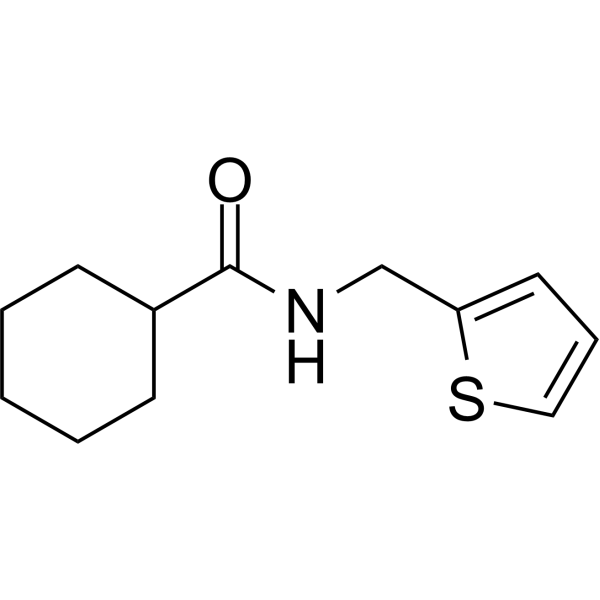
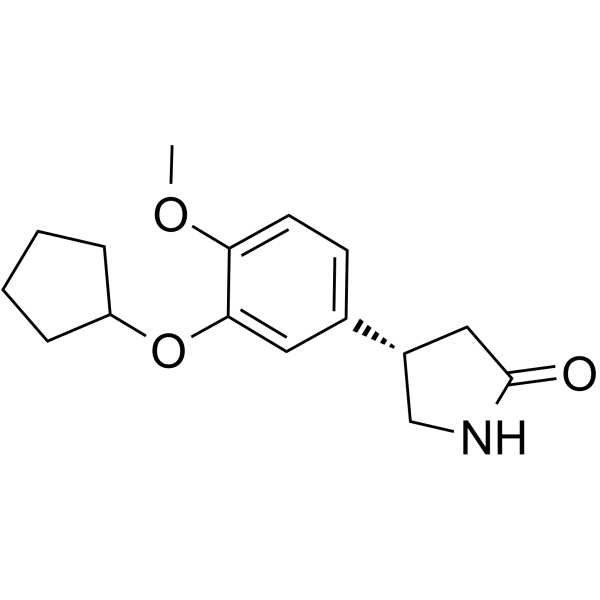
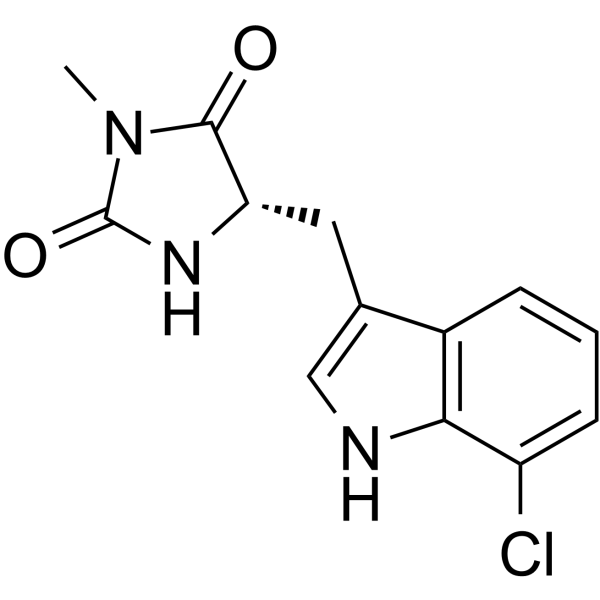
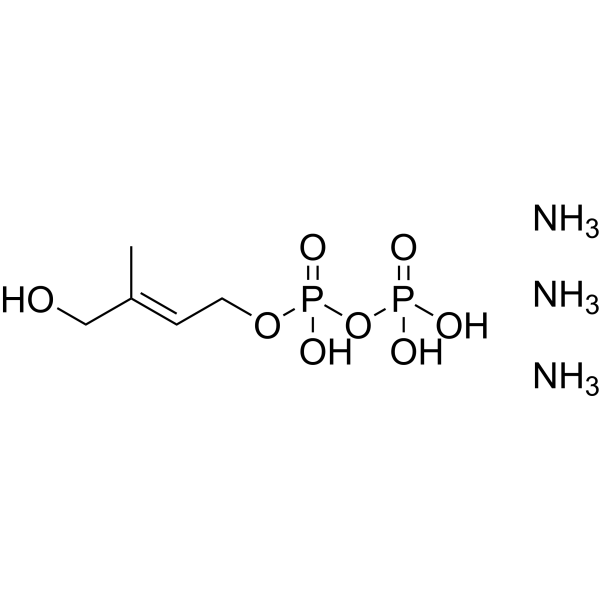
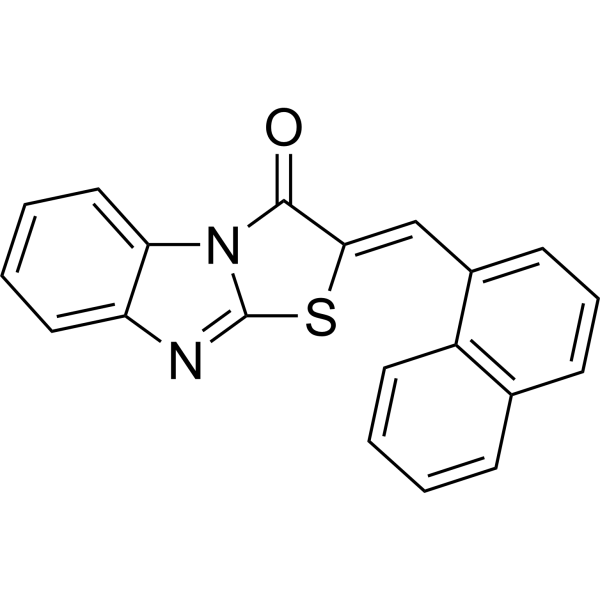
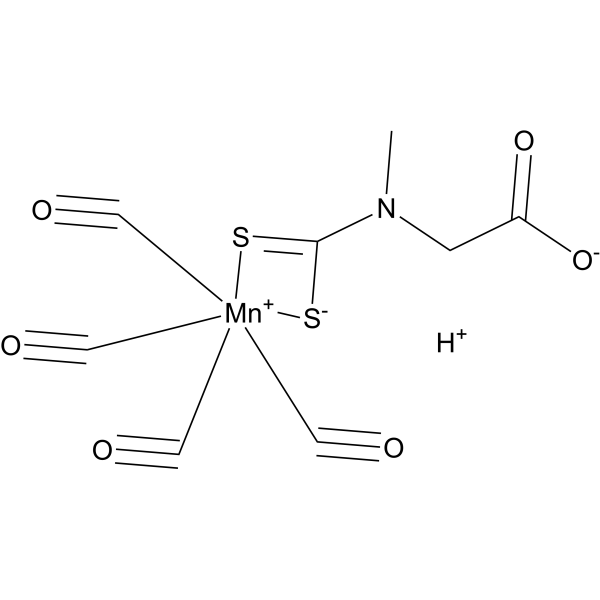
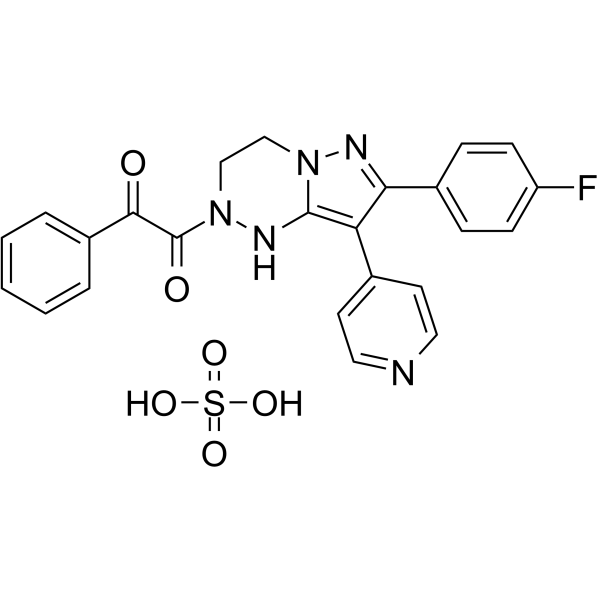
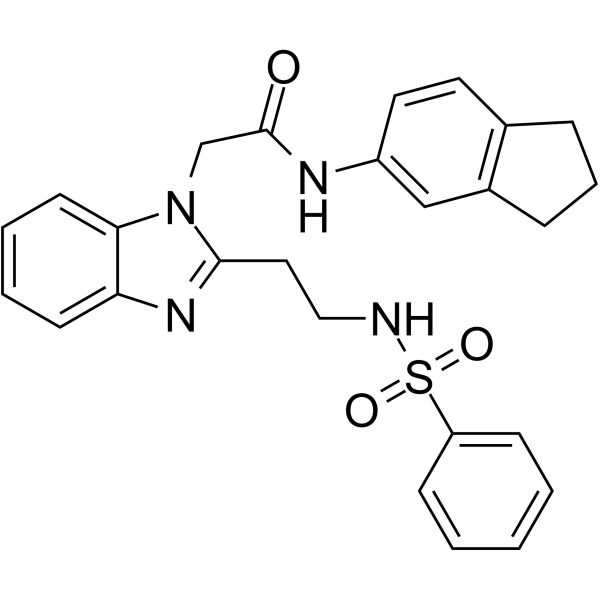
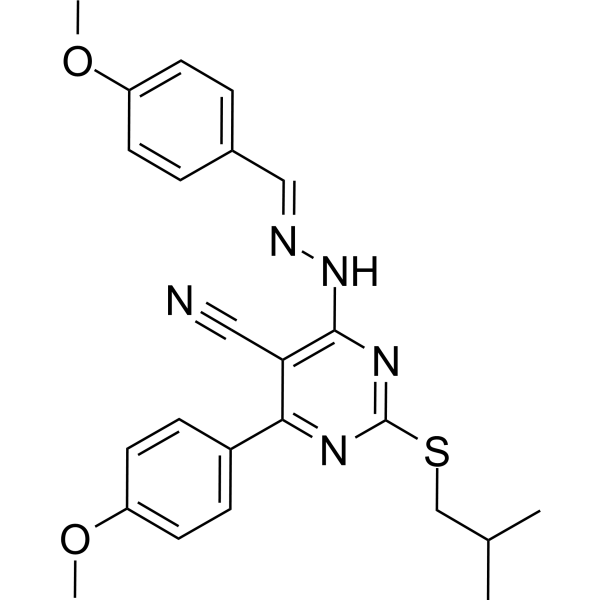
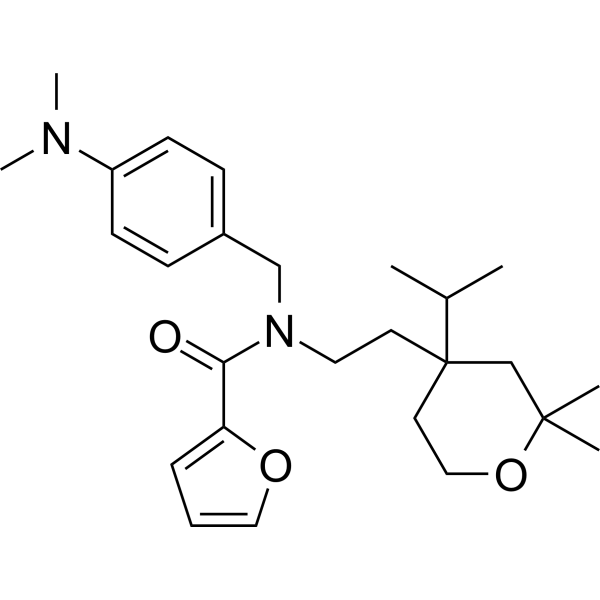
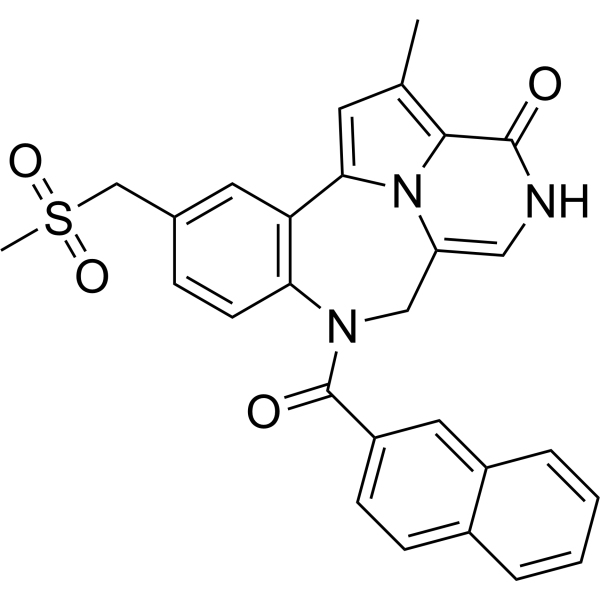
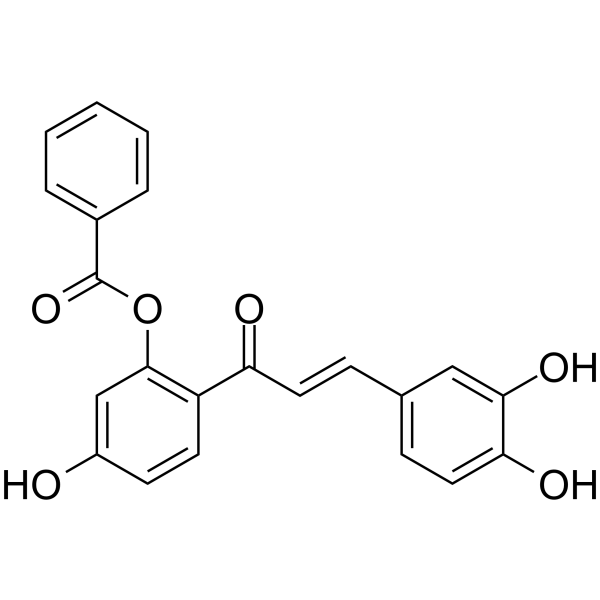
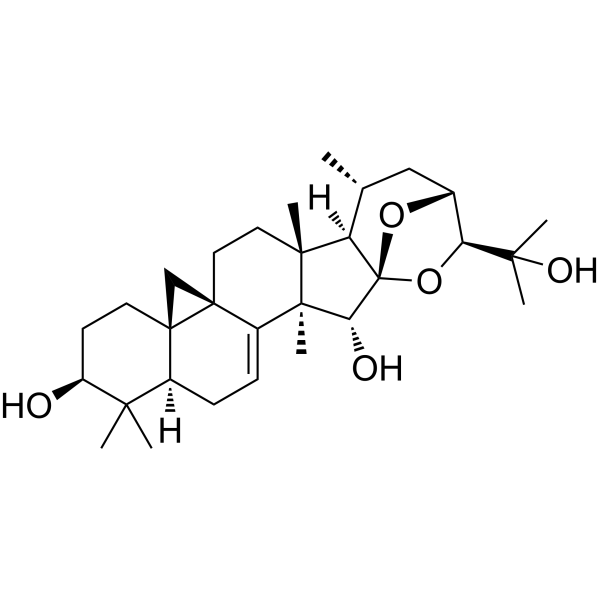
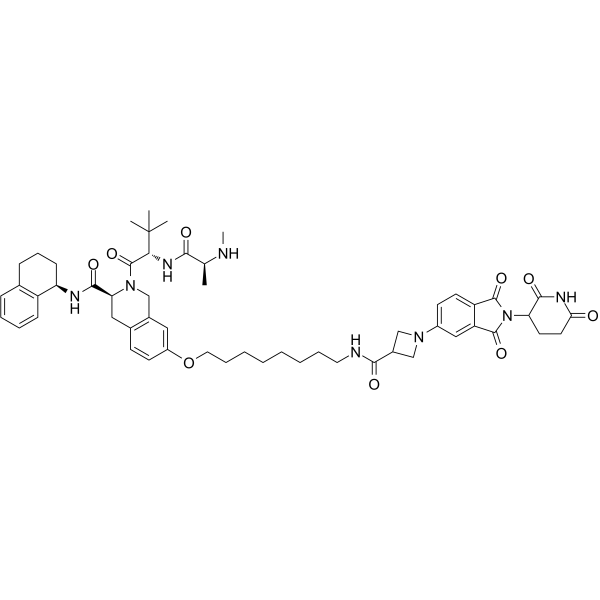
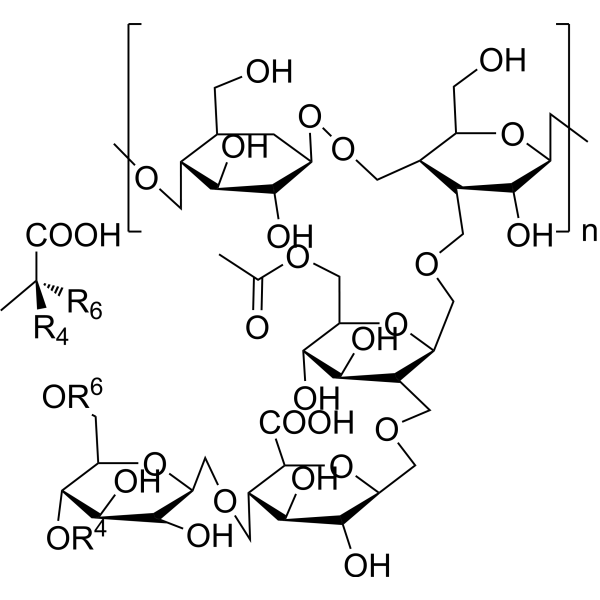
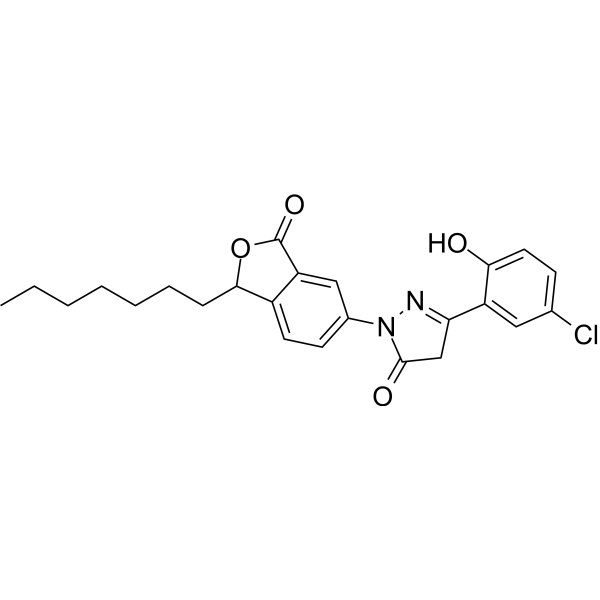
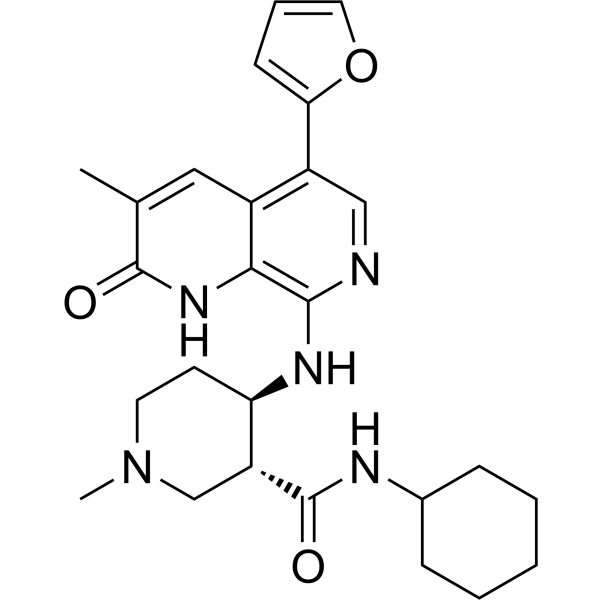
1. Search Result
Search Result
Results for "

tnf

" in MedChemExpress (MCE) Product Catalog:

1188

Inhibitors & Agonists

4

Screening Libraries

3

Fluorescent Dye

21

Biochemical Assay Reagents

68

Peptides

3

MCE Kits

58

Inhibitory Antibodies

309

Natural
Products

130

Recombinant Proteins

35

Isotope-Labeled Compounds

35

Antibodies

4

Click Chemistry

36

Oligonucleotides

Targets Recommended:
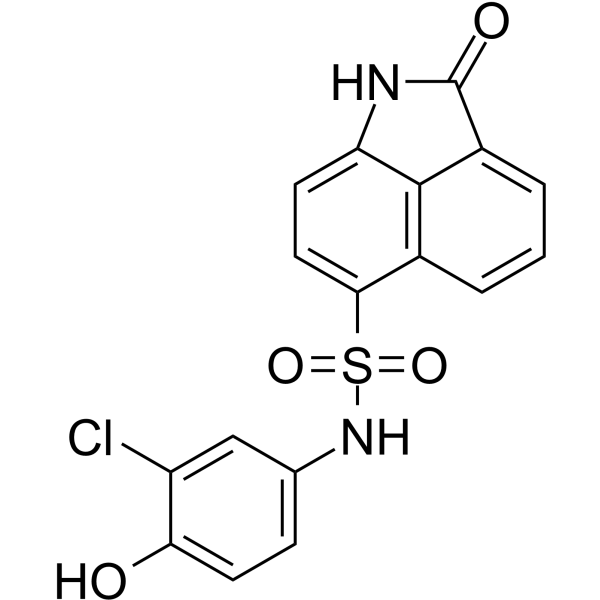
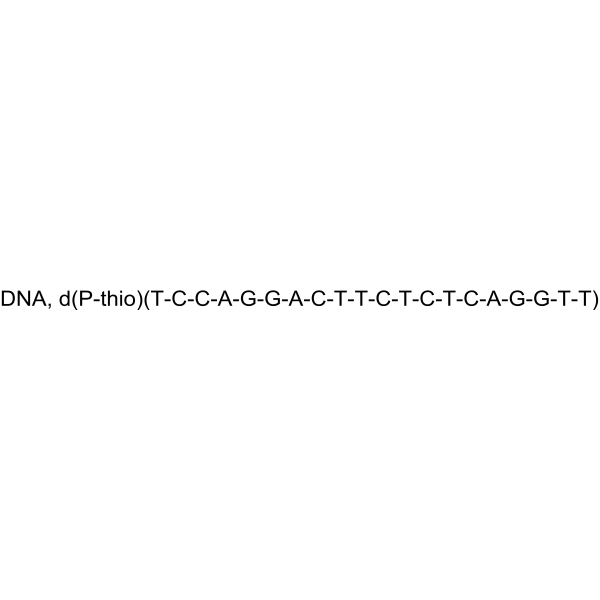
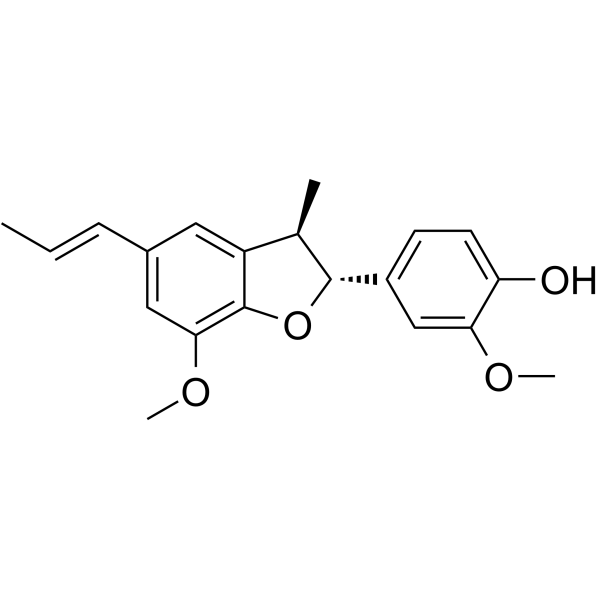
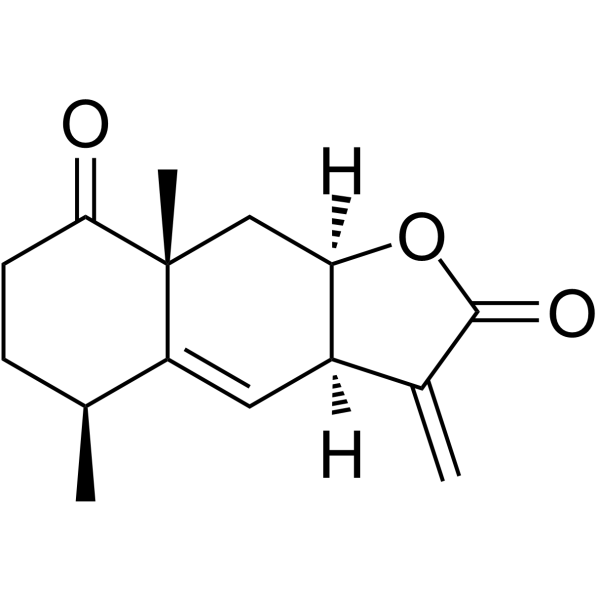
Cat. No. Product Name Target Research Areas Chemical Structure
  • HY-P9908
    Adalimumab
    10+ Cited Publications

    Anti-Human tnf-alpha, Human Antibody; ABBV-3373 Antibody

    TNF Receptor Bacterial Inflammation/Immunology Cancer
    Adalimumab is a human monoclonal IgG1 antibody targeting tumour necrosis factor α (TNF-α).
    Adalimumab
  • HY-108847
    Etanercept
    10+ Cited Publications

    TNF Receptor Bacterial Inflammation/Immunology Cancer
    Etanercept, a dimeric fusion protein that binds TNF, acts as a TNF inhibitor. Etanercept competitively inhibits the binding of both TNF-α and TNF-β to cell surface TNF receptors, rendering TNF biologically inactive. Etanercept shows efficacy against rheumatoid arthritis, juvenile idiopathic arthritis, and plaque psoriasis .
    Etanercept
  • HY-P9970
    Infliximab
    Maximum Cited Publications
    27 Publications Verification

    Avakine; CT-P13; SB2; TA-650

    TNF Receptor Neurological Disease Metabolic Disease Inflammation/Immunology Cancer
    Infliximab (Avakine) is a chimeric monoclonal IgG1 antibody that specifically binds to TNF-α. Infliximab prevents the interaction of TNF-α with TNF-α receptor (TNFR1 and TNFR2). Infliximab has the potential for autoimmune, chronic inflammatory diseases and diabetic neuropathy research .
    The component ratio of this product is Active ingredient : Excipients = 9 : 47.
    Infliximab
  • HY-110203
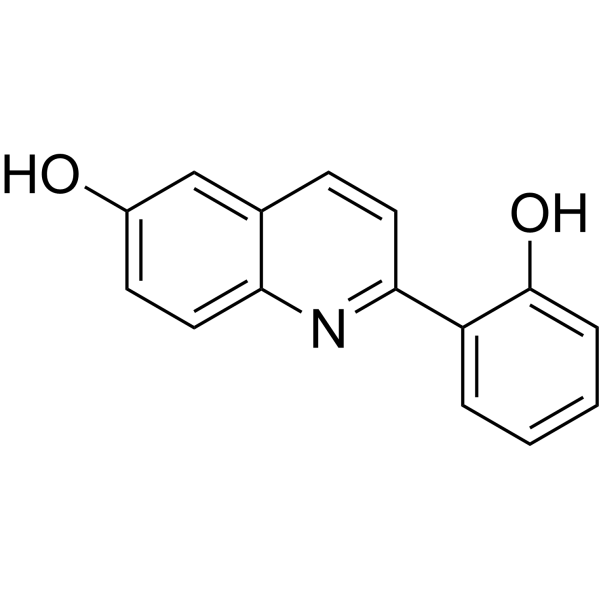
    R-7050
    25+ Cited Publications

    tnf-α Antagonist III

    TNF Receptor Cancer
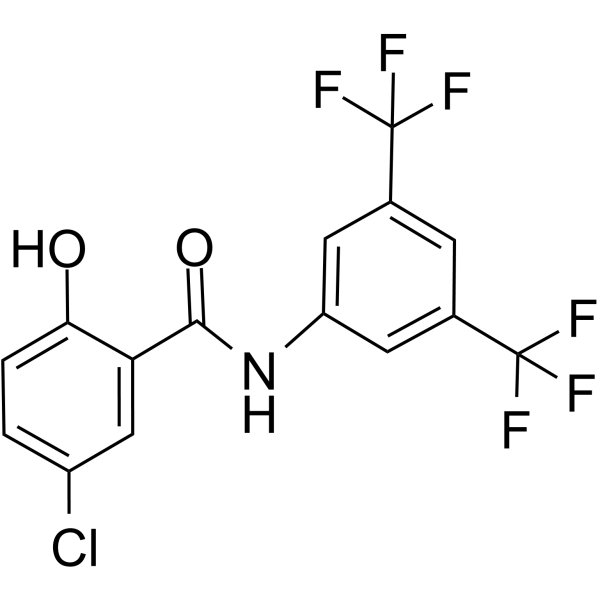
    R-7050 (TNF-α Antagonist III) is a tumor necrosis factor receptor (TNFR) antagonist with greater selectivity toward TNFα.
    R-7050
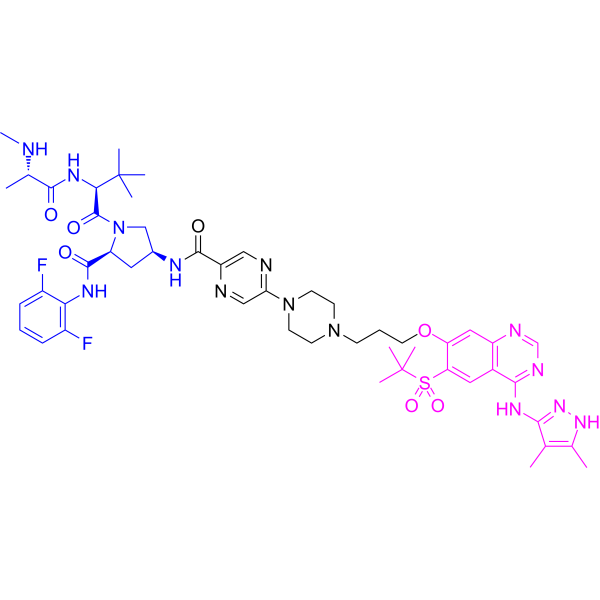
  • HY-160412

    SAR-441566; tnfα activity modulator 3
    TNF Receptor Inflammation/Immunology
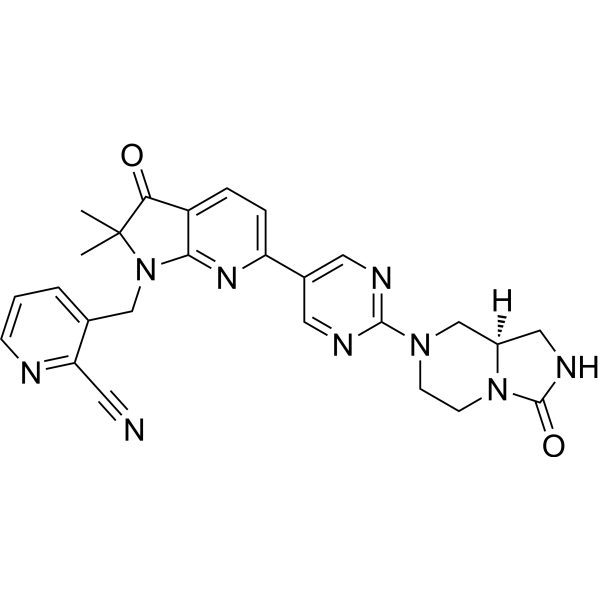
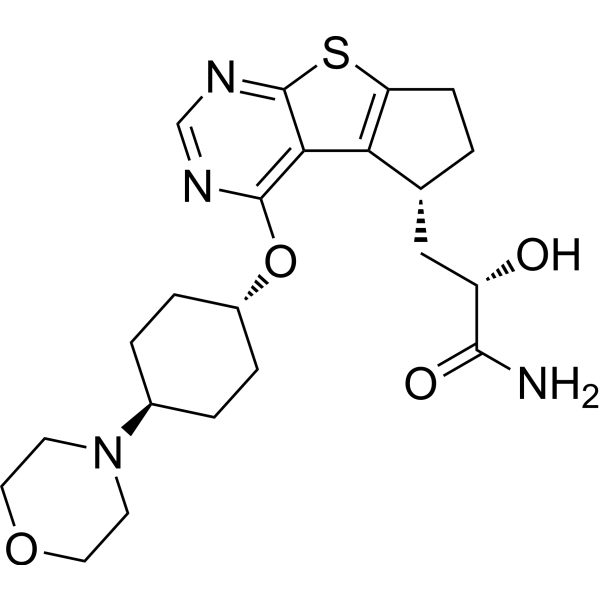
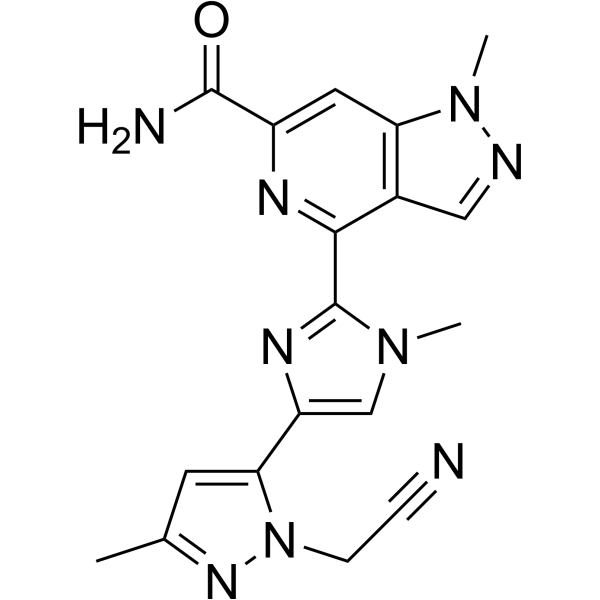
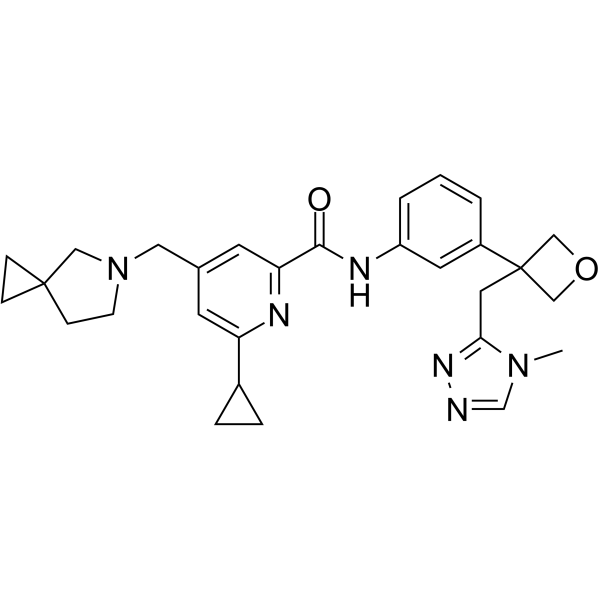
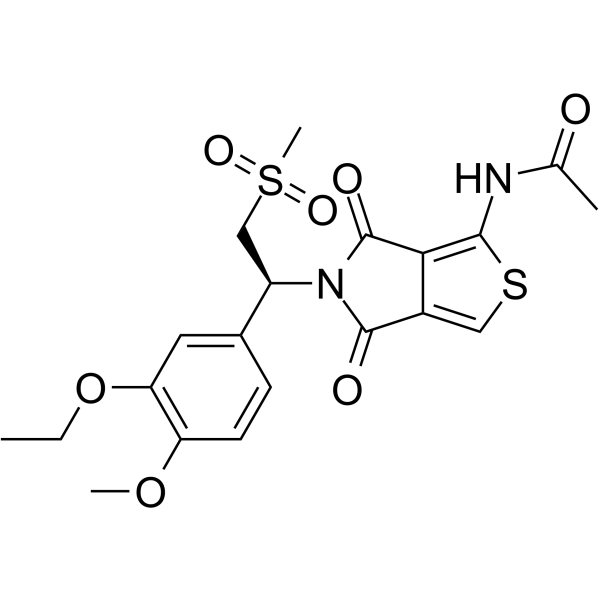
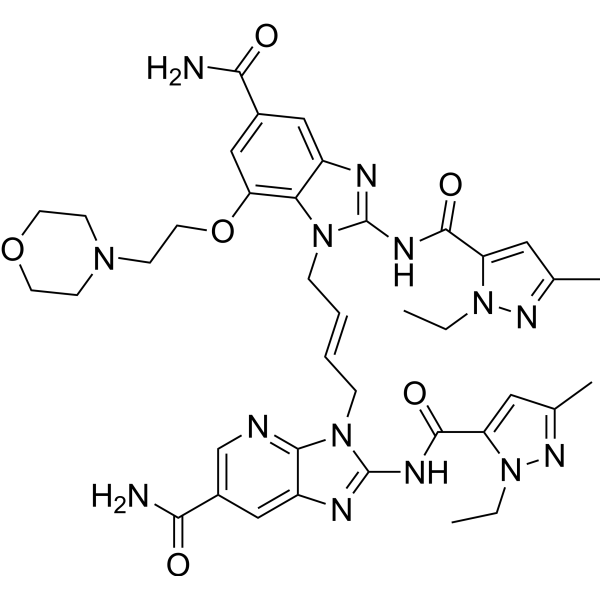
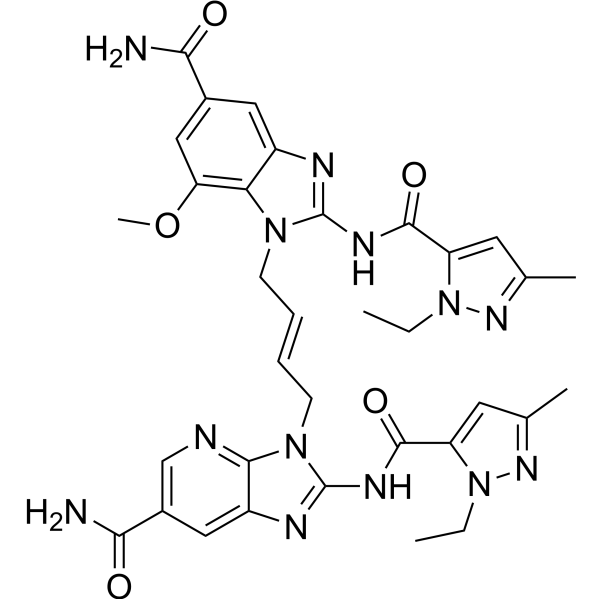
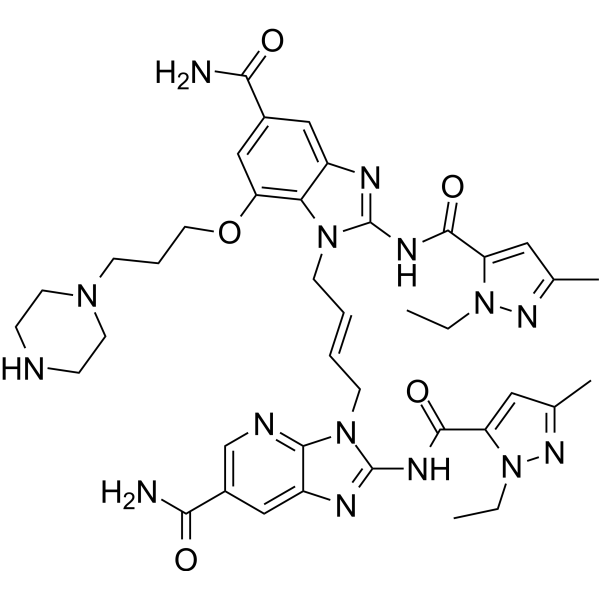
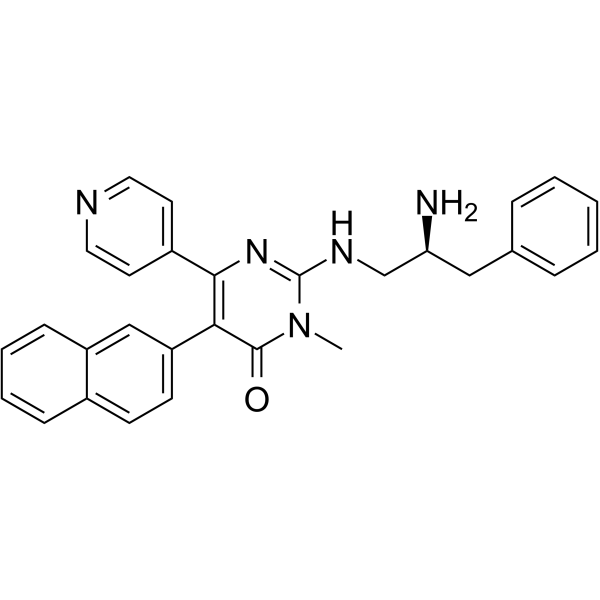
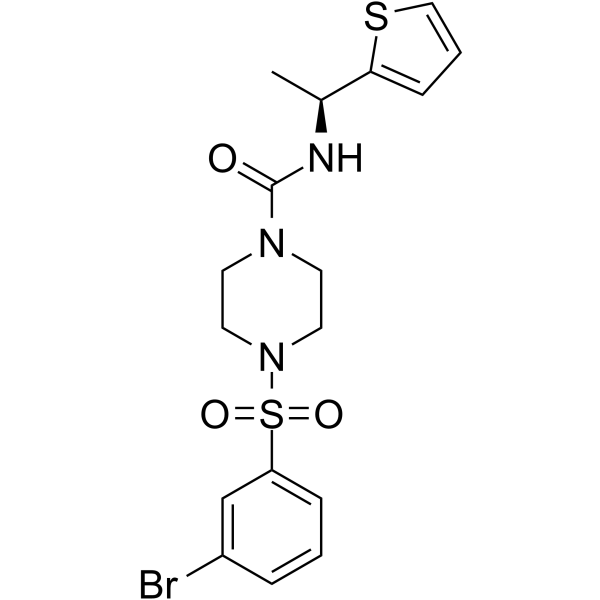
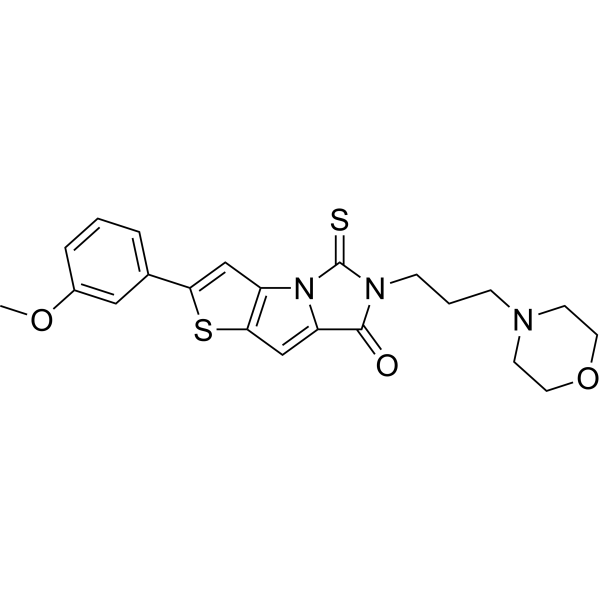
    Balinatunfib (SAR-441566) is an orally active inhibitor of TNFR1 signaling. By binding to the central pocket of the soluble TNFα (sTNFα) trimer, Balinatunfib stabilizes an asymmetric conformation, blocking its binding to TNFR1 (without affecting TNFR2) and thus inhibiting downstream pathways. Balinatunfib has anti-inflammatory activity, and can be used in the study of autoimmune diseases .

    Balinatunfib
  • HY-147141
    HS-276
    2 Publications Verification

    IRAK TNF Receptor Casein Kinase Interleukin Related Inflammation/Immunology
    HS-276 is an orally active, potent and highly selective TAK1 inhibitor, with a Ki of 2.5 nM. HS-276 shows significant inhibition of TAK1, CLK2, GCK, ULK2, MAP4K5, IRAK1, NUAK, CSNK1G2, CAMKKβ-1, and MLK1, with IC50 values of 8.25, 29, 33, 63, 125, 264, 270, 810, 1280, and 5585 nM, respectively. HS-276 reduces the expression of TNF, IL-6, and IL-1β. HS-276 can be used for rheumatoid arthritis (RA) research .
    HS-276
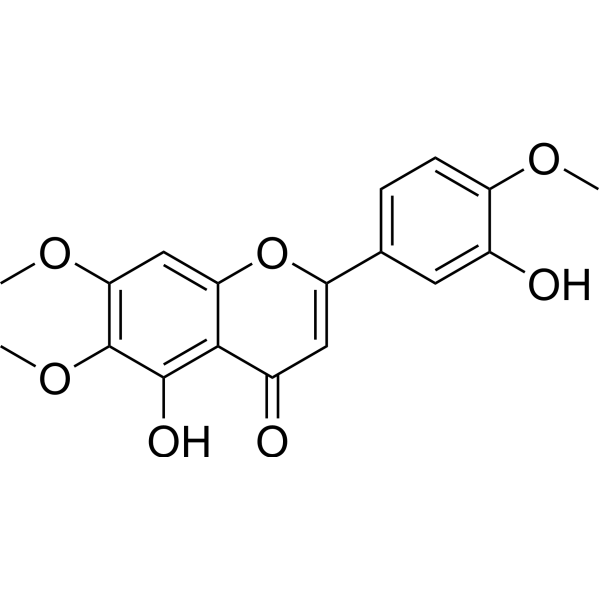
  • HY-N0297
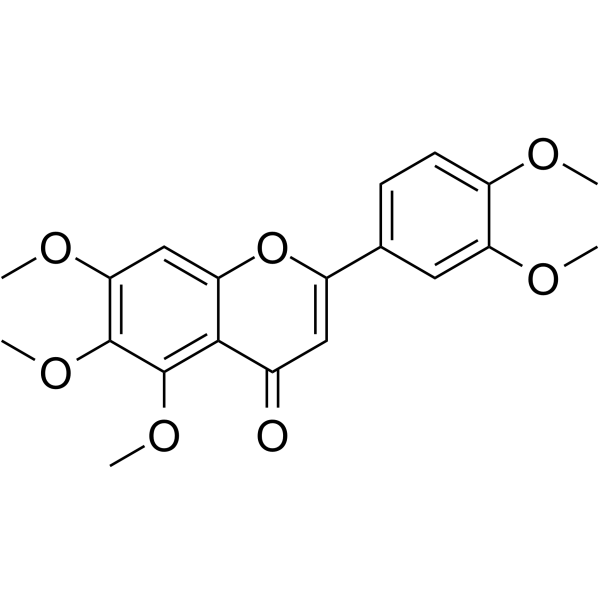
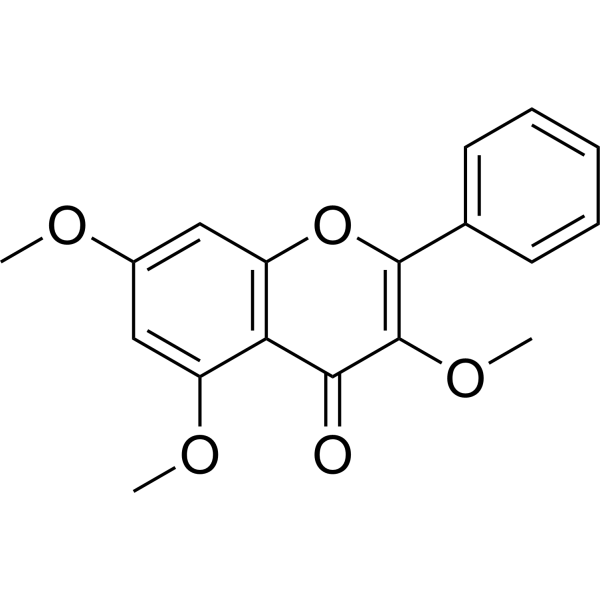
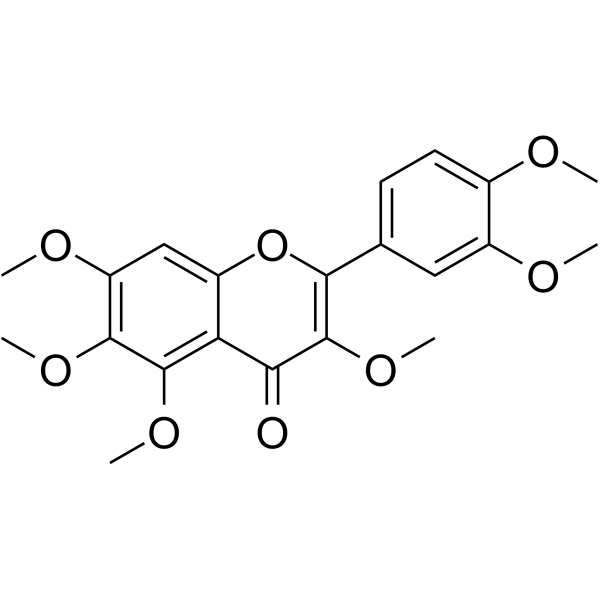
    Sinensetin
    5+ Cited Publications

    Pedalitin permethyl ether

    PGE synthase TNF Receptor Others
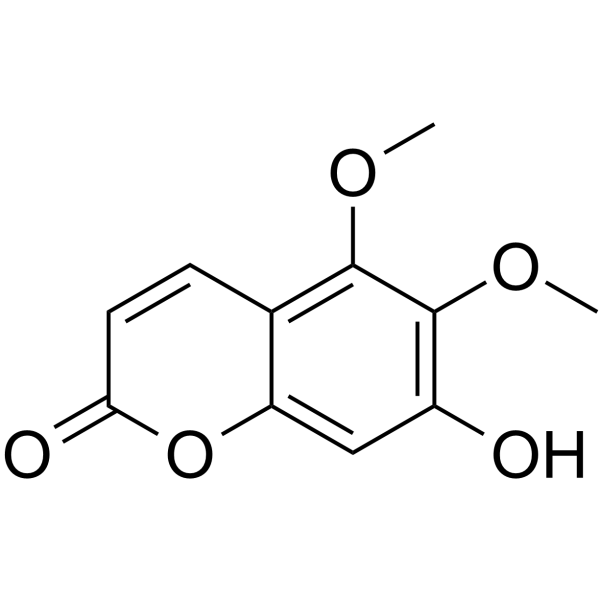
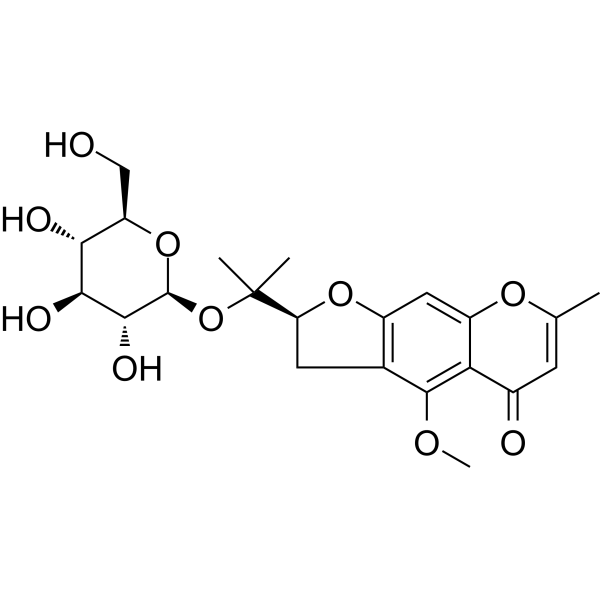
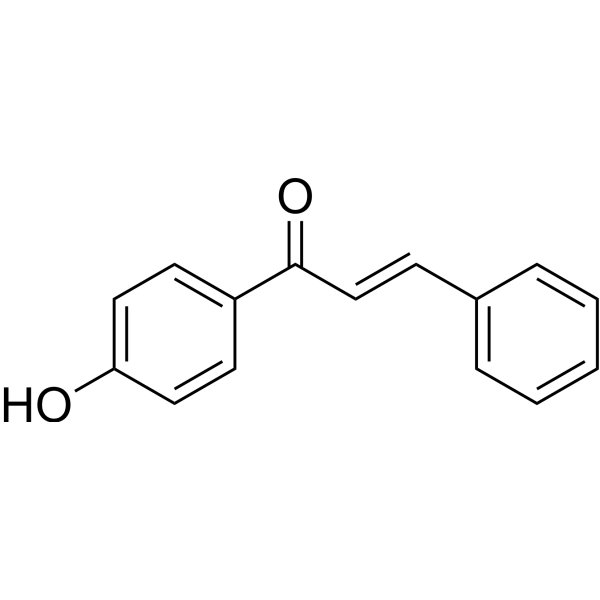
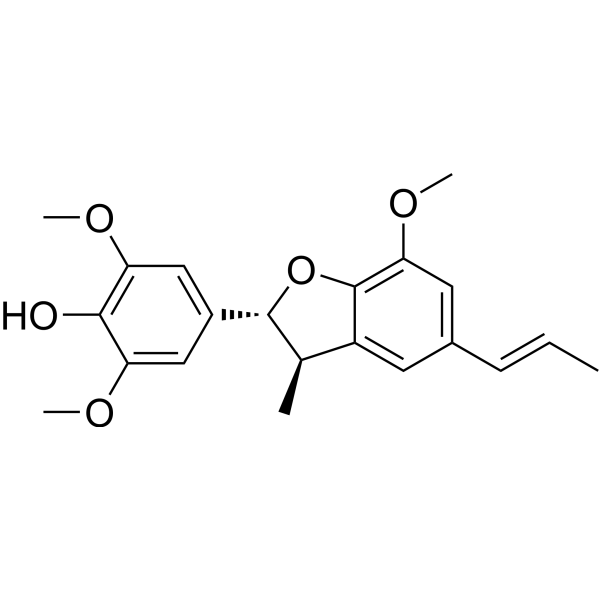
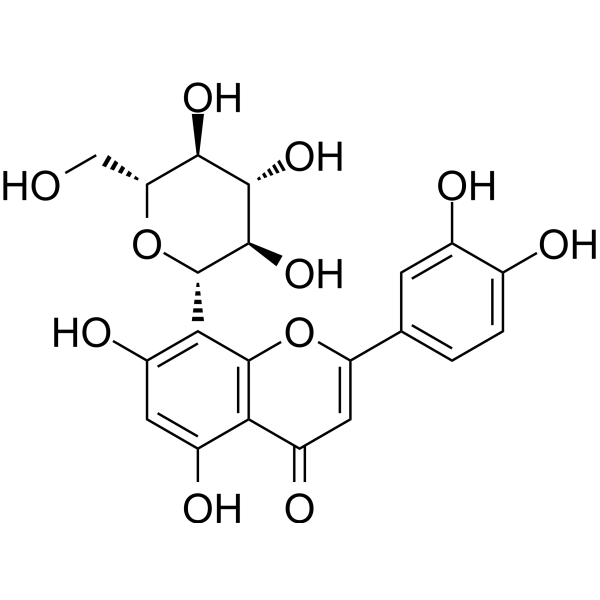
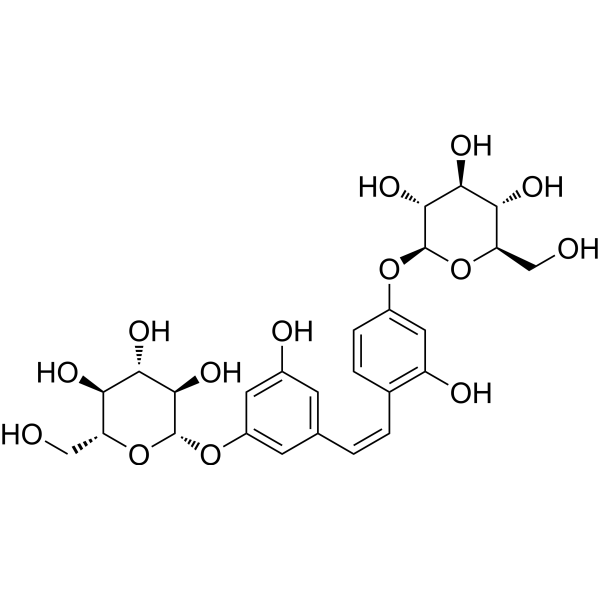
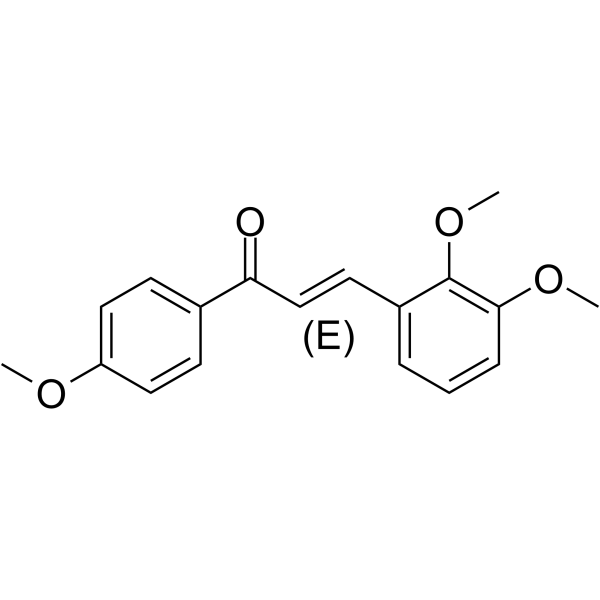
    Sinensetin is a methylated flavonoid found in fruits that has strong anti-vascular and anti-inflammatory properties.
    Sinensetin
  • HY-133122
    UCB-9260
    3 Publications Verification

    TNF Receptor Inflammation/Immunology Cancer
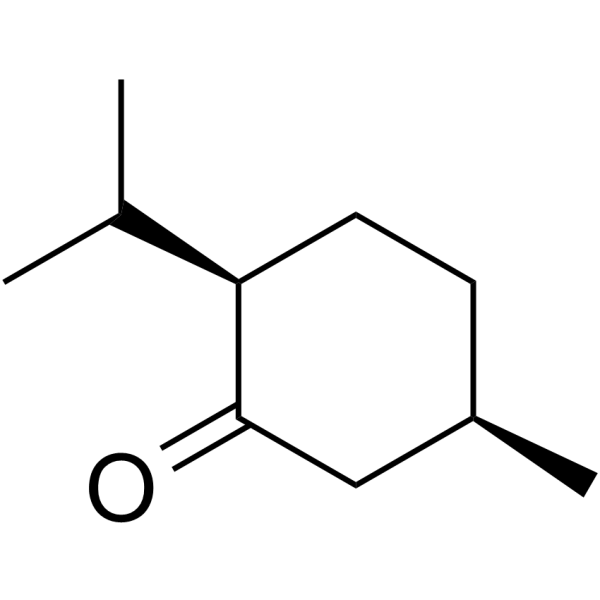
    UCB-9260, an orally active compound, inhibits TNF signaling by stabilising an asymmetric form of the trimer. UCB-9260 is selective for TNF over other superfamily members, and binds TNF with a similar Kd of 13 nM .
    UCB-9260
  • HY-138682
    STING-IN-2
    5+ Cited Publications

    STING Inflammation/Immunology
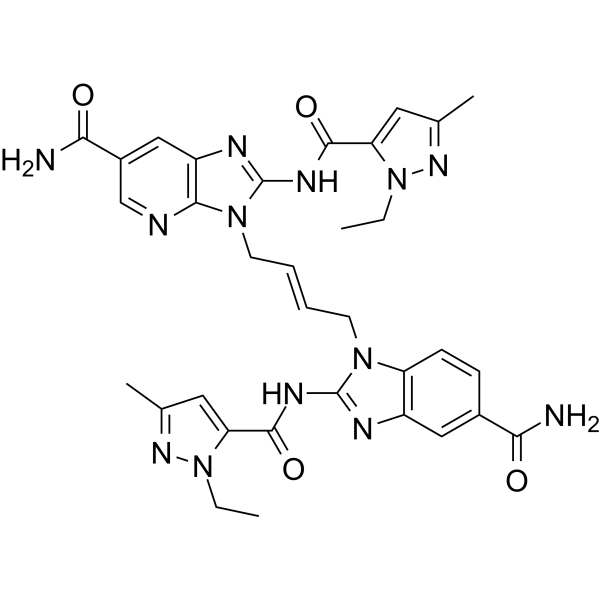
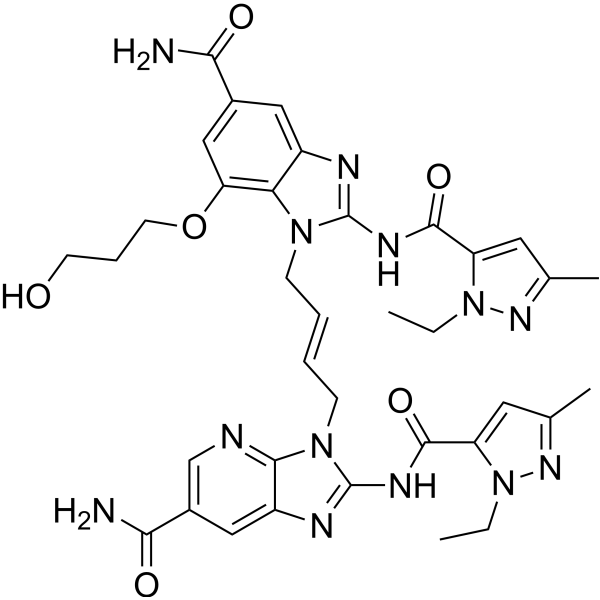
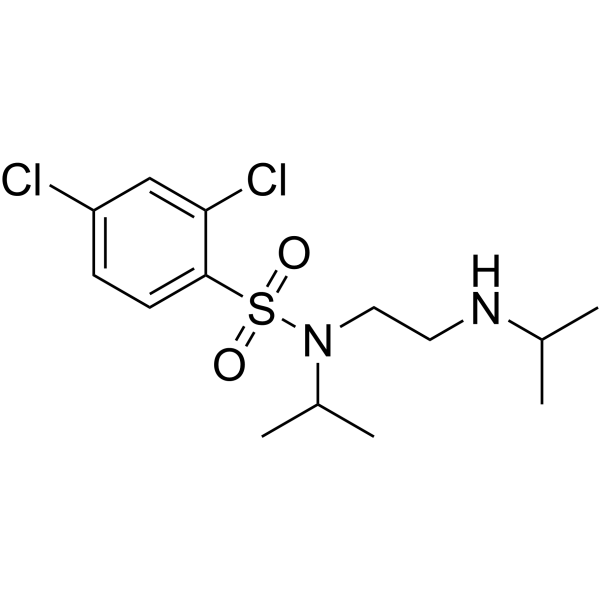
    STING-IN-2 (C-170) is a potent and covalent STING inhibitor. STING-IN-2 efficiently inhibits both mouse STING (mmSTING) and human STING (hsSTING). STING-IN-2 can be used for autoinflammatory disease research .
    STING-IN-2
  • HY-P9970A

    Avakine (Anti-tnf-α); CT-P13 (Anti-tnf-α)

    TNF Receptor Neurological Disease Metabolic Disease Inflammation/Immunology Cancer
    Infliximab (Anti-TNF-α) (Avakine (Anti-TNF-α)) is a chimeric monoclonal IgG1 antibody that specifically binds to TNF-α. Infliximab (Anti-TNF-α) prevents the interaction of TNF-α with TNF-α receptor (TNFR1 and TNFR2). Infliximab (Anti-TNF-α) has the potential for autoimmune, chronic inflammatory diseases and diabetic neuropathy research .
    Infliximab (Anti-TNF-α)
  • HY-134471
    TNF-α-IN-2
    1 Publications Verification

    TNF Receptor Inflammation/Immunology Cancer
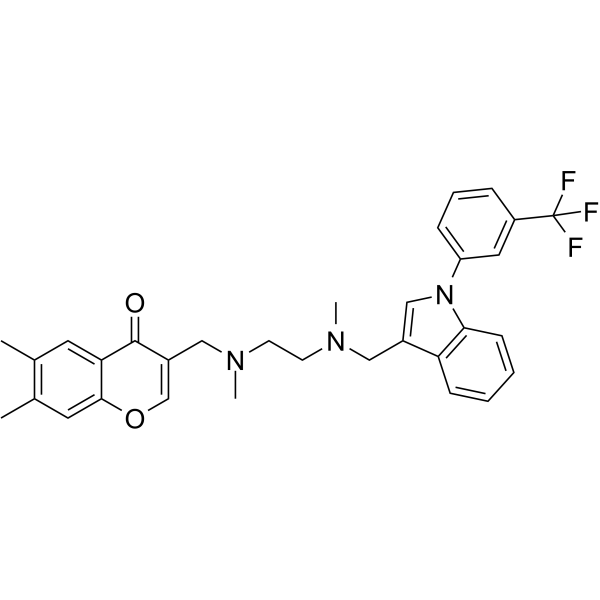
    TNF-α-IN-2 is a potent and orally active inhibitor of tumor necrosis factor alpha (TNFα), with an IC50 of 25 nM in the HTRF assay. TNF-α-IN-2 distorts the TNFα trimer upon binding, leading to aberrant signaling when the trimer binds to TNFR1. TNF-α-IN-2 can be used for the research of rheumatoid arthritis .
    TNF-α-IN-2
  • HY-P1860
    TNF-α (31-45), human
    10+ Cited Publications

    TNF Receptor NF-κB Apoptosis Inflammation/Immunology Cancer
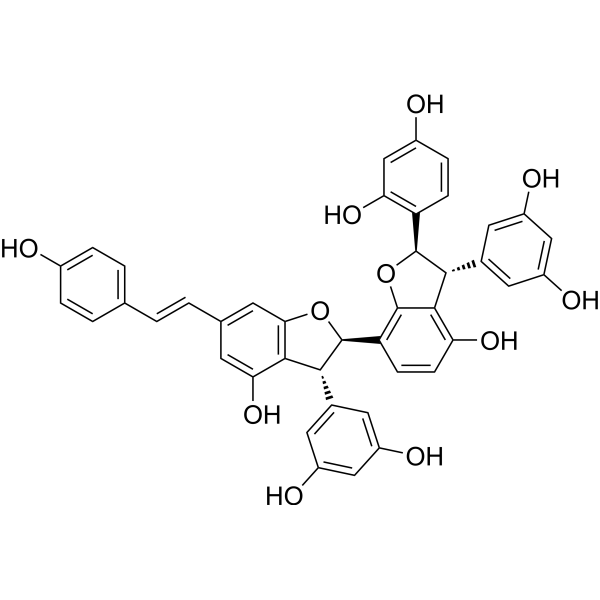
    TNF-α (31-45), human is a potent NF-kB pathway activator. TNF-αis a proinflammatory cytokine that induces necrosis or apoptosis. TNF alpha stimulates NF-κB pathway via TNFR2 promotes cancer growth, invasion, and metastasis .
    TNF-α (31-45), human
  • HY-100211
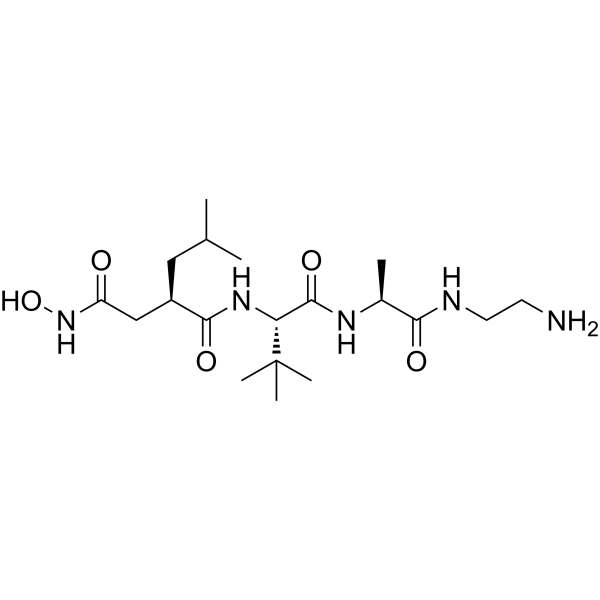
    TAPI-2
    5 Publications Verification

    tnf Protease Inhibitor 2

    MMP SARS-CoV Cancer
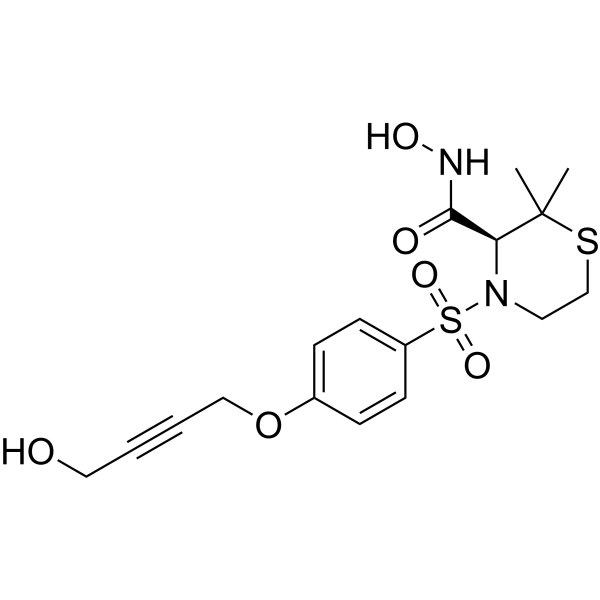
    TAPI-2 (TNF Protease Inhibitor 2) is a broad-spectrum inhibitor of matrix metalloprotease (MMP), tumour necrosis factorα-converting enzyme (TACE) and a disintegrin and metalloproteinase (ADAM), with an IC50 of 20 μM for MMP . TAPI-2 blocks the entry of infectious SARS-CoV .
    TAPI-2
  • HY-111255
    SPD304
    5+ Cited Publications

    TNF Receptor Cancer
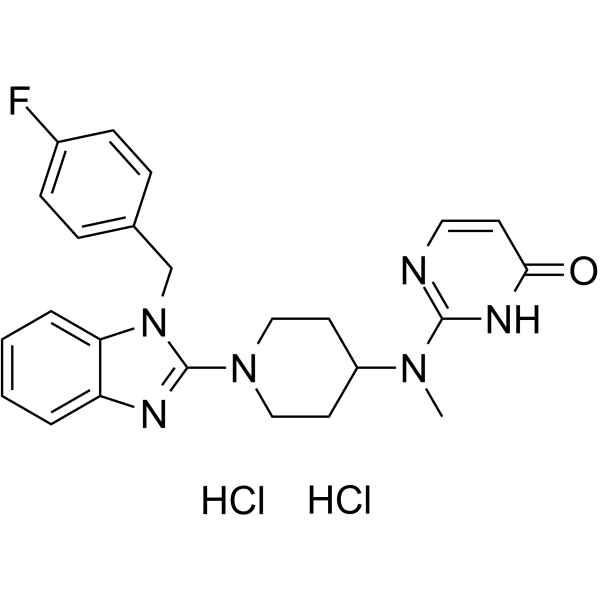
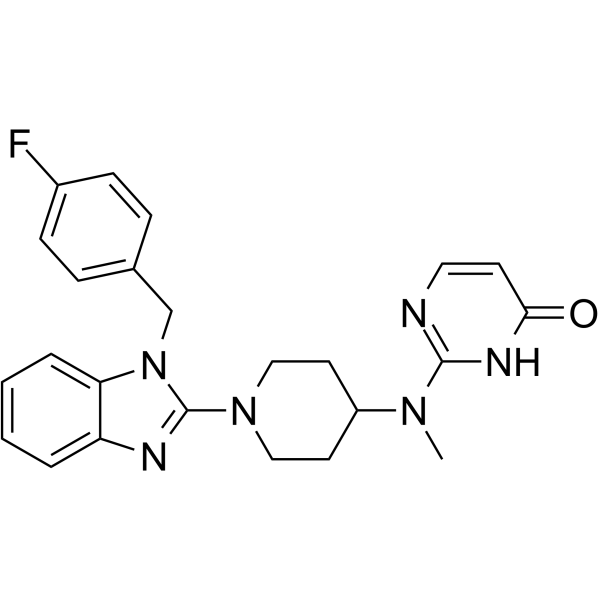
    SPD304 is a selective TNF-α inhibitor, which promotes dissociation of TNF trimers and therefore blocks the interaction of TNF and its receptor. SPD304 has an IC50 of 22 μM for inhibiting in vitro TNF receptor 1 (TNFR1) binding to TNF-α .
    SPD304
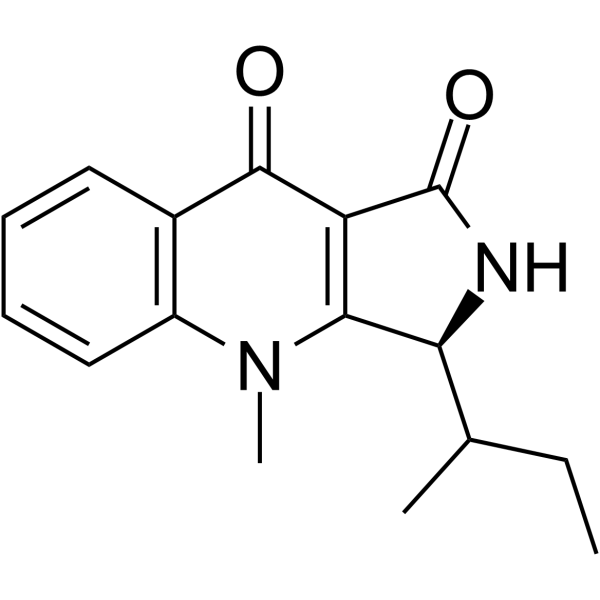
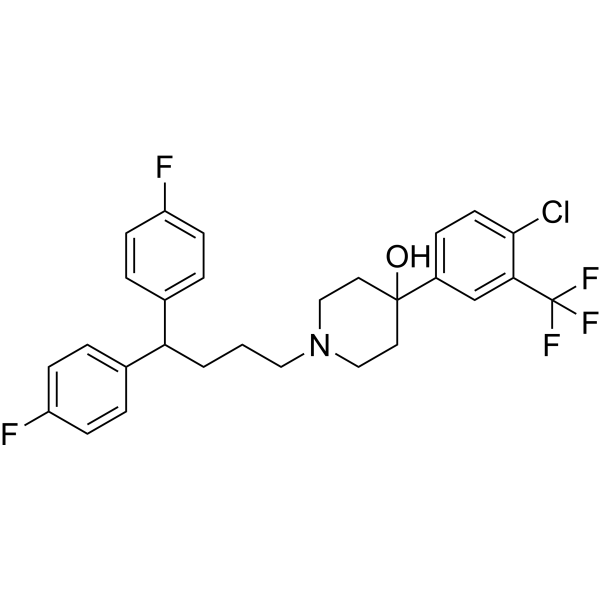
  • HY-142618

    TNF Receptor Inflammation/Immunology
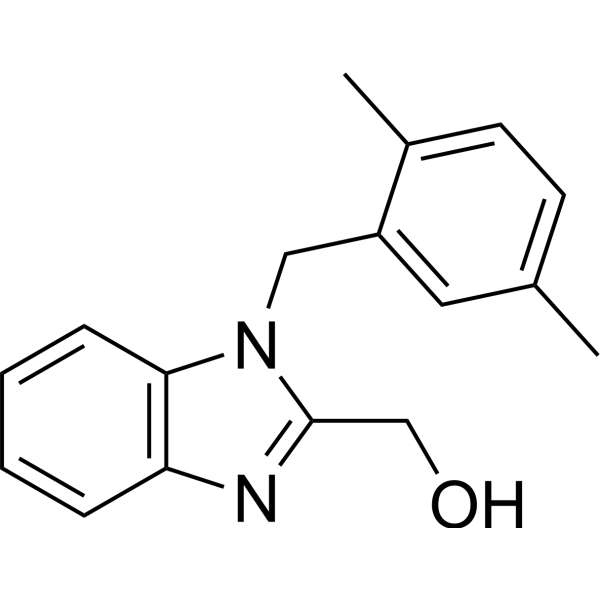
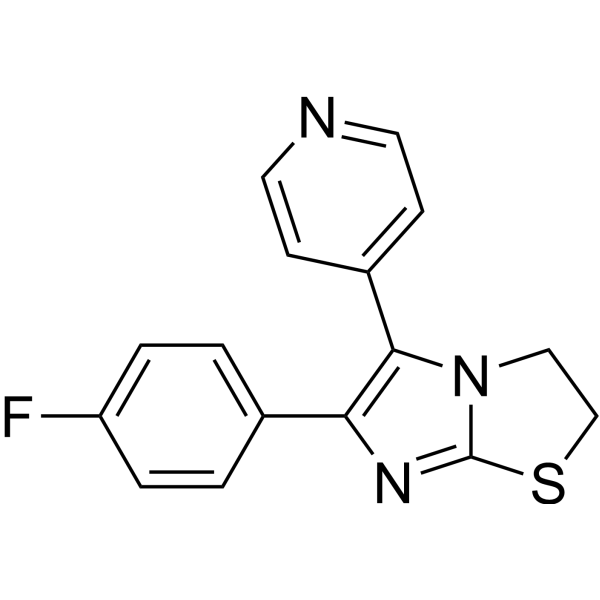
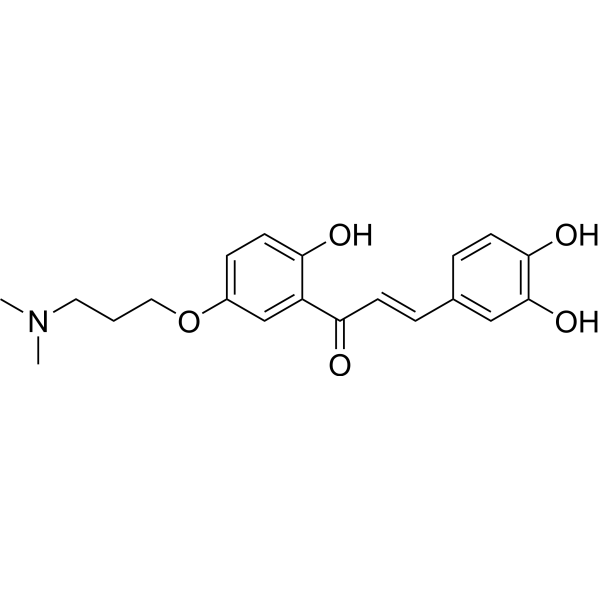
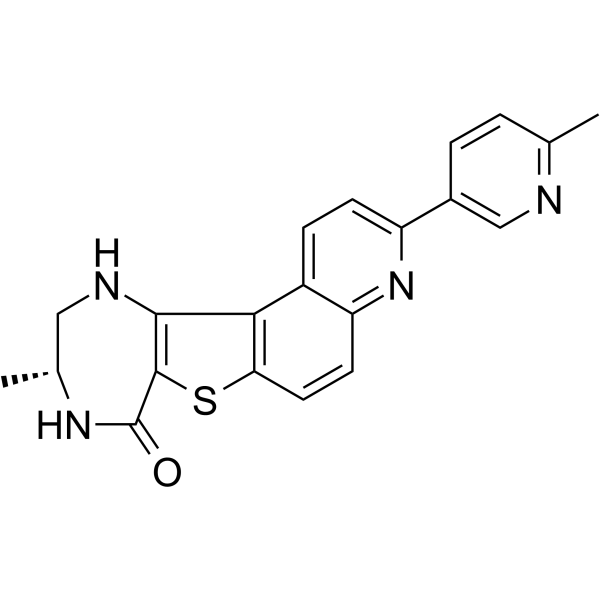
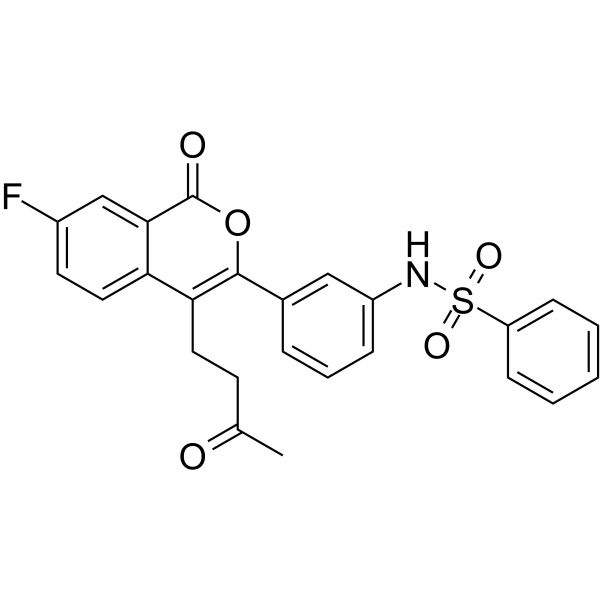
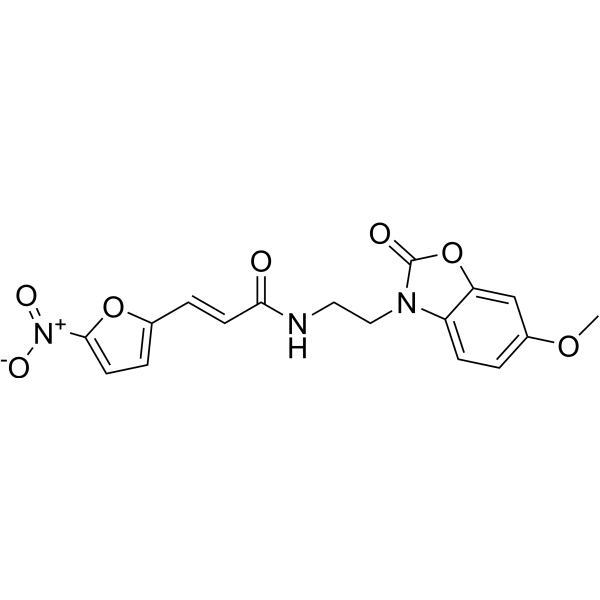
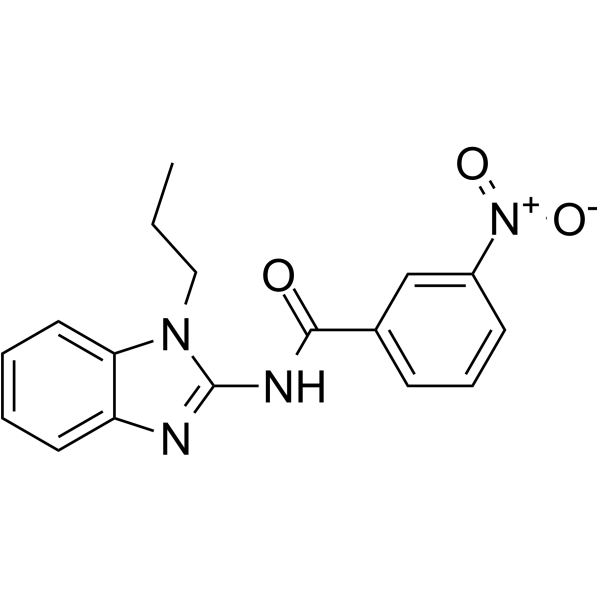
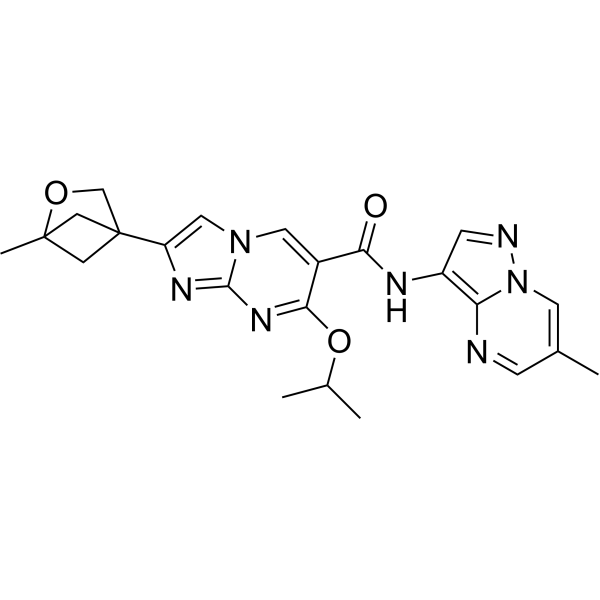
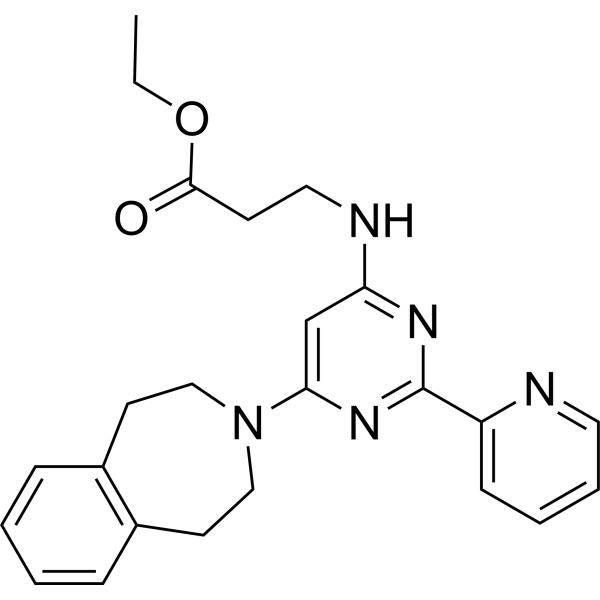
    TNF-α-IN-6 (compound 12) is an orally effective allosteric inhibitor of TNFα (KD = 6.8 nM). TNF-α-IN-6 has anti-inflammatory effects .
    TNF-α-IN-6
  • HY-P990794

    TNF Receptor Dengue Virus Infection Inflammation/Immunology Cancer
    Anti-Mouse TNF-alpha/TNFSF2 Antibody (XT3.11) is a rat-derived IgG1 antibody inhibitor, targeting to TNF-alpha/TNFSF2. Anti-Mouse TNF-alpha/TNFSF2 Antibody (XT3.11) neutralizes of TNF-alpha. Anti-Mouse TNF-alpha/TNFSF2 Antibody (XT3.11) can be used for the researches of cancer, infection and immunology, such as dengue virus and B16K1 tumor .
    Anti-Mouse TNF-alpha/TNFSF2 Antibody (XT3.11)
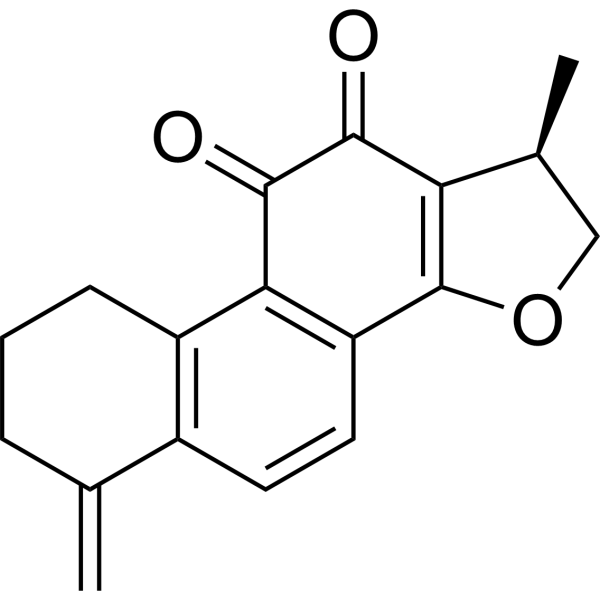
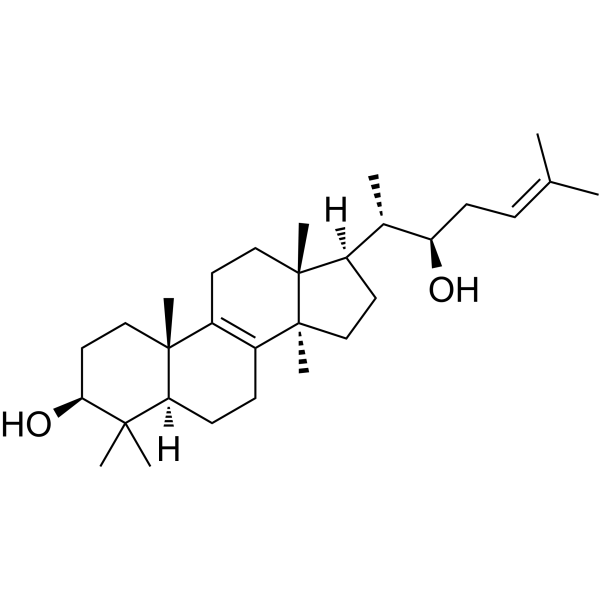
  • HY-N0481
    Roburic acid
    1 Publications Verification

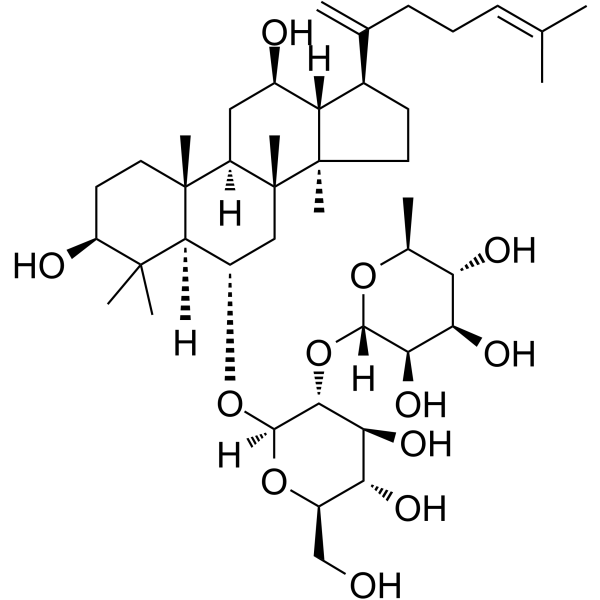
    COX TNF Receptor NO Synthase Interleukin Related NF-κB Apoptosis p38 MAPK JNK ERK Keap1-Nrf2 RANKL/RANK Neurological Disease Inflammation/Immunology Cancer
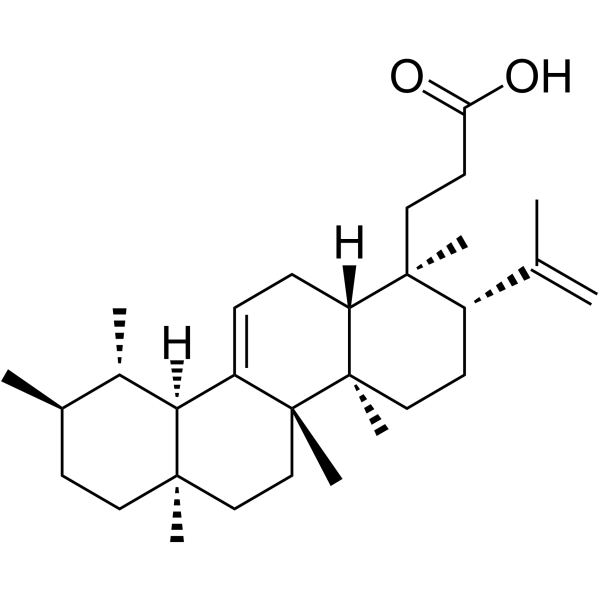
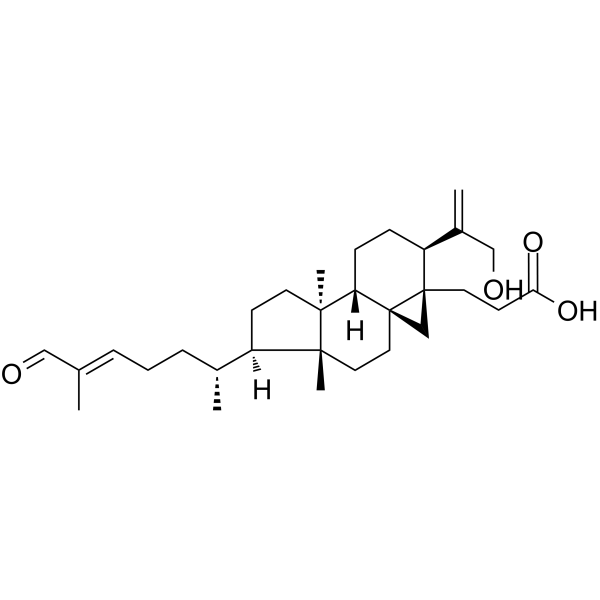
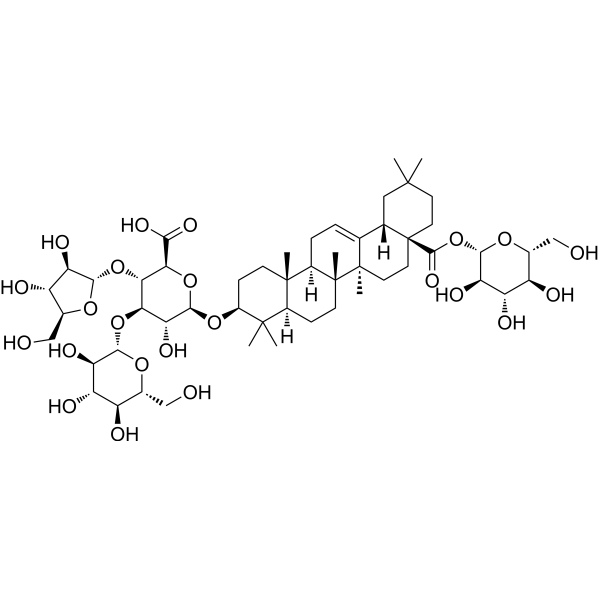
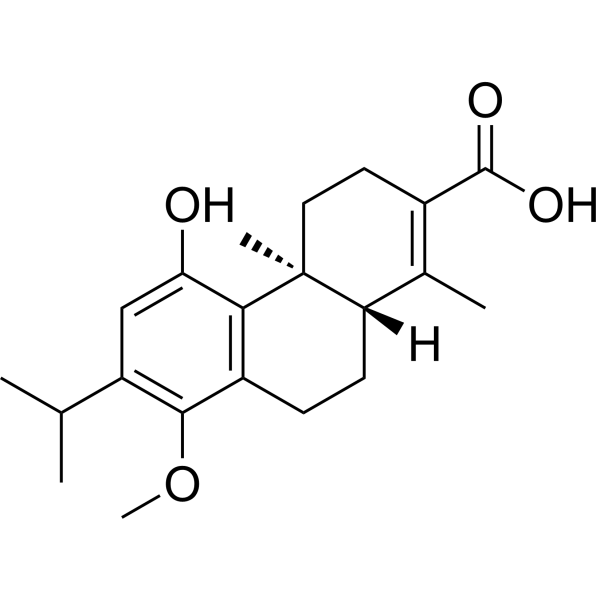
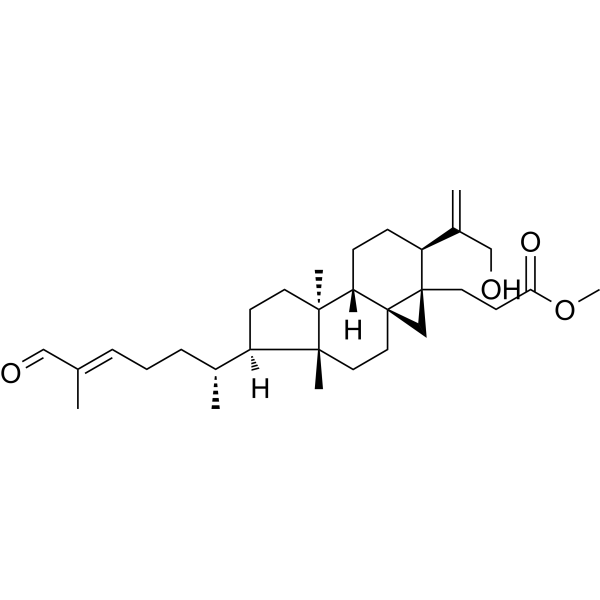
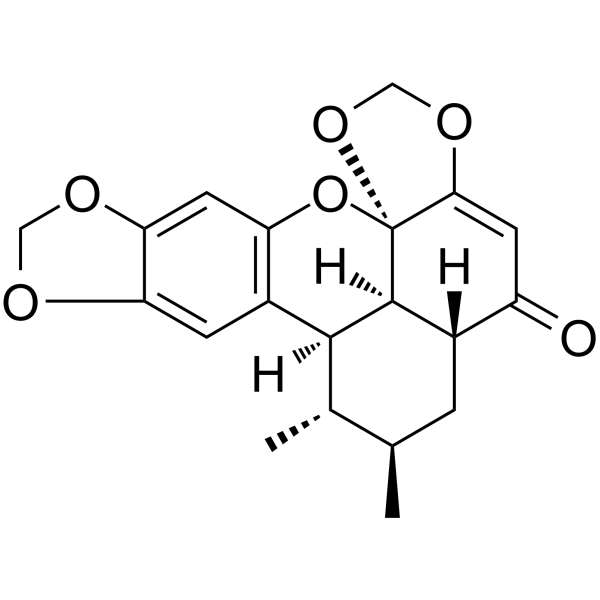
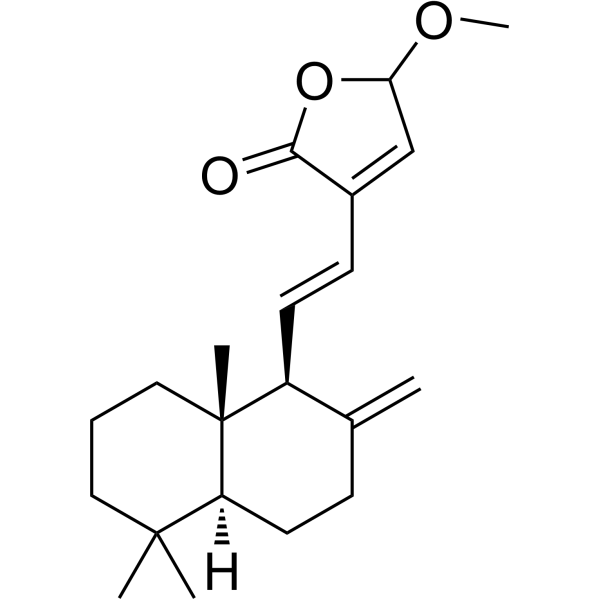
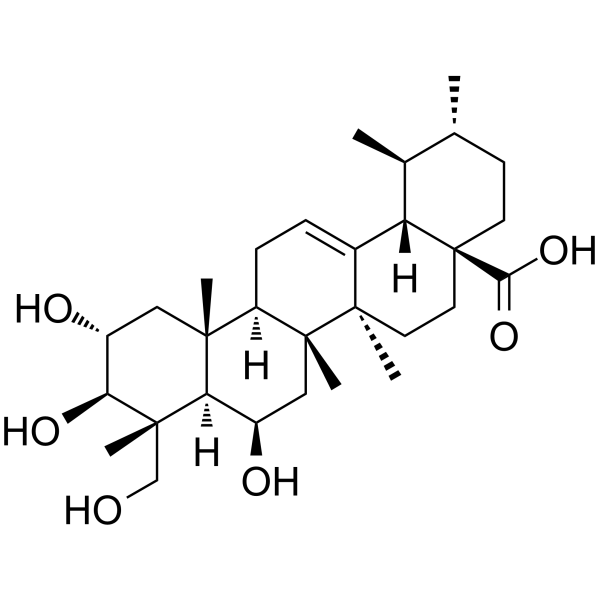
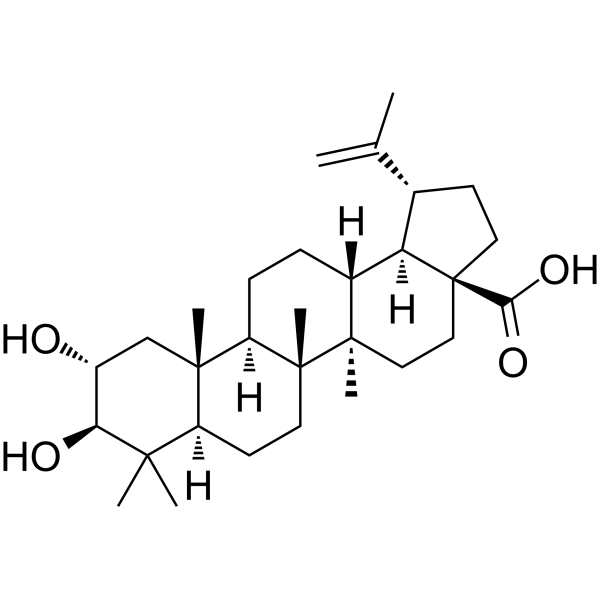
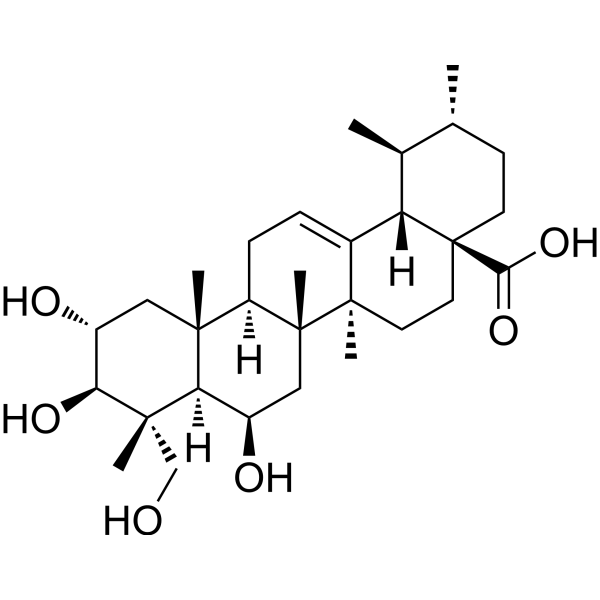
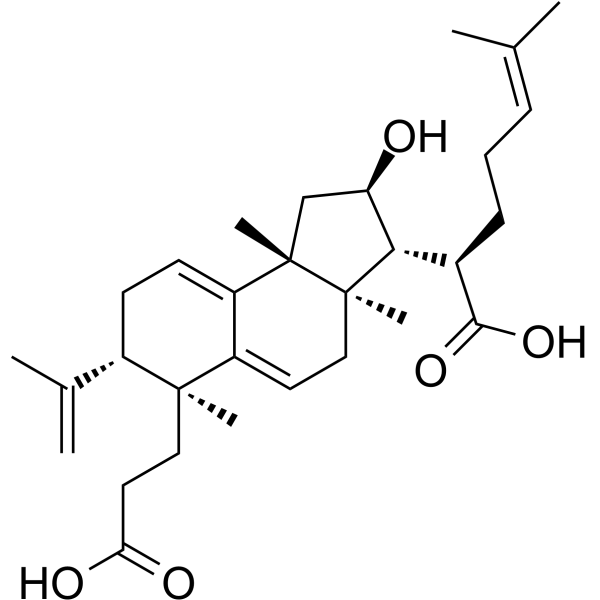
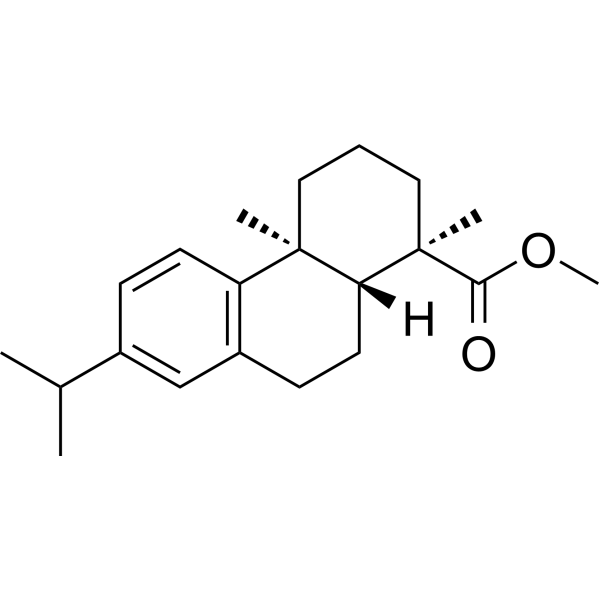
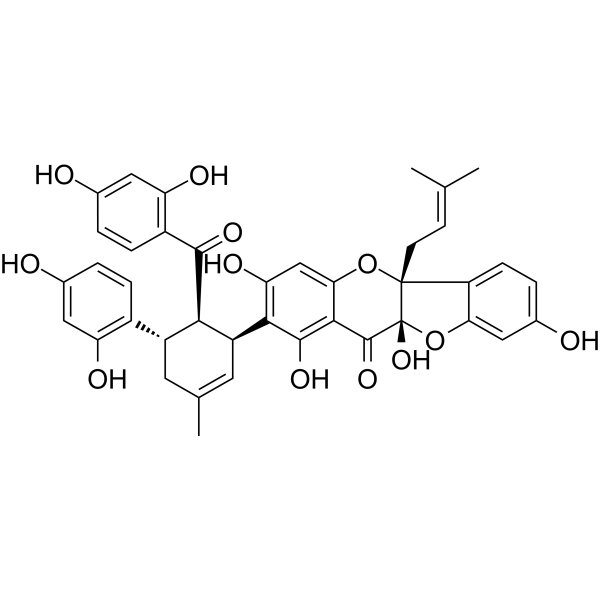
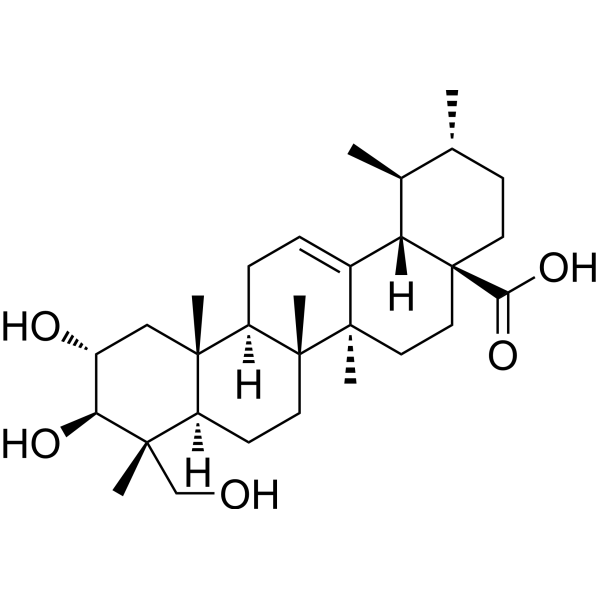
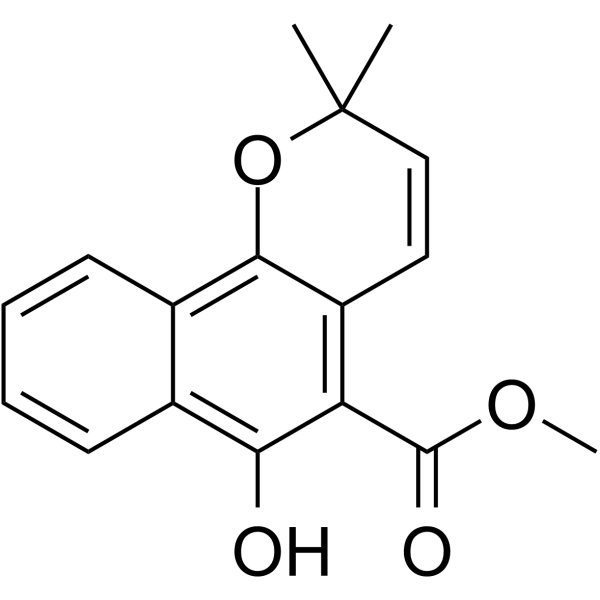
    Roburic acid acts as an anti-inflammatory, anti-tumor and osteoclastogenesis inhibitor, with a Ki of 7.066 μM against human TNF, an IC50 of 9 μM against human COX-2, and an IC50 of 5 μM against ovine COX-1. Roburic acid reduces the production of inflammatory mediators such as NO and IL-6 in macrophages by inhibiting the NF-κB and MAPK (p38/JNK) pathways. By competitively inhibiting the TNF-TNF-R1 interaction, Roburic acid blocks the downstream NF-κB signaling pathway, thereby inducing cell cycle arrest and apoptosis in cancer cells. Roburic acid specifically inhibits osteoclastogenesis and bone resorption by suppressing the RANKL/TRAF6/NF-κB/NFATc1 axis. Roburic acid can be used in research related to osteolytic diseases such as osteoporosis, colorectal cancer and inflammatory diseases .
    Roburic acid
  • HY-159520

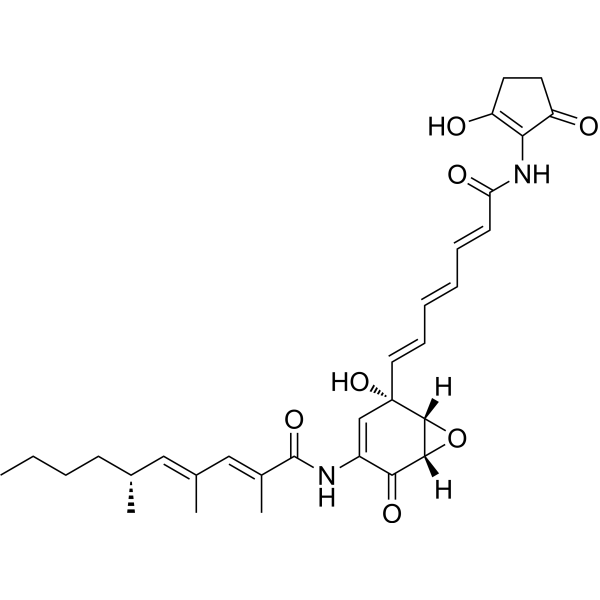
    Ofirnoflast; HT-6184

    NEKs NOD-like Receptor (NLR) Caspase Apoptosis Pyroptosis NF-κB Cardiovascular Disease Inflammation/Immunology Cancer
    Ofirnoflastum (Ofirnoflast) is an orally active first-in-class allosteric NEK7 inhibitor with an IC50 of 46 nM. Ofirnoflastum binds an allosteric site adjacent to NEK7’s ATP-binding pocket, induces conformational shifts, disrupts NEK7-NLRP3 binding, blocks NLRP3 inflammasome assembly, spares NEK7’s physiological functions, and suppresses caspase-1, caspase-8, NF-κB, and TNF activity. Ofirnoflastum reduces pro-inflammatory cytokine production, suppresses ASC specks, IL-1β release, pyroptotic cell death, and leukemic burden, induces apoptosis and erythroid differentiation, restores hematopoiesis, and improves outcomes in colitis models. Ofirnoflastum can be used for the research of myelodysplastic syndromes, chronic myelomonocytic leukemia, and acute myeloid leukemia .
    Ofirnoflastum
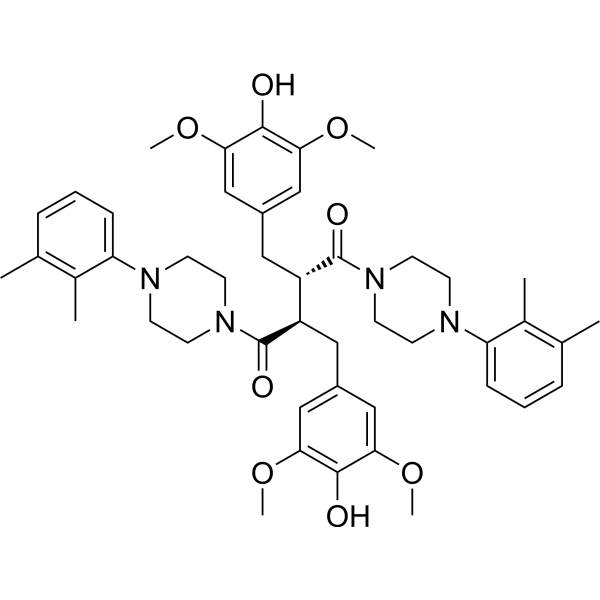
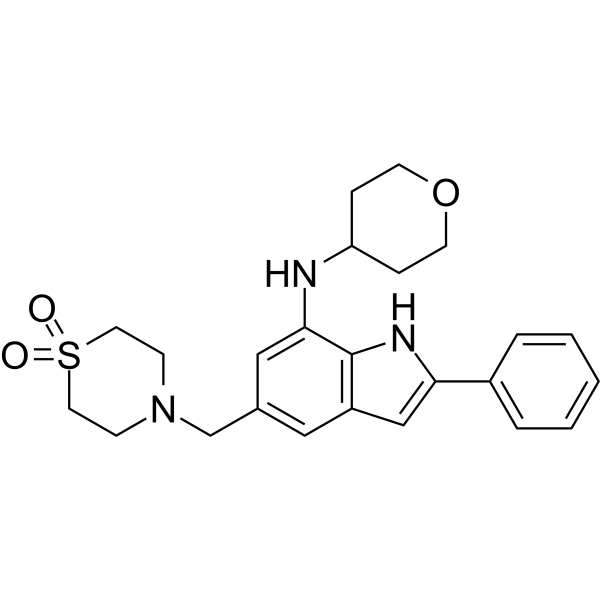
  • HY-156454

    TNF Receptor Inflammation/Immunology
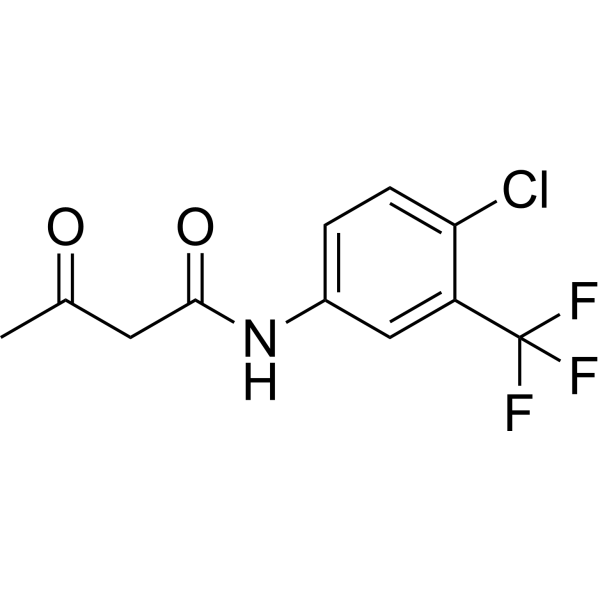
    UCB-6876 is a TNFα inhibitor. UCB-6876 specifically binds to the asymmetric crystalline form of TNF-α trimer with a KD of 22 μM. UCB-6876 is applicable to research related to autoimmune diseases (rheumatoid arthritis and Crohn's disease) .
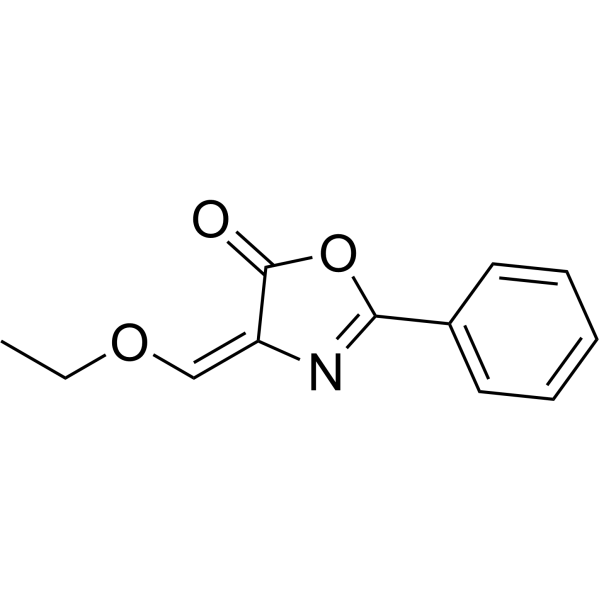
    UCB-6876
  • HY-164894

    Antibody-Drug Conjugates (ADCs) TNF Receptor Glucocorticoid Receptor Inflammation/Immunology
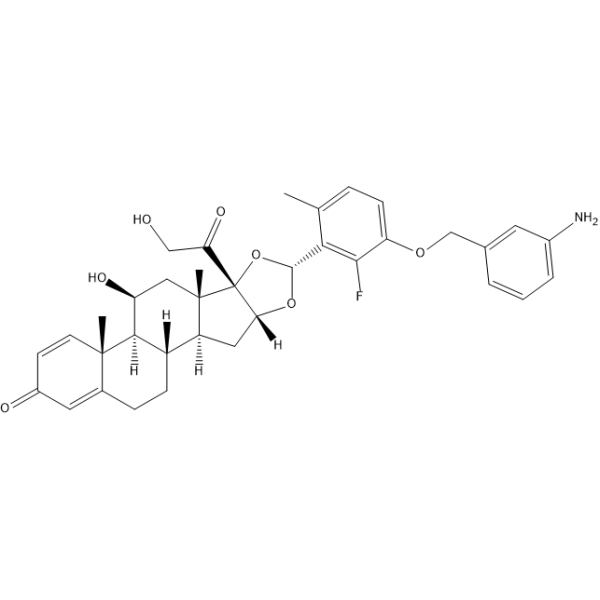
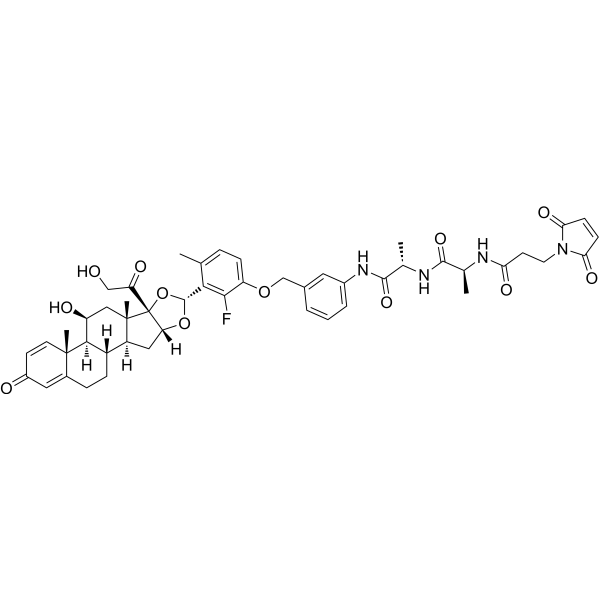
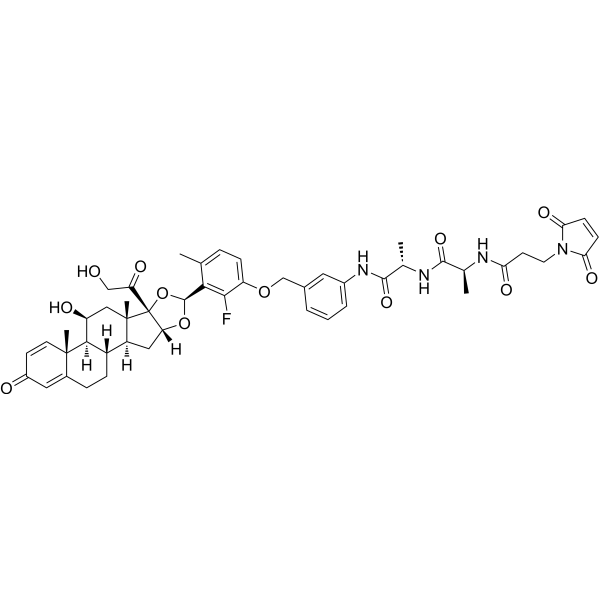
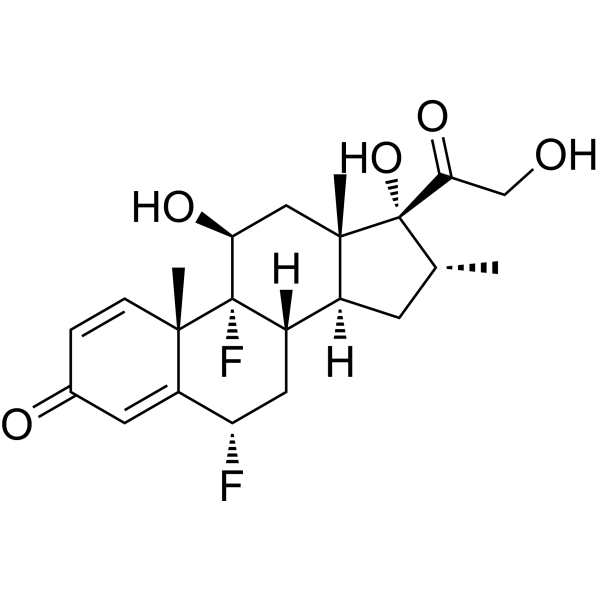
    ABBV-3373 is an anti-TNF antibody-drug conjugate (ADC). ABBV-3373 consists of a humanized TNF antibody Adalimumab (HY-P9908) conjugated to a glucocorticoid receptor agonist (HY-148436). ABBV-3373 can be used for the research of rheumatoid arthritis .
    ABBV-3373
  • HY-N0852

    p38 MAPK NF-κB Interleukin Related JNK PERK CXCR Cardiovascular Disease Inflammation/Immunology
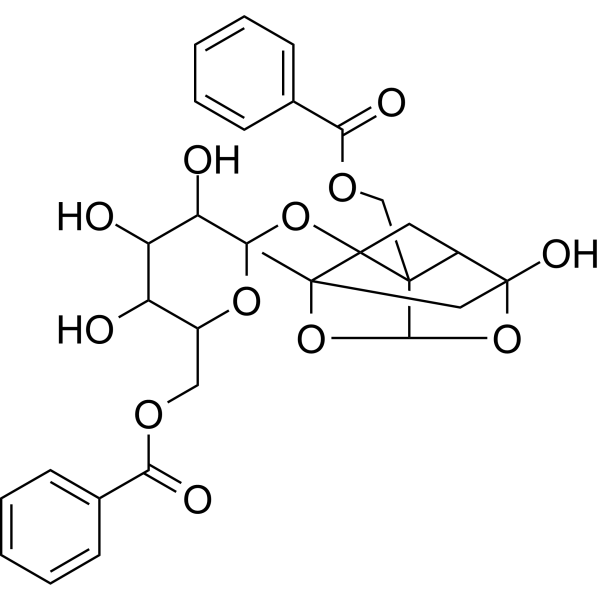
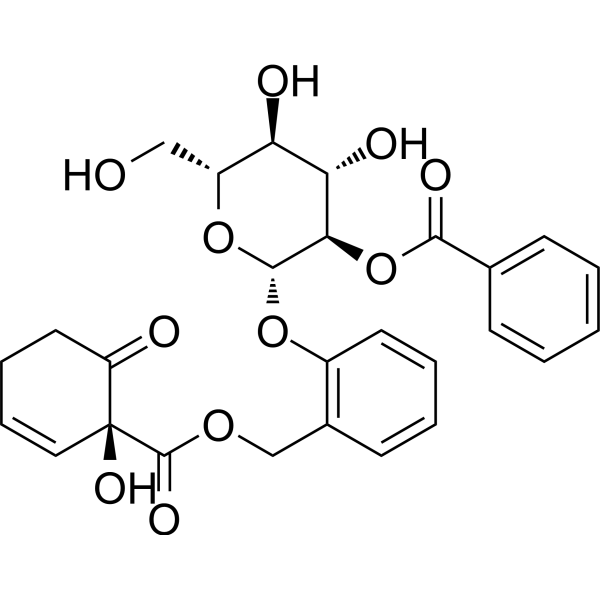
    Benzoylpaeoniflorin is an orally active monoterpene glycoside compound. Benzoylpaeoniflorin exerts anti-inflammatory, anti-allergic, psoriasis-improving and sepsis-improving effects by inhibiting signaling pathways such as TNF/NF-κB and MAPK, as well as regulating immune homeostasis. Benzoylpaeoniflorin can be used in research related to immune, allergic and inflammatory diseases .
    Benzoylpaeoniflorin
  • HY-N8277
    Kdo2-Lipid A ammonium
    3 Publications Verification

    Toll-like Receptor (TLR) TNF Receptor Cancer
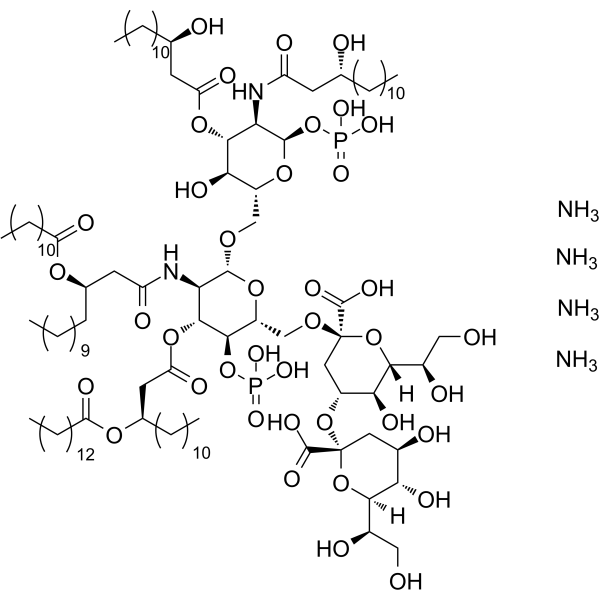
    Kdo2-Lipid A ammonium is a chemically defined lipopolysaccharide (LPS) with endotoxin activity equal to LPS. Kdo2-Lipid A ammonium is highly selective for TLR4. Kdo2-Lipid A ammonium stimulates the release of both TNF and PGE2 .
    Kdo2-Lipid A ammonium
  • HY-128348

    RIP kinase Inflammation/Immunology Cancer
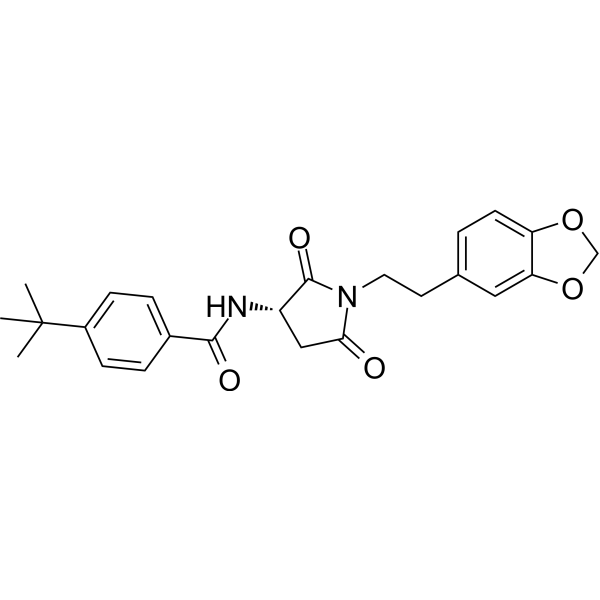
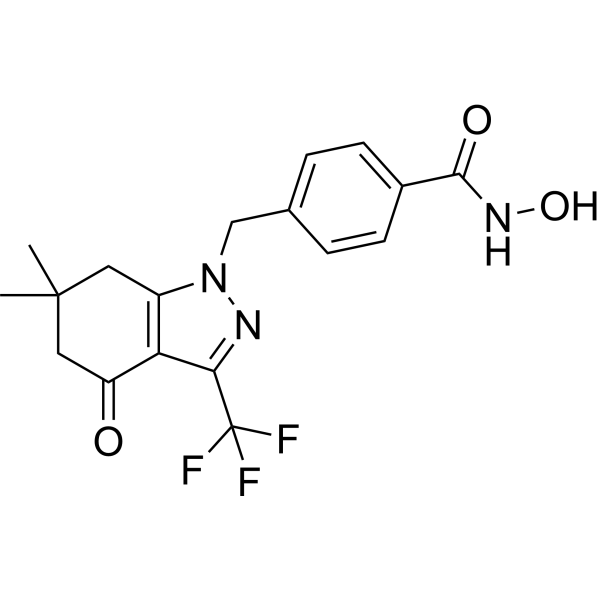
    PK68 is a potent orally active and specifical type II inhibitor of receptor-interacting kinase 1 (RIPK1) with an IC50 of ~90 nM, displays inhibition of RIPK1-dependent necroptosis. PK68 powerfully ameliorates TNF-induced systemic inflammatory response syndrome, and can be used for the research of inflammatory disorders and cancer metastasis .
    PK68
  • HY-100735
    C 87
    2 Publications Verification

    TNF Receptor Inflammation/Immunology
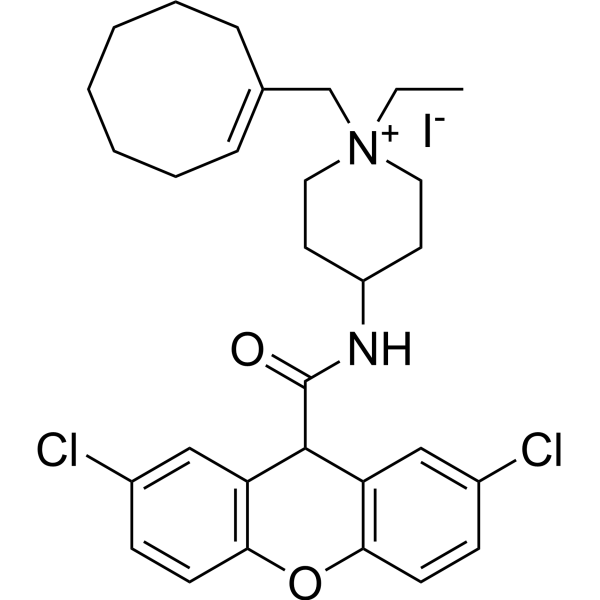
    C 87 is a novel small-molecule TNFα inhibitor; potently inhibits TNFα-induced cytotoxicity with an IC50 of 8.73 μM.
    C 87
  • HY-P99148

    TNF Receptor Metabolic Disease Inflammation/Immunology
    Anti-Mouse TNF alpha Antibody (TN3-19.12) is an anti-mouse TNF alpha IgG antibody inhibitor derived from host Armenian Hamster. Anti-Mouse TNF alpha Antibody (TN3-19.12) neutralizes cytotoxic activity in supernatants obtained from LNC-8 cells. Anti-Mouse TNF alpha Antibody (TN3-19.12) reduces the symptoms and severity of EAE (experimental allergic encephalomyelitis) in LNC-8 cells xenograft mice models. Anti-Mouse TNF alpha Antibody (TN3-19.12) prevents diabetes in NOD mice. Anti-Mouse TNF alpha Antibody (TN3-19.12) shows apparent radiosensitizing effect in CD2F1 mice .
    Anti-Mouse/Rat/Rabbit TNF alpha Antibody (TN3-19.12)
  • HY-112275
    TNF-α-IN-1
    3 Publications Verification

    TNF Receptor Infection Cardiovascular Disease Inflammation/Immunology Cancer
    TNF-α-IN-1 (Compound I-7) is a TNF-α inhibitor. TNF-α-IN-1 can be studied in research for cancers, heart disease, autoimmune disease and infections .
    TNF-α-IN-1
  • HY-P1875

    TNF Receptor Inflammation/Immunology
    TNF-α (46-65), human is a peptide of TNF-α.
    TNF-α (46-65), human
  • HY-147045

    TNF Receptor Inflammation/Immunology
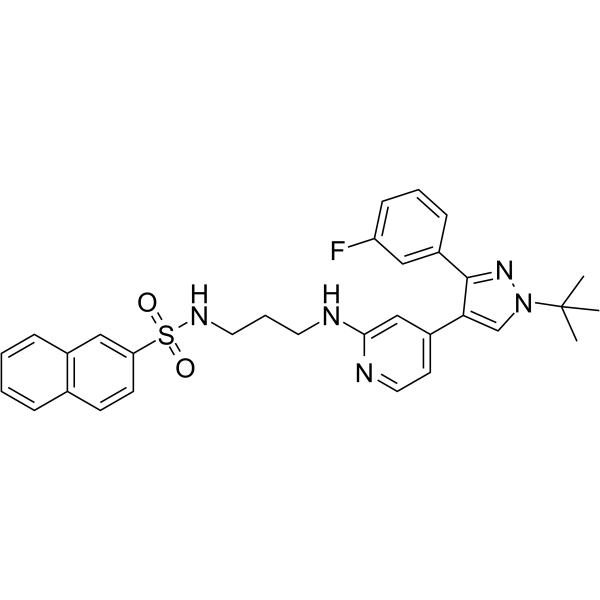
    UCB-5307 is a potent TNF signaling inhibitor with a KD of 9 nM for human TNFα. UCB-5307 can penetrate the preformed hTNF/hTNFR1 complex .
    UCB-5307
  • HY-P990907

    F-027300252; SAR-442970

    TNF Receptor Inflammation/Immunology
    Brivekimig (F-027300252; SAR-442970) is a bispecific nanobody targeting TNF/OX40L. Brivekimig is applicable to research related to hidradenitis suppurativa.
    Brivekimig
  • HY-P99940

    ABT-122

    TNF Receptor Interleukin Related Inflammation/Immunology
    Remtolumab is a bispecific variable domain immunoglobulin molecule with human affinities for TNFα and IL-17 in the low pM range of Kd. Remtolumab can be used in research related to rheumatoid arthritis, psoriatic arthritis, and moderate-to-severe plaque psoriasis .
    Remtolumab
  • HY-111255A
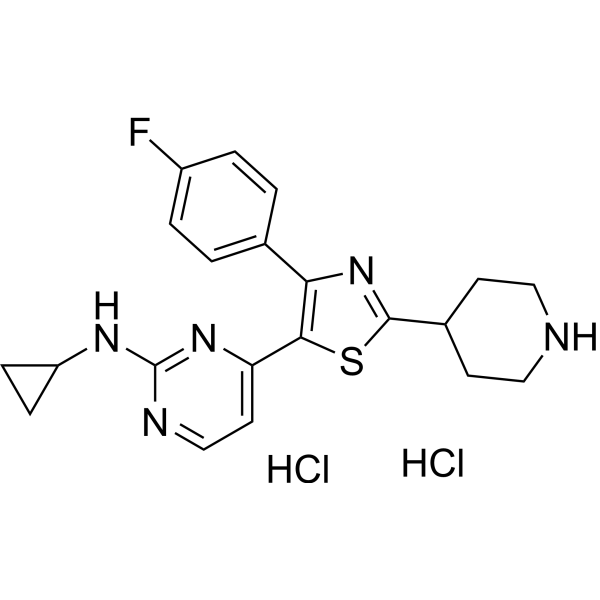
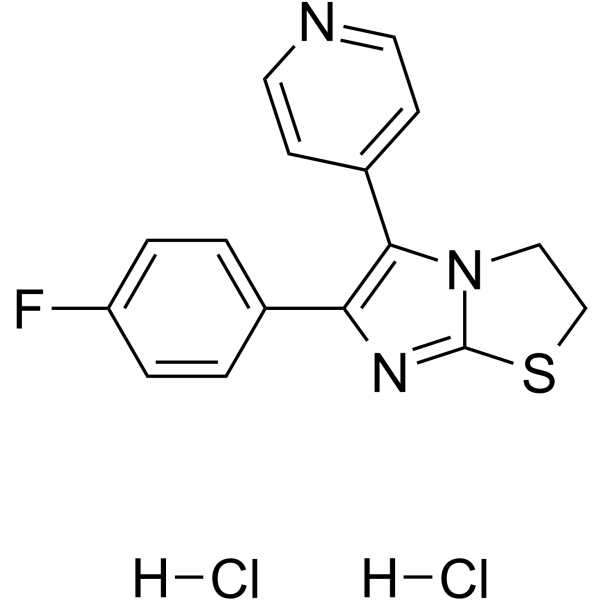
    SPD304 dihydrochloride
    5+ Cited Publications

    TNF Receptor Inflammation/Immunology Cancer
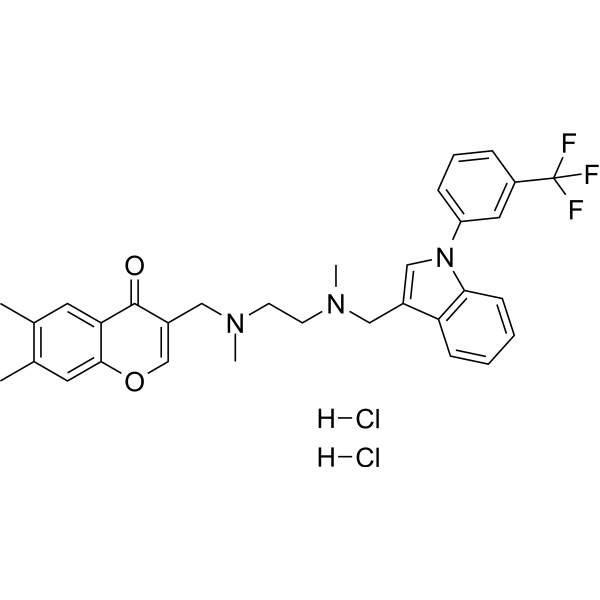
    SPD304 dihydrochloride is a selective TNF-α inhibitor, which promotes dissociation of TNF trimers and therefore blocks the interaction of TNF and its receptor. SPD304 has an IC50 of 22 μM for inhibiting in vitro TNF receptor 1 (TNFR1) binding to TNF-α .
    SPD304 dihydrochloride
  • HY-133807
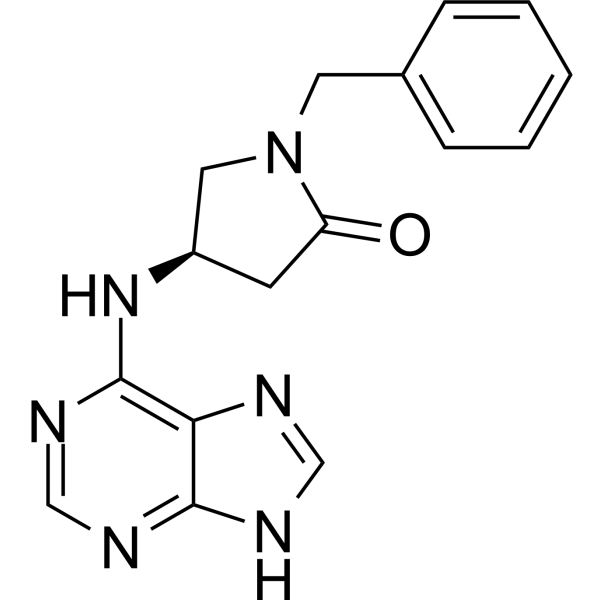
    Benpyrine
    3 Publications Verification

    TNF Receptor Inflammation/Immunology
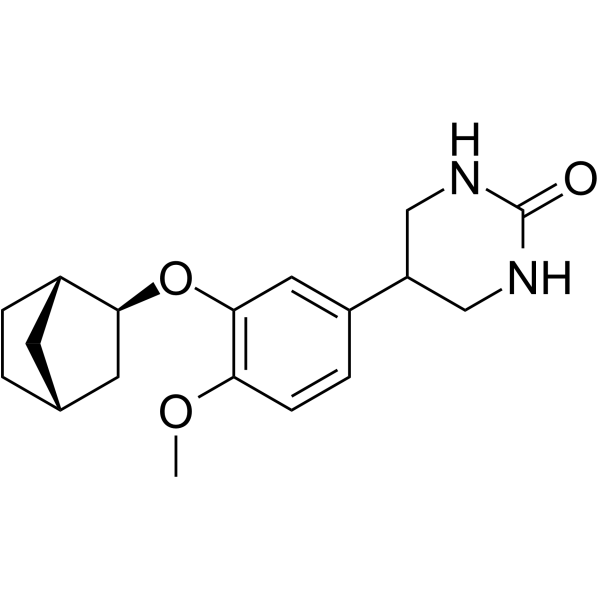
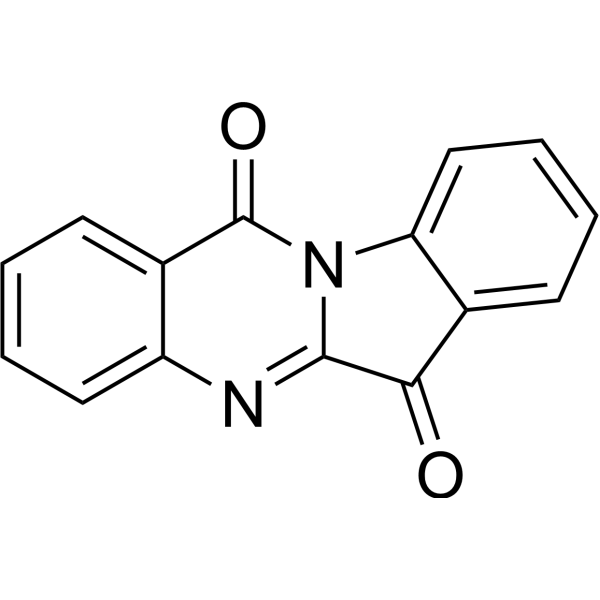
    Benpyrine is a highly specific and orally active TNF-α inhibitor with a KD value of 82.1 μM. Benpyrine tightly binds to TNF-α and blocks its interaction with TNFR1, with an IC50 value of 0.109 µM. Benpyrine has the potential for TNF-α mediated inflammatory and autoimmune disease research .
    Benpyrine
  • HY-118694

    TNF Receptor MMP Bacterial Infection Cancer
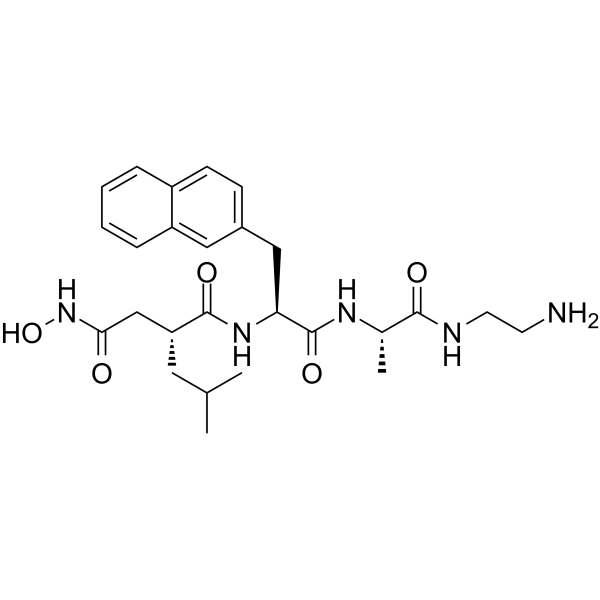
    TAPI-0 is a TACE (TNF-α converting enzyme; ADAM17) inhibitor with an IC50 of 100 nM. TAPI-0 is a MMP inhibitor and also attenuates TNF-α processing .
    TAPI-0
  • HY-118922

    TNF Receptor Neurological Disease Inflammation/Immunology Cancer
    IW927 is a photochemically enhanced TNF-α-TNFR1 interaction inhibitor that blocks the binding of TNF-α to TNFRc1 with an IC50 value of 50 nM. IW927 binds reversibly to the TNFRc1 with weak affinity (Kd = 40-100 μM), covalently modifies the receptor via a photochemical reaction, and does not bind the related cytokine receptors TNFRc2 or CD40. IW927 disrupts TNFα-induced IκB phosphorylation with an IC50 value of 600 nM. IW927 can be used to develop light-independent inhibitors .
    IW927
  • HY-148141
    JPE-1375
    4 Publications Verification

    Complement System Inflammation/Immunology
    JPE-1375 is a complement C5a receptor 1 (C5aR1) antagonist. JPE-1375 effectively inhibits polymorphonuclear leukocyte mobilization (EC50=6.9 μM) and reduces TNF levels (EC50=4.5 μM) in mice. JPE-1375 can be used in studies of autoimmune and inflammatory diseases .
    JPE-1375
  • HY-P99704

    OCS-02

    TNF Receptor Inflammation/Immunology
    Licaminlimab (OCS-02) is a single-chain anti-TNF alpha antibody fragment. TNF alpha is an inflammatory cytokine produced by macrophages and monocytes during inflammation .
    Licaminlimab
  • HY-164102

    TNF Receptor NF-κB Inflammation/Immunology
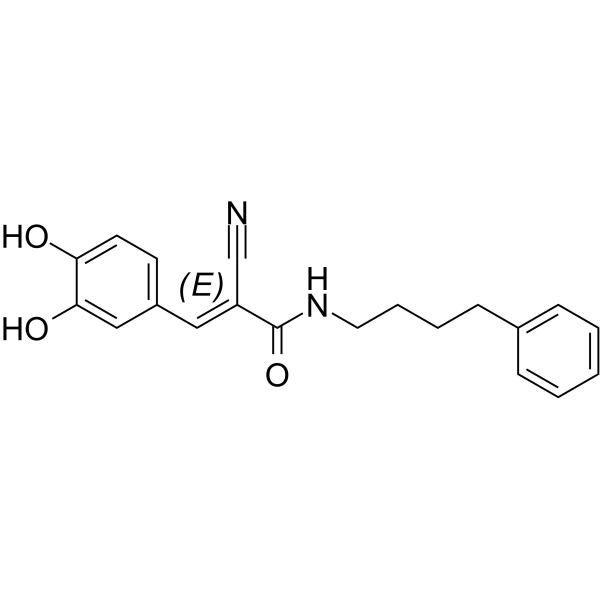
    TNF-α-IN-18 (Compound 61) is an inhibitor for TNF-α (IC50 of 1.8 μM), that inhibits TNF signaling pathway through block of NF-kB migration from cytoplasm to nucleus. TNF-α-IN-18 exhibits slight cytotoxicity to mouse fibroblast LM cell, with a CC50 >50 μM. TNF-α-IN-18 ameliorates the TNF- or Lipopolysaccharide (HY-D1056)-induced sepsis in mouse models. TNF-α-IN-18 protects mice from rheumatoid arthritis .
    TNF-α-IN-18
  • HY-P1860A
    TNF-α (31-45), human TFA
    10+ Cited Publications

    TNF Receptor NF-κB Apoptosis Inflammation/Immunology
    TNF-α (31-45), human TFA is a potent NF-kB pathway activator. TNF-αis a proinflammatory cytokine that induces necrosis or apoptosis. TNF alpha stimulates NF-κB pathway via TNFR2 promotes cancer growth, invasion, and metastasis .
    TNF-α (31-45), human TFA
  • HY-178041

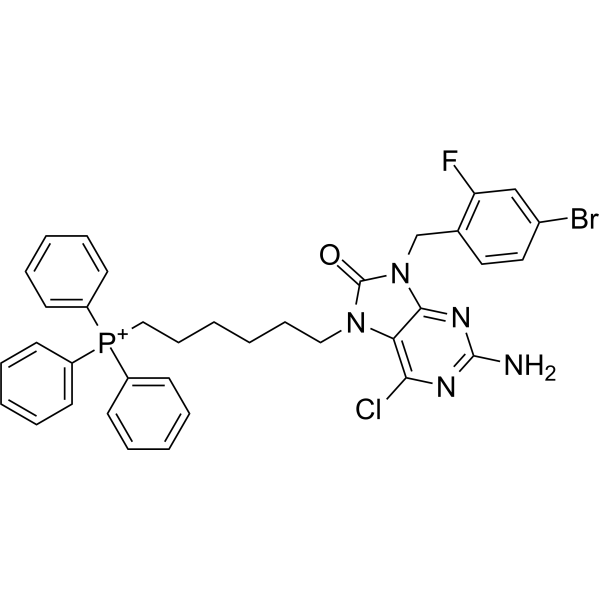
    Epigenetic Reader Domain Interleukin Related c-Fms NF-κB TNF Receptor Inflammation/Immunology
    BRD4-BD1/2-IN-3 (Compound B6) is a selective BRD4 BD2 inhibitor with an IC50 of 0.41  nM for BRD4 BD2 over BRD4 BD1. BRD4-BD1/2-IN-3 significantly inhibits the LPS (HY-D1056)-induced expression of IL-6. BRD4-BD1/2-IN-3 shows anti-inflammatory activities by modulating the TNF and NF-κB signaling pathway. BRD4-BD1/2-IN-3 can be used for inflammatory diseases research .
    BRD4-BD1/2-IN-3
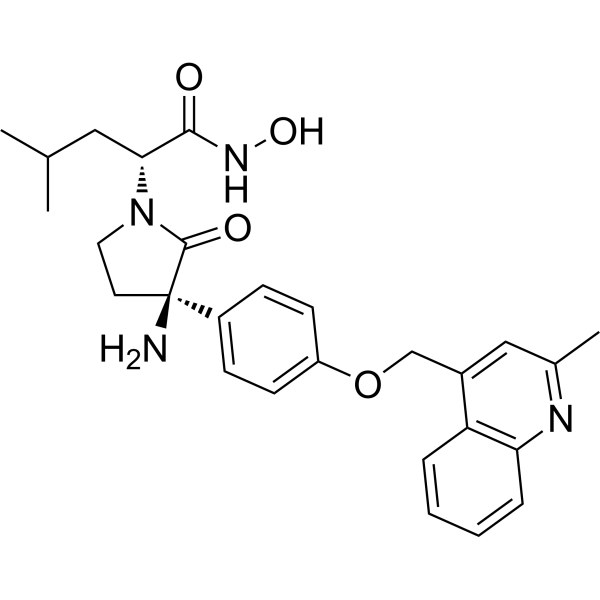
  • HY-120823

    MAP3K p38 MAPK Inflammation/Immunology
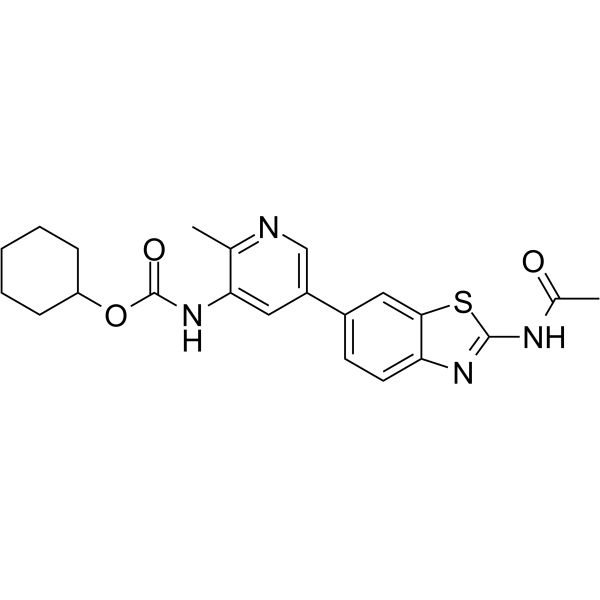
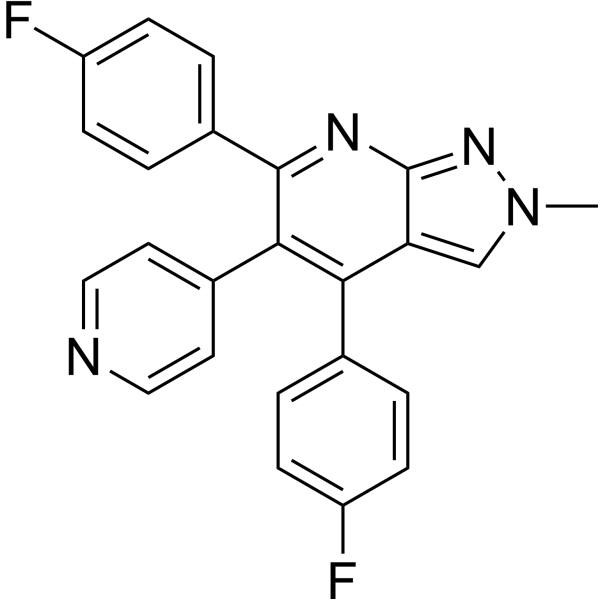
    PF-05381941 is a potent dual inhibitor of TAK1/p38α, with IC50s of 156 and186 nM, respectively .
    PF-05381941
  • HY-P1825A
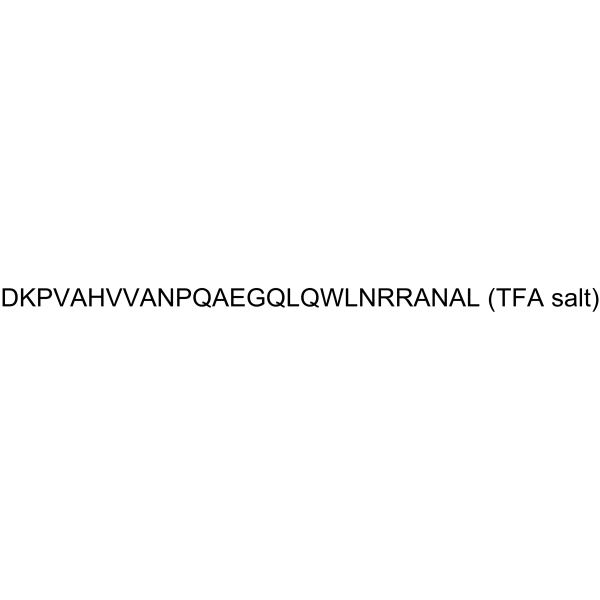
    TNF-α (10-36), human TFA
    1 Publications Verification

    TNF Receptor Inflammation/Immunology
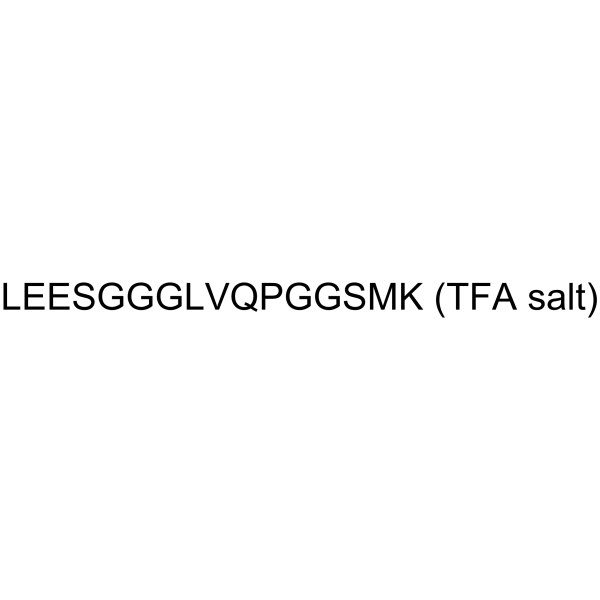
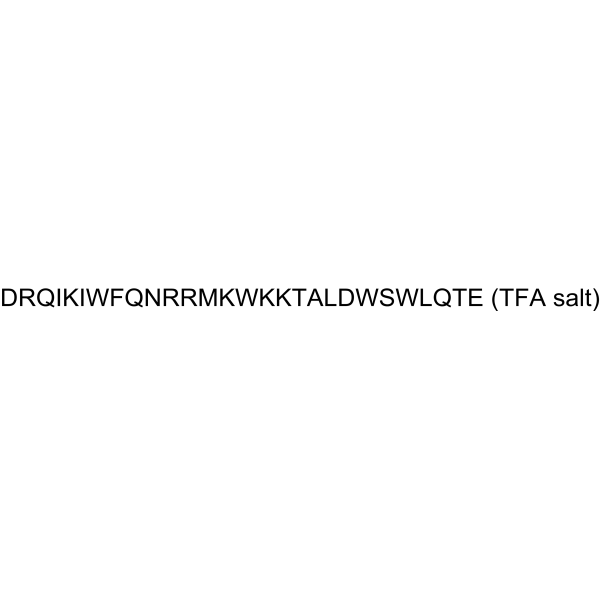
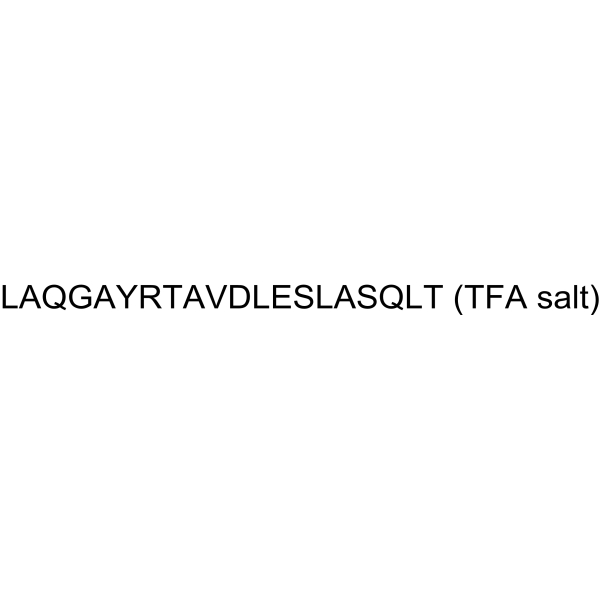
    TNF-α (10-36), human (TFA) is a peptide of human TNF-α.
    TNF-α (10-36), human TFA
  • HY-P1875A

    TNF Receptor Cancer
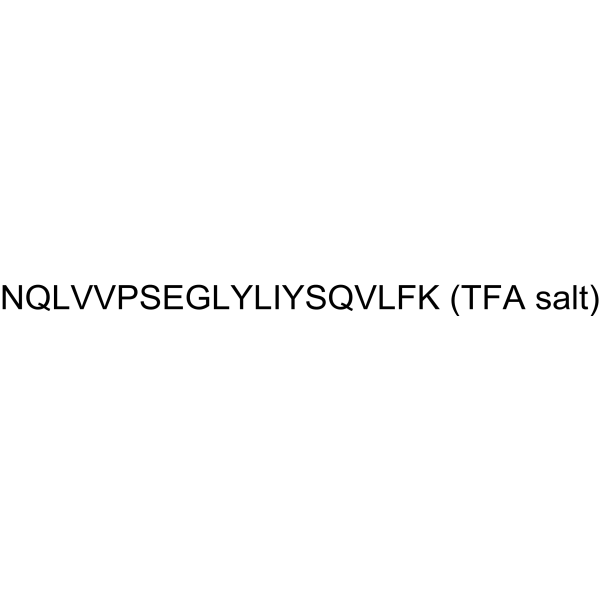
    TNF-α (46-65), human (TFA) is a peptide of human TNF-α.
    TNF-α (46-65), human TFA
  • HY-148908

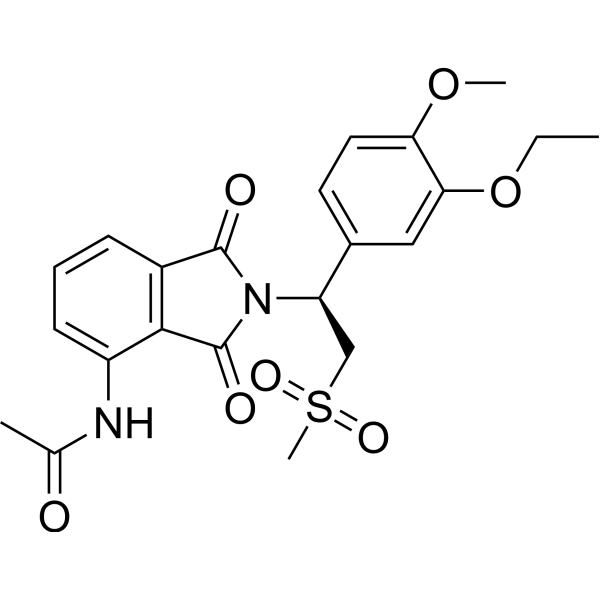
    TNF Receptor Cardiovascular Disease Inflammation/Immunology Cancer
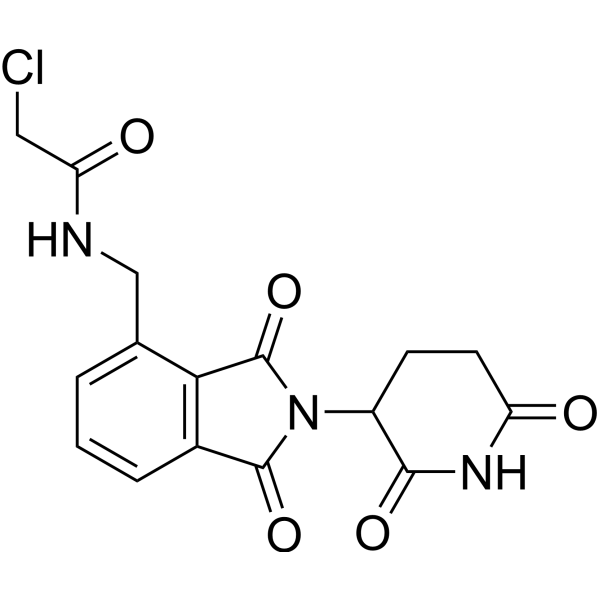
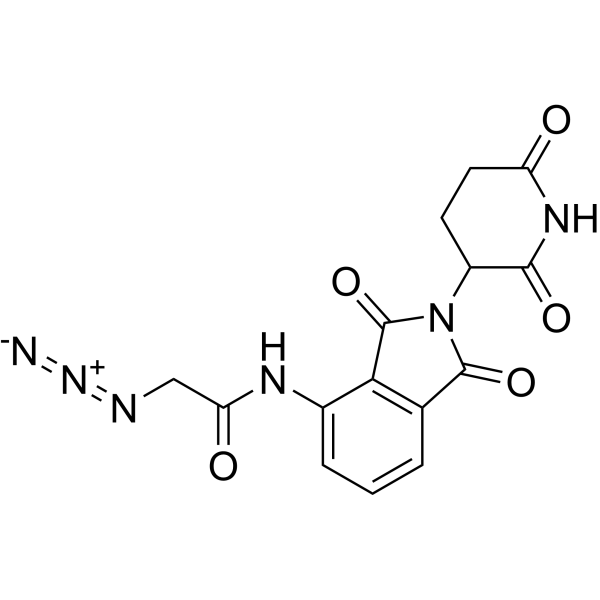
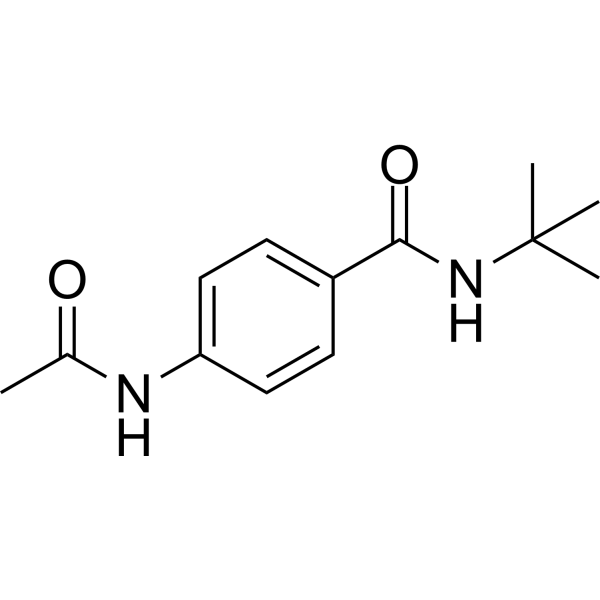
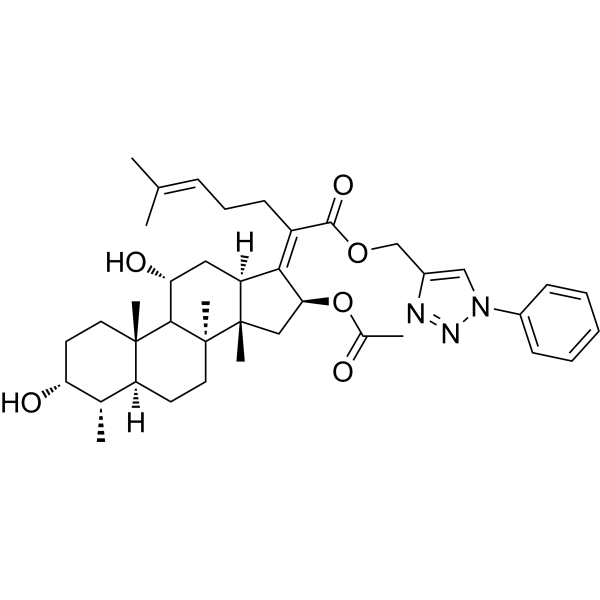
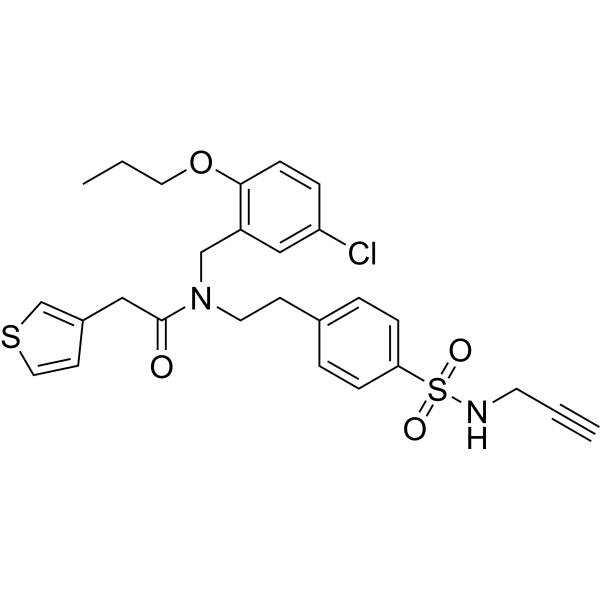
    TNF-α-IN-8 (compound I-42) is a TNF-α inhibitor. TNF-α-IN-8 is an isoindole-imide compound. TNF-α-IN-8 can be used for the research of cancer, heart disease, osteoporosis, inflammatory, allergic and autoimmune diseases . TNF-α-IN-8 is a click chemistry reagent, it contains an Azide group and can undergo copper-catalyzed azide-alkyne cycloaddition reaction (CuAAc) with molecules containing Alkyne groups. It can also undergo strain-promoted alkyne-azide cycloaddition (SPAAC) reactions with molecules containing DBCO or BCN groups.
    TNF-α-IN-8
  • HY-RS14784

    Small Interfering RNA (siRNA) Others

    TNF Human Pre-designed siRNA Set A contains three designed siRNAs for TNF gene (Human), as well as a negative control, a positive control, and a FAM-labeled negative control.

    TNF Human Pre-designed siRNA Set A
    TNF Human Pre-designed siRNA Set A
  • HY-P2612A

    TNF Receptor Others Cancer
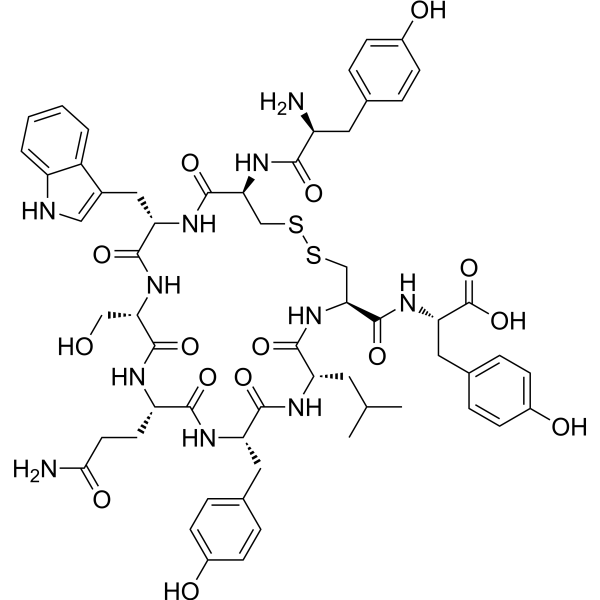
    WP9QY, TNF-a Antagonist, TNF-a Antagonist is a biological active peptide. (This cyclic peptide is designed to mimic the most critical tumor necrosis factor (TNF) recognition loop on TNF receptor I. It prevents interactions of TNF with its receptor. This TNF antagonist is a useful template for the development of small molecular inhibitors to prevent both inflammatory bone destruction and systemic bone loss in rheumatoid arthritis.)
    WP9QY TFA
  • HY-133807A

    TNF Receptor Inflammation/Immunology
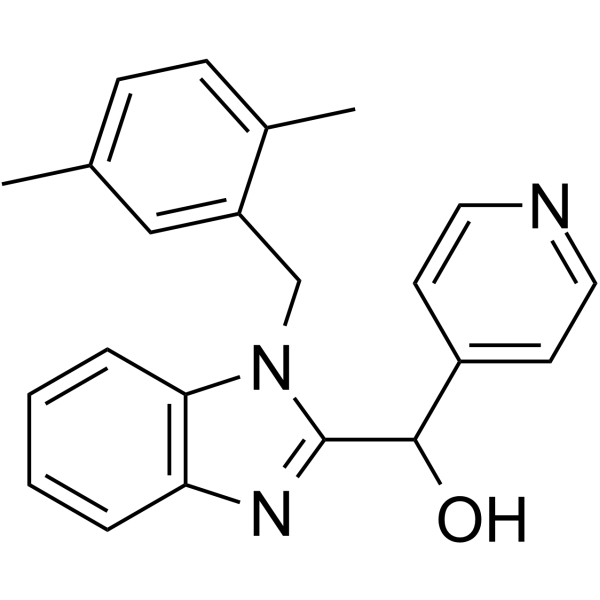
    (Rac)-Benpyrine, a racemate of Benpyrine, is a potent and orally active TNF-α inhibitor. (Rac)-Benpyrine has the potential for TNF-α mediated inflammatory and autoimmune disease research .
    (Rac)-Benpyrine
  • HY-149331

    TNF Receptor Caspase NF-κB Inflammation/Immunology
    TNF-α-IN-11 (Compound 10) is a TNF-α inhibitor with a KD value of 12.06 μM. TNF-α-IN-11 binds to TNF-α and blocks the activation of TNF-α-trigged caspase and NF-κB signaling pathway. TNF-α-IN-11 inhibits the phosphorylation of IκBα, as well as the nuclear translocation of NF κB p65. TNF-α-IN-11 can be used for research of TNF-α-mediated autoimmune diseases .
    TNF-α-IN-11
  • HY-175250

    TNF Receptor Inflammation/Immunology
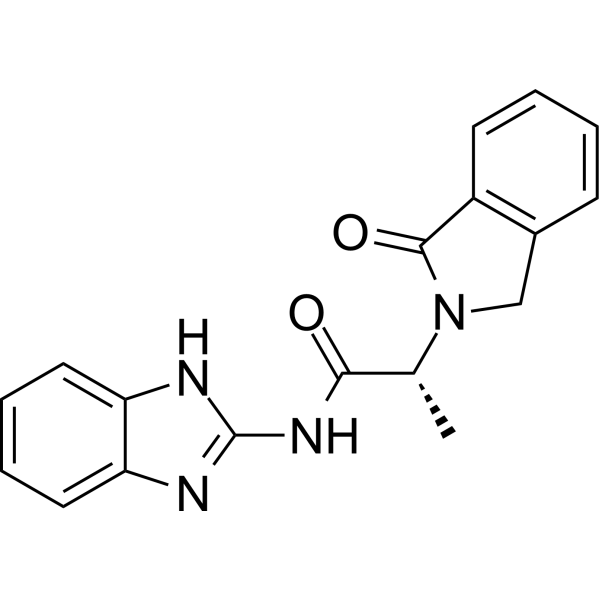
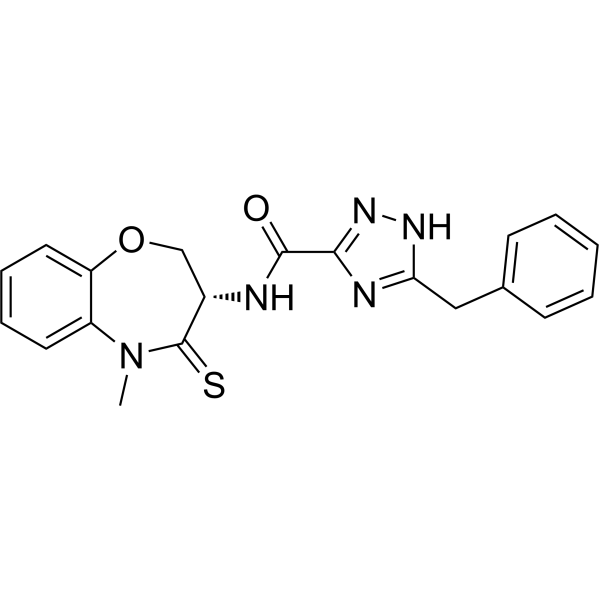
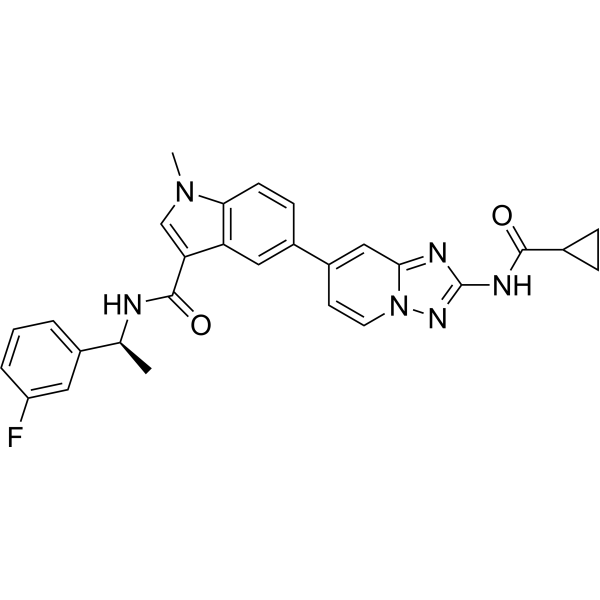
    TNF-α-IN-25 is an orally active TNF-α inhibitor. TNF-α-IN-25 shows Fluorescence Polarization (FP) assay IC50 of 103 nM in FP binding assays and L929 assay IC50 of 505 nM in cell-based assays. TNF-α-IN-25 inhibits paw swelling in the glucose-6-phosphate isomerase (GPI) arthritis model. TNF-α-IN-25 can be used for the study of arthritis .
    TNF-α-IN-25
  • HY-172608

    TNF Receptor Inflammation/Immunology
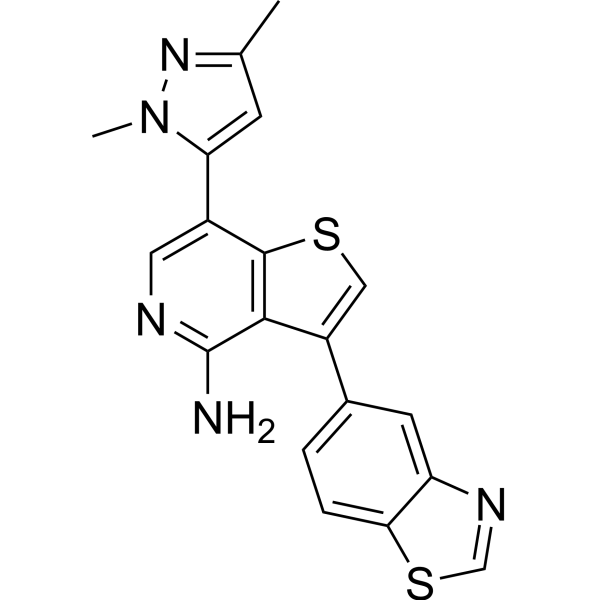
    TNF-α-IN-24 (Example 15) is a TNF-α inhibitor with an IC50 of 4.1 nM. TNF-α-IN-24 can be used in study of inflammatory and autoimmune disorders such as rheumatoid arthritis and Crohn’s disease .
    TNF-α-IN-24
  • HY-178302

    ADC Payload Others
    TNF-α agonistic 2 (Compound 009) is a toxic molecule. TNF-α agonistic 2 reduces the thickness of the right ear in mice. TNF-α agonistic 2 can be used as an ADC toxic molecule .
    TNF-α agonistic 2

Inquiry Online

Your information is safe with us. * Required Fields.

Salutation


Country or Region *

Applicant Name *


Organization Name *

Department *


Email Address *


Product Name *

Cat. No.


Requested quantity *

Phone Number *


Remarks

Inquiry Online

Inquiry Information

Product Name:
Cat. No.:
Quantity:
MCE Japan Authorized Agent: