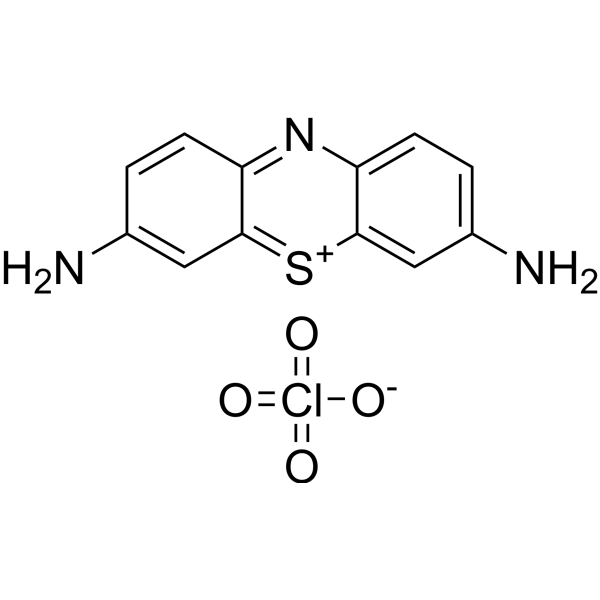
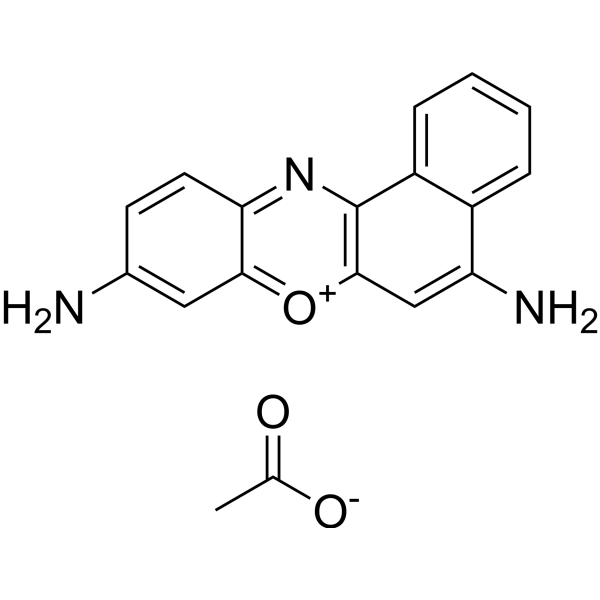
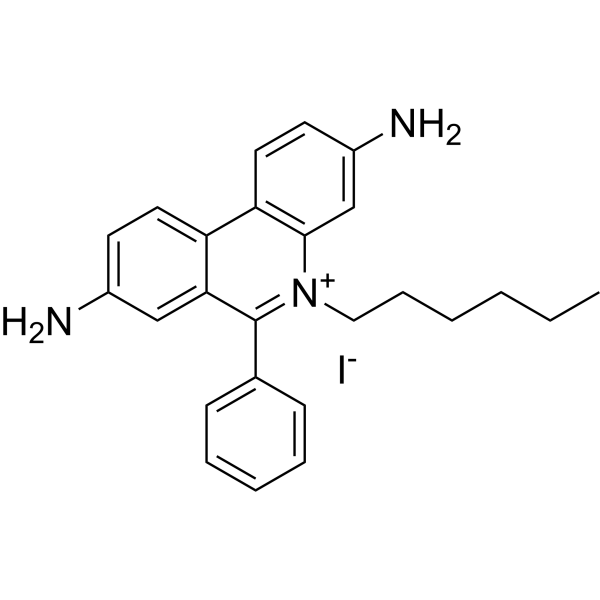
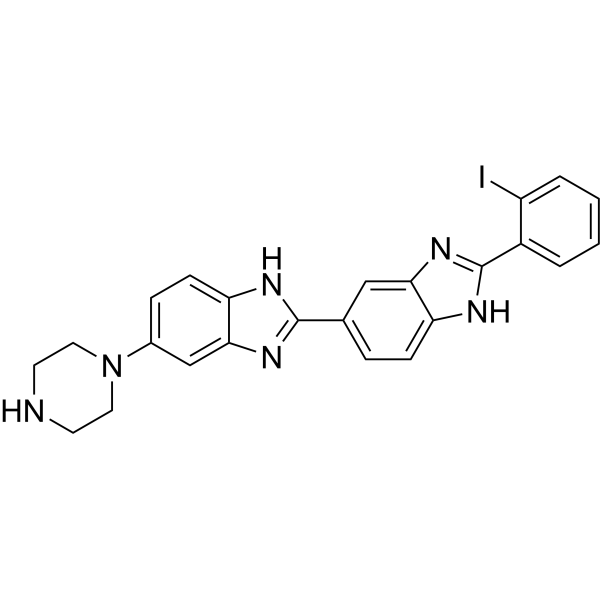
1. Search Result
Search Result
Results for "

Alcian Blue Staining Kit (pH2.5)
" in MedChemExpress (MCE) Product Catalog:
1445

阻害剤およびアゴニスト

2

スクリーニングライブラリ

414

蛍光色素

102

生化学アッセイ試薬

10

ペプチド

206

MCE キット

12

阻害性抗体

36

天然物

37

組換えタンパク質

48

同位体標識化合物

10

抗体

23

クリックケミストリー

15

オリゴヌクレオチド

Targets Recommended:
製品番号 製品名 Target 研究分野 構造式
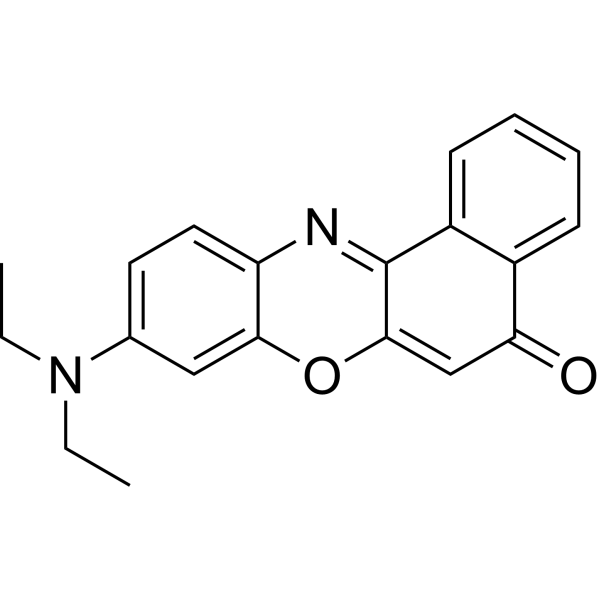
  • HY-D0718
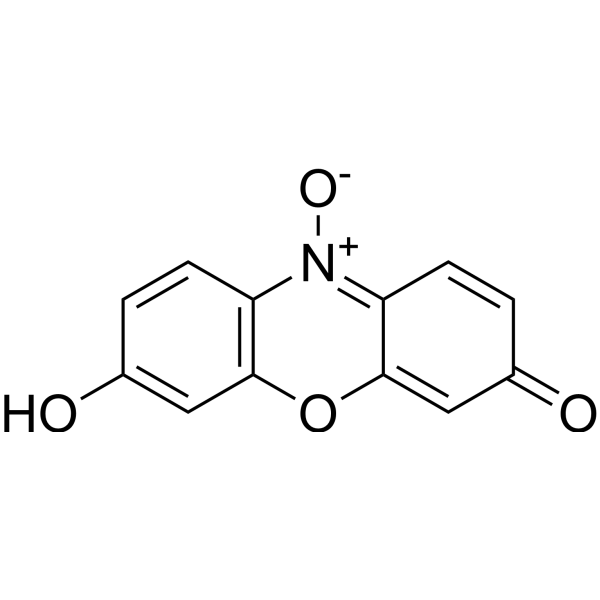
    Nile Red
    115+ Cited Publications

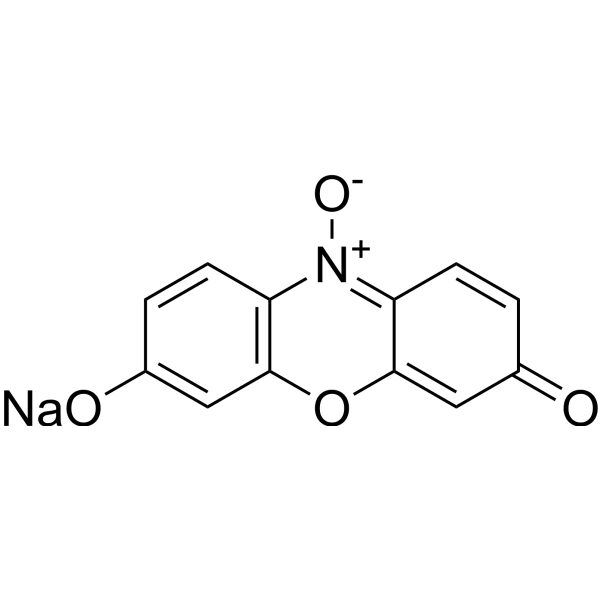
    Nile Blue A oxazone; Phenoxazone 9

    Fluorescent Dye Others
    Nile red (Nile blue oxazone) is a lipophilic stain. Nile red has environment-sensitive fluorescence. Nile red is intensely fluorescent in a lipid-rich environment while it has minimal fluorescence in aqueous media. Nile red is an excellent vital stain for the detection of intracellular lipid droplets by fluorescence microscopy and flow cytof uorometry. Nile red stains intracellular lipid droplets red. The fluorescence wavelength is 559/635 nm .
    Nile Red
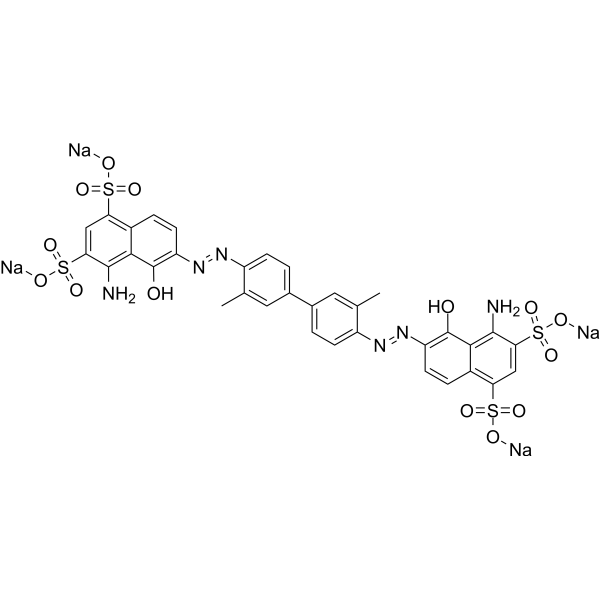
  • HY-B1102
    Evans Blue
    25+ Cited Publications

    Direct Blue 53; T-1824; C.I. 23860

    EAAT iGluR Cardiovascular Disease Neurological Disease
    Evans Blue (Direct Blue 53) is a potent inhibitor of L-glutamate uptake via the membrane bound excitatory amino acid transporter (EAAT). Evans Blue is a L-glutamate and kainate receptor-mediated currents inhibitor. Evans Blue has a strong affinity towards serum albumin, making it a high molecular weight protein tracer. Evans Blue is also used to study BBB (blood-brain barrier) permeability .
    Evans Blue
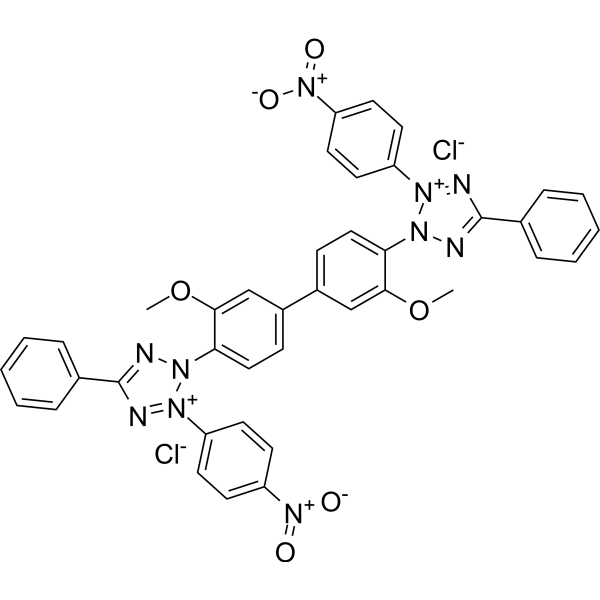
  • HY-15925
    Nitro blue tetrazolium chloride
    5+ Cited Publications

    NBT

    Fluorescent Dye Others
    Nitro blue tetrazolium chloride (NBT) is a substrate for dehydrogenases; is used with the alkaline phosphatase substrate 5-Bromo-4-Chloro-3-Indolyl Phosphate (BCIP) in western blotting and immunohistological staining procedures .
    Nitro blue tetrazolium chloride
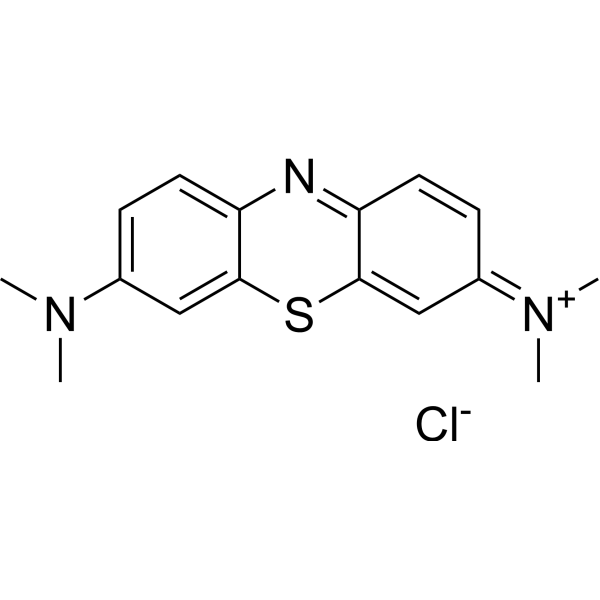
  • HY-14536
    Methylene Blue
    25+ Cited Publications

    Basic Blue 9; CI-52015; Methylthioninium chloride

    Environmental Pollutants Monoamine Oxidase Guanylate Cyclase Microtubule/Tubulin NO Synthase Infection Neurological Disease Cancer
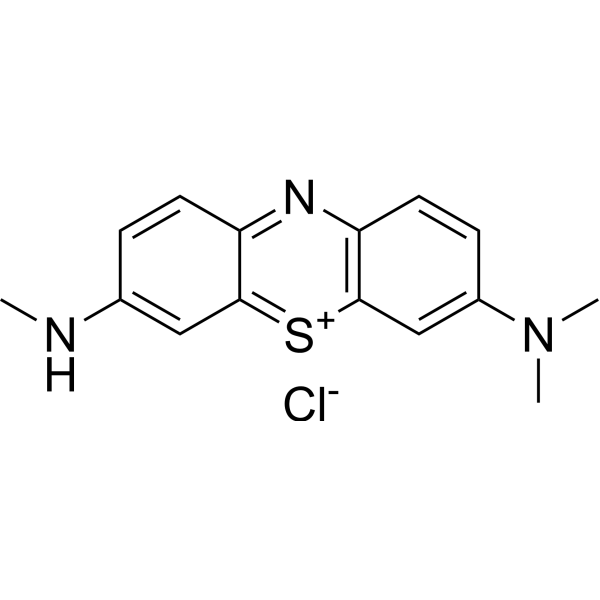
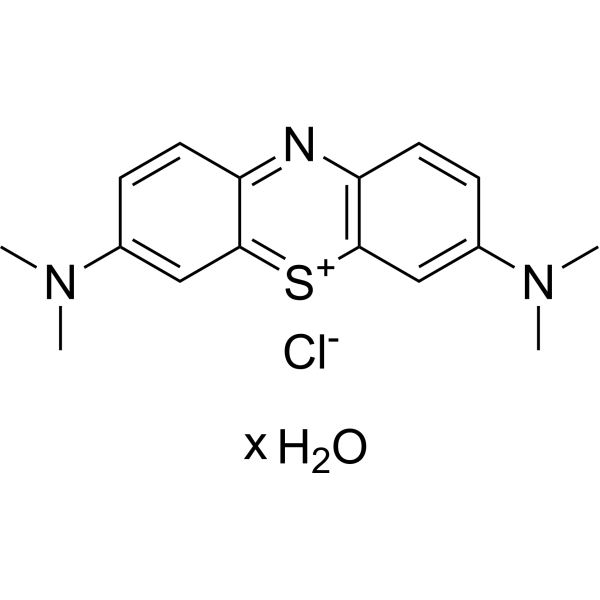
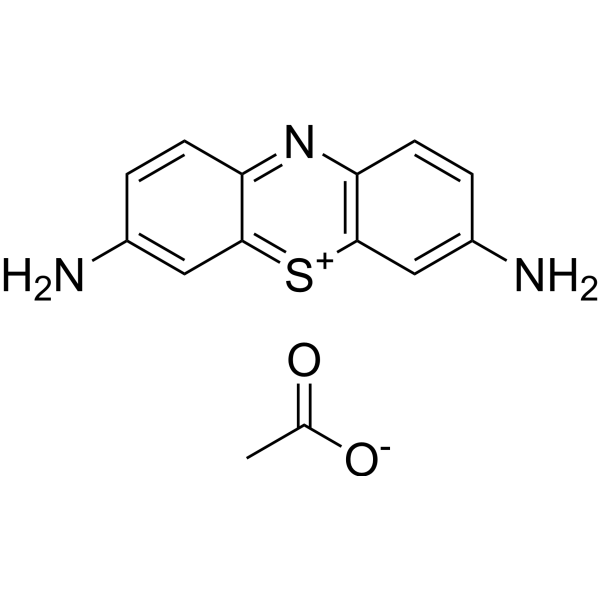
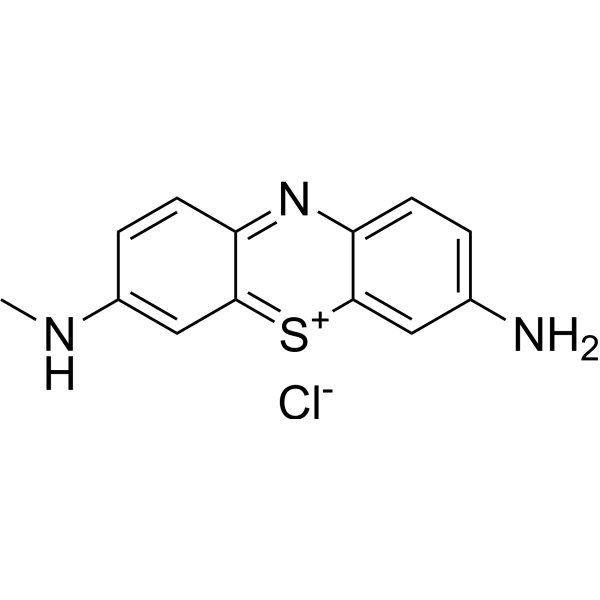
    Methylene blue (Basic Blue 9) is a guanylyl cyclase (sGC), monoamine oxidase A (MAO-A) and NO synthase (NOS) inhibitor. Methylene blue is a vasopressor and is often used as a dye in several medical procedures. Methylene blue through the nitric oxide syntase/guanylate cyclase signalling pathway to reduce prepulse inhibition. Methylene blue is a REDOX cycling compound and able to cross the blood-brain barrier. Methylene blue is a Tau aggregation inhibitor. Methylene Blue is a photosensitizer and redox agent. Methylene blue reduces cerebral edema, attenuated microglial activation and reduced neuroinflammation .
    Methylene Blue
  • HY-D0915
    Brilliant Blue FCF
    5 Publications Verification

    Acid Blue 9; FD&C Blue No. 1; E133

    Environmental Pollutants Fluorescent Dye Others
    Brilliant Blue FCF is an aromatic hydrocarbon, a synthetic dye produced from petroleum and used as a colorant for food and other substances. The solution has a maximum absorption at 628 nm.
    Brilliant Blue FCF
  • HY-D0001
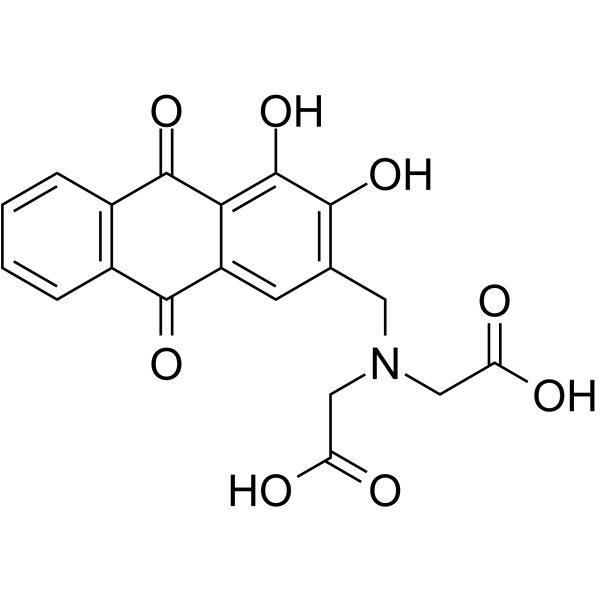
    Alcian Blue 8GX
    4 Publications Verification

    Fluorescent Dye Others
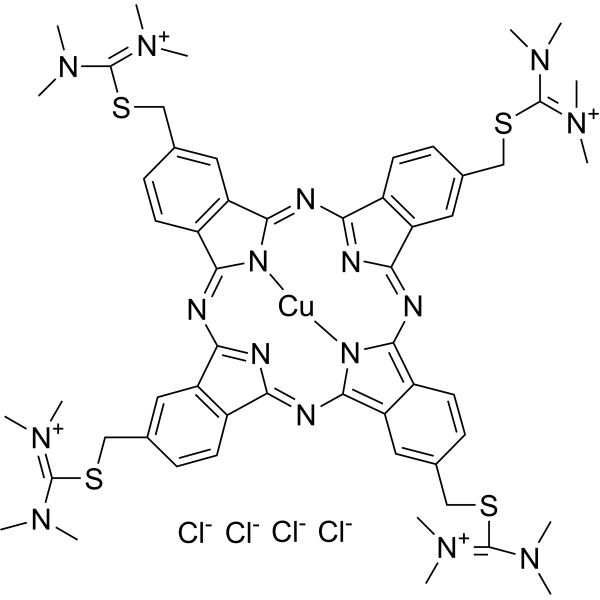
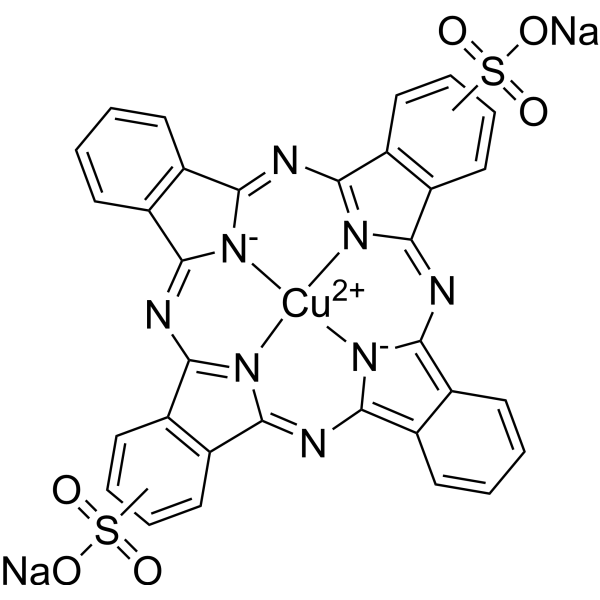
    Alcian Blue 8GX is a commonly used phthalocyanine dye that binds to glycoproteins and glycosaminoglycans. Alcian Blue 8GX has a wide range of applications in biological staining, including proteins in brain tumors and DNA in cells and tissues .
    Alcian Blue 8GX
  • HY-D1020
    7-Aminoactinomycin D
    5+ Cited Publications

    7-AAD

    DNA/RNA Synthesis Bacterial DNA Stain Antibiotic Infection Cancer
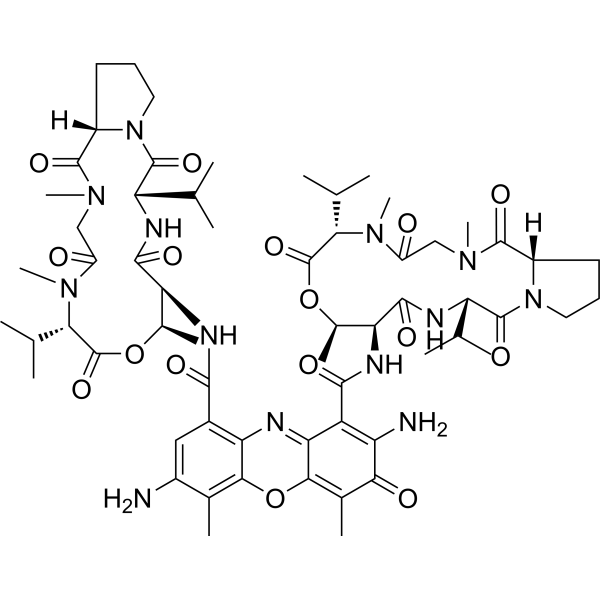
    7-Aminoactinomycin D (7-AAD) a cell-impermeant fluorescent DNA stain, is a potent RNA polymerase inhibitor. 7-Aminoactinomycin D selectively binds to GC regions of the DNA. 7-Aminoactinomycin D also has antibacterial effects .
    7-Aminoactinomycin D
  • HY-D0970
    Diphenyl Blue
    2 Publications Verification

    Direct Blue 14; Trypan Blue

    Fluorescent Dye Others
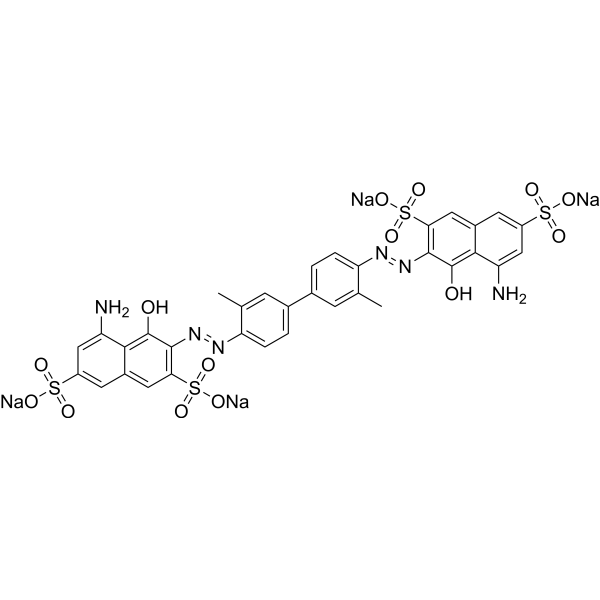
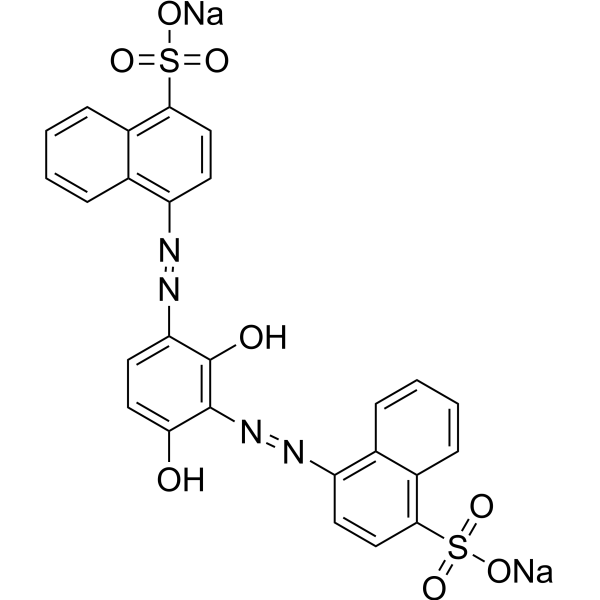
    Diphenyl Blue (Trypan Blue) is a cell active dye, the most commonly used dye for the identification of dead cells, of en used to test cell membrane integrity and cell viability. Diphenyl Blue staining is one of the methods for tissue and cell culture. When cells are deactivated or have incomplete cell membranes, Diphenyl Blue can stain them Blue. Normal living cells with intact cell membranes reject Diphenyl blue and do not stain them blue. However, macrophages are capable of phagocytosis of Diphenyl Blue, so it can be used as a living stain for macrophages .
    Diphenyl Blue
  • HY-D0220
    Toluidine Blue
    3 Publications Verification

    Toluidine Blue O

    Fluorescent Dye Cancer
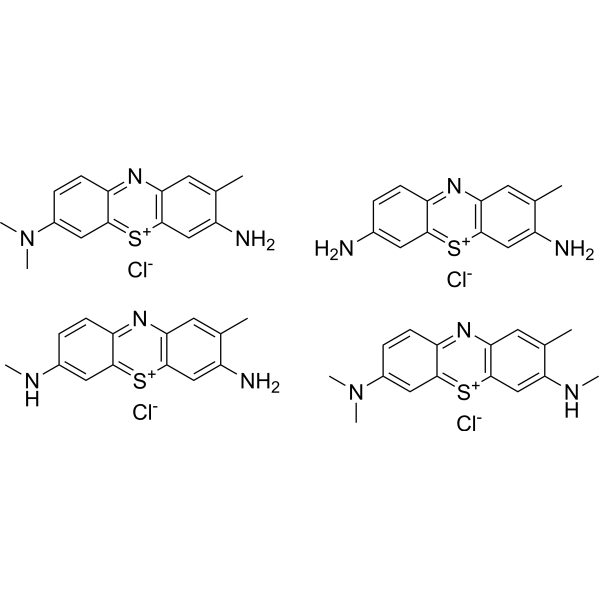
    Toluidine Blue (Toluidine Blue O) is an alkaline quinonimine dye (vivo dye) with high affinity for acidic tissue components, staining nuclei blue and polysaccharides purple. Toluidine Blue shows heterostaining properties for mast cells, mucins and chondrocytes. Toluidine Blue can stain different components of plant tissues and cells in different colours. Toluidine Blue is also used as a diagnostic aid to identify malignant lesions, such as cancer .
    Toluidine Blue
  • HY-B1359
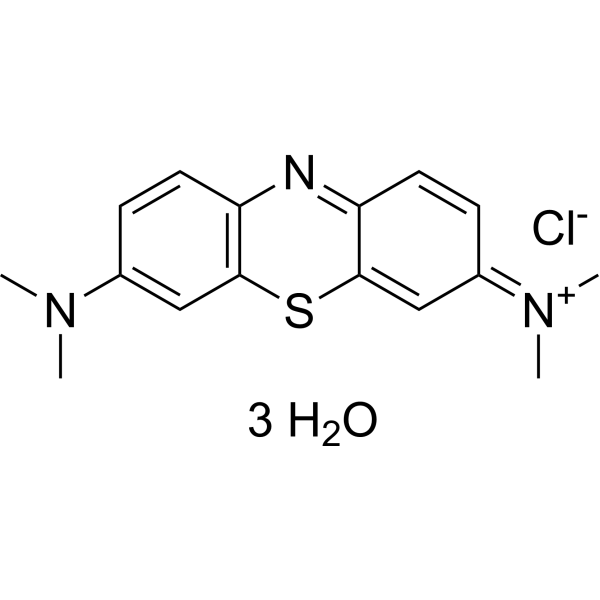
    Methylene blue trihydrate
    25+ Cited Publications

    C.I. Basic Blue 9 trihydrate

    Guanylate Cyclase Monoamine Oxidase NO Synthase Parasite Infection Neurological Disease Cancer
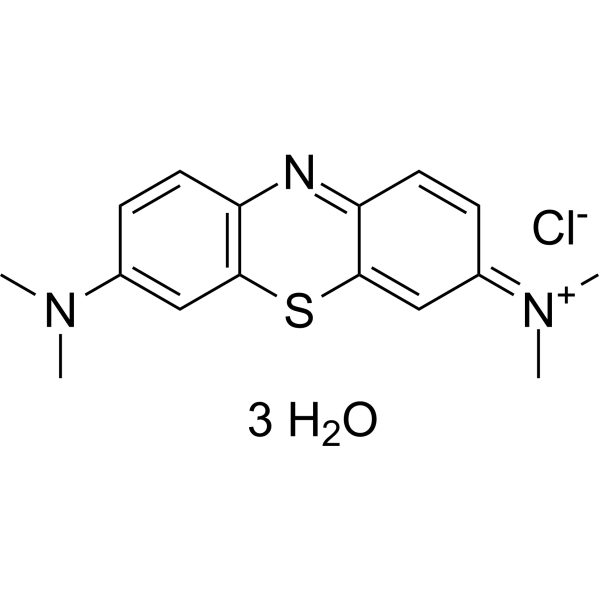
    Methylene blue trihydrate (C.I. Basic Blue 9 trihydrate) is a guanylyl cyclase (sGC), monoamine oxidase A (MAO-A) and NO synthase (NOS) inhibitor. Methylene blue trihydrate is a vasopressor and is often used as a dye in several medical procedures. Methylene blue trihydrate has antinociception, antimalarial, antidepressant and anxiolytic activity effects. Methylene Blue trihydrate has the potential for methemoglobinemias, neurodegenerative disorders and ifosfamide-induced encephalopathytreatment .
    Methylene blue trihydrate
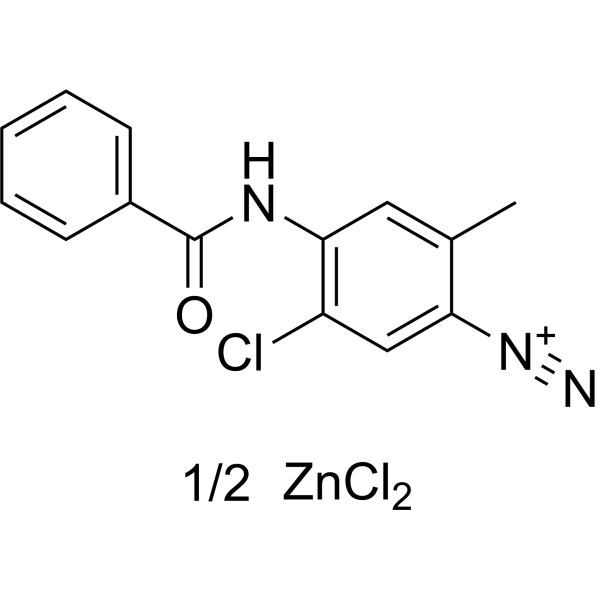
  • HY-W127711

    Phosphatase Lipase Metabolic Disease Inflammation/Immunology
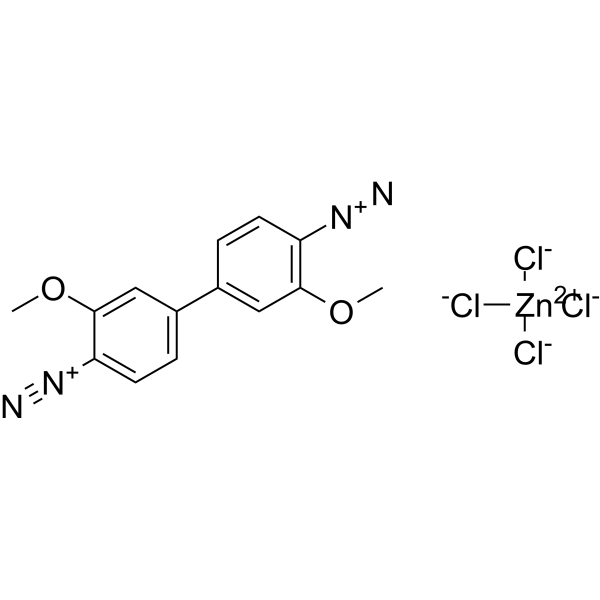
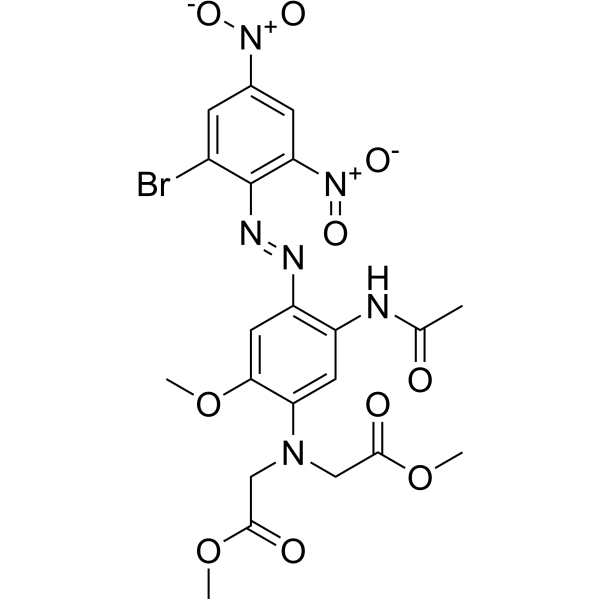
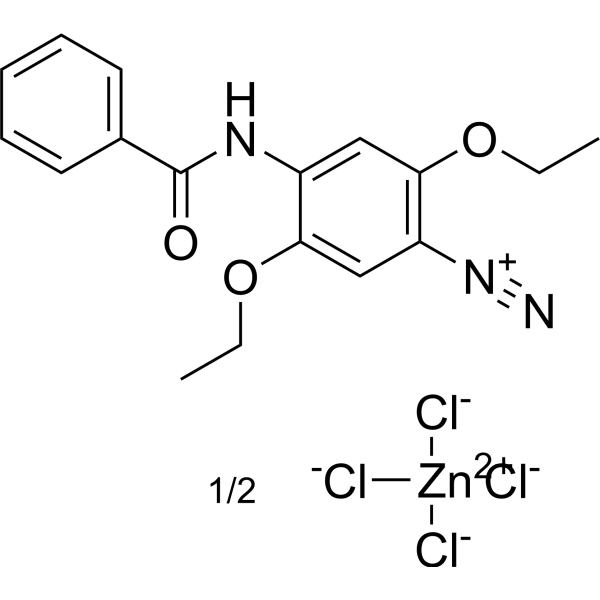
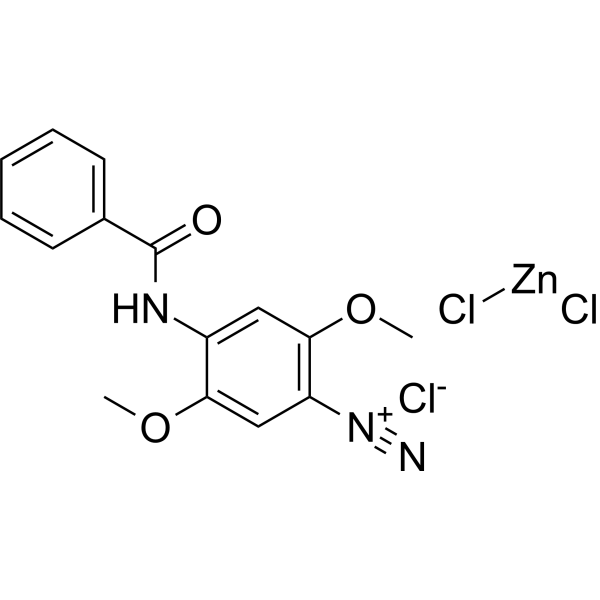
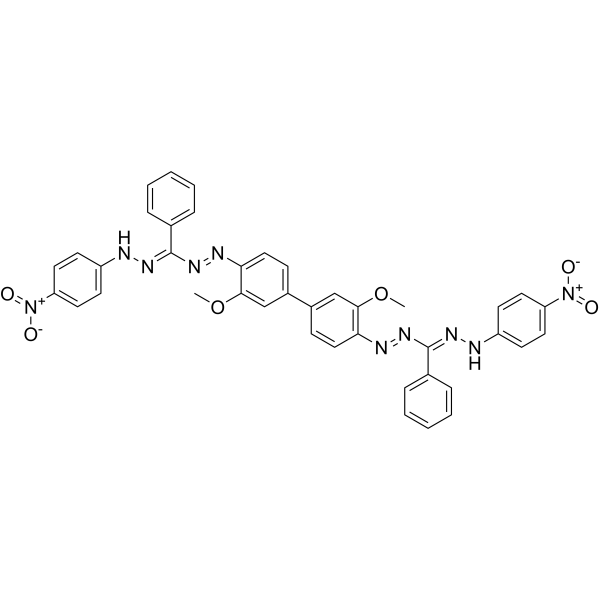
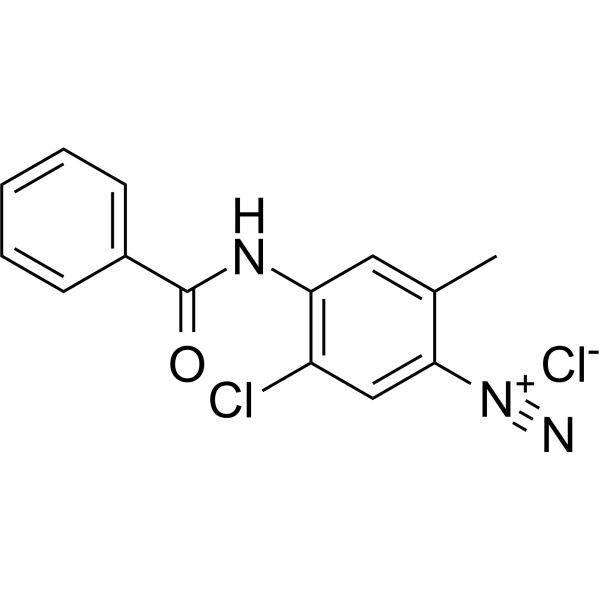
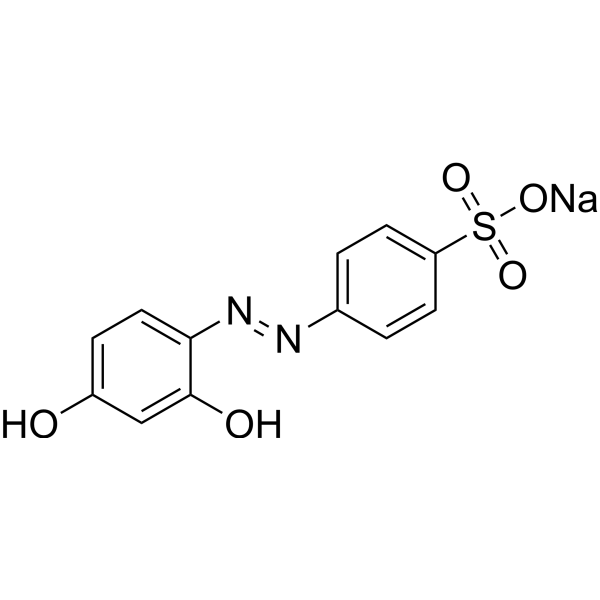
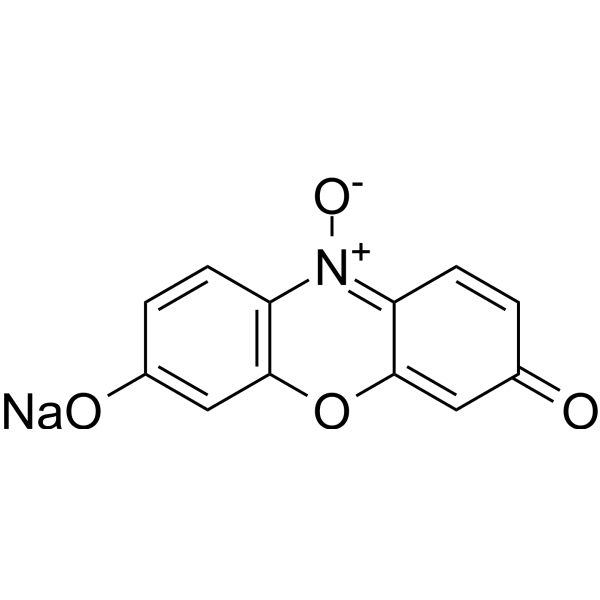
    Fast Blue B Salt, Dye content ~95% is a diazo dye, primarily used as a chromogenic substrate in biochemical analysis. Fast Blue B Salt, Dye content ~95% is the coupling agent for the histochemical demonstration of proteases. Fast Blue B Salt, Dye content ~95% can be used for the detection of acid phosphatase in Clostridium perfringens, and also for the determination of lipase activity. Fast Blue B Salt, Dye content ~95% reacts directly with the active hydroxyl groups in phenolic compounds to determine the content of phenolic substances .
    Fast Blue B Salt, Dye content ~95%
  • HY-D1775

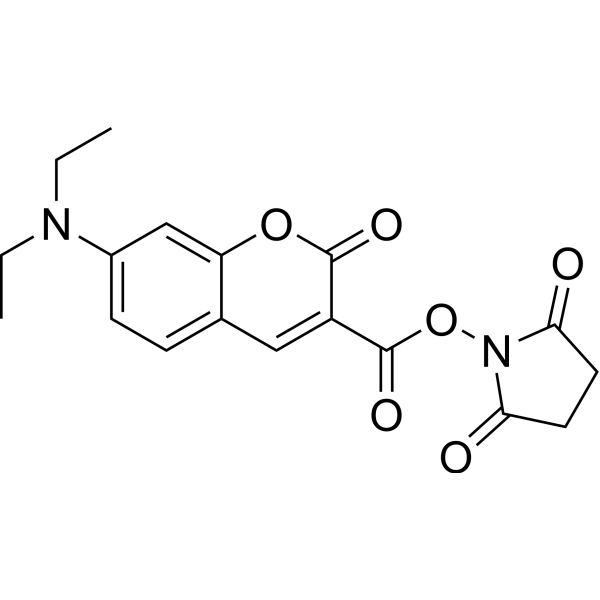
    Fluorescent Dye Neurological Disease Cancer
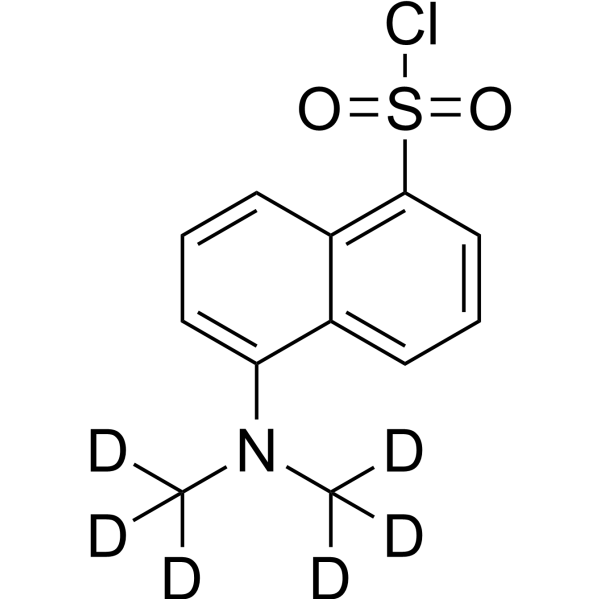
    LysoTracker blue DND-22 is a blue fluorescent dye (Ex/Em: 373/422 nm). LysoTracker blue DND-22 stains acidic regions in living cells. LysoTracker blue DND-22 is used in the researches of neurodegenerative diseases and leukemia .
    LysoTracker Blue DND-22
  • HY-D0232
    Brilliant Blue R250
    1 Publications Verification

    Brilliant Blue R

    Environmental Pollutants Fluorescent Dye Others
    Brilliant blue R250 (Brilliant Blue R), an anionic dye, is the most popular stain to detect proteins resolved in SDS-PAGE gels .
    Brilliant Blue R250
  • HY-101900

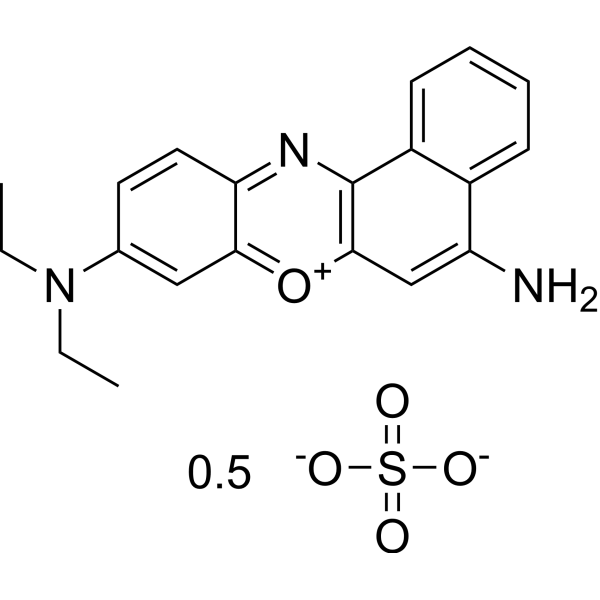
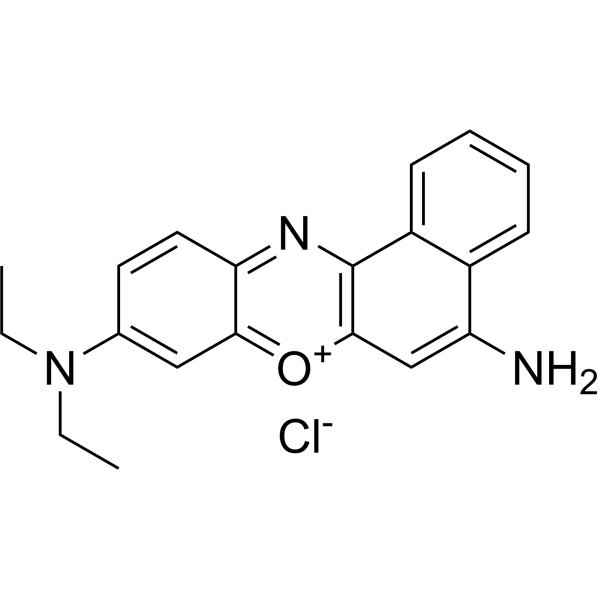
    Nile Blue sulfate

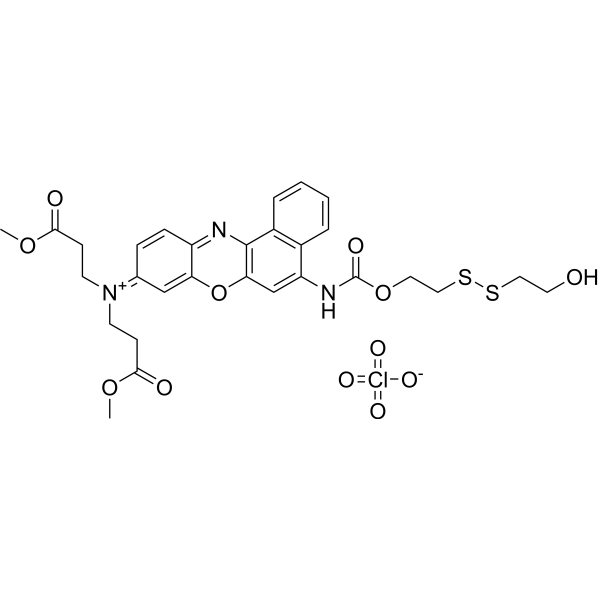
    Fluorescent Dye Others
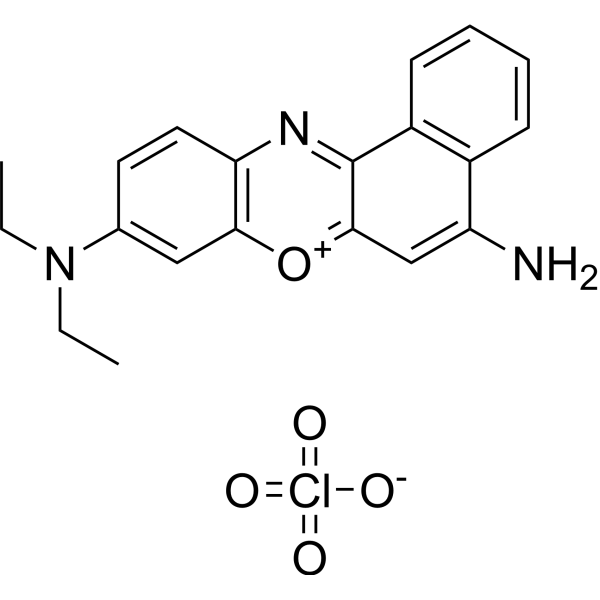
    Nile Blue A (Nile blue sulfate) is used to differentiate melanins and lipofuscins. It is also useful for staining fats and preparation of an amperometric glucose sensor .
    Nile Blue A sulfate
  • HY-D0944
    Giemsa stain
    2 Publications Verification

    Fluorescent Dye Others
    Giemsa stain is a composite dye composed of methylene azure, methylene blue, eosin and other components. Giemsa stain stains chromatin, nuclear membranes, specific cytoplasmic components and microorganisms. Giemsa stain is used in research on cytological and parasitological staining .
    Giemsa stain
  • HY-Y0695

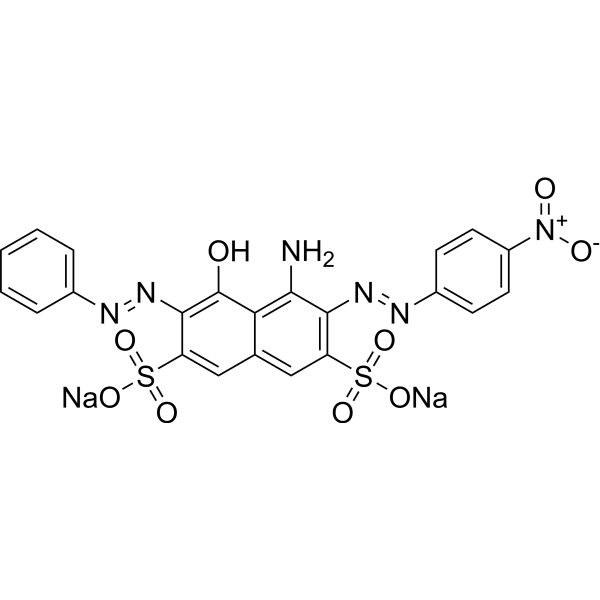
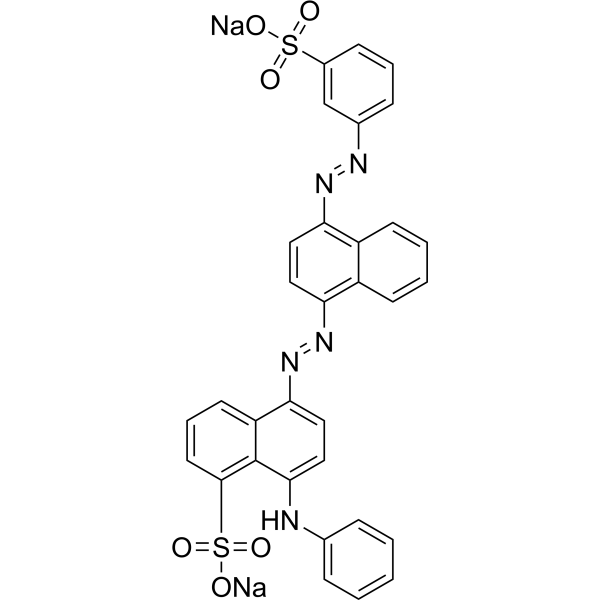
    Naphthol Blue Black

    Environmental Pollutants Fluorescent Dye Others
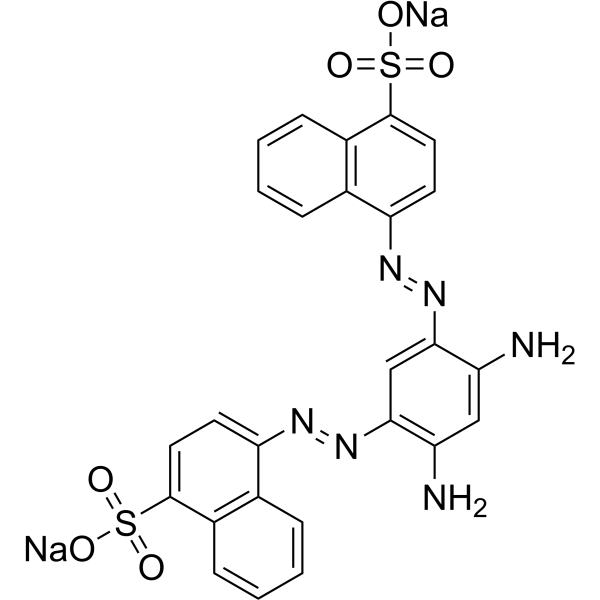
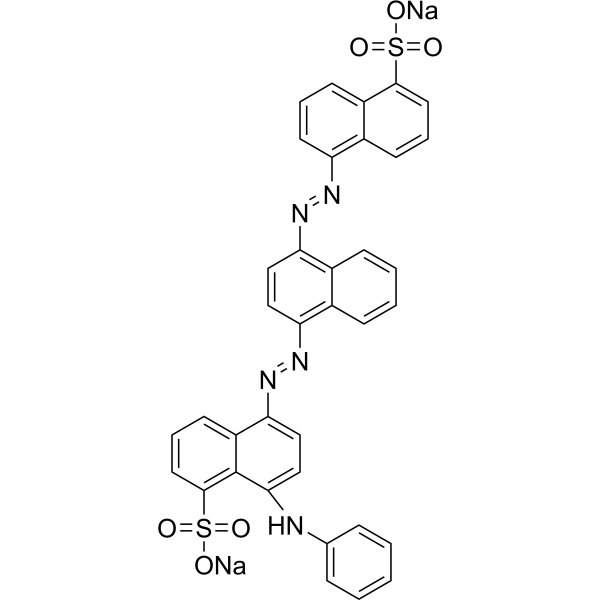
    Amido Black 10B (Naphthol Blue Black) is a highly toxic azo dye. Amido Black 10B is genotoxic and mutagenic. Amido Black 10B can cause respiratory problems. Amido Black 10B is used for amino acid dyeing .
    Amido Black 10B
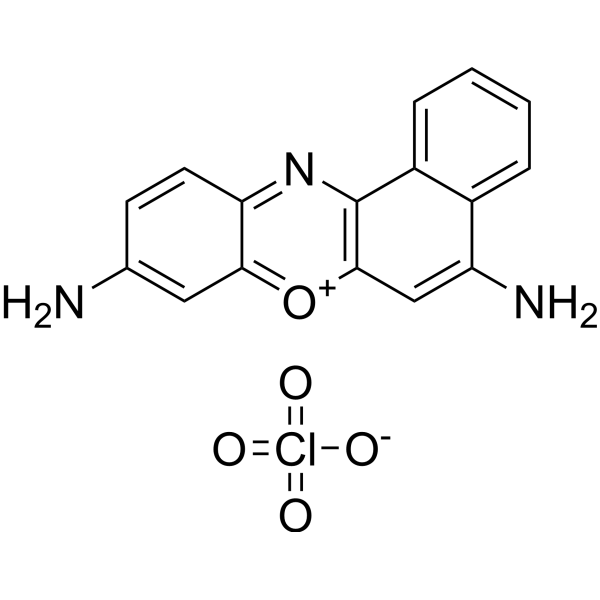
  • HY-D0004

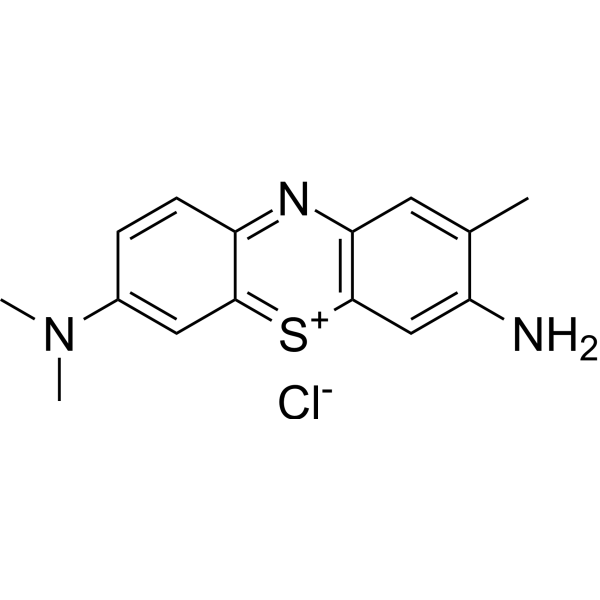
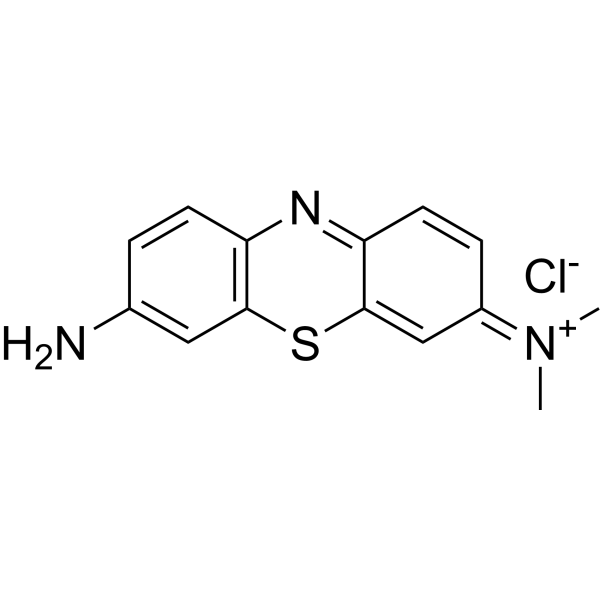
    Azure B chloride

    Monoamine Oxidase Neurological Disease
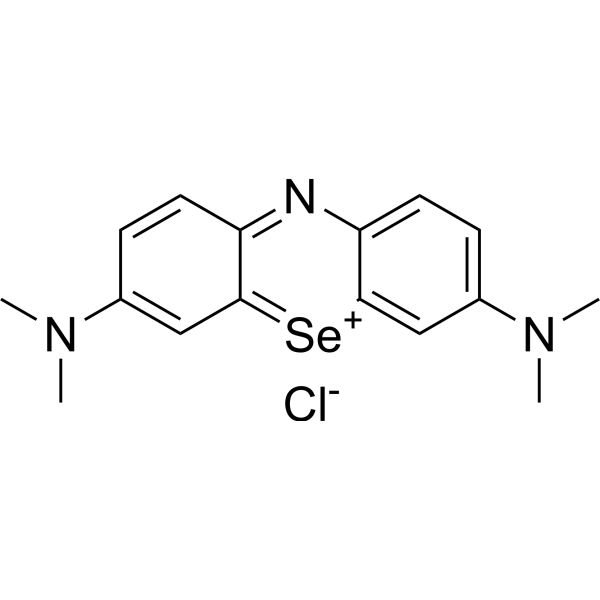
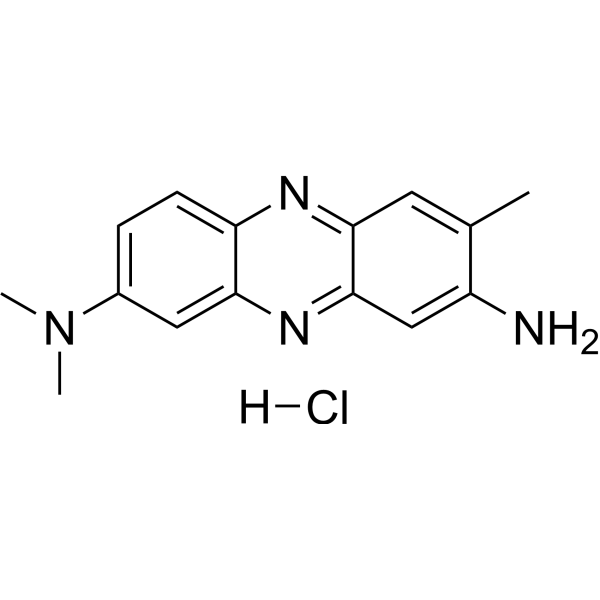
    Azure B is a cationic dye and the major metabolite of Methylene blue. Azure B is used in making Azure eosin stains for blood smear staining. Azure B is a high-potency, selective and reversible inhibitor of monoamine oxidases (MAO)-A, with IC50s of 11 and 968 nM for recombinant human MAO-A and MAO-B, respectively. Azure B possesses significant antidepressant-like effects .
    Azure B
  • HY-D0003

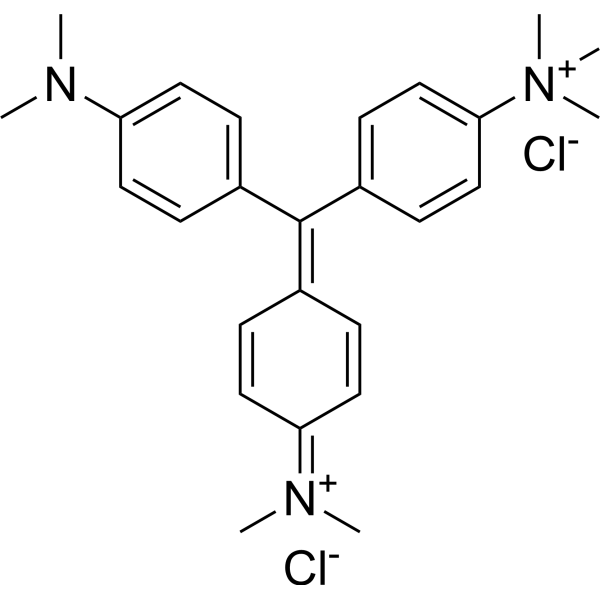
    Environmental Pollutants Bacterial Infection
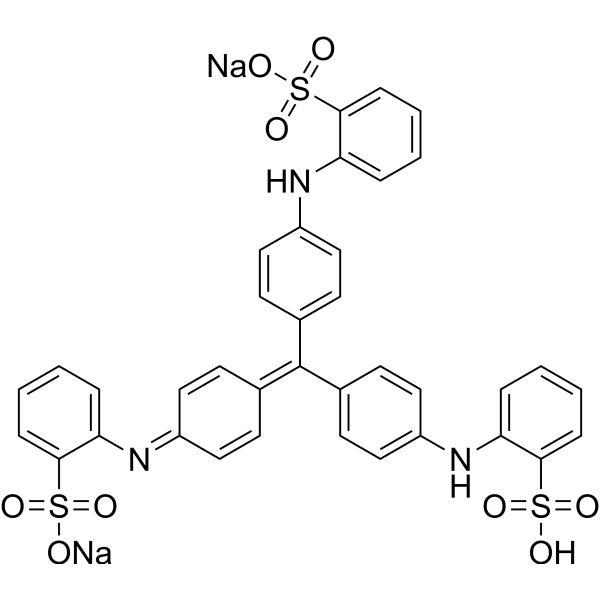
    Methyl blue belongs to the group of triaminotriphenylmethane dyes. Methyl blue is widely used as antiseptic dye in polychrome staining method and has applications in histological and microbiological staining solutions. Methyl blue has been used as a model to study the effect of various catalysts on photodegradation of dyes .
    Methyl Blue
  • HY-W110798
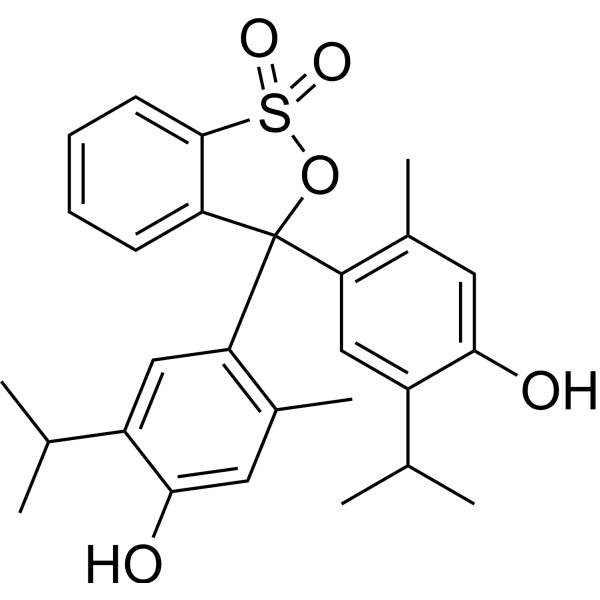
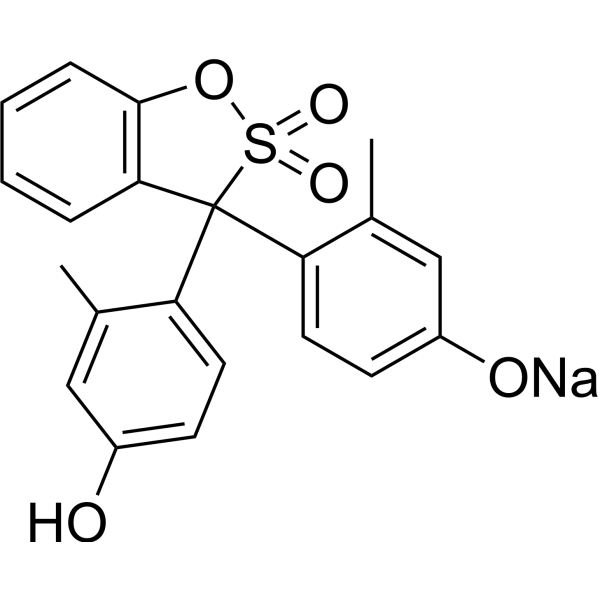
    Bromophenol blue indicator (3.0-4.6)
    1 Publications Verification

    Environmental Pollutants Biochemical Assay Reagents Others
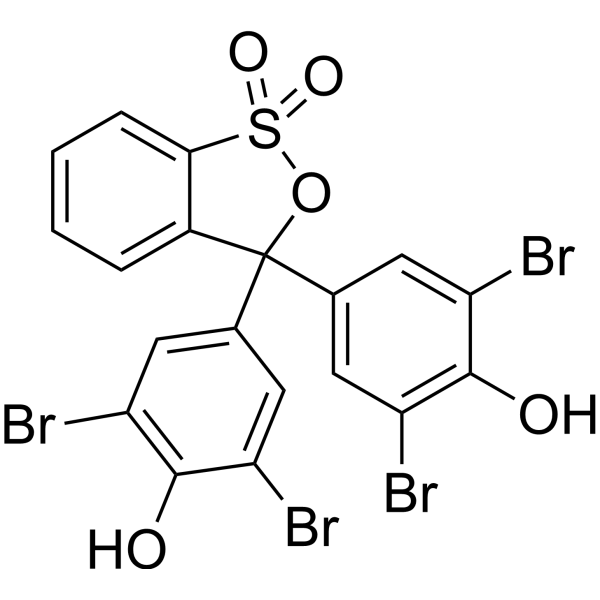
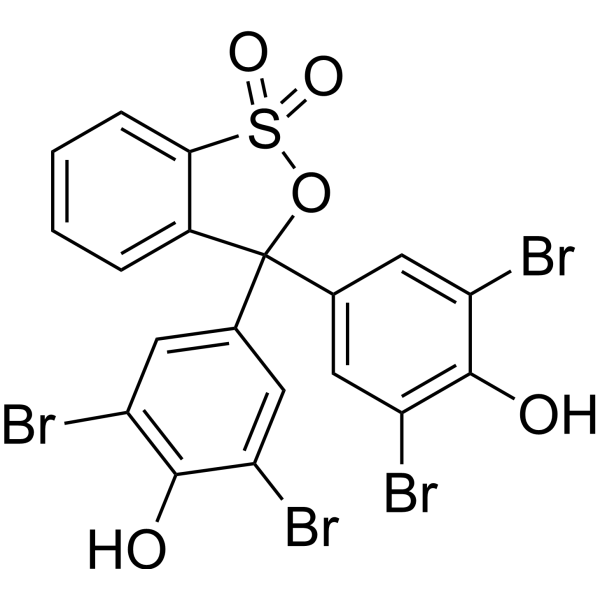
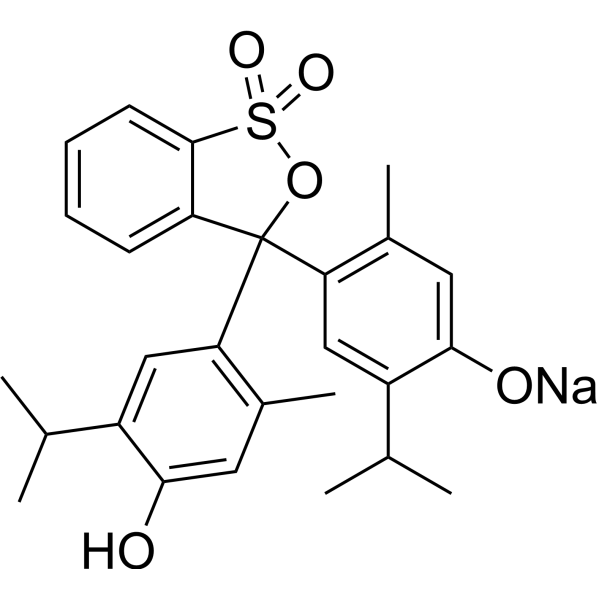
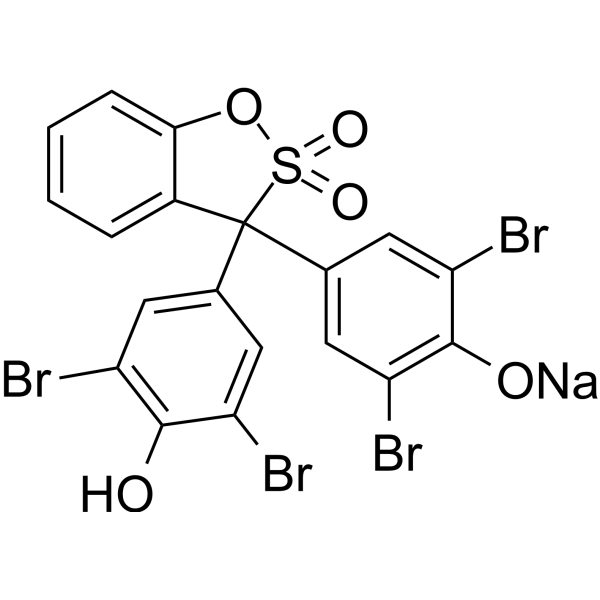
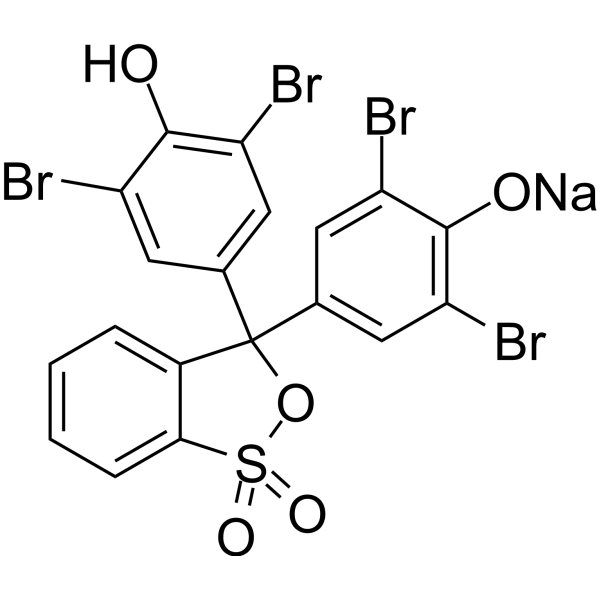
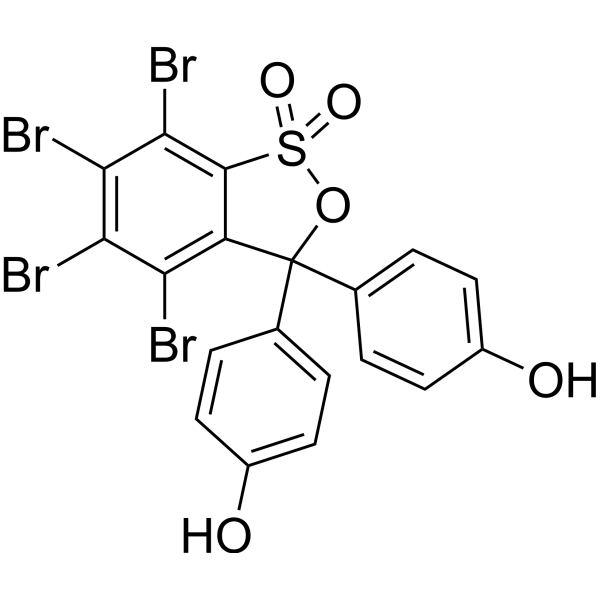
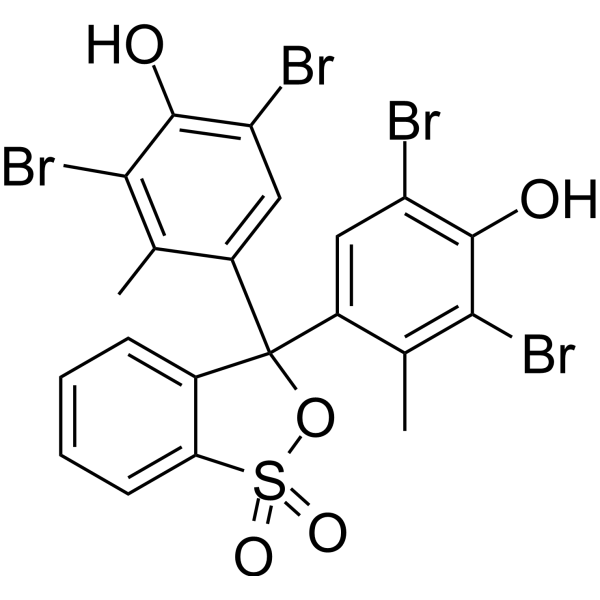
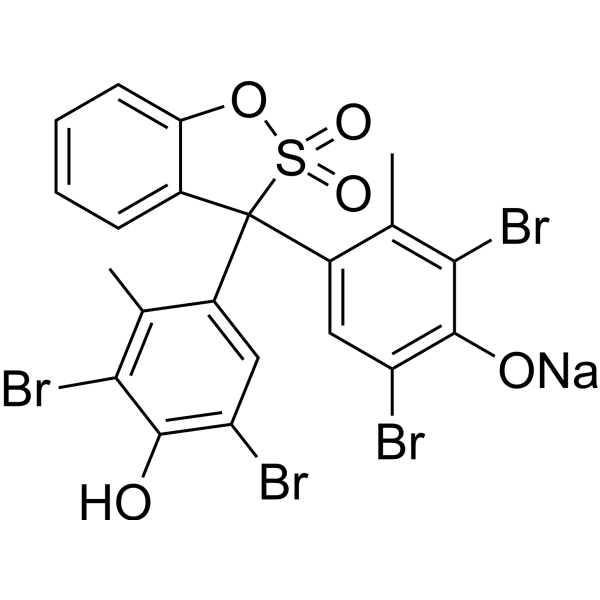
    Bromophenol blue indicator (3.0-4.6) is a synthetic dye commonly used as an acid-base indicator with a transition range of pH 3.0-4.6. Bromophenol blue indicator (3.0-4.6) is water soluble and changes color from yellow to blue as the pH of the solution changes from acidic to basic. Its unique chemical properties make it an important ingredient in a variety of scientific applications, especially in biochemistry and molecular biology. In addition, it can be used as a stain in microbiology and histology. However, Bromophenol blue indicator (3.0-4.6) has potential irritating and staining properties.
    Bromophenol blue indicator (3.0-4.6)
  • HY-19948
    Leucomethylene blue mesylate
    5+ Cited Publications

    TRx0237 mesylate; Methylene Blue leuco base mesylate

    Tau Protein Neurological Disease
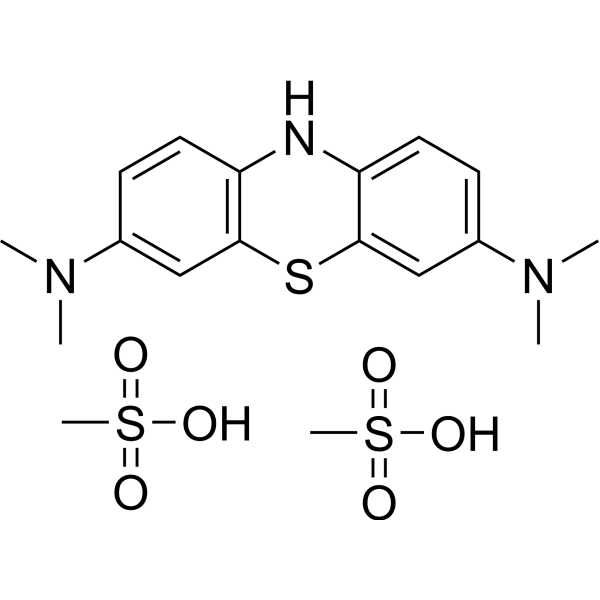
    Leucomethylene blue (TRx0237) mesylate, an orally active second-generation tau protein aggregation inhibitor (Ki of 0.12 μM), could be used for the study of Alzheimer's Disease. Leucomethylene blue mesylate is a common reduced form of Methylene Blue, Methylene Blue is a member of the thiazine class of dyes .
    Leucomethylene blue mesylate
  • HY-D0516

    Sudan Blue II; Oil Blue 35

    Environmental Pollutants Biochemical Assay Reagents Others
    Solvent Blue 35 (Sudan Blue II) is a blue solvent dye that can be used to mark specific diesel fuels, among other things .
    Solvent Blue 35
  • HY-D0996

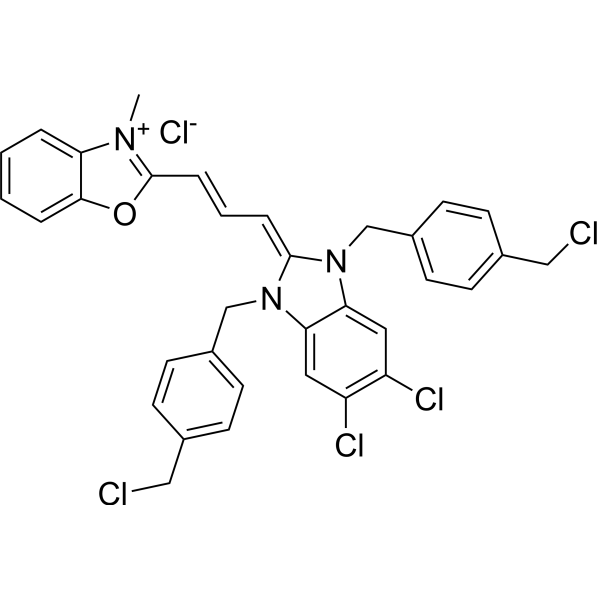
    DNA Stain Others
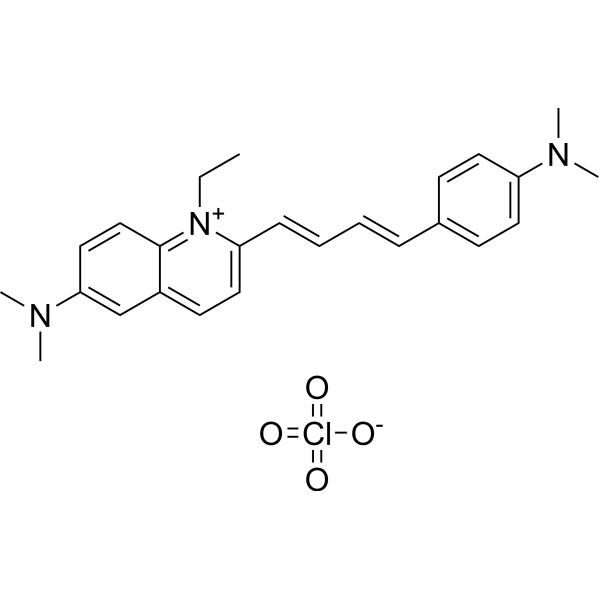
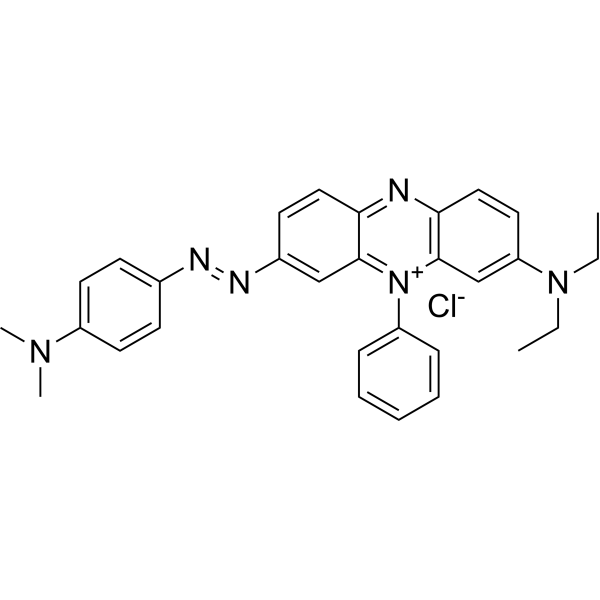
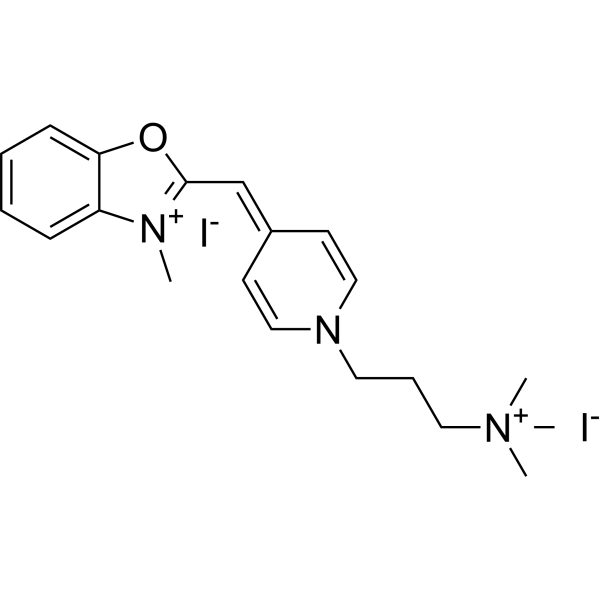
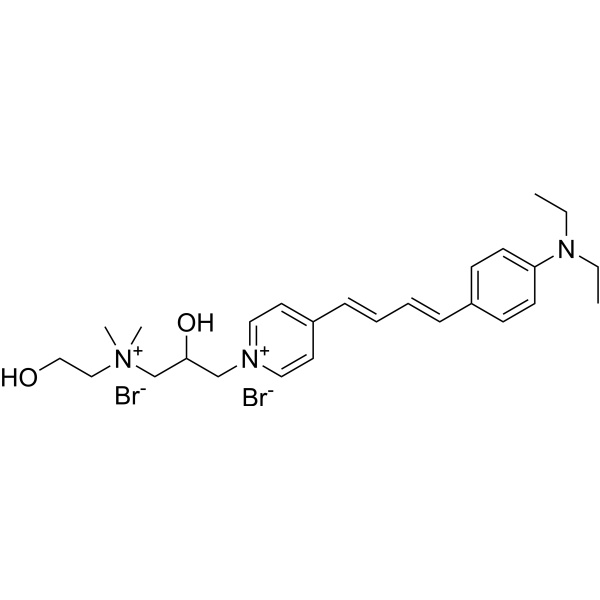
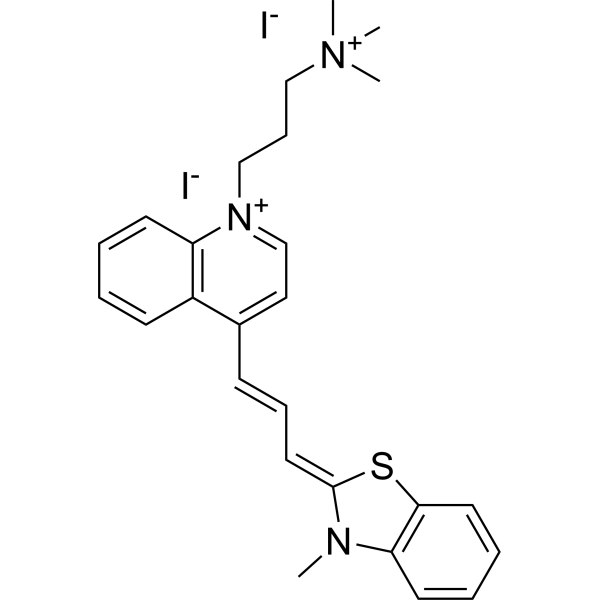
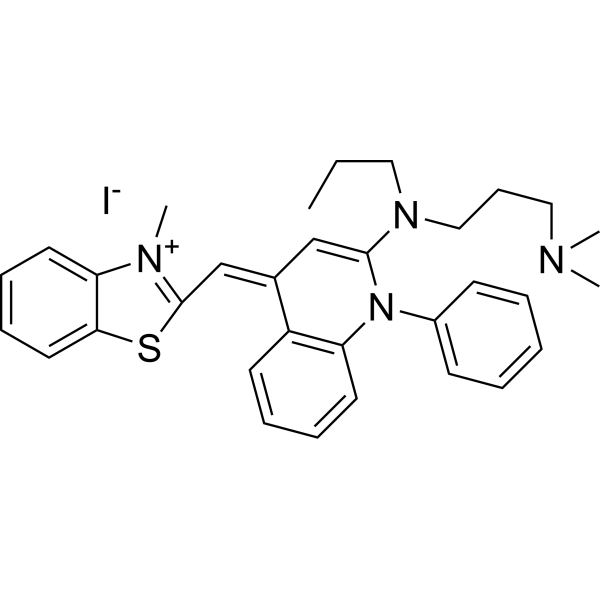
    Lds-751 is a nucleic acid stain that mainly detects DNA. Lds-751 is a nucleic acid stain that mainly detects DNA. Lds-751 has a high affinity for DNA and fluorescence is enhanced after binding, but the maximum emission wavelength is 670nm. Lds-751 and Thiazole orange can be used for the differentiation of red blood cells, platelets, reticulocytes, and nucleated cells and can be stimulated at 488nm. Studies have shown that LDS-751 binds almost exclusively to mitochondria when incubated with nucleated living cells. After nucleated Acridine Orange (HY-101879) staining and LDS-751 treatment of cells, confocal microscopy revealed almost no co-location of the cells. Staining with Rhodamine 123 (HY-D0816), a dye known to bind polarized mitochondria, was almost identical to the pattern observed with LDS-751 .
    LDS-751
  • HY-D0958
    Methylene blue hydrate
    20+ Cited Publications

    Basic Blue 9 hydrate; CI-52015 hydrate; Methylthioninium chloride hydrate

    Guanylate Cyclase Monoamine Oxidase NO Synthase Microtubule/Tubulin Infection Inflammation/Immunology Cancer
    Methylene blue (Basic Blue 9) hydrate is a guanylyl cyclase (sGC), monoamine oxidase A (MAO-A) and NO synthase (NOS) inhibitor. Methylene blue is a vasopressor and is often used as a dye in several medical procedures. Methylene blue hydrate through the nitric oxide syntase/guanylate cyclase signalling pathway to reduce prepulse inhibition. Methylene blue hydrate is a REDOX cycling compound and able to cross the blood-brain barrier. Methylene blue hydrate is a Tau aggregation inhibitor. Methylene blue hydrate reduces cerebral edema, attenuated microglial activation and reduced neuroinflammation .
    Methylene blue hydrate
  • HY-D0939
    Direct Blue 1
    2 Publications Verification

    Chicago Sky Blue 6B

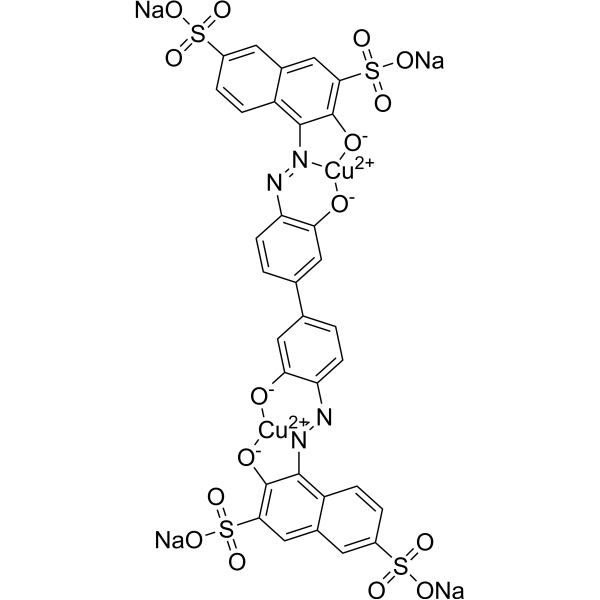
    Amyloid-β NF-κB Inflammation/Immunology
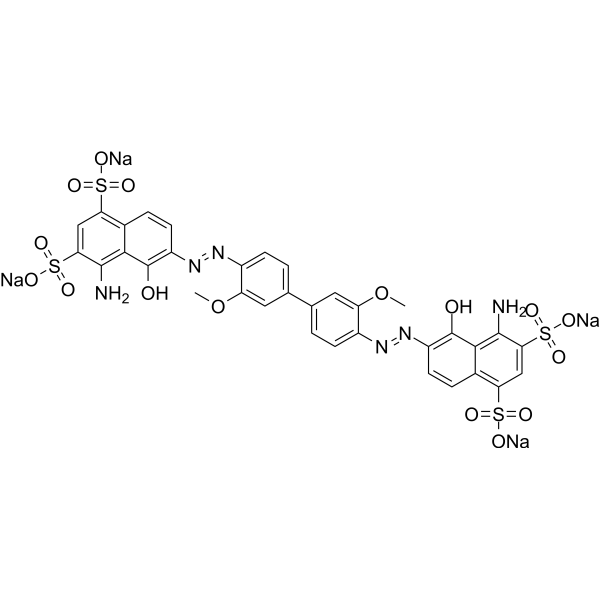
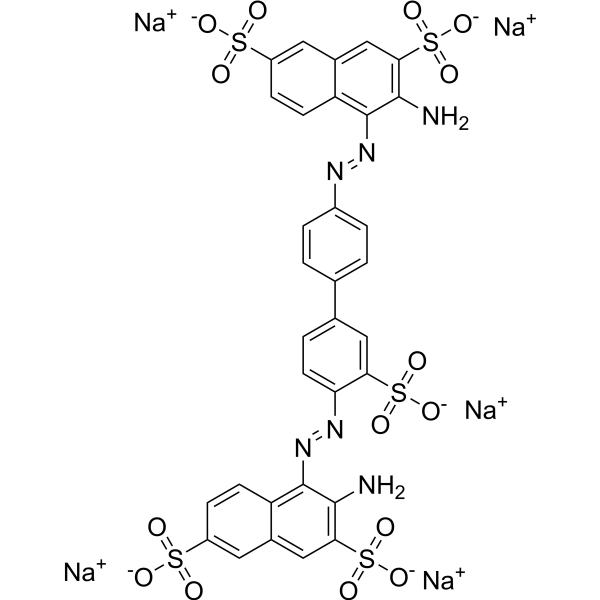
    Direct Blue 1 (Chicago Sky Blue 6B) is a complex dye for background autofluorescence in immunofluorescence histochemistry. Direct Blue 1 is a potent and competitive VGLUT inhibitor. Direct Blue 1 can inhibit the Aβ-binding small molecule PrP ligand. Direct Blue 1 has anti-inflammatory activity .
    Direct Blue 1
  • HY-15240
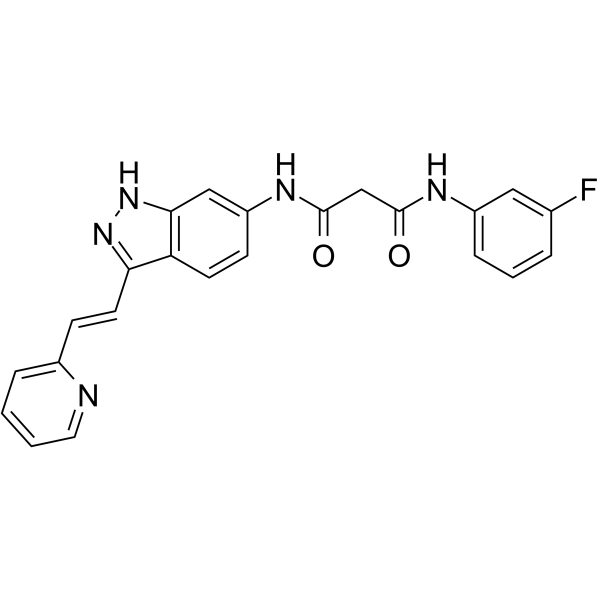
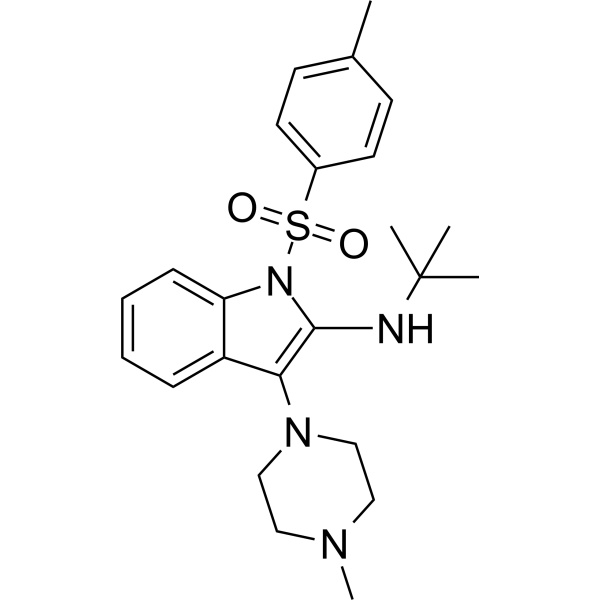
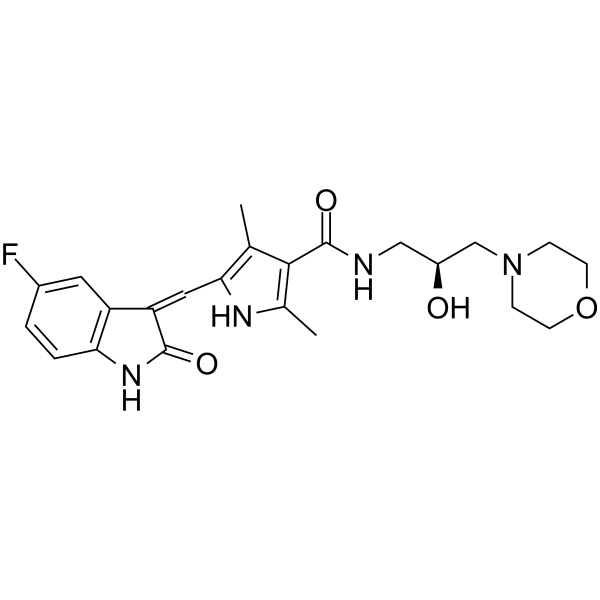
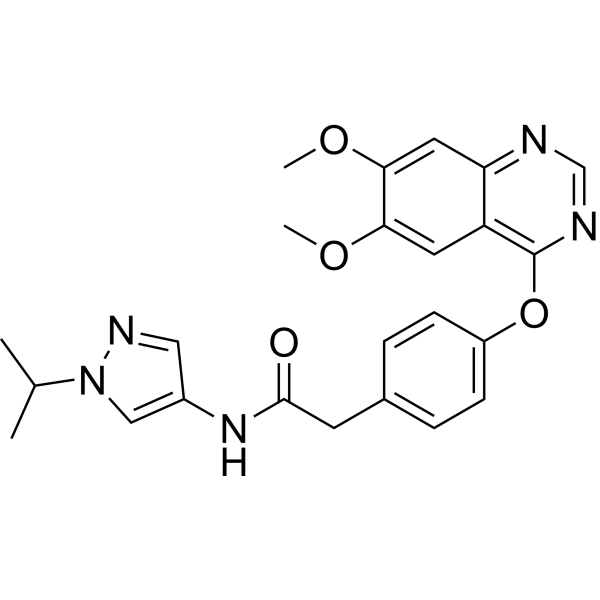
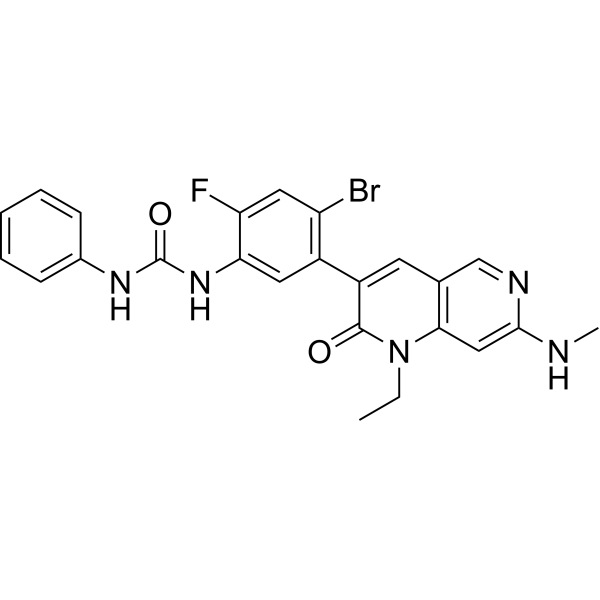
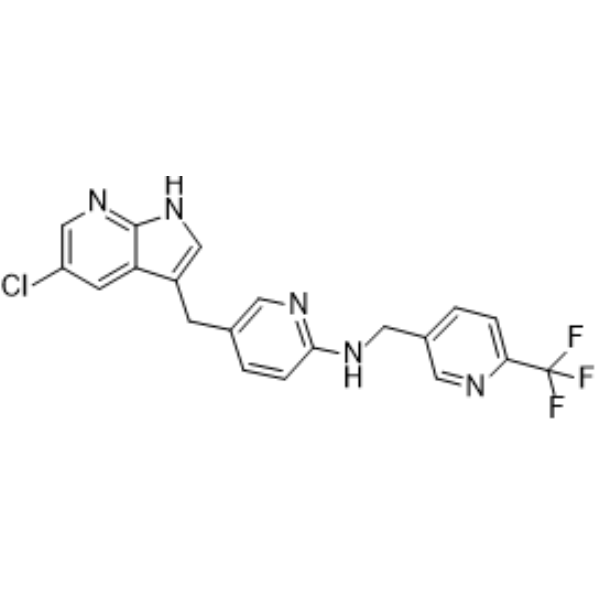
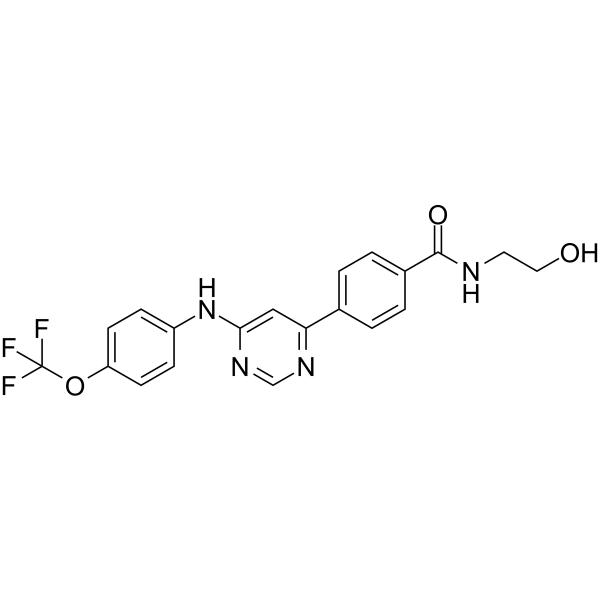
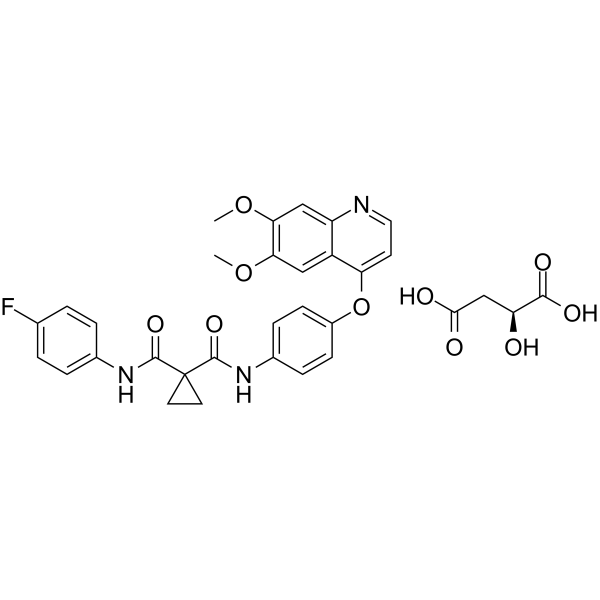
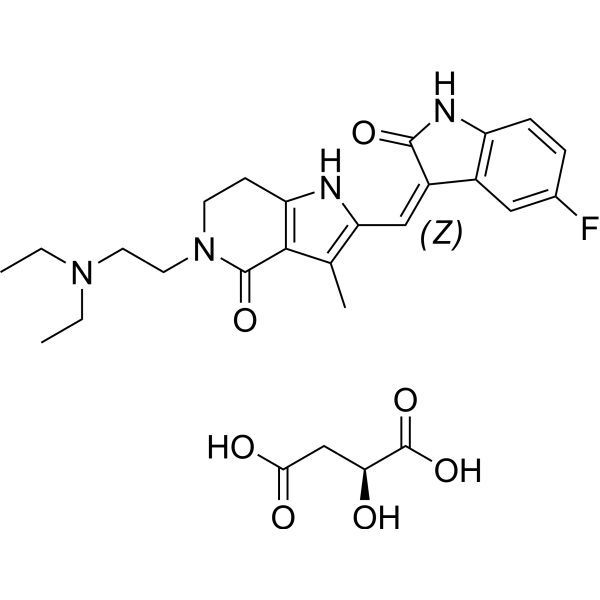
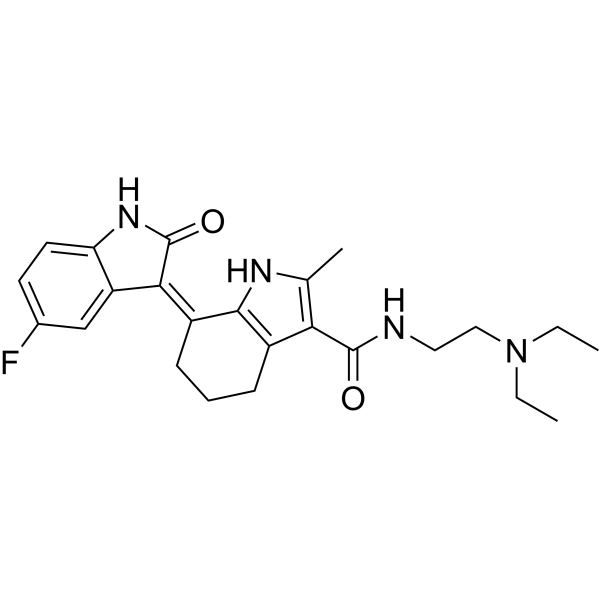
    c-Kit-IN-1
    1 Publications Verification

    c-Kit c-Met/HGFR Cancer
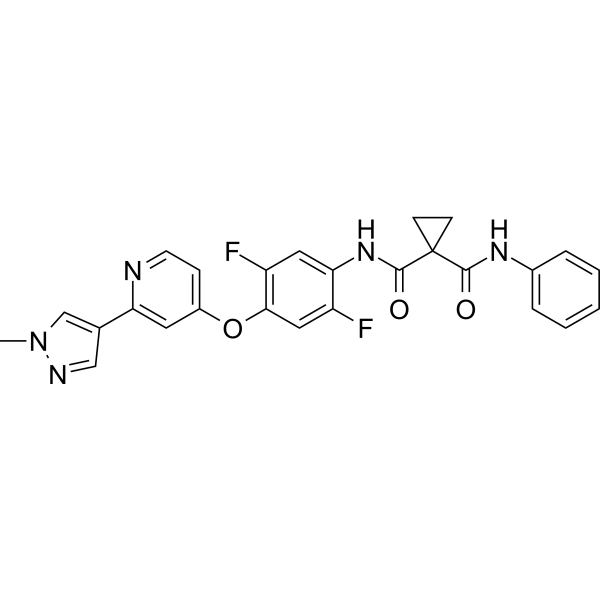
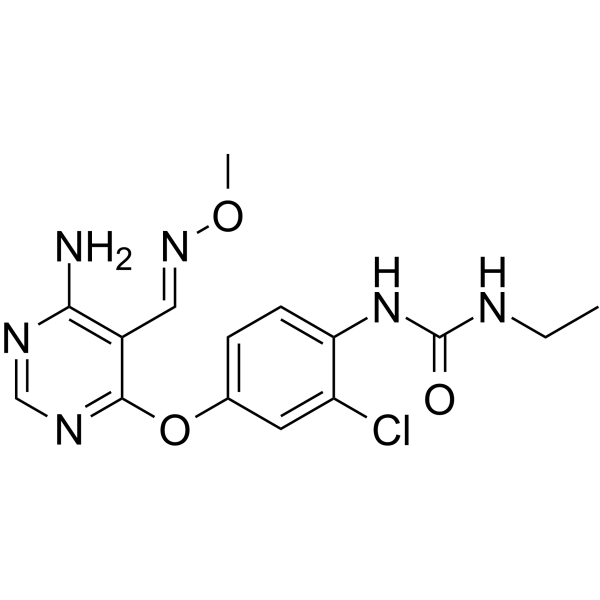
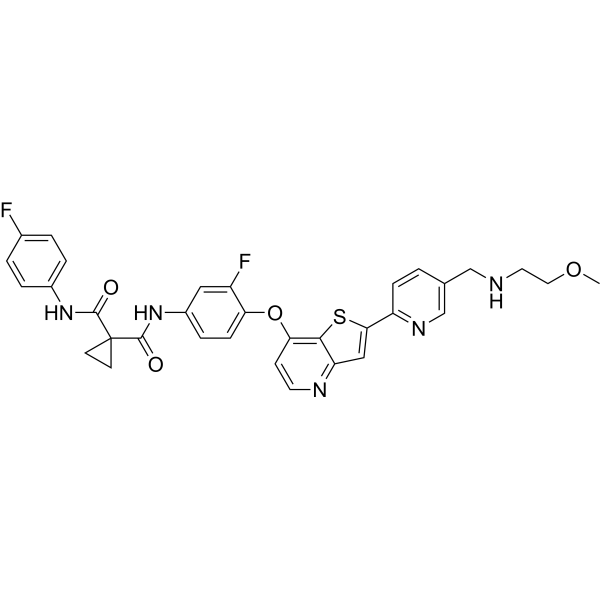
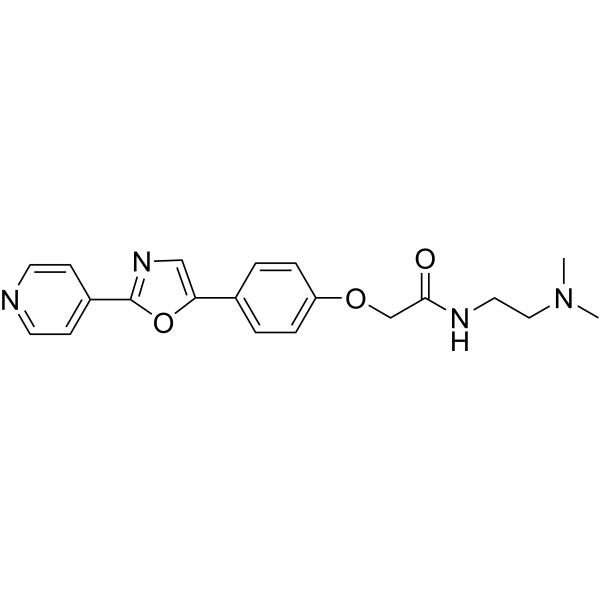
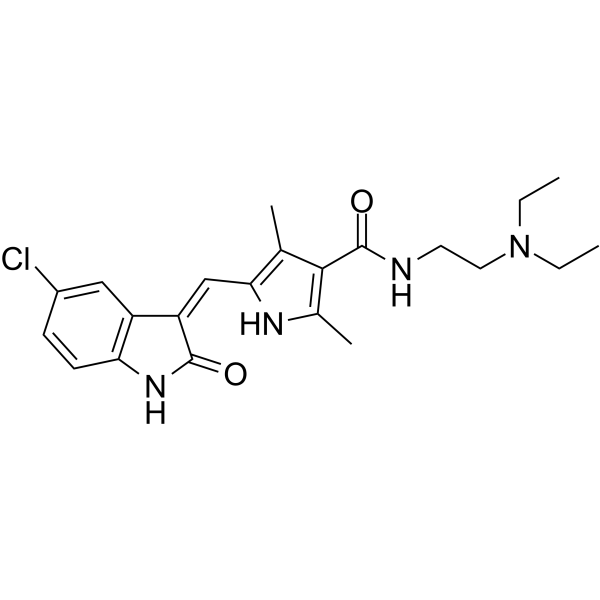
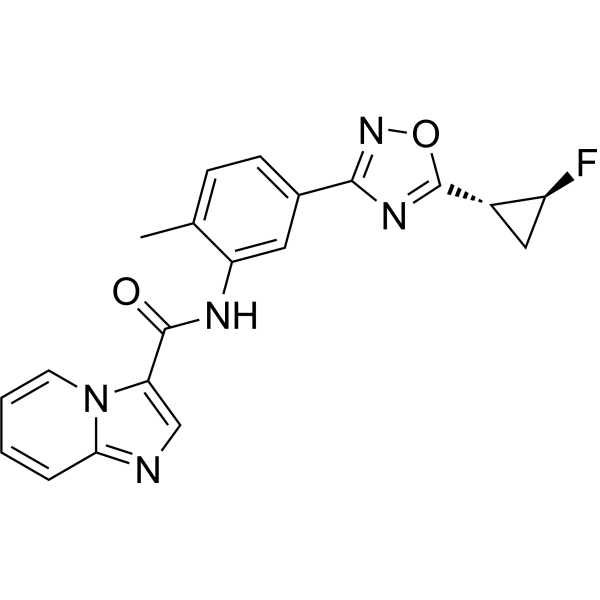
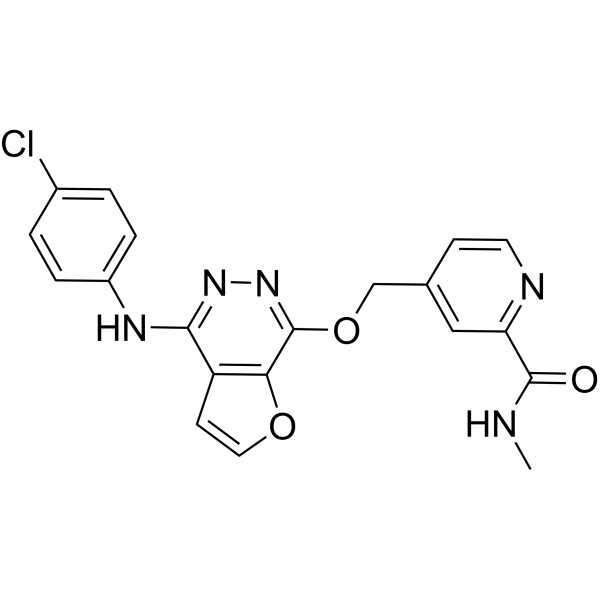
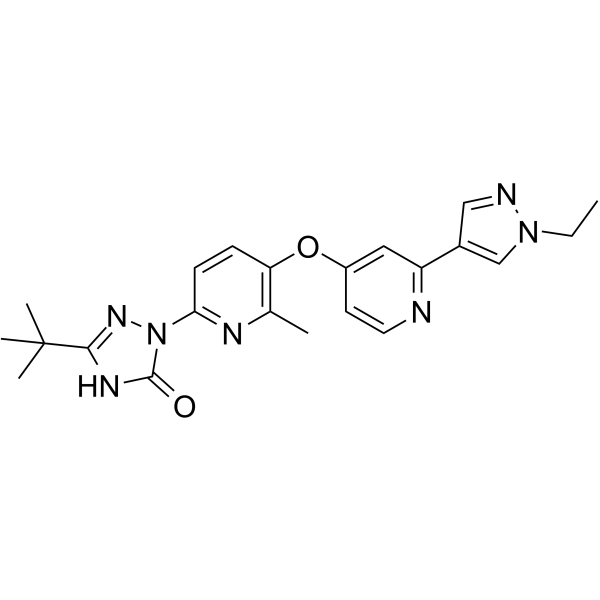
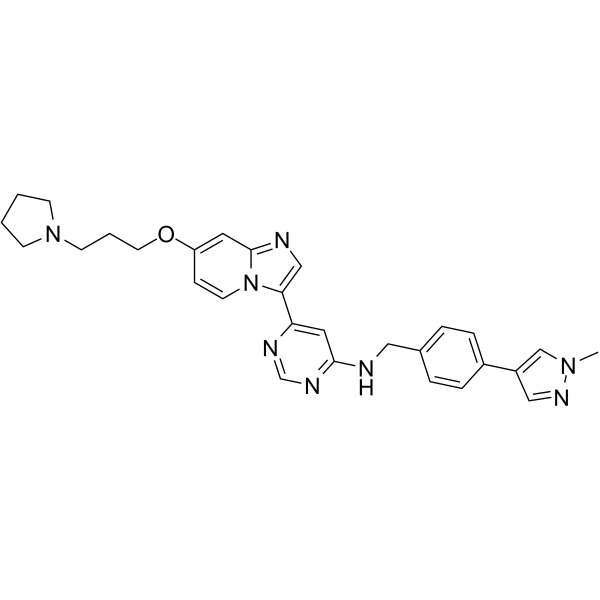
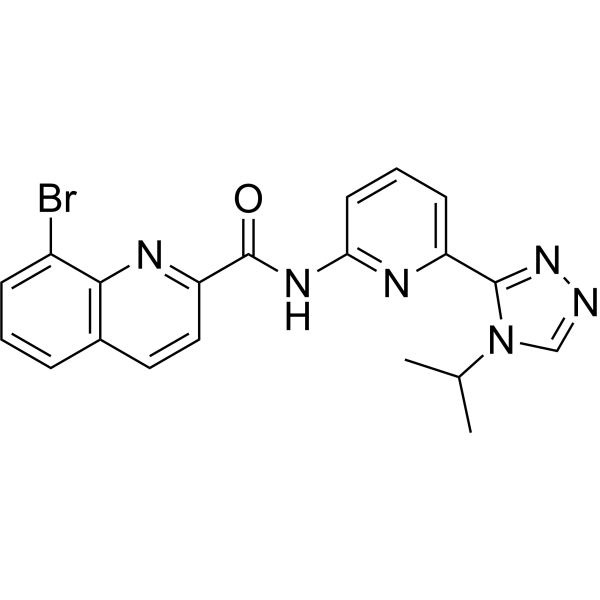
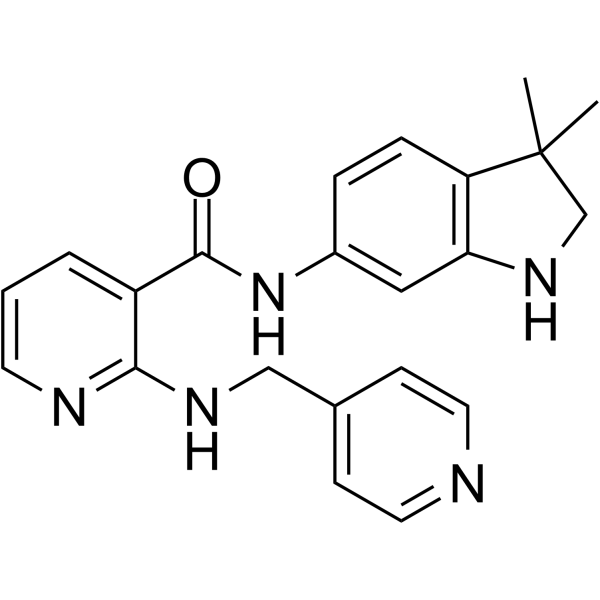
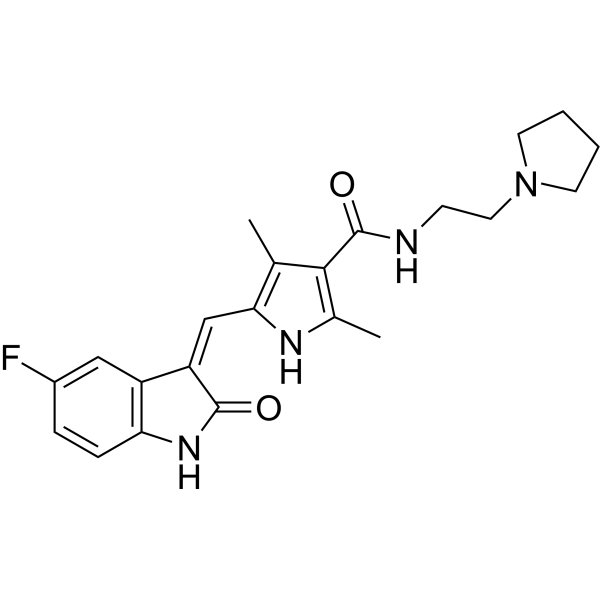
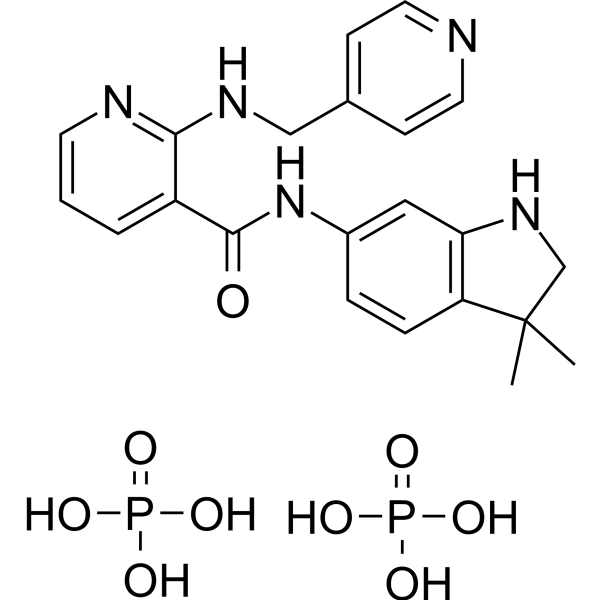
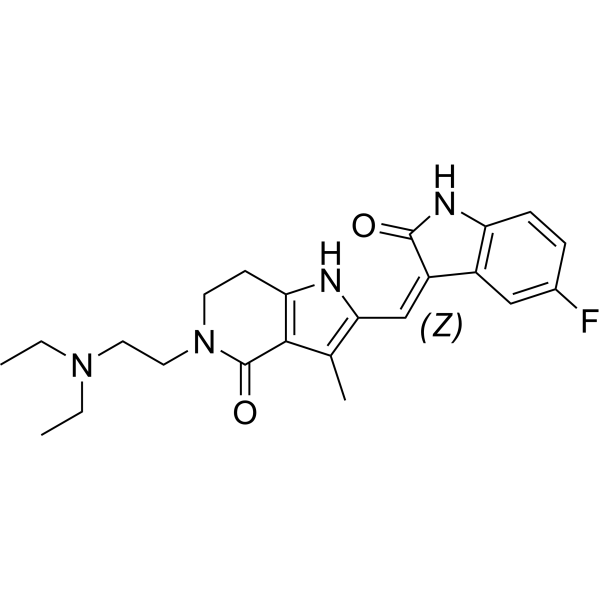
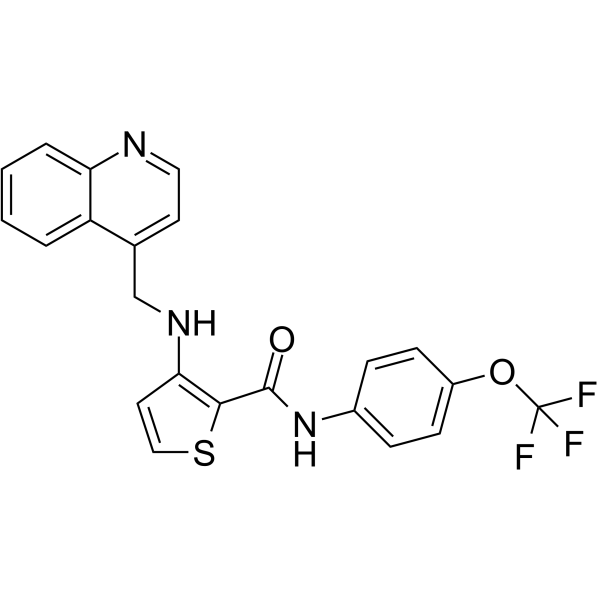
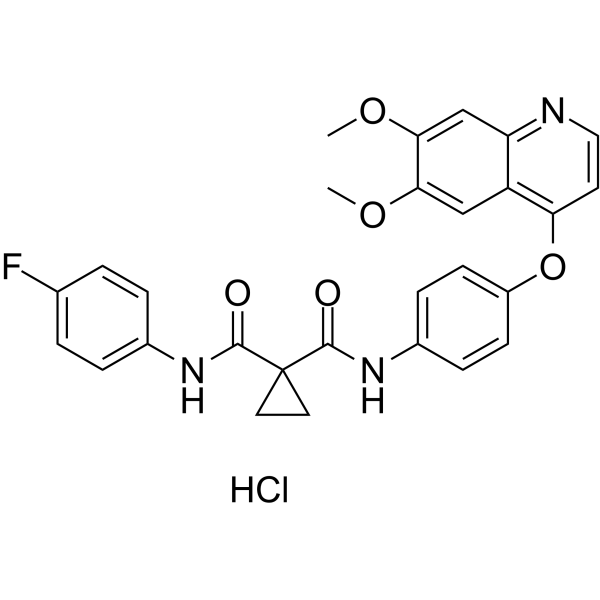
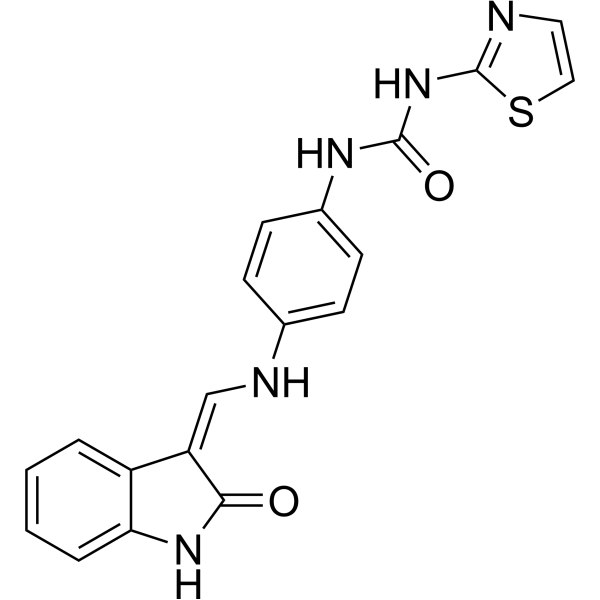
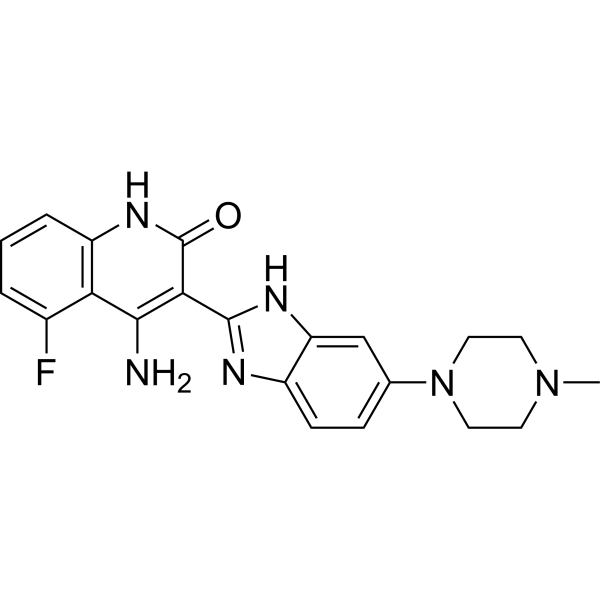
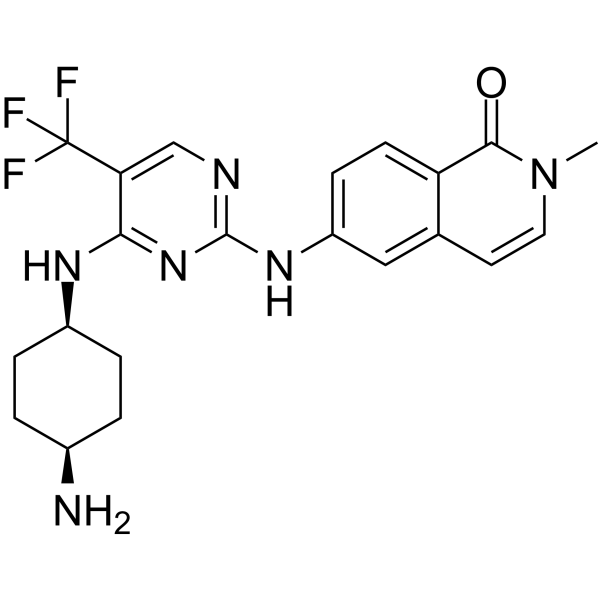
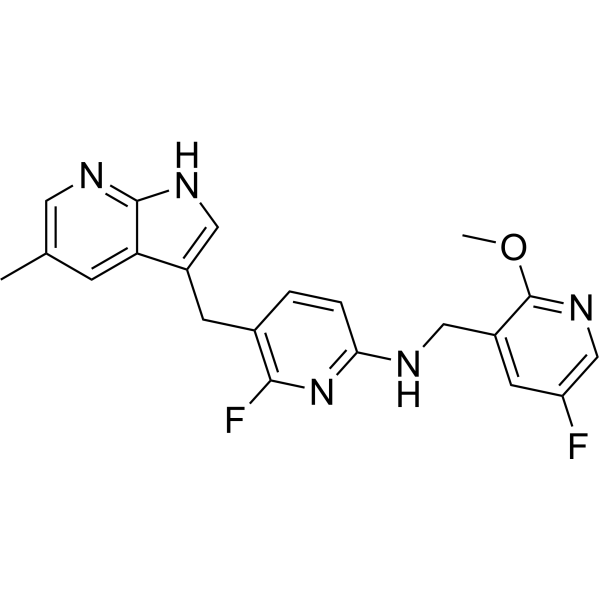
    c-Kit-IN-1 is a potent inhibitor of c-Kit and c-Met with IC50s of <200 nM.
    c-Kit-IN-1
  • HY-125815
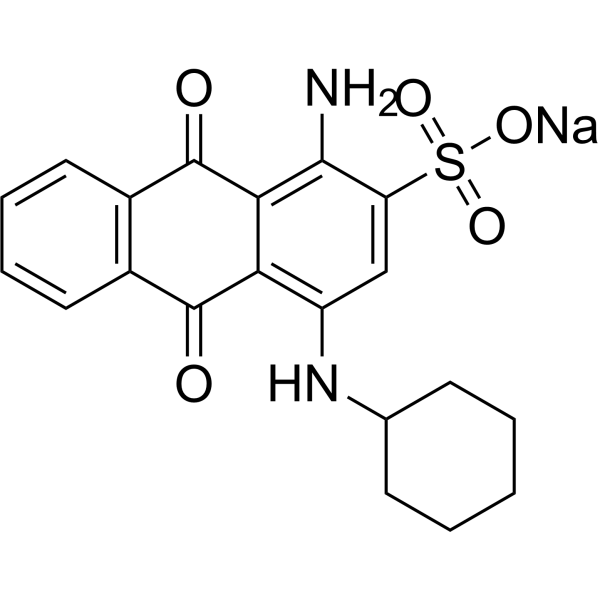
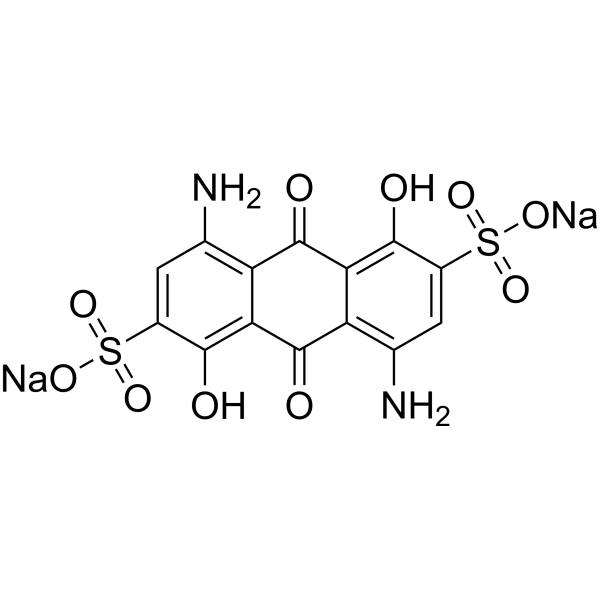
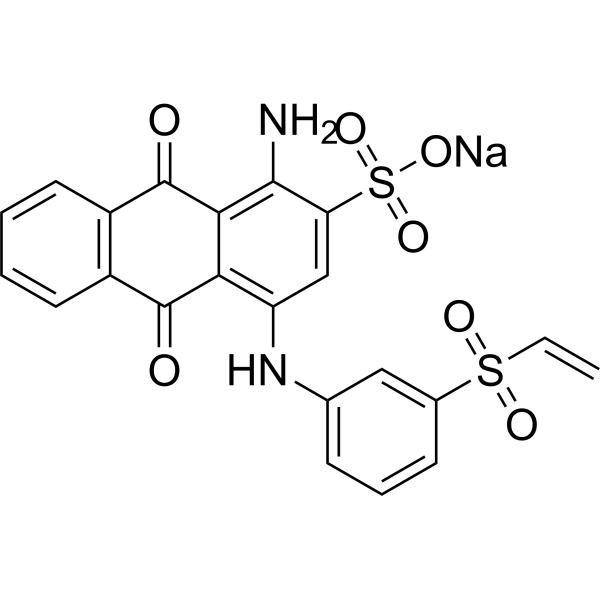
    Reactive Blue 4
    3 Publications Verification

    Fluorescent Dye Others
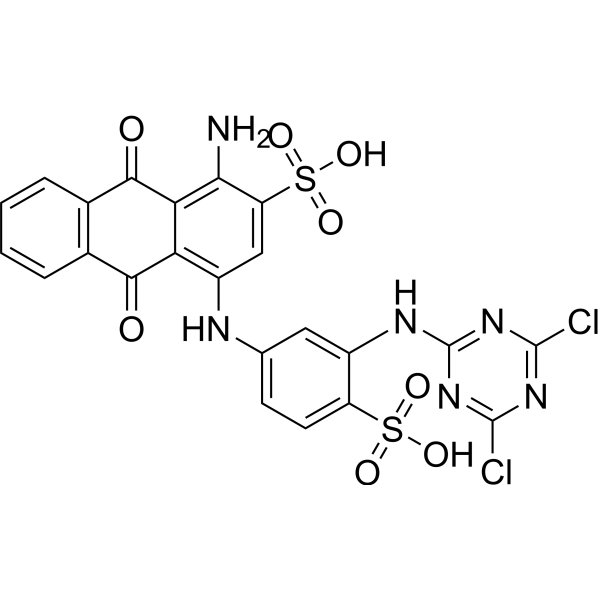
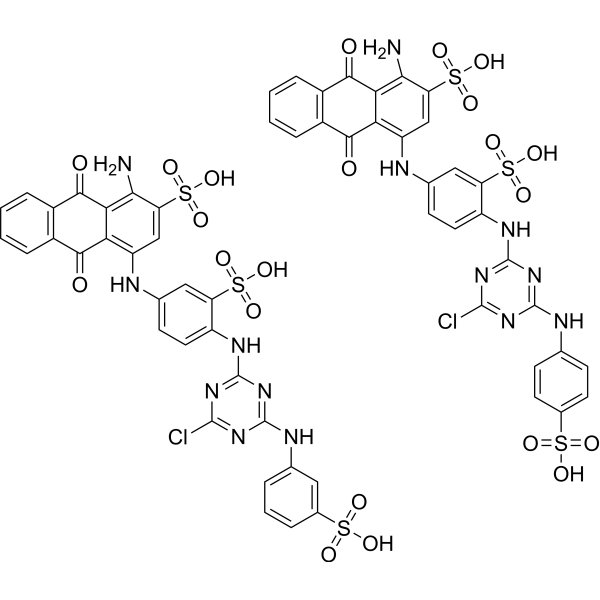
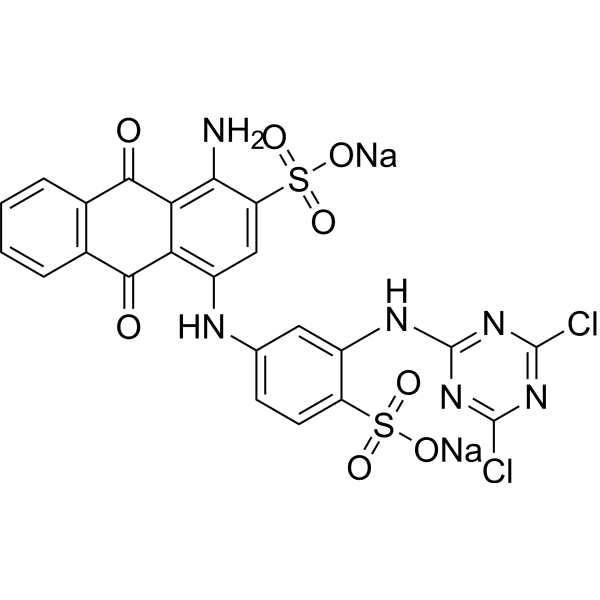
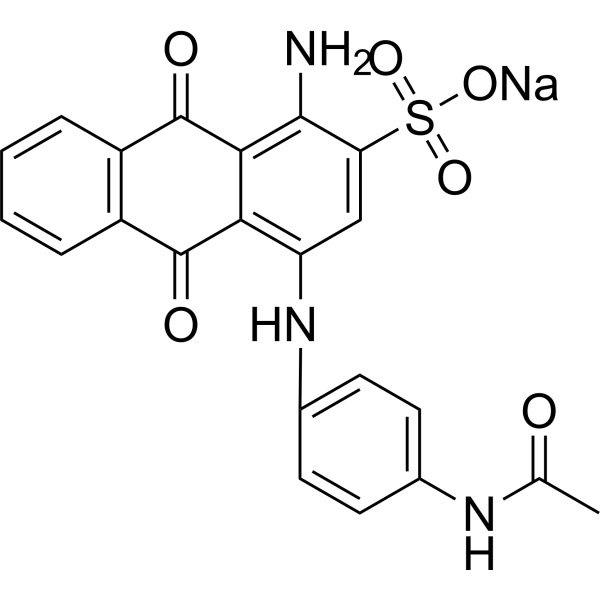
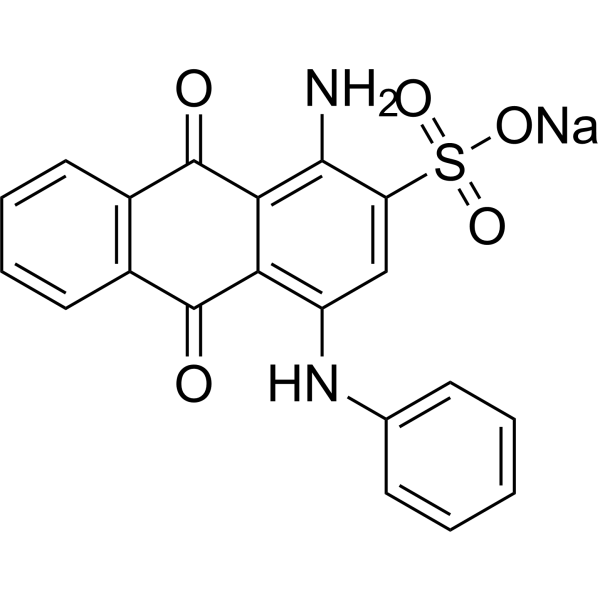
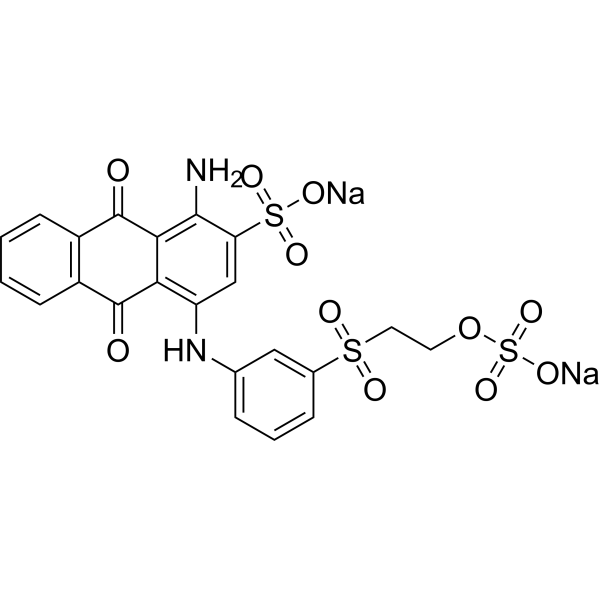
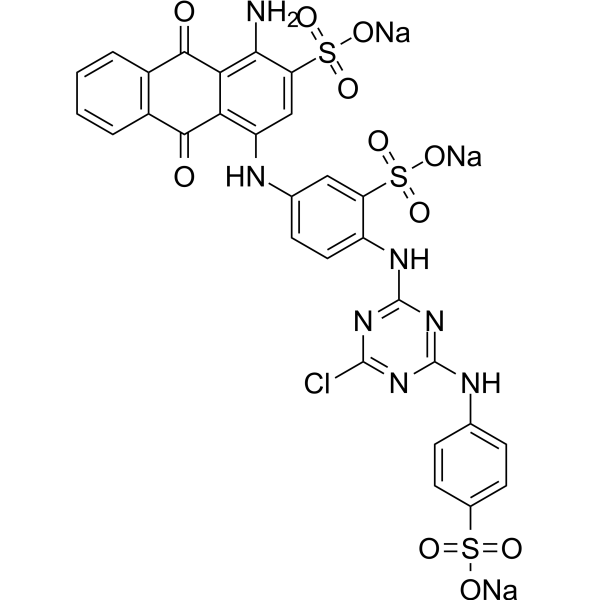
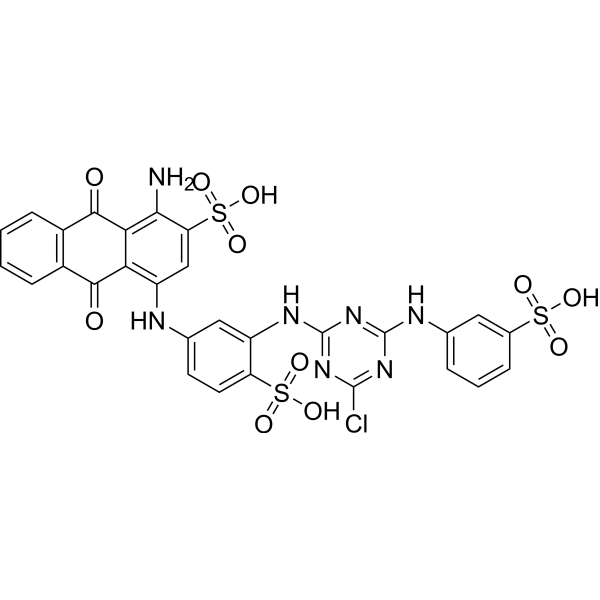
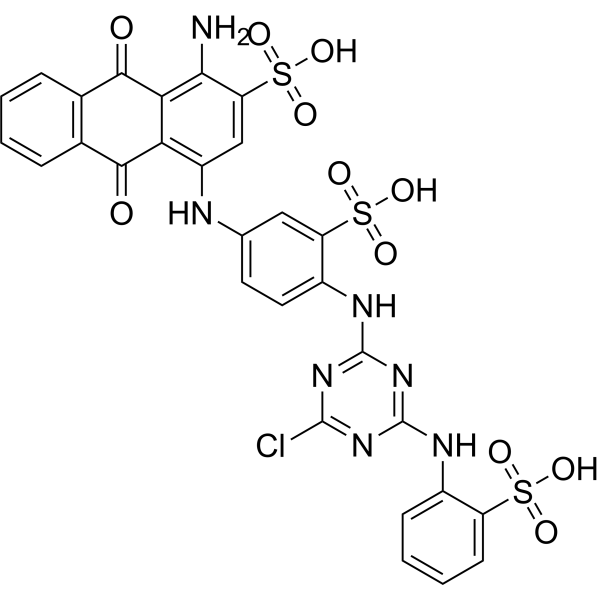
    Reactive Blue 4 is an anthraquinone dye used extensively in the textile industry. Reactive Blue 4 is a single colorimetric chemosensor for sequential determination of multiple analytes with different optical responses in aqueous media .
    Reactive Blue 4
  • HY-D0953

    Solvent Blue 38

    Environmental Pollutants Fluorescent Dye Neurological Disease
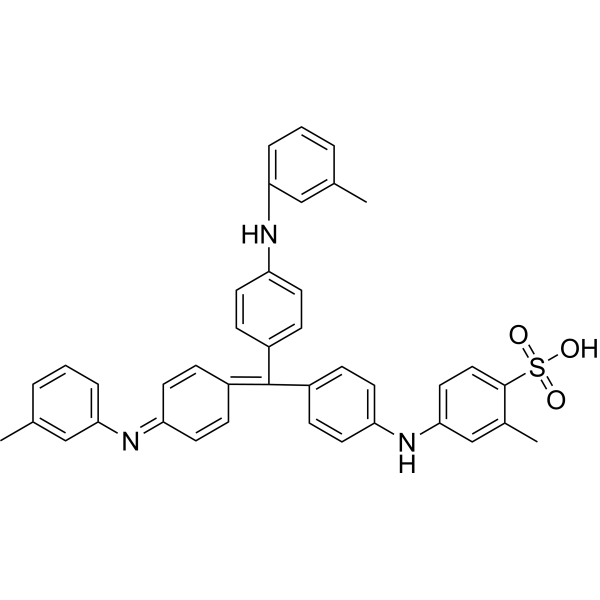
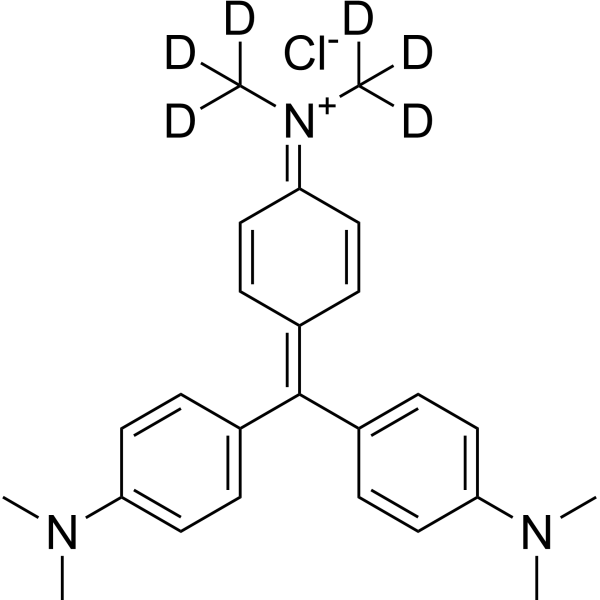
    Direct Blue 86 (Solvent Blue 38) is a myelin-sheath stain, commonly utilized in microscopy to detect demyelination in the central nervous system. Direct Blue 86 also is a dye with various applications including as a commercial dye in the printing of cotton and mucilage glue fabrics .
    Direct Blue 86
  • HY-W110929

    Xylene Blue; C.I. Acid Blue 1

    Environmental Pollutants Biochemical Assay Reagents Others
    Acid blue 1 (Xylene blue) is an anionic triarylmethane dye and substrate for photocatalytic degradation .
    Acid blue 1
  • HY-D0965

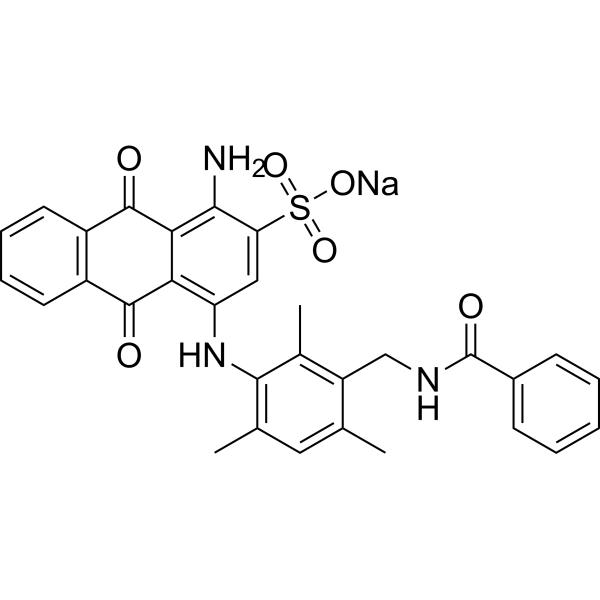
    Reactive Blue 2

    Fluorescent Dye Cardiovascular Disease Neurological Disease
    Procion Blue HB (Reactive Blue 2) is a purinergic antagonist.
    Procion Blue HB
  • HY-D0007

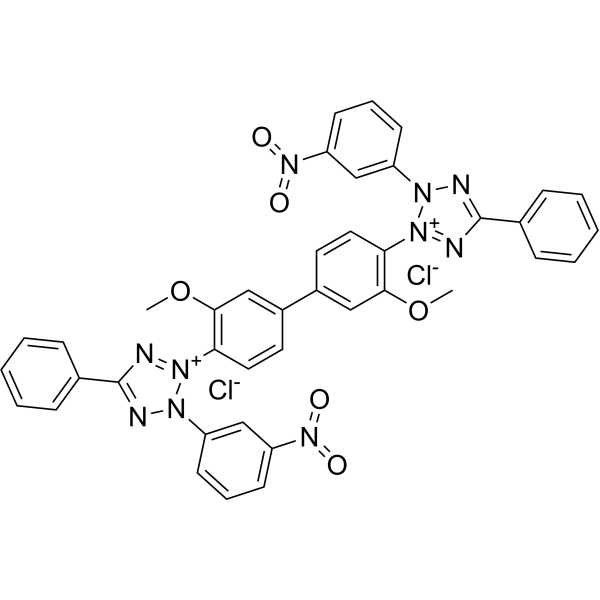
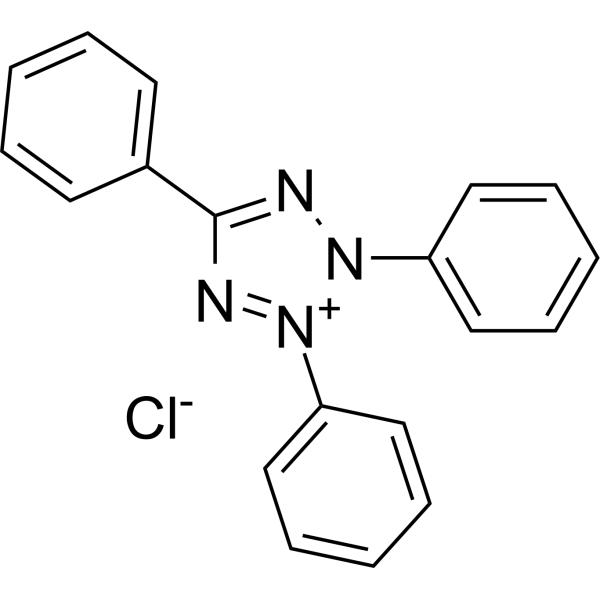
    Tetrazolium Blue

    Biochemical Assay Reagents Others
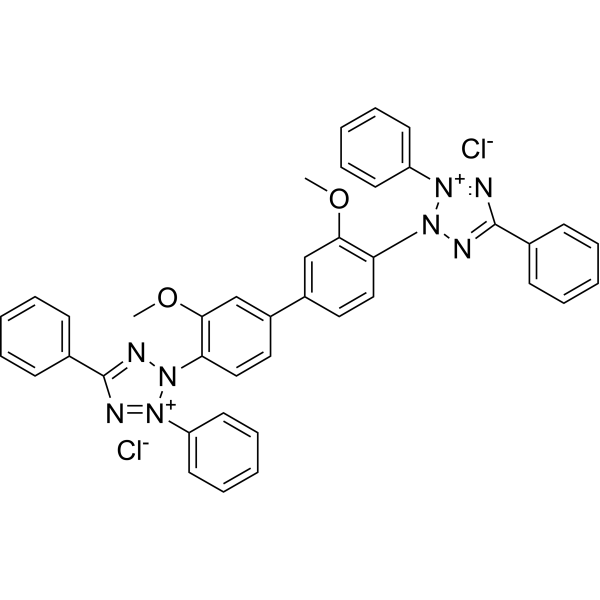
    Blue Tetrazolium is a tetrazolium salt chromogenic dye that can be reduced to a dark blue formazan product. Blue Tetrazolium is applicable for assays such as succinate dehydrogenase activity detection and reducing sugar quantification. Blue Tetrazolium also serves as a novel corrosion inhibitor for cold-rolled steel in hydrochloric acid solutions. Blue Tetrazolium has a broad wavelength range (480-600 nm), with the maximum absorbance observed at 540 nm .
    Blue Tetrazolium
  • HY-D0220A
    Toluidine Blue (purity 36%)
    3 Publications Verification

    Toluidine Blue O (purity 36%)

    Fluorescent Dye Others Cancer
    Toluidine Blue (Toluidine Blue O) purity 36% is an alkaline quinonimine dye (vivo dye) with high affinity for acidic tissue components, staining nuclei blue and polysaccharides purple. Toluidine Blue purity 36% shows heterostaining properties for mast cells, mucins and chondrocytes. Toluidine Blue purity 36% can stain different components of plant tissues and cells in different colours. Toluidine Blue purity 36% is also used as a diagnostic aid to identify malignant lesions, such as cancer .
    Toluidine Blue (purity 36%)
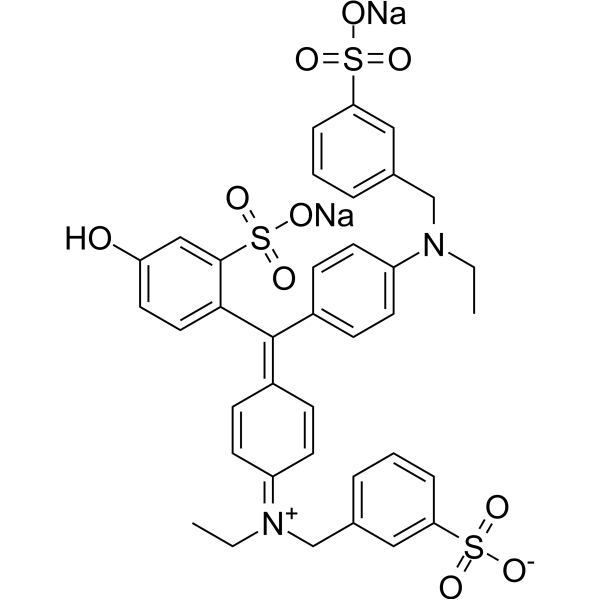
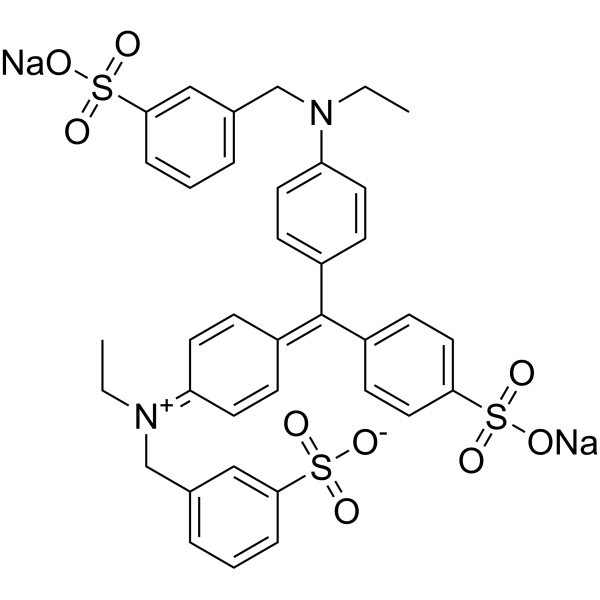
  • HY-126395

    Fluorescent Dye Others
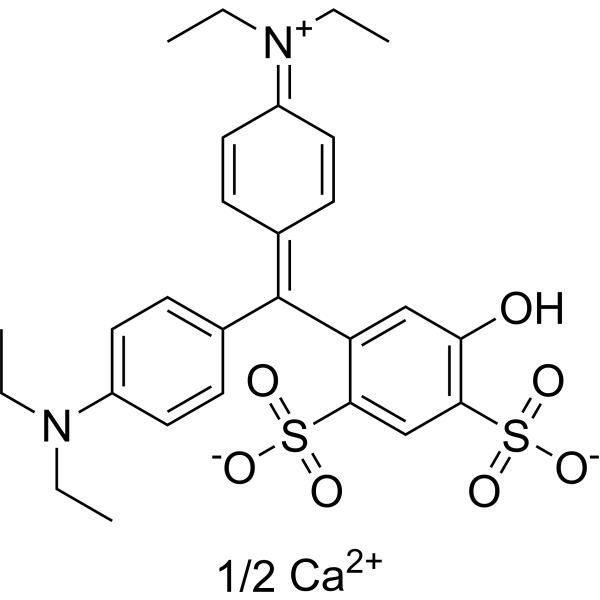
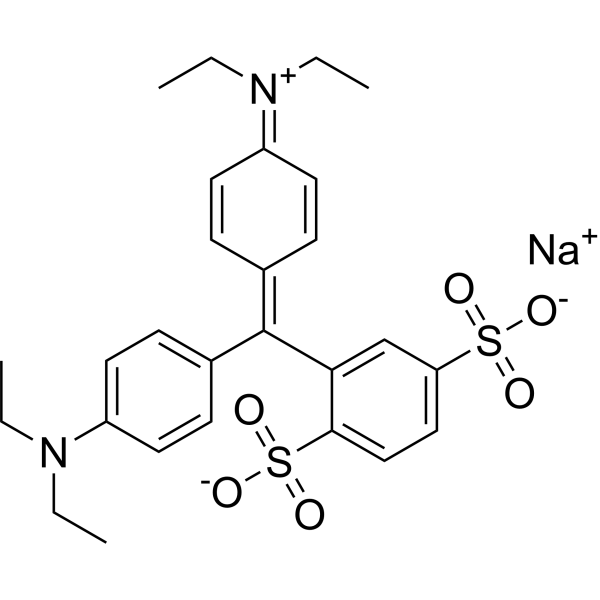
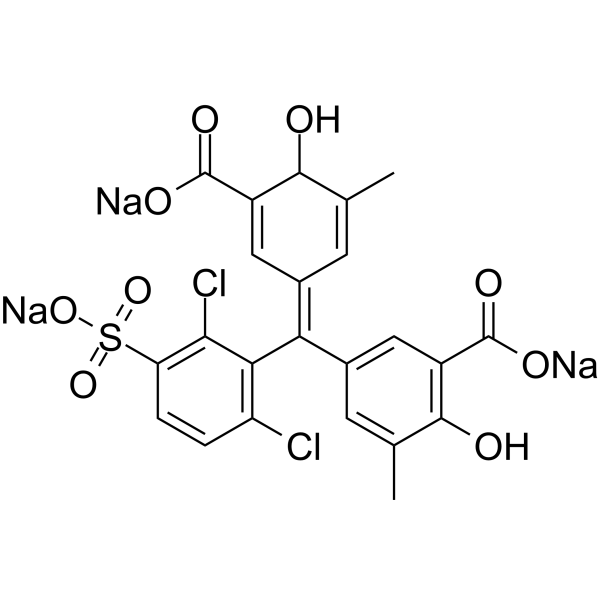
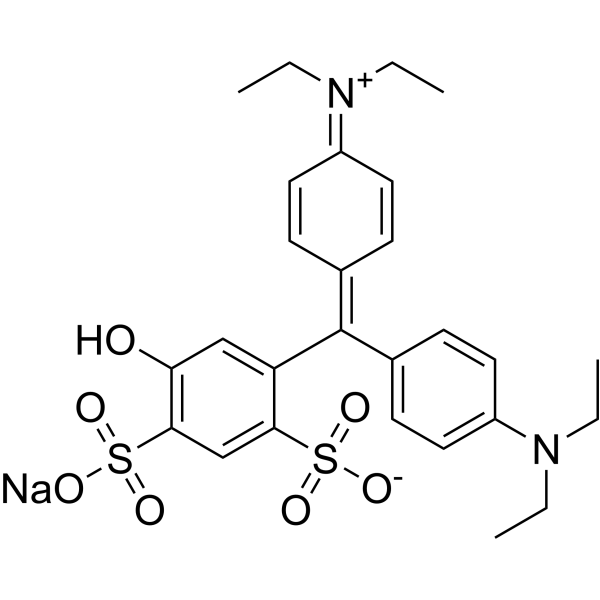
    Patent Blue V calcium salt is a triarylmethane dye used for tissue staining and lymphatic tracing, mainly applied by topical injection or eye drops. Patent Blue V calcium salt has affinity for specific tissues (such as corneal endothelium, lymphatic system), and stains the target structure by adsorption or binding, assisting in precise operation during surgery. Patent Blue V calcium salt is mainly used in ophthalmic surgery (such as graft staining for Descemet's membrane endothelial keratoplasty) and lymphatic drainage localization for sentinel lymph node biopsy of tumors .
    Patent Blue V calcium salt
  • HY-W133919

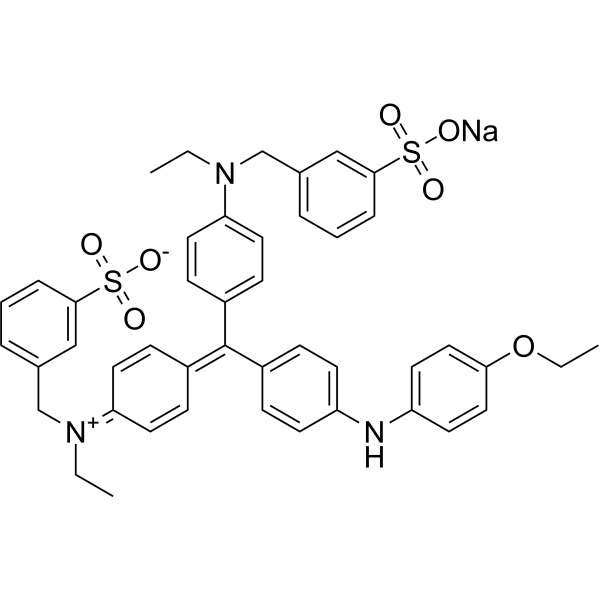
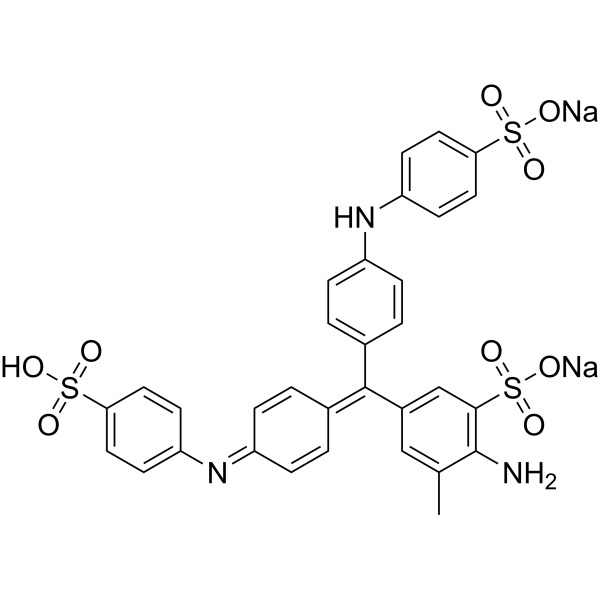
    Environmental Pollutants Biochemical Assay Reagents Others
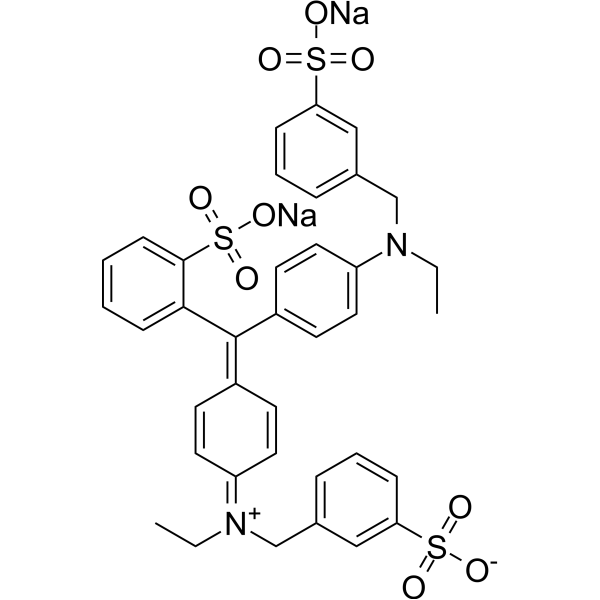
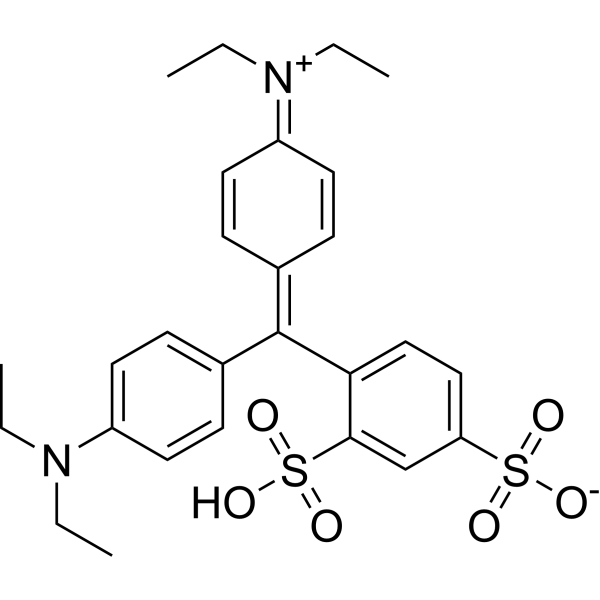
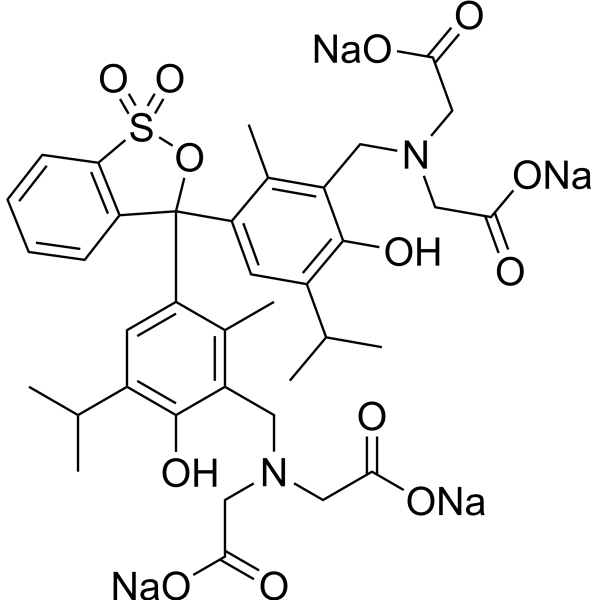
    Aniline Blue sodium is a water-soluble dye commonly used as a biological stain for the detection of nucleic acids and proteins in various laboratory procedures such as electrophoresis and microscopy. Aniline Blue sodium has unique chemical properties that allow it to bind to specific cellular components, producing a color change that facilitates their visualization and analysis.
    Aniline Blue sodium
  • HY-W250147

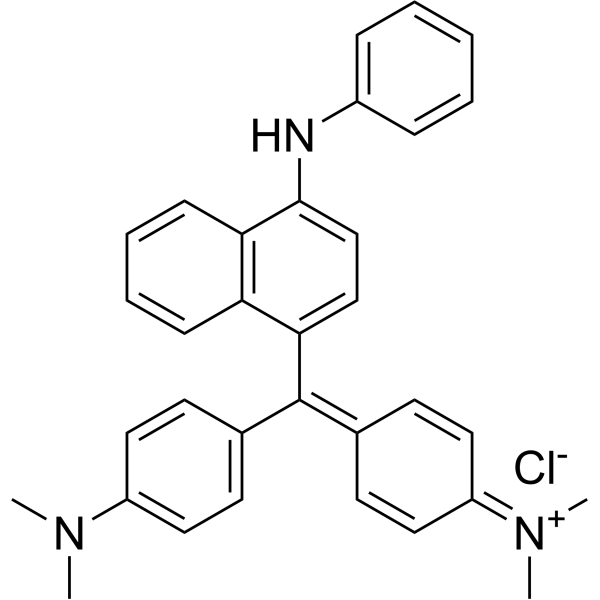
    Victoria Blue B

    Biochemical Assay Reagents Others
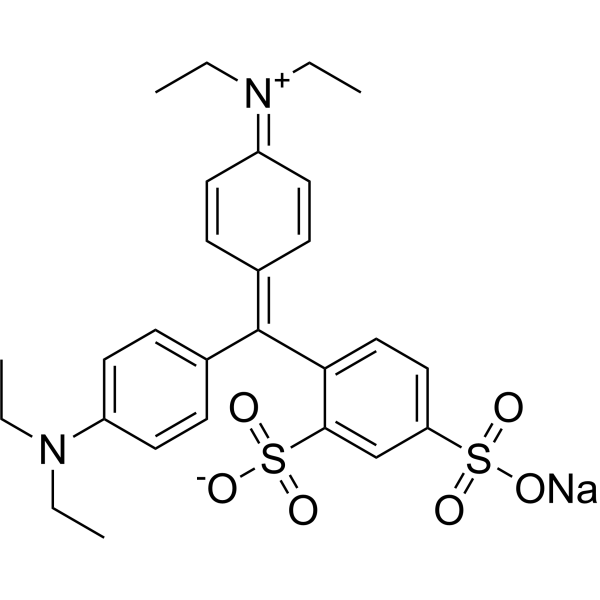
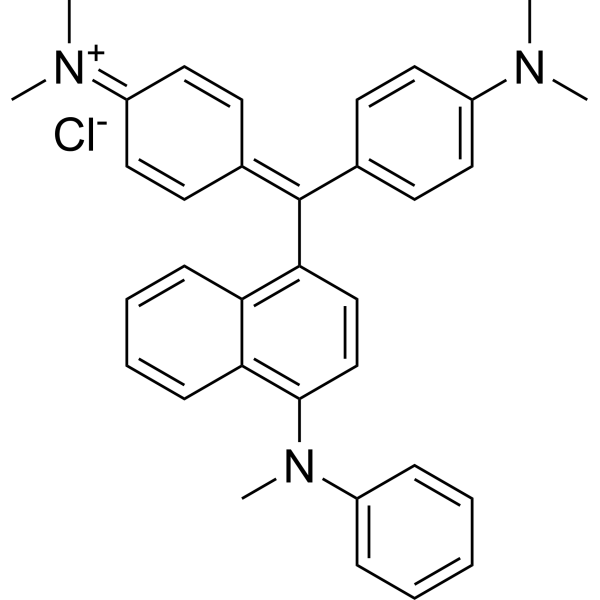
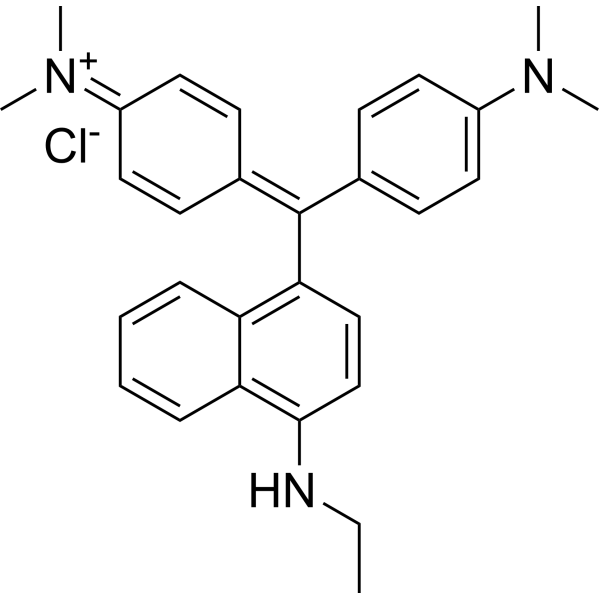
    Basic blue 26 (Victoria blue B) is a synthetic cationic dye belonging to the class of triarylmethane dyes. It has a bright blue color and is commonly used as a colorant for a variety of applications, including textiles, paper and leather. Basic Blue 26 is also used as a biological stain for DNA and protein detection in laboratories. Due to its ability to bind negatively charged materials, it can be used as an indicator of the presence of specific molecules in biological samples. However, Basic blue 26 has been reported to have potentially harmful effects on human health and the environment and its use is regulated in some countries. Proper handling and disposal procedures are necessary to minimize its impact on the environment.
    Basic blue 26
  • HY-D0014
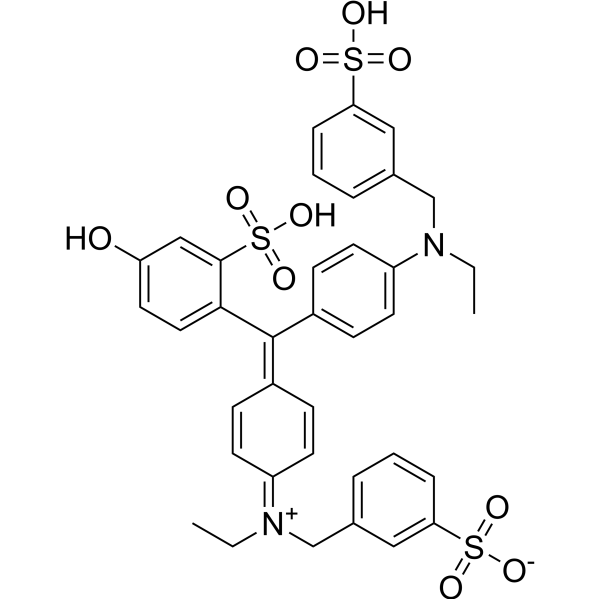
    Brilliant blue G-250
    3 Publications Verification

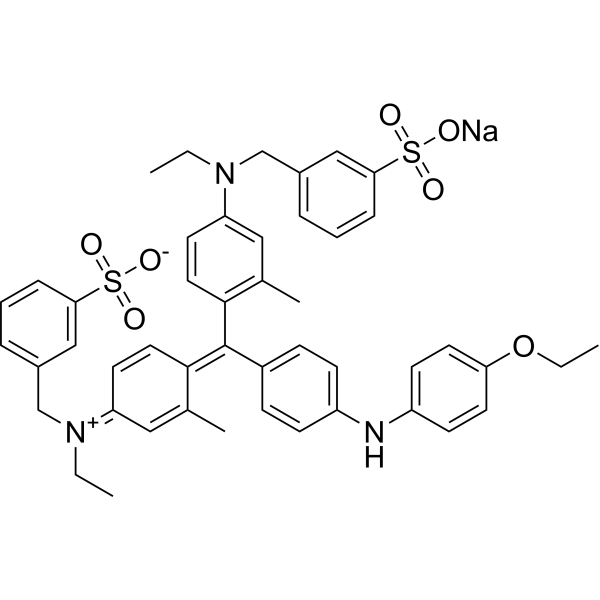
    Environmental Pollutants Biochemical Assay Reagents Others
    Brilliant Blue G-250 is a dye commonly used for the visualization of proteins separated by SDS-PAGE, offering a simple staining procedure and high quantitation. In the Bradford protein assay, protein concentrations are determined by the absorbance at 595 nm due to the binding of Brilliant Blue G-250 to proteins. Brilliant Blue G-250 is a safe highly selective P2×7R antagonist with promising consequent inactivation of NLRP3 inflammasome .
    Brilliant blue G-250
  • HY-W134328E

    Dextran Blue (MW 70000)

    Biochemical Assay Reagents Others
    Blue dextran (MW 70000) (Dextran blue (MW 70000)) is a conjugate of dextran and Cibacron Blue 3G-A ligand, mainly used for purification of human serum albumin .
    Blue dextran (MW 70000)
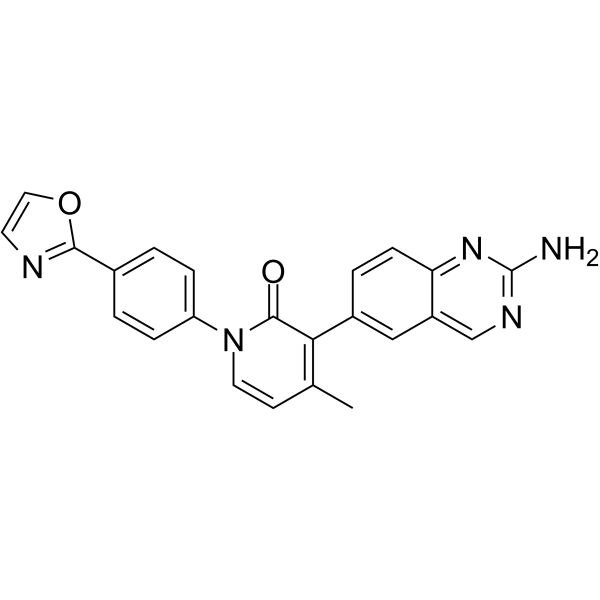
  • HY-18302
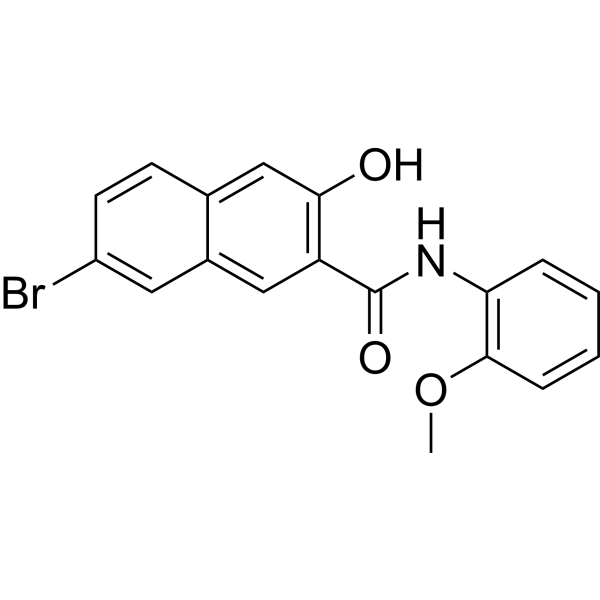
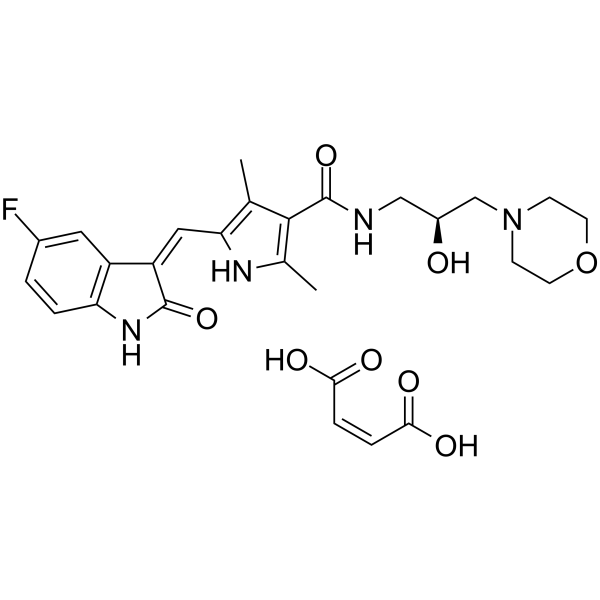
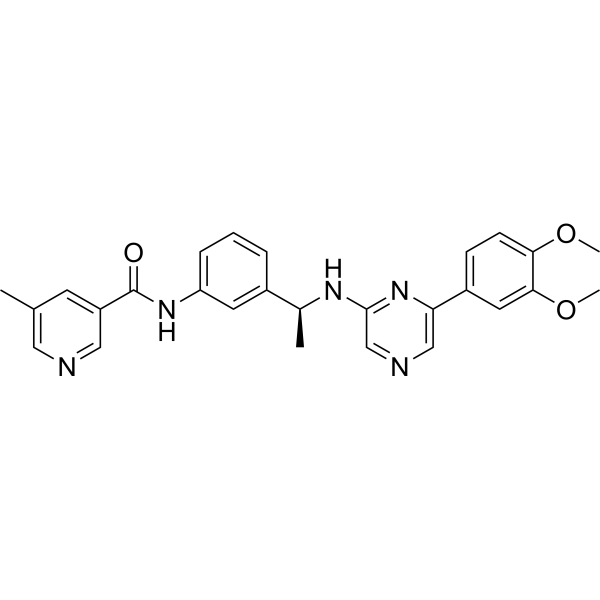
    c-Kit-IN-5-1
    1 Publications Verification

    c-Kit Inflammation/Immunology
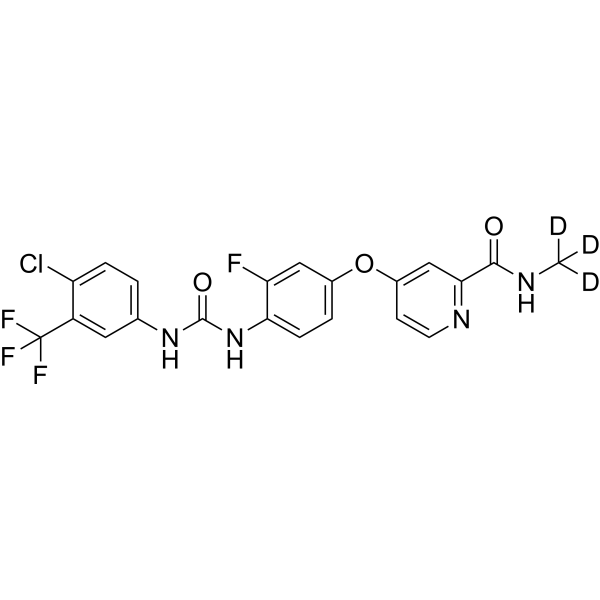
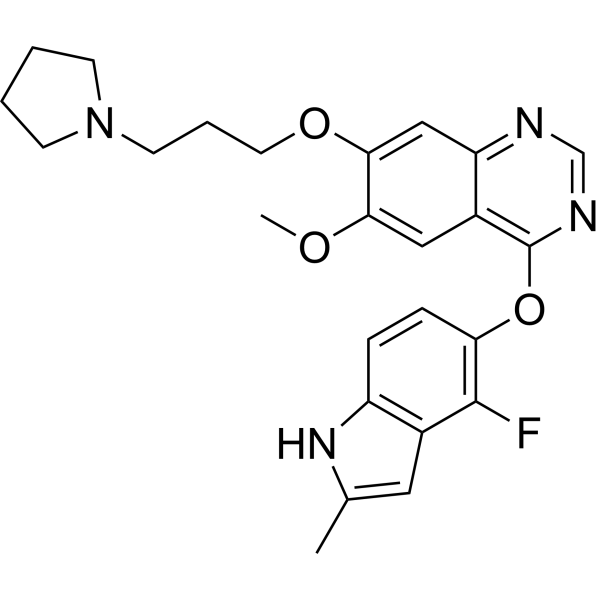
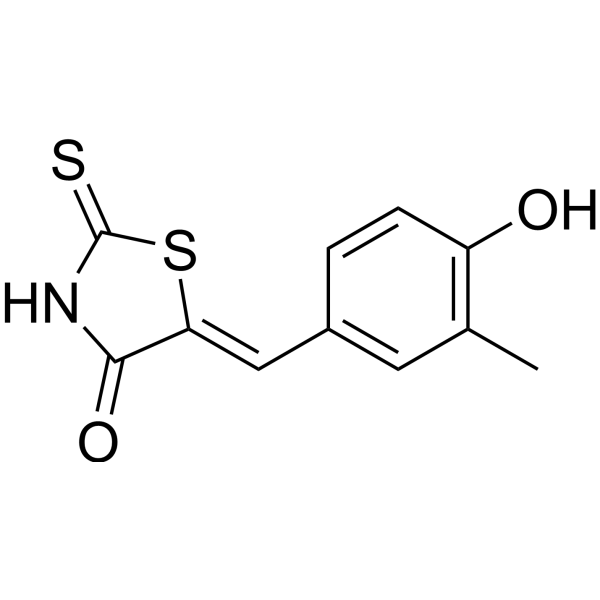
    c-Kit-IN-5 is potent inhibitor of c-Kit, with IC50s of 22 nM and 16 nM in kinase assay and cell assay, respectively. c-Kit-IN-5 shows more than 200-fold selectivity for c-Kit over KDR, p38, Lck, and Src. c-Kit-IN-5 also exhibits desirable pharmacokinetic properties .
    c-Kit-IN-5-1
  • HY-W250151

    Fluorescent Dye Others
    Leishman's stain is an essential staining tool for for staining of the peripheral blood and bone marrow smears (displayed pale bluish-grey to deep blue under oil-immersion lens) .
    Leishman's stain
  • HY-106594B

    Pigment Blue 27

    Bacterial Infection Cancer
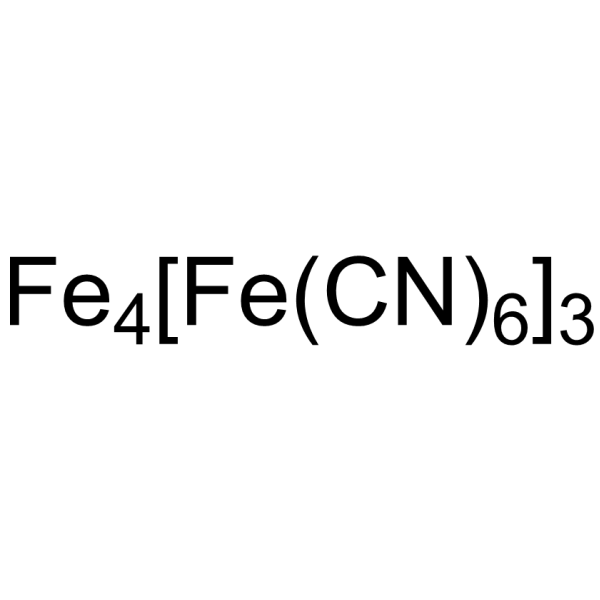
    Prussian blue soluble is a good adsorbent to be used as antidotes for poisoning with cesium or thallium ions. Prussian blue soluble has anticancerous and antibacterial properties. Prussian blue soluble can be used as a contrast agent in photoacoustic and magnetic resonance imaging (MRI) .
    Prussian blue soluble
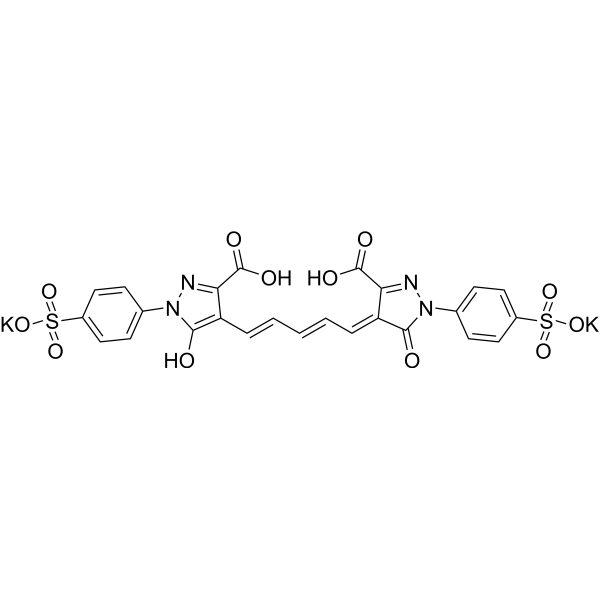
  • HY-W134328C

    Dextran Blue (MW 20000)

    Biochemical Assay Reagents Others
    Blue dextran (MW 20000) (Dextran blue (MW 20000)) is a conjugate of dextran and Cibacron Blue 3G-A ligand, mainly used for purification of human serum albumin .
    Blue dextran (MW 20000)
  • HY-D1220

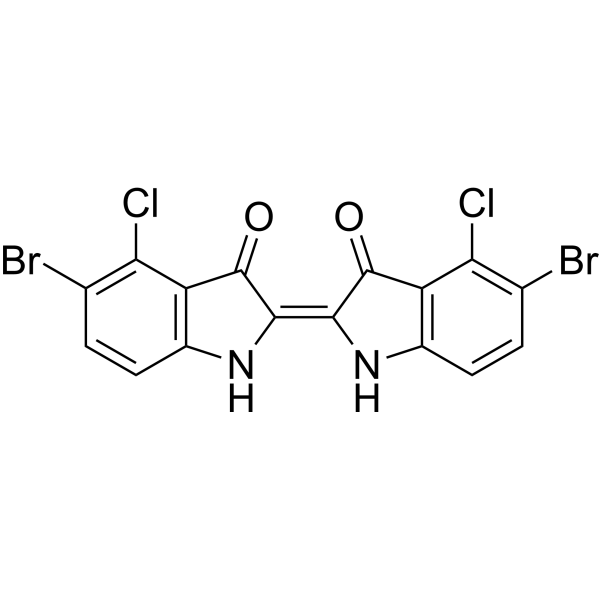
    Indanthrene

    Fluorescent Dye
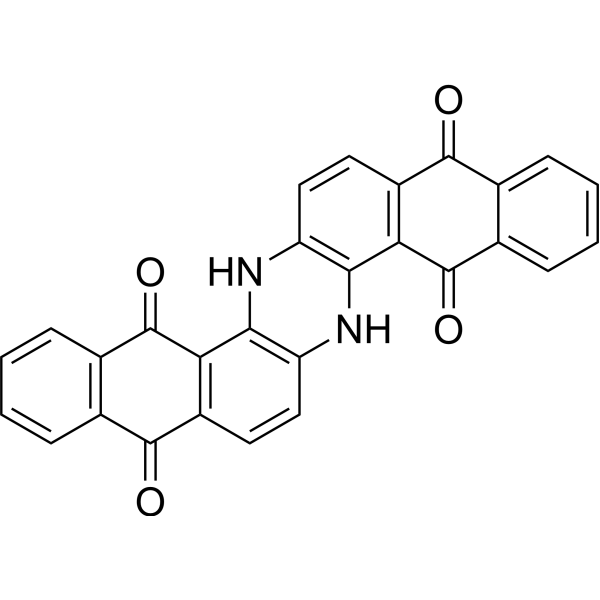
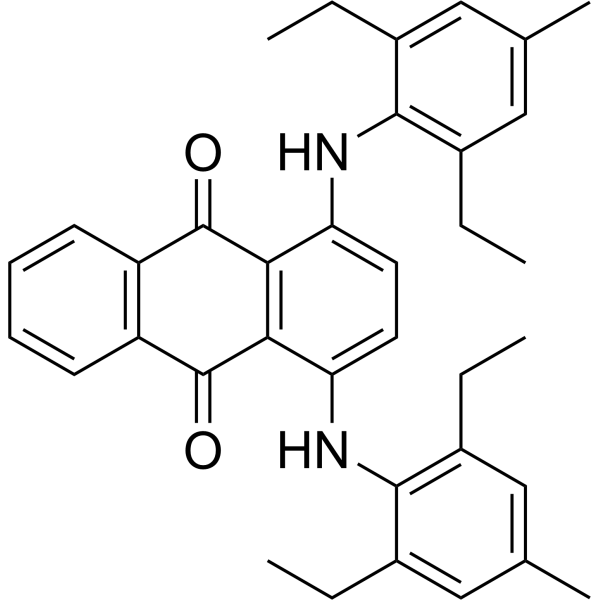
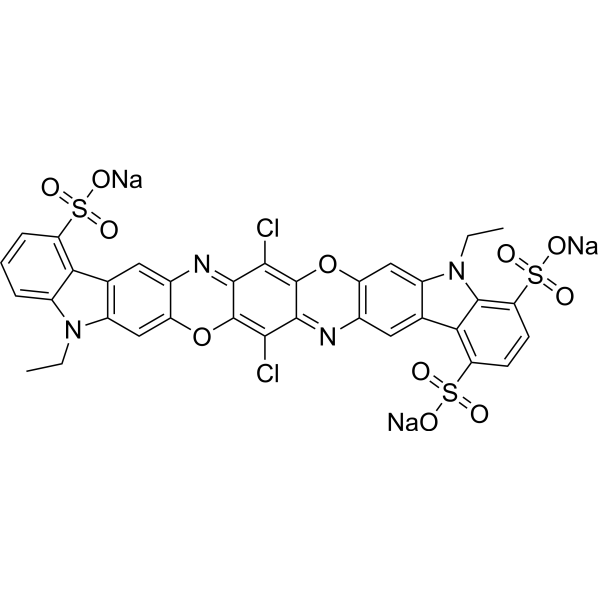
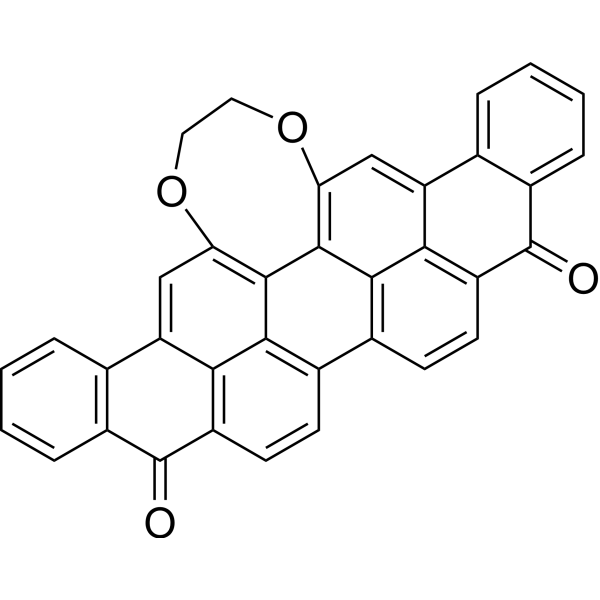
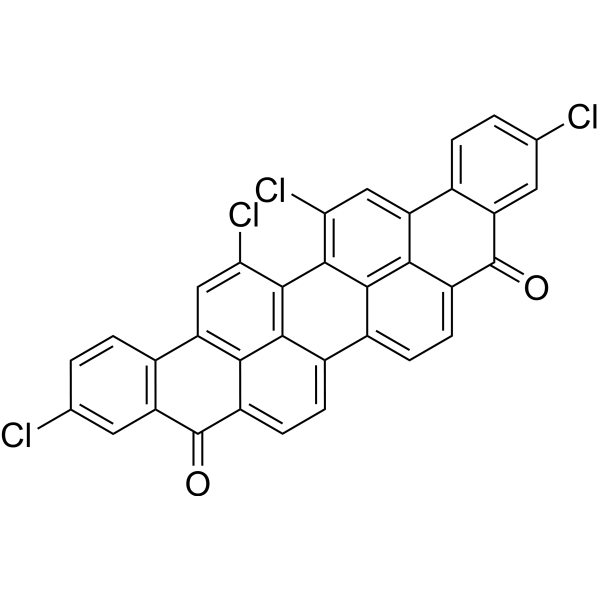
    Pigment blue 60 is an excellent paint and ceramic stain.
    Pigment blue 60
  • HY-W250143

    Biochemical Assay Reagents Others
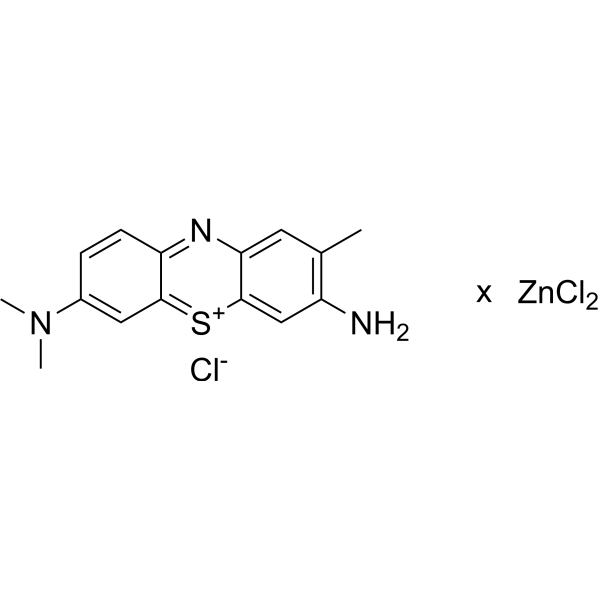
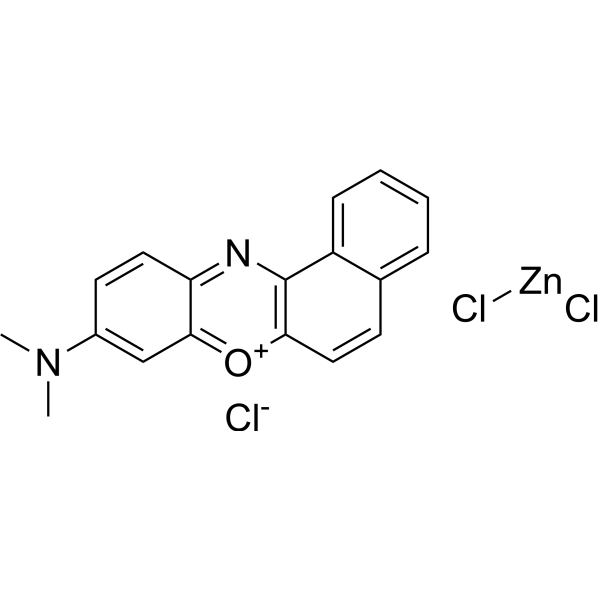
    Toluidine blue (ZnCl2) is a basic thiazine dye commonly used as a biological stain for microscopy. It has a deep bluish-purple color and is commonly used to stain nucleic acids such as DNA and RNA, as well as to stain mast cells, cartilage, and other connective tissues. Toluidine blue (ZnCl2) stains the acidic components of these tissues, such as sulfated or carboxylated mucopolysaccharides. It is frequently used in histology, cytology, and pathology applications to aid in the diagnosis of various diseases and conditions. The dye is usually applied to tissue sections prior to microscopic examination and can be differentiated using an acidic alcohol solution. Toluidine blue (ZnCl2) is a relatively simple and inexpensive stain with good reproducibility, making it a popular choice for many laboratories.
    Toluidine blue (ZnCl2)
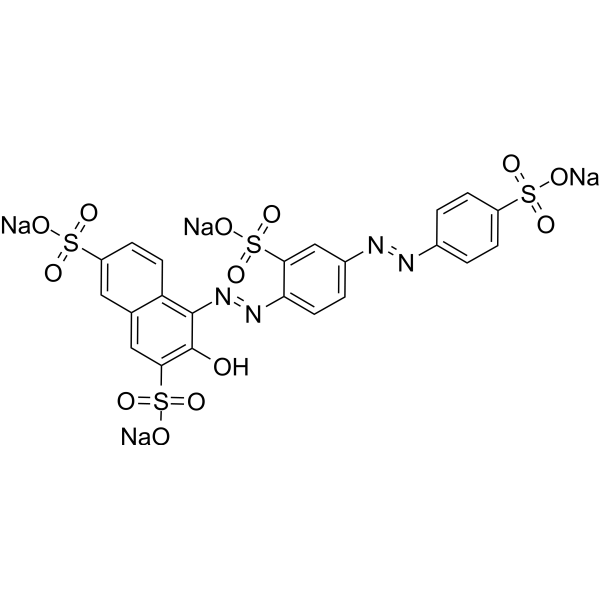
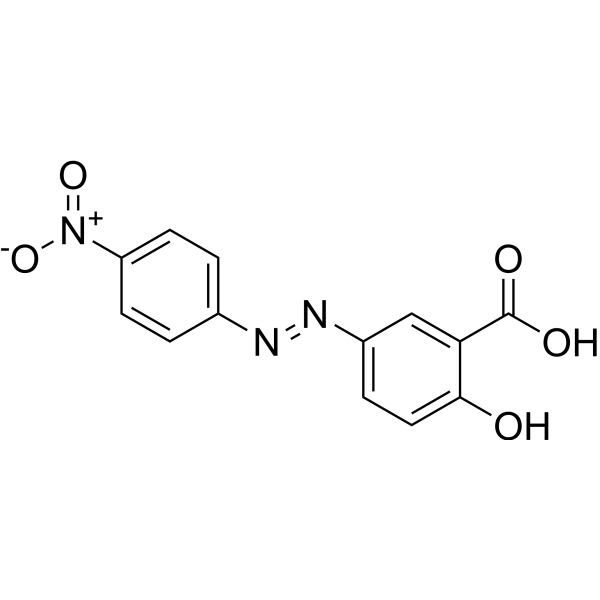
  • HY-D1480

    Fluorescent Dye Others
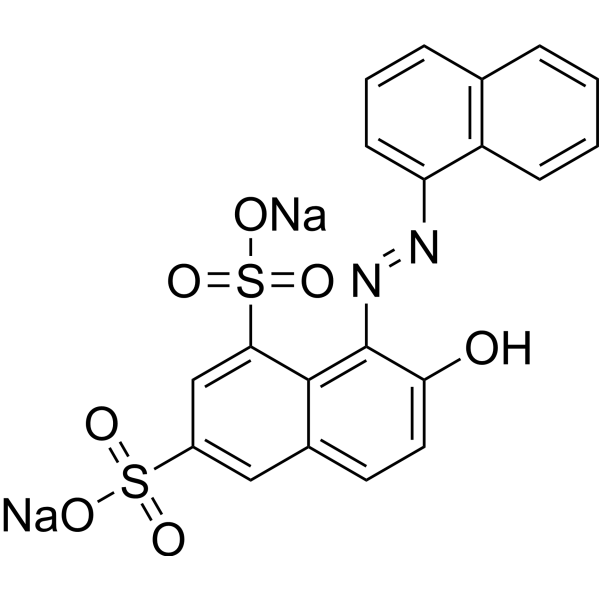
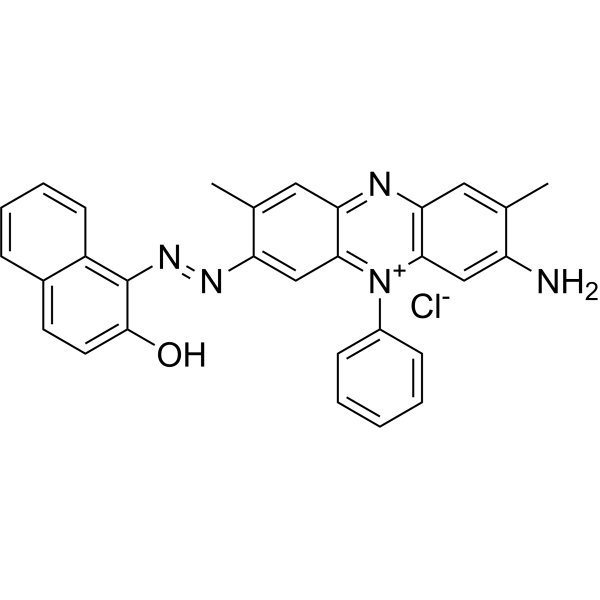
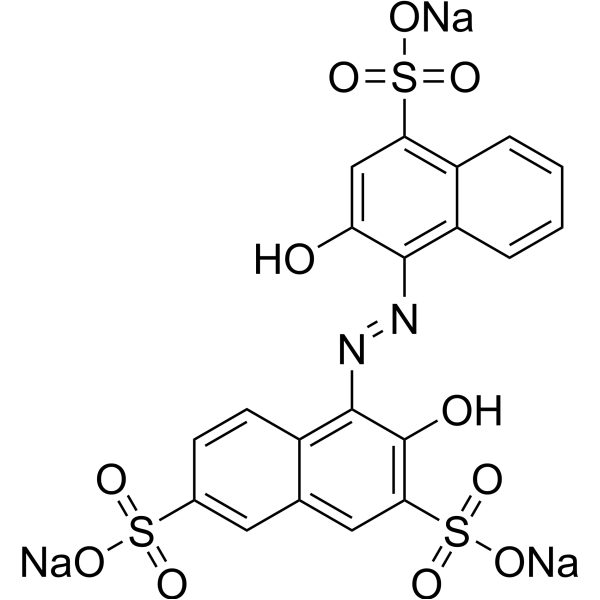
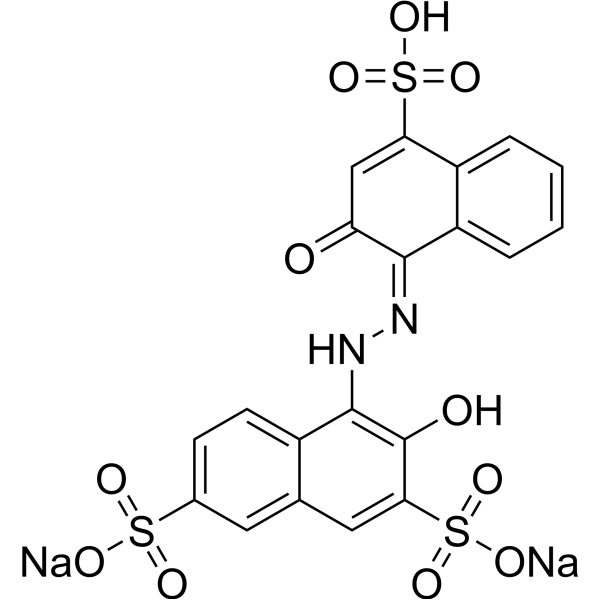
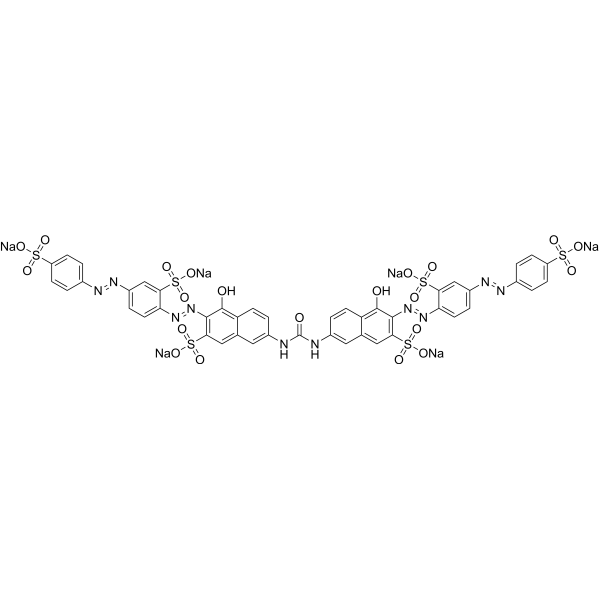
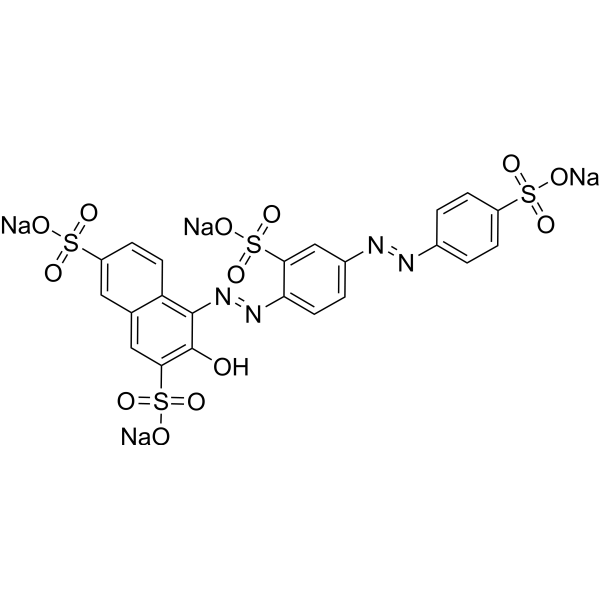
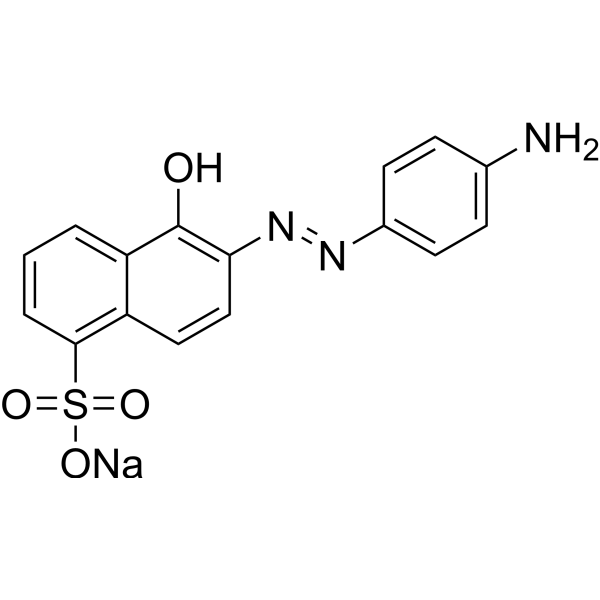
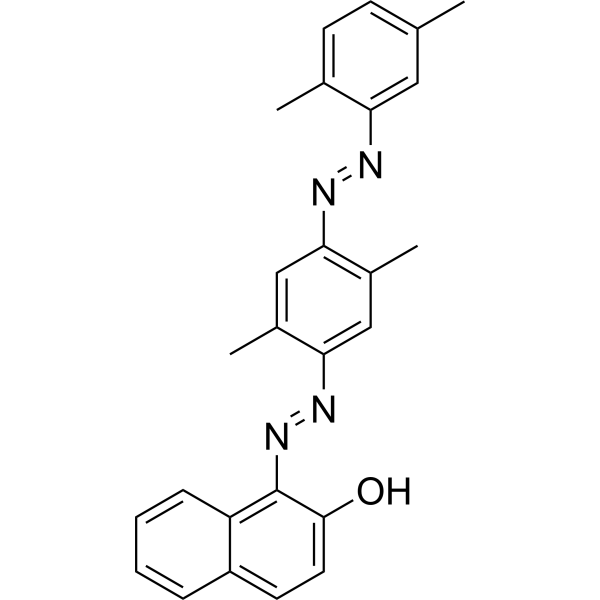
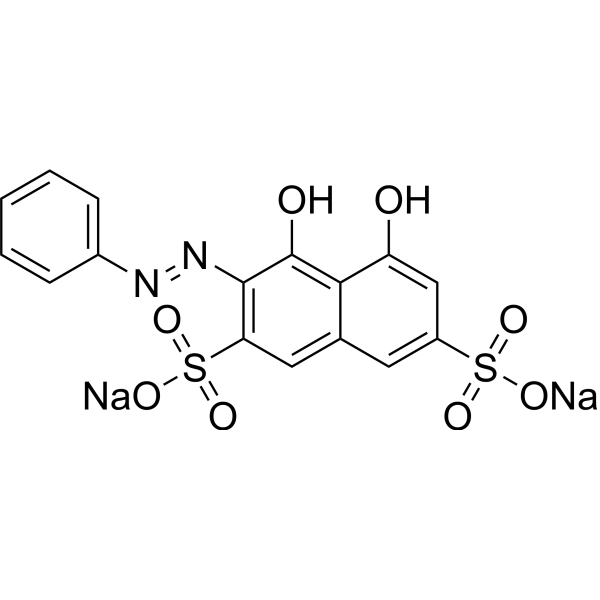
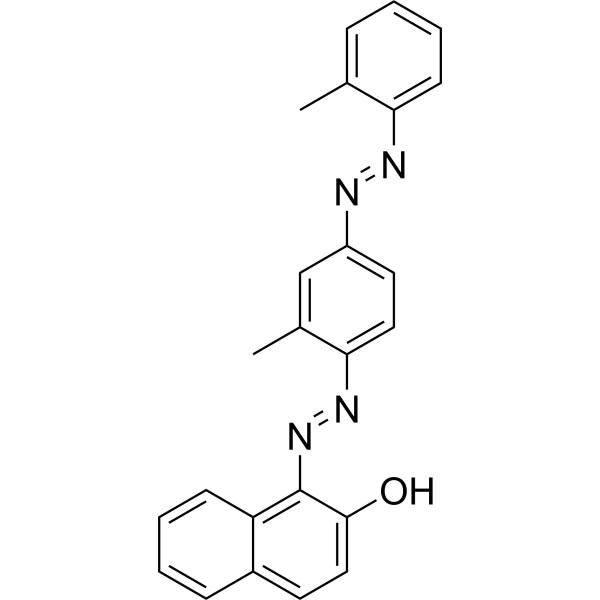
    Crystal Ponceau 6R is a red azo dye. Crystal Ponceau 6R used in histology, for staining fibrin with the martius, scarlet and blue (MSB) Trichrome stain .
    Crystal Ponceau 6R
  • HY-14536R

    Basic Blue 9 (Standard); CI-52015 (Standard); Methylthioninium chloride (Standard)

    Reference Standards Guanylate Cyclase Monoamine Oxidase NO Synthase Microtubule/Tubulin Infection Neurological Disease Cancer
    Methylene Blue (Standard) is the analytical standard of Methylene Blue. This product is intended for research and analytical applications. Methylene blue (Basic Blue 9) is a guanylyl cyclase (sGC), monoamine oxidase A (MAO-A) and NO synthase (NOS) inhibitor. Methylene blue is a vasopressor and is often used as a dye in several medical procedures. Methylene blue through the nitric oxide syntase/guanylate cyclase signalling pathway to reduce prepulse inhibition. Methylene blue is a REDOX cycling compound and able to cross the blood-brain barrier. Methylene blue is a Tau aggregation inhibitor. Methylene blue reduces cerebral edema, attenuated microglial activation and reduced neuroinflammation .
    Methylene Blue (Standard)
  • HY-W134328A

    Dextran Blue (MW 5000)

    Biochemical Assay Reagents Others
    Blue dextran (MW 5000) (Dextran blue (MW 5000)) is a conjugate of dextran and Cibacron Blue 3G-A ligand, mainly used for purification of human serum albumin .
    Blue dextran (MW 5000)
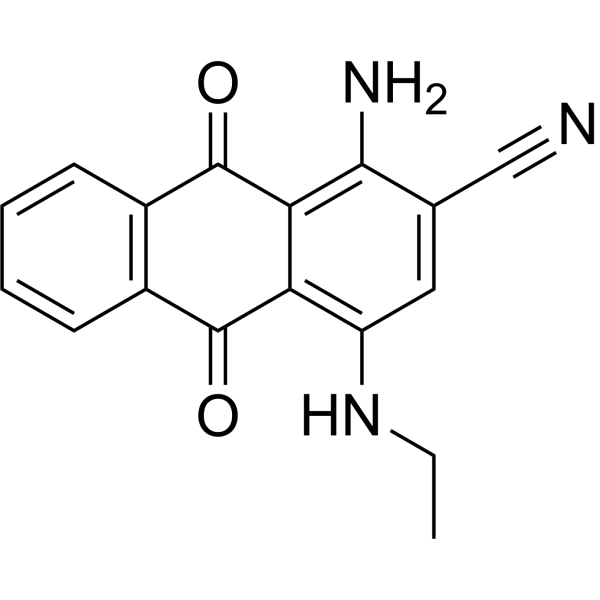
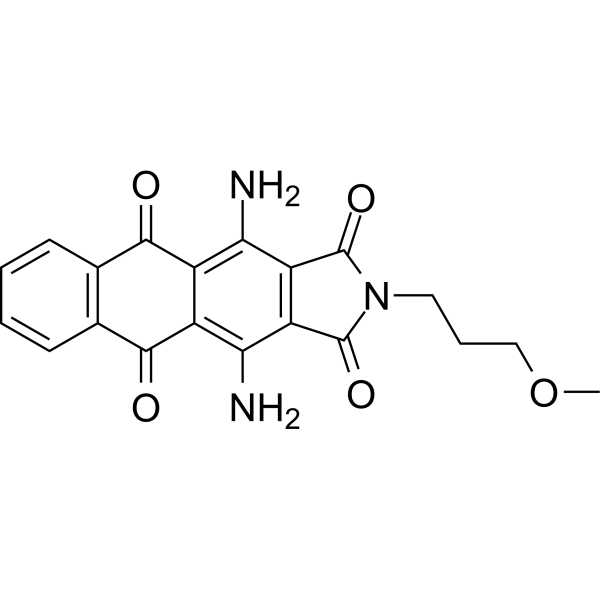
  • HY-D0348

    Disperse Blue 7; 1,4-DiOH-5,8-bis(2-OHethyl)aminoanthraquinone

    Biochemical Assay Reagents Others
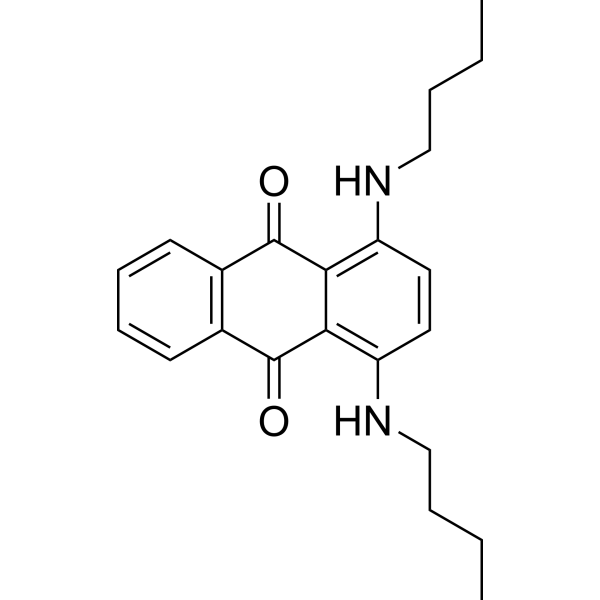
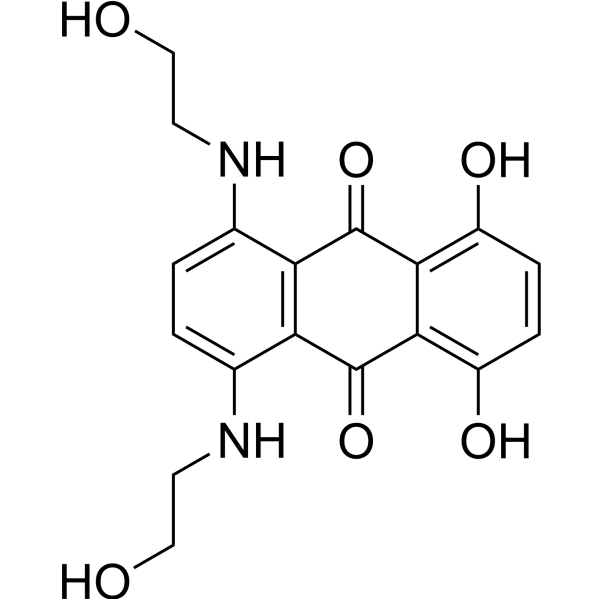
    Celliton Fast Blue Green B (Disperse Blue 7), a blue-green dye used in textiles. The aqueous extract of Celliton Fast Blue Green B causes no signs of skin irritation and sensitization in laboratory animals. Celliton Fast Blue Green B colored textiles with no irritation in human .
    Celliton Fast Blue Green B
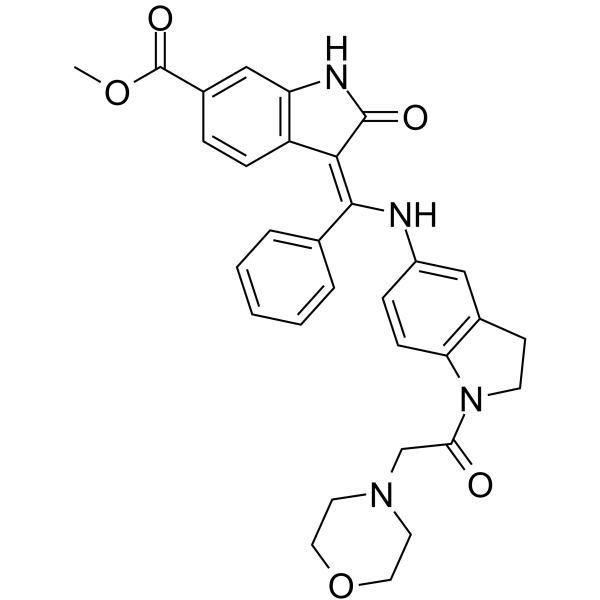
  • HY-176266

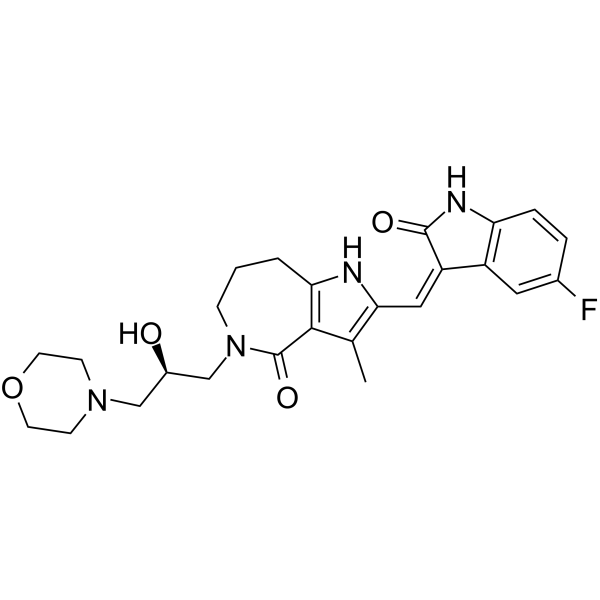
    Mitochondrial Metabolism Neurological Disease
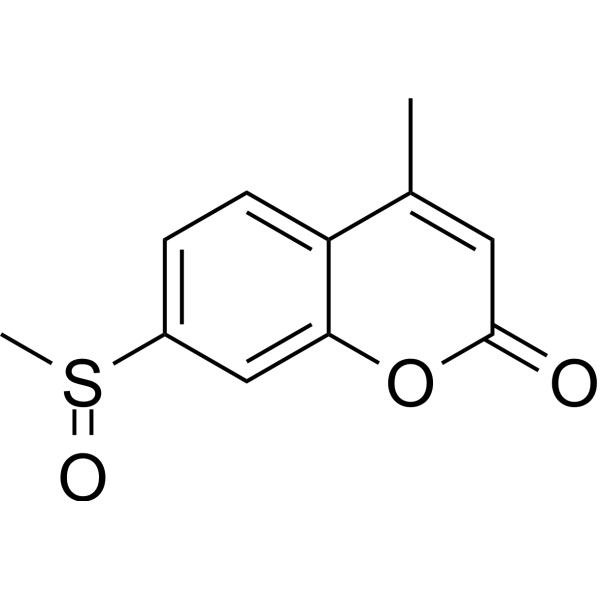
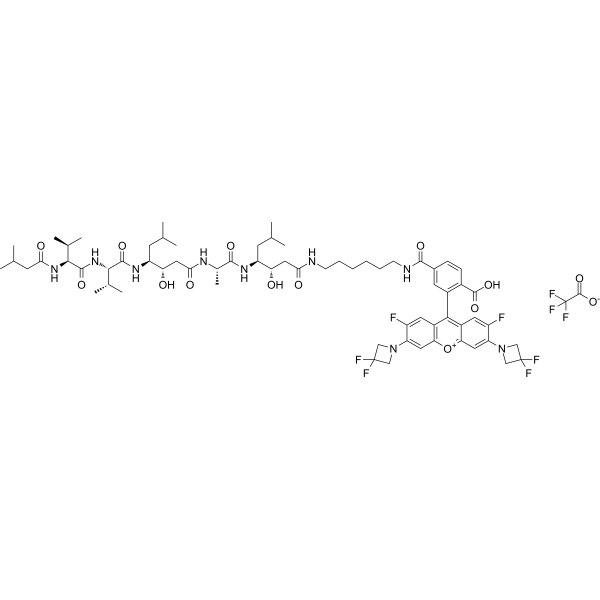
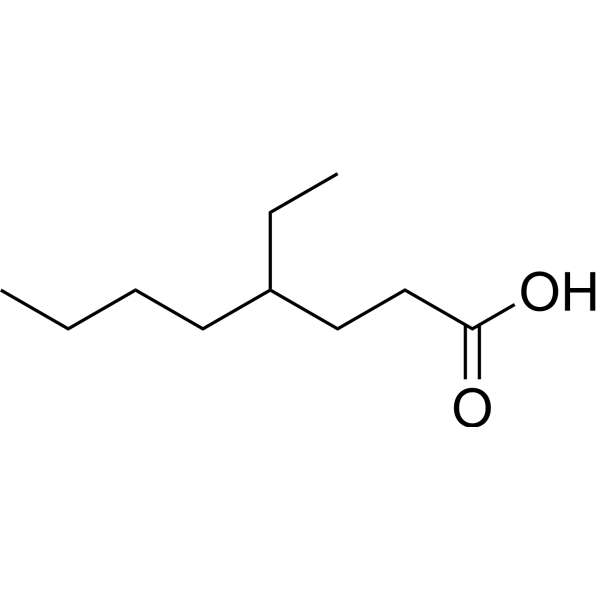
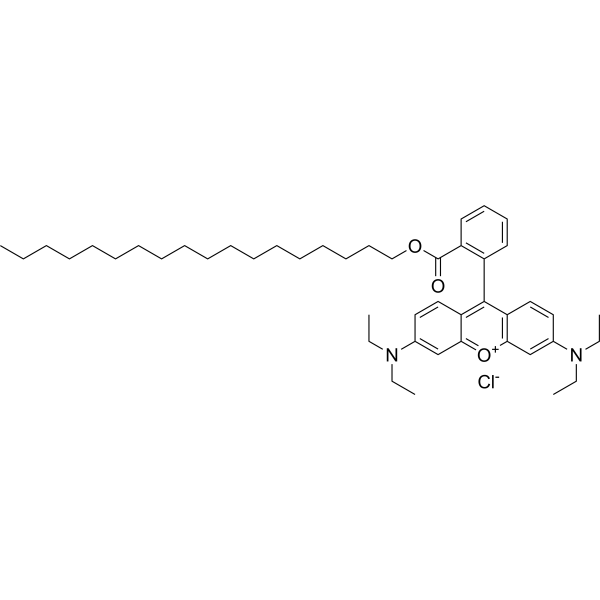
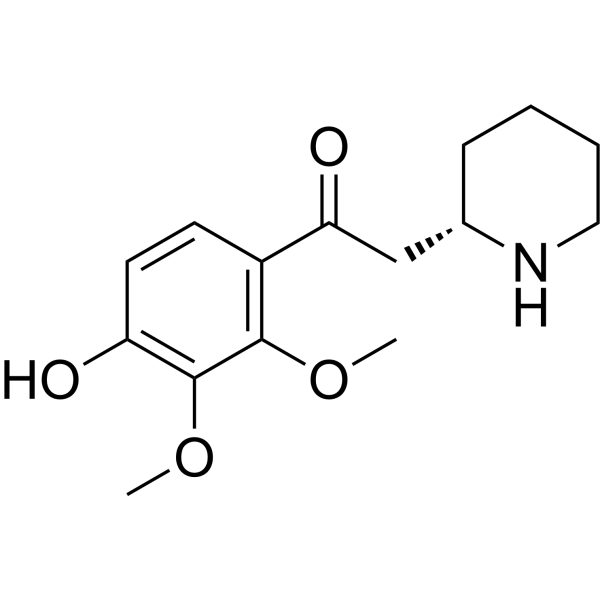
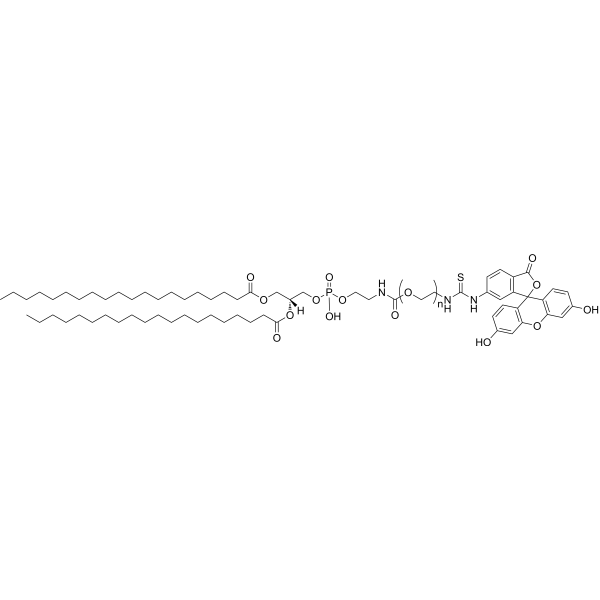
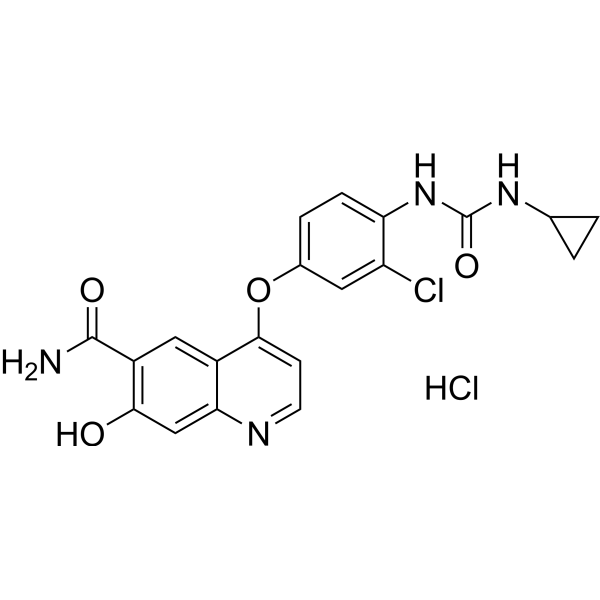
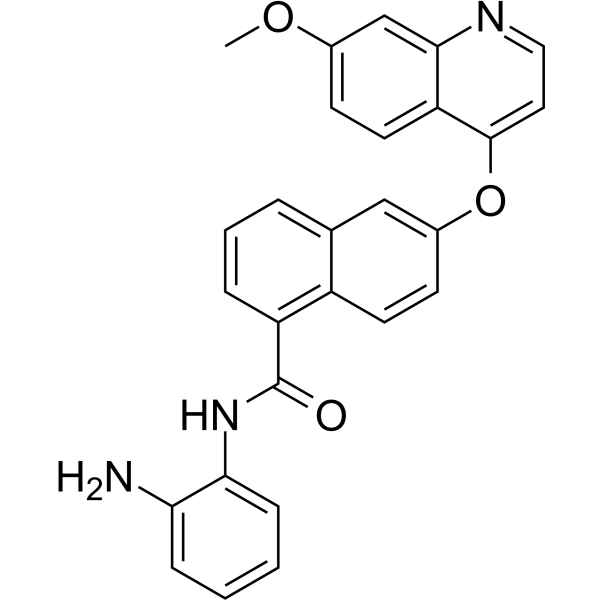
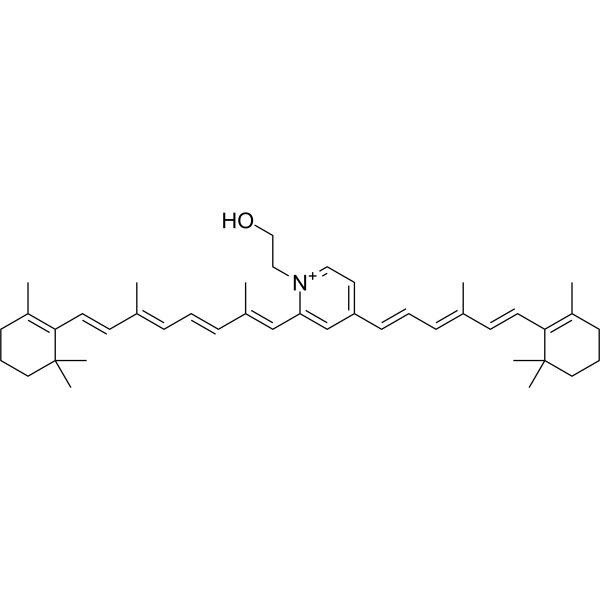
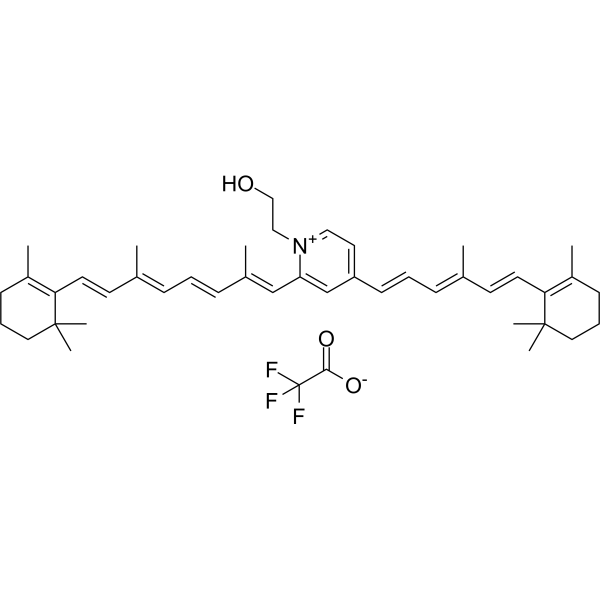
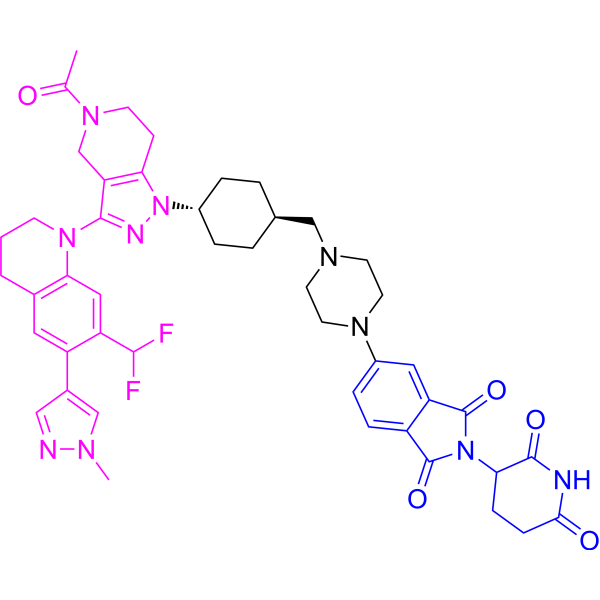
    KIT-13 is an orally active plasmalogen derivative to inhibit neuroinflammation and mitochondrial DNA leakage associated with Mecp2 deficiency. KIT-13 significantly reduce neurological symptoms and improves the life span of the Rett Syndrome (RTT) model mice. KIT-13 can be used for the study of RTT and other neuroinflammation-related diseases.
    KIT-13
  • HY-D1219

    Fluorescent Dye
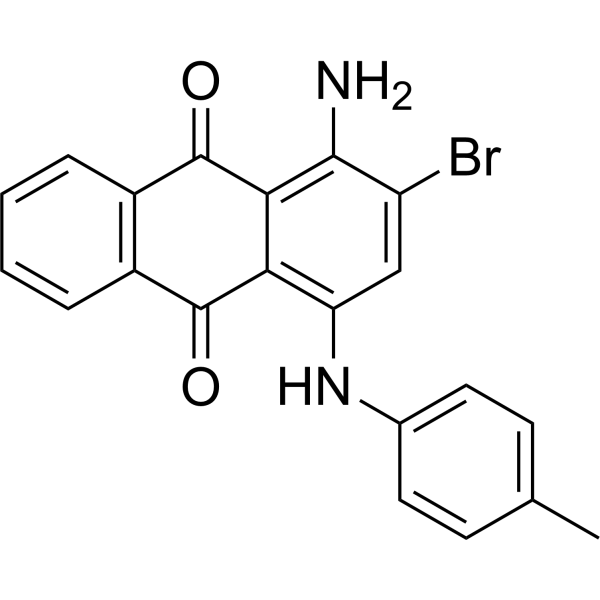
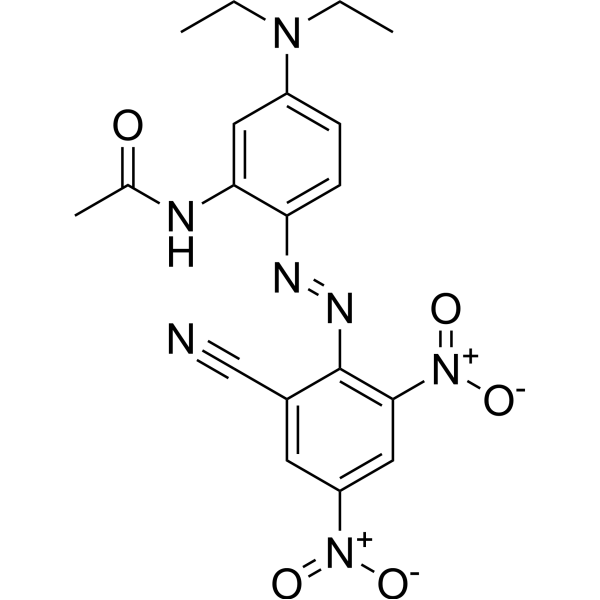
    Disperse blue 359 is a blue dye commonly used for fiber dyeing.
    Disperse blue 359
  • HY-D0312

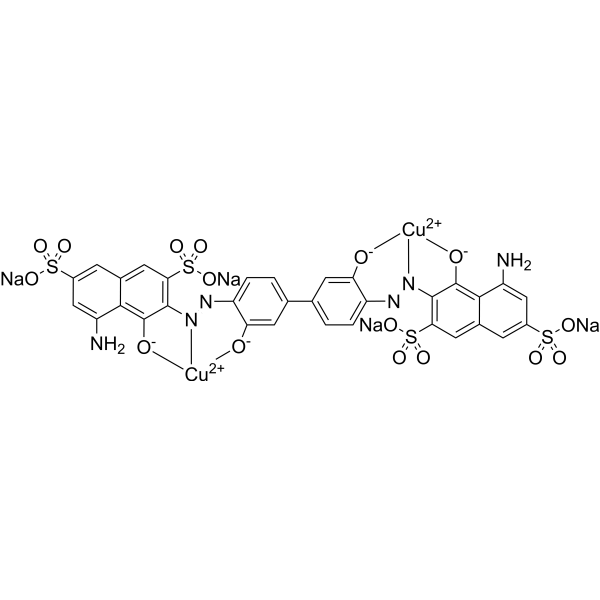
    Sunchromine Fast Blue MB

    Biochemical Assay Reagents Others
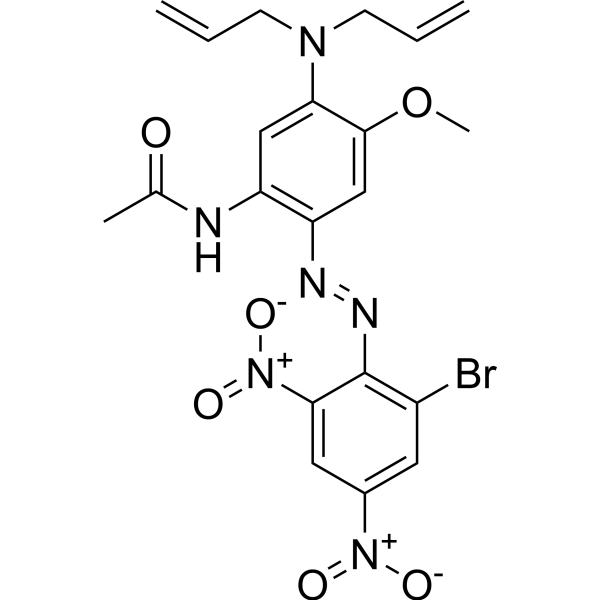
    Mordant Blue 13 is a synthetic dye used in the textile industry. It belongs to a class of metal complex dyes that are able to form strong bonds with fabrics and other materials. Mordant Blue 13 is commonly used for dyeing cotton, wool and silk fibres, it produces a fast blue color. It can be applied to textiles by a variety of methods including impregnation, padding and printing.
    Mordant Blue 13
  • HY-101034

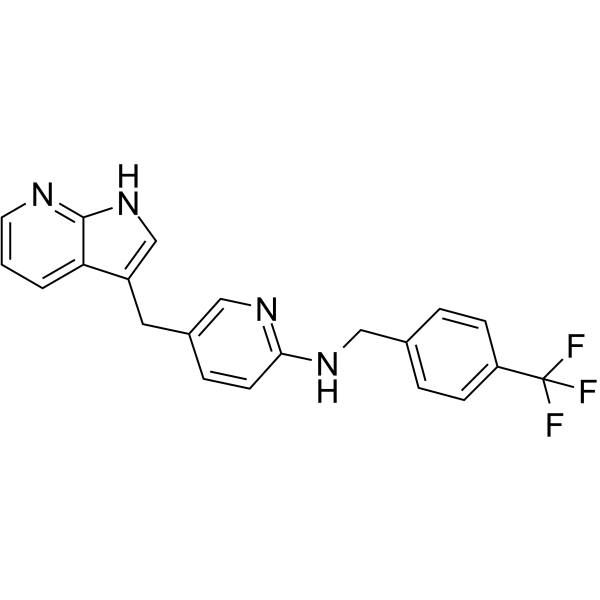
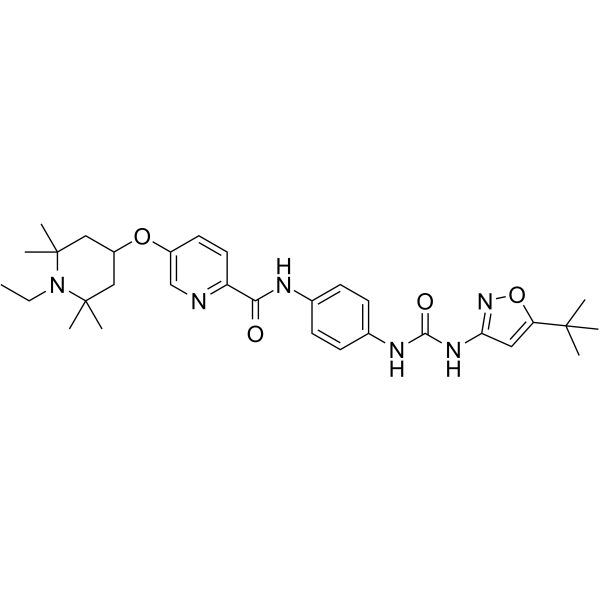
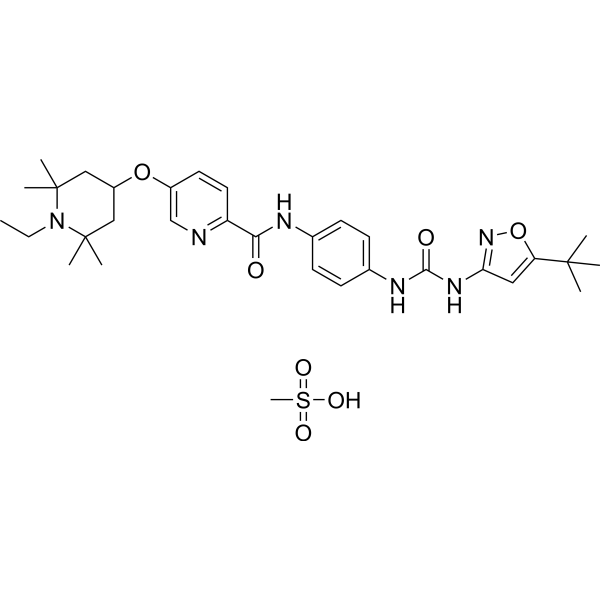
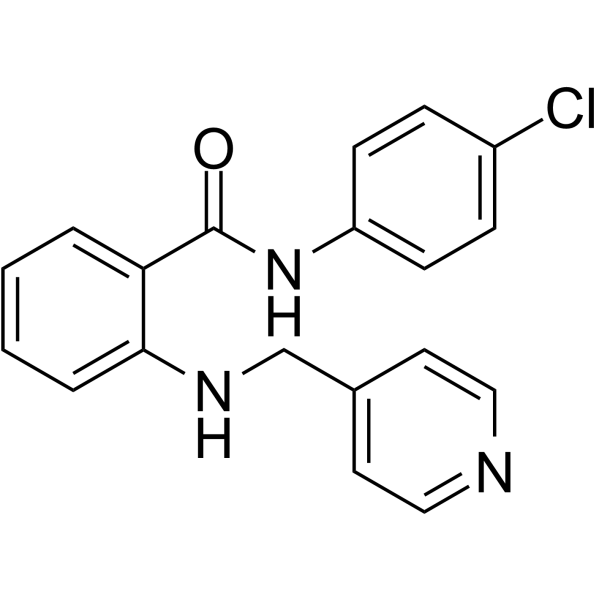
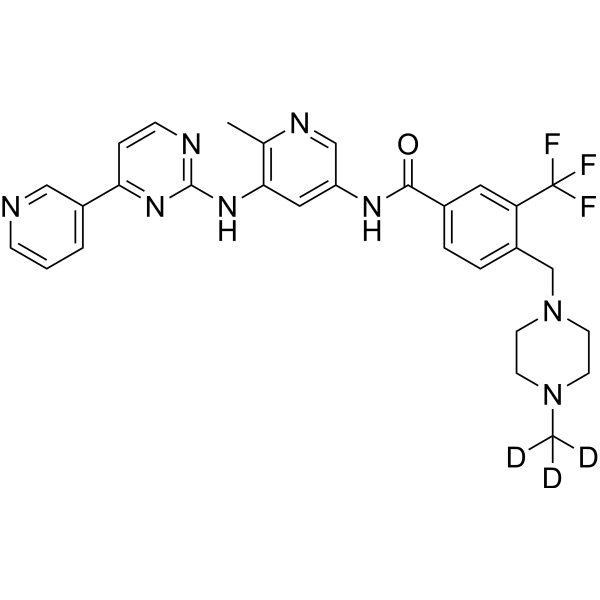
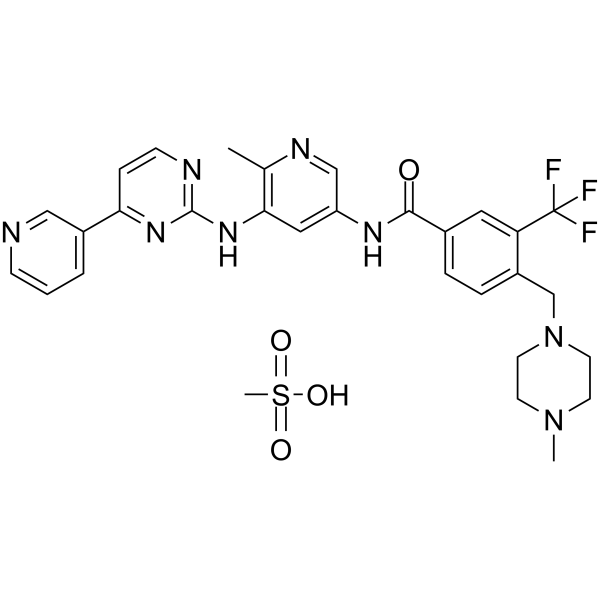
    CHMFL-ABL-Kit-155

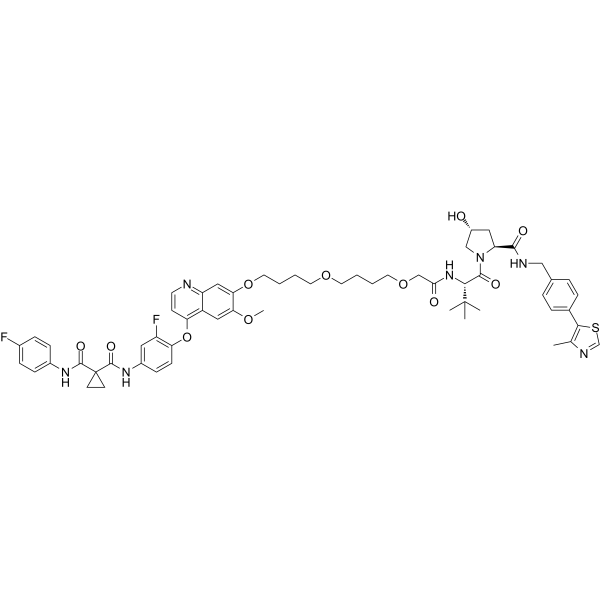
    Bcr-Abl c-Kit Apoptosis PDGFR Discoidin Domain Receptor Cancer
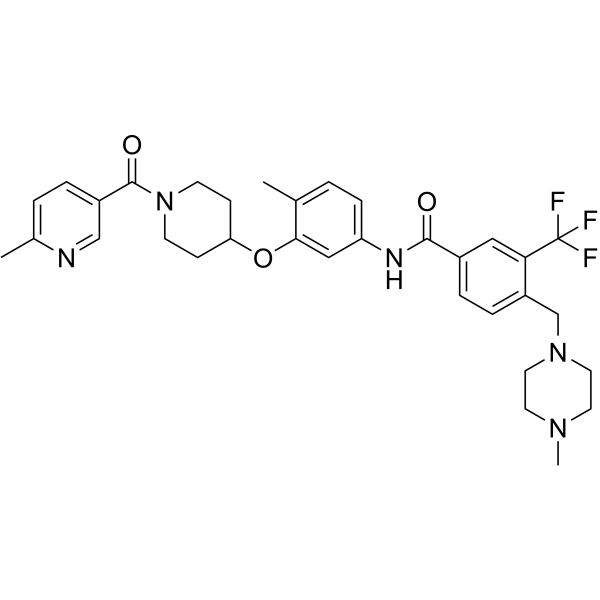
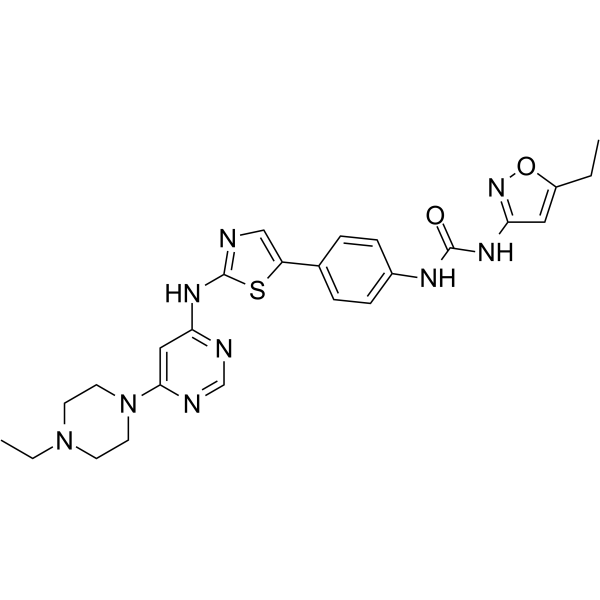
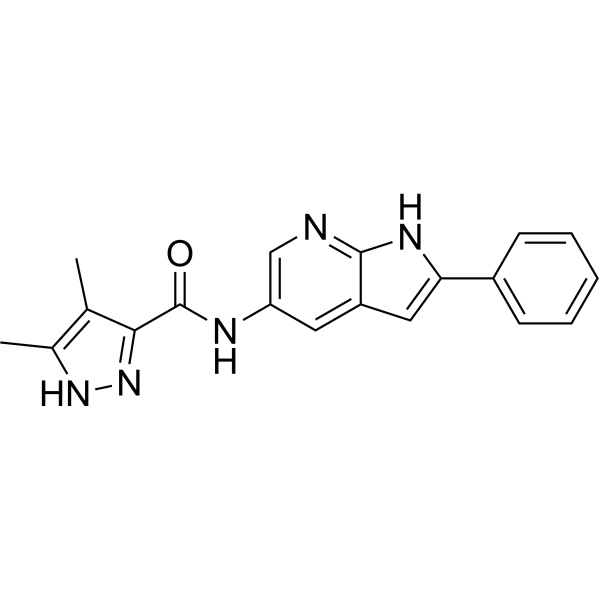
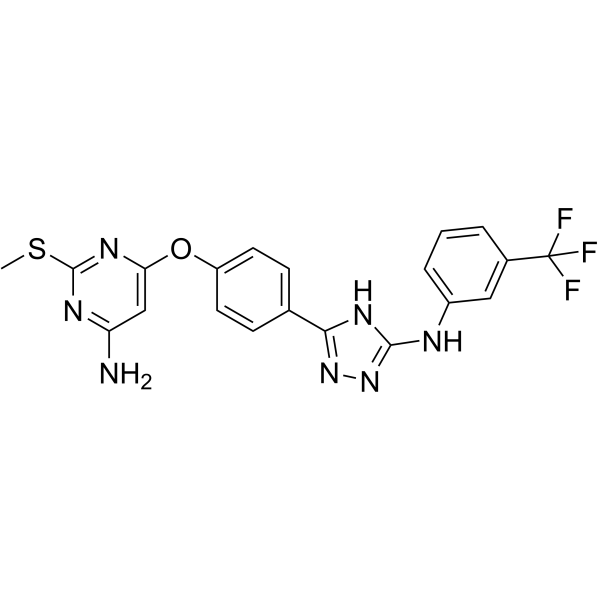
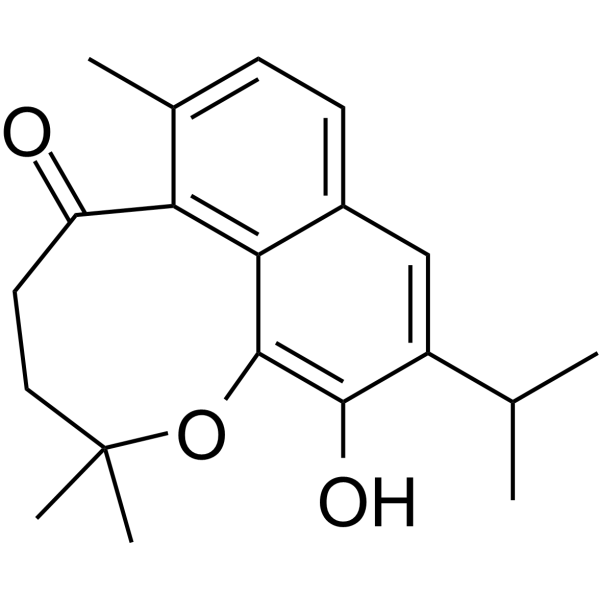
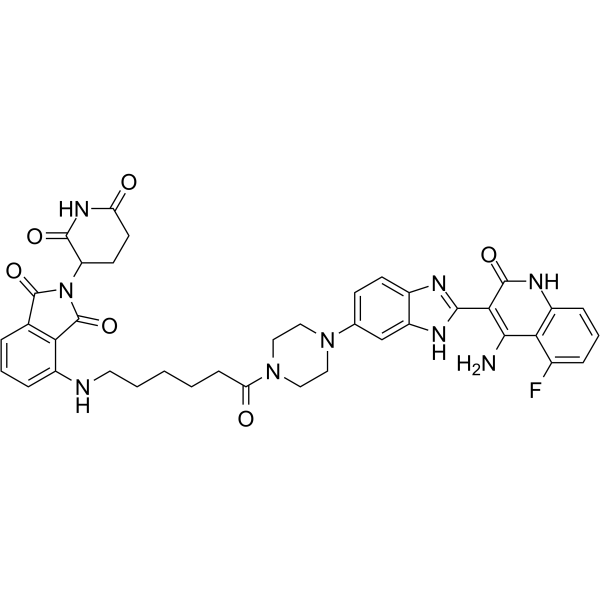
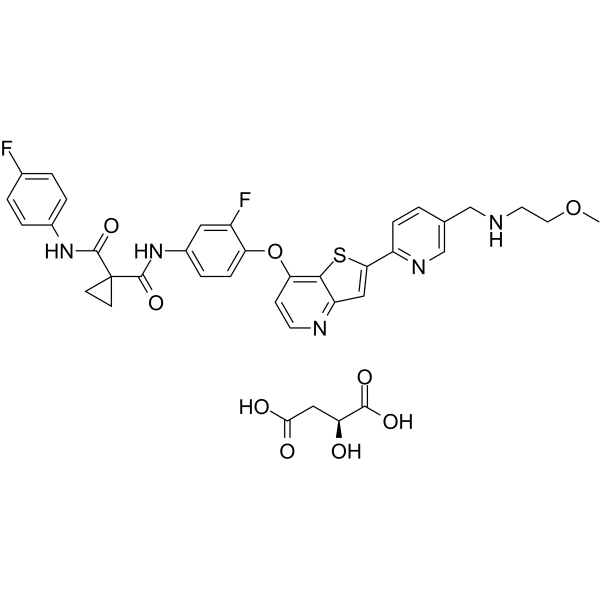
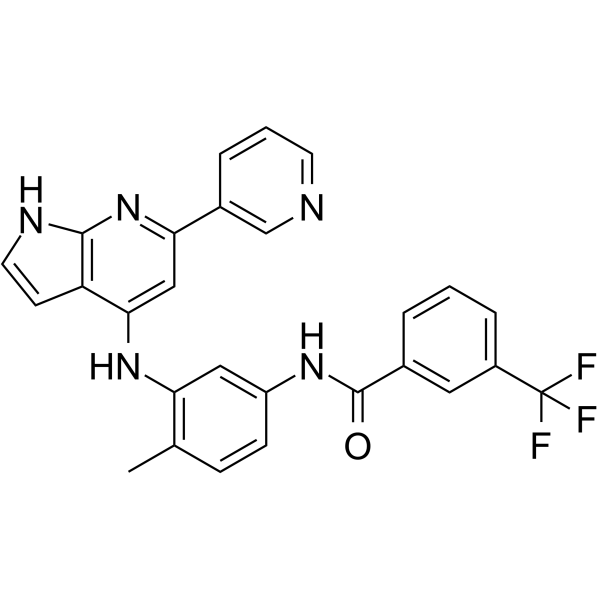
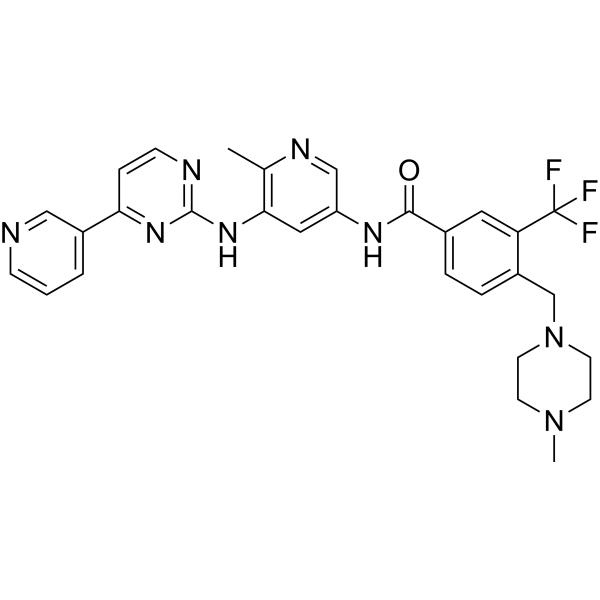
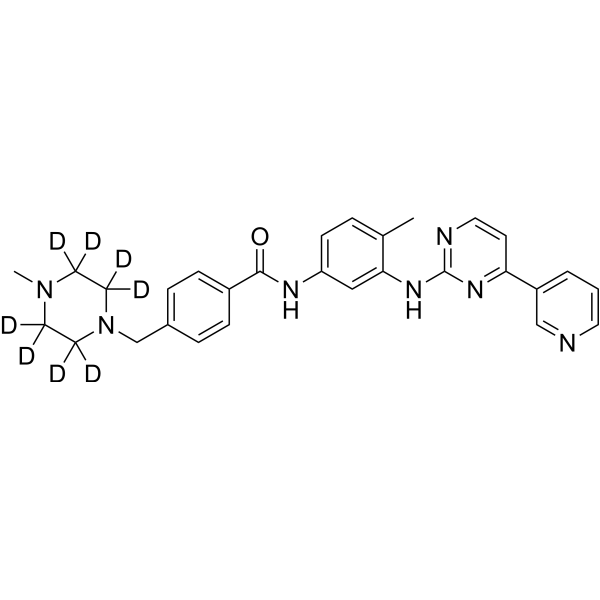
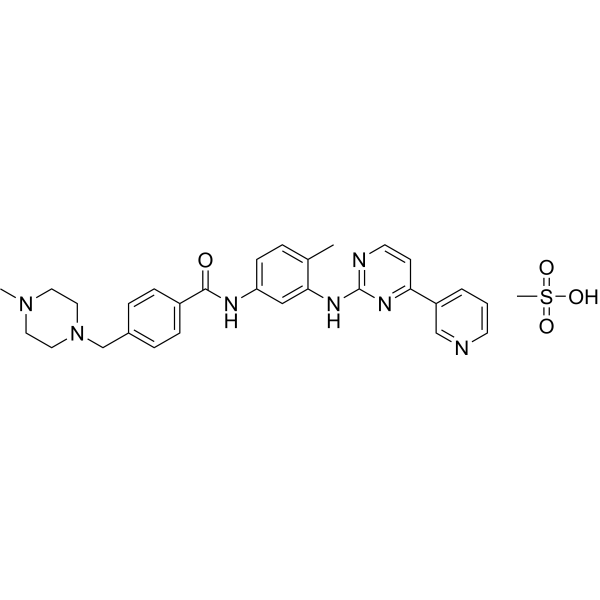
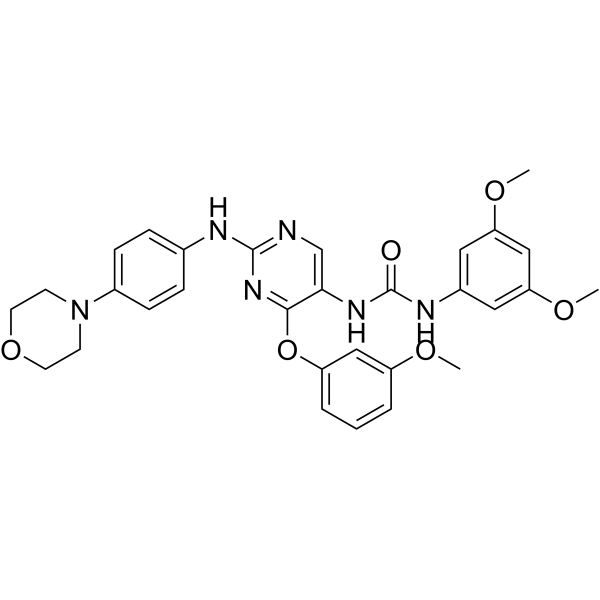
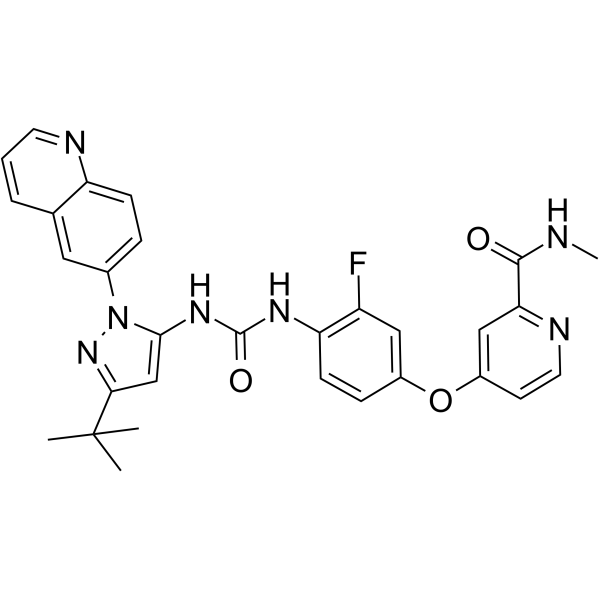
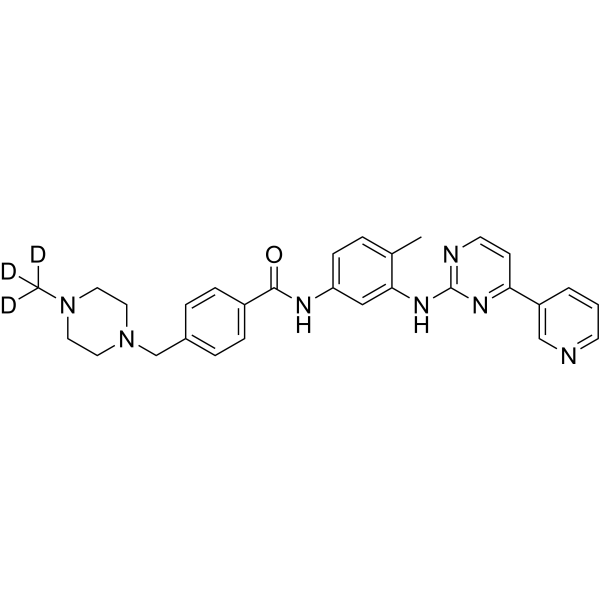
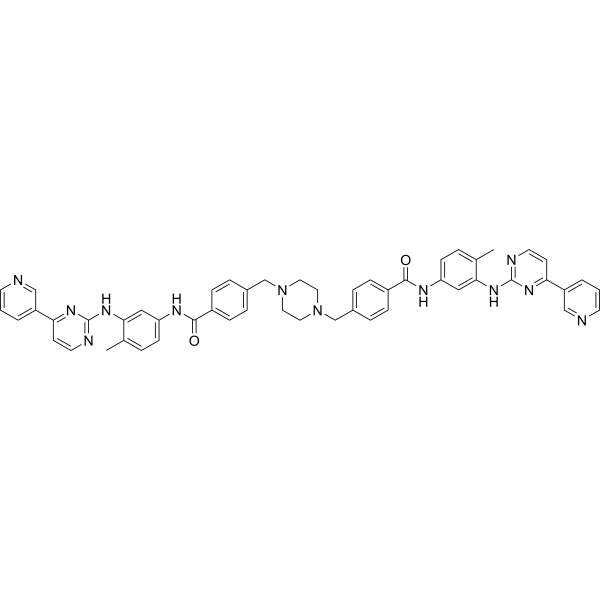
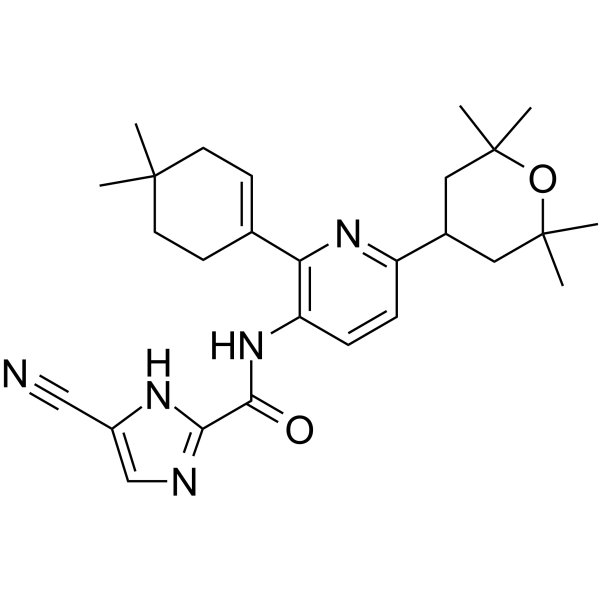
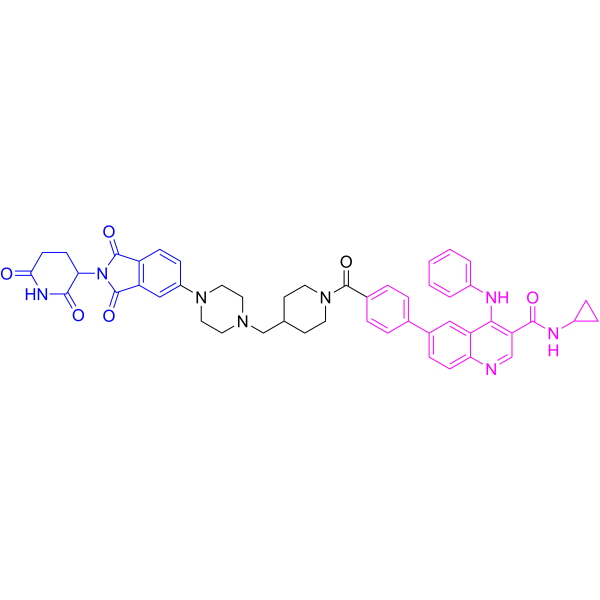
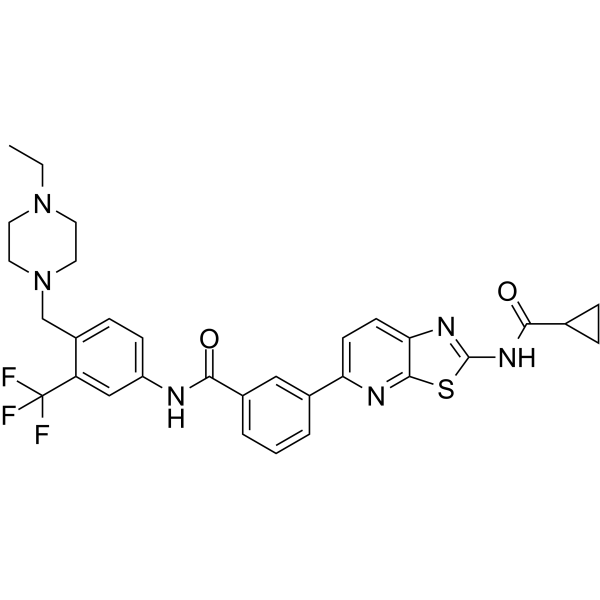
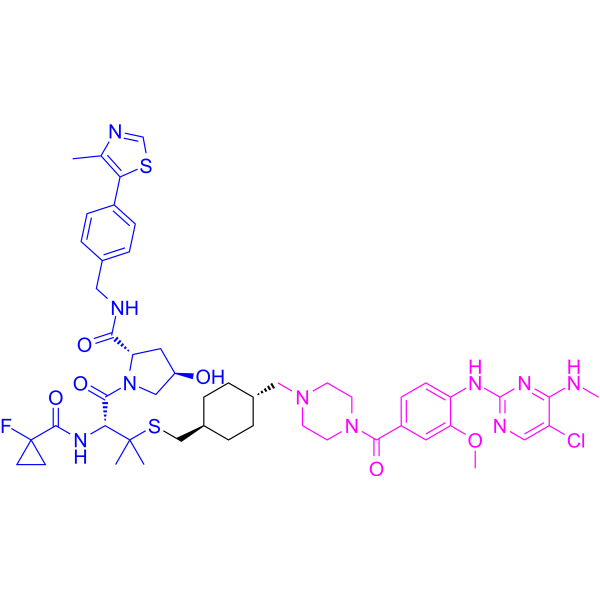
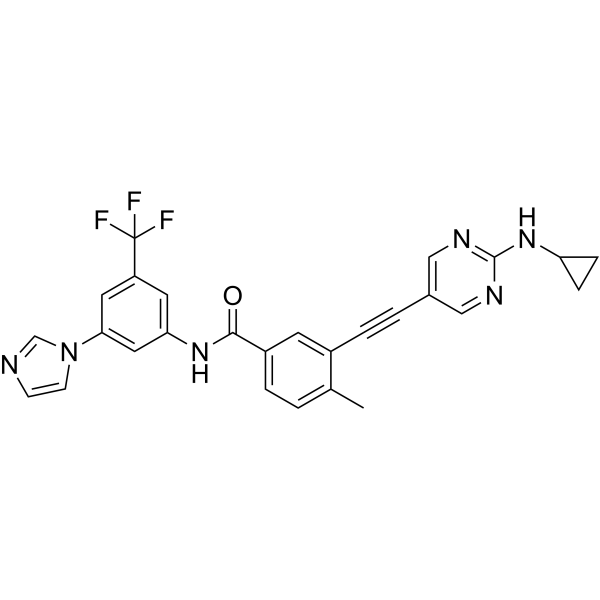
    CHMFL-ABL/KIT-155 (CHMFL-ABL-KIT-155; compound 34) is a highly potent and orally active type II ABL/c-KIT dual kinase inhibitor (IC50s of 46 nM and 75 nM, respectively), and it also presents significant inhibitory activities to BLK (IC50=81 nM), CSF1R (IC50=227 nM), DDR1 (IC50=116 nM), DDR2 (IC50=325 nM), LCK (IC50=12 nM) and PDGFRβ (IC50=80 nM) kinases. CHMFL-ABL/KIT-155 (CHMFL-ABL-KIT-155) arrests cell cycle progression and induces apoptosis .
    CHMFL-ABL/KIT-155

オンラインお問い合わせ

入力情報は安全に管理されます. 必須入力項目.

タイトル


国或いは地域 *

お名前 *


組纖名 *

デパートメント *


メールアドレス *


製品名 *

製品番号


カスタマ需要量 *

電話番号 *


必ず会社名を記載ください。個人への返信は行いません。

備考

バルクお問い合わせ

Inquiry Information

製品名:
製品番号:
数量:
MCE 日本正規代理店: