



Crystal Violet
Based on 73 publication(s) in Google Scholar
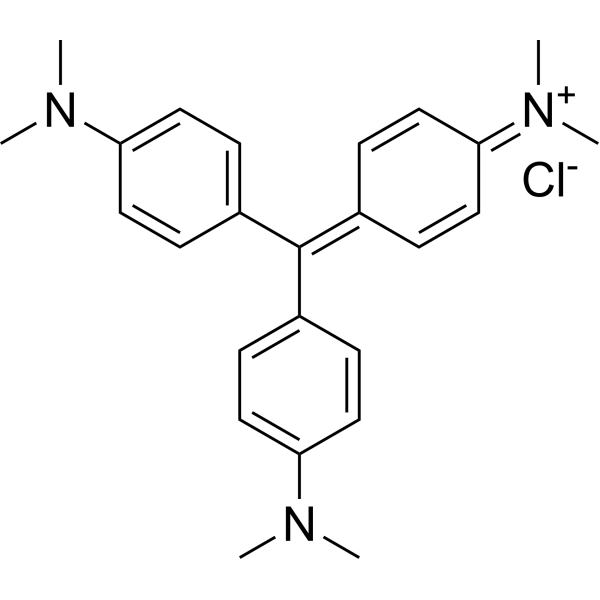
Crystal Violet, also known as Gentian violet, methyl violet 10B, is a triphenyl-methane, an alkaline dye that binds to DNA in the nucleus of a cell, staining it a deep purple. It is often used for Gram staining to classify bacteria, or for cell or histological staining[1].
For research use only. We do not sell to patients.
- Purity : 95.16%
- CAS No.: 548-62-9
- Formula: C25H30ClN3
- Molecular Weight:407.98
-
Storage:
Store at room temperature 3 years.
In solvent -80°C, 1 year , -20°C, 6 months

To place orders, for customer services and technical support, please contact: MedChemExpress USA
Tel: 609-228-6898 E-mail: [email protected] [email protected]


-
 Biological Activity
-
Chemical Information
-
Solvent & Solubility
- Protocols
- Purity & Documentation
- References
-
 Help & FAQs


-
HY-18739
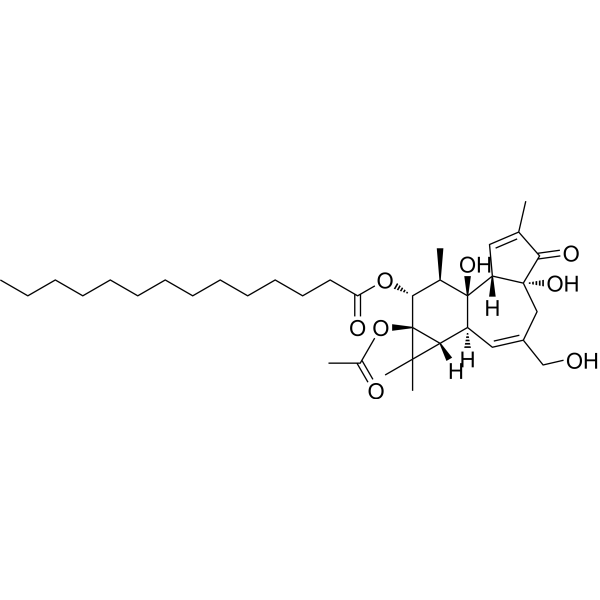
Phorbol 12-myristate 13-acetatePKC Activator -

HY-DY2001
Crystal Violet (solution)Fluorochrome -
HY-13259
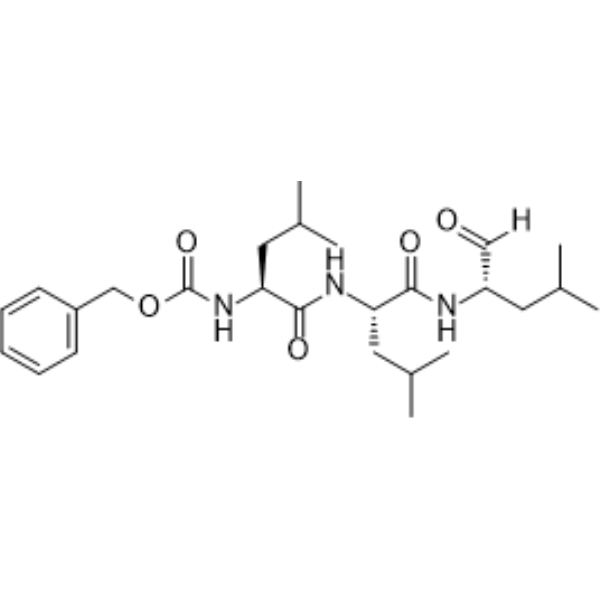
MG-132Proteasome Inhibitor -
HY-15924
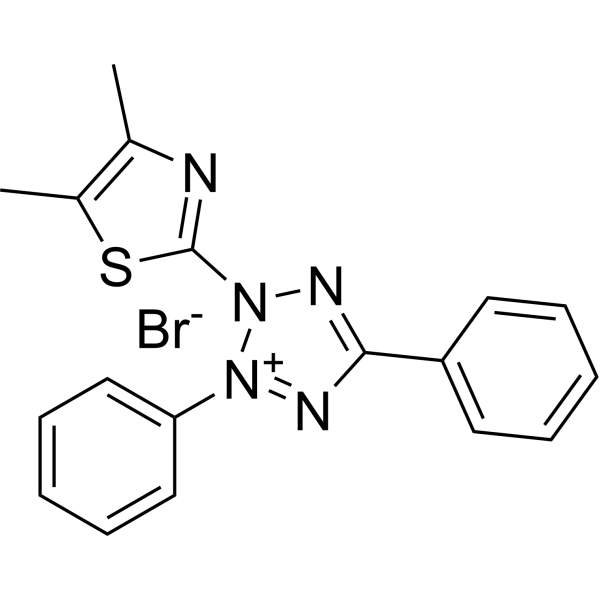
Thiazolyl BlueCytotoxicity Detection Reagent -
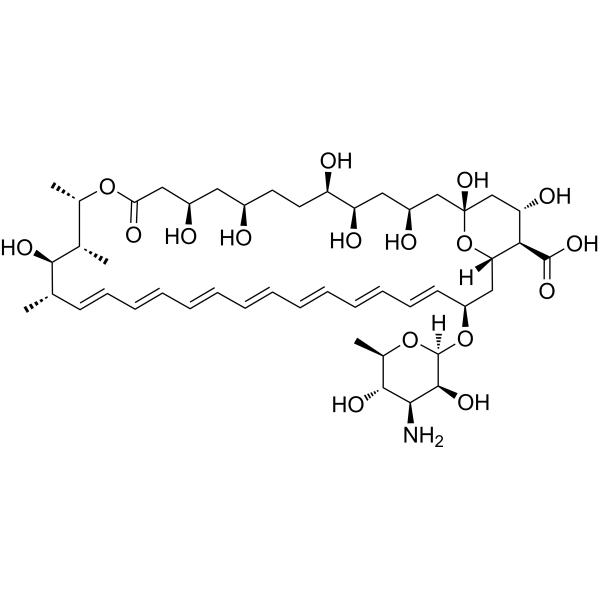
HY-B0221
Amphotericin BAntifungal Agent -
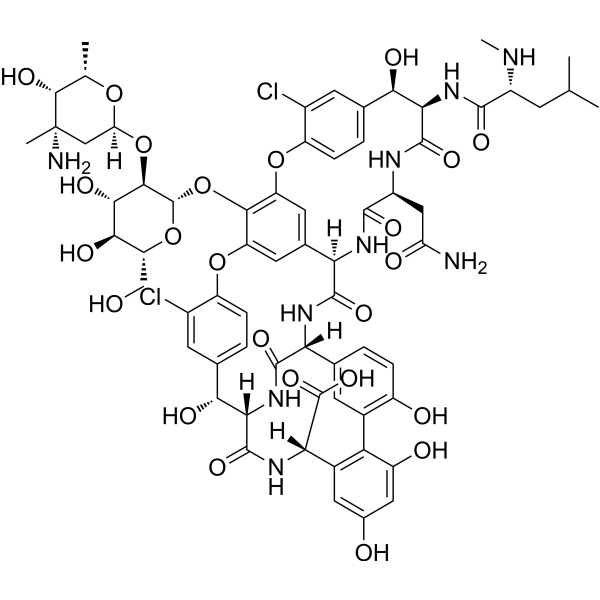
HY-B0671
VancomycinAntibiotic -
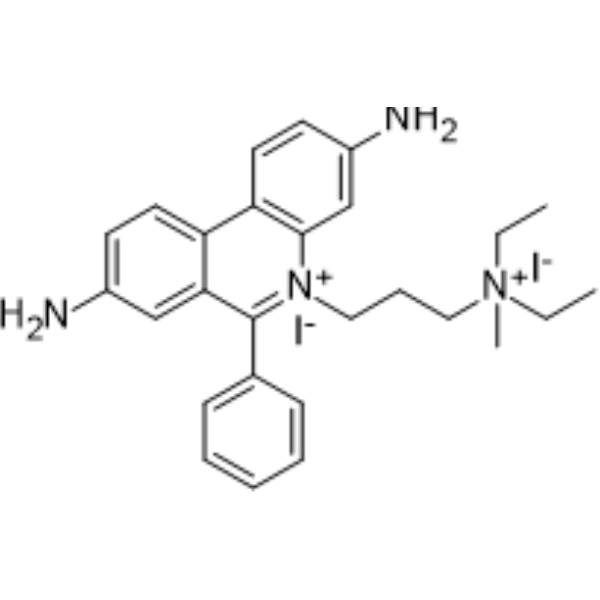
HY-D0815
Propidium IodideFluorochrome -
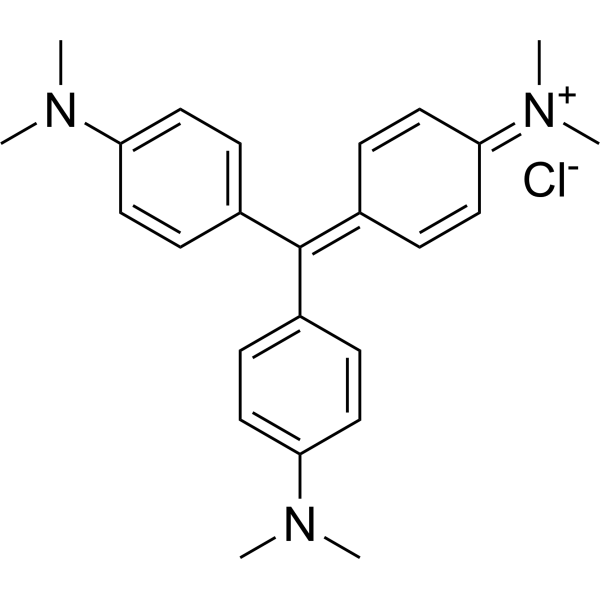
HY-W110794
Crystal violet, IND (0.0-2.0)Biochemical Assay Reagent -
HY-N0053
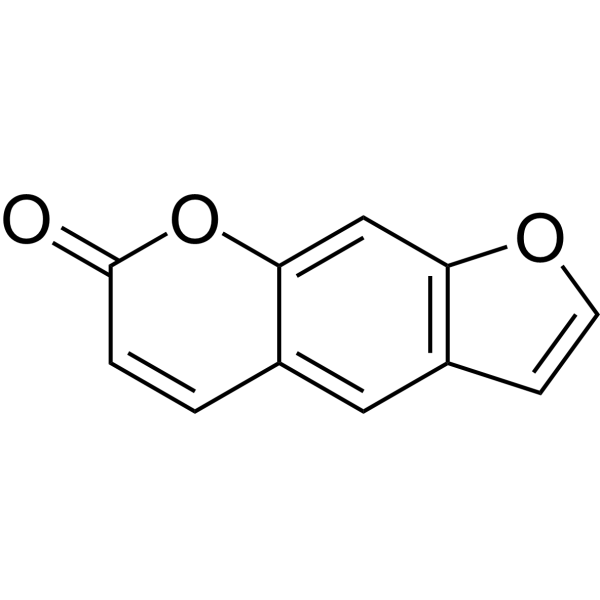
PsoralenBioactive Natural Compound -

HY-Y1891
Tween 80 -

HY-K0010
Protease Inhibitor Cocktail (EDTA-Free, 100× in DMSO) -
HY-10162
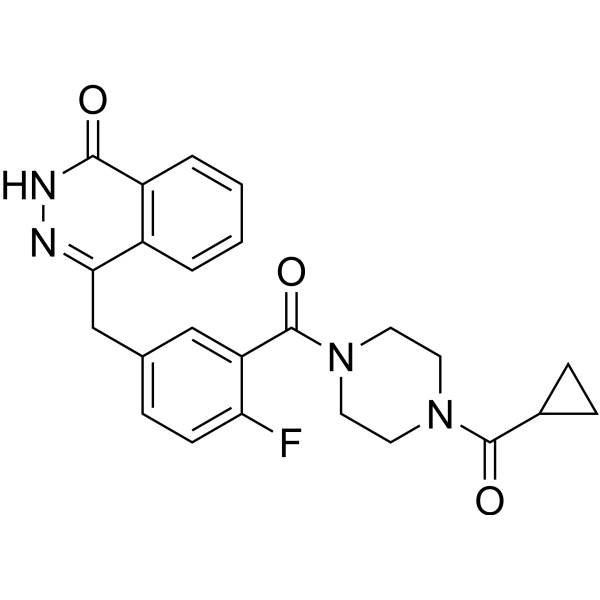
OlaparibPARP Inhibitor
Publications Citing Use of MedChemExpress (MCE) Crystal Violet
More- Cancer Res. 2025 Aug 21. [Abstract]
- J Adv Res. 2025 Jan 18:S2090-1232(25)00045-1. [Abstract]
- J Nanobiotechnology. 2026 Jun 28.
- J Exp Clin Cancer Res. 2018 Nov 29;37(1):294. [Abstract]
- Adv Sci (Weinh). 2025 Apr;12(13):e2415229. [Abstract]
- J Control Release. 2026 Jan 10:389:114488. [Abstract]
- Cell Death Dis. 2026 May 20. [Abstract]
- Cell Death Dis. 2023 Aug 29;14(8):573. [Abstract]
- Cell Death Dis. 2022 Jun 20;13(6):557. [Abstract]
- Phytomedicine. 2026 Jan 20:153:157860. [Abstract]
- Phytomedicine. 2025 Aug:144:156912. [Abstract]
- Mater Today Bio. 2025 Nov 28.
- Cell Death Discov. 2025 Dec 8. [Abstract]
- NPJ Precis Oncol. 2026 Jun 20. [Abstract]
- Int J Mol Med. 2018 Jul;42(1):597-606. [Abstract]
- Drug Deliv. 2022 Dec;29(1):3123-3133. [Abstract]
- Cell Rep. 2026 May 26;45(5):117354. [Abstract]
- Cell Prolif. 2024 Sep;57(9):e13678. [Abstract]
- J Med Chem. 2026 Aug 13;69(15):17974-17994.
- Biochem Pharmacol. 2026 Apr:246:117708. [Abstract]
- Pharm Biol. 2023 Dec;61(1):918-926. [Abstract]
- Cancer Metab. 2026 Jun 17. [Abstract]
- Eur J Pharmacol. 2019 Nov 5:862:172637. [Abstract]
- Int Immunopharmacol. 2025 Oct 30:164:115301. [Abstract]
- Int J Mol Sci. 2021 Aug 16;22(16):8792. [Abstract]
- Mol Med Rep. 2018 Nov;18(5):4760-4766. [Abstract]
- Mediators Inflamm. 2025 Dec 22:2025:7712817. [Abstract]
- Transl Oncol. 2025 Jan:51:102199. [Abstract]
- Cancers (Basel). 2023 Nov 17;15(22):5454. [Abstract]
- Cancers (Basel). 2021 Jul 26;13(15):3752. [Abstract]
- Oncol Rep. 2021 Nov;46(5):236. [Abstract]
- Oncol Rep. 2018 Mar;39(3):1173-1180. [Abstract]
- iScience. 2026 Jun 17;29(7). [Abstract]
- iScience. 2025 Nov 21;28(12):114175. [Abstract]
- FASEB J. 2026 Aug 31;40(16):e72157.
- BMC Cancer. 2017 Feb 16;17(1):140. [Abstract]
- Naunyn Schmiedebergs Arch Pharmacol. 2026 Aug 6.
- Naunyn Schmiedebergs Arch Pharmacol. 2025 May;398(5):5405-5415. [Abstract]
- Stem Cells Int. 2024 Jan 19:2024:3361794. [Abstract]
- Toxicol Appl Pharmacol. 2023 Nov 1:478:116698. [Abstract]
- Appl Biochem Biotechnol. 2025 Oct 13. [Abstract]
- Int J Parasitol Drugs Drug Resist. 2024 Aug:25:100551. [Abstract]
- Cell Biochem Funct. 2019 Jul;37(5):340-347. [Abstract]
- Chem Biol Drug Des. 2025 May;105(5):e70116. [Abstract]
- Oral Dis. 2024 Apr;30(3):1322-1336. [Abstract]
- Am J Cancer Res. 2017 Nov 1;7(11):2209-2219. [Abstract]
- Biomed Res Int. 2020 Feb 13:2020:2527643. [Abstract]
- Mol Cell Biol. 2026 Mar 19:1-18. [Abstract]
- Gene. 2025 Oct 23:149829. [Abstract]
- Clin Transl Oncol. 2025 May;27(5):2256-2268. [Abstract]
- Int J Legal Med. 2025 Jul 10. [Abstract]
- Biochem Biophys Res Commun. 2026 Mar 12:804:153353. [Abstract]
- Biochem Biophys Res Commun. 2025 Sep 1:777:152287. [Abstract]
- Biochem Biophys Res Commun. 2024 Nov 19:734:150641. [Abstract]
- J Clin Lab Anal. 2022 May 2;e24463. [Abstract]
- Onco Targets Ther. 2018 Jan 26:11:571-585. [Abstract]
- Onco Targets Ther. 2016 Oct 26:9:6619-6629. [Abstract]
- Open Life Sci. 2019 May 21:14:133-140. [Abstract]
- Oncol Lett. 2017 Dec;14(6):8114-8121. [Abstract]
- Oncol Lett. 2016 Apr;11(4):2583-2589. [Abstract]
- Anticancer Drugs. 2025 Jul 1;36(6):459-467. [Abstract]
- Biochem Genet. 2025 Nov 26. [Abstract]
- J Interferon Cytokine Res. 2024 Nov;44(11):486-495. [Abstract]
- Biosci Biotechnol Biochem. 2023 Dec 19;88(1):26-36. [Abstract]
- Int J Radiat Res. 2025, 23(1): 147-154.
- Res Sq. 2026 Mar 13.
- Rev Bras Farm. 2025 Apr.
- bioRxiv. 2025 March 20.
- J Oncol. 2021 Dec 20;2021:4475192. [Abstract]
- Research Square Preprint. 2021 Oct.
- Eur Rev Med Pharmacol Sci. 2019 Jun;23(12):5206-5214. [Abstract]
- Eur Rev Med Pharmacol Sci. 2018 Nov;22(22):7660-7670. [Abstract]
- Oncotarget. 2016 Oct 4;7(40):65744-65757. [Abstract]
 Customer Validation & Images

-
Cell Migration/Invasion Assay
-
Cell Migration/Invasion Assay
-
Cell Migration/Invasion Assay
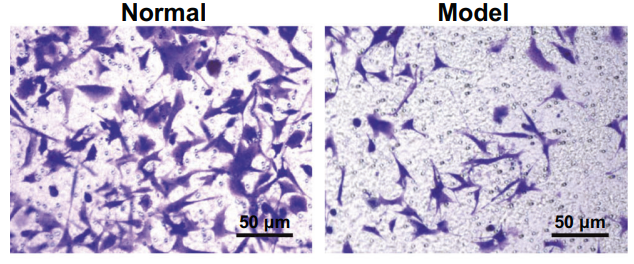
-
Cell Proliferation/Viability Assay
-
Cell Proliferation/Viability Assay


Biological Activity
Description
Cellular Effect
|
Cell Line

|
Type | Value | Description | References |
|---|---|---|---|---|
| H9c2 | CC50 |
1.5 μM
Compound: Gentian violet
|
Cytotoxicity against rat H9c2 cells assessed as reduction in cell viability after 72 hrs by alamar blue assay
Cytotoxicity against rat H9c2 cells assessed as reduction in cell viability after 72 hrs by alamar blue assay
|
[PMID: 29031078] |
| HeLa | IC50 |
0.4 μM
Compound: Gentian violet
|
Antiproliferative activity against human HeLa cells
Antiproliferative activity against human HeLa cells
|
[PMID: 30108998] |
| Huh-7 | CC50 |
1.434 μM
Compound: GNF-Pf-880
|
NOVARTIS: Cytotoxicity against human hepatocellular carcinoma cell line (Huh7)
NOVARTIS: Cytotoxicity against human hepatocellular carcinoma cell line (Huh7)
|
[PMID: 18579783] |
| J774 | CC50 |
0.45 μM
Compound: Gentian violet
|
Cytotoxicity against mouse J774 cells assessed as reduction in cell viability after 72 hrs by alamar blue assay
Cytotoxicity against mouse J774 cells assessed as reduction in cell viability after 72 hrs by alamar blue assay
|
[PMID: 29031078] |
| J774 | CC50 |
0.45 μM
Compound: GV
|
Cytotoxicity against mouse J774 cells assessed as cell viability after 72 hrs by Alamar Blue assay
Cytotoxicity against mouse J774 cells assessed as cell viability after 72 hrs by Alamar Blue assay
|
[PMID: 26549870] |
| J774 | CC50 |
0.8 μM
Compound: Gentian violet
|
Cytotoxicity against mouse J774 cells assessed as reduction in cell viability after 72 hrs by Alamar Blue assay
Cytotoxicity against mouse J774 cells assessed as reduction in cell viability after 72 hrs by Alamar Blue assay
|
[PMID: 32364737] |
| J774 | CC50 |
4.1 μM
Compound: GV
|
Cytotoxicity against BALB/c mouse J774 cells assessed as reduction in cell viability after 72 hrs by alamarBlue assay
Cytotoxicity against BALB/c mouse J774 cells assessed as reduction in cell viability after 72 hrs by alamarBlue assay
|
[PMID: 29523468] |
| NIH3T3 | IC50 |
5.3 μM
Compound: Gentian violet
|
Antiproliferative activity against mouse NIH/3T3 cells
Antiproliferative activity against mouse NIH/3T3 cells
|
[PMID: 30108998] |
| RAW264.7 | IC50 |
1.1 μM
Compound: Gentian violet
|
Antiinflammatory activity in mouse RAW264.7 cells assessed as decrease in IFN-gamma and LPS-induced nitric oxide production after 24 hrs by ELISA
Antiinflammatory activity in mouse RAW264.7 cells assessed as decrease in IFN-gamma and LPS-induced nitric oxide production after 24 hrs by ELISA
|
[PMID: 35998343] |
| SK-MEL-2 | IC50 |
1.36 μM
Compound: Crystal Violet
|
Cytotoxicity against human SK-MEL-2 cells expressing NRAS mutant assessed as cell growth inhibition incubated for 48 hrs by MTT assay
Cytotoxicity against human SK-MEL-2 cells expressing NRAS mutant assessed as cell growth inhibition incubated for 48 hrs by MTT assay
|
[PMID: 36961300] |
| SK-MEL-2 | IC50 |
2.89 μM
Compound: Crystal Violet
|
Cytotoxicity against human SK-MEL-2 cells assessed as cell growth inhibition incubated for 24 hrs by MTT assay
Cytotoxicity against human SK-MEL-2 cells assessed as cell growth inhibition incubated for 24 hrs by MTT assay
|
[PMID: 36961300] |
In Vitro
Guide (The following is our recommended experimental protocol. This protocol is for reference only and should be modified according to your specific needs).
1. Preparation of Crystal Violet working solution
Dissolve 2 g Crystal Violet in 20 mL of 95% ethanol, then mix with 80 mL of 1% ammonium oxalate aqueous solution. Use after 24 h.
2. Sample preparation
2.1 Paraffin sections: First deparaffinize with xylene for 5-10 min, replace with fresh xylene, and deparaffinize again for 5–10 min. After deparaffinization, treat with 100% ethanol for 5 min; then 90% ethanol for 2 min; followed by 70% ethanol for 2 min; and finally DDH2O for 2 min.
2.2 Frozen sections: Treat with DDH2O for 2 min.
2.3 Cultured cells: Fix with 4% paraformaldehyde for more than 10 min. Wash with distilled water for 2 min, replace with fresh distilled water, and wash again for 2 min.
Note: Other fixatives may be selected according to specific experimental needs.
3. Crystal Violet staining
3.1 After processing the samples as described above, directly add Crystal Violet staining solution and stain at room temperature for 10 min (the staining solution should fully cover the samples; the staining time can be adjusted as needed).
3.2 Discard the staining solution and wash thoroughly with distilled water until no dye is washed off.
3.3 Air dry at room temperature.
3.4 Observe and capture images under a light microscope.
Storage conditions
Store at 4°C protected from light for 2 years.
Notes
1. It is recommended to perform a preliminary experiment with 1-2 samples when using this product for the first time.
2. This product is for research use only by professionals and is not intended for clinical diagnosis or treatment, nor for use in food or drugs.
3. For your safety and health, please wear a lab coat and disposable gloves during operation.
MedChemExpress (MCE) has not independently confirmed the accuracy of these methods. They are for reference only.
Clinical Trial
| NCT Number | Sponsor | Condition | Start Date |
Phase
|
|---|---|---|---|---|
| NCT01329991 | Plexxikon| | 2011-05 | PHASE1 |
Dyeing Example


Chemical Information
-
CAS No. 548-62-9
-
Appearance Solid
-
Molecular Weight 407.98
-
Formula C25H30ClN3
-
Color Light green to green
-
SMILES
C/[N+](C)=C1C=C/C(C=C/1)=C(C2=CC=C(N(C)C)C=C2)\C3=CC=C(N(C)C)C=C3.[Cl-]
-
Synonyms
Basic Violet 3; Gentian Violet; Methyl Violet 10B
-
Shipping
Room temperature in continental US; may vary elsewhere.
-
Storage
Store at room temperature 3 years
In solvent -80°C 1 year -20°C 6 months


Publications (73)
-
Journal Impact Factor
-
Most Recent
-
Cancer Res
The Acetyltransferase ARD1 Induces Glutathione Synthesis to Facilitate Ferroptosis Evasion in Hepatocellular Carcinoma. [Abstract]2025 Aug 21. PMID: 40838989 -
J Adv Res
SCARB1 links cholesterol metabolism-mediated ferroptosis inhibition to radioresistance in tumor cells. [Abstract]2025 Jan 18:S2090-1232(25)00045-1. PMID: 39832721 -
-
J Exp Clin Cancer Res
miR-296-5p suppresses EMT of hepatocellular carcinoma via attenuating NRG1/ERBB2/ERBB3 signaling. [Abstract]2018 Nov 29;37(1):294. PMID: 30486894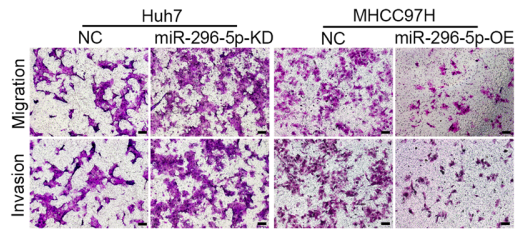
Crystal Violet purchased from MedChemExpress. Usage Cited in: J Exp Clin Cancer Res. 2018 Nov 29;37(1):294. [Abstract]
Transwell assays (left) and statistical results (right) of cellular migration and invasion at 48 h. magnification 100×. Forty-eight hours later, migratory and invasive cells on the bottom surface of the filters were fixed in 4% paraformaldehyde, stained by 0.1% crystal violet solution and quantified under an inverted microscope.
-
Adv Sci (Weinh)
A Novel tRF, HCETSR, Derived From tRNA-Glu/TTC, Inhibits HCC Malignancy by Regulating the SPBTN1-catenin Complex Axis. [Abstract]2025 Apr;12(13):e2415229. PMID: 39921434
Crystal Violet purchased from MedChemExpress. Usage Cited in: Adv Sci (Weinh). 2025 Apr;12(13):e2415229. [Abstract]
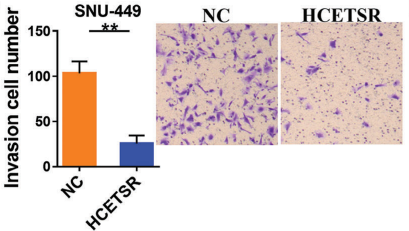
Transwell assays with Matrigel show the invasion capabilities of SNU-449 after transfection with HCETSR or its negative control. Cells were fixed with paraformaldehyde, stained with Crystal Violet, and counted to assess invasive capacity.
Crystal Violet purchased from MedChemExpress. Usage Cited in: Adv Sci (Weinh). 2025 Apr;12(13):e2415229. [Abstract]
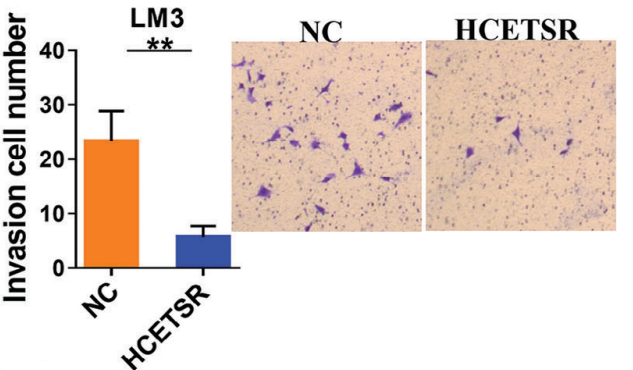
Transwell assays with Matrigel show the invasion capabilities of LM3 after transfection with HCETSR or its negative control. Cells were fixed with paraformaldehyde, stained with Crystal Violet, and counted to assess invasive capacity.
-
J Control Release
Bioswitchable intracellular delivery of small activating RNA by tetrahedral framework nucleic acid: Application to p21-mediated anti-tumor therapy. [Abstract]2026 Jan 10:389:114488. PMID: 41330514 -
Cell Death Dis
PHKG2 confers resistance of ESCC to cisplatin and enhances CXCL8-dependent immunosuppression to exacerbate tumorigenesis. [Abstract]2026 May 20. PMID: 42161921 -
Cell Death Dis
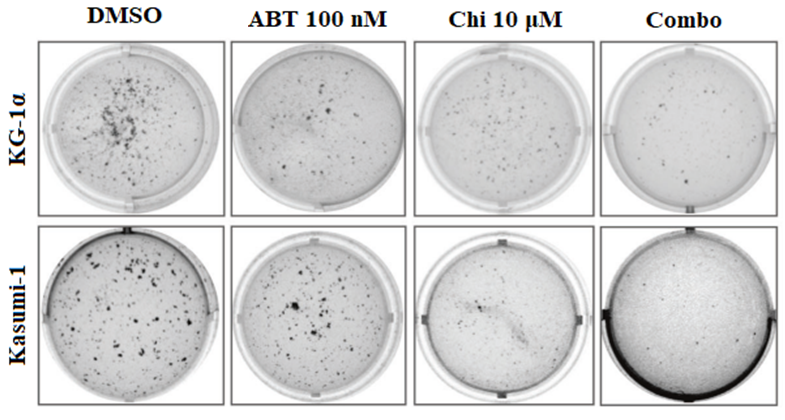
Bcl-2 inhibition combined with PPARα activation synergistically targets leukemic stem cell-like cells in acute myeloid leukemia. [Abstract]2023 Aug 29;14(8):573. PMID: 37644011
Crystal Violet purchased from MedChemExpress. Usage Cited in: Cell Death Dis. 2023 Aug 29;14(8):573. [Abstract]
Clonogenic capacity identification of KG-1α and Kasumi-1 cells was performed by determining the percentage of CFUs. A total of 5 × 10⁵/mL KG-1α or Kasumi-1 cells were treated with DMSO, 100 nM venetoclax and 10 μM chiglitazar alone or in combination for 24 h. Subsequently, 1000 cells from every treatment were incubated in 6-well soft agar and cultured for 14 days at 37 °C. Colonies were stained with 0.5% crystal violet stain solution and CFUs consisting of at least 50 cells were counted.
-
Cell Death Dis
Co-loaded lapatinib/PAB by ferritin nanoparticles eliminated ECM-detached cluster cells via modulating EGFR in triple-negative breast cancer. [Abstract]2022 Jun 20;13(6):557. PMID: 35725558 -
Phytomedicine
Anti-tumor effects of Guggulsterone in osteosarcoma: Role of SIRT3-mediated PINK1-Parkin mitophagy activation. [Abstract]2026 Jan 20:153:157860. PMID: 41650525 -
Phytomedicine
Brusatol induced ferroptosis in osteosarcoma cells by modulating the Keap1/Nrf2/SLC7A11 signaling pathway. [Abstract]2025 Aug:144:156912. PMID: 40494017 -
-
Cell Death Discov
IL-1β+ lung-resident macrophages mediate endothelial dysfunction and acute lung injury in sepsis through immune-metabolic crosstalk. [Abstract]2025 Dec 8. PMID: 41360768
Crystal Violet purchased from MedChemExpress. Usage Cited in: Cell Death Discov. 2025 Dec 8. [Abstract]
Transwell assay measuring migration of endothelial cells. Migrated cells on the lower membrane surface were fixed with 4% paraformaldehyde and stained with 10% Crystal Violet for 15 min.
-
NPJ Precis Oncol
HMGB3 facilitates malignant phenotype of esophageal carcinoma via histone lactylation- and Wnt/β-catenin-dependent transcription activation of c-myc. [Abstract]2026 Jun 20. PMID: 42323461 -
Int J Mol Med
Human circular RNA‑0054633 regulates high glucose‑induced vascular endothelial cell dysfunction through the microRNA‑218/roundabout 1 and microRNA‑218/heme oxygenase‑1 axes. [Abstract]2018 Jul;42(1):597-606. PMID: 29693114 -
Drug Deliv
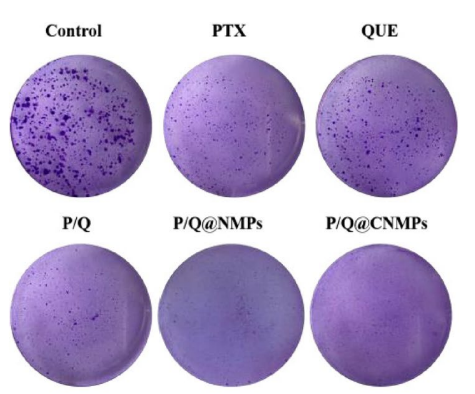
A novel ligand-modified nanocomposite microparticles improved efficiency of quercetin and paclitaxel delivery in the non-small cell lung cancer. [Abstract]2022 Dec;29(1):3123-3133. PMID: 36151722
Crystal Violet purchased from MedChemExpress. Usage Cited in: Drug Deliv. 2022 Dec;29(1):3123-3133. [Abstract]
Colony formation of A549 cells. Cells were treated with 4% paraformaldehyde and 0.1% crystal violet.
-
Cell Rep
2026 May 26;45(5):117354. PMID: 42139058 -
Cell Prolif
Tetrahedral framework nucleic acid-based small-molecule inhibitor delivery for ecological prevention of biofilm. [Abstract]2024 Sep;57(9):e13678. PMID: 38812355 -
-
Biochem Pharmacol
Arachidonic acid analog AACOCF3 suppresses cPLA2-negative NSCLC cell proliferation by targeting SSRP1 to activate the IFNα/β pathway. [Abstract]2026 Apr:246:117708. PMID: 41544858 -
Pharm Biol
Lucialdehyde B suppresses proliferation and induces mitochondria-dependent apoptosis in nasopharyngeal carcinoma CNE2 cells. [Abstract]2023 Dec;61(1):918-926. PMID: 37323017 -
Cancer Metab
DLL1-mediated ferroptosis resistance via the Notch-Nrf2/GPX4 axis drives cisplatin resistance in ovarian cancer. [Abstract]2026 Jun 17. PMID: 42310697 -
Eur J Pharmacol
FABP5 is correlated with poor prognosis and promotes tumour cell growth and metastasis in clear cell renal cell carcinoma. [Abstract]2019 Nov 5:862:172637. PMID: 31491402 -
Int Immunopharmacol
Pedunculoside regulates tumor immune microenvironment and malignant characteristics of bladder cancer by TRAF6 mediated M2 macrophage polarization. [Abstract]2025 Oct 30:164:115301. PMID: 40811948 -
Int J Mol Sci
Parallel Reporter Assays Identify Altered Regulatory Role of rs684232 in Leading to Prostate Cancer Predisposition. [Abstract]2021 Aug 16;22(16):8792. PMID: 34445492 -
Mol Med Rep
LIMD2 targeted by miR‑34a promotes the proliferation and invasion of non‑small cell lung cancer cells. [Abstract]2018 Nov;18(5):4760-4766. PMID: 30221696 -
Mediators Inflamm
lncRNA NKILA Promotes Warburg Effect and Immune Escape in Intrahepatic Cholangiocarcinoma by Regulating the MTX1/TOMM40 Axis. [Abstract]2025 Dec 22:2025:7712817. PMID: 41498025 -
Transl Oncol
4'-Demethylpodophyllotoxin functions as a mechanism-driven therapy by targeting the PI3K-AKT pathway in Colorectal cancer. [Abstract]2025 Jan:51:102199. PMID: 39631206 -
Cancers (Basel)
The m7G Reader NCBP2 Promotes Pancreatic Cancer Progression by Upregulating MAPK/ERK Signaling. [Abstract]2023 Nov 17;15(22):5454. PMID: 38001714 -
Cancers (Basel)
2021 Jul 26;13(15):3752. PMID: 34359652 -
Oncol Rep
Abnormally elevated ubiquilin‑1 expression in breast cancer regulates metastasis and stemness via AKT signaling. [Abstract]2021 Nov;46(5):236. PMID: 34528694 -
Oncol Rep
Function of miR‑152 as tumor suppressor in oral squamous cell carcinoma cells by targeting c‑MET. [Abstract]2018 Mar;39(3):1173-1180. PMID: 29286169 -
iScience
Machine learning algorithms develop a tumor-educated platelets-related gene signature to predict colorectal cancer prognosis and therapy response. [Abstract]2026 Jun 17;29(7). PMID: 42375537 -
iScience
A translational study on the survival and molecular mechanism of PD-L1 expression in EGFR-mutant NSCLC treated with osimertinib. [Abstract]2025 Nov 21;28(12):114175. PMID: 41446744 -
-
BMC Cancer
miR-296 inhibits the metastasis and epithelial-mesenchymal transition of colorectal cancer by targeting S100A4. [Abstract]2017 Feb 16;17(1):140. PMID: 28209128 -
-
Naunyn Schmiedebergs Arch Pharmacol
Sennoside A represses the malignant phenotype and tumor immune microenvironment of non-small cell lung cancer cells by inhibiting the TRAF6/NF-κB pathway. [Abstract]2025 May;398(5):5405-5415. PMID: 39549059 -
Stem Cells Int
METTL3-Mediated m6A Modification Regulates the Osteogenic Differentiation through LncRNA CUTALP in Periodontal Mesenchymal Stem Cells of Periodontitis Patients. [Abstract]2024 Jan 19:2024:3361794. PMID: 38283119 -
Toxicol Appl Pharmacol
The HDAC inhibitor HFY-4A improves TUSC2 transcription to induce immunogenic cell death in breast cancer. [Abstract]2023 Nov 1:478:116698. PMID: 37742871 -
Appl Biochem Biotechnol
NAT10 Regulates the Migration, Invasion, and Angiogenesis of Human Umbilical Vein Endothelial Cells Through ac4C Modification of MEOX2 in Gestational Diabetes Mellitus. [Abstract]2025 Oct 13. PMID: 41082000 -
Int J Parasitol Drugs Drug Resist
Lower micromolar activity of the antifungal imidazoles on the bacterial-type bifunctional aldehyde/alcohol dehydrogenase (AdhE) in Cryptosporidium parvum and in vitro efficacy against the zoonotic parasite. [Abstract]2024 Aug:25:100551. PMID: 38875756 -
Cell Biochem Funct
LncRNA BDNF-AS suppresses colorectal cancer cell proliferation and migration by epigenetically repressing GSK-3β expression. [Abstract]2019 Jul;37(5):340-347. PMID: 31062382 -
Chem Biol Drug Des
Artesunate Enhances Sensitivity of Renal Cancer Cells to Sunitnib by Mediating Tripartite Motif Containing 24-Induced Ubiquitination of Paired Box 6. [Abstract]2025 May;105(5):e70116. PMID: 40346910 -
Oral Dis
N6-methyladenosine promotes osteogenic differentiation of PDLSCs from periodontitis patients. [Abstract]2024 Apr;30(3):1322-1336. PMID: 36516331 -
Am J Cancer Res
Expression of miR-149-3p inhibits proliferation, migration, and invasion of bladder cancer by targeting S100A4. [Abstract]2017 Nov 1;7(11):2209-2219. PMID: 29218245 -
Biomed Res Int
Porcupine Inhibitor LGK974 Downregulates the Wnt Signaling Pathway and Inhibits Clear Cell Renal Cell Carcinoma. [Abstract]2020 Feb 13:2020:2527643. PMID: 32104684 -
Mol Cell Biol
Paeonol Ameliorates Gastric Mucosal Enterosis and Dysplasia Associated with Chronic Atrophic Gastritis by Modulating the JAK2/STAT3 Pathway. [Abstract]2026 Mar 19:1-18. PMID: 41852098 -
Gene
Panaxadiol inhibits the proliferation and immune evasion of esophageal squamous cell carcinoma cells by suppressing HIF-1α/STAT3/PD-L1 pathway. [Abstract]2025 Oct 23:149829. PMID: 41138756 -
Clin Transl Oncol
METTL3-mediated m6A modification of ZNF384 promotes hepatocellular carcinoma progression by transcriptionally activating ACSM1. [Abstract]2025 May;27(5):2256-2268. PMID: 39342516 -
Int J Legal Med
Bone histology for forensic anthropology: a technical review on the advances in microstructural analysis of taphonomically altered buried or subaerially exposed bone. [Abstract]2025 Jul 10. PMID: 40637841 -
Biochem Biophys Res Commun
Erianin induces ferroptosis in ovarian cancer cells by upregulating PDP2 and activating the JNK signaling pathway. [Abstract]2026 Mar 12:804:153353. PMID: 41619504 -
Biochem Biophys Res Commun
CENPA-driven transcriptional activation of ECT2 enhances EGFR inhibitor resistance in lung adenocarcinoma. [Abstract]2025 Sep 1:777:152287. PMID: 40618443 -
Biochem Biophys Res Commun
C1GALT1-mediated O-glycan T antigen increase enhances the migration and invasion ability of gastric cancer cells. [Abstract]2024 Nov 19:734:150641. PMID: 39243676 -
J Clin Lab Anal
Circular RNA hsa_circ_0004396 acts as a sponge of miR-615-5p to promote non-small cell lung cancer progression and radioresistance through the upregulation of P21-Activated Kinase 1. [Abstract]2022 May 2;e24463. PMID: 35500159 -
Onco Targets Ther
miR-106b-5p promotes stem cell-like properties of hepatocellular carcinoma cells by targeting PTEN via PI3K/Akt pathway. [Abstract]2018 Jan 26:11:571-585. PMID: 29416358 -
Onco Targets Ther
2016 Oct 26:9:6619-6629. PMID: 27822067 -
Open Life Sci
Overexpression of RASAL1 Indicates Poor Prognosis and Promotes Invasion of Ovarian Cancer. [Abstract]2019 May 21:14:133-140. PMID: 33817145 -
Oncol Lett
DDR2 facilitates papillary thyroid carcinoma epithelial mesenchymal transition by activating ERK2/Snail1 pathway. [Abstract]2017 Dec;14(6):8114-8121. PMID: 29250189 -
Oncol Lett
miR-517a is an independent prognostic marker and contributes to cell migration and invasion in human colorectal cancer. [Abstract]2016 Apr;11(4):2583-2589. PMID: 27073521 -
Anticancer Drugs
Thrombospondin-2 induces M2 macrophage polarization through fatty acid metabolism to drive lung adenocarcinoma proliferation. [Abstract]2025 Jul 1;36(6):459-467. PMID: 40053399 -
Biochem Genet
2025 Nov 26. PMID: 41296141 -
J Interferon Cytokine Res
IL-4 Downregulates PD-L1 Level Via SOCS1 Upregulation-Induced JNK Deactivation to Enhance Antitumor Immunity in In Vitro Colorectal Cancer. [Abstract]2024 Nov;44(11):486-495. PMID: 39364618 -
Biosci Biotechnol Biochem
The nucleolar protein NIFK accelerates the progression of colorectal cancer via activating MYC pathway. [Abstract]2023 Dec 19;88(1):26-36. PMID: 37950567 -
-
-
-
-
J Oncol
Low-Dose Albendazole Inhibits Epithelial-Mesenchymal Transition of Melanoma Cells by Enhancing Phosphorylated GSK-3 β/Tyr216 Accumulation. [Abstract]2021 Dec 20;2021:4475192. PMID: 34966427 -
-
Eur Rev Med Pharmacol Sci
MiR-296-5p inhibits cell invasion and migration of esophageal squamous cell carcinoma by downregulating STAT3 signaling. [Abstract]2019 Jun;23(12):5206-5214. PMID: 31298412 -
Eur Rev Med Pharmacol Sci
MicroRNA-144-3p inhibits cell proliferation and promotes apoptosis in castration-resistant prostate cancer by targeting CEP55. [Abstract]2018 Nov;22(22):7660-7670. PMID: 30536308 -
Oncotarget
Decreased miR-320a promotes invasion and metastasis of tumor budding cells in tongue squamous cell carcinoma. [Abstract]2016 Oct 4;7(40):65744-65757. PMID: 27582550


Solvent & Solubility
In Vitro:
DMSO : ≥ 100 mg/mL (245.11 mM; Hygroscopic DMSO has a significant impact on the solubility of product, please use newly opened DMSO)
H2O : 5 mg/mL (12.26 mM; Need ultrasonic)
* "≥" means soluble, but saturation unknown.
Please refer to the solubility information to select the appropriate solvent. Once prepared, please aliquot and store the solution to prevent product inactivation from repeated freeze-thaw cycles.
Storage method and period of stock solution: -80°C, 1 year; -20°C, 6 months. When stored at -80°C, please use it within 1 year. When stored at -20°C, please use it within 6 months.
* Note: If you choose water as the stock solution, please dilute it to the working solution, then filter and sterilize it with a 0.22 μm filter before use.
Please refer to the solubility information to select the appropriate solvent. Once prepared, please aliquot and store the solution to prevent product inactivation from repeated freeze-thaw cycles.
Storage method and period of stock solution: -80°C, 1 year; -20°C, 6 months. When stored at -80°C, please use it within 1 year. When stored at -20°C, please use it within 6 months.
* Note: If you choose water as the stock solution, please dilute it to the working solution, then filter and sterilize it with a 0.22 μm filter before use.
Concentration (start) × Volume (start) = Concentration (final) × Volume (final)


Purity & Documentation
-
Data Sheet (277 KB)
-
SDS (863 KB)
- English - EN (863 KB)
- Français - FR (863 KB)
- Deutsch - DE (863 KB)
- Norwegian - NO (863 KB)
- Español - ES (863 KB)
- Swedish - SV (863 KB)
- Italian - IT (863 KB)
- Korean - KR (863 KB)
- Portuguese - PT (863 KB)
-
Handling Instructions (2659 KB)
References
[1]. Xiao X, et al. Analysis of trace malachite green, crystal violet, and their metabolites in zebrafish by surface-coated probe nanoelectrospray ionization mass spectrometry. Talanta. 2020 Sep 1;217:121064. [Content Brief]
[2]. Beveridge, T.J. and S. Schultze-Lam, The response of selected members of the archaea to the gram stain. Microbiology, 1996. 142 ( Pt 10): p. 2887-95. [Content Brief]
[3]. Coico, R., Gram staining. Curr Protoc Microbiol, 2005. Appendix 3: p. Appendix 3C. [Content Brief]
[4]. Bil, J., et al., Statins potentiate cytostatic/cytotoxic activity of sorafenib but not sunitinib against tumor cell lines in vitro. Cancer Lett, 2010. 288(1): p. 57-67. [Content Brief]
[5]. Nagayama A. Inactivation of influenza A virus by gentian violet (GV) and GV-dyed cotton cloth, and bactericidal activities of these agents. J Infect Chemother. 2006 Apr;12(2):73-9. [Content Brief]


Complete Stock Solution Preparation Table
Please refer to the solubility information to select the appropriate solvent. Once prepared, please aliquot and store the solution to prevent product inactivation from repeated freeze-thaw cycles.
Storage method and period of stock solution: -80°C, 1 year; -20°C, 6 months. When stored at -80°C, please use it within 1 year. When stored at -20°C, please use it within 6 months.
| Optional Solvent | Concentration Solvent Mass | 1 mg | 5 mg | 10 mg | 25 mg |
|---|---|---|---|---|---|
| H2O / DMSO | 1 mM | 2.4511 mL | 12.2555 mL | 24.5110 mL | 61.2775 mL |
| 5 mM | 0.4902 mL | 2.4511 mL | 4.9022 mL | 12.2555 mL | |
| 10 mM | 0.2451 mL | 1.2256 mL | 2.4511 mL | 6.1278 mL | |
| DMSO | 15 mM | 0.1634 mL | 0.8170 mL | 1.6341 mL | 4.0852 mL |
| 20 mM | 0.1226 mL | 0.6128 mL | 1.2256 mL | 3.0639 mL | |
| 25 mM | 0.0980 mL | 0.4902 mL | 0.9804 mL | 2.4511 mL | |
| 30 mM | 0.0817 mL | 0.4085 mL | 0.8170 mL | 2.0426 mL | |
| 40 mM | 0.0613 mL | 0.3064 mL | 0.6128 mL | 1.5319 mL | |
| 50 mM | 0.0490 mL | 0.2451 mL | 0.4902 mL | 1.2256 mL | |
| 60 mM | 0.0409 mL | 0.2043 mL | 0.4085 mL | 1.0213 mL | |
| 80 mM | 0.0306 mL | 0.1532 mL | 0.3064 mL | 0.7660 mL | |
| 100 mM | 0.0245 mL | 0.1226 mL | 0.2451 mL | 0.6128 mL |
* Note: If you choose water as the stock solution, please dilute it to the working solution, then filter and sterilize it with a 0.22 μm filter before use.


Crystal Violet Related Classifications
HY-B0324A Related Classifications
 Powered by Bioz