1. Search Result
Search Result
Results for "

MHCII M1 macrophages

" in MedChemExpress (MCE) Product Catalog:

1276

Inhibitors & Agonists

2

Screening Libraries

24

Fluorescent Dye

52

Biochemical Assay Reagents

79

Peptides

77

Inhibitory Antibodies

331

Natural
Products

38

Isotope-Labeled Compounds

7

Click Chemistry

46

Oligonucleotides

2

GMP Molecules

Cat. No. Product Name Target Research Areas Chemical Structure
  • HY-D0861
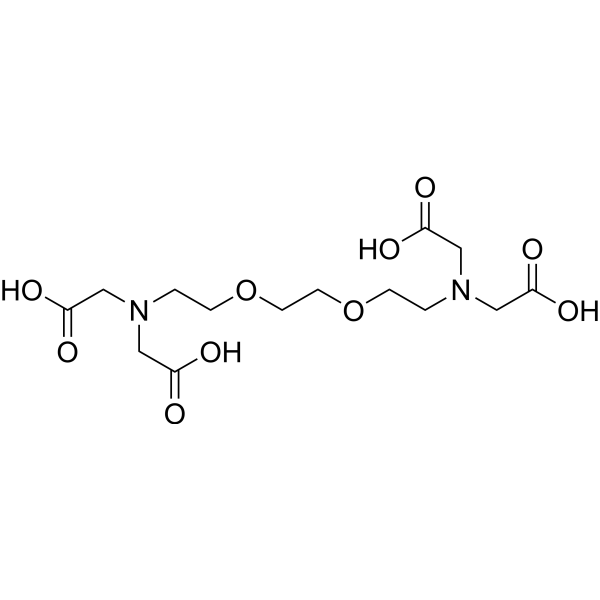
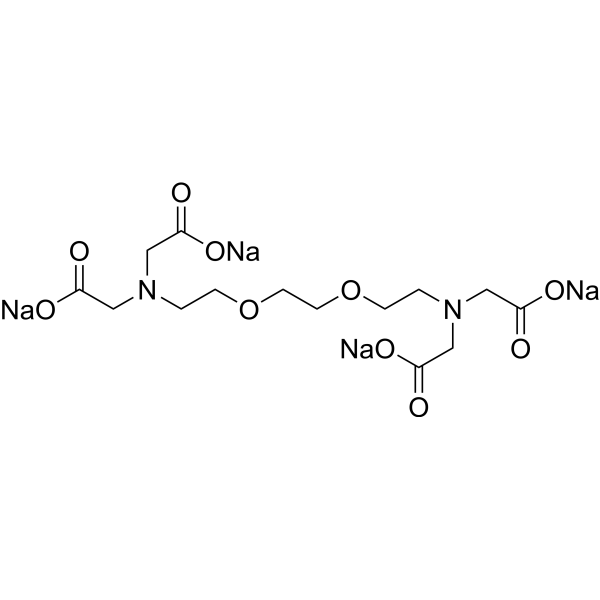
    EGTA
    Maximum Cited Publications
    25 Publications Verification

    Biochemical Assay Reagents Inflammation/Immunology
    EGTA is a cell-impermeant specific calcium ion chelator. EGTA has an apparent calcium dissociation constant (Kd) of 60.5 nM at physiological pH (7.4) and has very high specificity for Ca 2+ over Mg 2+ (Mg 2+ Kd 1-10 mM). EGTA significantly inhibits the substrate adherence capacity of inflammatory macrophages .
    EGTA
  • HY-Y0520
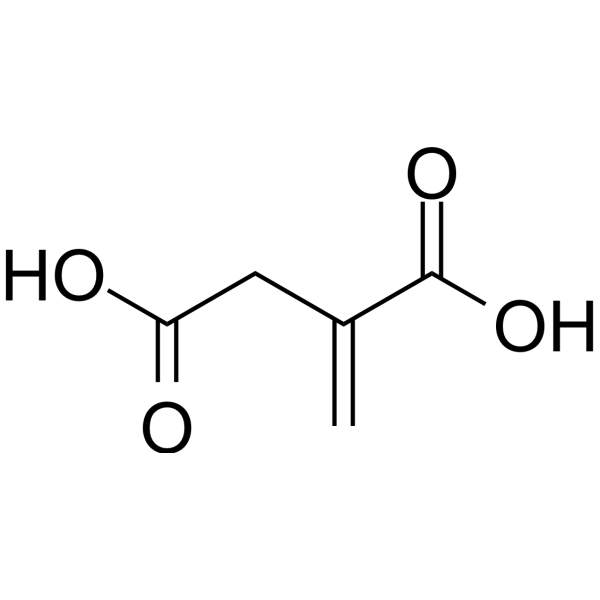
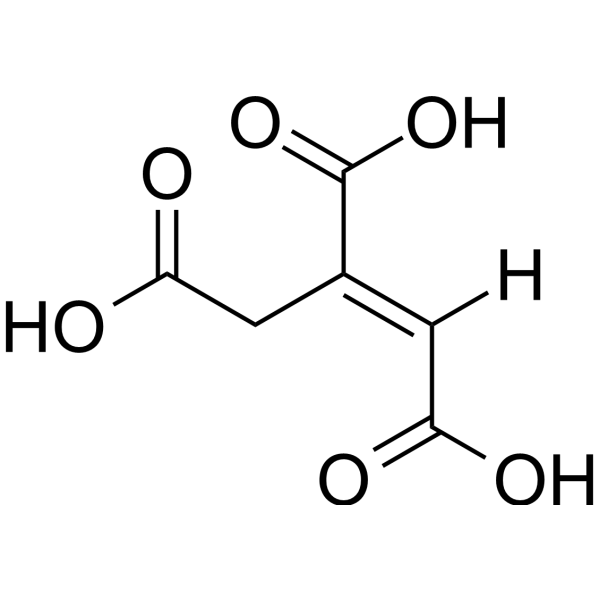
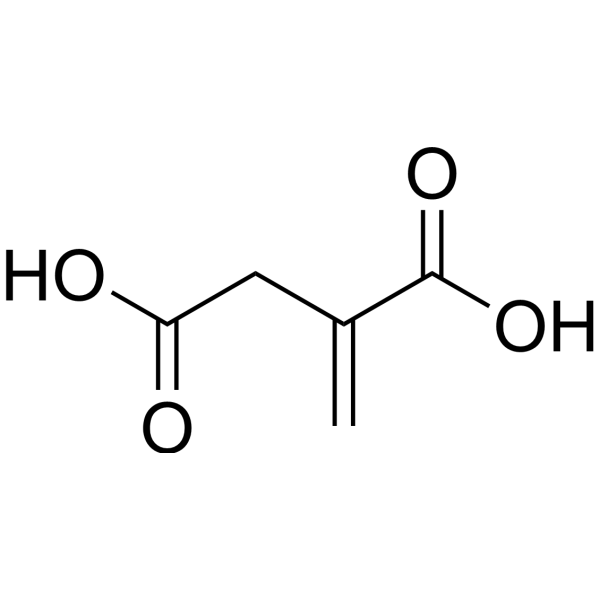
    Itaconic acid
    2 Publications Verification

    Methylenesuccinic acid

    Endogenous Metabolite Ferroptosis Inflammation/Immunology Cancer
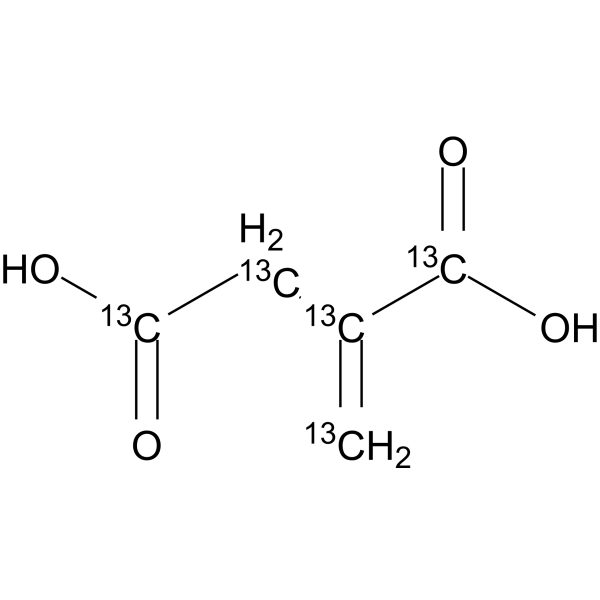
    Itaconic acid, a precursor of polymers, chemicals, and fuels, can be synthesized by many fungi. Itaconic acid also is a macrophage-specific metabolite. Itaconic acid mediates crosstalk between macrophage metabolism and peritoneal tumors. Itaconic acid has anti-inflammatory, anti-microbial and immunomodulatory effect .
    Itaconic acid
  • HY-125527
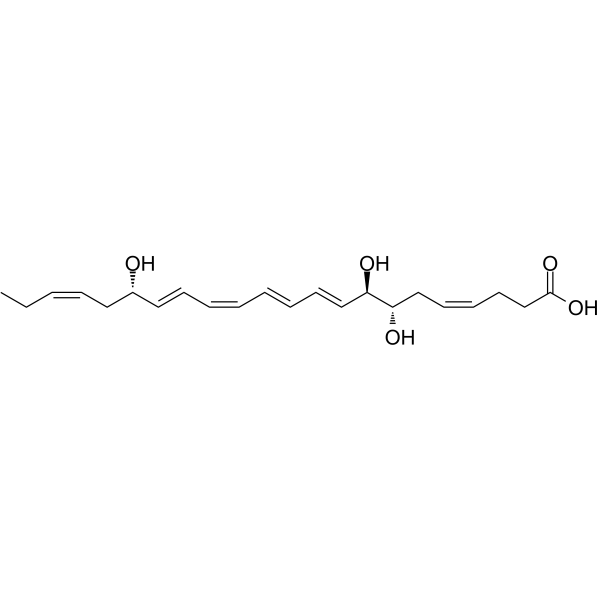
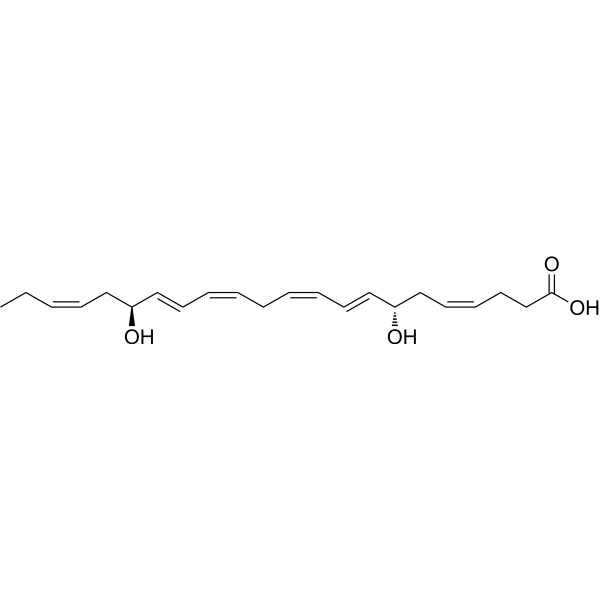
    Resolvin D1
    1 Publications Verification

    RvD1

    Endogenous Metabolite Inflammation/Immunology
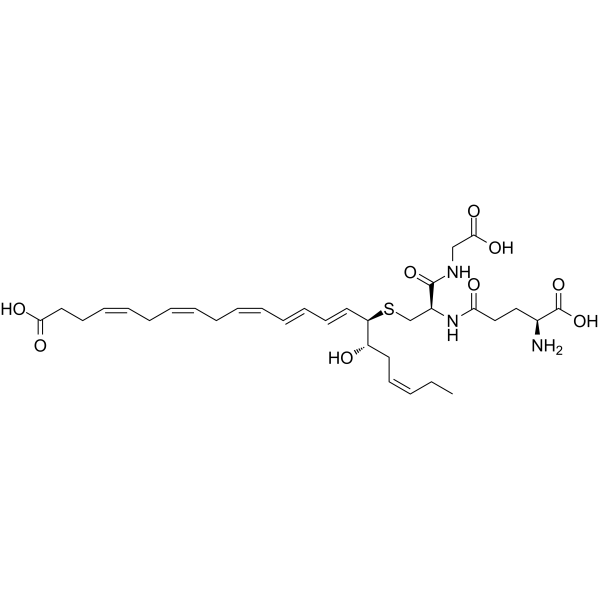
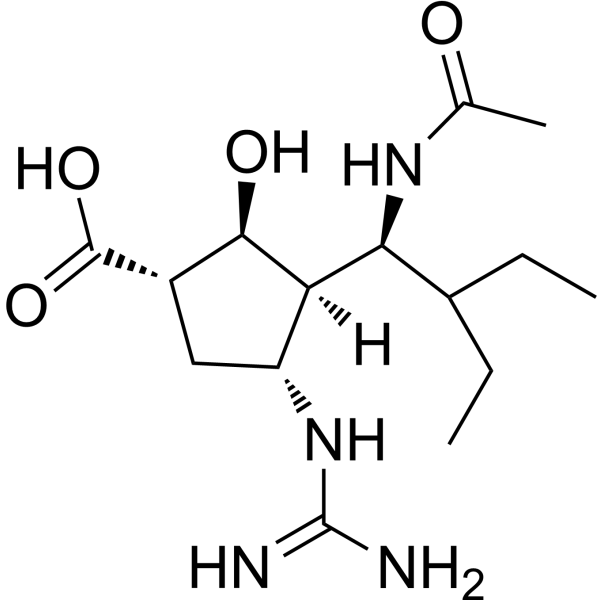
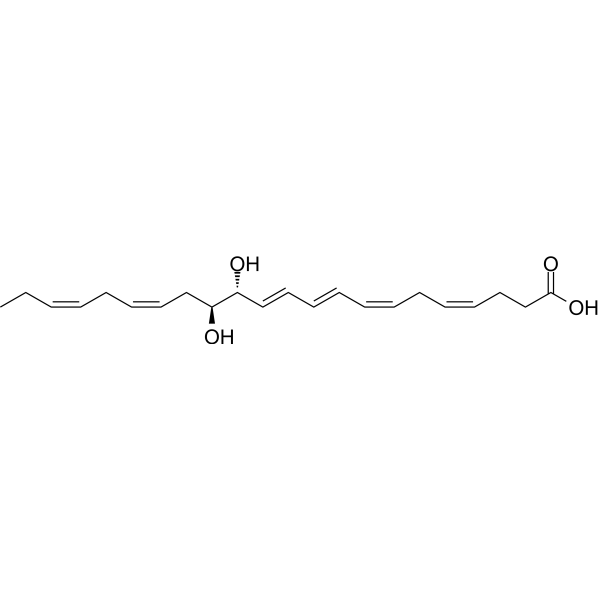
    Resolvin D1 (RvD1), an endogenous pro-resolving mediator of inflammation, is derived from omega-3 docosahexaenoic acid during the resolution phase of acute inflammation. Resolvin D1 blocks proinflammatory neutrophil migration by regulating actin polymerization, reduces TNF-α–mediated inflammation in macrophages, and enhances phagocytosis of apoptotic cells by macrophages .
    Resolvin D1
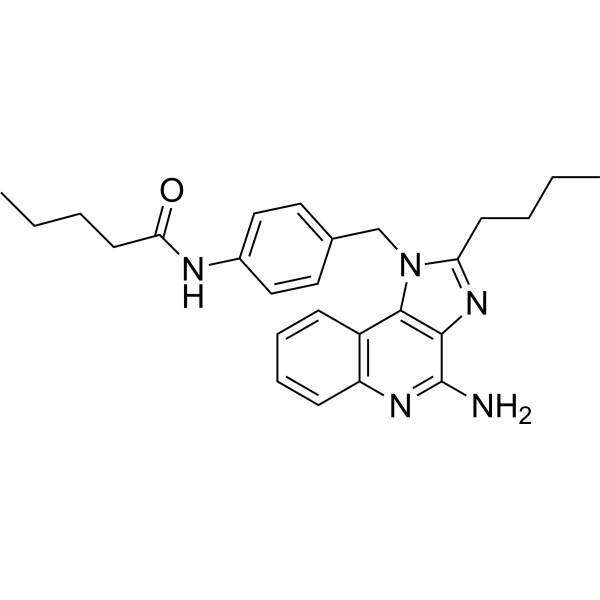
  • HY-103697

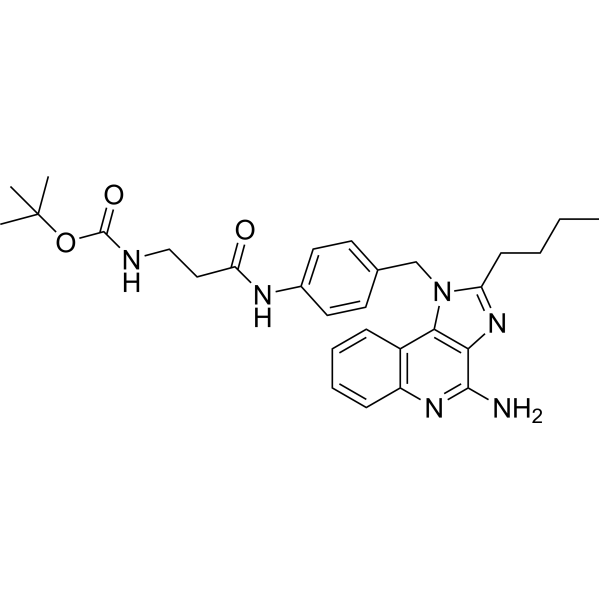
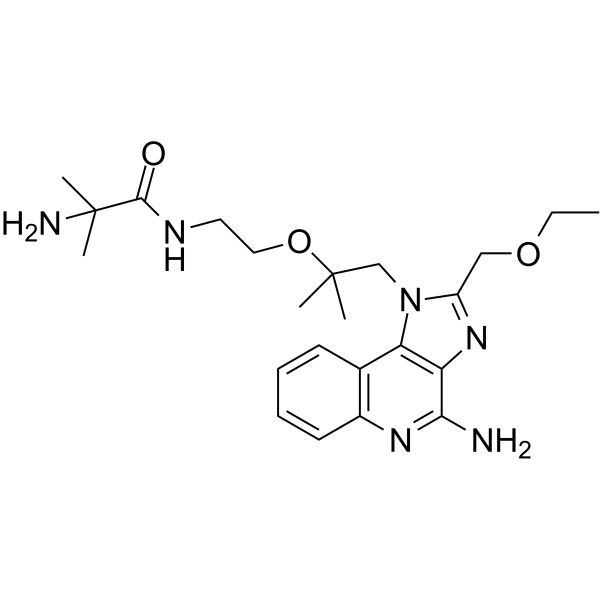
    Toll-like Receptor (TLR) Cancer
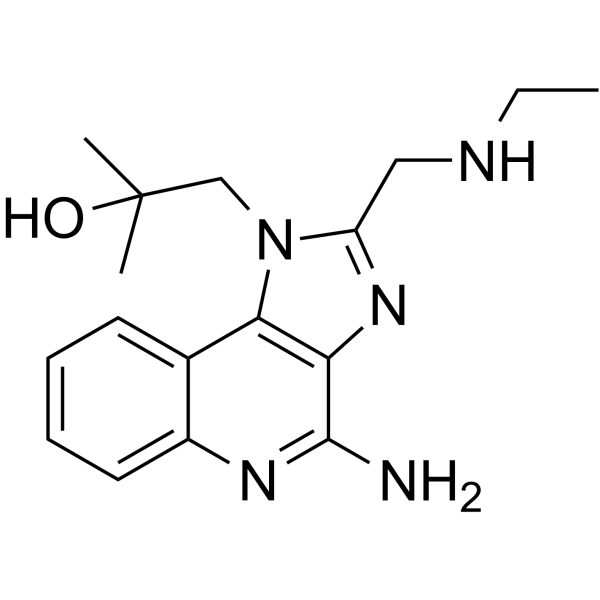
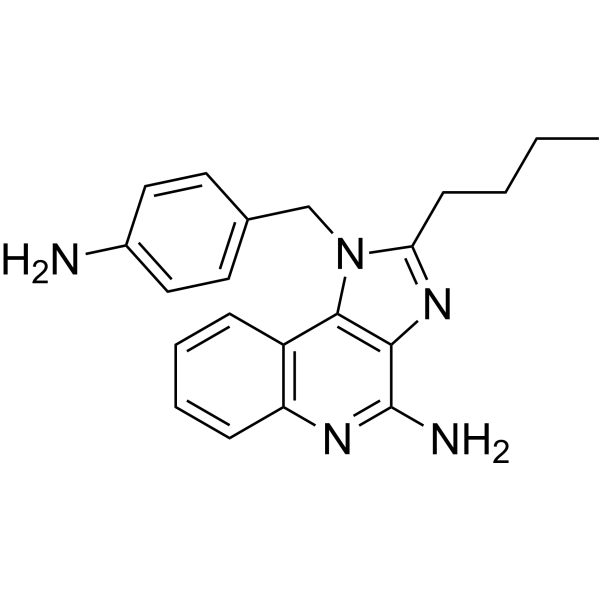
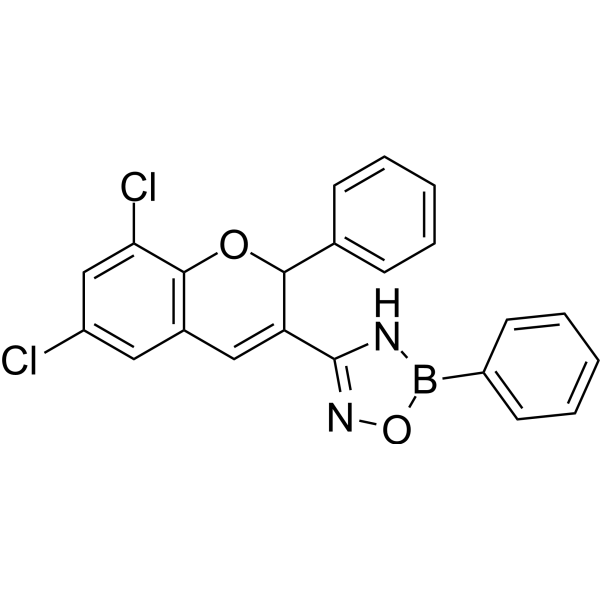
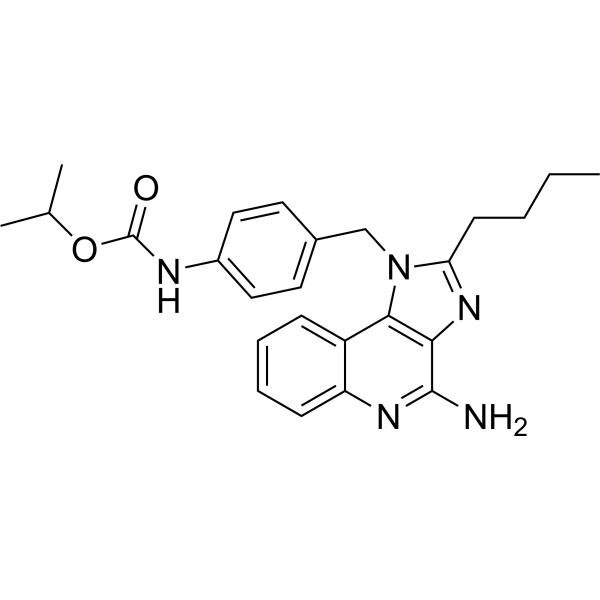
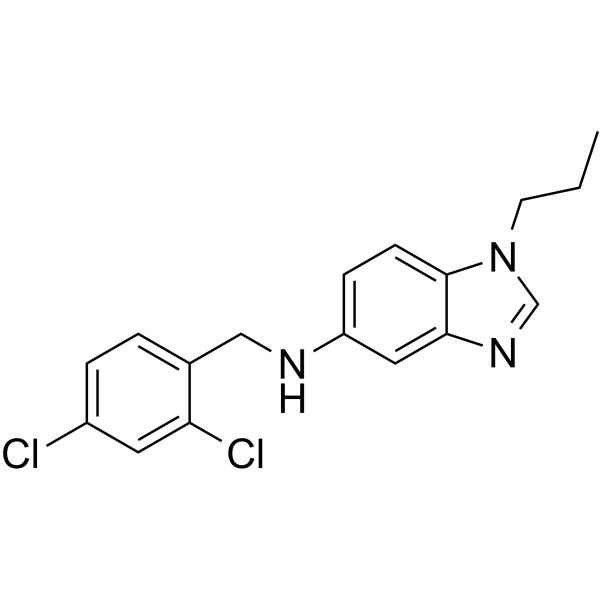
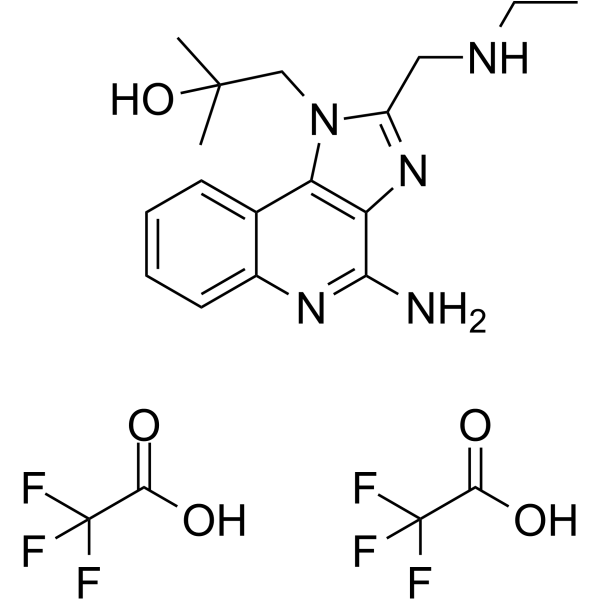
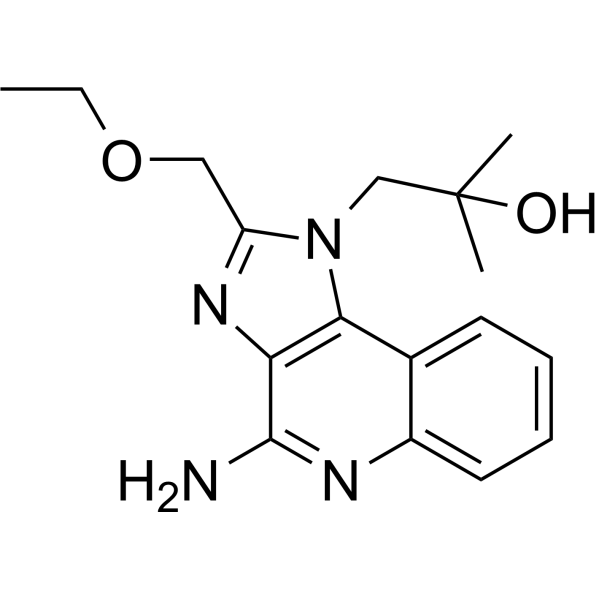
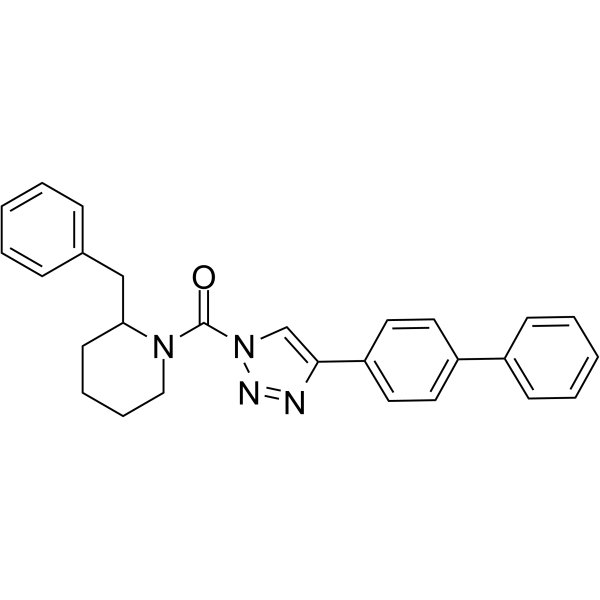
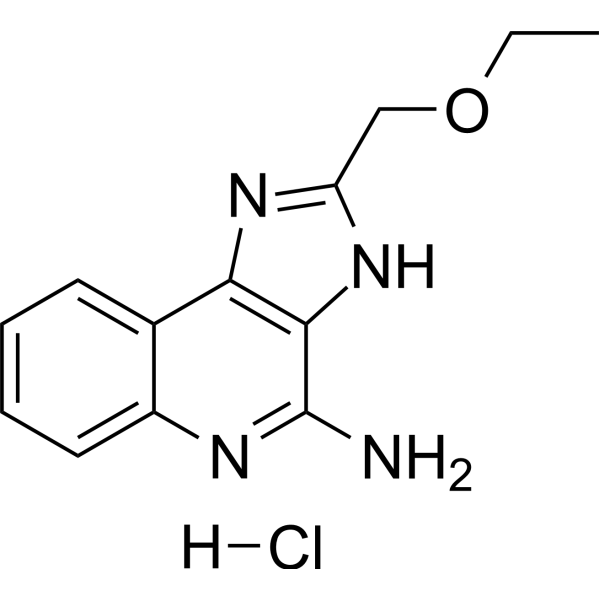
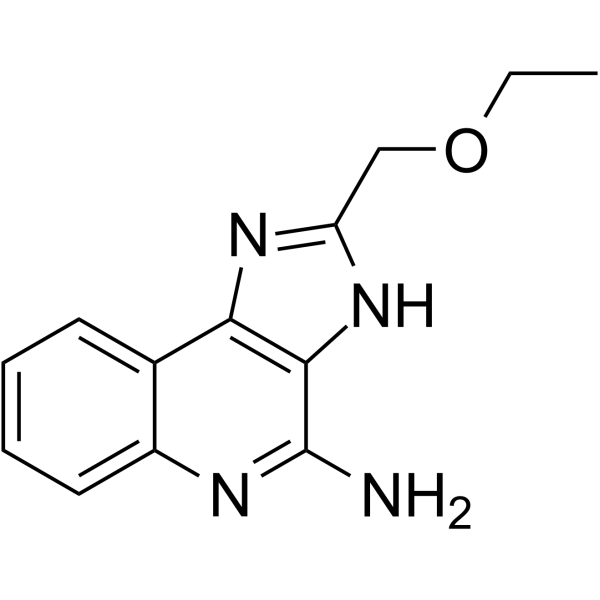
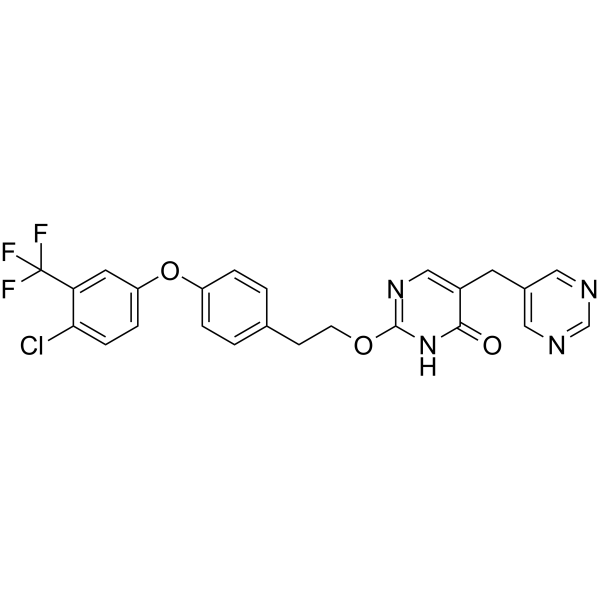
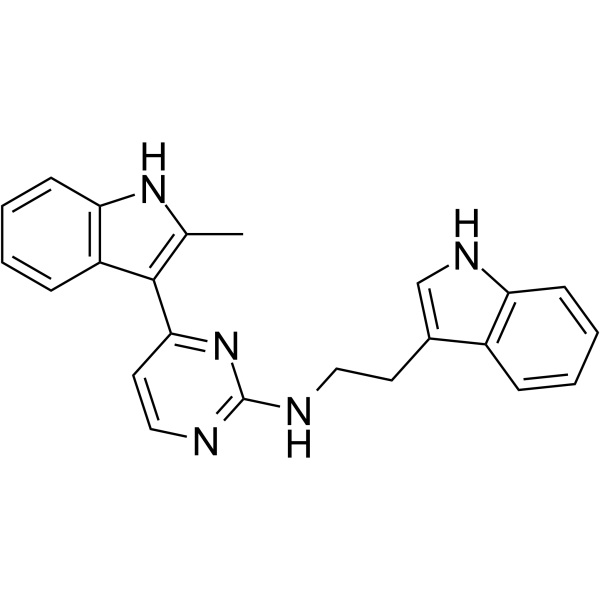
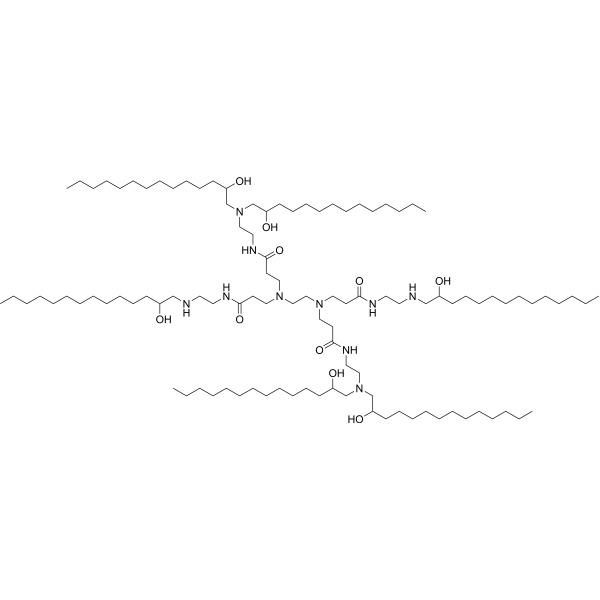
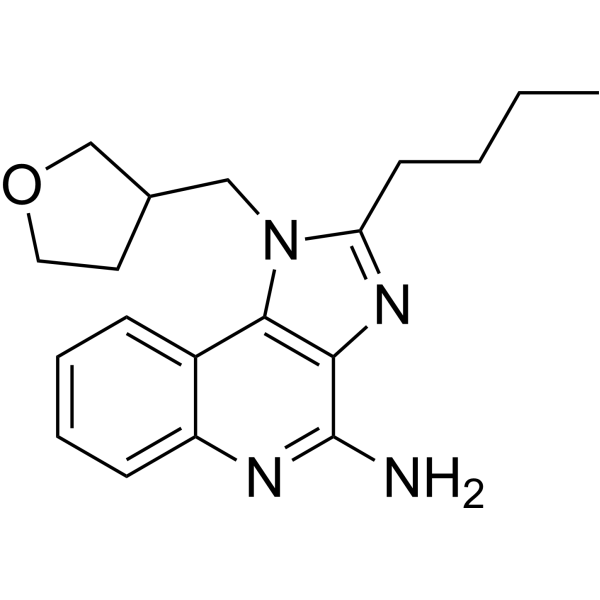
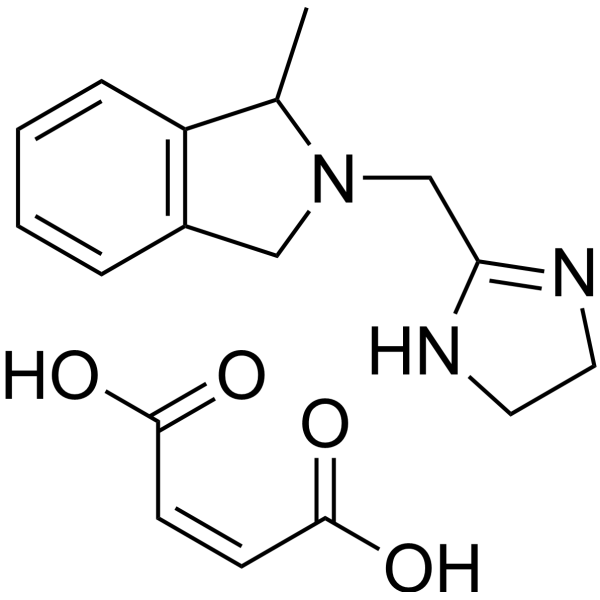
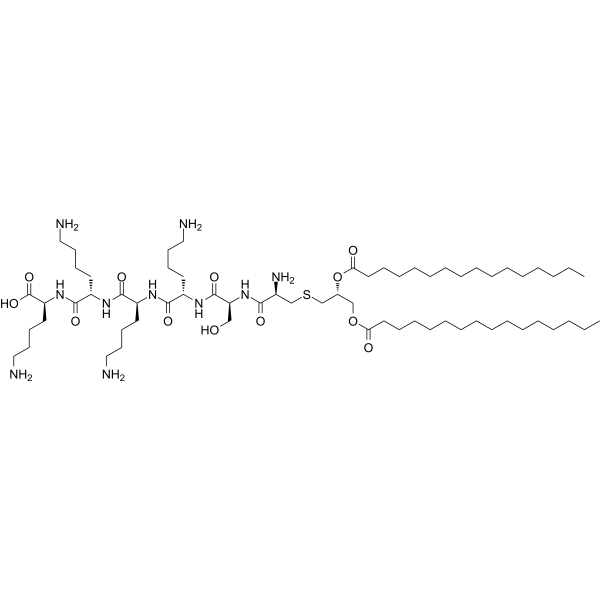
    Gardiquimod is an imidazoline TLR7/8 agonist. Gardiquimod inhibits HIV-1 infection of macrophages and activated peripheral blood mononuclear cells (PBMCs). Gardiquimod specifically activates TLR7 at concentrations below 10 μM.
    Gardiquimod
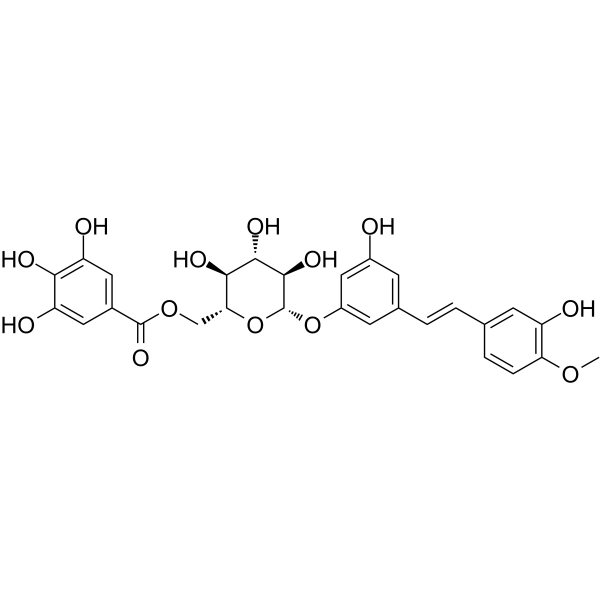
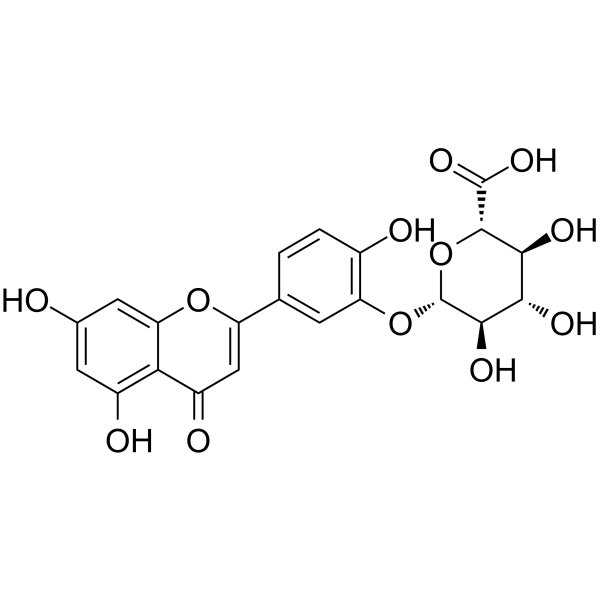
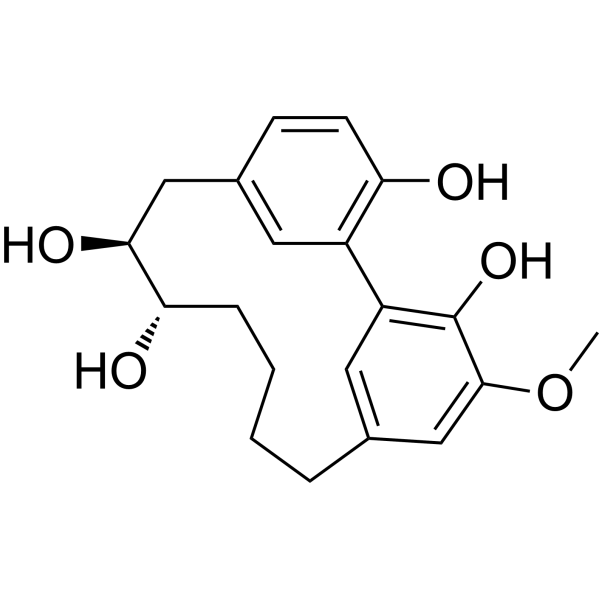
  • HY-N0577
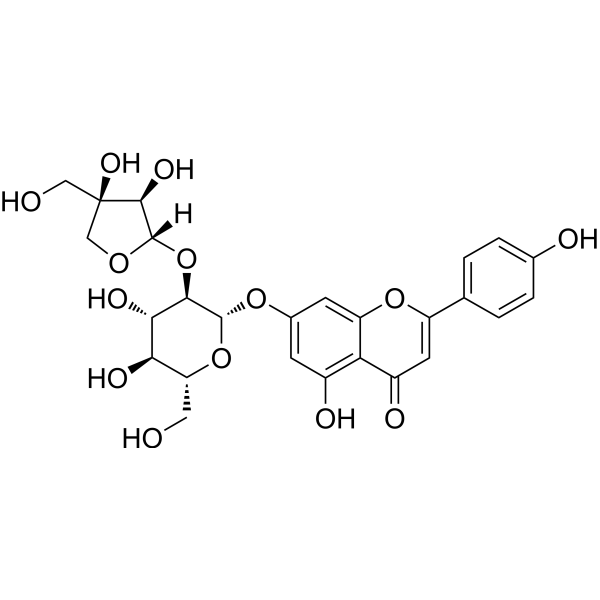
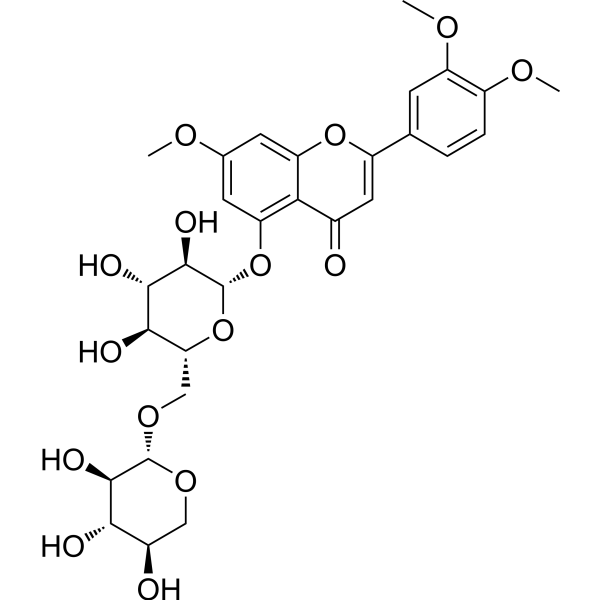
    Apiin
    1 Publications Verification

    Apigenin 7-O-apiosylglucoside; Apigenin 7-(2-O-apiosylglucoside)

    NO Synthase Inflammation/Immunology
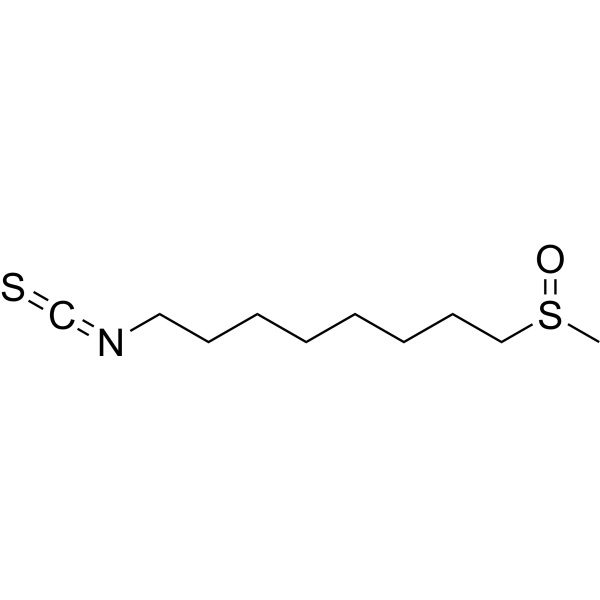
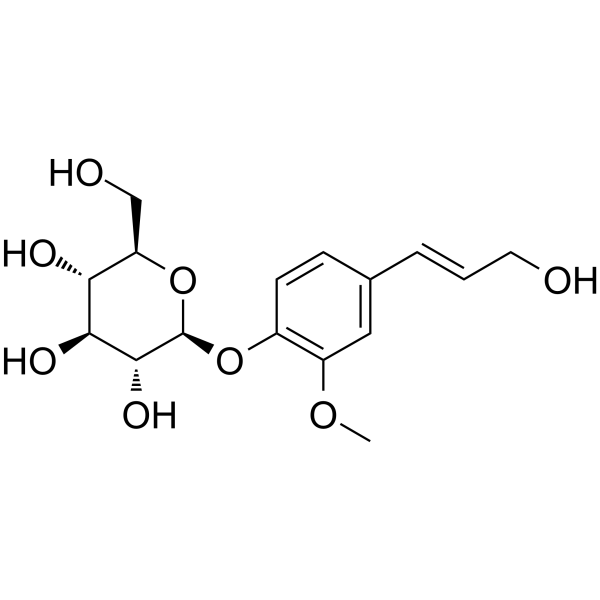
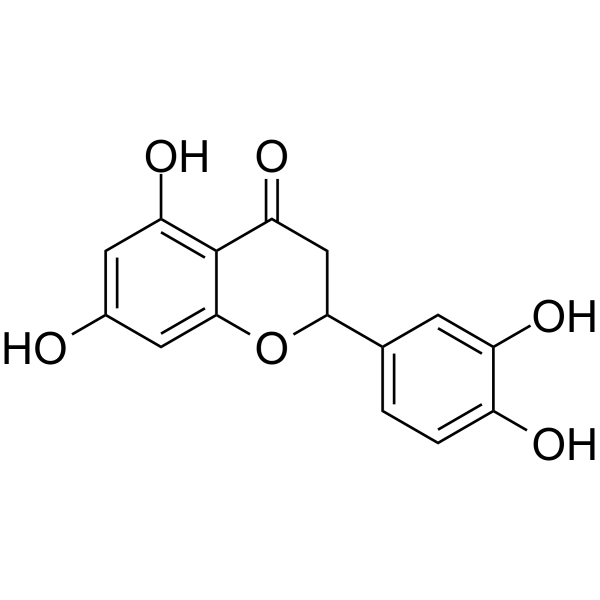
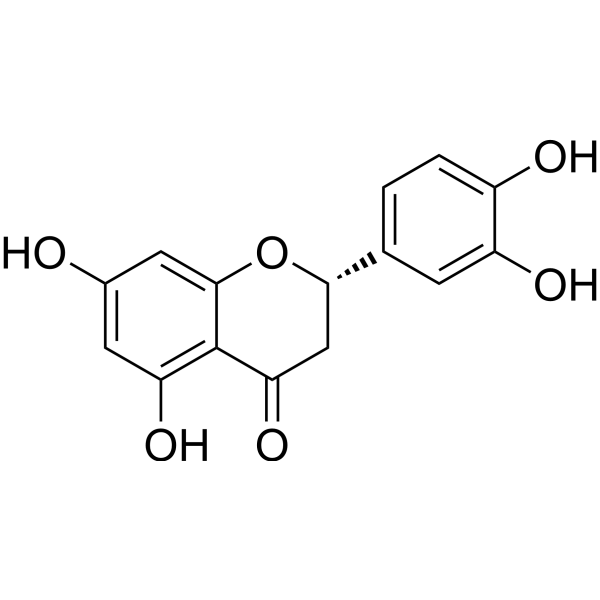
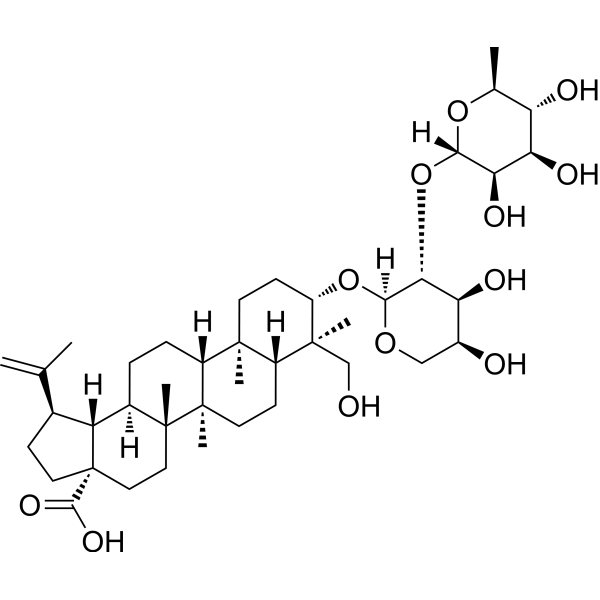
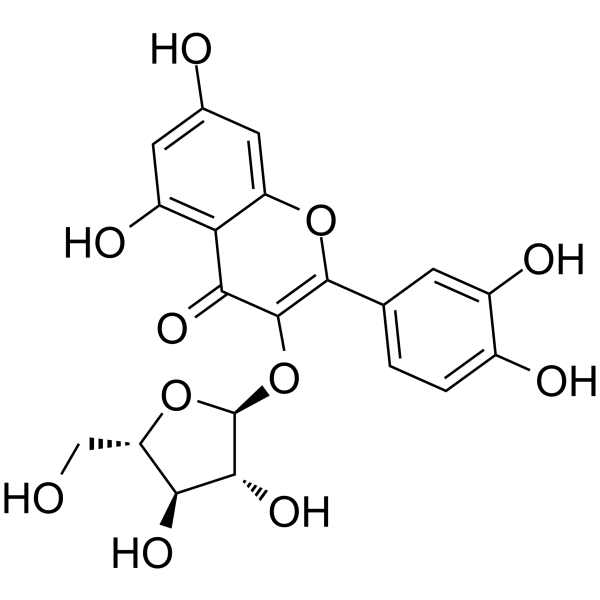
    Apiin is a flavonoid glycoside-based iNOS inhibitor. Apiin inhibits the expression of inducible nitric oxide synthase in activated macrophages. Apiin exhibits anti-inflammatory activity .
    Apiin
  • HY-136979
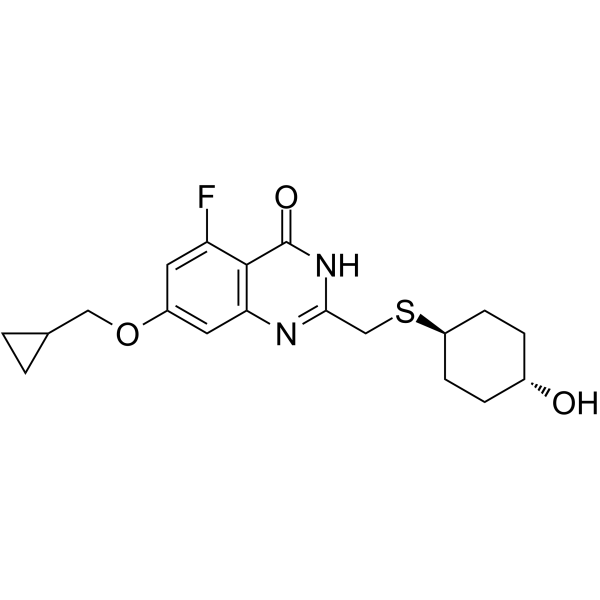
    RBN012759
    10+ Cited Publications

    PARP Inflammation/Immunology Cancer
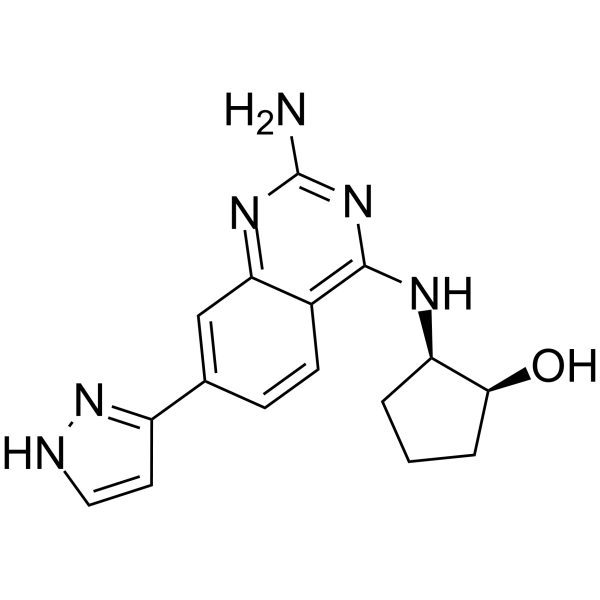
    RBN012759 is a potent, selective and orally active inhibitor of PARP14, with an IC50 of <3 nM. RBN012759 displays 300-fold selectivity over the monoPARPs and 1000-fold selectivity over the polyPARPs. RBN012759 decreases pro-tumor macrophage function and elicits inflammatory responses in tumor explants .
    RBN012759
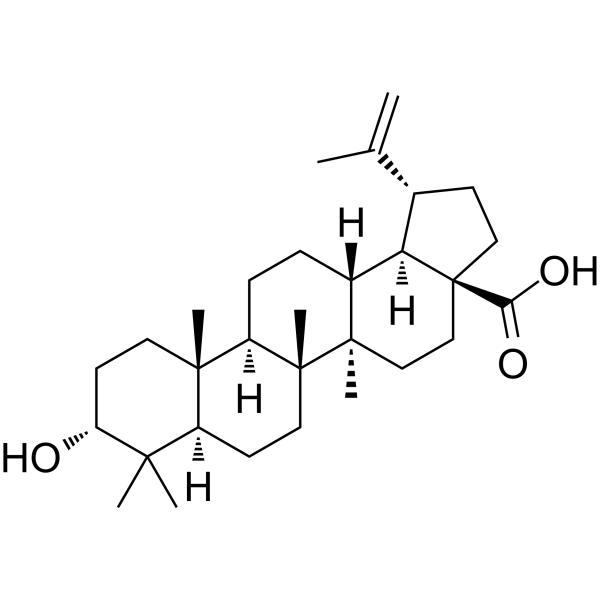
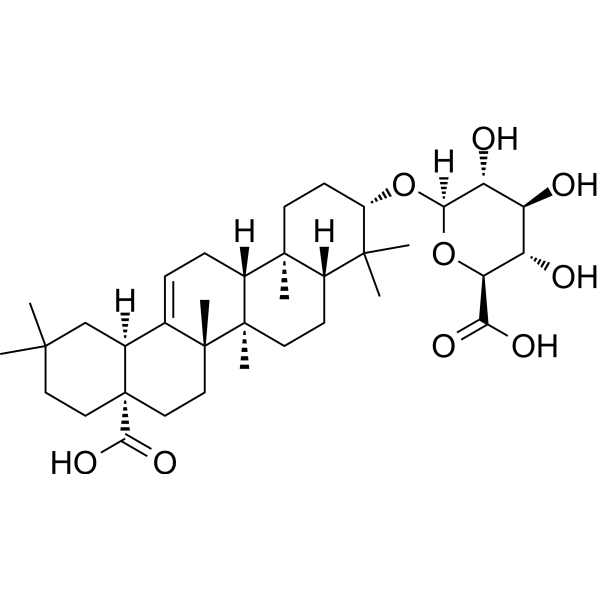
  • HY-N0569
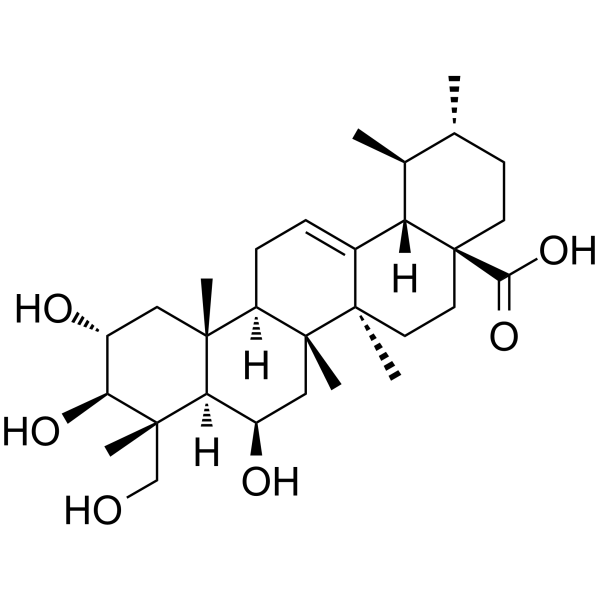
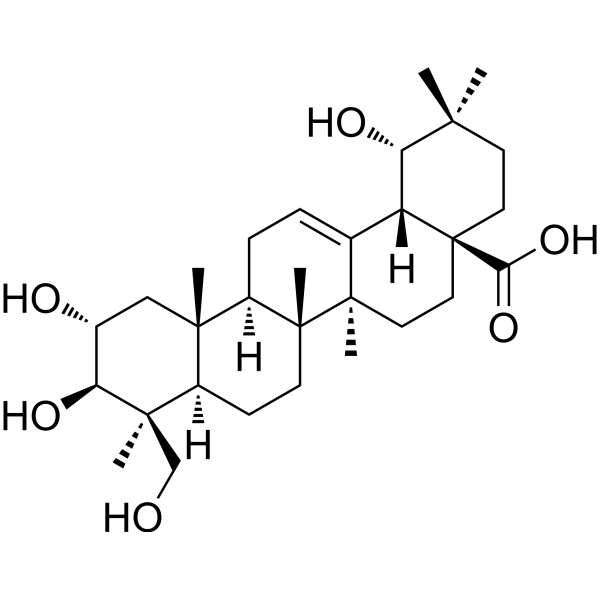
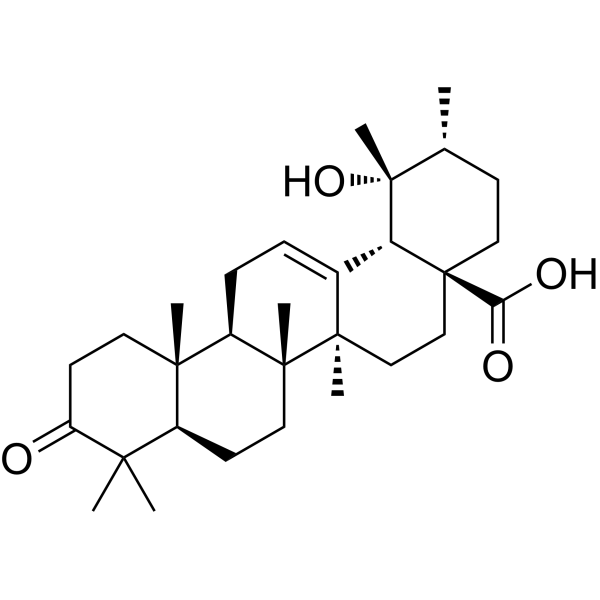
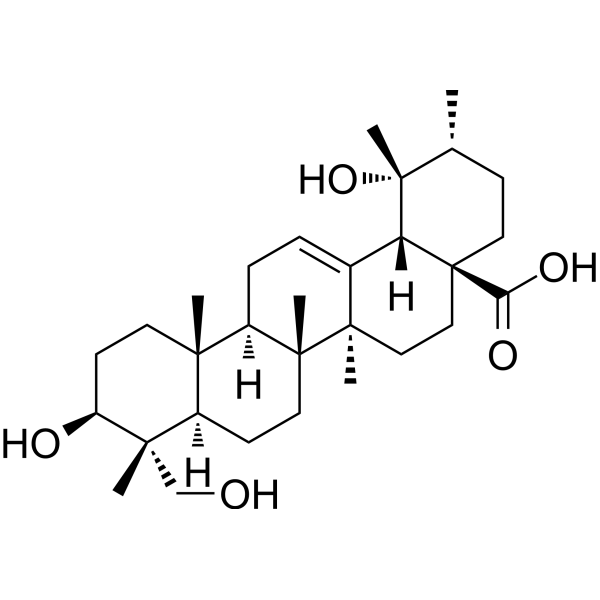
    Madecassic acid
    2 Publications Verification

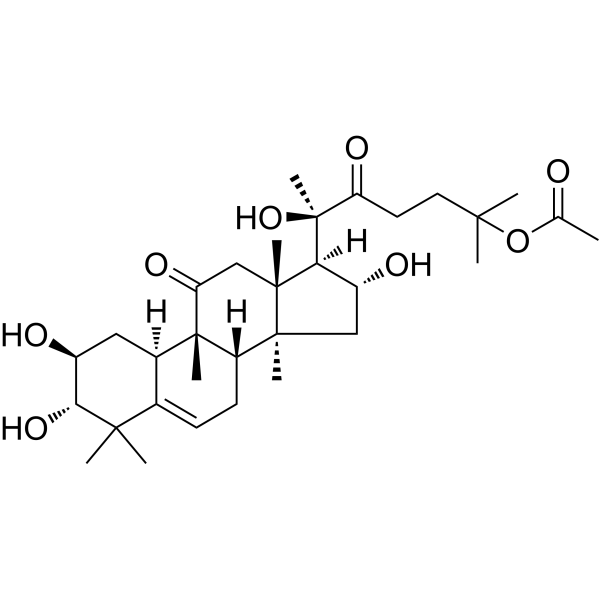
    NO Synthase COX TNF Receptor Interleukin Related Inflammation/Immunology
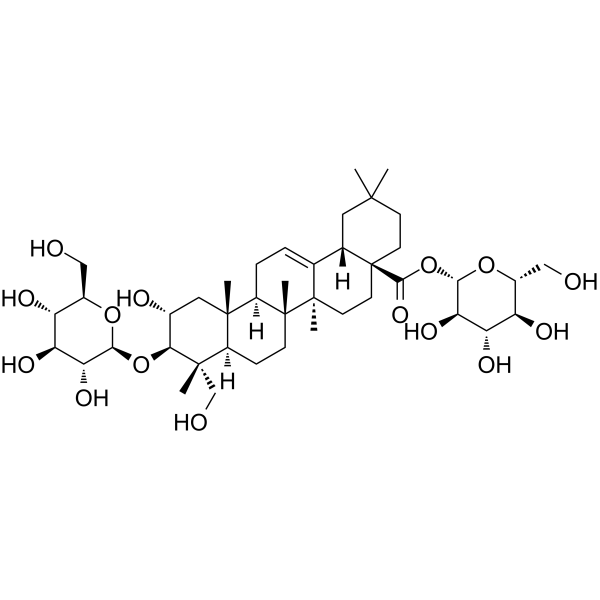
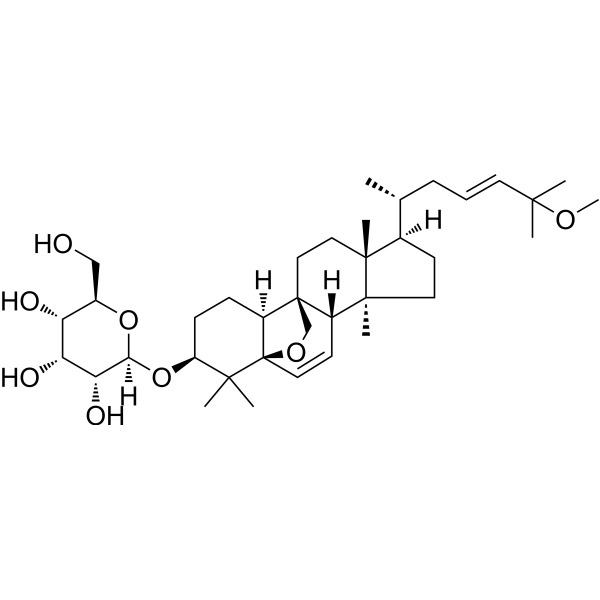
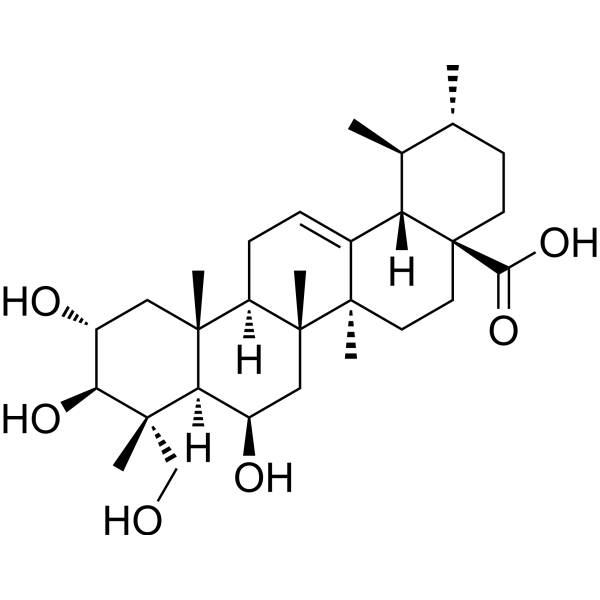
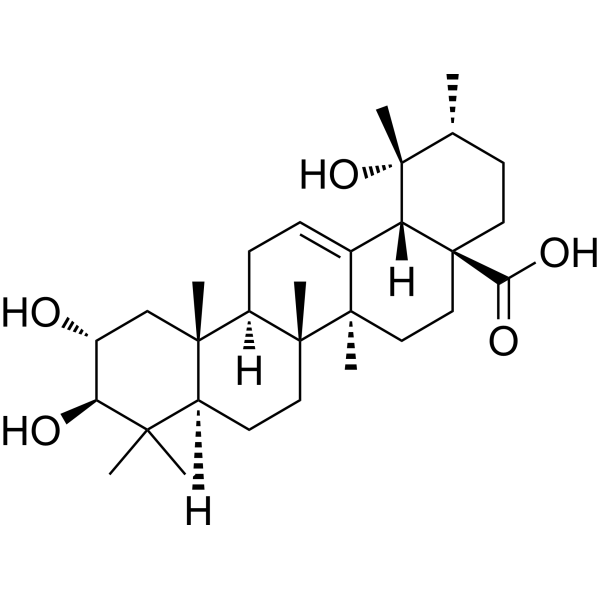
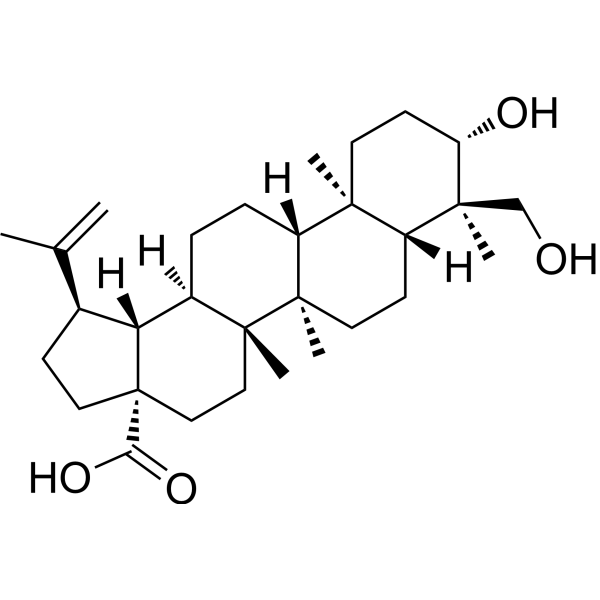
    Madecassic acid is isolated from Centella asiatica (Umbelliferae). Madecassic acid has anti-inflammatory properties caused by iNOS, COX-2, TNF-alpha, IL-1beta, and IL-6 inhibition via the downregulation of NF-κB activation in RAW 264.7 macrophage cells .
    Madecassic acid
  • HY-128525

    Bacterial Reactive Oxygen Species (ROS) Infection Inflammation/Immunology
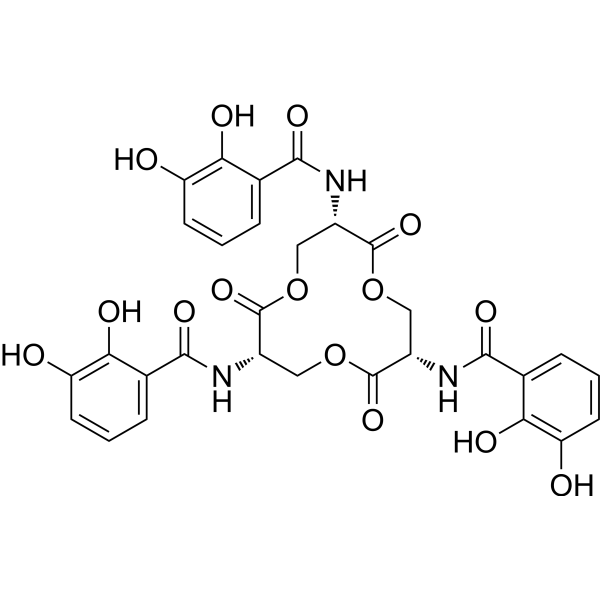
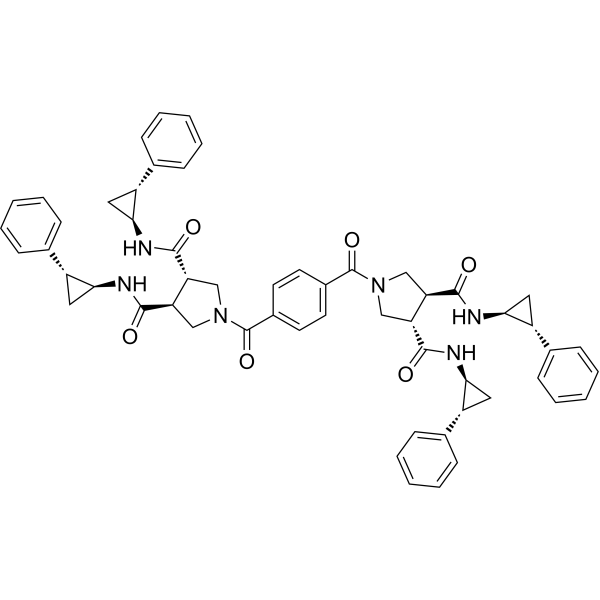
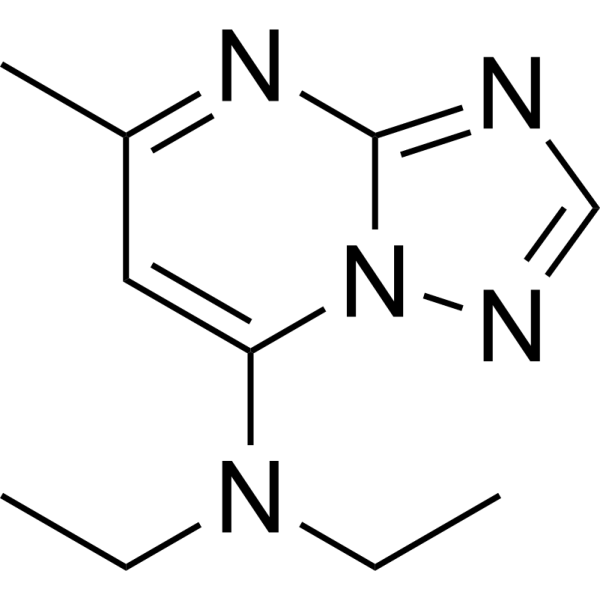
    Enterobactin is a siderophore produced by Gram-negative bacteria and has an extremely high affinity for iron. During the process of Salmonella typhimurium infecting macrophages, Enterobactin can not only help bacteria uptake iron but also reduce the antibacterial activity of macrophages. In addition, Enterobactin is also involved in the oxidative stress response of Escherichia coli. Enterobactin can be hydrolyzed by Fes in the cell and exert antioxidant effects by scavenging free radicals .
    Enterobactin
  • HY-P4855
    CRAMP (mouse)
    1 Publications Verification

    Bacterial TNF Receptor Infection Inflammation/Immunology
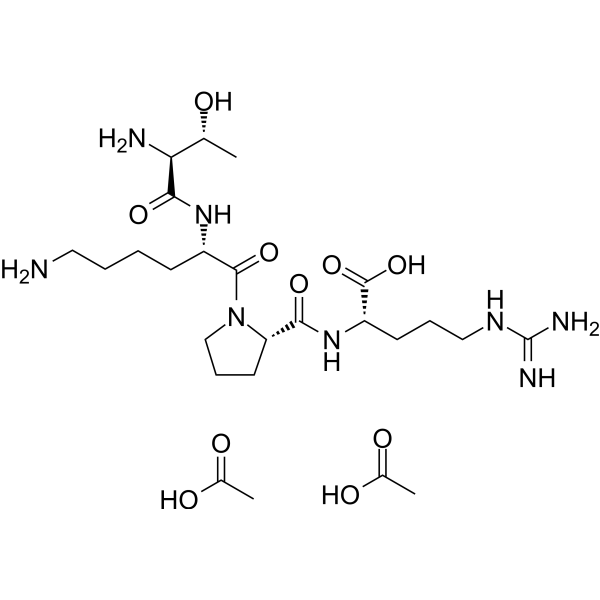
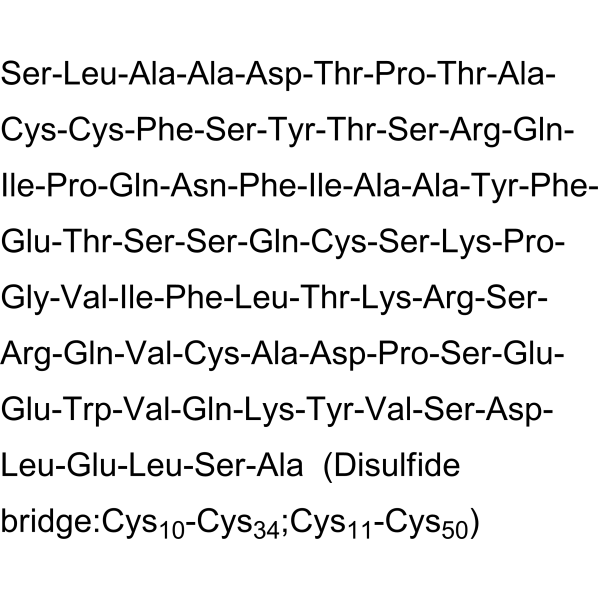
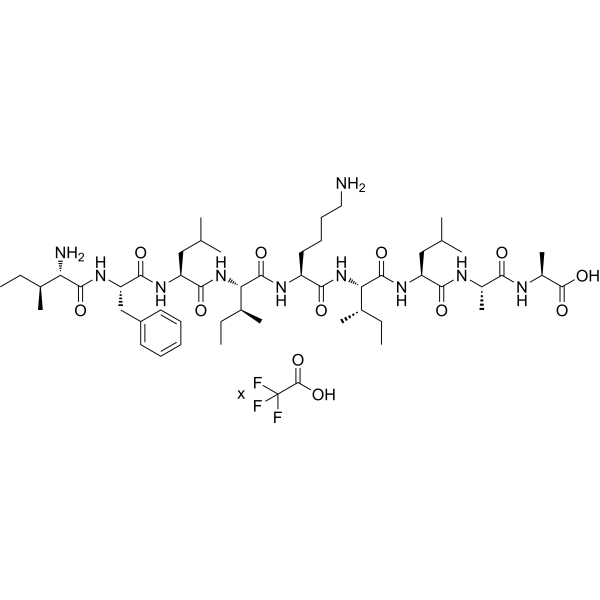
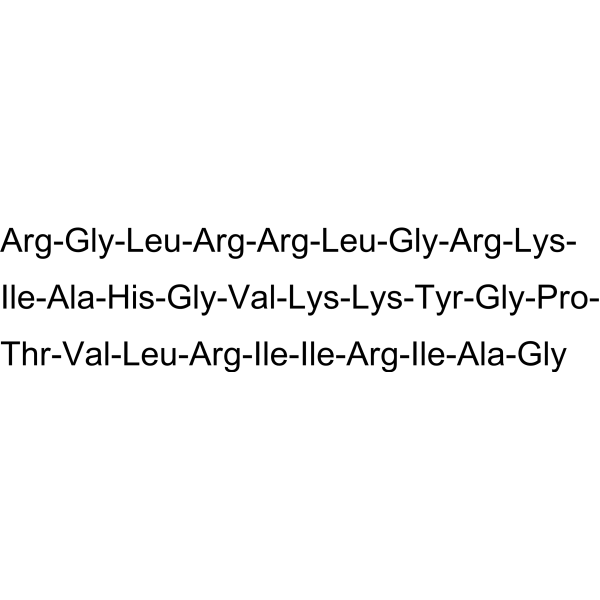
    CRAMP (mouse) is an antibacterial peptide and a functional homolog of LL-37 . CRAMP (mouse) exhibits potent antibacterial activity against Gram-negative bacteria . The complex formed by CRAMP (mouse) and CpG can activate macrophages to secrete TNF-α . CRAMP (mouse) plays a key role in wound healing, immune regulation and maintenance of intestinal homeostasis .
    CRAMP (mouse)
  • HY-152830

    Q702

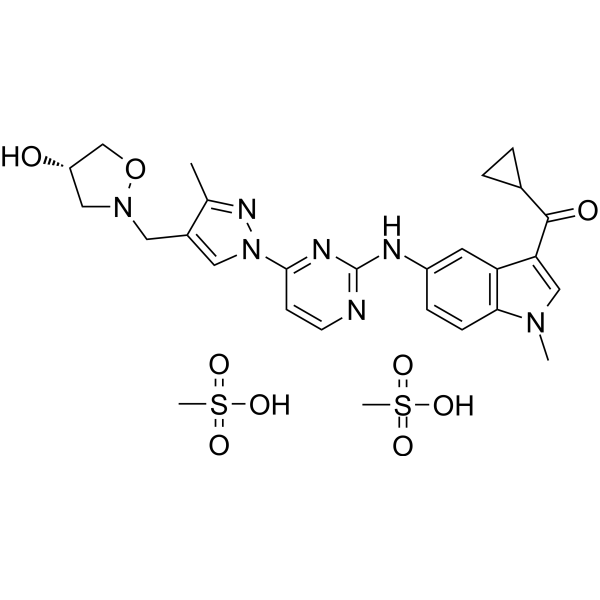
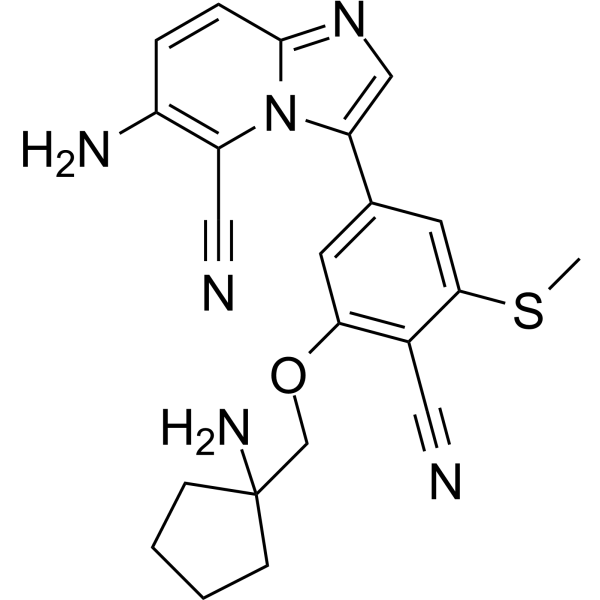
    c-Fms TAM Receptor MHC Cancer
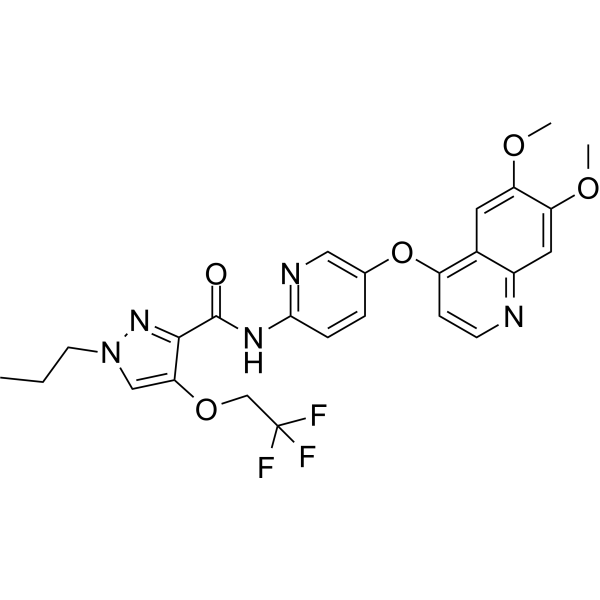
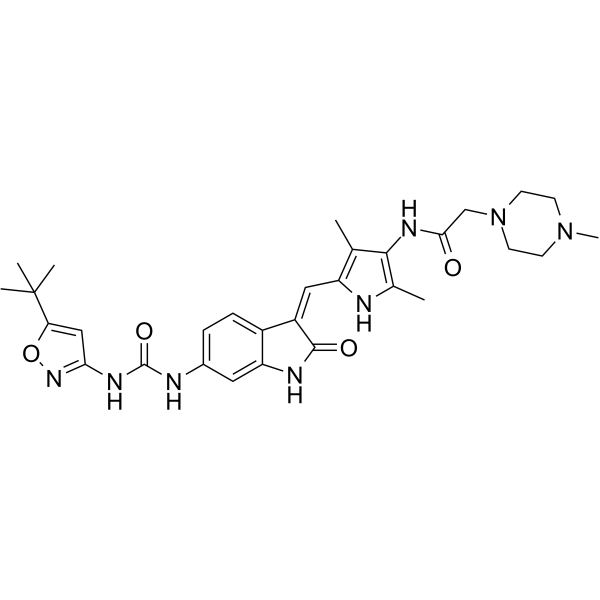
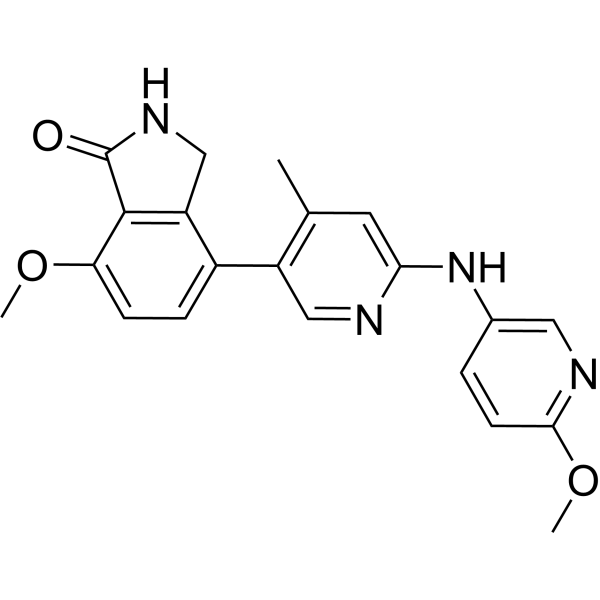
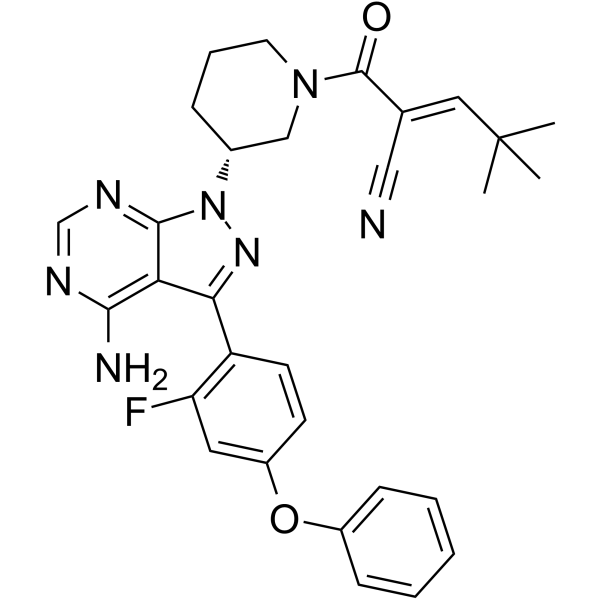
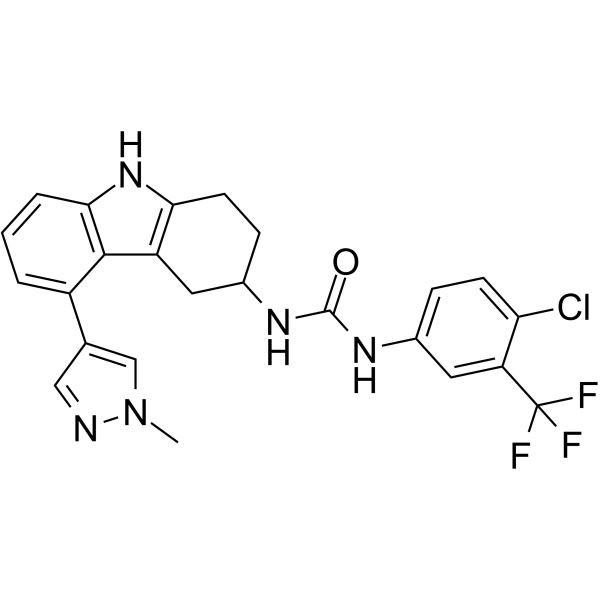
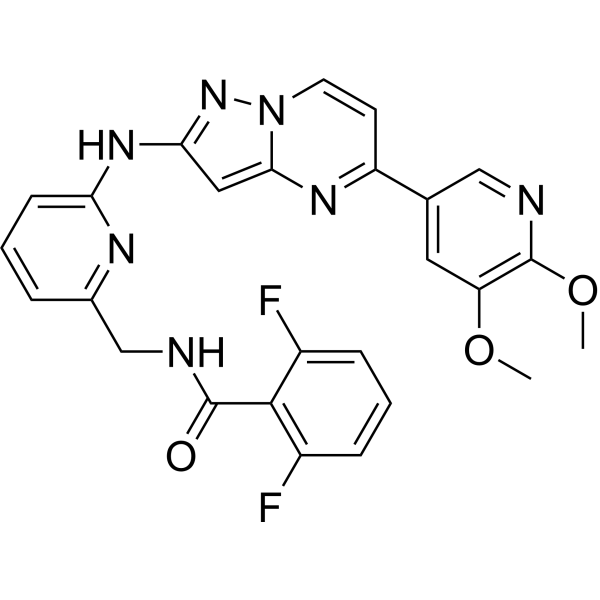
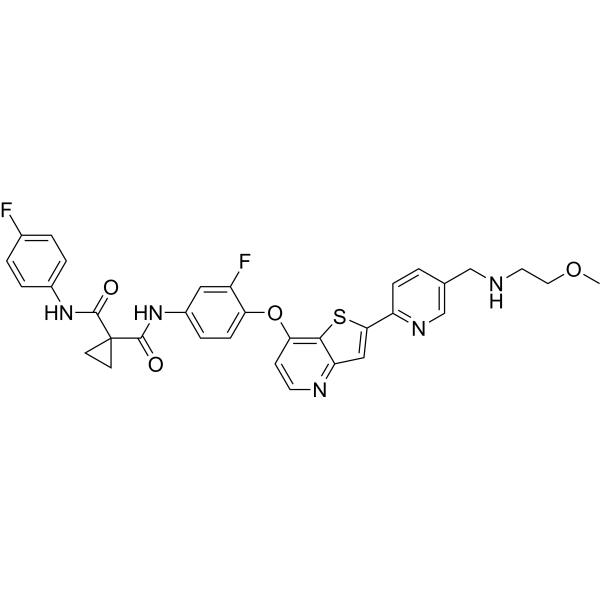
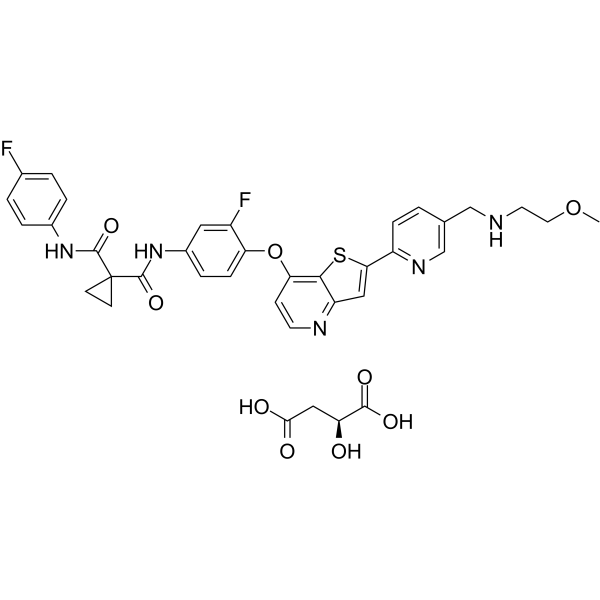
    Adrixetinib (Q702) is an orally active triple inhibitor against CSF1R, Mer, and Axl, with Kd values of 8.7 nM, 0.8 nM, and 0.3 nM, respectively. Adrixetinib acts as a potent immune modulator that remodels the tumor microenvironment. Adrixetinib increases the abundance of M1 macrophages and CD8⁺ T cells, while decreasing the levels of M2 macrophages and myeloid-derived suppressor cells (MDSCs). Adrixetinib upregulates the expression of MHC class I and E-cadherin in tumor cells. Adrixetinib shows remarkable antitumor efficacy in syngeneic mouse tumor models. Adrixetinib is suitable for the research of breast cancer, renal adenocarcinoma, colon carcinoma, and melanoma .
    Adrixetinib
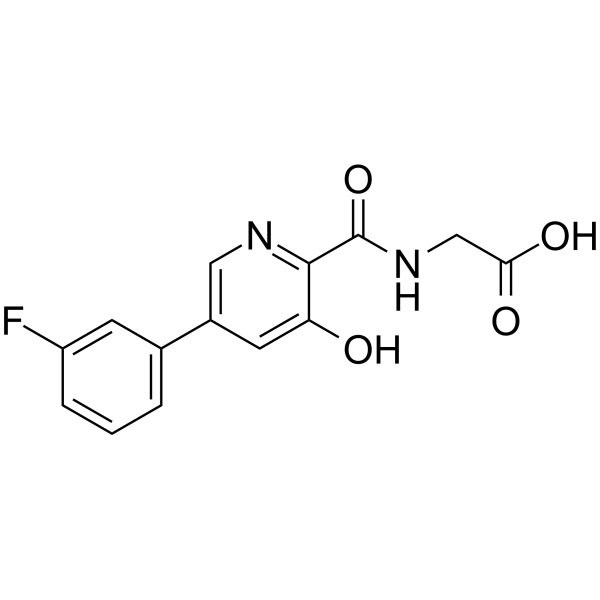
  • HY-161949
    AP-6
    1 Publications Verification

    Potassium Channel Neurological Disease
    AP-6 is a selective inhibitor of TMEM175 with activity in modulating lysosomal function. Acute inhibition of TMEM175 by AP-6 increases lysosomal macromolecular catabolism, thereby accelerating macrophage and other digestive processes. AP-6 may be used in Parkinson's disease research .
    AP-6
  • HY-178159

    RNA MTase Inflammation/Immunology
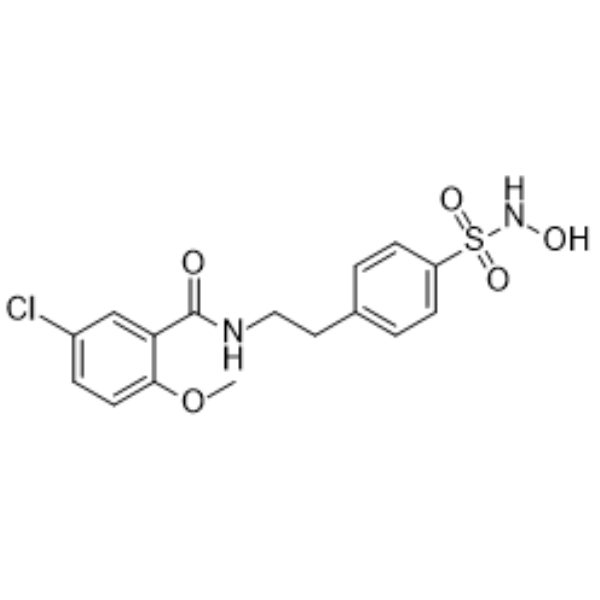
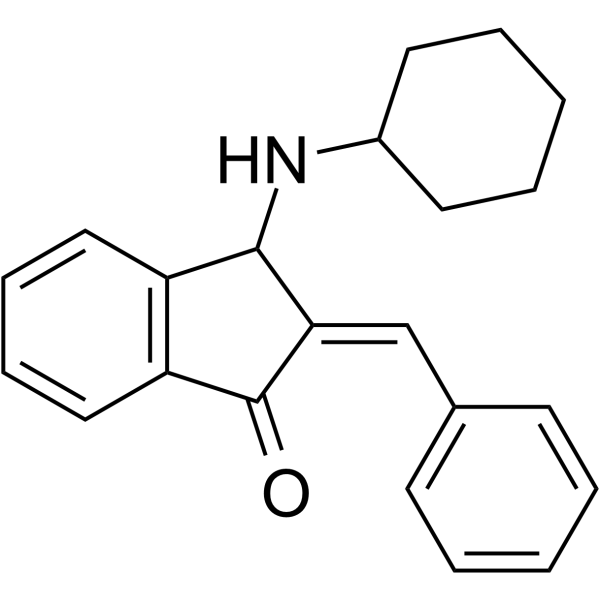
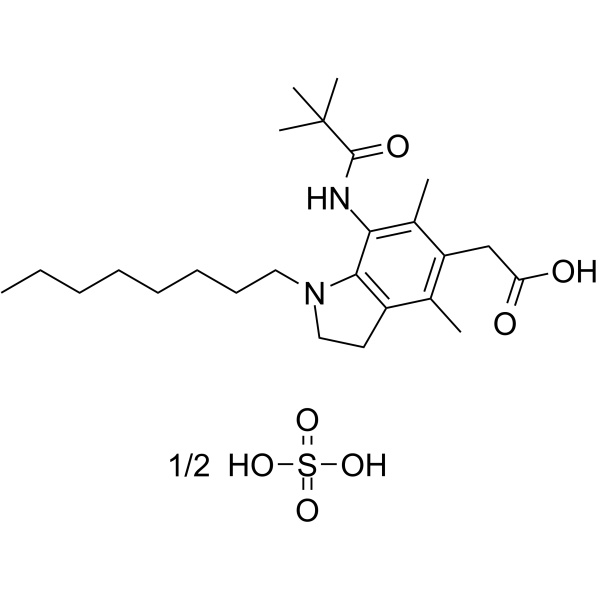
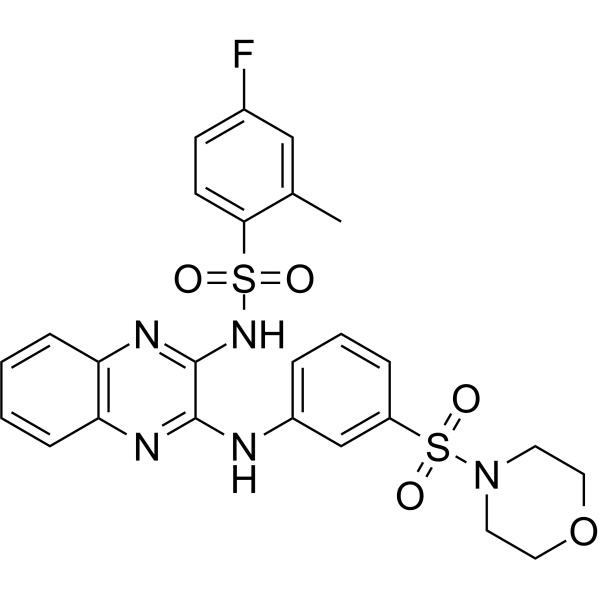
    SA91-0178 is a METTL1 inhibitor. SA91-0178 inhibits m 7G methylation of RNA, reduces SARM1 stability, mitigates NAD + depletion and metabolic reprogramming in macrophages. SA91-0178 demonstrates excellent protective efficacy against multiple organ injury in cecal ligation and puncture (CLP)-induced and ischemia/reperfusion (I/R)-induced mice. SA91-0178 can be used for the study of systemic inflammatory diseases .
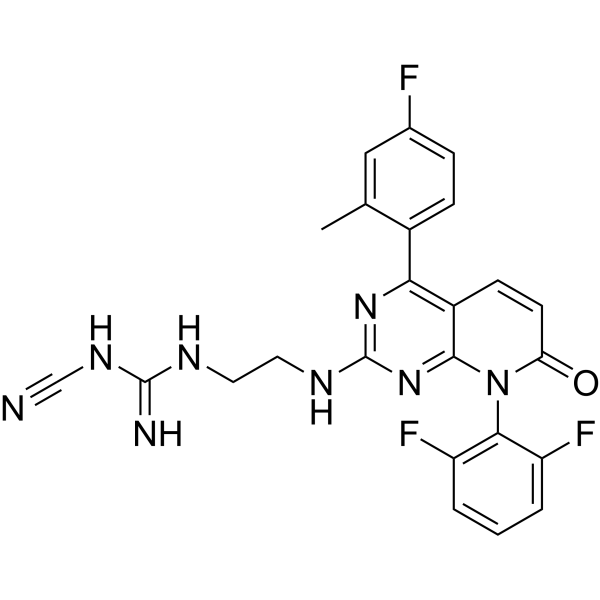
    SA91-0178
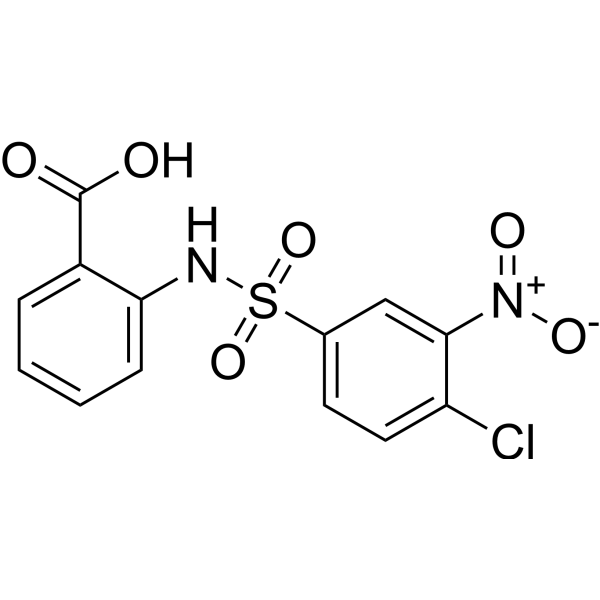
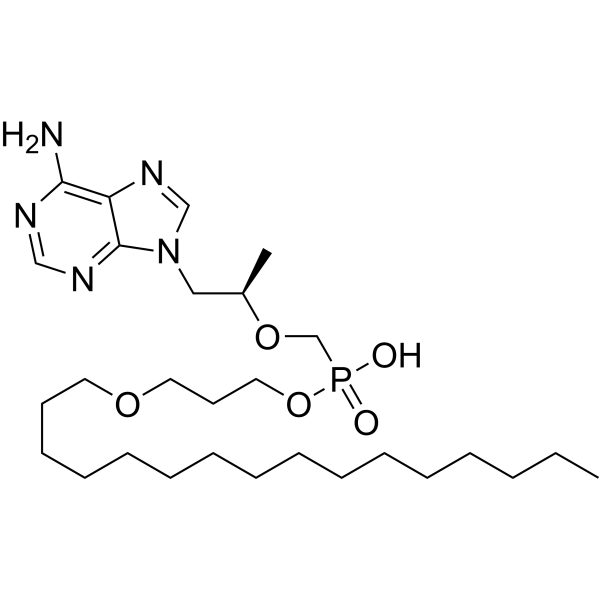
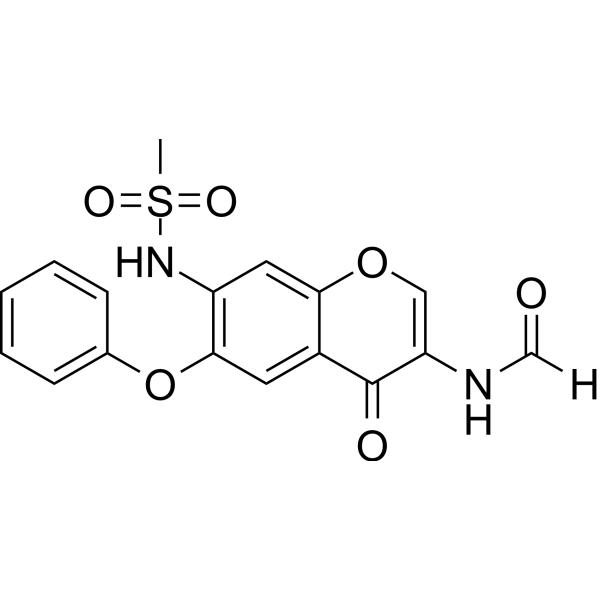
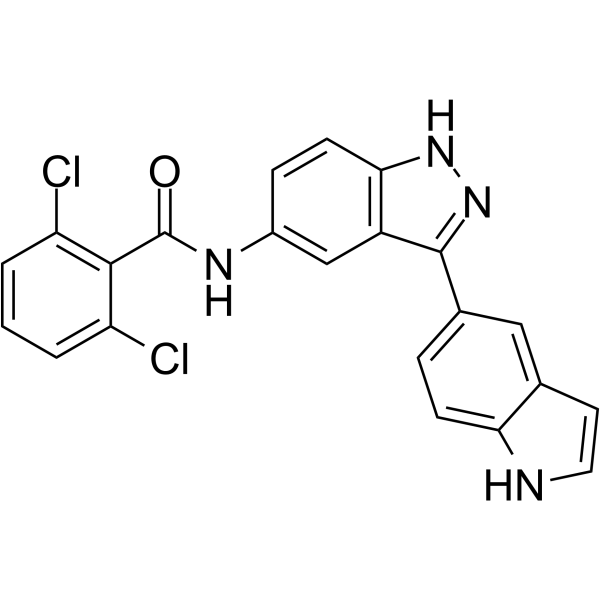
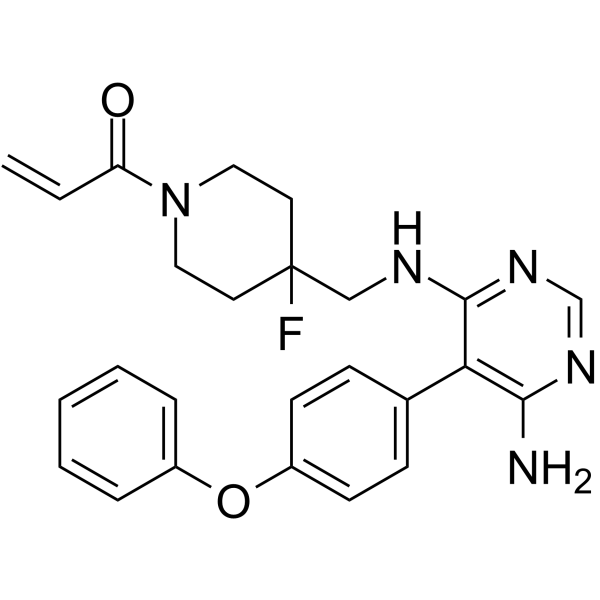
  • HY-148591

    Epigenetic Reader Domain Inflammation/Immunology
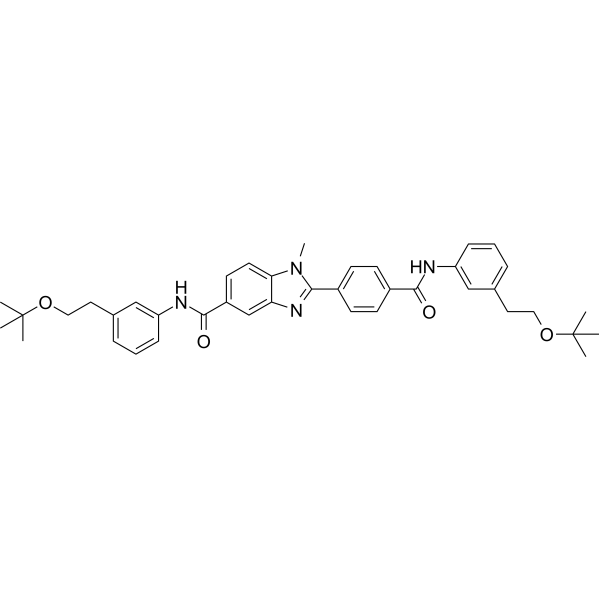
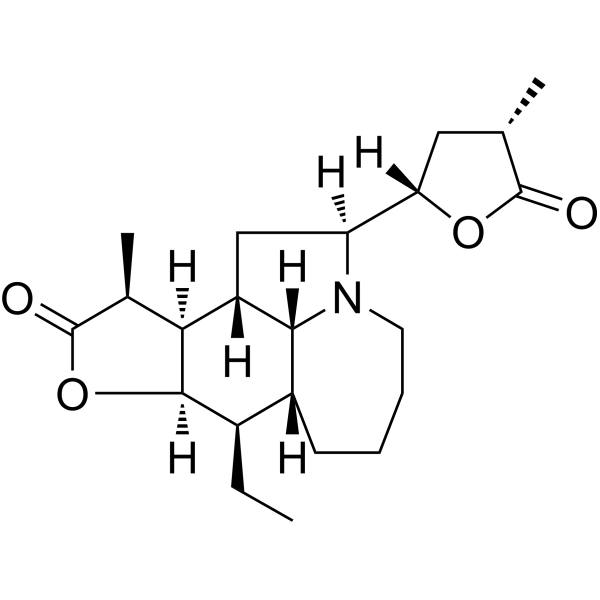
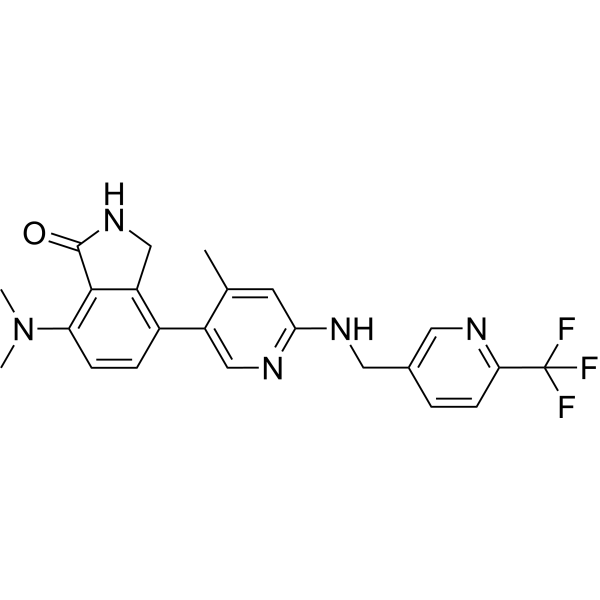
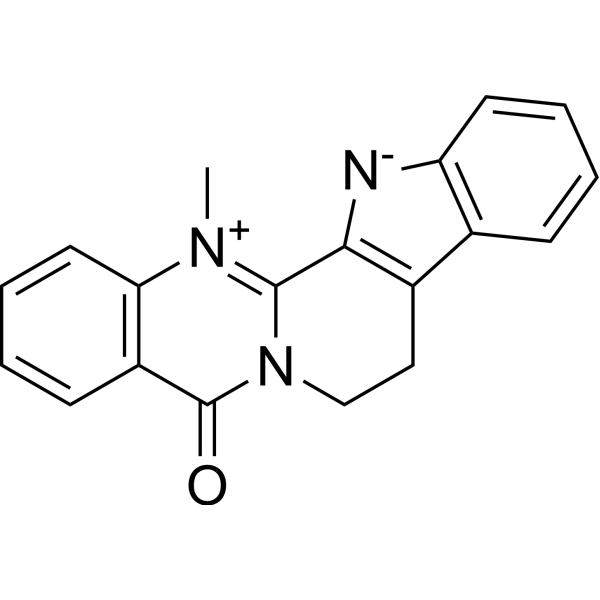
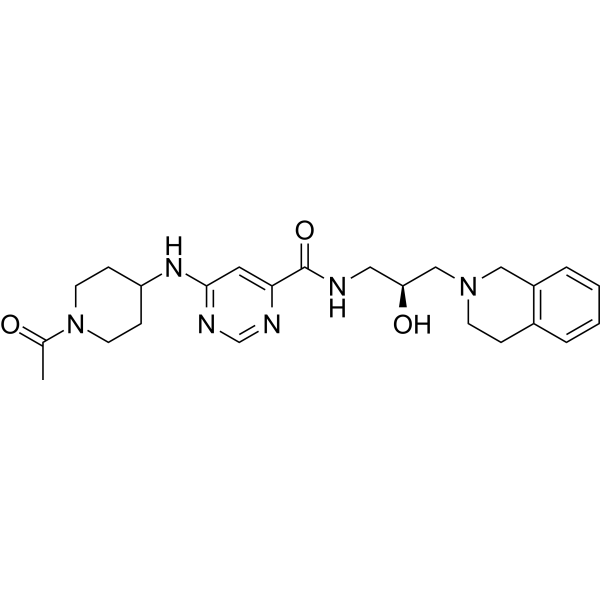
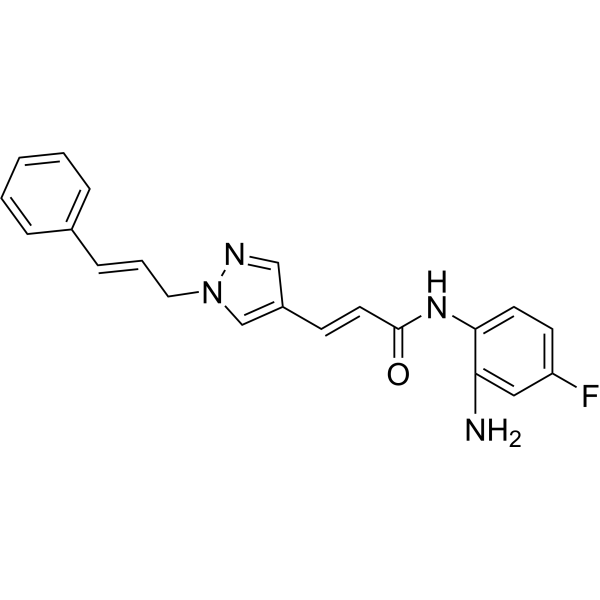
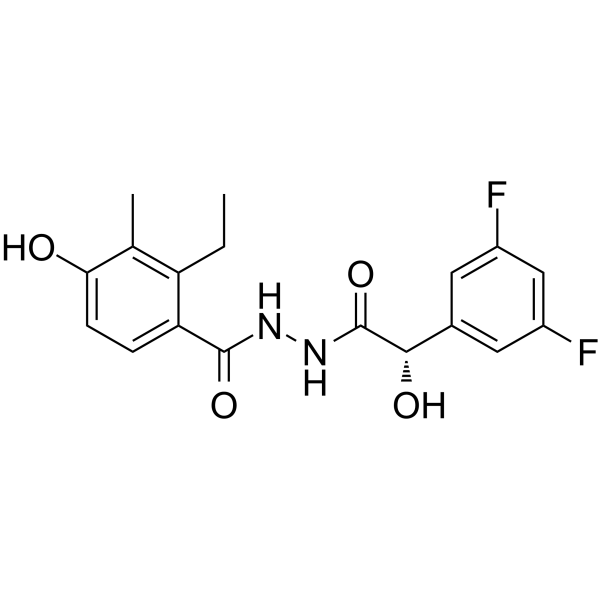
    GSK761 is a selective inhibitor of speckled 140 kDa (SP140) with an IC50 value of 77.79 nM. GSK761 reduces monocyte-to-inflammatory macrophage differentiation and lipopolysaccharide (LPS)-induced inflammatory activation. GSK761 induces the production of CD206 + regulatory macrophages by inhibiting SP140 .
    GSK761
  • HY-P99273

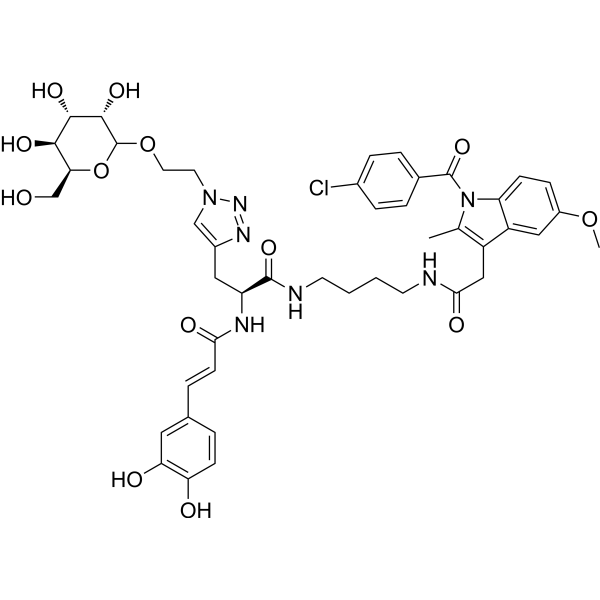
    TNF Receptor Cancer
    Vorsetuzumab (Anti-Human CD70 Recombinant Antibody) is a human anti-CD70 antibody. Vorsetuzumab enhances macrophage-related phagocytosis of renal carcinoma cells, shows inhibitory efficacy against Burkitt’s lymphoma .
    Vorsetuzumab
  • HY-148117

    PROTACs Macrophage migration inhibitory factor (MIF) Cancer
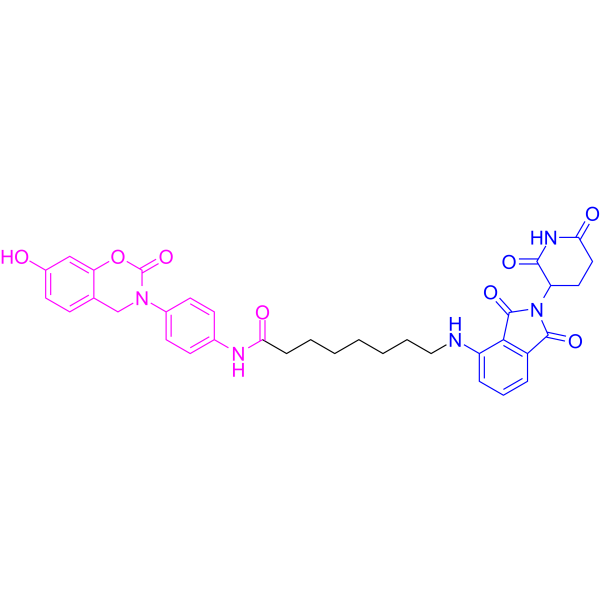
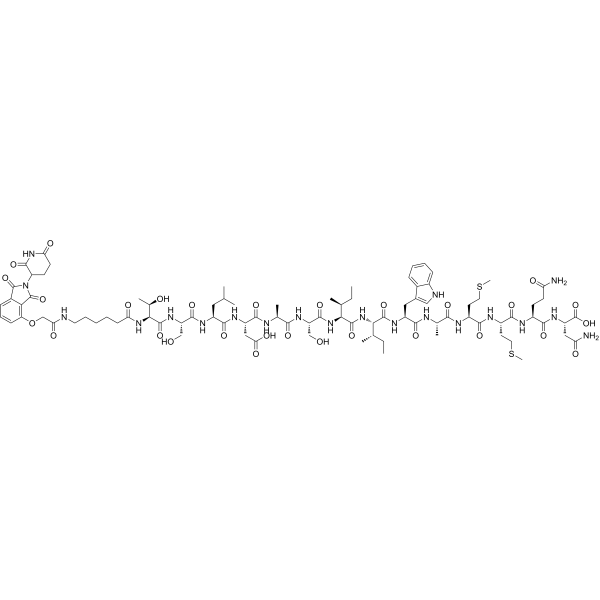
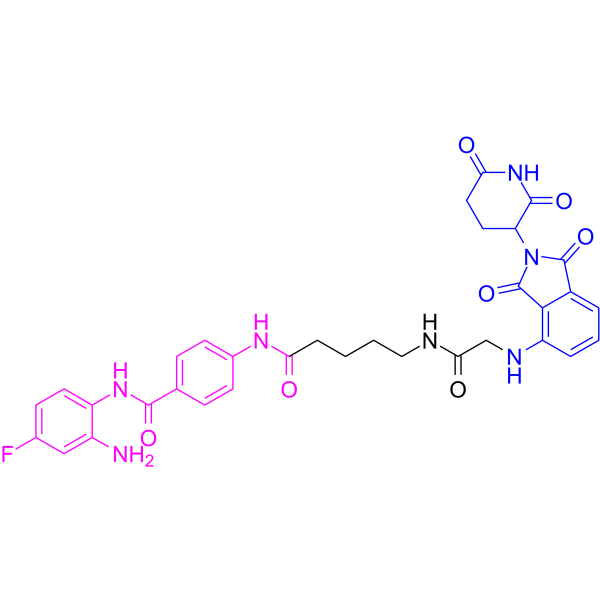
    MD13 is a macrophage migration inhibitory factor (MIF)-directed PROTAC with a Ki of 71 nM. MD13 can be used for cancer research .
    MD13
  • HY-P99136
    Anti-Mouse IFN gamma Antibody (H22)
    1 Publications Verification

    IFNAR Infection Inflammation/Immunology
    Anti-Mouse IFN gamma Antibody (H22) is an anti-mouse IFN gamma IgG antibody inhibitor derived from host Armenian Hamster. Anti-Mouse IFN gamma Antibody (H22) abrogates specific binding of I25II-rIFN-γ to macrophages. Anti-Mouse IFN gamma Antibody (H22) inhibits macrophage-activating factor (MAF) (ID50 = 56 ng). Anti-Mouse IFN gamma Antibody (H22) inhibits IFN-gamma dependent antiviral activity (ID50 = 2 ng). Anti-Mouse IFN gamma Antibody (H22) neutralizes IFNγ in mice. Anti-Mouse IFN gamma Antibody (H22) can be used for the researches of inflammation and infection, such as arthritis .
    Anti-Mouse IFN gamma Antibody (H22)
  • HY-176293

    Prostaglandin Receptor Amyloid-β Neurological Disease
    EP2 receptor antagonist-3 is a selective EP2 receptor antagonist (IC50: 8 nM in hEP2 SPA assay, 50 nM in hEP2 cAMP assay). EP2 receptor antagonist-3 increases the macrophage-mediated clearance of Amyloid-β plaques. EP2 receptor antagonist-3 can be used for the study of alzheimer’s diseases .
    EP2 receptor antagonist-3
  • HY-156174

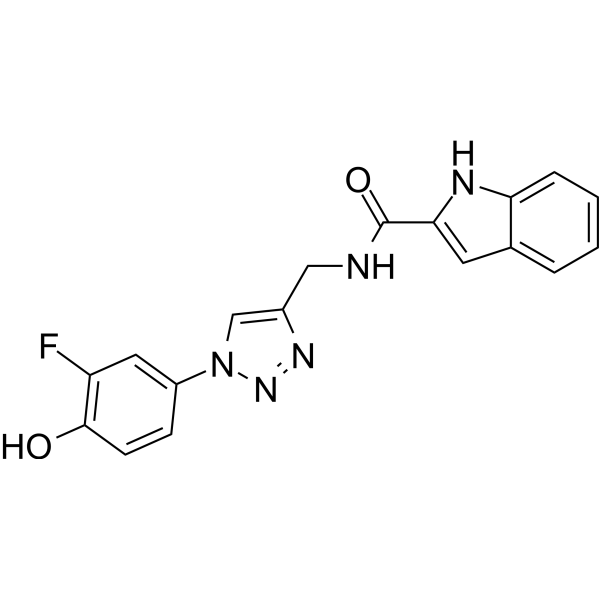
    Toll-like Receptor (TLR) ADC Payload Cancer
    E104 (compound 1) is a potent and selective TLR7 agonist. E104 can be delivered by antibody-drug conjugate (ADC) technology to elicit potent anticancer activity. E104 induces the activation of mouse macrophages and hPBMCs .
    E104
  • HY-P99704

    OCS-02

    TNF Receptor Inflammation/Immunology
    Licaminlimab (OCS-02) is a single-chain anti-TNF alpha antibody fragment. TNF alpha is an inflammatory cytokine produced by macrophages and monocytes during inflammation .
    Licaminlimab
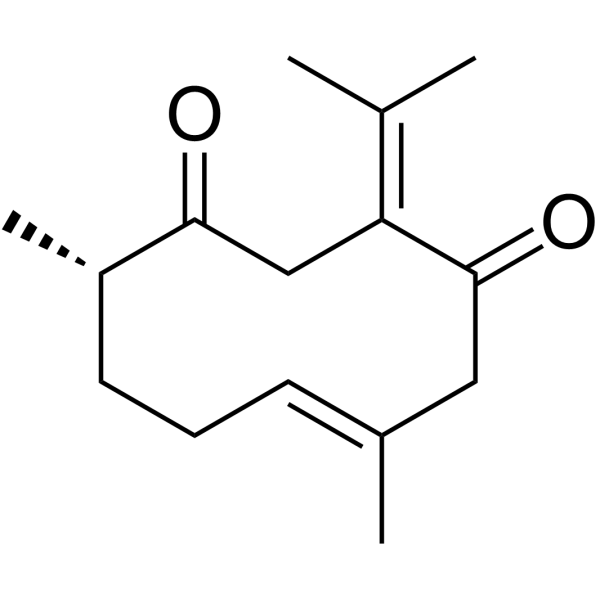
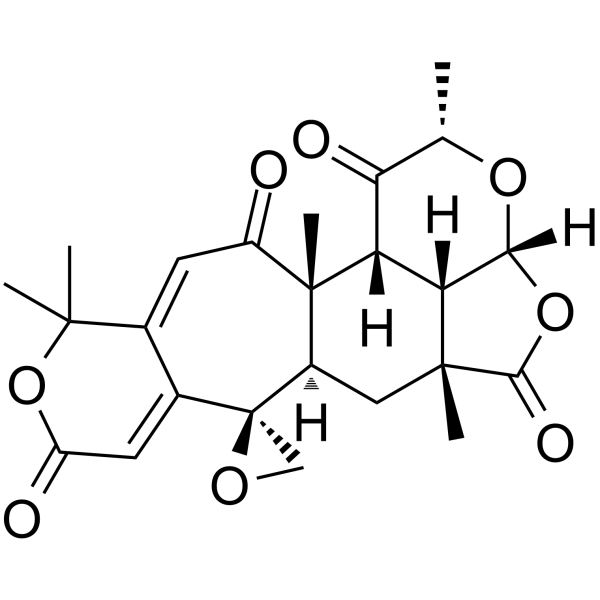
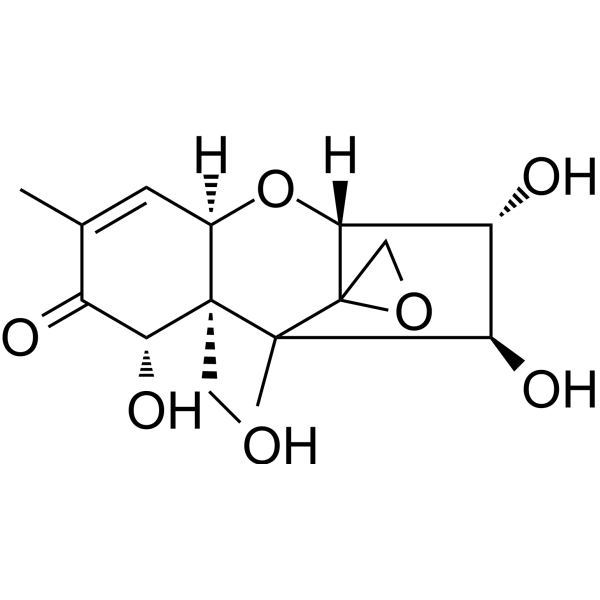
  • HY-N2620

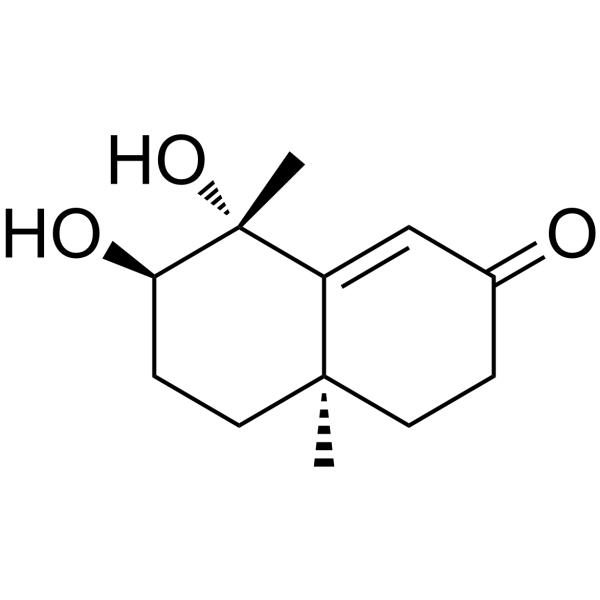
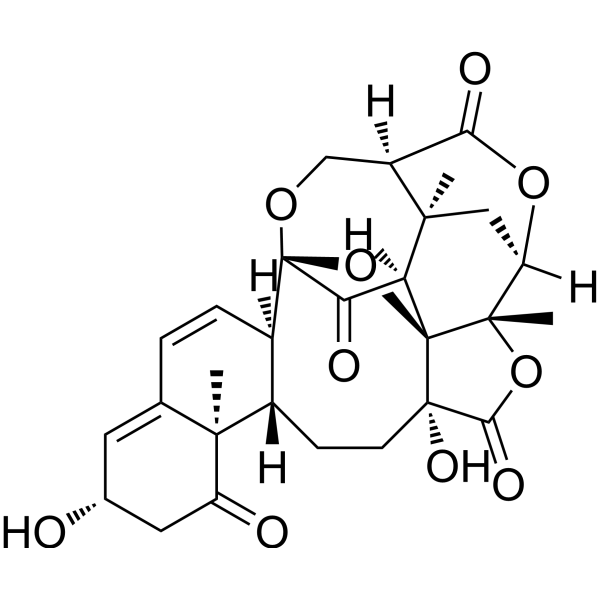
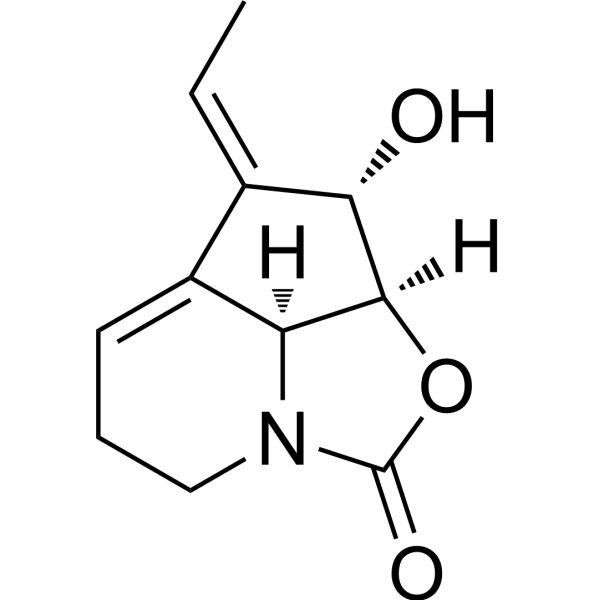
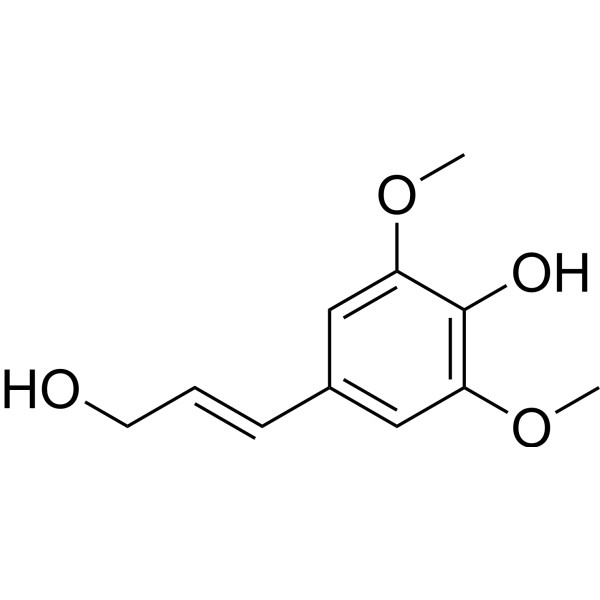
    Reactive Oxygen Species (ROS) Inflammation/Immunology
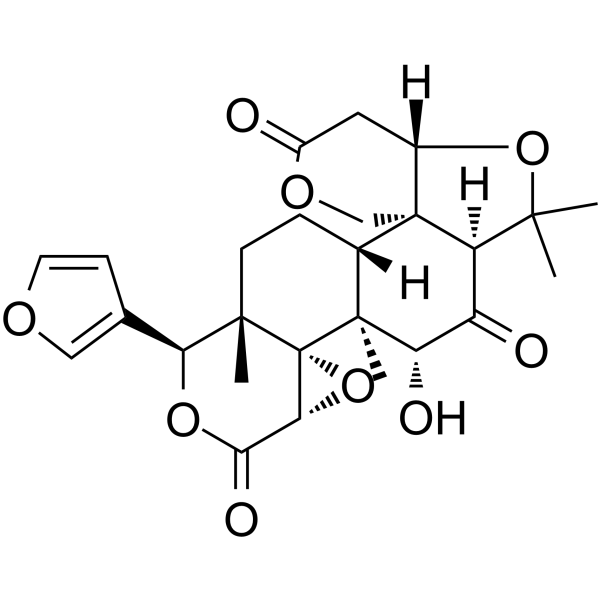
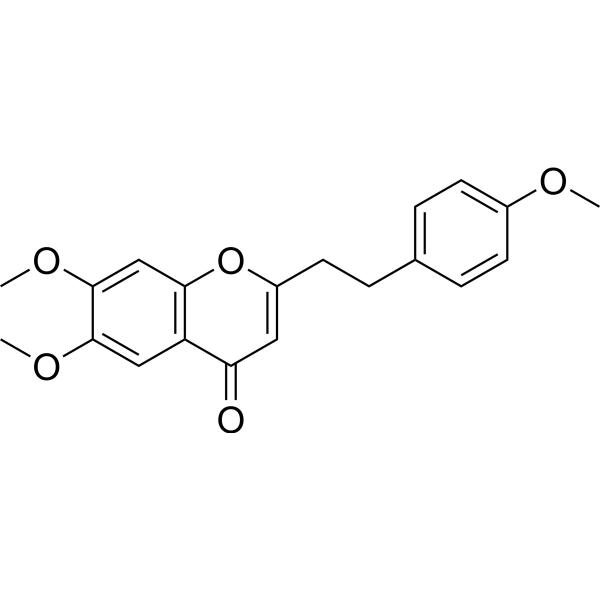
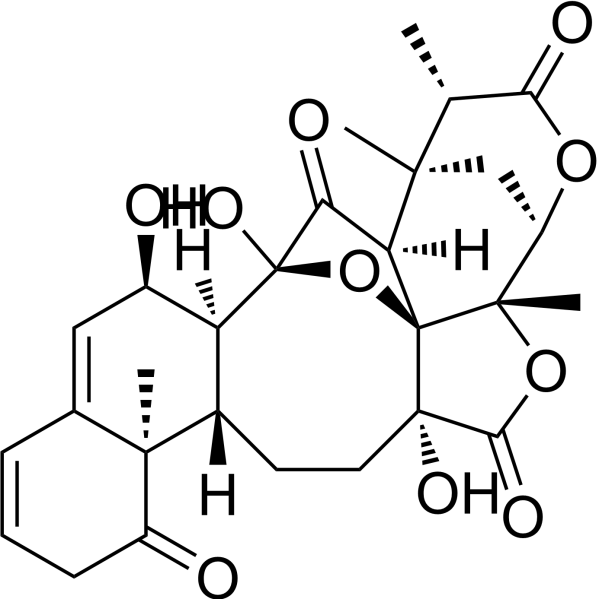
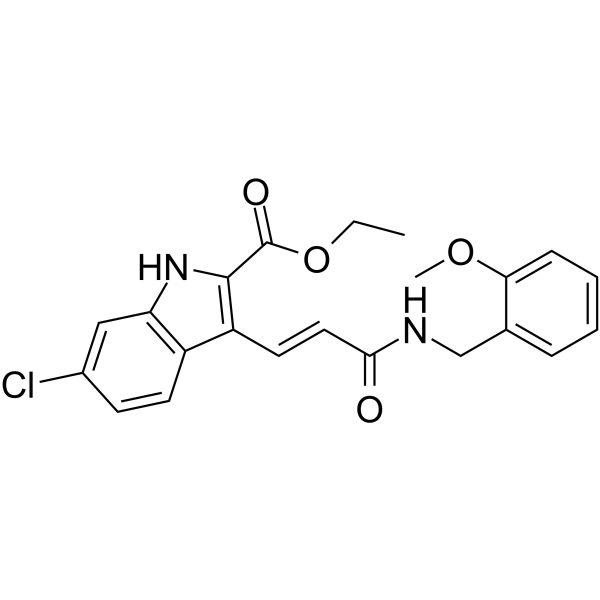
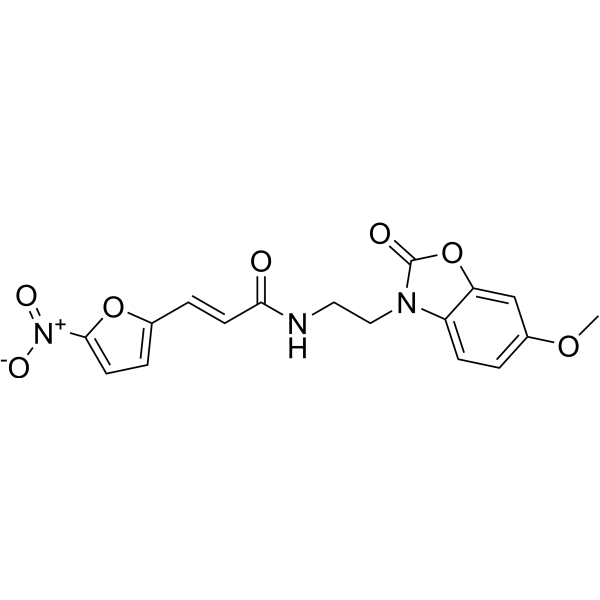
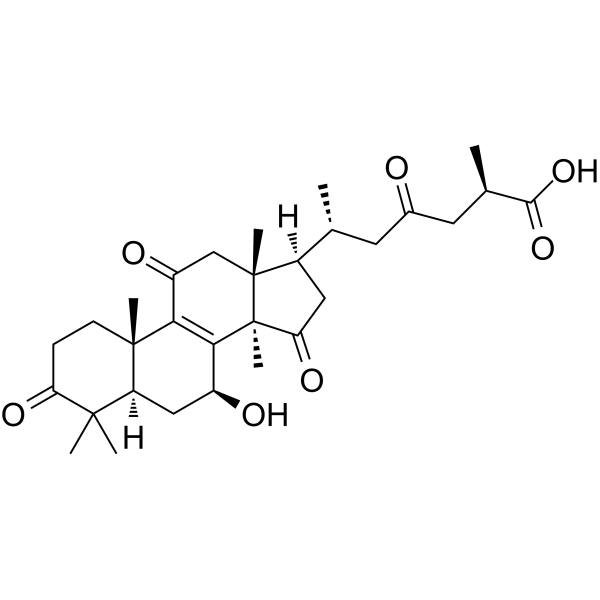
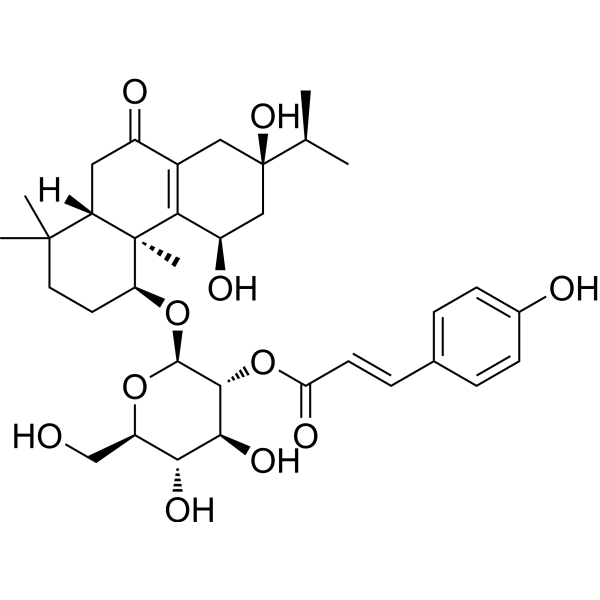
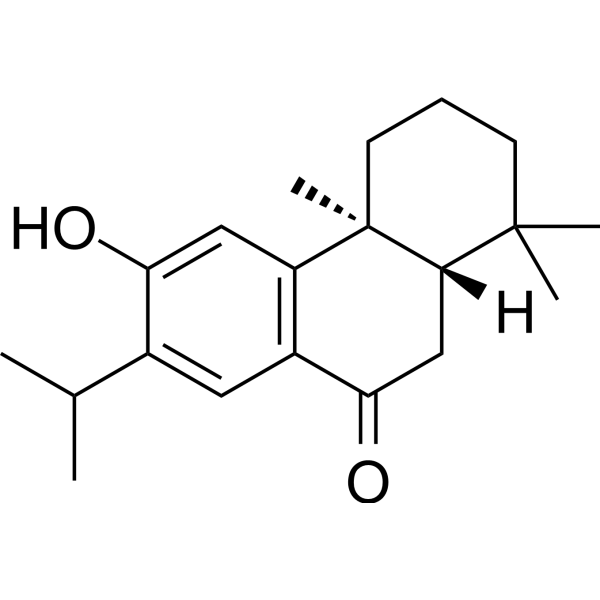
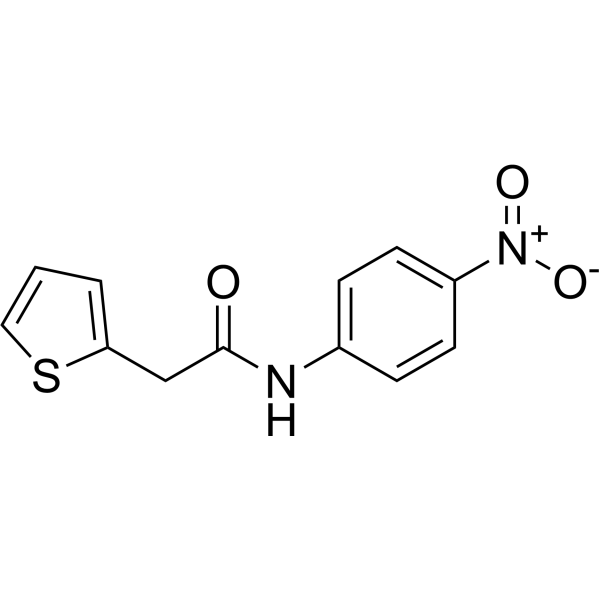
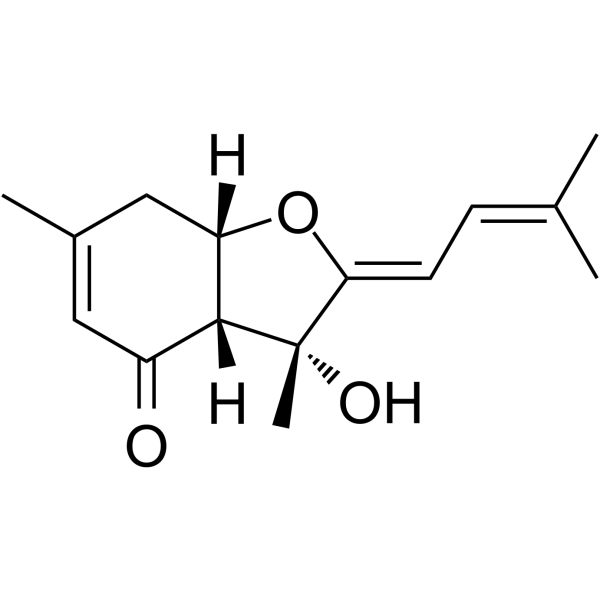
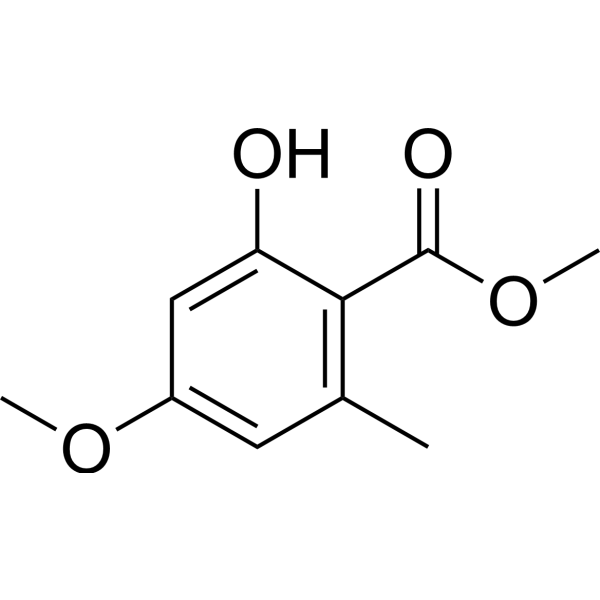
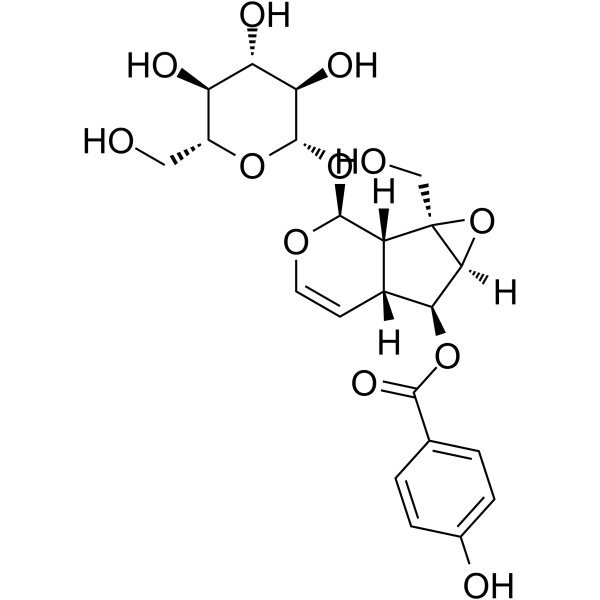
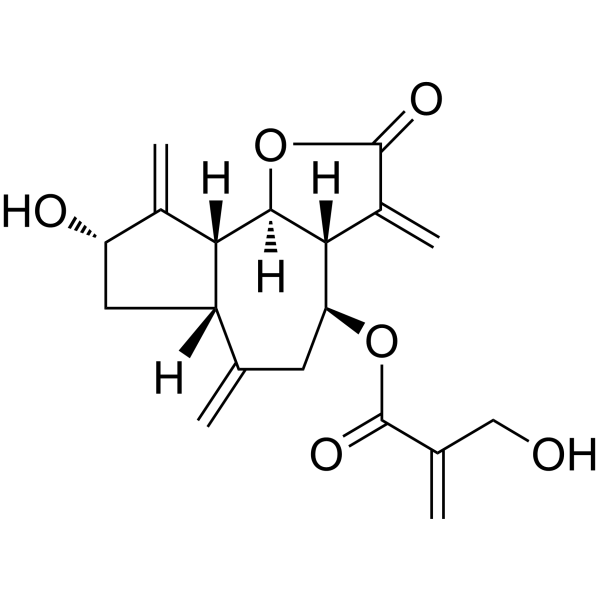
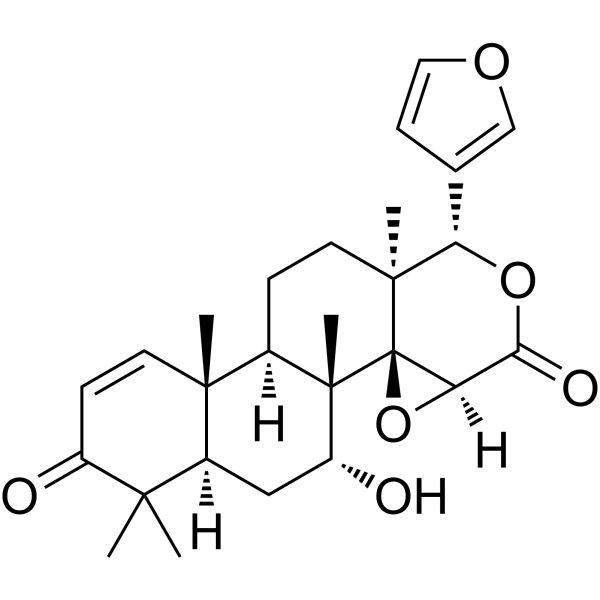
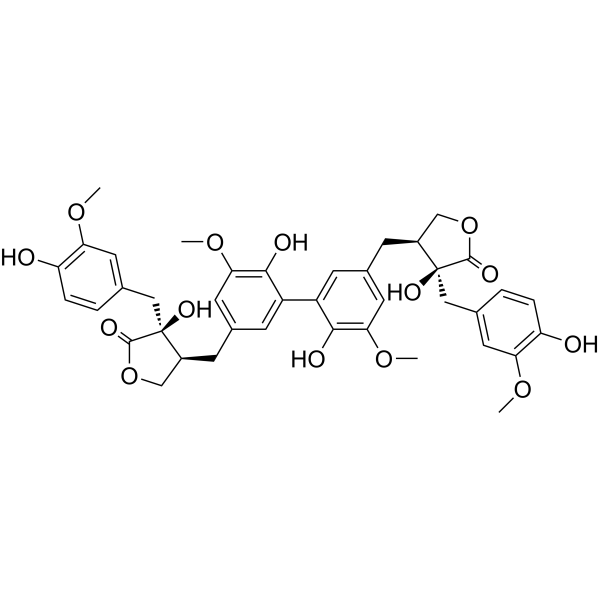
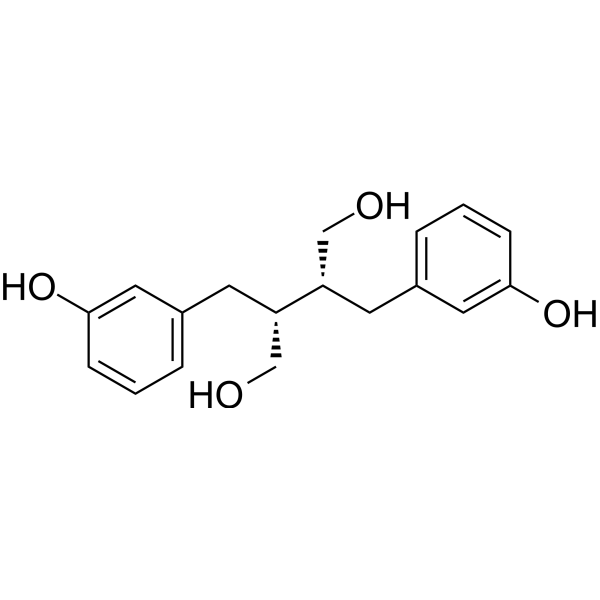
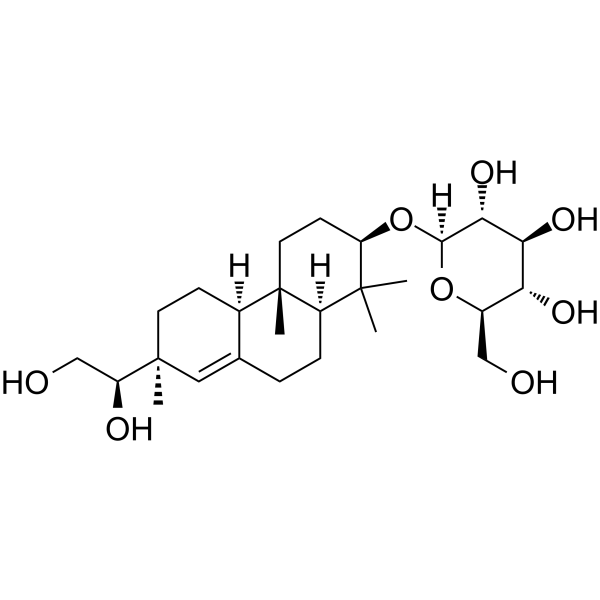
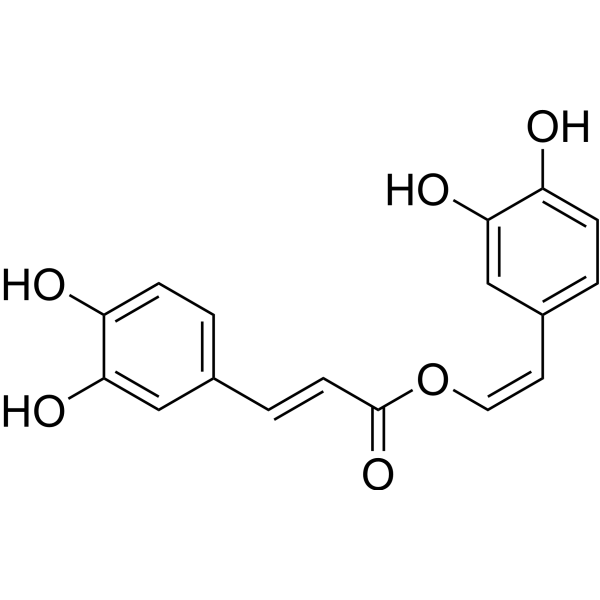
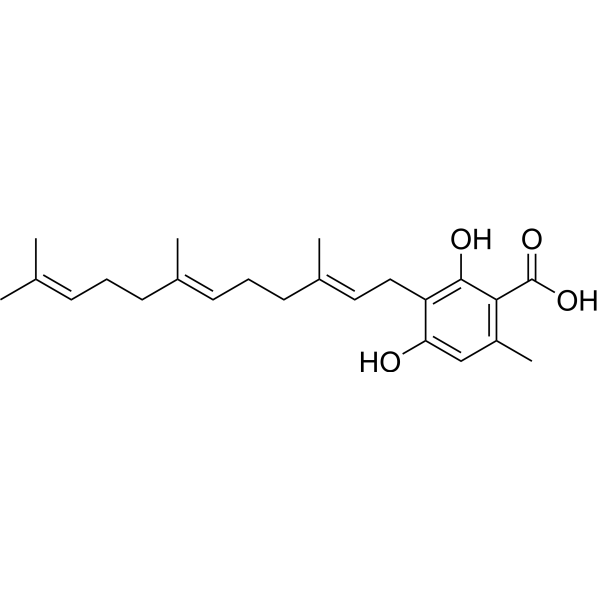
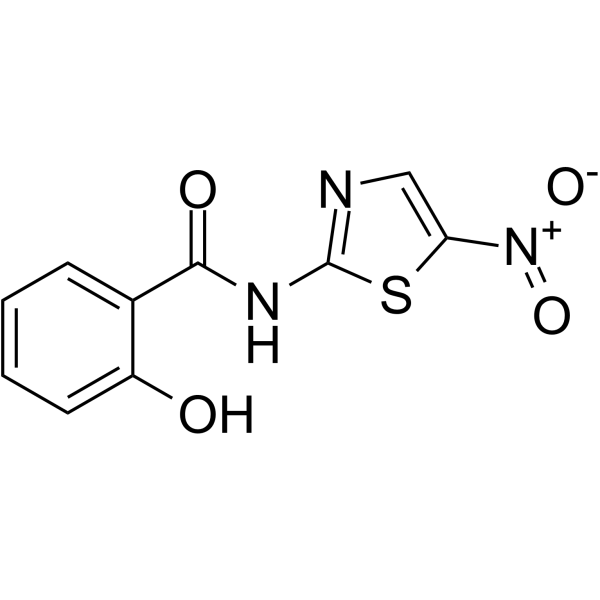
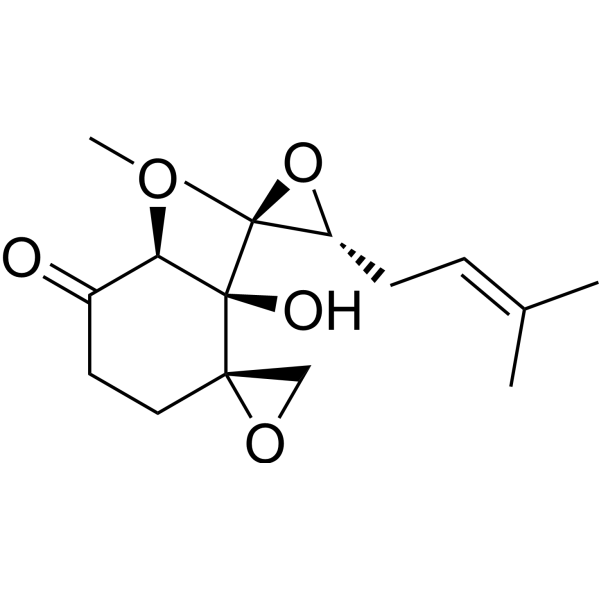
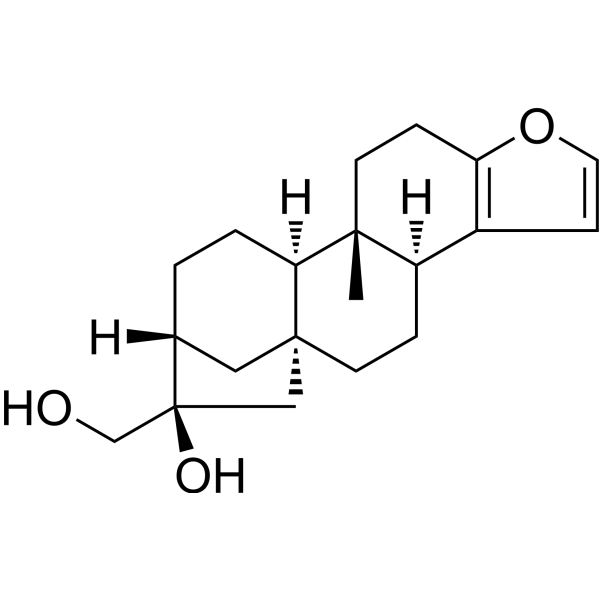
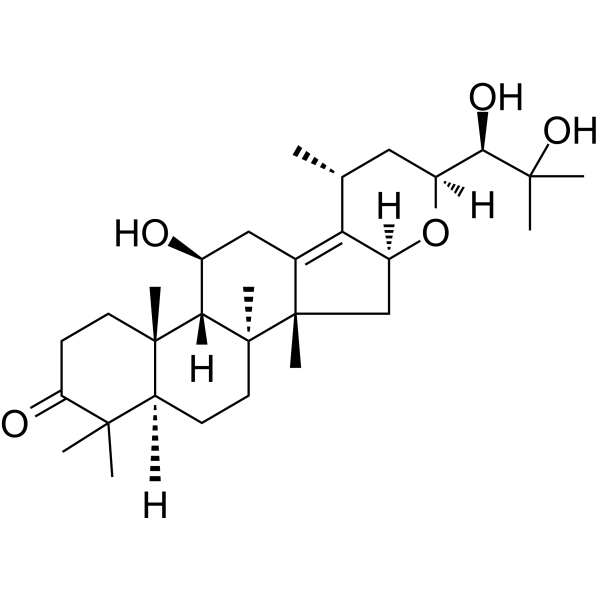
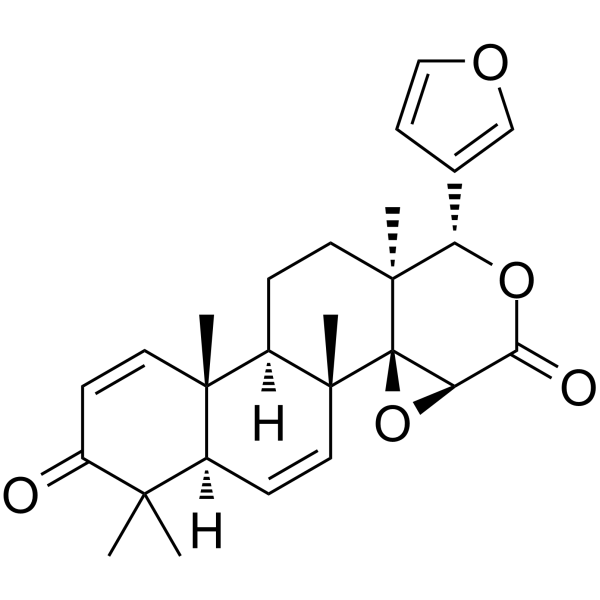
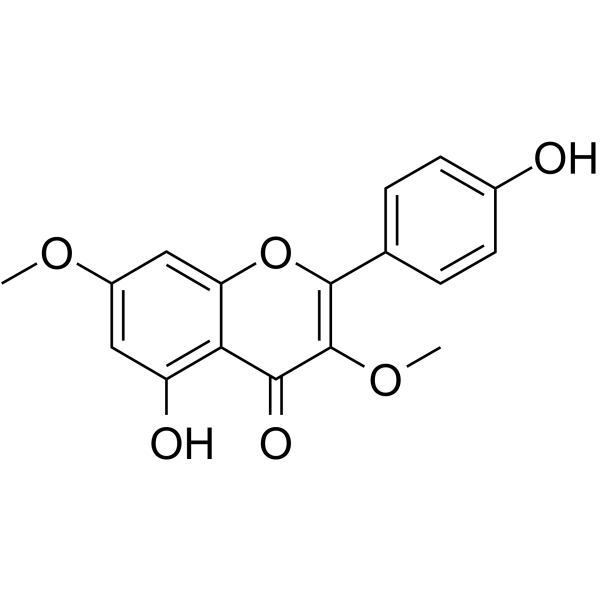
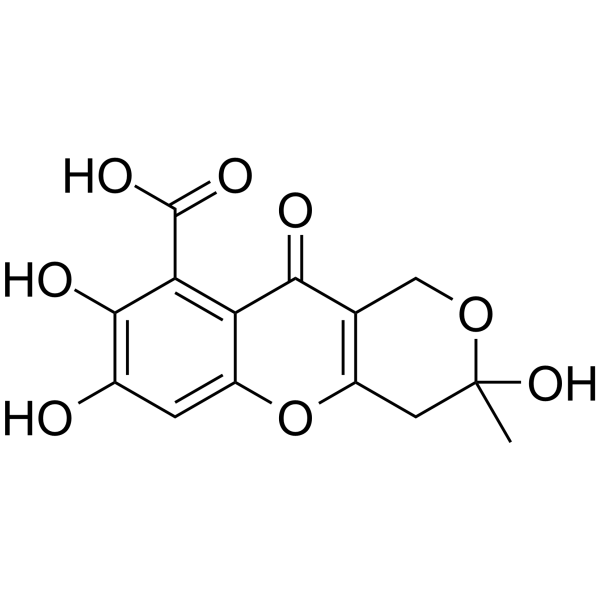
    Rutaevin is isolated from the fruits of Euodia rutaecarpa. Rutaevin inhibits NO production in LPS-induced RAW 264.7 macrophages .
    Rutaevin
  • HY-113481

    Transmembrane Glycoprotein COX PKA Prostaglandin Receptor Inflammation/Immunology Cancer
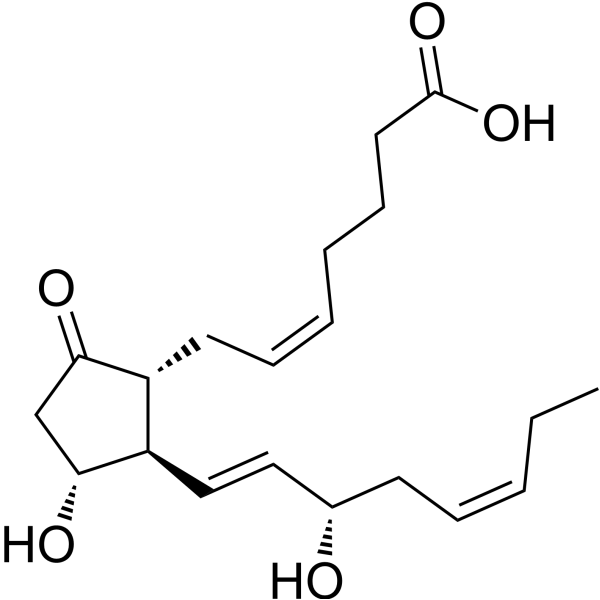
    Prostaglandin E3 is an eicosanoid derived from eicosapentaenoic acid. Prostaglandin E3 inhibits polarization towards M1 but promotes polarization of M2a macrophages. Prostaglandin E3 shows anti-inflammatory and anti-tumor activity .
    Prostaglandin E3
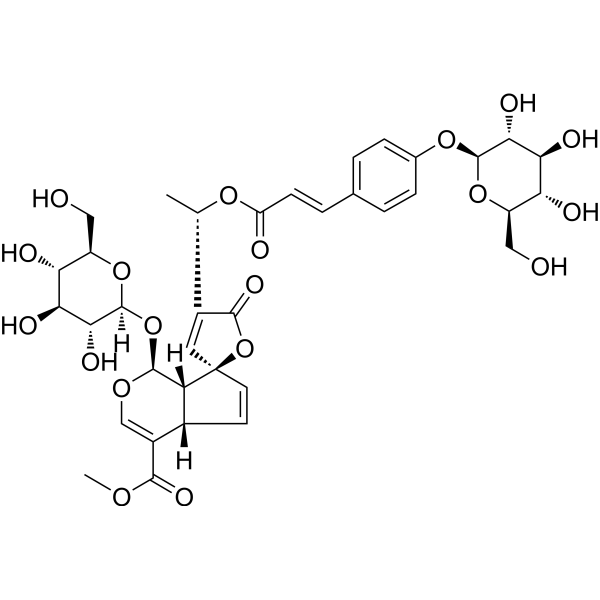
  • HY-125531

    Others Others
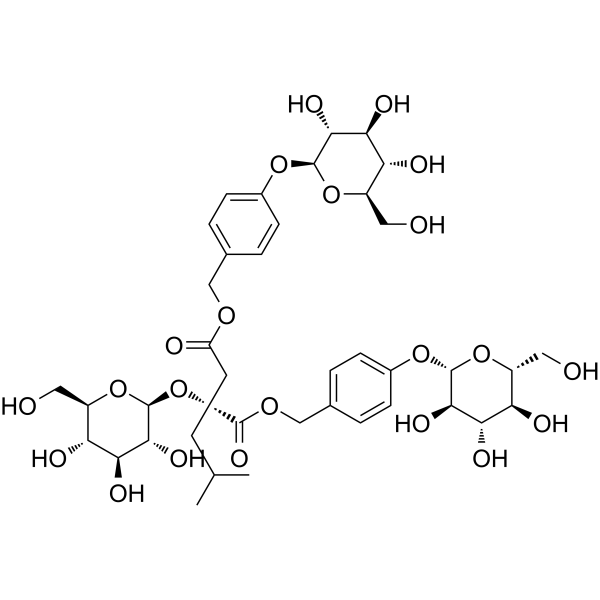
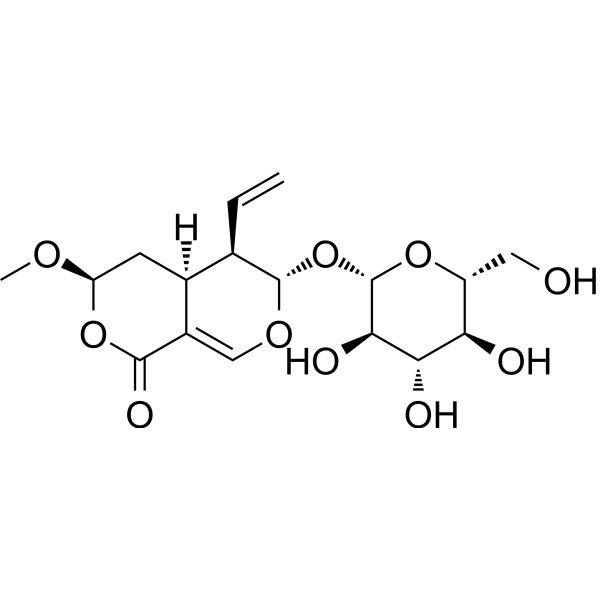
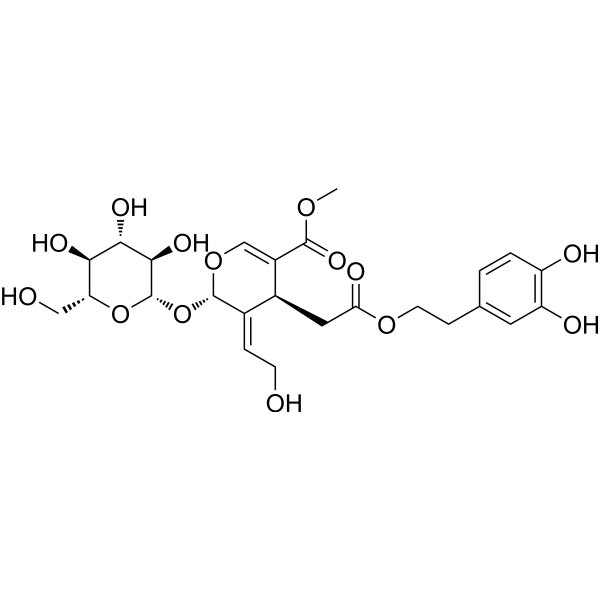
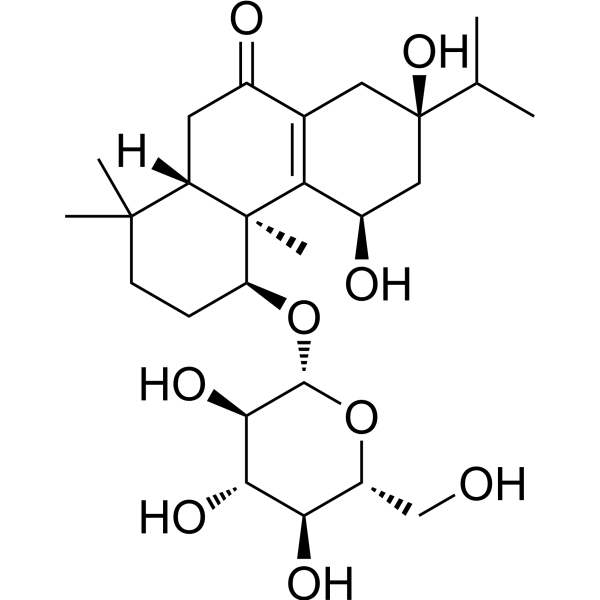
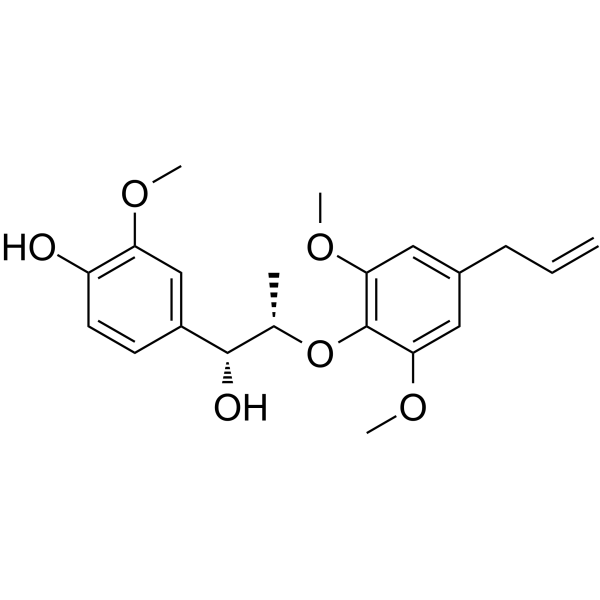
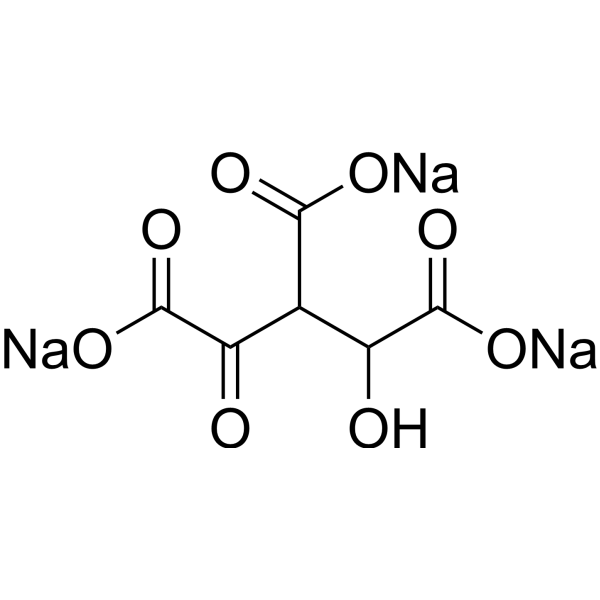
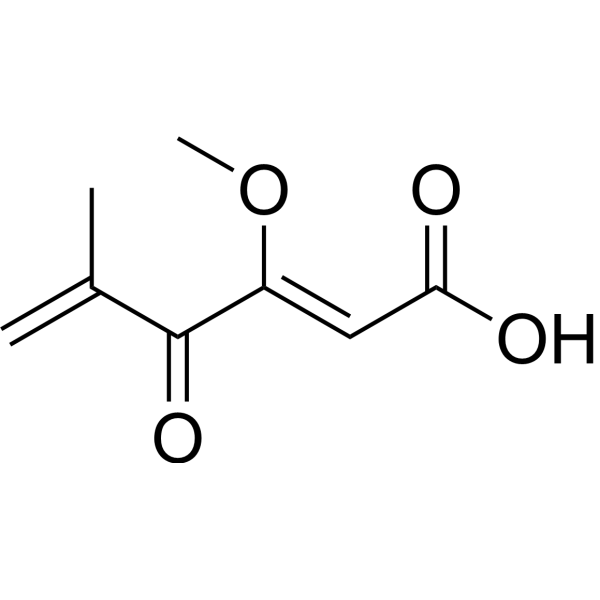
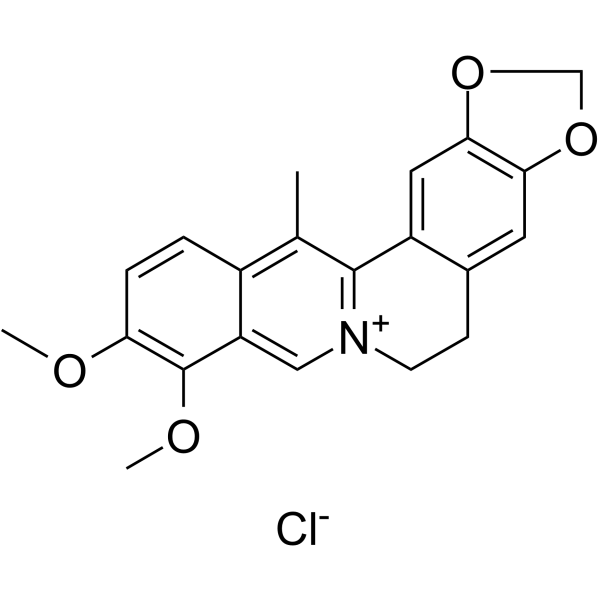
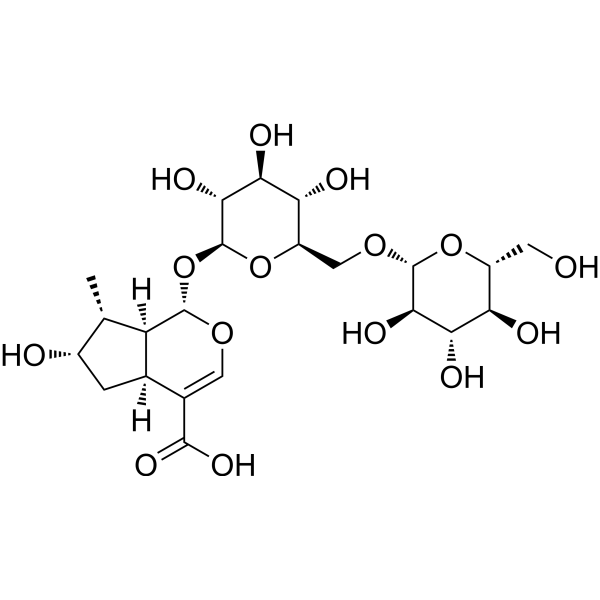
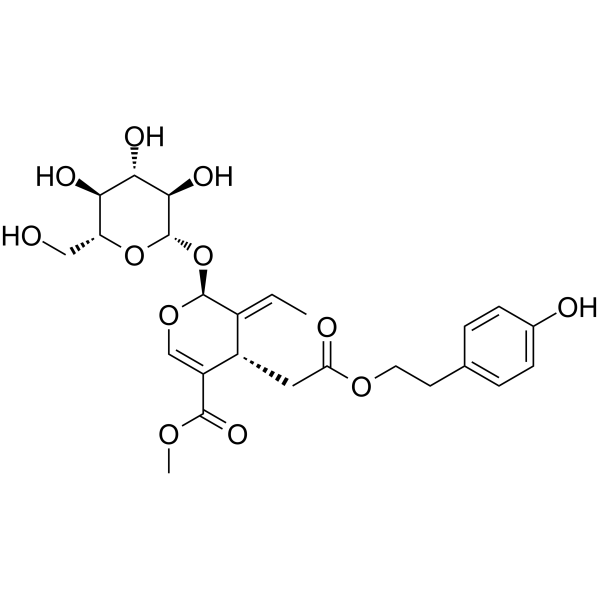
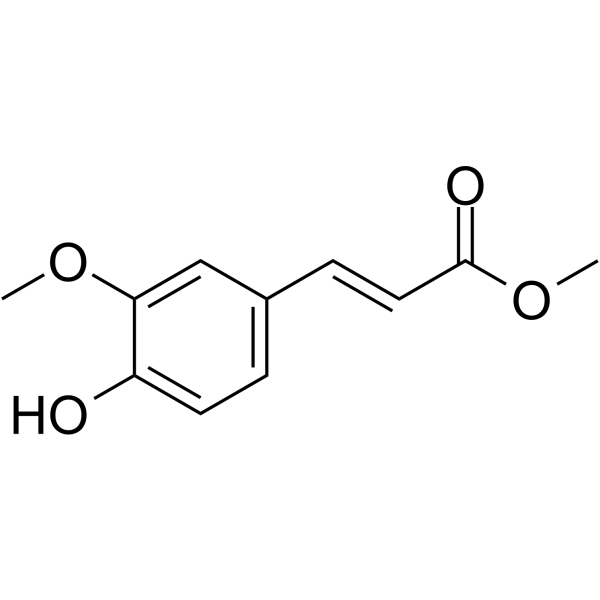
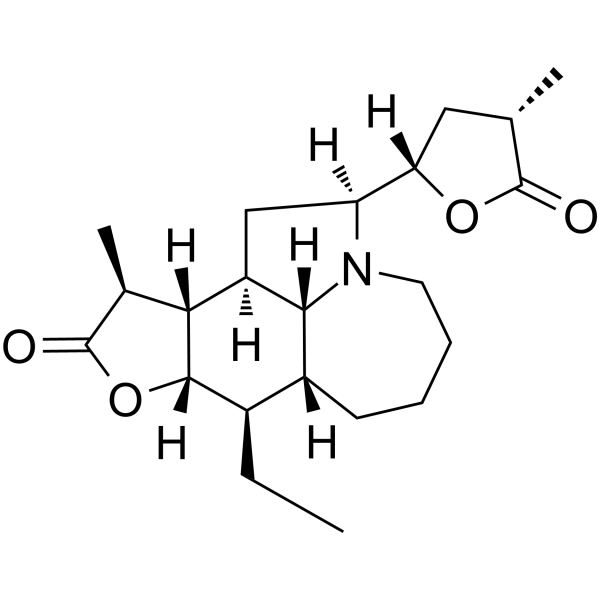
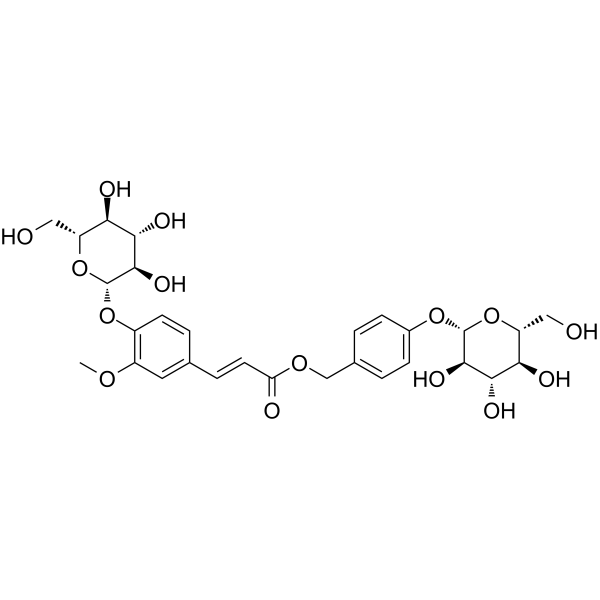
    Dactylorhin A, a succinate derivative ester, is isolated from rhizomes of Gymnadenia conopsea. Dactylorhin A exhibits moderate inhibitory effects on NO production effects in RAW 264.7 macrophage cells .
    Dactylorhin A
  • HY-155657

    Src Inflammation/Immunology
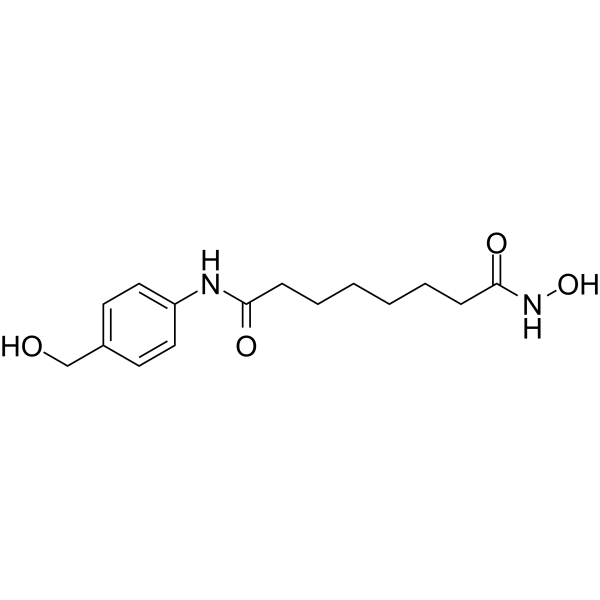
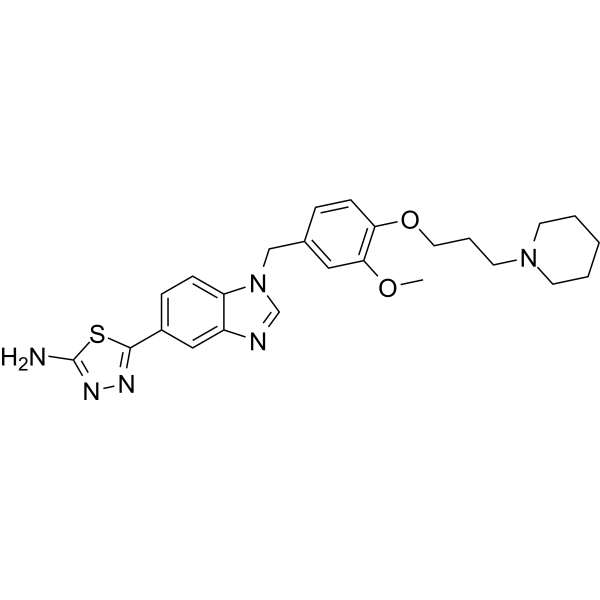
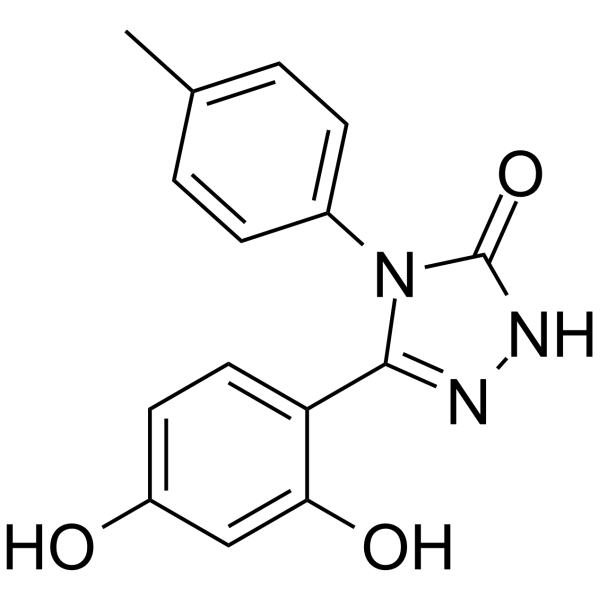
    BT424 is a specific HCK inhibitor. BT424 can regulate macrophage activation and autophagy in vitro. BT424 ameliorates inflammation and kidney fibrosis in UUO model .
    BT424
  • HY-P11107

    Apoptosis TNF Receptor Inflammation/Immunology Cancer
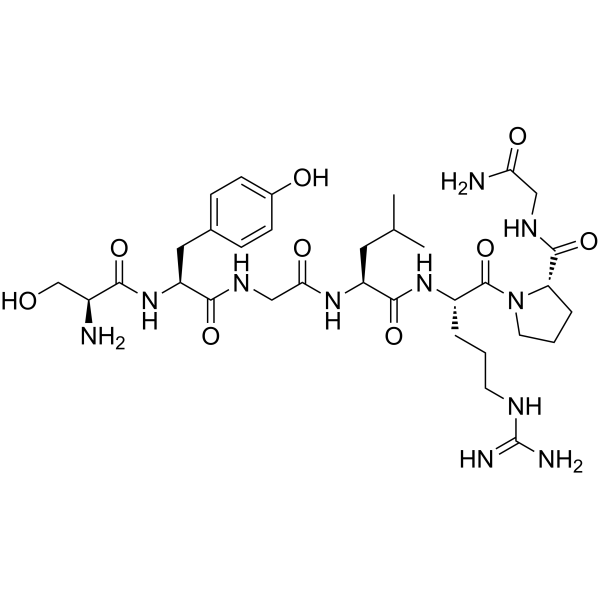
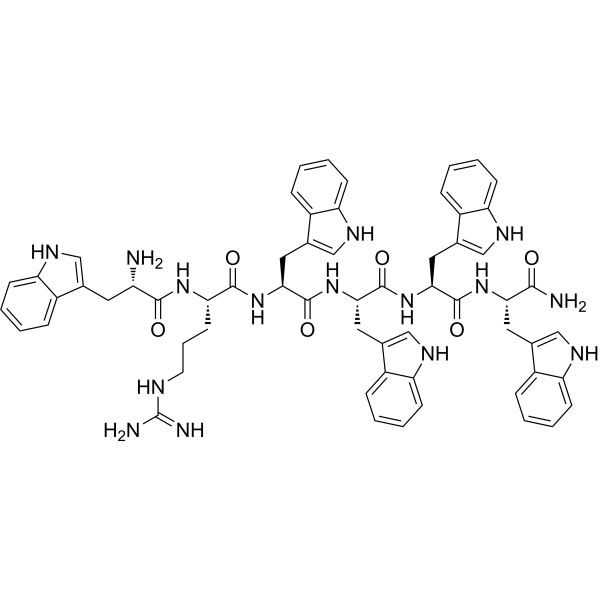
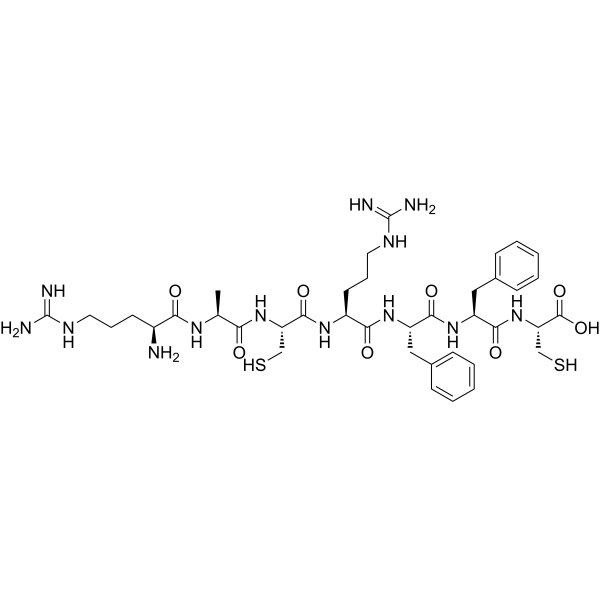
    RP-832c is a synthetic analogue of host defense peptides (HDP), targeting the mannose receptor CD206 on the surface of M2 polarized macrophages (Kd = 3.5 μM). RP-832c binding to CD206 induces a significant conformational change in the receptor, activating signaling pathways that lead to rapid apoptosis and repolarization of CD206-positive M2 macrophages to an M1 phenotype. RP-832c treatment significantly reduces CD206 gene expression in M2 macrophages while transiently increasing expression of TNF-α, a marker for M1 macrophages. RP-832c is used for the studies of T-cell lymphoma (CTCL) and idiopathic pulmonary fibrosis (IPF) .
    RP-832c
  • HY-117432

    NOD-like Receptor (NLR) Inflammation/Immunology
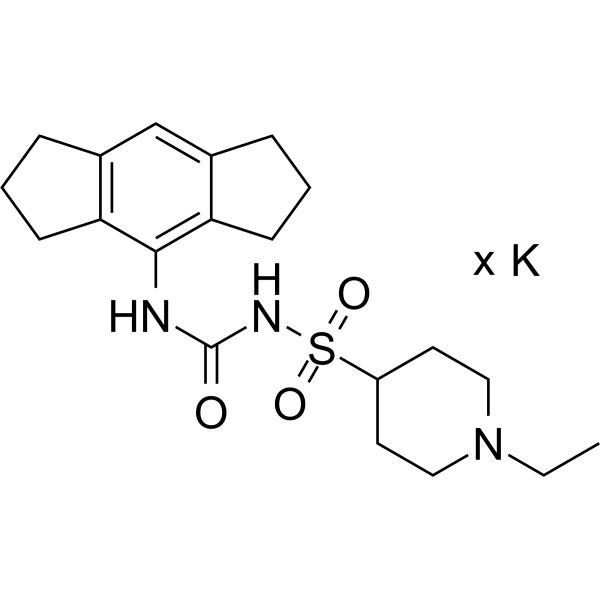
    JC-171 is a selective NLRP3 inflammasome inhibitor, with an IC50 of 8.45 μM for inhibiting LPS/ATP-induced interleukin-1β (IL-1β) release from J774A.1 macrophages .
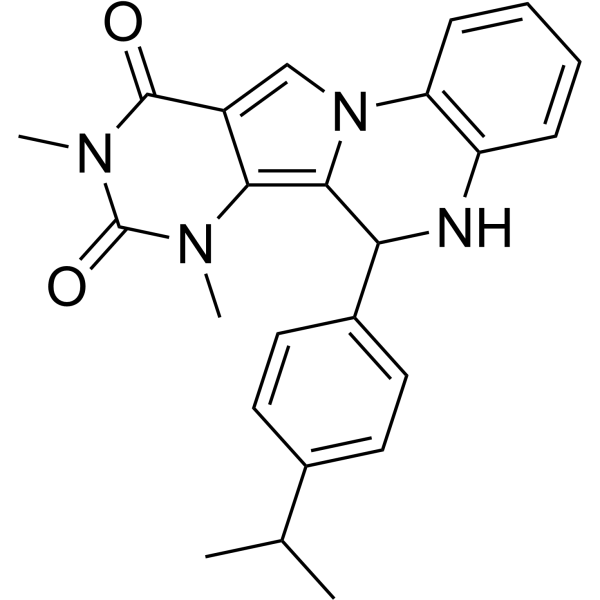
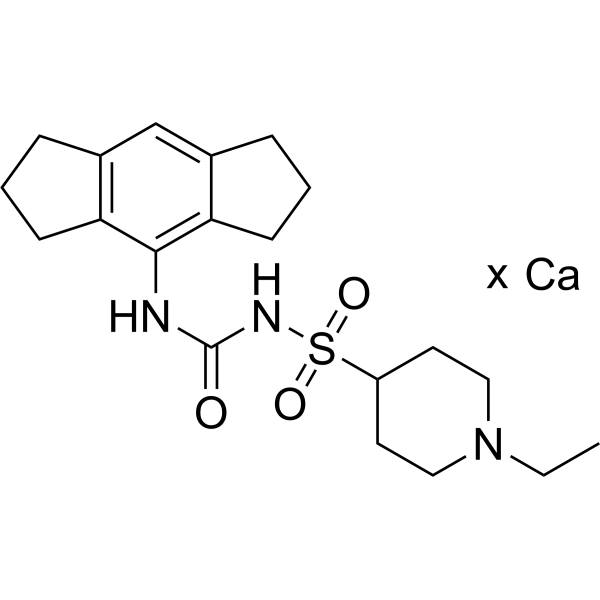
    JC-171
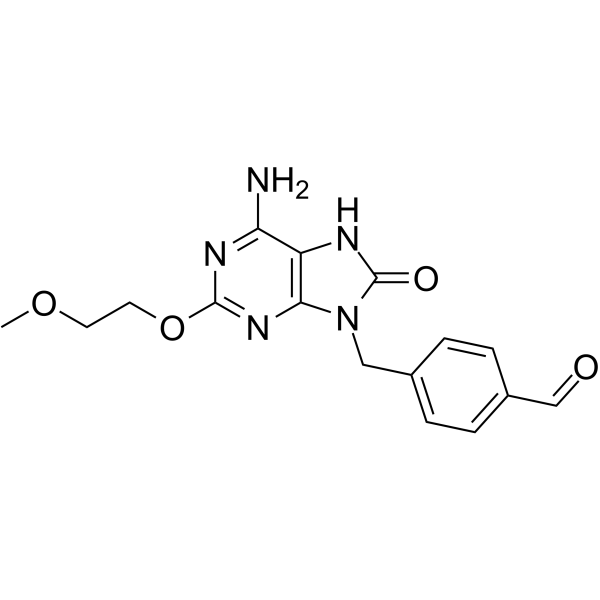
  • HY-P10420

    CD47 Interleukin Related Cancer
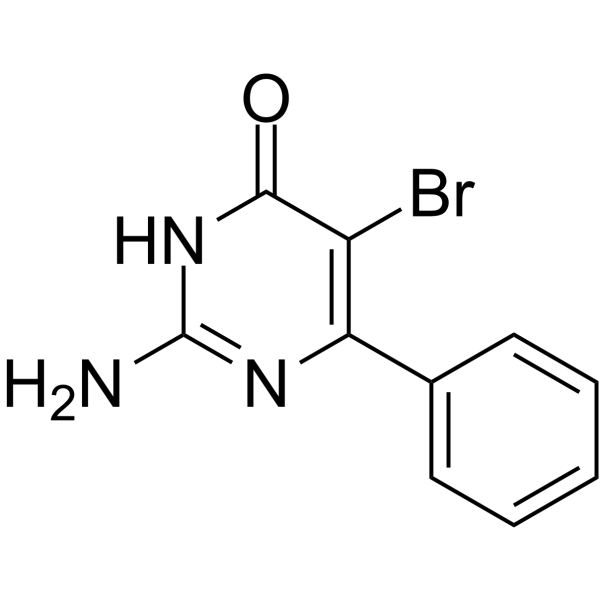
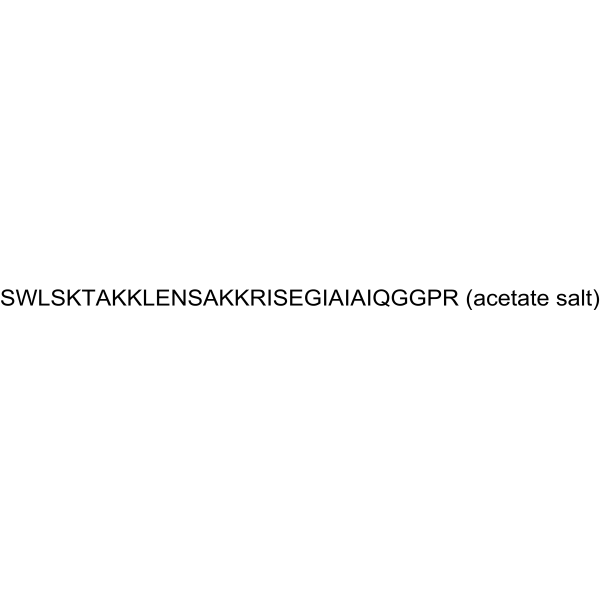
    RS17 is an anti-tumor peptide designed to bind specifically to the CD47 molecule and block the interaction between CD47 and its ligand, SIRPα, on the surface membrane of macrophages. The main regulatory mechanism of RS17 is to prevent CD47 from transmitting selective phagocytosis signals to SIRPα by binding to CD47, so that macrophages do not recognize tumor cells as their own tissue, but phagocytose them as foreign substances, thereby inhibiting immune escape of tumor cells. RS17 can be used to study the mechanism of anti-tumor response and immune escape .
    RS17
  • HY-N7064

    Pyruvate Kinase COX STAT TNF Receptor NO Synthase Interleukin Related HIF/HIF Prolyl-Hydroxylase Cardiovascular Disease Inflammation/Immunology
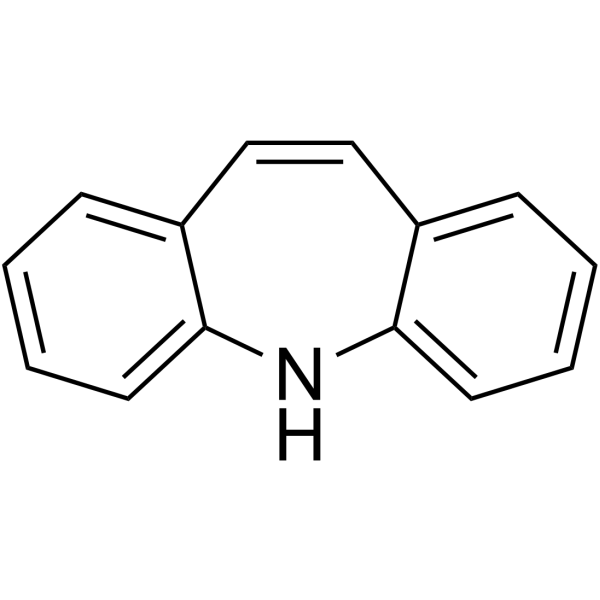
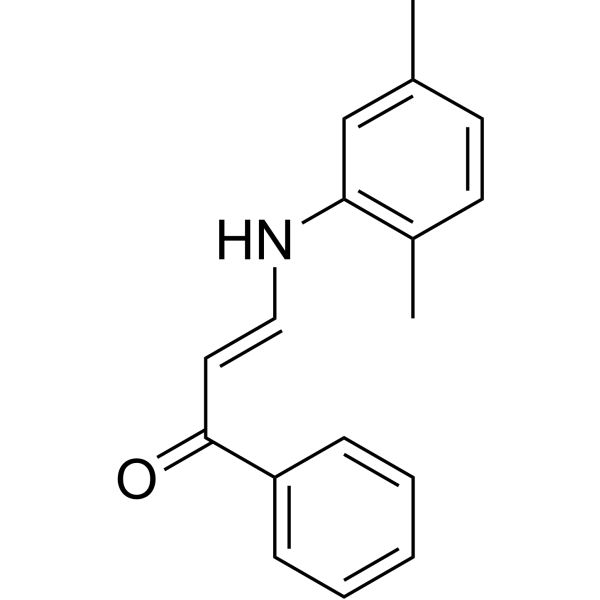
    Iminostilbene is a chemical precursor of carbamazepine. Additionally, Iminostilbene is an orally active inhibitor of PKM2 (Pyruvate Kinase M2) and COX2 (Cyclooxygenase-2). Iminostilbene exerts its effects by inhibiting PKM2 and its interaction with HIF-1α and STAT3, reducing COX2 and iNOS expression, and decreasing LPS-induced release of IL-1β, IL-6, TNF-α, and MCP-1, thereby suppressing macrophage-mediated inflammatory responses and improving myocardial ischemia/reperfusion (MI/R) injury. Iminostilbene holds promise for research in inflammation regulation, cardiovascular diseases (such as MI/R injury), and macrophage-mediated immune-related diseases .
    Iminostilbene
  • HY-P5898

    Z-Val-Val-Nle-CHN2

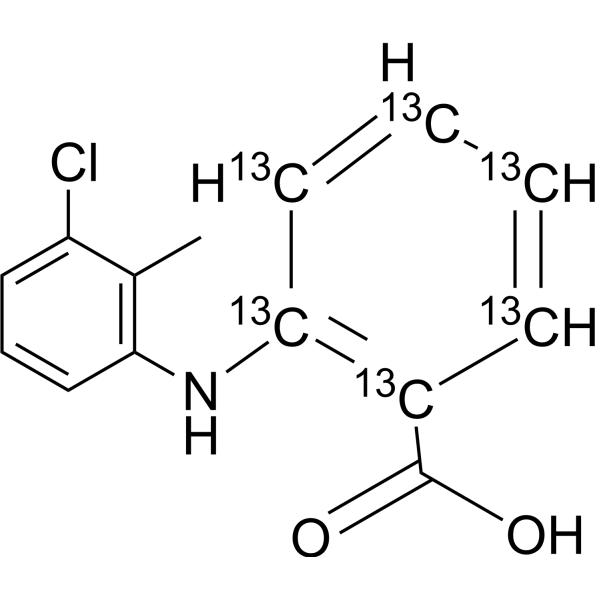
    Cathepsin MHC Inflammation/Immunology
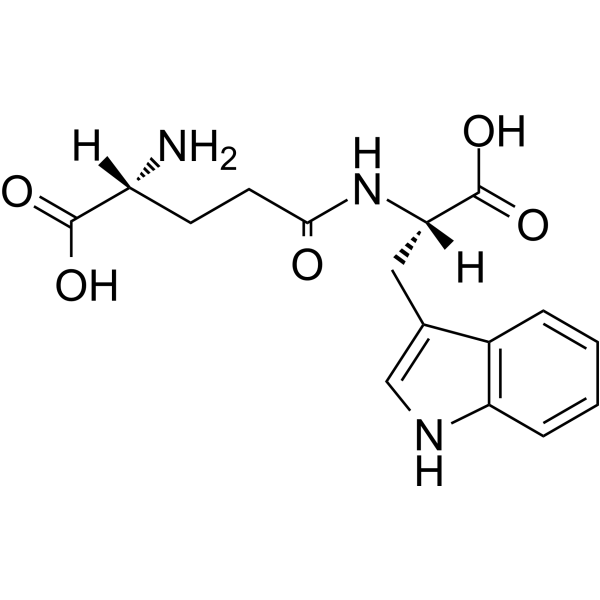
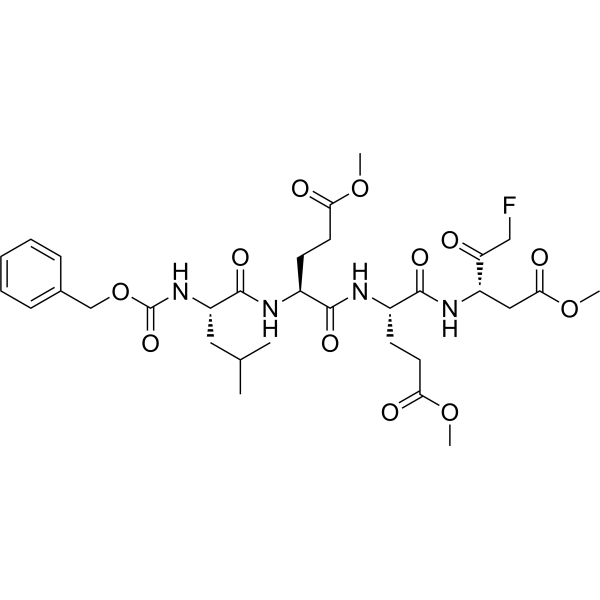
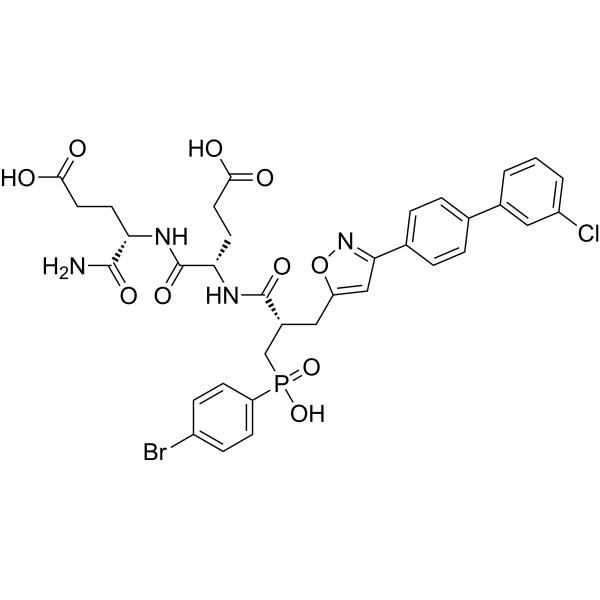
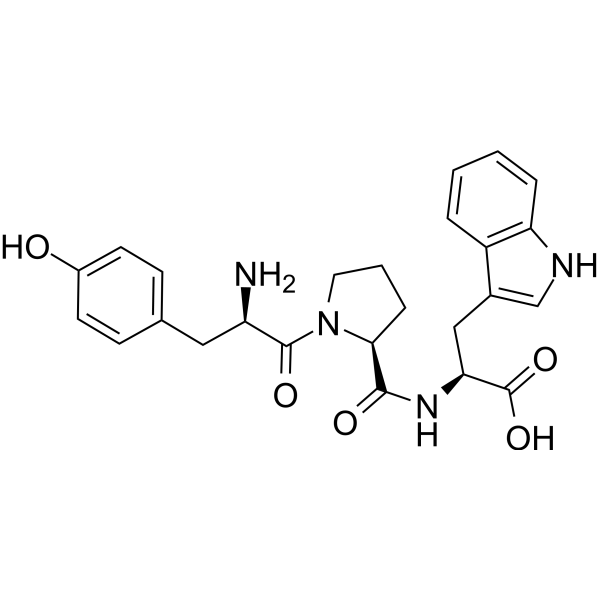
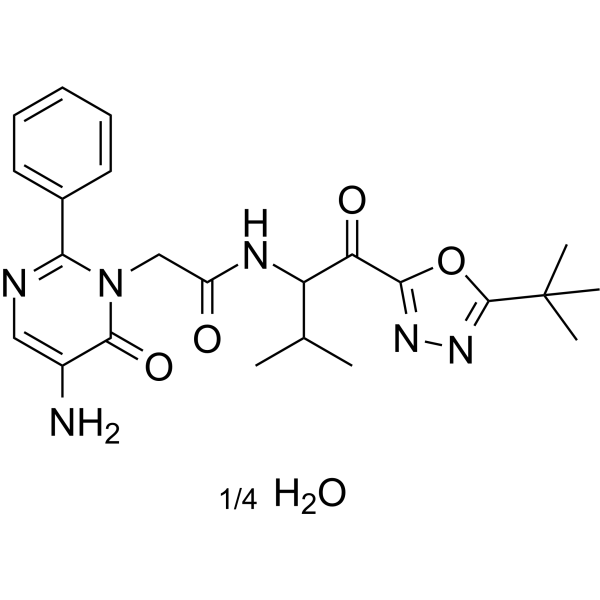
    Z-Val-Val-Nle-diazomethylketone is a cathepsin S (CATS) inhibitor. Z-Val-Val-Nle-diazomethylketone significantly inhibits the IFNg-induced upregulation of the MHCII molecules HLA-DR and Ii-p33/35 with an increase of Ii-p10 protein level. Z-Val-Val-Nle-diazomethylketone can be used for dermatological diseases like psoriasis, atopic dermatitis and actinic keratosis research .
    Z-Val-Val-Nle-diazomethylketone
  • HY-168539

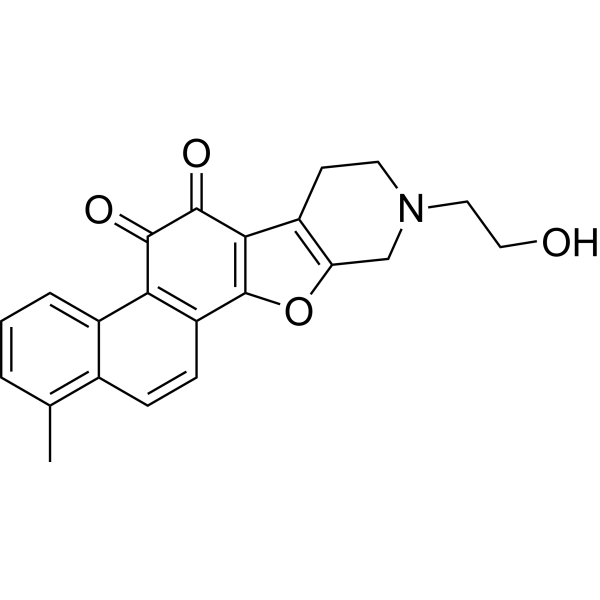
    HuR Inflammation/Immunology
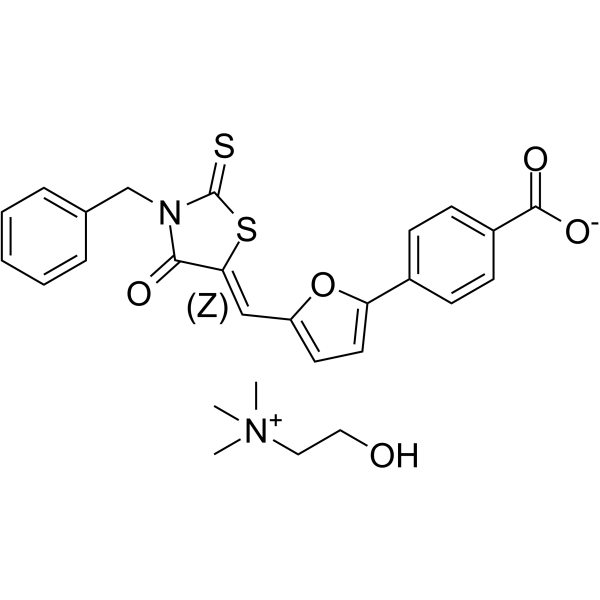
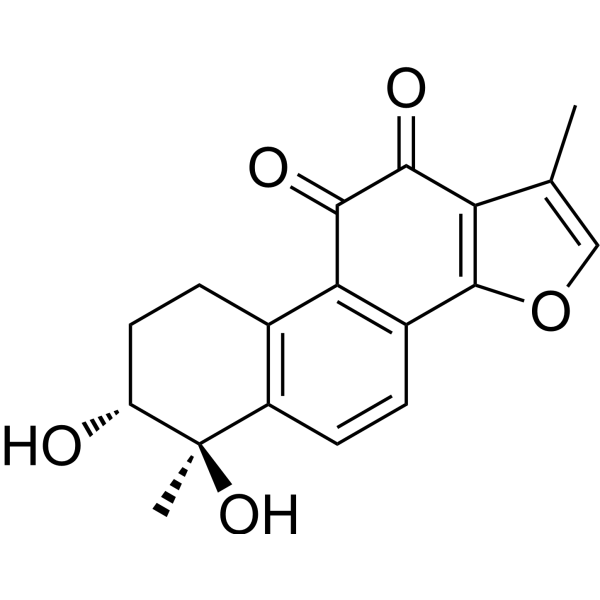
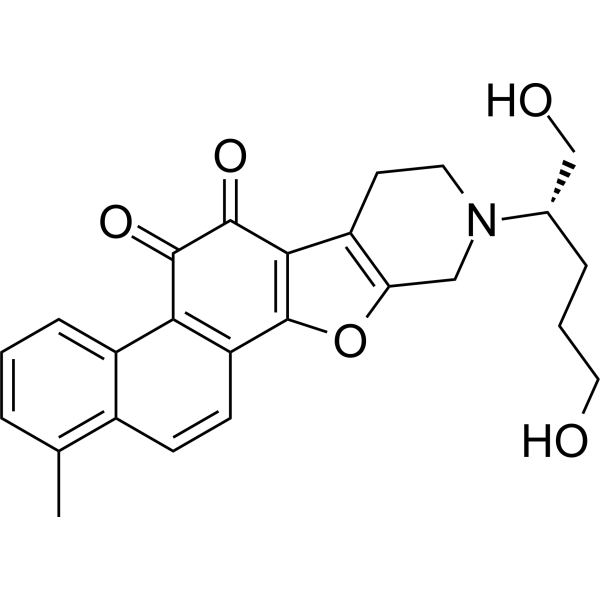
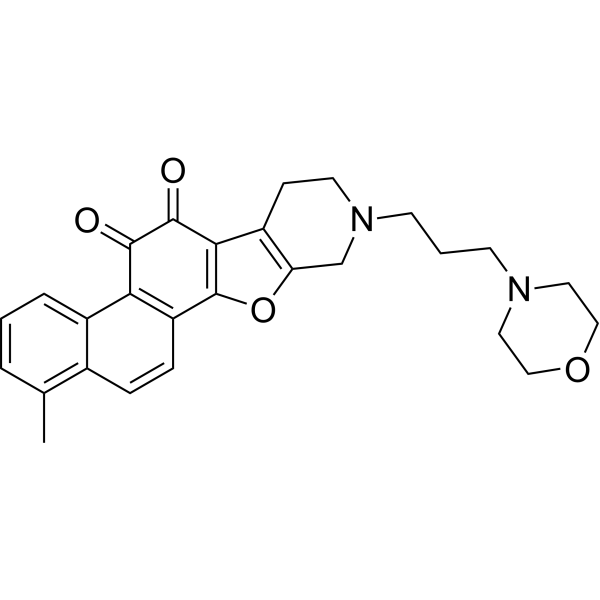
    TM11, a Tanshinone mimic, is a potent HuR inhibitor that can inhibit HuR-RNA complex formation. TM11 reduces LPS-induced inflammatory response in murine macrophages .
    TM11
  • HY-154928

    LXR Metabolic Disease
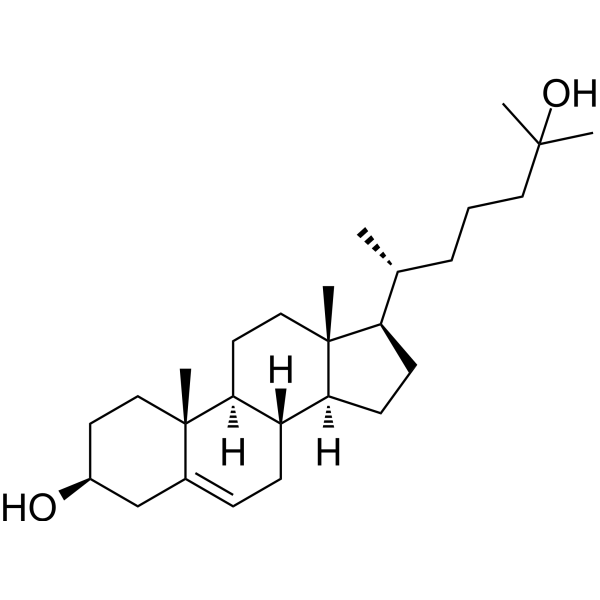
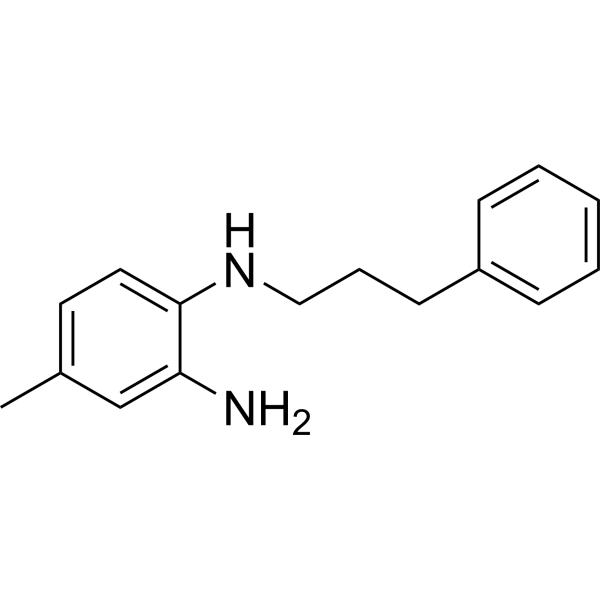
    GW6340 is an intestinal-specific LXR agonist. GW6340 promotes macrophage reverse cholesterol transport (mRCT) .
    GW6340
  • HY-139990
    CSF1R-IN-3
    1 Publications Verification

    c-Fms Cancer
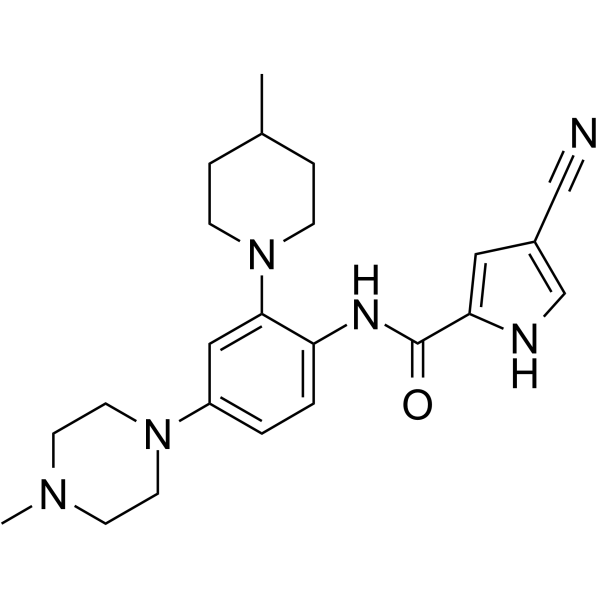
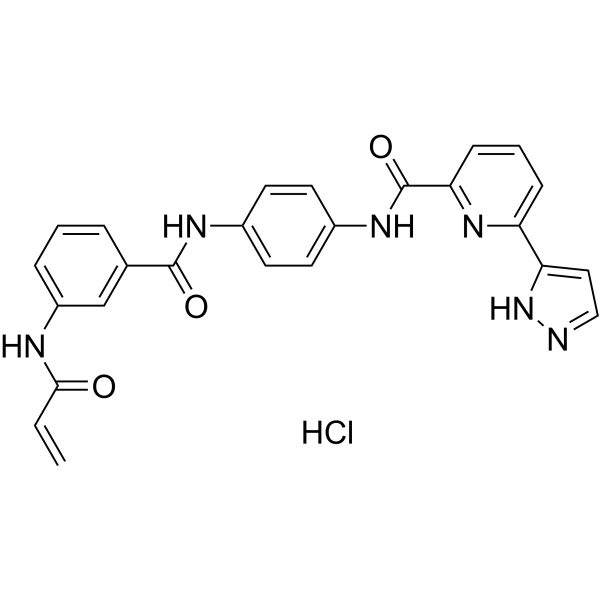
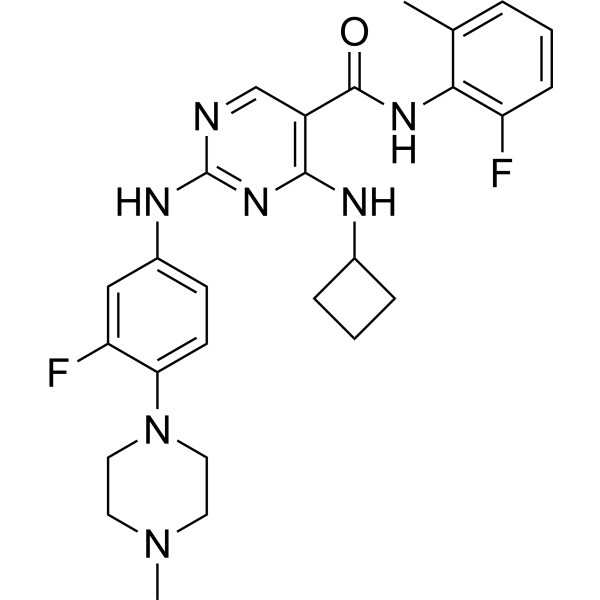
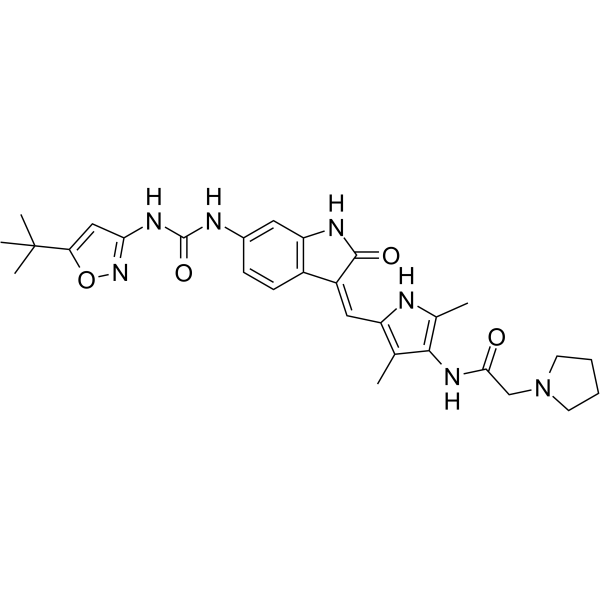
    CSF1R-IN-3 (compound 21) is a potent and orally active CSF-1R inhibitor (IC50=2.1 nM). CSF1R-IN-3 is a potent antiproliferative activity against colorectal cancer cells. CSF1R-IN-3 inhibits the progression of colorectal cancer by suppressing the migration of macrophages, reprograming M2-like macrophages to the M1 phenotype, and enhancing the antitumor immunity .
    CSF1R-IN-3
  • HY-163642

    Others Cancer
    TNF-α agonistic 1 (compound 22a) can repolarize tumor-associated macrophages (TAMs) in the tumor microenvironment (TME) from the M2 phenotype to the M1 anti-tumor phenotype .
    TNF-α agonistic 1
  • HY-W201317

    PPAR Metabolic Disease
    E17241 is an inducer of the expression of ABCA1 that increases the protein levels of ABCA1 in RAW 264.7 macrophages. E17241 is also an agonist of peroxisome proliferator-activated receptors (PPARs ). E17241 decreases plasma glucose levels and body weight in KKAy diabetic mice fed a high-fat and high-glucose (HFHG) diet .
    E17241
  • HY-P2624

    PAK Metabolic Disease
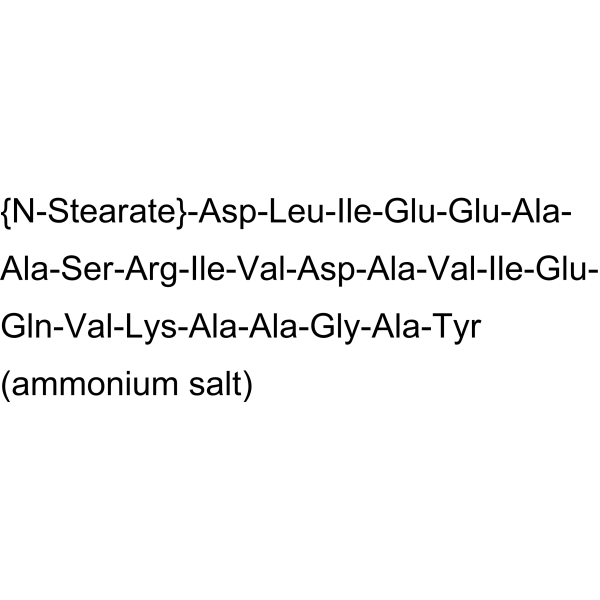
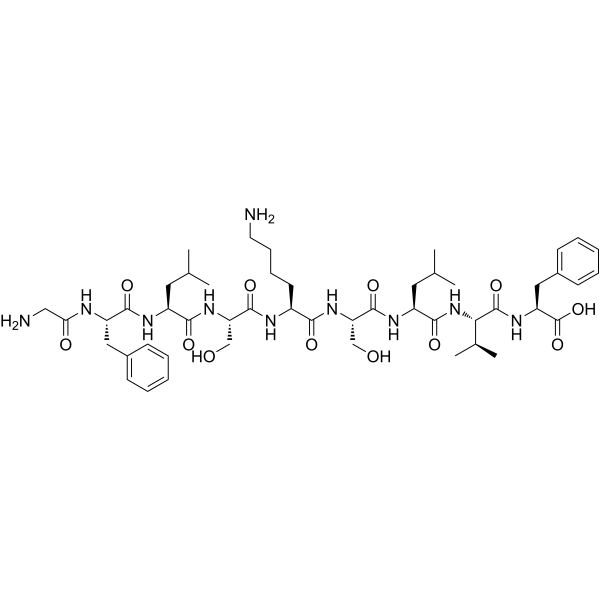
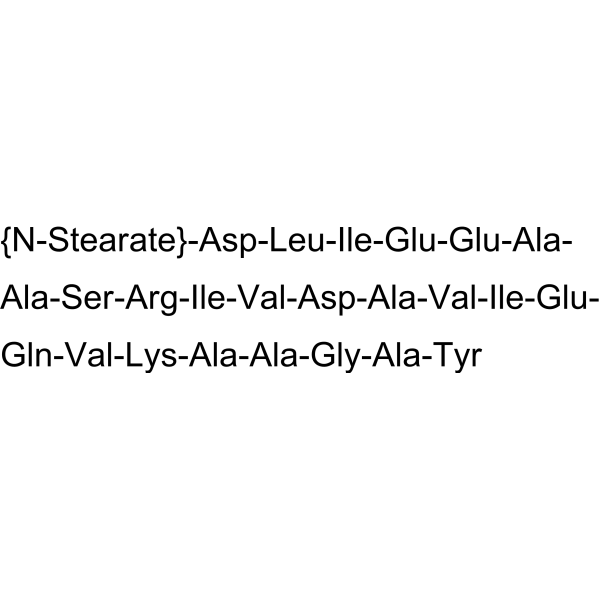
    st-Ht31 is a membrane-permeable peptide inhibitor of protein kinase A (PKA) anchoring. st-Ht31 induces robust cholesterol/phospholipid efflux. st-Ht31 completely reverses foam cell formation and restores the metabolic health of macrophage .
    st-Ht31
  • HY-P991181

    Transmembrane Glycoprotein Cancer
    VTX-1218 is a VSIG4 inhibitor with human Kd 7.4 nM. VTX-1218 blocks VSIG4 activity, relieves VSIG4-mediated macrophage suppression, repolarizes tumor-associated macrophages and induces T cell activation. VTX-1218 upregulates cytokines and chemokines linked to immune cell recruitment. VTX-1218 can be used for the research of multiple cancer types .
    VTX-1218
  • HY-156177

    Toll-like Receptor (TLR) Inflammation/Immunology
    TLR7 agonist 16 (compound 16d) is a highly potent TLR7 agonist with an EC50 of 18 nM. TLR7 agonist 16 potently induces the activation of mouse macrophages and hPBMCs at low-nanomolar concentrations .
    TLR7 agonist 16
  • HY-156176

    Toll-like Receptor (TLR) Inflammation/Immunology
    TLR7 agonist 15 (compound 16b) is a highly potent TLR7 agonist with an EC50 of 18 nM. TLR7 agonist 15 potently induces the activation of mouse macrophages and hPBMCs at low-nanomolar concentrations .
    TLR7 agonist 15
  • HY-108644

    p38 MAPK Inflammation/Immunology
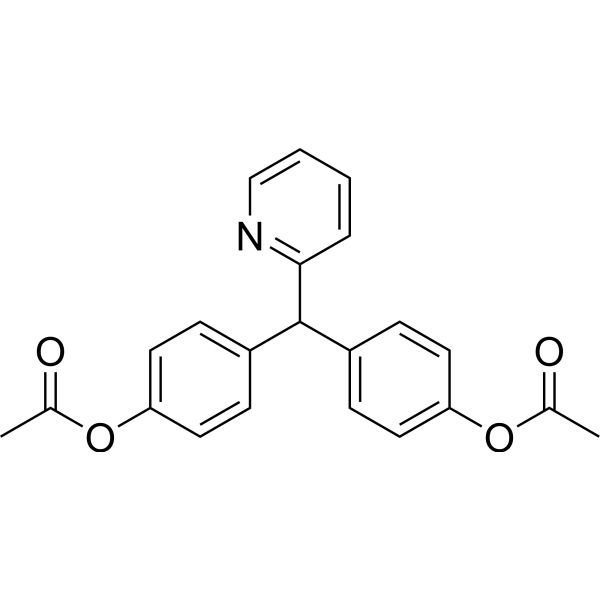
    SB 706504 is a potent p38 MAPK inhibitor that inhibits Lipopolysaccharides (HY-D1056)-stimulated inflammatory gene expression in macrophages in chronic obstructive pulmonary disease (COPD) .
    SB 706504
  • HY-176814

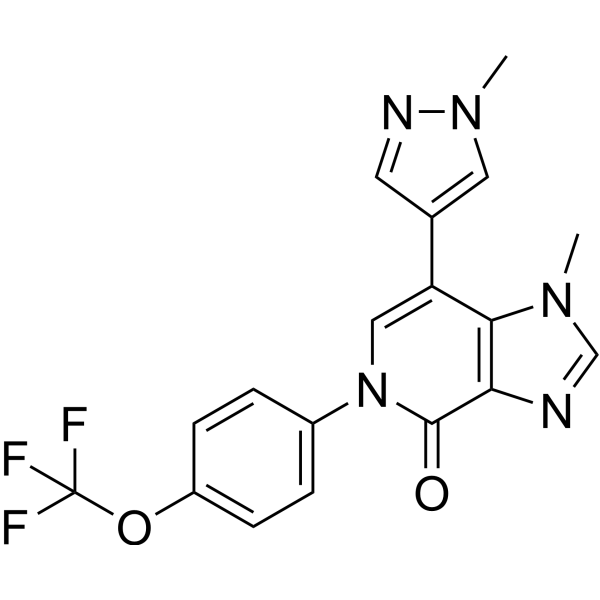
    LAG-3 Cancer
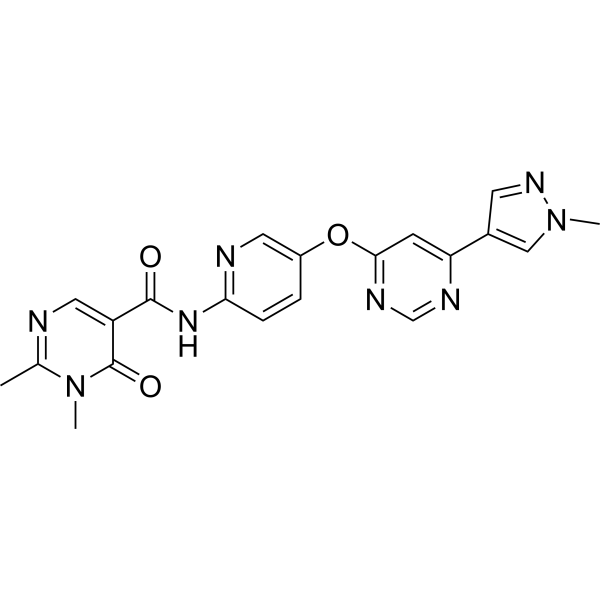
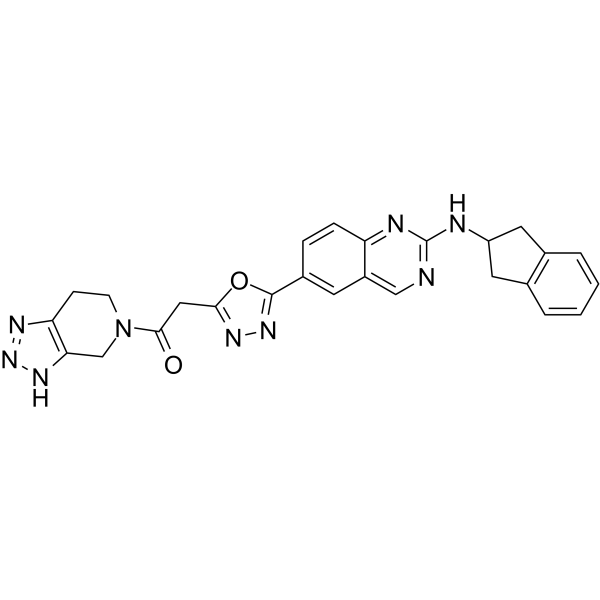
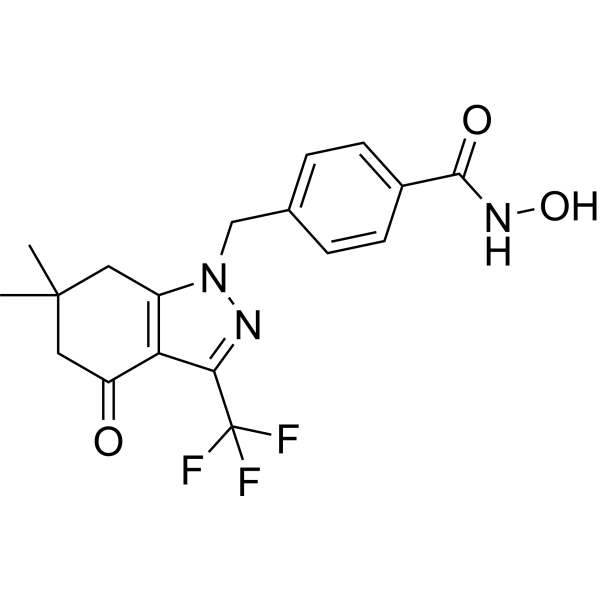
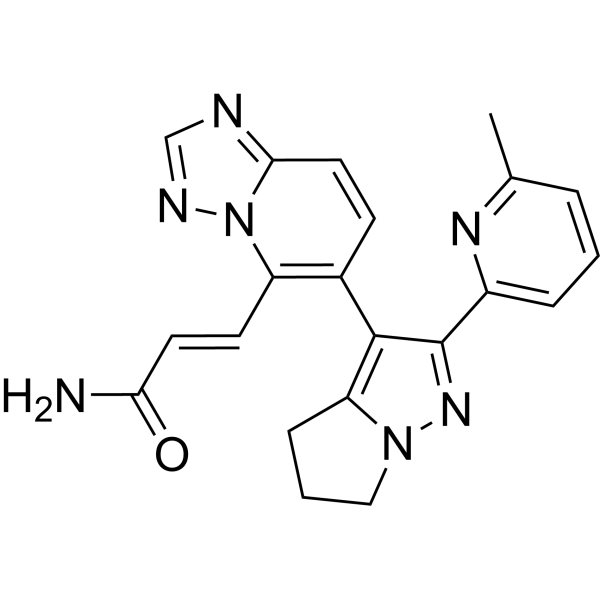
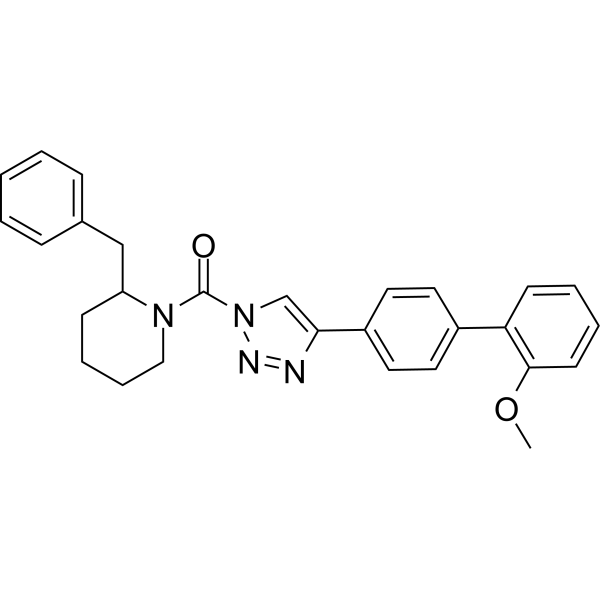
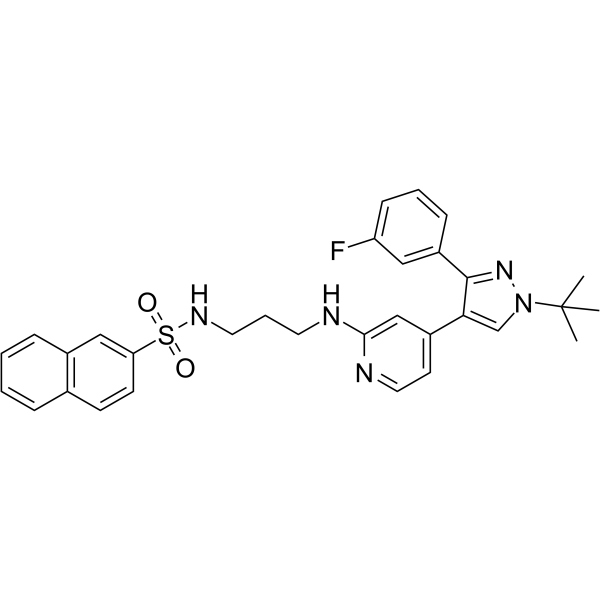
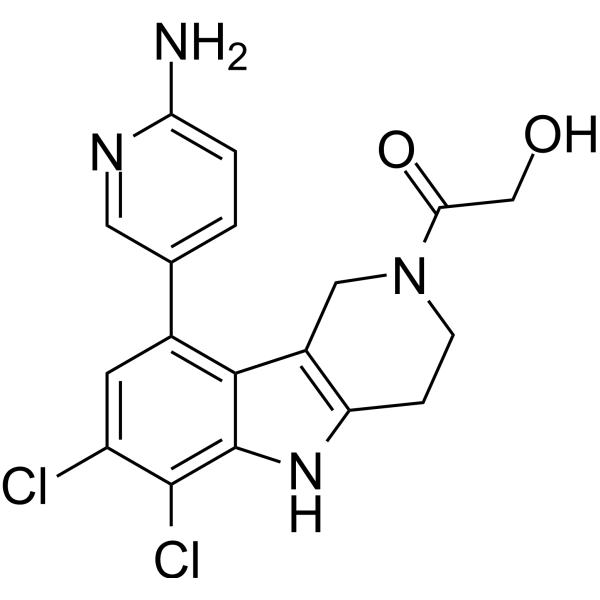
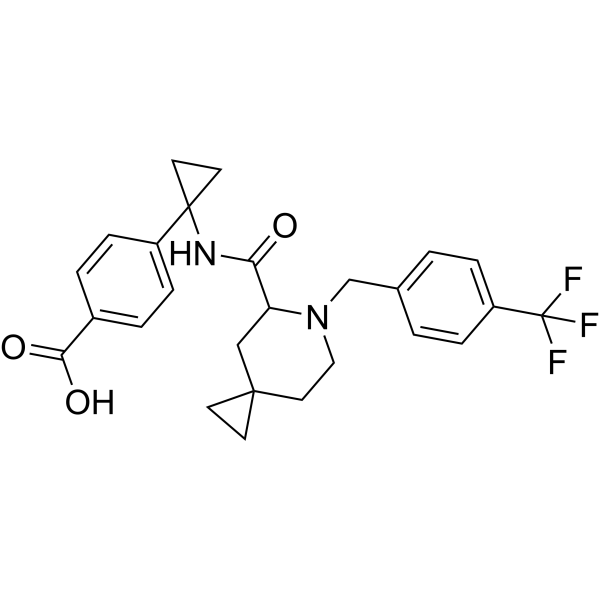
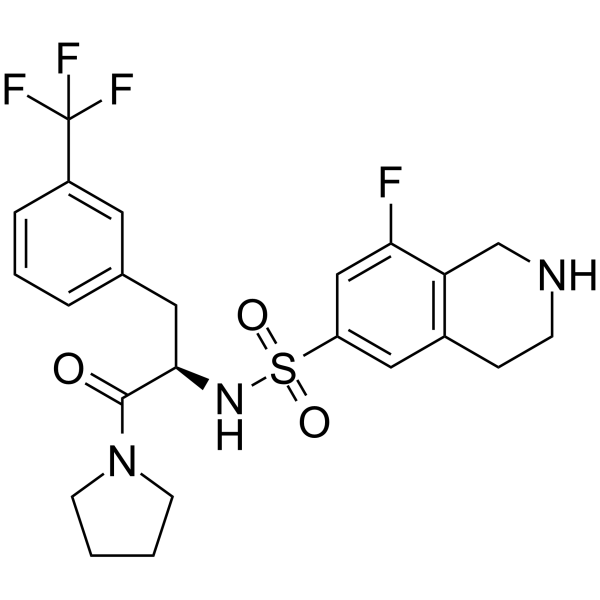
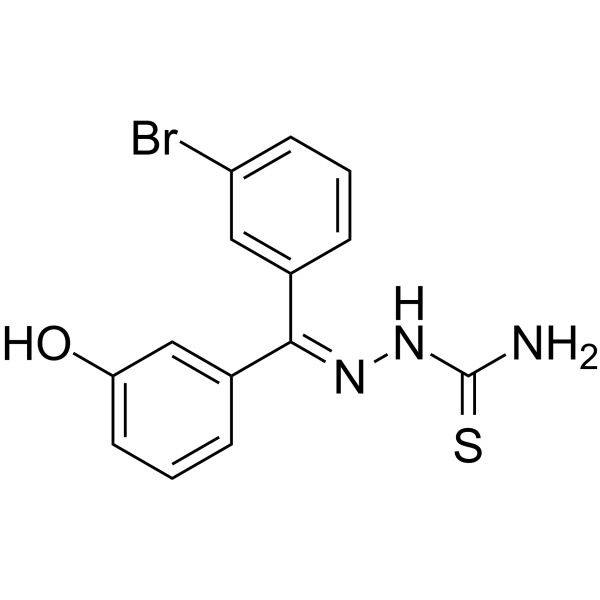
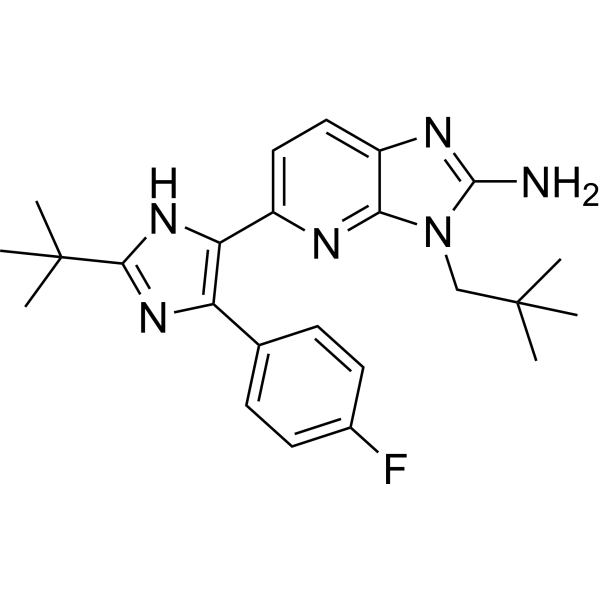
    LAG-3-IN-1 (Compound 11) is a LAG-3 inhibitor with a KD of 0.41  μM. LAG-3-IN-1 disrupts the LAG-3/MHCII interaction, enhances IFN-γ secretion and promotes tumor cell killing in cocultures of PBMCs and cancer cells. LAG-3-IN-1 can be used for cancers like ovarian cancer, colon adenocarcinoma and melanoma research .
    LAG-3-IN-1
  • HY-144041

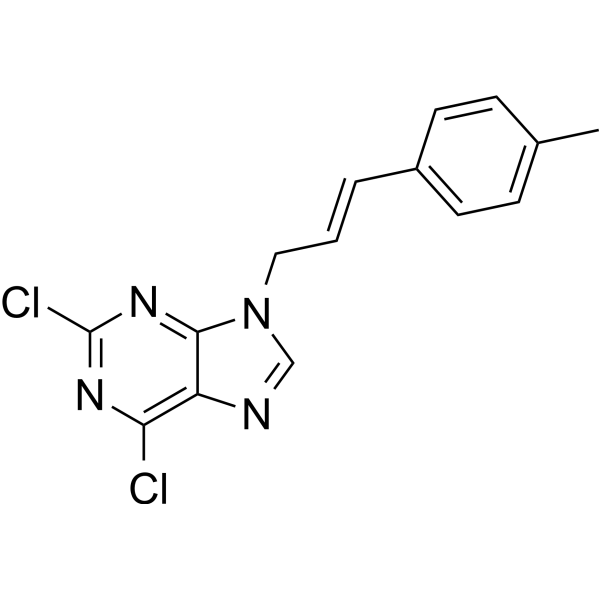
    c-Fms Cancer
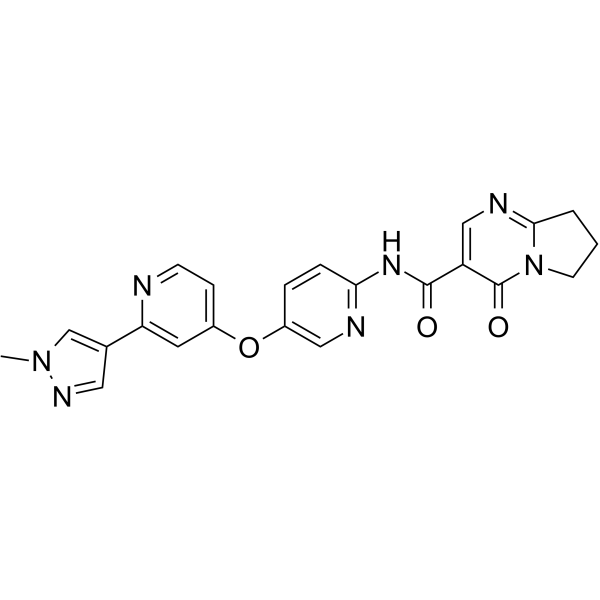
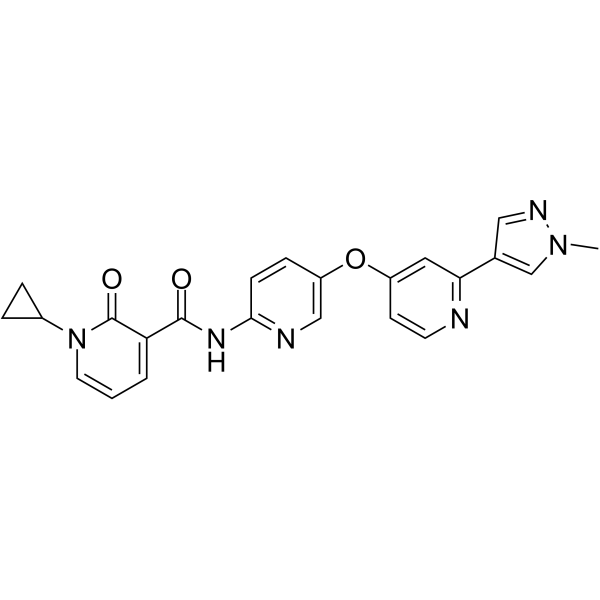
    CSF1R-IN-5 is a potent inhibitor of CSF1R. CSF-1R is expressed in macrophages, and the survival and differentiation of macrophages depends on the CSF-1/CSF-1R signaling pathway. CSF1R-IN-5 affects the exchange of inflammatory factors between TAMs and glioma cells. CSF1R-IN-5 has the potential for the research of cancer disease (extracted from patent WO2021197276A1, compound 11) .
    CSF1R-IN-5
  • HY-144190

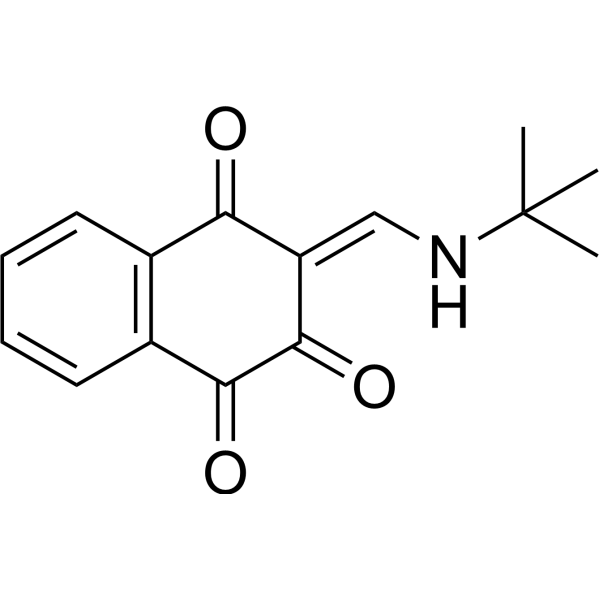
    Macrophage migration inhibitory factor (MIF) Neurological Disease
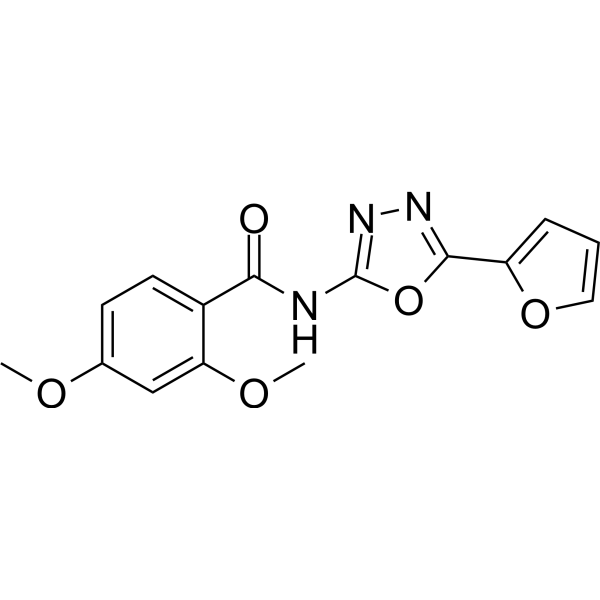
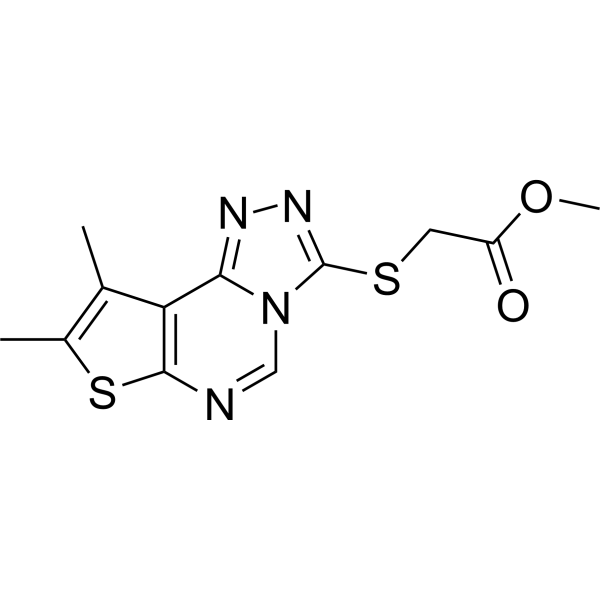
    MIF-IN-1 (compound 14) is a potent macrophage migration inhibitory factor (MIF) inhibitor (pIC50=6.87) .
    MIF-IN-1
  • HY-157469

    NPD3064

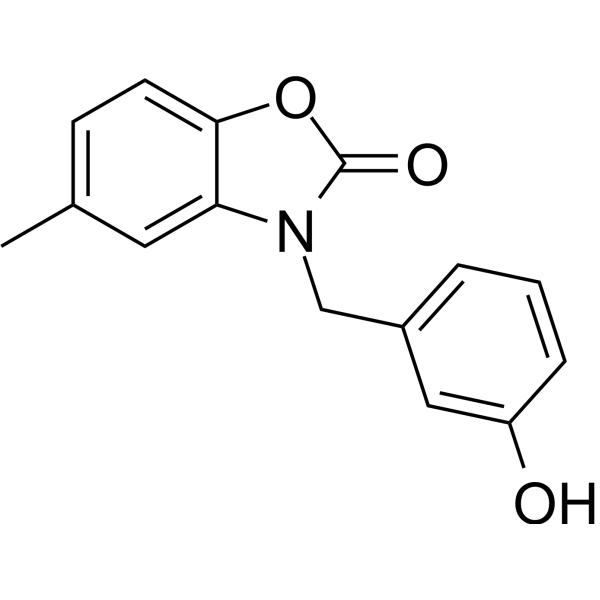
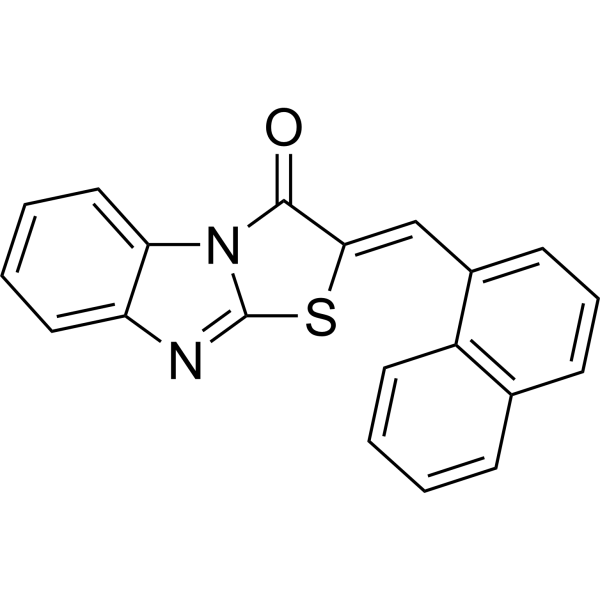
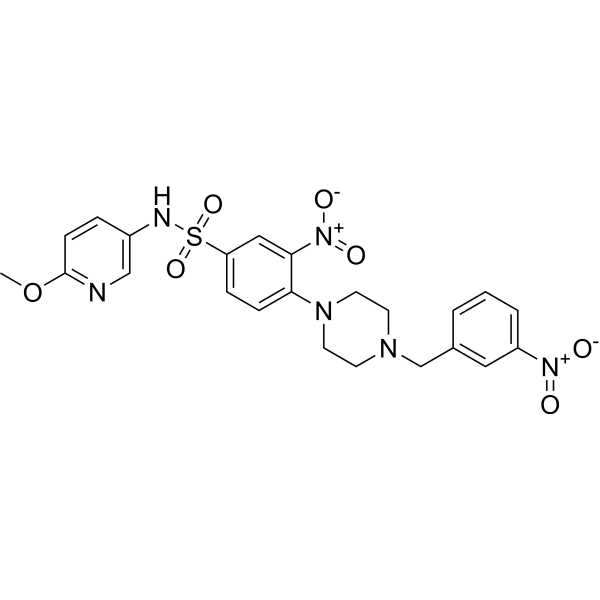
    HIV Infection
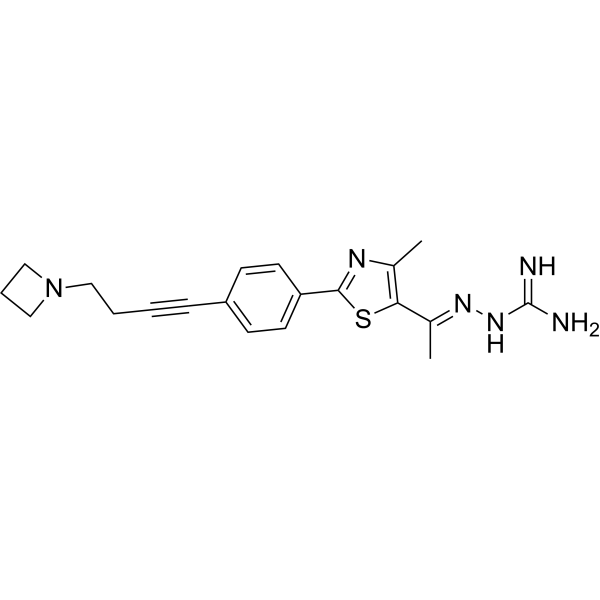
    TNT-i (NPD3064) is an inhibitor targeting M-Sec. TNT-i inhibits M-Sec-induced tunneling nanotube (TNT) formation reversibly. TNT-i reduces wild-type HIV-1 production in macrophages and M-Sec-expressing T cells. TNT-i shows low cytotoxic effects on macrophages and T cells. TNT-i can be used for the research of HIV-1 infection .
    TNT-i
  • HY-P990061

    JTX 8064

    LILRB Transmembrane Glycoprotein Inflammation/Immunology Cancer
    Polzastobart (JTX-8064) is a humanized IgG4 monoclonal antagonist antibody that selectively binds LILRB2 and prevents it from binding its ligands, classical and non-classical MHC I molecules. Polzastobart enhances pro-inflammatory cytokine production in macrophages by blocking the ability of LILRB2 to bind HLA-A/B and/or HLA-G, a marker of immunotolerance on cancer cells. Polzastobart is a macrophage immune checkpoint inhibitor .
    Polzastobart
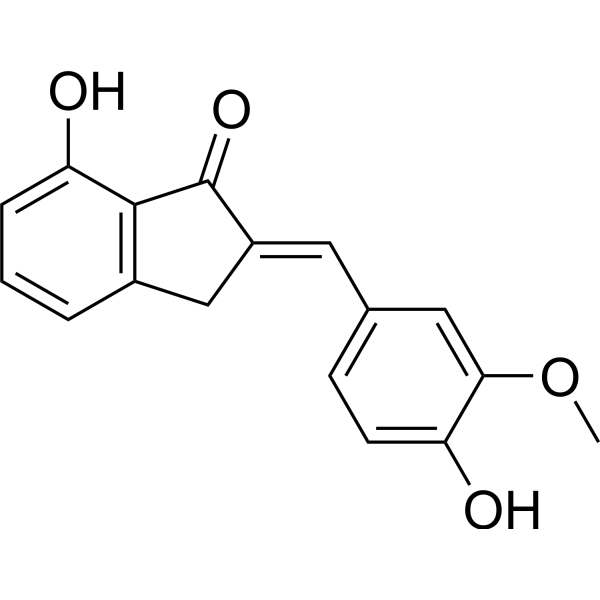
  • HY-N12283

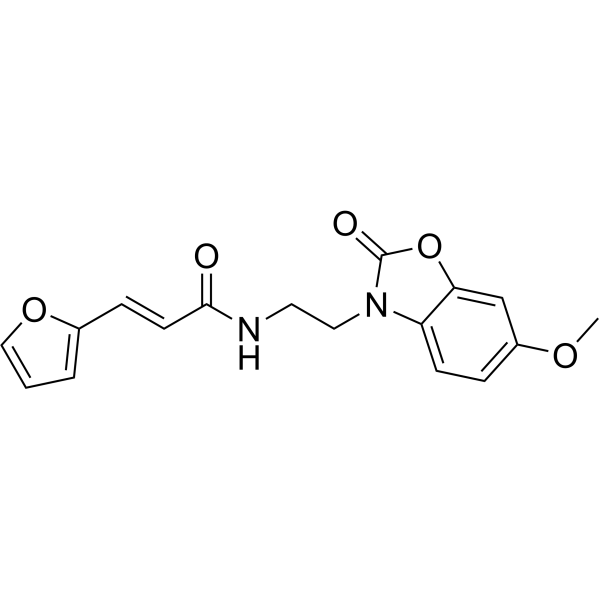
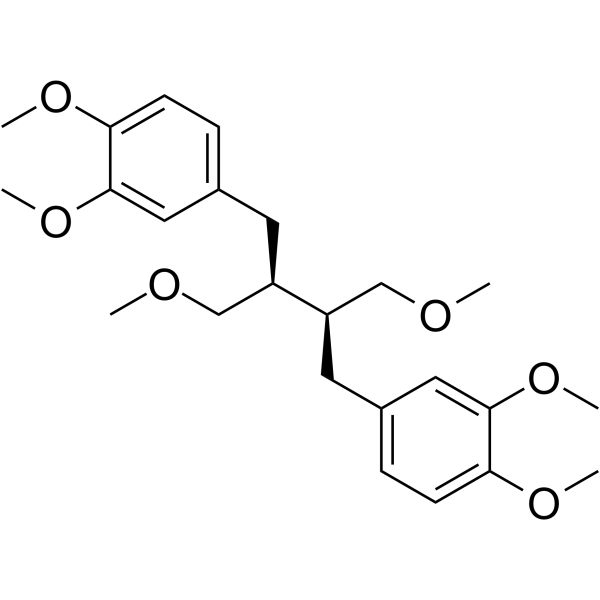
    NF-κB Inflammation/Immunology
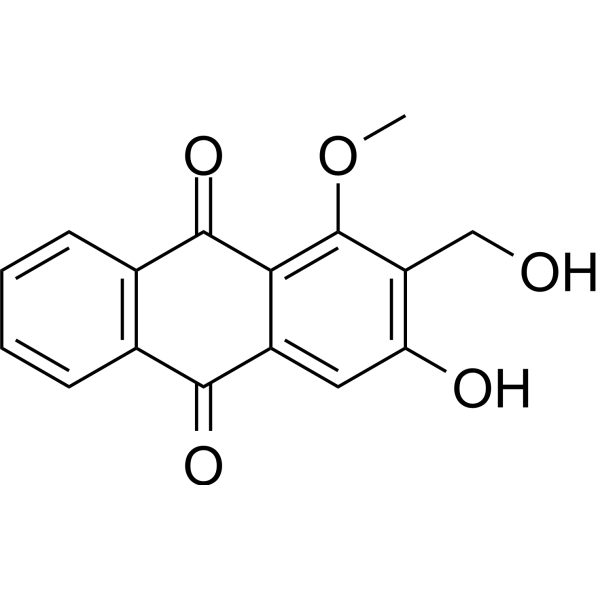
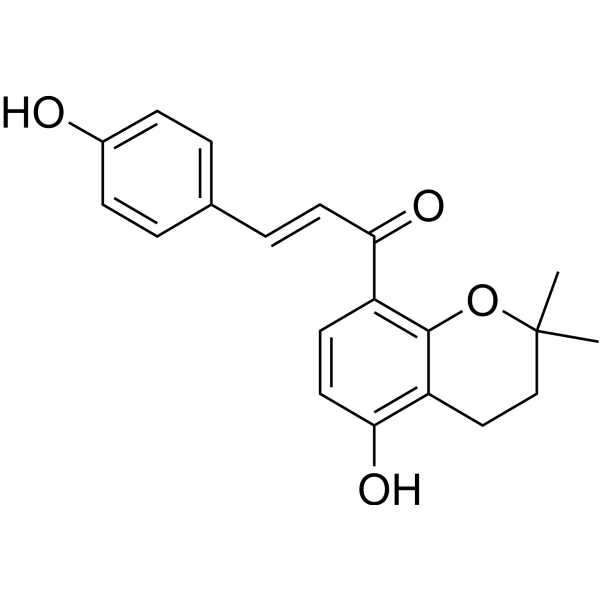
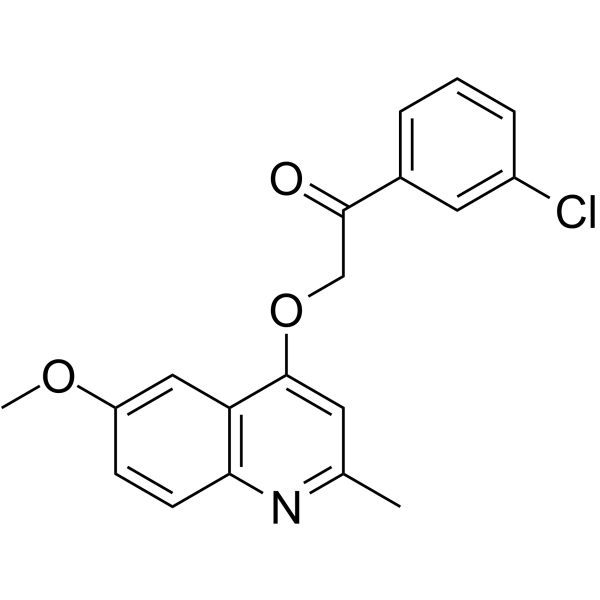
    NF-κB-IN-13 (compound 12) can significantly inhibit LPS-induced NF-κB activation and NO production in RAW264.7 macrophages. NF-κB-IN-13 has anti-inflammatory effects .
    NF-κB-IN-13
  • HY-P99736
    Miptenalimab
    1 Publications Verification

    BI-754111

    LAG-3 Cancer
    Miptenalimab (BI-754111) is an anti-human LAG-3 antibody (KD: 88.6 nM for h LAG-3). Miptenalimab blocks the interaction of LAG-3 with its ligand MHC-II .
    Miptenalimab
  • HY-124814

    Bacterial Infection
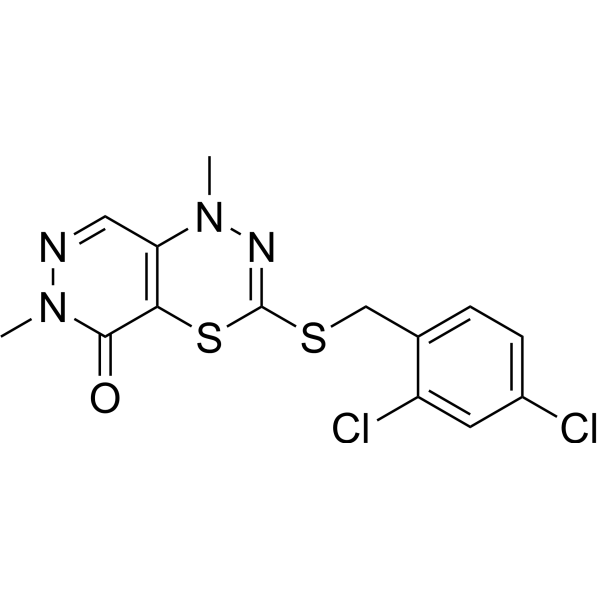
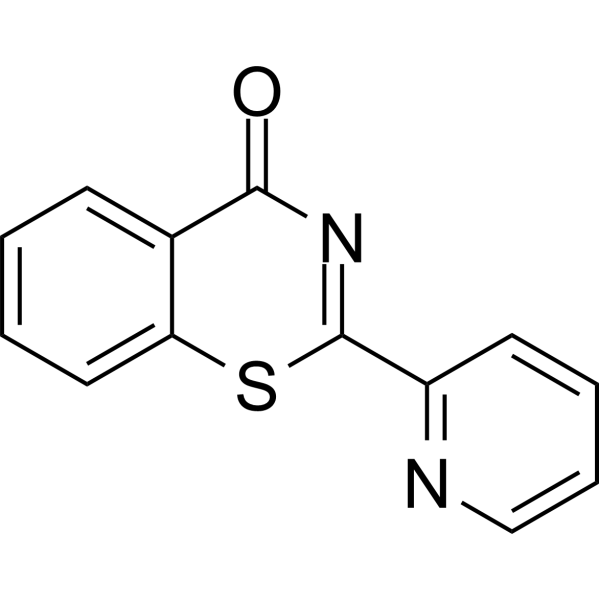
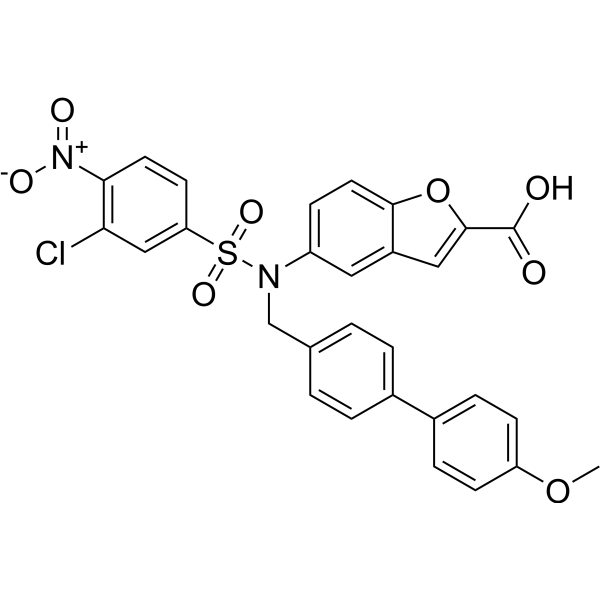
    C215 is a potent inhibitor of MmpL3. C215 is identified in HTS with glycerol independent activity against M. tuberculosis, limited non-specific toxicity against mammalian cells, an IC90 of 16 μM against M. tuberculosis, and efficacy against M. tuberculosis growing in macrophages .
    C215
  • HY-13075

    c-Fms Trk Receptor c-Kit TAM Receptor FLT3 Inflammation/Immunology
    c-Fms-IN-3 is an orally active c-Fms (CSF1R) kinase inhibitor (IC50 = 0. 8 nM). c-Fms-IN-3 inhibits CSF1R kinase activity and reduces macrophage populations. c-Fms-IN-3 reduces bone erosion, pannus invasion, cartilage damage, and inflammation in collagen (HY-NP003)-induced arthritis mouse model. c-Fms-IN-3 is useful for arthritis research .
    c-Fms-IN-3
  • HY-164308

    LAG-3 Inflammation/Immunology
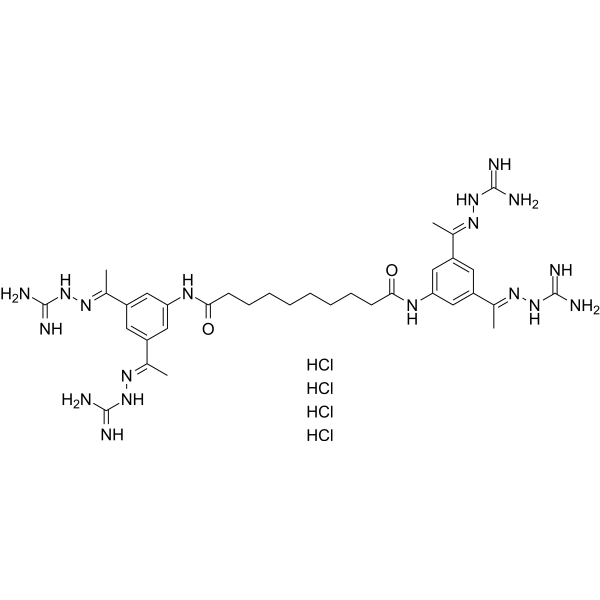
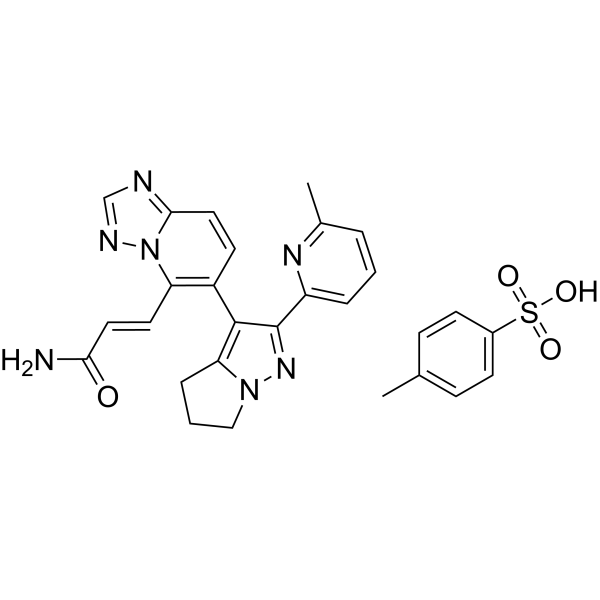
    SA-15-P inhibits LAG-3/MHCII and LAG-3/FGL1 interactions with IC50 values of 4.21 and 6.52 μM respectively. LAG-3/MHCII interaction is a target for immunotherapies .
    SA-15-P
  • HY-P2792

    Amyloid-β Metabolic Disease
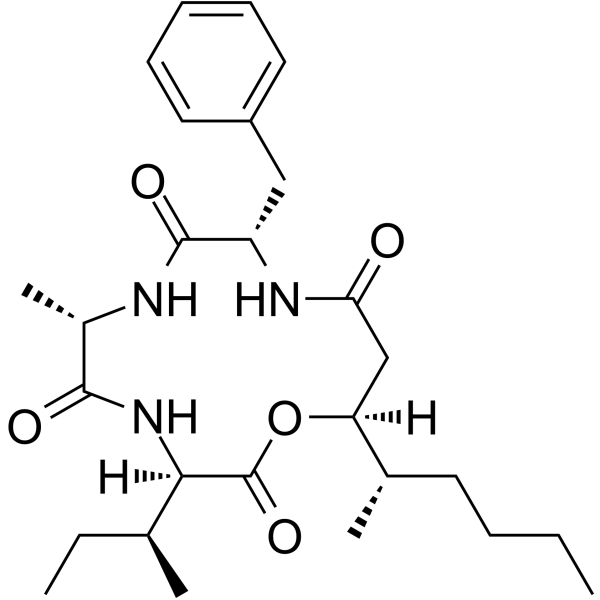
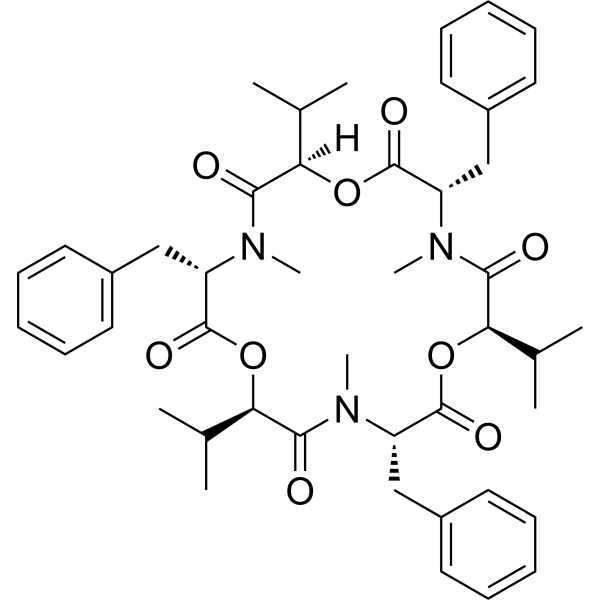
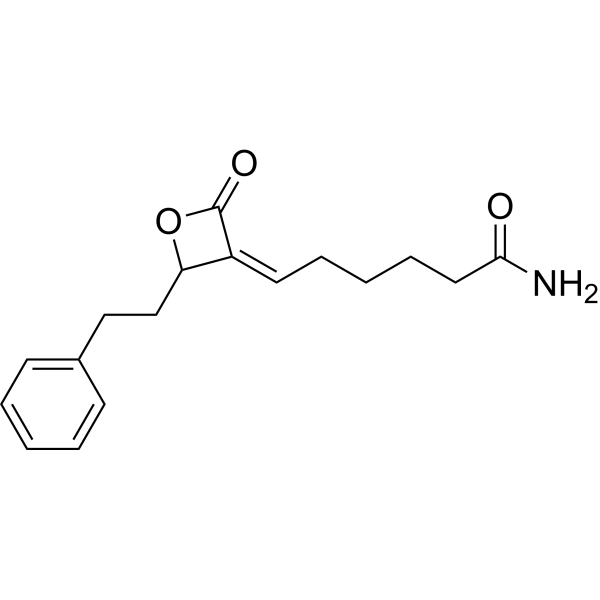
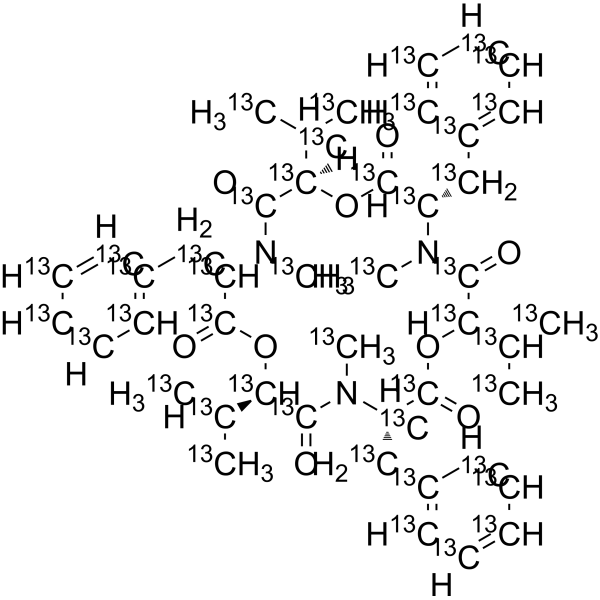
    Beauveriolide III is an inhibitor of lipid droplet formation in mouse macrophages .
    Beauveriolide III
  • HY-144196

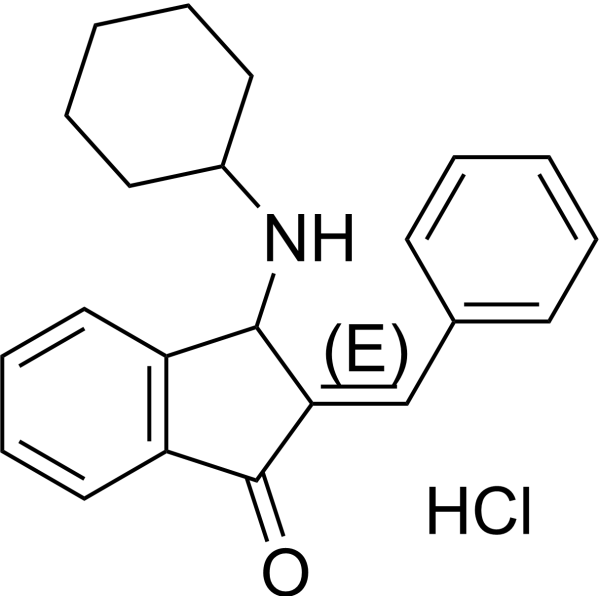
    Macrophage migration inhibitory factor (MIF) Cancer
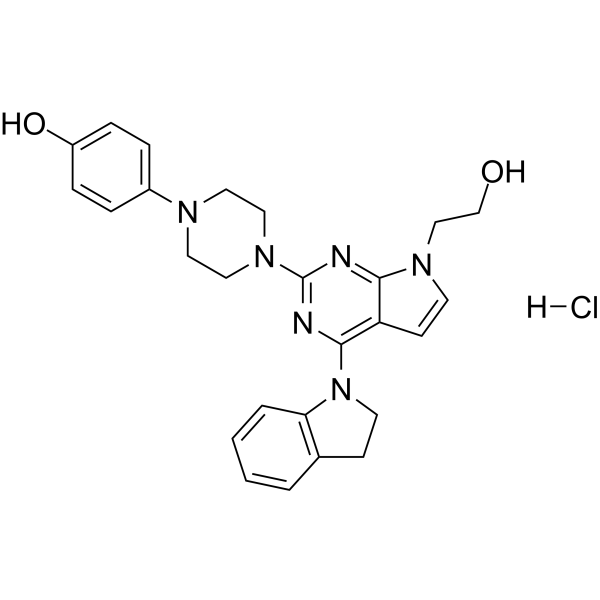
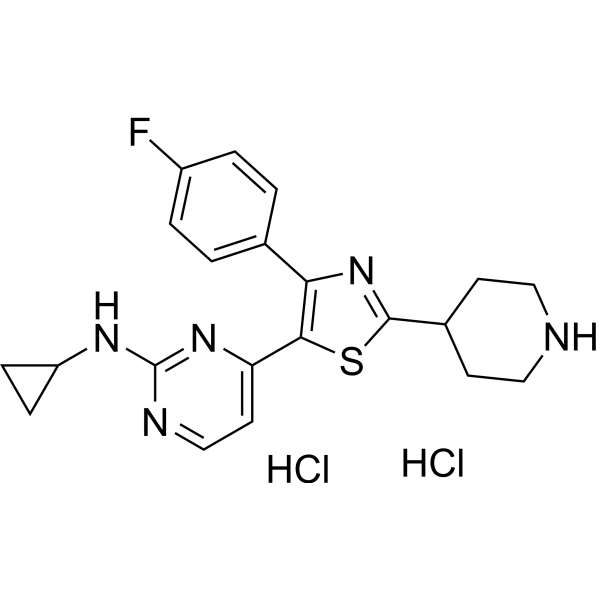
    MIF-IN-4 hydrochloride is potent macrophage migration inhibitory factor (MIF) inhibitor (pIC50=5.01-6). MIF is a cytokine originally found to play a role in inhibiting macrophage migration .
    MIF-IN-4 hydrochloride

Inquiry Online

Your information is safe with us. * Required Fields.

Salutation


Country or Region *

Applicant Name *


Organization Name *

Department *


Email Address *


Product Name *

Cat. No.


Requested quantity *

Phone Number *


Remarks

Inquiry Online

Inquiry Information

Product Name:
Cat. No.:
Quantity:
MCE Japan Authorized Agent: