1. Search Result
Search Result
Results for "

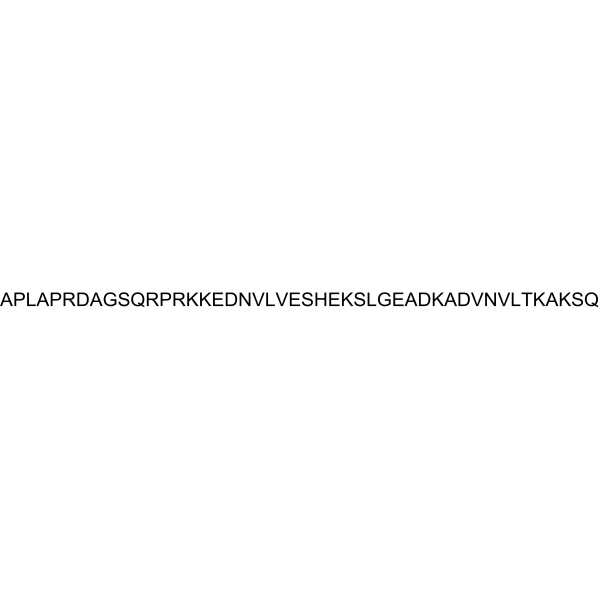
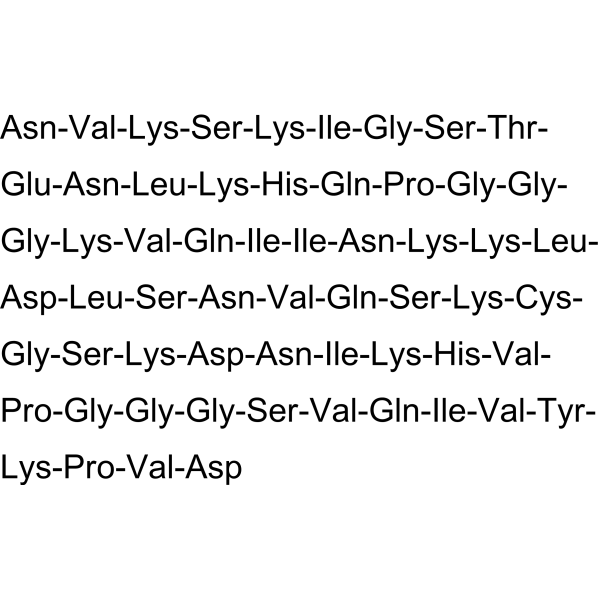
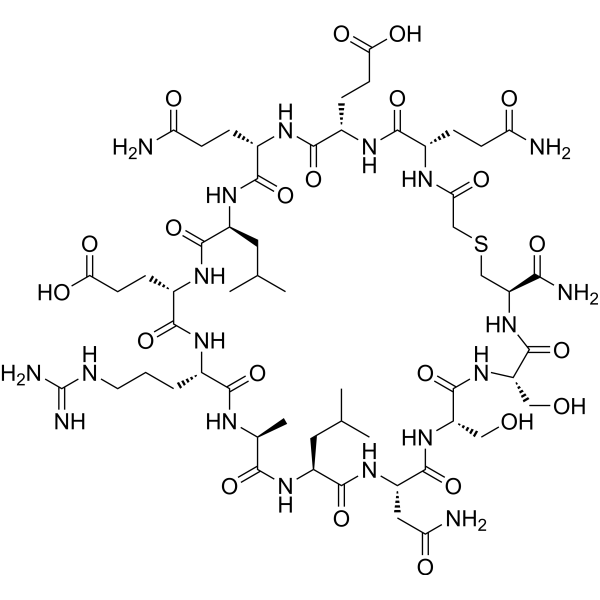
α-synGC’s C-terminal cysteine residue

" in MedChemExpress (MCE) Product Catalog:

1701

Inhibitors & Agonists

23

Screening Libraries

58

Fluorescent Dyes

84

Biochemical Assay Reagents

504

Peptides

2

MCE Kits

20

Inhibitory Antibodies

146

Natural
Products

61

Recombinant Proteins

104

Isotope-Labeled Compounds

86

Antibodies

28

Click Chemistry

23

Oligonucleotides

3

GMP Molecules

Targets Recommended:
Cat. No. Product Name Target Research Areas Chemical Structure
  • HY-D0843
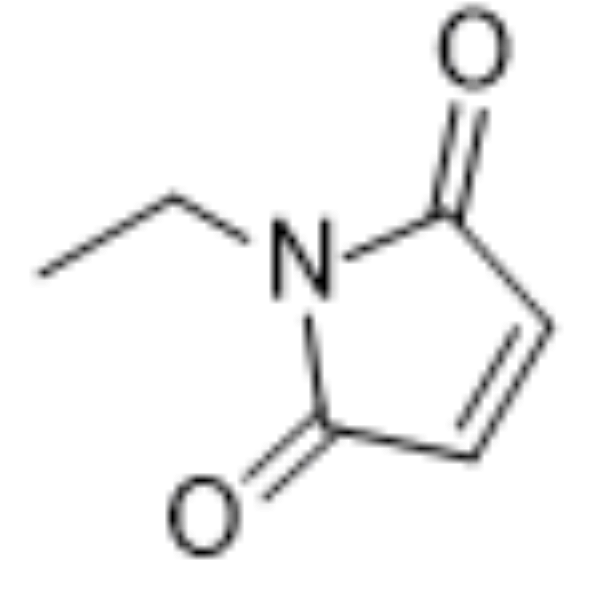
    N-Ethylmaleimide
    35+ Cited Publications

    NEM

    Cathepsin Deubiquitinase Apoptosis Others
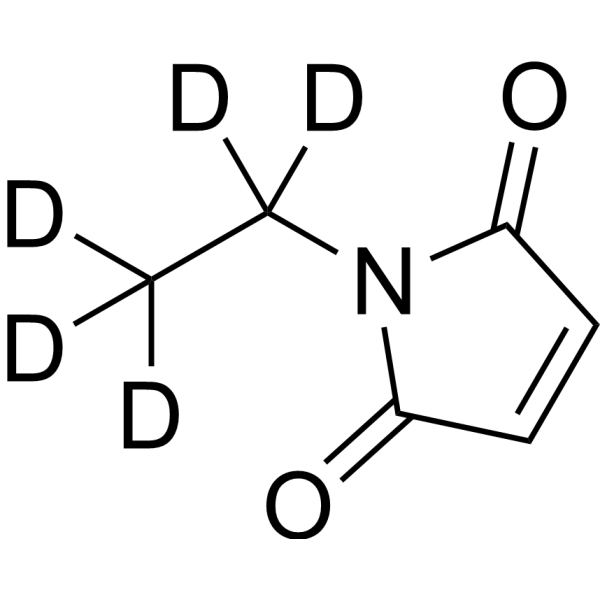
    N-Ethylmaleimide (NEM) derives from maleic acid, it can alkylates free sulfhydryl. N-Ethylmaleimide is an irreversible cysteine protease inhibitor. N-ethylmaleimide specific inhibits phosphate transport in mitochondria. N-Ethylmaleimide inhibits prolyl endopeptidase with an IC50 value of 6.3 μM. N-Ethylmaleimide can be used to modify cysteine residues in proteins and peptides .
    N-Ethylmaleimide
  • HY-Y0337
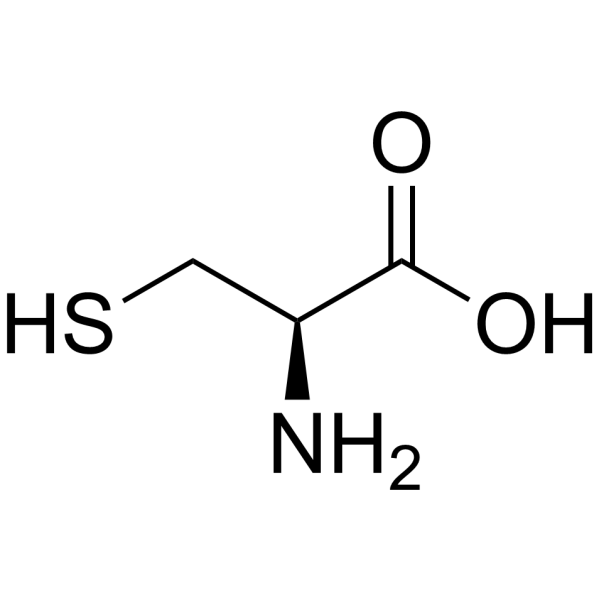
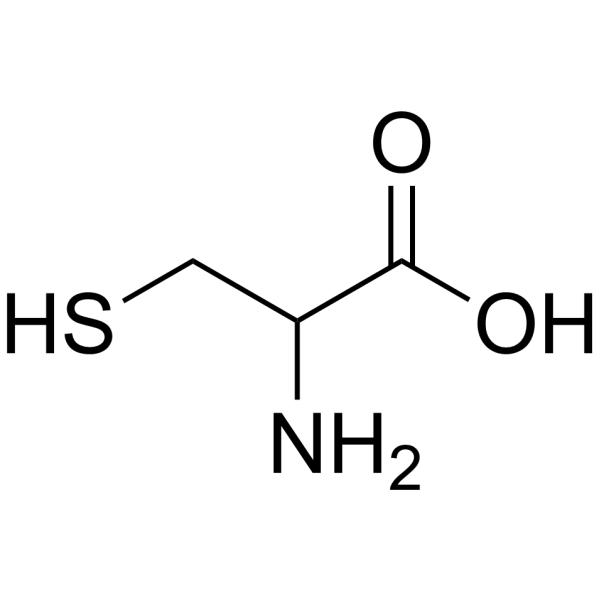
    L-Cysteine
    10+ Cited Publications

    cysteine

    Environmental Pollutants Endogenous Metabolite Neurological Disease Metabolic Disease Cancer
    L-Cysteine (Cysteine) is an orally active conditionally essential amino acid with hypoglycemic effects, which acts as a precursor for biologically active molecules such as hydrogen sulphide (H2S), glutathione and taurine. L-Cysteine promotes the proliferation and differentiation of neural stem cells via the CBS/H2S pathway. L-Cysteine suppresses ghrelin and reduces appetite in rodents and humans. L-Cysteine can be used as an anorectic agent .
    L-Cysteine
  • HY-Y0337A
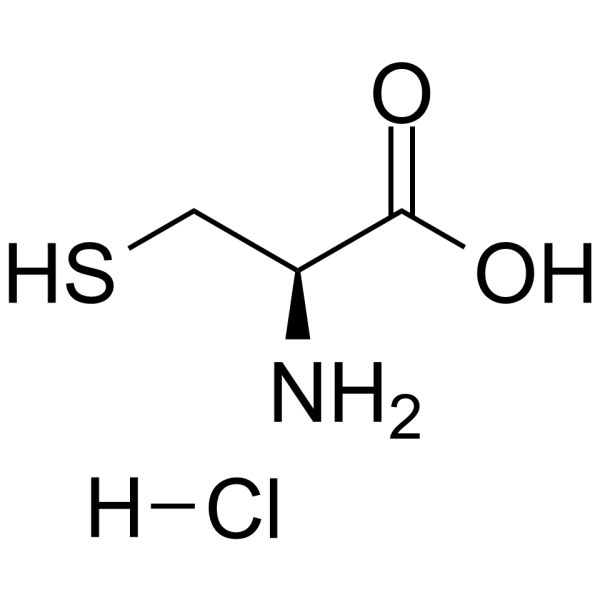
    L-Cysteine hydrochloride
    10+ Cited Publications

    Endogenous Metabolite Metabolic Disease Cancer
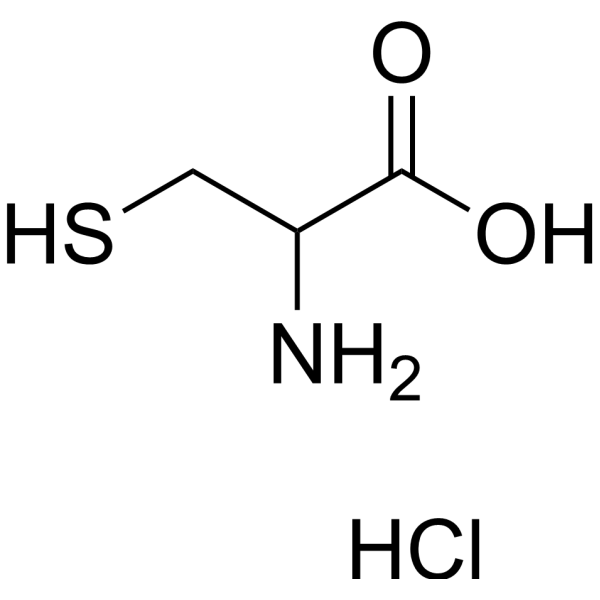
    L-Cysteine hydrochloride is an orally active conditionally essential amino acid, which acts as a precursor for biologically active molecules such as hydrogen sulphide (H2S), glutathione and taurine. L-Cysteine hydrochloride suppresses ghrelin and reduces appetite in rodents. L-Cysteine hydrochloride inhibits Aspergillus flavus growth and AFB synthesis by disrupting cell structure and antioxidant system balance. L-Cysteine hydrochloride enhances relaxant responses of rat aortic rings to NO and reduces responses to endothelium-derived relaxing factor (EDRF) .
    L-Cysteine hydrochloride
  • HY-P3208
    Endoproteinase Lys-C
    2 Publications Verification

    Biochemical Assay Reagents Others
    Endoproteinase Lys-C is a protease that cleaves proteins on the C-terminal side of lysine residues and is commonly used for protein sequencing .
    Endoproteinase Lys-C
  • HY-14645
    (-)-DHMEQ
    30+ Cited Publications

    Dehydroxymethylepoxyquinomicin

    NF-κB Inflammation/Immunology Cancer
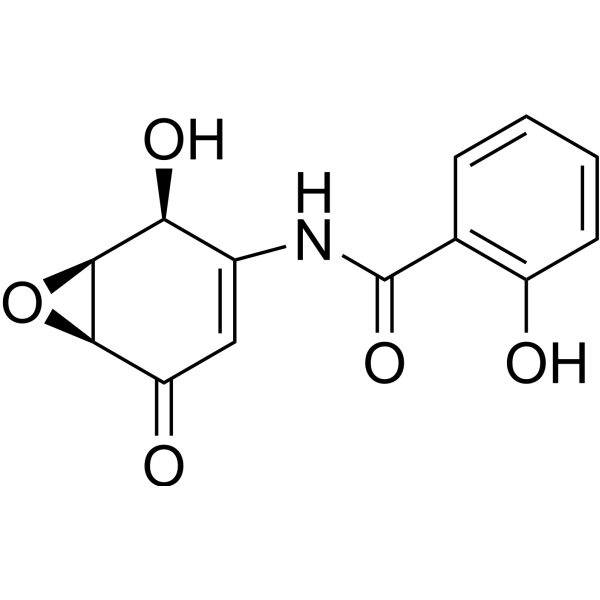
    (-)-DHMEQ (Dehydroxymethylepoxyquinomicin) is a potent, selective and irreversible NF-κB inhibitor that covalently binds to a cysteine residue. (-)-DHMEQ inhibits nuclear translocation of NF-κB and shows anti-inflammatory and anticancer activity .
    (-)-DHMEQ
  • HY-134495
    N-Acetyl-L-cysteine ethyl ester
    10+ Cited Publications

    N-Acetylcysteine ethyl ester; NACET

    Reactive Oxygen Species (ROS) Metabolic Disease
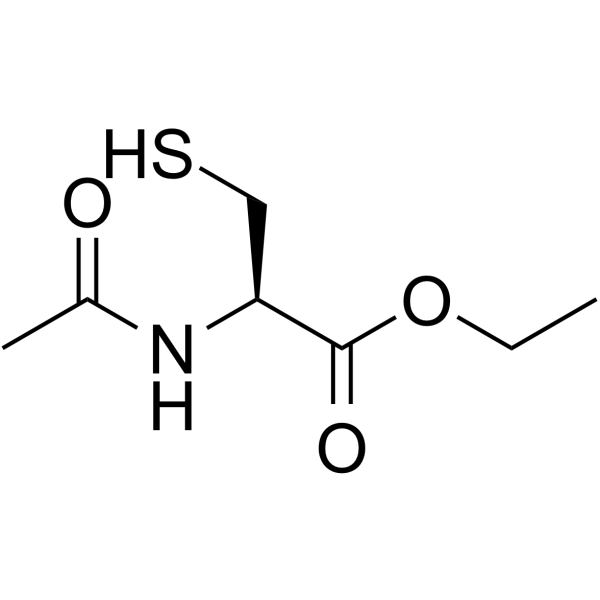
    N-Acetyl-L-cysteine ethyl ester is an esterified form of N-acetyl-L-cysteine (NAC). N-Acetyl-L-cysteine ethyl ester exhibits enhanced cell permeability, and produce NAC and cysteine. N-Acetyl-L-cysteine ethyl ester increases circulating hydrogen sulfide (H2S) and can be used as an H2S producer. N-Acetyl-L-cysteine ethyl ester has the potential to substitute NAC as a mucolytic agent, and as a GSH-related antioxidant .
    N-Acetyl-L-cysteine ethyl ester
  • HY-W016715
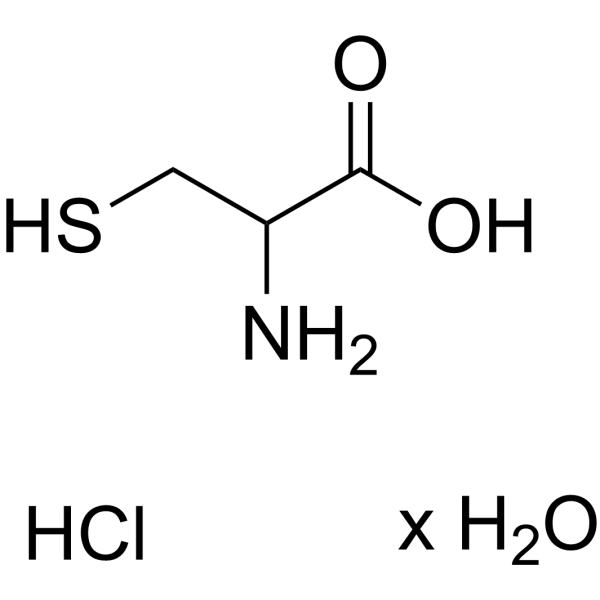
    L-Cysteine hydrochloride hydrate
    10+ Cited Publications

    Endogenous Metabolite NF-κB Insulin Receptor Neurological Disease Metabolic Disease
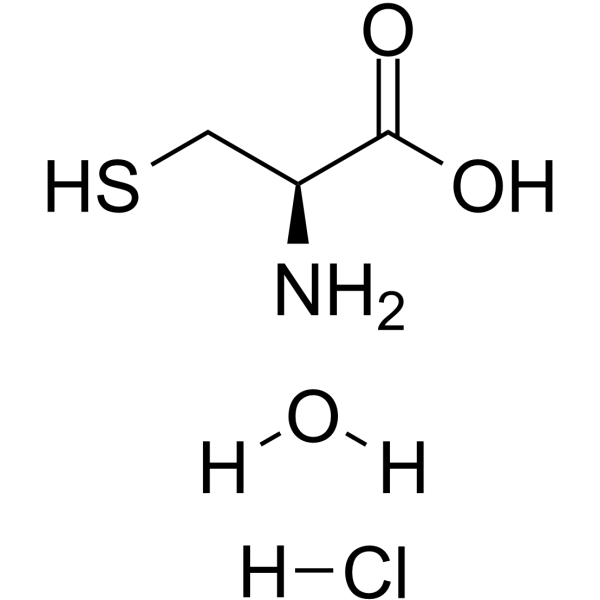
    L-Cysteine hydrochloride hydrate is an orally active and essential amino acid, which acts as a precursor for biologically active molecules such as hydrogen sulphide (H2S), glutathione and taurine. L-Cysteine hydrochloride hydrate regulates CBS/H2S pathway, inhibits NF-κB activation and insulin and ghrelin secretion. L-Cysteine hydrochloride hydrate reduces blood sugar, vascular inflammation markers and appetite. L-Cysteine hydrochloride hydrate induces kidney damage. L-Cysteine hydrochloride hydrate can be used in the study of neurological diseases and diabetes .
    L-Cysteine hydrochloride hydrate
  • HY-P3208A
    Endoproteinase Lys-C (Tag-free)
    1 Publications Verification

    Biochemical Assay Reagents Others
    Endoproteinase Lys-C (Tag-free) is a protease that cleaves proteins on the C-terminal side of lysine residues and is commonly used for protein sequencing .
    Endoproteinase Lys-C (Tag-free)
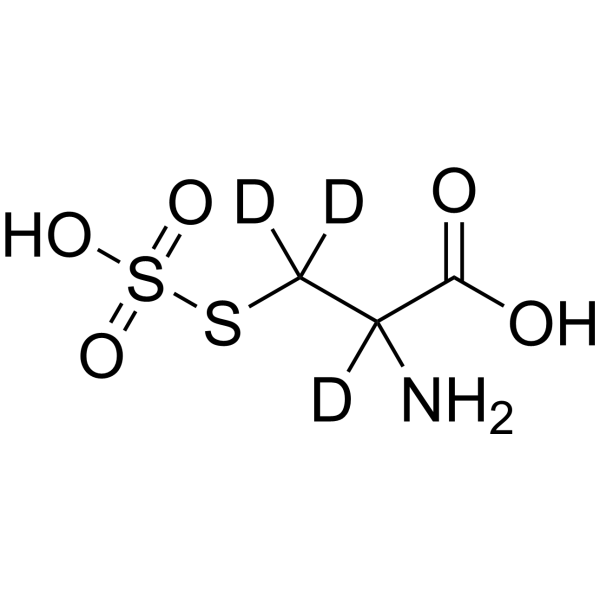
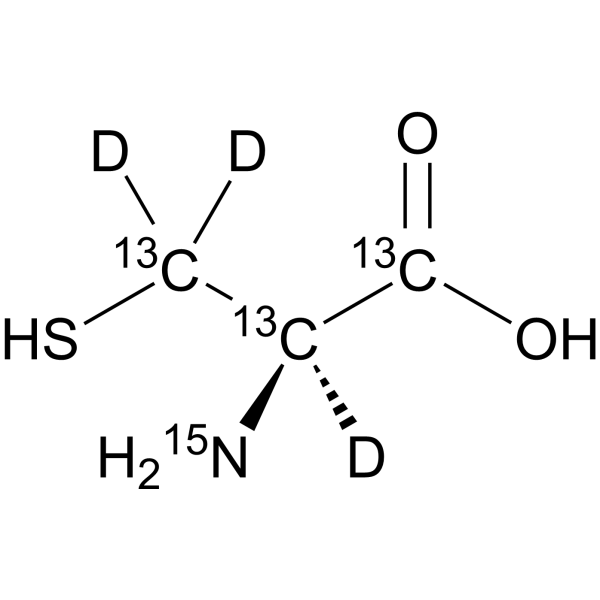
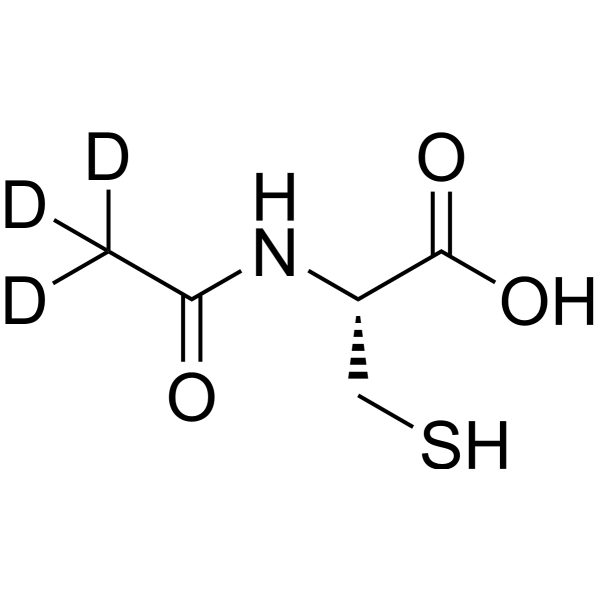
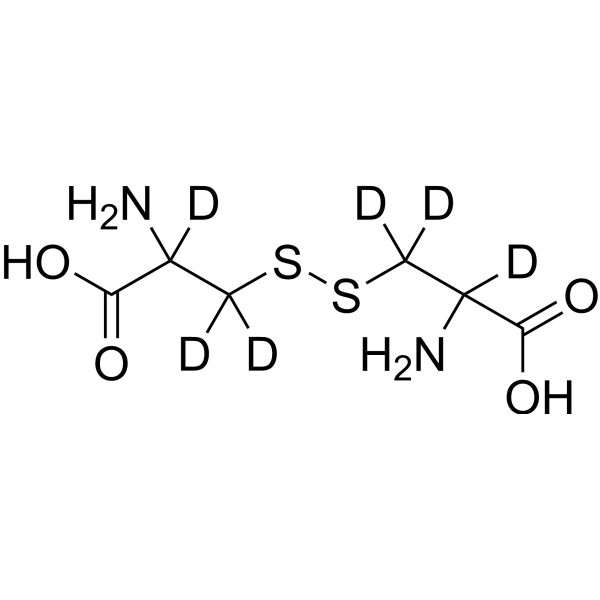
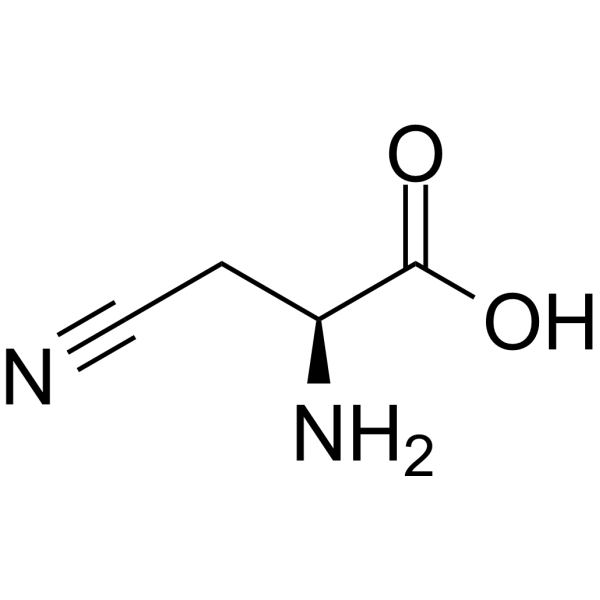
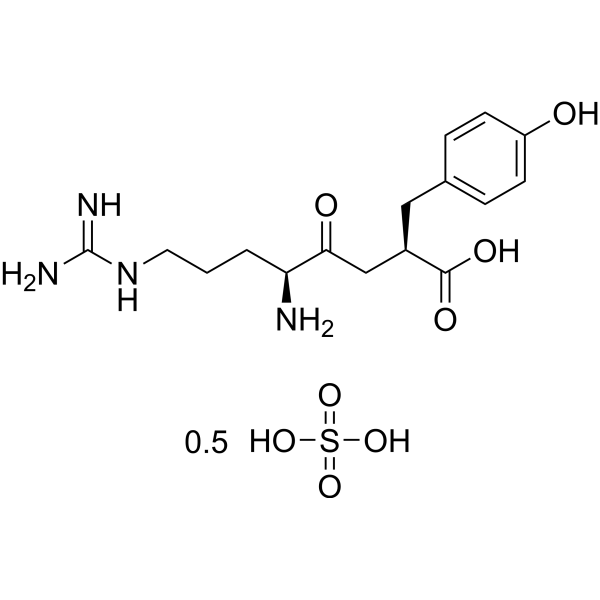
  • HY-Y0337S5

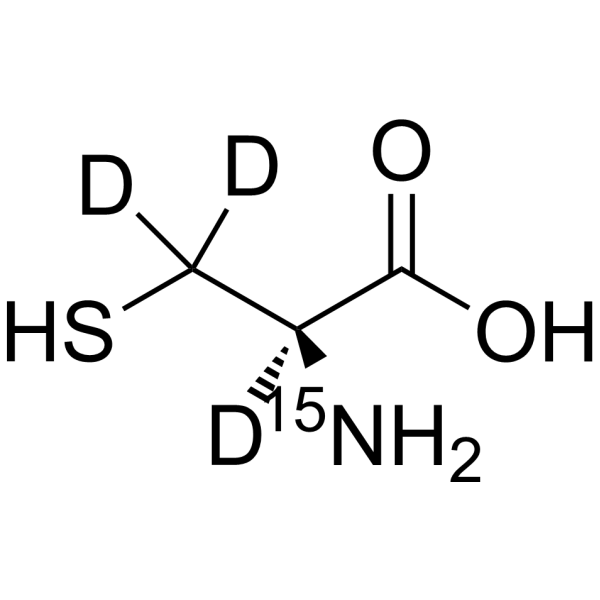
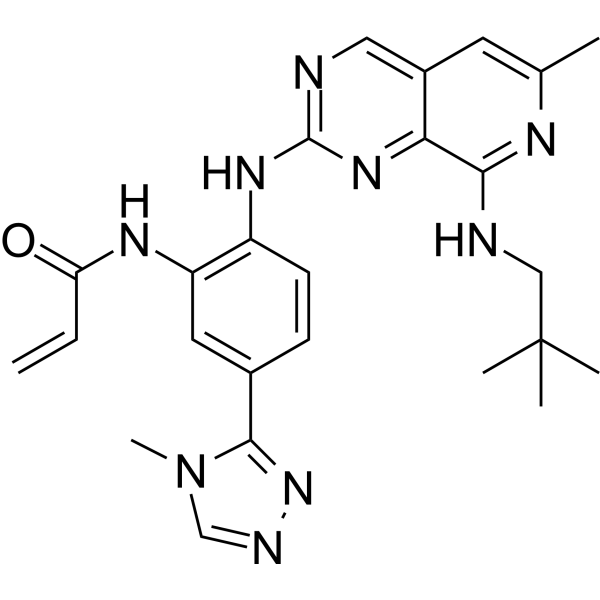
    Isotope-Labeled Compounds Endogenous Metabolite Metabolic Disease
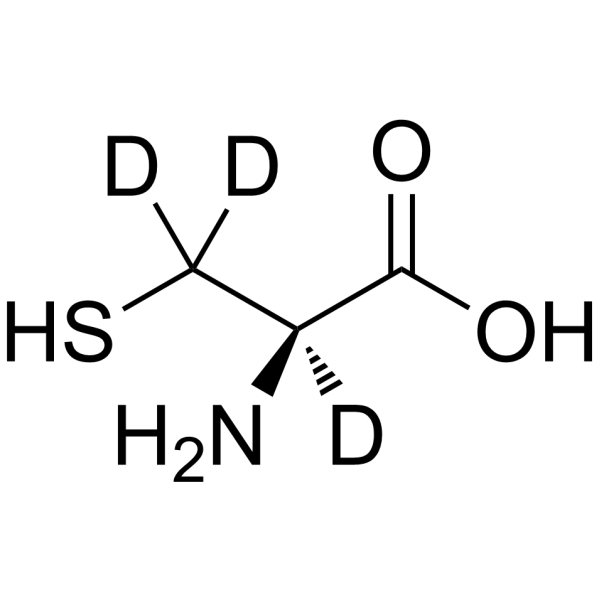
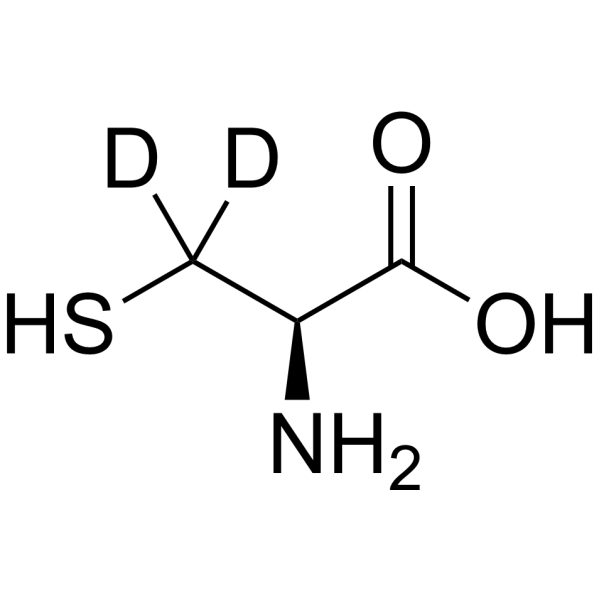
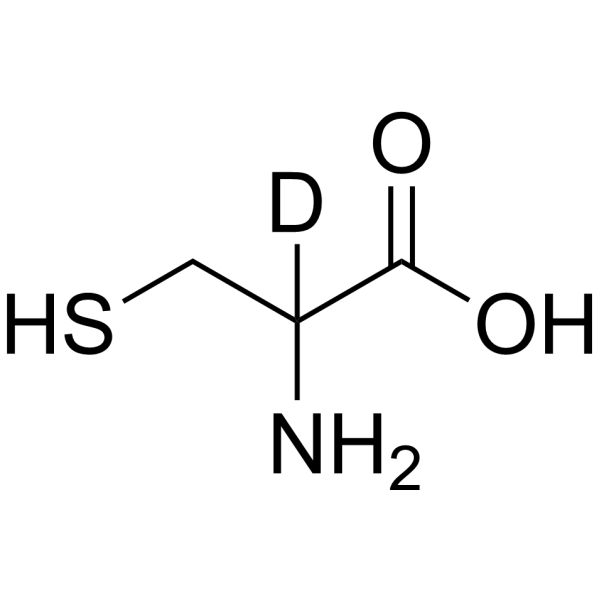
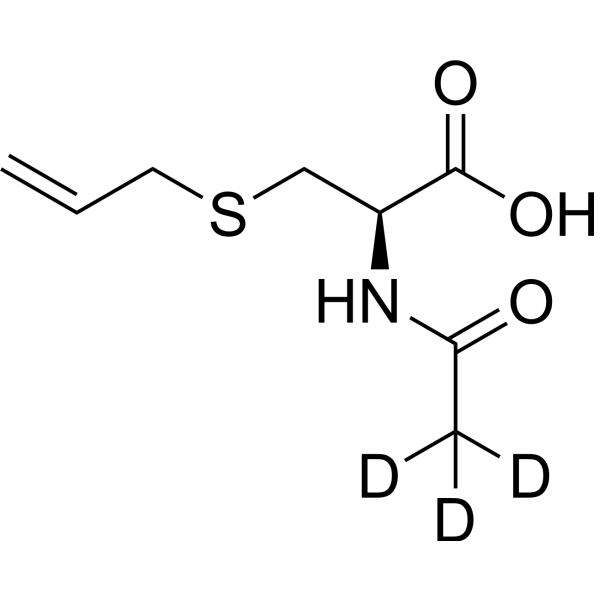
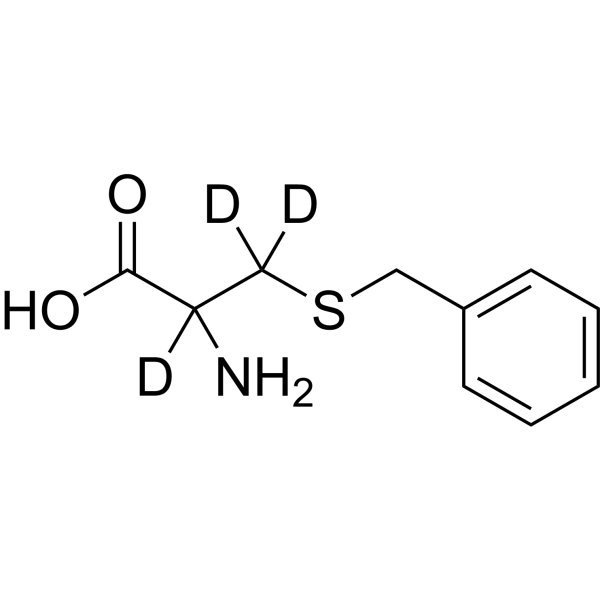
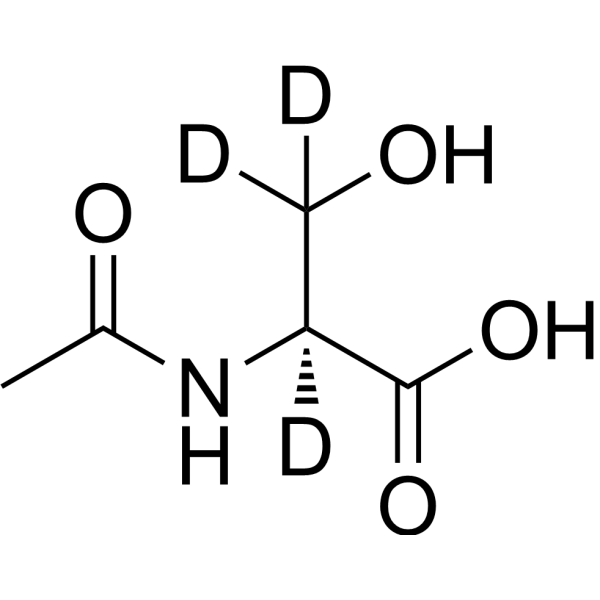
    L-Cysteine-d3 is the deuterium labeled L-Cysteine. L-Cysteine is a conditionally essential amino acid, which acts as a precursor for biologically active molecules such as hydrogen sulphide (H2S), glutathione and taurine. L-Cysteine suppresses ghrelin and reduces appetite in rodents and humans .
    L-Cysteine-d3
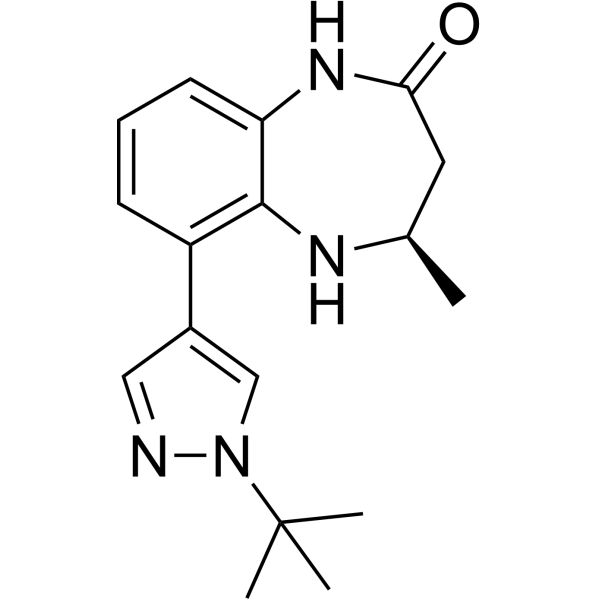
  • HY-173432

    ACSL Family Ferroptosis Neurological Disease Cancer
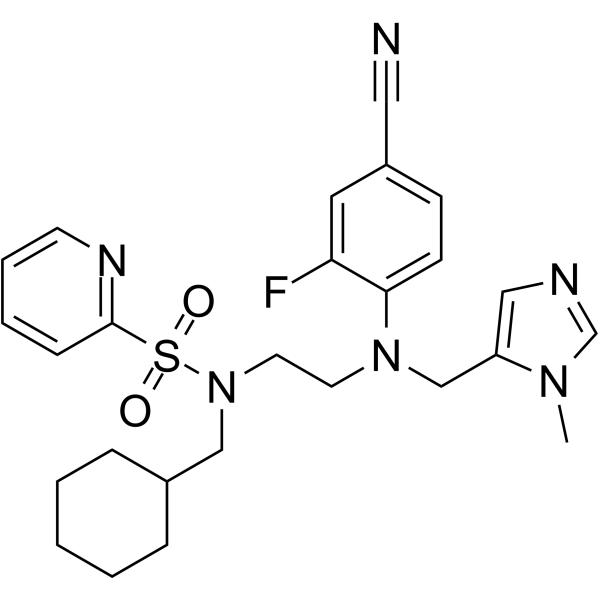
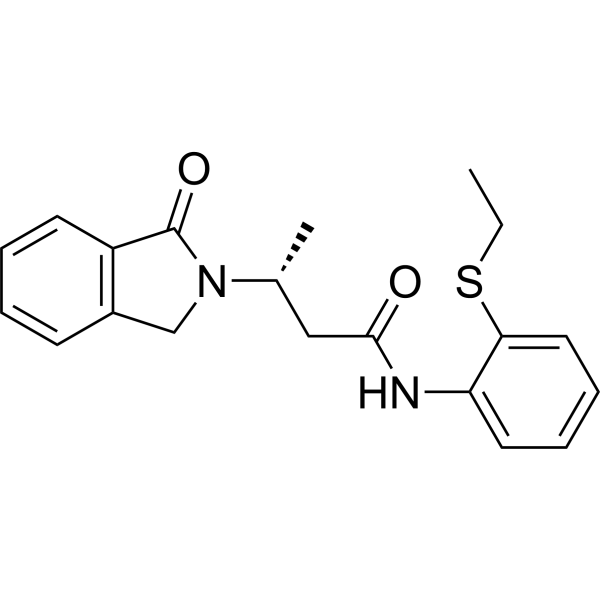
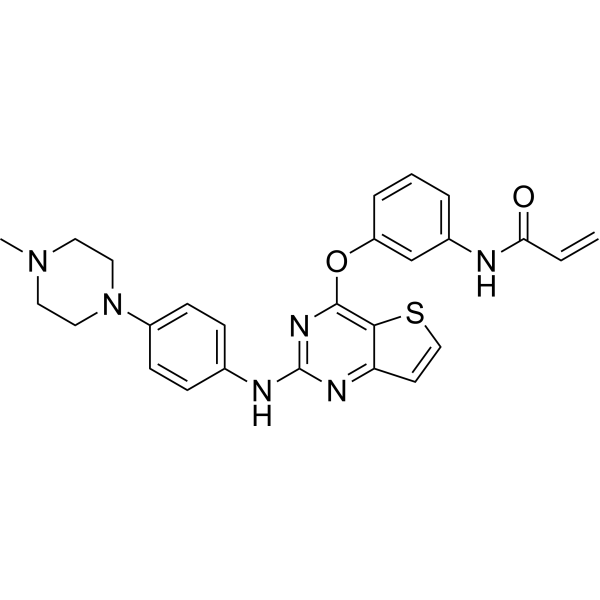
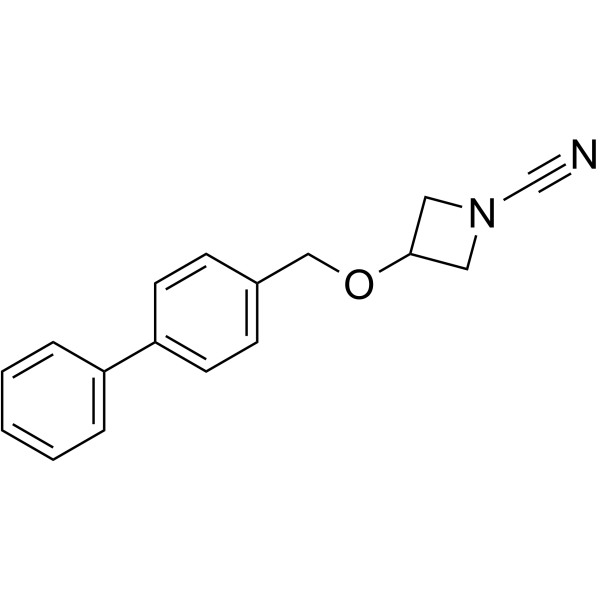
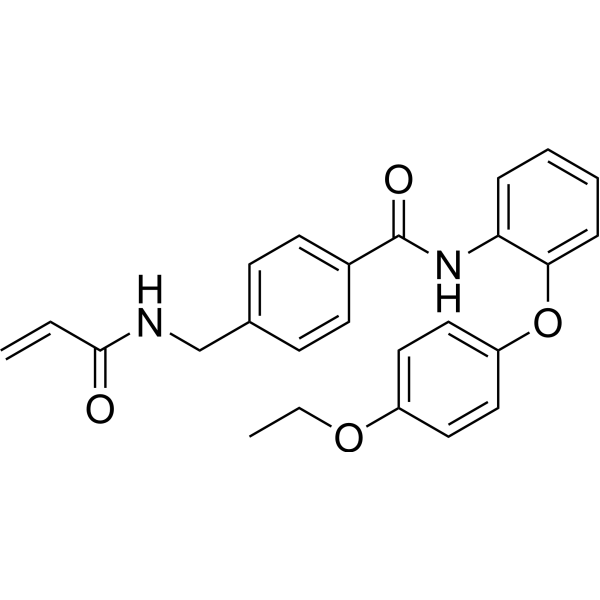
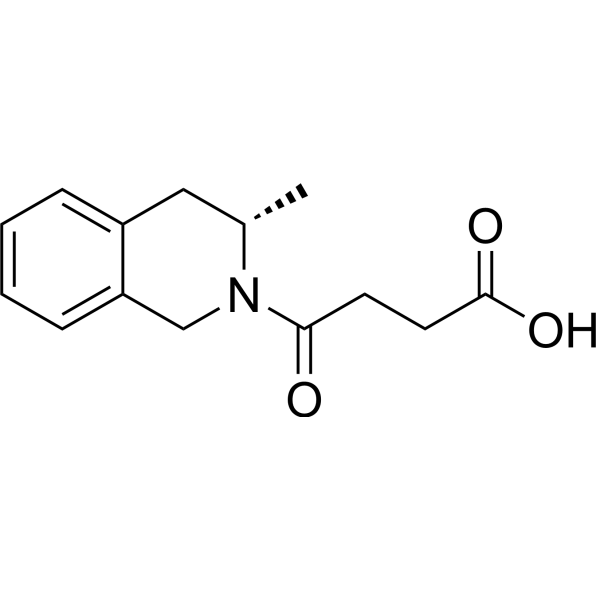
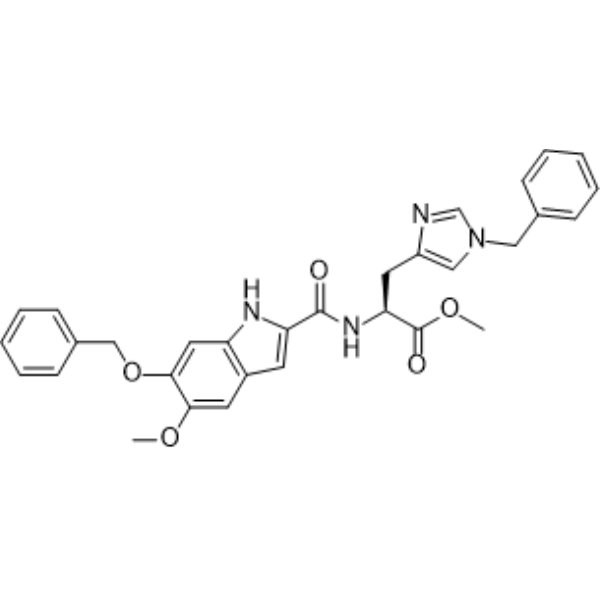
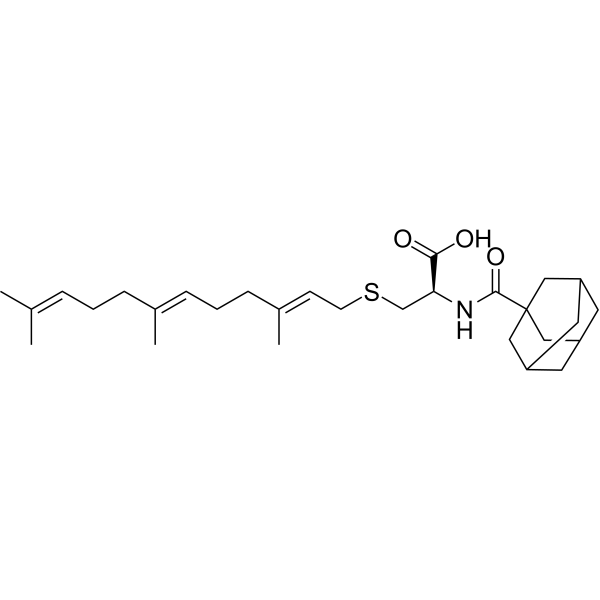
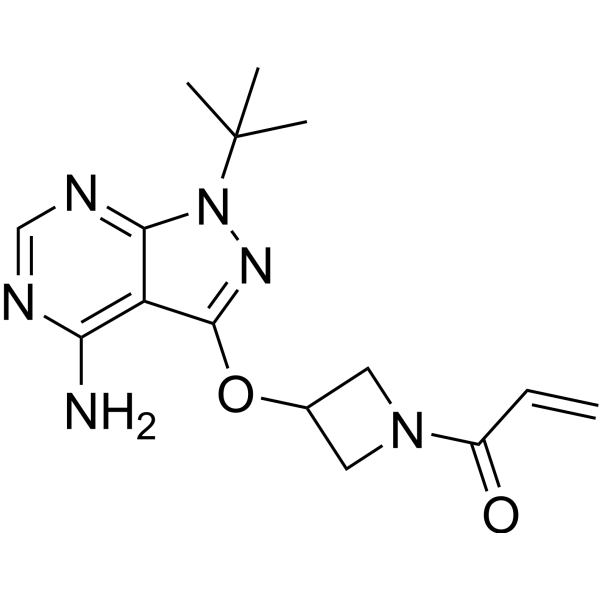
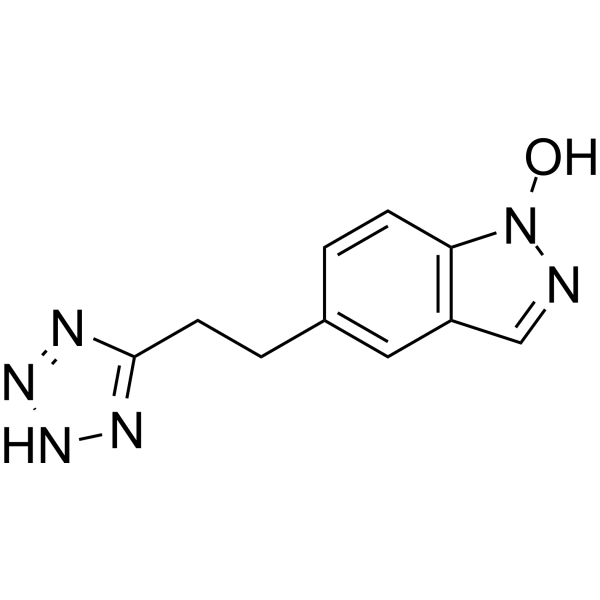
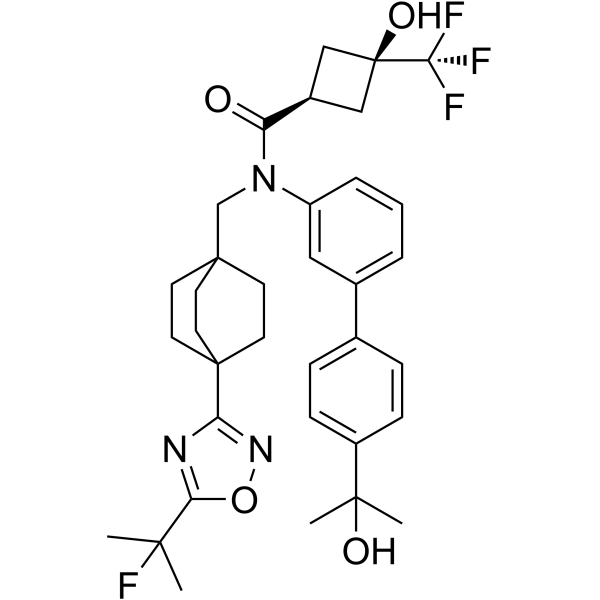
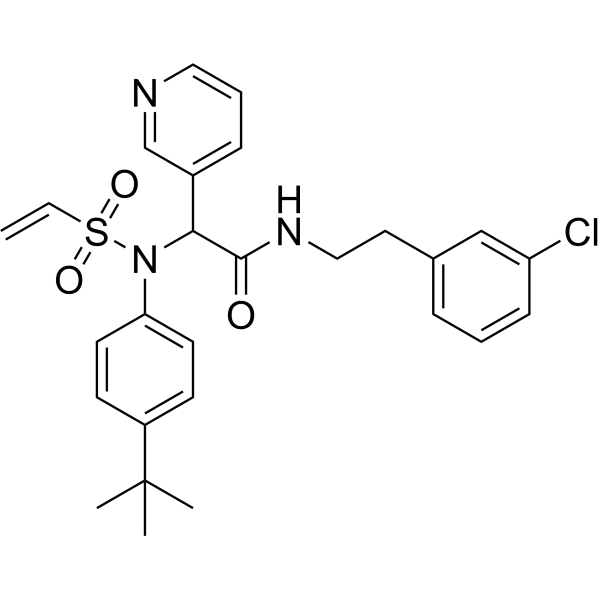
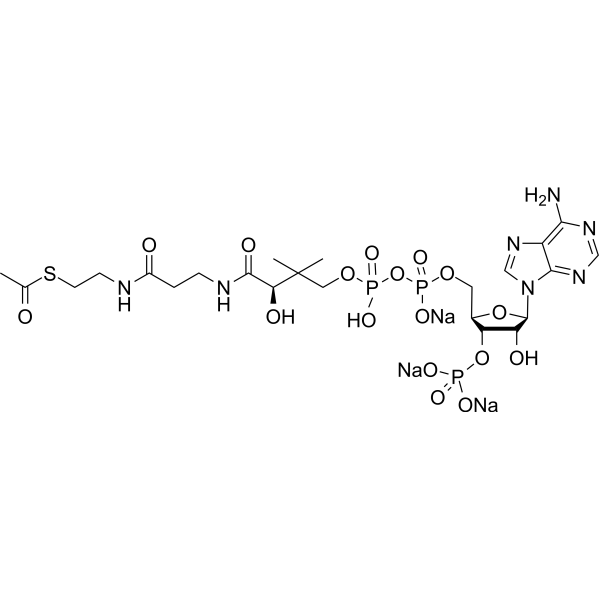
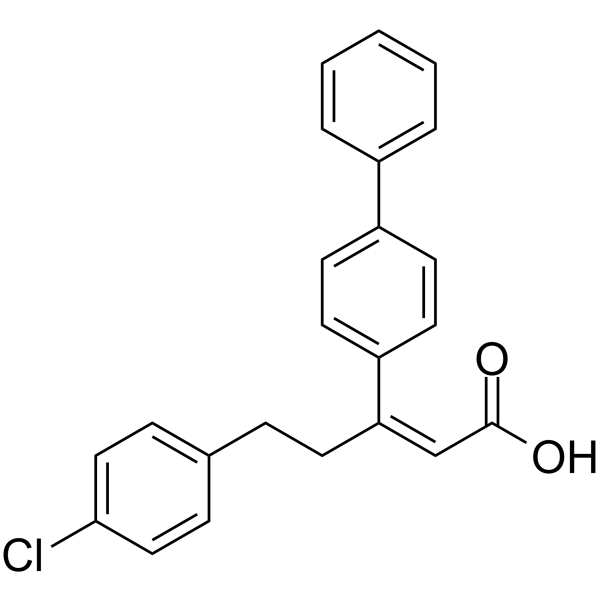
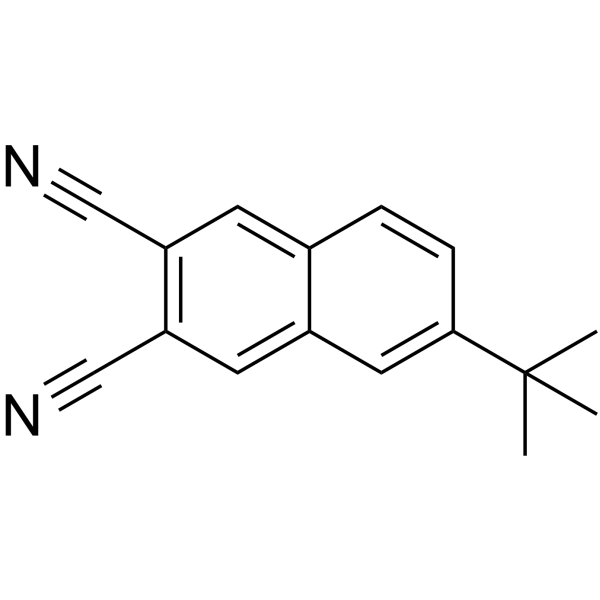
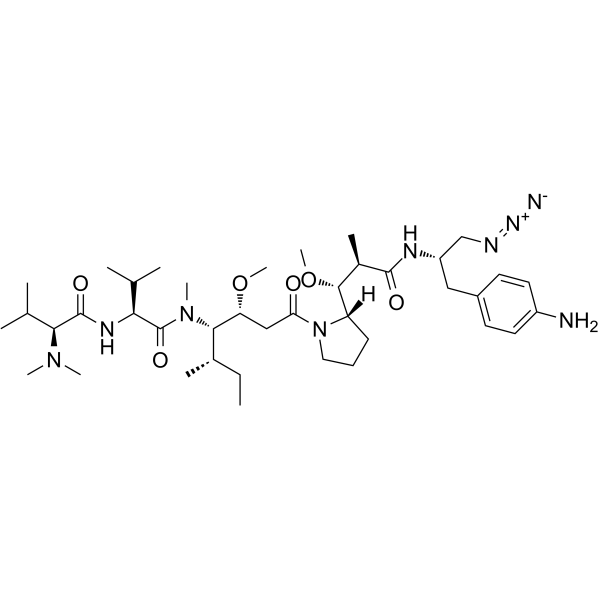
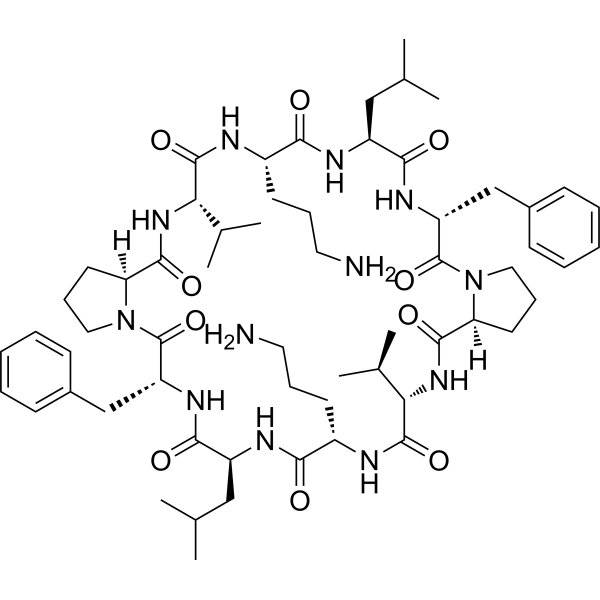
    LIBX-A401 is a selective long-chain acyl-CoA synthetase 4 (ACSL4) inhibitor with a human IC50 values of 0.38 μM and a Kd of 0.72 μM. LIBX-A401 binds to ACSL4 in an ATP-dependent manner, stabilizes the C-terminal domain, alters the fatty acid gate region, and interacts with residues A329 and Q302 within the fatty acid binding site. LIBX-A401 exhibits anti-ferroptosis properties in cells. LIBX-A401 can be used for the researches of cancer and parkinson's disease .
    LIBX-A401
  • HY-128350
    FGTI-2734
    1 Publications Verification

    Farnesyl Transferase Cancer
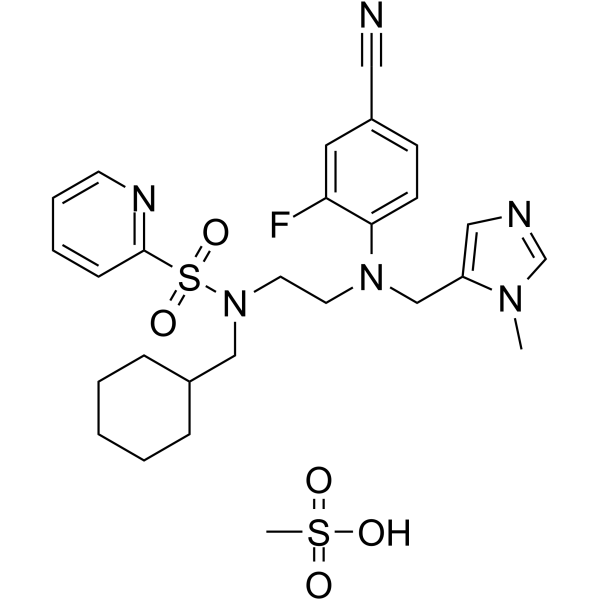
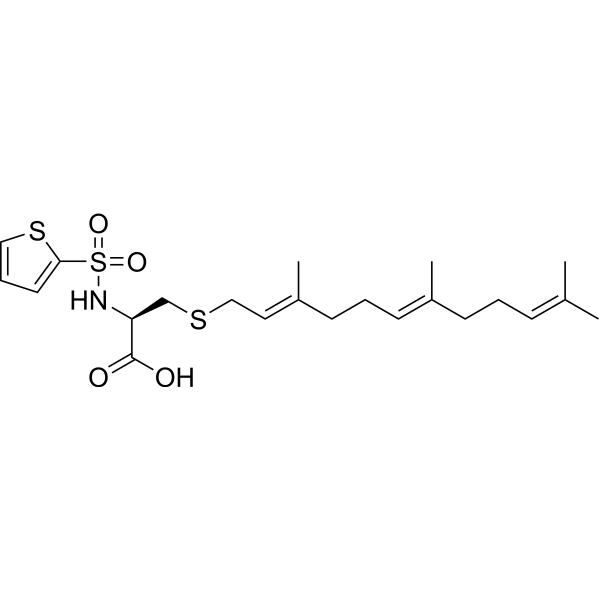
    FGTI-2734 is a RAS C-terminal mimetic dual farnesyl transferase (FT) and geranylgeranyl transferase-1 (GGT-1) inhibitor with IC50s of 250 nM and 520 nM for FT and GGT-1, respectively. FGTI-2734 can prevent membrane localization of KRAS, hence solving KRAS resistance problem and thwarting mutant KRAS patient-derived pancreatic tumors .
    FGTI-2734
  • HY-W018555

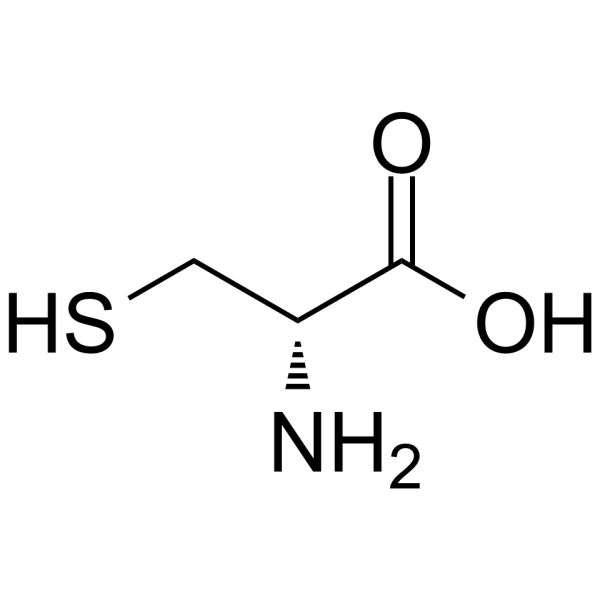
    Endogenous Metabolite Bacterial Infection Neurological Disease
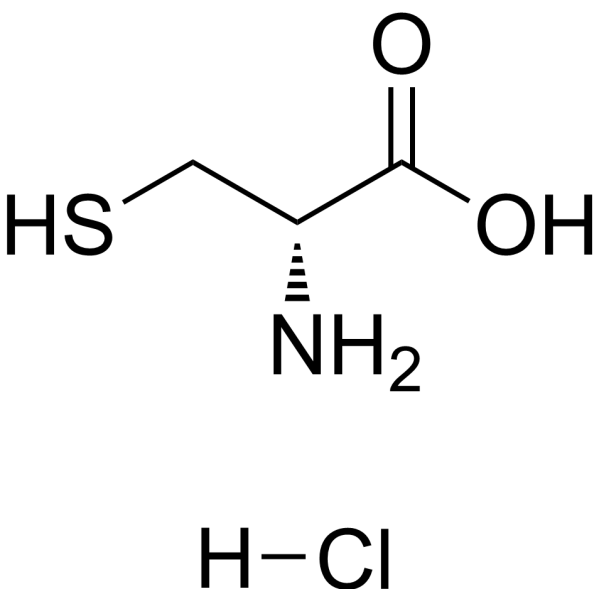
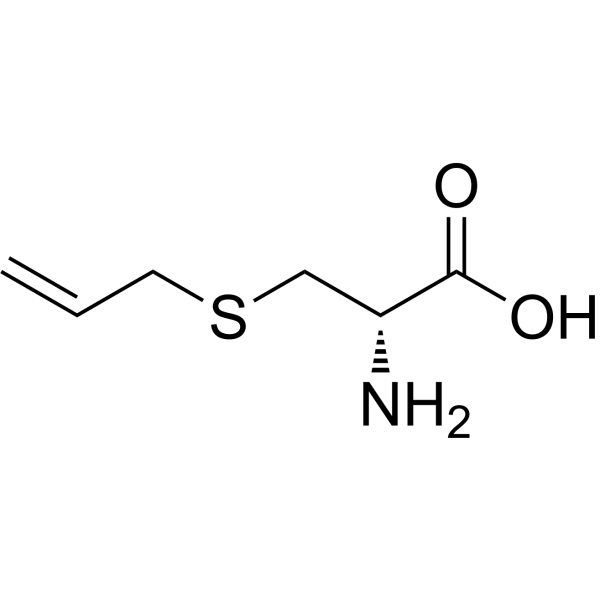
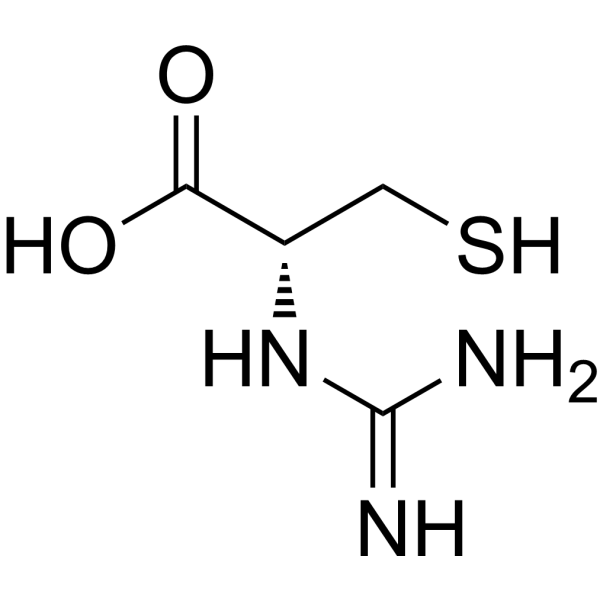
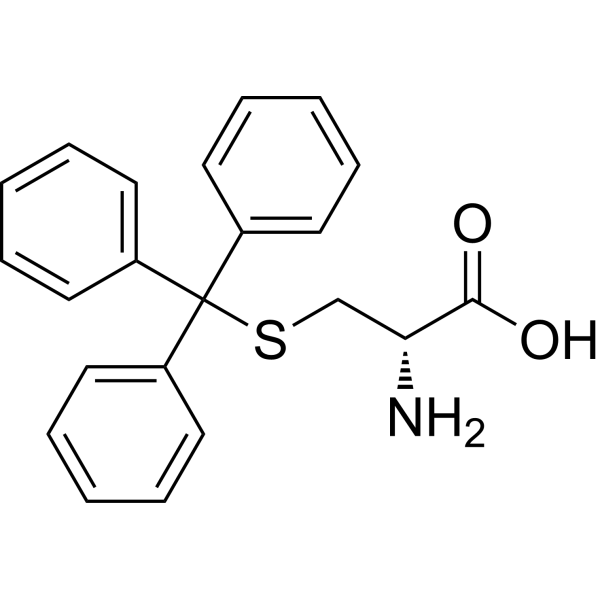
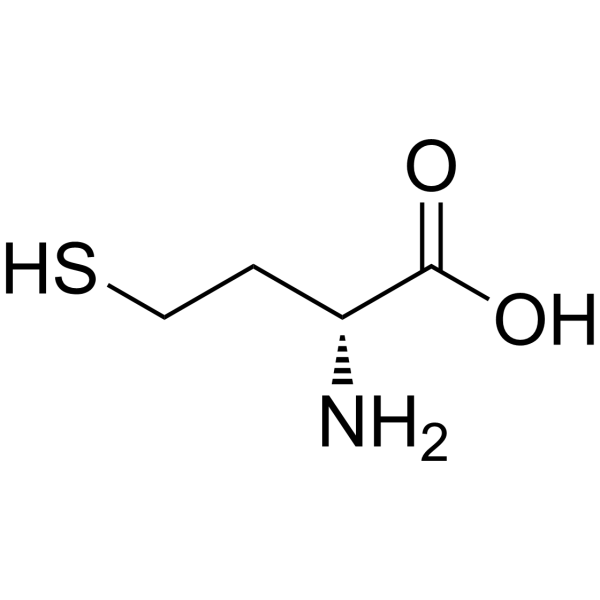
    D-Cysteine, the D-isomer of cysteine, is an orally active antibacterial agent and a regulator of neural progenitor cell proliferation. D-Cysteine can inhibit Escherichia coli, Streptococcus mutans, and Streptococcus sanguinis. The no-observed-adverse-effect level of D-Cysteine in rats should be less than 500 mg/kg/day .
    D-Cysteine
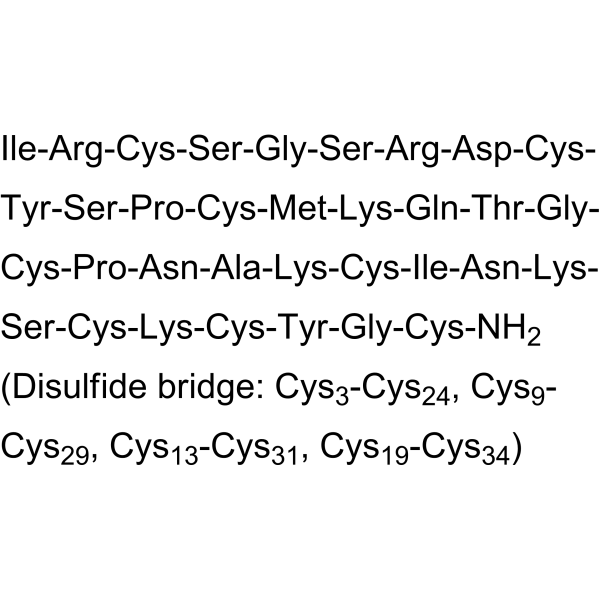
  • HY-P10533

    Tyrosinase Others
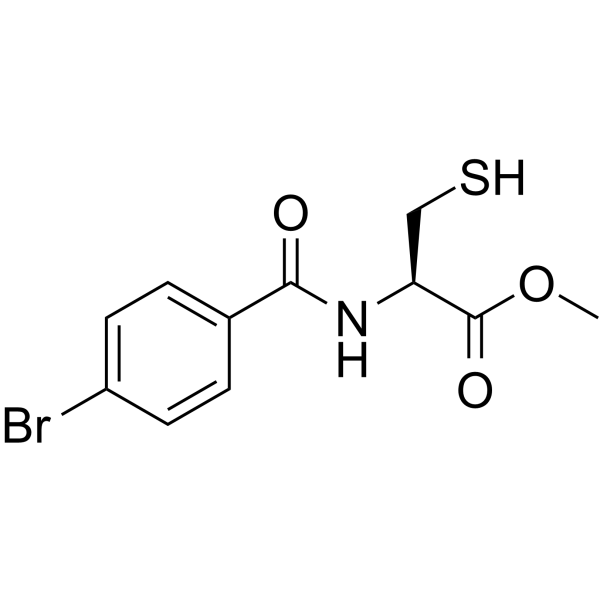
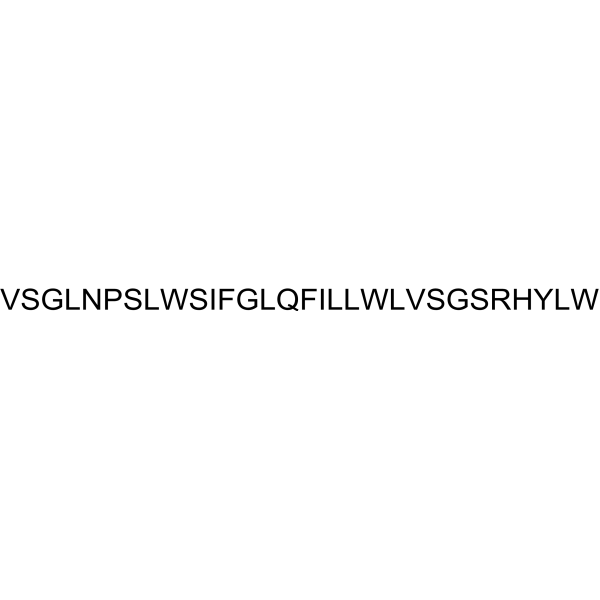
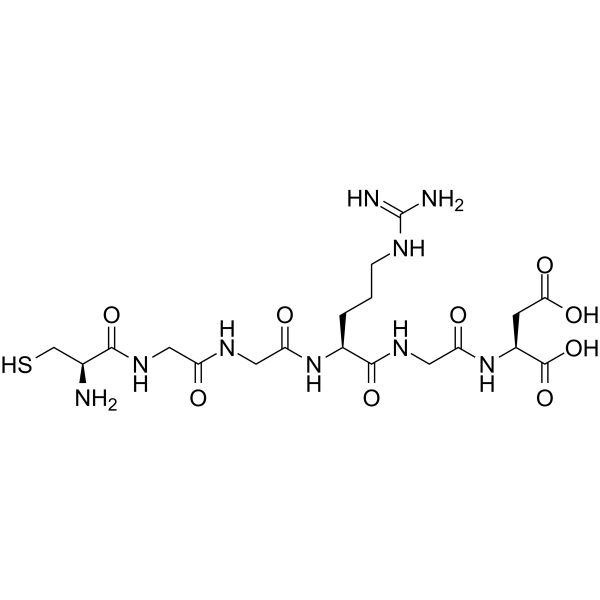
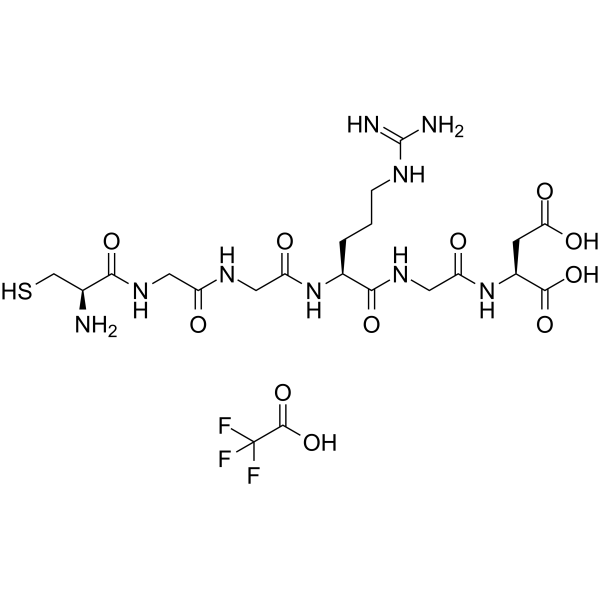
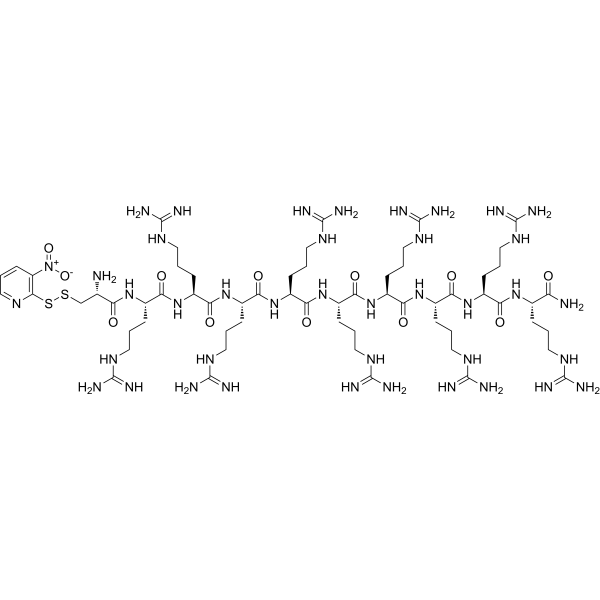
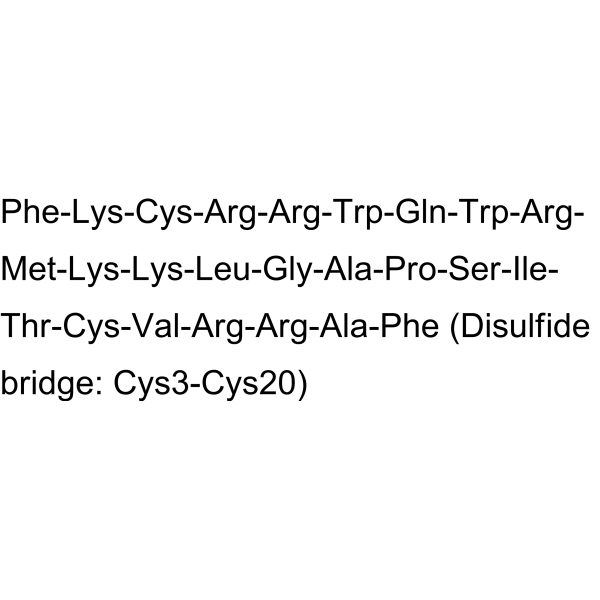
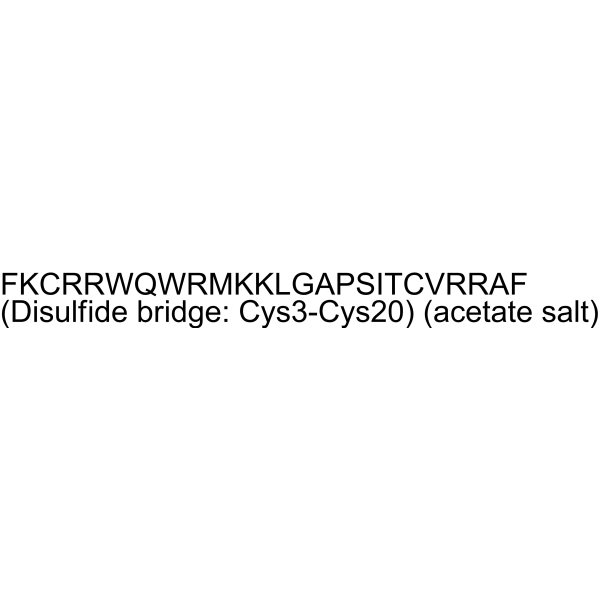
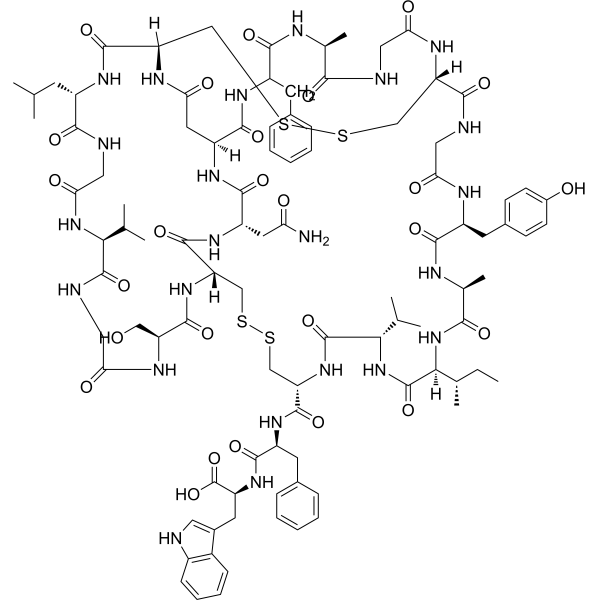
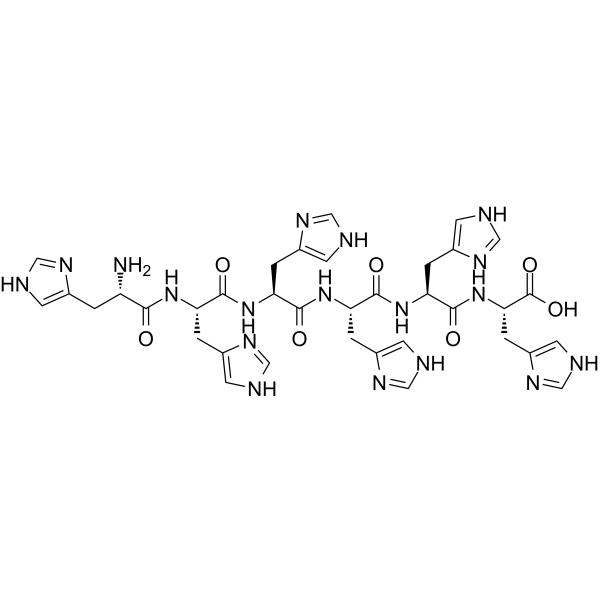
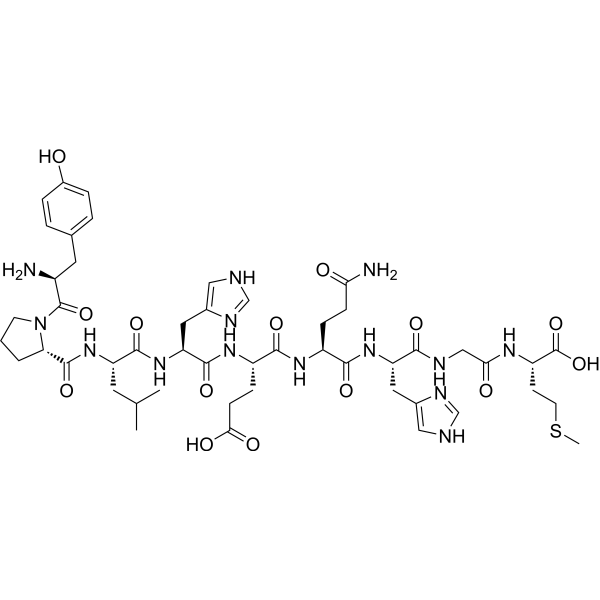
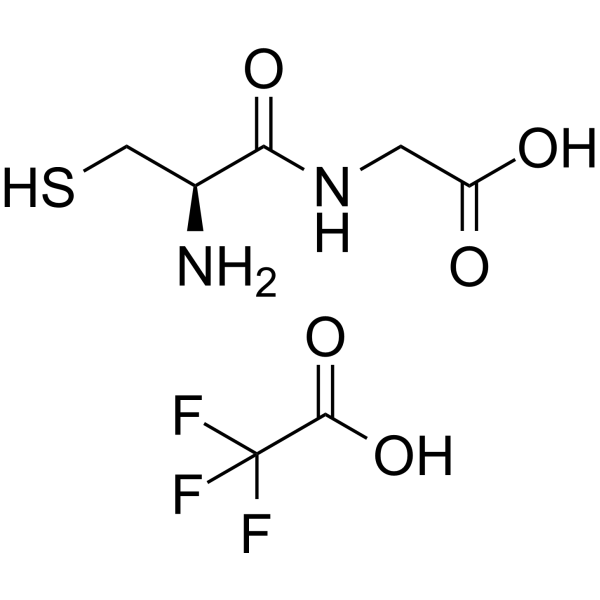
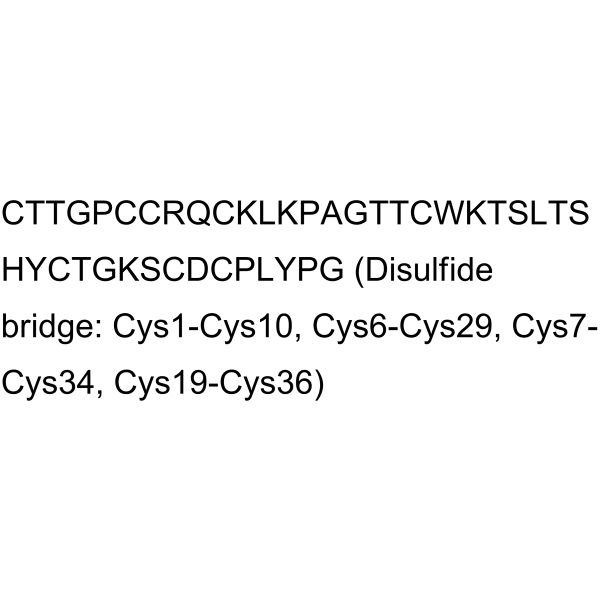
    Cysteine peptide is a tyrosinase inhibitor with skin-whitening, antioxidant and multi-regulatory activities. Cysteine peptide inhibits enzyme activity and blocks melanin transport, effectively reducing UV-B-induced skin erythema and pigmentation. Cysteine peptide synergistically maintains skin health by quenching ROS, resisting oxidative stress and promoting pheomelanin production. Cysteine peptide safely prevents daily ultraviolet damage and supports moderate sun exposure for vitamin D synthesis. Cysteine peptide also acts as a plant signaling factor to regulate vegetative growth, development and stress resistance responses .
    Cysteine peptide
  • HY-P2746

    EC 3.4.2.2

    Endogenous Metabolite Metabolic Disease
    Carboxypeptidase B, Porcine pancreas (EC 3.4.2.2) is a peptide exonuclease that can specifically degrade peptide chains. Carboxypeptidase B is progressively degraded from the C-terminal to release free amino acids. Carboxypeptidase B hydrolyzes only peptide bonds with basic amino acids (such as arginine and lysine) as C-terminal residues .
    Carboxypeptidase B, Porcine pancreas
  • HY-145102

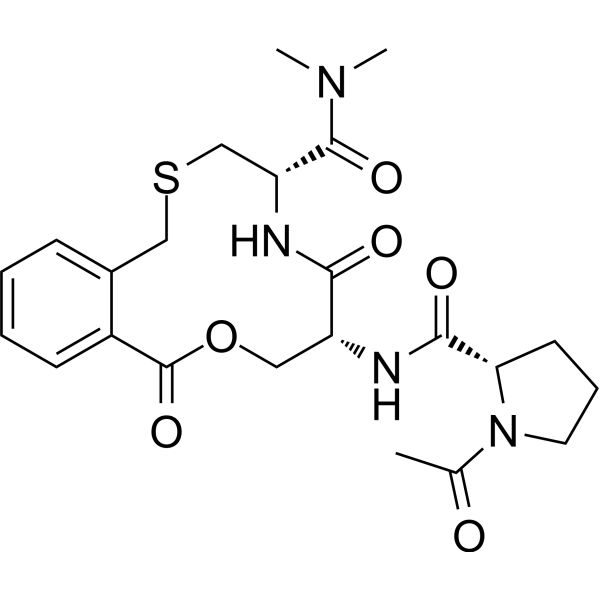
    HSP Apoptosis Cancer
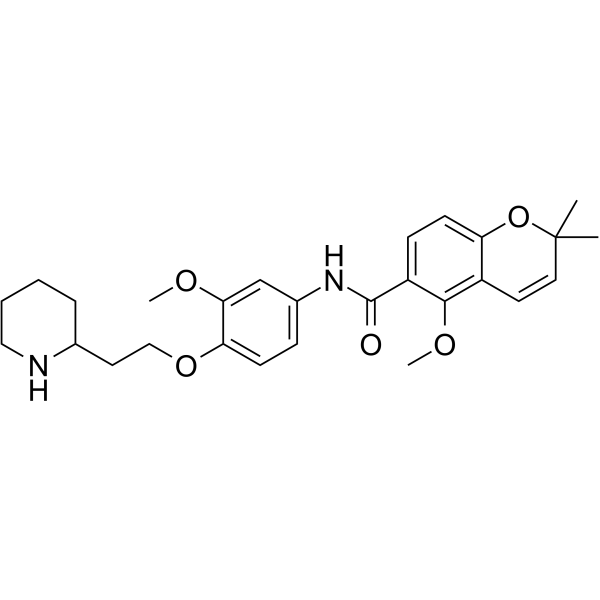
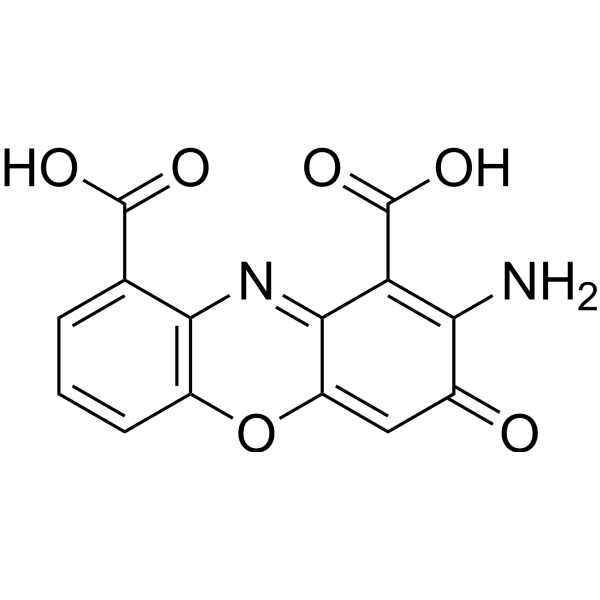
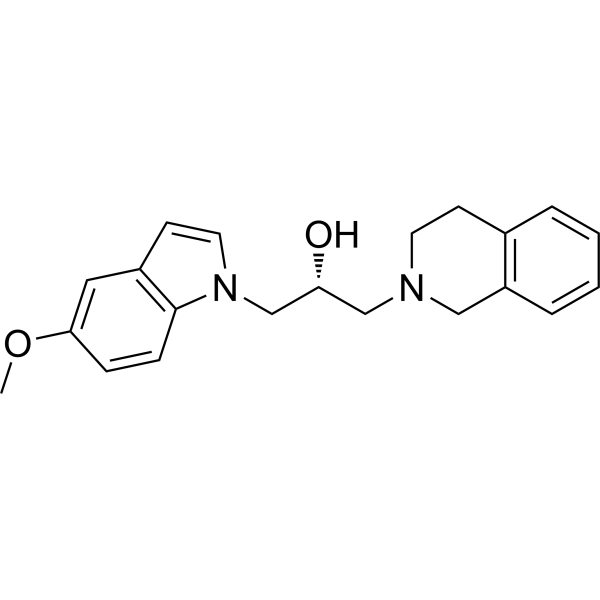
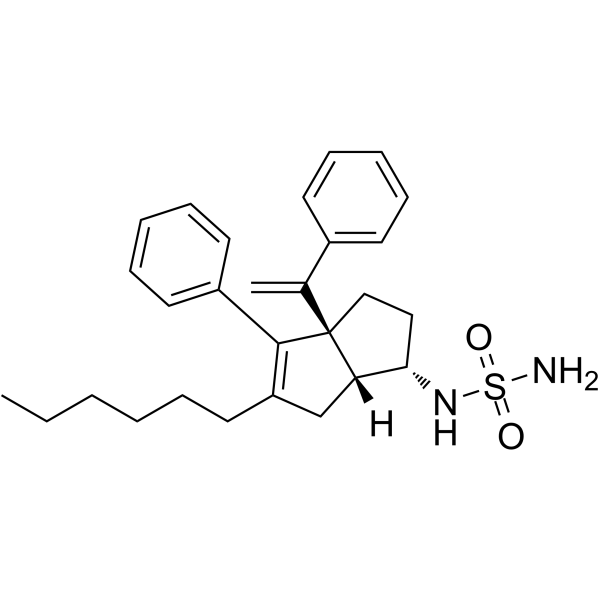
    NCT-58 is a potent inhibitor of C-terminal HSP90. NCT-58 does not induce the heat shock response (HSR) due to its targeting of the C-terminal region and elicits anti-tumor activity via the simultaneous downregulation of HER family members as well as inhibition of Akt phosphorylation. NCT-58 kills Trastuzumab-resistant breast cancer stem-like cells. NCT-58 induces apoptosis in HER2-positive breast cancer cells .
    NCT-58
  • HY-18638
    TCID
    5+ Cited Publications

    4,5,6,7-Tetrachloroindan-1,3-dione

    Deubiquitinase Neurological Disease
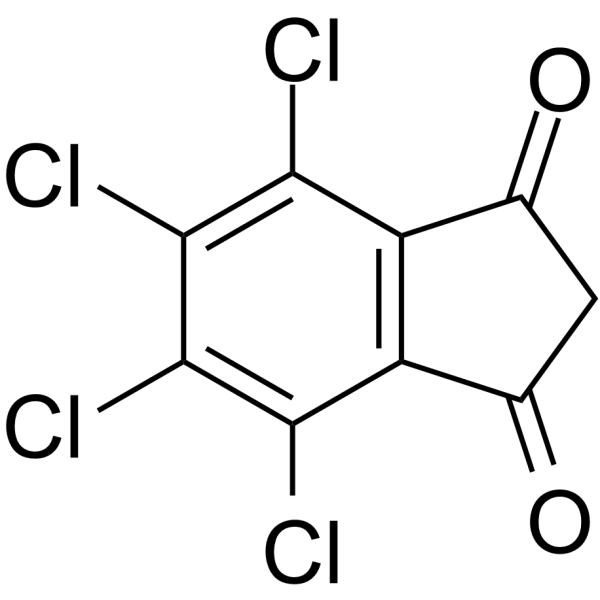
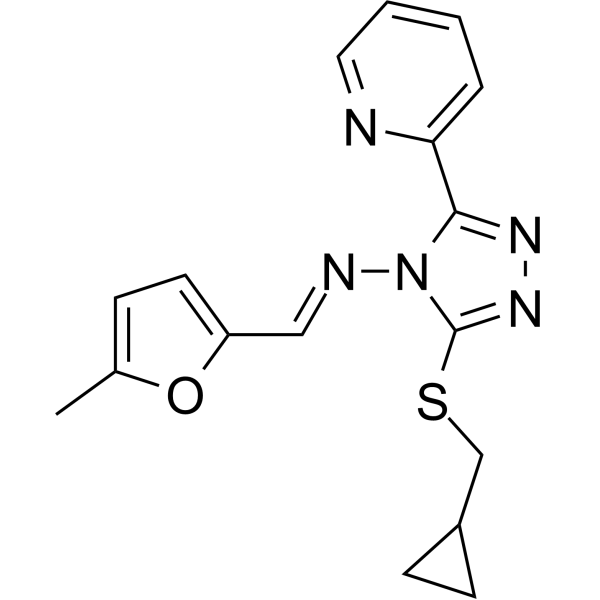
    TCID (4,5,6,7-Tetrachloroindan-1,3-dione) is a potent and selective neuronal ubiquitin C-terminal hydrolase (UCH-L3) inhibitor with an IC50 of 0.6 μM . TCID diminishes glycine transporter GlyT2 ubiquitination in brainstem and spinal cord primary neurons .
    TCID
  • HY-103076
    EZ-482
    1 Publications Verification

    Apolipoprotein Neurological Disease
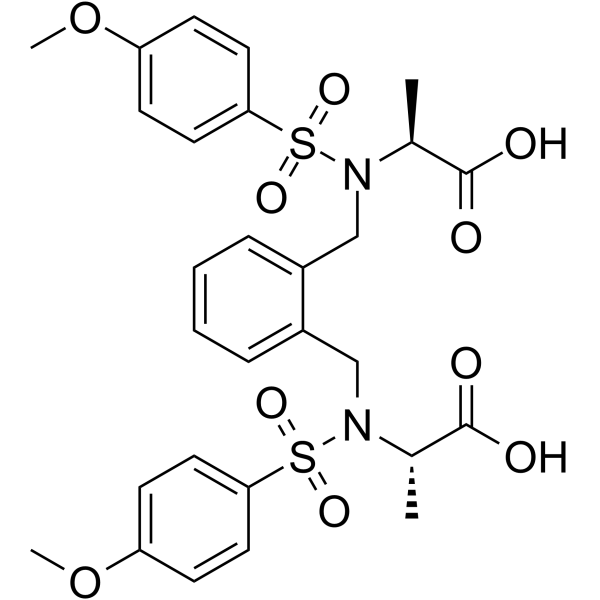
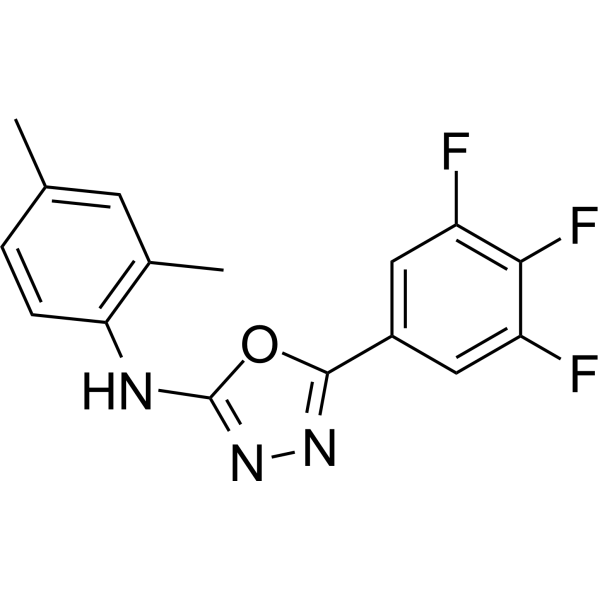
    EZ-482, a novel ligand of apolipoprotein (apoE), binds to sites on apoE in the C-terminal domain with Kds of 5-10 μM for apoE3 and apoE4. EZ-482 binds to apoE4 by a unique N-terminal allosteric effect. EZ482 has the potential for Alzheimer’s diseas .
    EZ-482
  • HY-128350A
    FGTI-2734 mesylate
    1 Publications Verification

    Farnesyl Transferase γ-Glutamyl Transferase (GGT) Cancer
    FGTI-2734 mesylate is a RAS C-terminal mimetic dual farnesyl transferase (FT) and geranylgeranyl transferase-1 (GGT) inhibitor with IC50s of 250 nM and 520 nM for FT and GGT, respectively. FGTI-2734 mesylate can prevent membrane localization of KRAS, hence solving KRAS resistance problem and thwarting mutant KRAS patient-derived pancreatic tumors .
    FGTI-2734 mesylate
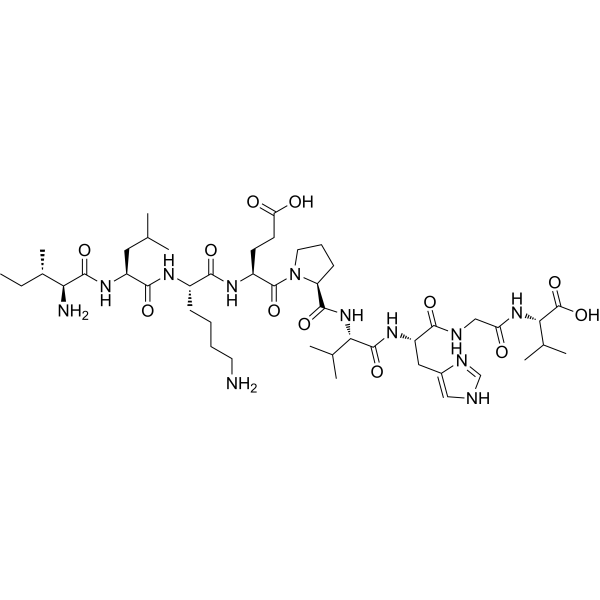
  • HY-P1465

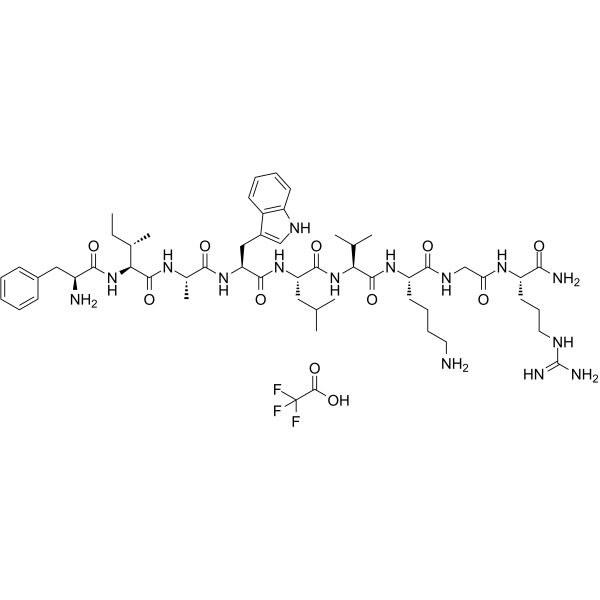
    Secretin (28-54), (human)

    Secretin Receptor Metabolic Disease Cancer
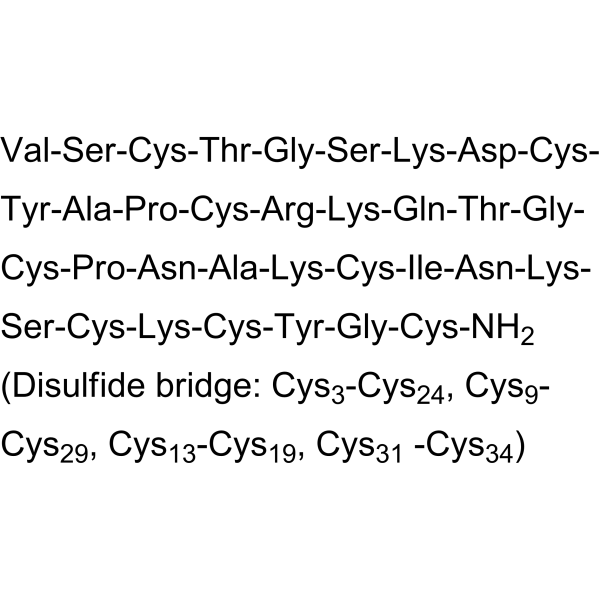
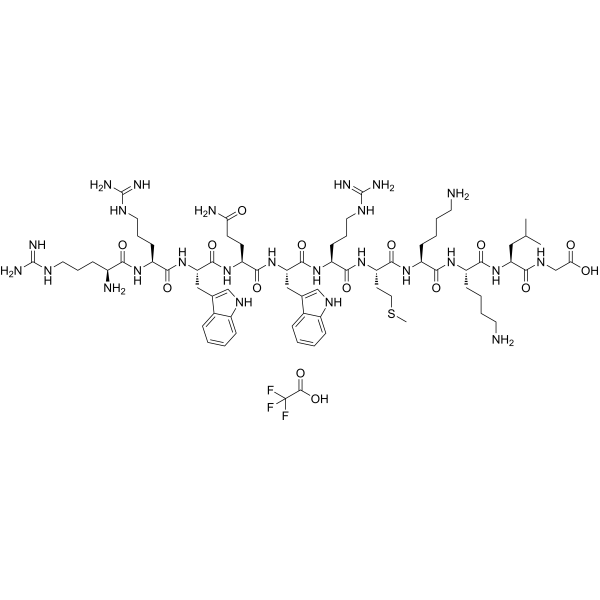
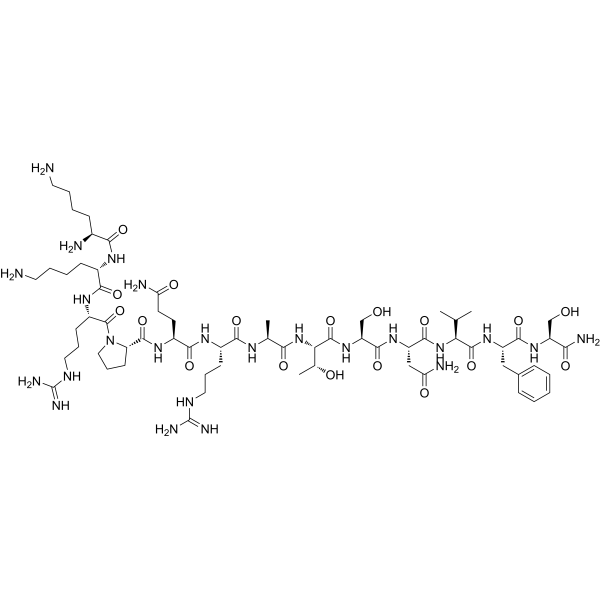
    Human secretin is a 27-amino acid residue C-terminally amidated peptide, which acts on human secretin receptors .
    Human secretin
  • HY-129847

    Amino Acid Derivatives Others
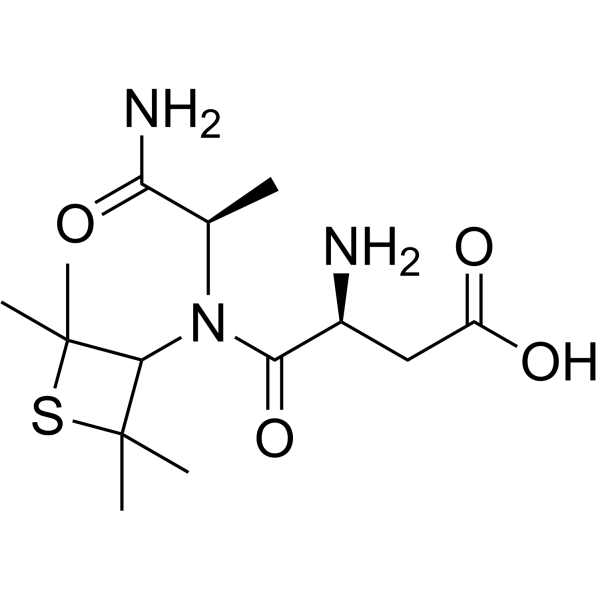
    Alitame is a nonnutritive high-intensity sweetener, 2000 times sweeter than sucrose with no bitter or metallic aftertaste. Alitame is composed of L-aspartic acid, D-alanine, and a C-terminal amide moiety .
    Alitame
  • HY-17541
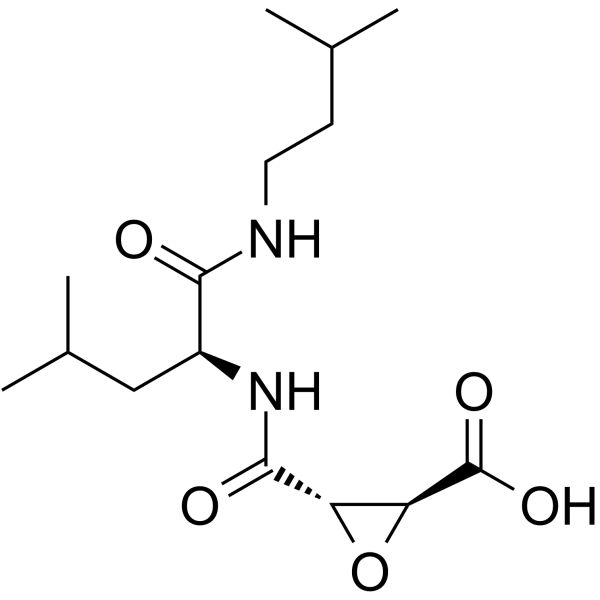
    Cysteine Protease inhibitor
    3 Publications Verification

    Cathepsin Others
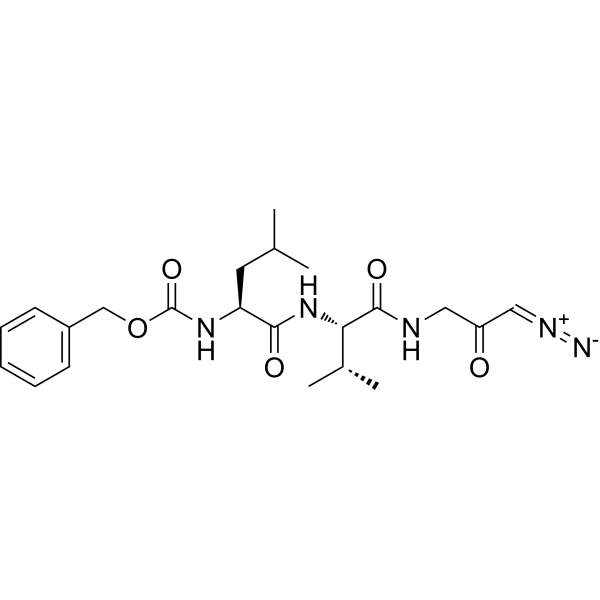
    Cysteine Protease inhibitor is a cysteine protease inhibitor. Cysteine Protease inhibitor can be used in immunoblotting experiments of cells or tissues .
    Cysteine Protease inhibitor
  • HY-Y0337S2

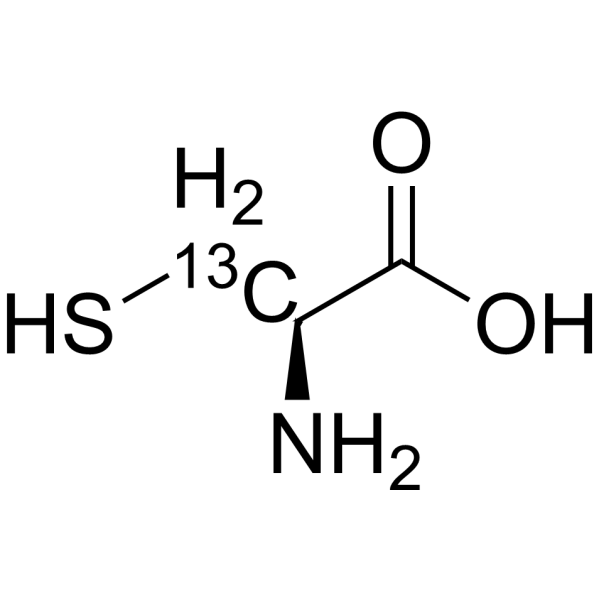
    cysteine-13C

    Endogenous Metabolite Metabolic Disease
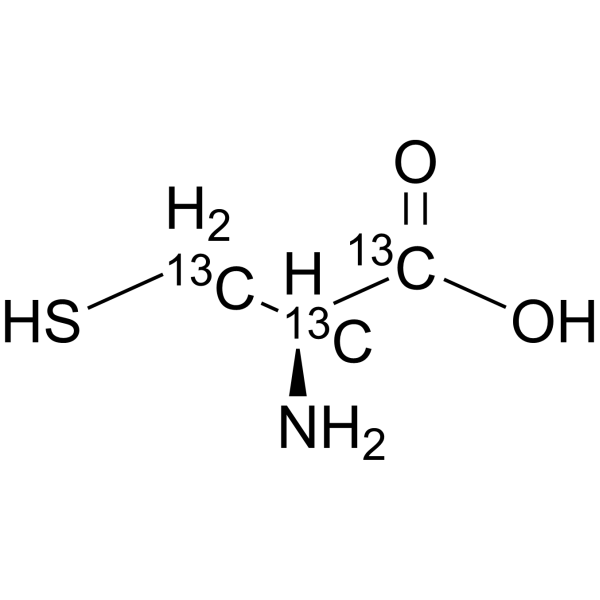
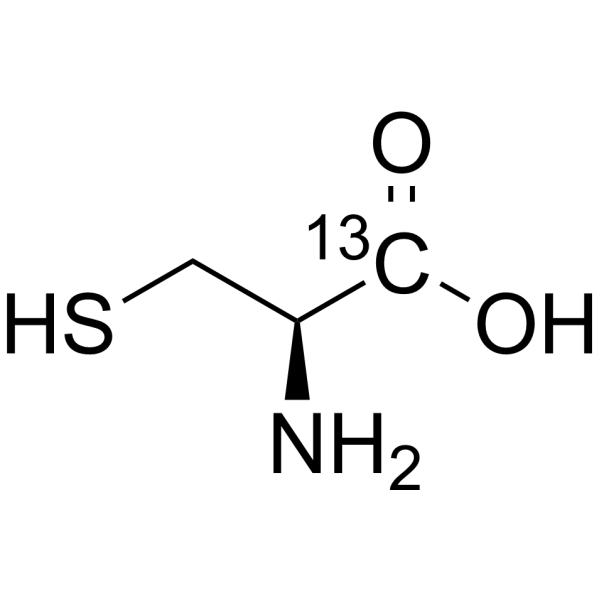
    L-Cysteine-3- 13C is the 13C-labeled L-Cysteine. L-Cysteine is a conditionally essential amino acid, which acts as a precursor for biologically active molecules such as hydrogen sulphide (H2S), glutathione and taurine. L-Cysteine suppresses ghrelin and reduces appetite in rodents and humans .
    L-Cysteine-3-13C
  • HY-W088929

    Amino Acid Derivatives Others
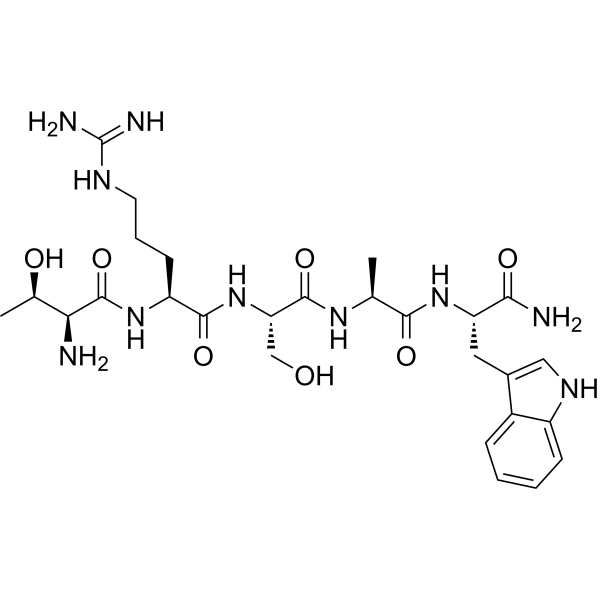
    H-Glu(OtBu)-NH2 hydrochloride is a specialized amino acid derivative that is crucial for the synthesis of peptides bearing a C-terminal glutamine amide.
    H-Glu(OtBu)-NH2 hydrochloride
  • HY-157508
    VCP Activator 1
    2 Publications Verification

    p97 Others
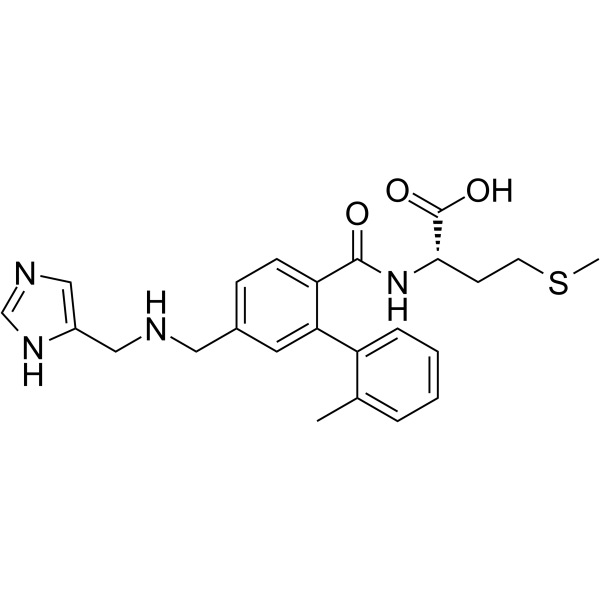
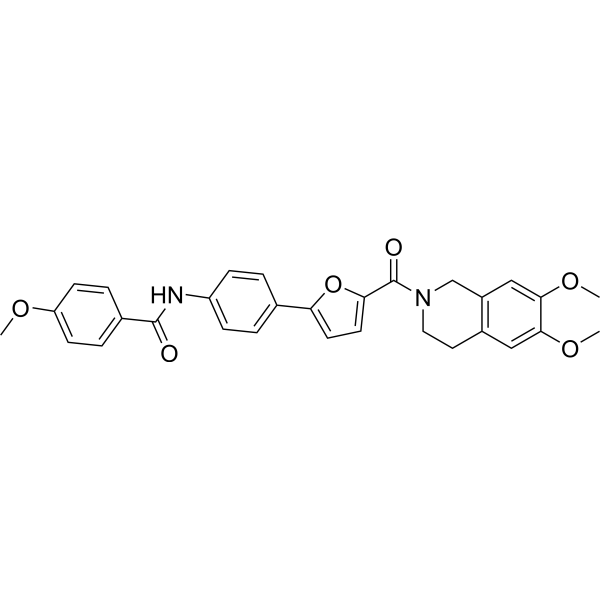
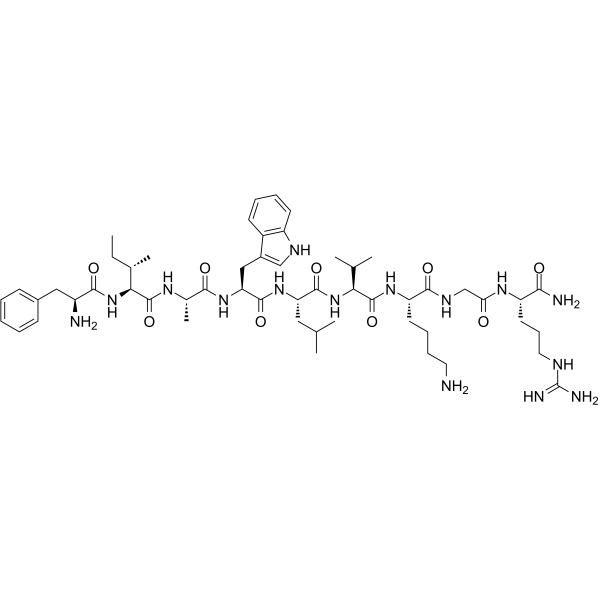
    VCP Activator 1 is a VCP activator that dose-dependently stimulates VCP ATPase activity. VCP Activator 1 binds an allosteric pocket near the C-terminus. In addition, VCP Activator 1 binding site can also be occupied by a phenylalanine residue in the VCP C-terminal tail .


    VCP Activator 1
  • HY-125556
    Tetragastrin
    1 Publications Verification

    Cholecystokinin tetrapeptide; CCK-4

    Cholecystokinin Receptor Metabolic Disease
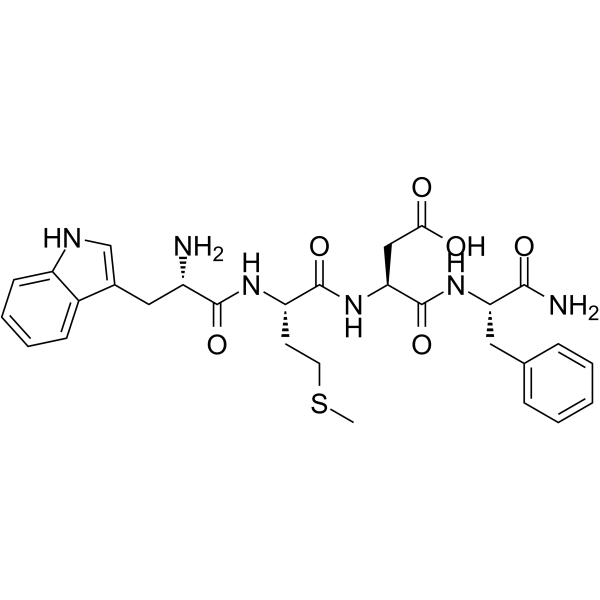
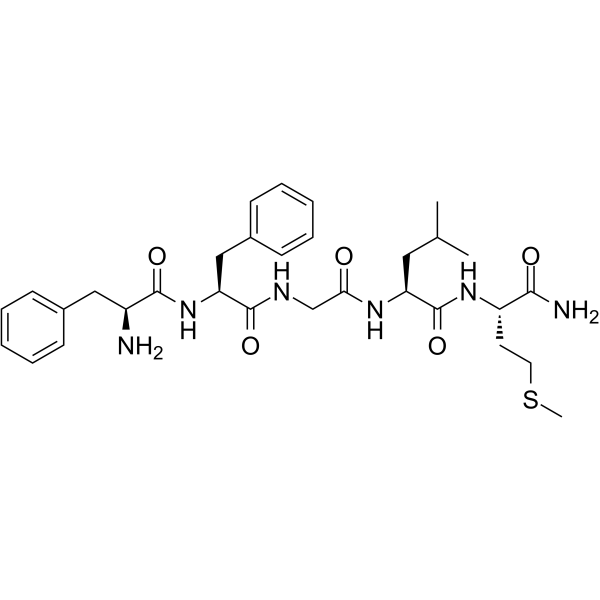
    Tetragastrin (Cholecystokinin tetrapeptide; CCK-4) is the C-terminal tetrapeptide of gastrin. Tetragastrin can stimulate gastric secretion . Tetragastrin is a Cholecystokinin (CCK-4) receptor agonist . Gastric mucosal protection .
    Tetragastrin
  • HY-E70201

    EC 3.4.2.2 (MS grade)

    Endogenous Metabolite Others
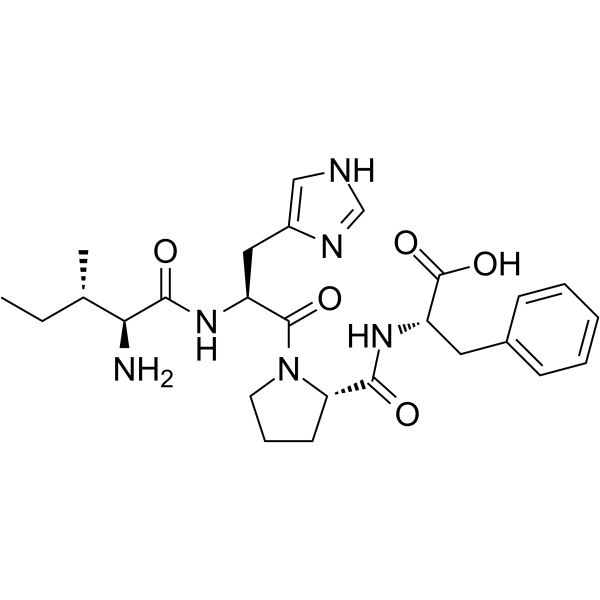
    Carboxypeptidase B (MS grade) is a peptide exonuclease that can specifically degrade peptide chains. Carboxypeptidase B (MS grade) is progressively degraded from the C-terminal to release free amino acids. Carboxypeptidase B (MS grade) hydrolyzes only peptide bonds with basic amino acids (such as arginine and lysine) as C-terminal residues .

    Carboxypeptidase B (MS grade)
  • HY-116749

    BBSKE

    TrxR Cancer
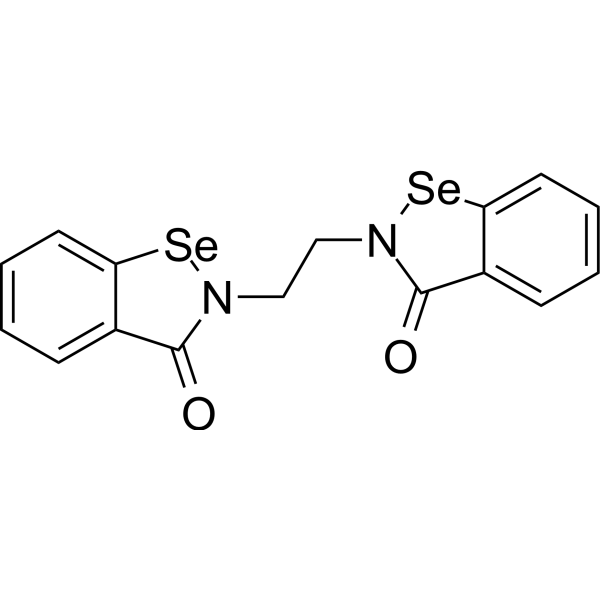
    Ethaselen (BBSKE) is an orally active, selective thioredoxin reductase (TrxR) inhibitor with IC50s of 0.5 and 0.35 μM for the wild-type human TrxR1 and rat TrxR1, respectively. Ethaselen specifically binds to the unique selenocysteine-cysteine redox pair in the C-terminal active site of mammalian TrxR1. Ethaselen, an organoselenium compound, is a potent antitumor candidate that exerts potent inhibition on non-small cell lung cancer (NSCLC) by targeting TrxR .

    Ethaselen
  • HY-P5124

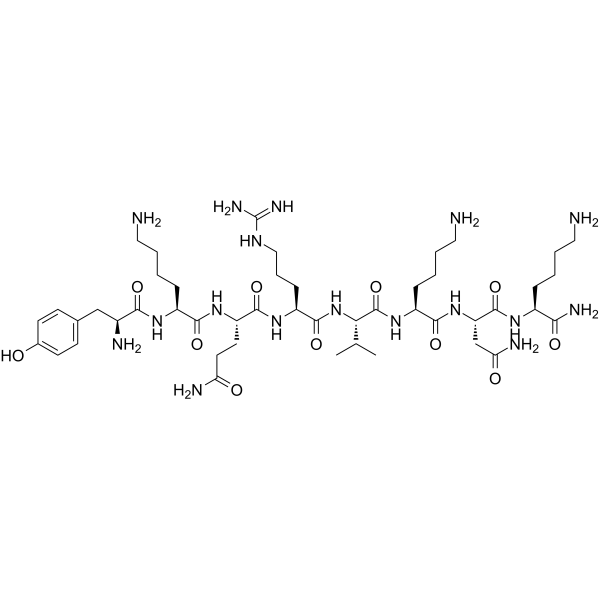
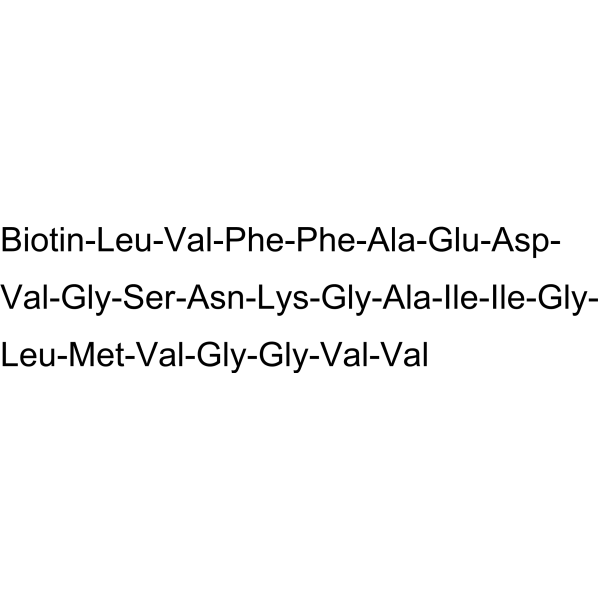
    KLVFF

    Amyloid-β Neurological Disease
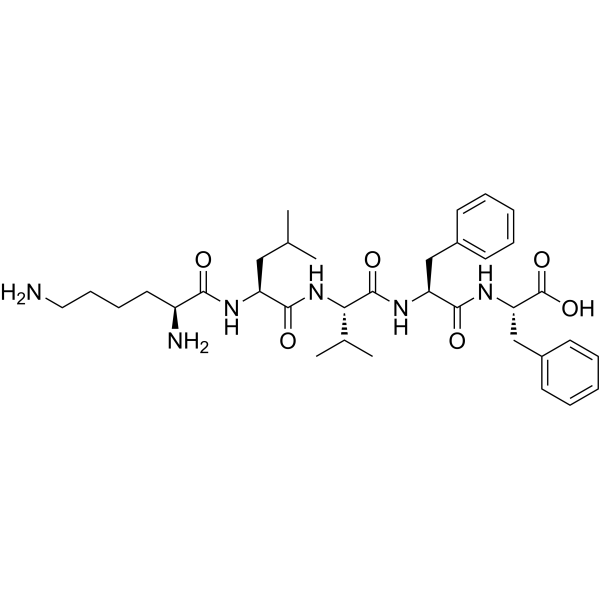
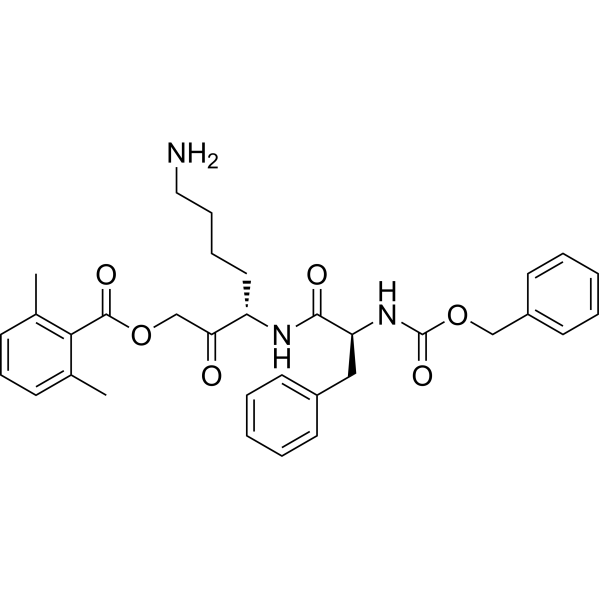
    β-Amyloid peptide(16-20) is a amino acid sequences (KLVFF) of Amyloid-β (Abeta). β-Amyloid peptide(16-20) is an effective inhibitor of Abeta fibril formation, with RG-/-GR-NH2 residues added at N- and C-terminal ends to aid solubility) .
    β-Amyloid peptide(16-20)
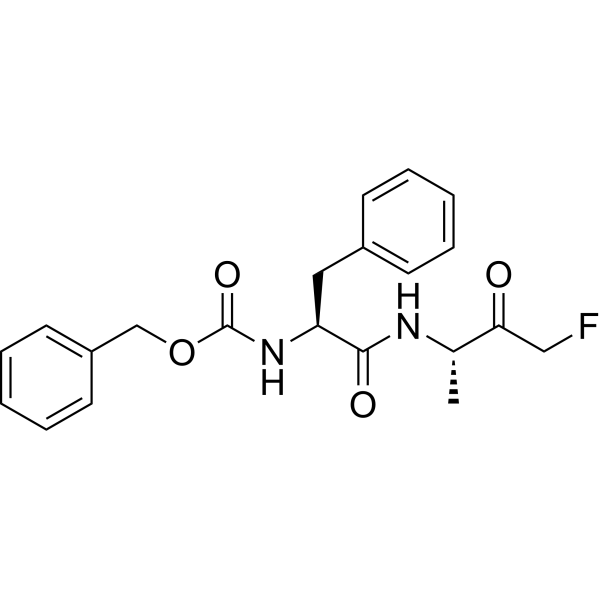
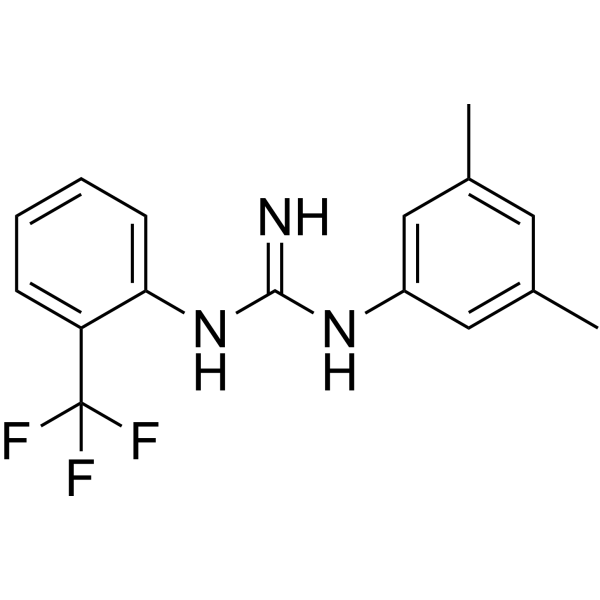
  • HY-52101A
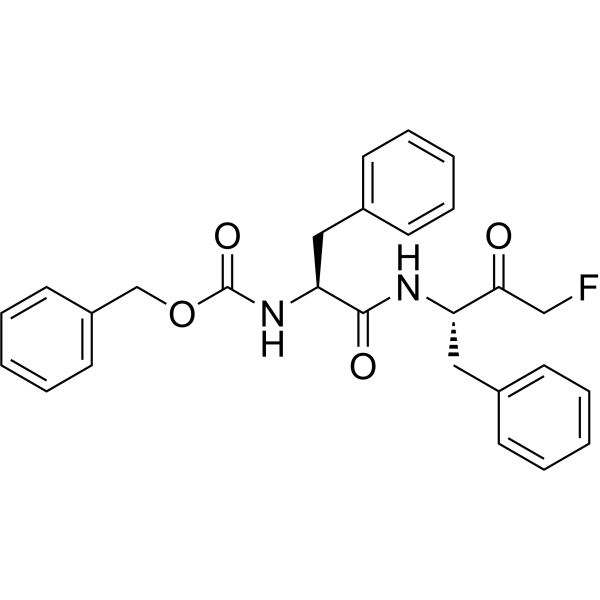
    FMK
    4 Publications Verification

    Ribosomal S6 Kinase (RSK) Cancer
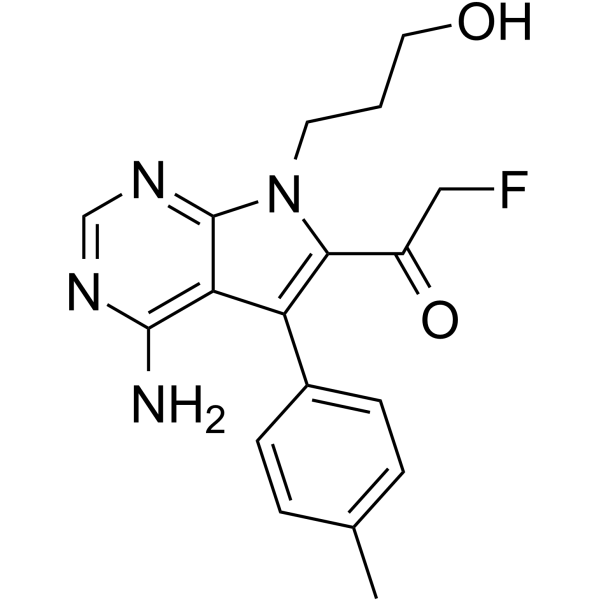
    FMK is a an irreversible RSK2 kinase inhibitor, that covalently modifies the C-terminal kinase domain of RSK.
    FMK
  • HY-W002074

    Amino Acid Derivatives Others
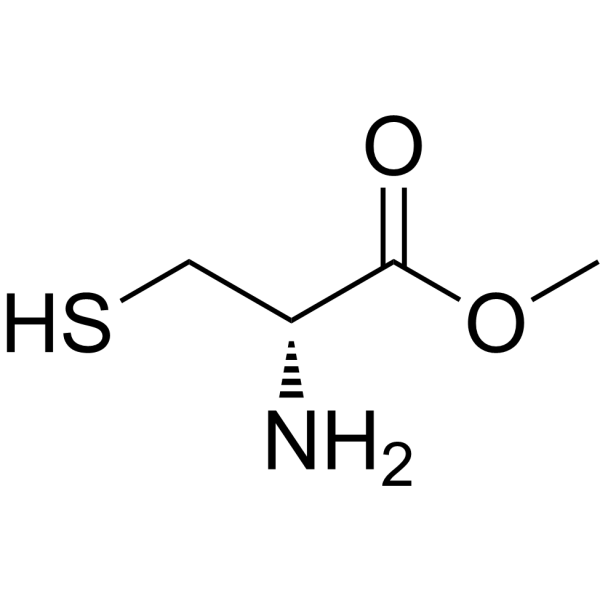
    D-Cysteine hydrochloride is a cysteine derivative .
    D-Cysteine hydrochloride
  • HY-121687

    α-(Hydroxyimino)benzenepropanoic acid

    DNA/RNA Synthesis Cancer
    HIPP (α-(Hydroxyimino)benzenepropanoic acid) is an inhibitor for human C-terminal binding protein (CtBP), with IC50 of 745 nM and a Kd of 1.3 μM .
    HIPP
  • HY-Y1875

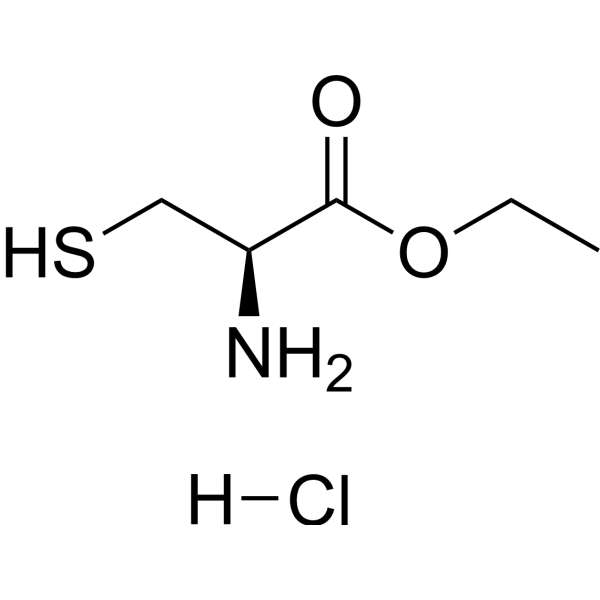
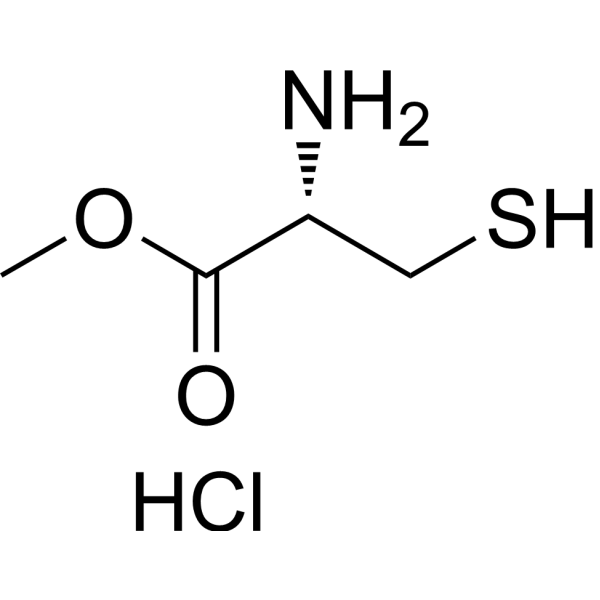
    Ethyl cysteinate hydrochloride

    Amino Acid Derivatives Others
    L-Cysteine ethyl ester HCl is a cysteine derivative .
    L-Cysteine ethyl ester HCl
  • HY-131516

    Drug Derivative Metabolic Disease
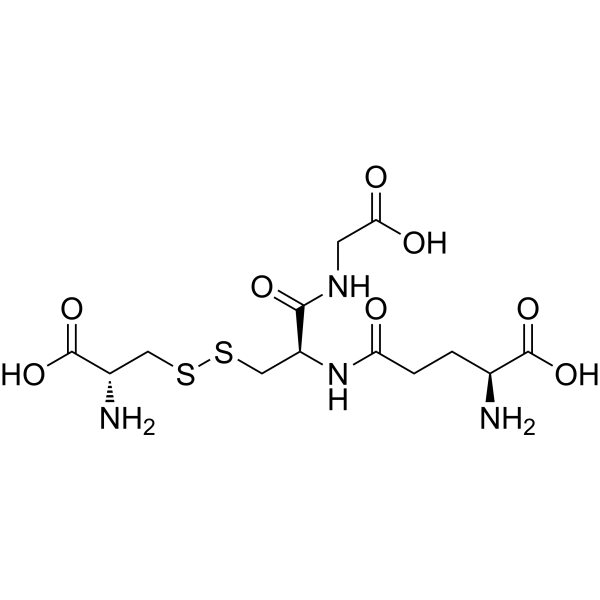
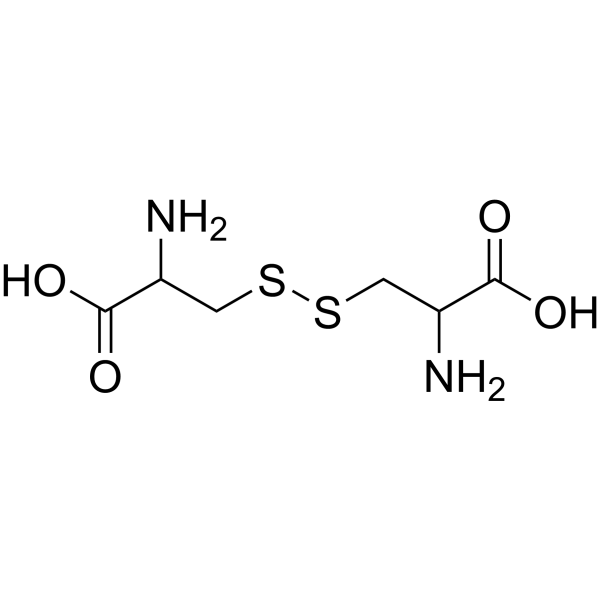
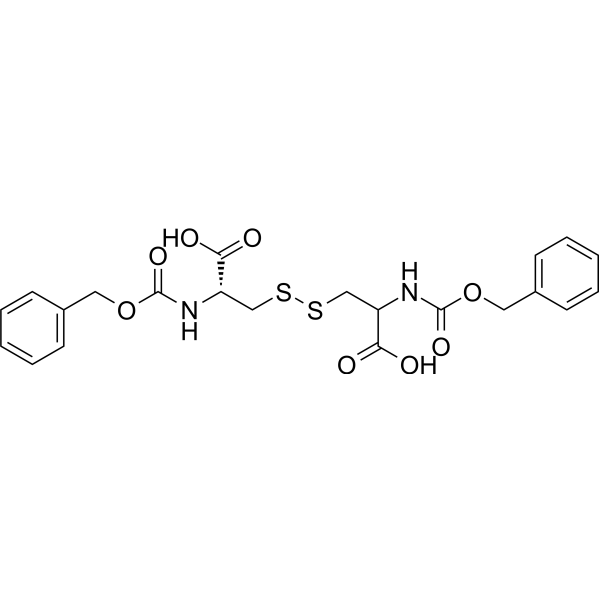
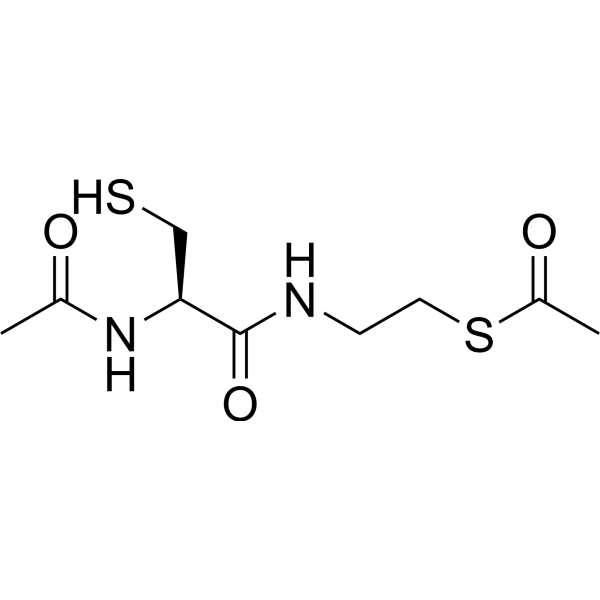
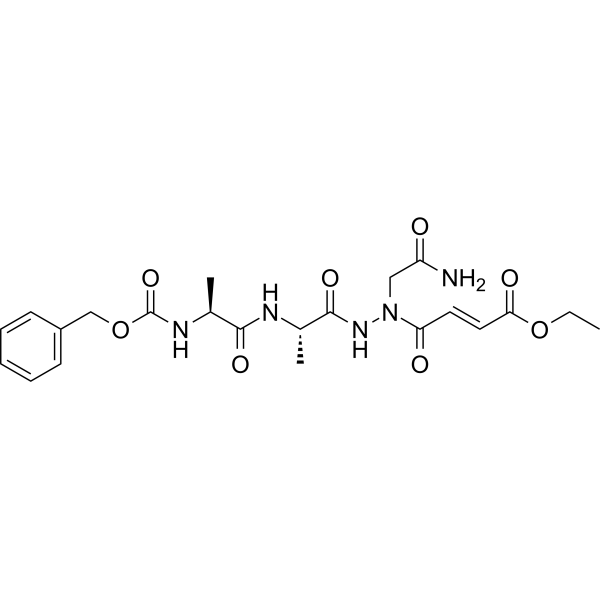
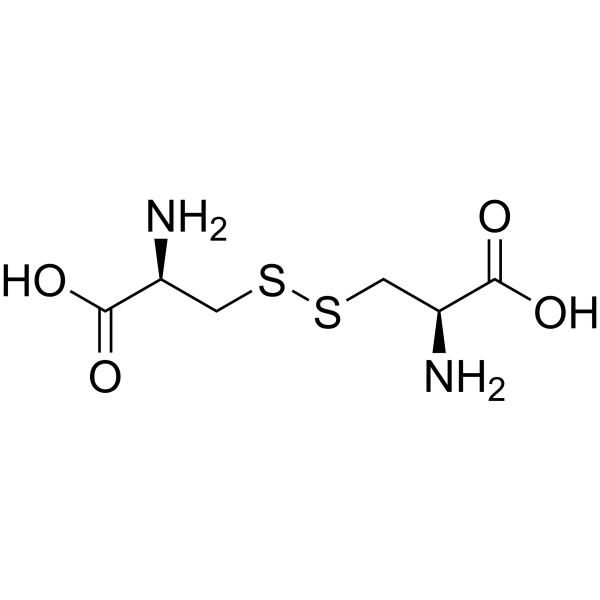
    Tiopronin-cysteine disulfide is a soluble disulfide metabolite/derivative of Tiopronin (HY-B0373) formed by reaction of Tiopronin with cystine. Tiopronin-cysteine disulfide reduces cystine crystal formation in cystinuria. Tiopronin-cysteine disulfide can be used for the research of cystinuria .
    Tiopronin-cysteine disulfide
  • HY-121765

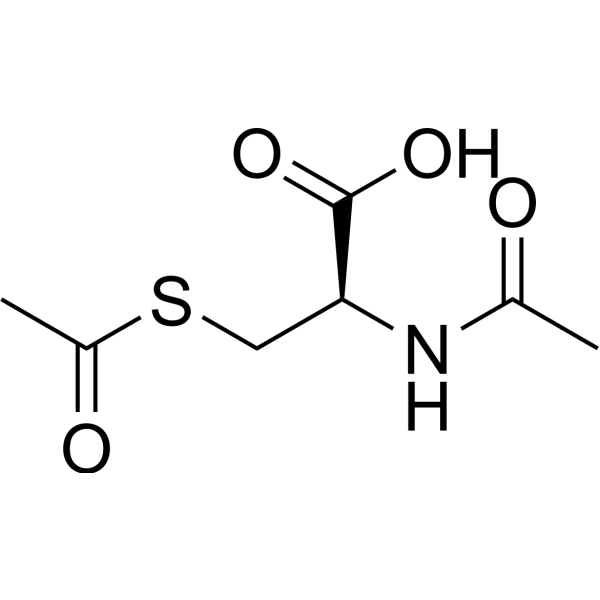
    N,S-Diacetyl-L-cysteine

    Endogenous Metabolite Metabolic Disease
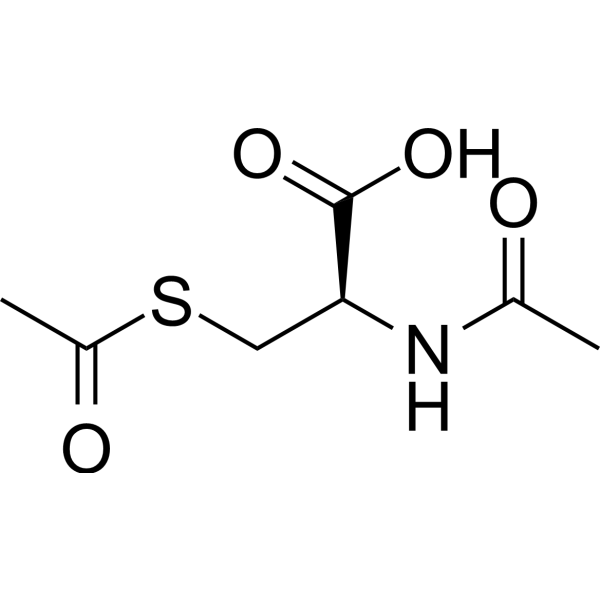
    Dacisteine (N,S-Diacetyl-L-cysteine) is a cysteine derivative and displays a less New Delhi metallo-beta-lactamase-1 (NDM-1) inhibitor with an IC50 value of 1000 μM . Dacisteine can be used for the treatment of cardiovascular and cerebrovascular diseases caused by platelet aggregation .
    Dacisteine
  • HY-Y0337R
    L-Cysteine (Standard)
    1 Publications Verification

    cysteine (Standard)

    Reference Standards Endogenous Metabolite Metabolic Disease Cancer
    L-Cysteine (Standard) is the analytical standard of L-Cysteine. This product is intended for research and analytical applications. L-Cysteine is a conditionally essential amino acid, which acts as a precursor for biologically active molecules such as hydrogen sulphide (H2S), glutathione and taurine. L-Cysteine suppresses ghrelin and reduces appetite in rodents and humans .
    L-Cysteine (Standard)
  • HY-P3101

    GCGR Cardiovascular Disease Metabolic Disease
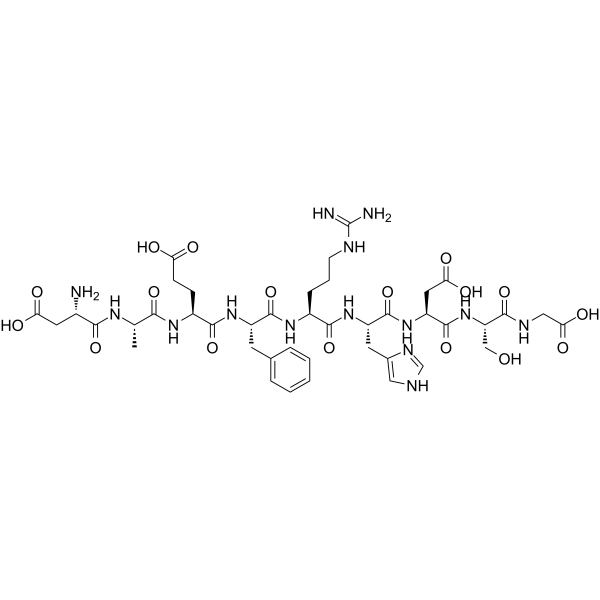
    GLP-1(28-36)amide, a C-terminal nonapeptide of GLP-1, is a major product derived from the cleavage of GLP-1 by the neutral endopeptidase (NEP). GLP-1(28-36)amide is an antioxidant and targets to mitochondrion, inhibits mitochondrial permeability transition (MPT). GLP-1(28-36)amide has anti-diabetic and cardioprotection effects .
    GLP-1(28-36)amide
  • HY-P1492

    Neurokinin Receptor Neurological Disease Endocrinology
    Substance P (7-11) is a C-terminal fragment of Substance P which can cause an increase in the intracellular calcium concentration.
    Substance P (7-11)
  • HY-D2002

    Fluorescent Dye Neurological Disease
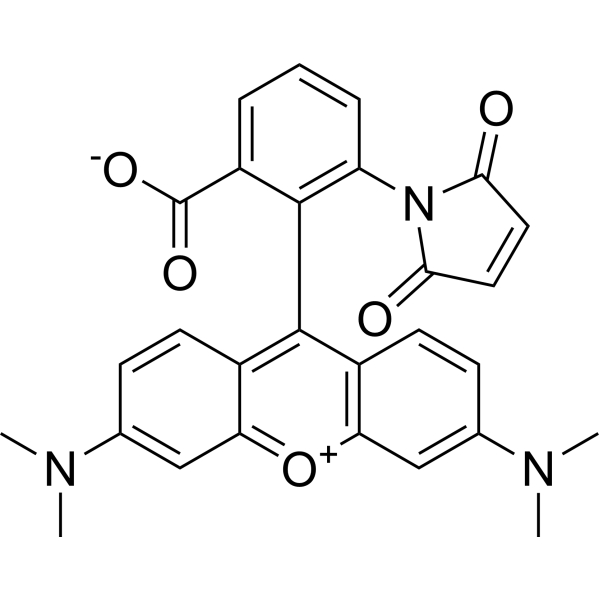
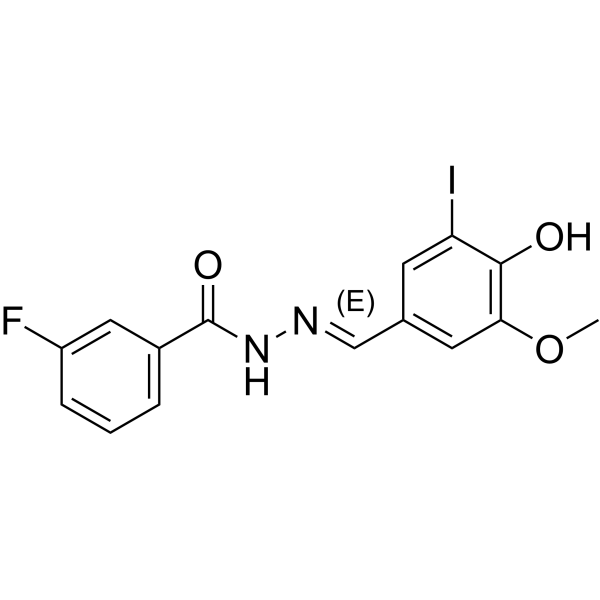
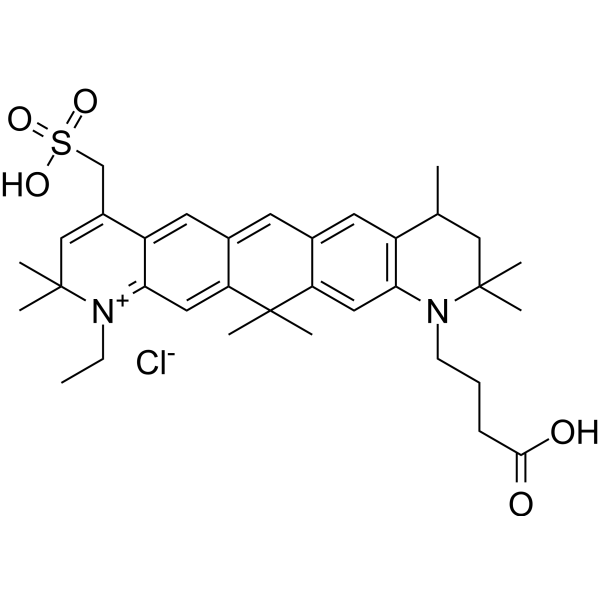
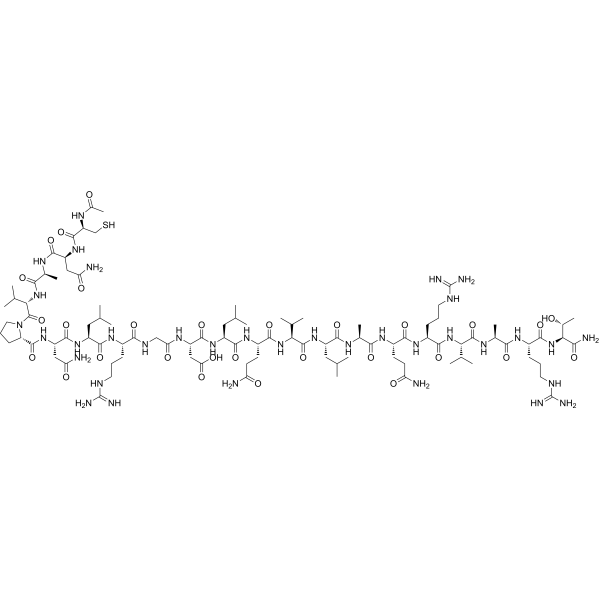
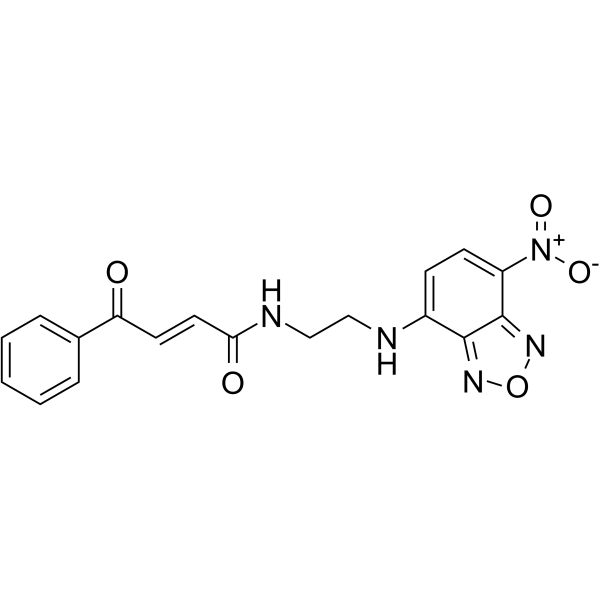
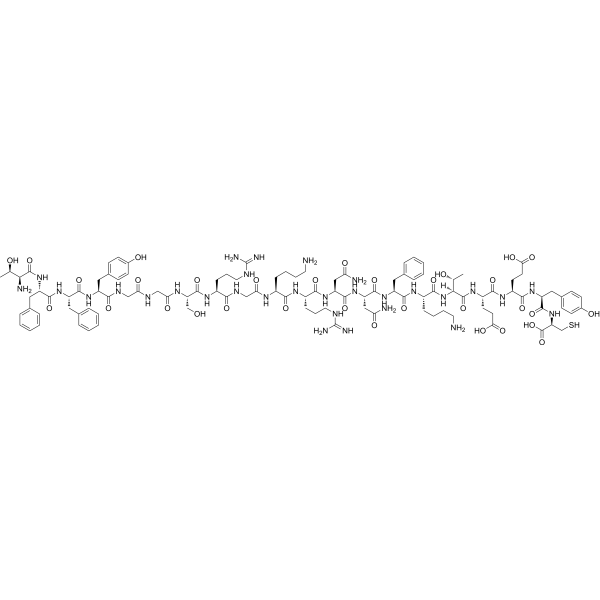
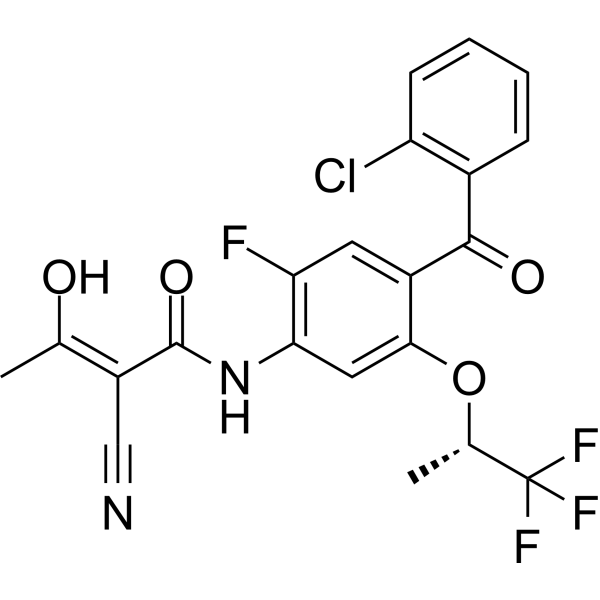
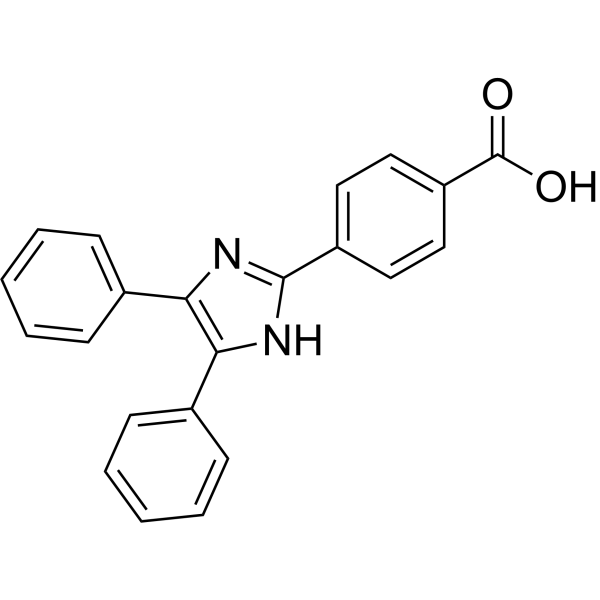
    ATTO 488 maleimide is a thiol-reactive fluorescent labeling reagent that forms a covalent bond via its maleimide group with the thiol group of the C-terminal cysteine residue of α-synGC. ATTO 488 maleimide enables α-syn fiber imaging via super-resolution stimulated emission depletion (STED) fluorescence microscopy. ATTO 488 maleimide is applicable to research related to Parkinson's disease (Ex/Em = 488/592nm) .
    ATTO 488 maleimide
  • HY-P1465A

    Secretin (28-54), (human) TFA

    Secretin Receptor Metabolic Disease Cancer
    Human secretin TFA is a 27-amino acid residue C-terminally amidated peptide, which acts on human secretin receptors .
    Human secretin TFA
  • HY-W020784

    Biochemical Assay Reagents Others
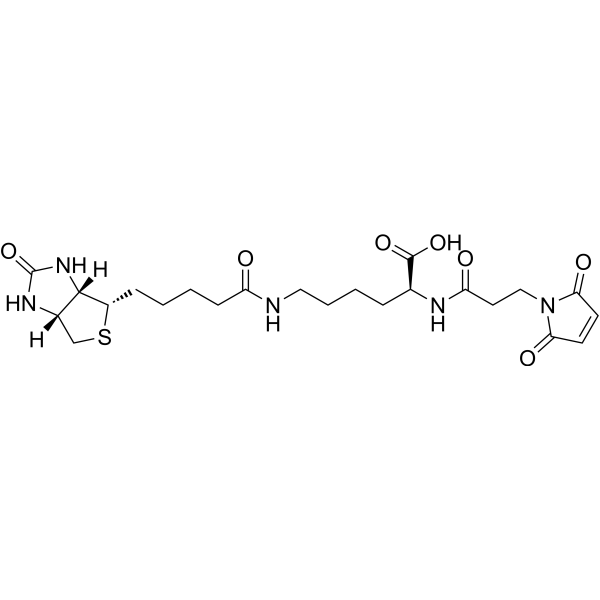
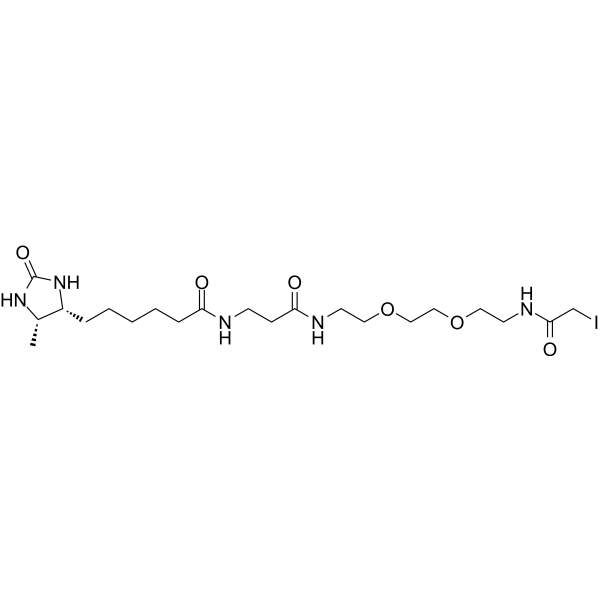
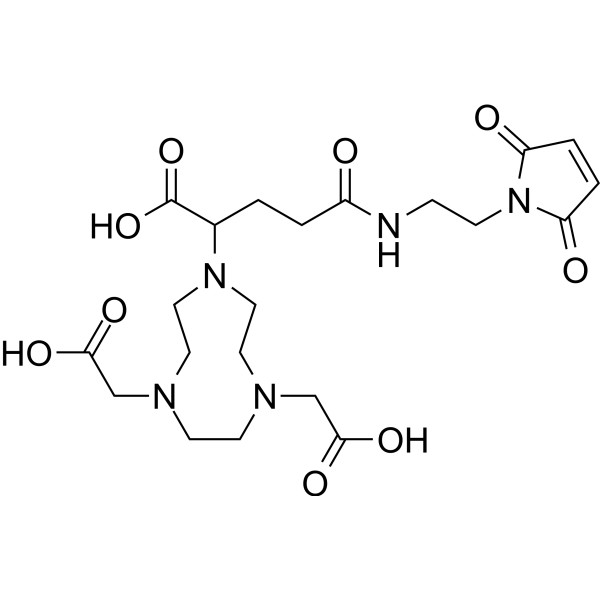
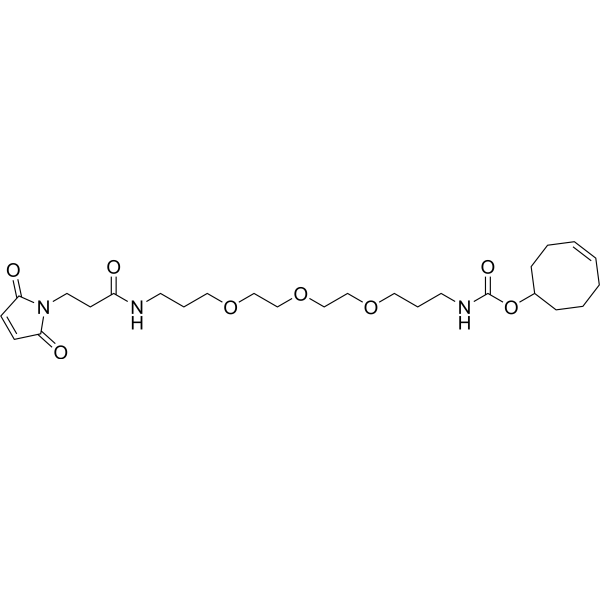
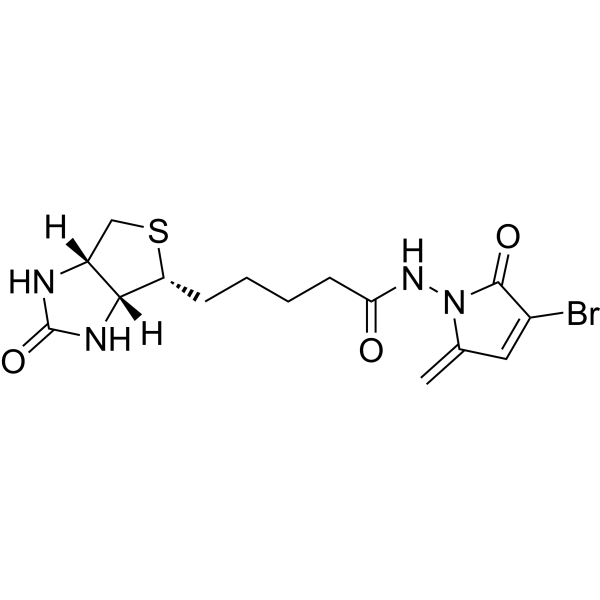
    3-(N-Maleimidopropionyl)biocytin is a cysteine-specific labeling reagent and non-membrane-permeable probe. 3-(N-Maleimidopropionyl)biocytin covalently modifies the exposed cysteine residues of yeast Tim44, conjugating the biotin moiety to the polypeptide chain. 3-(N-Maleimidopropionyl)biocytin determines the topology of membrane proteins by modifying the exposed cysteine residues on the outer side of the inner mitochondrial membrane .
    3-(N-Maleimidopropionyl)biocytin
  • HY-17541A

    Cholinesterase (ChE) Cathepsin Neurological Disease
    Cysteine Protease inhibitor hydrochloride, an inhibitor of Cysteine Protease, binds to acetylcholinesterase (AChE). Cysteine Protease inhibitor hydrochloride is applicable to the research of Alzheimer's disease .
    Cysteine Protease inhibitor hydrochloride
  • HY-P3418

    CCR ERK Inflammation/Immunology
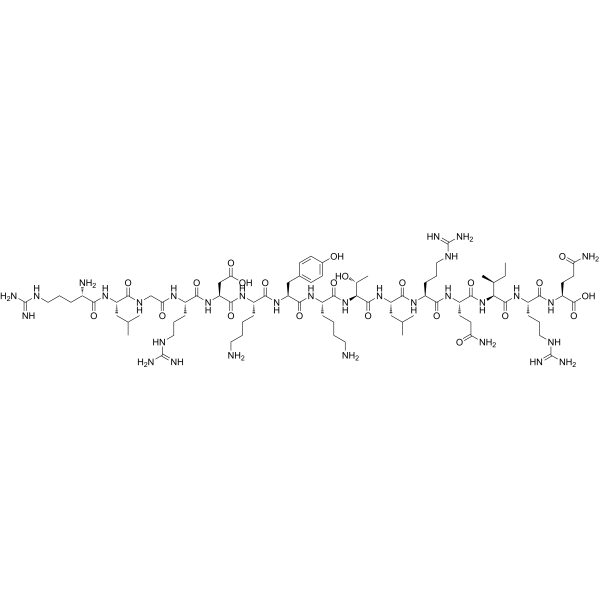
    CKLF1-C27, a C-terminal peptide of CKLF1, binds to CCR4 receptor and activates ERK1/2 pathway. CKLF1-C27 can abrogate the effect of CKLF1 on cells by competing for CCR4 receptor. CKLF1-C27 shows great effect on promoting proliferation on HUVECs. CKLF1-C27 has the potential for psoriasis research .
    CKLF1-C27
  • HY-P10300

    IL-8 (54-72)

    CXCR Inflammation/Immunology
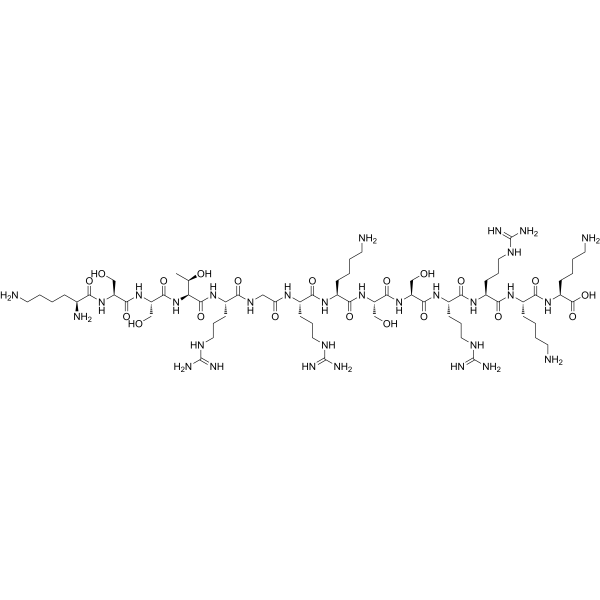
    CXCL8 (54-72) is a C-terminal peptide based on the chemokine CXCL8. CXCL8 (54-72) has an interaction between a long and highly positively charged C-terminal region and a negative charge on the GAG that binds to the GAG. CXCL8 (54-72) can inhibit the adhesion and migration of neutrophils and adhesion of endothelial cells. CXCL8 (54-72) can be used to study chemokines in inflammatory response .
    CXCL8 (54-72)
  • HY-W055811

    Amino Acid Derivatives Others
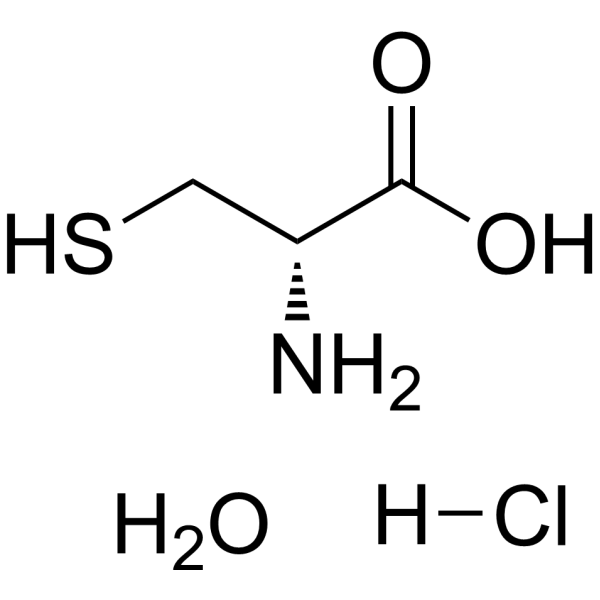
    D-Cysteine hydrochloride hydrate is a cysteine derivative .
    D-Cysteine hydrochloride hydrate
  • HY-D1726

    Deubiquitinase Cancer
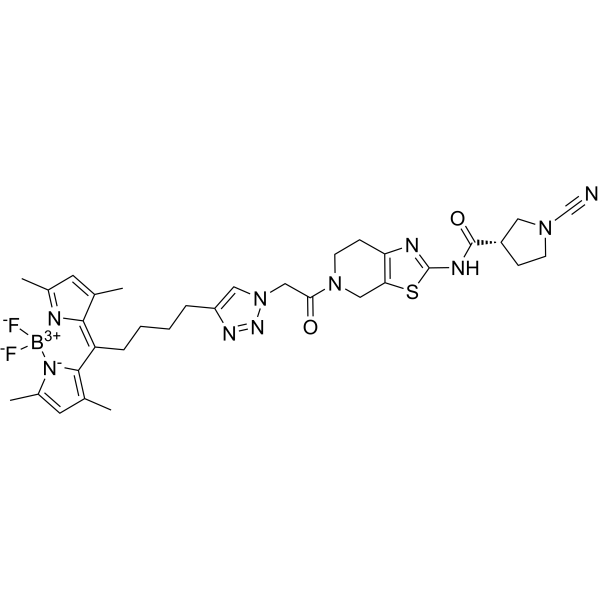
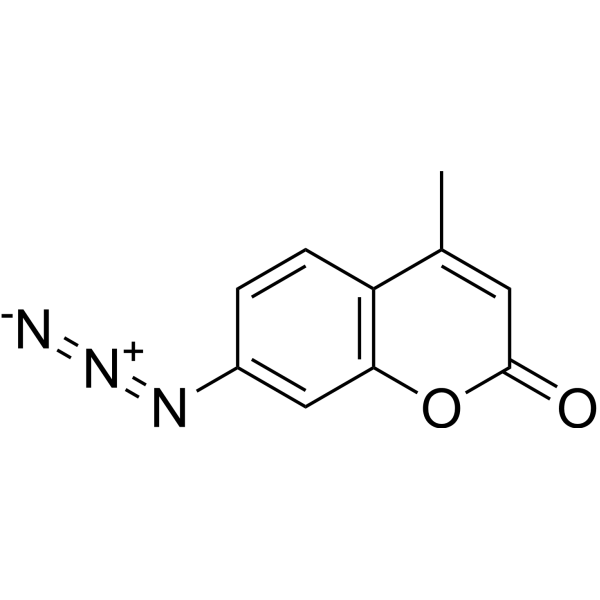
    8RK59, a Bodipy probe, is a potent UCHL1 (ubiquitin C-terminal hydrolase L1) inhibitor, with an IC50 close to 1 μM. 8RK59 could penetrate and label living cells. BodipyFL-alkyne is coupled to the azide of 8RK64 (HY-148254) using copper(I)-mediated click chemistry, resulting in compound 8RK59 .
    8RK59
  • HY-135113

    Amino Acid Derivatives Others
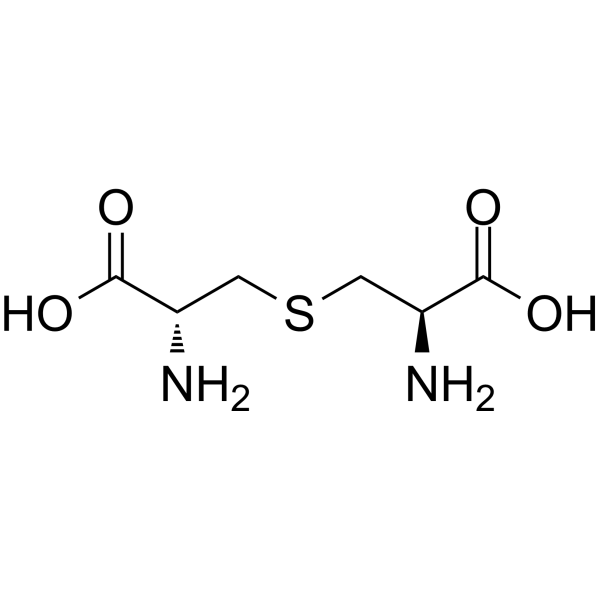
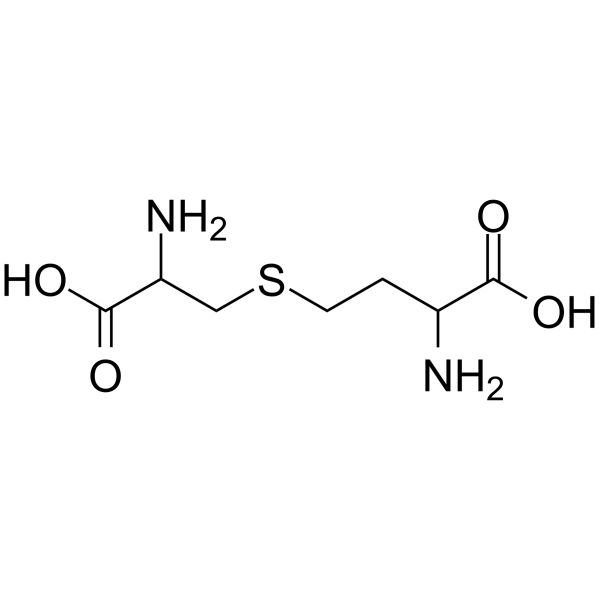
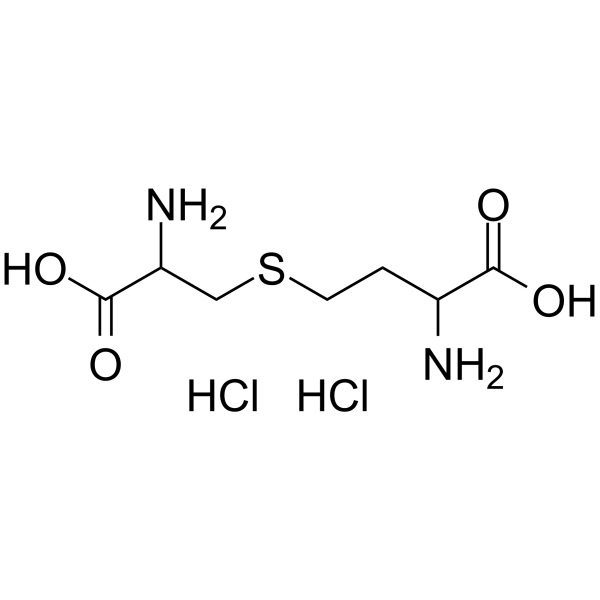
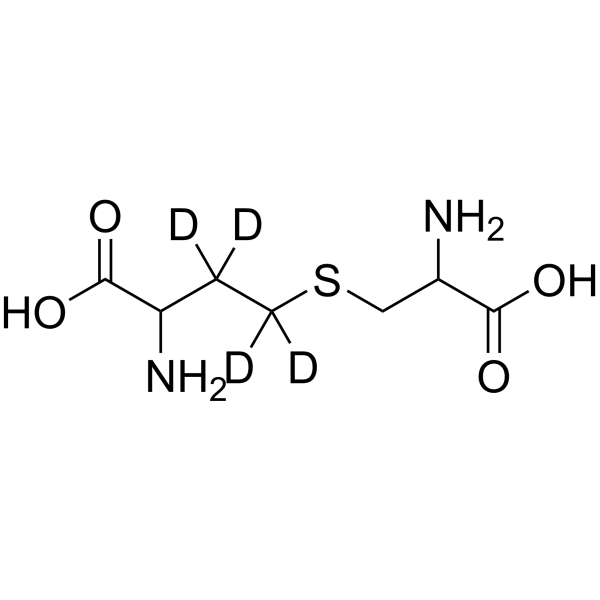
    DL/meso-Lanthionine is a mixture of the racemic mixture (DL-) and meso- isomers of Lanthionine. Lanthionine is a non-protein amino acid composed of two alanine residues cross-linked by a thioether bond and is a structural component of the bacterial cell wall.
    DL/meso-Lanthionine
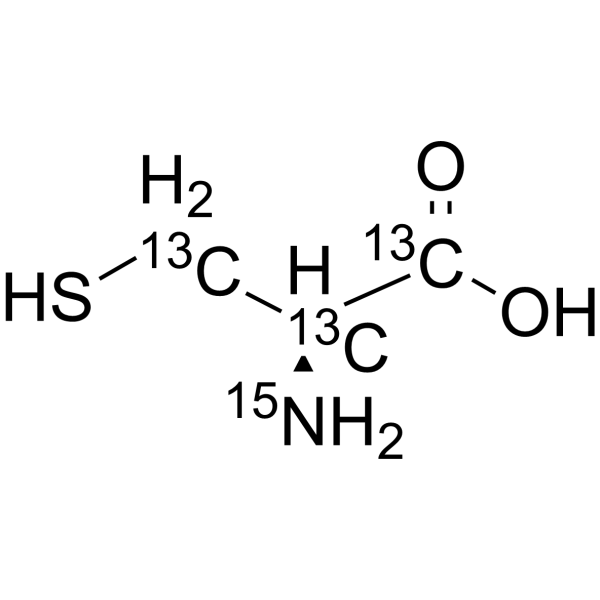
  • HY-Y0337S1
    L-Cysteine-15N
    1 Publications Verification

    Endogenous Metabolite Metabolic Disease
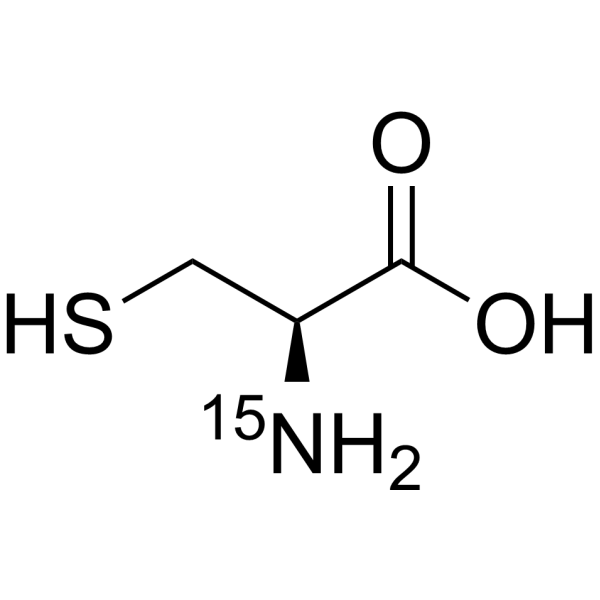
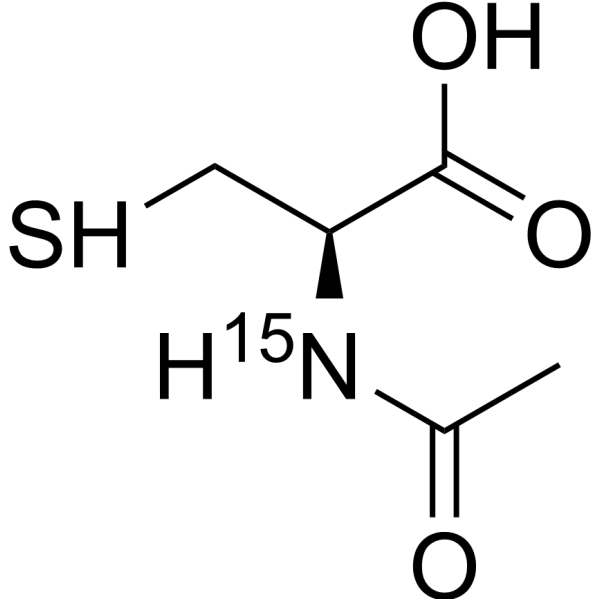
    L-Cysteine- 15N is the 15N-labeled L-Cysteine. L-Cysteine is a conditionally essential amino acid, which acts as a precursor for biologically active molecules such as hydrogen sulphide (H2S), glutathione and taurine. L-Cysteine suppresses ghrelin and reduces appetite in rodents and humans .
    L-Cysteine-15N
  • HY-P11345

    Biochemical Assay Reagents Others
    VPS35 c-terminal peptide is a peptide that can bind to VPS35. VPS35 c-terminal peptide can be used in immunoprecipitation experiments to specifically elute VPS35 and its interacting proteins, facilitating the identification of VPS35-interacting molecules .
    VPS35 c-terminal peptide
  • HY-103323

    FAP Others
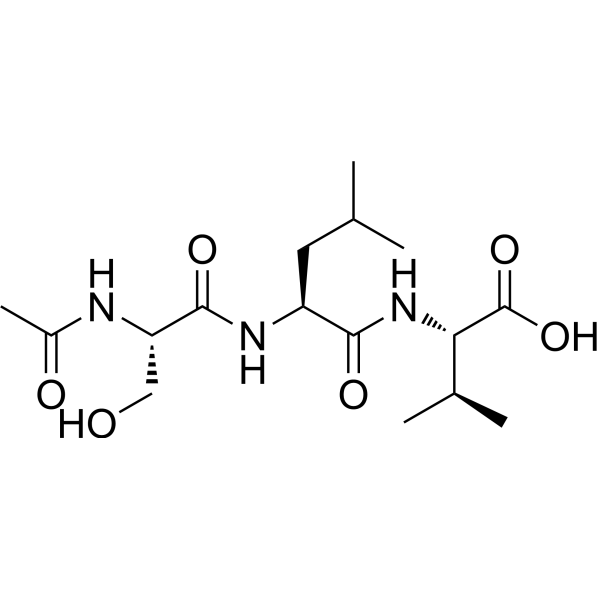
    Fas C-Terminal Tripeptide is a C-terminal tripeptide of Fas. Fas C-Terminal Tripeptide shows the inhibitory effect on Fas/FAP-1 binding .
    Fas C-Terminal Tripeptide
  • HY-116254

    Farnesyl Transferase Others
    L-739750 is a selective protein farnesyltransferase (PFTase) inhibitor (IC50: 0.4 nM). PFTase utilizes farnesyl diphosphate to farnesylate the cysteine residue of protein substrates having a C-terminal CAAX motif. L-739750 is a selective CAAX peptidomimetic .
    L-739750

Inquiry Online

Your information is safe with us. * Required Fields.

Salutation


Country or Region *

Applicant Name *


Organization Name *

Department *


Email Address *


Product Name *

Cat. No.


Requested quantity *

Phone Number *


Remarks

Inquiry Online

Inquiry Information

Product Name:
Cat. No.:
Quantity:
MCE Japan Authorized Agent: