1. Search Result
Search Result
Pathways Recommended: Stem Cell/Wnt Cell Cycle/DNA Damage
Results for "

Cancer cell proliferation

" in MedChemExpress (MCE) Product Catalog:

1807

Inhibitors & Agonists

13

Screening Libraries

3

Fluorescent Dyes

14

Biochemical Assay Reagents

57

Peptides

54

Inhibitory Antibodies

286

Natural
Products

66

Isotope-Labeled Compounds

1

Antibodies

9

Click Chemistry

21

Oligonucleotides

2

GMP Molecules

Cat. No. Product Name Target Research Areas Chemical Structure
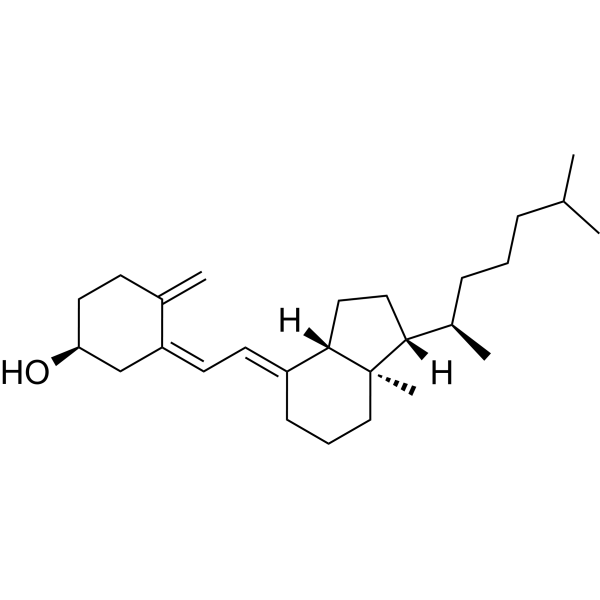
  • HY-15398
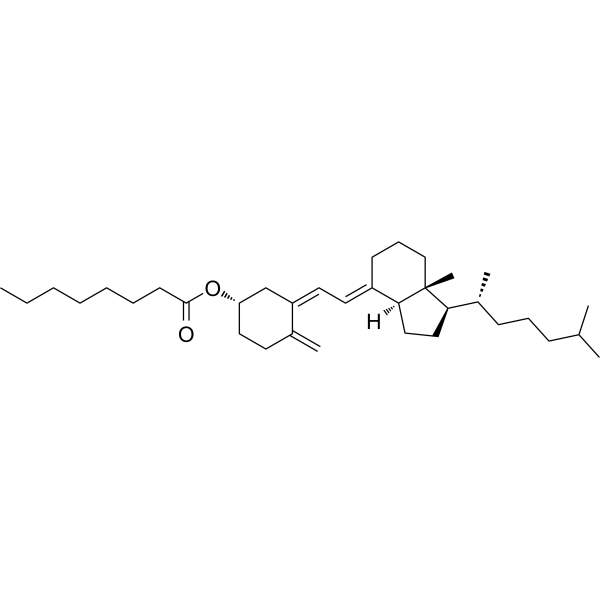
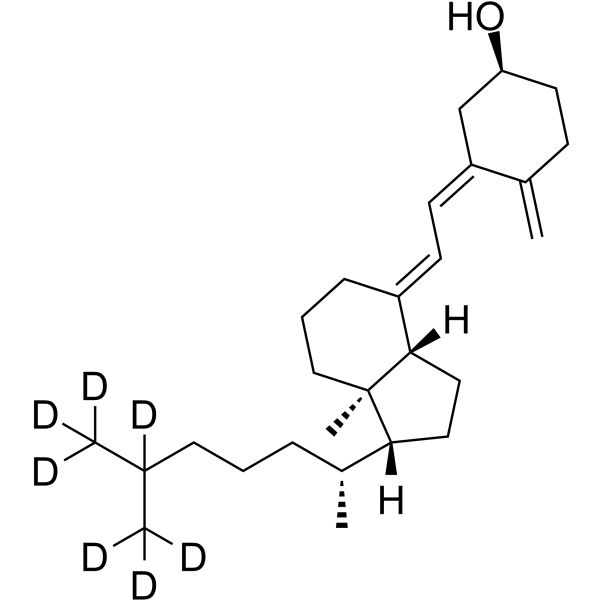
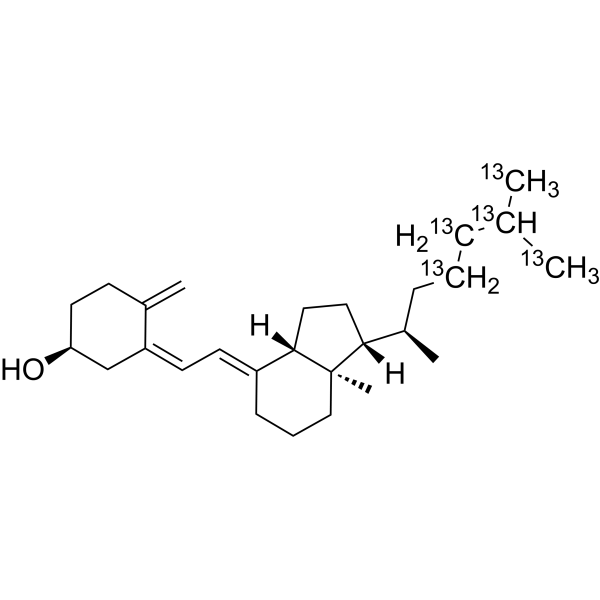
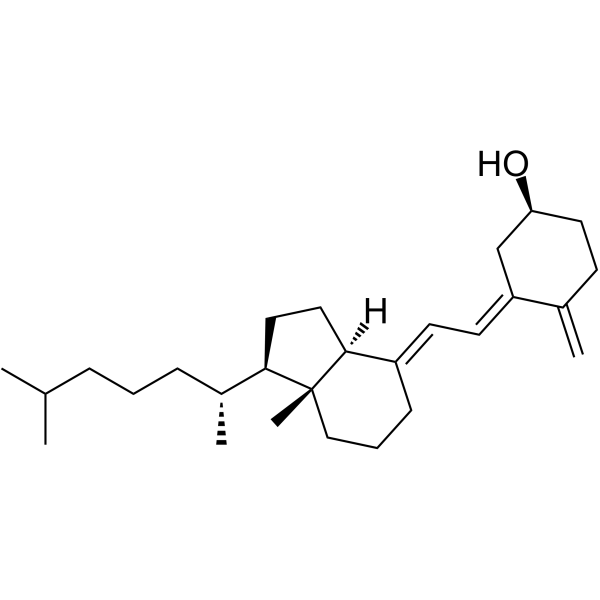
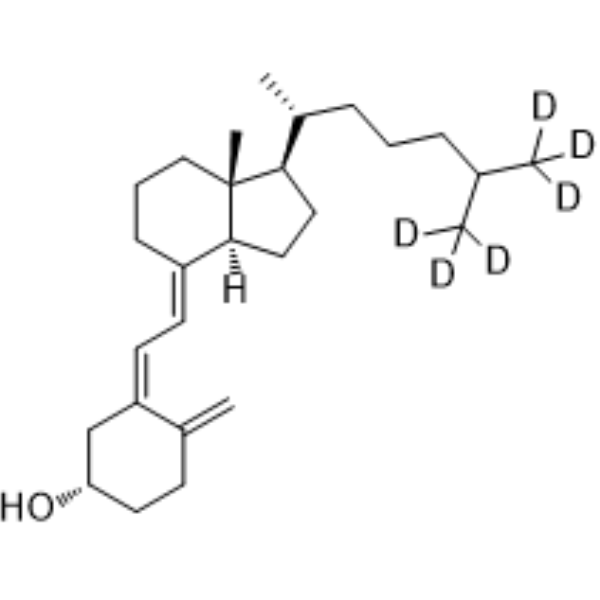
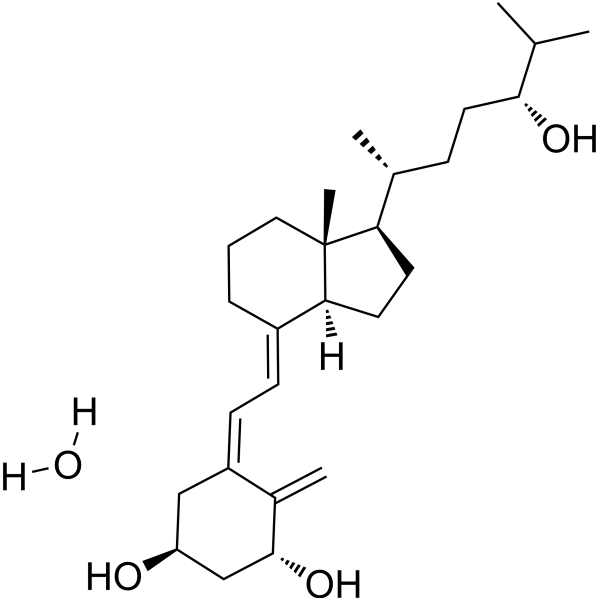
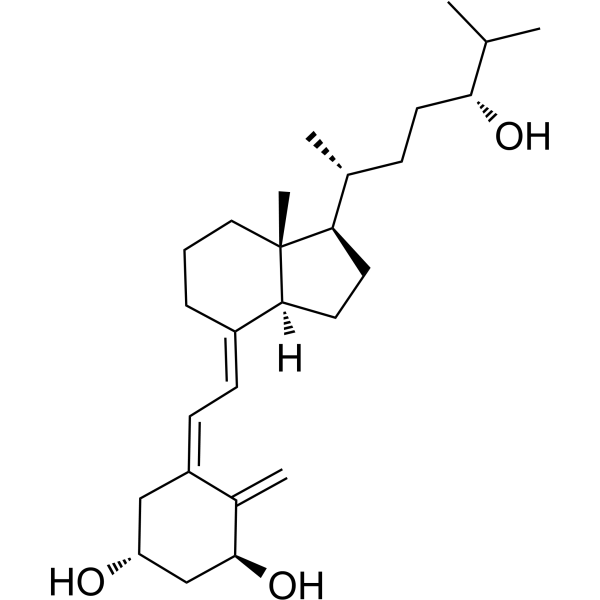
    Vitamin D3
    20+ Cited Publications

    Cholecalciferol; Colecalciferol

    Environmental Pollutants Endogenous Metabolite Bacterial VD/VDR Metabolic Disease Cancer
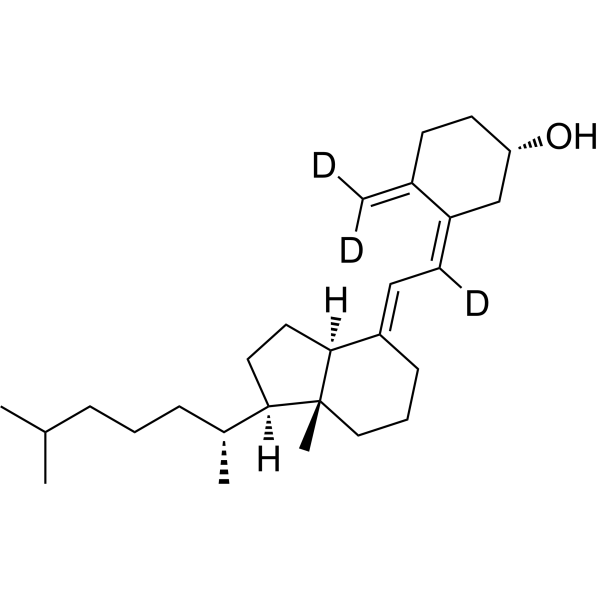
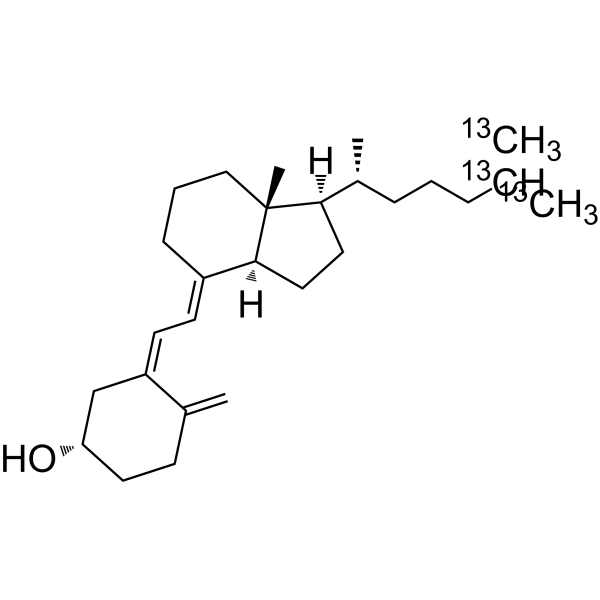
    Vitamin D3 (Cholecalciferol; Colecalciferol) is a naturally occuring form of vitamin D. Vitamin D3 induces cell differentiation and prevents proliferation of cancer cells.
    Vitamin D3
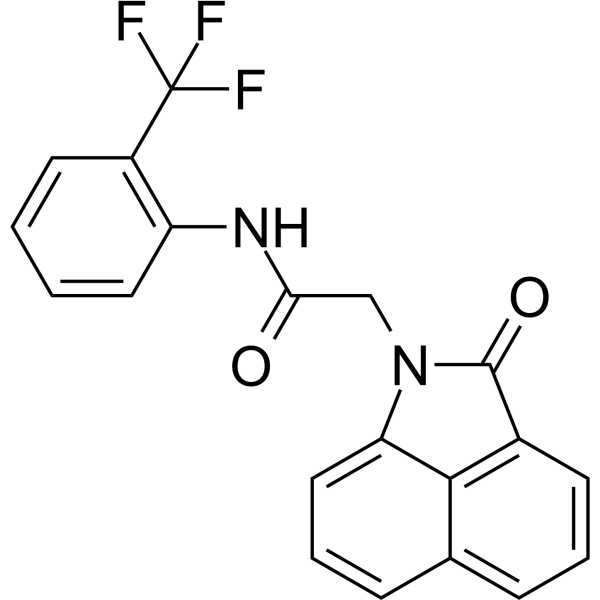
  • HY-Q45780
    ZINC00640089
    5+ Cited Publications

    Akt Cancer
    ZINC00640089 is a specific Lipocalin-2 (LCN2) inhibitor. ZINC00640089 inhibits cell proliferation, cell viability and reduces AKT phosphorylation levels in SUM149 cells. ZINC00640089 has good potential for research in inflammatory breast cancer (IBC) .
    ZINC00640089
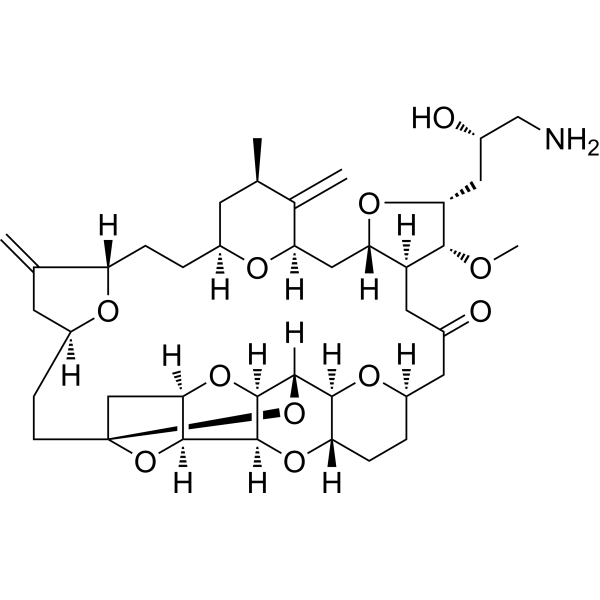
  • HY-13442
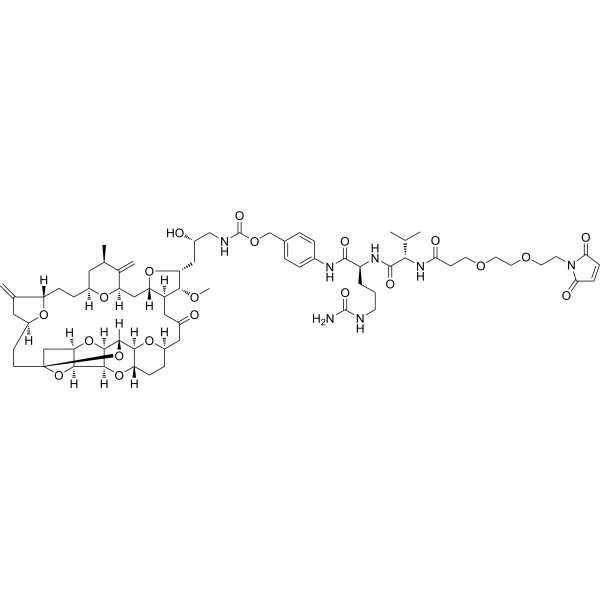
    Eribulin
    5+ Cited Publications

    B1939; E7389; ER-086526

    Microtubule/Tubulin Apoptosis ADC Payload Cancer
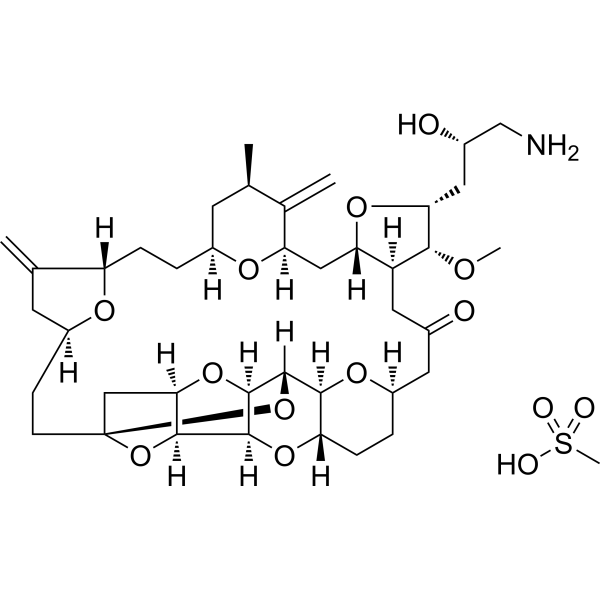
    Eribulin (E7389) is a microtubule targeting agent that is used for the research of metastatic breast cancer. Eribulin inhibits the proliferation of cancer cells by binding microtubule proteins and microtubules.
    Eribulin
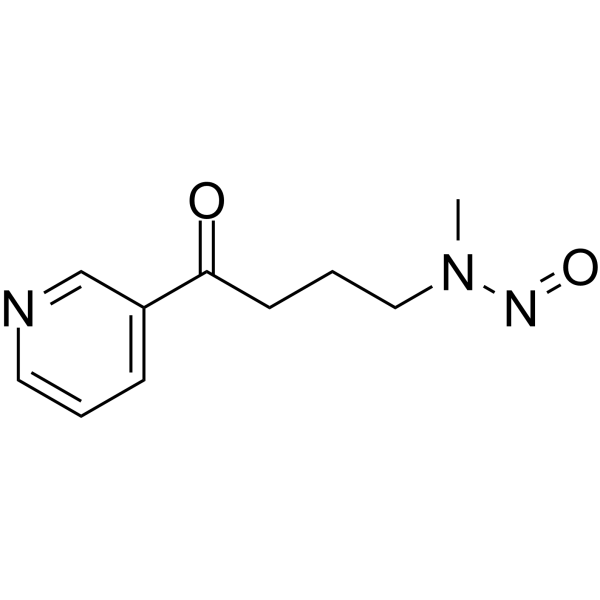
  • HY-126477
    NNK
    2 Publications Verification

    Endogenous Metabolite Cancer
    NNK is a nicotine-nitrosated derivative. NNK simultaneously stimulates Bcl2 phosphorylation exclusively at Ser 70 and c-Myc at Thr 58 and Ser 62 through activation of both ERK1/2 and PKCα . NNK induces survival and proliferation of human lung cancer cells. NNK can be used for lung cancer mice model structure .
    NNK
  • HY-13748
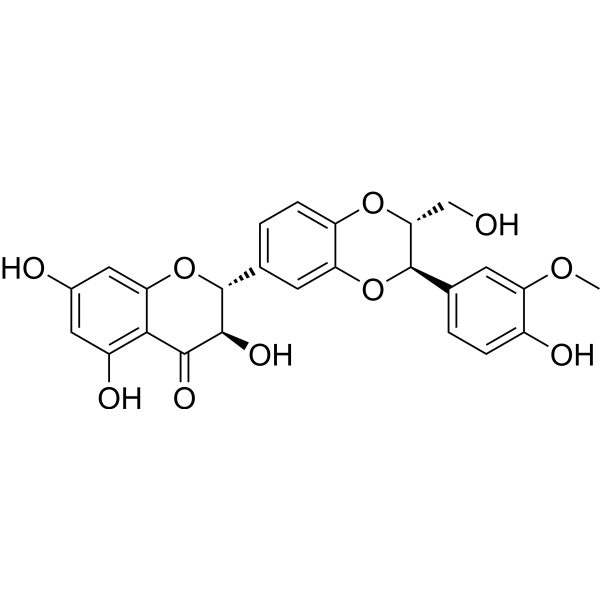
    Silybin A
    10+ Cited Publications

    Silibinin A

    Autophagy Reactive Oxygen Species (ROS) Cancer
    Silybin A (Silibinin A), an effective anti-cancer and chemopreventive agent, has been shown to exert multiple effects on cancer cells, including inhibition of both cell proliferation and migration.
    Silybin A
  • HY-15160
    TAK-960
    2 Publications Verification

    Polo-like Kinase (PLK) Cancer
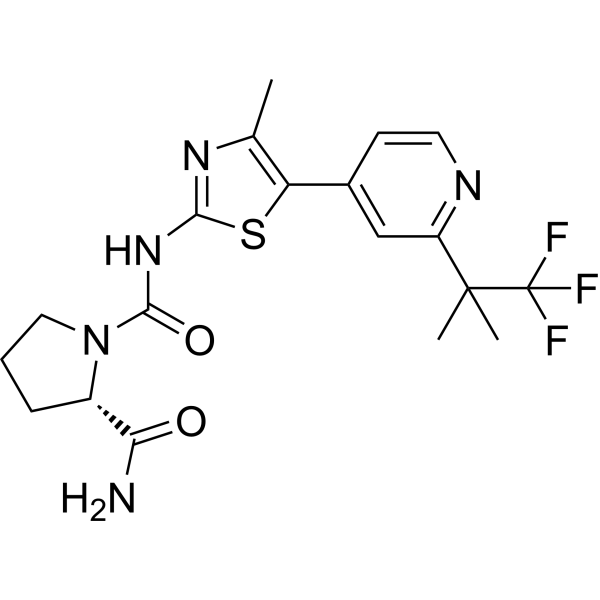
    TAK-960 is an orally available, selective inhibitor of polo-like kinase 1 (PLK1), with an IC50 of 0.8 nM. TAK-960 also shows inhibitory activities against PLK2 and PLK3, with IC50s of 16.9 and 50.2 nM, respectively. TAK-960 inhibits proliferation of multiple cancer cell lines and exhibits significant efficacy against multiple tumor xenografts .
    TAK-960
  • HY-147081
    AS 1411
    2 Publications Verification

    AGRO-100

    Histone Methyltransferase Bcl-2 Family Cancer
    AS 1411 (AGRO-100) is an oligonucleotide aptamer targeting nucleoproteins. AS 1411 inhibits tumor cell proliferation by affecting the activity of nucleoprotein-containing complexes and can be used as a carrier to precisely deliver nanoparticles, oligonucleotides and small molecules to cancer cells. AS 1411 reduces PRMT5 expression to inhibit tumor growth in DU145 prostate cancer cells. AS 1411 works by blocking the binding of nucleoproteins to bcl-2 mRNA in MCF-7 breast cancer cells. AS 1411-coupled Jin nanospheres can inhibit breast cancer cell proliferation in vitro and in mouse models, has the ability to cross the blood-brain barrier with low tissue toxicity .
    AS 1411
  • HY-160699
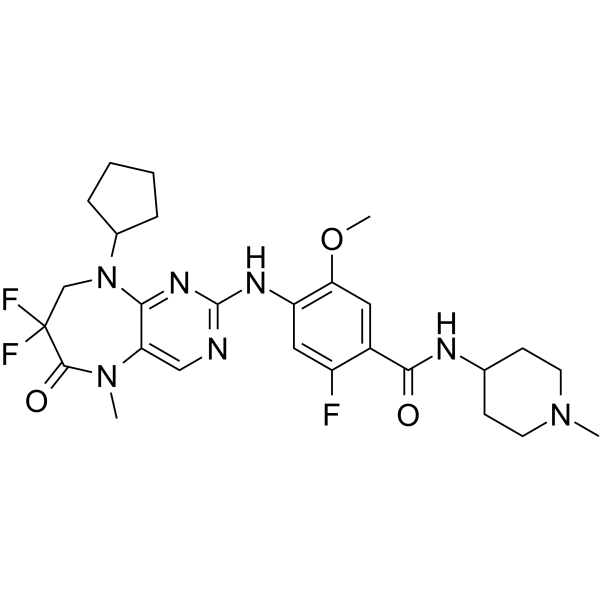
    DCC-3116
    1 Publications Verification

    ULK Ras Autophagy Cancer
    DCC-3116 is an orally active ULK1/2 inhibitor. DCC-3116 can inhibit autophagy in lung cancer cells by inhibiting KRAS G12C signaling, thereby inhibiting the proliferation of lung cancer cells and exerting anti-cancer effects .
    DCC-3116
  • HY-112234
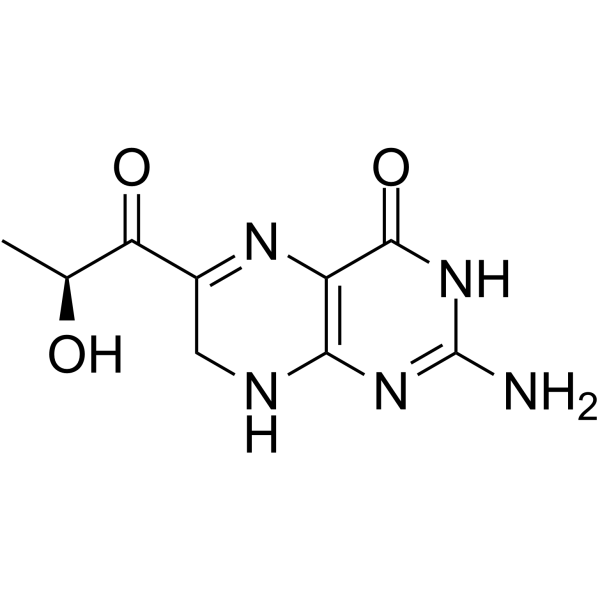
    L-Sepiapterin
    1 Publications Verification

    Sepiapterin

    Endogenous Metabolite Cancer
    L-Sepiapterin (Sepiapterin), is a phenylalanine hydroxylase activator, is a precursor of the endothelial nitric oxide synthase (eNOS) cofactor tetrahydrobiopterin (BH4). L-Sepiapterin improves endothelial dysfunction in small mesenteric arteries from db/db mice, and induces angiogenesis. L-Sepiapterin inhibits cell proliferation and migration of ovarian cancer cells via down-regulation of p70 S6K-dependent VEGFR-2 expression. L-Sepiapterin can be used for the study of hyperphenylalaninemia .
    L-Sepiapterin
  • HY-148364
    ZINC00784494
    2 Publications Verification

    Lipocalin Family Akt Cancer
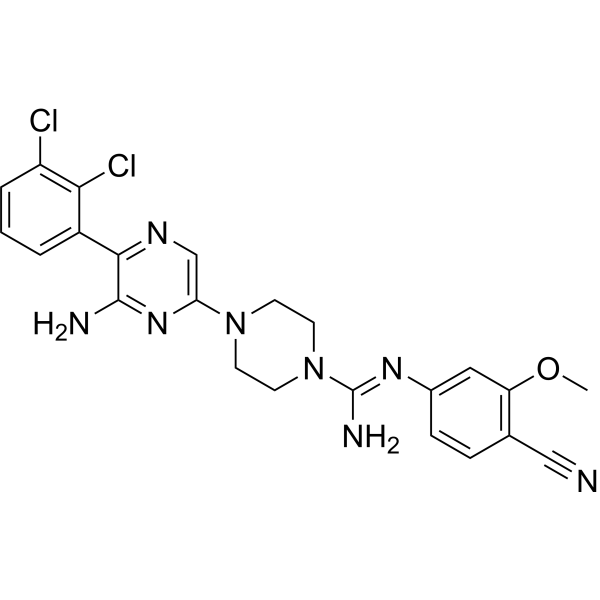
    ZINC00784494 is a specific Lipocalin-2 (LCN2) inhibitor. ZINC00784494 inhibits cell proliferation, cell viability and reduces AKT phosphorylation levels in SUM149 cells. ZINC00784494 has good potential for research in inflammatory breast cancer (IBC) .

    ZINC00784494
  • HY-W195984
    Z57346765
    1 Publications Verification

    Phosphoglycerate Kinase (PGK) Cancer
    Z57346765 is an inhibitor that targets the ADP-binding pocket of PGK1, with a Kd of 20.9 μM for human PGK1, and exhibits anticancer activity. Z57346765 reduces the activity of the metabolic enzyme PGK1 during glycolysis, regulates lipid peroxidation and cancer cell proliferation, and promotes lipid peroxidation in cervical cancer cells. Z57346765 inhibits the proliferation of cervical cancer and clear cell renal cell carcinoma cells in xenograft mouse models, and induces the expression of genes associated with cell metabolism, DNA replication and cell cycle. Z57346765 is used in research related to cervical cancer, clear cell renal cell carcinoma and breast cancer .
    Z57346765
  • HY-N1255

    (-)-Scoulerine; Discretamine

    Bcl-2 Family Apoptosis mTOR GABA Receptor PI3K Adrenergic Receptor Beta-secretase Akt Cancer
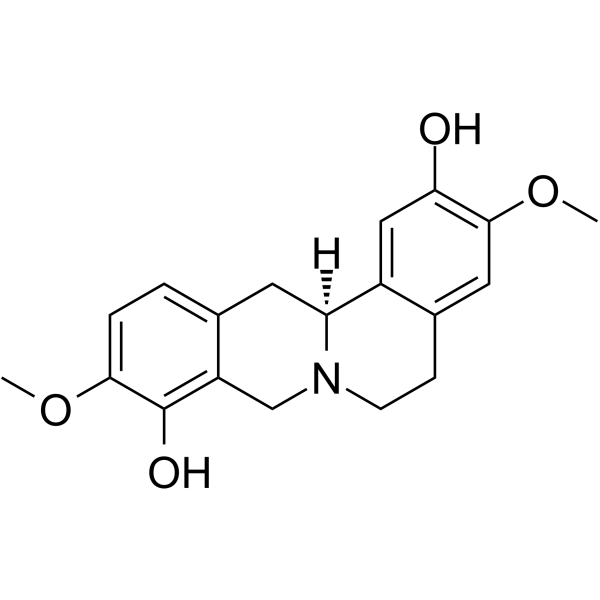
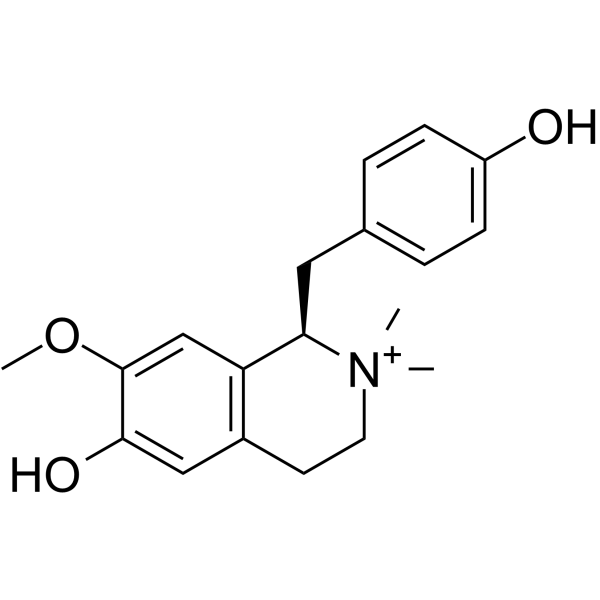
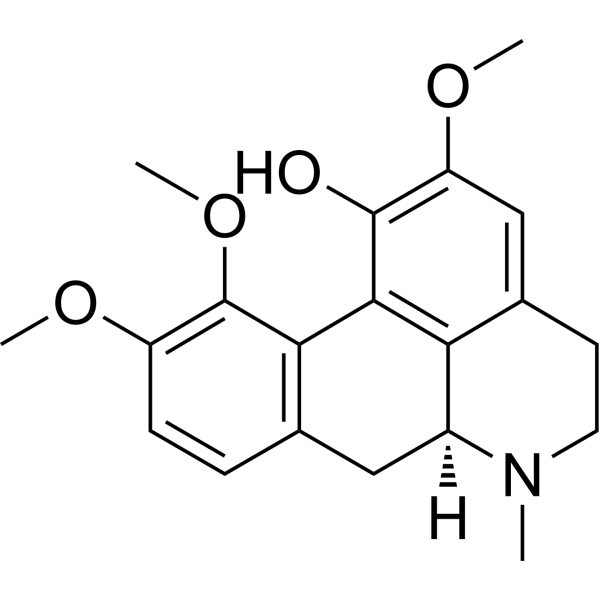
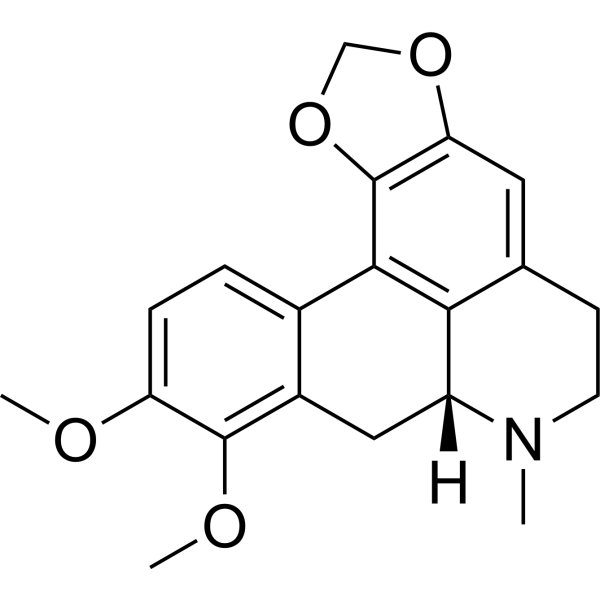
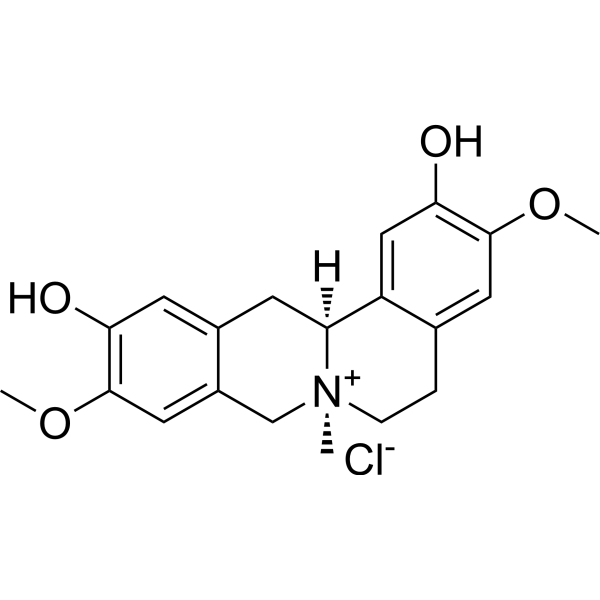
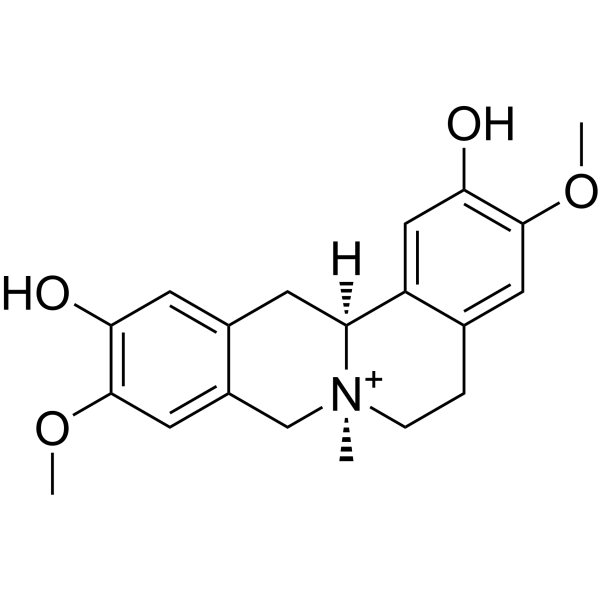
    Scoulerine ((-)-Scoulerine; Discretamine) hydrochloride is a multi-target inhibitor with anti-tumor and antioxidant activities. Scoulerine mainly targets the PI3K/Akt/mTOR signaling axis and α1D-adrenergic receptor, disrupts microtubule structure, and induces cell cycle arrest and apoptosis. Scoulerine effectively inhibits mitochondrial dehydrogenase activity, targets GABA receptors and BACE1, and suppresses the proliferation, migration, invasion, epithelial-mesenchymal transition and stem cell properties of cancer cells. Scoulerine also exhibits multiple pharmacological activities including anti-Plasmodium falciparum, antibacterial, antiemetic and antitussive effects, and regulates endoplasmic reticulum stress and mitochondrial function (modulates Bax, Bcl-2 and cytochrome c). Scoulerine is applicable to research related to leukemia, ovarian cancer, and colorectal cancer .
    Scoulerine
  • HY-21972
    BCI-121
    5 Publications Verification

    Histone Methyltransferase Cancer
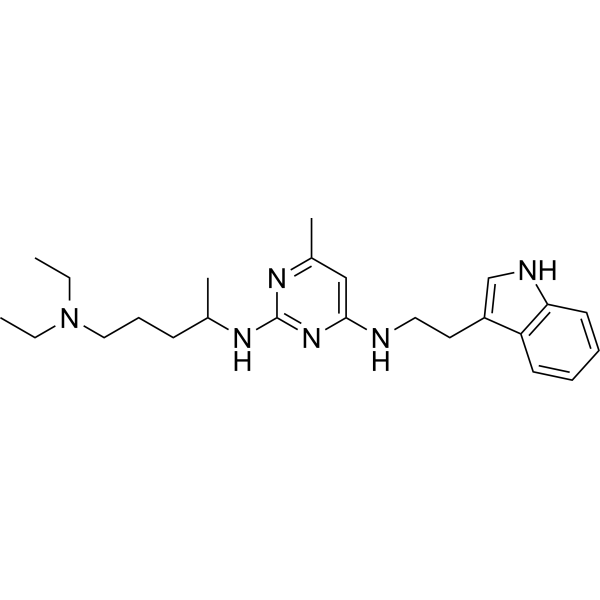
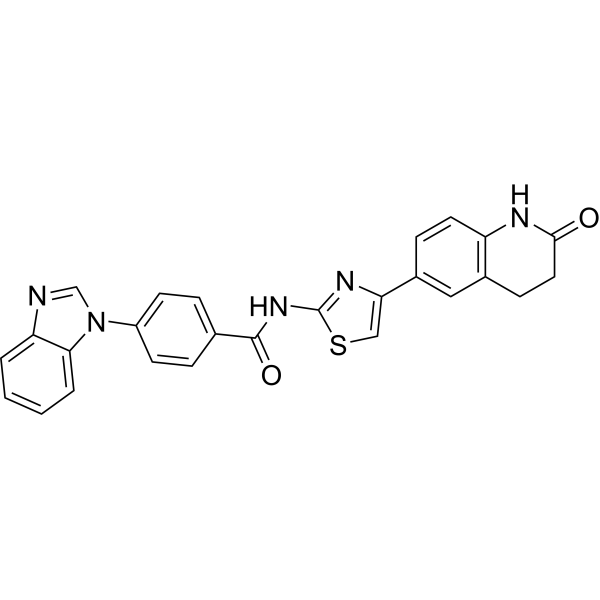
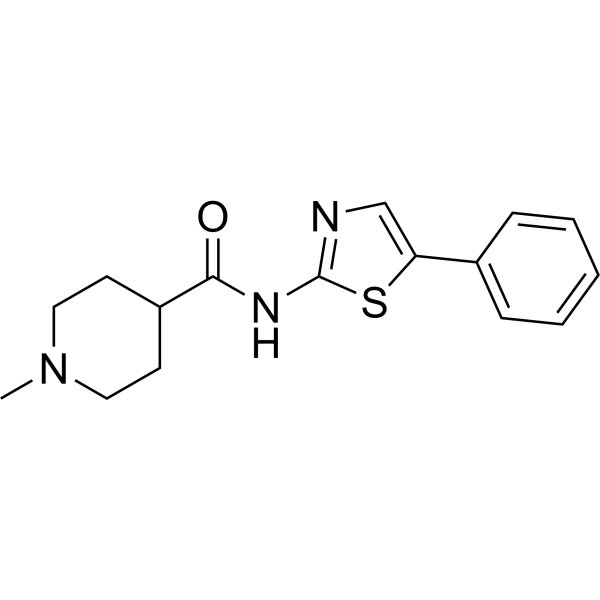
    BCI-121 is a SMYD3 inhibitor that impairs the proliferation of cancer cell.
    BCI-121
  • HY-136383
    AZA1
    1 Publications Verification

    Rac1/Cdc42-IN-1

    Ras Apoptosis Cancer
    AZA1 is a potent dual inhibitor of Rac1 and Cdc42. AZA1 induces prostate cancer cells apoptosis and inhibits prostate cancer cells proliferation, migration and invasion .
    AZA1
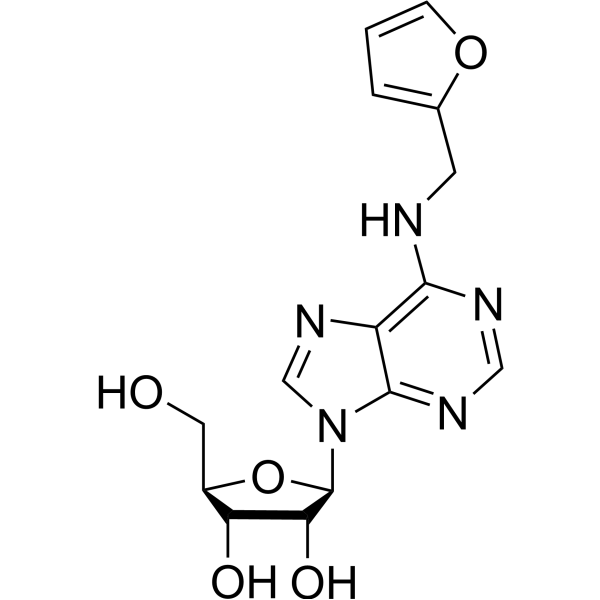
  • HY-101055
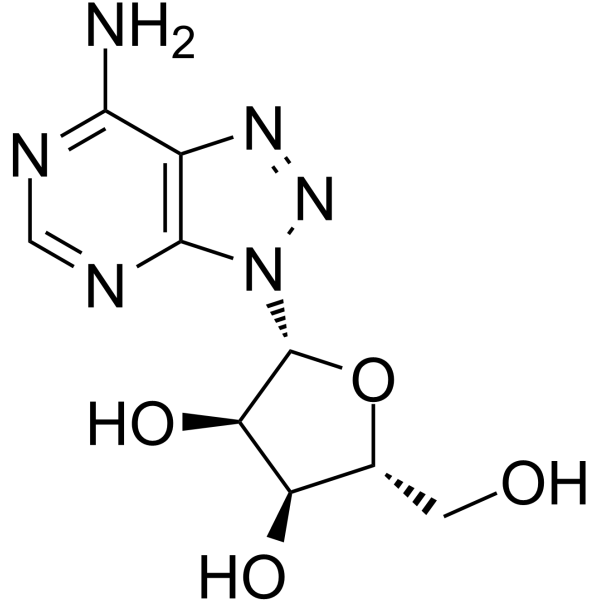
    Kinetin riboside
    3 Publications Verification

    N6-Furfuryladenosine

    Apoptosis Cancer
    Kinetin riboside, a cytokinin analog, can induce apoptosis in cancer cells. It inhibits the proliferation of HCT-15 cells with an IC50 of 2.5 μM.
    Kinetin riboside
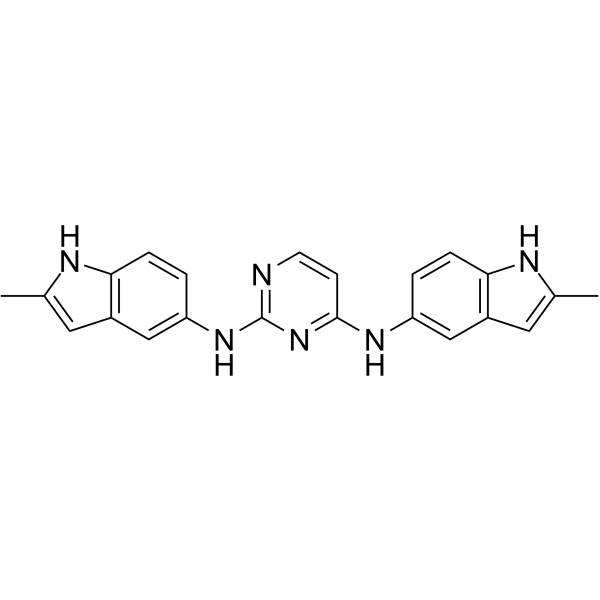
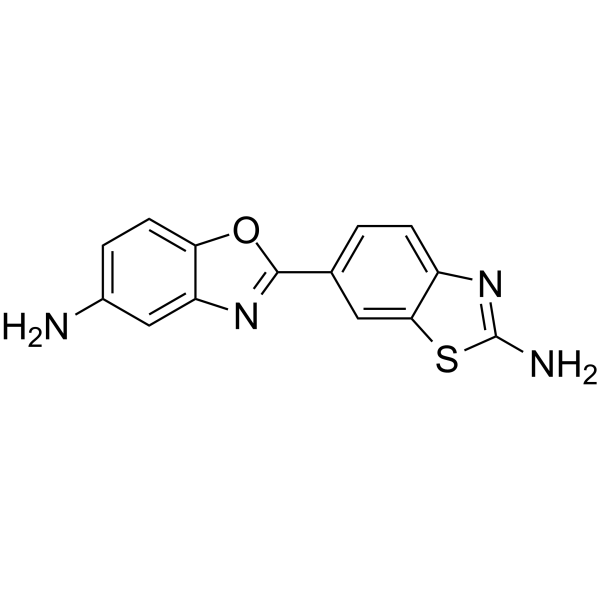
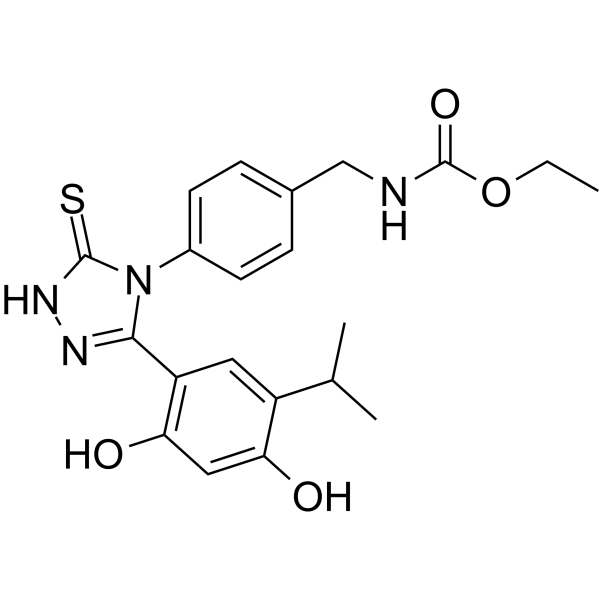
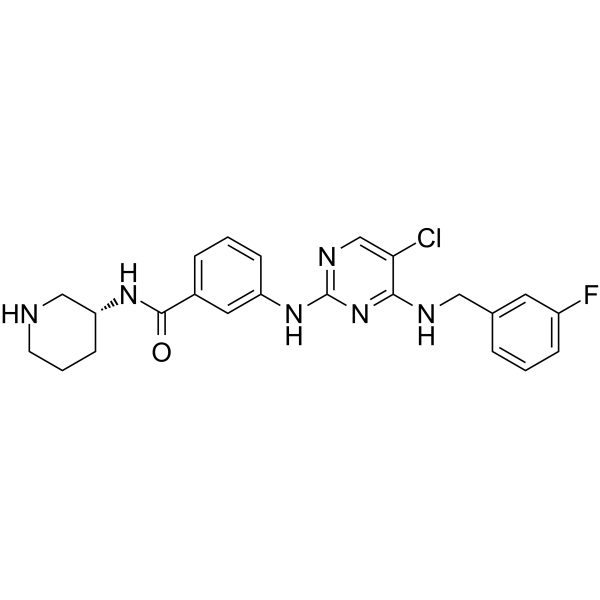
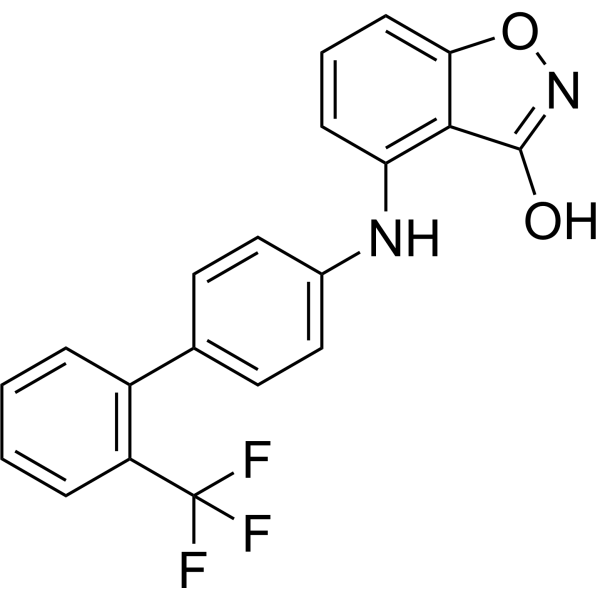
  • HY-125209

    DNA/RNA Synthesis Cancer
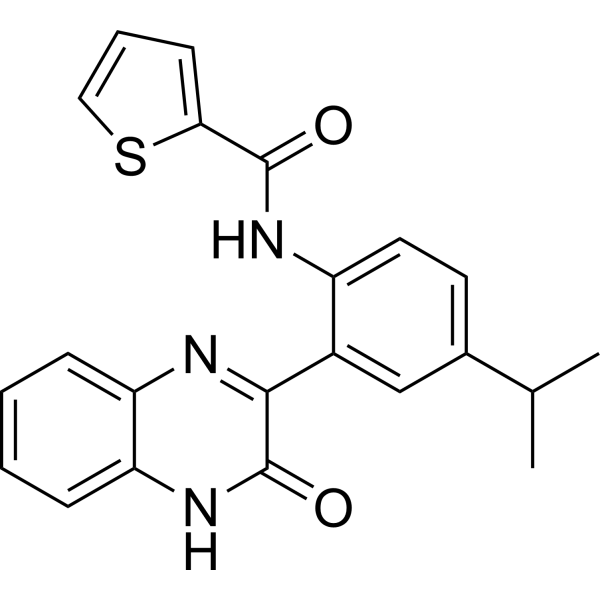
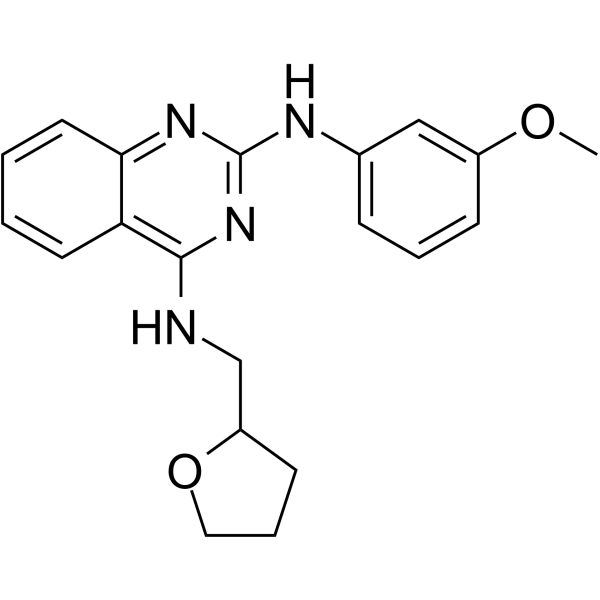
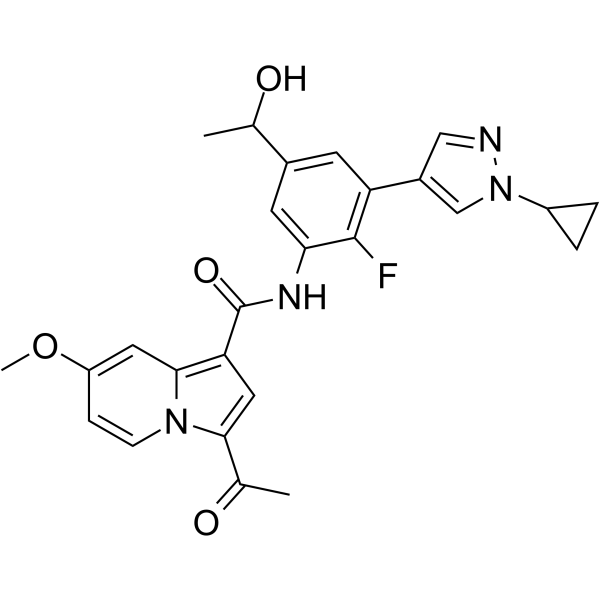
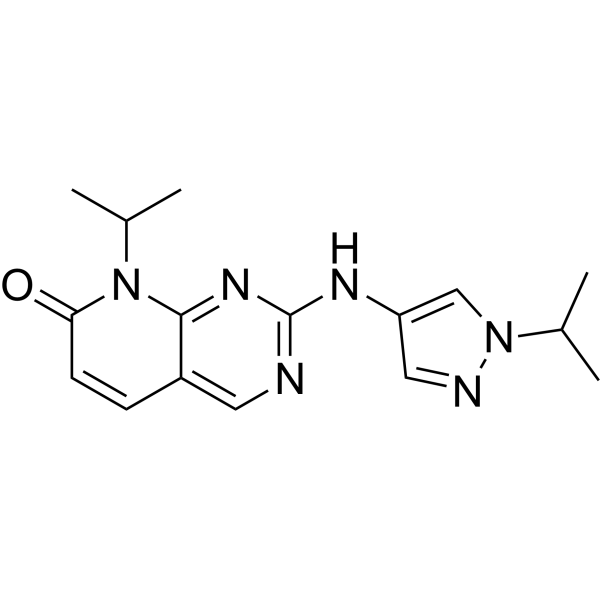
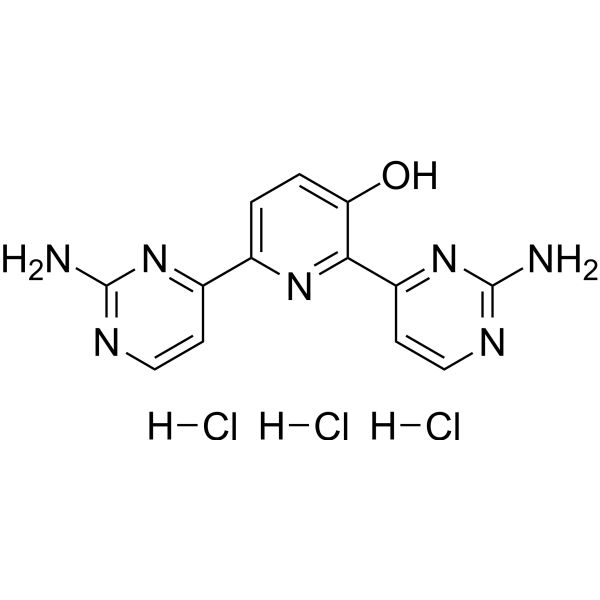
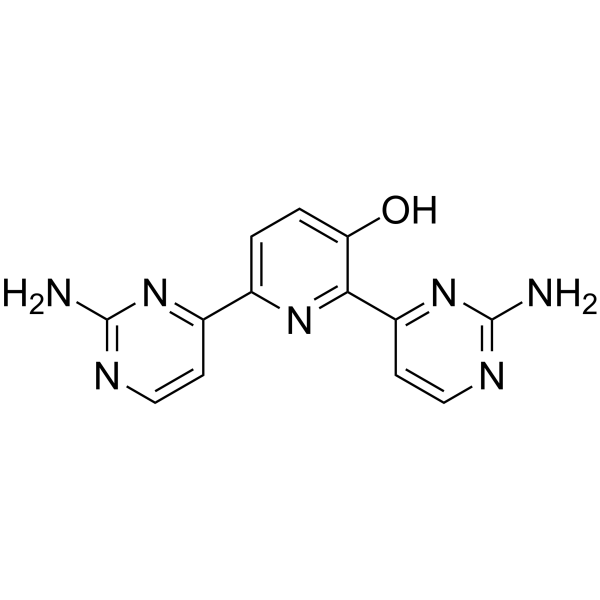
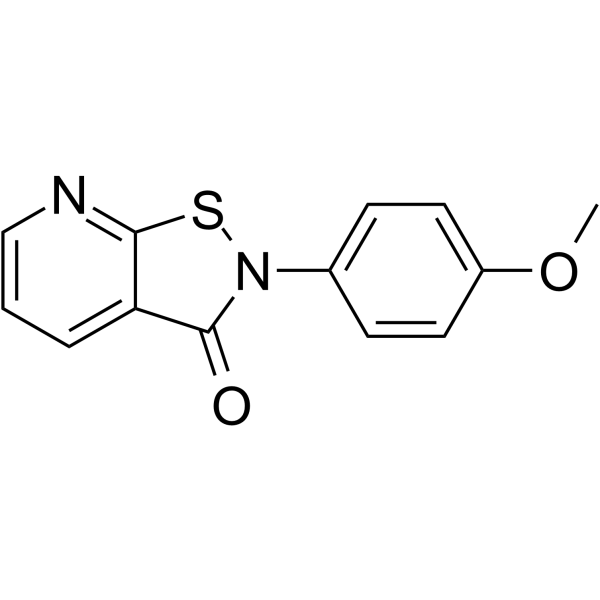
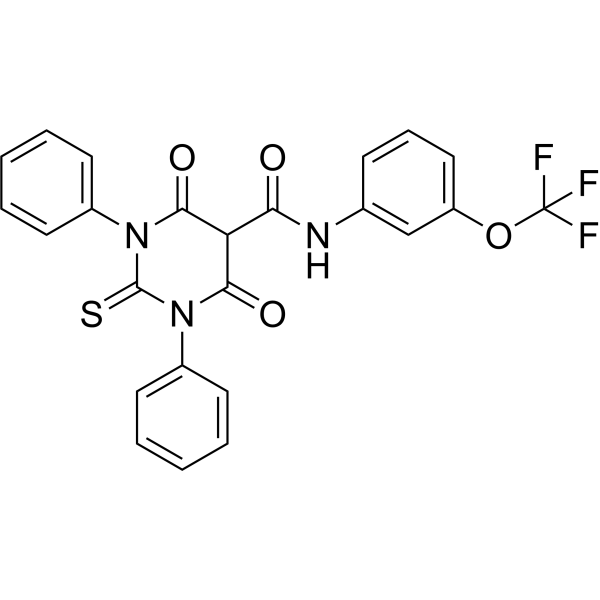
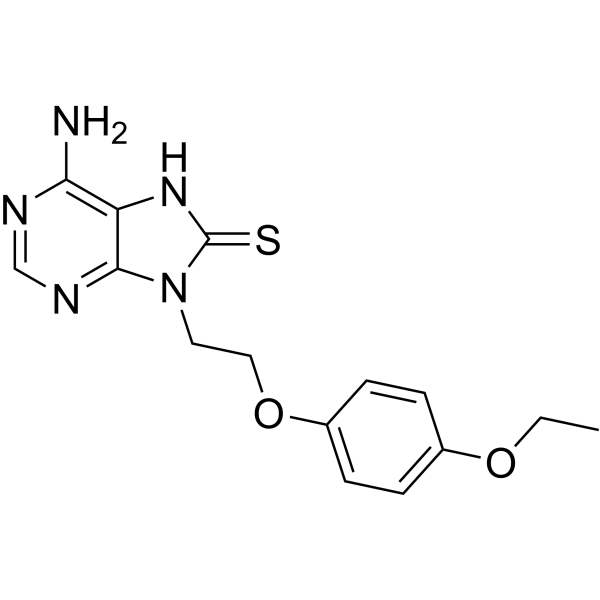
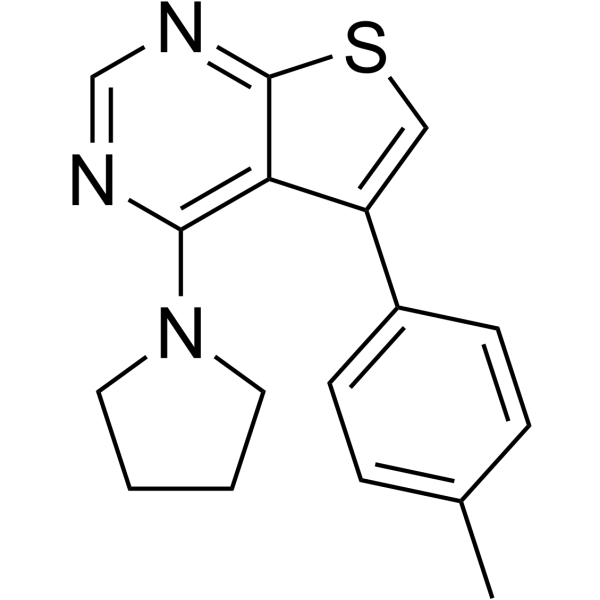
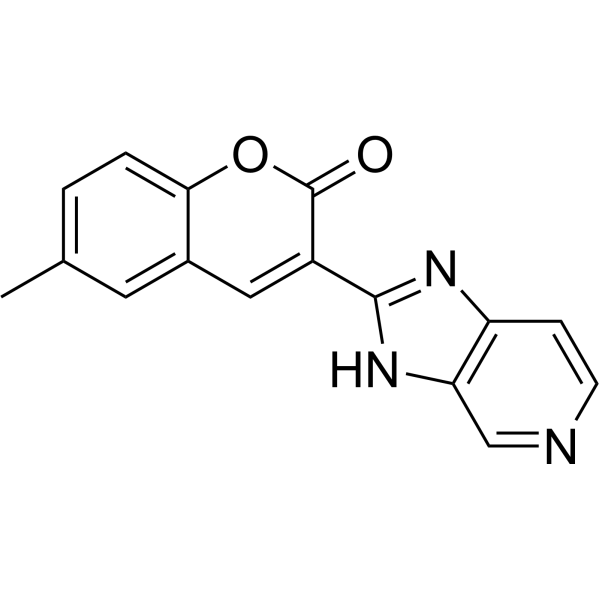
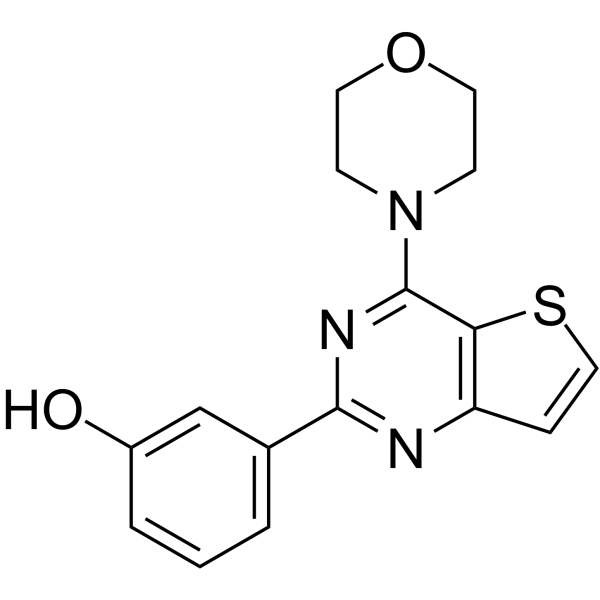
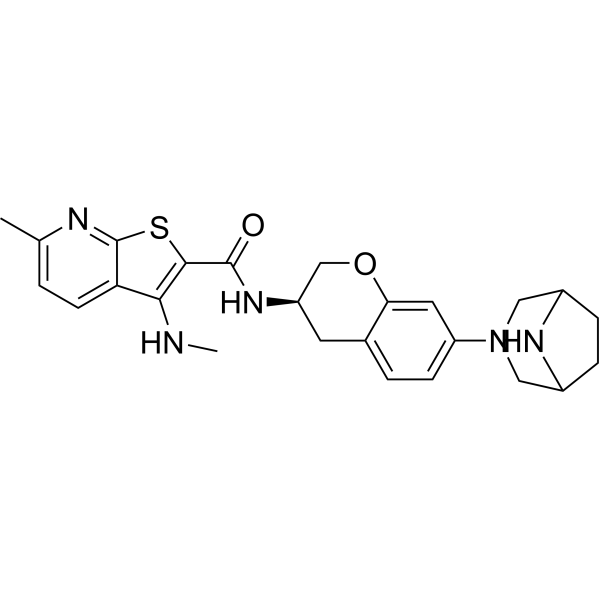
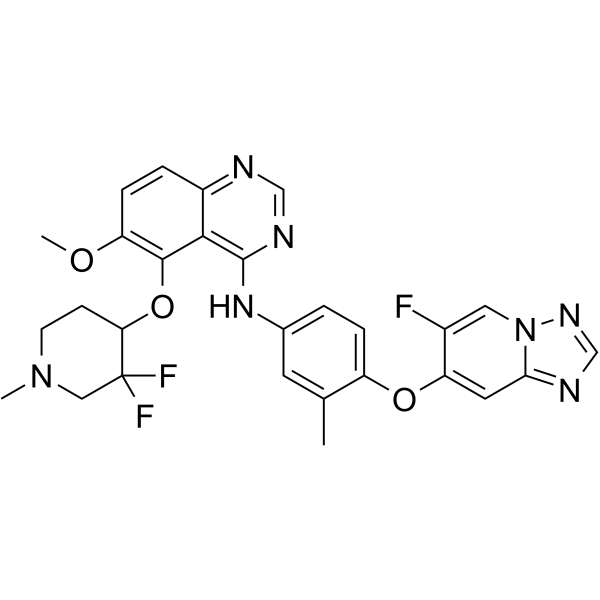
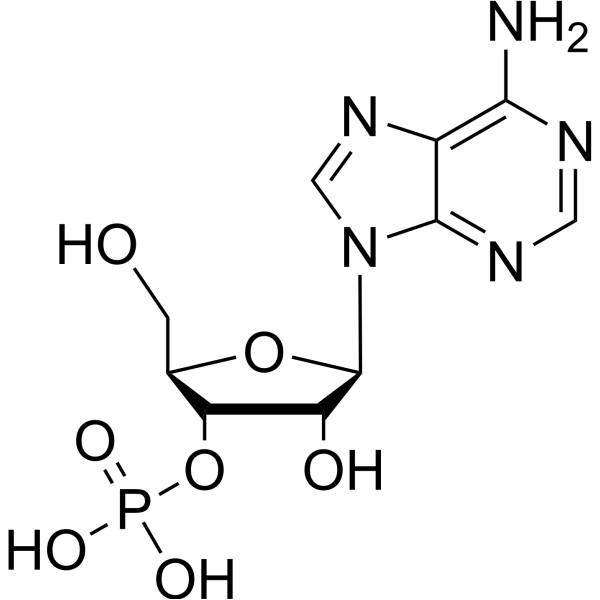
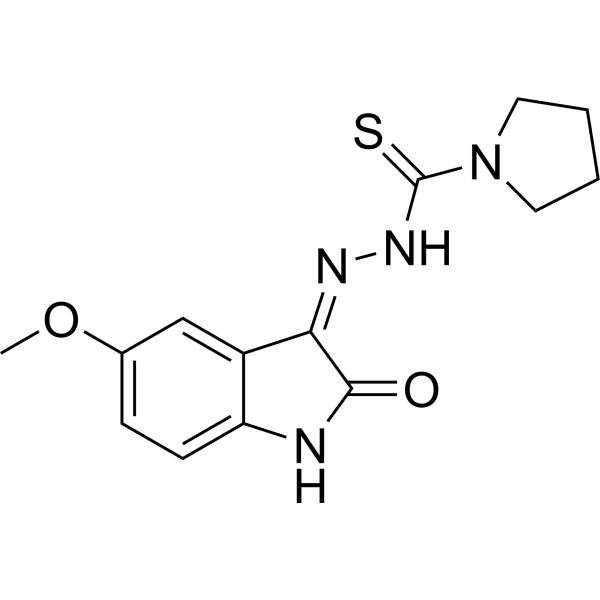
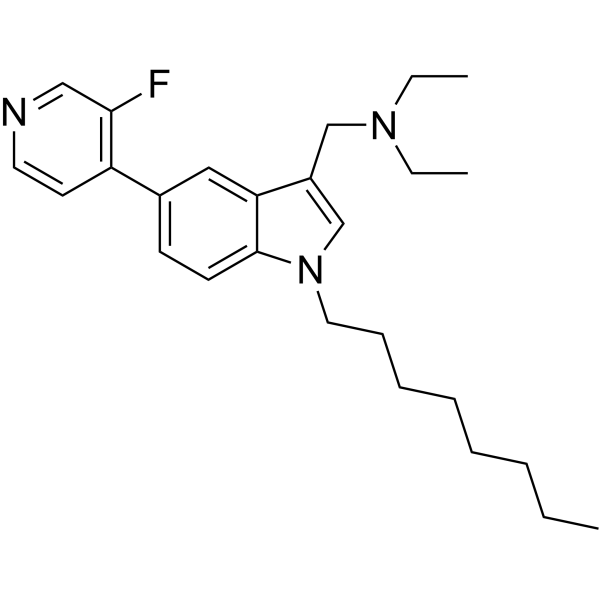
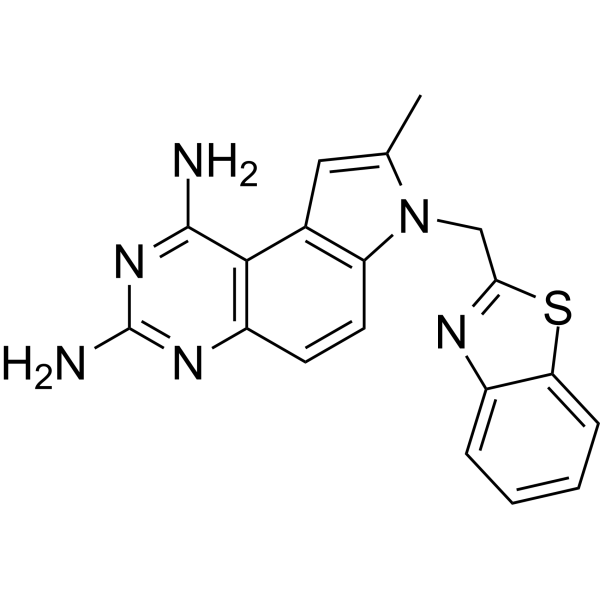
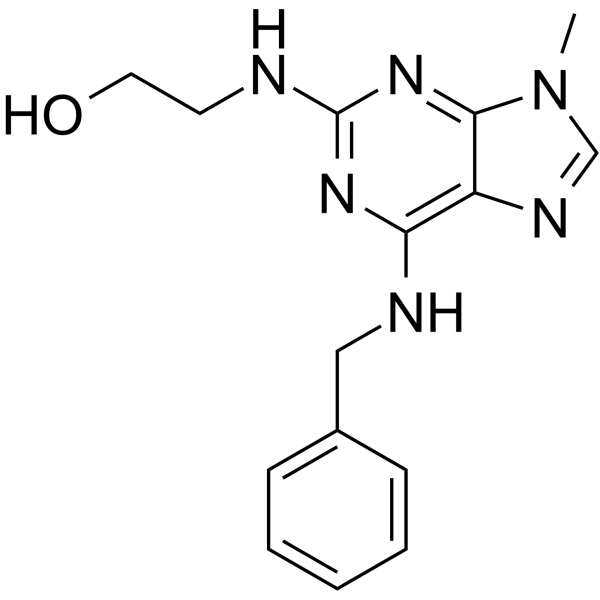
    TH5427 is a promising, targeted inhibitor that can be used to further study NUDT5 activity and ADP-ribose metabolism. TH5427, blocks progestin-dependent, PAR-derived nuclear ATP synthesis and subsequent chromatin remodeling, gene regulation and proliferation in breast cancer cells. NUDT5 is recently identified as a rheostat of hormone-dependent gene regulation and proliferation in breast cancer cells .
    TH5427
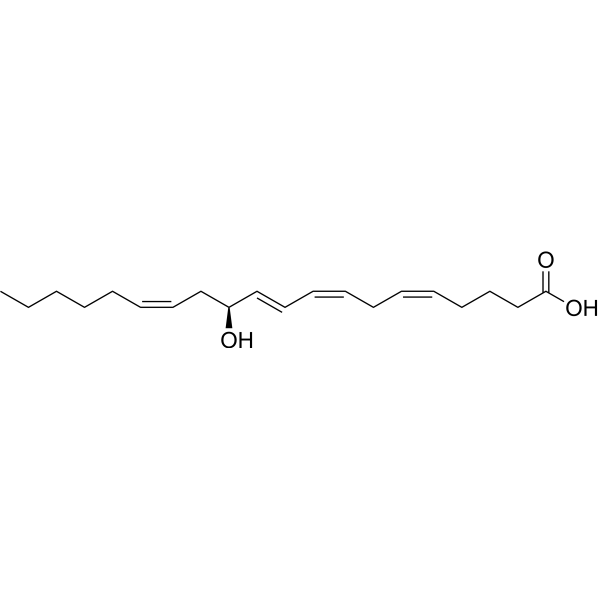
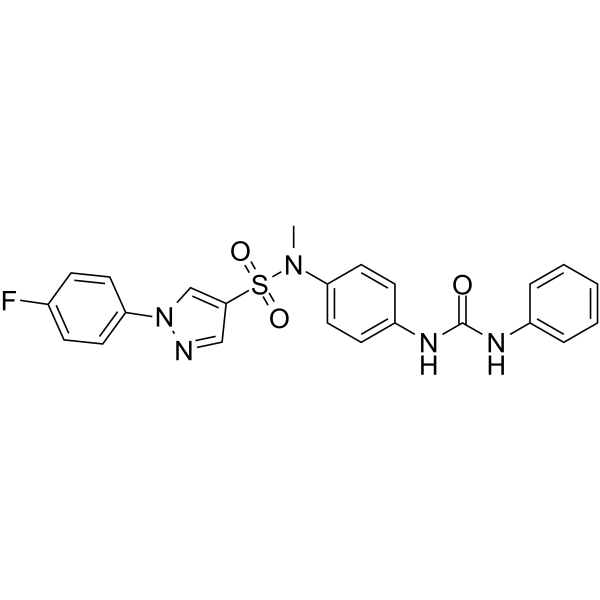
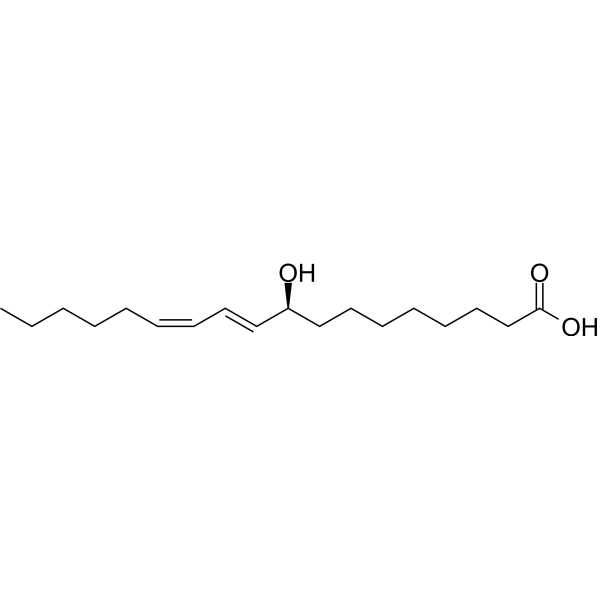
  • HY-124404A

    ERK DNA/RNA Synthesis p38 MAPK Cancer
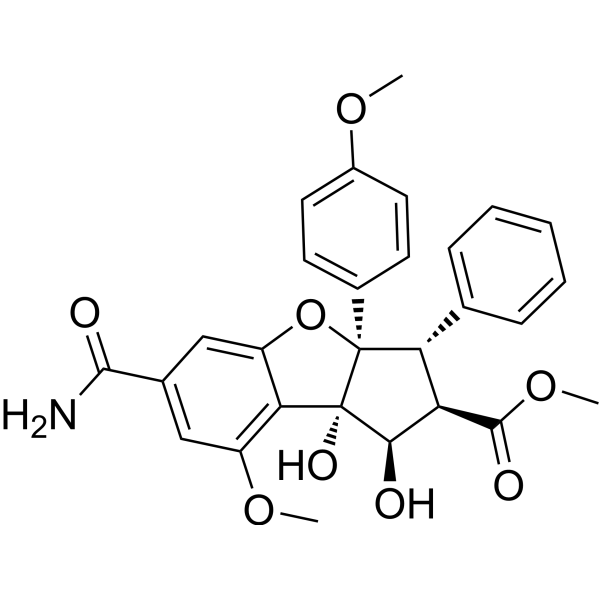
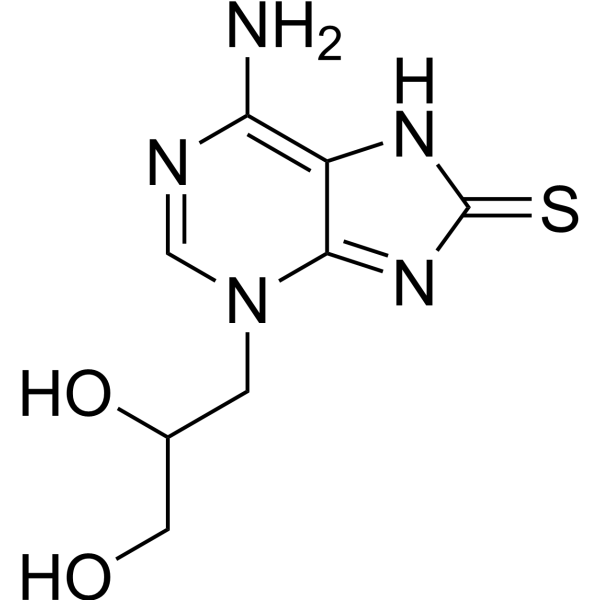
    12(S)-HETE is the 12-lipoxygenase metabolite of arachidonic acid and has a mitogenic effect on cancer cell proliferation. 12(S)-HETE induces tyrosine phosphorylation of cellular proteins, promotes ERK and P38 MAPK phosphorylation, increases DNA synthesis, and stimulates the proliferation of pancreatic cancer cells .
    12(S)-HETE
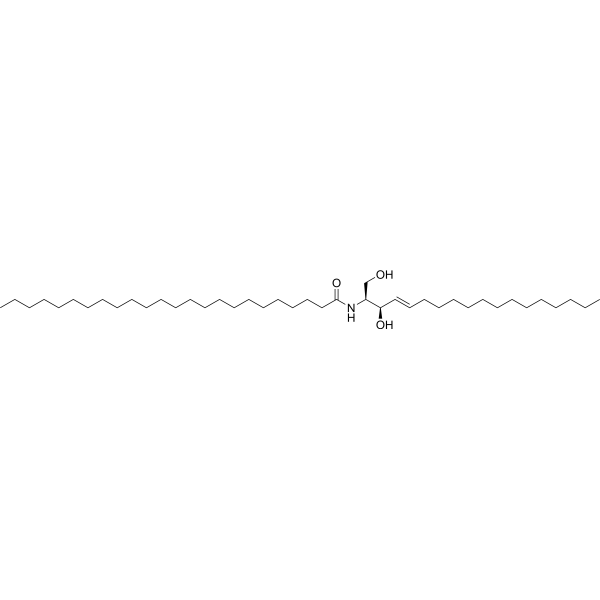
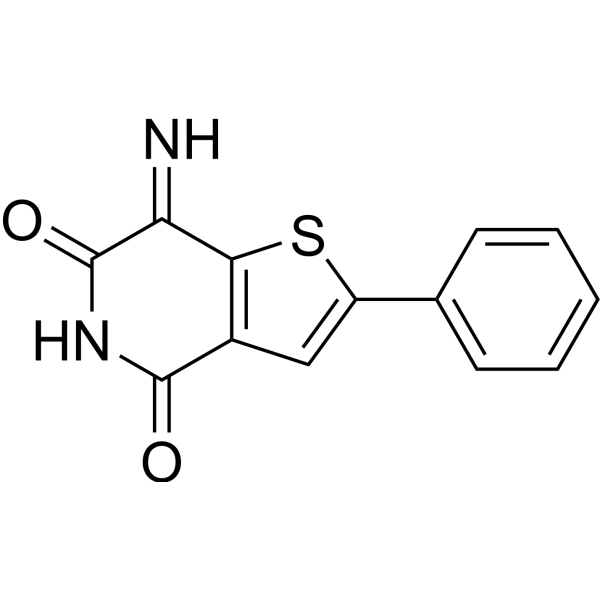
  • HY-163786

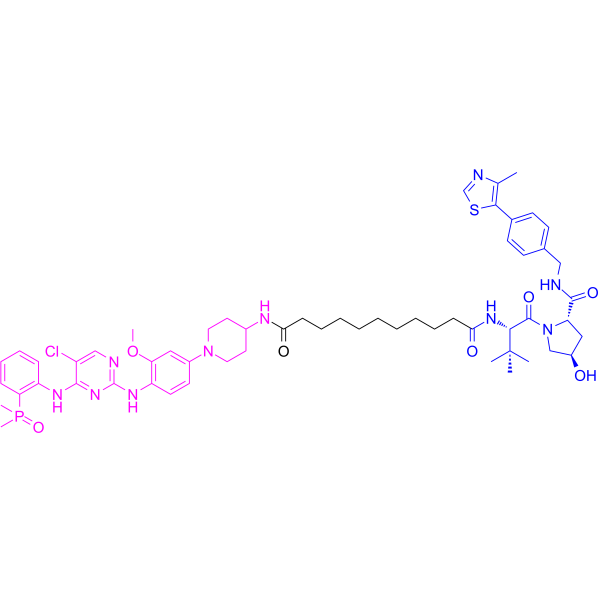
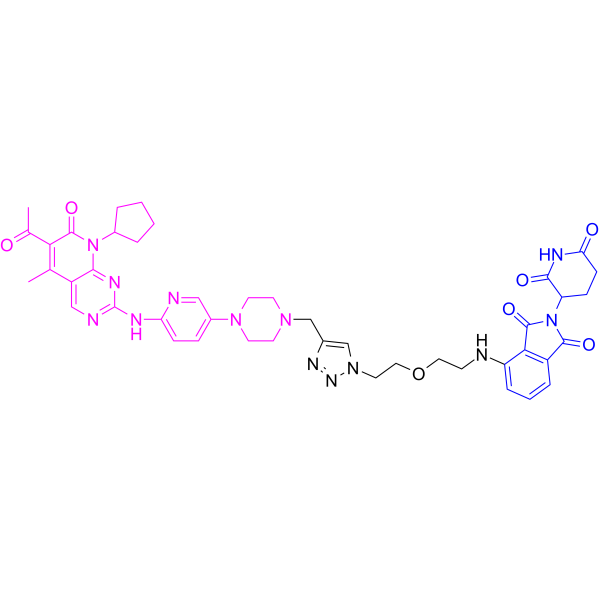
    PROTACs CDK Apoptosis Cancer
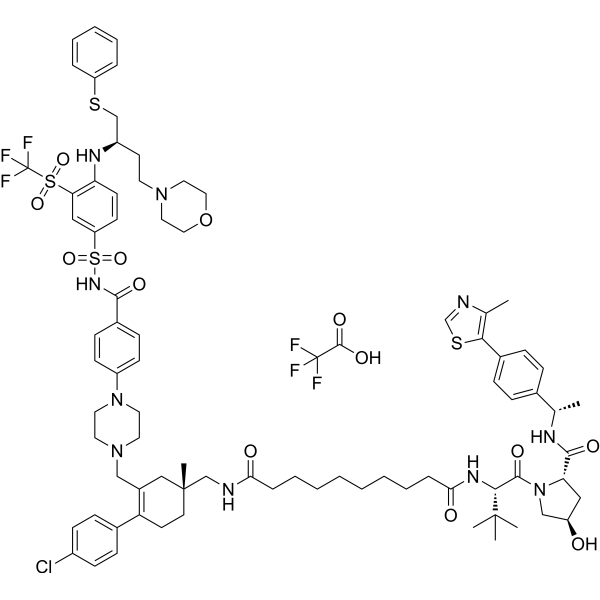
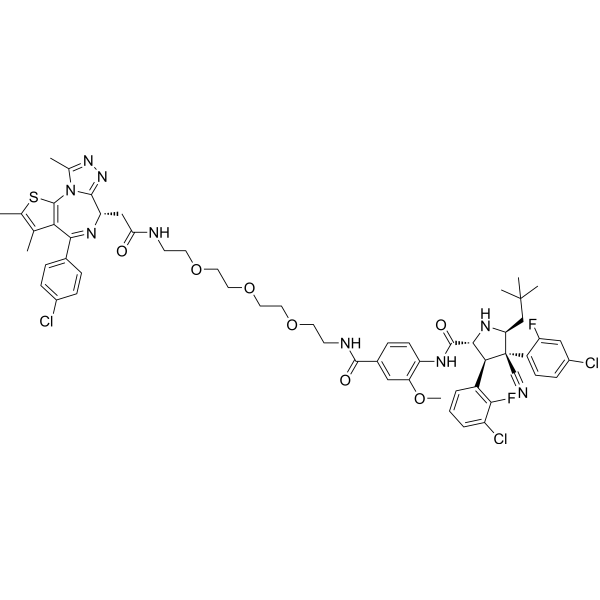
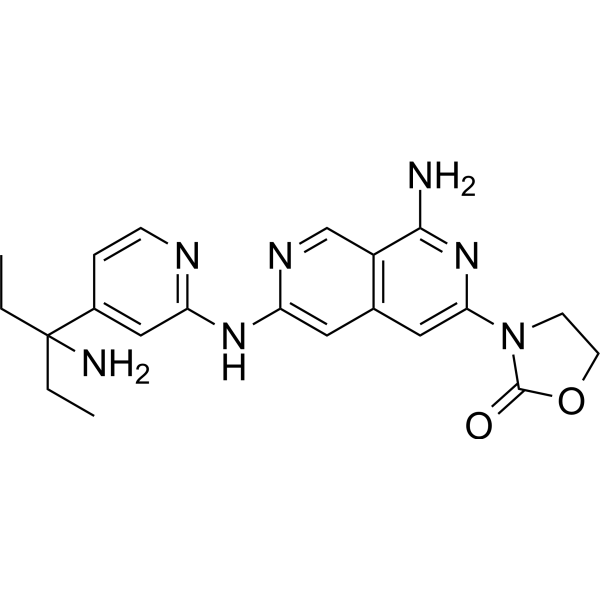
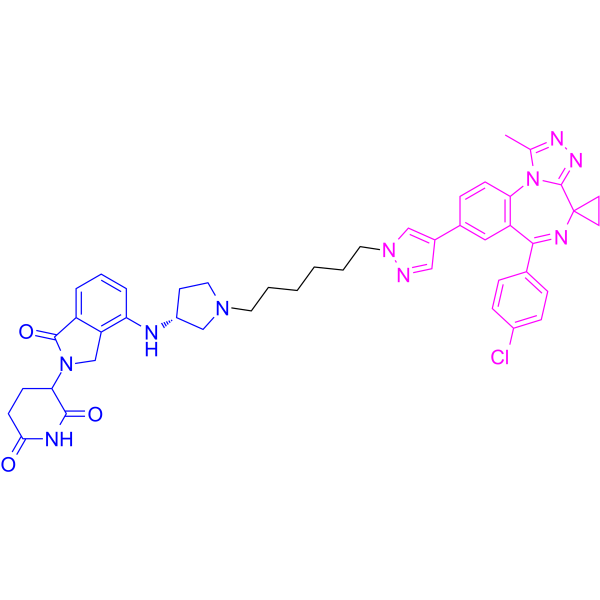
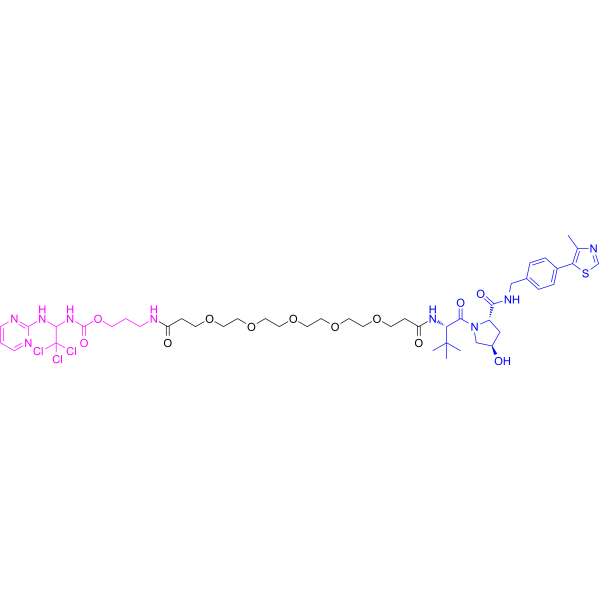
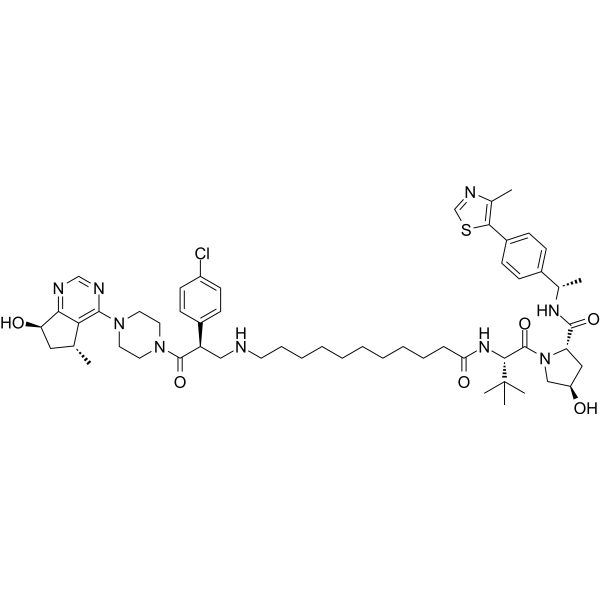
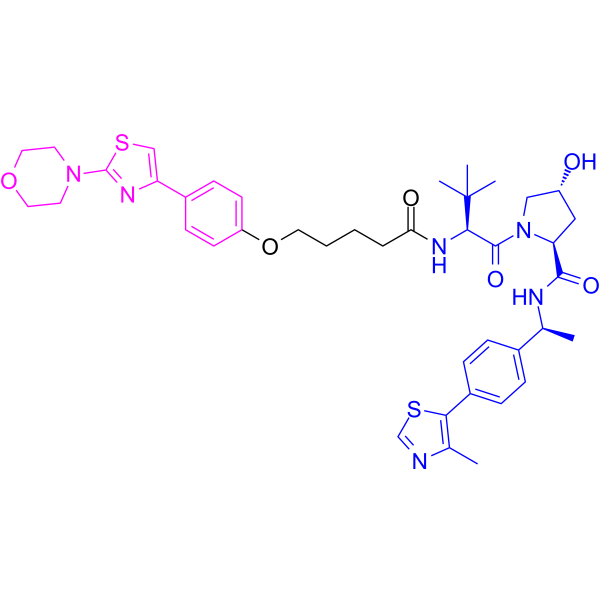
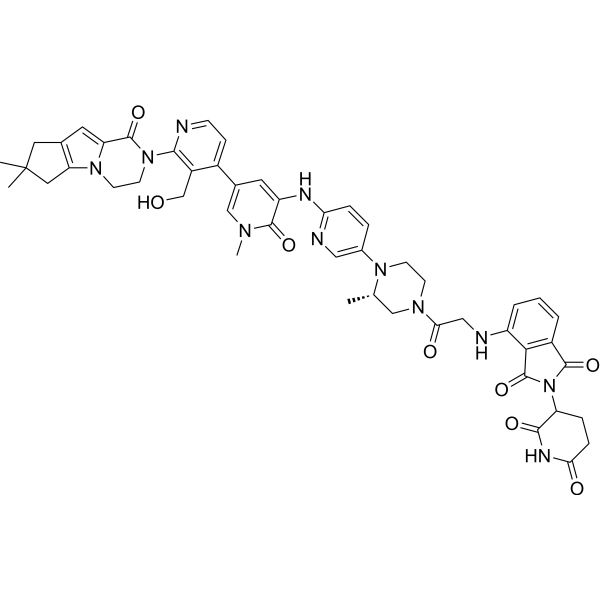
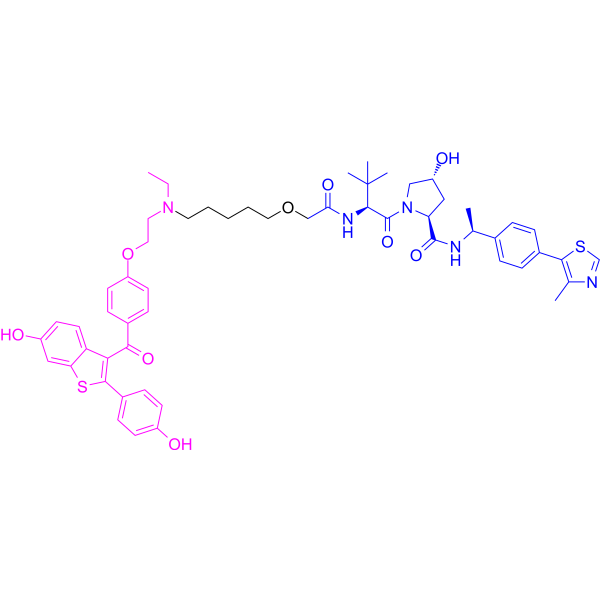
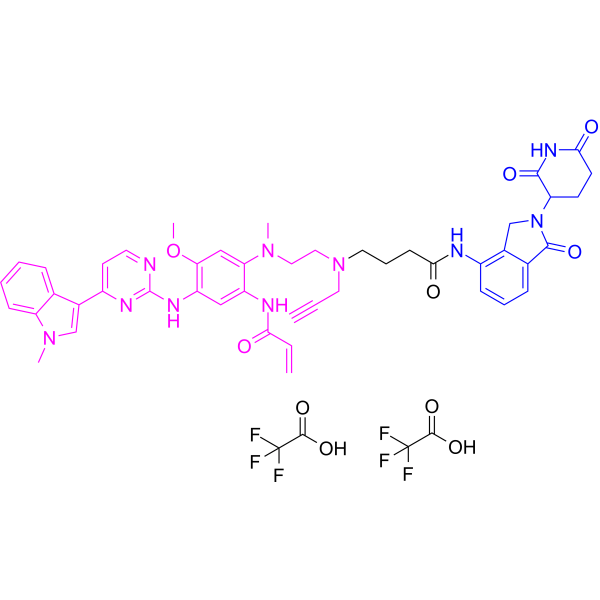
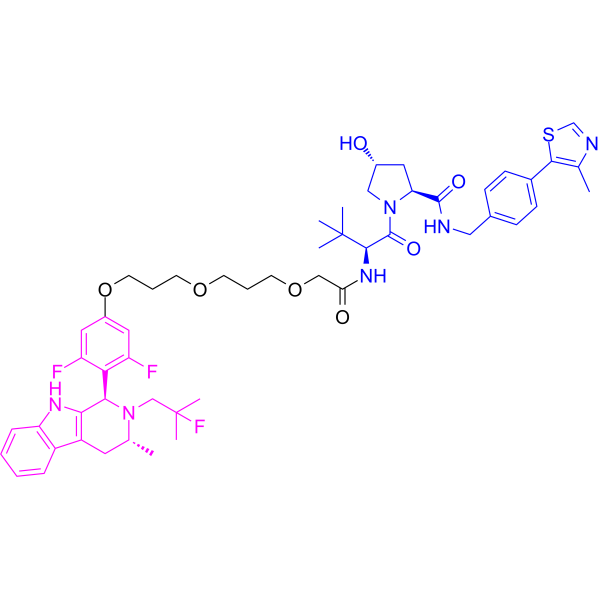
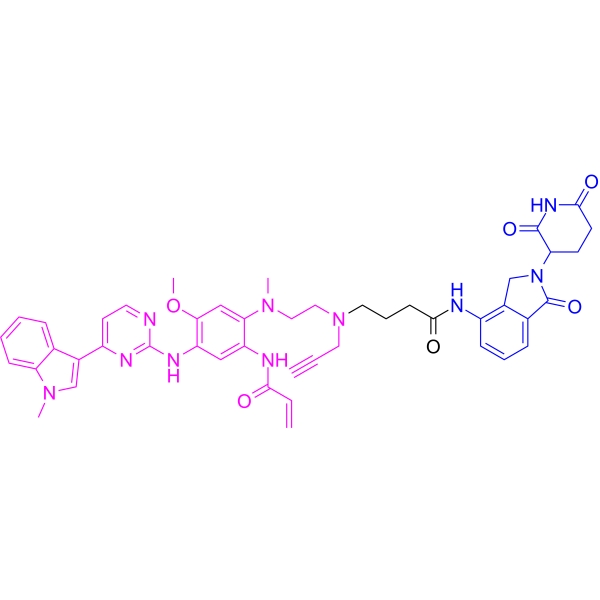
    PROTAC CDK4/6 degrader 1 is a CDK4/CDK6 PROTAC degrader, with DC50 values of 10.5 nM and 2.5 nM, respectively. PROTAC CDK4/6 degrader 1 inhibits the proliferation of Jurkat cells (IC50 = 0.18 μM), arrests the cell cycle at the G1 phase, and induces apoptosis. PROTAC CDK4/6 degrader 1 can be used for cancer research.
    PROTAC CDK4/6 degrader 1
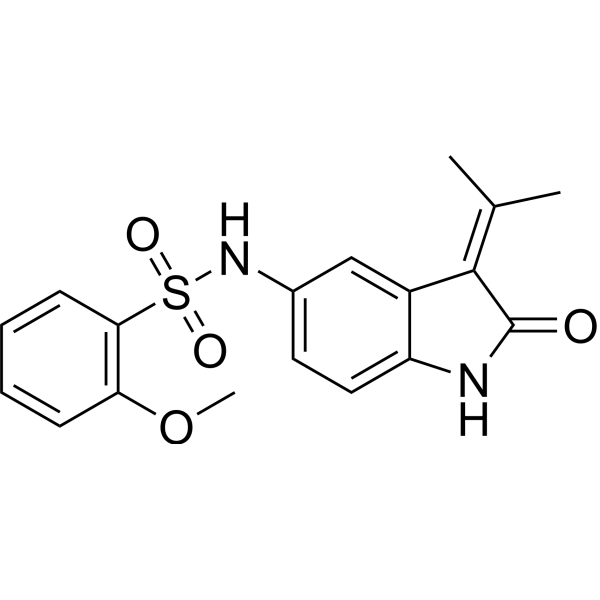
  • HY-13495
    ML281
    2 Publications Verification

    STK33 PKA Aurora Kinase Bcl-2 Family Apoptosis Metabolic Disease Cancer
    ML281 is a highly selective inhibitor of serine/threonine kinase 33 (STK33) with an IC50 value of 14 nM. ML281 shows 700-fold selectivity over PKA and 550-fold over AurB. ML281 exerts core mechanism by inhibiting STK33: in small cell lung cancer, ML281 downregulates RPS6/BAD signaling phosphorylation, induces apoptosis, and suppresses proliferation, invasion . ML281 reduces STK33-mediated 4-hydroxyphenylpyruvate dioxygenase (HPD) phosphorylation in tyrosinemia . ML281 is suitable for research on STK33 function, KRAS mutation-related cancers (pancreatic cancer, colon cancer, lung adenocarcinoma, etc.), small cell lung cancer, and tyrosinemia-related damage
    ML281
  • HY-19337
    Ketodarolutamide
    1 Publications Verification

    BAY 1896953; ORM-15341

    Androgen Receptor Cancer
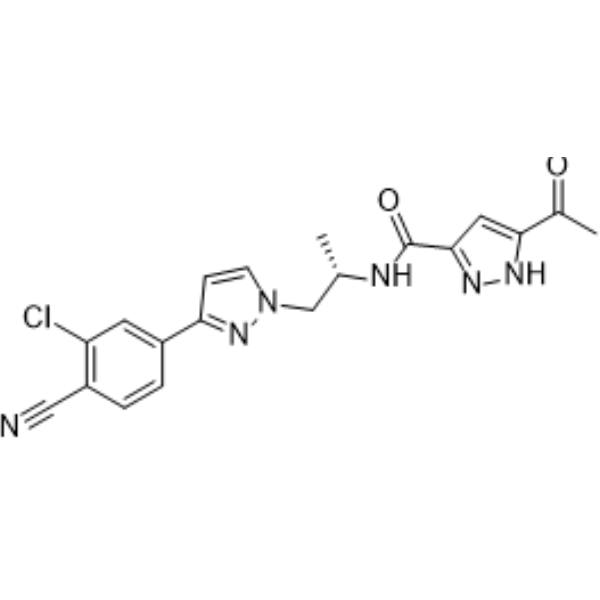
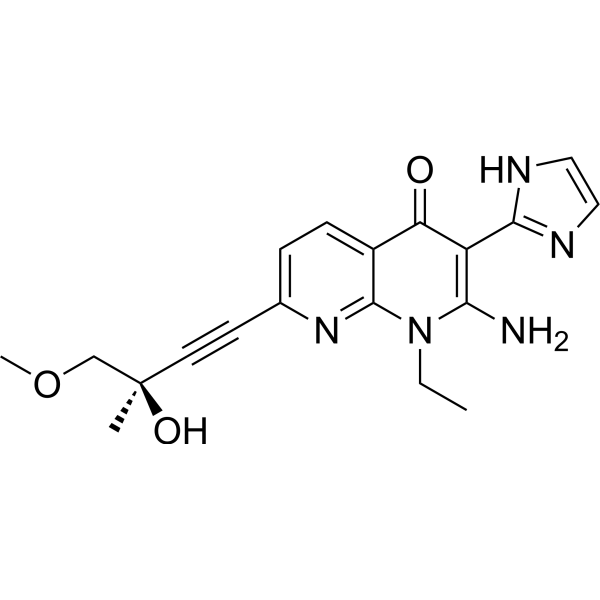
    Ketodarolutamide (ORM-15341) is a potent, high-affinity nonsteroidal competitive full antagonist of androgen receptor (AR). Ketodarolutamide displays a Ki value of 8 nM for rat wild-type AR and an IC50 value of 38 nM in AR-HEK293 cells . Ketodarolutamide inhibits testosterone-induced nuclear translocation of the AR and antagonizes both overexpressed and mutant ARs . Ketodarolutamide specifically suppresses the proliferation of AR-dependent prostate cancer cells and exhibits antitumor activity in models of castration-resistant prostate cancer (CRPC) . Ketodarolutamide is suitable for the mechanistic and therapeutic research of prostate cancer .
    Ketodarolutamide
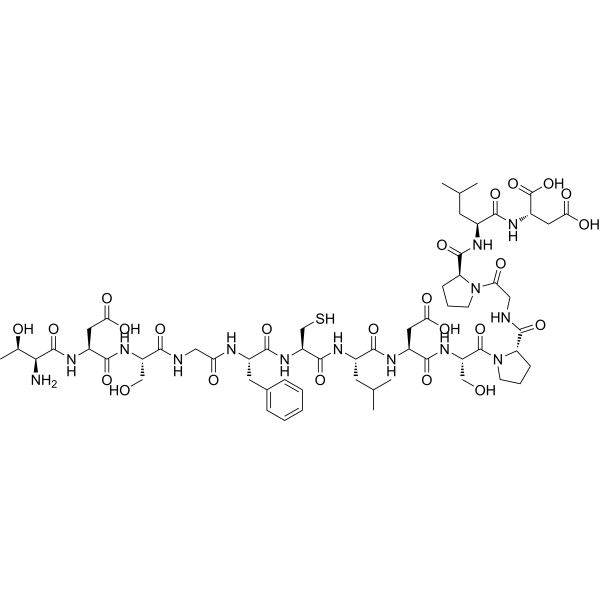
  • HY-172815

    JNK Eukaryotic Initiation Factor (eIF) p38 MAPK Cancer
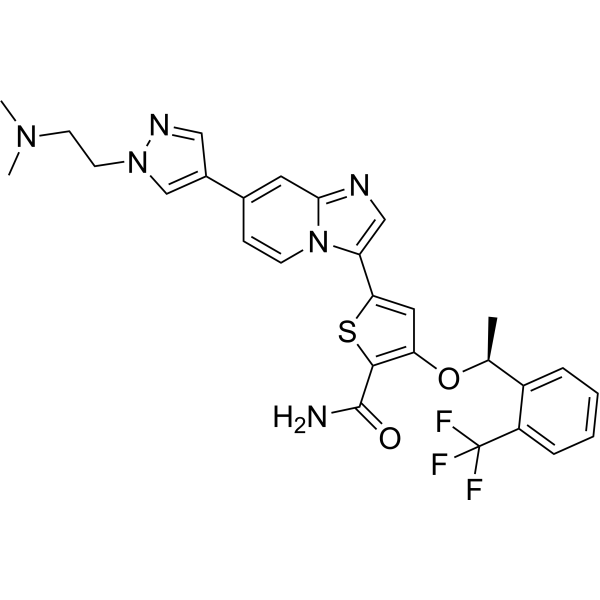
    IDB-001 is a human ribosomal peptidyl transferase center (PTC) inhibitor that induces conformational changes and blocks translational elongation in specific sequence contexts through complementary interactions with Asp/Glu residues in nascent polypeptides. IDB-001 preferentially stalls ribosomes at positions containing acidic peptide motifs, thereby inhibiting cancer cell proliferation, and activates the integrated stress response via eIF2α phosphorylation at high concentrations. In addition, IDB-001 mildly triggers ribotoxic stress responses through phosphorylation of JNK and p38. IDB-001 has been applied to mechanistic studies of triple-negative breast cancer .
    IDB-001
  • HY-115718
    PZ703b
    4 Publications Verification

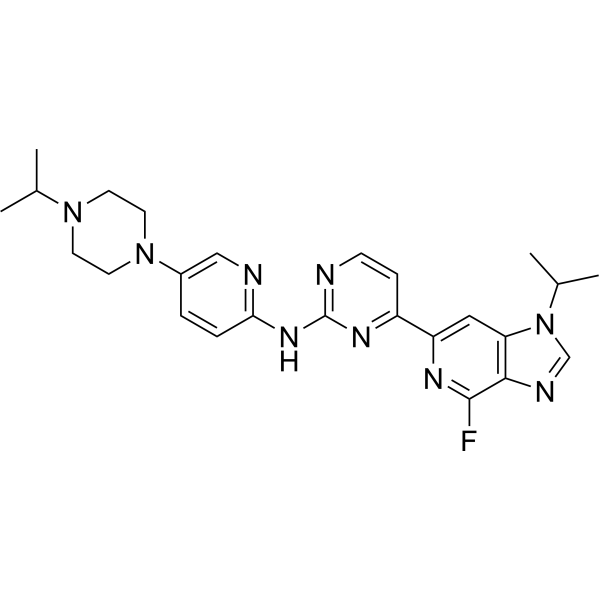
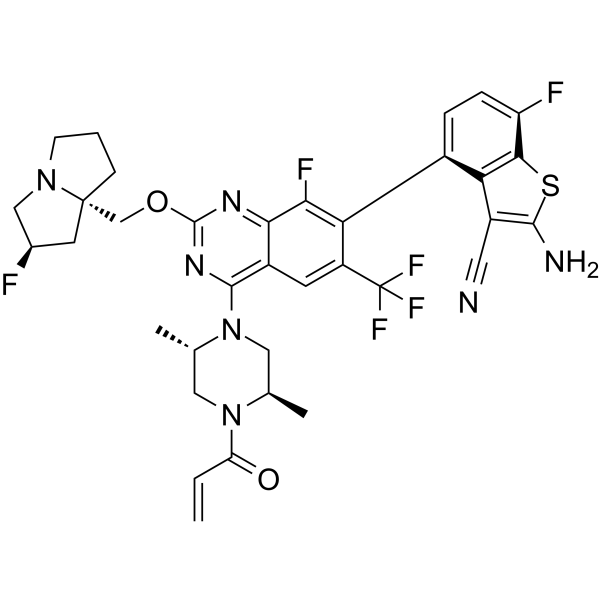
    PROTACs Bcl-2 Family Cancer
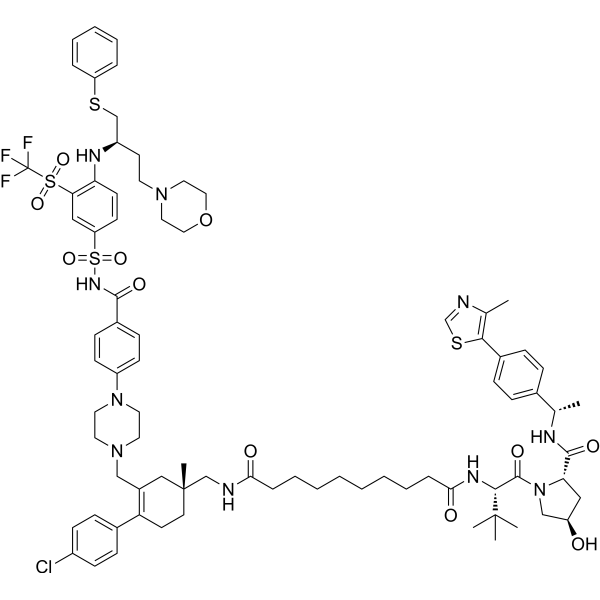
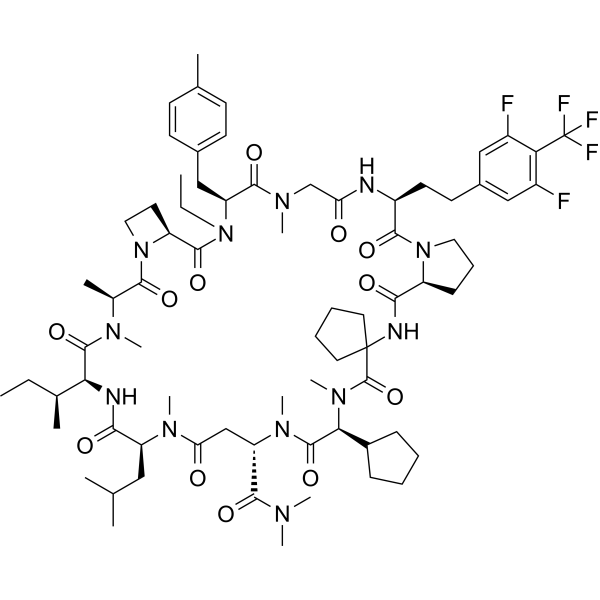
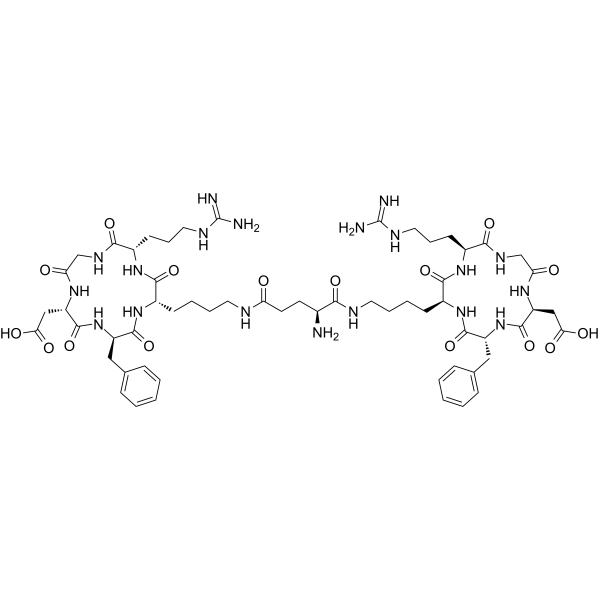
    PZ703b is a Bcl-xl PROTAC degrader that induces apoptosis and inhibits cancer cell proliferation. PZ703b can be used for the research of bladder cancer research .
    PZ703b
  • HY-N6872

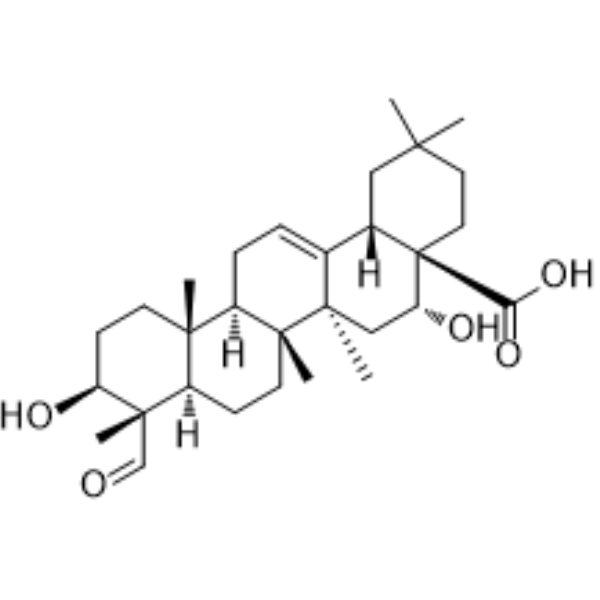
    JNK Akt Apoptosis Autophagy Reactive Oxygen Species (ROS) Cancer
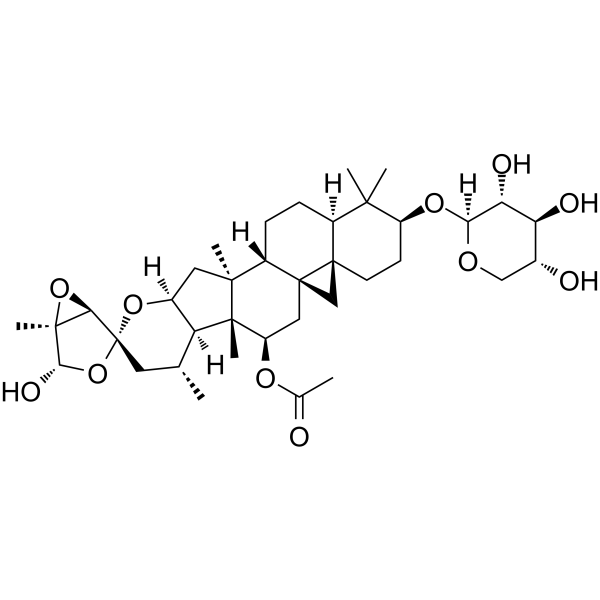
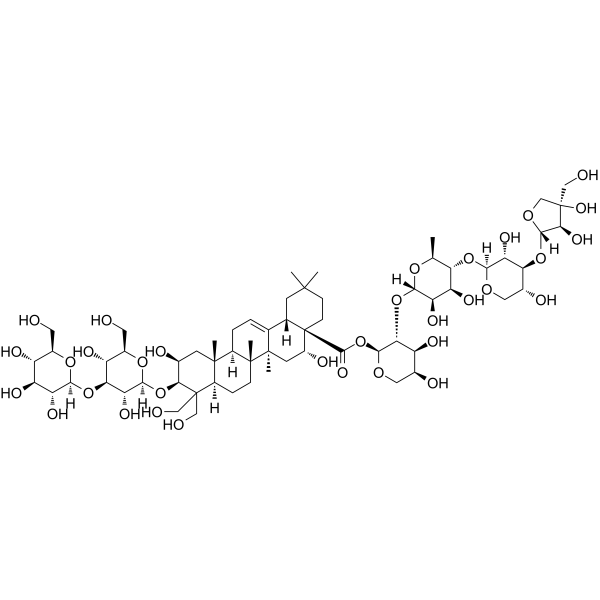
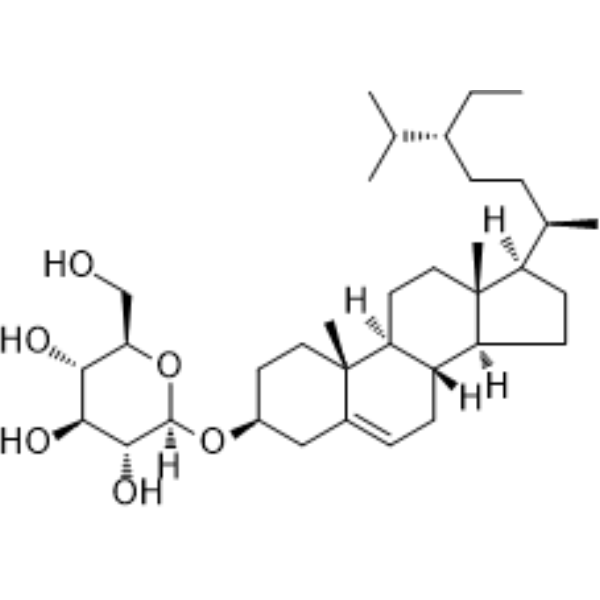
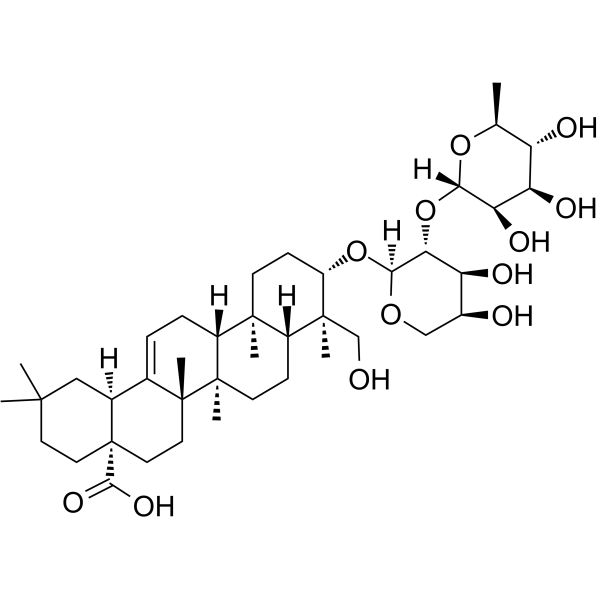
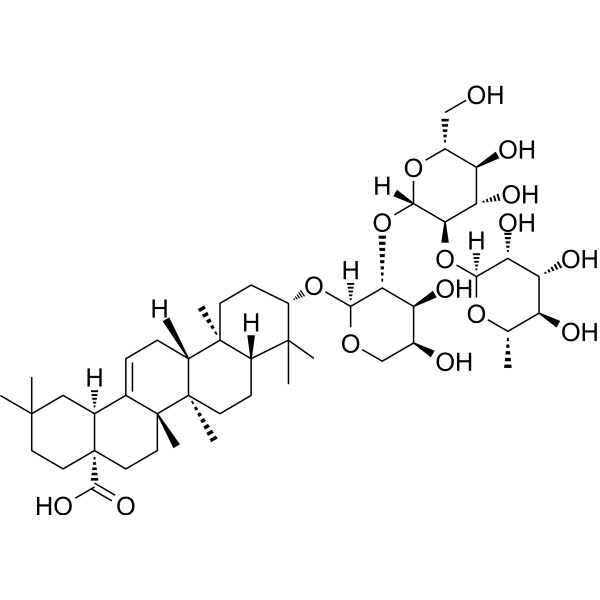
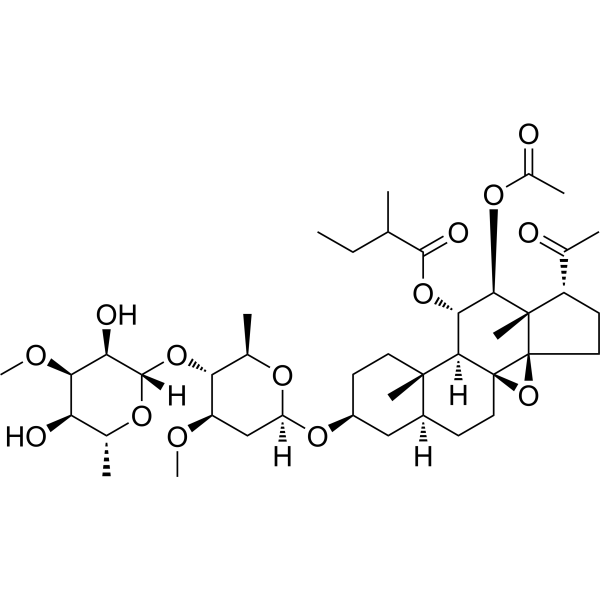
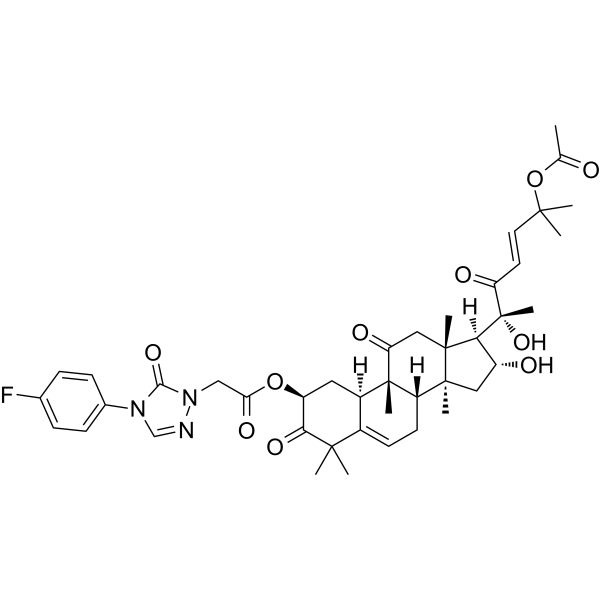
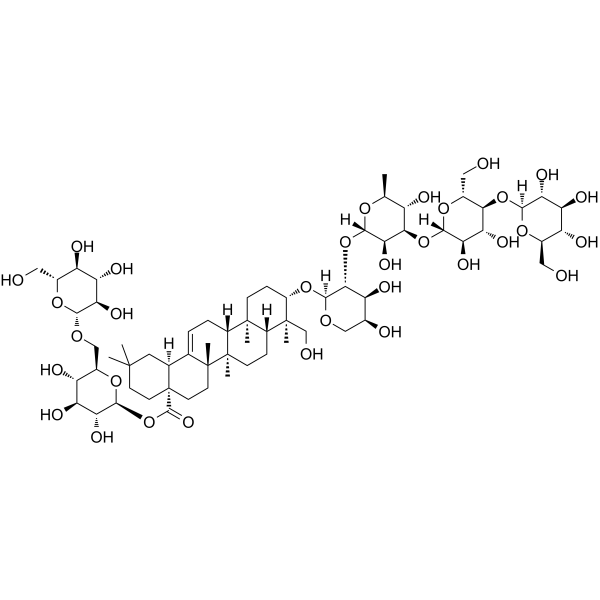
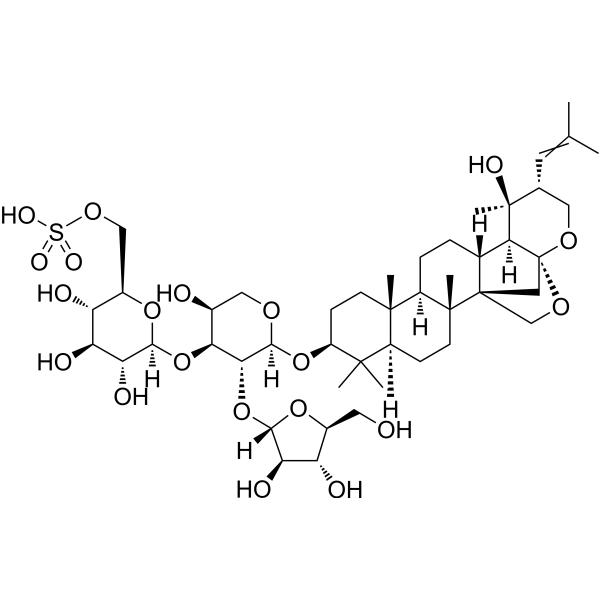
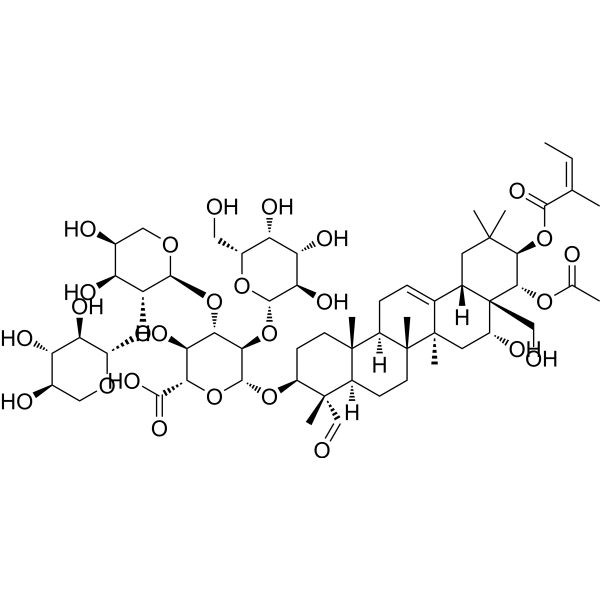
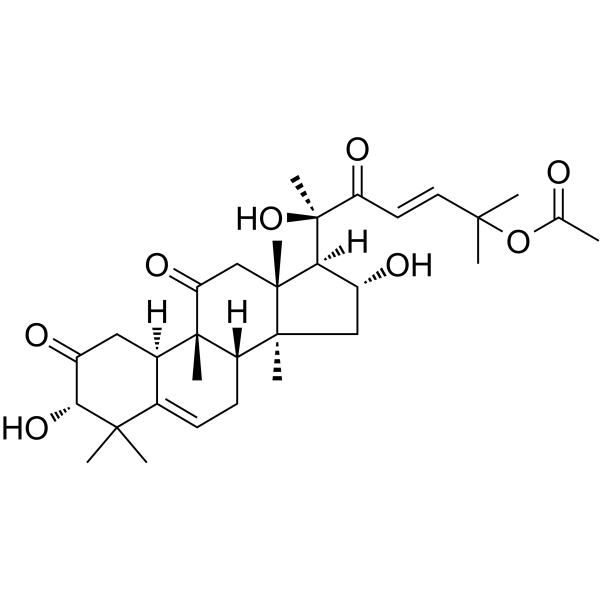
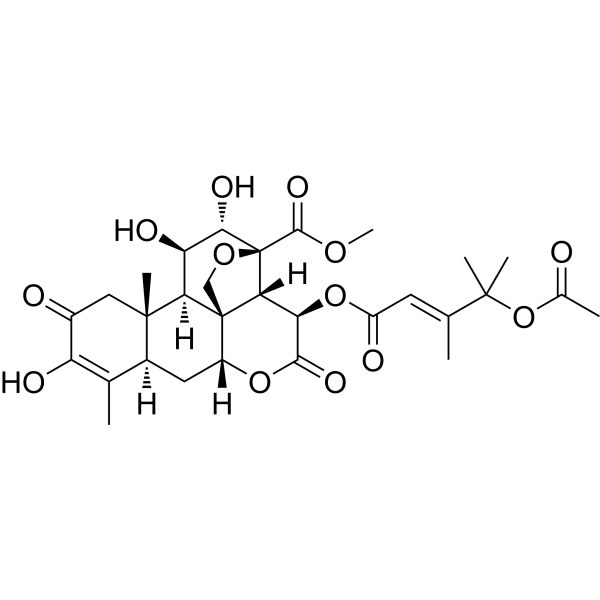
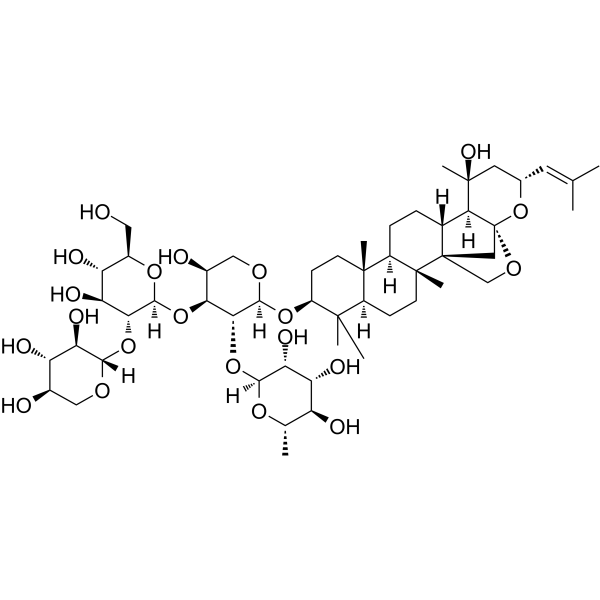
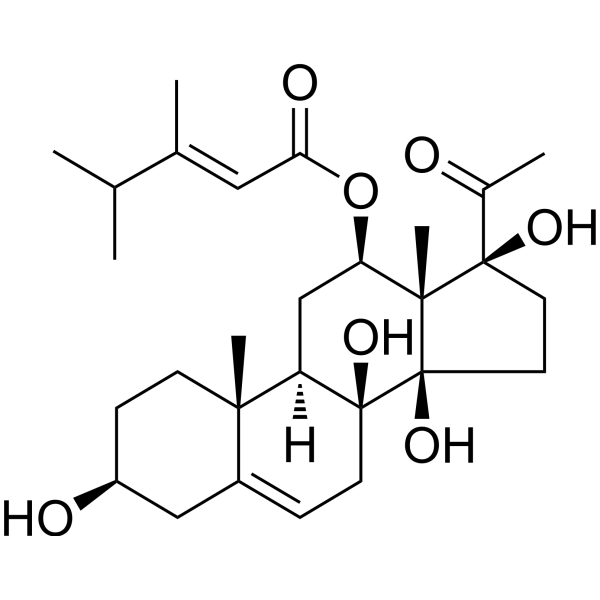
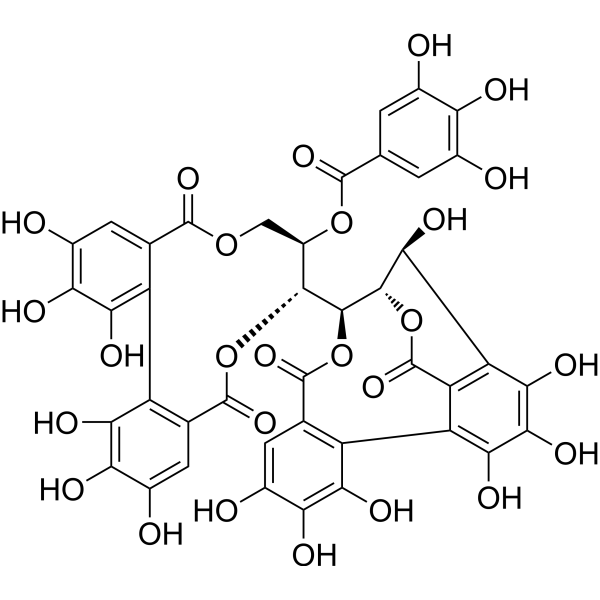
    Actein, a triterpene glycoside, shows an inhibitory effect on cancer cells, which is isolated from the rhizomes of Cimicifuga foetida. Actein suppresses cell proliferation, induces autophagy and apoptosis through promoting ROS/JNK activation, and blunting AKT pathway in bladder cancer. Actein has little toxicity in vivo .
    Actein
  • HY-125035
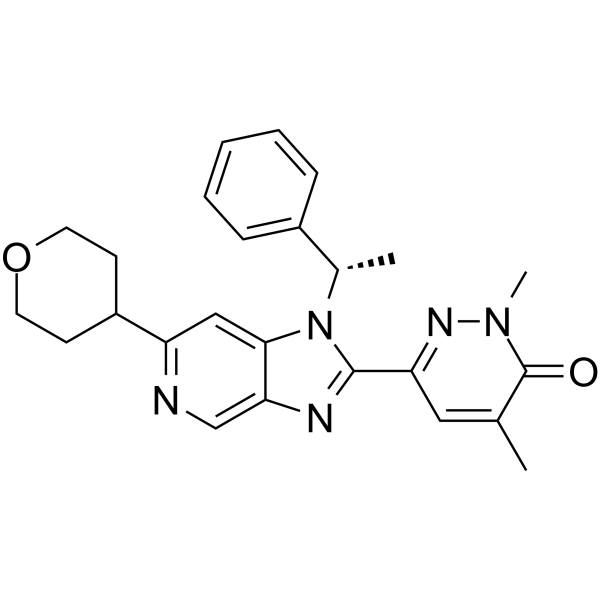
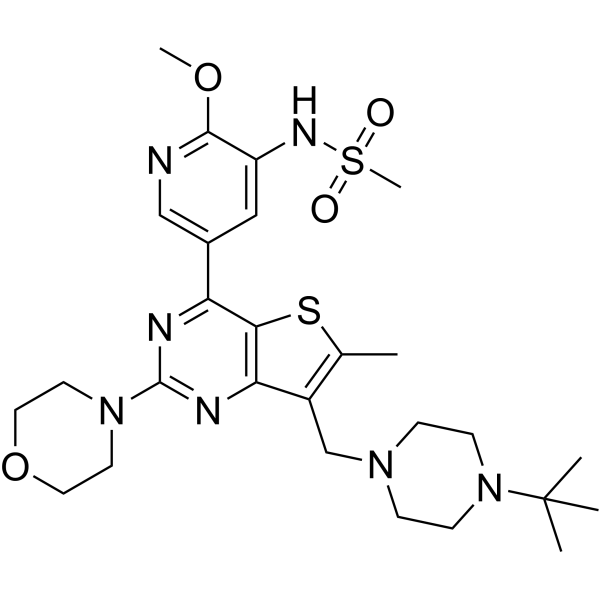
    LCH-7749944
    5 Publications Verification

    GNF-PF-2356

    PAK Apoptosis Cancer
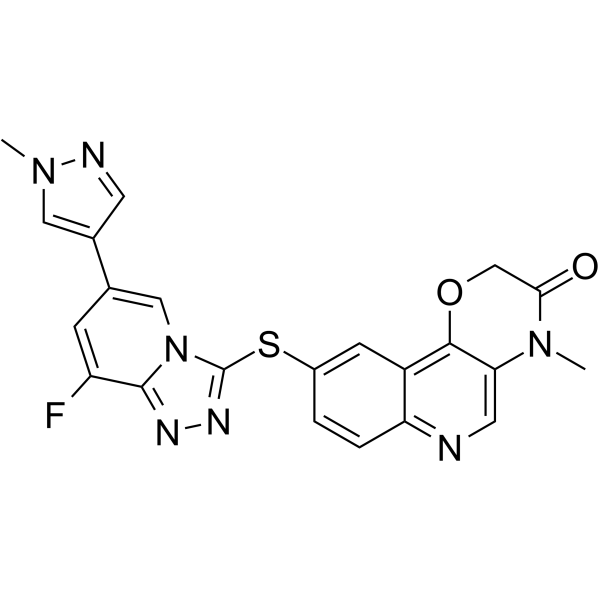
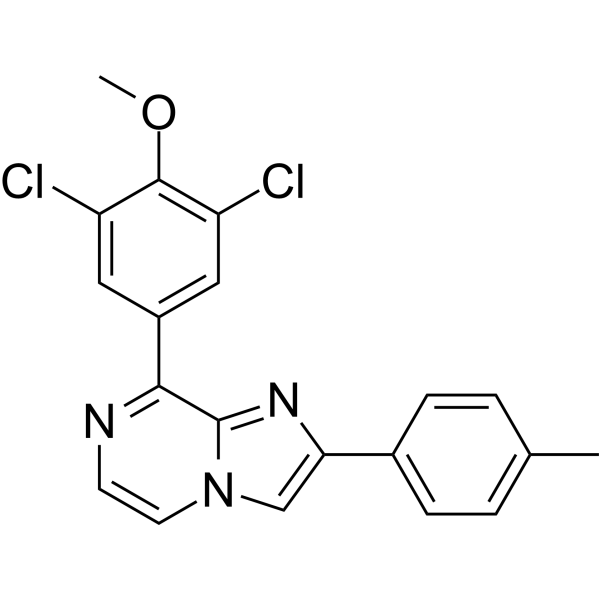
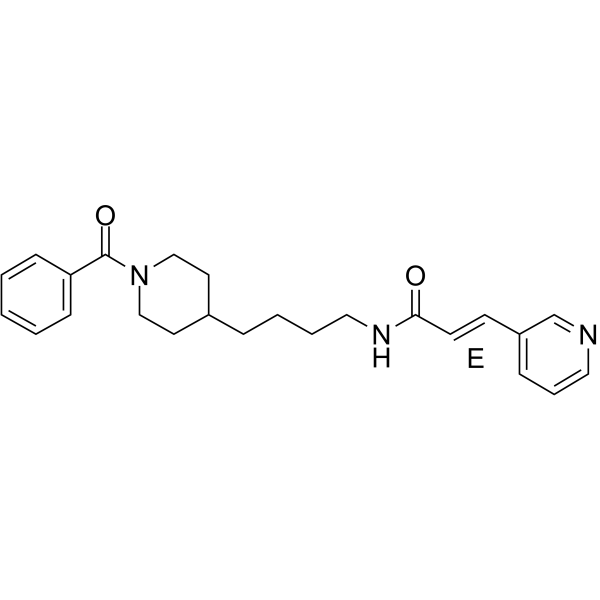
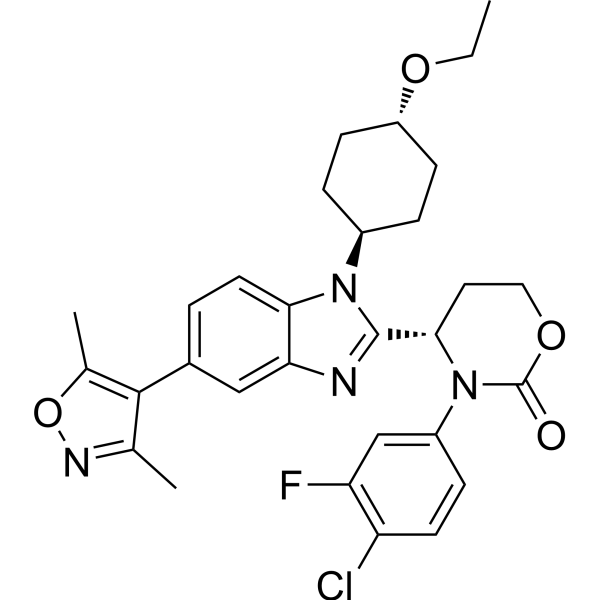
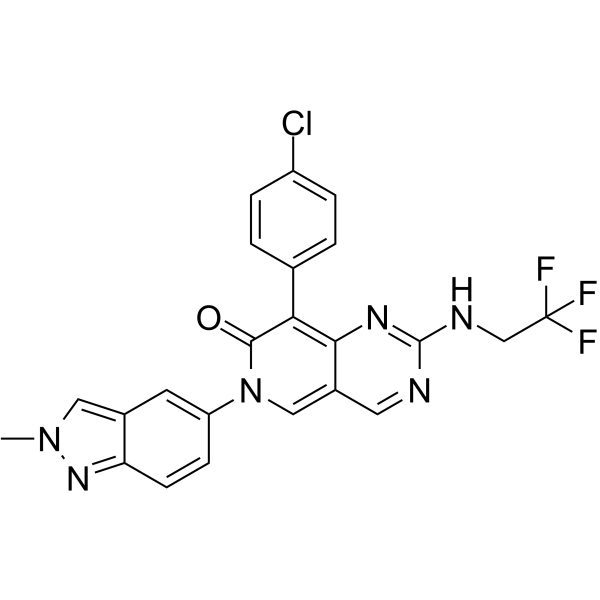
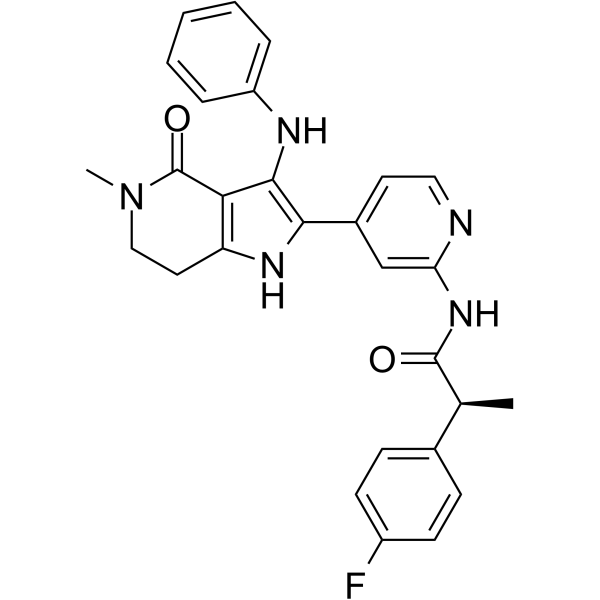
    LCH-7749944 (GNF-PF-2356) is a potent PAK4 inhibitor with an IC50 of 14.93 μM. LCH-7749944 effectively suppresses the proliferation of human gastric cancer cells through downregulation of PAK4/c-Src/EGFR/cyclin D1 pathway and induces apoptosis .
    LCH-7749944
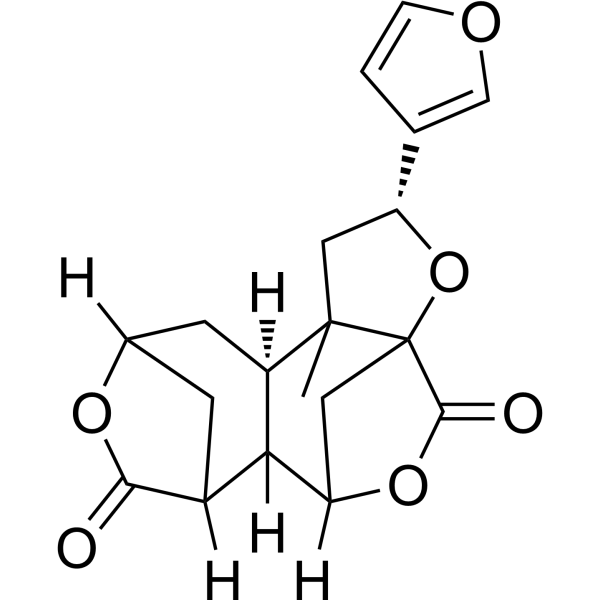
  • HY-N1050

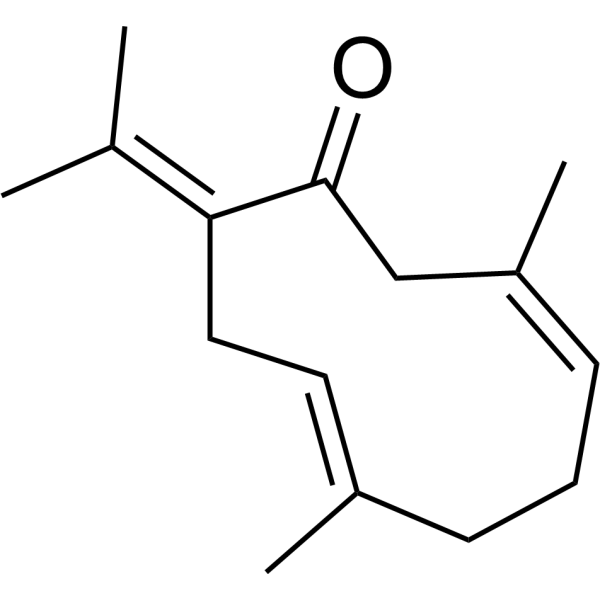
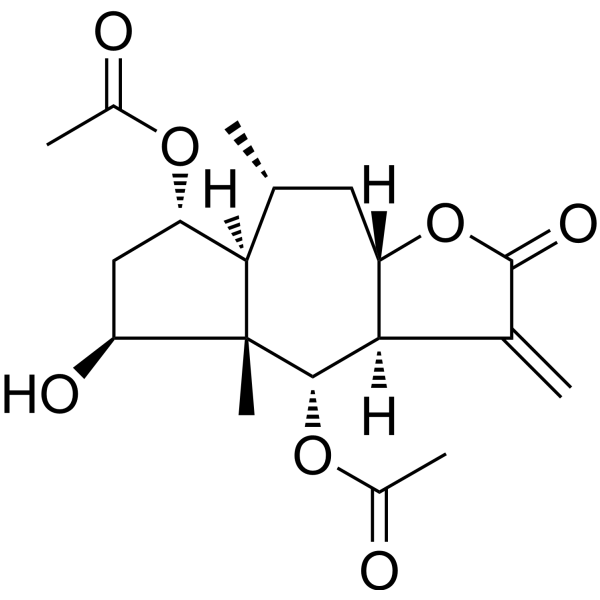
    mTOR Ribosomal S6 Kinase (RSK) Bacterial Infection Neurological Disease Cancer
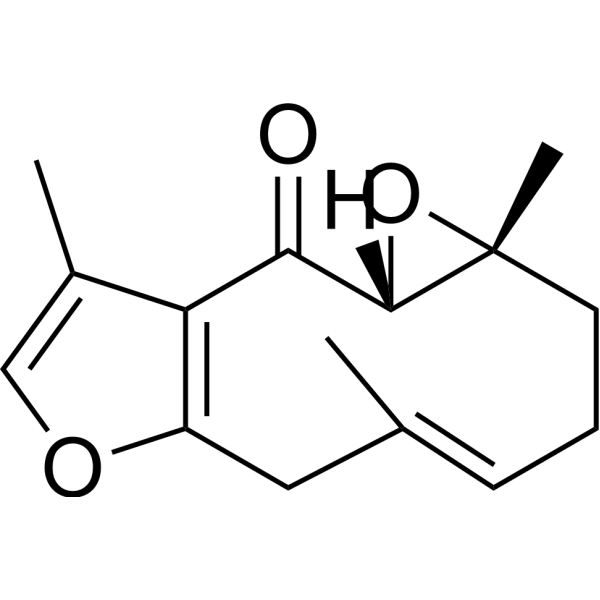
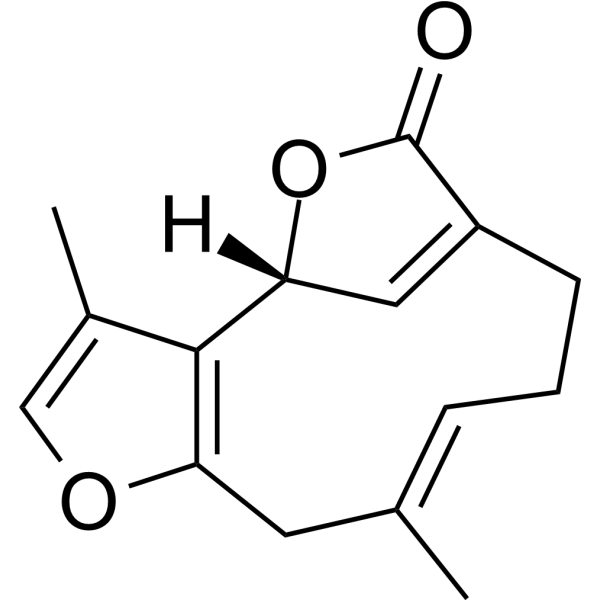
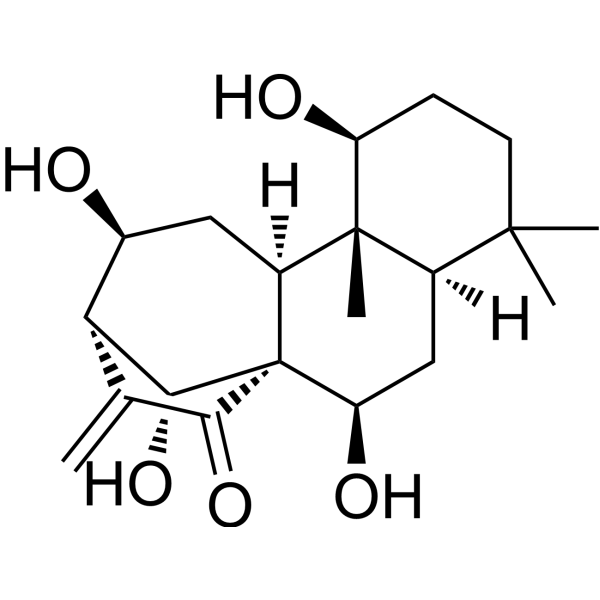
    Zederone is a sesquiterpene. Zederone inhibits ovarian cancer cell proliferation through mTOR/p70s6K signalling pathway. Zederone inhibits CYP activities with IC50s of 2.9 μM (CYP2B6), 9.2 μM (CYP2C9), 11,2 μM (CYP2C19) and >30 μM (CYP1A2 and CYP2D6). Zederone is hepatotoxic with LD50 value at 24 hours in mice of approximately 223 mg/kg and cytotoxic against the KG1a cell line. Zederone shows antibacterial activity against a number of multi-drug resistant and Methicillin (HY-121544)-resistant Staphylococcus aureus strain. Zederone shows cognition improving capacity and assists in the modulation of gut bacterial dysbiosis .
    Zederone
  • HY-127079

    Microtubule/Tubulin Cancer
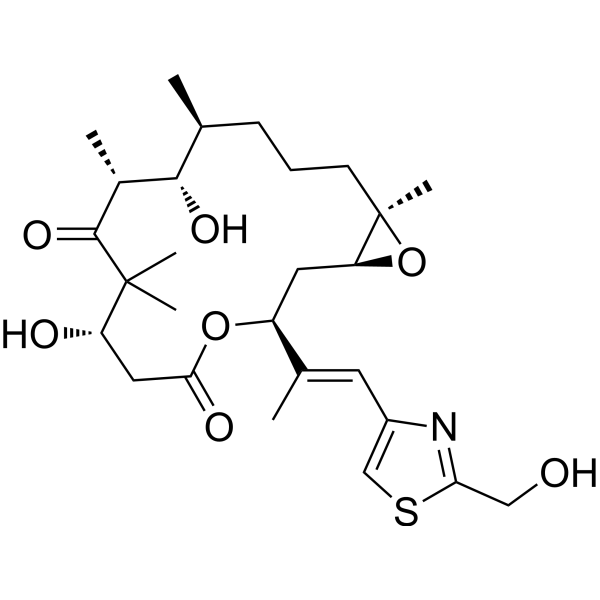
    Epothilone F is a 16-membered macrolide microtubule-targeting agent. Epothilone F exhibits significant anticancer activity, and it particularly exerts effective inhibitory effects on paclitaxel-resistant cancer cells. Epothilone F inhibits the proliferation of breast cancer cells, non-small cell lung cancer cells and drug-resistant ovarian cancer cells, and it has been widely used in cancer-related research .
    Epothilone F
  • HY-161828

    PROTACs CDK Cancer
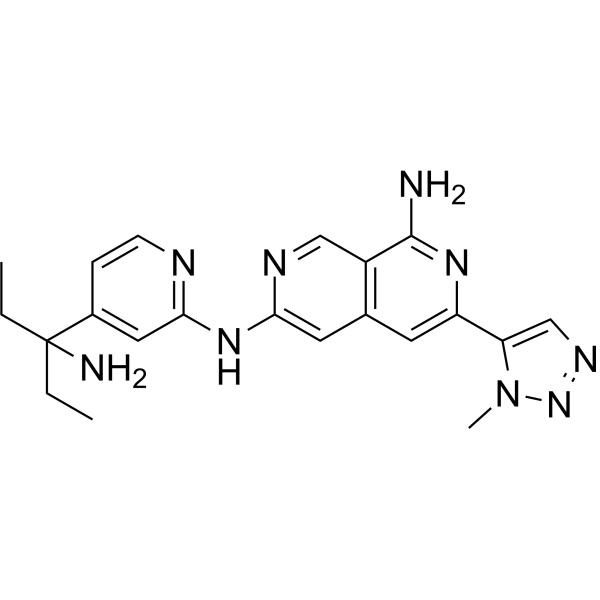
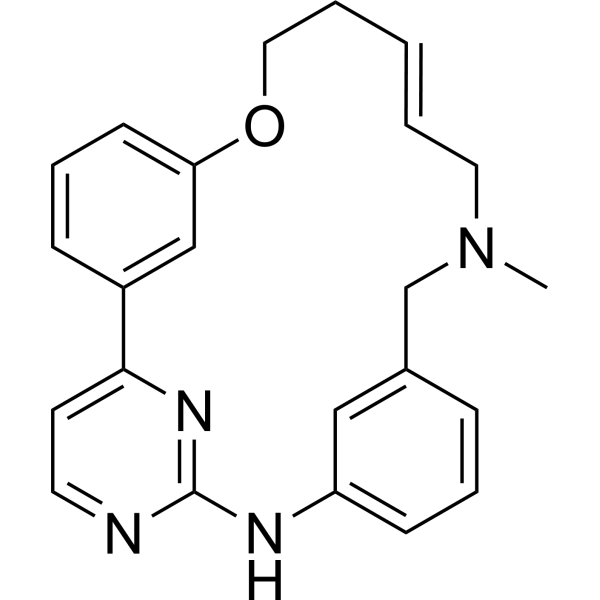
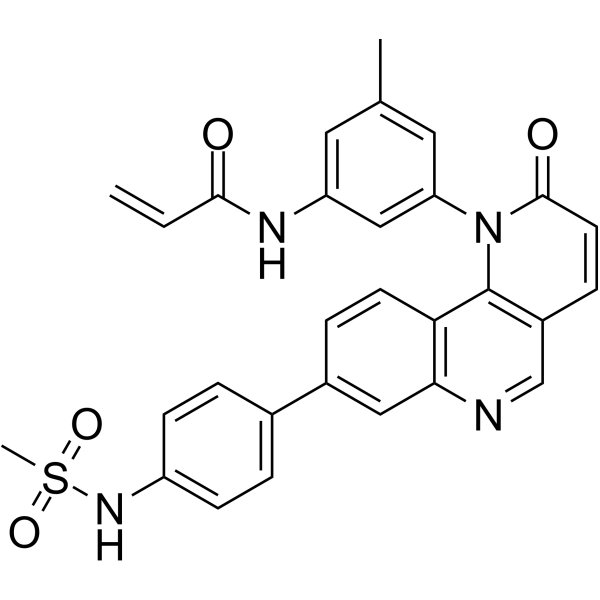
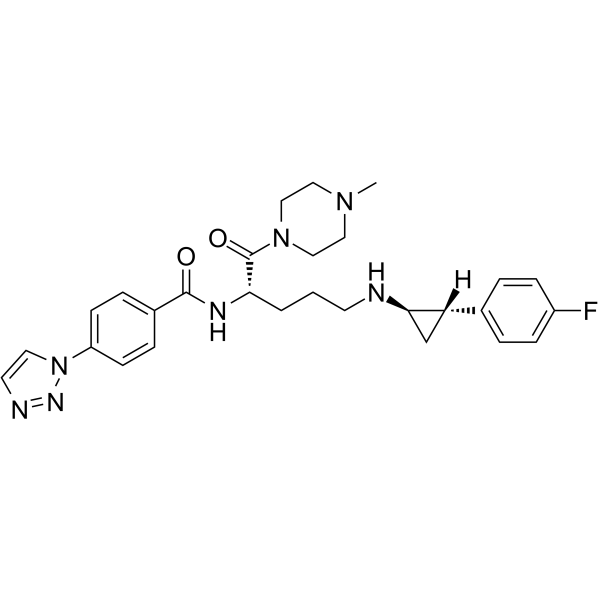
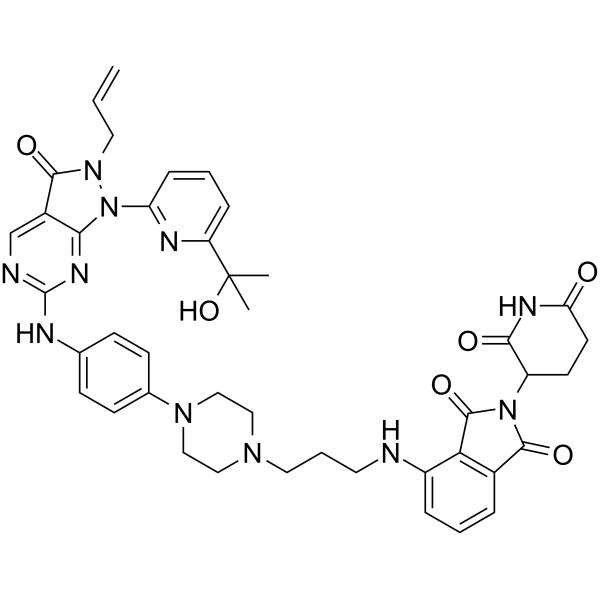
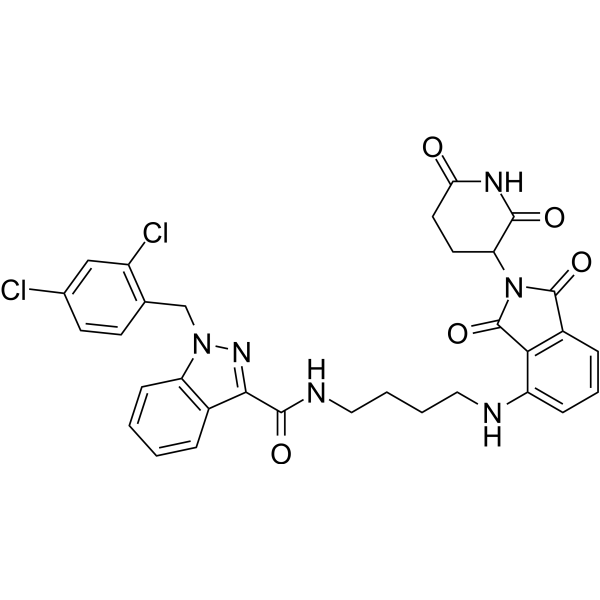
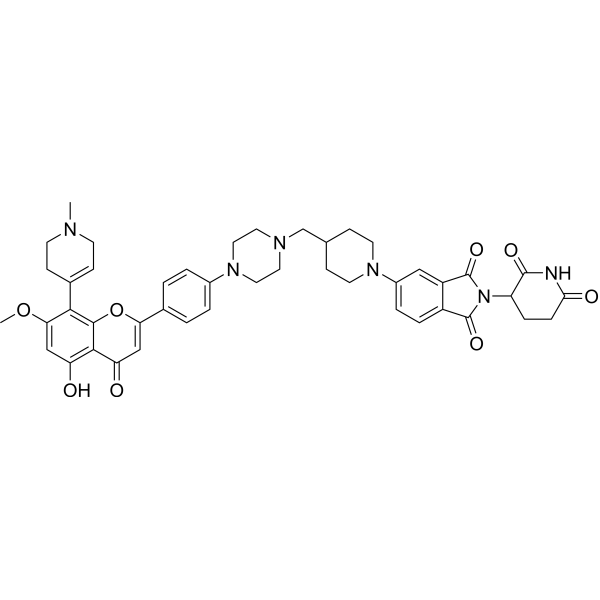
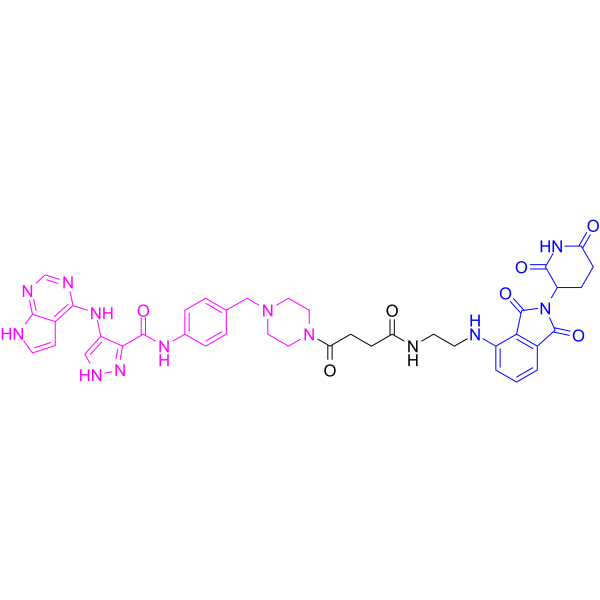
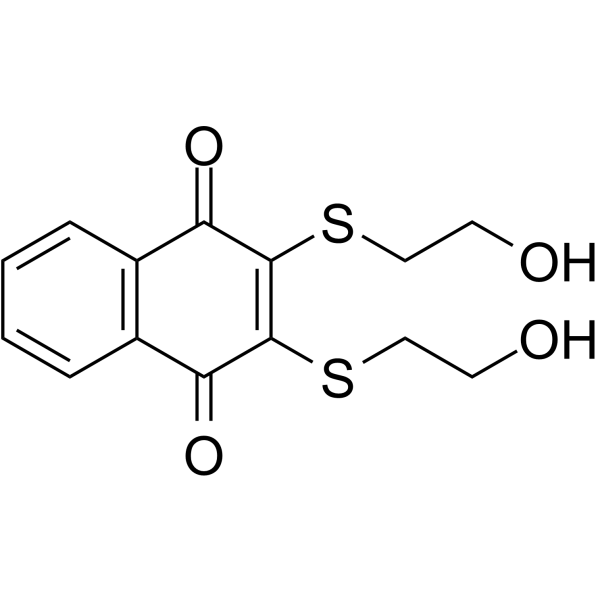
    JWZ-5-13 is a CDK7 PROTAC degrader. JWZ-5-13 inhibits the proliferation of cancer cells. JWZ-5-13 is applicable to the research of ovarian cancer, diffuse large B-cell lymphoma, acute T-lymphoblastic leukemia and non-small cell lung cancer .
    JWZ-5-13
  • HY-150412

    Phospholipase Cancer
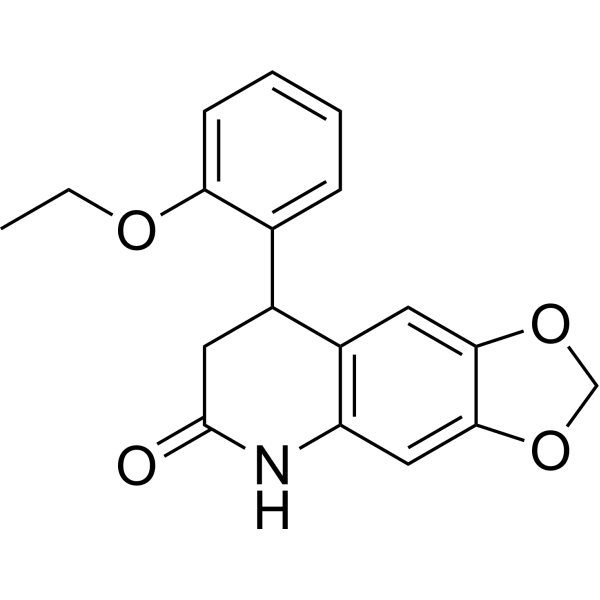
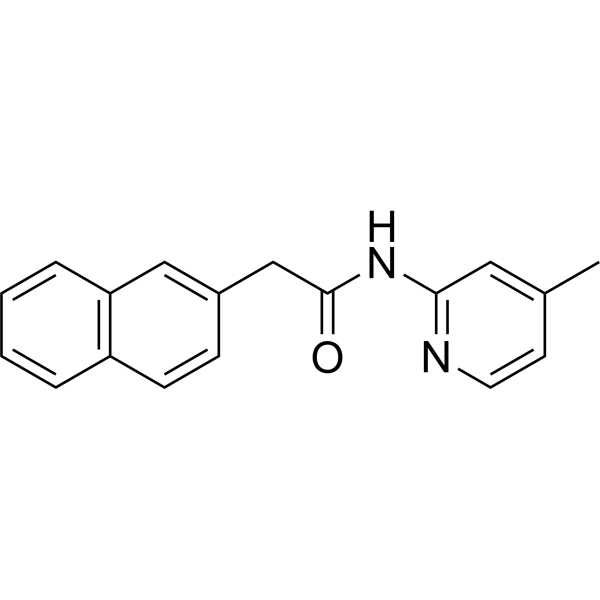
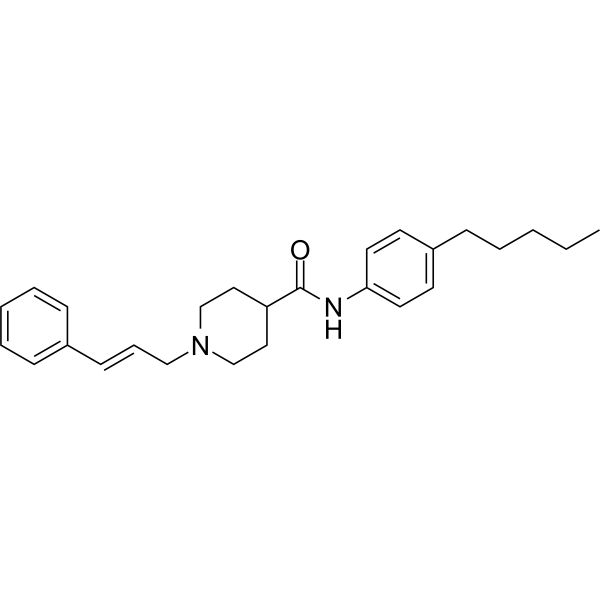
    VU0364739 is a selective PLD2 inhibitor (IC50: 22 nM). VU0364739 decreases cancer cell proliferation .
    VU0364739
  • HY-W016582

    Biochemical Assay Reagents Cancer
    Methyl 2-(bromomethyl)acrylate is a biochemical Assay Reagents .Methyl 2-(bromomethyl)acrylate inhibits cell proliferation in breast cancer and pancreatic cancer cells. Methyl 2-(bromomethyl)acrylate can be used for the research of breast cancer and pancreatic cancer .
    Methyl 2-(bromomethyl)acrylate
  • HY-156500

    ICMT Cancer
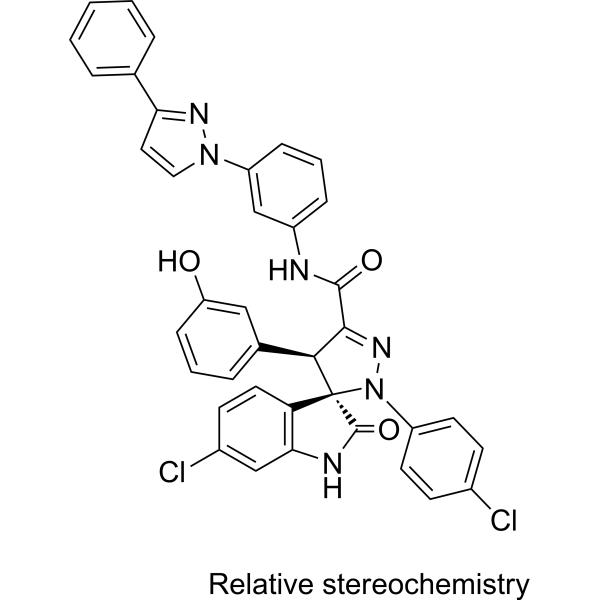
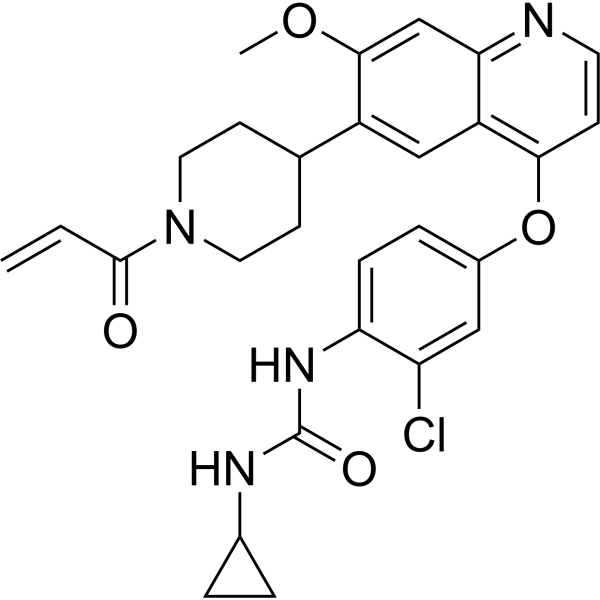
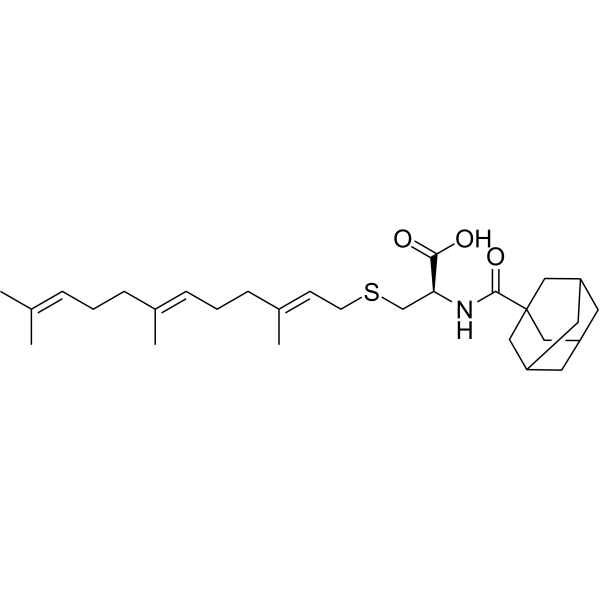
    ICMT-IN-1 (compound 75) is an inhibitor of ICMT (IC50=0.0013 μM). ICMT-IN-1 dose-dependently induces ICMT accumulation in the cytoplasm of HCT-116 cells and inhibits the proliferation of multiple cancer cell lines expressing K-Ras and N-Ras .
    ICMT-IN-1
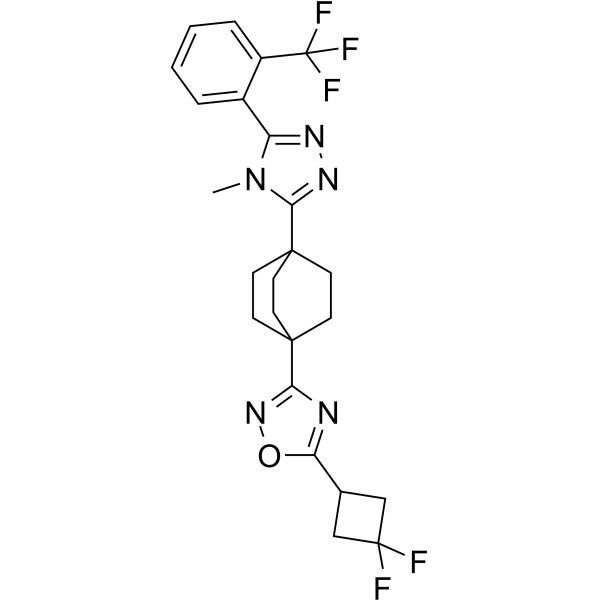
  • HY-146999

    Histone Methyltransferase Epigenetic Reader Domain Apoptosis Cancer
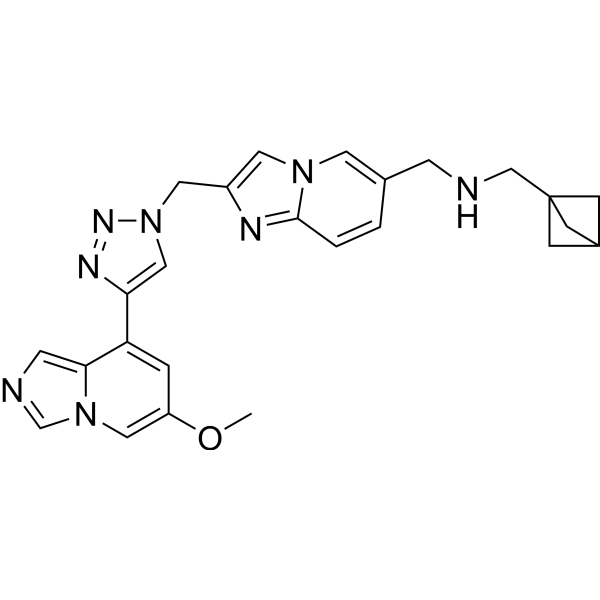
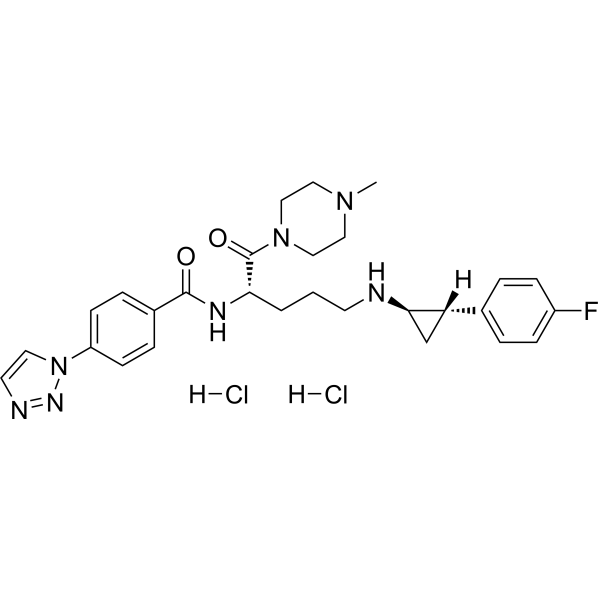
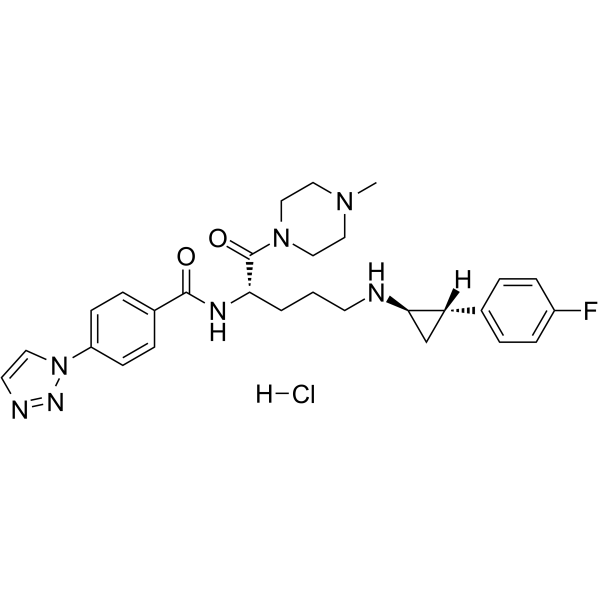
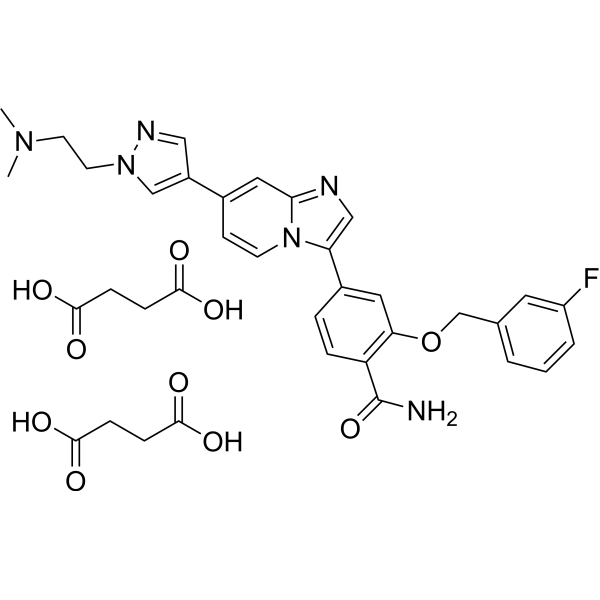
    YM458 is a potent EZH2 and BRD4 dual inhibitor with IC50s of 490 nM and 34 nM, respectively. YM458 inhibits cell proliferation and colony formation and induces cell cycle arrest and apoptosis in solid cancer cells. YM458 can be used for researching anticancer .
    YM458
  • HY-18969

    CDK Cancer
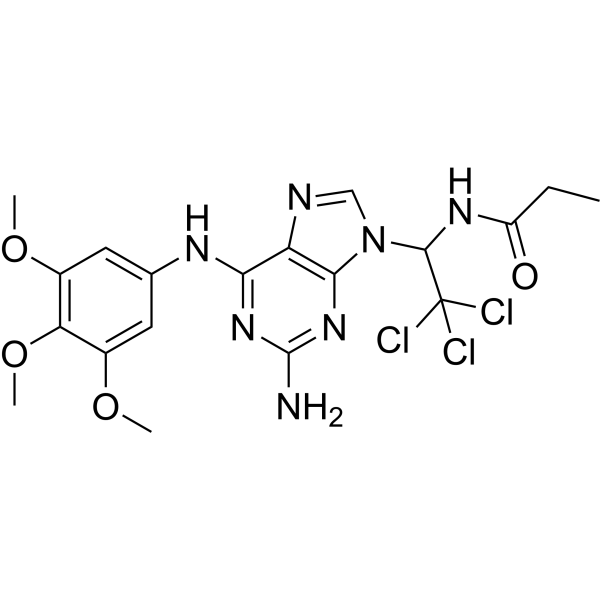
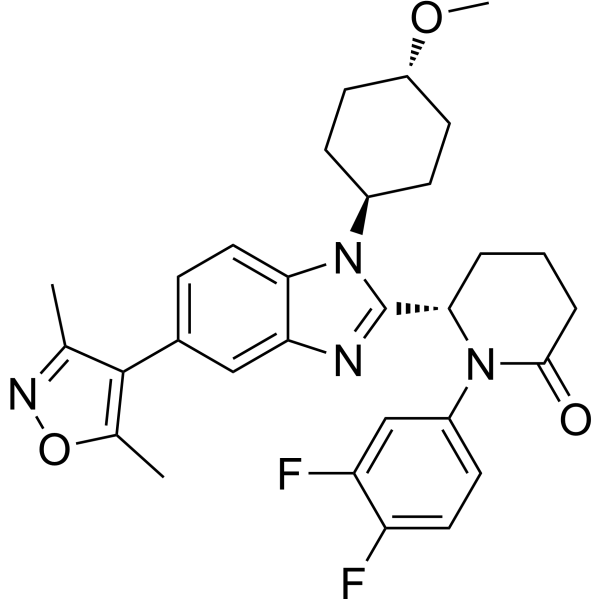
    LDC3140 is a selective CDK7 inhibitor (IC50<5 nM). By inhibiting the activity of CDK7, LDC3140 affects the regulation of the cell cycle, leading to cell cycle arrest and thus inhibiting the proliferation of tumor cells. LDC3140 can be used in the research of cancer treatment .
    LDC3140
  • HY-115925

    SHP2 Phosphatase Cancer
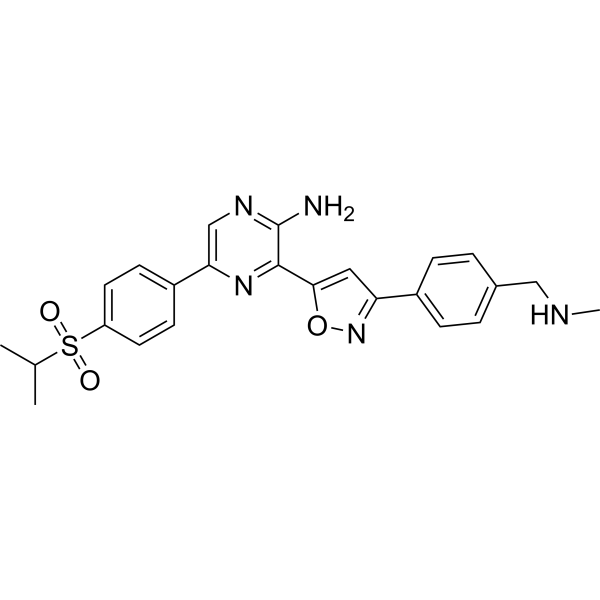
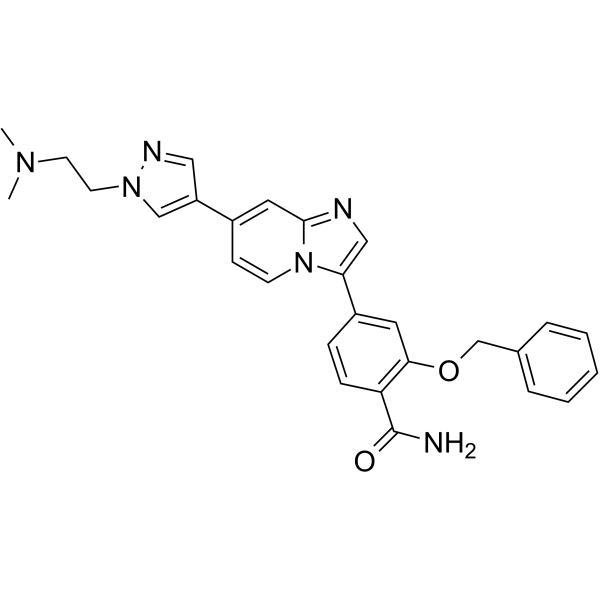
    SHP2-IN-9 is a specific SHP2 inhibitor (IC50 =1.174 μM) with enhanced blood–brain barrier penetration. SHP2-IN-9 shows 85-fold more selective for SHP2 than SHP1. SHP2-IN-9 inhibits SHP2-mediated cell signal transduction and cancer cell proliferation, and inhibits the growth of cervix cancer tumors and glioblastoma growth in vivo .
    SHP2-IN-9
  • HY-161509

    mTOR Cancer
    PT-88 is a highly selective inhibitor of mTOR (Mammalian target of rapamycin) (IC50=1.2 nM). PT-88 inhibits both mTORC1 and mTORC2 complexes, both of which are active forms of mTOR protein kinases and are closely associated with cell growth, proliferation, and survival. PT-88 can be used to study the role of mTOR in tumorigenesis and development, especially in the study of breast cancer .
    PT-88
  • HY-125209A

    Apoptosis PARP DNA/RNA Synthesis Cancer
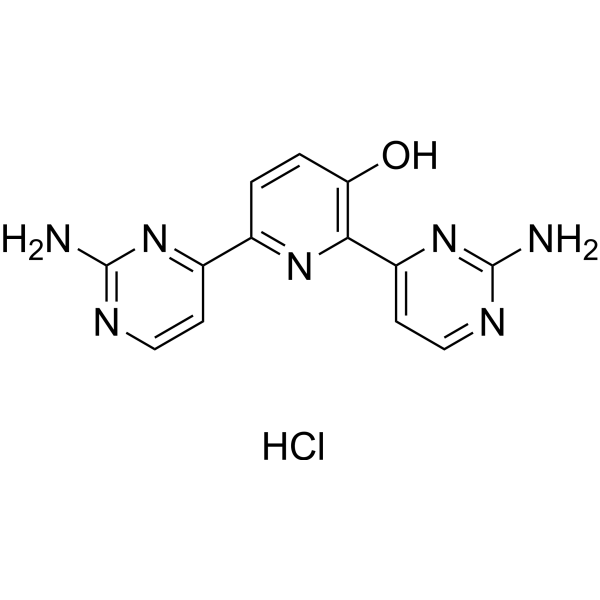
    TH5427 hydrochloride is a NUDT5 inhibitor with a human target IC50 of 29 nM, ~690-fold selectivity over MTH1 in vitro, and selective functional inhibition over other NUDIX hydrolases including NUDT9 .TH5427 hydrochloride binds to the active site of NUDT5, blocking enzymatic activity related to ADP-ribose metabolism and PAR-derived ATP synthesis .TH5427 hydrochloride blocks progestin-dependent nuclear ATP synthesis, impairs progestin-induced chromatin remodeling, inhibits histone H1 displacement, disrupts progestin-dependent gene regulation, and abrogates progestin-dependent proliferation in breast cancer cells .TH5427 hydrochloride functions as a versatile probe to study nuclear ATP dynamics and ADP-ribose-related metabolism in cells .TH5427 hydrochloride engages NUDT5 at physiological temperatures, as demonstrated by Drug Affinity Responsive Target Stability (DARTS) assay .TH5427 hydrochloride stabilizes NUDT5 against thermal denaturation in cell lysates and intact cells, as shown by cellular thermal shift assay (CETSA) .TH5427 hydrochloride functionally inhibits NUDT5 activity, leading to downstream effects on oxidative DNA damage and DNA replication in triple-negative breast cancer (TNBC) cells .TH5427 hydrochloride suppresses proliferation of TNBC cells without inducing cell death or apoptosis, slows DNA replication in TNBC cells, promotes accumulation of oxidative DNA lesions, and triggers DNA damage response in TNBC cells .TH5427 hydrochloride suppresses growth of TNBC cells in vitro, inhibits growth of TNBC xenograft tumors in nude mice in vivo, and shows greater potency against TNBC cell lines compared to ER-positive and normal-like breast cell lines .TH5427 hydrochloride can be used for the research of breast cancer and triple-negative breast cancer .
    TH5427 hydrochloride
  • HY-N15194A

    Bacterial Apoptosis Infection Cancer
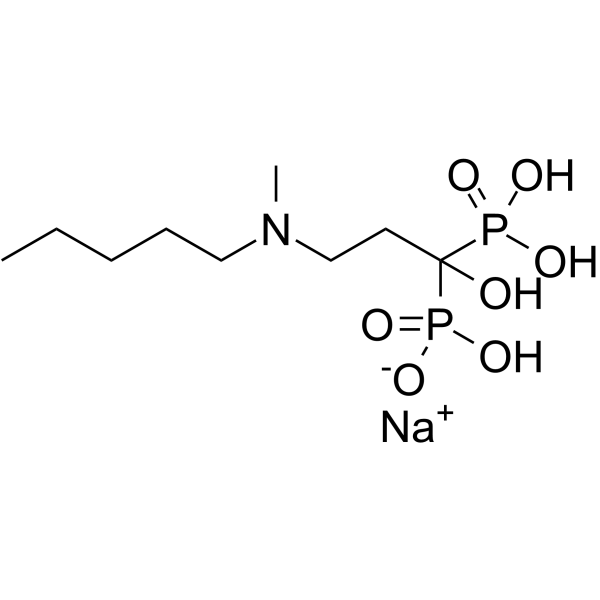
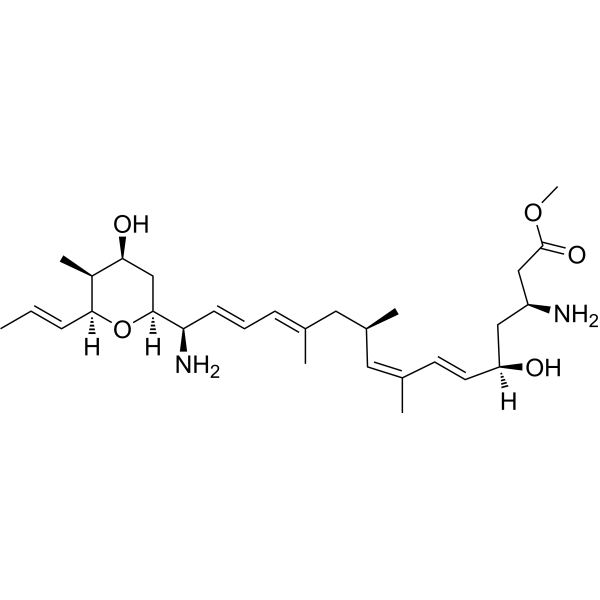
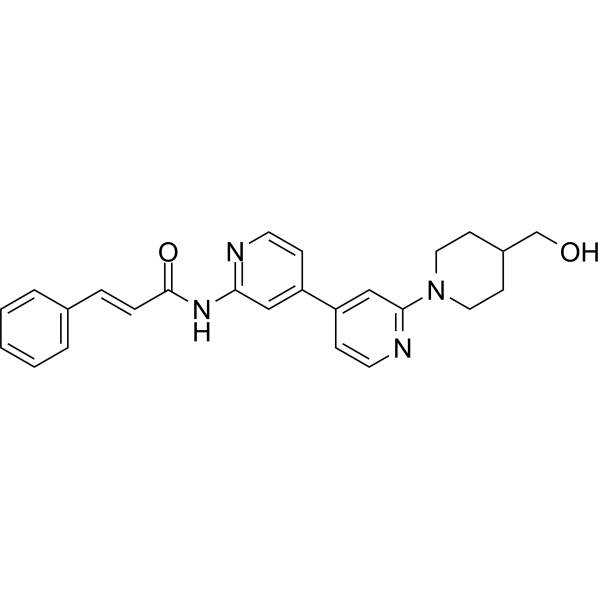
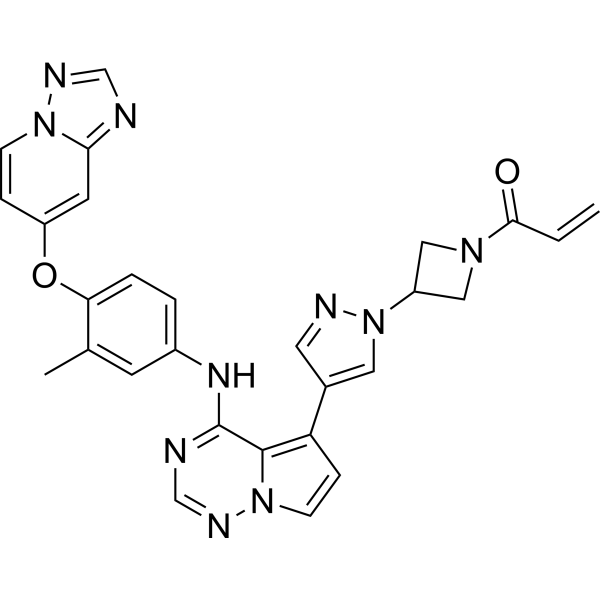
    Inostamycin A sodium is an inhibitor of cytidine-5'-diphosphate-1,2-diacyl-sn-glycerol (CDP-DG):inositol transferase. Inostamycin A sodium reduces phosphatidylinositol turnover, and inhibits cell proliferation and transformation. Inostamycin A sodium inhibits cancer cell proliferation, induces apoptosis, and prevents tumor recurrence. Inostamycin A sodium exhibits antibacterial activity. Inostamycin A sodium is applicable to research related to infection and cancer .
    Inostamycin A sodium
  • HY-N15953

    Drug Metabolite Cancer
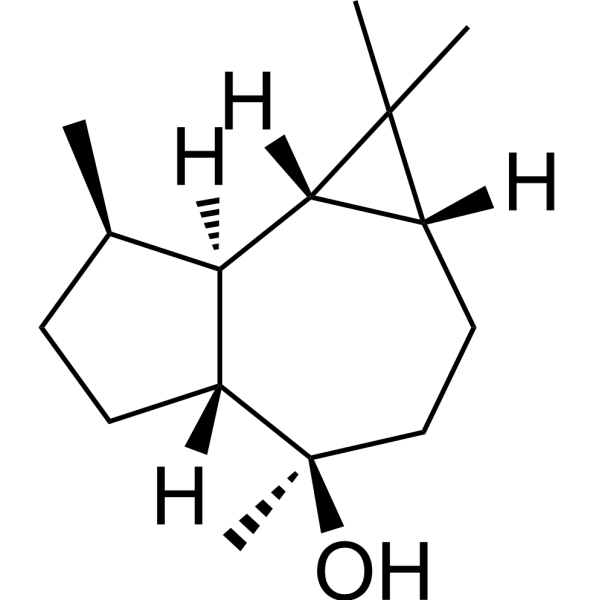
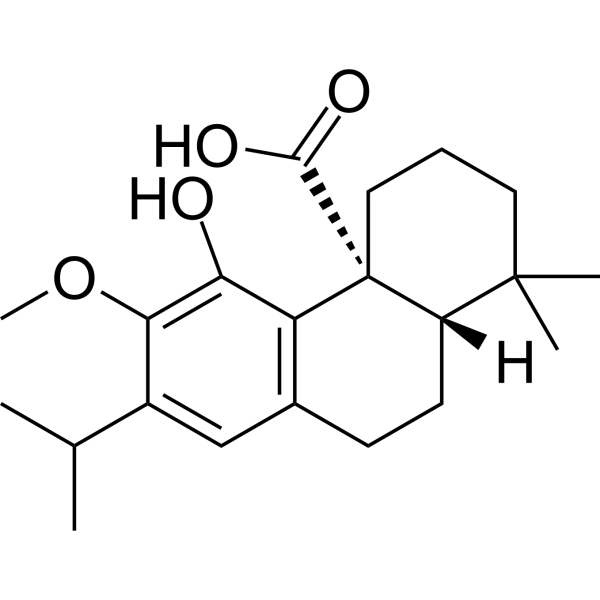
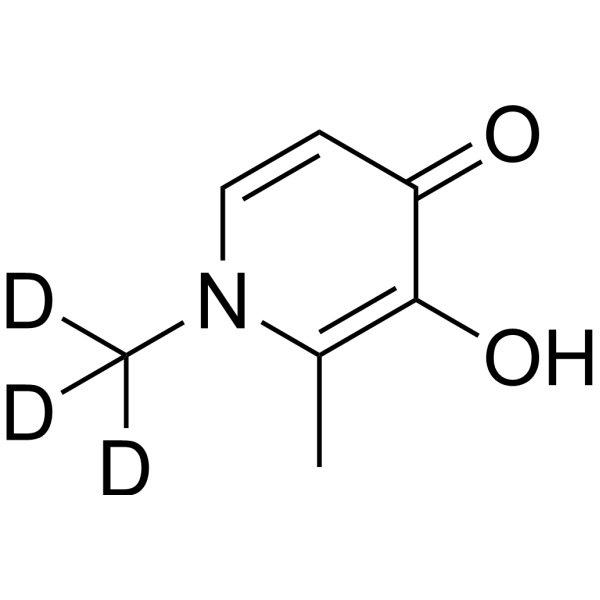
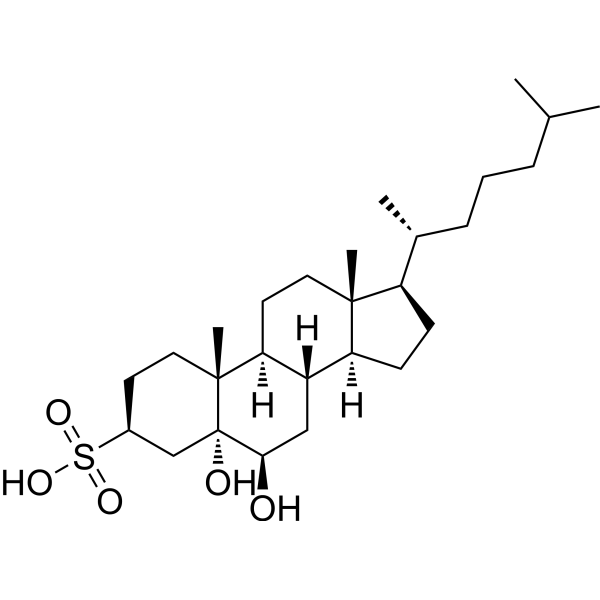
    27-Hydroxy oncosterone is a metabolite that inhibits breast cancer (BC) cell proliferation and blocks oncosterone and 27-Hydroxycholesterol (HY-N2371)-induced proliferation in BC cells .
    27-Hydroxy oncosterone
  • HY-N9954

    Apoptosis Cancer
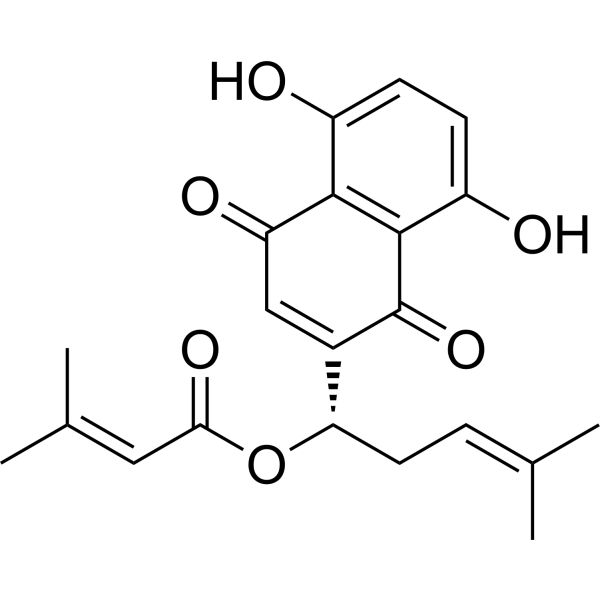
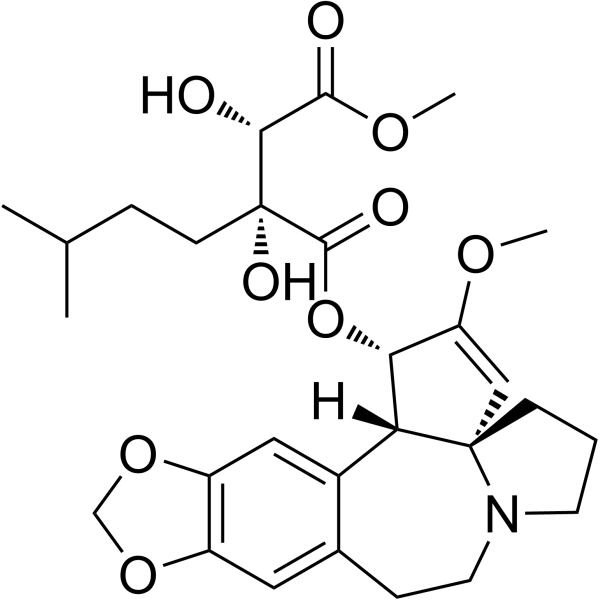
    Isoharringtonine is a natural alkaloid that can be purified from Cephalotaxus koreana Nakai. Isoharringtonine can inhibit cancer cell proliferation and migration, and induce cancer cell apoptosis. Isoharringtonine can be used for the research of cancers .
    Isoharringtonine
  • HY-126412

    Apoptosis Cancer
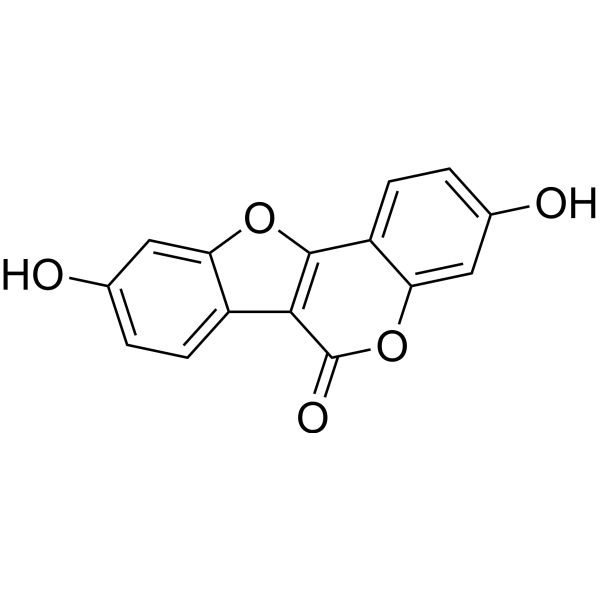
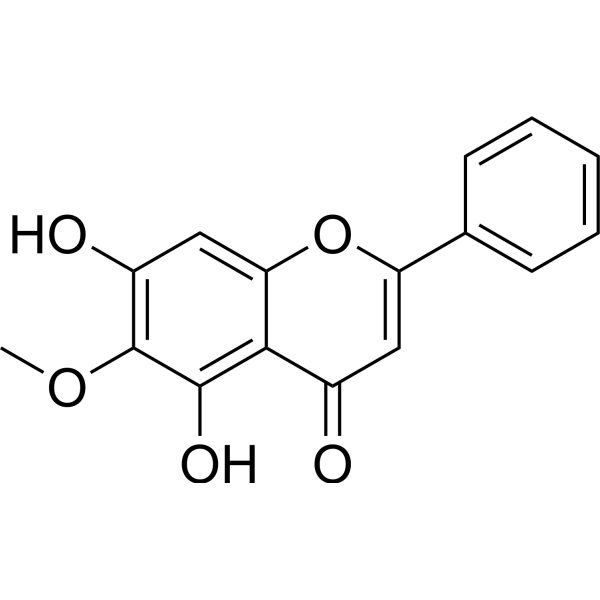
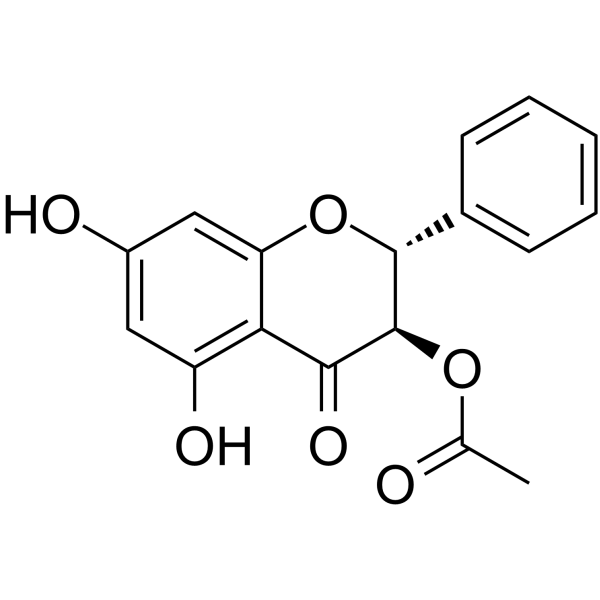
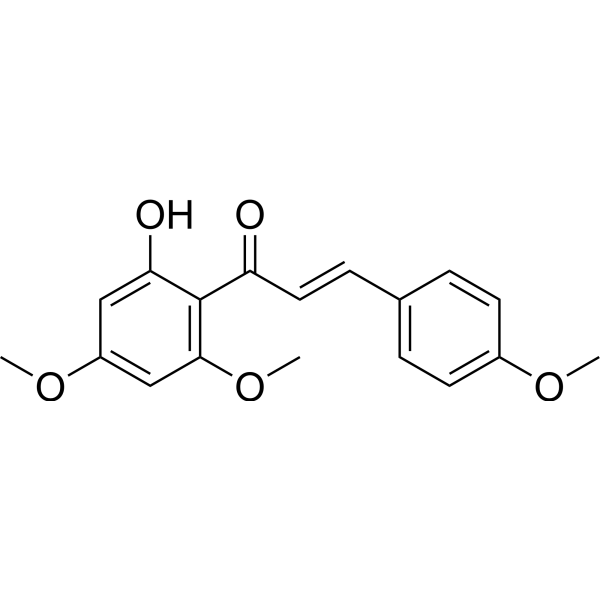
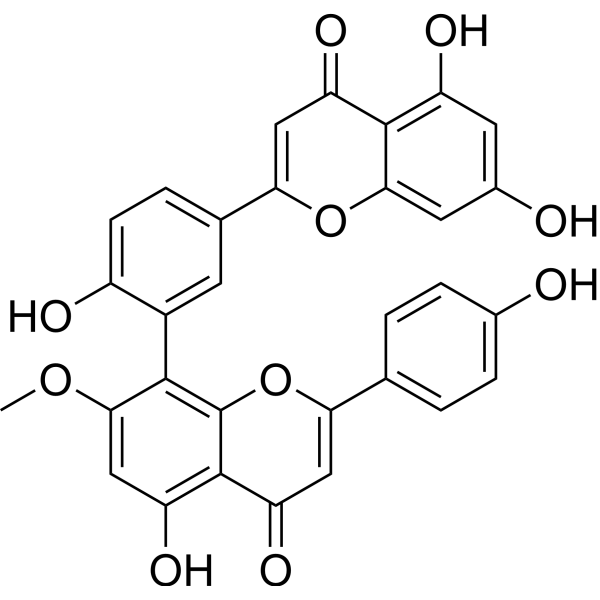
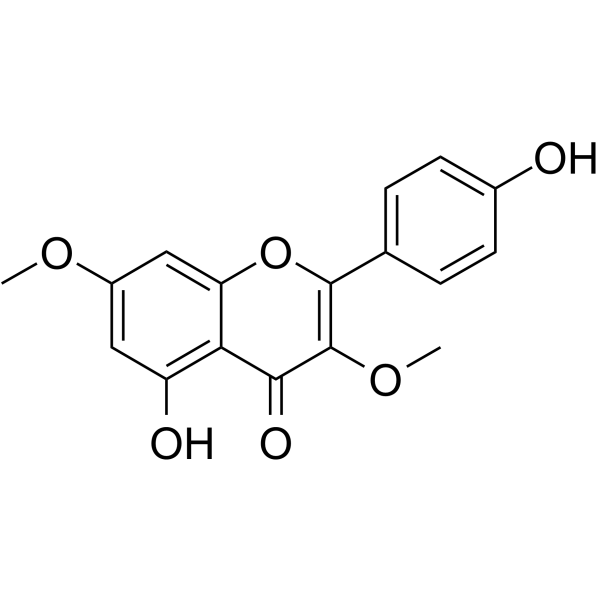
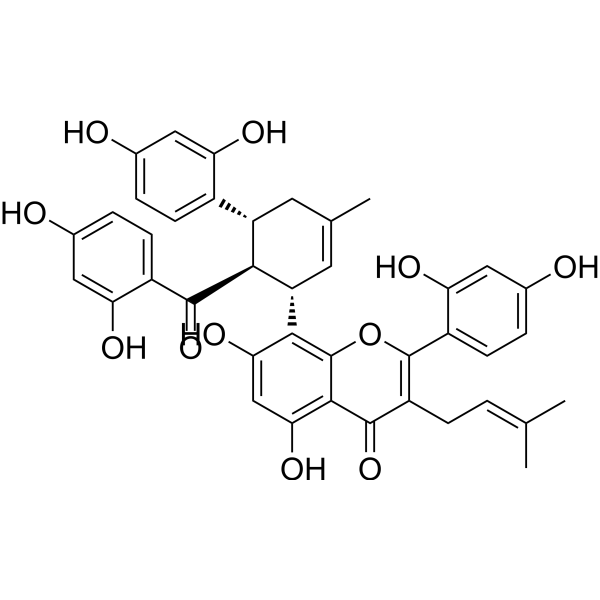
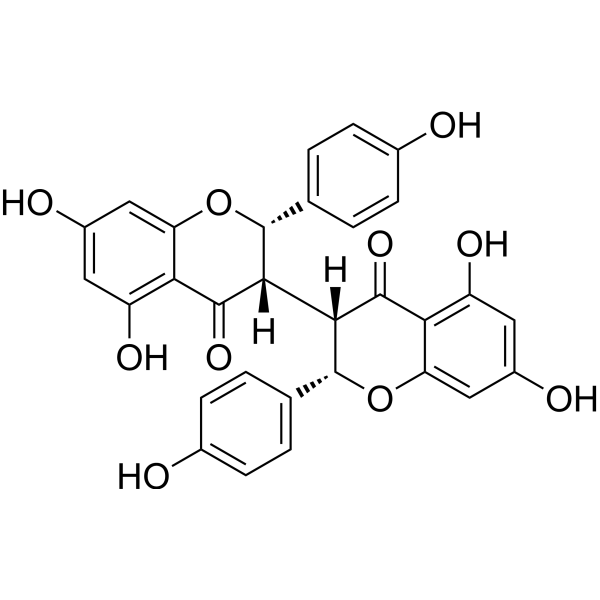
    Neochamaejasmine A is a biflavonoid that can be isolated from the roots of Stellera chamaejasme L.. Neochamaejasmine A inhibits proliferation, induces cell cycle arrest and apoptosis in tumor cells. Neochamaejasmine A can be used in the research of cancers such as prostate cancer, hepatoma cancer .
    Neochamaejasmine A
  • HY-159009

    NAMPT Ligands for Target Protein for PROTAC Cancer
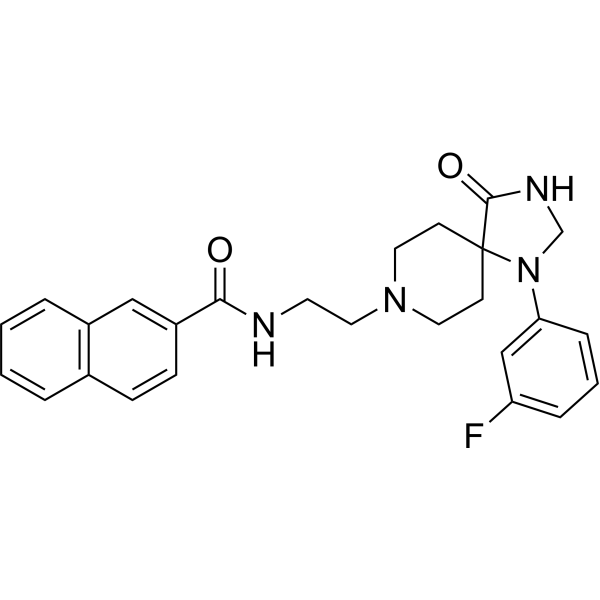
    MS7 is a potent inhibitor of nicotinamide phosphoribosyltransferase (NAMPT). NAMPT is overexpressed in many cancer cells to meet the continuous replenishment of NAD + required for rapid proliferation. MS7, as a NAMPT target protein ligand, can be used to synthesize PROTAC A7, which is an effective NAMPT degrader. MS7 can be used in cancer research .
    MS7
  • HY-168704

    YAP TAM Receptor Survivin Cancer
    YAP/TAZ-TEAD-IN-2 (Compound 51) is a YAP/TAZ-TEAD inhibitor that inhibits the interaction between YAP/TAZ and TEAD. YAP/TAZ-TEAD-IN-2 suppresses the transcriptional activity of TEAD, with an IC50 of 1.2 nM. YAP/TAZ-TEAD-IN-2 inhibits YAP/TAZ-TEAD target genes expression (Cyr61, CTGF, AXL and Survivin) and breast cancer cell proliferation .
    YAP/TAZ-TEAD-IN-2
  • HY-15160B
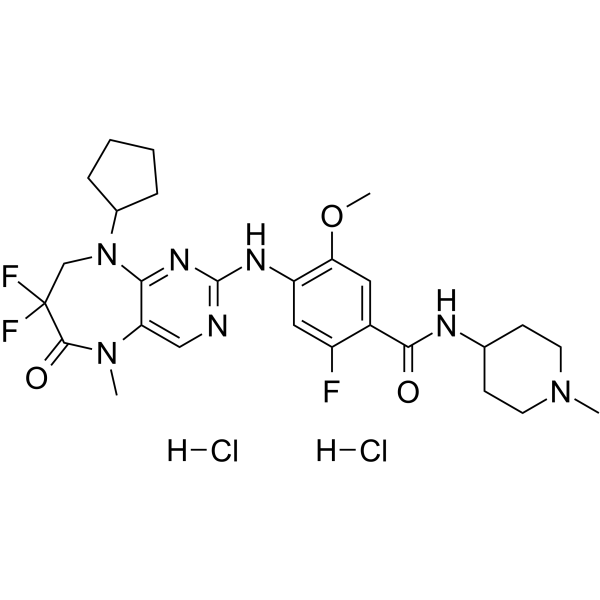
    TAK-960 dihydrochloride
    2 Publications Verification

    Polo-like Kinase (PLK) Cancer
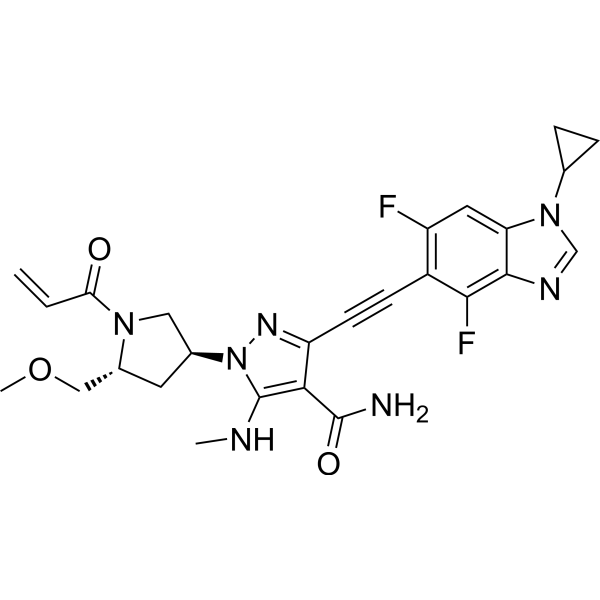
    TAK-960 dihydrochloride is an orally available, selective inhibitor of polo-like kinase 1 (PLK1), with an IC50 of 0.8 nM. TAK-960 dihydrochloride also shows inhibitory activities against PLK2 and PLK3, with IC50s of 16.9 and 50.2 nM, respectively. TAK-960 dihydrochloride inhibits proliferation of multiple cancer cell lines and exhibits significant efficacy against multiple tumor xenografts .
    TAK-960 dihydrochloride
  • HY-15160A

    Polo-like Kinase (PLK) Cancer
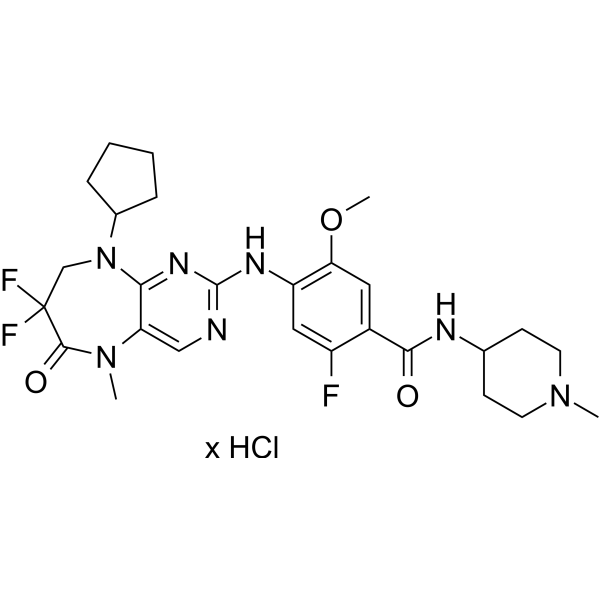
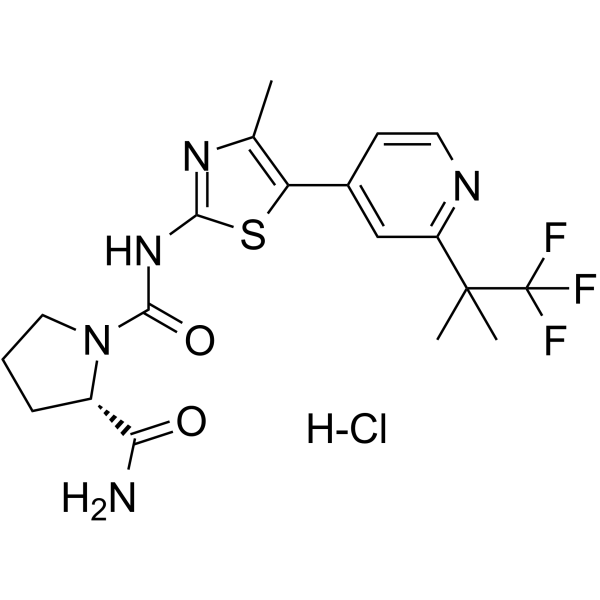
    TAK-960 hydrochloride is an orally available, selective inhibitor of polo-like kinase 1 (PLK1), with an IC50 of 0.8 nM. TAK-960 hydrochloride also shows inhibitory activities against PLK2 and PLK3, with IC50s of 16.9 and 50.2 nM, respectively. TAK-960 hydrochloride inhibits proliferation of multiple cancer cell lines and exhibits significant efficacy against multiple tumor xenografts .
    TAK-960 hydrochloride
  • HY-W021291

    Biochemical Assay Reagents Cancer
    Butyl isothiocyanate inhibits the proliferation of breast cancer cells. Butyl isothiocyanate can inhibit carcinogen activating phase I enzymes and inhibits cancer cell proliferation through altering the telomerase activity, dynamics of microtubules as well as expression of histone deacetylases. Butyl isothiocyanate can be studied in anti-cancer research .
    Butyl isothiocyanate
  • HY-N10304

    Apoptosis Cancer
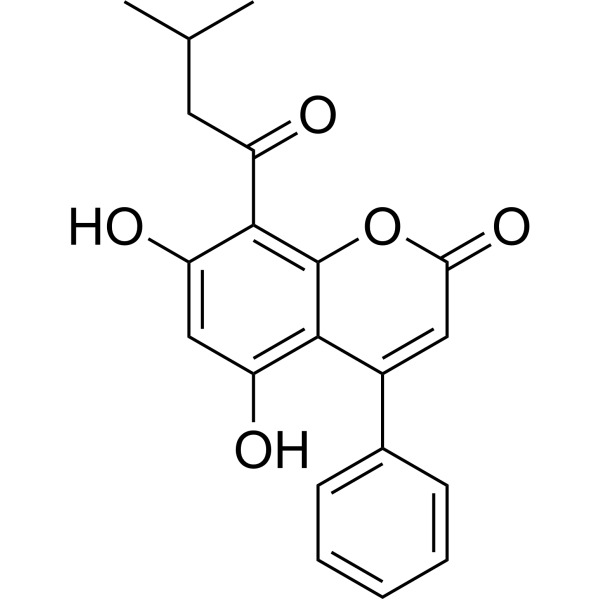
    Isodispar B is an anticancer agent that inhibits the proliferation of nasopharyngeal carcinoma and breast cancer cells and induces cell apoptosis. Isodispar B is cytotoxic to a wide range of cancer cell lines .
    Isodispar B
  • HY-N0093A

    Cyclocytidine; Cyclo-CMP

    DNA/RNA Synthesis CMV Autophagy Cancer
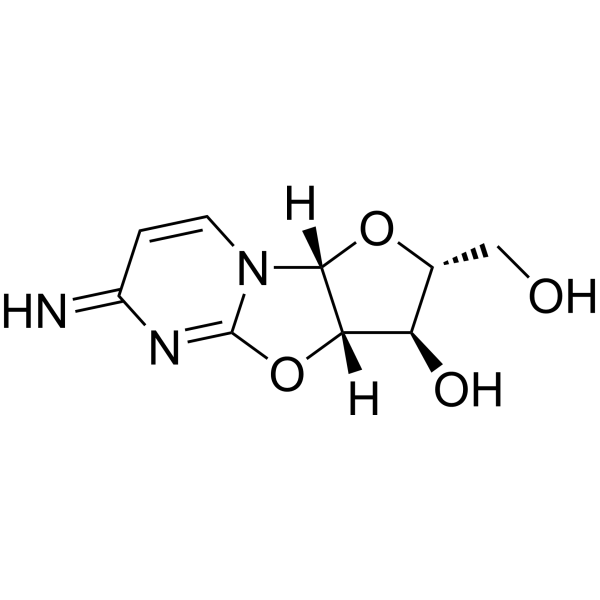
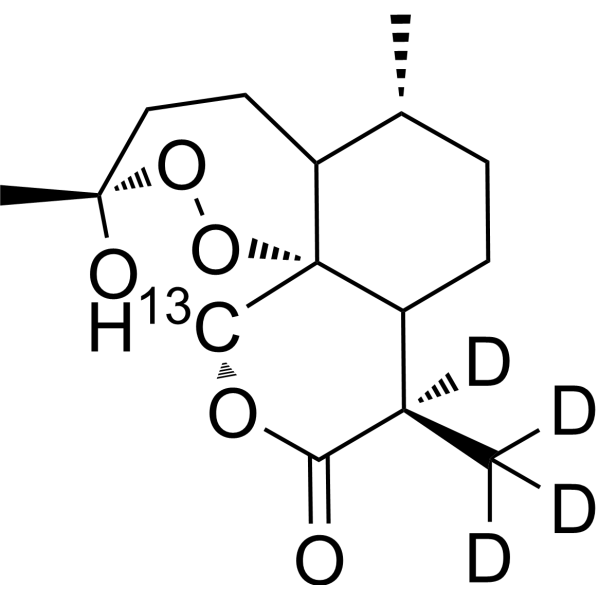
    Ancitabine is the precursor of the anticancer agent Cytarabine (HY-13605), which targets targets related to cell metabolism and proliferation. Ancitabine can inhibit tumor cell proliferation, interfere with the DNA synthesis process of tumor cells, and prevent cell division. Under alkaline pH conditions, Ancitabine can be quantitatively converted into Cytarabine and can be used in the study of cancers such as colorectal cancer .
    Ancitabine
  • HY-163620

    FGFR Apoptosis Cancer
    LHQ490 is a selective FGFR2 inhibitor, with an IC50 of 5.2 nM. LHQ490 efficiently inhibits the proliferation of BaF3-FGFR2 cells with an IC50 value of 1.4 nM. LHQ490 inhibits FGFR2-driven cancer cell proliferation and induces apoptosis of FGFR2-driven cancer cells .
    LHQ490
  • HY-108028

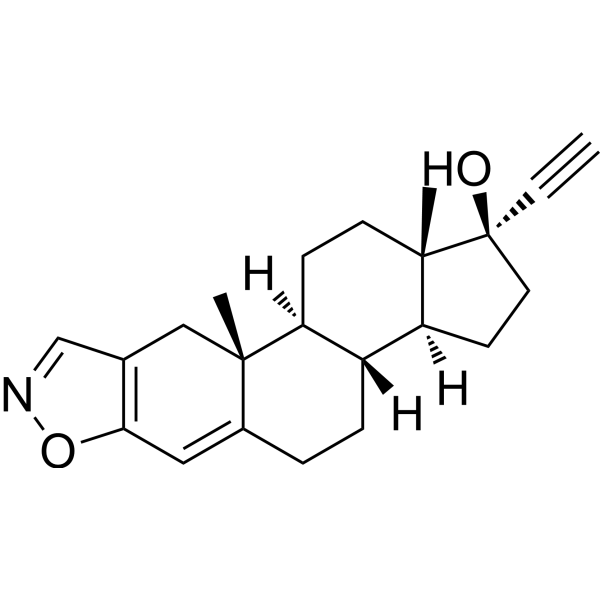
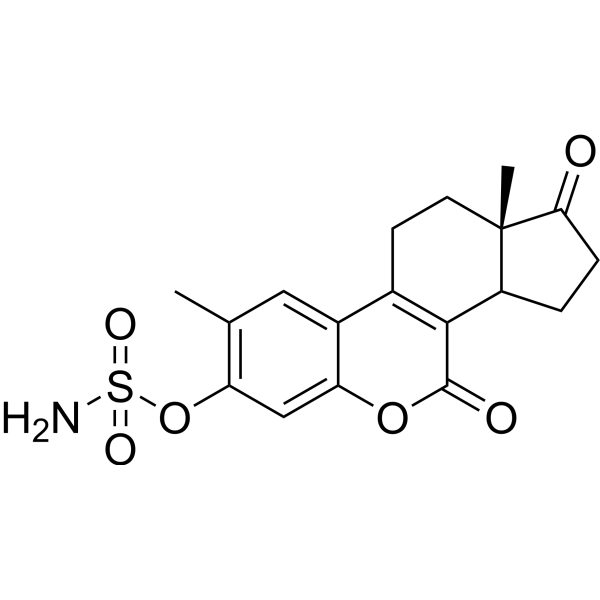
    Estrogen Receptor/ERR DNA/RNA Synthesis Cancer
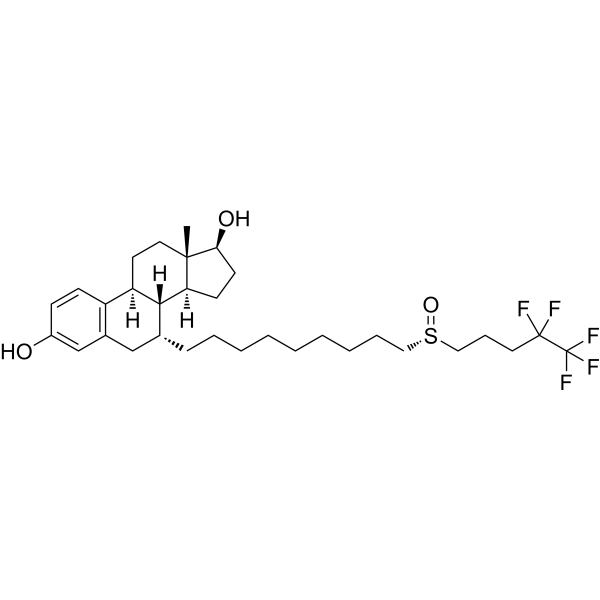
    NDC 1308 is an estradiol analogue. NDC 1308 can bind estrogen receptor beta and inhibit cancer cell proliferation by blocking chromosome replication. NDC 1308 can be used for the research of cancer, such as breast cancer .
    NDC 1308
  • HY-155459

    Microtubule/Tubulin Mitosis Cancer
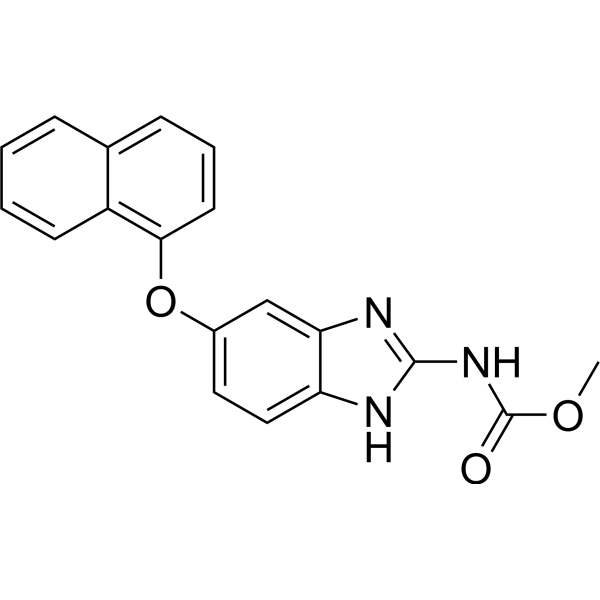
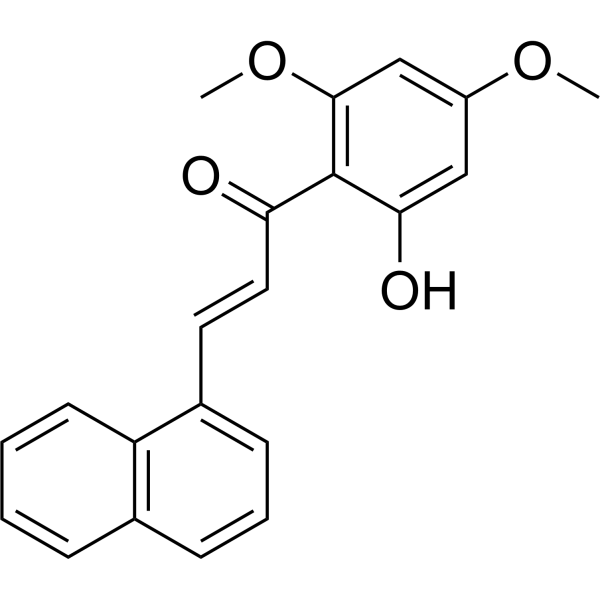
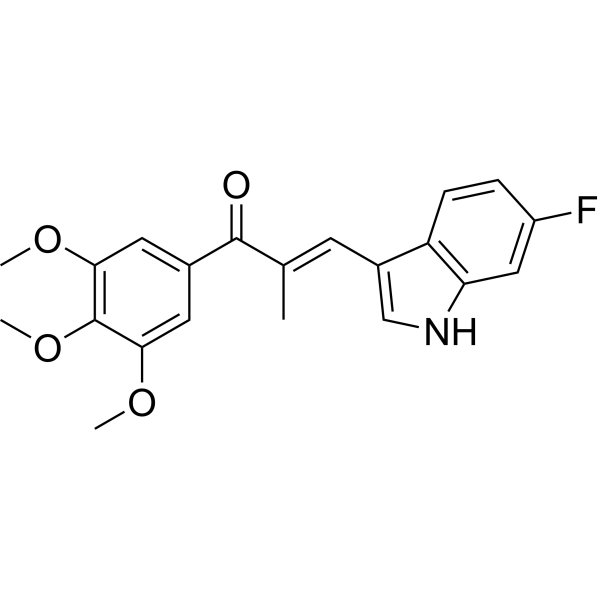
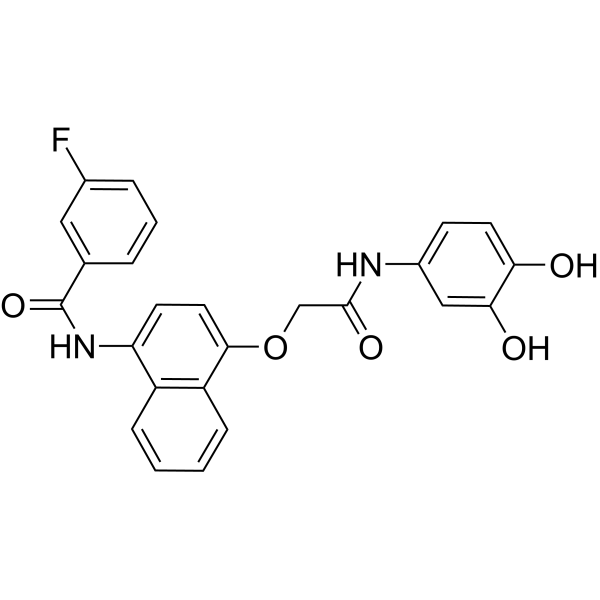
    Tubulin polymerization-IN-57 (compound 5a) is a tubulin inhibitor and is an α-naphthoxy-substituted carbendazim (HY-13582) derivative. Tubulin polymerization-IN-57 induces mitotic arrest and inhibits cancer cell proliferation .
    Tubulin polymerization-IN-57
  • HY-115888

    Macrophage migration inhibitory factor (MIF) Cancer
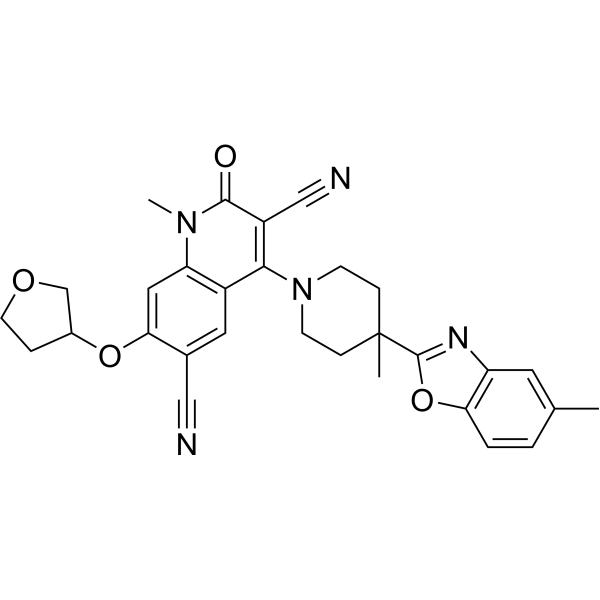
    MIF2-IN-1 (compound 5d) is a potent inhibitor of MIF2 tautomerase with an IC50 of 1.0 μM. MIF2-IN-1 suppresses the proliferation of non-small cell lung cancer cells by the induction of cell cycle arrest via deactivation of the MAPK pathway. MIF2-IN-1 has the potential for the research of cancer diseases .
    MIF2-IN-1

Inquiry Online

Your information is safe with us. * Required Fields.

Salutation


Country or Region *

Applicant Name *


Organization Name *

Department *


Email Address *


Product Name *

Cat. No.


Requested quantity *

Phone Number *


Remarks

Inquiry Online

Inquiry Information

Product Name:
Cat. No.:
Quantity:
MCE Japan Authorized Agent: