1. Search Result
Search Result
Results for "

bacterial-

" in MedChemExpress (MCE) Product Catalog:

1994

Inhibitors & Agonists

12

Screening Libraries

38

Fluorescent Dye

70

Biochemical Assay Reagents

192

Peptides

20

MCE Kits

6

Inhibitory Antibodies

495

Natural
Products

160

Isotope-Labeled Compounds

8

Click Chemistry

19

Oligonucleotides

Targets Recommended:
Cat. No. Product Name Target Research Areas Chemical Structure
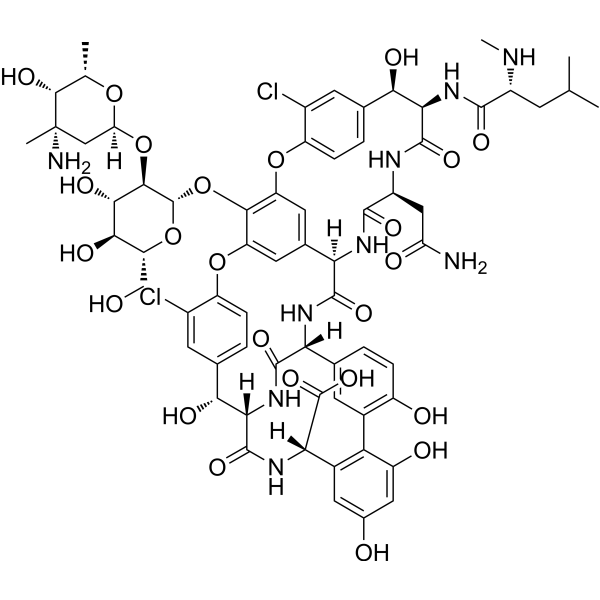
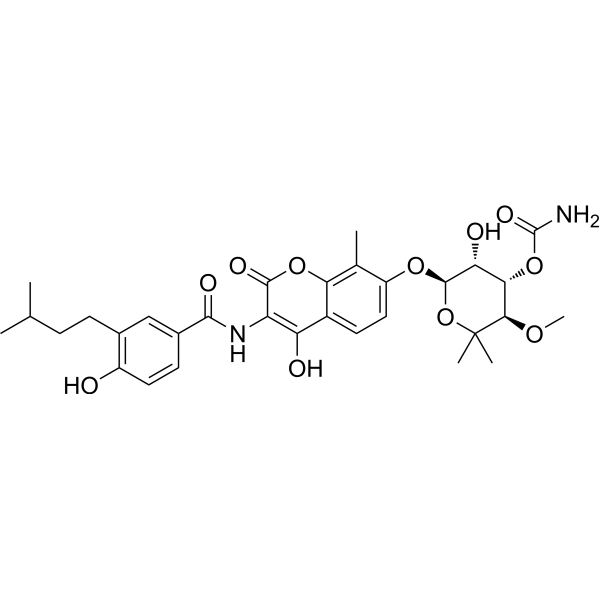
  • HY-B0671
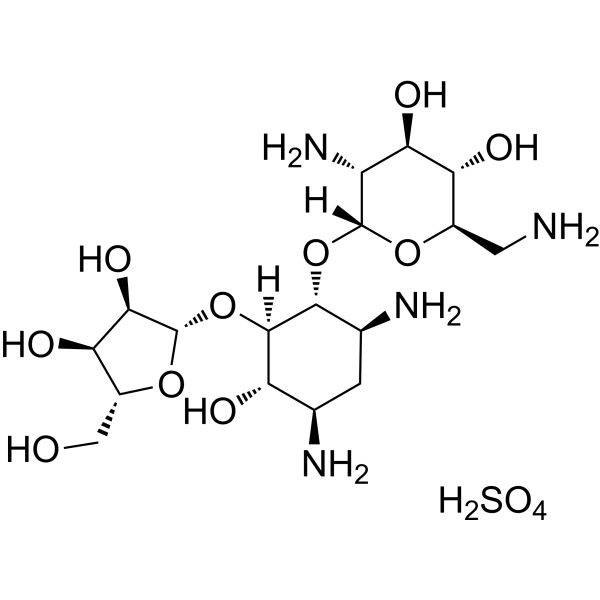
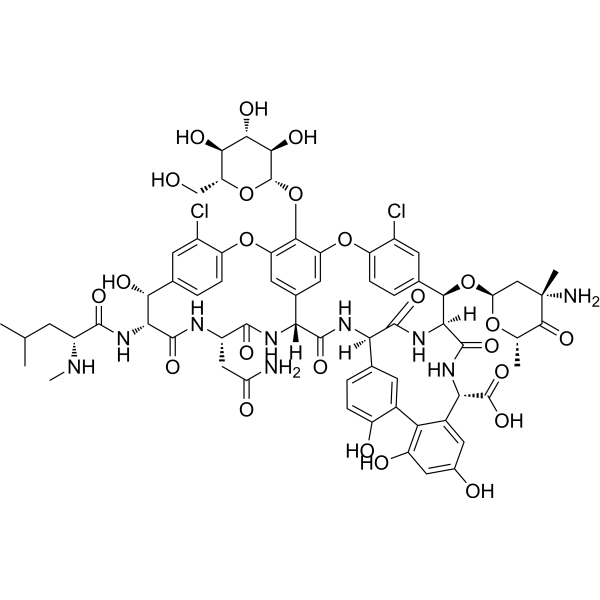
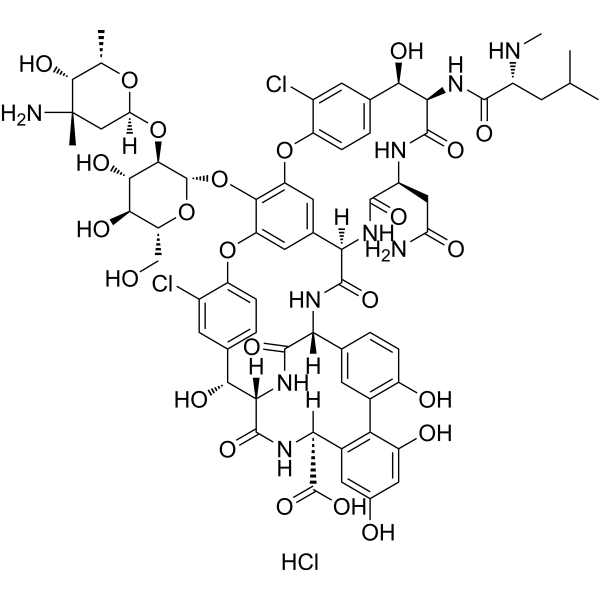
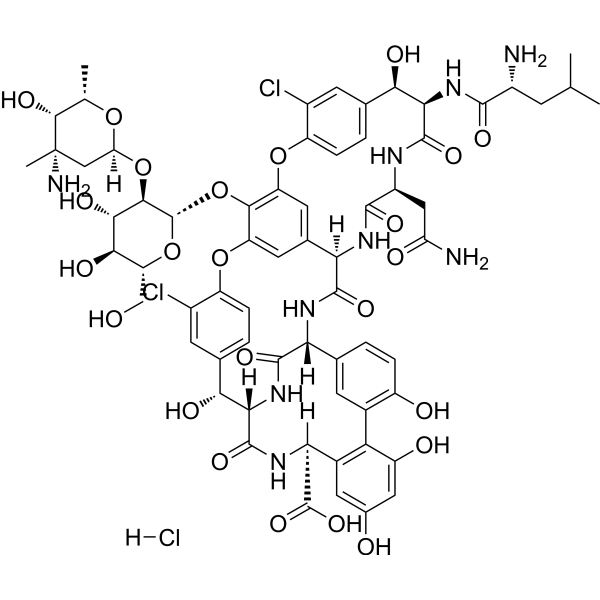
    Vancomycin
    Maximum Cited Publications
    94 Publications Verification

    Bacterial Autophagy Antibiotic Infection Cancer
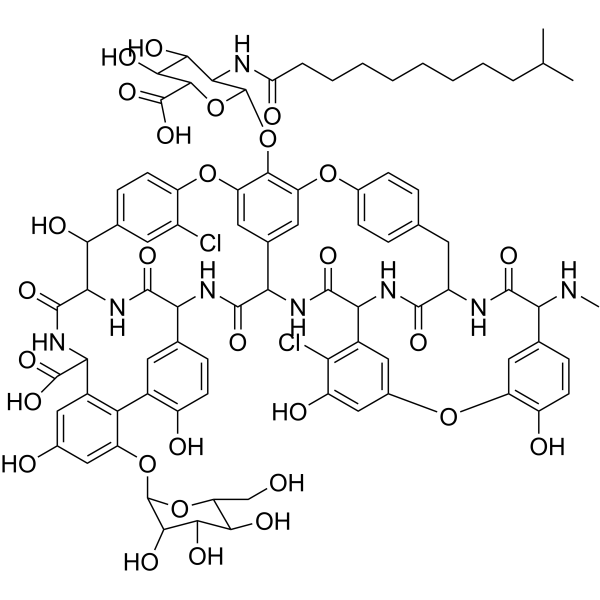
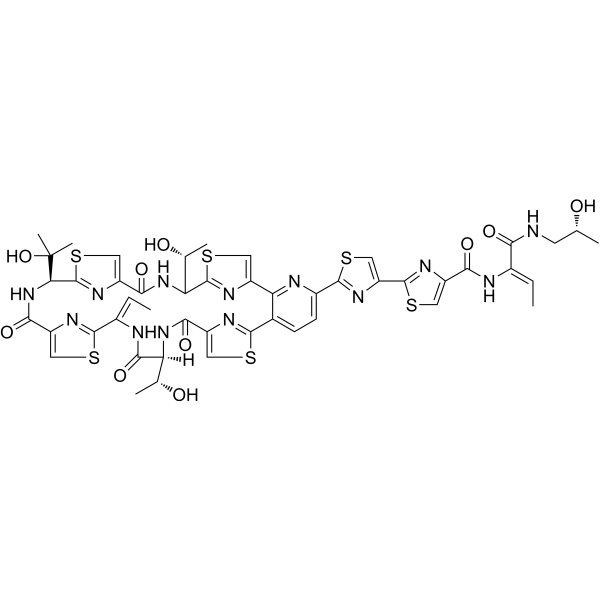
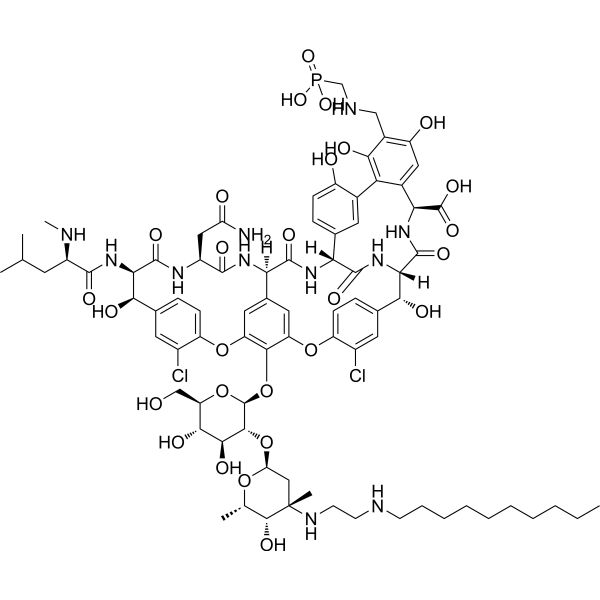
    Vancomycin is an antibiotic for the treatment of bacterial infections.
    Vancomycin
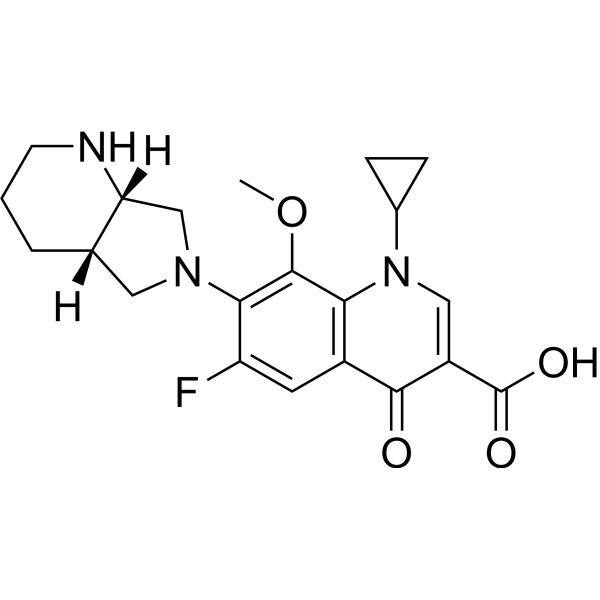
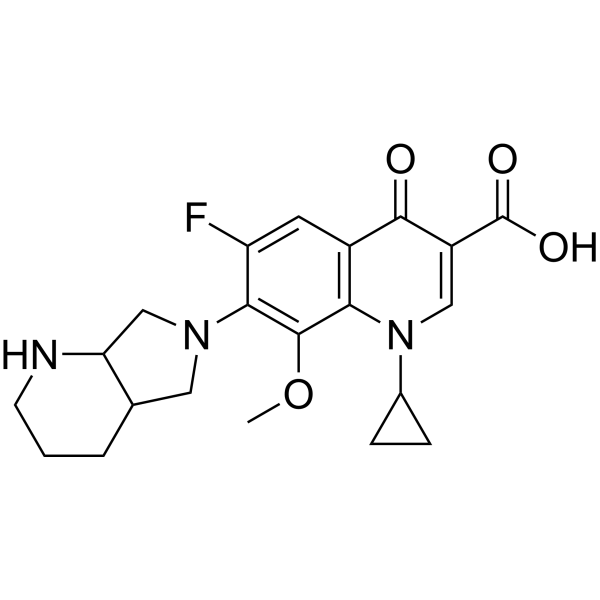
  • HY-66011A
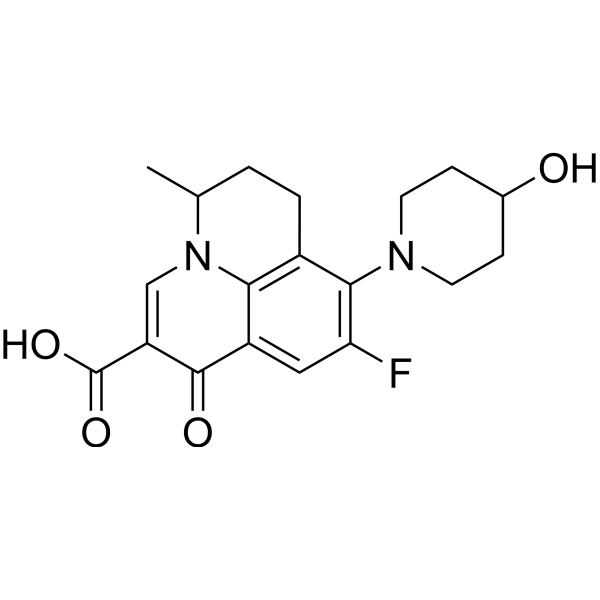
    Moxifloxacin
    20+ Cited Publications

    BAY 12-8039 free base

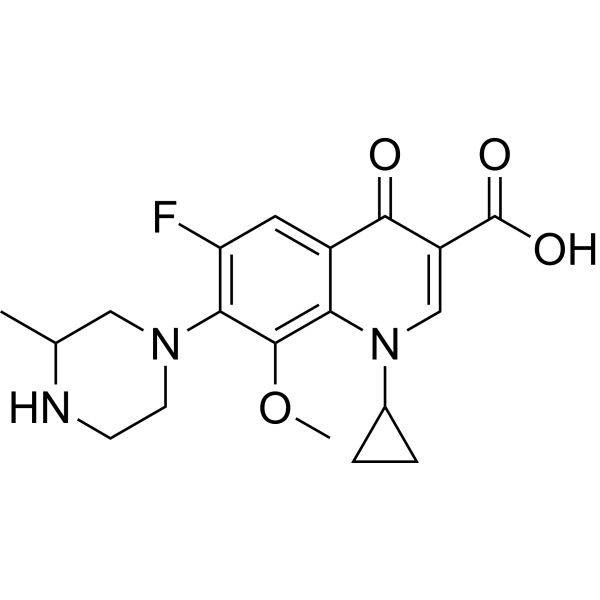
    Bacterial Antibiotic Infection Cancer
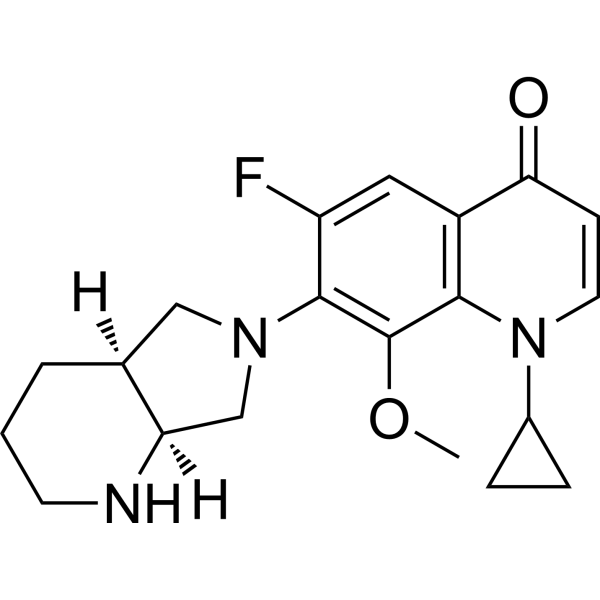
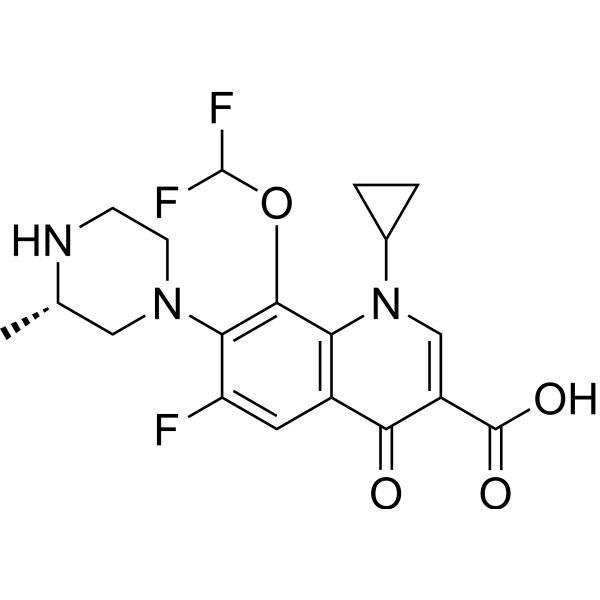
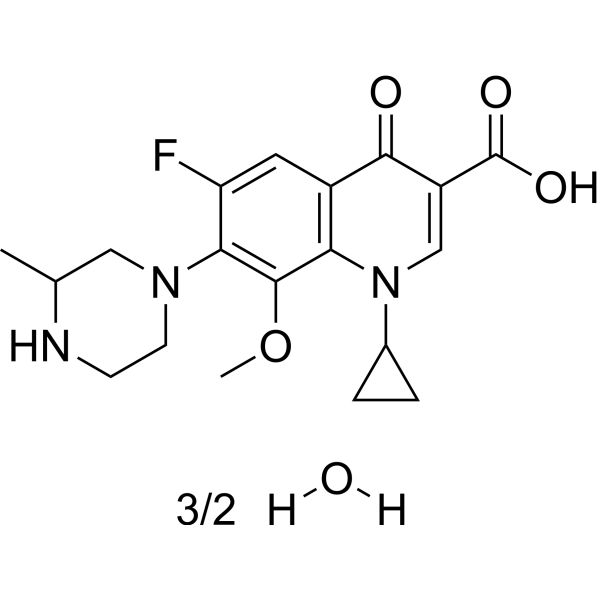
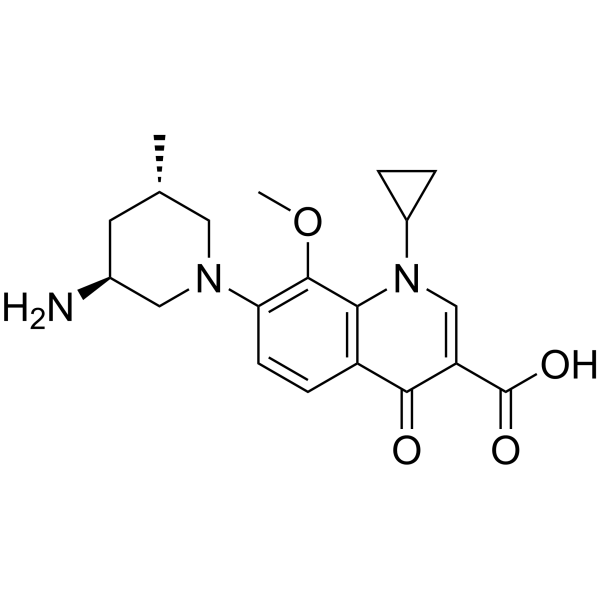
    Moxifloxacin is an orally active 8-methoxyquinolone antimicrobial for use in the treatment of acute bacterial sinusitis, acute bacterial exacerbations of chronic bronchitis, and community-acquired pneumonia .
    Moxifloxacin
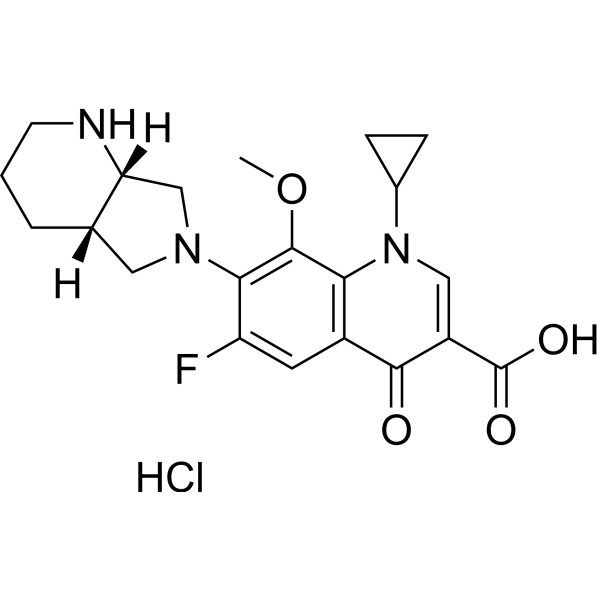
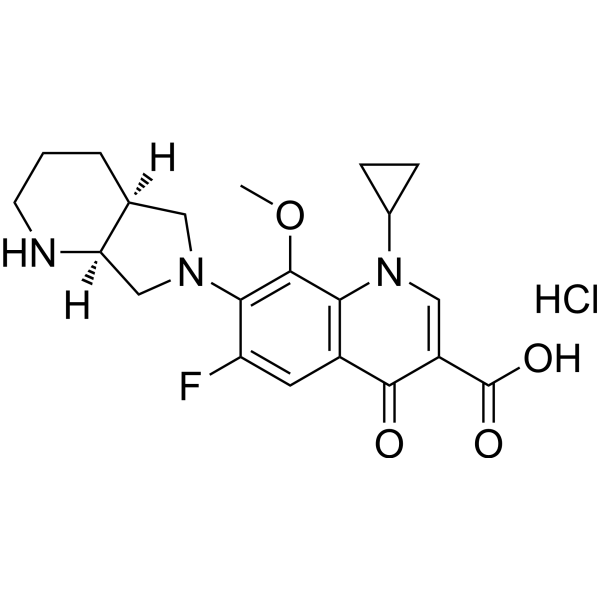
  • HY-66011
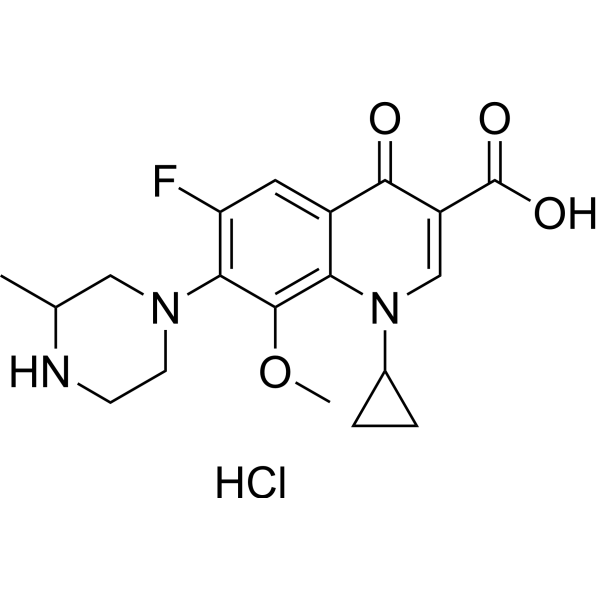
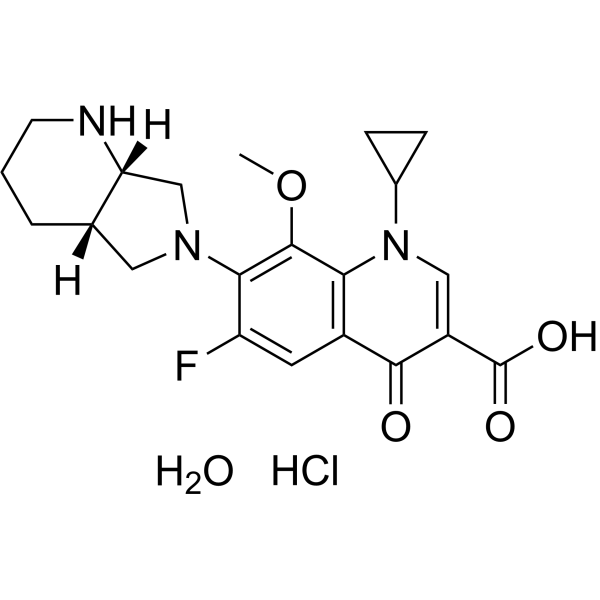
    Moxifloxacin Hydrochloride
    20+ Cited Publications

    BAY 12-8039

    Bacterial Antibiotic Infection Cancer
    Moxifloxacin Hydrochloride (BAY 12-8039) is an oral 8-methoxyquinolone antimicrobial for use in the treatment of acute bacterial sinusitis, acute bacterial exacerbations of chronic bronchitis, and community-acquired pneumonia .
    Moxifloxacin Hydrochloride
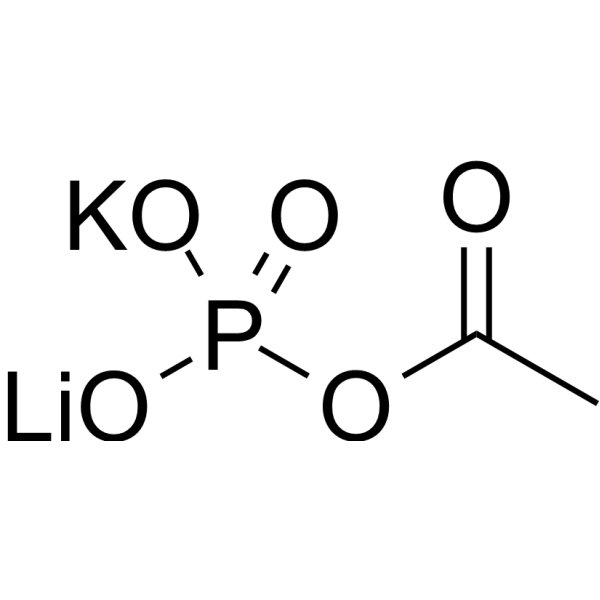
  • HY-128730

    Endogenous Metabolite Bacterial Metabolic Disease
    Acetyl phosphate lithium potassium is an endogenous metabolic product. Acetyl phosphate lithium potassium is a key substance in bacterial metabolic regulation, particularly in Lysine acetylation, and plays an important role in bacterial responses to environmental stress and adaptive reactions .
    Acetyl phosphate lithium potassium
  • HY-P1004

    Biochemical Assay Reagents Cancer
    Luciferase (bacterial) catalyzes the oxidation of a long-chain aldehyde and reduced flavin mononucleotide. Luciferase (bacterial) protection against oxidative stress for bacterial luminescence .
    Luciferase (bacterial)
  • HY-W133898

    Environmental Pollutants Biochemical Assay Reagents Others
    Tryptone is a peptide-rich bacterial culture medium component that can regulate bacterial cell surface proteins and biofilm-related genes. Tryptone promotes the expression and assembly of bacterial adhesion proteins (such as LapA and LapF) by providing peptide substances as structural factors, enhancing cell surface hydrophobicity and intercellular adhesion, thereby stabilizing the biofilm matrix and supporting the maturation and maintenance of bacterial biofilms. The peptide mixture contained in Tryptone can specifically regulate the transcription of bacterial adhesion-related genes (such as activating LapA and inhibiting LapF), affecting the synthesis and localization of biofilm structural proteins .
    Tryptone
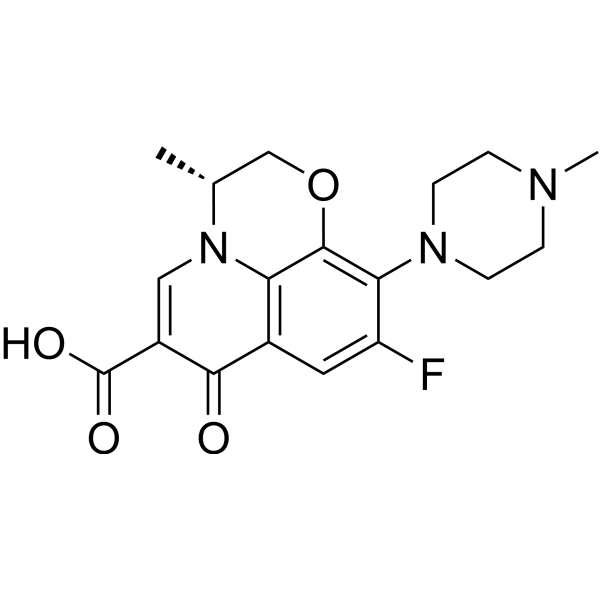
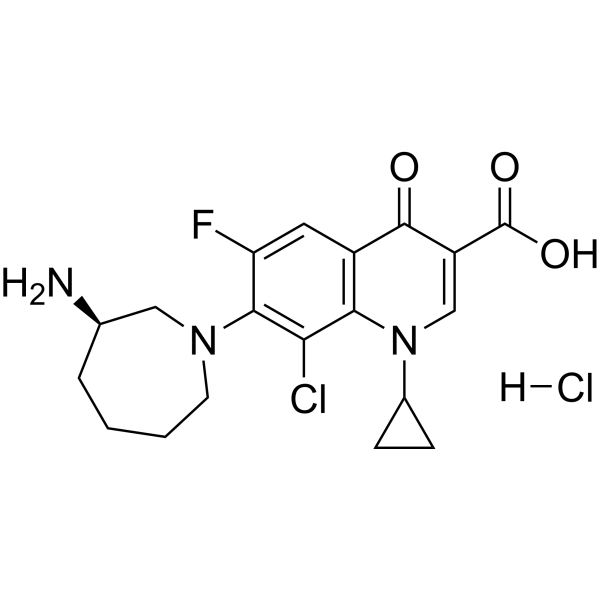
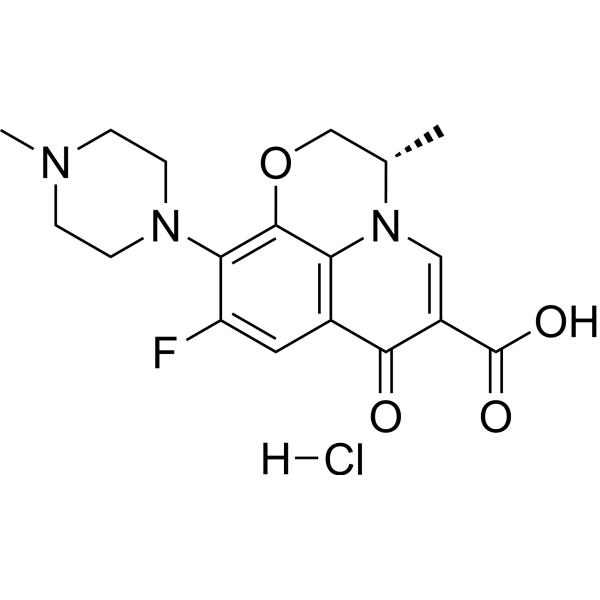
  • HY-B0915
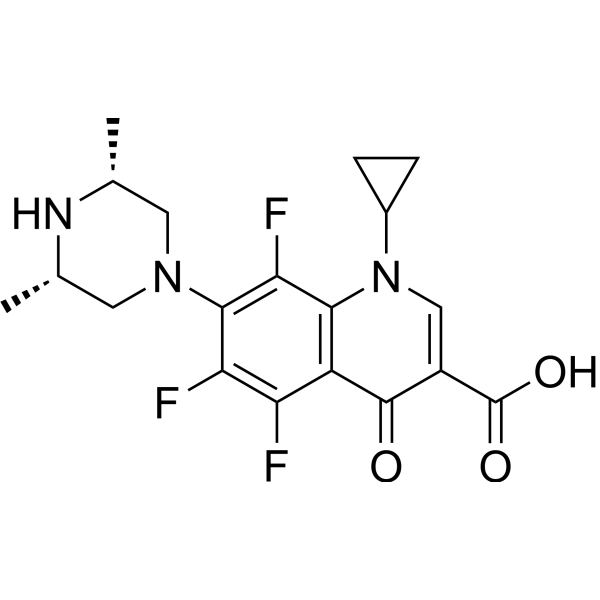
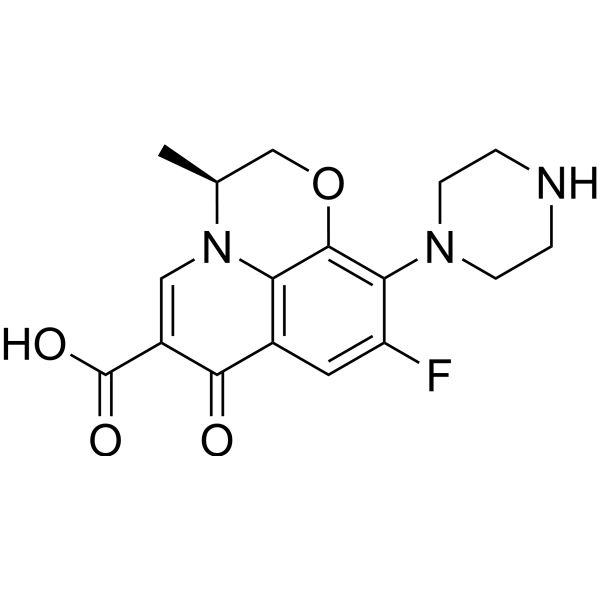
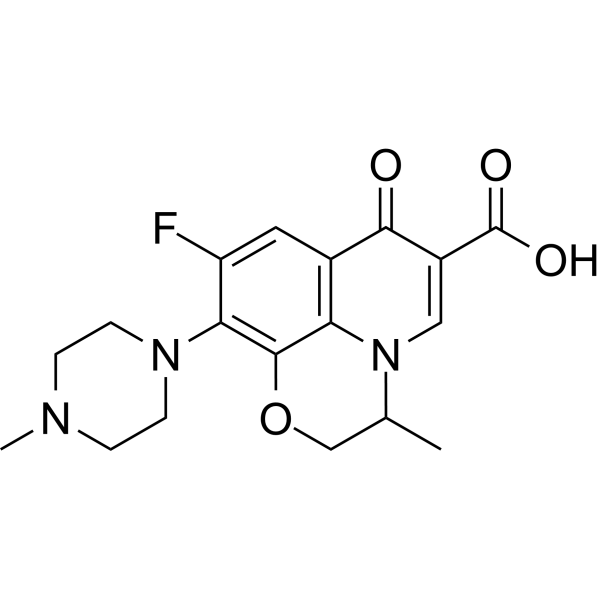
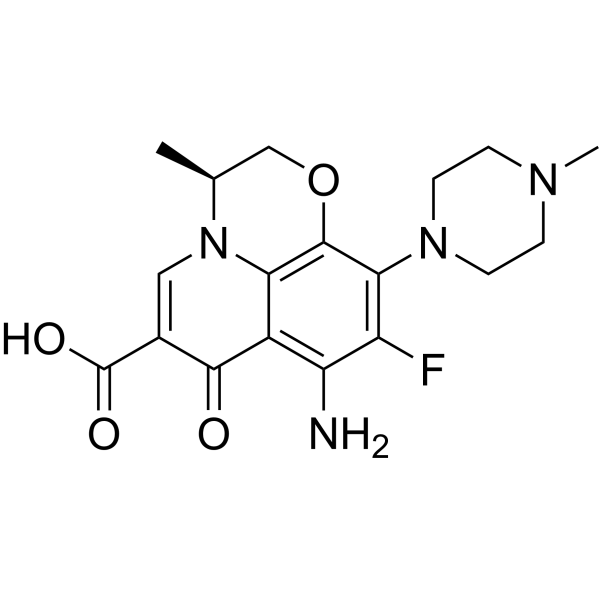
    Orbifloxacin
    1 Publications Verification

    CP-104354

    Bacterial Antibiotic Infection
    Orbifloxacin is an orally administrable Antibiotic. Orbifloxacin disrupts the replication and proliferation of Bacterial DNA, inhibits bacterial growth and exerts bactericidal activity. Orbifloxacin inhibits the growth of canine-derived E. coli and Pseudomonas aeruginosa isolates. Orbifloxacin is used in research related to bacterial infections .
    Orbifloxacin
  • HY-W012669

    Phthaldialdehyde

    Environmental Pollutants Biochemical Assay Reagents Infection
    Phthalaldehyde reacts with proteins containing primary amines and blocked amino-terminal peptides of amino acids. Phthalaldehyde stabilizes bacterial outer membranes and cell walls, increases the optical density of bacterial cell suspensions, and inhibits bacterial lysis induced by ethylenediaminetetraacetic acid and sodium dodecyl sulfate. Phthalaldehyde exhibits bactericidal activity against Gram-negative vegetative bacteria .
    Phthalaldehyde
  • HY-D1056B3

    LPS, from bacterial (Klebsiella pneumoniae)

    Toll-like Receptor (TLR) Inflammation/Immunology
    Lipopolysaccharides, from Klebsiella pneumoniae (LPS, from bacterial (Klebsiella pneumoniae)) are lipopolysaccharide endotoxins and TLR4 activators derived from Klebsiella pneumoniae, and are classified as S-type LPS. Lipopolysaccharides, from Klebsiella pneumoniae exhibit a typical three-part structure: O-antigen, core oligosaccharide, and lipid A. Lipopolysaccharides, from Klebsiella pneumoniae may participate in bacterial immune evasion by inhibiting complement-mediated killing and suppressing the host's secretion of antimicrobial peptides, thereby allowing the bacteria to escape immune defenses. Lipopolysaccharides, from Klebsiella pneumoniae possess high viscosity and resistance to serum-mediated killing, which may lead to sepsis. Lipopolysaccharides, from Klebsiella pneumoniae can be used to construct Acute Lung Injury Model .
    It is recommended to prepare a solution with concentration ≥2 mg/mL. Vortex thoroughly for more than 10 minutes. Due to the adsorption characteristics of LPS, silanized container or low adsorption centrifuge tubes should be used for aliquoting and storage, and mix thoroughly before use.
    Lipopolysaccharides, from Klebsiella pneumoniae
  • HY-16908A
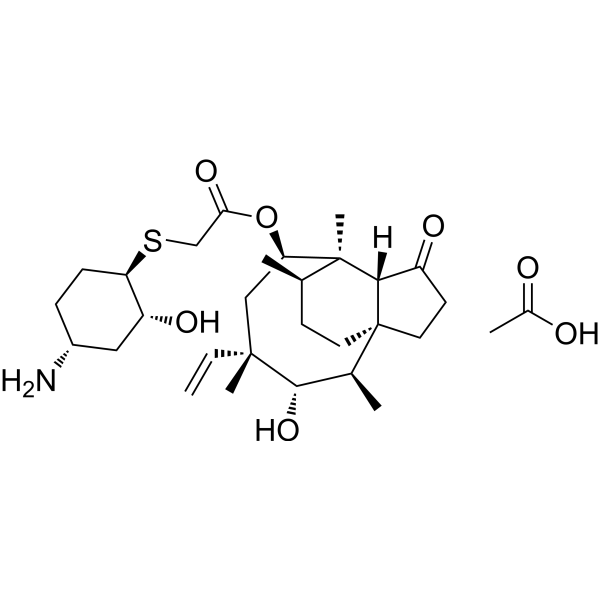
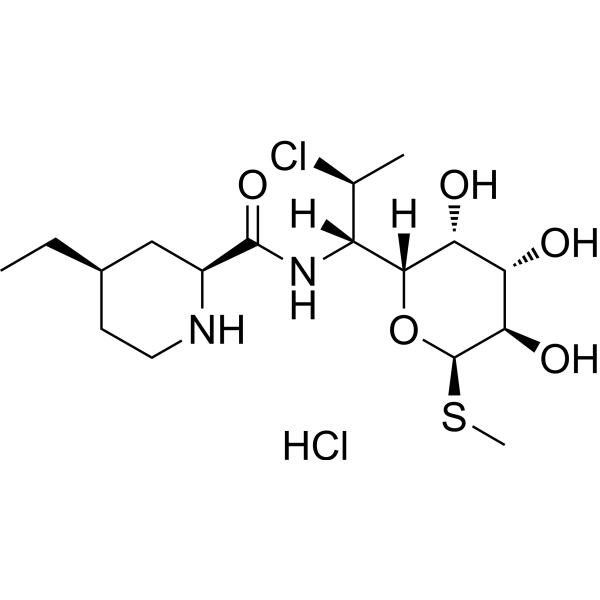
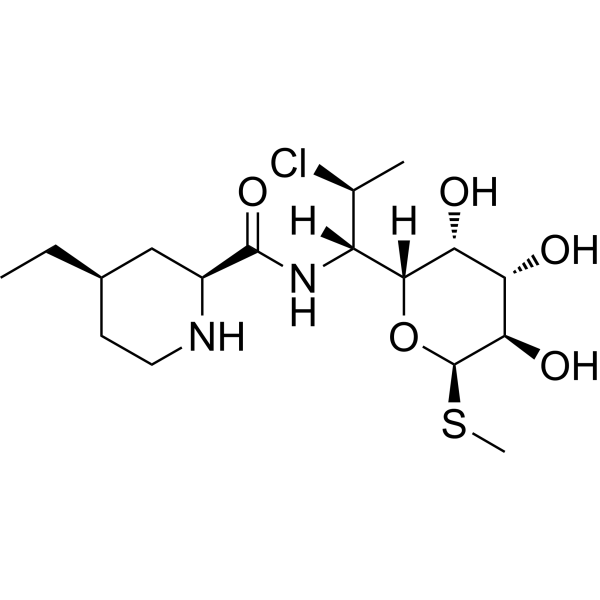
    Lefamulin acetate
    4 Publications Verification

    BC-3781 acetate

    Bacterial Antibiotic Infection Inflammation/Immunology
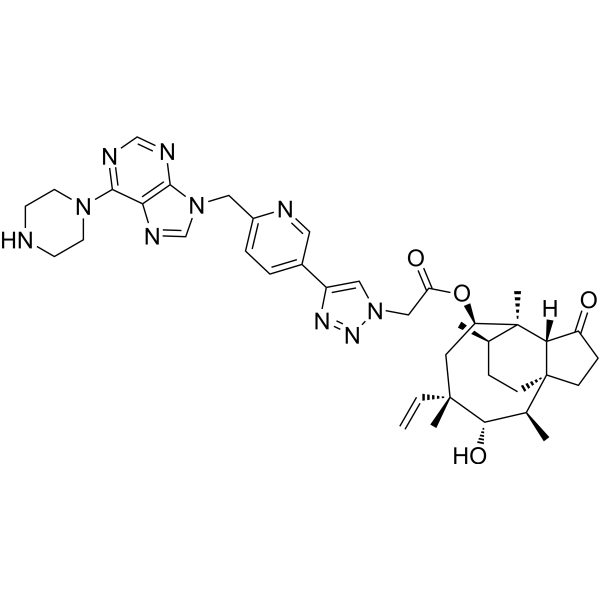
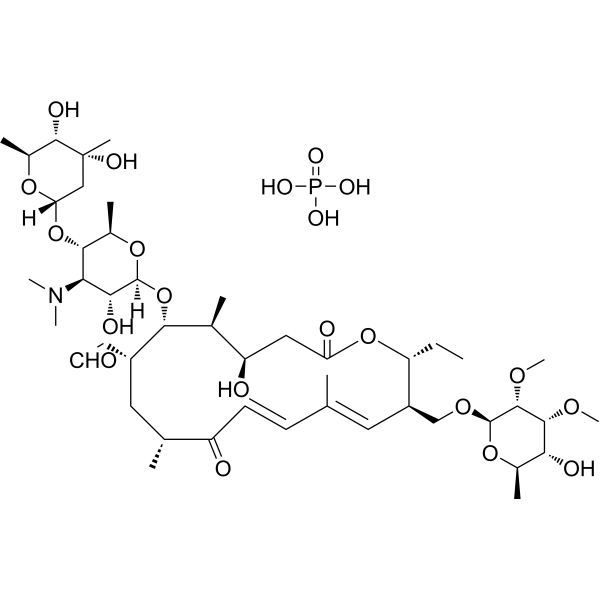
    Lefamulin (BC-3781) acetate is an orally active antibiotic. Lefamulin acetate inhibits protein synthesis by binding to the peptidyl transferase center of the 50S bacterial ribosome. Lefamulin acetate has anti-inflammatory activity. Lefamulin acetate can be used in the research of bacterial infections, such as bacterial pneumonia .
    Lefamulin acetate
  • HY-126387

    Bacterial Antibiotic Penicillin-binding protein (PBP) Infection
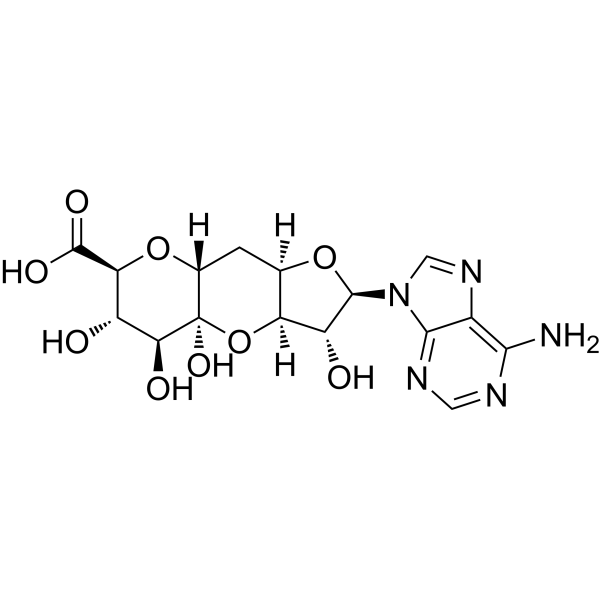
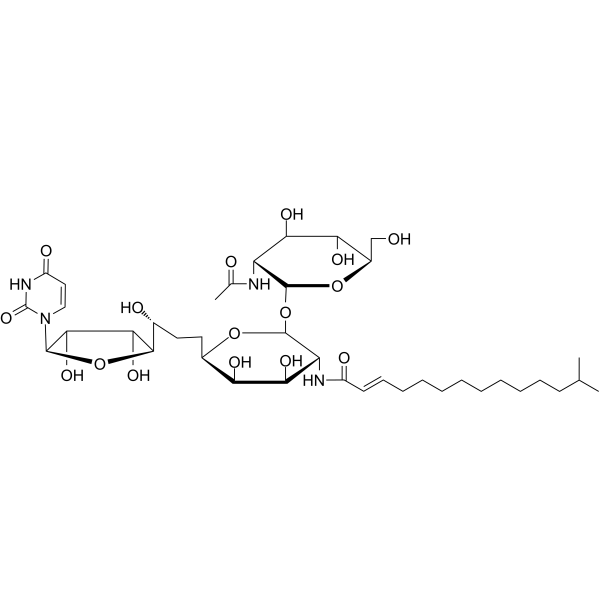
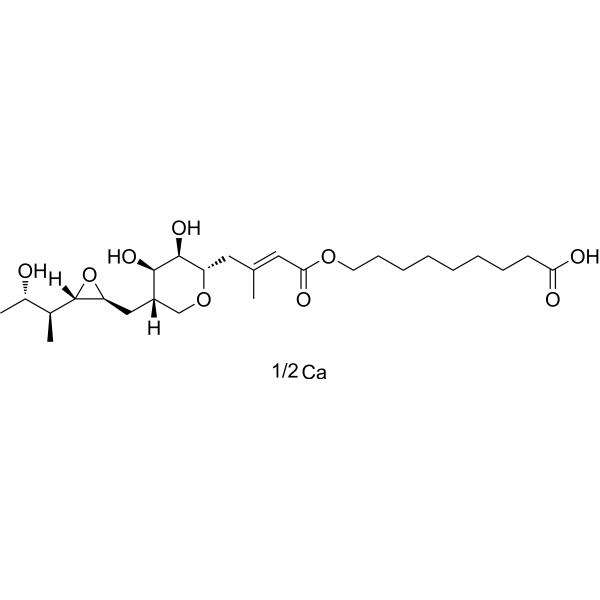
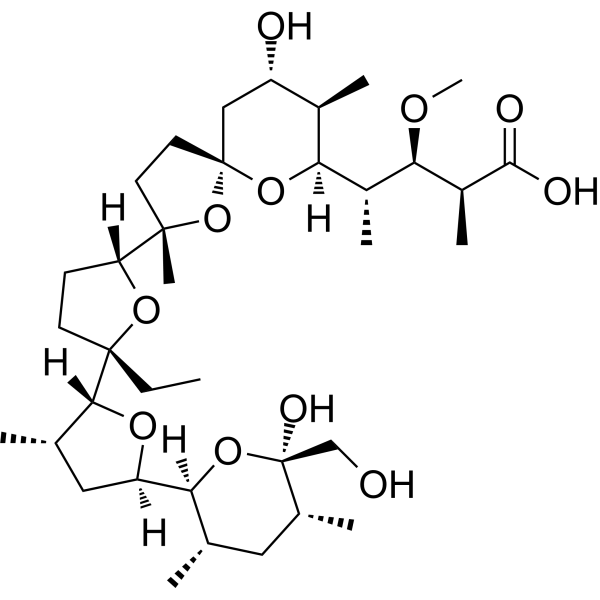
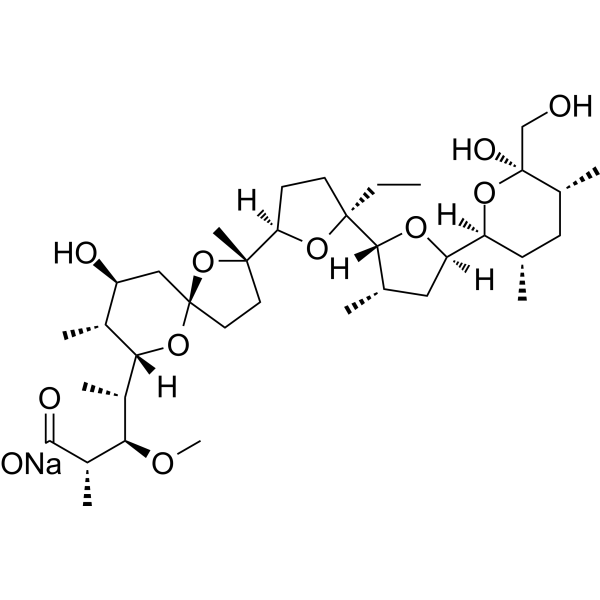
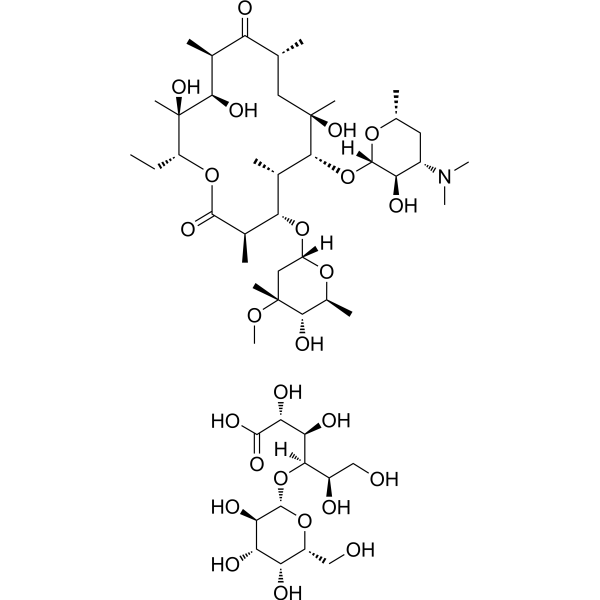
    Moenomycin complex is a class of antibacterial agents and PBP inhibitors, with Kd values ranging from 94 nM to 1690 nM against various bacterial PBPs. Moenomycin complex inhibits bacterial growth by blocking the transglycosylase activity of class A penicillin-binding proteins (PBPs). Moenomycin complex is used in the research of bacterial infections .
    Moenomycin complex
  • HY-P2968

    Amylases Others
    Bacterial α-Amylase catalyses the hydrolysis of internal α-1,4-glycosidic linkages in starch in low molecular weight products, such glucose, maltose and maltotriose units. Bacterial α-Amylase is often used in biochemical studies .
    Bacterial α-Amylase
  • HY-P1883A

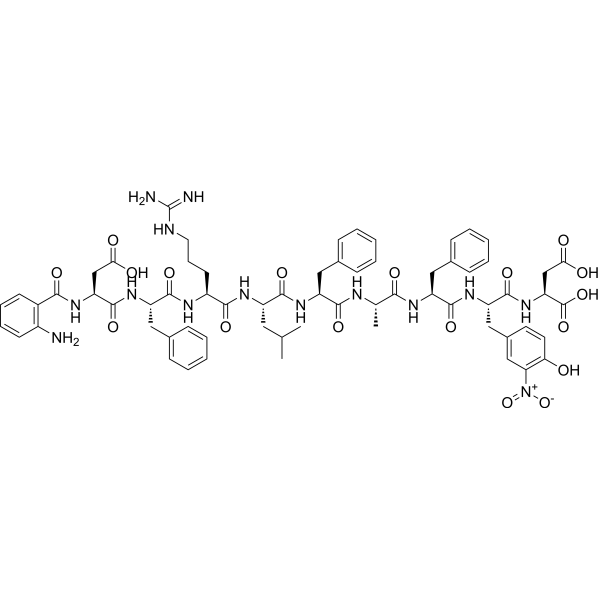
    Fluorescent Dye Infection
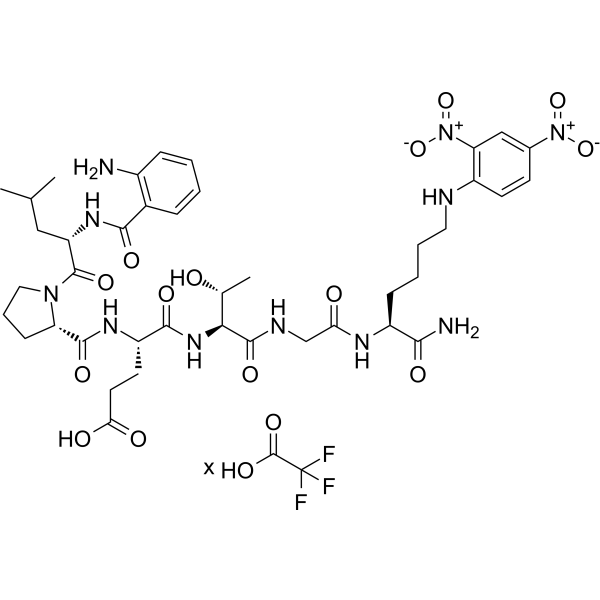
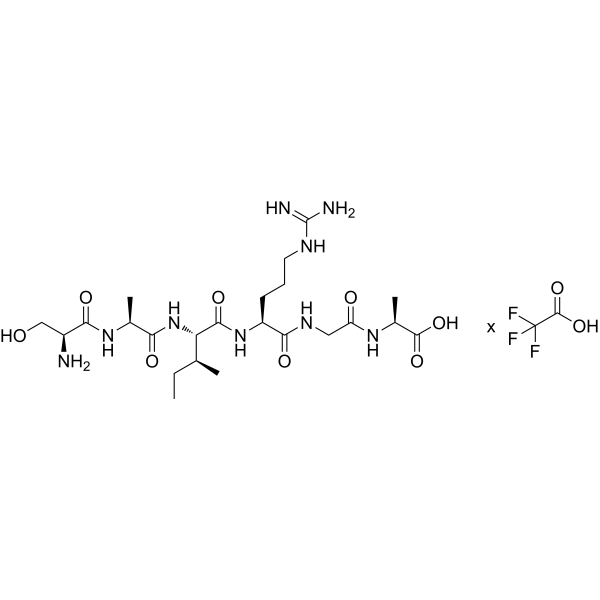
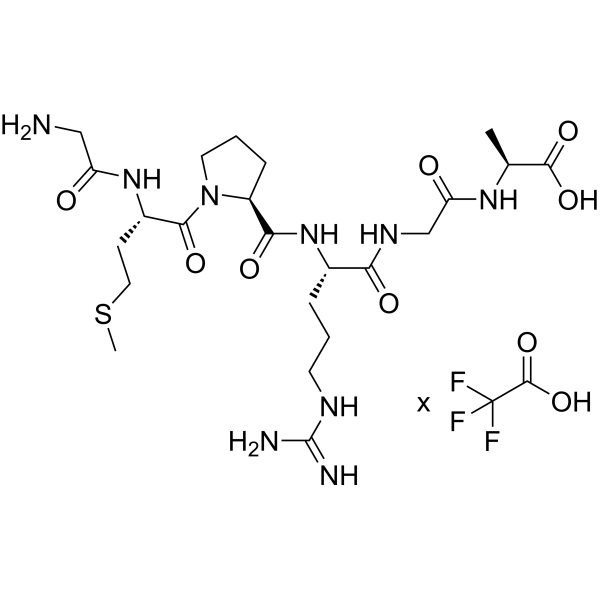
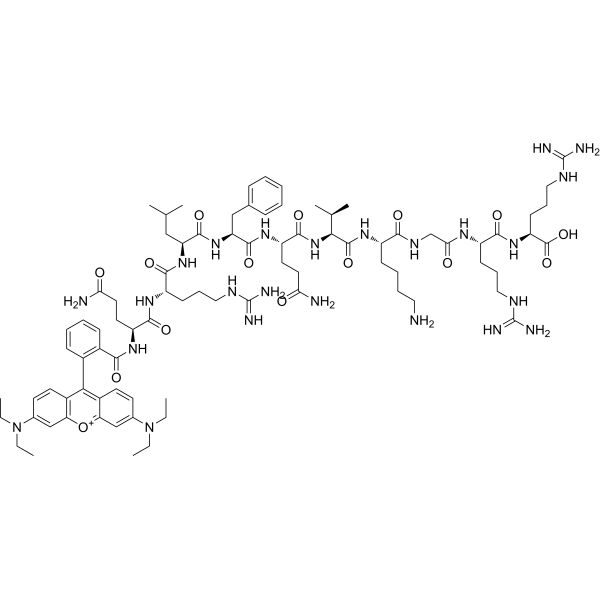
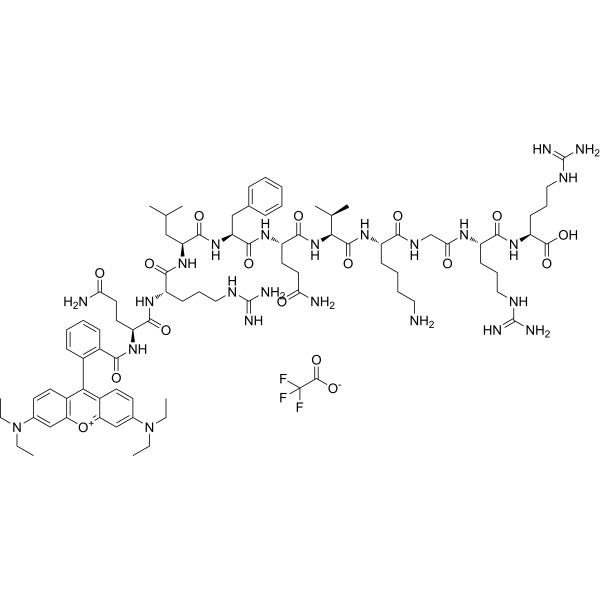
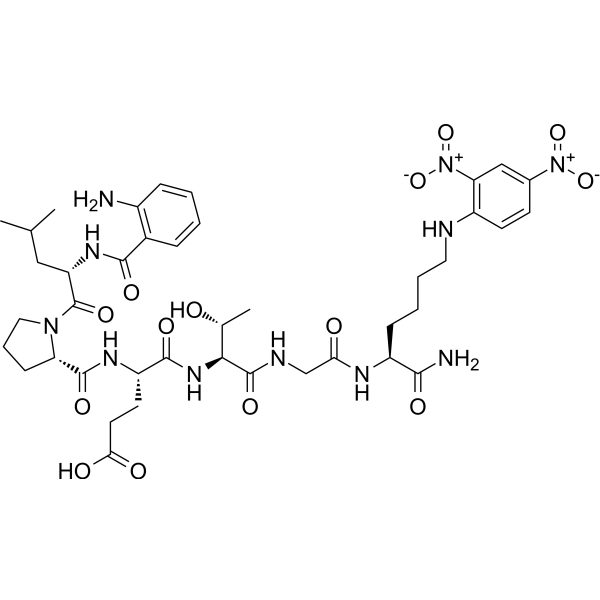
    Bacterial Sortase Substrate III, Abz/DNP TFA is a fluorescent peptide substrate. Bacterial Sortase Substrate III, Abz/DNP TFA undergoes cleavage catalyzed by Staphylococcus aureus sortase A (SrtAΔN24) and Streptococcus pyogenes sortase A (SrtAΔN81), and catalyzes the formation of an amide bond between the carboxyl group of threonine and the amino group of the cell wall cross-bridge. Cleavage of this substrate can be detected at Ex/Em=320 nm/420 nm .
    Bacterial Sortase Substrate III, Abz/DNP TFA
  • HY-77995

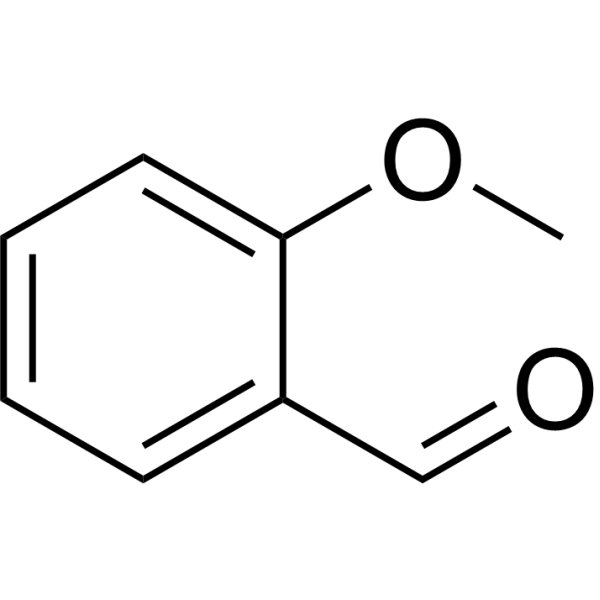
    o-Anisaldehyde

    Bacterial Fungal Infection
    2-Methoxybenzaldehyde (o-Anisaldehyde) is a bacterial/fungal inhibitor with a BA50 value of 0.19 for Salmonella. 2-Methoxybenzaldehyde can be used for the study of bacterial and fungal infectious diseases .
    2-Methoxybenzaldehyde
  • HY-P1068A

    Bacterial Infection
    Recombinant human lysozyme (plant expression) is a conserved anti-bacterial protein that causes bacterial lysis and death by hydrolyzing bacterial cell wall peptidoglycan (PG). Recombinant human lysozyme (plant expression) can be used to study bacterial infections .
    Recombinant human lysozyme (plant expression)
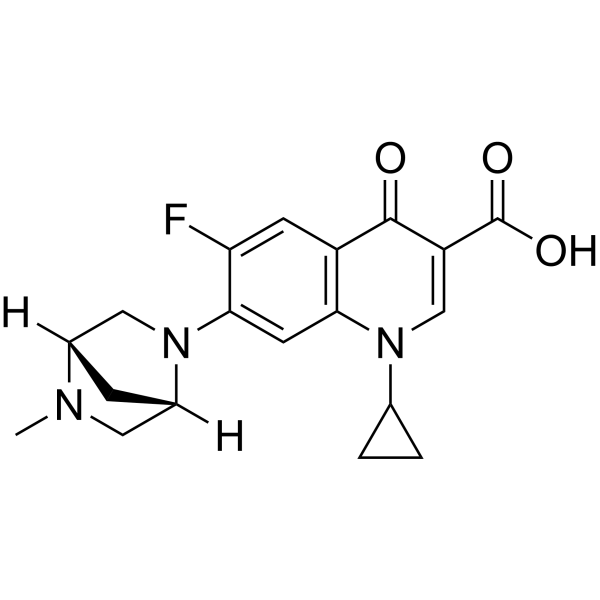
  • HY-W011117

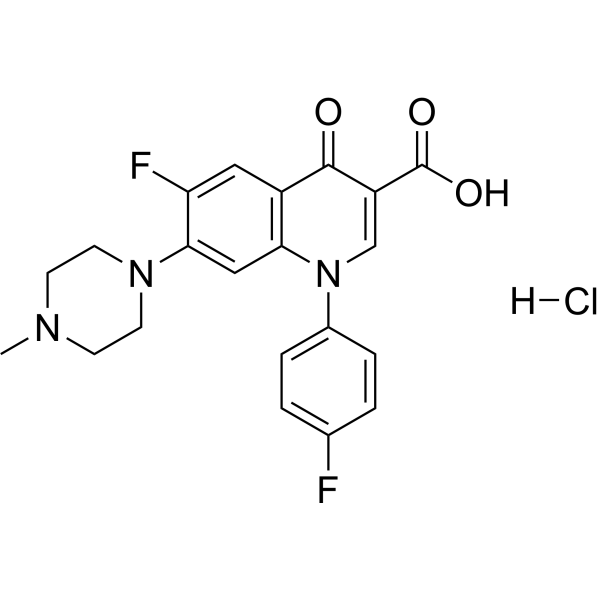
    Bacterial DNA/RNA Synthesis Antibiotic Infection
    Danofloxacin is an orally active quinolone antibiotic. Danofloxacin targets bacterial DNA gyrase and inhibits bacterial DNA replication, transcription and growth. Danofloxacin can be used for various bacterial infections caused by Escherichia coli, Mycoplasma and other pathogens .
    Danofloxacin
  • HY-19487

    Bacterial Infection
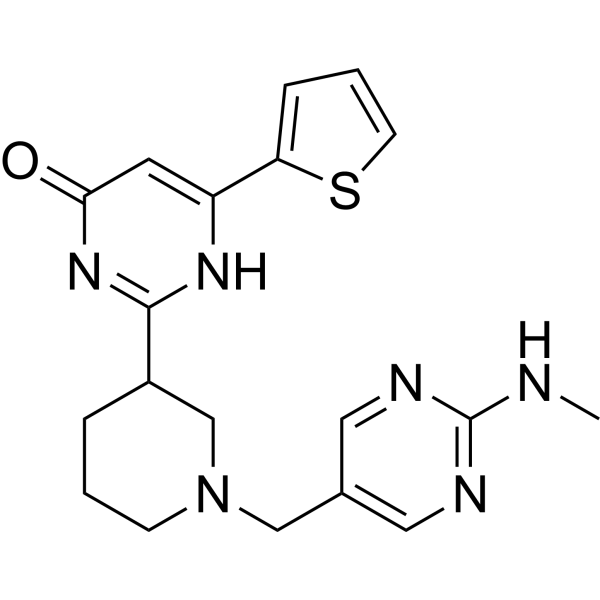
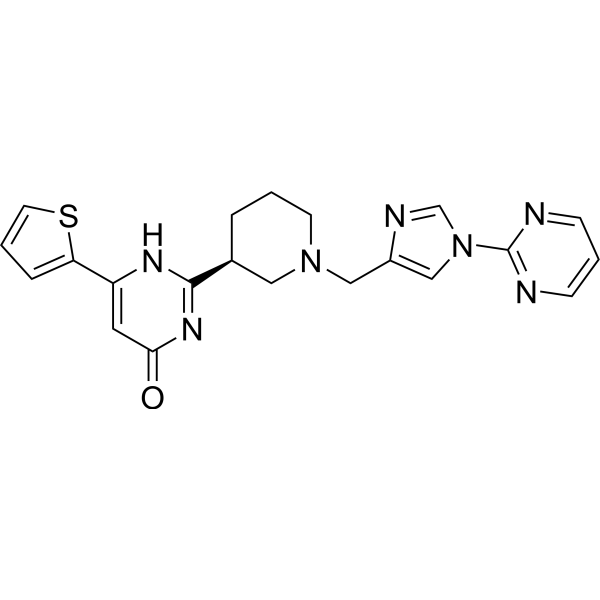
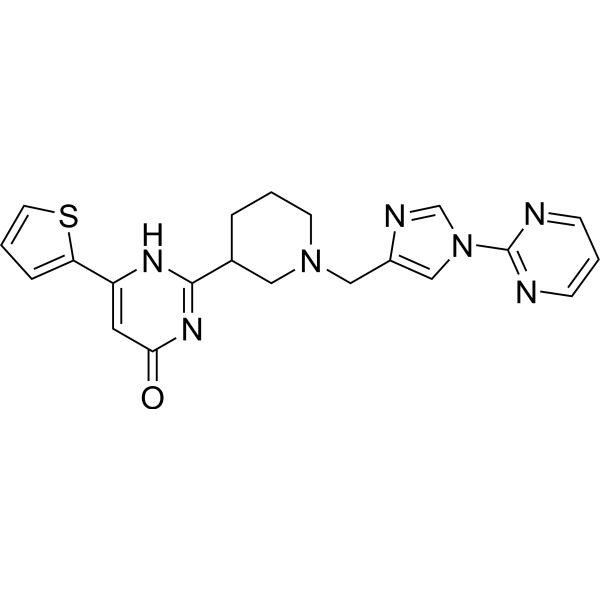
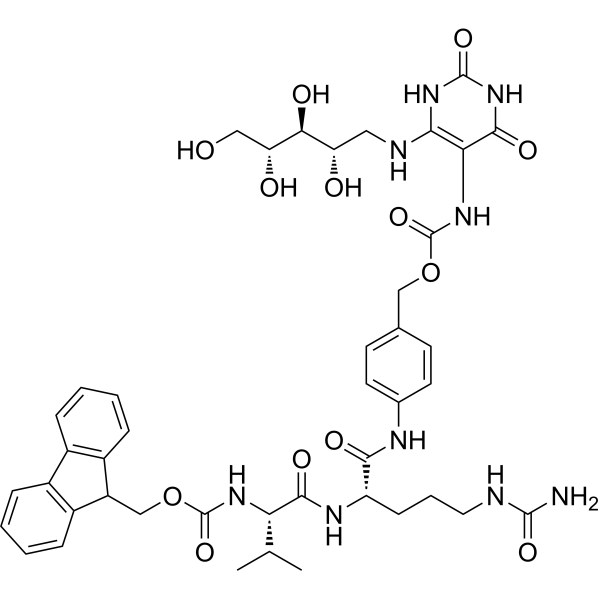
    Ribocil is a selective inhibitor targeting the bacterial FMN riboswitch, regulating the bacterial riboflavin riboswitch. Ribocil competitively binds to the FMN binding site, mimicking the natural ligand FMN to induce conformational changes in the riboswitch, inhibiting ribB gene expression, reducing riboflavin synthesis, and thus inhibiting bacterial growth. Ribocil strongly inhibits GFP expression (EC50=0.3 μM). Ribocil exhibits in vivo antibacterial activity in a mouse model and can be used to study antibacterial drugs related to drug-resistant bacterial infections and bacterial riboflavin metabolic pathways[1][2].
    Ribocil
  • HY-B1497
    Silver sulfadiazine
    1 Publications Verification

    AgSD

    Bacterial DNA/RNA Synthesis Antibiotic Infection
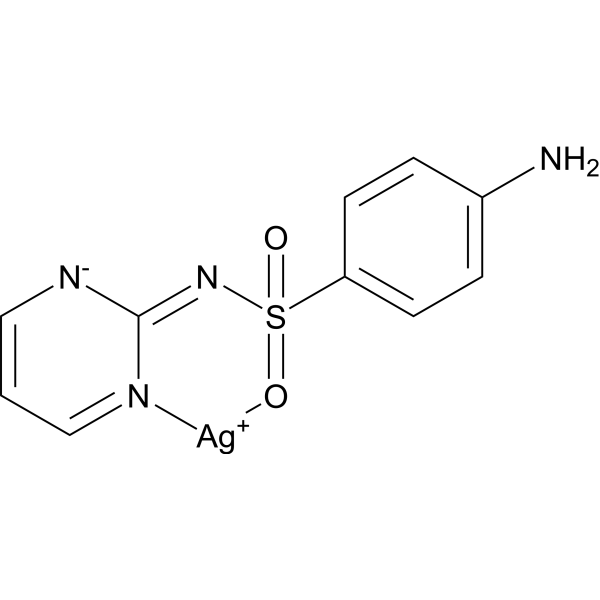
    Silver sulfadiazine (AgSD), a sulfonamide antibiotic, effects a dual inhibitory action on bacterial growth by its sulfa moiety (SD-SDZ) that prevents bacterial folate absorption and subsequent DNA synthesis. The silver that is released from Silver sulfadiazine binds and disrupts the DNA structure, precluding bacterial DNA replication .
    Silver sulfadiazine
  • HY-108939

    IleSA

    Bacterial Aminoacyl-tRNA Synthetase Infection
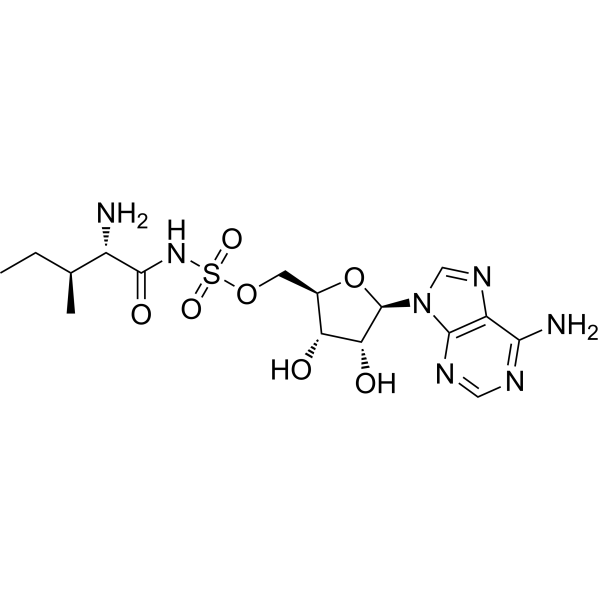
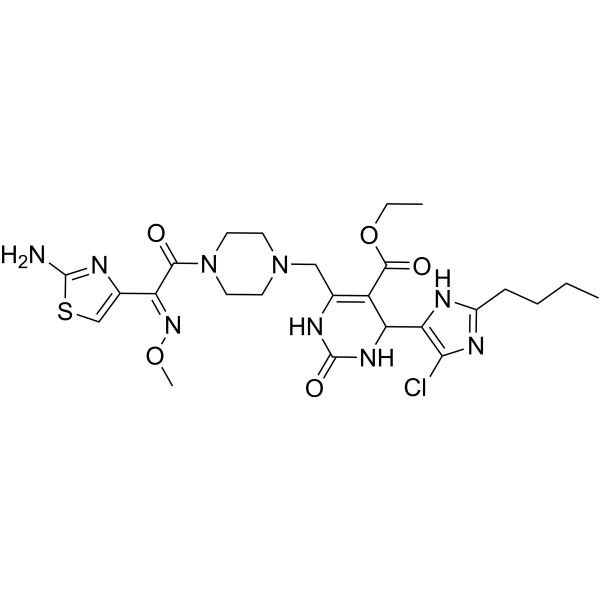
    Aminoacyl tRNA synthetase-IN-1 (IleSA) is an inhibitor of bacterial aminoacyl-tRNA synthetase (aaRS). Aminoacyl tRNA synthetase-IN-1 is applicable to studies on bacterial infections .
    Aminoacyl tRNA synthetase-IN-1
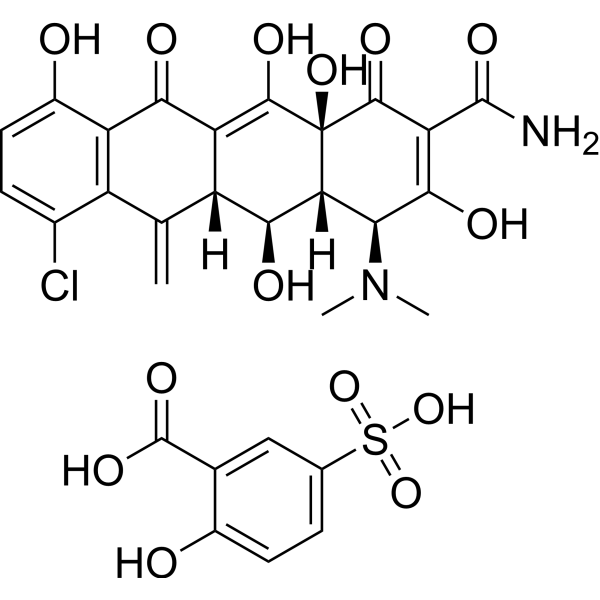
  • HY-121268
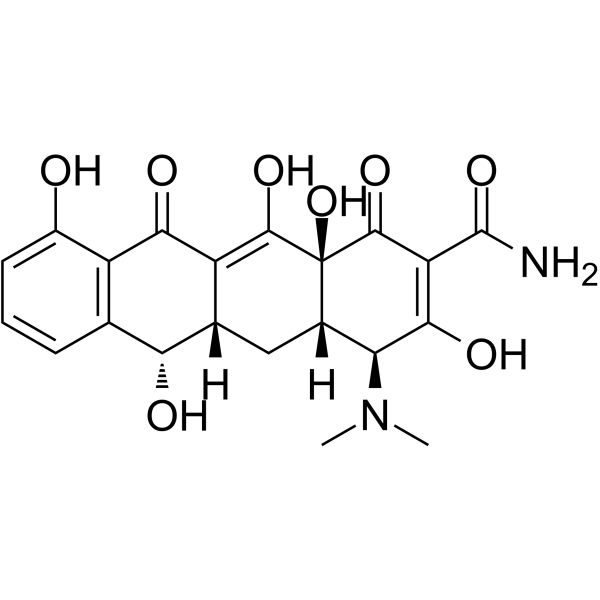
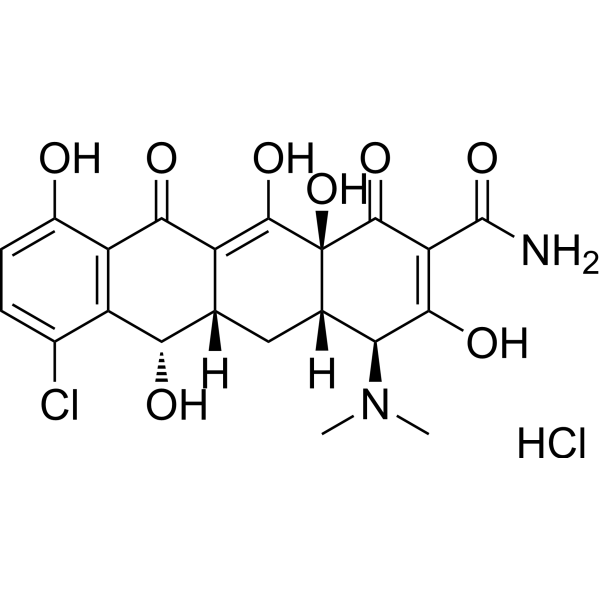
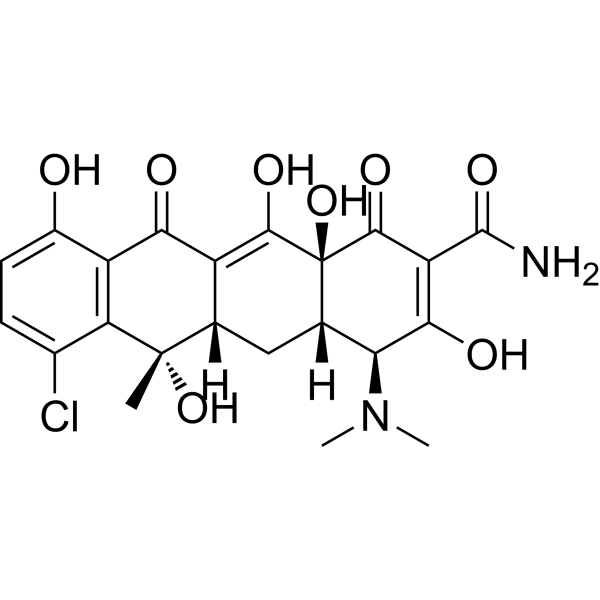
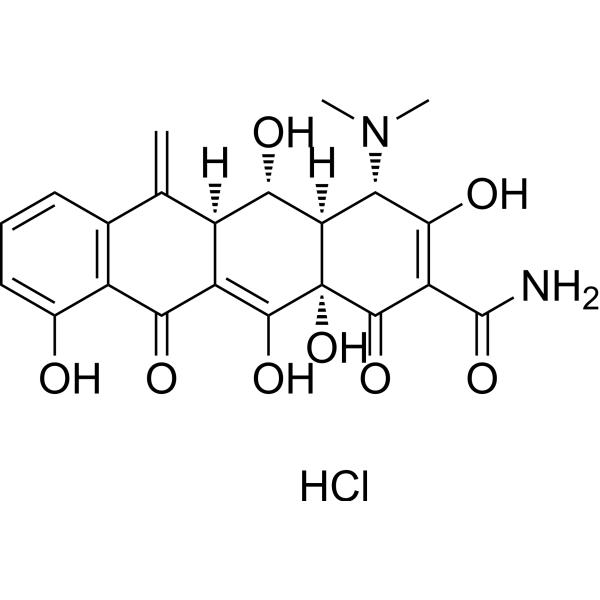
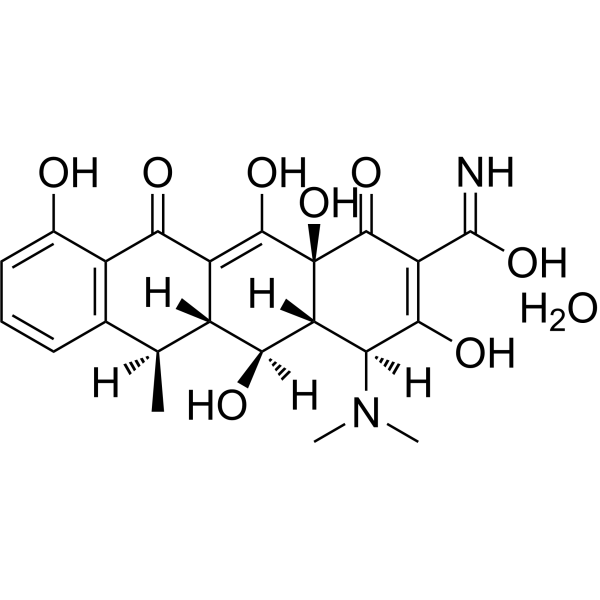
    Demeclocycline
    5 Publications Verification

    Antibiotic Bacterial Infection Inflammation/Immunology Cancer
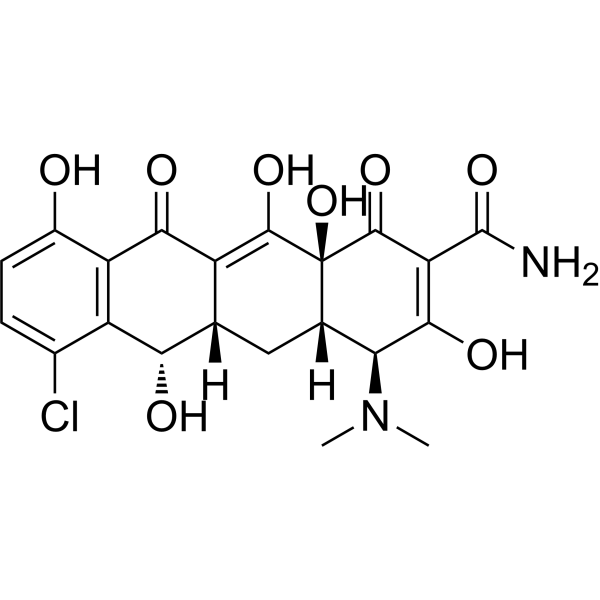
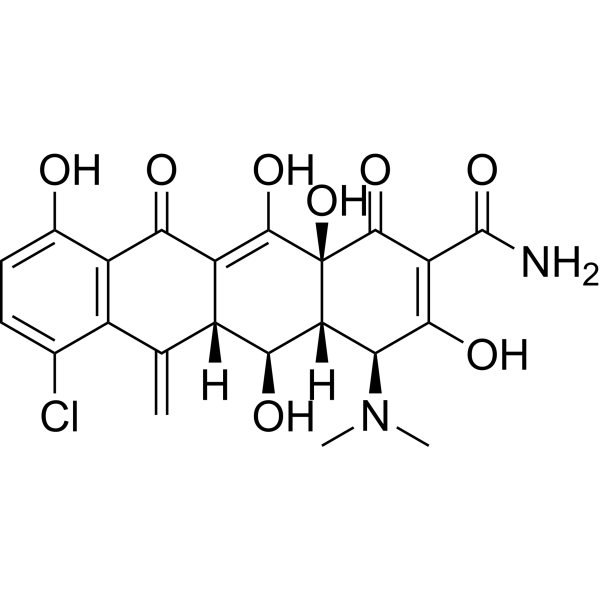
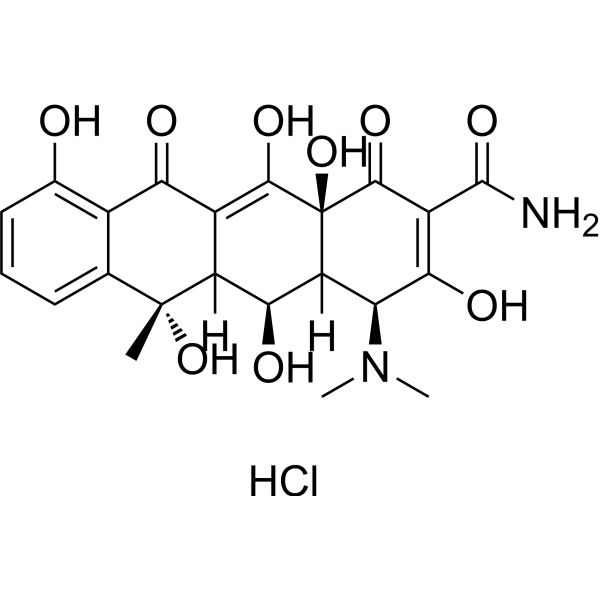
    Demeclocycline is an orally active tetracycline antibiotic. Demeclocycline impairs protein synthesis by binding to the 30S ribosomal subunit to inhibit binding of aminoacyl tRNA. Demeclocycline shows anti-bacterial activitise to a wide variety of bacterial infections .
    Demeclocycline
  • HY-B1596
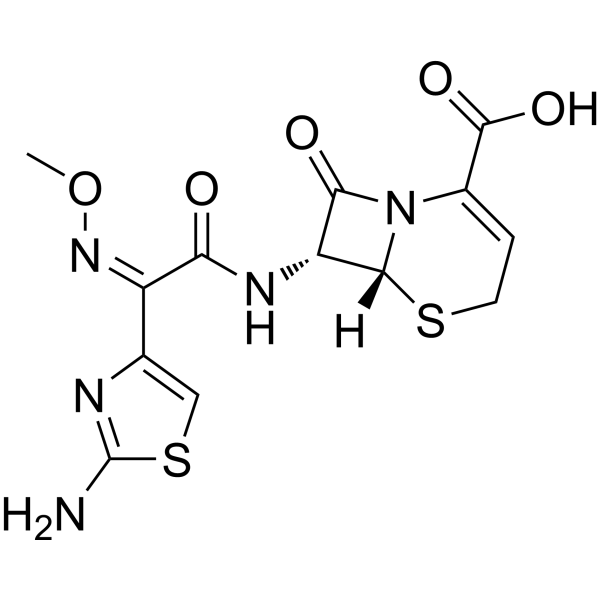
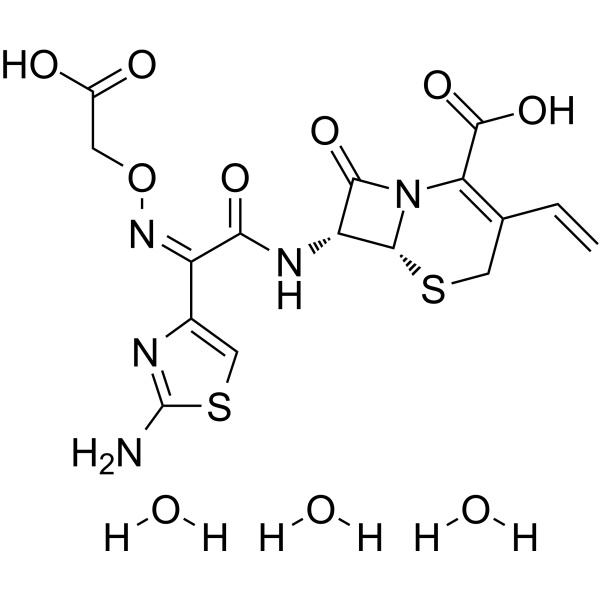
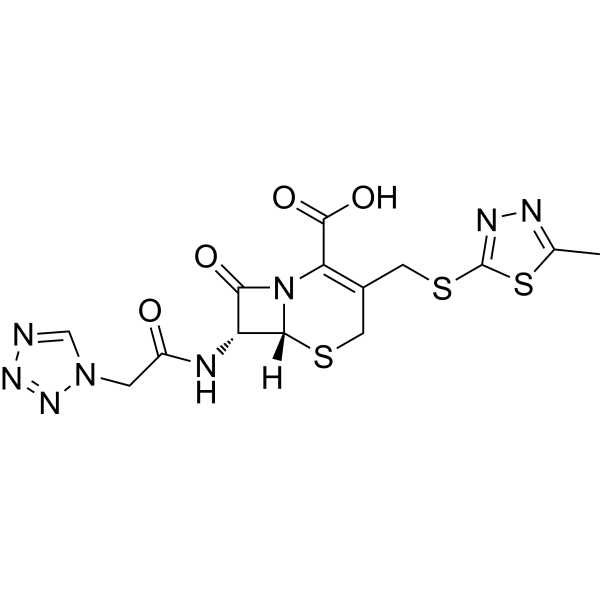
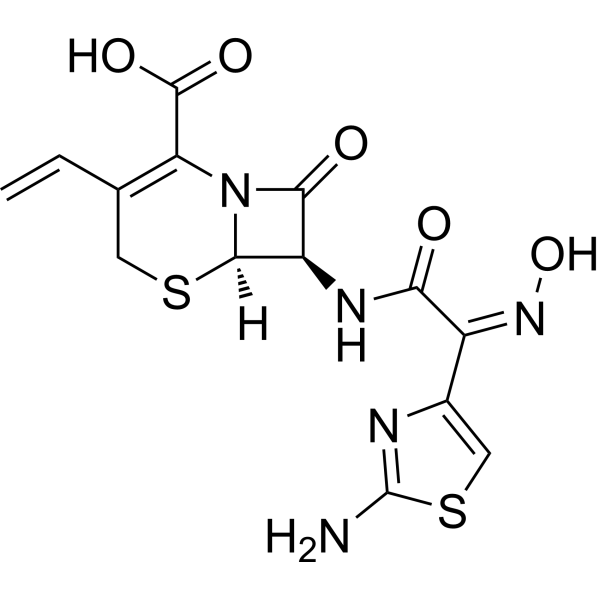
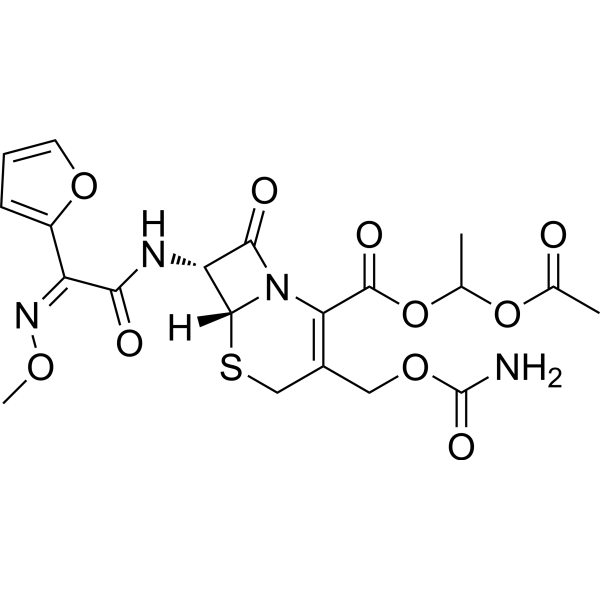
    Ceftizoxime
    1 Publications Verification

    Bacterial Antibiotic Infection
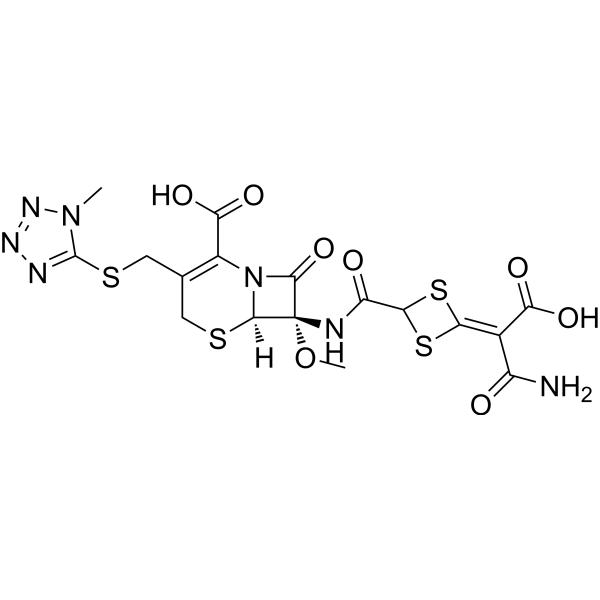
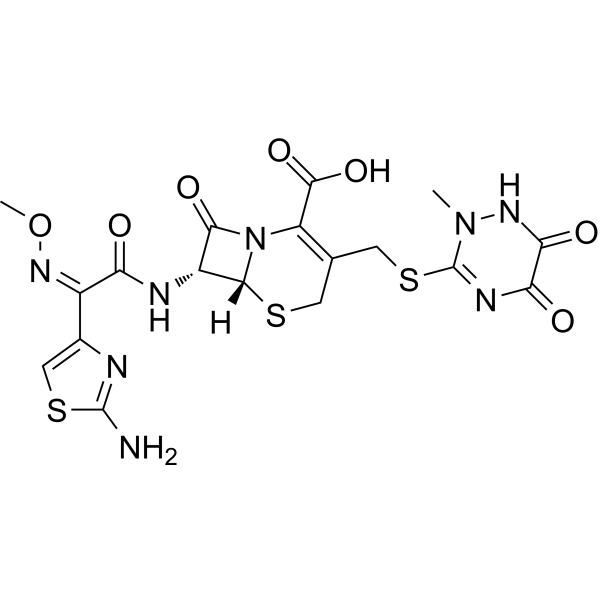
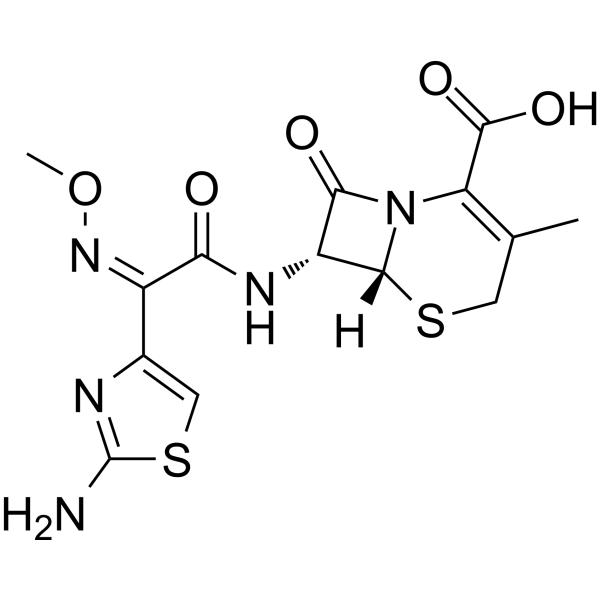
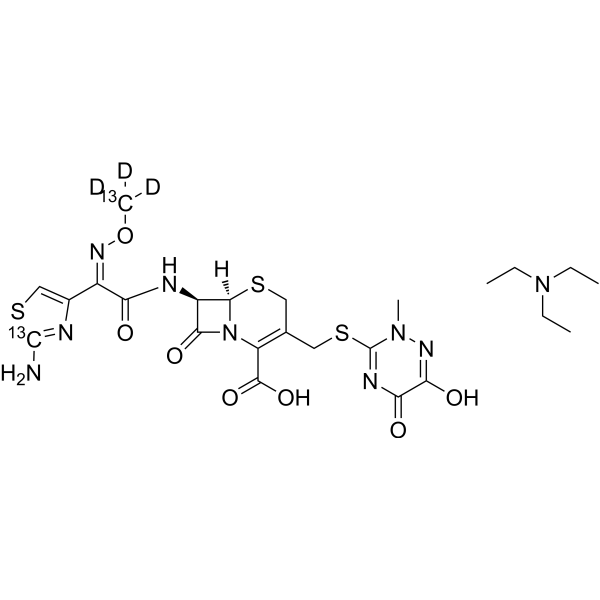
    Ceftizoxime is a bacterial inhibitor which acts by interfering with bacterial cell wall synthesis and inhibiting cross-linking of the peptidoglycan.
    Ceftizoxime
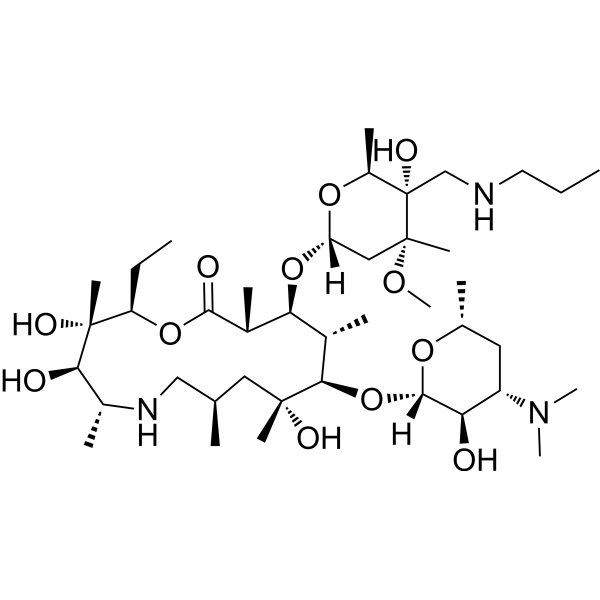
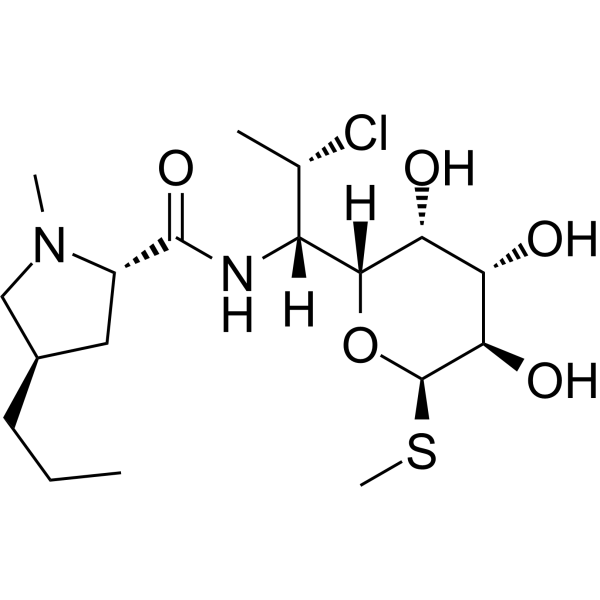
  • HY-16908
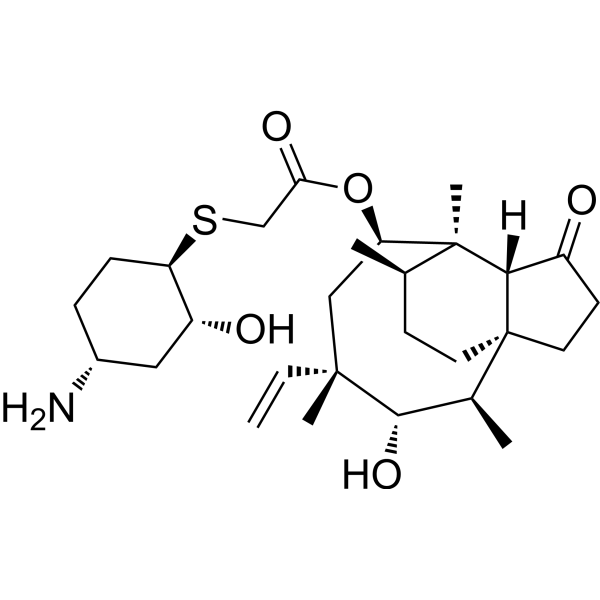
    Lefamulin
    4 Publications Verification

    BC-3781

    Bacterial Antibiotic Infection
    Lefamulin (BC-3781) is an orally active antibiotic. Lefamulin inhibits protein synthesis by binding to the peptidyl transferase center of the 50S bacterial ribosome. Lefamulin has anti-inflammatory activity. Lefamulin can be used in the research of bacterial infections, such as bacterial pneumonia .
    Lefamulin
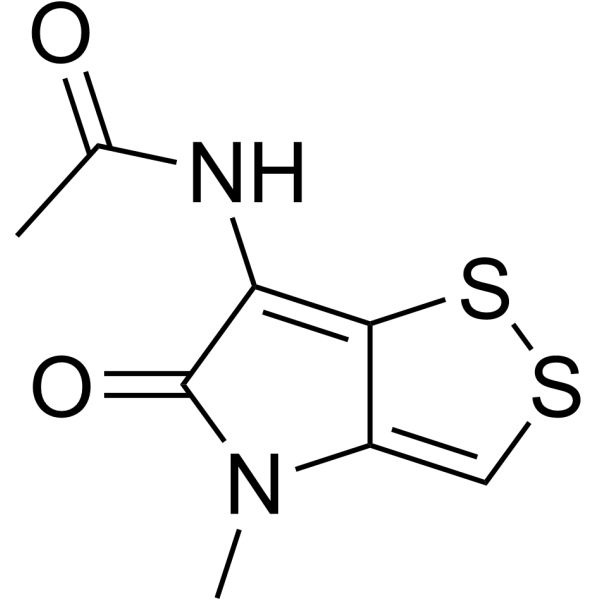
  • HY-135751

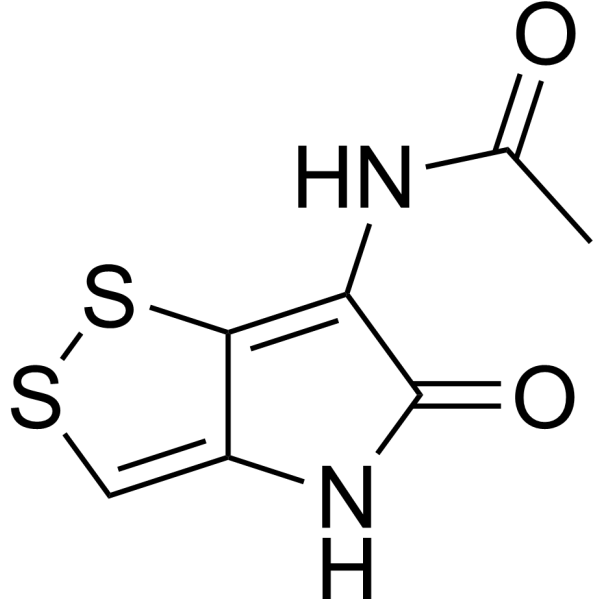
    Antibiotic Bacterial DNA/RNA Synthesis Infection Cancer
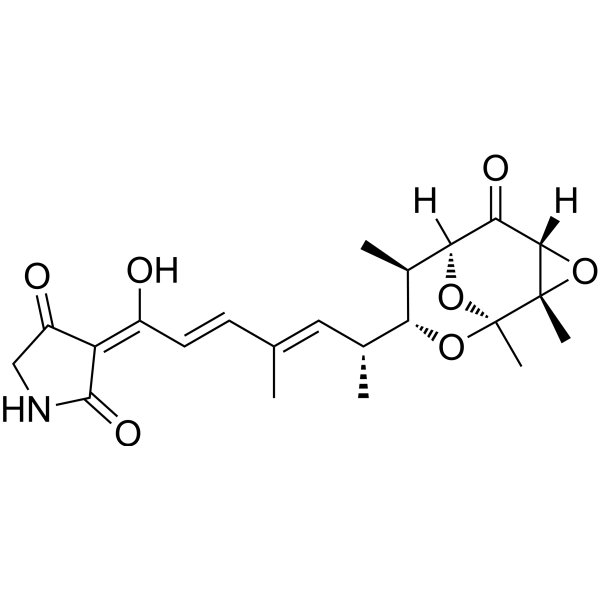
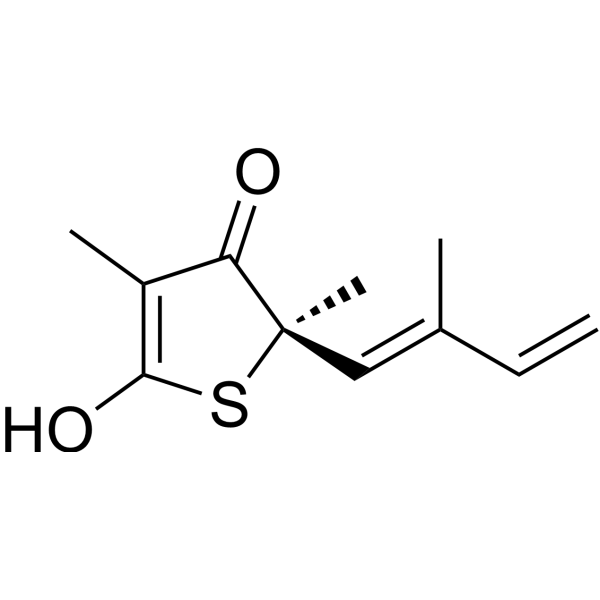
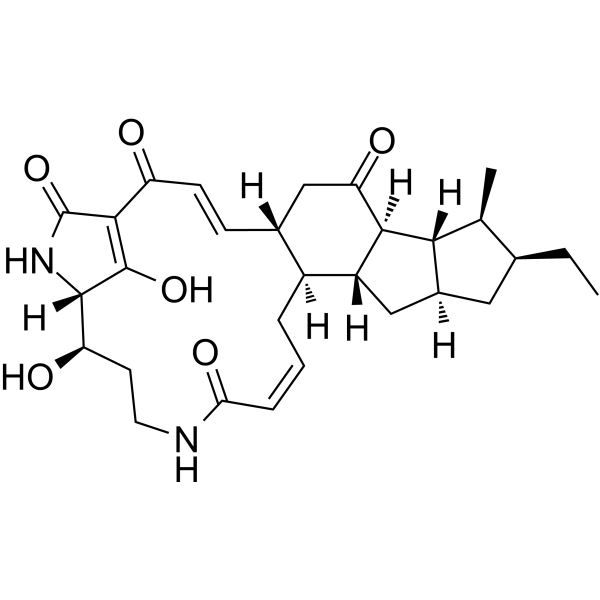
    Holomycin is an antibiotic with dithiolopyrrolone structure. Holomycin can inhibit bacterial RNA synthesis. Holomycin has antitumor activity. Holomycin can be used for the research of bacterial infection .
    Holomycin
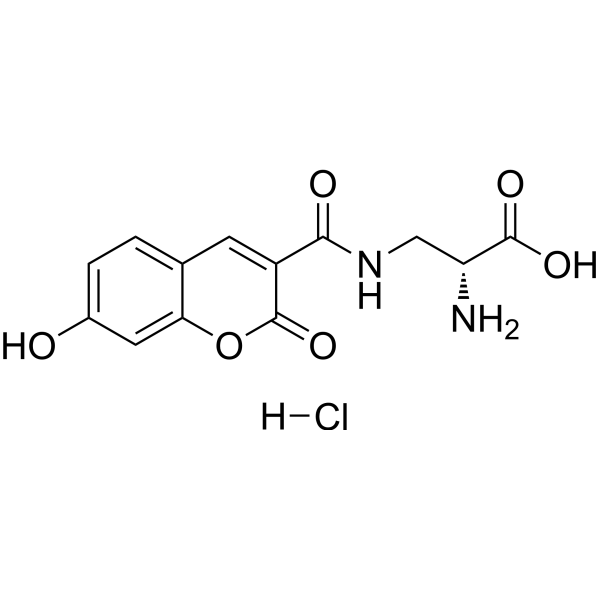
  • HY-D1117

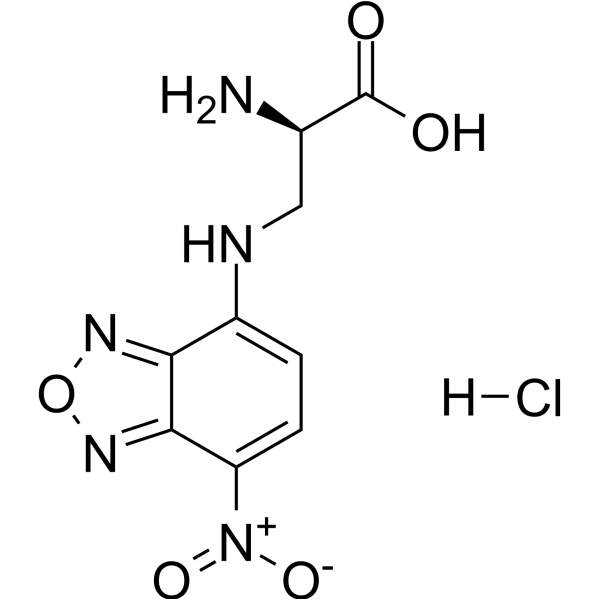
    NADA hydrochloride

    Fluorescent Dye Infection
    NADA-green is a fluorescent D-amino acid probe. NADA-green is efficiently incorporated into the peptidoglycan of diverse bacterial species peptidoglycan biosynthesis. NADA-green allows probing of bacterial growth with minimal perturbation .
    NADA-green
  • HY-D1056B4

    LPS, from bacterial (Salmonella typhosa)

    Toll-like Receptor (TLR) Inflammation/Immunology
    Lipopolysaccharides, from Salmonella typhosa are lipopolysaccharide endotoxins and TLR-4 activators derived from Salmonella typhosa, classified as S-type LPS, which can activate pathogen-associated molecular patterns (PAMP) of the immune system and induce cellular secretion of migrasomes. Lipopolysaccharides, from Salmonella typhosa exhibit a typical three-part structure: O-antigen, core oligosaccharide, and lipid A. Lipopolysaccharides, from Salmonella typhosa can serve as vaccine adjuvants and demonstrate adjuvant activity targeting B cells in immune responses in vivo .
    It is recommended to prepare a solution with concentration ≥2 mg/mL. Vortex thoroughly for more than 10 minutes. Due to the adsorption characteristics of LPS, silanized container or low adsorption centrifuge tubes should be used for aliquoting and storage, and mix thoroughly before use.
    Lipopolysaccharides, from Salmonella typhosa
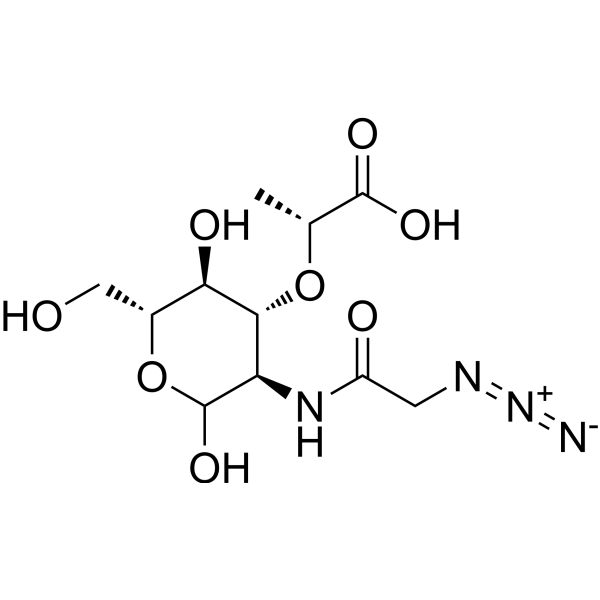
  • HY-157573
    N-Acetylmuramic acid-azide
    1 Publications Verification

    Bacterial Infection
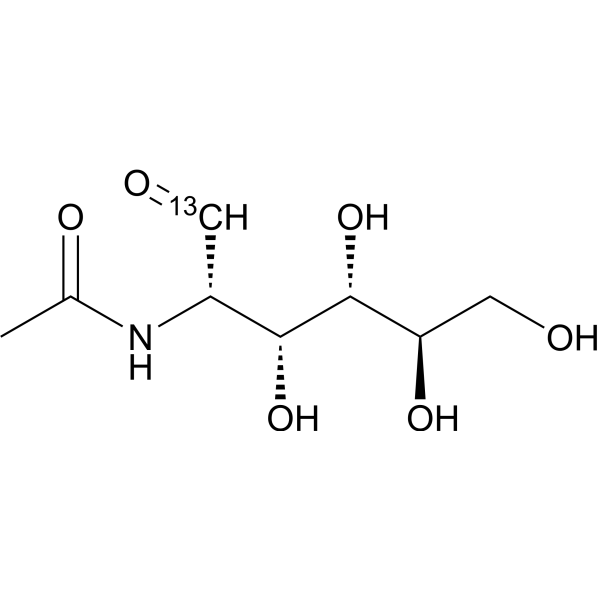
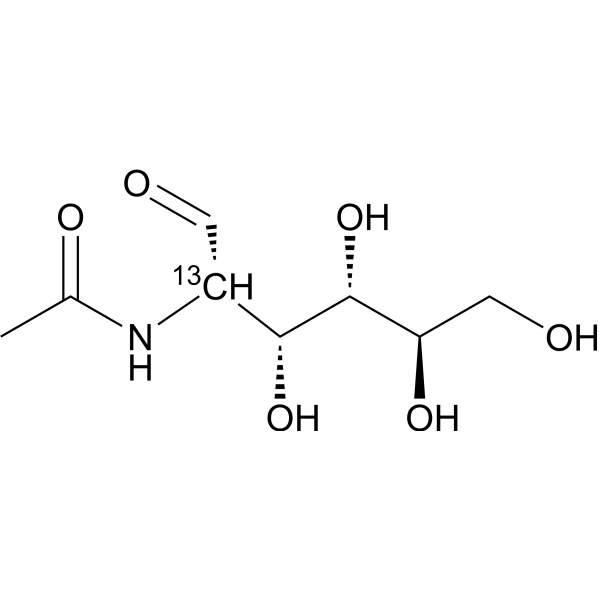
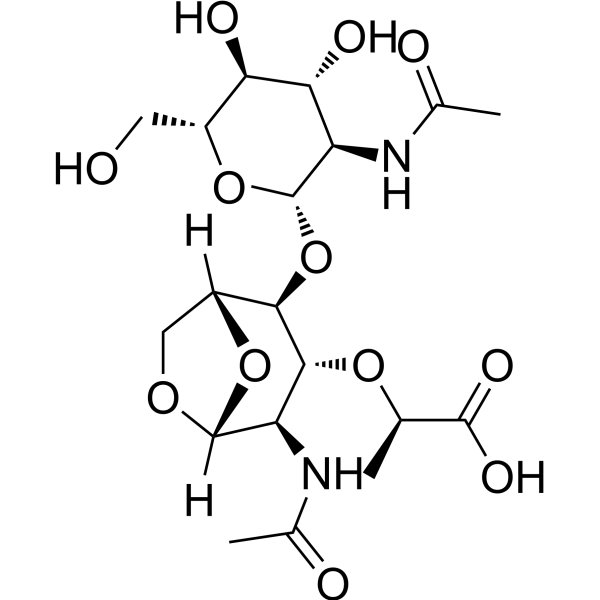
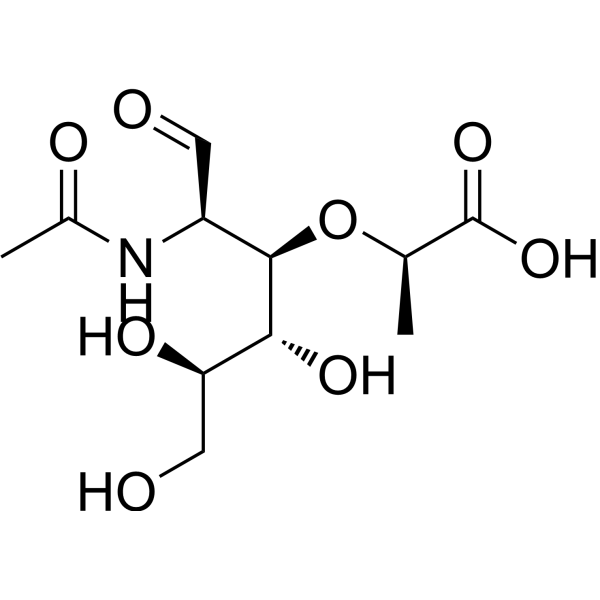
    N-Acetylmuramic acid-azide (Compound 2) is a derivative of N-acetylaminoacetic acid (NAM) in bacterial peptidoglycan. Incorporated into bacterial peptidoglycan during biosynthesis .
    N-Acetylmuramic acid-azide
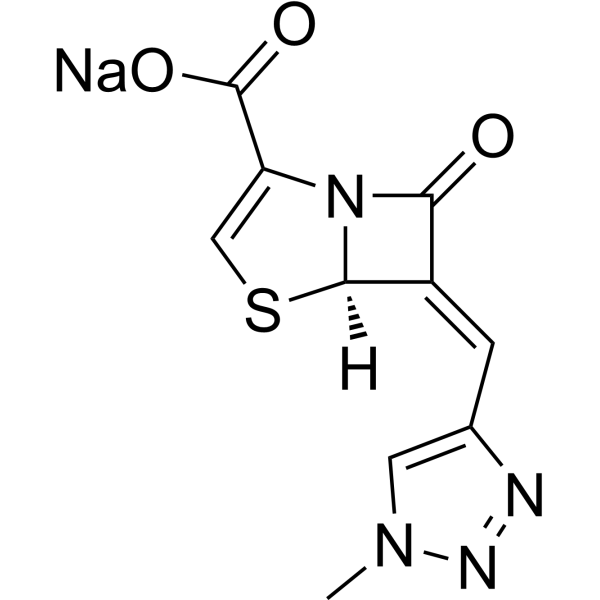
  • HY-117685

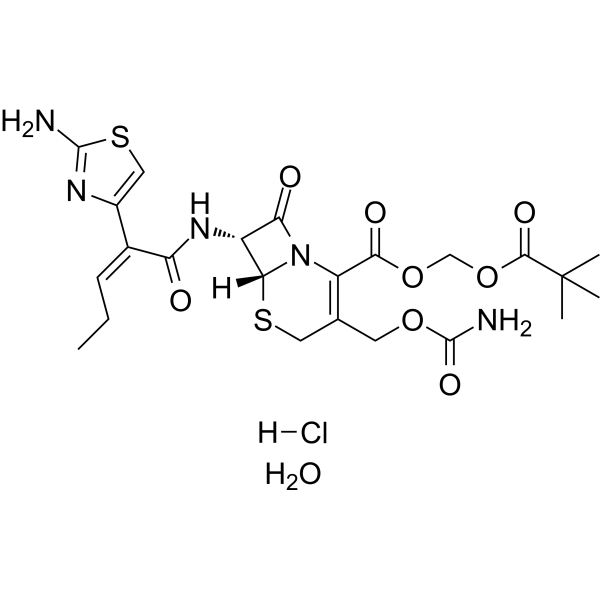
    Antibiotic Bacterial Infection
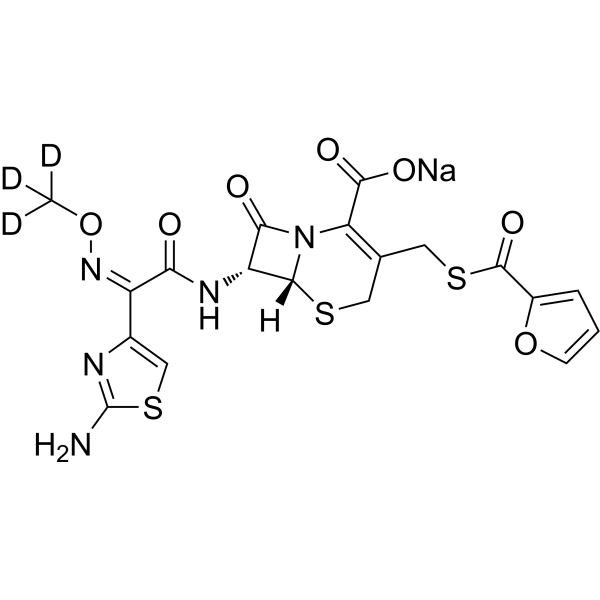
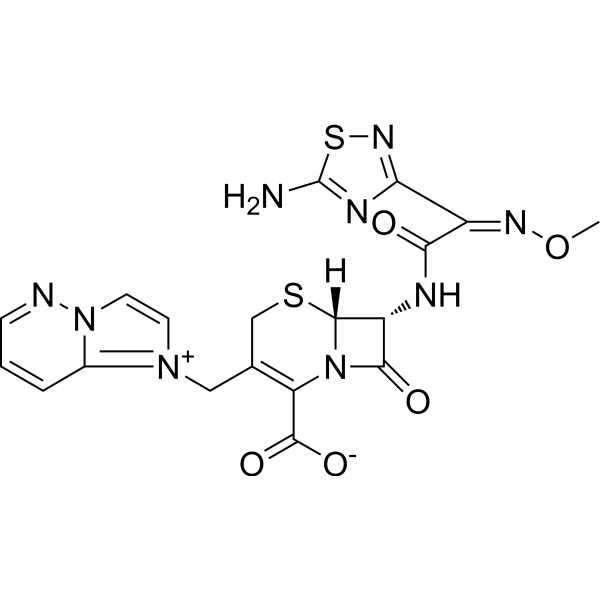
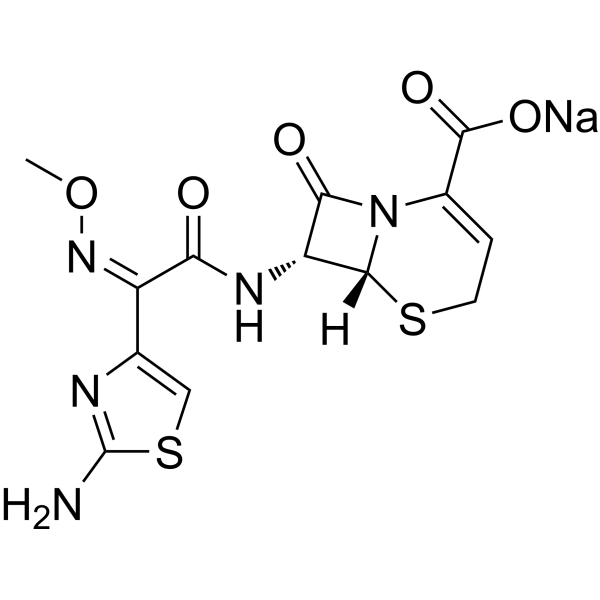
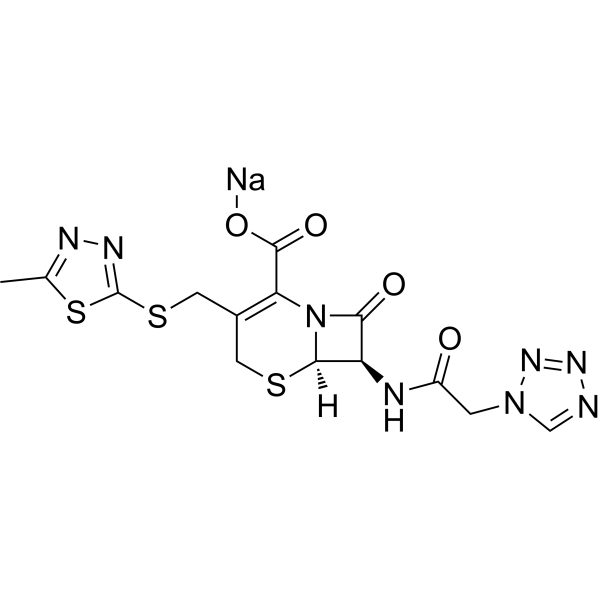
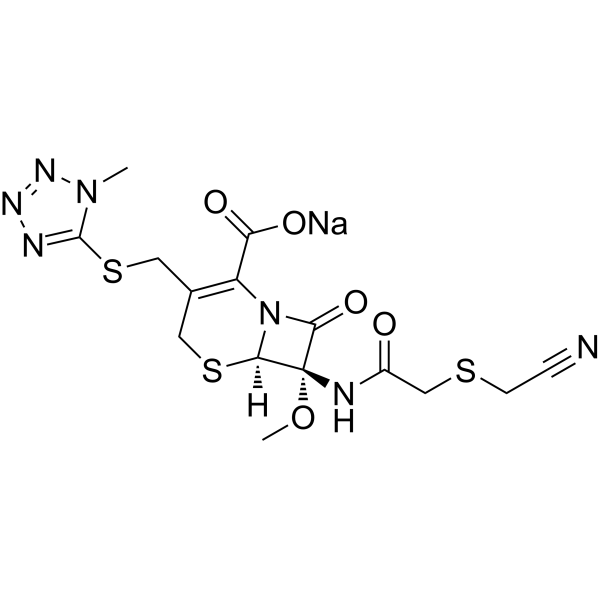
    Cefovecin sodium is an extended-spectrum semisynthetic cephalosporin and bactericidal agent. Cefovecin sodium exerts potent antibacterial activity against multiple bacterial. Cefovecin sodium can be used for the research of bacterial infection .
    Cefovecin sodium
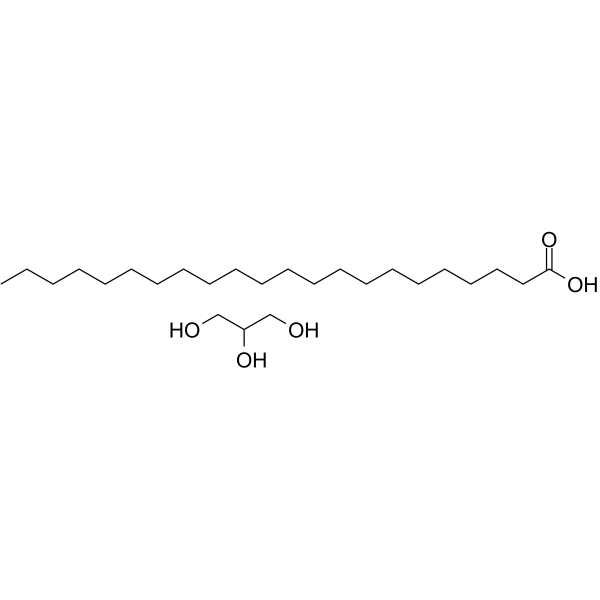
  • HY-20349

    Bacterial Infection
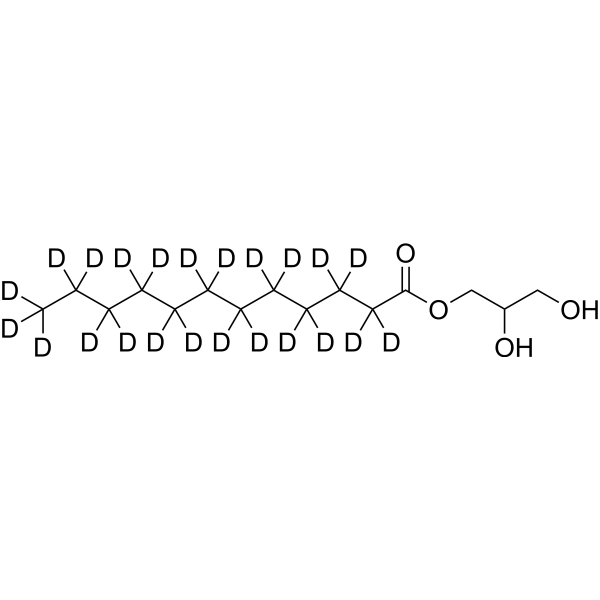
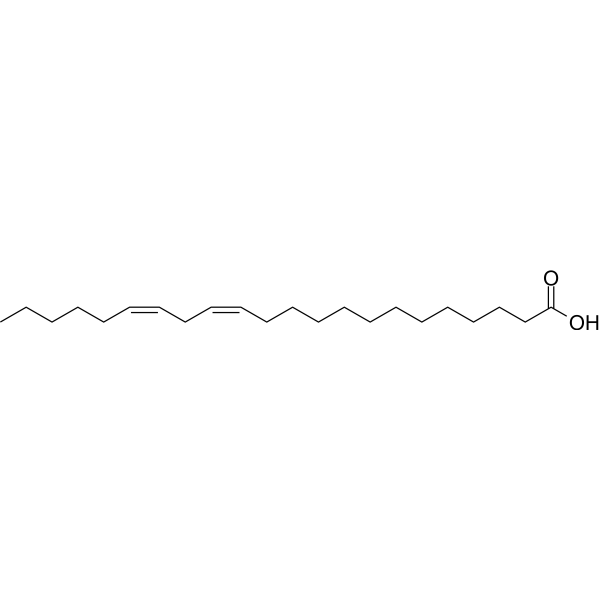
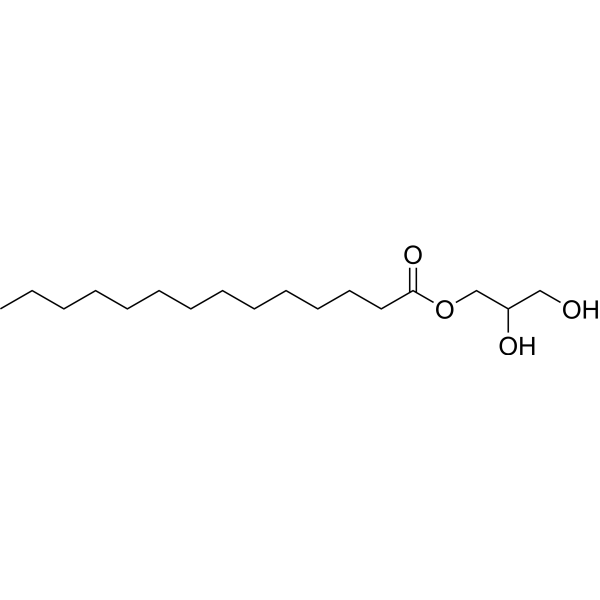
    Monobehenin, an bacterial biofilm formation inhibitor, has strong inhibitory activity toward bacterial biofilm formation of S. mutans, X. oryzae, and Y. enterocolitica in a strain specific manner .
    Monobehenin
  • HY-16742B
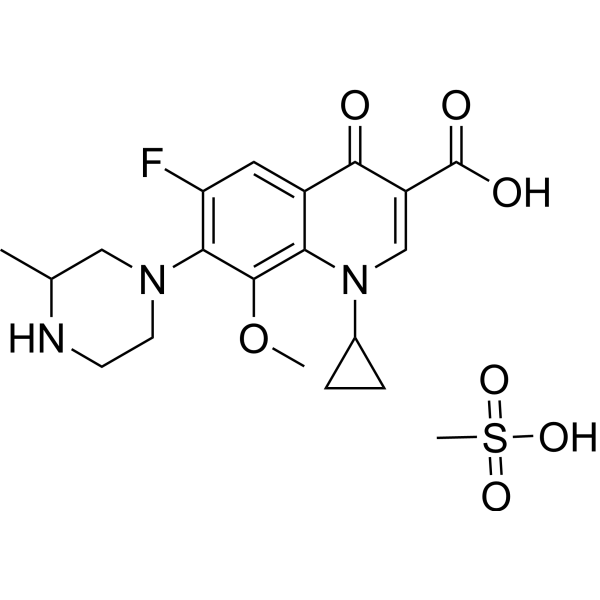
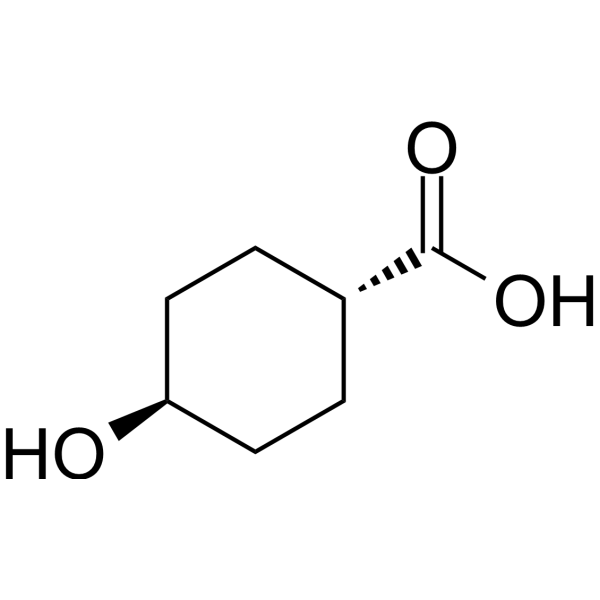
    Gepotidacin mesylate hydrate
    10+ Cited Publications

    Antibiotic Bacterial Topoisomerase Infection
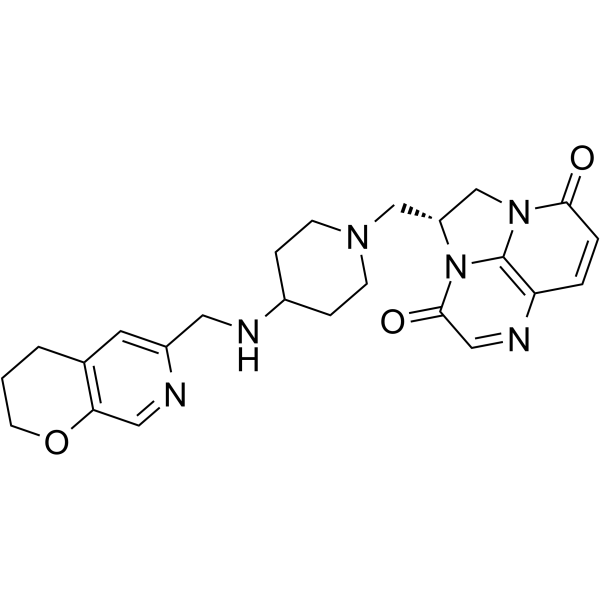
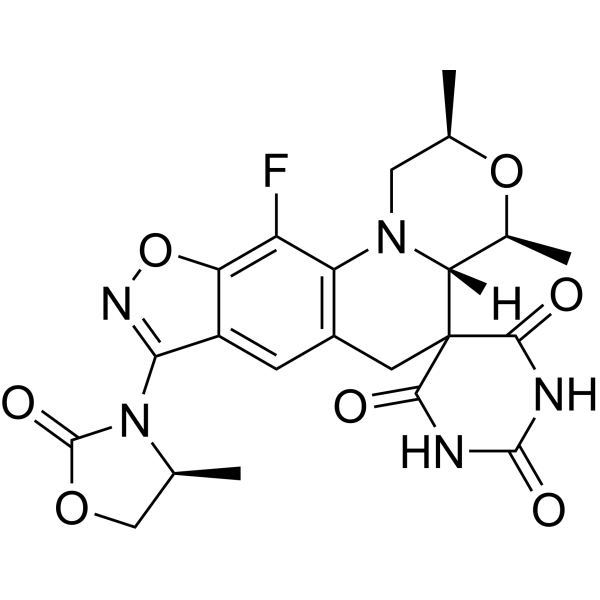
    Gepotidacin mesylate hydrate is an orally active triazaacenaphthylene antibiotic and bacterial type II topoisomerase inhibitor. Gepotidacin mesylate hydrate inhibits bacterial DNA replication by blocking topoisomerase enzymes. Gepotidacin mesylate hydrate selectively inhibits topoisomerase IV and the B subunit of DNA gyrase .
    Gepotidacin mesylate hydrate
  • HY-159067

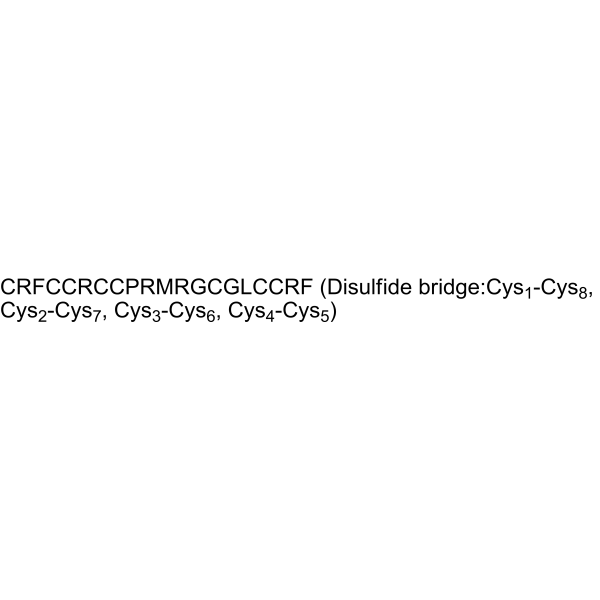
    DEAE-dextran, MW 500000 hydrochloride, from bacterial (Leuconostoc mesenteroides); Diethylaminoethyl-dextran, MW 500000 hydrochloride

    Biochemical Assay Reagents Cancer
    DEAE-dextran, MW 500000 hydrochloride (DEAE-dextran, MW 500000 hydrochloride, from bacterial (Leuconostoc mesenteroides)) is a high-molecular-weight positively charged polymer that significantly enhances the uptake of viral RNA by tissue culture cells. When employed in the delivery system for "tumor immunity" RNA-splenocyte transfer, DEAE-dextran can markedly extend the lifespan of tumor-bearing animals, comparable to that of actively immunized animals. Furthermore, DEAE-dextran serves as a complexing agent for nucleic acids, forming composite particles with DNA/RNA for extensive applications in gene delivery. Additionally, DEAE-dextran can be utilized as a coating for liposomes .
    DEAE-dextran, MW 500000 hydrochloride
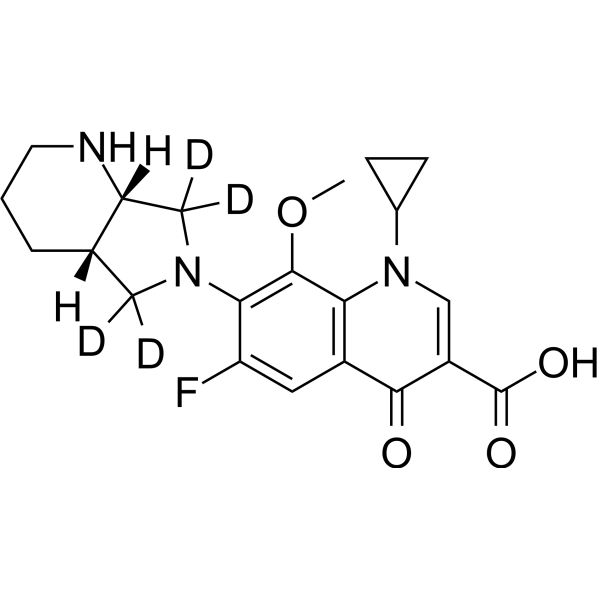
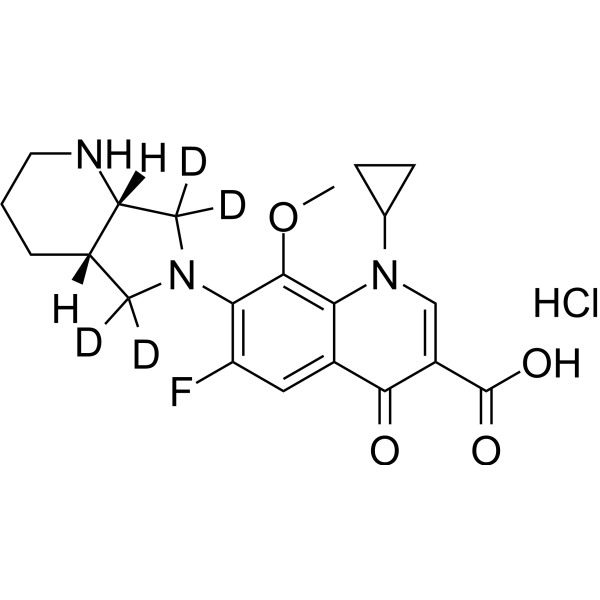
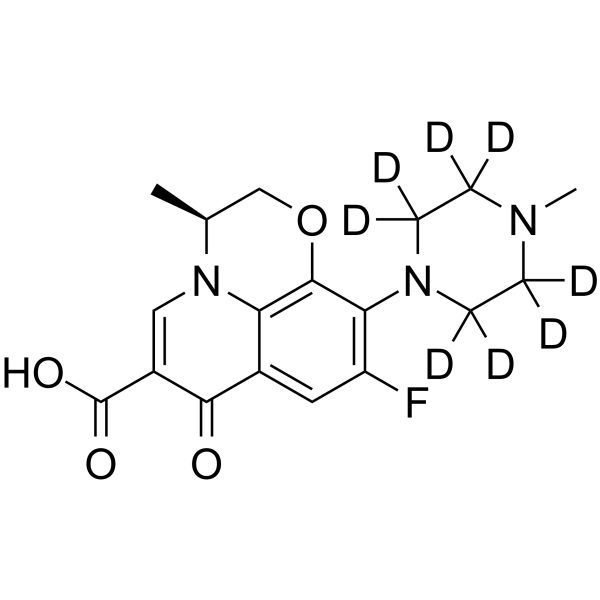
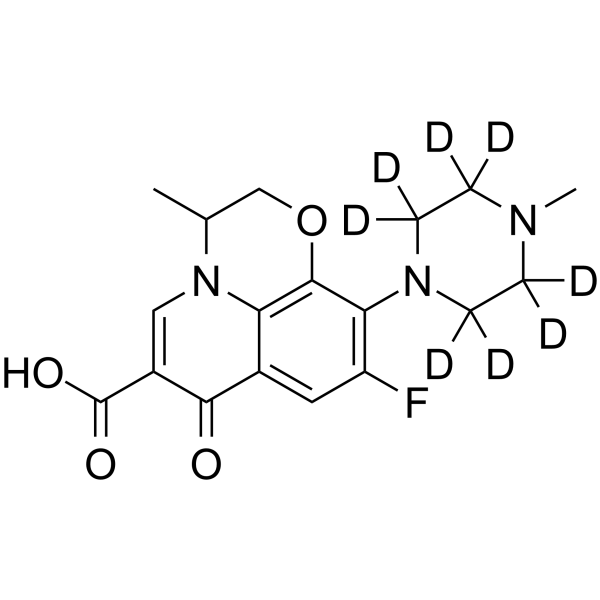
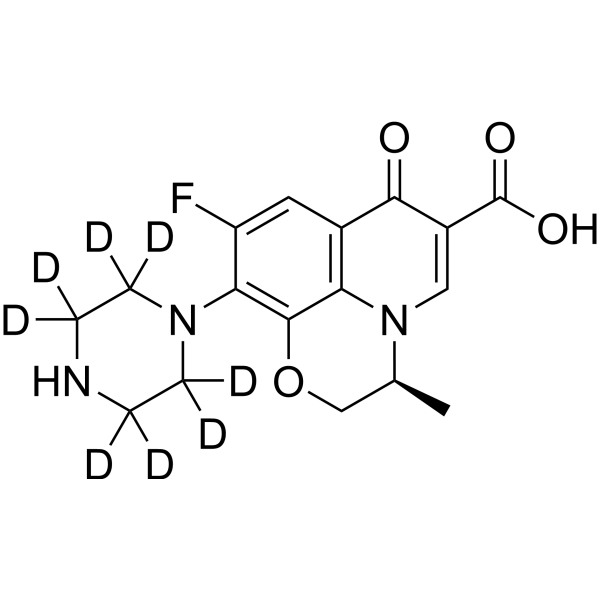
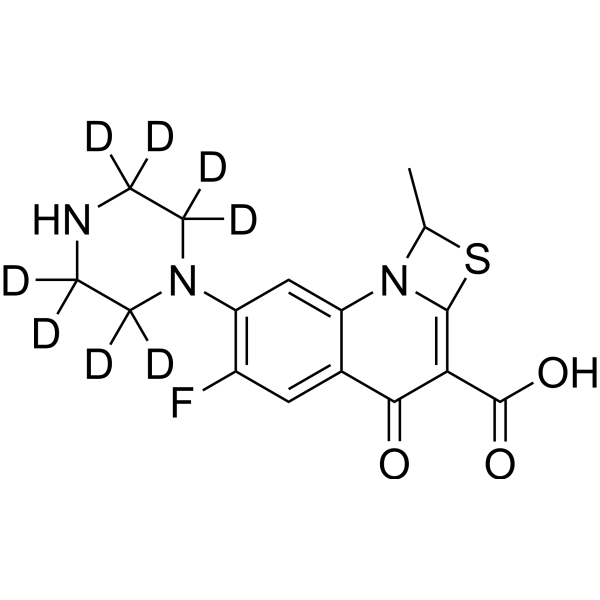
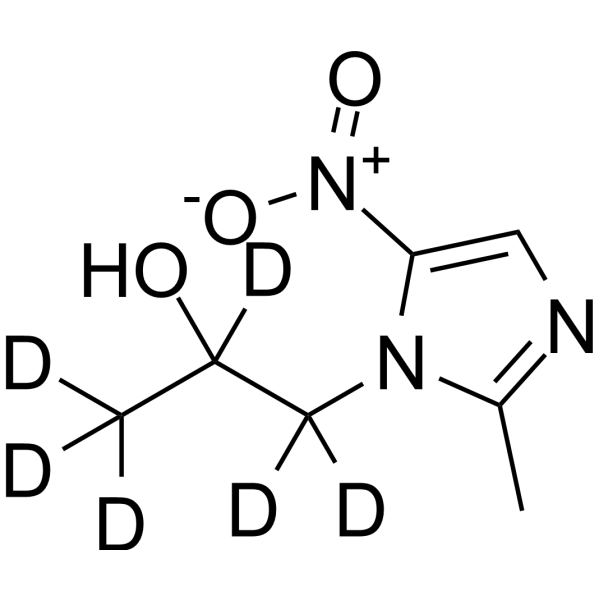
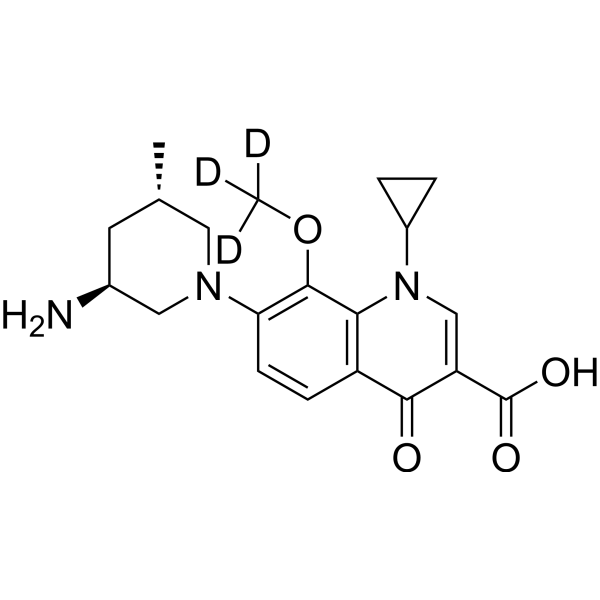
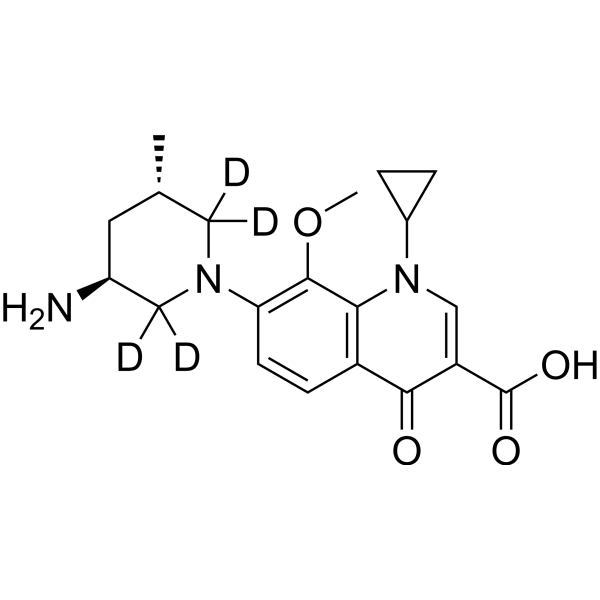
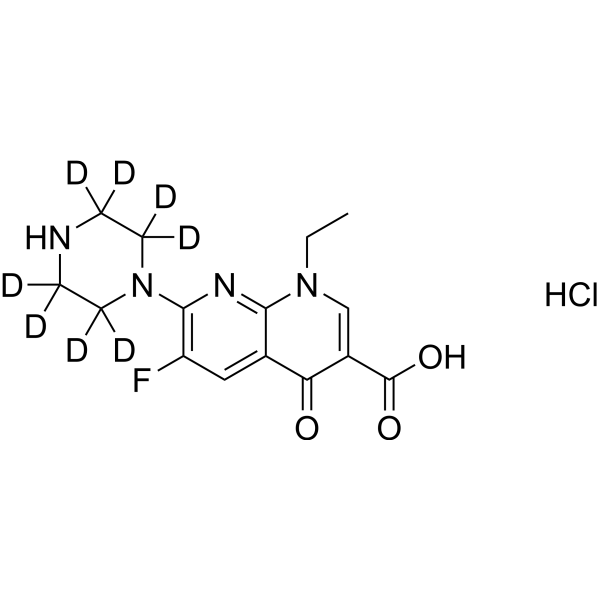
  • HY-66011AS

    BAY 12-8039-d4 free base

    Isotope-Labeled Compounds Bacterial Antibiotic Infection
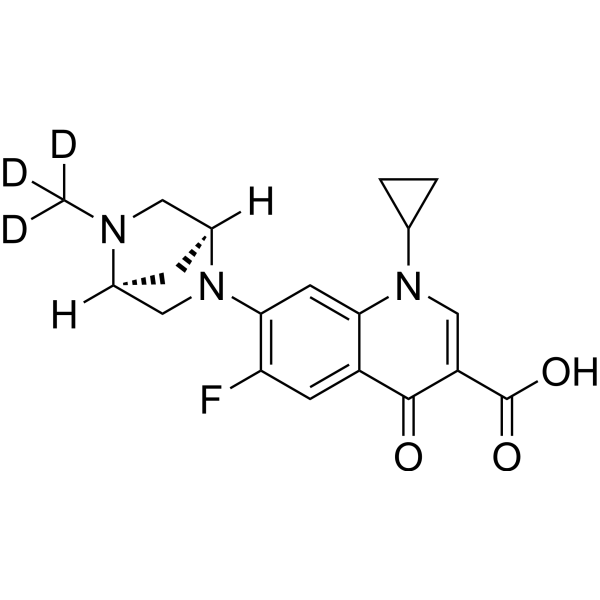
    Moxifloxacin-d4 is the deuterium labeled Moxifloxacin. Moxifloxacin is an orally active 8-methoxyquinolone antimicrobial for use in the treatment of acute bacterial sinusitis, acute bacterial exacerbations of chronic bronchitis, and community-acquired pneumonia .
    Moxifloxacin-d4
  • HY-D1056B2

    LPS, from bacterial (Proteus mirabilis)

    Toll-like Receptor (TLR) Inflammation/Immunology
    Lipopolysaccharides, from Proteus mirabilis are lipopolysaccharide endotoxins and TLR-4 activators derived from Proteus mirabilis, classified as S-type LPS, which can activate pathogen-associated molecular patterns (PAMP) of the immune system and induce cellular secretion of migrasomes. Lipopolysaccharides, from Proteus mirabilis exhibit a typical three-part structure: O-antigen, core oligosaccharide, and lipid A. Proteus mirabilis is a major pathogen causing urinary tract infections and may also contribute to rheumatoid arthritis. Lipopolysaccharides, from Proteus mirabilis also exhibit potential anti-tumor effects, demonstrating in vivo inhibitory activity against solid tumors such as meningosarcoma and Walker carcinosarcoma .
    It is recommended to prepare a solution with concentration ≥2 mg/mL. Vortex thoroughly for more than 10 minutes. Due to the adsorption characteristics of LPS, silanized container or low adsorption centrifuge tubes should be used for aliquoting and storage, and mix thoroughly before use.
    Lipopolysaccharides, from Proteus mirabilis
  • HY-149734

    Bacterial Infection
    MA220607 is a FtsZ protein inhibitor with activity against both Gram-positive and Gram-negative bacteria. MA220607 inhibits bacterial growth and shows low bacterial resistance frequency. MA220607 increases bacterial membrane permeability and alters proton gradients. MA220607 blocks the formation of bacterial biofilms. MA220607 can be used in studies of bacterial infections .
    MA220607
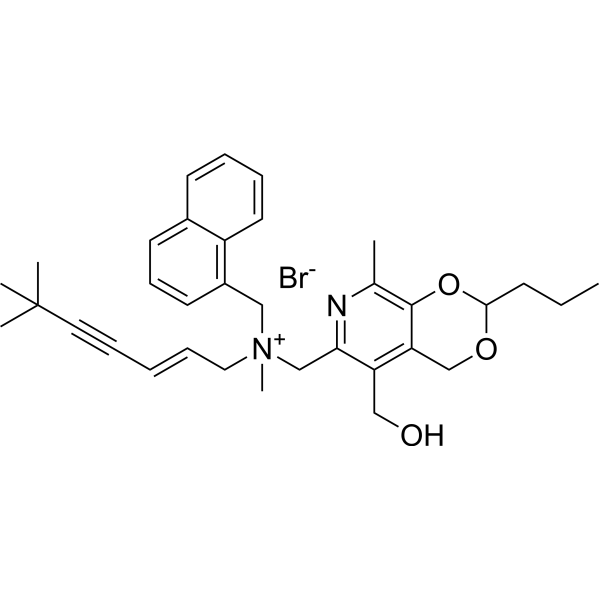
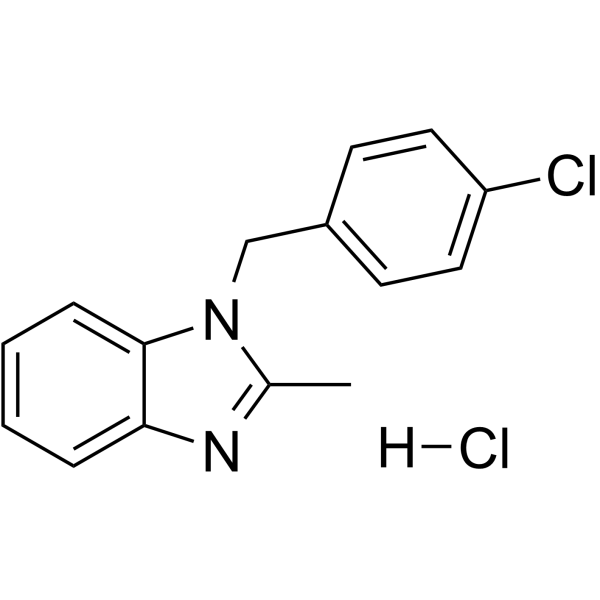
  • HY-103658

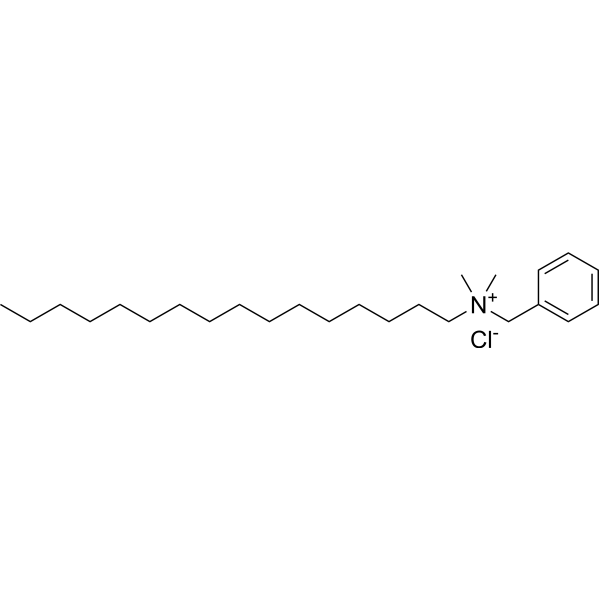
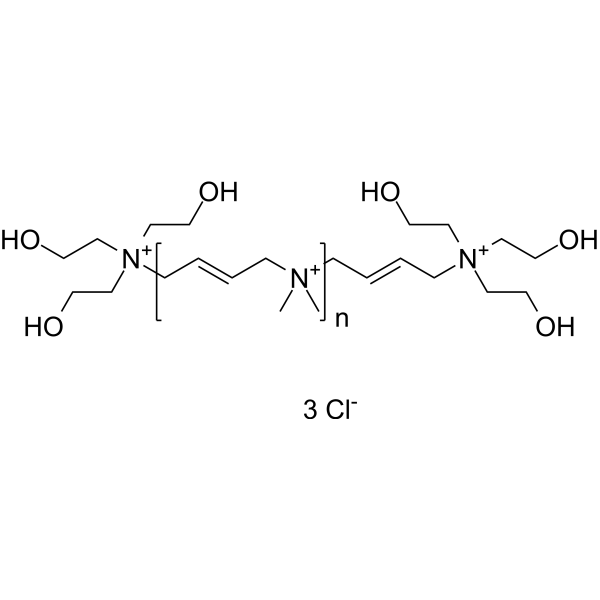
    Miramistin

    Bacterial Infection
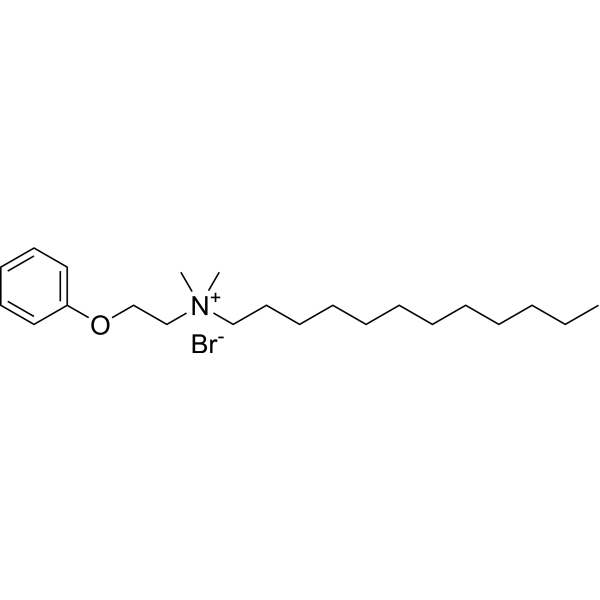
    Myramistin (Miramistin) is an antibacterial agent targeting bacterial cell membrane. Myramistin can bind to the negatively charged surface of bacteria through its cationic properties, disrupt the integrity of the bacterial cell membrane, inhibit bacterial metabolism and growth, and induce cell death, thus exerting antibacterial activity .
    Myramistin
  • HY-B0343C

    Bacterial
    Sarafloxacin hydrochloride 100 μg/mL in methanol is an antibiotic with activity to inhibit bacterial growth. Sarafloxacin hydrochloride 100 μg/mL in methanol is widely used in veterinary medicine to inhibit bacterial infections. The mechanism of action of Sarafloxacin hydrochloride 100 μg/mL in methanol is mainly achieved by inhibiting the activity of bacterial DNA gyrase. Sarafloxacin hydrochloride 100 μg/mL in methanol is also used in animal feed to improve feed conversion and promote growth.
    Sarafloxacin hydrochloride 100 μg/mL in methanol
  • HY-P1883

    Fluorescent Dye Infection
    Bacterial Sortase Substrate III, Abz/DNP is a fluorescent peptide substrate. Bacterial Sortase Substrate III, Abz/DNP undergoes cleavage catalyzed by Staphylococcus aureus sortase A (SrtAΔN24) and Streptococcus pyogenes sortase A (SrtAΔN81), and catalyzes the formation of an amide bond between the carboxyl group of threonine and the amino group of the cell wall cross-bridge. Cleavage of this substrate can be detected at Ex/Em=320 nm/420 nm .
    Bacterial Sortase Substrate III, Abz/DNP
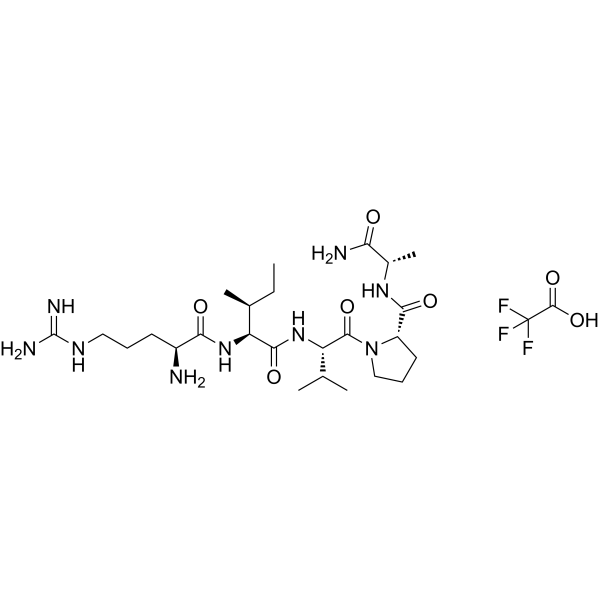
  • HY-P3326A

    Bacterial Infection
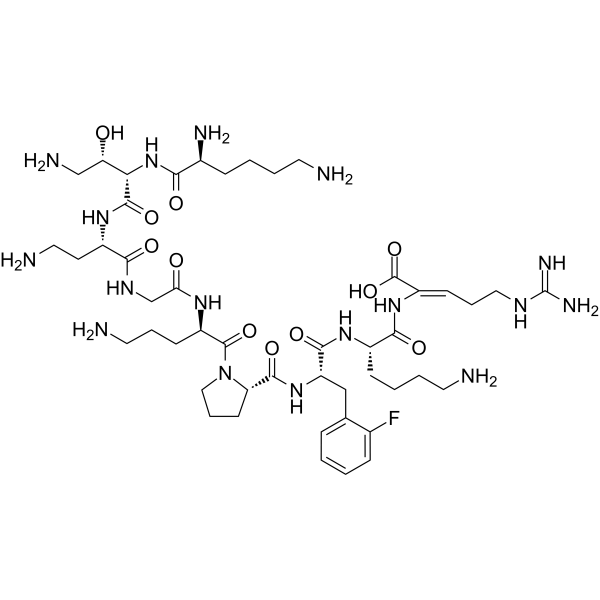
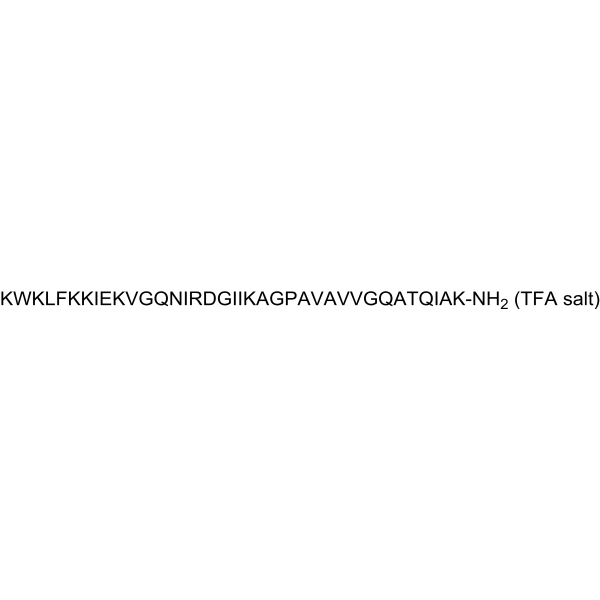
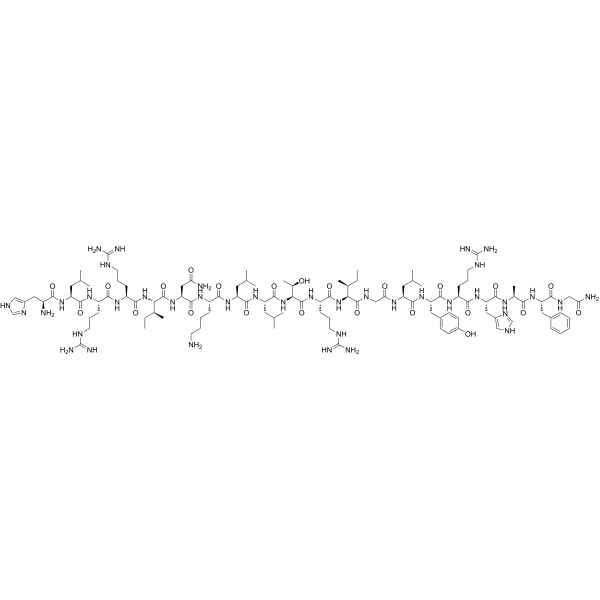
    Targeting the bacterial sliding clamp peptide 46 TFA is a short peptide targeting the bacterial sliding clamp(SC), inhibiting SC-dependent DNA synthesis .
    Targeting the bacterial sliding clamp peptide 46 TFA
  • HY-P10980

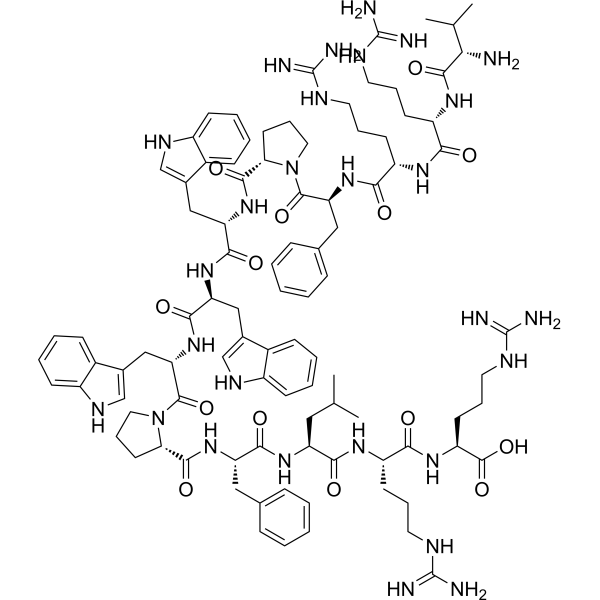
    DNA/RNA Synthesis Bacterial Infection
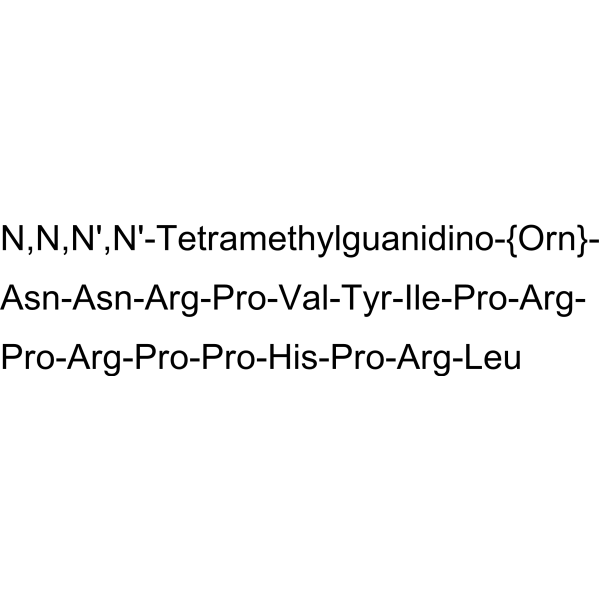
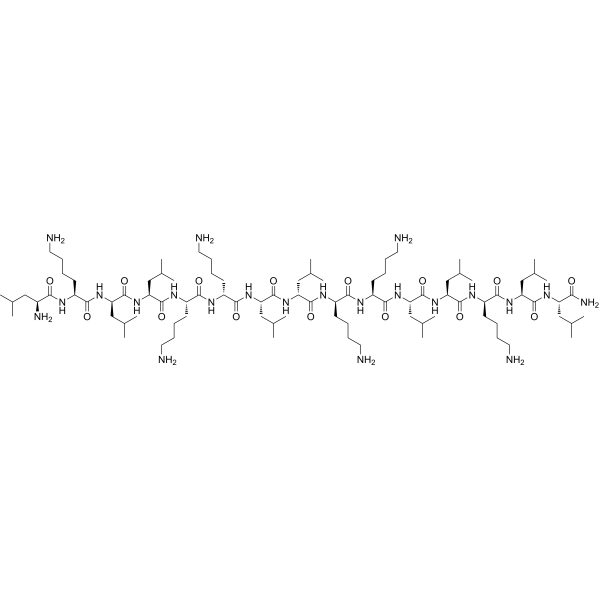
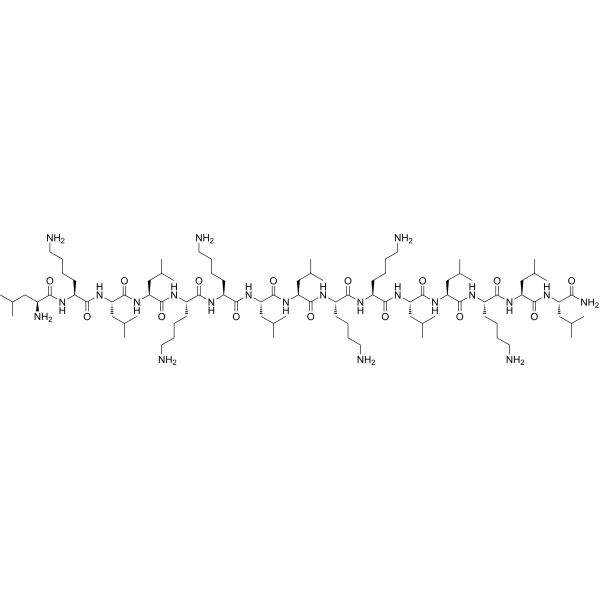
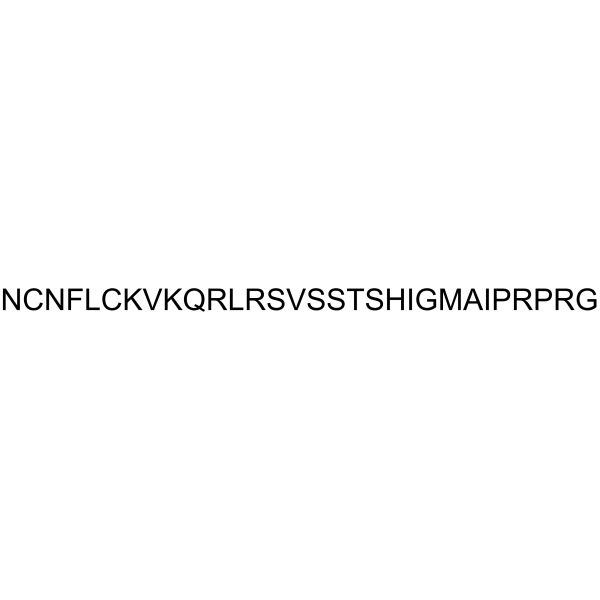
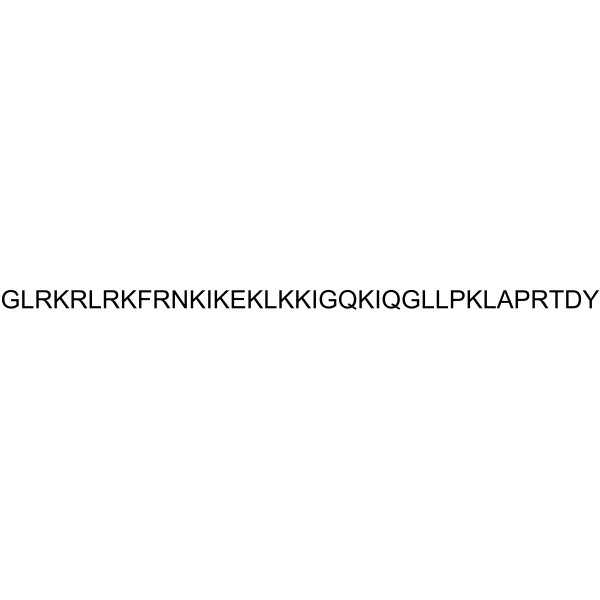
    Citrocin is a potent bacterial RNA polymerase (RNAP) inhibitor. Citrocin shows significant inhibitory activity against Escherichia coli RNAP with an MIC range of 16-125 μM. Citrocin specifically binds to and inhibits RNA polymerase to block bacterial transcription and enters cells mainly through inner membrane protein SbmA. Citrocin is promising for research of Gram-negative bacterial infections, such as enterohemorrhagic E. coli .
    Citrocin
  • HY-P10519

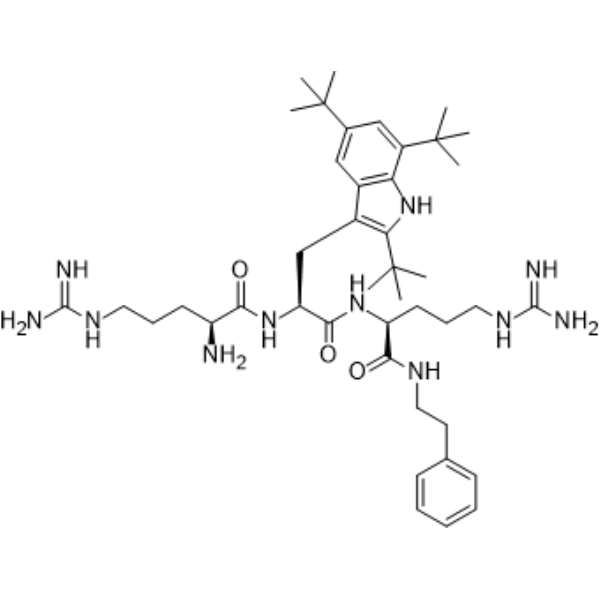
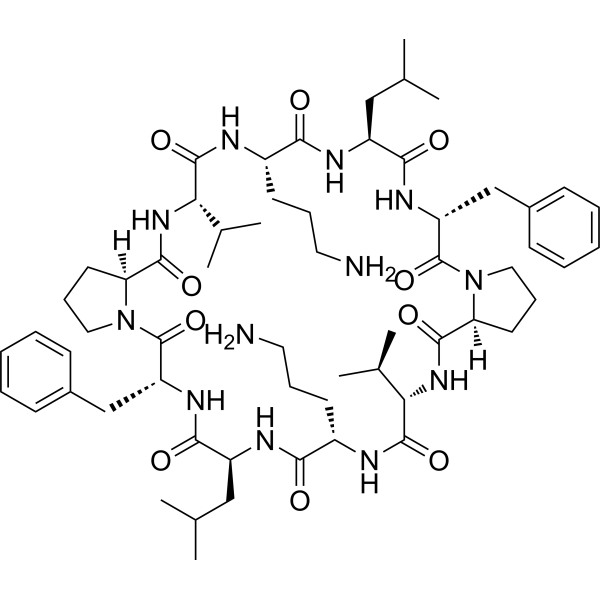
    Bacterial Reactive Oxygen Species (ROS) Infection
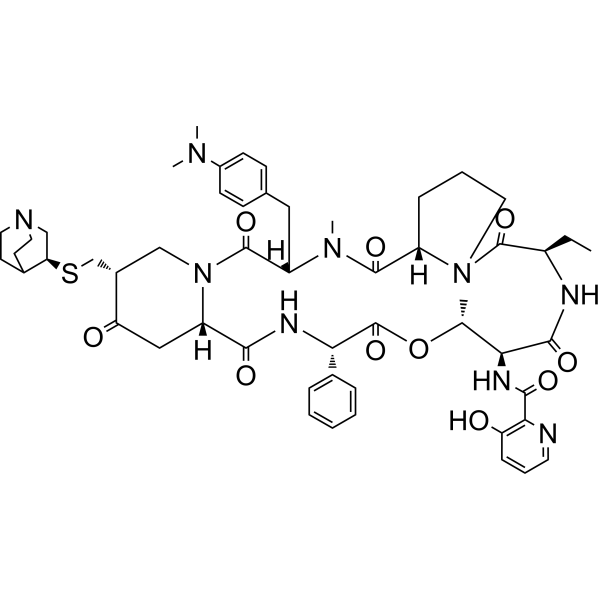
    Brevicidine is an antimicrobial peptide with selective bactericidal activity against Gram-negative pathogens. Brevicidine disrupts bacterial morphology by binding to lipopolysaccharide (LPS) on the bacterial cell membrane to form pores. Brevicidine causes dissipation of intracellular proton motive force, outer membrane damage, inhibition of ATP biosynthesis and reactive oxygen species accumulation in bacterial cells. As a sensitizer, Brevicidine exerts synergistic activity when combined with a variety of conventional antibiotics .
    Brevicidine
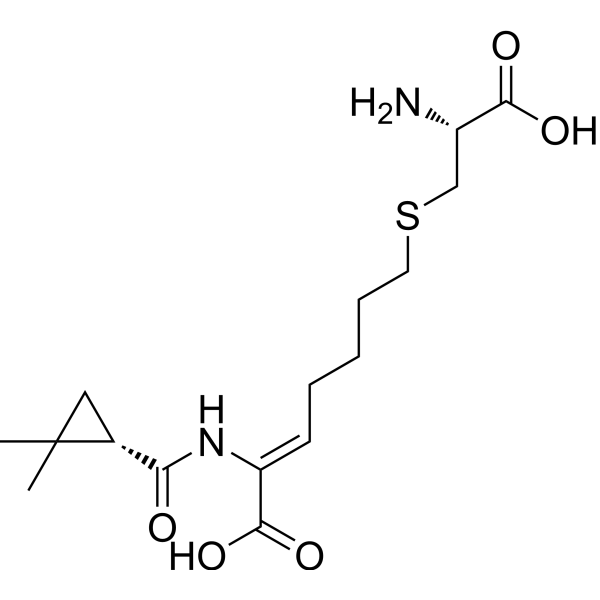
  • HY-170028

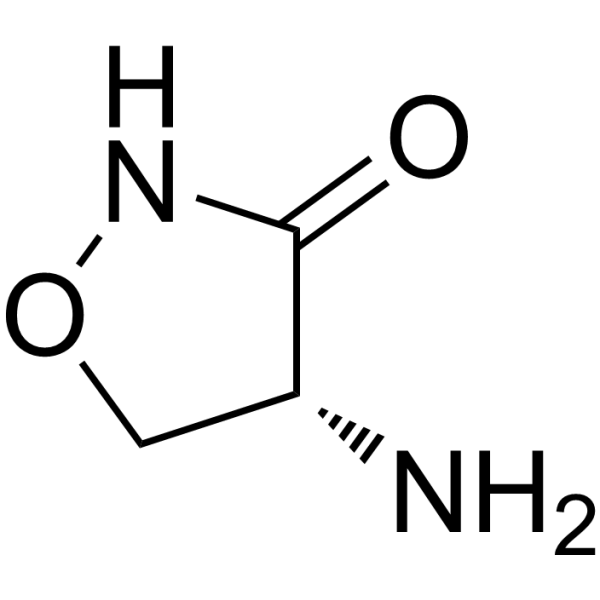
    Bacterial Infection
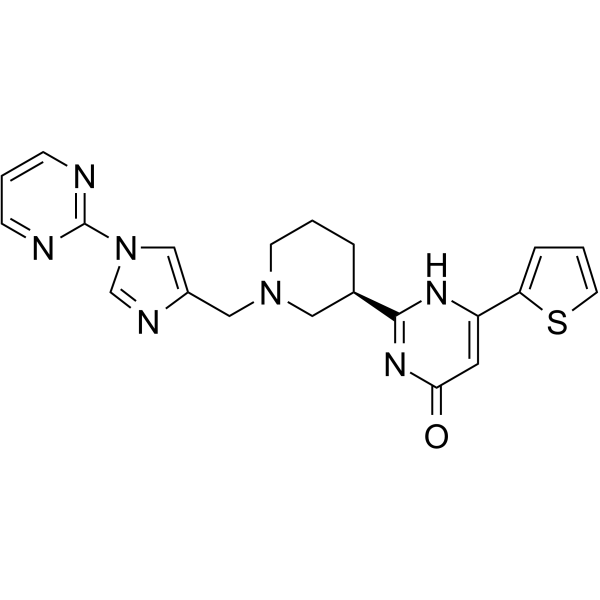
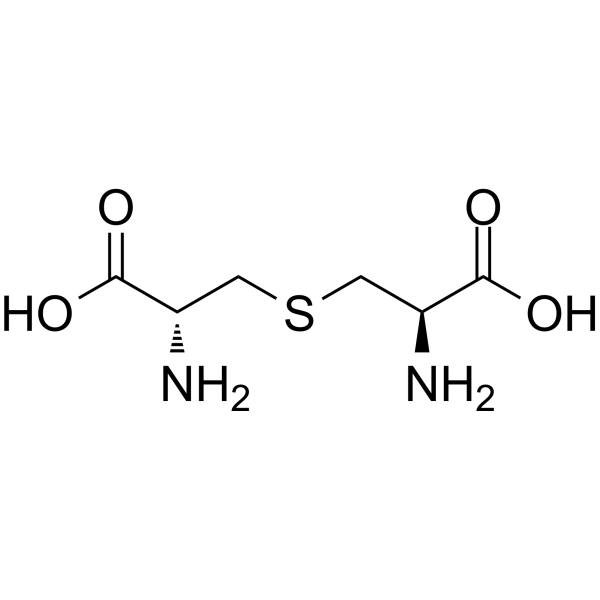
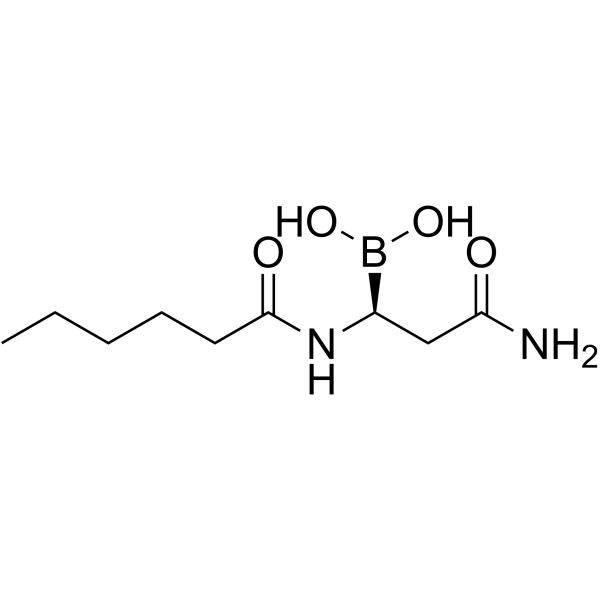
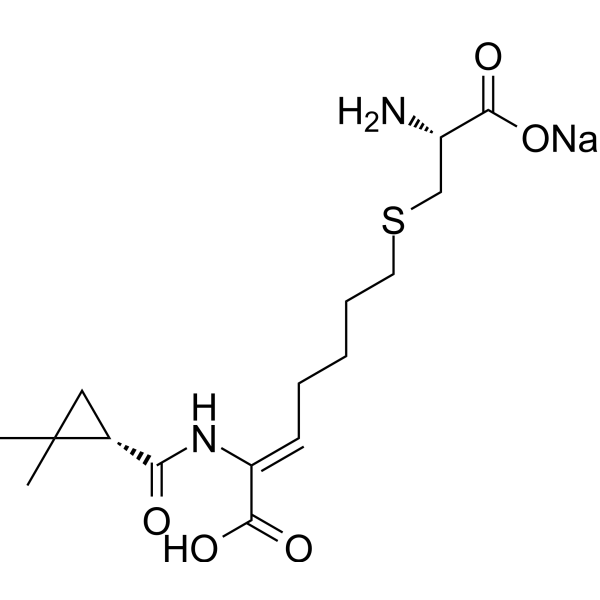
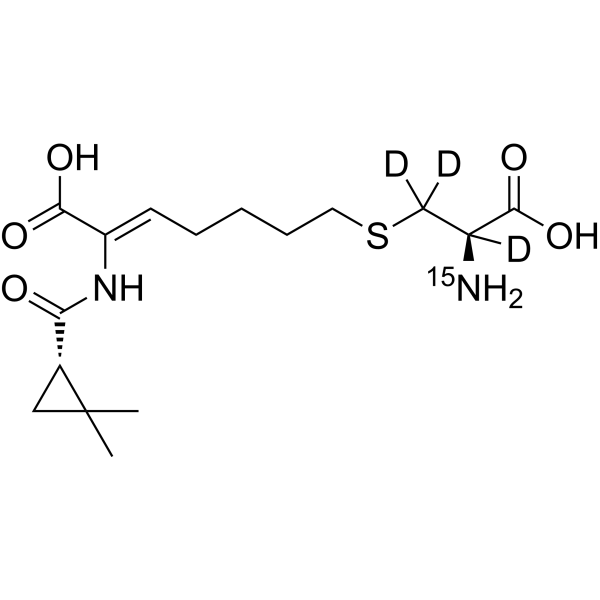
    NL3 is a bacterial cystathionine γ-lyase inhibitor, with IC50s of 0.7 μM (bCSE) and 3.4 μM (hCSE) respectively. NL3 can be used for antimicrobial and circumventing bacterial resistance research .
    NL3
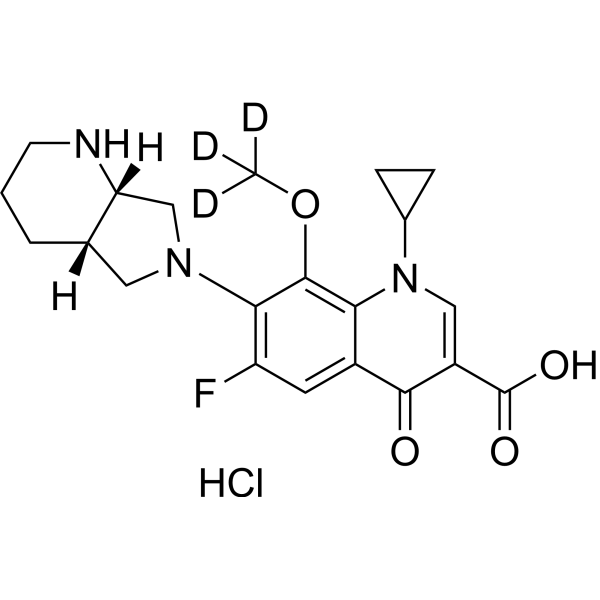
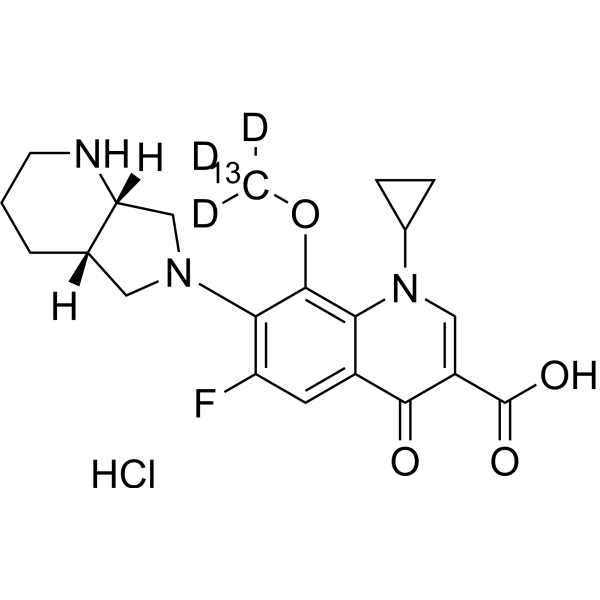
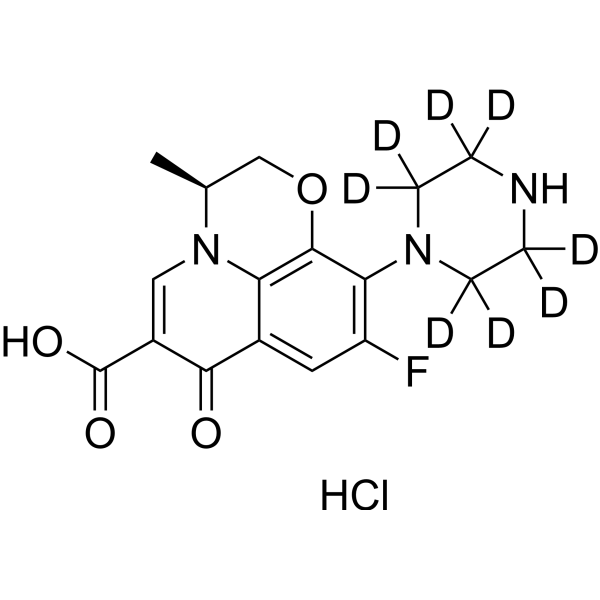
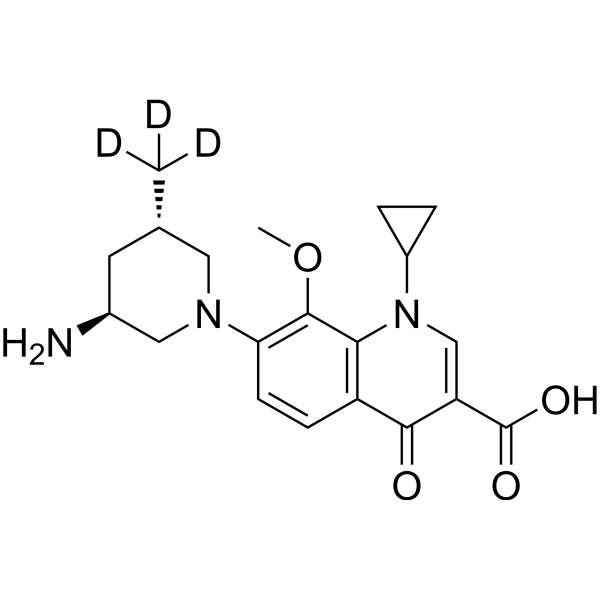
  • HY-66011AS2

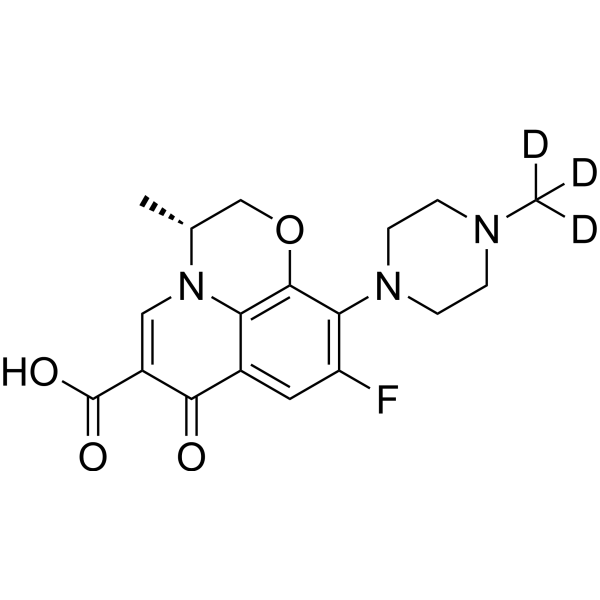
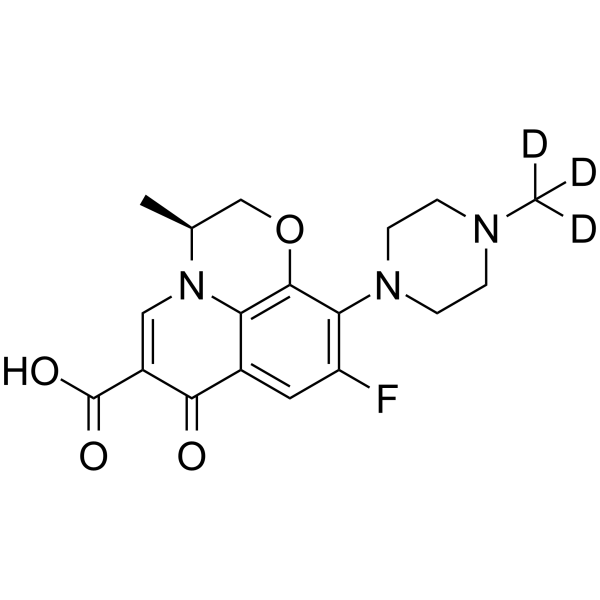
    BAY 12-8039-d3

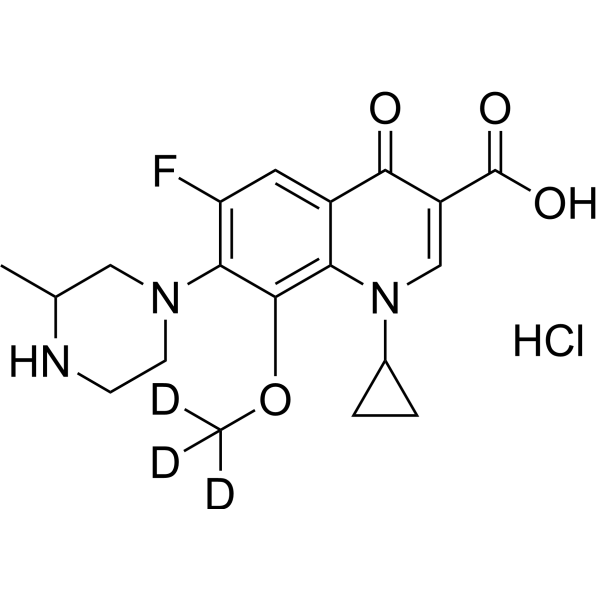
    Bacterial Antibiotic Infection Cancer
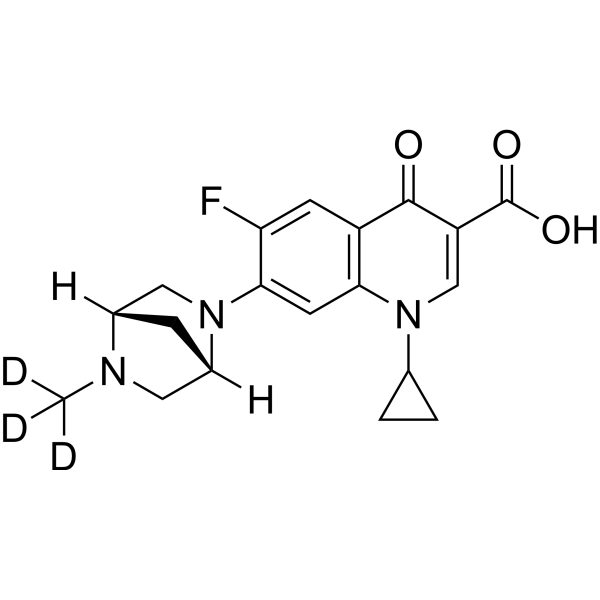
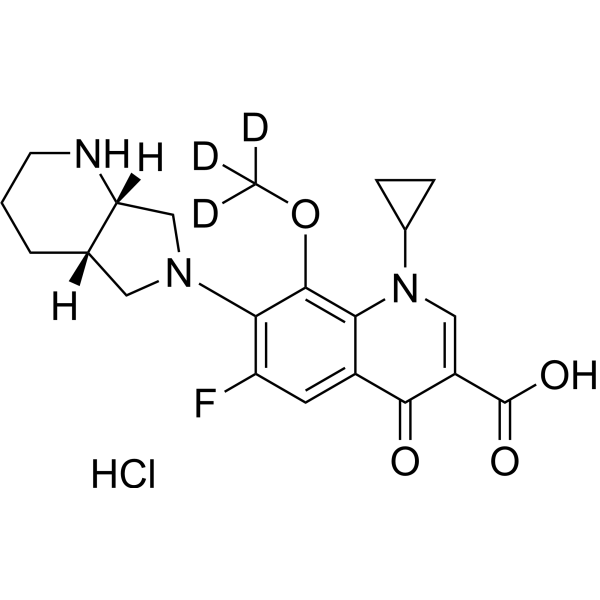
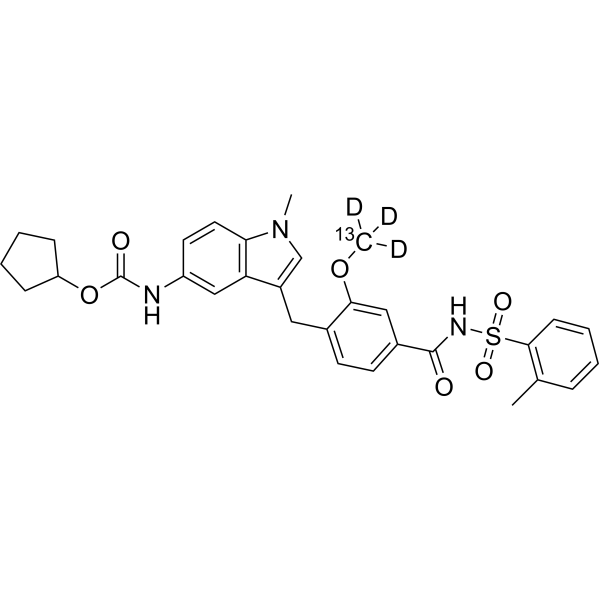
    Moxifloxacin-d3 (hydrochloride) is the deuterium labeled Moxifloxacin hydrochloride. Moxifloxacin hydrochloride is an orally active 8-methoxyquinolone antimicrobial for use in the treatment of acute bacterial sinusitis, acute bacterial exacerbations of chronic bronchitis, and community-acquired pneumonia .
    Moxifloxacin-d3 hydrochloride
  • HY-P3326

    Bacterial Infection
    Targeting the bacterial sliding clamp peptide 46 is a short peptide targeting the bacterial sliding clamp(SC), inhibiting SC-dependent DNA synthesis.
    Targeting the bacterial sliding clamp peptide 46
  • HY-N10516

    Bacterial Others
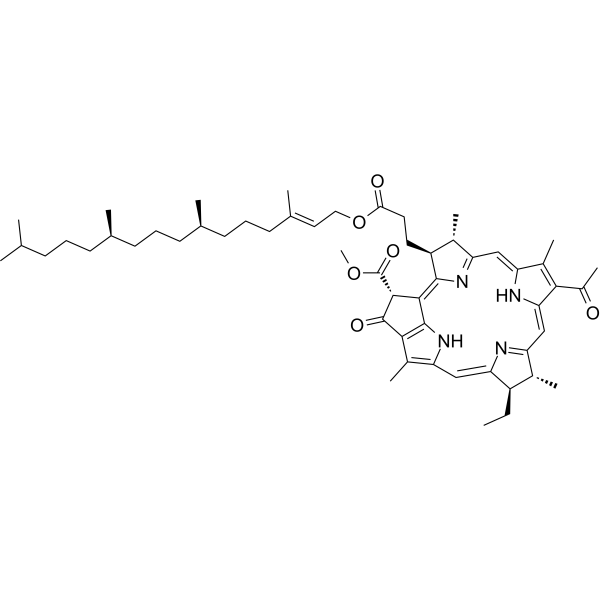
    Bacteriopheophytin, a photosynthetic pigment, is a bacterial demagnetised chlorophyll composed of bacterial chlorophyll in which two hydrogen atoms replace the magnesium center. Bacteriopheophytin acts as an electron acceptor in the purple bacterial reaction center (RC) and is involved in electron transfer .
    Bacteriopheophytin
  • HY-175301

    Bacterial Reactive Oxygen Species (ROS) Infection
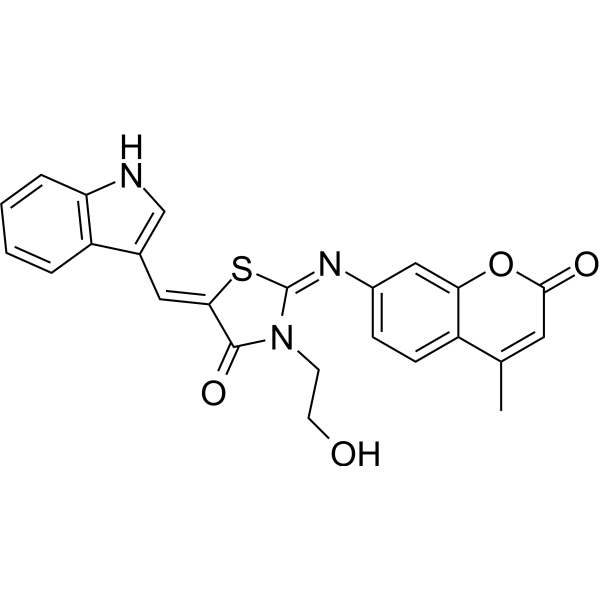
    TH16 is an antibacterial agent (MIC=2 μg/mL against methicillin-resistant Staphylococcus aureus, MRSA). TH16 disrupts bacterial cytoplasmic membrane integrity, elevating intracellular reactive oxygen species (ROS) levels to induce bacterial death. TH16 is promising for research of bacterial infection .
    TH16
  • HY-179396

    Bacterial Infection
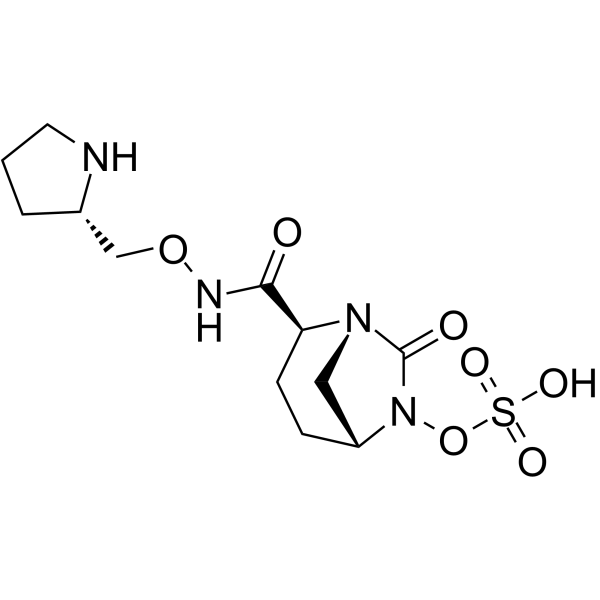
    T-1228 is a highly selective LpxC inhibitor. T-1228 can effectively block the synthesis of LPS (HY-D1056), causing defects in the bacterial outer membrane structure, increasing membrane permeability, and ultimately leading to bacterial cell death. T-1228 can be used for the study of Gram-negative bacterial infections .
    T-1228
  • HY-B1781A

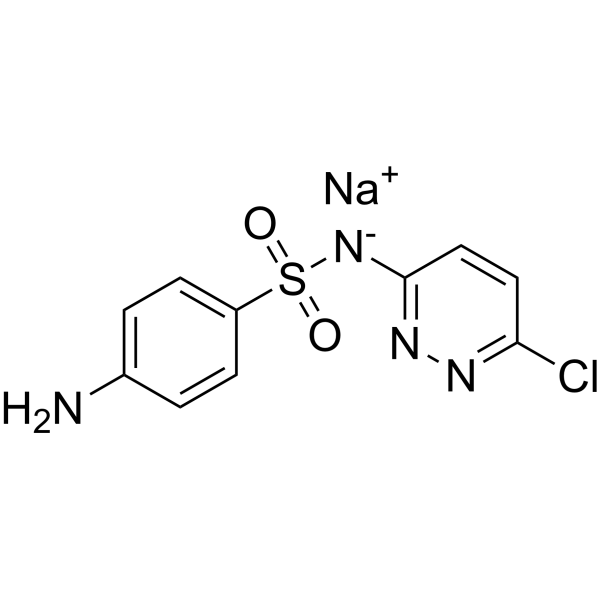
    Sulfachlorpyridazine sodium

    Bacterial Antibiotic Infection
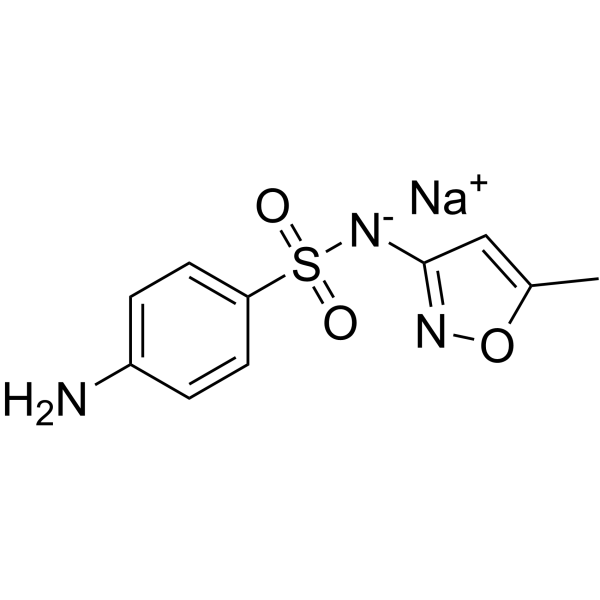
    Sulfachloropyridazine (sodium) is a sulfonamide antibiotic that inhibits bacterial growth .
    Sulfachloropyridazine sodium
  • HY-W154333

    Bacterial Infection
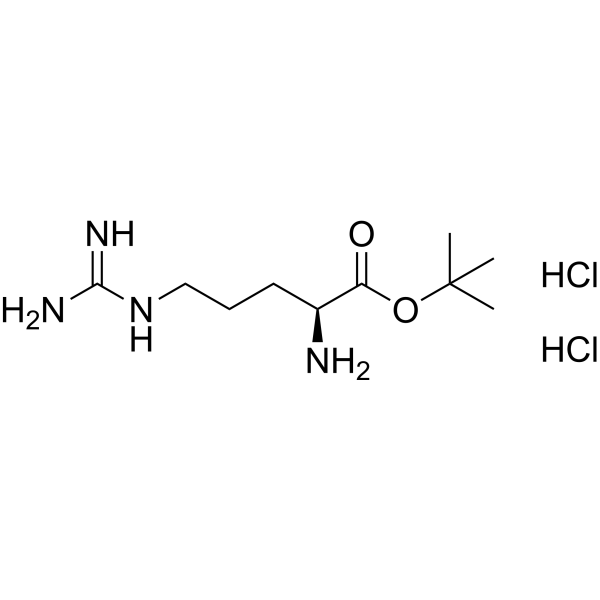
    H-Arg-OtBu (dihydrochloride) is a membrane-targeting antimicrobial. H-Arg-OtBu (dihydrochloride) targets the negatively charged bacterial membrane via a combination of electrostatic and hydrophobic interactions. H-Arg-OtBu (dihydrochloride) can be used for bacterial infections diseases research .
    H-Arg-OtBu dihydrochloride
  • HY-W354203

    1,2-Diisonicotinoylhydrazine

    MOFs Reactive Oxygen Species (ROS) Bacterial Infection
    N'-Isonicotinoylisonicotinohydrazide (Compound 7, 1,2-Diisonicotinoylhydrazine) is a competitive inhibitor (IC50=5-30 μM) of bacterial heme oxygenase (HO). N'-Isonicotinoylisonicotinohydrazide inhibits iron release and bacterial iron acquisition. N'-Isonicotinoylisonicotinohydrazide exhibits selective activity against HO enzymes from Pseudomonas aeruginosa and Neisseria meningitidis. N'-Isonicotinoylisonicotinohydrazide is promising for research of multidrug-resistant Gram-negative bacterial infections .
    N'-Isonicotinoylisonicotinohydrazide
  • HY-157359

    Biochemical Assay Reagents Others
    Bacterial Organophosphorus Medium can be used to determine the efficiency of phosphorus bacteria in decomposing organic phosphorus in phosphorus bacteria fertilizers. Bacterial Organophosphorus Medium ingredients include glucose, ammonium sulfate, yeast extract, sodium chloride, potassium chloride, magnesium sulfate, ferrous sulfate, manganese sulfate, lecithin, calcium carbonate, agar .
    Bacterial Organophosphorus Medium
  • HY-NP016

    Bacterial Biochemical Assay Reagents Others
    Brucella bacterial protein is native protein that purified from Brucella for life science related research .
    Brucella bacterial protein

Inquiry Online

Your information is safe with us. * Required Fields.

Salutation


Country or Region *

Applicant Name *


Organization Name *

Department *


Email Address *


Product Name *

Cat. No.


Requested quantity *

Phone Number *


Remarks

Inquiry Online

Inquiry Information

Product Name:
Cat. No.:
Quantity:
MCE Japan Authorized Agent: