



Sulfamethoxazole
Based on 26 publication(s) in Google Scholar
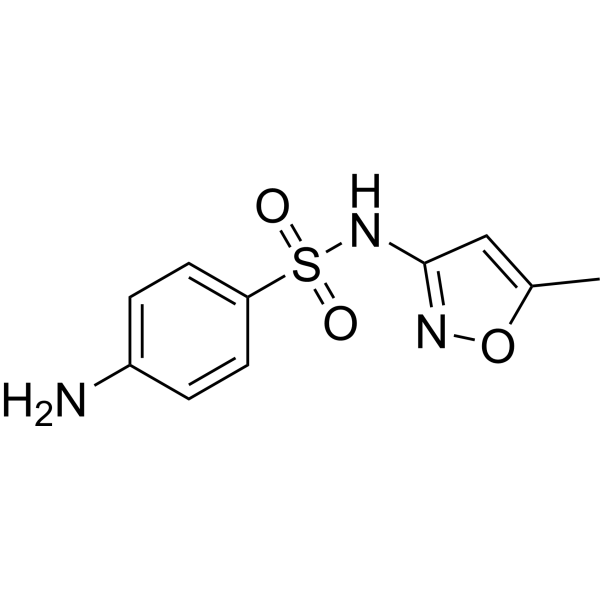
Sulfamethoxazole (Ro 4-2130) is a sulfonamide antibiotic with a widespread antibacterial activity. Sulfamethoxazole inhibits bacterial folate metabolism by competing with 4-Aminobenzoic acid (HY-B1008) (PABA) to act on dihydropteroate synthetase and dihydropteroate reductase. Sulfamethoxazole can be used for the study of urinary tract infections (UTIs), prostatitis, and bronchitis.
For research use only. We do not sell to patients.
- Purity : 99.91%
- CAS No.: 723-46-6
- Formula: C10H11N3O3S
- Molecular Weight:253.28
-
Storage:Powder -20°C, 3 years , 4°C, 2 years ; In solvent -80°C, 1 year , -20°C, 6 months

To place orders, for customer services and technical support, please contact: MedChemExpress USA
Tel: 609-228-6898 E-mail: [email protected] [email protected]


-
 Biological Activity
-
Chemical Information
-
Solvent & Solubility
- Protocols
- Purity & Documentation
- References
-
 Help & FAQs


-
HY-B0510
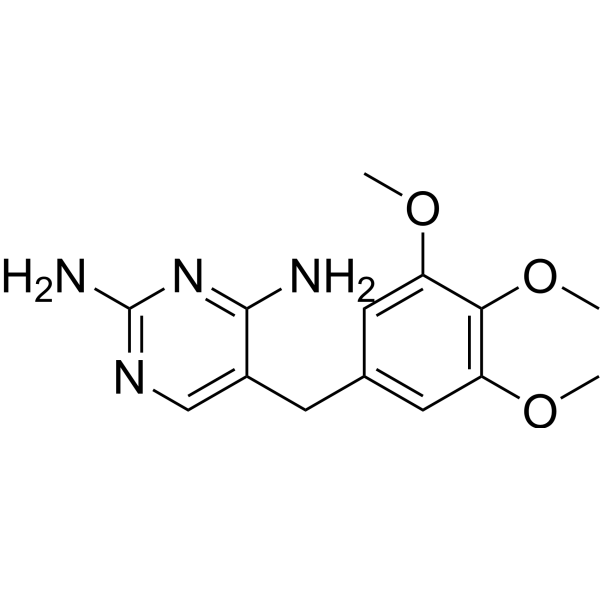
TrimethoprimBacteriostatic Antibiotic -

HY-B0322R
Sulfamethoxazole (Standard)Standard of Sulfamethoxazole -
HY-B0129
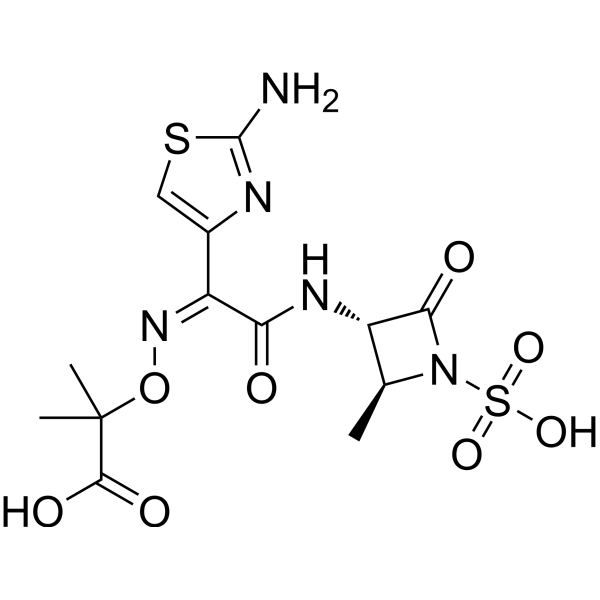
AztreonamBacterial Inhibitor -
HY-B0671
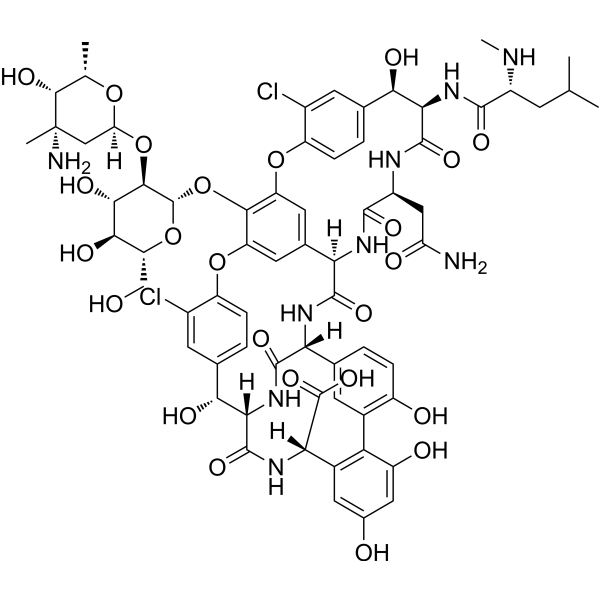
VancomycinAntibiotic -
HY-B0330
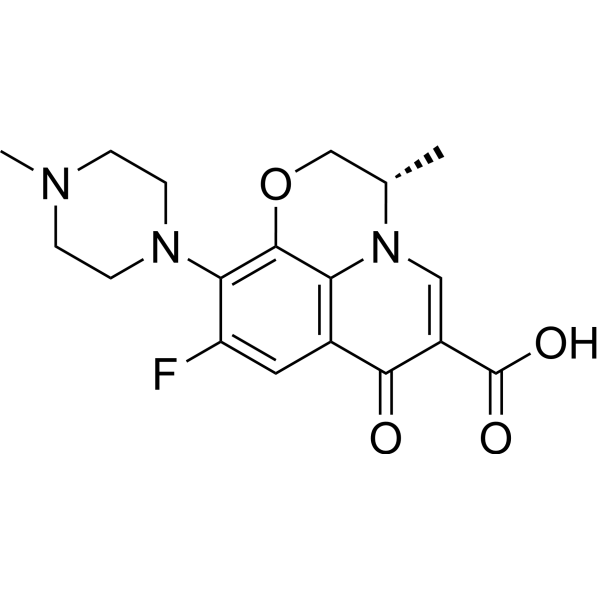
LevofloxacinDNA Gyrase/Topoisomerase Inhibitor -
HY-17506
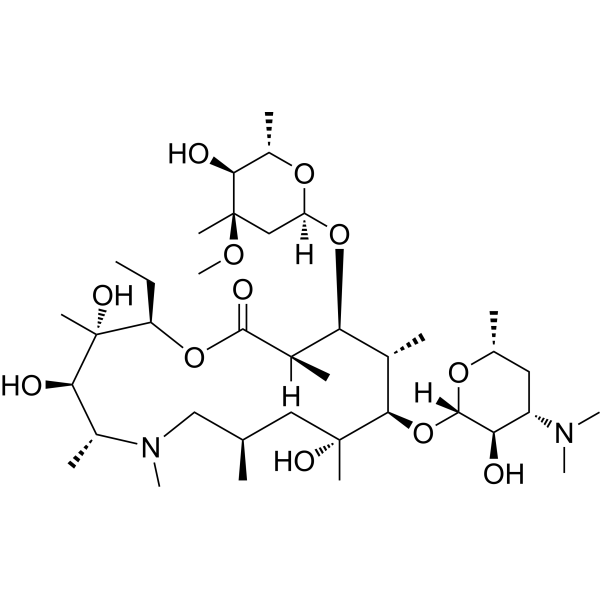
Azithromycin -
HY-A0107
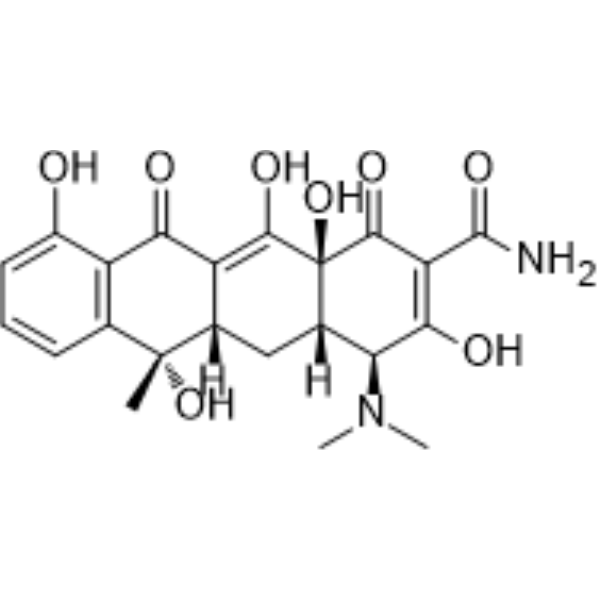
TetracyclineAntibiotic -
HY-B0273
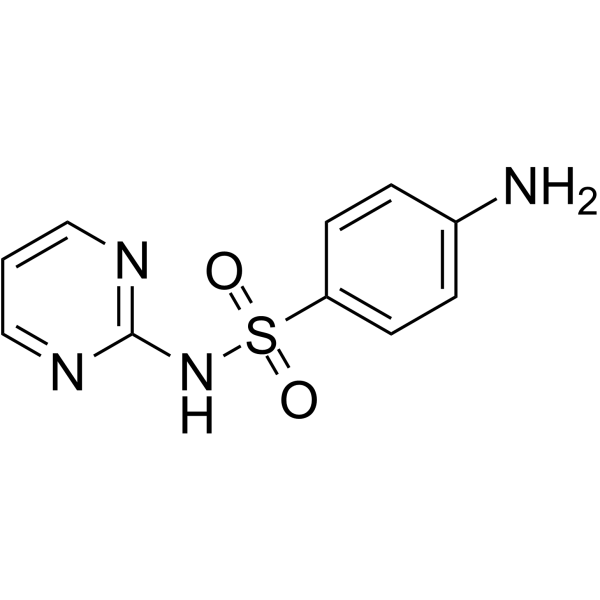
SulfadiazineSulfonamide Antibiotic -
HY-17412
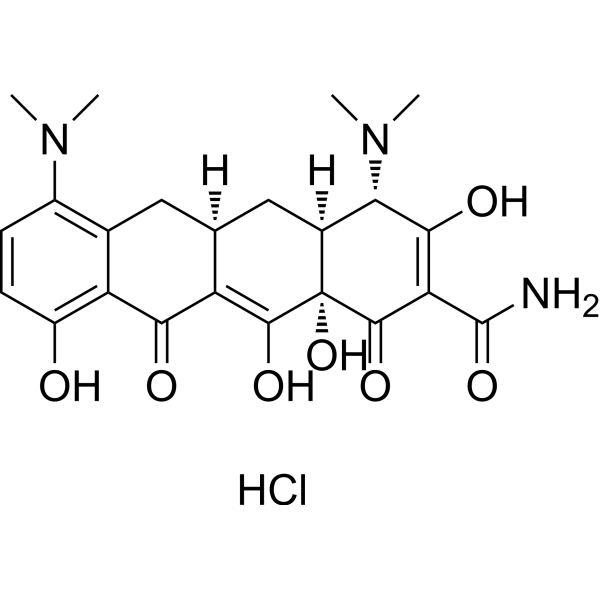
Minocycline hydrochlorideHIF-1α/Glutamate Inhibitor -
HY-B0117
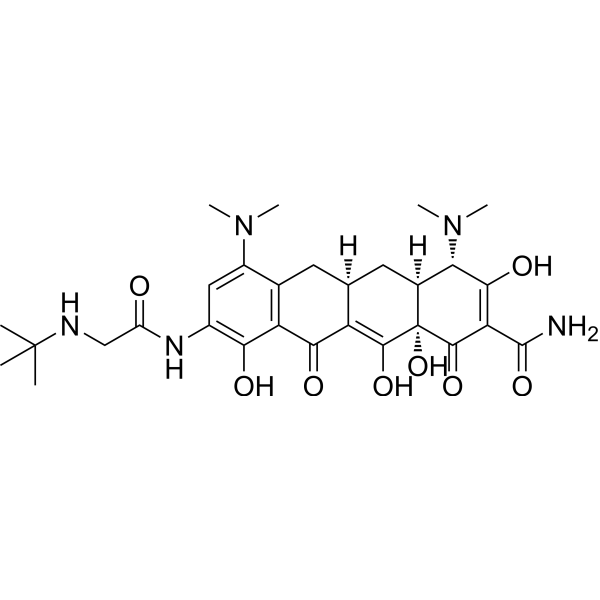
TigecyclineBacterial Inhibitor -
HY-B0356
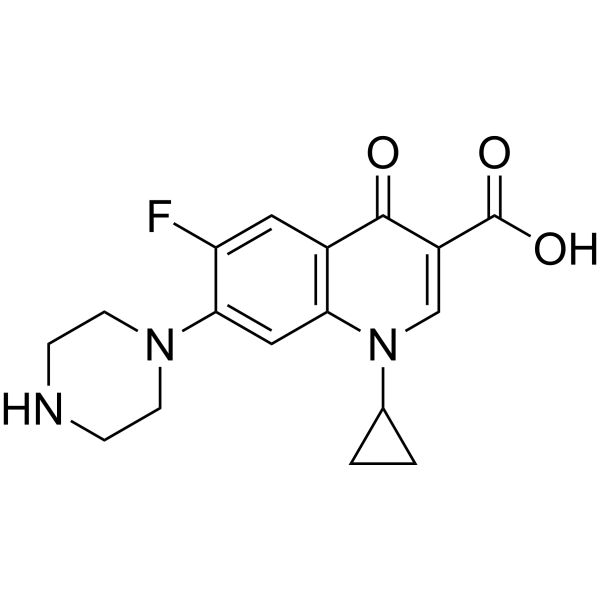
CiprofloxacinTopoisomerase IV Inhibitor -
HY-B0108
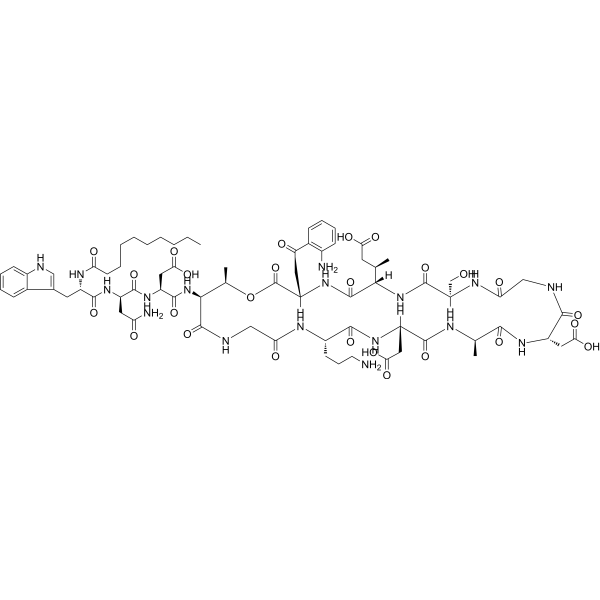
DaptomycinBacterial Inhibitor
Publications Citing Use of MedChemExpress (MCE) Sulfamethoxazole
More- Signal Transduct Target Ther. 2023 Sep 18;8(1):353. [Abstract]
- Autophagy. 2023 Oct;19(10):2702-2718. [Abstract]
- Nat Commun. 2022 Mar 2;13(1):1116. [Abstract]
- Water Res. 2023 Jul 15:240:120110. [Abstract]
- J Exp Med. 2026 Mar 2;223(3):e20241287. [Abstract]
- ACS Environ Au. 2025 Aug 5;5(6):573-582. [Abstract]
- Food Chem X. 2026 Feb 8:34:103646. [Abstract]
- Int J Biol Macromol. 2026 Mar:352:151224. [Abstract]
- Clin Chem. 2019 Dec;65(12):1522-1531. [Abstract]
- Emerg Contam. 2026 Feb 23.
- Anal Chem. 2025 Jun 3;97(21):11099-11109. [Abstract]
- Pharmaceutics. 2025 Mar 26;17(4):423. [Abstract]
- Virulence. 2026 Dec 31;17(1):2646808. [Abstract]
- Ecotoxicol Environ Saf. 2023 Mar 15:253:114711. [Abstract]
- Antibiotics (Basel). 2026 Mar 10;15(3):283. [Abstract]
- Clean Technol Environ Policy. 2025 May 22.
- Bioresour Technol Rep. 2023 Dec, 24, 101619.
- Microorganisms. 2025 Apr 18;13(4):938. [Abstract]
- Water. 2025 Jun 6.
- Infect Drug Resist. 2026 May 8;19.
- Eur J Clin Microbiol Infect Dis. 2025 Sep 29. [Abstract]
- PLoS One. 2026 Jul 8;21(7):e0352997.
- Res Sq. 2026 Mar 9.
- bioRxiv. 2025 January 19.
- bioRxiv. 2024 May 10.
- Chemosphere. 2019 Jun:225:378-387. [Abstract]
 Customer Validation & Images

-
Bio/Physico-chemical Assay
-
Bio/Physico-chemical Assay
-
Bio/Physico-chemical Assay
-
Bio/Physico-chemical Assay
-
Bio/Physico-chemical Assay
All Antibiotic Isoforms
More

Biological Activity
Description
IC50 & Target
Antibacterial
Cellular Effect
|
Cell Line

|
Type | Value | Description | References |
|---|---|---|---|---|
| A7R5 | IC50 |
333 μM
Compound: 5a
|
Displacement of [125 I] ET-1 from rat aortic smooth muscle A7r5 cells transfected with Endothelin A receptor
Displacement of [125 I] ET-1 from rat aortic smooth muscle A7r5 cells transfected with Endothelin A receptor
|
[PMID: 10969989] |
| A7R5 | IC50 |
333 μM
Compound: 31
|
Displacement of 125I-ET1 from ETA receptor in rat A7R5 cells
Displacement of 125I-ET1 from ETA receptor in rat A7R5 cells
|
[PMID: 27321813] |
| HepG2 | IC50 |
2622 μM
Compound: 1a, SMX
|
Cytotoxicity against human HepG2 cells after 24 hrs by MTS assay
Cytotoxicity against human HepG2 cells after 24 hrs by MTS assay
|
[PMID: 22365879] |
| MT4 | ED50 |
>79 μM
Compound: A047
|
Effective dose of compound required to inhibit replication of human immunodeficiency virus type 1 in MT-4 cells
Effective dose of compound required to inhibit replication of human immunodeficiency virus type 1 in MT-4 cells
|
[PMID: 15537350] |
In Vitro
Sulfamethoxazole (0.01-1.28 mg/mL; 120 h) inhibits P. lutzii mitochondrial activity[1].
Sulfamethoxazole (0.01 mg/mL; 1-2 h) acts in P. lutzii as a competitor for amino acid, nucleic acids and folate cofactor biosynthesis, disrupting mitochondrial functions[1].
Sulfamethoxazole at different concentrations, by using the whole-cell patch clamp recording method, inhibits the KATP channel currents in mouse pancreatic β cells in a dose-dependent manner, and the IC50 is 0.46 mM[3].
Sulfamethoxazole at different concentrations, through the static incubation assay of islets, stimulates insulin secretion in mouse islets. It can stimulate insulin secretion at a low concentration (0.1 mM) under high-glucose (10 mM) conditions and only at a high concentration (10 mM) under low-glucose (2 mM) conditions[3].
MedChemExpress (MCE) has not independently confirmed the accuracy of these methods. They are for reference only.
-
Cell Line:P. lutzii yeast cells
-
Concentration:1.28 mg/mL, 0.64 mg/mL, 0.32 mg/mL, 0.16 mg/mL, 0.08 mg/mL, 0.04 mg/mL, 0.02 mg/mL, and 0.01 mg/mL
-
Incubation Time:120 h
-
Result:Produced a marked dose-dependent adverse effect on P. lutzii.
-
Cell Line:P. lutzii yeast cells
-
Concentration:0.01 mg/mL
-
Incubation Time:1 or 2 h
-
Result:The up-regulated genes included those for HSP70, HSP60, and HSP30.
The down-regulated genes included betaine aldehyde dehydrogenase (BADH), carnitine/acyl carnitine carrier (ACUH), guanine nucleotide binding protein α-1 subunit (GPA2), C6 transcription factor (CTF1B) and pleckstrin homology domain (PH).
Clinical Trial
| NCT Number | Sponsor | Condition | Start Date |
Phase
|
|---|---|---|---|---|
| NCT01329991 | 2011-05 | PHASE1 |


Chemical Information
-
CAS No. 723-46-6
-
Appearance Solid
-
Molecular Weight 253.28
-
Formula C10H11N3O3S
-
Color White to off-white
-
SMILES
O=S(C1=CC=C(N)C=C1)(NC2=NOC(C)=C2)=O
-
Synonyms
Ro 4-2130
-
Shipping
Room temperature in continental US; may vary elsewhere.
-
Storage
Powder -20°C 3 years 4°C 2 years In solvent -80°C 1 year -20°C 6 months


Publications (26)
-
Journal Impact Factor
-
Most Recent
-
Signal Transduct Target Ther
NAD+ exhaustion by CD38 upregulation contributes to blood pressure elevation and vascular damage in hypertension. [Abstract]2023 Sep 18;8(1):353. PMID: 37718359 -
Autophagy
2023 Oct;19(10):2702-2718. PMID: 37312409 -
Nat Commun
Antimicrobial resistance and population genomics of multidrug-resistant Escherichia coli in pig farms in mainland China. [Abstract]2022 Mar 2;13(1):1116. PMID: 35236849 -
Water Res
Quantifying community-wide antibiotic usage via urban water fingerprinting: Focus on contrasting resource settings in South Africa. [Abstract]2023 Jul 15:240:120110. PMID: 37247434 -
J Exp Med
2026 Mar 2;223(3):e20241287. PMID: 41400657 -
ACS Environ Au
Machine Learning-Assisted Recognition of Environmental Sulfur-Containing Chemicals in Nontargeted Mass Spectrometry Analysis of Inadequate Mass Resolution. [Abstract]2025 Aug 5;5(6):573-582. PMID: 41277996 -
Food Chem X
Machine learning prioritization of antibiotic residues in aquatic foods reveals exposure-driven genotoxic risk mediated by BCL2. [Abstract]2026 Feb 8:34:103646. PMID: 41756597 -
Int J Biol Macromol
Reticuline isomerase AKR1B1 with aldo-keto reductase activity and detoxification function from the insect Blaps rhynchopetera. [Abstract]2026 Mar:352:151224. PMID: 41791543 -
Clin Chem
Discovering Cross-Reactivity in Urine Drug Screening Immunoassays through Large-Scale Analysis of Electronic Health Records. [Abstract]2019 Dec;65(12):1522-1531. PMID: 31578215 -
-
Anal Chem
Exposome-Scale Investigation of Cl-/Br-Containing Chemicals Using High-Resolution Mass Spectrometry, Multistage Machine Learning, and Cloud Computing. [Abstract]2025 Jun 3;97(21):11099-11109. PMID: 40401576 -
Pharmaceutics
Plasma Protein Binding, Biostability, Metabolite Profiling, and CYP450 Phenotype of TPB15 Across Different Species: A Novel Smoothened Inhibitor for TNBC Therapy. [Abstract]2025 Mar 26;17(4):423. PMID: 40284418 -
Virulence
Antibacterial efficacy and mechanism of the novel antimicrobial peptide lachnospirin-1 against Acinetobacter baumannii. [Abstract]2026 Dec 31;17(1):2646808. PMID: 41838520 -
Ecotoxicol Environ Saf
Microbial profiles and immune responses in seahorse gut and brood pouch under chronic exposure to environmental antibiotics. [Abstract]2023 Mar 15:253:114711. PMID: 36868035
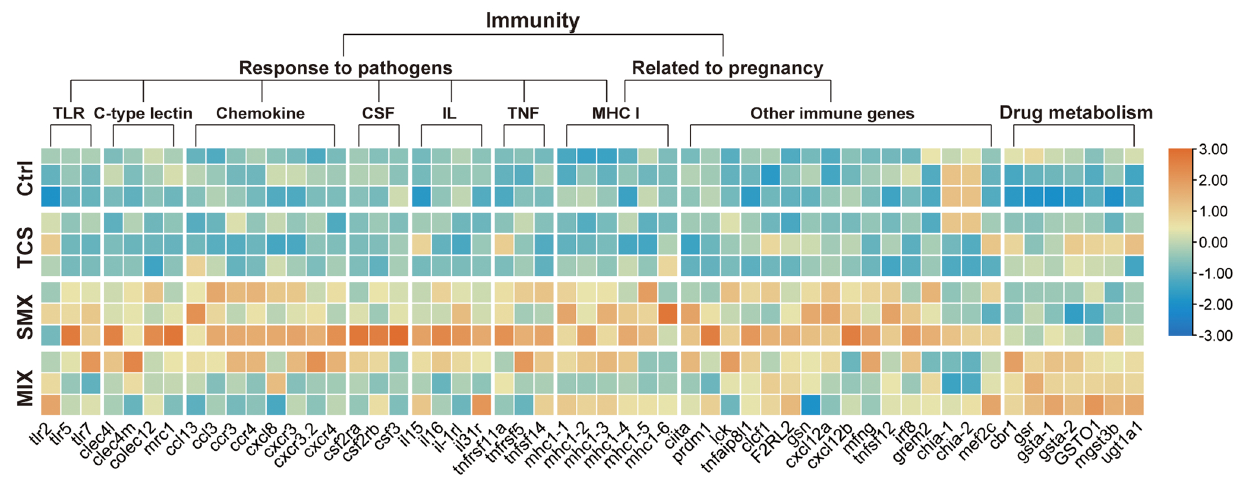
Sulfamethoxazole purchased from MedChemExpress. Usage Cited in: Ecotoxicol Environ Saf. 2023 Mar 15:253:114711. [Abstract]
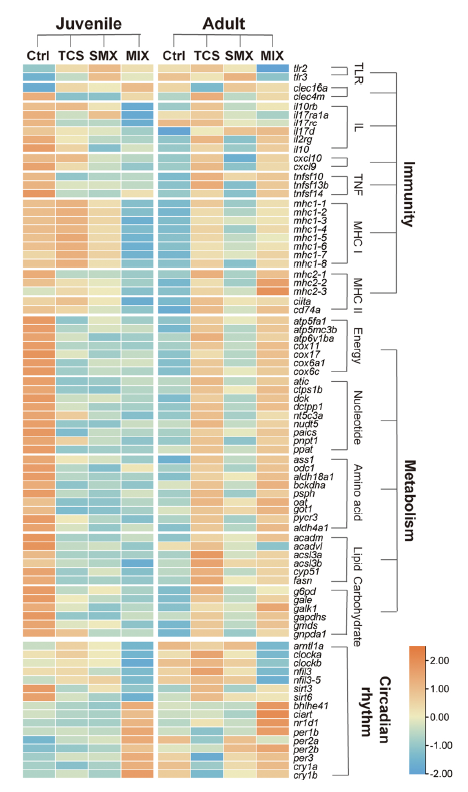
Heat map of several key genes involved in immunity, metabolism, and circadian rhythm within the gut of juvenile and adult seahorses treated with Sulfamethoxazole (SMX) (1 μg/L; 4 weeks) was constructed using Tbtools software.
Sulfamethoxazole purchased from MedChemExpress. Usage Cited in: Ecotoxicol Environ Saf. 2023 Mar 15:253:114711. [Abstract]
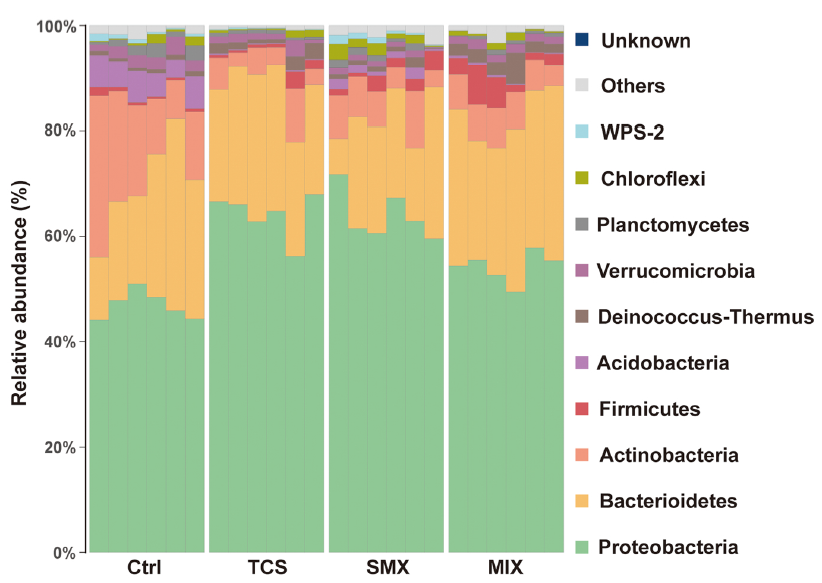
Sulfamethoxazole (SMX) (1 μg/L; 4 weeks) increased the relative abundance of Proteobacteria, whereas decreased the relative abundance of Actinobacteria and Acidobacteria.
Sulfamethoxazole purchased from MedChemExpress. Usage Cited in: Ecotoxicol Environ Saf. 2023 Mar 15:253:114711. [Abstract]
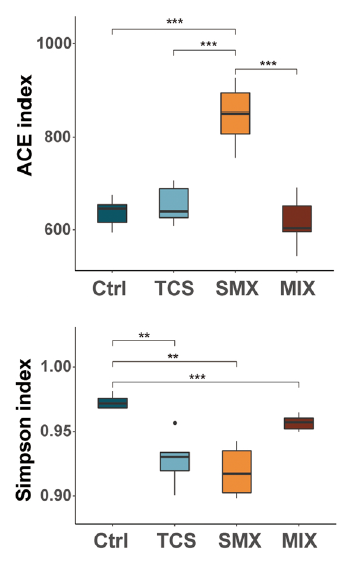
Sulfamethoxazole (SMX) (1 μg/L; 4 weeks) significantly increased the ACE index, but significantly reduced the Simpson's index.
Sulfamethoxazole purchased from MedChemExpress. Usage Cited in: Ecotoxicol Environ Saf. 2023 Mar 15:253:114711. [Abstract]
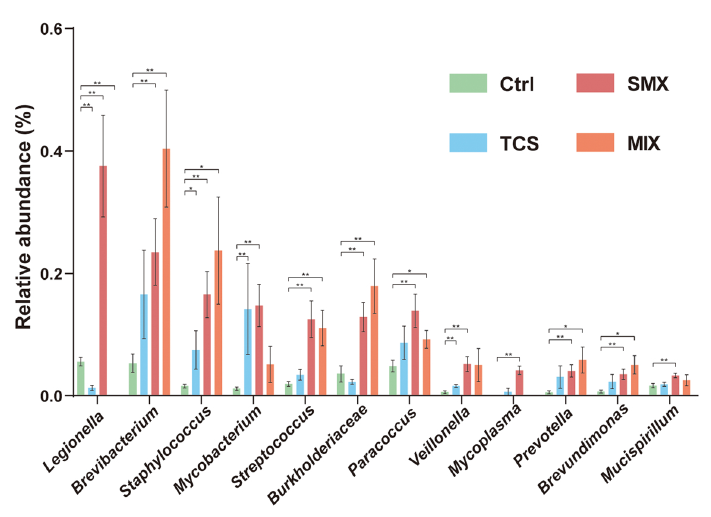
Sulfamethoxazole (SMX) (1 μg/L; 4 weeks) considerably increased the relative abundances of potential pathogens.
Sulfamethoxazole purchased from MedChemExpress. Usage Cited in: Ecotoxicol Environ Saf. 2023 Mar 15:253:114711. [Abstract]
Sulfamethoxazole (SMX) (1 μg/L; 4 weeks). Heat map of some of representative genes related to immunity and drug metabolism in seahorse brood pouches.
-
Antibiotics (Basel)
Revitalizing Trimethoprim/Sulfamethoxazole via Nanotechnology for Improved Pharmacokinetics and Antibacterial Efficacy. [Abstract]2026 Mar 10;15(3):283. PMID: 41892445 -
-
-
Microorganisms
Isolation, Antimicrobial Susceptibility, and Genotypes of Three Pasteurellaeae Species Prevalent on Pig Farms in China Between 2021 and 2023. [Abstract]2025 Apr 18;13(4):938. PMID: 40284774 -
-
-
Eur J Clin Microbiol Infect Dis
Evaluation of EUCAST rapid antimicrobial susceptibility testing (RAST) for carbapenemase-producing Klebsiella pneumoniae with focus on KPC variants. [Abstract]2025 Sep 29. PMID: 41023358 -
-
-
-
-
Chemosphere
Mass-balance-model-based evaluation of sewage treatment plant contribution to residual pharmaceuticals in environmental waters. [Abstract]2019 Jun:225:378-387. PMID: 30884299


Solvent & Solubility
In Vitro:
DMSO : ≥ 100 mg/mL (394.82 mM; Hygroscopic DMSO has a significant impact on the solubility of product, please use newly opened DMSO)
H2O : < 0.1 mg/mL (insoluble)
* "≥" means soluble, but saturation unknown.
Please refer to the solubility information to select the appropriate solvent. Once prepared, please aliquot and store the solution to prevent product inactivation from repeated freeze-thaw cycles.
Storage method and period of stock solution: -80°C, 1 year; -20°C, 6 months. When stored at -80°C, please use it within 1 year. When stored at -20°C, please use it within 6 months.
Please refer to the solubility information to select the appropriate solvent. Once prepared, please aliquot and store the solution to prevent product inactivation from repeated freeze-thaw cycles.
Storage method and period of stock solution: -80°C, 1 year; -20°C, 6 months. When stored at -80°C, please use it within 1 year. When stored at -20°C, please use it within 6 months.
Concentration (start) × Volume (start) = Concentration (final) × Volume (final)
In Vivo:
Select the appropriate dissolution method based on your experimental animal and administration route.
- For the following dissolution methods, please ensure to first prepare a clear stock solution using an In Vitro approach and then sequentially add co-solvents:
- To ensure reliable experimental results, the clarified stock solution can be appropriately stored based on storage conditions. As for the working solution for In Vivo experiments, it is recommended to prepare freshly and use it on the same day.
- The percentages shown for the solvents indicate their volumetric ratio in the final prepared solution. If precipitation or phase separation occurs during preparation, heat and/or sonication can be used to aid dissolution.
Add each solvent one by one: 10% DMSO 40% PEG300 5% Tween-80 45% Saline
Solubility: ≥ 2.5 mg/mL (9.87 mM); Clear solution
This protocol yields a clear solution of ≥ 2.5 mg/mL (saturation unknown).
Taking 1 mL working solution as an example, add 100 μL DMSO stock solution (25.0 mg/mL) to 400 μL PEG300, and mix evenly; then add 50 μL Tween-80 and mix evenly; then add 450 μL Saline to adjust the volume to 1 mL.
Preparation of Saline: Dissolve 0.9 g sodium chloride in ddH₂O and dilute to 100 mL to obtain a clear Saline solution.
Add each solvent one by one: 10% DMSO 90% (20% SBE-β-CD in Saline)
Solubility: ≥ 2.5 mg/mL (9.87 mM); Clear solution
This protocol yields a clear solution of ≥ 2.5 mg/mL (saturation unknown).
Taking 1 mL working solution as an example, add 100 μL DMSO stock solution (25.0 mg/mL) to 900 μL 20% SBE-β-CD in Saline, and mix evenly.
Preparation of 20% SBE-β-CD in Saline (4°C, storage for one week): 2 g SBE-β-CD powder is dissolved in 10 mL Saline, completely dissolve until clear.
In Vivo Dissolution Calculator
Please enter the basic information of animal experiments:
-
-
-
-
Recommended: Prepare an additional quantity of animals to account for potential losses during experiments.
Please enter your animal formula composition:
-
%DMSO +
Recommended: Keep the proportion of DMSO in working solution below 2% if your animal is weak.
-
%+
-
+%Tween-80 + +
-
%Saline +
The co-solvents required include: DMSO, . All of co-solvents are available by MedChemExpress (MCE). , Tween 80. All of co-solvents are available by MedChemExpress (MCE).
Working solution concentration: 0.22 mg/mL
Method for preparing stock solution: mg drug dissolved in μL DMSO. Stock solution concentration: mg/mL.
1. Take μL DMSO stock solution;
2. Add μL .
μL , mix evenly;
3. Then add μL Tween 80, mix evenly;
4. Then add μL
Please ensure that the stock solution in the first step is dissolved to a clear state, and add co-solvents in sequence. You can use ultrasonic heating (ultrasonic cleaner, recommended frequency 20-40 kHz), vortexing, etc. to assist dissolution.


Purity & Documentation
-
Data Sheet (279 KB)
-
SDS (623 KB)
- English - EN (623 KB)
- Français - FR (623 KB)
- Deutsch - DE (623 KB)
- Norwegian - NO (623 KB)
- Español - ES (623 KB)
- Swedish - SV (623 KB)
- Italian - IT (623 KB)
- Korean - KR (623 KB)
- Portuguese - PT (623 KB)
-
Handling Instructions (2659 KB)
References
[1]. Zambuzzi-Carvalho et al. Transcriptional profile of the human pathogenic fungus Paracoccidioides lutzii in response to sulfamethoxazole. Med Mycol. 2015;53(5):477-492. [Content Brief]
[2]. Choonara BF, et al. A menthol-based solid dispersion technique for enhanced solubility and dissolution of sulfamethoxazole from an oral tablet matrix. AAPS PharmSciTech. 2015 Aug;16(4):771-86. [Content Brief]
[3]. Ogata H, et al. Dose Dependent Effect of Sulfamethoxazole on Inhibiting KATP Channel of Mouse Pancreatic β Cell. Dose Response. 2023 Sep 28;21(3):15593258231203611. [Content Brief]


Complete Stock Solution Preparation Table
Please refer to the solubility information to select the appropriate solvent. Once prepared, please aliquot and store the solution to prevent product inactivation from repeated freeze-thaw cycles.
Storage method and period of stock solution: -80°C, 1 year; -20°C, 6 months. When stored at -80°C, please use it within 1 year. When stored at -20°C, please use it within 6 months.
| Optional Solvent | Concentration Solvent Mass | 1 mg | 5 mg | 10 mg | 25 mg |
|---|---|---|---|---|---|
| DMSO | 1 mM | 3.9482 mL | 19.7410 mL | 39.4820 mL | 98.7050 mL |
| 5 mM | 0.7896 mL | 3.9482 mL | 7.8964 mL | 19.7410 mL | |
| 10 mM | 0.3948 mL | 1.9741 mL | 3.9482 mL | 9.8705 mL | |
| 15 mM | 0.2632 mL | 1.3161 mL | 2.6321 mL | 6.5803 mL | |
| 20 mM | 0.1974 mL | 0.9870 mL | 1.9741 mL | 4.9352 mL | |
| 25 mM | 0.1579 mL | 0.7896 mL | 1.5793 mL | 3.9482 mL | |
| 30 mM | 0.1316 mL | 0.6580 mL | 1.3161 mL | 3.2902 mL | |
| 40 mM | 0.0987 mL | 0.4935 mL | 0.9870 mL | 2.4676 mL | |
| 50 mM | 0.0790 mL | 0.3948 mL | 0.7896 mL | 1.9741 mL | |
| 60 mM | 0.0658 mL | 0.3290 mL | 0.6580 mL | 1.6451 mL | |
| 80 mM | 0.0494 mL | 0.2468 mL | 0.4935 mL | 1.2338 mL | |
| 100 mM | 0.0395 mL | 0.1974 mL | 0.3948 mL | 0.9870 mL |


Sulfamethoxazole Related Classifications
HY-B0322 Related Classifications
 Powered by Bioz