1. Search Result
Search Result
Results for "

CD14 monocyte migration

" in MedChemExpress (MCE) Product Catalog:

1623

Inhibitors & Agonists

1

Screening Libraries

14

Fluorescent Dye

33

Biochemical Assay Reagents

124

Peptides

64

Inhibitory Antibodies

227

Natural
Products

50

Recombinant Proteins

67

Isotope-Labeled Compounds

25

Antibodies

4

Click Chemistry

53

Oligonucleotides

1

GMP Molecules

Cat. No. Product Name Target Research Areas Chemical Structure
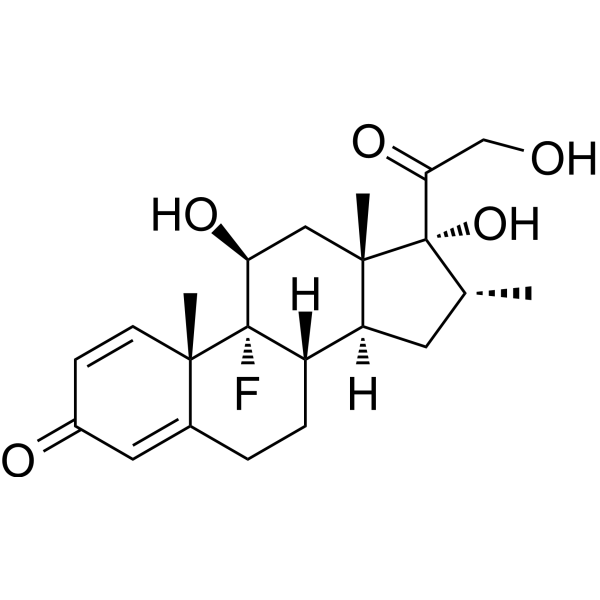
  • HY-14648
    Dexamethasone
    Maximum Cited Publications
    359 Publications Verification

    Hexadecadrol; Prednisolone F

    Exosomes Glucocorticoid Receptor SARS-CoV Autophagy Complement System Mitophagy Bacterial Antibiotic ADC Payload Infection Cardiovascular Disease Inflammation/Immunology Endocrinology Cancer
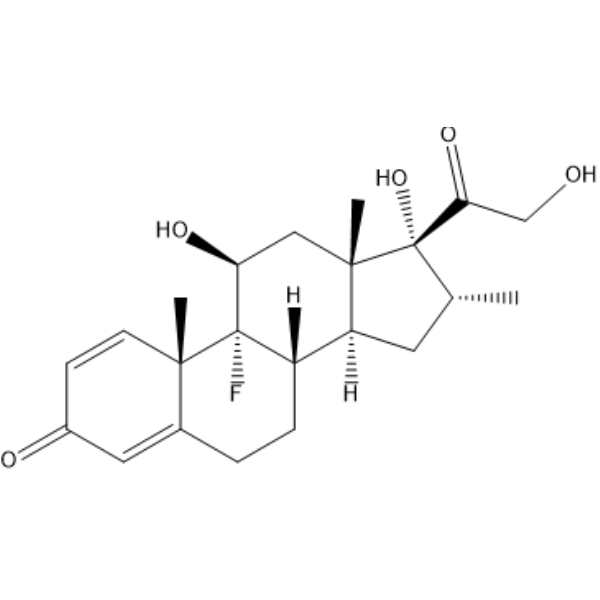
    Dexamethasone (Hexadecadrol) is a glucocorticoid receptor agonist, apoptosis inducer, and common disease inducer in experimental animals, constructing models of muscle atrophy, hypertension, and depression. Dexamethasone can inhibit the production of inflammatory miRNA-155 exosomes in macrophages and significantly reduce the expression of inflammatory factors in neutrophils and monocytes. Dexamethasone also has potential for use in COVID-19 research .
    Dexamethasone
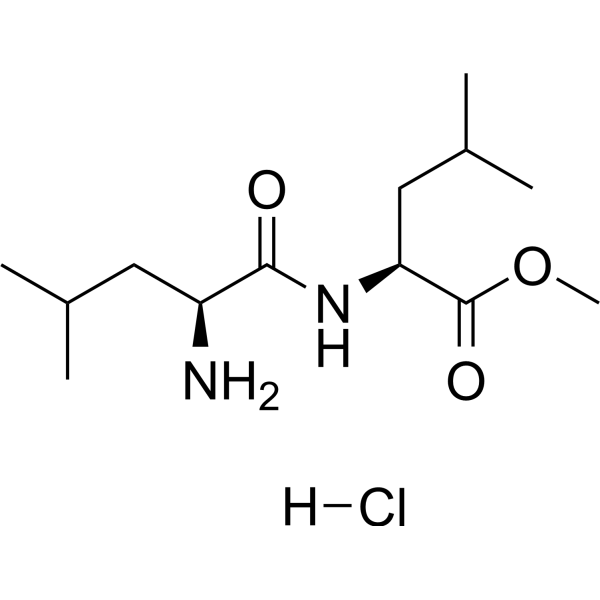
  • HY-129905

    LLOMe hydrochloride; Leu-Leu methyl ester hydrochloride; H-Leu-Leu-OMe hydrochloride

    Endogenous Metabolite Inflammation/Immunology
    L-Leucyl-L-Leucine methyl ester (LLOMe) hydrochloride, a dipeptide condensation product of L-leucine methyl ester generated by human monocytes or polymorphonuclear leukocytes, selectively eliminates lymphocytes with cytotoxic potential. L-Leucyl-L-Leucine methyl ester hydrochloride also can induce endolysosomal pathway stress .
    L-Leucyl-L-Leucine methyl ester hydrochloride
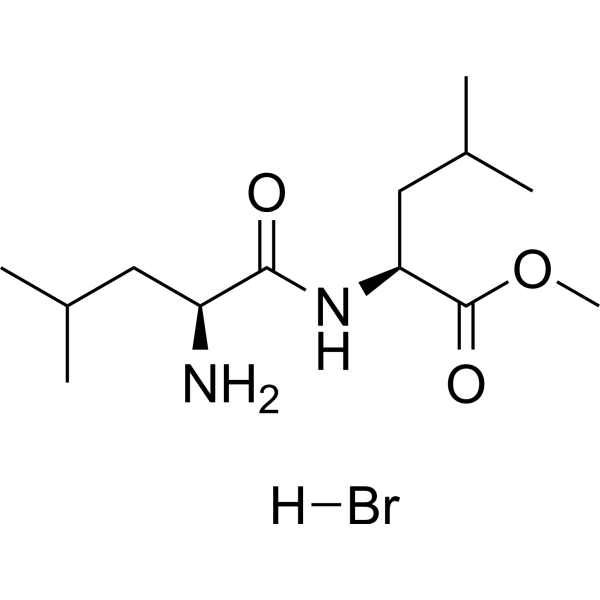
  • HY-129905A

    LLOMe hydrobromide; Leu-Leu methyl ester hydrobromide; H-Leu-Leu-OMe hydrobromide

    Endogenous Metabolite Inflammation/Immunology
    L-Leucyl-L-Leucine methyl ester (LLOMe) hydrobromide, a dipeptide condensation product of L-leucine methyl ester generated by human monocytes or polymorphonuclear leukocytes, selectively eliminates lymphocytes with cytotoxic potential. L-Leucyl-L-Leucine methyl ester hydrobromide also can induce endolysosomal pathway stress .
    L-Leucyl-L-Leucine methyl ester hydrobromide
  • HY-N7038
    Phytohemagglutinin
    5+ Cited Publications

    PHA-M

    NF-κB COX Interleukin Related Reactive Oxygen Species (ROS) Neurological Disease Inflammation/Immunology Cancer
    Phytohemagglutinin (PHA-M), the major seed lectin of the common bean, Phaseolus vulgaris, is a T-cell activator. Phytohemagglutinin stimulates human mononuclear leukocytes, inducing the expression of ChAT mRNA and potentiating ACh synthesis. Phytohemagglutinin induces dose- and time-dependent toxicity in THP-1 monocytes/macrophages, alters cellular morphology, causes organelle dysfunction, and increases the expression of NF-κB, COX2, IL-1β .
    Phytohemagglutinin
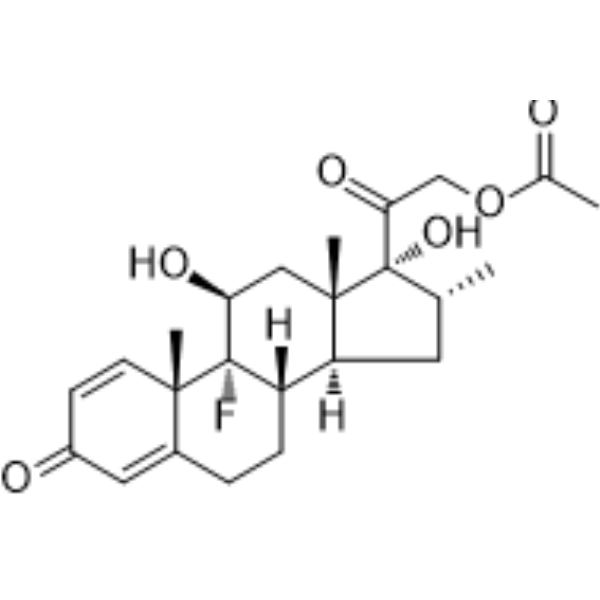
  • HY-14648A
    Dexamethasone acetate
    5+ Cited Publications

    Dexamethasone 21-acetate; Hexadecadrol acetate

    Exosomes Glucocorticoid Receptor Autophagy Mitophagy Bacterial SARS-CoV Antibiotic Complement System ADC Payload Inflammation/Immunology Endocrinology Cancer
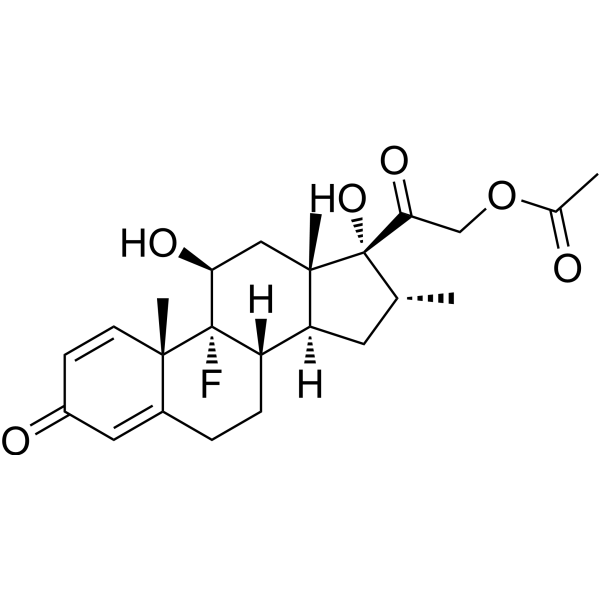
    Dexamethasone acetate (Dexamethasone 21-acetate) is a glucocorticoid receptor agonist. Dexamethasone also significantly decreases CD11b, CD18, and CD62L expression on neutrophils, and CD11b and CD18 expression on monocytes. Dexamethasone is highly effective in the control of COVID-19 infection. Dexamethasone inhibits production of exosomes containing inflammatory microRNA-155 in lipopolysaccharide-induced macrophage inflammatory responses.
    Dexamethasone acetate
  • HY-N9965
    2'-Fucosyllactose
    4 Publications Verification

    2'-FL

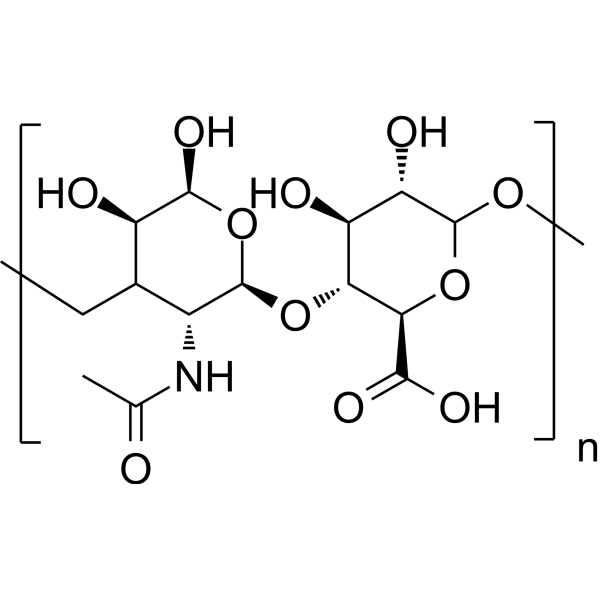
    TNF Receptor Interleukin Related Infection Inflammation/Immunology
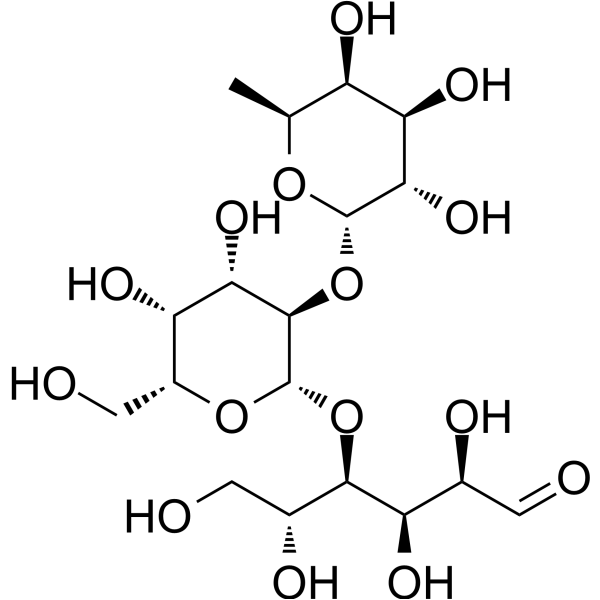
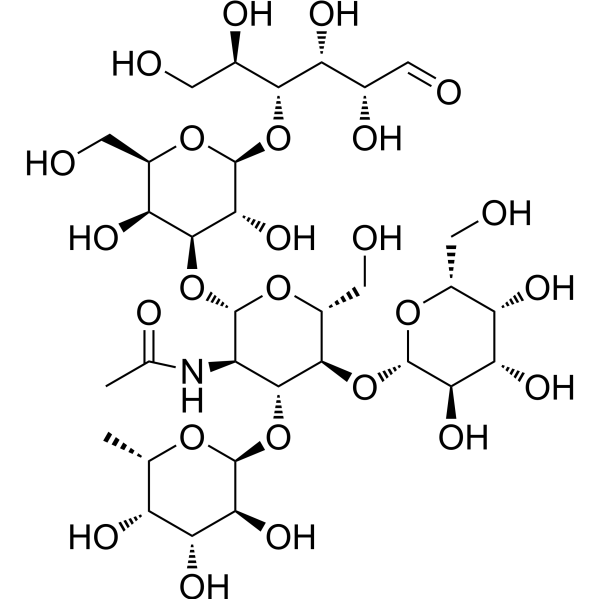
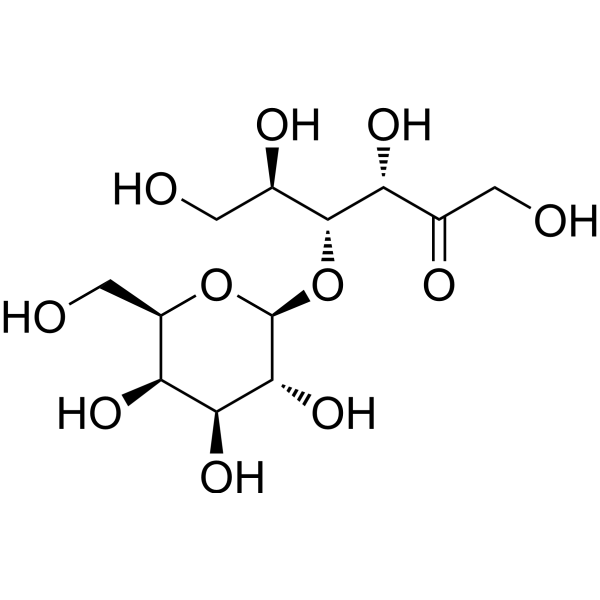
    2'-Fucosyllactose (2'-FL) is an oligosaccharide that could be derived from human milk. 2'-Fucosyllactose regulates the expression of CD14, alleviates colitis and regulates the gut microbiome. 2'-Fucosyllactose stimulates T cells to increase IFN-γ production and decreases IL-6, IL-17, and TNF-α production of cytokines .
    2'-Fucosyllactose
  • HY-W251428

    Egg PG

    Biochemical Assay Reagents Others
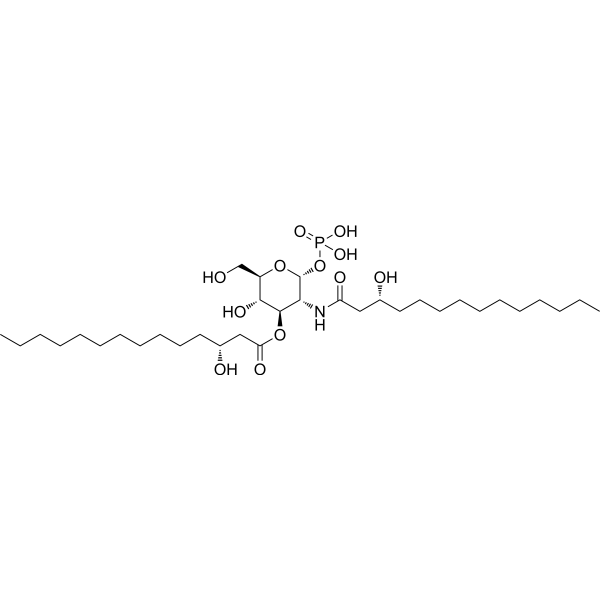
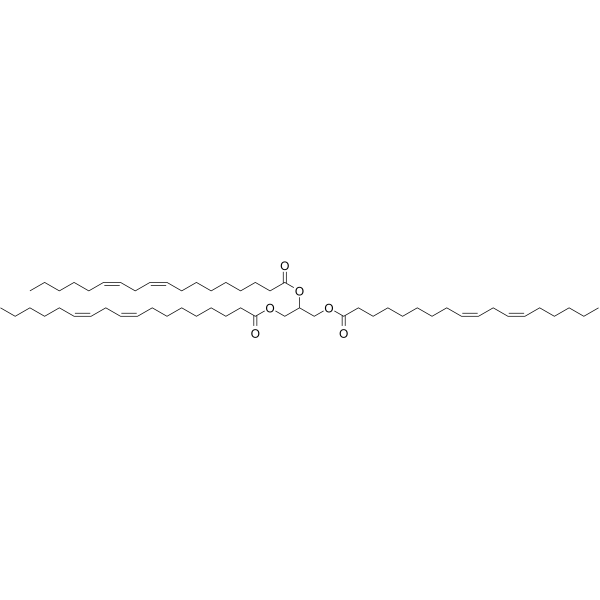
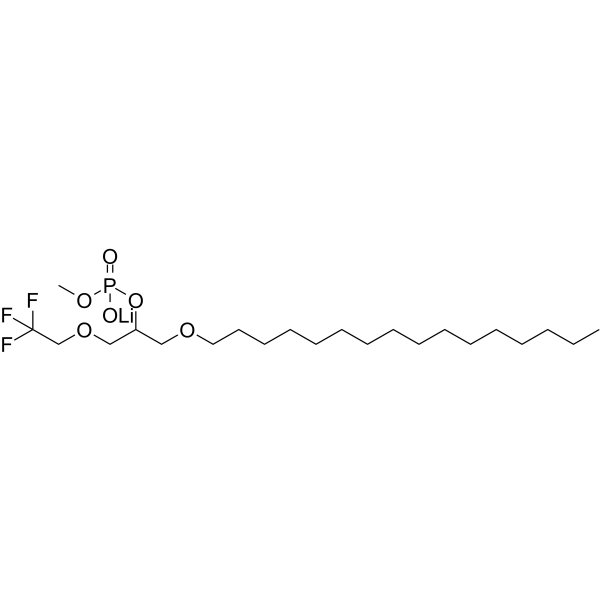
    Phosphatidylglycerols (PG) is a selective inhibitor targeting the TLR4 accessory protein CD14/MD-2 complex, inhibiting LPS or virus (such as RSV)-mediated inflammatory signaling pathways through competitive binding. Phosphatidylglycerols directly bind to viral particles to block infection, inhibit COX-2 expression to reduce the release of inflammatory factors (IL-6, IL-8), and improve oxidative stress by regulating mitochondrial membrane phospholipid remodeling. Phosphatidylglycerols can be taken orally or by inhalation and can be used in the study of chronic inflammatory diseases (such as atherosclerosis) and respiratory viral infections (such as RSV) .
    Phosphatidylglycerols (egg) sodium salt
  • HY-13682
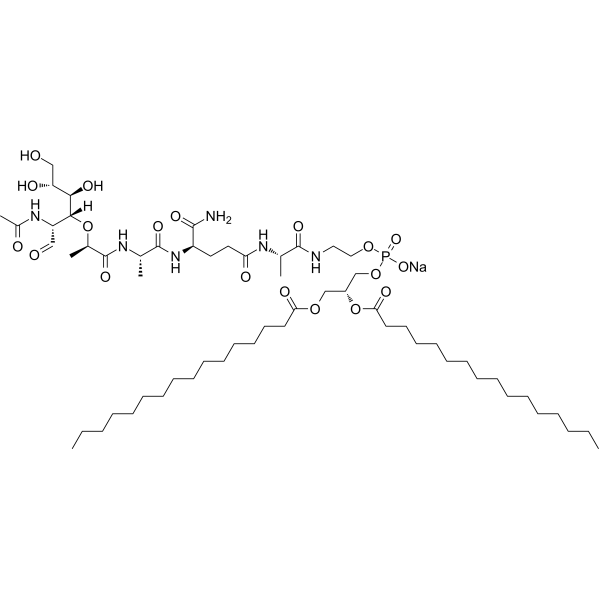
    Mifamurtide
    5 Publications Verification

    MTP-PE; L-MTP-PE; CGP 19835

    NOD-like Receptor (NLR) Inflammation/Immunology Cancer
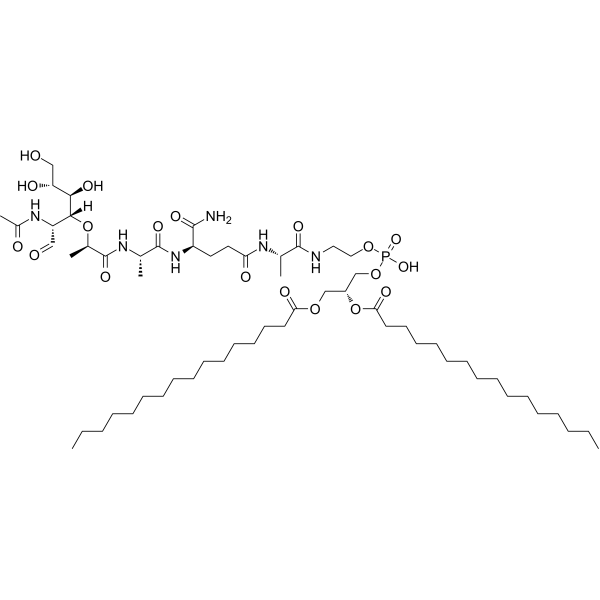
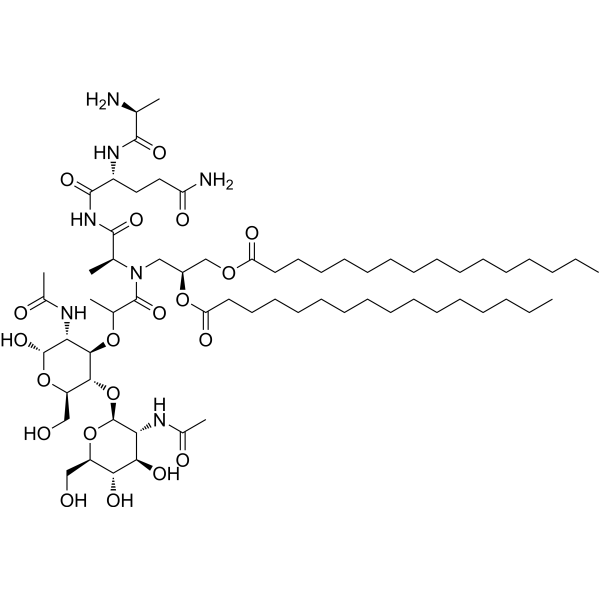
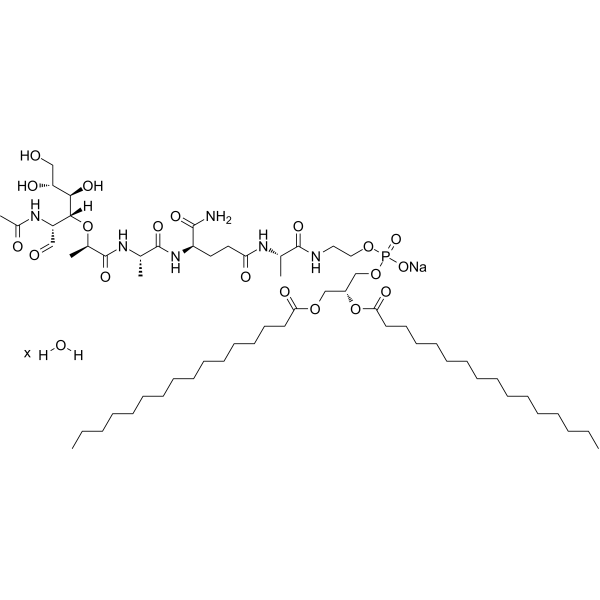
    Mifamurtide (MTP-PE), an analog of the muramyl dipeptide (MDP), is a nonspecific immunomodulator by stimulating the immune response activating macrophages and monocytes. Mifamurtide is a specific ligand for NOD2 and acts as an insulin sensitizer. Mifamurtide has potential for use in rare disease and osteosarcoma research .
    Mifamurtide
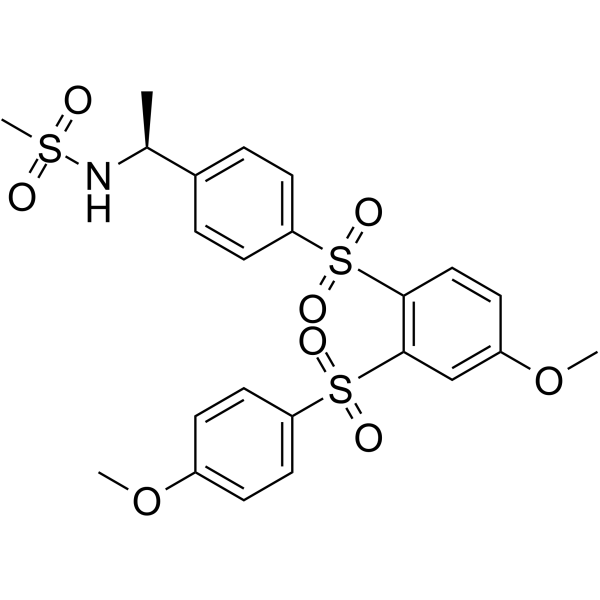
  • HY-113763

    TNF Receptor Others
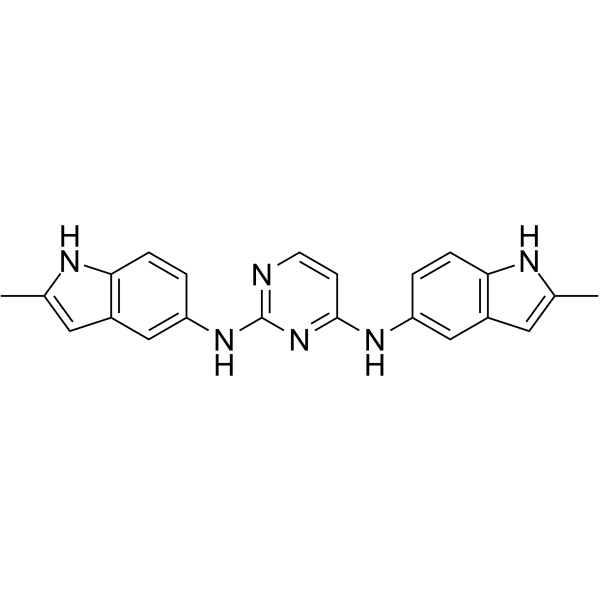
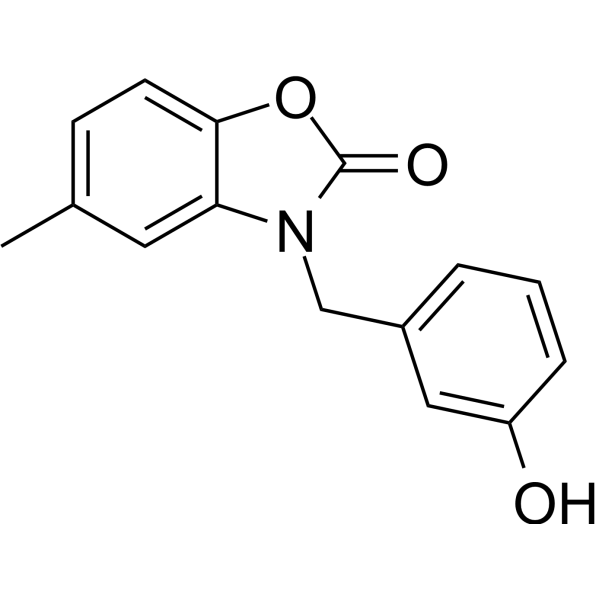
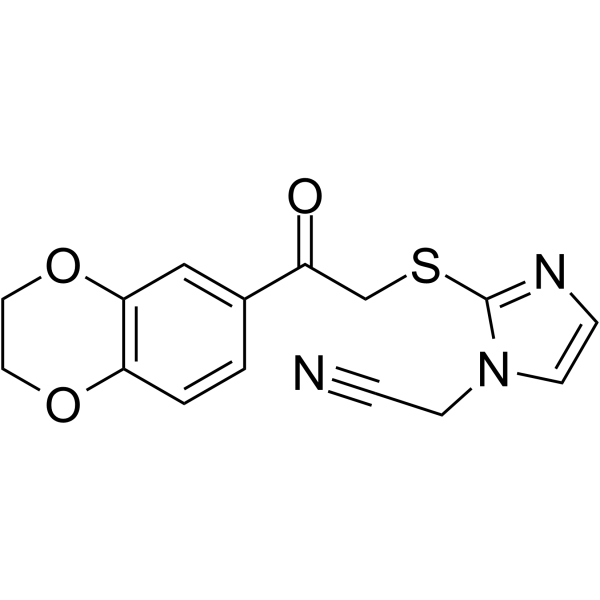
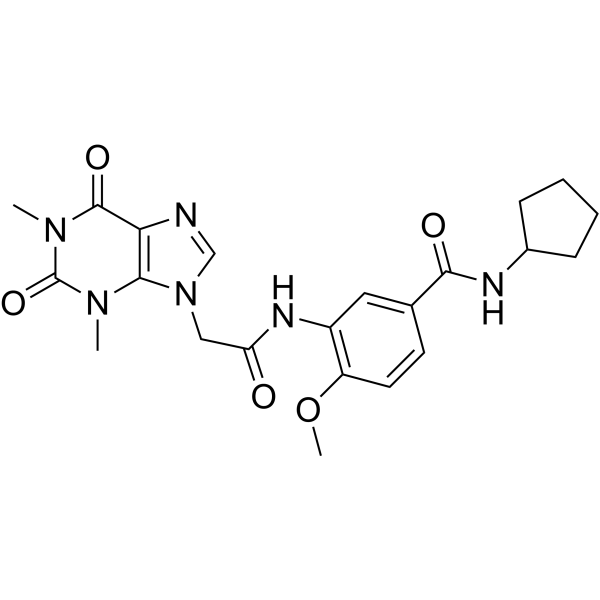
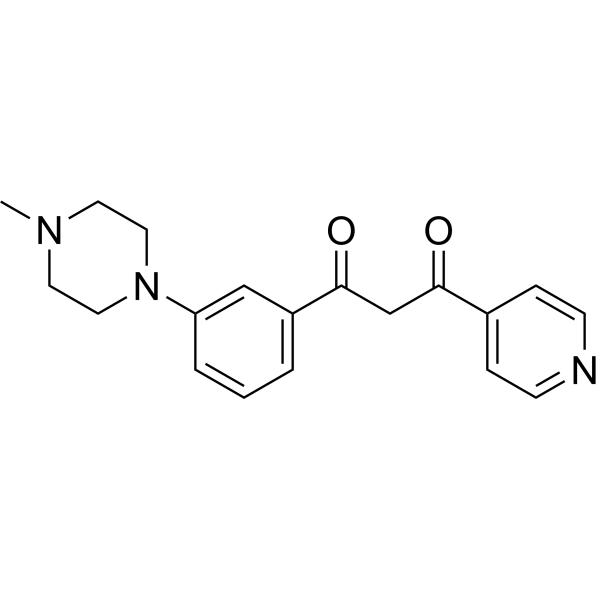
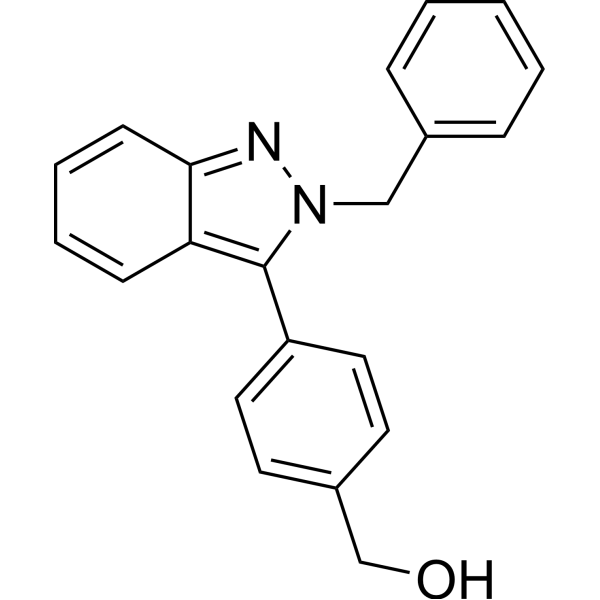
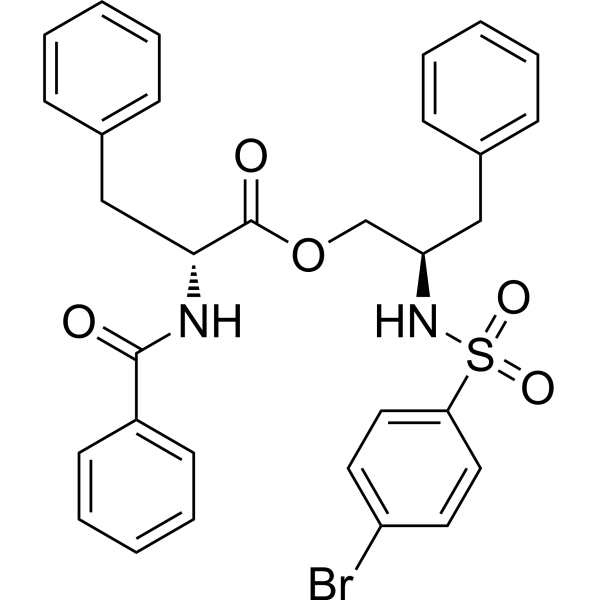
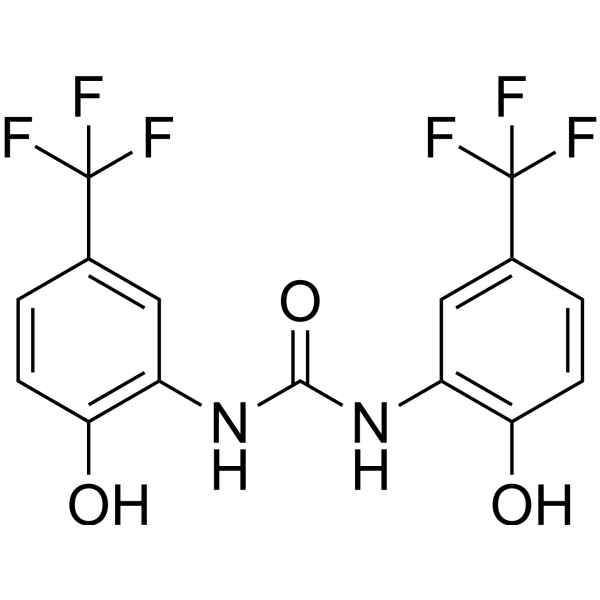
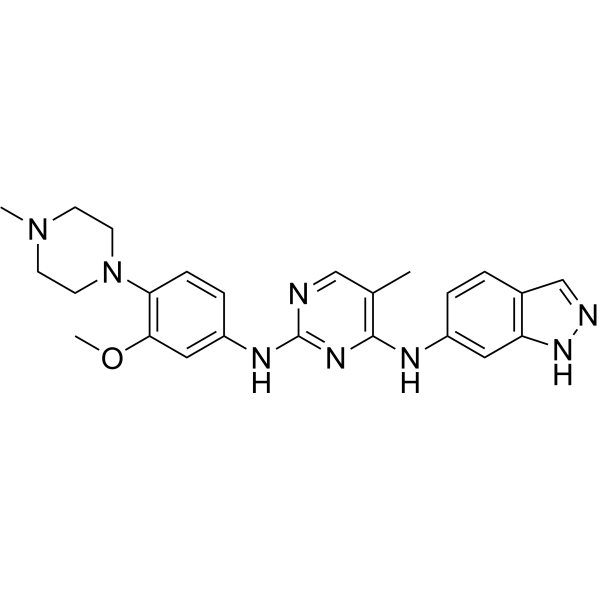
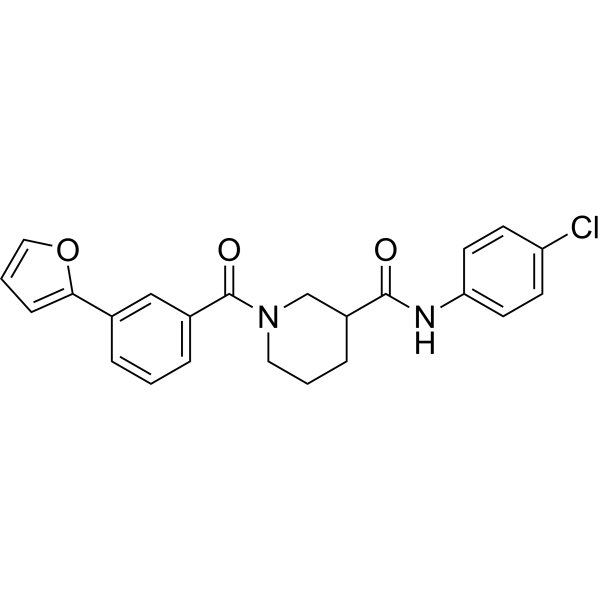
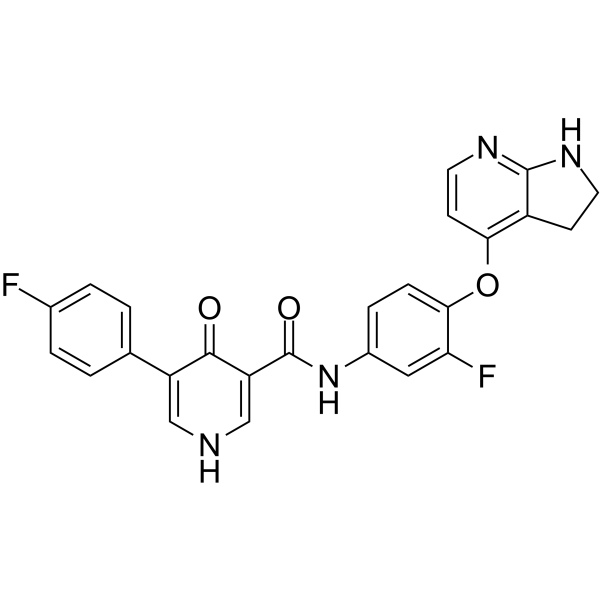
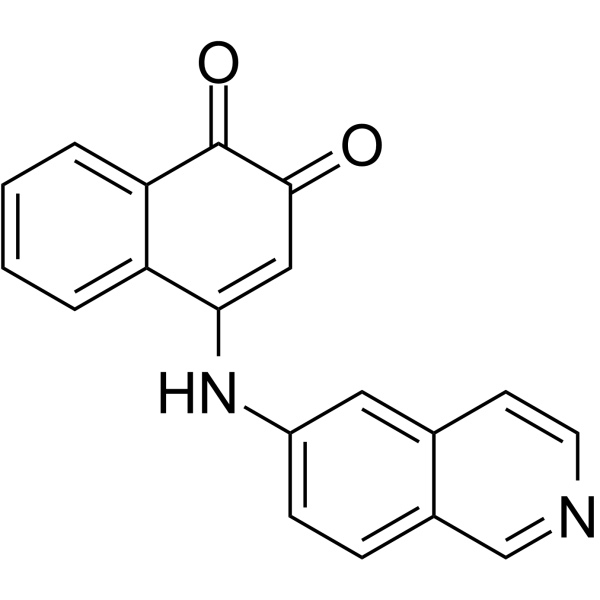
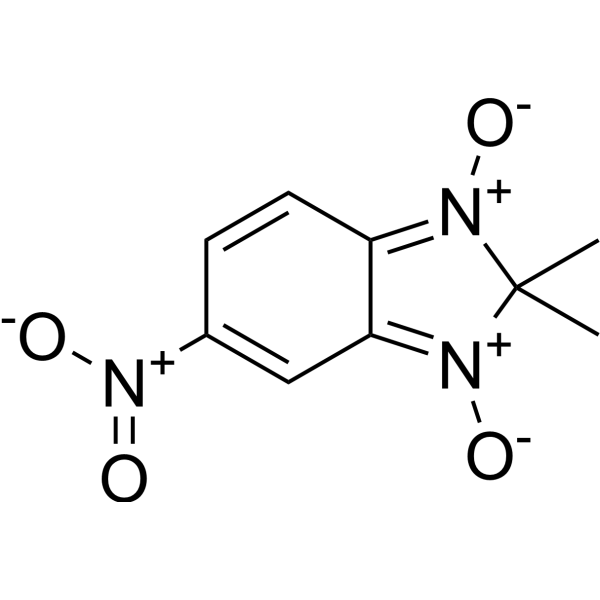
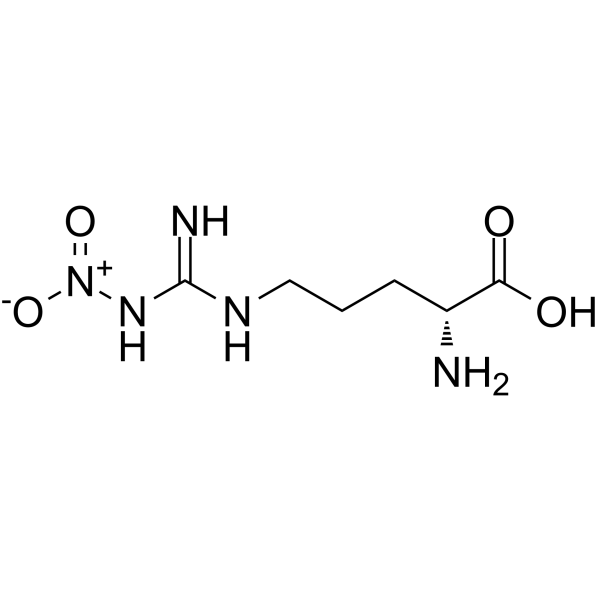
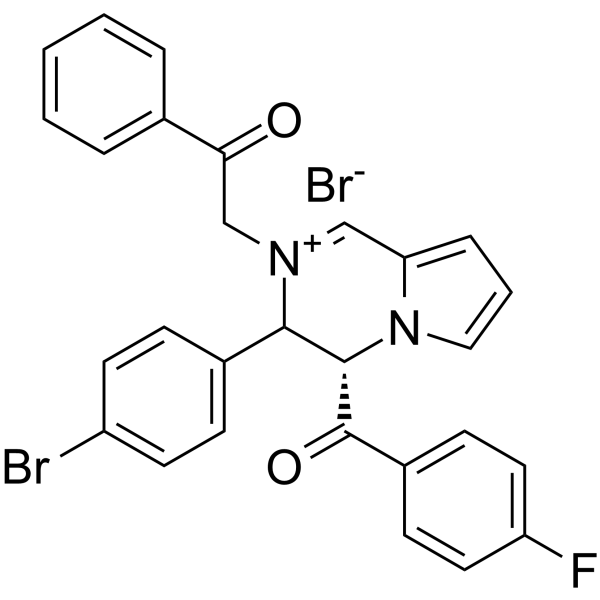
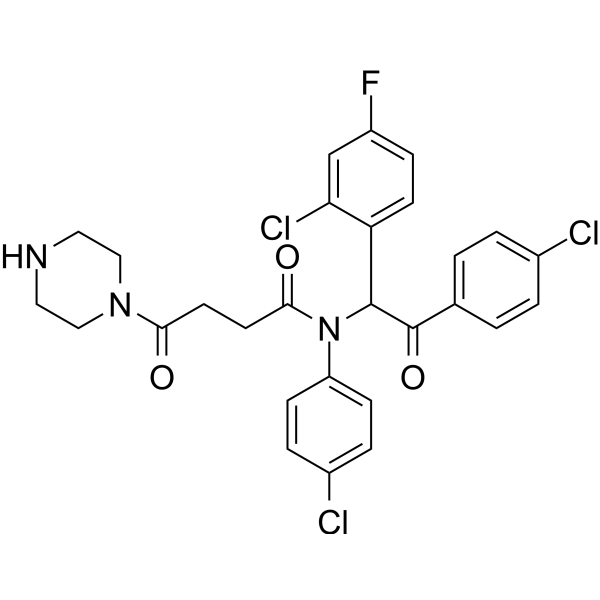
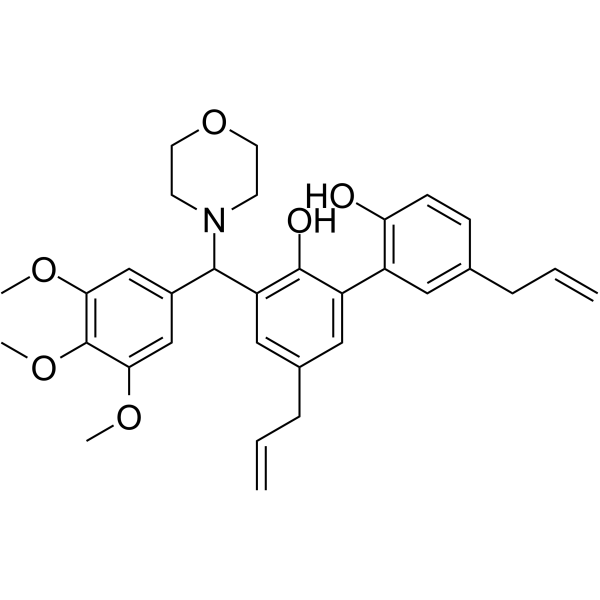
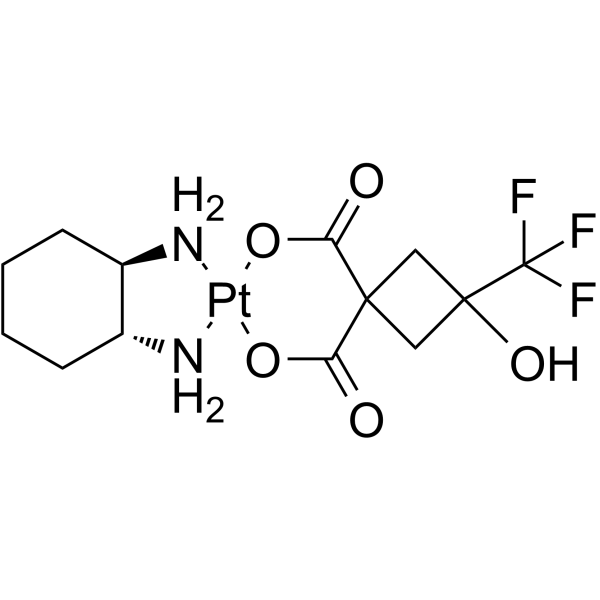
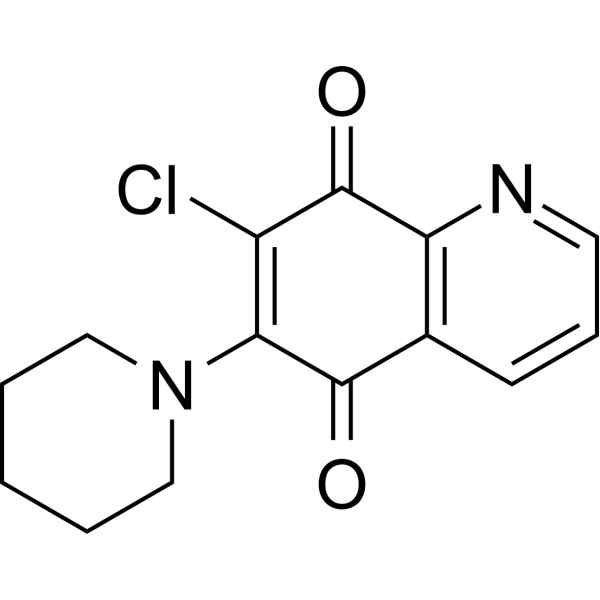
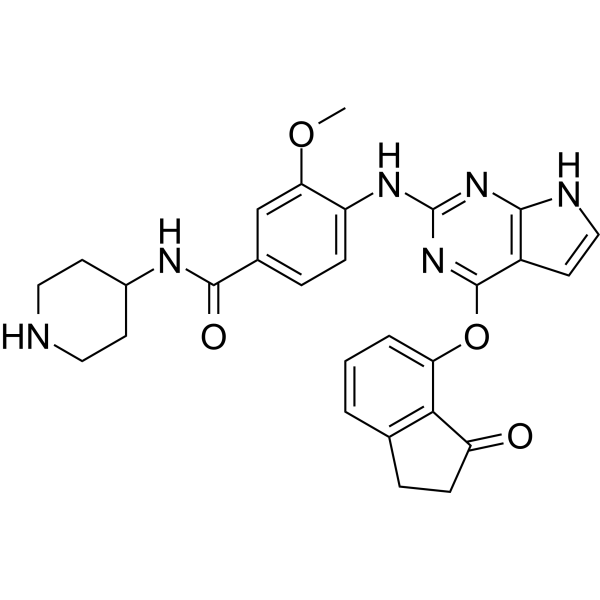
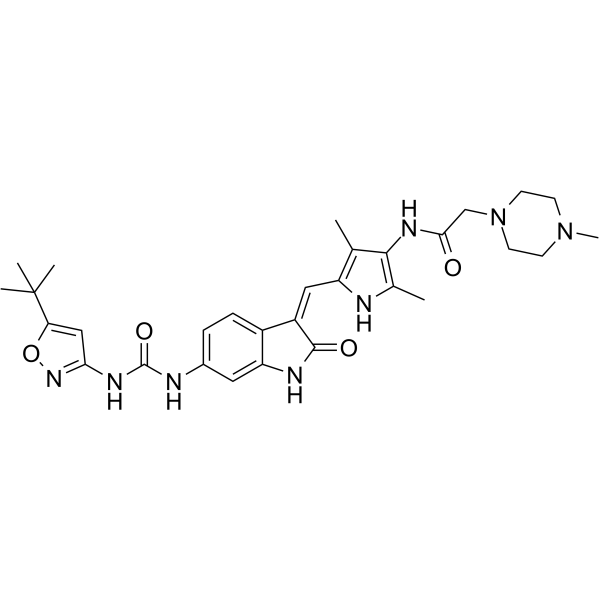
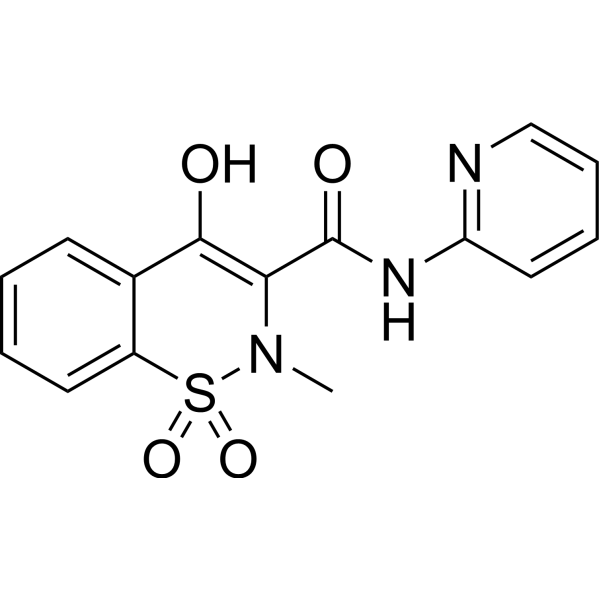
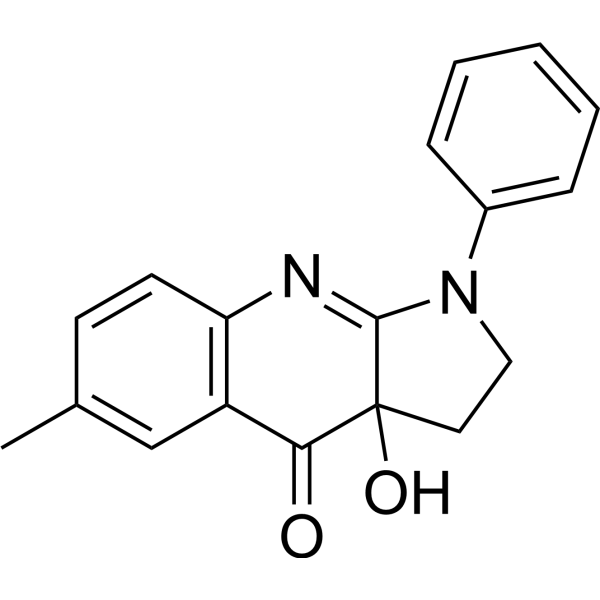
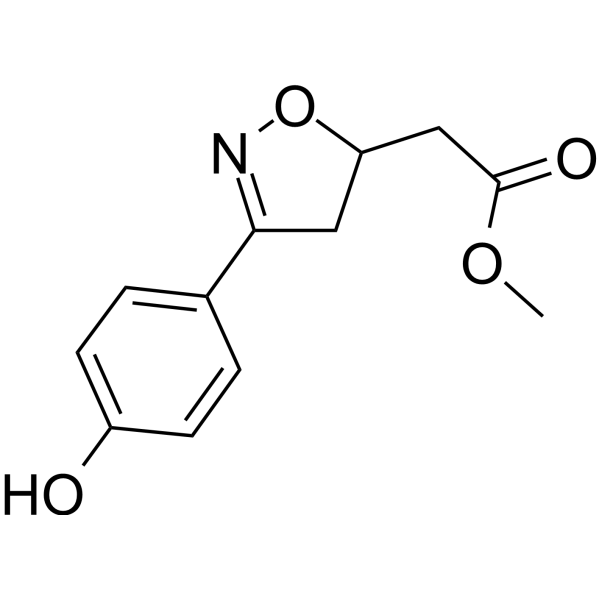
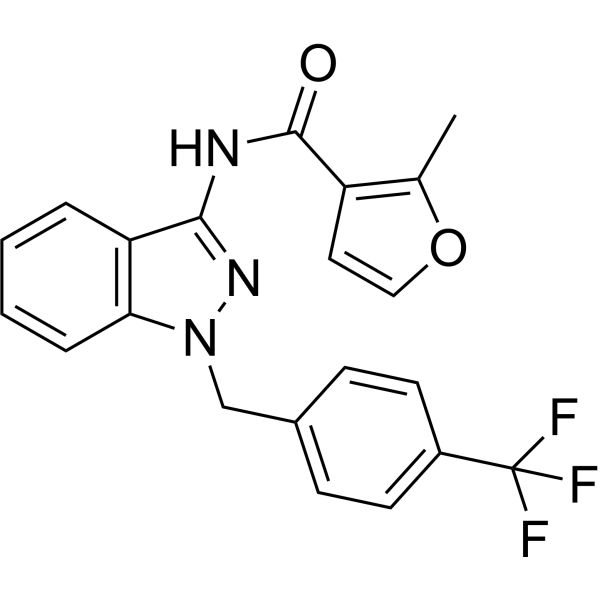
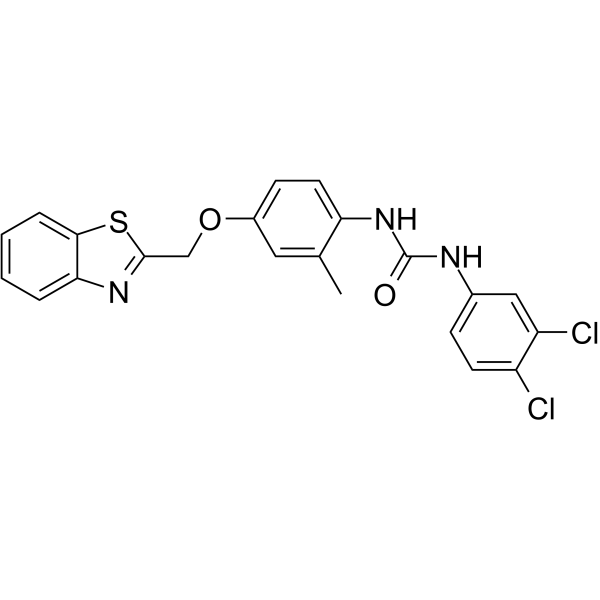
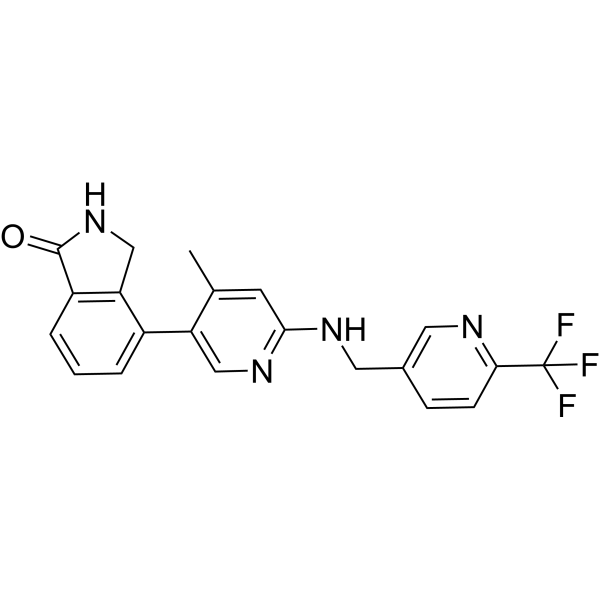
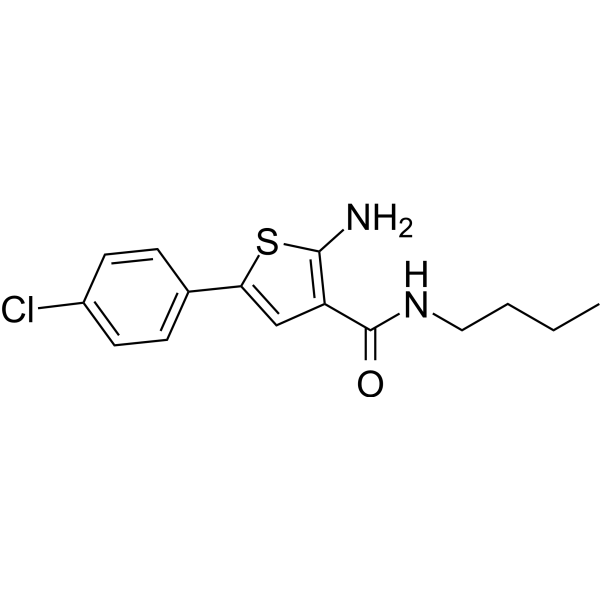
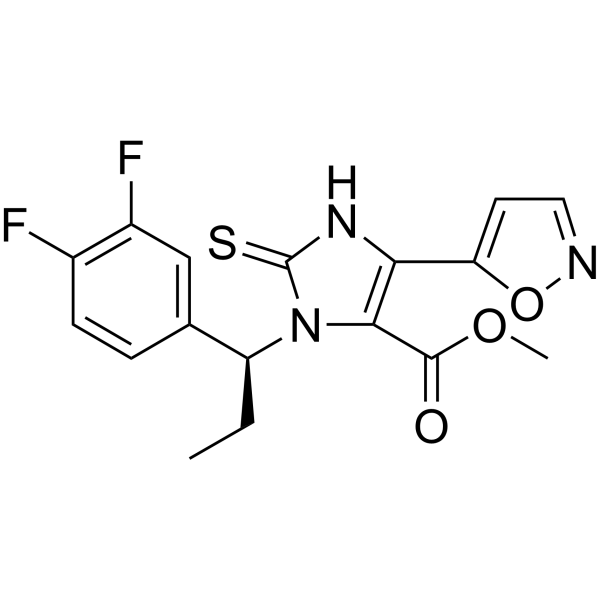
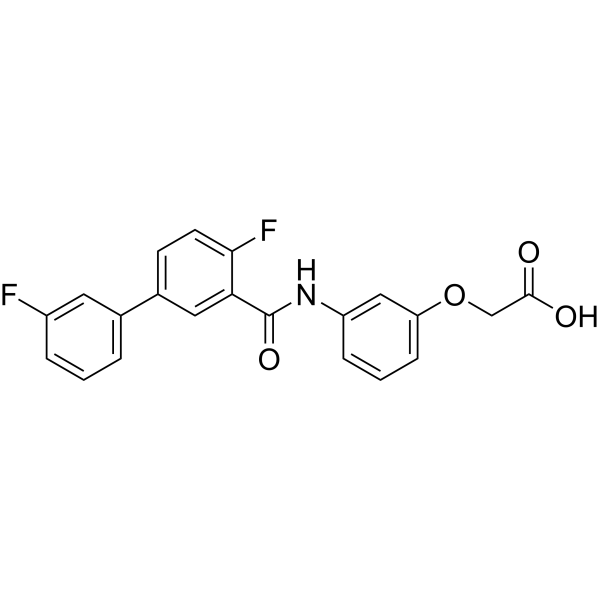
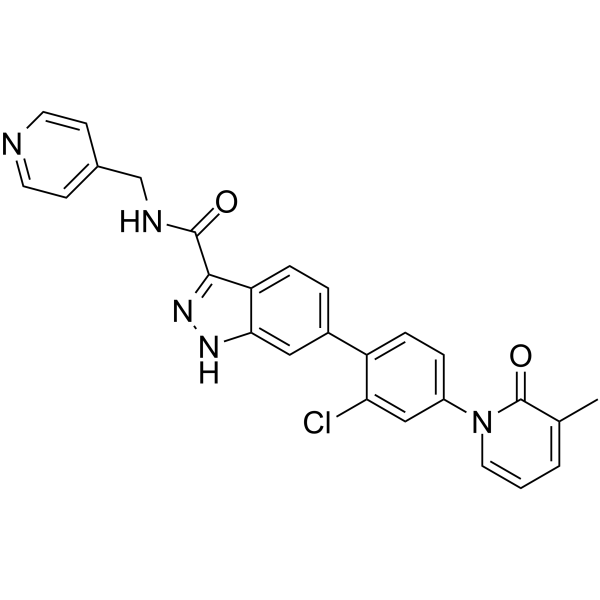
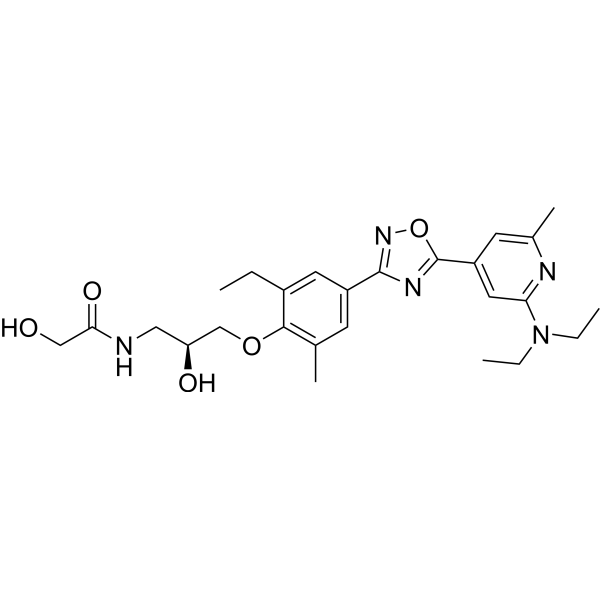
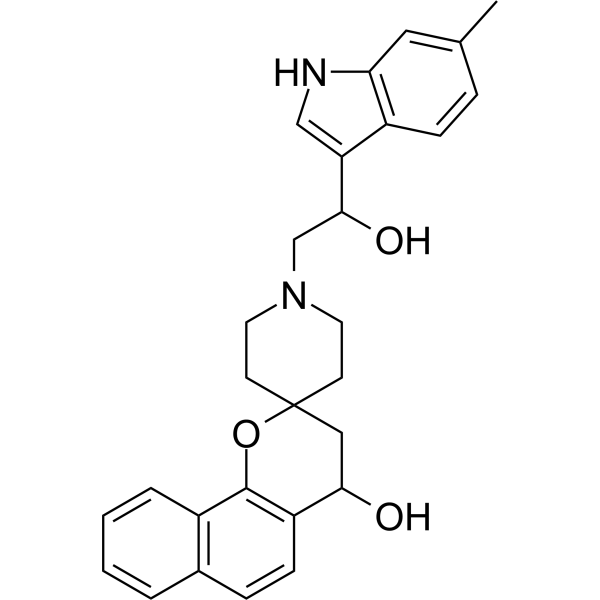
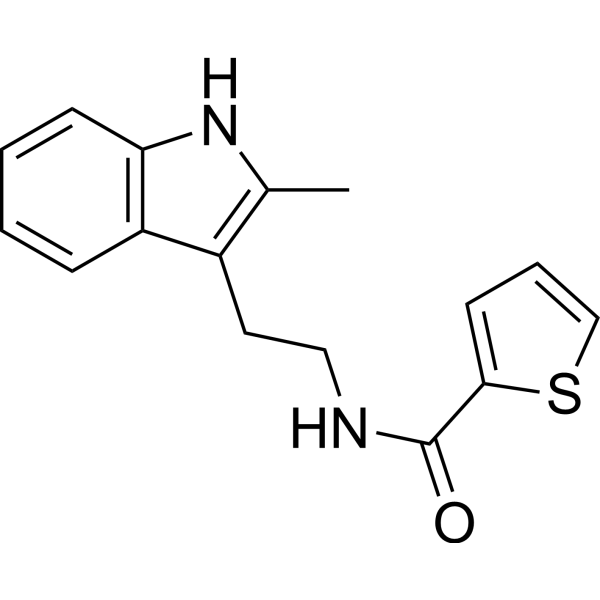
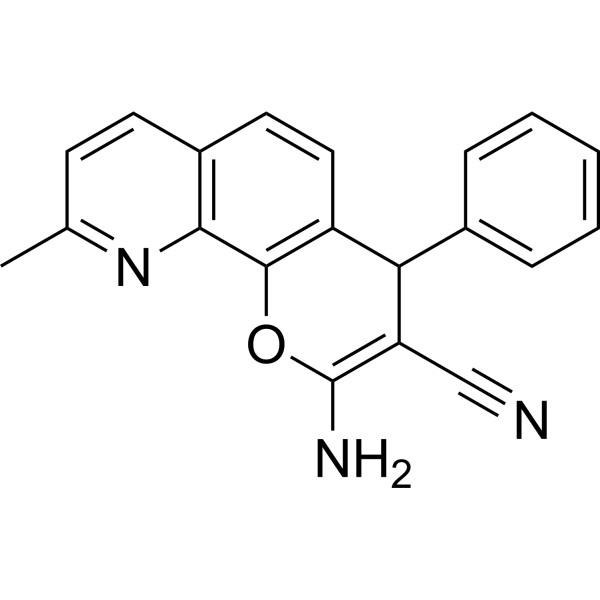
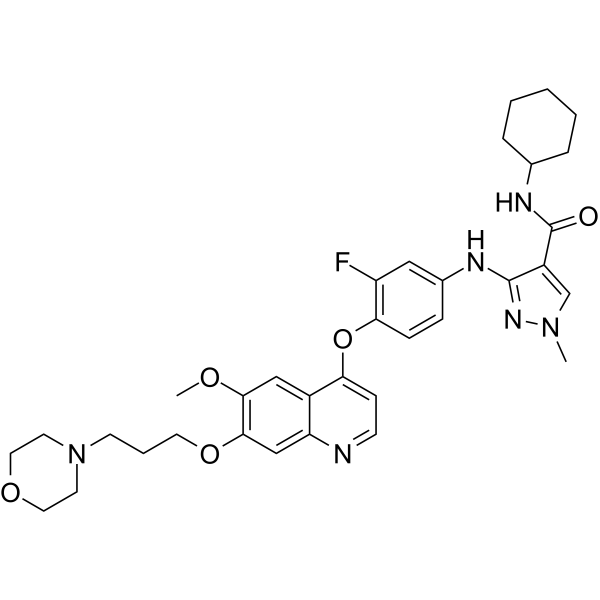
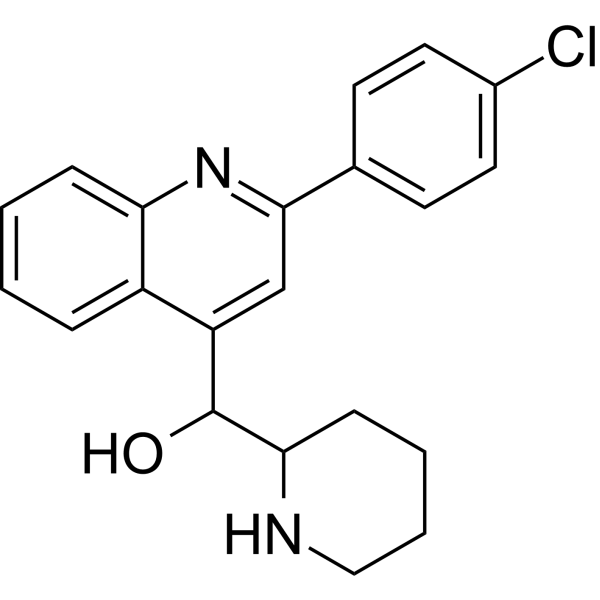
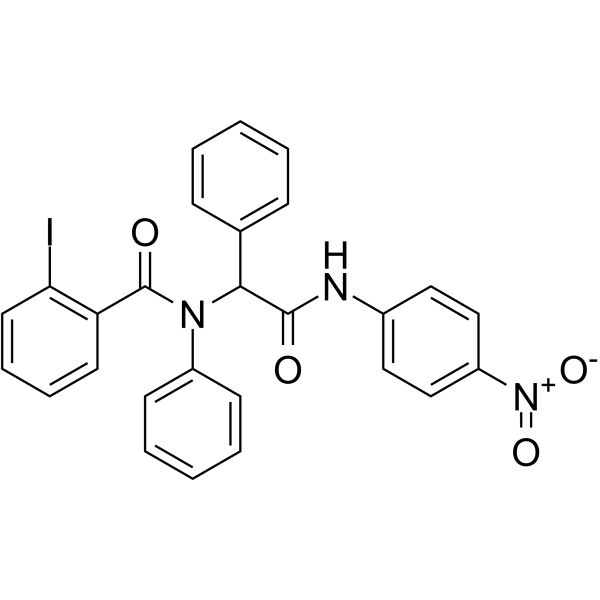
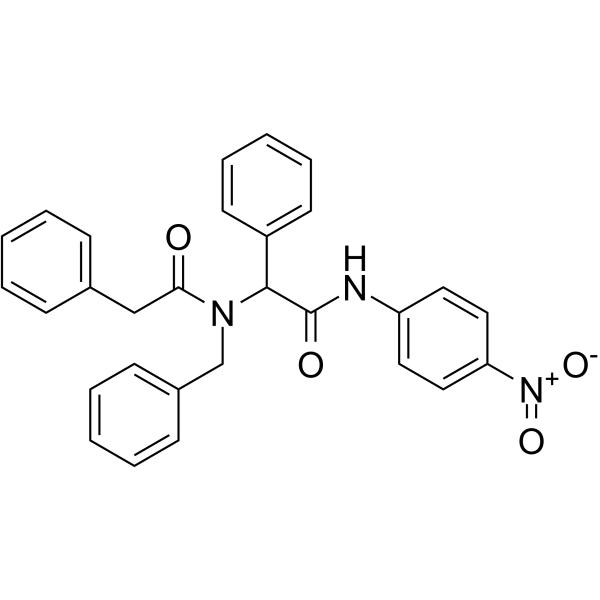
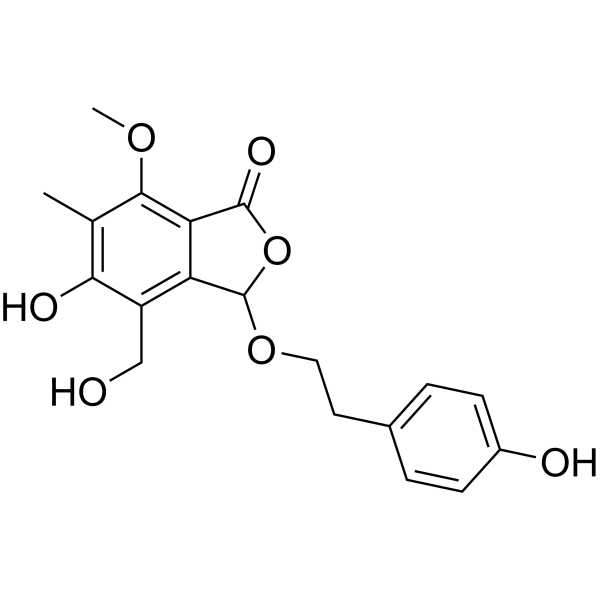
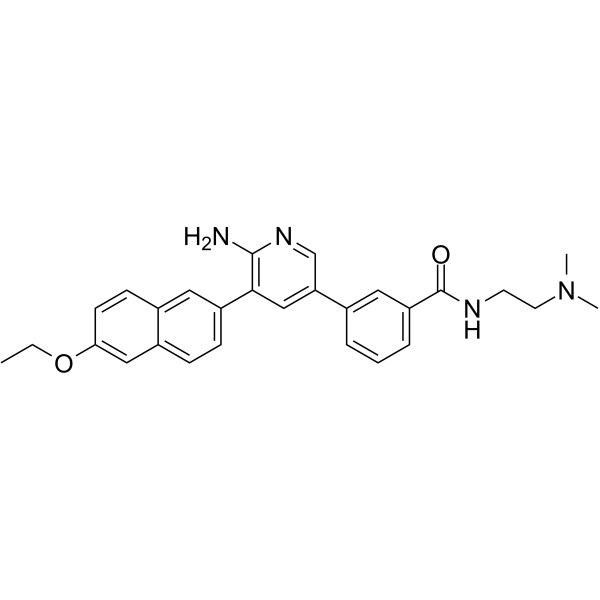
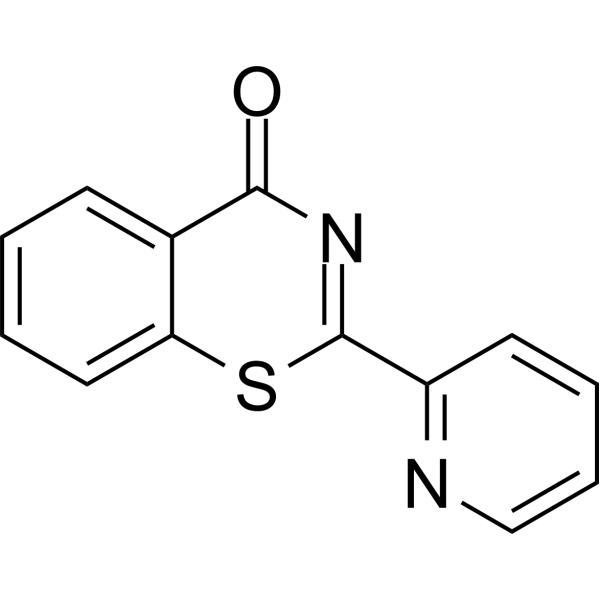
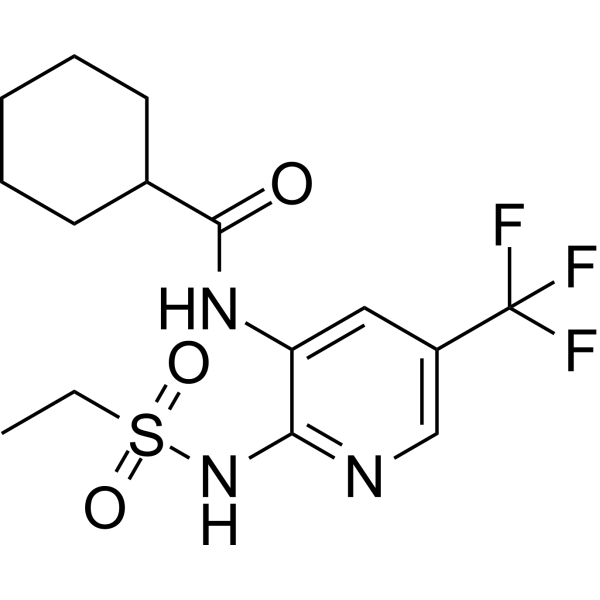
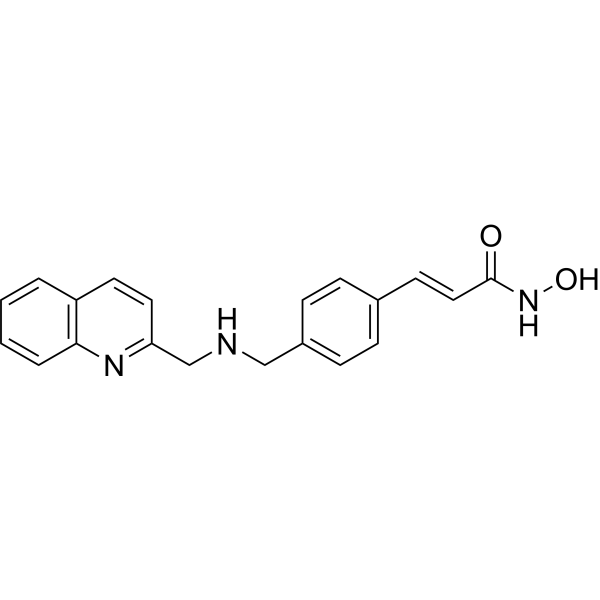
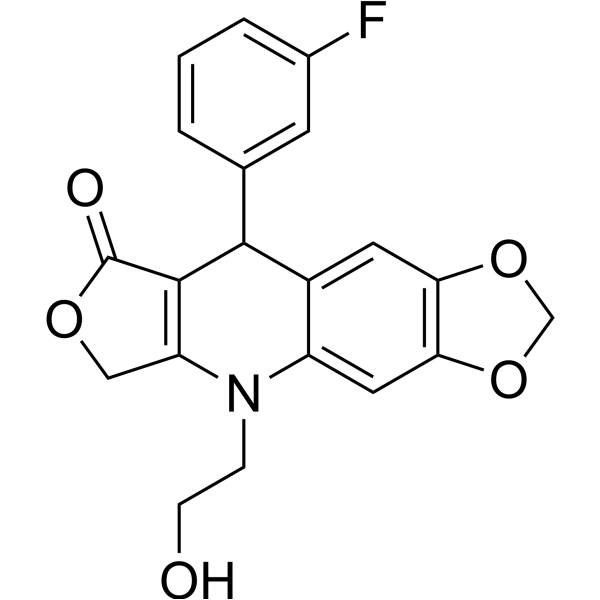
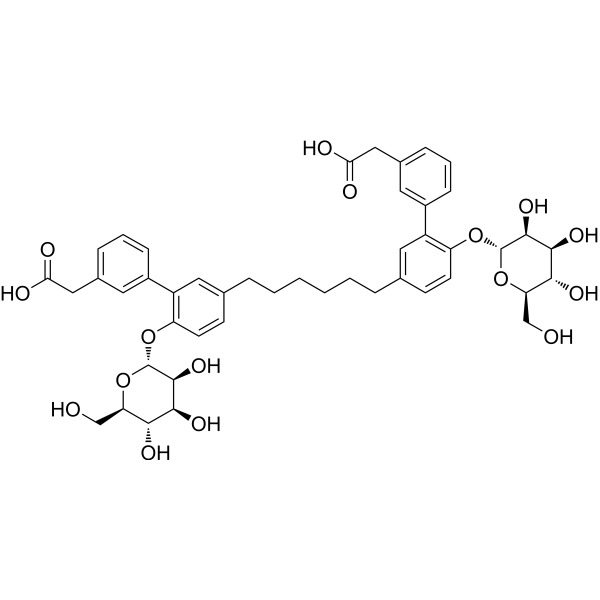
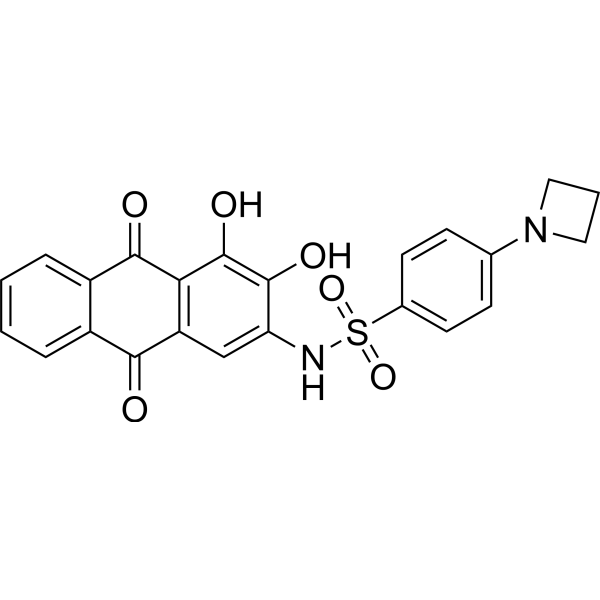
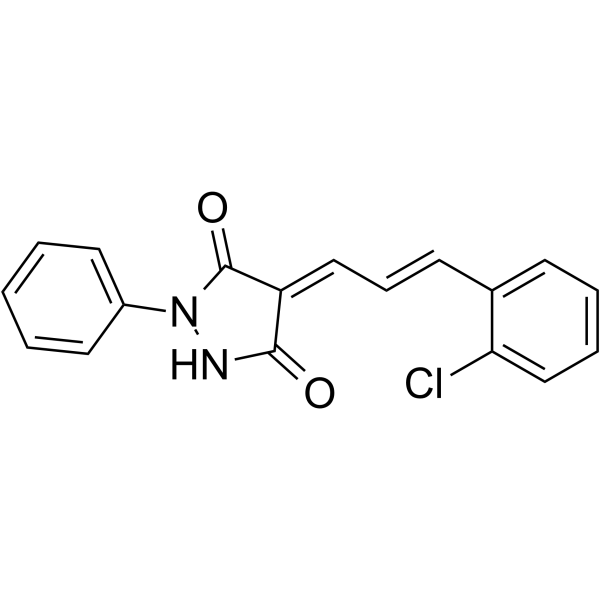
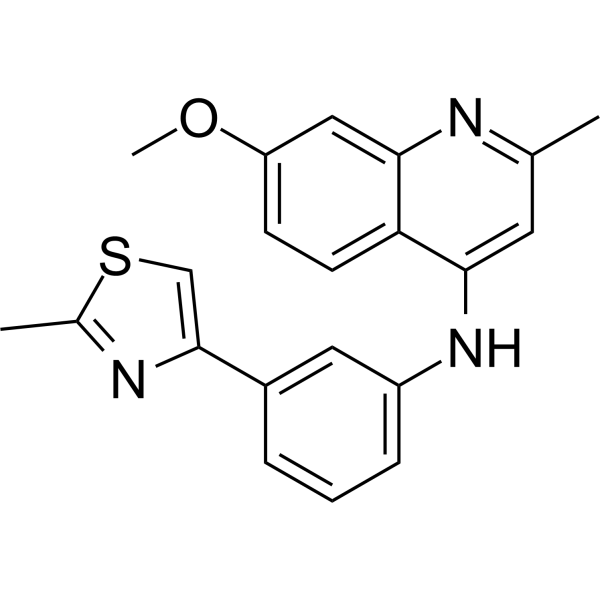
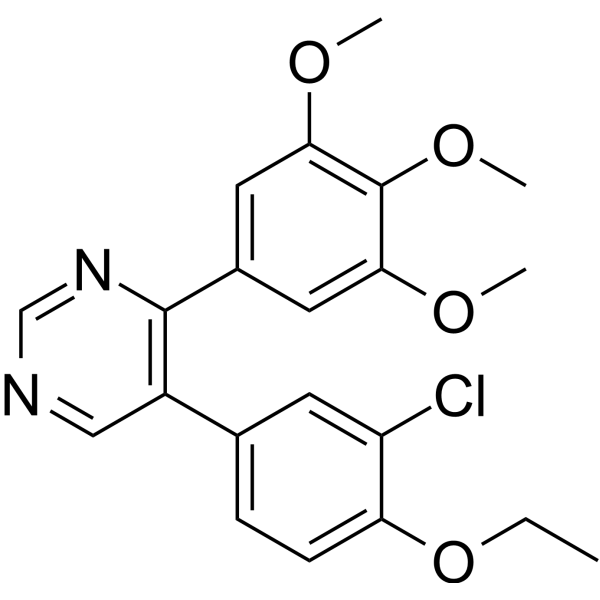
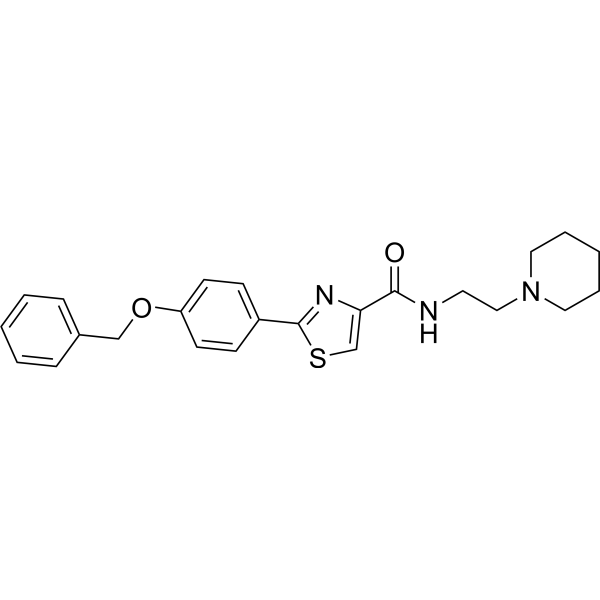
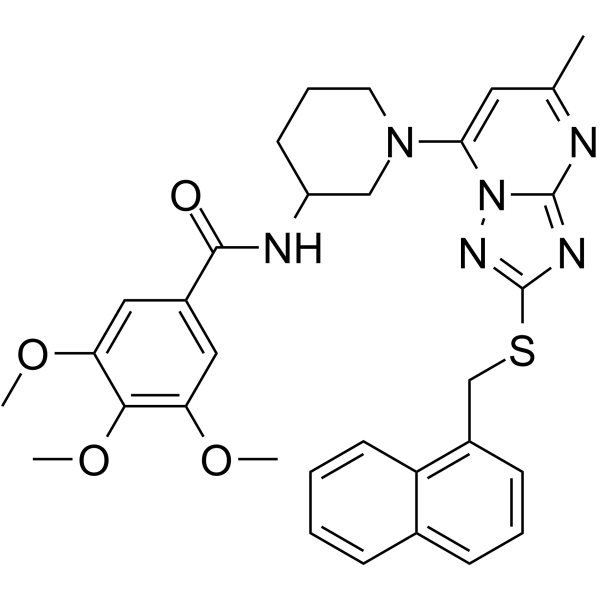
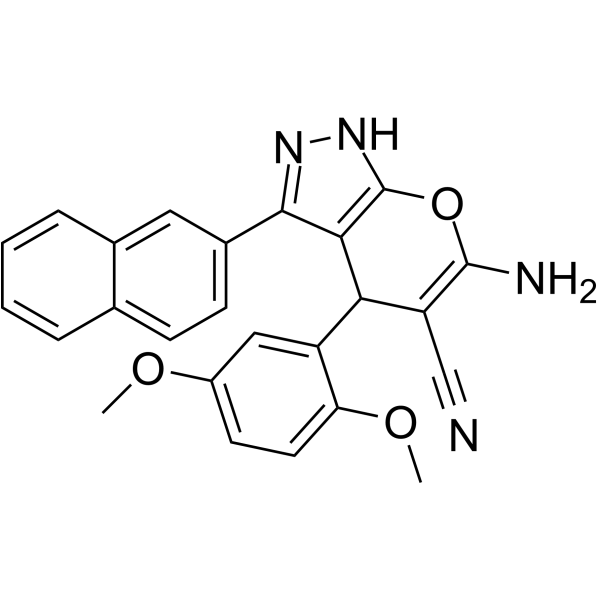
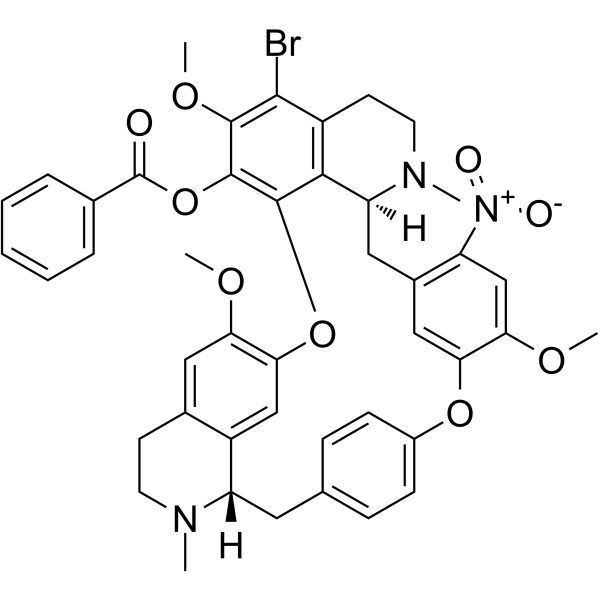
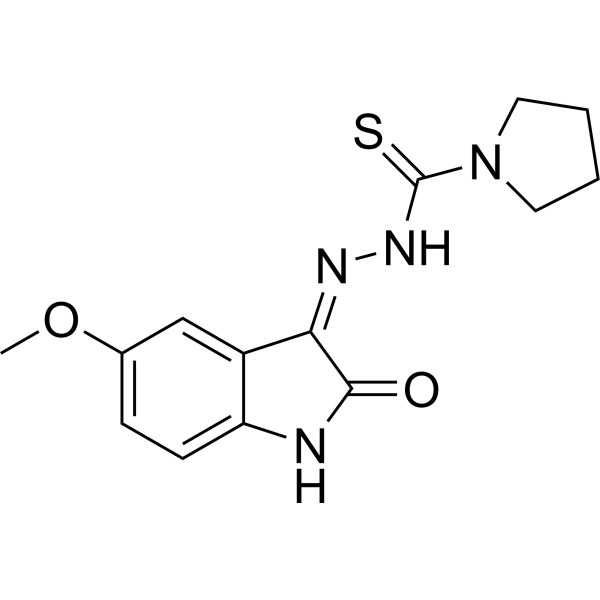
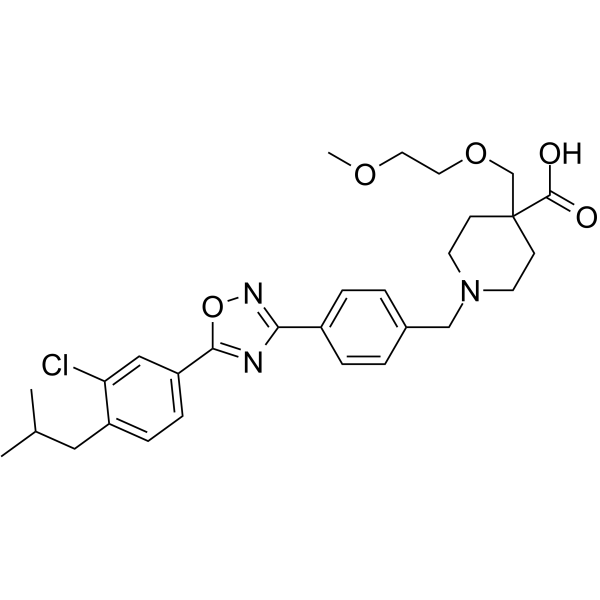
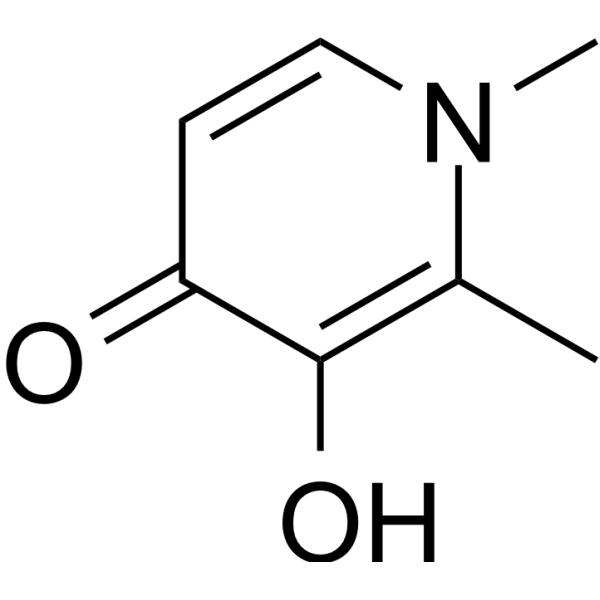
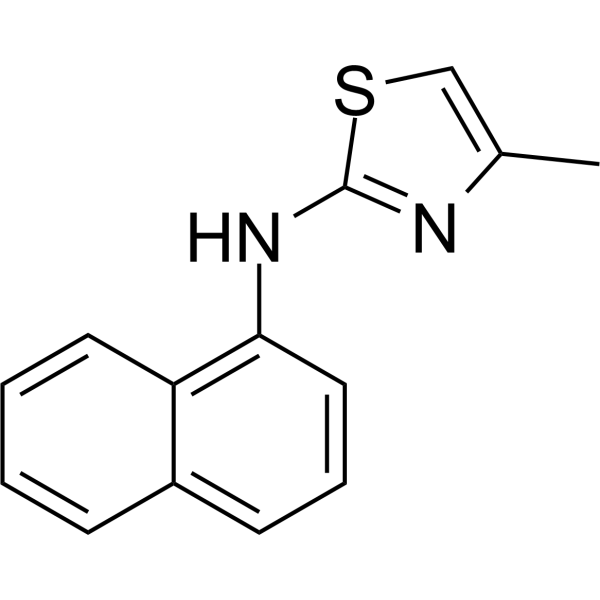
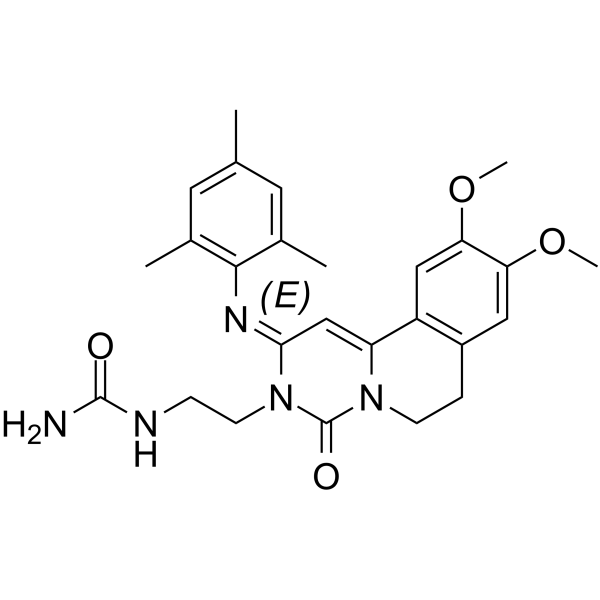
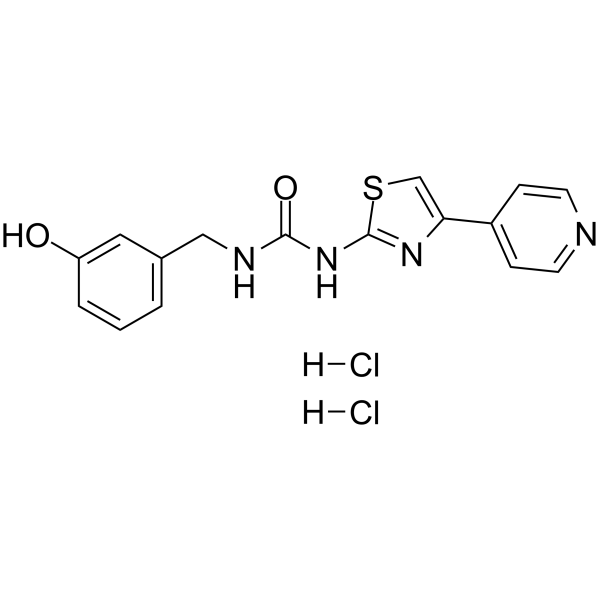
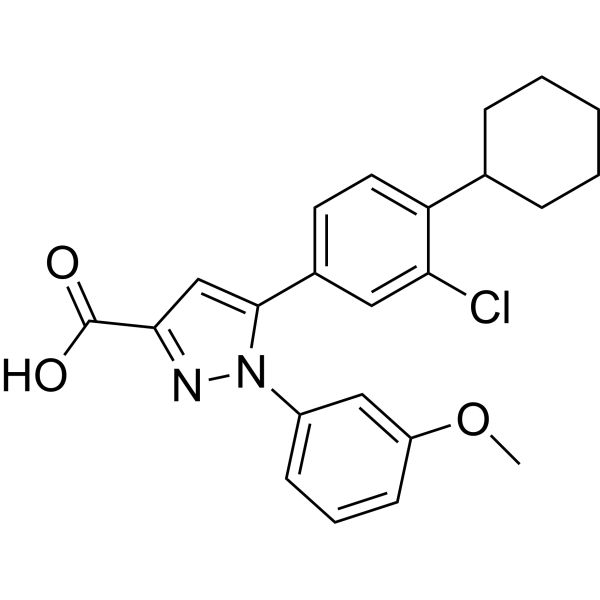
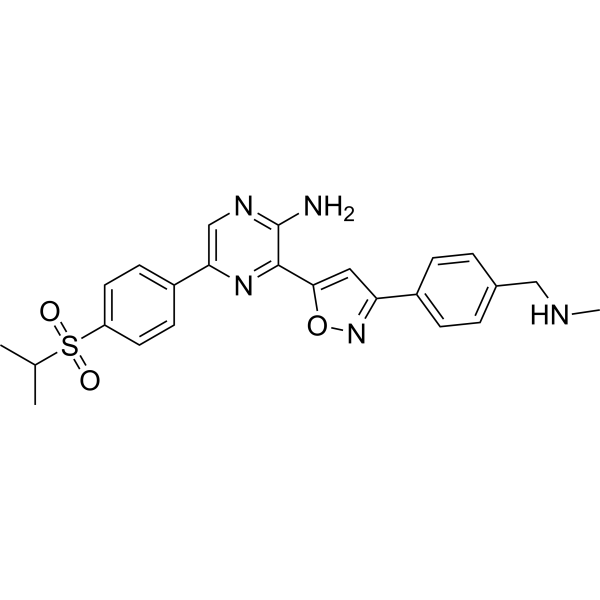
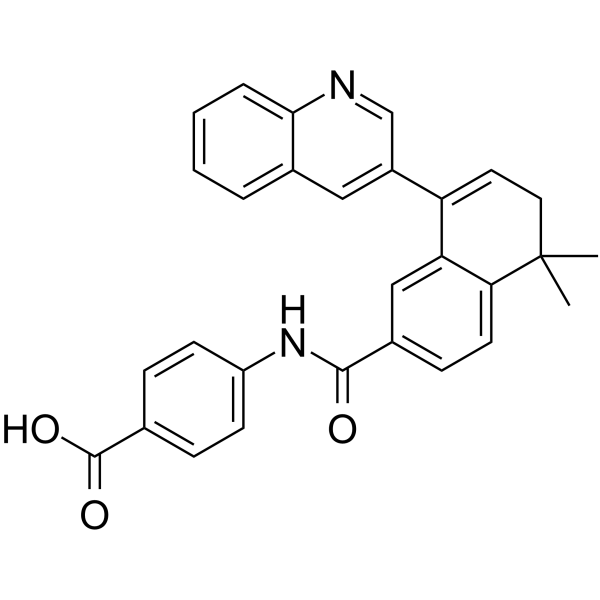
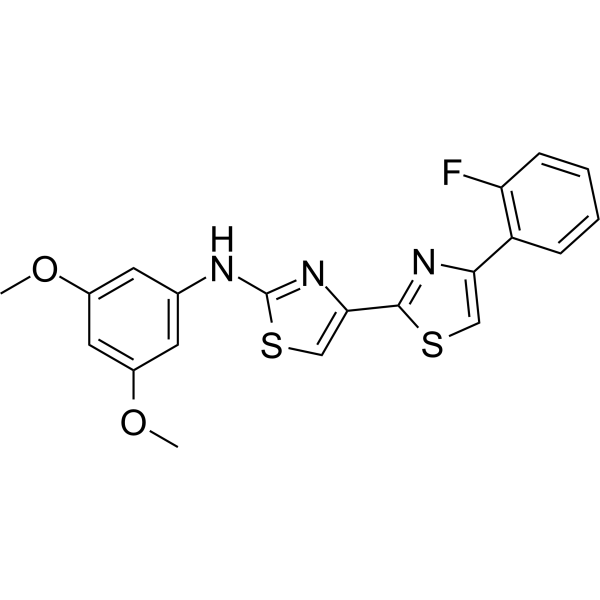
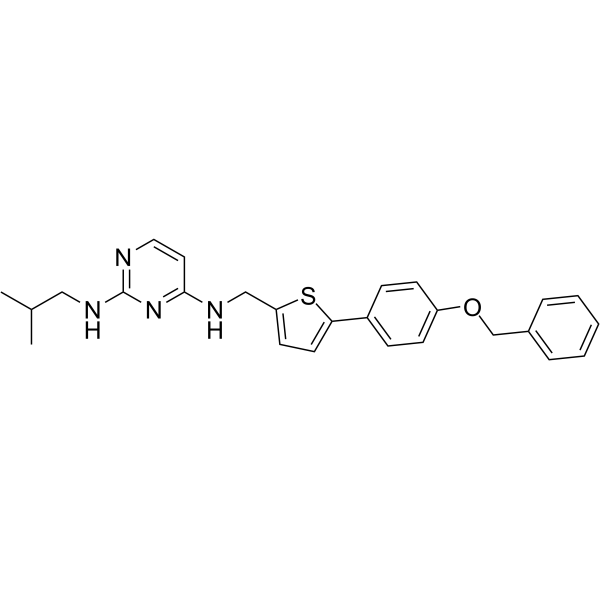
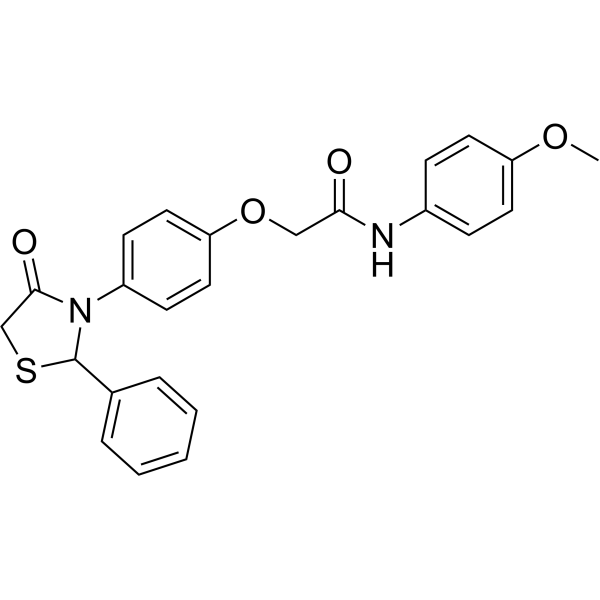
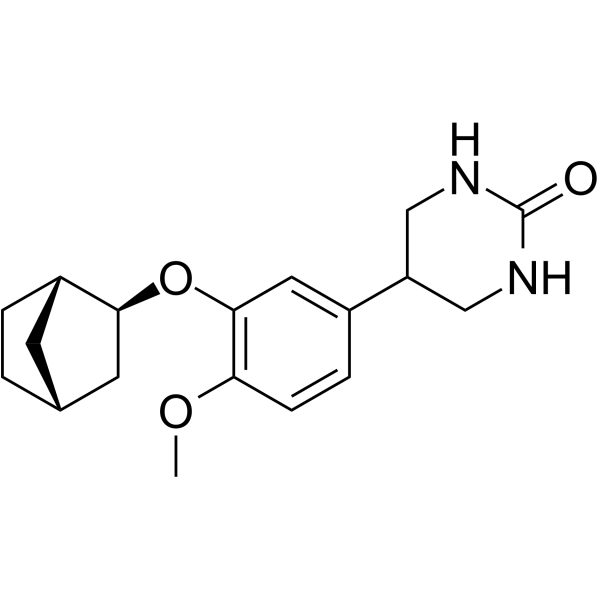
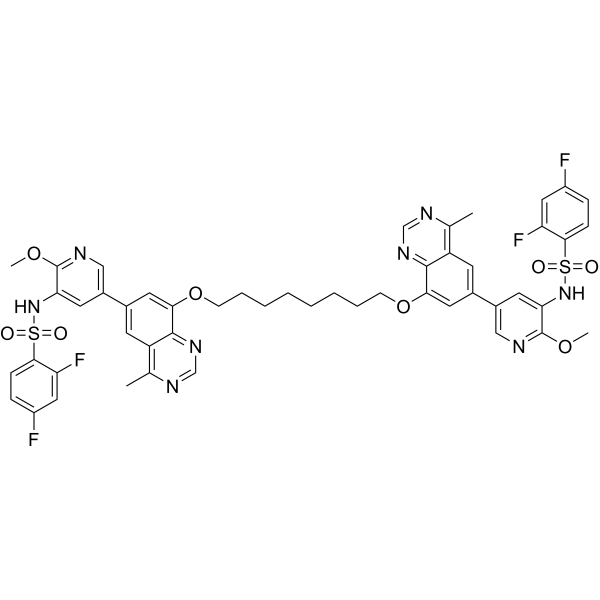
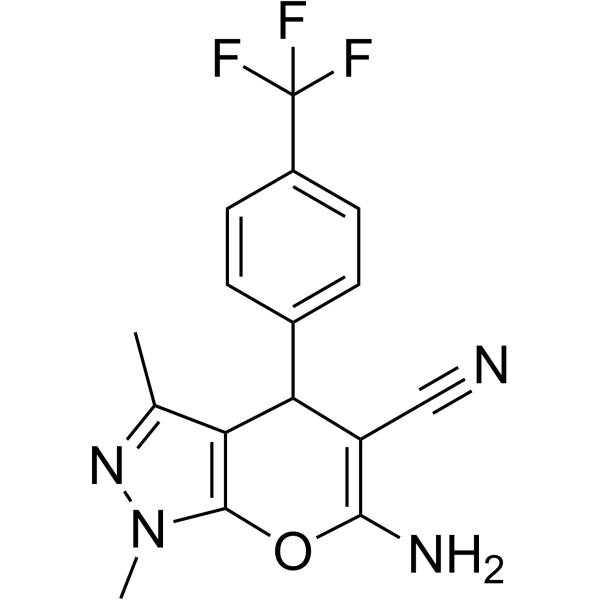
    L524-0366 is a specific, dose-dependent TWEAK-Fn14 inhibitor. L524-0366 specifically binds to the Fn14 surface with a KD of 7.12 μM, competitively inhibiting the binding of Fn14 to TWEAK (inhibition rate reaching 16%). L524-0366 inhibits TWEAK-induced glioma cell migration without potential cytotoxic effects .
    L524-0366
  • HY-P99008
    Atibuclimab
    2 Publications Verification

    IC14

    Toll-like Receptor (TLR) Infection Neurological Disease Inflammation/Immunology
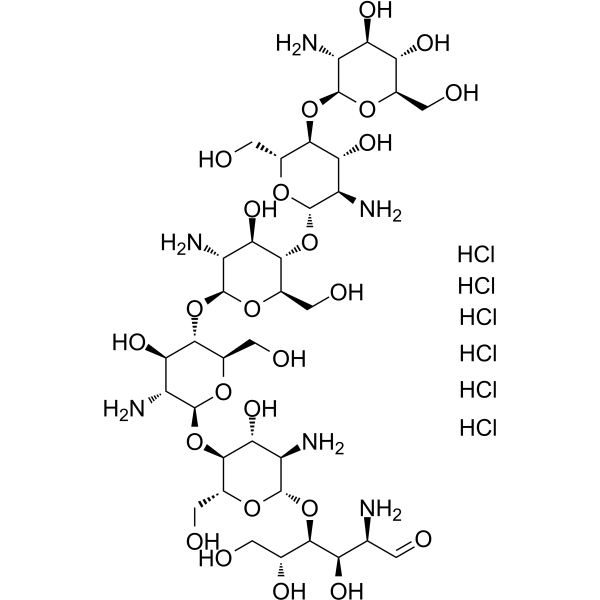
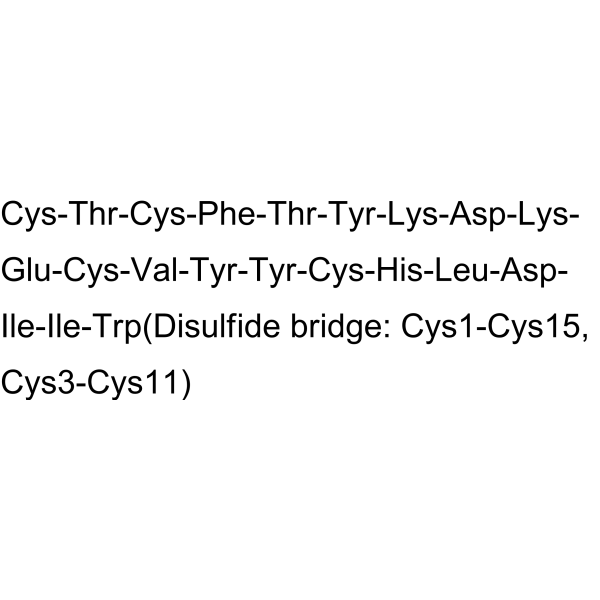
    Atibuclimab (IC14), is a chimeric monoclonal antibody directed against CD14 and is composed of murine variable and human IgG4 Fc regions. Atibuclimab attenuates Lipopolysaccharides (HY-D1056) (LPS)-induced symptoms and strongly inhibits LPS-induced proinflammatory cytokine release, while only delaying the release of the anti-inflammatory cytokines soluble TNF receptor type I and IL-1 receptor antagonist. Atibuclimab can be used for the research of amyotrophic lateral sclerosis, sepsis, community-acquired pneumonia, or acute lung injury .
    Atibuclimab
  • HY-136383
    AZA1
    1 Publications Verification

    Rac1/CDc42-IN-1

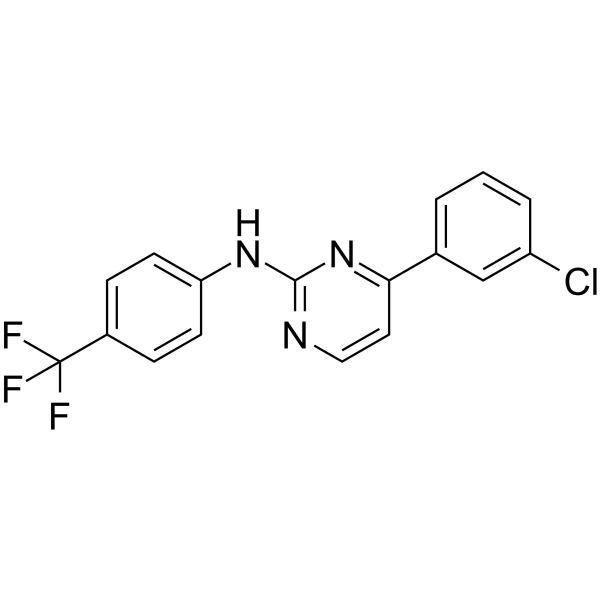
    Ras Apoptosis Cancer
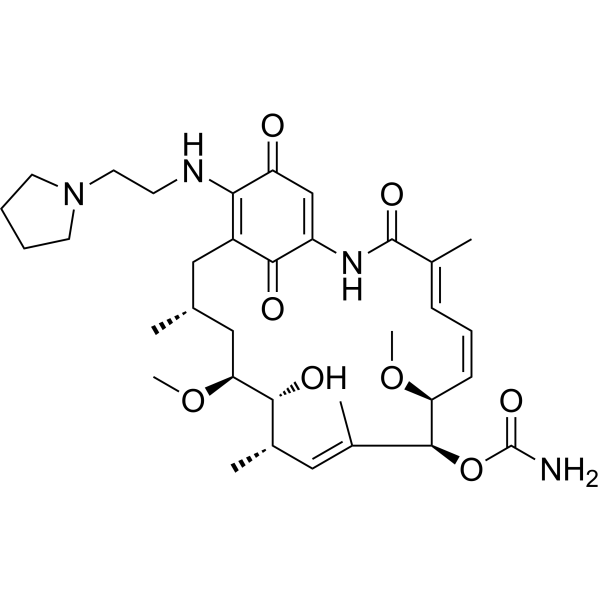
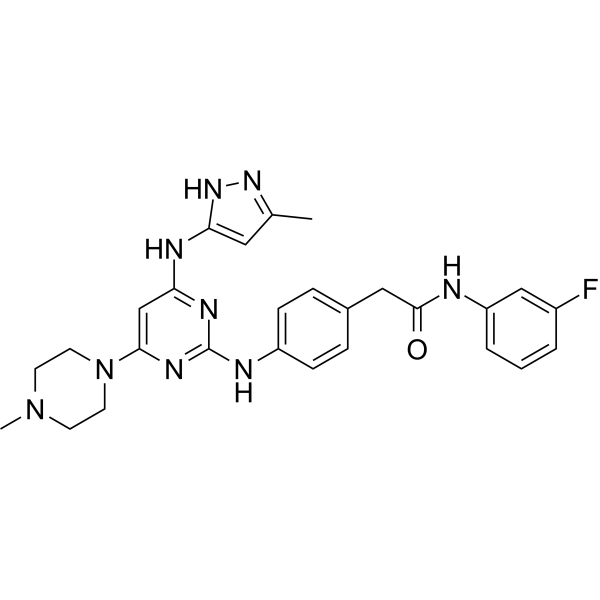
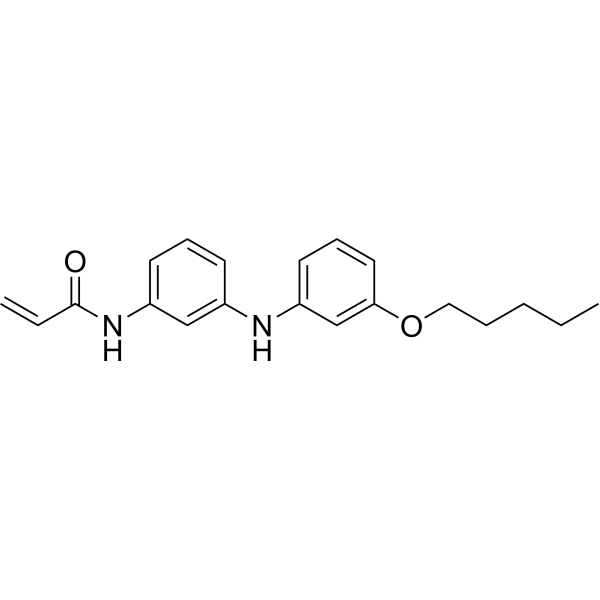
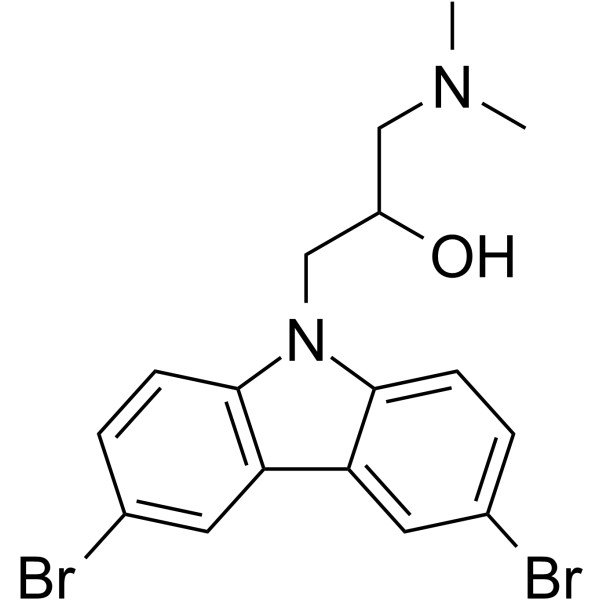
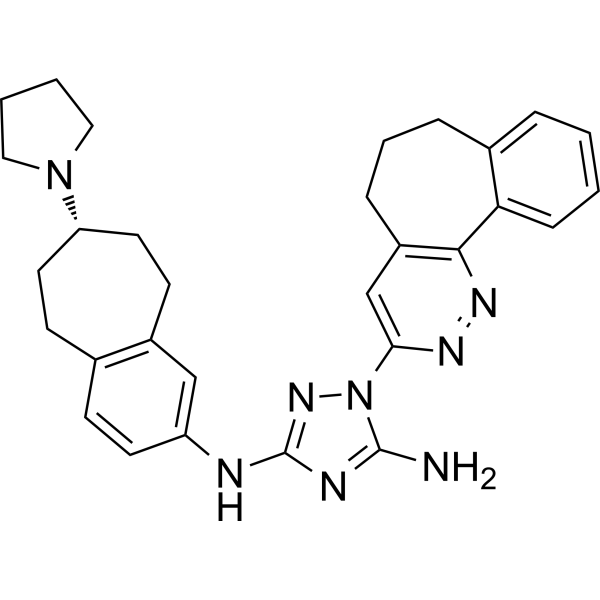
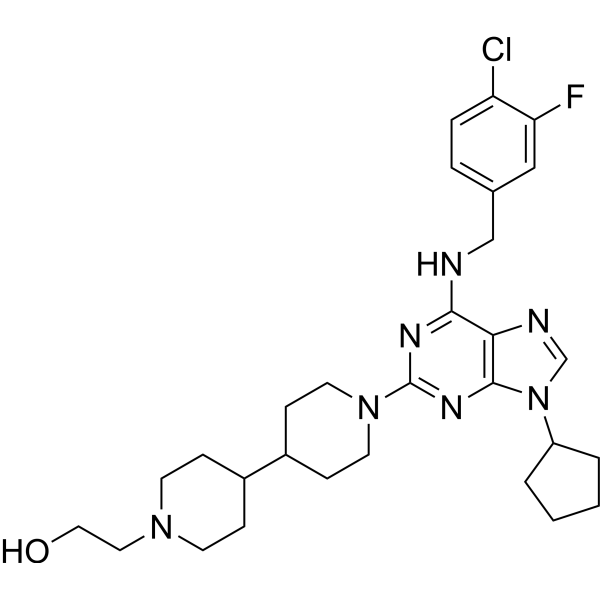
    AZA1 is a potent dual inhibitor of Rac1 and Cdc42. AZA1 induces prostate cancer cells apoptosis and inhibits prostate cancer cells proliferation, migration and invasion .
    AZA1
  • HY-D0056
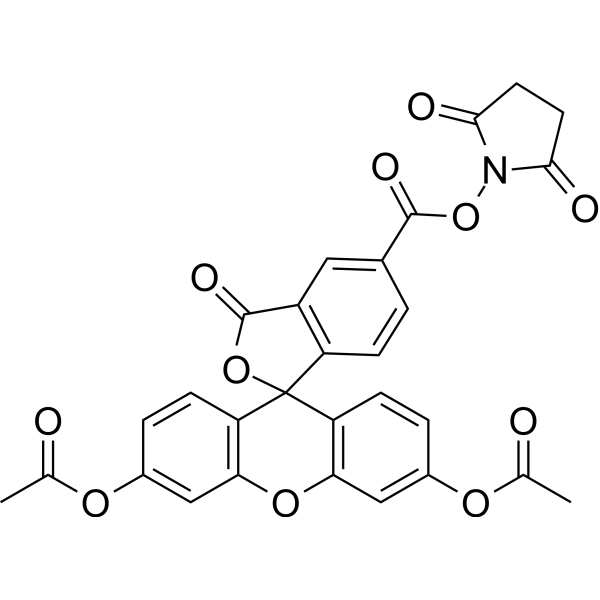
    5-Carboxyfluorescein diacetate N-succinimidyl ester
    Maximum Cited Publications
    10 Publications Verification

    Fluorescent Dye Others
    5-Carboxyfluorescein diacetate N-succinimidyl ester is a cell permeable dye (Ex=492 nm, Em=517 nm). 5-Carboxyfluorescein diacetate N-succinimidyl ester can label cells by covalently binding to intracellular molecules. 5-Carboxyfluorescein diacetate N-succinimidyl ester is used to track lymphocyte migration and proliferation .
    5-Carboxyfluorescein diacetate N-succinimidyl ester
  • HY-135750
    VAF347
    3 Publications Verification

    Aryl Hydrocarbon Receptor Inflammation/Immunology
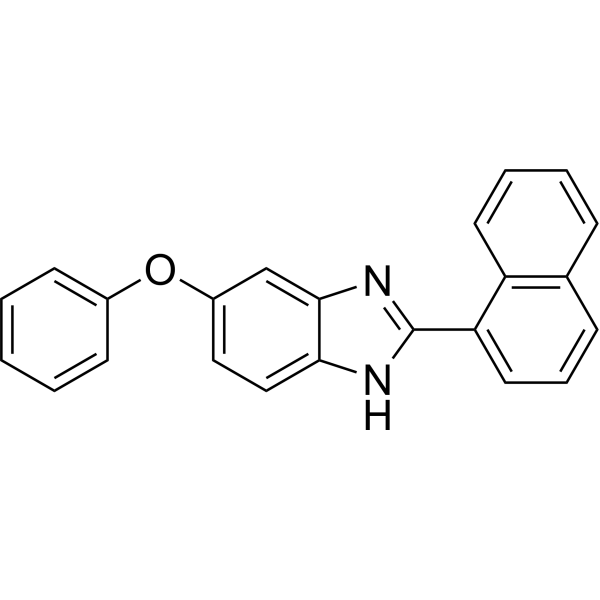
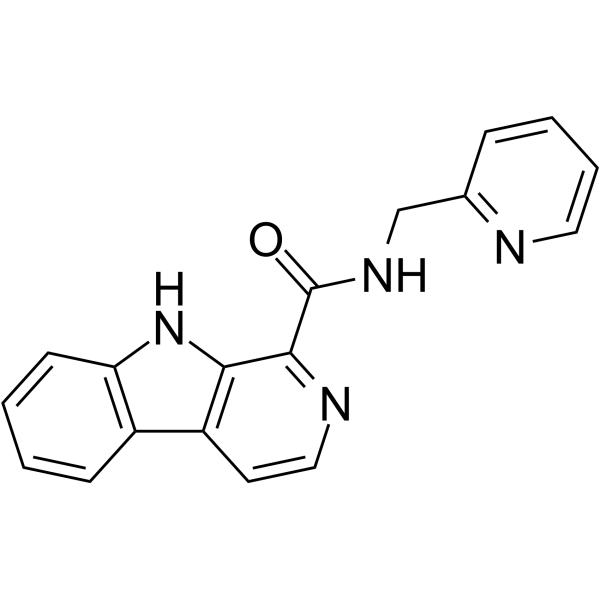
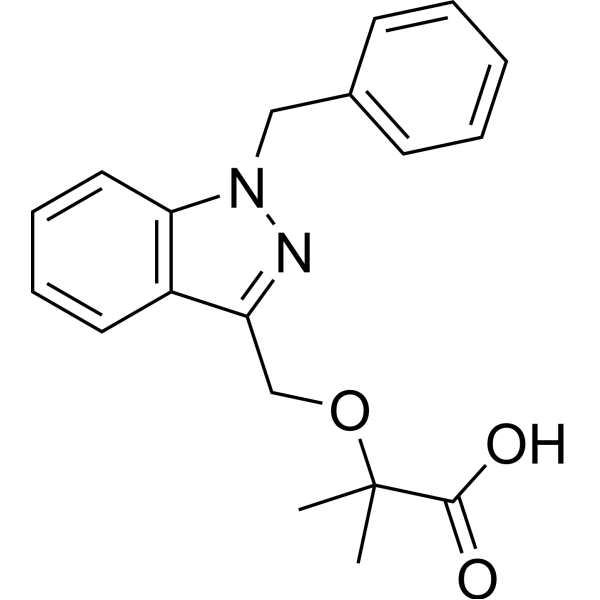
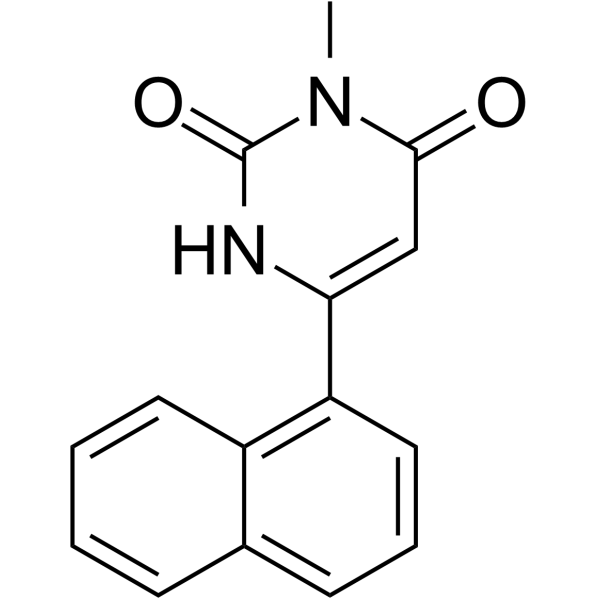
    VAF347 is a cell permeable and highly affinity aryl hydrocarbon receptor (AhR) agonist and induces AhR signaling. VAF347 inhibits the development of CD14 +CD11b + monocytes from granulo-monocytic (GM stage) precursors. VAF347 has anti-inflammatory effects .
    VAF347
  • HY-106228

    Fungal Bacterial Glutathione Peroxidase Infection
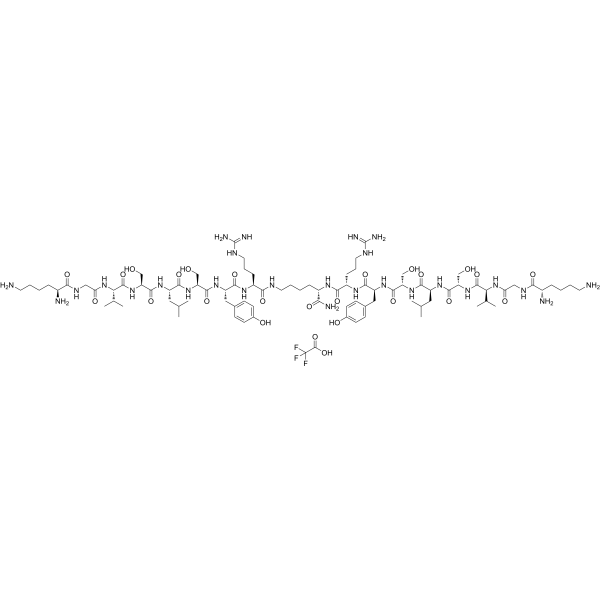
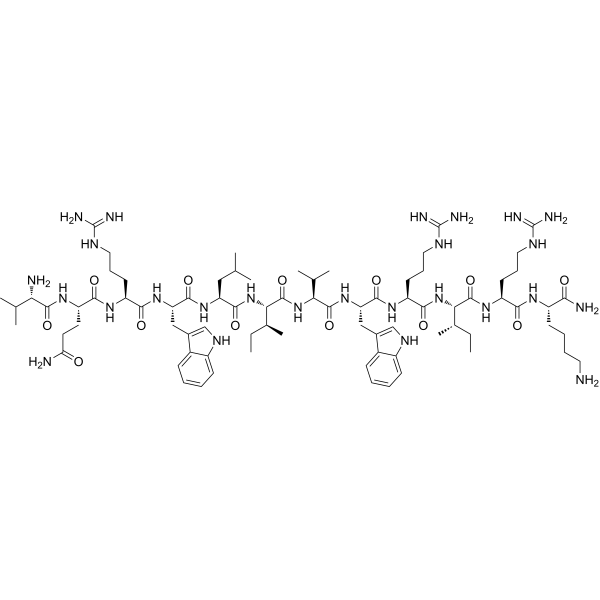
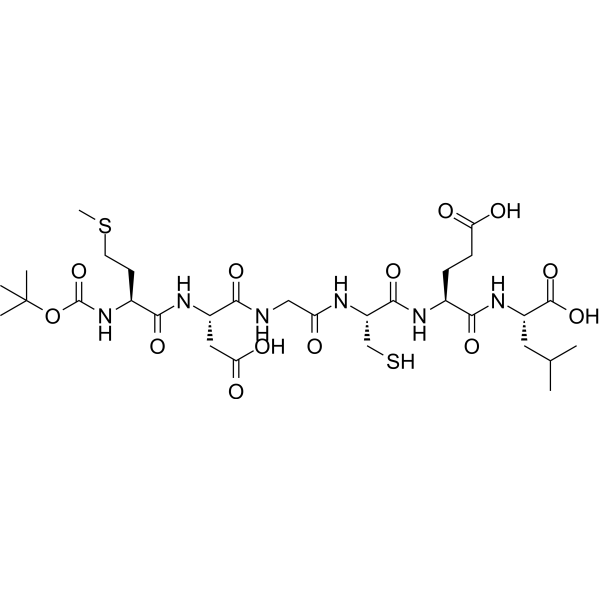
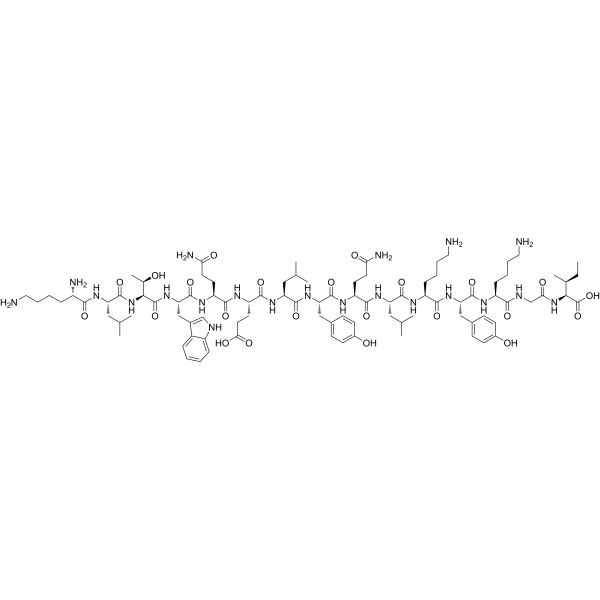
    HLF1-11, a human lactoferrin-derived peptide, is a broad spectrum antimicrobial agent. HLF1-11 inhibits human MPO activity. HLF1-11 also directs GM-CSF-driven monocyte differentiation toward macrophages, and enhances immune responses .
    HLF1-11
  • HY-147390

    Macrophage migration inhibitory factor (MIF) Inflammation/Immunology
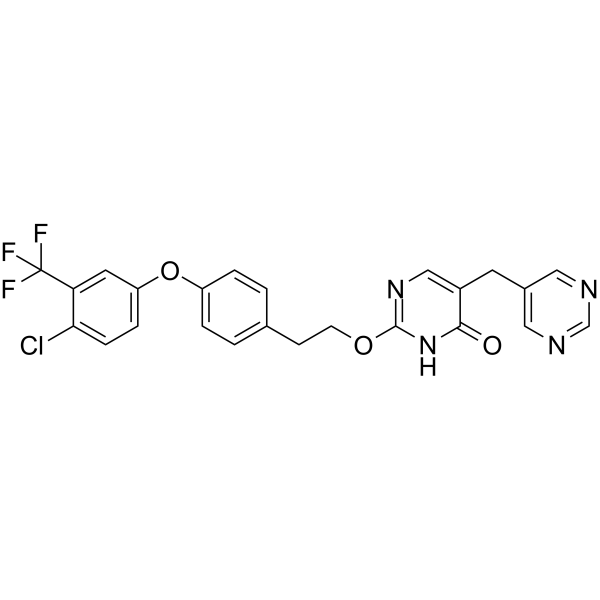
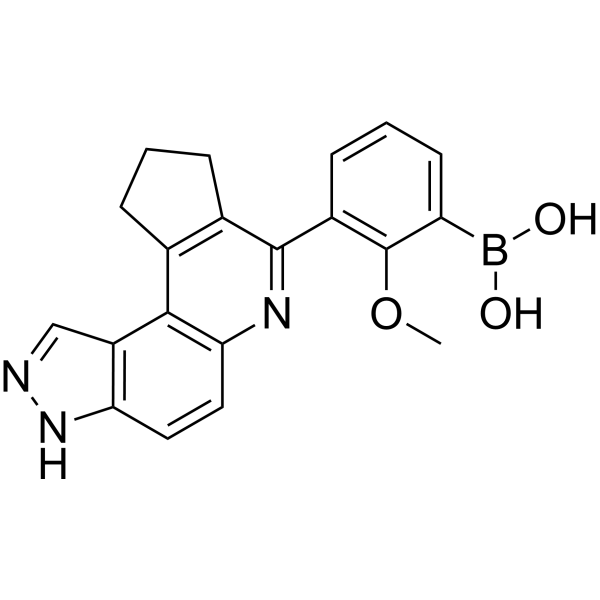
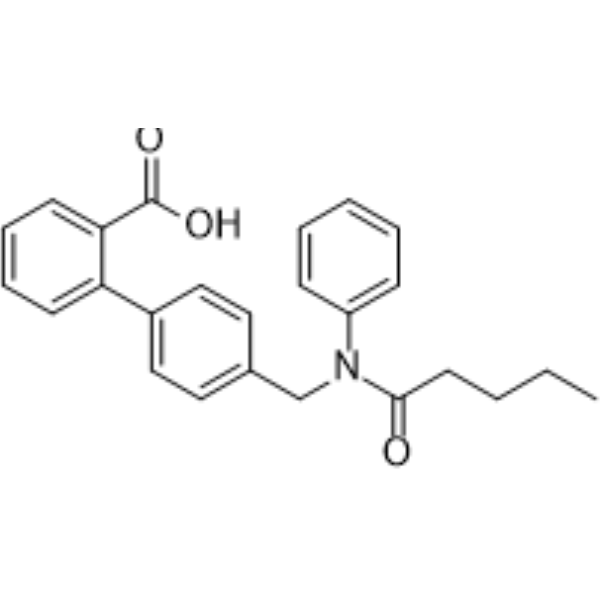
    MIF098 is a macrophage migration inhibitory factor (MIF) antagonist. MIF098 inhibits proliferation, migration and fibrosis of pulmonary smooth muscle cells. MIF098 can be used for immunoinflammation-related disease research .
    MIF098
  • HY-108612

    CAY10593

    Phospholipase Cancer
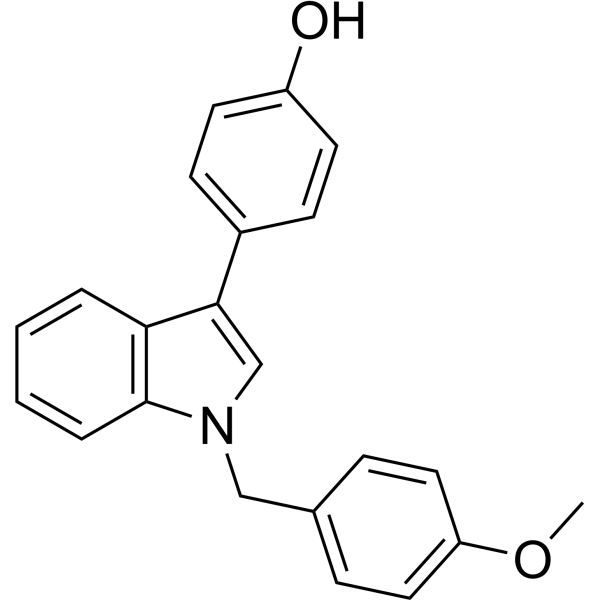
    VU0155069 (CAY10593), is a selective phospholipase D1 (PLD1) inhibitor with an IC50 value of 46 nM in vitro. VU0155069 (CAY10593) strongly inhibits the invasive migration of several cancer cell lines in transwell assays .
    VU0155069
  • HY-126253
    BI-4916
    5+ Cited Publications

    Phosphoglycerate Dehydrogenase (PHGDH) Infection Inflammation/Immunology Cancer
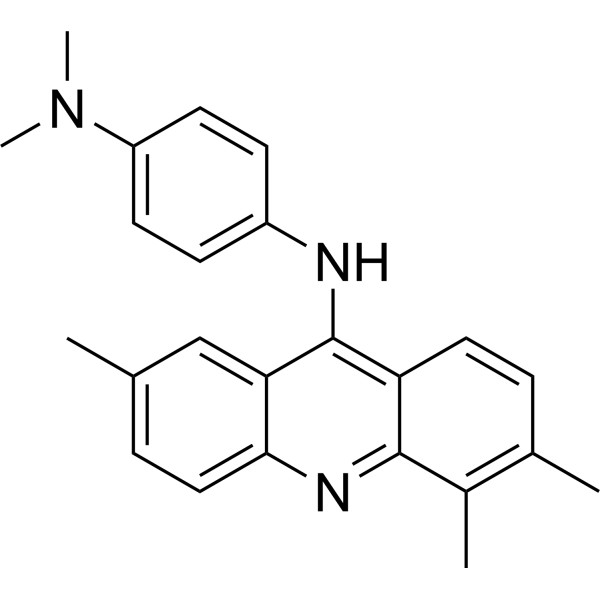
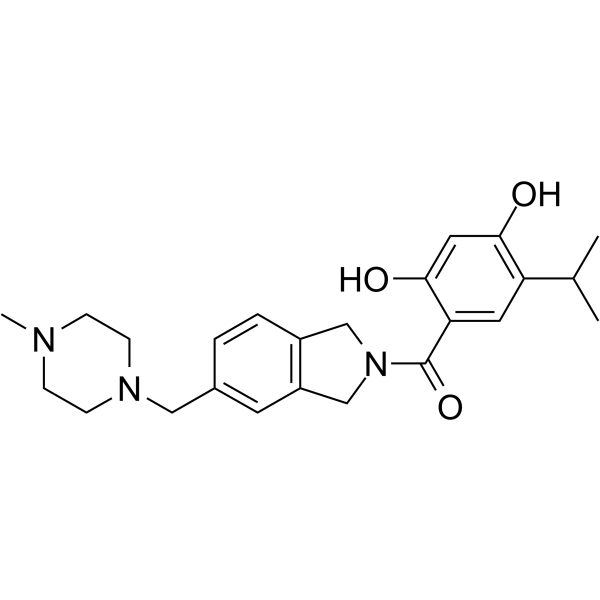
    BI-4916 is a proagent of BI-4924. BI-4924 is a NADH/NAD +-competitive PHGDH inhibitor. BI-4916 inhibits cancer cell migration. BI-4916 can be used for cancer, inflammation and infection study .
    BI-4916
  • HY-130332

    Macrophage migration inhibitory factor (MIF) Cancer
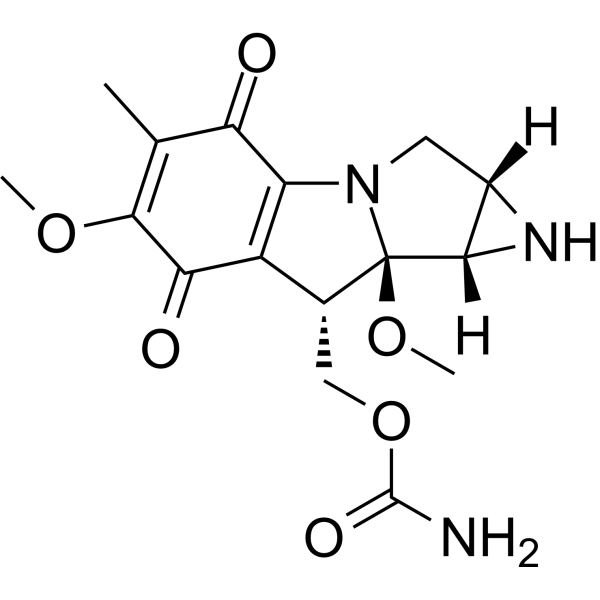
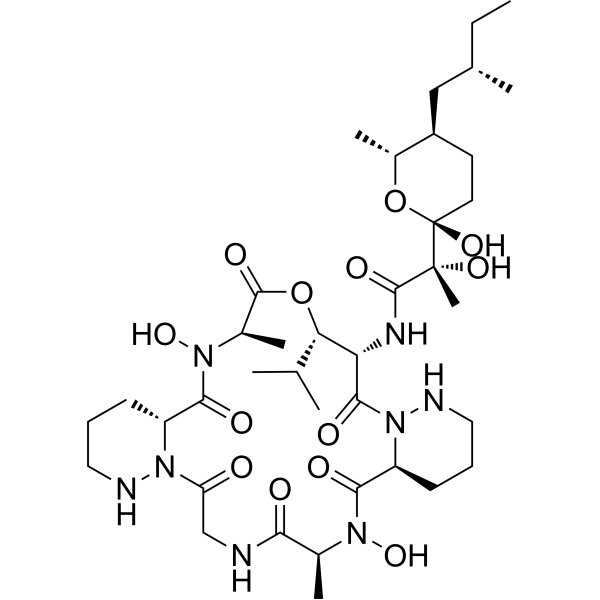
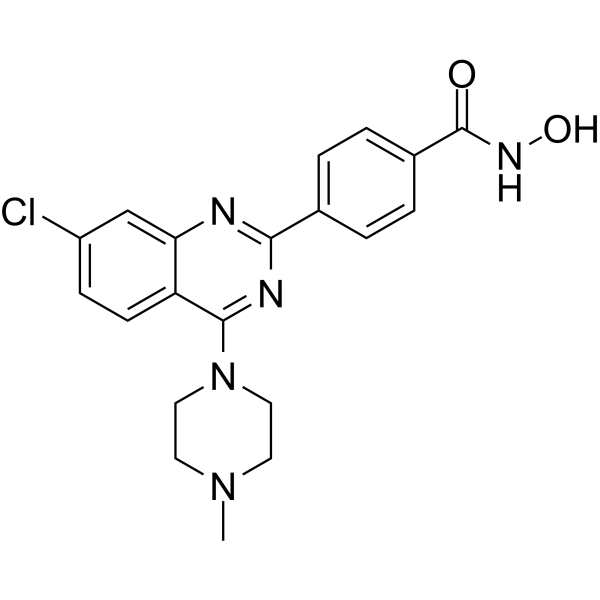
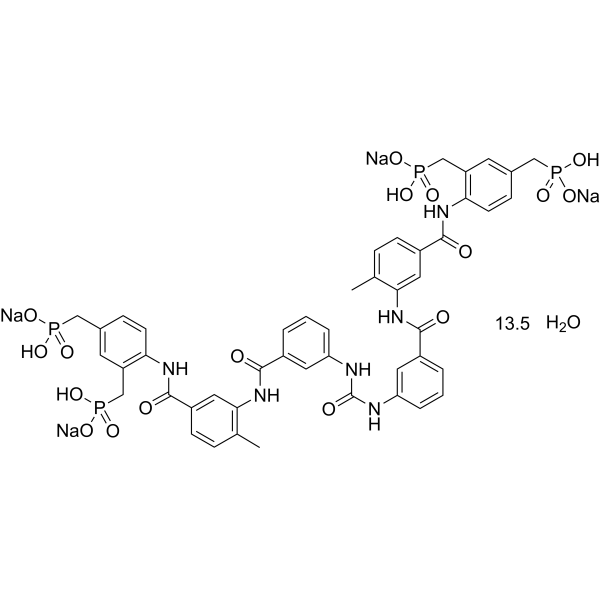
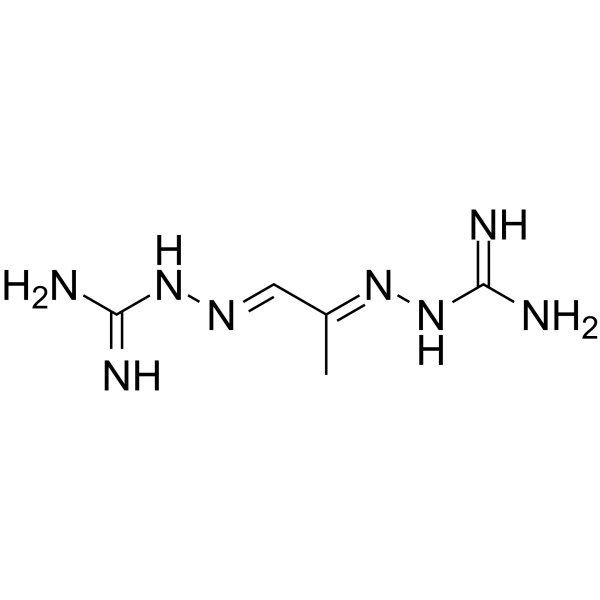
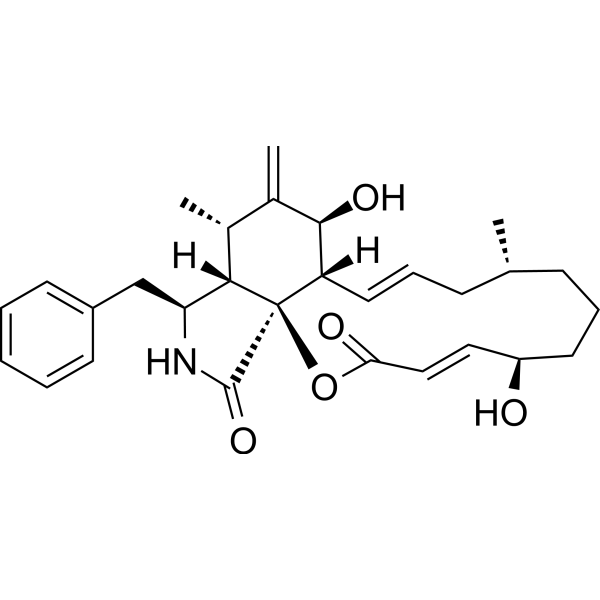
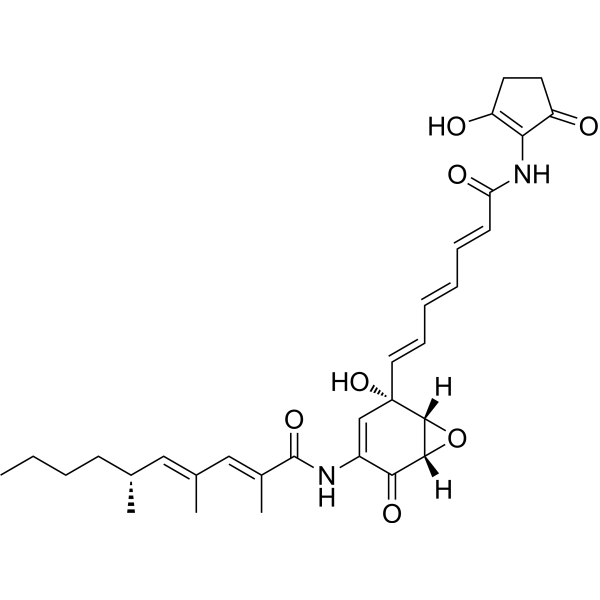
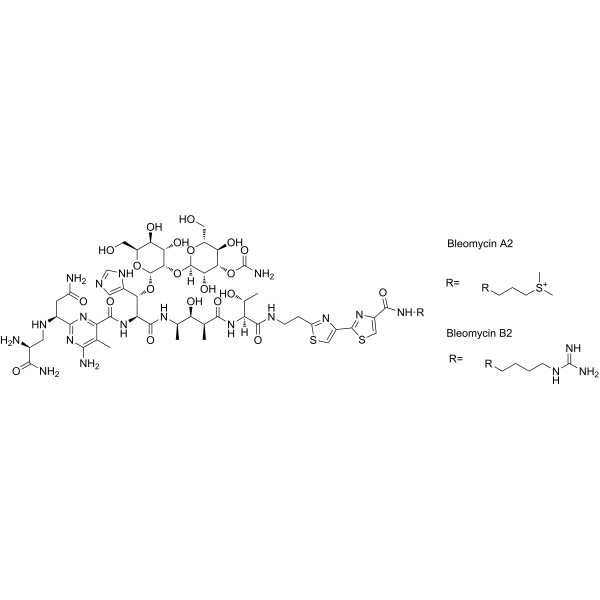
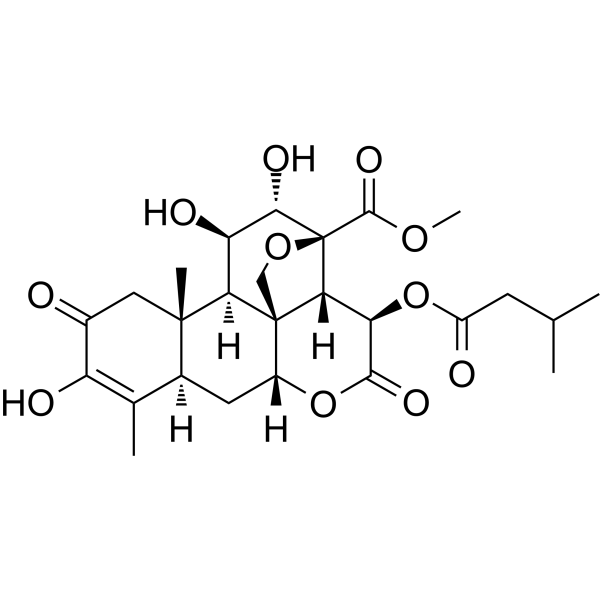
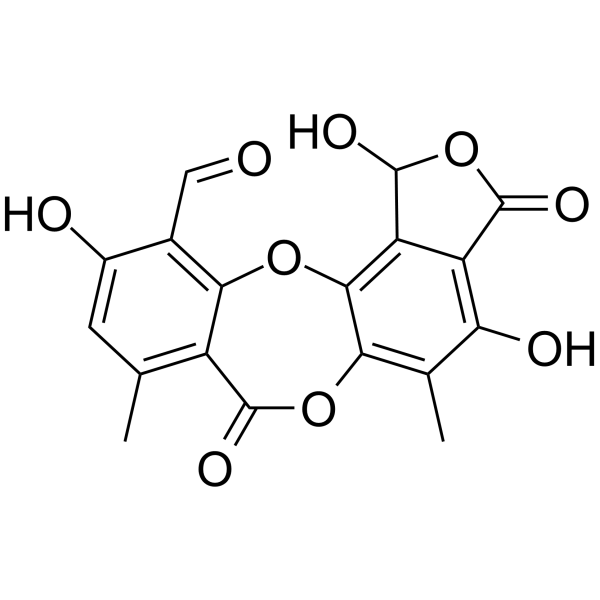
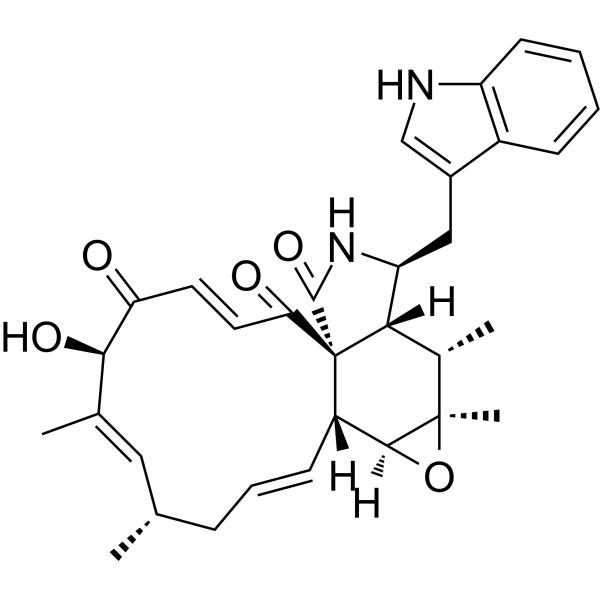
    Mitomycin A is an antitumor agent. Mitomycin A inhibits the spontaneous migration of mouse monocytes. Mitomycin A inhibits the production of MIF (Migration Inhibition Factor) by human lymphocytes. Mitomycin A can be used in the research of tumor diseases .
    Mitomycin A
  • HY-122767

    Muroctasin

    Interleukin Related Inflammation/Immunology
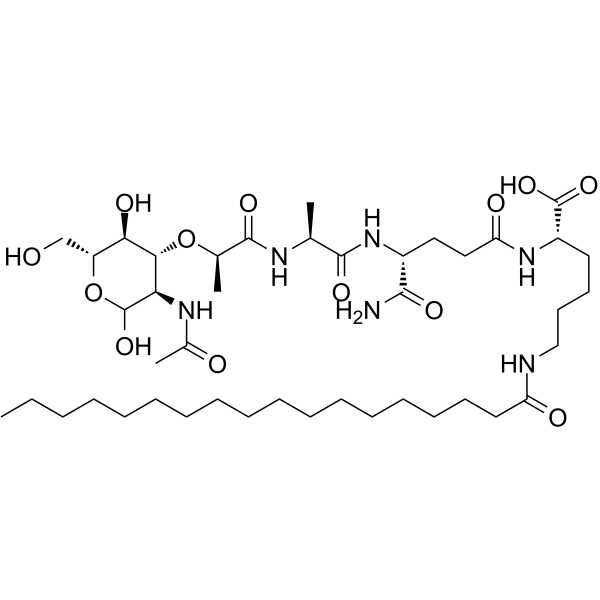
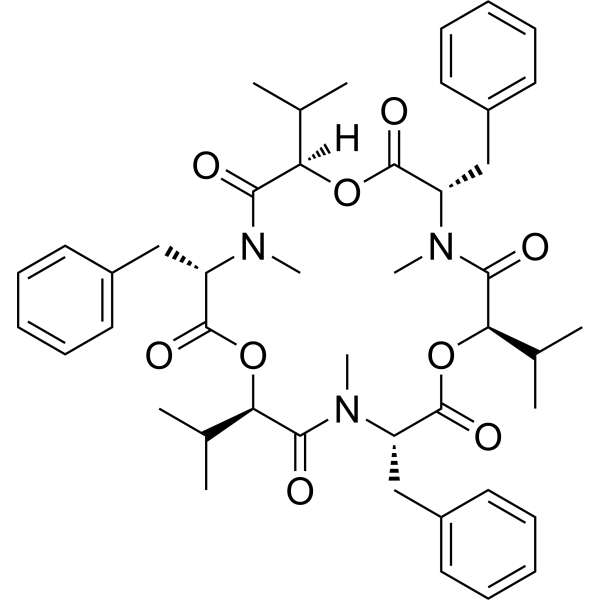
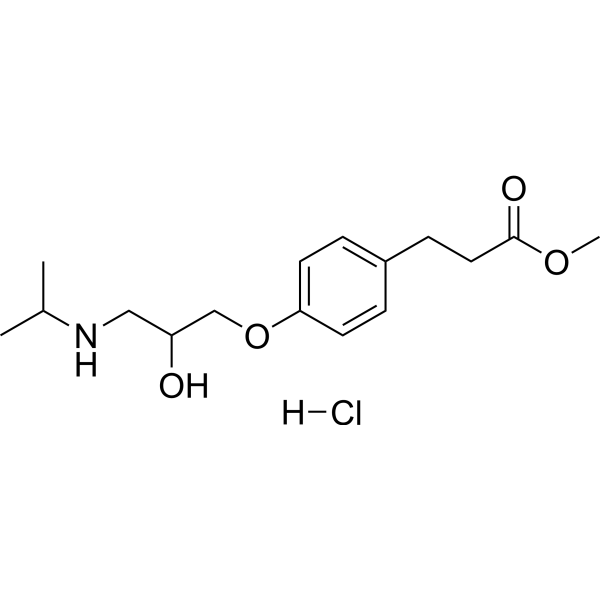
    Romurtide (Muroctasin), a synthetic muramyl dipeptide derivative, is a cytokines inducer. Romurtide can increase peripheral neutrophils and monocytes in vivo and enhance production of colony-stimulating factors (CSFs), IL-1 and IL-6 in vitro .
    Romurtide
  • HY-14926

    (S)-(-)-Nadifloxacin; WCK 771

    Antibiotic Bacterial Infection
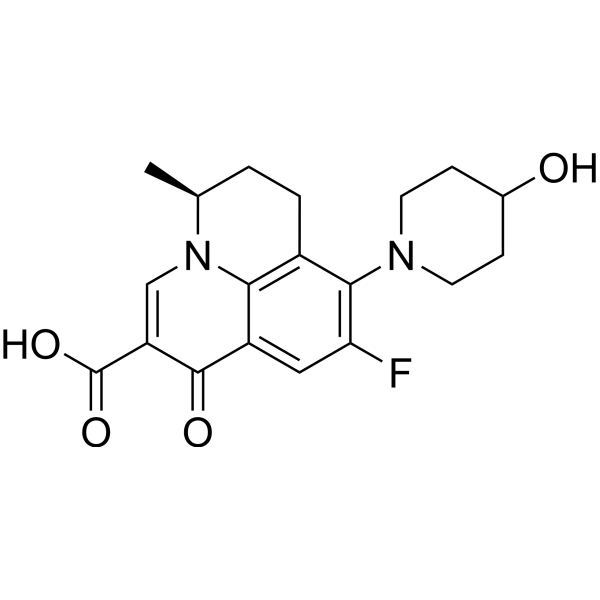
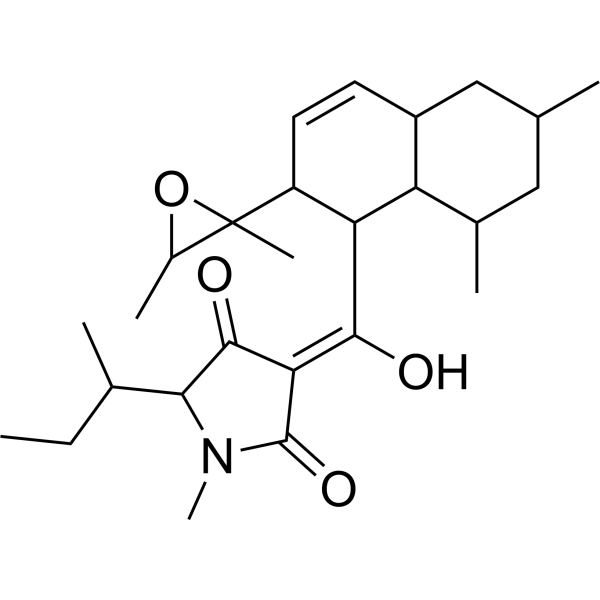
    Levonadifloxacin ((S)-(-)-Nadifloxacin; WCK 771) is a broad-spectrum anti-staphylococcal agent. Levonadifloxacin shows antibacterial activity against Methicillin (HY-121544)-susceptible Staphylococcus aureus (MSSA) and Methicillin-resistant S. aureus (MRSA) strains, with a reduction of which phagocytized in THP-1 monocytes .
    Levonadifloxacin
  • HY-148117

    PROTACs Macrophage migration inhibitory factor (MIF) Cancer
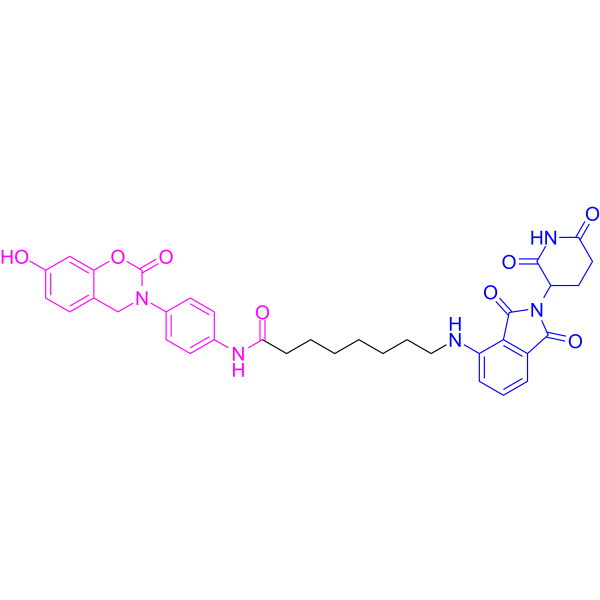
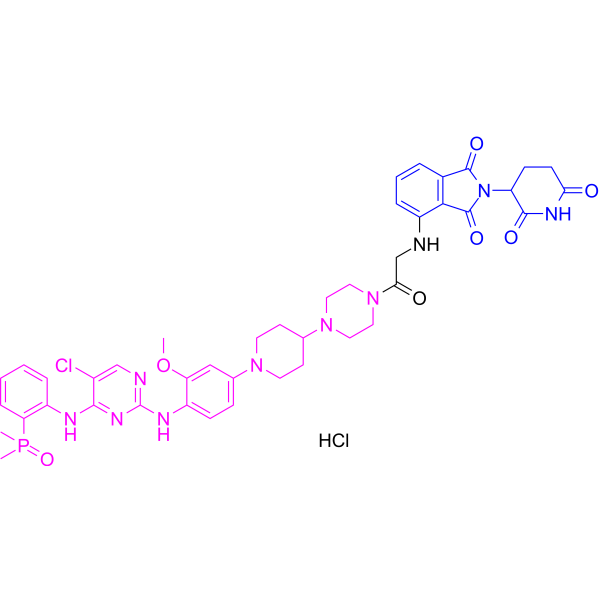
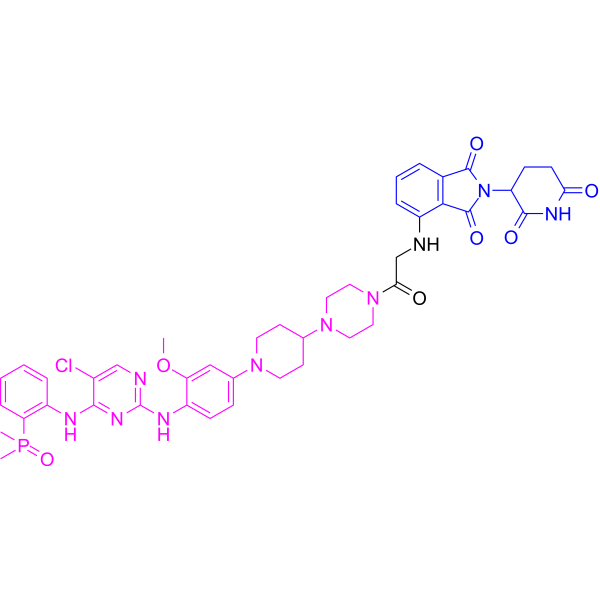
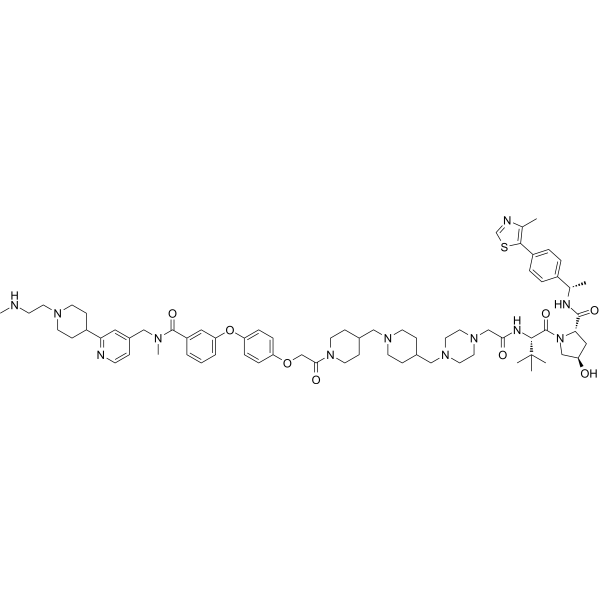
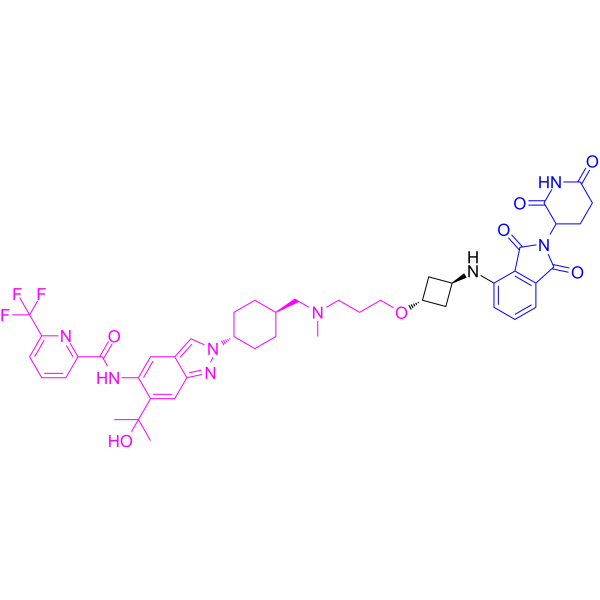
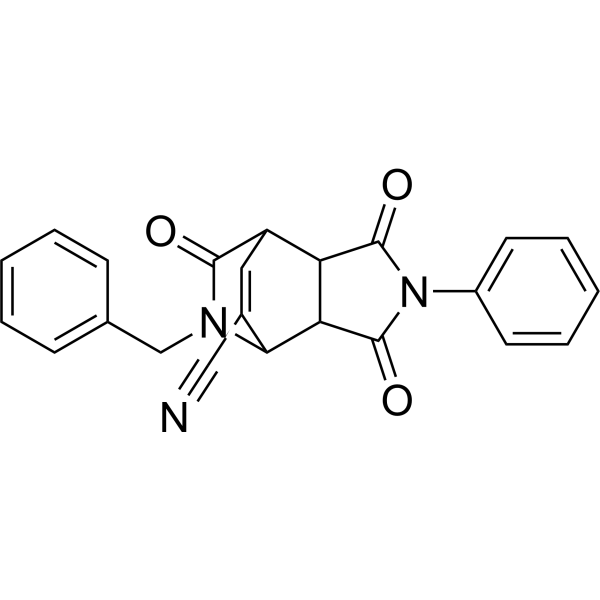
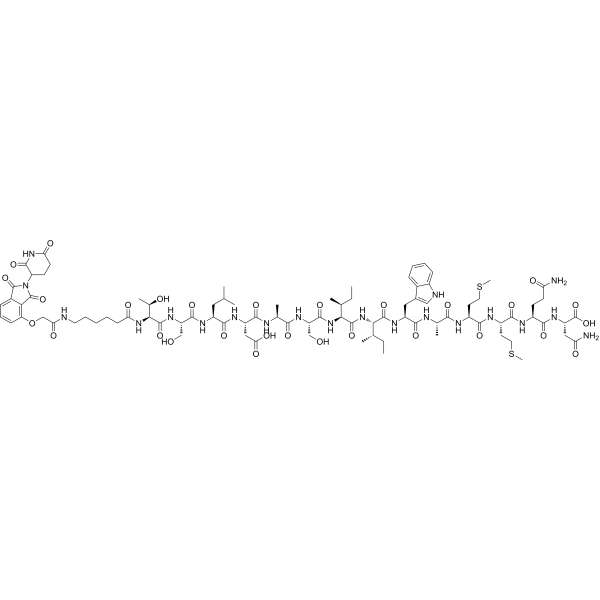
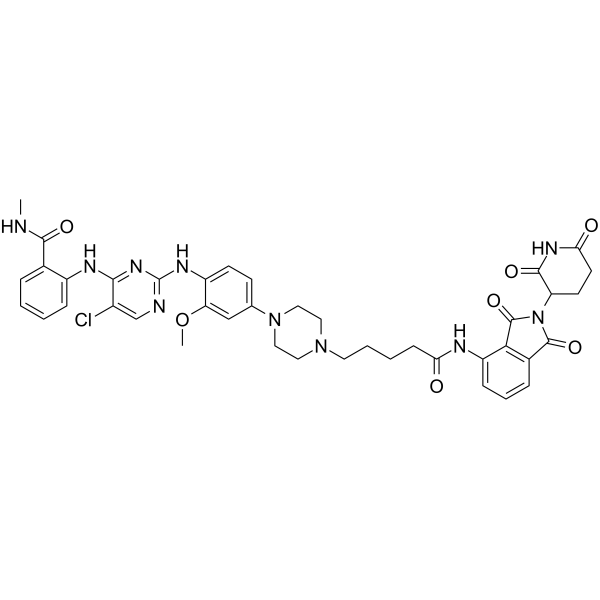
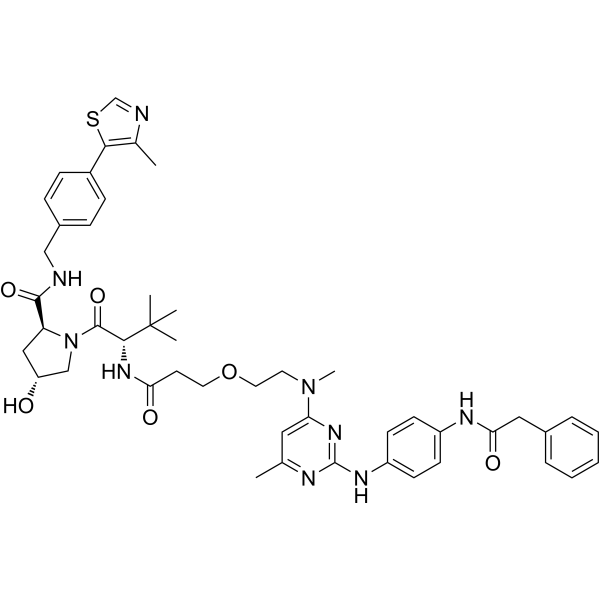
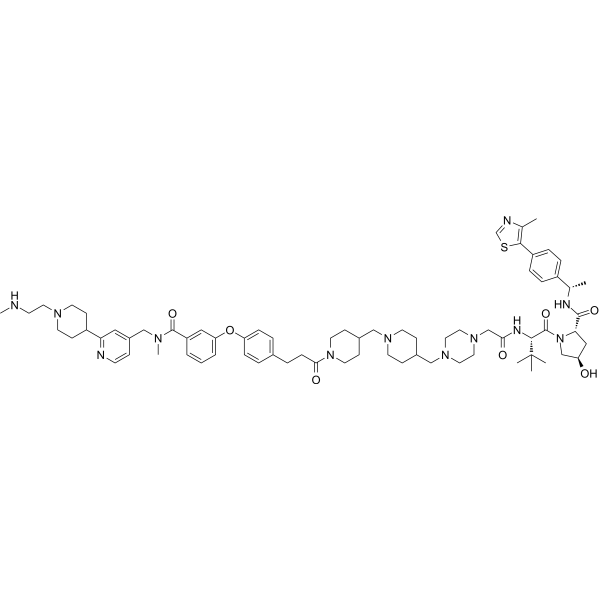
    MD13 is a macrophage migration inhibitory factor (MIF)-directed PROTAC with a Ki of 71 nM. MD13 can be used for cancer research .
    MD13
  • HY-146985
    Cathepsin X-IN-1
    1 Publications Verification

    Cathepsin Neurological Disease Cancer
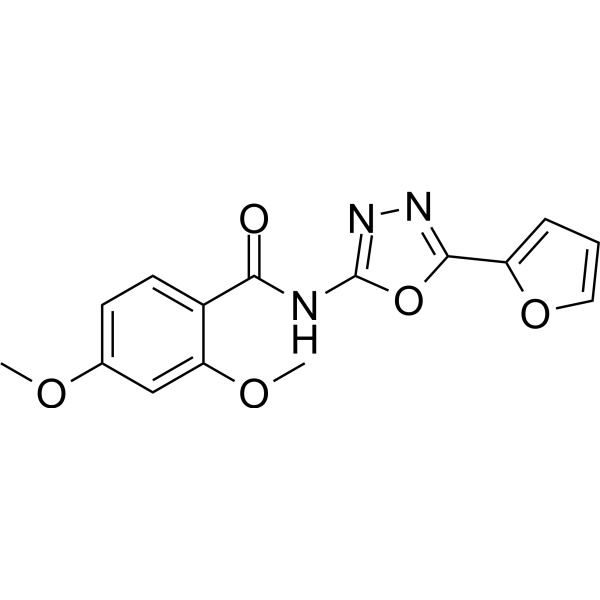
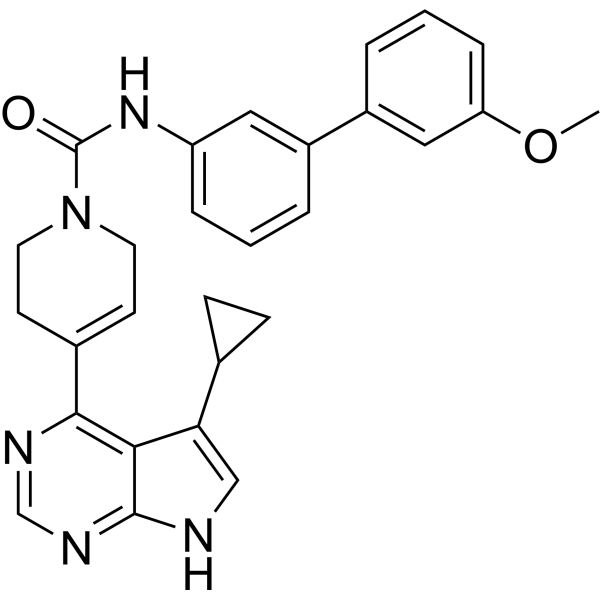
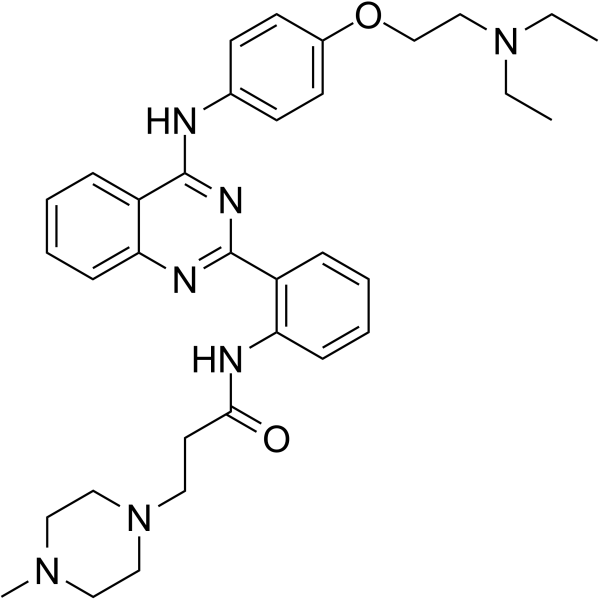
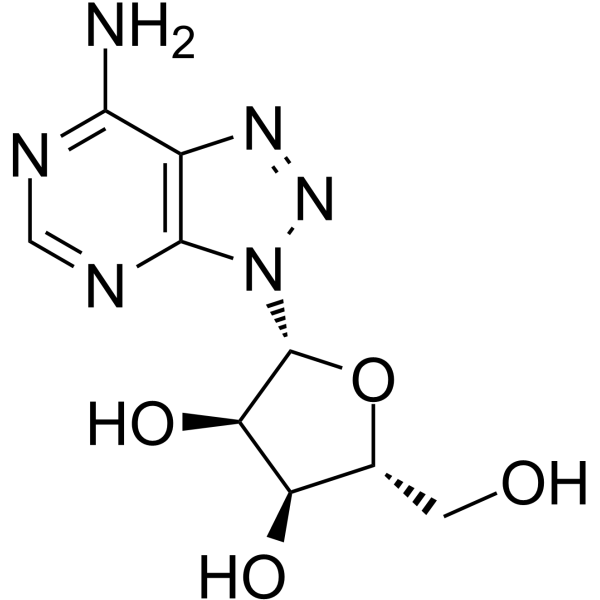
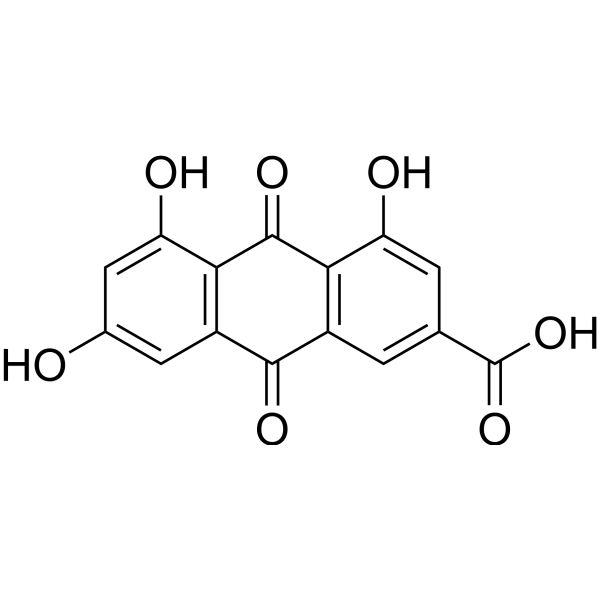
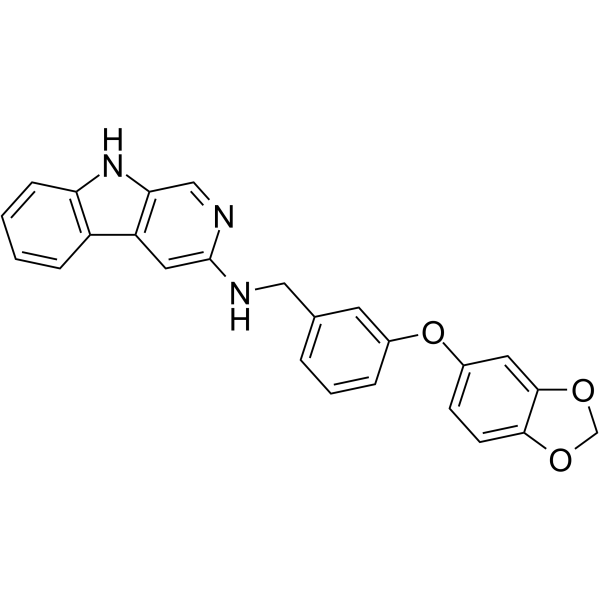
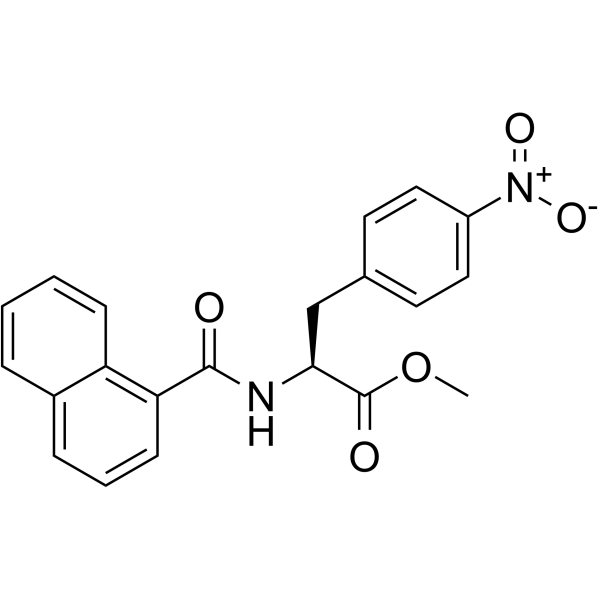
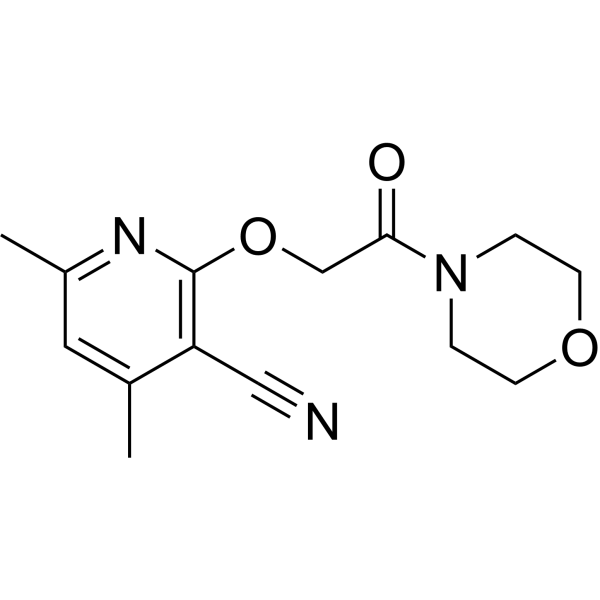
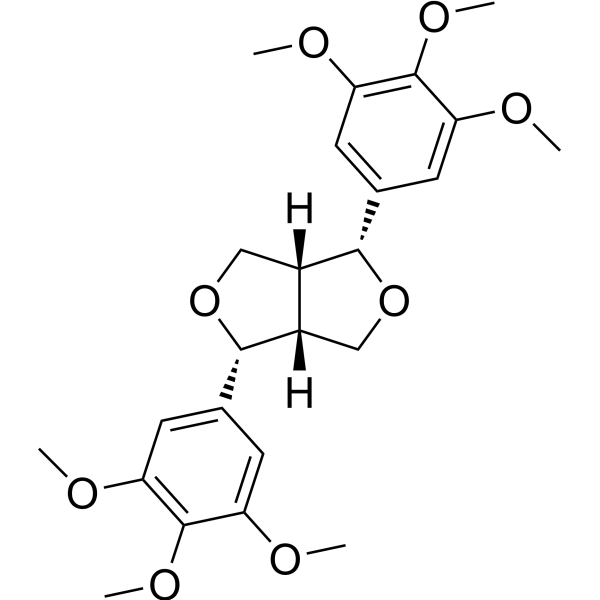
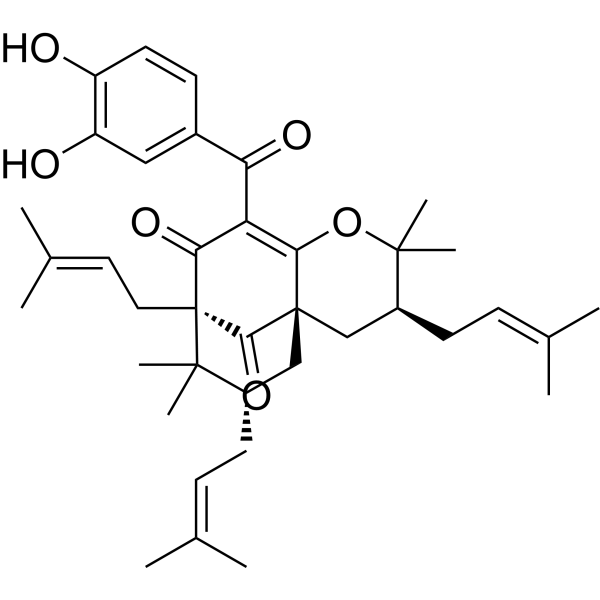
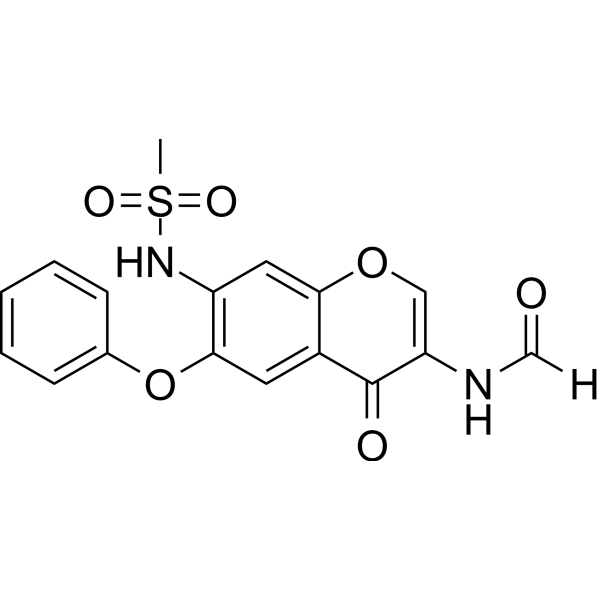
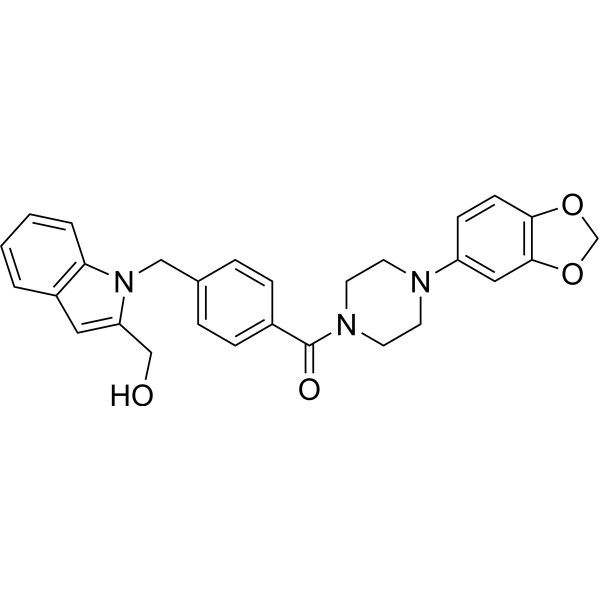
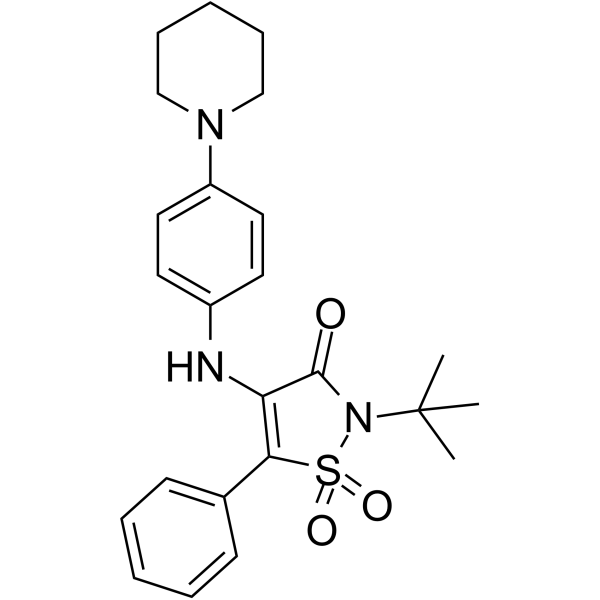
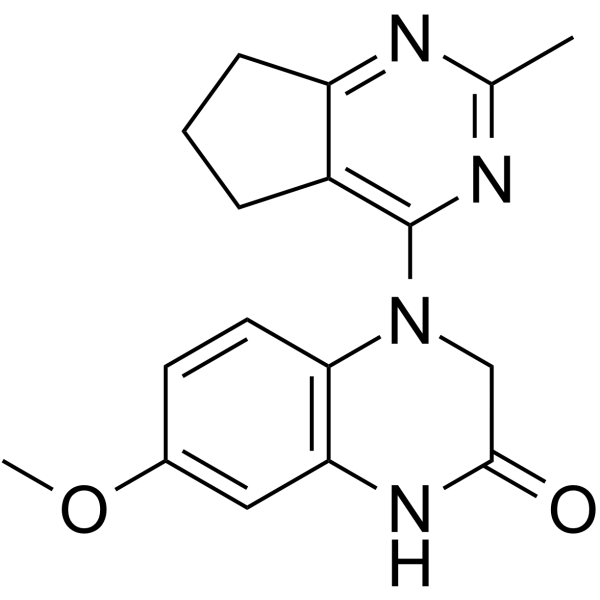
    Cathepsin X-IN-1 (compound 25) is a potent Cathepsin X inhibitor with an IC50 of 7.13 µM. Cathepsin X-IN-1 decreases PC-3 cell migration with low cytotoxic .
    Cathepsin X-IN-1
  • HY-168529

    Myosin Cancer
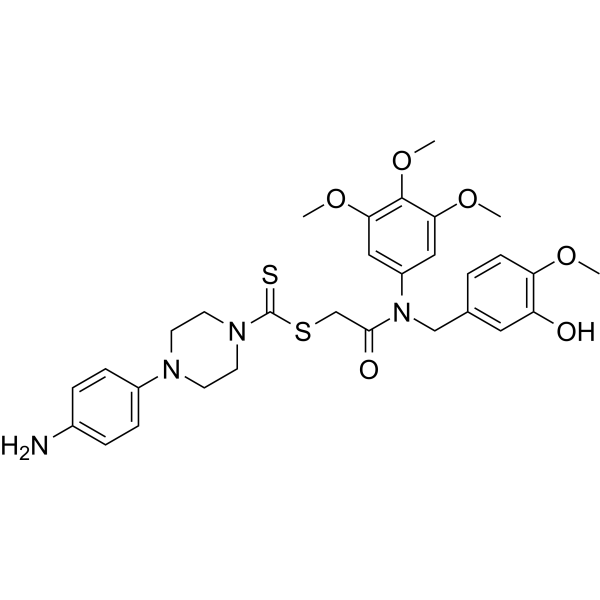
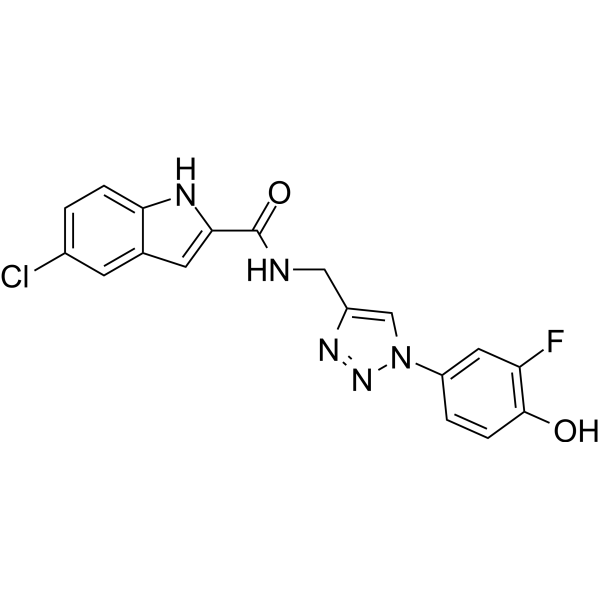
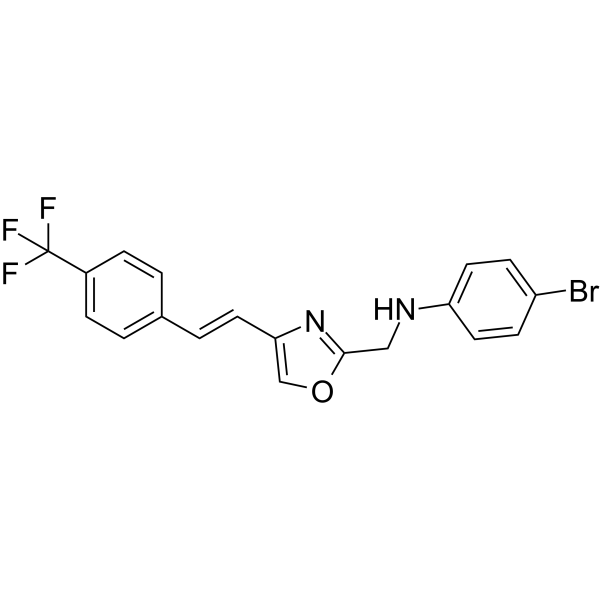
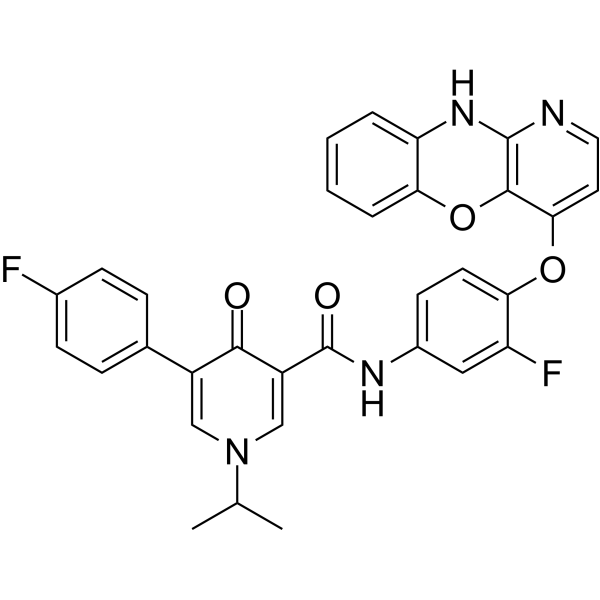
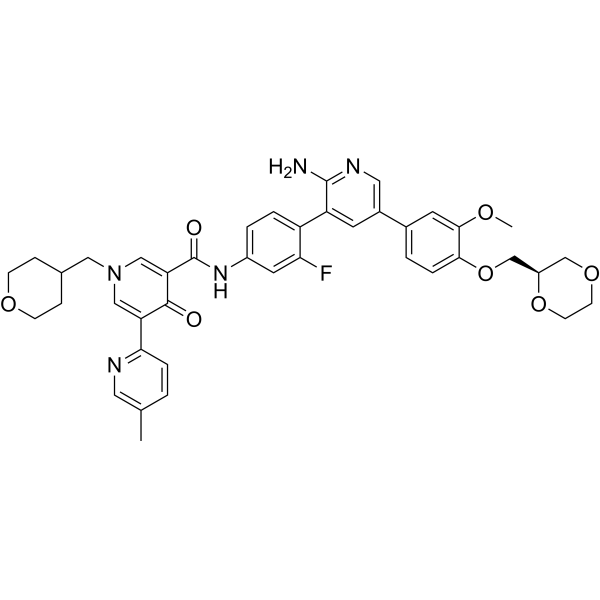
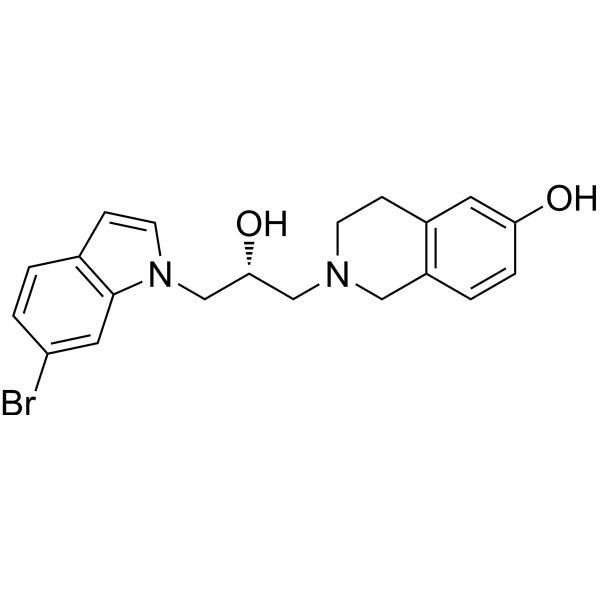
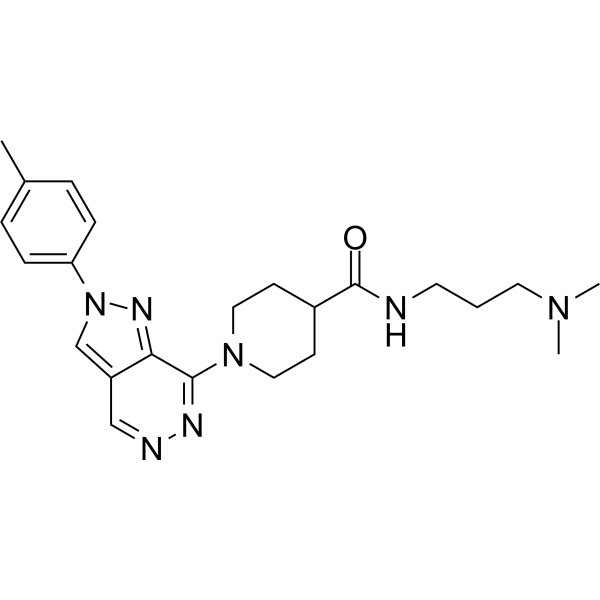
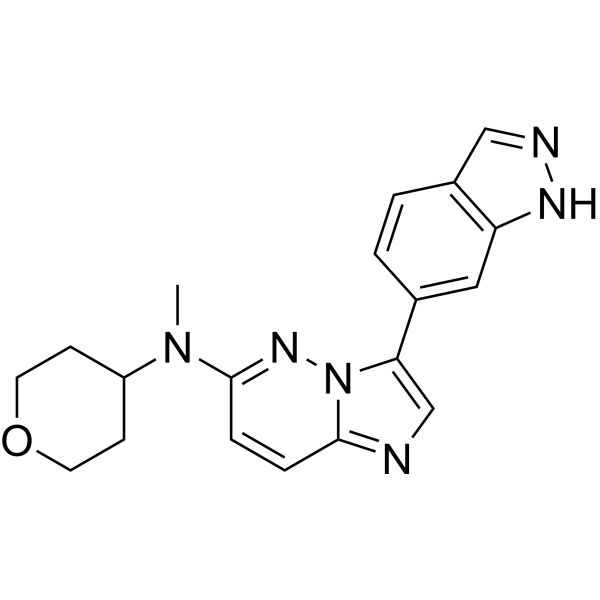
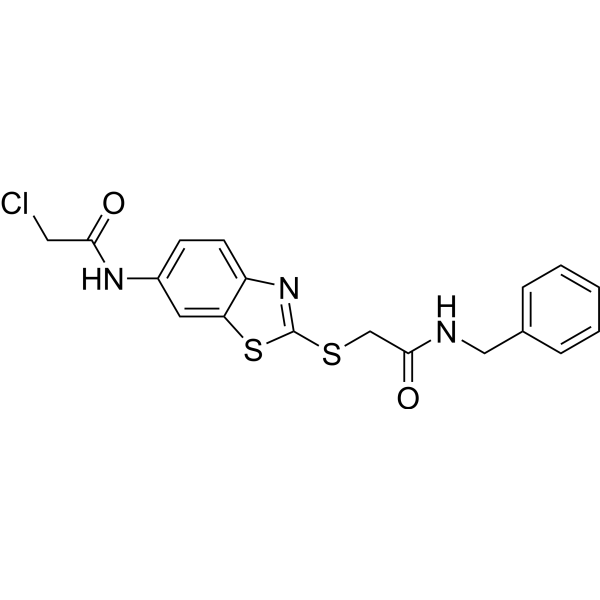
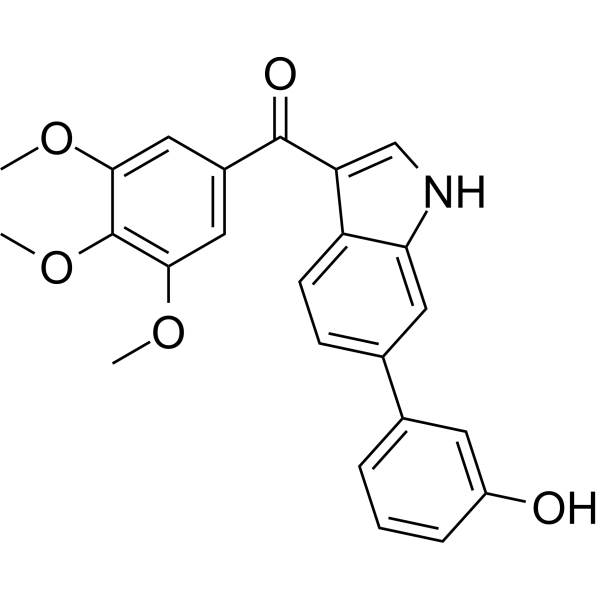
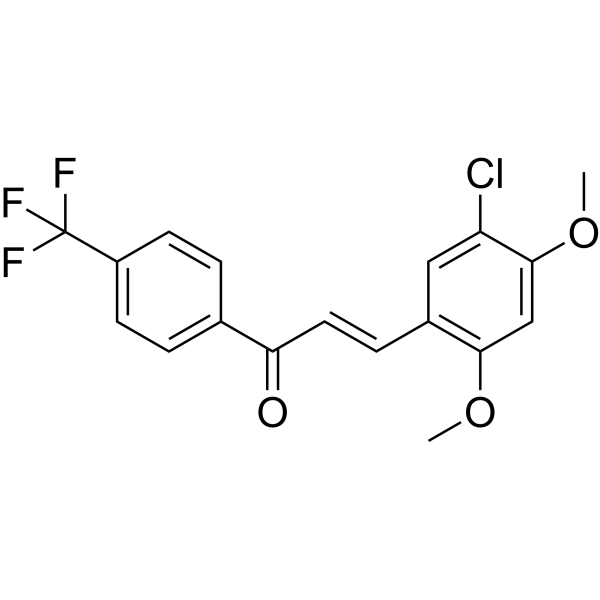
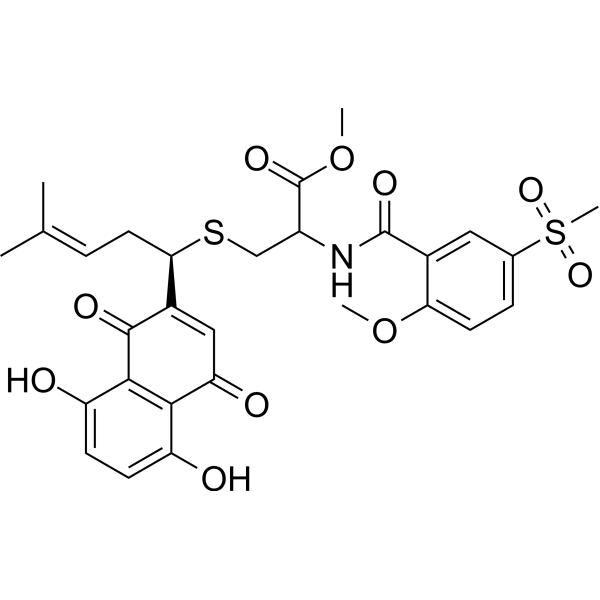
    NU074381b (compound 5b) is a potent S100A4 inhibitor. NU074381b inhibits S100A4-NMII complex formation with an IC50 value of 0.48 µM. NU074381b inhibits cell proliferation and migration .
    NU074381b
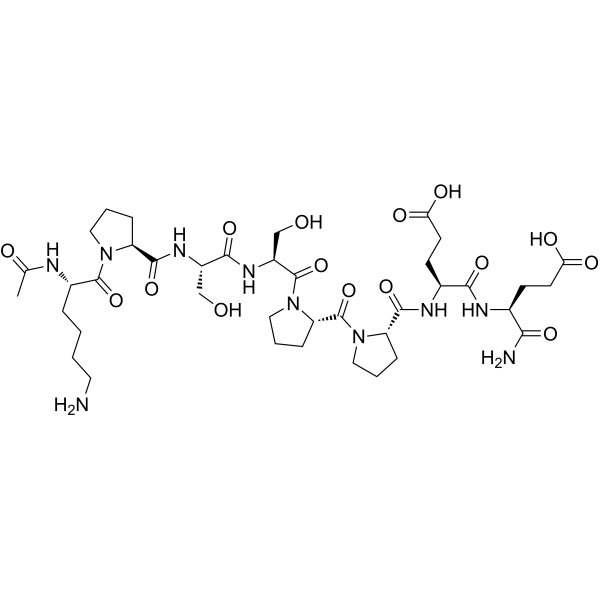
  • HY-P99704

    OCS-02

    TNF Receptor Inflammation/Immunology
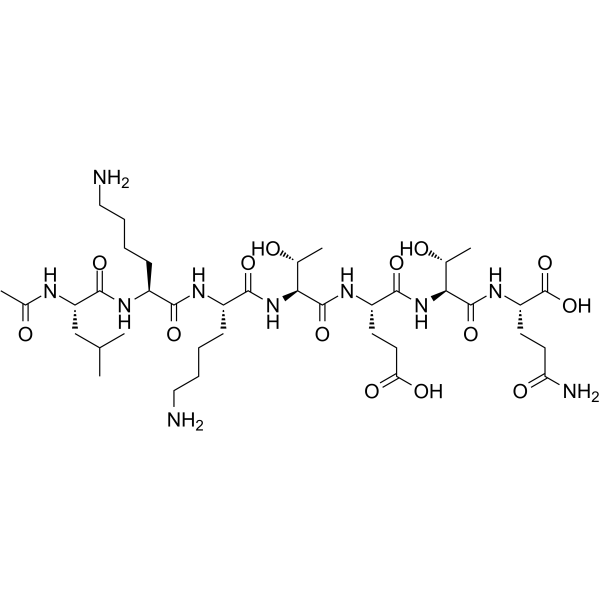
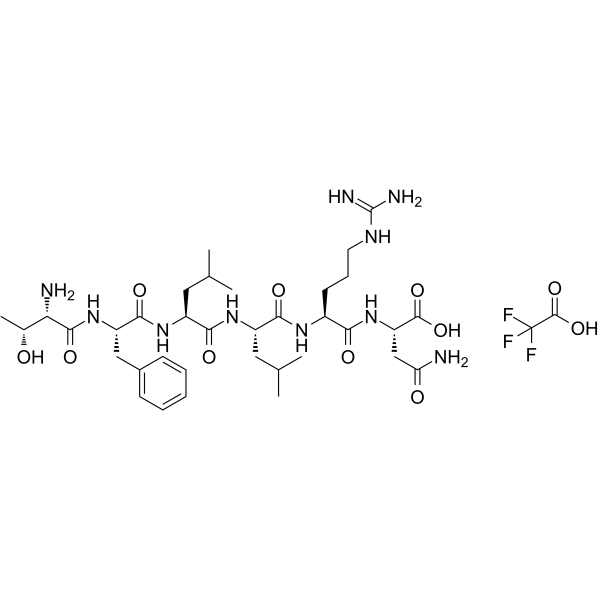
    Licaminlimab (OCS-02) is a single-chain anti-TNF alpha antibody fragment. TNF alpha is an inflammatory cytokine produced by macrophages and monocytes during inflammation .
    Licaminlimab
  • HY-P2463

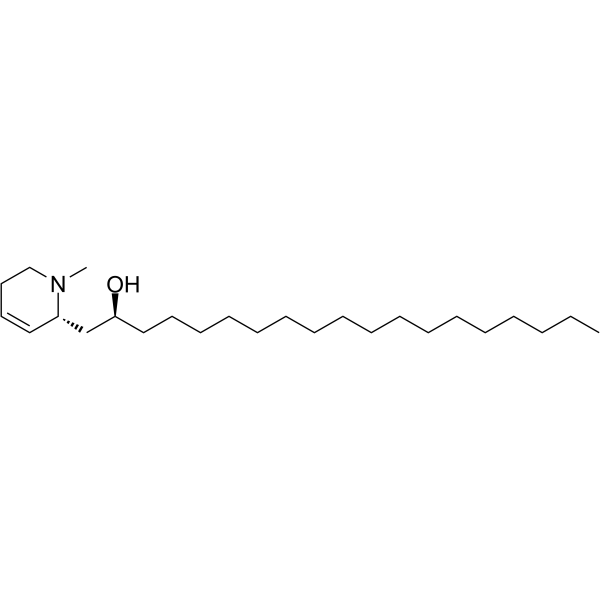
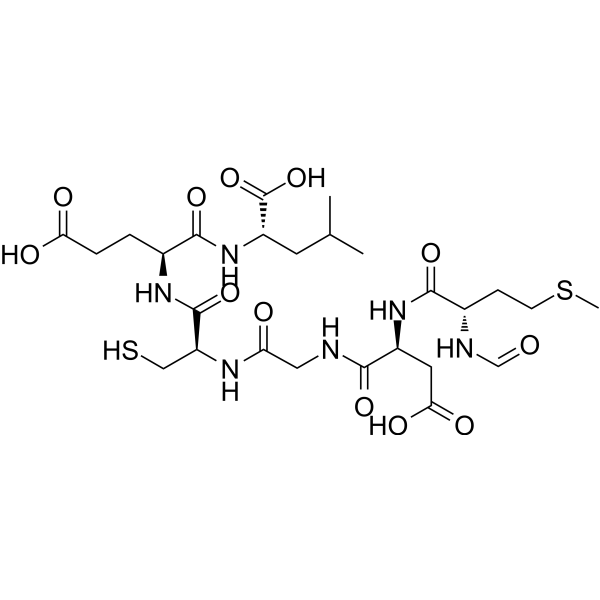
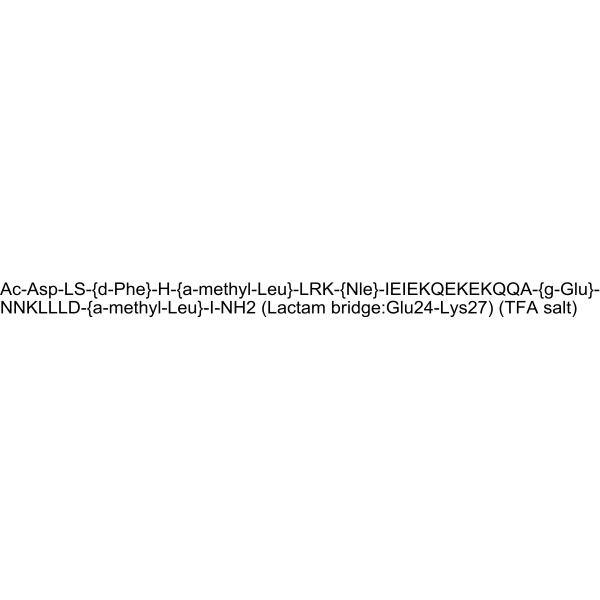
    Arp2/3 Complex Inflammation/Immunology
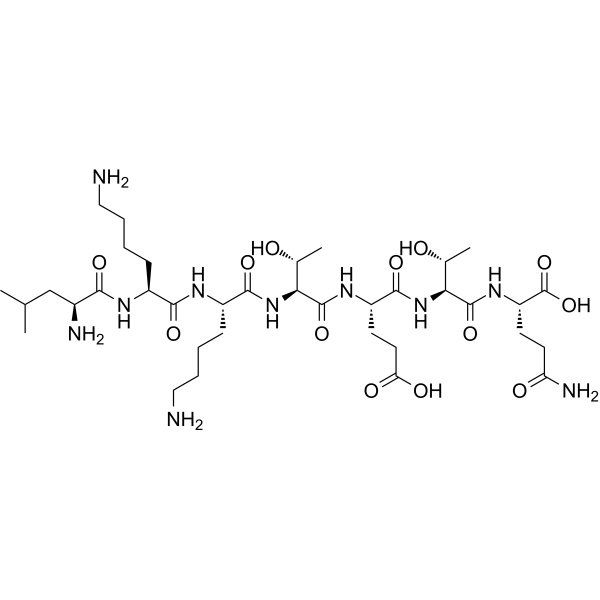
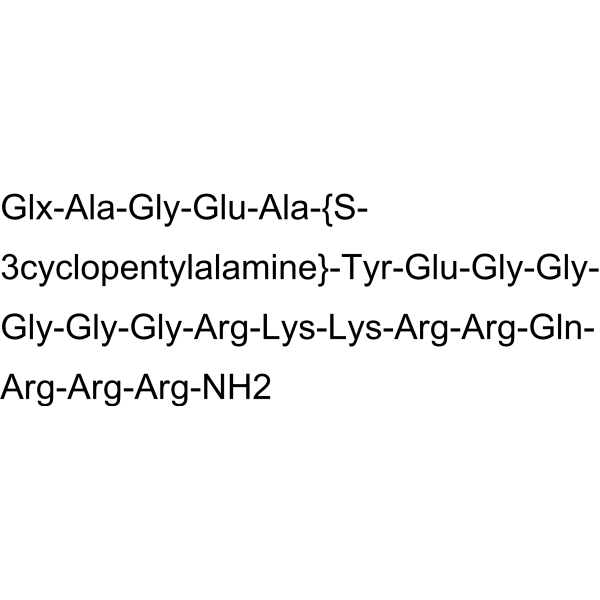
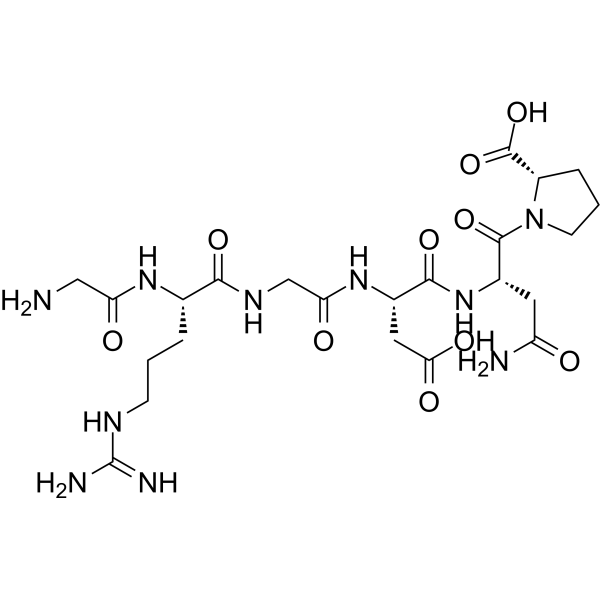
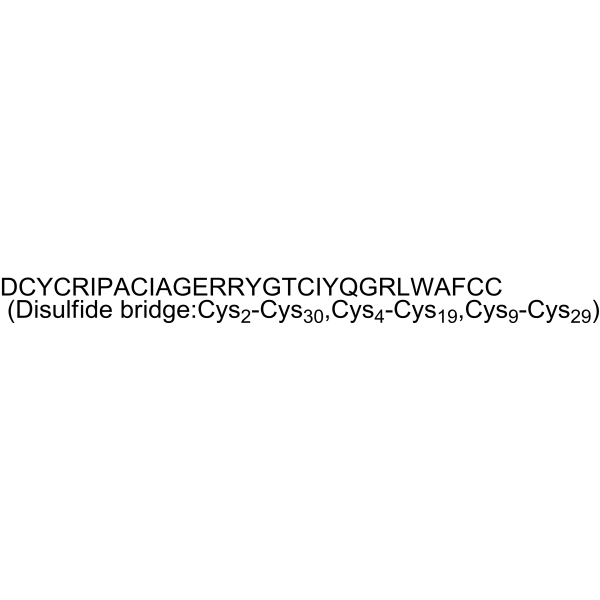
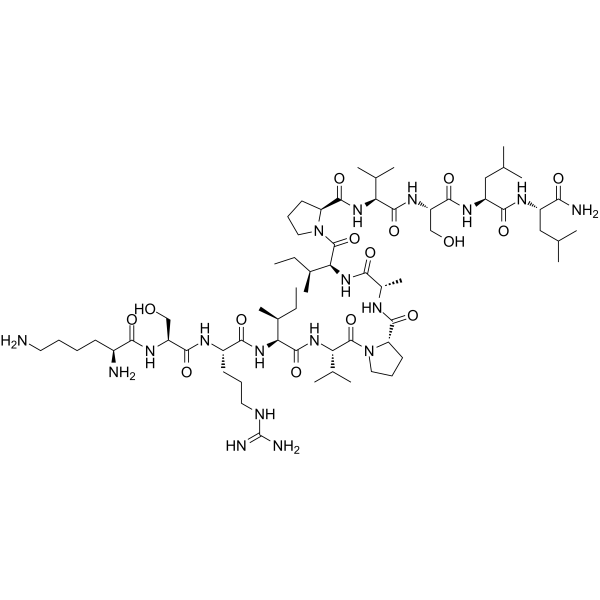
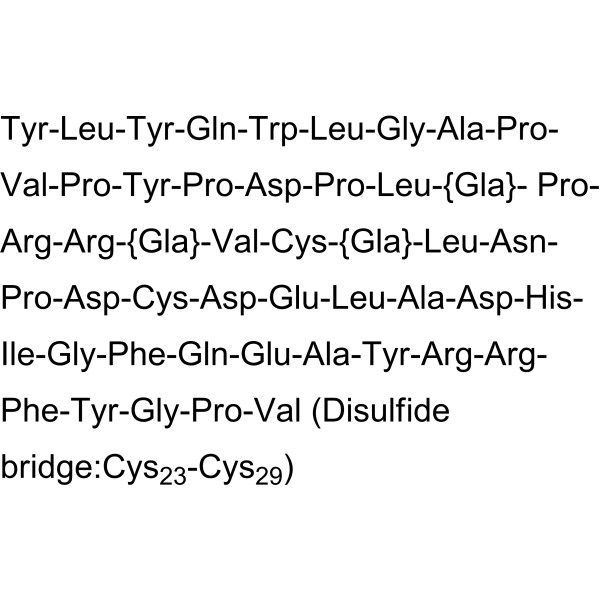
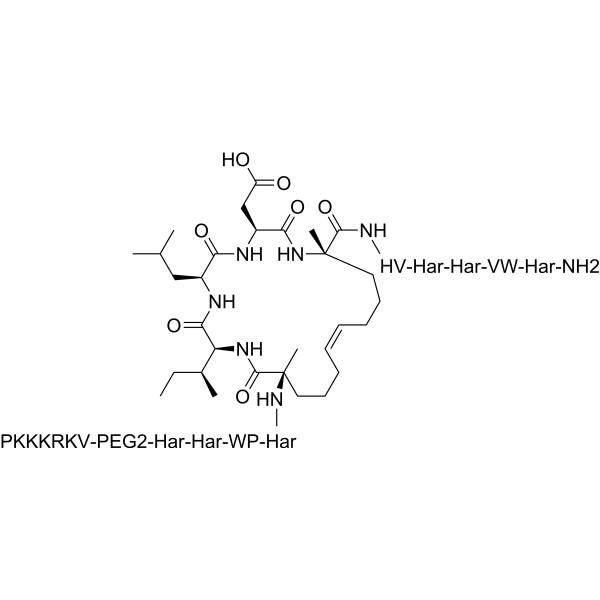
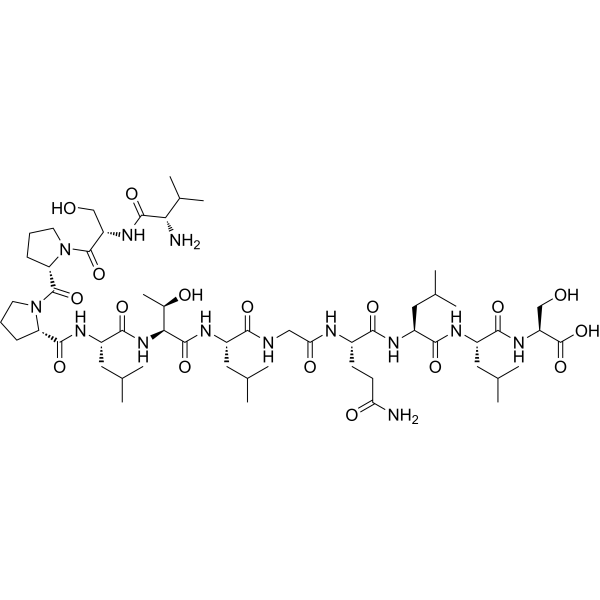
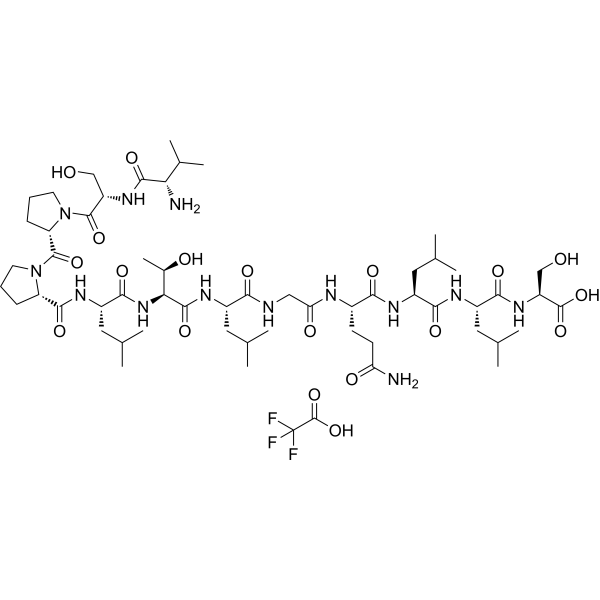
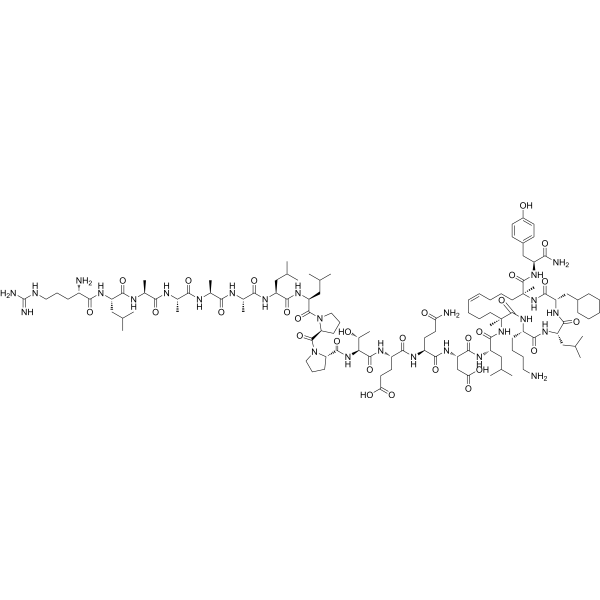
    Fequesetide, a peptide segment, is the active site within the protein thymosin β4 responsible for actin binding, cell migration and wound healing .
    Fequesetide
  • HY-157939

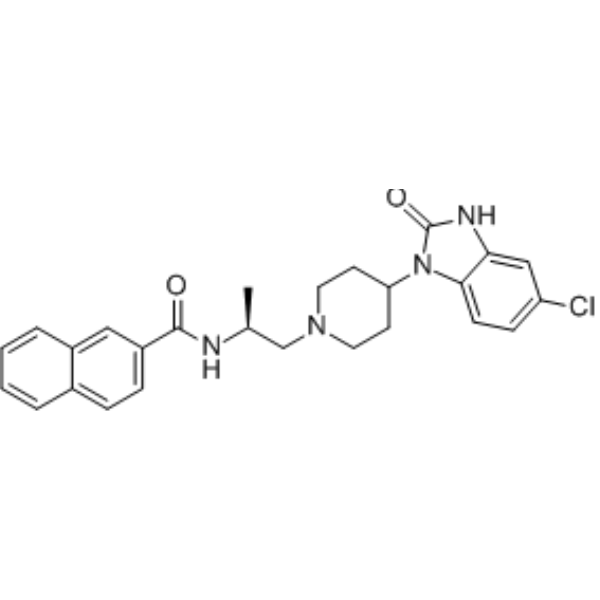
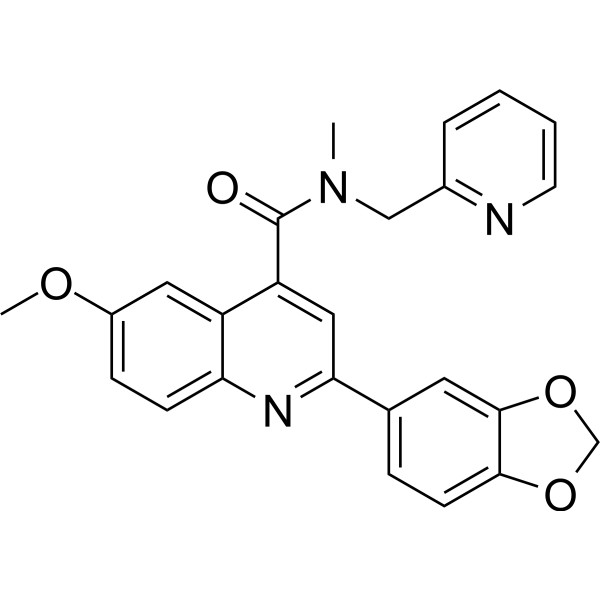
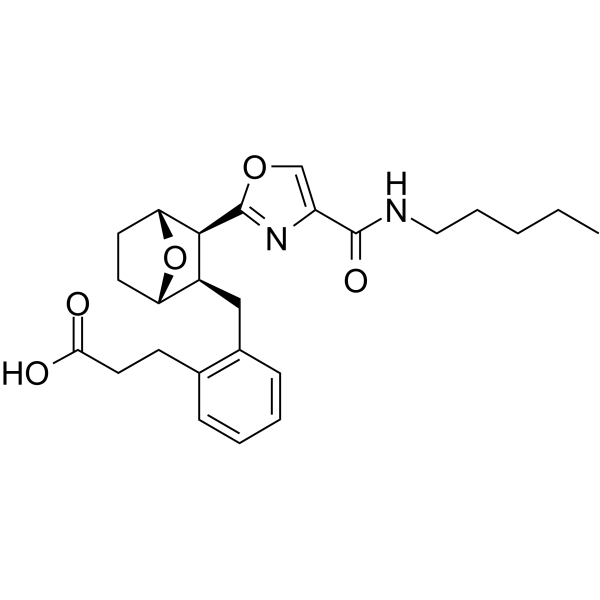
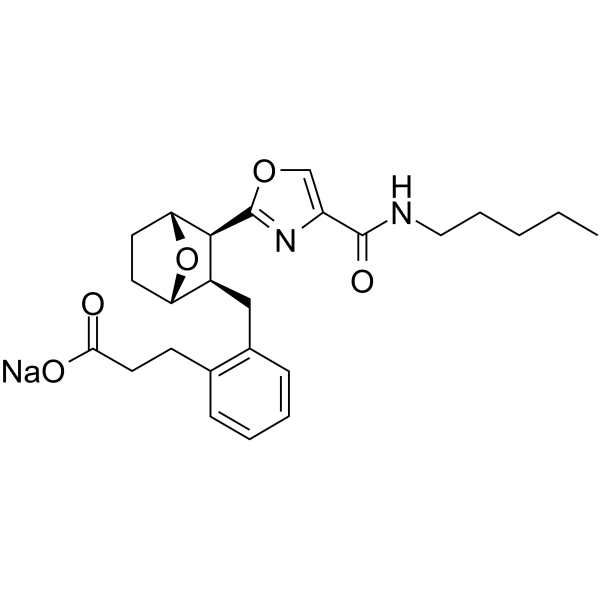
    EBI2/GPR183 Inflammation/Immunology
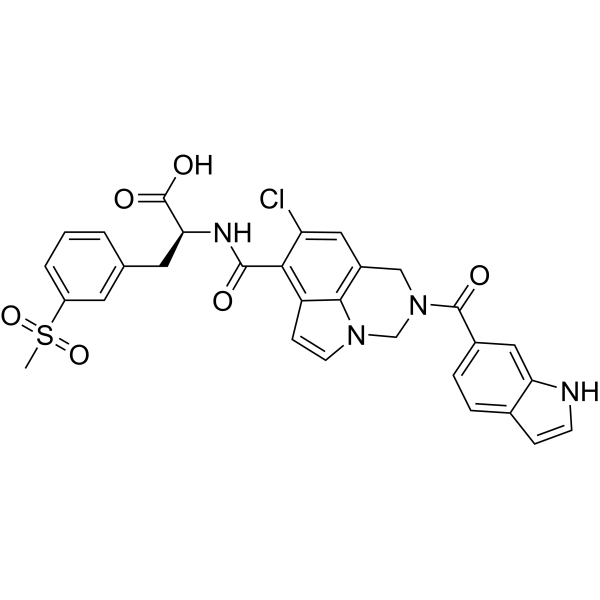
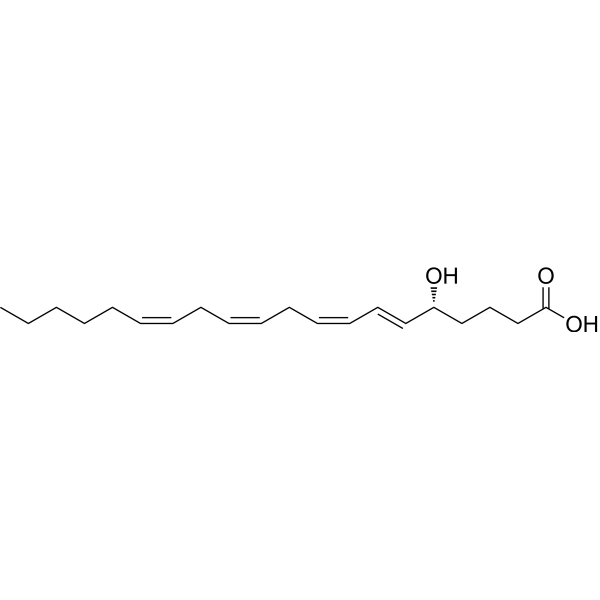
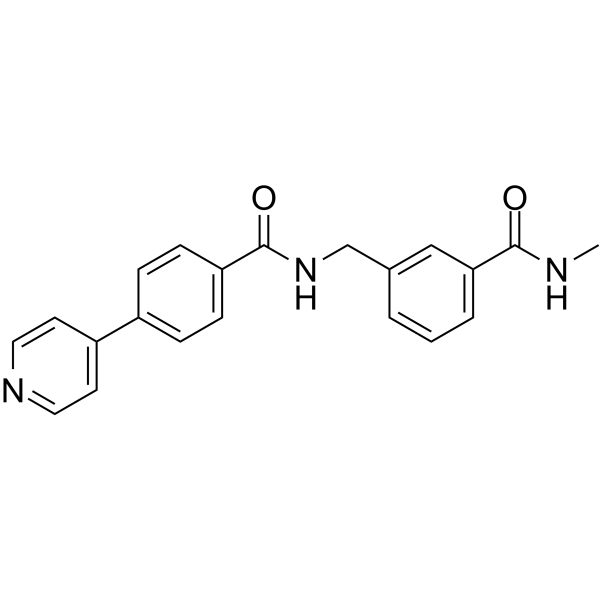
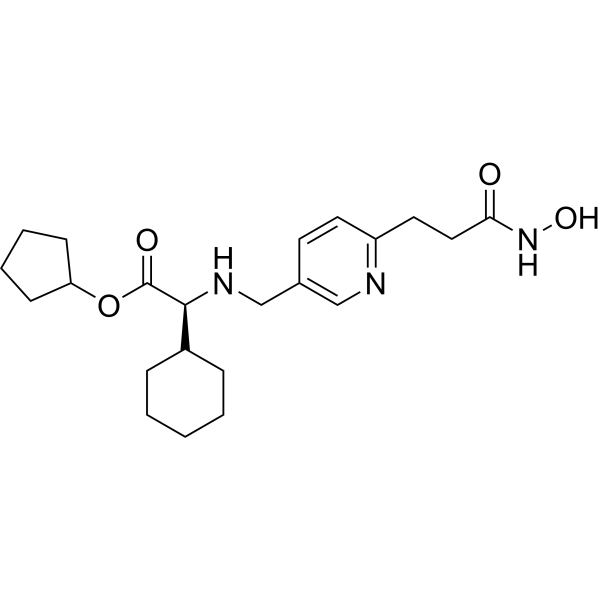
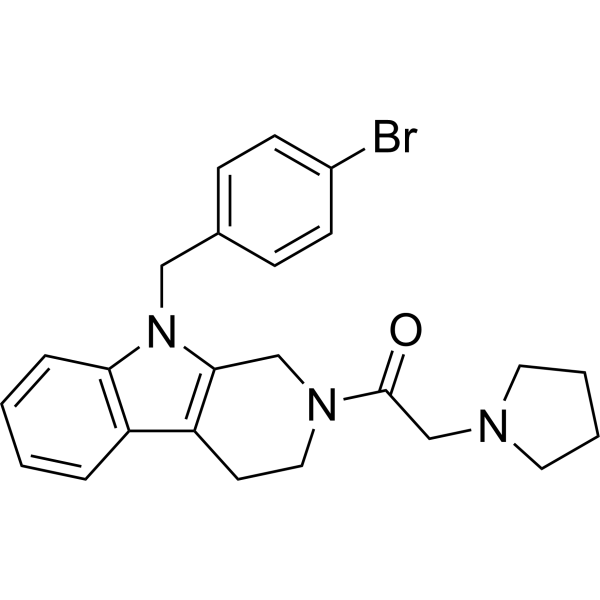
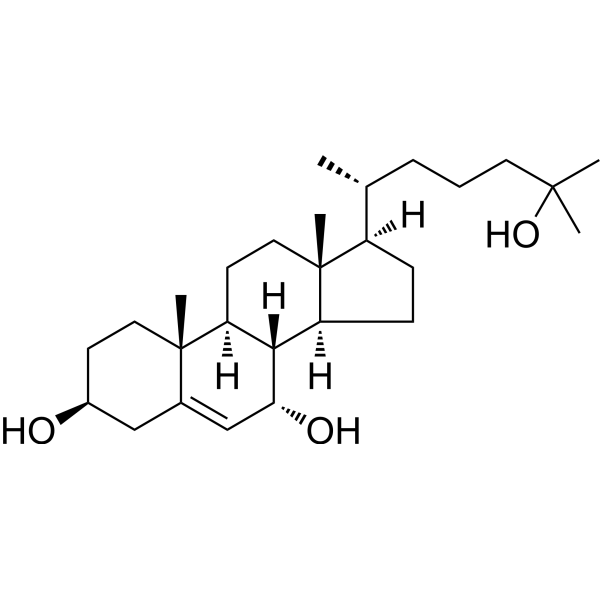
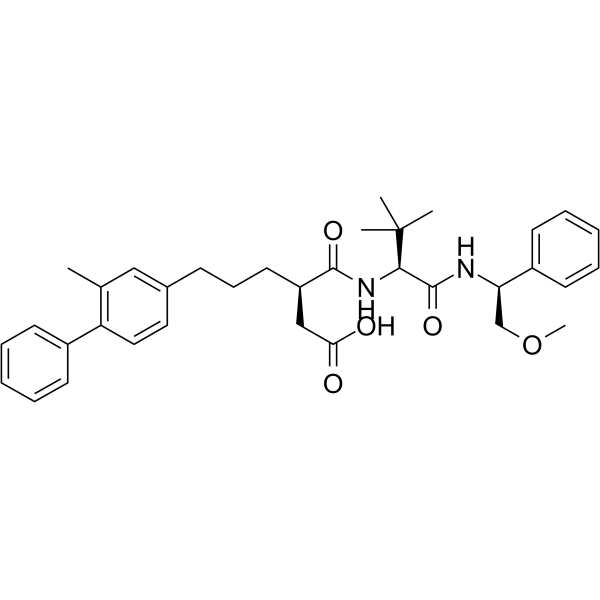
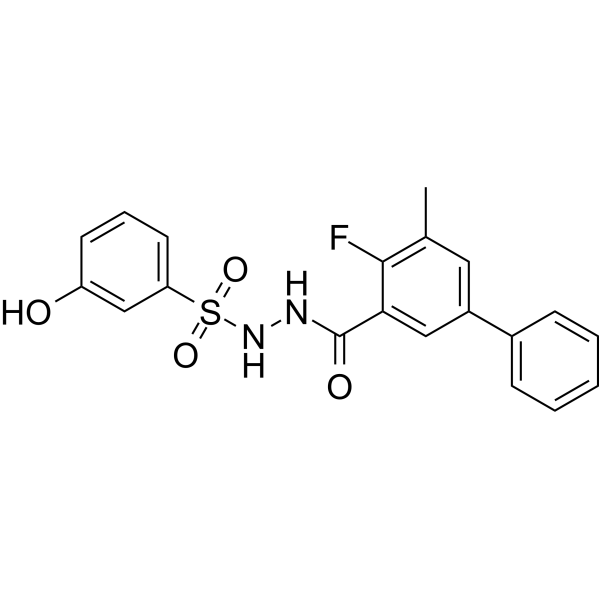
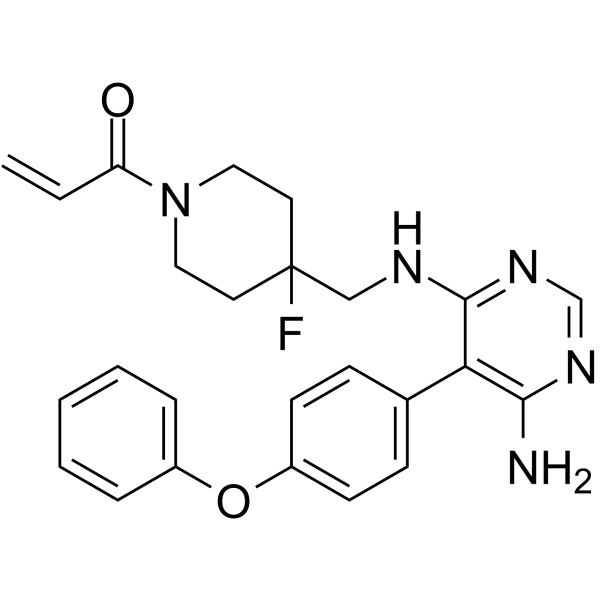
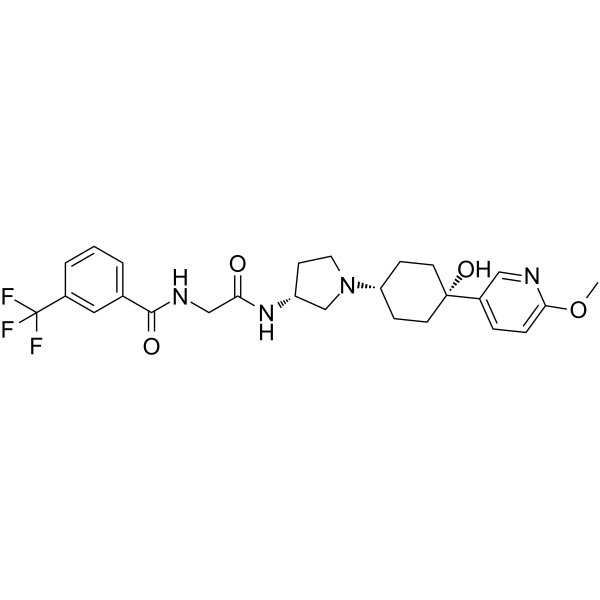
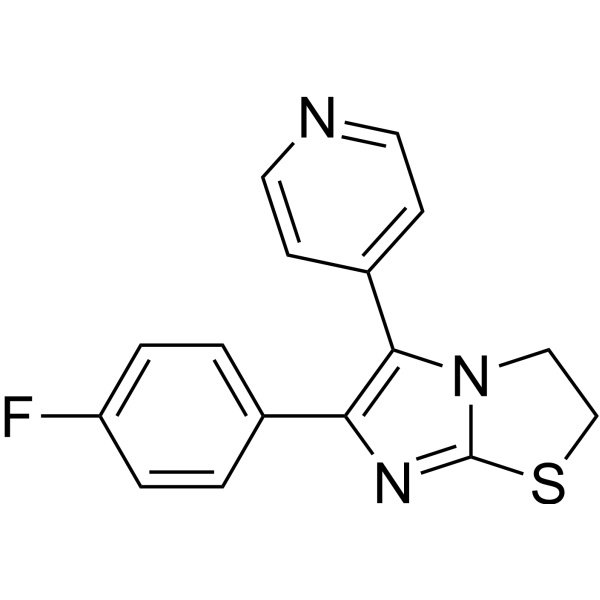
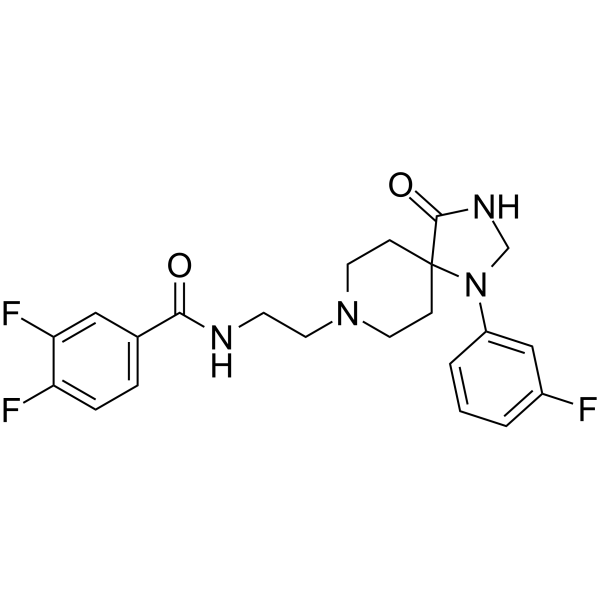
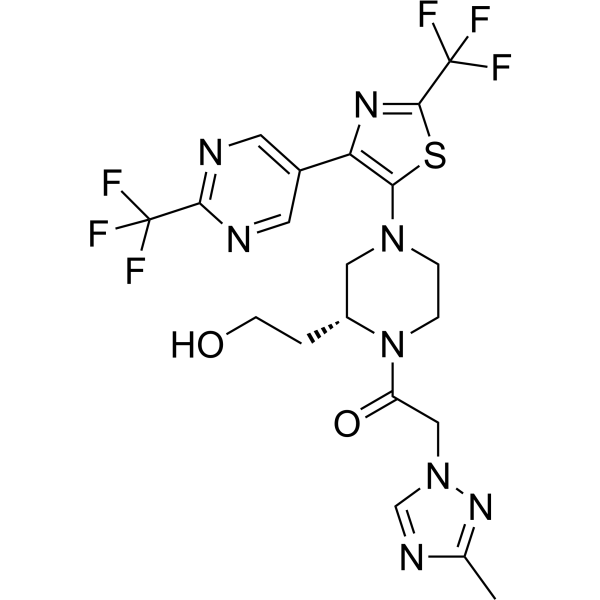
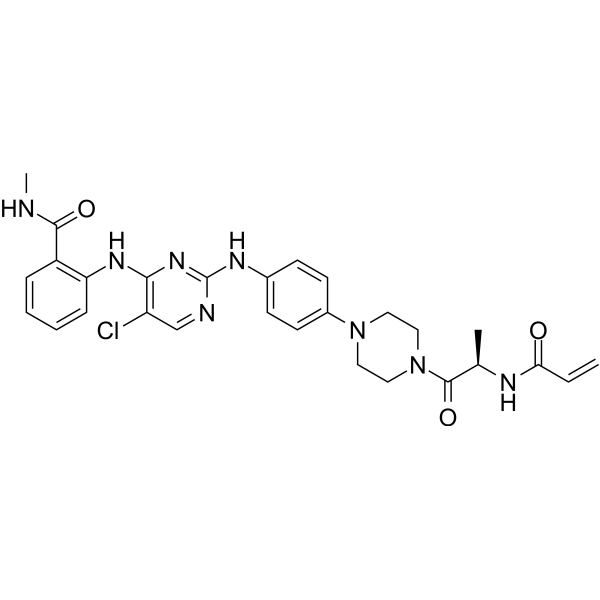
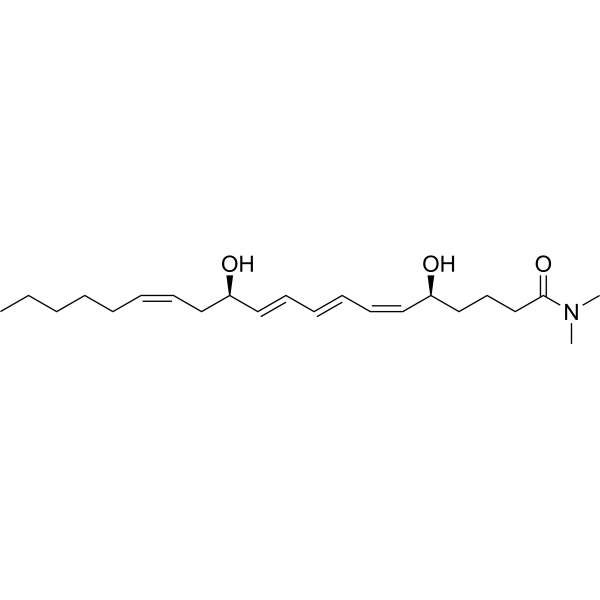
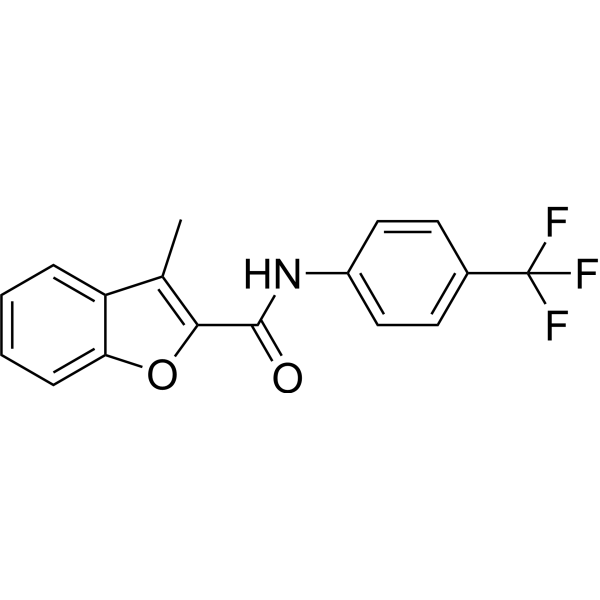
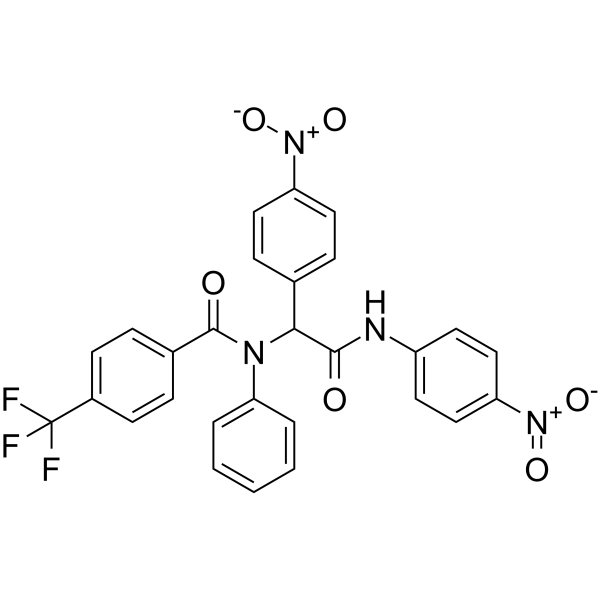
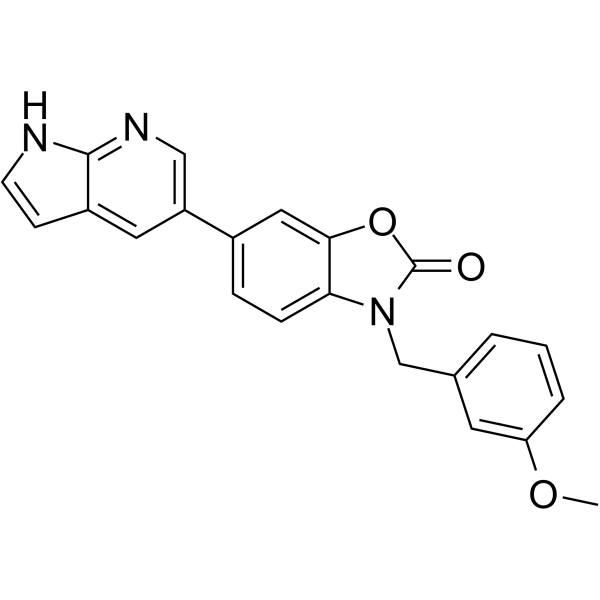
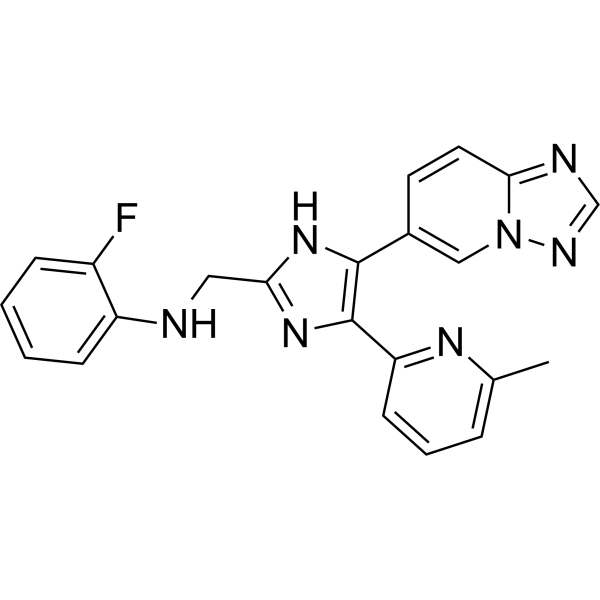
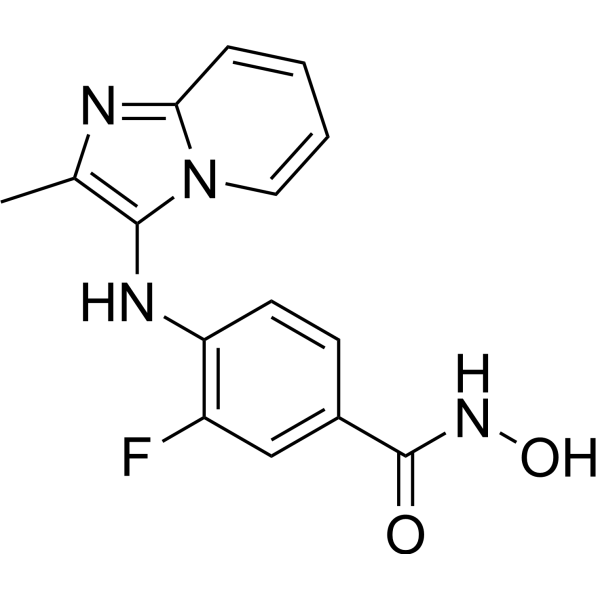
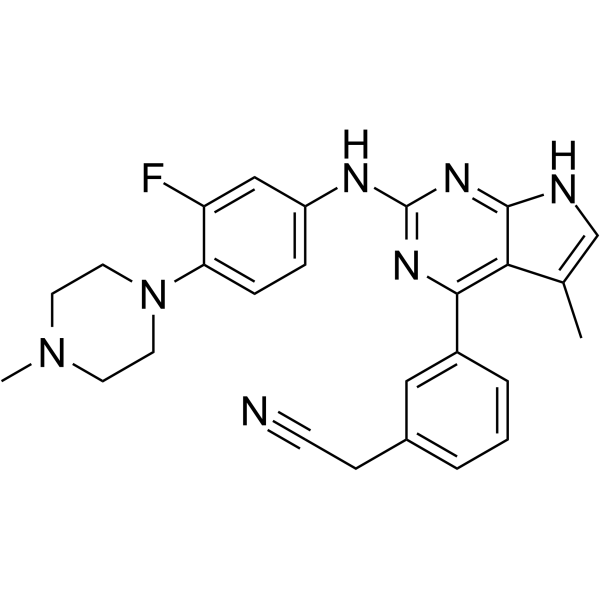
    GPR183 antagonist-3 (compound 33) is an oral active GPR183 antagonist with the IC50 of 8.7 μM. GPR183 antagonist-3 displays strong in vitro antimigration and anti-inflammatory activity in monocytes, and improves the pathological symptoms of DSS-induced experimental colitis .
    GPR183 antagonist-3
  • HY-13682B
    Mifamurtide sodium
    5 Publications Verification

    MTP-PE sodium; L-MTP-PE sodium; CGP 19835 sodium

    NOD-like Receptor (NLR) Inflammation/Immunology Cancer
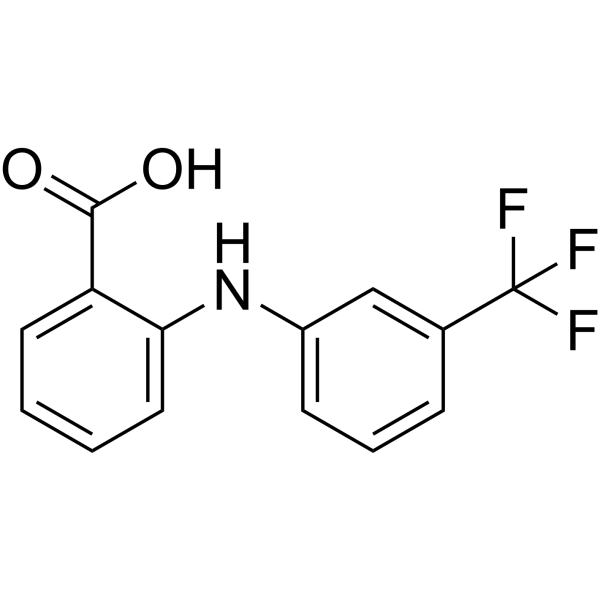
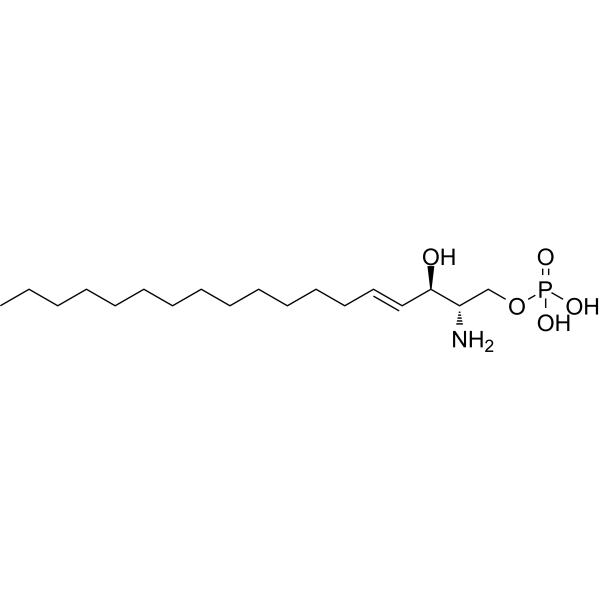
    Mifamurtide sodium (MTP-PE sodium), an analog of the muramyl dipeptide (MDP), is a nonspecific immunomodulator by stimulating the immune response activating macrophages and monocytes. Mifamurtide sodium is a specific ligand for NOD2 and acts as an insulin sensitizer. Mifamurtide sodium has potential for use in rare disease and osteosarcoma research .
    Mifamurtide sodium
  • HY-121852

    SCH-225336

    Cannabinoid Receptor Inflammation/Immunology
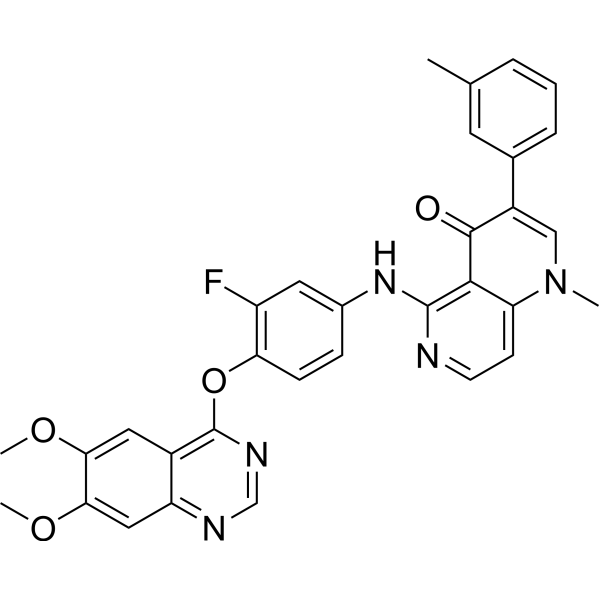
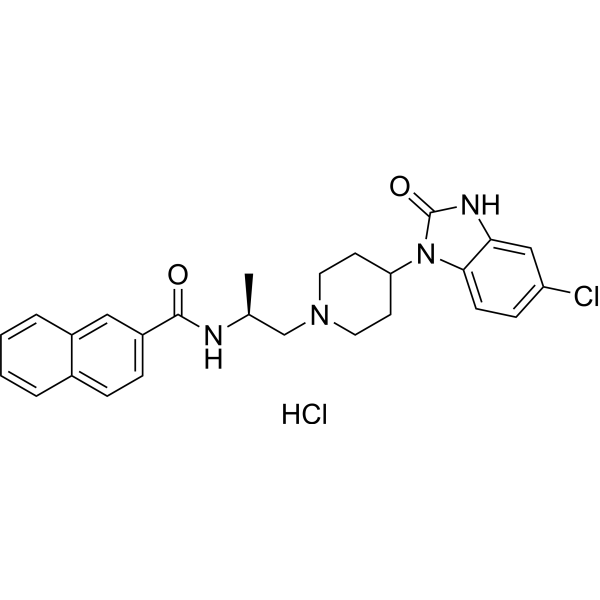
    SCH 336 is a potent, selective, inverse and orally active CB2 agonist. SCH 336 inhibits BaF3/CB2 migration. SCH 336 significantly inhibits the migration of leukocytes in vivo. SCH 336 blocks ovalbumin-induced lung eosinophilia in mice .
    SCH 336
  • HY-13682C
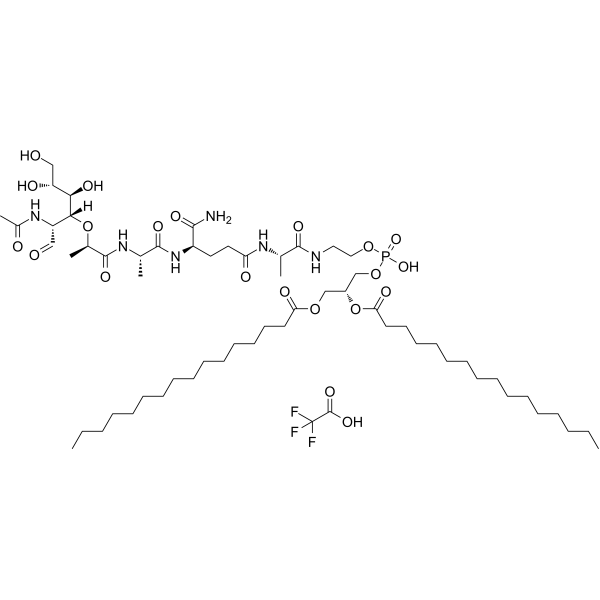
    Mifamurtide TFA
    5 Publications Verification

    MTP-PE TFA; L-MTP-PE TFA; CGP 19835 TFA

    NOD-like Receptor (NLR) Inflammation/Immunology Cancer
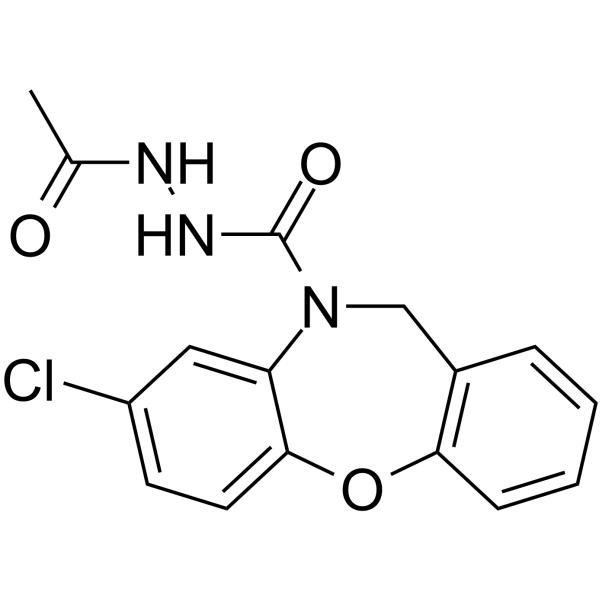
    Mifamurtide TFA (MTP-PE TFA), an analog of the muramyl dipeptide (MDP), is a nonspecific immunomodulator by stimulating the immune response activating macrophages and monocytes. Mifamurtide TFA is a specific ligand for NOD2 and acts as an insulin sensitizer. Mifamurtide TFA has potential for use in rare disease and osteosarcoma research .
    Mifamurtide TFA
  • HY-133511

    Phosphatase Cancer
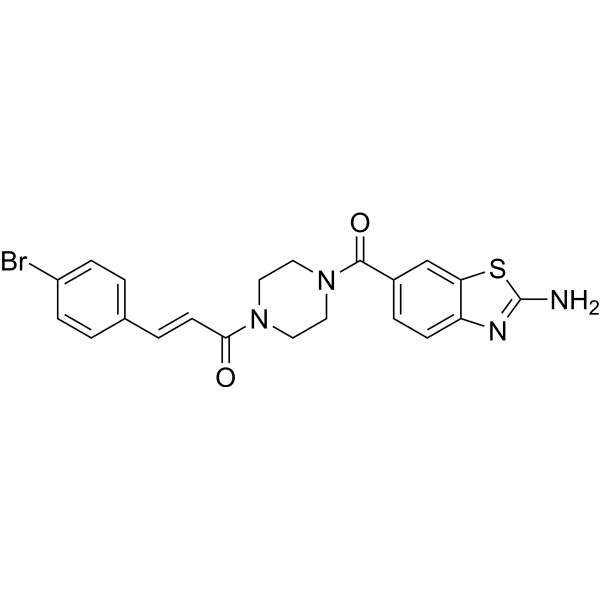
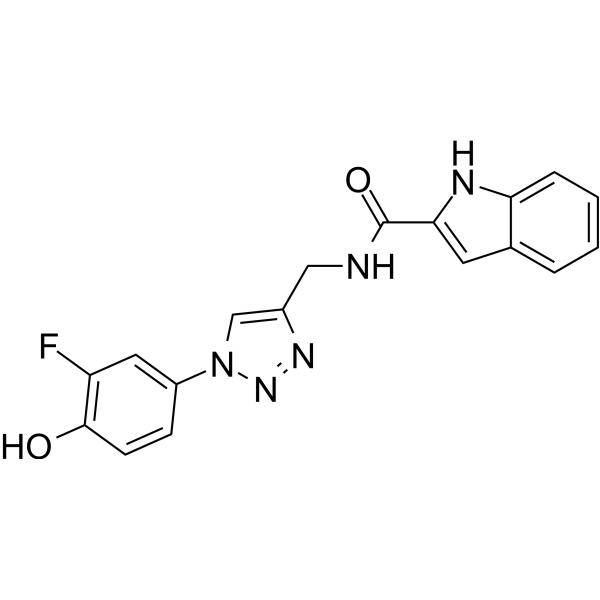
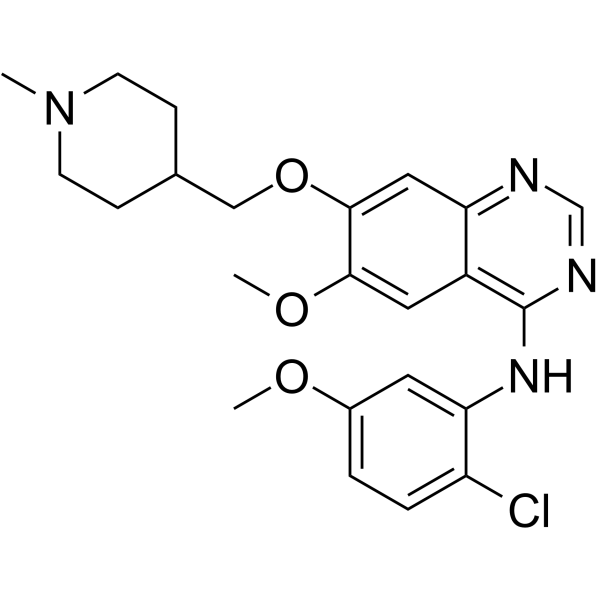
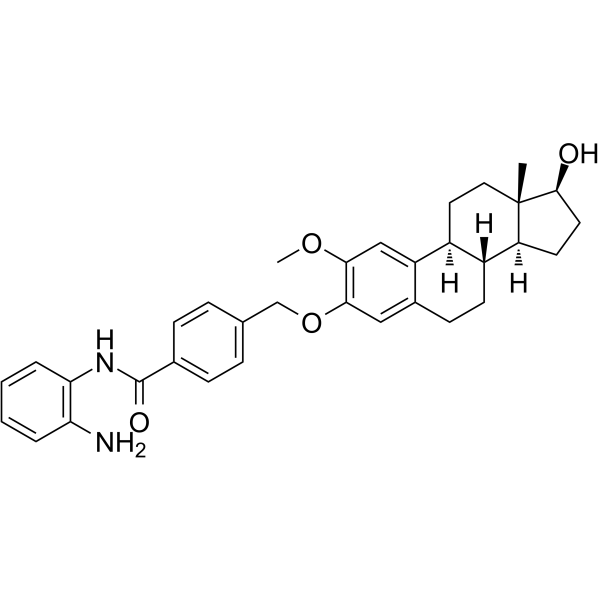
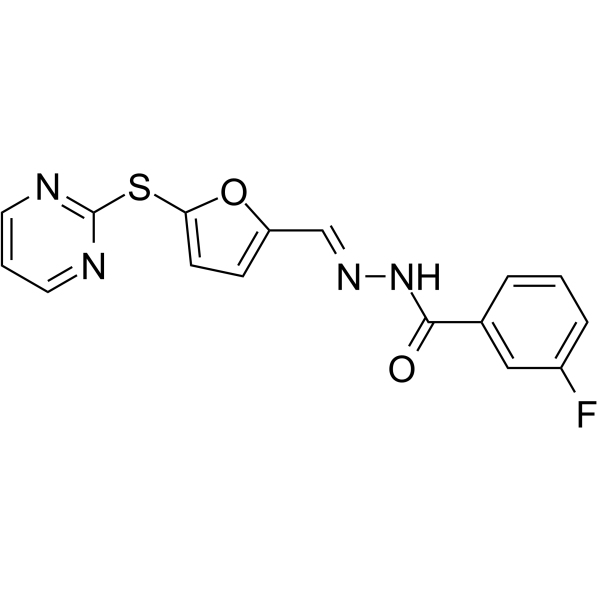
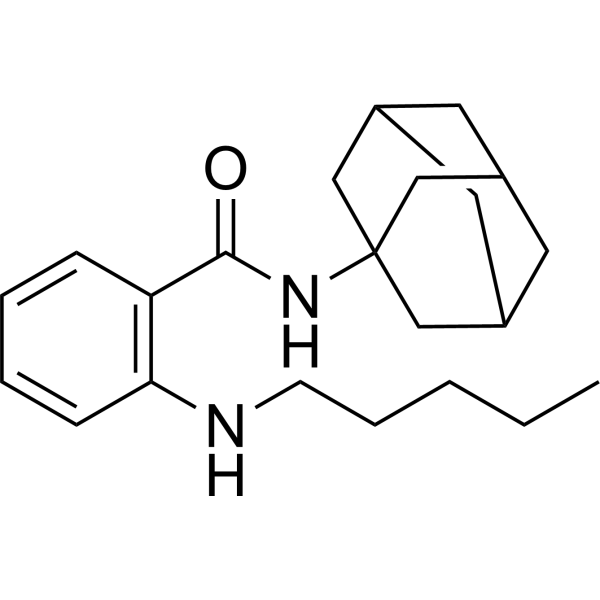
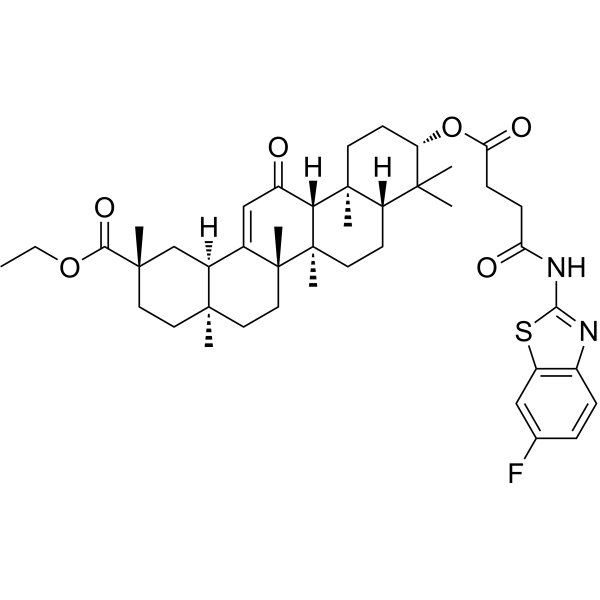
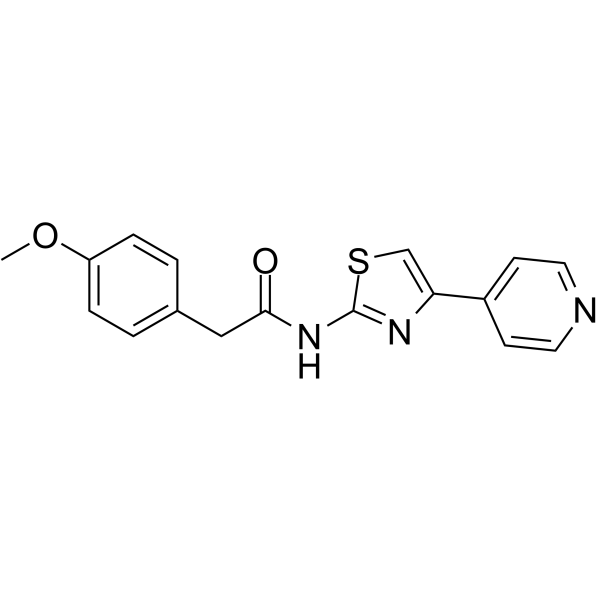
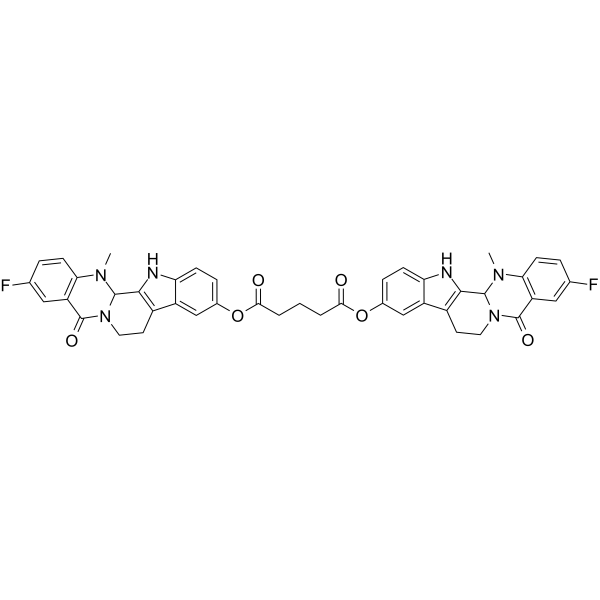
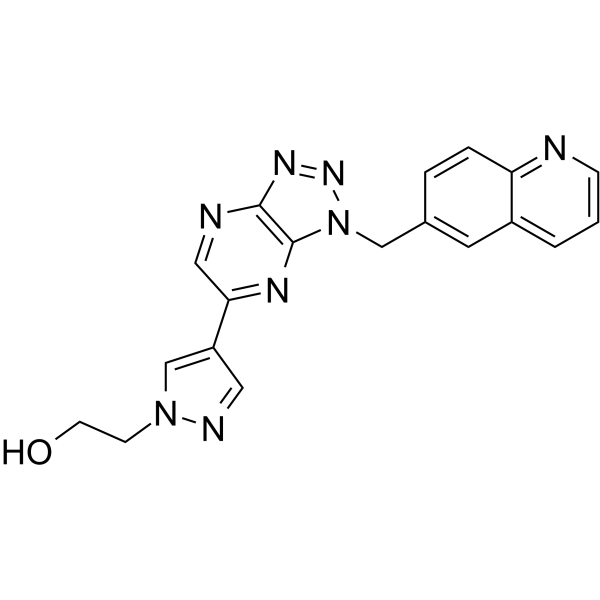
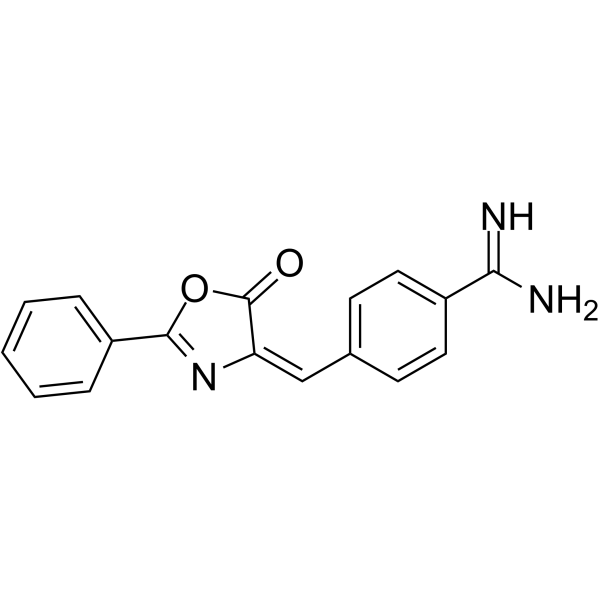
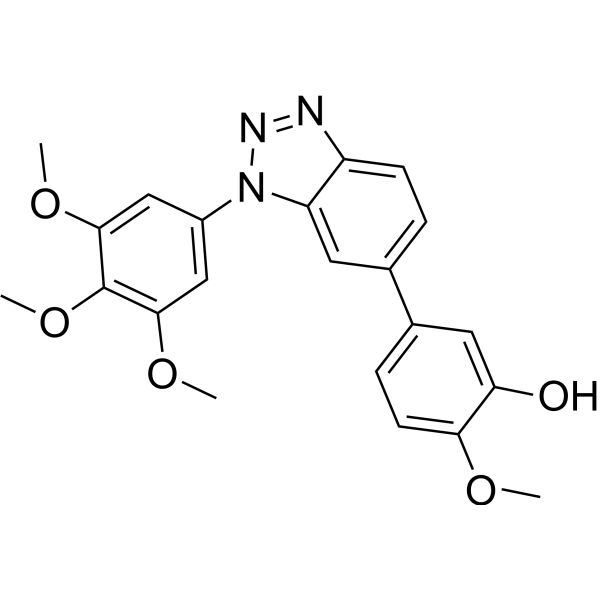
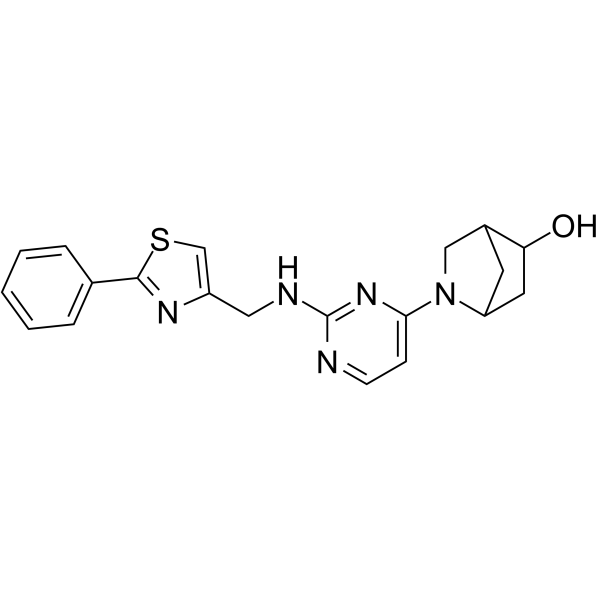
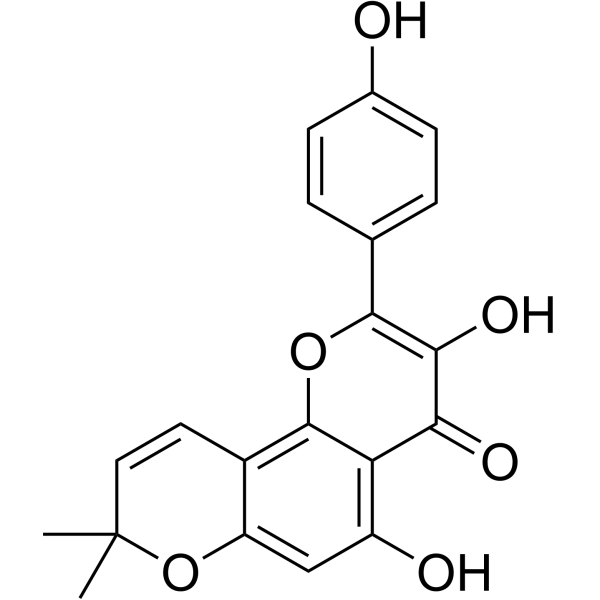
    MLS000544460 is a highly selective and reversible Eya2 phosphatase inhibitor with a Kd of 2.0 μM and an IC50 of 4 μM. MLS000544460 inhibit Eya2 phosphatase mediated cell migration and has anti-cancer activity .
    MLS000544460
  • HY-P990832

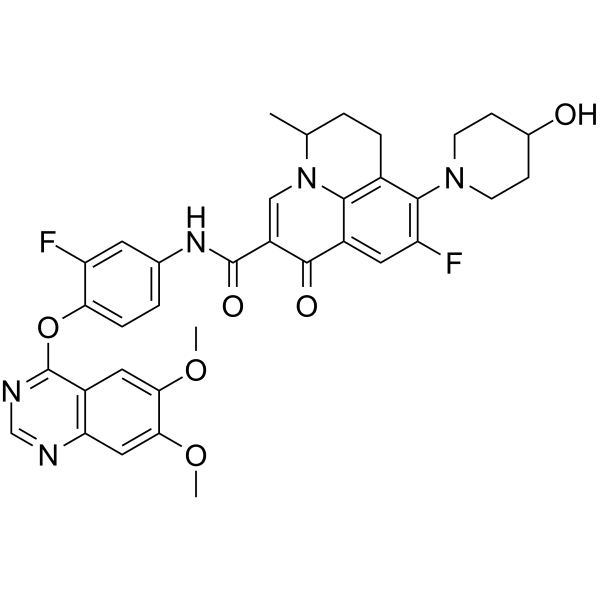
    MHC Inflammation/Immunology
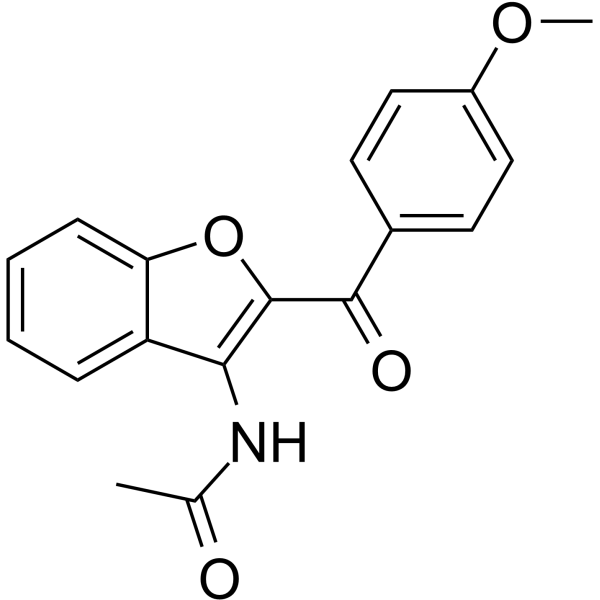
    Anti-MHC Class I Antibody (W6/32) is a kind of mouse IgG2a κ chimeric antibody inhibitor, targeting to human MHC Class I. Anti-MHC Class I Antibody (W6/32) reacts with the human major histocompatibility complex (MHC) class I, HLA-A, B, and C. Anti-MHC Class I Antibody (W6/32) increases adherence of monocytes to human endothelial cells. Anti-MHC Class I Antibody (W6/32) can be used for the research of immunology .
    Anti-MHC Class I Antibody (W6/32)
  • HY-155309

    YAP Cancer
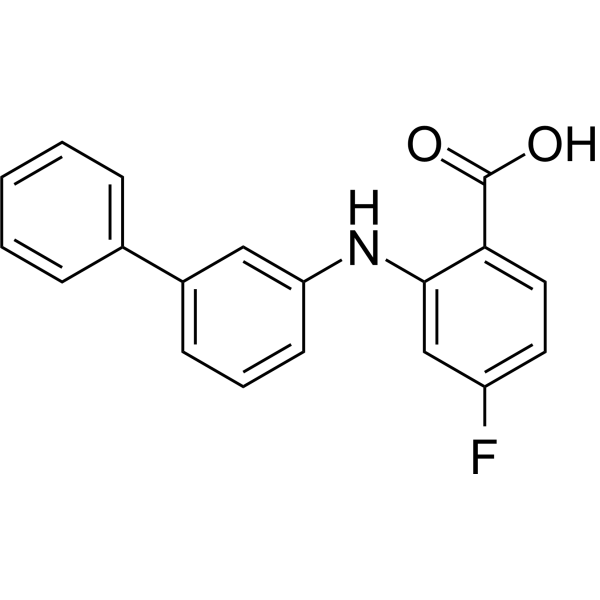
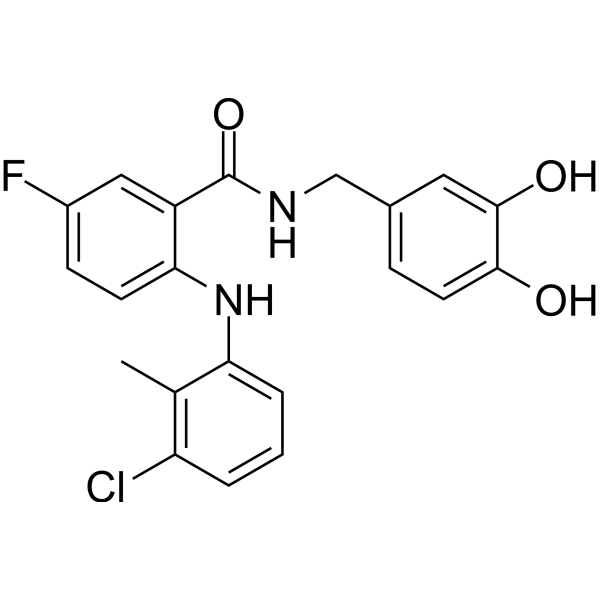
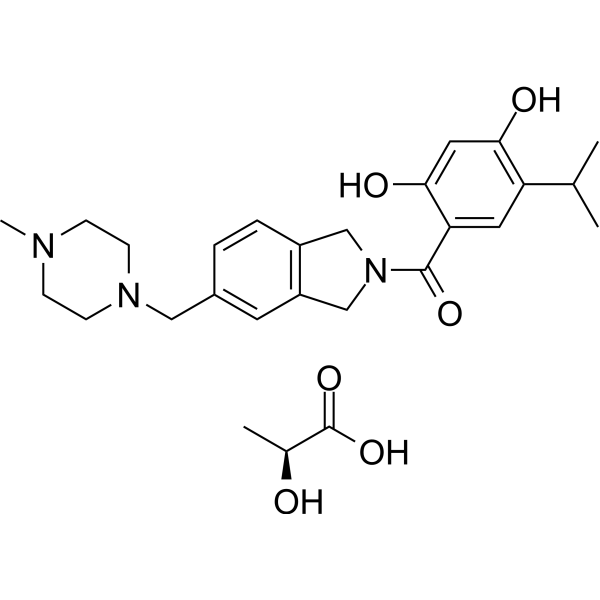
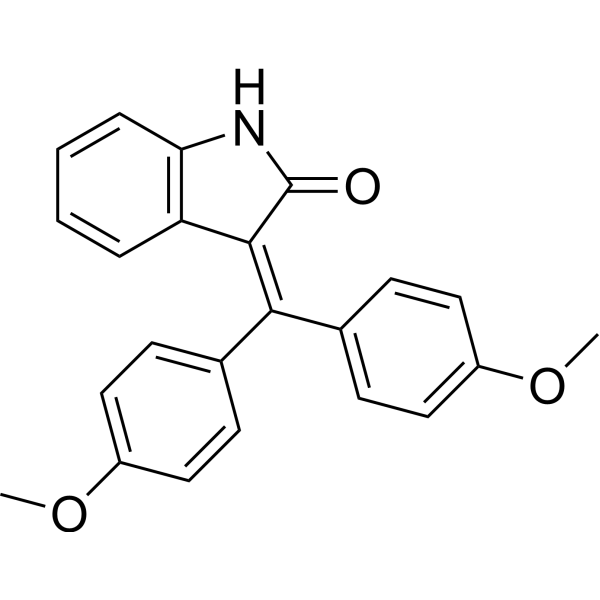
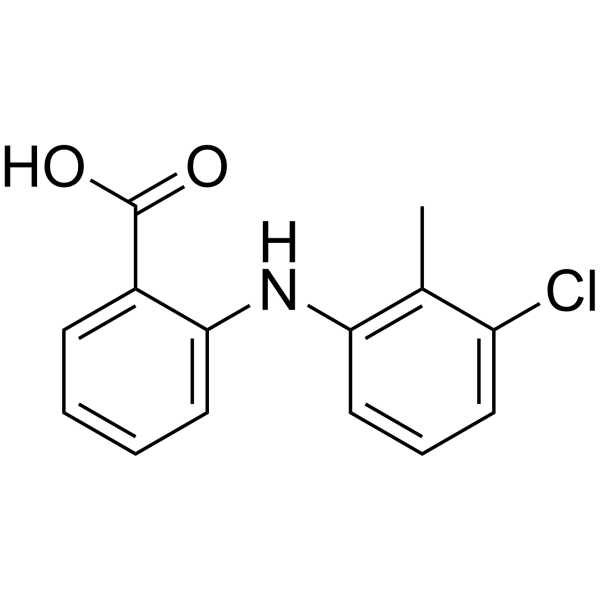
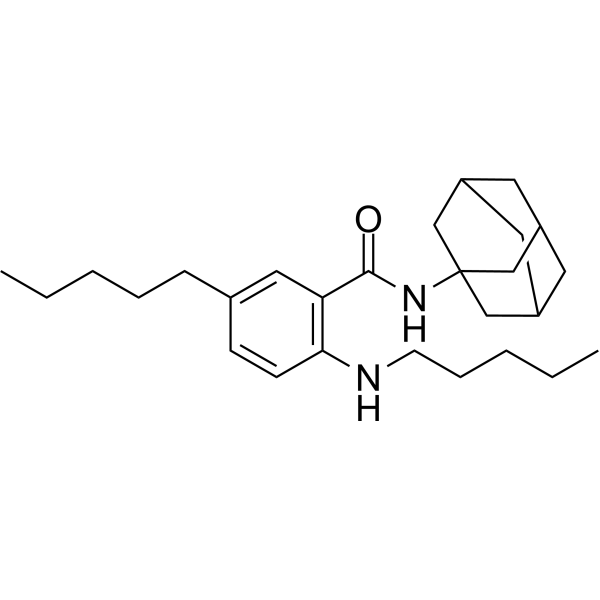
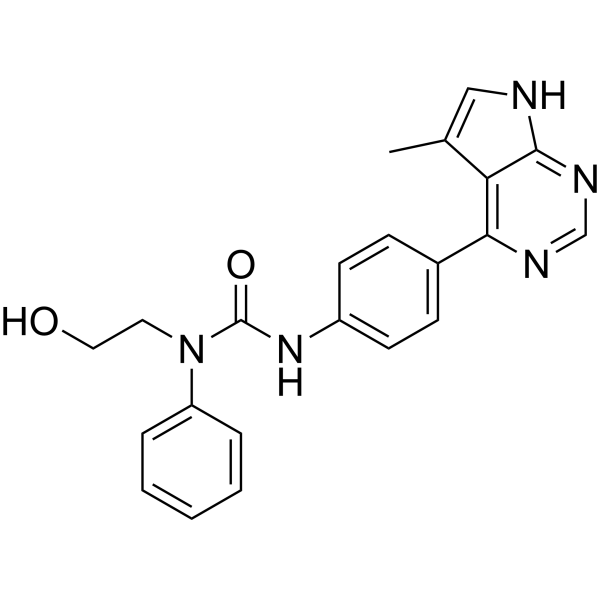
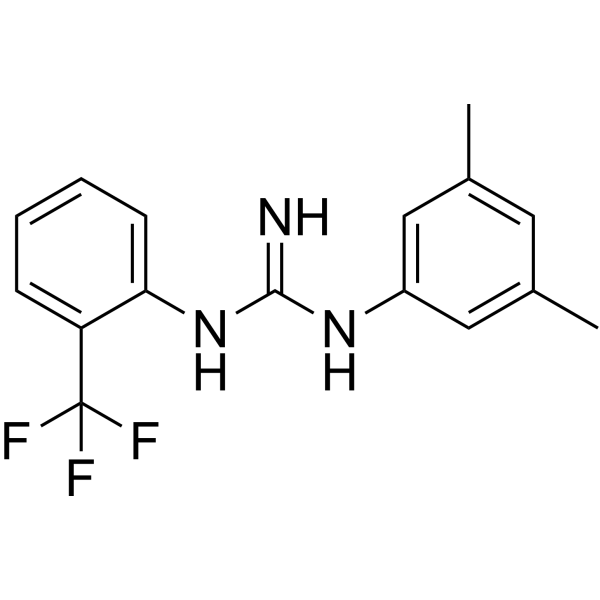
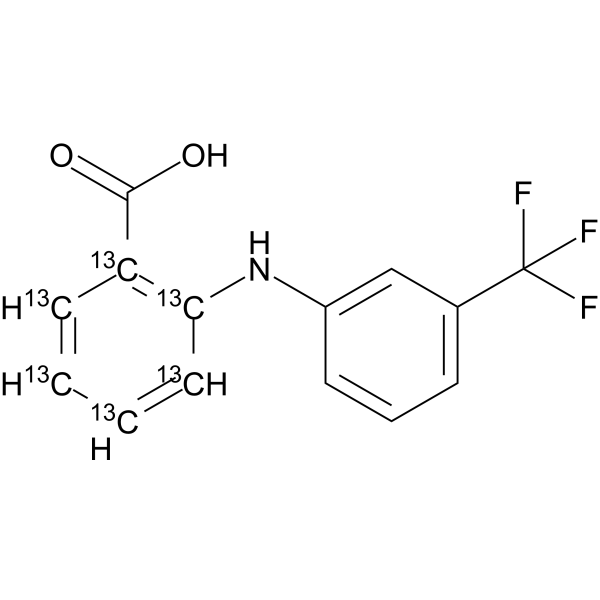
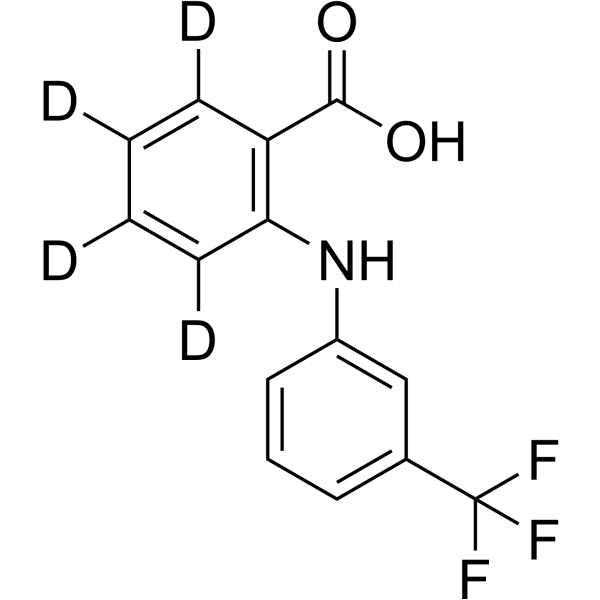
    LM-41 is a Flufenamic acid-derived TEAD inhibitor hat strongly reduce the expression of CTGF, Cyr61, Axl and NF2. LM-41 inhibits migration of human MDA-MB-231 breast cancer cells .
    LM-41
  • HY-129684

    Toll-like Receptor (TLR) Infection Inflammation/Immunology
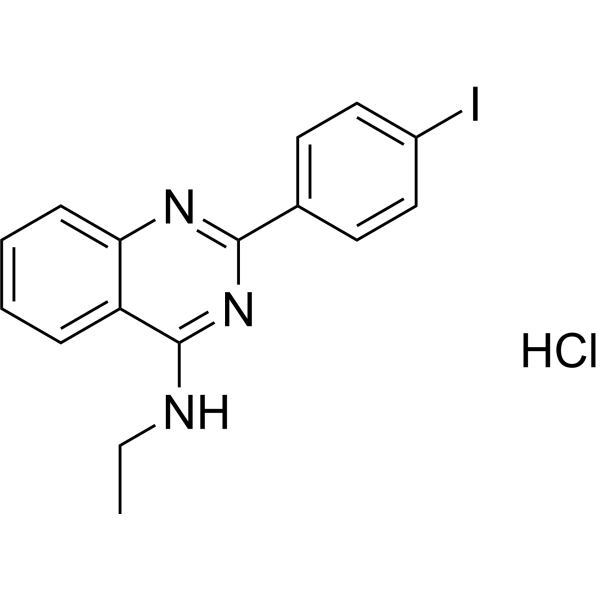
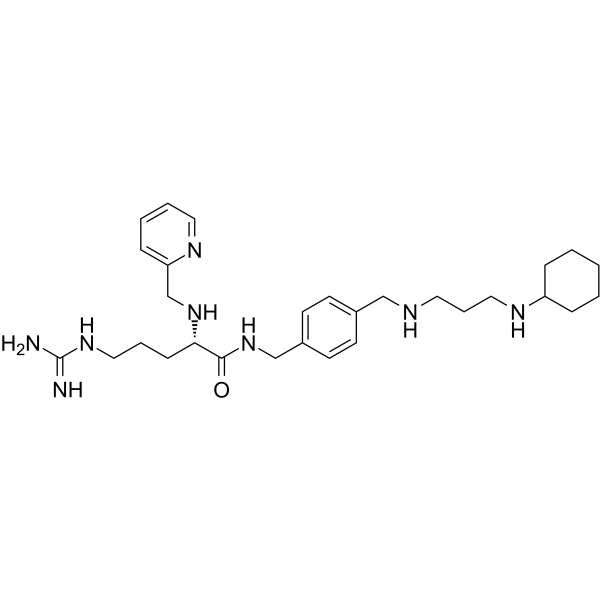
    IAXO-101 iodide is a TLR4/CD14 blocker. IAXO-101 iodide can inhibit the innate immune pathway of CD14. IAXO-101 iodide is capable of improving the recording performance of intracortical microelectrodes in mice. IAXO-101 iodide can also partially alleviate fetal growth restriction, placental vascular damage, and reduce the level of the inflammatory factor TNF-α in pregnant mice infected with malaria. IAXO-101 iodide can be used in the research of gestational malaria and inflammatory diseases .
    IAXO-101 iodide
  • HY-RS23162

    Small Interfering RNA (siRNA) Others

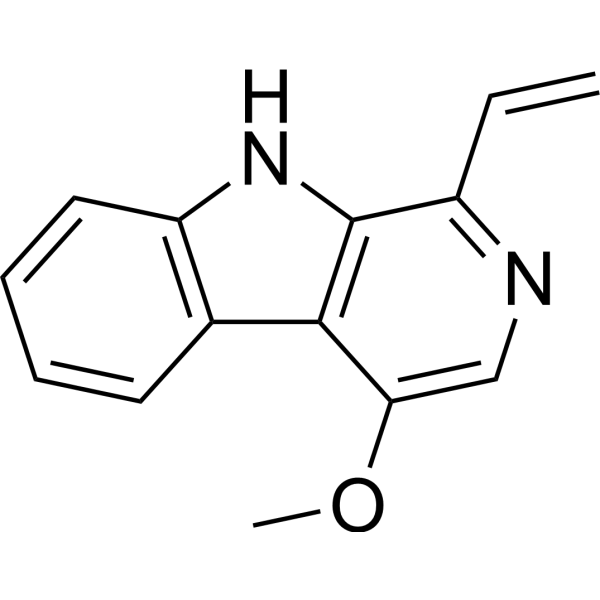
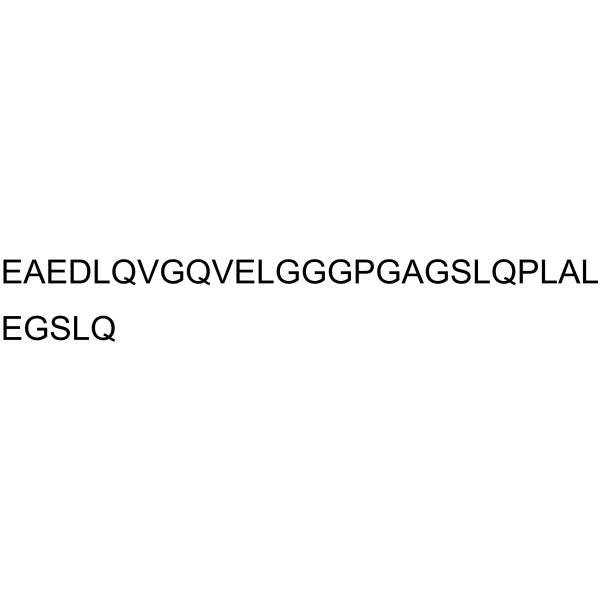
    Cd14 Rat Pre-designed siRNA Set A contains three designed siRNAs for Cd14 gene (Rat), as well as a negative control, a positive control, and a FAM-labeled negative control.

    Cd14 Rat Pre-designed siRNA Set A
    Cd14 Rat Pre-designed siRNA Set A
  • HY-RS02189

    Small Interfering RNA (siRNA) Others

    CD14 Human Pre-designed siRNA Set A contains three designed siRNAs for CD14 gene (Human), as well as a negative control, a positive control, and a FAM-labeled negative control.

    CD14 Human Pre-designed siRNA Set A
    CD14 Human Pre-designed siRNA Set A
  • HY-14762

    Antibiotic Bacterial Infection
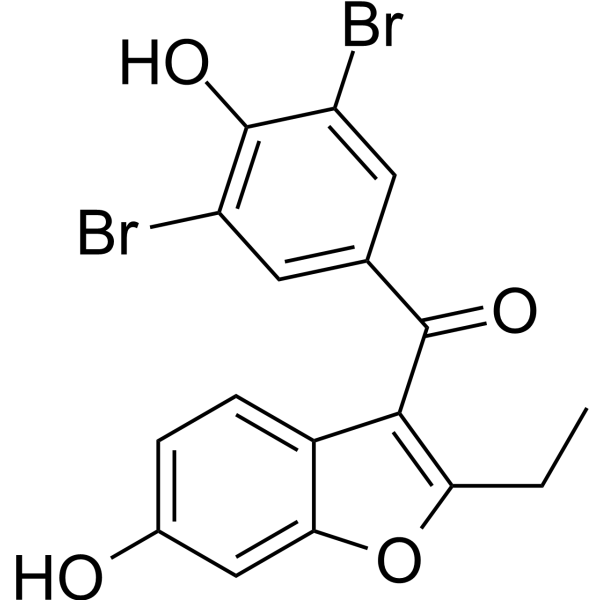
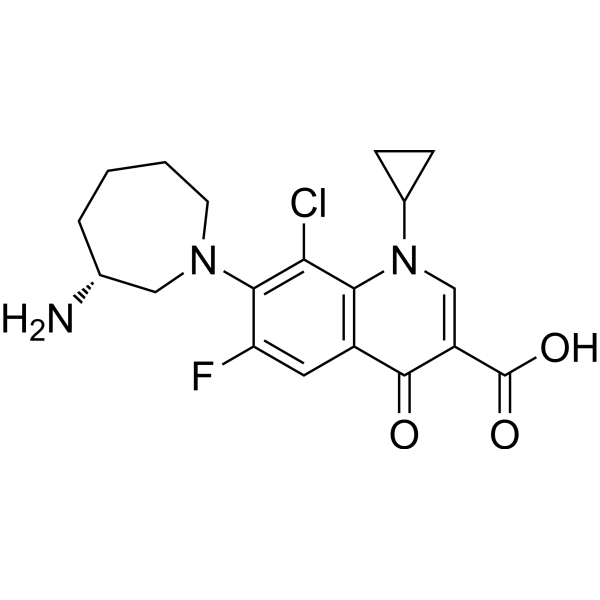
    Besifloxacin is a fluoroquinolone antimicrobial agent. Besifloxacin can inhibit cytokine production by monocytes. Besifloxacin has broad-spectrum antibacterial activity .
    Besifloxacin
  • HY-P3895A

    Neurokinin Receptor Neurological Disease
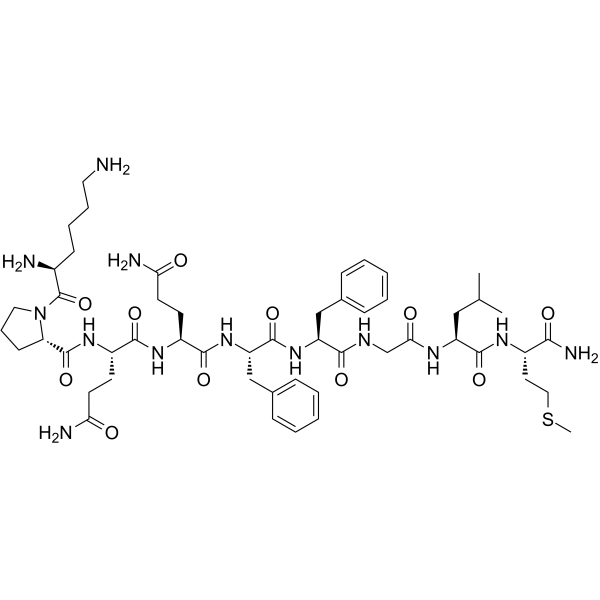
    Substance P (3-11) acetate is a substance P (SP) fragment peptide that can cross the BBB. Substance P (3-11) acetate has contracting activities on guinea pig ileum. Substance P (3-11) acetate also promotes human monocyte chemotaxis .
    Substance P (3-11) acetate
  • HY-102065

    Prostaglandin Receptor Others
    SC-19220 is a competitive prostaglandinn E2 receptor antagonist. SC-19220 increases the bladder capacity and reduced the voiding efficiency of micturition (elicited by slow transvesical filling) of urethane-anesthetized rats. SC-19220 can restores the balance in bone marrow granulocyte and monocyte production after burn sepsis .
    SC-19220
  • HY-N7790

    Others Cancer
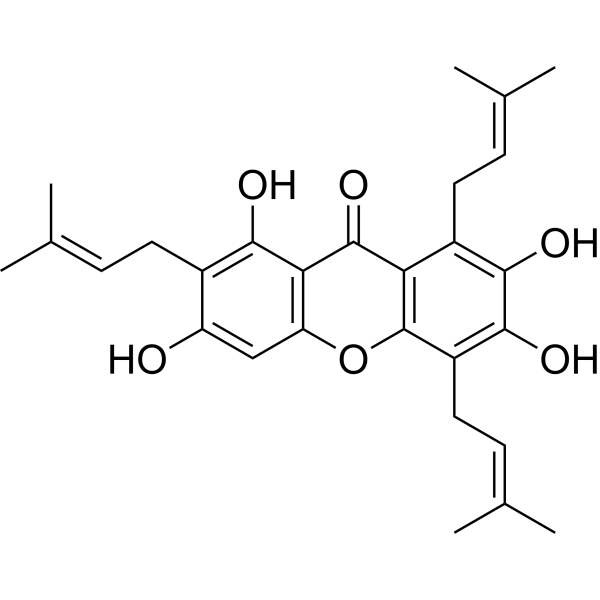
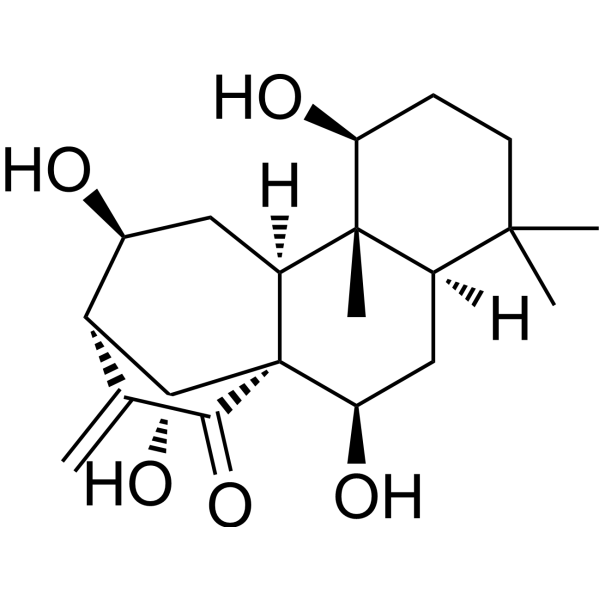
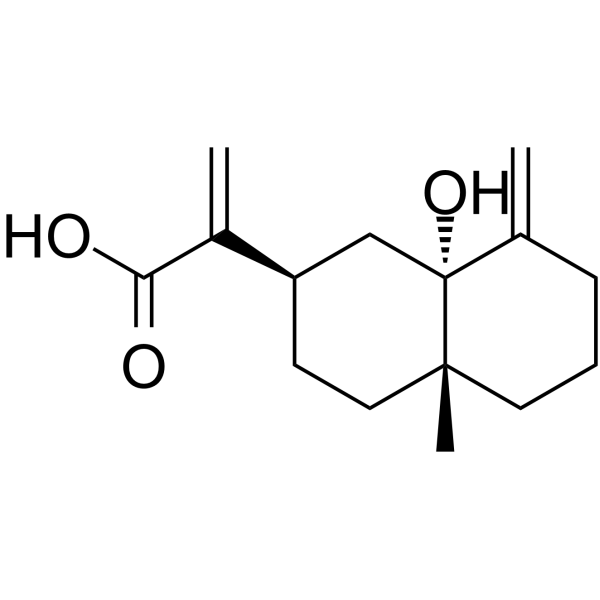
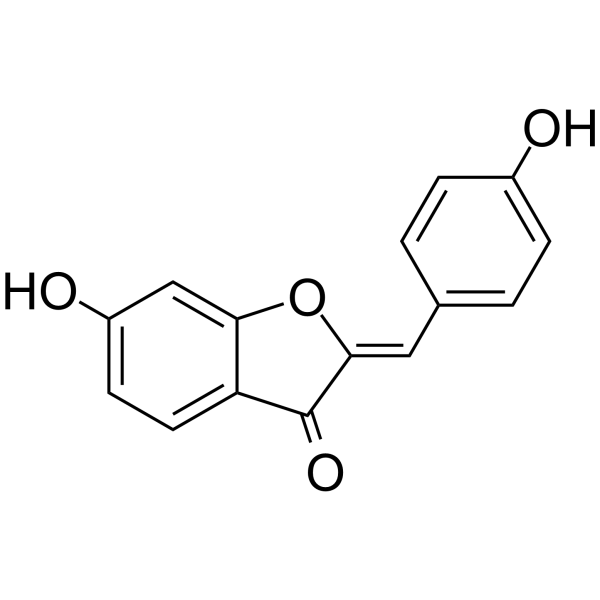
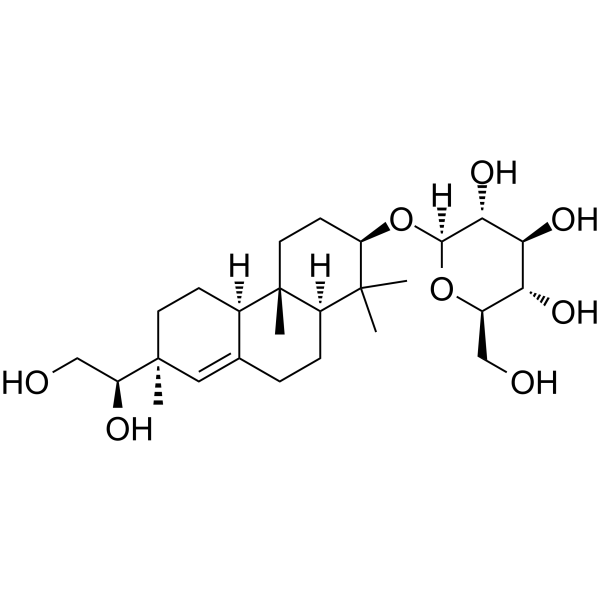
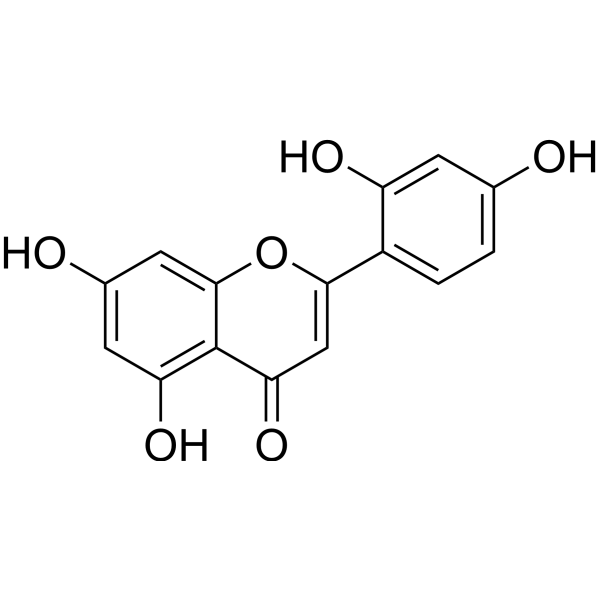
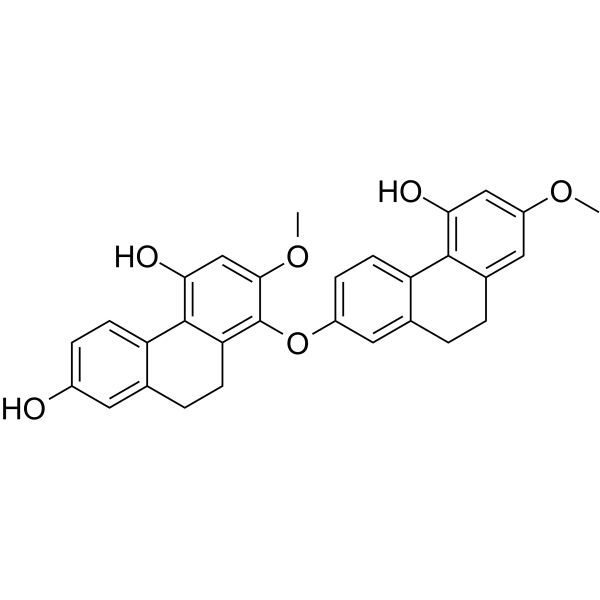
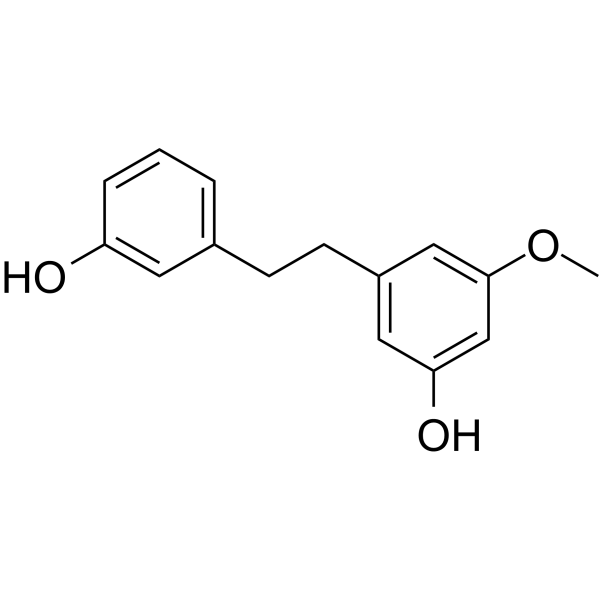
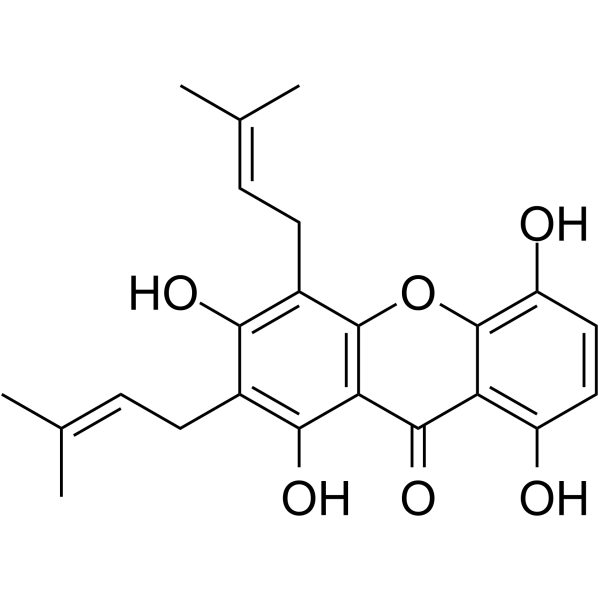
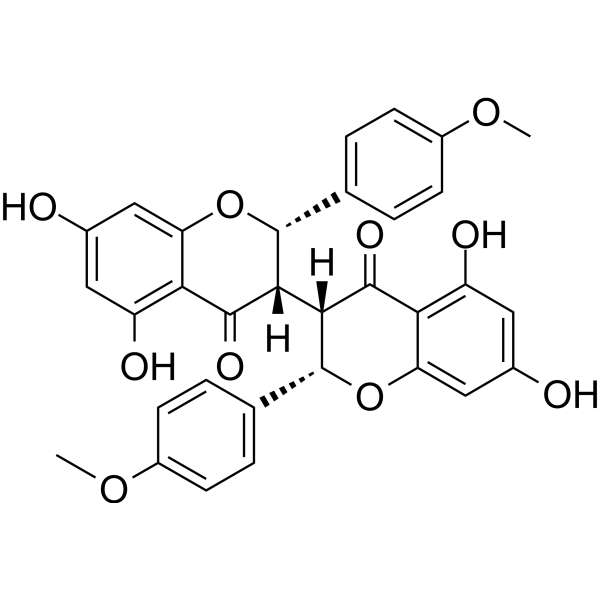
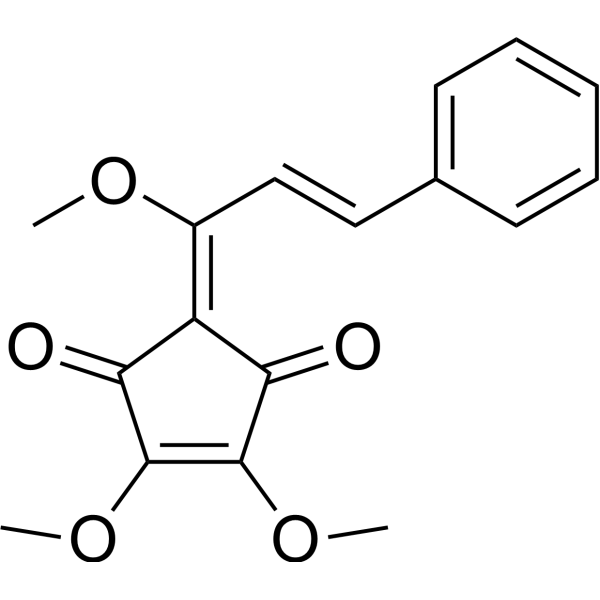
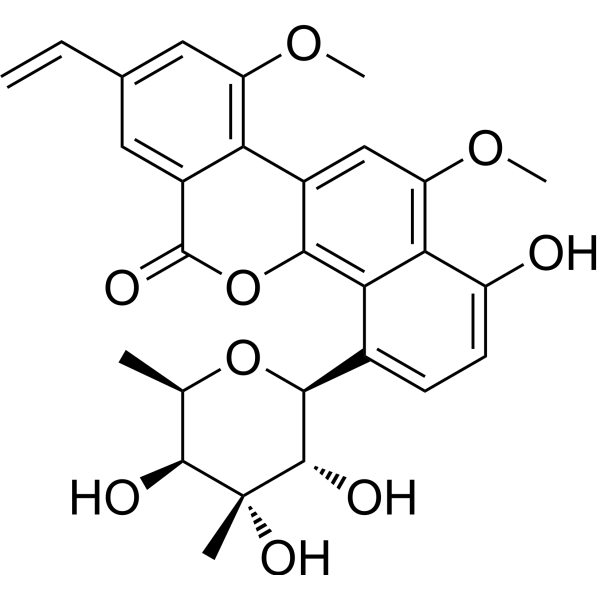
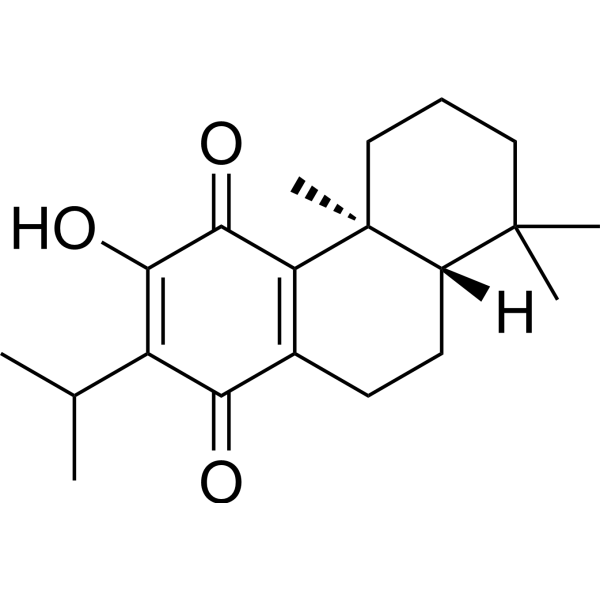
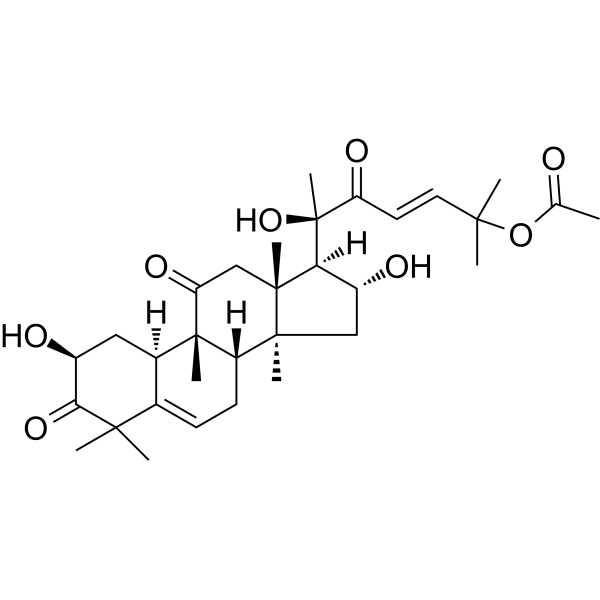
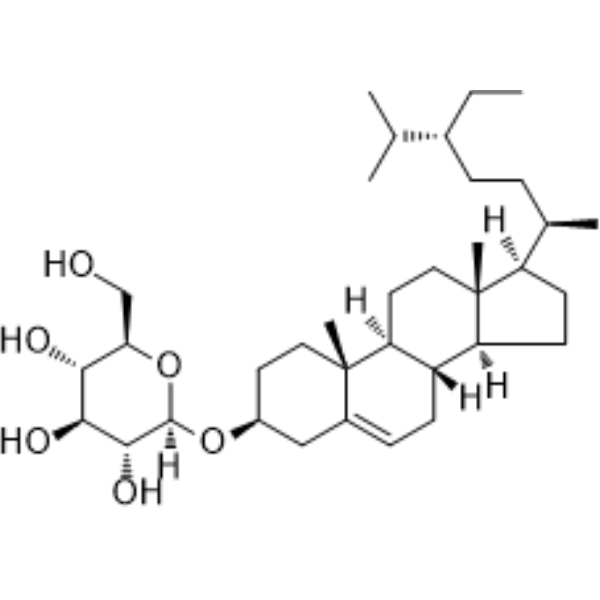
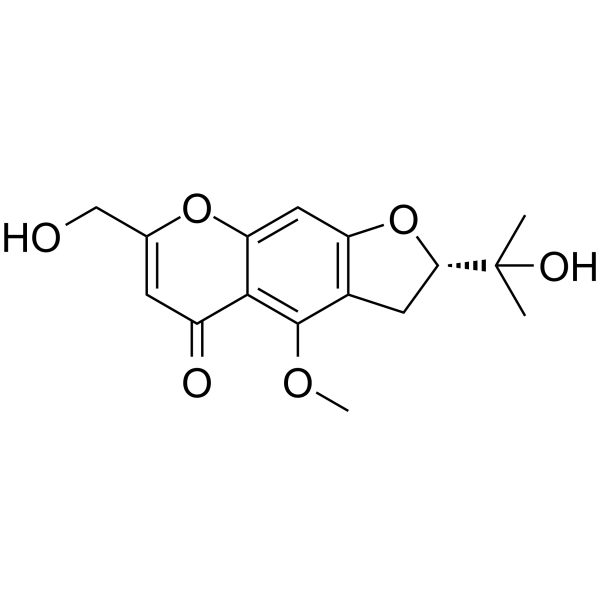
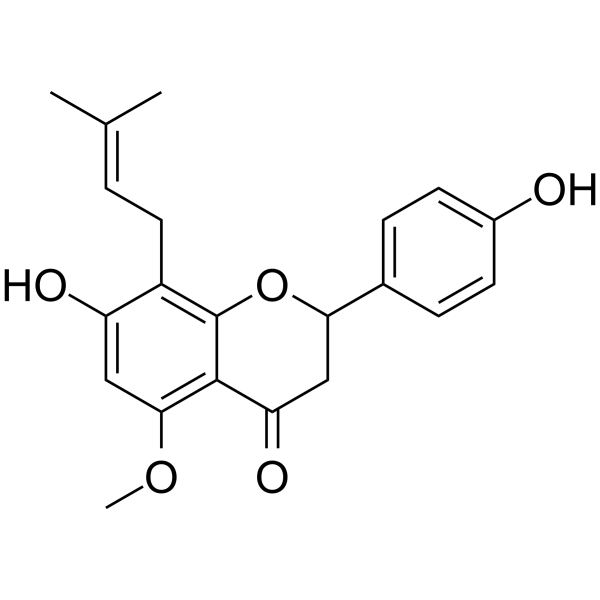
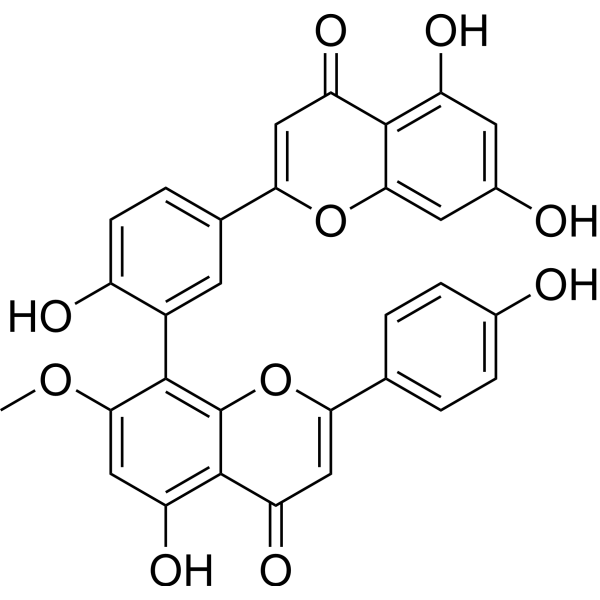
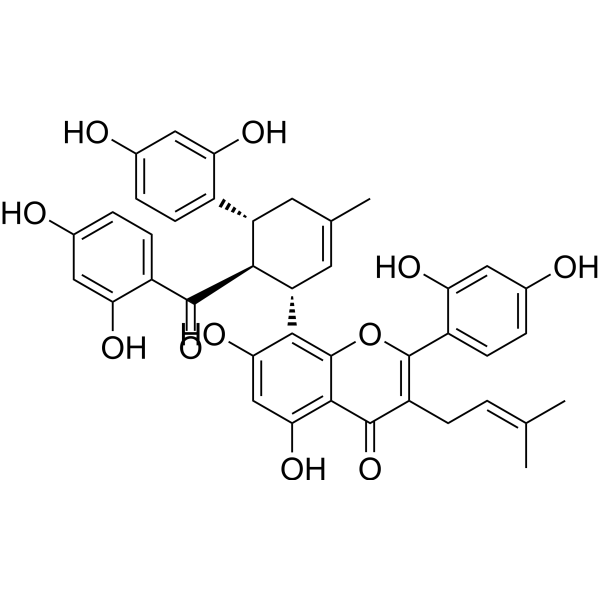
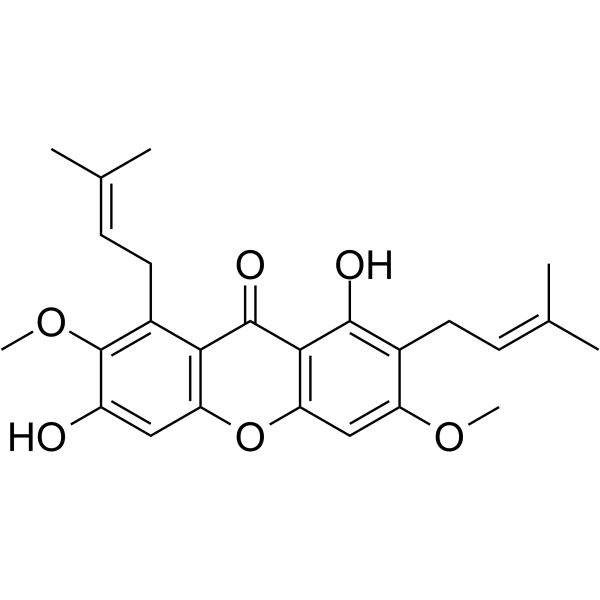
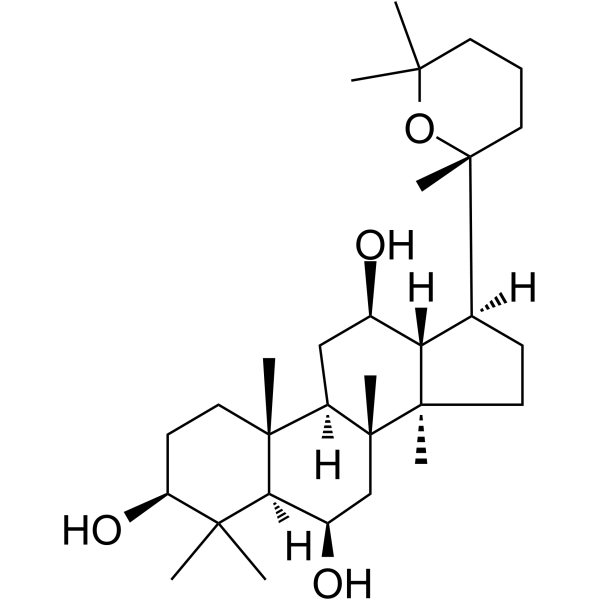
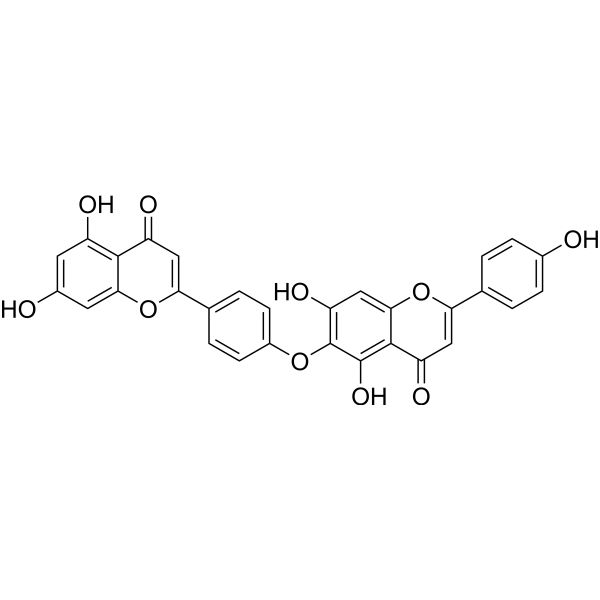
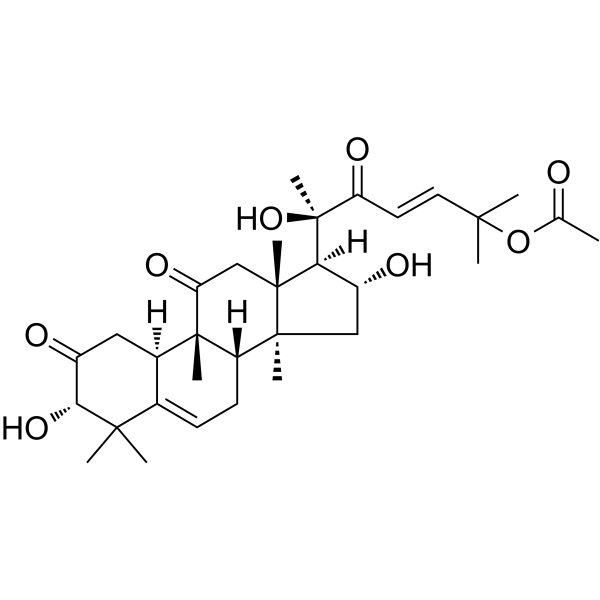
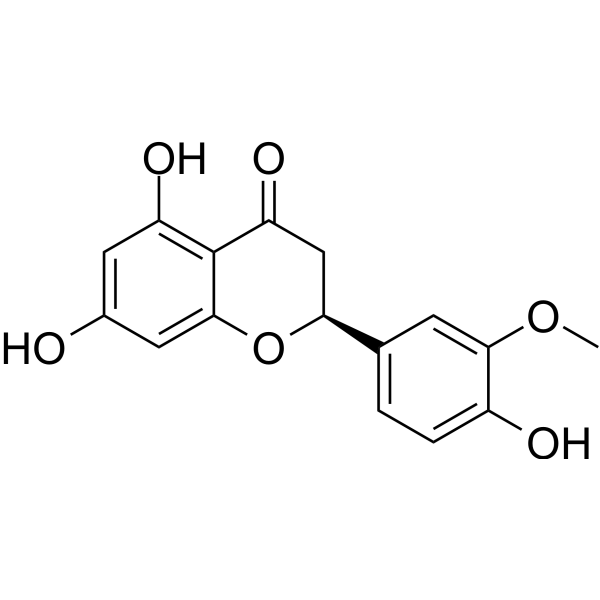
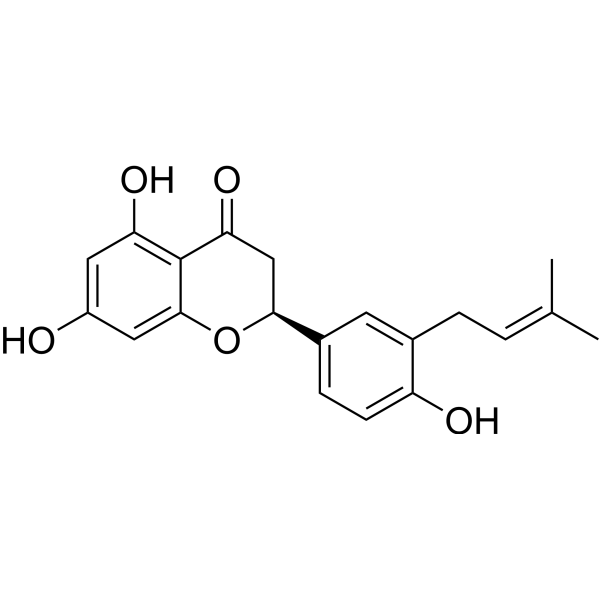
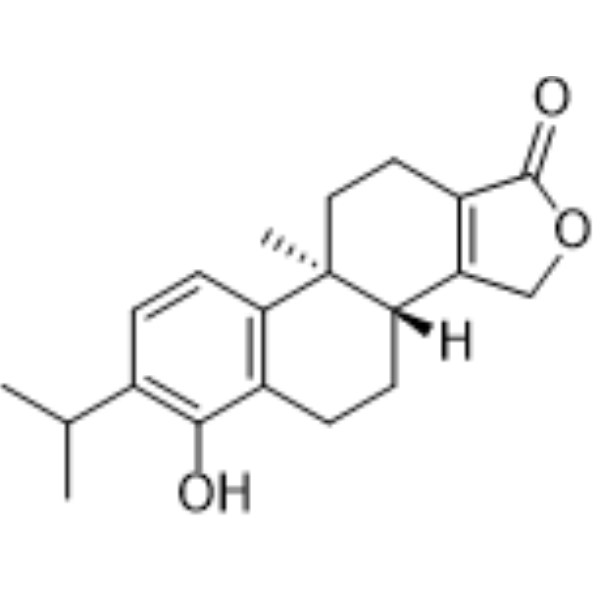
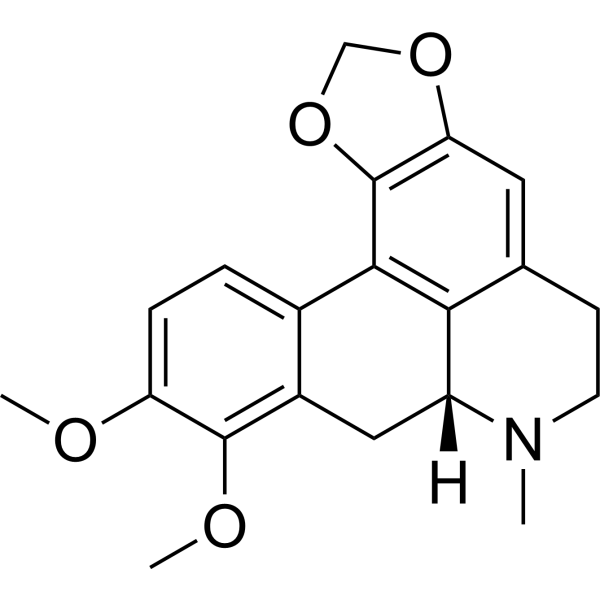
    Citrusinol is a natural product isolated from D. caudatum. Citrusinol has anticancer activity and inhibits the proliferation and migration of human hepatocytes HepG 2 .
    Citrusinol
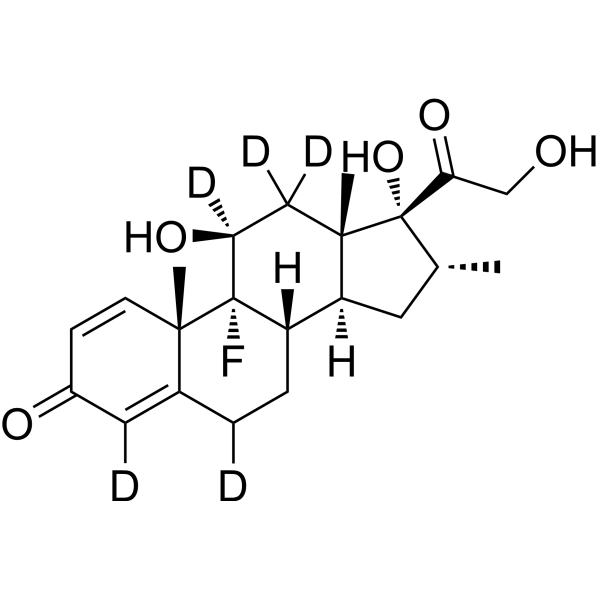
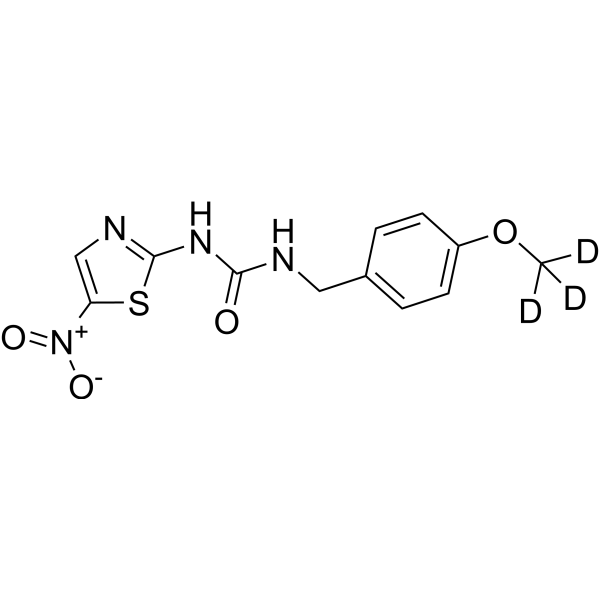
  • HY-14648S5

    Hexadecadrol-d3-1; Prednisolone F-d3-1

    Isotope-Labeled Compounds Antibiotic Autophagy Glucocorticoid Receptor SARS-CoV ADC Payload Mitophagy Complement System Bacterial Exosomes Cancer
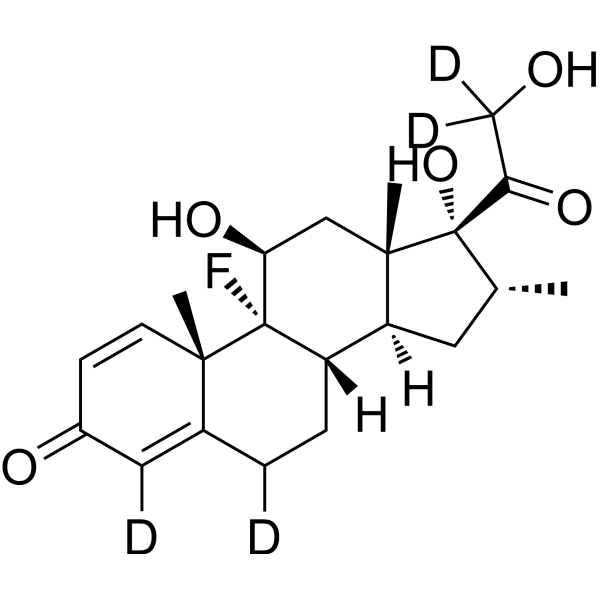
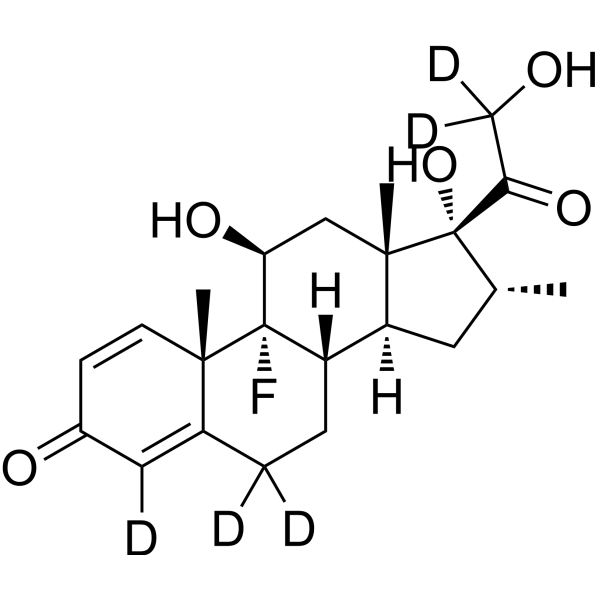
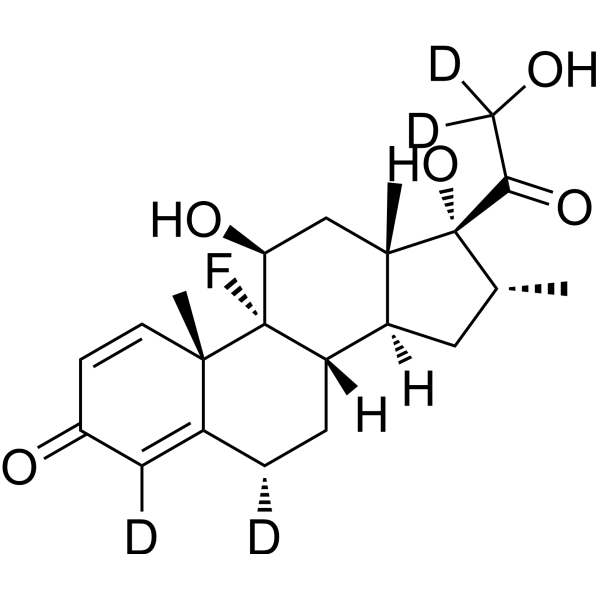
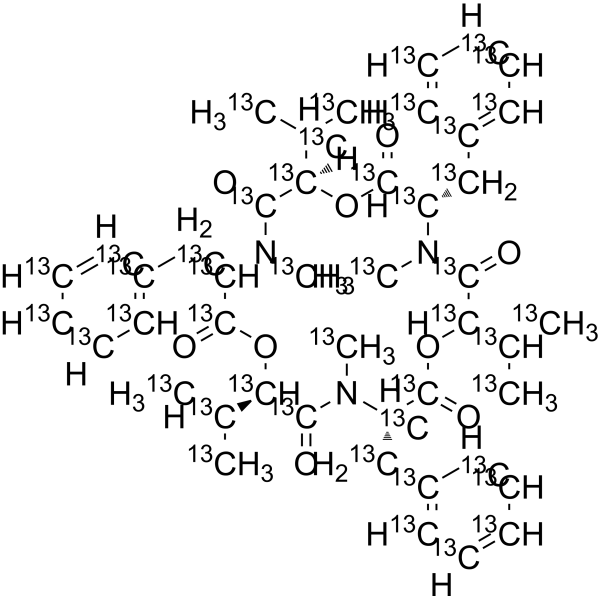
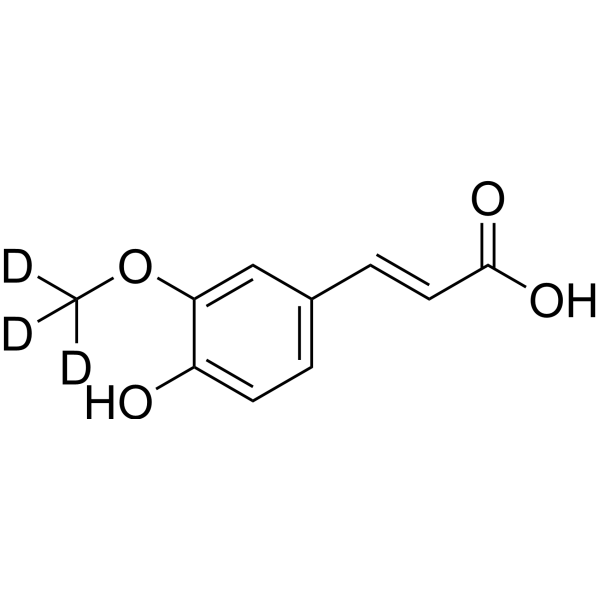
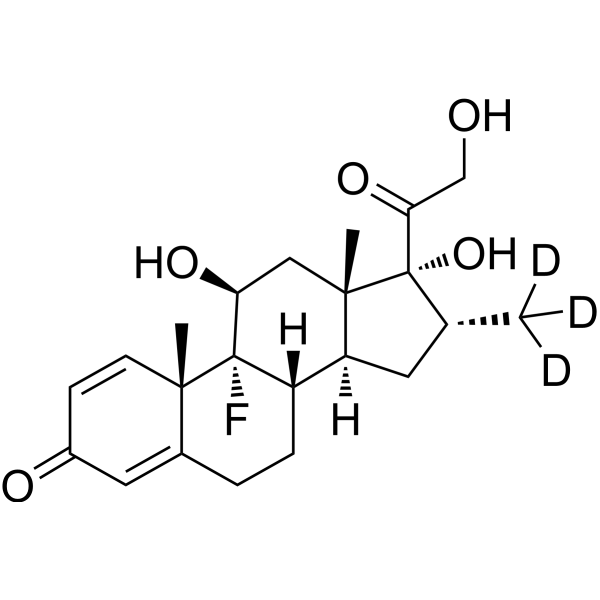
    Dexamethasone-d3-1 (Hexadecadrol-d3-1; Prednisolone F-d3-1) is a deuterium labeled Dexamethasone (HY-14648). Dexamethasone (Hexadecadrol) is a glucocorticoid receptor agonist. Dexamethasone also significantly decreases CD11b, CD18, and CD62L expression on neutrophils, and CD11b and CD18 expression on monocytes. Dexamethasone is highly effective in the control of COVID-19 infection. Dexamethasone inhibits production of exosomes containing inflammatory microRNA-155 in lipopolysaccharide-induced macrophage inflammatory responses.
    Dexamethasone-d3-1
  • HY-124776

    p97 Cancer
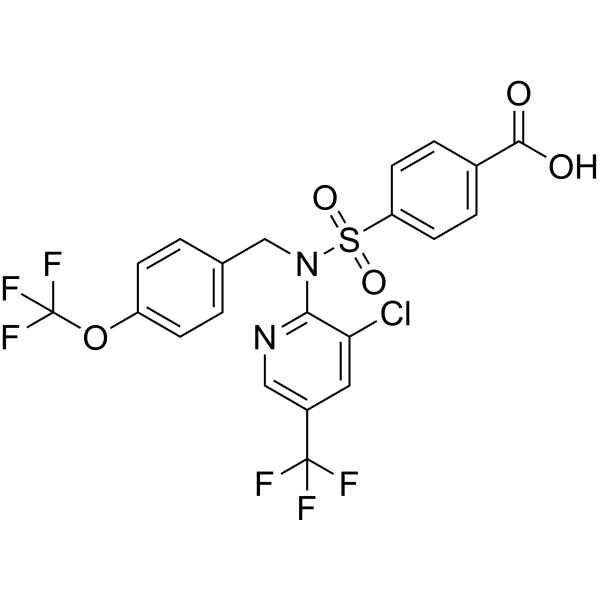
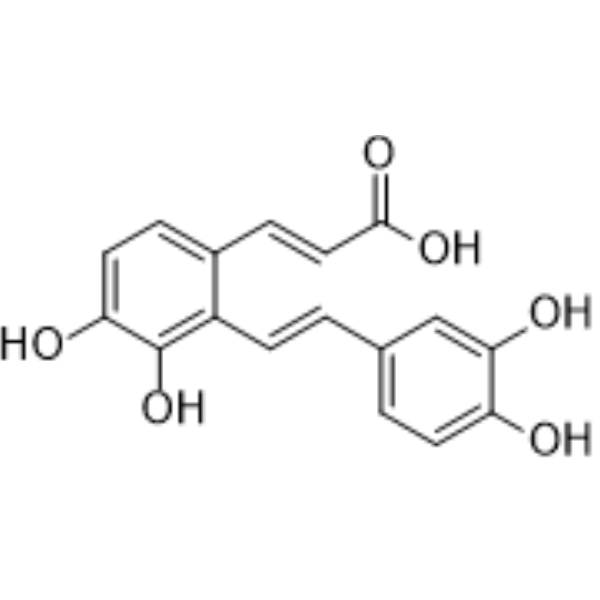
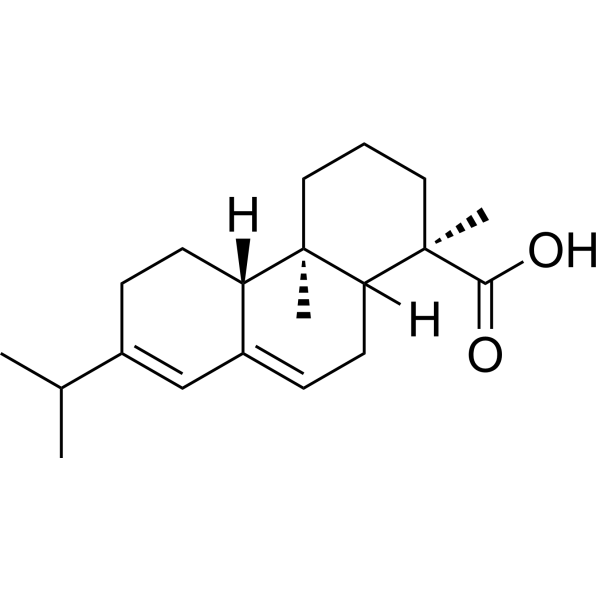
    NPD8733 is an inhibitor of cancer cell-enhanced fibroblast migration. NPD8733 specifically binds to valosin-containing protein (VCP)/p97, a member of the ATPase-associated with diverse cellular activities (AAA+) protein family. NPD8733 has the potential for the research of cancer diseases .
    NPD8733
  • HY-RS16726

    Small Interfering RNA (siRNA) Others

    Cd14 Mouse Pre-designed siRNA Set A contains three designed siRNAs for Cd14 gene (Mouse), as well as a negative control, a positive control, and a FAM-labeled negative control.

    Cd14 Mouse Pre-designed siRNA Set A
    Cd14 Mouse Pre-designed siRNA Set A
  • HY-P3895

    Neurokinin Receptor Neurological Disease
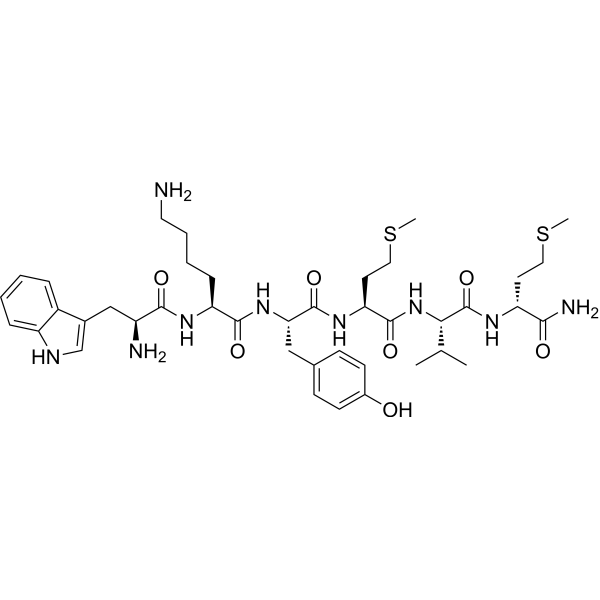
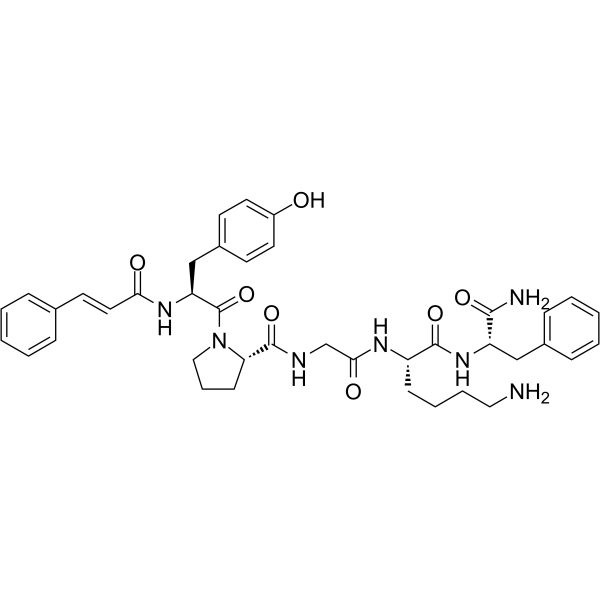
    Substance P (3-11) is a substance P (SP) fragment peptide that can cross the BBB. Substance P (3-11) has contracting activities on guinea pig ileum. Substance P (3-11) also promotes human monocyte chemotaxis .
    Substance P (3-11)
  • HY-16384

    Antibiotic L 156602; PD 124966

    Complement System Inflammation/Immunology
    L-156602 is a C5a receptor antagonist. L-156602 inhibits inflammation, and the migration of monocytes and neutrophils to the infiltrating site in mouse inflammatory models. L-156602 suppresses the efferent phase of delayed-type hypersensitivity (DTH) .
    L-156602
  • HY-134375

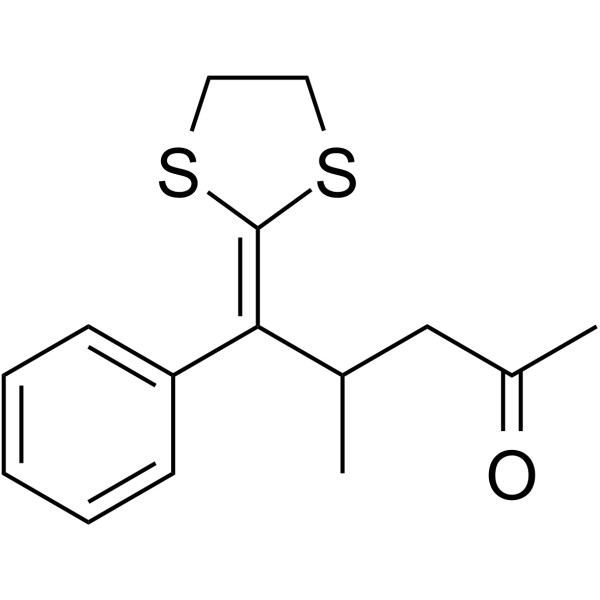
    Cyclic Adenosine-Inosine Monophosphate

    NF-κB IFNAR Inflammation/Immunology
    cAIMP (Cyclic Adenosine-Inosine Monophosphate) is an effective synthetic cyclic dinucleotide. cAIMP activates IRF and NF-κB in the THP1 human monocyte reporter cell line (THP1-Dual). cAIMP induces the secretion of IFNs and pro-inflammatory cytokines in vitro in human blood, with an EC50 of 6.4 μmol/L .
    cAIMP
  • HY-P4002

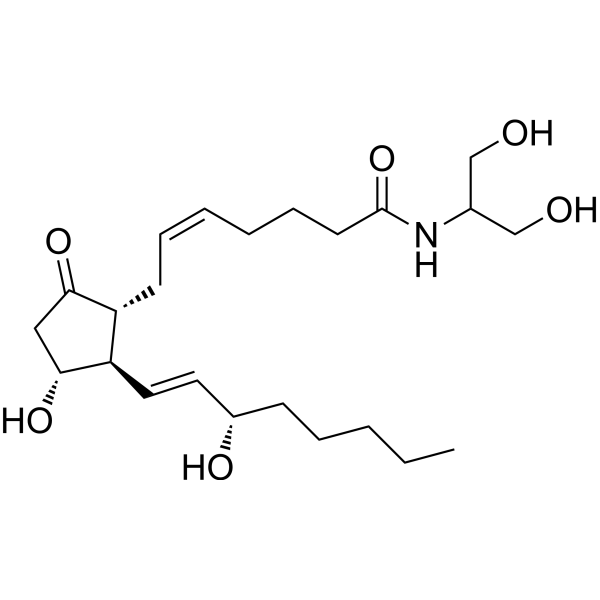
    ADAMTS Cancer
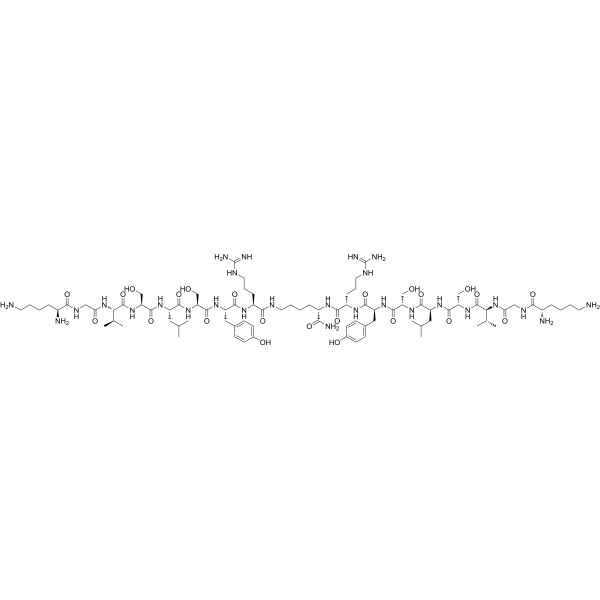
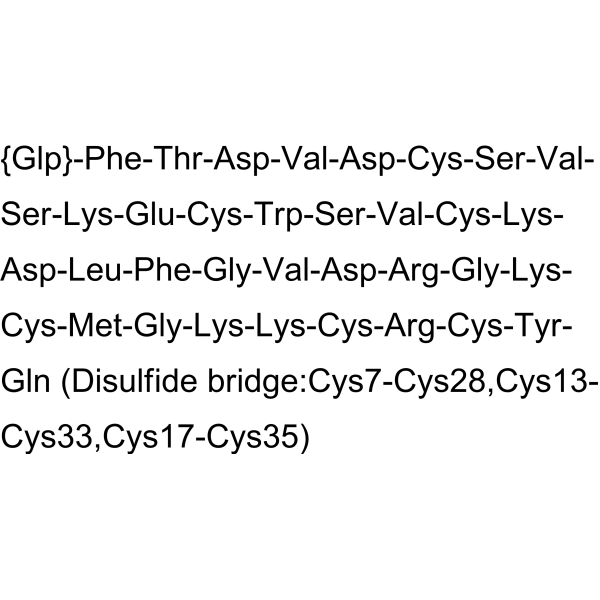
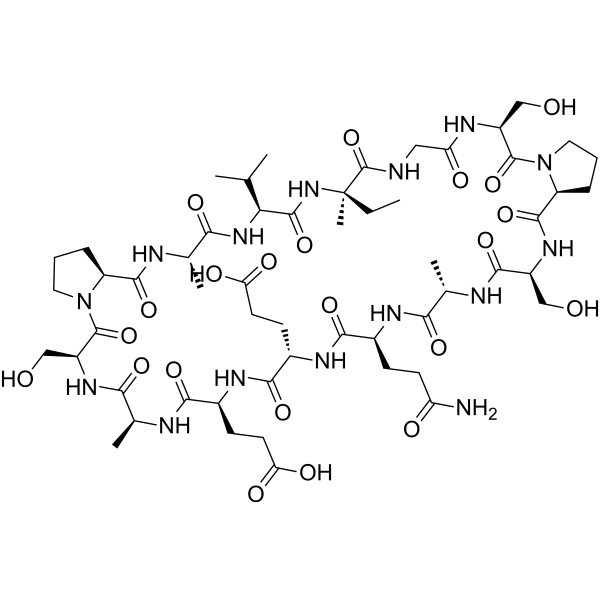
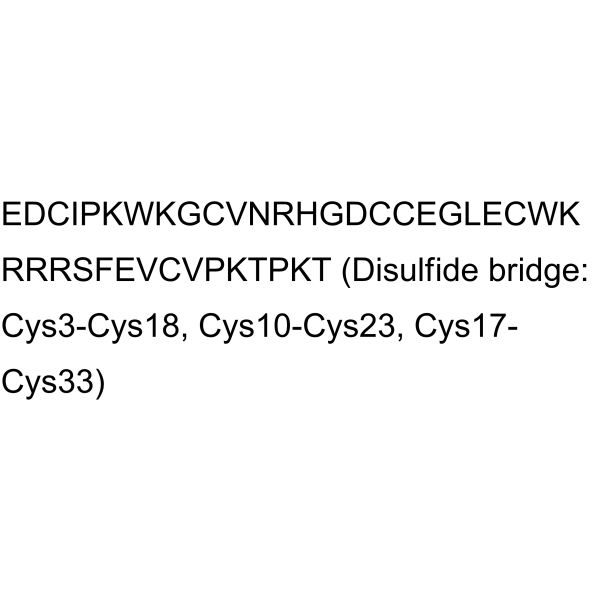
    Adamtsostatin 18 is an anti-angiogenic peptide derived from proteins containing type I thrombospondin motifs. Adamtsostatin 18 inhibits cell migration and proliferation .
    Adamtsostatin 18
  • HY-178794

    PGE synthase Inflammation/Immunology
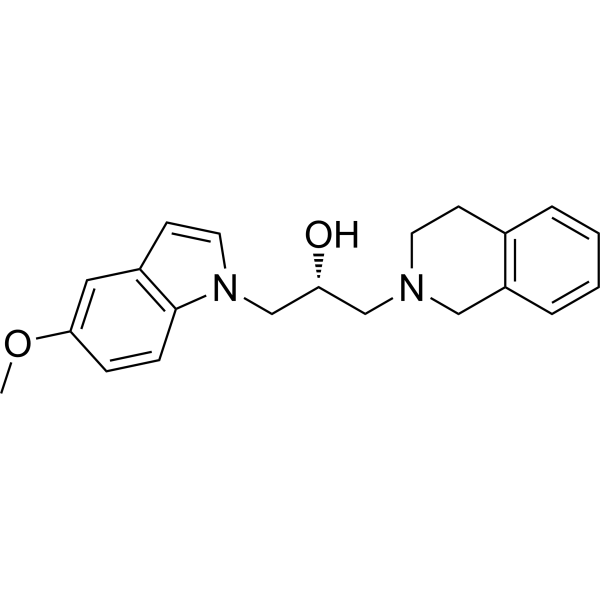
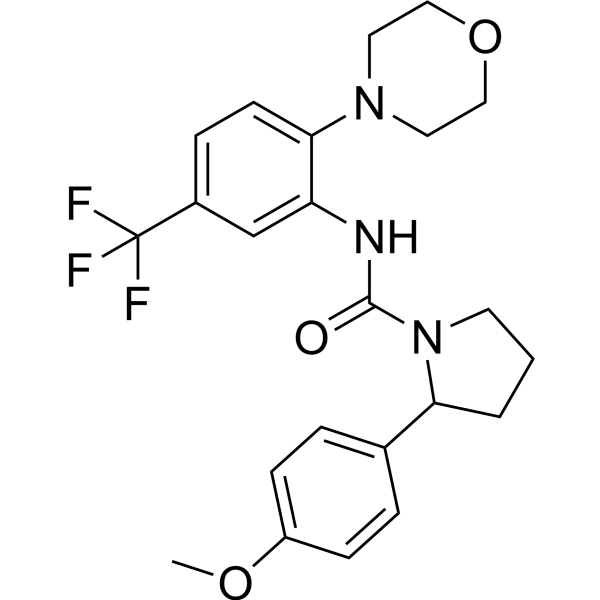
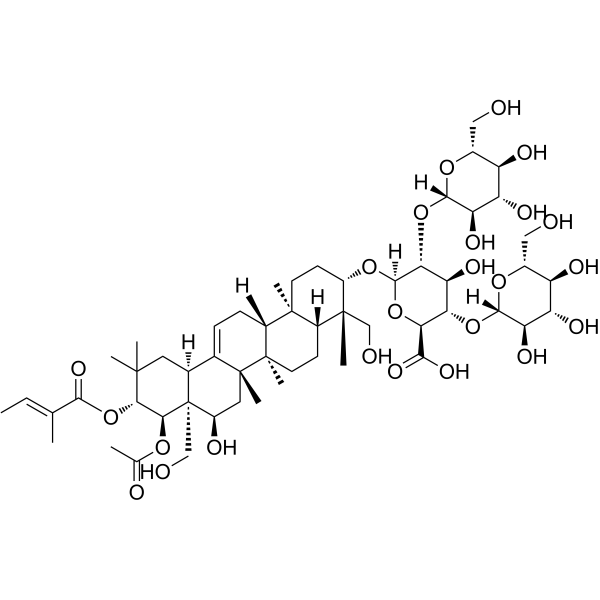
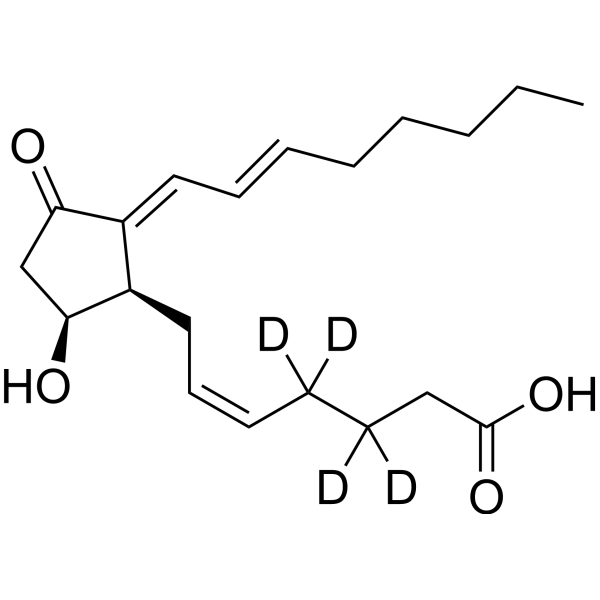
    AGU661 is a Microsomal prostaglandin E2 synthase 1 (mPGES-1) inhibitor with an IC50 of 0.22  nM. AGU661 lowers PGE2 formation in human pro-inflammatory M1 macrophages and activated monocytes without affecting other lipid mediator pathways. AGU661 has unfavorable physicochemical properties with poor metabolic stability and strong plasma protein binding tendencies. AGU661 into PLGA-based NPs significantly enhances its bioactivity. AGU661 can be used for inflammatory disorders research .
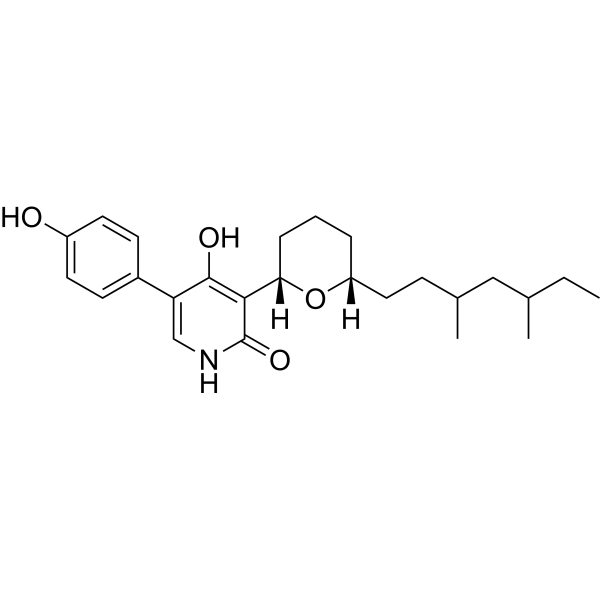
    AGU661
  • HY-152084

    Drug Derivative Cancer
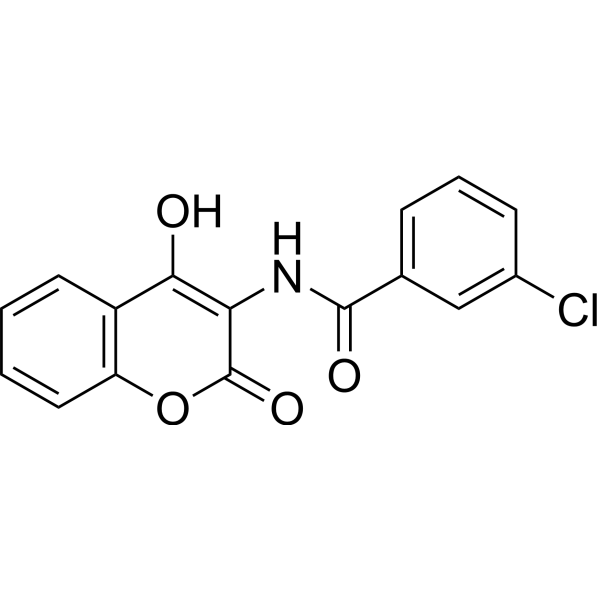
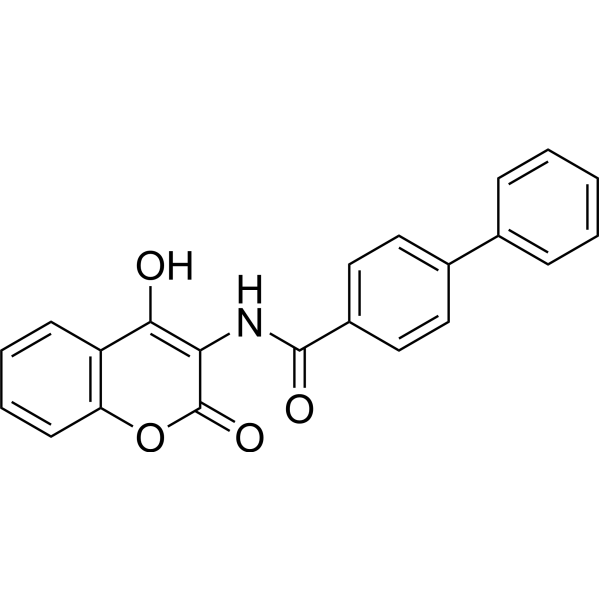
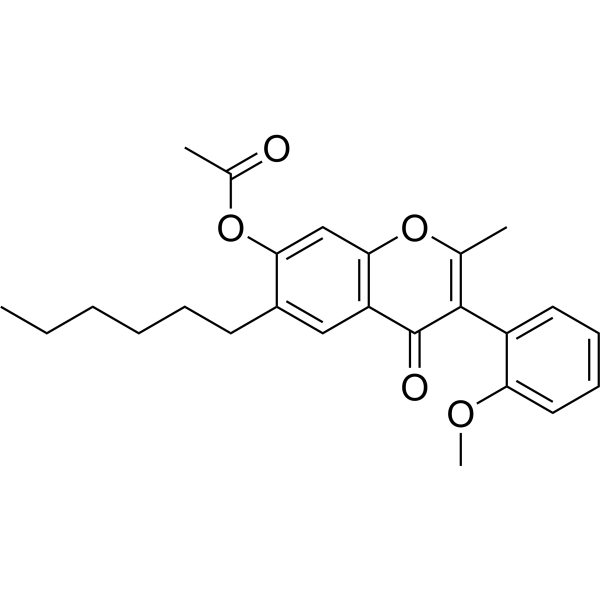
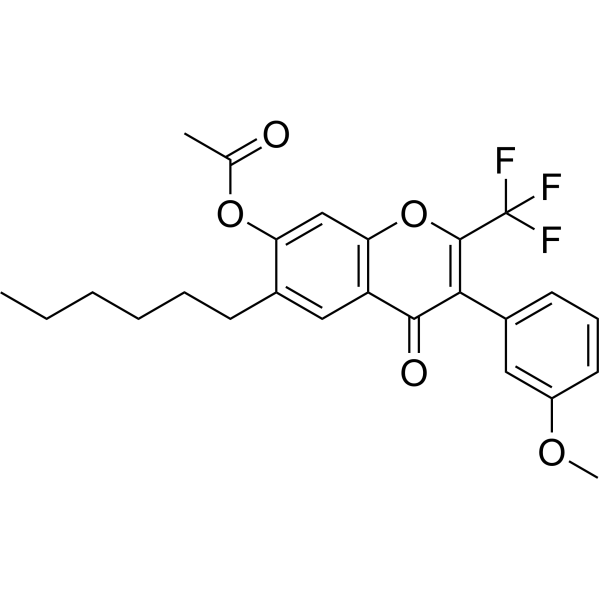
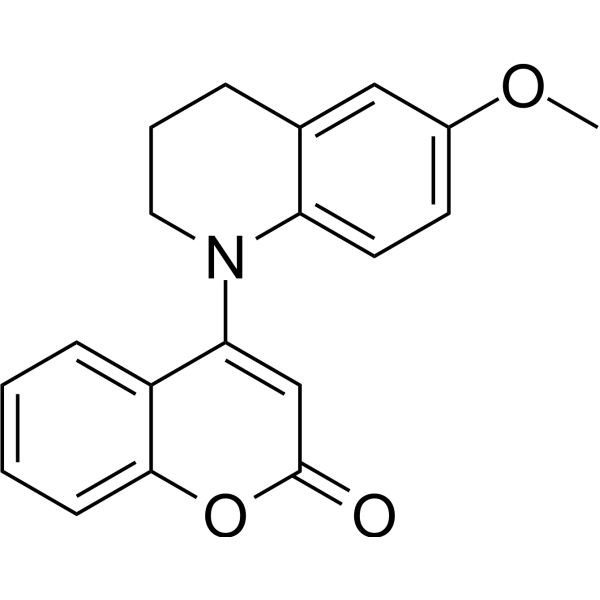
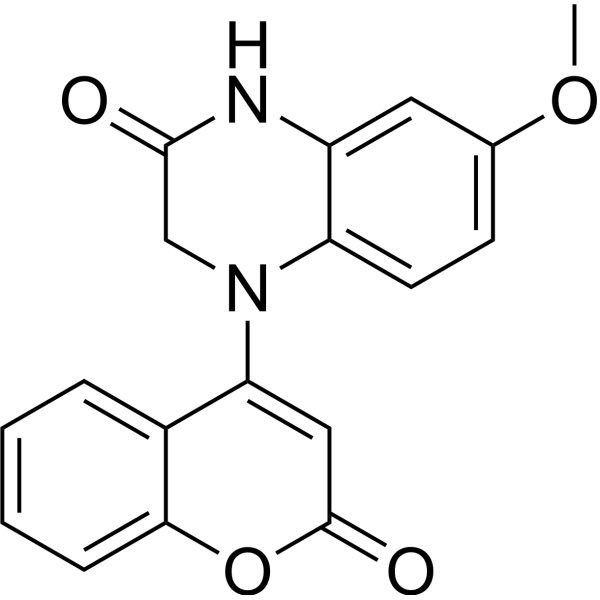
    Anticancer agent 93 is a 4-Hydroxycoumarin derivative. Anticancer agent 93 can inhibit invasion and migration of lung cancer cells by modulating expression of epithelial-mesenchymal transition (EMT) effectors .
    Anticancer agent 93
  • HY-150614

    Phosphodiesterase (PDE) LPL Receptor Cancer
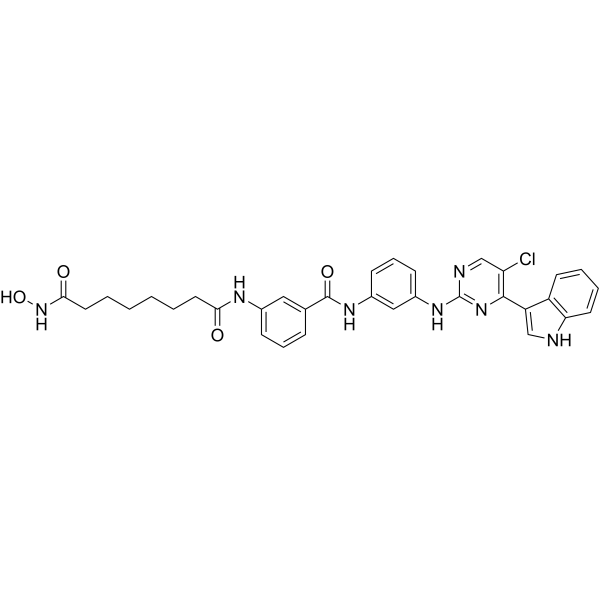
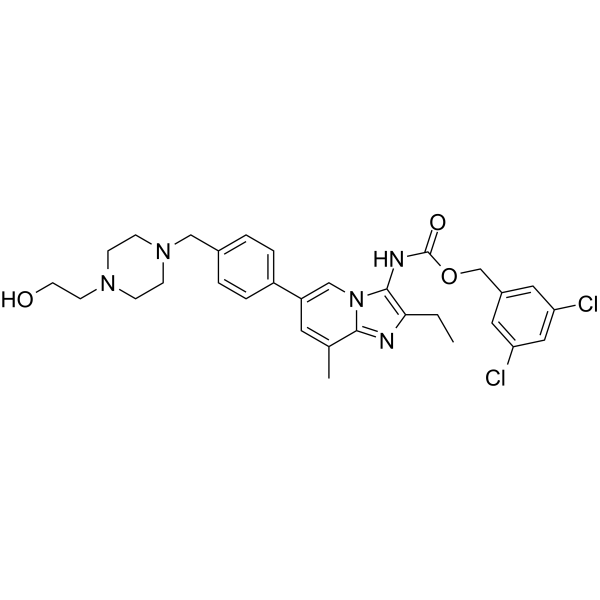
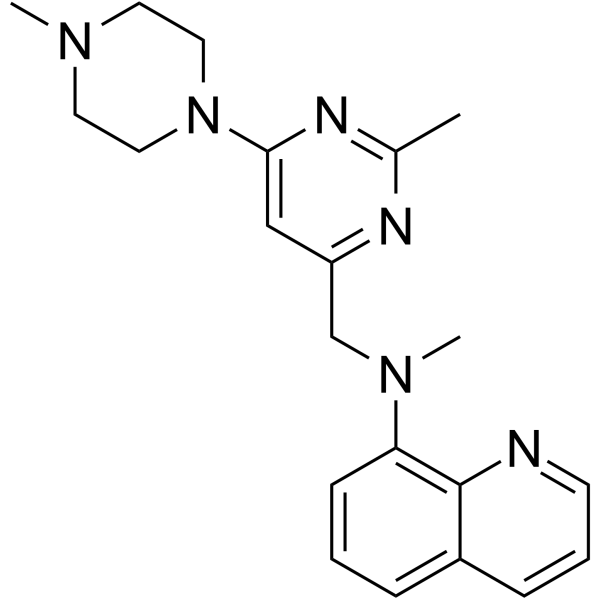
    Autotaxin-IN-6 (compound 23) is a potent autotaxin (ATX) inhibitor with an IC50 value of 30 nM. Autotaxin-IN-6 can reduce cell migration. Autotaxin-IN-6 can be used for researching anticancer .
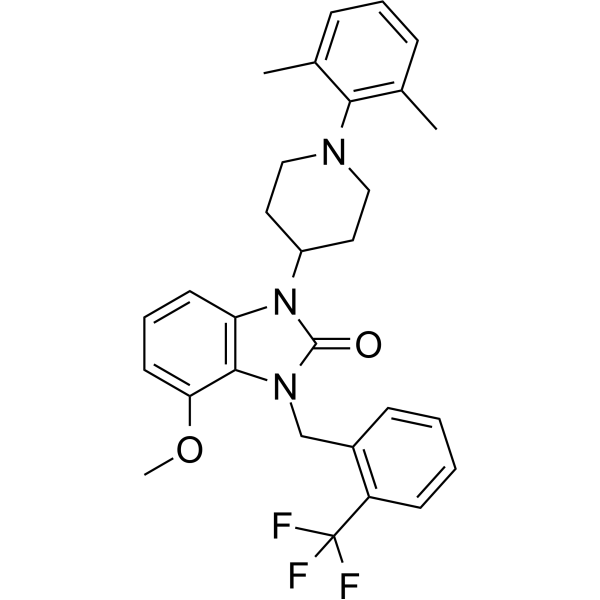
    Autotaxin-IN-6
  • HY-107209

    ROCK Cancer
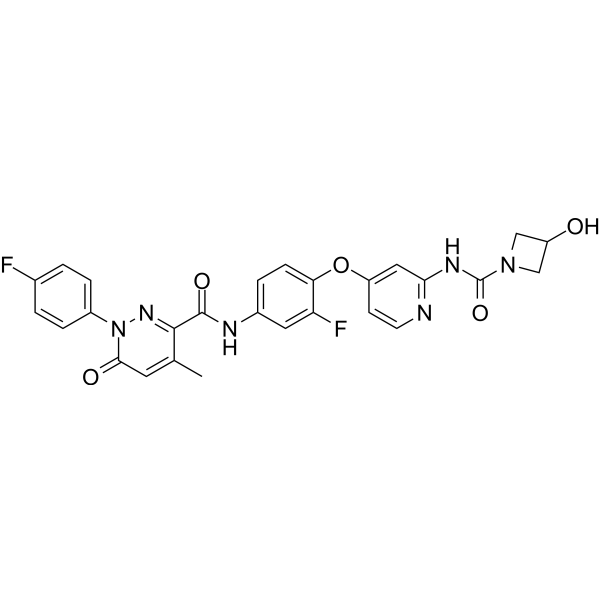
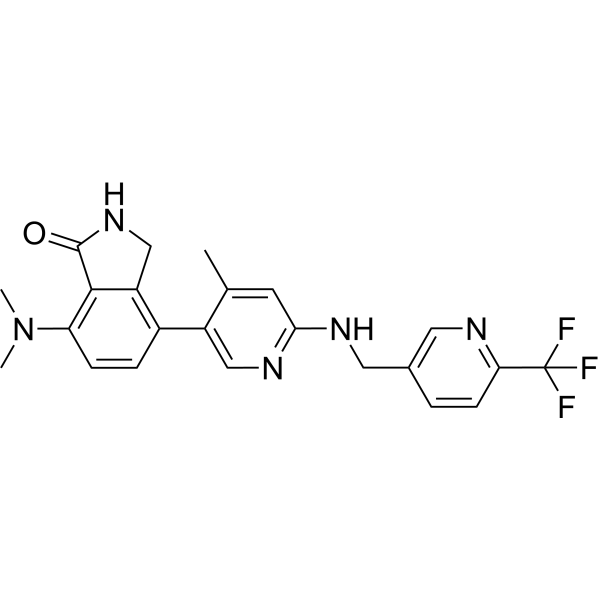
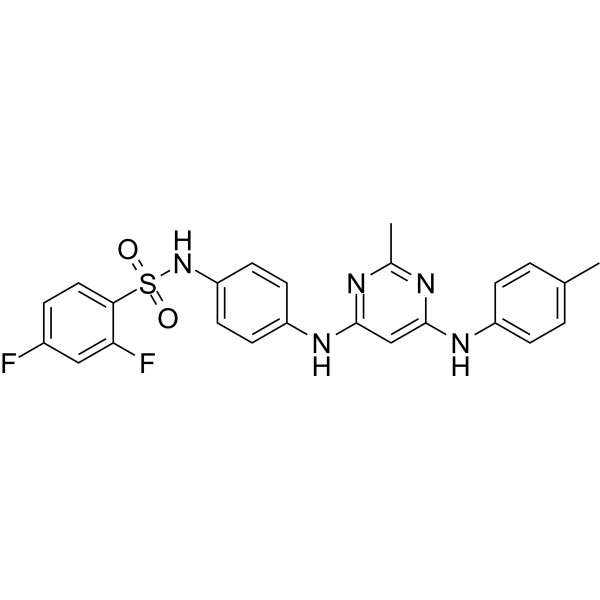
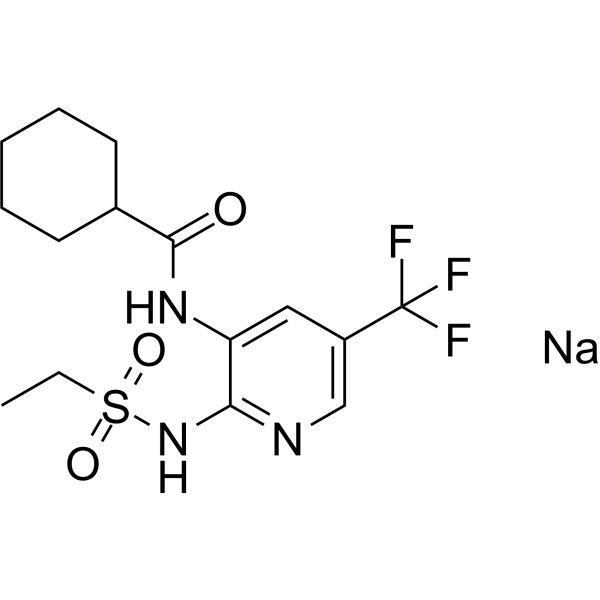
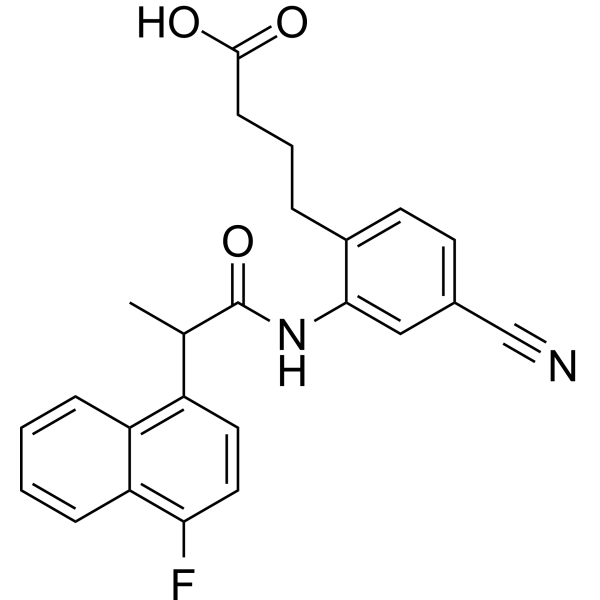
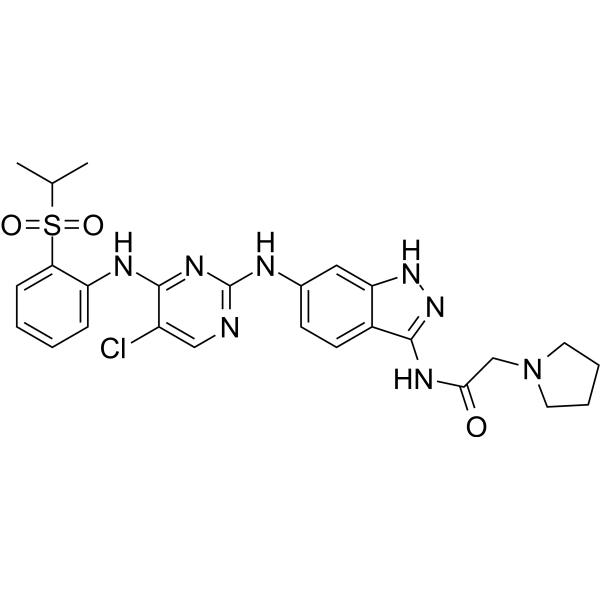
    RKI-1313 is a ROCK inhibitor with IC50s of 34, 8 µM for ROCK 1 and ROCK 2, respectively. RKI-1313 shows little effect on the phosphorylation levels of ROCK substrates, migration, invasion or anchorage-independent growth .
    RKI-1313

Inquiry Online

Your information is safe with us. * Required Fields.

Salutation


Country or Region *

Applicant Name *


Organization Name *

Department *


Email Address *


Product Name *

Cat. No.


Requested quantity *

Phone Number *


Remarks

Inquiry Online

Inquiry Information

Product Name:
Cat. No.:
Quantity:
MCE Japan Authorized Agent: