



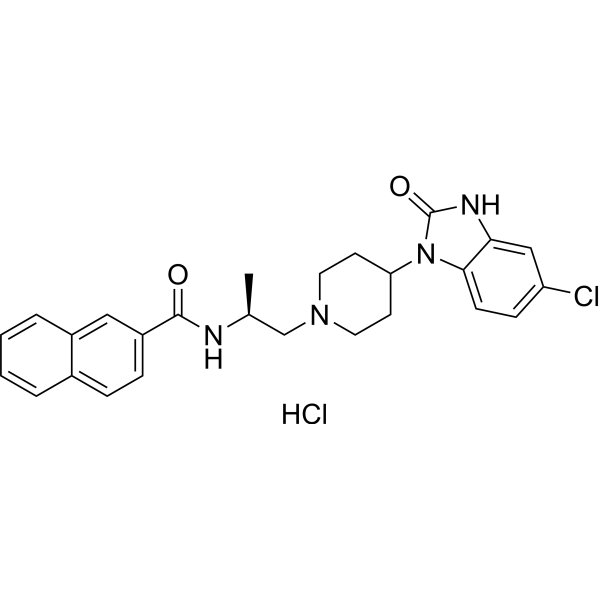
VU0155069 hydrochloride
VU0155069 hydrochloride (CAY10593 hydrochloride) is a potent selective phospholipase D (PLD) inhibitor. The IC50 values for PLD1 and PLD2 are 46 and 933 nM, respectively. VU0155069 hydrochloride inhibits migration of human and mouse breast cancer cell lines.
For research use only. We do not sell to patients.
- CAS No.: 1781834-89-6
- Formula: C26H28Cl2N4O2
- Molecular Weight:499.43
-
Storage:
Please store the product under the recommended conditions in the Certificate of Analysis.

To place orders, for customer services and technical support, please contact: MedChemExpress USA
Tel: 609-228-6898 E-mail: [email protected] [email protected]


-
 Biological Activity
-
Chemical Information
- Protocols
- Purity & Documentation
- References
-
 Help & FAQs


-
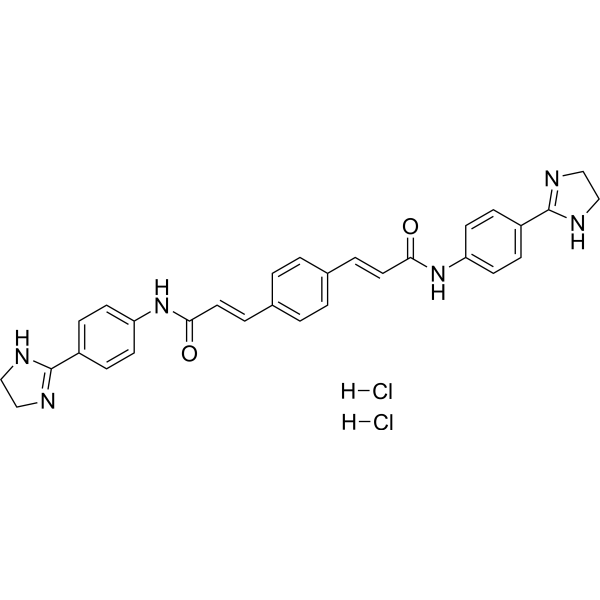
HY-19363
GW4869N-SMase Inhibitor -
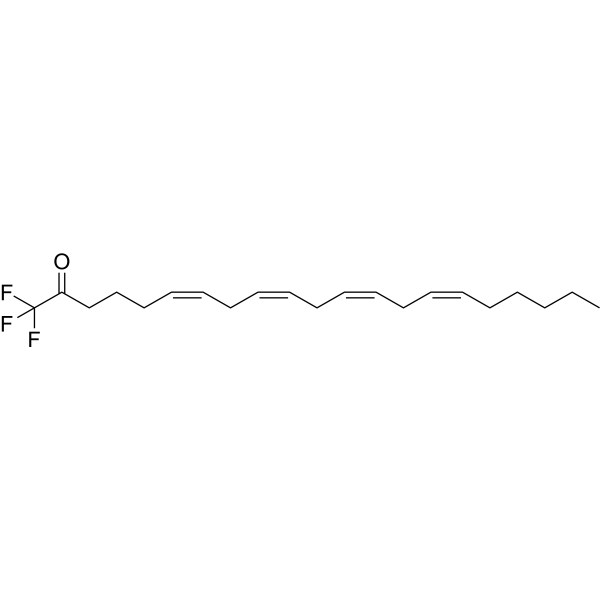
HY-108611
AACOCF3cPLA2 Inhibitor -
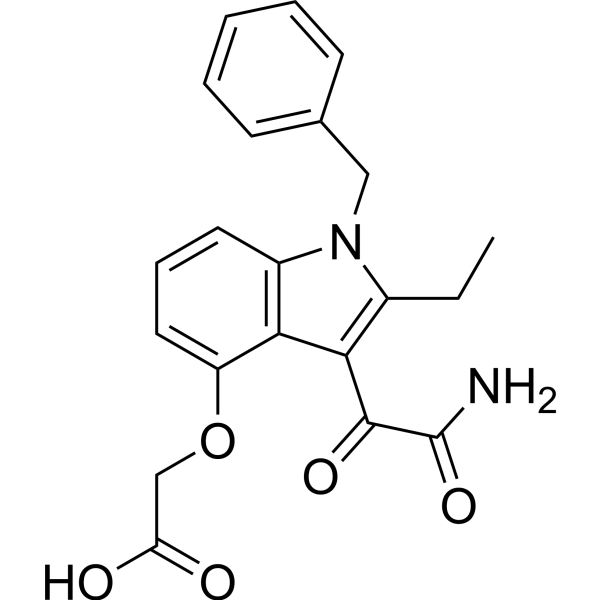
HY-13402
VarespladibsPLA2 Inhibitor -
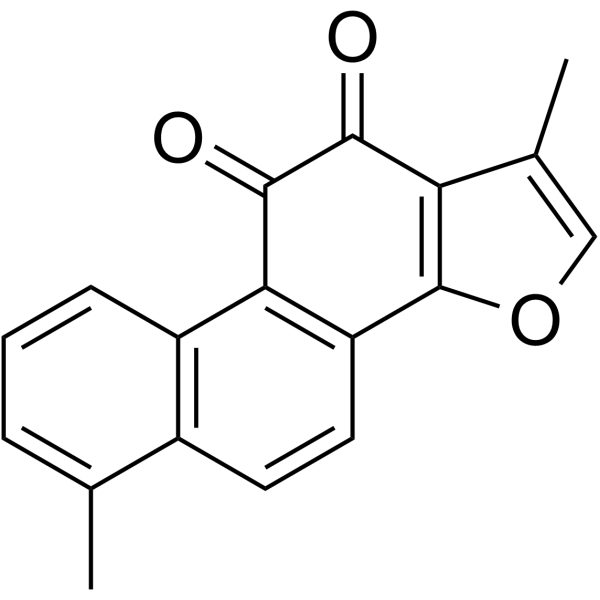
HY-N0134
Tanshinone IPhospholipase Inhibitor -

HY-P0233
MelittinPLA2 Activator -
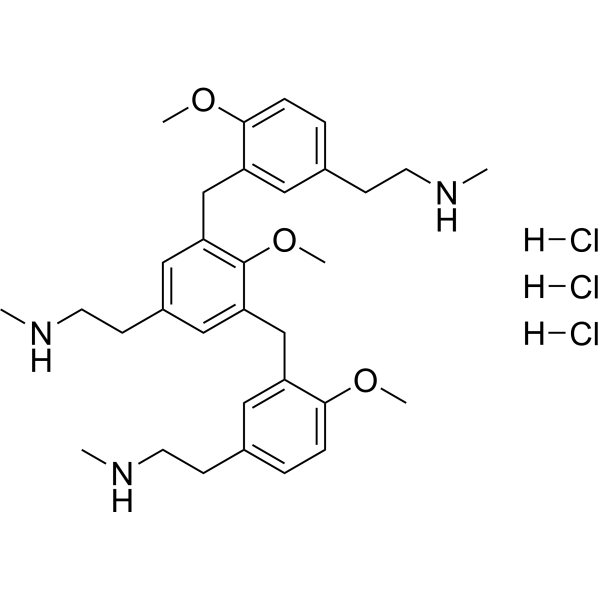
HY-130592
Compound 48/80 trihydrochlorideHistamine Releaser/Mast Cell Degranulator -
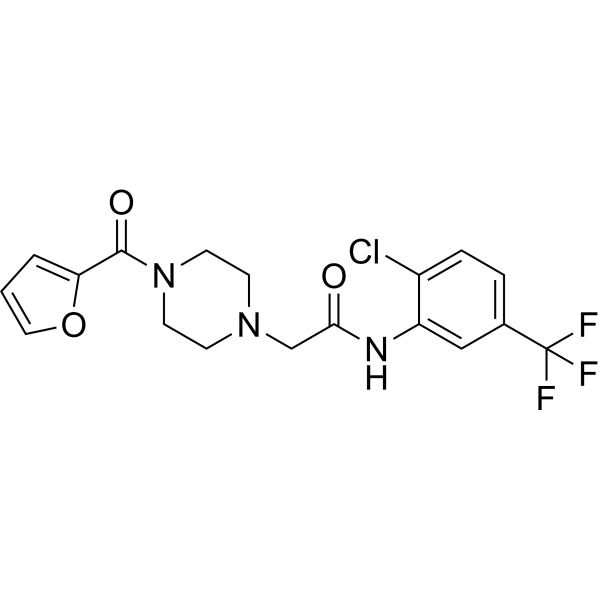
HY-100736
ML348APT1/LYPLA1 Inhibitor -
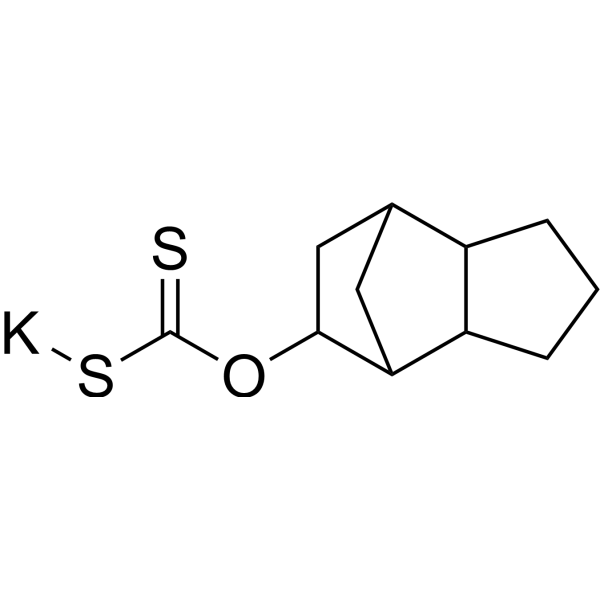
HY-70072
D609PC-PLC Inhibitor -
HY-18570
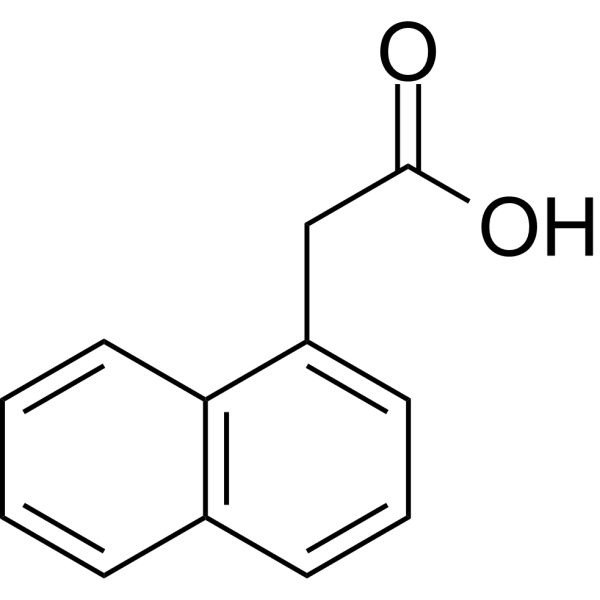
1-Naphthaleneacetic acidPhospholipase Inhibitor -

HY-18570B
1-Naphthaleneacetic acid,suitable for plant cell culturePlant Growth Hormone -
HY-111376
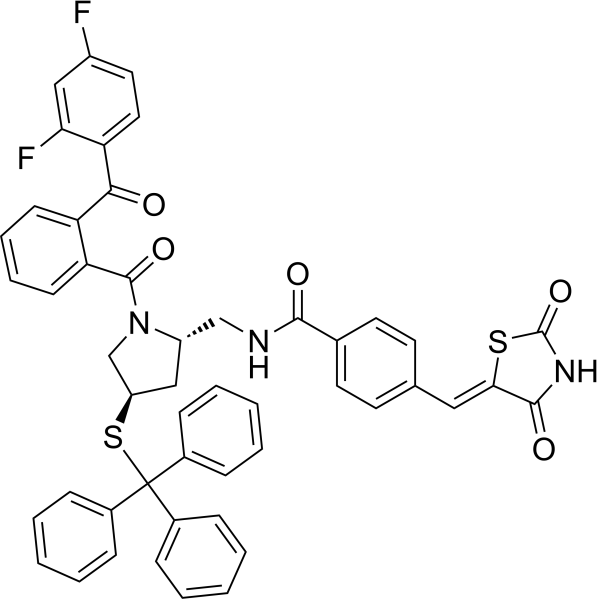
PyrrophenonePLA2 Inhibitor -
HY-103334
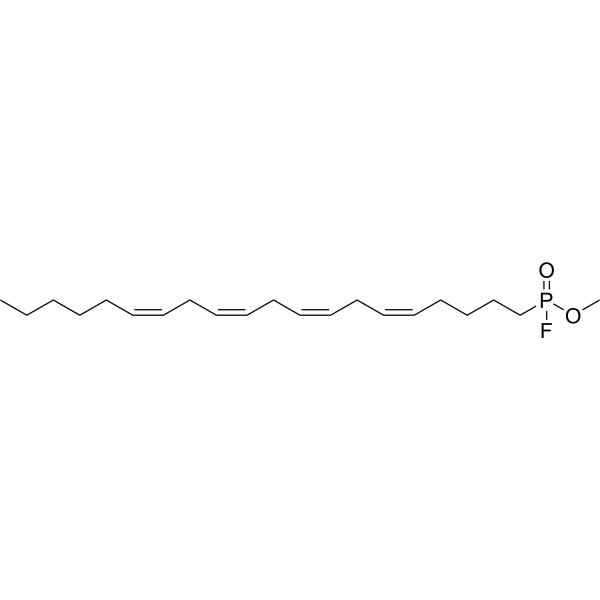
MAFPcPLA2/iPLA2 Inhibitor
All Phospholipase Isoforms
More

Biological Activity
Description
IC50 & Target
|
PLD1 46 nM (IC50) |
In Vitro
VU0155069 (0.5 μM, 1 h) significantly inhibits (R)-DOI (3 μM)-induced [3H]PtdBut production in MCF-7 cells[3].
MedChemExpress (MCE) has not independently confirmed the accuracy of these methods. They are for reference only. Further protocols information, click here.


Chemical Information
-
CAS No. 1781834-89-6
-
Molecular Weight 499.43
-
Formula C26H28Cl2N4O2
-
SMILES
O=C(C1=CC=C2C=CC=CC2=C1)N[C@@H](C)CN3CCC(N4C5=CC=C(Cl)C=C5NC4=O)CC3.Cl
-
Synonyms
CAY10593 hydrochloride
-
Shipping
Room temperature in continental US; may vary elsewhere.
-
Storage
Please store the product under the recommended conditions in the Certificate of Analysis.

Protocols
-
Cell Cytotoxicity Assay
Cytotoxicity assays are usually based on the assessment of cell membrane damage, which can also be indirectly detected by measuring cell viability. Detection methods include MTT assay, CKK-8 assay, LDH assay and ATP assay, etc.
-
Cell migration
Cell migration is a method that plays an important role in wound healing, cell differentiation, embryonic development, etc.
-
Breast Cancer Modeling
Breast cancer is a heterogeneous cancer, and it has been distinguished into four subtypes: luminal A, luminal B, HER2-positive and basal-like. Molecular mutations, epigenetic alterations, hormone exposure and immune microenvironment are related to the progression of breast cancer.


Purity & Documentation
References
[1]. Scott SA, et al. Design of isoform-selective phospholipase D inhibitors that modulate cancer cell invasiveness. Nat Chem Biol. 2009 Feb;5(2):108-17. [Content Brief]
[2]. Lewis JA,et al. Design and synthesis of isoform-selective phospholipase D (PLD) inhibitors. Part I: Impact of alternative halogenated privileged structures for PLD1 specificity. Bioorg Med Chem Lett. 2009 Apr 1;19(7):1916-20. [Content Brief]
[3]. Barclay Z, et al. Attenuated PLD1 association and signalling at the H452Y polymorphic form of the 5-HT(2A) receptor. Cell Signal. 2013 Apr;25(4):814-21. [Content Brief]

Calculators
Concentration (start) × Volume (start) = Concentration (final) × Volume (final)


VU0155069 hydrochloride Related Classifications
HY-108612A Related Classifications
 Powered by Bioz