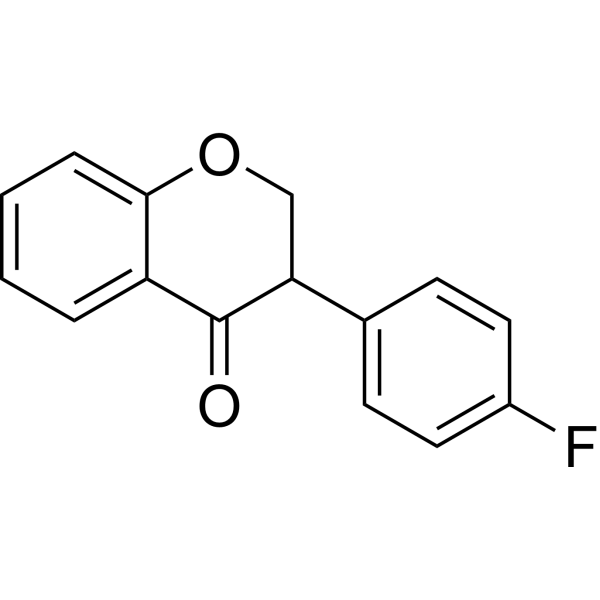
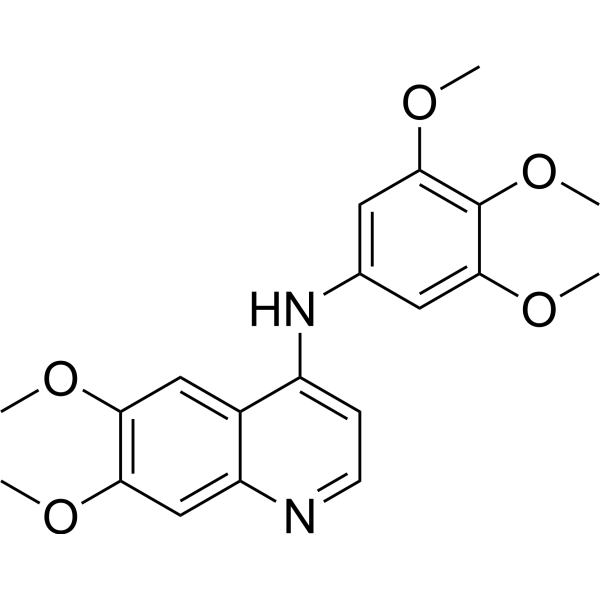
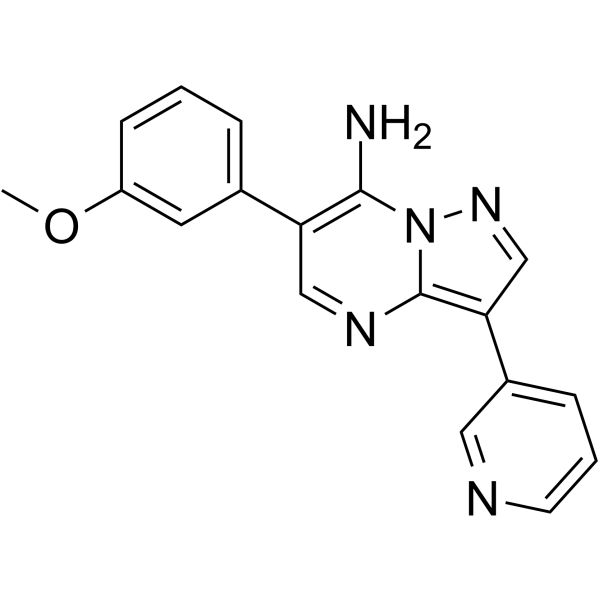
1. Search Result
Search Result
Results for "

TFCP2/Grainyhead family

" in MedChemExpress (MCE) Product Catalog:

1240

Inhibitors & Agonists

16

Screening Libraries

13

Fluorescent Dyes

29

Biochemical Assay Reagents

107

Peptides

1

MCE Kits

21

Inhibitory Antibodies

169

Natural
Products

402

Recombinant Proteins

40

Isotope-Labeled Compounds

351

Antibodies

5

Click Chemistry

151

Oligonucleotides

1

GMP Molecules

Targets Recommended:
Cat. No. Product Name Target Research Areas Chemical Structure
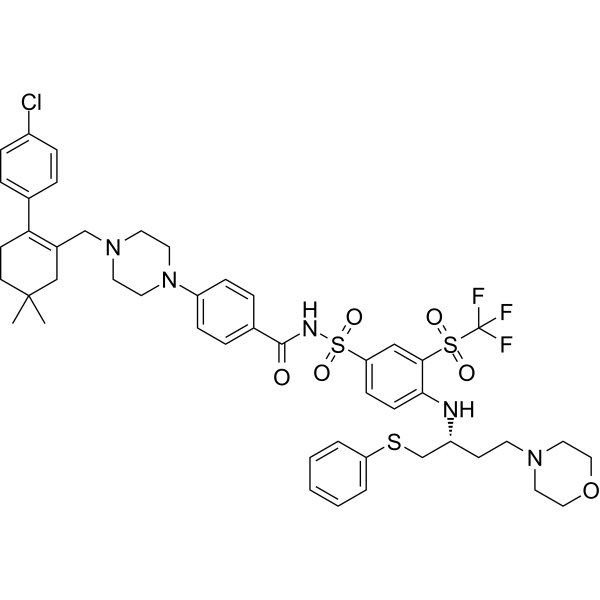
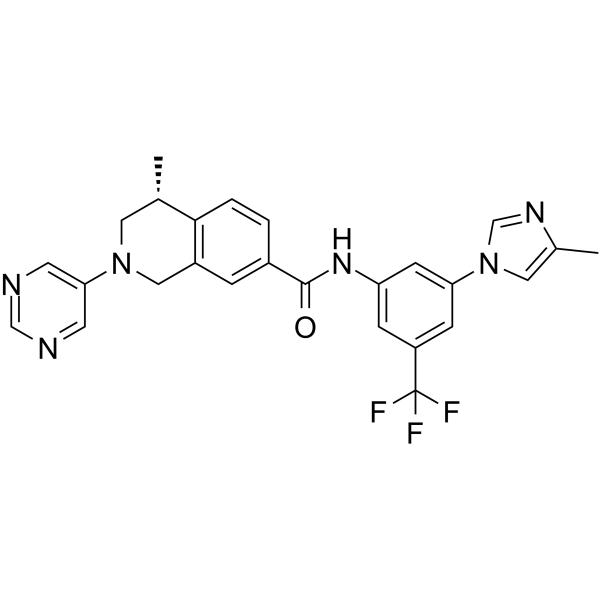
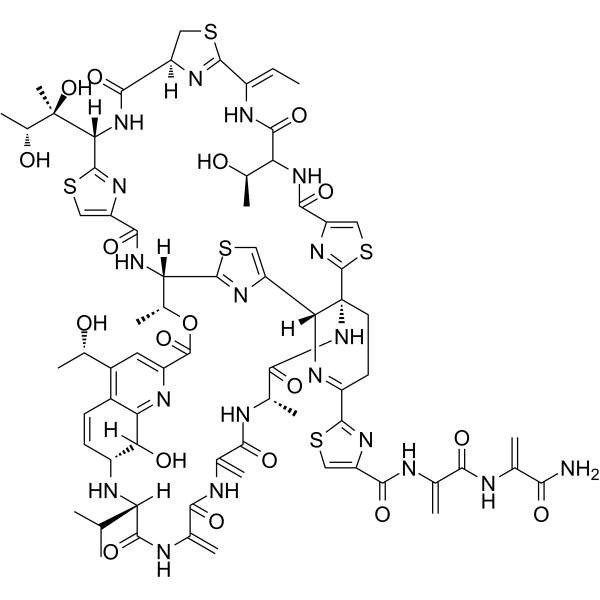
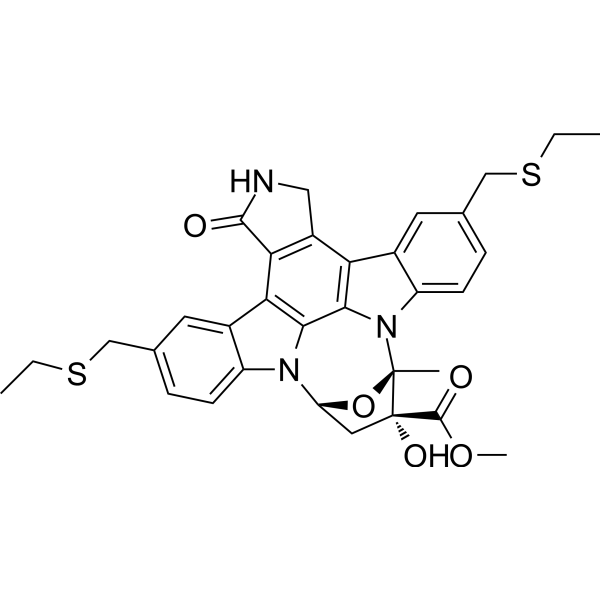
  • HY-10087
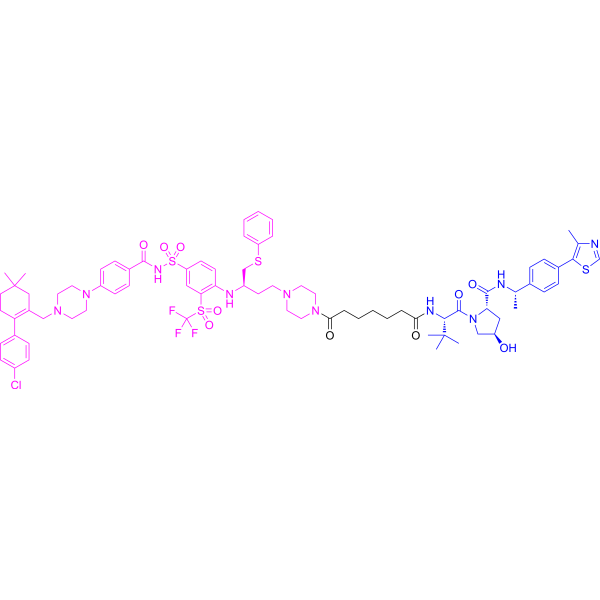
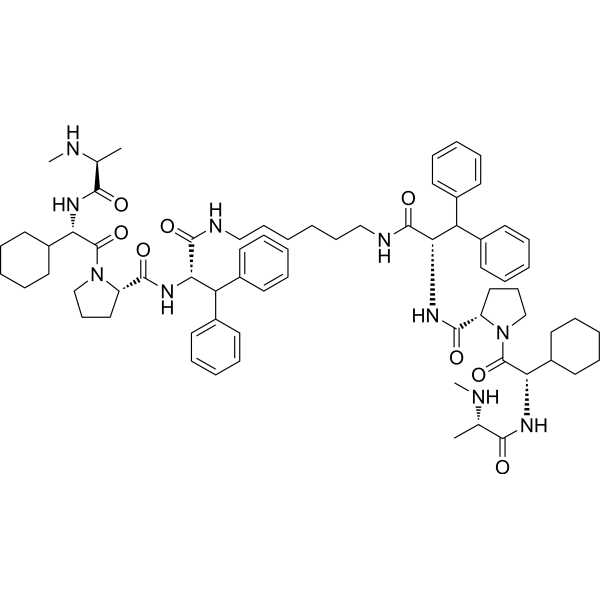
    Navitoclax
    145+ Cited Publications

    ABT-263

    Bcl-2 Family Cancer
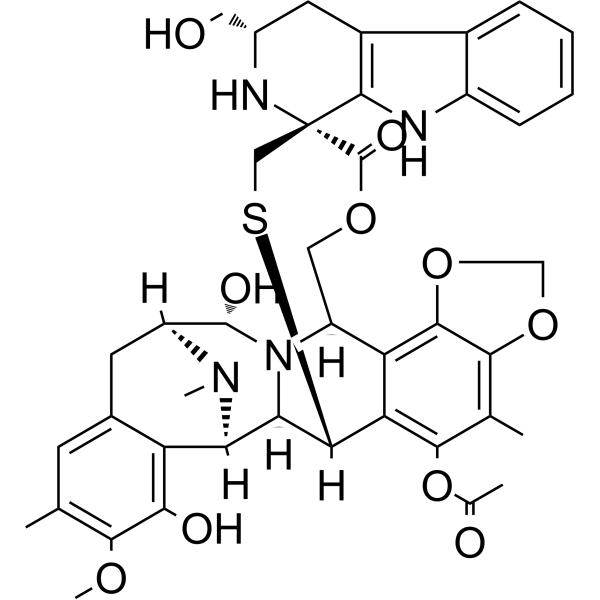
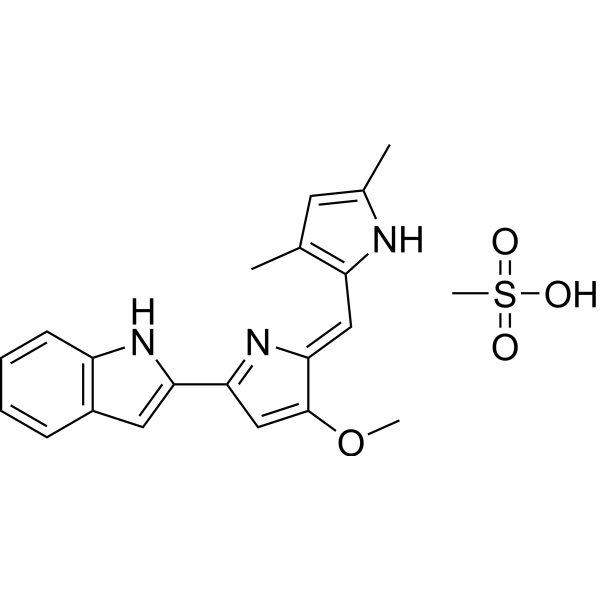
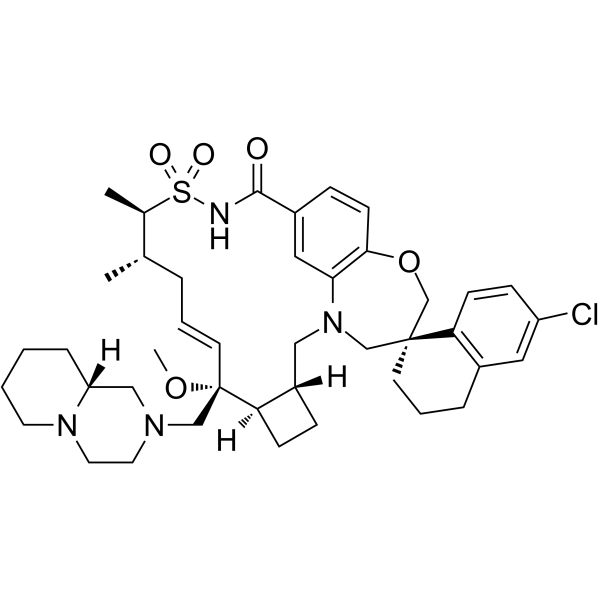
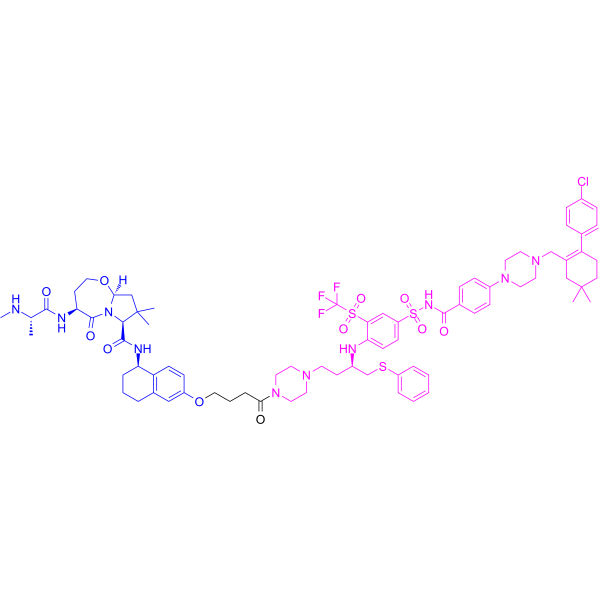
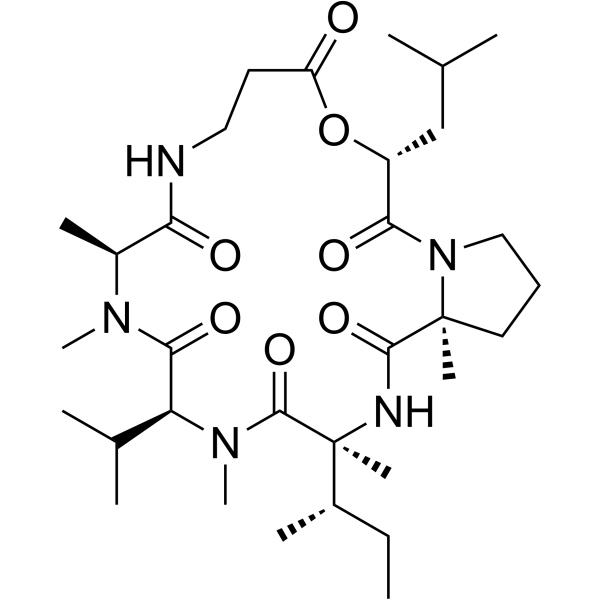
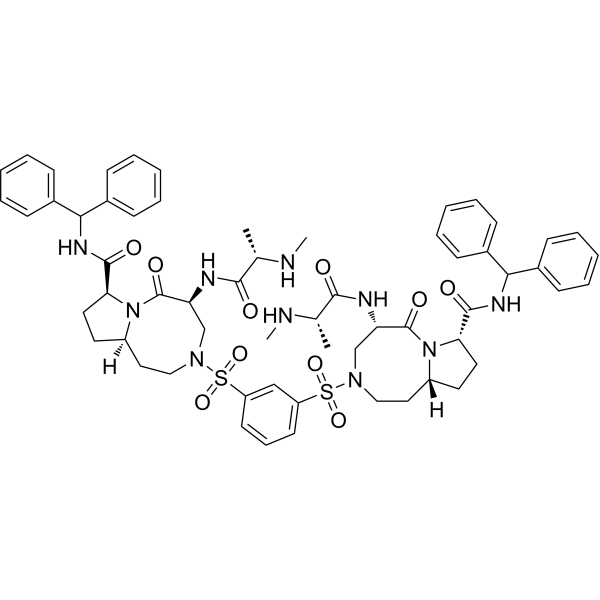
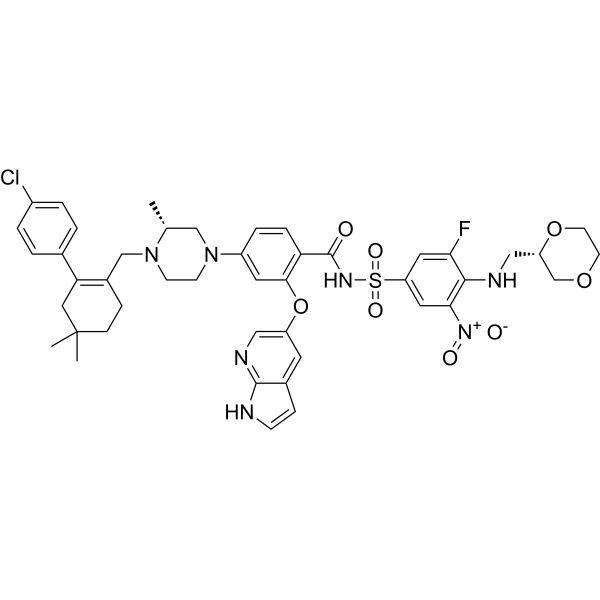
    Navitoclax (ABT-263) is a potent and orally active Bcl-2 family protein inhibitor that binds to multiple anti-apoptotic Bcl-2 family proteins, such as Bcl-xL, Bcl-2 and Bcl-w, with a Ki of less than 1 nM .
    Navitoclax
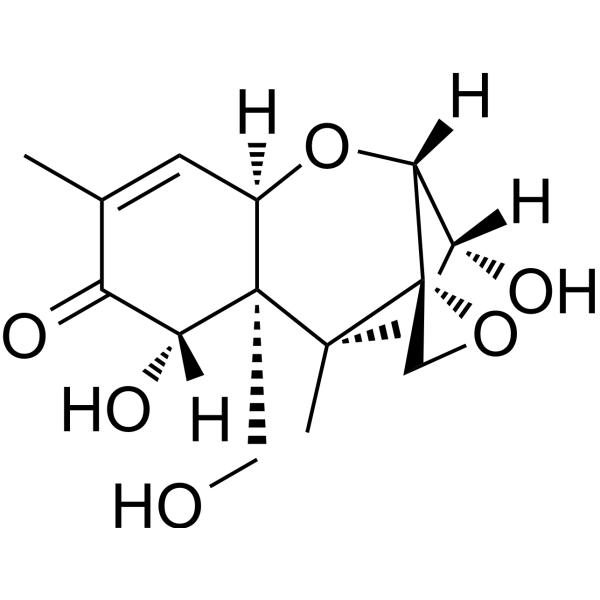
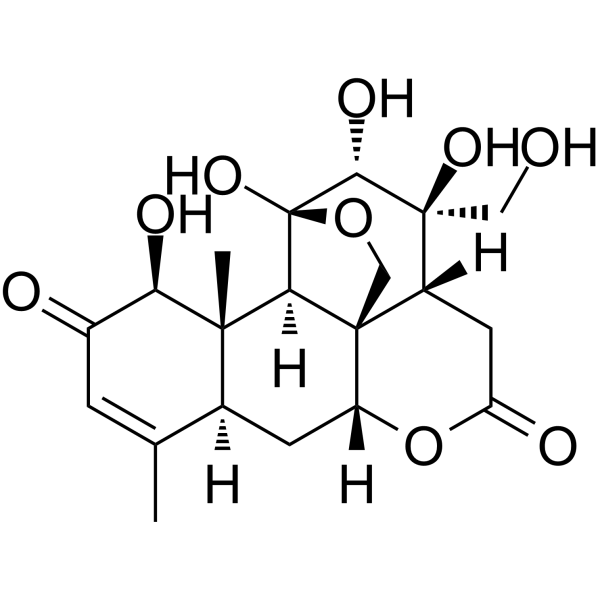
  • HY-N6684
    Deoxynivalenol
    15+ Cited Publications

    Vomitoxin

    P-glycoprotein Metabolic Disease
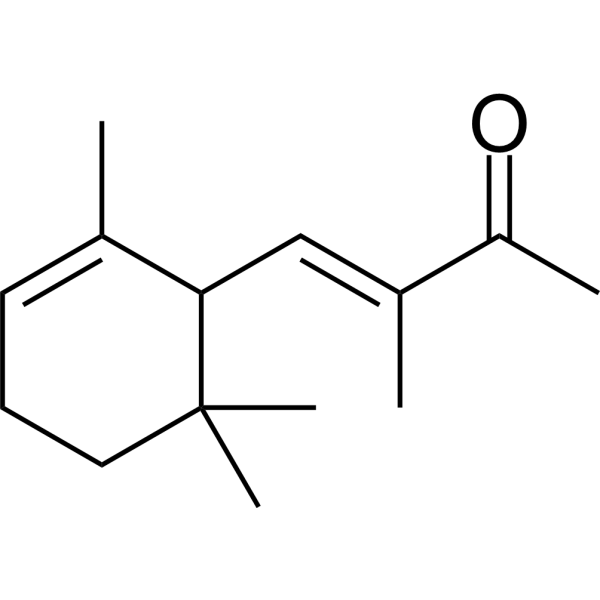
    Deoxynivalenol, an orally active mycotoxin of the trichothecenes family, crosses the intestinal mucosa by a paracellular pathway through the tight junctions. The Deoxynivalenol transport is not affected by P-glycoprotein (PgP) or multidrug resistance-associated proteins (MRPs) inhibitors .
    Deoxynivalenol
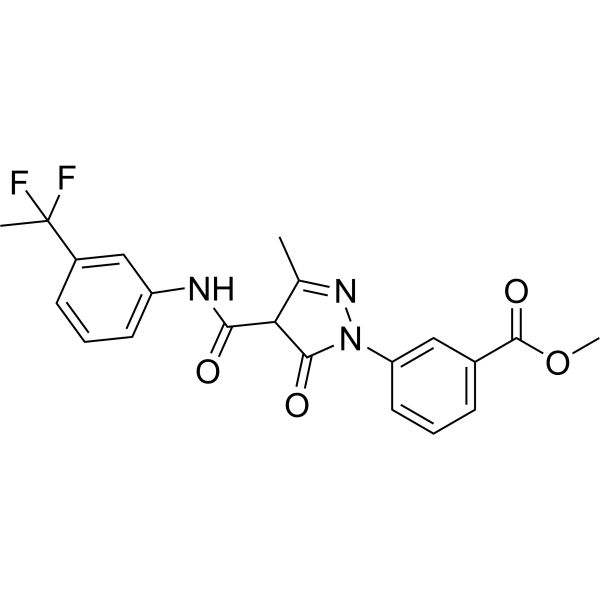
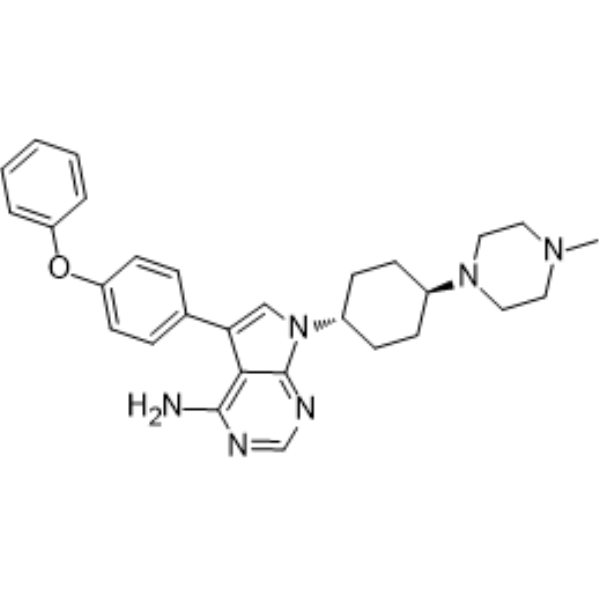
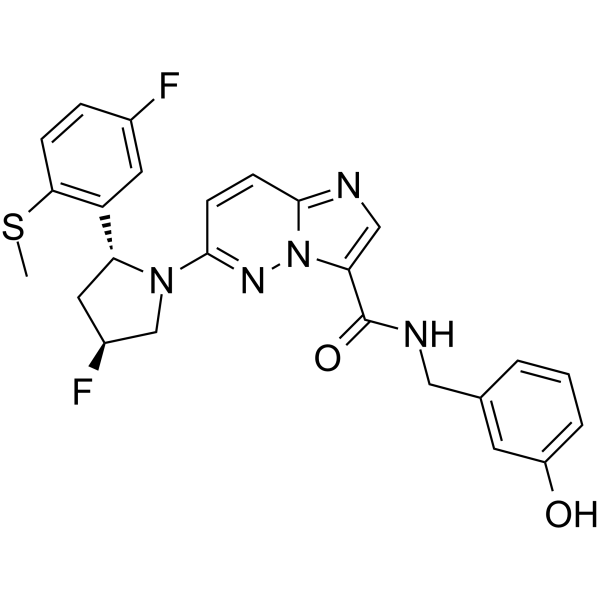
  • HY-148104
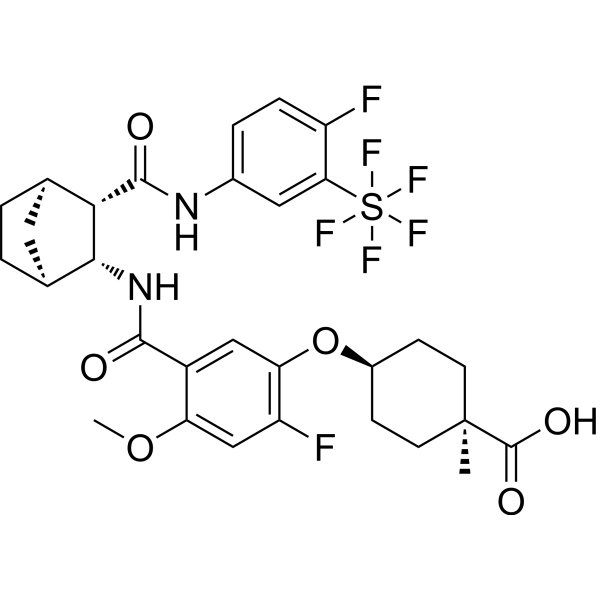
    ACSS2-IN-2
    1 Publications Verification

    Acetyl-CoA synthetase Infection Neurological Disease Metabolic Disease Inflammation/Immunology Cancer
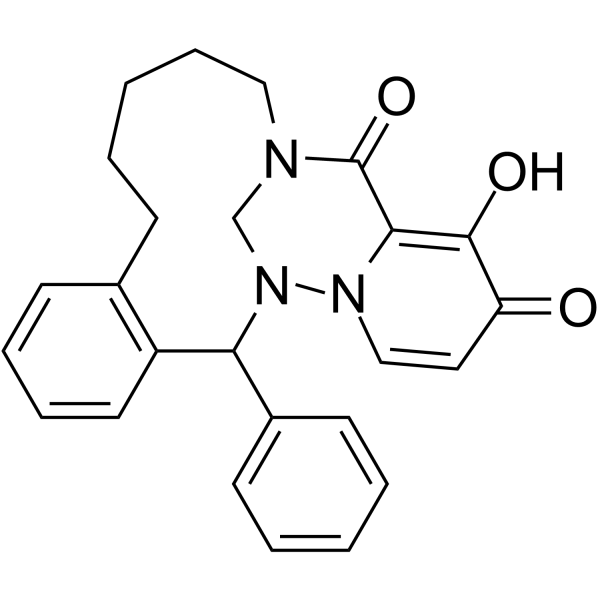
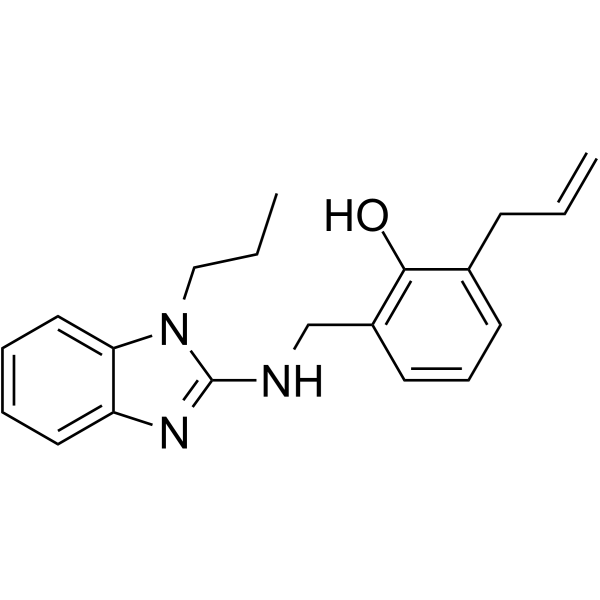
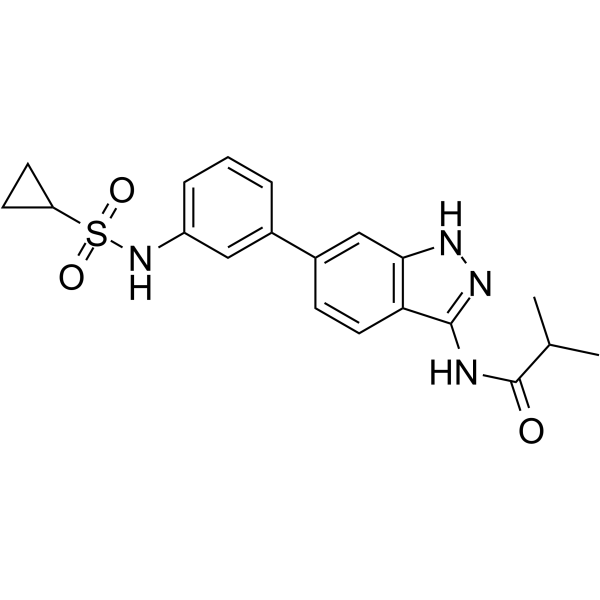
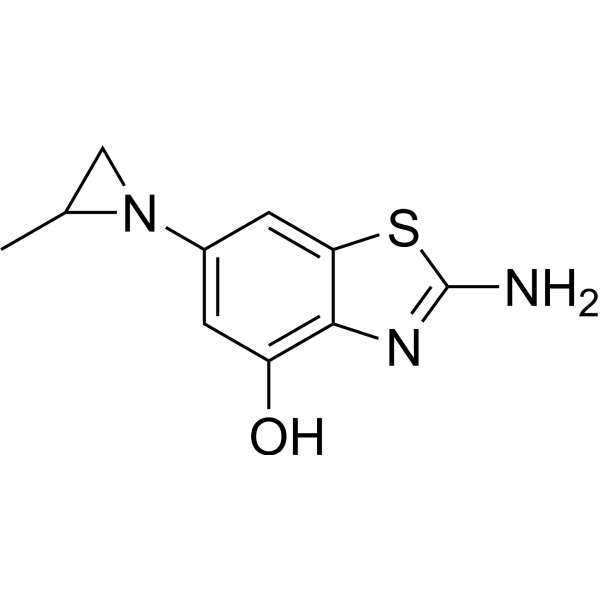
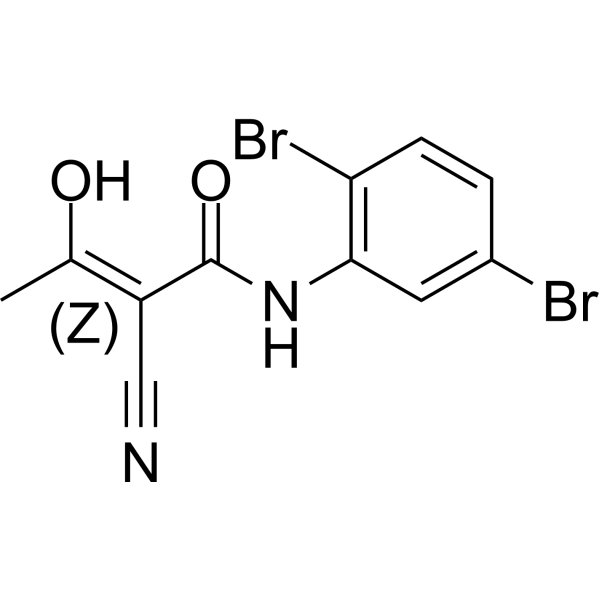
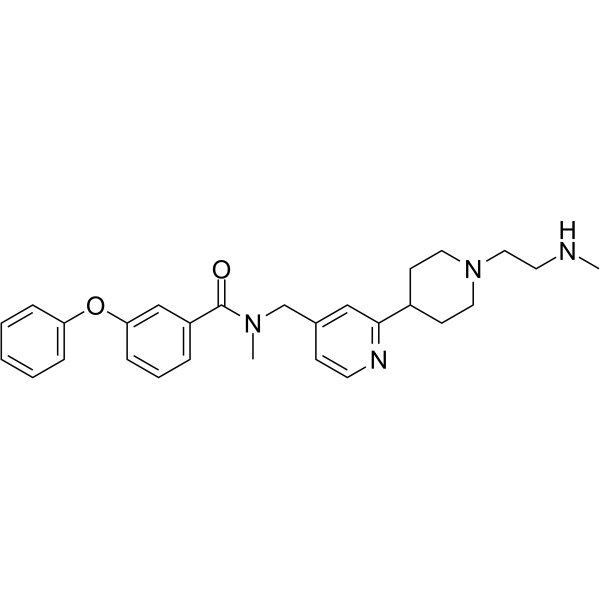
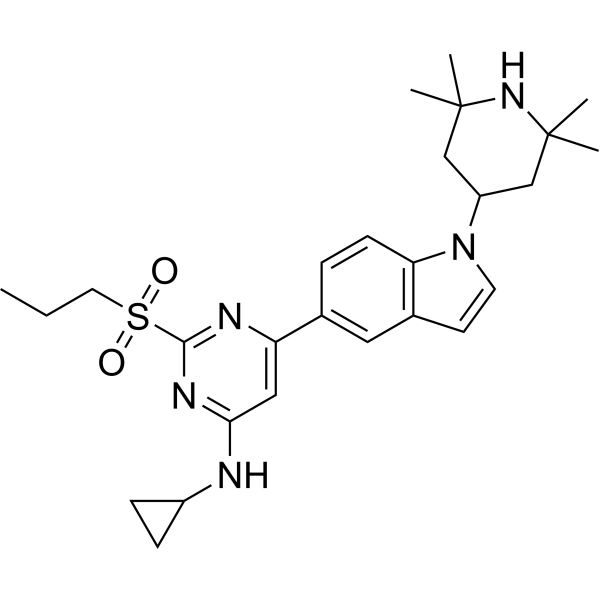
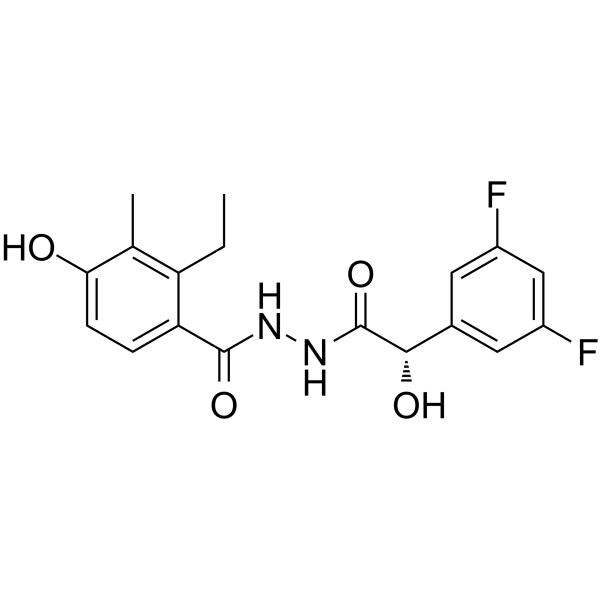
    ACSS2-IN-2 is an acyl-CoA synthetase short-chain family member 2 (ACSS2) inhibitor. ACSS2-IN-2 can inhibit ACSS2 activity with an IC50 value of 3.8 nM. ACSS2-IN-2 can be used for the research of several diseases, such as viral infection, metabolic disorders, neuropsychiatric diseases, inflammatory/autoimmune conditions and cancer .

    ACSS2-IN-2
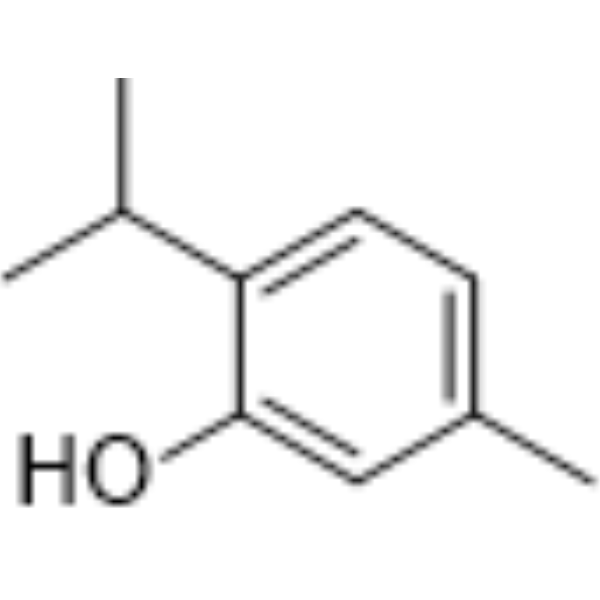
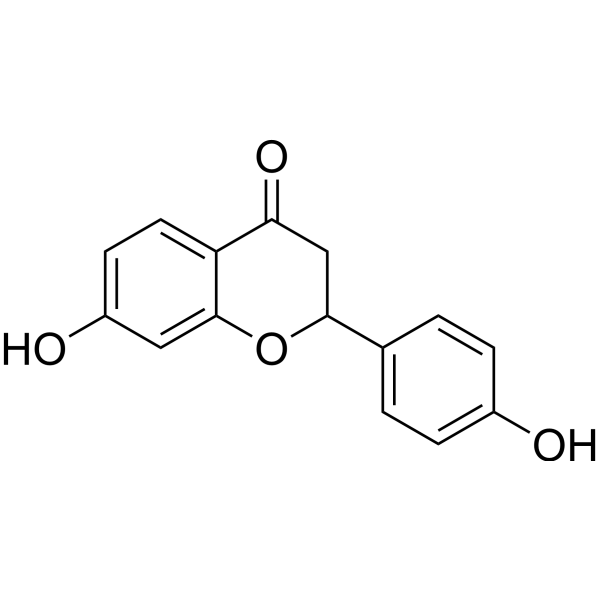
  • HY-N6810
    Thymol
    4 Publications Verification

    Environmental Pollutants Apoptosis Bacterial Fungal Infection Inflammation/Immunology Cancer
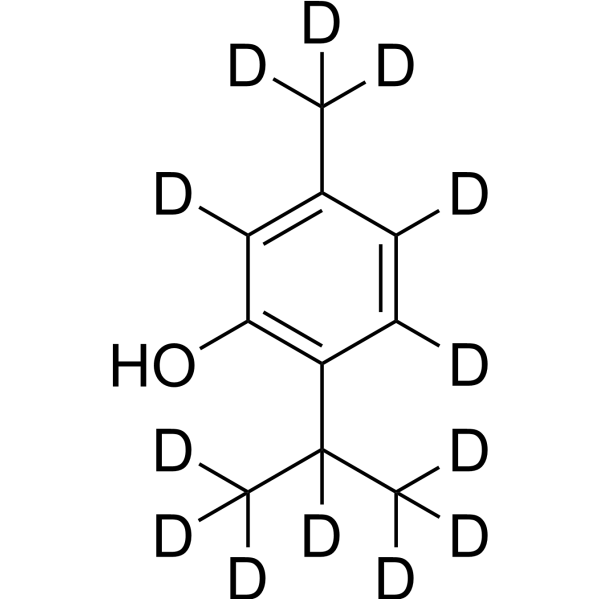
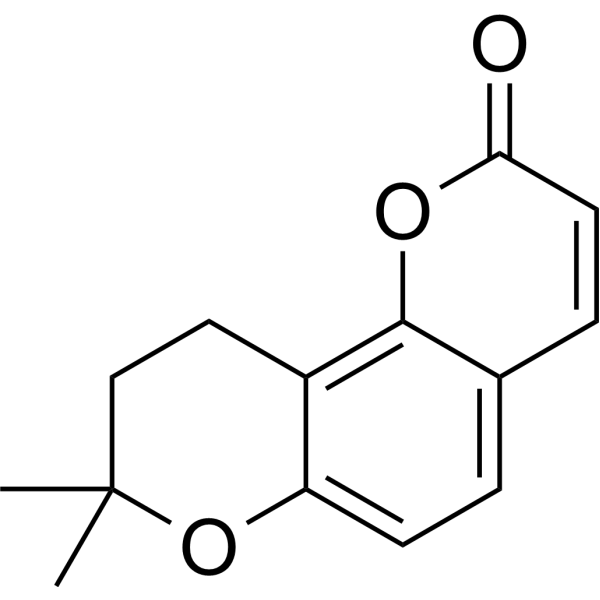
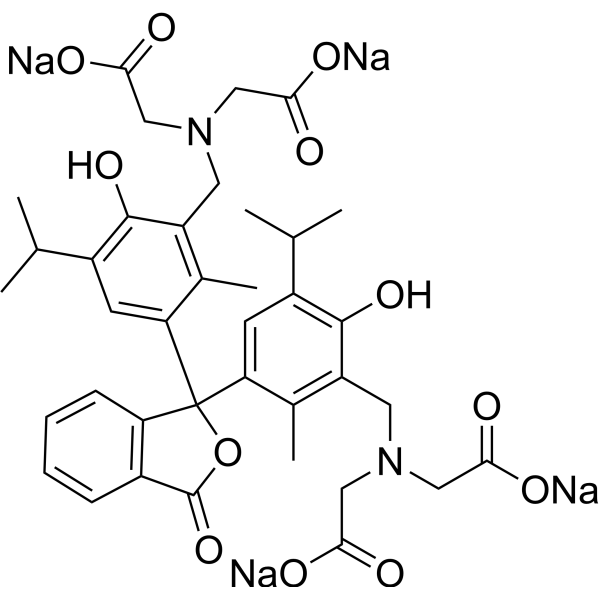
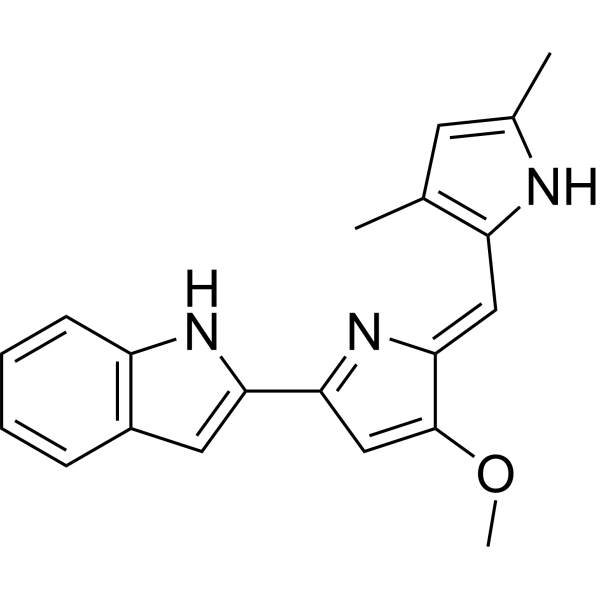
    Thymol is a TRPA1 agonist. Thymol induces cancer cell apoptosis. Thymol is the main monoterpene phenol occurring in essential oils isolated from plants belonging to the Lamiaceae family, and other plants such as those belonging to the Verbenaceae, Scrophulariaceae, Ranunculaceae and Apiaceae families. Thymol has antioxidant, anti-inflammatory, antibacterial and antifungal effects .
    Thymol
  • HY-15191
    Sabutoclax
    1 Publications Verification

    BI-97C1

    Bcl-2 Family Cancer
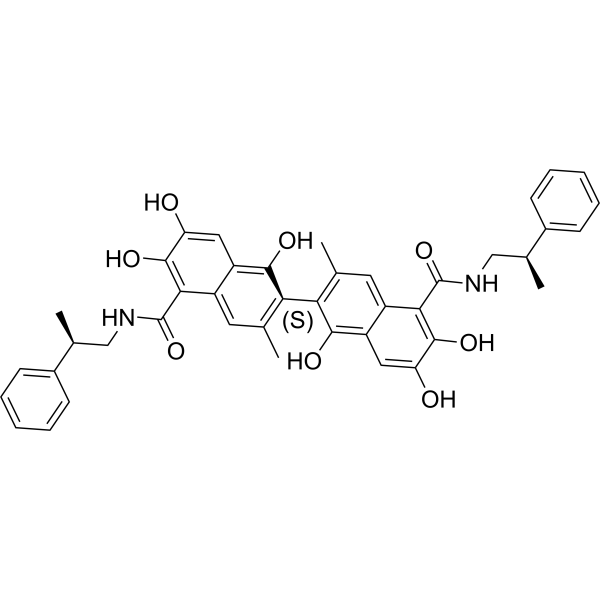
    Sabutoclax is a potent and effective Bcl-2 Family (Bcl-2, Bcl-XL, Mcl-1, Bfl-1) inhibitor with IC50s of 0.32 μM, 0.31 μM, 0.20 μM, and 0.62 μM, respectively. Sabutoclax increases Bax, Bim, PUMA and survivin expression [2].
    Sabutoclax
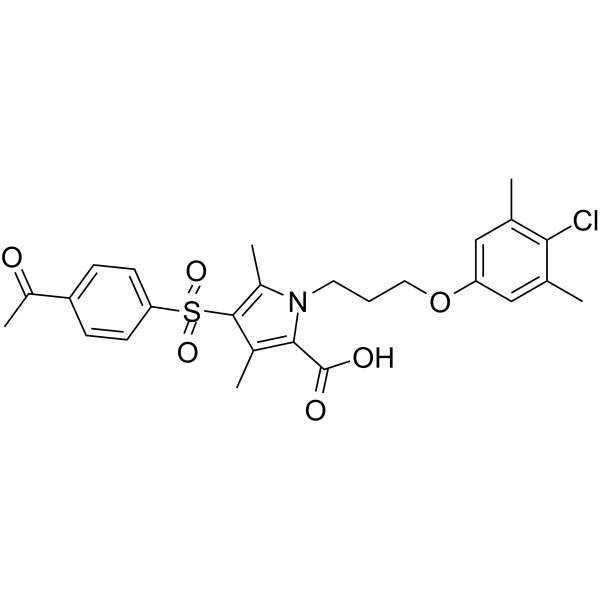
  • HY-165559

    TRP Channel Inflammation/Immunology
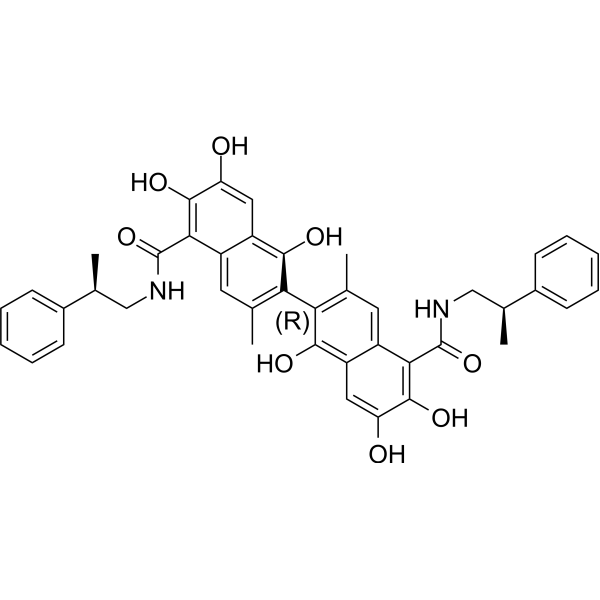
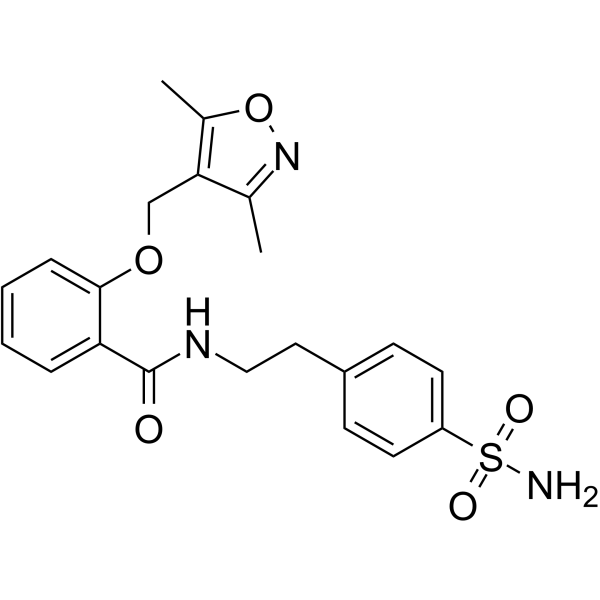
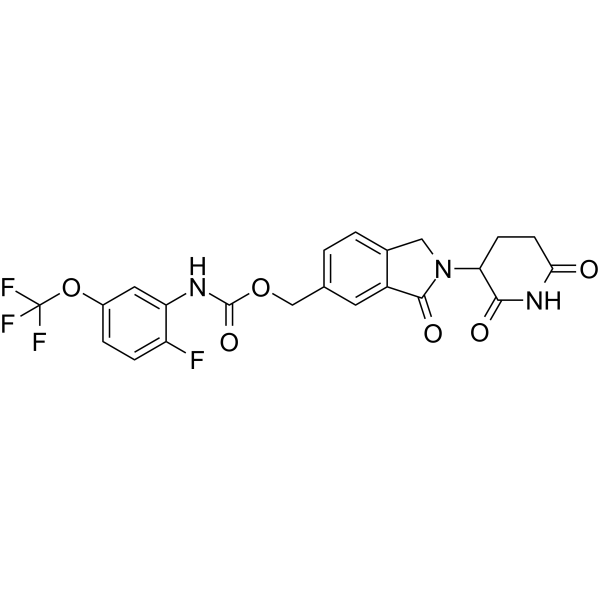
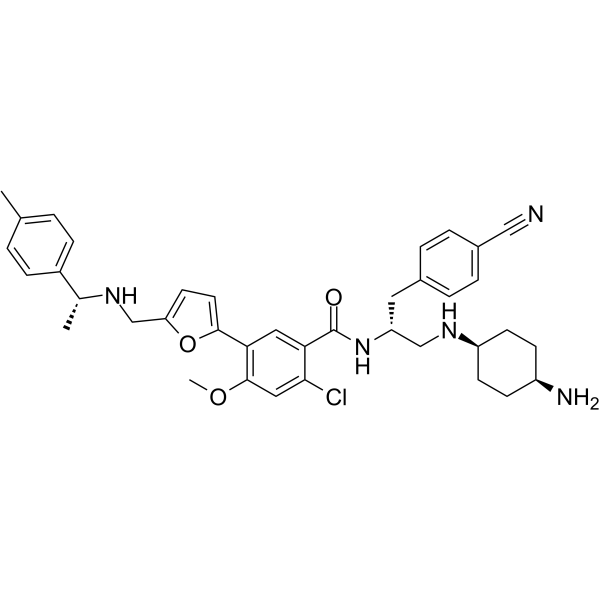
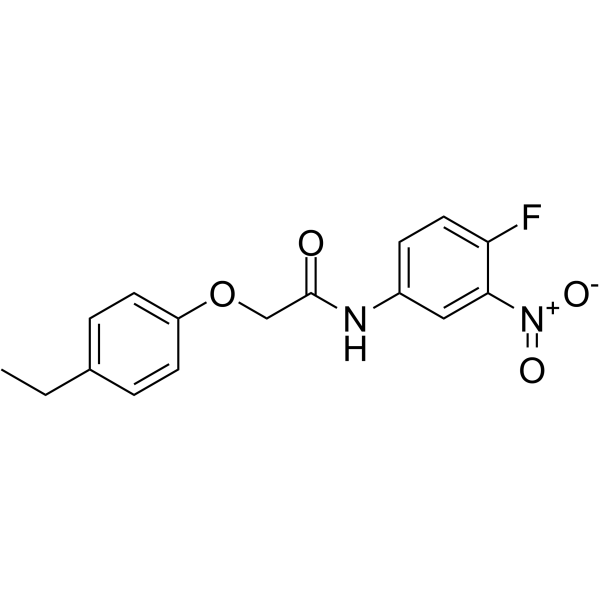
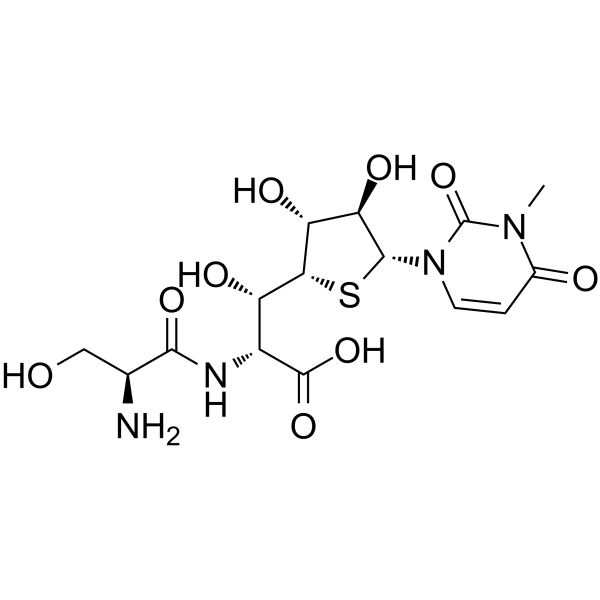
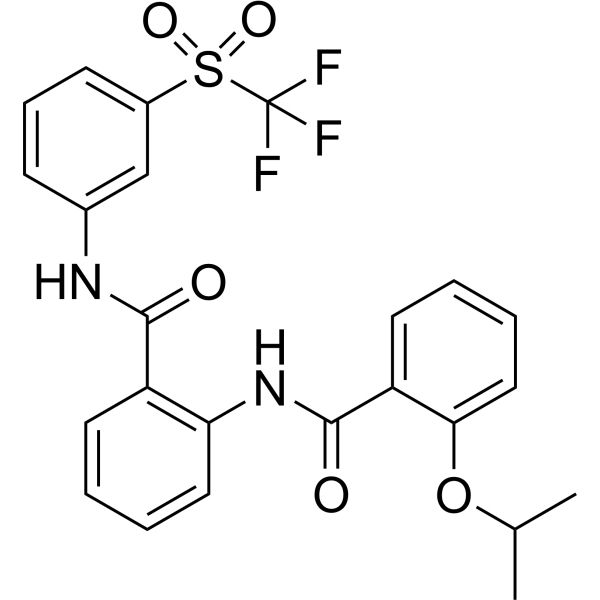
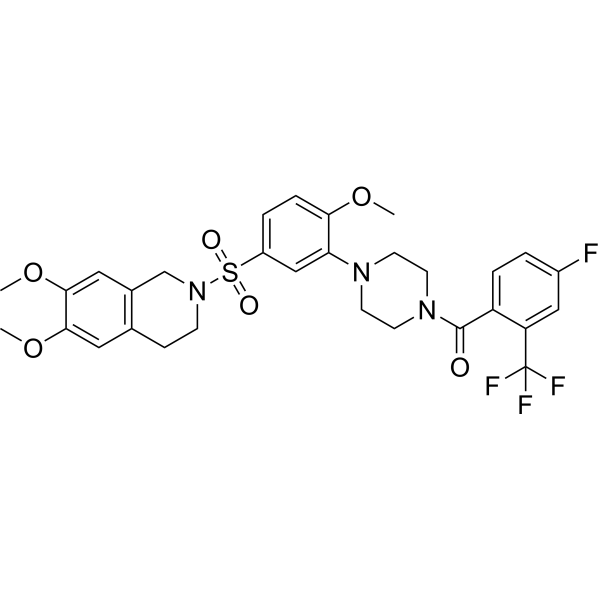
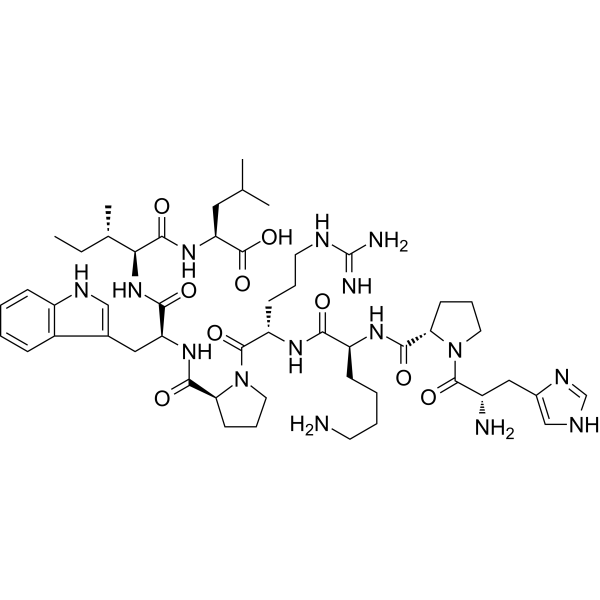
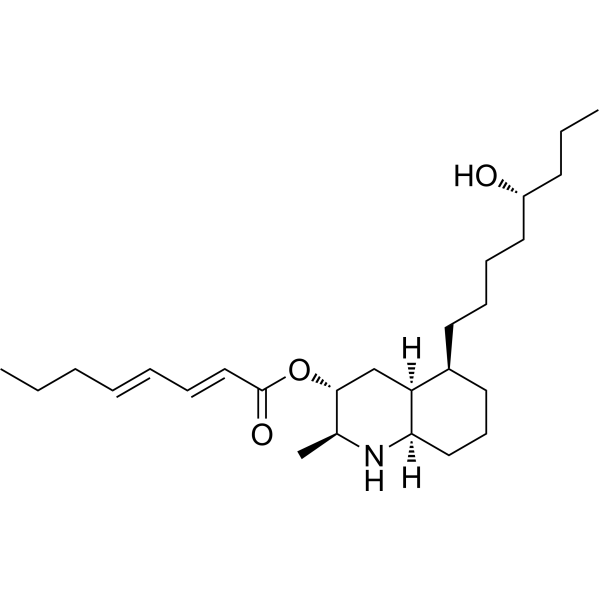
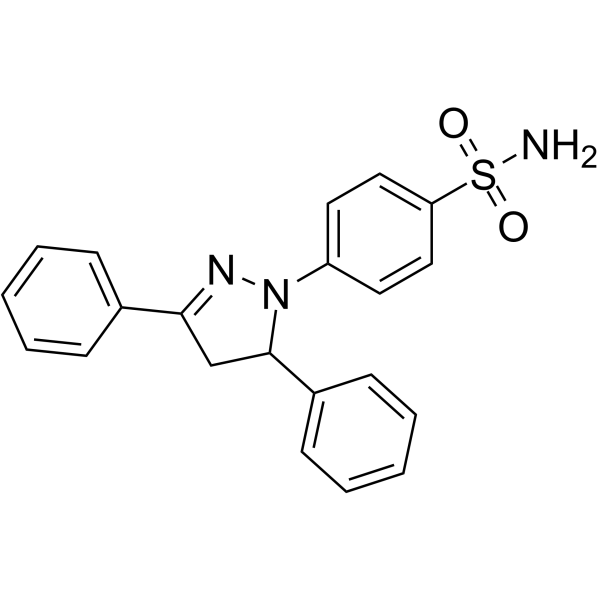
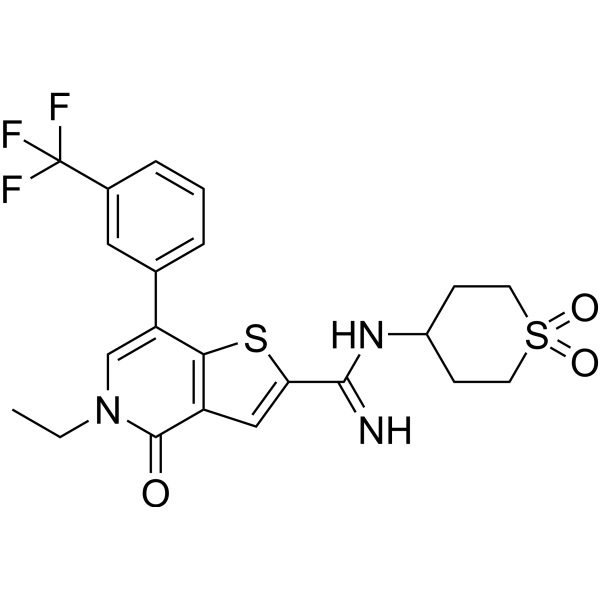
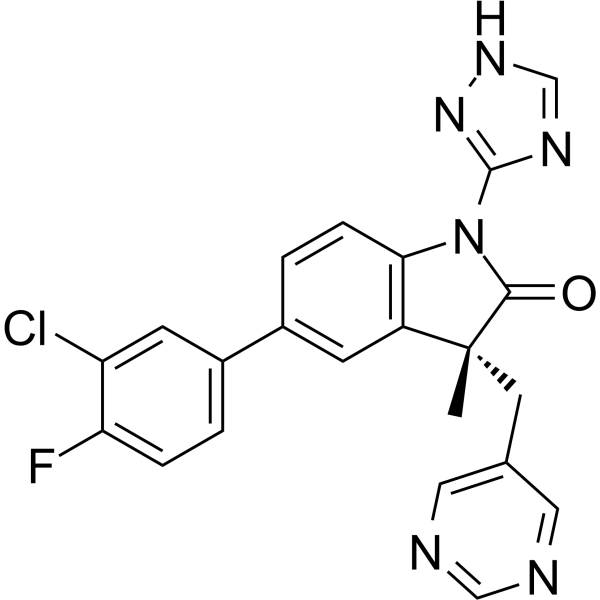
    Trpvicin is a potent and subtype-selective TRPV3 inhibitor with IC50s of 0.41 and 0.22 μM for hTRPV3-WT and hTRPV3-G573S mutant, respectively. Trpvicin exhibits minimal effects on other TRP family members (such as TRPV1/2/4/5/6, TRPA1 and TRPM8). Trpvicin inhibits the TRPV3 channel by stabilizing it in a closed state via VSLD-PD binding. Trpvicin accesses additional binding sites inside the central cavity of the G573S mutant to remodel symmetry and block the channel. Trpvicin inhibits itch and hair loss in mouse models. Trpvicin can be used for study of inflammation and immunology .
    Trpvicin
  • HY-N9497

    Galectin Fungal Infection
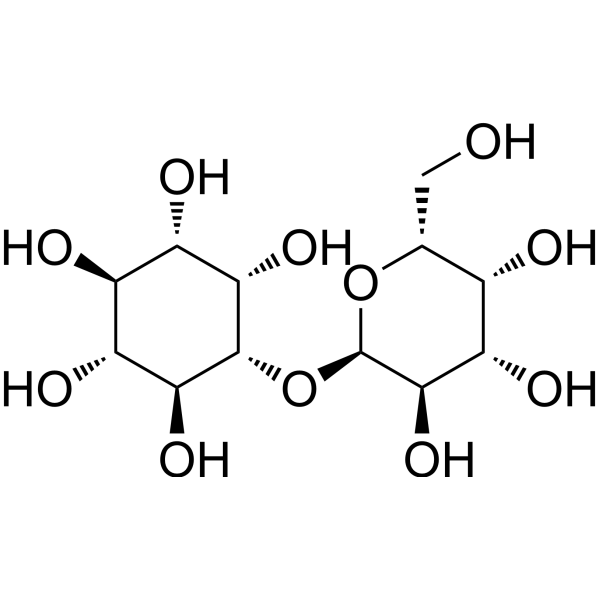
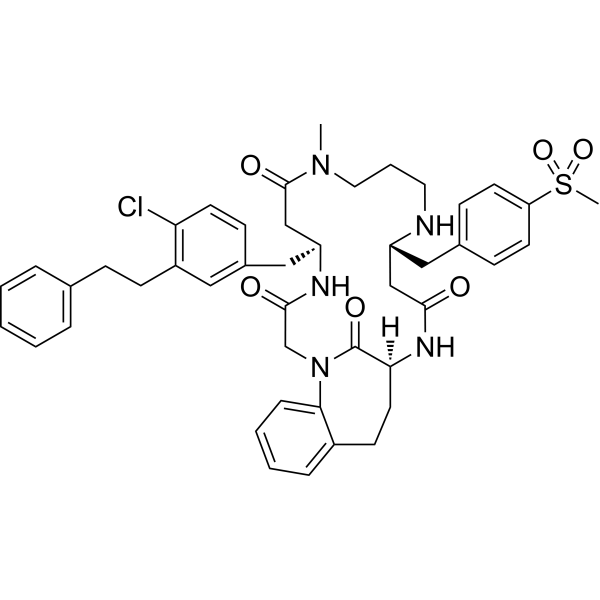
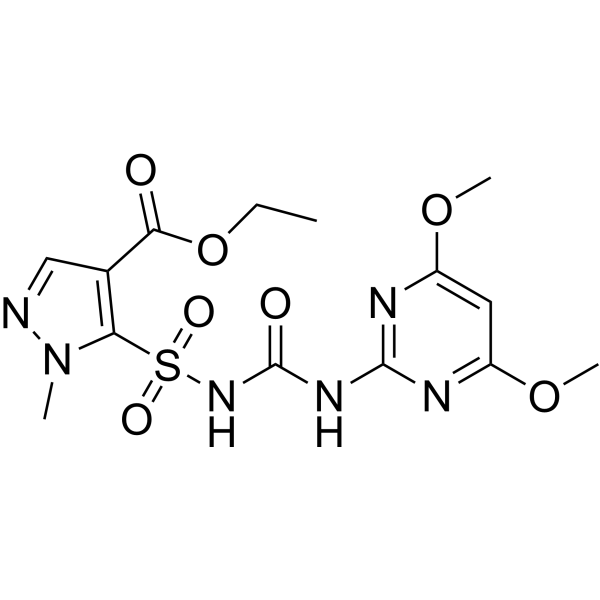
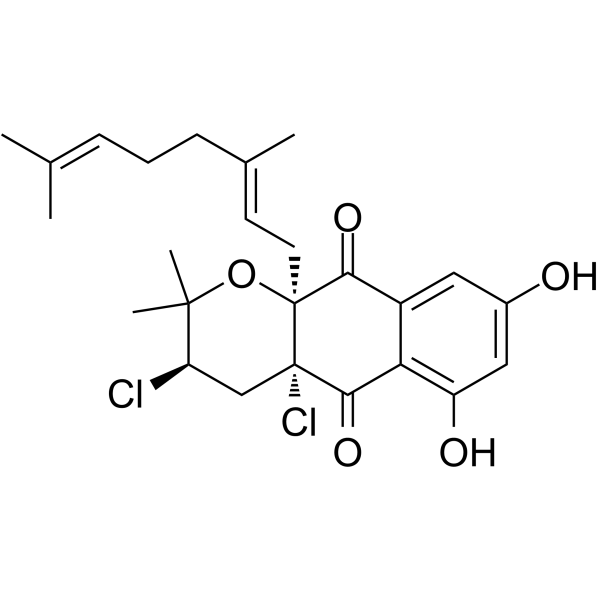
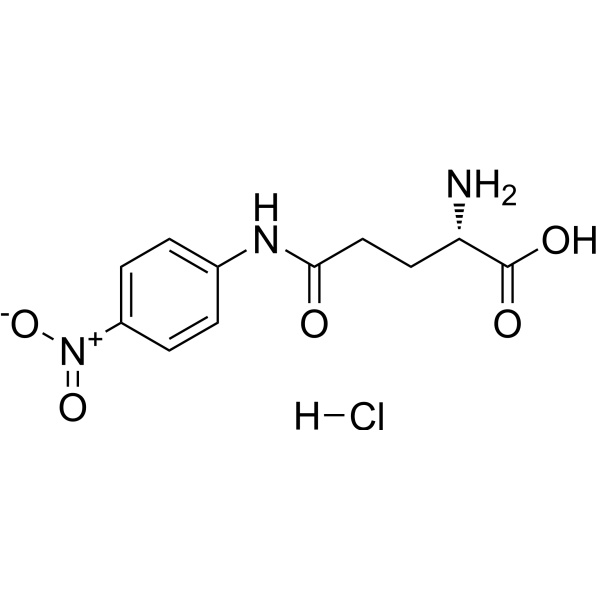
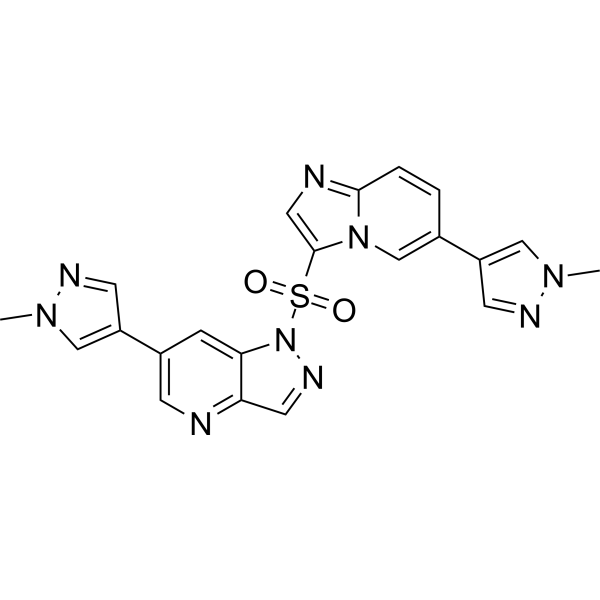
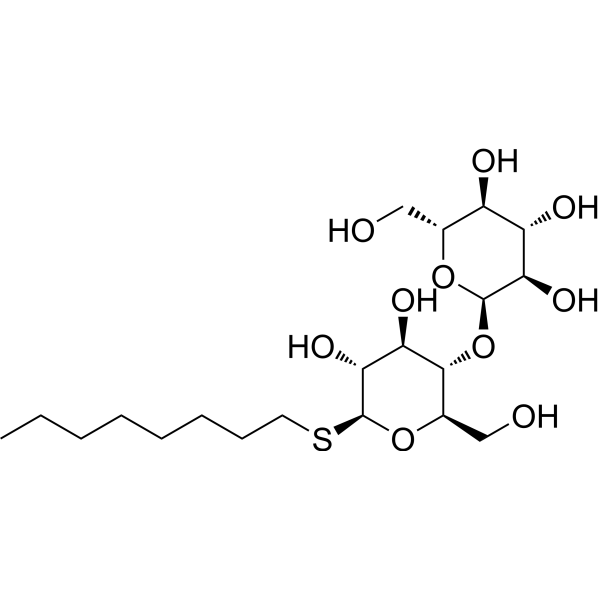
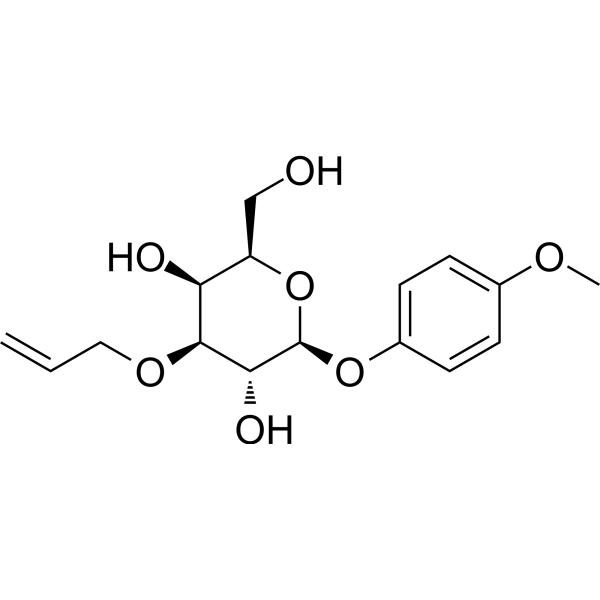
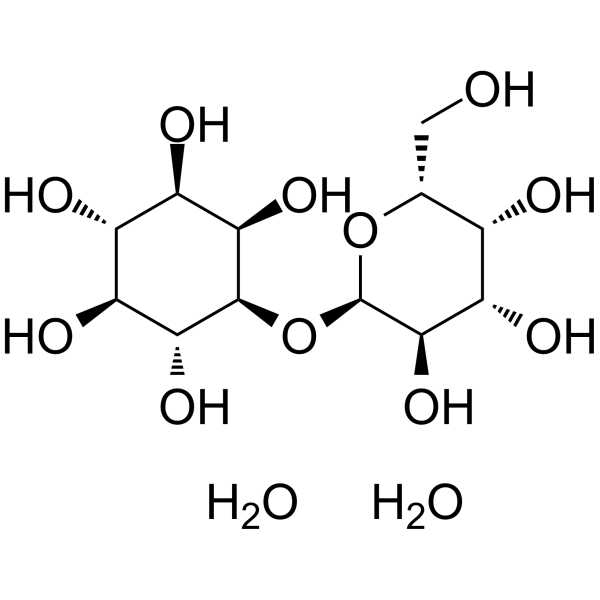
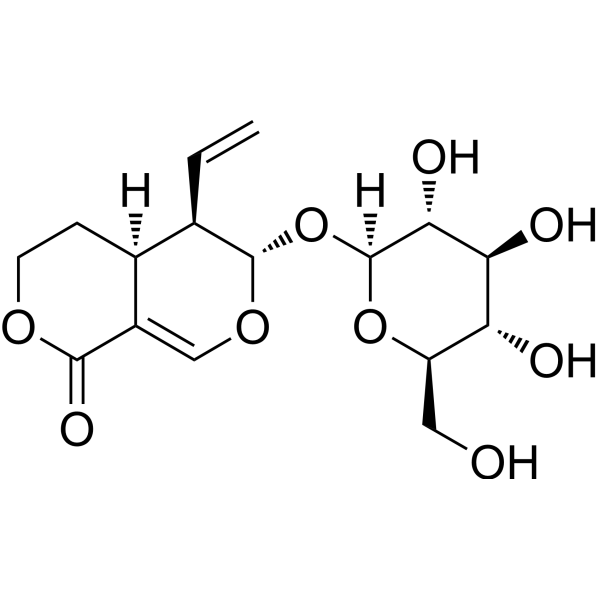
    Galactinol is a disaccharide carbohydrate serving as a galactosyl donor, which belongs to the raffinose family oligosaccharide pathway and acts as an important osmoprotectant. Galactinol not only induces disease resistance in plants against fungal and bacterial pathogens, but also significantly enhances plant tolerance to abiotic stresses such as drought, high salinity, low temperature and oxidative damage. In addition, Galactinol has the ability to scavenge hydroxyl radicals, can act as a signaling component for root colonization-induced systemic resistance, and is positively correlated with seed longevity in various crops, making it a potential biomarker for evaluating seed vigor. Therefore, Galactinol can be used in the research of various plant diseases including fungal leaf spot, bacterial angular leaf spot, gray mold and soft rot [2] .
    Galactinol
  • HY-W017132

    MOFs Histone Demethylase Cancer
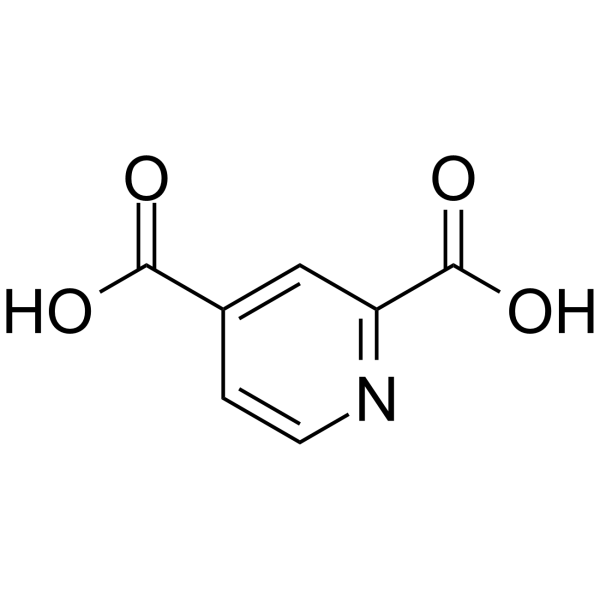
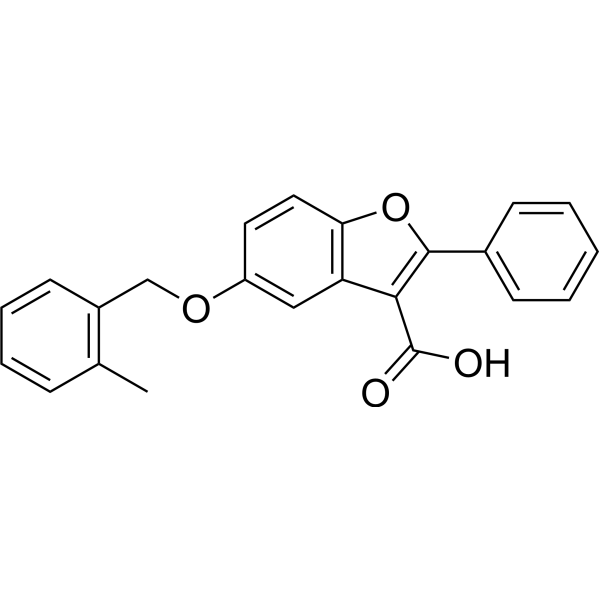
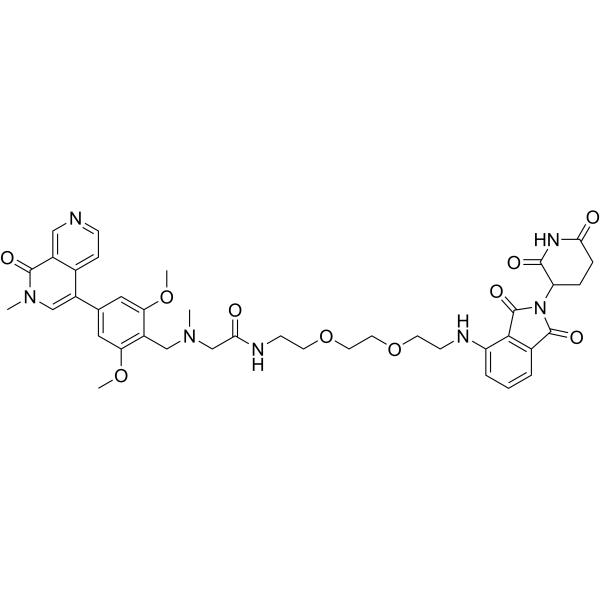
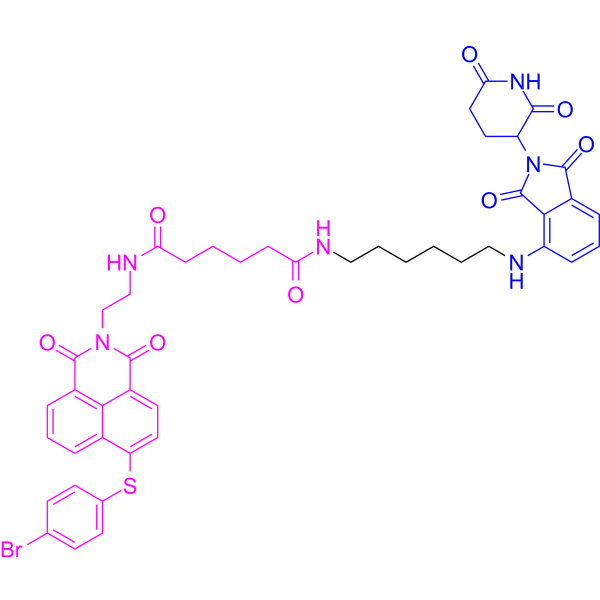
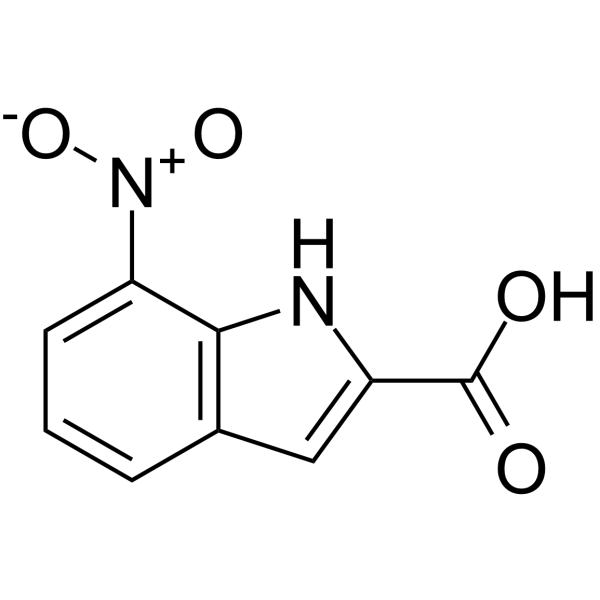
    2,4-PDCA (2,4 pyridine dicarboxylic acid) is a broad-spectrum inhibitor of 2OG oxygenase, including JmjC domain-containing family of histone demethylases (JHDMs). 2,4-PDCA is a target chemical in the field of bio-based plastics [2] .
    2,4-PDCA
  • HY-135299
    CH6953755
    5 Publications Verification

    Src Cancer
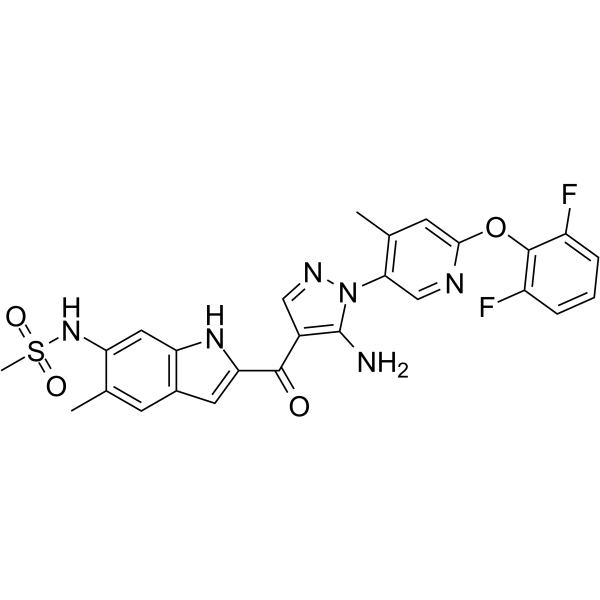
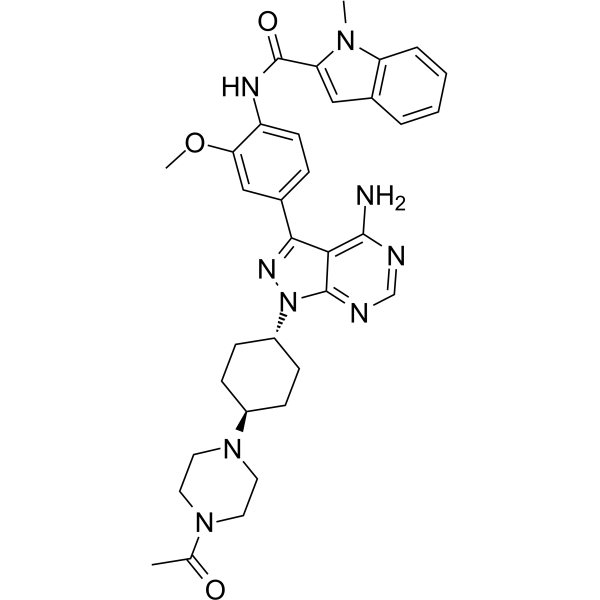
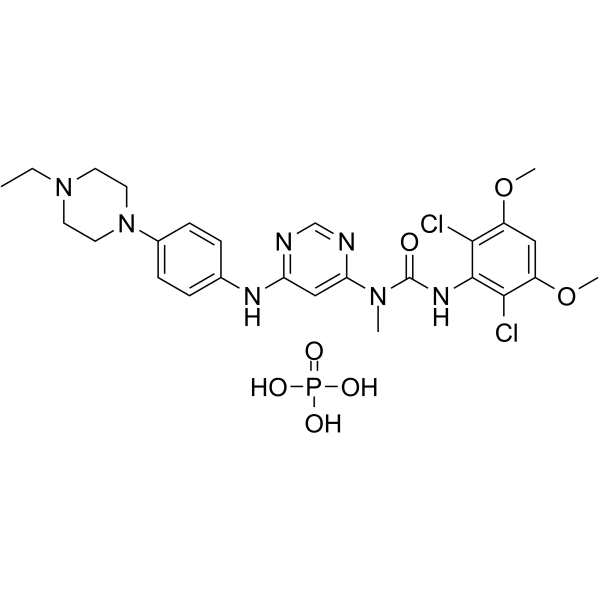
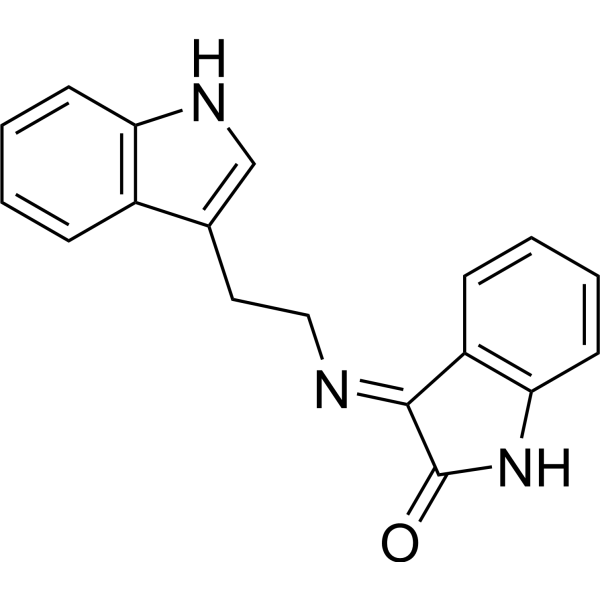
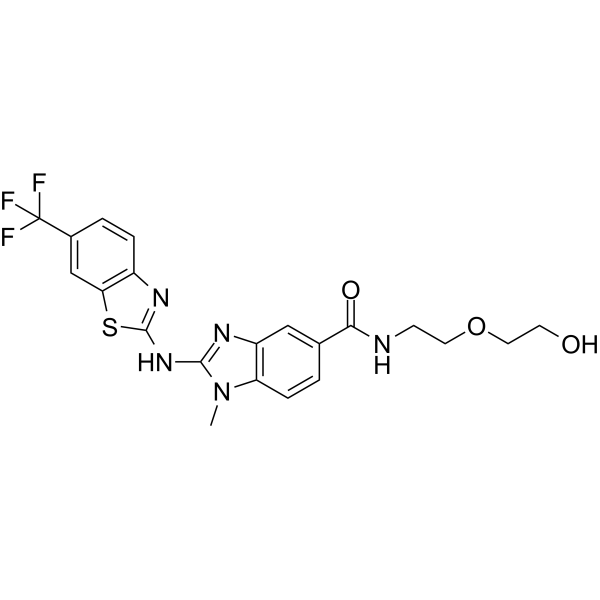
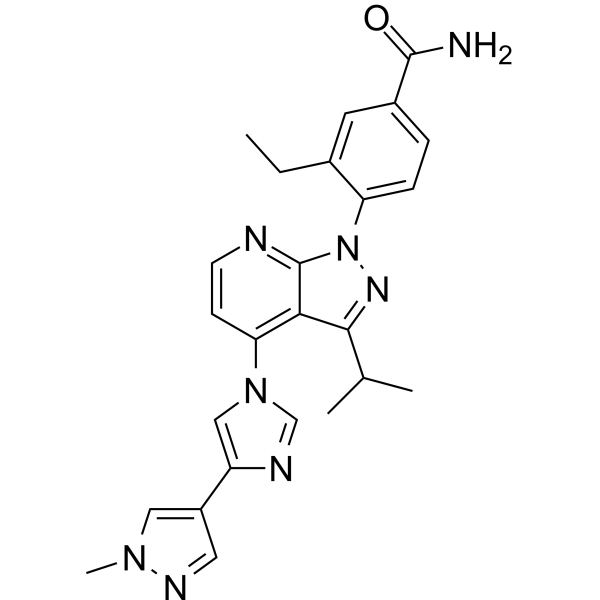
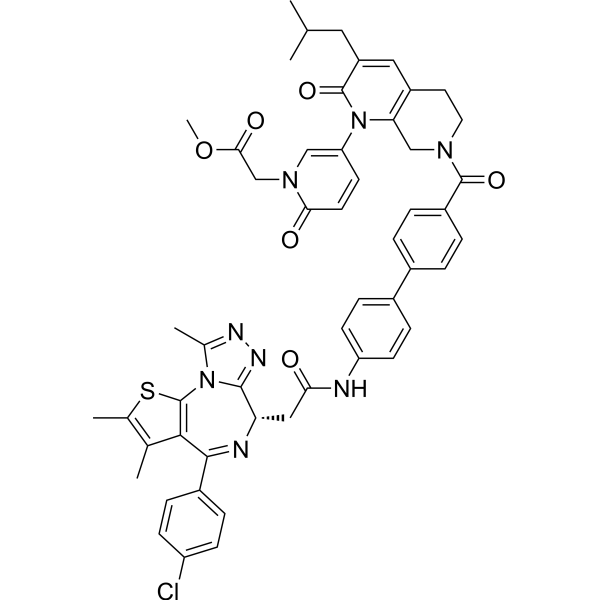
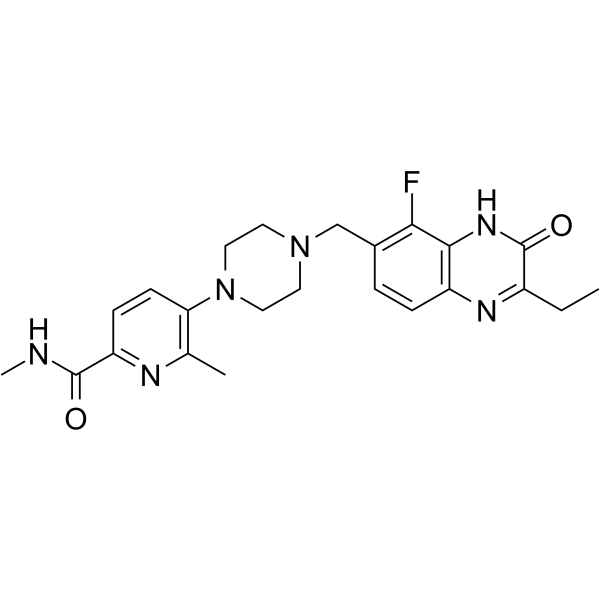
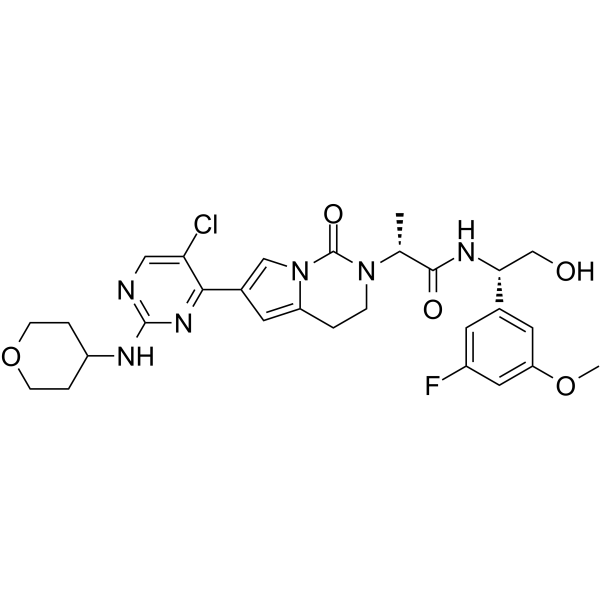
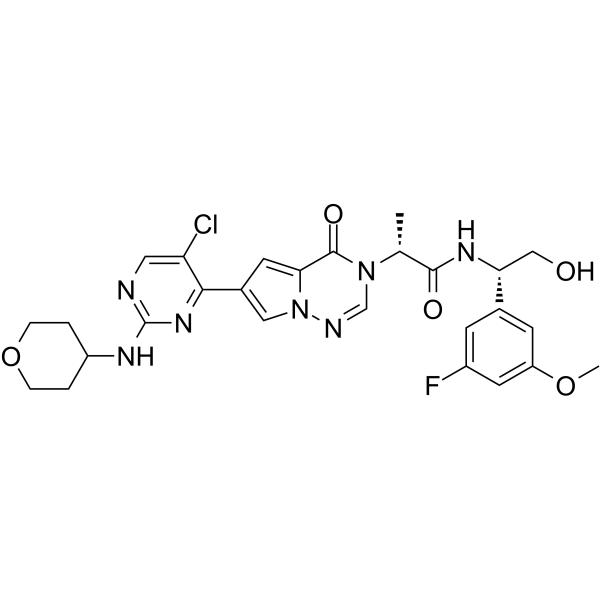
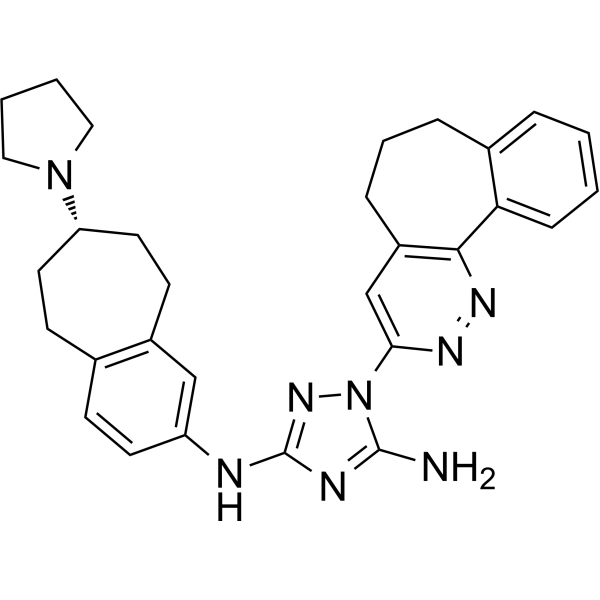
    CH6953755 is a potent, orally active and selective YES1 kinase (a member of the SRC family) inhibitor with an IC50 of 1.8 nM. CH6953755 inhibits YES1 kinase, leading to antitumor activity against YES1 Gene -amplified cancers in vitro and in vivo .
    CH6953755
  • HY-172429

    ORIC-114

    EGFR Neurological Disease Cancer
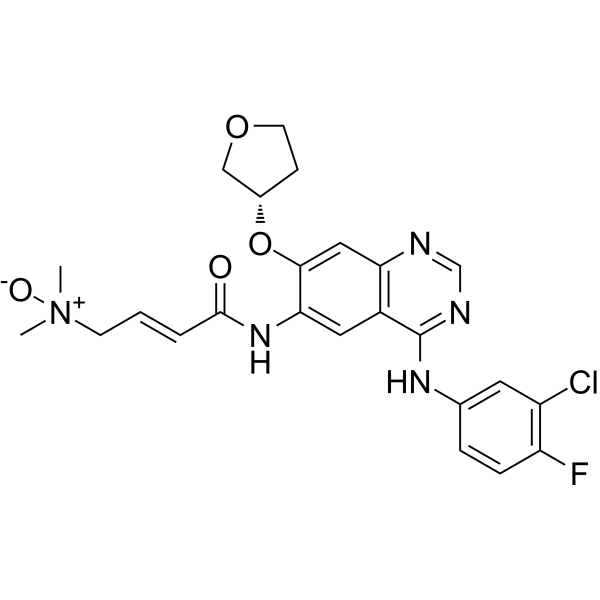
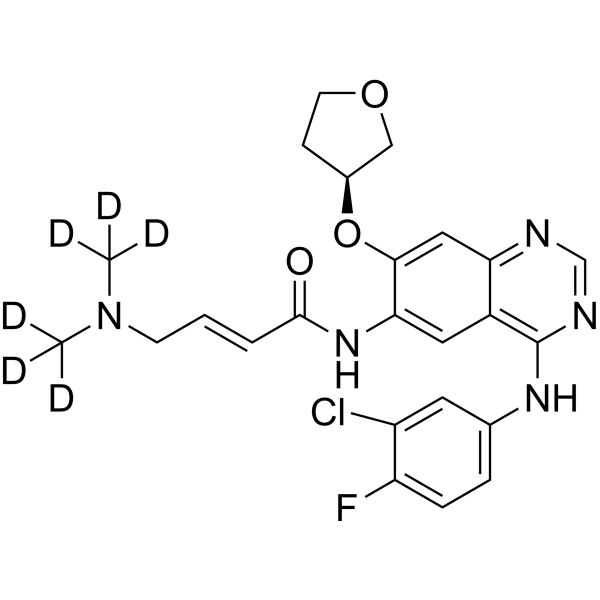
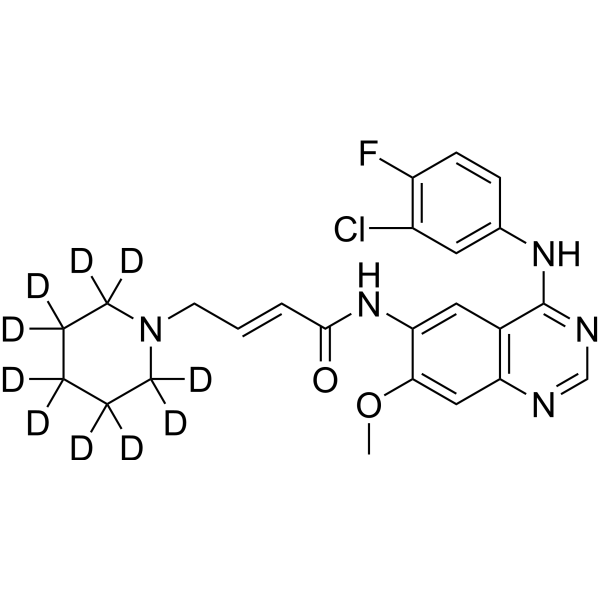
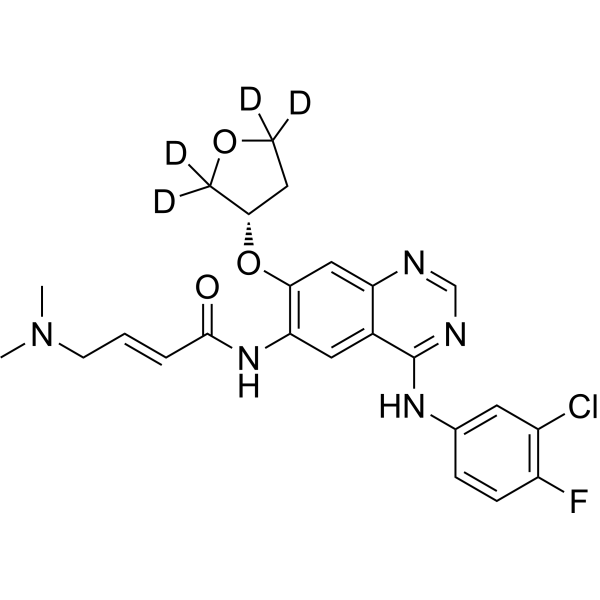
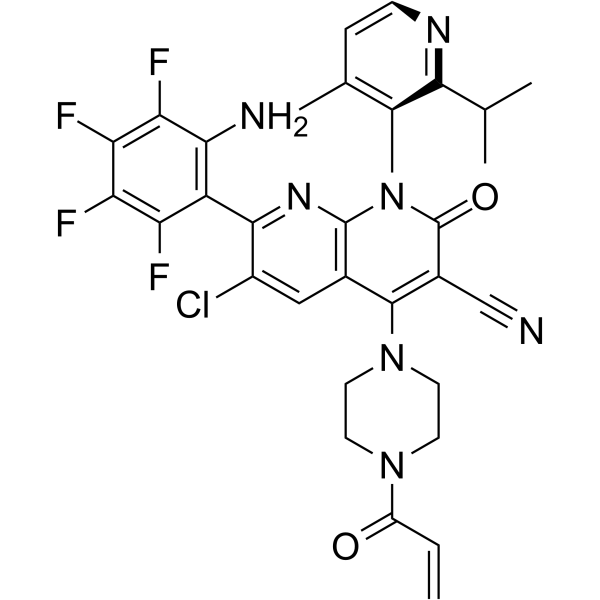
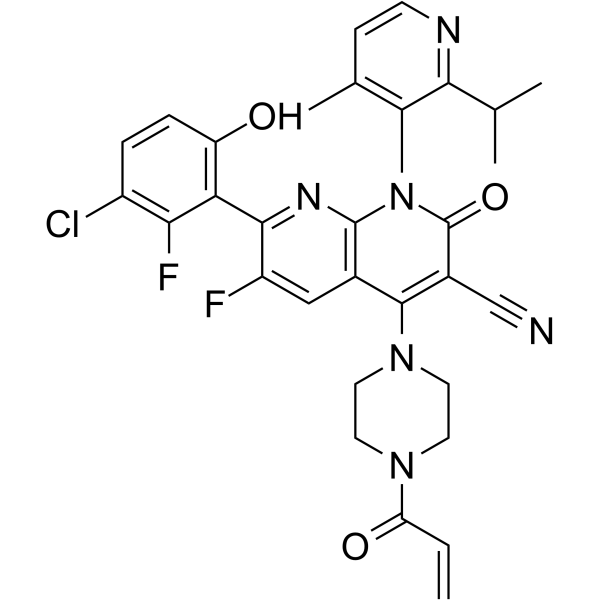
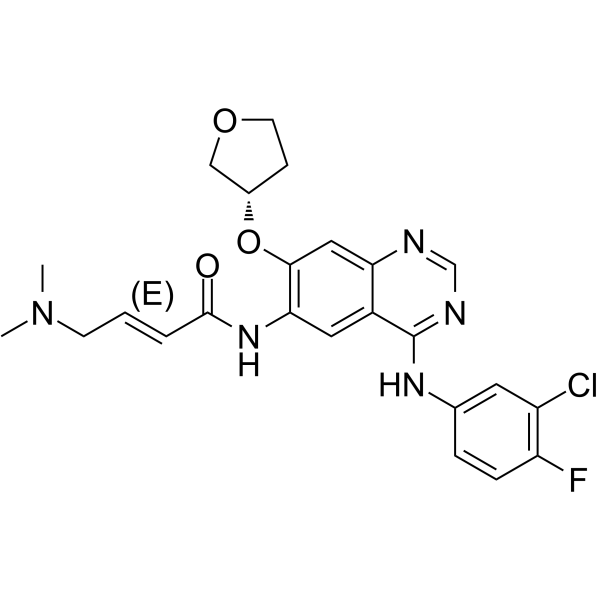
    Enozertinib (ORIC-114) is an orally active, CNS-penetrant, highly selective and irreversible dual EGFR/HER2 inhibitor that exhibits potent and targeted inhibition of exon 20 insertion mutations. Enozertinib exhibits high kinome selectivity for the EGFR family of receptors to reduce off-target kinase liabilities. Enozertinib induces tumor regression and demonstrates antitumor activity in central nervous system and non-small cell lung cancer (NSCLC) tumor models. Enozertinib can be used for the research of solid tumors and NSCLC [2].
    Enozertinib
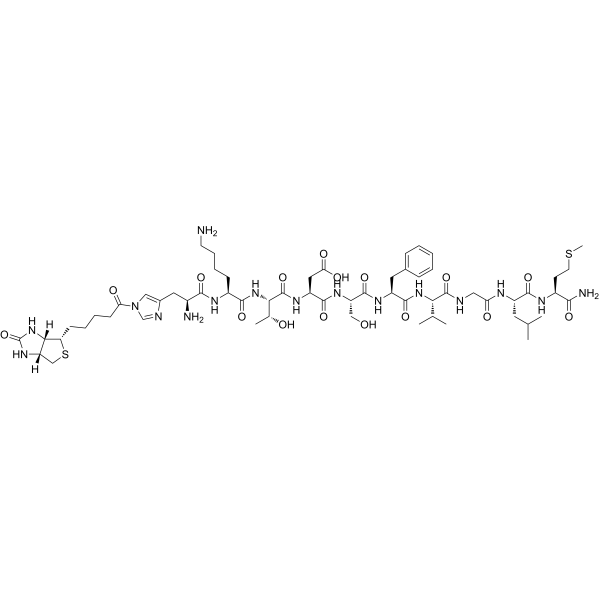
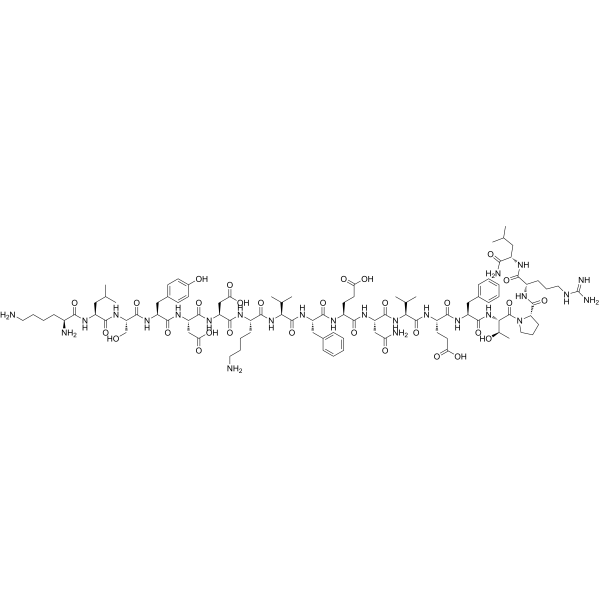
  • HY-P0241
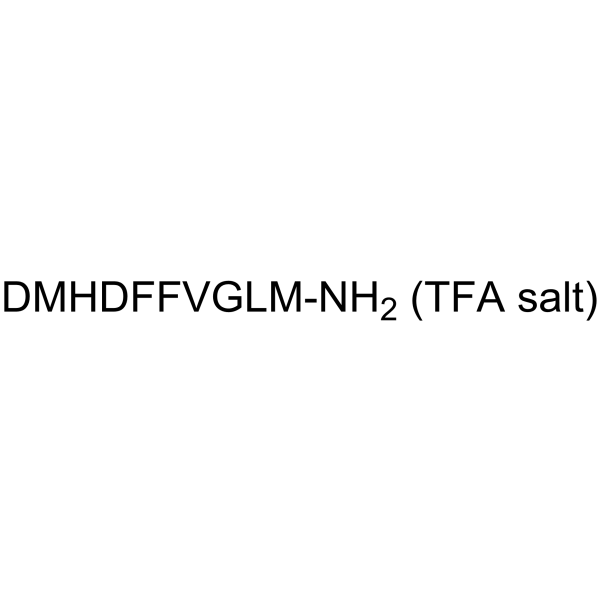
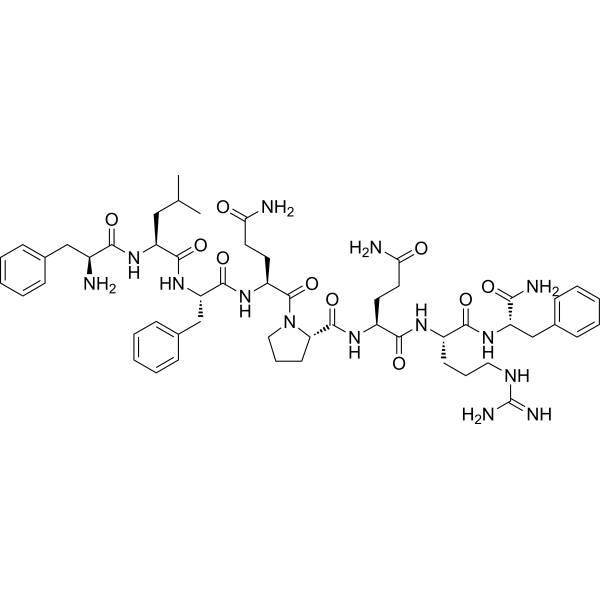
    Neuromedin B
    1 Publications Verification

    Endogenous Metabolite Neurological Disease
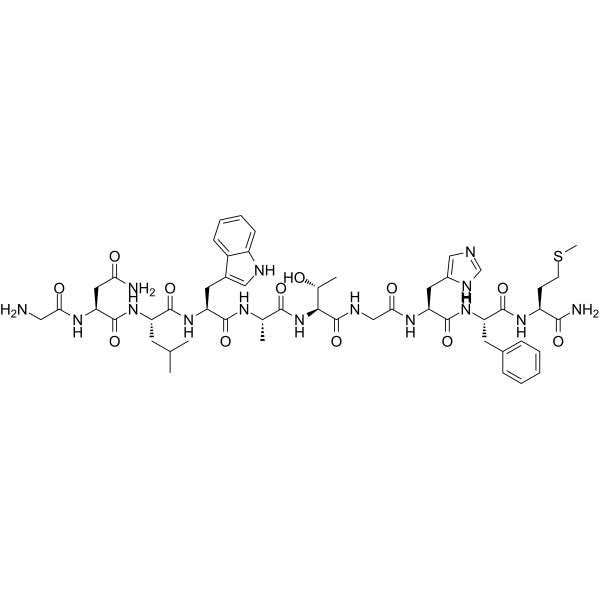
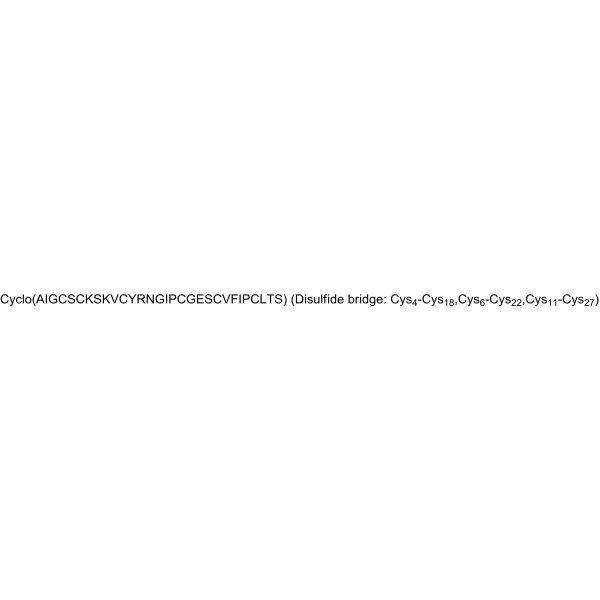
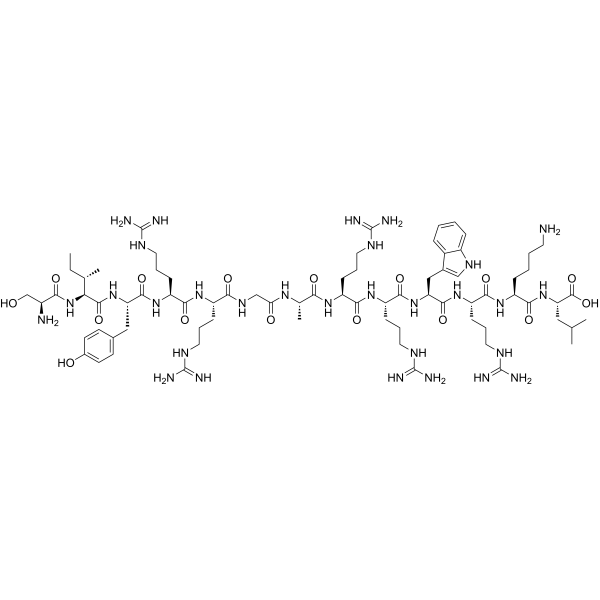
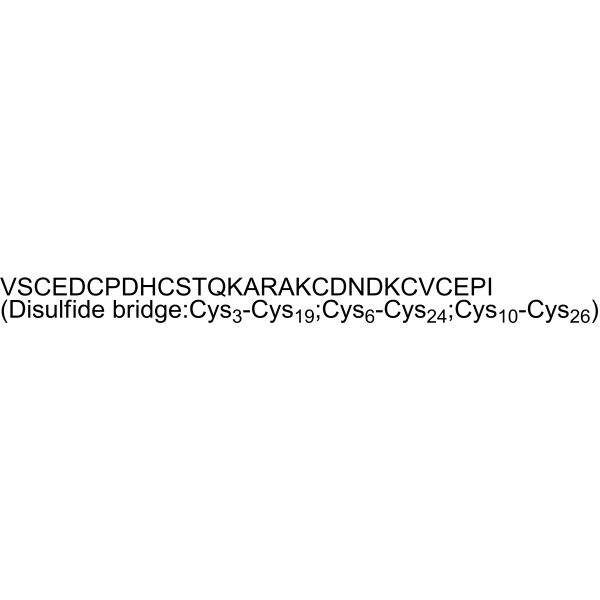
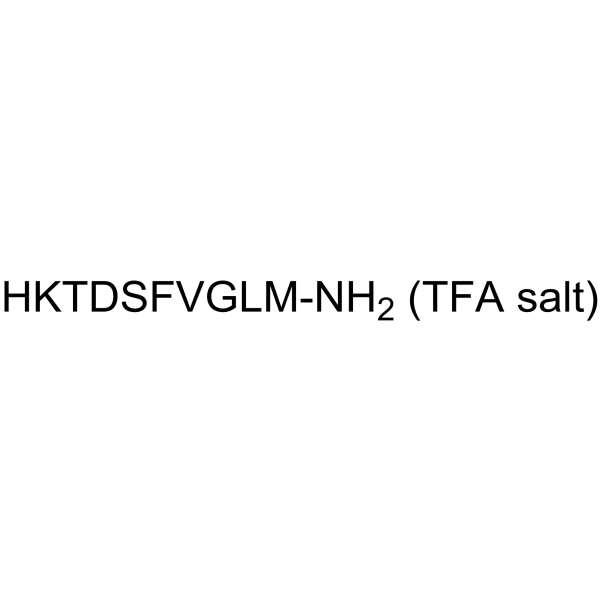
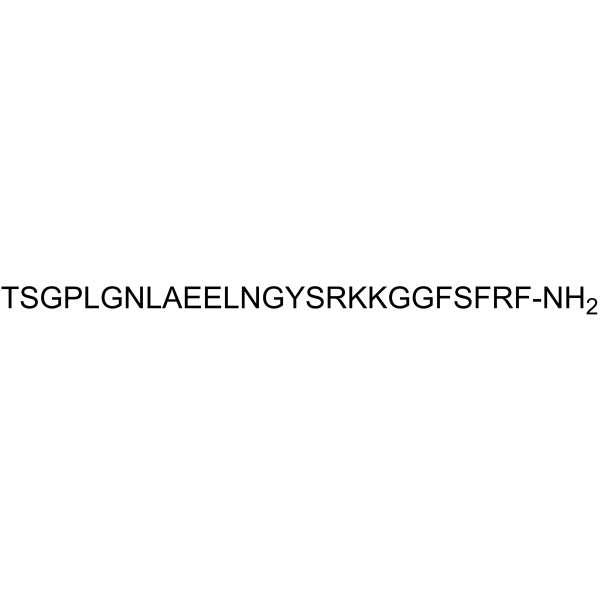
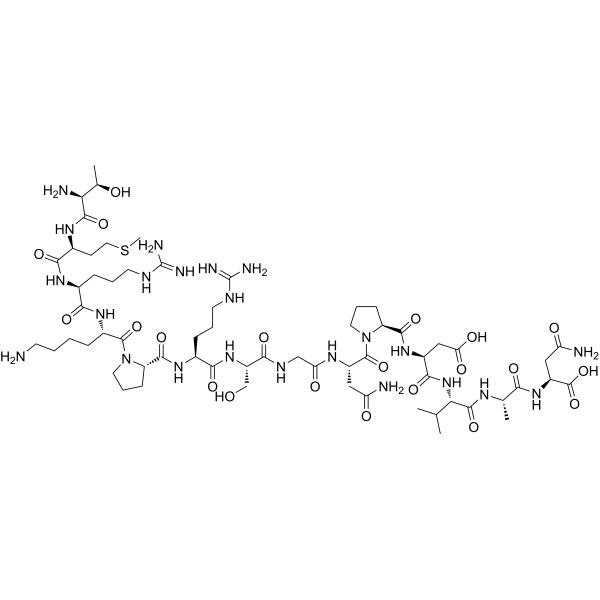
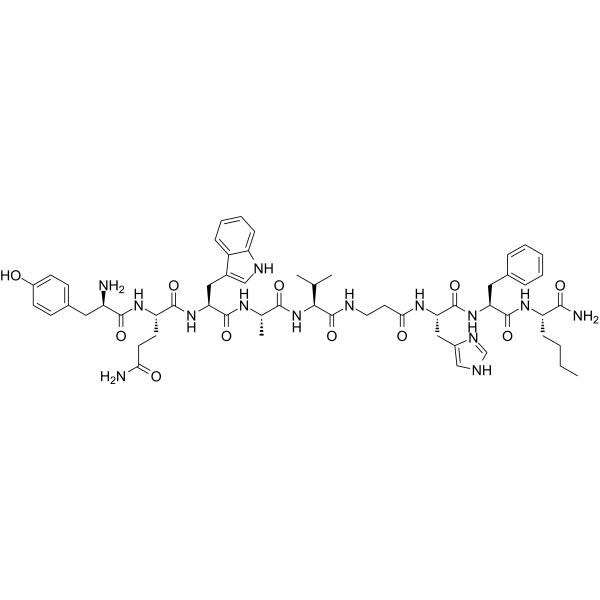
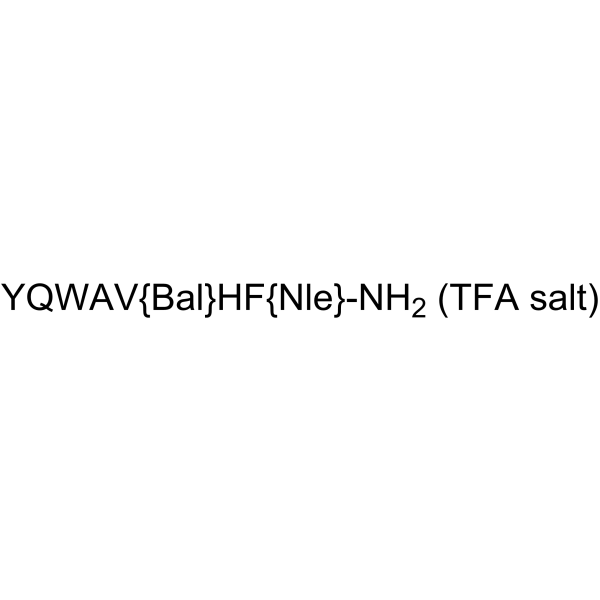
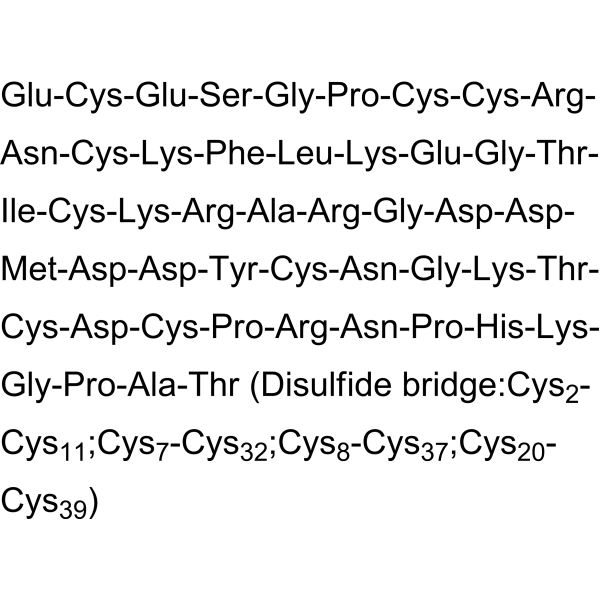
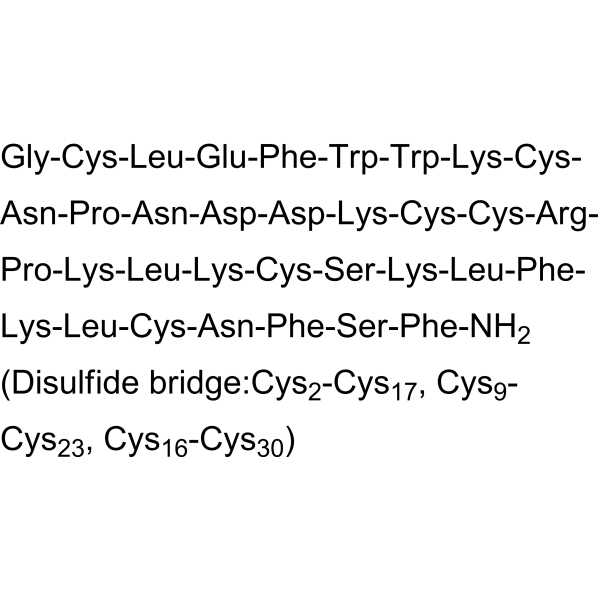
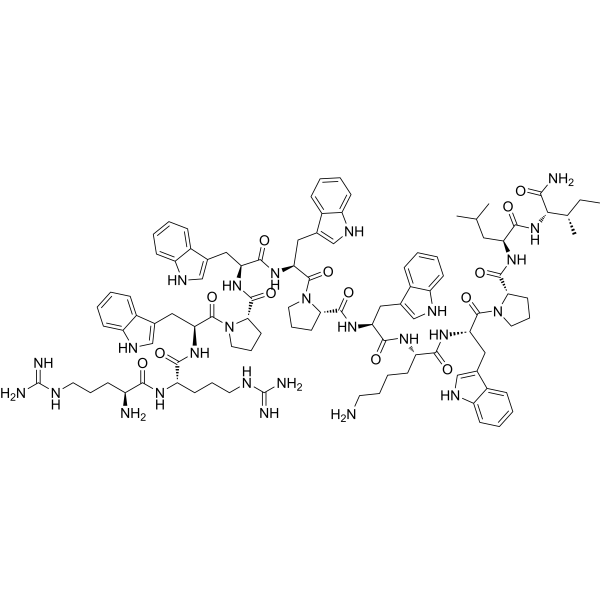
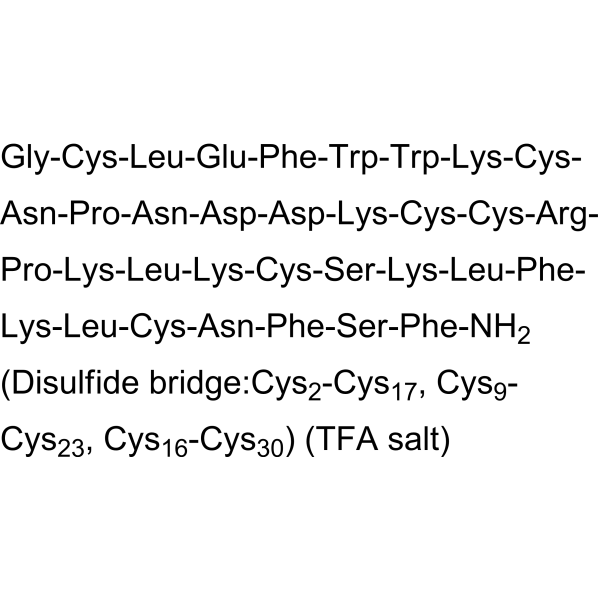
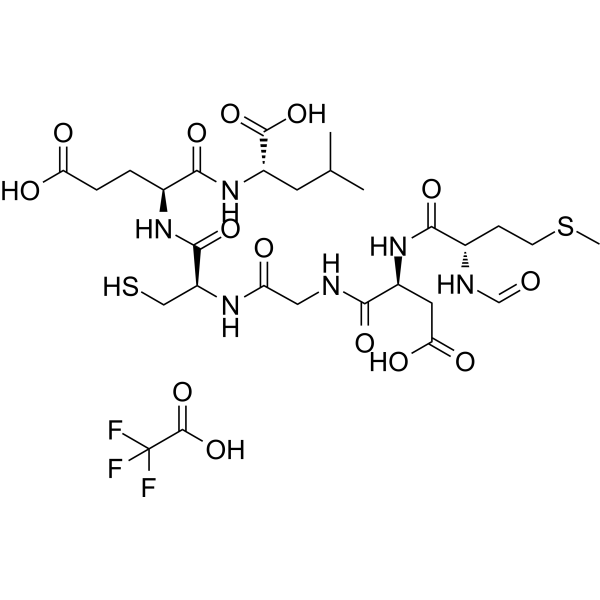
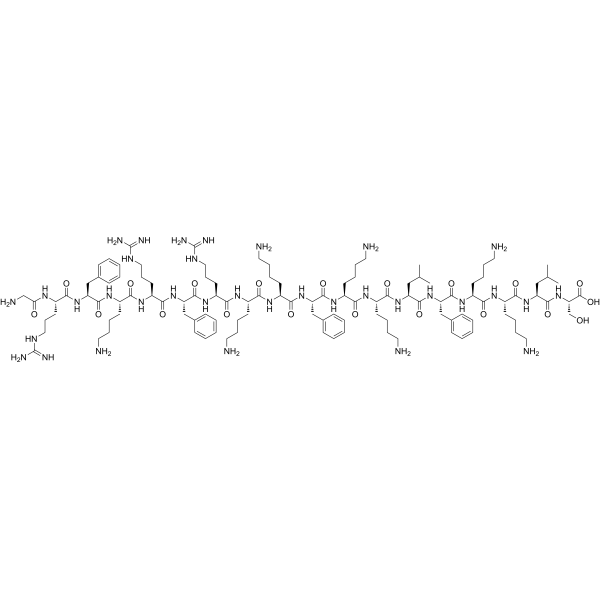
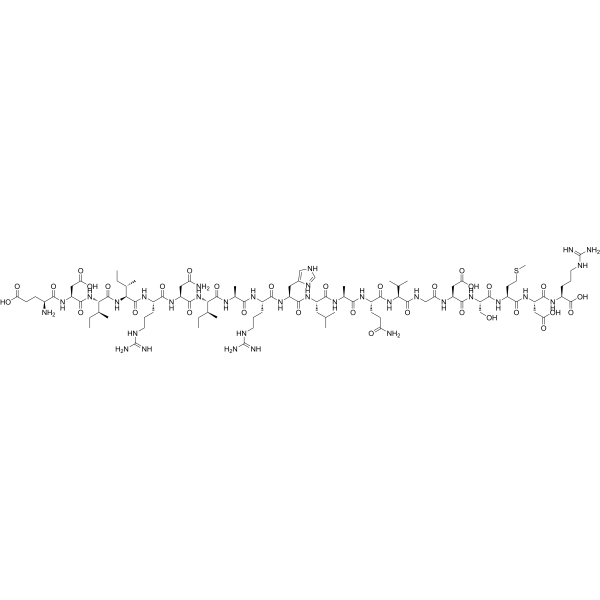
    Neuromedin B (NMB) is a member of Bombesin (BN)-like peptide family in mammals.
    Neuromedin B
  • HY-125859B

    Bacterial Infection
    Lactoperoxidase, bovine milk is an antimicrobial protein that belongs to the mammalian heme peroxidase family. Lactoperoxidase, bovine milk uses H2O2 to catalyze the oxidation of its preferred halide substrates including I , Br , F , or the pseudohalide SCN .
    Lactoperoxidase, bovine milk
  • HY-12834A
    MK2-IN-1 hydrochloride
    5 Publications Verification

    MAPKAPK2 (MK2) HSP Cancer
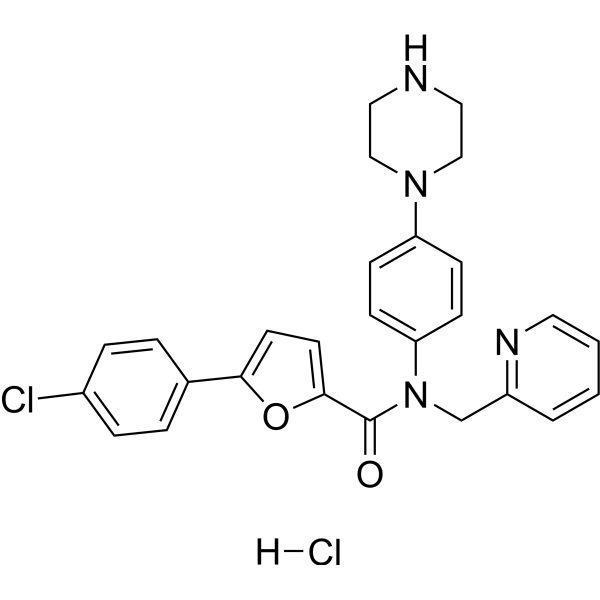
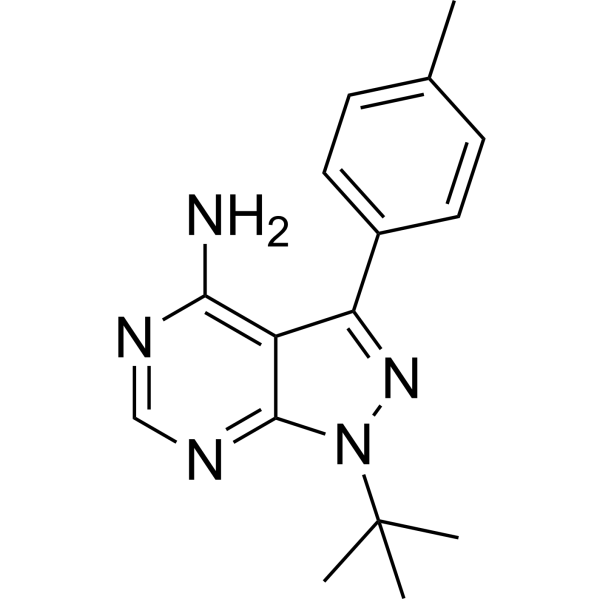
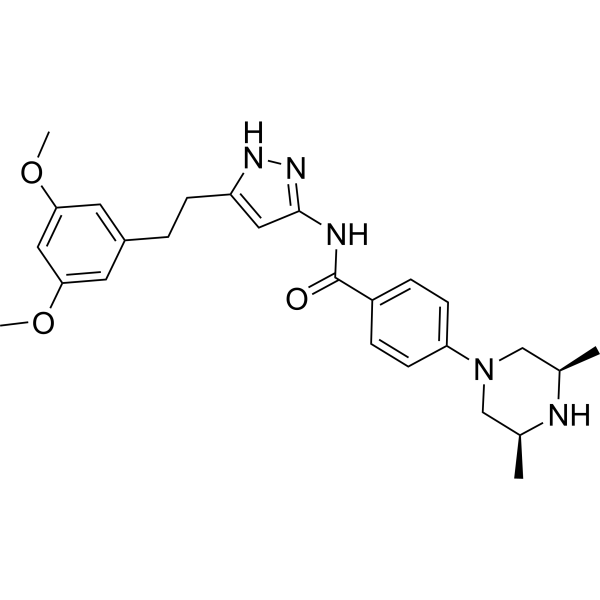
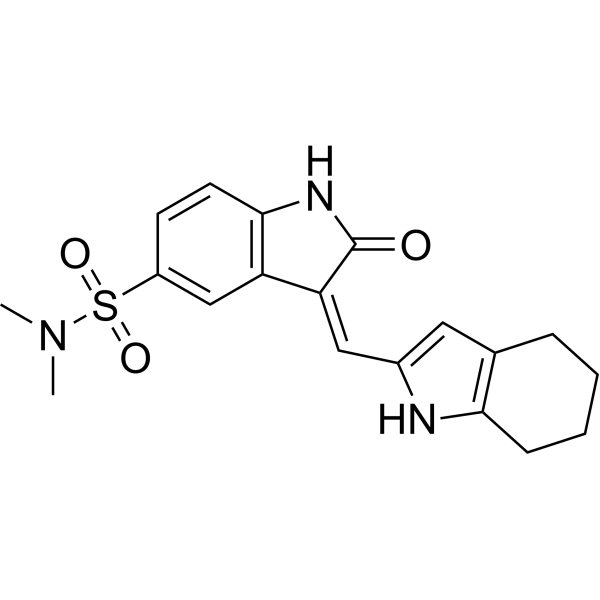
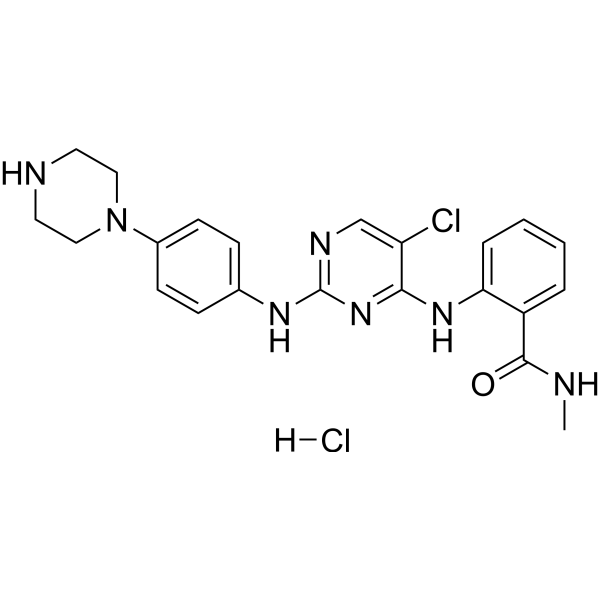
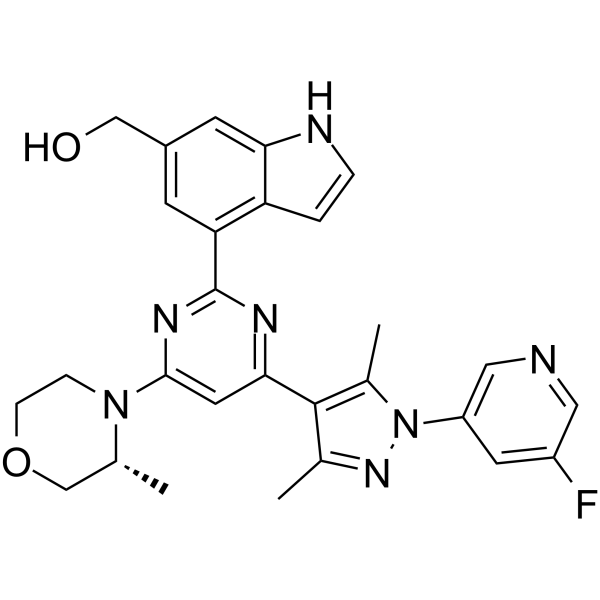
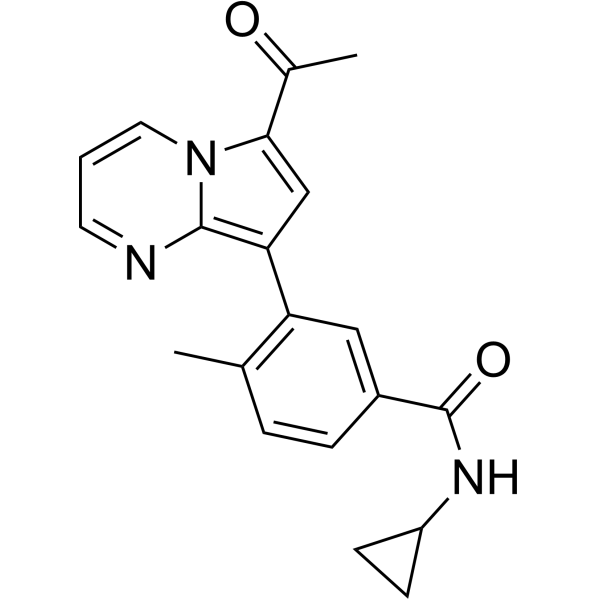
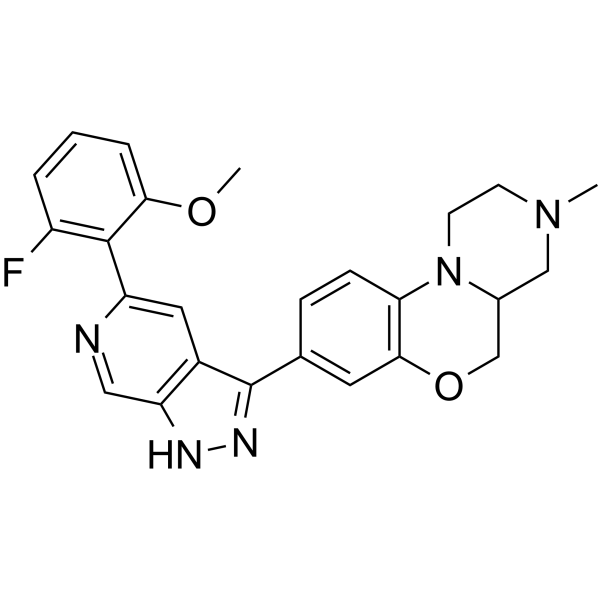
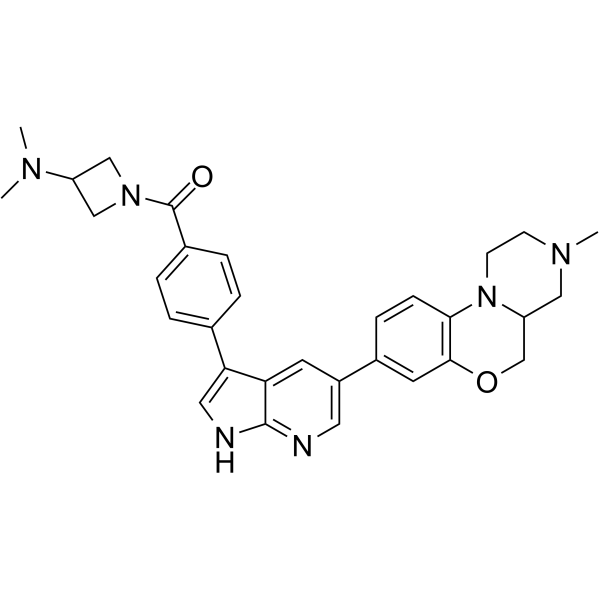
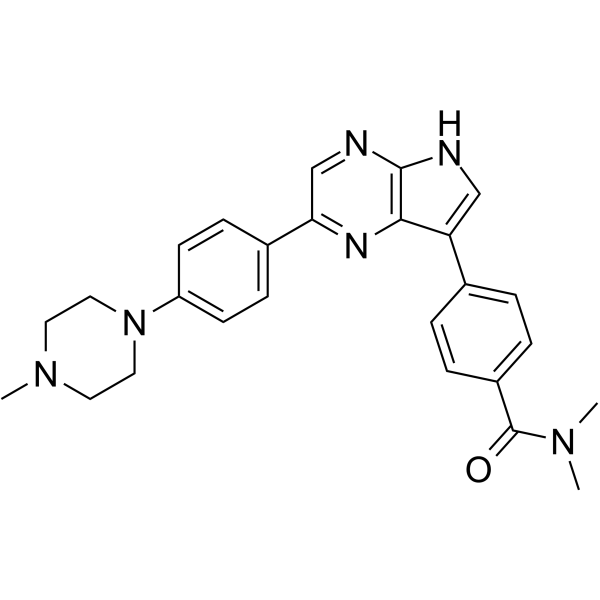
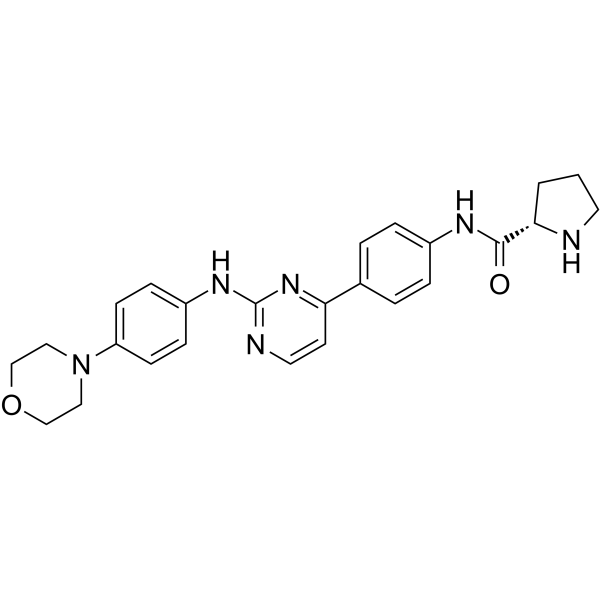
    MK2-IN-1 hydrochloride (compound 1) is a potent and selecitve MAPKAPK2 (MK2) inhibitor with an IC50 of 0.11 uM for MK2 and an EC50 of 0.35 uM for pHSP27. MK2-IN-1 hydrochloride impaires the phosphorylation level of serine residues in the Tfcp2l1 protein [2].
    MK2-IN-1 hydrochloride
  • HY-117286

    TEN-010

    Epigenetic Reader Domain Apoptosis Neurological Disease Cancer
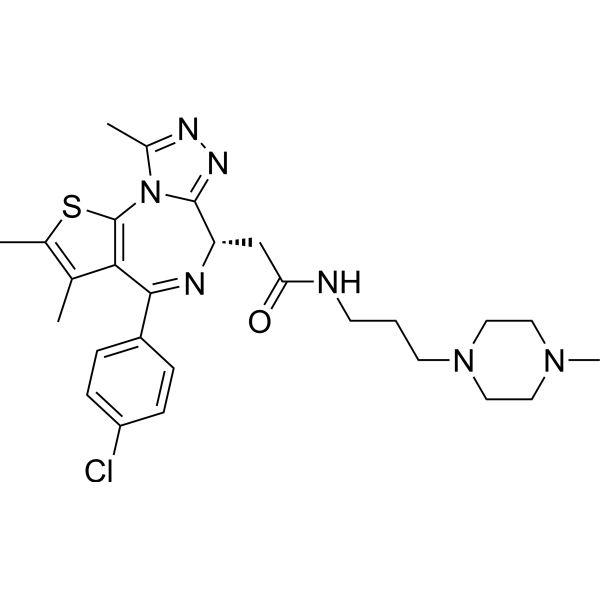
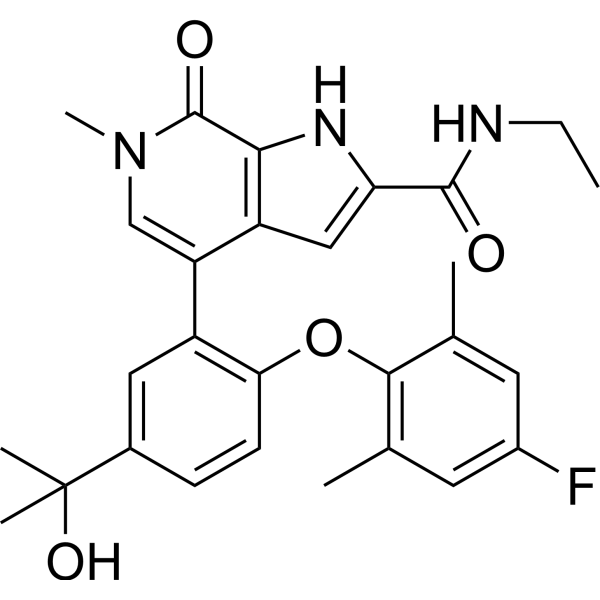
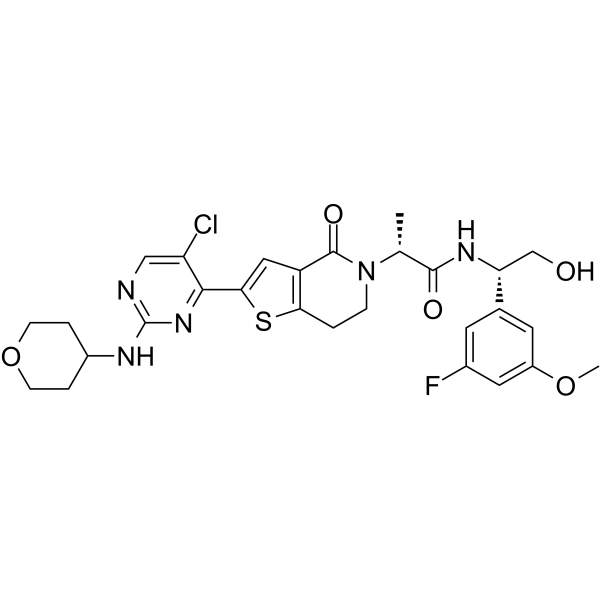
    (S)-JQ-35 (TEN-010) is an orally active, blood-brain barrier-permeable bromodomain inhibitor that selectively targets the bromodomain and extra-terminal domain (BET) protein family (BRD4, BRD3, BRD2 and BRDT). (S)-JQ-35 blocks the activation of Myc gene expression by BRD4, thereby inhibiting cancer cell proliferation and promoting cancer cell apoptosis. (S)-JQ-35 can be used in research related to NUT midline carcinoma and neuroblastoma [2].
    (S)-JQ-35
  • HY-N2374
    Eupatorin
    2 Publications Verification

    Apoptosis NF-κB MMP Adrenergic Receptor Inflammation/Immunology Cancer
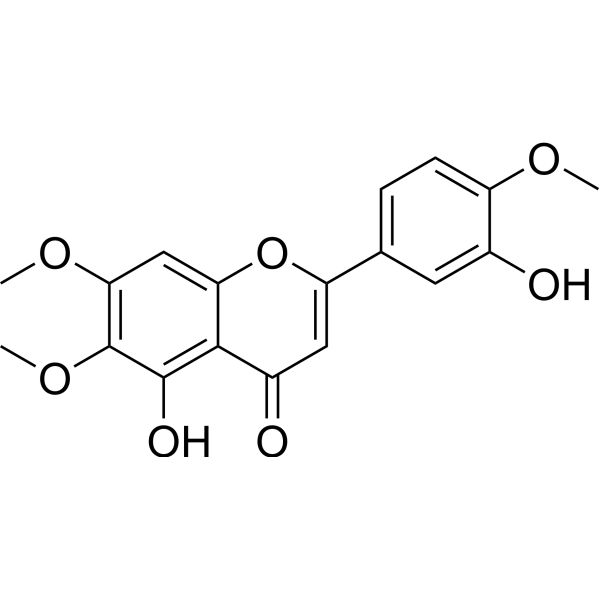
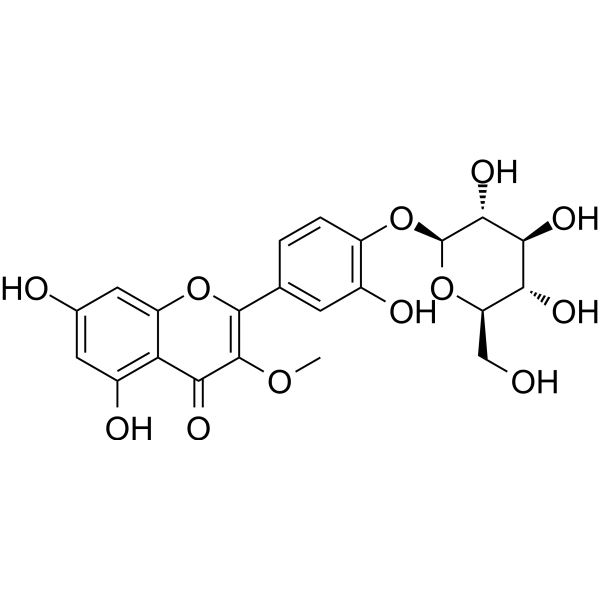
    Eupatorin is an orally active flavonoid with antiproliferative and vasodilatory properties. Eupatorin downregulates the expression levels of NF-κB, MMP9, IL-1β and TNF-α. Eupatorin induces apoptosis, G2/M phase cell cycle arrest, and reactive oxygen species (ROS) production. Eupatorin modulates the activities of muscarinic receptors and β-adrenergic receptors; inhibits sarcoplasmic reticulum calcium release and calcium channels; and activates the NO/sGC/cGMP pathway, indomethacin-sensitive pathway, and potassium channel pathway. Eupatorin exerts cytotoxic effects on cancer cell lines, and is metabolized by CYP1A1 and CYP1 family enzymes to form metabolites with antiproliferative activity. Eupatorin can be used in research related to breast cancer, hypertension, and leukemia [2] .
    Eupatorin
  • HY-P0242

    Neurokinin Receptor Neurological Disease Endocrinology
    Neurokinin B belongs to the tachykinin family of peptides. Neurokinin B binds a family of GPCRs-including neurokinin receptor 1 (NK1R), NK2R, and NK3R-to mediate their biological effect .
    Neurokinin B
  • HY-P0242A

    Neurokinin Receptor Neurological Disease Endocrinology
    Neurokinin B TFA belongs to the tachykinin family of peptides. Neurokinin B binds a family of GPCRs-including neurokinin receptor 1 (NK1R), NK2R, and NK3R-to mediate their biological effect .
    Neurokinin B TFA
  • HY-RS14415

    Small Interfering RNA (siRNA) Others

    TFCP2 Human Pre-designed siRNA Set A contains three designed siRNAs for TFCP2 gene (Human), as well as a negative control, a positive control, and a FAM-labeled negative control.

    TFCP2 Human Pre-designed siRNA Set A
    TFCP2 Human Pre-designed siRNA Set A
  • HY-12834
    MK2-IN-1
    5 Publications Verification

    MAPKAPK2 (MK2) HSP Cancer
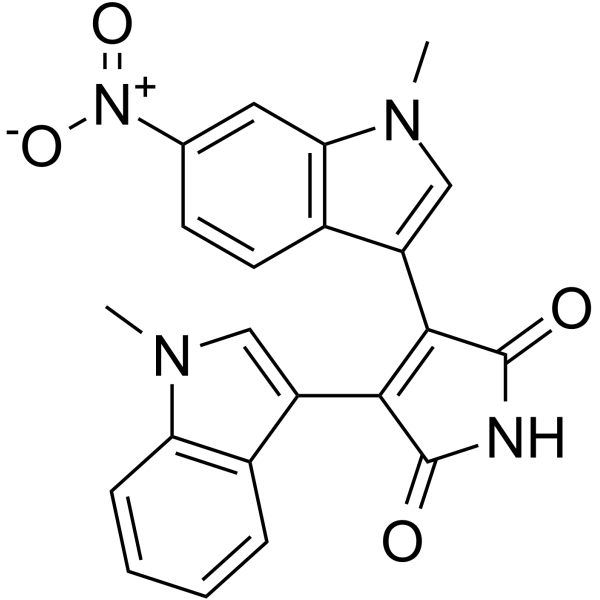
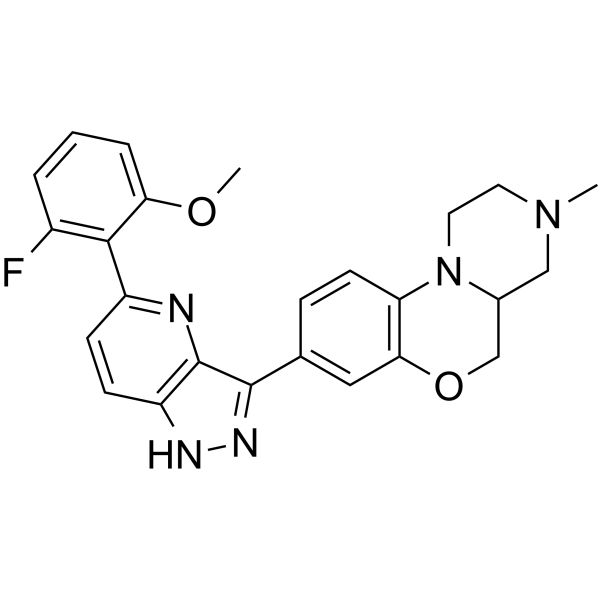
    MK2-IN-1 (compound 1) is a potent and selecitve MAPKAPK2 (MK2) inhibitor with an IC50 of 0.11 uM for MK2 and an EC50 of 0.35 uM for pHSP27. MK2-IN-1 impaires the phosphorylation level of serine residues in the Tfcp2l1 protein [2].
    MK2-IN-1
  • HY-151231

    Aldose Reductase Neurological Disease Metabolic Disease
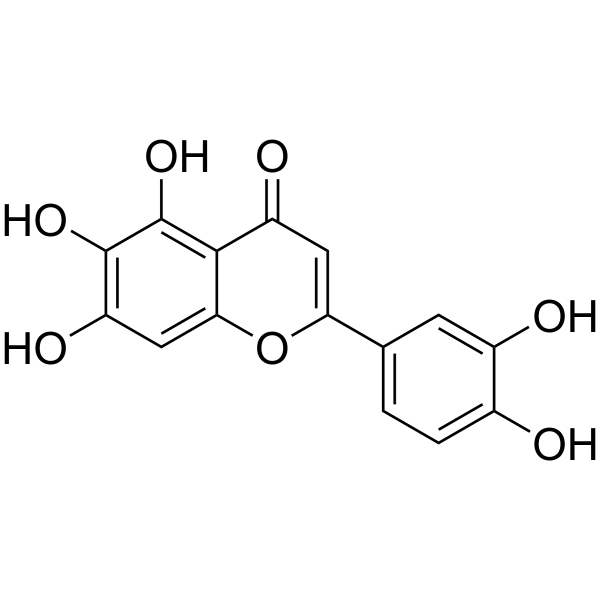
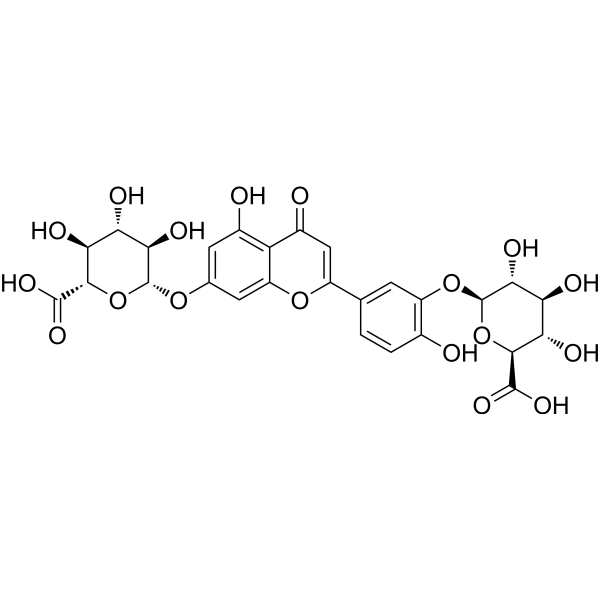
    6-Hydroxyluteolin (Compound 17) is a flavonoid derivative and also an inhibitor of Aldose reductase, with an experimental -log IC50 value of 6.690. 6-Hydroxyluteolin can be isolated from the leaves of multiple plant families, including Plantaginaceae, Globulariaceae and Labiatae. 6-Hydroxyluteolin serves as a phylogenetic marker for higher plants. 6-Hydroxyluteolin can be used in the research of diabetic cataract [2].
    6-Hydroxyluteolin
  • HY-142686A

    SGK CDK P-glycoprotein Inflammation/Immunology
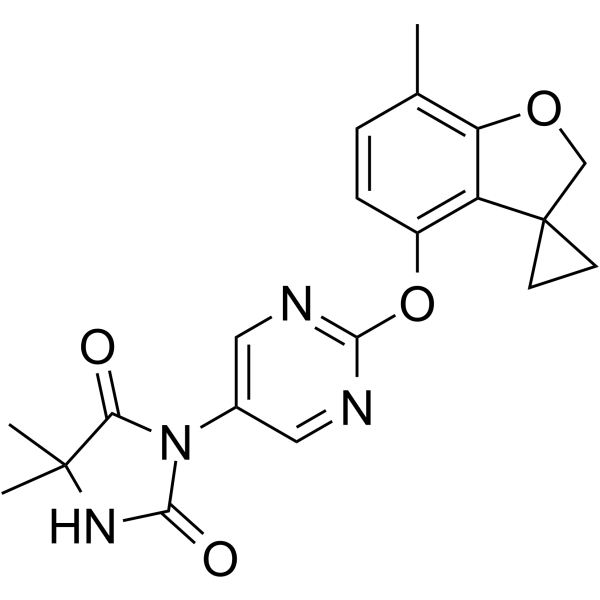
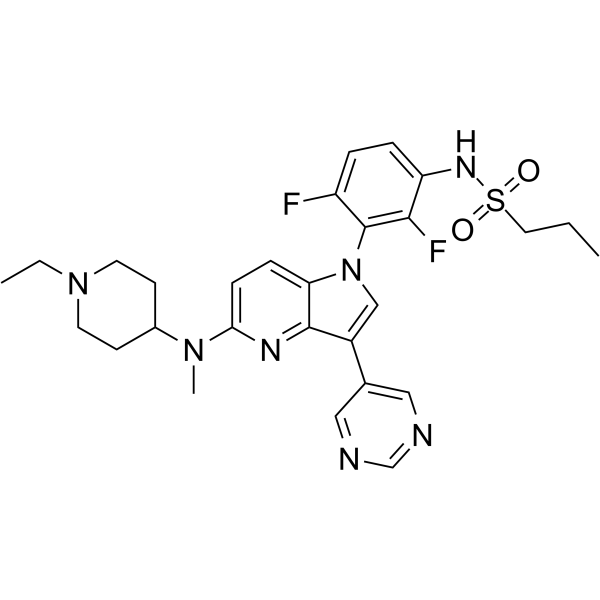
    SGK1-IN-3 hydrochloride (Compound 3a) is an ATP-competitive SGK1 inhibitor with an IC50 of <1 nM against hSGK1. SGK1-IN-3 hydrochloride blocks the activity of CDK family members. SGK1-IN-3 hydrochloride serves as a P-glycoprotein substrate. SGK1-IN-3 can be used for the research of osteoarthritis .
    SGK1-IN-3 hydrochloride
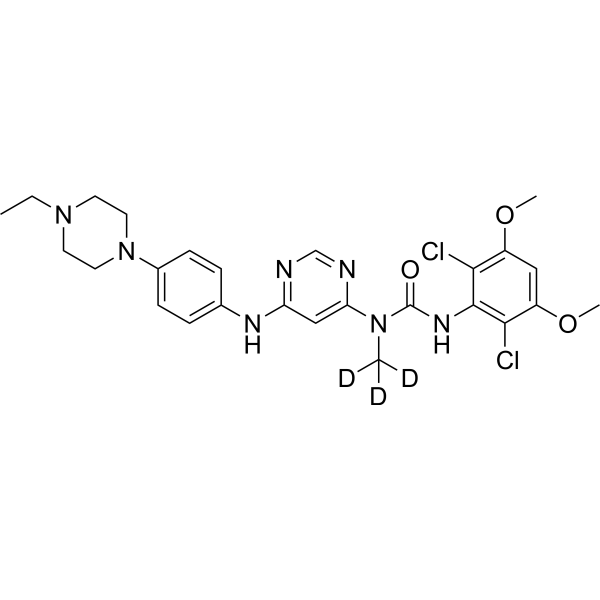
  • HY-120548

    TGF-β Receptor Integrin Raf RIP kinase ERK Cancer
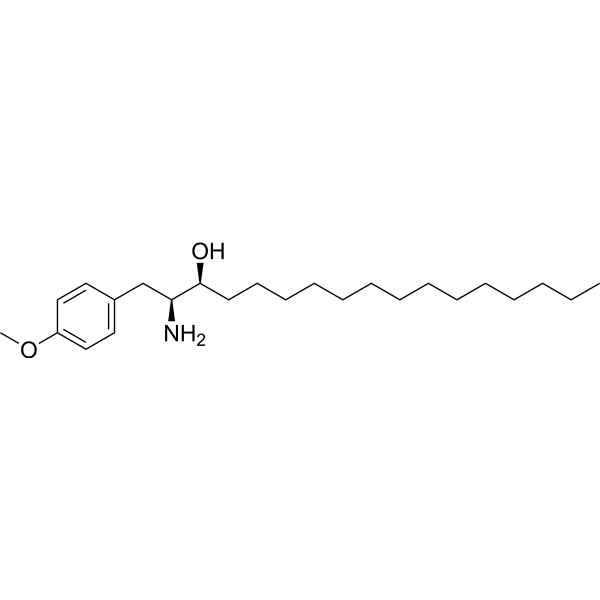
    KBU2046 is an orally active transforming growth factor-β (TGF-β1) inhibitor. KBU2046 reduces integrin family protein expression, decreases Raf, RIPK1 and ERK phosphorylation to deactivate the ERK signaling pathway, and down-regulates genes linked to TGF-β1 maturation. KBU2046 suppresses tumor cell motility, impedes cancer invasion and metastasis, and inhibits human ESCC growth and metastasis in a murine model. KBU2046 can be used for the researches of triple-negative breast cancer and esophageal squamous cell carcinoma [2].
    KBU2046
  • HY-124793
    GAK inhibitor 49
    1 Publications Verification

    Cyclin G-associated Kinase (GAK) Infection
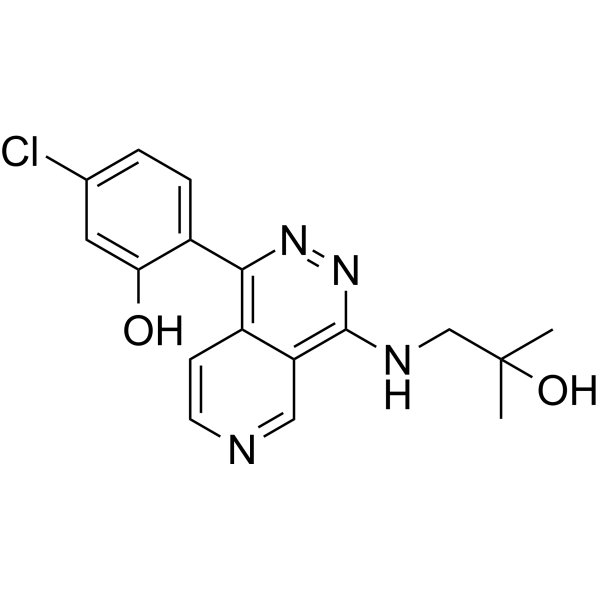
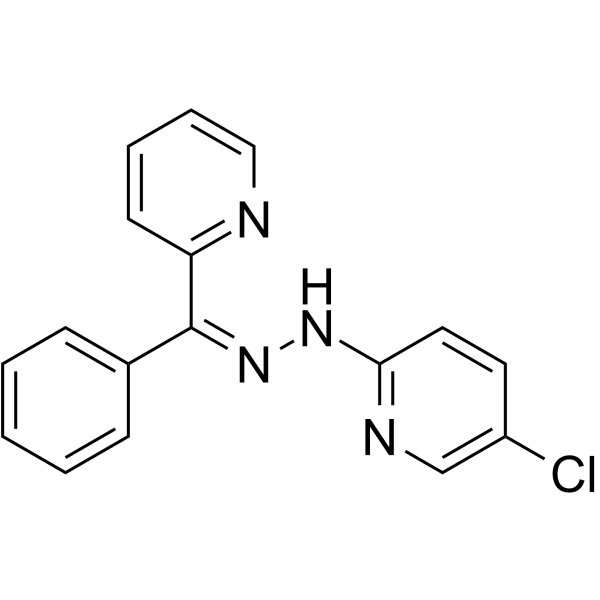
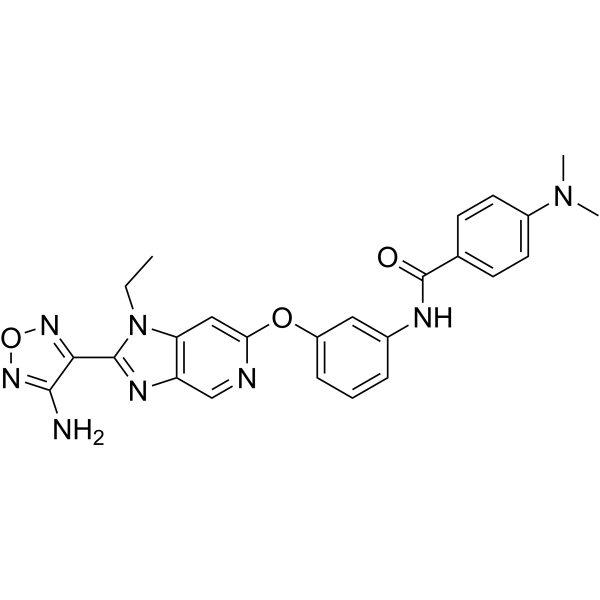
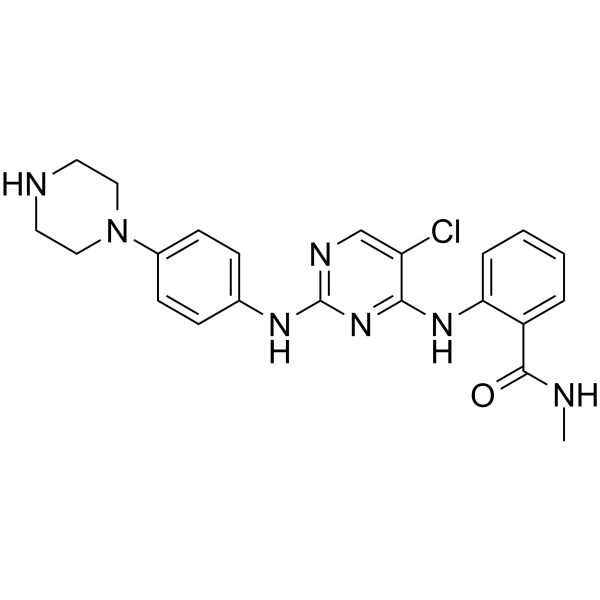
    GAK inhibitor 49 is a potent, ATP-competitive and highly selective cyclin G associated kinase (GAK) inhibitor with a Ki of 0.54 nM and a cell IC50 of 56 nM. GAK inhibitor 49 also shows binding to RIPK2 .
    GAK inhibitor 49
  • HY-131005

    Ephrin Receptor Cancer
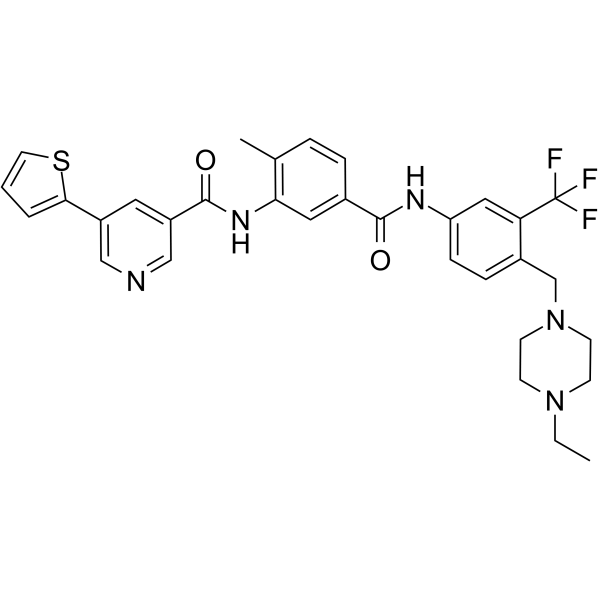
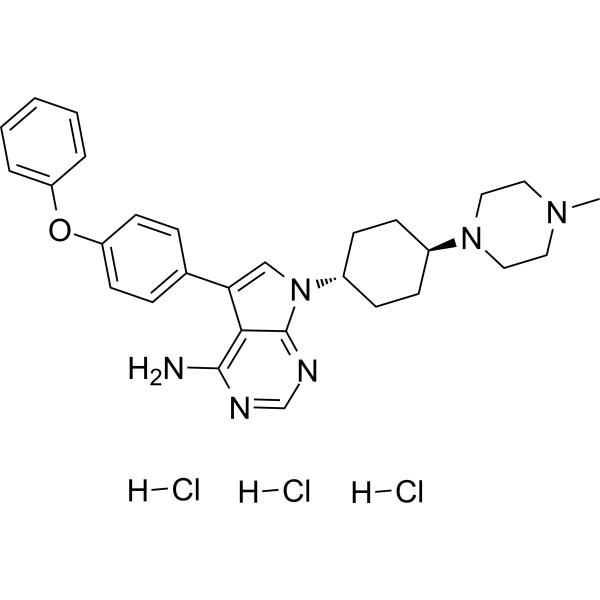
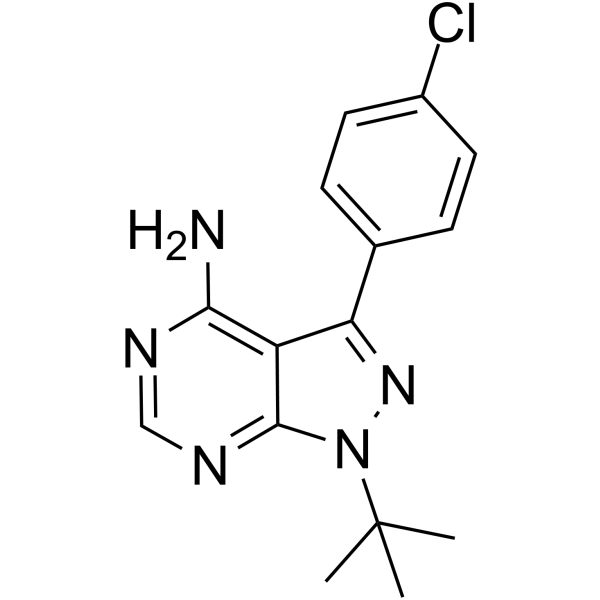
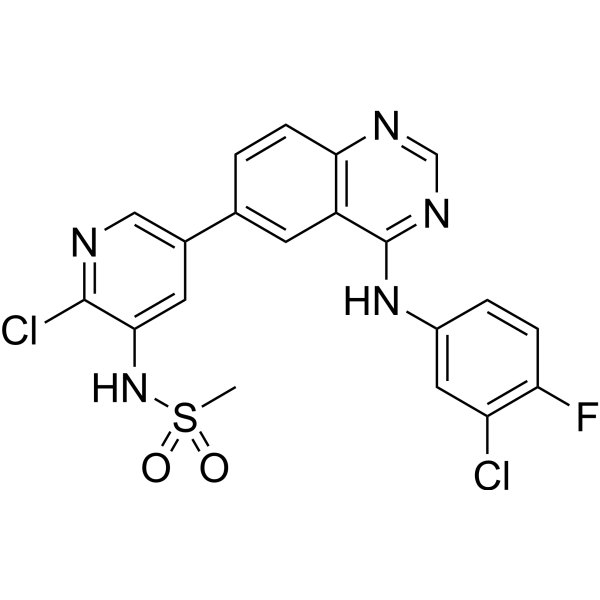
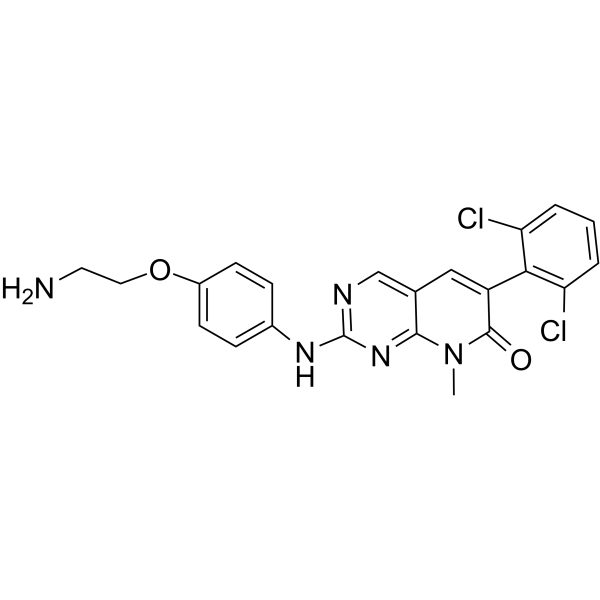
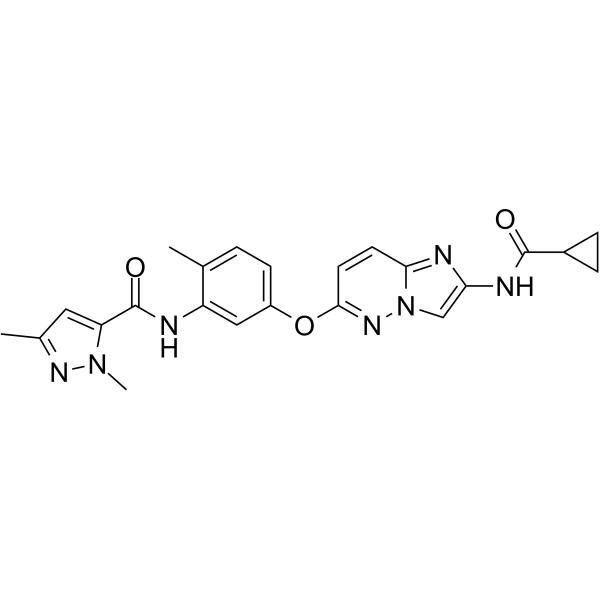
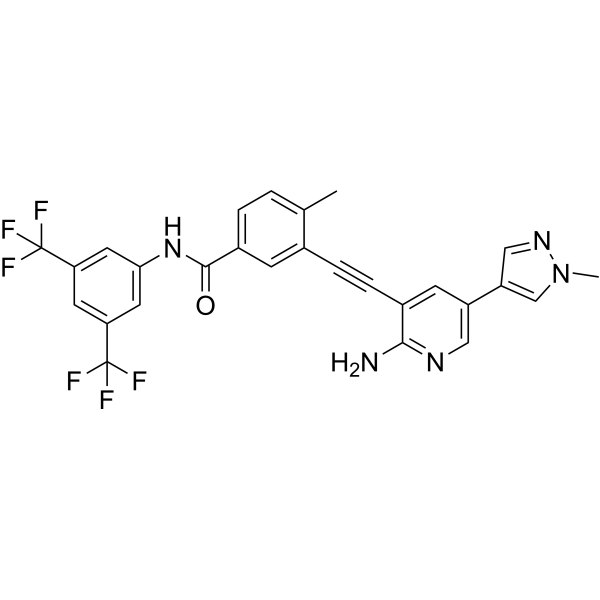
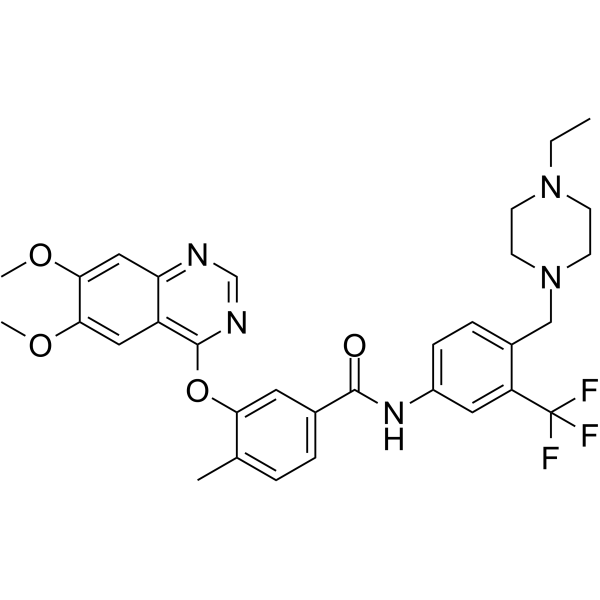
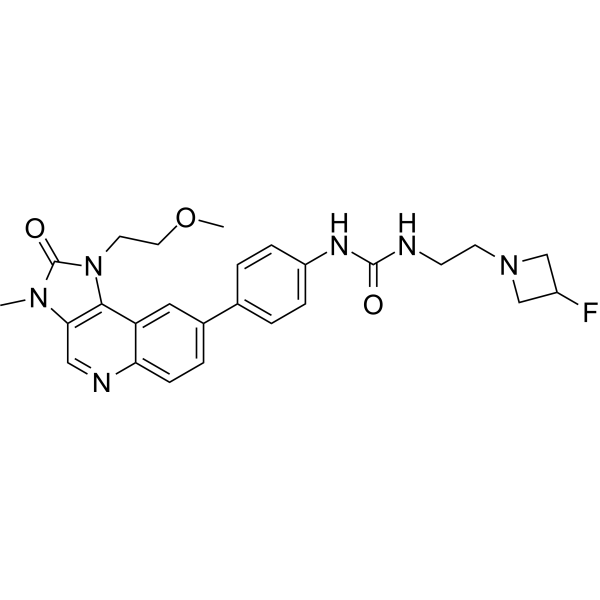
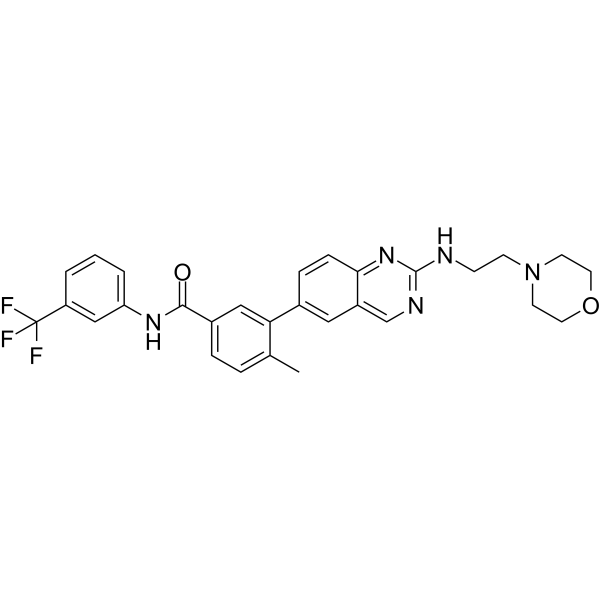
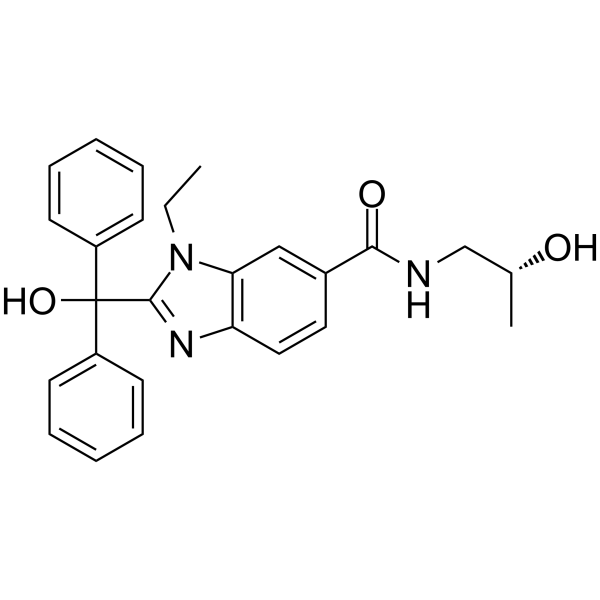
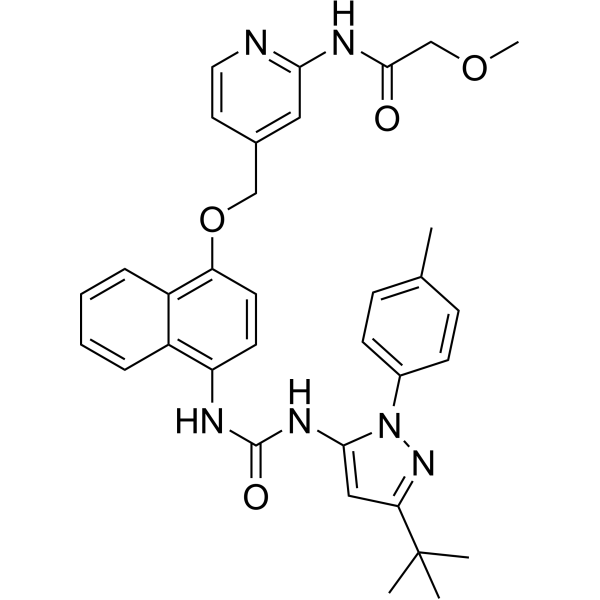
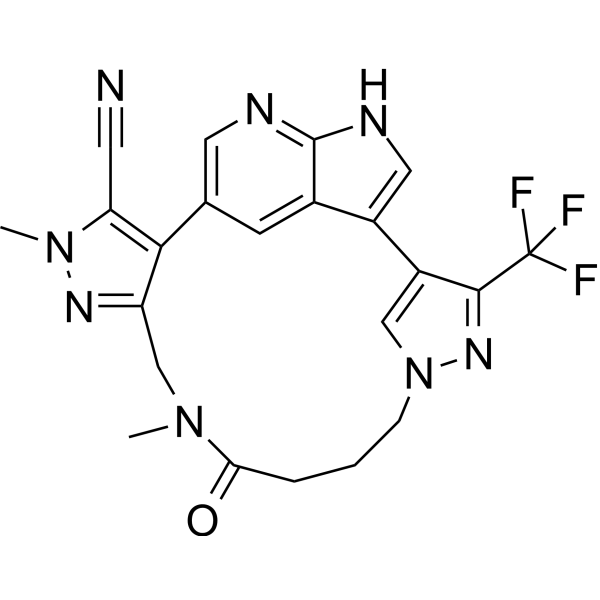
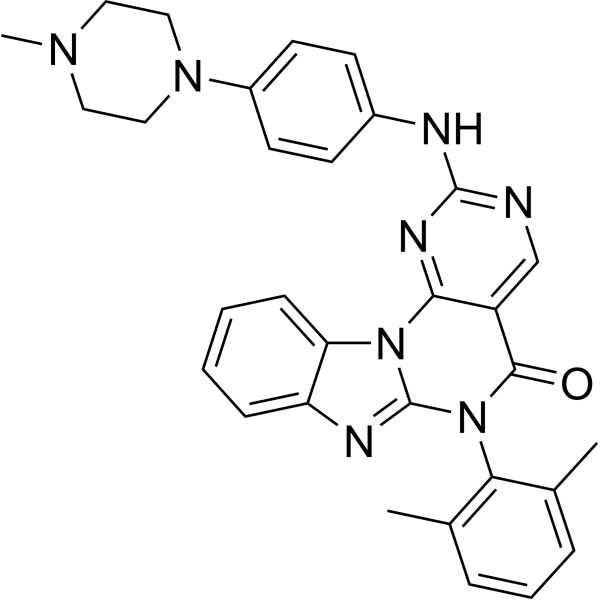
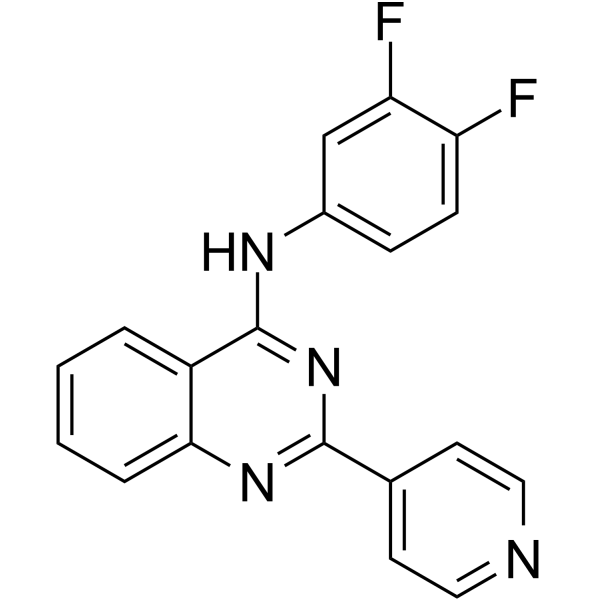
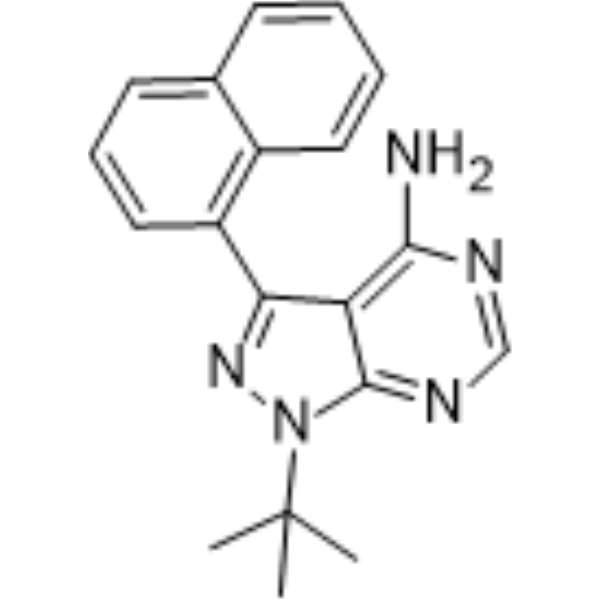
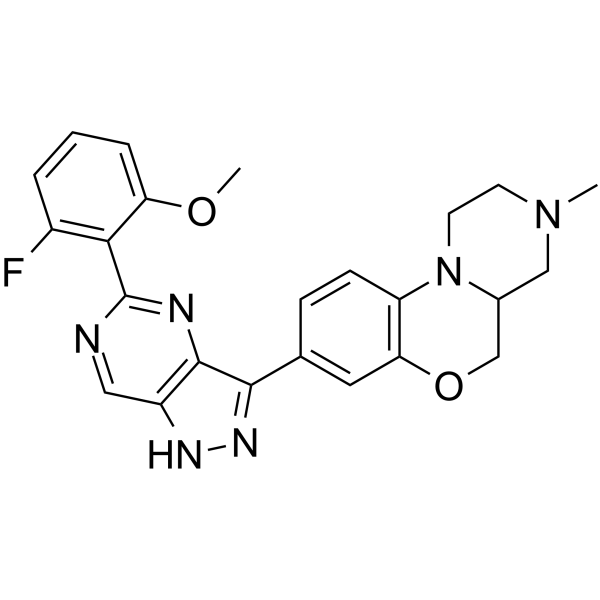
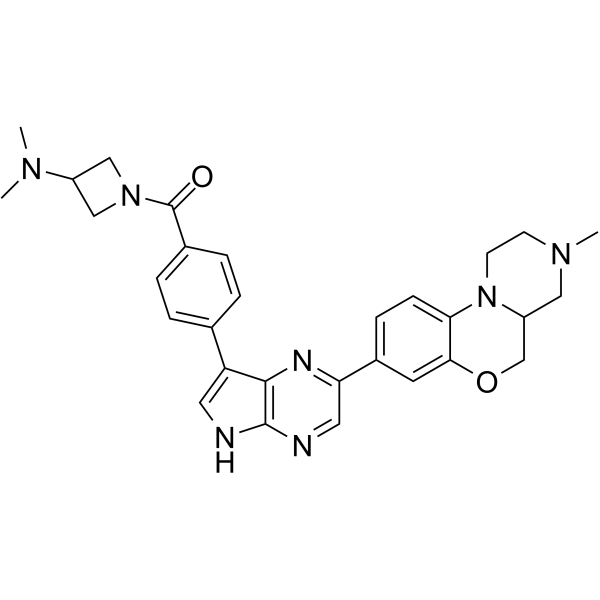
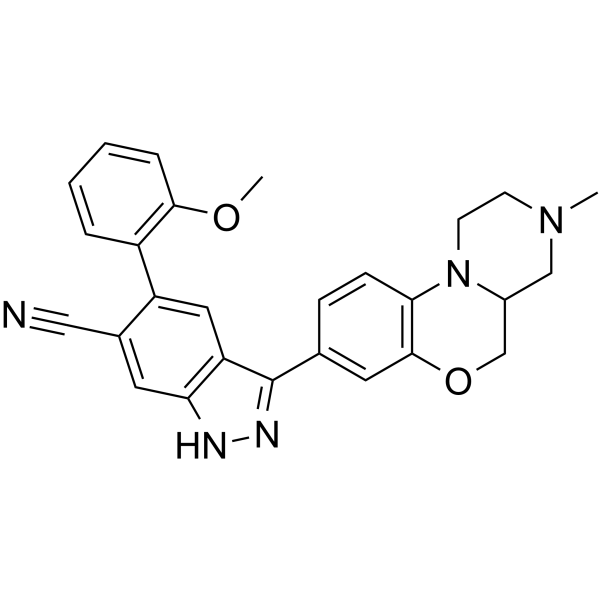
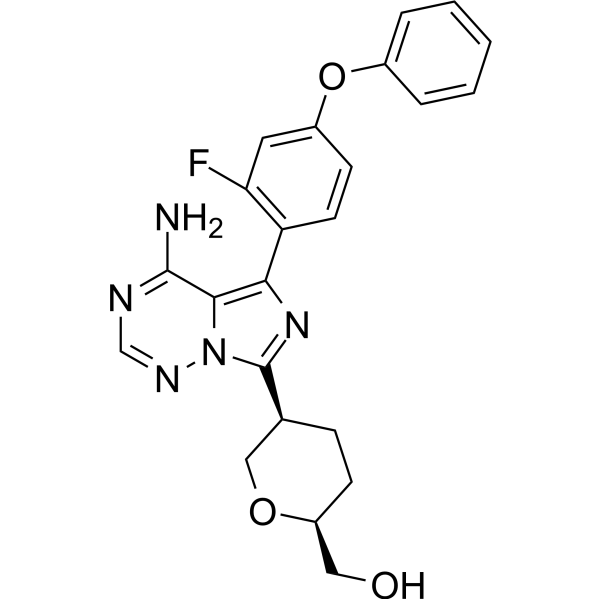
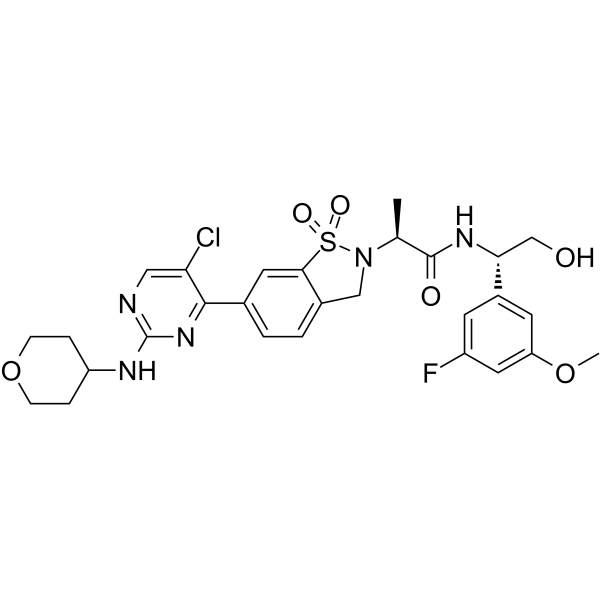
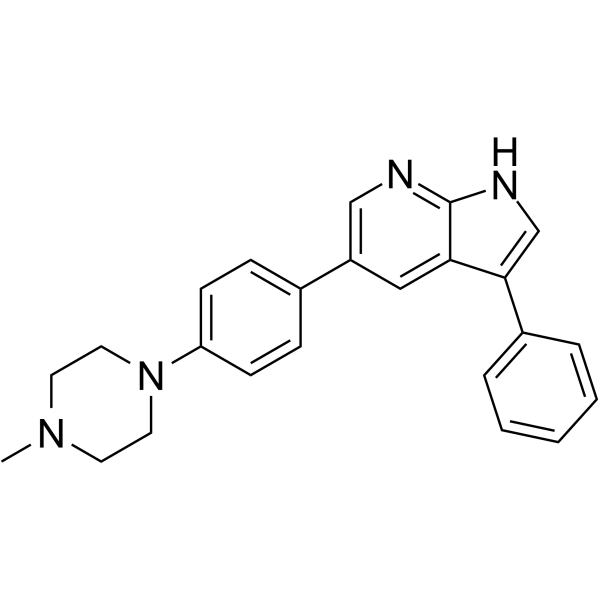
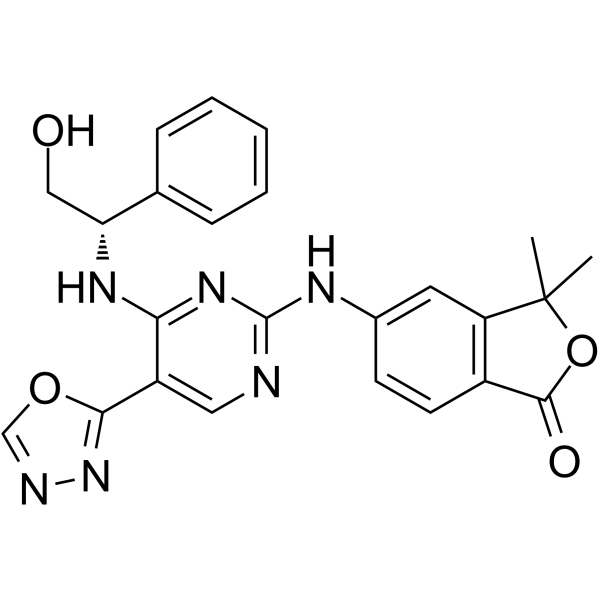
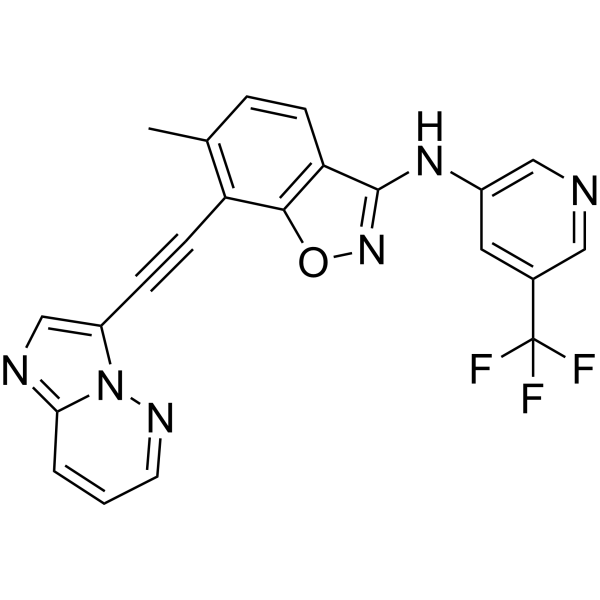
    Eph inhibitor 2 (Example 35) is a Eph family tyrosine kinase inhibitor.
    Eph inhibitor 2
  • HY-N4081
    Dracorhodin
    1 Publications Verification

    Others Cardiovascular Disease
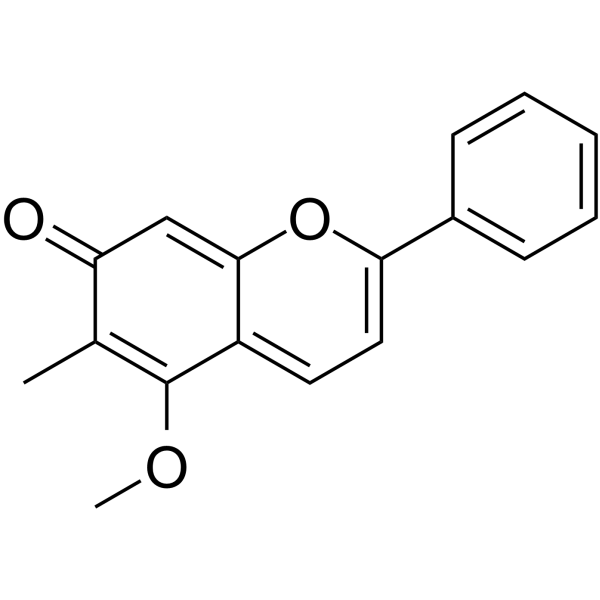
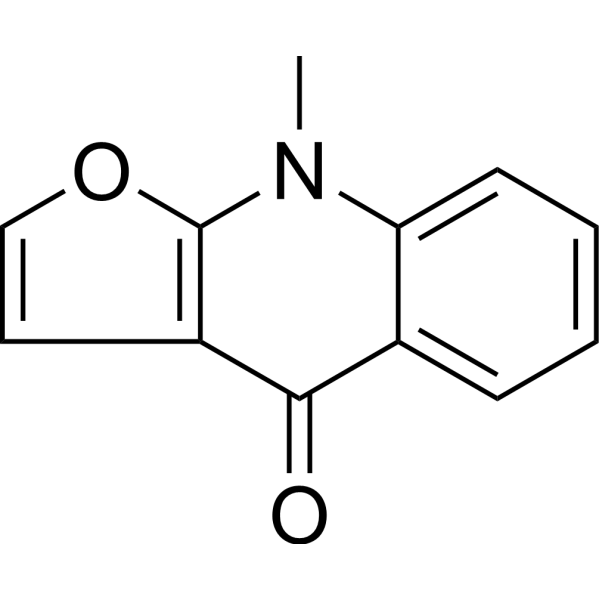
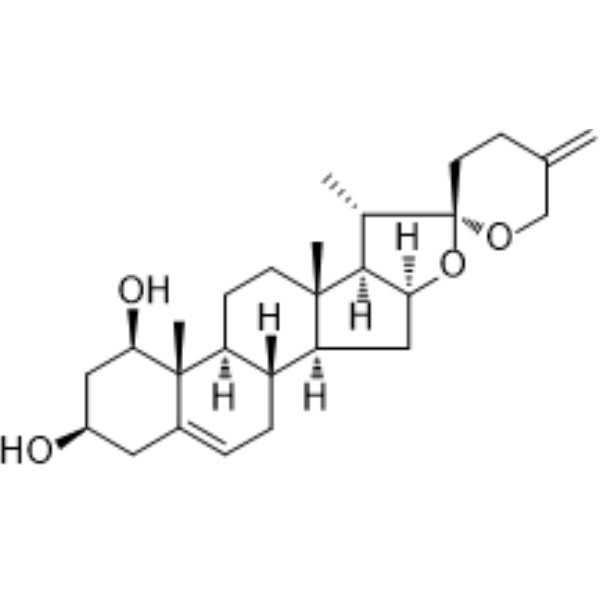
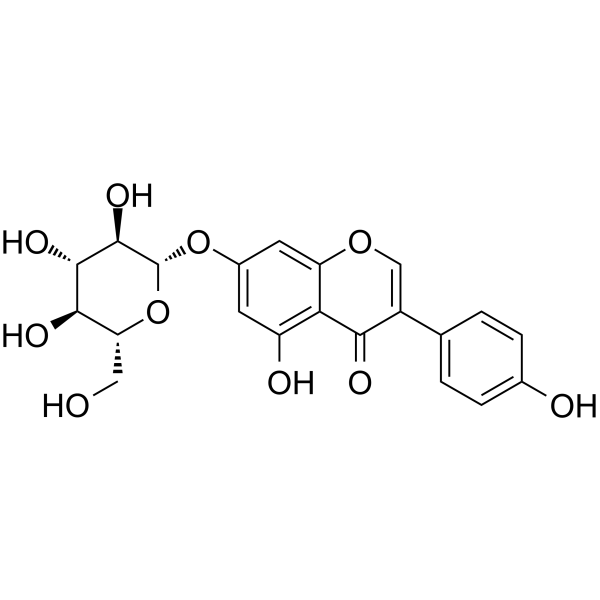
    Dracorhodin, the main component in sanguis draconis, is a flavylium compound belonging to the anthocyanin family. Dracorhodin can induce vasodilatation .
    Dracorhodin
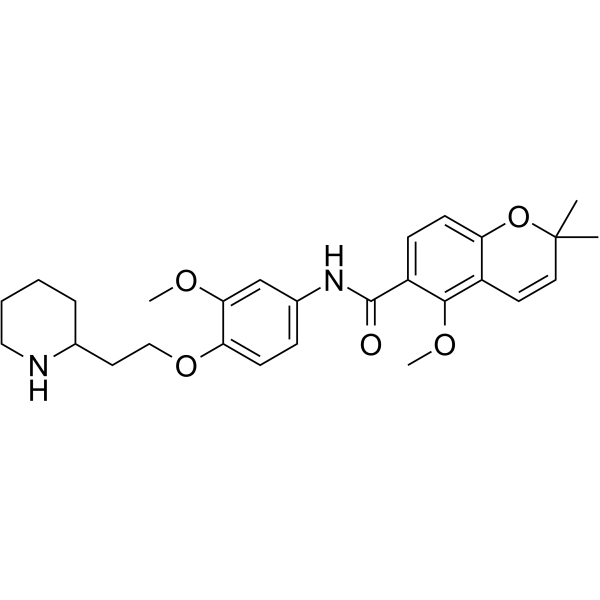
  • HY-162934

    Apoptosis Connective Peptide Cancer
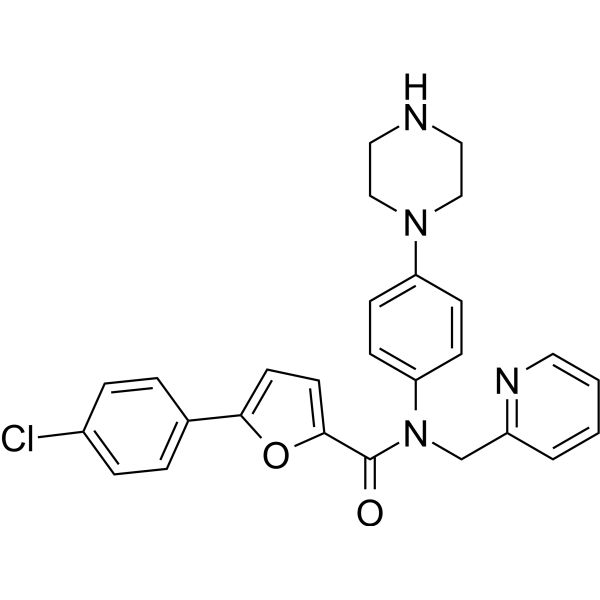
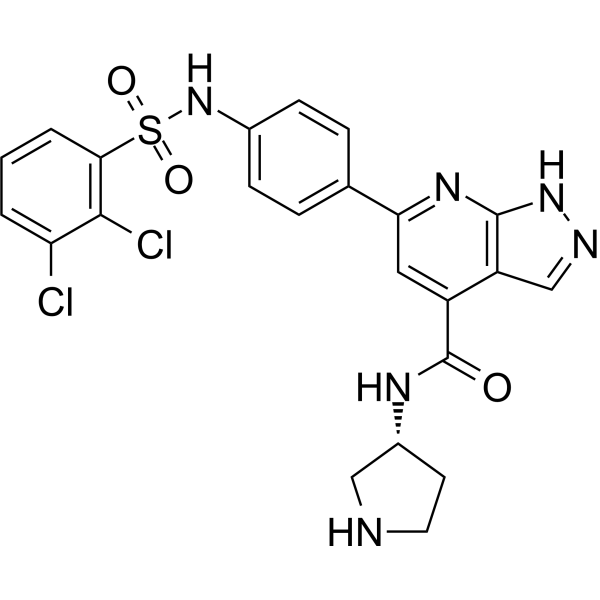
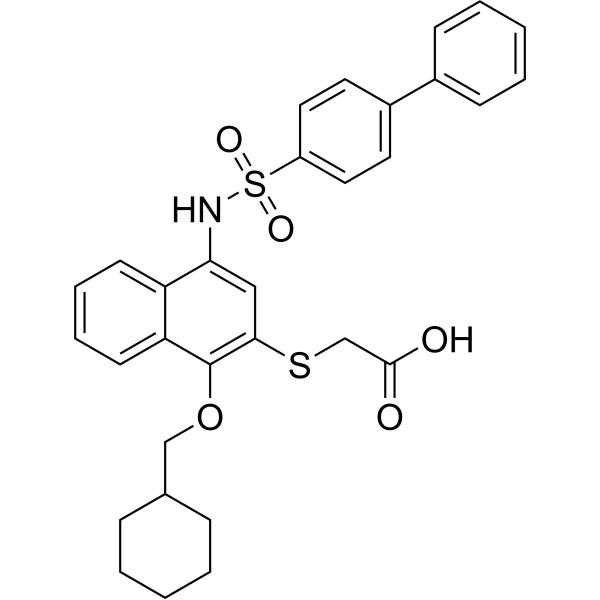
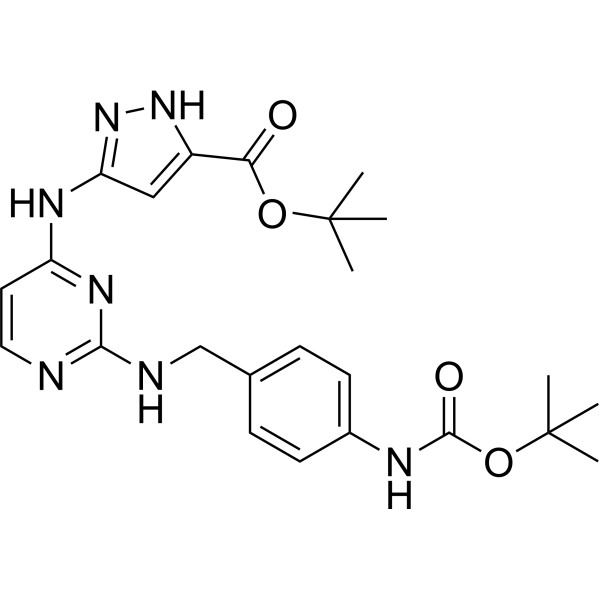
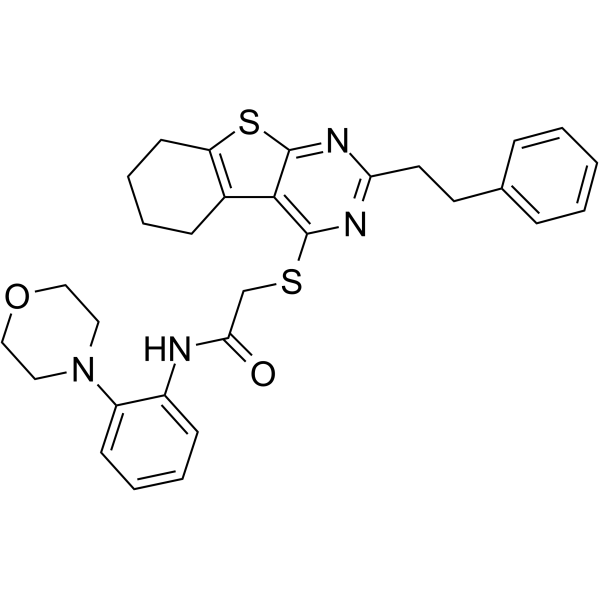
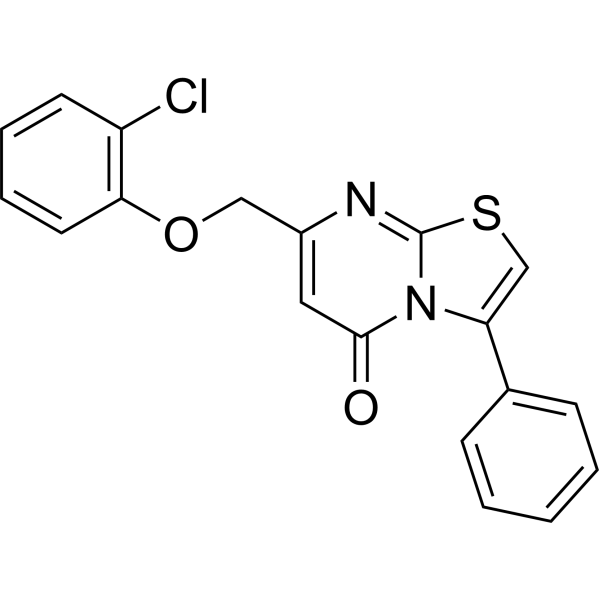
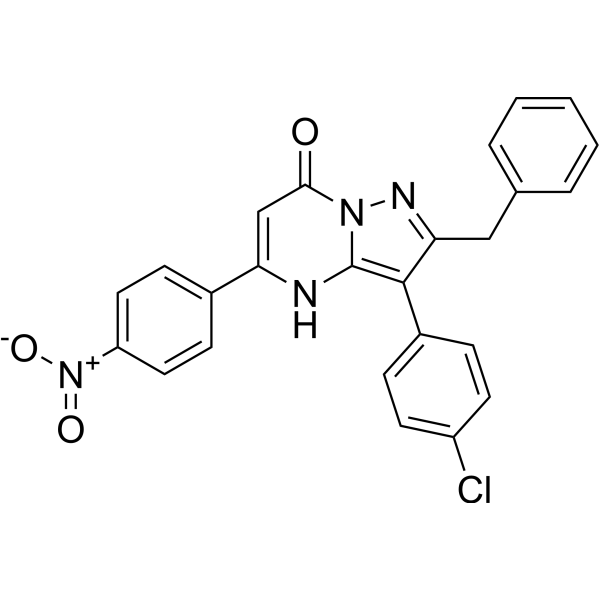
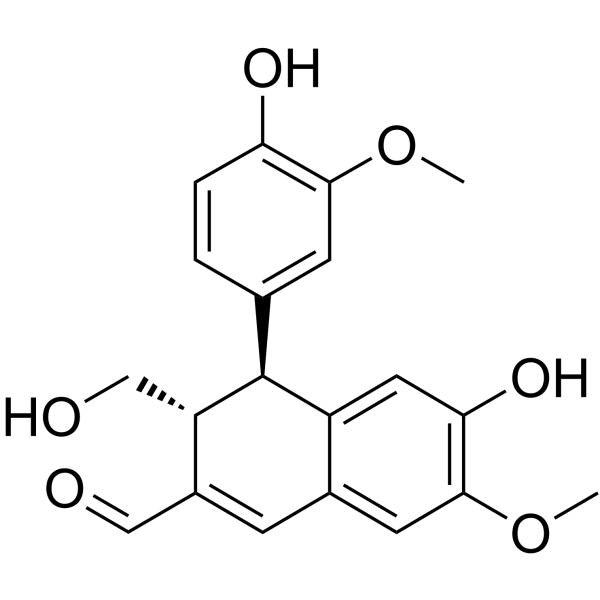
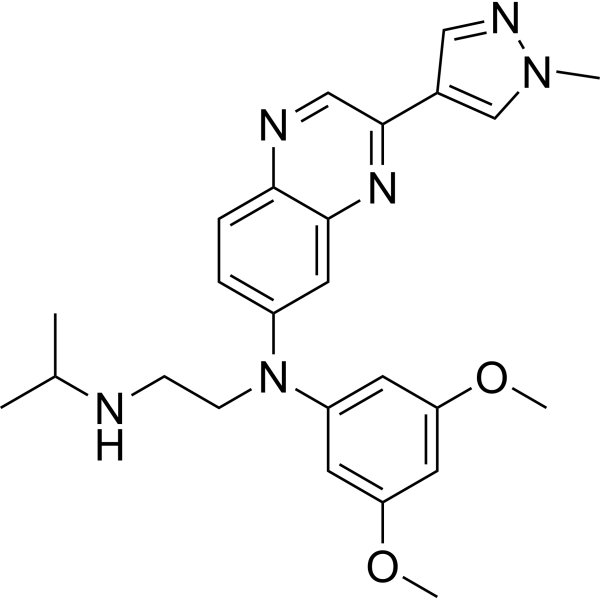
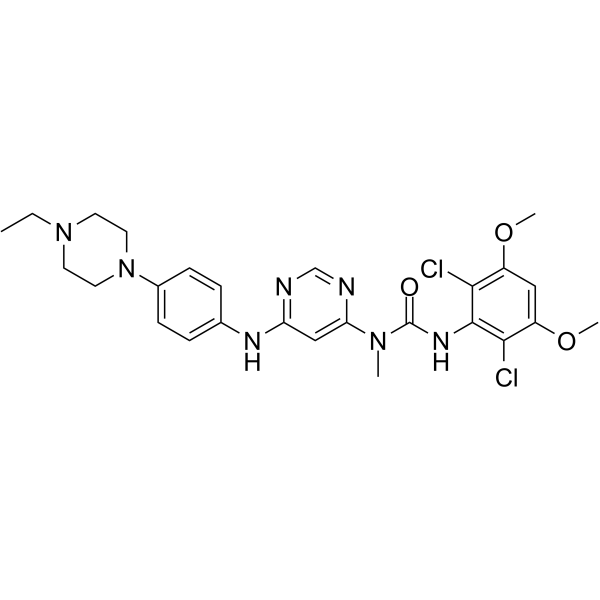
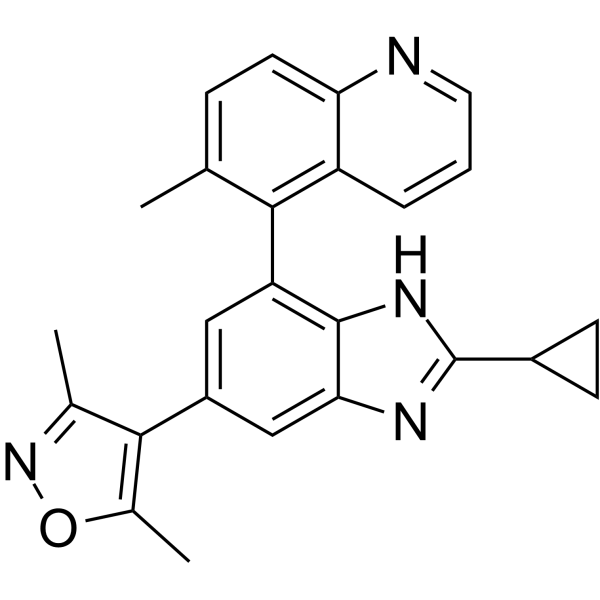
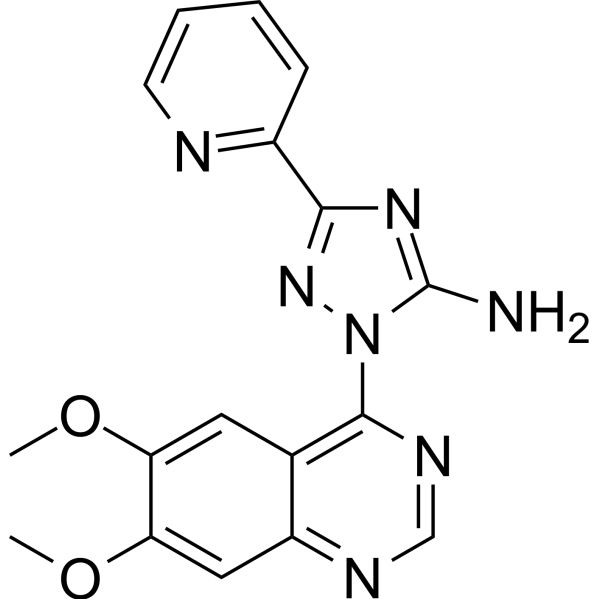
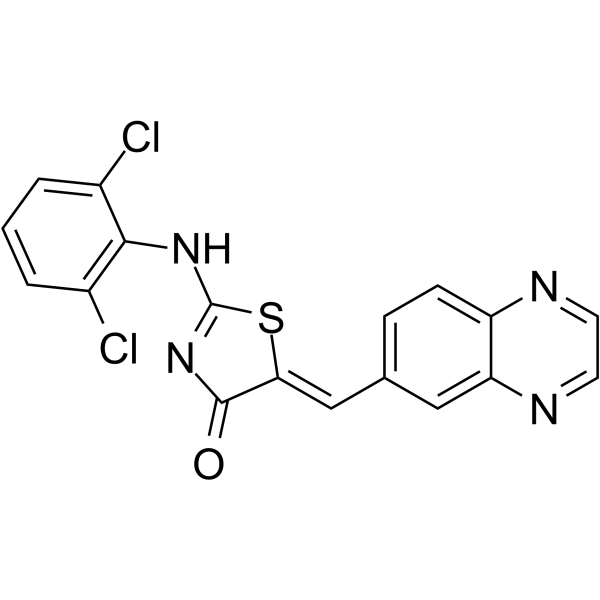
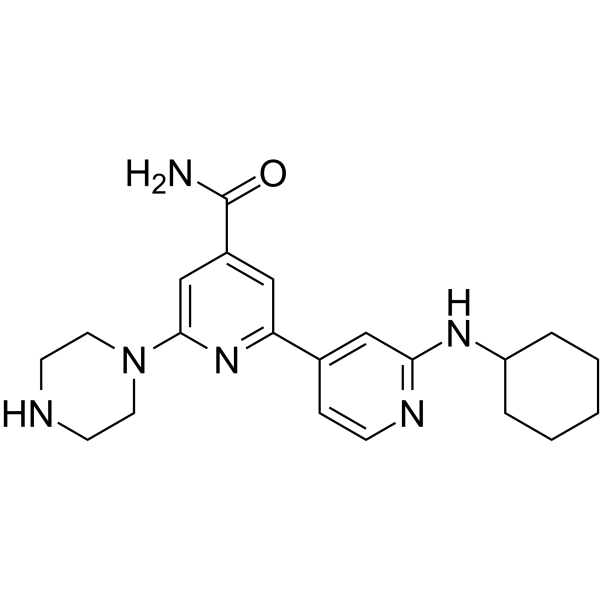
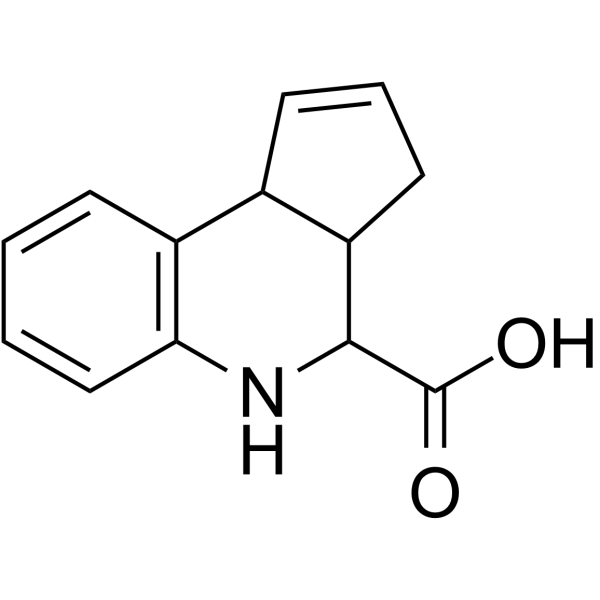
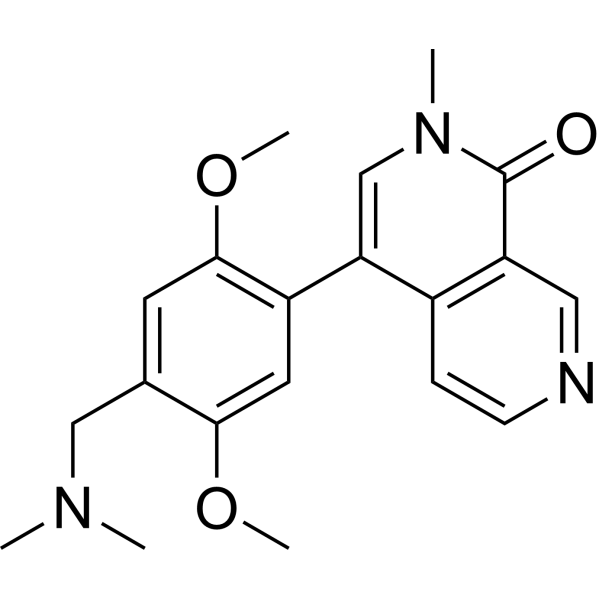
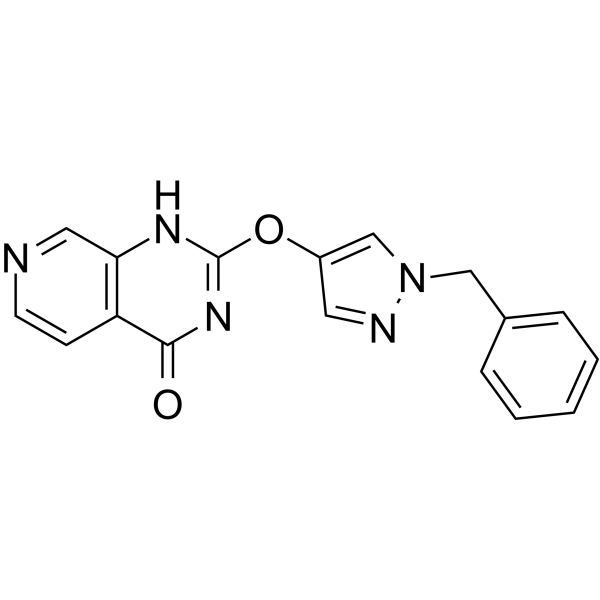
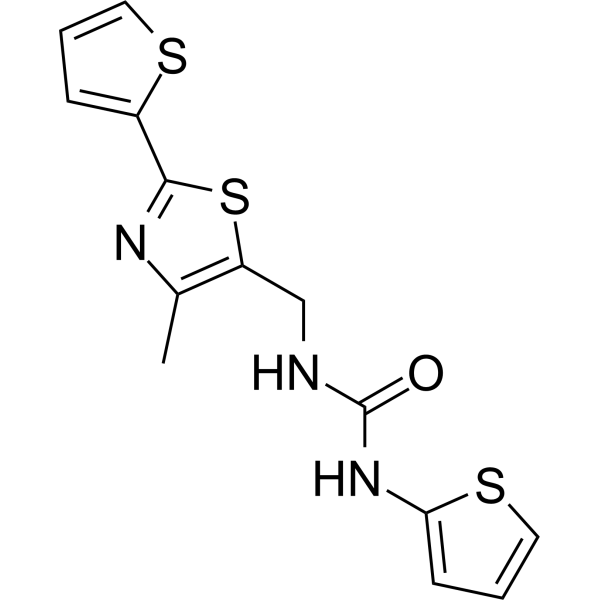
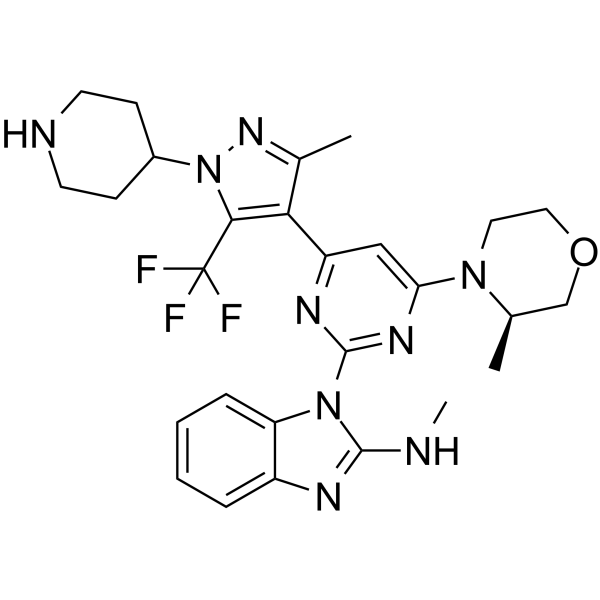
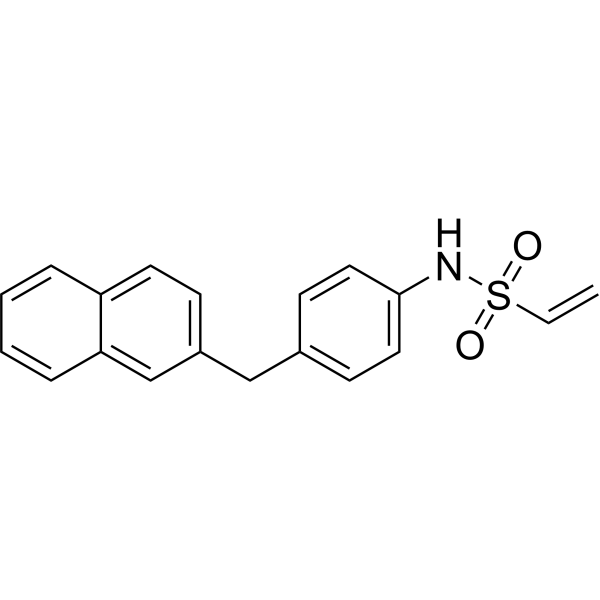
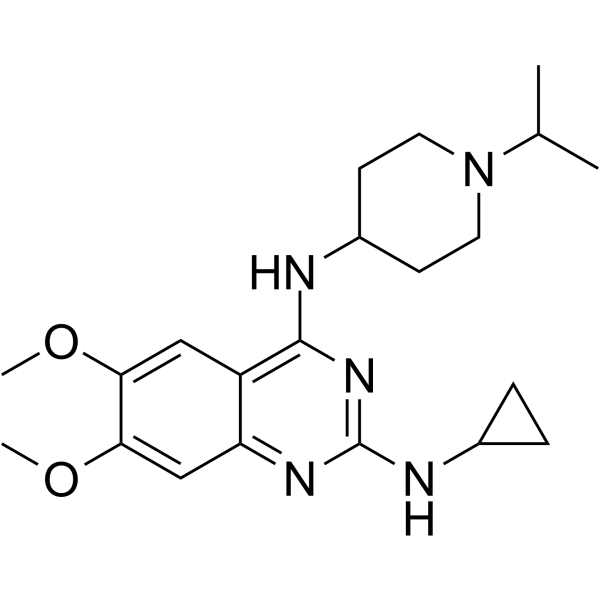
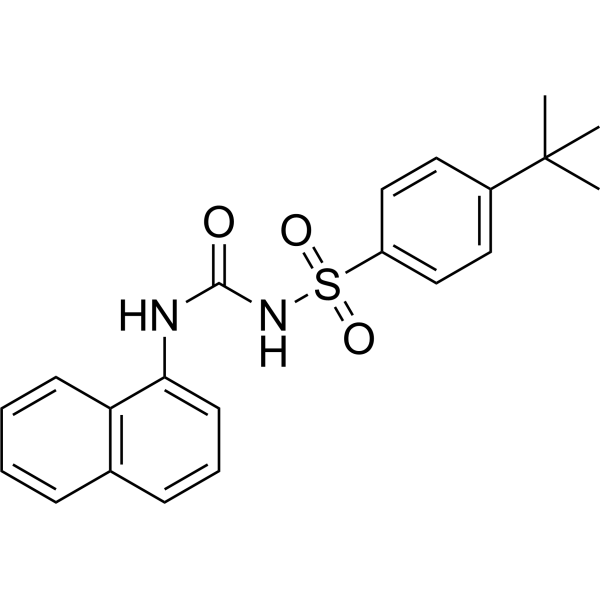
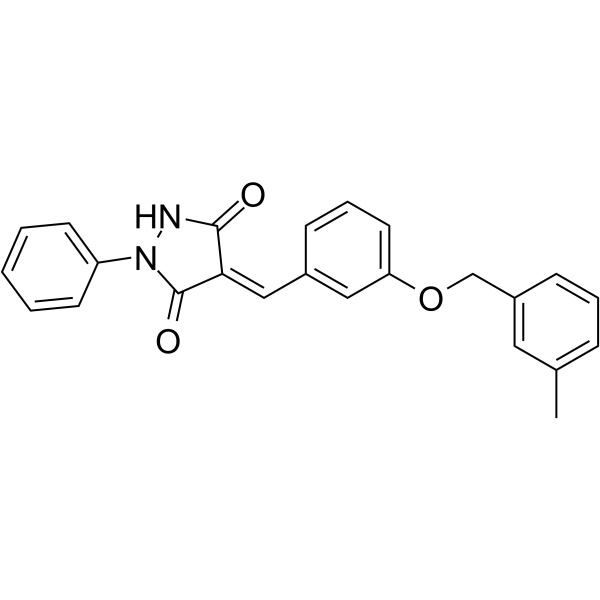
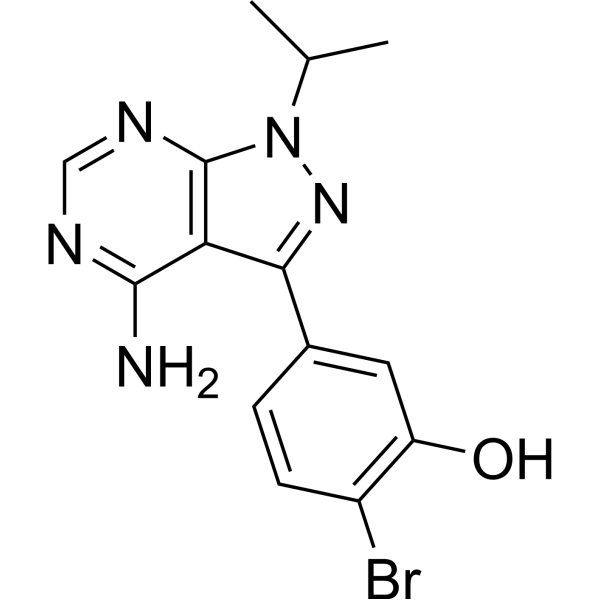
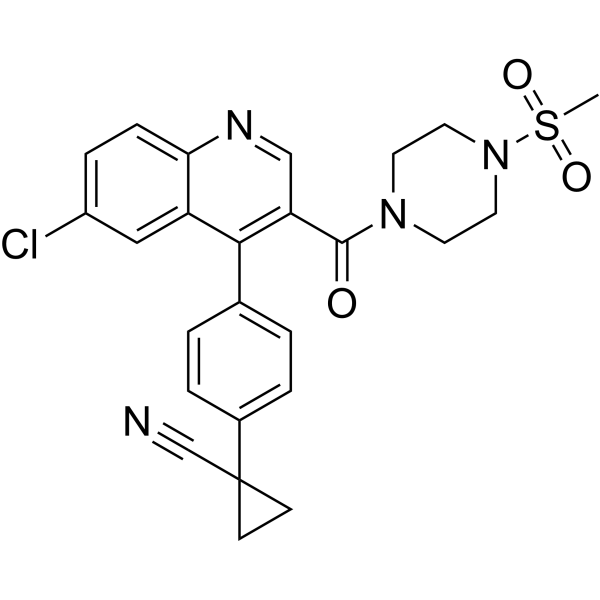
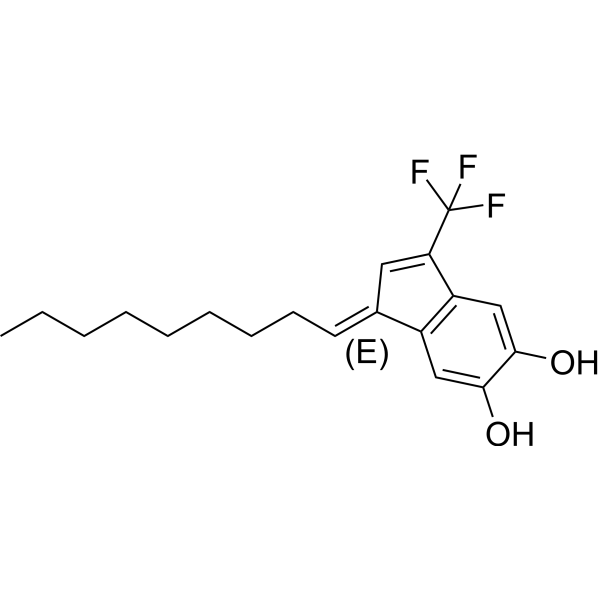
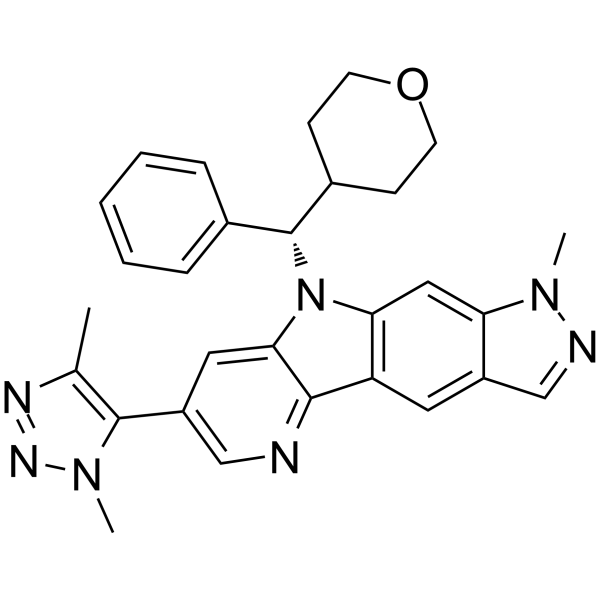
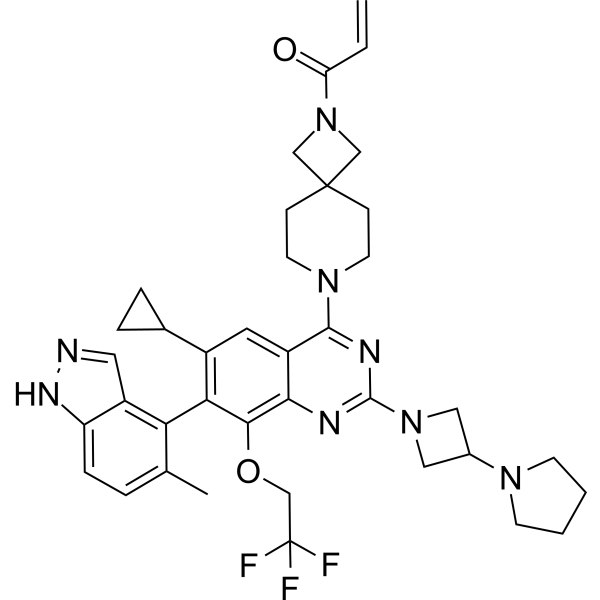
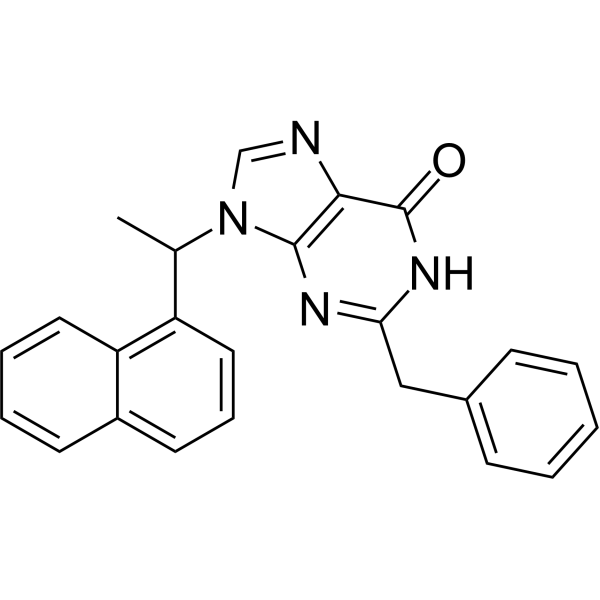
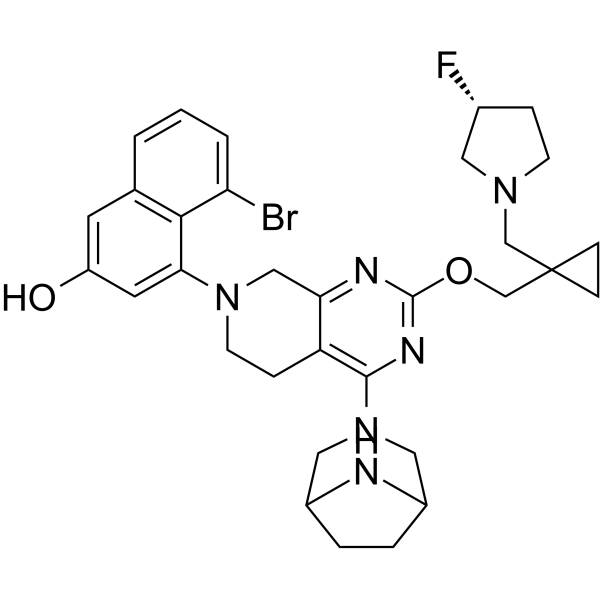
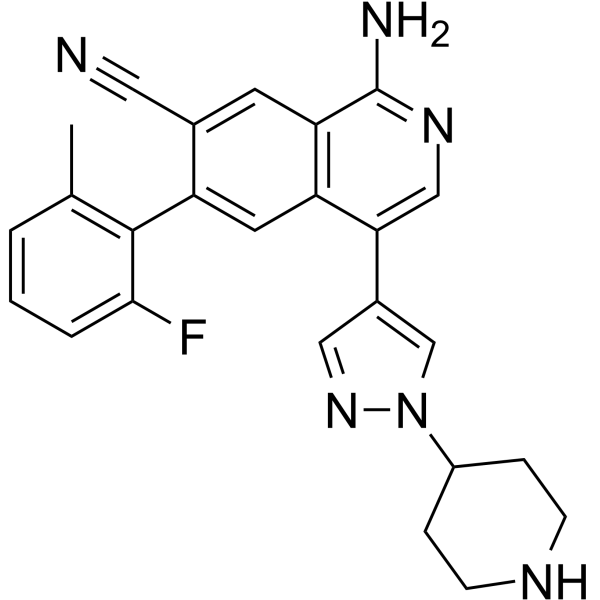
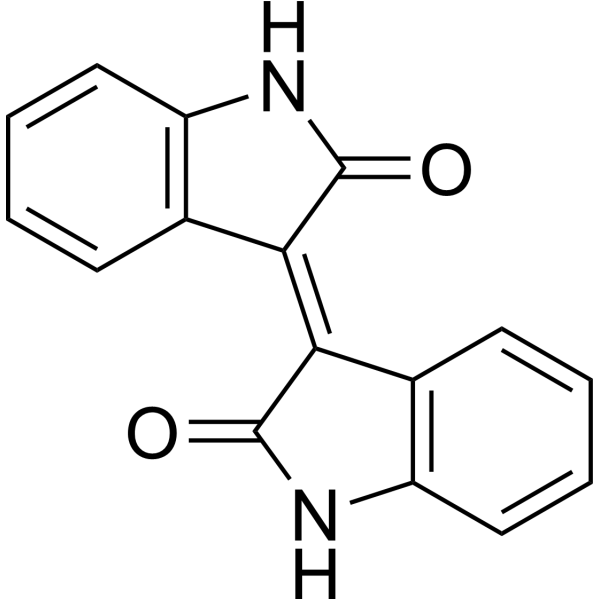
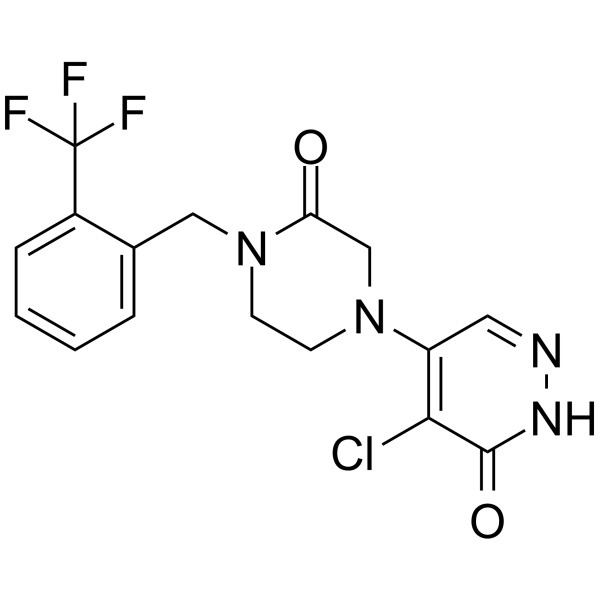
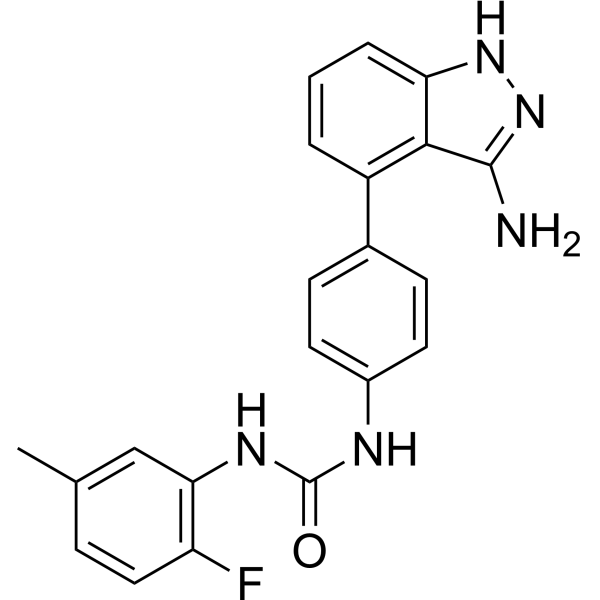
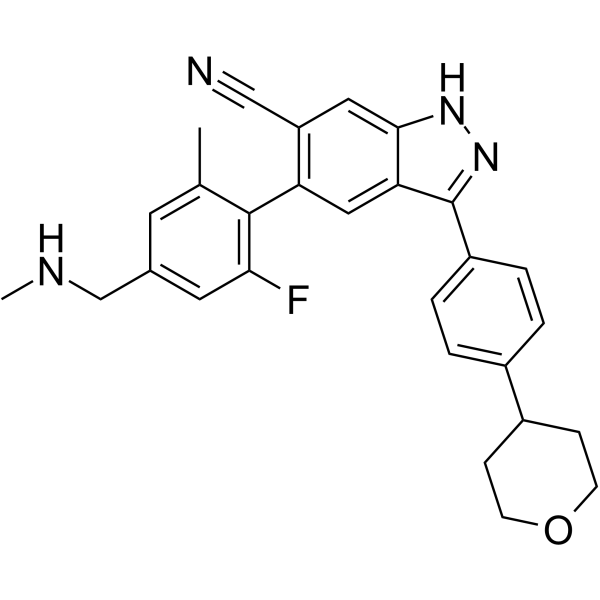
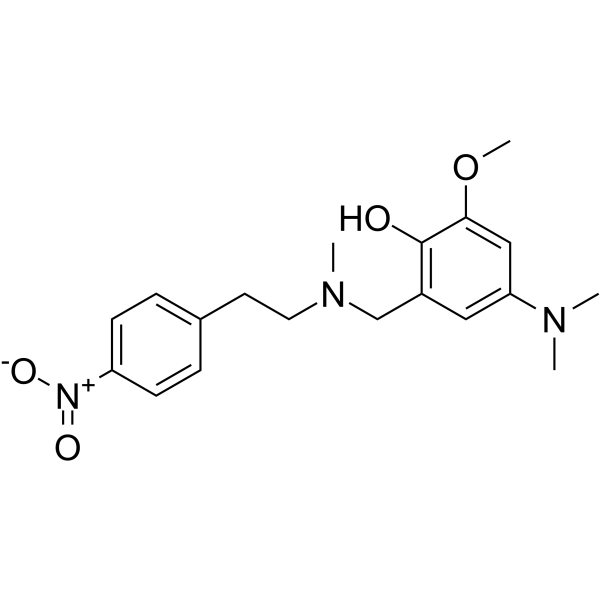
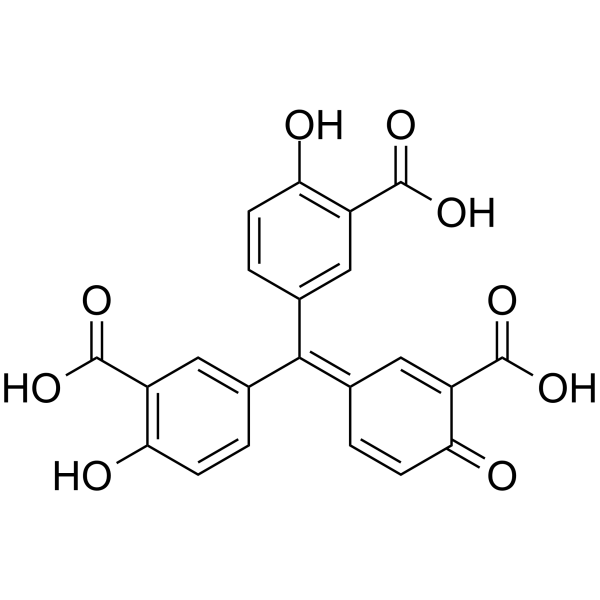
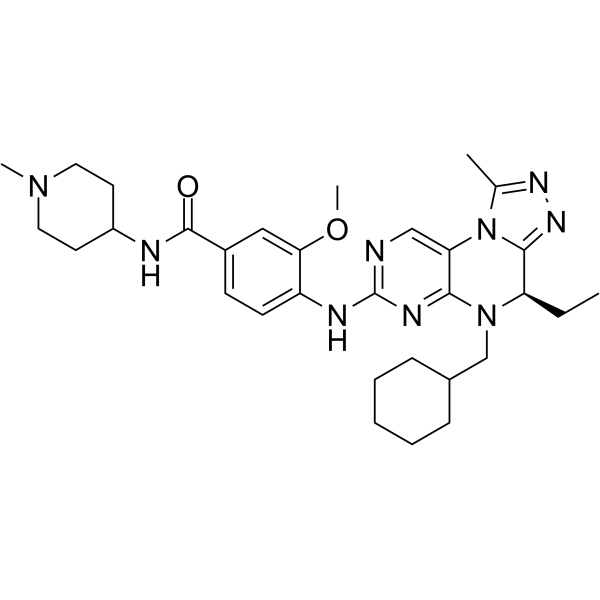
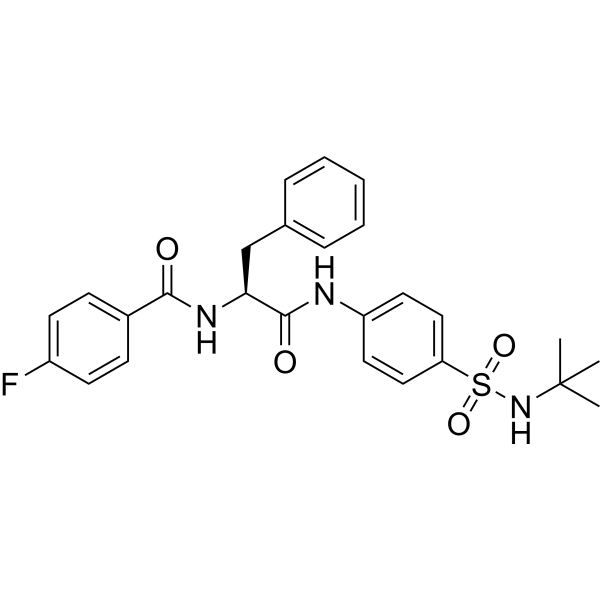
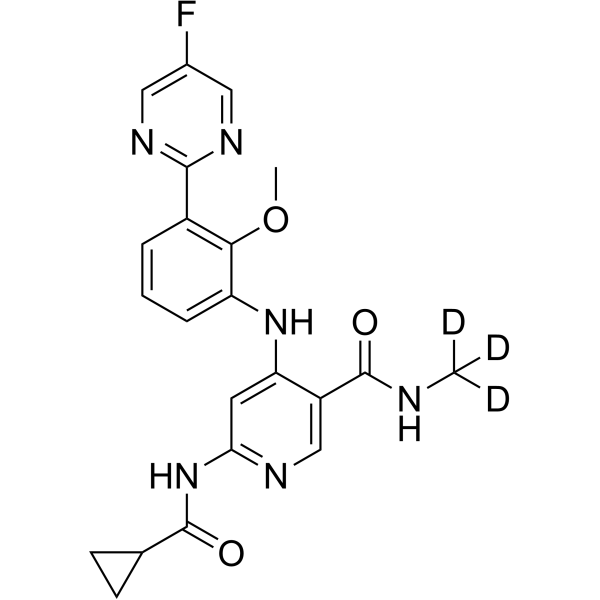
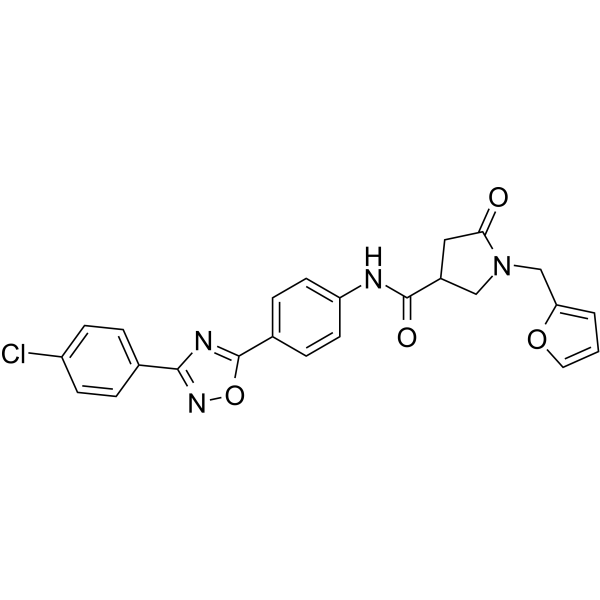
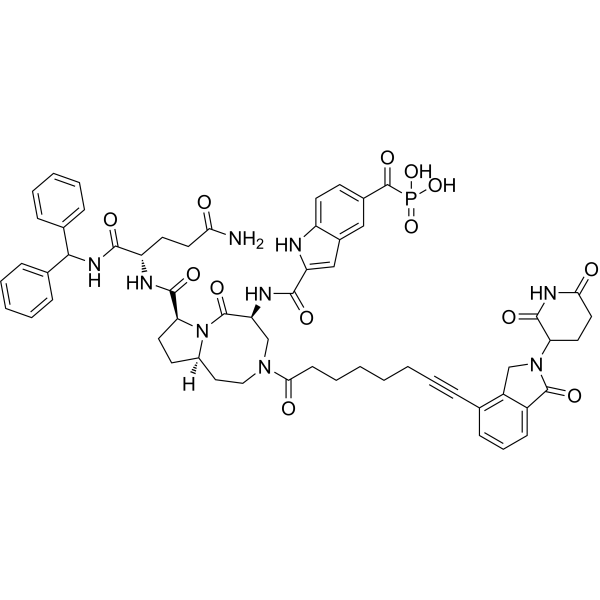
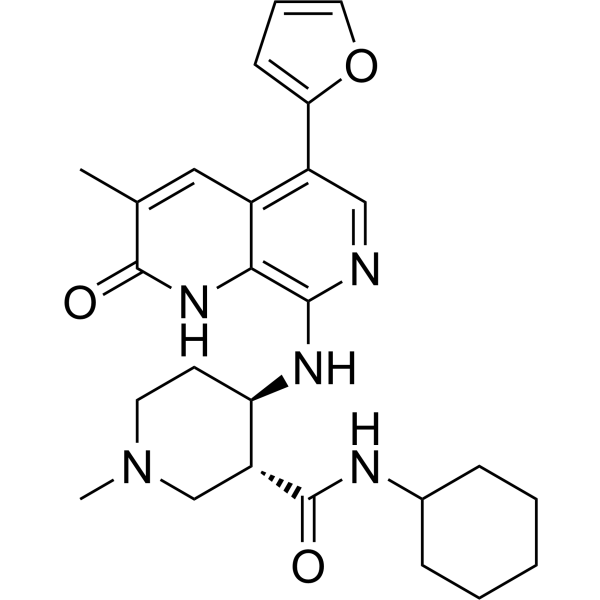
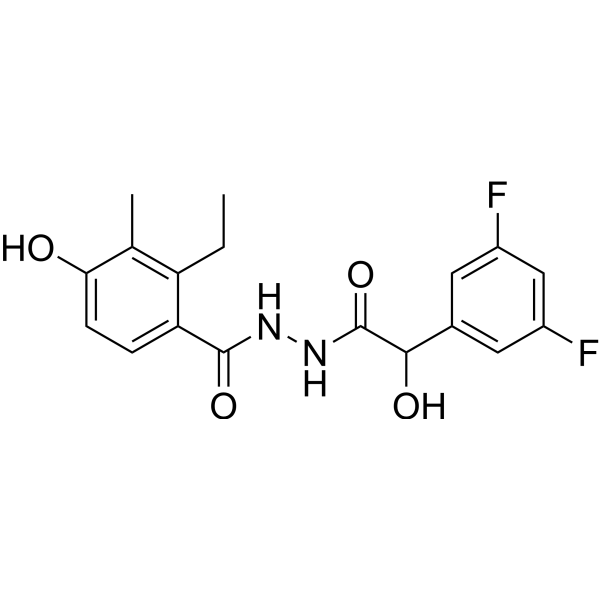
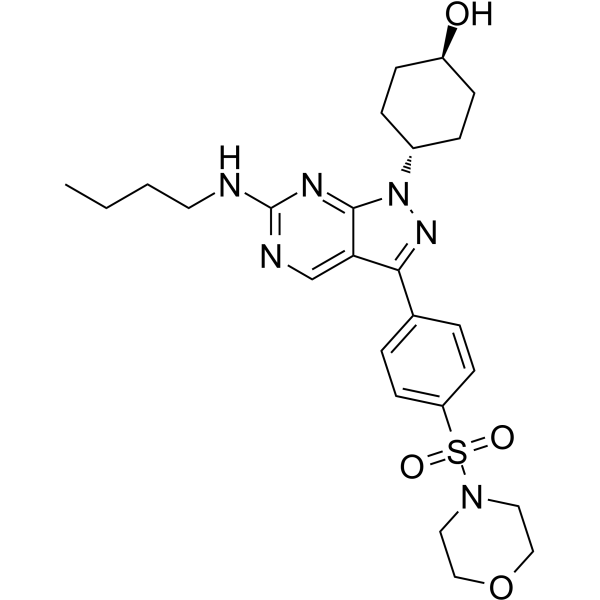
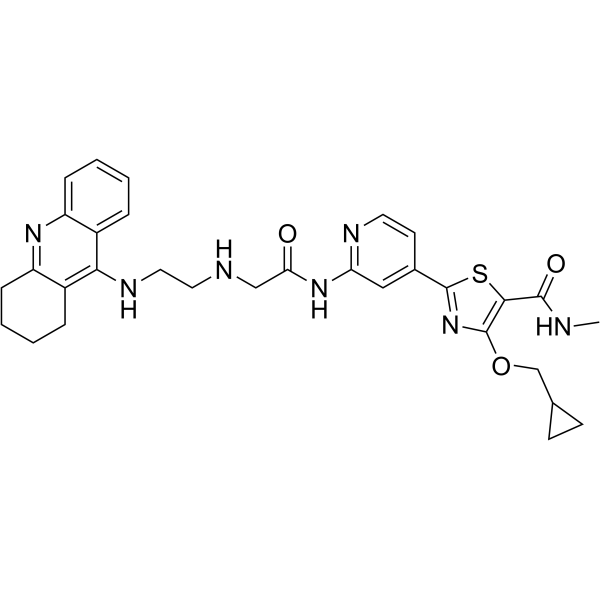
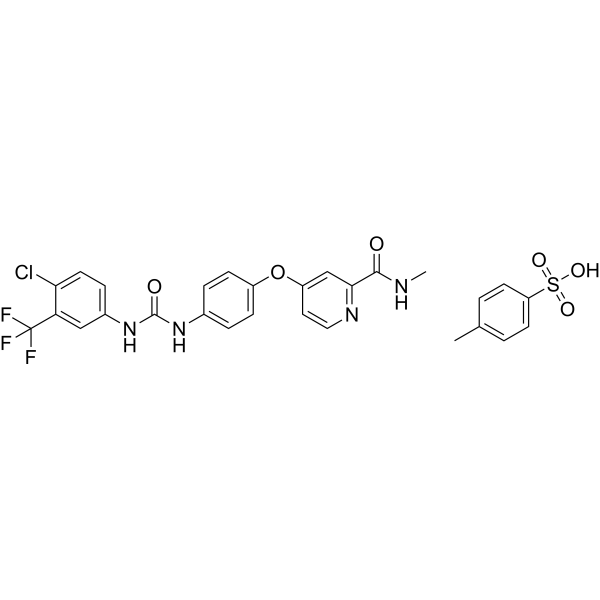
    TFCP2L1-IN-1 is a specific small molecule targeting TFCP2L1’s active domain with anti-cancer activity. TFCP2L1-IN-1 synergizes with Sorafenib (HY-10201) to induce Apoptosis and reduces cell proliferation, invasion, metastasis, clonal formation and sphere-forming capacity in hepatocellular carcinoma cells .
    TFCP2L1-IN-1
  • HY-108486

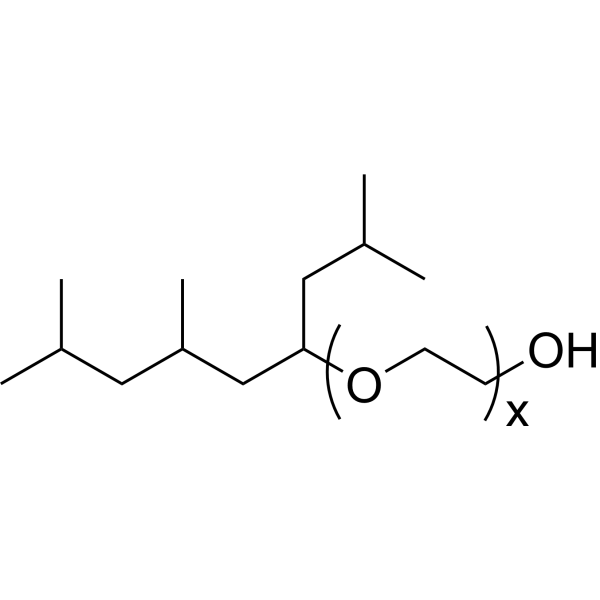
    Bacterial Antibiotic Infection
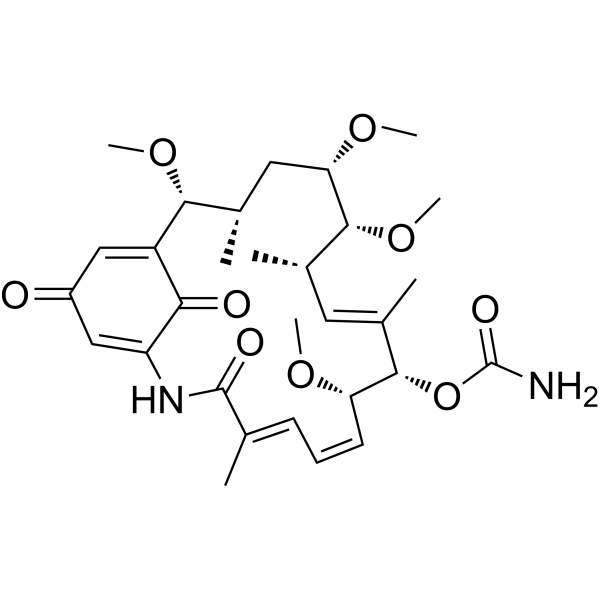
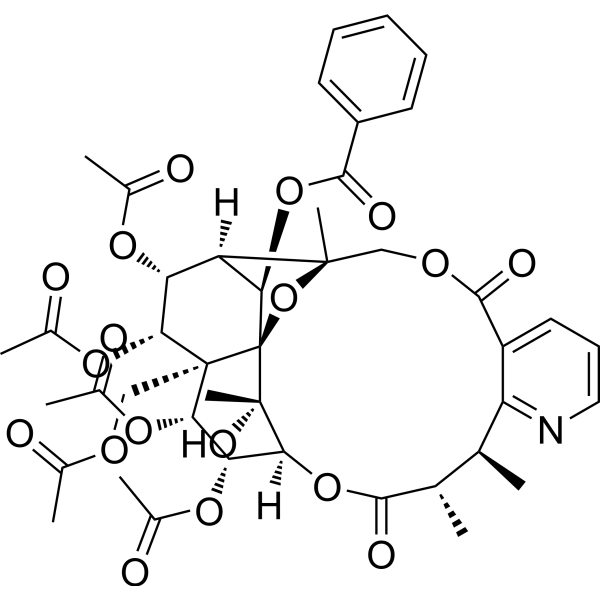
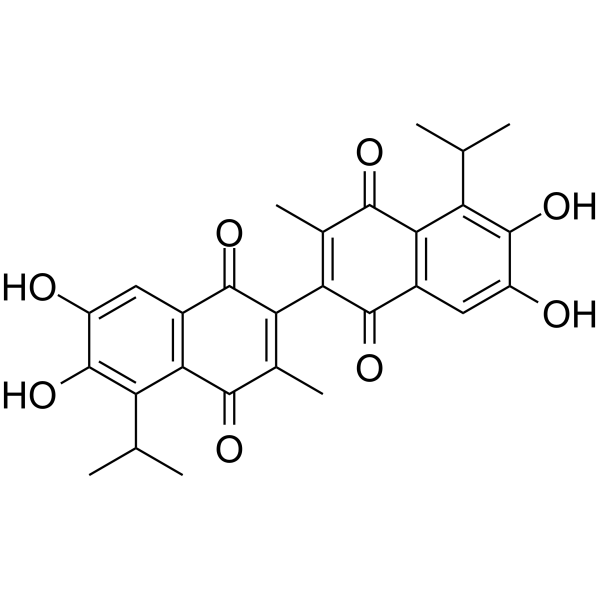
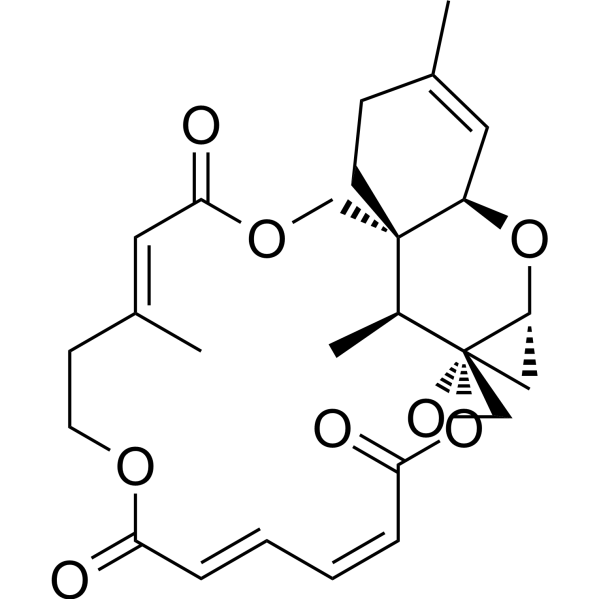
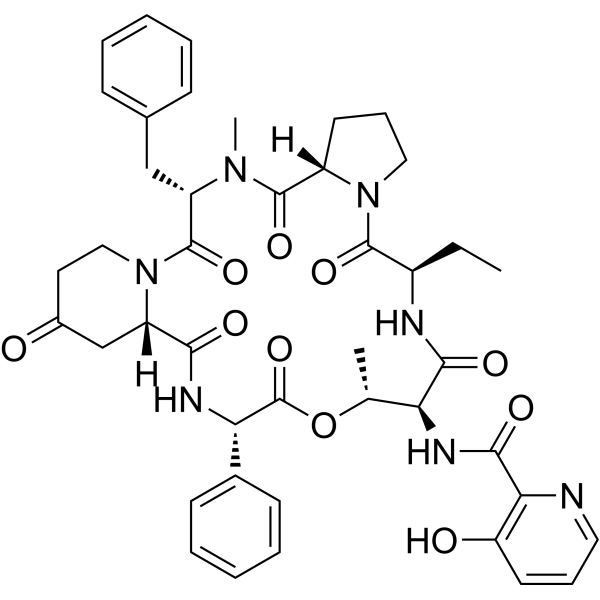
    Herbimycin A, an ansamycin antibiotic, acts as a Src family kinase inhibitor. Herbimycin A binds to the SH domain and inhibits the activity of p60 v-src and p210 BCR-ABL Herbimycin A inhibits Hsp90 and impairs recovery from heat shock. Herbimycin A exhibits antiangiogenic activity in endothelial cells in vitro.
    Herbimycin A
  • HY-170538

    Lysyl Oxidase Cytochrome P450 Cardiovascular Disease Metabolic Disease
    SNT-5382 is a lysyl oxidase family (LOX) inhibitor and anti-fibrotic agent. SNT-5382 binds to the LTQ cofactor of LOXL2 and inhibits the enzymatic activities of LOXL3, LOXL4, LOXL1, CYP2C9, and CYP2C19. SNT-5382 reduces cardiac and liver fibrosis as well as collagen crosslinks, and improves cardiac function. SNT-5382 can be used for the research of heart failure, myocardial infarction, and nonalcoholic steatohepatitis-related liver fibrosis [2].
    SNT-5382
  • HY-148187

    NOD-like Receptor (NLR) Infection Cardiovascular Disease Neurological Disease Inflammation/Immunology
    NLRP3-IN-11 is a NLR family pyrin domain containing 3 (NLRP3) proteins inhibitor. NLRP3-IN-11 has biological activity for NLRP3 with an IC50 value of <0.3 μM. NLRP3-IN-11 can be used for the researh of inflammatory and degenerative diseases including NASH, atherosclerosis and other cardiovascular diseases, Alzheimer's disease, Parkinson's disease, diabetes, gout, and numerous other autoinflammatory diseases .
    NLRP3-IN-11
  • HY-P1985

    Notch Cardiovascular Disease Cancer
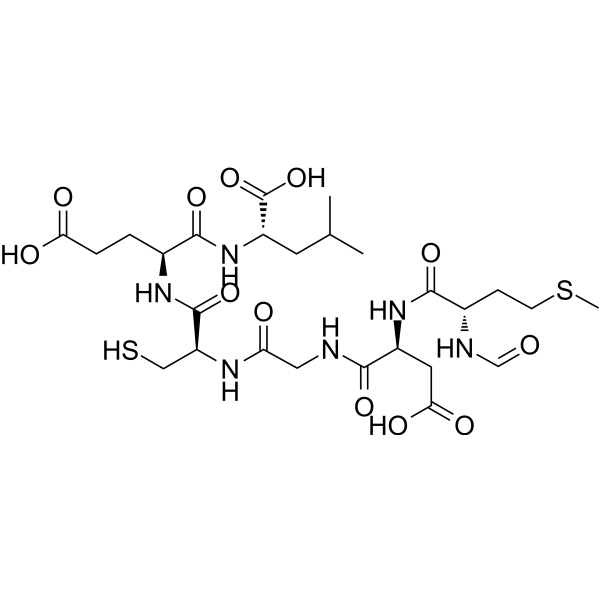
    Notch 1 (Notch homolog 1, translocation-associated) can encode a member of the NOTCH family of proteins. Members of this Type I transmembrane protein family share structural characteristics including an extracellular domain consisting of multiple epidermal growth factor-like (EGF) repeats, and an intracellular domain consisting of multiple different domain types .
    Notch 1
  • HY-RS20112

    Small Interfering RNA (siRNA) Others

    Tfcp2 Mouse Pre-designed siRNA Set A contains three designed siRNAs for Tfcp2 gene (Mouse), as well as a negative control, a positive control, and a FAM-labeled negative control.

    Tfcp2 Mouse Pre-designed siRNA Set A
    Tfcp2 Mouse Pre-designed siRNA Set A
  • HY-RS26616

    Small Interfering RNA (siRNA) Others

    Tfcp2 Rat Pre-designed siRNA Set A contains three designed siRNAs for Tfcp2 gene (Rat), as well as a negative control, a positive control, and a FAM-labeled negative control.

    Tfcp2 Rat Pre-designed siRNA Set A
    Tfcp2 Rat Pre-designed siRNA Set A
  • HY-P990021

    TRL1068

    Bacterial Others
    Calpurbatug is an immunoglobulin G1 antibody. Calpurbatug has activity with anti-bacterial DNA-binding protein DNABII family and anti-human monoclonal TRL1068 γ1-chain .
    Calpurbatug
  • HY-117395

    HSP Cancer
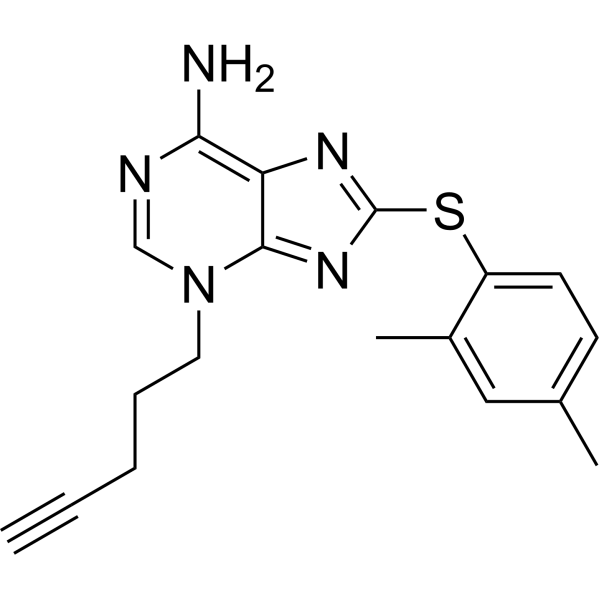
    PU-H54, a Grp94-selective inhibitor, can be used for the research of breast cancer. Hsp90 chaperone family, comprised in humans of four paralogs, Hsp90α, Hsp90β, Grp94 and Trap-1, has important roles in malignancy . PU-H54 is a click chemistry reagent, it contains an Alkyne group and can undergo copper-catalyzed azide-alkyne cycloaddition (CuAAc) with molecules containing Azide groups.
    PU-H54
  • HY-111996

    Potassium Channel Neurological Disease Inflammation/Immunology
    Kv3 activator-1 is a Kv3 family voltage-gated potassium channel activator. Kv3 activator-1 reverses mechanical hyperalgesia in rat models of neuropathic and inflammatory pain, with rapid onset and long-lasting, dose-related effects. Kv3 activator-1 can be used for the research of pain .
    Kv3 activator-1
  • HY-16251A

    Bacterial Infection
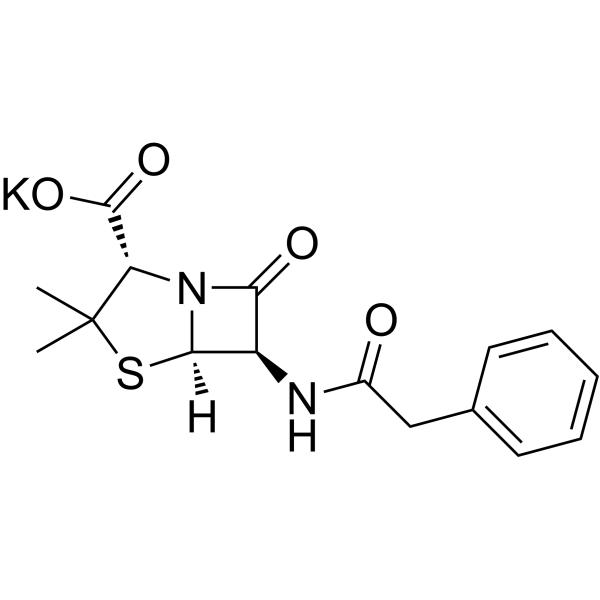
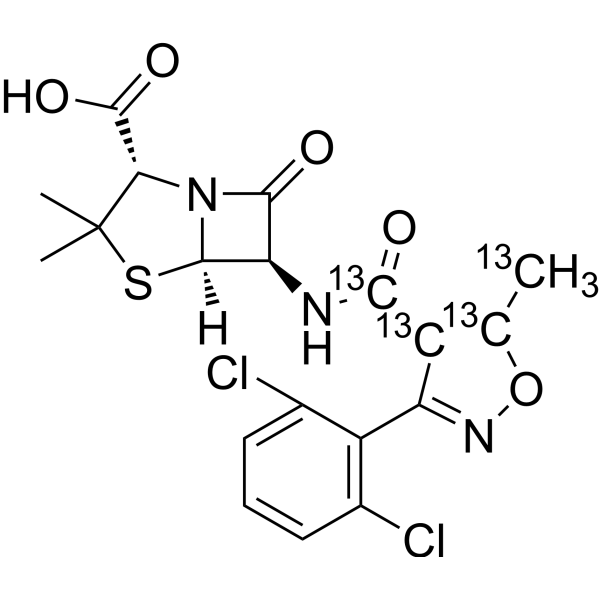
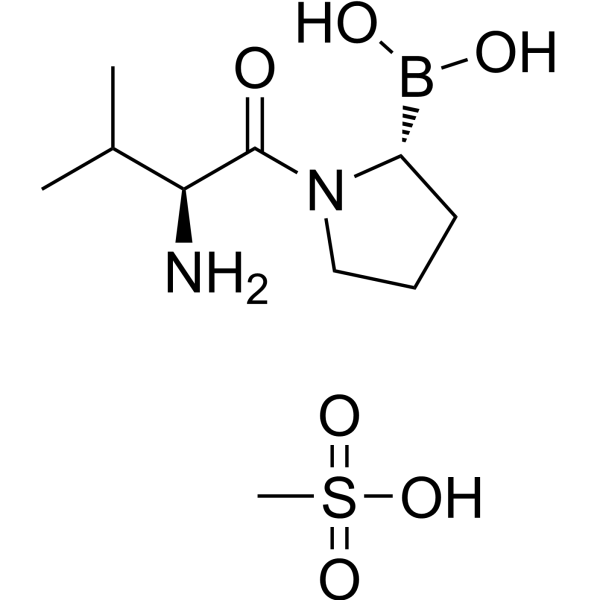
    Hetacillin is a beta-lactam antibiotic that is part of the aminopenicillin family.
    Hetacillin
  • HY-162470

    Aurora Kinase Cancer
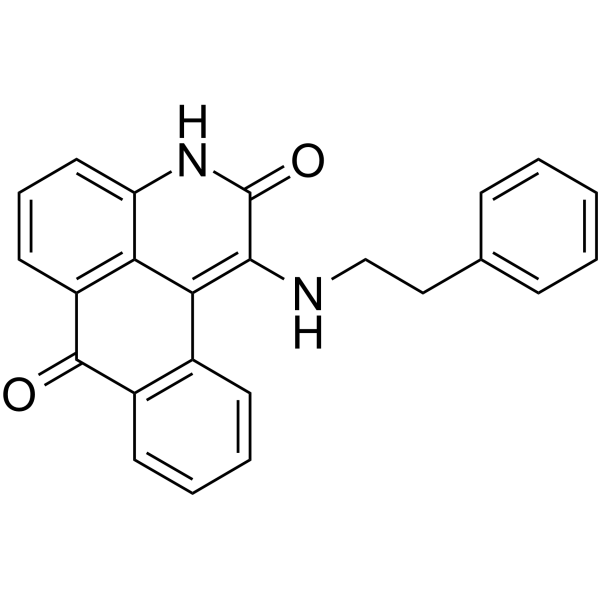
    DBPR728 is an acyl prodrug of 6K465 that carries fewer hydrogen bond donors. 6K465 acts as an Aurora kinase inhibitor that destabilizes MYC family cancer proteins and has antitumor efficacy. DBPR728 has the potential to inhibit cancers that overexpress C-MYC and N-MYC, with a 10-fold increase in oral bioavailability compared to 6K465 .
    DBPR728
  • HY-142686

    SGK P-glycoprotein CDK Inflammation/Immunology
    SGK1-IN-3 (Compound 3a) is an ATP-competitive SGK1 inhibitor with an IC50 of <1 nM against hSGK1. SGK1-IN-3 blocks the activity of CDK family members. SGK1-IN-3 is a P-glycoprotein substrate. SGK1-IN-3 can be used for research on osteoarthritis .
    SGK1-IN-3
  • HY-E70888

    Lipase Others
    Lipase, Candida antarctica, expressed in Aspergillus niger, is a serine hydrolase, which belongs to the α/β hydrolase fold family [2].
    Lipase, Candida antarctica, expressed in Aspergillus niger
  • HY-172545

    Tau Protein Neurological Disease
    AMG28 is an ATP-competitive inhibitor targeting TTBK1 and TTBK2, with IC50 values of 805 nM and 988 nM, respectively. AMG28 inhibits the phosphorylation of tau protein at the Ser422 site .
    AMG28
  • HY-W415953

    Sex Pheromone Others
    Periplanetin is a peptide of the insect lipomotor hormone family (AKH family) that can be isolated from the secretion of the cervical organ of Periplaneta americana L. and Blatta orientalis L. The periplanetin peptide has potential analgesic activity and lowers the threshold of tonic seizures [2].
    Periplanetin
  • HY-103172

    P2Y Receptor Metabolic Disease
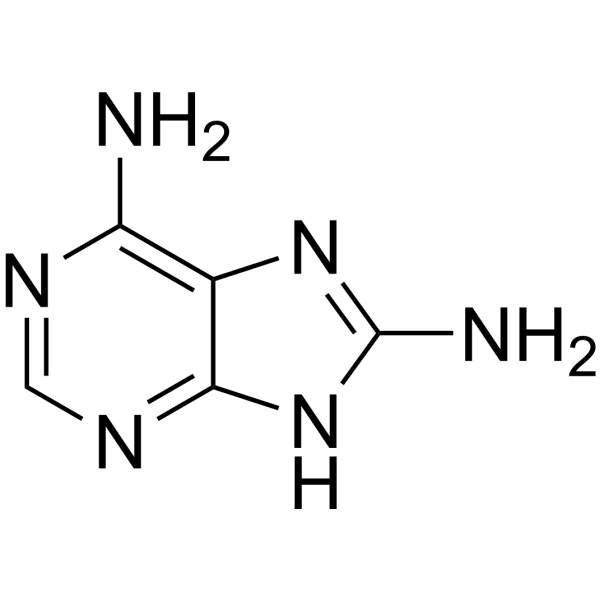
    8-Aminoadenine is an adenine receptor 1 (rAde1R) inhibitor with a Ki of 6.51 μM in rat and 0.0341 μM in human. 8-Aminoadenine inhibits isoprenaline-induced cAMP accumulation and adenine uptake in astrocytoma cells expressing rAde1R. 8-Aminoadenine serves as a lead structure for the development of adenine receptor ligands to elucidate the functions of the adenine receptor family .
    8-Aminoadenine
  • HY-10087S
    Navitoclax-d8
    1 Publications Verification

    Bcl-2 Family Cancer
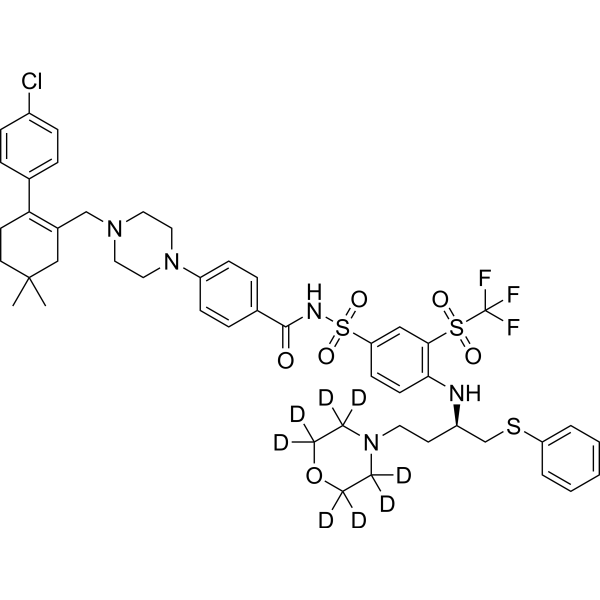
    Navitoclax-d8 is the deuterium labeled Navitoclax. Navitoclax (ABT-263) is a potent and orally active Bcl-2 family protein inhibitor that binds to multiple anti-apoptotic Bcl-2 family proteins, such as Bcl-xL, Bcl-2 and Bcl-w, with a Ki of less than 1 nM .
    Navitoclax-d8
  • HY-172432

    Tyrosinase Inflammation/Immunology
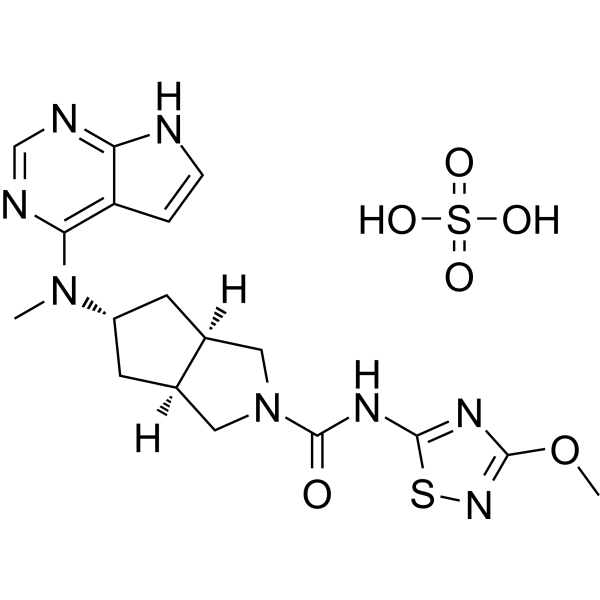
    Plodicitinib is a Janus tyrosine kinase 3/TEC family kinase inhibitor with anti-inflammatory activity .
    Plodicitinib
  • HY-147314

    HIV Src Infection
    HIV-IN-6 is a HIV-Ⅰ viral replication inhibitor by targeting Src family kinases (SFK) that interact with Nef protein of the virus, such as Hck .
    HIV-IN-6
  • HY-N6684R

    Vomitoxin (Standard)

    P-glycoprotein Reference Standards Metabolic Disease
    Deoxynivalenol (Standard) is the analytical standard of Deoxynivalenol. This product is intended for research and analytical applications. Deoxynivalenol, an orally active mycotoxin of the trichothecenes family, crosses the intestinal mucosa by a paracellular pathway through the tight junctions. The Deoxynivalenol transport is not affected by P-glycoprotein (PgP) or multidrug resistance-associated proteins (MRPs) inhibitors .
    Deoxynivalenol (Standard)
  • HY-161577

    Bcl-2 Family Cancer
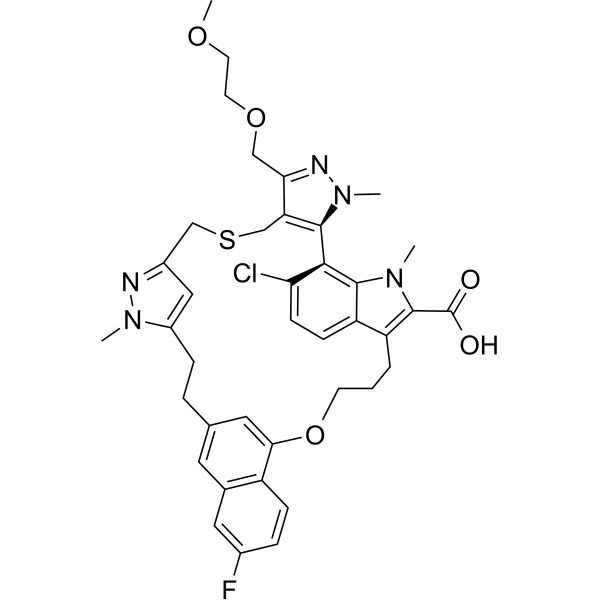
    BFC1103 is a small-molecule compound whose primary mechanism of action involves interaction with a specific domain of Bcl-2, particularly its loop domain. This interaction induces a conformational change in Bcl-2, exposing its BH3 (Bcl-2 homology 3) domain, thereby switching Bcl-2's function from anti-apoptotic to pro-apoptotic. The cell death induced by BFC1103 is dependent on the presence of Bax or Bak, both of which are key proteins involved in the intrinsic apoptotic pathway mediated by mitochondria. BFC1103 has successfully inhibited lung metastasis of triple-negative breast cancer in mouse models. It can be utilized in studying the roles of Bcl-2 family proteins in cancer development and how they impact the survival and proliferation of cancer cells .
    BFC1103
  • HY-RS14416

    Small Interfering RNA (siRNA) Others

    TFCP2L1 Human Pre-designed siRNA Set A contains three designed siRNAs for TFCP2L1 gene (Human), as well as a negative control, a positive control, and a FAM-labeled negative control.

    TFCP2L1 Human Pre-designed siRNA Set A
    TFCP2L1 Human Pre-designed siRNA Set A
  • HY-N10623

    Tyrosinase Cancer
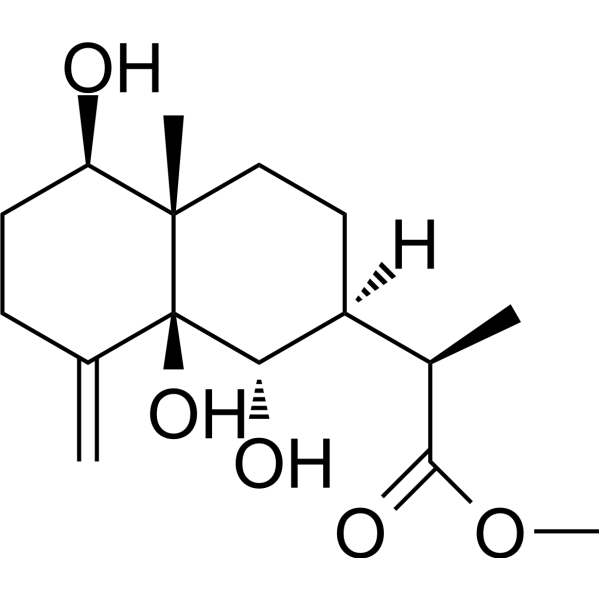
    5-epi-Arvestonate A is a sesquiterpenoid isolated from the whole plants of Seriphidium transiliense. 5-epi-Arvestonate A promotes melanogenic production by activating the transcription of microphthalmia-associated transcription factor (MITF) and tyrosinase family genes. 5-epi-Arvestonate A inhibits the expression of IFN-γ-chemokine through the JAK/STAT signaling pathway in immortalized human keratinocyte (HaCaT) cells .
    5-epi-Arvestonate A
  • HY-164652

    Biochemical Assay Reagents Others
    m-BBIG dihydrochloride is a member of Bis-iminoguanidine (BIG) family and can be utilized in synthetic chemistry .
    m-BBIG dihydrochloride

Inquiry Online

Your information is safe with us. * Required Fields.

Salutation


Country or Region *

Applicant Name *


Organization Name *

Department *


Email Address *


Product Name *

Cat. No.


Requested quantity *

Phone Number *


Remarks

Inquiry Online

Inquiry Information

Product Name:
Cat. No.:
Quantity:
MCE Japan Authorized Agent: