



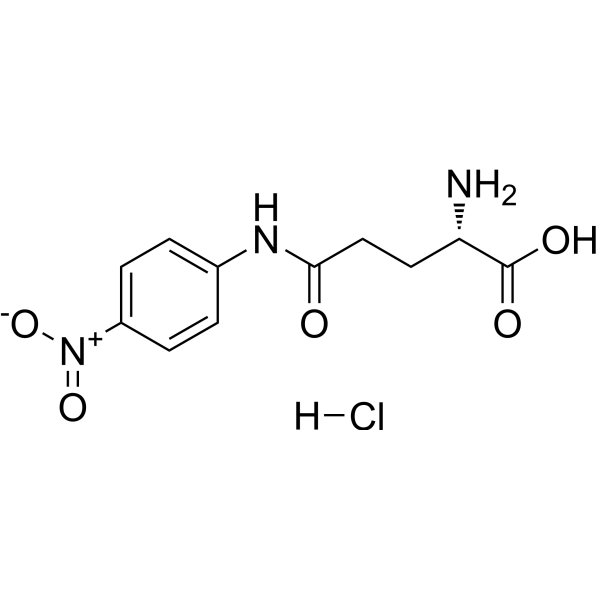
GPNA hydrochloride
Based on 7 publication(s) in Google Scholar
GPNA hydrochloride is a well known substrate of the enzyme γ-glutamyltransferase (GGT). GPNA hydrochloride is a specific glutamine (Gln) transporter ASCT2 inhibitor. GPNA hydrochloride also inhibit Na+-dependent carriers, such as SNAT family (SNAT1/2/4/5), and the Na+-independent leucine transporters LAT1/2. GPNA reversibly induces apoptosis in A549 cells.
For research use only. We do not sell to patients.
- Purity : 99.72%
- CAS No.: 67953-08-6
- Formula: C11H14ClN3O5
- Molecular Weight:303.70
-
Storage:
4°C, sealed storage, away from moisture
* In solvent : -80°C, 6 months; -20°C, 1 month (sealed storage, away from moisture)

To place orders, for customer services and technical support, please contact: MedChemExpress USA
Tel: 609-228-6898 E-mail: [email protected] [email protected]


-
 Biological Activity
-
Chemical Information
-
Solvent & Solubility
- Protocols
- Purity & Documentation
- References
-
 Help & FAQs


-
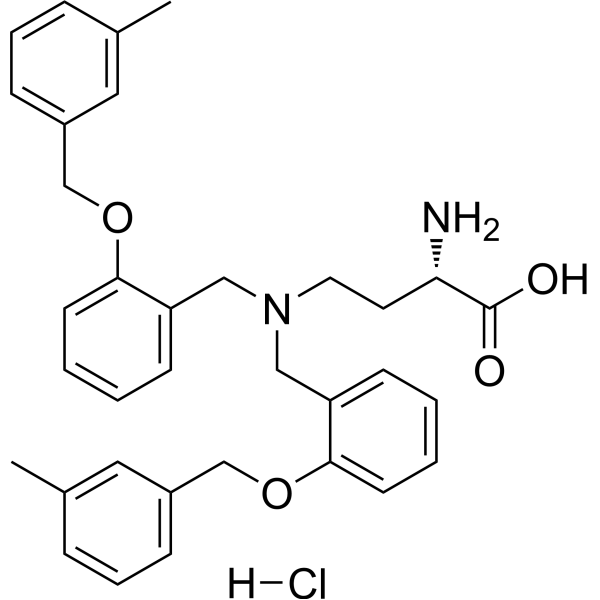
HY-112683A
V-9302 hydrochlorideASCT2 Antagonist -
HY-112683
V-9302ASCT2 Antagonist -
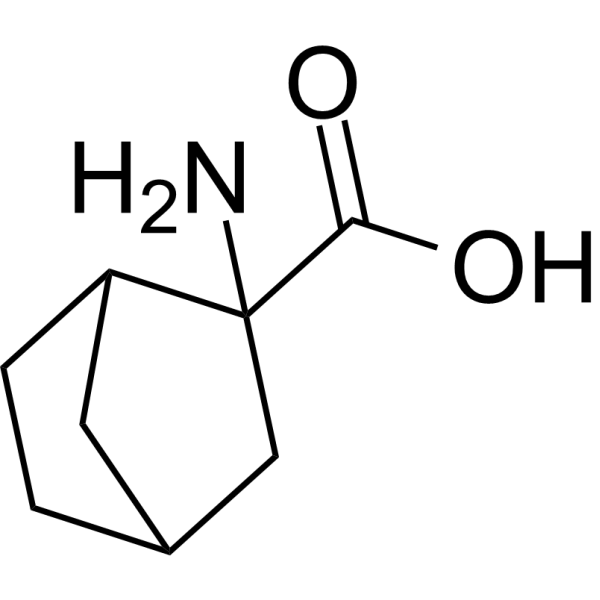
HY-108540
BCHLAT1 Inhibitor -
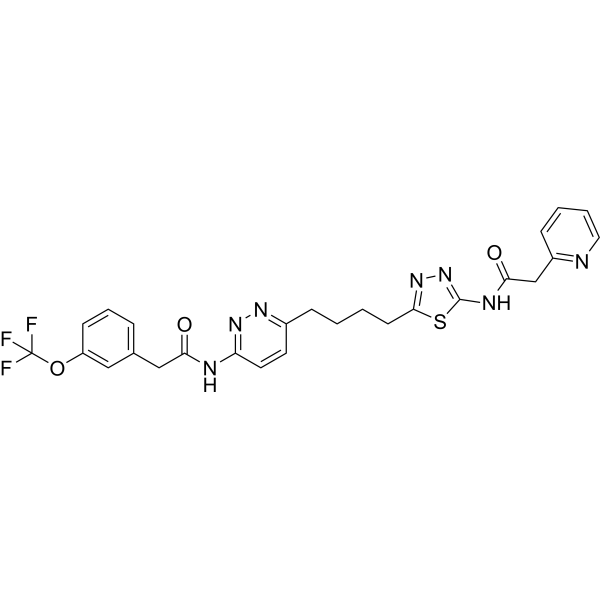
HY-12248
TelaglenastatGLS1 Inhibitor -
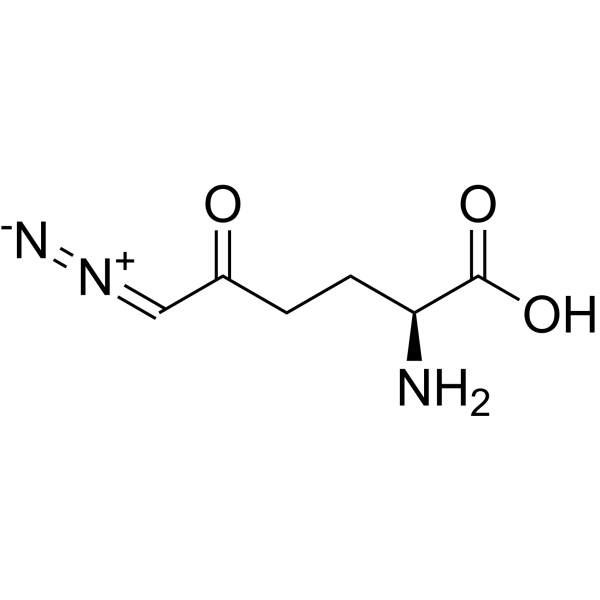
HY-108357
6-Diazo-5-oxo-L-nor-LeucineGlutaminases Antagonist -
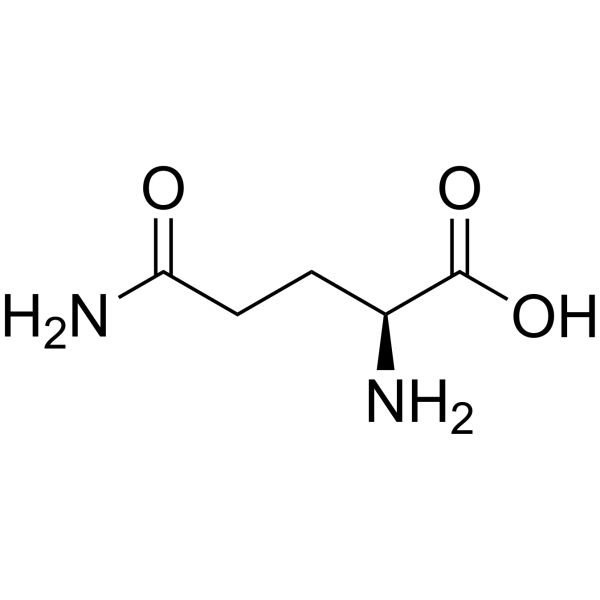
HY-N0390
L-GlutamineEndogenous Metabolite -
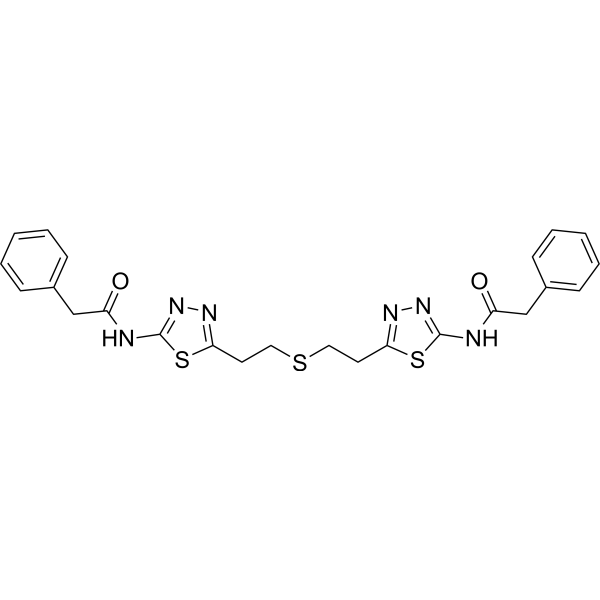
HY-12683
BPTESGlutaminase Inhibitor -
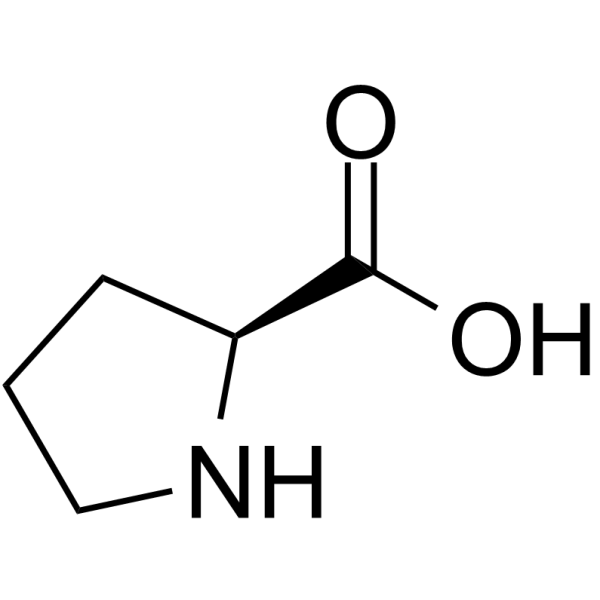
HY-Y0252
L-Proline -
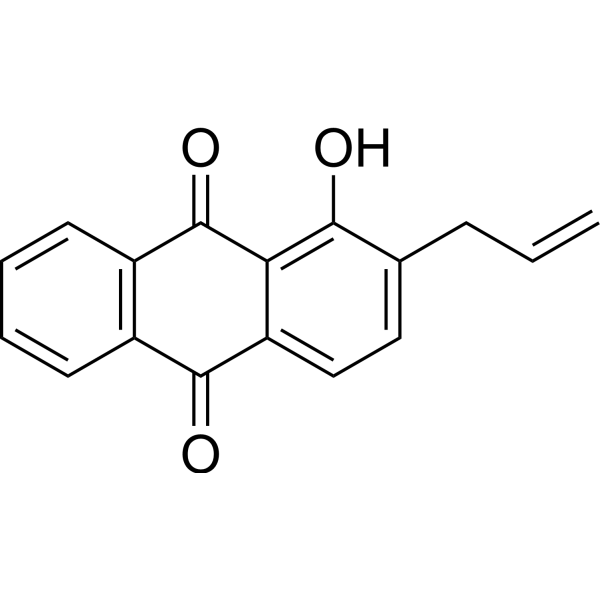
HY-103096
R162GDH1 Inhibitor -
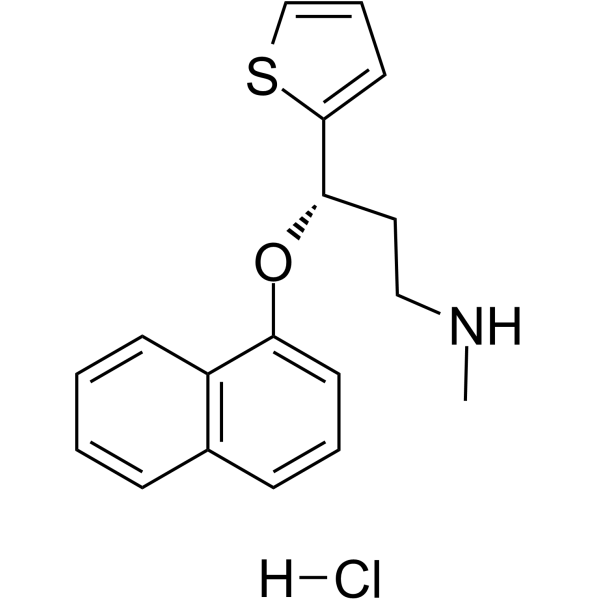
HY-B0161A
Duloxetine hydrochlorideSerotonin-norepinephrine Reuptake Inhibitor -
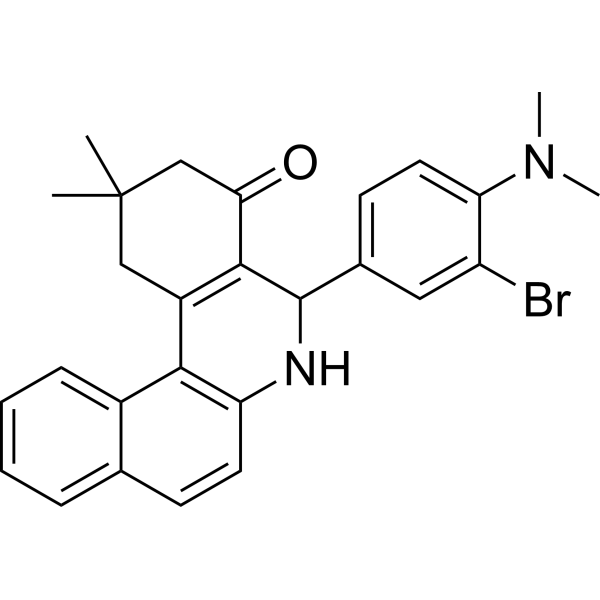
HY-12682
Glutaminase C-IN-1Glutaminase Inhibitor -
HY-122218
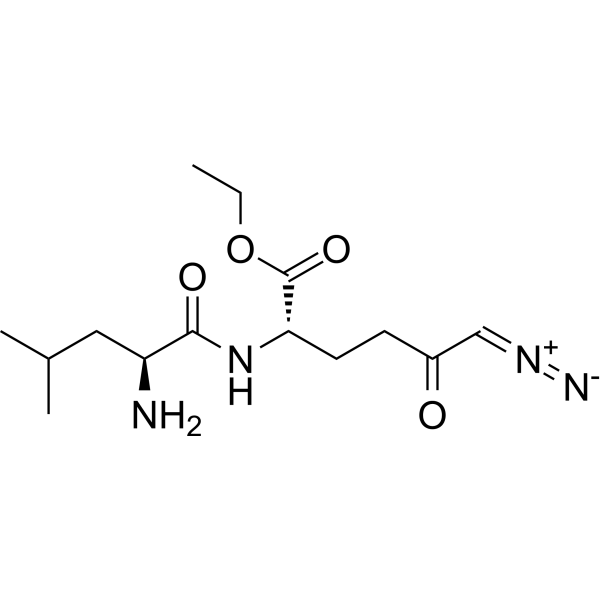
JHU-083Glutaminase Antagonist
Publications Citing Use of MedChemExpress (MCE) GPNA hydrochloride
More- Adv Sci (Weinh). 2025 Aug 10:e07057. [Abstract]
- Antioxidants (Basel). 2021 Aug 25;10(9):1349. [Abstract]
- Biochem Pharmacol. 2023 Oct:216:115767. [Abstract]
- Int Immunopharmacol. 2023 Jun:119:110216. [Abstract]
- Front Pharmacol. 2022 Feb 23;13:816133. [Abstract]
- Clin Respir J. 2024 Aug;18(8):e13825. [Abstract]
- Tohoku J Exp Med. 2024 Nov 14;264(1):31-39. [Abstract]
 Customer Validation & Images

-
Others
-
Cell Proliferation/Viability Assay
-
WB
-
Others
-
WB


Biological Activity
Description
IC50 & Target
|
ASCT2 |
In Vitro
GPNA (10-1000 μM; 48 hours) induces a dose-dependent decrease of cell viability in A549 cells[1].
MedChemExpress (MCE) has not independently confirmed the accuracy of these methods. They are for reference only.
-
Cell Line:A549 cells
-
Concentration:10, 100, 250, 500 , and 1000 μM
-
Incubation Time:48 hours
-
Result:Induced a dose-dependent decrease of cell viability, with an IC50 roughly corresponding to ~250 μM.


Chemical Information
-
CAS No. 67953-08-6
-
Appearance Solid
-
Molecular Weight 303.70
-
Formula C11H14ClN3O5
-
Color Off-white to yellow
-
SMILES
OC([C@@H](N)CCC(NC1=CC=C([N+]([O-])=O)C=C1)=O)=O.[H]Cl
-
Shipping
Room temperature in continental US; may vary elsewhere.
-
Storage
4°C, sealed storage, away from moisture
* In solvent : -80°C, 6 months; -20°C, 1 month (sealed storage, away from moisture)


Publications (7)
-
Journal Impact Factor
-
Most Recent
-
Adv Sci (Weinh)
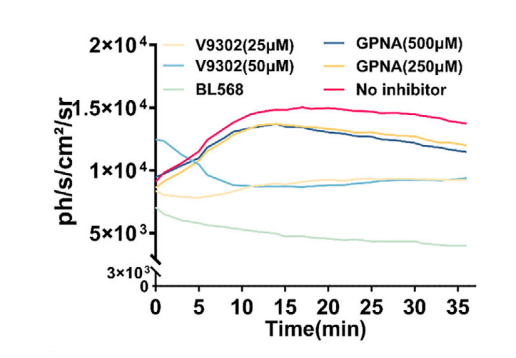
Real-Time Tracking of ASCT2-Mediated Glutamine Uptake in Living Tumors With a Bioorthogonal Bioluminescent Probe. [Abstract]2025 Aug 10:e07057. PMID: 40783801
GPNA hydrochloride purchased from MedChemExpress. Usage Cited in: Adv Sci (Weinh). 2025 Aug 10:e07057. [Abstract]
Changes in blue light intensity over time in cells pretreated with different inhibitors using GPNA hydrochloride (250/500 µM).
-
Antioxidants (Basel)
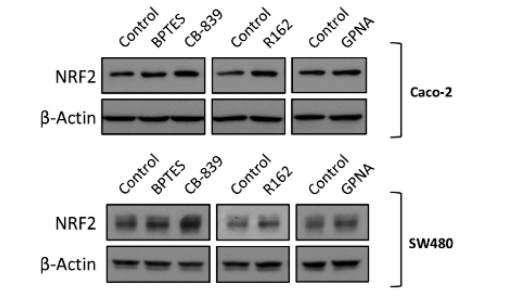
Glutamine Modulates Expression and Function of Glucose 6-Phosphate Dehydrogenase via NRF2 in Colon Cancer Cells. [Abstract]2021 Aug 25;10(9):1349. PMID: 34572981
GPNA hydrochloride purchased from MedChemExpress. Usage Cited in: Antioxidants (Basel). 2021 Aug 25;10(9):1349. [Abstract]
The expression level of NRF2 protein was detected after treatment with BPTES (10 µM), CB-839 (5 µM), R162 (20 µM) and GPNA hydrochloride (100 µM) for 24 hours.
-
Biochem Pharmacol
ASCT2-mediated glutamine uptake promotes Th1 differentiation via ROS-EGR1-PAC1 pathway in oral lichen planus. [Abstract]2023 Oct:216:115767. PMID: 37634599 -
Int Immunopharmacol
ASCT2-mediated glutamine uptake of epithelial cells facilitates CCL5-induced T cell infiltration via ROS-STAT3 pathway in oral lichen planus. [Abstract]2023 Jun:119:110216. PMID: 37116342 -
Front Pharmacol
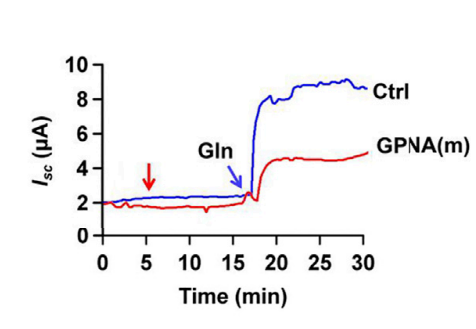
Ca2+-Permeable Channels/Ca2+ Signaling in the Regulation of Ileal Na+/Gln Co-Transport in Mice. [Abstract]2022 Feb 23;13:816133. PMID: 35281933
GPNA hydrochloride purchased from MedChemExpress. Usage Cited in: Front Pharmacol. 2022 Feb 23;13:816133. [Abstract]
Representative time progression of Isc peaks stimulated by Gln (5 mM) with or without GPNA hydrochloride (200 μM) on the ileal mucosa.
-
Clin Respir J
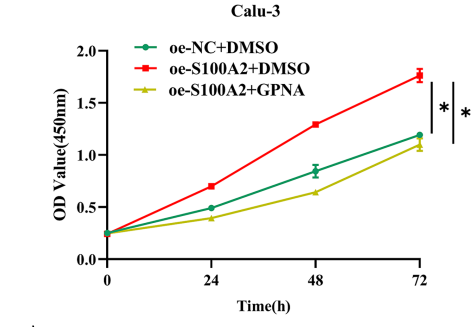
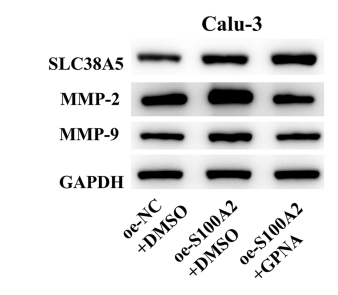
TFAP2A Activates S100A2 to Mediate Glutamine Metabolism and Promote Lung Adenocarcinoma Metastasis. [Abstract]2024 Aug;18(8):e13825. PMID: 39187936
GPNA hydrochloride purchased from MedChemExpress. Usage Cited in: Clin Respir J. 2024 Aug;18(8):e13825. [Abstract]
GPNA hydrochloride (2 mM).Cell viability detection.
GPNA hydrochloride purchased from MedChemExpress. Usage Cited in: Clin Respir J. 2024 Aug;18(8):e13825. [Abstract]
GPNA hydrochloride (2 mM).MMP‐2 and MMP‐9 expression detection.
-
Tohoku J Exp Med
HJURP Derived from Cancer-Associated Fibroblasts Promotes Glutamine Metabolism to Induce Resistance to Doxorubicin in Ovarian Cancer. [Abstract]2024 Nov 14;264(1):31-39. PMID: 38866531


Solvent & Solubility
In Vitro:
DMSO : 125 mg/mL (411.59 mM; Need ultrasonic; Hygroscopic DMSO has a significant impact on the solubility of product, please use newly opened DMSO)
H2O : 2 mg/mL (6.59 mM; ultrasonic and warming and heat to 60°C)
Please refer to the solubility information to select the appropriate solvent. Once prepared, please aliquot and store the solution to prevent product inactivation from repeated freeze-thaw cycles.
Storage method and period of stock solution: -80°C, 6 months; -20°C, 1 month (sealed storage, away from moisture). When stored at -80°C, please use it within 6 months. When stored at -20°C, please use it within 1 month.
* Note: If you choose water as the stock solution, please dilute it to the working solution, then filter and sterilize it with a 0.22 μm filter before use.
Please refer to the solubility information to select the appropriate solvent. Once prepared, please aliquot and store the solution to prevent product inactivation from repeated freeze-thaw cycles.
Storage method and period of stock solution: -80°C, 6 months; -20°C, 1 month (sealed storage, away from moisture). When stored at -80°C, please use it within 6 months. When stored at -20°C, please use it within 1 month.
* Note: If you choose water as the stock solution, please dilute it to the working solution, then filter and sterilize it with a 0.22 μm filter before use.
Concentration (start) × Volume (start) = Concentration (final) × Volume (final)
In Vivo:
Select the appropriate dissolution method based on your experimental animal and administration route.
- For the following dissolution methods, please ensure to first prepare a clear stock solution using an In Vitro approach and then sequentially add co-solvents:
- To ensure reliable experimental results, the clarified stock solution can be appropriately stored based on storage conditions. As for the working solution for In Vivo experiments, it is recommended to prepare freshly and use it on the same day.
- The percentages shown for the solvents indicate their volumetric ratio in the final prepared solution. If precipitation or phase separation occurs during preparation, heat and/or sonication can be used to aid dissolution.
Add each solvent one by one: 10% DMSO 40% PEG300 5% Tween-80 45% Saline
Solubility: ≥ 2.08 mg/mL (6.85 mM); Clear solution
This protocol yields a clear solution of ≥ 2.08 mg/mL (saturation unknown).
Taking 1 mL working solution as an example, add 100 μL DMSO stock solution (20.8 mg/mL) to 400 μL PEG300, and mix evenly; then add 50 μL Tween-80 and mix evenly; then add 450 μL Saline to adjust the volume to 1 mL.
Preparation of Saline: Dissolve 0.9 g sodium chloride in ddH₂O and dilute to 100 mL to obtain a clear Saline solution.
Add each solvent one by one: 10% DMSO 90% (20% SBE-β-CD in Saline)
Solubility: ≥ 2.08 mg/mL (6.85 mM); Clear solution
This protocol yields a clear solution of ≥ 2.08 mg/mL (saturation unknown).
Taking 1 mL working solution as an example, add 100 μL DMSO stock solution (20.8 mg/mL) to 900 μL 20% SBE-β-CD in Saline, and mix evenly.
Preparation of 20% SBE-β-CD in Saline (4°C, storage for one week): 2 g SBE-β-CD powder is dissolved in 10 mL Saline, completely dissolve until clear.
For the following dissolution methods, please prepare the working solution directly:
It is recommended to prepare fresh solutions and use them promptly within a short period of time.
The percentages shown for the solvents indicate their volumetric ratio in the final prepared solution. If precipitation or phase separation occurs during preparation, heat and/or sonication can be used to aid dissolution.
Add each solvent one by one: PBS
Solubility: 1 mg/mL (3.29 mM); Clear solution; Need ultrasonic and warming and heat to 60°C
In Vivo Dissolution Calculator
Please enter the basic information of animal experiments:
-
-
-
-
Recommended: Prepare an additional quantity of animals to account for potential losses during experiments.
Please enter your animal formula composition:
-
%DMSO +
Recommended: Keep the proportion of DMSO in working solution below 2% if your animal is weak.
-
%+
-
+%Tween-80 + +
-
%Saline +
The co-solvents required include: DMSO, . All of co-solvents are available by MedChemExpress (MCE). , Tween 80. All of co-solvents are available by MedChemExpress (MCE).
Working solution concentration: 0.22 mg/mL
Method for preparing stock solution: mg drug dissolved in μL DMSO. Stock solution concentration: mg/mL. * In solvent : -80°C, 6 months; -20°C, 1 month (sealed storage, away from moisture)
1. Take μL DMSO stock solution;
2. Add μL .
μL , mix evenly;
3. Then add μL Tween 80, mix evenly;
4. Then add μL
Please ensure that the stock solution in the first step is dissolved to a clear state, and add co-solvents in sequence. You can use ultrasonic heating (ultrasonic cleaner, recommended frequency 20-40 kHz), vortexing, etc. to assist dissolution.


Purity & Documentation
-
Data Sheet (273 KB)
-
SDS (396 KB)
- English - EN (396 KB)
- Français - FR (396 KB)
- Deutsch - DE (396 KB)
- Norwegian - NO (396 KB)
- Español - ES (396 KB)
- Swedish - SV (396 KB)
- Italian - IT (396 KB)
- Korean - KR (396 KB)
- Portuguese - PT (396 KB)
-
Handling Instructions (2659 KB)
References


Complete Stock Solution Preparation Table
Please refer to the solubility information to select the appropriate solvent. Once prepared, please aliquot and store the solution to prevent product inactivation from repeated freeze-thaw cycles.
Storage method and period of stock solution: -80°C, 6 months; -20°C, 1 month (sealed storage, away from moisture). When stored at -80°C, please use it within 6 months. When stored at -20°C, please use it within 1 month.
| Optional Solvent | Concentration Solvent Mass | 1 mg | 5 mg | 10 mg | 25 mg |
|---|---|---|---|---|---|
| H2O / DMSO | 1 mM | 3.2927 mL | 16.4636 mL | 32.9272 mL | 82.3181 mL |
| 5 mM | 0.6585 mL | 3.2927 mL | 6.5854 mL | 16.4636 mL | |
| DMSO | 10 mM | 0.3293 mL | 1.6464 mL | 3.2927 mL | 8.2318 mL |
| 15 mM | 0.2195 mL | 1.0976 mL | 2.1951 mL | 5.4879 mL | |
| 20 mM | 0.1646 mL | 0.8232 mL | 1.6464 mL | 4.1159 mL | |
| 25 mM | 0.1317 mL | 0.6585 mL | 1.3171 mL | 3.2927 mL | |
| 30 mM | 0.1098 mL | 0.5488 mL | 1.0976 mL | 2.7439 mL | |
| 40 mM | 0.0823 mL | 0.4116 mL | 0.8232 mL | 2.0580 mL | |
| 50 mM | 0.0659 mL | 0.3293 mL | 0.6585 mL | 1.6464 mL | |
| 60 mM | 0.0549 mL | 0.2744 mL | 0.5488 mL | 1.3720 mL | |
| 80 mM | 0.0412 mL | 0.2058 mL | 0.4116 mL | 1.0290 mL | |
| 100 mM | 0.0329 mL | 0.1646 mL | 0.3293 mL | 0.8232 mL |
* Note: If you choose water as the stock solution, please dilute it to the working solution, then filter and sterilize it with a 0.22 μm filter before use.


GPNA hydrochloride Related Classifications
HY-W011391 Related Classifications
 Powered by Bioz