1. Search Result
Search Result
Results for "

Extracellular Vesicle Preservation Solution

" in MedChemExpress (MCE) Product Catalog:

1560

Inhibitors & Agonists

28

Screening Libraries

285

Fluorescent Dyes

370

Biochemical Assay Reagents

134

Peptides

116

MCE Kits

70

Inhibitory Antibodies

126

Natural
Products

302

Recombinant Proteins

50

Isotope-Labeled Compounds

35

Antibodies

29

Click Chemistry

98

Oligonucleotides

2

GMP Molecules

Cat. No. Product Name
  • HY-L168
    643 compounds

    Extracellular vesicles (EVs) are small membrane binding structures that are released from cells into the surrounding environment and play a crucial role in mediating and regulating intercellular communication related to physiological and pathological processes. EVs are lipid membrane vesicles composed of proteins, lipids, and nucleic acids. EVs can be divided into several types based on their source, such as extracellular vesicles, microcapsules, and apoptotic vesicles. The size range of exosomes is 30-150nm, which are endocrine in multi vesicular endosomes (MVEs); microvesicles (50-1000nm) are secreted directly through extracellular interactions, thereby releasing plasma membrane vesicles. In contrast, apoptotic bodies are usually larger, ranging in size from 1 to 5 μ m. This is generated during programmed cell death. EV plays a crucial role in transmitting information between cells and influencing the behavior and function of receptor cells.
    MCE designs a unique collection of 643 small molecules related to extracellular vesicles (EVs). It is a good tool to be used for research on metabolize, cancer and other diseases.

  • HY-L150
    6,857 compounds

    Membrane receptors, also known cell surface receptors or transmembrane receptors, are transmembrane proteins embedded into the plasma membrane which play an essential role in maintaining communication between the internal processes within the cell and various types of extracellular signals. They act in cell signaling by receiving (binding to) extracellular molecules, which are also called ligands. These extracellular molecules include hormones, cytokines, growth factors, neurotransmitters, lipophilic signaling molecules such as prostaglandins, and cell recognition molecules.

    There are three kinds of membrane receptors: ion channel-linked receptors, enzyme-linked receptors and G-protein-linked receptors. They play important roles in keeping human normal physiologic processes. GPCRs and ion channels are important drug targets in drug discovery.

    MCE provides a unique collection of 6,857 compounds targeting a variety of membrane receptors. MCE Membrane reeptor-targeted Compound Library can be used for membrane receptor-focused screening and drug discovery.

  • HY-L105S
    826 compounds

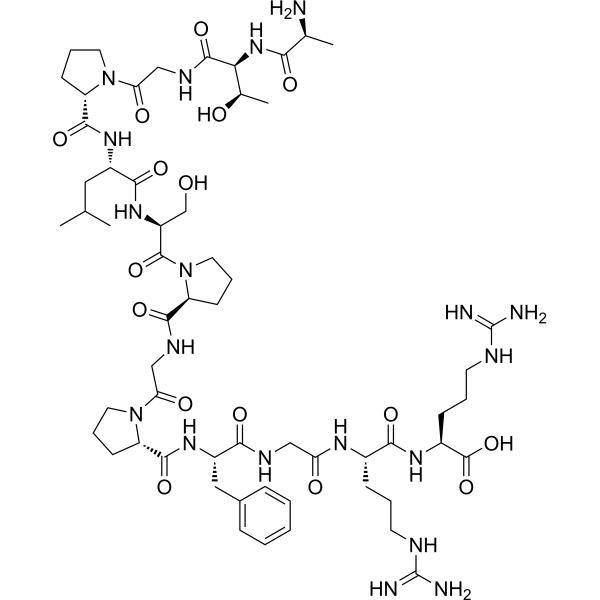
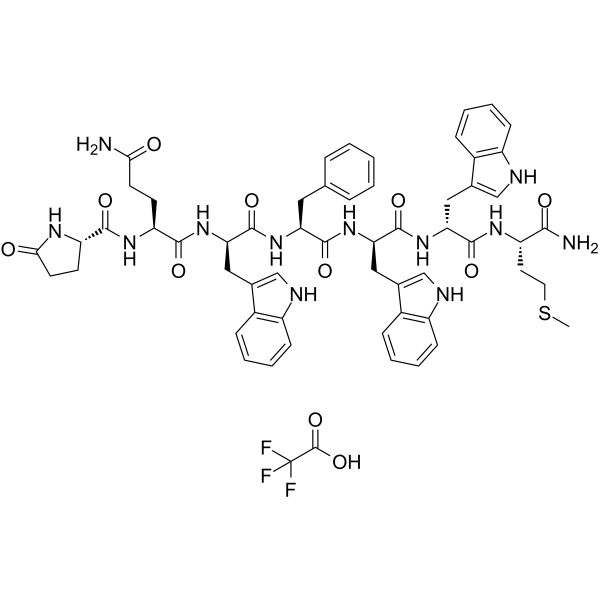
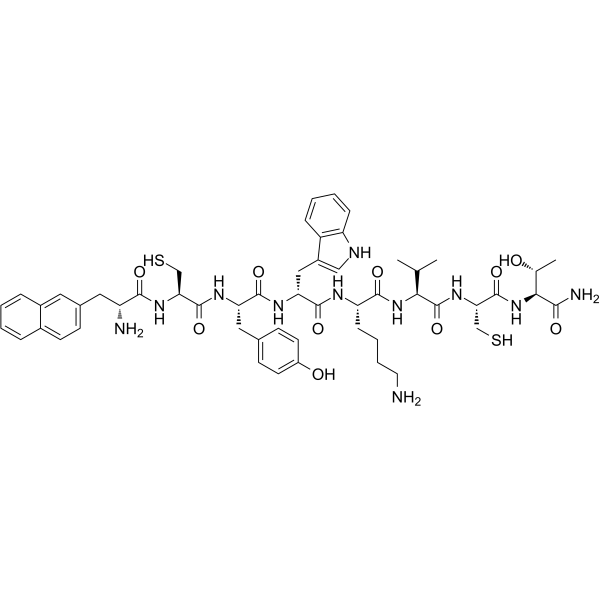
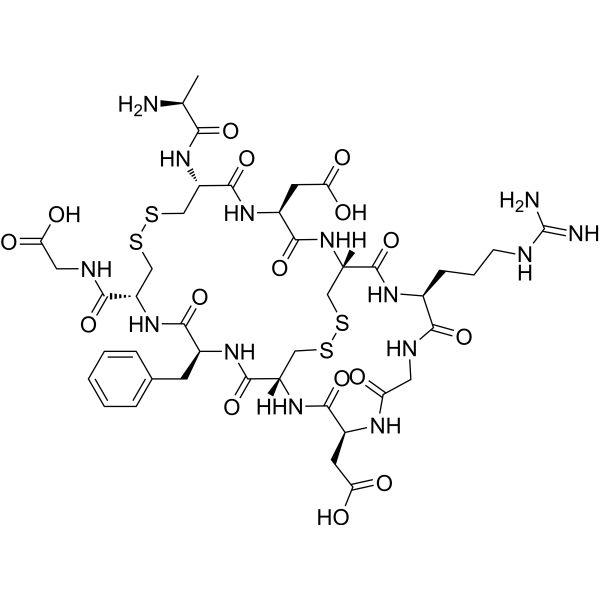
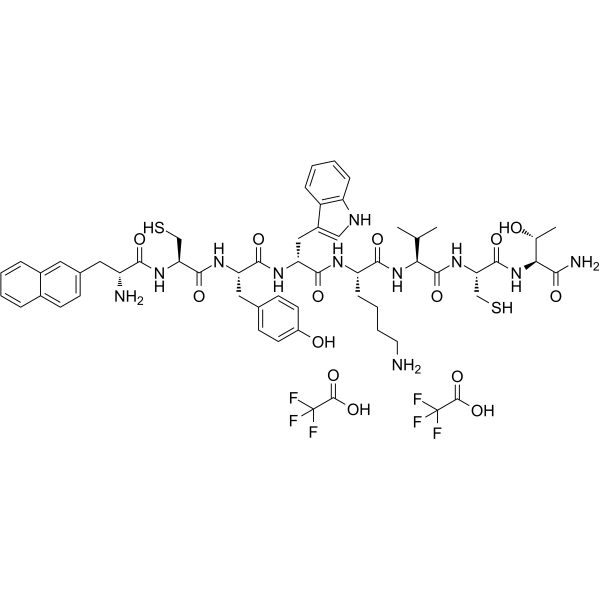
    Peptides, composed of amino acids, serve as crucial building blocks for proteins and have gained significant attention in drug development over the past decade. The advancements in production, modification, and analytical technologies have led to a surge in the potential applications of peptides in medicine. Peptides offer a number of advantages over small molecule drugs, including: greater target specificity and efficacy, more predictable metabolic profiles, easier delivery to where they are needed in the body, and fewer side effects. Peptides are increasingly appearing in all branches of medicine as components of innovative drugs, imaging agents, diagnostic agents, and other complex drugs such as peptide-drug conjugates. To date, more than 80 peptide drugs have been approved to treat a variety of diseases, including microbial infections, obesity, anti-diabetes, and cancer, as well as to develop cell targeting platforms and improve cell penetration properties.

    MCE designs a unique collection of 826 peptide compounds. HY-L105S is a peptide compound library that can be provided with solution form based on HY-L105, and can be applied to peptides-based drug development.

  • HY-L214
    191 compounds

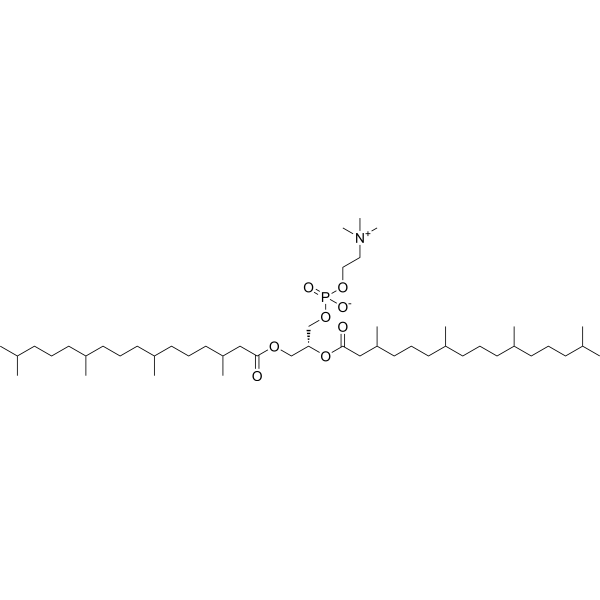
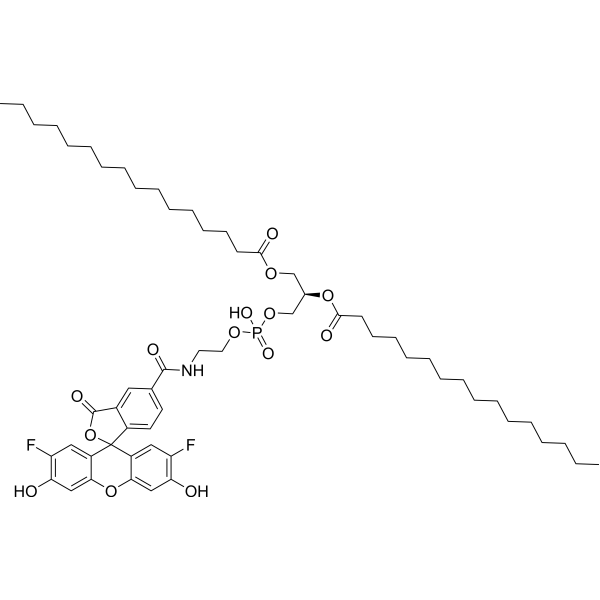
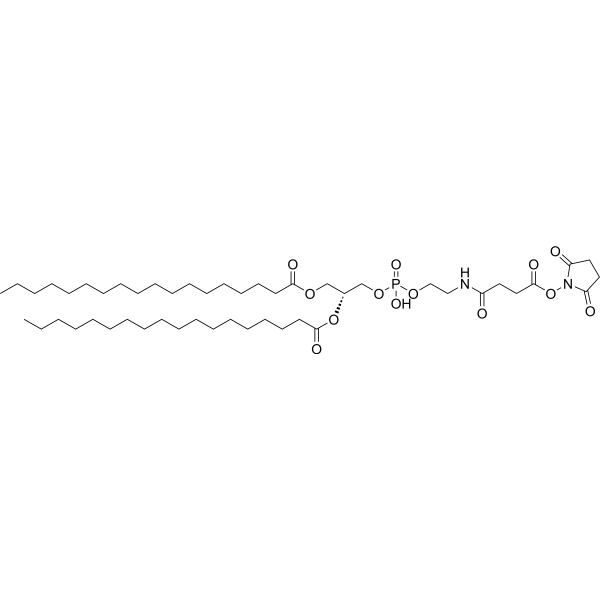
    Liposomes are spherical or multilayered spherical vesicles formed by the self-assembly of diacyl chain phospholipids (lipid bilayers) in aqueous solutions, which can be made from natural or synthetic phospholipids and exhibit good biocompatibility and low toxicity. They can serve as delivery carriers for various bioactive substances (such as drugs, proteins, nucleic acids, etc.) and are widely used in biomedical and chemical research. The main advantages of liposomes include 1) Protective effect: Their bilayer structure can protect encapsulated molecules from enzymatic degradation, oxidation, and other influences, extending stability and activity; 2) Active targeting: Surface modifications enable active targeting, enhancing the concentration of drugs or molecules in specific tissues or cells; 3) Customizability: The composition and structure of liposomes can be adjusted according to needs, such as altering phospholipid types or adding targeting ligands. These properties make liposomes highly valuable in developing novel drug delivery systems, serving as nucleic acid carriers for gene transfection, studying cellular uptake mechanisms and drug release kinetics, as well as developing functional food additives to improve the bioavailability of nutritional components.

    MCE contains 191 liposome compounds, which is a good tool for lipidomic-related studies.

  • HY-L185
    2,415 compounds

    Fibrosis is a kind of repair response to long-term tissue damage, which is mainly manifested by excessive deposition of extracellular matrix (ECM) and scar formation. Myofibroblasts are the main generating cells of extracellular matrix, and their activation process is related to various pathological mechanisms including Oxidative stress, chronic inflammation and cytokine secretion. Fibrosis can occur in many organs, such as kidneys, liver, heart, lungs, etc. Continuous fibrosis can lead to the destruction of the normal structure of tissues and organs, and if not controlled in time, may cause organ failure or even life-threatening.

    MCE contains 2,415 compounds targeting ant-fibrosis targets such as TGF-β, PI3K, Wnt, MMP, etc. These compounds have clear or potential anti-fibrosis activity and can be used for mechanism research and drug screening of fibrosis diseases.

  • HY-L072
    53 compounds

    Exosomes are small membrane vesicles of endocytic origin that are secreted by most cells in culture. Exosomes contain nucleic acids, proteins, lipids, amino acids, and metabolites, etc. Their diverse constituents can reflect their cell of origin. Exosomes are associated with immune responses, viral pathogenicity, pregnancy, cardiovascular diseases, central nervous system-related diseases, and cancer progression. Proteins, metabolites, and nucleic acids delivered by exosomes into recipient cells effectively alter their biological response. Such exosome-mediated responses can be disease promoting or restraining.

    The biology of exosomes in disease is still emerging, and the number of studies addressing their utility in the diagnosis and treatment of various pathologies has increased substantially. MCE supplies a unique collection of 53 compounds with the activity of inhibiting or stimulating exsomes secretion/biosynthesis. MCE Exosomes Compound Library is a useful tool for exsomes research.

  • HY-L001P
    32,710 compounds

    Bioactive compounds are a general term for a class of substances that can cause certain biological effects in the body, which are the main source of small molecule drugs. These compounds generally penetrate cell membranes, act on specific target proteins in cells, regulate intracellular signaling pathways, and cause some changes in cell phenotype.

    MCE owns a unique collection of 32,710 compounds with confirmed biological activities and clear targets. These compounds include natural products, innovative compounds, approved compounds, and clinical compounds. This library is a useful tool for signal pathway research, drug discovery and drug repurposing, etc.

    Bioactive Compound Library Plus, with more powerful screening capability, further complements Bioactive Compound Library (HY-L001) by adding some compounds with low solubility or solution stability (Part B) and some novel, rare or exclusive compounds (Part C) to this library. Overall, bioactive compound library plus (HY-L001P) includes tree parts: Part A, Part B and Part C. Compounds in Part A are equal to the products in HY-L001, which can be supplied in solution or solid form. Compounds in Part B and C are only supplied in solid form.

  • HY-L060
    2,148 compounds

    The cytoskeleton is responsible for contraction, cell motility, movement of organelles and vesicles through the cytoplasm, cytokinesis, intracellular signal transduction, and many other functions that are essential for cellular homeostasis and survival. It accomplishes these tasks through three basic structures: F-actin, microtubules, and intermediate filaments (IFs). The cytoskeleton is a dynamic structure where the three major filaments and tubules are under the influence of proteins that regulate their length, state of polymerization, and level of cross-linking. Since cytoskeleton is involved in virtually all cellular processes, cytoskeletal protein aberrations are the underlying reason for many pathological phenotypes, including several cardiovascular disease syndromes, neurodegeneration, cancer, liver cirrhosis, pulmonary fibrosis, and blistering skin diseases.

    MCE designs a unique collection of 2,148 cytoskeleton-related compounds mainly focusing on the key targets in the cytoskeleton signal pathway and can be used in the research of cytoskeleton signal pathway and related diseases.

  • HY-L0095V
    270,000 compounds
    OTAVAchemicals Screening Collection contains about 270,000 re-supply compounds for prompt delivery. All compounds have undergone quality control to confirm their chemical structures.
  • HY-L239
    70 compounds

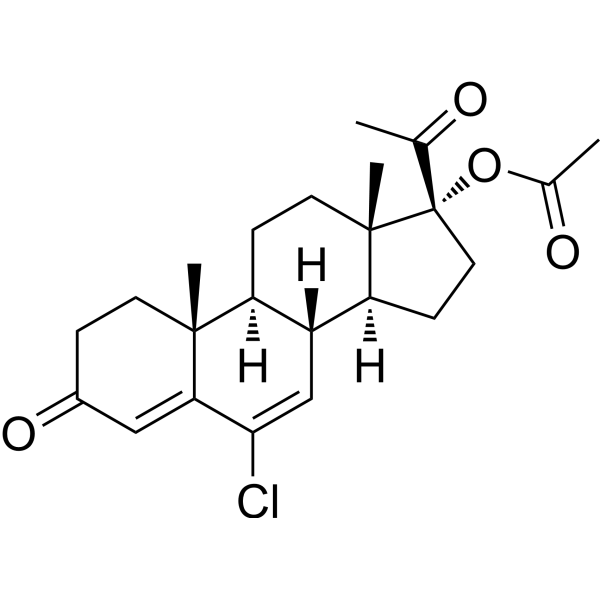
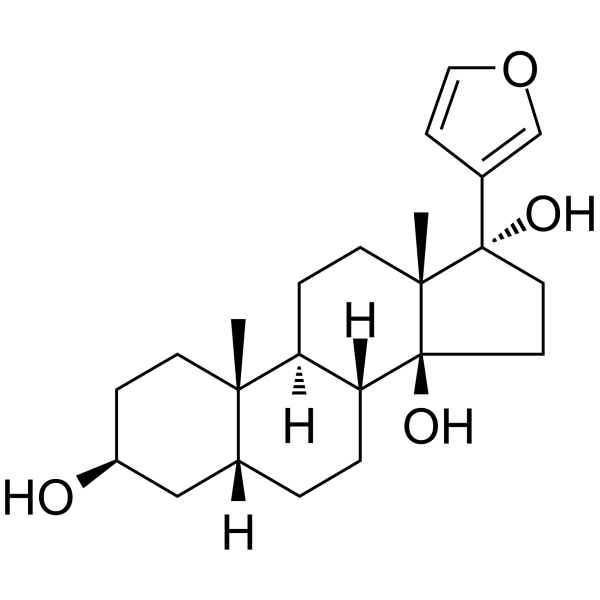
    Steroid hormones (also known as steroidal hormones) are a class of tetracyclic aliphatic hydrocarbon compounds derived from cholesterol. Typical representatives of steroid hormones include cortisol, aldosterone, testosterone, estradiol, among others. These hormones serve diverse regulatory functions within the body. For instance, aldosterone helps maintain the homeostasis of extracellular fluid volume and circulating blood volume; testosterone and estradiol primarily promote the development and maturation of male and female reproductive organs and regulate reproductive functions.

    MCE designs a unique collection of 70 steroid hormones. This library can be used for research related to metabolic or immune diseases, investigations into the mechanisms of action of nuclear receptor signaling pathways, as well as identification and quantitative analysis in metabolomics studies.

  • HY-L0096V
    1,400,000 compounds
    Vitas-M Screening Compounds Library (stock) contains about 1,400,000 chemical substances. They are synthetic small molecule organic compounds for biological screening and lead optimization. Select any number of items as a "cherry pick".
  • HY-L144
    1,014 compounds

    Normal mitochondrial function is critical for maintaining cellular homeostasis because mitochondria produce ATP and are the major intracellular source of free radicals. Cellular dysfunctions induced by intracellular or extracellular insults converge on mitochondria and induce a sudden increase in permeability on the inner mitochondrial membrane, the so-called mitochondrial membrane permeability transition (MMPT). MMPT is caused by the opening of pores in the inner mitochondrial membrane, matrix swelling, and outer membrane rupture. The MMPT is an endpoint to initiate cell death because the pore opening together with the release of mitochondrial cytochrome c activates the apoptotic pathway of caspases.

    The normal operation of mitochondrial function is important for maintaining normal cell death and treatment of mitochondrial diseases. MCE offers a unique collection of 1,014 compounds with identified and potential mitochondrial protective activity. MCE Mitochondrial Protection Compound Library is critical for drug discovery and development.

  • HY-L216
    68 compounds

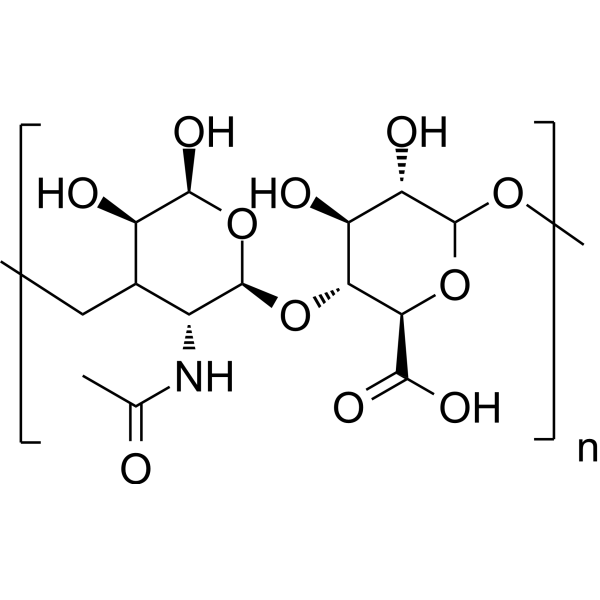
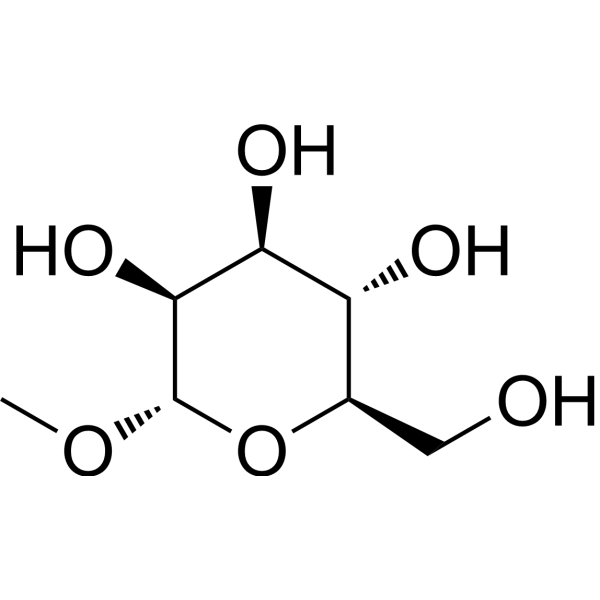
    Polysaccharides are long chains of carbohydrate molecules, consisting of multiple smaller monosaccharides. Polysaccharides are found mainly in natural sources such as plants, microorganisms, algae and animals. Polysaccharides have a large number of active functional groups, different chemical compositions and different molecular weight ranges, which determines their diversity in nature and structure. Also in the field of medical research, polysaccharides act as a class of functional compounds and thus play a role. For example, nanocarrier construction, immunomodulation and vaccine development, new strategies for antitumor therapy, tissue regeneration engineering applications and disease diagnosis. With the advancement of glycomics and synthetic biotechnology, human beings are moving from “knowing polysaccharides” to “designing polysaccharides”, which will provide innovative solutions for materials science, precision medicine and sustainable development.

    MCE offers 68 polysaccharides that can be used in biomedical studies.

  • HY-L016
    1,578 compounds

    Protein tyrosine kinases (PTKs) are key signaling molecules and important drug targets. Two classes of PTKs are present in cells: the transmembrane receptor PTKs (RTKs) and the nonreceptor PTKs. The RTK family includes the receptors for insulin and for many growth factors, such as EGFR, FGFR, PDGFR, VEGFR, and NGFR. RTKs are transmembrane glycoproteins that are activated by the binding of their ligands, and they transduce the extracellular signal to the cytoplasm by phosphorylating tyrosine residues on the receptors themselves (autophosphorylation) and on downstream signaling proteins. Their principal functions of PTKs involve the regulation of multicellular aspects of the organism. Cell to cell signals concerning growth, differentiation, adhesion, motility, and death are frequently transmitted through tyrosine kinases. In humans, tyrosine kinases have been demonstrated to play significant roles in the development of many disease states, including diabetes and cancers.
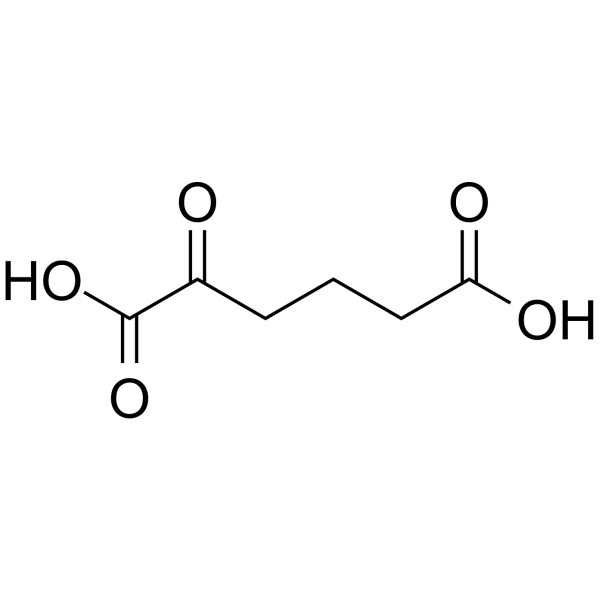
    MCE designs a unique collection of 1,578 compounds that act as a useful tool for PTKs-related drug screening and disease research.

  • HY-L026P
    3,230 compounds

    New drug development is a time-consuming and high-cost process. Drug repurposing (also called drug repositioning, reprofiling or re‑tasking) offers various advantages over developing an entirely new drug for a given indication, such as lower risk and less investment. Clinical drugs have confirmed bioactivities, clear mechanisms and high safety that are suitable for drug repurposing.
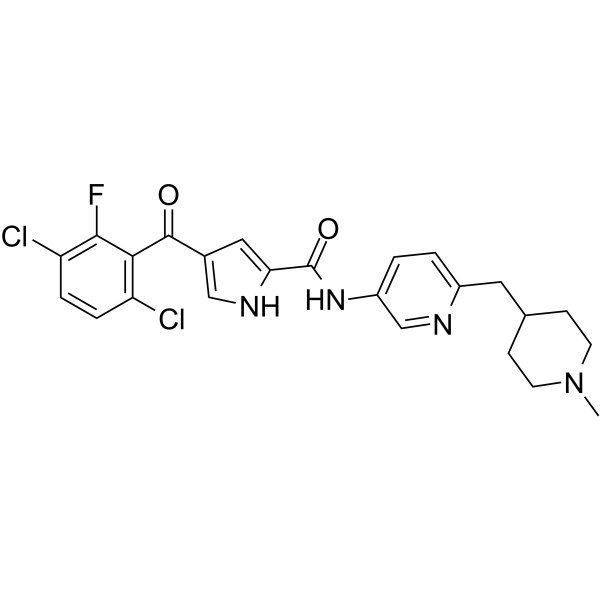
    MCE owns a unique collection of 3,230 clinical compounds that refer to various research areas including anti-cancer, anti-infection, anti-inflammation, nervous disease. Those compounds are of detailed information on clinical development status, research area, targets, etc. Clinical Compound Library Plus, with powerful screening capability, further complements Clinical Compound Library (HY-L026) by adding some compounds with low solubility or solution stability (Part B) to this library. All those supplementary are supplied in powder form.
  • HY-L022P
    3,645 compounds

    New drug development is a time-consuming and high-cost process. Drug repurposing (also called drug repositioning, reprofiling or re‑tasking) offers various advantages over developing an entirely new drug for a given indication. First, the risk of failure is lower. Second, the time frame for drug development can be reduced. Third, less investment is needed. Approved drugs have identified bioactivities, good pharmacokinetic characteristics and safety which are suitable for drug repurposing.

    MCE owns a unique collection of 3,645 approved compounds which have been completed extensive preclinical and clinical studies and have well-characterized bioactivities, safety and bioavailability properties. MCE FDA-Approved Drug Library Plus, with more powerful screening capability, further complements FDA-Approved Drug Library (HY-L022) by adding some compounds with low solubility or solution stability (Part B) to this library. All those supplementary are supplied in powder form.
  • HY-L901P
    80,000 compounds
    A Lead-like, diverse library is the foundation for achieving biological activity diversity. The MCE Lead-like Diverse Library Plus is a further supplement to the 50K Lead-like Compound Library (HY-L901), consisting of over 80,000 lead-like compounds, with an additional 30,000 structurally novel lead-like molecules. These compounds occupy a broader "chemical space", making it a powerful tool for new drug discovery.
  • HY-L021P
    6,181 compounds

    Natural products are small molecules produced naturally by any organism including primary and secondary metabolites. Natural sources may lead to basic research on potential bioactive components for commercial development as lead compounds in drug discovery.

    Nature has been a source of medicinal agents for thousands of years, and an impressive number of modern drugs have been isolated from natural sources, many based on their use in traditional medicine. With the development of new molecular targets, there is an increasing demand for novel molecular diversity for screening. Natural products will play a crucial role in meeting this demand through the continued investigation of world’s bio-diversity, much of which remains unexplored.

    MCE provides a unique collection of 6,181 natural compounds that contains Saccharides and Glycosides, Phenylpropanoids, Quinones, Flavonoids, Terpenoids and Glycosides, Steroids, Alkaloid, Phenols, Acids and Aldehydes. Natural Product Library Plus, with more powerful screening capability, further complements Natural Product Library (HY-L021) by adding some compounds with low solubility or solution stability (Part B) to this library. All those supplementary are supplied in powder form.

  • HY-L0101V
    2,244,487 compounds
    FCH Group Screening Library Collection contains about 2,244,487 lead-like compounds for biological screening. This brand new collection comprises polar molecules with pharmacologically important groups such as free carboxylic and amino groups.
  • HY-L0103V
    680,000 compounds
    UORSY Screening Compounds Library contains about 680,000 compounds. The library has extensively developed a polymerization synthesis method that provides a highly diverse chemical structure. More than 85% of the compounds in the library have drug-like physicochemical properties, and more than 35% of the compounds have lead-like properties.
  • HY-L039
    3,086 compounds

    Techniques for reprogramming somatic cells create new opportunities for drug screening, disease modeling, artificial organ development, and cell therapy. The development of reprogramming techniques has grown exponentially since Yamanaka reprogrammed somatic cells to become induced pluripotent stem cells (iPSCs) using four transcription factors, OCT4, SOX2, KLF4, and c-MYC in 2006. Despite the development of efficient reprogramming methods, most methods are inappropriate for clinical applications because they carry the risk of integrating exogenous genetic factors or use oncogenes. Alternative approaches, such as those based on miRNA, non-viral genes, non-integrative vectors, and small molecules, have been studied as possible solutions to the problems. Among these alternatives, small molecules are attractive options for clinical applications. Reprogramming using small molecules is inexpensive and easy to control in a concentration- and time-dependent manner. It offers a high level of cell permeability, ease of synthesis and standardization, and it is appropriate for mass-producing cells.

    MCE Reprogramming Compound Library contains a unique collection of 3,086 compounds that act on reprogramming signaling pathways. These compounds are potential stimulators for reprogramming. This library is a useful tool for researching reprogramming and regenerative medicine.

  • HY-L906
    647 compounds

    On May 15, 2024, "Dimerization and antidepressant recognition at noradrenaline transporter" was published online by Nature. The research findings were an effort from Shanghai Institute of Materia Medica, Chinese Academy of Sciences. This study unraveled the important neural system target - the noradrenaline transporter (NET), obtaining the binding modes of human NET homodimers with the natural substrate norepinephrine (NE) and six selective antidepressants. It laid an important theoretical foundation for understanding the physiological regulation mechanisms of NET and other monoamine transporters.

    The Norepinephrine Transporter (NET) Compound Library is obtained by computer-aided virtual screening based on the HY-L901 compound library . The specific screening process includes molecular docking screening, key pharmacophore screening, and CNS-MPO screening, which can be used for new drug discovery targeting the noradrenaline transporter.

  • HY-L902
    4,999 compounds

    MCE 5K Scaffold Library consists of 5,000 lead-like compounds. Each compound represents one unique scaffold. All compounds are compatible with Lipinski’s rule (Rule of 5) with multiple characteristics such as calculated good solubility (-3.2 < logP < 5), oral bioavailability (RotB <= 10), drug transportability (PSA < 120). Compounds contained within the library have been screened to remove any inappropriate chemical structures, avoiding “false hits”. The sufficient diverse of compound structure makes this library a powerful tool for drug screening.

  • HY-L929
    2,527 compounds

    In drug discovery and development (R&D) area, target binding and druggability optimization are core processes. Among these attributes, high solubility is critical for a compound to achieve druggability, as it directly impacts the progress of drug R&D. Superior solubility ensures the rapid dissolution and uniform distribution of drug molecules in vivo, thereby enhancing bioavailability and effectively mitigating issues such as suboptimal efficacy, increased dosage requirements, or exacerbated toxic and side effects arising from insufficient solubility.

    From the perspective of medicinal chemistry, high-solubility drug fragments serve as high-quality "molecular building blocks". Based on these fragments, lead compounds with potential druggability can be rapidly screened out, which significantly shortens the drug R&D cycle and reduces R&D costs. Meanwhile, the high-solubility drug fragment library can provide diverse options for drug development in different therapeutic areas, offer solutions for the solubility defects of existing clinical drugs, and facilitate the development of novel, highly effective targeted drugs with higher bioavailability and better safety profiles.

    MCE has collected and compiled 2,527 experimentally validated small-molecule fragments with high solubility. These fragments can be directly used for drug molecular design, providing high-quality pre-validated solubility fragments that significantly improve the efficiency of lead compound screening and accelerate the progress of drug R&D.

  • HY-L0121V
    10,000 compounds

    Natural products are an attractive source with varied structures that exhibit potent biological activities, and desirable pharmacological profiles. The core scaffold of a natural product can also provide a biologically validated framework upon which to display diverse functional groups. Inspired by bioactive natural products, natural product-like compounds, occupying the same chemical space, are ideally suited to explore and to facilitate understanding of biological pathways.

    MCE 10K Natural Product-like Compound Library consists of 10,000 natural product-like compounds. Each compound has scaffold of natural products or Tanimoto coefficient >0.6 with natural products. The natural-likeness scoring of these compounds is >-2. What’s more, compounds in the library are drug-like and readily available for re-supply, making it a powerful tool for new drug research and development. It can be widely applied in high-throughput screening (HTS) and high-content screening (HCS).

  • HY-L905
    4,803 compounds

    Natural products are an attractive source with varied structures that exhibit potent biological activities, and desirable pharmacological profiles. The core scaffold of a natural product can also provide a biologically validated framework upon which to display diverse functional groups. Inspired by bioactive natural products, natural product-like compounds, occupying the same chemical space, are ideally suited to explore and to facilitate understanding of biological pathways.

    MCE 5K Natural Product-like Compound Library consists of 5,000 natural product-like compounds. Each compound has scaffold of natural products or Tanimoto coefficient >0.6 with natural products. The natural-likeness scoring of these compounds is >-2. What’s more, compounds in the library are drug-like and readily available for re-supply, making it a powerful tool for new drug research and development. It can be widely applied in high-throughput screening (HTS) and high-content screening (HCS).

  • HY-L901
    50,000 compounds

    MCE 50K Diversity Library consists of 50,000 lead-like compounds with multiple characteristics such as calculated good solubility (-3.2 < logP < 5), oral bioavailability (RotB <= 10), drug transportability (PSA < 120). These compounds were selected by dissimilarity search with an average Tanimoto Coefficient of 0.52. There are 36,857 unique scaffolds and each scaffold 1 to 7 compounds. What’s more, compounds with the same scaffold have as many functional groups as possible, which make abundant chemical spaces. This exceptionally diverse library is highly recommended for random screening against new as well as popular targets based its novel, diverse scaffolds, abundant chemical spaces and the convenience for subsequent modification.

  • HY-L022M
    3,220 compounds

    New drug development is a time-consuming and high-cost process. Drug repurposing (also called drug repositioning, reprofiling or re‑tasking) offers various advantages over developing an entirely new drug for a given indication. First, the risk of failure is lower. Second, the time frame for drug development can be reduced. Third, less investment is needed. Approved drugs have identified bioactivities, good pharmacokinetic characteristics and safety which are suitable for drug repurposing.

    MCE owns a unique collection of 3,220 approved compounds which have been completed extensive preclinical and clinical studies and have well-characterized bioactivities, safety and bioavailability properties. The package of this library is 96-well microplate with peelable foil seal, which makes the screening process easier and faster.

Inquiry Online

Your information is safe with us. * Required Fields.

Salutation


Country or Region *

Applicant Name *


Organization Name *

Department *


Email Address *


Product Name *

Cat. No.


Requested quantity *

Phone Number *


Remarks

Inquiry Online

Inquiry Information

Product Name:
Cat. No.:
Quantity:
MCE Japan Authorized Agent: