



TGF beta 1/TGFB1 Protein, Human (HEK293)
Based on 50 publication(s) in Google Scholar
TGF beta 1/TGFB1 Protein is initially identified as a growth factor that induces the growth of rodent fibroblasts. TGF beta 1/TGFB1 Protein inhibits the cell cycle in the G1 phase. TGF beta 1/TGFB1 is an endogenous factor controlling apoptosis in normal and pathological tissues. TGF beta 1/TGFB1 Protein, Human (HEK293) is a recombinant protein (A279-S390) produced by HEK293 cells.
- Species: Human
- Source: HEK293
-
Storage:Stored at -20°C for 2 years from date of receipt. After reconstitution, it is stable at 4°C for 1 week or -20°C for longer (with carrier protein). It is recommended to freeze aliquots at -20°C or -80°C for extended storage.


-
 Biological Activity
-
Technical Parameters
-
Product Properties
- Documentation
- References
- Help & FAQs



Biological Activity
TGF beta 1/TGFB1 Protein is initially identified as a growth factor that induces the growth of rodent fibroblasts. TGF beta 1/TGFB1 Protein inhibits the cell cycle in the G1 phase. TGF beta 1/TGFB1 is an endogenous factor controlling apoptosis in normal and pathological tissues. TGF beta 1/TGFB1 Protein, Human (HEK293) is a recombinant protein (A279-S390) produced by HEK293 cells[1][2].
TGFβ is released from degranulating platelets and secreted by all of the major cell types participating in the repair process, including lymphocytes, macrophages, endothelial cells, smooth muscle cells, epithelial cells, and fibroblasts. Mammals express three isoforms of TGFβdesignated TGFβI, TGFβ2, and TGFβ3; TGFβ1 is the most abundant isoform in all tissues, and in human platelets it is the only isoform of the peptide. Certain cells such as retinal pigment epithelial cells secrete predominantly TGFβ2, and certain body fluids such as the aqueous and vitreous of the eye, amniotic fluid, saliva, and breast milk contain principally TGFβ2. TGFβ3 is the least studied of the TGFβ isoforms. It has been isolated from human umbilical cord and is secreted from certain cells, including myoblast celllines; however, it is usually less abundant than either TGFβ1 or TGFβ2 in both tissue and cell extracts[1]. There are three fundamental directions of its activities: I. TGFβ1 regulates cell proliferation, growth, differentiation and cells movement. II. TGFβ1 has immunomodulatory effects. III. TGFβ1 has profibrogenic effects. TGFβ1 action can be local and systemic[2].
TGF beta 1/TGFB1 Protein, Human (1 ng/mL) inhibits cell proliferation, migration and capillary-like structure formation, disrupts VE-cadherin localization and increases monolayer permeability in bovine corpus luteum microvascular endothelial cells (CLENDO)[4].
TGF beta 1/TGFB1 Protein, Human (0.2 ng/mL; 12 h) induces SMAD4 protein stabilization, activates TGF-β/SMAD2/3 signaling pathway by competitively inhibiting β-TrCP-mediated ubiquitination degradation and promotes EMT in human colorectal cancer cells (LoVo, HCT-116)[5].
TGF beta 1/TGFB1 Protein, Human (0.2 ng/mL; 4 weeks) significantly increases calcium deposition and mRNA expression of bone-specific proteins (alkaline phosphatase, type I collagen, osteocalcin) in SaOs-2 and primary human osteoblasts (HOB)[6].
TGF beta 1/TGFB1 Protein, Human (5 ng/mL; 3-16 h) induces increased IL-6 secretion in human trabecular meshwork cells (HTM) via p38 MAPK and JNK pathways[7].
1.Immobilized Human Mature TGF beta 1, No Tag at 0.5 μg/mL (100 μl/well) on the plate. Dose response curve for Human TGF-beta RII, mFc Tag with the EC50 of <8 ng/mL determined by ELISA.
2.Measured by its ability to inhibit cell proliferation of Mv-1-lu mink lung epithelial cells. The ED50 for this effect is <0.1 ng/mL, corresponding to a specific activity is >1×10⁷ units/mg.
-
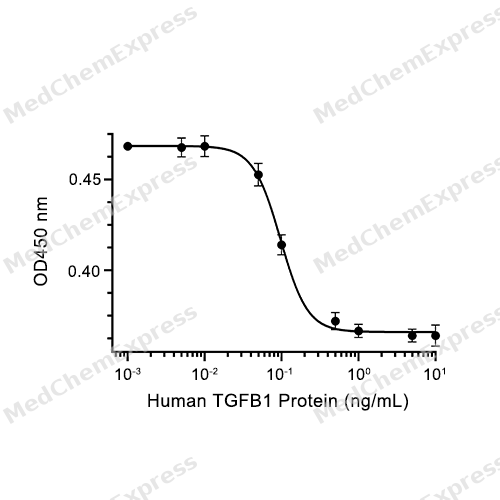 Measured by its ability to inhibit cell proliferation of Mv-1-lu mink lung epithelial cells. The ED50 for this effect is 0.0964 ng/mL, corresponding to a specific activity is 1.037×10⁷ units/mg.

Publications (50)
-
Journal Impact Factor
-
Most Recent
-
Cancer Cell
Integrated single-cell and spatial transcriptomics uncover distinct cellular subtypes involved in neural invasion in pancreatic cancer. [Abstract]2025 Jul 17:S1535-6108(25)00270-3. PMID: 40680743 -
Cell
2025 Sep 4;188(18):5062-5080.e32. PMID: 40730154 -
Clin Mol Hepatol
Taurocholic Acid Promotes Hepatic Stellate Cell Activation via S1PR2/p38 MAPK/YAP Signaling under Cholestatic Conditions. [Abstract]2023 Apr;29(2):465-481. PMID: 36800698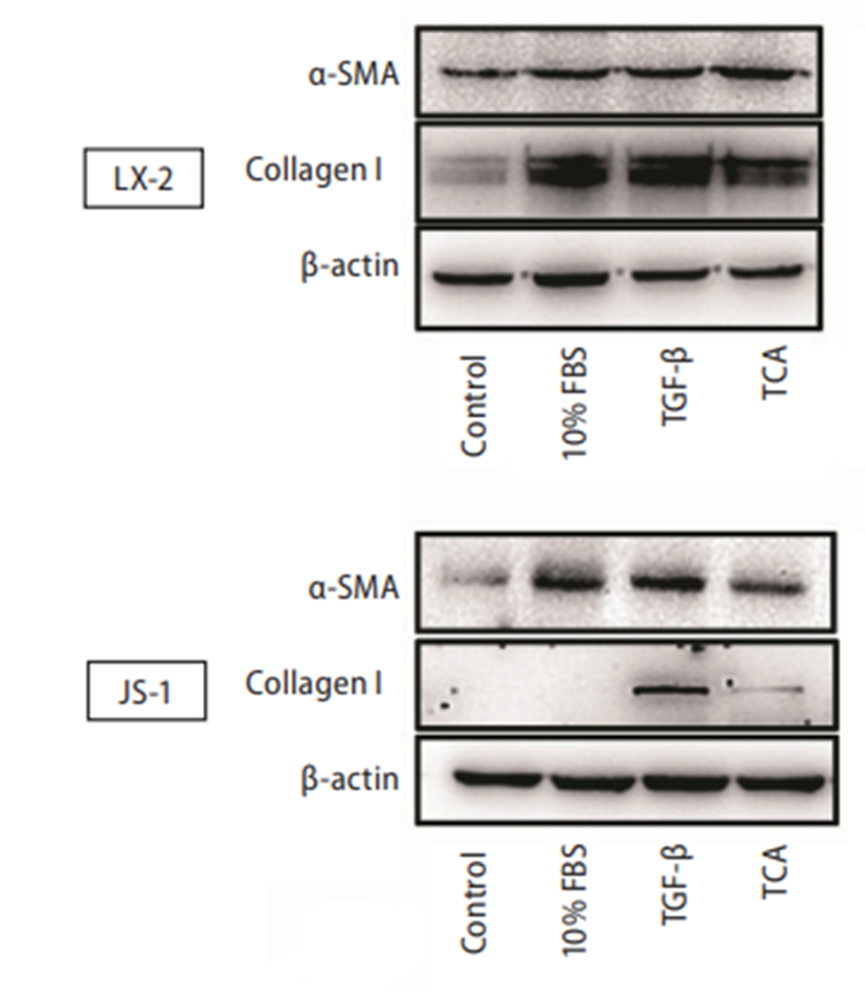
TGF beta 1/TGFB1 Protein, Human (HEK293) purchased from MedChemExpress. Usage Cited in: Clin Mol Hepatol. 2023 Apr;29(2):465-481. [Abstract]
Protein levels of α-SMA and collagen 1 in LX-2 and JS-1 cells after TGF β (10 ng/mL, 24h) treatment.
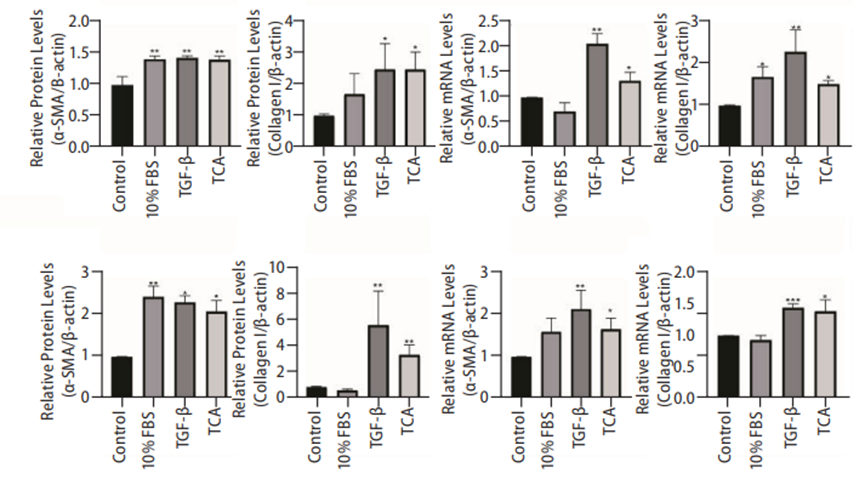
TGF beta 1/TGFB1 Protein, Human (HEK293) purchased from MedChemExpress. Usage Cited in: Clin Mol Hepatol. 2023 Apr;29(2):465-481. [Abstract]
mRNA levels of α-SMA and collagen 1 in LX-2 and JS-1 cells after TGF β (10 ng/mL, 24h) treatment.
-
Nat Commun
2025 Feb 21;16(1):1865. PMID: 39984467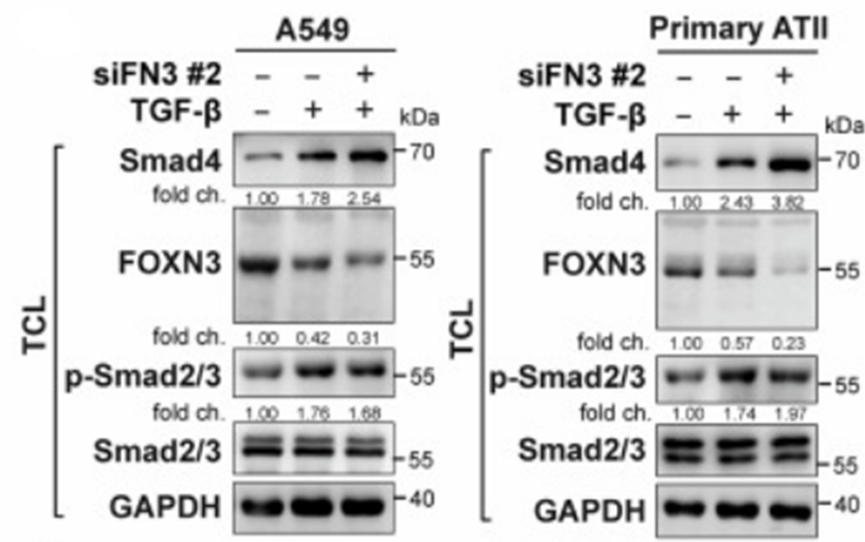
TGF beta 1/TGFB1 Protein, Human (HEK293) purchased from MedChemExpress. Usage Cited in: Nat Commun. 2025 Feb 21;16(1):1865. [Abstract]
Immunoblot analysis was conducted to assess the effect of siRNA-mediated FOXN3 knockdown on the levels of Smad proteins in both A549 and primary ATII cells upon TGF-β treatment (10 ng/mL, 16 hr). The cells were treated with 0.05% fetal bovine serum (FBS) for 8h prior to TGF-β treatment and collected 48 hrs post-siRNA transfection. TCL: total cell lysate.
-
-
Sci Adv
PARP1 stabilizes FOXN3 to suppress pulmonary fibrosis through p38-related feedback regulation. [Abstract]2026 Jan 2;12(1):eady1681. PMID: 41481720 -
Cell Mol Biol Lett
Epigenetic modification regulates the ligamentum flavum hypertrophy through miR-335-3p/SERPINE2/β-catenin signaling pathway. [Abstract]2025 Jan 3;30(1):1. PMID: 39754051 -
Int J Surg
Integrated multicenter single-cell atlas of bladder cancer reveals tumor heterogeneity associated with immunotherapy. [Abstract]2026 Feb 3. PMID: 41632017 -
Sci China Life Sci
SIRT6 alleviates ischemic injury via orchestrating the RREB1/Snail and STC1/Smad7 signaling pathways to regulate endothelial-mesenchymal transition. [Abstract]2026 Mar 20. PMID: 41882317 -
Cell Commun Signal
2025 Jul 25;23(1):355. PMID: 40713734 -
Phytomedicine
Effect of luteolin on glioblastoma's immune microenvironment and tumor growth suppression. [Abstract]2024 May 10:130:155611. PMID: 38776737 -
Phytomedicine
Kinsenoside alleviates inflammation and fibrosis in experimental NASH mice by suppressing the NF-κB/NLRP3 signaling pathway. [Abstract]2022 Sep:104:154241. PMID: 35749827 -
J Transl Med
The CD163 + tissue-infiltrating macrophages regulate ferroptosis in thyroid-associated ophthalmopathy orbital fibroblasts via the TGF-β/Smad2/3 signaling pathway. [Abstract]2025 Apr 10;23(1):423. PMID: 40211281 -
Comput Biol Med
Identification of inflammation-related biomarkers and therapeutic targets for neurogenic bladder fibrosis via multi-omics analysis. [Abstract]2025 Jul 5;196(Pt A):110721. PMID: 40618693 -
J Pineal Res
Melatonin Attenuates Diabetic Retinopathy by Regulating EndMT of Retinal Vascular Endothelial Cells via Inhibiting the HDAC7/FOXO1/ZEB1 Axis. [Abstract]2024 Sep;76(6):e13008. PMID: 39300782 -
Biochem Pharmacol
2026 May:247:117785. PMID: 41679664 -
Biochem Pharmacol
Entinostat suppresses hepatocellular carcinoma metastasis by upregulating AZGP1 through histone acetylation. [Abstract]2026 Apr:246:117718. PMID: 41554411 -
Cells
MK-2206 Alleviates Renal Fibrosis by Suppressing the Akt/mTOR Signaling Pathway In Vivo and In Vitro. [Abstract]2022 Nov 5;11(21):3505. PMID: 36359901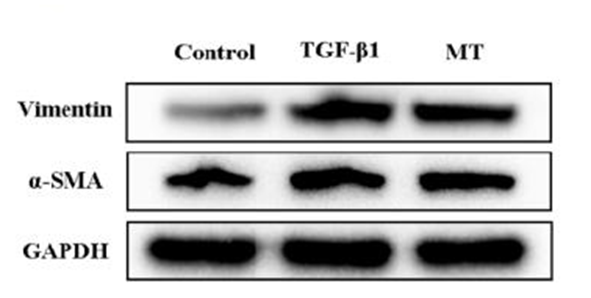
TGF beta 1/TGFB1 Protein, Human (HEK293) purchased from MedChemExpress. Usage Cited in: Cells. 2022 Nov 5;11(21):3505. [Abstract]
Western blot analysis of Vimentin, α-SMA in HK-2 cells after TGF β (10 ng/mL, 48 h) treatment.
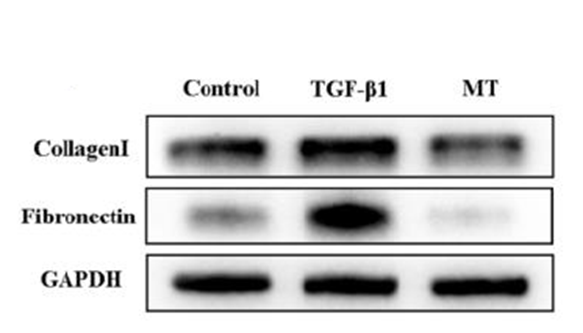
TGF beta 1/TGFB1 Protein, Human (HEK293) purchased from MedChemExpress. Usage Cited in: Cells. 2022 Nov 5;11(21):3505. [Abstract]
Protein expression levels of Collagen I and Fibronectin in HK-2 cells after TGF β (10 ng/mL, 48 h) treatment were detected by Western blot.
-
Life Sci
Esaxerenone inhibits renal macrophage proliferation through MR/TGF-β1 pathway in db/db mice. [Abstract]2025 Oct 9:382:124008. PMID: 41067301 -
Int J Oncol
2026 May;68(5):58. PMID: 41823537 -
Int J Mol Sci
Anti-Fibrotic and Anti-Inflammatory Effects of Hesperidin in an Ex Vivo Mouse Model of Early-Onset Liver Fibrosis. [Abstract]2026 Jan 7;27(2):594. PMID: 41596247 -
Int J Mol Sci
Hesperidin Is a Promising Nutraceutical Compound in Counteracting the Progression of NAFLD In Vitro. [Abstract]2025 Jun 21;26(13):5982. PMID: 40649760 -
Int J Mol Sci
Anti-Inflammatory and Anti-Fibrotic Effects of a Mixture of Polyphenols Extracted from "Navelina" Orange in Human Hepa-RG and LX-2 Cells Mediated by Cannabinoid Receptor 2. [Abstract]2025 Jan 9;26(2):512. PMID: 39859241 -
Biol Direct
Phosphodiesterase type 5 inhibitor tadalafil reduces prostatic fibrosis via MiR-3126-3p/FGF9 axis in benign prostatic hyperplasia. [Abstract]2024 Aug 2;19(1):61. PMID: 39095835 -
Int J Mol Sci
Esaxerenone Inhibits Renal Angiogenesis and Endothelial-Mesenchymal Transition via the VEGFA and TGF-β1 Pathways in Aldosterone-Infused Mice. [Abstract]2023 Jul 21;24(14):11766. PMID: 37511521 -
Int Immunopharmacol
Eplerenone inhibits the macrophage-to-myofibroblast transition in rats with UUO-induced type 4 cardiorenal syndrome through the MR/CTGF pathway. [Abstract]2022 Dec;113(Pt A):109396. PMID: 36461595 -
Bioorg Chem
Synthesis and anti-inflammatory activities of glycyrrhetinic acid derivatives containing disulfide bond. [Abstract]2022 Feb:119:105542. PMID: 34902645 -
Molecules
Abietane-Type Diterpenoids from the Resin of Pinus yunnanensis and Their Potential Anti-Renal Fibrosis Activities. [Abstract]2026 Feb 14;31(4):659. PMID: 41752436 -
Cancer Sci
Exosomal circGSE1 promotes immune escape of hepatocellular carcinoma by inducing the expansion of regulatory T cells. [Abstract]2022 Jun;113(6):1968-1983. PMID: 35396771 -
FASEB J
Limonin Is a Novel Hexokinase 2 Inhibitor That Suppresses Hepatic Stellate Cell Activation and Histone Lactylation. [Abstract]2026 Feb 15;40(3):e71547. PMID: 41649270 -
Biochim Biophys Acta Mol Basis Dis
Goosecoid promotes hepatic stellate cell epithelial-mesenchymal transition via transcriptional activation of serum- and glucocorticoid-induced protein kinase 1 in liver fibrosis. [Abstract]2026 Jan 24;1872(4):168169. PMID: 41581345 -
-
Biochim Biophys Acta Mol Basis Dis
Molecular mechanisms restoring olaparib efficacy through ATR/CHK1 pathway inhibition in olaparib-resistant BRCA1/2MUT ovarian cancer models. [Abstract]2025 Feb;1871(2):167574. PMID: 39557132 -
iScience
GDF15 deficiency hinders human trophoblast invasion to mediate pregnancy loss through downregulating Smad1/5 phosphorylation. [Abstract]2023 Sep 13;26(10):107902. PMID: 37766993 -
Pestic Biochem Physiol
2-Methoxyestradiol ameliorates paraquat-induced pulmonary fibrosis by inhibiting the TGF-β1/Smad2/3 signaling pathway. [Abstract]2023 Dec:197:105647. PMID: 38072522 -
Neurochem Res
Inhibition of CK2 Diminishes Fibrotic Scar Formation and Improves Outcomes After Ischemic Stroke via Reducing BRD4 Phosphorylation. [Abstract]2024 May;49(5):1254-1267. PMID: 38381246 -
Cell Signal
COMP promotes pancreatic fibrosis by activating pancreatic stellate cells through CD36-ERK/AKT signaling pathways. [Abstract]2024 Jun:118:111135. PMID: 38479555 -
Heliyon
Baicalin attenuates pulmonary vascular remodeling by inhibiting calpain-1 mediated endothelial-to-mesenchymal transition. [Abstract]2023 Nov 30;9(12):e23076. PMID: 38144352 -
Cell Cycle
Inhibition of SGK3 regulates hyperplastic scar development in rats through the MAPK/ERK signaling pathway. [Abstract]2026 Dec;25(1):1-16. PMID: 41674333 -
BMC Cancer
COMP promotes the progression of colorectal cancer by regulating epithelial mesenchymal transition. [Abstract]2025 Nov 4;25(1):1710. PMID: 41194017 -
Front Biosci (Landmark Ed)
Aldosterone-Induced Renal Lymphangiogenesis and Endothelial-To-Mesenchymal Transformation to Promote Renal Interstitial Fibrosis Through the MR/TGF-β1 Pathway in Mice. [Abstract]2025 Nov 27;30(11):45591. PMID: 41351406 -
Naunyn Schmiedebergs Arch Pharmacol
Bioinformatics-based identification of mirdametinib as a potential therapeutic target for idiopathic pulmonary fibrosis associated with endoplasmic reticulum stress. [Abstract]2025 Mar 28. PMID: 40153017 -
-
Brain Res
Inhibition of BRD4 decreases fibrous scarring after ischemic stroke in rats by inhibiting the phosphorylation of Smad2/3. [Abstract]2022 Dec 15:1797:148126. PMID: 36244457 -
-
Biosci Biotechnol Biochem
Hirudin Alleviates Renal Fibrosis by Inducing Autophagy to Suppress NLRP3 Inflammasome Activation. [Abstract]2025 Jul 29:zbaf114. PMID: 40728927 -
-
-
-

Technical Parameters
-
Species Human
-
Source HEK293
-
Tag Tag Free
-
Accession
P01137 (A279-S390)
-
Molecular Construction
-
N-term
-
TGFB1 (A279-S390)
Accession # P01137 -
C-term
-
-
Protein Length
Full Length of Mature TGFB1
-
Synonyms
Transforming Growth Factor Beta-1; TGF-Beta-1; Latency-Associated Peptide; LAP; TGFB1; TGFB; TGF-β1; TGF beta1; TGFbeta 1; TGF-beta 1; TGFbeta; TGF-beta-1
-
AA Sequence
ALDTNYCFSSTEKNCCVRQLYIDFRKDLGWKWIHEPKGYHANFCLGPCPYIWSLDTQYSKVLALYNQHNPGASAAPCCVPQALEPLPIVYYVGRKPKVEQLSNMIVRSCKCS
-
Predicted Molecular Mass
13.2 kDa
-
Molecular Weight
Approximately 13-15 kDa under reduced (R) conditions, 26-30 kDa under non reducing (N) conditions, based on SDS-PAGE.
-
Glycosylation
Yes
-
Purity
≥ 95%, as determined by reducing SDS-PAGE or Bis-Tris PAGE.
-
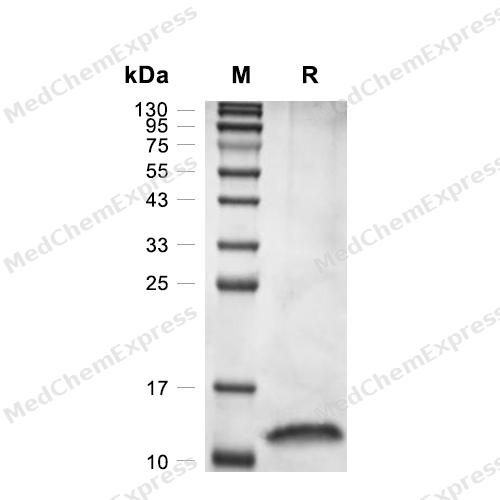 ≥ 95%, as determined by reducing SDS-PAGE.
-

Product Properties
Lyophilized powder
1.Lyophilized from a 0.2 μm filtered solution of 50 mM Glycine 150 mM NaCl, pH 2.5.
2.Lyophilized from a 0.2 μm filtered solution of 4 mM HCL, pH 2.5.
Please refer to the lot-specific COA for specific buffer information.
<1 EU/μg, determined by LAL method.
It is not recommended to reconstitute to a concentration less than 100 μg/mL in 4mM HCl.
Stored at -20°C for 2 years from date of receipt. After reconstitution, it is stable at 4°C for 1 week or -20°C for longer (with carrier protein). It is recommended to freeze aliquots at -20°C or -80°C for extended storage.
Room temperature in continental US; may vary elsewhere.


Documentation
-
Data Sheet (265 KB)
-
SDS (252 KB)
- English - EN (252 KB)
- Français - FR (252 KB)
- Deutsch - DE (252 KB)
- Norwegian - NO (252 KB)
- Español - ES (252 KB)
- Swedish - SV (252 KB)
- Italian - IT (252 KB)
- Portuguese - PT (252 KB)
-
Handling Instructions (2659 KB)


References
[2]. M Selvakumaran, et al. The novel primary response gene MyD118 and the proto-oncogenes myb, myc, and bcl-2 modulate transforming growth factor beta 1-induced apoptosis of myeloid leukemia cells. Mol Cell Biol. 1994 Apr;14(4):2352-60. [Content Brief]
[4]. Dulce Maroni, et al. TGFB1 disrupts the angiogenic potential of microvascular endothelial cells of the corpus luteum. Cell Sci. 2011 Jul 15;124(Pt 14):2501-10. [Content Brief]
[5]. Nan Wu, et al. LINC00941 promotes CRC metastasis through preventing SMAD4 protein degradation and activating the TGF-β/SMAD2/3 signaling pathway. Cell Death Differ. 2021 Jan;28(1):219-232. [Content Brief]
[6]. Hai Zhang, et al. Effects of transforming growth factor-beta 1 (TGF-beta1) on in vitro mineralization of human osteoblasts on implant materials. Biomaterials. 2003 May;24(12):2013-20. [Content Brief]
[7]. Paloma B Liton, et al. Cross-talk between TGF-beta1 and IL-6 in human trabecular meshwork cells. Mol Vis. 2009;15:326-34. Epub 2009 Feb 11. [Content Brief]


Calculators
Concentration (start) × Volume (start) = Concentration (final) × Volume (final)


 Powered by Bioz

