



Avelumab
Based on 11 publication(s) in Google Scholar
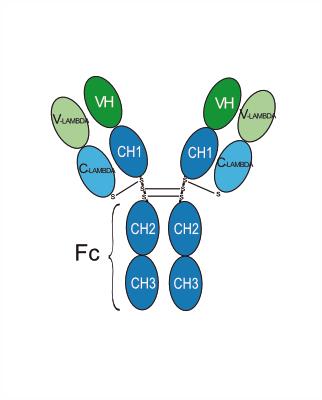
Avelumab (Anti-Human PD-L1) a fully human IgG1 anti-PD-L1 monoclonal antibody (mAb) with potential antibody-dependent cell-mediated cytotoxicity (ADCC). Avelumab enhances ADCC on several cancer cell lines expressing PD-L1. Avelumab can be used for the study of chordoma.
Nos produits utilisent uniquement pour la recherche. Nous ne vendons pas aux patients.
- Pureté : ≥95.0%
- CAS No.: 1537032-82-8
- Masse moléculaire:150 kDa
-
Stockage:
Please store the product under the recommended conditions in the Certificate of Analysis.


To place orders, for customer services and technical support, please contact: MedChemExpress USA
Tel: 609-228-6898 E-mail: [email protected] [email protected]


-
 Activité biologique
-
Chemical Information
- Protocole
- Pureté et documentation
- Références
-
 Help & FAQs


-

HY-P9904
AtezolizumabAnti-PD-L1 Antibody -

HY-P9919
DurvalumabPD-L1 Blocking Antibody -
HY-P9903
NivolumabPD-1 Inhibitor -

HY-P9902
PembrolizumabPD-1 Inhibitor -

HY-P9971
CamrelizumabPD-1 Neutralizing Antibody -

HY-P99203
CemiplimabPD-1 Inhibitor -
HY-108730A
Avelumab (anti-PD-L1)anti-PD-L1 Antibody Inhibitor -

HY-P99048
SintilimabPD-1/PD-L1 Inhibitor -

HY-P99115
EnvafolimabAnti PD-L1 Antibody -
HY-19745
BMS-202 -
HY-19991
BMS-1PD-1/PD-L1 PPI Inhibitor -

HY-P9970
InfliximabTNF-α Inhibitor
Publications Citing Use of MedChemExpress (MCE) Avelumab
More- Signal Transduct Target Ther. 2023 Mar 15;8(1):107. [Abstract]
- Cell Rep Med. 2025 Jul 15;6(7):102195. [Abstract]
- Cancer Lett. 2024 Mar 1:584:216615. [Abstract]
- Biomater Res. 2026 Mar 4:30:0335. [Abstract]
- Cancer Immunol Immunother. 2023 Jun;72(6):1789-1801. [Abstract]
- Eur J Pharmacol. 2023 Dec 5:960:176128. [Abstract]
- Clin Exp Immunol. 2021 Jul;205(1):53-62. [Abstract]
- Ann Hematol. 2026 May 29. [Abstract]
- J Immunol Methods. 2023 Nov:522:113552. [Abstract]
- Chemrxiv. 2021 Feb.
- Patent. US20200261591A1
 Customer Validation & Images

-
Flow Cytometry
-
Bio/Physico-chemical Assay
-
In Vivo Efficacy Study
-
IHC
-
Bio/Physico-chemical Assay


Activité biologique
Description
Isotype
Human IgG1 lambda
Recommend Isotype Controls
Species Reactivity
Human
IC50 & Target
B7-H1/PD-L1/CD274
In Vitro
Avelumab is a fully human IgG1 anti-PD-L1 monoclonal antibody with potential antibody-dependent cell-mediated cytotoxicity property. Avelumab increases NK-cell lysis 3.1-fold in JHC7 cells relative to isotype control. When the cells are treated with IFN-γ, Avelumab markedly enhances NK-cell lysis relative to isotype control in the following cell lines: JHC7 (7.56-fold), UM-Chor1 (7.34-fold), U-CH2 (2.6 fold), MUG-Chor1 (8.38-fold). Avelumab effectively increases antibody-dependent cell-mediated cytotoxicity (ADCC) of both the non-cancer stem cell (CSC) and CSC subpopulations to the same degree[1]. Results also demonstrate that the addition of Avelumab increases the frequency of antigen-specific multifunctional CD8+ T cells by more than fivefold, relative to the isotype control in CEFT-stimulated peripheral blood mononuclear cells (PBMCs)[2].
MedChemExpress (MCE) has not independently confirmed the accuracy of these methods. They are for reference only. Further protocols information, click here.
In Vivo
MedChemExpress (MCE) has not independently confirmed the accuracy of these methods. They are for reference only.
Essai clinique
| NCT Number | Sponsor | Condition | Start Date |
Phase

|
|---|---|---|---|---|
| NCT01329991 | Plexxikon| | 2011-05 | PHASE1 |
Gene ID
Accession
Conjugated
Unconjugated
Reconsititution
The product can be reconstituted/diluted with sterile PBS or saline.
Format
-
Human IgG1 lambda
Application
ELISA, FACS, Functional assay
Verified Bioactivity
-
 Flow cytometric analysis of 1X10⁶ Jurkat cells with Avelumab (HY-108730, red). Cells were fixed with 4% paraformaldehyde. Then stained with the primary antibody at 1/200 dilution for an hour at 4℃. Alexa Fluor 488-conjugated AffiniPure Goat Anti-Human IgG H&L (HY-P83776) was used as the secondary antibody at 1/1,000 dilution for 30 minutes at 4℃. Human IgG1 lambda (HY-P99992, blue) was used as the isotype control, cells without incubation with primary antibody were used as the unlabeled control (black).


Chemical Information
-
CAS No. 1537032-82-8
-
Appearance Liquid
-
Masse moléculaire 150 kDa
-
Color Colorless to light yellow
-
SMILES
[Avelumab]
-
Synonyms
Anti-Human PD-L1, Human Antibody; MSB 0010718C; MSB0010718C
-
Formulation
Please refer to the lot-specific COA for specific buffer information.
-
Stockage
Please store the product under the recommended conditions in the Certificate of Analysis.


Publications (11)
-
Journal Impact Factor
-
Most Recent
-
Signal Transduct Target Ther
SIRT7 orchestrates melanoma progression by simultaneously promoting cell survival and immune evasion via UPR activation. [Abstract]2023 Mar 15;8(1):107. PMID: 36918544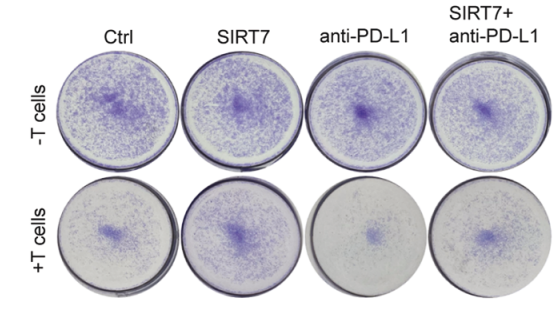
Avelumab purchased from MedChemExpress. Usage Cited in: Signal Transduct Target Ther. 2023 Mar 15;8(1):107. [Abstract]
Co-culture of A2058 cells transfected with control or SIRT7 overexpression plasmid with TG treatment and activated T cells (1:3) for 24 h with or without the treatment with PD-L1 neutralizing antibody (Avelumab, 20 μg/mL) for 8 h. Cytotoxicity was then quantified by a spectrometer at OD (570 nm) followed by crystal violet staining.
-
Cell Rep Med
iPSC-derived trimodal T cells engineered with CAR, TCR, and hnCD16 modalities can overcome antigen escape in heterogeneous tumors. [Abstract]2025 Jul 15;6(7):102195. PMID: 40541190
Avelumab purchased from MedChemExpress. Usage Cited in: Cell Rep Med. 2025 Jul 15;6(7):102195. [Abstract]
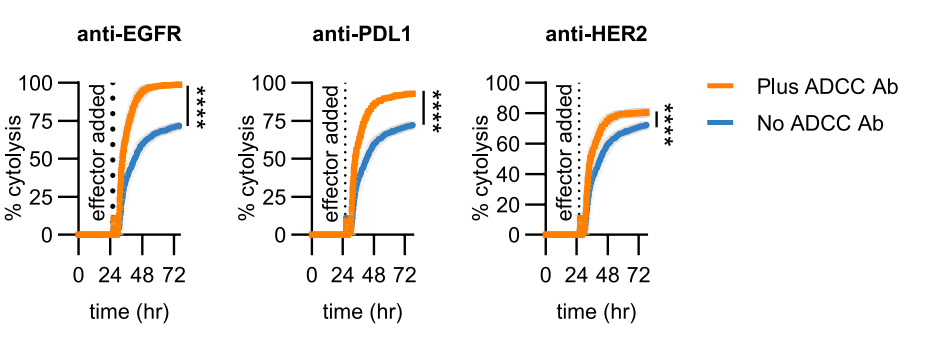
To demonstrate that MICA/B CAR+hnCD16+ iT cells are capable of flexibly utilizing antibodies to supplement CAR efficacy, MICA/B CAR+hnCD16+ iT cells were co-cultured with the MICA/BHighEGFR+PDL1+HER2+ CaSki tumor cell line and individually supplemented with different therapeutic antibodies: Cetuximab targeting EGFR, Avelumab against PDL1, and Herceptin for HER2.
-
Cancer Lett
B7-H1 agonists suppress the PI3K/AKT/mtor pathway by degrading p110γ and independently induce cell death. [Abstract]2024 Mar 1:584:216615. PMID: 38199586 -
Biomater Res
Rescue Radiosensitization of Pancreatic Cancer via PD-L1/TGF-β1 Dual-Blockade Nanotherapy as Evaluated in 3-Dimensional Microtumors. [Abstract]2026 Mar 4:30:0335. PMID: 41788858
Avelumab purchased from MedChemExpress. Usage Cited in: Biomater Res. 2026 Mar 4:30:0335. [Abstract]
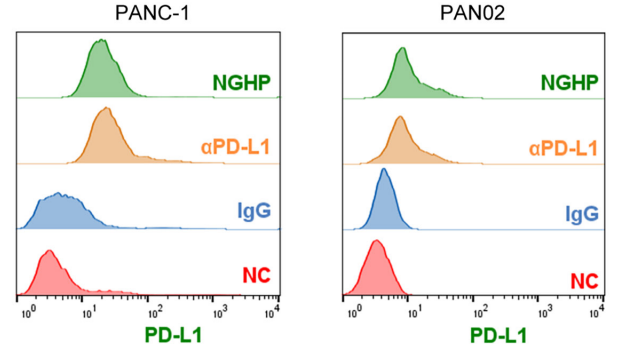
Regardless of whether it was PANC-1 or PAN02 cells, the PD-L1-targeting effect of NGHP was comparable to that of the αPD-L1 (Avelumab, 1 μg/mL, 1 h), with the PD-L1 expression distribution exhibiting a rightward shift.
Avelumab purchased from MedChemExpress. Usage Cited in: Biomater Res. 2026 Mar 4:30:0335. [Abstract]
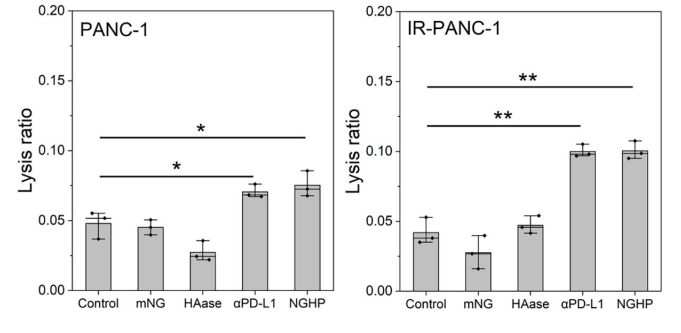
Due to the relatively low PD-L1 expression on conventional PANC-1 cells, less avelumab was bound, leading to moderate toxicity of about 7.5% cell lysis rate for simple antibody and NGHP. While in PANC-1 cells with PD-L1 up-regulation induced by radiation, the ADCC-induced cell lysis rate increased.
Avelumab purchased from MedChemExpress. Usage Cited in: Biomater Res. 2026 Mar 4:30:0335. [Abstract]
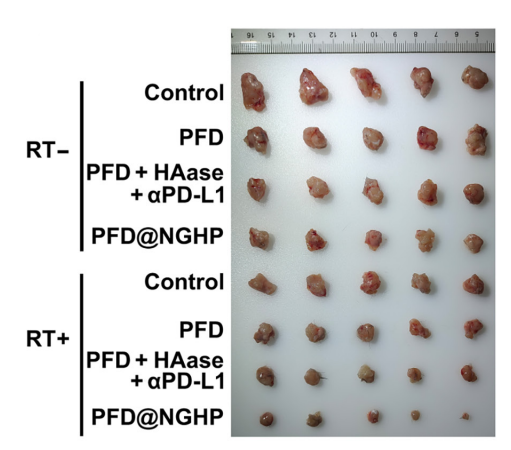
Schematic of RT (6 Gy at day 1 and day 3), PFD (10 mg/kg), HAase (6.5 mg/kg), and αPD-L1 (avelumab; 12 mg/kg) were used via intravenous (iv) injection from day 1 to day 9 (qod) in PAN02 cells/mPSCs bearing mice. Represent images of excised tumors after different treatments.
Avelumab purchased from MedChemExpress. Usage Cited in: Biomater Res. 2026 Mar 4:30:0335. [Abstract]
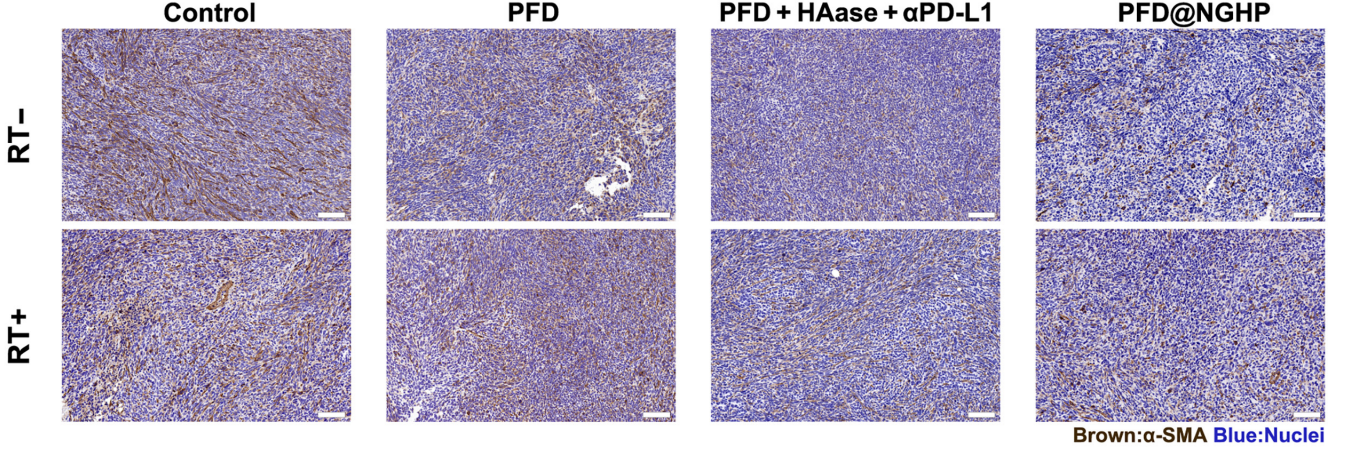
Schematic of RT (6 Gy at day 1 and day 3), PFD (10 mg/kg), HAase (6.5 mg/kg), and αPD-L1 (avelumab; 12 mg/kg) were used via intravenous (iv) injection from day 1 to day 9 (qod) in PAN02 cells/mPSCs bearing mice. Immunohistochemistry evaluation for α-SMA of PAN02&mPSC tumors obtained from C57BL/6 mice.
-
Cancer Immunol Immunother
Exploring the potential of combining IL-2-activated NK cells with an anti-PDL1 monoclonal antibody to target multiple myeloma-associated macrophages. [Abstract]2023 Jun;72(6):1789-1801. PMID: 36656341 -
Eur J Pharmacol
Mechanisms of the PD-1/PD-L1 pathway in itch: From acute itch model establishment to the role in chronic itch in mouse. [Abstract]2023 Dec 5:960:176128. PMID: 37866747 -
Clin Exp Immunol
Bone marrow-derived mesenchymal stem cells inhibit CD8+ T cell immune responses via PD-1/PD-L1 pathway in multiple myeloma. [Abstract]2021 Jul;205(1):53-62. PMID: 33735518 -
Ann Hematol
Identification and validation of a prognostic risk-scoring model in drug-resistant ALL and evaluation of immune micro-environment. [Abstract]2026 May 29. PMID: 42215742 -
J Immunol Methods
Identifying therapeutic monoclonal antibodies using target protein collision electrophoresis reflex assay to separate the wheat from the chaff. [Abstract]2023 Nov:522:113552. PMID: 37652294 -
-

Protocole
-
Cell Cytotoxicity Assay
Cytotoxicity assays are usually based on the assessment of cell membrane damage, which can also be indirectly detected by measuring cell viability. Detection methods include MTT assay, CKK-8 assay, LDH assay and ATP assay, etc.
-
Mammalian live/dead viability and cytotoxicity staining
Live/dead viability and cytotoxicity staining assays are based on the simultaneous detection of intracellular esterase activity in metabolically active (viable) cells and membrane integrity loss in non-viable cells. In commonly used dual-staining approaches, membrane-permeant fluorogenic substrates are converted by intracellular esterases into fluorescent products in live cells, while impermeant DNA-binding dyes selectively enter cells with compromised plasma membranes and label nucleic acids in dead or dying cells, enabling discrimination between viable and non-viable populations by fluorescence microscopy or flow cytometry.
-
Cell Viability Determination by MTT Colorimetric Assay
The following protocol uses the MTT colorimetric assay as a classic literature-established method for assessing cell viability/metabolic activity in cultured mammalian cells. MTT[3-(4,5-dimethylthiazol-2-yl)-2,5-diphenyltetrazolium bromide] is reduced by metabolically active cells to a colored formazan product; the amount of formazan is quantified spectrophotometrically and provides an indirect measure of metabolically active viable cells. Importantly, MTT reduction reflects cellular oxidoreductase/metabolic activity rather than an absolute direct count of living cells, so changes in cellular metabolism can alter the signal independently of cell number.


Pureté et documentation
-
Fiche technique (264 KB)
-
SDS (252 KB)
- English - EN (252 KB)
- Français - FR (252 KB)
- Deutsch - DE (252 KB)
- Norwegian - NO (252 KB)
- Español - ES (252 KB)
- Swedish - SV (252 KB)
- Italian - IT (252 KB)
- Korean - KR (252 KB)
- Portuguese - PT (252 KB)
-
Inhibitory Antibodies User Guide (603 KB)
Références
[1]. Fujii R, et al. Enhanced killing of chordoma cells by antibody-dependent cell-mediated cytotoxicity employing the novel anti-PD-L1 antibody avelumab. Oncotarget. 2016 Jun 7;7(23):33498-511. [Content Brief]
[2]. Grenga I, et al. A fully human IgG1 anti-PD-L1 MAb in an in vitro assay enhances antigen-specific T-cell responses. Clin Transl Immunology. 2016 May 20;5(5):e83. [Content Brief]
[3]. Vandeveer AJ, et al. Systemic Immunotherapy of Non-Muscle Invasive Mouse Bladder Cancer with Avelumab, an Anti-PD-L1 Immune Checkpoint Inhibitor. Cancer Immunol Res. 2016 May;4(5):452-62. [Content Brief]

Calculators
Concentration (start) × Volume (start) = Concentration (final) × Volume (final)


Avelumab Related Classifications
HY-108730 Related Classifications
 Powered by Bioz