



Concanavalin A
Based on 5 publication(s) in Google Scholar
Concanavalin A can be coupled to agarose to form Concanavalin A (agarose) (HY-P2149A). Concanavalin A (ConA) is a selective, competitive binding agent that targets specific carbohydrate structures containing glucose and mannose; it acts as a mitogen and exhibits varying degrees of cytotoxicity, hepatotoxicity, and teratogenicity. Concanavalin A is also utilized for in vivo blood glucose monitoring in the context of diabetes.
연구목적의 판매만을 진행합니다. 환자를 대상으로 한 판매는 하지 않습니다.
- Purity : 94%
- CAS No.: 11028-71-0
-
보관:
Please store the product under the recommended conditions in the Certificate of Analysis.

To place orders, for customer services and technical support, please contact: MedChemExpress USA
Tel: 609-228-6898 E-mail: [email protected] [email protected]


-
 Biological Activity
-
Chemical Information
- Protocol
- 순도&문서
- References
-
 Help & FAQs


-
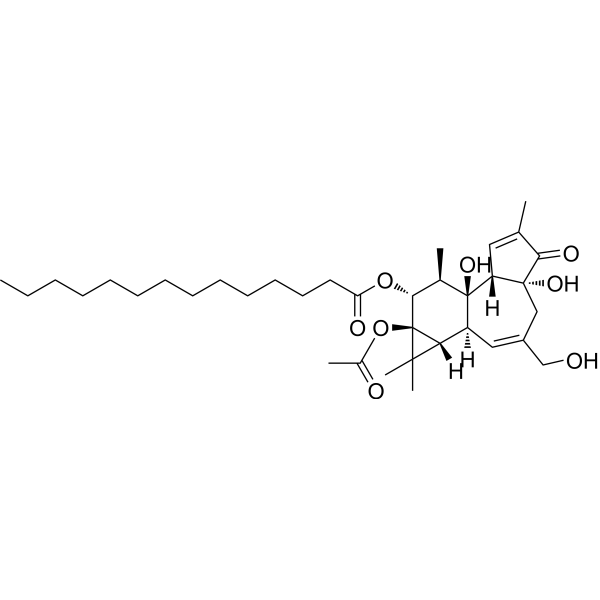
HY-18739
Phorbol 12-myristate 13-acetatePKC Activator -
HY-N7038
PhytohemagglutininT-cell Activator -
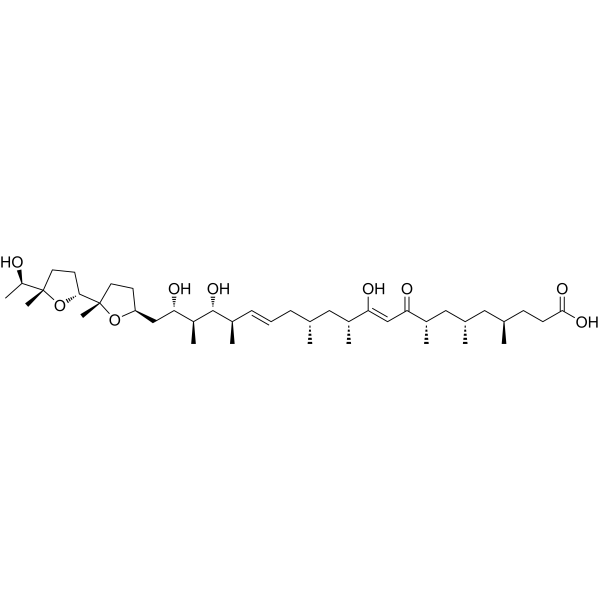
HY-13434
IonomycinCalcium Ionophore -
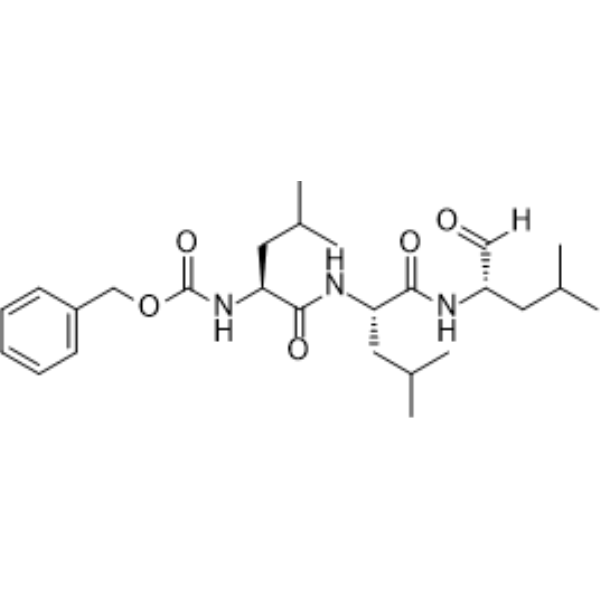
HY-13259
MG-132Proteasome Inhibitor -
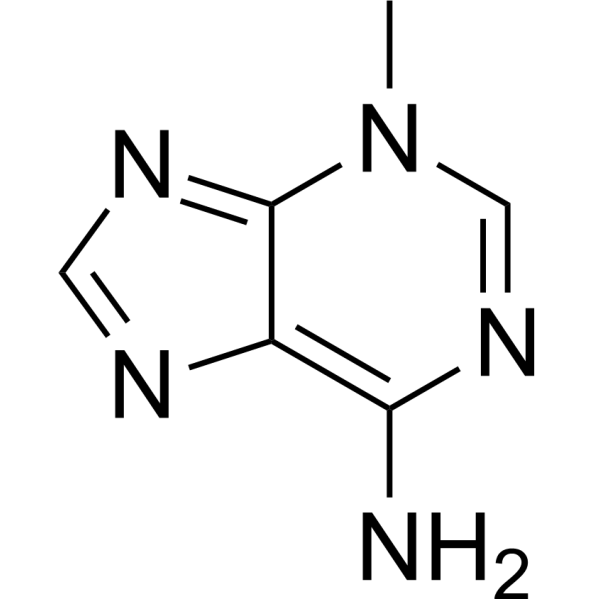
HY-19312
3-MethyladenineAutophagy/PI3K Inhibitor -
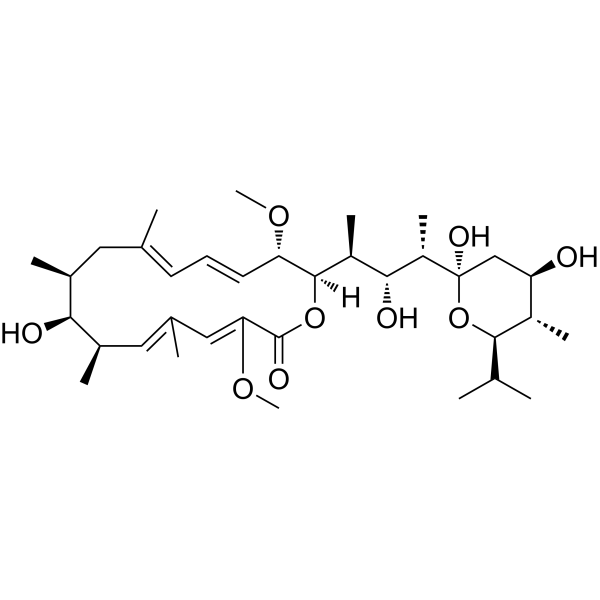
HY-100558
Bafilomycin A1V-ATPase Inhibitor -
HY-P2149A
Concanavalin A (agarose)Protein Purification -
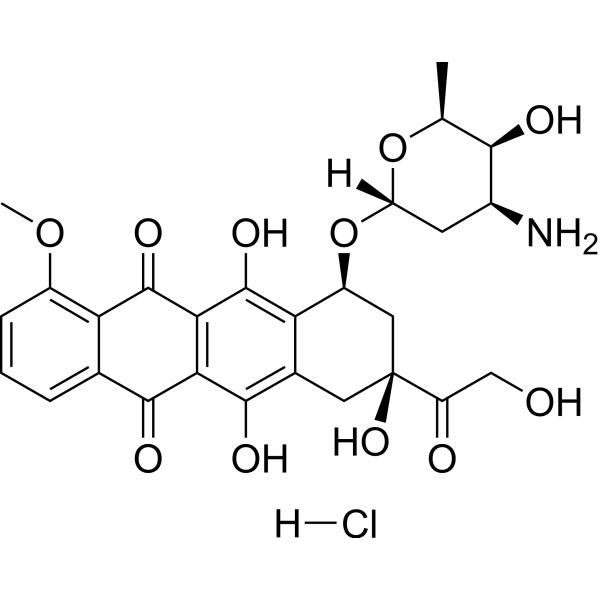
HY-15142
Doxorubicin hydrochlorideTopoisomerase Inhibitor -
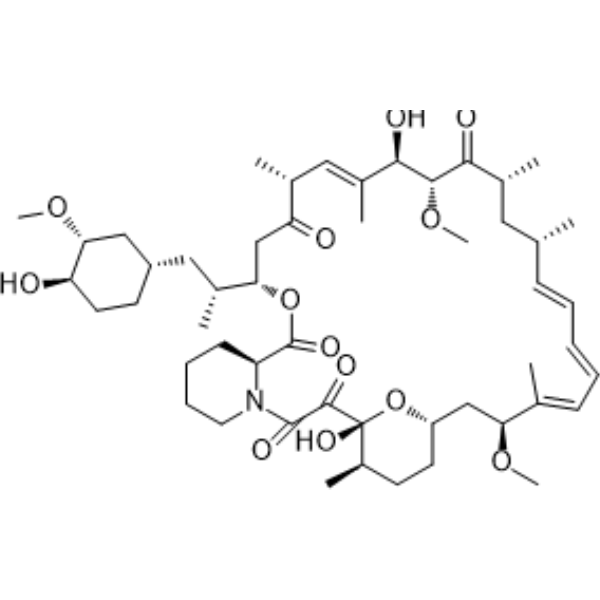
HY-10219
RapamycinmTOR Inhibitor -
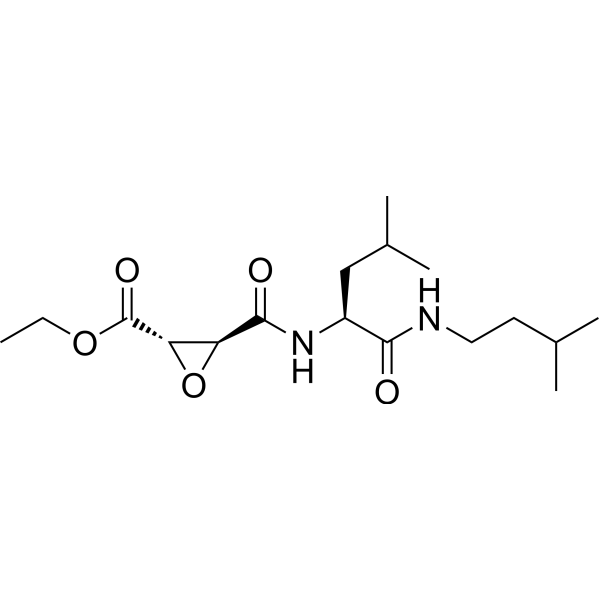
HY-100229
AloxistatinCysteine Protease Inhibitor -
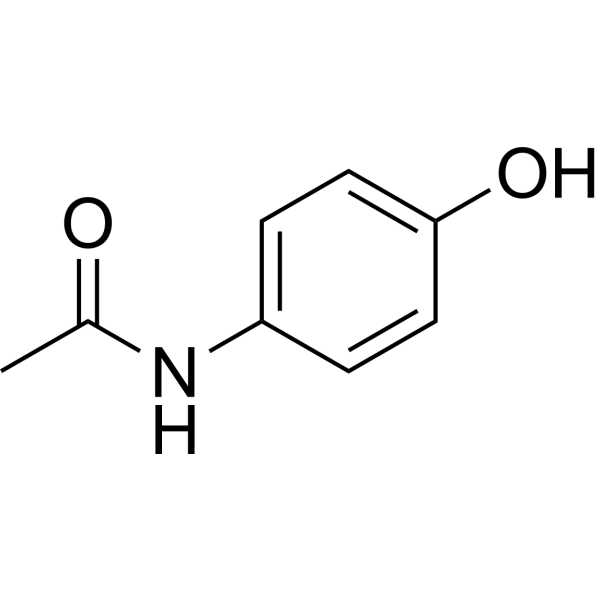
HY-66005
AcetaminophenCOX-2 Inhibitor -
HY-10162
OlaparibPARP Inhibitor
Publications Citing Use of MedChemExpress (MCE) Concanavalin A
More Customer Validation & Images

-
Cell Proliferation/Viability Assay
-
In Vivo Efficacy Study
-
Histological Imaging/Staining


Biological Activity
제품 설명
In Vitro
Concanavalin A (3-6 μg/mL) induces mitosis in B and T cells and promotes DNA synthesis[1].
Concanavalin A (25 μg/mL) induces cytokine interferon production in C57BL/6 mouse splenocytes[1].
Concanavalin A (12 μg/mL) exhibits non-specific cytotoxicity against human T lymphocyte subsets expressing the Leu-7 antigen, but not against other T cell subsets[1].
Treatment of 8-day-old rat embryos with Concanavalin A (12.5, 25, 50, 100 μg/mL; 72 hours) resulted in a concentration-dependent decrease in embryo survival rate, yolk sac diameter, crown-rump length, and somite number, and an increased incidence of morphological abnormalities such as neural tube defects[1].
Concanavalin A also enhances the proliferation of human thymocytes cultured with IL-2[1].
MedChemExpress (MCE) has not independently confirmed the accuracy of these methods. They are for reference only.
-
Cell Line:Mouse spleen cells, human B lymphocytes, human T lymphocytes, murine T lymphocytes
-
Concentration:3-6 μg/mL (optimal), 10 μg/mL, 25 μg/mL
-
Incubation Time:72 h
-
Result:Directly stimulated B cells and T cells to synthesize DNA and proliferate, with the optimal concentration ranging from 3 to 6 μg/mL. The dose-response curve declined sharply when the concentration exceeded 10 μg/mL.
Induced the production of interferon in spleen cells from C57BL/6 mice at 25 μg/mL. The mitogenic effect on lymphocytes was age-dependent, with impaired responses observed in lymphocytes from older individuals and murine T lymphocyte subsets.
In Vivo
Concanavalin A (1-4 mg, 7-15 mg; i.v.; single dose) in a rabbit model: the low-dose group (1-4 mg) showed no obvious symptoms, the 7 mg dose caused death in the rabbit model, and the 15 mg dose induced intravascular erythrocyte agglutination in rabbits[1].
Concanavalin A (400 μg/mouse, 800 μg/mouse; i.v.; single dose) in normal B6D2F1, BALB/c, C3H, and Akr strain mice: 400 μg (20 mg/kg) caused liver damage, spleen and thymus atrophy, and pulmonary congestion; liver tissue basically recovered to normal after 15 days, with no significant abnormalities after 30 days; 800 μg (40 mg/kg) could cause 30% of mice to die within 2 days due to acute liver failure[1].
Concanavalin A (2000 μg/mouse; i.p.; single dose;) induced white amorphous substance masses in the peritoneal cavity of normal B6D2F1, BALB/c, C3H, and Akr strain mice, without liver damage or animal death[1].
Concanavalin A (500 μg/mouse; i.v.; single dose) in a normal CBA mouse model led to increased ConA concentrations in blood, liver, lymph nodes, and spleen, resulting in lymphotoxicity, perisplenic follicular protein deposition, and hepatic parenchymal damage[1].
MedChemExpress (MCE) has not independently confirmed the accuracy of these methods. They are for reference only.
-
Animal Model:Rabbits (body weight 2 kg, 2.9 kg, 3.1 kg, 1.3 kg)[1]
-
Dosage:Rabbits: 1 mg, 2.4 mg, 4 mg, 7 mg, 15 mg
-
Administration:intravenous injection
-
Result:ConA caused no symptoms in rabbits. Administration of 7 mg ConA to a 1.3 kg rabbit resulted in death within 2 days, while 15 mg ConA injected into a 2 kg rabbit induced intravascular erythrocyte agglutination and the rabbit was euthanized.


Chemical Information
-
CAS No. 11028-71-0
-
Appearance Solid
-
Color White to light yellow
-
SMILES
[Concanavalin A]
-
선적
Room temperature in continental US; may vary elsewhere.
-
보관
Please store the product under the recommended conditions in the Certificate of Analysis.


Publications (5)
-
Journal Impact Factor
-
Most Recent
-
Nat Commun
Nuclear retention of unspliced HIV-1 RNA as a reversible post-transcriptional block in latency. [Abstract]2025 Feb 28;16(1):2078. PMID: 40021667 -
J Control Release
2022 May:345:91-100. PMID: 35259460 -
EBioMedicine
A broad-spectrum multiepitope vaccine against seasonal influenza A and B viruses in mice. [Abstract]2024 Aug:106:105269. PMID: 39111250 -
Int J Mol Sci
A Novel Hybrid Peptide VLP-Aβ Efficiently Regulates Immunity by Stimulating Myeloid Differentiation Protein and Activating the NF-κB Pathway. [Abstract]2025 Jun 18;26(12):5834. PMID: 40565297
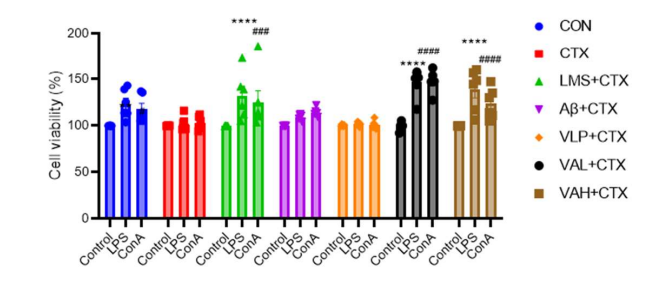
Concanavalin A purchased from MedChemExpress. Usage Cited in: Int J Mol Sci. 2025 Jun 18;26(12):5834. [Abstract]
Effect of VA on splenocyte proliferation, vs. CTX group stimulated with LPS; vs. CTX group stimulated with ConA (2.5 μg/mL; 24 h).
-
J Proteome Res
Cyp7a1 and Cyp8b1 Downregulation Characterizes Concanavalin-A-Induced Acute Liver Injury: Insights from Multiomics Analysis. [Abstract]2025 Dec 31. PMID: 41474043
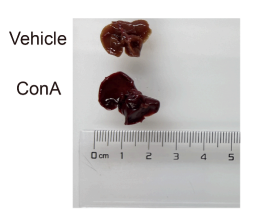
Concanavalin A purchased from MedChemExpress. Usage Cited in: J Proteome Res. 2025 Dec 31. [Abstract]
ConA (15 mg/kg; iv) stimulation induces acute liver injury in mice.
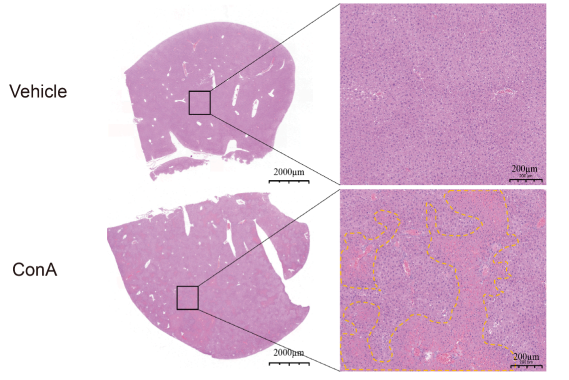
Concanavalin A purchased from MedChemExpress. Usage Cited in: J Proteome Res. 2025 Dec 31. [Abstract]
ConA (15 mg/kg; iv). Quantification of necrotic areas in liver sections based on H&E staining.


순도&문서
-
Data Sheet (272 KB)
-
SDS (418 KB)
- English - EN (418 KB)
- Français - FR (418 KB)
- Deutsch - DE (418 KB)
- Norwegian - NO (418 KB)
- Español - ES (418 KB)
- Swedish - SV (418 KB)
- Italian - IT (418 KB)
- Korean - KR (418 KB)
- Portuguese - PT (418 KB)
-
Handling Instructions (2659 KB)
References
[1]. Ballerstadt R, et al. Concanavalin A for in vivo glucose sensing: a biotoxicity review. Biosens Bioelectron. 2006 Aug 15;22(2):275-84. [Content Brief]
[2]. Li W, et, al. Concanavalin A: a potential anti-neoplastic agent targeting apoptosis, autophagy and anti-angiogenesis for cancer therapeutics. Biochem Biophys Res Commun. 2011 Oct 22;414(2):282-6. [Content Brief]
[3]. Cantelli A, et al. Concanavalin A-Rose Bengal bioconjugate for targeted Gram-negative antimicrobial photodynamic therapy. J Photochem Photobiol B. 2020 Mar 13;206:111852. [Content Brief]
[4]. Zhou Y, et al. The Protective Effect of Resveratrol on Concanavalin-A-Induced Acute Hepatic Injury in Mice. Gastroenterol Res Pract. 2015;2015:506390. [Content Brief]

Calculators
Concentration (start) × Volume (start) = Concentration (final) × Volume (final)


Concanavalin A Related Classifications
HY-P2149 Related Classifications
 Powered by Bioz