
40 Results for "

urea cycle

" in MedChemExpress (MCE) Product Catalog:
Products (40)

40 Results for "urea cycle" in MCE Product Catalog:

9
9 Publications Verification
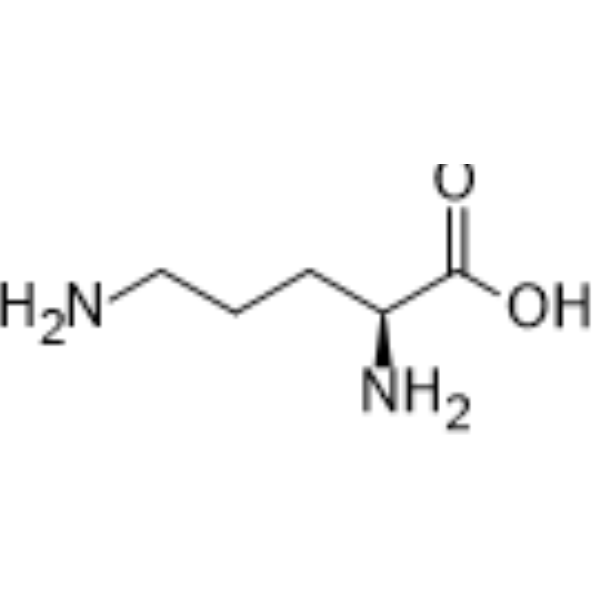
Cat. No.: HY-B1352
CAS No.: 70-26-8
Synonyms: (S)-2,5-Diaminopentanoic acid
L-Ornithine ((S)-2,5-Diaminopentanoic acid) is a non-proteinogenic amino acid, is mainly used in urea cycle removing excess nitrogen in vivo. L-Ornithine shows nephroprotective .
9
9 Publications Verification
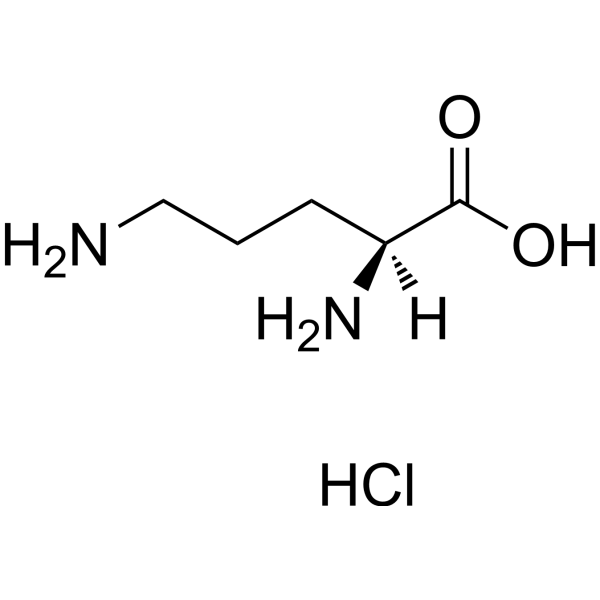
Cat. No.: HY-W017018
CAS No.: 3184-13-2
L-Ornithine hydrochloride is a non-proteinogenic amino acid, is mainly used in urea cycle removing excess nitrogen in vivo. L-Ornithine hydrochloride shows nephroprotective .
3
3 Cited Publications
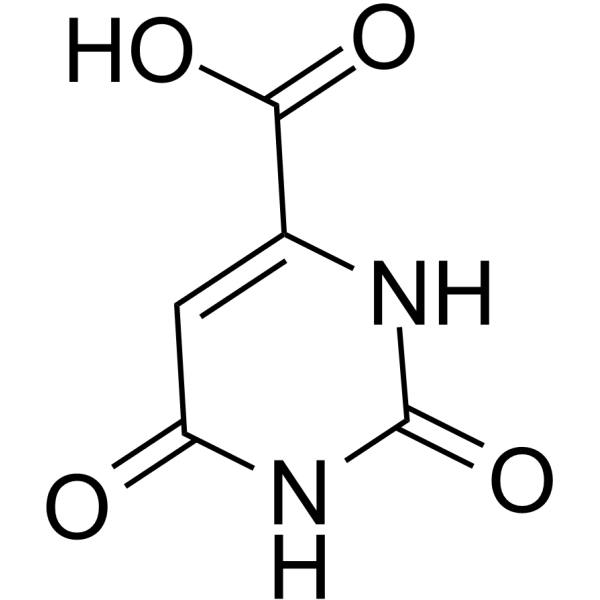
Cat. No.: HY-N0157
CAS No.: 65-86-1
Synonyms: 6-Carboxyuracil; Vitamin B13
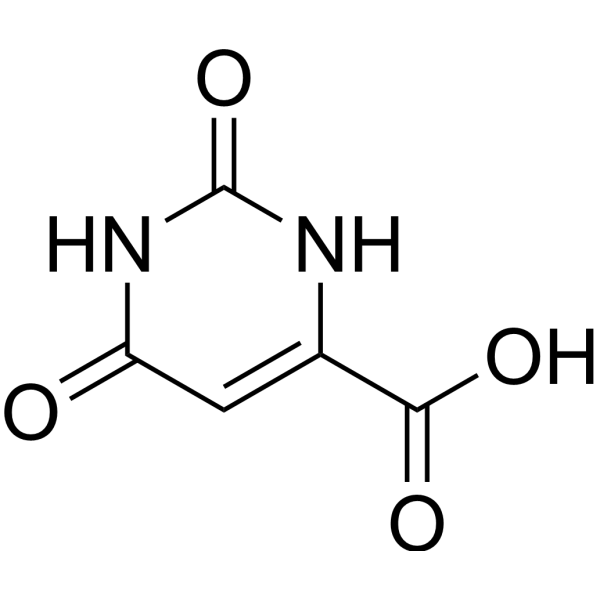
Orotic acid (6-Carboxyuracil), a precursor in biosynthesis of pyrimidine nucleotides and RNA, is released from the mitochondrial dihydroorotate dehydrogenase (DHODH) for conversion to UMP by the cytoplasmic UMP synthase enzyme. Orotic acid is a marker for measurement in routine newborn screening for urea cycle disorders. Orotic acid can induce hepatic steatosis and hepatomegaly in rats .
3
3 Cited Publications
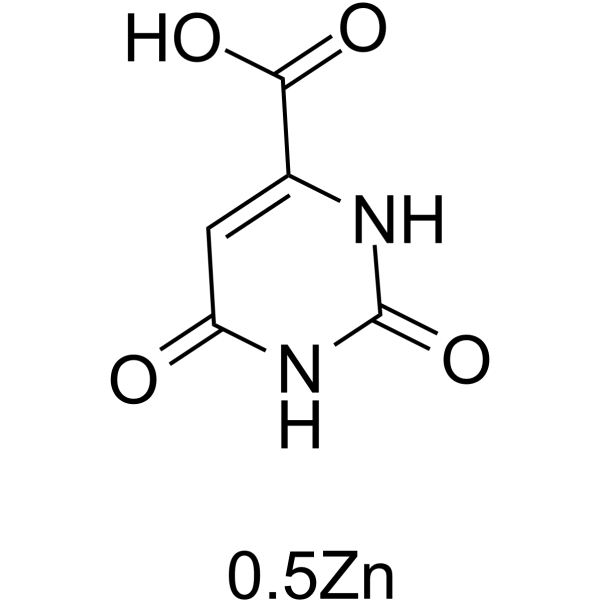
Cat. No.: HY-N0157A
CAS No.: 68399-76-8
Synonyms: 6-Carboxyuracil zinc; Vitamin B13 zinc
Orotic acid (zinc), a precursor in biosynthesis of pyrimidine nucleotides and RNA, is released from the mitochondrial dihydroorotate dehydrogenase (DHODH) for conversion to UMP by the cytoplasmic UMP synthase enzyme. Orotic acid (zinc) is a marker for measurement in routine newborn screening for urea cycle disorders. Orotic acid (zinc) can induce hepatic steatosis and hepatomegaly in rats .
3
3 Cited Publications
Cat. No.: HY-N0157C
CAS No.: 24598-73-0
Synonyms: 6-Carboxyuracil potassium; Vitamin B13 potassium
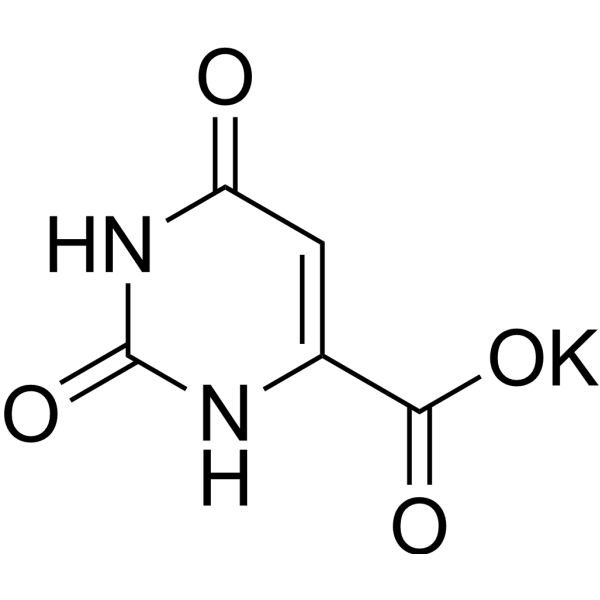
Orotic acid potassium (Vitamin B13 potassium) is a precursor of pyrimidine bases and is involved in the synthesis of DNA and RNA. Orotic acid potassium stimulates the growth of animals, plants and microorganisms, participates in carbohydrate metabolism, and is necessary for the growth and life activities of organisms. Orotic acid potassium is a measurement indicator in routine newborn screening for urea cycle abnormalities. Orotic acid potassium can cause hepatic steatosis and hepatomegaly in rats .
2
2 Cited Publications
Cat. No.: HY-W010382
CAS No.: 328-42-7
Synonyms: 2-Oxosuccinic acid
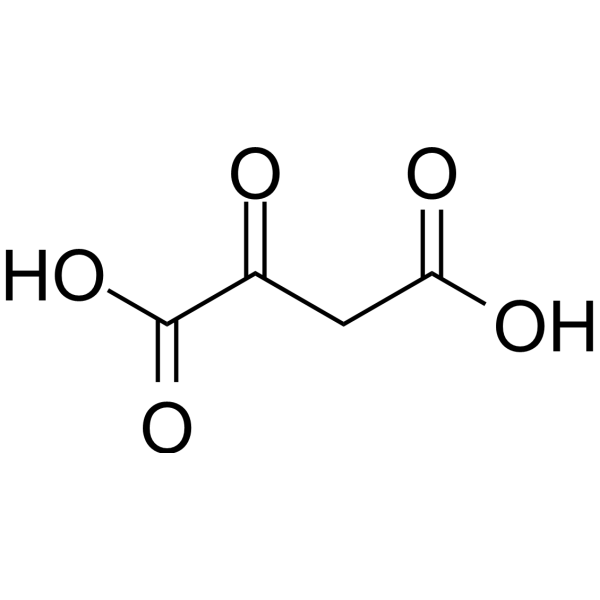
Oxaloacetic acid (2-Oxosuccinic acid) is a metabolic intermediate involved in several ways, such as citric acid cycle, gluconeogenesis, the urea cycle, the glyoxylate cycle, amino acid synthesis, and fatty acid synthesis, whereby Oxaloacetic acid facilitates the clearance of reactive oxygen species (ROS) and improves mitochondrial function .
2
2 Cited Publications
Cat. No.: HY-W010382R
CAS No.: 328-42-7
Synonyms: 2-Oxosuccinic acid (Standard)
Oxaloacetic acid (Standard) is the analytical standard of Oxaloacetic acid. This product is intended for research and analytical applications. Oxaloacetic acid (2-Oxosuccinic acid) is a metabolic intermediate involved in several ways, such as citric acid cycle, gluconeogenesis, the urea cycle, the glyoxylate cycle, amino acid synthesis, and fatty acid synthesis, whereby Oxaloacetic acid facilitates the clearance of reactive oxygen species (ROS) and improves mitochondrial function .
1
1 Cited Publications
Cat. No.: HY-W010382S
CAS No.: 161096-82-8
Synonyms: 2-Oxosuccinic acid-13C4
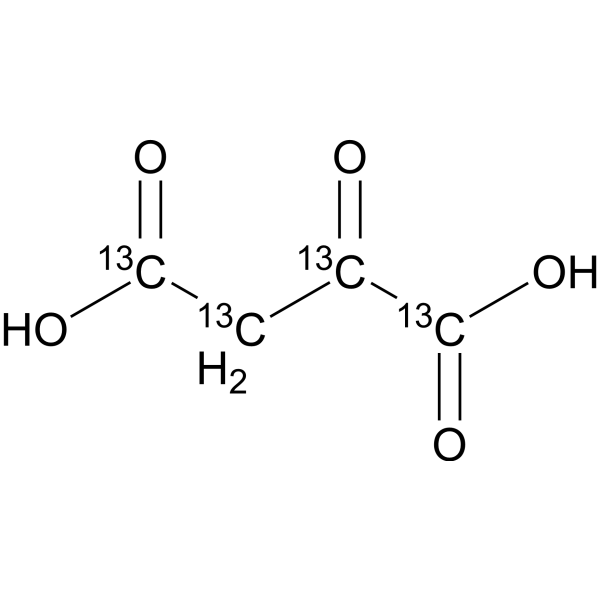
Oxaloacetic acid- 13C4 is the 13C-labeled Oxaloacetic acid. Oxaloacetic acid (2-Oxosuccinic acid) is a metabolic intermediate involved in several ways, such as citric acid cycle, gluconeogenesis, the urea cycle, the glyoxylate cycle, amino acid synthesis, and fatty acid synthesis .
Cat. No.: HY-113149A
CAS No.: 918149-29-8
Pureté:  96.93%
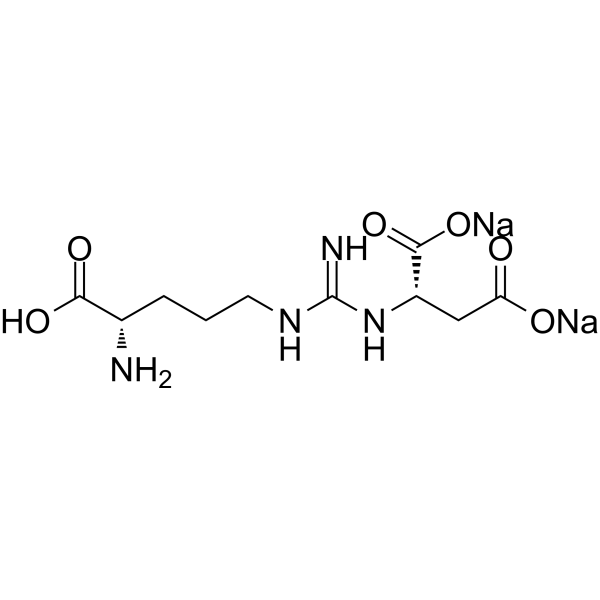
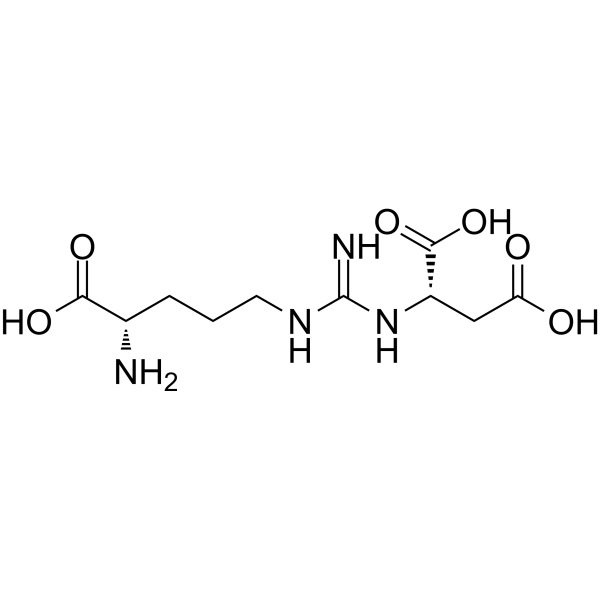
Argininosuccinic acid disodium is an intermediate metabolite in the urea cycle, and its level is associated with argininosuccinic aciduria. Argininosuccinic acid disodium can induce oxidative stress, leading to lipid and protein oxidation, reduction of glutathione, and decrease in antioxidant enzyme activity. Argininosuccinic acid disodium can be converted into guanidinosuccinic acid, a nitric oxide mimic, under the action of nitric oxide-derived free radicals. Argininosuccinic acid disodium can be used in the research of metabolic diseases, renal failure, nervous system diseases, etc .
Cat. No.: HY-113149
CAS No.: 2387-71-5
Argininosuccinic acid is an intermediate metabolite in the urea cycle, and its level is associated with argininosuccinic aciduria. Argininosuccinic acid can induce oxidative stress, leading to lipid and protein oxidation, reduction of glutathione, and decrease in antioxidant enzyme activity. Argininosuccinic acid can be converted into guanidinosuccinic acid, a nitric oxide mimic, under the action of nitric oxide-derived free radicals. Argininosuccinic acid can be used in the research of metabolic diseases, renal failure, nervous system diseases, etc .
Cat. No.: HY-P3016A
CAS No.: 9000-97-9
Synonyms: EC 2.6.1.1, porcine heart; GOT, porcine heart; AST, porcine heart
Domaines de recherche:  

Cardiovascular Disease

Aspartate aminotransferase (EC 2.6.1.1), porcine heart is a metabolic regulator with the highest activity in the heart, liver and skeletal muscle. Aspartate aminotransferase, porcine heart comprises two isozymes: the cytoplasmic form (AST1) and the mitochondrial form (AST2). By catalyzing reversible transamination reactions between oxaloacetate, L-glutamate and other substances, it is deeply involved in key physiological processes such as amino acid metabolism, the tricarboxylic acid cycle and neurotransmitter synthesis. Aspartate aminotransferase, porcine heart also provides substrate support for the synthesis of urea and purines/pyrimidines. Aspartate aminotransferase, porcine heart is a serum marker reflecting cardiac and hepatic injury, and its abnormal levels are also closely associated with myocardial infarction, cardiovascular diseases and various cancers .
Cat. No.: HY-W017018S2
CAS No.: 943962-21-8
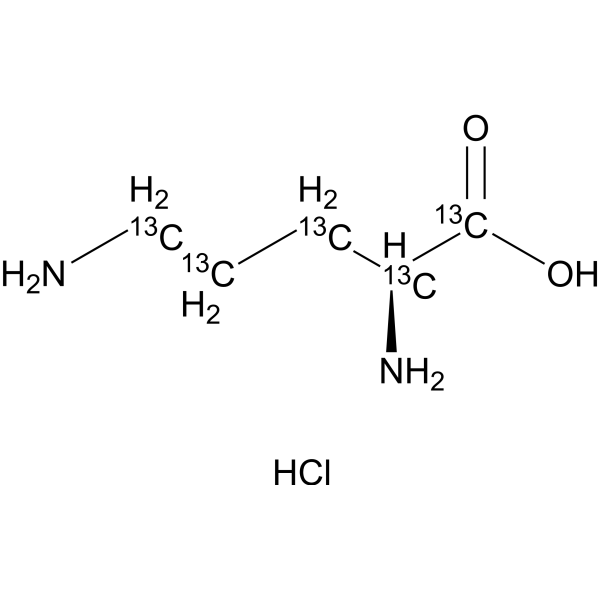
L-Ornithine-1,2,3,4,5- 13C5 (hydrochloride) is the 13C-labeled L-Ornithine hydrochloride. L-Ornithine hydrochloride is a free amino acid that plays a central role in the urea cycle and is also important for the disposal of excess nitrogen.
Cat. No.: HY-P2911
CAS No.: 9029-12-3
Synonyms: GLDH
Domaines de recherche:  

Others

Glutamate dehydrogenase NAD(P) (GLDH) can be found in hepatocytes, renal tissue, brain, muscle, and intestinal cells. Glutamate dehydrogenase NAD(P) is often used in biochemical studies. Glutamate dehydrogenase is a mitochondrial enzyme, it catalyzes the reversible oxidative deamination of glutamate to α-ketoglutarate (α-KG) as part of the urea cycle .
Cat. No.: HY-P3016
CAS No.: 9000-97-9
Synonyms: EC 2.6.1.1; GOT; AST
Domaines de recherche:  

Cardiovascular Disease

Aspartate aminotransferase (EC 2.6.1.1), Genetically engineered bacteria is a metabolic regulator with the highest activity in the heart, liver and skeletal muscle. Aspartate aminotransferase, Genetically engineered bacteria comprises two isozymes: the cytoplasmic form (AST1) and the mitochondrial form (AST2). By catalyzing reversible transamination reactions between oxaloacetate, L-glutamate and other substances, it is deeply involved in key physiological processes such as amino acid metabolism, the tricarboxylic acid cycle and neurotransmitter synthesis. Aspartate aminotransferase, Genetically engineered bacteria also provides substrate support for the synthesis of urea and purines/pyrimidines. Aspartate aminotransferase, Genetically engineered bacteria is a serum marker reflecting cardiac and hepatic injury, and its abnormal levels are also closely associated with myocardial infarction, cardiovascular diseases and various cancers .
Cat. No.: HY-B1713A
CAS No.: 1069-31-4
Synonyms: DL-(±)-Ornithine hydrochloride
DL-Ornithine (DL-(±)-Ornithine) hydrochloride is an amino acid and also a urea cycle promoter. DL-Ornithine hydrochloride has the characteristics of low metabolic rate and rapid excretion, and only the L-enantiomer undergoes decarboxylation. In mice inoculated with L-1210 leukemia cells, DL-Ornithine hydrochloride is excreted in urine in its original form, and its conversion to carbon dioxide within 24 h is negligible. DL-Ornithine hydrochloride is mainly used in the urea cycle to eliminate excess nitrogen in the body and protect the kidneys .
Cat. No.: HY-W017018B
CAS No.: 3184-13-2
L-Ornithine monohydrochloride, suitable for cell culture is a non-proteinogenic amino acid that is mainly used in the urea cycle to remove excess nitrogen from the body and can be used for cell culture .
Cat. No.: HY-W017018S
CAS No.: 347841-40-1
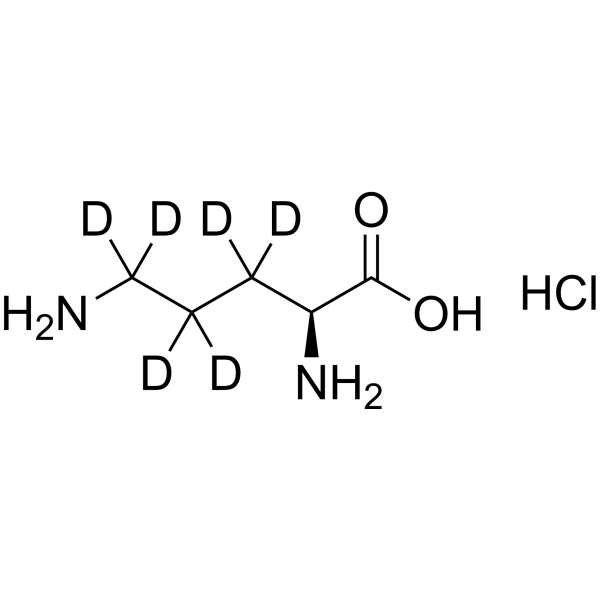
L-Ornithine-d6 (hydrochloride) is the deuterium labeled L-Ornithine hydrochloride. L-Ornithine hydrochloride is a free amino acid that plays a central role in the urea cycle and is also important for the disposal of excess nitrogen.
Cat. No.: HY-W017018S4
CAS No.: 2483831-57-6
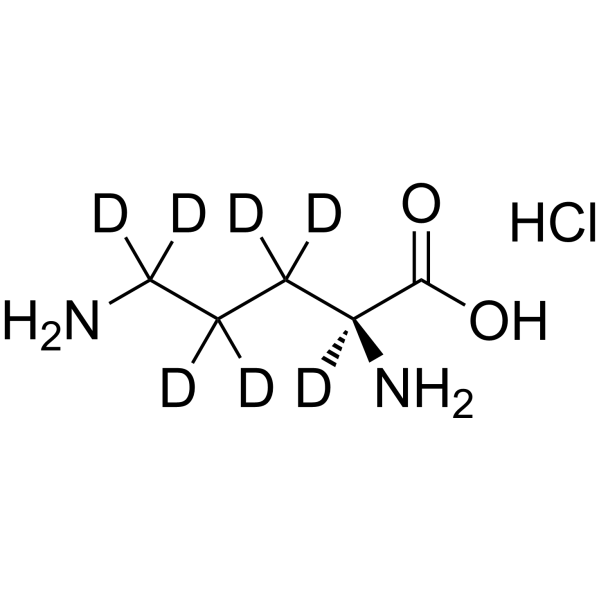
L-Ornithine-d7 (hydrochloride) is the deuterium labeled L-Ornithine hydrochloride. L-Ornithine hydrochloride is a free amino acid that plays a central role in the urea cycle and is also important for the disposal of excess nitrogen.
Cat. No.: HY-N0157R
CAS No.: 65-86-1
Synonyms: 6-Carboxyuracil (Standard); Vitamin B13 (Standard)
Orotic acid (Standard) is the analytical standard of Orotic acid. This product is intended for research and analytical applications. Orotic acid (6-Carboxyuracil), a precursor in biosynthesis of pyrimidine nucleotides and RNA, is released from the mitochondrial dihydroorotate dehydrogenase (DHODH) for conversion to UMP by the cytoplasmic UMP synthase enzyme. Orotic acid is a marker for measurement in routine newborn screening for urea cycle disorders. Orotic acid can induce hepatic steatosis and hepatomegaly in rats .
Cat. No.: HY-P3190
CAS No.: 9000-96-8
Synonyms: L-Arginine amidinase
Target:  

Endogenous Metabolite

Domaines de recherche:  

Metabolic Disease

Arginase, Microorganism immobilized (L-Arginine amidinase) is an enzyme of the urea cycle. Arginase catalyzes the hydrolysis of L-arginine to L-ornithine and urea .

