



GSK484 hydrochloride
Based on 61 publication(s) in Google Scholar
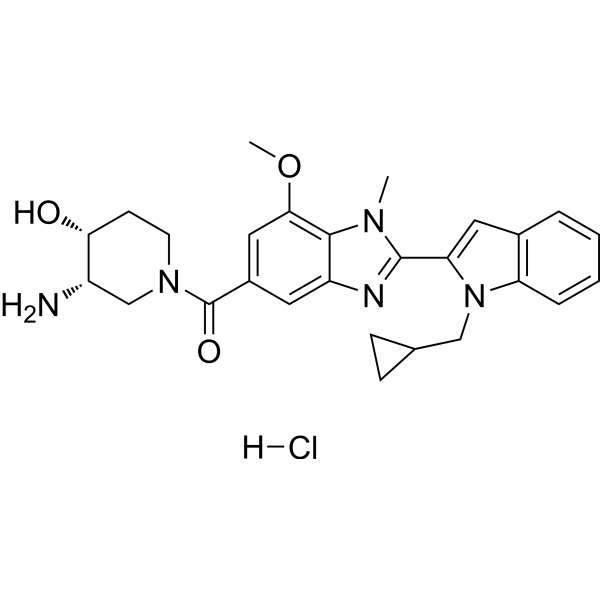
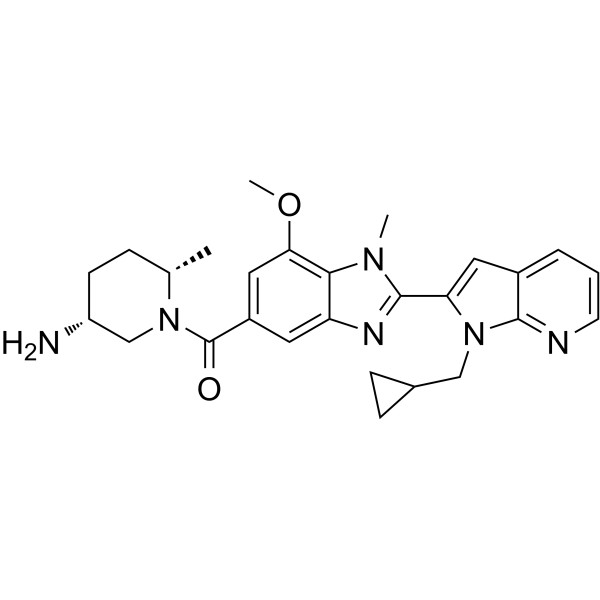
GSK484 hydrochloride is a selective and reversible peptidylarginine deiminase 4 (PAD4) inhibitor. GSK484 hydrochloride demonstrates high affinity binding to PAD4 with IC50s of 50 nM in the absence of Calcium. In the presence of 2 mM Calcium, notably lower potency (250 nM) is observed.
For research use only. We do not sell to patients.
- Purity : 99.48%
- CAS No.: 1652591-81-5
- Formula: C27H32ClN5O3
- Molecular Weight:510.03
-
Storage:
4°C, stored under nitrogen, away from moisture
* In solvent : -80°C, 1 year; -20°C, 6 months (stored under nitrogen, away from moisture)

To place orders, for customer services and technical support, please contact: MedChemExpress USA
Tel: 609-228-6898 E-mail: [email protected] [email protected]


-
 Biological Activity
-
Chemical Information
-
Solvent & Solubility
- Purity & Documentation
- References
-
 Help & FAQs


-
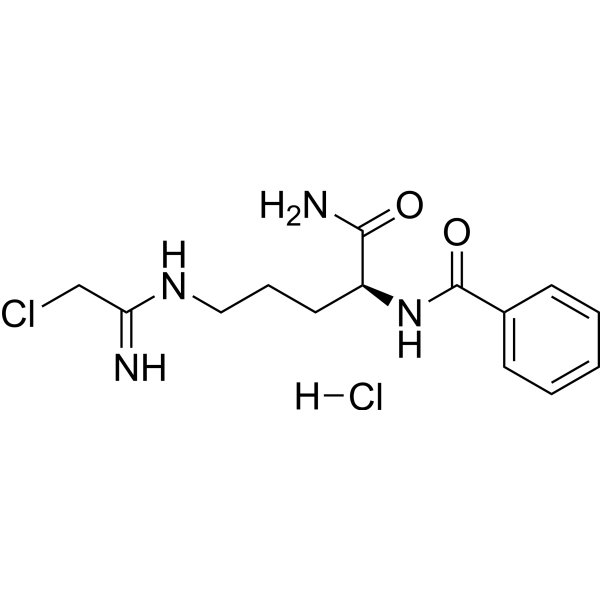
HY-100574A
Cl-amidine hydrochloridePAD Inhibitor -
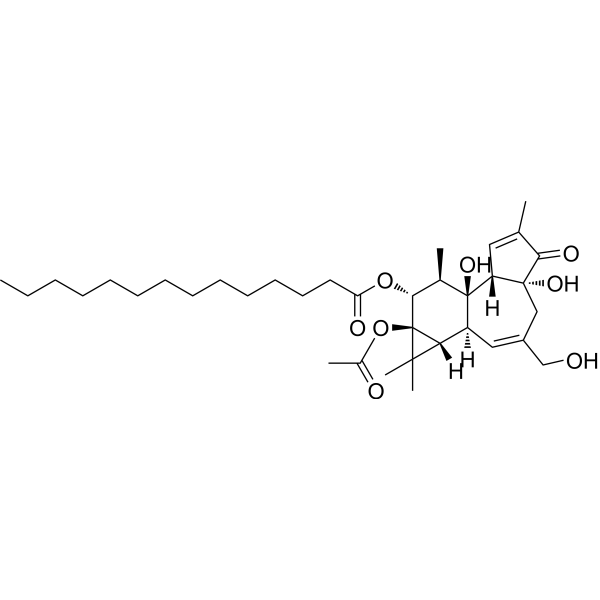
HY-18739
Phorbol 12-myristate 13-acetatePKC Activator -
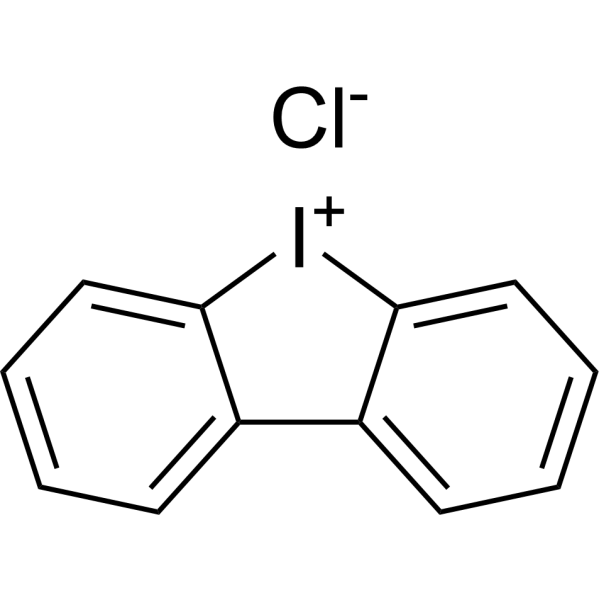
HY-100965
Diphenyleneiodonium chlorideNOX Inhibitor -
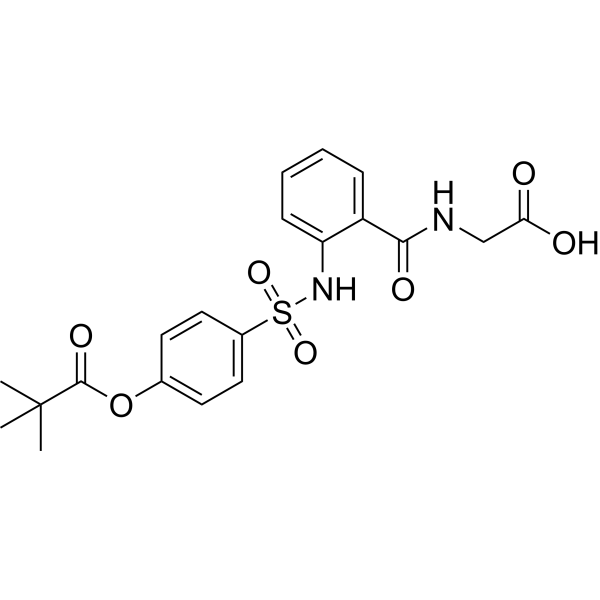
HY-17443
SivelestatElastase Inhibitor -
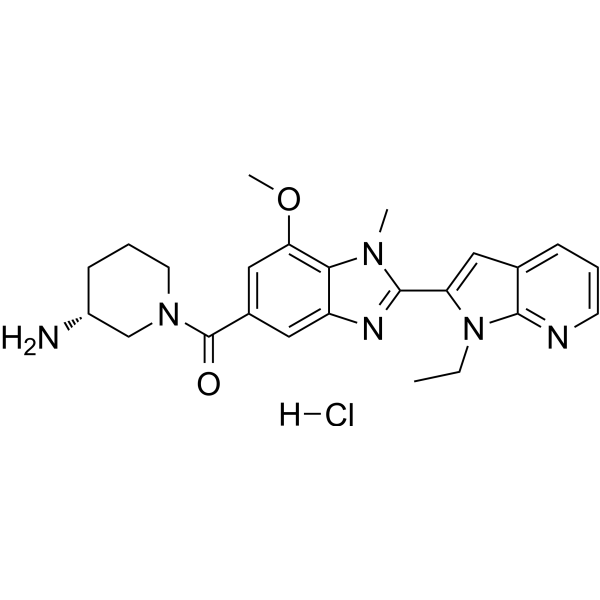
HY-103058
GSK199PAD4 Inhibitor -
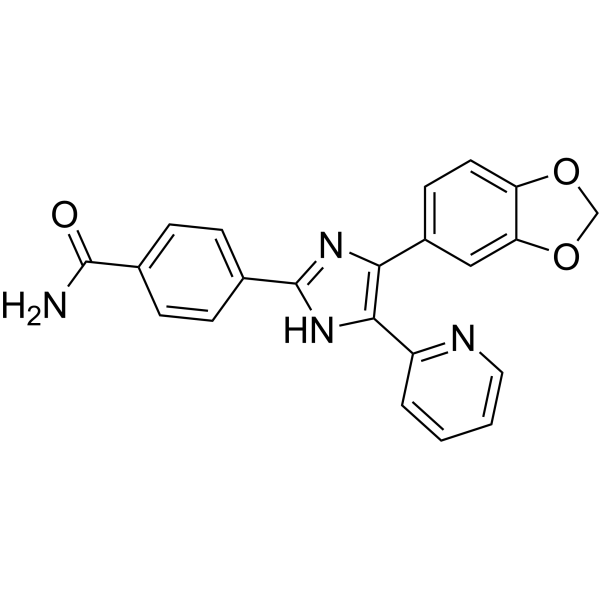
HY-10431
SB-431542TGF-β Receptor Kinase Inhibitor -
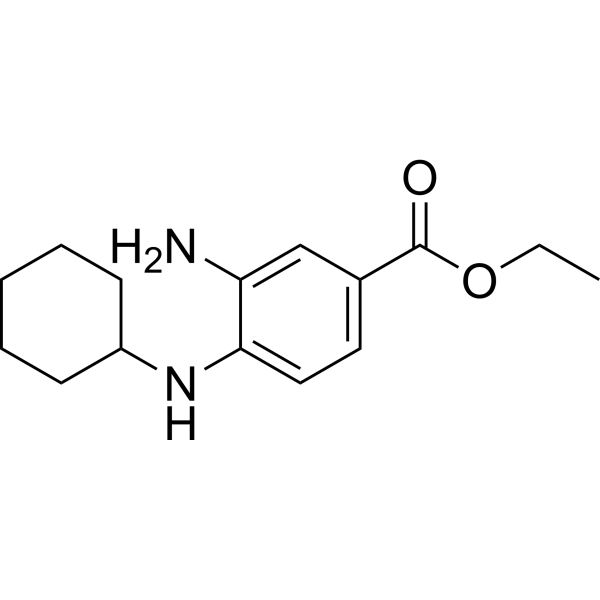
HY-100579
Ferrostatin-1Ferroptosis Inhibitor -
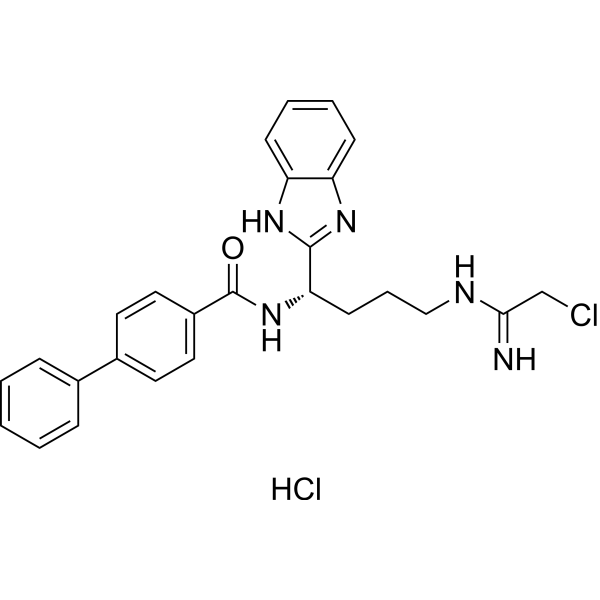
HY-111347A
BB-Cl-Amidine hydrochloridePAD Inhibitor -
HY-108882
DNase I, Bovine pancreasEnzyme -
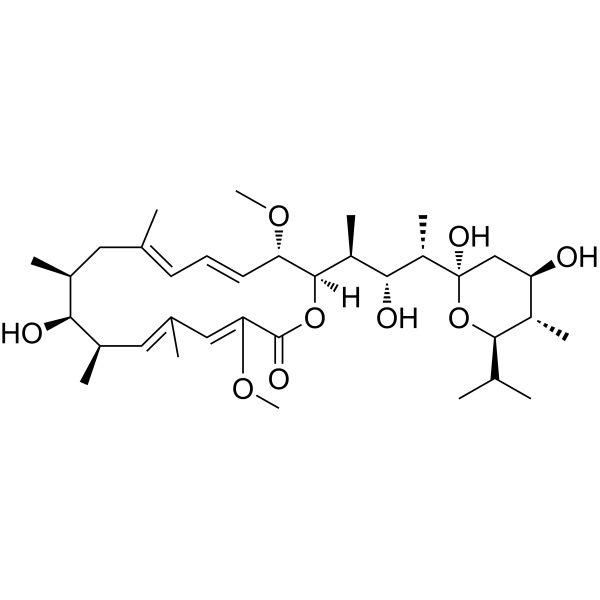
HY-100558
Bafilomycin A1V-ATPase Inhibitor -
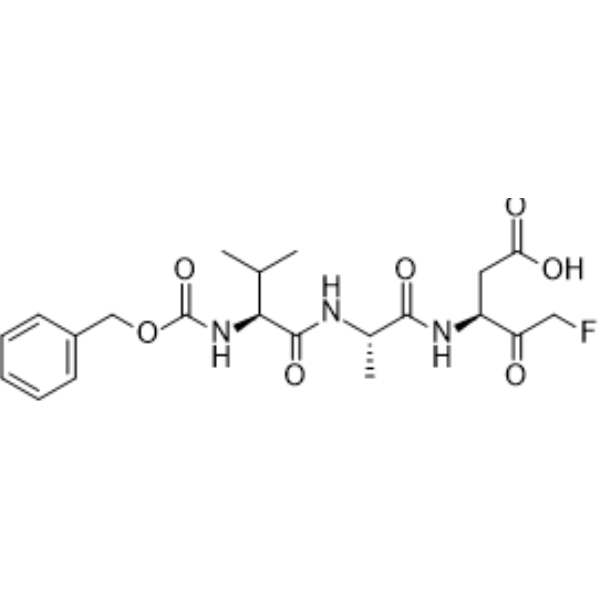
HY-16658B
Z-VAD-FMKPan-Caspase Inhibitor -
HY-137655A
BMS-P5 free basePAD4 Inhibitor
Publications Citing Use of MedChemExpress (MCE) GSK484 hydrochloride
More- Cancer Cell. 2025 Sep 8;43(9):1758-1775.e8. [Abstract]
- Cancer Cell. 2021 Mar 8;39(3):423-437.e7. [Abstract]
- Immunity. 2023 Dec 12;56(12):2755-2772.e8. [Abstract]
- Immunity. 2020 May 19;52(5):856-871.e8. [Abstract]
- Cancer Commun (Lond). 2025 Dec 15.
- Cell Mol Immunol. 2024 May;21(5):510-526. [Abstract]
- Adv Funct Mater. 2025 Aug 3.
- Nat Commun. 2023 Feb 16;14(1):872. [Abstract]
- J Adv Res. 2026 Jun 5:S2090-1232(26)00460-1. [Abstract]
- Mol Cell. 2025 Oct 2;85(19):3588-3604.e11. [Abstract]
- Adv Sci (Weinh). 2026 Apr;13(20):e18588. [Abstract]
- Adv Sci (Weinh). 2025 Aug 20:e11873. [Abstract]
- Adv Sci (Weinh). 2025 Jul 21:e00950. [Abstract]
- Adv Sci (Weinh). 2025 Apr;12(16):e2411524. [Abstract]
- Adv Sci (Weinh). 2025 Mar;12(11):e2406359. [Abstract]
- Adv Sci (Weinh). 2023 Oct;10(29):e2301835. [Abstract]
- Cell Rep Med. 2026 Sep 11:103050.
- Cell Death Differ. 2026 Jan 15. [Abstract]
- Research (Wash D C). 2026 May 8:9:1266. [Abstract]
- Pharmacol Res. 2021 Aug:170:105712. [Abstract]
- J Immunother Cancer. 2024 Jun 26;12(6):e009082. [Abstract]
- J Neuroinflammation. 2026 Aug 13.
- Phytomedicine. 2026 Aug:158:158386. [Abstract]
- Diabetologia. 2025 Apr;68(4):866-889. [Abstract]
- J Tissue Eng. 2025 Aug 19:16:20417314251348038. [Abstract]
- Apoptosis. 2023 Oct;28(9-10):1484-1495. [Abstract]
- Arch Pharm Res. 2026 Aug;49(8):1073-1102.
- Aging Cell. 2026 Aug;25(8):e70640.
- Cell Rep. 2026 Jul 28:117684.
- Cell Rep. 2021 Sep 21;36(12):109750. [Abstract]
- Br J Pharmacol. 2026 May 27. [Abstract]
- Front Immunol. 2022 Feb 16:13:781273. [Abstract]
- JCI Insight. 2026 May 22;11(10):e191979. [Abstract]
- JCI Insight. 2026 Feb 3:e199307. [Abstract]
- OncoImmunology. 2022 Mar 16;11(1):2052418. [Abstract]
- Int Immunopharmacol. 2026 Nov 1:188:117282.
- Int Immunopharmacol. 2025 Jun 26:159:114939. [Abstract]
- Int Immunopharmacol. 2022 Sep:110:108965. [Abstract]
- Int Immunopharmacol. 2021 May:94:107486. [Abstract]
- Front Cell Infect Microbiol. 2025 Jun 11:15:1540634. [Abstract]
- Mucosal Immunol. 2025 Apr 19:S1933-0219(25)00044-3. [Abstract]
- J Thromb Haemost. 2024 Jan;22(1):188-198. [Abstract]
- Rheumatology (Oxford). 2025 Aug 13:keaf437. [Abstract]
- Transl Stroke Res. 2024 Dec 28. [Abstract]
- FEBS J. 2023 Nov;290(22):5395-5410. [Abstract]
- Transl Stroke Res. 2022 Feb;13(1):112-131. [Abstract]
- Parasit Vectors. 2025 Jul 1;18(1):248. [Abstract]
- Kidney Dis (Basel). 2025 May 9;11(1):450-468. [Abstract]
- Fitoterapia. 2025 Sep:185:106771. [Abstract]
- Vet Microbiol. 2026 May:316:110968. [Abstract]
- Physiol Res. 2026 Mar 11;75(1):29-43. [Abstract]
- STAR Protoc. 2026 Jan 12;7(1):104326. [Abstract]
- Res Sq. 2026 Jun 30.
- Hlife. 2026 Mar 18.
- bioRxiv. 2025 Sep 5.
- bioRxiv. 2024 Oct 4:2024.10.04.616580. [Abstract]
- bioRxiv. 2024 July 01.
- Sci Tradit Chin Med. 2023 Sep 20.
- Research Square Preprint. 2023 May 11.
- bioRxiv. 2023 Apr 3.
- Aging Cell. 2019 Aug 31;11(17):6951-6959. [Abstract]
 Customer Validation & Images

-
In Vivo Efficacy Study
-
In Vivo Efficacy Study
-
In Vivo Efficacy Study
-
In Vivo Efficacy Study
-
In Vivo Efficacy Study


Biological Activity
Description
IC50 & Target
IC50: 50 nM (PAD4, in the absence of Calcium), 250 nM (PAD4, in the presence of 2 mM Calcium)[1]
In Vitro
GSK484 demonstrates high affinity binding to the low-calcium form of PAD4 with IC50s of 50 nM and 250 nM in the absence of Calcium (0 mM) and Calcium (2 mM), respectively. GSK484 also inhibits PAD4 citrullination (at 0.2 mM Calcium) of benzoyl-arginine ethyl ester (BAEE) substrate in a concentration-dependent manner, as detected using an NH3 release assay[1].
MedChemExpress (MCE) has not independently confirmed the accuracy of these methods. They are for reference only.
In Vivo
MedChemExpress (MCE) has not independently confirmed the accuracy of these methods. They are for reference only.


Chemical Information
-
CAS No. 1652591-81-5
-
Appearance Solid
-
Molecular Weight 510.03
-
Formula C27H32ClN5O3
-
Color Off-white to light yellow
-
SMILES
O=C(N1C[C@H](N)[C@H](O)CC1)C2=CC(OC)=C3C(N=C(C(N4CC5CC5)=CC6=C4C=CC=C6)N3C)=C2.[H]Cl
-
Shipping
Room temperature in continental US; may vary elsewhere.
-
Storage
4°C, stored under nitrogen, away from moisture
* In solvent : -80°C, 1 year; -20°C, 6 months (stored under nitrogen, away from moisture)


Publications (61)
-
Journal Impact Factor
-
Most Recent
-
Cancer Cell
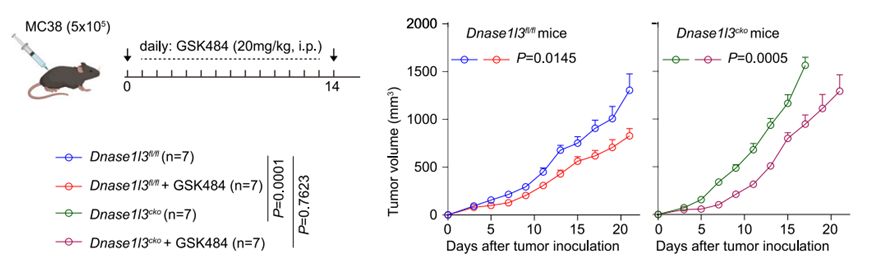
DNASE1L3-expressing dendritic cells promote CD8+ T cell function and anti-PD-(L)1 therapy efficacy by degrading neutrophil extracellular traps. [Abstract]2025 Sep 8;43(9):1758-1775.e8. PMID: 40816293
GSK484 hydrochloride purchased from MedChemExpress. Usage Cited in: Cancer Cell. 2025 Sep 8;43(9):1758-1775.e8. [Abstract]
Schema for GSK484 treatment protocol and summary tumor growth curves of MC38 in Dnase1l3fl/fl and Dnase1l3cko mice (n = 7).
-
Cancer Cell
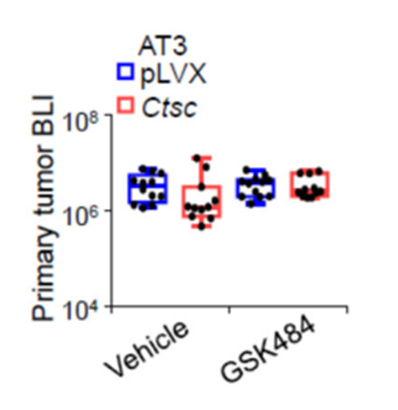
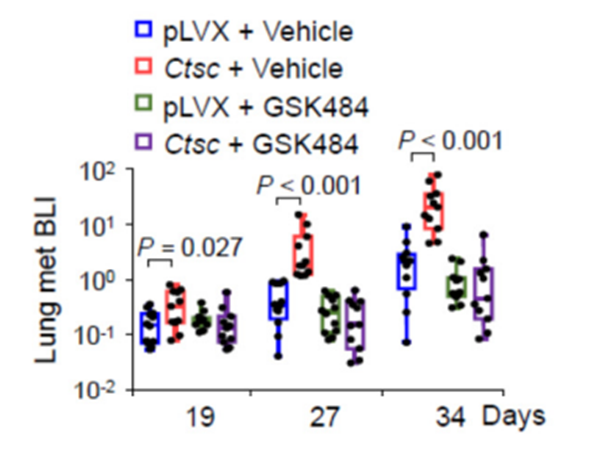
Cathepsin C promotes breast cancer lung metastasis by modulating neutrophil infiltration and neutrophil extracellular trap formation. [Abstract]2021 Mar 8;39(3):423-437.e7. PMID: 33450198
GSK484 hydrochloride purchased from MedChemExpress. Usage Cited in: Cancer Cell. 2021 Mar 8;39(3):423-437.e7. [Abstract]
Mice were treated with GSK484 (20 mg/kg, i.p. daily shots for 20 days from day 7, and then maintenance shots every two days) following orthotopic injection of AT3 cells. Shown are BLI quantification of primary tumor growth at day 19.
GSK484 hydrochloride purchased from MedChemExpress. Usage Cited in: Cancer Cell. 2021 Mar 8;39(3):423-437.e7. [Abstract]
Mice were treated with GSK484 (20 mg/kg, i.p. daily shots for 20 days from day 7, and then maintenance shots every two days) following orthotopic injection of AT3 cells. Shown are BLI quantification of lung metastasis at week 5.
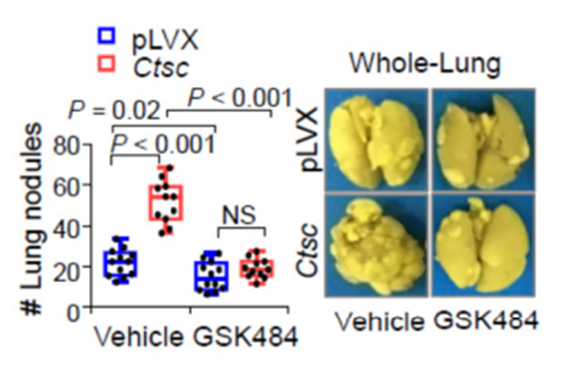
GSK484 hydrochloride purchased from MedChemExpress. Usage Cited in: Cancer Cell. 2021 Mar 8;39(3):423-437.e7. [Abstract]
Mice were treated with GSK484 (20 mg/kg, i.p. daily shots for 20 days from day 7, and then maintenance shots every two days) following orthotopic injection of AT3 cells. Shown are pulmonary surface nodules at week 5.
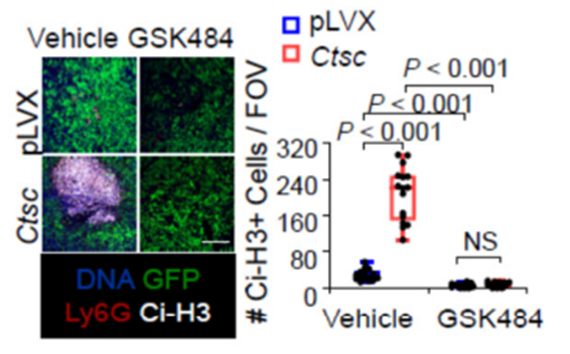
GSK484 hydrochloride purchased from MedChemExpress. Usage Cited in: Cancer Cell. 2021 Mar 8;39(3):423-437.e7. [Abstract]
Mice were treated with GSK484 (20 mg/kg, i.p. daily shots for 20 days from day 7, and then maintenance shots every two days) following orthotopic injection of AT3 cells. Shown are NET formation in lung metastases.
-
Immunity
The tumor-derived cytokine Chi3l1 induces neutrophil extracellular traps that promote T cell exclusion in triple-negative breast cancer. [Abstract]2023 Dec 12;56(12):2755-2772.e8. PMID: 38039967 -
Immunity
CXCR1 and CXCR2 Chemokine Receptor Agonists Produced by Tumors Induce Neutrophil Extracellular Traps that Interfere with Immune Cytotoxicity. [Abstract]2020 May 19;52(5):856-871.e8. PMID: 32289253 -
-
Cell Mol Immunol
Neutrophil ALDH2 is a new therapeutic target for the effective treatment of sepsis-induced ARDS. [Abstract]2024 May;21(5):510-526. PMID: 38472357 -
-
Nat Commun
Oxidized mitochondrial DNA induces gasdermin D oligomerization in systemic lupus erythematosus. [Abstract]2023 Feb 16;14(1):872. PMID: 36797275 -
J Adv Res
PAD4-mediated citrullination of IGF2BP2 stabilizes MCM mRNAs to drive intrahepatic cholangiocarcinoma progression. [Abstract]2026 Jun 5:S2090-1232(26)00460-1. PMID: 42250722 -
Mol Cell
2025 Oct 2;85(19):3588-3604.e11. PMID: 41043392 -
Adv Sci (Weinh)
Bifidobacterium Breve Yang08 Alleviates Atopic Dermatitis By Enriching Akkermansia Muciniphila and Inhibiting Neutrophil Extracellular Traps Formation In Mice. [Abstract]2026 Apr;13(20):e18588. PMID: 41655253 -
Adv Sci (Weinh)
Succinate Dehydrogenase Subunit A (SDHA) Mediated Microglia Extracellular Traps Formation Participating in Cerebral Ischemic Reperfusion Injury. [Abstract]2025 Aug 20:e11873. PMID: 40832885 -
Adv Sci (Weinh)
The CXCL10-CXCR3 Axis Induces Tumor-Associated Neutrophils to Interfere with CTLs-Mediated Antitumor Activity in EBV-Associated Epithelial Cancers. [Abstract]2025 Jul 21:e00950. PMID: 40686457 -
Adv Sci (Weinh)
2025 Apr;12(16):e2411524. PMID: 40013981 -
Adv Sci (Weinh)
ACSL1 Aggravates Thromboinflammation by LPC/LPA Metabolic Axis in Hyperlipidemia Associated Myocardial Ischemia-Reperfusion Injury. [Abstract]2025 Mar;12(11):e2406359. PMID: 39853712 -
Adv Sci (Weinh)
Neutrophil-Mediated Tumor-Targeting Delivery System of Oncolytic Bacteria Combined with ICB for Melanoma Lung Metastasis Therapy. [Abstract]2023 Oct;10(29):e2301835. PMID: 37565362 -
-
Cell Death Differ
EGFR orchestrates neutrophil activation and NETosis via CEBPβ-dependent PGLYRP1 induction. [Abstract]2026 Jan 15. PMID: 41540251 -
Research (Wash D C)
Neuromodulation and Copper Chelation Reverse Sleep Fragmentation-Aggravated Myocardial Ischemia-Reperfusion Injury by Targeting NET-Induced Endothelial Cuproptosis. [Abstract]2026 May 8:9:1266. PMID: 42109881 -
Pharmacol Res
Targeting P2RX1 alleviates renal ischemia/reperfusion injury by preserving mitochondrial dynamics. [Abstract]2021 Aug:170:105712. PMID: 34091010 -
J Immunother Cancer
Tumor cell-released autophagosomes (TRAPs) induce PD-L1-decorated NETs that suppress T-cell function to promote breast cancer pulmonary metastasis. [Abstract]2024 Jun 26;12(6):e009082. PMID: 38926151 -
-
Phytomedicine
Shegan Mahuang Decoction ameliorates pulmonary fibrosis progression by inhibiting CCL3-mediated NETosis. [Abstract]2026 Aug:158:158386. PMID: 42275874 -
Diabetologia
Intestinal neutrophil extracellular traps promote gut barrier damage exacerbating endotoxaemia, systemic inflammation and progression of diabetic retinopathy in type 2 diabetes. [Abstract]2025 Apr;68(4):866-889. PMID: 39875729 -
J Tissue Eng
Formation of neutrophil extracellular traps in the early stages exacerbate the healing process by regulating macrophage polarization in Achilles tendon-bone injury. [Abstract]2025 Aug 19:16:20417314251348038. PMID: 40843411 -
Apoptosis
Neutrophil extracellular traps mediate TLR9/Merlin axis to resist ferroptosis and promote triple negative breast cancer progression. [Abstract]2023 Oct;28(9-10):1484-1495. PMID: 37368176 -
-
-
-
Cell Rep
Inappropriate use of antibiotics exacerbates inflammation through OMV-induced pyroptosis in MDR Klebsiella pneumoniae infection. [Abstract]2021 Sep 21;36(12):109750. PMID: 34551309 -
Br J Pharmacol
Neutrophil extracellular traps drive tubulointerstitial fibrosis via the coiled-coil domain-containing protein 25 (CCDC25)-Yes-associated protein 1 (YAP1) axis-mediated autophagy regulation. [Abstract]2026 May 27. PMID: 42204873 -
Front Immunol
Reduced Neutrophil Extracellular Trap Formation During Ischemia Reperfusion Injury in C3 KO Mice: C3 Requirement for NETs Release. [Abstract]2022 Feb 16:13:781273. PMID: 35250972 -
JCI Insight
HMGB1-mediated formation of IL-33-abundant NETs drives lung-to-kidney injury in severe pneumonia-associated acute kidney injury. [Abstract]2026 May 22;11(10):e191979. PMID: 42171612 -
JCI Insight
The CHI3L1-neutrophil axis drives immune suppression and breast cancer metastatic dissemination. [Abstract]2026 Feb 3:e199307. PMID: 41632530 -
OncoImmunology
Neutrophil extracellular traps induce tumor metastasis through dual effects on cancer and endothelial cells. [Abstract]2022 Mar 16;11(1):2052418. PMID: 35309732 -
-
Int Immunopharmacol
The natural compound PEITC ameliorates imiquimod-induced psoriasis in mice by suppressing neutrophil extracellular traps formation. [Abstract]2025 Jun 26:159:114939. PMID: 40414074 -
Int Immunopharmacol
2022 Sep:110:108965. PMID: 35764017 -
Int Immunopharmacol
Protectin D1 decreases pancreatitis severity in mice by inhibiting neutrophil extracellular trap formation. [Abstract]2021 May:94:107486. PMID: 33639566 -
Front Cell Infect Microbiol
Veillonella parvula outer membrane vesicles increase ICAM-1+ neutrophils exhibiting elevated NET formation via ROS-PAD4 signaling. [Abstract]2025 Jun 11:15:1540634. PMID: 40568695 -
Mucosal Immunol
2025 Apr 19:S1933-0219(25)00044-3. PMID: 40258416 -
J Thromb Haemost
NETs induce persistent lung tissue damage via thromboinflammation without altering virus resolution in a mouse coronavirus model. [Abstract]2024 Jan;22(1):188-198. PMID: 37748582 -
Rheumatology (Oxford)
Autophagy inhibitors block pathogenic NET release in immune-mediated inflammatory disease without impairing host defence. [Abstract]2025 Aug 13:keaf437. PMID: 40802538 -
Transl Stroke Res
Neutrophil Extracellular Traps Induce Brain Edema Around Intracerebral Hematoma via ERK-Mediated Regulation of MMP9 and AQP4. [Abstract]2024 Dec 28. PMID: 39733198 -
FEBS J
Neutrophil extracellular traps boost laser-induced mouse choroidal neovascularization through the activation of the choroidal endothelial cell TLR4/HIF-1α pathway. [Abstract]2023 Nov;290(22):5395-5410. PMID: 37552110 -
Transl Stroke Res
Neutrophil Extracellular Traps may be a Potential Target for Treating Early Brain Injury in Subarachnoid Hemorrhage. [Abstract]2022 Feb;13(1):112-131. PMID: 33852132 -
Parasit Vectors
Pentatrichomonas hominis induces extracellular traps formation of macrophages via the TLR2/NADPH/PAD4 pathway. [Abstract]2025 Jul 1;18(1):248. PMID: 40598534 -
Kidney Dis (Basel)
Clinical and Experimental Insights into the Role of NETosis in IgA Nephropathy Pathogenesis. [Abstract]2025 May 9;11(1):450-468. PMID: 40606676 -
Fitoterapia
Er Miao San and its main components phellodendrine and atractylenolide-I exert anti-rheumatoid arthritis effects by inhibiting PAD4 and thereby reducing the formation of NETs. [Abstract]2025 Sep:185:106771. PMID: 40738459 -
Vet Microbiol
The PERK-eIF2α branch activates the NLRP3 inflammasome through the NF-κB signaling pathway to suppress NDV replication. [Abstract]2026 May:316:110968. PMID: 41793984 -
Physiol Res
Targeting the Toll-Like Receptor 4 Ameliorates Heart Failure in Aged Mice by Inhibiting the Formation of Neutrophil Extracellular Traps. [Abstract]2026 Mar 11;75(1):29-43. PMID: 41811699 -
STAR Protoc
Protocol for identification of protein citrullination by immunoprecipitation followed by mass spectrometry. [Abstract]2026 Jan 12;7(1):104326. PMID: 41528850 -
-
-
-
bioRxiv
APOE Protects Against Severe Infection with Mycobacterium tuberculosis by Restraining Production of Neutrophil Extracellular Traps. [Abstract]2024 Oct 4:2024.10.04.616580. PMID: 39605723 -
-
-
-
-
Aging Cell
Kindlin-3 in platelets and myeloid cells differentially regulates deep vein thrombosis in mice. [Abstract]2019 Aug 31;11(17):6951-6959. PMID: 31477636


Solvent & Solubility
In Vitro:
H2O : 100 mg/mL (196.07 mM; Need ultrasonic)
DMSO : 100 mg/mL (196.07 mM; Need ultrasonic; Hygroscopic DMSO has a significant impact on the solubility of product, please use newly opened DMSO)
Please refer to the solubility information to select the appropriate solvent. Once prepared, please aliquot and store the solution to prevent product inactivation from repeated freeze-thaw cycles.
Storage method and period of stock solution: -80°C, 1 year; -20°C, 6 months (stored under nitrogen, away from moisture). When stored at -80°C, please use it within 1 year. When stored at -20°C, please use it within 6 months.
* Note: If you choose water as the stock solution, please dilute it to the working solution, then filter and sterilize it with a 0.22 μm filter before use.
Please refer to the solubility information to select the appropriate solvent. Once prepared, please aliquot and store the solution to prevent product inactivation from repeated freeze-thaw cycles.
Storage method and period of stock solution: -80°C, 1 year; -20°C, 6 months (stored under nitrogen, away from moisture). When stored at -80°C, please use it within 1 year. When stored at -20°C, please use it within 6 months.
* Note: If you choose water as the stock solution, please dilute it to the working solution, then filter and sterilize it with a 0.22 μm filter before use.
Concentration (start) × Volume (start) = Concentration (final) × Volume (final)
In Vivo:
Select the appropriate dissolution method based on your experimental animal and administration route.
- For the following dissolution methods, please ensure to first prepare a clear stock solution using an In Vitro approach and then sequentially add co-solvents:
- To ensure reliable experimental results, the clarified stock solution can be appropriately stored based on storage conditions. As for the working solution for In Vivo experiments, it is recommended to prepare freshly and use it on the same day.
- The percentages shown for the solvents indicate their volumetric ratio in the final prepared solution. If precipitation or phase separation occurs during preparation, heat and/or sonication can be used to aid dissolution.
Add each solvent one by one: 10% DMSO 40% PEG300 5% Tween-80 45% Saline
Solubility: ≥ 2.08 mg/mL (4.08 mM); Clear solution
This protocol yields a clear solution of ≥ 2.08 mg/mL (saturation unknown).
Taking 1 mL working solution as an example, add 100 μL DMSO stock solution (20.8 mg/mL) to 400 μL PEG300, and mix evenly; then add 50 μL Tween-80 and mix evenly; then add 450 μL Saline to adjust the volume to 1 mL.
Preparation of Saline: Dissolve 0.9 g sodium chloride in ddH₂O and dilute to 100 mL to obtain a clear Saline solution.
Add each solvent one by one: 10% DMSO 90% (20% SBE-β-CD in Saline)
Solubility: ≥ 2.08 mg/mL (4.08 mM); Clear solution
This protocol yields a clear solution of ≥ 2.08 mg/mL (saturation unknown).
Taking 1 mL working solution as an example, add 100 μL DMSO stock solution (20.8 mg/mL) to 900 μL 20% SBE-β-CD in Saline, and mix evenly.
Preparation of 20% SBE-β-CD in Saline (4°C, storage for one week): 2 g SBE-β-CD powder is dissolved in 10 mL Saline, completely dissolve until clear.
For the following dissolution methods, please prepare the working solution directly:
It is recommended to prepare fresh solutions and use them promptly within a short period of time.
The percentages shown for the solvents indicate their volumetric ratio in the final prepared solution. If precipitation or phase separation occurs during preparation, heat and/or sonication can be used to aid dissolution.
Add each solvent one by one: Saline
Solubility: 100 mg/mL (196.07 mM); Clear solution; Need ultrasonic
In Vivo Dissolution Calculator
Please enter the basic information of animal experiments:
-
-
-
-
Recommended: Prepare an additional quantity of animals to account for potential losses during experiments.
Working solution concentration: 0.22 mg/mL
This product has good water solubility, please refer to the measured solubility data in water/PBS/Saline for details.


Purity & Documentation
-
Data Sheet (280 KB)
-
SDS (394 KB)
- English - EN (394 KB)
- Français - FR (394 KB)
- Deutsch - DE (394 KB)
- Norwegian - NO (394 KB)
- Español - ES (394 KB)
- Swedish - SV (394 KB)
- Italian - IT (394 KB)
- Korean - KR (394 KB)
- Portuguese - PT (394 KB)
-
Handling Instructions (2659 KB)
References
[1]. Lewis HD, et al. Inhibition of PAD4 activity is sufficient to disrupt mouse and human NET formation. Nat Chem Biol. 2015 Mar;11(3):189-91. [Content Brief]
[2]. Cedervall J, et al. Pharmacological targeting of peptidylarginine deiminase 4 prevents cancer-associated kidney injury in mice. Oncoimmunology. 2017 Apr 20;6(8):e1320009. [Content Brief]


Complete Stock Solution Preparation Table
Please refer to the solubility information to select the appropriate solvent. Once prepared, please aliquot and store the solution to prevent product inactivation from repeated freeze-thaw cycles.
Storage method and period of stock solution: -80°C, 1 year; -20°C, 6 months (stored under nitrogen, away from moisture). When stored at -80°C, please use it within 1 year. When stored at -20°C, please use it within 6 months.
| Optional Solvent | Concentration Solvent Mass | 1 mg | 5 mg | 10 mg | 25 mg |
|---|---|---|---|---|---|
| H2O / DMSO | 1 mM | 1.9607 mL | 9.8033 mL | 19.6067 mL | 49.0167 mL |
| 5 mM | 0.3921 mL | 1.9607 mL | 3.9213 mL | 9.8033 mL | |
| 10 mM | 0.1961 mL | 0.9803 mL | 1.9607 mL | 4.9017 mL | |
| 15 mM | 0.1307 mL | 0.6536 mL | 1.3071 mL | 3.2678 mL | |
| 20 mM | 0.0980 mL | 0.4902 mL | 0.9803 mL | 2.4508 mL | |
| 25 mM | 0.0784 mL | 0.3921 mL | 0.7843 mL | 1.9607 mL | |
| 30 mM | 0.0654 mL | 0.3268 mL | 0.6536 mL | 1.6339 mL | |
| 40 mM | 0.0490 mL | 0.2451 mL | 0.4902 mL | 1.2254 mL | |
| 50 mM | 0.0392 mL | 0.1961 mL | 0.3921 mL | 0.9803 mL | |
| 60 mM | 0.0327 mL | 0.1634 mL | 0.3268 mL | 0.8169 mL | |
| 80 mM | 0.0245 mL | 0.1225 mL | 0.2451 mL | 0.6127 mL | |
| 100 mM | 0.0196 mL | 0.0980 mL | 0.1961 mL | 0.4902 mL |
* Note: If you choose water as the stock solution, please dilute it to the working solution, then filter and sterilize it with a 0.22 μm filter before use.


GSK484 hydrochloride Related Classifications
HY-100514 Related Classifications
 Powered by Bioz