



Signaling Pathways
-
Antibiotic

-
Arenavirus
-
Bacterial
-
Beta-lactamase
-
CHIKV
-
CMV
-
Dengue Virus
-
EBV
-
Endoplasmic Reticulum Oxidoreductase 1 (ERO1)
-
Enterovirus
-
Filovirus
-
Flavivirus
-
Fungal
-
HBV
-
HCV
-
HCV Protease
-
Hepatitis E Virus (HEV)
-
HIV
-
HIV Protease
-
HPV
-
HSV
-
Influenza Virus
-
Measles Virus
-
Orthopoxvirus
-
Parasite
-
Penicillin-binding protein (PBP)
-
RABV
-
Reverse Transcriptase
-
RSV
-
SARS-CoV
-
TMV
-
Tomato Spotted Wilt Virus (TSWV)
-
Urease
-
Virus Protease
-
VRK
-
VSV
-
VZV
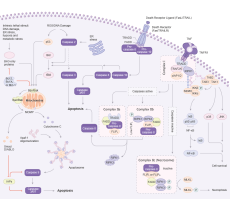
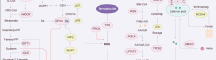
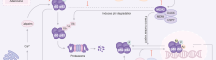
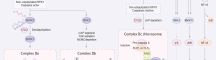
Apoptosis
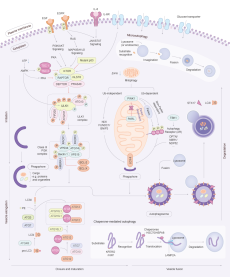
Autophagy
-
Antifolate
-
APC
-
ATF6
-
ATM/ATR
-
Aurora Kinase
-
Casein Kinase
-
CDK
-
CDKL
-
Checkpoint Kinase (Chk)
-
ClpP
-
Cyclin G-associated Kinase (GAK)
-
Deubiquitinase
-
Disulfidptosis
-
DNA Alkylator/Crosslinker
-
DNA Stain
-
DNA-PK
-
DNA/RNA Synthesis
-
Early 2 Factor (E2F)
-
Endonuclease
-
Eukaryotic Initiation Factor (eIF)
-
Eukaryotic Release Factor (eRF)
-
FKBP
-
Folate Receptor (FR)
-
G-quadruplex
-
Haspin Kinase
-
HDAC
-
HMG Family
-
HOXA
-
HSP
-
IRE1
-
Kinesin
-
LIM Kinase (LIMK)
-
MARK
-
MASTL
-
Microphthalmia Associated Transcription Factor (MITF)
-
Microtubule/Tubulin
-
Microtubule‐associated serine/threonine kinase (MAST)
-
Mitosis
-
Mps1
-
NEKs
-
Nucleoside Antimetabolite/Analog
-
p97
-
PAK
-
PARP
-
PDI
-
PERK
-
Polo-like Kinase (PLK)
-
Poly(ADP-ribose) Glycohydrolase (PARG)
-
PPAR
-
RAD51
-
ROCK
-
Separase
-
Sirtuin
-
SRPK
-
STK33
-
SWI/SNF Complex
-
Telomerase
-
TLK
-
TOPK
-
Topoisomerase
-
Wee1
-
YB-1
-
Zinc Finger Protein
-
AMPK
-
Aurora Kinase
-
DNA Glycosylase
-
DNA Methyltransferase
-
Epigenetic Reader Domain
-
Glycosyltransferase
-
HDAC
-
Histone Acetyltransferase
-
Histone Demethylase
-
Histone Methyltransferase
-
hnRNP
-
HuR
-
JAK
-
Methionine Adenosyltransferase (MAT)
-
METTL3
-
MicroRNA
-
PARP
-
PKC
-
Protein Arginine Deiminase
-
RNA MTase
-
S-adenosylhomocysteine hydrolase (SAHH)
-
SF3B1
-
Sirtuin
-
Small Interfering RNA (siRNA)
-
TET Protein
-
WDR5
-
YTHDF
-
5-HT Receptor
-
Adenylate Cyclase
-
Adhesion G Protein-coupled Receptors (AGPCRs)
-
Adrenergic Receptor
-
Amylin Receptor
-
Angiotensin Receptor
-
Apelin Receptor (APJ)
-
Arf Family GTPase
-
Arrestin
-
Bombesin Receptor
-
Bradykinin Receptor
-
Cannabinoid Receptor
-
CaSR
-
CCR
-
CGRP Receptor
-
Chemerin Receptor
-
Cholecystokinin Receptor
-
CRFR
-
CXCR
-
EBI2/GPR183
-
Endothelin Receptor
-
Formyl Peptide Receptor (FPR)
-
Free Fatty Acid Receptor
-
G protein-coupled Bile Acid Receptor 1
-
G Protein-coupled Receptor Kinase (GRK)
-
G2A (GPR132)
-
GHSR
-
GLP Receptor
-
GnRH Receptor
-
GPR109A
-
GPR119
-
GPR139
-
GPR171
-
GPR35
-
GPR39
-
GPR4
-
GPR52
-
GPR55
-
GPR6
-
GPR65
-
GPR68
-
GPR84
-
GPR88
-
Guanylate Cyclase
-
Histamine Receptor
-
Hydroxycarboxylic Acid Receptor (HCAR)
-
ICMT
-
Kisspeptin Receptor
-
Leukotriene Receptor
-
LPL Receptor
-
mAChR
-
Mas-related G-protein-coupled Receptor (MRGPR)
-
MCHR1 (GPR24)
-
Melanocortin Receptor
-
Melanopsin Receptor
-
Melatonin Receptor
-
mGluR
-
Motilin Receptor
-
Natriuretic Peptide Receptor (NPR)
-
Neurokinin Receptor
-
Neuromedin U Receptor (NMUR)
-
Neuropeptide B/W Receptor
-
Neuropeptide FF Receptor
-
Neuropeptide S Receptor
-
Neuropeptide Y Receptor
-
Neurotensin Receptor
-
Olfactory Receptor
-
Opioid Receptor
-
Orexin Receptor (OX Receptor)
-
Orphan GPCR
-
Orphan Receptor
-
Oxytocin Receptor
-
P2Y Receptor
-
PACAP Receptor
-
Platelet-activating Factor Receptor (PAFR)
-
Prokineticin Receptor
-
Prostaglandin Receptor
-
Protease Activated Receptor (PAR)
-
PTHR
-
Ras
-
RGS Protein
-
RXFP Receptor
-
Secretin Receptor
-
Somatostatin Receptor
-
Succinate Receptor 1
-
Taste Receptor
-
Trace Amine-associated Receptor (TAAR)
-
TSH Receptor
-
Urotensin Receptor
-
Vasopressin Receptor
-
AIM2
-
ALCAM/CD166
-
AP-1
-
Arginase
-
Aryl Hydrocarbon Receptor
-
Asialoglycoprotein Receptor (ASGPR)
-
BCL6
-
C-type Lectin-like Receptors (CTLRs)
-
CCR
-
CD1
-
CD19
-
CD2
-
CD20
-
CD22
-
CD276/B7-H3
-
CD28
-
CD3
-
CD38
-
CD44
-
CD47
-
CD6
-
CD73
-
CD74
-
Complement System
-
COX
-
CTLA-4
-
CX3CR1
-
CXCR
-
Cyclic GMP-AMP Synthase
-
Cyclophilin
-
DOCK
-
E-Selectin
-
FAP
-
Fc Receptor (FcR)
-
FKBP
-
FLAP
-
Free Radical Scavengers
-
Galectin
-
Glucocorticoid Receptor
-
Glycoprotein VI
-
Hapten
-
Histamine Receptor
-
Human leukocyte immunoglobulin (Ig)-like receptors (LILR)
-
IFNAR
-
IKZF Family
-
Interleukin Related
-
IRAK
-
Kallikrein
-
L-Selectin
-
LAG-3
-
LILRB
-
Macrophage migration inhibitory factor (MIF)
-
Mesothelin
-
MHC
-
Mucin
-
MyD88
-
Nectin-4
-
Ninjurin
-
NO Synthase
-
NOD-like Receptor (NLR)
-
NTPDase
-
Nuclear Factor of activated T Cells (NFAT)
-
Osteopontin
-
P-selectin
-
PD-1/PD-L1
-
PGE synthase
-
Programmed Cell Death 4 (PDCD4)
-
PSMA
-
Pyroptosis
-
Reactive Oxygen Species (ROS)
-
RIG-I-like receptor (RLR)
-
S100 Protein
-
Salt-inducible Kinase (SIK)
-
Scavenger Receptor Class B type I (SR-BI)
-
SOD
-
SphK
-
STING
-
Thrombopoietin Receptor
-
Tim3
-
Toll-like Receptor (TLR)
-
Transmembrane Glycoprotein
-
TREM receptor
-
TROP2
-
VAP-1
-
VISTA
-
Amino acid Transporter
-
Anion Exchangers
-
Apical Sodium-Dependent Bile Acid Transporter
-
Aquaporin
-
ASCT
-
ATP Synthase
-
ATP-binding cassette (ABC) transporters
-
BCRP
-
Calcium Channel
-
Calmodulin
-
CFTR
-
Chloride Channel
-
CRAC Channel
-
CRM1
-
EAAT
-
EHD Protein
-
FATP
-
Ferlin Family
-
Ferroportin
-
GABA Receptor
-
GLUT
-
Glycine Receptor (GlyR)
-
GlyT
-
HCN Channel
-
iGluR
-
Monoamine Transporter
-
Monocarboxylate Transporter
-
Na+/Ca2+ Exchanger
-
Na+/H+ Exchanger (NHE)
-
Na+/HCO3- Cotransporter
-
Na+/K+ ATPase
-
nAChR
-
NKCC
-
Nucleoside Transporters
-
OAT
-
Oligopeptide Cotransporter
-
P-glycoprotein
-
P2X Receptor
-
Piezo Channel
-
Potassium Channel
-
Proton Pump
-
Sec61
-
SGLT
-
SLC39 (Zinc Transporter)
-
Sodium Channel
-
Sodium Chloride Cotransporter (NCC)
-
Sodium Phosphate Cotransporter
-
Synaptic Vesicle Proteins
-
TRP Channel
-
URAT1
-
Urea Transporter
-
VDAC
-
WNK Kinase
-
11β-HSD
-
15-PGDH
-
17β-HSD
-
20α-HSD
-
3α-HSD
-
3β-HSD
-
5 alpha Reductase
-
Acetolactate Synthase (ALS)
-
Acetyl-CoA Carboxylase
-
Acetyl-CoA synthetase
-
ACSL Family
-
Acyltransferase
-
ADAMTS
-
Adiponectin Receptor
-
Aldehyde Dehydrogenase (ALDH)
-
Aldehyde Oxidase (AO)
-
Aldose Reductase
-
Amine N-methyltransferase
-
Amino Acid Oxidase
-
Aminoacyl-tRNA Synthetase
-
Aminopeptidase
-
Aminotransferases (Transaminases)
-
Amylases
-
Angiotensin-converting Enzyme (ACE)
-
ANGPTL
-
Apolipoprotein
-
Arginase
-
ATGL
-
ATP Citrate Lyase
-
Branched Chain Amino Acid Transaminase (BCAT)
-
BTB/POZ Family
-
Calpain
-
Carbamoyl Phosphate Synthetase (CPS)
-
Carbonic Anhydrase
-
Carbonyl Reductase
-
Carboxylesterase (CES)
-
Carboxypeptidase
-
Carnitine Palmitoyltransferase (CPT)
-
Carnosine-cleaving Enzyme
-
Cathepsin
-
Ceramidase
-
CETP
-
COMT
-
Creatine Kinase
-
Cryptochrome
-
Cytochrome P450
-
DAGL
-
DGK
-
Dihydroceramide Desaturase 1 (DES1)
-
Dihydrofolate reductase (DHFR)
-
Dihydroorotate Dehydrogenase
-
Dihydropyrimidine Dehydrogenase (DPD)
-
Dipeptidyl Peptidase
-
Drug Metabolite
-
E1/E2/E3 Enzyme
-
Elastase
-
ELOVL
-
Emopamil Binding Protein
-
Endogenous Metabolite
-
Endothelin-Converting Enzyme (ECE)
-
Enolase
-
Enteropeptidase
-
Epoxide Hydrolase
-
FAAH
-
FABP
-
Factor VIIa
-
Factor VIII
-
Factor Xa
-
Factor XI
-
Farnesyl Transferase
-
FASTK
-
Fat Mass and Obesity-associated Protein (FTO)
-
Fatty Acid Synthase (FASN)
-
FBPase
-
Ferrochelatase
-
FOXA
-
FOXC
-
FOXJ
-
FOXM1
-
FOXO
-
FOXP
-
Fructose-1,6-bisphosphate aldolase
-
Furin
-
FXR
-
Galactokinase
-
GGTase
-
GHR
-
Glucokinase
-
Glucose-6-Phosphate Isomerase (GPI)
-
Glutamate Dehydrogenase (GLDH)
-
Glutaminase
-
Glutathione Peroxidase
-
Glutathione Reductase (GR)
-
Glutathione S-transferase
-
Glycolate Oxidase
-
Glycosidase
-
Glyoxalase (GLO)
-
GSNOR
-
HCV Protease
-
Heme Oxygenase (HO)
-
Hemoglobin
-
Hepcidin
-
Herbicide
-
Hexokinase
-
HIF/HIF Prolyl-Hydroxylase
-
HIV Integrase
-
HIV Protease
-
HMG-CoA Reductase (HMGCR)
-
Hormone-Sensitive Lipase (HSL)
-
HPPD
-
HRASLS
-
HSP
-
IDE
-
IMPDH
-
Indoleamine 2,3-Dioxygenase (IDO)
-
IPK Superfamily
-
Isocitrate Dehydrogenase (IDH)
-
Ketohexokinase
-
KMO
-
Lactate Dehydrogenase
-
LDLR
-
Lipase
-
Lipocalin Family
-
Liposome
-
Lipoxygenase
-
LOX-1
-
LXR
-
MAGL
-
Malate Dehydrogenase (MDH)
-
Malonyl-CoA Decarboxylase
-
MALT1
-
MetAP
-
Methionine Adenosyltransferase (MAT)
-
Methylenetetrahydrofolate Dehydrogenase (MTHFD)
-
Microsomal Triglyceride Transfer Protein (MTP)
-
Mineralocorticoid Receptor
-
Mitochondrial Metabolism
-
Mitogen- and Stress-Activated Protein Kinase (MSK)
-
MMP
-
N-myristoyltransferase
-
NADH Dehydrogenase
-
NADPH Oxidase
-
NAMPT
-
NEDD8-activating Enzyme
-
Neprilysin
-
Ornithine decarboxylase (ODC)
-
Oxidative Phosphorylation
-
Oxysterol-binding Protein-related Protein (ORP)
-
PAI-1
-
PANK
-
Pantetheinase
-
PASK/STK37
-
PCSK9
-
PDHK
-
PDI
-
PEPCK
-
Peroxidase Enzyme
-
PGC-1α
-
Phosphatase
-
Phosphodiesterase (PDE)
-
Phosphoglycerate Dehydrogenase (PHGDH)
-
Phosphoglycerate Kinase (PGK)
-
Phospholipase
-
Phosphomannose Isomerase (PMI)
-
Phosphorylase
-
Photosystem II
-
PI4P5K
-
PI5P4K
-
Plasminogen/Plasmin
-
PNPLA3
-
PPAR
-
Procollagen C Proteinase
-
Prolyl Endopeptidase (PREP)
-
Proteasome
-
Protein Prenyltransferase
-
Proteolytic Enzyme
-
Protoporphyrinogen IX oxidase
-
Pyruvate Carboxylase (PC)
-
Pyruvate Kinase
-
Quinone Reductase
-
RAR/RXR
-
Reactive Oxygen Species (ROS)
-
Renin
-
REV-ERB
-
RIO Kinase
-
ROR
-
RPE65
-
S-adenosylhomocysteine hydrolase (SAHH)
-
Ser/Thr Kinase
-
Ser/Thr Protease
-
Serine Racemase (SR)
-
Serpin
-
SGK
-
SHMT
-
Sialyltransferase
-
SnRK
-
SPFH Protein Superfamily
-
Squalene Monooxygenase
-
Stearoyl-CoA Desaturase (SCD)
-
Steroid Sulfatase
-
Succinate Dehydrogenase
-
SULT
-
Thrombin
-
TLK
-
TMPRSS6
-
Transglutaminase
-
Transketolase
-
TrxR
-
Tryptophan Hydroxylase
-
TSSK
-
Tyrosinase
-
Tyrosine Hydroxylase
-
UGT
-
Xanthine Oxidase
-
β-glucuronidase
-
γ-Glutamyl Transferase (GGT)
-
5-HT Receptor
-
AAK1
-
Adrenergic Receptor
-
Amino Acid Decarboxylase
-
Amyloid-β
-
Beta-secretase
-
Calcineurin
-
Calcium Channel
-
CaMK
-
Cannabinoid Receptor
-
CGRP Receptor
-
Cholecystokinin Receptor
-
Choline Kinase
-
Cholinesterase (ChE)
-
COMT
-
Dihydroceramide Desaturase 1 (DES1)
-
Dimethylargininase (DDAH)
-
FAAH
-
GABA Receptor
-
Glucosylceramide Synthase (GCS)
-
GlyT
-
GPR119
-
GPR139
-
GPR55
-
Histamine Receptor
-
Huntingtin
-
iGluR
-
Imidazoline Receptor
-
Legumain
-
mAChR
-
MCHR1 (GPR24)
-
Melanocortin Receptor
-
Melatonin Receptor
-
mGluR
-
Monoamine Oxidase
-
nAChR
-
Neurokinin Receptor
-
Neuropeptide Y Receptor
-
Neurotensin Receptor
-
Notch
-
OGA
-
OGT
-
Olfactory Receptor
-
OLIG2
-
Opioid Receptor
-
Orexin Receptor (OX Receptor)
-
PINK1/Parkin
-
Prion Protein
-
Serotonin Transporter
-
Sigma Receptor
-
Slit Proteins
-
Somatostatin Receptor
-
Tau Protein
-
Transthyretin (TTR)
-
Trk Receptor
-
TRP Channel
-
TSPO
-
α-synuclein
-
γ-secretase
NF-κB
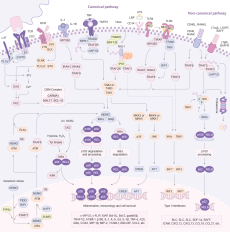
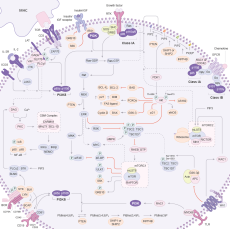
PI3K/Akt/mTOR
-
ATTECs
-
AUTACs
-
AUTOTACs
-
ByeTAC
-
DUBTACs
-
E3 Ligase Ligand-Linker Conjugates
-
Hsp-targeting Chimeras
-
HyT
-
Ligands for E3 Ligase
-
Ligands for Target Protein for PROTAC
-
LYTACs
-
Molecular Glues
-
PhosTACs
-
PROTAC Linkers
-
PROTAC-Linker Conjugates for PAC
-
PROTACs
-
Proteasome Cap Targeting Chimeras
-
RIBOTAC
-
SNIPERs
-
Target Protein Ligand-Linker Conjugates
Anti-infection
- Antibiotic
- Arenavirus
- Bacterial
- Beta-lactamase
- CHIKV
- CMV
- Dengue Virus
- EBV
- Endoplasmic Reticulum Oxidoreductase 1 (ERO1)
- Enterovirus
- Filovirus
- Flavivirus
- Fungal
- HBV
- HCV
- HCV Protease
- Hepatitis E Virus (HEV)
- HIV
- HIV Protease
- HPV
- HSV
- Influenza Virus
- Measles Virus
- Orthopoxvirus
- Parasite
- Penicillin-binding protein (PBP)
- RABV
- Reverse Transcriptase
- RSV
- SARS-CoV
- TMV
- Tomato Spotted Wilt Virus (TSWV)
- Urease
- Virus Protease
- VRK
- VSV
- VZV
Cell Cycle/DNA Damage
- Antifolate
- APC
- ATF6
- ATM/ATR
- Aurora Kinase
- Casein Kinase
- CDK
- CDKL
- Checkpoint Kinase (Chk)
- ClpP
- Cyclin G-associated Kinase (GAK)
- Deubiquitinase
- Disulfidptosis
- DNA Alkylator/Crosslinker
- DNA Stain
- DNA-PK
- DNA/RNA Synthesis
- Early 2 Factor (E2F)
- Endonuclease
- Eukaryotic Initiation Factor (eIF)
- Eukaryotic Release Factor (eRF)
- FKBP
- Folate Receptor (FR)
- G-quadruplex
- Haspin Kinase
-
HDAC
- HMG Family
- HOXA
- HSP
- IRE1
- Kinesin
- LIM Kinase (LIMK)
- MARK
- MASTL
- Microphthalmia Associated Transcription Factor (MITF)
- Microtubule/Tubulin
- Microtubule‐associated serine/threonine kinase (MAST)
- Mitosis
- Mps1
- NEKs
- Nucleoside Antimetabolite/Analog
- p97
- PAK
- PARP
- PDI
- PERK
- Polo-like Kinase (PLK)
- Poly(ADP-ribose) Glycohydrolase (PARG)
- PPAR
- RAD51
- ROCK
- Separase
- Sirtuin
- SRPK
- STK33
- SWI/SNF Complex
- Telomerase
- TLK
- TOPK
- Topoisomerase
- Wee1
- YB-1
- Zinc Finger Protein
Epigenetics
- AMPK
- Aurora Kinase
- DNA Glycosylase
- DNA Methyltransferase
- Epigenetic Reader Domain
- Glycosyltransferase
-
HDAC
- Histone Acetyltransferase
- Histone Demethylase
- Histone Methyltransferase
- hnRNP
- HuR
- JAK
- Methionine Adenosyltransferase (MAT)
- METTL3
- MicroRNA
- PARP
- PKC
- Protein Arginine Deiminase
- RNA MTase
- S-adenosylhomocysteine hydrolase (SAHH)
- SF3B1
- Sirtuin
- Small Interfering RNA (siRNA)
- TET Protein
- WDR5
- YTHDF
GPCR/G Protein
- 5-HT Receptor
- Adenylate Cyclase
- Adhesion G Protein-coupled Receptors (AGPCRs)
- Adrenergic Receptor
- Amylin Receptor
- Angiotensin Receptor
- Apelin Receptor (APJ)
- Arf Family GTPase
- Arrestin
- Bombesin Receptor
- Bradykinin Receptor
- Cannabinoid Receptor
- CaSR
- CCR
- CGRP Receptor
- Chemerin Receptor
- Cholecystokinin Receptor
- CRFR
- CXCR
- EBI2/GPR183
- Endothelin Receptor
- Formyl Peptide Receptor (FPR)
- Free Fatty Acid Receptor
- G protein-coupled Bile Acid Receptor 1
- G Protein-coupled Receptor Kinase (GRK)
- G2A (GPR132)
- GHSR
- GLP Receptor
- GnRH Receptor
- GPR109A
- GPR119
- GPR139
- GPR171
- GPR35
- GPR39
- GPR4
- GPR52
- GPR55
- GPR6
- GPR65
- GPR68
- GPR84
- GPR88
- Guanylate Cyclase
- Histamine Receptor
- Hydroxycarboxylic Acid Receptor (HCAR)
- ICMT
- Kisspeptin Receptor
- Leukotriene Receptor
- LPL Receptor
- mAChR
- Mas-related G-protein-coupled Receptor (MRGPR)
- MCHR1 (GPR24)
- Melanocortin Receptor
- Melanopsin Receptor
- Melatonin Receptor
- mGluR
- Motilin Receptor
- Natriuretic Peptide Receptor (NPR)
- Neurokinin Receptor
- Neuromedin U Receptor (NMUR)
- Neuropeptide B/W Receptor
- Neuropeptide FF Receptor
- Neuropeptide S Receptor
- Neuropeptide Y Receptor
- Neurotensin Receptor
- Olfactory Receptor
- Opioid Receptor
- Orexin Receptor (OX Receptor)
- Orphan GPCR
- Orphan Receptor
- Oxytocin Receptor
- P2Y Receptor
- PACAP Receptor
- Platelet-activating Factor Receptor (PAFR)
- Prokineticin Receptor
- Prostaglandin Receptor
- Protease Activated Receptor (PAR)
- PTHR
- Ras
- RGS Protein
- RXFP Receptor
- Secretin Receptor
- Somatostatin Receptor
- Succinate Receptor 1
- Taste Receptor
- Trace Amine-associated Receptor (TAAR)
- TSH Receptor
- Urotensin Receptor
- Vasopressin Receptor
Immunology/Inflammation
- AIM2
- ALCAM/CD166
- AP-1
- Arginase
- Aryl Hydrocarbon Receptor
- Asialoglycoprotein Receptor (ASGPR)
- BCL6
- C-type Lectin-like Receptors (CTLRs)
- CCR
- CD1
- CD19
- CD2
- CD20
- CD22
- CD276/B7-H3
- CD28
- CD3
- CD38
- CD44
- CD47
- CD6
- CD73
- CD74
- Complement System
- COX
- CTLA-4
- CX3CR1
- CXCR
- Cyclic GMP-AMP Synthase
- Cyclophilin
- DOCK
- E-Selectin
- FAP
- Fc Receptor (FcR)
- FKBP
- FLAP
- Free Radical Scavengers
- Galectin
- Glucocorticoid Receptor
- Glycoprotein VI
- Hapten
- Histamine Receptor
- Human leukocyte immunoglobulin (Ig)-like receptors (LILR)
- IFNAR
- IKZF Family
- Interleukin Related
- IRAK
- Kallikrein
- L-Selectin
- LAG-3
- LILRB
- Macrophage migration inhibitory factor (MIF)
- Mesothelin
- MHC
- Mucin
- MyD88
- Nectin-4
- Ninjurin
- NO Synthase
- NOD-like Receptor (NLR)
- NTPDase
- Nuclear Factor of activated T Cells (NFAT)
- Osteopontin
- P-selectin
- PD-1/PD-L1
- PGE synthase
- Programmed Cell Death 4 (PDCD4)
- PSMA
-
Pyroptosis
- Reactive Oxygen Species (ROS)
- RIG-I-like receptor (RLR)
- S100 Protein
- Salt-inducible Kinase (SIK)
- Scavenger Receptor Class B type I (SR-BI)
- SOD
- SphK
- STING
- Thrombopoietin Receptor
- Tim3
- Toll-like Receptor (TLR)
- Transmembrane Glycoprotein
- TREM receptor
- TROP2
- VAP-1
- VISTA
Membrane Transporter/Ion Channel
- Amino acid Transporter
- Anion Exchangers
- Apical Sodium-Dependent Bile Acid Transporter
- Aquaporin
- ASCT
- ATP Synthase
- ATP-binding cassette (ABC) transporters
- BCRP
- Calcium Channel
- Calmodulin
- CFTR
- Chloride Channel
- CRAC Channel
- CRM1
- EAAT
- EHD Protein
- FATP
- Ferlin Family
- Ferroportin
- GABA Receptor
- GLUT
- Glycine Receptor (GlyR)
- GlyT
- HCN Channel
- iGluR
- Monoamine Transporter
- Monocarboxylate Transporter
- Na+/Ca2+ Exchanger
- Na+/H+ Exchanger (NHE)
- Na+/HCO3- Cotransporter
- Na+/K+ ATPase
- nAChR
- NKCC
- Nucleoside Transporters
- OAT
- Oligopeptide Cotransporter
- P-glycoprotein
- P2X Receptor
- Piezo Channel
- Potassium Channel
- Proton Pump
- Sec61
- SGLT
- SLC39 (Zinc Transporter)
- Sodium Channel
- Sodium Chloride Cotransporter (NCC)
- Sodium Phosphate Cotransporter
- Synaptic Vesicle Proteins
- TRP Channel
- URAT1
- Urea Transporter
- VDAC
- WNK Kinase
Metabolic Enzyme/Protease
- 11β-HSD
- 15-PGDH
- 17β-HSD
- 20α-HSD
- 3α-HSD
- 3β-HSD
- 5 alpha Reductase
- Acetolactate Synthase (ALS)
- Acetyl-CoA Carboxylase
- Acetyl-CoA synthetase
- ACSL Family
- Acyltransferase
- ADAMTS
- Adiponectin Receptor
- Aldehyde Dehydrogenase (ALDH)
- Aldehyde Oxidase (AO)
- Aldose Reductase
- Amine N-methyltransferase
- Amino Acid Oxidase
- Aminoacyl-tRNA Synthetase
- Aminopeptidase
- Aminotransferases (Transaminases)
- Amylases
- Angiotensin-converting Enzyme (ACE)
- ANGPTL
- Apolipoprotein
- Arginase
- ATGL
- ATP Citrate Lyase
- Branched Chain Amino Acid Transaminase (BCAT)
- BTB/POZ Family
- Calpain
- Carbamoyl Phosphate Synthetase (CPS)
- Carbonic Anhydrase
- Carbonyl Reductase
- Carboxylesterase (CES)
- Carboxypeptidase
- Carnitine Palmitoyltransferase (CPT)
- Carnosine-cleaving Enzyme
- Cathepsin
- Ceramidase
- CETP
- COMT
- Creatine Kinase
- Cryptochrome
- Cytochrome P450
- DAGL
- DGK
- Dihydroceramide Desaturase 1 (DES1)
- Dihydrofolate reductase (DHFR)
- Dihydroorotate Dehydrogenase
- Dihydropyrimidine Dehydrogenase (DPD)
- Dipeptidyl Peptidase
- Drug Metabolite
- E1/E2/E3 Enzyme
- Elastase
- ELOVL
- Emopamil Binding Protein
- Endogenous Metabolite
- Endothelin-Converting Enzyme (ECE)
- Enolase
- Enteropeptidase
- Epoxide Hydrolase
- FAAH
- FABP
- Factor VIIa
- Factor VIII
- Factor Xa
- Factor XI
- Farnesyl Transferase
- FASTK
- Fat Mass and Obesity-associated Protein (FTO)
- Fatty Acid Synthase (FASN)
- FBPase
- Ferrochelatase
- FOXA
- FOXC
- FOXJ
- FOXM1
- FOXO
- FOXP
- Fructose-1,6-bisphosphate aldolase
- Furin
- FXR
- Galactokinase
- GGTase
- GHR
- Glucokinase
- Glucose-6-Phosphate Isomerase (GPI)
- Glutamate Dehydrogenase (GLDH)
- Glutaminase
- Glutathione Peroxidase
- Glutathione Reductase (GR)
- Glutathione S-transferase
- Glycolate Oxidase
- Glycosidase
- Glyoxalase (GLO)
- GSNOR
- HCV Protease
- Heme Oxygenase (HO)
- Hemoglobin
- Hepcidin
- Herbicide
- Hexokinase
- HIF/HIF Prolyl-Hydroxylase
- HIV Integrase
- HIV Protease
- HMG-CoA Reductase (HMGCR)
- Hormone-Sensitive Lipase (HSL)
- HPPD
- HRASLS
- HSP
- IDE
- IMPDH
- Indoleamine 2,3-Dioxygenase (IDO)
- IPK Superfamily
- Isocitrate Dehydrogenase (IDH)
- Ketohexokinase
- KMO
- Lactate Dehydrogenase
- LDLR
- Lipase
- Lipocalin Family
- Liposome
- Lipoxygenase
- LOX-1
- LXR
- MAGL
- Malate Dehydrogenase (MDH)
- Malonyl-CoA Decarboxylase
- MALT1
- MetAP
- Methionine Adenosyltransferase (MAT)
- Methylenetetrahydrofolate Dehydrogenase (MTHFD)
- Microsomal Triglyceride Transfer Protein (MTP)
- Mineralocorticoid Receptor
- Mitochondrial Metabolism
- Mitogen- and Stress-Activated Protein Kinase (MSK)
- MMP
- N-myristoyltransferase
- NADH Dehydrogenase
- NADPH Oxidase
- NAMPT
- NEDD8-activating Enzyme
- Neprilysin
- Ornithine decarboxylase (ODC)
- Oxidative Phosphorylation
- Oxysterol-binding Protein-related Protein (ORP)
- PAI-1
- PANK
- Pantetheinase
- PASK/STK37
- PCSK9
- PDHK
- PDI
- PEPCK
- Peroxidase Enzyme
- PGC-1α
- Phosphatase
- Phosphodiesterase (PDE)
- Phosphoglycerate Dehydrogenase (PHGDH)
- Phosphoglycerate Kinase (PGK)
- Phospholipase
- Phosphomannose Isomerase (PMI)
- Phosphorylase
- Photosystem II
- PI4P5K
- PI5P4K
- Plasminogen/Plasmin
- PNPLA3
- PPAR
- Procollagen C Proteinase
- Prolyl Endopeptidase (PREP)
- Proteasome
- Protein Prenyltransferase
- Proteolytic Enzyme
- Protoporphyrinogen IX oxidase
- Pyruvate Carboxylase (PC)
- Pyruvate Kinase
- Quinone Reductase
- RAR/RXR
- Reactive Oxygen Species (ROS)
- Renin
- REV-ERB
- RIO Kinase
- ROR
- RPE65
- S-adenosylhomocysteine hydrolase (SAHH)
- Ser/Thr Kinase
- Ser/Thr Protease
- Serine Racemase (SR)
- Serpin
- SGK
- SHMT
- Sialyltransferase
- SnRK
- SPFH Protein Superfamily
- Squalene Monooxygenase
- Stearoyl-CoA Desaturase (SCD)
- Steroid Sulfatase
- Succinate Dehydrogenase
- SULT
- Thrombin
- TLK
- TMPRSS6
- Transglutaminase
- Transketolase
- TrxR
- Tryptophan Hydroxylase
- TSSK
- Tyrosinase
- Tyrosine Hydroxylase
- UGT
- Xanthine Oxidase
- β-glucuronidase
- γ-Glutamyl Transferase (GGT)
Neuronal Signaling
- 5-HT Receptor
- AAK1
- Adrenergic Receptor
- Amino Acid Decarboxylase
- Amyloid-β
- Beta-secretase
- Calcineurin
- Calcium Channel
- CaMK
- Cannabinoid Receptor
- CGRP Receptor
- Cholecystokinin Receptor
- Choline Kinase
- Cholinesterase (ChE)
- COMT
- Dihydroceramide Desaturase 1 (DES1)
- Dimethylargininase (DDAH)
- FAAH
- GABA Receptor
- Glucosylceramide Synthase (GCS)
- GlyT
- GPR119
- GPR139
- GPR55
- Histamine Receptor
- Huntingtin
- iGluR
- Imidazoline Receptor
- Legumain
- mAChR
- MCHR1 (GPR24)
- Melanocortin Receptor
- Melatonin Receptor
- mGluR
- Monoamine Oxidase
- nAChR
- Neurokinin Receptor
- Neuropeptide Y Receptor
- Neurotensin Receptor
- Notch
- OGA
- OGT
- Olfactory Receptor
- OLIG2
- Opioid Receptor
- Orexin Receptor (OX Receptor)
- PINK1/Parkin
- Prion Protein
- Serotonin Transporter
- Sigma Receptor
- Slit Proteins
- Somatostatin Receptor
- Tau Protein
- Transthyretin (TTR)
- Trk Receptor
- TRP Channel
- TSPO
- α-synuclein
- γ-secretase
PROTAC
- ATTECs
- AUTACs
- AUTOTACs
- ByeTAC
- DUBTACs
- E3 Ligase Ligand-Linker Conjugates
- Hsp-targeting Chimeras
- HyT
- Ligands for E3 Ligase
- Ligands for Target Protein for PROTAC
- LYTACs
- Molecular Glues
- PhosTACs
- PROTAC Linkers
- PROTAC-Linker Conjugates for PAC
- PROTACs
- Proteasome Cap Targeting Chimeras
- RIBOTAC
- SNIPERs
- Target Protein Ligand-Linker Conjugates