



Squalene Monooxygenase
Squalene Monooxygenase, SQLE, Squalene Epoxidase
Squalene epoxidase (SQLE), also named squalene monooxygenase, is a FAD-containing enzyme in the endoplasmatic reticulum. SQLE catalyzes the epoxidation of squalene to produce 2,3-oxidosqualene in the presence of NADPH, a key step in cholesterol biosynthesis. SQLE is a direct target of SREBP2 transcription factor that regulates the majority of genes in the cholesterol biosynthetic pathway[1][2].
References:
- [1]. Nikhilesh Arya, et al. Some molecular targets for antihyperlipidemic drug research. Eur J Med Chem. 2014 Oct 6:85:535-68. [Content Brief]
- [2]. Anil K Padyana, et al. Structure and inhibition mechanism of the catalytic domain of human squalene epoxidase. Nat Commun. 2019 Jan 9;10(1):97. [Content Brief]
All Product Categories
-
Squalene Monooxygenase Related Products (4)
Related Products (4)

-
FR194738
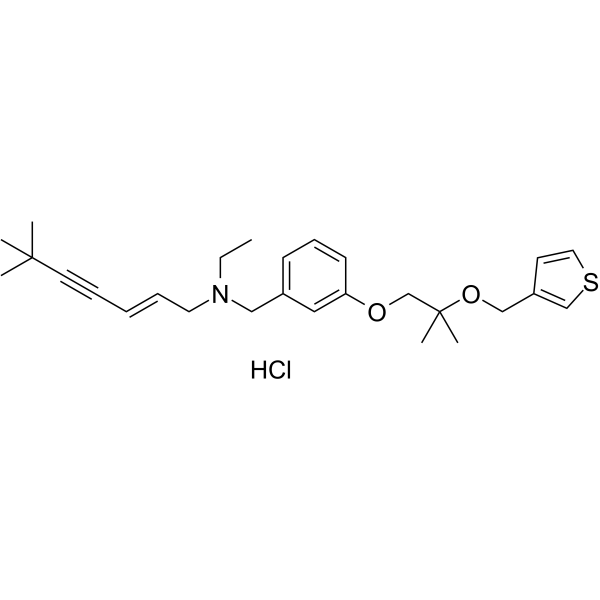 0 ImagesFR194738 is a squalene epoxidase inhibitor. FR194738 inhibits squalene epoxidase activity in HepG2 cell homogenates with an IC50 of 9.8 nM.
-
Tetramethylthiuram monosulfide
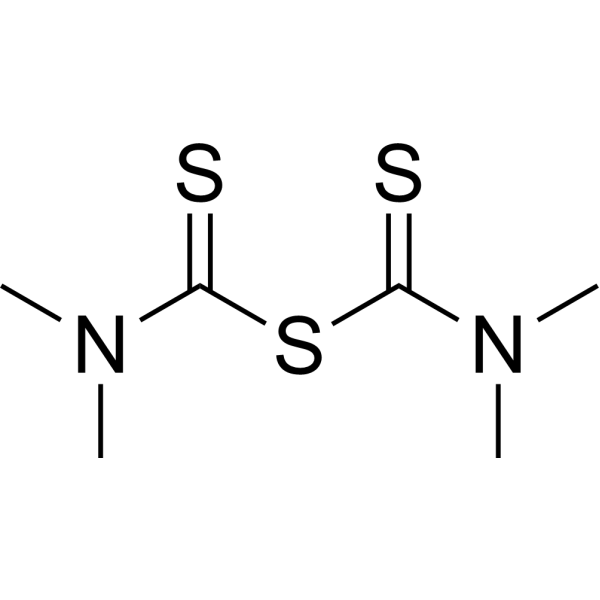 0 ImagesSynonyms: TMTMTetramethylthiuram monosulfide (TMTM) is an orally active microsomal monooxygenases inhibitor. Tetramethylthiuram monosulfide is used as an accelerator and activator in the processing of natural rubber and butyl rubber. Tetramethylthiuram monosulfide reduces palmitic acid incorporation into microsomal phospholipids, disrupts microsomal membrane integrity, and impairs electron transport during oxygenation. Tetramethylthiuram monosulfide can be used for the research of fungal infection, bacterial infection and allergic contact dermatitis.
-
FR194738 free base
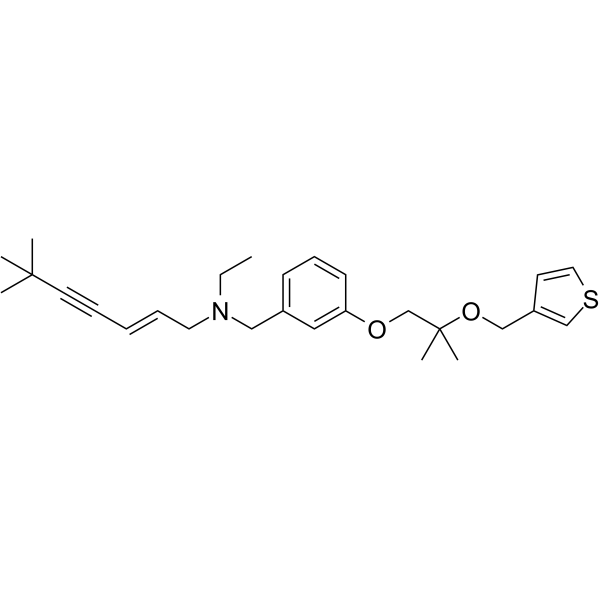 0 ImagesFR194738 free base is a squalene epoxidase inhibitor. FR194738 inhibits squalene epoxidase activity in HepG2 cell homogenates with an IC50 of 9.8 nM.
-
5-((2-Bromophenoxy)methyl)-4,5-dihydrooxazol-2-amine
 0 ImagesCat. No.: HY-188066CAS No.: 359715-57-4S23515 is a highly selective I1 imidazoline receptor (I1R) agonist with a Ki value of 6.4 nM. S23515 modulates central cardiovascular functions, induces hypotension and bradycardia, shows no affinity for α-adrenergic receptors, and cannot cross the blood-brain barrier. S23515 inhibits oxidosqualene-lanosterol cyclase (OSC) and cholesterol synthesis, induces the production of (24S,25)-Epoxycholesterol (HY-W040150), and upregulates the expression of ABCA1 and ABCG1 in human macrophages. S23515 is applicable to research related to dyslipidemia and hypertension.



