



Zingerone (Standard)
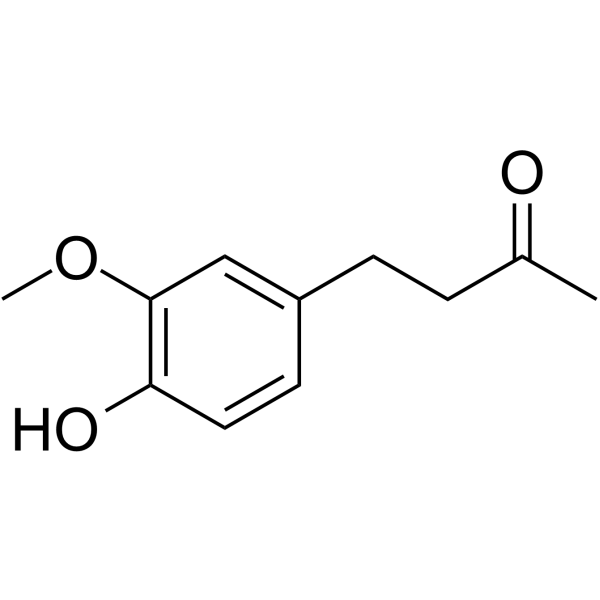
Zingerone (Standard) is the analytical standard of Zingerone. This product is intended for research and analytical applications. Zingerone (Vanillylacetone) is a nontoxic methoxyphenol isolated from Zingiber officinale, with potent anti-inflammatory, antidiabetic, antilipolytic, antidiarrhoeic, antispasmodic and anti-tumor properties. Zingerone alleviates oxidative stress and inflammation, down-regulates NF-κB mediated signaling pathways. Zingerone acts as an anti-mitotic agent, and inhibits the growth of neuroblastoma cells.
For research use only. We do not sell to patients.
- Purity : 98%
- CAS No.: 122-48-5
- Formula: C11H14O3
- Molecular Weight:194.23
-
Storage:
Please store the product under the recommended conditions in the Certificate of Analysis.


To place orders, for customer services and technical support, please contact: MedChemExpress USA
Tel: 609-228-6898 E-mail: [email protected] [email protected]


-
 Product Information
-
Chemical Information
- Purity & Documentation
-
 Help & FAQs


-
HY-14621
ZingeronePhenolic Ketone -
HY-N0191
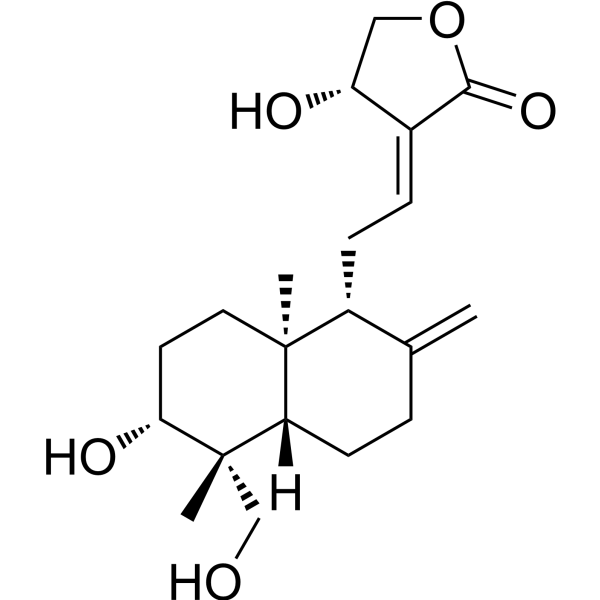
AndrographolideNF-κB Inhibitor -
HY-18738
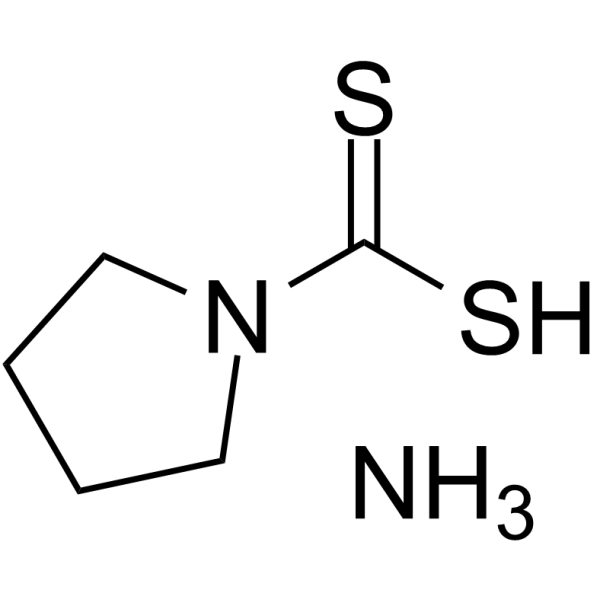
Pyrrolidinedithiocarbamate ammoniumSelective NF-κB Inhibitor -
HY-13982
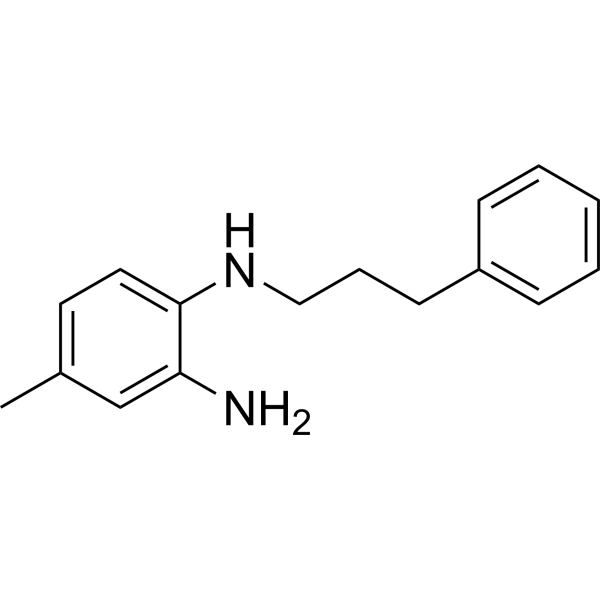
JSH-23NF-κB Inhibitor -
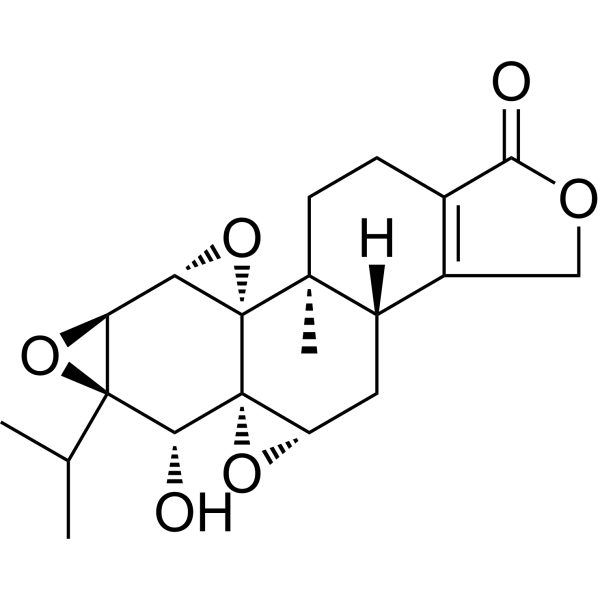
HY-32735
TriptolideImmunosuppressive Agent -
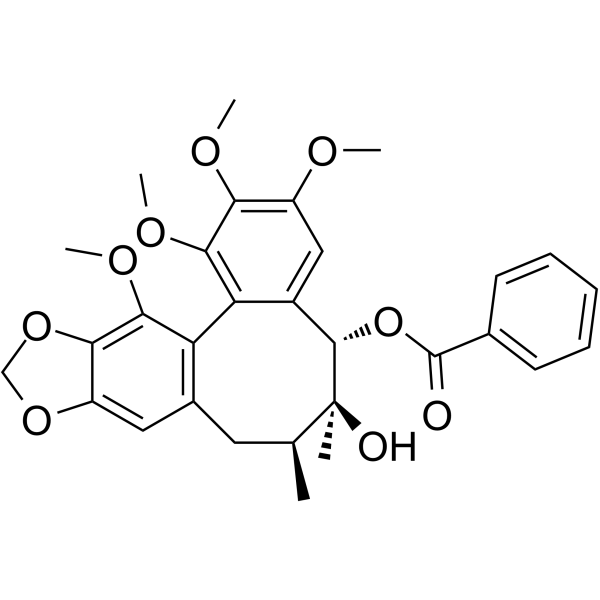
HY-N0694
Schisantherin ANF-κB Inhibitor -
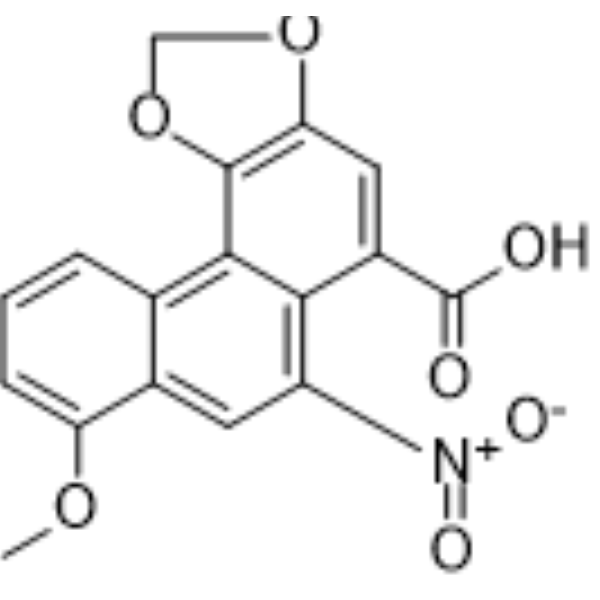
HY-N0510
Aristolochic acid ANF-κB Inhibitor -
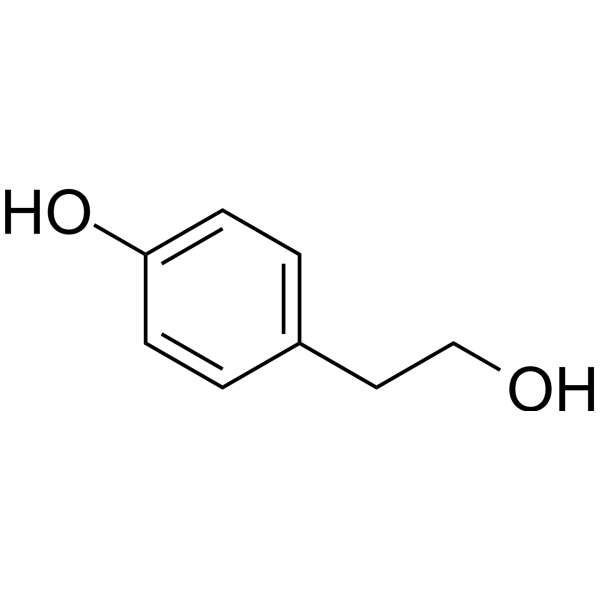
HY-N0474
TyrosolEndogenous Metabolite -
HY-N2065
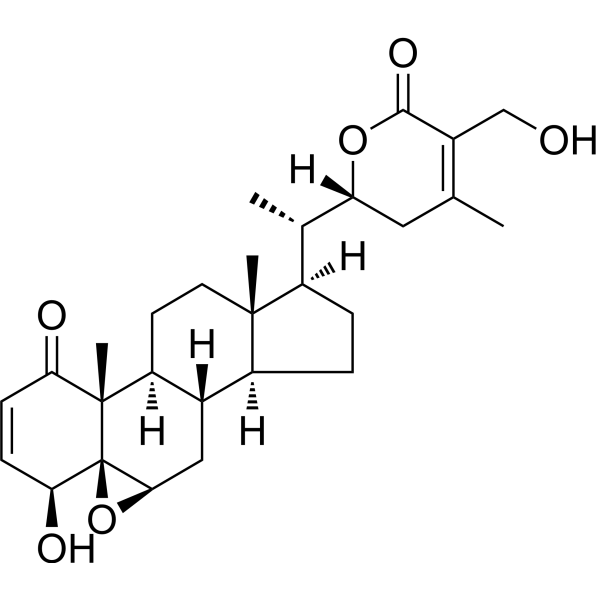
Withaferin ANF-κB Inhibitor -
HY-N0277
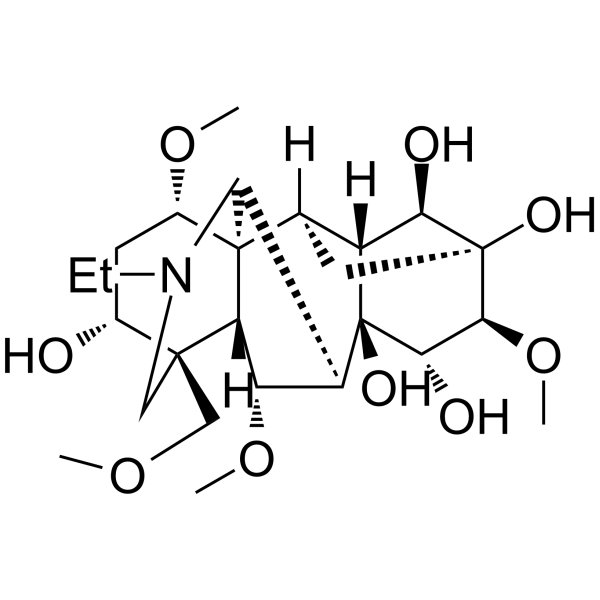
AconineNF-κB Inhibitor -
HY-N0758
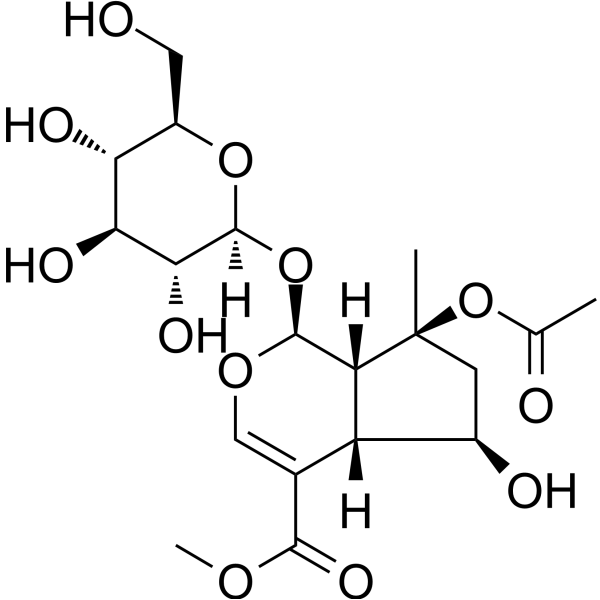
BarlerinGlucoside -

HY-N0474R
Tyrosol (Standard)Endogenous Metabolite


Product Information
Information
Application
The compound is the grade of analytical standard, which is the reference standard supplied assay. It is commonly used in qualitative, quantitative and methodological research experiments in HPLC, GC and MS.


Chemical Information
-
CAS No. 122-48-5
-
Molecular Weight 194.23
-
Formula C11H14O3
-
SMILES
COC1=C(O)C=CC(CCC(C)=O)=C1
-
Synonyms
Vanillylacetone (Standard); Gingerone (Standard)
-
Structure Classification
-
Initial Source
-
Shipping
Room temperature in continental US; may vary elsewhere.
-
Storage
Please store the product under the recommended conditions in the Certificate of Analysis.


Purity & Documentation
References
[1]. Ahmad B, et al. A Review on Pharmacological Properties of Zingerone (4-(4-Hydroxy-3-methoxyphenyl)-2-butanone). ScientificWorldJournal. 2015;2015:816364. [Content Brief]
[2]. Ahmad B, et al. Zingerone (4-(4-hydroxy-3-methylphenyl) butan-2-one) protects against alloxan-induced diabetes via alleviation of oxidative stress and inflammation: Probable role of NF-kB activation. Saudi Pharm J. 2018 Dec;26(8):1137-1145. [Content Brief]
[3]. Choi JS, et al. Zingerone Suppresses Tumor Development through Decreasing Cyclin D1 Expression and Inducing Mitotic Arrest. Int J Mol Sci. 2018 Sep 19;19(9). [Content Brief]

Calculators
Concentration (start) × Volume (start) = Concentration (final) × Volume (final)


Zingerone (Standard) Related Classifications
HY-14621R Related Classifications
 Powered by Bioz