



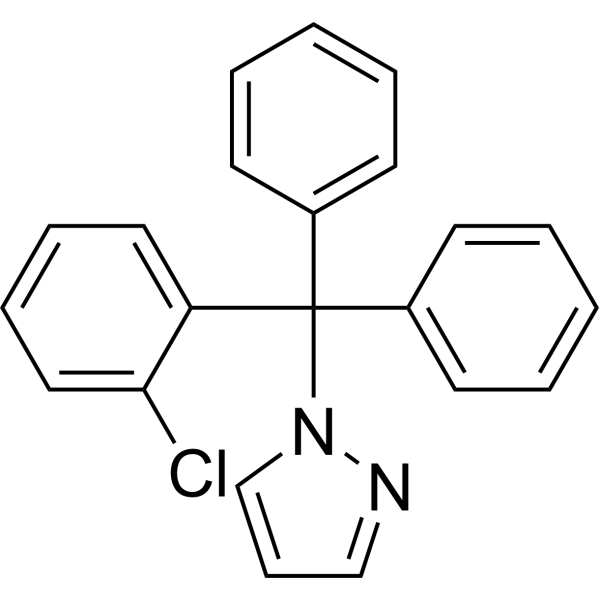
TRAM-34
Based on 32 publication(s) in Google Scholar
TRAM-34 is a highly selective blocker of intermediate-conductance calcium-activated K+ channel (IKCa1) (Kd=20 nM).
Para uso exclusivo en investigación. No vendemos a pacientes.
- Pureza : 99.78%
- No. CAS: 289905-88-0
- Fòrmula: C22H17ClN2
- Peso molecular:344.84
-
Almacenamiento:Powder -20°C, 3 years , 4°C, 2 years ; In solvent -80°C, 2 years , -20°C, 1 year

To place orders, for customer services and technical support, please contact: MedChemExpress USA
Tel: 609-228-6898 E-mail: [email protected] [email protected]


-
 Actividad biológica
-
Chemical Information
-
Solvente y solubilidad
- Pureza y Documentación
- Referencias
-
 Help & FAQs


-
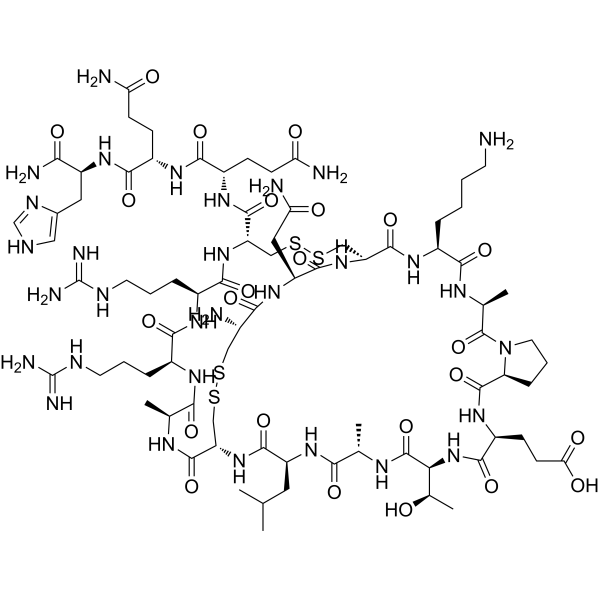
HY-P0256
ApaminPotassium Channel Inhibitor -
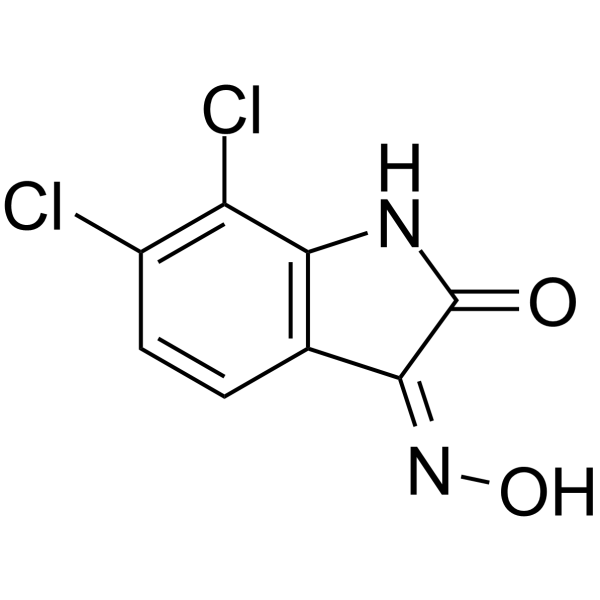
HY-15416
NS309Potassium Channel Activator -
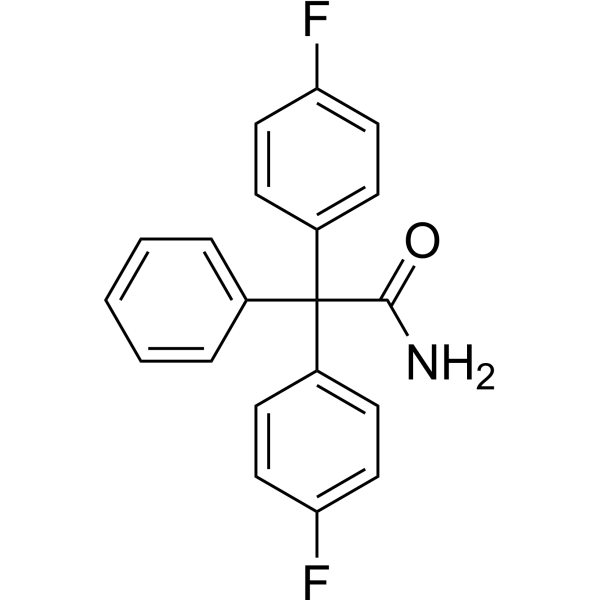
HY-50694
SenicapocGardos Channel Blocker -
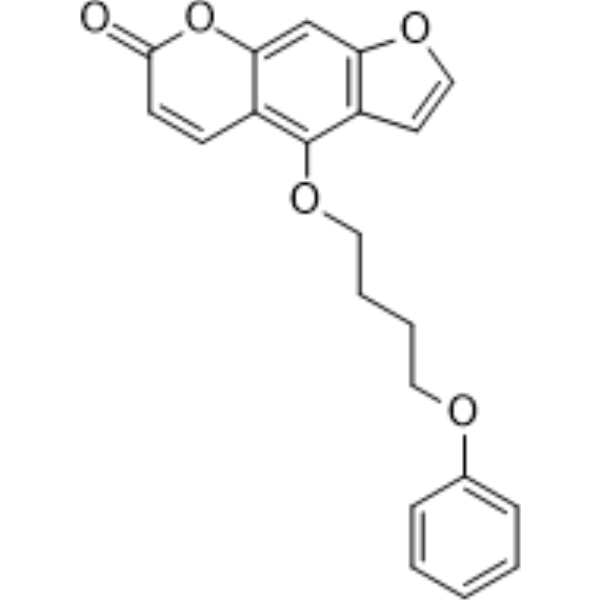
HY-10015
PAP-1Kv1.3 Blocker -
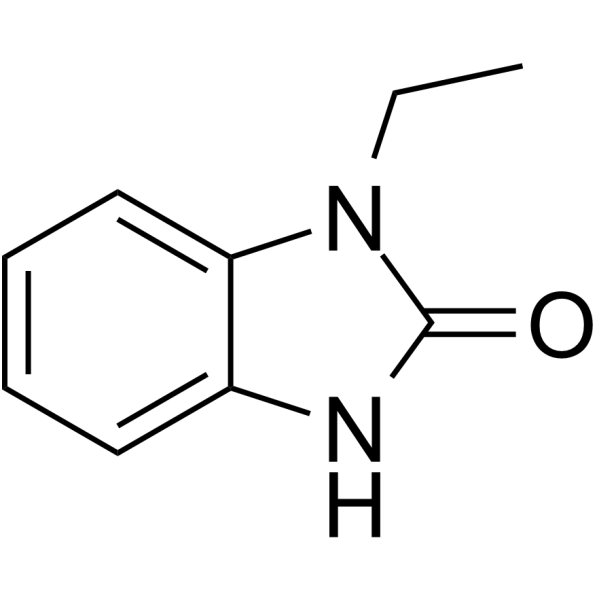
HY-101360
1-EBIOK+ Channels Activator -
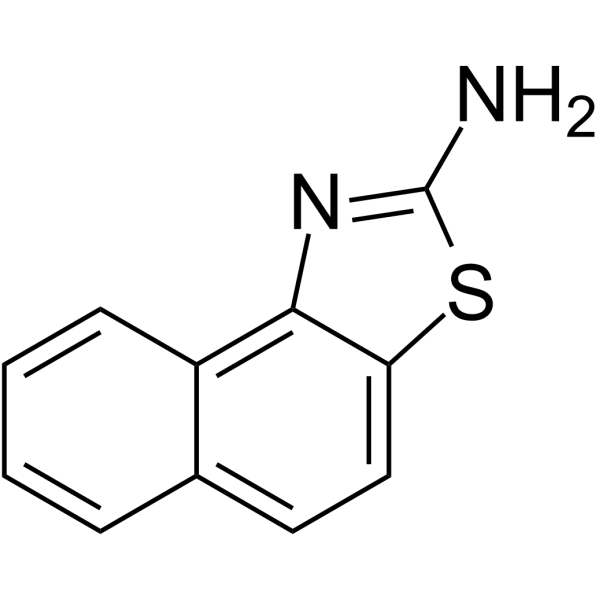
HY-111655
SKA-31KCa2/KCa3.1 Activator -
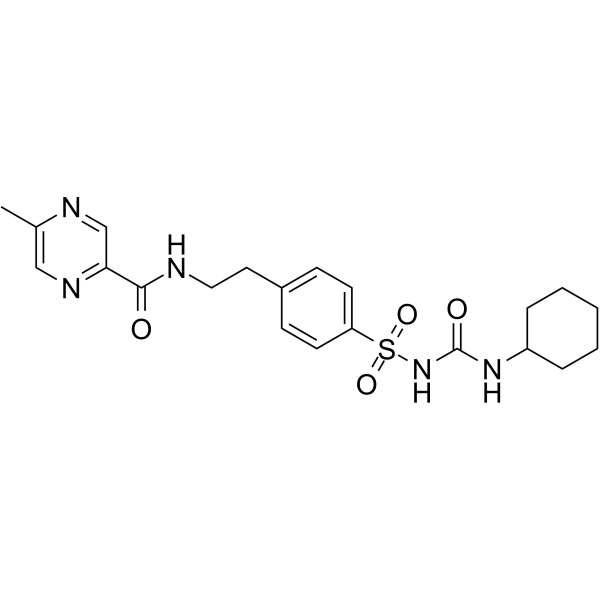
HY-B0254
GlipizideAnti-diabetic Agent -
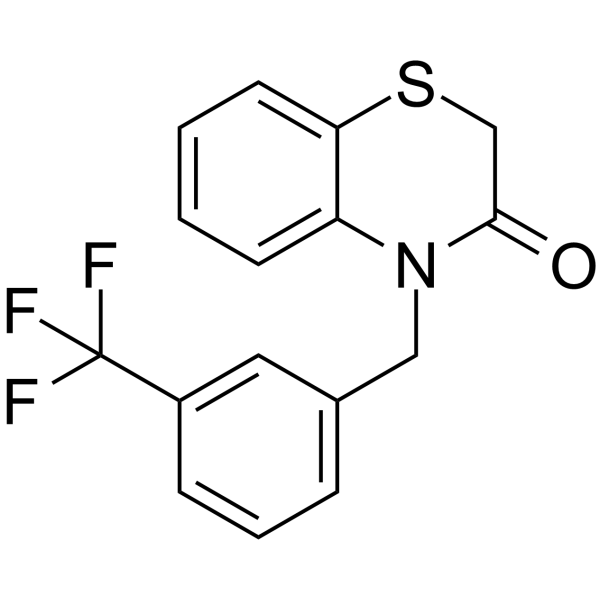
HY-15707
NS6180KCa3.1 Channel Inhibitor -
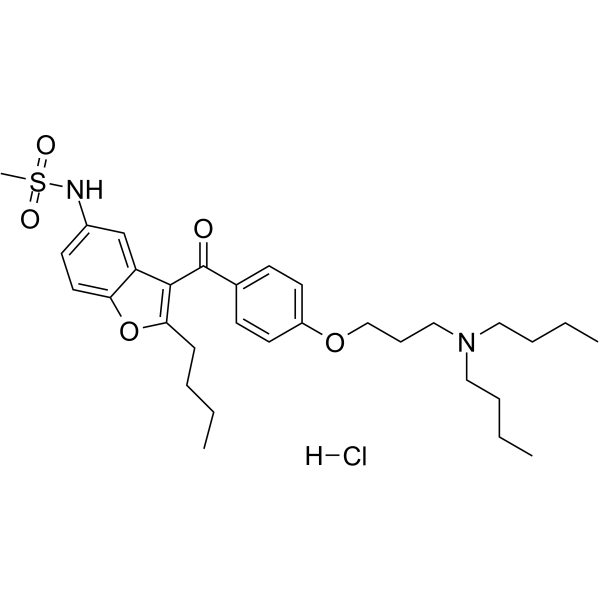
HY-75839
Dronedarone HydrochloridePotassium Channel Inhibitor -
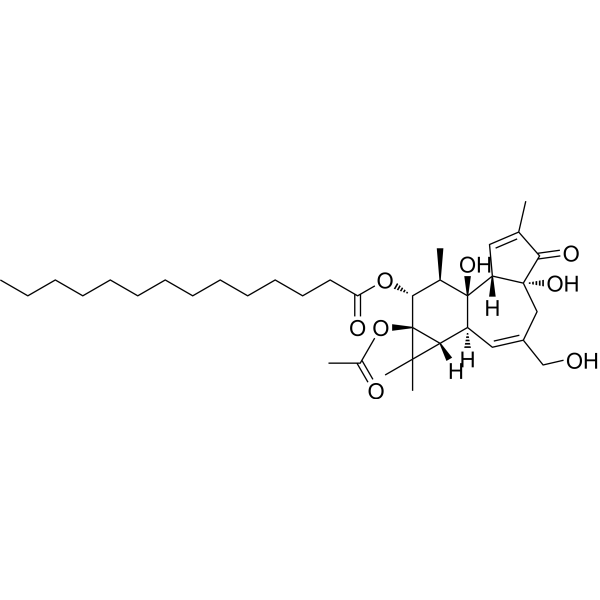
HY-18739
Phorbol 12-myristate 13-acetatePKC Activator -
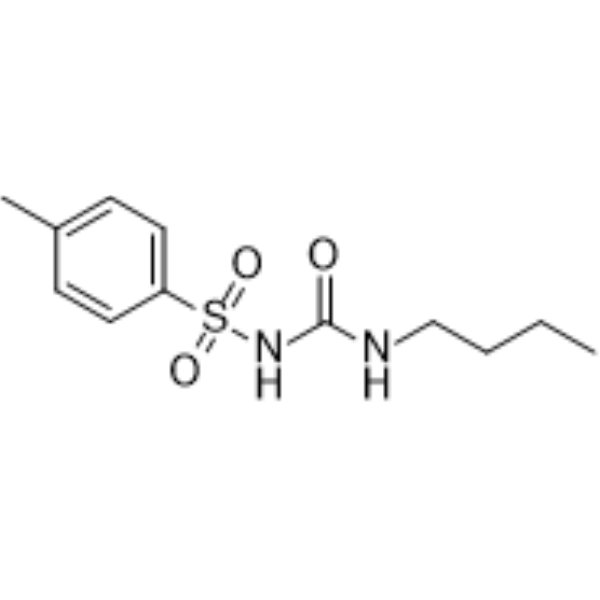
HY-B0401
TolbutamideKATP Inhibitor -
HY-B0232
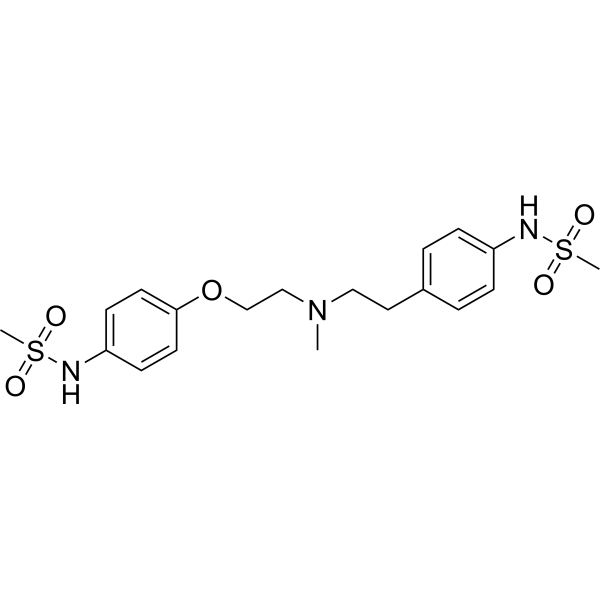
DofetilideIKr Blocker
Publications Citing Use of MedChemExpress (MCE) TRAM-34
More- Nat Immunol. 2025 Aug;26(8):1384-1396. [Abstract]
- Nat Commun. 2022 Jun 21;13(1):3544. [Abstract]
- Haematologica. 2017 Oct;102(10):e415-e418. [Abstract]
- Biochem Pharmacol. 2026 Jun 18;251(Pt 2):118179. [Abstract]
- Life Sci. 2024 Jan 1:336:122326. [Abstract]
- Eur J Pharmacol. 2025 Sep 15:1003:177900. [Abstract]
- Can J Cardiol. 2025 Feb;41(2):195-209. [Abstract]
- Mol Med Rep. 2024 Apr;29(4):55. [Abstract]
- Cell Calcium. 2026 May 23:136:103155. [Abstract]
- Cell Calcium. 2026 Mar:134:103117. [Abstract]
- J Mol Cell Cardiol. 2025 May:202:133-143. [Abstract]
- Cell Calcium. 2022 Jun;104:102571. [Abstract]
- J Inflamm Res. 2021 Mar 5:14:719-735. [Abstract]
- Int J Med Sci. 2022 Nov 7;19(14):1995-2007. [Abstract]
- Cell Biol Int. 2023 Feb;47(2):480-491. [Abstract]
- Front Cardiovasc Med. 2021 May 31:8:656631. [Abstract]
- Cardiovasc Ther. 2023 Mar 30:2023:3939360. [Abstract]
- J Interv Card Electrophysiol. 2021 Mar;60(2):247-253. [Abstract]
- Clin Exp Pharmacol Physiol. 2025 Nov;52(11):e70081. [Abstract]
- Biochem Biophys Res Commun. 2025 Sep 19:785:152676. [Abstract]
- Physiol Rep. 2020 Jan;8(1):e14337. [Abstract]
- Traditional Medicine Research. 2026;11(2):11.
- Cell Press Blue. 2026 Sep 29.
- bioRxiv. 2026 Aug 16.
- bioRxiv. 2026 Feb 20.
- Res Sq. 2025 Nov 12.
- bioRxiv. 2024 Nov 20:2024.05.09.593421. [Abstract]
- Res Sq. 2024 Jun 11.
- Heliyon. 2024 Jul 6;10(14):e33994. [Abstract]
- bioRxiv. 2024 May 14.
- Research Square Print. September 14th, 2022.
- Heliyon. 2020 May 7;6(5):e03928. [Abstract]
 Customer Validation & Images

-
In Vivo Efficacy Study
-
Bio/Physico-chemical Assay
-
Bio/Physico-chemical Assay
-
In Vivo Efficacy Study
-
Bio/Physico-chemical Assay


Actividad biológica
Descripciòn
IC50 & Target
Kd: 20 nM (IKCa1)[1]
Cellular Effect
|
Cell Line

|
Type | Value | Description | References |
|---|---|---|---|---|
| COS-7 | IC50 |
0.02 μM
Compound: TRAM-34
|
Inhibition of human cloned IK1 expressed in african green monkey COS7 cells by whole cell patch clamp assay
Inhibition of human cloned IK1 expressed in african green monkey COS7 cells by whole cell patch clamp assay
|
[PMID: 19282171] |
| HaCaT | EC50 |
40 μM
Compound: TRAM-34
|
Inhibition of human HaCaT cell proliferation after 48 hrs
Inhibition of human HaCaT cell proliferation after 48 hrs
|
[PMID: 19282171] |
| PBMC | EC50 |
0.025 μM
Compound: TRAM-34
|
Immunosuppressant activity in human effector memory T cells of PBMC assessed as inhibition of anti-CD3 antibody-induced cell proliferation by ELISA in presence of 5 uM Kv1.3-blocker PAP1
Immunosuppressant activity in human effector memory T cells of PBMC assessed as inhibition of anti-CD3 antibody-induced cell proliferation by ELISA in presence of 5 uM Kv1.3-blocker PAP1
|
[PMID: 19282171] |
In Vitro
TRAM-34 selectively blocks the IKCa1 current (Kd=25 nM), TRAM-34 also blocks IKCa1 currents in human T84 colonic epithelial cells with equivalent potency (Kd=22 nM). TRAM-34 inhibits the cloned and the native IKCa1 channel in human T lymphocytes with a Kd of 20-25 nM and is 200- to 1,500-fold selective over other ion channels. The dose-response curve reveals a Kd of 20±3 nM and a Hill coefficient of 1.2 with 1 μM calcium in the pipette[1]. TRAM-34, a specific inhibitor of KCa 3.1 channels increased or decreased cell proliferation depending on the concentration. At intermediate concentrations (3-10 μM) TRAM-34 increased cell proliferation, whereas at higher concentrations (20-100 μM) TRAM-34 decreased cell proliferation. The enhancement of cell proliferation caused by TRAM-34 is blocked by the oestrogen receptor antagonists ICI182,780 and Tamoxifen. TRAM-34 also increases progesterone receptor mRNA expression, decreased oestrogen receptor-α mRNA expression and reduced the binding of radiolabelled oestrogen to MCF-7 oestrogen receptor, in each case mimicking the effects of 17β-oestradiol[2].
MedChemExpress (MCE) has not independently confirmed the accuracy of these methods. They are for reference only.
In Vivo
MedChemExpress (MCE) has not independently confirmed the accuracy of these methods. They are for reference only.


Chemical Information
-
No. CAS 289905-88-0
-
Appearance Solid
-
Peso molecular 344.84
-
Fòrmula C22H17ClN2
-
Color White to off-white
-
SMILES
ClC1=CC=CC=C1C(N2N=CC=C2)(C3=CC=CC=C3)C4=CC=CC=C4
-
Envío
Room temperature in continental US; may vary elsewhere.
-
Almacenamiento
Powder -20°C 3 years 4°C 2 years In solvent -80°C 2 years -20°C 1 year


Publications (32)
-
Journal Impact Factor
-
Most Recent
-
Nat Immunol
2025 Aug;26(8):1384-1396. PMID: 40702340
TRAM-34 purchased from MedChemExpress. Usage Cited in: Nat Immunol. 2025 Aug;26(8):1384-1396. [Abstract]
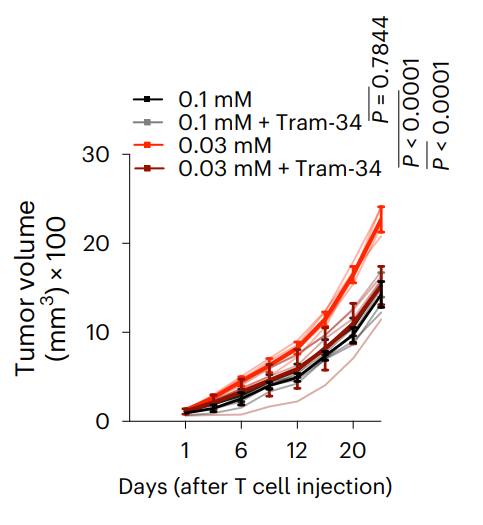
Tumor growth of B16-OVA tumors in Rag1−/− mice after transfer of OT-I CD8+ T cells activated in 0.1 mM or 0.03 mM Met with either DMSO or 1 μM TRAM-34 for 30 min and cultured for 24 h (n = 5 mice per group).
TRAM-34 purchased from MedChemExpress. Usage Cited in: Nat Immunol. 2025 Aug;26(8):1384-1396. [Abstract]
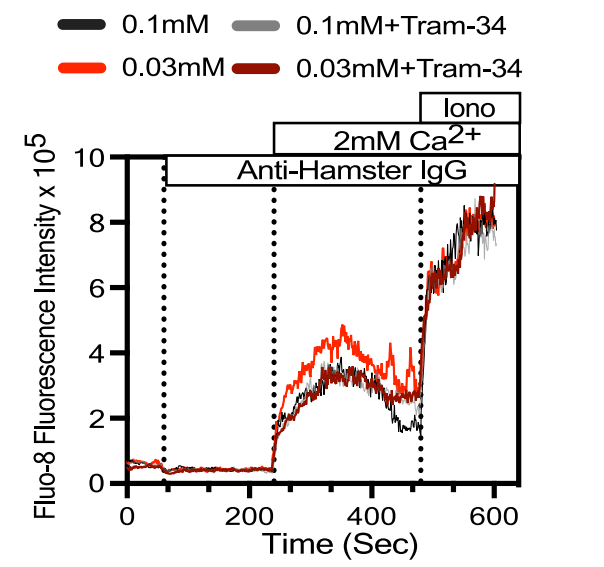
Representative plot of Fluo-8 AM analysis of Ca2+ flux in CD8+ T cells activated by IgG crosslinking anti-CD3 and anti-CD28 in Ca2+-free Ringer solution with either 0.1 mM or 0.03 mM Met and treated with either DMSO or 1 μM TRAM-34 (n = 2 mice/group).
TRAM-34 purchased from MedChemExpress. Usage Cited in: Nat Immunol. 2025 Aug;26(8):1384-1396. [Abstract]
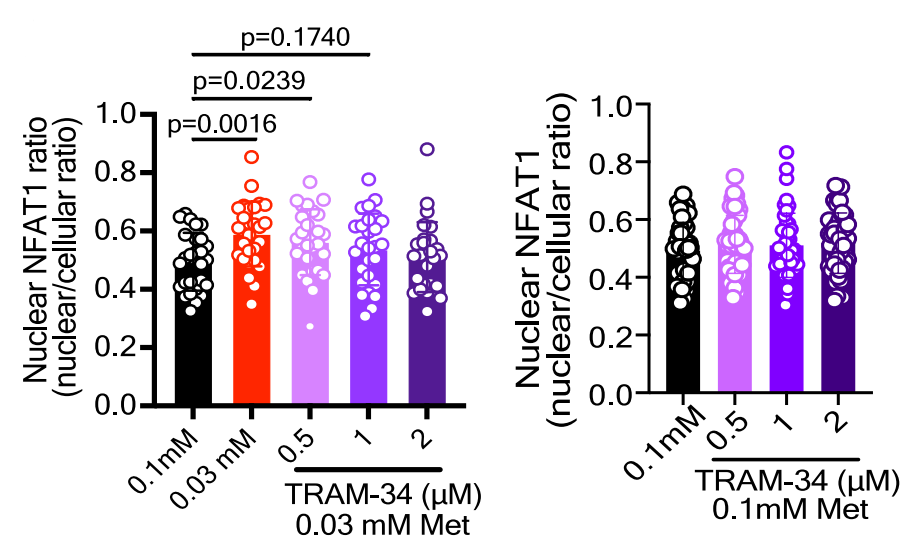
NFAT1 quantification (nuclear to total cell ratio) in OT-I CD8+ T cells activated for 30 min with anti CD3/28 Dynabeads in 0.03 mM Met (left) or 0.1 mM Met (right) in 0.5, 1 or 2 μM TRAM-34 (each circle=one cell, n = 27–45 cells/group).
TRAM-34 purchased from MedChemExpress. Usage Cited in: Nat Immunol. 2025 Aug;26(8):1384-1396. [Abstract]
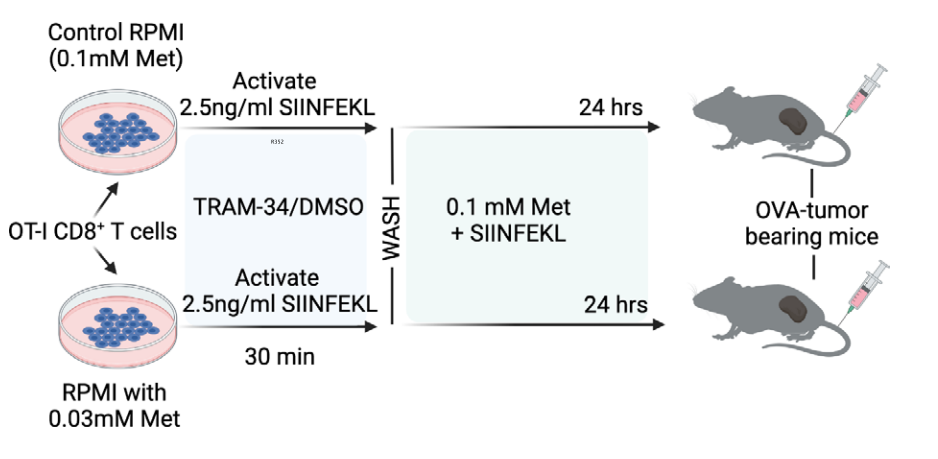
Schematic design for OT-I T cell activation in 0.1 or 0.03 mM Met, treated with DMSO or TRAM-34 for 30 min, followed by washing and culturing in 0.1 mM Met plus SIINFEKL (2.5 ng/ml) for 24 h before injection into B16-OVA tumour-bearing Rag1−/− mice.
-
Nat Commun
Kir2.1-mediated membrane potential promotes nutrient acquisition and inflammation through regulation of nutrient transporters. [Abstract]2022 Jun 21;13(1):3544. PMID: 35729093 -
Haematologica
Red blood cell Gardos channel (KCNN4): the essential determinant of erythrocyte dehydration in hereditary xerocytosis. [Abstract]2017 Oct;102(10):e415-e418. PMID: 28619848
TRAM-34 purchased from MedChemExpress. Usage Cited in: Haematologica. 2017 Oct;102(10):e415-e418. [Abstract]
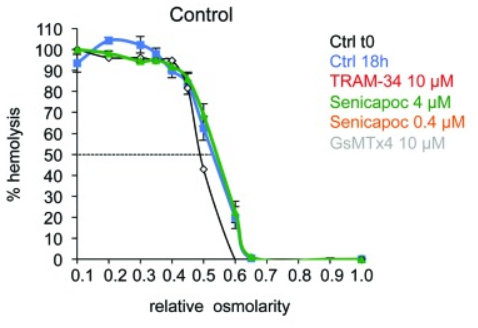
RBC osmotic resistance was assessed in Ca2+ containing medium after 18 hours' incubation at 37℃. Different drugs blocking KCNN4, TRAM-34 or Senicapoc, were added to the incubating medium.
-
Biochem Pharmacol
Dysfunction in the SOCE/EDH-mediated vasorelaxation of mesenteric arteries impairs intestinal barrier integrity in irritable bowel syndrome. [Abstract]2026 Jun 18;251(Pt 2):118179. PMID: 42315077 -
Life Sci
Regulatory role of Piezo1 channel in endothelium-dependent hyperpolarization-mediated vasorelaxation of small resistance vessels and its anti-inflammatory action. [Abstract]2024 Jan 1:336:122326. PMID: 38056769 -
Eur J Pharmacol
Novel mechanisms of metformin-induced vasorelaxation of mesenteric arterioles via endothelium-dependent hyperpolarization to treat murine colitis. [Abstract]2025 Sep 15:1003:177900. PMID: 40617384 -
Can J Cardiol
KCa3.1 promotes the migration of macrophages from epicardial adipose tissue to induce vulnerability to atrial fibrillation during rapid pacing. [Abstract]2025 Feb;41(2):195-209. PMID: 39147322 -
Mol Med Rep
M2 macrophage‑derived exosomes alleviate KCa3.1 channel expression in rapidly paced HL‑1 myocytes via the NF‑κB (p65)/STAT3 signaling pathway. [Abstract]2024 Apr;29(4):55. PMID: 38334149 -
Cell Calcium
Drug repurposing DMSO from an old solvent to a new candidate for the treatment of colitis and sepsis in male mice. [Abstract]2026 May 23:136:103155. PMID: 42235215 -
Cell Calcium
2026 Mar:134:103117. PMID: 41539212 -
J Mol Cell Cardiol
Elevated KCa3.1 expression by angiotensin II via the ERK/NF-κB pathway contributes to atrial fibrosis. [Abstract]2025 May:202:133-143. PMID: 40122157 -
Cell Calcium
Mechanosensitive Piezo1 channel in rat epididymal epithelial cells promotes transepithelial K+ secretion. [Abstract]2022 Jun;104:102571. PMID: 35314382 -
J Inflamm Res
KCa3.1 Inhibition of Macrophages Suppresses Inflammatory Response Leading to Endothelial Damage in a Cell Model of Kawasaki Disease. [Abstract]2021 Mar 5:14:719-735. PMID: 33727847 -
Int J Med Sci
Blockade of SK4 channels suppresses atrial fibrillation by attenuating atrial fibrosis in canines with prolonged atrial pacing. [Abstract]2022 Nov 7;19(14):1995-2007. PMID: 36483596 -
Cell Biol Int
Inhibition of intermittent calcium-activated potassium channel (SK4) attenuates Ang II-induced hypertrophy of human-induced stem cell-derived cardiomyocytes via targeting Ras-Raf-MEK1/2-ERK1/2 and CN-NFAT signaling pathways. [Abstract]2023 Feb;47(2):480-491. PMID: 36273427 -
Front Cardiovasc Med
Inhibition of KCa3.1 Channels Suppresses Atrial Fibrillation via the Attenuation of Macrophage Pro-inflammatory Polarization in a Canine Model With Prolonged Rapid Atrial Pacing. [Abstract]2021 May 31:8:656631. PMID: 34136541 -
Cardiovasc Ther
KCa3.1 Promotes Proinflammatory Exosome Secretion by Activating AKT/Rab27a in Atrial Myocytes during Rapid Pacing. [Abstract]2023 Mar 30:2023:3939360. PMID: 37035755 -
J Interv Card Electrophysiol
Role of intermediate-conductance calcium-activated potassium channels in atrial fibrillation in canines with rapid atrial pacing. [Abstract]2021 Mar;60(2):247-253. PMID: 32248426 -
Clin Exp Pharmacol Physiol
Indole-3-Propionic Acid Improves Vascular Function in High-Fat Diet-Induced Obese Mice via eNOS. [Abstract]2025 Nov;52(11):e70081. PMID: 41057979 -
Biochem Biophys Res Commun
Glucose transports in the ileum: mechanism, regulation and physiological role of ileal glucose absorption. [Abstract]2025 Sep 19:785:152676. PMID: 41005286 -
Physiol Rep
Calcium-sensing receptor regulates intestinal dipeptide absorption via Ca2+ signaling and IKCa activation. [Abstract]2020 Jan;8(1):e14337. PMID: 31960592 -
-
-
-
-
-
bioRxiv
2024 Nov 20:2024.05.09.593421. PMID: 38798680 -
-
Heliyon
N,N,N',N'-Tetrakis(2-pyridylmethyl)ethylenediamine induces endothelium-dependent hyperpolarization-mediated vasorelaxation via store-operated calcium entry mechanism in healthy and intestinal inflammatory mice. [Abstract]2024 Jul 6;10(14):e33994. PMID: 39108891 -
-
-
Heliyon
SK4 calcium-activated potassium channels activated by sympathetic nerves enhances atrial fibrillation vulnerability in a canine model of acute stroke. [Abstract]2020 May 7;6(5):e03928. PMID: 32420493


Solvente y solubilidad
In Vitro:
DMSO : 25 mg/mL (72.50 mM; Need ultrasonic; Hygroscopic DMSO has a significant impact on the solubility of product, please use newly opened DMSO)
Please refer to the solubility information to select the appropriate solvent. Once prepared, please aliquot and store the solution to prevent product inactivation from repeated freeze-thaw cycles.
Storage method and period of stock solution: -80°C, 2 years; -20°C, 1 year. When stored at -80°C, please use it within 2 years. When stored at -20°C, please use it within 1 year.
Please refer to the solubility information to select the appropriate solvent. Once prepared, please aliquot and store the solution to prevent product inactivation from repeated freeze-thaw cycles.
Storage method and period of stock solution: -80°C, 2 years; -20°C, 1 year. When stored at -80°C, please use it within 2 years. When stored at -20°C, please use it within 1 year.
Concentration (start) × Volume (start) = Concentration (final) × Volume (final)
In Vivo:
Select the appropriate dissolution method based on your experimental animal and administration route.
- For the following dissolution methods, please ensure to first prepare a clear stock solution using an In Vitro approach and then sequentially add co-solvents:
- To ensure reliable experimental results, the clarified stock solution can be appropriately stored based on storage conditions. As for the working solution for In Vivo experiments, it is recommended to prepare freshly and use it on the same day.
- The percentages shown for the solvents indicate their volumetric ratio in the final prepared solution. If precipitation or phase separation occurs during preparation, heat and/or sonication can be used to aid dissolution.
Add each solvent one by one: 10% DMSO 40% PEG300 5% Tween-80 45% Saline
Solubility: ≥ 2.08 mg/mL (6.03 mM); Clear solution
This protocol yields a clear solution of ≥ 2.08 mg/mL (saturation unknown).
Taking 1 mL working solution as an example, add 100 μL DMSO stock solution (20.8 mg/mL) to 400 μL PEG300, and mix evenly; then add 50 μL Tween-80 and mix evenly; then add 450 μL Saline to adjust the volume to 1 mL.
Preparation of Saline: Dissolve 0.9 g sodium chloride in ddH₂O and dilute to 100 mL to obtain a clear Saline solution.
Add each solvent one by one: 10% DMSO 90% (20% SBE-β-CD in Saline)
Solubility: 2.08 mg/mL (6.03 mM); Suspended solution; Need ultrasonic
This protocol yields a suspended solution of 2.08 mg/mL. Suspended solution can be used for oral and intraperitoneal injection.
Taking 1 mL working solution as an example, add 100 μL DMSO stock solution (20.8 mg/mL) to 900 μL 20% SBE-β-CD in Saline, and mix evenly.
Preparation of 20% SBE-β-CD in Saline (4°C, storage for one week): 2 g SBE-β-CD powder is dissolved in 10 mL Saline, completely dissolve until clear.
For the following dissolution methods, please prepare the working solution directly:
It is recommended to prepare fresh solutions and use them promptly within a short period of time.
The percentages shown for the solvents indicate their volumetric ratio in the final prepared solution. If precipitation or phase separation occurs during preparation, heat and/or sonication can be used to aid dissolution.
Add each solvent one by one: 20% SBE-β-CD in Saline
Solubility: 5 mg/mL (14.50 mM); Suspended solution; Need ultrasonic
In Vivo Dissolution Calculator
Please enter the basic information of animal experiments:
-
-
-
-
Recommended: Prepare an additional quantity of animals to account for potential losses during experiments.
Please enter your animal formula composition:
-
%DMSO +
Recommended: Keep the proportion of DMSO in working solution below 2% if your animal is weak.
-
%+
-
+%Tween-80 + +
-
%Saline +
The co-solvents required include: DMSO, . All of co-solvents are available by MedChemExpress (MCE). , Tween 80. All of co-solvents are available by MedChemExpress (MCE).
Working solution concentration: 0.22 mg/mL
Method for preparing stock solution: mg drug dissolved in μL DMSO. Stock solution concentration: mg/mL.
1. Take μL DMSO stock solution;
2. Add μL .
μL , mix evenly;
3. Then add μL Tween 80, mix evenly;
4. Then add μL
Please ensure that the stock solution in the first step is dissolved to a clear state, and add co-solvents in sequence. You can use ultrasonic heating (ultrasonic cleaner, recommended frequency 20-40 kHz), vortexing, etc. to assist dissolution.


Pureza y Documentación
-
Ficha de datos (289 KB)
-
SDS (392 KB)
- English - EN (392 KB)
- Français - FR (392 KB)
- Deutsch - DE (392 KB)
- Norwegian - NO (392 KB)
- Español - ES (392 KB)
- Swedish - SV (392 KB)
- Italian - IT (392 KB)
- Korean - KR (392 KB)
- Portuguese - PT (392 KB)
-
Instrucciones de manejo (2659 KB)
Referencias
[1]. Wulff H, et al. Design of a potent and selective inhibitor of the intermediate-conductance Ca2+-activated K+ channel, IKCa1: a potential immunosuppressant. Proc Natl Acad Sci U S A. 2000 Jul 5;97(14):8151-6. [Content Brief]
[2]. Roy JW, et al. The intermediate conductance Ca2+-activated K+ channel inhibitor TRAM-34 stimulates proliferation of breast cancer cells via activation of oestrogen receptors. Br J Pharmacol. 2010 Feb 1;159(3):650-8. [Content Brief]
[3]. Chen YJ, et al. The KCa3.1 blocker TRAM-34 reduces infarction and neurological deficit in a rat model of ischemia/reperfusion stroke. J Cereb Blood Flow Metab. 2011 Dec;31(12):2363-74. [Content Brief]


Complete Stock Solution Preparation Table
Please refer to the solubility information to select the appropriate solvent. Once prepared, please aliquot and store the solution to prevent product inactivation from repeated freeze-thaw cycles.
Storage method and period of stock solution: -80°C, 2 years; -20°C, 1 year. When stored at -80°C, please use it within 2 years. When stored at -20°C, please use it within 1 year.
| Optional Solvent | Concentration Solvent Mass | 1 mg | 5 mg | 10 mg | 25 mg |
|---|---|---|---|---|---|
| DMSO | 1 mM | 2.8999 mL | 14.4995 mL | 28.9990 mL | 72.4974 mL |
| 5 mM | 0.5800 mL | 2.8999 mL | 5.7998 mL | 14.4995 mL | |
| 10 mM | 0.2900 mL | 1.4499 mL | 2.8999 mL | 7.2497 mL | |
| 15 mM | 0.1933 mL | 0.9666 mL | 1.9333 mL | 4.8332 mL | |
| 20 mM | 0.1450 mL | 0.7250 mL | 1.4499 mL | 3.6249 mL | |
| 25 mM | 0.1160 mL | 0.5800 mL | 1.1600 mL | 2.8999 mL | |
| 30 mM | 0.0967 mL | 0.4833 mL | 0.9666 mL | 2.4166 mL | |
| 40 mM | 0.0725 mL | 0.3625 mL | 0.7250 mL | 1.8124 mL | |
| 50 mM | 0.0580 mL | 0.2900 mL | 0.5800 mL | 1.4499 mL | |
| 60 mM | 0.0483 mL | 0.2417 mL | 0.4833 mL | 1.2083 mL |


TRAM-34 Related Classifications
HY-13519 Related Classifications
 Powered by Bioz