



Sotuletinib
Based on 45 publication(s) in Google Scholar
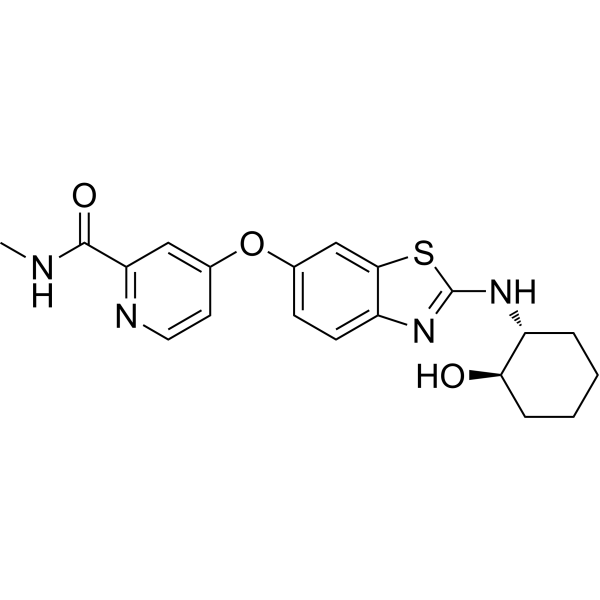
Sotuletinib (BLZ945) is a potent, selective, orally active and brain-penetrant CSF-1R (c-Fms) inhibitor with an IC50 of 1 nM, showing more than 1,000-fold selectivity against its closest receptor tyrosine kinase homologs. Sotuletinib can be used for microglia depletion, and for tumor and CNS-related disease research.
연구목적의 판매만을 진행합니다. 환자를 대상으로 한 판매는 하지 않습니다.
- Purity : 99.97%
- CAS No.: 953769-46-5
- 화학식: C20H22N4O3S
- 분자량:398.48
-
보관:Powder -20°C, 3 years , 4°C, 2 years ; In solvent -80°C, 1 year , -20°C, 6 months

To place orders, for customer services and technical support, please contact: MedChemExpress USA
Tel: 609-228-6898 E-mail: [email protected] [email protected]


-
 Biological Activity
-
Chemical Information
-
용액&용해도
- Protocol
- 순도&문서
- References
-
 Help & FAQs


-
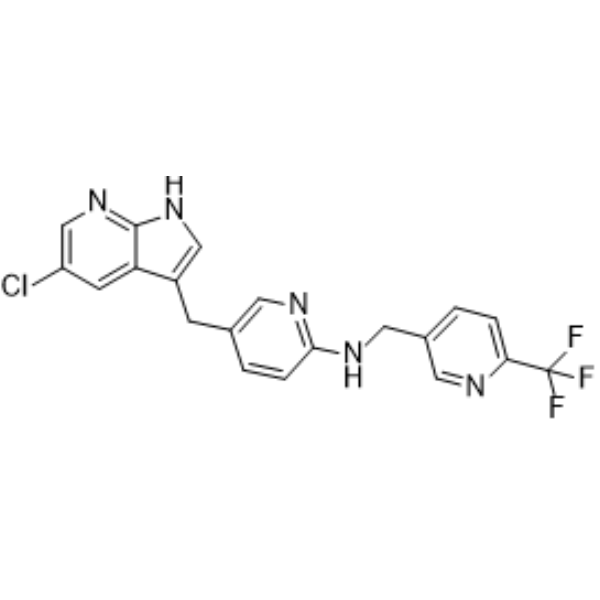
HY-16749
PexidartinibCSF1R/c-Kit Inhibitor -
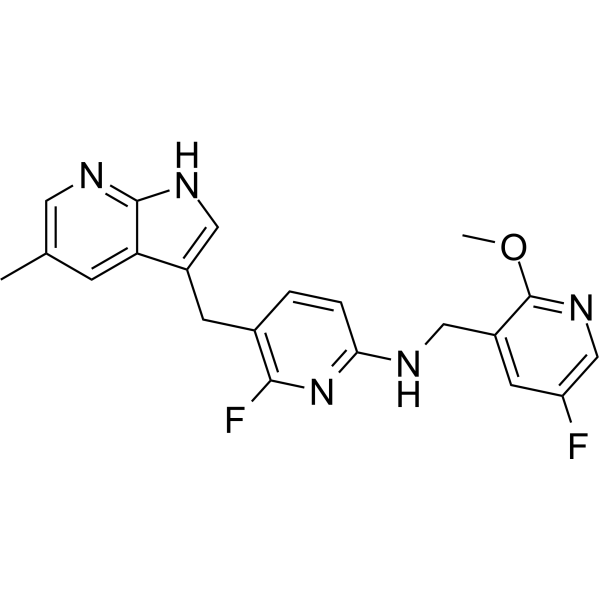
HY-114153
PLX5622CSF1R Inhibitor -
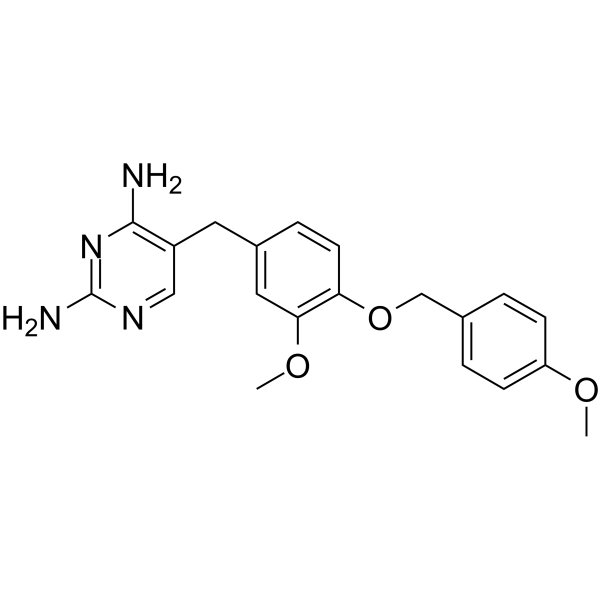
HY-10917
GW2580c-Fms Inhibitor -
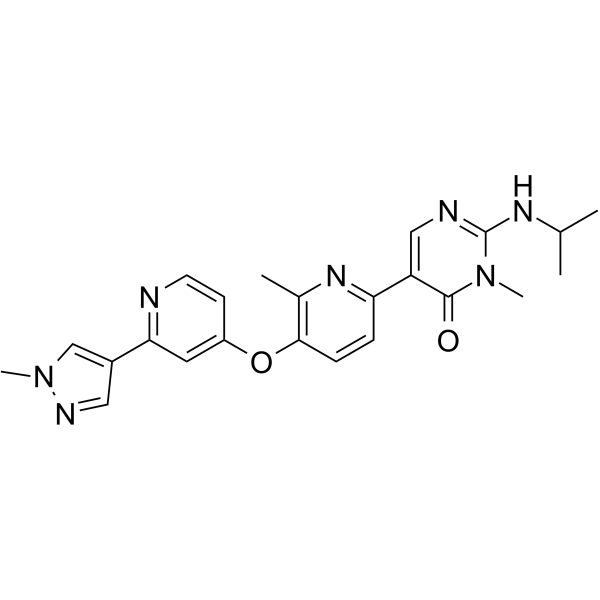
HY-136256
Vimseltinibc-FMS(CSF-IR)/c-Kitdual Inhibitor -
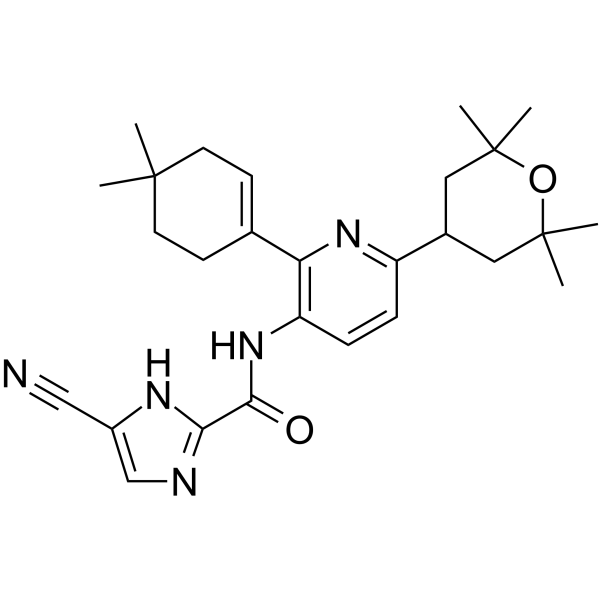
HY-109086
EdicotinibCSF-1R Inhibitor -
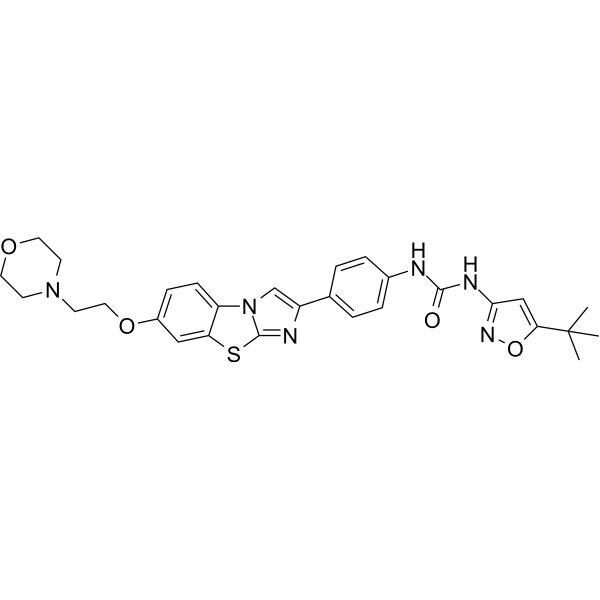
HY-13001
QuizartinibFLT3 Inhibitor -
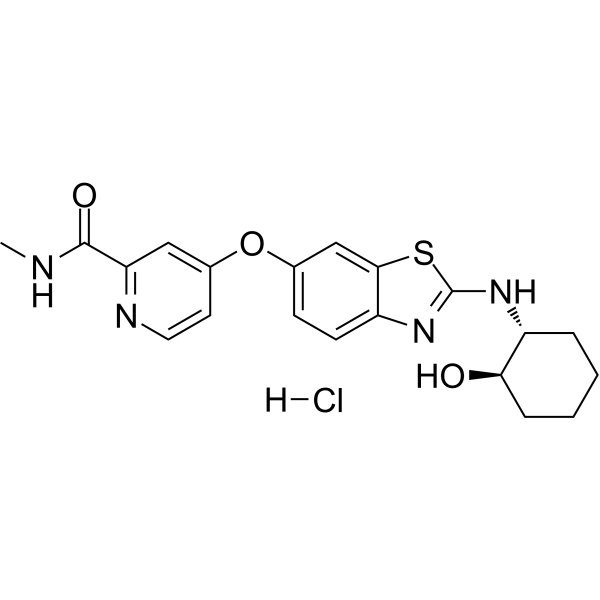
HY-12768A
Sotuletinib hydrochlorideCSF-1R Inhibitor -
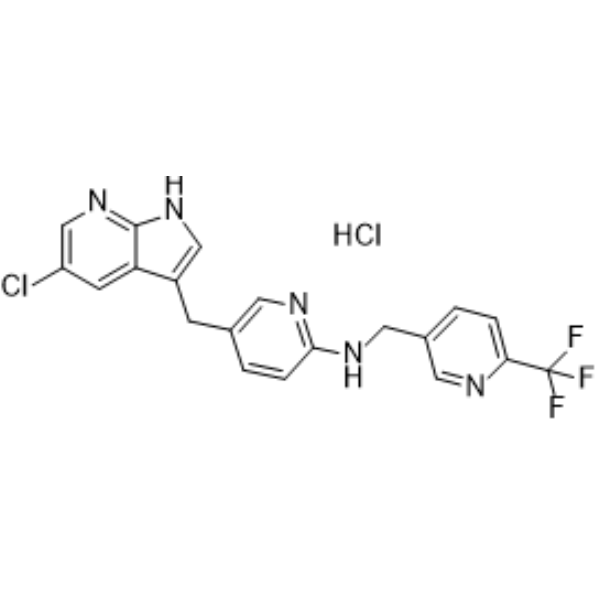
HY-16749A
Pexidartinib hydrochlorideCSF1R/c-Kit Inhibitor -
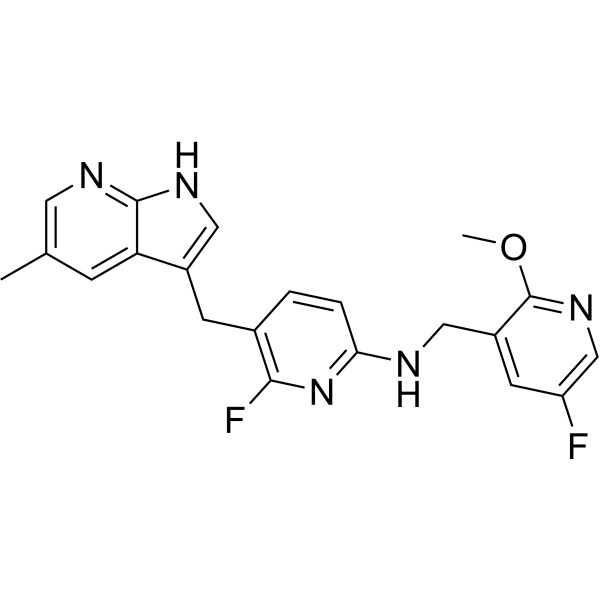
HY-114153C
PLX5622 in AIN-76A Diet (1200 ppm)PLX5622 Microglia Clearance Diet -
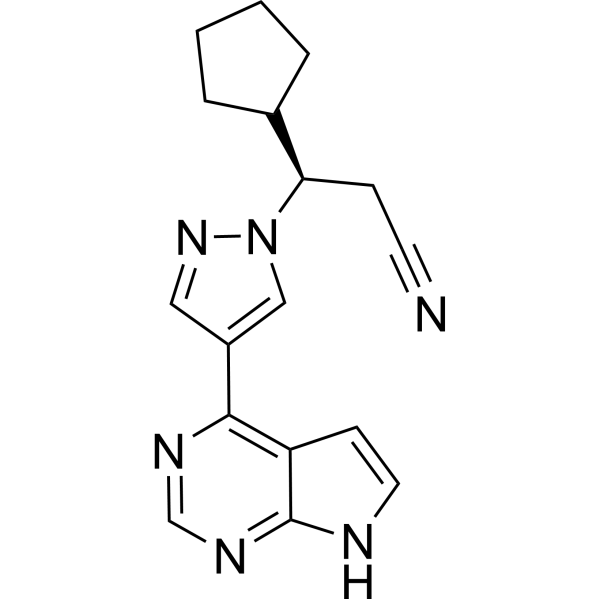
HY-50856
RuxolitinibJAK1/2 Inhibitor -
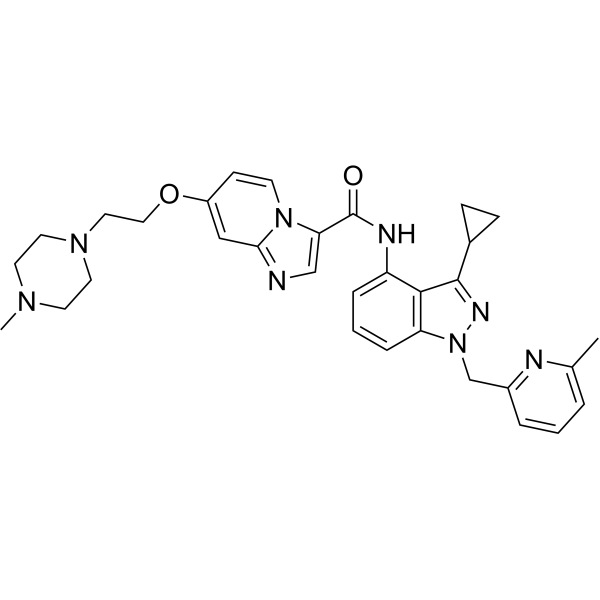
HY-136362
ARRY-382 -
HY-100487
TAK-243UAE/E1 Inhibitor
Publications Citing Use of MedChemExpress (MCE) Sotuletinib
More- Cancer Cell. 2026 Jun 4:S1535-6108(26)00252-7. [Abstract]
- Nature. 2025 May;641(8064):1005-1016. [Abstract]
- Nature. 2025 Oct;646(8086):913-924. [Abstract]
- Nat Biomed Eng. 2018 Aug;2(8):578-588. [Abstract]
- Blood. 2019 Nov 28;134(22):1929-1940. [Abstract]
- Bioact Mater. 2022 Mar 11:16:107-119. [Abstract]
- Nat Neurosci. 2024 Aug;27(8):1522-1533. [Abstract]
- Exp Mol Med. 2026 Sep 11.
- Adv Sci (Weinh). 2024 Dec;11(45):e2404756. [Abstract]
- Sci Adv. 2023 May 12;9(19):eade3559. [Abstract]
- Neuro Oncol. 2025 Feb 10;27(2):415-429. [Abstract]
- J Control Release. 2026 Mar 5:114797. [Abstract]
- Cell Death Dis. 2025 Oct 7;16(1):716. [Abstract]
- J Exp Med. 2023 Mar 6;220(3):e20220857. [Abstract]
- J Exp Med. 2020 Nov 2;217(11):e20191820. [Abstract]
- J Exp Med. 2016 Dec 12;213(13):2989-3005. [Abstract]
- J Neuroinflammation. 2024 Oct 3;21(1):248. [Abstract]
- Mol Ther. 2025 Nov 12:S1525-0016(25)00871-8. [Abstract]
- Adv Healthc Mater. 2024 Nov;13(28):e2401719. [Abstract]
- Clin Cancer Res. 2018 Mar 1;24(5):1176-1189. [Abstract]
- Acta Biomater. 2024 Jan 15:174:372-385. [Abstract]
- Acta Neuropathol. 2025 May 9;149(1):47. [Abstract]
- J Nucl Med. 2025 Feb 3;66(2):302-308. [Abstract]
- Proc Natl Acad Sci U S A. 2022 Oct 25;119(43):e2207280119. [Abstract]
- Cell Chem Biol. 2022 Jul 21;29(7):1113-1125.e6. [Abstract]
- Cancer Immunol Res. 2021 Jun;9(6):665-681. [Abstract]
- JCI Insight. 2025 Jan 9;10(1):e178146. [Abstract]
- CNS Neurosci Ther. 2026 Apr;32(4):e70857. [Abstract]
- Sci Rep. 2022 Nov 2;12(1):18521. [Abstract]
- Cell Signal. 2025 Mar:127:111550. [Abstract]
- Cancer Res Commun. 2024 Oct 1;4(10):2638-2652. [Abstract]
- Mol Immunol. 2026 Jul:195:93-100. [Abstract]
- Mol Carcinog. 2026 Jul;65(7):825-839. [Abstract]
- Hear Res. 2026 Sep:479:109715.
- eNeuro. 2021 Mar 22;8(2):ENEURO.0318-20.2021. [Abstract]
- Anticancer Drugs. 2023 Oct 1;34(9):1035-1045. [Abstract]
- Res Sq. 2026 Sep 6.
- bioRxiv. 2026 Jun 18.
- bioRxiv. 2025 Oct 13.
- SSRN. 2025 Sep 25.
- bioRxiv. 2025 Jun 15.
- bioRxiv. 2025 May 1:2024.03.05.583602. [Abstract]
- Research Square Preprint. 2024 Dec 03.
- Res Sq. 2024 Nov 19.
- bioRxiv. 2024 July 16.
 Customer Validation & Images

-
Cell Proliferation/Viability Assay
-
IHC
-
Apoptosis Analysis
-
In Vivo Efficacy Study
-
In Vivo Efficacy Study


Biological Activity
제품 설명
IC50 & Target
IC50: 1 nM (CSF-1R), 3.2 μM (c-Kit), 4.8 μM (PDGFRβ), 9.1 μM (Flt3)[1]
Cellular Effect
|
Cell Line

|
Type | Value | Description | References |
|---|---|---|---|---|
| CT26 | IC50 |
1 nM
Compound: BLZ945
|
Antiproliferative activity against mouse CT26 cells assessed as inhibition of cell growth measured after 6 days by MTT assay
Antiproliferative activity against mouse CT26 cells assessed as inhibition of cell growth measured after 6 days by MTT assay
|
[PMID: 36335744] |
| NFS-60 | EC50 |
71 nM
Compound: 10; BLZ945
|
Antiproliferative activity against mouse M-NFS-60 cells harboring CSF1
Antiproliferative activity against mouse M-NFS-60 cells harboring CSF1
|
[PMID: 29293000] |
| Panc02 | IC50 |
18 μM
Compound: BLZ945
|
Antitumour activity against mouse Panc02 cells implanted in po dosed C57BL/6 mouse assessed as reduction in EMR1 F4/80 mRNA expression after 5 days
Antitumour activity against mouse Panc02 cells implanted in po dosed C57BL/6 mouse assessed as reduction in EMR1 F4/80 mRNA expression after 5 days
|
[PMID: 32787110] |
| Panc02 | IC50 |
56 μM
Compound: BLZ945
|
Antitumour activity against mouse Panc02 cells implanted in po dosed C57BL/6 mouse assessed as reduction in CD4 mRNA expression after 5 days
Antitumour activity against mouse Panc02 cells implanted in po dosed C57BL/6 mouse assessed as reduction in CD4 mRNA expression after 5 days
|
[PMID: 32787110] |
In Vitro
Treatment of bone marrow-derived macrophages (BMDMs) with Sotuletinib inhibits CSF-1-dependent proliferation (EC50=67 nM), and decreases CSF-1R phosphorylation, similar to CSF-1R antibody blockade. Sotuletinib also reduces viability of CRL-2467 microglia, Ink4a/Arf / BMDMs (PDG genetic background), and NOD/SCID BMDMs. Importantly, Sotuletinib treatment in culture does not affect proliferation of any PDG-derived tumor cell lines (all Csf-1r-negative), or U-87 MG human glioma cells, and PDG cell tumor sphere formation is unaffected. Thus, Sotuletinib has no direct effects on glioma cells, and perturbs macrophage survival through CSF-1R inhibition[1].
MedChemExpress (MCE) has not independently confirmed the accuracy of these methods. They are for reference only.
In Vivo
Sotuletinib hydrochloride (200 mg/kg, p.o., 7 days) depletes more than 90% microglia in C57BL6/J mice, and subsequntenly used for microglia replacement[4].
Sotuletinib (60-169 mg/kg, p.o., 5 days) dose- and time-dependently depletes microglia in C57BL6/J mice, and newly generated microglia after BLZ945 removal reached normal levels 3 days after last dose[5].
MedChemExpress (MCE) has not independently confirmed the accuracy of these methods. They are for reference only.
Clinical Trial
| NCT Number | Sponsor | Condition | Start Date |
Phase
|
|---|---|---|---|---|
| NCT01329991 | 2011-05 | PHASE1 |


Chemical Information
-
CAS No. 953769-46-5
-
Appearance Solid
-
분자량 398.48
-
화학식 C20H22N4O3S
-
Color Off-white to light brown
-
SMILES
O=C(C1=NC=CC(OC2=CC=C3N=C(N[C@H]4[C@H](O)CCCC4)SC3=C2)=C1)NC
-
Synonyms
BLZ945
-
선적
Room temperature in continental US; may vary elsewhere.
-
보관
Powder -20°C 3 years 4°C 2 years In solvent -80°C 1 year -20°C 6 months


Publications (45)
-
Journal Impact Factor
-
Most Recent
-
Cancer Cell
Hypoxia shapes both therapeutic response and resistance in metastatic clear cell renal cell carcinoma. [Abstract]2026 Jun 4:S1535-6108(26)00252-7. PMID: 42242232 -
Nature
2025 May;641(8064):1005-1016. PMID: 40140584 -
Nature
2025 Oct;646(8086):913-924. PMID: 40769205 -
Nat Biomed Eng
TLR7/8-agonist-loaded nanoparticles promote the polarization of tumour-associated macrophages to enhance cancer immunotherapy. [Abstract]2018 Aug;2(8):578-588. PMID: 31015631 -
Blood
2019 Nov 28;134(22):1929-1940. PMID: 31697805 -
Bioact Mater
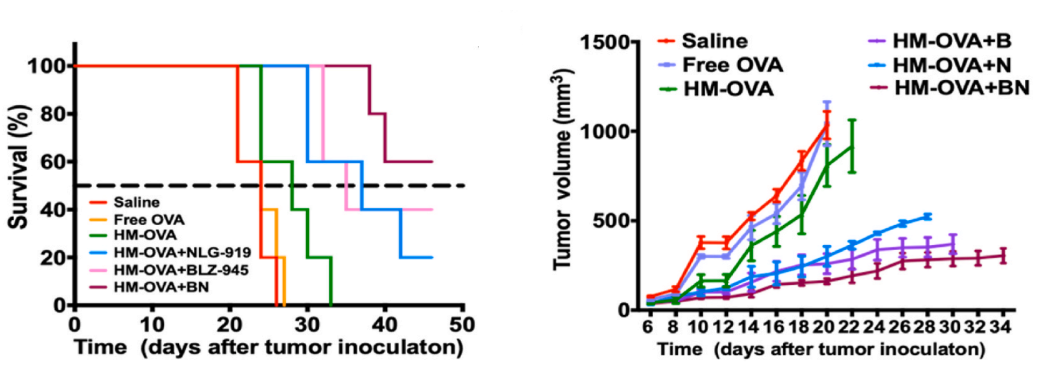
Remodeling tumor immunosuppressive microenvironment via a novel bioactive nanovaccines potentiates the efficacy of cancer immunotherapy. [Abstract]2022 Mar 11:16:107-119. PMID: 35386322
Sotuletinib purchased from MedChemExpress. Usage Cited in: Bioact Mater. 2022 Mar 11:16:107-119. [Abstract]
Prophylactic nanovaccine have a synergistic effect with BLZ-945 (Sotuletinib, 1 mg/kg; i.t.) and NLG-919 (2 mg/kg; i.t.), which inhibits tumor growth and prolongs survival in tumor-bearing mice.
-
Nat Neurosci
Spatiotemporally selective astrocytic ATP dynamics encode injury information sensed by microglia following brain injury in mice. [Abstract]2024 Aug;27(8):1522-1533. PMID: 38862791 -
-
Adv Sci (Weinh)
ASH1L in Hepatoma Cells and Hepatic Stellate Cells Promotes Fibrosis-Associated Hepatocellular Carcinoma by Modulating Tumor-Associated Macrophages. [Abstract]2024 Dec;11(45):e2404756. PMID: 39377228
Sotuletinib purchased from MedChemExpress. Usage Cited in: Adv Sci (Weinh). 2024 Dec;11(45):e2404756. [Abstract]
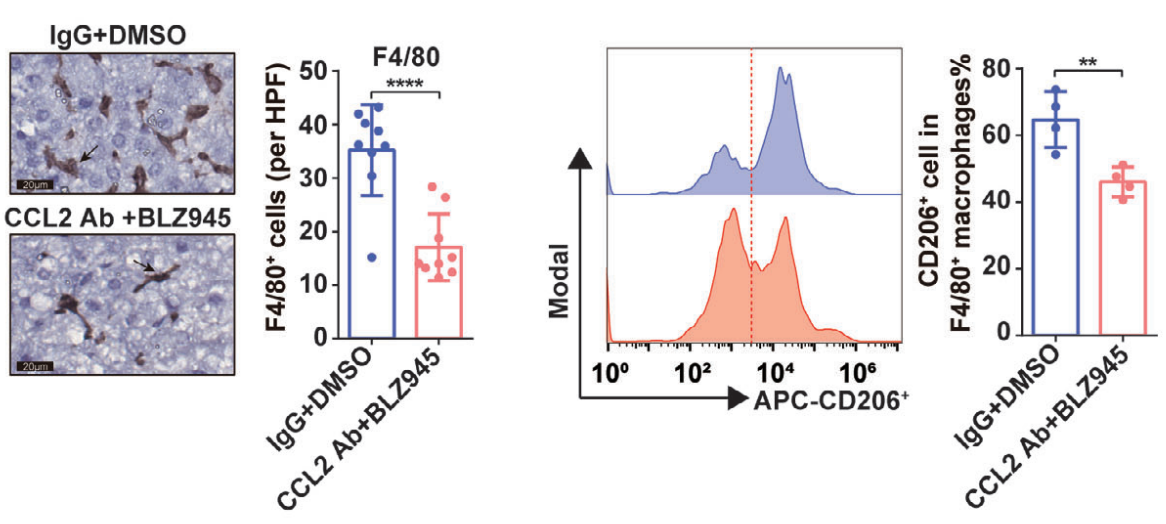
Sotuletinib (BLZ945) (200 mg/kg; oral gavage; four times a week for 7 weeks) inhibited the infiltration of F4/80+ macrophages and reduced the expression of the M2 macrophage marker CD206 in DEN-CCl4-induced hepatocellular carcinoma-forming C57BL/6J mice.
-
Sci Adv
2023 May 12;9(19):eade3559. PMID: 37172094 -
Neuro Oncol
Brain tumoroids: treatment prediction and drug development for brain tumors with fast, reproducible and easy-to-use personalized models. [Abstract]2025 Feb 10;27(2):415-429. PMID: 39252580 -
J Control Release
Ultrasound-guided nanocomposite hydrogel injection to enhance nerve repair via temporal delivery of a colony-stimulating factor 1 receptor inhibitor. [Abstract]2026 Mar 5:114797. PMID: 41794361 -
Cell Death Dis
E3 Ubiquitin ligases Cbl-b and c-Cbl maintain the homeostasis of macrophages by regulating the M-CSF/M-CSFR signaling axis. [Abstract]2025 Oct 7;16(1):716. PMID: 41057360 -
J Exp Med
2023 Mar 6;220(3):e20220857. PMID: 36584406
Sotuletinib purchased from MedChemExpress. Usage Cited in: J Exp Med. 2023 Mar 6;220(3):e20220857. [Abstract]
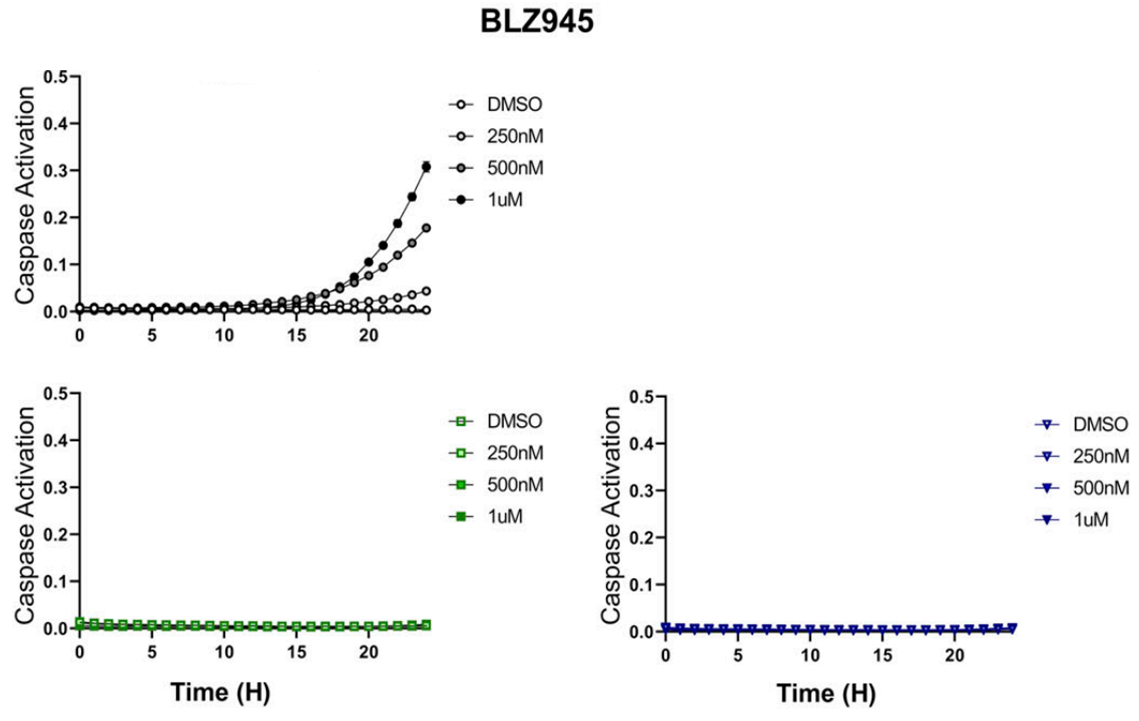
Quantification of iMG cell death by fluorescent Caspase 3/7 Dye for Apoptosis over 24 h in culture with complete medium treated with BLZ945 (Sotuletinib, 250 nM, 500 nM, or 1 µM; 5-20 h).
-
J Exp Med
2020 Nov 2;217(11):e20191820. PMID: 32780802 -
J Exp Med
Modeling synovial sarcoma metastasis in the mouse: PI3'-lipid signaling and inflammation. [Abstract]2016 Dec 12;213(13):2989-3005. PMID: 27956588
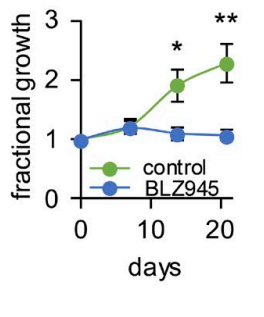
Sotuletinib purchased from MedChemExpress. Usage Cited in: J Exp Med. 2016 Dec 12;213(13):2989-3005. [Abstract]
Graph of percent tumor growth over baseline for 21 d of treatment with or without 200 mg/kg of BLZ945 (Sotuletinib, oral gavage; once daily). *, P < 0.05; **, P < 0.01. n = 5 per group, Student’s t test.
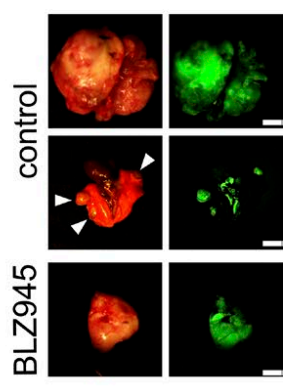
Sotuletinib purchased from MedChemExpress. Usage Cited in: J Exp Med. 2016 Dec 12;213(13):2989-3005. [Abstract]
Examples of photomicrographs of control tumors and BLZ945 (Sotuletinib, 200 mg/kg; oral gavage; once daily for 21 days)-treated tumors with corresponding GFP expression demonstrating the twofold increase in control tumor volume. Middle panel is control lungs with grossly visible metastases (arrowheads). Bars: (black) 10 µm; (white) 5 mm.
-
J Neuroinflammation
Tracking changes in functionality and morphology of repopulated microglia in young and old mice. [Abstract]2024 Oct 3;21(1):248. PMID: 39363245 -
Mol Ther
Microglia replacement by peripheral delivery of CSF1R inhibitor-resistant hematopoietic cells. [Abstract]2025 Nov 12:S1525-0016(25)00871-8. PMID: 41232525
Sotuletinib purchased from MedChemExpress. Usage Cited in: Mol Ther. 2025 Nov 12:S1525-0016(25)00871-8. [Abstract]
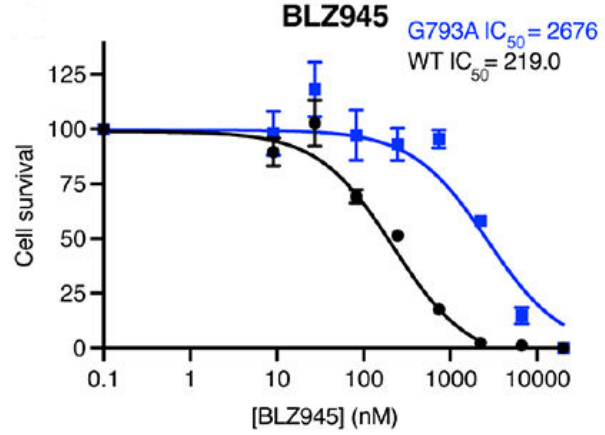
Survival curves of WT (black) and G793A (blue) BM macrophages treated for seven days with BLZ945 (Sotuletinib, 0.1-10000 nM).
-
Adv Healthc Mater
Paracrine Ovarian Cancer Cell-Derived CSF1 Signaling Regulates Macrophage Migration Dynamics in a 3D Microfluidic Model that Recapitulates In Vivo Infiltration Patterns in Patient-Derived Xenografts. [Abstract]2024 Nov;13(28):e2401719. PMID: 38807270 -
Clin Cancer Res
Dual Inhibition of PIK3C3 and FGFR as a New Therapeutic Approach to Treat Bladder Cancer. [Abstract]2018 Mar 1;24(5):1176-1189. PMID: 29222162 -
Acta Biomater
Spatial targeting of fibrosis-promoting macrophages with nanoscale metal-organic frameworks for idiopathic pulmonary fibrosis therapy. [Abstract]2024 Jan 15:174:372-385. PMID: 38072226 -
Acta Neuropathol
Multiplatform molecular analyses reveal two molecular subgroups of NF2-related schwannomatosis vestibular schwannomas with distinct tumour microenvironment and therapeutic vulnerabilities. [Abstract]2025 May 9;149(1):47. PMID: 40343504 -
J Nucl Med
First-in-Human Study of [11C]NCGG401 for Imaging Colony-Stimulating Factor 1 Receptors in the Brain. [Abstract]2025 Feb 3;66(2):302-308. PMID: 39746757 -
Proc Natl Acad Sci U S A
Endocytosis triggers V-ATPase-SYK-mediated priming of cGAS activation and innate immune response. [Abstract]2022 Oct 25;119(43):e2207280119. PMID: 36252040 -
Cell Chem Biol
Identifying enhancers of innate immune signaling as broad-spectrum antivirals active against emerging viruses. [Abstract]2022 Jul 21;29(7):1113-1125.e6. PMID: 35728599 -
Cancer Immunol Res
Chemotherapy Induces Tumor-Associated Macrophages that Aid Adaptive Immune Responses in Ovarian Cancer. [Abstract]2021 Jun;9(6):665-681. PMID: 33839687 -
JCI Insight
Sustained inhibition of CSF1R signaling augments antitumor immunity through inhibiting tumor-associated macrophages. [Abstract]2025 Jan 9;10(1):e178146. PMID: 39782686 -
CNS Neurosci Ther
Teriflunomide Attenuates Demyelination and Enhances Remyelination in Organotypic Brain Slice Cultures Through Modulation of Glial Cell Dynamics. [Abstract]2026 Apr;32(4):e70857. PMID: 41972458 -
Sci Rep
Long-term microglia depletion impairs synapse elimination and auditory brainstem function. [Abstract]2022 Nov 2;12(1):18521. PMID: 36323869 -
Cell Signal
Proguanil inhibits proliferation and migration in glioblastoma development through targeting CSF1R receptor. [Abstract]2025 Mar:127:111550. PMID: 39662608 -
Cancer Res Commun
Chemotherapy Enriches for Proinflammatory Macrophage Phenotypes that Support Cancer Stem-Like Cells and Disease Progression in Ovarian Cancer. [Abstract]2024 Oct 1;4(10):2638-2652. PMID: 39287565 -
Mol Immunol
CSF1R signaling contributes to macrophage-associated CCL11 production and eosinophil recruitment in murine allergic conjunctivitis. [Abstract]2026 Jul:195:93-100. PMID: 42105679 -
Mol Carcinog
RUNX1 Directly Activates WNT2 to Orchestrate Tumor-Associated Macrophage Reprogramming in Colorectal Cancer. [Abstract]2026 Jul;65(7):825-839. PMID: 41985081 -
-
eNeuro
Auditory Brainstem Deficits from Early Treatment with a CSF1R Inhibitor Largely Recover with Microglial Repopulation. [Abstract]2021 Mar 22;8(2):ENEURO.0318-20.2021. PMID: 33558268 -
Anticancer Drugs
Derazantinib, a fibroblast growth factor receptor inhibitor, inhibits colony-stimulating factor receptor-1 in macrophages and tumor cells and in combination with a murine programmed cell death ligand-1-antibody activates the immune environment of murine syngeneic tumor models. [Abstract]2023 Oct 1;34(9):1035-1045. PMID: 36729099 -
-
-
-
-
-
bioRxiv
Lipid Peroxidation and Type I Interferon Coupling Fuels Pathogenic Macrophage Activation Causing Tuberculosis Susceptibility. [Abstract]2025 May 1:2024.03.05.583602. PMID: 38496444 -
-
-


용액&용해도
In Vitro:
DMSO : 83.33 mg/mL (209.12 mM; Need ultrasonic; Hygroscopic DMSO has a significant impact on the solubility of product, please use newly opened DMSO)
Please refer to the solubility information to select the appropriate solvent. Once prepared, please aliquot and store the solution to prevent product inactivation from repeated freeze-thaw cycles.
Storage method and period of stock solution: -80°C, 1 year; -20°C, 6 months. When stored at -80°C, please use it within 1 year. When stored at -20°C, please use it within 6 months.
Please refer to the solubility information to select the appropriate solvent. Once prepared, please aliquot and store the solution to prevent product inactivation from repeated freeze-thaw cycles.
Storage method and period of stock solution: -80°C, 1 year; -20°C, 6 months. When stored at -80°C, please use it within 1 year. When stored at -20°C, please use it within 6 months.
Concentration (start) × Volume (start) = Concentration (final) × Volume (final)
In Vivo:
Select the appropriate dissolution method based on your experimental animal and administration route.
- For the following dissolution methods, please ensure to first prepare a clear stock solution using an In Vitro approach and then sequentially add co-solvents:
- To ensure reliable experimental results, the clarified stock solution can be appropriately stored based on storage conditions. As for the working solution for In Vivo experiments, it is recommended to prepare freshly and use it on the same day.
- The percentages shown for the solvents indicate their volumetric ratio in the final prepared solution. If precipitation or phase separation occurs during preparation, heat and/or sonication can be used to aid dissolution.
Add each solvent one by one: 10% DMSO 40% PEG300 5% Tween-80 45% Saline
Solubility: ≥ 2.08 mg/mL (5.22 mM); Clear solution
This protocol yields a clear solution of ≥ 2.08 mg/mL (saturation unknown).
Taking 1 mL working solution as an example, add 100 μL DMSO stock solution (20.8 mg/mL) to 400 μL PEG300, and mix evenly; then add 50 μL Tween-80 and mix evenly; then add 450 μL Saline to adjust the volume to 1 mL.
Preparation of Saline: Dissolve 0.9 g sodium chloride in ddH₂O and dilute to 100 mL to obtain a clear Saline solution.
Add each solvent one by one: 10% DMSO 90% (20% SBE-β-CD in Saline)
Solubility: ≥ 2.08 mg/mL (5.22 mM); Clear solution
This protocol yields a clear solution of ≥ 2.08 mg/mL (saturation unknown).
Taking 1 mL working solution as an example, add 100 μL DMSO stock solution (20.8 mg/mL) to 900 μL 20% SBE-β-CD in Saline, and mix evenly.
Preparation of 20% SBE-β-CD in Saline (4°C, storage for one week): 2 g SBE-β-CD powder is dissolved in 10 mL Saline, completely dissolve until clear.
For the following dissolution methods, please prepare the working solution directly:
It is recommended to prepare fresh solutions and use them promptly within a short period of time.
The percentages shown for the solvents indicate their volumetric ratio in the final prepared solution. If precipitation or phase separation occurs during preparation, heat and/or sonication can be used to aid dissolution.
In Vivo Dissolution Calculator
Please enter the basic information of animal experiments:
-
-
-
-
Recommended: Prepare an additional quantity of animals to account for potential losses during experiments.
Please enter your animal formula composition:
-
%DMSO +
Recommended: Keep the proportion of DMSO in working solution below 2% if your animal is weak.
-
%+
-
+%Tween-80 + +
-
%Saline +
The co-solvents required include: DMSO, . All of co-solvents are available by MedChemExpress (MCE). , Tween 80. All of co-solvents are available by MedChemExpress (MCE).
Working solution concentration: 0.22 mg/mL
Method for preparing stock solution: mg drug dissolved in μL DMSO. Stock solution concentration: mg/mL.
1. Take μL DMSO stock solution;
2. Add μL .
μL , mix evenly;
3. Then add μL Tween 80, mix evenly;
4. Then add μL
Please ensure that the stock solution in the first step is dissolved to a clear state, and add co-solvents in sequence. You can use ultrasonic heating (ultrasonic cleaner, recommended frequency 20-40 kHz), vortexing, etc. to assist dissolution.


순도&문서
-
Data Sheet (281 KB)
-
SDS (538 KB)
- English - EN (538 KB)
- Français - FR (538 KB)
- Deutsch - DE (538 KB)
- Norwegian - NO (538 KB)
- Español - ES (538 KB)
- Swedish - SV (538 KB)
- Italian - IT (538 KB)
- Korean - KR (538 KB)
- Portuguese - PT (538 KB)
-
Handling Instructions (2659 KB)
References
[1]. Pyonteck SM, et al. CSF-1R inhibition alters macrophage polarization and blocks glioma progression. Nat Med. 2013 Oct;19(10):1264-72. [Content Brief]
[2]. Strachan DC, et al. CSF1R inhibition delays cervical and mammary tumor growth in murine models by attenuating the turnover of tumor-associated macrophages and enhancing infiltration by CD8+ T cells. Oncoimmunology. 2013 Dec 1;2(12):e26968. [Content Brief]
[3]. Chen Y, et al. Spatiotemporally selective astrocytic ATP dynamics encode injury information sensed by microglia following brain injury in mice. Nat Neurosci. 2024 Aug;27(8):1522-1533. [Content Brief]
[4]. Frosch M, et al. Microglia-neuron crosstalk through Hex-GM2-MGL2 maintains brain homeostasis. Nature. 2025 Oct;646(8086):913-924. [Content Brief]
[5]. Beckmann N, et al. Brain region-specific enhancement of remyelination and prevention of demyelination by the CSF1R kinase inhibitor BLZ945. Acta Neuropathol Commun. 2018 Feb 15;6(1):9. [Content Brief]


Complete Stock Solution Preparation Table
Please refer to the solubility information to select the appropriate solvent. Once prepared, please aliquot and store the solution to prevent product inactivation from repeated freeze-thaw cycles.
Storage method and period of stock solution: -80°C, 1 year; -20°C, 6 months. When stored at -80°C, please use it within 1 year. When stored at -20°C, please use it within 6 months.
| Optional Solvent | Concentration Solvent Mass | 1 mg | 5 mg | 10 mg | 25 mg |
|---|---|---|---|---|---|
| DMSO | 1 mM | 2.5095 mL | 12.5477 mL | 25.0954 mL | 62.7384 mL |
| 5 mM | 0.5019 mL | 2.5095 mL | 5.0191 mL | 12.5477 mL | |
| 10 mM | 0.2510 mL | 1.2548 mL | 2.5095 mL | 6.2738 mL | |
| 15 mM | 0.1673 mL | 0.8365 mL | 1.6730 mL | 4.1826 mL | |
| 20 mM | 0.1255 mL | 0.6274 mL | 1.2548 mL | 3.1369 mL | |
| 25 mM | 0.1004 mL | 0.5019 mL | 1.0038 mL | 2.5095 mL | |
| 30 mM | 0.0837 mL | 0.4183 mL | 0.8365 mL | 2.0913 mL | |
| 40 mM | 0.0627 mL | 0.3137 mL | 0.6274 mL | 1.5685 mL | |
| 50 mM | 0.0502 mL | 0.2510 mL | 0.5019 mL | 1.2548 mL | |
| 60 mM | 0.0418 mL | 0.2091 mL | 0.4183 mL | 1.0456 mL | |
| 80 mM | 0.0314 mL | 0.1568 mL | 0.3137 mL | 0.7842 mL | |
| 100 mM | 0.0251 mL | 0.1255 mL | 0.2510 mL | 0.6274 mL |


Sotuletinib Related Classifications
HY-12768 Related Classifications
 Powered by Bioz