



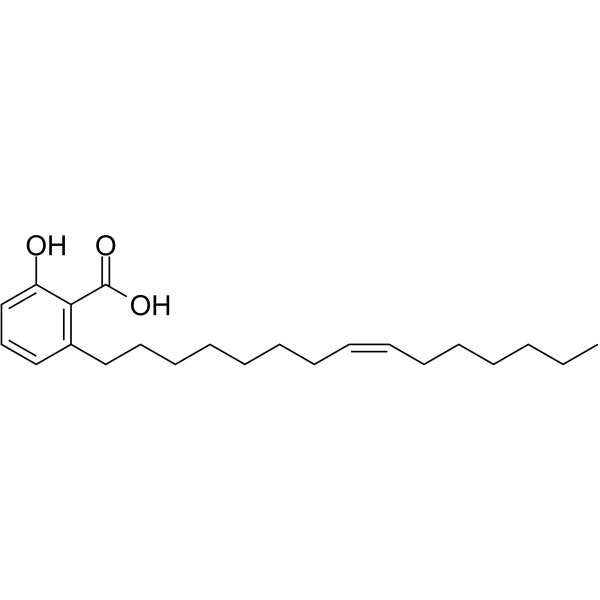
Ginkgolic acid
Based on 17 publication(s) in Google Scholar
Ginkgolic Acid is a natural compound that inhibits SUMOylation with an IC50 of 3.0 μM in in vitro assay.
Nos produits utilisent uniquement pour la recherche. Nous ne vendons pas aux patients.
- Pureté : 99.91%
- CAS No.: 22910-60-7
- Formule: C22H34O3
- Masse moléculaire:346.50
-
Stockage:Powder -20°C, 3 years , 4°C, 2 years ; In solvent -80°C, 6 months , -20°C, 1 month

To place orders, for customer services and technical support, please contact: MedChemExpress USA
Tel: 609-228-6898 E-mail: [email protected] [email protected]


-
 Activité biologique
-
Chemical Information
-
Solvant et solubilité
- Pureté et documentation
- Références
-
 Help & FAQs


-
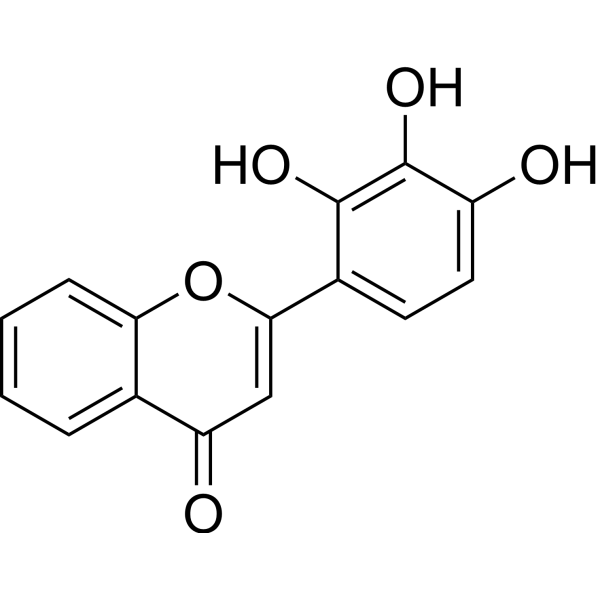
HY-114166
2-D08Sumoylation Inhibitor -
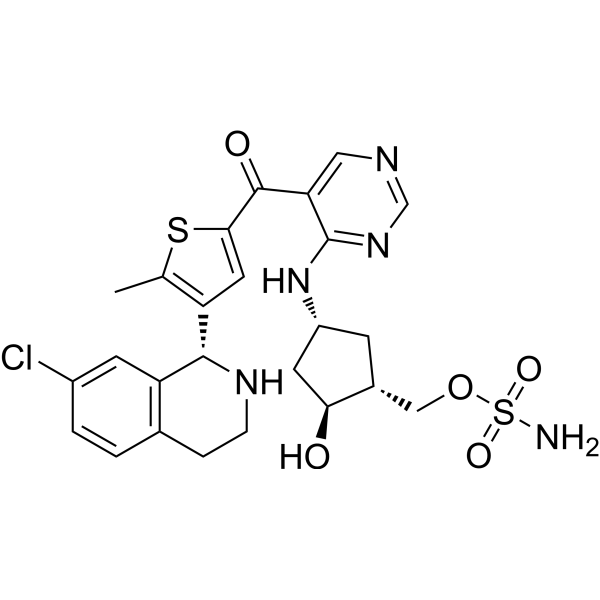
HY-111789
SubasumstatSUMOylation Inhibitor -
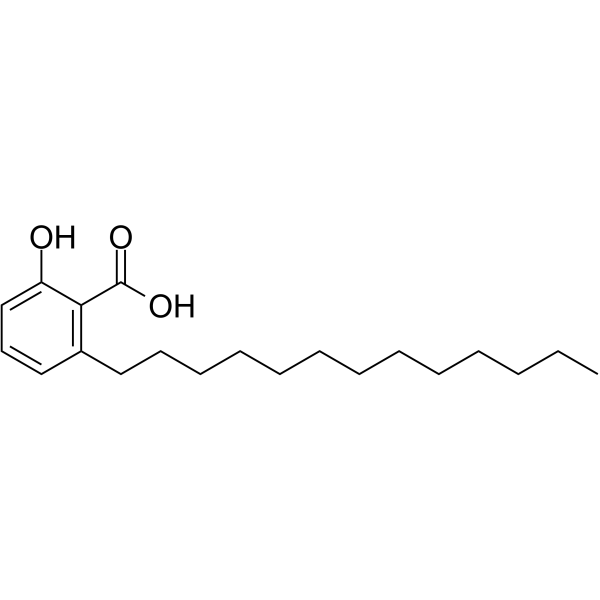
HY-N0078
Ginkgolic Acid (C13:0)Antibacterial Agent -
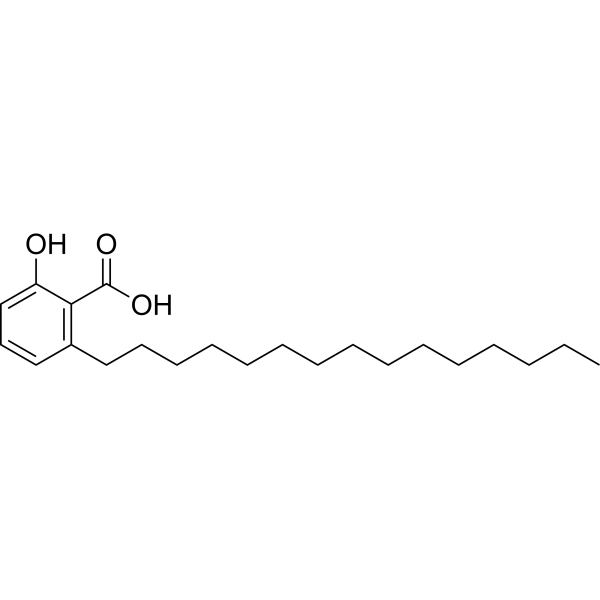
HY-N2020
Anacardic AcidHistone Acetyltransferase Inhibitor -
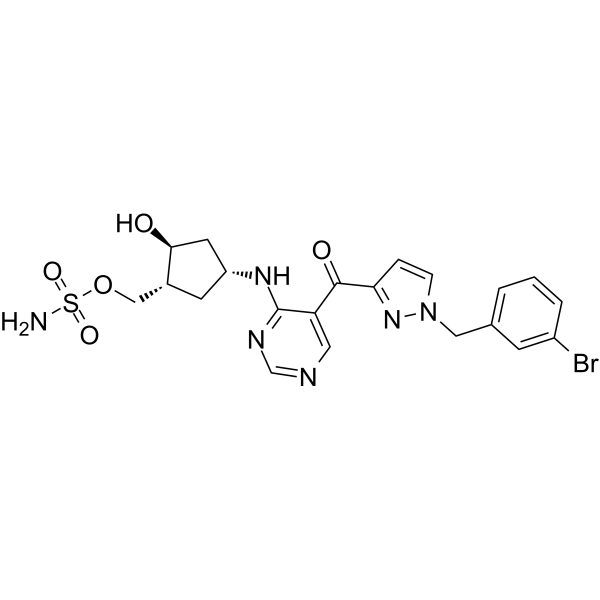
HY-108702
ML-792SUMO-Activating Enzyme Inhibitor -
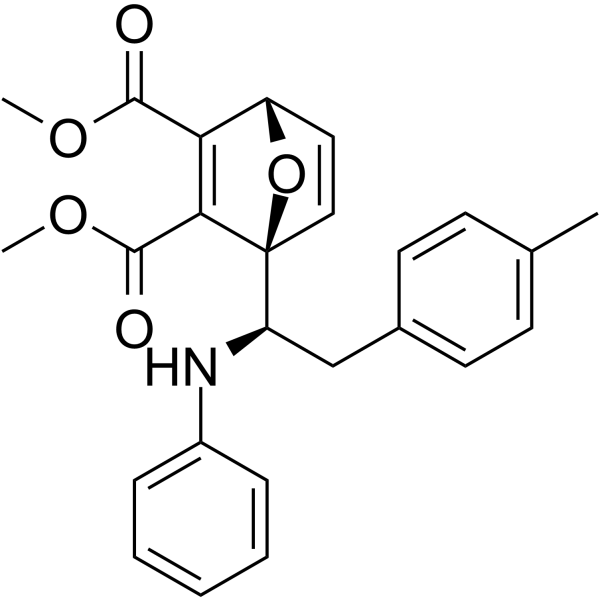
HY-114304
COH000SUMO E1 Inhibitor -
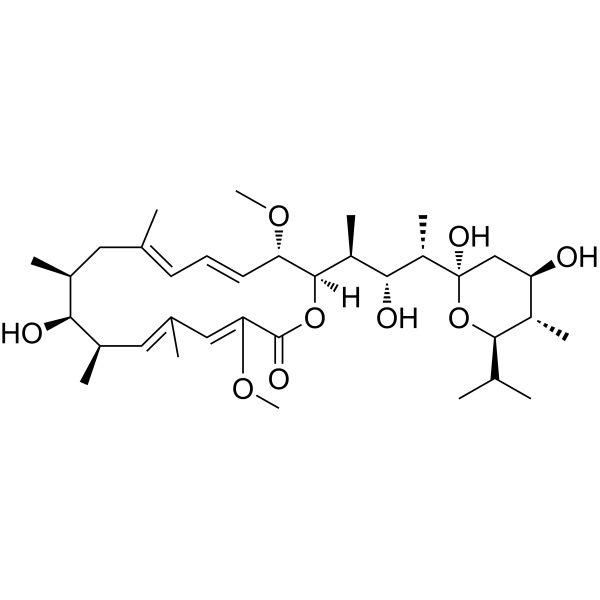
HY-100558
Bafilomycin A1V-ATPase Inhibitor -
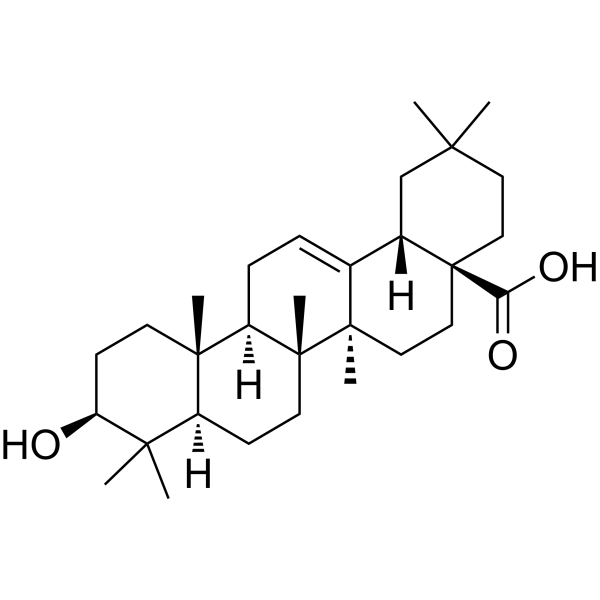
HY-N0156
Oleanolic acidAutophagy Inducer -
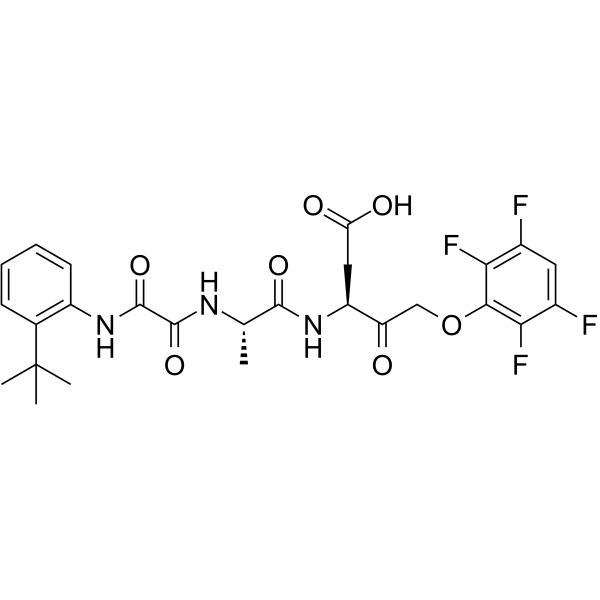
HY-10396
Emricasanpan-Caspase Inhibitor -
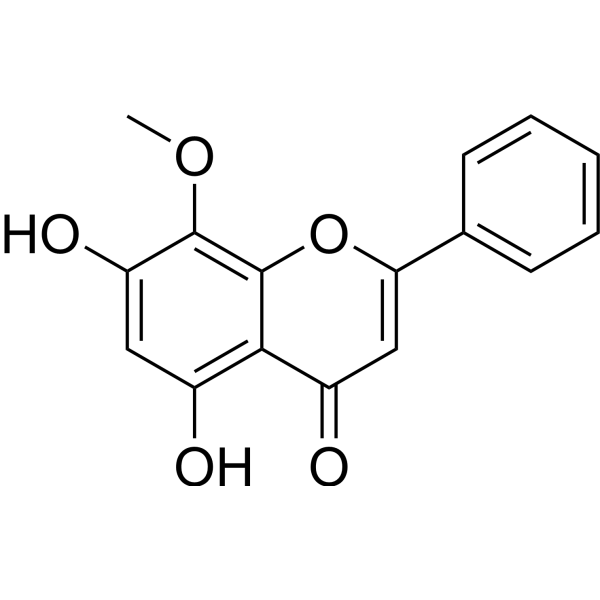
HY-N0400
WogoninCDK Inhibitor -
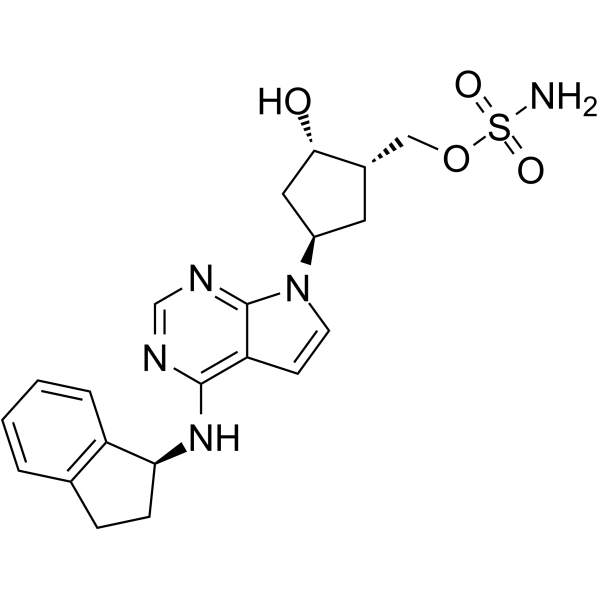
HY-70062
PevonedistatNAE Inhibitor -
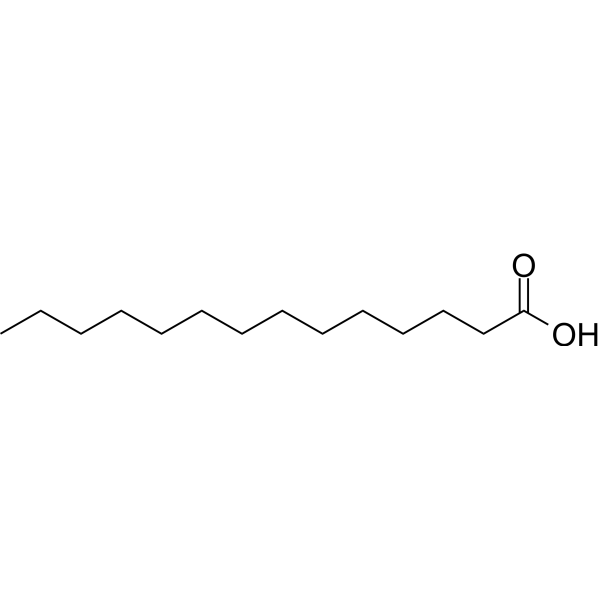
HY-N2041
Myristic acidEndogenous Metabolite
Publications Citing Use of MedChemExpress (MCE) Ginkgolic acid
More- Nat Commun. 2022 Sep 3;13(1):5204. [Abstract]
- Cell Rep Med. 2026 Apr 21;7(4):102695. [Abstract]
- J Exp Med. 2026 May 4;223(5):e20250424. [Abstract]
- J Transl Med. 2023 Oct 13;21(1):719. [Abstract]
- Mol Ther Oncolytics. 2019 Dec 14:16:86-99. [Abstract]
- iScience. 2025 Jul 7;28(8):113067. [Abstract]
- J Biol Chem. 2025 Jul;301(7):110314. [Abstract]
- Microbiol Spectr. 2022 Feb 23;10(1):e0099121. [Abstract]
- Toxicol Appl Pharmacol. 2018 Apr 15:345:1-9. [Abstract]
- Cell Biochem Funct. 2025 Nov;43(11):e70141. [Abstract]
- Placenta. 2022 Dec:130:17-24. [Abstract]
- J Med Food. 2021 Aug;24(8):806-816. [Abstract]
- Scienceasia. 2020 Dec.
- bioRxiv. 2025 August 24.
- bioRxiv. 2025 May 29.
- Research Square Preprint. 2021 Jan.
- Patent. US20200368199A1.
 Customer Validation & Images

-
WB
-
IF
-
Cell Proliferation/Viability Assay
-
Cell Migration/Invasion Assay
-
In Vivo Efficacy Study


Activité biologique
Description
IC50 & Target
IC50: 3.0 μM (SUMOylation)[1]
Cellular Effect
|
Cell Line

|
Type | Value | Description | References |
|---|---|---|---|---|
| A549 | IC50 |
31.3 μg/mL
Compound: 5, phenolic acid C15:1
|
Growth inhibition of human A549 cells after 2 days by SRB assay
Growth inhibition of human A549 cells after 2 days by SRB assay
|
[PMID: 9677265] |
| CCD-18Co | IC50 |
97.14 μg/mL
Compound: 5, phenolic acid C15:1
|
Growth inhibition of human CCD-18Co cells after 2 days by SRB assay
Growth inhibition of human CCD-18Co cells after 2 days by SRB assay
|
[PMID: 9677265] |
| HCT-15 | IC50 |
12.7 μg/mL
Compound: 5, phenolic acid C15:1
|
Growth inhibition of human HCT15 cells after 2 days by SRB assay
Growth inhibition of human HCT15 cells after 2 days by SRB assay
|
[PMID: 9677265] |
| HT1197 | IC50 |
46.26 μg/mL
Compound: 5, phenolic acid C15:1
|
Growth inhibition of human HT1197 cells after 2 days by SRB assay
Growth inhibition of human HT1197 cells after 2 days by SRB assay
|
[PMID: 9677265] |
| MCF7 | IC50 |
6.44 μg/mL
Compound: 5, phenolic acid C15:1
|
Growth inhibition of human MCF7 cells after 2 days by SRB assay
Growth inhibition of human MCF7 cells after 2 days by SRB assay
|
[PMID: 9677265] |
| SK-OV-3 | IC50 |
>50 μg/mL
Compound: 5, phenolic acid C15:1
|
Growth inhibition of human SKOV3 cells after 2 days by SRB assay
Growth inhibition of human SKOV3 cells after 2 days by SRB assay
|
[PMID: 9677265] |
In Vitro
Ginkgolic acid inhibits the in vitro SUMOylation of RanGAP1-C2 with the IC50 values of 3.0 μM. The level of SUMOylated p53 is markedly reduced by the ginkgolic acid treatment. Importantly, ginkgolic acid does not affect protein ubiquitination in cells. Ginkgolic acid inhibits the binding between E1 and GA-BODIPY in a dose-dependent manner[1]. Ginkgolic acid (31.2 μg/mL) inhibits HIV protease activity by 60%, compared with the negative control, and the effect is concentration-dependent. Ginkgolic acid treatment (50 and 100 μg/mL) effectively inhibits HIV infection in human PBMC cells. Ginkgolic acid at the concentrations up to 150 μg/mL does not cause any significant cytotoxicity in Jurkat cells[2]. GA only inhibits the growth of tumorogenic cell lines in a both dose- and time-dependent manner. Tumor cells are treated with GA for 72 h, 70.53±4.54% Hep-2 and 63.5±7.2% Tca8113 cells are retarded at GO/G1 phase, and the percentage of apoptosis is 40.4±1.58 and 38.4±1.7%, respectively. GA-treated activated caspase-3 downregulates the expression of anti-apoptotic Bcl-2 protein and upregulates the expression of pro-apoptotic Bax protein, eventually leading to a decrease in the Bcl-2/Bax ratio in tumor cellsin human PBMC cells. Ginkgolic acid at the concentrations up to 150 μg/mL does not cause any significant cytotoxicity in Jurkat cells[3].
MedChemExpress (MCE) has not independently confirmed the accuracy of these methods. They are for reference only.


Chemical Information
-
CAS No. 22910-60-7
-
Appearance Solid
-
Masse moléculaire 346.50
-
Formule C22H34O3
-
Color White to off-white
-
SMILES
O=C(O)C1=C(CCCCCCC/C=C\CCCCCC)C=CC=C1O
-
Synonyms
Ginkgolic acid I
-
Structure Classification
-
Initial Source
-
Livraison
Room temperature in continental US; may vary elsewhere.
-
Stockage
Powder -20°C 3 years 4°C 2 years In solvent -80°C 6 months -20°C 1 month


Publications (17)
-
Journal Impact Factor
-
Most Recent
-
Nat Commun
Suppression of ACE2 SUMOylation protects against SARS-CoV-2 infection through TOLLIP-mediated selective autophagy. [Abstract]2022 Sep 3;13(1):5204. PMID: 36057605
Ginkgolic acid purchased from MedChemExpress. Usage Cited in: Nat Commun. 2022 Sep 3;13(1):5204. [Abstract]
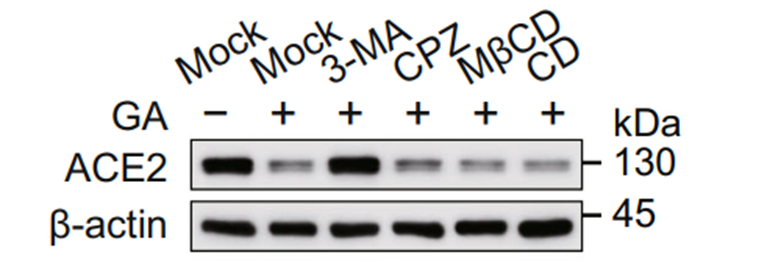
Calu-3 cells were treated with Ginkgolic acid (GA) (5 μM) together with 3-MA (10 mM), Chlorpromazine (CPZ) (10 μM), Methyl-β-cyclodextrin (MβCD) (1 mM), or Cytochalasin D (CD) (2 μM), and the proteins were harvested for immunoblot analysi
Ginkgolic acid purchased from MedChemExpress. Usage Cited in: Nat Commun. 2022 Sep 3;13(1):5204. [Abstract]
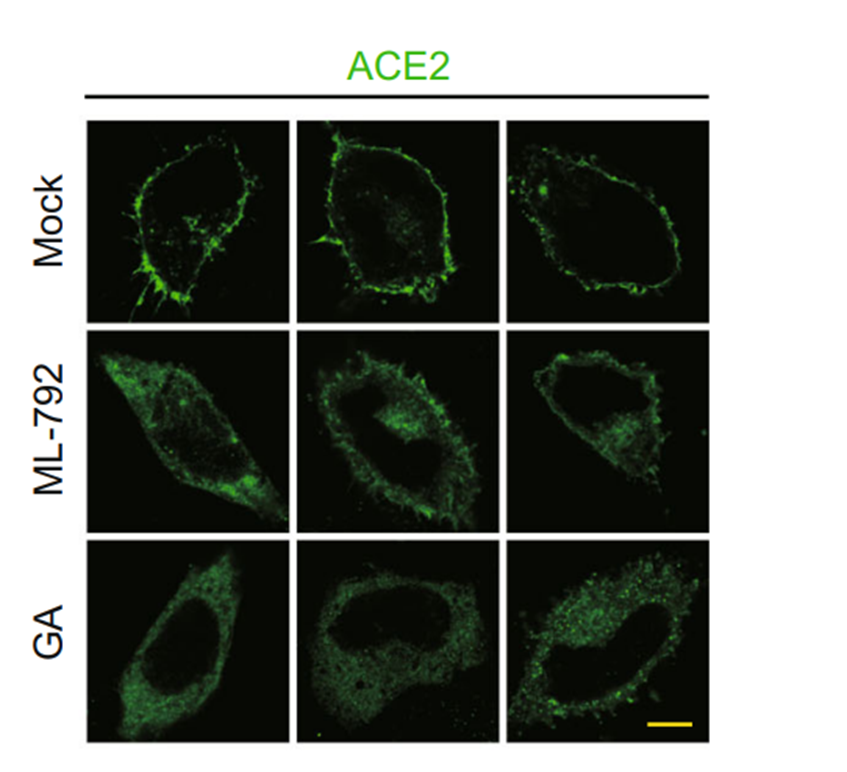
HeLa cells transfected with Flag-ACE2 along with ML-792 (10 μM) or Ginkgolic acid (GA) (5 μM) treatment, followed by labeling of ACE2 (green) with specific antibodies.
-
Cell Rep Med
Targeting the ferritinophagy-lysosome axis as a therapeutic vulnerability in gastroenteropancreatic neuroendocrine tumors. [Abstract]2026 Apr 21;7(4):102695. PMID: 41881024 -
J Exp Med
2026 May 4;223(5):e20250424. PMID: 41891923 -
J Transl Med
Molecular mechanism of vimentin nuclear localization associated with the migration and invasion of daughter cells derived from polyploid giant cancer cells. [Abstract]2023 Oct 13;21(1):719. PMID: 37833712 -
Mol Ther Oncolytics
Ginkgolic Acid, a SUMO-1 Inhibitor, Inhibits the Progression of Oral Squamous Cell Carcinoma by Alleviating SUMOylation of SMAD4. [Abstract]2019 Dec 14:16:86-99. PMID: 31970286
Ginkgolic acid purchased from MedChemExpress. Usage Cited in: Mol Ther Oncolytics. 2019 Dec 14:16:86-99. [Abstract]
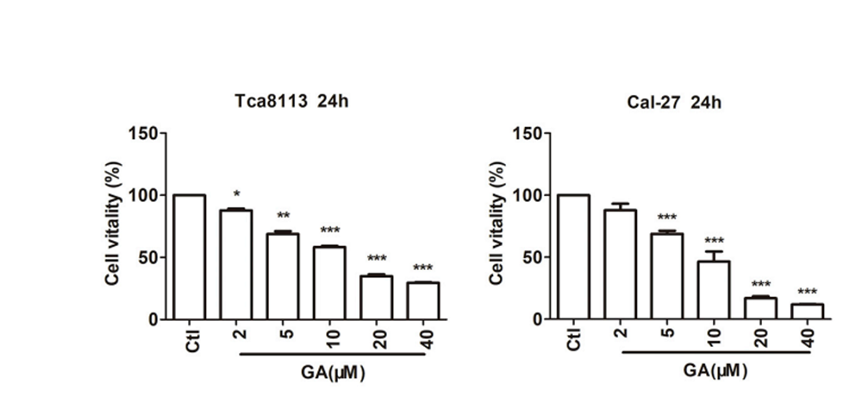
Tca8113 cells and Cal-27 cells were incubated with increasing concentrations of Ginkgolic acid (GA) (2, 5, 10, 20, 40 μM) for 24 h. Relative or percent cell viability was determined by CCK-8 assay.
Ginkgolic acid purchased from MedChemExpress. Usage Cited in: Mol Ther Oncolytics. 2019 Dec 14:16:86-99. [Abstract]
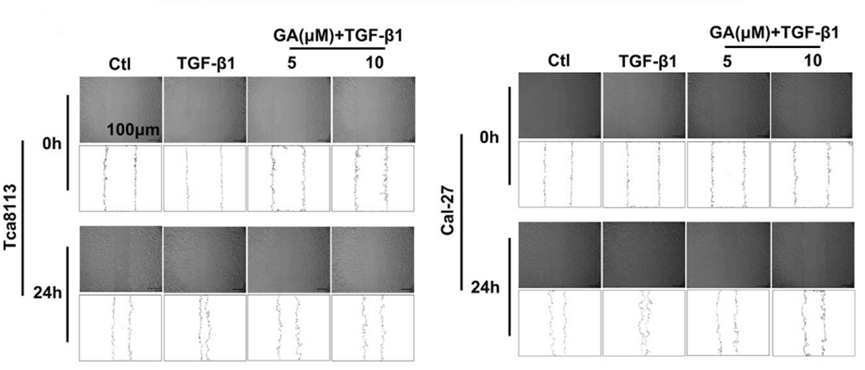
Ginkgolic acid (GA) (5, 10 μM, 24 h) significantly suppressed the migration of Tca8113 cells and Cal-27 cells as reported by the wound-healing assay.
Ginkgolic acid purchased from MedChemExpress. Usage Cited in: Mol Ther Oncolytics. 2019 Dec 14:16:86-99. [Abstract]
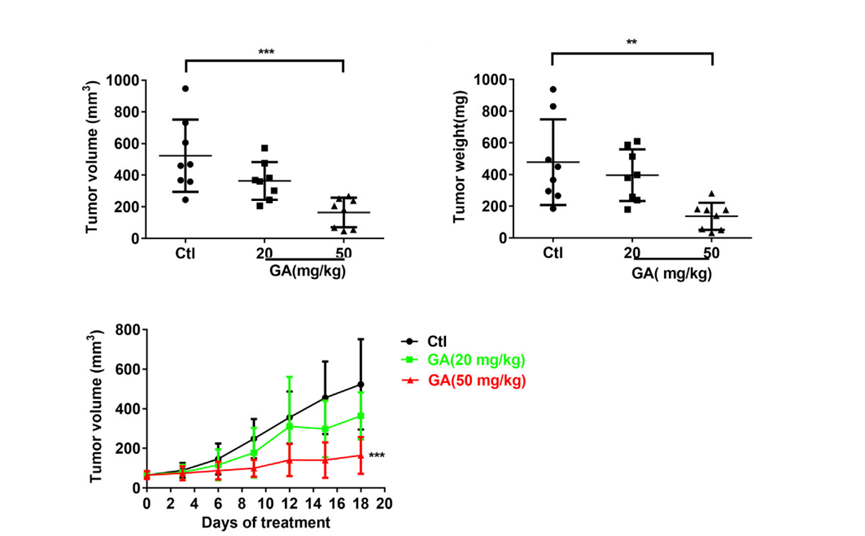
Tumor growth curve is showing the suppression of growth of Tca8113 residual tumor xenograft tumors by Ginkgolic acid (GA) (20 and 50 mg/kg, p.o.).
-
iScience
SENP3 protects hepatocyte from pyroptosis during acute liver injury through deSUMOylation of HNRNPL. [Abstract]2025 Jul 7;28(8):113067. PMID: 40792025 -
J Biol Chem
2025 Jul;301(7):110314. PMID: 40449592 -
Microbiol Spectr
The Mechanism of Action of Ginkgolic Acid (15:1) against Gram-Positive Bacteria Involves Cross Talk with Iron Homeostasis. [Abstract]2022 Feb 23;10(1):e0099121. PMID: 35019708 -
Toxicol Appl Pharmacol
Pharmacological inhibition of SUMO-1 with ginkgolic acid alleviates cardiac fibrosis induced by myocardial infarction in mice. [Abstract]2018 Apr 15:345:1-9. PMID: 29524504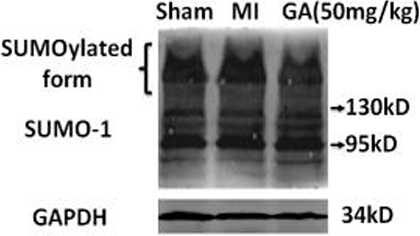
Ginkgolic acid purchased from MedChemExpress. Usage Cited in: Toxicol Appl Pharmacol. 2018 Apr 15:345:1-9. [Abstract]
Ginkgolic acid (GA) reduces cardiac fibrosis and inflammation in ventricular tissue of MI mice. SUMO-1 measured with Western blot. GA: 50 mg/kg per day.
-
Cell Biochem Funct
2025 Nov;43(11):e70141. PMID: 41254938 -
Placenta
Downregulation of PDCD4 by deSUMOylation associates with the progression of gestational trophoblastic disease. [Abstract]2022 Dec:130:17-24. PMID: 36370491 -
J Med Food
Ginkgolic Acid Suppresses Nasopharyngeal Carcinoma Growth by Inducing Apoptosis and Inhibiting AKT/NF-κB Signaling. [Abstract]2021 Aug;24(8):806-816. PMID: 34382859 -
-
-
-
-


Solvant et solubilité
In Vitro:
DMSO : 100 mg/mL (288.60 mM; Need ultrasonic; Hygroscopic DMSO has a significant impact on the solubility of product, please use newly opened DMSO)
Please refer to the solubility information to select the appropriate solvent. Once prepared, please aliquot and store the solution to prevent product inactivation from repeated freeze-thaw cycles.
Storage method and period of stock solution: -80°C, 6 months; -20°C, 1 month. When stored at -80°C, please use it within 6 months. When stored at -20°C, please use it within 1 month.
Please refer to the solubility information to select the appropriate solvent. Once prepared, please aliquot and store the solution to prevent product inactivation from repeated freeze-thaw cycles.
Storage method and period of stock solution: -80°C, 6 months; -20°C, 1 month. When stored at -80°C, please use it within 6 months. When stored at -20°C, please use it within 1 month.
Concentration (start) × Volume (start) = Concentration (final) × Volume (final)
In Vivo:
Select the appropriate dissolution method based on your experimental animal and administration route.
- For the following dissolution methods, please ensure to first prepare a clear stock solution using an In Vitro approach and then sequentially add co-solvents:
- To ensure reliable experimental results, the clarified stock solution can be appropriately stored based on storage conditions. As for the working solution for In Vivo experiments, it is recommended to prepare freshly and use it on the same day.
- The percentages shown for the solvents indicate their volumetric ratio in the final prepared solution. If precipitation or phase separation occurs during preparation, heat and/or sonication can be used to aid dissolution.
Add each solvent one by one: 10% DMSO 40% PEG300 5% Tween-80 45% Saline
Solubility: ≥ 2.75 mg/mL (7.94 mM); Clear solution
This protocol yields a clear solution of ≥ 2.75 mg/mL (saturation unknown).
Taking 1 mL working solution as an example, add 100 μL DMSO stock solution (27.5 mg/mL) to 400 μL PEG300, and mix evenly; then add 50 μL Tween-80 and mix evenly; then add 450 μL Saline to adjust the volume to 1 mL.
Preparation of Saline: Dissolve 0.9 g sodium chloride in ddH₂O and dilute to 100 mL to obtain a clear Saline solution.
In Vivo Dissolution Calculator
Please enter the basic information of animal experiments:
-
-
-
-
Recommended: Prepare an additional quantity of animals to account for potential losses during experiments.
Please enter your animal formula composition:
-
%DMSO +
Recommended: Keep the proportion of DMSO in working solution below 2% if your animal is weak.
-
%+
-
+%Tween-80 + +
-
%Saline +
The co-solvents required include: DMSO, . All of co-solvents are available by MedChemExpress (MCE). , Tween 80. All of co-solvents are available by MedChemExpress (MCE).
Working solution concentration: 0.22 mg/mL
Method for preparing stock solution: mg drug dissolved in μL DMSO. Stock solution concentration: mg/mL.
1. Take μL DMSO stock solution;
2. Add μL .
μL , mix evenly;
3. Then add μL Tween 80, mix evenly;
4. Then add μL
Please ensure that the stock solution in the first step is dissolved to a clear state, and add co-solvents in sequence. You can use ultrasonic heating (ultrasonic cleaner, recommended frequency 20-40 kHz), vortexing, etc. to assist dissolution.


Pureté et documentation
-
Fiche technique (271 KB)
-
SDS (396 KB)
- English - EN (396 KB)
- Français - FR (396 KB)
- Deutsch - DE (396 KB)
- Norwegian - NO (396 KB)
- Español - ES (396 KB)
- Swedish - SV (396 KB)
- Italian - IT (396 KB)
- Korean - KR (396 KB)
- Portuguese - PT (396 KB)
-
Instruction de manipulation (2659 KB)
Références
[1]. Fukuda I, et al. Ginkgolic acid inhibits protein SUMOylation by blocking formation of the E1-SUMO intermediate. Chem Biol. 2009 Feb 27;16(2):133-40. [Content Brief]
[2]. Lü JM, et al. Ginkgolic acid inhibits HIV protease activity and HIV infection in vitro. Med Sci Monit. 2012 Aug;18(8):BR293-298. [Content Brief]
[3]. Zhou C, et al. Antitumor effects of ginkgolic acid in human cancer cell occur via cell cycle arrest and decrease the Bcl-2/Bax ratio to induce apoptosis. Chemotherapy. 2010;56(5):393-402. [Content Brief]
[4]. Qiu F, et al. Pharmacological inhibition of SUMO-1 with ginkgolic acid alleviates cardiac fibrosis induced by myocardial infarction in mice. Toxicol Appl Pharmacol. 2018 Apr 15;345:1-9. [Content Brief]


Complete Stock Solution Preparation Table
Please refer to the solubility information to select the appropriate solvent. Once prepared, please aliquot and store the solution to prevent product inactivation from repeated freeze-thaw cycles.
Storage method and period of stock solution: -80°C, 6 months; -20°C, 1 month. When stored at -80°C, please use it within 6 months. When stored at -20°C, please use it within 1 month.
| Optional Solvent | Concentration Solvent Mass | 1 mg | 5 mg | 10 mg | 25 mg |
|---|---|---|---|---|---|
| DMSO | 1 mM | 2.8860 mL | 14.4300 mL | 28.8600 mL | 72.1501 mL |
| 5 mM | 0.5772 mL | 2.8860 mL | 5.7720 mL | 14.4300 mL | |
| 10 mM | 0.2886 mL | 1.4430 mL | 2.8860 mL | 7.2150 mL | |
| 15 mM | 0.1924 mL | 0.9620 mL | 1.9240 mL | 4.8100 mL | |
| 20 mM | 0.1443 mL | 0.7215 mL | 1.4430 mL | 3.6075 mL | |
| 25 mM | 0.1154 mL | 0.5772 mL | 1.1544 mL | 2.8860 mL | |
| 30 mM | 0.0962 mL | 0.4810 mL | 0.9620 mL | 2.4050 mL | |
| 40 mM | 0.0722 mL | 0.3608 mL | 0.7215 mL | 1.8038 mL | |
| 50 mM | 0.0577 mL | 0.2886 mL | 0.5772 mL | 1.4430 mL | |
| 60 mM | 0.0481 mL | 0.2405 mL | 0.4810 mL | 1.2025 mL | |
| 80 mM | 0.0361 mL | 0.1804 mL | 0.3608 mL | 0.9019 mL | |
| 100 mM | 0.0289 mL | 0.1443 mL | 0.2886 mL | 0.7215 mL |


Ginkgolic acid Related Classifications
HY-N0077 Related Classifications
 Powered by Bioz