


140 Results for "

maintenance

" in MedChemExpress (MCE) Product Catalog:
Products (140)

140 Results for "maintenance" in MCE Product Catalog:

  • Targets Recommended:
29
29 Publications Verification
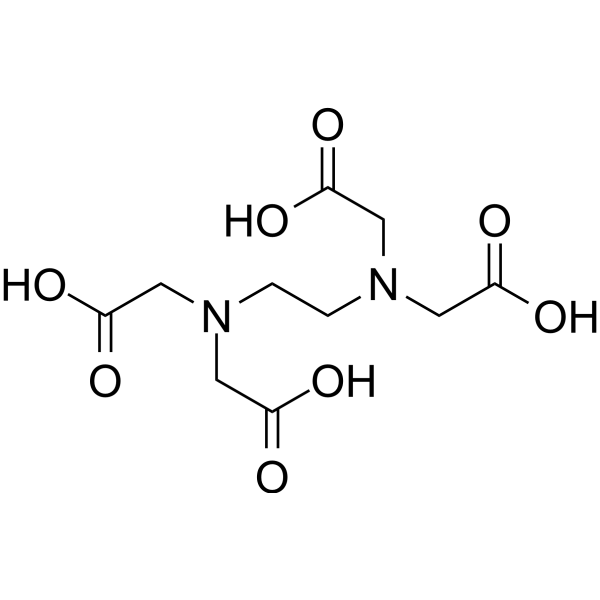
Art. -Nr.: HY-Y0682
CAS. Nr.: 60-00-4
Synonyms: EDTA
Ethylenediaminetetraacetic acid (EDTA) is a kind of metal chelating agent (binds to bivalent and trivalent metal cations, including calcium). Ethylenediaminetetraacetic acid has antibacterial, anti-inflammatory, antioxidant, anti-hypercalcemia and anticoagulant activities. Ethylenediaminetetraacetic acid decreases the metal ion-catalyzed oxidative damage to proteins, and allows maintenance of reducing environment during protein purification. Ethylenediaminetetraacetic acid can alleviate the liver fibrosis. Ethylenediaminetetraacetic acid can be used for coronary artery disease and neural system disease research .
28
28 Cited Publications
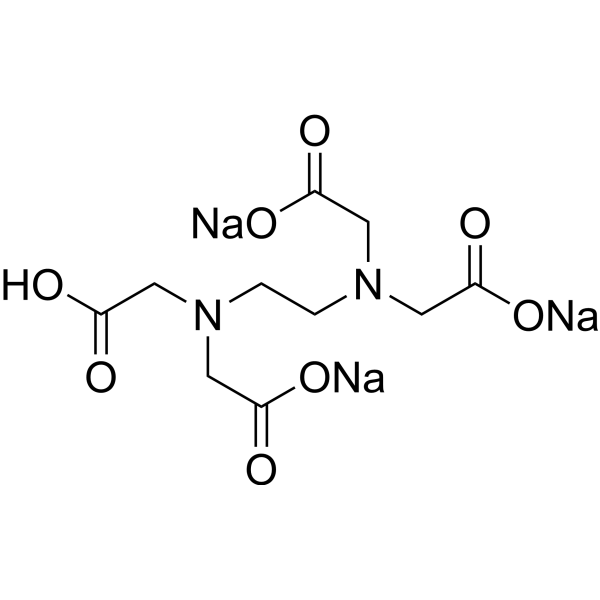
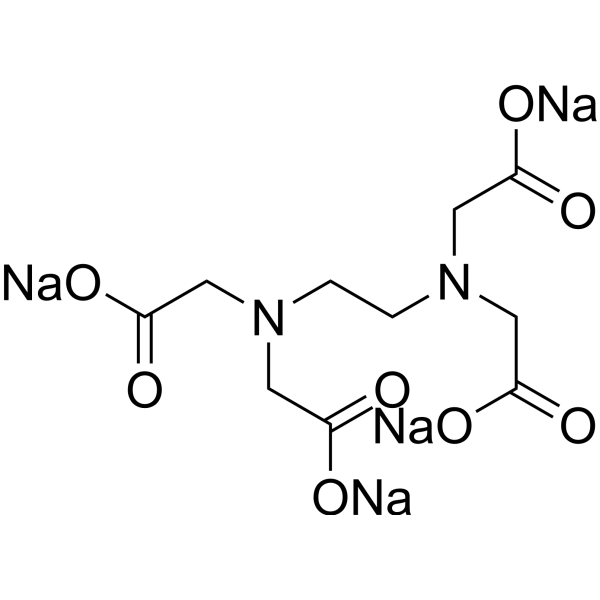
Art. -Nr.: HY-B1009
CAS. Nr.: 150-38-9
Synonyms: EDTA trisodium salt; Trisodium EDTA
Ethylenediaminetetraacetic acid trisodium salt (EDTA trisodium salt; Trisodium EDTA) is a kind of metal chelating agent (binds to bivalent and trivalent metal cations, including calcium). Ethylenediaminetetraacetic acid trisodium salt has antibacterial, anti-inflammatory, antioxidant, anti-hypercalcemia and anticoagulant activities. Ethylenediaminetetraacetic acid trisodium salt decreases the metal ion-catalyzed oxidative damage to proteins, and allows maintenance of reducing environment during protein purification. Ethylenediaminetetraacetic acid trisodium salt can alleviate the liver fibrosis. Ethylenediaminetetraacetic acid can be used for coronary artery disease and neural system disease research .
24
24 Cited Publications
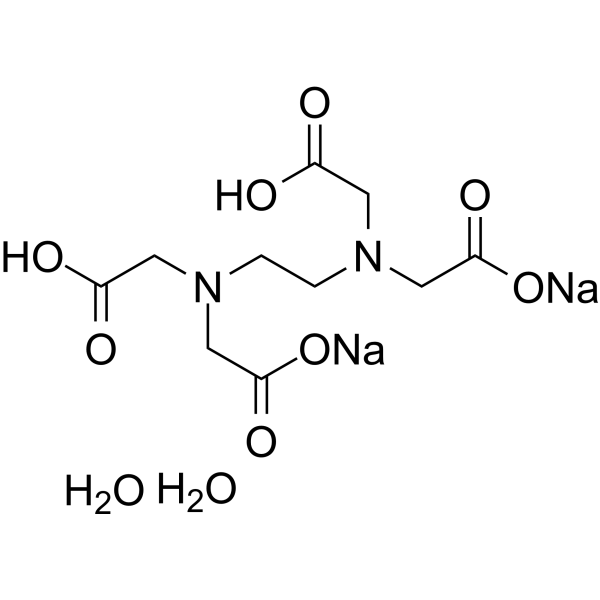
Art. -Nr.: HY-Y0682A
CAS. Nr.: 6381-92-6
Synonyms: EDTA disodium dihydrate
Ethylenediaminetetraacetic acid (EDTA) disodium dehydrate is a kind of metal chelating agent (binds to bivalent and trivalent metal cations, including calcium). Ethylenediaminetetraacetic acid disodium dehydrate has antibacterial, anti-inflammatory, antioxidant, anti-hypercalcemia and anticoagulant activities. Ethylenediaminetetraacetic acid disodium dehydrate decreases the metal ion-catalyzed oxidative damage to proteins, and allows maintenance of reducing environment during protein purification. Ethylenediaminetetraacetic acid disodium dehydrate can alleviate the liver fibrosis. Ethylenediaminetetraacetic acid disodium dehydrate can be used for coronary artery disease and neural system disease research .
24
24 Cited Publications
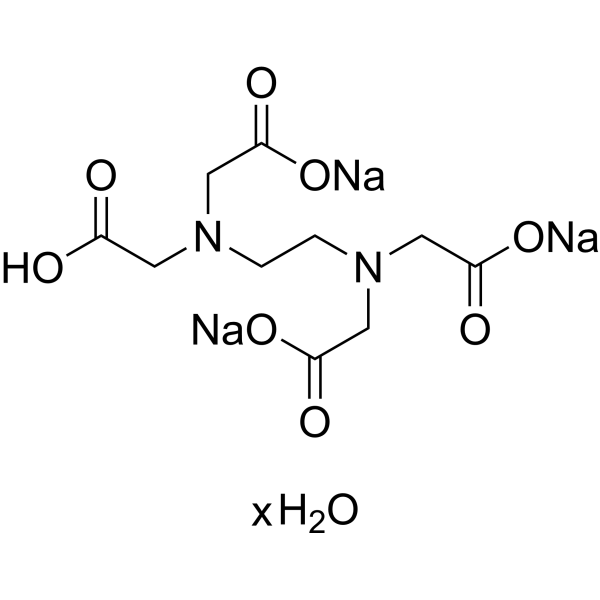
Art. -Nr.: HY-W127774
CAS. Nr.: 85715-60-2
Synonyms: Ethylenediaminetetraacetic acid hydrate sodium
EDTA (Ethylenediaminetetraacetic acid) hydrate sodium is a kind of metal chelating agent (binds to bivalent and trivalent metal cations, including calcium). EDTA hydrate sodium has antibacterial, anti-inflammatory, antioxidant, anti-hypercalcemia and anticoagulant activities. EDTA hydrate sodium decreases the metal ion-catalyzed oxidative damage to proteins, and allows maintenance of reducing environment during protein purification. EDTA hydrate sodium can alleviate the liver fibrosis. Ethylenediaminetetraacetic acid can be used for coronary artery disease and neural system disease research .
24
24 Cited Publications
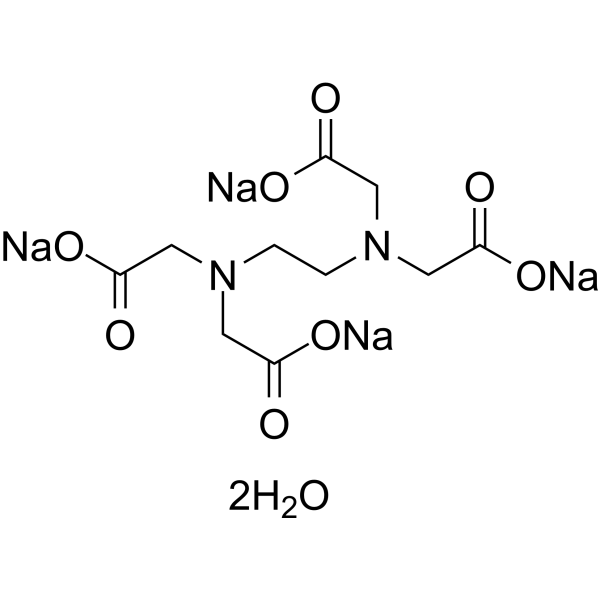
Art. -Nr.: HY-Y0682B
CAS. Nr.: 64-02-8
Synonyms: EDTA tetrasodium
Ethylenediaminetetraacetic acid (EDTA) tetrasodium is a kind of metal chelating agent (binds to bivalent and trivalent metal cations, including calcium). Ethylenediaminetetraacetic acid tetrasodium has antibacterial, anti-inflammatory, antioxidant, anti-hypercalcemia and anticoagulant activities. Ethylenediaminetetraacetic acid tetrasodium decreases the metal ion-catalyzed oxidative damage to proteins, and allows maintenance of reducing environment during protein purification. Ethylenediaminetetraacetic acid tetrasodium can alleviate the liver fibrosis. Ethylenediaminetetraacetic acid tetrasodium can be used for coronary artery disease and neural system disease research .
24
24 Cited Publications
Art. -Nr.: HY-W105700
CAS. Nr.: 10378-23-1
Synonyms: EDTA sodium hydrate
Ethylenediaminetetraacetic acid (EDTA) sodium hydrate is a kind of metal chelating agent (binds to bivalent and trivalent metal cations, including calcium). Ethylenediaminetetraacetic acid sodium hydrate has antibacterial, anti-inflammatory, antioxidant, anti-hypercalcemia and anticoagulant activities. Ethylenediaminetetraacetic acid sodium hydrate decreases the metal ion-catalyzed oxidative damage to proteins, and allows maintenance of reducing environment during protein purification. Ethylenediaminetetraacetic acid sodium hydrate can alleviate the liver fibrosis. Ethylenediaminetetraacetic acid sodium hydrate can be used for coronary artery disease and neural system disease research .
24
24 Cited Publications
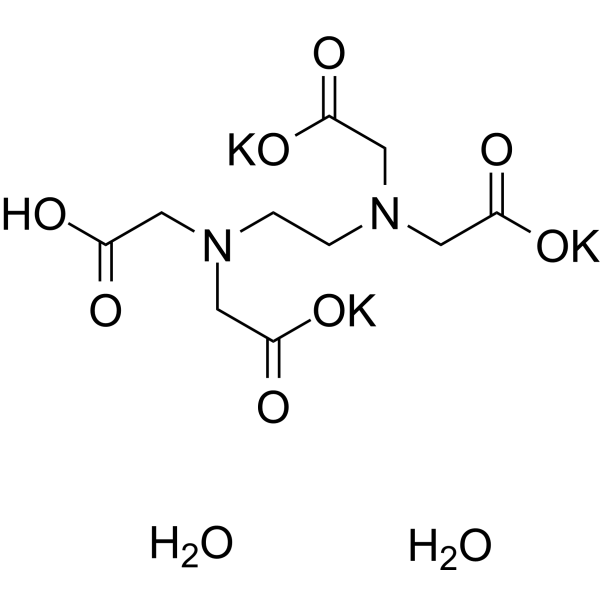
Art. -Nr.: HY-W087947
CAS. Nr.: 65501-24-8
Synonyms: Ethylenediaminetetraacetic acid dihydrate tripotassium
EDTA dihydrate tripotassium (Ethylenediaminetetraacetic acid dihydrate tripotassium) is a kind of metal chelating agent (binds to bivalent and trivalent metal cations, including calcium). EDTA dihydrate tripotassium has antibacterial, anti-inflammatory, antioxidant, anti-hypercalcemia and anticoagulant activities. EDTA dihydrate tripotassium decreases the metal ion-catalyzed oxidative damage to proteins, and allows maintenance of reducing environment during protein purification. EDTA dihydrate tripotassium can alleviate the liver fibrosis. EDTA dihydrate tripotassium can be used for coronary artery disease and neural system disease research .
4
4 Cited Publications
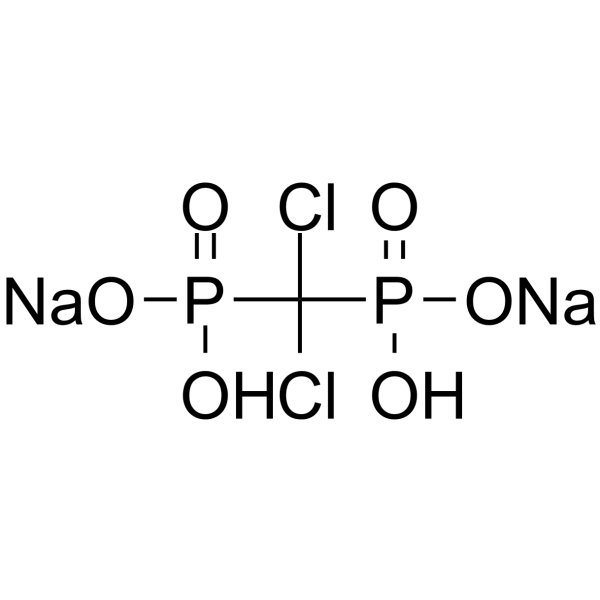
Art. -Nr.: HY-B0657A
CAS. Nr.: 22560-50-5
Synonyms: Clodronate disodium salt
Target:  

Apoptosis

Forschungsgebiete:  

Metabolic Disease Cancer

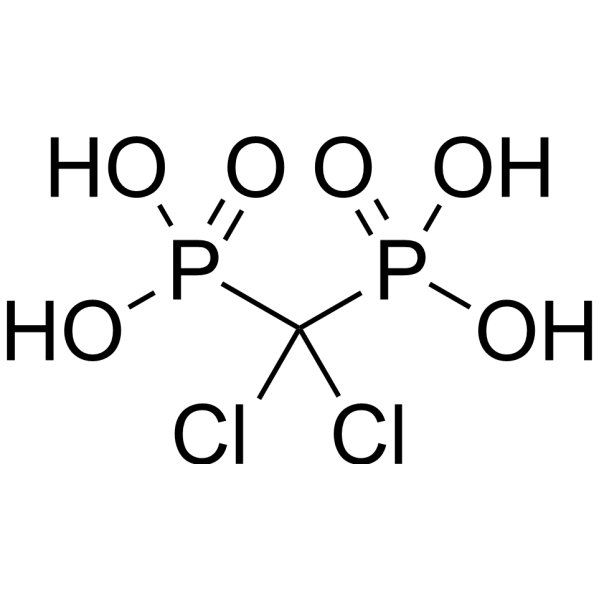
Clodronic acid (Clodronate) disodium salt is an orally active bisphosphonate. Clodronic acid disodium salt inhibits osteoclast-mediated bone resorption. Clodronic acid disodium salt reduces skeletal event risk in malignant bone disease, impairs malignant osteolysis, blocks bone matrix growth-factor release, induces apoptosis in osteoclasts and macrophages. Clodronic acid disodium salt is effective in the maintenance or improvement of bone mineral density. Clodronic acid disodium salt can be used for the research of multiple myeloma and postmenopausal osteoporosis .
4
4 Cited Publications
Art. -Nr.: HY-B0657
CAS. Nr.: 10596-23-3
Synonyms: Clodronate
Target:  

Apoptosis

Forschungsgebiete:  

Metabolic Disease Cancer

Clodronic acid (Clodronate) is an orally active bisphosphonate. Clodronic acid inhibits osteoclast-mediated bone resorption. Clodronic acid reduces skeletal event risk in malignant bone disease, impairs malignant osteolysis, blocks bone matrix growth-factor release, induces apoptosis in osteoclasts and macrophages. Clodronic acid is effective in the maintenance or improvement of bone mineral density. Clodronic acid can be used for the research of multiple myeloma and postmenopausal osteoporosis .
3
3 Cited Publications
Art. -Nr.: HY-B0141S1
CAS. Nr.: 66789-03-5
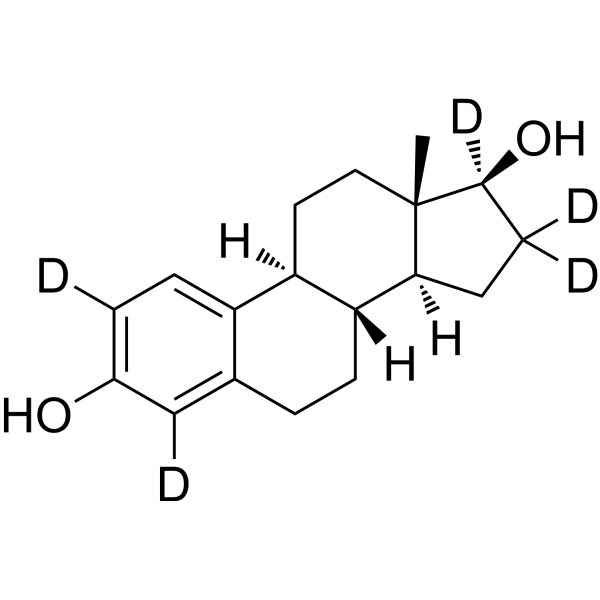
Synonyms: β-Estradiol-d4; 17β-Estradiol-d4; 17β-Oestradiol-d4
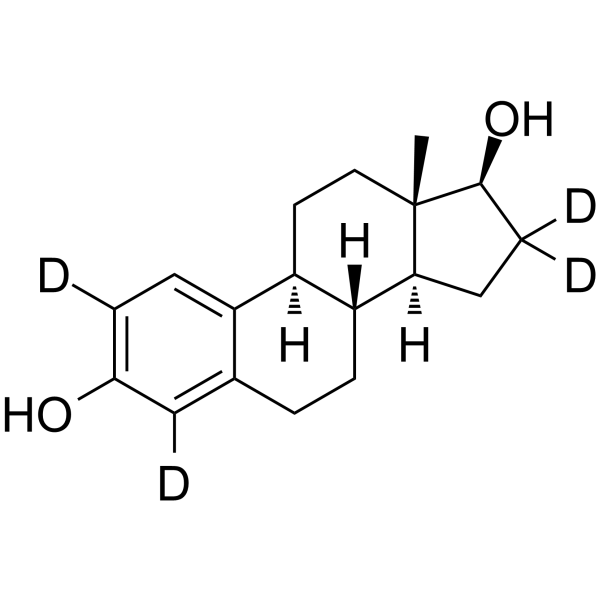
Estradiol-d4 is the deuterium labeled Estradiol. Estradiol is a steroid sex hormone vital to the maintenance of fertility and secondary sexual characteristics in females. Estradiol upregulates IL-6 expression through the estrogen receptor β (ERβ) pathway .
3
3 Cited Publications
Art. -Nr.: HY-N1993
CAS. Nr.: 82517-12-2
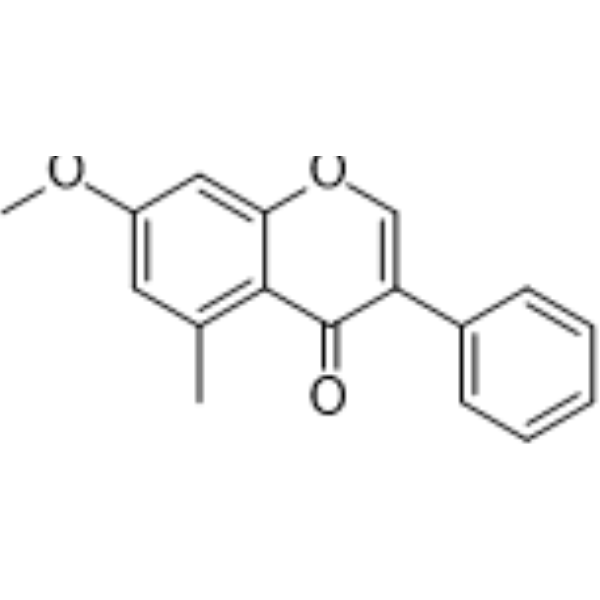
5-Methyl-7-methoxyisoflavone is an orally active anti-oxidant with remyelinating activity. 5-Methyl-7-methoxyisoflavone inhibits the enzyme aromatase, interfering with the normal metabolic pathways of testosterone. 5-Methyl-7-methoxyisoflavone is a non-steroidal anabolic isoflavone, used as a anabolic agent. 5-Methyl-7-methoxyisoflavone shows better potency increasing muscle mass and endurance than Ipriflavone (HY-N0094). 5-Methyl-7-methoxyisoflavone can be used for fat loss besides the maintenance of low cholesterol level and strengthen bones. 5-Methyl-7-methoxyisoflavone is the inhibitor for NF-κB .
2
2 Cited Publications
Art. -Nr.: HY-150095
CAS. Nr.: 3065657-02-2
Reinheit:  96.47%
Target:  

IFNAR

Forschungsgebiete:  

Inflammation/Immunology

YE6144 free base is a selective prototypical interferon regulatory factor 5 (IRF5) inhibitor. YE6144 free base suppresses the disease course and is especially effective in remission maintenance in a mouse model of systemic lupus erythematosus (SLE). YE6144 free base can be used for SLE research .
2
2 Cited Publications
Art. -Nr.: HY-114358
CAS. Nr.: 1646839-59-9
Reinheit:  98.59%
Synonyms: ONO-7475
Forschungsgebiete:  

Cancer

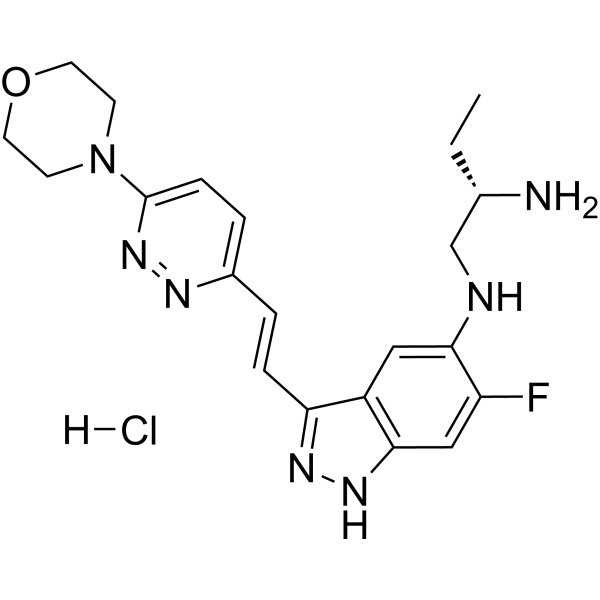
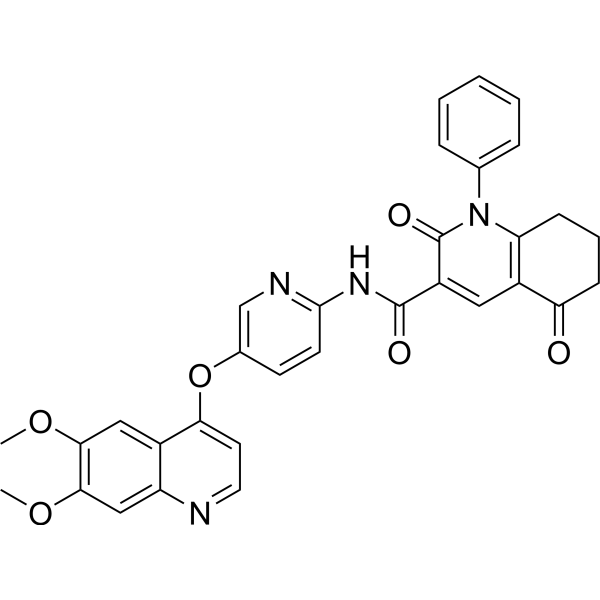
Tamnorzatinib (ONO-7475) is a potent, selective, and orally active Axl/Mer inhibitor with IC50 values of 0.7 nM and 1.0 nM, respectively. Tamnorzatinib sensitizes AXL-overexpressing EGFR-mutant NSCLC cells to the EGFR-TKIs, suppresses the emergence and maintenance of tolerant cells. Tamnorzatinib combines with Osimertinib (HY-15772) provides a bright promise for the study of EGFR-mutated non-small cell lung cancer (NSCLC).
1
1 Cited Publications
Art. -Nr.: HY-P4855
CAS. Nr.: 376364-36-2
Target:  

Bacterial TNF Receptor

Forschungsgebiete:  

Infection Inflammation/Immunology

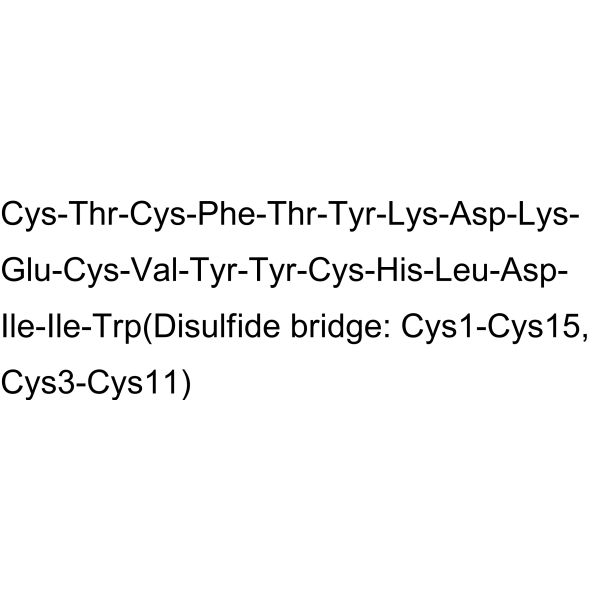
CRAMP (mouse) is an antibacterial peptide and a functional homolog of LL-37 . CRAMP (mouse) exhibits potent antibacterial activity against Gram-negative bacteria . The complex formed by CRAMP (mouse) and CpG can activate macrophages to secrete TNF-α . CRAMP (mouse) plays a key role in wound healing, immune regulation and maintenance of intestinal homeostasis .
1
1 Cited Publications
Art. -Nr.: HY-129328
CAS. Nr.: 14783-68-7
Reinheit:  ≥98.0%
Synonyms: Magnesium bisglycinate; Magnesium diglycinate
Forschungsgebiete:  

Cancer

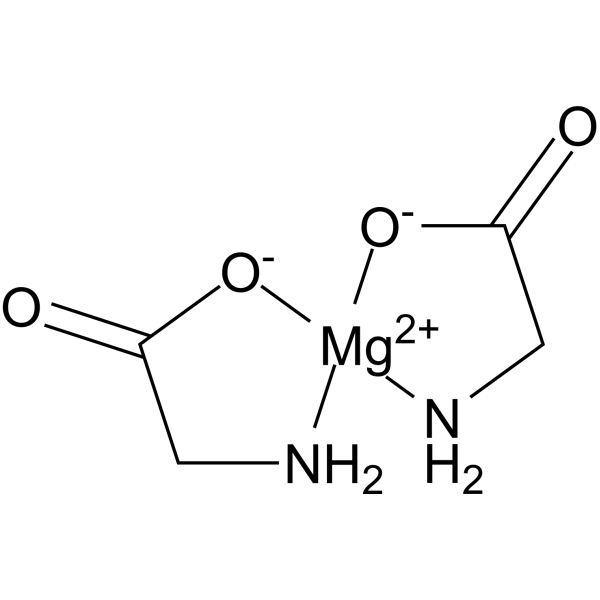
Magnesium glycinate (Magnesium bisglycinate), the magnesium salt of glycine, is a nutrient supplement. Magnesium glycinate has satisfactory physico-chemical properties and bioactivities. Metal glycinate chelates are formed by glycine and metal compounds through chemical reactions. Magnesium is an essential mineral that plays a critical role in the human body. Magnesium takes part in the process of energy metabolism and assists the maintenance of normal muscle function .
1
1 Cited Publications
Art. -Nr.: HY-W089845
CAS. Nr.: 629-94-7
Heneicosane is a royal-specific pheromone of insects (such as subterranean termites) and is an identification signal for queens and kings in termites. Heneicosane mediates royal recognition and the maintenance of social division of labor by being sensed by worker ants and triggering vibrations and antennal behaviors. Heneicosane can exert anti-inflammatory, analgesic and antipyretic activities by inhibiting the release of inflammatory mediators (such as prostaglandins and cytokines). At the same time, Heneicosane can also inhibit the mycelial growth of aflatoxin-producing fungi and inhibit the production of aflatoxin. Heneicosane can be used in insect chemical ecology research to analyze the regulatory mechanism of termite social behavior, and is also a potential target for new anti-inflammatory drugs .
1
1 Cited Publications
Art. -Nr.: HY-P0204
CAS. Nr.: 117399-93-6
Synonyms: Endothelin 3 (Rat,Human)
Forschungsgebiete:  

Neurological Disease

Endothelin-3, human, mouse, rabbit, rat (Endothelin 3 (Rat,Human)) is an adhesion stimulant. Endothelin-3, human, mouse, rabbit, rat stimulates the adhesion of enteric neural crest cells to various ECM components. Endothelin-3, human, mouse, rabbit, rat plays an important role in the maintenance and self-renewal of intestinal progenitor cells, participates in the migration of enteric neural crest cells, and helps maintain a suitable environment for the colonization of enteric neural crest cells. Endothelin-3, human, mouse, rabbit, rat acts synergistically with the β1-integrin signaling pathway during enteric nervous system development. Endothelin-3, human, mouse, rabbit, rat can be used in studies related to distal aganglionosis .
1
1 Cited Publications
Art. -Nr.: HY-P0204A
Synonyms: Endothelin 3 (Rat,Human) TFA
Forschungsgebiete:  

Neurological Disease

Endothelin-3, human, mouse, rabbit, rat TFA (Endothelin 3 (Rat,Human) TFA) is an adhesion stimulant. Endothelin-3, human, mouse, rabbit, rat TFA stimulates the adhesion of enteric neural crest cells to various ECM components. Endothelin-3, human, mouse, rabbit, rat TFA plays an important role in the maintenance and self-renewal of intestinal progenitor cells, participates in the migration of enteric neural crest cells, and helps maintain a suitable environment for the colonization of enteric neural crest cells. Endothelin-3, human, mouse, rabbit, rat TFA acts synergistically with the β1-integrin signaling pathway during enteric nervous system development. Endothelin-3, human, mouse, rabbit, rat TFA can be used in studies related to distal aganglionosis .
Art. -Nr.: HY-W009274
CAS. Nr.: 10597-89-4
Synonyms: MurNAc; NAMA
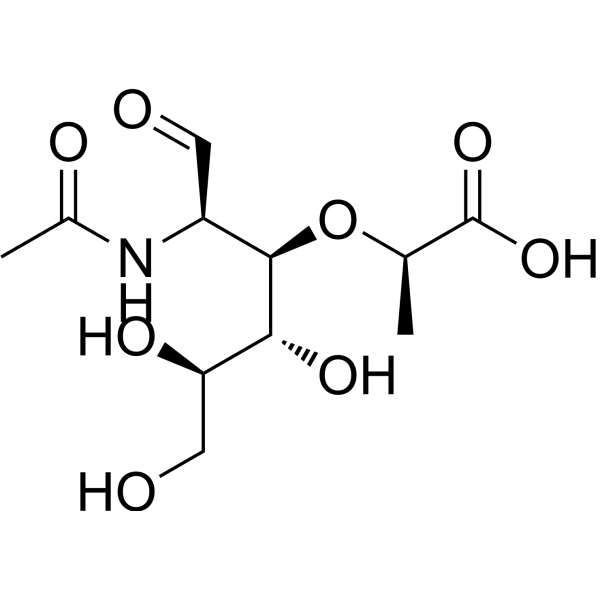
N-acetylmuramic acid is a component of the bacterial cell wall peptidoglycan, essential for maintaining cell shape and integrity . N-acetylmuramic acid inhibits spore germination by inhibiting a coat-associated hexosaminidase and a core enzyme . N-acetylmuramic acid is required by Bacteroides forsythus for proliferation and the maintenance of its cell shape . N-Acetylmuramic acid inhibits the p38 MAPK/NF-κB signaling pathway, and exhibits anti-inflammatory activity. N-Acetylmuramic acid is orally active .
Art. -Nr.: HY-B0141S2
CAS. Nr.: 221093-45-4
Synonyms: β-Estradiol-d5; 17β-Estradiol-d5; 17β-Oestradiol-d5
Estradiol-d5 is deuterium labeled Estradiol. Estradiol is a steroid sex hormone vital to the maintenance of fertility and secondary sexual characteristics in females. Estradiol upregulates IL-6 expression through the estrogen receptor β (ERβ) pathway .

