



Others
-
Others Related Products (76257)
Related Products (76257)


-
Fmoc-(R)-2-(7-octenyl)Ala-OH
 0 Images
Fmoc-(R)-2-(7-octenyl) Ala-OH is an unnatural Fmoc-protected amino acid and modification module. Fmoc-(R)-2-(7-octenyl) Ala-OH serves as a key building block for all-hydrocarbon cross-linking modification of antimicrobial peptides, and facilitates the generation of stapled peptide derivatives. When introduced into specific sites of the parent peptide, Fmoc-(R)-2-(7-octenyl) Ala-OH effectively increases the α-helix content of the peptide chain, thereby significantly enhancing its antimicrobial activity and proteolytic stability. Fmoc-(R)-2-(7-octenyl) Ala-OH is widely used in research on bacterial infections and the development of related antimicrobial agents. Stapled peptide is a specially chemically modified polypeptide. It locks the peptide chain into a stable α-helical structure by introducing a "staple"-like chemical bridge (usually an all-carbon backbone) at specific positions of the peptide chain.
-
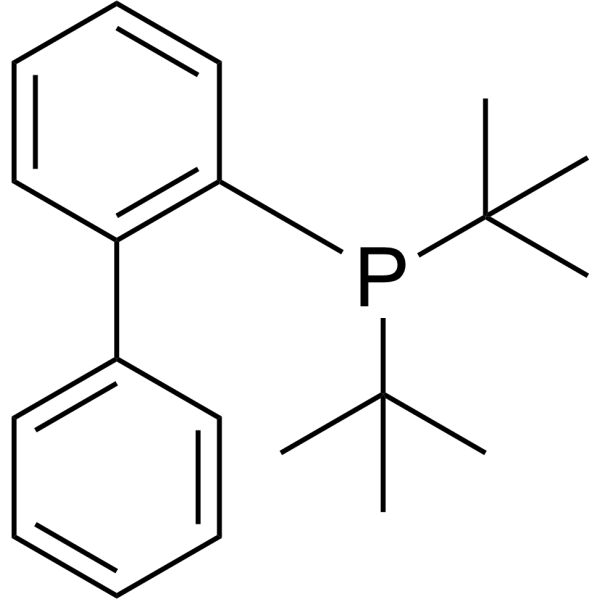
JohnPhos
 0 Images
JohnPhos is a biochemical reagent that can be used as a biological material or organic compound for life science related research.
-
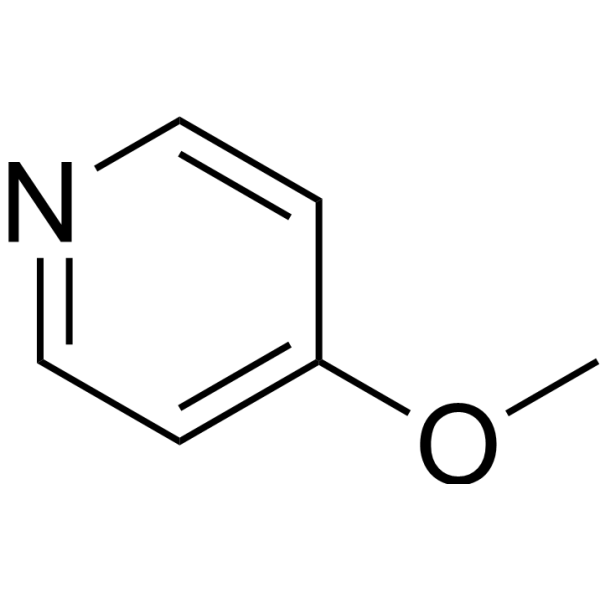
4-Methoxypyridine
 0 Images
4-Methoxypyridine is a biochemical reagent that can be used as a biological material or organic compound for life science related research.
-
1H-Imidazole-4-carboxylic acid
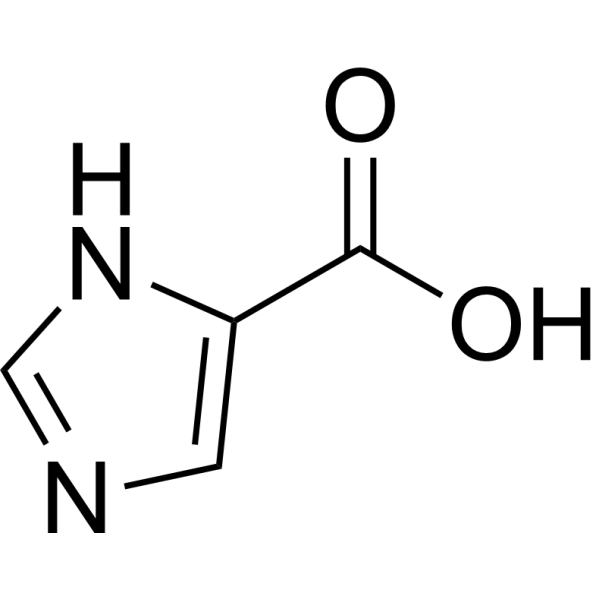 0 ImagesSynonyms: 4-Imidazolecarboxylic acid
1H-Imidazole-4-carboxylic acid (4-Imidazolecarboxylic acid) is an organic compound containing an imidazole ring and a carboxyl group. 1H-Imidazole-4-carboxylic acid stabilizes specific forms of metal ions through coordination, thus influencing the progress of chemical reactions. 1H-Imidazole-4-carboxylic acid plays an important role in the hydrolysis of phosphate esters catalyzed by lanthanide metals. 1H-Imidazole-4-carboxylic acid can be used to modify dendrimers, changing the surface properties and catalytic performance of materials.
-
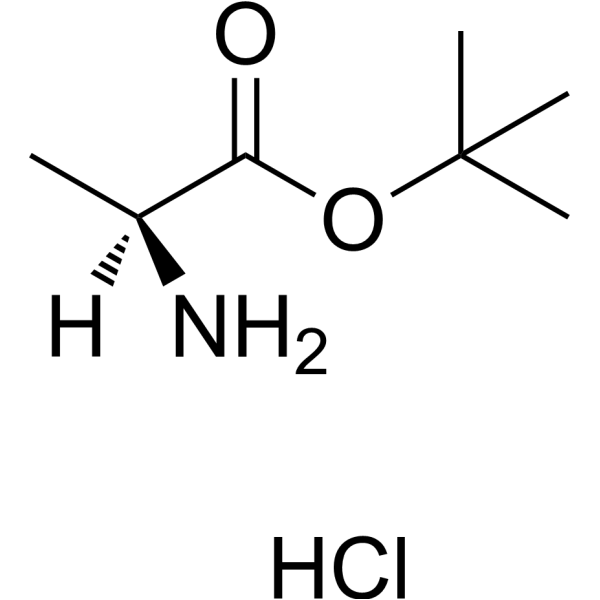
H-Ala-OtBu.HCl
 0 Images
H-Ala-OtBu.HCl is an alanine derivative.
-
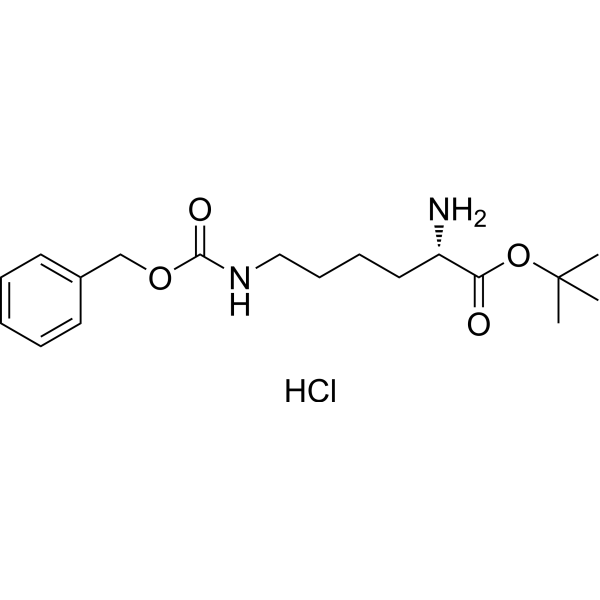
H-Lys(Z)-OtBu.HCl
 0 Images
H-Lys(Z)-OtBu.HCl is a lysine derivative.
-
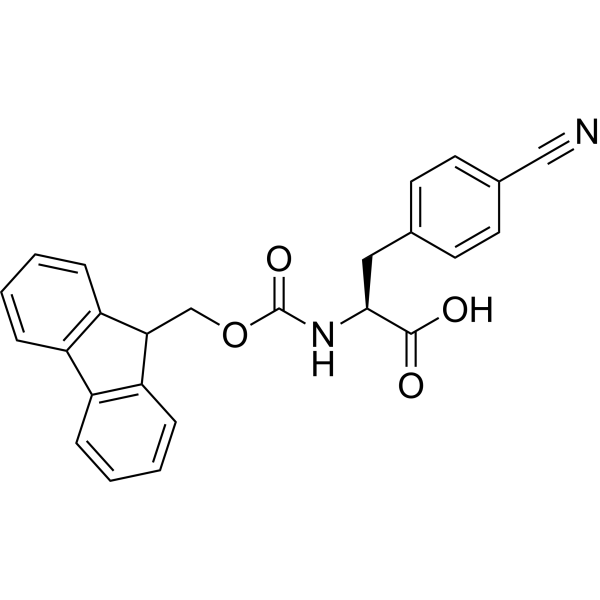
Fmoc-Phe(4-CN)-OH
 0 Images
Fmoc-Phe(4-CN)-OH is a phenylalanine derivative.
-
N-Xantphos
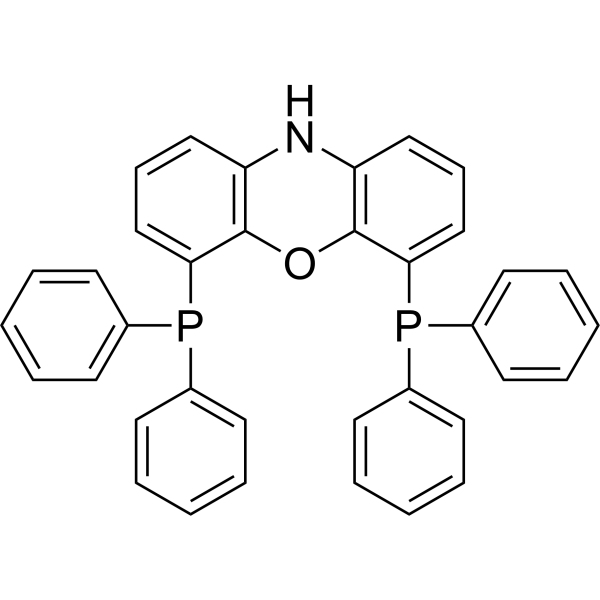 0 ImagesSynonyms: 4,6-Bis(diphenylphosphino)phenoxazine
N-Xantphos (4,6-Bis(diphenylphosphino)phenoxazine) is a biochemical reagent that can be used as a biological material or organic compound for life science related research. N-Xantphos is a functionalized analog of the Xantphos ligand. N-Xantphos can be used as supporting ligand for Pd-mediated carbonylation.
-
H-Val-OMe.HCl
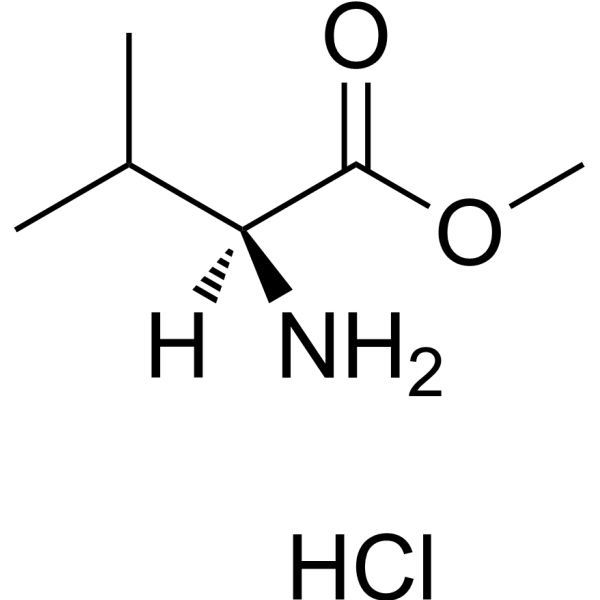 0 ImagesCat. No.: HY-W010077CAS No.: 6306-52-1
H-Val-OMe.HCl is a valine derivative.
-
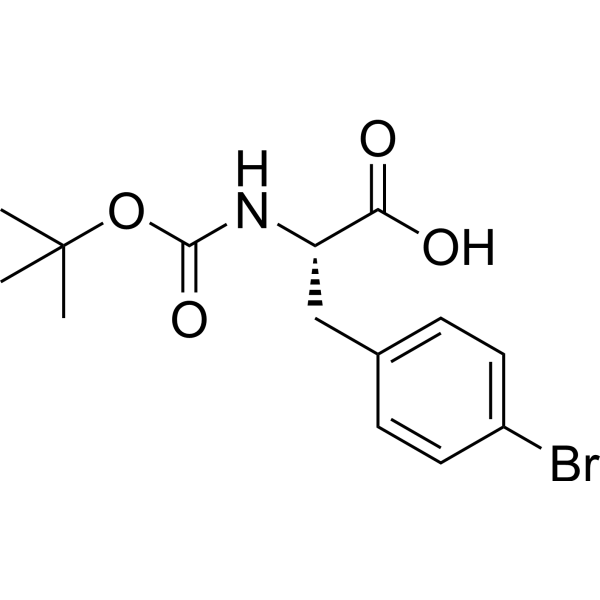
Boc-Phe(4-Br)-OH
 0 Images
Boc-Phe(4-Br)-OH is a phenylalanine derivative.
-
SPP1 Human Pre-designed siRNA Set A
 0 ImagesCat. No.: HY-RS13702
SPP1 Human Pre-designed siRNA Set A contains three designed siRNAs for SPP1 gene (Human), as well as a negative control, a positive control, and a FAM-labeled negative control.
-
Riboflavin phosphate sodium hydrate
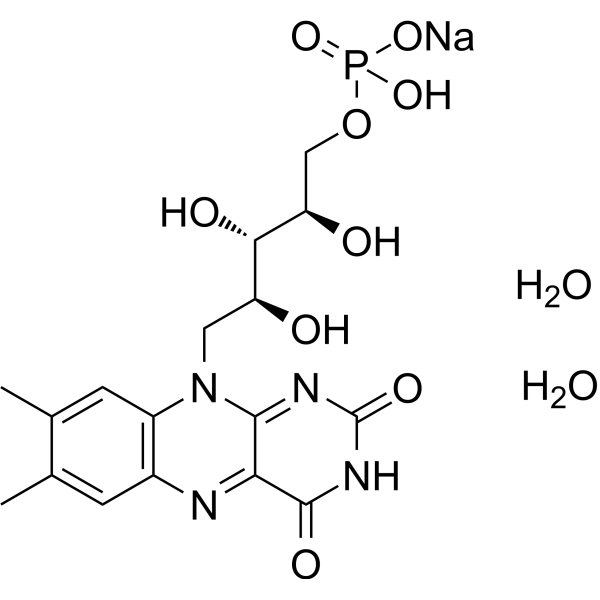 0 ImagesCat. No.: HY-W013713CAS No.: 6184-17-4Synonyms: Riboflavine phosphate sodium hydrate; Riboflavin 5'-phosphate sodium hydrate; Riboflavine 5'-phosphate sodium hydrate
Riboflavine phosphate sodium hydrate (Riboflavine 5'-phosphate sodium hydrate) is a derivative of Riboflavin (vitamin B2) which is an essential nutrient for animals. Riboflavine phosphate sodium hydrate can be used for the research of progressive keratoconus, corneal ectasia and irregular astigmatism. Riboflavine phosphate sodium hydrate is a very effective NAD+-recycling agent.
-
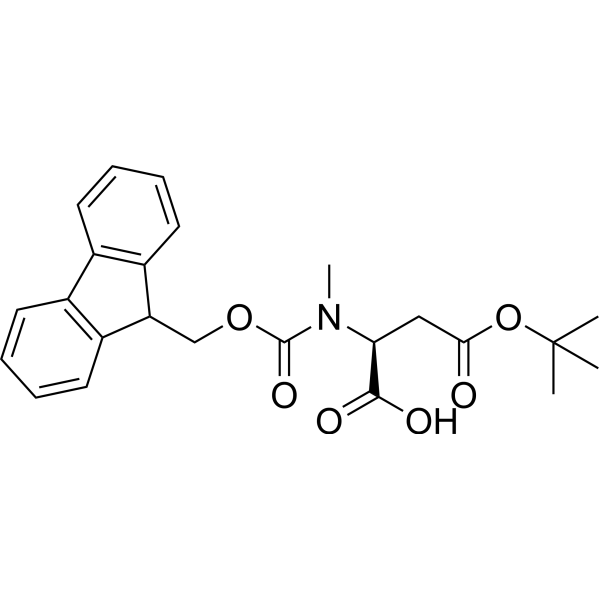
Fmoc-N-Me-Asp(OtBu)-OH
 0 Images
Fmoc-N-Me-Asp(OtBu)-OH is an aspartic acid derivative.
-
Tetraethylammonium tetrafluoroborate
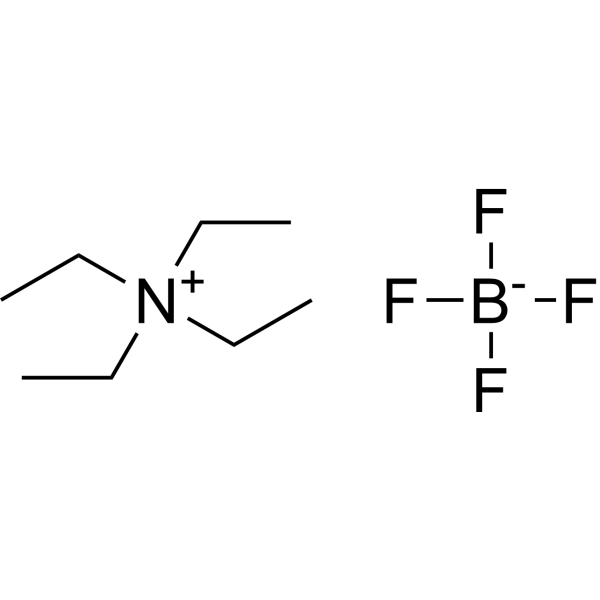 0 ImagesSynonyms: N,N,N-Triethylethanaminium tetrafluoroborate
Tetraethylammonium tetrafluoroborate is a quaternary ammonium salt consisting of a positively charged tetraethylammonium cation and a negatively charged tetrafluoroborate anion. This compound is commonly used as a phase transfer catalyst in organic chemical reactions, facilitating the transfer of reactants between immiscible phases. It can also be used as a reagent for the synthesis of various organic compounds, an electrolyte in electrochemical experiments, and a source of tetraethylammonium ions in biochemical and pharmacological research.
-
Potassium (bromomethyl)trifluoroborate
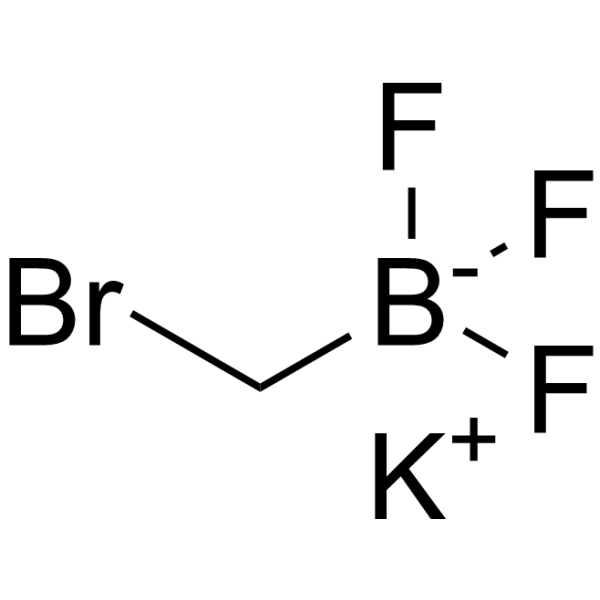 0 ImagesCat. No.: HY-W014866CAS No.: 888711-44-2
Potassium (bromomethyl)trifluoroborate is a biochemical reagent that can be used as a biological material or organic compound for life science related research.
-
3,4-Dehydro-L-proline
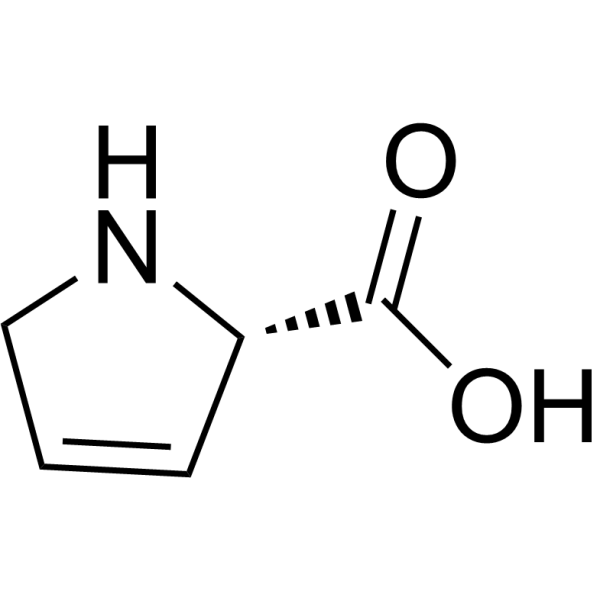 0 Images
3,4-Dehydro-L-proline is aamino acids and their derivatives.
-
Dihydroconiferyl alcohol
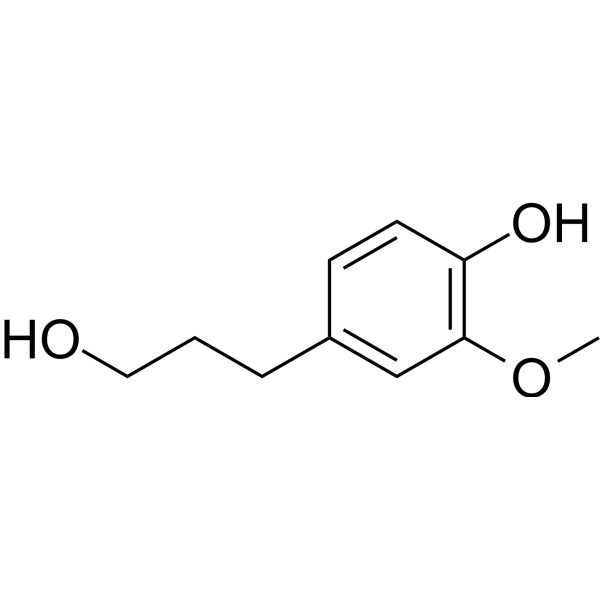 0 Images
Dihydroconiferyl alcohol is a cell division factor. Dihydroconiferyl alcohol can be isolated from the American sycamore (Acer pseudoplatanus L.). Dihydroconiferyl alcohol inhibits the degradation of Indole-3-acetic acid (HY-18569). Dihydroconiferyl alcohol can stimulate the growth of soybean and tobacco callus tissue and synergistically enhance Indole-3-acetic acid-induced hypocotyl elongation in cucumber. Dihydroconiferyl alcohol can be used in the research of plant growth regulation.
-
1,3-Diethyl 2-oxopropanedioate
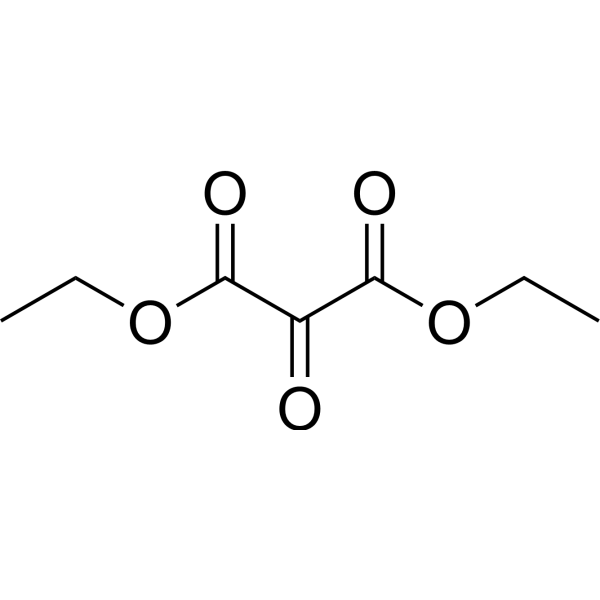 0 ImagesCat. No.: HY-W016802CAS No.: 609-09-6
1,3-Diethyl 2-oxopropanedioate is a biochemical reagent that can be used as a biological material or organic compound for life science related research.
-
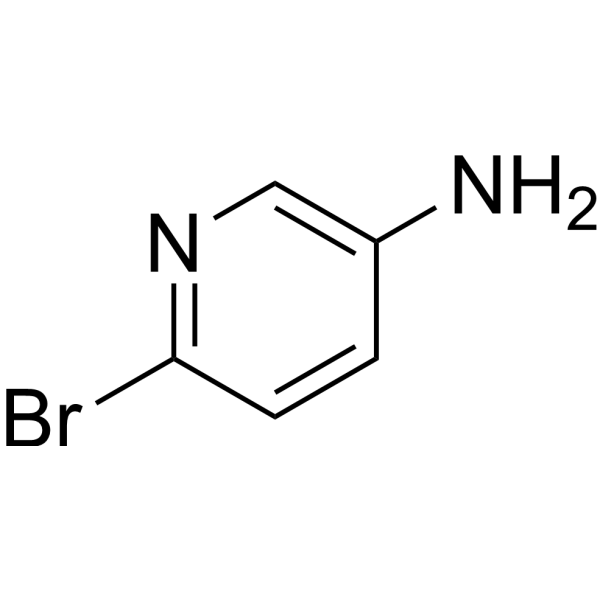
6-Bromopyridin-3-amine
 0 Images
6-Bromopyridin-3-amine is a biochemical reagent that can be used as a biological material or organic compound for life science related research.
-
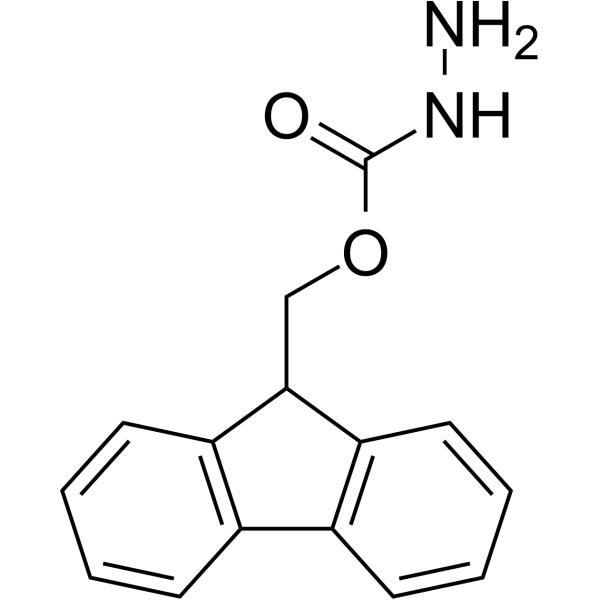
9-Fluorenylmethyl carbazate
 0 Images
9-Fluorenylmethyl carbazate is used as a fluorophore reagent for a fluorimetric detection of glycans.



