



Others
-
Others Related Products (74978)
Related Products (74978)


-
4-tert-Butylphenylboronic acid
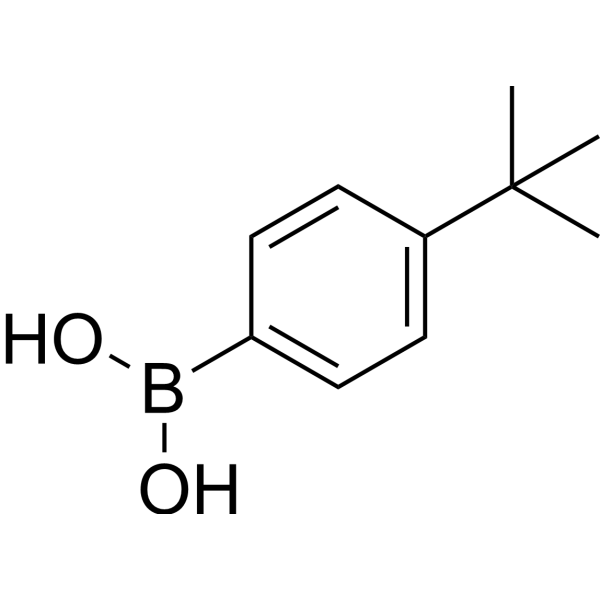 0 Images
4-tert-Butylphenylboronic acid is a biochemical reagent that can be used as a biological material or organic compound for life science related research.
-
2-Fluoro-5-iodopyridine
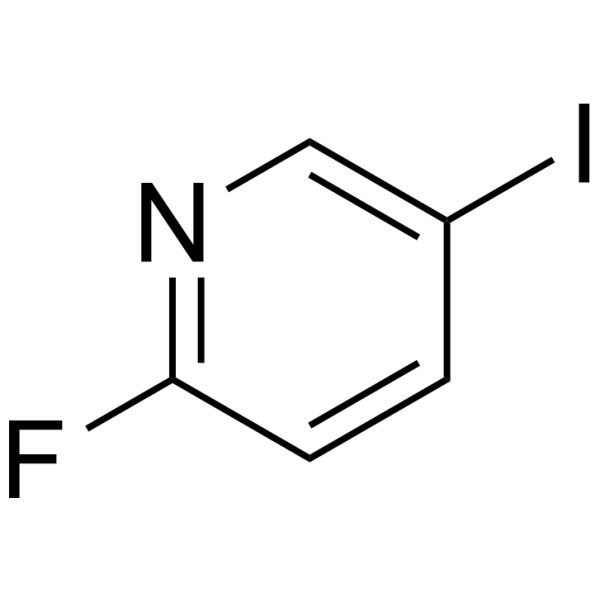 0 Images
2-Fluoro-5-iodopyridine is an electrolyte additive. 2-Fluoro-5-iodopyridine can not only effectively protect the anode by forming a stable SEI film, but also convert dead lithium into active lithium. 2-Fluoro-5-iodopyridine effectively improves the performance of lithium metal batteries.
-
(S)-3-(4-Aminophenyl)-2-((tert-butoxycarbonyl)amino)propanoic acid
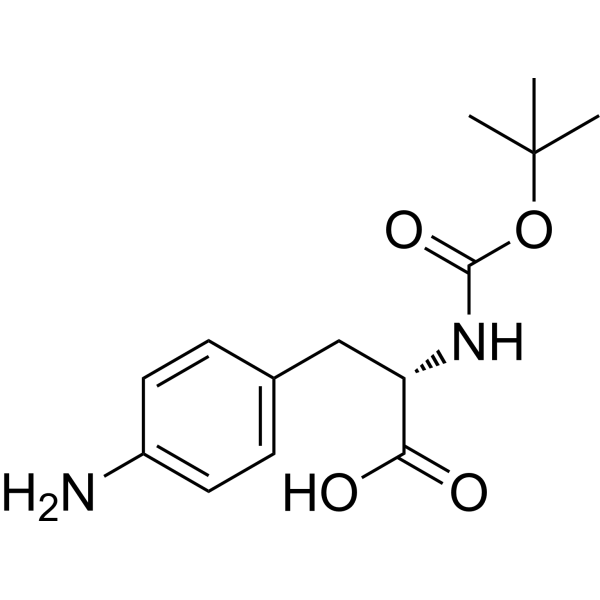 0 Images
(S)-3-(4-Aminophenyl)-2-((tert-butoxycarbonyl)amino)propanoic acid is a phenylalanine derivative.
-
Pyridin-4-ol
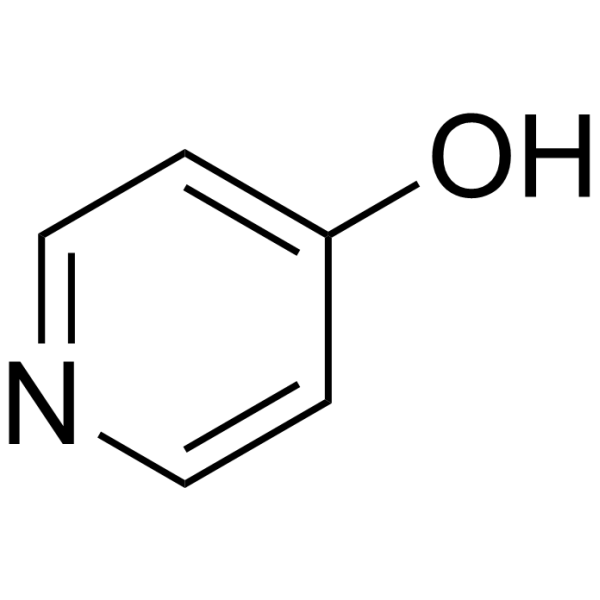 0 Images
Pyridin-4-ol is a pyridinol and can be used as synthetic intermediate.
-
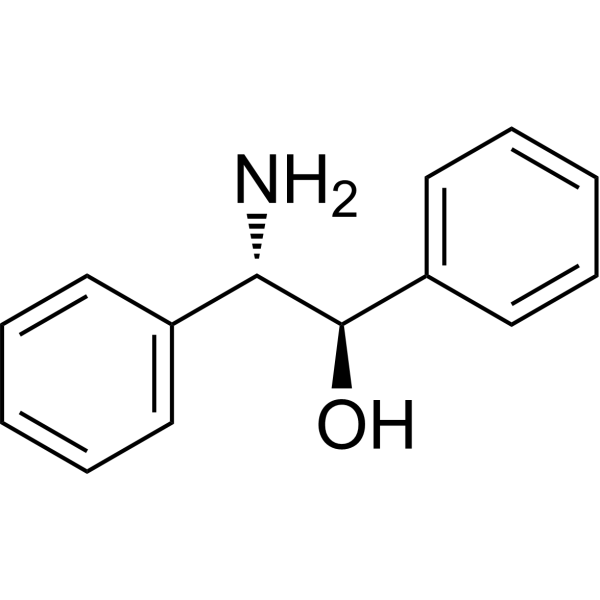
(1R,2S)-2-Amino-1,2-diphenylethanol
 0 Images
(1R,2S)-2-Amino-1,2-diphenylethanol is a biochemical reagent that can be used as a biological material or organic compound for life science related research.
-
2-Iodobenzaldehyde
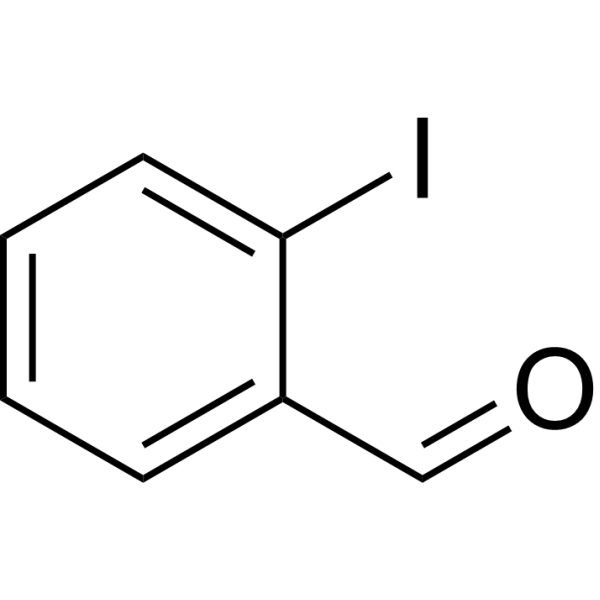 0 ImagesSynonyms: o-Iodobenzaldehyde
2-Iodobenzaldehyde (o-Iodobenzaldehyde) is a biochemical reagent that can be used as a biological material or organic compound for life science related research.
-
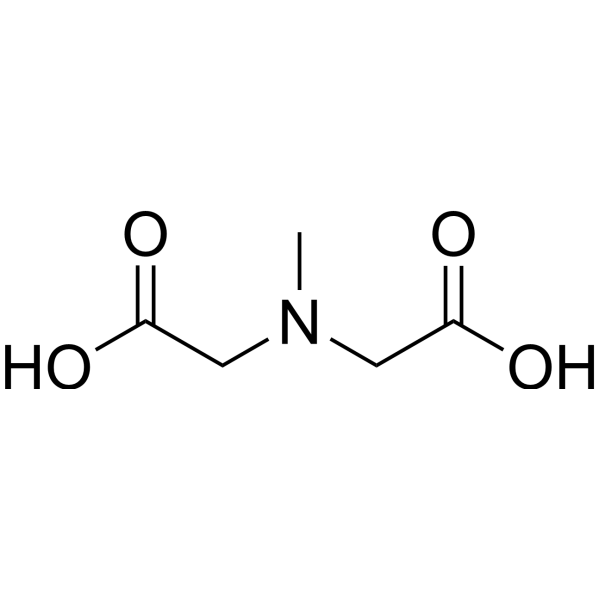
N-Methyliminodiacetic acid
 0 Images
2,2'-(Methylazanediyl)diacetic acid is a biochemical reagent that can be used as a biological material or organic compound for life science related research.
-
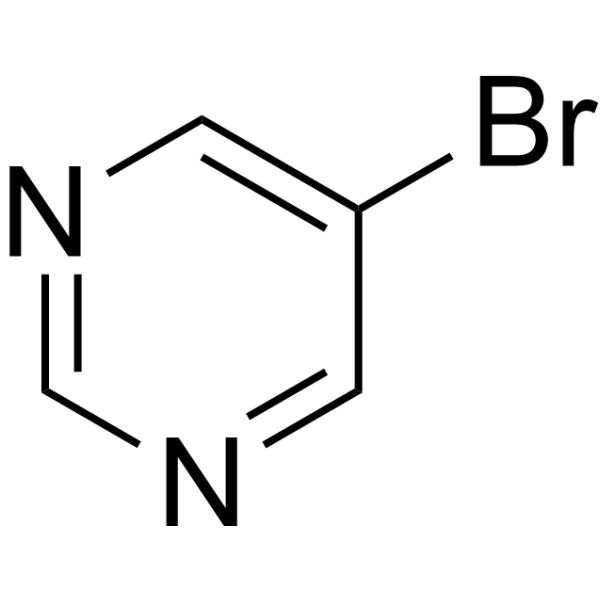
5-Bromopyrimidine
 0 Images
5-Bromopyrimidine is a biochemical reagent that can be used as a biological material or organic compound for life science related research.
-
Quinoline-2-carboxaldehyde
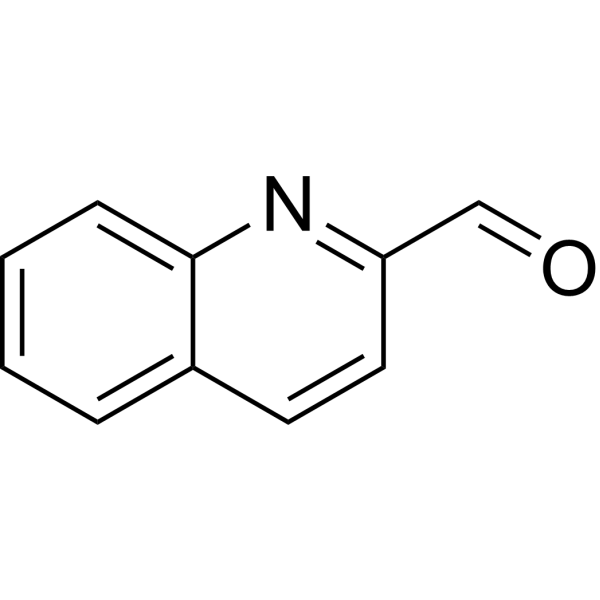 0 ImagesSynonyms: 2-Quinolinecarboxaldehyde
Quinoline-2-carboxaldehyde (2-Quinolinecarboxaldehyde) is a quinoline derivative that serves as a synthetic precursor for Schiff base copper complexes. Quinoline-2-carboxaldehyde is applicable to research related to the synthetic design of biomaterials or organic compounds, such as fluorescent sensors.
-
Fmoc-D-Nle-OH
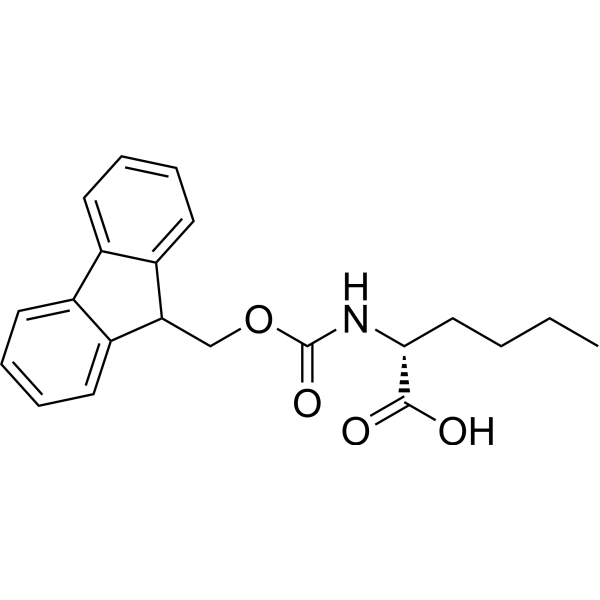 0 Images
Fmoc-D-Nle-OH is a leucine derivative.
-
Tris(4-fluorophenyl)phosphine
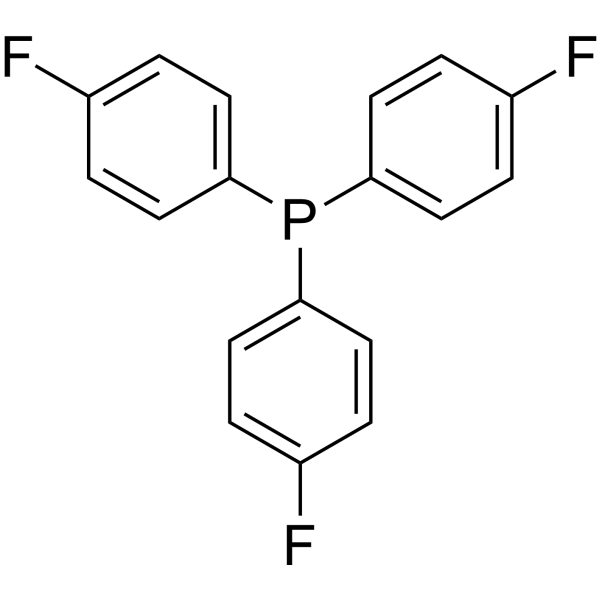 0 ImagesCat. No.: HY-W008707CAS No.: 18437-78-0
Tris(4-fluorophenyl)phosphine is a biochemical reagent that can be used as a biological material or organic compound for life science related research.
-
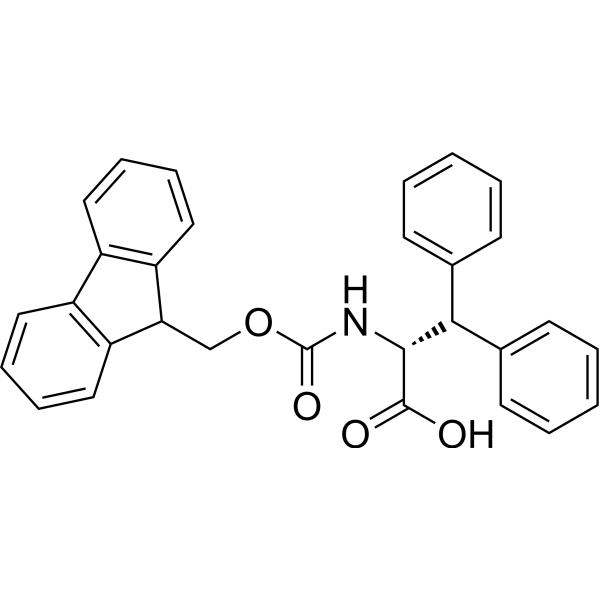
Fmoc-D-3,3-diphenylalanine
 0 Images
Fmoc-D-3,3-diphenylalanine is a non-natural D-configuration amino acid derivative protected by Fmoc and commonly used in peptide synthesis research.
-
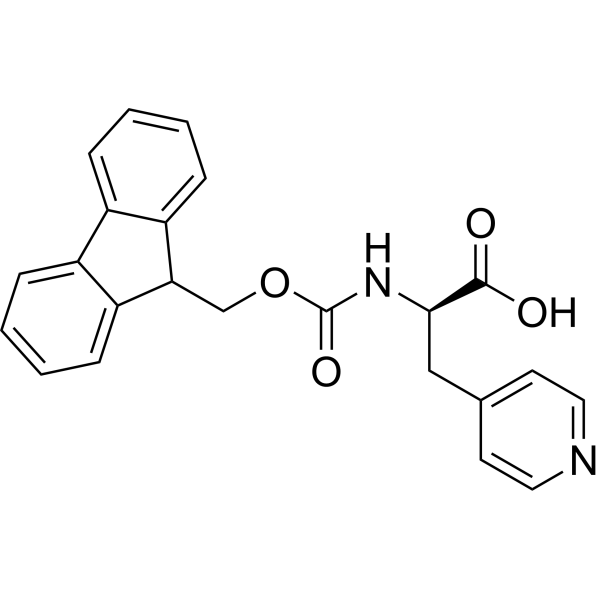
Fmoc-D-4-Pal-OH
 0 Images
Fmoc-D-4-Pal-OH is an alanine derivative.
-
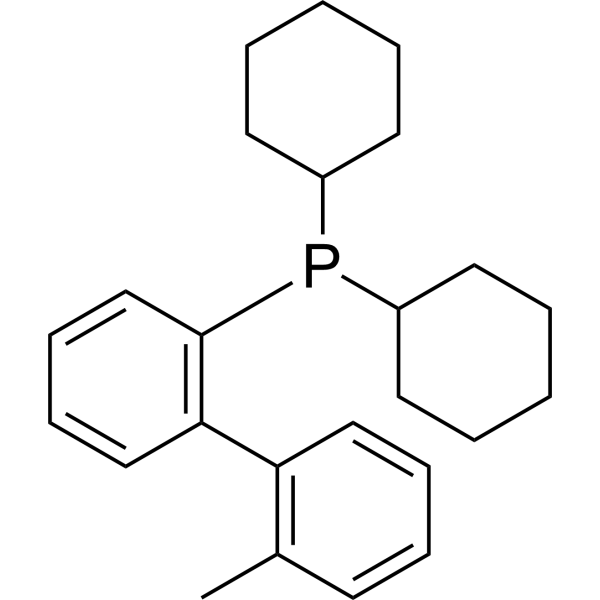
MePhos
 0 Images
MePhos is an o-BPP ligand. The combination of MePhos and silver carbonate serves as a catalyst for H/D exchange reactions.
-
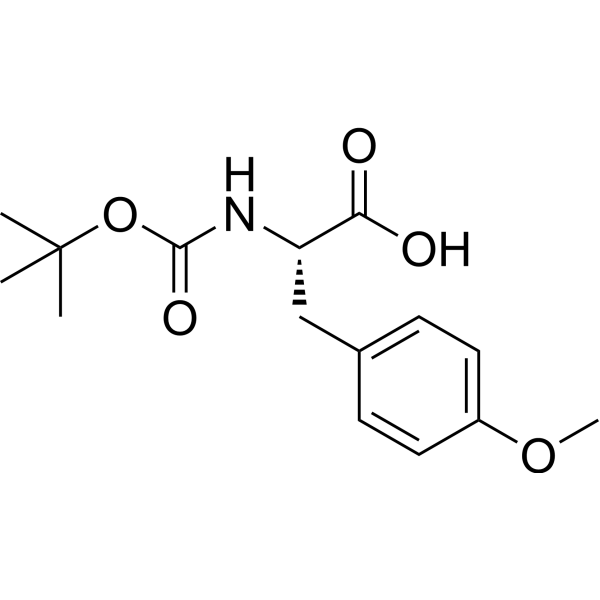
Boc-Tyr(Me)-OH
 0 Images
Boc-Tyr(Me)-OH is a tyrosine derivative.
-
Amphos
 0 ImagesCat. No.: HY-W009410CAS No.: 932710-63-9
Amphos is a biochemical reagent that can be used as a biological material or organic compound for life science related research.
-
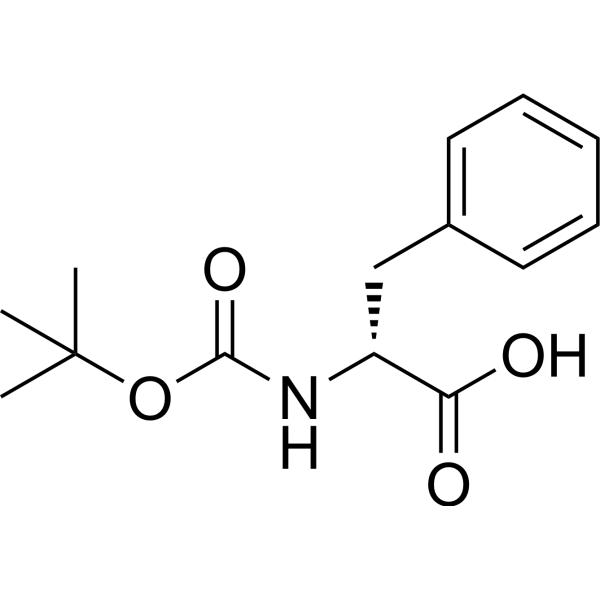
Boc-D-Phe-OH
 0 Images
Boc-D-Phe-OH is a phenylalanine derivative.
-
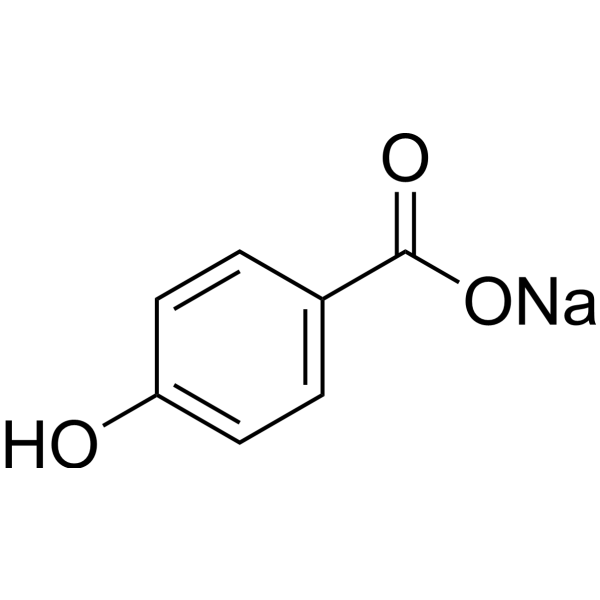
4-Hydroxybenzoate sodium
 0 Images
4-Hydroxybenzoate sodium, also known as sodium p-hydroxybenzoate or sodium paraben, is commonly used as a food preservative and cosmetic preservative. It can also be used as an additive in a variety of other products, including pharmaceuticals, personal care products, and industrial products. Additionally, 4-Hydroxybenzoate sodium has the potential to function as xenoestrogens, which may mimic the effects of estrogen in the body and affect hormonal balance.
-
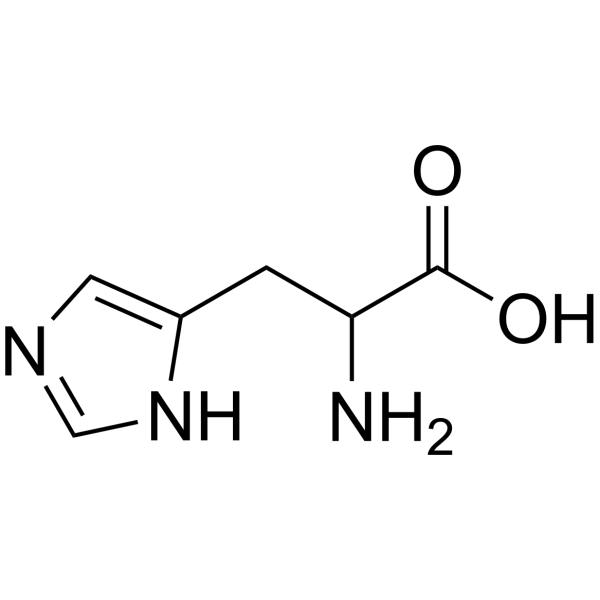
DL-Histidine
 0 Images
DL-Histidine is a histidine derivative.



