



Others
-
Others Related Products (75252)
Related Products (75252)


-
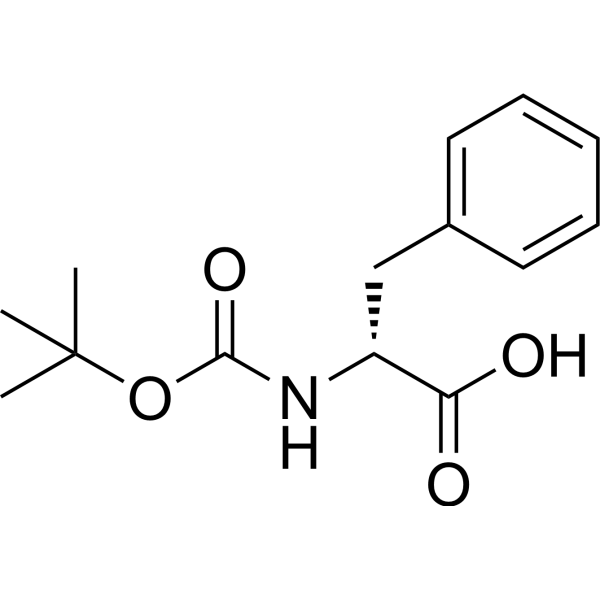
Boc-D-Phe-OH
 0 Images
Boc-D-Phe-OH is a phenylalanine derivative.
-
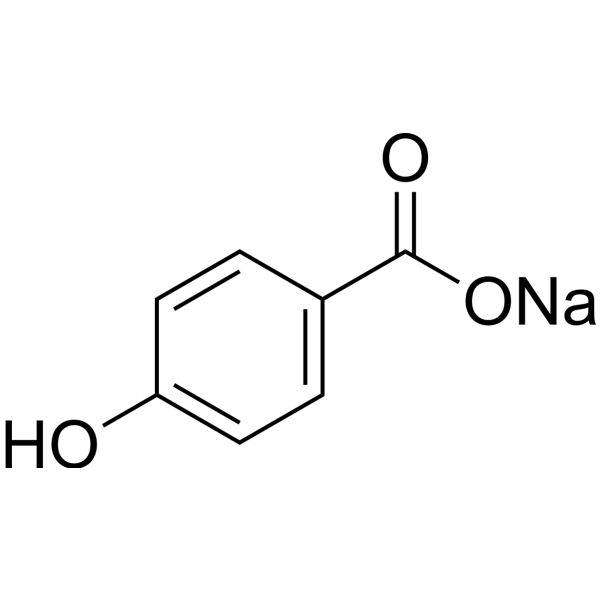
4-Hydroxybenzoate sodium
 0 Images
4-Hydroxybenzoate sodium, also known as sodium p-hydroxybenzoate or sodium paraben, is commonly used as a food preservative and cosmetic preservative. It can also be used as an additive in a variety of other products, including pharmaceuticals, personal care products, and industrial products. Additionally, 4-Hydroxybenzoate sodium has the potential to function as xenoestrogens, which may mimic the effects of estrogen in the body and affect hormonal balance.
-
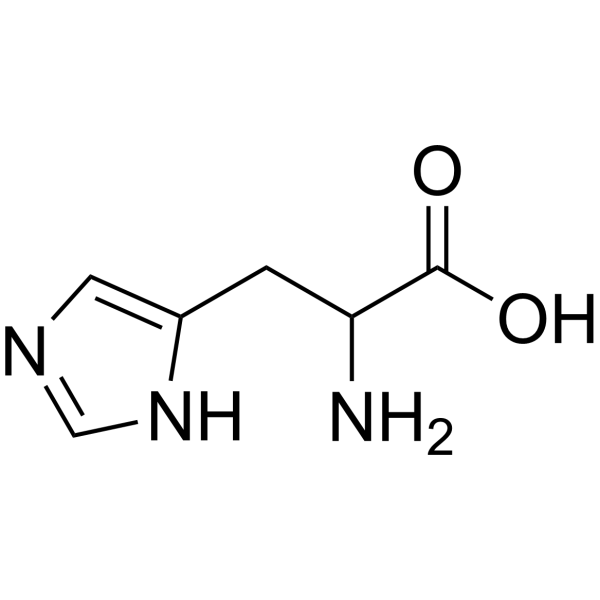
DL-Histidine
 0 Images
DL-Histidine is a histidine derivative.
-
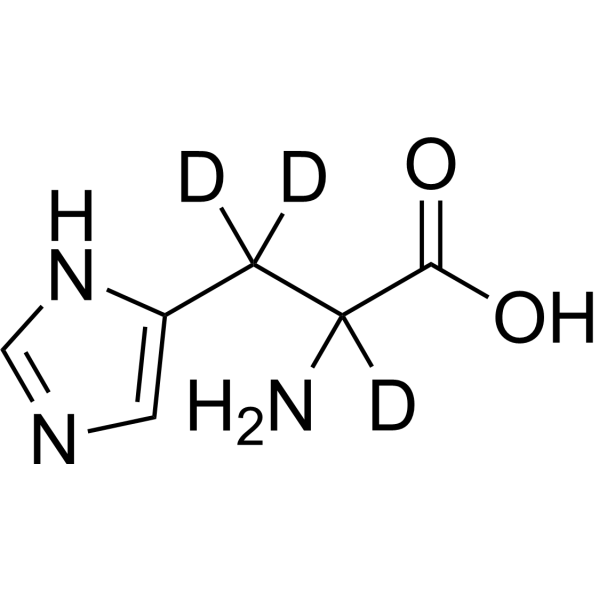
DL-Histidine-d3
 0 Images
DL-Histidine-d3 is the deuterium labeled DL-Histidine.
-
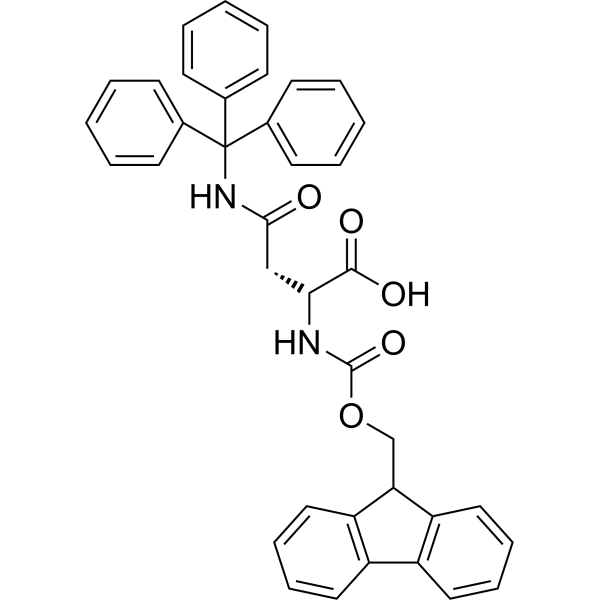
Fmoc-D-Asn(Trt)-OH
 0 Images
N2-[(9H-Fluoren-9-ylmethoxy)carbonyl]-N-(triphenylmethyl)-D-asparagine is an asparagine derivative.
-
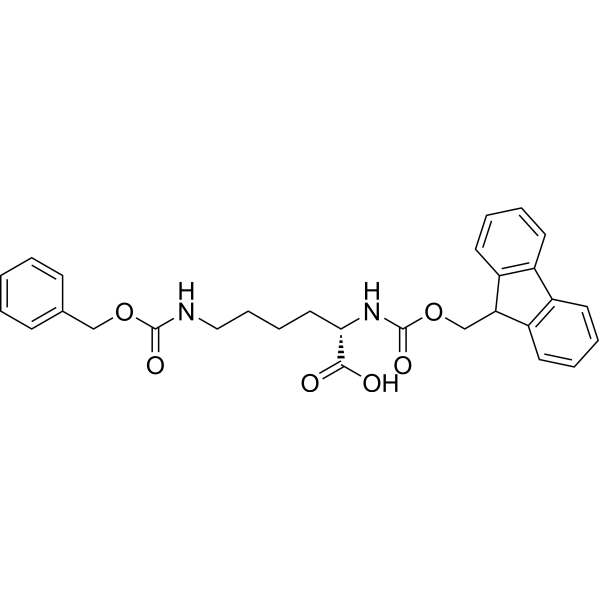
Fmoc-Lys(Z)-OH
 0 Images
Fmoc-Lys(Z)-OH is a lysine derivative.
-
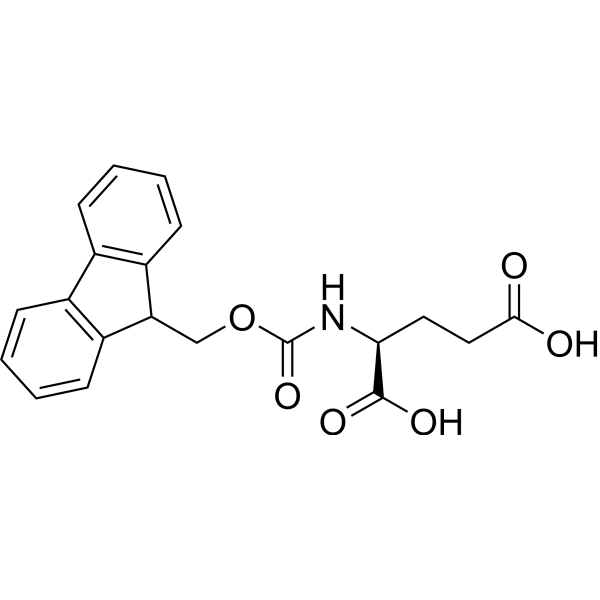
Fmoc-Glu-OH
 0 Images
Fmoc-Glu-OH is a glutamic acid derivative.
-
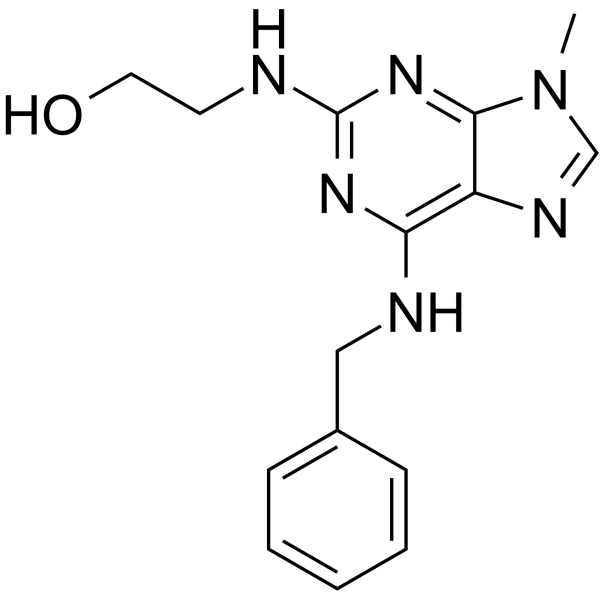
Olomoucine
 0 Images
Olomoucine is an ATP competitive inhibitor of CDKs. Olomoucine is a purine (HY-34431) derivative and inhibits CDC2/cyclin B, Cdk2/cyclin A, Cdk2/cyclin E (both IC50=7 μM), CDK/p35 kinase (IC50=3 μM) and ERK1/p44 MAP kinase (IC50=25 μM). Olomoucine regulates cell cycle and shows anti-melanin tumor activity.
-
NDSB-256
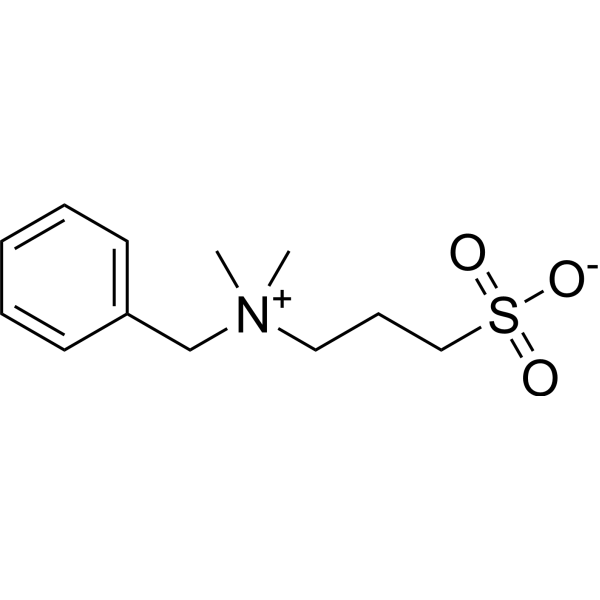 0 ImagesSynonyms: 3-(Benzyldimethylammonio)propane-1-sulfonate; PDA
NDSB-256 is a non-stain remover sulfabetaine. NDSB-256 prevents protein aggregation and promotes denaturation of chemically and thermally denatured proteins.
-
Fmoc-Phe(4-I)-OH
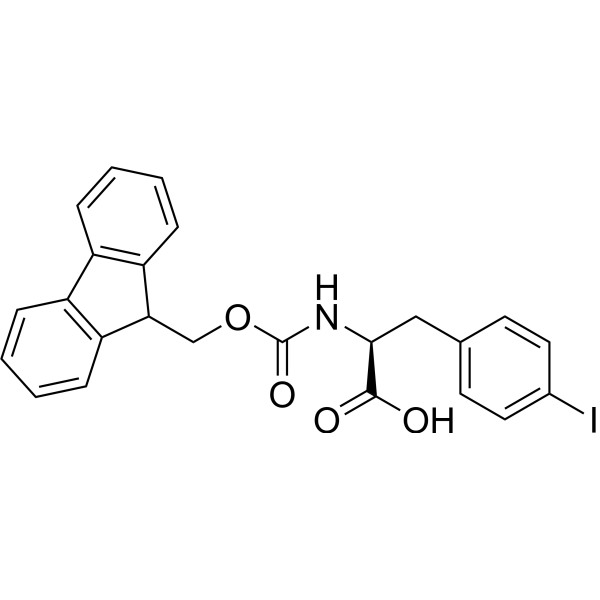 0 Images
Fmoc-Phe(4-I)-OH is a phenylalanine derivative.
-
Dibenzyl N,N-diisopropylphosphoramidite
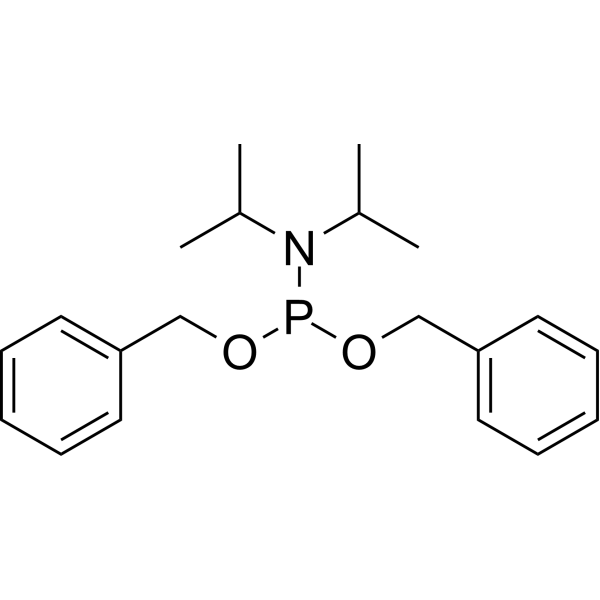 0 ImagesCat. No.: HY-W013777CAS No.: 108549-23-1
Dibenzyl diisopropylphosphoramidite is a biochemical reagent that can be used as a biological material or organic compound for life science related research.
-
N-Acetyl-D-phenylalanine
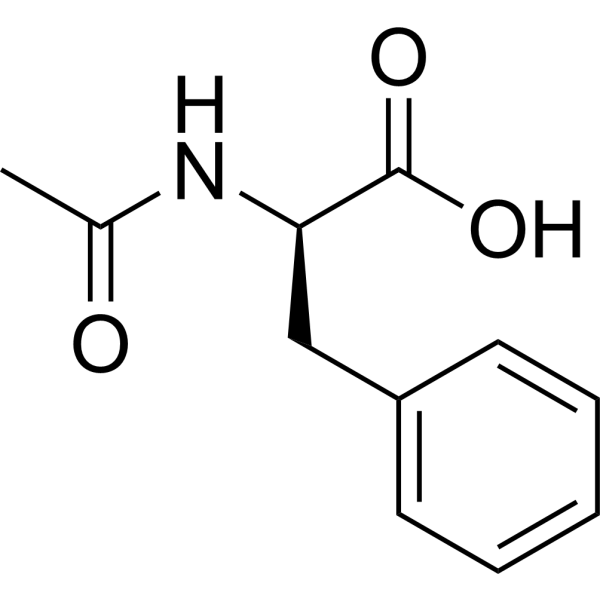 0 Images
N-Acetyl-D-phenylalanine is a phenylalanine derivative.
-
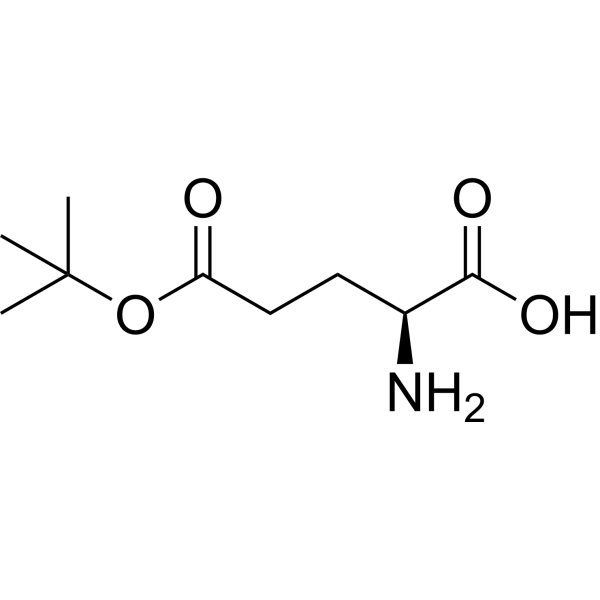
(S)-2-Amino-5-(tert-butoxy)-5-oxopentanoic acid
 0 Images
(S)-2-Amino-5-(tert-butoxy)-5-oxopentanoic acid is a glutamic acid derivative.
-
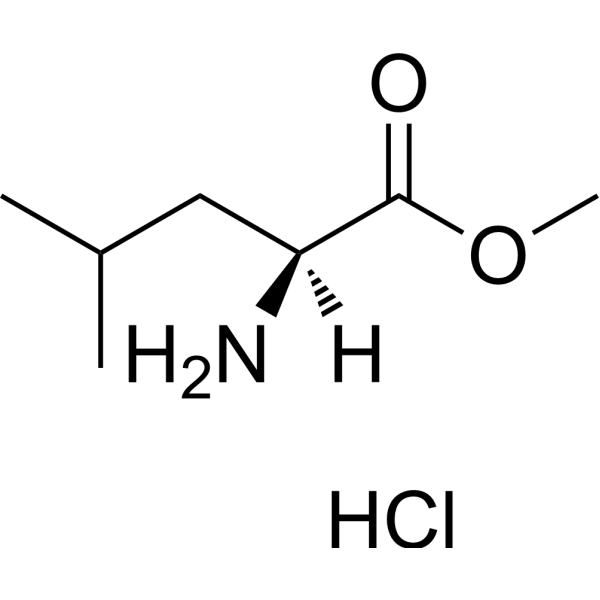
H-Leu-OMe.HCl
 0 Images
H-Leu-OMe.HCl is a leucine derivative.
-
4-(Dimethylamino)cinnamaldehyde
 0 Images
4-(Dimethylamino) cinnamaldehyde is a staining agent that reacts with flavan-3-ols and Proanthocyanidins (HY-N0794) bearing meta-dihydroxyl or trihydroxyl phenol structures to form a green chromophore. In acidic media, 4-(Dimethylamino) cinnamaldehyde undergoes a condensation reaction with aromatic primary amines to produce colored and stable quinoid protonated Schiff base salts. 4-(Dimethylamino) cinnamaldehyde can be used to determine indole products of apotryptophanase and tryptophanase, as well as for the detection and analysis of Proanthocyanidins, with the absorbance detection wavelength of the calibration curve set at 640 nm.
-
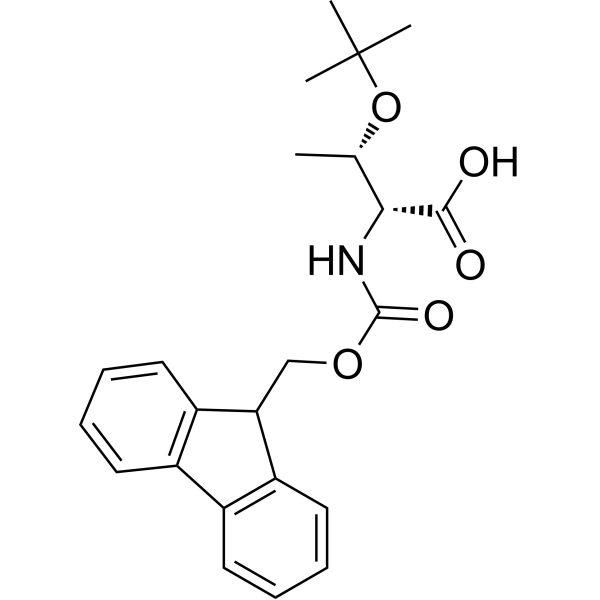
Fmoc-D-Thr(tBu)-OH
 0 Images
(2S)-2-((((9H-fluoren-9-yl)methoxy)carbonyl)amino)-3-(tert-butoxy)butanoic acid is a threonine derivative.
-
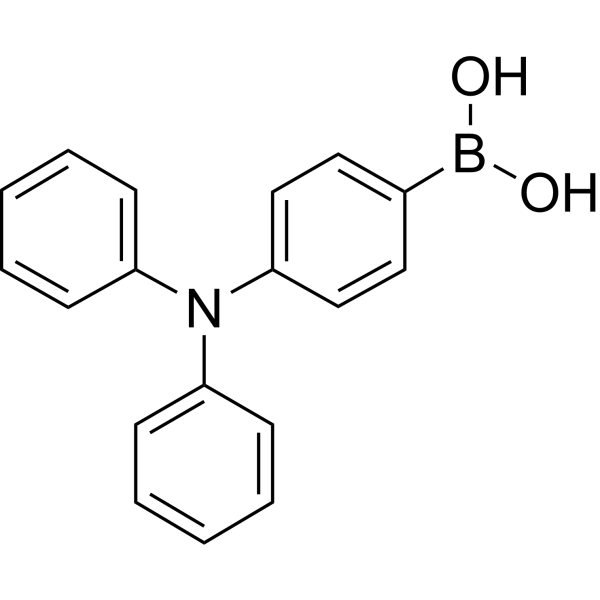
4-(Diphenylamino)benzeneboronic acid
 0 Images
4-(Diphenylamino)benzeneboronic acid is a biochemical reagent that can be used as a biological material or organic compound for life science related research.
-
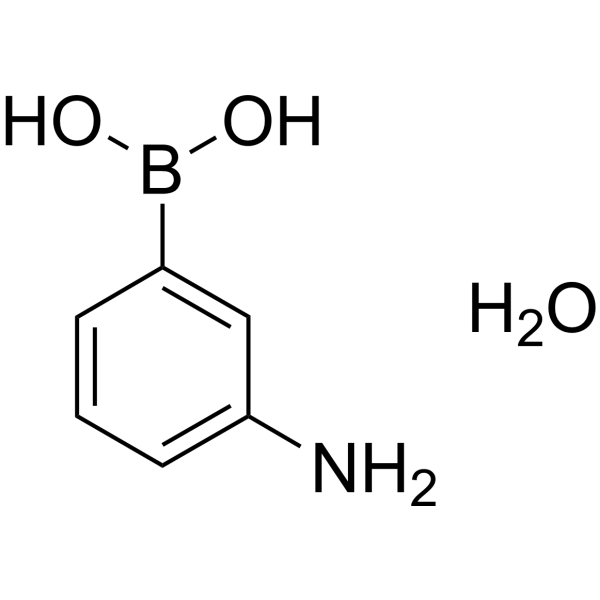
3-Aminophenylboronic acid monohydrate
 0 Images
3-Aminophenylboronic acid monohydrate is a biochemical reagent that can be used as a biological material or organic compound for life science related research.
-
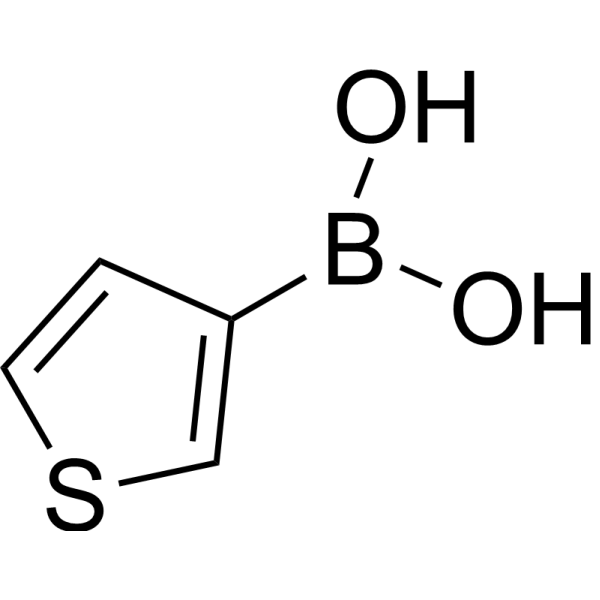
3-Thienylboronic acid
 0 Images
3-Thienylboronic acid is a biochemical reagent that can be used as a biological material or organic compound for life science related research.
-
SLC7A11 Human Pre-designed siRNA Set A
 0 ImagesCat. No.: HY-RS13325
SLC7A11 Human Pre-designed siRNA Set A contains three designed siRNAs for SLC7A11 gene (Human), as well as a negative control, a positive control, and a FAM-labeled negative control.



