



Zingerone
Based on 8 publication(s) in Google Scholar
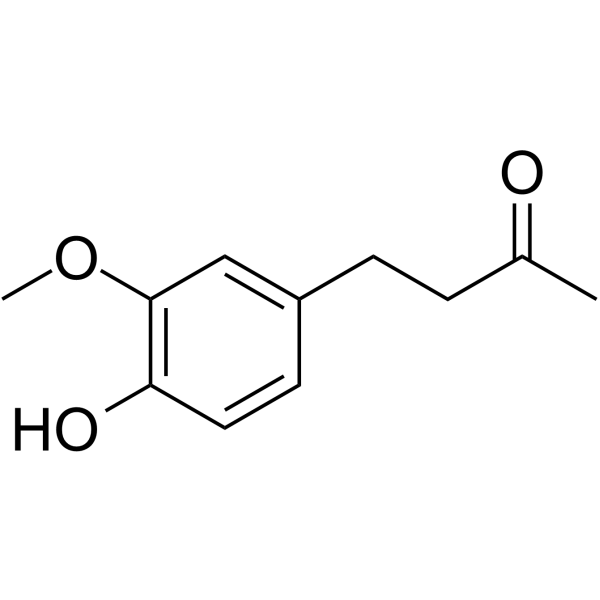
Zingerone (Vanillylacetone) is a nontoxic methoxyphenol isolated from Zingiber officinale, with potent anti-inflammatory, antidiabetic, antilipolytic, antidiarrhoeic, antispasmodic and anti-tumor properties. Zingerone alleviates oxidative stress and inflammation, down-regulates NF-κB mediated signaling pathways. Zingerone acts as an anti-mitotic agent, and inhibits the growth of neuroblastoma cells. Zingerone can cross the blood-brain barrier (BBB).
Nur für Forschungszwecke. Wir verkaufen nicht an Patienten.
- Reinheit : 99.77%
- CAS. Nr.: 122-48-5
- Formel: C11H14O3
- Molecular Weight:194.23
-
Speicherung:
4°C, sealed storage, away from moisture
* In solvent : -80°C, 6 months; -20°C, 1 month (sealed storage, away from moisture)

To place orders, for customer services and technical support, please contact: MedChemExpress USA
Tel: 609-228-6898 E-mail: [email protected] [email protected]


-
 Biologische Aktivität
-
Chemical Information
-
Lösungsmittel & Löslichkeit
- Protokoll
- Reinheit & Dokumentation
- Verweise
-
 Help & FAQs


-
![[6]-Gingerol](https://file.medchemexpress.com/product_pic/hy-14615.gif)
HY-14615
[6]-GingerolApoptosis Inducer -
HY-14616
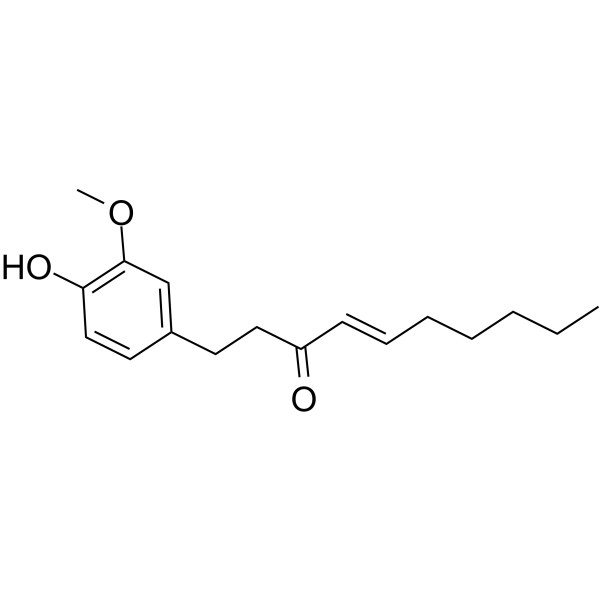
ShogaolAutophagy Inducer -

HY-14621R
Zingerone (Standard)Phenolic Ketone -
HY-N0191
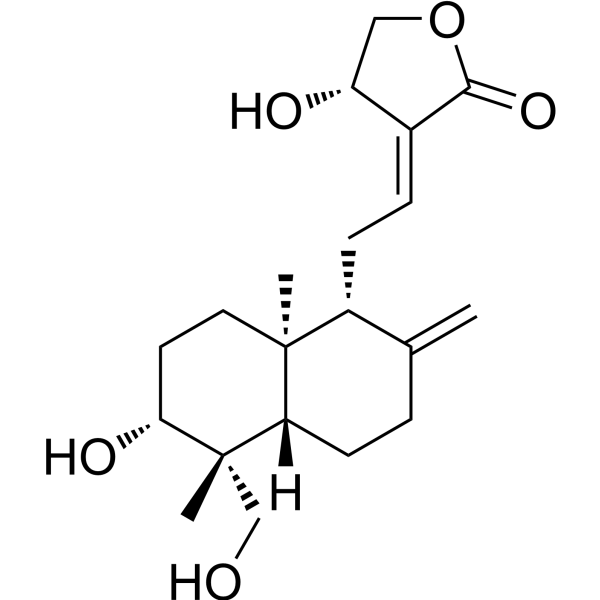
AndrographolideNF-κB Inhibitor -
HY-18738
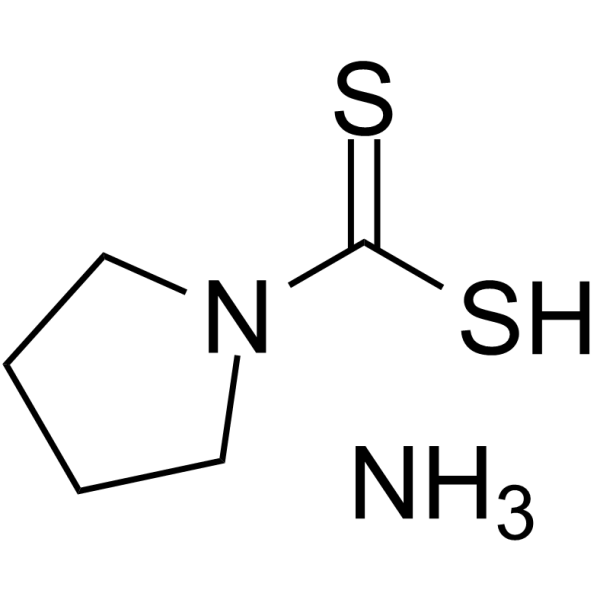
Pyrrolidinedithiocarbamate ammoniumSelective NF-κB Inhibitor -
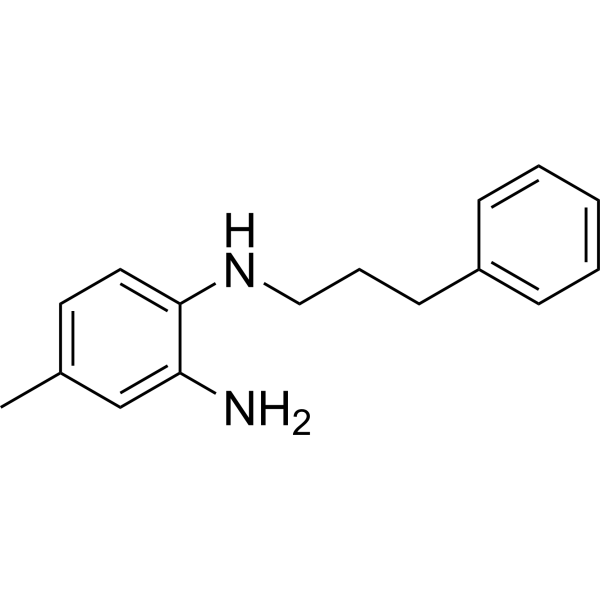
HY-13982
JSH-23NF-κB Inhibitor -
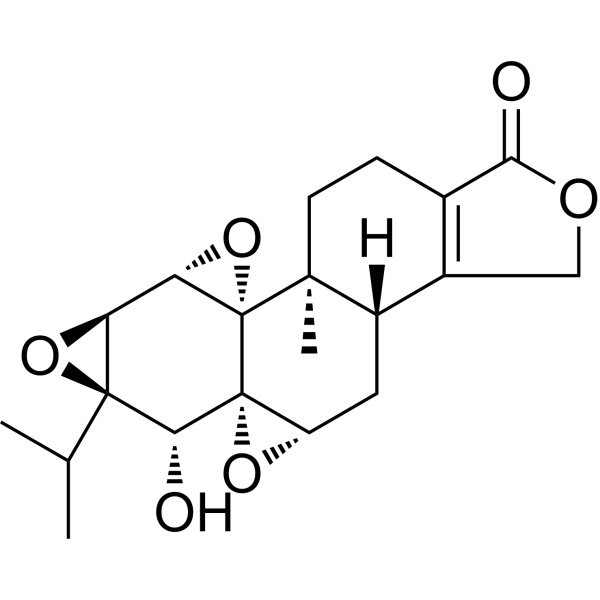
HY-32735
TriptolideImmunosuppressive Agent -
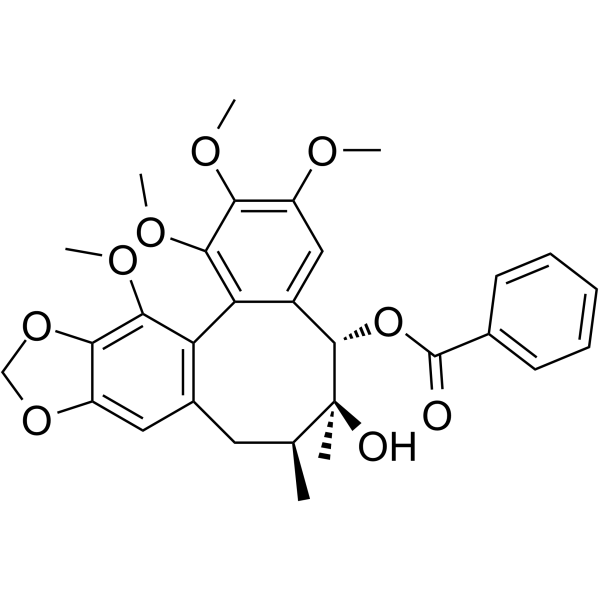
HY-N0694
Schisantherin ANF-κB Inhibitor -
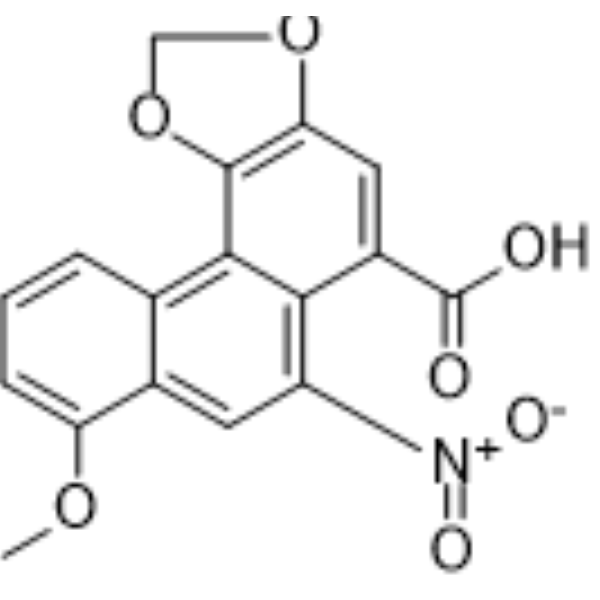
HY-N0510
Aristolochic acid ANF-κB Inhibitor -
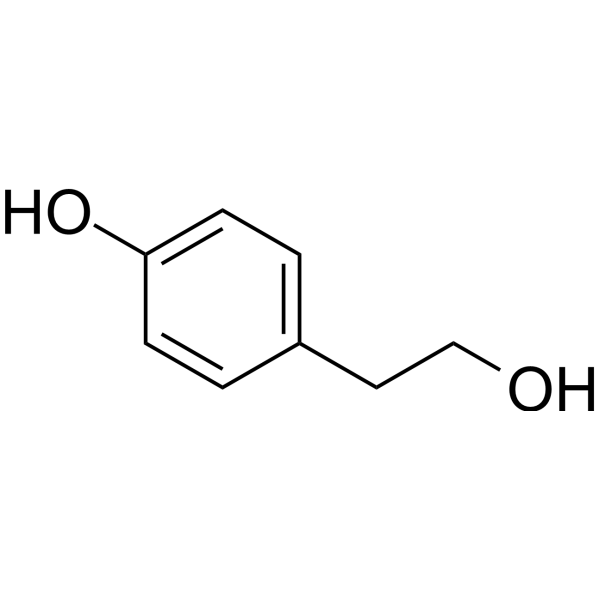
HY-N0474
TyrosolEndogenous Metabolite -
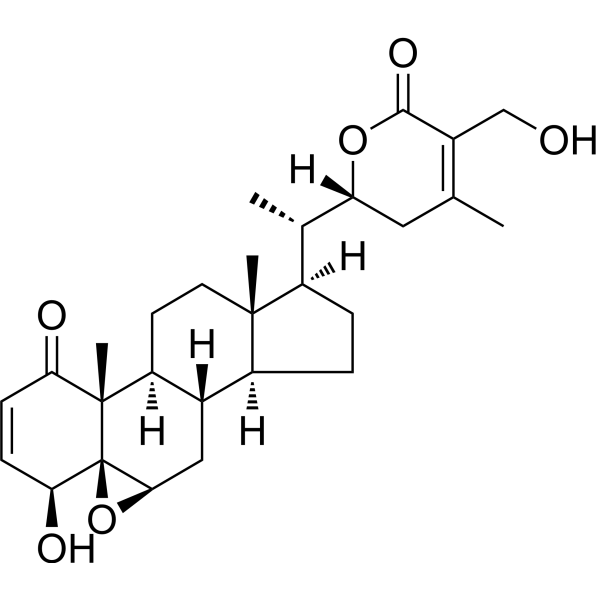
HY-N2065
Withaferin ANF-κB Inhibitor -
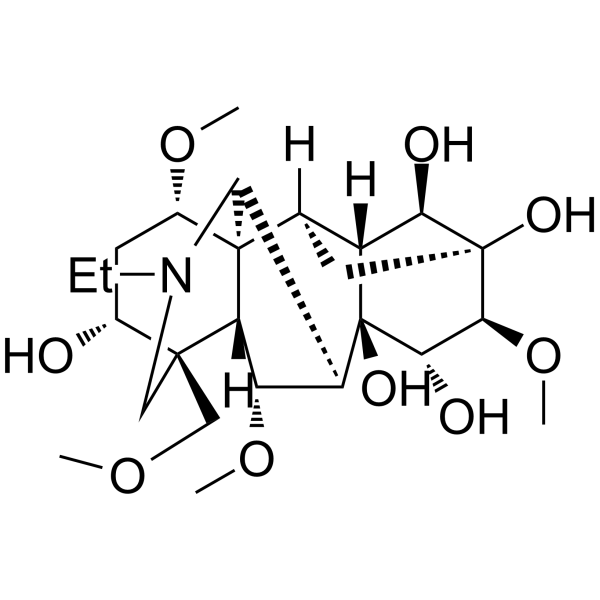
HY-N0277
AconineNF-κB Inhibitor
Publications Citing Use of MedChemExpress (MCE) Zingerone
More- Int Immunopharmacol. 2024 Sep 20;142(Pt B):113198. [Abstract]
- Int J Mol Sci. 2022 Aug 26;23(17):9696. [Abstract]
- Microorganisms. 2026 Feb 26;14(3):539. [Abstract]
- Curr Issues Mol Biol. 2025 Nov 19;47(11):963. [Abstract]
- J Funct Foods. 2024 Aug.
- Toxicol Mech Methods. 2026 Jun 25:1-12. [Abstract]
- Braz J Med Biol Res. 2026 Jul 3:59:e15216. [Abstract]
- Saudi J Biol Sci. 2023 Oct;30(10):103775. [Abstract]
 Customer Validation & Images

-
Cell Proliferation/Viability Assay
-
WB
-
Cell Imaging/Staining
-
In Vivo Efficacy Study
-
Histological Imaging/Staining


Biologische Aktivität
Beschreibung
IC50 & Target
NF-κB[3]
Cellular Effect
|
Cell Line

|
Type | Value | Description | References |
|---|---|---|---|---|
| B16 | IC50 |
>100 μM
Compound: 9
|
Inhibition of melanogenesis in theophylline-stimulated mouse B16-4A5 cells after 72 hrs
Inhibition of melanogenesis in theophylline-stimulated mouse B16-4A5 cells after 72 hrs
|
[PMID: 19615910] |
| B16-4A5 | IC50 |
>100 μM
Compound: 9
|
Inhibition of theophylline-stimulated mouse B16-4A5 cell proliferation assessed as cell viability after 68 hrs by WST8 assay
Inhibition of theophylline-stimulated mouse B16-4A5 cell proliferation assessed as cell viability after 68 hrs by WST8 assay
|
[PMID: 19615910] |
| IMR-32 | ED50 |
>129 μM
Compound: 3
|
Effective dose to protect IMR-32 cells from beta-Amyloid (BA) insult was determined using MTT reduction assay
Effective dose to protect IMR-32 cells from beta-Amyloid (BA) insult was determined using MTT reduction assay
|
[PMID: 14980683] |
| PC-12 | ED50 |
>129 μM
Compound: 3
|
Effective dose to protect PC12 cells from beta-Amyloid (BA) insult was determined using MTT reduction assay
Effective dose to protect PC12 cells from beta-Amyloid (BA) insult was determined using MTT reduction assay
|
[PMID: 14980683] |
In Vitro
Zingerone is a nontoxic methoxyphenol with potent anti-inflammatory, antidiabetic, antilipolytic, antidiarrhoeic, antispasmodic properties[1].
Zingerone (0-2 mM) decreases neruoblastoma cell survival[3].
Zingerone (0-2 mM) reduces cyclin D1 expression, increases cleavage of caspase-3 and PARP-1 in BE(2)-M17 cells[3].
MedChemExpress (MCE) has not independently confirmed the accuracy of these methods. They are for reference only.
In Vivo
Zingerone (10 mg/kg, i.p.) inhibits tumor progression through mitotic arrest, failure of cell division, and stimulation of apoptosis[3].
MedChemExpress (MCE) has not independently confirmed the accuracy of these methods. They are for reference only.
Clinical Trial
| NCT Number | Sponsor | Condition | Start Date |
Phase
|
|---|---|---|---|---|
| NCT01329991 | 2011-05 | PHASE1 |


Chemical Information
-
CAS. Nr. 122-48-5
-
Appearance Solid
-
Molecular Weight 194.23
-
Formel C11H14O3
-
Color White to off-white
-
SMILES
COC1=C(O)C=CC(CCC(C)=O)=C1
-
Synonyms
Vanillylacetone; Gingerone
-
Structure Classification
-
Initial Source
-
Versand
Room temperature in continental US; may vary elsewhere.
-
Speicherung
4°C, sealed storage, away from moisture
* In solvent : -80°C, 6 months; -20°C, 1 month (sealed storage, away from moisture)


Publications (8)
-
Journal Impact Factor
-
Most Recent
-
Int Immunopharmacol
Zingerone attenuates concanavalin A-induced acute liver injury by restricting inflammatory responses. [Abstract]2024 Sep 20;142(Pt B):113198. PMID: 39305891 -
Int J Mol Sci
Characterization in Effective Stimulation on the Magnitude, Gating, Frequency Dependence, and Hysteresis of INa Exerted by Picaridin (or Icaridin), a Known Insect Repellent. [Abstract]2022 Aug 26;23(17):9696. PMID: 36077093 -
Microorganisms
The Effect of Variations in Temperature and Contact Time of Zingerone, [6]-Gingerol and Shogaol as Disinfectants on Staphylococcus aureus, Escherichia coli, Pseudomonas aeruginosa and Candida albicans. [Abstract]2026 Feb 26;14(3):539. PMID: 41900299 -
Curr Issues Mol Biol
Zingerone Targets LKB1/AMPK to Block FcεRI-Dependent Mast Cell Degranulation and Anaphylaxis. [Abstract]2025 Nov 19;47(11):963. PMID: 41296467
Zingerone purchased from MedChemExpress. Usage Cited in: Curr Issues Mol Biol. 2025 Nov 19;47(11):963. [Abstract]
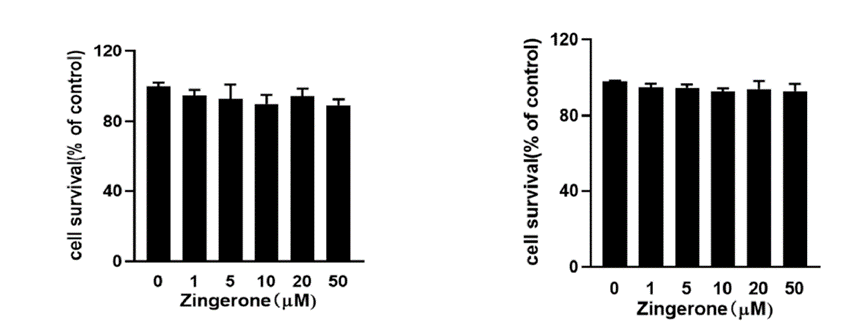
Zingerone demonstrated no cytotoxicity toward BMMCs and RBL-2H3 cells after 8 h of incubation across concentrations of 1–50 μM, as quantified by CCK-8 assays.
Zingerone purchased from MedChemExpress. Usage Cited in: Curr Issues Mol Biol. 2025 Nov 19;47(11):963. [Abstract]
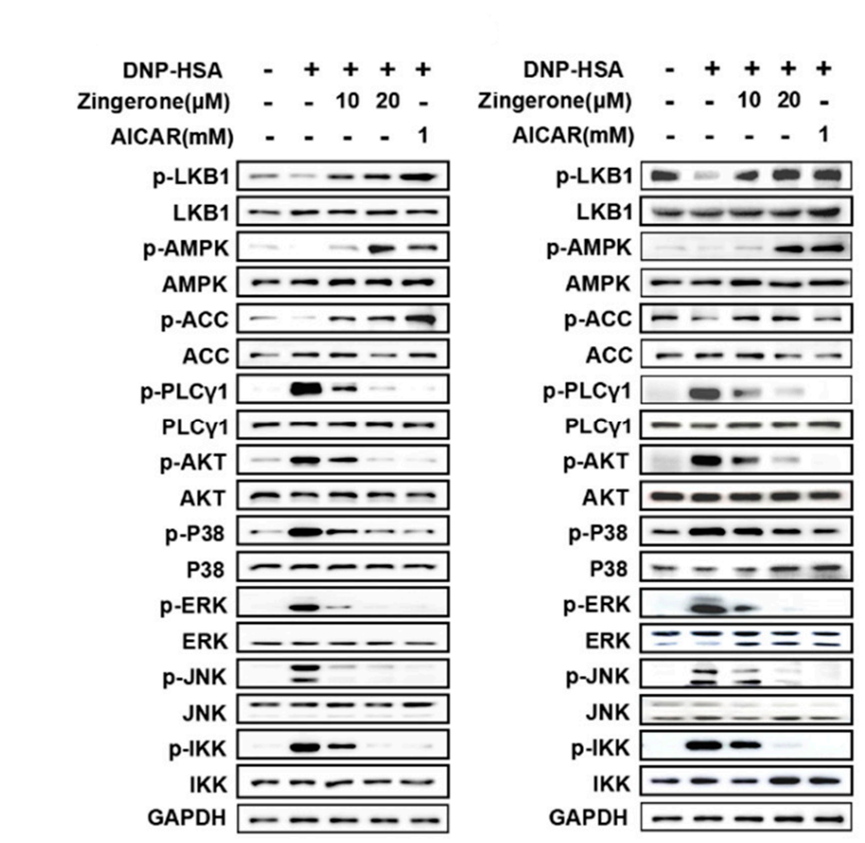
IgE-sensitized BMMCs were pretreated with graded Zingerone concentrations (10, 20 μM, 2 h) followed by DNP-HSA (Ag) stimulation (15 min–8 h). Immunoblotting of cell lysates demonstrated dose-dependent inhibition of FcεRI-proximal signaling phosphoproteins.
Zingerone purchased from MedChemExpress. Usage Cited in: Curr Issues Mol Biol. 2025 Nov 19;47(11):963. [Abstract]
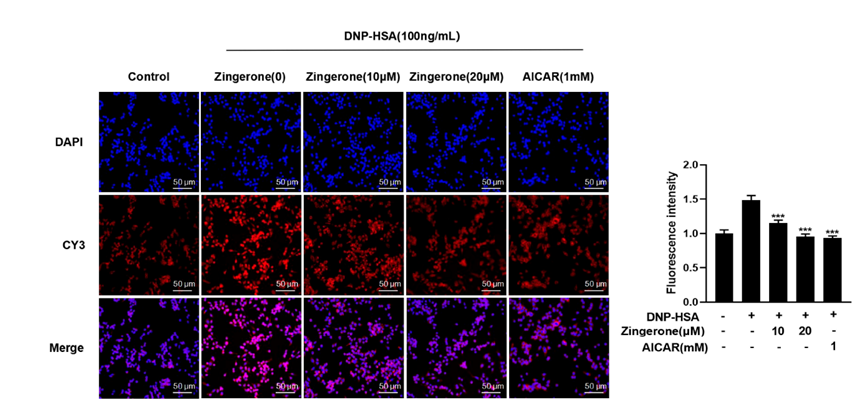
Zingerone (10, 20 μM) improves AMPK enucleation by mast cell activation by immunofluorescence staining.
Zingerone purchased from MedChemExpress. Usage Cited in: Curr Issues Mol Biol. 2025 Nov 19;47(11):963. [Abstract]
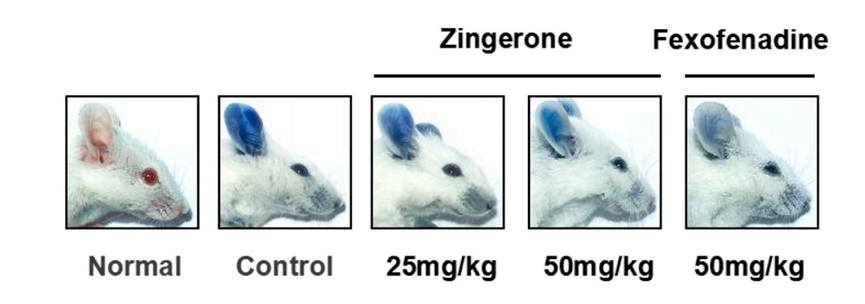
Ear tissue dye extravasation was quantified after 1 h by formamide extraction at 63 °C overnight and quantified by absorbance at 630 nm treated with Zingerone (25 or 50 mg/kg, p.o.).
-
-
Toxicol Mech Methods
Combined treatment of zingerone and nilotinib induces cytotoxicity and reverses nilotinib resistance in chronic myeloid leukemia cells via inhibition of the PI3K signaling. [Abstract]2026 Jun 25:1-12. PMID: 42310855 -
Braz J Med Biol Res
Zingerone alleviates diabetic nephropathy by interrupting the ER stress-inflammation-apoptosis cascade in streptozotocin-induced diabetic mice. [Abstract]2026 Jul 3:59:e15216. PMID: 42417751 -
Saudi J Biol Sci
Zingerone attenuates intestinal injury and colitis caused by a high-fat diet through Nrf2 signaling regulation. [Abstract]2023 Oct;30(10):103775. PMID: 37766888
Zingerone purchased from MedChemExpress. Usage Cited in: Saudi J Biol Sci. 2023 Oct;30(10):103775. [Abstract]
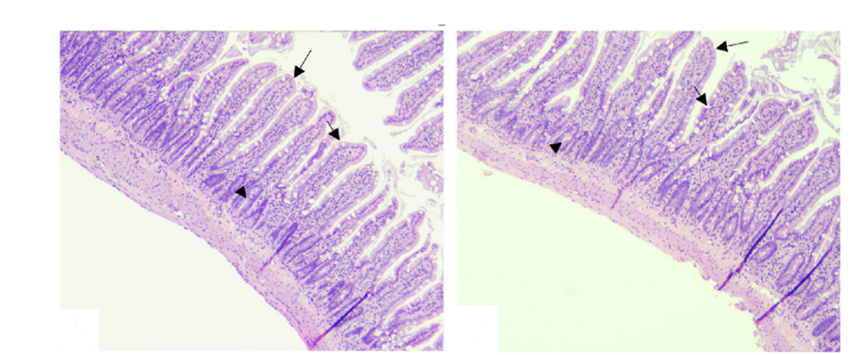
Photomicrographs were taken from control and Zingerone (100 mg/kg, p.o.)-treated animals and demonstrated normal duodenal histology of the epithelia with obvious intact microvilli (long arrow) at the top of the mucosa, goblet cells (short arrow), and intestinal crypts (arrowhead).


Lösungsmittel & Löslichkeit
In Vitro:
DMSO : 100 mg/mL (514.85 mM; Need ultrasonic; Hygroscopic DMSO has a significant impact on the solubility of product, please use newly opened DMSO)
Please refer to the solubility information to select the appropriate solvent. Once prepared, please aliquot and store the solution to prevent product inactivation from repeated freeze-thaw cycles.
Storage method and period of stock solution: -80°C, 6 months; -20°C, 1 month (sealed storage, away from moisture). When stored at -80°C, please use it within 6 months. When stored at -20°C, please use it within 1 month.
Please refer to the solubility information to select the appropriate solvent. Once prepared, please aliquot and store the solution to prevent product inactivation from repeated freeze-thaw cycles.
Storage method and period of stock solution: -80°C, 6 months; -20°C, 1 month (sealed storage, away from moisture). When stored at -80°C, please use it within 6 months. When stored at -20°C, please use it within 1 month.
Konzentration (Stammlösung) × Volumen (Stammlösung) = Konzentration (Ziellösung) × Volumen (Ziellösung)
In Vivo:
Select the appropriate dissolution method based on your experimental animal and administration route.
- For the following dissolution methods, please ensure to first prepare a clear stock solution using an In Vitro approach and then sequentially add co-solvents:
- To ensure reliable experimental results, the clarified stock solution can be appropriately stored based on storage conditions. As for the working solution for In Vivo experiments, it is recommended to prepare freshly and use it on the same day.
- The percentages shown for the solvents indicate their volumetric ratio in the final prepared solution. If precipitation or phase separation occurs during preparation, heat and/or sonication can be used to aid dissolution.
Add each solvent one by one: 10% DMSO 40% PEG300 5% Tween-80 45% Saline
Solubility: ≥ 2.5 mg/mL (12.87 mM); Clear solution
This protocol yields a clear solution of ≥ 2.5 mg/mL (saturation unknown).
Taking 1 mL working solution as an example, add 100 μL DMSO stock solution (25.0 mg/mL) to 400 μL PEG300, and mix evenly; then add 50 μL Tween-80 and mix evenly; then add 450 μL Saline to adjust the volume to 1 mL.
Preparation of Saline: Dissolve 0.9 g sodium chloride in ddH₂O and dilute to 100 mL to obtain a clear Saline solution.
Add each solvent one by one: 10% DMSO 90% (20% SBE-β-CD in Saline)
Solubility: ≥ 2.5 mg/mL (12.87 mM); Clear solution
This protocol yields a clear solution of ≥ 2.5 mg/mL (saturation unknown).
Taking 1 mL working solution as an example, add 100 μL DMSO stock solution (25.0 mg/mL) to 900 μL 20% SBE-β-CD in Saline, and mix evenly.
Preparation of 20% SBE-β-CD in Saline (4°C, storage for one week): 2 g SBE-β-CD powder is dissolved in 10 mL Saline, completely dissolve until clear.
In Vivo Dissolution Calculator
Please enter the basic information of animal experiments:
-
-
-
-
Recommended: Prepare an additional quantity of animals to account for potential losses during experiments.
Please enter your animal formula composition:
-
%DMSO +
Recommended: Keep the proportion of DMSO in working solution below 2% if your animal is weak.
-
%+
-
+%Tween-80 + +
-
%Saline +
The co-solvents required include: DMSO, . All of co-solvents are available by MedChemExpress (MCE). , Tween 80. All of co-solvents are available by MedChemExpress (MCE).
Working solution concentration: 0.22 mg/mL
Method for preparing stock solution: mg drug dissolved in μL DMSO. Stock solution concentration: mg/mL. * In solvent : -80°C, 6 months; -20°C, 1 month (sealed storage, away from moisture)
1. Take μL DMSO stock solution;
2. Add μL .
μL , mix evenly;
3. Then add μL Tween 80, mix evenly;
4. Then add μL
Please ensure that the stock solution in the first step is dissolved to a clear state, and add co-solvents in sequence. You can use ultrasonic heating (ultrasonic cleaner, recommended frequency 20-40 kHz), vortexing, etc. to assist dissolution.


Reinheit & Dokumentation
-
Data Sheet (274 KB)
-
SDS (394 KB)
- English - EN (394 KB)
- Français - FR (394 KB)
- Deutsch - DE (394 KB)
- Norwegian - NO (394 KB)
- Español - ES (394 KB)
- Swedish - SV (394 KB)
- Italian - IT (394 KB)
- Korean - KR (394 KB)
- Portuguese - PT (394 KB)
-
Handling Instructions (2659 KB)
Verweise
[1]. Ahmad B, et al. A Review on Pharmacological Properties of Zingerone (4-(4-Hydroxy-3-methoxyphenyl)-2-butanone). ScientificWorldJournal. 2015;2015:816364. [Content Brief]
[2]. Ahmad B, et al. Zingerone (4-(4-hydroxy-3-methylphenyl) butan-2-one) protects against alloxan-induced diabetes via alleviation of oxidative stress and inflammation: Probable role of NF-kB activation. Saudi Pharm J. 2018 Dec;26(8):1137-1145. [Content Brief]
[3]. Choi JS, et al. Zingerone Suppresses Tumor Development through Decreasing Cyclin D1 Expression and Inducing Mitotic Arrest. Int J Mol Sci. 2018 Sep 19;19(9). [Content Brief]
[4]. Rashid S, et al. Zingerone Targets Status Epilepticus by Blocking Hippocampal Neurodegeneration via Regulation of Redox Imbalance, Inflammation and Apoptosis. Pharmaceuticals (Basel). 2021 Feb 11;14(2):146. [Content Brief]


Complete Stock Solution Preparation Table
Please refer to the solubility information to select the appropriate solvent. Once prepared, please aliquot and store the solution to prevent product inactivation from repeated freeze-thaw cycles.
Storage method and period of stock solution: -80°C, 6 months; -20°C, 1 month (sealed storage, away from moisture). When stored at -80°C, please use it within 6 months. When stored at -20°C, please use it within 1 month.
| Optional Solvent | Concentration Solvent Mass | 1 mg | 5 mg | 10 mg | 25 mg |
|---|---|---|---|---|---|
| DMSO | 1 mM | 5.1485 mL | 25.7427 mL | 51.4854 mL | 128.7134 mL |
| 5 mM | 1.0297 mL | 5.1485 mL | 10.2971 mL | 25.7427 mL | |
| 10 mM | 0.5149 mL | 2.5743 mL | 5.1485 mL | 12.8713 mL | |
| 15 mM | 0.3432 mL | 1.7162 mL | 3.4324 mL | 8.5809 mL | |
| 20 mM | 0.2574 mL | 1.2871 mL | 2.5743 mL | 6.4357 mL | |
| 25 mM | 0.2059 mL | 1.0297 mL | 2.0594 mL | 5.1485 mL | |
| 30 mM | 0.1716 mL | 0.8581 mL | 1.7162 mL | 4.2904 mL | |
| 40 mM | 0.1287 mL | 0.6436 mL | 1.2871 mL | 3.2178 mL | |
| 50 mM | 0.1030 mL | 0.5149 mL | 1.0297 mL | 2.5743 mL | |
| 60 mM | 0.0858 mL | 0.4290 mL | 0.8581 mL | 2.1452 mL | |
| 80 mM | 0.0644 mL | 0.3218 mL | 0.6436 mL | 1.6089 mL | |
| 100 mM | 0.0515 mL | 0.2574 mL | 0.5149 mL | 1.2871 mL |


Zingerone Related Classifications
HY-14621 Related Classifications
 Powered by Bioz