



Costunolide
Based on 7 publication(s) in Google Scholar
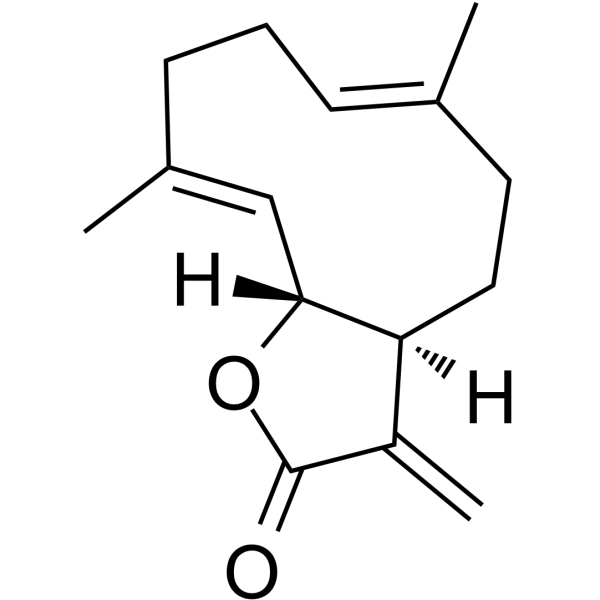
Costunolide ((+)-Costunolide) is a naturally occurring sesquiterpene lactone, with antioxidative, anti-inflammatory, antiallergic, bone remodeling, neuroprotective, hair growth promoting, anticancer, and antidiabetic properties. Costunolide can induce cell cycle arrest and apoptosis on breast cancer cells.
Nos produits utilisent uniquement pour la recherche. Nous ne vendons pas aux patients.
- Pureté : 99.92%
- CAS No.: 553-21-9
- Formule: C15H20O2
- Masse moléculaire:232.32
-
Stockage:
-20°C, sealed storage, away from moisture and light
* In solvent : -80°C, 6 months; -20°C, 1 month (sealed storage, away from moisture and light)

To place orders, for customer services and technical support, please contact: MedChemExpress USA
Tel: 609-228-6898 E-mail: [email protected] [email protected]


-
 Activité biologique
-
Chemical Information
-
Solvant et solubilité
- Protocole
- Pureté et documentation
- Références
-
 Help & FAQs


-
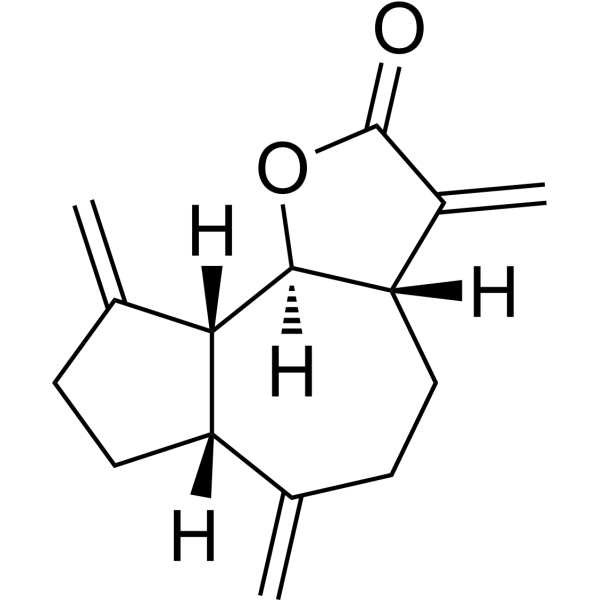
HY-N0591
Dehydrocostus LactoneSesquiterpene -
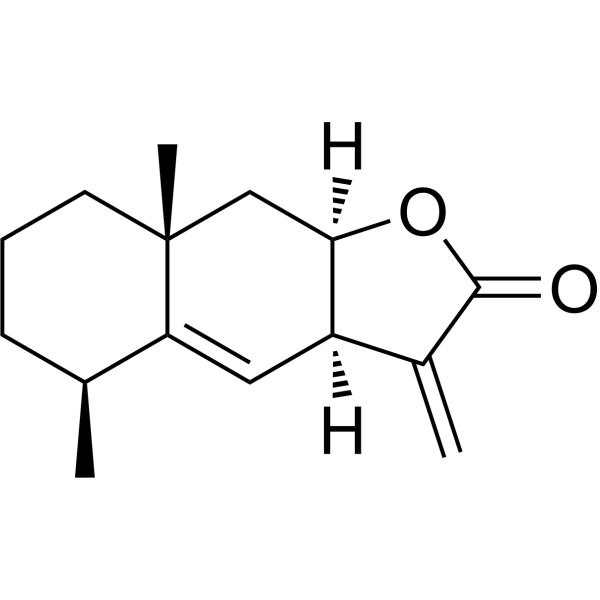
HY-N0038
AlantolactoneApoptosis Inducer -
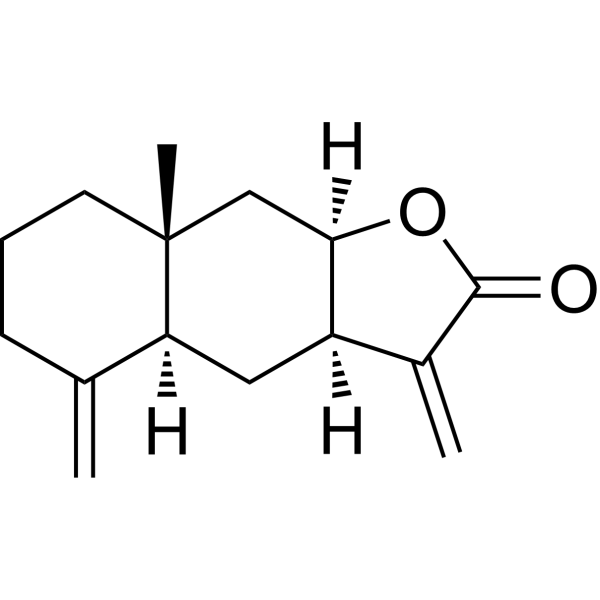
HY-N0780
IsoalantolactoneBacterial Inhibitor -
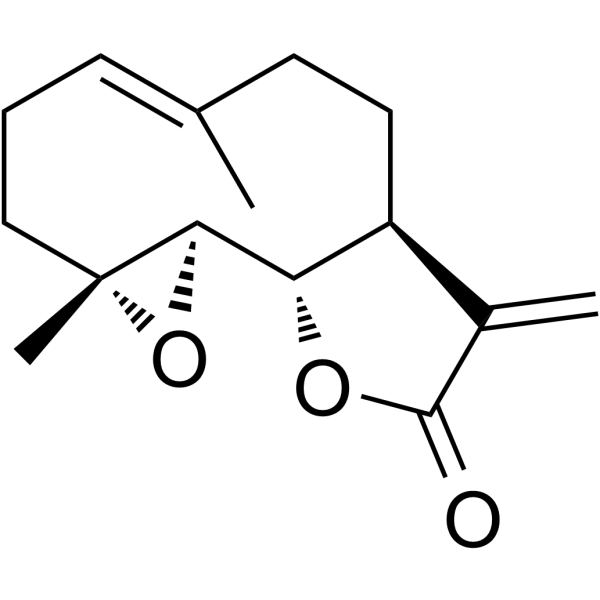
HY-N0141
ParthenolideNF-κB Inhibitor -
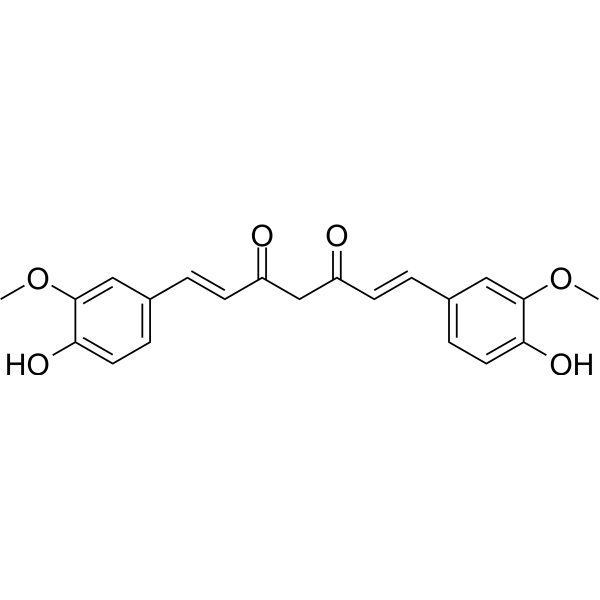
HY-N0005
Curcuminp300 Histone Acetylatransferase Inhibitor -
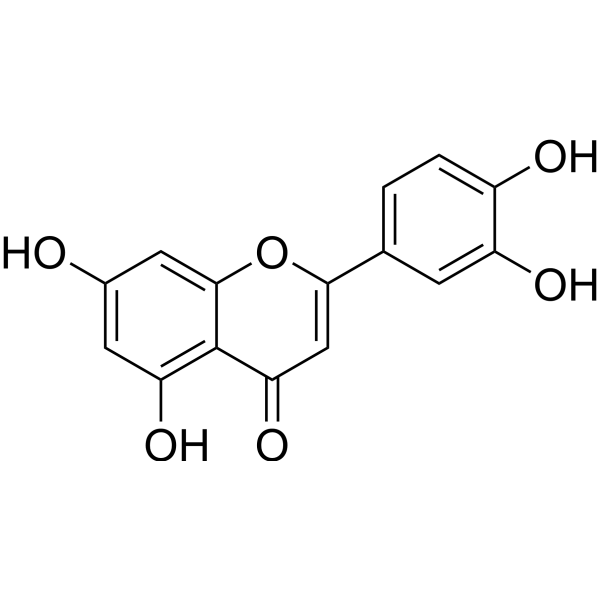
HY-N0162
LuteolinNrf2 Inhibitor -
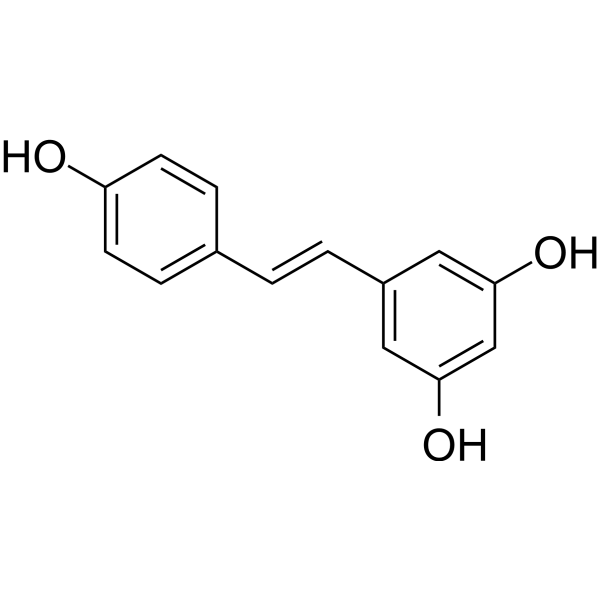
HY-16561
ResveratrolPolyphenolic Phytoalexin -
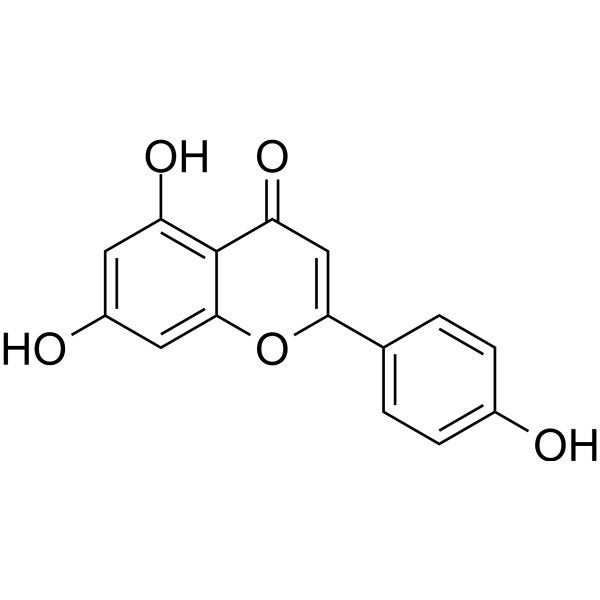
HY-N1201
ApigeninCytochrome P450 Inhibitor -
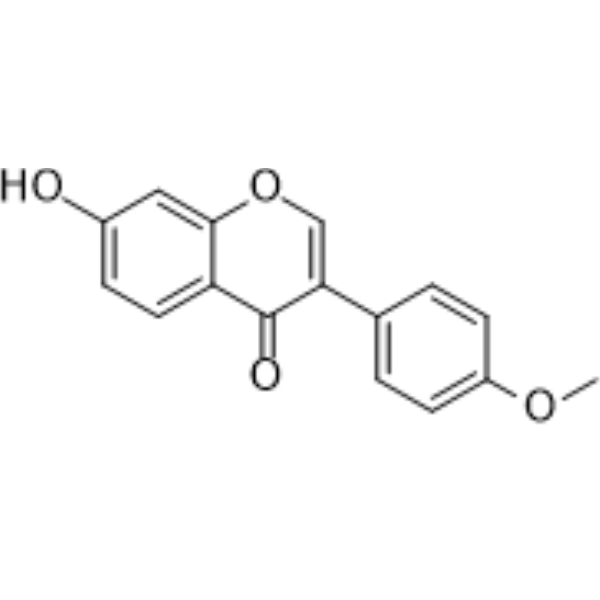
HY-N0183
FormononetinFGFR2 Inhibitor -
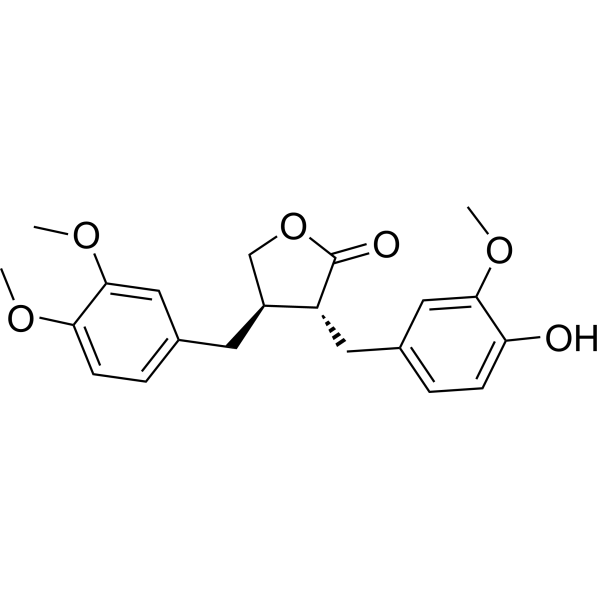
HY-N0035
ArctigeninAntitumor Agent -

HY-N0036R
Costunolide (Standard)Apoptosis inducer -
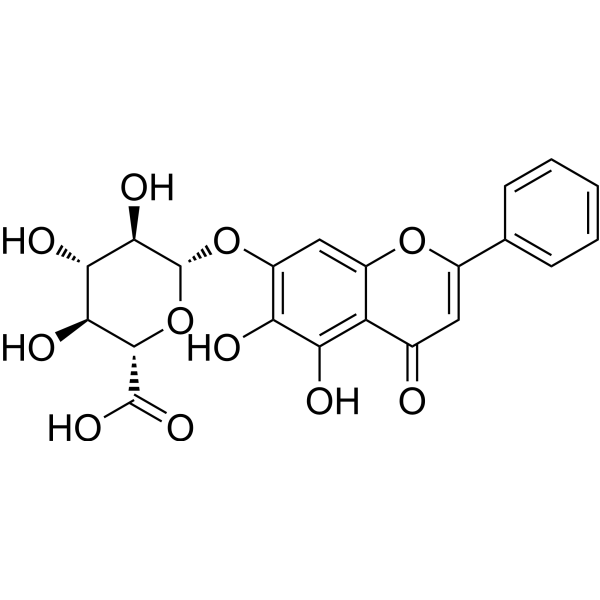
HY-N0197
BaicalinAutophagy Inducer
Publications Citing Use of MedChemExpress (MCE) Costunolide
More- Cell Mol Biol Lett. 2019 Aug 14:24:52. [Abstract]
- Phytomedicine. 2025 May:140:156484. [Abstract]
- Mol Cancer Ther. 2026 Jul 15:10.1158/1535-7163.MCT-26-0182.
- ACS Omega. 2024 Feb 28;9(10):11870-11882. [Abstract]
- Molecules. 2020 Jun 19;25(12):2840. [Abstract]
- Gene. 2018 Dec 15:678:261-269. [Abstract]
- SSRN. 2023 Feb 27.
 Customer Validation & Images

-
Cell Proliferation/Viability Assay
-
RT-PCR
-
WB
-
Bio/Physico-chemical Assay
-
RT-PCR
Voir tous les produits spécifiques à Isoform Endogenous Metabolite
More

Activité biologique
Description
IC50 & Target
Cellular Effect
|
Cell Line

|
Type | Value | Description | References |
|---|---|---|---|---|
| A549 | IC50 |
12.3 μM
Compound: 1
|
Cytotoxicity against human A549 cell line
Cytotoxicity against human A549 cell line
|
[PMID: 16766184] |
| C6 | IC50 |
4.1 μM
Compound: 1
|
Cytotoxicity against rat C6 cells
Cytotoxicity against rat C6 cells
|
[PMID: 26226279] |
| DU-145 | IC50 |
29.2 μM
Compound: 1
|
Cytotoxicity against human DU145 cell line
Cytotoxicity against human DU145 cell line
|
[PMID: 16766184] |
| HBL-100 | IC50 |
10.3 μM
Compound: 1
|
Cytotoxicity against human HBL100 cell line
Cytotoxicity against human HBL100 cell line
|
[PMID: 16766184] |
| HL-60 | IC50 |
2.1 μM
Compound: 1
|
Cytotoxicity against human HL60 cells
Cytotoxicity against human HL60 cells
|
[PMID: 26226279] |
| HL-60 | IC50 |
7.7 μM
Compound: 2
|
Cytotoxicity against human HL60 cells after 18 hrs by annexin-V labeling-based flow cytometry
Cytotoxicity against human HL60 cells after 18 hrs by annexin-V labeling-based flow cytometry
|
[PMID: 22985027] |
| K562 | IC50 |
14.5 μM
Compound: 1
|
Cytotoxicity against human K562 cell line
Cytotoxicity against human K562 cell line
|
[PMID: 16766184] |
| KB | ED50 |
0.57 μg/mL
Compound: 4, Costunolide
|
Cytotoxicity against human KB cells
Cytotoxicity against human KB cells
|
[PMID: 17336532] |
| KB | ED50 |
2.46 μM
Compound: costunolide
|
Cytotoxicity against human KB cells
Cytotoxicity against human KB cells
|
[PMID: 18329753] |
| KB | IC50 |
28.9 μM
Compound: 1
|
Cytotoxicity against human KB cell line
Cytotoxicity against human KB cell line
|
[PMID: 16766184] |
| KG-1a | IC50 |
4.1 μM
Compound: 1
|
Cytotoxicity against human KG1a cells
Cytotoxicity against human KG1a cells
|
[PMID: 26226279] |
| Macrophage | IC50 |
1.2 μg/mL
Compound: 9
|
Antiinflammatory activity in mouse macrophages assessed as LPS-induced nitric oxide production
Antiinflammatory activity in mouse macrophages assessed as LPS-induced nitric oxide production
|
10.1039/C2MD20172K |
| MIA PaCa-2 | IC50 |
17.7 μM
Compound: 1
|
Cytotoxicity against human MiaPaca2 cell line
Cytotoxicity against human MiaPaca2 cell line
|
[PMID: 16766184] |
| NALM-6 | IC50 |
65 μM
Compound: Costunolide
|
Inhibition of telomerase in human NALM6 cells by TRAP assay
Inhibition of telomerase in human NALM6 cells by TRAP assay
|
10.1039/C0MD00241K |
| NIH3T3 | IC50 |
13.9 μM
Compound: 1
|
Cytotoxicity against mouse NIH3T3 cell line
Cytotoxicity against mouse NIH3T3 cell line
|
[PMID: 16766184] |
| PA-1 | IC50 |
10.6 μM
Compound: 1
|
Cytotoxicity against human PA1 cell line
Cytotoxicity against human PA1 cell line
|
[PMID: 16766184] |
| RAW264.7 | IC50 |
>50 μM
Compound: 22
|
Antiinflammatory activity in mouse RAW264.7 assessed as inhibition of LPS-induced NO production preincubated for 30 mins followed by LPS stimulation measured after 24 hrs by Griess reagent based assay
Antiinflammatory activity in mouse RAW264.7 assessed as inhibition of LPS-induced NO production preincubated for 30 mins followed by LPS stimulation measured after 24 hrs by Griess reagent based assay
|
[PMID: 33939429] |
| SW-620 | IC50 |
7.8 μM
Compound: 1
|
Cytotoxicity against human SW620 cell line
Cytotoxicity against human SW620 cell line
|
[PMID: 16766184] |
| T-cell | IC50 |
2.57 μM
Compound: Cos
|
Immunomodulatory activity in C57BL/6 mouse mesenteric lymph node T cells assessed as inhibition of concanavalin A stimulated T-cell proliferation incubated for 68 hrs by CCK-8 assay
Immunomodulatory activity in C57BL/6 mouse mesenteric lymph node T cells assessed as inhibition of concanavalin A stimulated T-cell proliferation incubated for 68 hrs by CCK-8 assay
|
[PMID: 37017305] |
In Vitro
Costunolide inhibits the colony formation, migrative and invasive abilities of the H1299 cells in a dose or time dependent manner[2].
Costunolide (6.7-215.2 μM; 24 hours) inhibits the viability of H1299 cells in a dose-dependent manner, with an IC50 of 23.93 μM[2].
Costunolide (12.0-48.0 μM; 48 hours) induces apoptosis in H1299 cells[2].
Costunolide (12-48.0 μM; 6-12 hours) regulates metastasis- and proliferation-associated mRNA expression[2].
Costunolide regulates epithelial-to-mesenchymal transition (EMT)-associated protein expression[2].
Costunolide regulates c-Myc mediated apoptosis signaling and 14-3-3-mediated signaling pathways in breast cancer cells[3].
MedChemExpress (MCE) has not independently confirmed the accuracy of these methods. They are for reference only. Further protocols information, click here.
-
Cell Line:H1299 cells
-
Concentration:6.7 μM, 13.5 μM, 26.9 μM, 107.6 μM, 215.2 μM
-
Incubation Time:24 hours
-
Result:Inhibited the viability of H1299 cells (MTT assay).
-
Cell Line:H1299 cells
-
Concentration:0 µM, 12.0 µM, 24.0 µM, 48.0 µM
-
Incubation Time:48 hours
-
Result:Significantly promoted apoptosis at 24.0 µM and 48.0 µM.
-
Cell Line:H1299 cells
-
Concentration:0 µM, 12.0 µM, 24.0 µM, 48.0 µM
-
Incubation Time:6 hours, 12 hours
-
Result:Regulated the metastasis- and proliferation-associated mRNA levels in a dose-dependent manner.
-
Cell Line:H1299 cells
-
Concentration:0 µM, 12.0 µM, 24.0 µM, 48.0 µM
-
Incubation Time:48 hours
-
Result:Significantly inhibited the EMT of H1299 cells.
In Vivo
MedChemExpress (MCE) has not independently confirmed the accuracy of these methods. They are for reference only.
-
Animal Model:4 weeks old female BALB/c nude mice, MDA-MB-231 cells xenograft mouse models[3]
-
Dosage:20 mg/kg
-
Administration:Intraperitoneal injection, daily, for 30 days
-
Result:Reduced the expression levels of c-Myc and p-AKT and elevated the expression levels of p53 and p-14-3-3.


Chemical Information
-
CAS No. 553-21-9
-
Appearance Solid
-
Masse moléculaire 232.32
-
Formule C15H20O2
-
Color White to yellow
-
SMILES
O=C(O[C@@]1([H])[C@@]2([H])CC/C(C)=C/CC/C(C)=C/1)C2=C
-
Synonyms
(+)-Costunolide; Costus lactone
-
Structure Classification
-
Livraison
Room temperature in continental US; may vary elsewhere.
-
Stockage
-20°C, sealed storage, away from moisture and light
* In solvent : -80°C, 6 months; -20°C, 1 month (sealed storage, away from moisture and light)


Publications (7)
-
Journal Impact Factor
-
Most Recent
-
Cell Mol Biol Lett
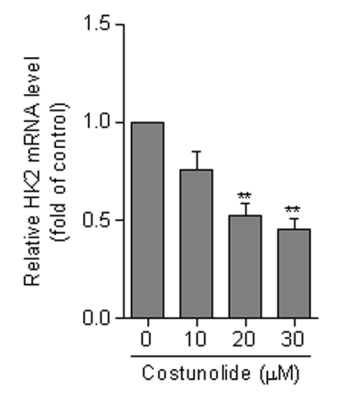
Costunolide reduces glycolysis-associated activation of hepatic stellate cells via inhibition of hexokinase-2. [Abstract]2019 Aug 14:24:52. PMID: 31428167
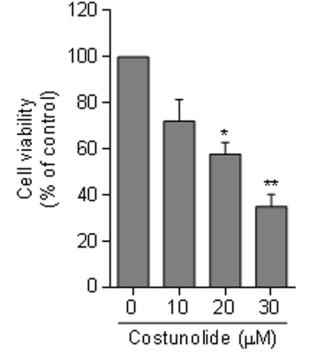
Costunolide purchased from MedChemExpress. Usage Cited in: Cell Mol Biol Lett. 2019 Aug 14:24:52. [Abstract]
Costunolide reduces HSC activation. Primary rat HSCs at passages 3 through 5 were treated with Costunolide (0-30 μM) at the indicated concentrations for 24 h. MTT assay for evaluating cell viability, which is presented as a percentage of the control.
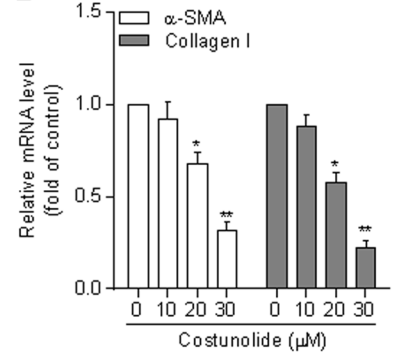
Costunolide purchased from MedChemExpress. Usage Cited in: Cell Mol Biol Lett. 2019 Aug 14:24:52. [Abstract]
Costunolide reduces HSC activation. Primary rat HSCs at passages 3 through 5 were treated with Costunolide (0-30 μM) at the indicated concentrations for 24 h. Real-time PCR for determining the mRNA expression of α-SMA and collagen I.
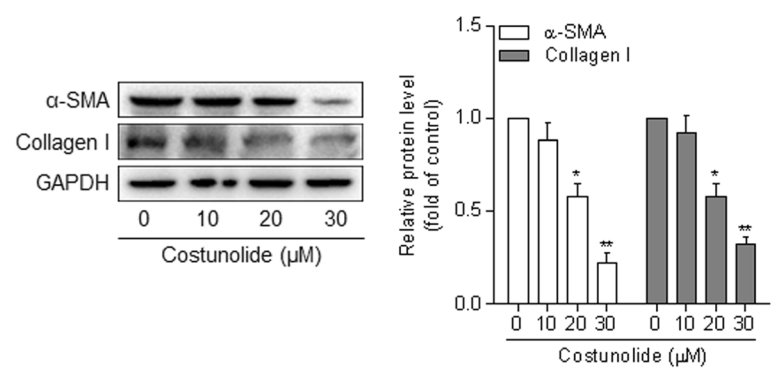
Costunolide purchased from MedChemExpress. Usage Cited in: Cell Mol Biol Lett. 2019 Aug 14:24:52. [Abstract]
Costunolide reduces HSC activation. Primary rat HSCs at passages 3 through 5 were treated with Costunolide (0-30 μM) at the indicated concentrations for 24 h. Western blot assay for determining the protein expression of α-SMA and collagen I with quantification of the blots.
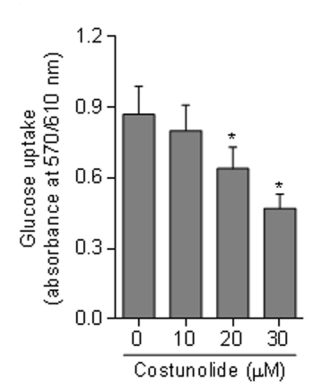
Costunolide purchased from MedChemExpress. Usage Cited in: Cell Mol Biol Lett. 2019 Aug 14:24:52. [Abstract]
Costunolide blocks aerobic glycolysis in HSCs. Primary rat HSCs at passages 3 through 5 were treated with Costunolide (0-30 μM) at the indicated concentrations for 24 h. Measurement of glucose uptake using absorbance at 570/610 nm.
Costunolide purchased from MedChemExpress. Usage Cited in: Cell Mol Biol Lett. 2019 Aug 14:24:52. [Abstract]
Blockade of aerobic glycolysis contributes to the reduction in HSC activation by costunolide. Primary rat HSCs at passages 3 through 5 were treated with Costunolide (30 μM) and/or 2-DG at the indicated concentrations for 24 h. Real-time PCR for determining the mRNA expression of α-SMA and collagen I.
-
Phytomedicine
Fangchinoline suppresses nasopharyngeal carcinoma progression by inhibiting SQLE to regulate the PI3K/AKT pathway dysregulation. [Abstract]2025 May:140:156484. PMID: 40090046 -
-
ACS Omega
Identification of New Modulators and Inhibitors of Palmitoyl-Protein Thioesterase 1 for CLN1 Batten Disease and Cancer. [Abstract]2024 Feb 28;9(10):11870-11882. PMID: 38496939 -
Molecules
Costunolide Plays an Anti-Neuroinflammation Role in Lipopolysaccharide-Induced BV2 Microglial Activation by Targeting Cyclin-Dependent Kinase 2. [Abstract]2020 Jun 19;25(12):2840. PMID: 32575562 -
Gene
Activation of p53 by costunolide blocks glutaminolysis and inhibits proliferation in human colorectal cancer cells. [Abstract]2018 Dec 15:678:261-269. PMID: 30103008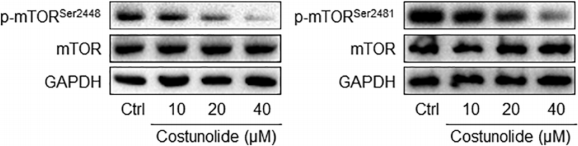
Costunolide purchased from MedChemExpress. Usage Cited in: Gene. 2018 Dec 15:678:261-269. [Abstract]
Western blot analysis of mTOR phosphorylation at Ser2448 and Ser2481 with quantification.
-


Solvant et solubilité
In Vitro:
DMSO : 100 mg/mL (430.44 mM; Need ultrasonic; Hygroscopic DMSO has a significant impact on the solubility of product, please use newly opened DMSO)
Ethanol : 25 mg/mL (107.61 mM; ultrasonic and warming and heat to 60°C)
Please refer to the solubility information to select the appropriate solvent. Once prepared, please aliquot and store the solution to prevent product inactivation from repeated freeze-thaw cycles.
Storage method and period of stock solution: -80°C, 6 months; -20°C, 1 month (sealed storage, away from moisture and light). When stored at -80°C, please use it within 6 months. When stored at -20°C, please use it within 1 month.
Please refer to the solubility information to select the appropriate solvent. Once prepared, please aliquot and store the solution to prevent product inactivation from repeated freeze-thaw cycles.
Storage method and period of stock solution: -80°C, 6 months; -20°C, 1 month (sealed storage, away from moisture and light). When stored at -80°C, please use it within 6 months. When stored at -20°C, please use it within 1 month.
Concentration (start) × Volume (start) = Concentration (final) × Volume (final)
In Vivo:
Select the appropriate dissolution method based on your experimental animal and administration route.
- For the following dissolution methods, please ensure to first prepare a clear stock solution using an In Vitro approach and then sequentially add co-solvents:
- To ensure reliable experimental results, the clarified stock solution can be appropriately stored based on storage conditions. As for the working solution for In Vivo experiments, it is recommended to prepare freshly and use it on the same day.
- The percentages shown for the solvents indicate their volumetric ratio in the final prepared solution. If precipitation or phase separation occurs during preparation, heat and/or sonication can be used to aid dissolution.
Add each solvent one by one: 10% EtOH 40% PEG300 5% Tween-80 45% Saline
Solubility: ≥ 2.5 mg/mL (10.76 mM); Clear solution
This protocol yields a clear solution of ≥ 2.5 mg/mL (saturation unknown).
Taking 1 mL working solution as an example, add 100 μL EtOH stock solution (25.0 mg/mL) to 400 μL PEG300, and mix evenly; then add 50 μL Tween-80 and mix evenly; then add 450 μL Saline to adjust the volume to 1 mL.
Preparation of Saline: Dissolve 0.9 g sodium chloride in ddH₂O and dilute to 100 mL to obtain a clear Saline solution.
Add each solvent one by one: 10% EtOH 90% (20% SBE-β-CD in Saline)
Solubility: ≥ 2.5 mg/mL (10.76 mM); Clear solution
This protocol yields a clear solution of ≥ 2.5 mg/mL (saturation unknown).
Taking 1 mL working solution as an example, add 100 μL EtOH stock solution (25.0 mg/mL) to 900 μL 20% SBE-β-CD in Saline, and mix evenly.
Preparation of 20% SBE-β-CD in Saline (4°C, storage for one week): 2 g SBE-β-CD powder is dissolved in 10 mL Saline, completely dissolve until clear.
Add each solvent one by one: 10% EtOH 90% Corn Oil
Solubility: ≥ 2.5 mg/mL (10.76 mM); Clear solution
This protocol yields a clear solution of ≥ 2.5 mg/mL (saturation unknown). If the continuous dosing period exceeds half a month, please choose this protocol carefully.
Taking 1 mL working solution as an example, add 100 μL EtOH stock solution (25.0 mg/mL) to 900 μL Corn oil, and mix evenly.
Add each solvent one by one: 10% DMSO 40% PEG300 5% Tween-80 45% Saline
Solubility: ≥ 2.08 mg/mL (8.95 mM); Clear solution
This protocol yields a clear solution of ≥ 2.08 mg/mL (saturation unknown).
Taking 1 mL working solution as an example, add 100 μL DMSO stock solution (20.8 mg/mL) to 400 μL PEG300, and mix evenly; then add 50 μL Tween-80 and mix evenly; then add 450 μL Saline to adjust the volume to 1 mL.
Preparation of Saline: Dissolve 0.9 g sodium chloride in ddH₂O and dilute to 100 mL to obtain a clear Saline solution.
Add each solvent one by one: 10% DMSO 90% (20% SBE-β-CD in Saline)
Solubility: ≥ 2.08 mg/mL (8.95 mM); Clear solution
This protocol yields a clear solution of ≥ 2.08 mg/mL (saturation unknown).
Taking 1 mL working solution as an example, add 100 μL DMSO stock solution (20.8 mg/mL) to 900 μL 20% SBE-β-CD in Saline, and mix evenly.
Preparation of 20% SBE-β-CD in Saline (4°C, storage for one week): 2 g SBE-β-CD powder is dissolved in 10 mL Saline, completely dissolve until clear.
In Vivo Dissolution Calculator
Please enter the basic information of animal experiments:
-
-
-
-
Recommended: Prepare an additional quantity of animals to account for potential losses during experiments.
Please enter your animal formula composition:
-
%DMSO +
Recommended: Keep the proportion of DMSO in working solution below 2% if your animal is weak.
-
%+
-
+%Tween-80 + +
-
%Saline +
The co-solvents required include: DMSO, . All of co-solvents are available by MedChemExpress (MCE). , Tween 80. All of co-solvents are available by MedChemExpress (MCE).
Working solution concentration: 0.22 mg/mL
Method for preparing stock solution: mg drug dissolved in μL DMSO. Stock solution concentration: mg/mL. * In solvent : -80°C, 6 months; -20°C, 1 month (sealed storage, away from moisture and light)
1. Take μL DMSO stock solution;
2. Add μL .
μL , mix evenly;
3. Then add μL Tween 80, mix evenly;
4. Then add μL
Please ensure that the stock solution in the first step is dissolved to a clear state, and add co-solvents in sequence. You can use ultrasonic heating (ultrasonic cleaner, recommended frequency 20-40 kHz), vortexing, etc. to assist dissolution.

Protocole
-
Apoptosis
Apoptosis, also called programmed cell death, is generally characterized by distinct morphological characteristics.
-
TUNEL staining for apoptotic DNA fragmentation
TUNEL staining detects DNA strand breaks by using terminal deoxynucleotidyl transferase to add labeled nucleotides to exposed 3′-OH DNA termini, generating either microscopic staining in fixed cells or tissue sections, or fluorescence/cytometric signal in cell suspensions. TUNEL positivity reflects DNA fragmentation but should not be interpreted alone as definitive apoptosis, because TUNEL can also label necrotic, autolytic, mechanically damaged, or DNA-repair-associated DNA breaks.
-
Flow cytometric DNA-content cell-cycle staining
Flow cytometric DNA-content cell-cycle staining measures the fluorescence intensity of DNA-bound fluorochromes in single cells or nuclei to estimate DNA content distributions, allowing assignment of populations to G0/G1, S, and G2/M phases by DNA histogram deconvolution. Propidium iodide (PI) intercalates into DNA, and PI fluorescence is proportional to cellular DNA content when staining is performed under conditions that make DNA accessible and minimize non-DNA signal. Cells with G2/M DNA content are expected to show approximately twice the fluorescence intensity of G0/G1 cells, while S-phase cells occupy intermediate fluorescence values. PI-based DNA-content analysis can also detect cells with fractional DNA content, often reported as sub-G1, when DNA fragmentation and extraction during staining reduce retained DNA signal in apoptotic cells. DAPI is an alternative DNA fluorochrome for univariate DNA-content analysis, while bivariate approaches combining DNA content with proliferation
-
Annexin V plus membrane-impermeant dye apoptosis staining
Annexin V-based apoptosis assays rely on the detection of phosphatidylserine (PS) externalization from the inner leaflet of the plasma membrane to the outer leaflet, an early biochemical hallmark of apoptosis. Fluorescently labeled Annexin V binds PS in a calcium-dependent manner, enabling identification of early apoptotic cells by flow cytometry or fluorescence microscopy. When combined with a membrane-impermeant DNA-binding dye (e. g. , propidium iodide), this approach allows discrimination between viable (Annexin V−/dye−), early apoptotic (Annexin V+/dye−), and late apoptotic or necrotic (Annexin V+/dye+) cell populations by assessing membrane integrity and PS exposure.
-
BrdU Incorporation Assay
Bromodeoxyuridine (BrdU) incorporation assay is based on the principle that BrdU, a thymidine analog, is incorporated into newly synthesized DNA during the S phase of the cell cycle, thereby serving as a marker of DNA replication and cellular proliferation. Incorporated BrdU can be detected using anti-BrdU antibodies following DNA denaturation, enabling visualization or quantification of proliferating cells through immunochemical detection methods such as immunofluorescence or immunohistochemistry.
-
Apoptosis Solutions
Apoptosis is a regulated, generally non-lytic cell-death pathway that removes unwanted, damaged, infected, or abnormal cells through coordinated morphological changes, caspase activation, DNA fragmentation, and membrane remodeling. The intrinsic apoptosis pathway is controlled mainly by mitochondrial outer membrane permeabilization, BCL-2 family proteins, cytochrome c release, apoptosome formation, caspase-9 activation, and downstream executioner caspase-3/7 activation. The extrinsic apoptosis pathway is initiated by death receptors such as Fas, TNFR, and TRAIL receptors, which recruit adaptor proteins and activate caspase-8 before engaging executioner caspases or mitochondrial amplification through BID cleavage. Apoptosis is linked to many phenotypes, including cancer cell killing, tissue homeostasis, immune regulation, neurodegeneration, infection response, and treatment-induced cytotoxicity; unresolved questions include how apoptosis interacts with necroptosis, pyroptosis, ferroptos
-
Protocol for Cell Cycle
Cell-cycle analysis by flow cytometry measures DNA content in single cells to estimate the fraction of cells in G0/G1, S, and G2/M phases. Propidium iodide intercalates into DNA, and after RNA removal with RNase, fluorescence intensity reflects cellular DNA content: 2N cells are assigned to G0/G1, cells between 2N and 4N to S phase, and 4N cells to G2/M. DNA-content analysis alone cannot reliably separate G0 from G1 or G2 from M. Ki-67 can distinguish quiescent G0 cells from cycling cells, EdU or BrdU incorporation marks active DNA synthesis in S phase, and phospho-histone H3 staining identifies mitotic cells within the 4N population.
-
Research Protocol for Inflammation-related Diseases
The NLRP3 inflammasome is a cytosolic innate immune signaling platform that integrates priming signals and danger-signal activation to promote caspase-1 activation, maturation of IL-1β and IL-18, and gasdermin D-mediated pyroptotic cell death. The core experimental logic is to determine whether inflammatory disease phenotypes are driven by increased NLRP3 expression, ASC-containing inflammasome assembly, caspase-1 cleavage, GSDMD cleavage, and extracellular release of IL-1β/IL-18 rather than by nonspecific cell injury alone. The pathway is strongly linked to inflammation-related disease phenotypes because monosodium urate crystals activate NALP3/NLRP3 inflammasome signaling in gout-like crystal inflammation, cholesterol crystals activate NLRP3 inflammasomes in atherogenesis models, and DSS-induced intestinal inflammation has been reported to involve NLRP3 inflammasome activity. However, experimental colitis studies also show context-dependent protective effects of NLRP3 inflammasome co
-
Breast Cancer Modeling
Breast cancer is a heterogeneous cancer, and it has been distinguished into four subtypes: luminal A, luminal B, HER2-positive and basal-like. Molecular mutations, epigenetic alterations, hormone exposure and immune microenvironment are related to the progression of breast cancer.


Pureté et documentation
-
Fiche technique (287 KB)
-
SDS (394 KB)
- English - EN (394 KB)
- Français - FR (394 KB)
- Deutsch - DE (394 KB)
- Norwegian - NO (394 KB)
- Español - ES (394 KB)
- Swedish - SV (394 KB)
- Italian - IT (394 KB)
- Korean - KR (394 KB)
- Portuguese - PT (394 KB)
-
Instruction de manipulation (2659 KB)
Références
[1]. Dae Yong Kim, et al. Costunolide-A Bioactive Sesquiterpene Lactone with Diverse Therapeutic Potential. Int J Mol Sci. 2019 Jun; 20(12): 2926. [Content Brief]
[2]. Minyan Wei, et al. Costunolide induces apoptosis and inhibits migration and invasion in H1299 lung cancer cells. Oncol Rep. 2020 Jun;43(6):1986-1994. [Content Brief]
[3]. Zhangxiao Peng, et al. Costunolide and dehydrocostuslactone combination treatment inhibit breast cancer by inducing cell cycle arrest and apoptosis through c-Myc/p53 and AKT/14-3-3 pathway.Sci Rep. 2017; 7: 41254. [Content Brief]


Complete Stock Solution Preparation Table
Please refer to the solubility information to select the appropriate solvent. Once prepared, please aliquot and store the solution to prevent product inactivation from repeated freeze-thaw cycles.
Storage method and period of stock solution: -80°C, 6 months; -20°C, 1 month (sealed storage, away from moisture and light). When stored at -80°C, please use it within 6 months. When stored at -20°C, please use it within 1 month.
| Optional Solvent | Concentration Solvent Mass | 1 mg | 5 mg | 10 mg | 25 mg |
|---|---|---|---|---|---|
| Ethanol / DMSO | 1 mM | 4.3044 mL | 21.5220 mL | 43.0441 mL | 107.6102 mL |
| 5 mM | 0.8609 mL | 4.3044 mL | 8.6088 mL | 21.5220 mL | |
| 10 mM | 0.4304 mL | 2.1522 mL | 4.3044 mL | 10.7610 mL | |
| 15 mM | 0.2870 mL | 1.4348 mL | 2.8696 mL | 7.1740 mL | |
| 20 mM | 0.2152 mL | 1.0761 mL | 2.1522 mL | 5.3805 mL | |
| 25 mM | 0.1722 mL | 0.8609 mL | 1.7218 mL | 4.3044 mL | |
| 30 mM | 0.1435 mL | 0.7174 mL | 1.4348 mL | 3.5870 mL | |
| 40 mM | 0.1076 mL | 0.5381 mL | 1.0761 mL | 2.6903 mL | |
| 50 mM | 0.0861 mL | 0.4304 mL | 0.8609 mL | 2.1522 mL | |
| 60 mM | 0.0717 mL | 0.3587 mL | 0.7174 mL | 1.7935 mL | |
| 80 mM | 0.0538 mL | 0.2690 mL | 0.5381 mL | 1.3451 mL | |
| 100 mM | 0.0430 mL | 0.2152 mL | 0.4304 mL | 1.0761 mL |


Costunolide Related Classifications
HY-N0036 Related Classifications
 Powered by Bioz